Tempered Glass Dining Tables
Tempered Glass Dining Tables
-
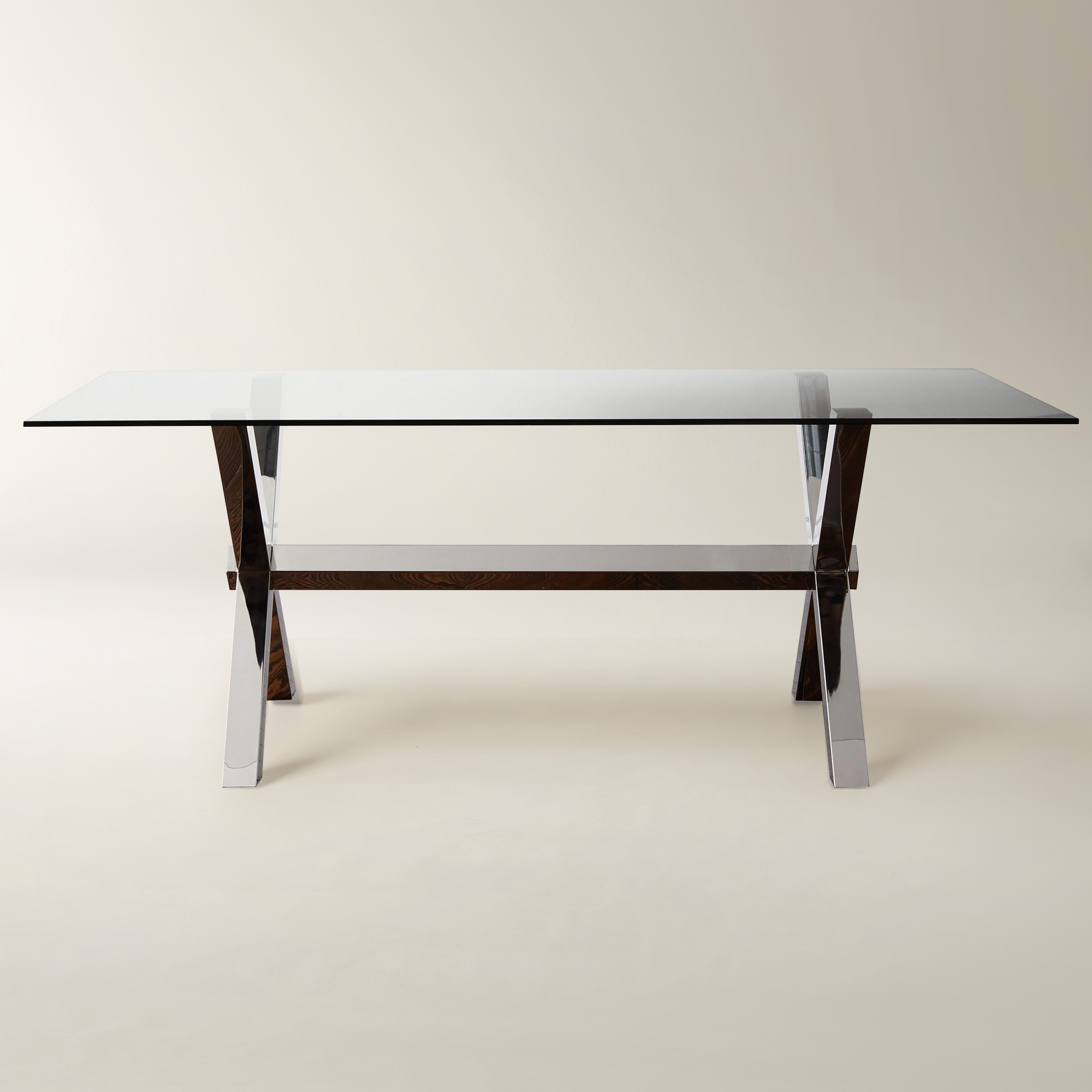
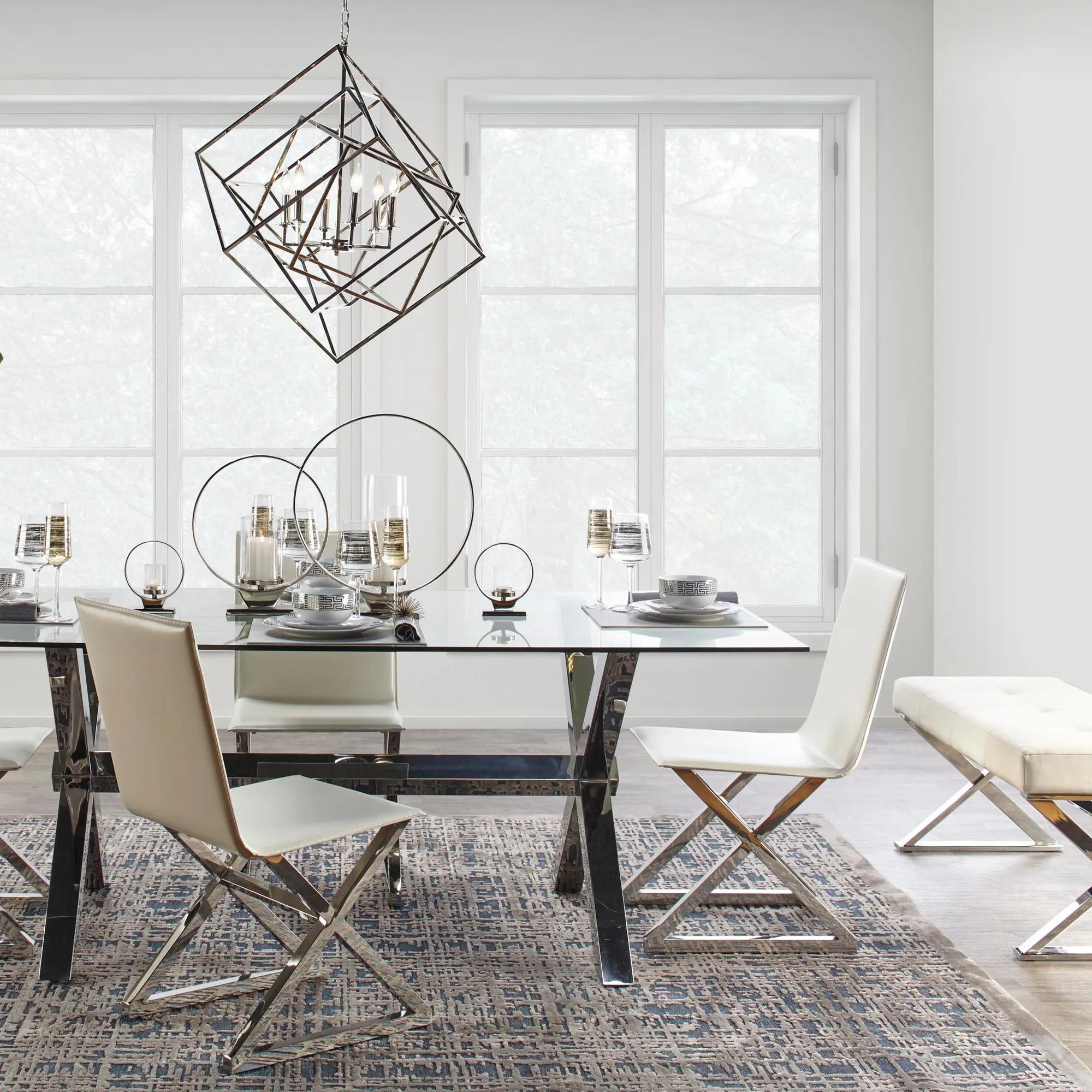 Axis Rectangular Silver Dining Table With Glass Top (78")$1199
A contemporary dining table featuring a polished stainless steel base and durable tempered glass top.
Add To Cart -
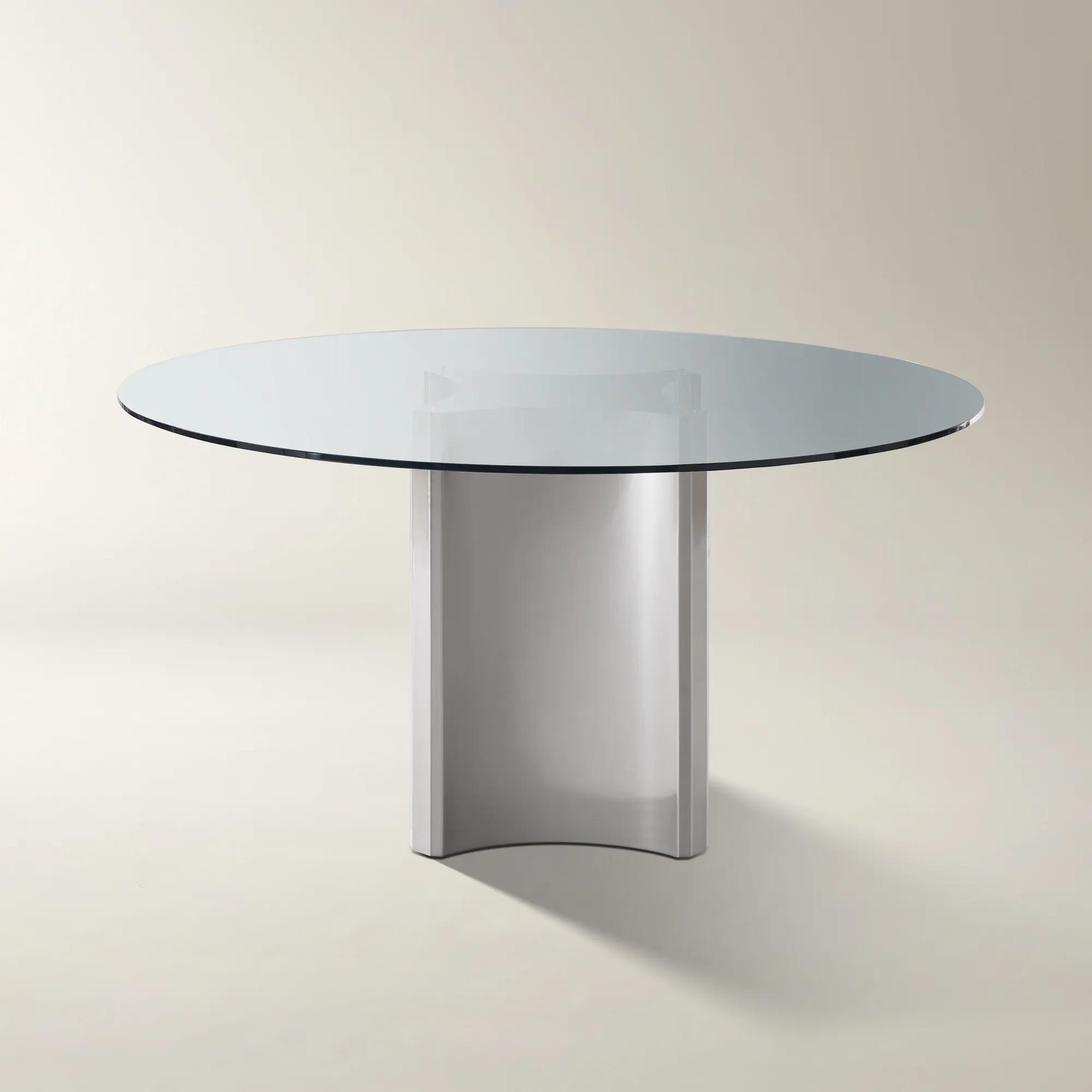 Ventane Round Clear Glass and Stainless steel Dining Table (58")$1499
A modern dining table featuring a clear tempered glass top and polished stainless steel base with anti-fingerprint finish.
Add To Cart -
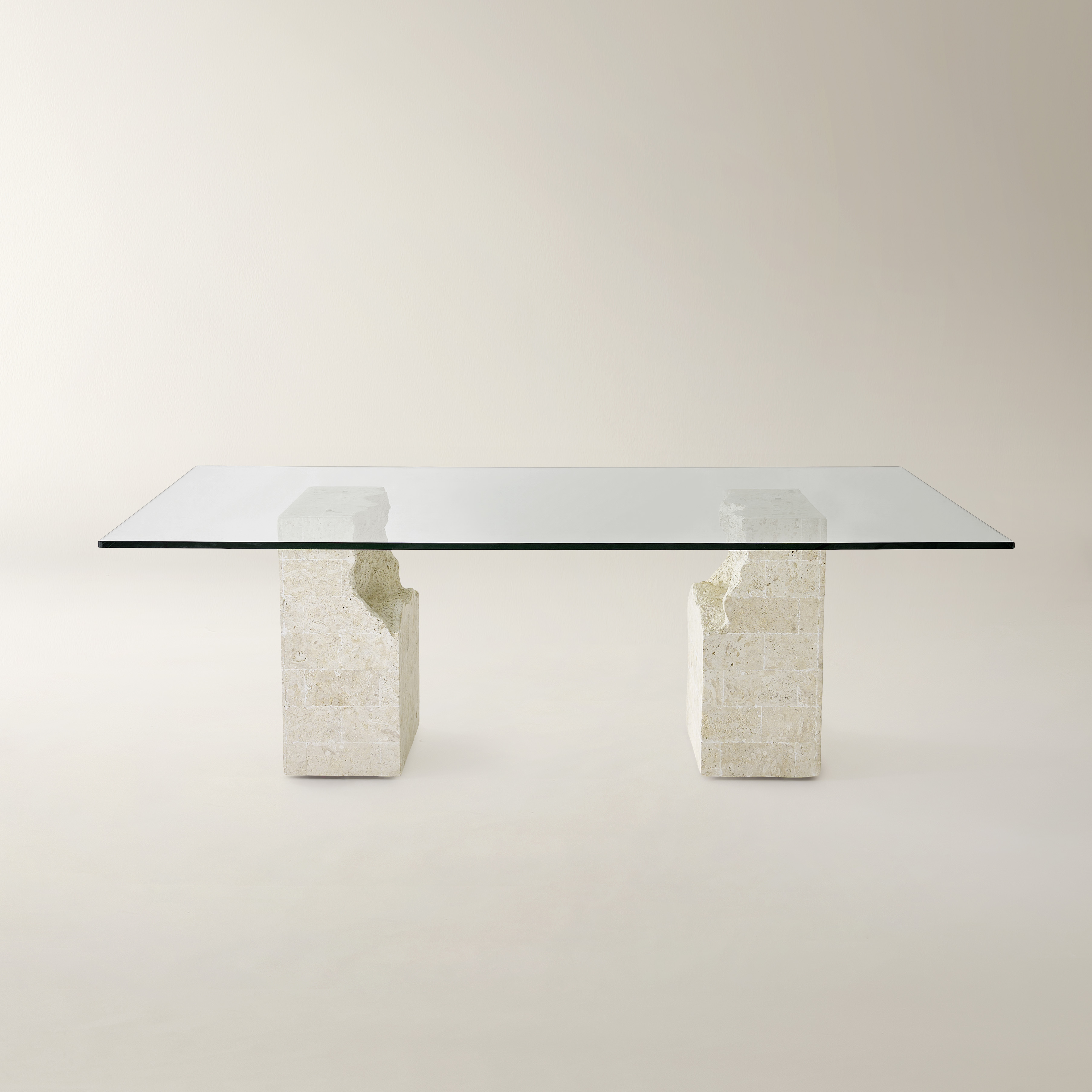
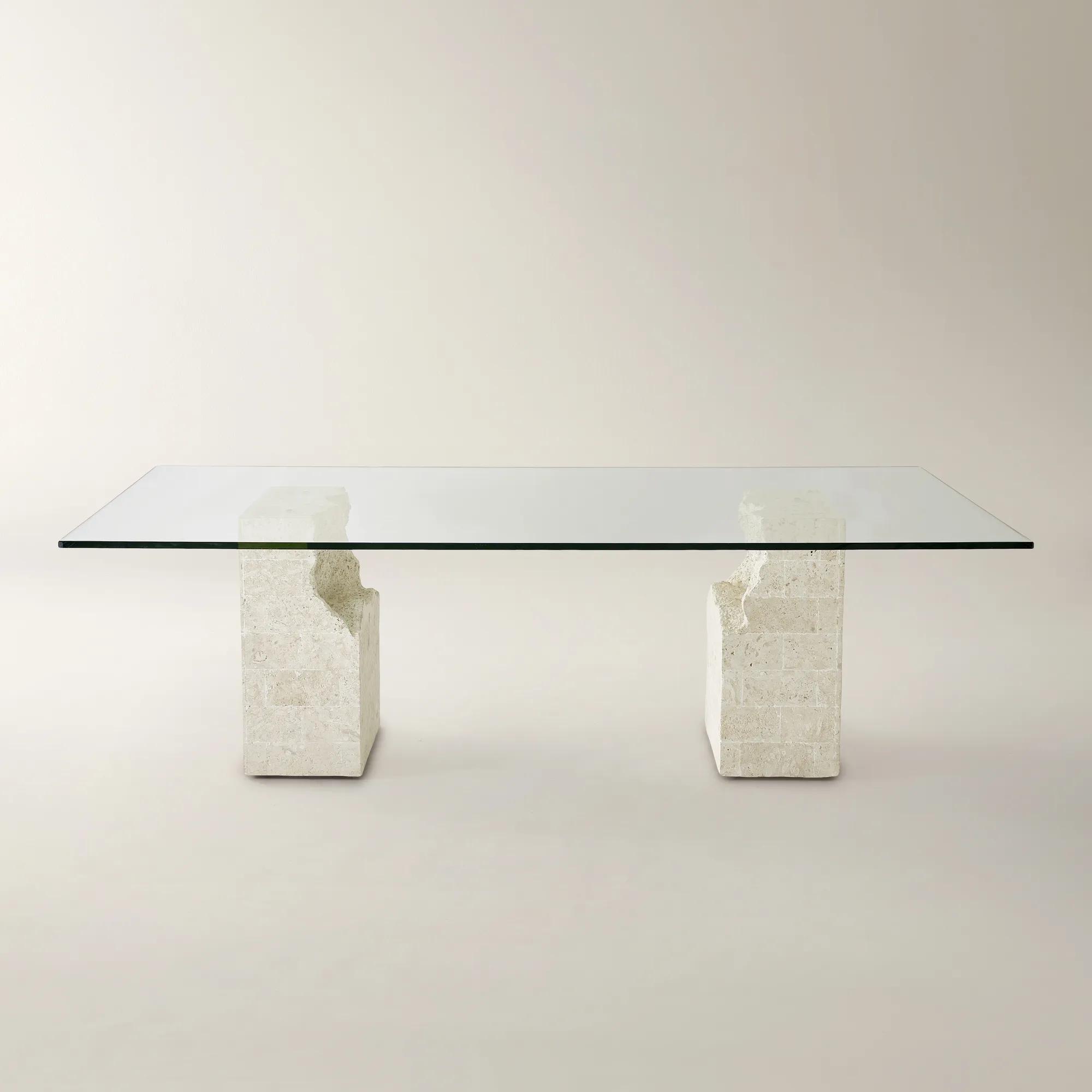
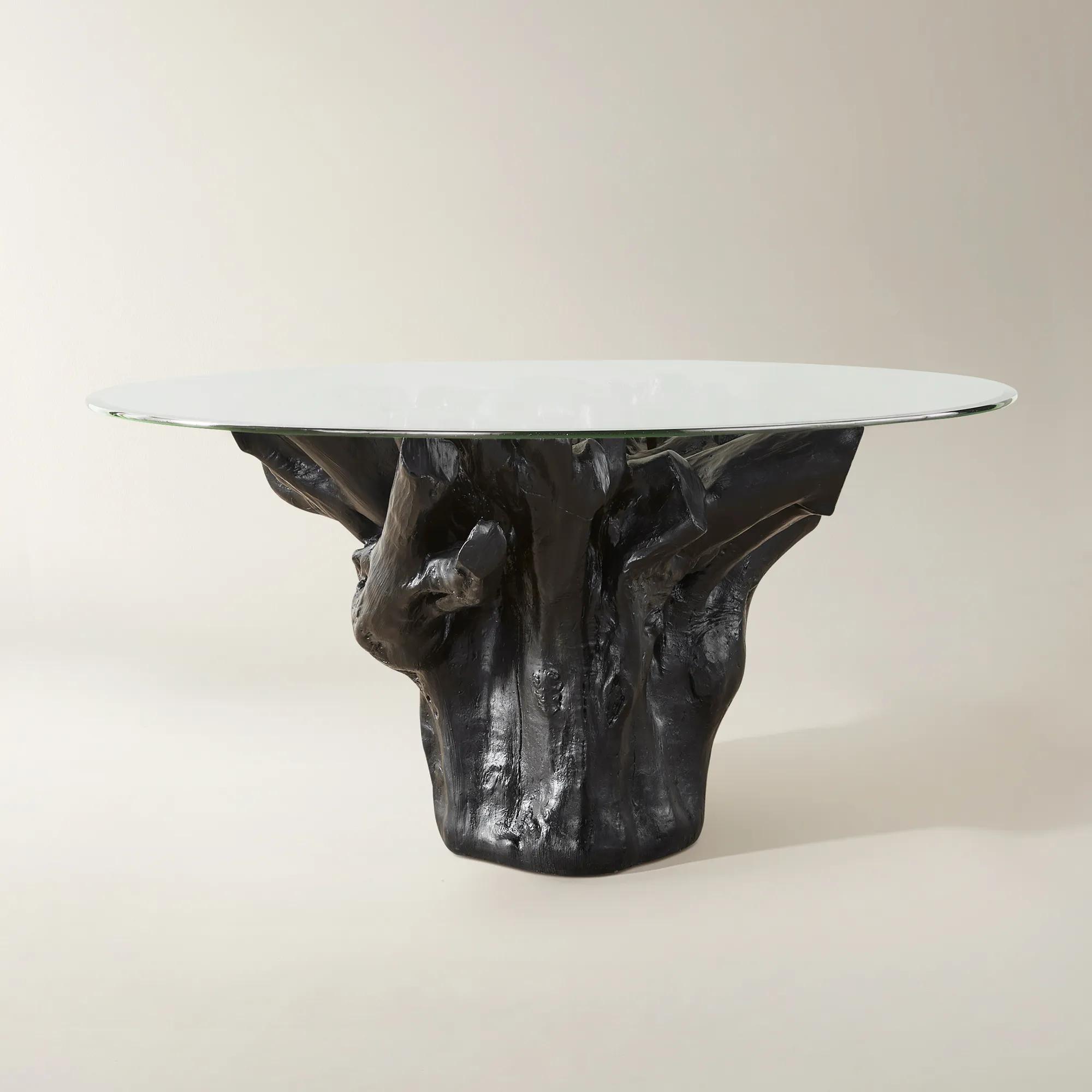 Sequoia Black Resin Dining Table With Glass Top (60")$2299
A sculptural black resin base with real stone fragments supports a round tempered glass top for organic elegance.
Add To Cart -
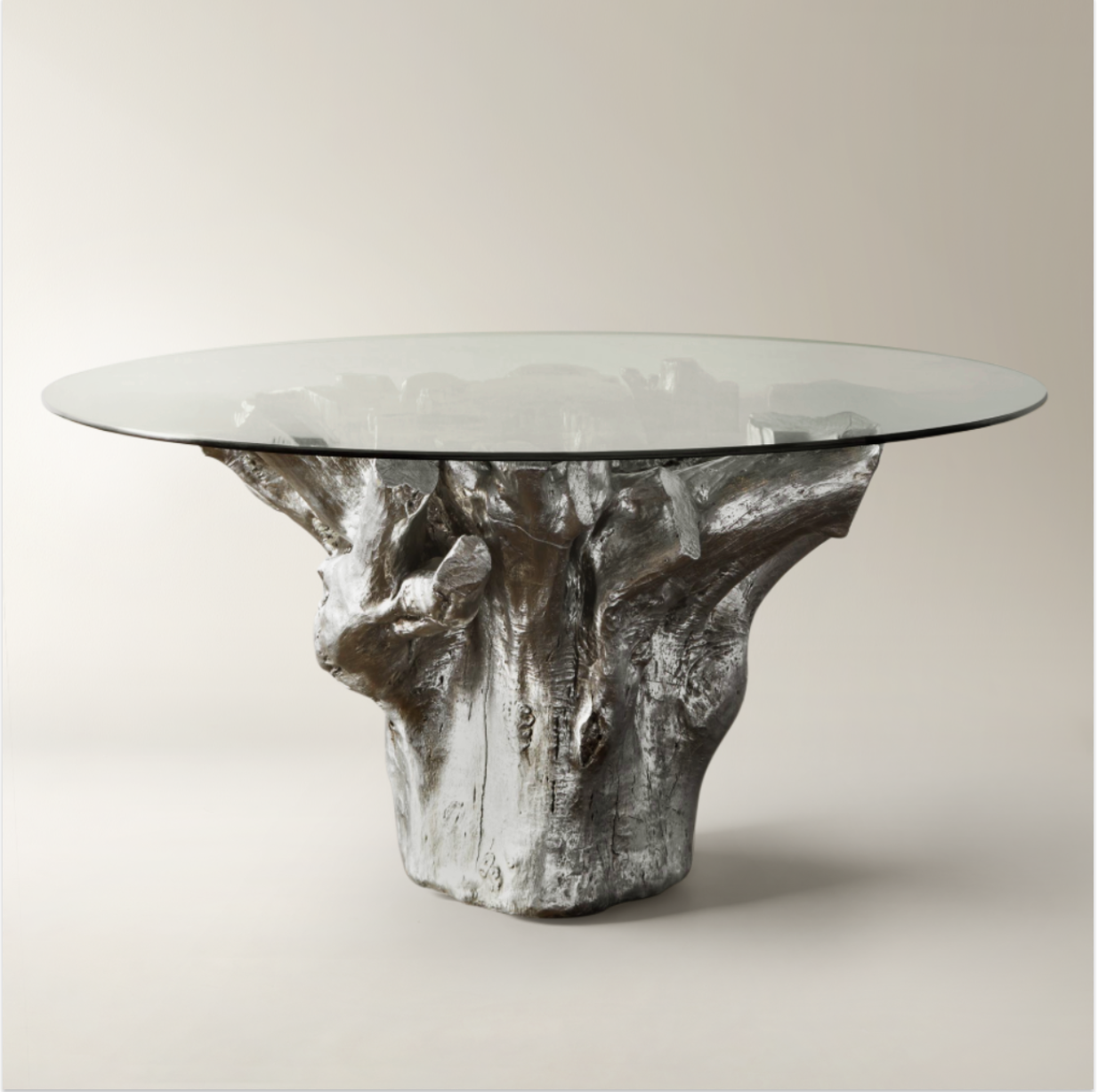 Sequoia Silver Resin Dining Table With Glass Top (60")$2199
A sculptural resin base with hand-applied silver leaf supports a round tempered glass top for modern elegance.
Add To Cart

Tempered Glass Dining Tables
Tempered glass dining tables are the very definition of modern sophistication—sleek, luminous, and endlessly versatile. Their crystalline surfaces capture and reflect light, transforming every meal into a moment of artistry. Whether anchoring a dramatic dining room or elevating a chic breakfast nook, these tables invite conversation and admiration in equal measure. With their sculptural silhouettes and airy presence, tempered glass dining tables set the stage for unforgettable gatherings, allowing your unique style to shine through in every detail.
Tempered glass dining tables bring a luminous, architectural presence to the dining room, pairing a durable glass surface with the visual drama of a beautifully considered base. Their transparent tops allow light and sightlines to pass through, helping a compact dining area feel more open while giving sculptural supports, upholstered chairs, and an expressive rug room to shine. Tempered glass is heat-treated to increase its strength compared with ordinary annealed glass. If it breaks, it generally fractures into small, granular pieces rather than long, sharp shards, although those fragments can still cause injury. That combination of strength and transparency makes tempered glass a distinctive choice for everyday meals and elegant entertaining alike. The effect depends as much on the base as the top: polished metal introduces a gleaming, jewelry-like accent, wood brings depth and warmth, and substantial stone creates a grounded contrast beneath the floating appearance of clear glass. A pedestal can become the centerpiece of the room, while an angular or intersecting base adds movement visible from every seat. Clear glass keeps the composition airy; tinted glass, where used, creates a moodier expression and can change how the base and surrounding finishes appear. Glass thickness, edge finishing, attachment methods, and the quality of the supporting structure all contribute to the table’s performance, so thickness alone should not be treated as a measure of strength or allowable weight. A carefully finished edge adds visual polish, but even rounded corners require thoughtful placement in an active household. For those drawn to interiors with personality, these tables offer an unusually versatile foundation: restrained enough to sit beside richly patterned upholstery, yet expressive enough to anchor a room with a dramatic chandelier and a single oversized arrangement. The tabletop becomes a frame for the entire dining composition, revealing rather than concealing the details beneath it. Unlike an opaque surface, it lets the base remain part of the conversation, giving craftsmanship and silhouette a prominent role in the room.
The most compelling tempered glass dining table is one whose proportions suit both the room and the way people gather. A round top encourages conversation across the table and can soften a space defined by straight walls, tall cabinetry, or a rectangular rug. A rectangular table establishes a longer entertaining surface and often works beautifully in an elongated dining room, while an oval offers a similarly generous silhouette with curved ends. Shape alone does not determine capacity: usable surface area, chair width, and the position of the base all affect how comfortably guests can sit. Allow approximately 24 inches of table edge per person as a starting point, with more space for broad chairs or expansive place settings. Around the table, roughly 36 inches between the edge and a wall or other furniture generally allows chairs to pull out; closer to 42–48 inches is preferable where people need to walk behind seated guests. These are planning guidelines rather than guarantees, particularly when a sideboard, doorway, or open cabinet competes for the same space. Standard dining tables are often about 28–30 inches high, but the relationship between the chair seat and the underside of the table matters more than either measurement alone. Approximately 10–12 inches between the seat and the lowest obstruction beneath the tabletop is a useful starting point for comfortable legroom. Armchairs need additional attention so their arms can slide beneath the edge without striking the glass or base. A central pedestal may free the perimeter from corner legs, although a broad foot can still affect where diners place their feet. In an open-plan home, a clear top preserves a view toward a living area or statement artwork; in a dedicated dining room, it gives richly textured seating greater prominence. Velvet chairs introduce sumptuous contrast, leather creates a tailored mood, and a patterned rug supplies color beneath the transparent surface. For intimate dinners, shared breakfasts, or a generous spread of serving dishes, proportion and unobstructed seating turn visual impact into lasting comfort.
Daily care preserves the clarity that makes a tempered glass dining table so striking. Fingerprints, crumbs, and water marks can be more noticeable on glass than on a patterned or opaque surface, but routine cleaning is straightforward: use a soft microfiber cloth and a nonabrasive cleaner approved by the manufacturer, then dry the surface to minimize streaks. Apply cleaner to the cloth rather than flooding the tabletop, especially near joints, adhesive connections, or decorative finishes. The base deserves its own care routine because wood, plated metal, painted surfaces, and stone can respond differently to moisture and cleaning products. Tempered glass is stronger than ordinary glass, but it is not scratchproof, chip-proof, or unbreakable. Placemats and coasters help protect the surface from everyday contact, while suitable trivets keep hot cookware and serving vessels from touching the glass directly. Avoid dragging ceramics or heavy decorative objects across the top, and keep abrasive pads and gritty cleaning cloths away from the surface. Sudden temperature changes and impacts at exposed edges can damage glass, so a table should never serve as a step, seat, or platform for concentrated weight. Follow the manufacturer’s load limits and assembly instructions, and do not attempt to cut, drill, or reshape tempered glass after manufacture. If the top develops a chip or crack, stop using it and consult the manufacturer about replacement. Households with young children may favor curved outlines and a stable, well-supported base, while frequent hosts may prioritize generous seating clearance and room for serving pieces. For a dining area that occasionally doubles as a workspace, a protective desk mat can help cushion contact from everyday accessories. Beyond the dining room, Tempered Glass Accent Tables can carry a similarly luminous material story into adjoining spaces without requiring every furnishing to match. Repeating a metal finish or sculptural curve creates continuity, while varied upholstery and artwork keep the interior individual. With considered proportions, compatible seating, and attentive care, a tempered glass dining table gives daily rituals an elevated setting and lets the room’s most expressive details remain in view.
FAQs
Tempered glass dining tables are remarkably versatile and can harmonize with a range of design aesthetics. They shine in contemporary and modern spaces, where their clean lines and luminous surfaces amplify a sense of openness. For a glamorous look, pair with bold metallics, velvet seating, and statement lighting. In eclectic or transitional interiors, tempered glass tables act as a neutral anchor, allowing you to experiment with color, texture, and sculptural decor.
To keep your tempered glass dining table gleaming, regularly wipe it down with a soft, lint-free cloth and a gentle glass cleaner. Avoid abrasive pads or harsh chemicals, which can dull the surface. For a streak-free finish, buff with a microfiber cloth. Promptly clean up spills to prevent watermarks, and use placemats or coasters to protect the glass from scratches and smudges during lively gatherings.
Absolutely. Tempered glass is celebrated for its strength and durability, making it a practical choice for lively households. Its resilience to scratches and heat means it stands up well to daily use, while its smooth surface resists stains. The sleek edges and sturdy construction ensure that style does not sacrifice practicality, so you can entertain, play, and create memories with confidence.
The beauty of tempered glass is its ability to serve as a blank canvas for your creative vision. For a dramatic, luxe setting, opt for plush upholstered chairs in jewel tones or metallic finishes. For a more understated approach, consider minimalist silhouettes in leather or wood. Mixing materials—such as pairing velvet with brass or acrylic with chrome—can create a layered, curated look that feels both intentional and inviting.
During the winter months, a tempered glass dining table captures and amplifies the warm glow of ambient lighting, candles, and festive décor. Its reflective surface adds luminosity, making your dining space feel brighter and more welcoming even on the darkest evenings. The table becomes the heart of celebration, elevating every meal into an occasion and inviting guests to linger in style and comfort.