Statement Wall Art Under $500
Statement Wall Art Under $500
-
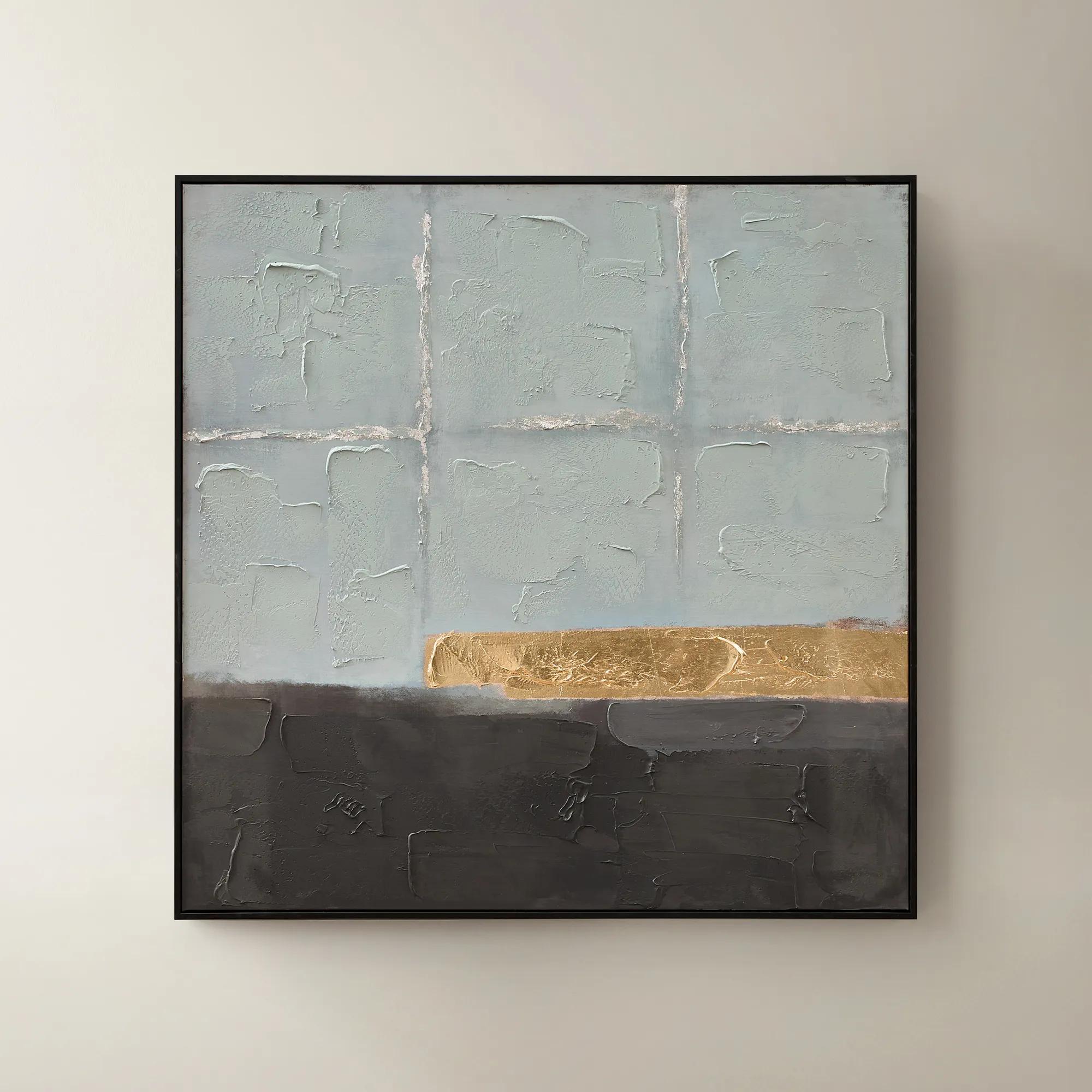
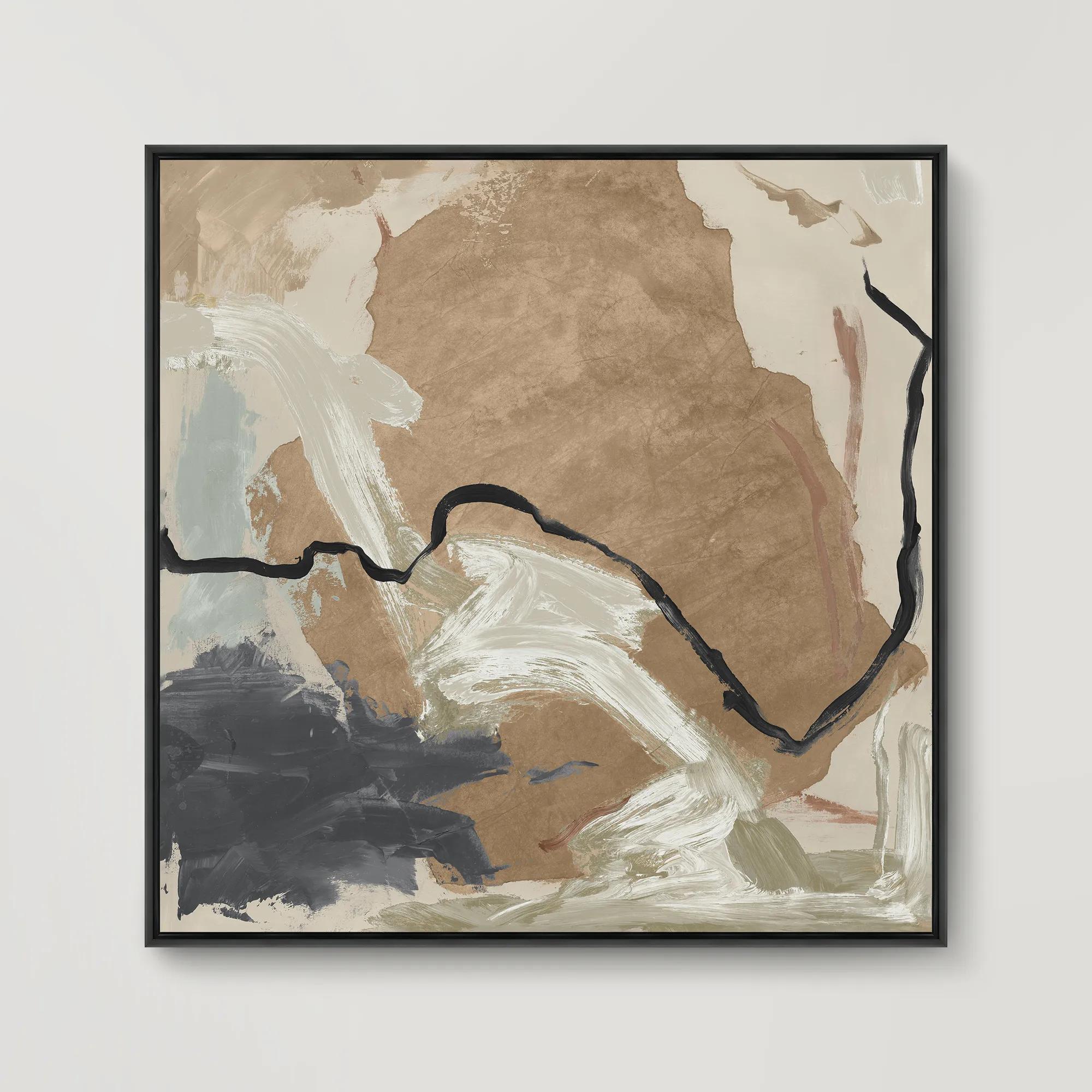
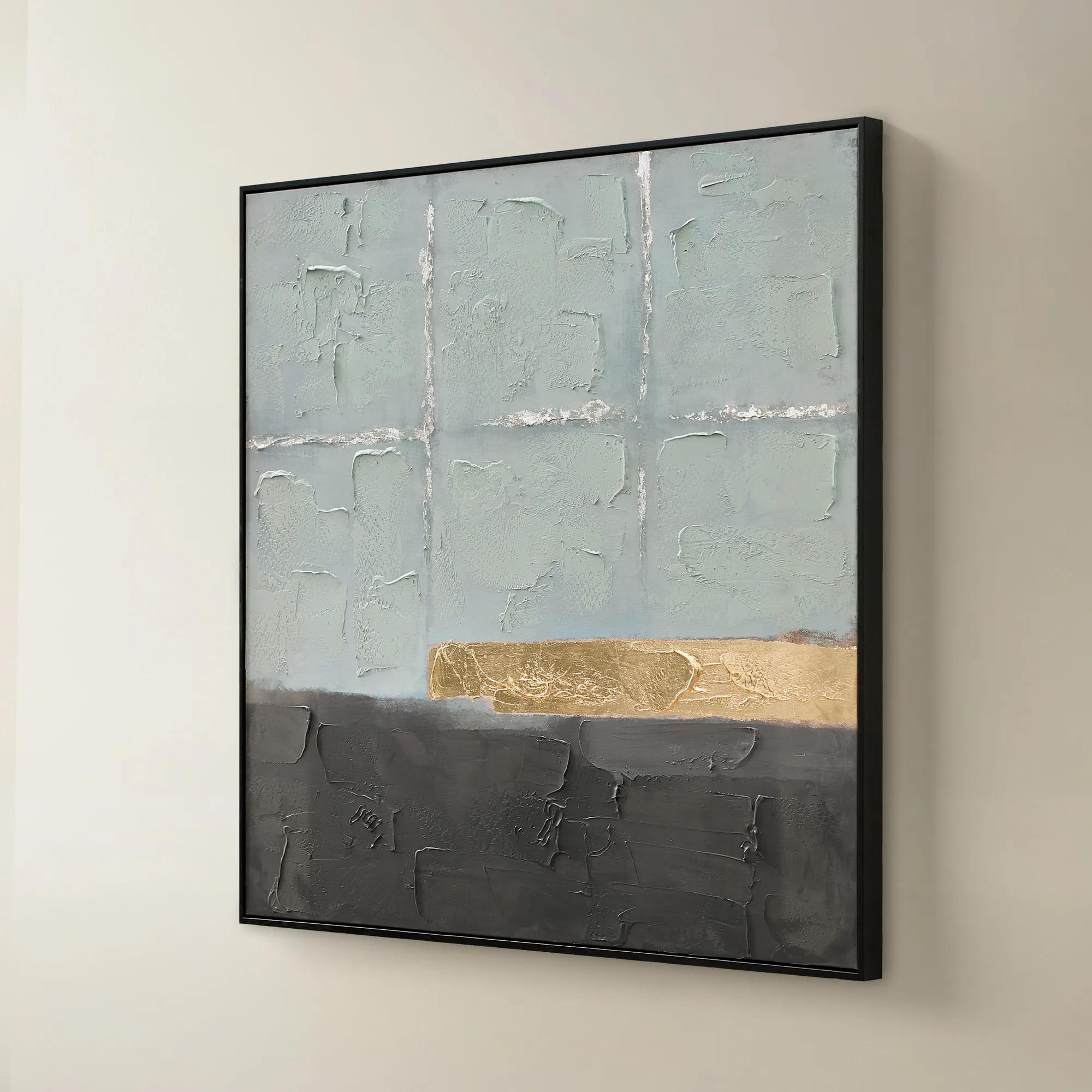 Jules Framed Gold Leaf Painted Wall Art 40" x 40"$299
A hand-painted canvas in mineral blue with gold leaf accents and a sleek black frame for modern appeal.
Add To Cart -
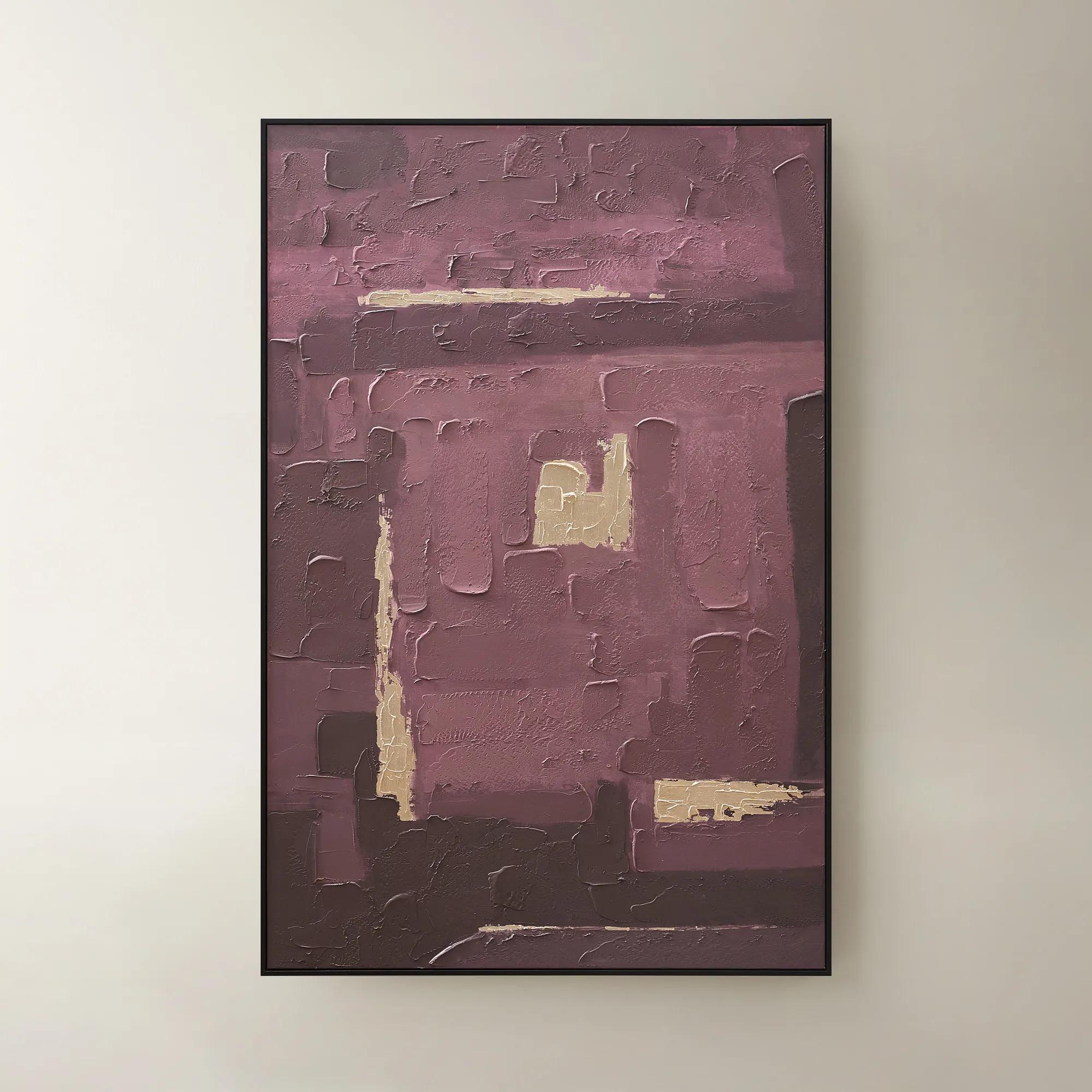
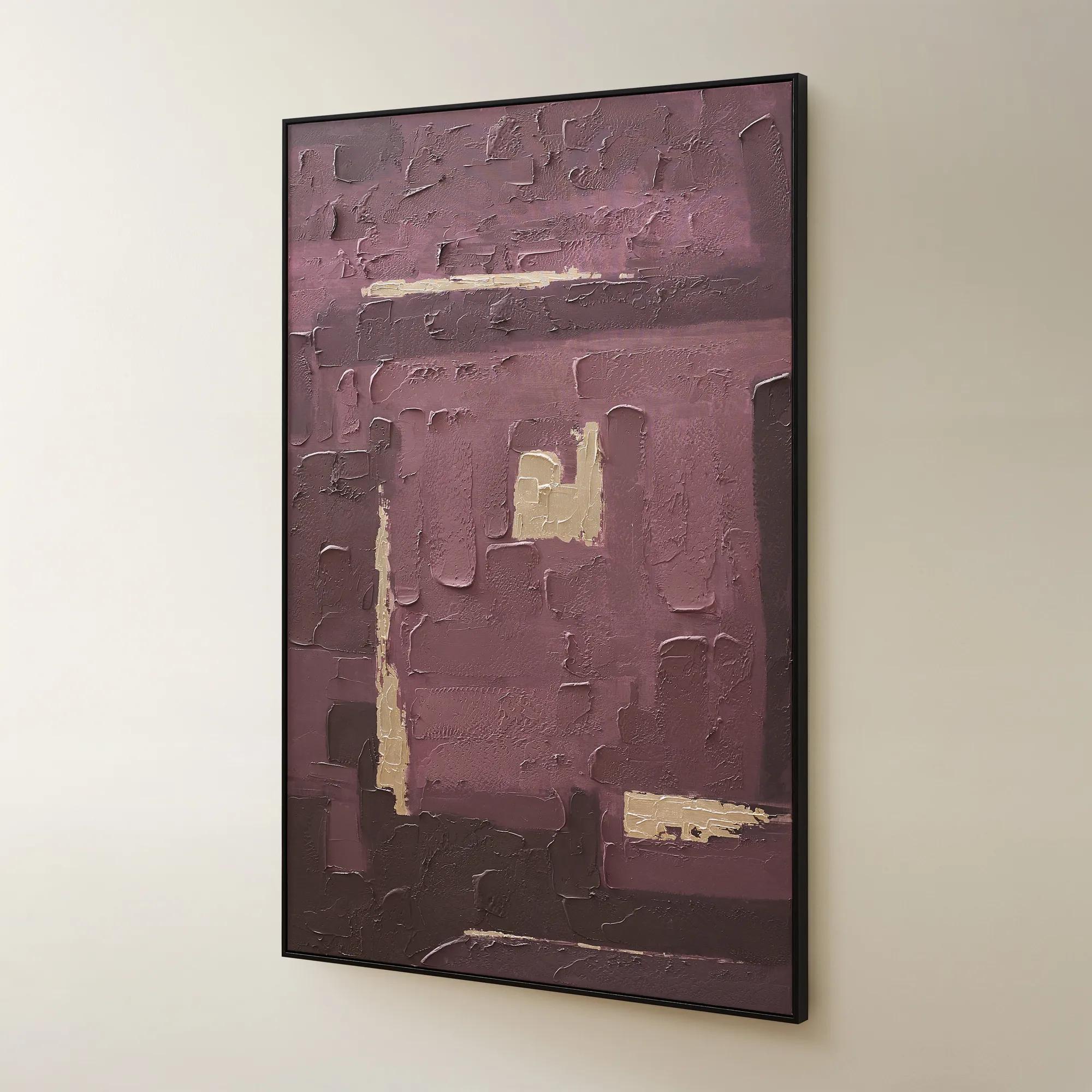 Fallback Framed Painted Wall Art 60" x 40"$499
A hand-painted abstract canvas in rich fig hues with champagne accents, set in a sleek black frame.
Add To Cart -
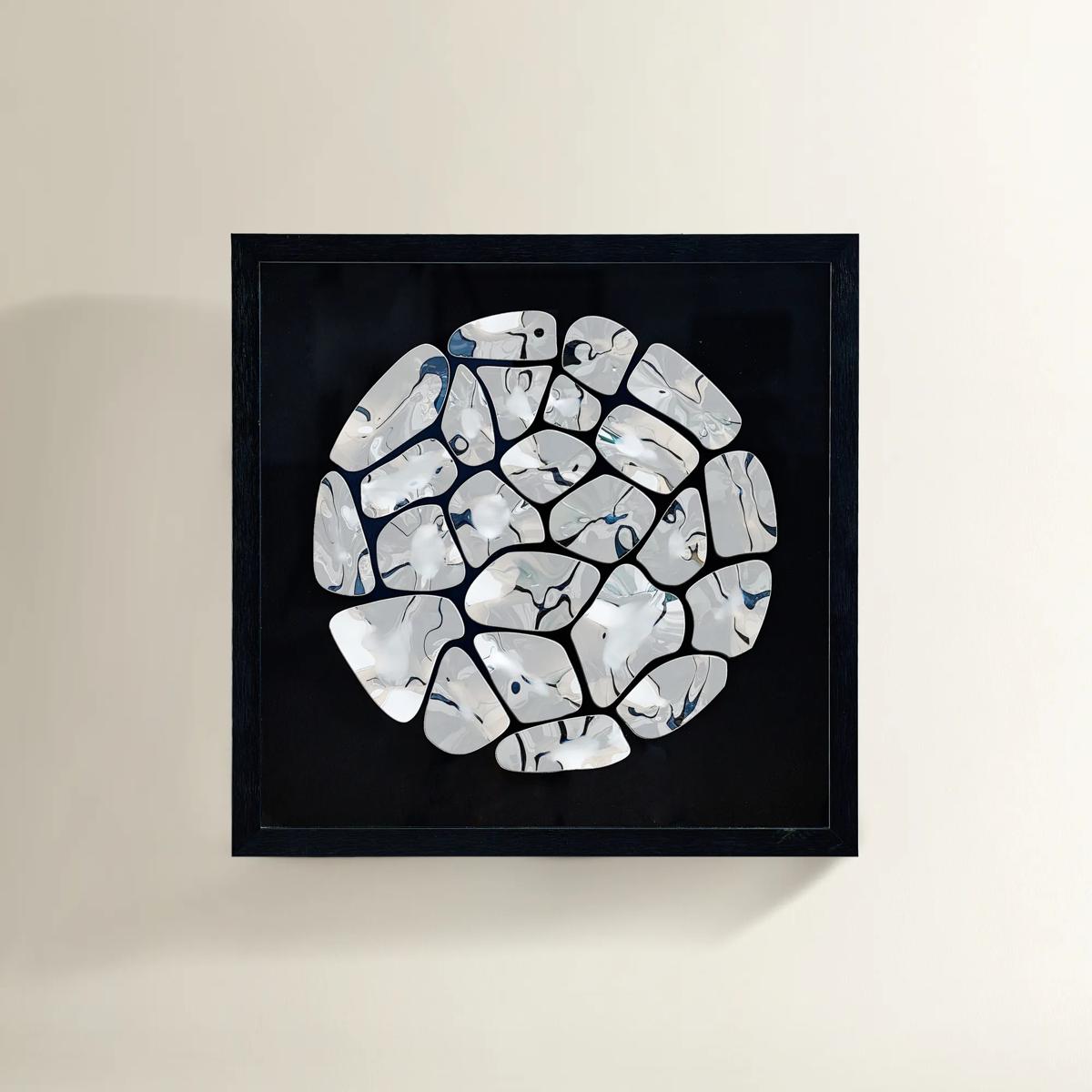
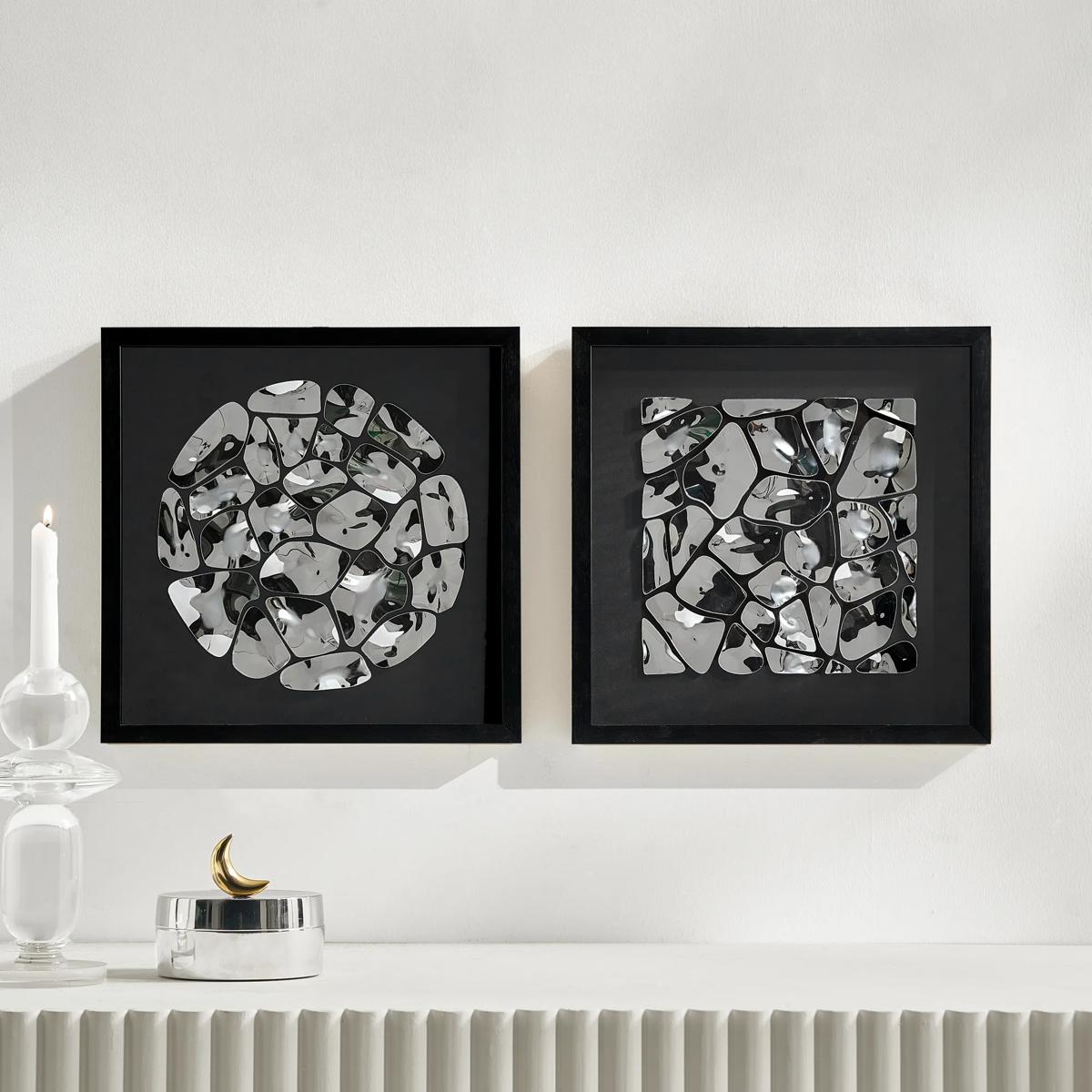 Reflect Silver And Black Shadowbox Art II$189
A dimensional metal wall art piece featuring polished silver and black forms in a sleek black frame.
Add To Cart -
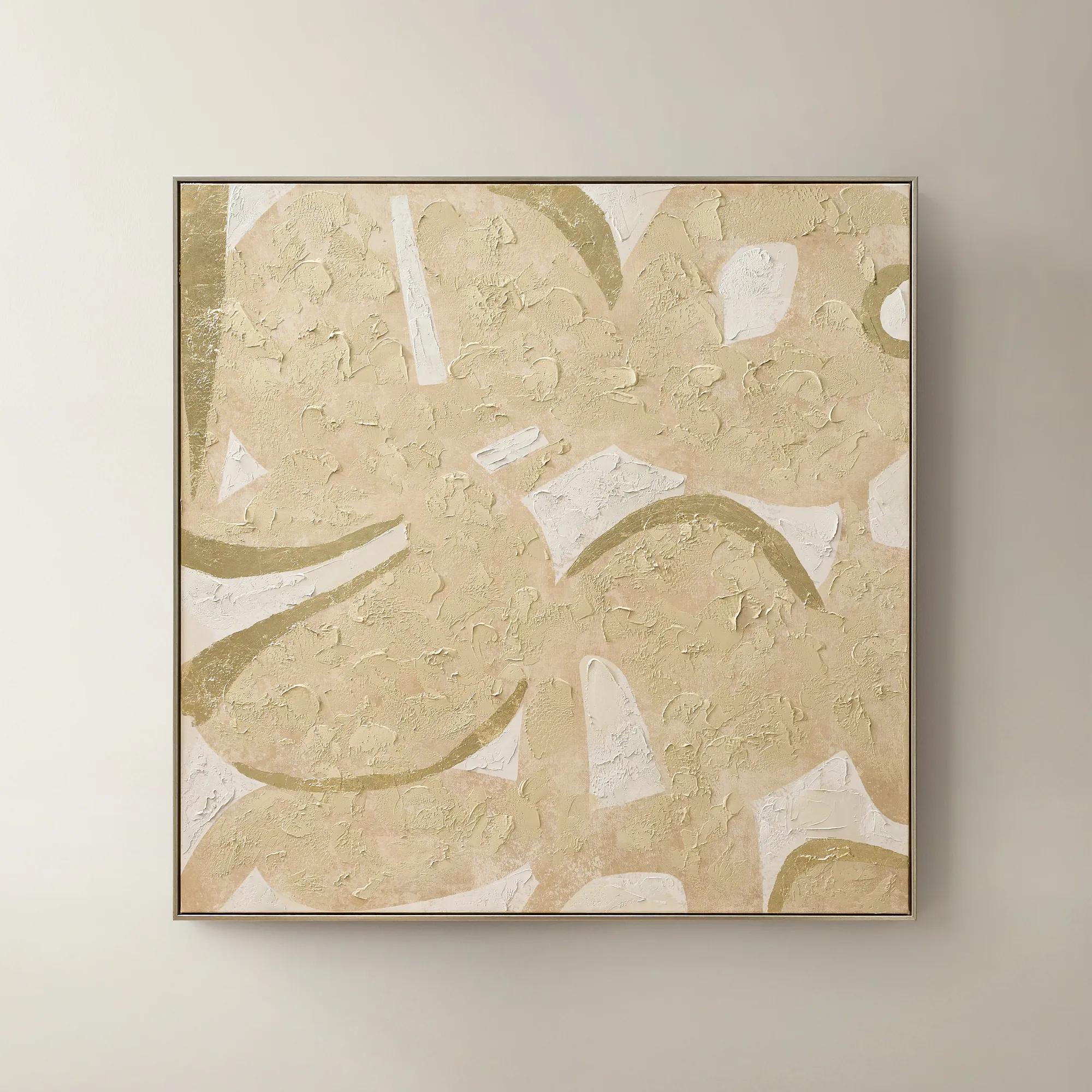
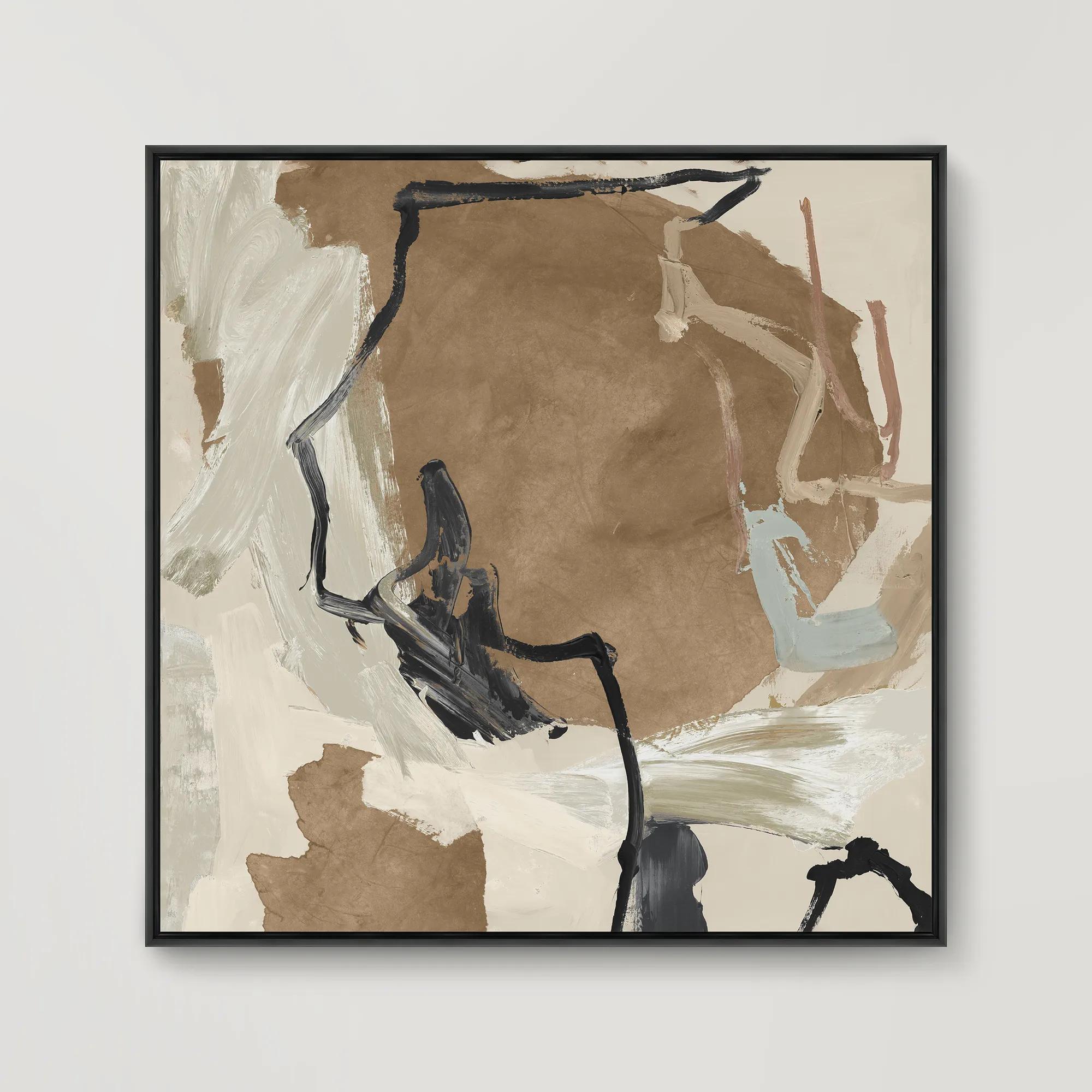
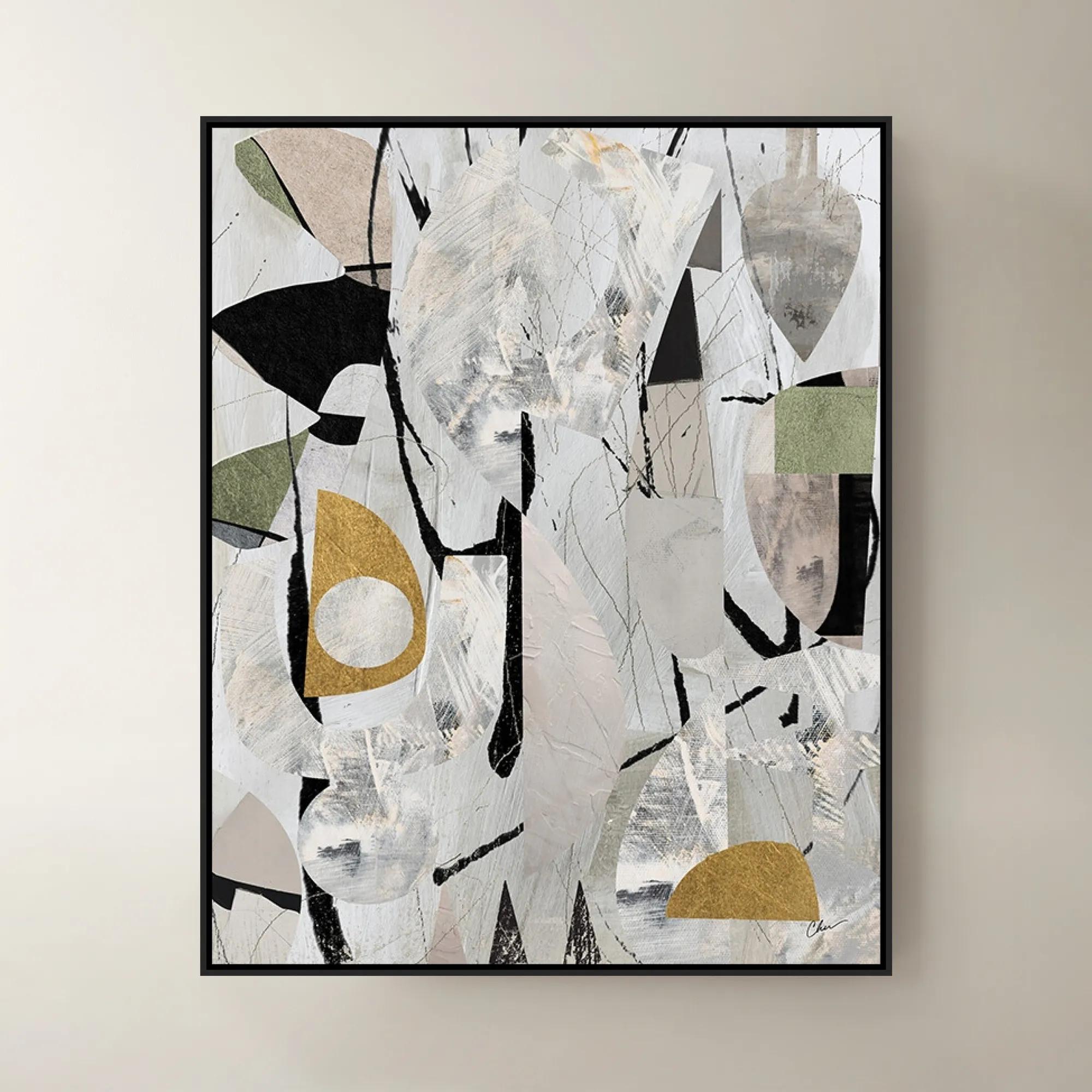
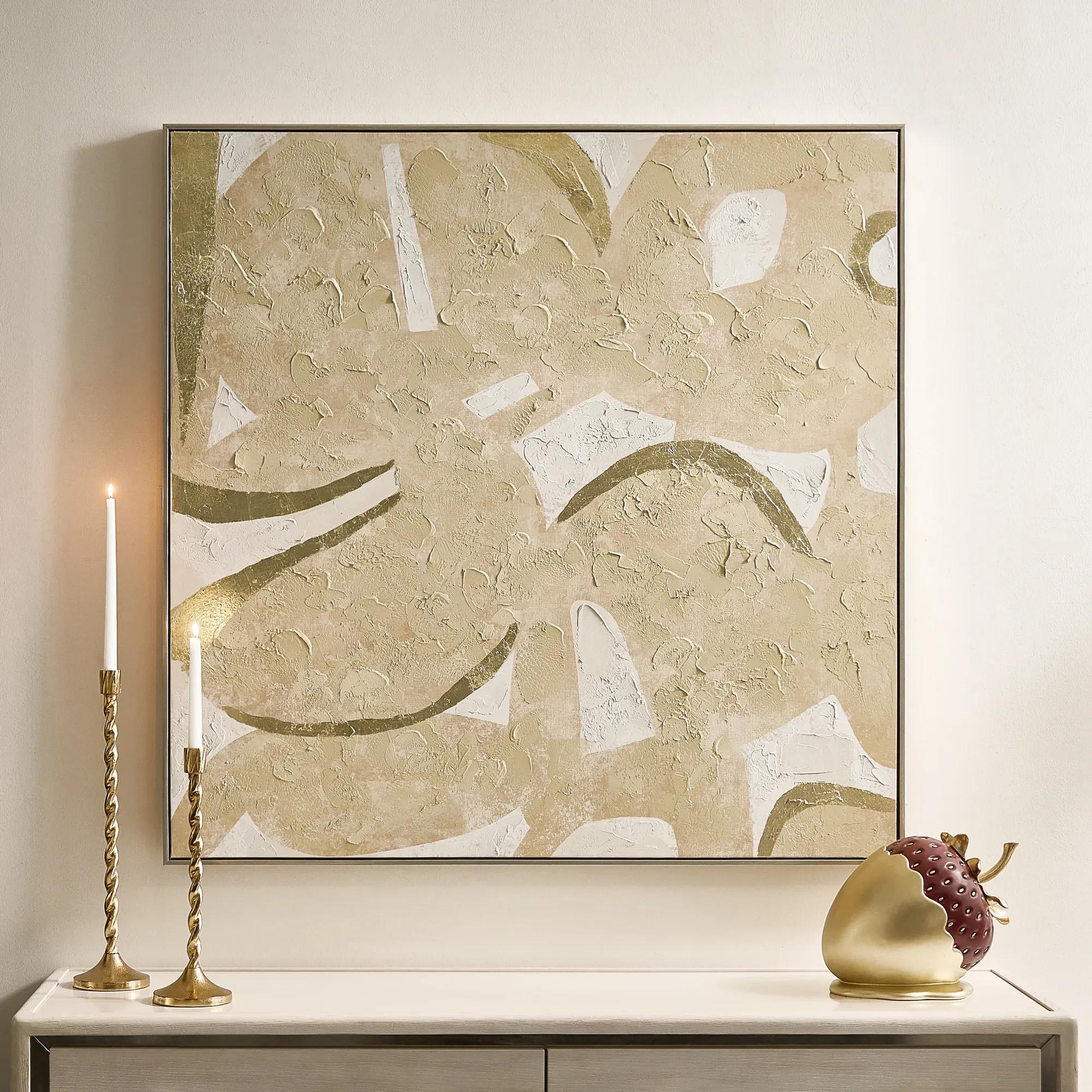 Golden Maize Framed Painted Wall Art 48" x 48"$399
A hand-painted canvas with champagne leafing and butter cream tones adds warmth and modern sophistication.
Add To Cart -
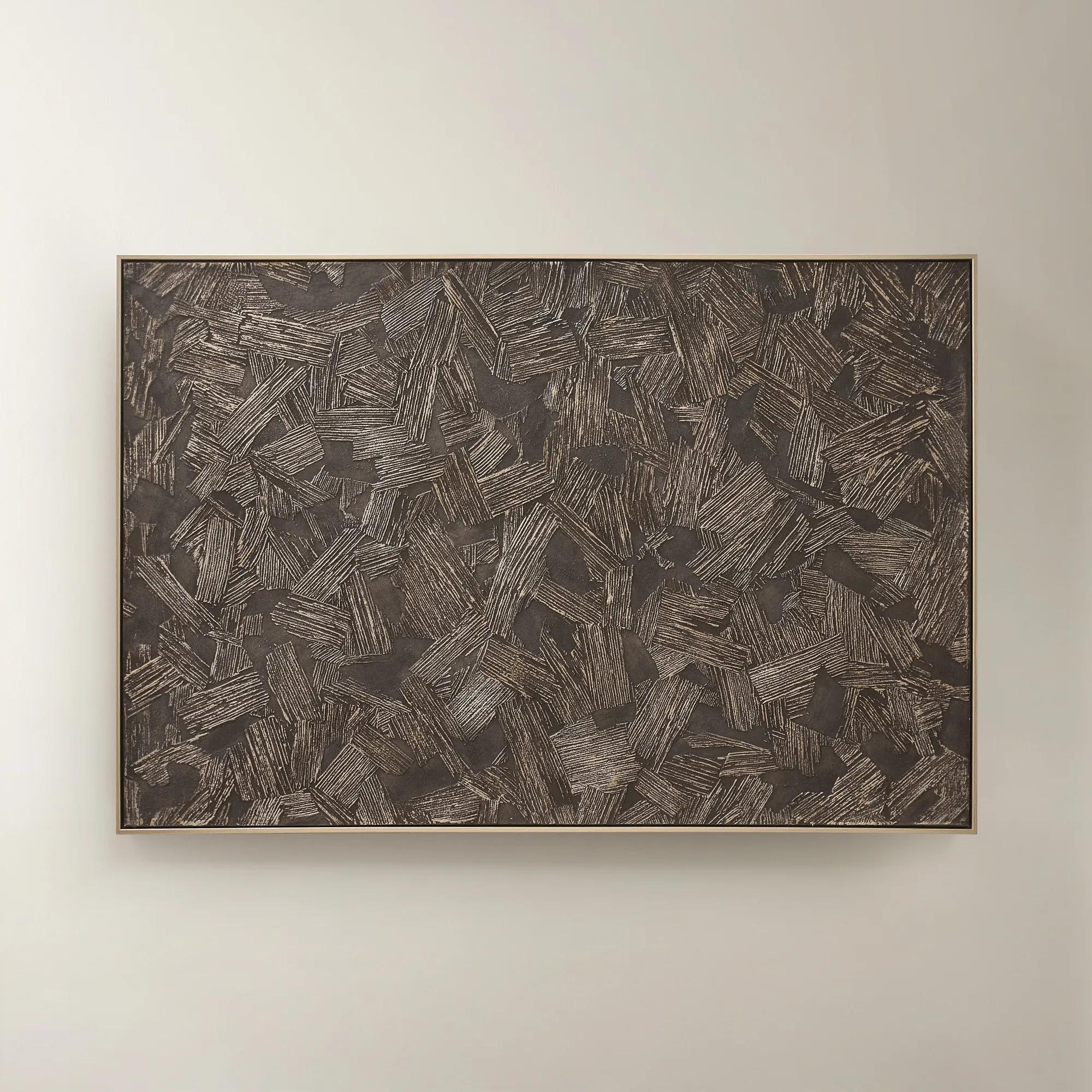
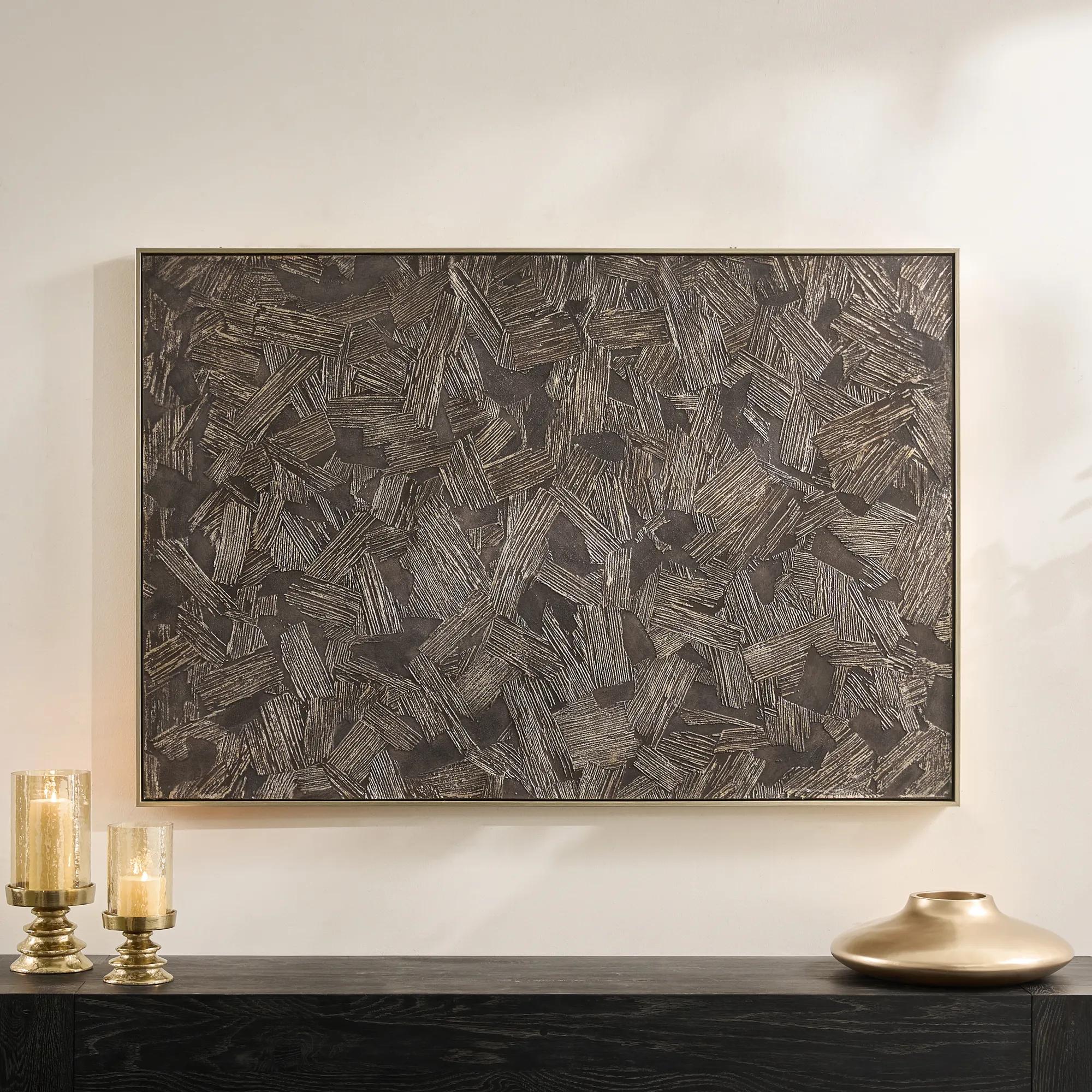 Etched in Darkness Dark Chocolate Wall Panel 53.5" x 36"$329
A hand-painted wrapped canvas features moody dark chocolate hues with champagne accents and a layered, textural finish.
Add To Cart -
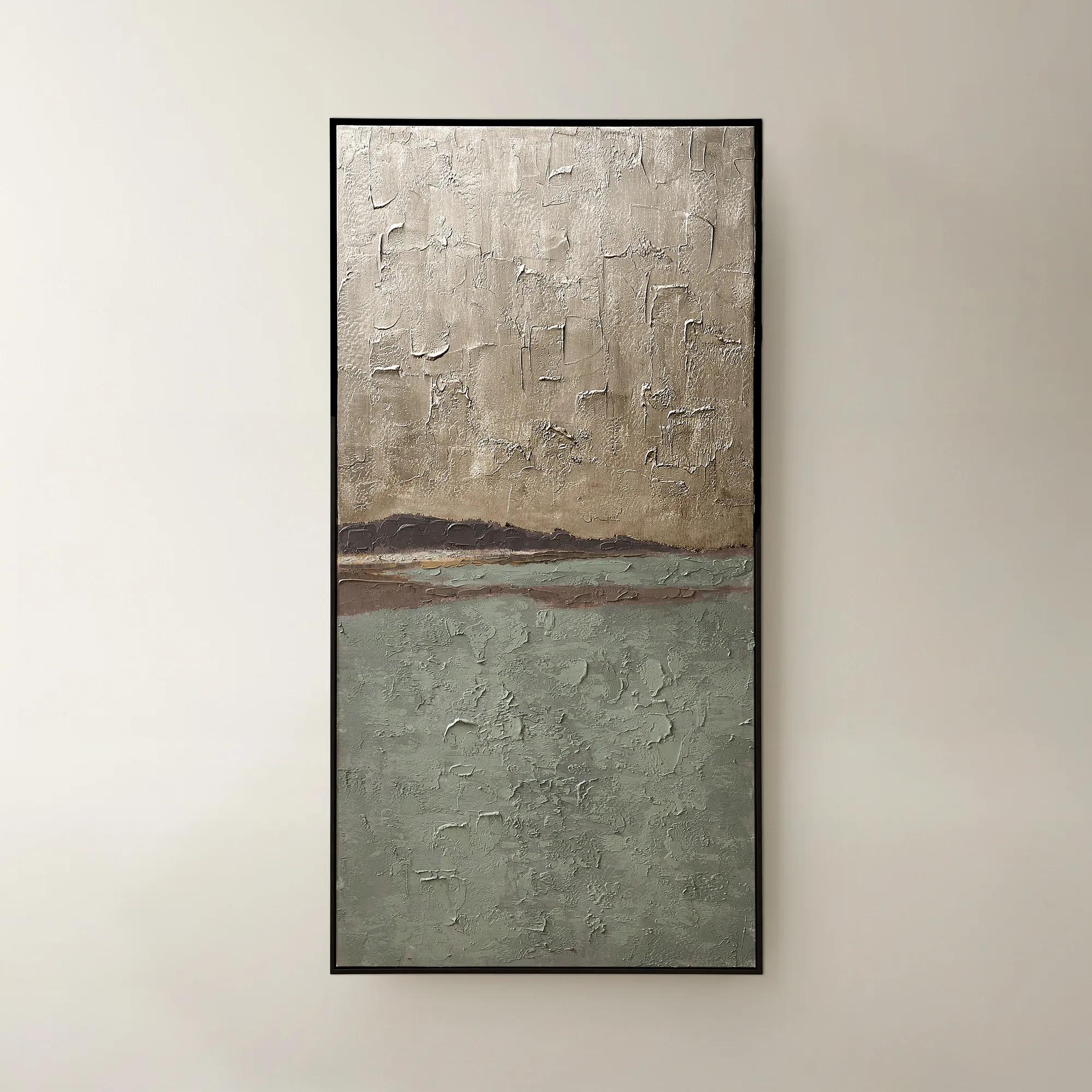
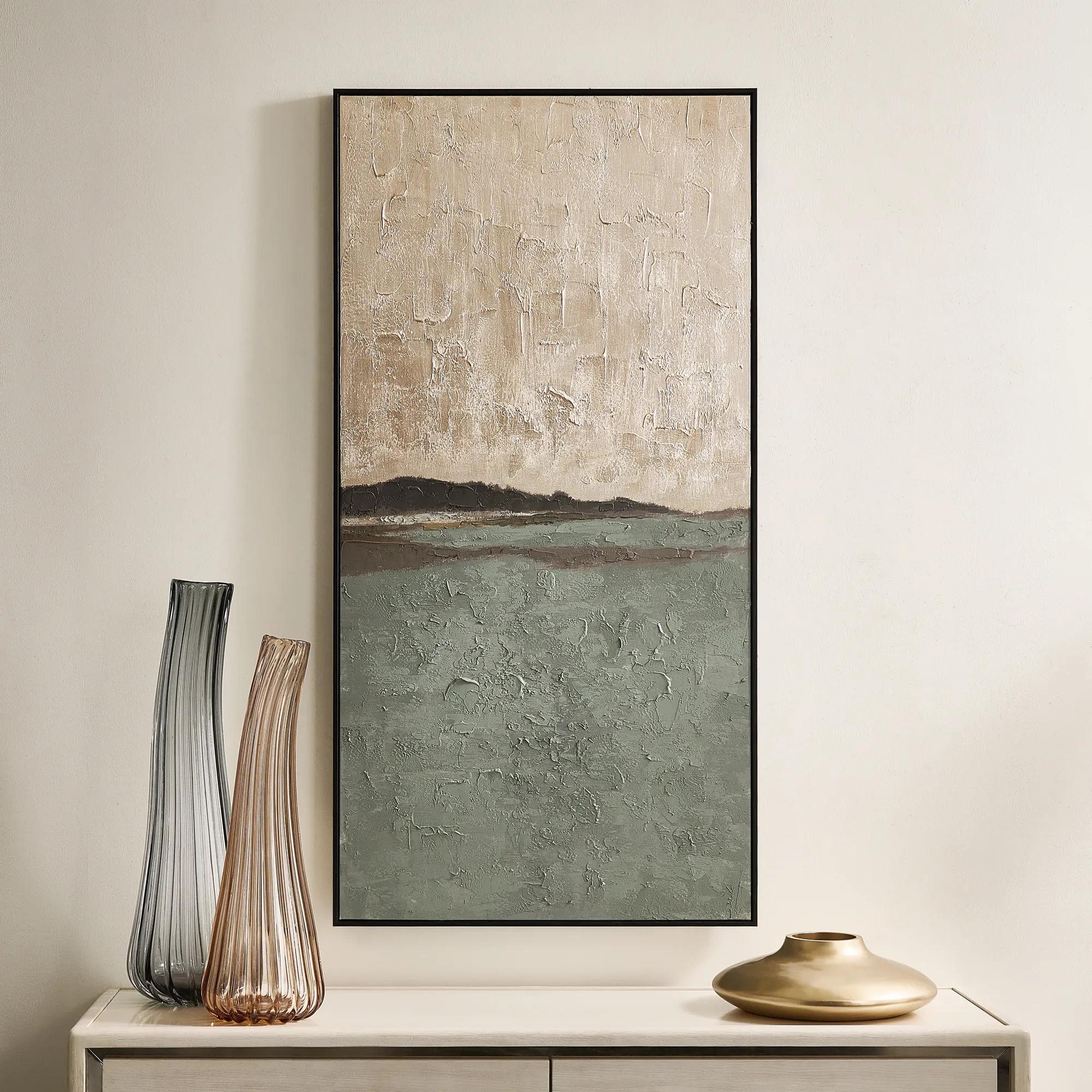 Fields of Gold Framed Painted Wall Art 60" x 30"$399
A hand-painted sage and champagne abstract canvas with a black frame, offering versatile vertical or horizontal display.
Add To Cart -
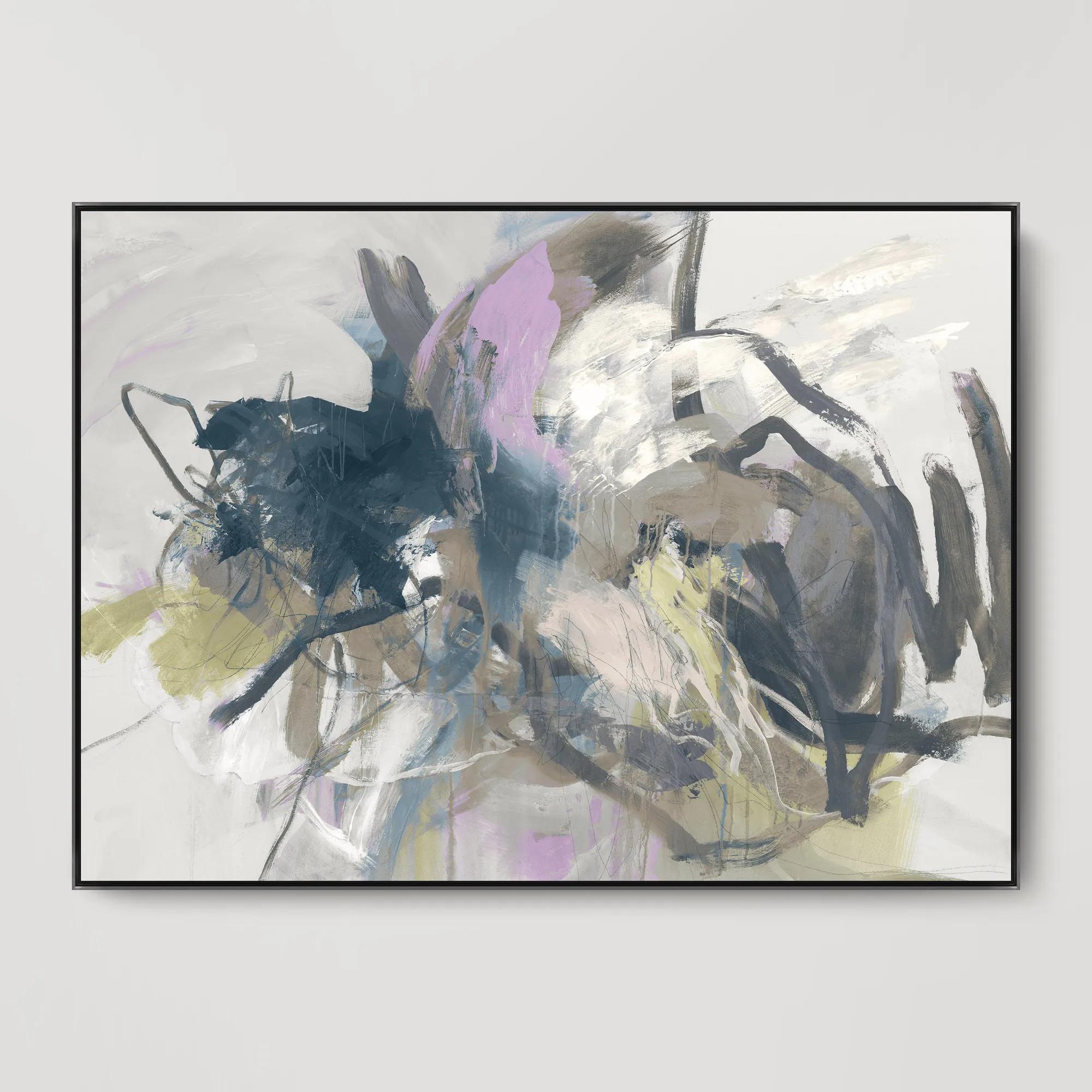
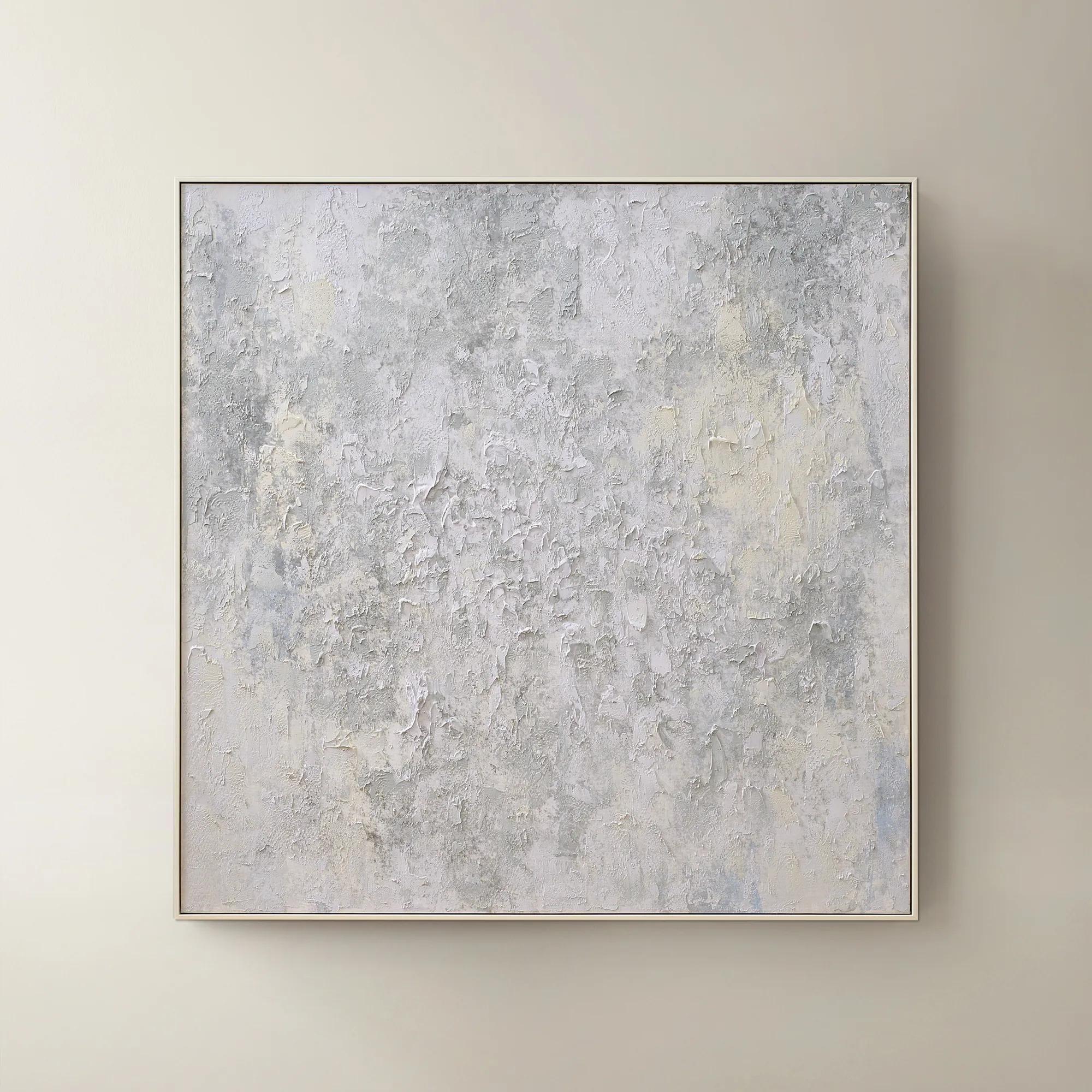 Breathe of Fresh Air Framed Painted Wall Art 50" x 50"$499
A hand-painted abstract canvas in dusty blue hues, elegantly framed in white for a serene, modern accent.
Add To Cart -
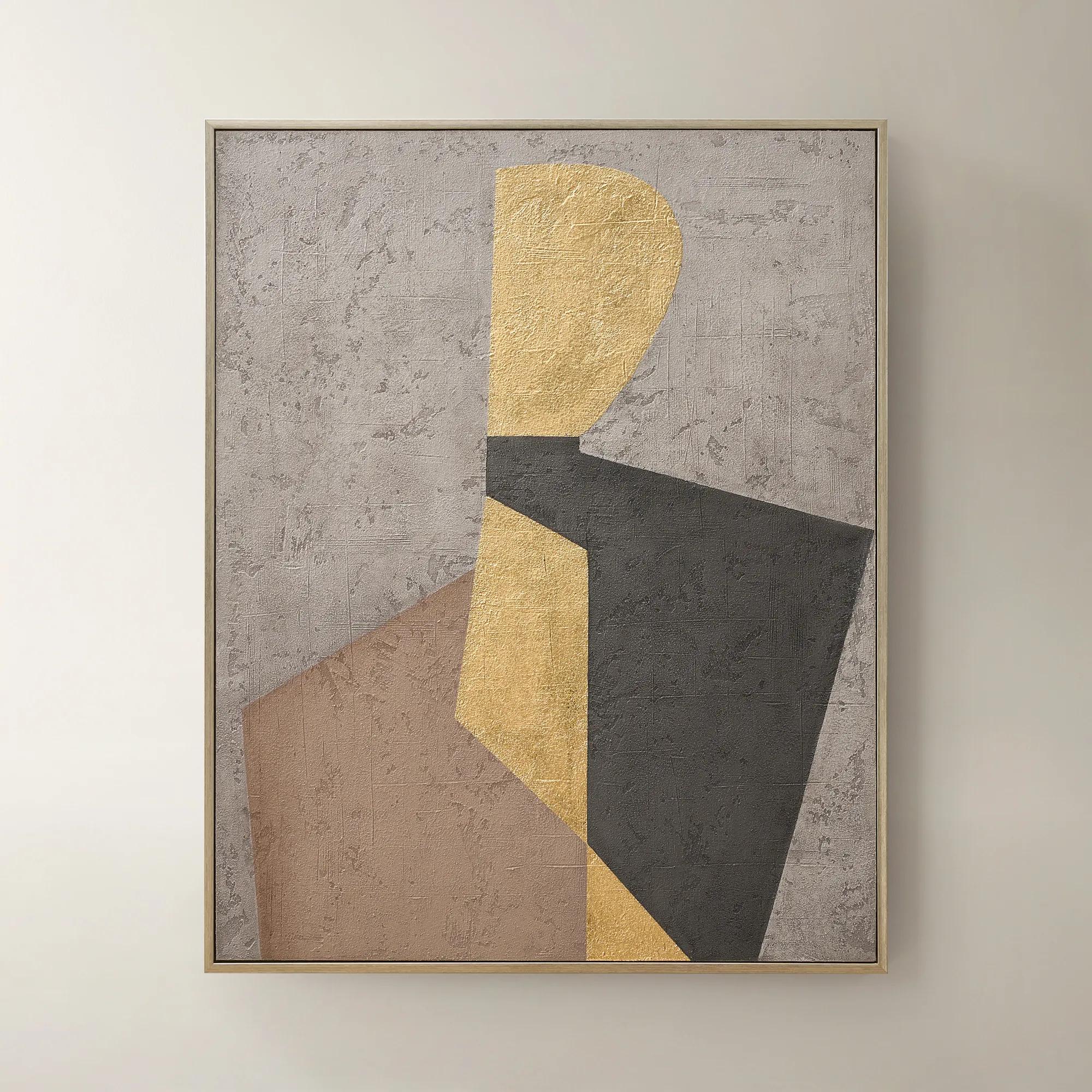 Aura of Gold Framed Painted Wall Art 40" x 50"$399
A hand-painted canvas with champagne leafing and a brushed champagne frame in mocha, grey, black, and gold.
Add To Cart -
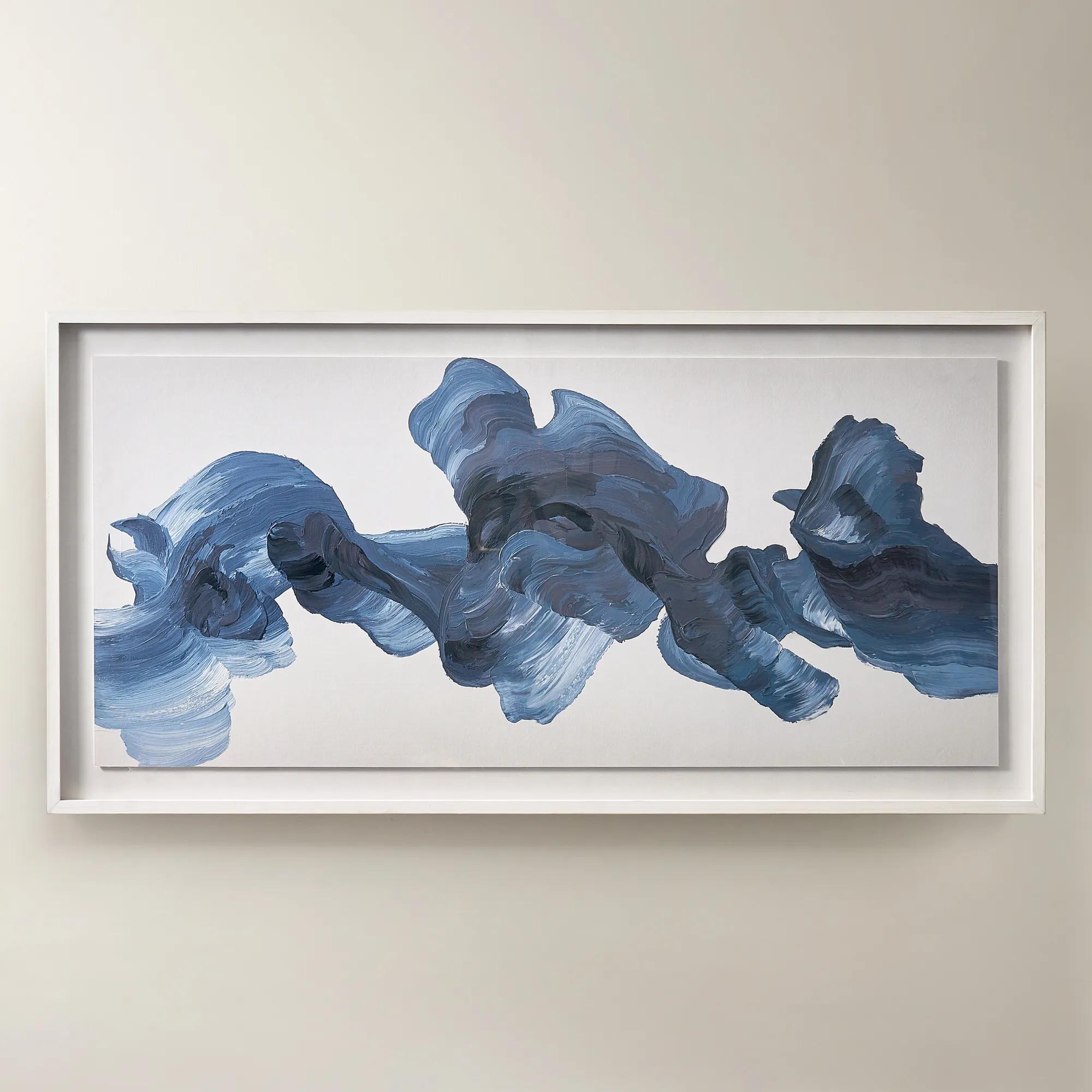
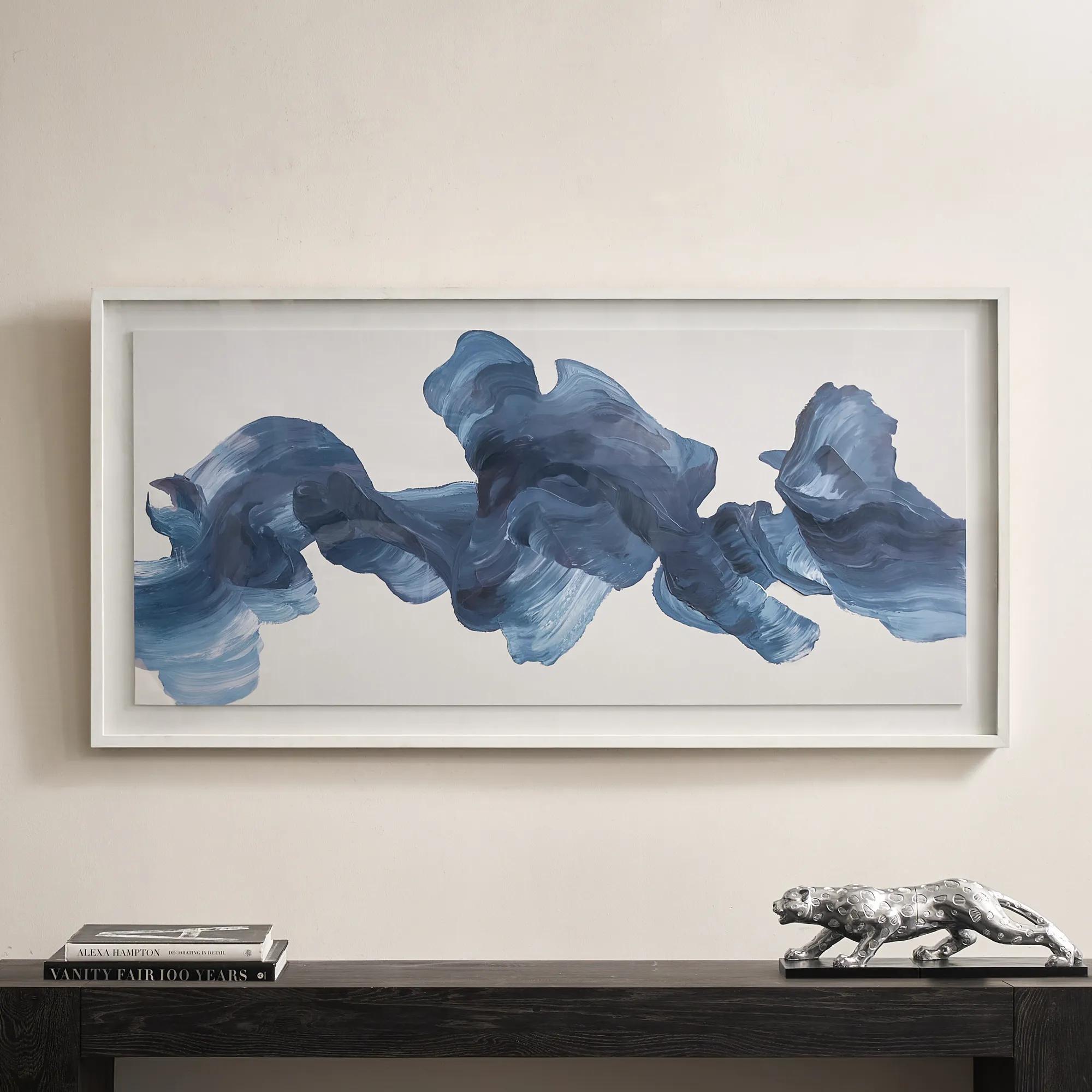 Blue Theory Framed Painted Wall Art in Acrylic 60" x 30"$499
A hand-painted canvas in deep ink blue, framed under acrylic with a whitewashed wood frame.
Add To Cart -
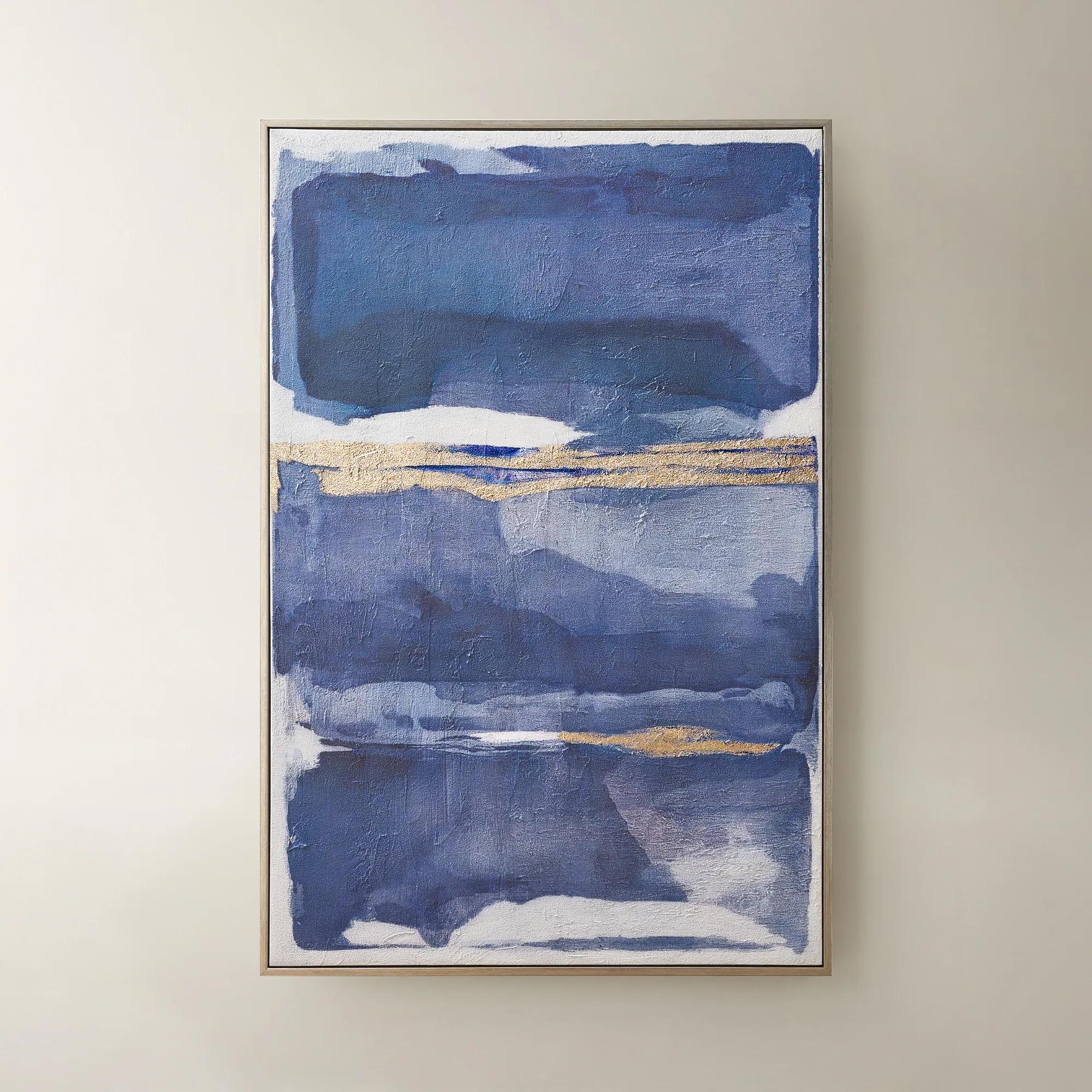
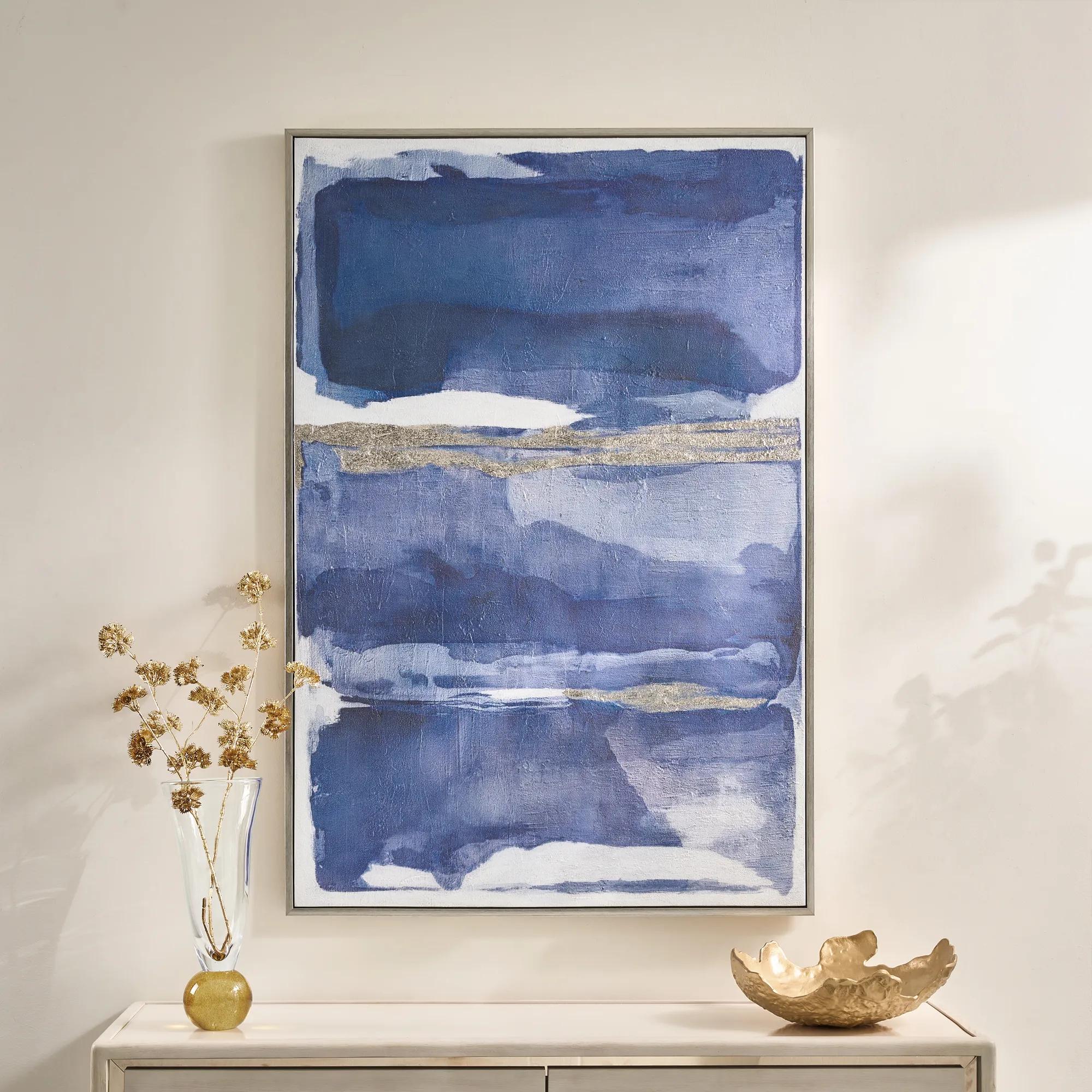 Memories in Blue Framed Painted Wall Art 40" x 60"$499
A hand-painted canvas in deep ink blue with champagne leafing for a sophisticated, gallery-inspired look.
Add To Cart -
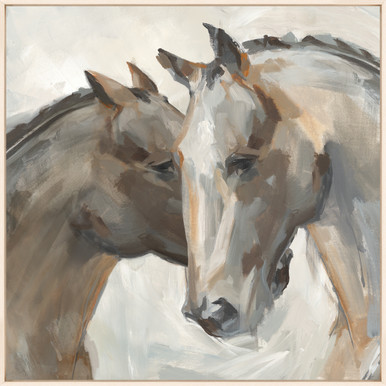
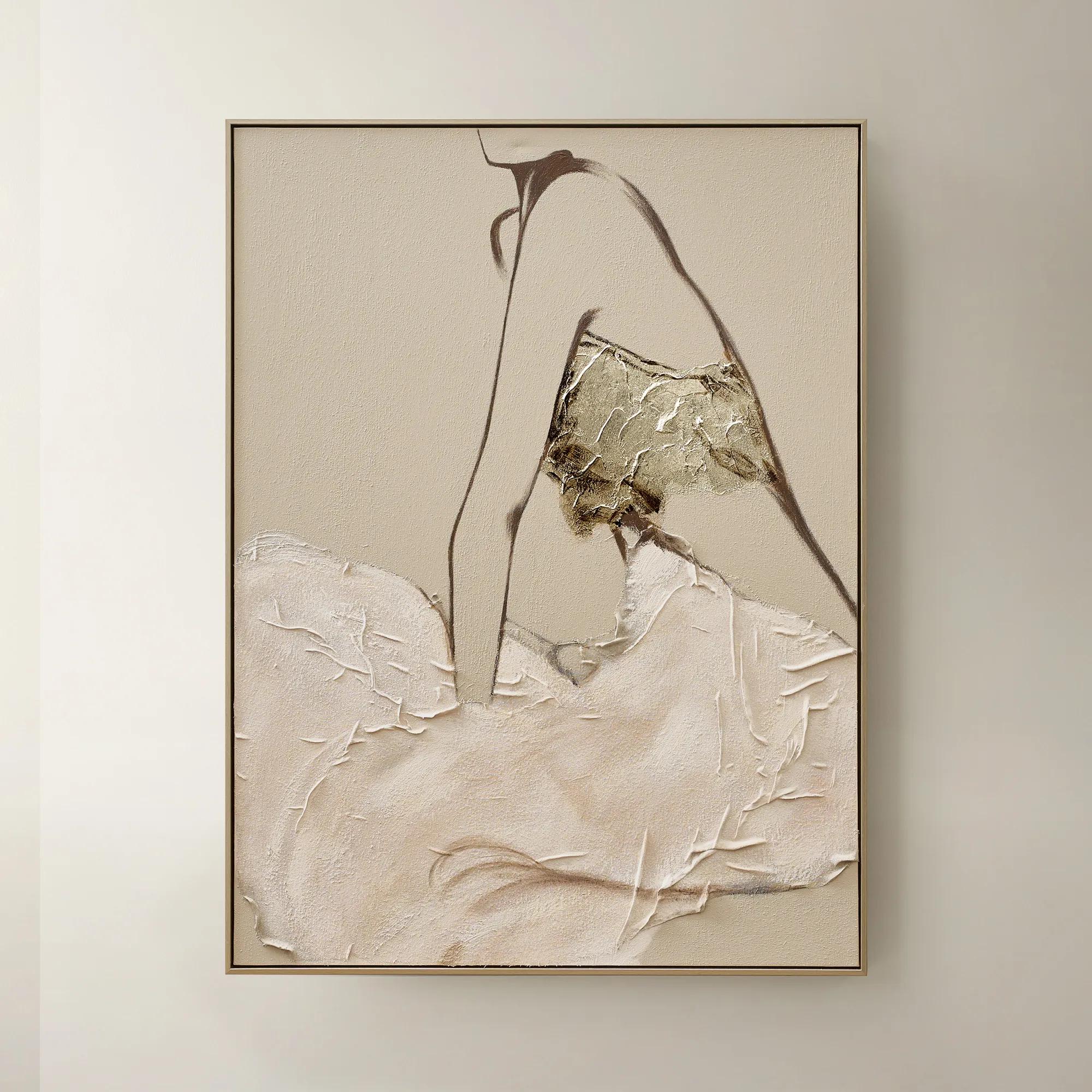 Quiet Pose Framed Painted Wall Art 36" x 48"$499
A hand-painted canvas in taupe and champagne tones features textural details and shimmering champagne leafing.
Add To Cart -

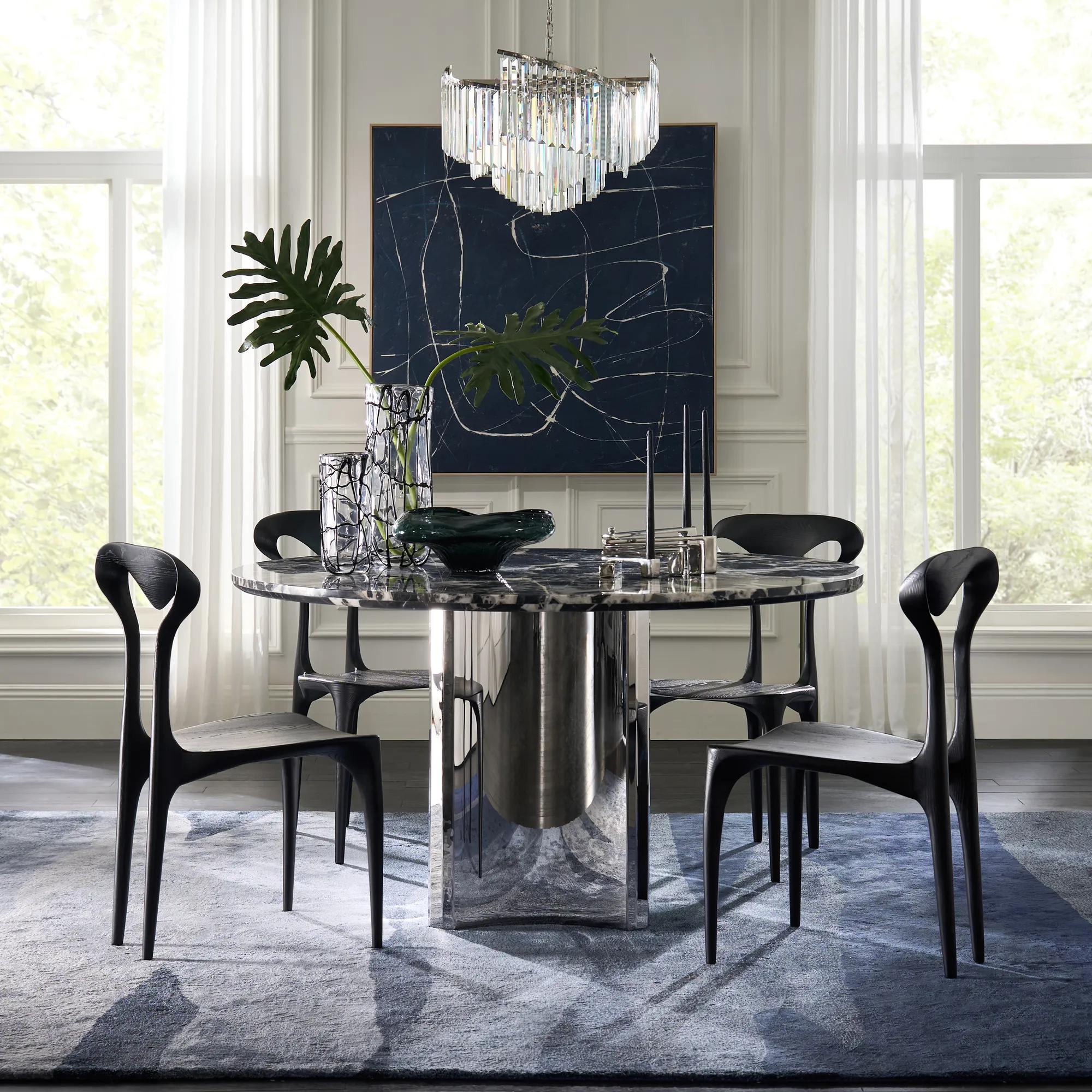 Almost Midnight Painting - Blue$439
A hand-painted canvas featuring bold blue and black tones with delicate white lines in a light wood frame.
Add To Cart -
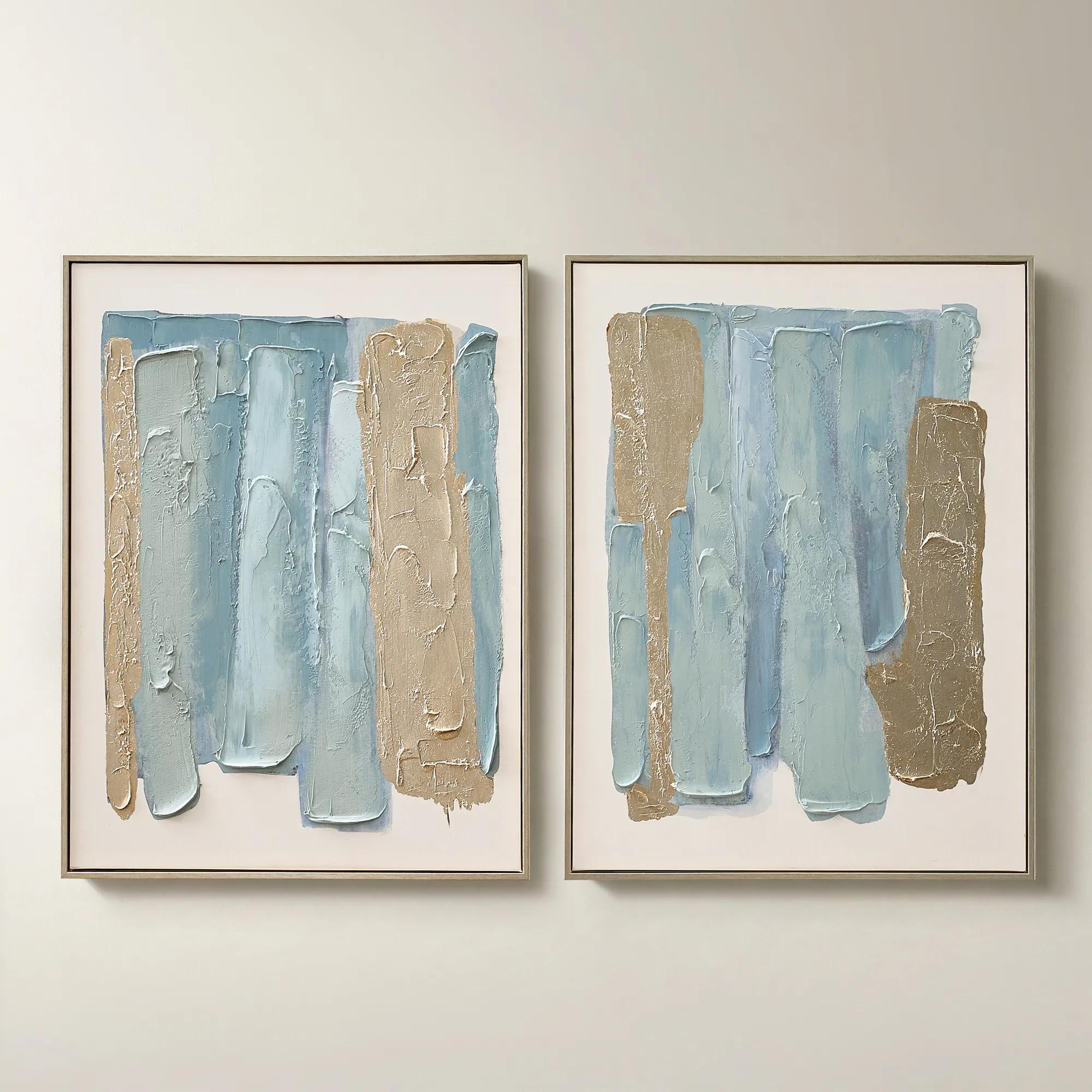
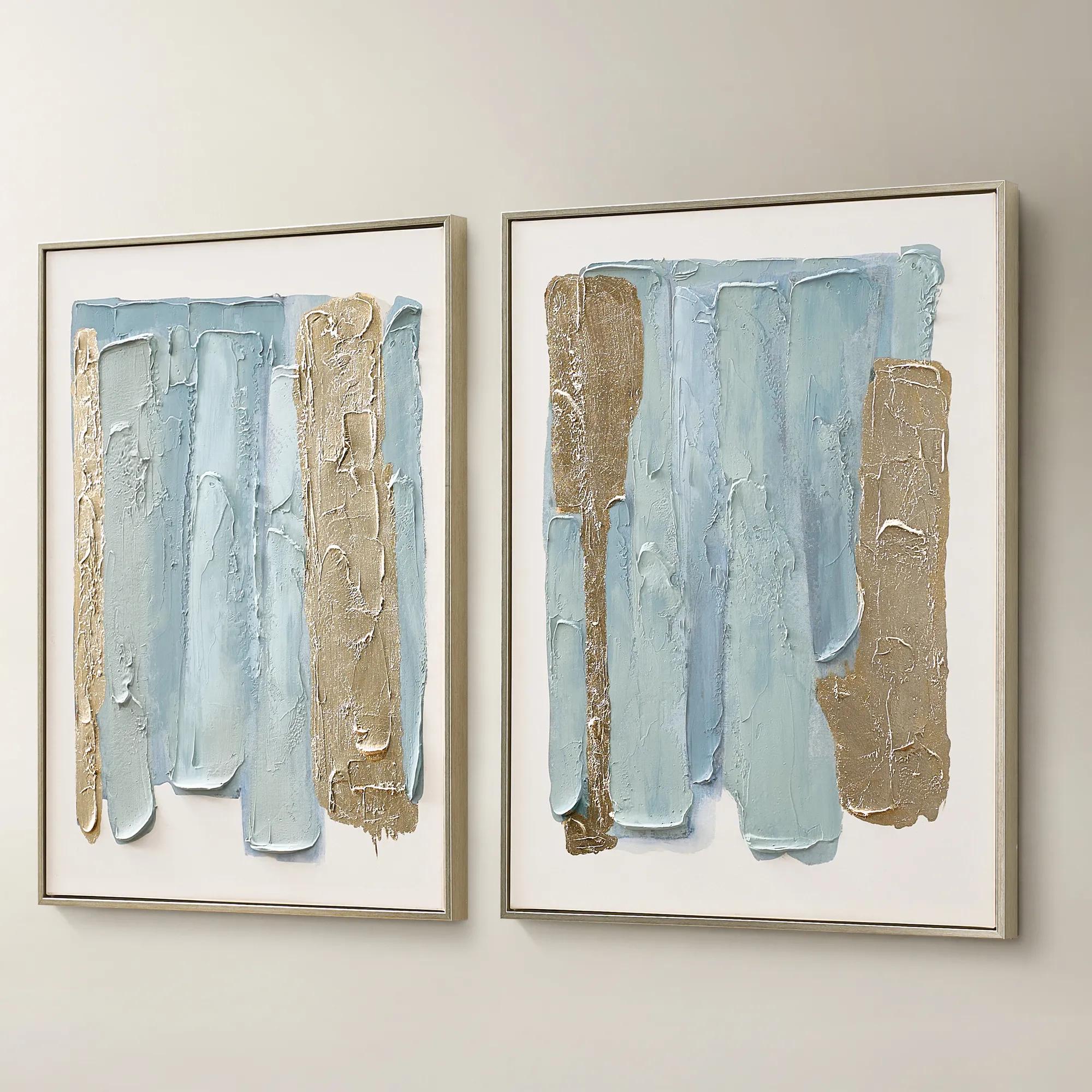 Blue Drift Framed Champagne Painted Wall Art 24" x 32" Set of 2$199
A set of two hand-painted canvases in dusty blue with champagne leafing and modern abstract movement.
Add To Cart -
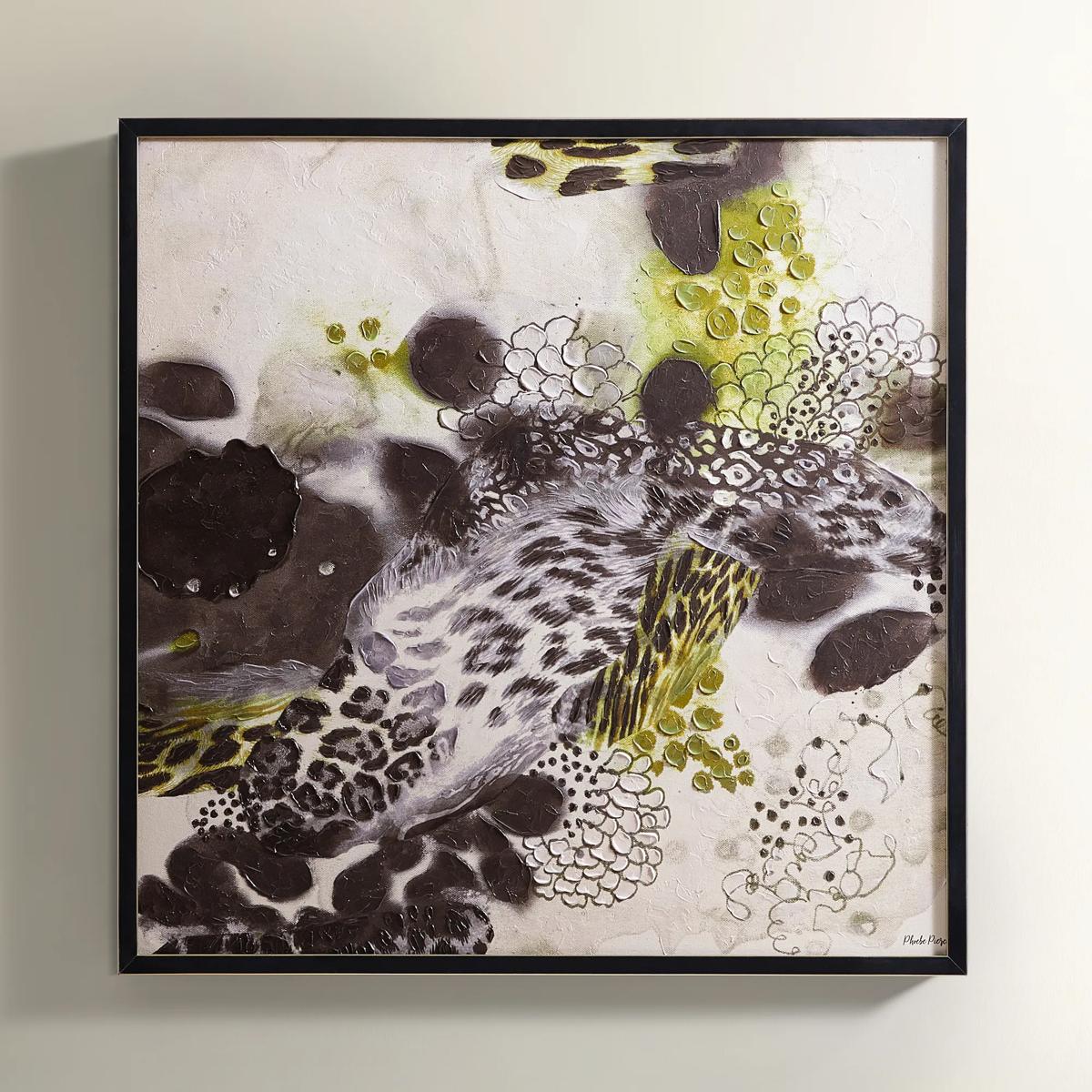
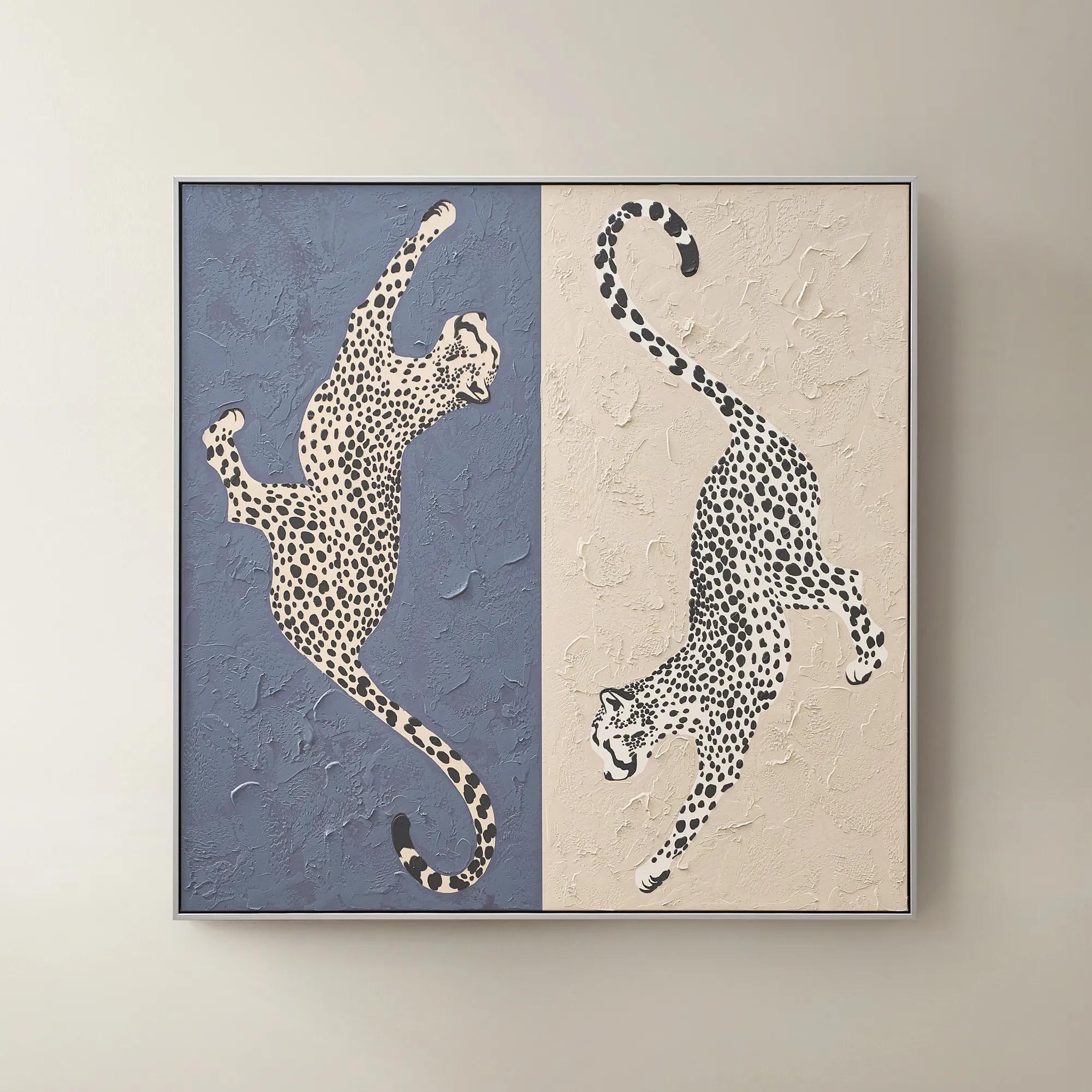 Leopard At Play Framed Painted Wall Art 40" x 40"$299
A hand-painted canvas in ink blue and taupe features playful leopard-inspired art with a silver-black frame.
Add To Cart

Statement Wall Art Under $500
Find expressive wall art for $500 or less and give your living room a distinctive point of view. Explore artwork through the details that define its presence: sweeping compositions, rich color, dimensional texture, and a striking frame. Let the mood lead—whether you favor serene abstraction or a dramatic figurative statement—then consider how the piece will relate to your seating, wall finish, and surrounding accents.
A compelling living room begins with artwork that holds your attention. To choose statement wall art within a $500 budget, consider composition and proportion together rather than selecting by color alone. A horizontal arrangement can echo the line of a sofa, while a vertical composition draws the eye upward beside a seating area. Measure the intended wall and compare the artwork’s overall framed dimensions, leaving enough open space for its outline to remain distinct. For a coordinated art set, plan the entire arrangement, including the gaps between pieces. View the proposed placement from both the room’s entrance and your favorite seat to judge how it connects with the furniture. Surface and finish bring another layer of expression to the choice. Look closely at each piece’s materials and details: painted texture emphasizes gesture, metallic embellishment introduces shimmer, and dimensional elements create a play of light and shadow. Against a richly textured wall, a restrained composition offers contrast; on a smooth wall, a more tactile work can take the lead. Consider the room’s daylight and evening lighting, especially around reflective finishes or glazing. Then carry a secondary color or finish from the artwork into a few surrounding accents rather than repeating every element. This creates a living room with a shared visual language while allowing the art to retain its individuality.
FAQs
Abstract art centers on color, line, shape, and movement without necessarily depicting a recognizable subject. Figurative art includes recognizable forms, often people or animals. Choose abstraction for an expressive color story, or figurative work when you want a subject that invites a closer look.
Artwork does not need to match upholstery exactly. A shared undertone or a single repeated accent color can connect the two, while contrasting hues give the composition more independence. Choose art you find compelling, then use smaller accents to bridge its palette with the seating.
Different frame finishes can form an intentional collection when another element unites the artwork, such as palette, subject, or visual rhythm. Black introduces definition, wood tones offer warmth, and metallic finishes add gleam. Repeat a finish selectively rather than requiring every frame to be identical.
Give the works a common thread, such as related colors or a similar mood, and let one composition take the lead. Pair a detailed figurative piece with a quieter abstract work, or connect contrasting subjects through recurring lines and shapes for a collected, personal display.
Begin with the artwork’s dominant mood, then draw out a secondary hue, a surface texture, or a metallic detail for surrounding accents. Balance expressive art with quieter elements so each detail has a purpose. Explore more <a href="https://zgallerie.com/o/statement-art-and-living-room-decor">statement art and living room decor inspiration</a> to bring the composition together.