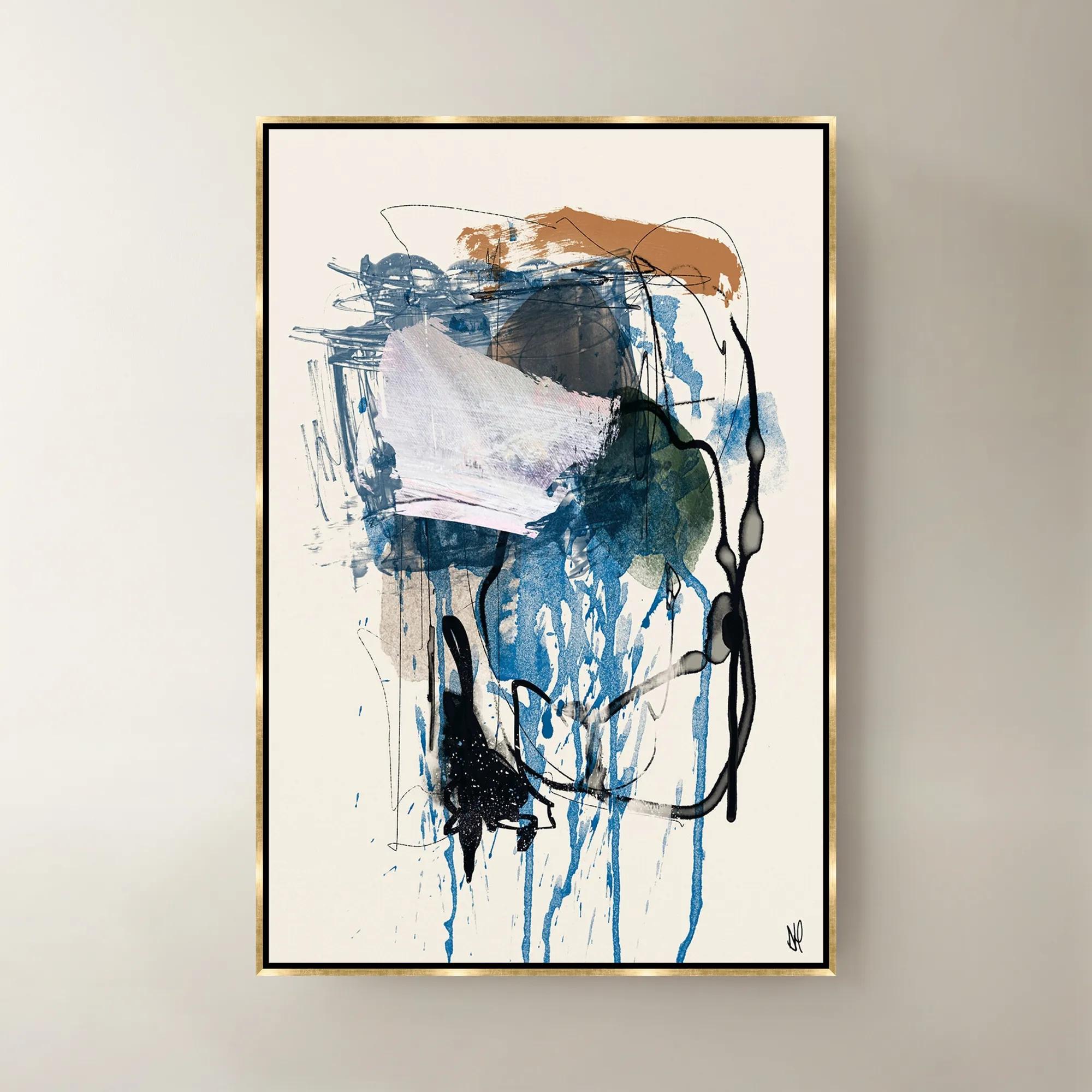
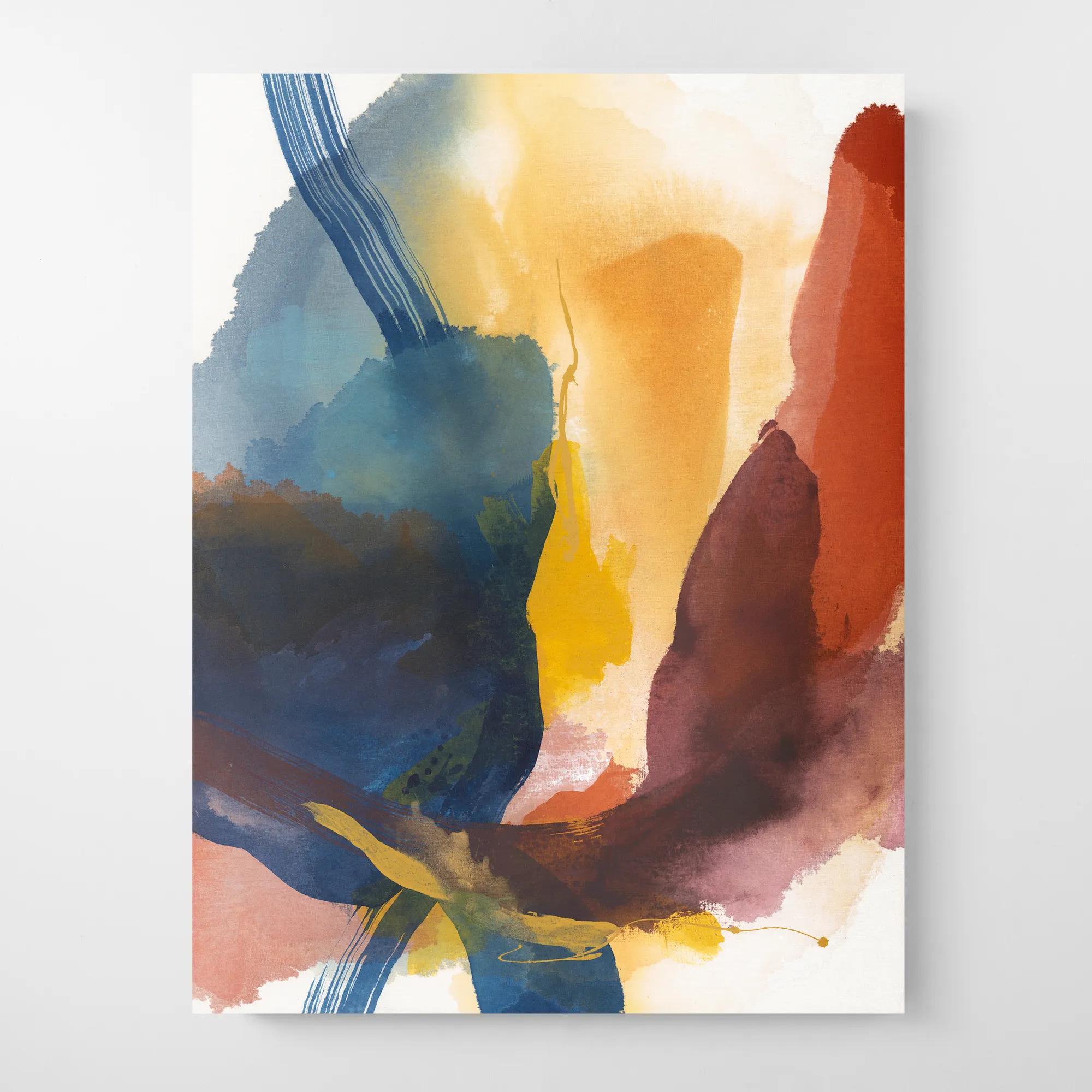
Statement Abstract Landscape Wall Decor
Statement Abstract Landscape Wall Decor
-
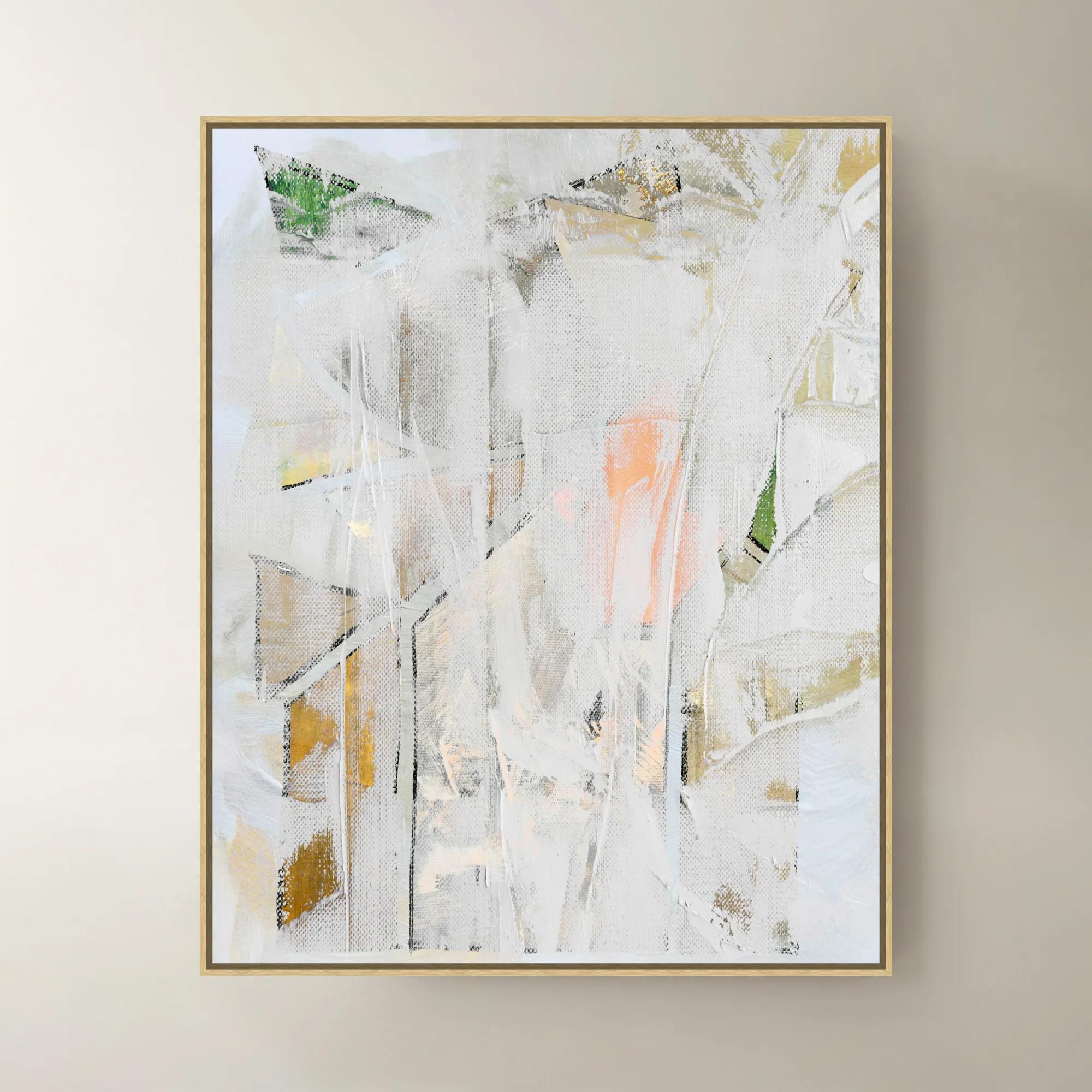
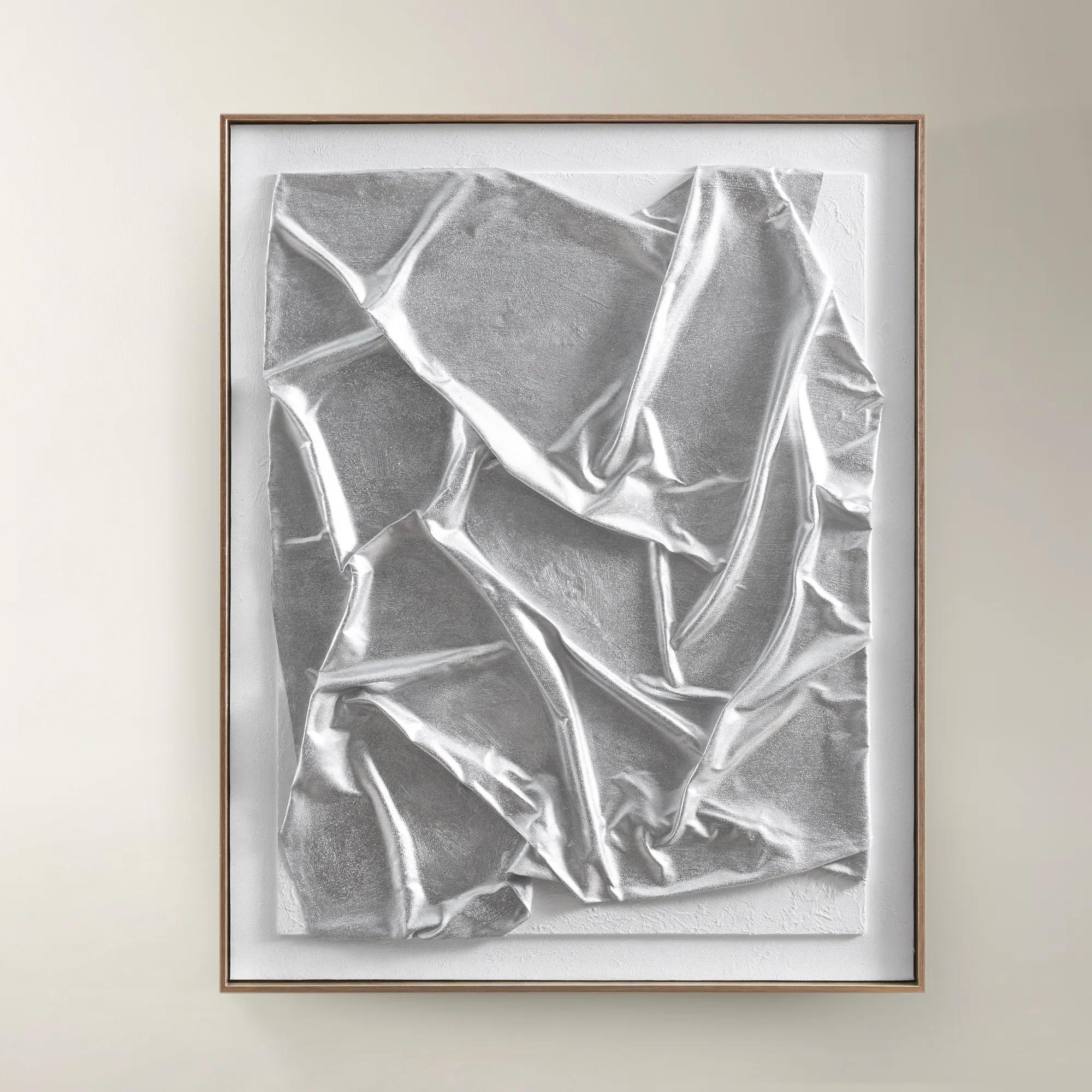 In the Mood Framed Painted Wall Art 31.5" x 39.5"$199
A hand-painted abstract canvas in shimmering silver tones, set in a warm champagne floater frame.
Add To Cart -
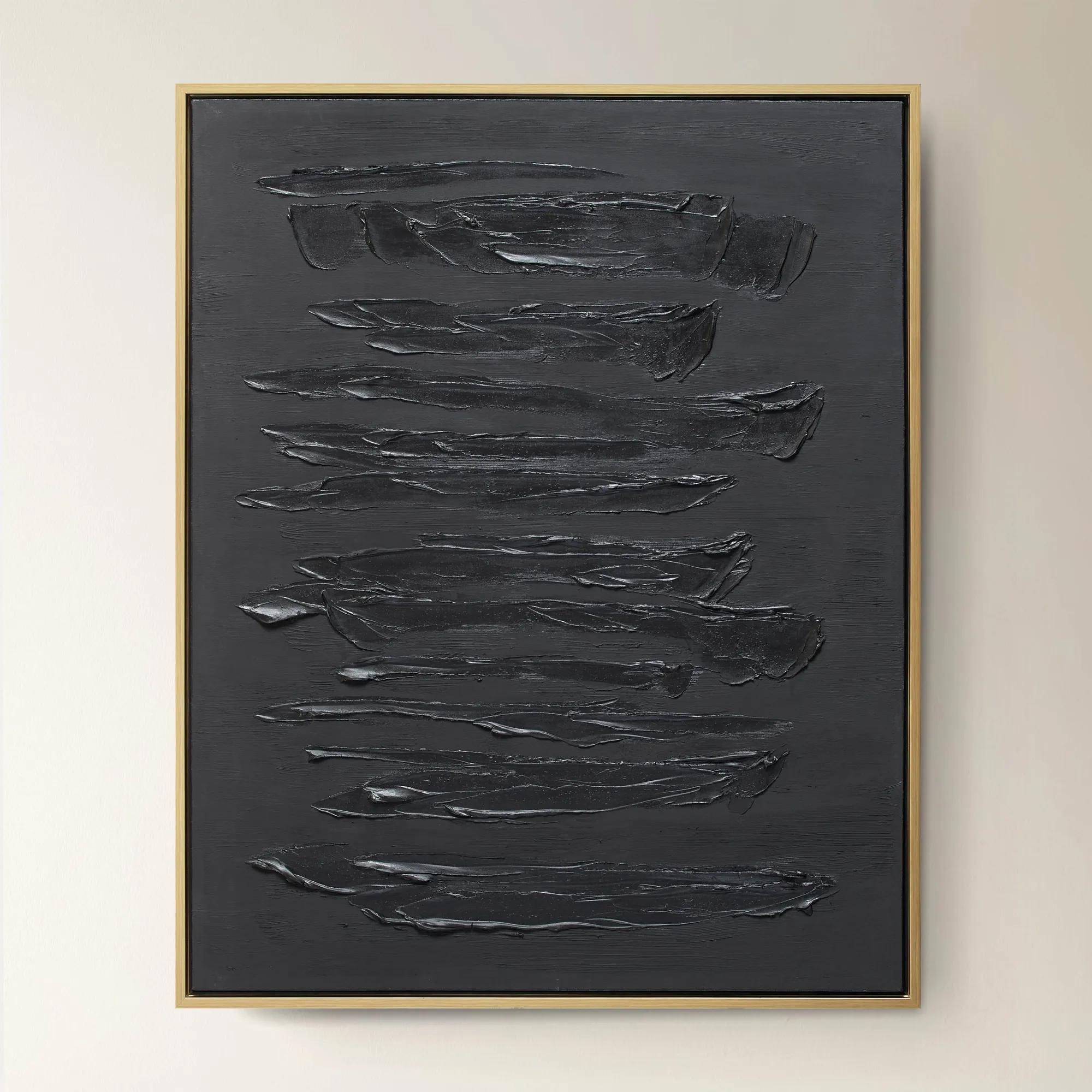
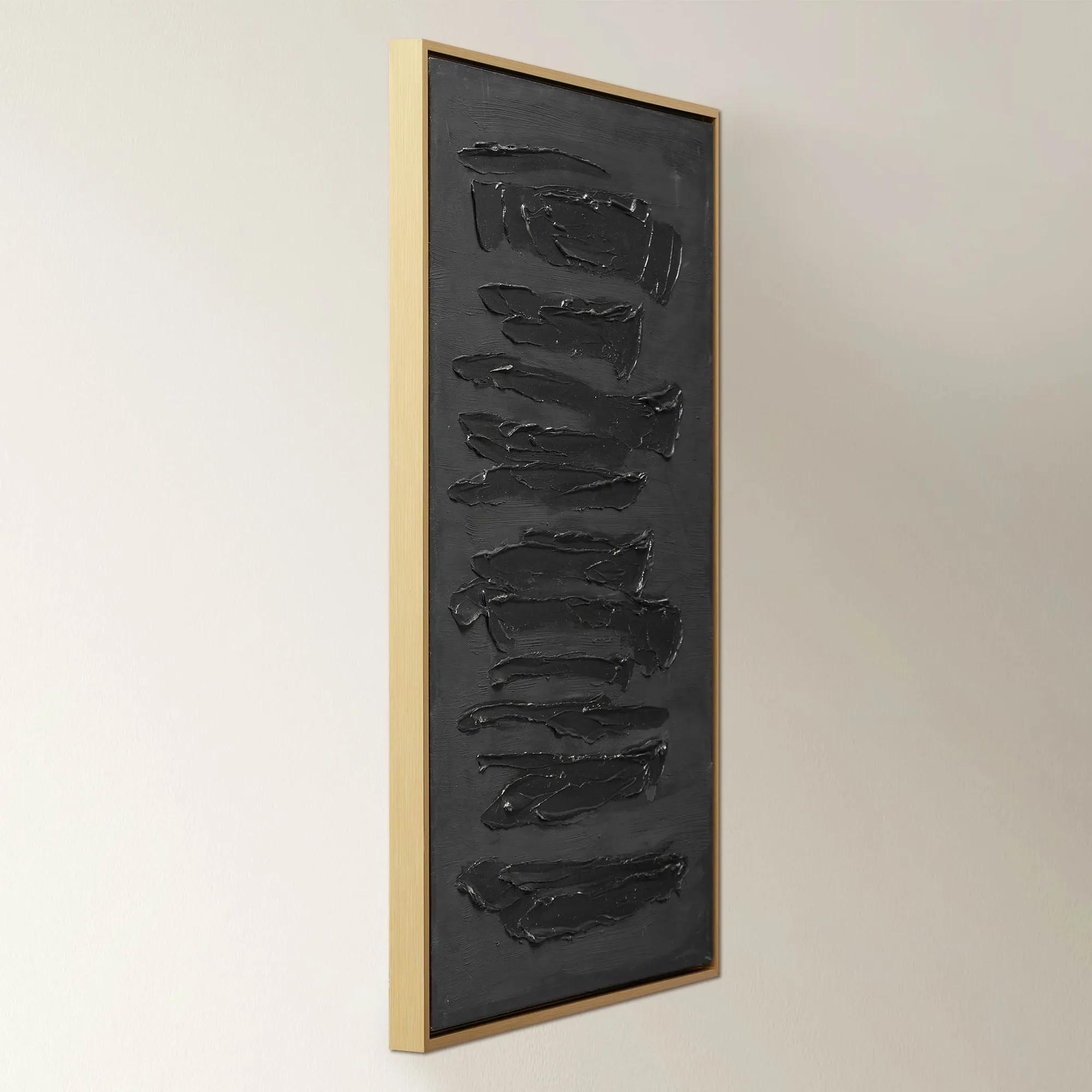 Nocturne$599.95
A dramatic abstract artwork featuring bold, dark brushstrokes on hand-painted canvas in a gold floater frame.
Add To Cart -
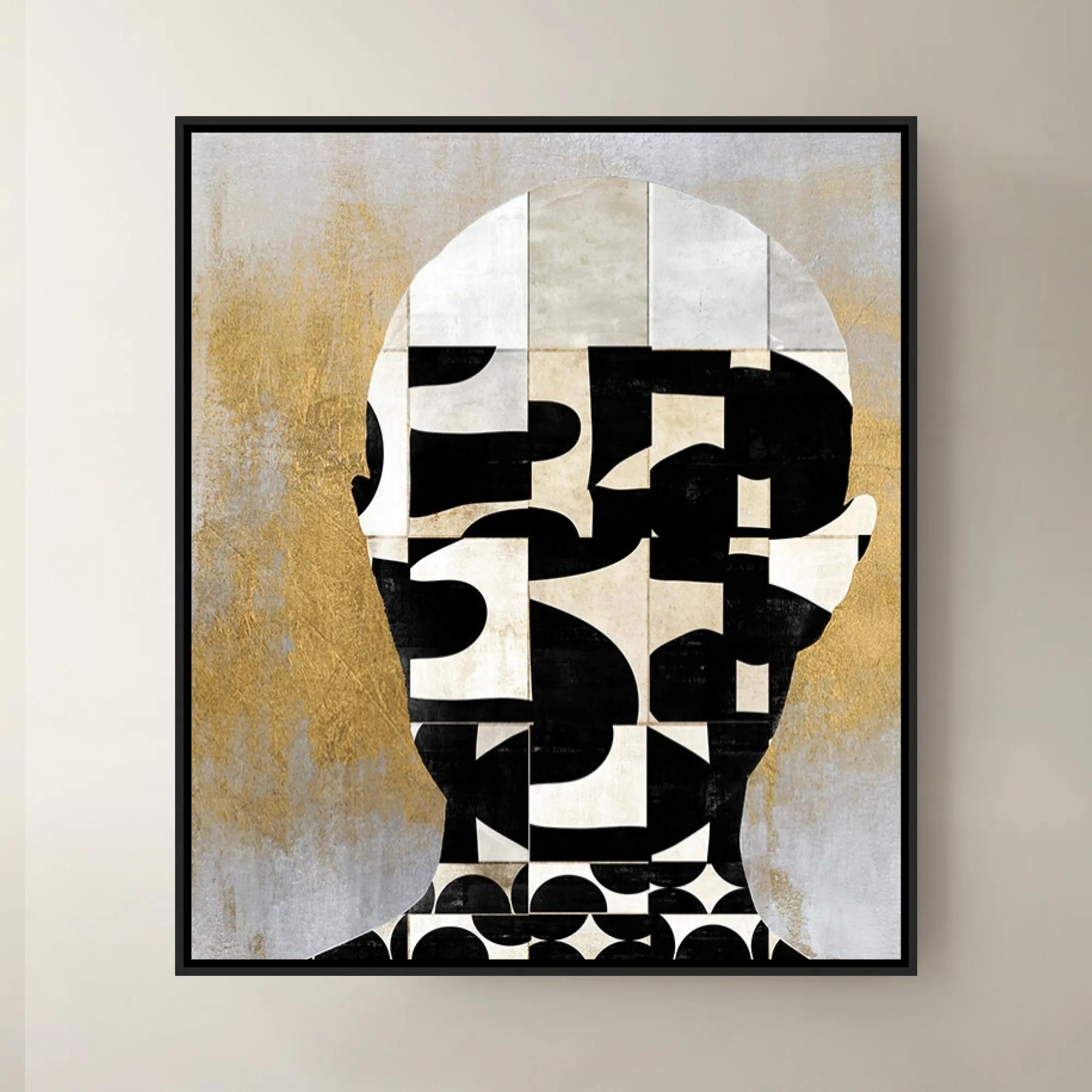
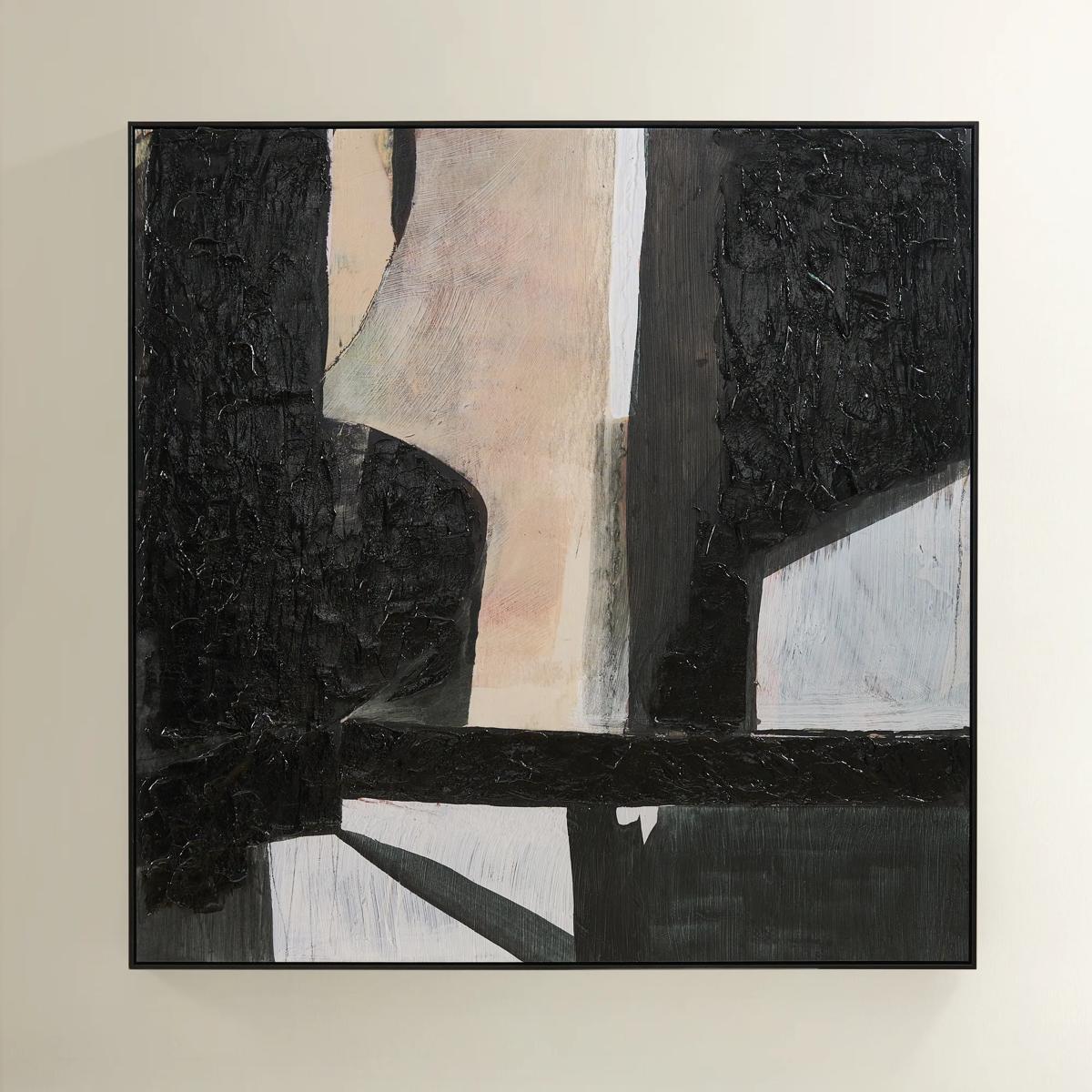 Grounded Painting$699
A hand-painted abstract canvas featuring black, cream, and earth tones in a sleek black floater frame.
Add To Cart -
-0.jpeg?w=1200&h=1200)
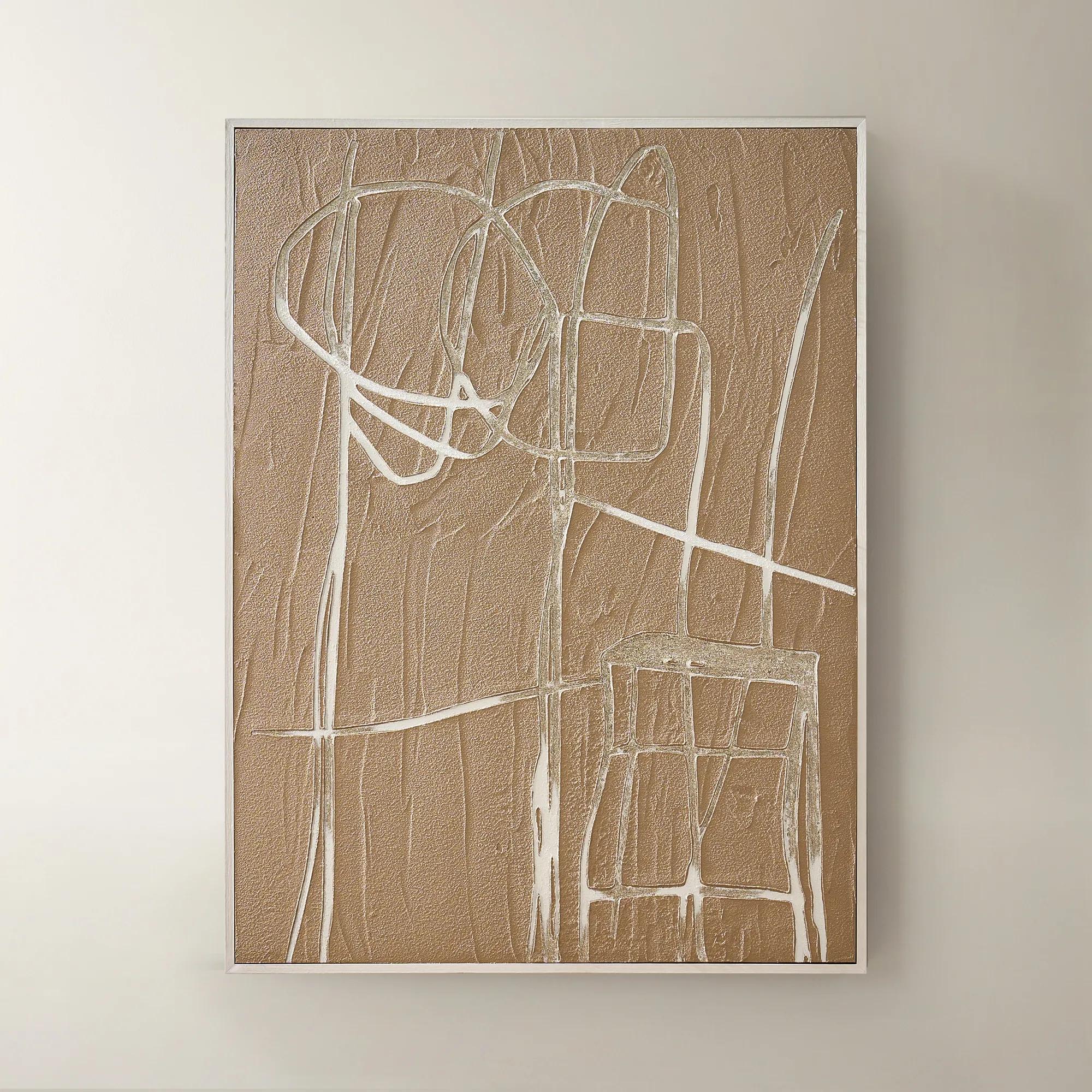
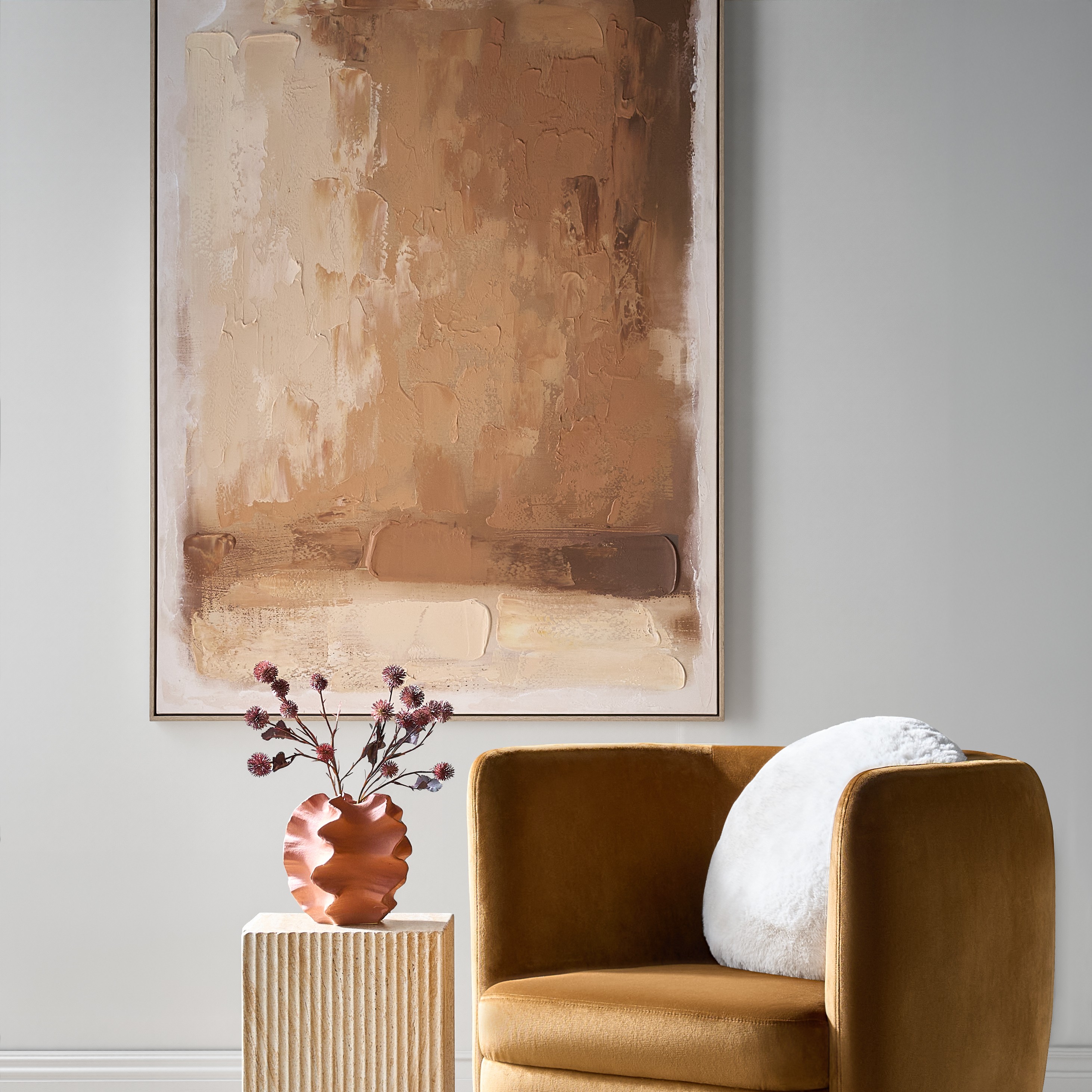 Ember Glow Framed Painted Wall Art 39.25" x 55"$499
A hand-painted abstract canvas blending ochre, terracotta, and golden clay hues in a light natural frame.
Add To Cart -
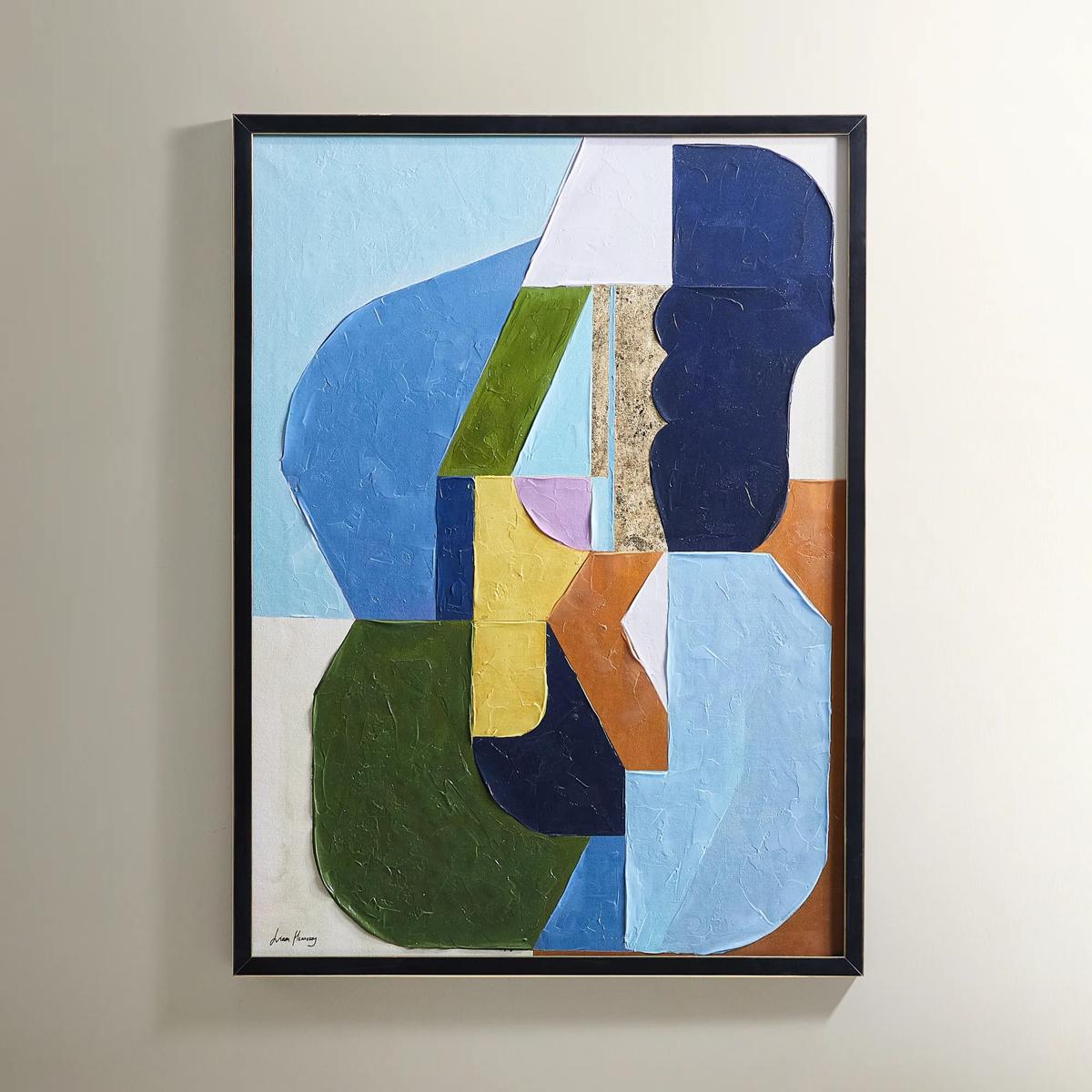
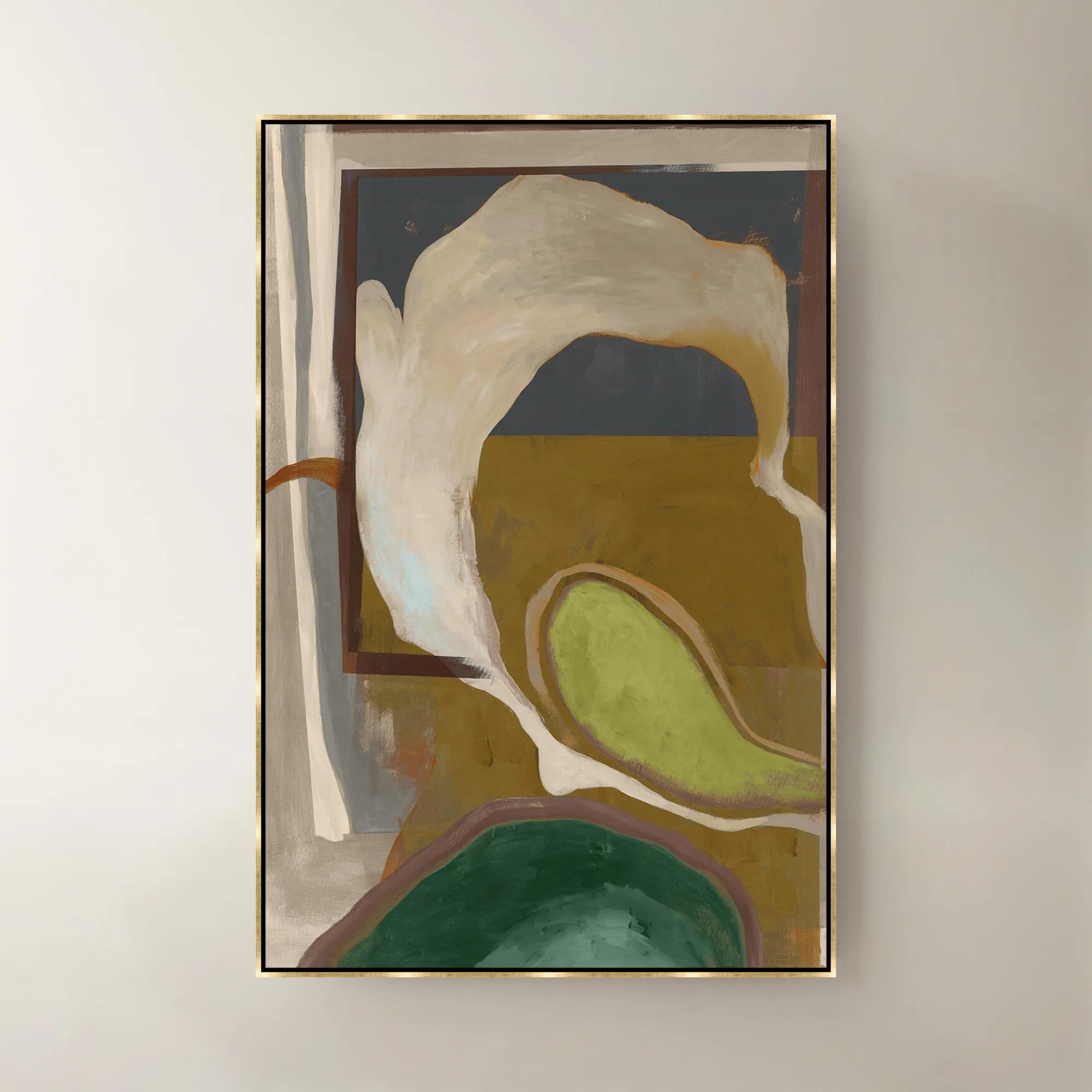
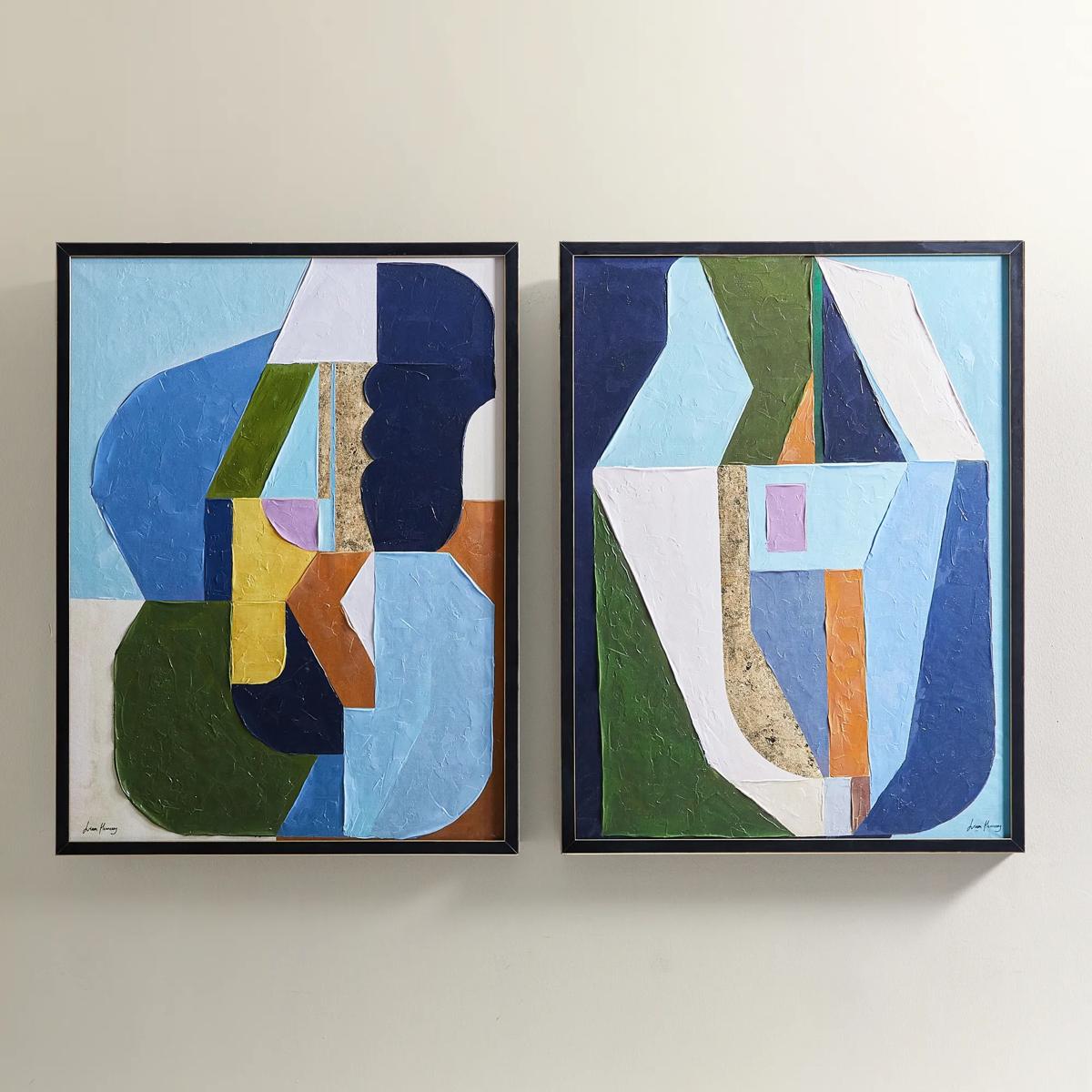 Thought Provoking Painting 1$249
A hand-embellished canvas artwork featuring textured strokes in deep blue, olive green, and gold accents.
Add To Cart -
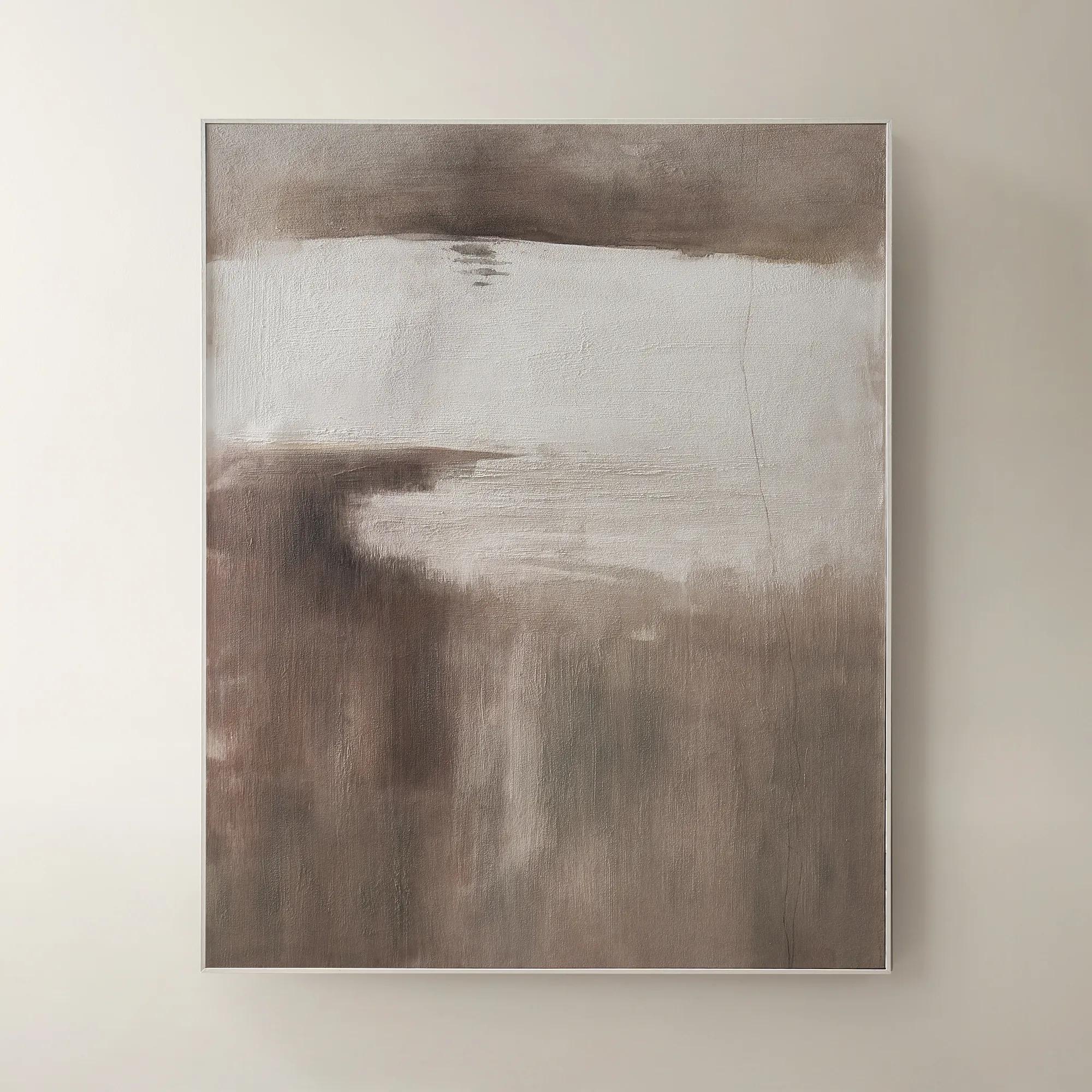
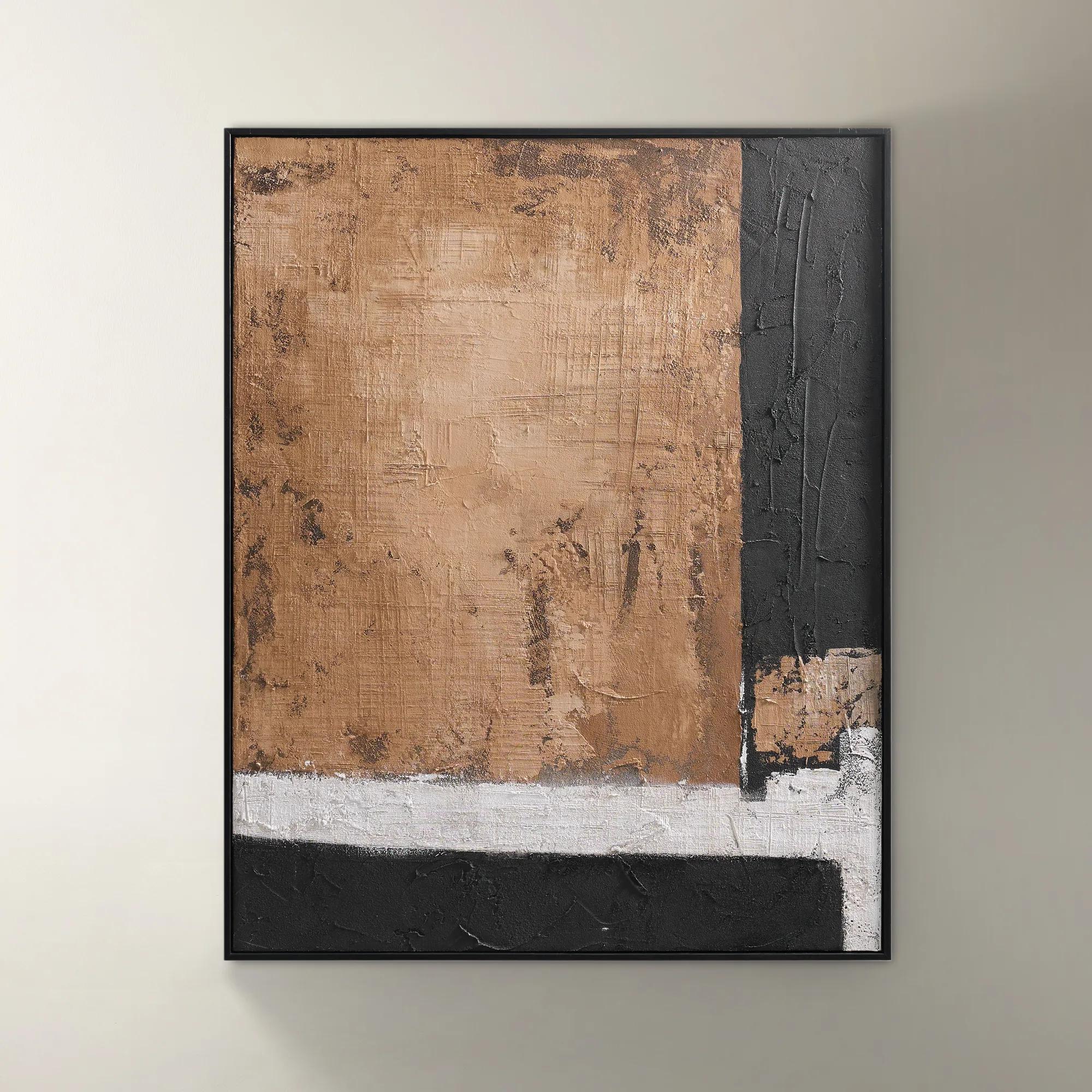 Drift Framed Painted Wall Art I 39.4" x 31.5"$299
A bold hand-painted abstract artwork featuring layered brown tones in a sleek black floater frame.
Add To Cart -
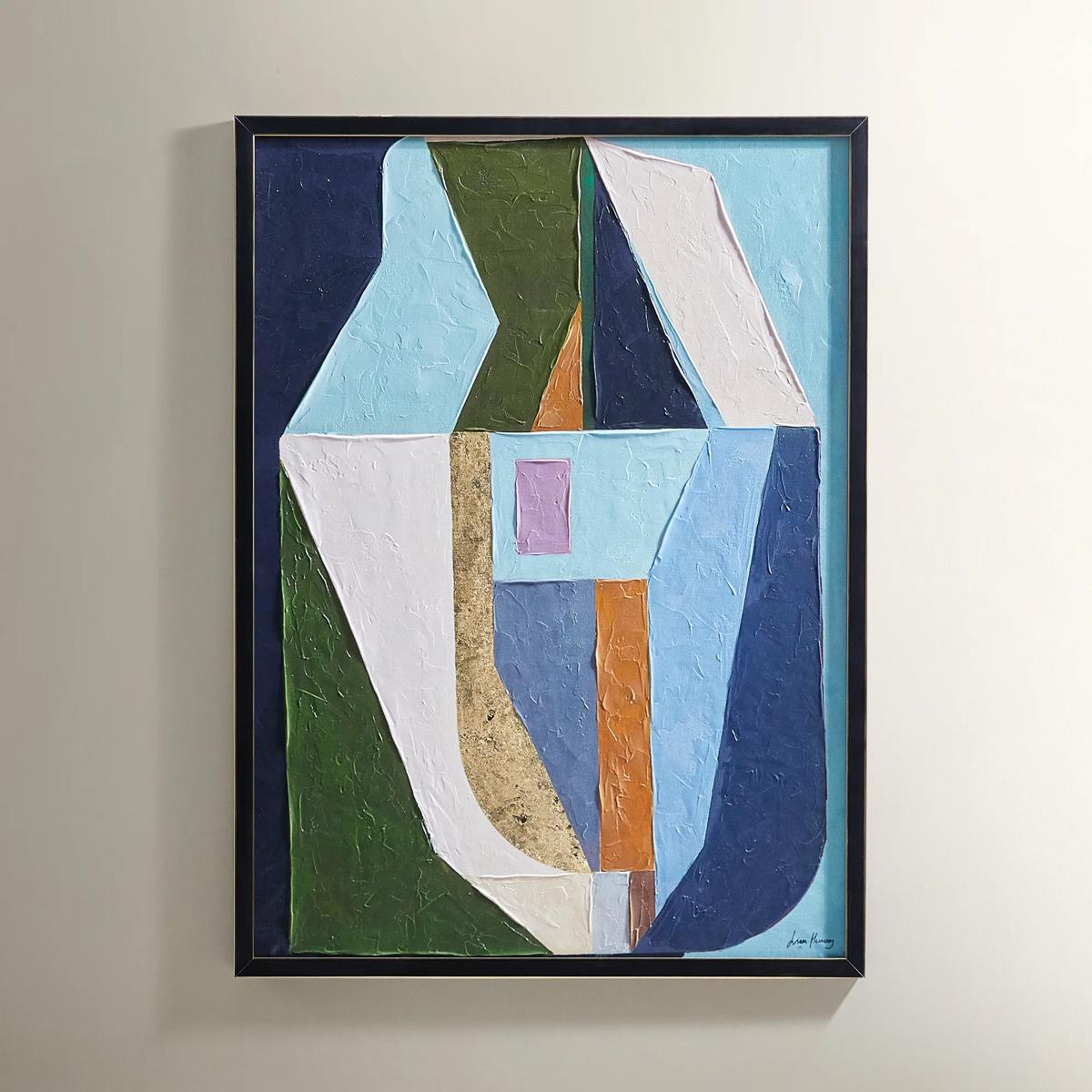 Thought Provoking Painting 2$249
A hand-embellished canvas artwork featuring textured strokes in deep blue, olive green, and gold accents.
Add To Cart -
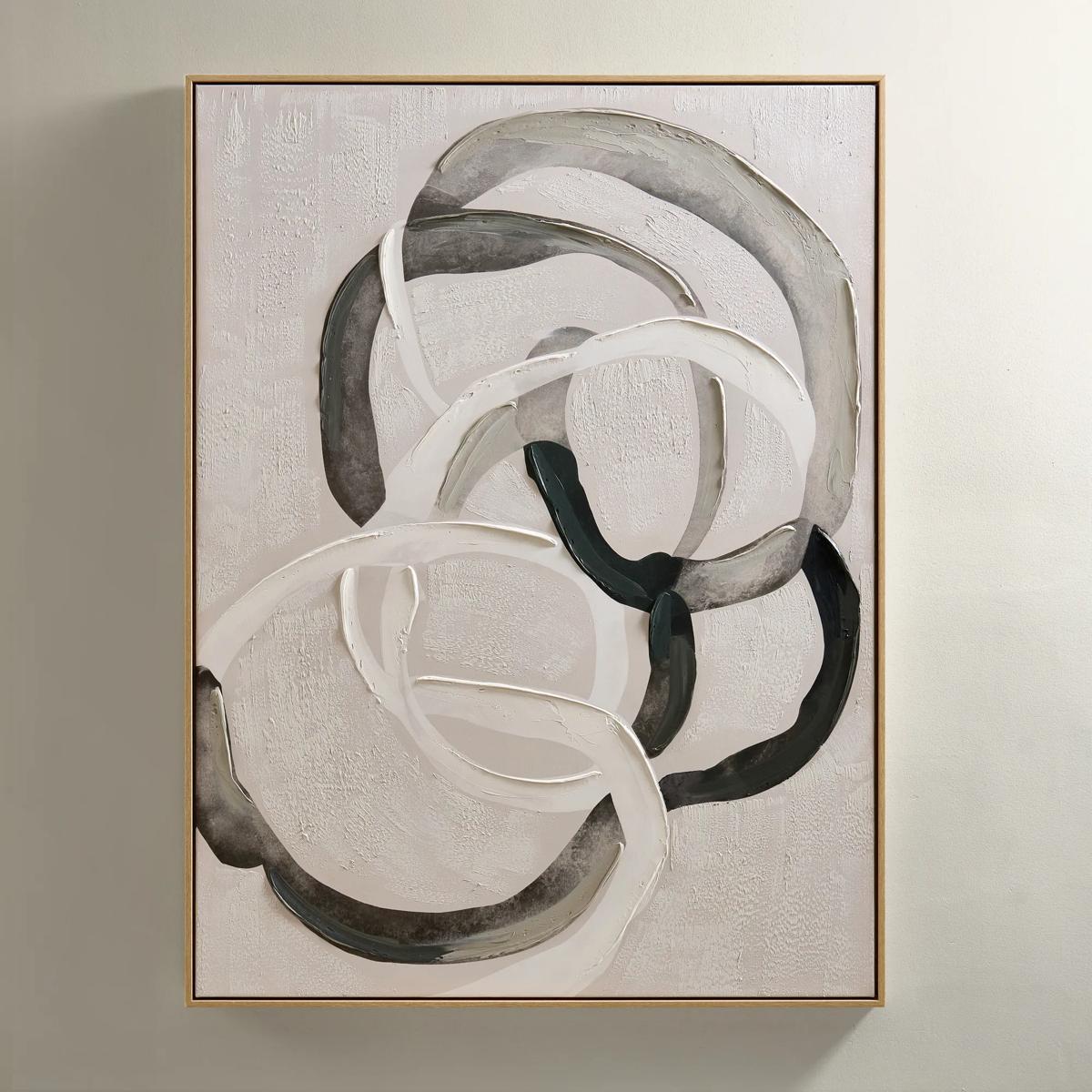
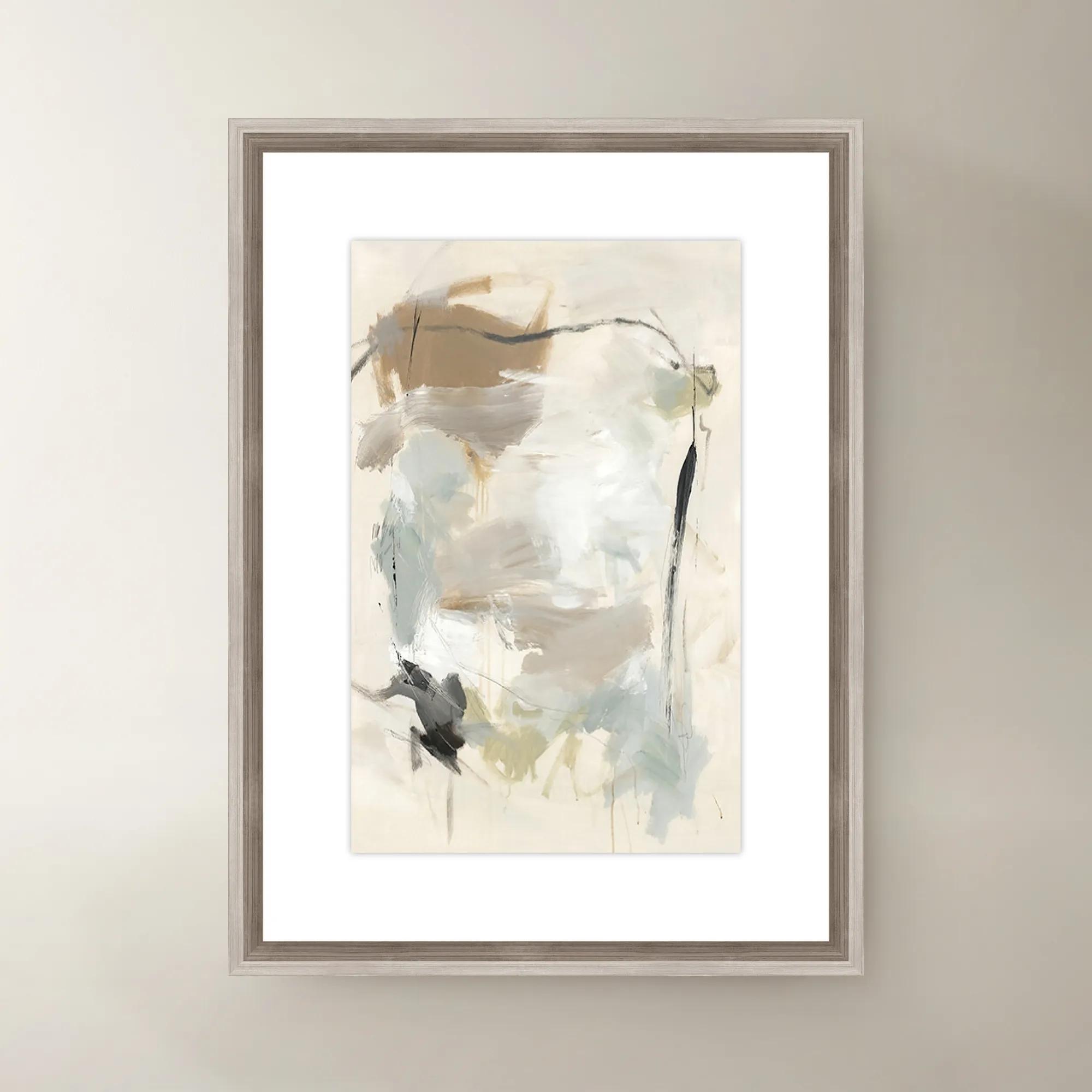
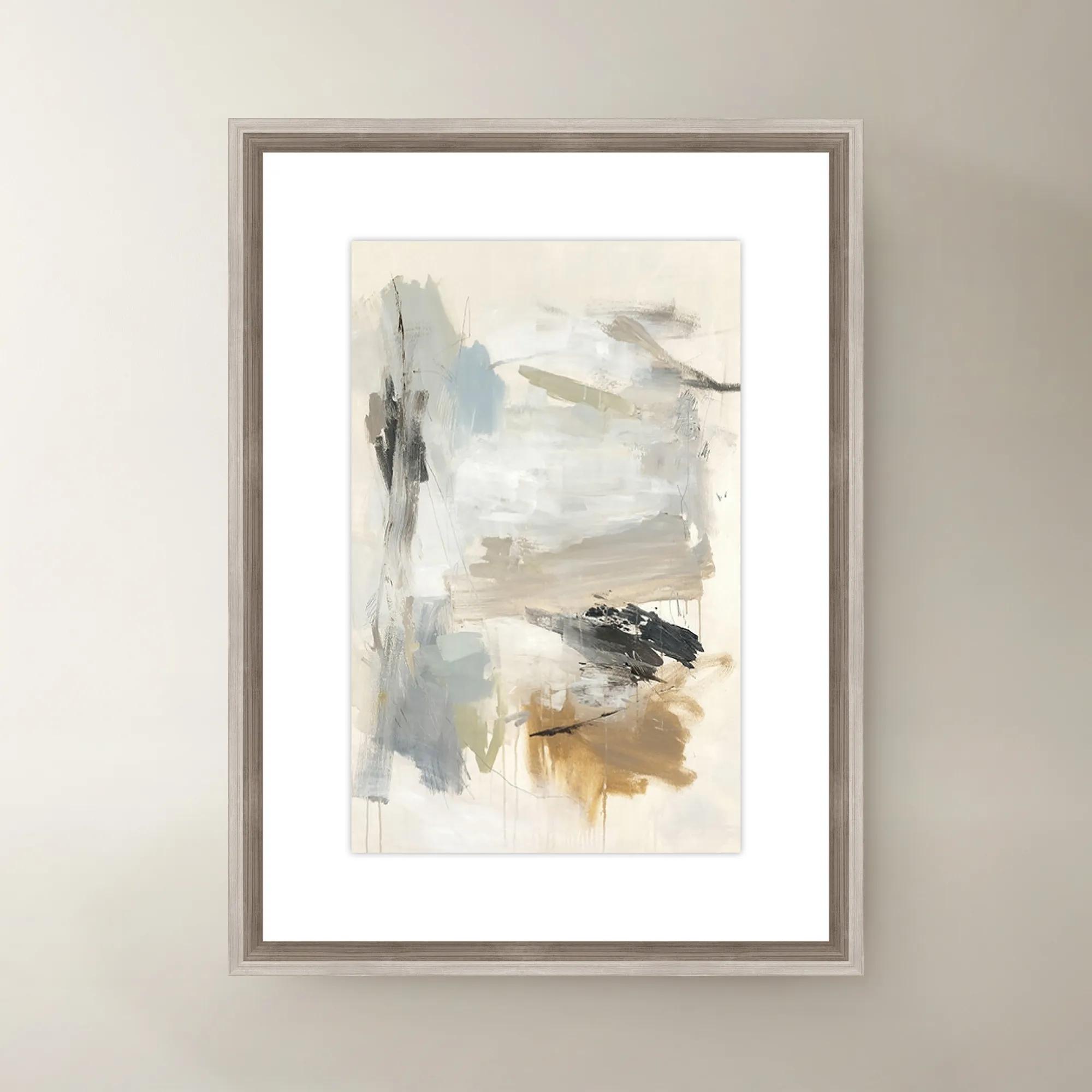
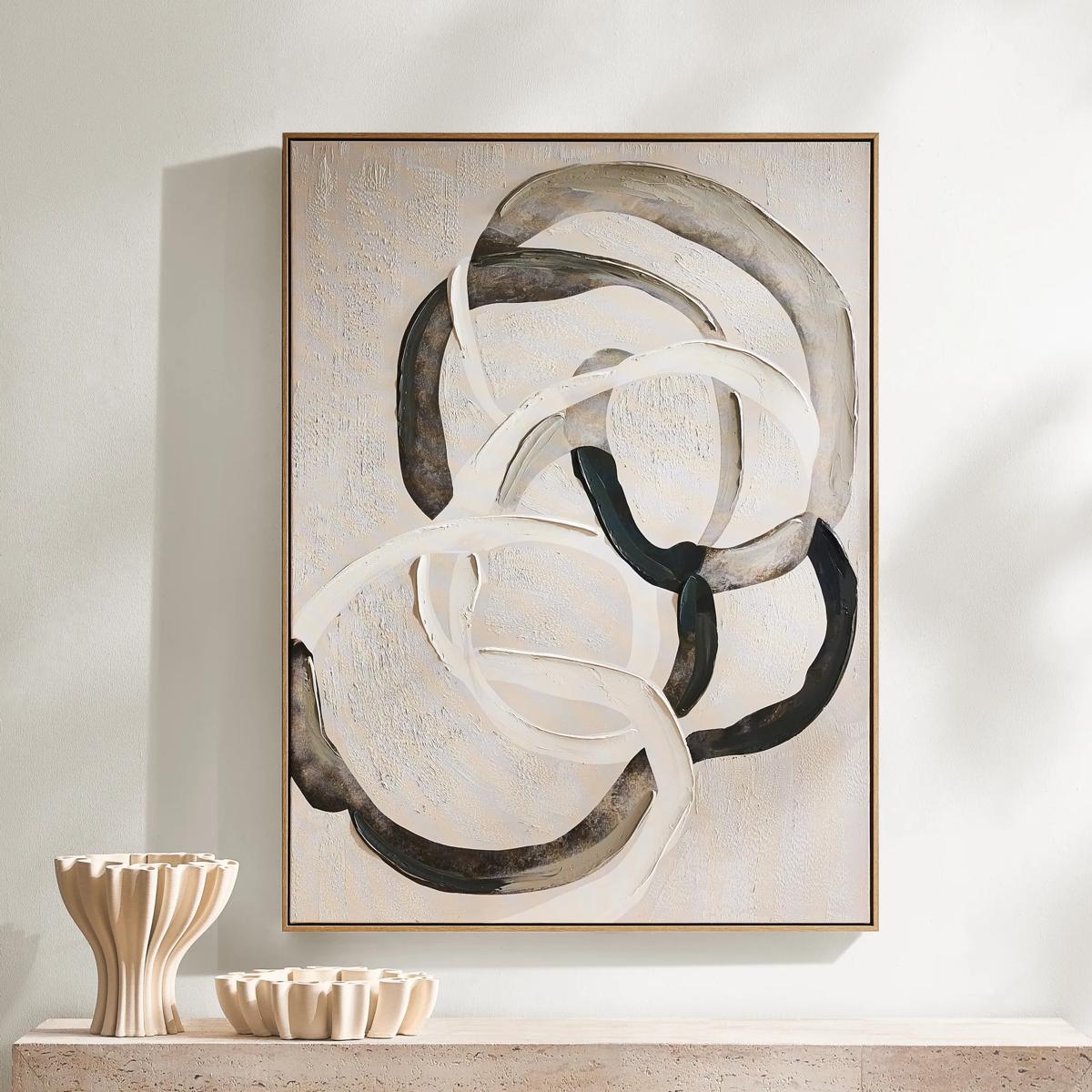 Round About Framed Painted Wall Art 35.25" x 47.25"$349
An abstract hand-painted canvas with tonal whites, charcoals, and taupes in a light wood floater frame.
Add To Cart -
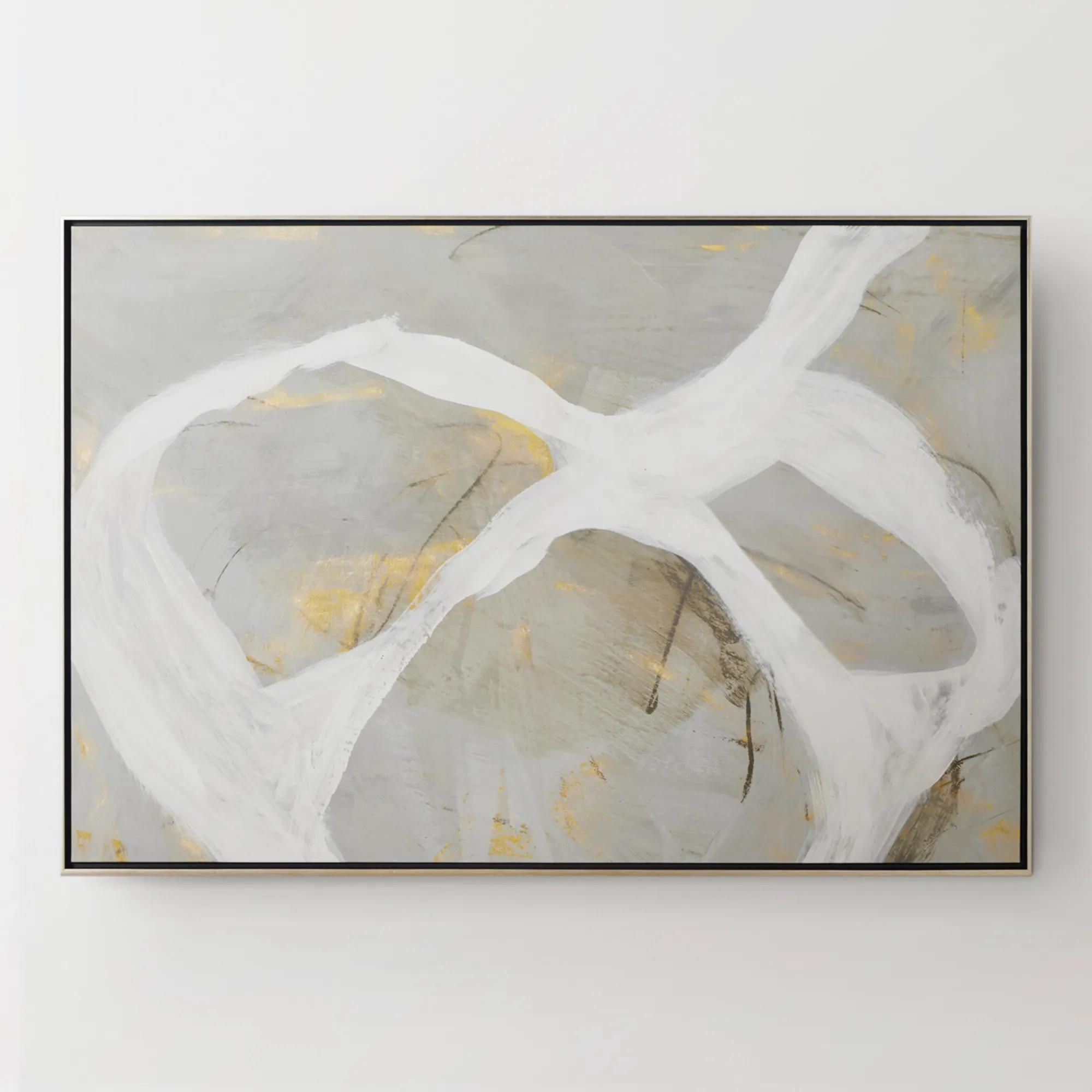
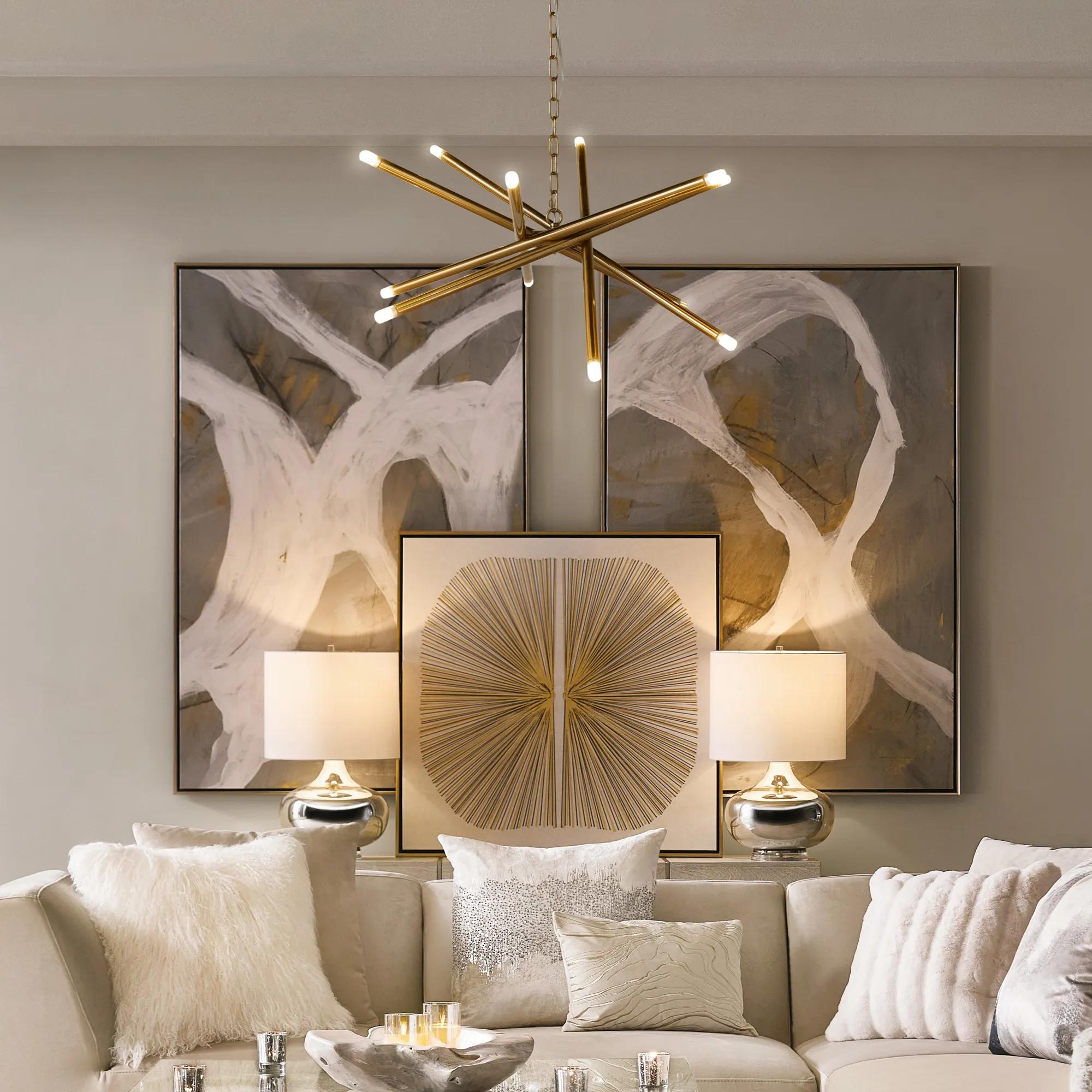 Les Series Framed Painted Wall Art I 61" x 41"$1099
An abstract canvas artwork featuring bold brushstrokes, hand-applied gold accents, and a silver floater frame.
Add To Cart -
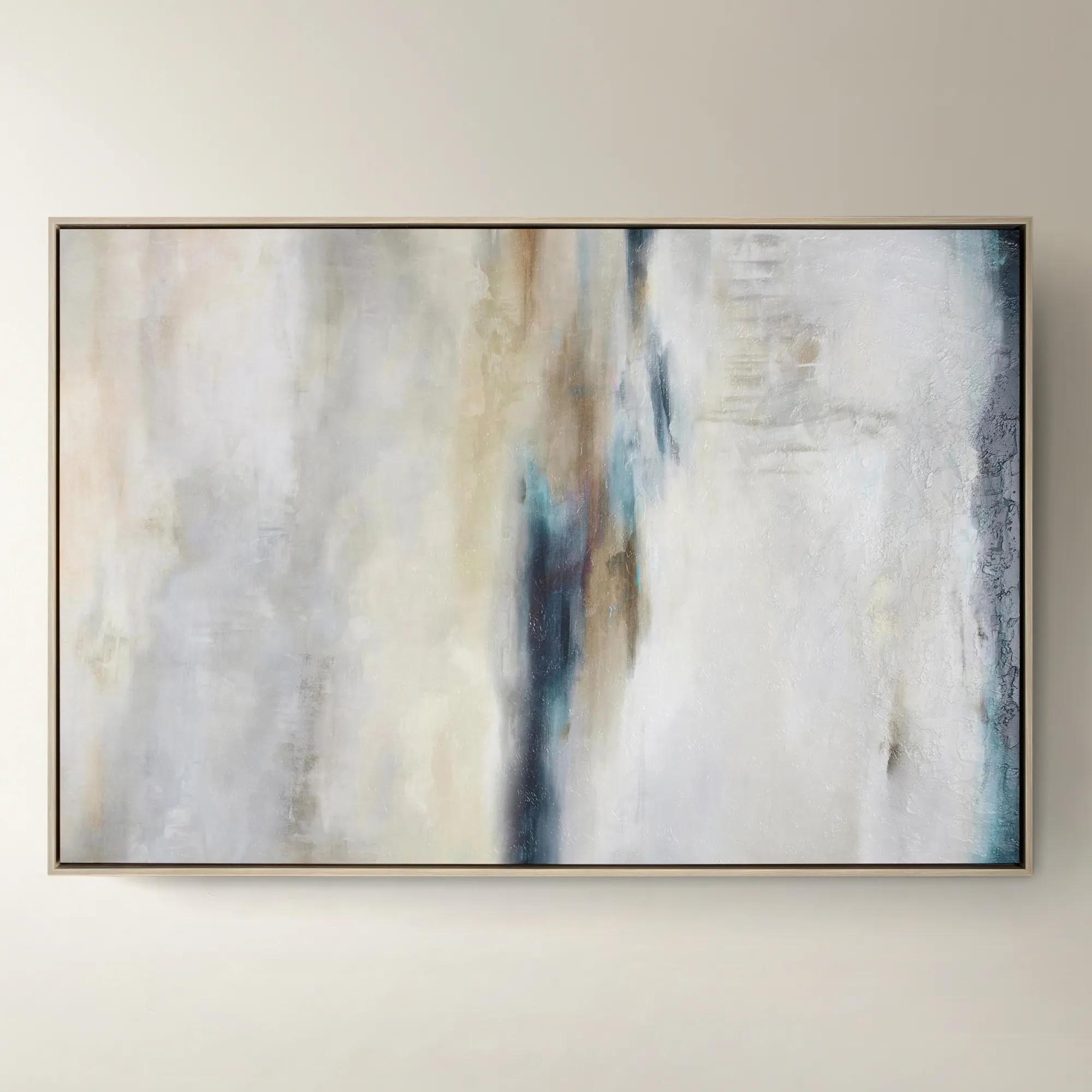
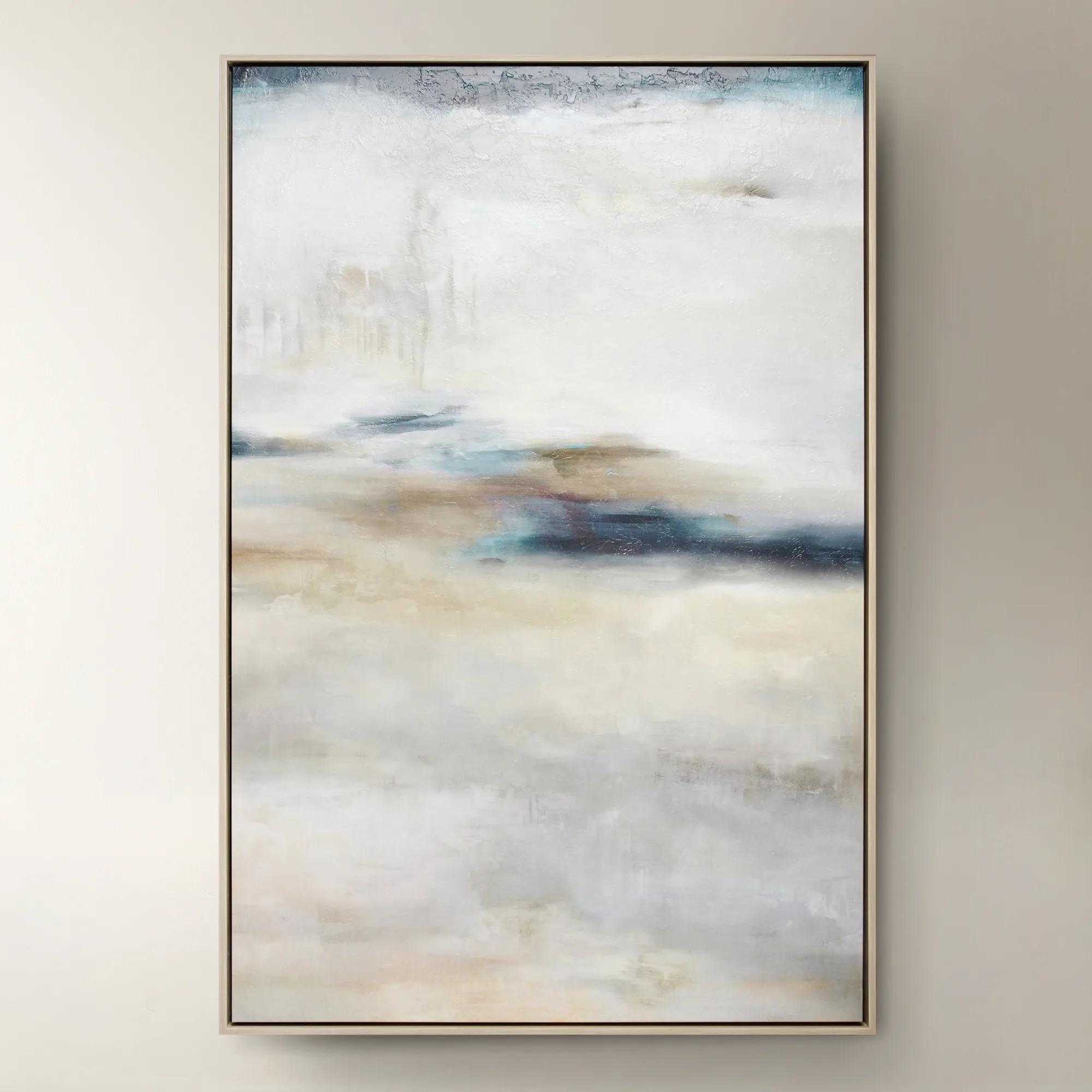 Forward Looking$1299
A softly layered abstract canvas print with a gel finish, set in a natural-hued floater frame.
Add To Cart -
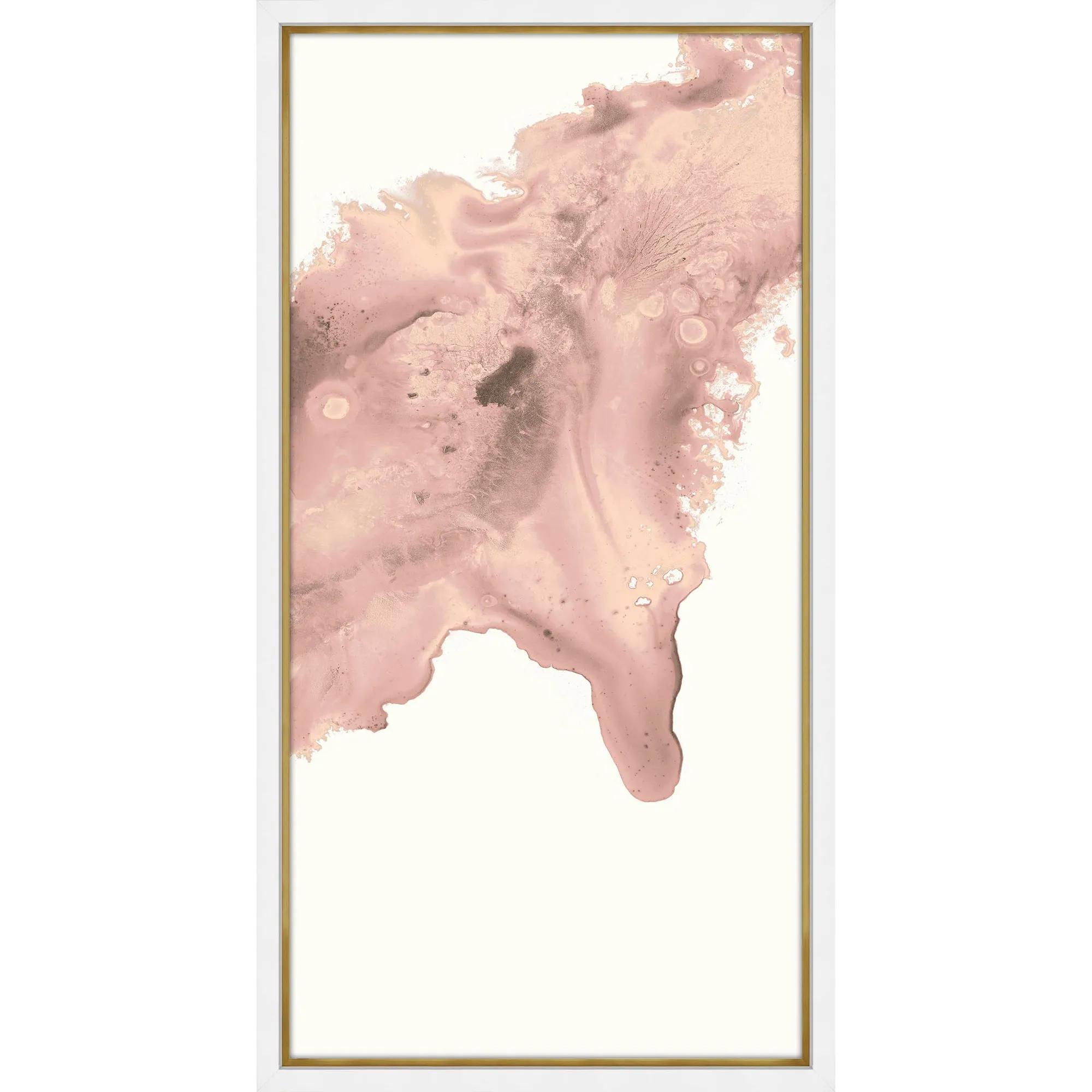
 Blush Conduit 2 Framed Wall Art 24" x 48"$849
A striking abstract print on pearl paper, elegantly framed in gold and matte white for modern appeal.
Add To Cart -
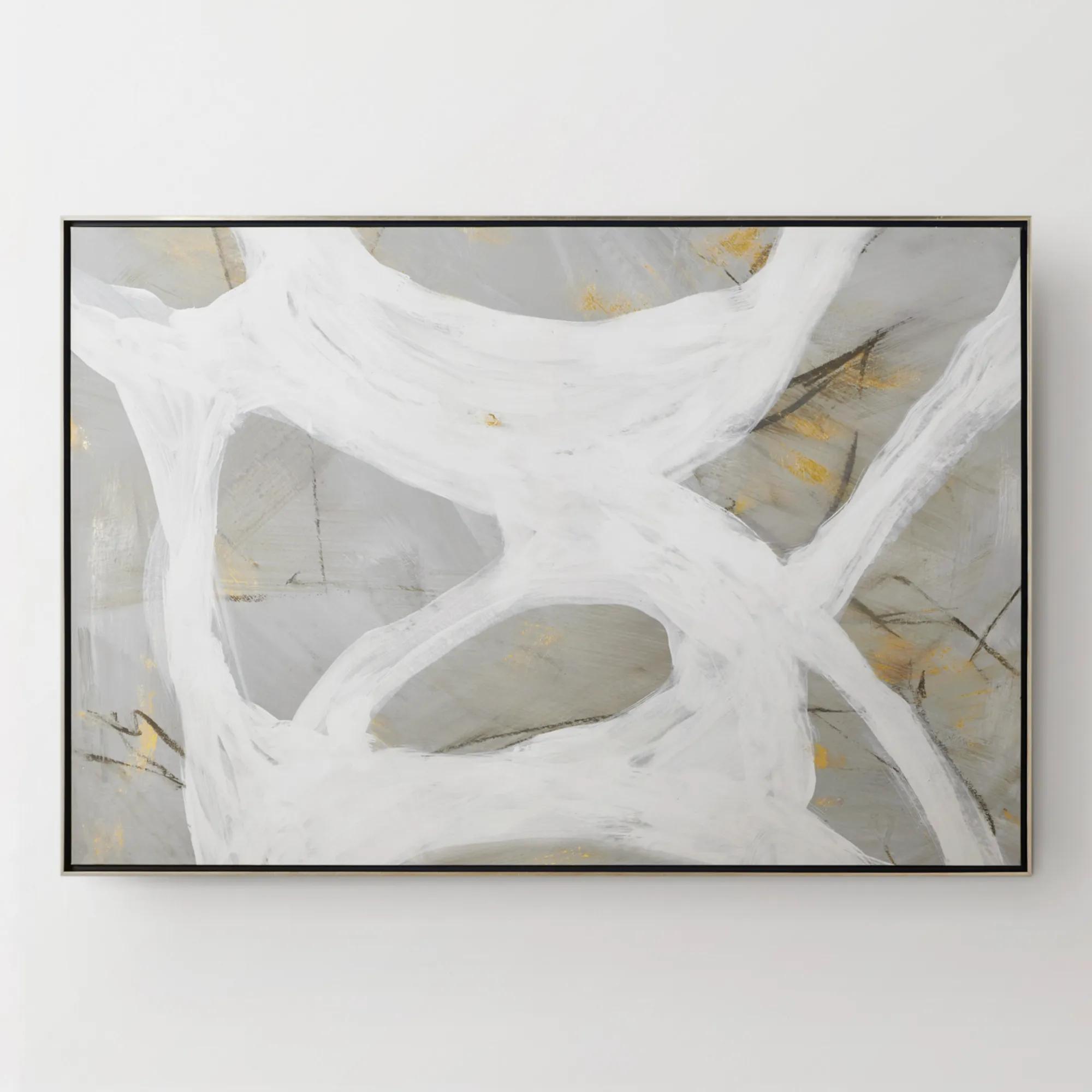
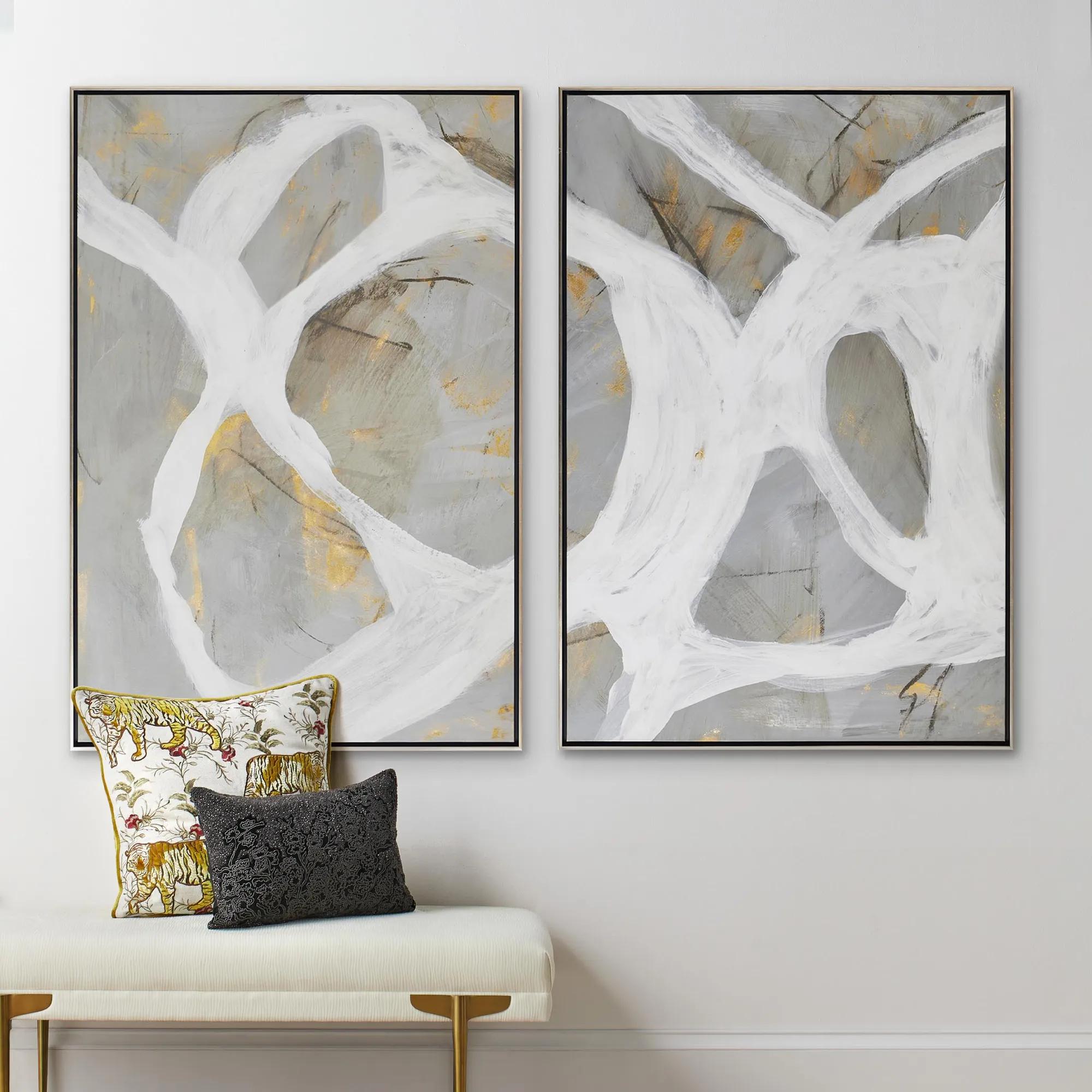 Les Series Framed Painted Wall Art II 61" x 41"$1099
An abstract canvas artwork featuring bold brushstrokes, hand-applied gold accents, and a silver floater frame.
Add To Cart -
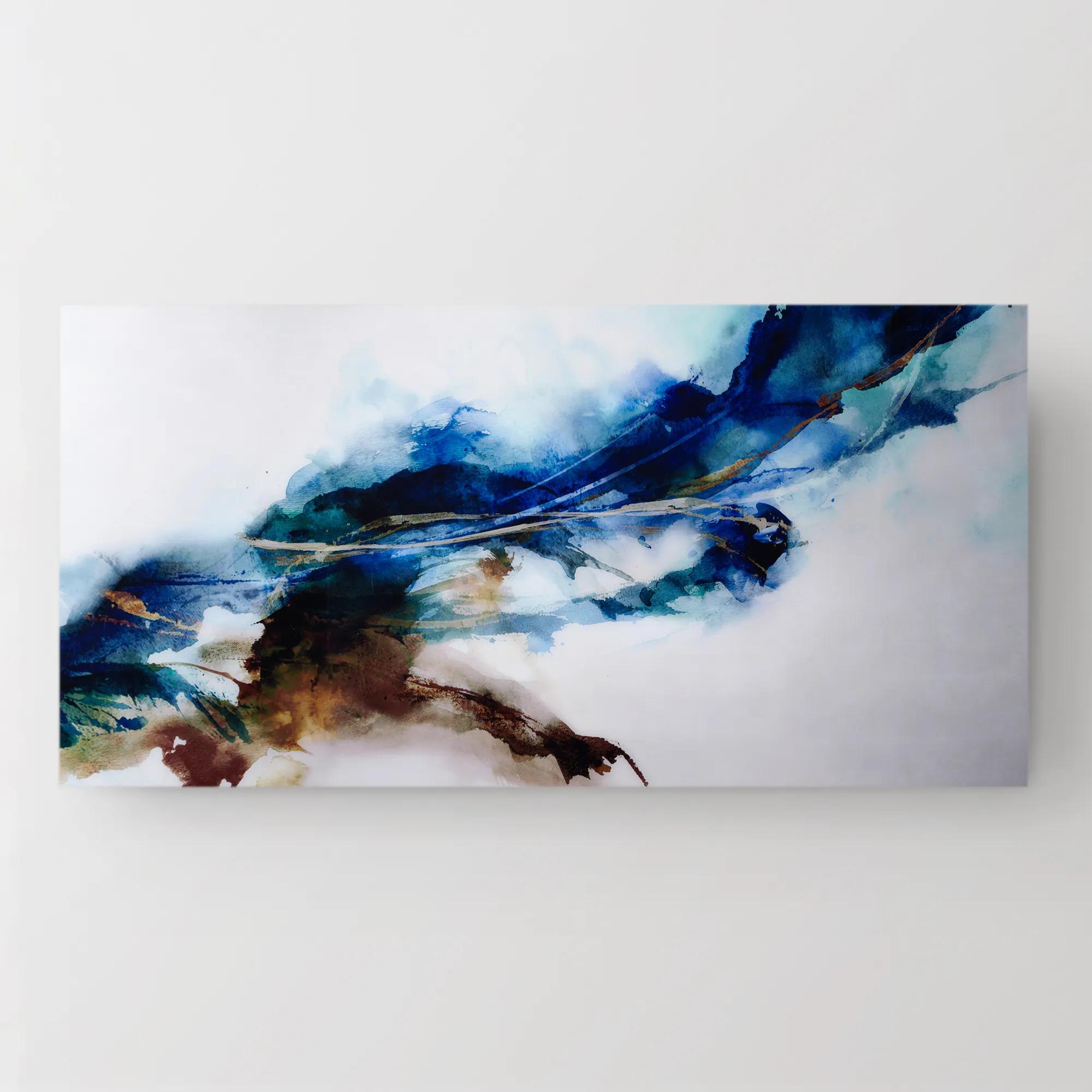 Cerulean Movement Acrylic Art 72" x 36"$1299
A vibrant abstract artwork printed on high-gloss acrylic, infusing your space with dynamic energy and movement.
Add To Cart -
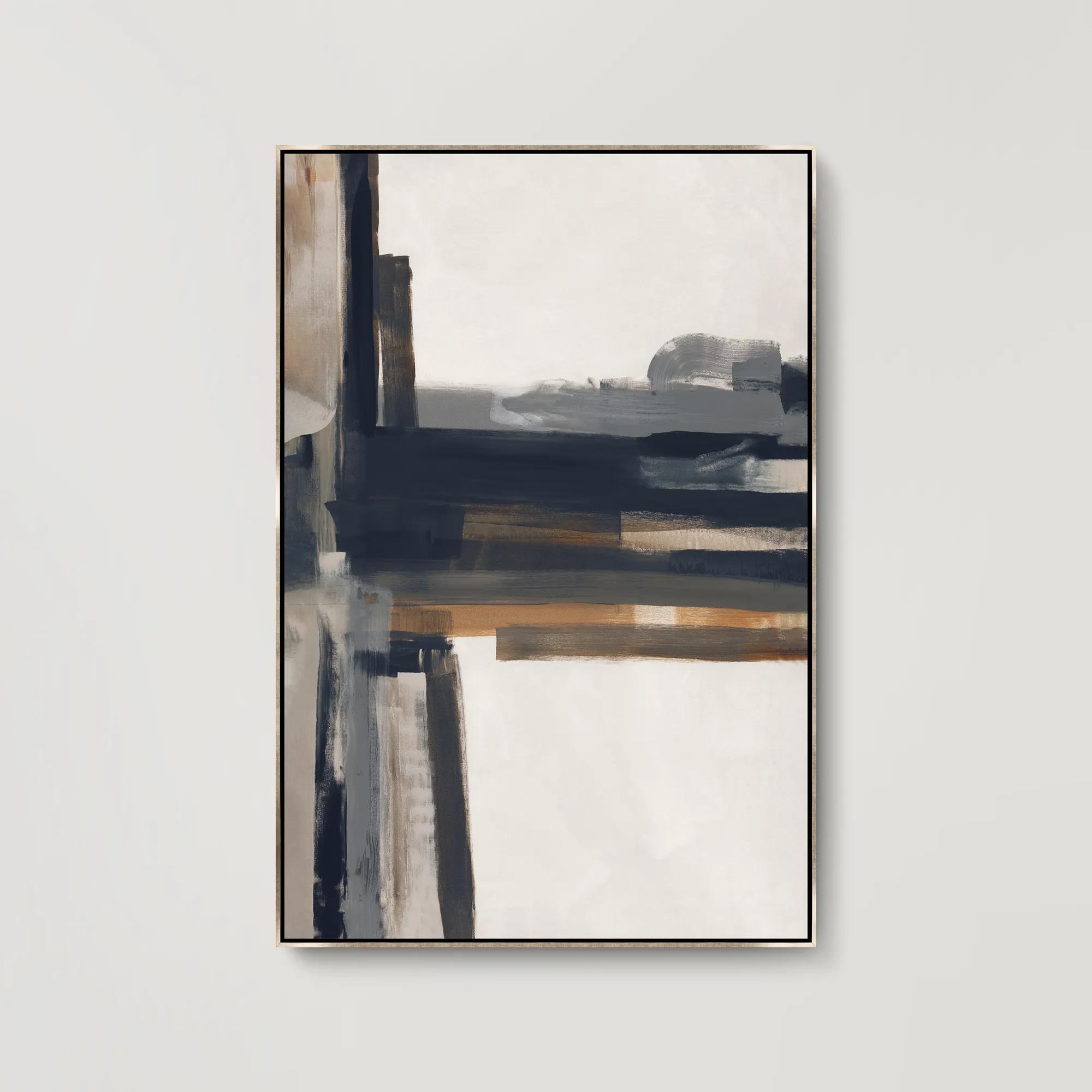
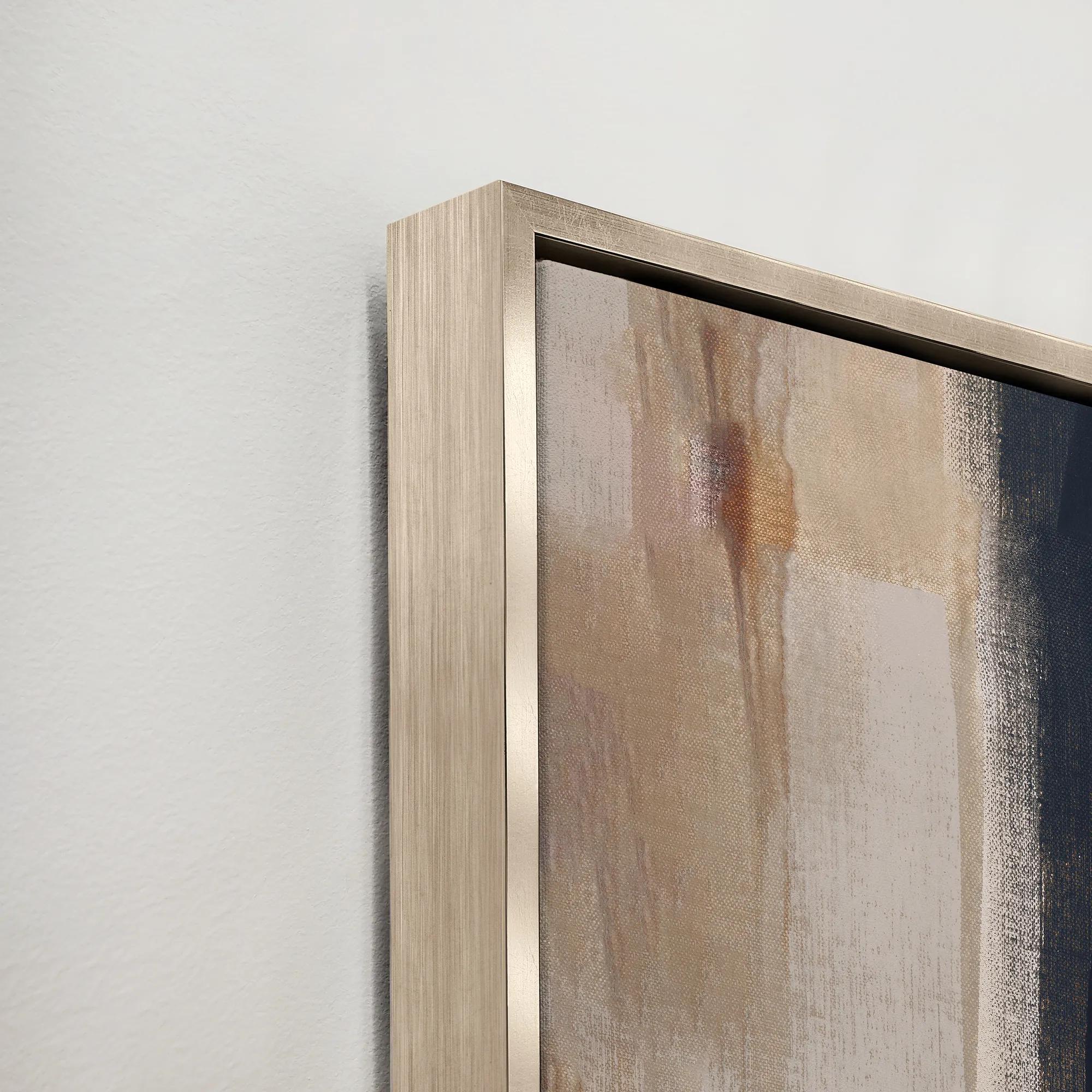 Imposing Construct I Framed Wall Art 41.5" x 61.5"$949
A gallery-wrapped abstract canvas featuring hand-applied brush gel and set in a sleek silver floater frame.
Add To Cart -
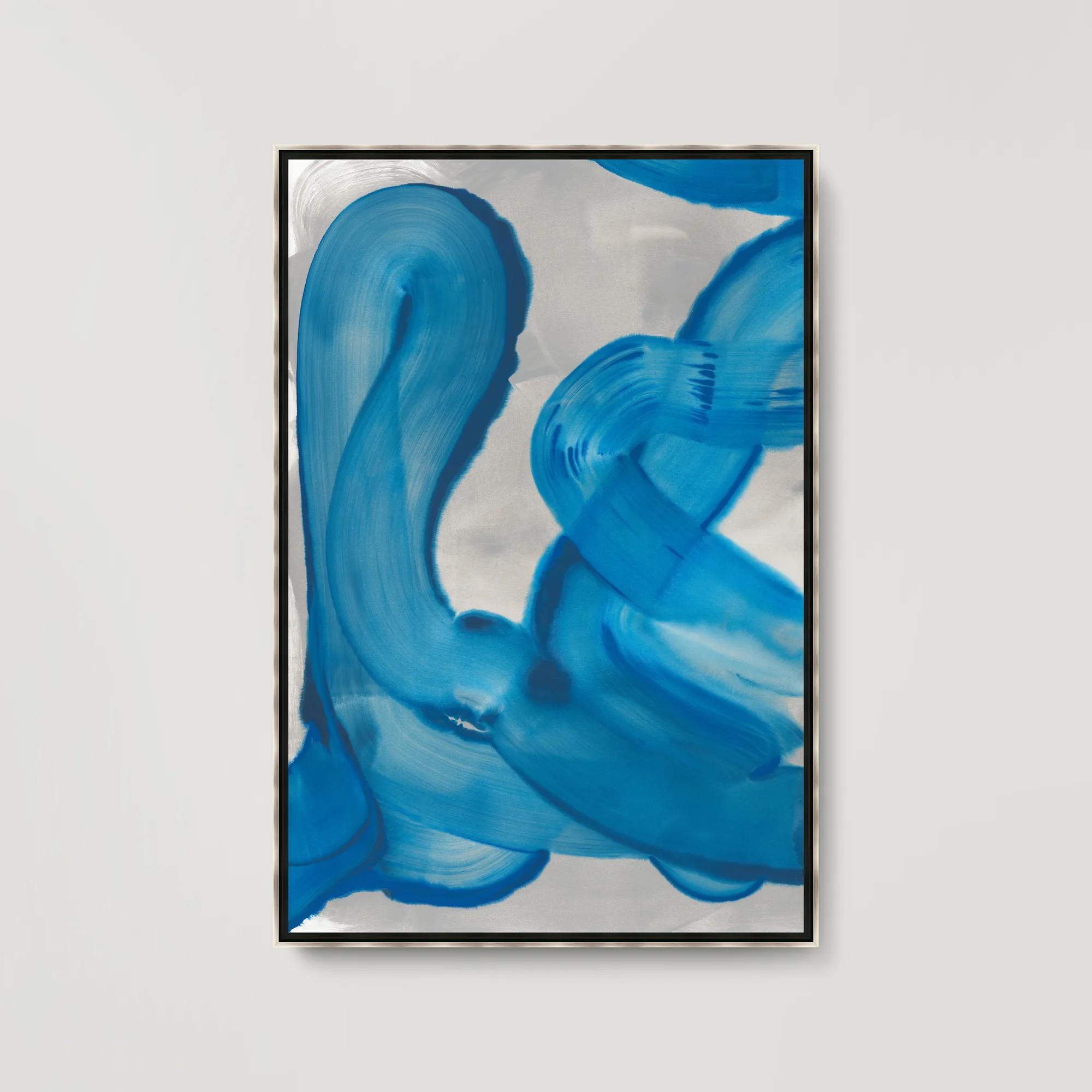 Royal Waves I Framed Wall Art 31.5" x 46.5"$699
A gallery-wrapped abstract canvas featuring hand-applied brush gel and set in a sleek silver floater frame.
Add To Cart -
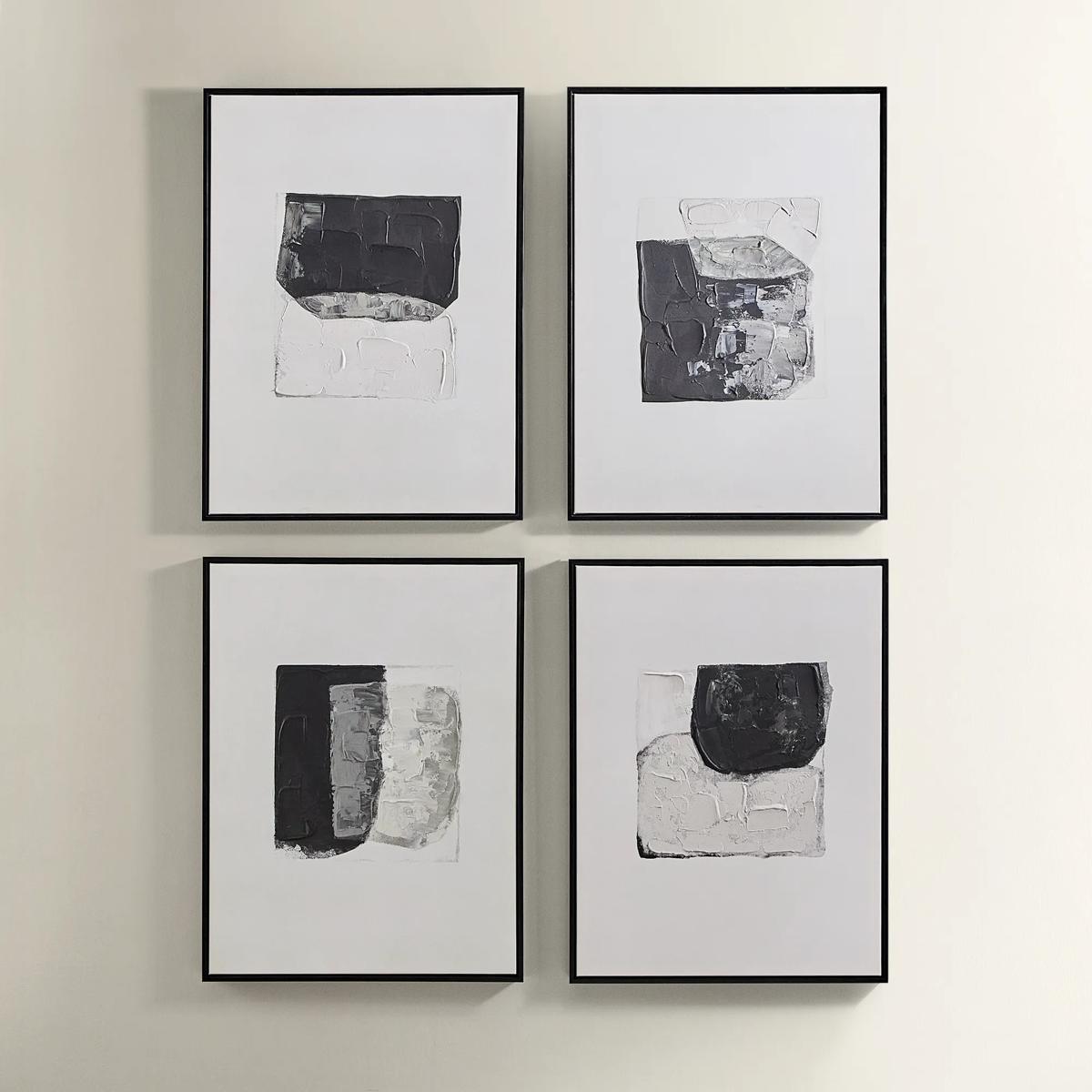
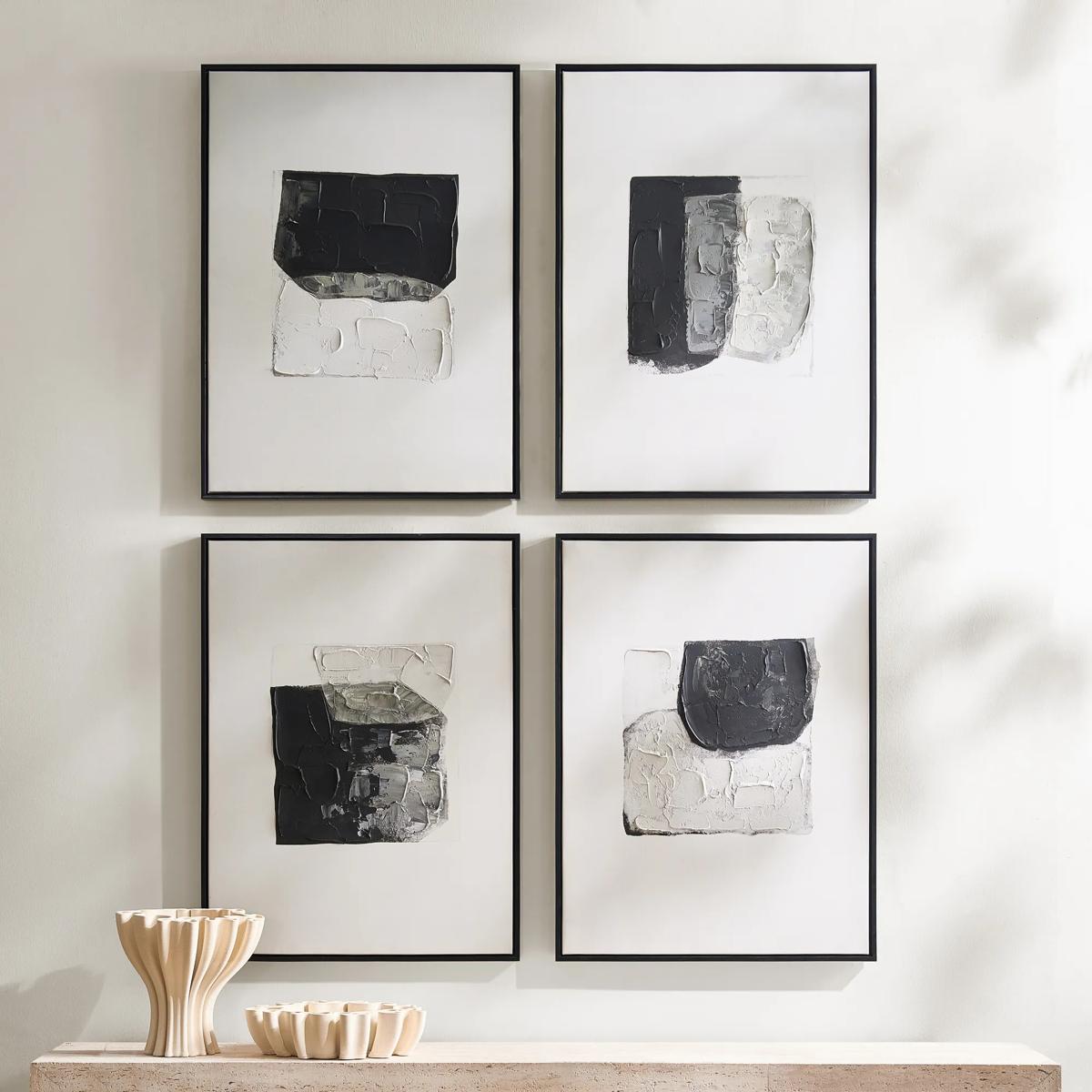 Shadows Framed Painted Wall Art Set of 4$299
A set of four hand-painted abstract canvases featuring black, white, and gold accents in black frames.
Add To Cart -
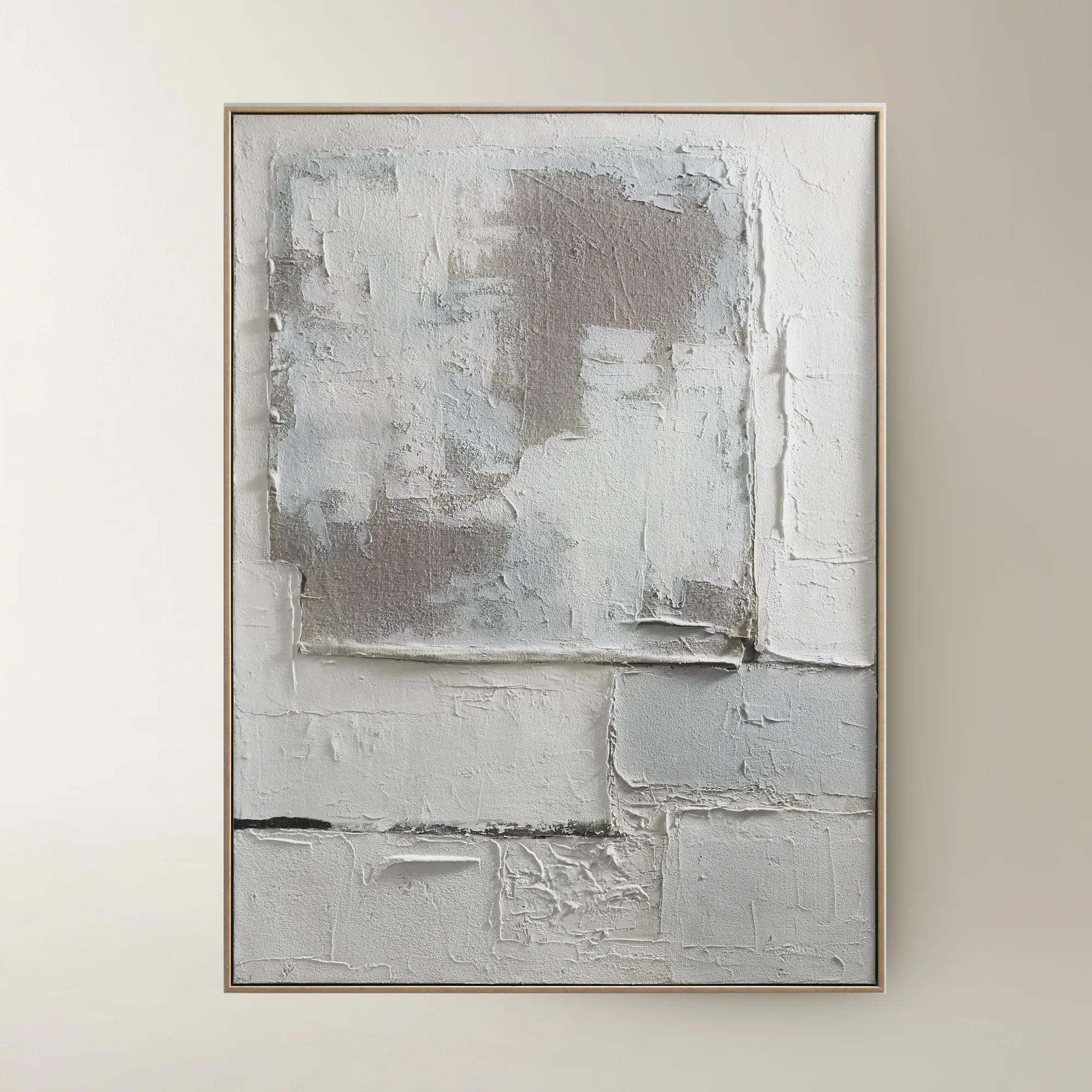
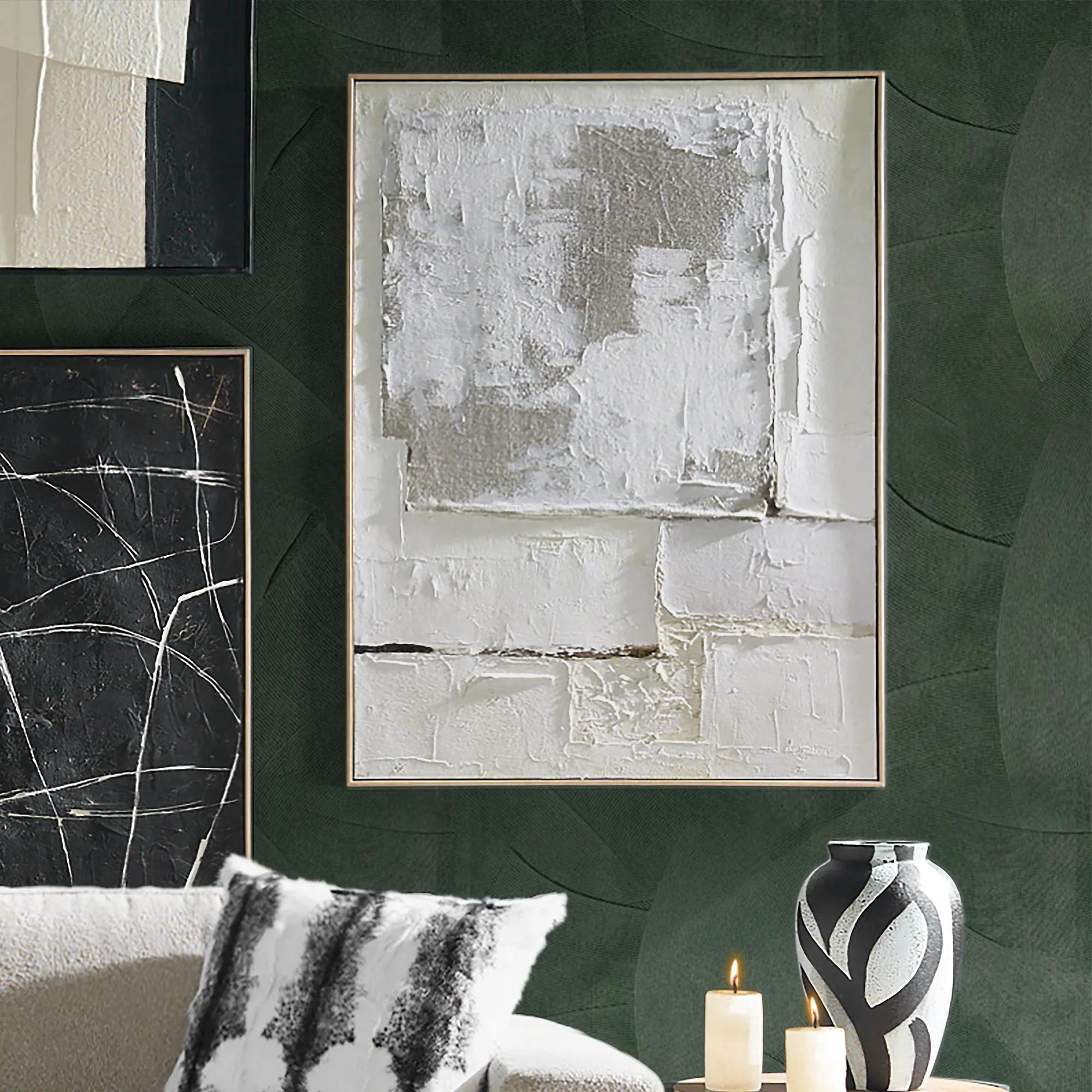 Marrow Painting$399
A hand-painted abstract canvas in subtle beige hues, elegantly framed in a warm beech wood floater.
Add To Cart -
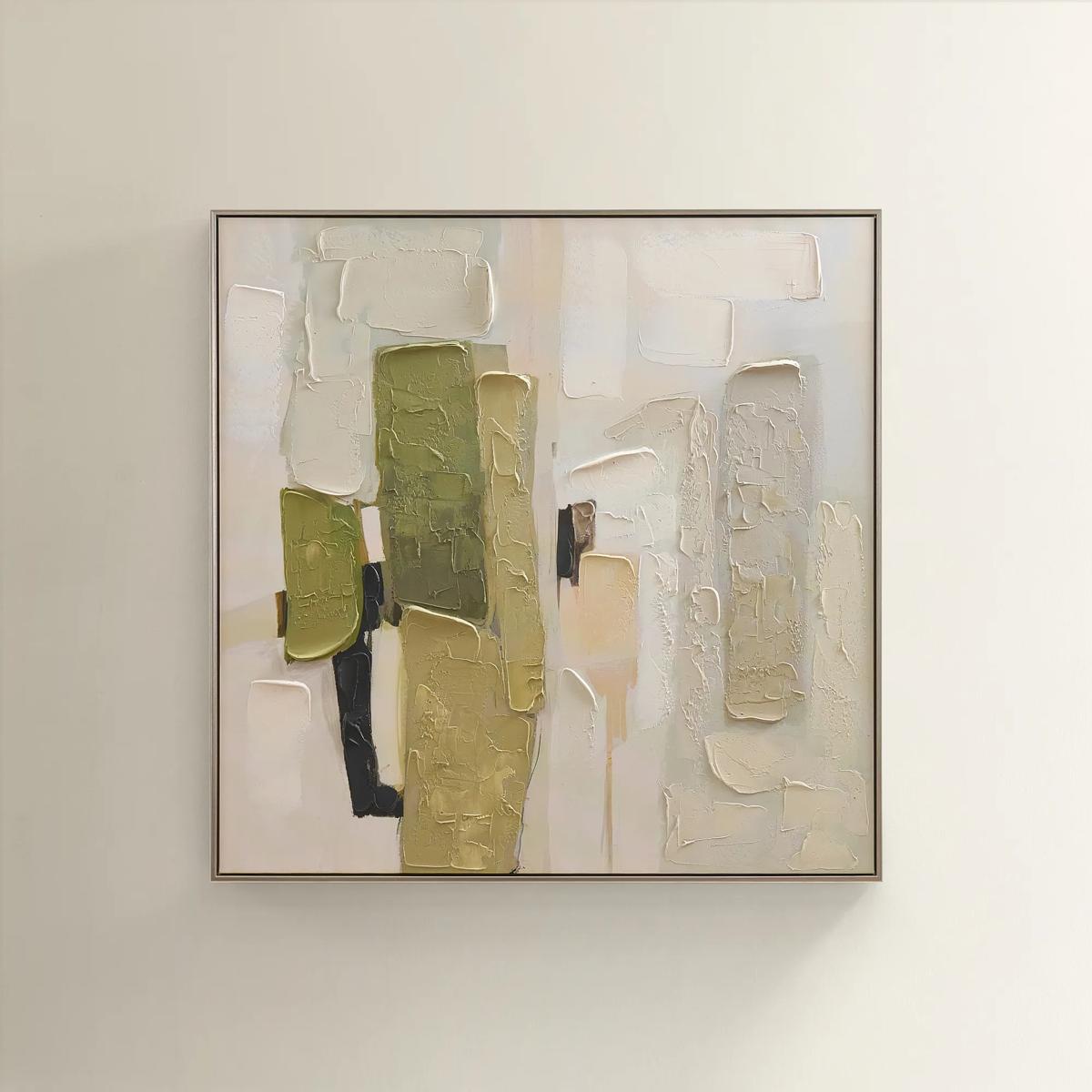 Verde Crush Framed Painted Wall Art 39.25" x 39.25"$349
A hand-painted abstract canvas featuring rich green tones, layered neutrals, and a champagne floater frame.
Add To Cart -
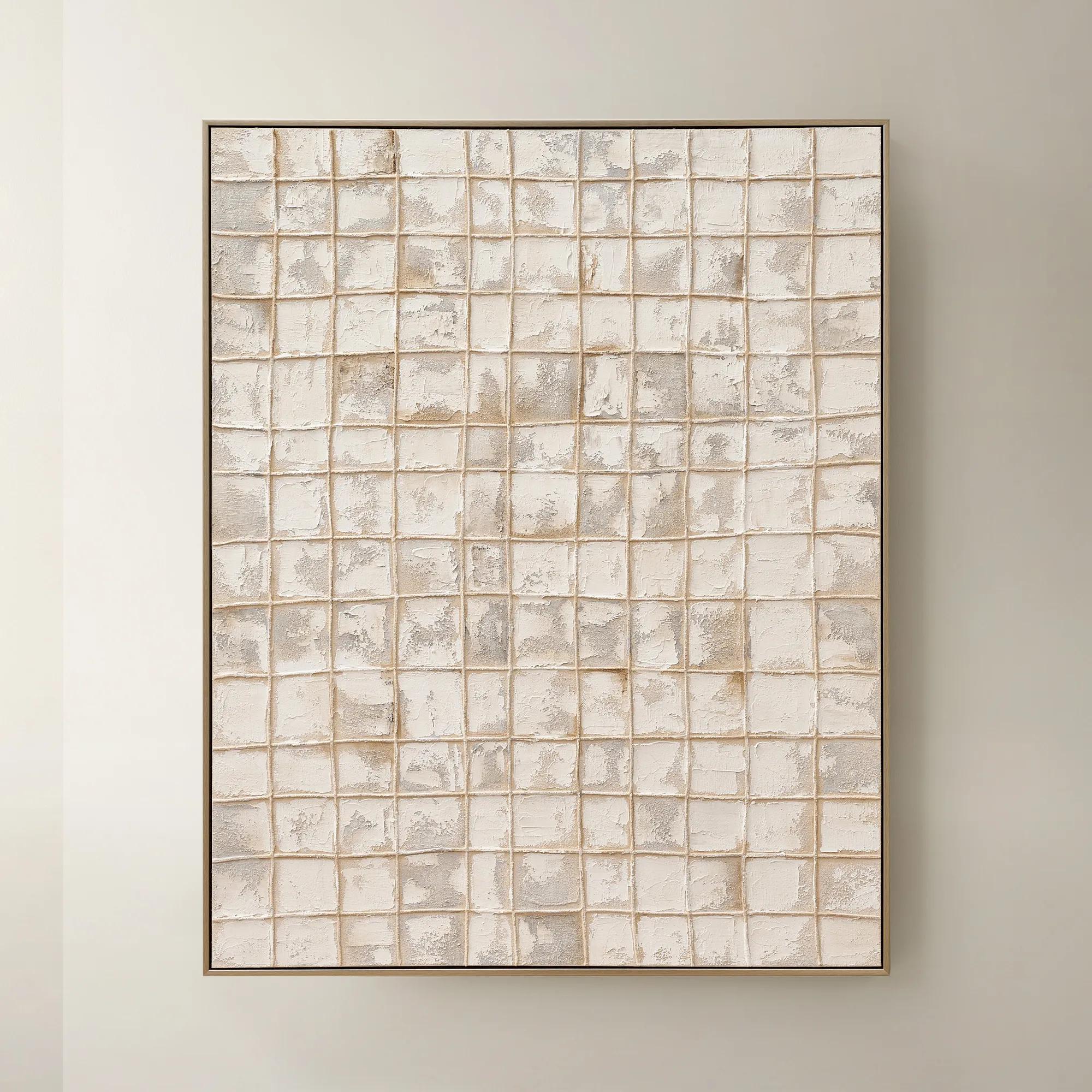
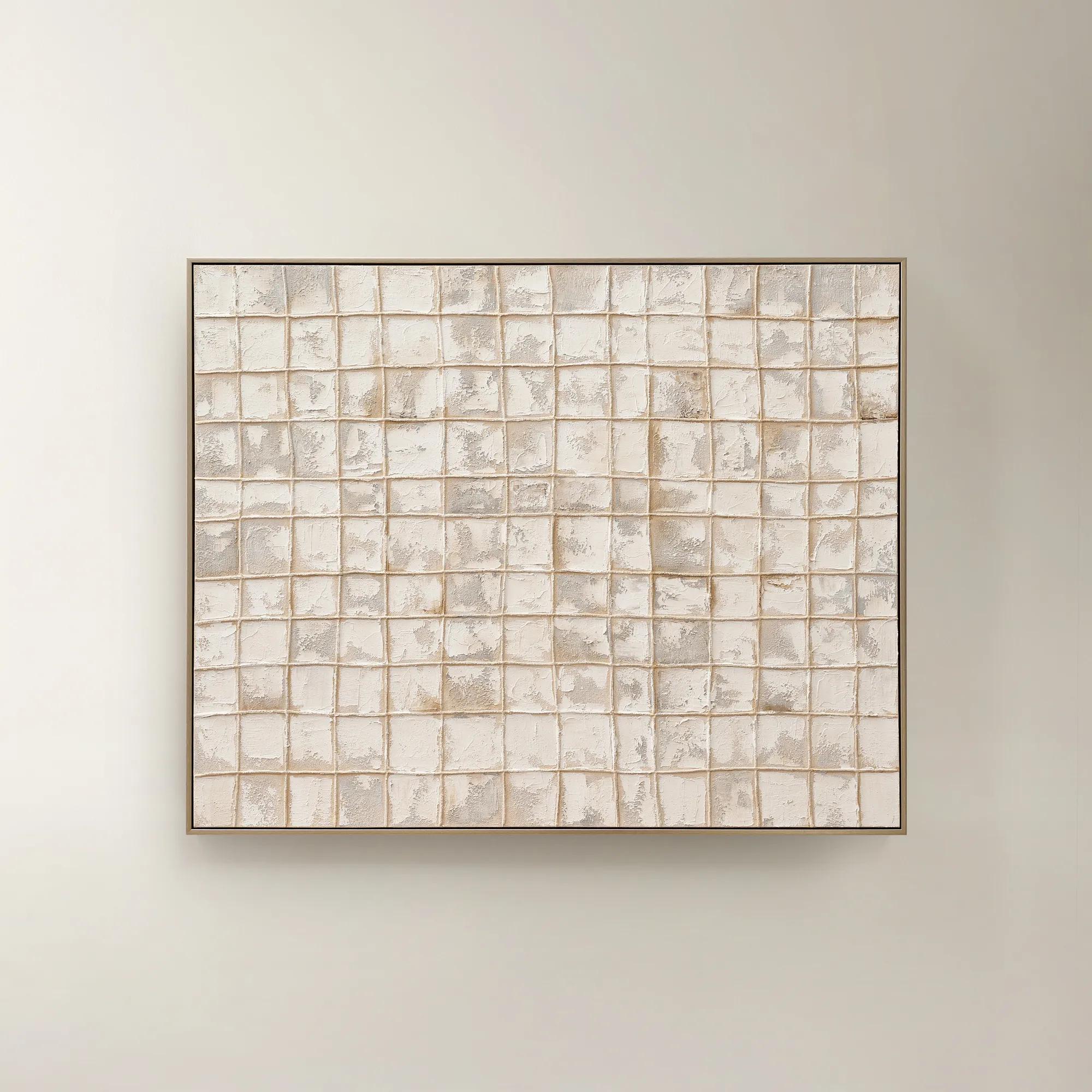 Painted Echos Framed Gold Leaf Wall Art 60" x 48"$699
A hand-painted abstract canvas with gold leaf accents and a champagne frame for modern, versatile display.
Add To Cart -
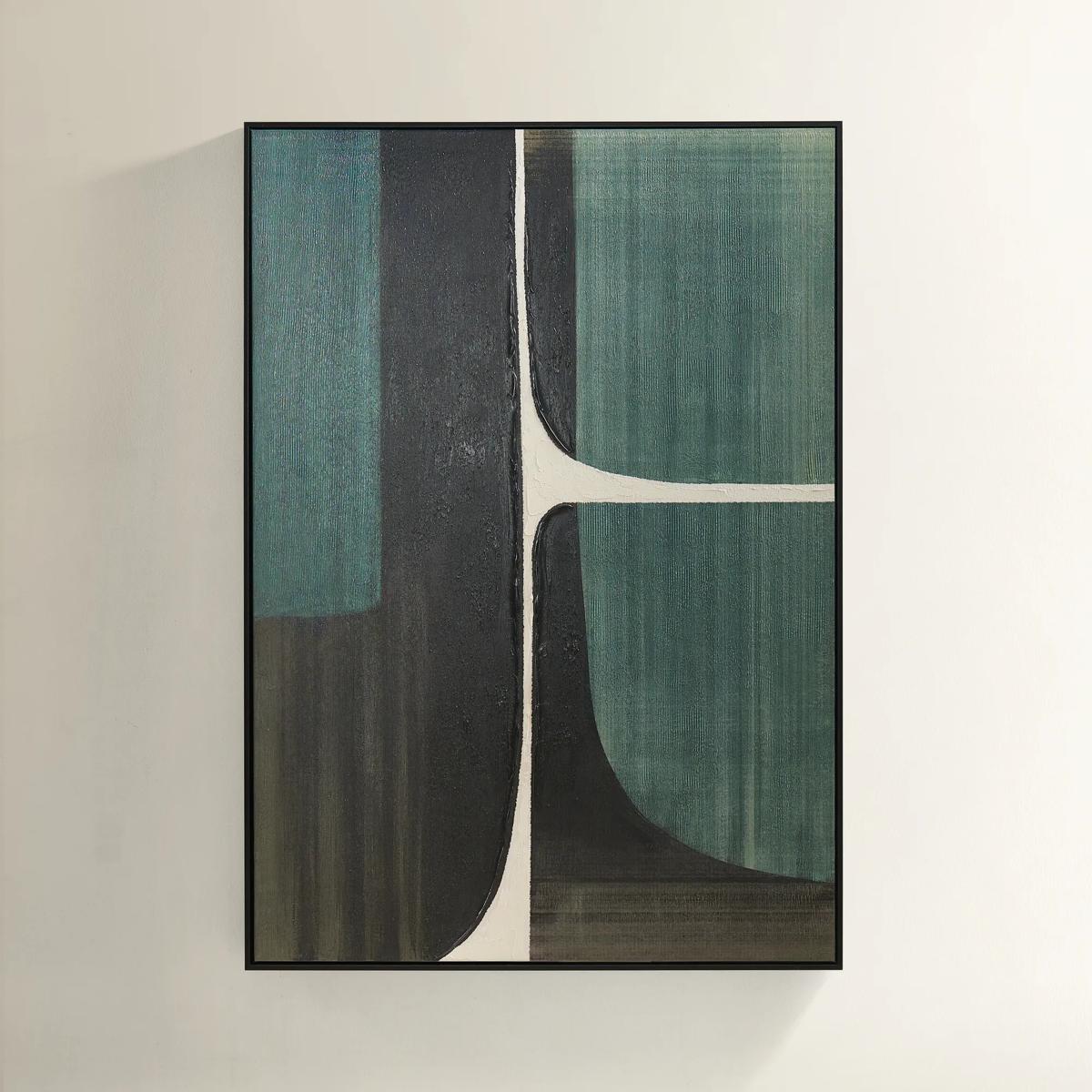 Plains Framed Painted Wall Art 39.25" x 55"$499
A hand-painted abstract canvas in forest green, ivory, and black with a sleek black floater frame.
Add To Cart -
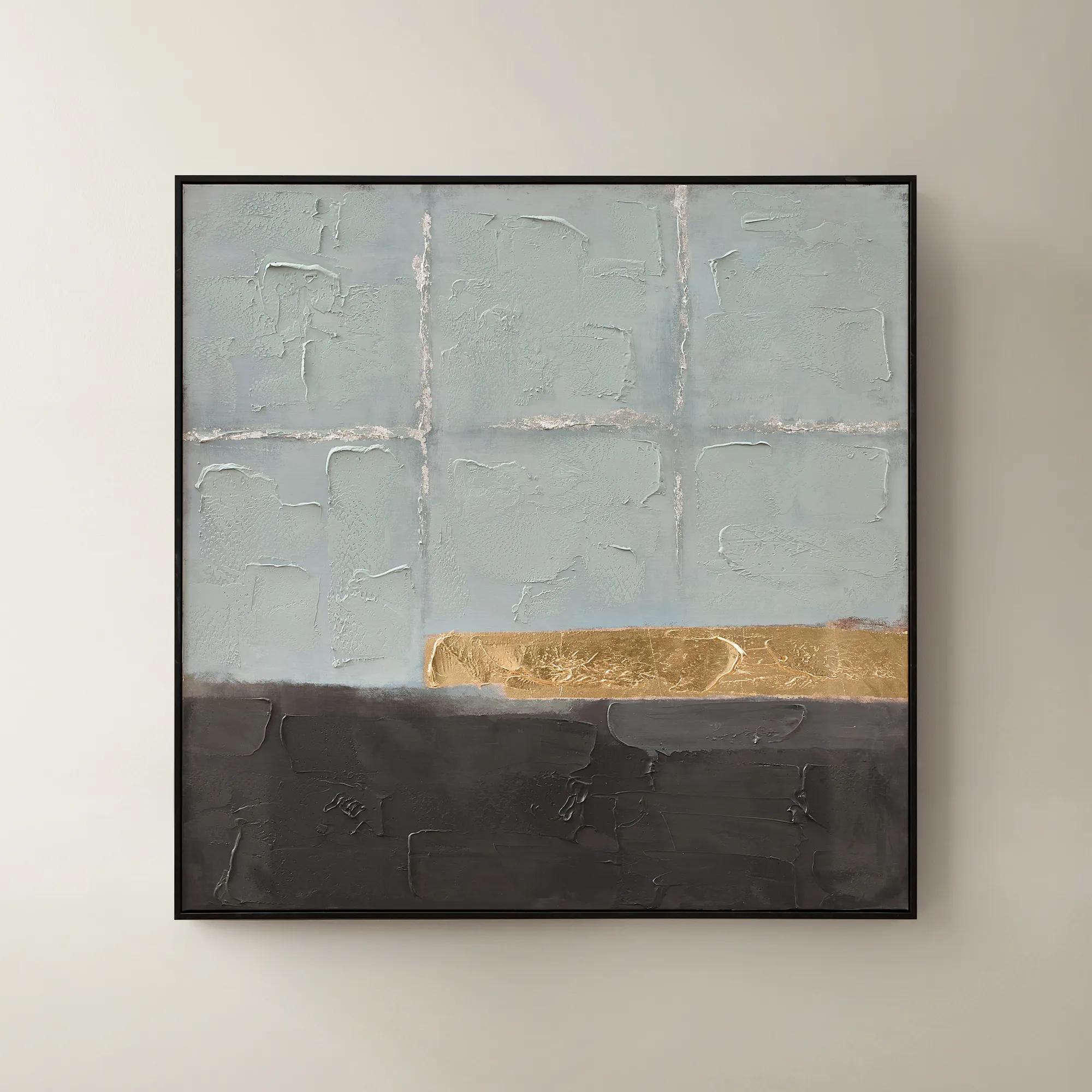
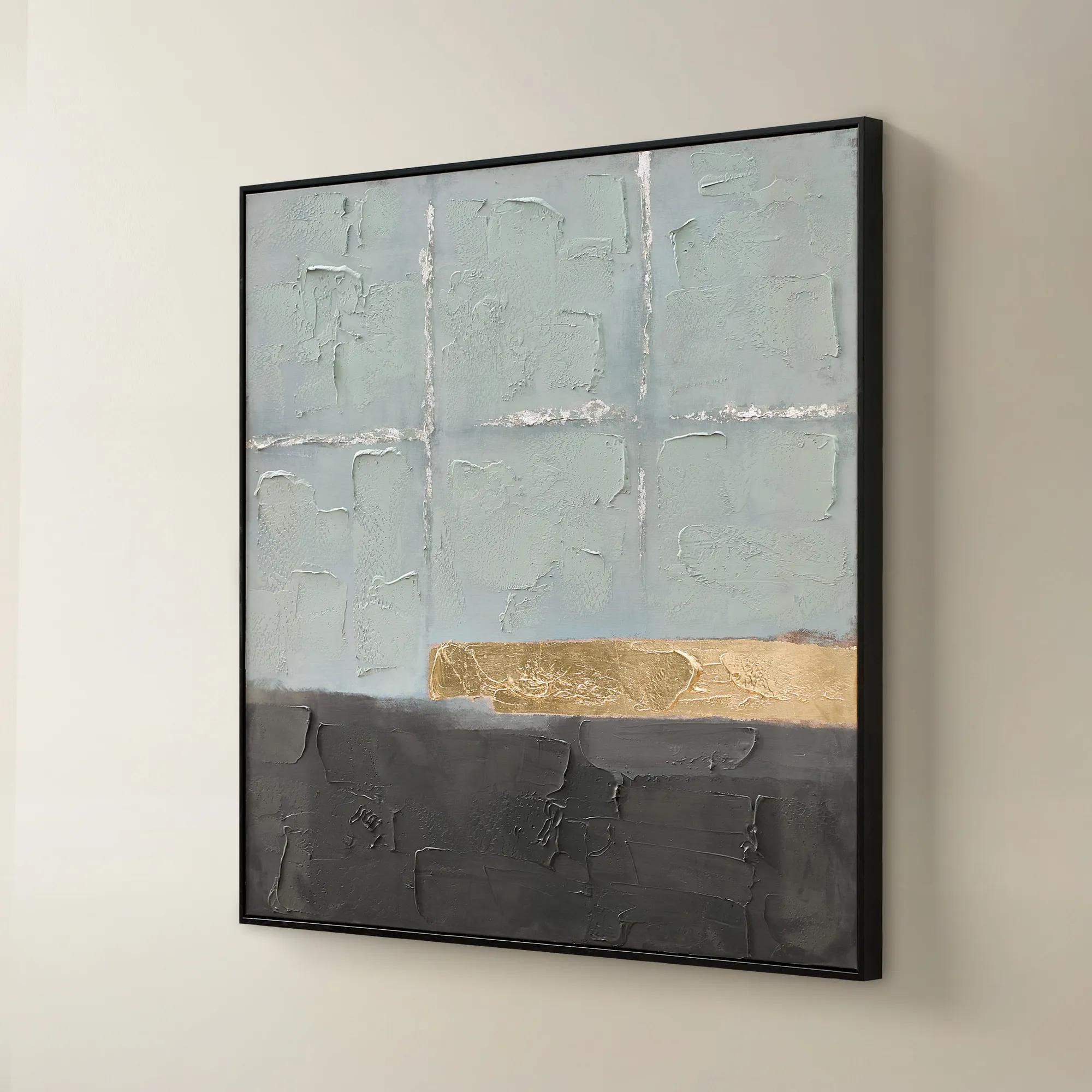 Jules Framed Gold Leaf Painted Wall Art 40" x 40"$299
A hand-painted canvas in mineral blue with gold leaf accents and a sleek black frame for modern appeal.
Add To Cart -
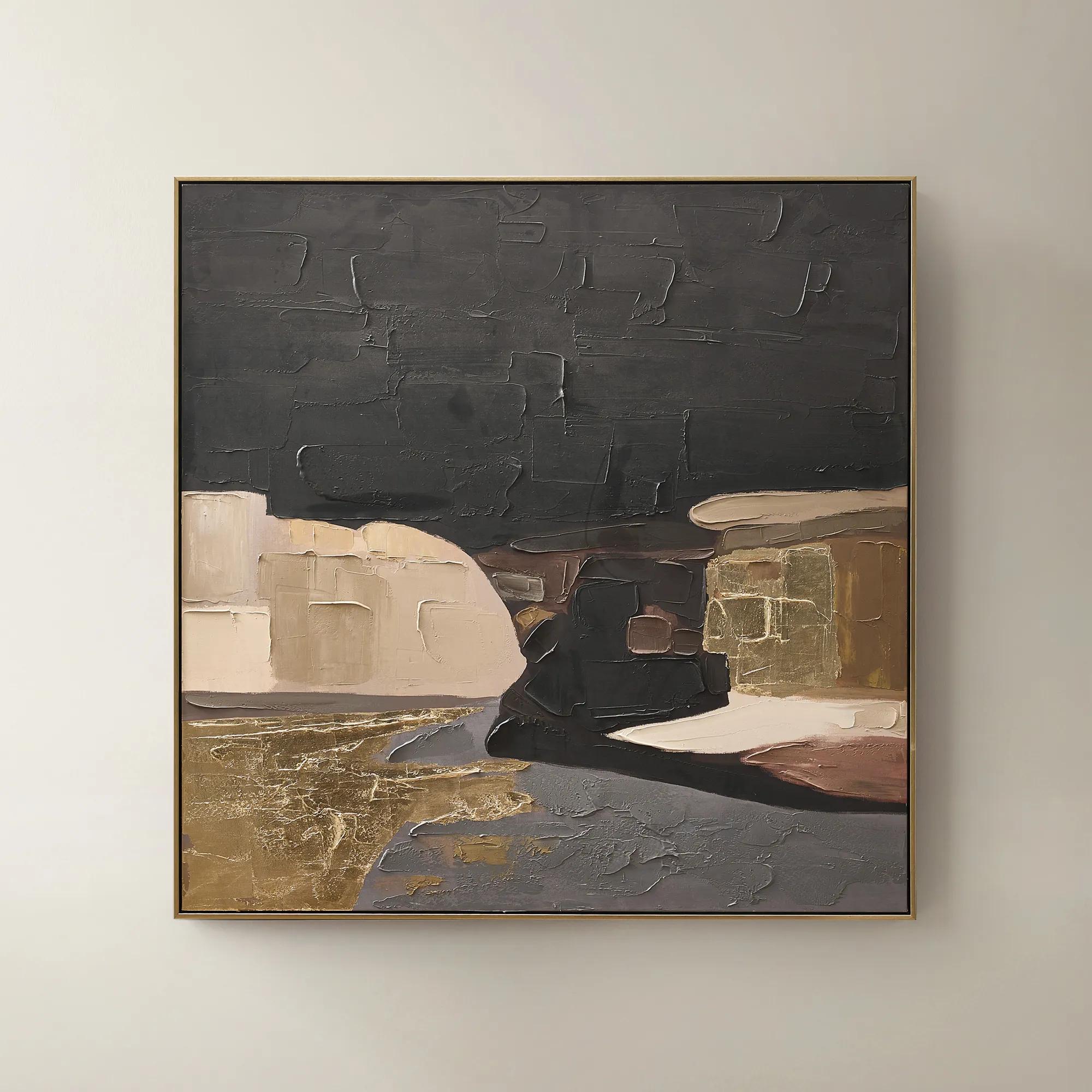 Obscured Light Framed Gold Leaf Painted Wall Art 48" x 48"$499
A hand-painted canvas with gold leaf accents and a black-gold frame in dramatic neutral tones.
Add To Cart -
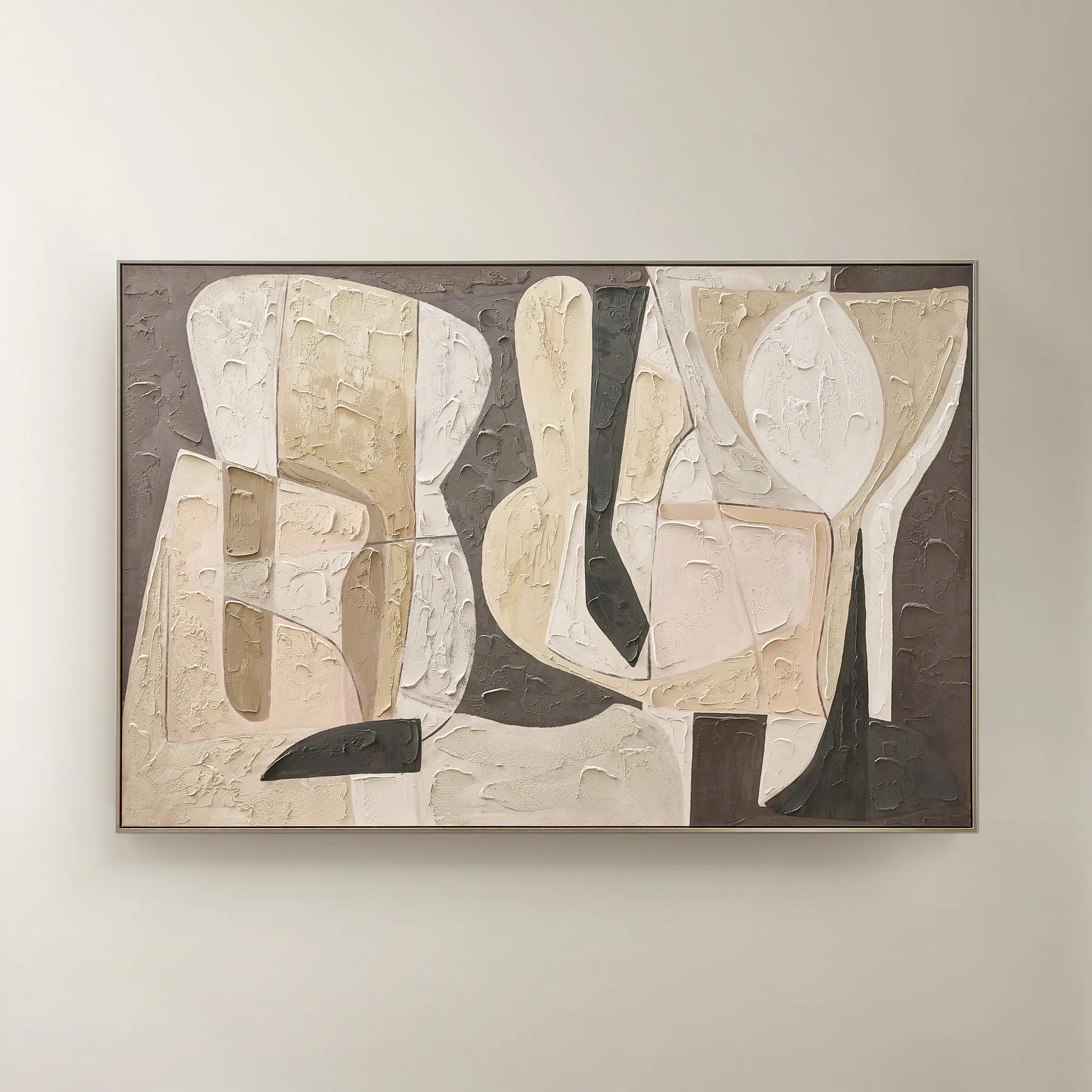 Wishful Thinking Framed Painted Wall Art 72" x 48"$599
A hand-painted abstract canvas featuring bold geometric forms and warm smoked plum, apricot, and tawny hues.
Add To Cart -
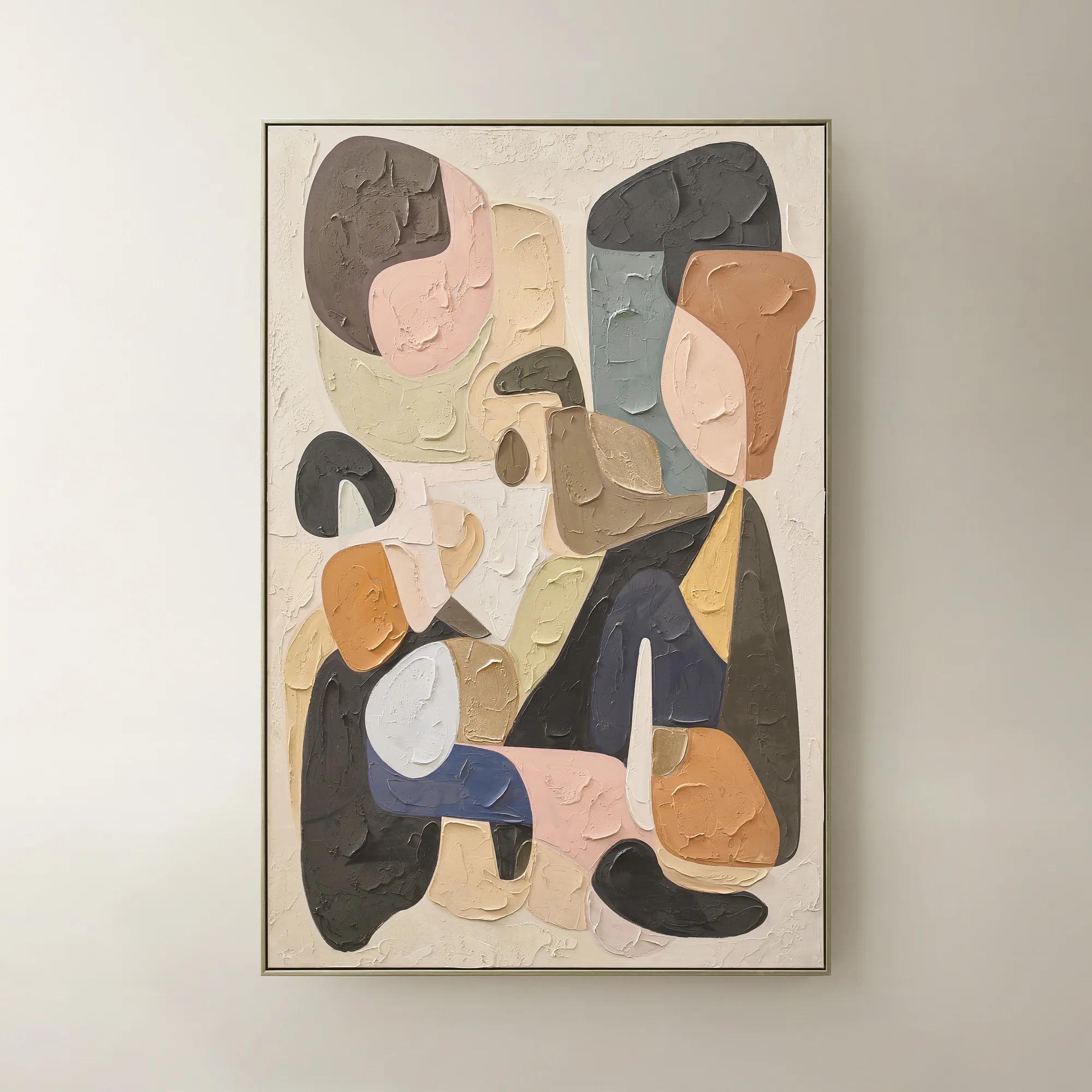 Chromatic Bloom Framed Painted Wall Art 40" x 60"$519
A hand-painted abstract canvas featuring a vibrant multi-color palette and shimmering champagne detailing.
Add To Cart

Statement Abstract Landscape Wall Decor
Statement Abstract Landscape Wall Decor transforms blank walls into breathtaking vistas of imagination and artistry. Each piece is a bold invitation to escape the ordinary, infusing your space with sweeping color, evocative forms, and a sense of boundless possibility. Whether you crave the drama of vivid brushstrokes or the intrigue of moody horizons, these works celebrate self-expression on a grand scale. Let Statement Abstract Landscape Wall Decor become the focal point that commands attention—capturing light, emotion, and your unique point of view in every mesmerizing detail.
Statement abstract landscape wall decor brings the atmosphere of the natural world indoors through expressive color, sweeping horizons, and shapes that suggest rather than describe a place. Unlike a literal scenic image, an abstract landscape might evoke a mist-covered valley with layered gray washes or suggest a desert at dusk through broad passages of ocher, blush, and clay. Its presence can be commanding without feeling restless: a dark foreground anchors the composition, while an open expanse of luminous color gives the eye somewhere to linger. Oversized canvases, panoramic prints, and coordinated multipanel compositions are especially suited to creating this kind of focal point above a sofa, bed, console, or dining room sideboard. The appeal lies in the balance between movement and stillness, making these pieces compelling for expressive living rooms, enveloping bedrooms, and home offices that benefit from a sense of distance beyond the desk. Moody earth tones such as deep green, charcoal, taupe, and warm beige bring organic depth to polished interiors, while pale coastal hues introduce an airy counterpoint to richly upholstered furniture. Color need not match every surface in the room. A slender stroke of rust can draw out the warmth of a leather chair; a silver-gray horizon can echo the sheen of a sculptural lamp without repeating it exactly. For rooms built around sapphire, slate, or ocean-inspired accents, statement blue abstract wall decors offer another expression of that expansive, color-led mood. The most persuasive connection is often a secondary shade already present in a rug or patterned pillow, brought forward through the artwork. Even a restrained composition can feel dramatic when its proportions are generous and its contrasts deliberate. A broad ivory sky above an inky shoreline, for instance, can hold its own against velvet seating and gleaming metal accents. Abstract landscape art gives those materials a visual setting, allowing a room to feel composed rather than simply decorated. Its ambiguity also leaves room for personal interpretation, with one viewer seeing distant mountains and another remembering the light across open water.
Scale determines how convincingly a statement piece belongs to its surroundings. Above furniture, artwork spanning approximately two-thirds to three-quarters of the furniture’s width is a useful starting point, provided there is enough breathing room around the composition. A narrow print above a sprawling sectional can seem disconnected, while a generous horizontal landscape creates a more assured relationship between the wall and the seating beneath it. Consider the outside dimensions of the frame, not just the image, and include the spaces between panels when measuring a grouped arrangement. Painter’s tape can help outline the proposed footprint before hanging, making it easier to judge the effect from the doorway and from a seated position. For art above a sofa or console, leaving roughly six to eight inches between the furniture and the bottom of the frame often creates a cohesive grouping; adjust for tall seat backs, lamps, and other objects that interrupt the sightline. On an open wall, a center point around 57 to 60 inches from the floor is a common starting reference, not a requirement that overrides the room’s architecture. Panoramic abstract landscapes emphasize horizontal space and suit long walls, while large square compositions give a strong central presence over a substantial console or fireplace surround, where heat exposure permits. A vertical landscape can bring drama to a narrower wall beside a reading chair, suggesting steep terrain or a falling veil of rain. The direction of the brushwork matters, too. Long, softened bands tend to create visual calm; broken marks, angled forms, and abrupt tonal shifts introduce energy. In a dining room with reflective finishes, a muted, atmospheric landscape can temper the sparkle without diminishing the grandeur. In a bedroom, softly diffused horizons can provide a more restful backdrop than high-contrast, densely patterned imagery. Leave enough open wall around a commanding composition for its edges and silhouette to register. A statement does not require surrounding every inch with ornament; deliberate space allows the artwork’s color and gesture to carry across the room.
Materials and presentation influence both the visual effect and the care a piece requires. Canvas lends an abstract landscape a subtly woven surface that can soften transitions between colors, while paper prints can preserve delicate washes, fine lines, and crisp tonal detail. Surface texture varies by technique: visible brushlike marks in a printed image do not necessarily mean the artwork has raised paint or hand-applied embellishment. When tactile depth matters, review the stated medium and finish rather than relying on a photograph alone. A floating frame leaves a narrow reveal around a canvas, giving its perimeter a crisp, architectural definition. Warm wood can reinforce the organic character of an earth-toned composition, matte black sharpens a pale horizon, and a metallic finish can introduce a measured flash of glamour. Glazing over paper artwork adds a protective barrier, though its reflectivity should be considered in rooms with large windows or prominent light fixtures. Glass is heavier and can break; acrylic is lighter and more impact-resistant but generally more susceptible to scratching. Neither should be assumed to provide UV protection unless that feature is specified. For lasting enjoyment, display indoor wall art away from prolonged direct sunlight, damp conditions, and concentrated heat from fireplaces or vents. Use mounting hardware rated for the artwork’s weight and appropriate to the wall construction, especially for oversized framed pieces. Routine care is usually gentle: dust frames with a soft, dry cloth, follow the stated care directions for the artwork’s surface, and never spray cleaner directly onto a framed piece. Raised textures and unglazed surfaces deserve particular restraint, since moisture or abrasion can alter their finish. In a busy household, placement away from splash zones and frequent contact helps preserve the presentation. Abstract landscape wall art can also make a thoughtful housewarming or wedding gift for someone whose palette and decorating preferences are familiar. For a shared home, its suggestive scenery offers an evocative alternative to location-specific imagery. Whether chosen for a collector of expressive interiors or a room awaiting its defining gesture, the right composition brings together proportion, material, and mood with unmistakable presence.
FAQs
Statement abstract landscape wall decor seamlessly complements a wide range of interior styles, from modern glam and contemporary to transitional and eclectic spaces. Their expressive forms and bold palettes can add drama to minimalist rooms, infuse traditional settings with a fresh perspective, or enhance the artistry of maximalist environments. The key is to let the artwork serve as a focal point, allowing it to set the mood and inspire the surrounding decor.
To create a cohesive look, consider echoing the colors, textures, or moods from your abstract landscape art in other elements of the room—such as accent pillows, area rugs, or decorative objects. Layering complementary hues and materials will help the artwork feel integrated, while thoughtful placement—like centering the piece above a mantel or anchoring a gallery wall—ensures it commands attention as a visual anchor.
Absolutely. Statement abstract landscape wall decor makes a memorable and meaningful gift for art lovers, newlyweds, new homeowners, or anyone celebrating a milestone. These pieces offer a sense of inspiration and individuality, allowing recipients to express their personality and style. Each artwork becomes a lasting reminder of a special occasion and the thoughtful gesture behind it.
To showcase abstract landscape art, place it where natural or accent lighting can enhance its colors and textures—such as near a window, under a picture light, or on a feature wall. Consider using minimalist frames or floating mounts to let the artwork take center stage. Pairing the piece with sculptural furniture or metallic accents can further amplify its dramatic effect.
Seasonal shifts, especially in lighting and color palettes, can dramatically alter how abstract landscape art is perceived. In autumn, for example, the golden afternoon sun can intensify warm tones and bring out subtle details, making the artwork feel even more immersive. Rotating or repositioning your art with the seasons can refresh the mood of your space and keep your interiors feeling vibrant and dynamic year-round.