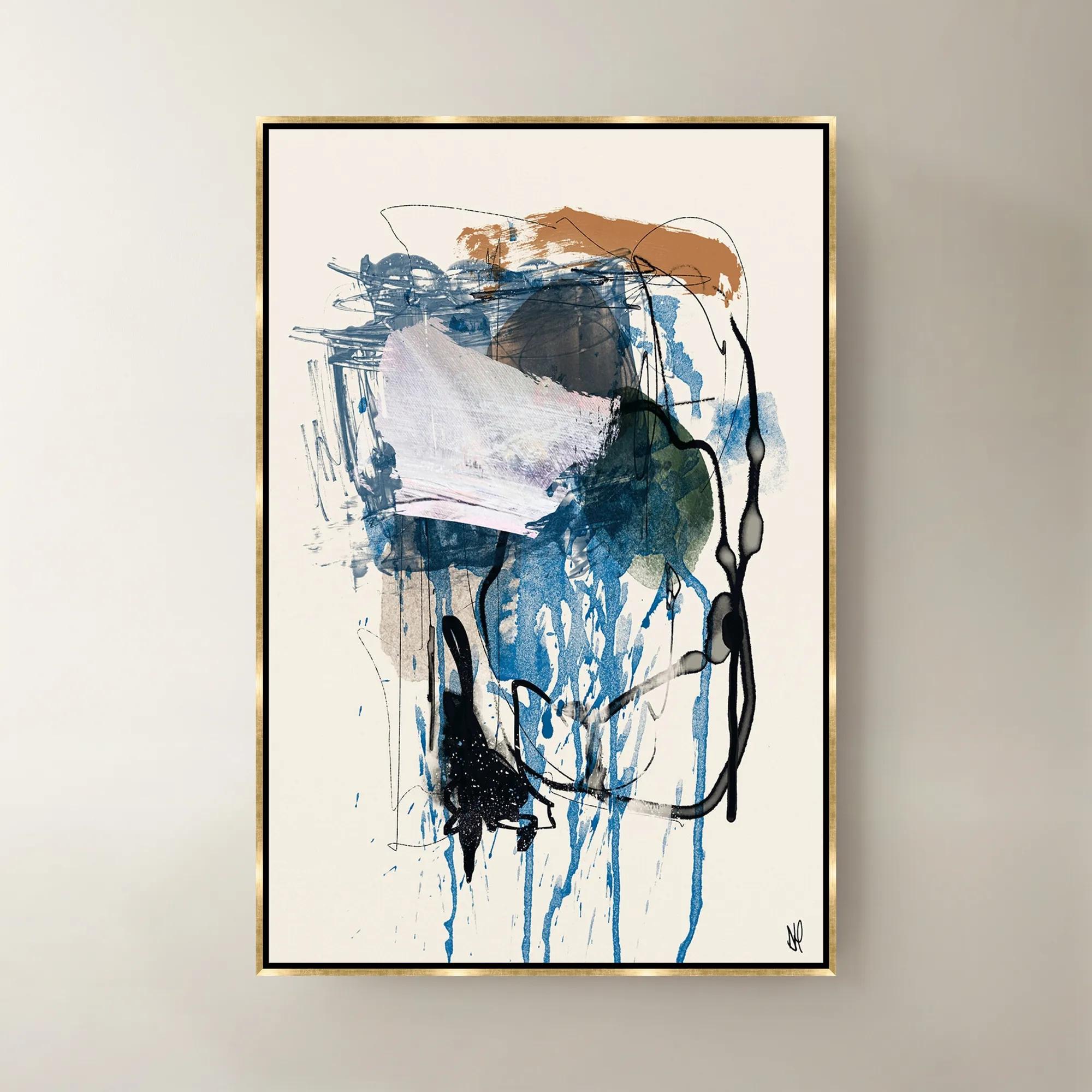
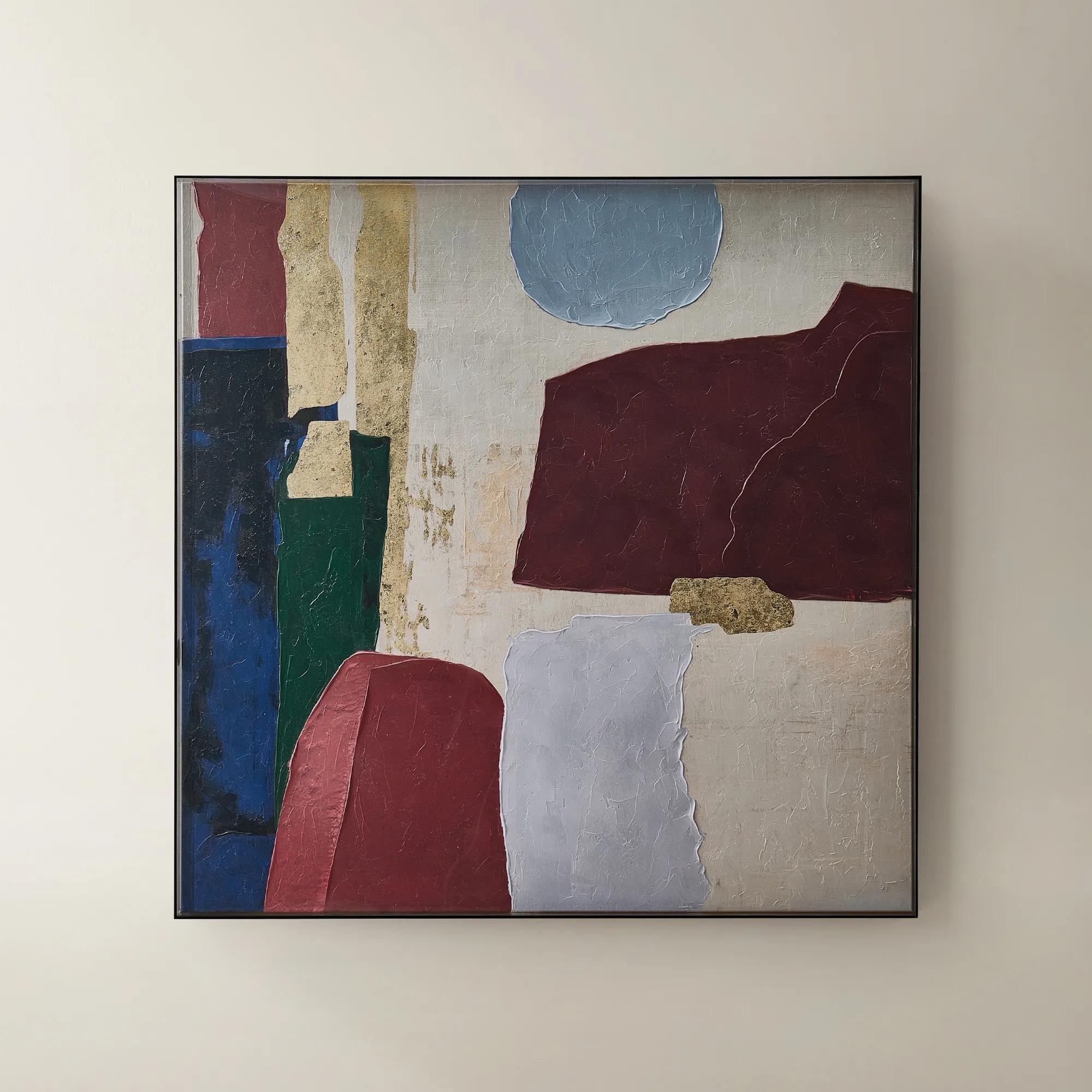
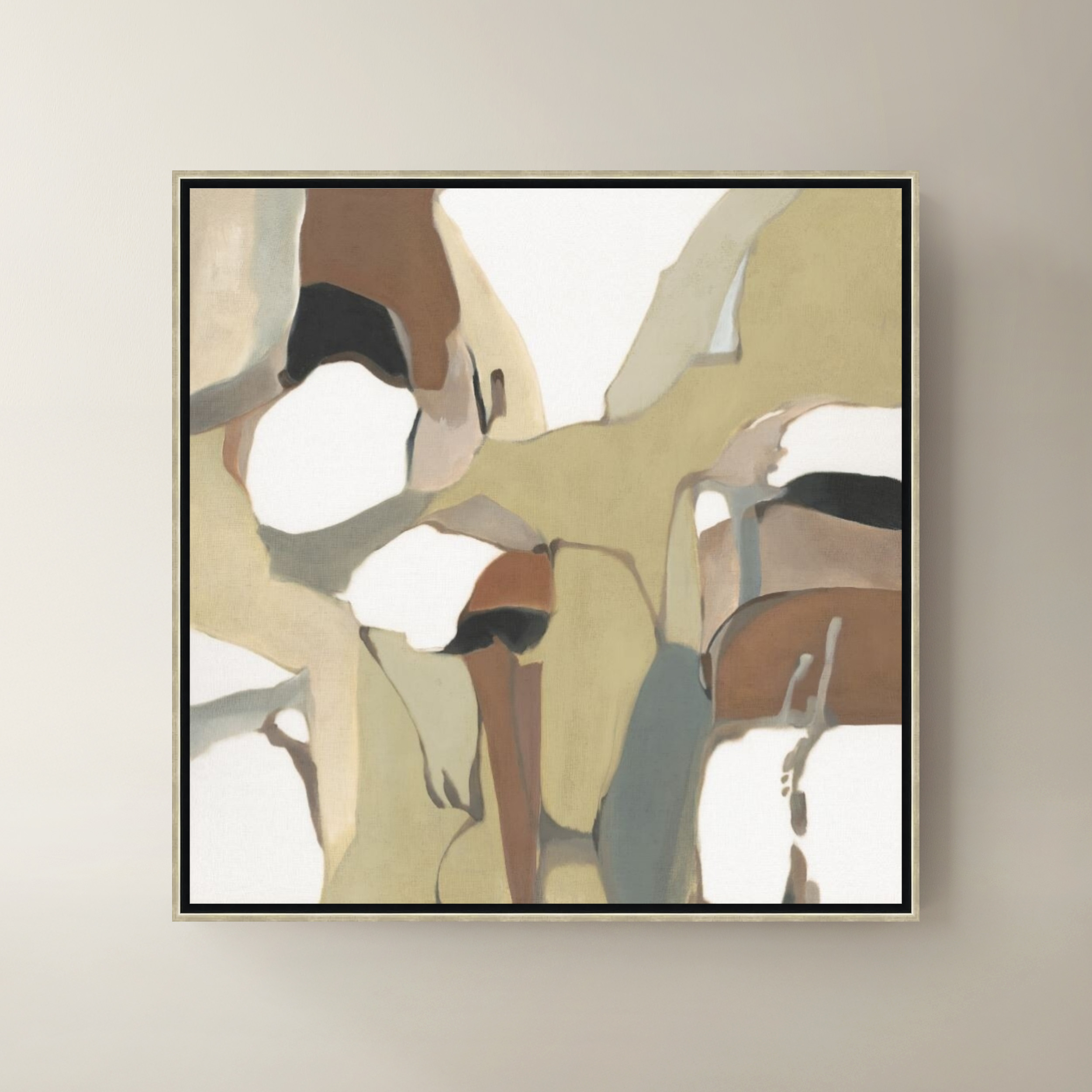
Elegant Textured Landscape Wall Decor
Elegant Textured Landscape Wall Decor
-
 Gilded Wings Feather Shadowbox 30" x 40"$399
A striking display of hand-painted feathers on black linen, elegantly framed in a gold shadowbox.
Add To Cart -
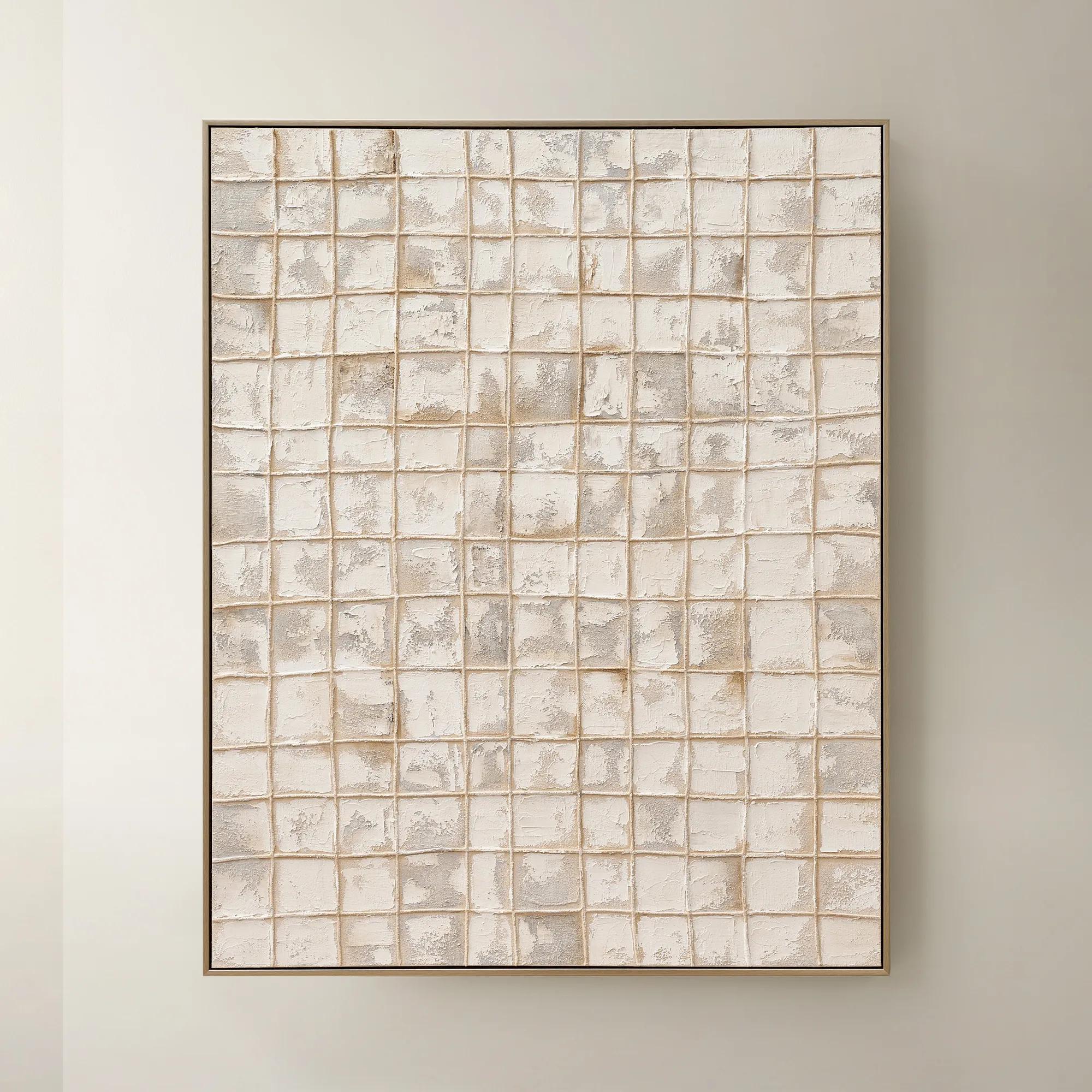
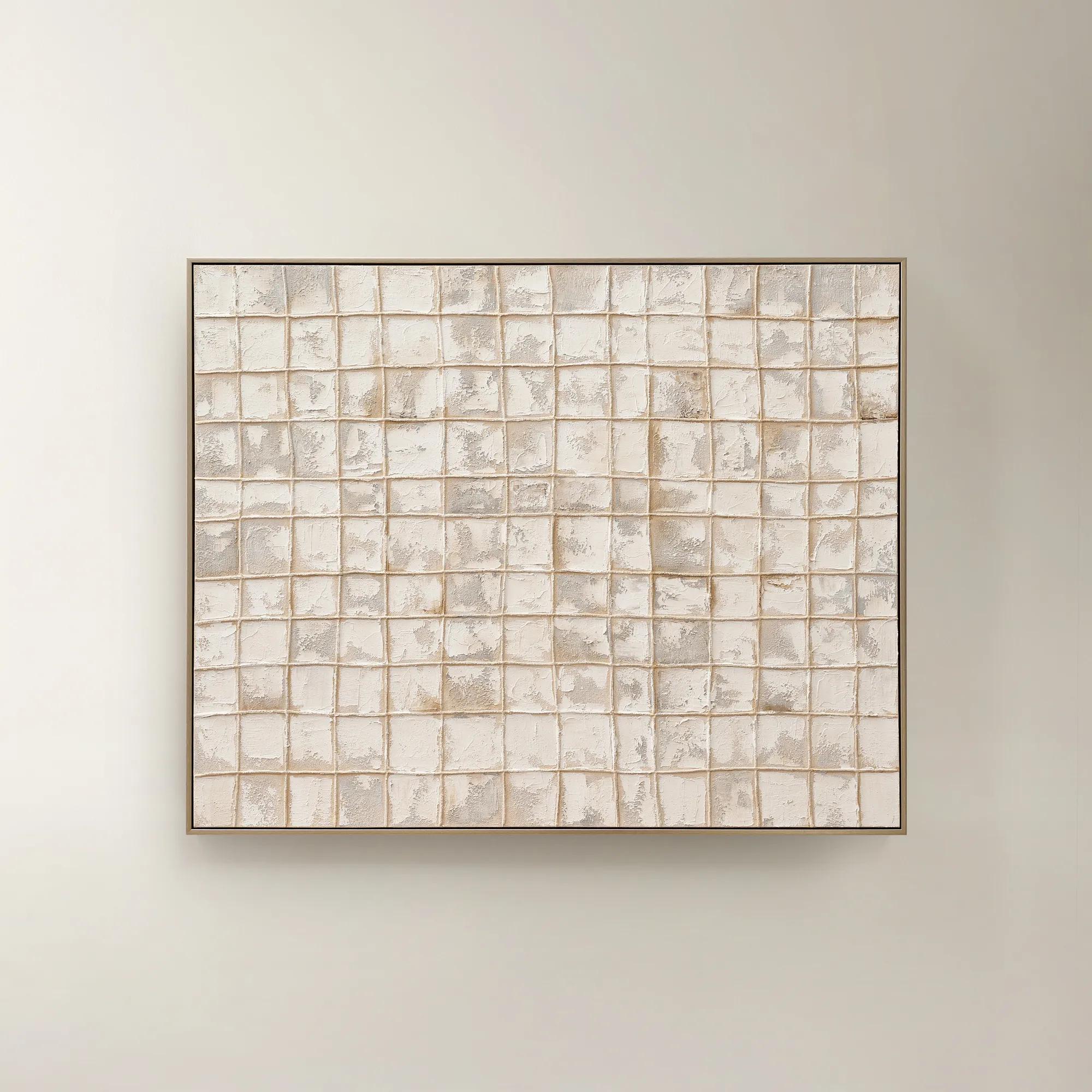 Painted Echos Framed Gold Leaf Wall Art 60" x 48"$699
A hand-painted abstract canvas with gold leaf accents and a champagne frame for modern, versatile display.
Add To Cart -
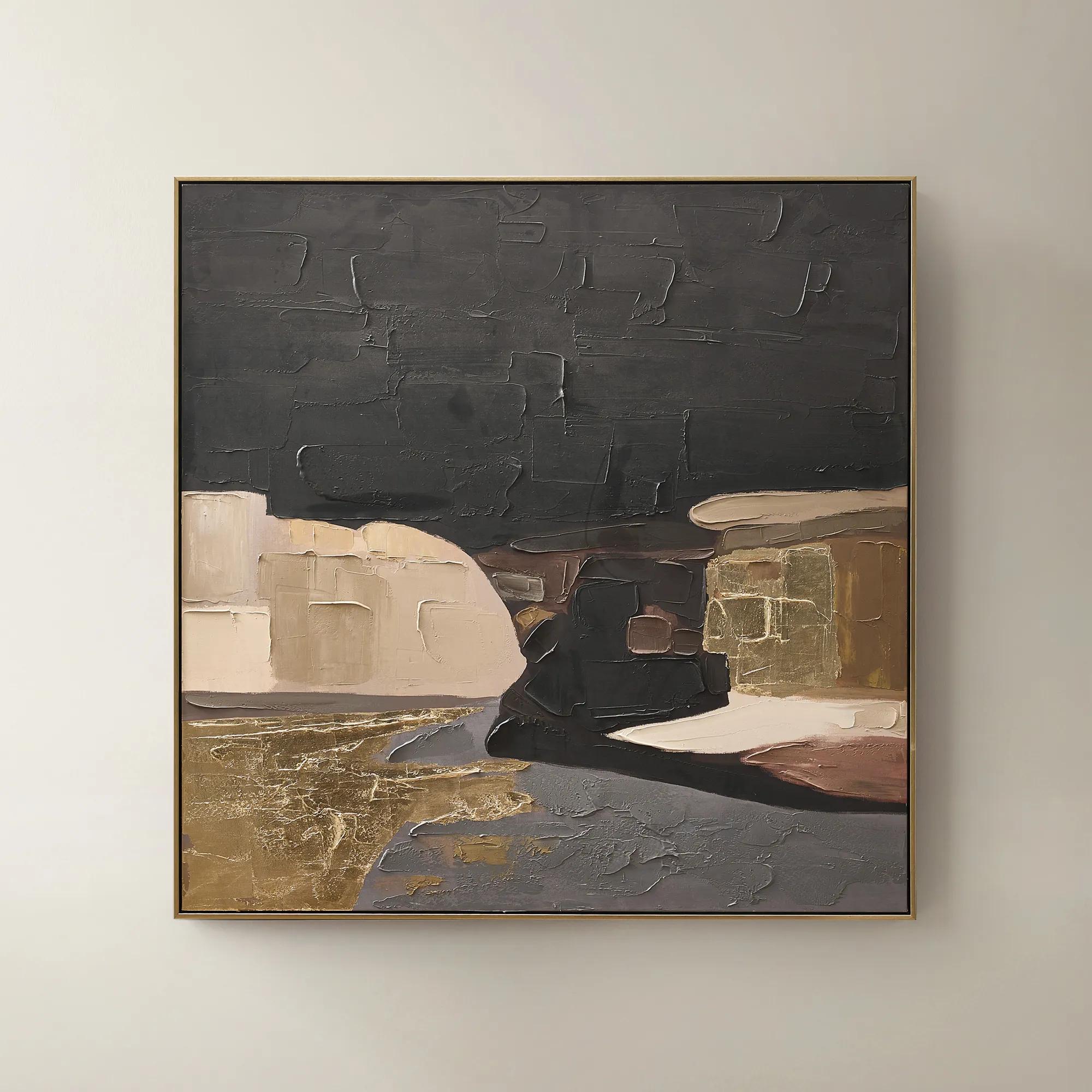 Obscured Light Framed Gold Leaf Painted Wall Art 48" x 48"$499
A hand-painted canvas with gold leaf accents and a black-gold frame in dramatic neutral tones.
Add To Cart -
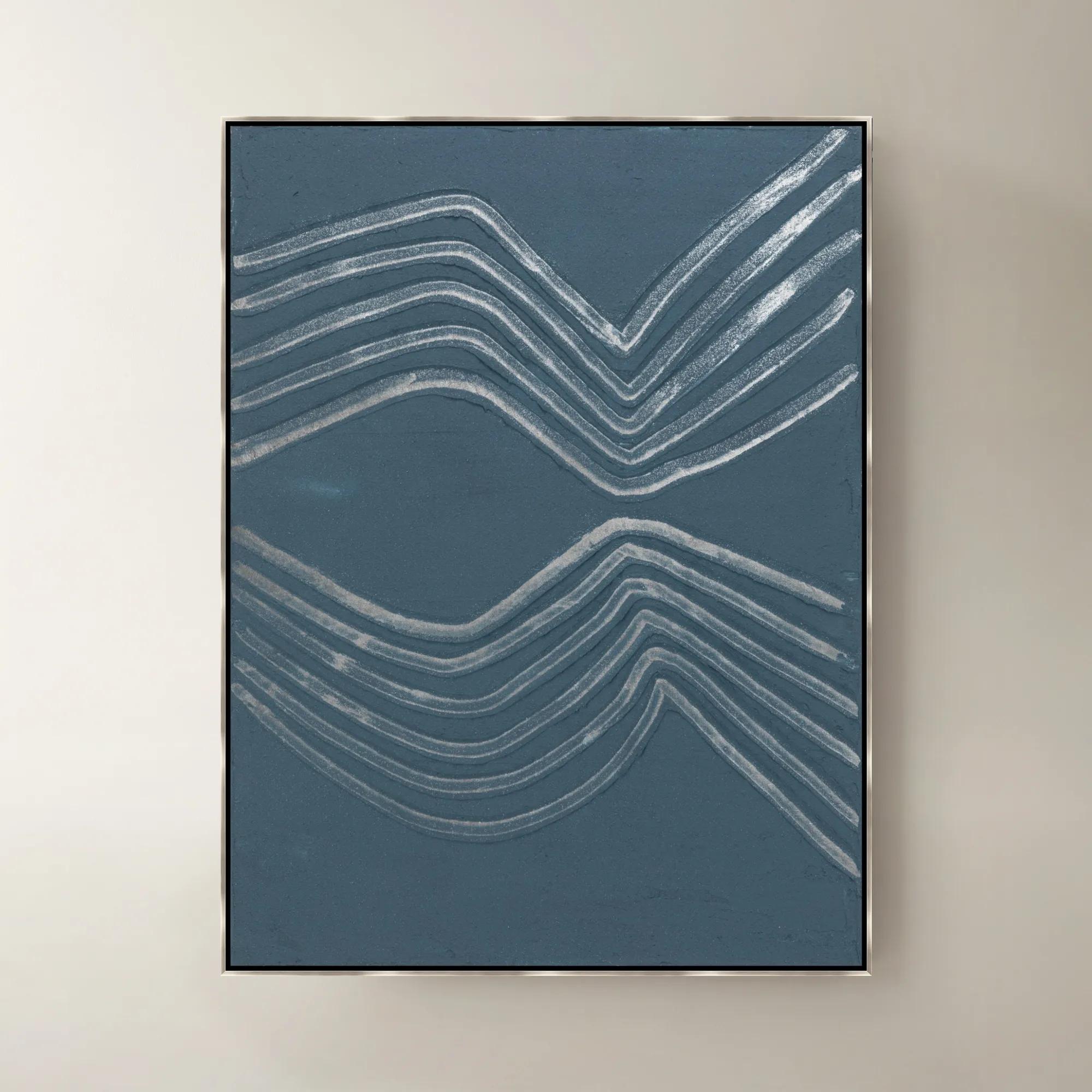
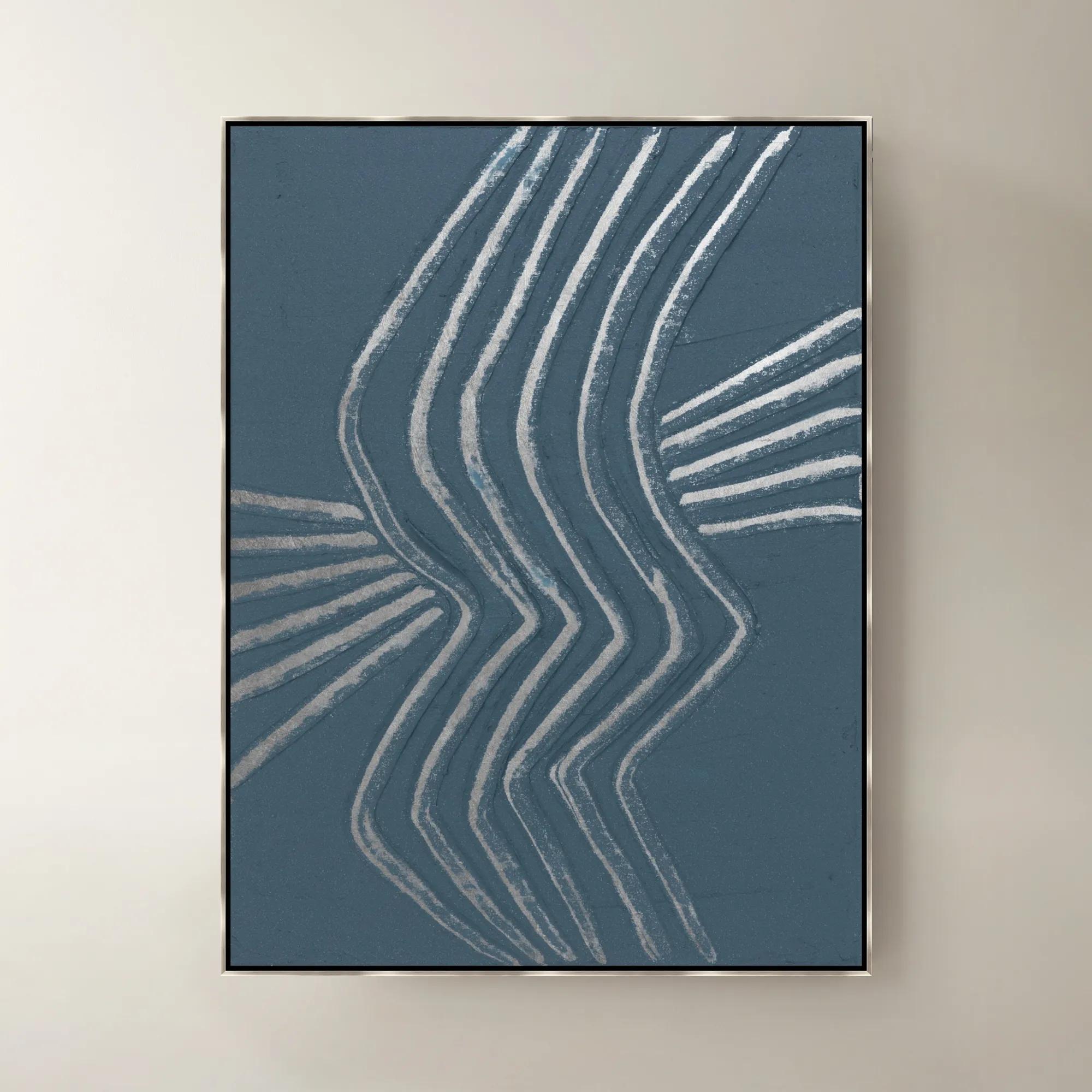
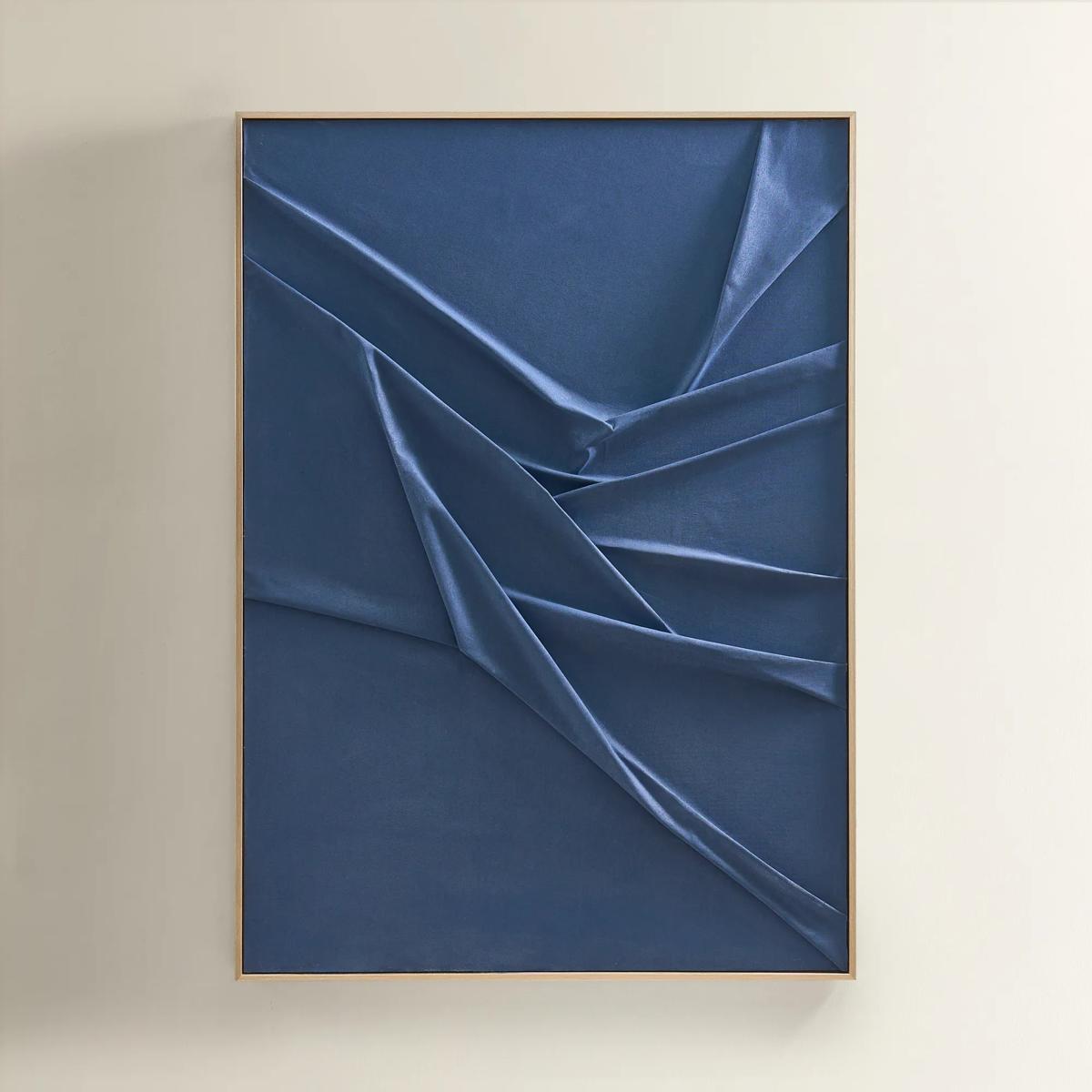 Deep Sea Painting$599
A hand-sculpted navy canvas with dimensional folds, framed in soft champagne for modern, serene elegance.
Add To Cart -
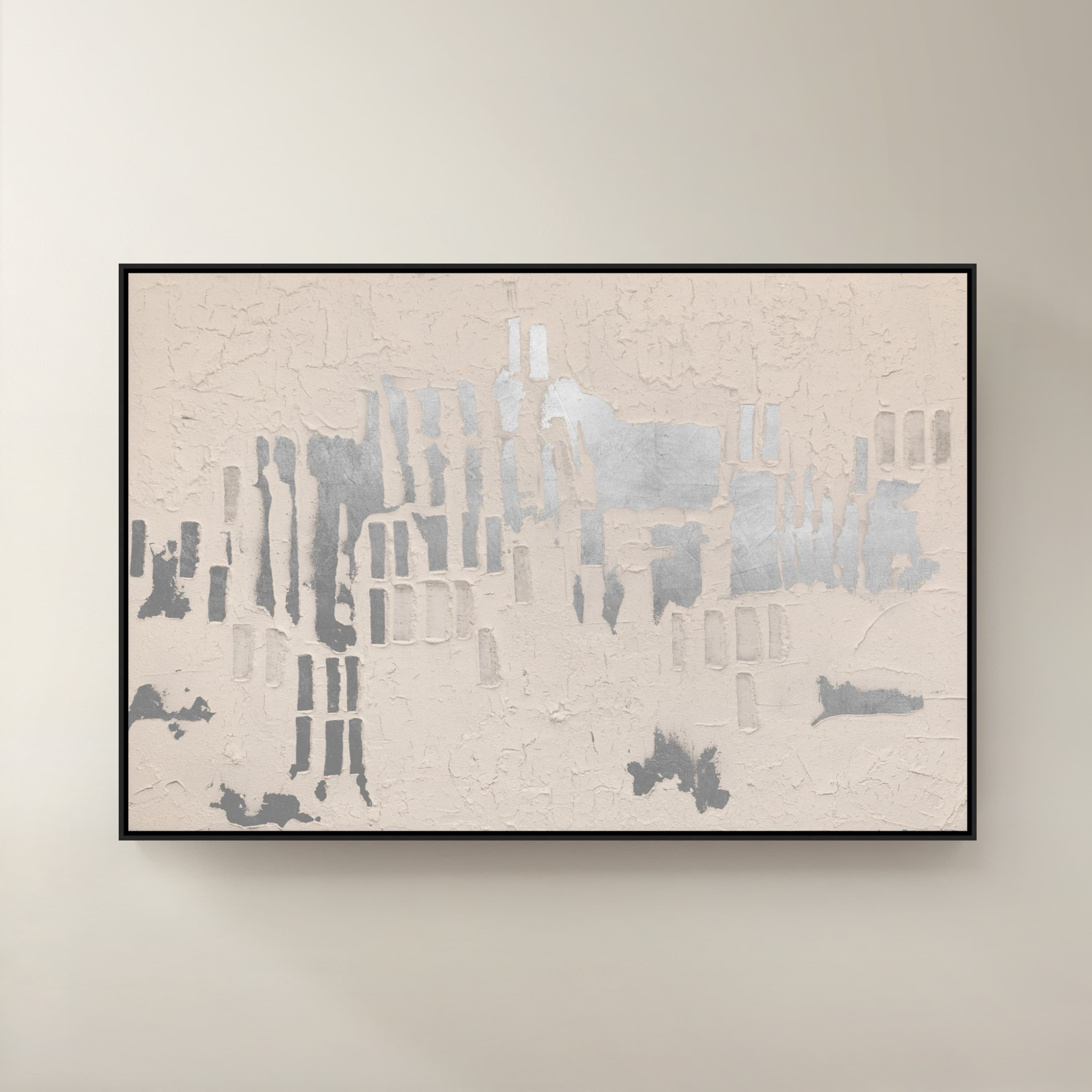
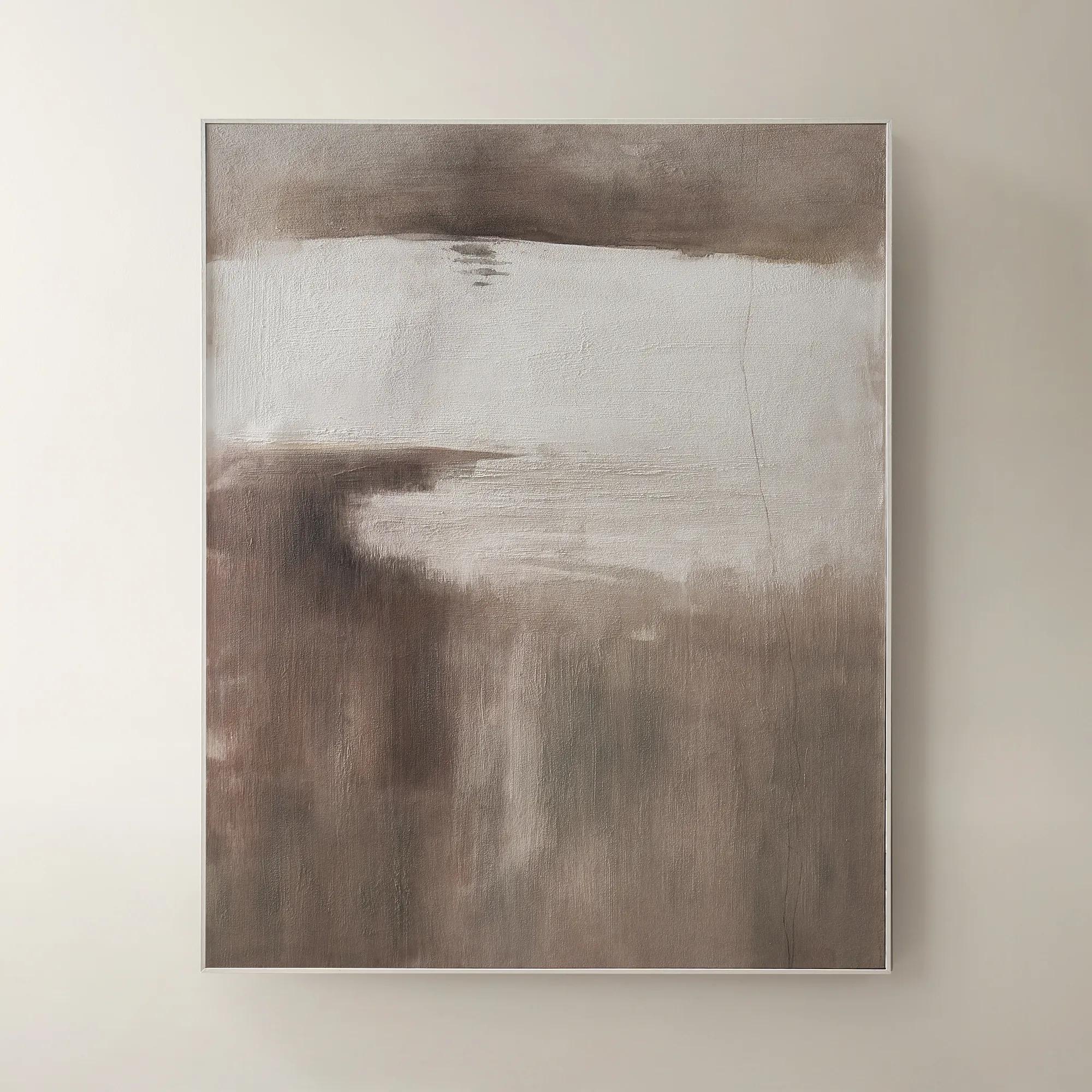
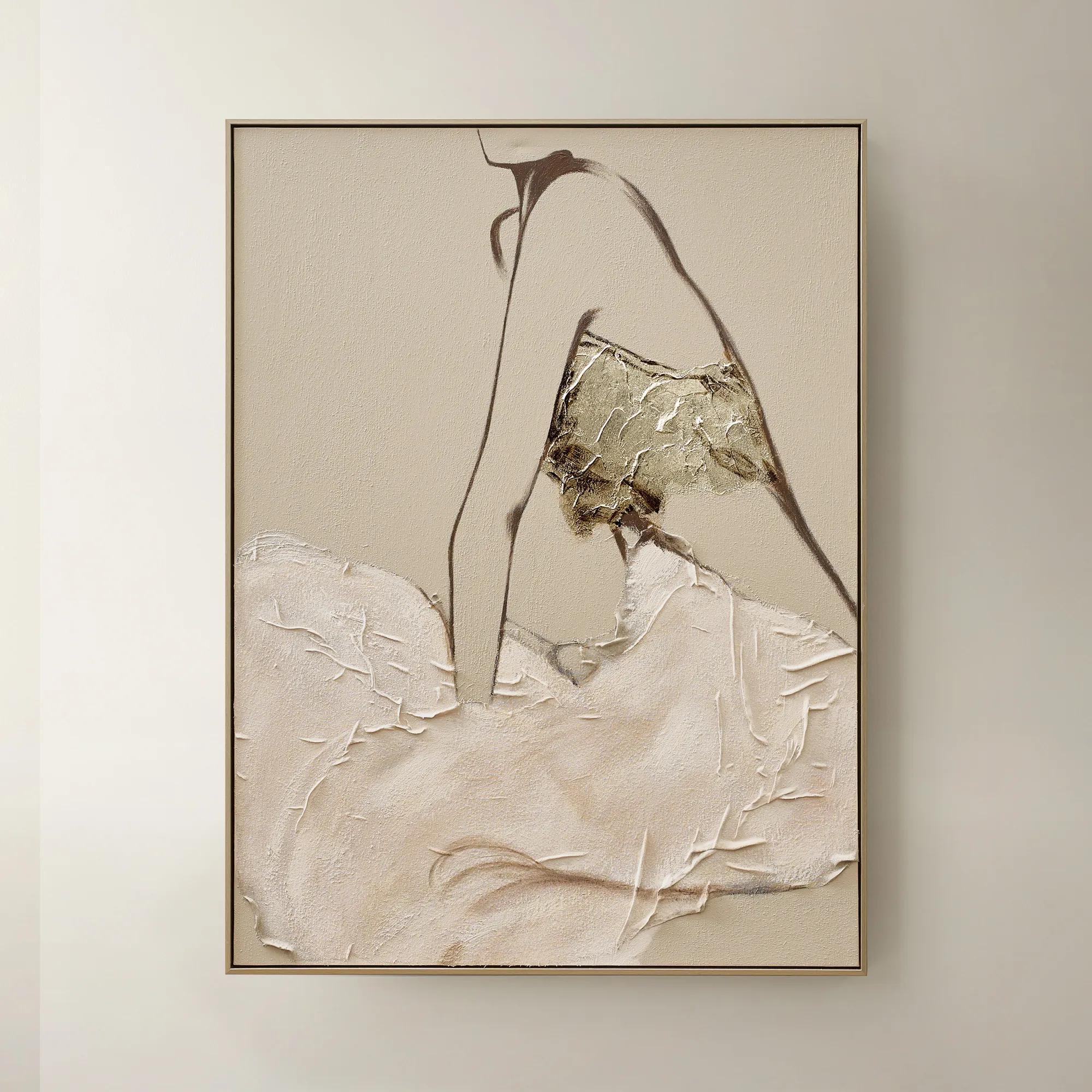 Quiet Pose Framed Painted Wall Art 36" x 48"$499
A hand-painted canvas in taupe and champagne tones features textural details and shimmering champagne leafing.
Add To Cart -
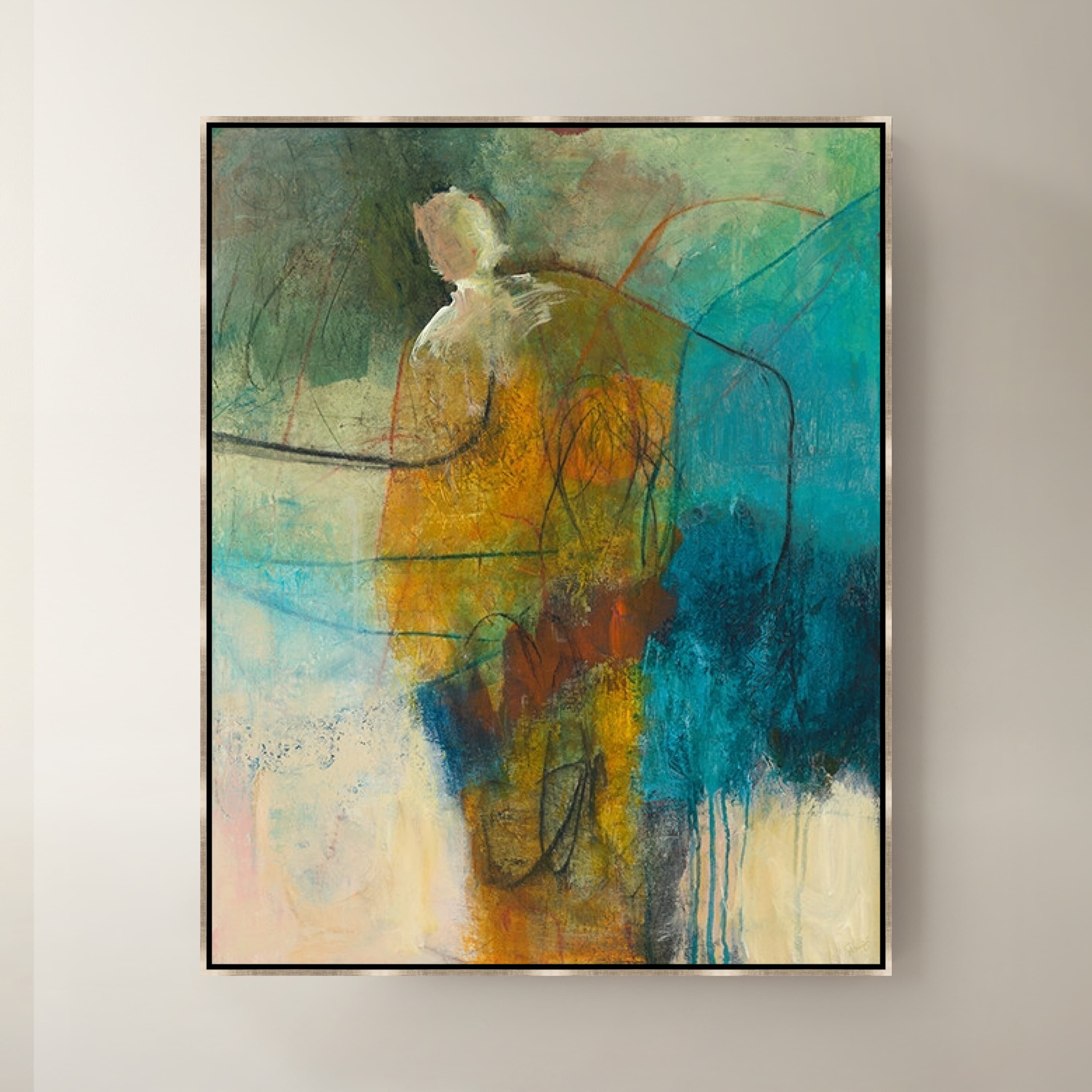
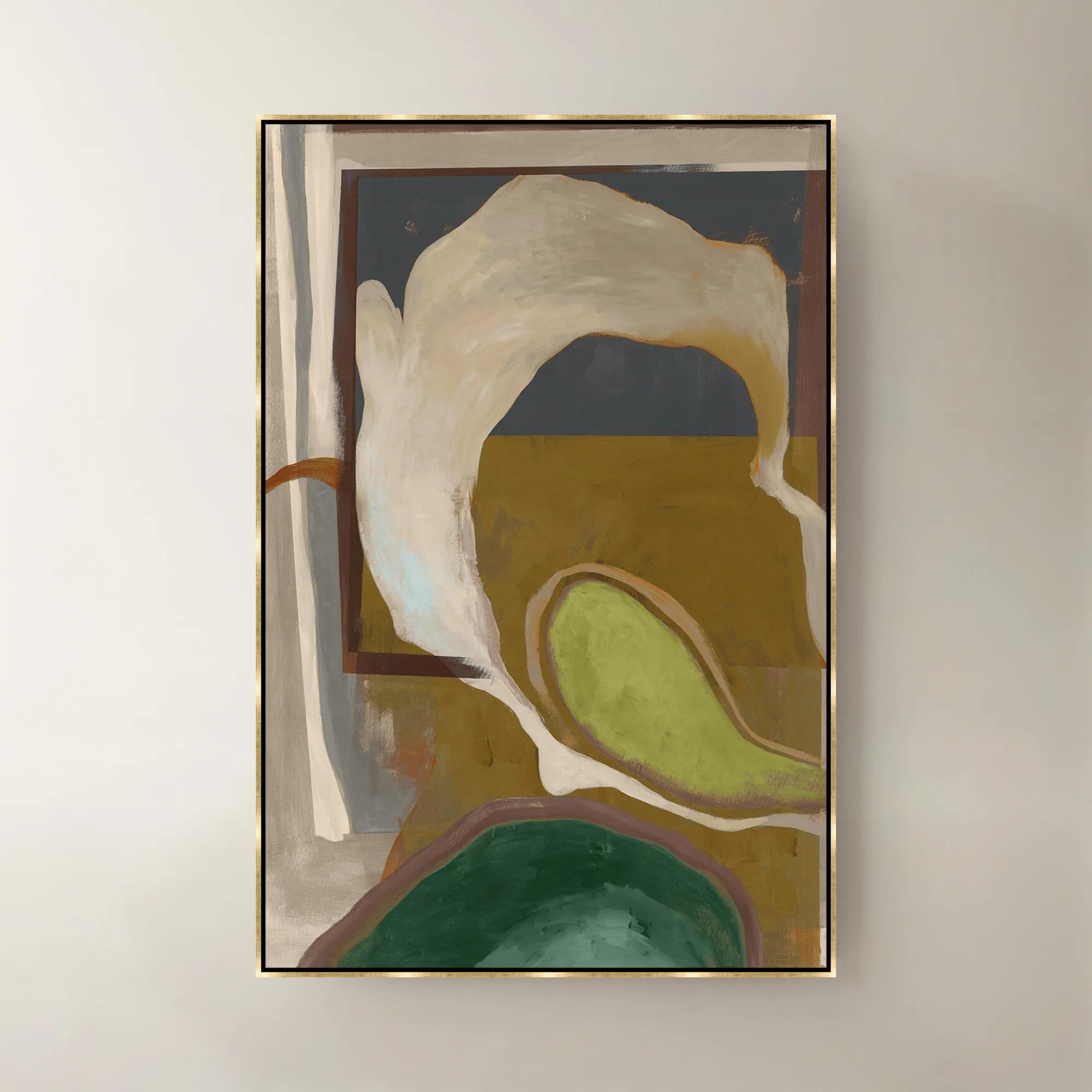
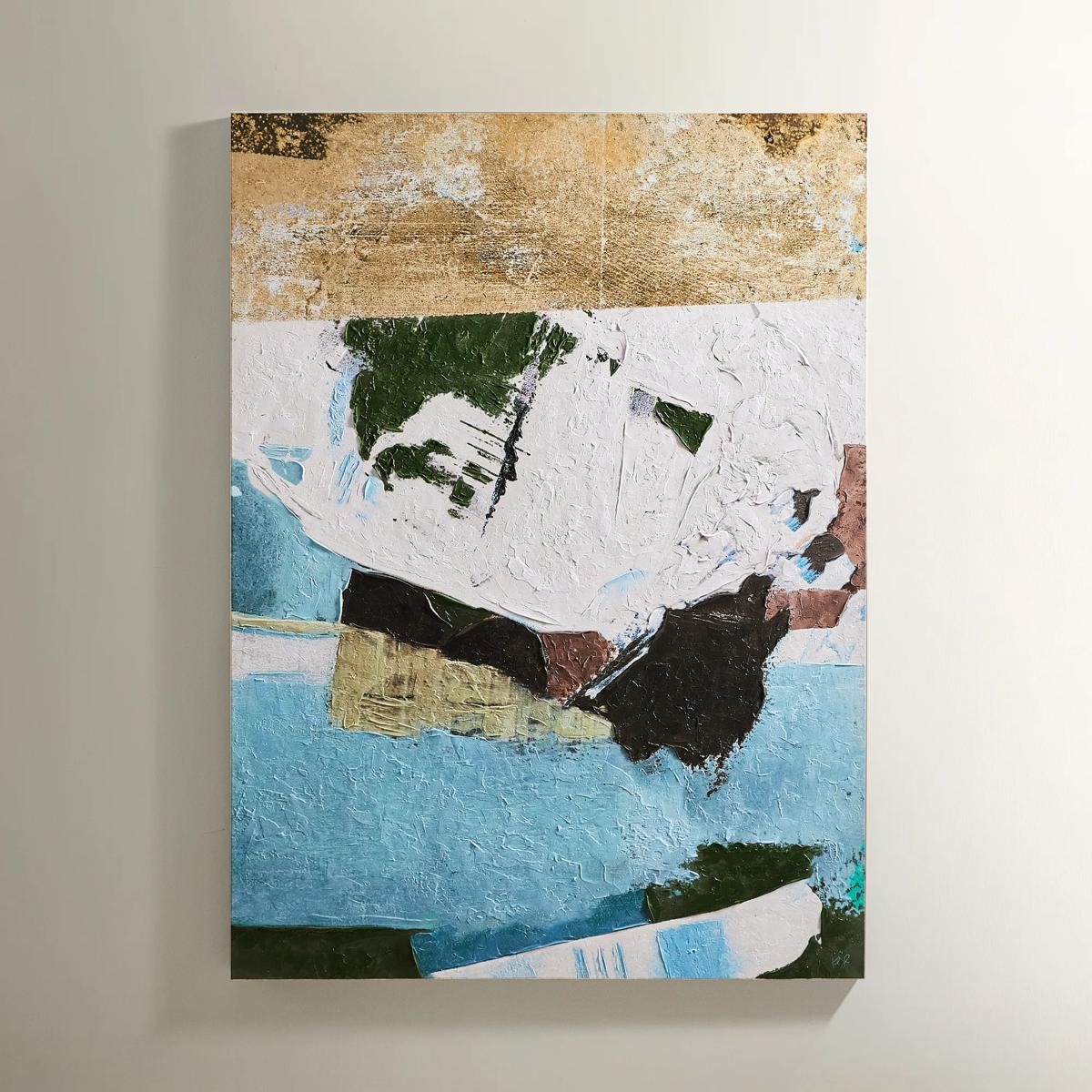 Cadence Painting$599
A hand-embellished canvas artwork featuring textured olive, gold, and ivory strokes in a black and gold frame.
Add To Cart -
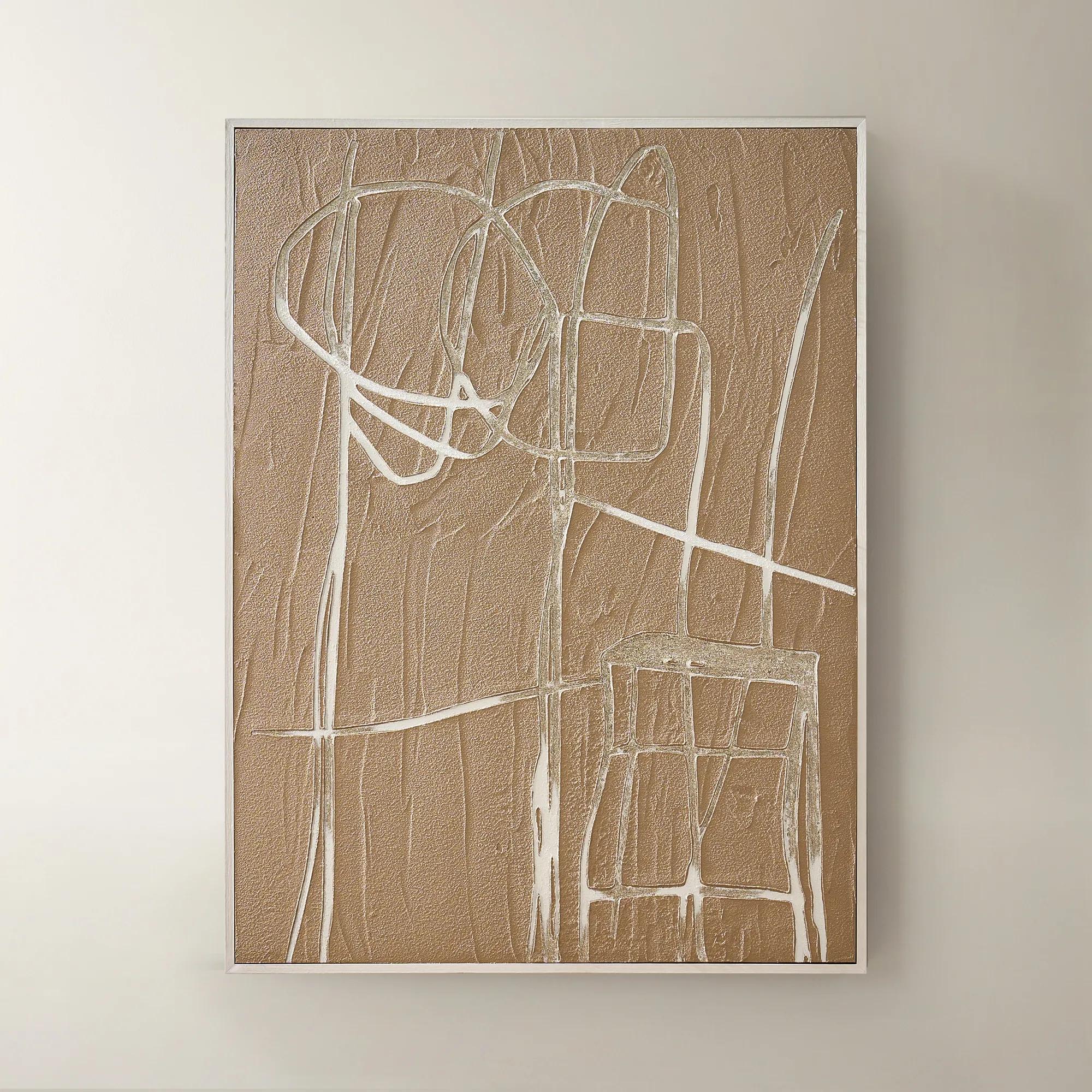
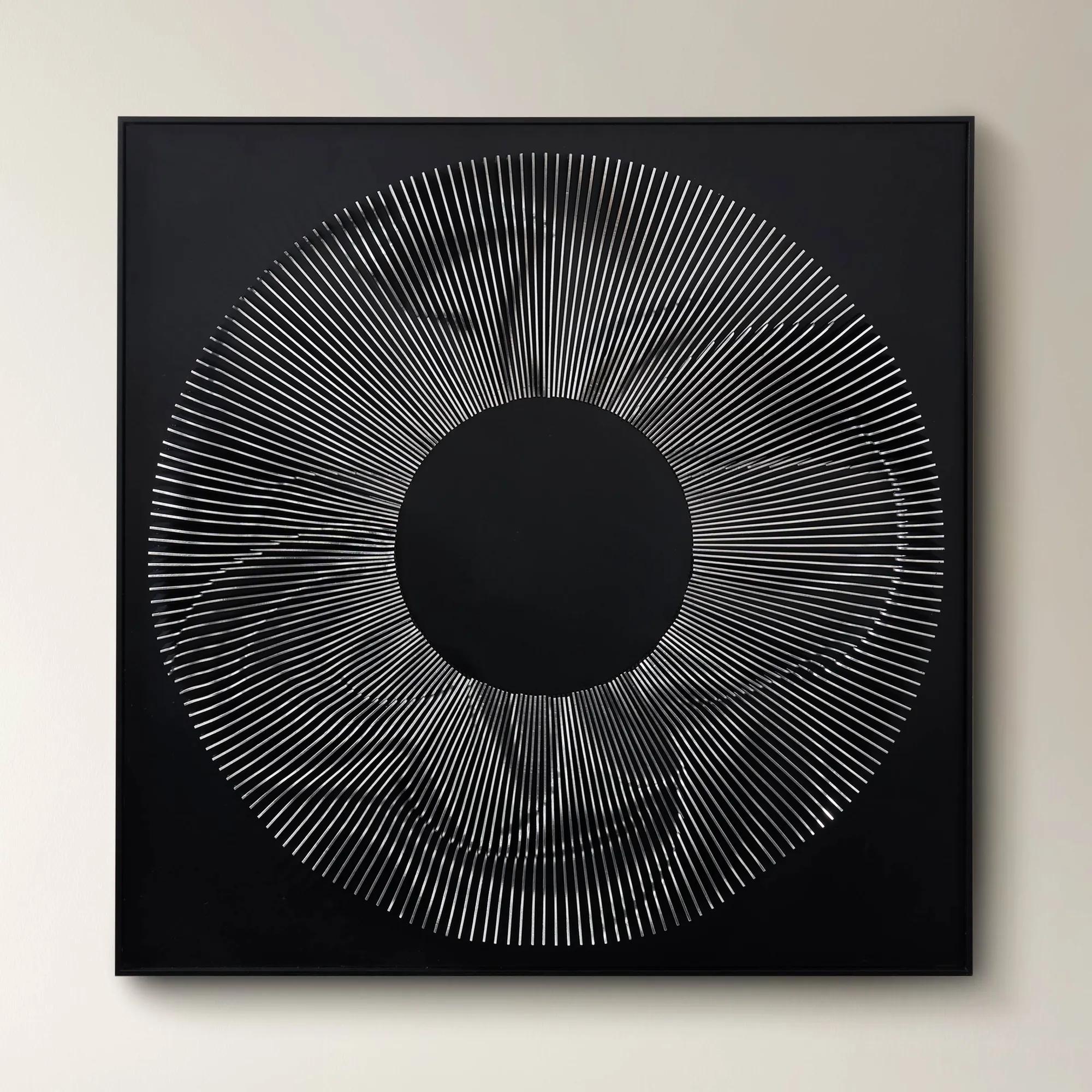 Efflorescence Wood Carving$799
A three-dimensional pine wood panel features a flowing carved motif in a striking silver finish.
Add To Cart -
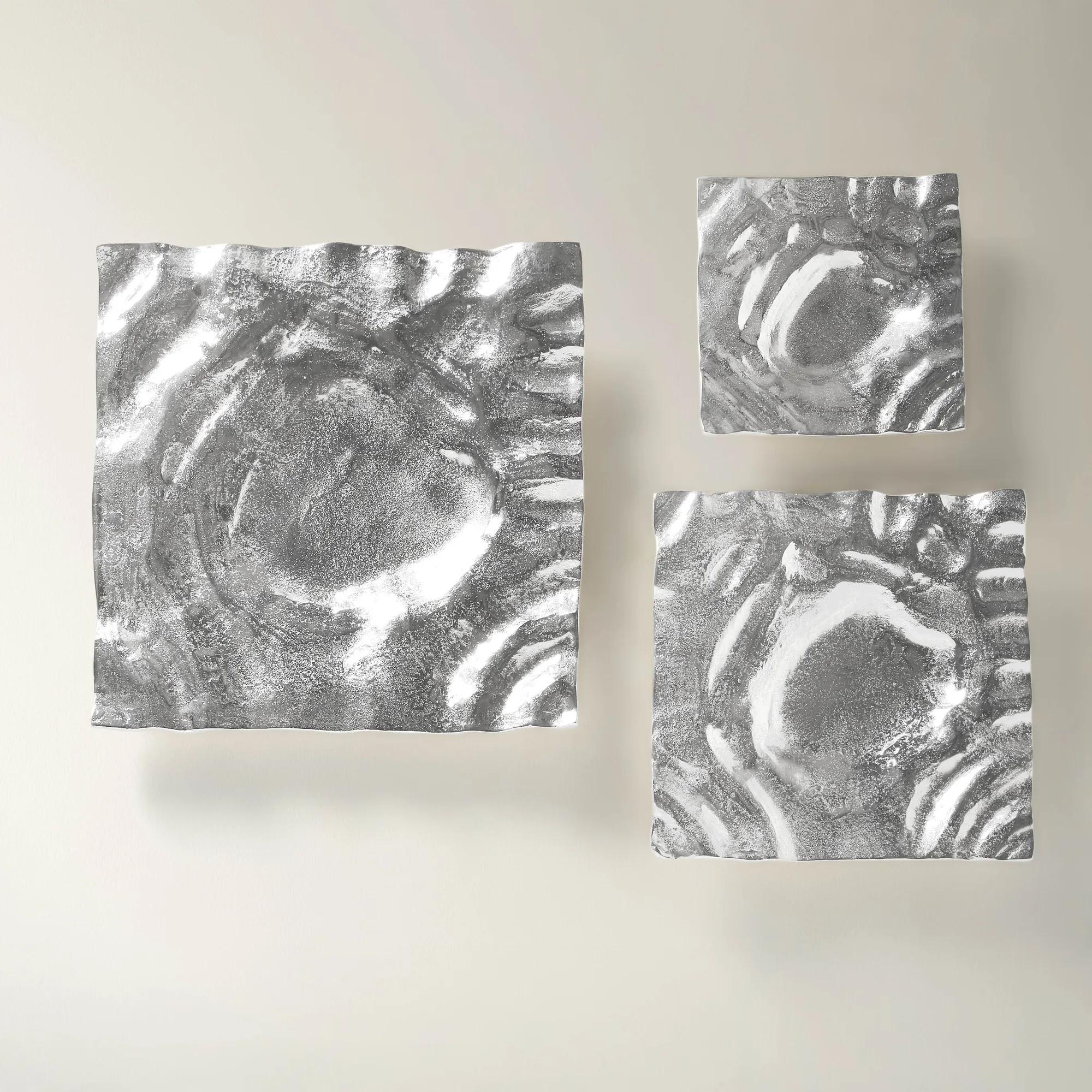
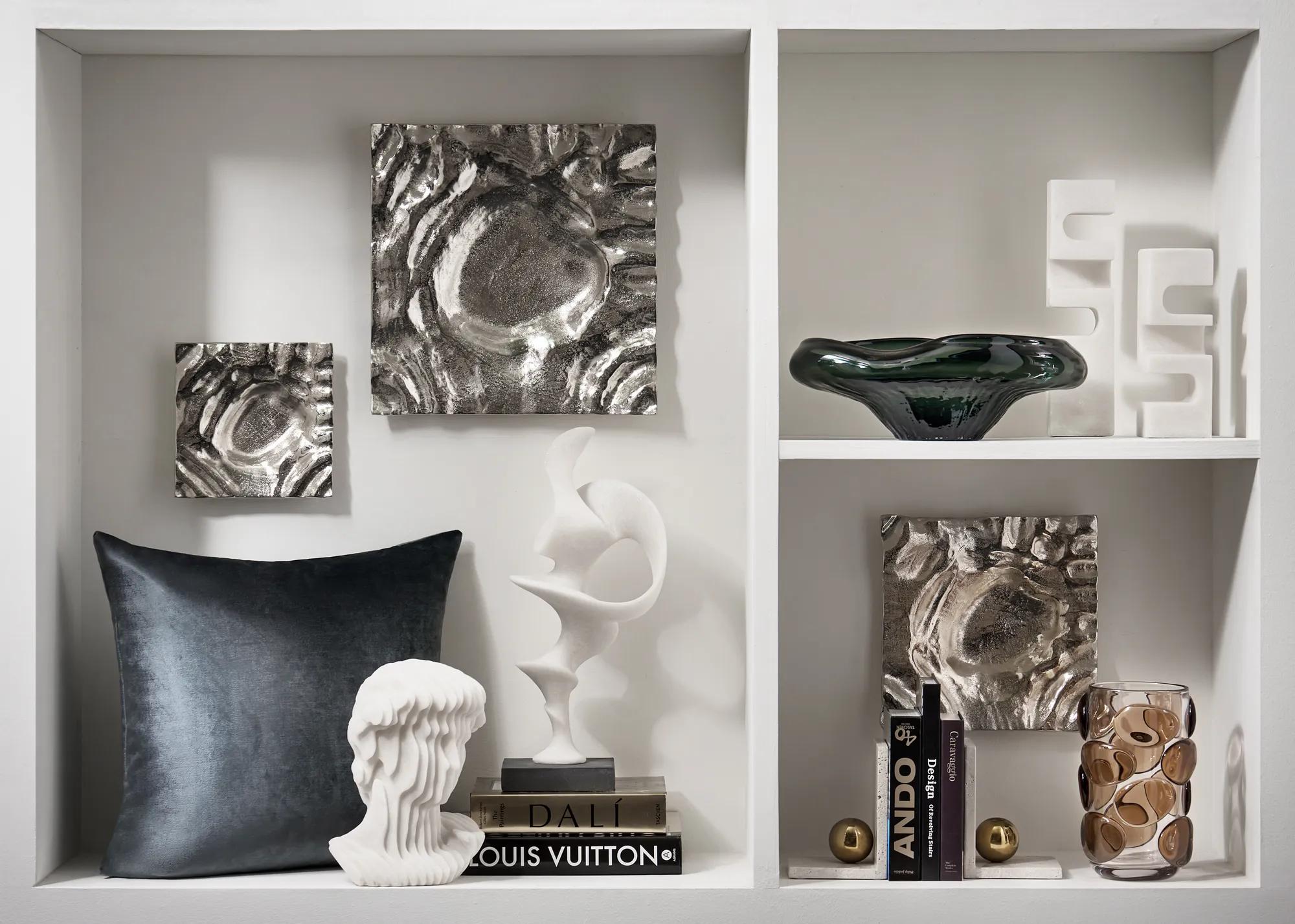 Cascade Wall Art - Set of 3$119
A set of three silver aluminum wall art pieces featuring textured surfaces that reflect and play with light.
Add To Cart -
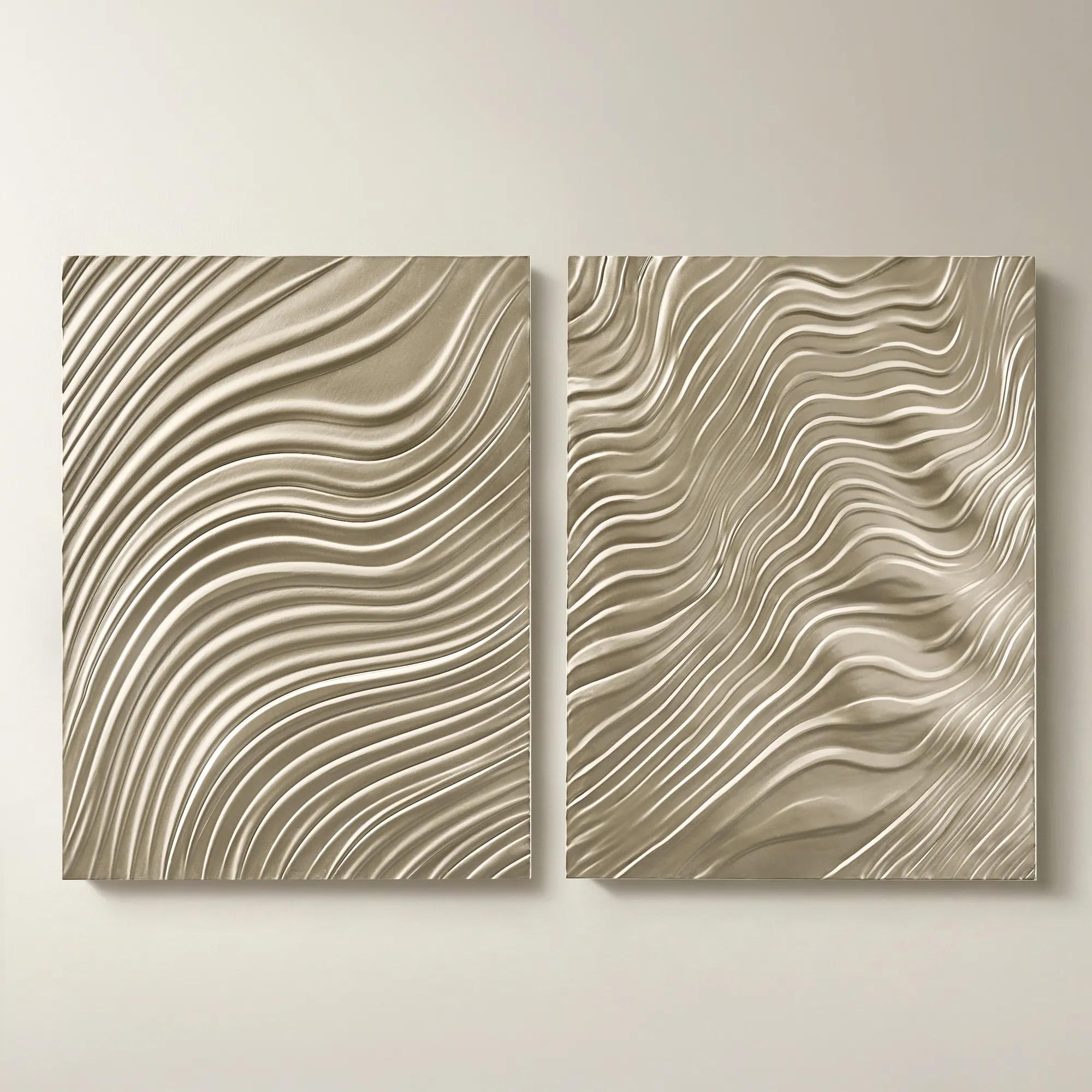
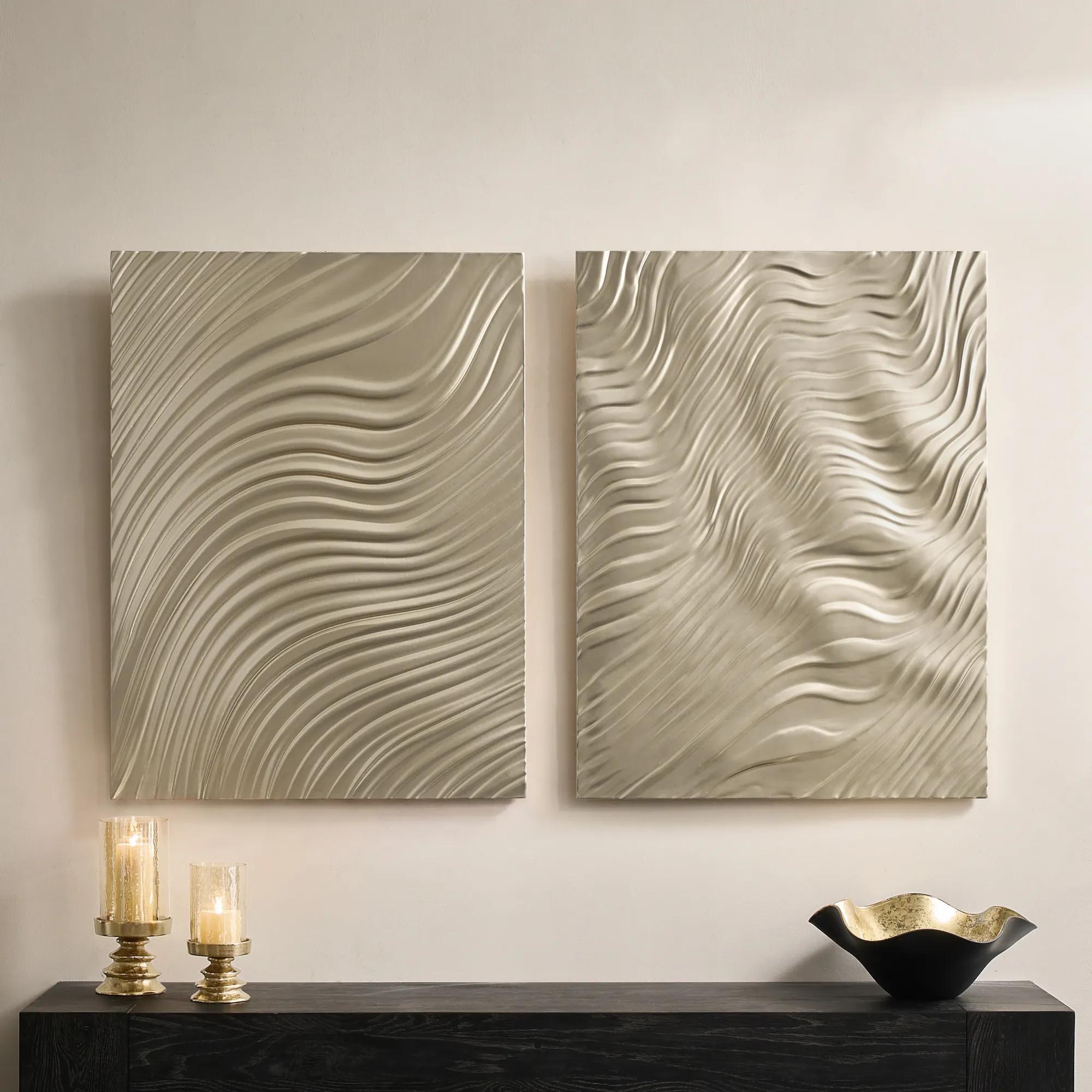 Mirage Champagne Carved Wood Wall Panels 30" x 40" Set of 2$799
A set of two intricately carved wood composite panels in a champagne finish with flowing 3D patterns.
Add To Cart -
-compressed.jpg?w=1200&h=1200) Etched in Silver$229
Etched in Silver$229An abstract hand-carved aluminum wall art featuring shimmering silver tones in a modern black alloy frame.
Add To Cart -
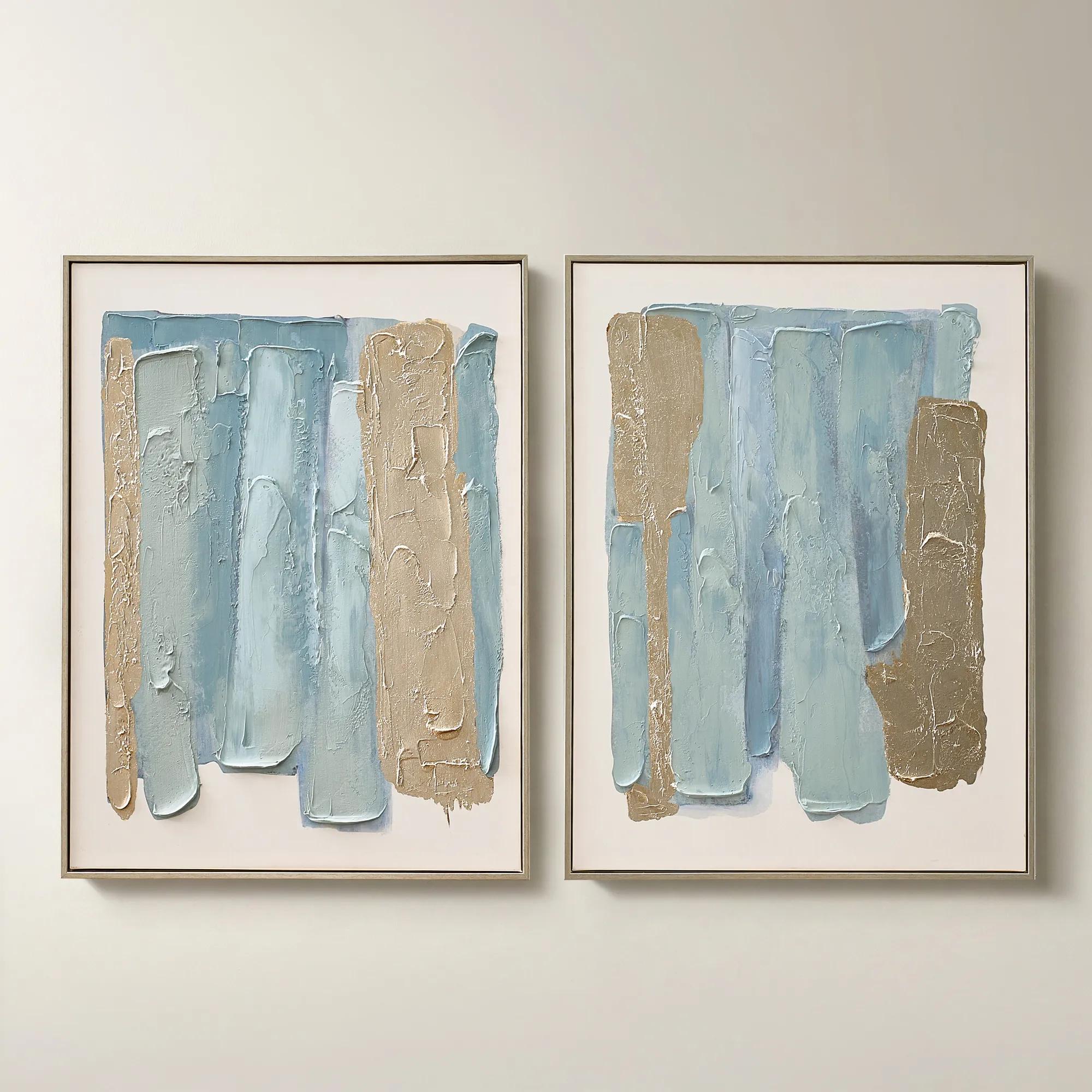
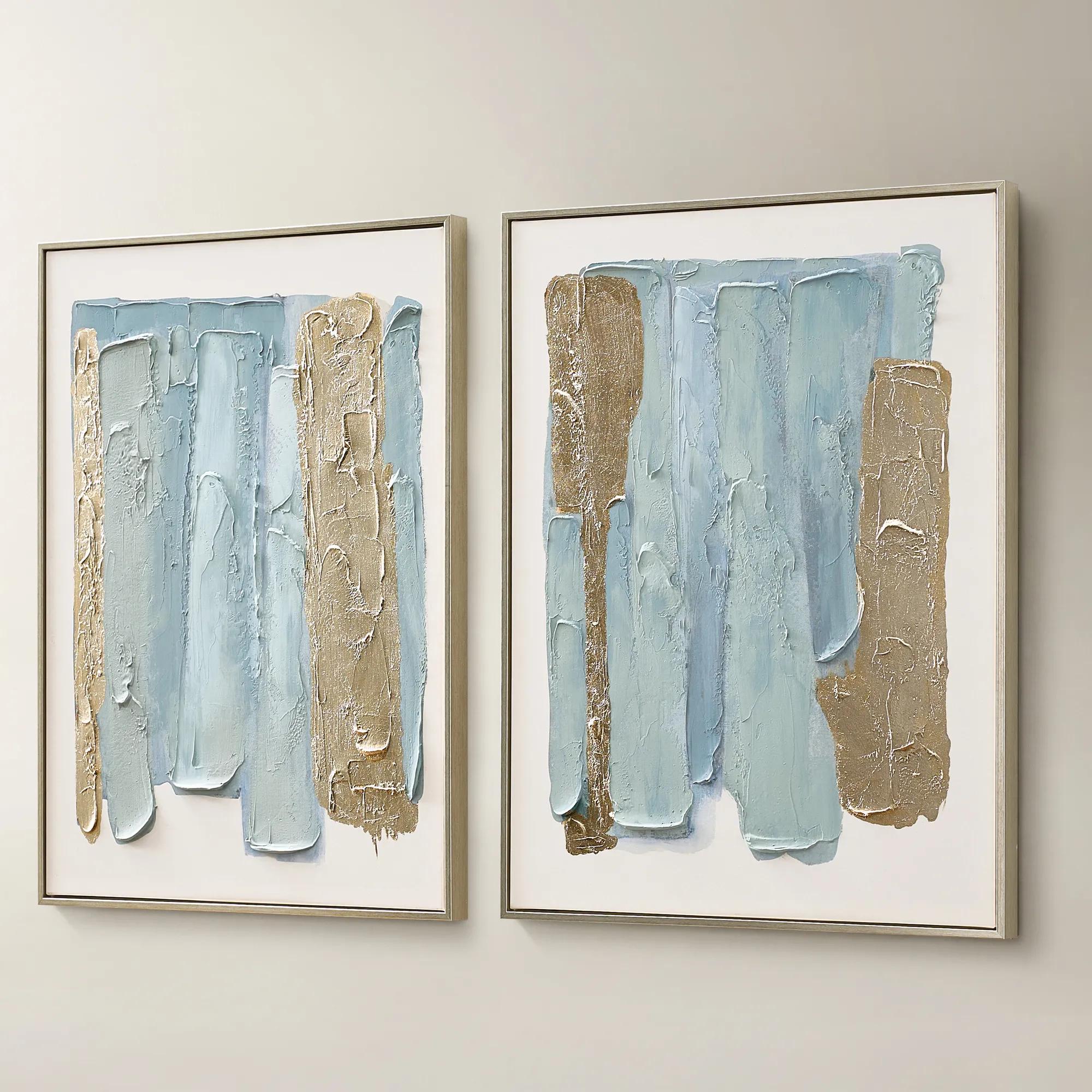 Blue Drift Framed Champagne Painted Wall Art 24" x 32" Set of 2$199
A set of two hand-painted canvases in dusty blue with champagne leafing and modern abstract movement.
Add To Cart -
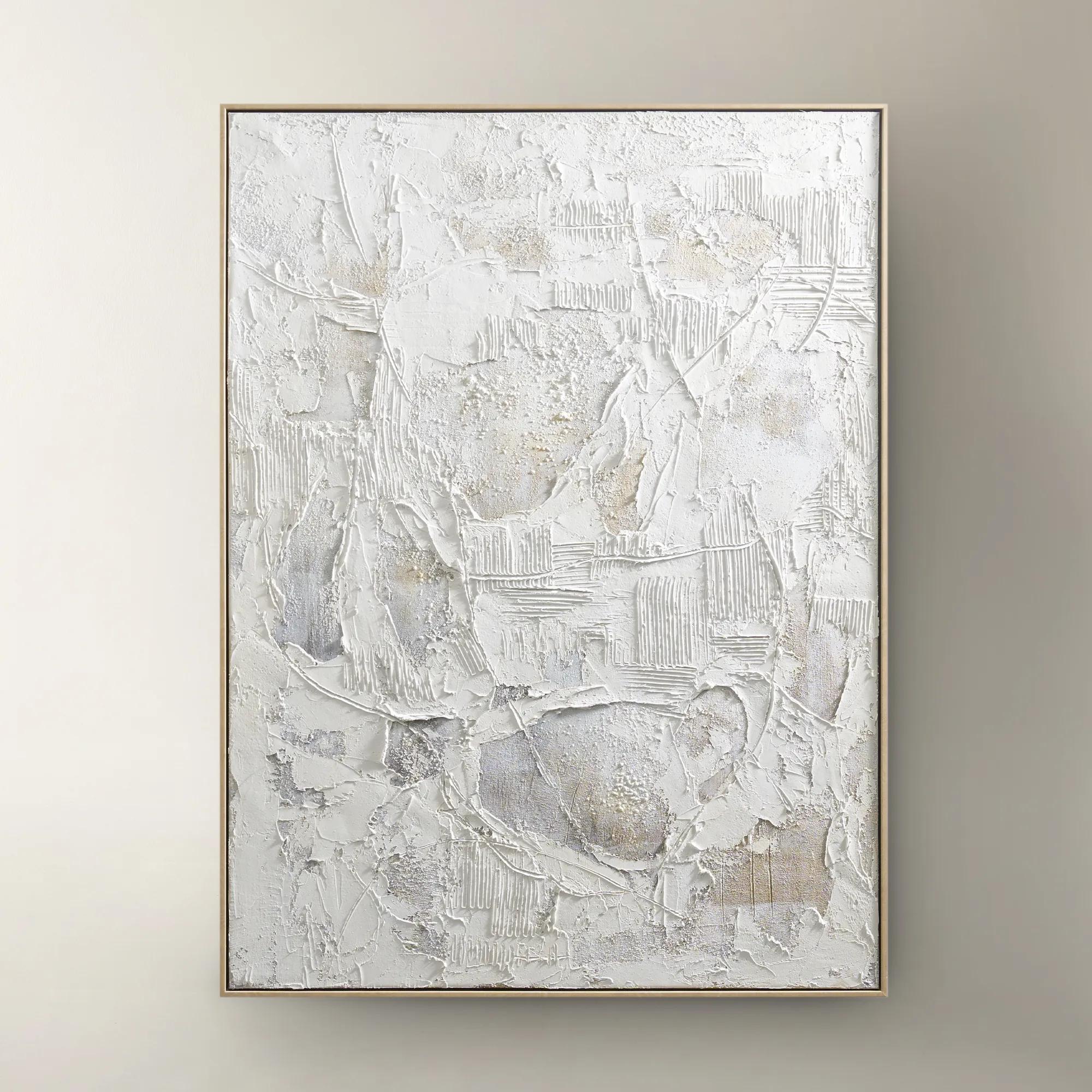 Stone Heritage Painting$399
A hand-painted canvas featuring textured white tones, elegantly framed in warm beech wood for refined appeal.
Add To Cart -
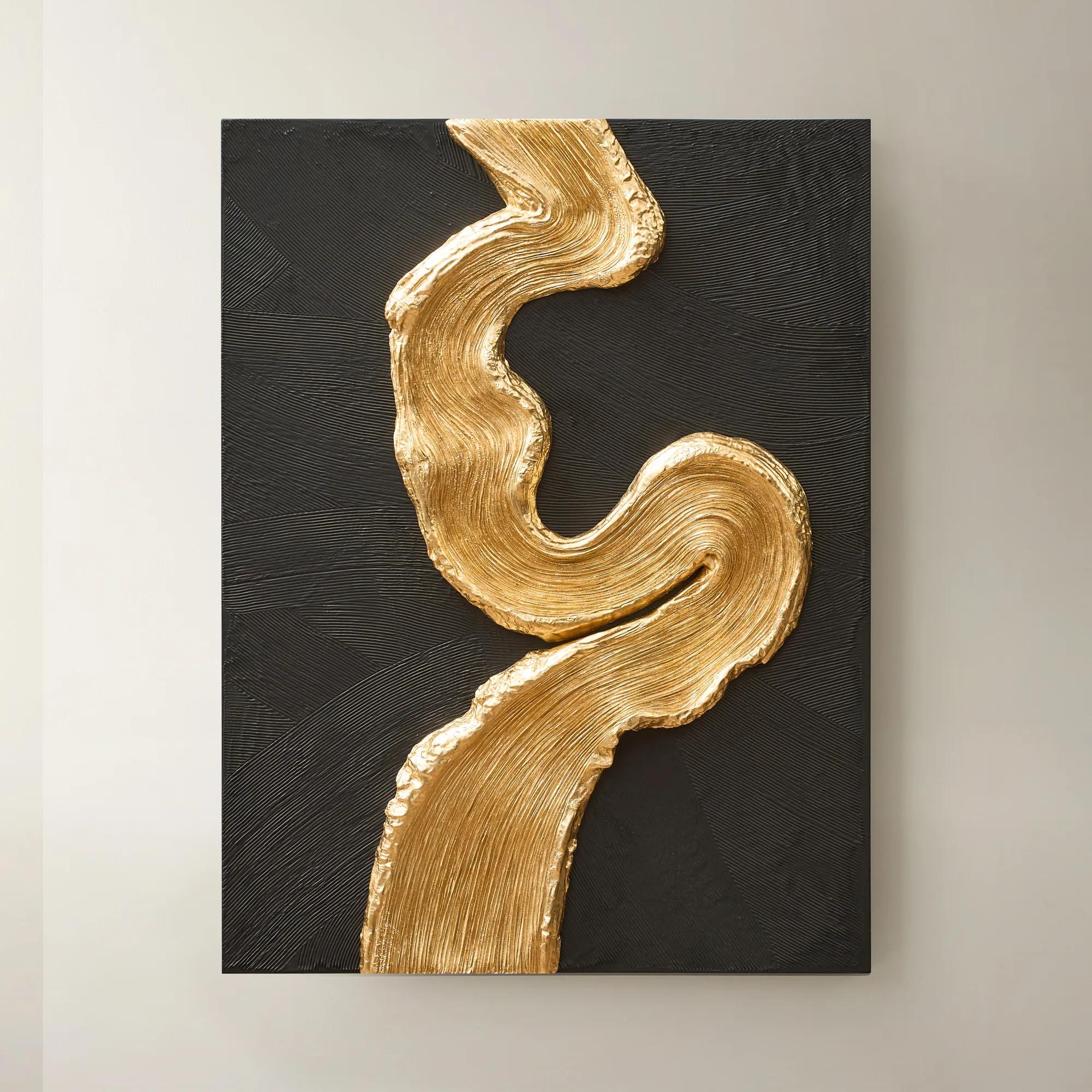
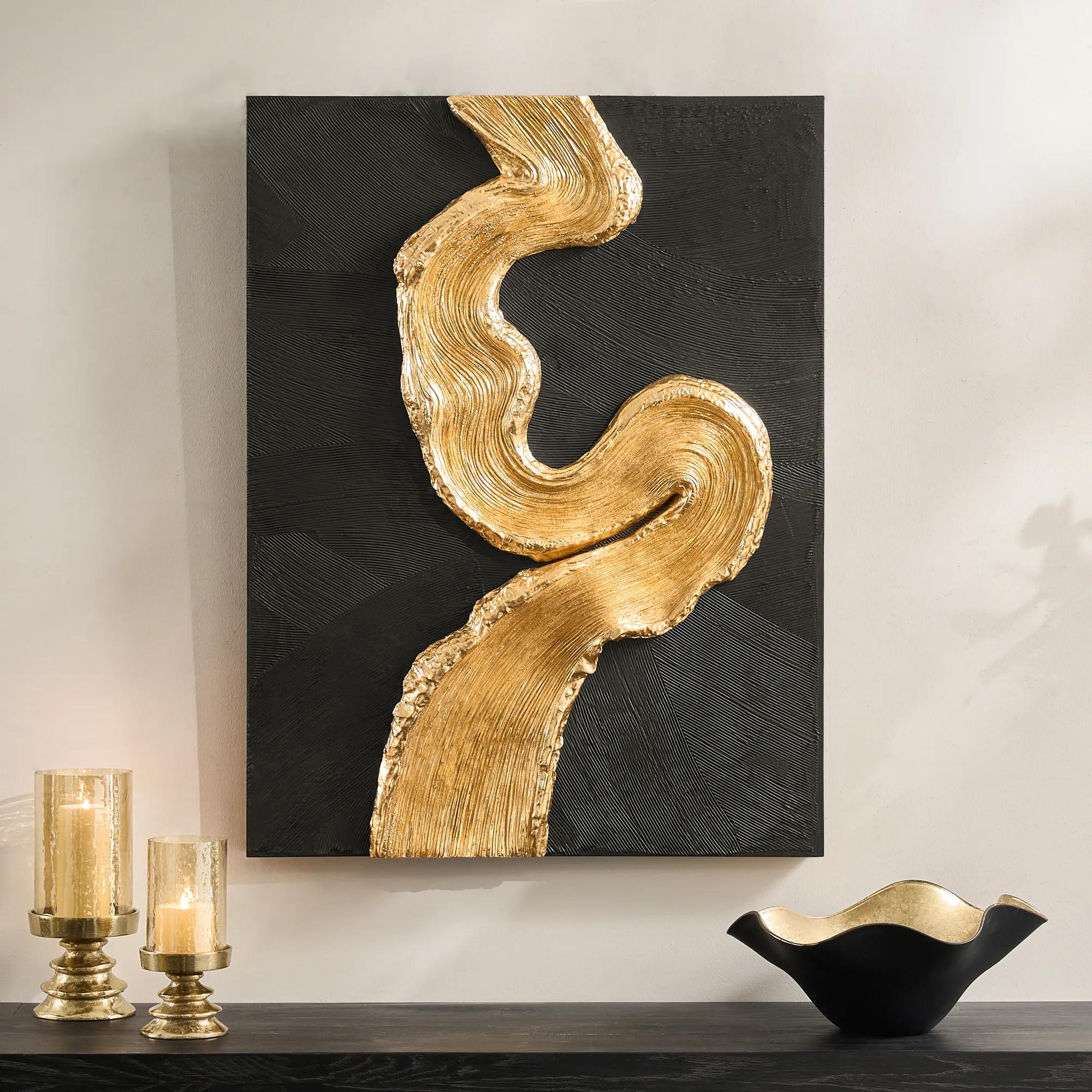 Gold Impasto Sculpted Resin Wall Panel 30" x 40"$499
A sculpted fiberglass resin wall panel featuring gold leaf detail and bold impasto texture on a black backdrop.
Add To Cart -
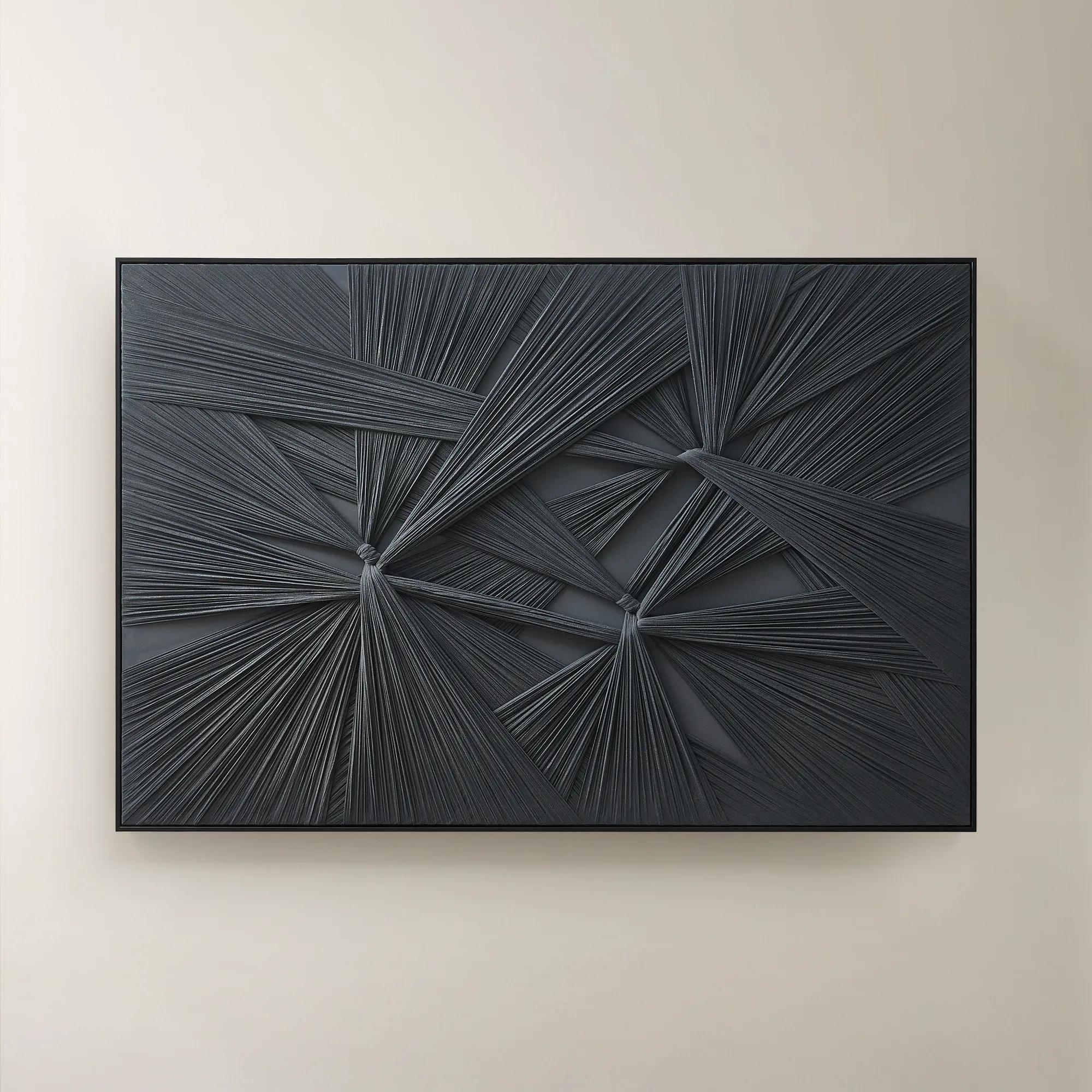 Grace in Dark Slate Hand-crafted Fabric Wall Art 70.75" x 47"$799
A hand-crafted textile wall art piece in dark slate, featuring sculptural texture and versatile display options.
Add To Cart -
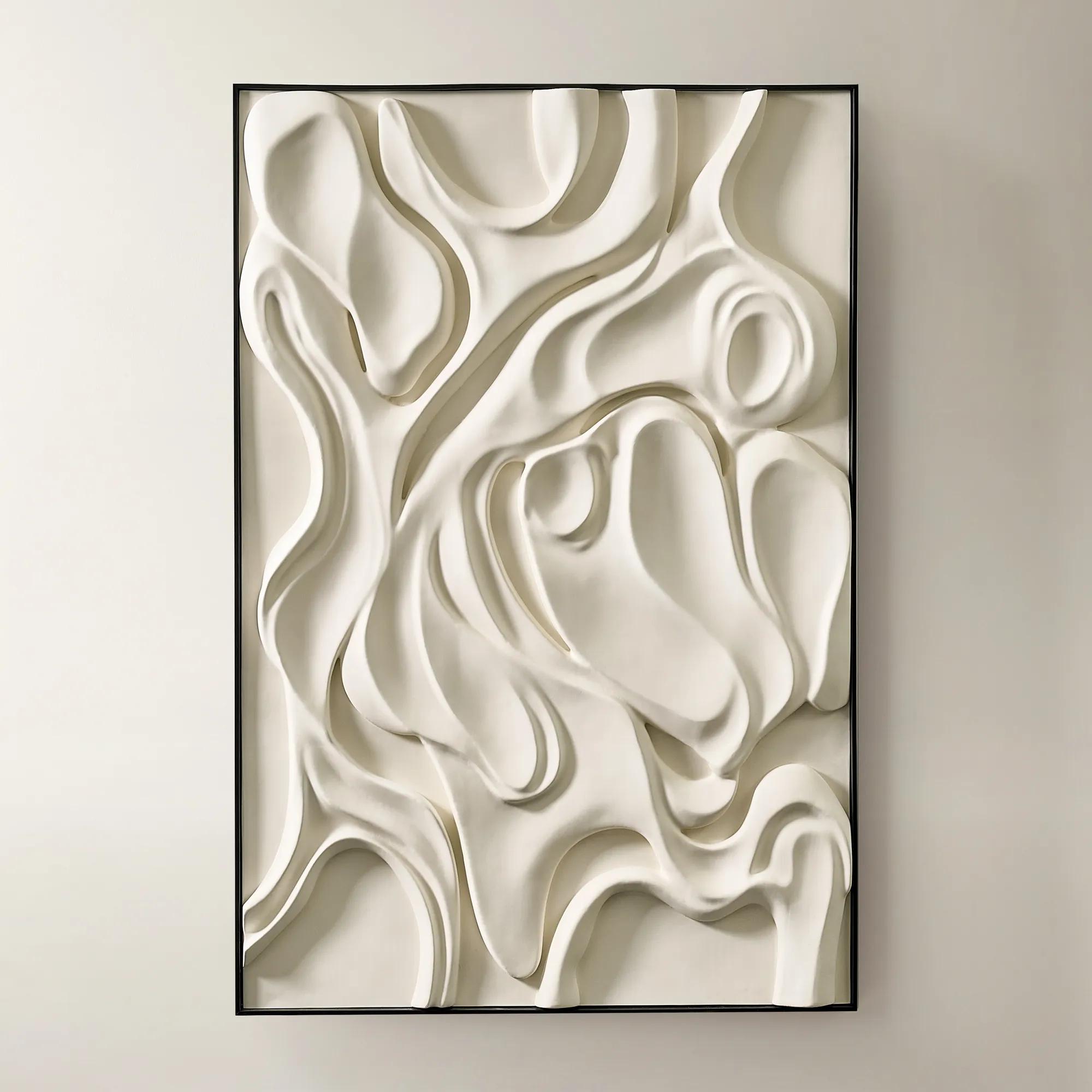 Overflow Alabaster Sculpted Resin Wall Panel 40" x 60"$699
An alabaster fiberglass resin wall panel with sculptural texture and a versatile black frame for modern spaces.
Add To Cart -
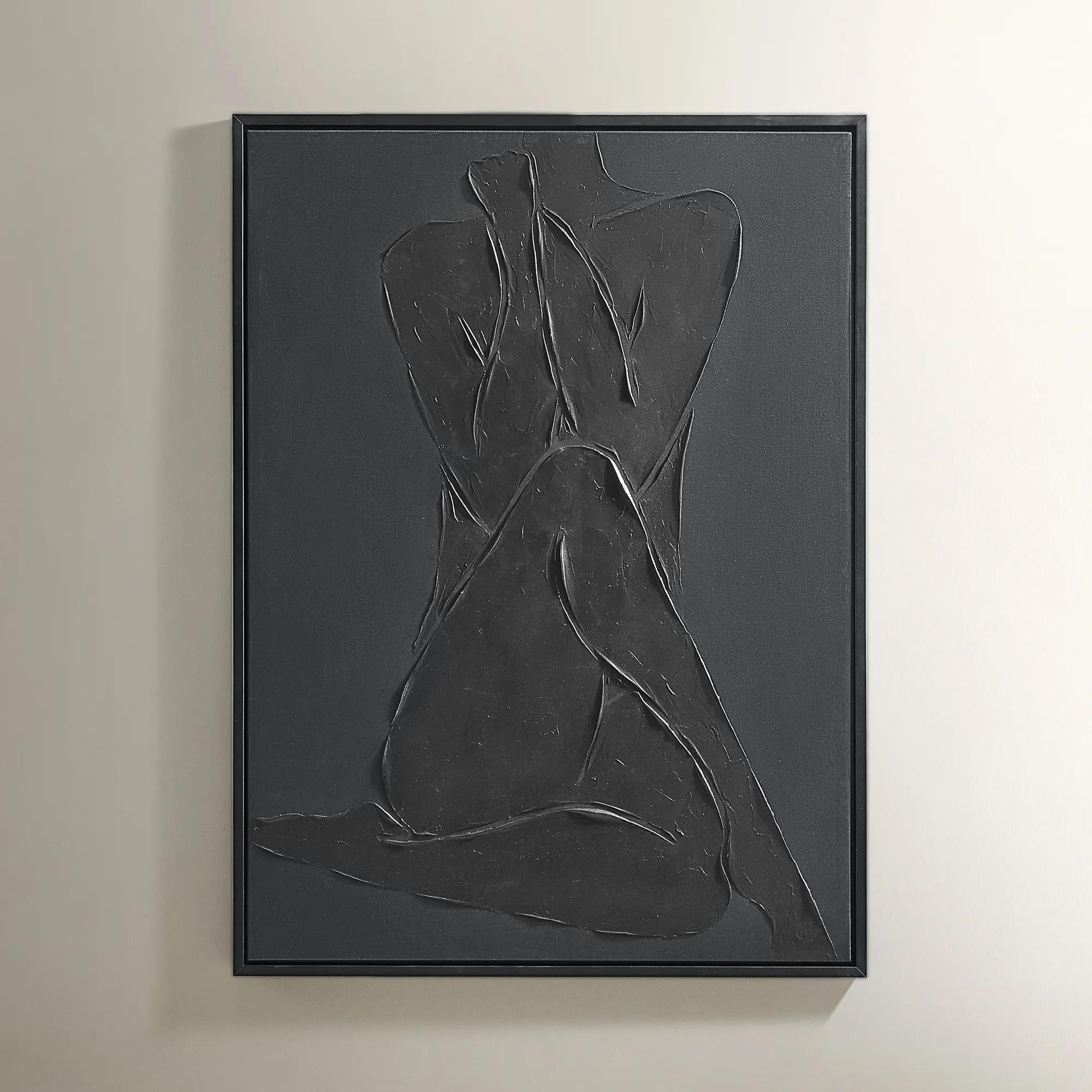 Modern Elegance Nude Black Framed Painted Wall Art 35.5" x 47.25"$599
A hand-embellished canvas artwork featuring textured strokes and vibrant hues in a black and gold Art Deco frame.
Add To Cart -
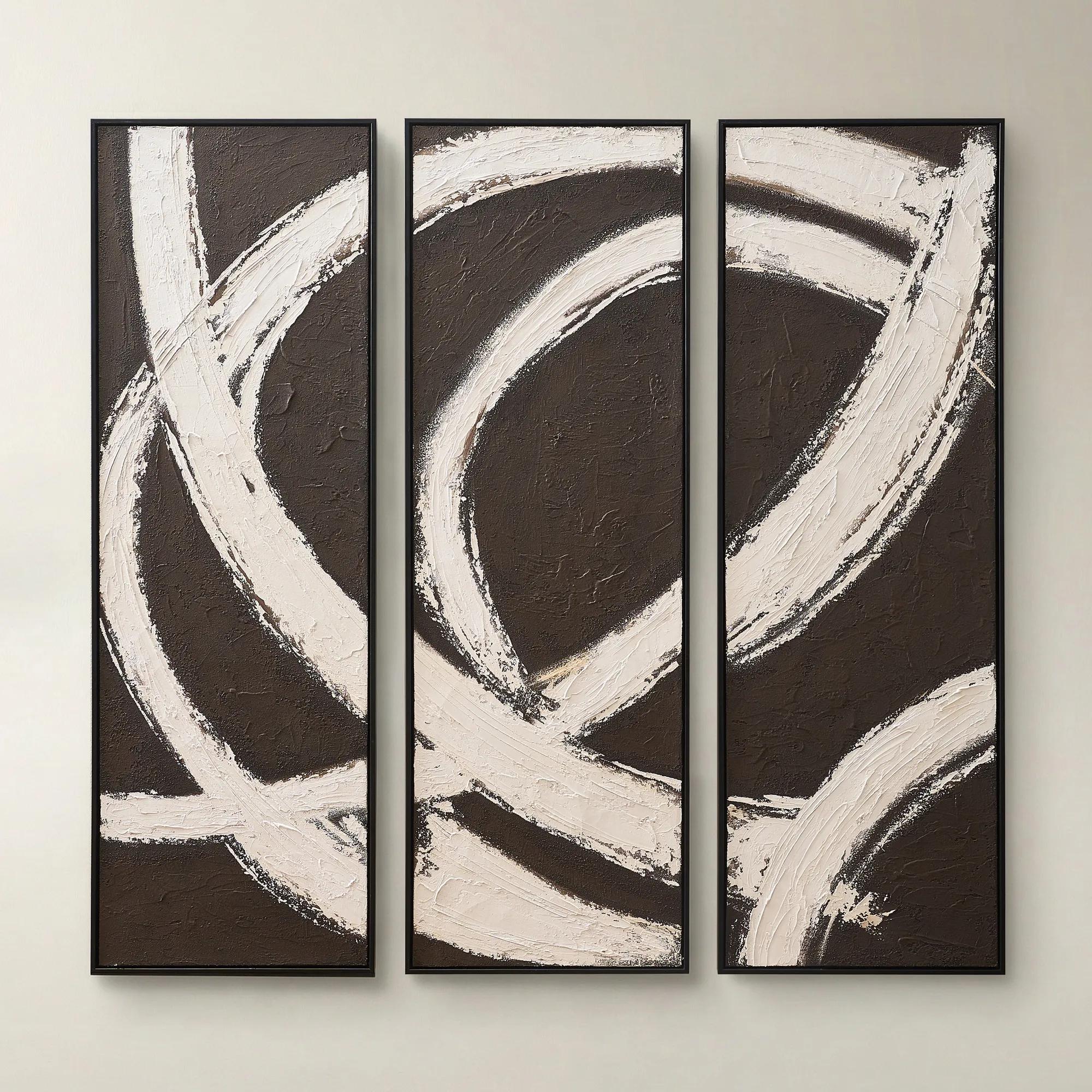
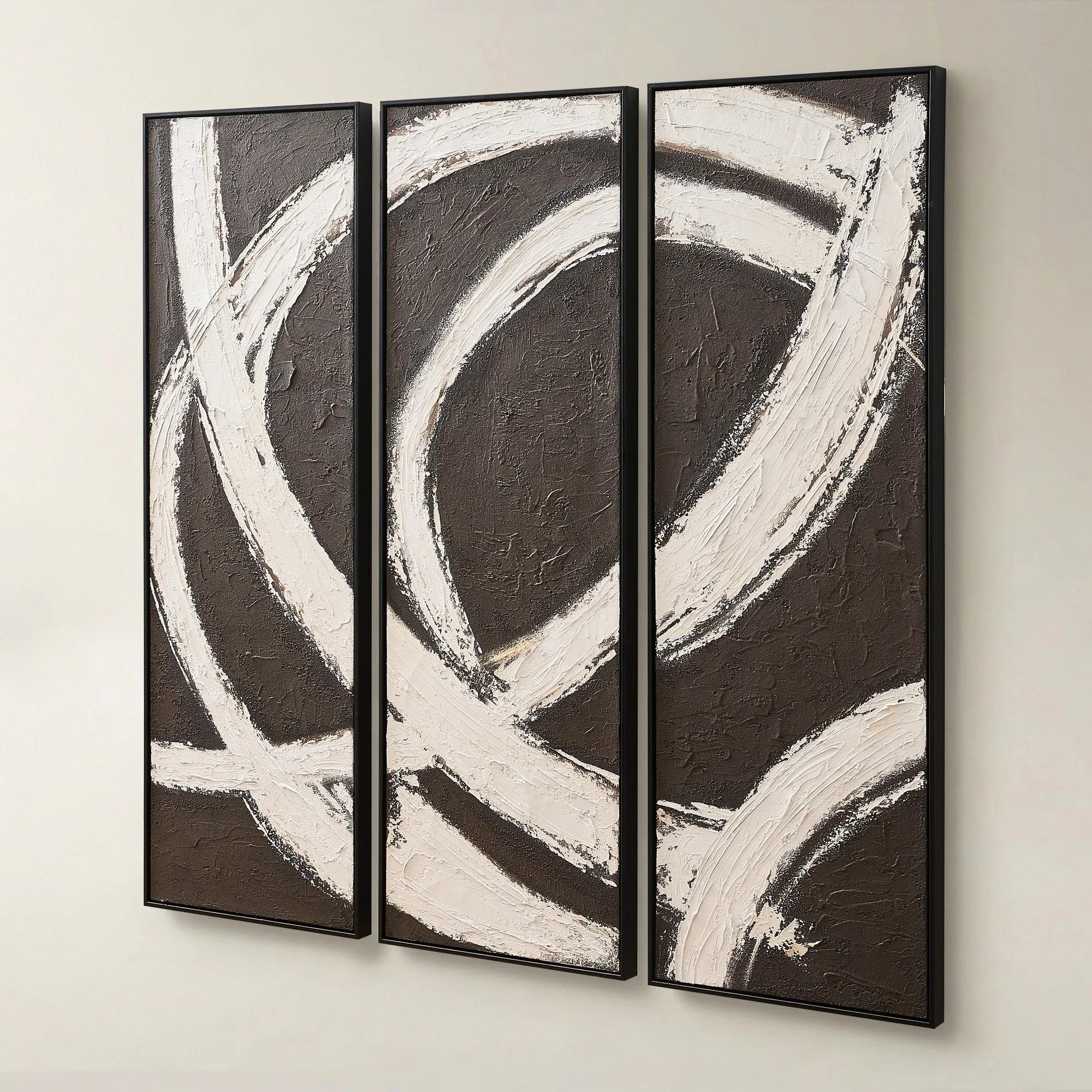 Spun in Coco Framed Painted Wall Art 20" x 60" Set of 3$499
A hand-painted triptych featuring dark chocolate and alabaster tones with rich texture and modern contrast.
Add To Cart -
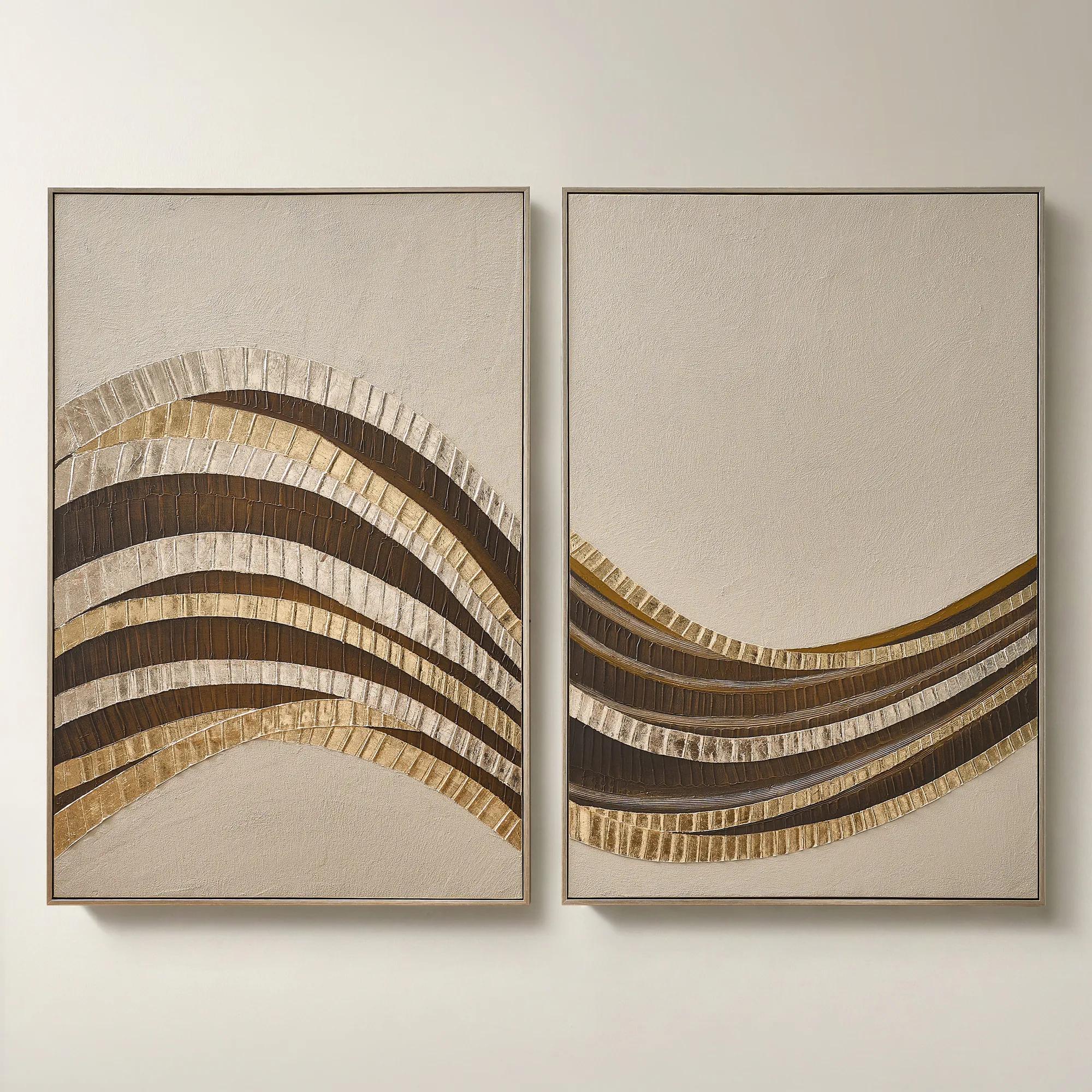 Stillness in Motion Framed Gold Leaf Painted Wall Art 40" x 60" Set of 2$899
A hand-painted abstract diptych with gold leaf accents, textured surface, and brushed champagne frames.
Add To Cart -
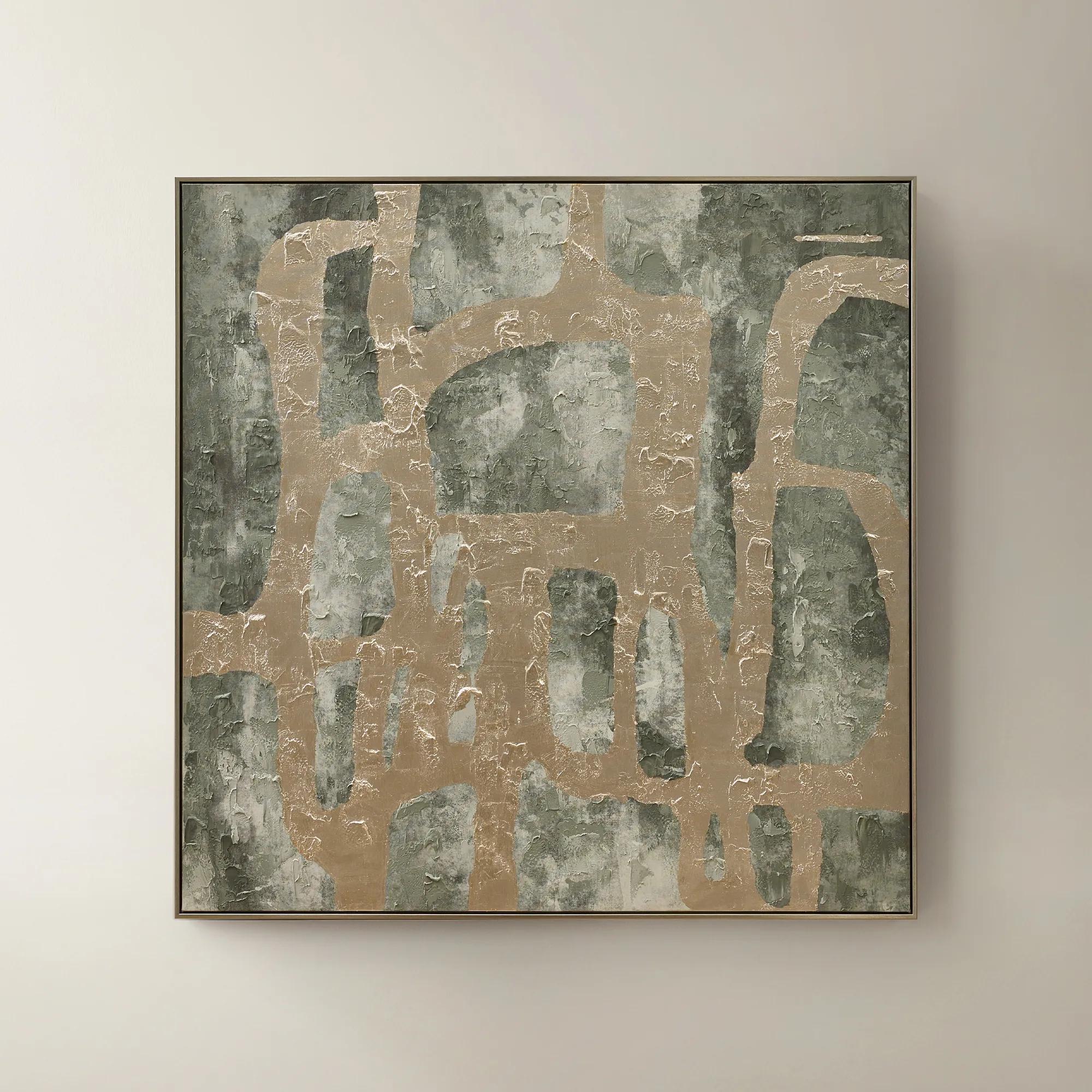 Illusions Framed Painted Wall Art 50" x 50"$599
A hand-painted canvas in sage and champagne tones with textural embellishments for modern, artful depth.
Add To Cart -
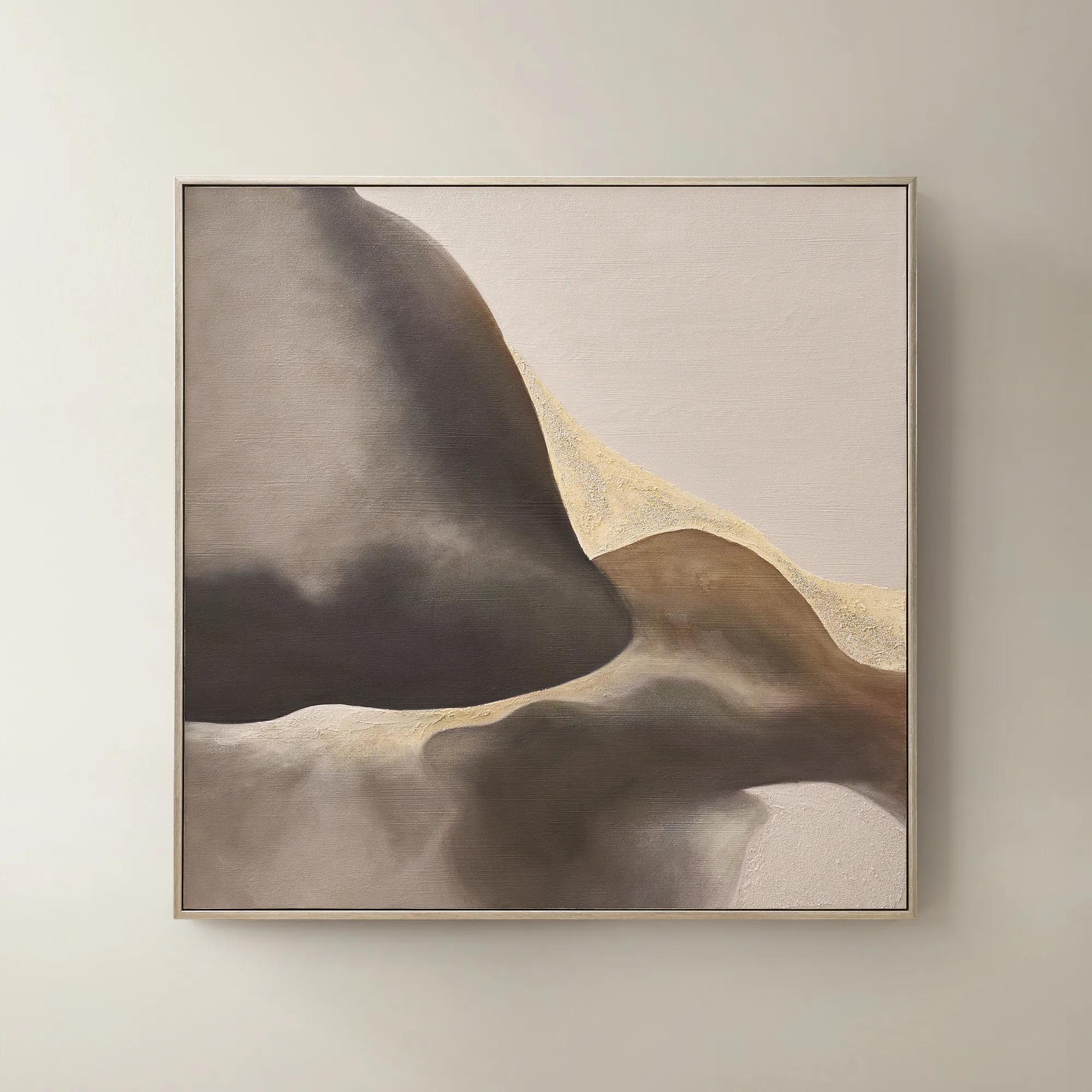 Windswept Framed Gold Leaf Painted Wall Art 50" x 50"$549
A hand-painted abstract canvas in plum truffle with gold leaf accents and a brushed champagne frame.
Add To Cart -
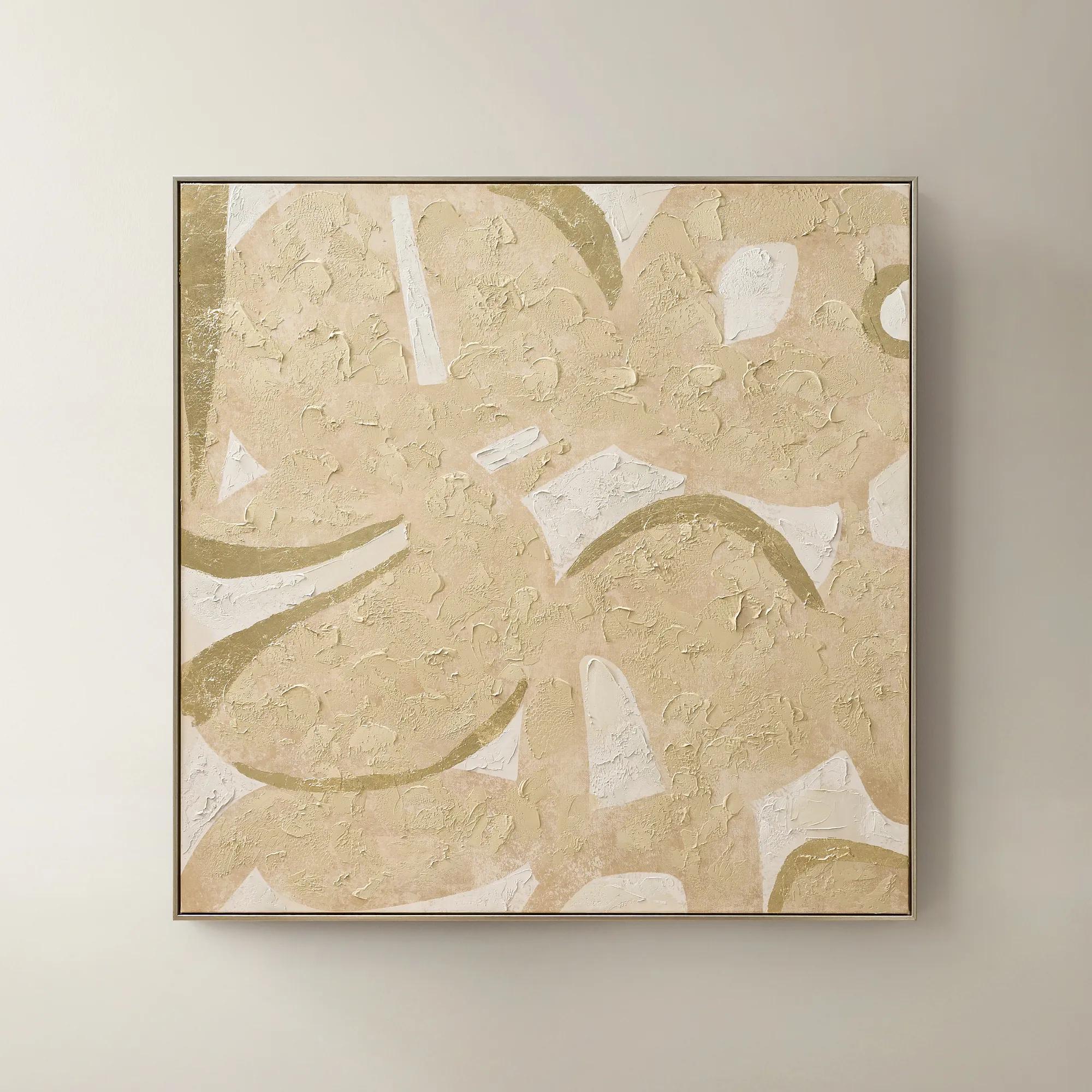
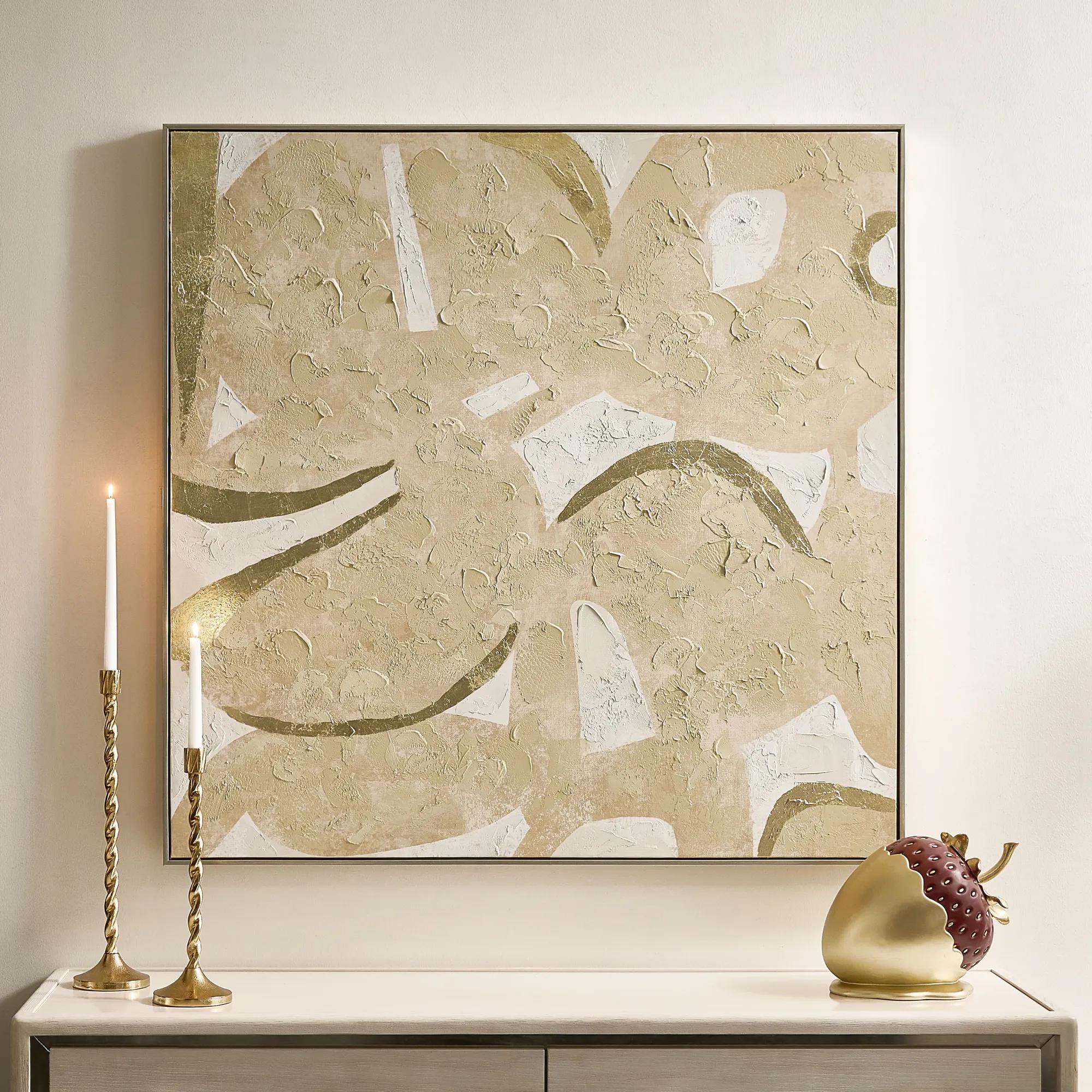 Golden Maize Framed Painted Wall Art 48" x 48"$399
A hand-painted canvas with champagne leafing and butter cream tones adds warmth and modern sophistication.
Add To Cart -
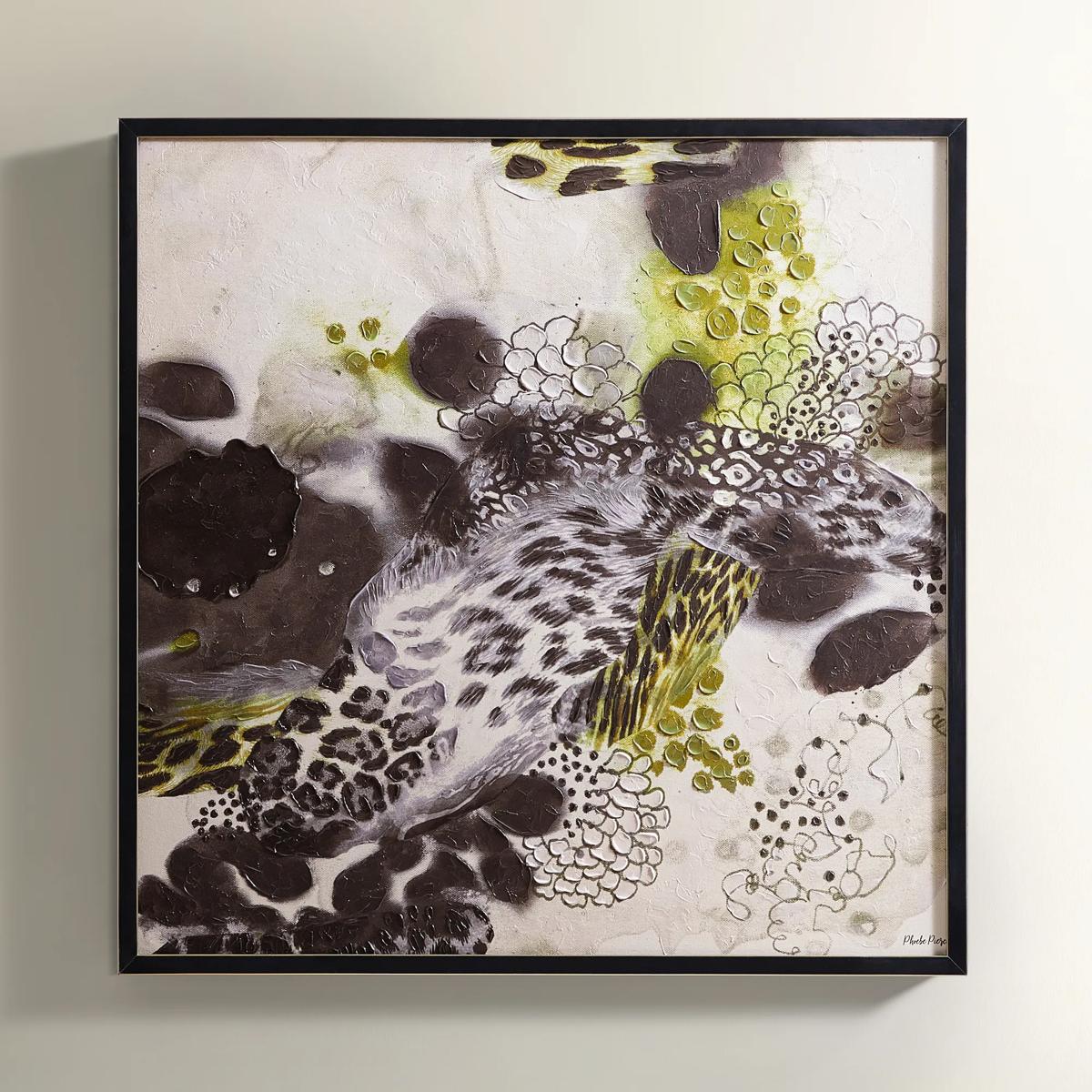
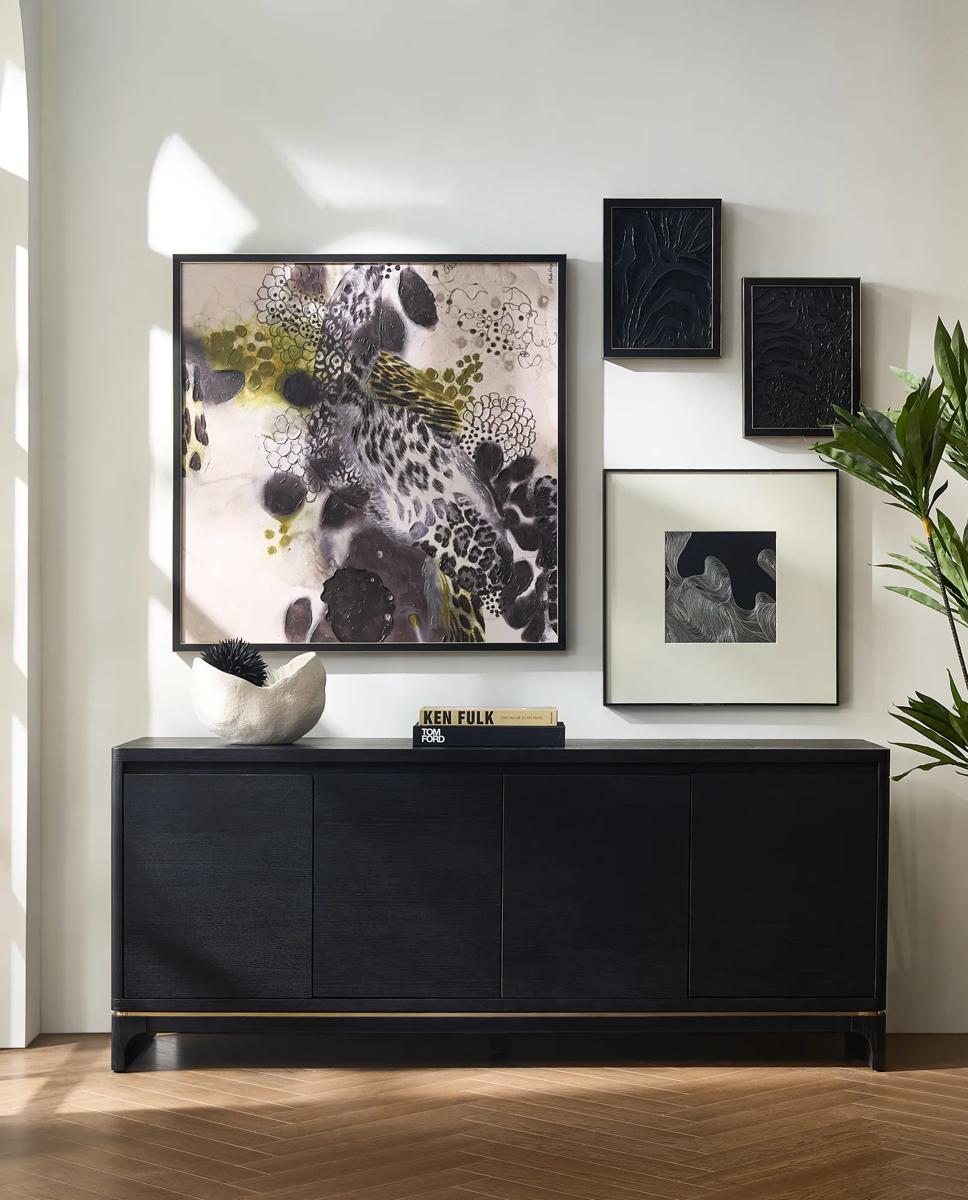 In the Wild$399
A hand-embellished canvas artwork featuring textured strokes in black, chartreuse, and sand, framed in ornate wood.
Add To Cart -
.jpeg?w=1200&h=1200)
.jpg?w=1200&h=1200) Shift Framed Painted Wall Art 39.4" x 59"$499
Shift Framed Painted Wall Art 39.4" x 59"$499A hand-painted canvas featuring bold black and beige contrasts with textured layers in a sleek black frame.
Add To Cart -
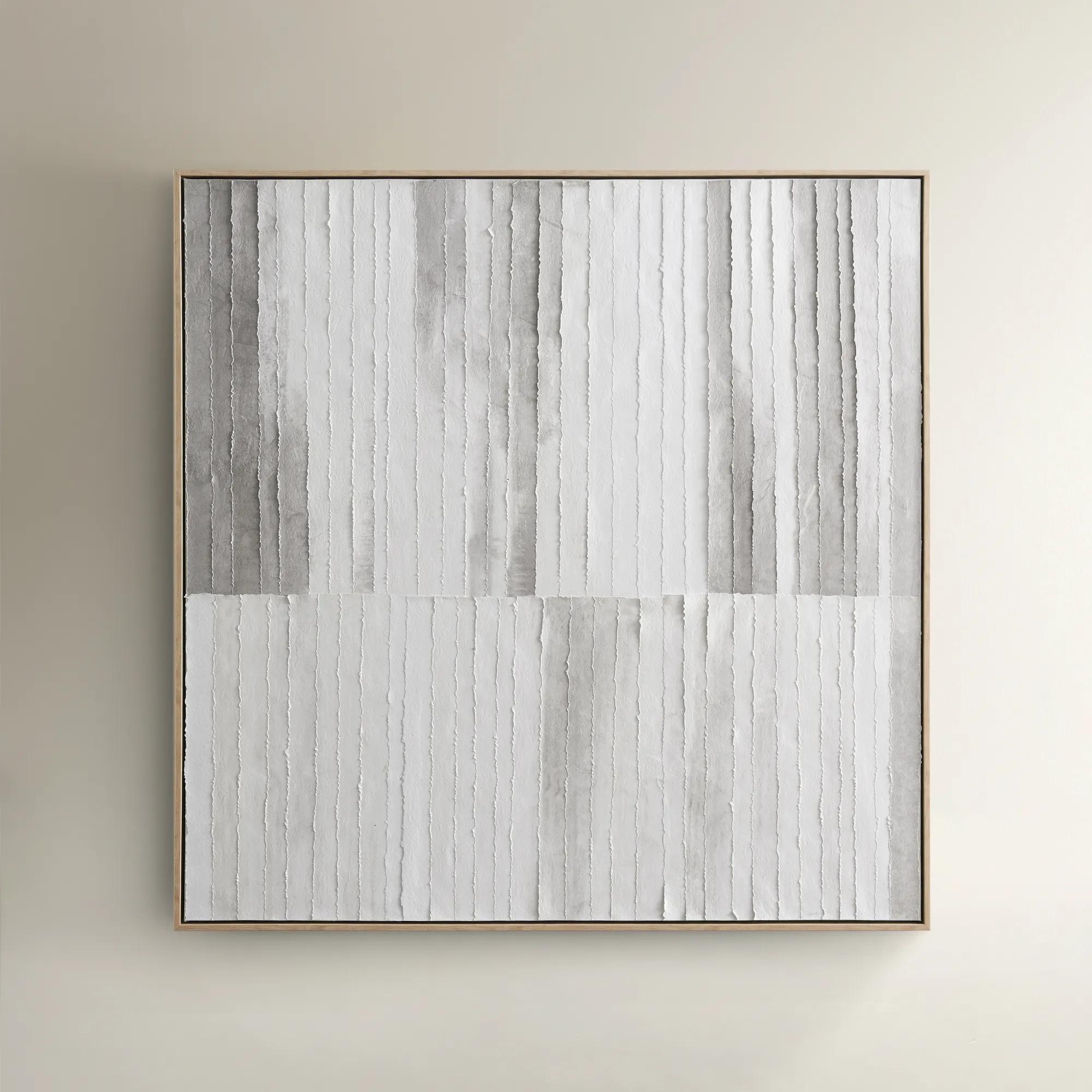
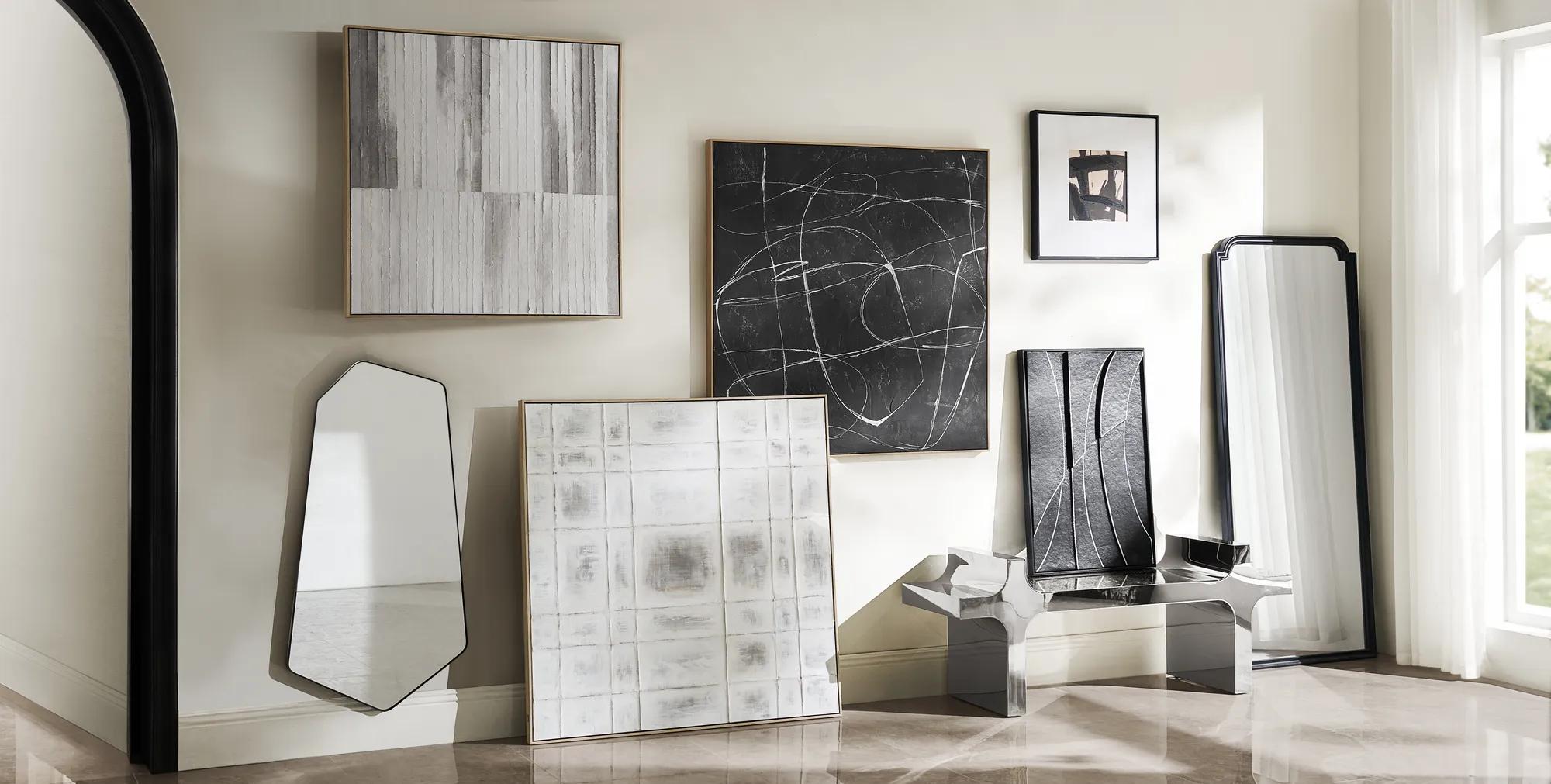 Morning Mist Paper Art$329
A hand-painted canvas featuring rhythmic grey lines in a textured, whitewashed floater frame for serene style.
Add To Cart

Elegant Textured Landscape Wall Decor
Elegant Textured Landscape Wall Decor transforms any room into a living gallery, where artistry and ambiance intertwine. Each piece evokes a sense of movement and depth, inviting the eye to wander across sculptural surfaces and painterly vistas. These captivating works elevate your walls from mere backdrop to breathtaking focal point, infusing your space with dimension, sophistication, and a touch of wonder. Let your home become a sanctuary of style—where every glance reveals a new layer of beauty and every wall tells a story as unique as you are.
Elegant textured landscape wall decor combines nature-inspired imagery with dimensional surfaces, bringing depth, movement, and a sense of spaciousness to an interior. Mountain contours, distant shorelines, rolling terrain, and abstract horizons become more than scenery when raised marks and layered finishes give them a sculptural presence. A pale ridge can appear to emerge from the canvas; a sweep of charcoal can lend a distant valley remarkable depth. These details give landscape wall art its distinctive balance of serenity and drama, making it especially compelling in rooms where furnishings are sumptuous but the walls need a more expressive focal point. Texture can be physical, created through built-up paint or mixed media, or visual, reproduced in a print that captures the appearance of an original textured surface. The distinction matters: dimensional artwork interacts with light and casts delicate shadows, while printed texture offers an impression of depth on a comparatively smooth surface. Neither approach requires a literal depiction of nature. Abstract landscape wall decor often reduces a scene to sweeping bands of color, expressive marks, and suggestions of land and water, allowing the composition to feel expansive without becoming visually crowded. Ivory, taupe, and sand create a luminous foundation, while slate, ink, and deep olive introduce richer contrasts. Restrained metallic accents can trace a horizon or catch the light along a raised detail, adding a jewel-like note without overwhelming the landscape itself. In a living room, a broad composition above a tailored sofa can establish the visual rhythm for the entire seating area. In a bedroom, softly layered terrain can offer a quieter counterpoint to a dramatic upholstered headboard. These pieces appeal to anyone drawn to the emotional pull of natural scenery but seeking something more tactile and expressive than a conventional photograph. Their elegance comes from the relationship between composition, surface, and setting—not simply from an ornate frame or a neutral palette.
Materials determine much of the character of textured landscape art, from the crispness of a raised line to the way a finished surface reflects light. Canvas provides a woven foundation that can remain visible beneath color, lending subtle grain to broad passages of paint. Rigid panels can support techniques that benefit from a firm base, although the suitability of any support depends on the medium and construction. Heavy-bodied acrylic paint, acrylic gels, and modeling pastes can create ridges, layered horizons, and pronounced brushwork. Plaster-based applications can produce a more architectural relief, while incorporated fibers introduce a contrasting softness. Metallic leaf or metallic finishes may add flashes of radiance across an otherwise matte composition. These are different effects, and descriptions of the medium help clarify whether a piece has genuine surface relief, embellished printed details, or a fully printed image. Frames shape the overall impression just as decisively. A slim dark frame gives a pale landscape definition; a wood-toned surround emphasizes its organic character; a metallic finish draws out warmer or cooler highlights within the artwork. A floating frame leaves a narrow visual gap around the canvas, allowing the edges and surface to retain their presence. For a broader exploration of dimensional compositions, Luxury Textured Wall Arts connects landscape-inspired expression with other approaches to sculptural wall decor. Scale remains essential to how any composition settles into a room. Above a sofa or sideboard, artwork spanning roughly two-thirds to three-quarters of the furniture’s width often feels balanced, though nearby windows, lamps, and architectural details may call for a different proportion. Overall framed dimensions are more useful than image dimensions alone when assessing fit. A wide horizontal landscape reinforces the generous lines of a dining console, while a vertical interpretation can bring presence to a narrow wall beside an accent chair. Coordinated panels extend a scene across a larger area, with the spaces between them becoming part of the composition. Depth also deserves attention: pronounced relief and projecting frames need sufficient clearance, particularly along a hallway where people pass close to the wall.
The most persuasive setting for textured landscape wall decor allows its surface to register without asking every surrounding element to compete. Against a smooth painted wall, even restrained brushwork becomes more noticeable; beside velvet upholstery, glass, or polished metal, an organic relief introduces a richly considered contrast. A composition with deep brown passages might echo a walnut console, while a fine metallic accent can relate to a nearby lamp without requiring every finish in the room to match. Lighting changes the experience of texture, so the same artwork may read differently across a room and at close range. Soft light from the side can reveal raised details, while harsh illumination may exaggerate shadows or create glare on glossy passages. A suitably positioned picture light can give a landscape an intimate, gallery-like presence, provided its placement and output are appropriate for the artwork. Most canvas and mixed-media landscapes are intended for indoor display, and longevity depends on their construction, finishes, handling, and surroundings. Direct sunlight may fade color or affect some materials, while excess moisture can damage supports and delicate surface treatments. Locations away from splashes, cooking residue, and frequent contact generally offer a more suitable setting than exposed kitchen or bathroom walls. Care should follow the maker’s instructions: many frames tolerate gentle dusting, but raised paint, metallic leaf, fibers, and unsealed surfaces may require more specialized handling. Spraying cleaner onto artwork or scrubbing textured areas can compromise the finish. Substantial pieces also need mounting hardware rated for their weight and appropriate to the wall construction; size alone does not indicate how heavy an artwork will be. With those practical details resolved, a dimensional landscape can become a lasting visual anchor in a living room, bedroom, entryway, or private office. It can also make a thoughtful housewarming or wedding gift when the recipient’s palette, taste, and wall dimensions are understood. The strongest connection is often personal: a horizon that recalls a meaningful place, a palette that feels instinctively familiar, or a sculpted surface that rewards another look. That combination of atmosphere and artistry gives an interior its own unmistakable point of view.
FAQs
Textured landscape wall decor stands apart through its dimensional surfaces and tactile artistry. Techniques like plaster layering, joint compound, or raised brushwork create a sculptural effect, allowing light to play across the artwork and adding a sense of depth and movement. This transforms a simple wall into a living tableau, offering a more immersive and engaging visual experience than traditional flat prints or paintings.
Textured landscape wall art introduces a sense of luxury and tranquility, often evoking the serenity of natural vistas or the drama of abstract horizons. The interplay of raised surfaces and nuanced color palettes can soften a space, create a dynamic focal point, or infuse a room with warmth and sophistication. Whether you prefer calming neutrals or bold metallics, these pieces set a mood that reflects your personal style and elevates the overall ambiance.
Absolutely. Textured landscape wall decor makes a memorable and meaningful gift for art lovers, design enthusiasts, or anyone celebrating a milestone such as a new home or special anniversary. Its timeless appeal and expressive artistry ensure that the piece will be cherished, offering the recipient a daily reminder of beauty and thoughtful generosity.
Textured landscape wall decor is remarkably versatile and can harmonize with a variety of design styles, from modern glam to classic elegance. Pair a statement piece above a sofa or mantel for dramatic effect, or cluster smaller works to create a curated gallery wall. Match the artwork’s palette to your room’s existing tones, or use it to introduce contrast and visual interest with unexpected textures or metallic accents.
Elegant textured landscape wall decor is often crafted using materials such as plaster, joint compound, acrylic gels, and textured paints. Artists may also incorporate metallic leaf, sand, or natural fibers to enhance the tactile quality and visual intrigue of each piece. These carefully selected materials not only add depth and dimension but also contribute to the durability and lasting beauty of the artwork.