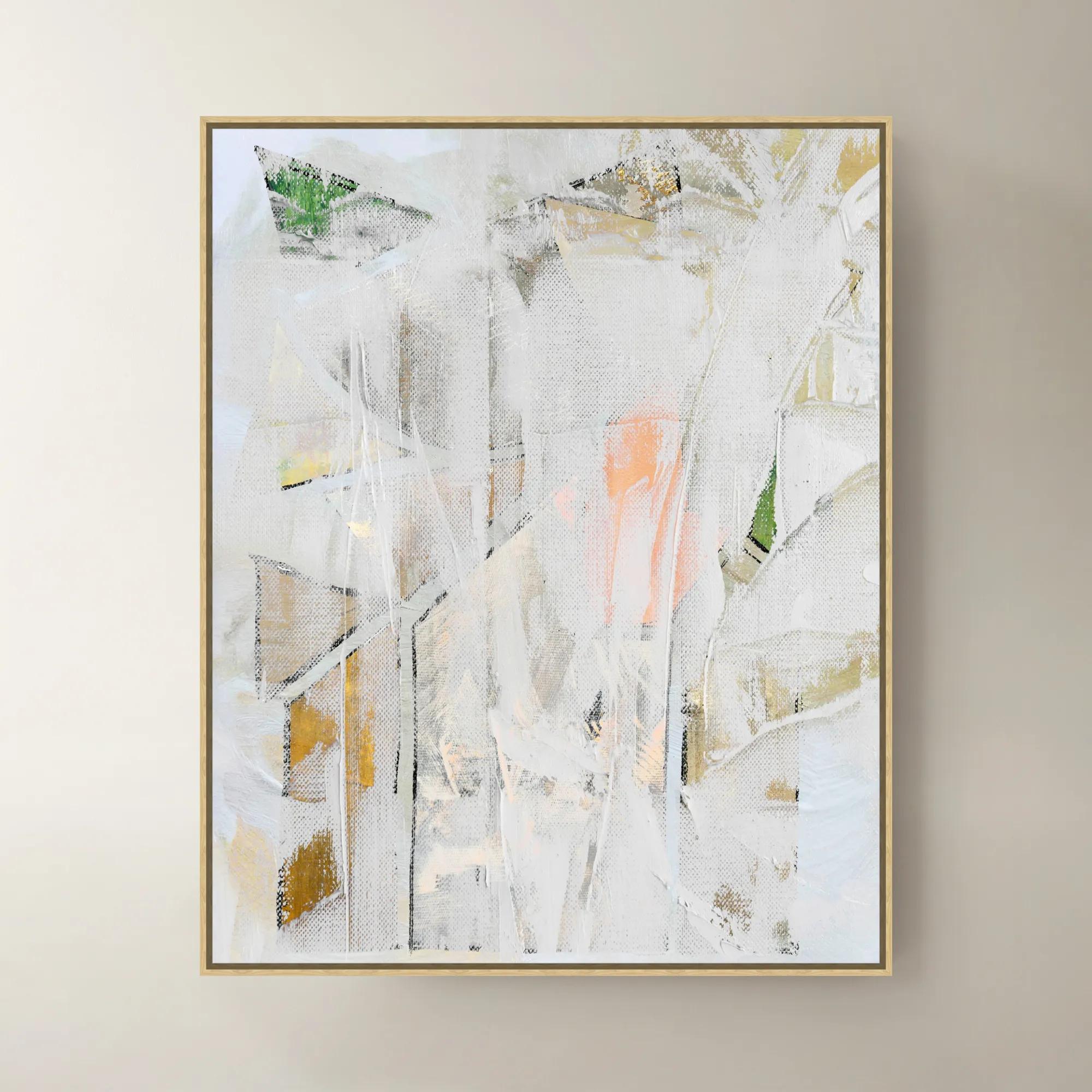
Serene Wall Art Pieces
Serene Wall Art Pieces
-
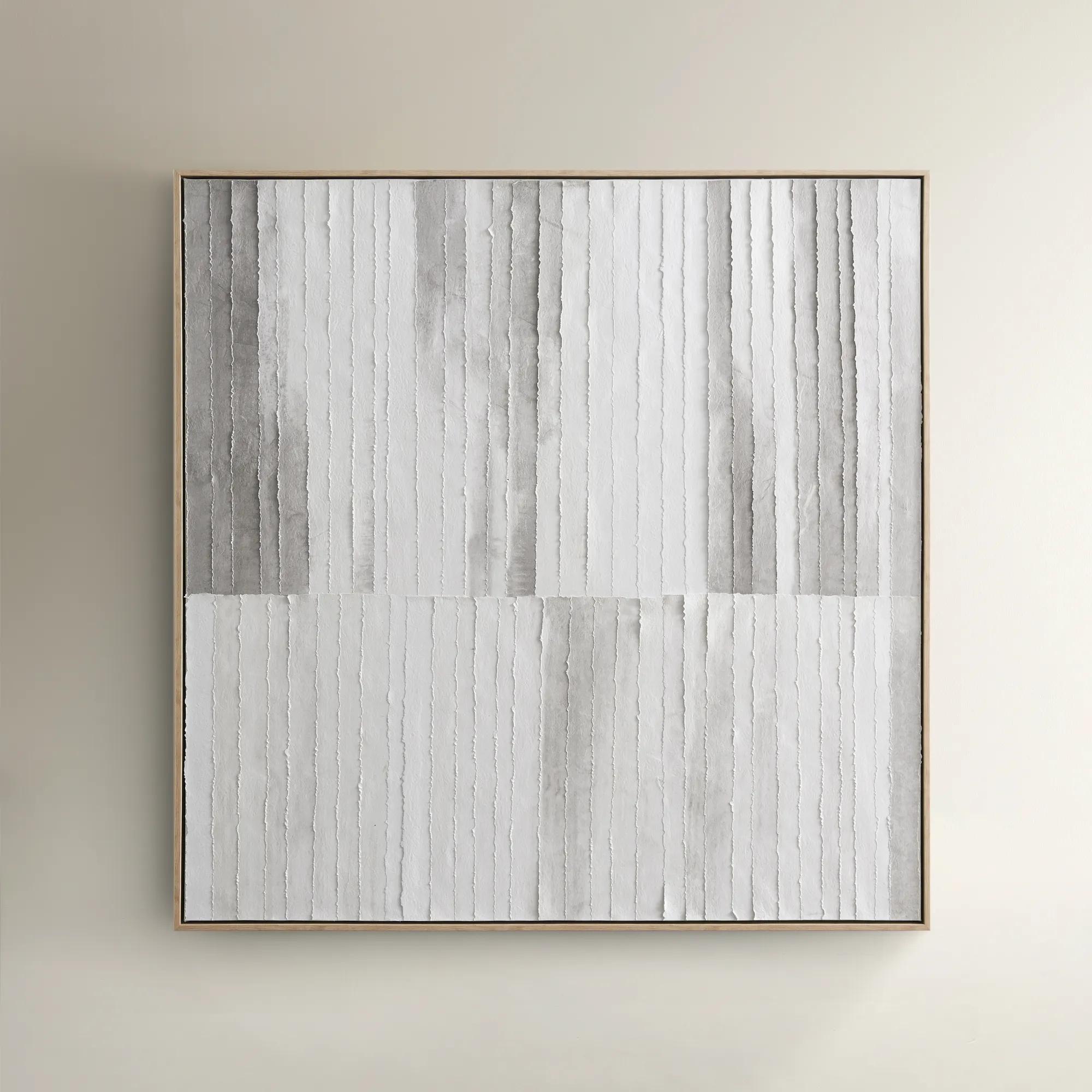
 Morning Mist Paper Art$329
A hand-painted canvas featuring rhythmic grey lines in a textured, whitewashed floater frame for serene style.
Add To Cart -
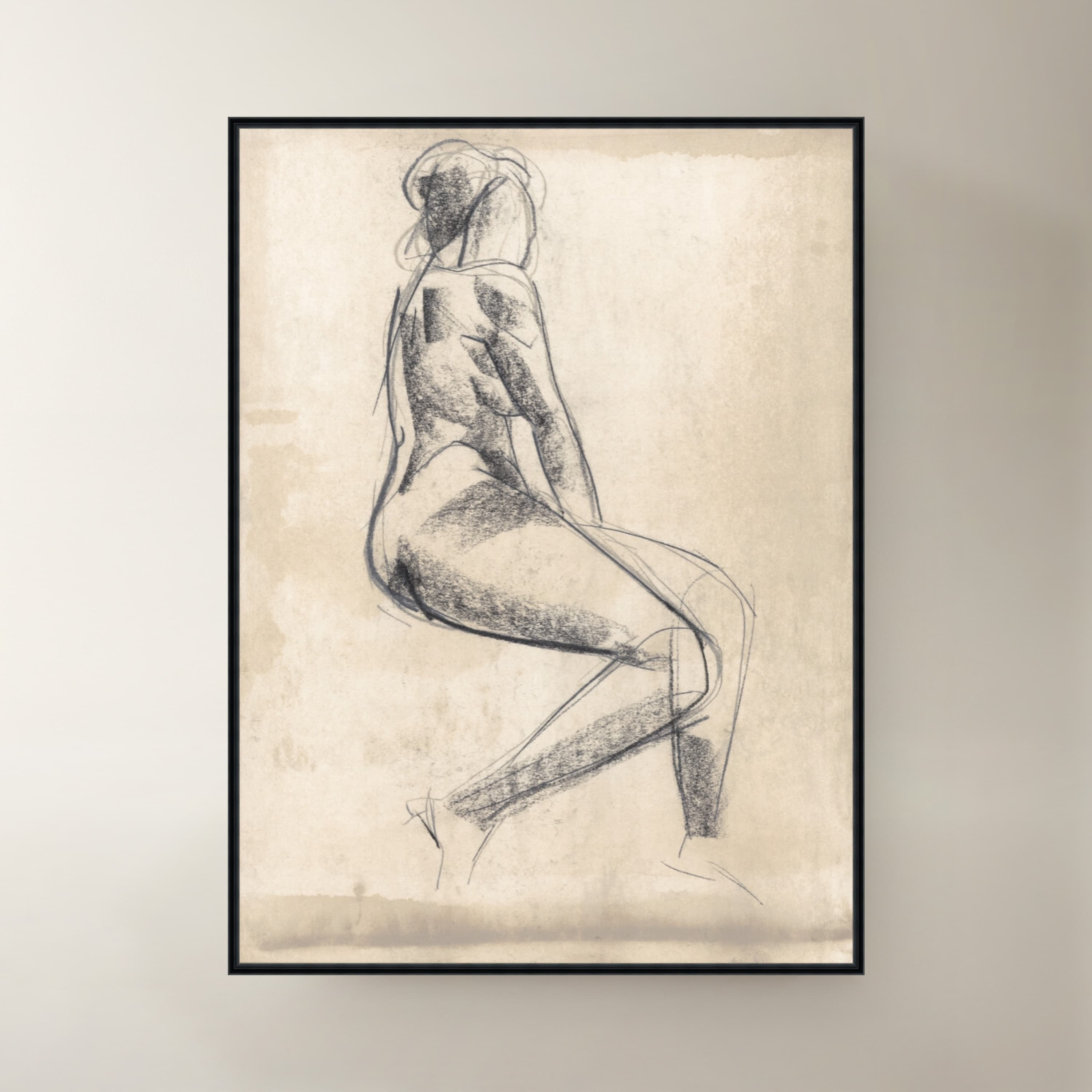
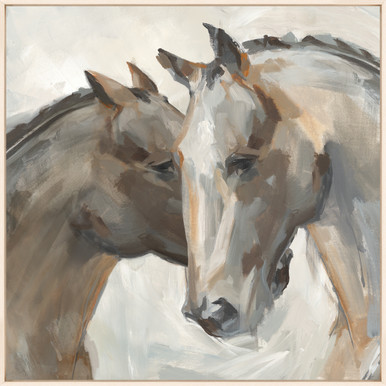
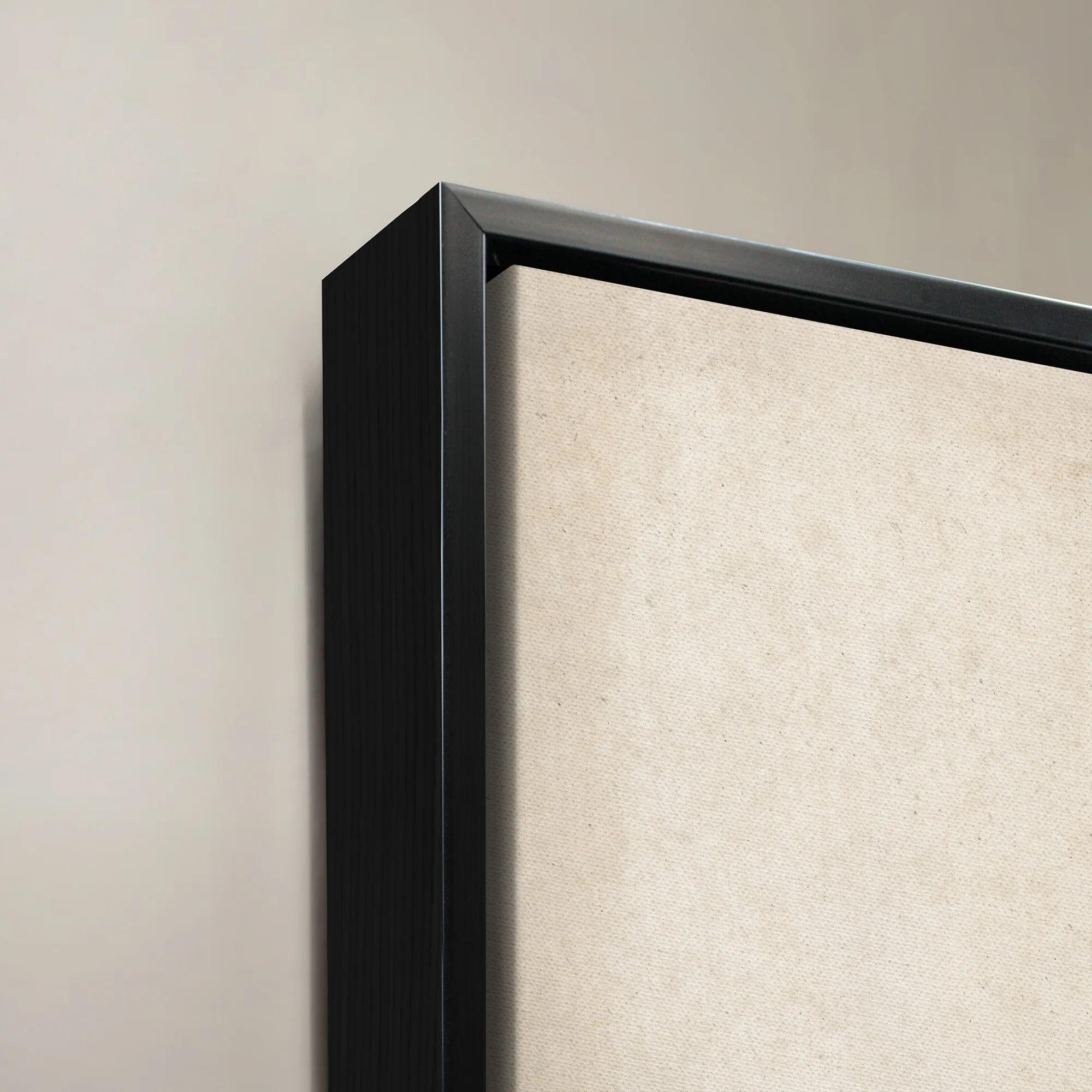 Restful Figure I Framed Wall Art 20" x 27"$449
A serene figurative canvas artwork in warm brown tones, elegantly framed for sophisticated wall display.
Add To Cart -
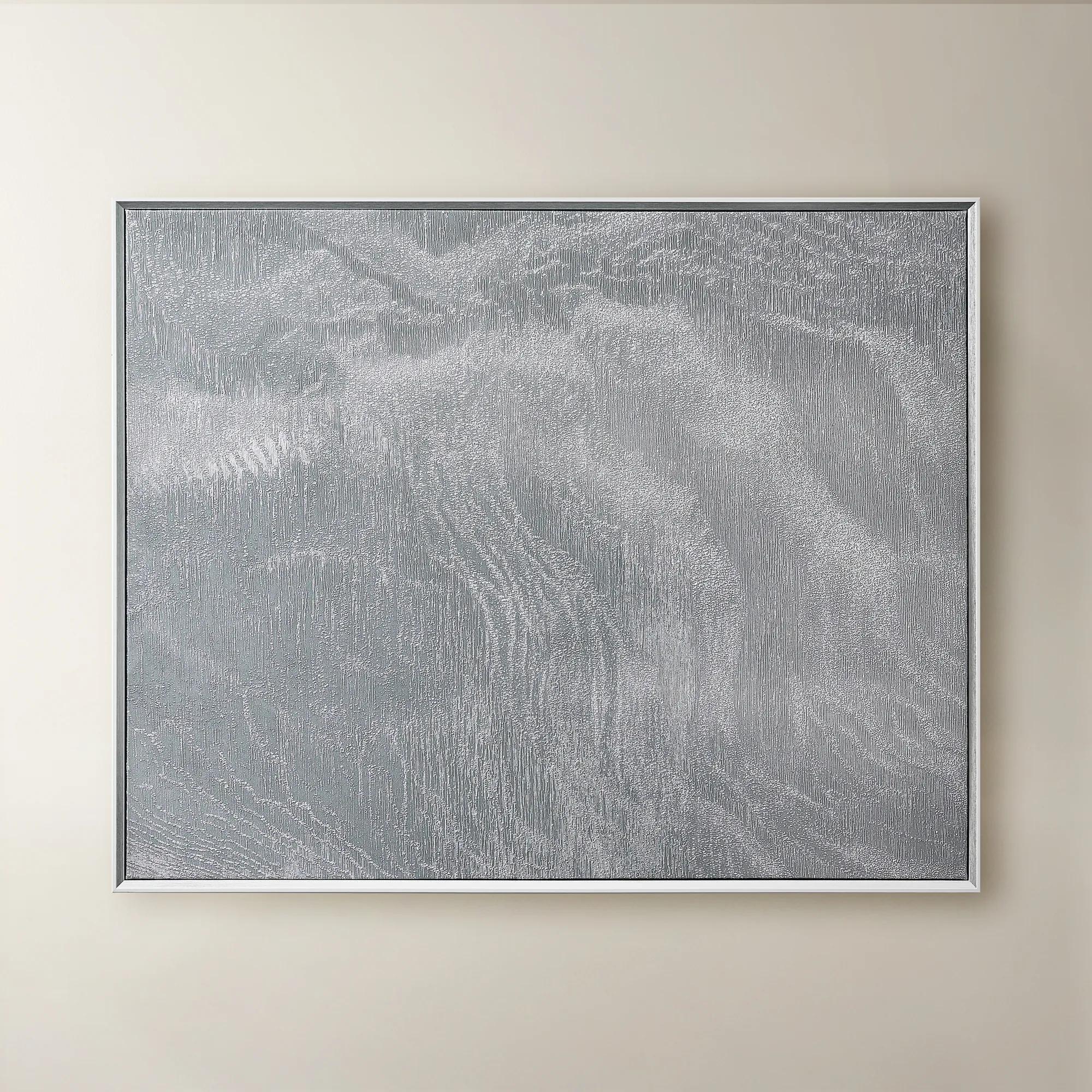 Slow Blue Morning Framed Silver Foil Wall Art 48" x 60"$599
A serene powder blue abstract canvas with silver foil accents, framed in silver and white for modern elegance.
Add To Cart -
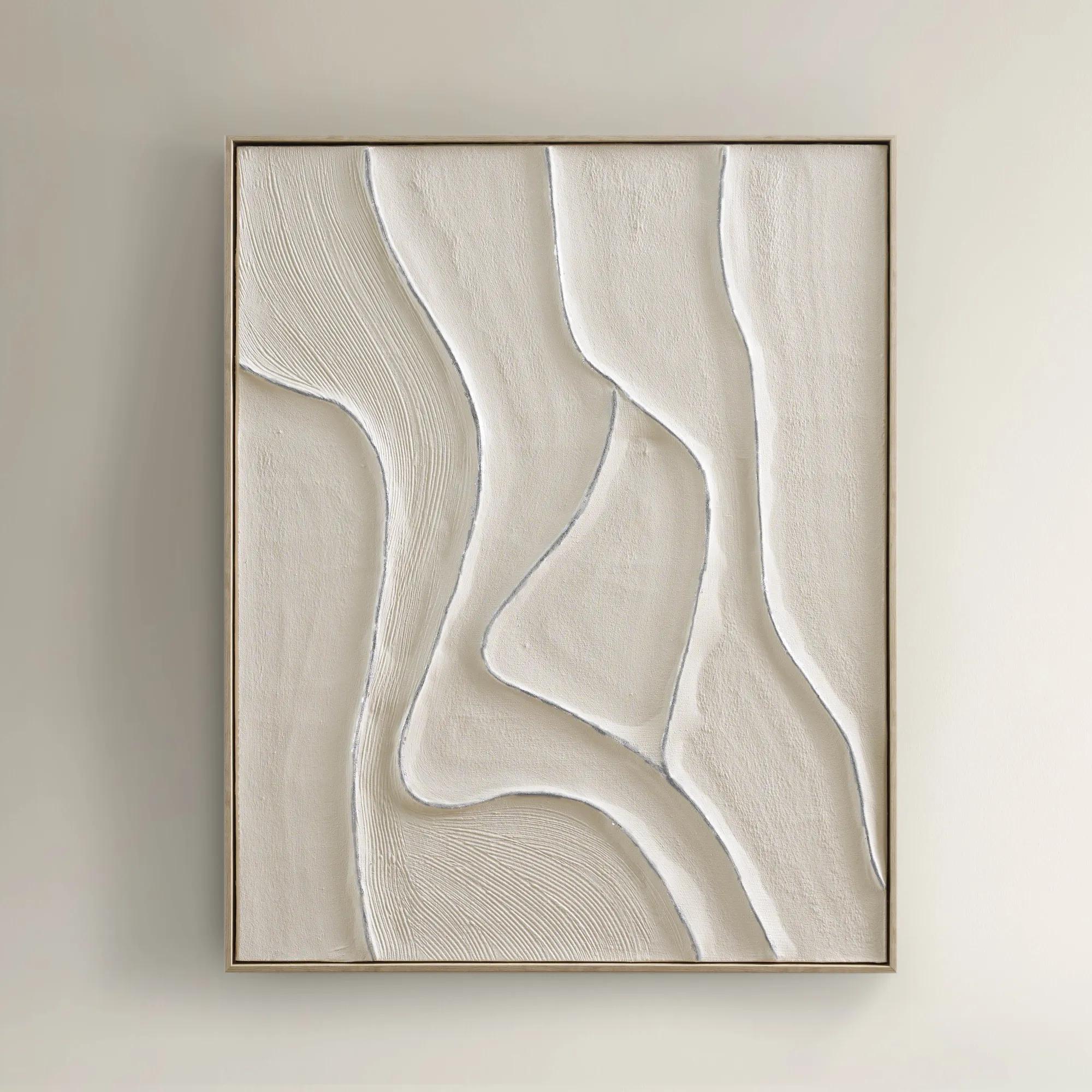
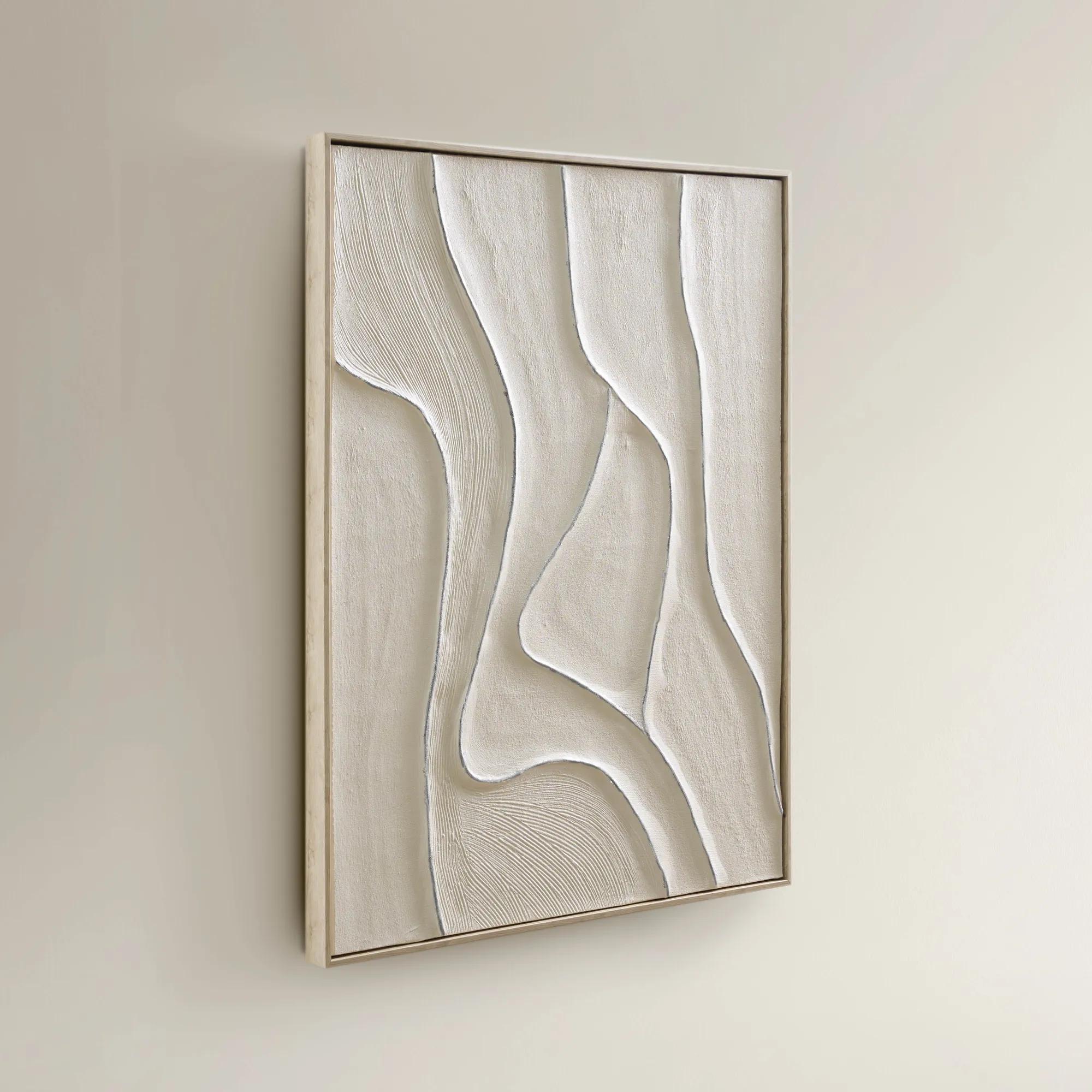 Vivre Framed Painted Wall Art 39.25" x 31.5"$199
A hand-painted canvas featuring tranquil beige hues and flowing lines in a warm whitewash floater frame.
Add To Cart -
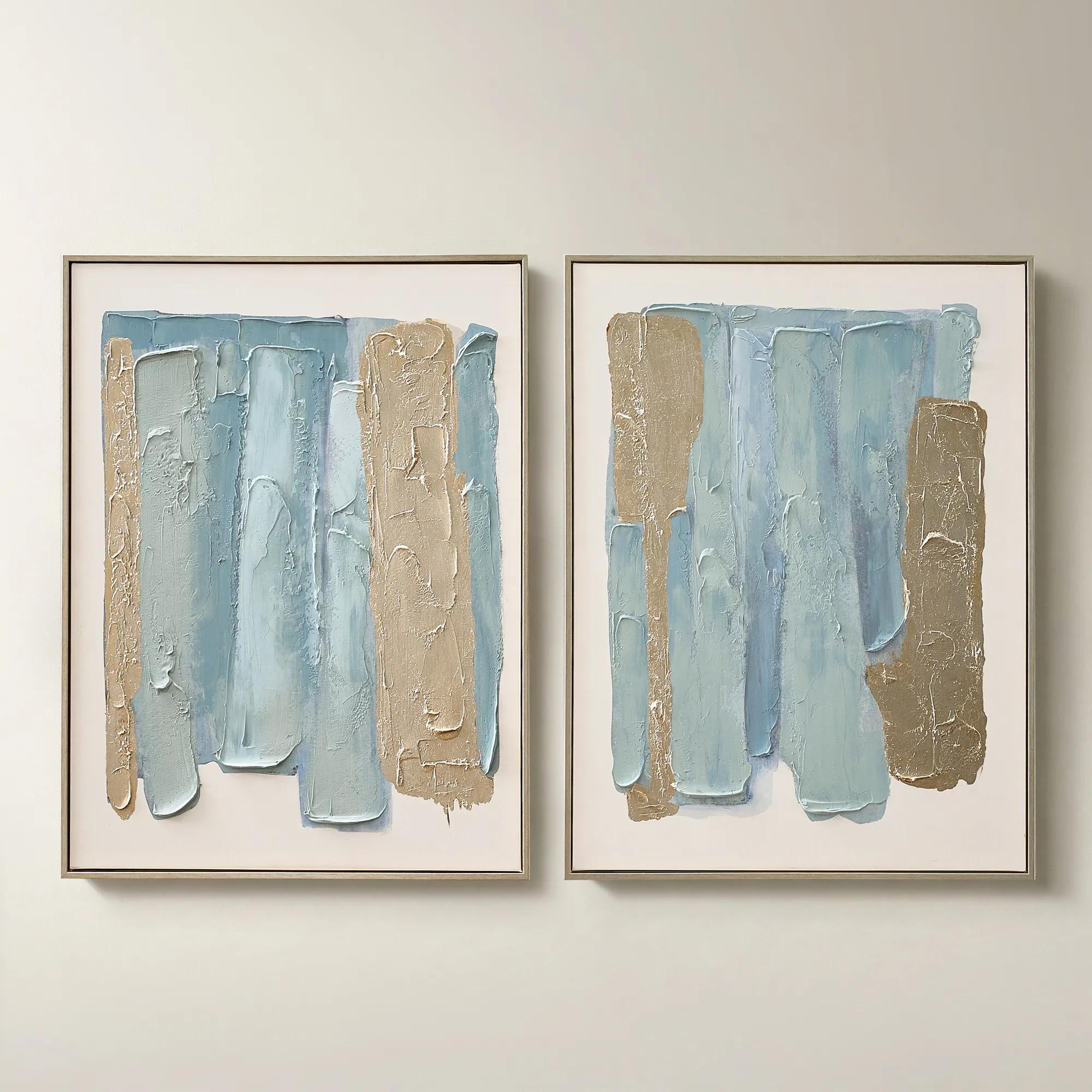
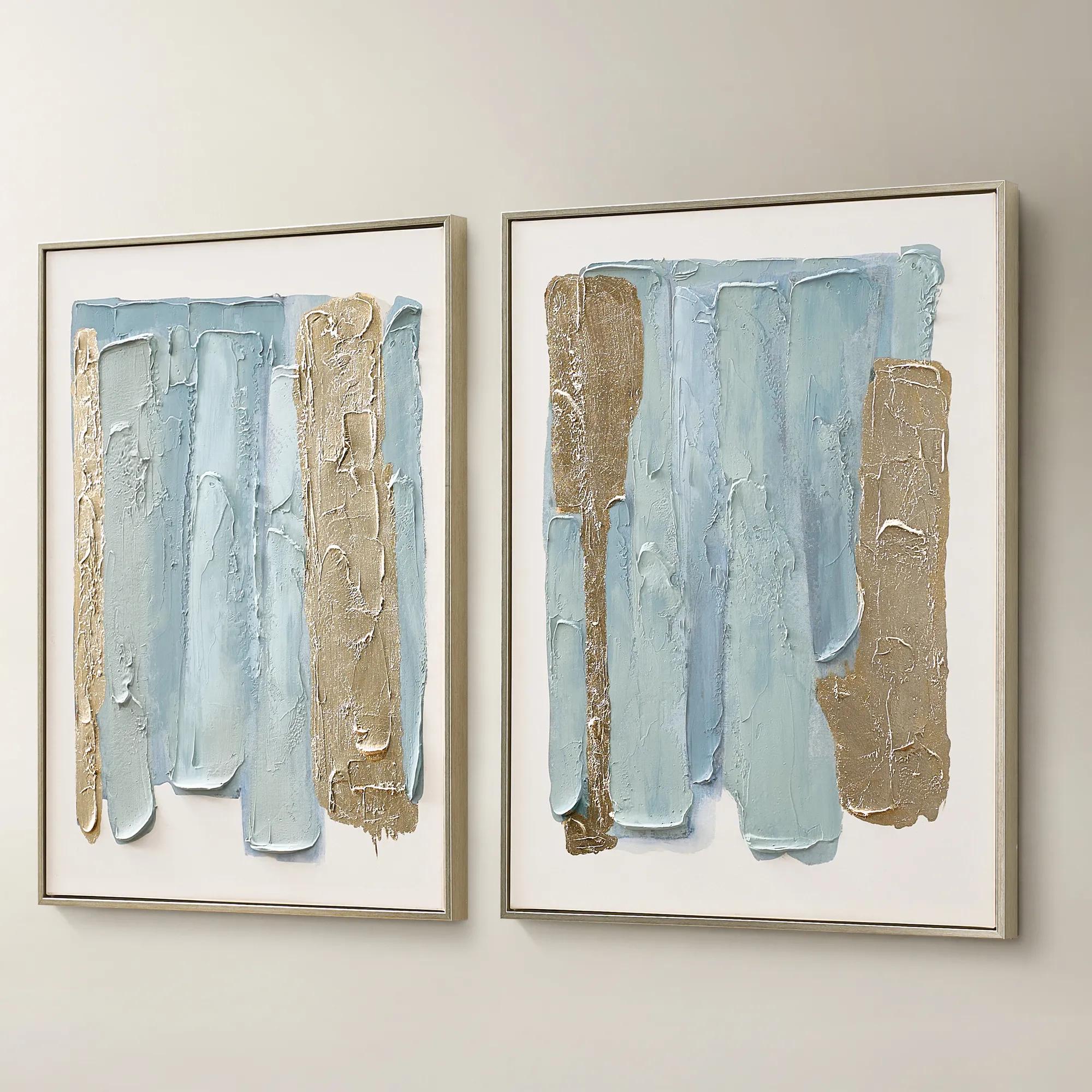 Blue Drift Framed Champagne Painted Wall Art 24" x 32" Set of 2$199
A set of two hand-painted canvases in dusty blue with champagne leafing and modern abstract movement.
Add To Cart -
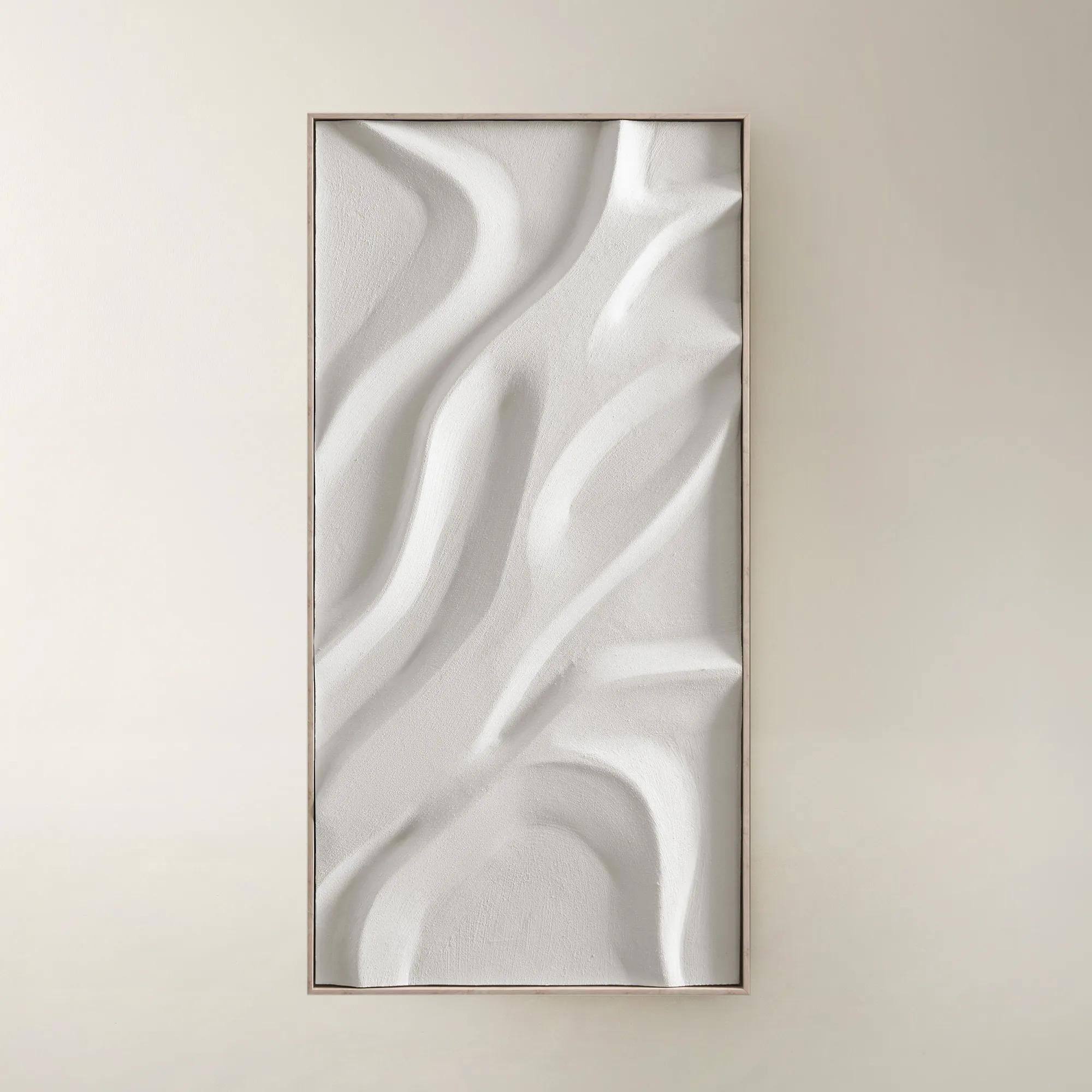
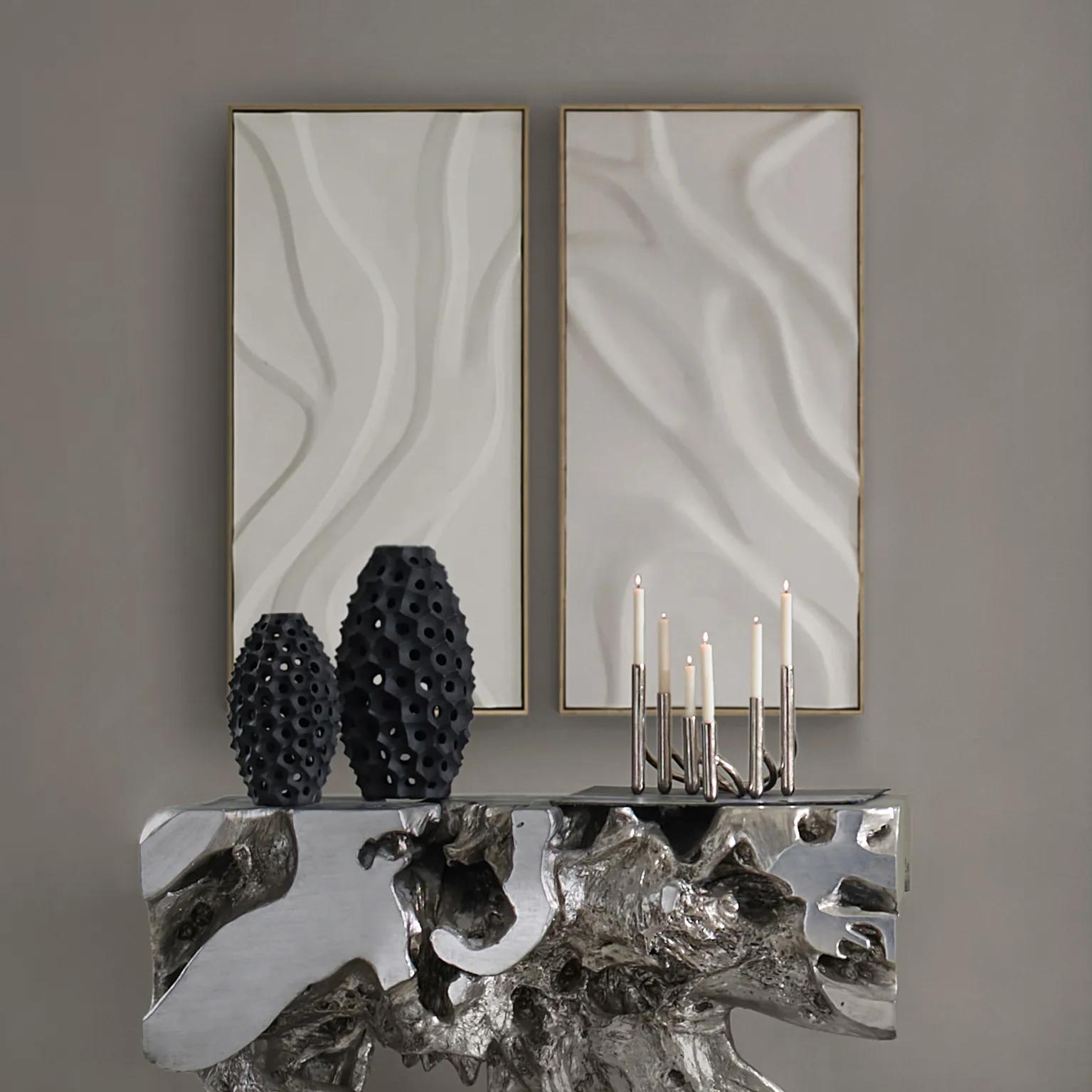 Au Lait Framed Painted Wall Art II 47.2" x 23.6"$199
A serene hand-painted canvas in beige, set in a warm whitewash floater frame for modern interiors.
Add To Cart -
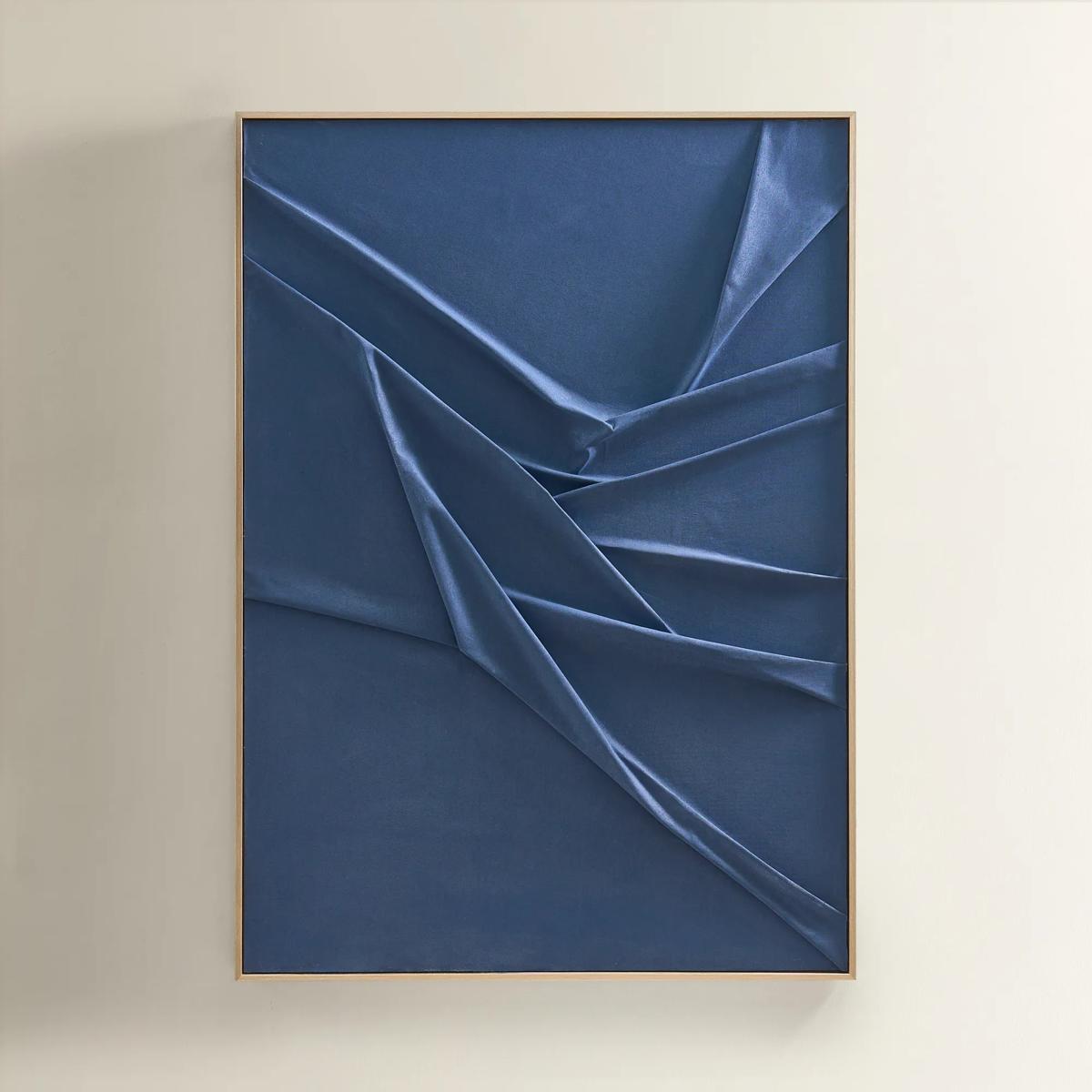 Deep Sea Painting$599
A hand-sculpted navy canvas with dimensional folds, framed in soft champagne for modern, serene elegance.
Add To Cart -
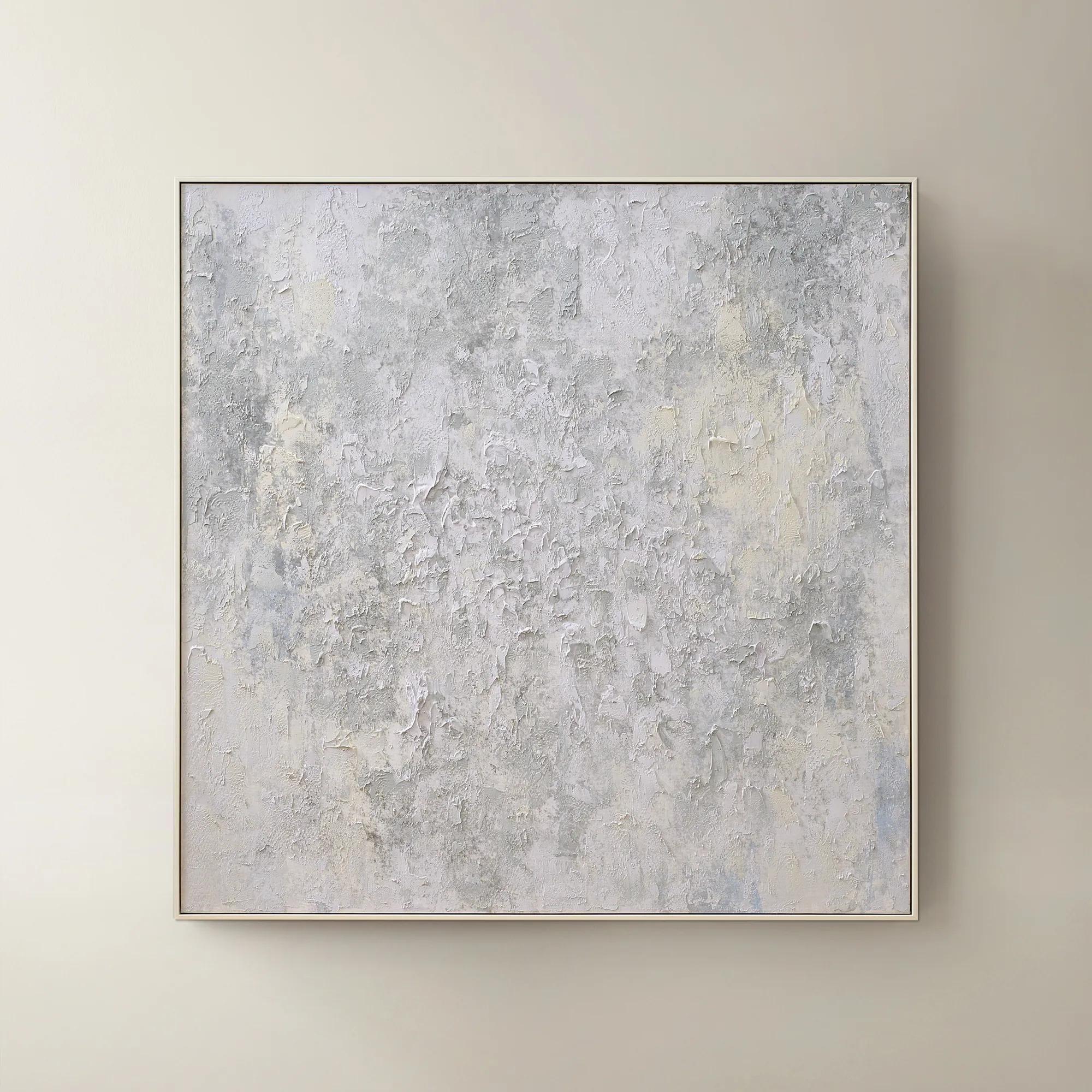 Breathe of Fresh Air Framed Painted Wall Art 50" x 50"$499
A hand-painted abstract canvas in dusty blue hues, elegantly framed in white for a serene, modern accent.
Add To Cart -
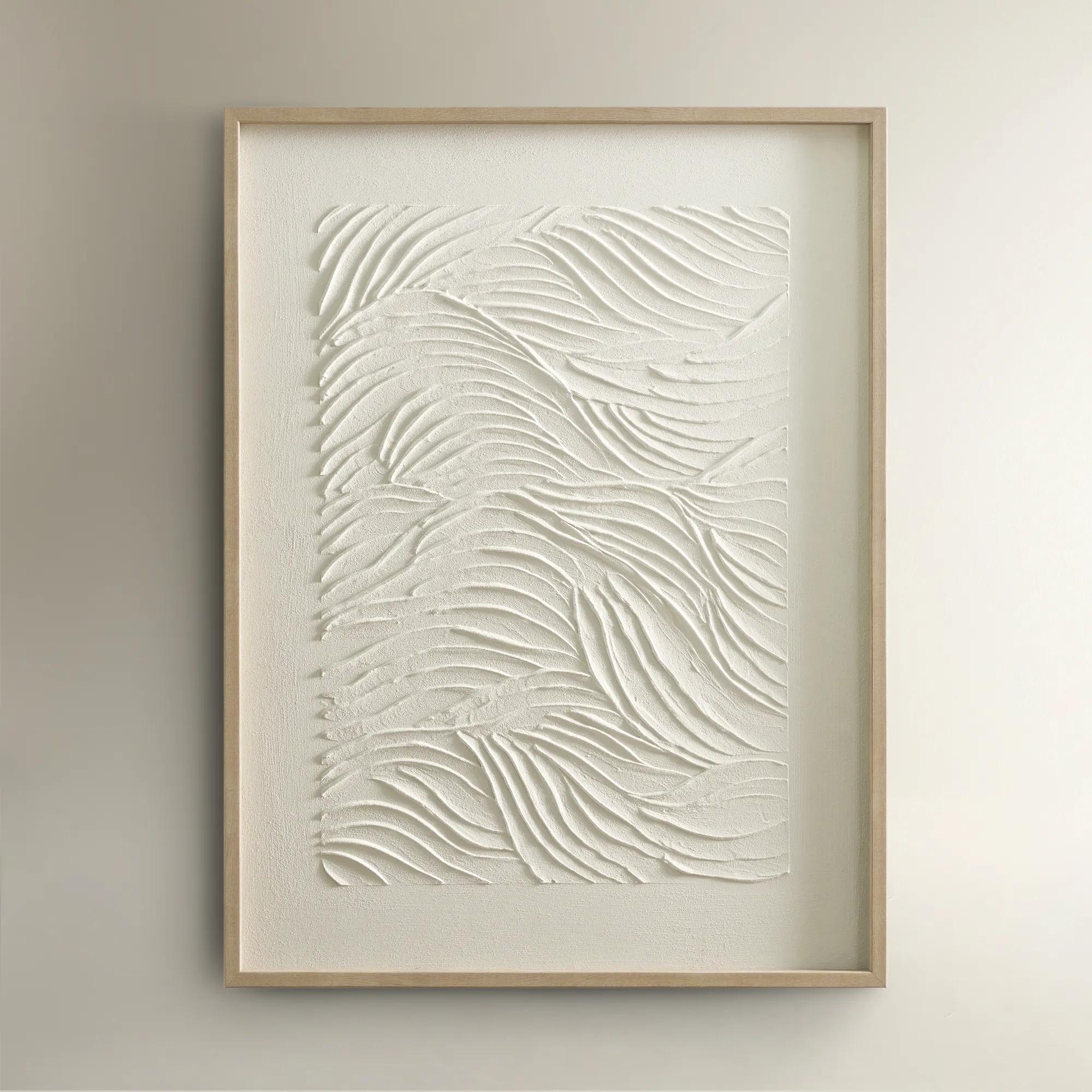
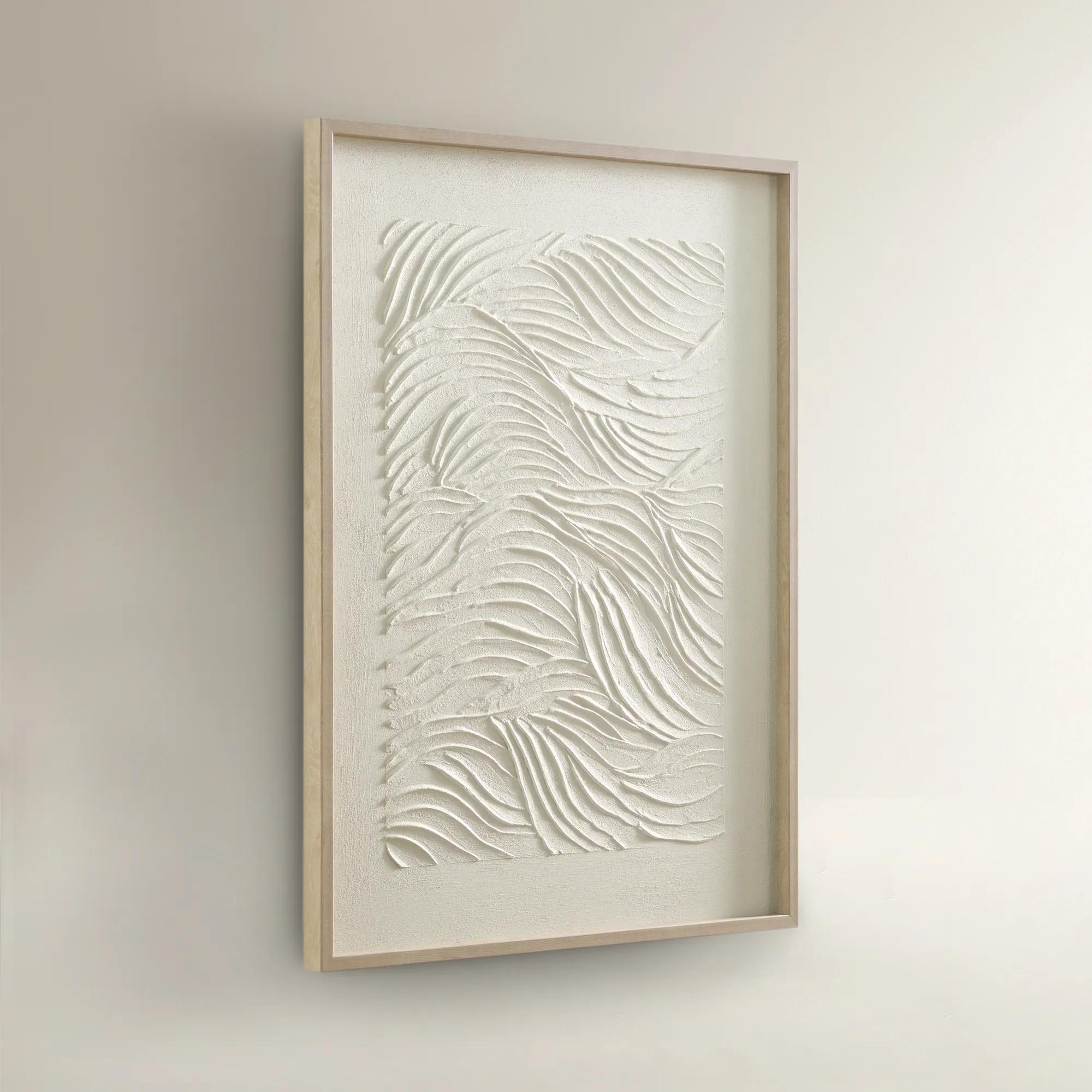 Sonnet Framed Painted Wall Art 23.5" x 31.5"$99
A hand-painted canvas featuring textured white shades and a warm blonde wood frame for elegant depth.
Add To Cart -
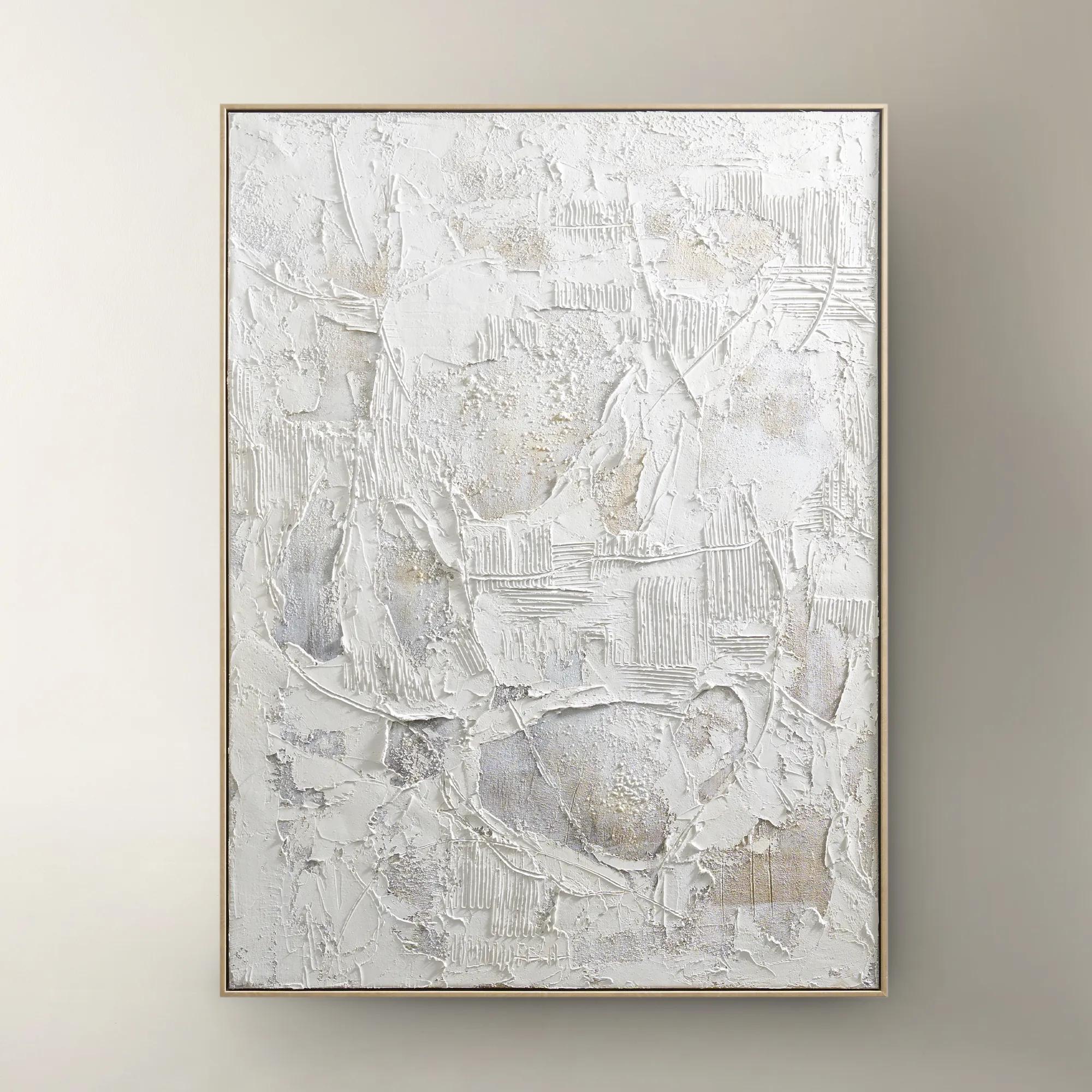 Stone Heritage Painting$399
A hand-painted canvas featuring textured white tones, elegantly framed in warm beech wood for refined appeal.
Add To Cart -
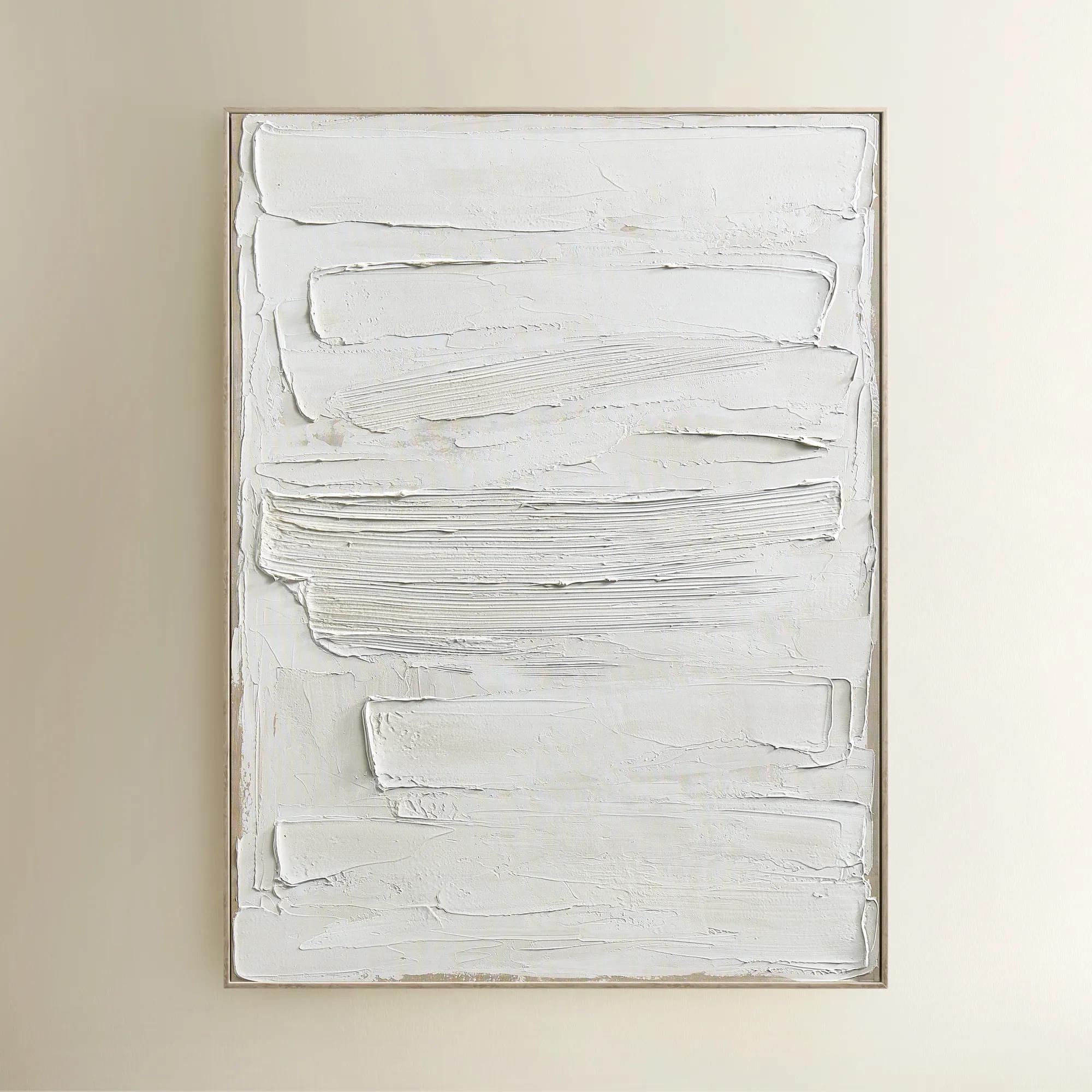
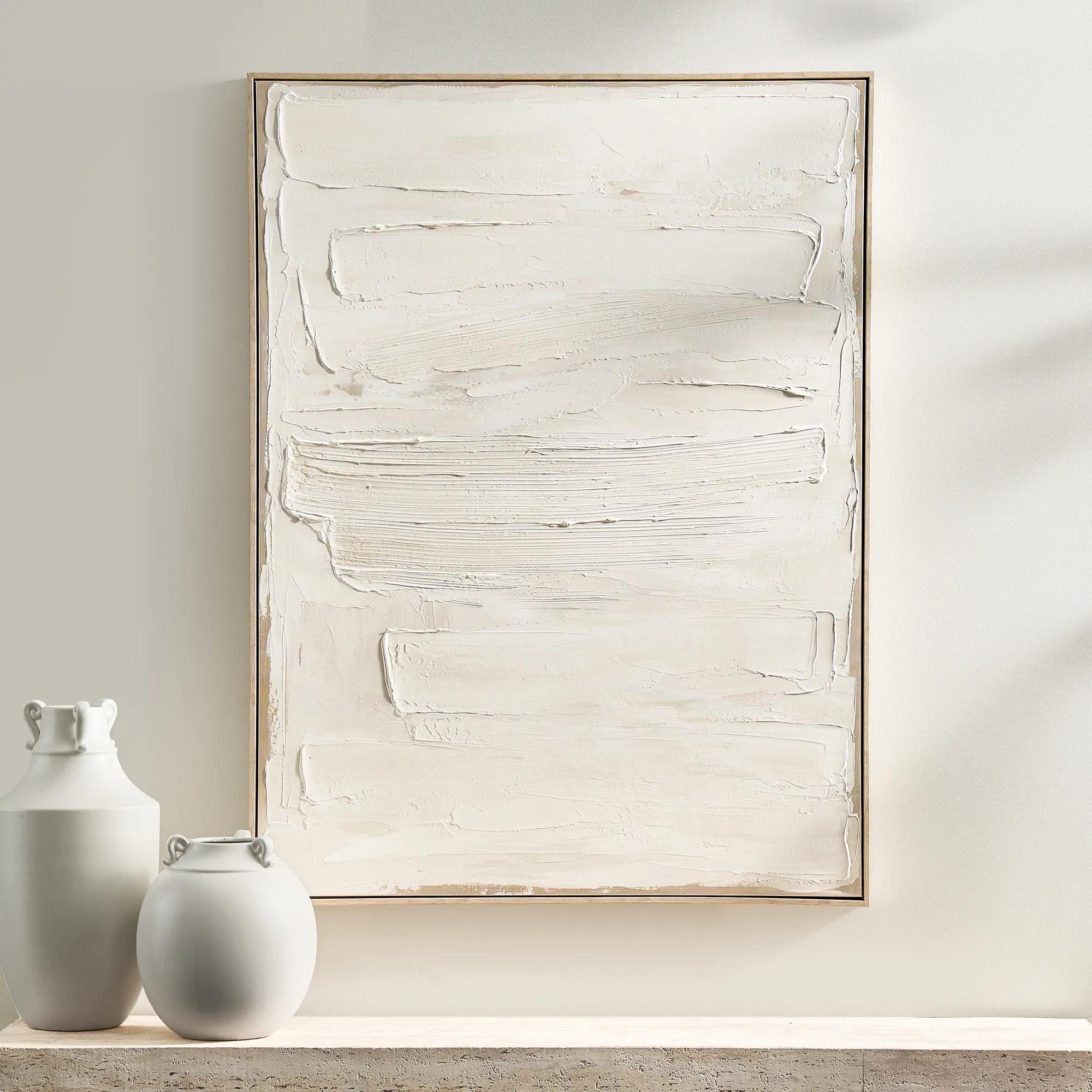 Monotype Canvas 1$399
A hand-painted abstract canvas featuring layered white tones and textured paint in a whitewashed wood frame.
Add To Cart -
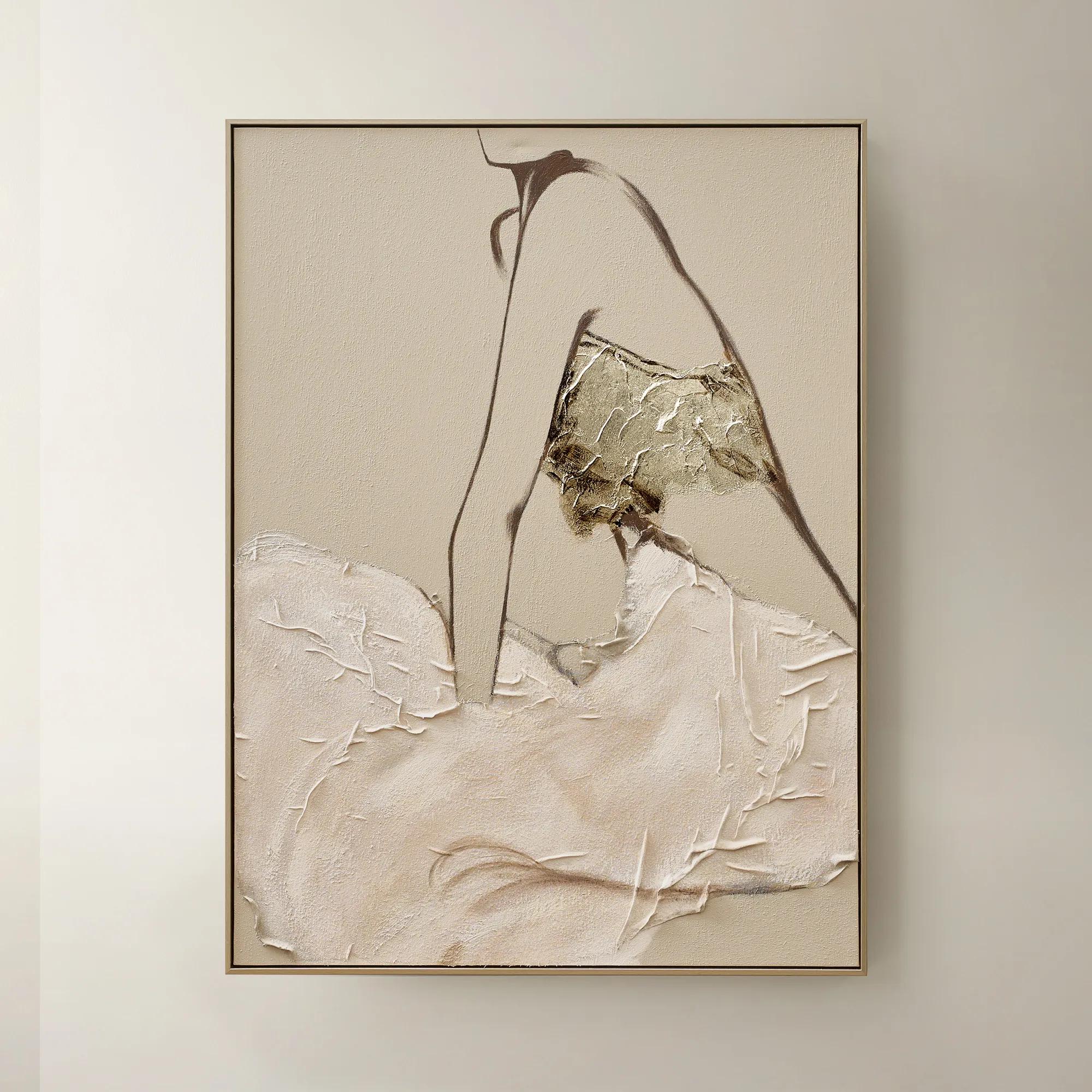 Quiet Pose Framed Painted Wall Art 36" x 48"$499
A hand-painted canvas in taupe and champagne tones features textural details and shimmering champagne leafing.
Add To Cart -

 Transformation Framed Wall Art 47" x 47"$1099
A sophisticated brown canvas wall artwork in a striking framed design for modern interiors.
Add To Cart -
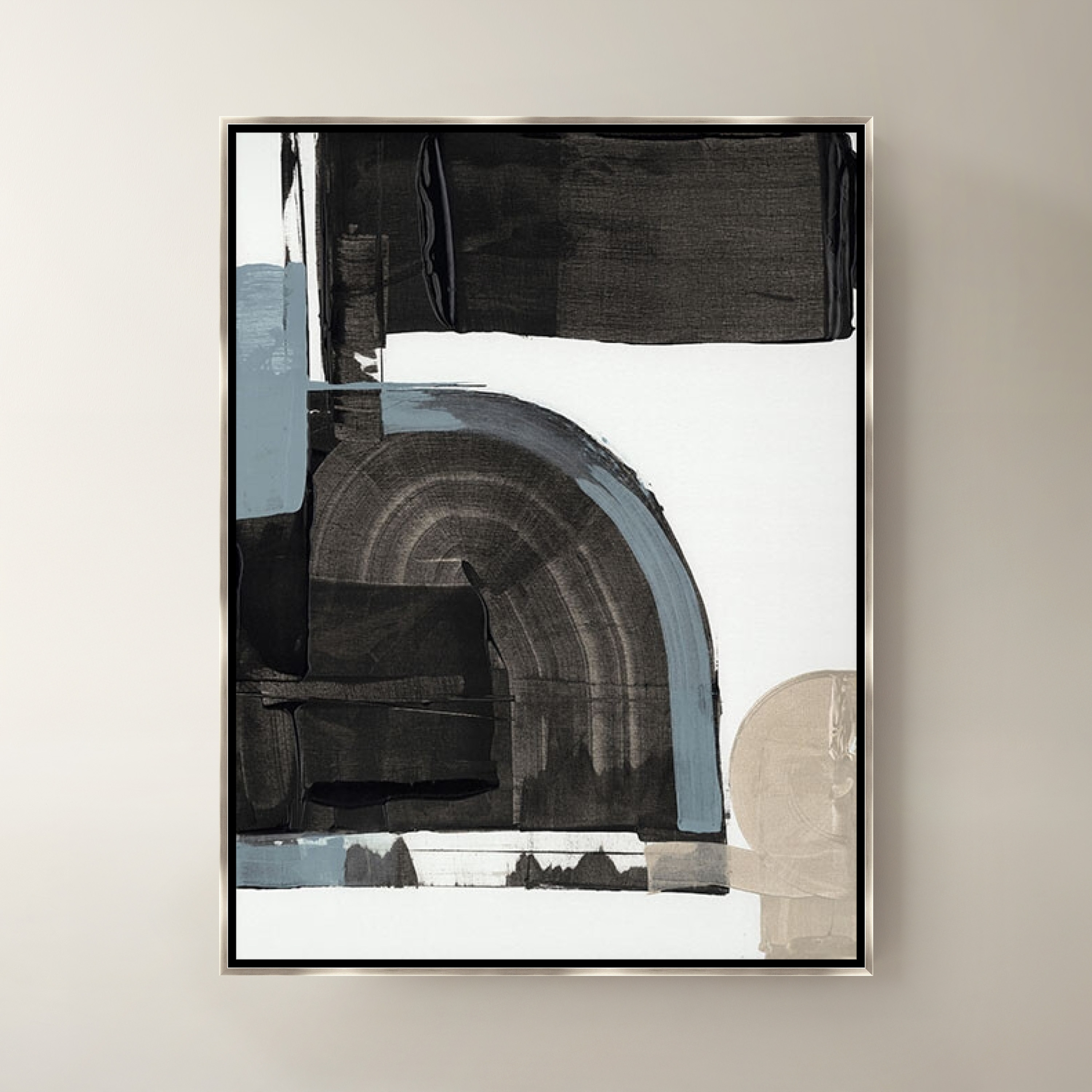
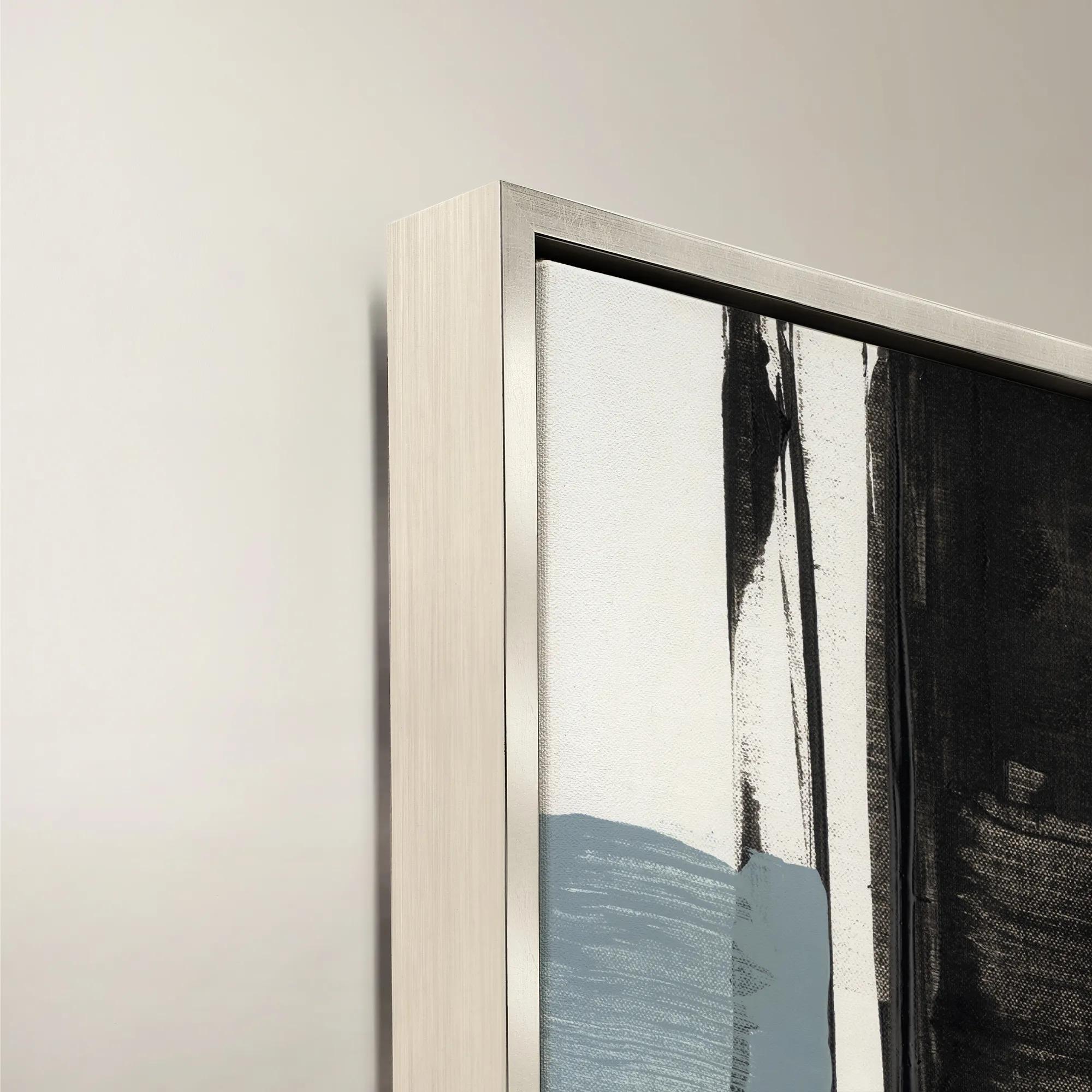 Blanc de Blancs III Framed Wall Art 24" x 30"$519
A sophisticated black canvas artwork presented in a refined frame for modern wall styling.
Add To Cart -
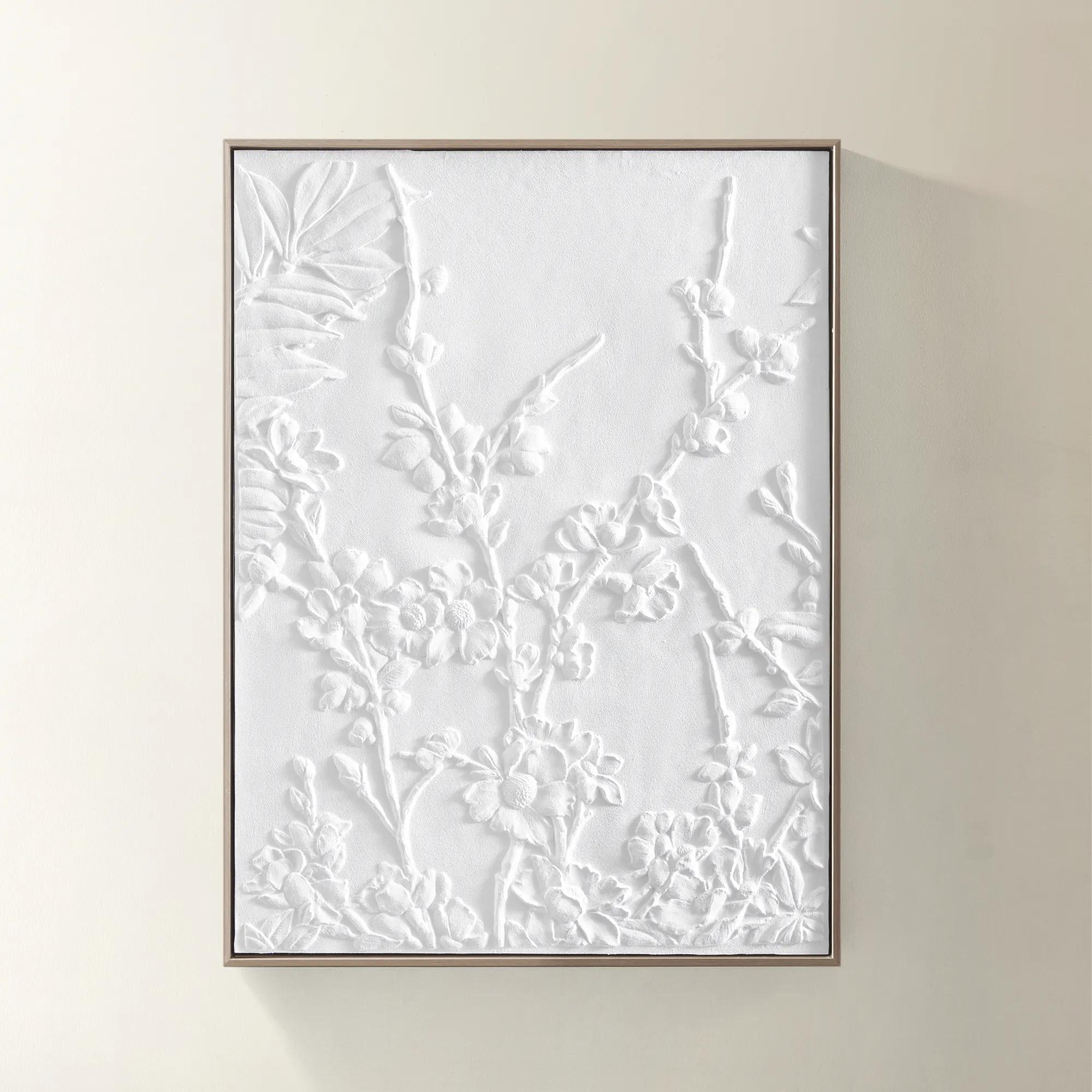
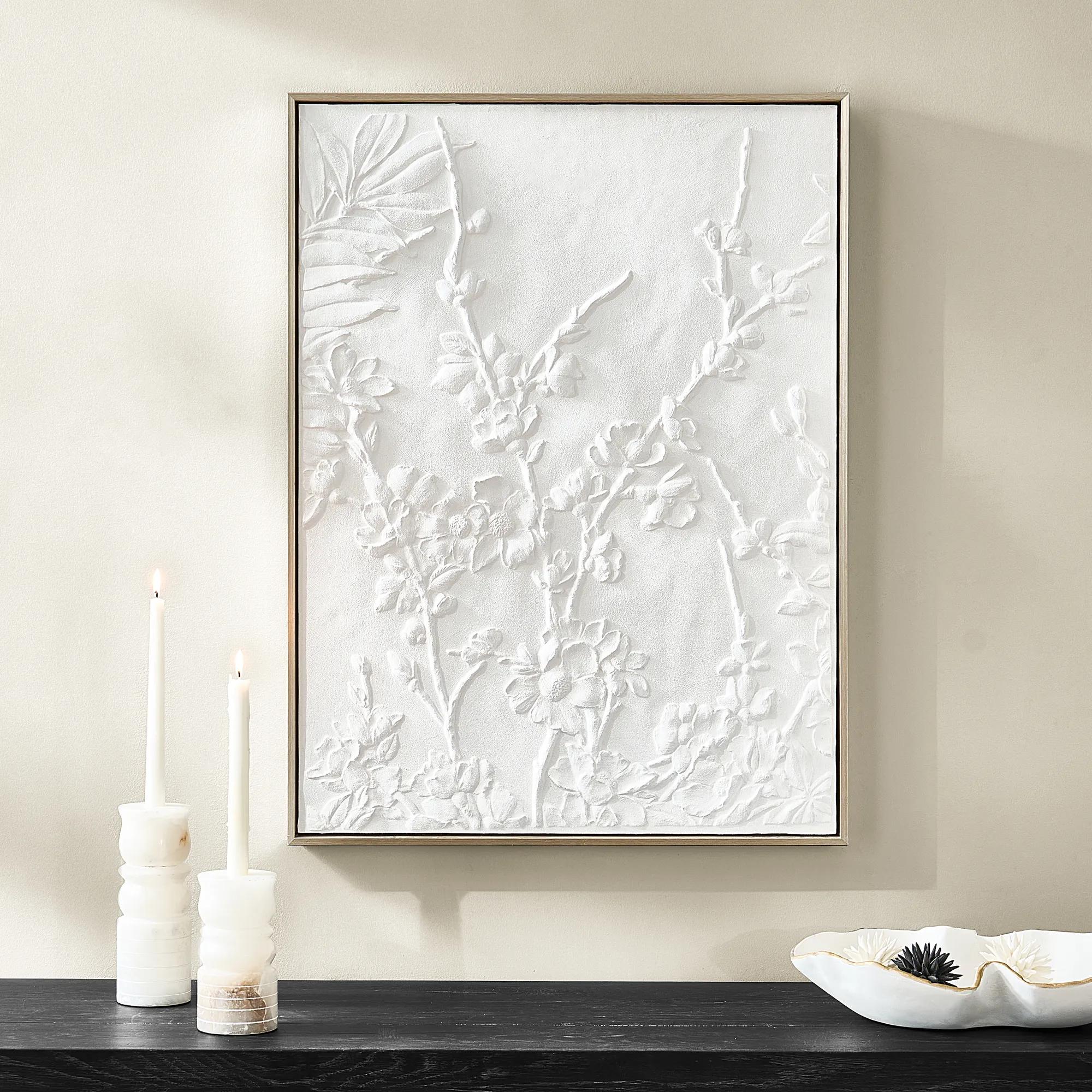 Allegro Framed Painted Wall Art 31.5" x 23.6"$109
A hand-painted canvas featuring textured floral motifs, framed in a warm champagne finish for subtle sophistication.
Add To Cart -
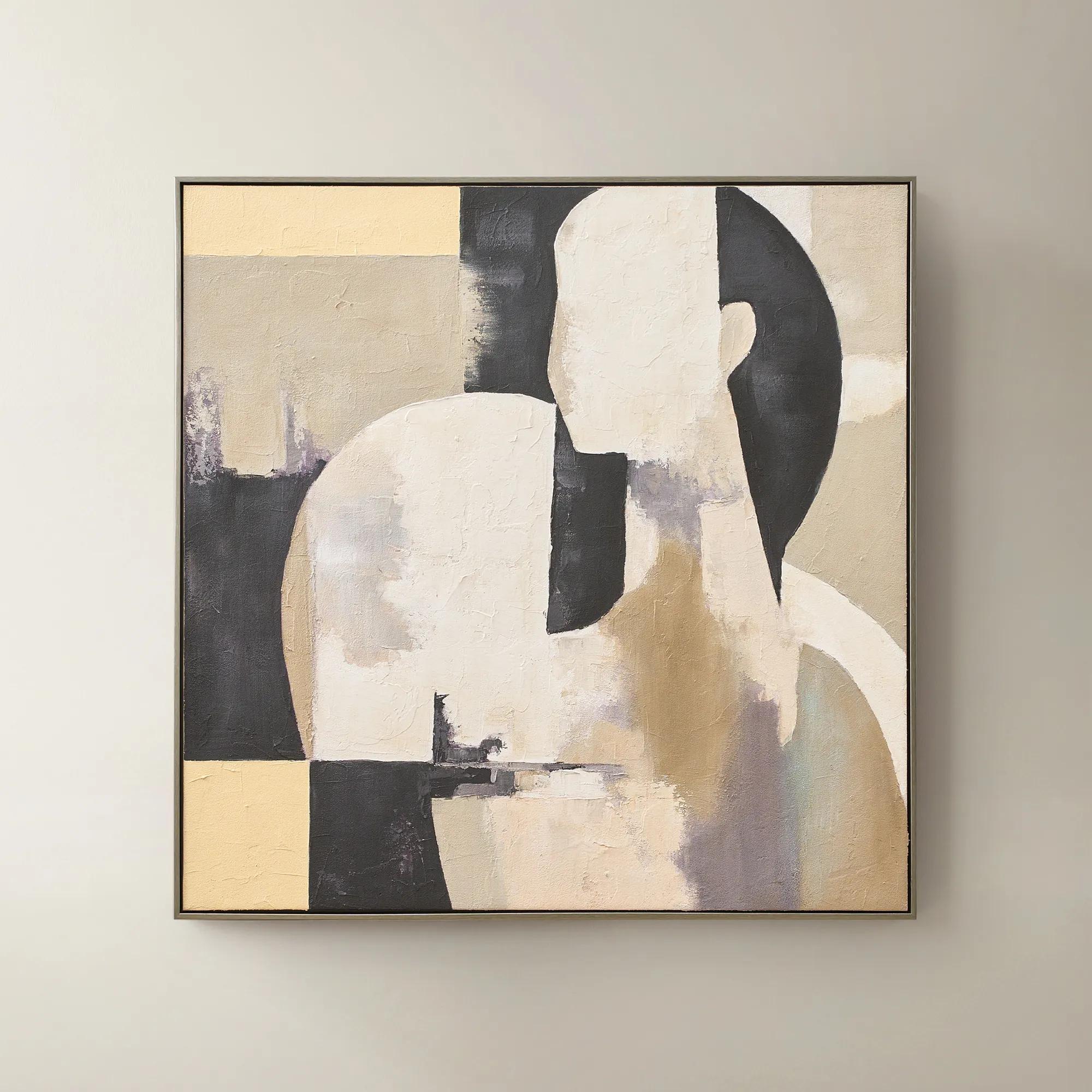 Afternoon Rest Framed Painted Wall Art 40" x 40"$399
A hand-painted abstract figure in buttercream, turtledove, and black hues framed in dark grey.
Add To Cart -
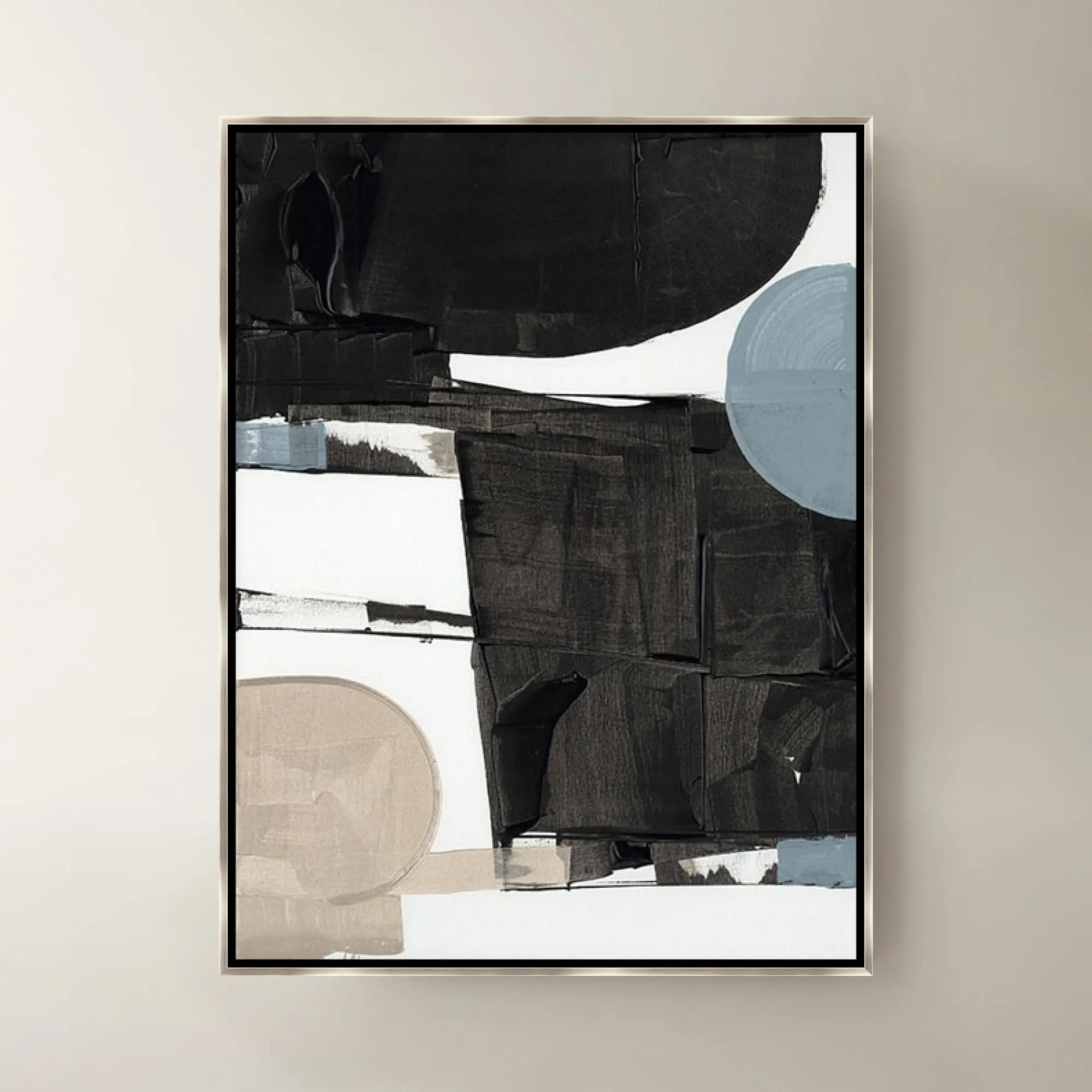
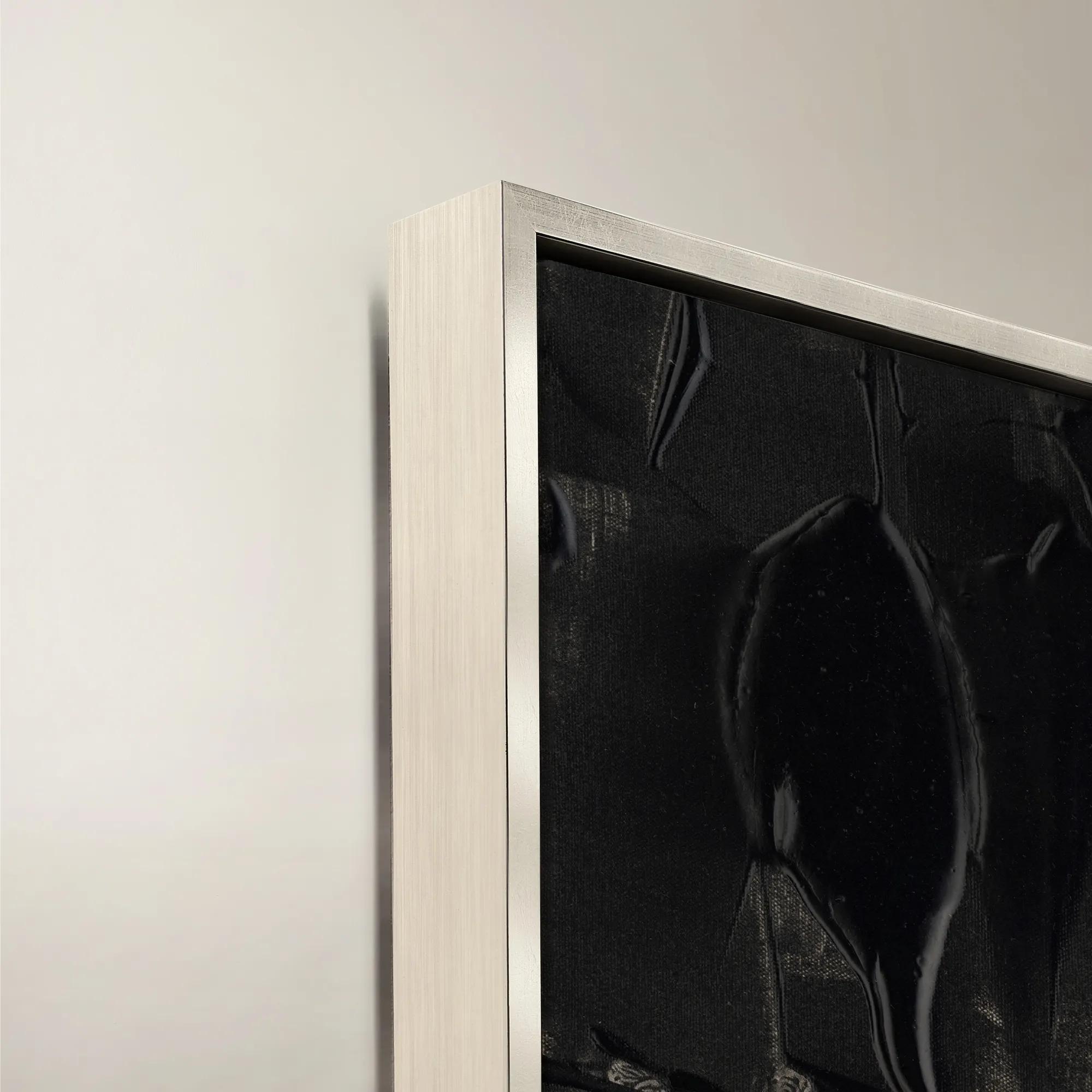 Blanc de Blancs II Framed Wall Art 24" x 30"$519
A sophisticated black canvas artwork presented in a refined frame, bringing modern elegance to your walls.
Add To Cart -
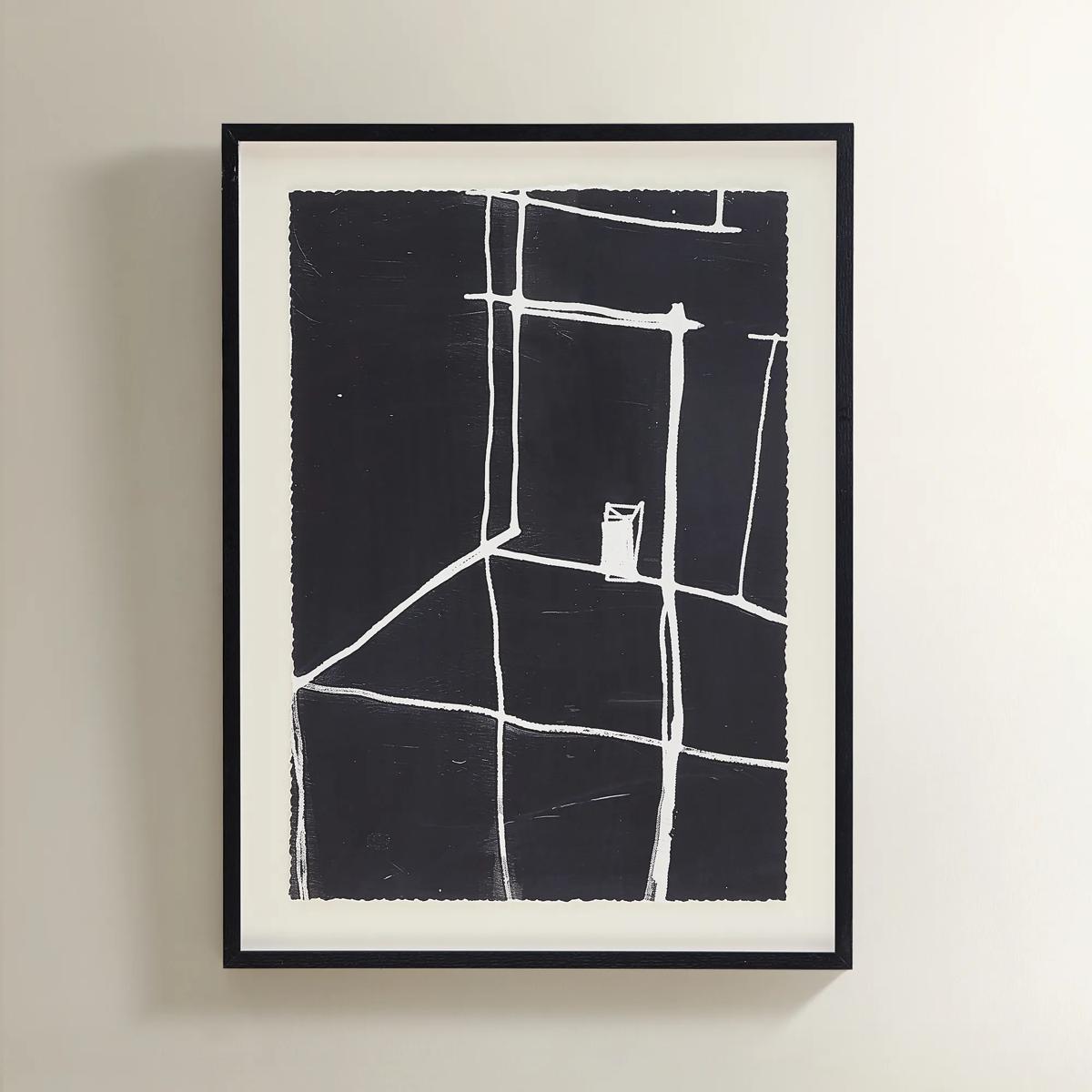 Solitude Art$269
A minimalist black-and-white abstract print featuring bold white lines in a sleek black polyresin frame.
Add To Cart -
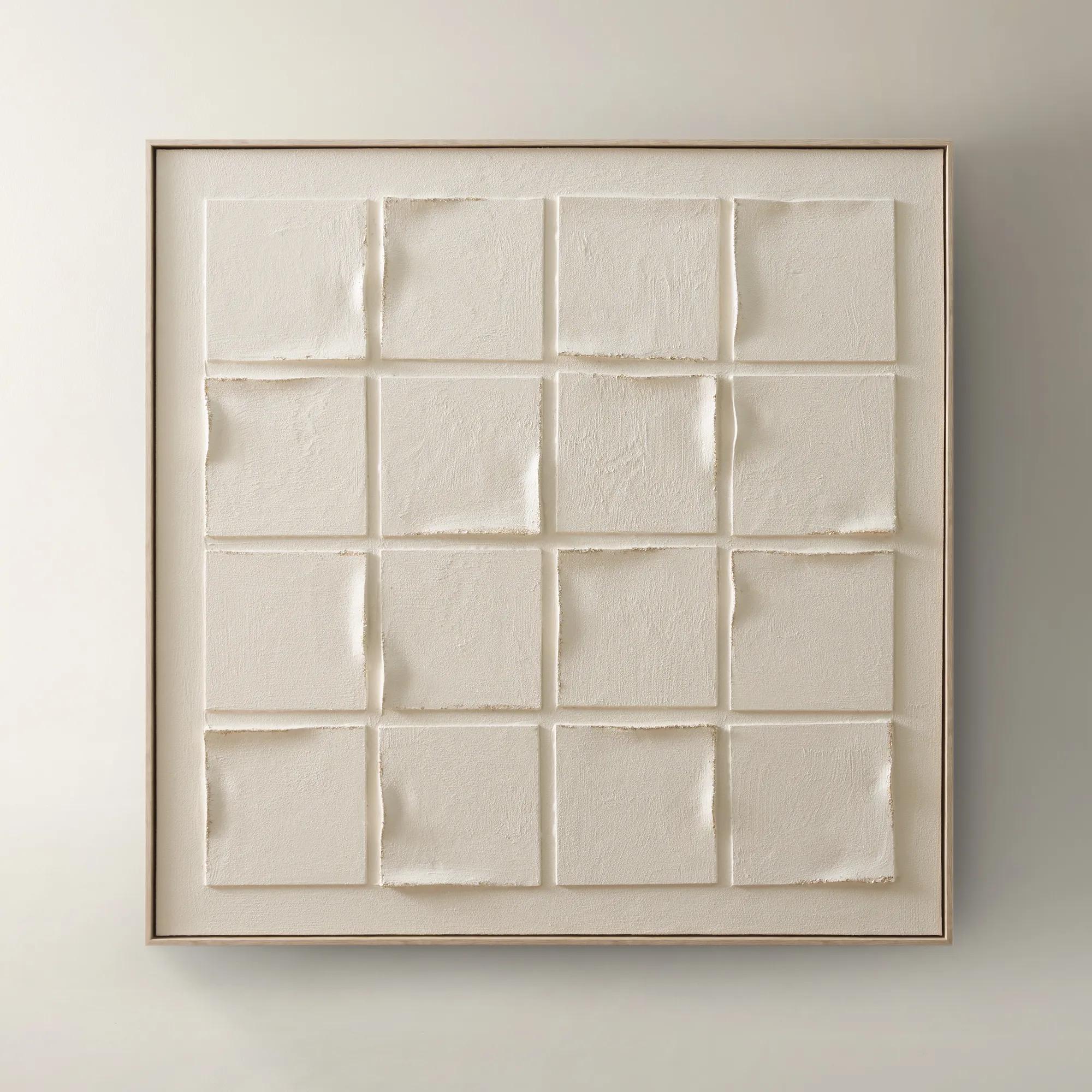 Gaze Framed Painted Wall Art 39.4" x 40"$329
A hand-painted canvas featuring subtle beige tones and textured depth in a warm whitewash floater frame.
Add To Cart -
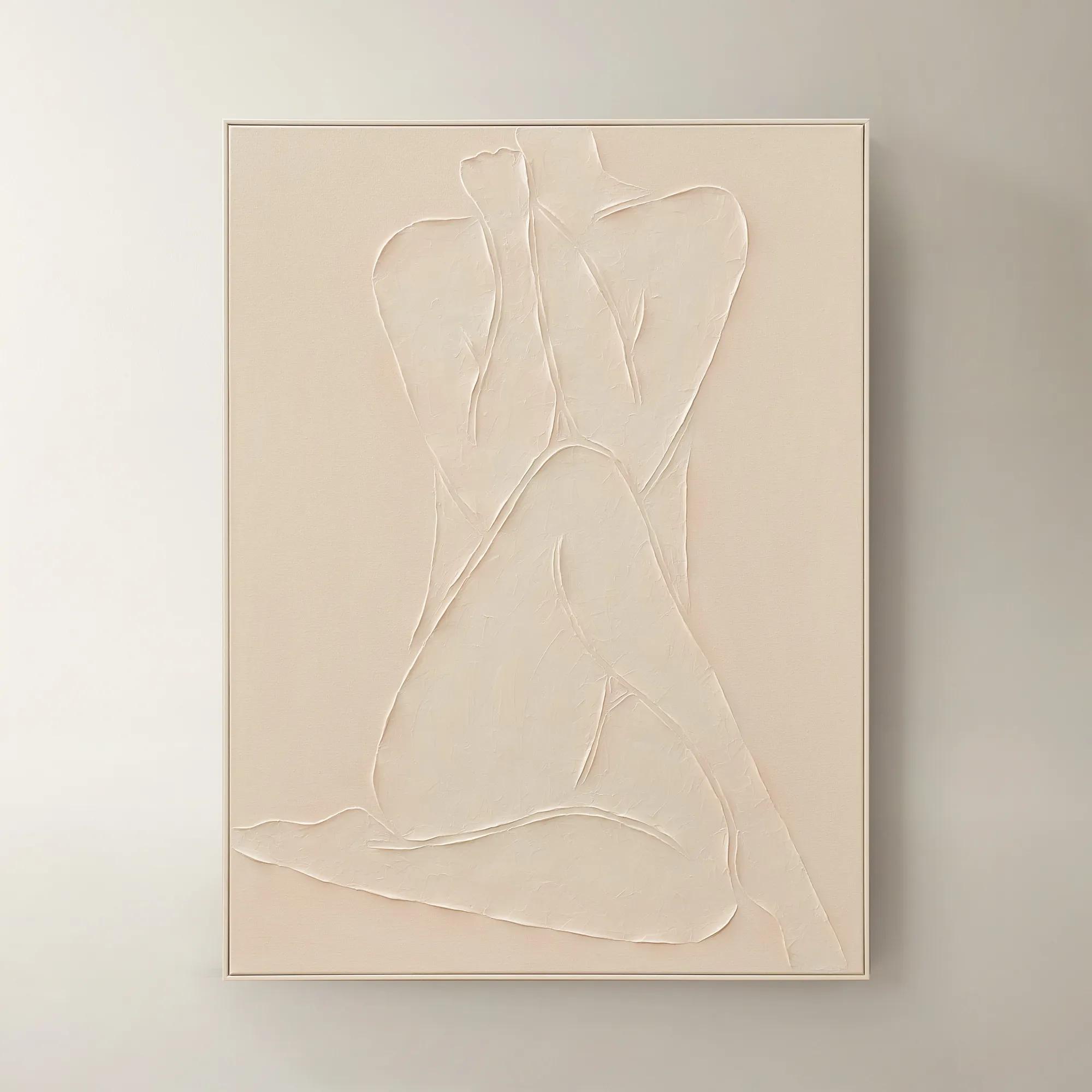
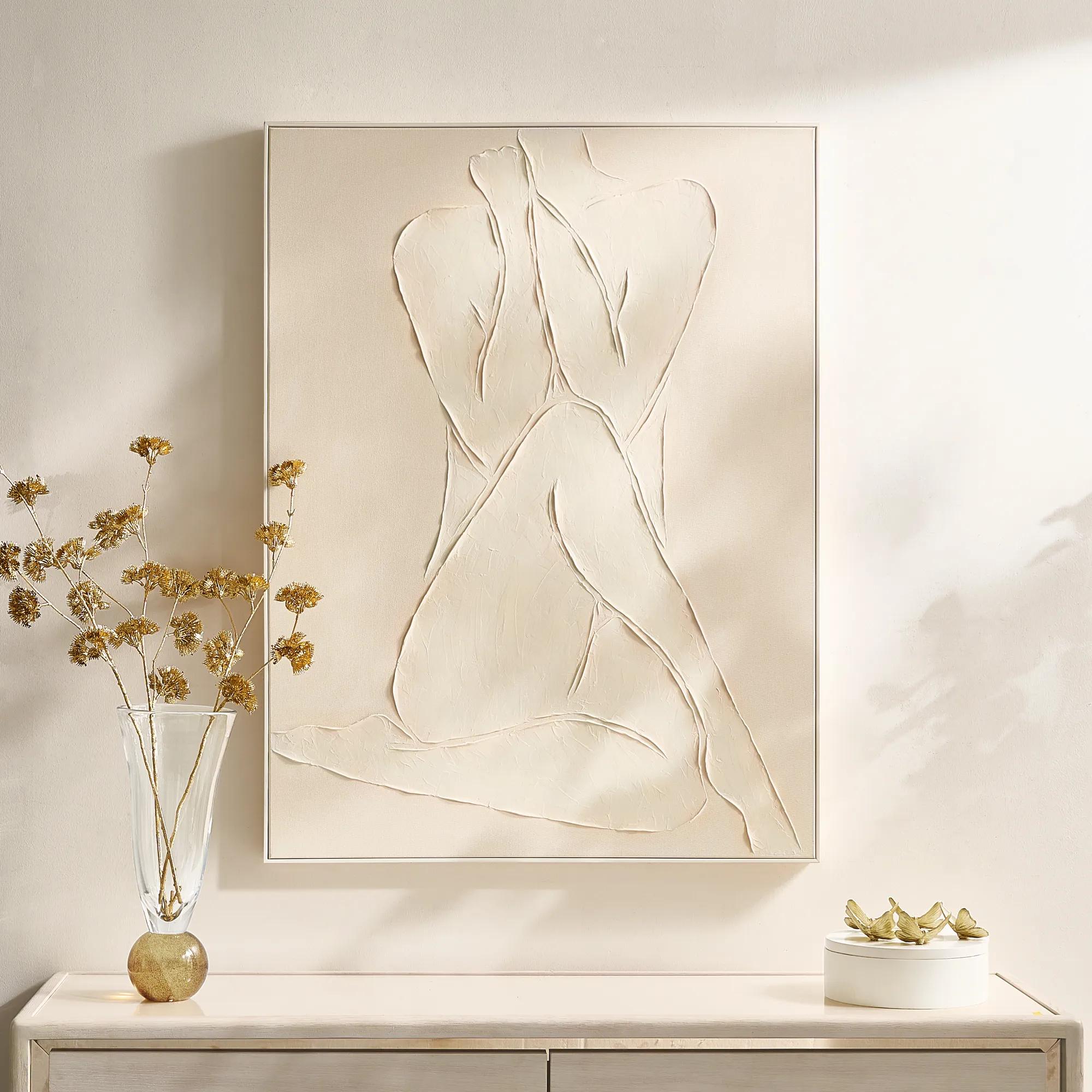 Modern Elegance Nude Ivory Framed Painted Wall Art 35.5" x 47.25"$599
A hand-painted ivory canvas in a white frame brings serene, modern artistry to any space.
Add To Cart -
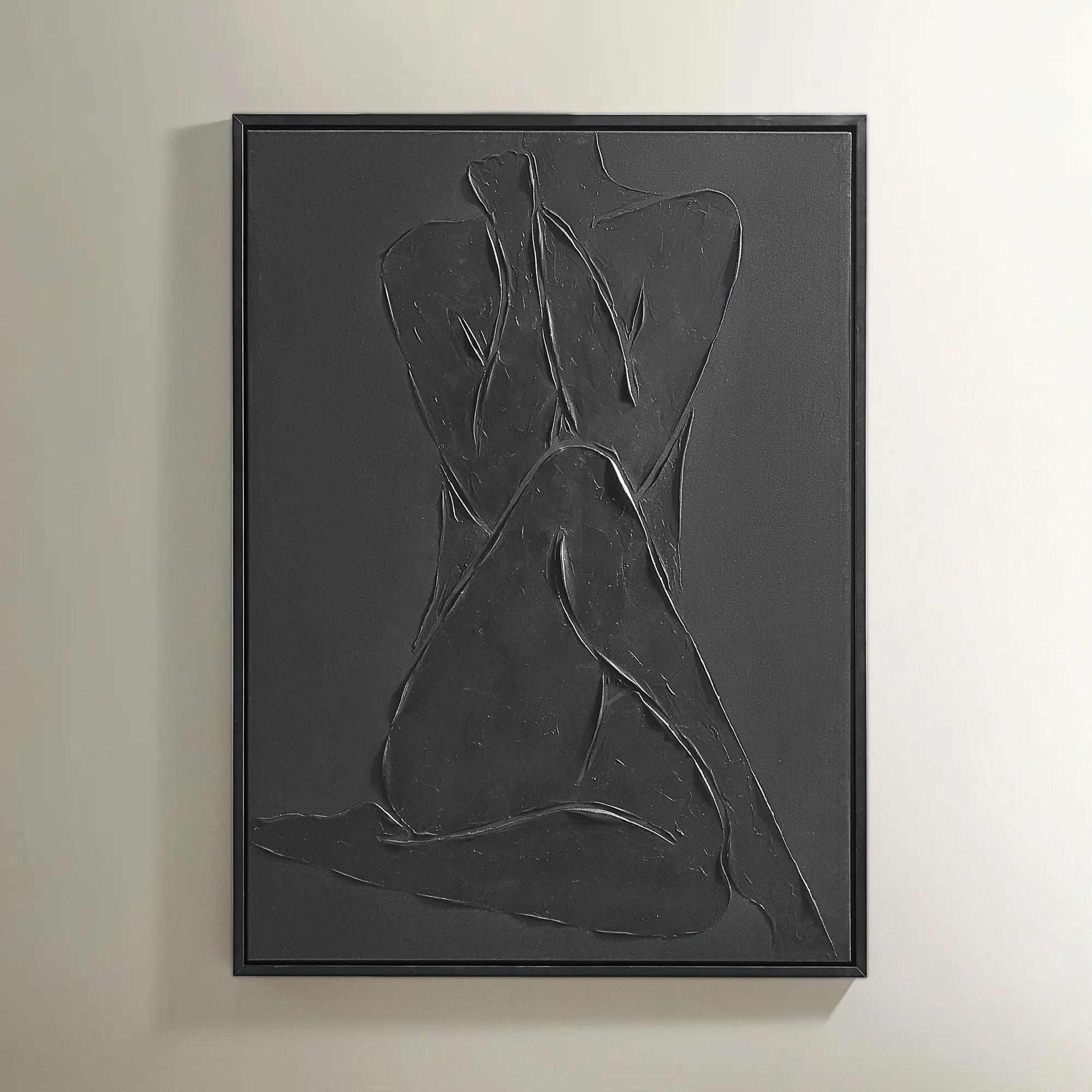 Modern Elegance Nude Black Framed Painted Wall Art 35.5" x 47.25"$599
A hand-embellished canvas artwork featuring textured strokes and vibrant hues in a black and gold Art Deco frame.
Add To Cart -
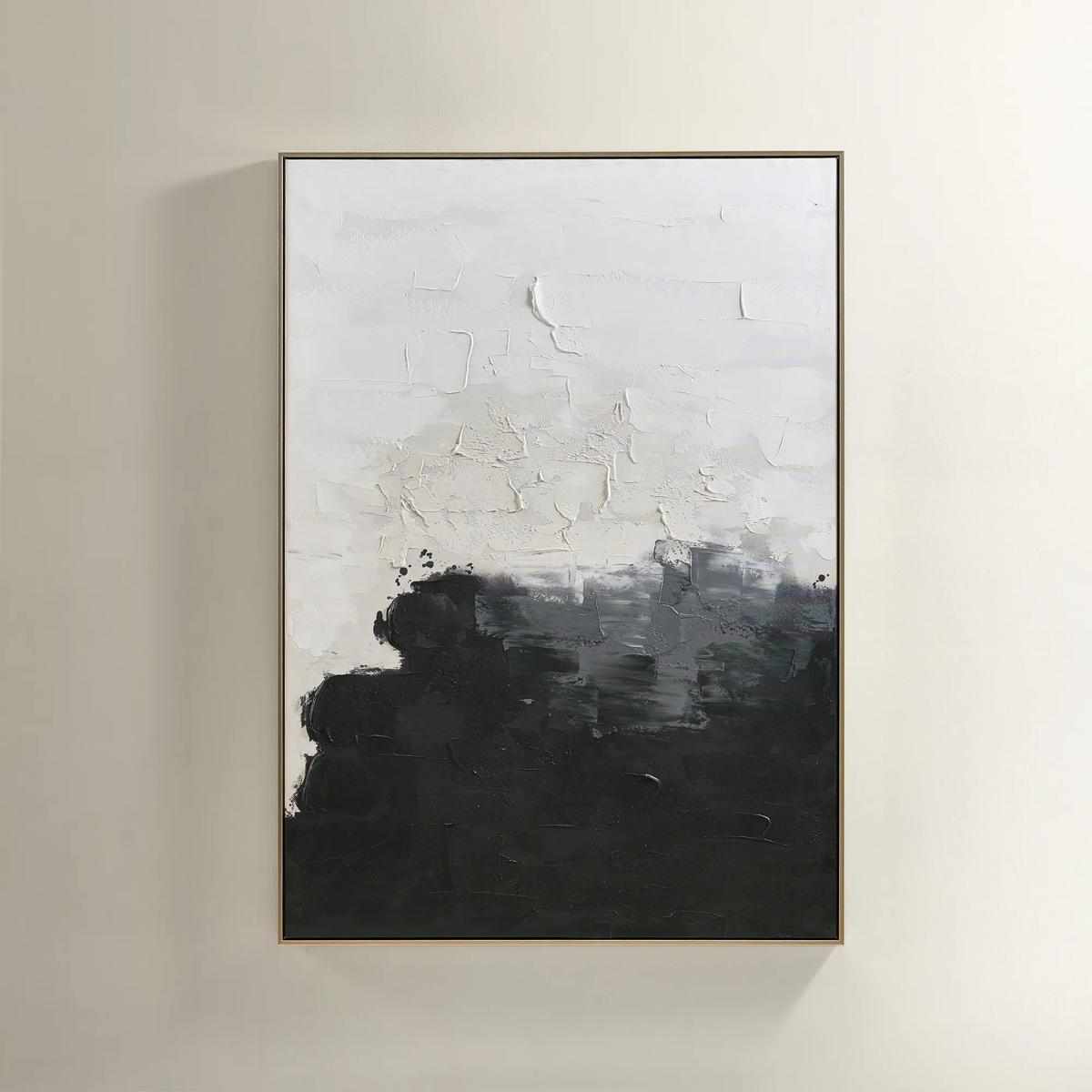
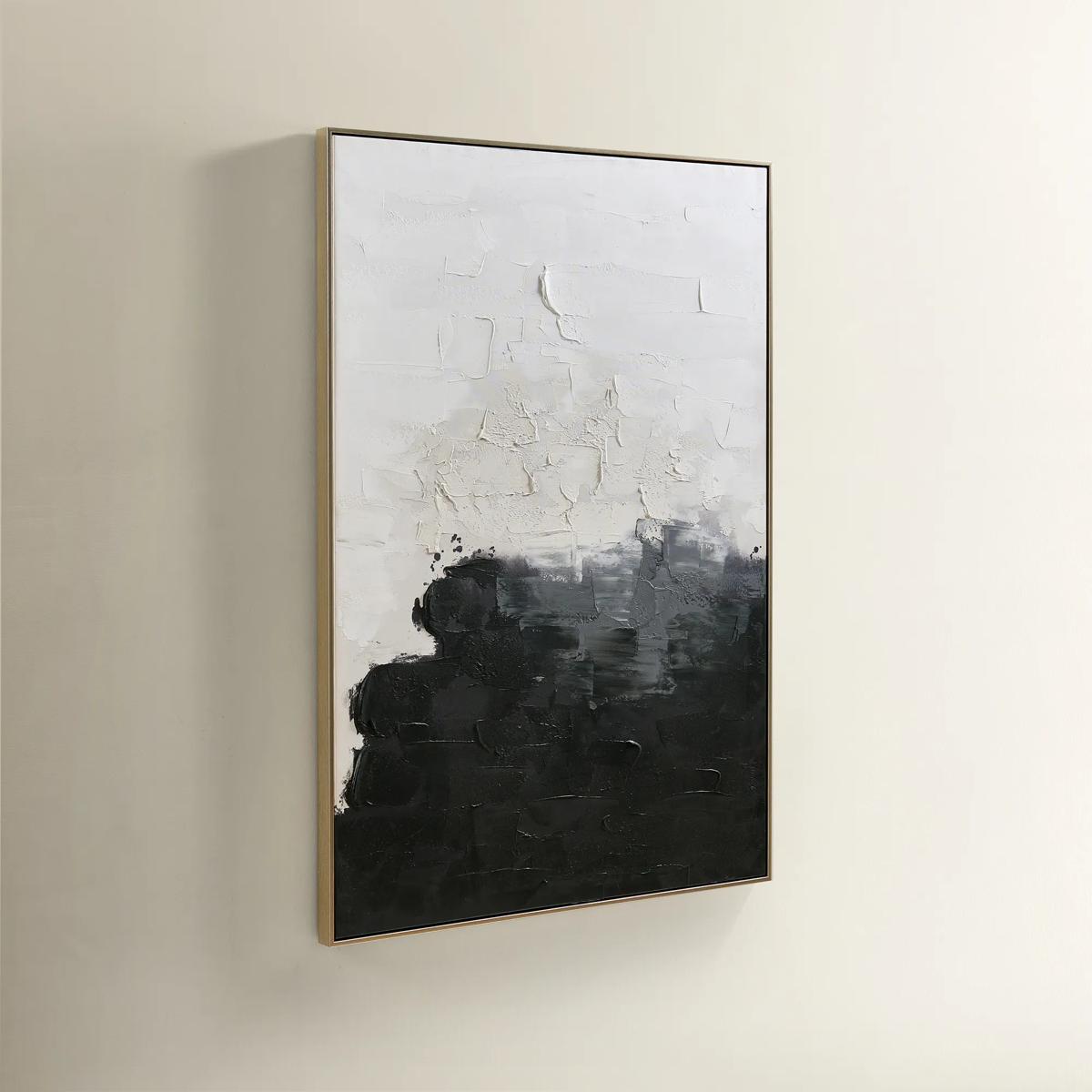 No Rush Painted Wall Art 39.25" x 55"$499
A hand-painted canvas featuring textured strokes of white, ivory, and charcoal in a natural wood frame.
Add To Cart -

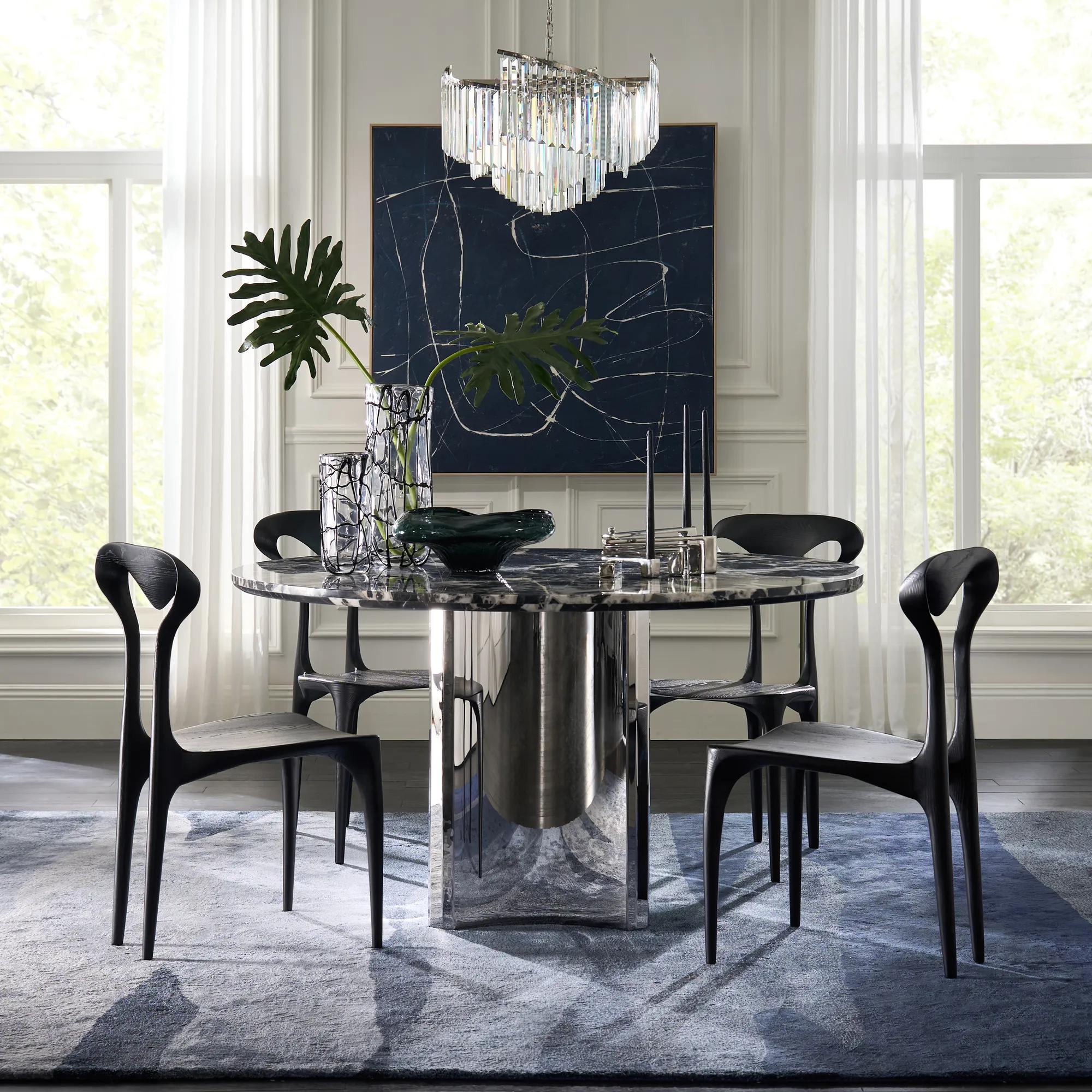 Almost Midnight Painting - Blue$439
A hand-painted canvas featuring bold blue and black tones with delicate white lines in a light wood frame.
Add To Cart -
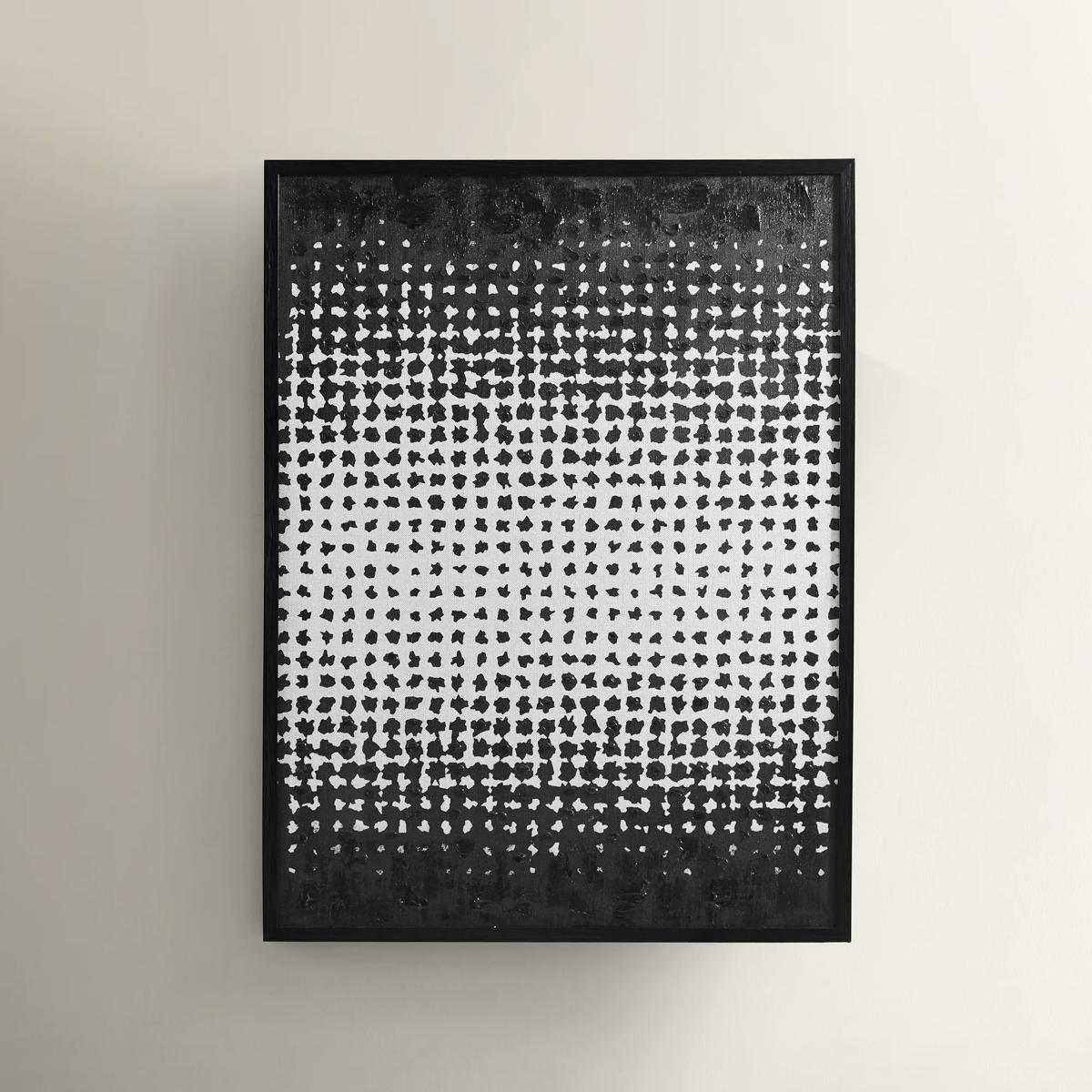
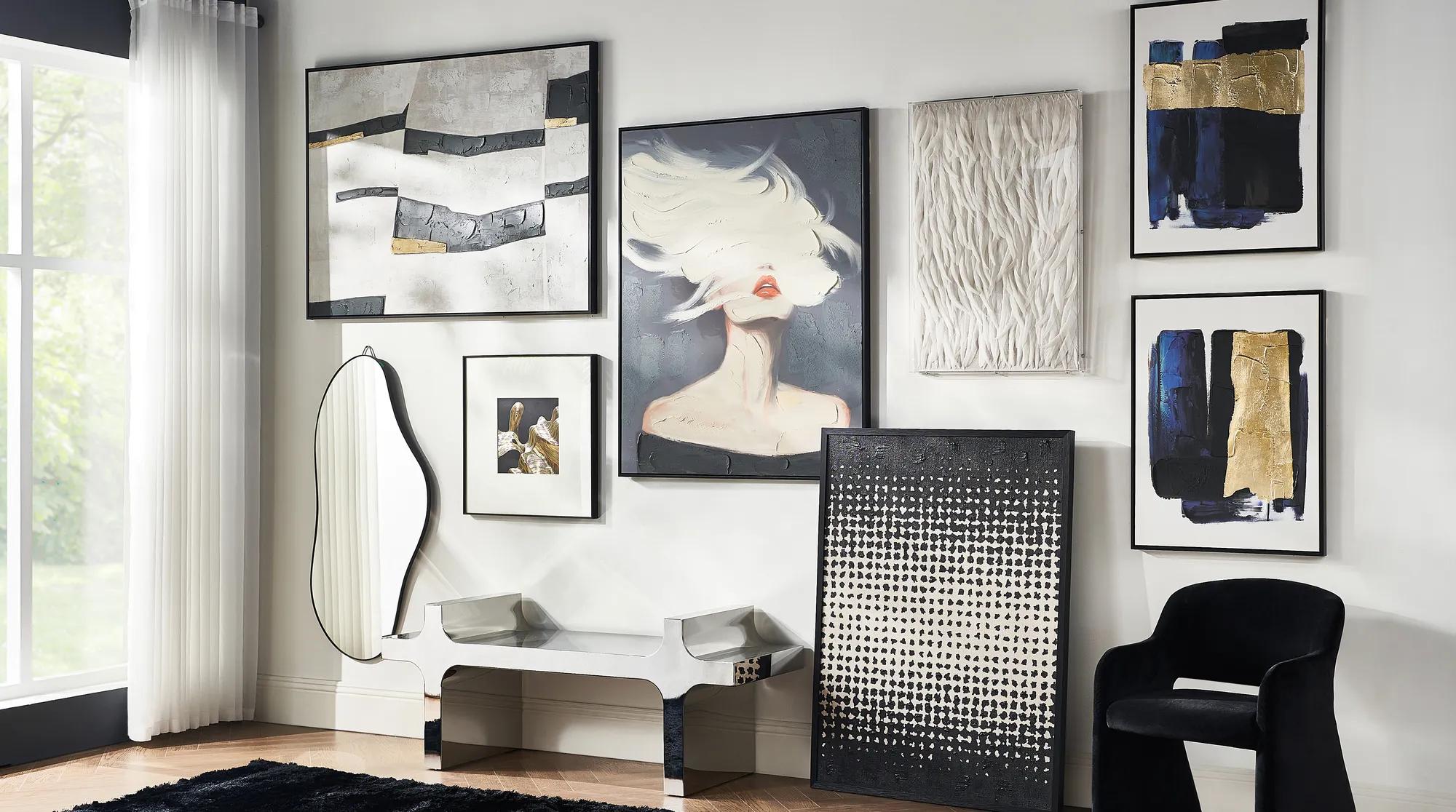 In Time Painting$399
A hand-painted linen canvas featuring cream and black dots in a modern, minimalist geometric pattern.
Add To Cart

Serene Wall Art Pieces
Elevate your sanctuary with serene wall art pieces that invite tranquility and sophistication into every corner. Each artwork is a visual whisper—softening the edges of daily life, infusing your space with a sense of calm, and transforming blank walls into poetic backdrops. Let gentle hues and fluid forms set the mood for restful retreats and inspired mornings alike. With serene wall art pieces, your home becomes a gallery of quiet wonder—where every glance offers a moment of peace, and every detail tells a story of effortless elegance.
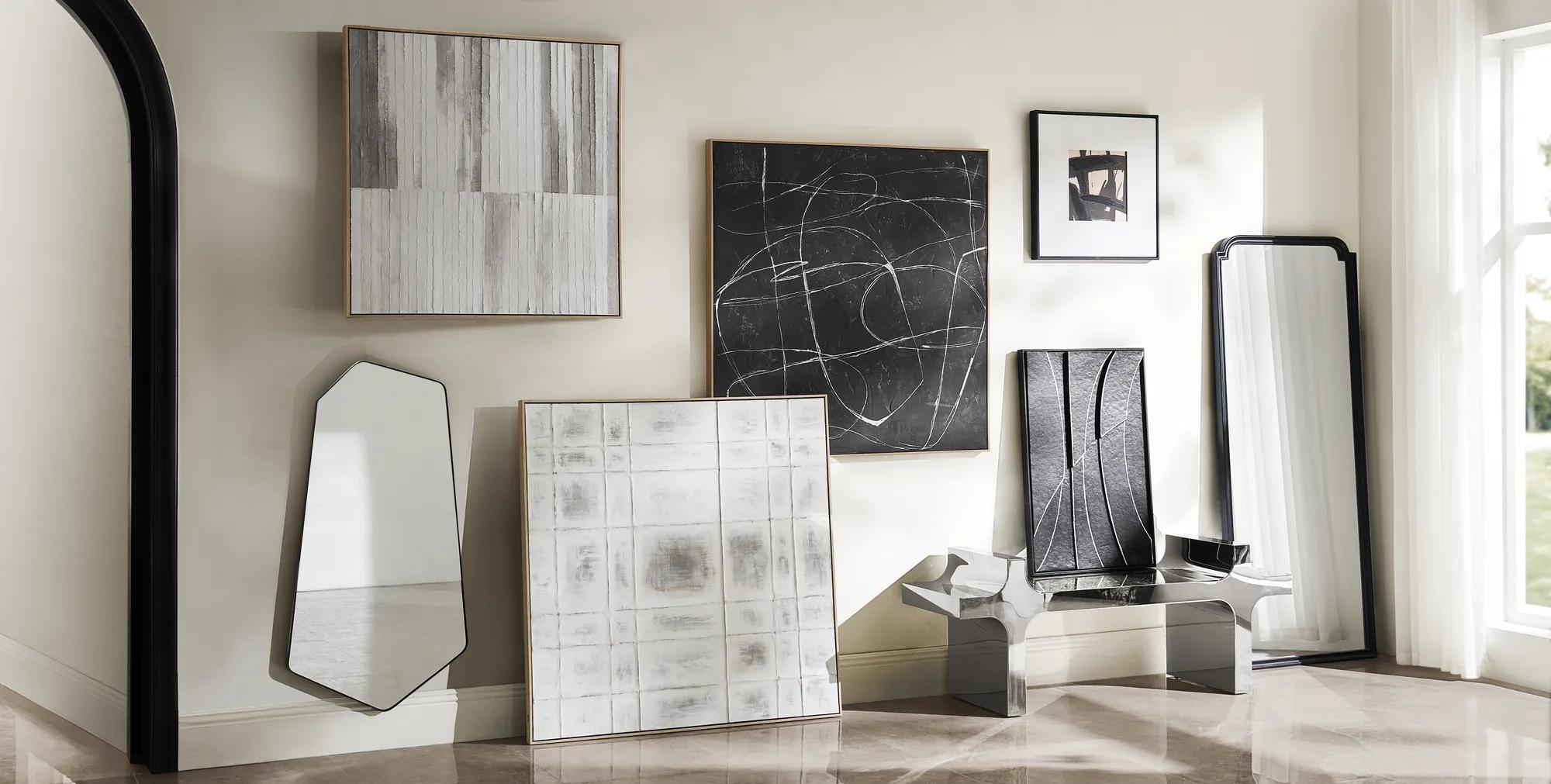
Serene wall art pieces bring a sense of composure to an interior through softened color, balanced composition, and imagery that gives the eye room to rest. Tranquil landscapes, fluid abstracts, botanical studies, and understated photography can all create this effect, whether the artwork depicts a recognizable scene or expresses stillness through shape and texture alone. The distinction lies in visual rhythm: a low horizon, generous negative space, gently layered brushwork, or a restrained palette can make a room feel considered rather than crowded. Ivory, sand, taupe, and warm gray establish a luminous foundation, while mineral blue, muted green, and charcoal lend depth without overwhelming the surroundings. Serenity need not mean an absence of drama. A sweeping abstract in tonal neutrals can command a wall with remarkable confidence, especially when subtle metallic accents catch the light or a richly textured surface invites a closer look. In a living room, calming wall art can soften the presence of a substantial sectional, a sculptural coffee table, or a boldly patterned rug. In a bedroom, an expansive composition above the headboard can give the entire arrangement a more restful character. A dining area benefits from imagery that holds attention without competing with conversation, while a home office gains a contemplative focal point beyond the screen. The most compelling pairings draw on colors already present in upholstery, stone, wood, or textiles without repeating every shade exactly. A pale blue passage in an artwork might echo a velvet chair across the room; a fine charcoal line might connect with dark metal lighting. These quiet relationships allow the artwork to feel integral to the setting. For interiors with mirrored surfaces, polished finishes, or expressive silhouettes, serene artwork offers a particularly elegant counterpoint: it lets the room retain its glamour while giving the eye a place to pause.
Scale has as much influence on that sense of calm as subject matter. An artwork that feels too small above a broad sofa can appear disconnected, while an oversized arrangement squeezed between architectural details may lose the breathing room that makes it compelling. A useful starting point is artwork measuring approximately two-thirds the width of the furniture beneath it, with the proportions adjusted for nearby windows, lamps, and surrounding objects. Above an 84-inch sofa, for example, a composition around 56 inches wide can establish a balanced relationship; a grouping can achieve the same overall span when the spaces between frames are included. For expansive walls and open living areas, Large Wall Art Pieces offer a way to create a single, assured focal point rather than scattering smaller accents across the surface. Horizontal formats often complement sofas, beds, and long consoles, while vertical artwork can bring grace to a narrow wall or emphasize the height of an entry. Diptychs and triptychs introduce a measured rhythm, particularly when their colors and imagery continue naturally across the panels. Consistent spacing, often around two to three inches between related pieces, helps the arrangement read as one composition. Placement should also reflect how the room is experienced. Artwork viewed primarily from a chair or bed may feel more connected when positioned for a seated sightline rather than automatically centered on the wall. Above furniture, a modest gap frequently feels more cohesive than a large expanse of empty wall, provided headboards, cushions, and decorative objects remain comfortably clear. Frame design adds another layer of proportion: a slim metal profile preserves an airy impression, a pale wood frame introduces warmth, and a generous mat gives delicate imagery a more substantial presence. Lighting completes the relationship. Soft, even illumination reveals tonal detail and surface texture, while positioning glazed artwork away from strong reflections keeps the image, rather than the glare, at the center of attention.
Materials and finishes shape both the appearance of serene wall decor and the attention it needs over time. Canvas lends itself to painterly imagery because its woven surface can soften transitions and give broad fields of color a tactile quality. Paper prints and photographic works can convey fine lines, subtle gradations, and crisp detail, with a mat and protective glazing contributing to their presentation. Neither format is inherently more serene; the right choice depends on whether the room calls for visible texture, delicate precision, or a layered combination of both. Wood frames can underscore the organic character of botanical or landscape imagery, while metal frames add a polished outline that suits contemporary interiors. Glass and acrylic glazing each have practical considerations: acrylic is generally lighter and more resistant to shattering, though it can scratch more easily, while glass requires care because of its weight and breakability. Where preservation matters, details such as acid-free matting and UV-filtering glazing are worth considering, without treating protective materials as a substitute for thoughtful placement. Direct sunlight can fade pigments and paper, and persistent humidity can affect canvas, backing materials, and frames. Bedrooms, living rooms, dining rooms, and offices generally provide more suitable settings than areas exposed to splashes or steam, unless the artwork is specifically intended for those conditions. Routine care is usually gentle: a soft, dry cloth for appropriate frame surfaces, minimal handling of the image itself, and cleaning methods that follow the maker’s directions. Spraying cleaner directly onto framed artwork can allow moisture to seep beneath the edges. Secure hanging hardware suited to the artwork’s weight and the wall construction is equally important, particularly for substantial framed pieces. As a housewarming or wedding gift, calming artwork can feel deeply personal when its palette, scale, and imagery reflect the recipient’s space and taste. Chosen with that same attention for a personal collection, a serene piece becomes an enduring presence—expressive enough to define a room, restrained enough to leave room for living.
FAQs
Serene wall art often features gentle color palettes, soft abstract forms, tranquil landscapes, or minimalist compositions. Pieces that evoke nature, such as misty seascapes, delicate botanicals, or peaceful horizons, are especially effective in cultivating a soothing ambiance. Hand-embellished or textured artworks also add depth and tactile interest, enhancing the sense of tranquility in any room.
To create a restful retreat, place serene wall art above the bed or on a focal wall where it can be admired upon entering the room. Choose pieces with calming hues and organic shapes, and consider pairing them with soft textiles and layered lighting to amplify the peaceful mood. A curated grouping of smaller artworks can also bring harmony and balance to your bedroom sanctuary.
Absolutely. Serene wall art makes a thoughtful and meaningful gift for occasions such as housewarmings, weddings, or milestone celebrations. These pieces offer the gift of tranquility and beauty, making them ideal for anyone looking to infuse their space with a sense of calm and effortless elegance.
An artisan hand embellished curated collection features artworks that have been carefully selected and enhanced by skilled artists. Each piece is given unique hand-applied details—such as textured brushstrokes, metallic accents, or layered finishes—resulting in a one-of-a-kind creation that brings depth, character, and a bespoke touch to your home.
Serene wall art serves as a visual anchor, balancing more dramatic furniture or vibrant accessories with its quiet elegance. Its understated beauty can soften a room, create a sense of cohesion, and invite the eye to rest, making it an ideal counterpoint to statement pieces or colorful accents.