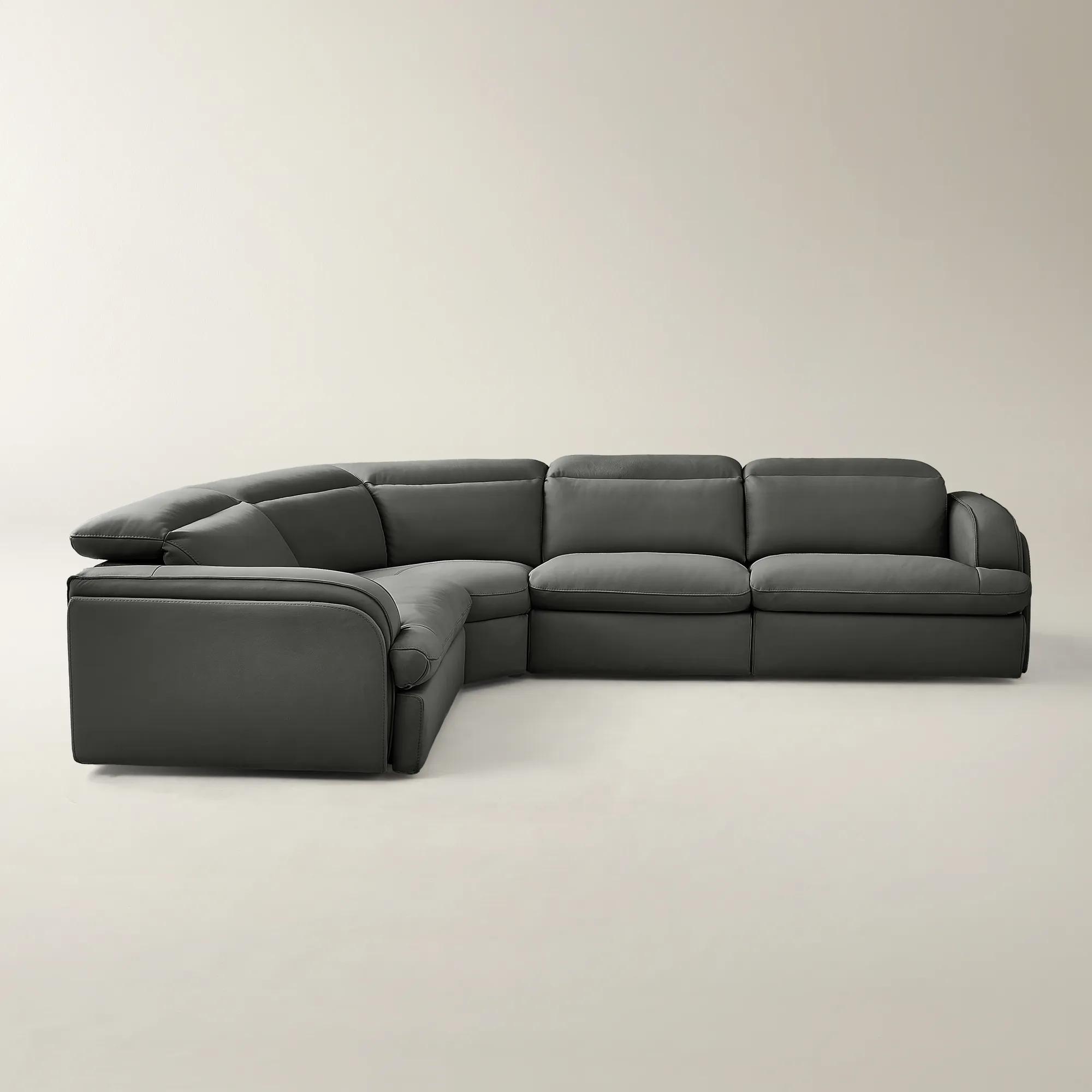
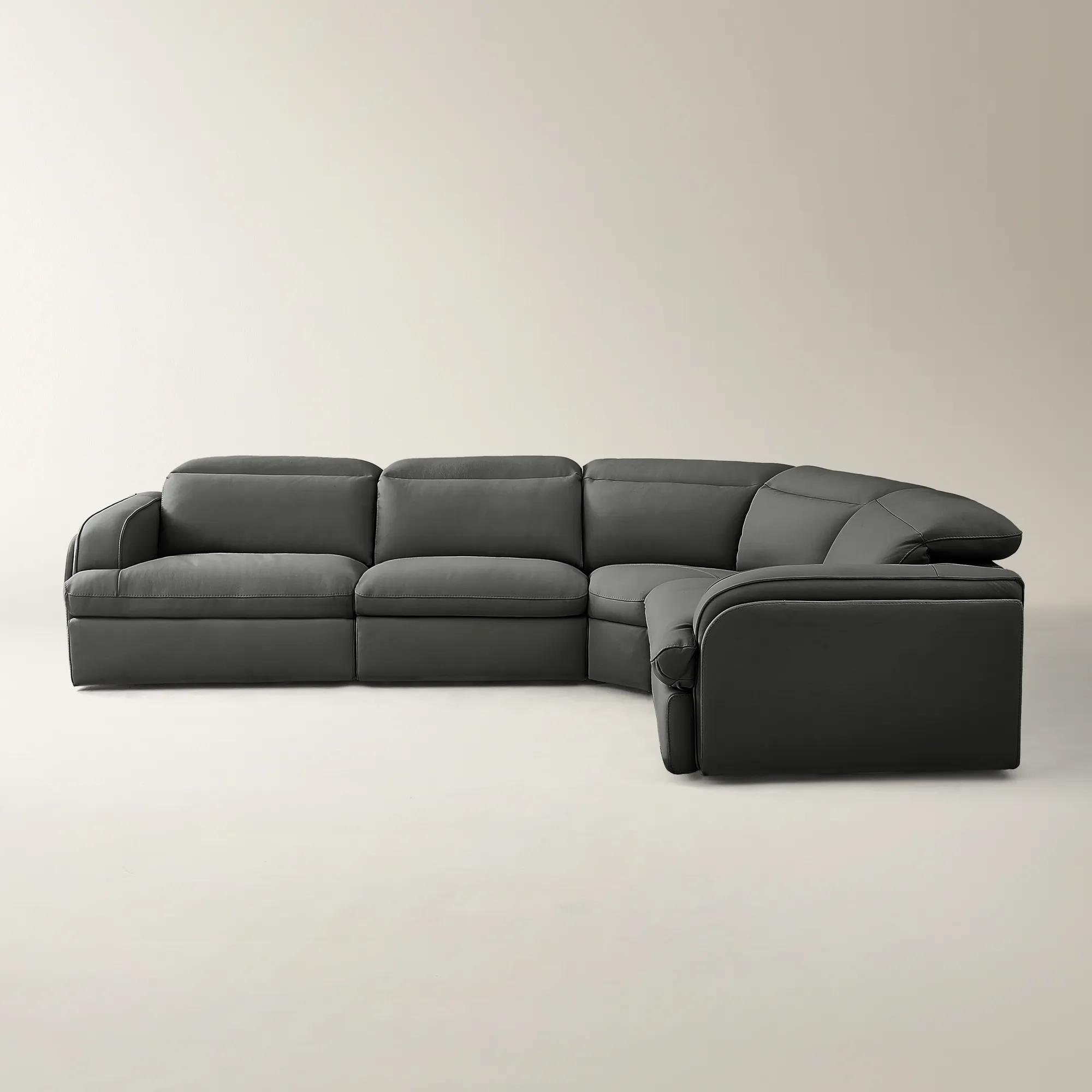
Sectional Sofas With High Density Foam
Sectional Sofas With High Density Foam
-
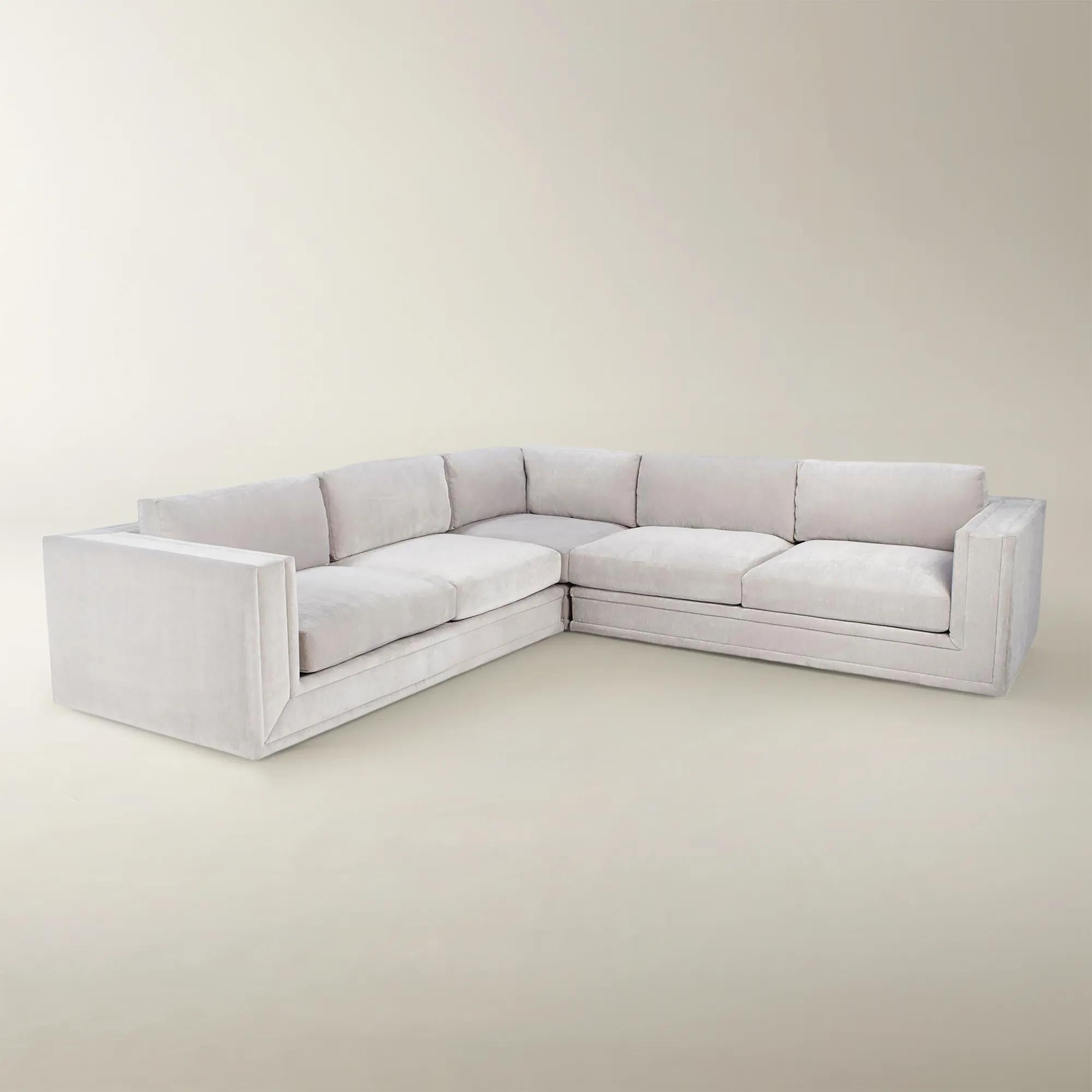 Luka 3-Piece Polar Chenille Sectional Sofa$4999
A modern corner sectional featuring deep seating, high-density foam cushions, and hand-upholstered opulent chenille fabric.
Add To Cart -
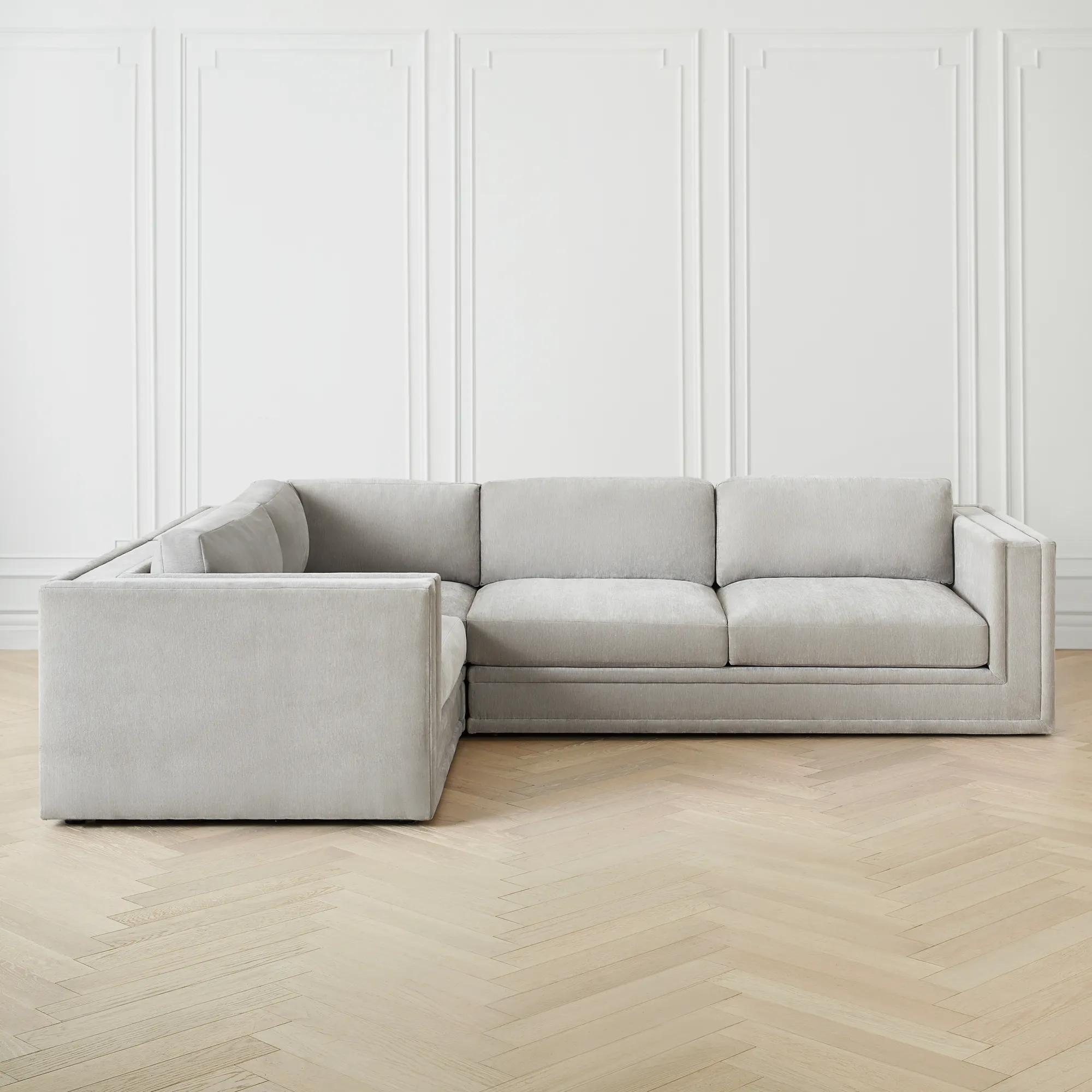 Luka Sectional - 3 PC$4599
A modern sectional featuring deep seating, high-density foam cushions, and hand-upholstered velvet in pearl.
Add To Cart -
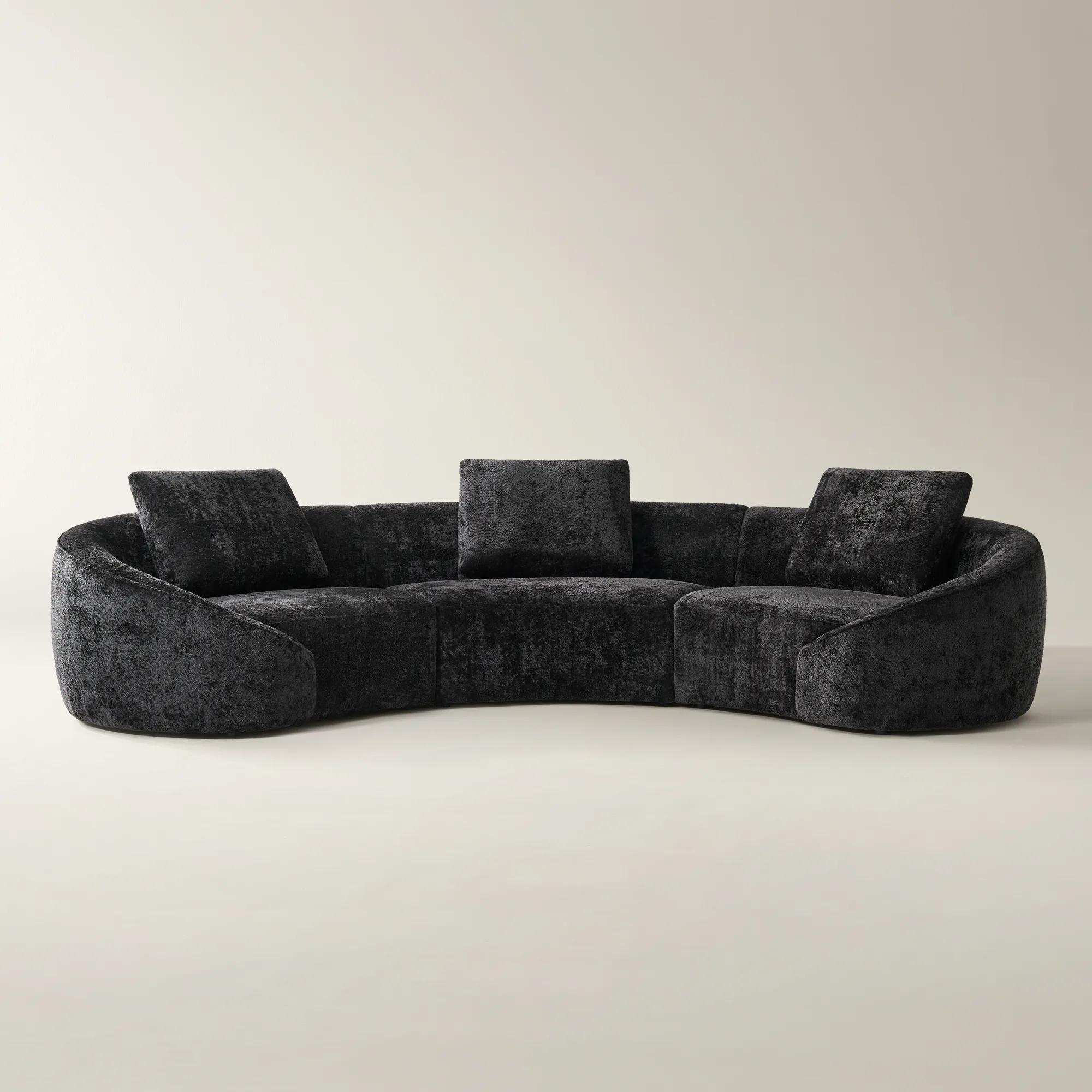 Irene 3-Piece Black Chenille Sectional$3599
A modern curved sectional upholstered in plush utopia sand chenille with high-density foam cushioning for comfort.
Add To Cart -
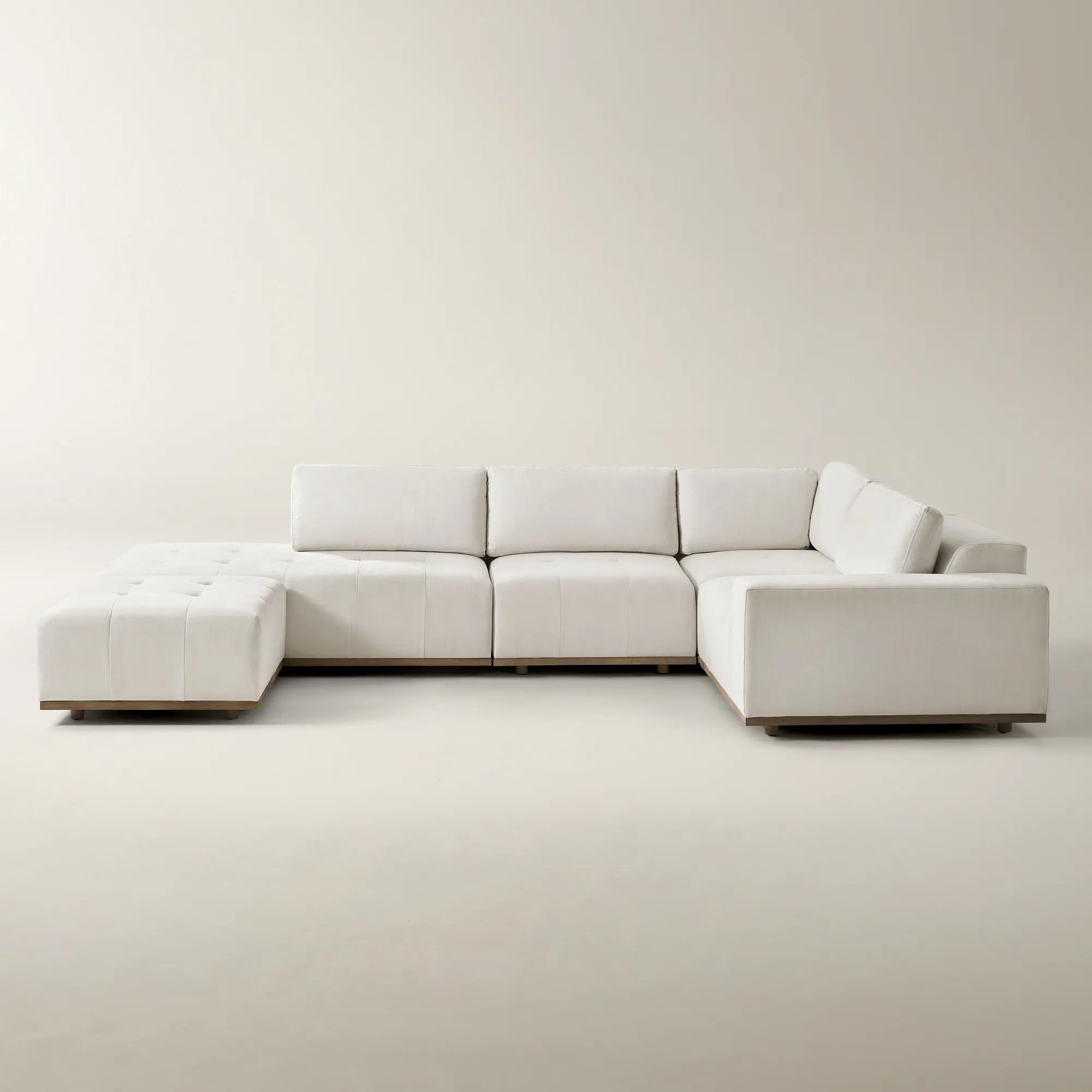
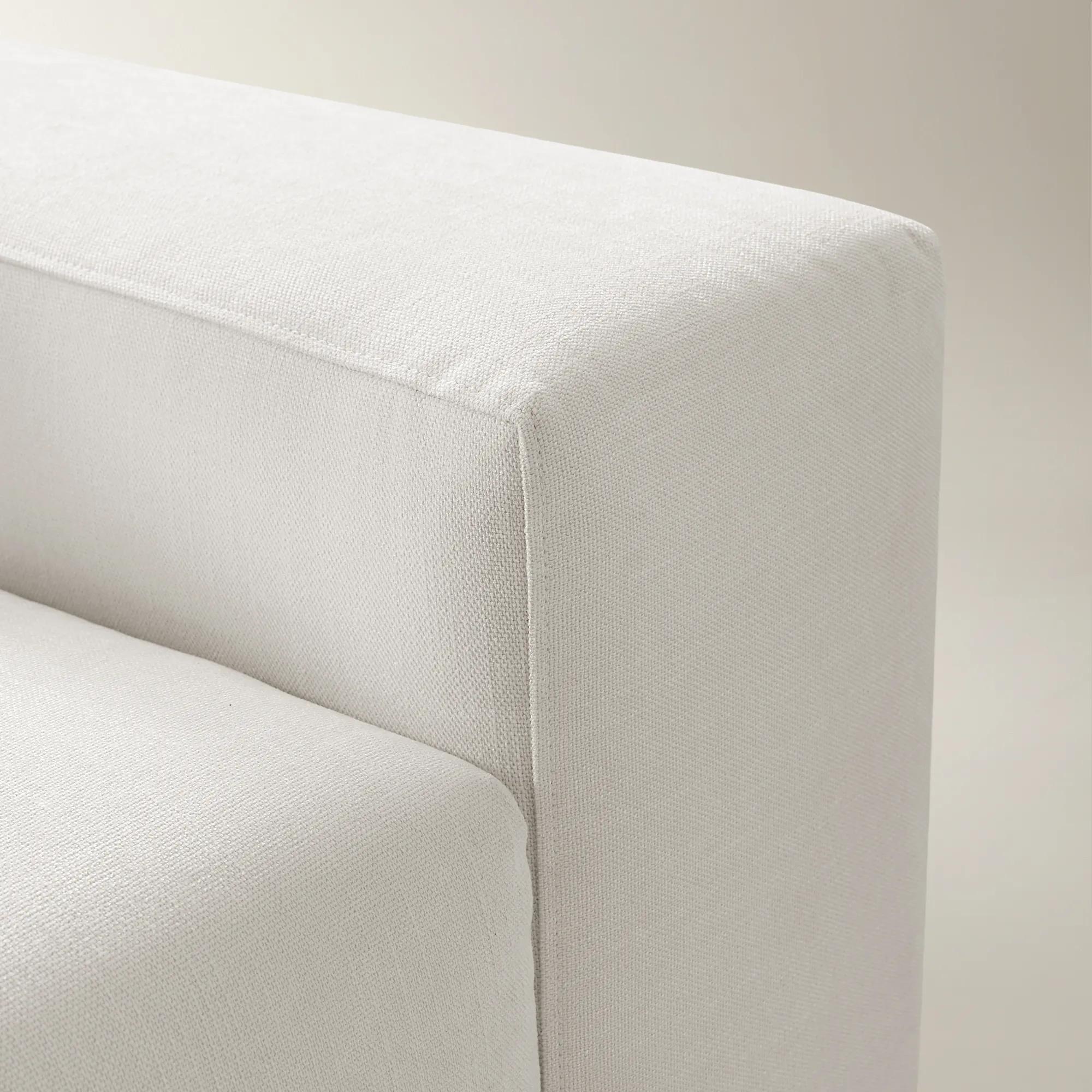 Carlos 5-Piece L-Shaped Oyster Linen Sectional Sofa$6849
A hand-tufted sectional with luxurious linen-blend upholstery and a kiln-dried rubberwood frame for refined comfort.
Add To Cart -
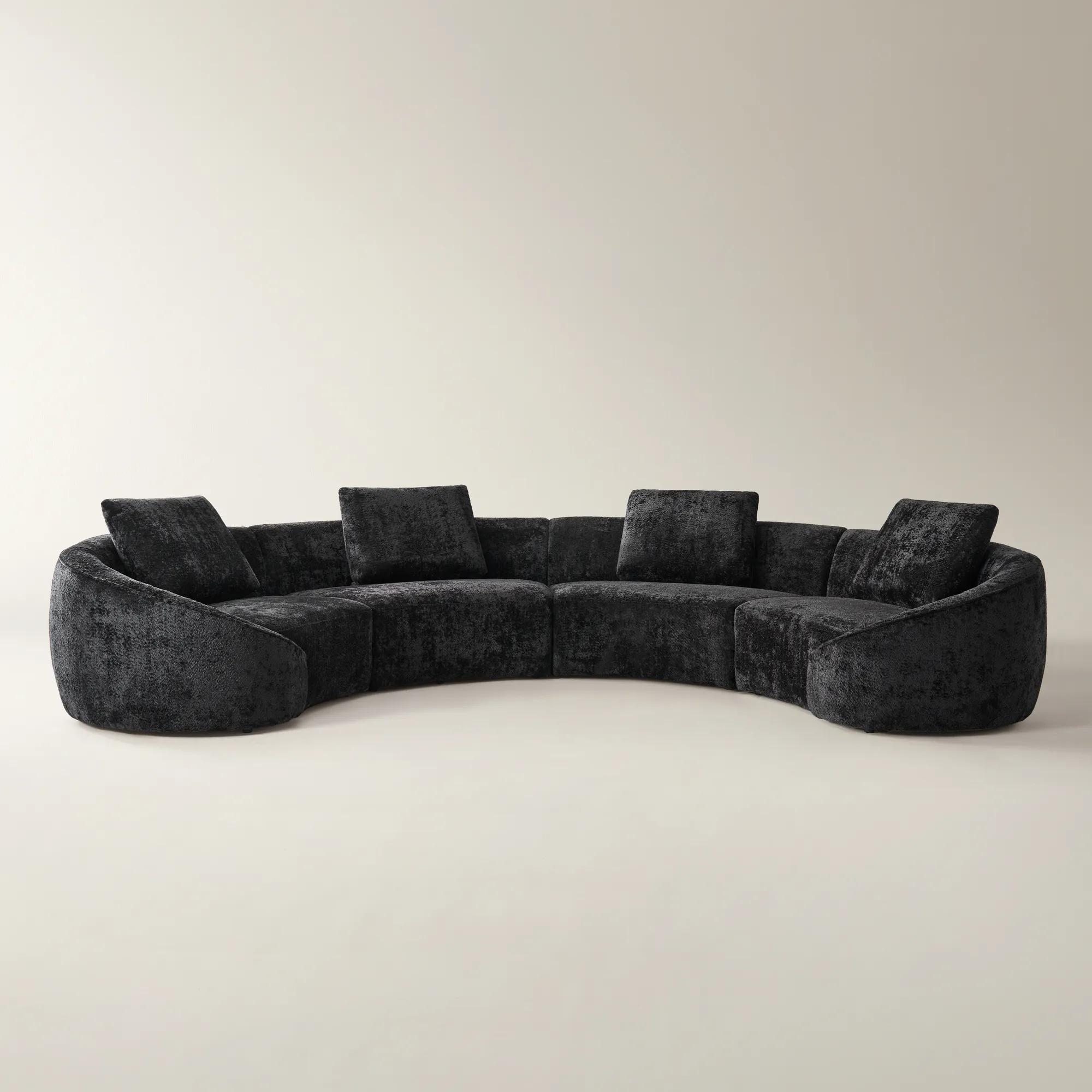 Irene 4-Piece Black Chenille Sectional$4599
A modern curved sectional upholstered in plush utopia sand chenille with high-density foam cushioning for comfort.
Add To Cart -
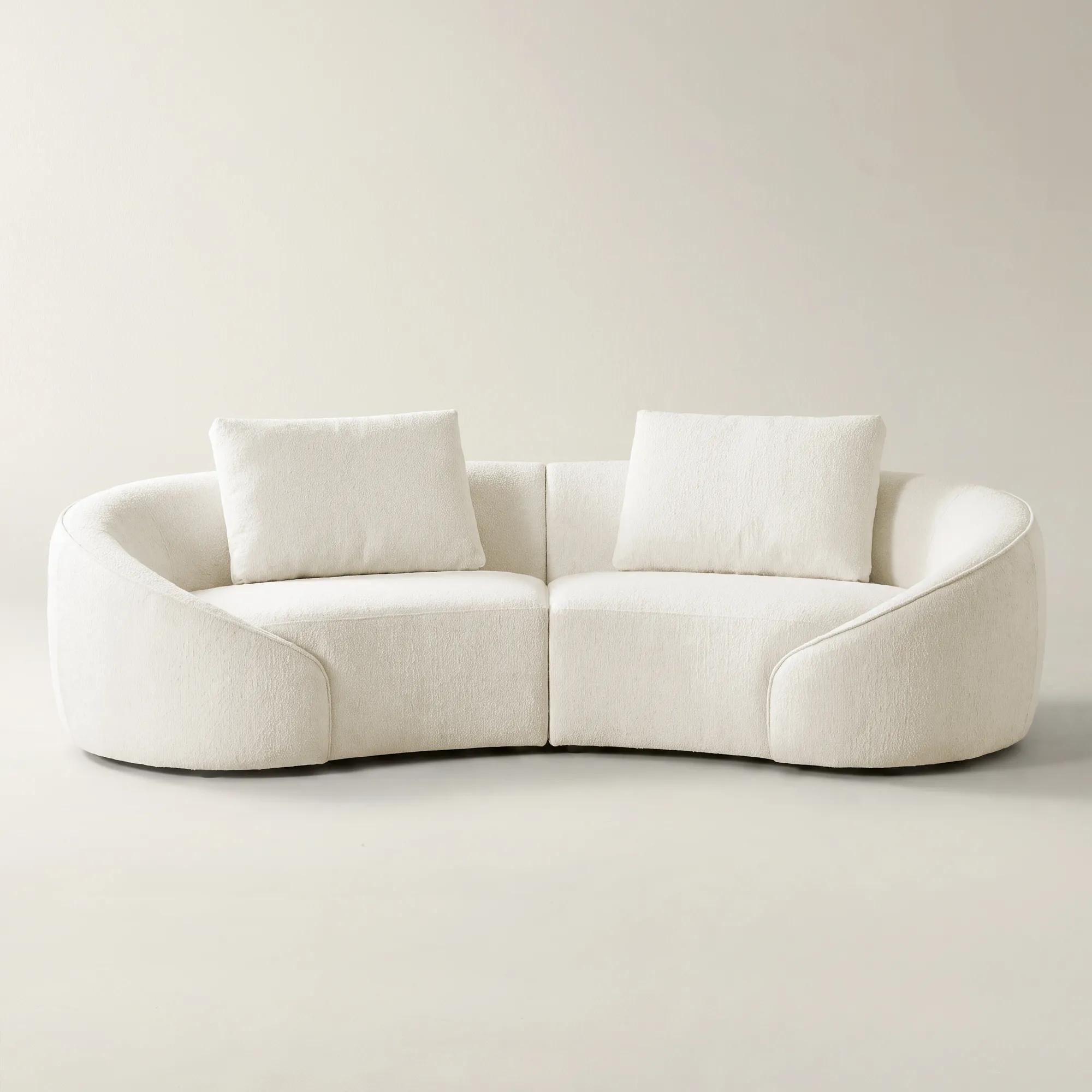
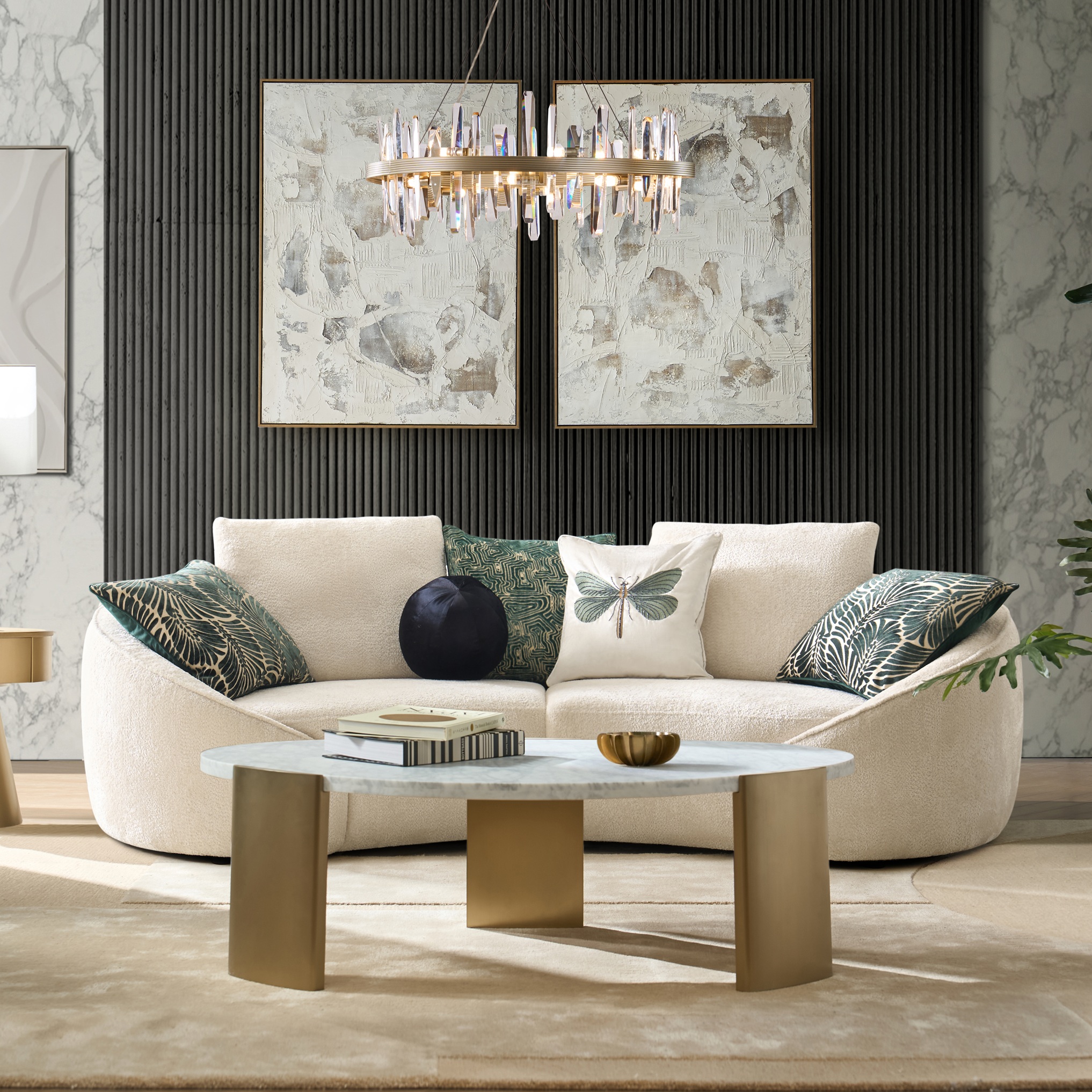 Irene 2-Piece Ivory Performance Chenille Sectional Sofa$2699
A sculptural ivory chenille sectional featuring performance upholstery, high-resiliency foam cushions, and artisan detailing.
Add To Cart -
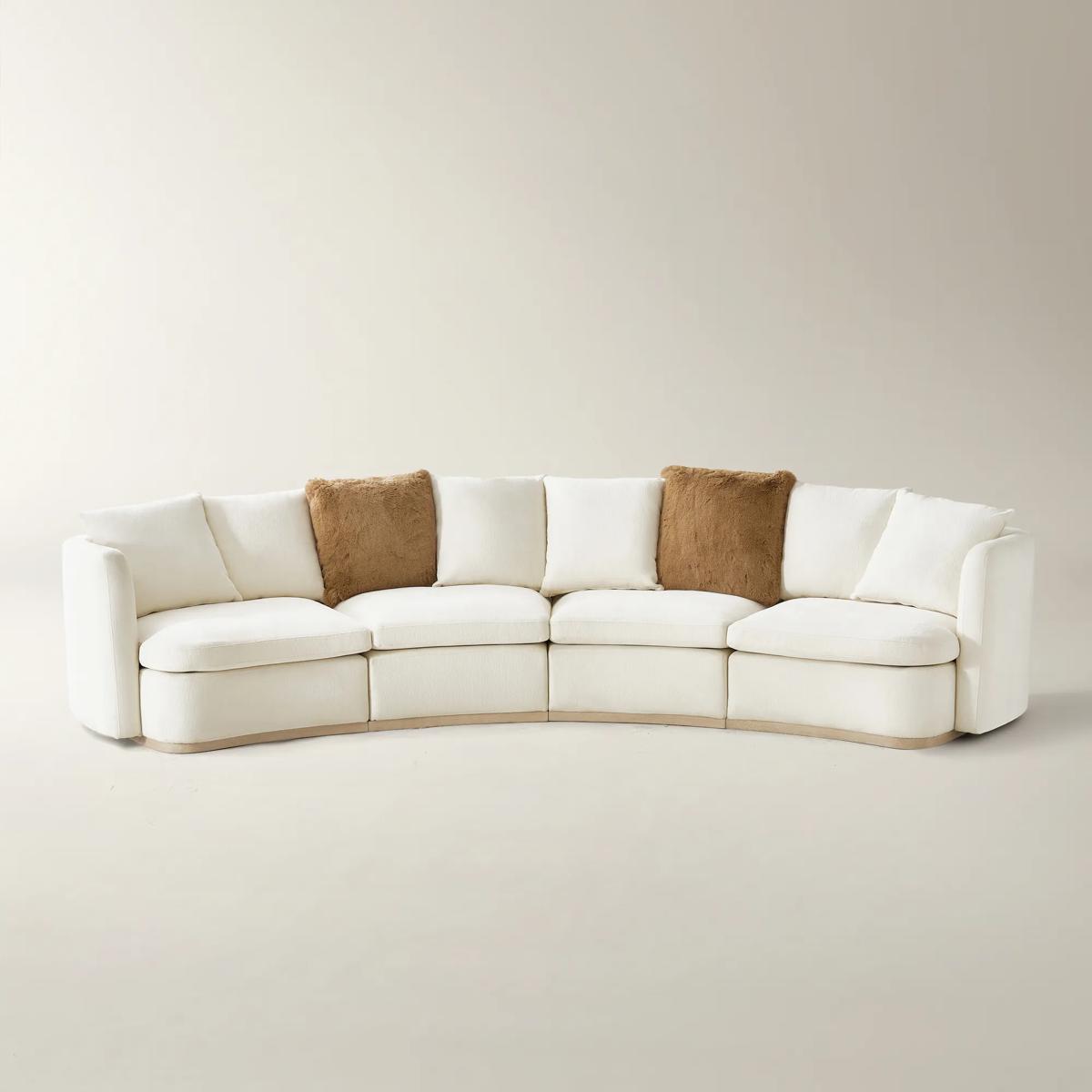
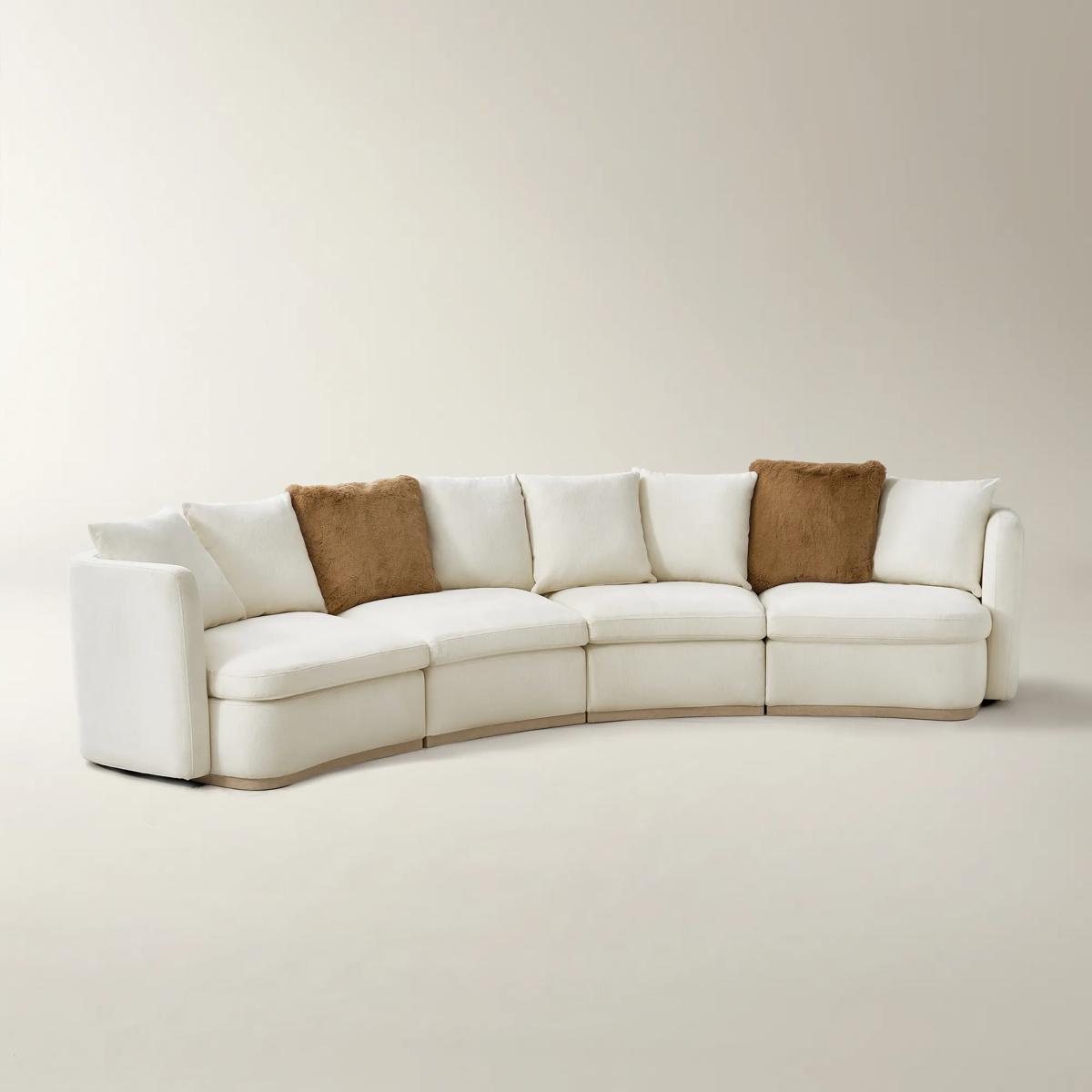 Stria 4-Piece Ivory Chenille Sectional Sofa$4099
An elegantly curved ivory chenille sectional with triple-layer cushioning and a kiln-dried solid oak frame.
Add To Cart -
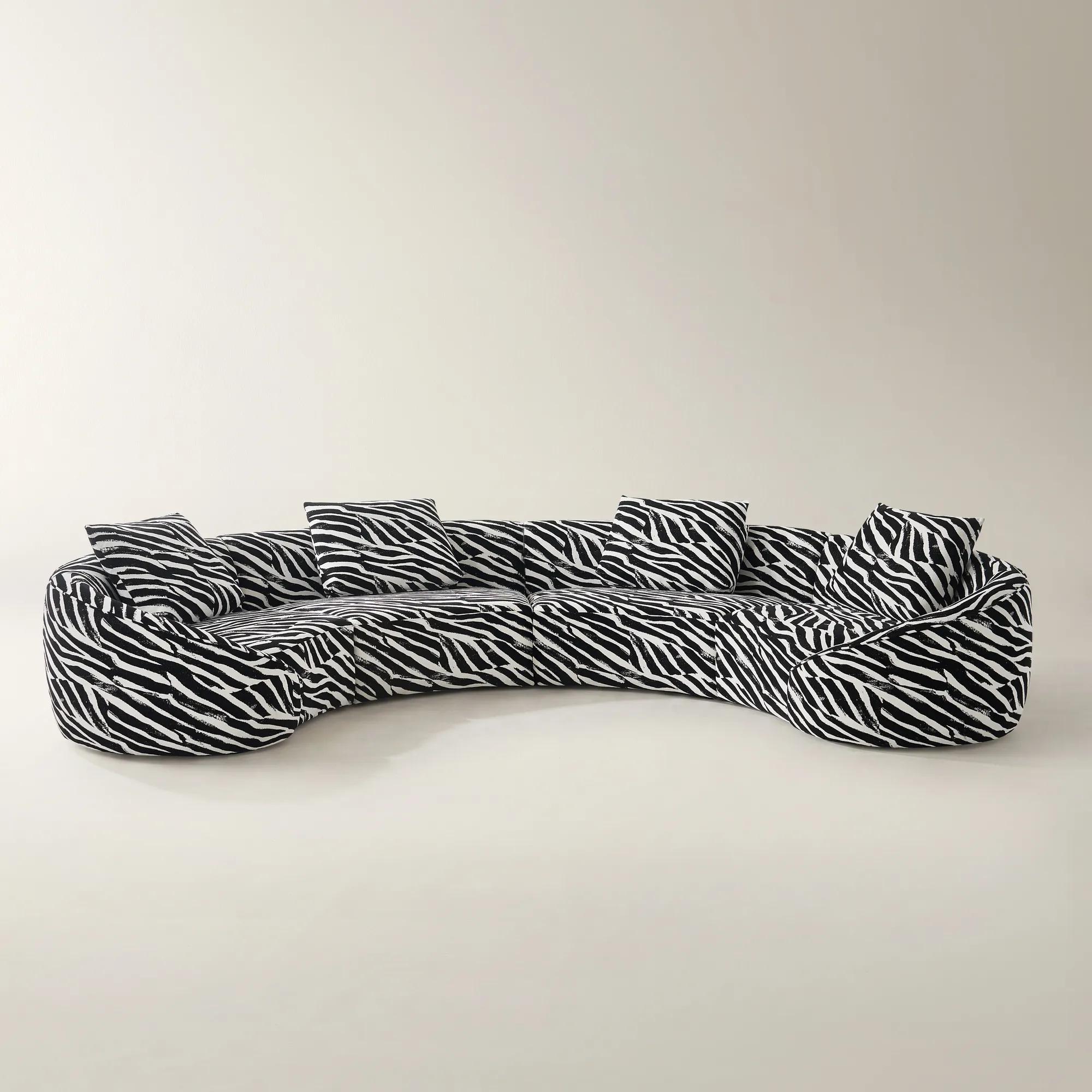 Irene 4-Piece White/Black Performance Chenille Sectional Sofa$4799
A sculptural sectional wrapped in white and black performance chenille with high-resiliency foam cushions.
Add To Cart -
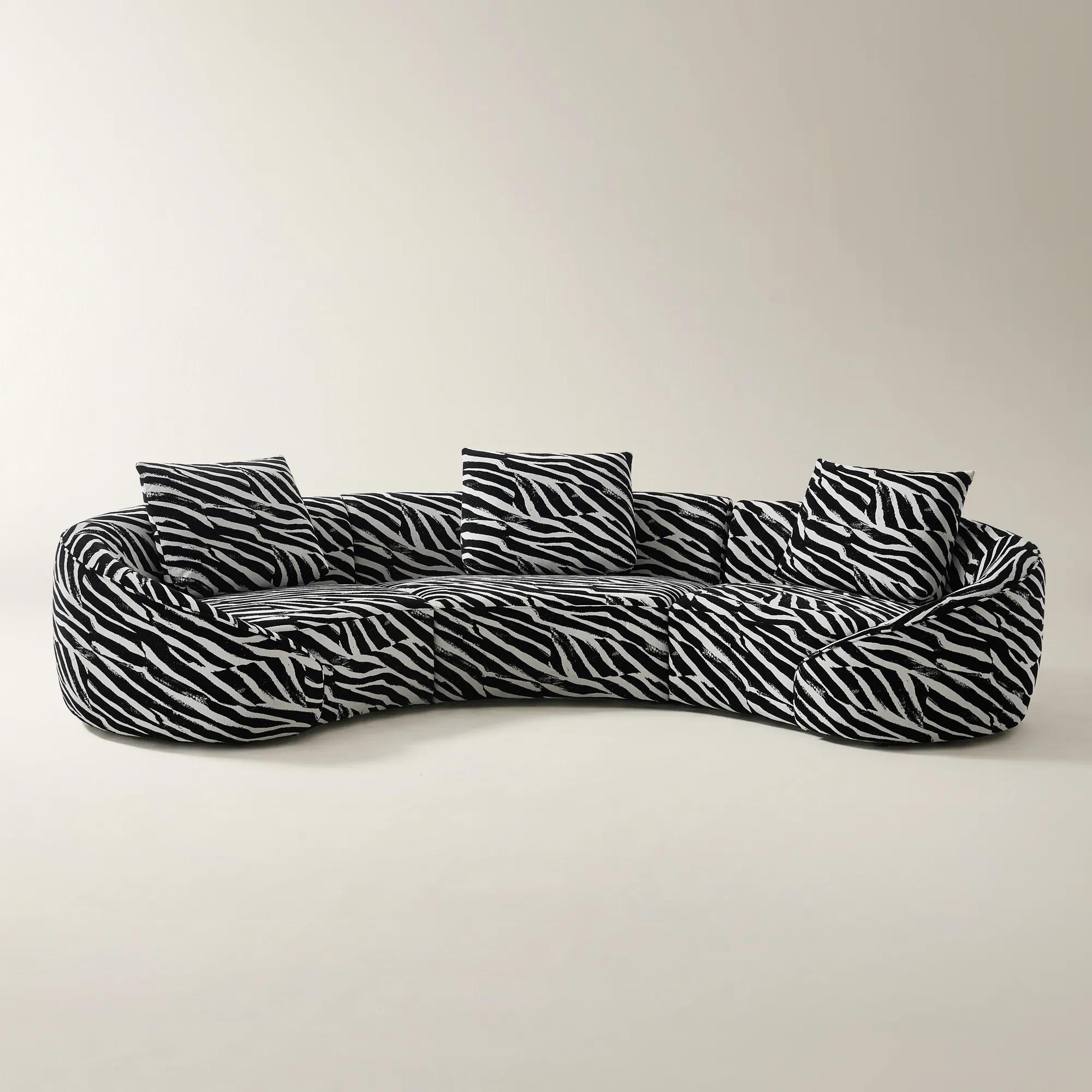
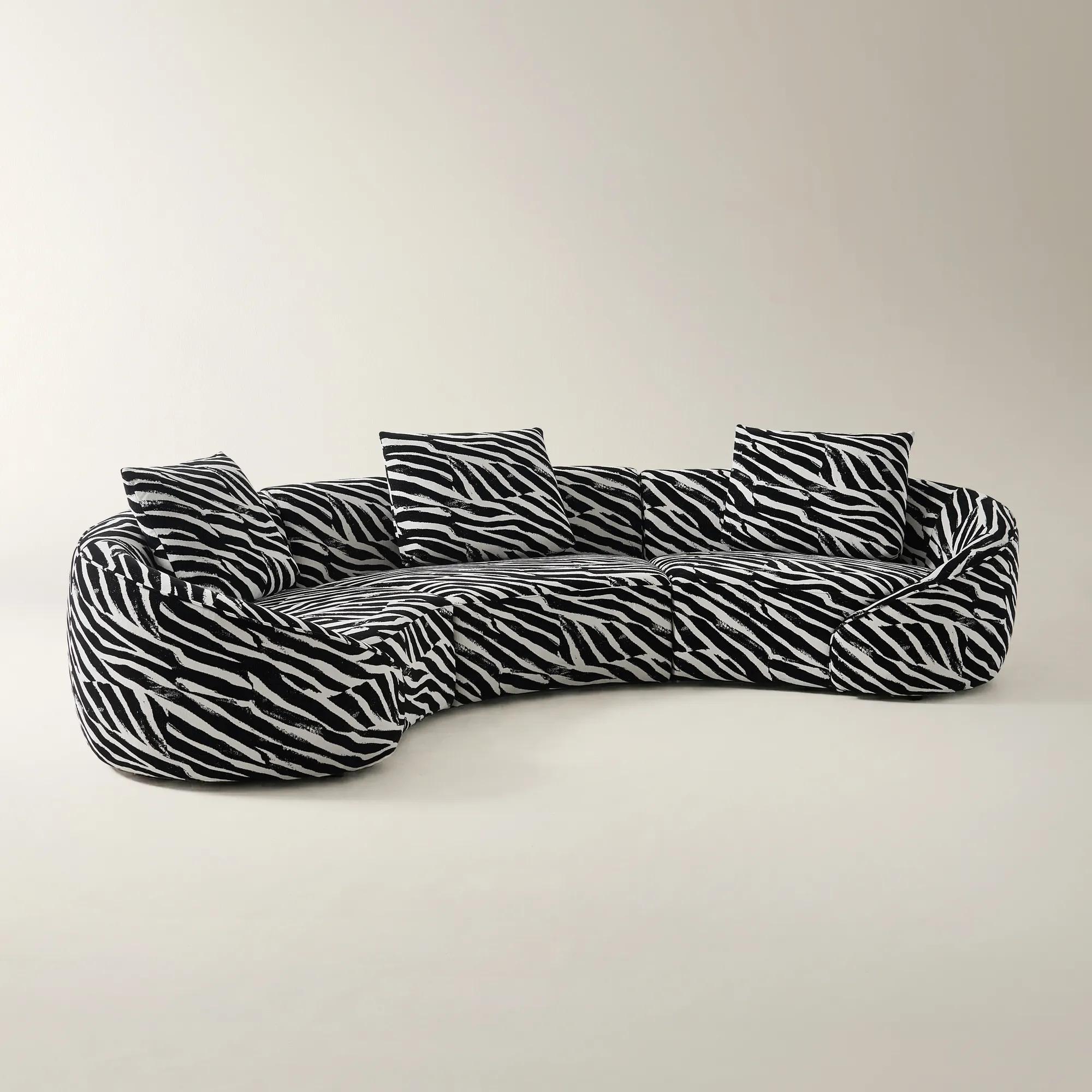 Irene 3-Piece White/Black Performance Chenille Sectional Sofa$3799
A sculptural sectional in black and white performance chenille, featuring hand-finished upholstery and enduring comfort.
Add To Cart -
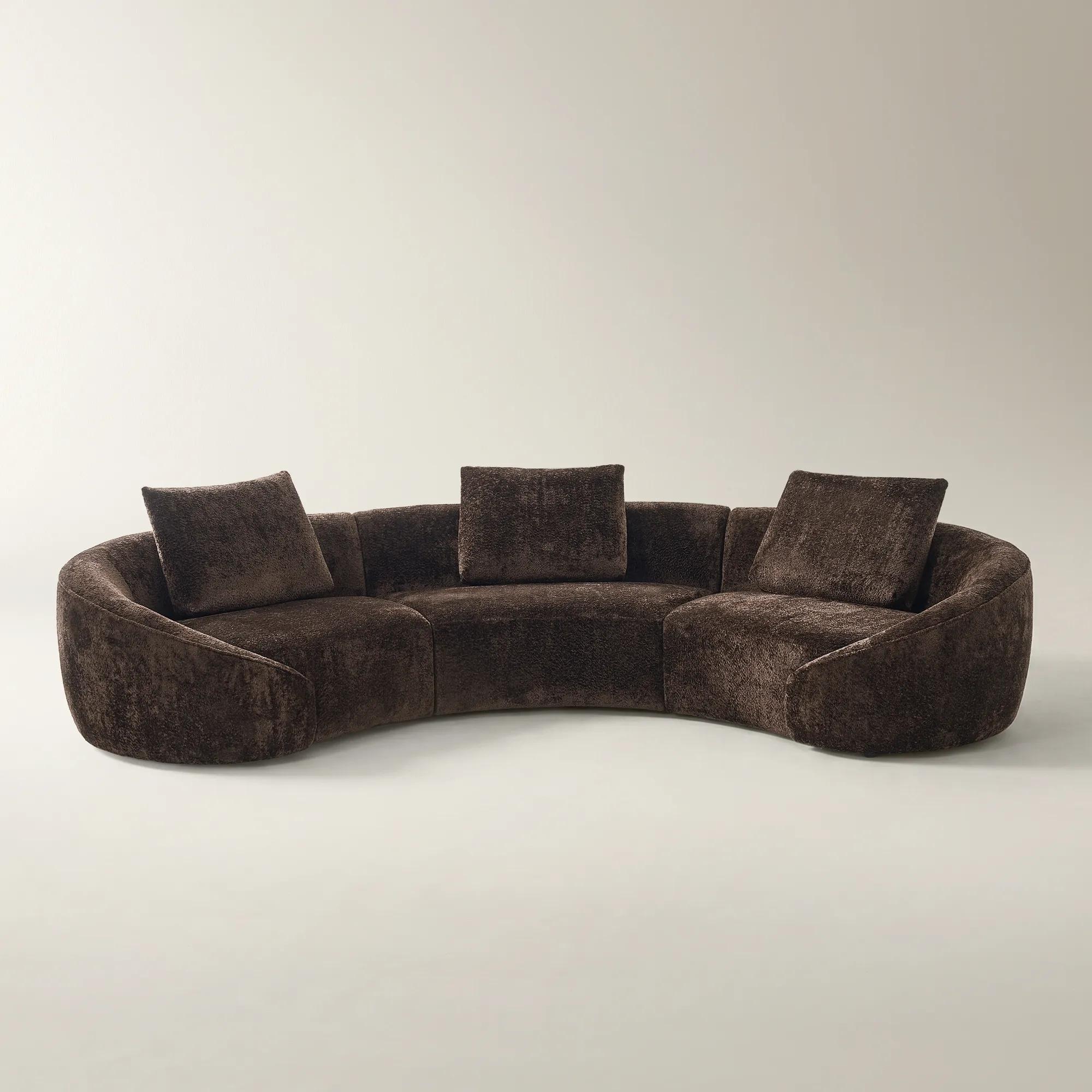 Irene 3-Piece Dark Chocolate Chenille Sectional Sofa$3599
A sculptural, hand-finished sectional wrapped in dark chocolate chenille with plush foam cushions and accent pillows.
Add To Cart -
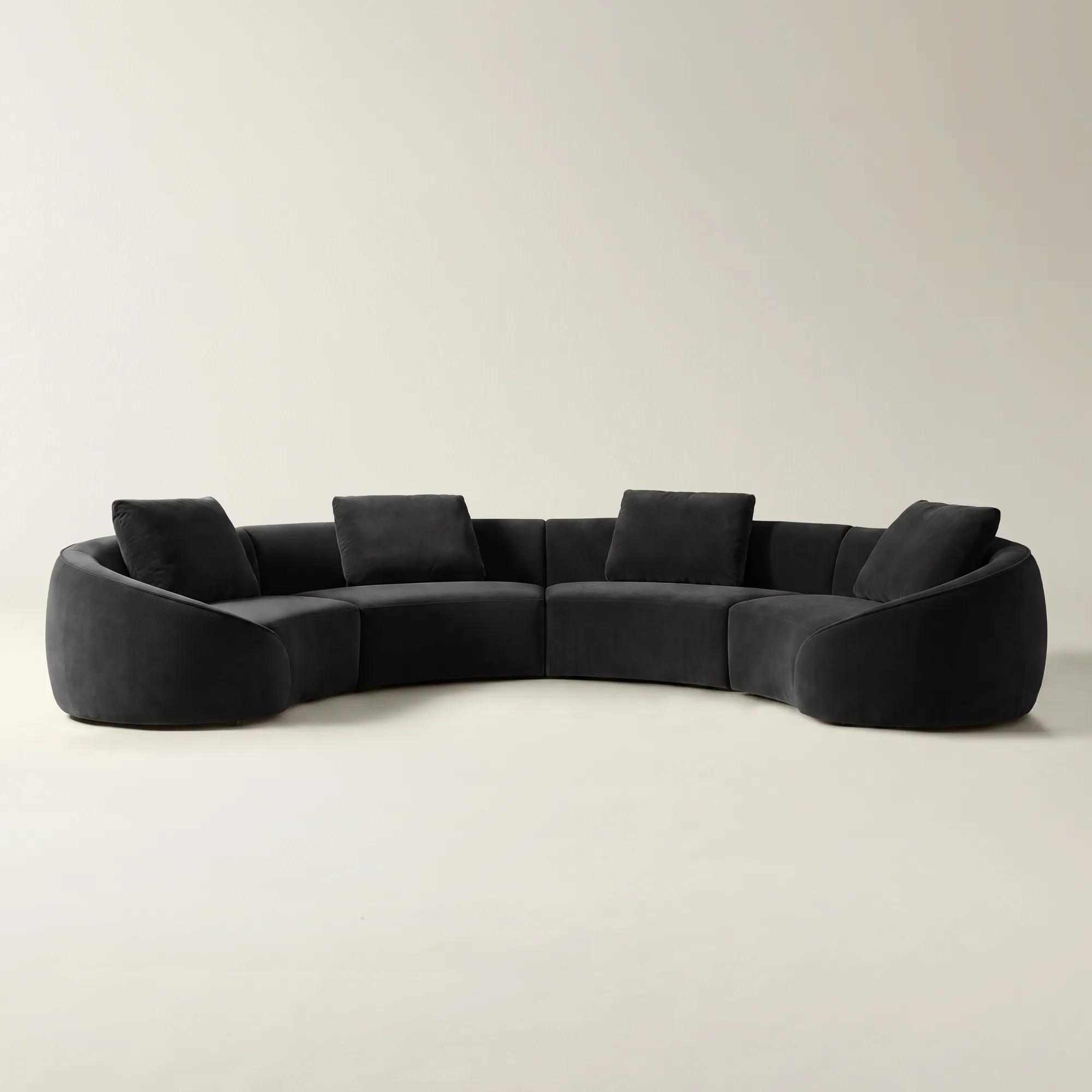
-3.png?w=1200&h=1200) Irene 4-Piece Charcoal Velvet Sectional Sofa$4599
Irene 4-Piece Charcoal Velvet Sectional Sofa$4599A sculptural charcoal velvet sectional with high-resiliency foam cushions and hand-finished artisan upholstery.
Add To Cart -
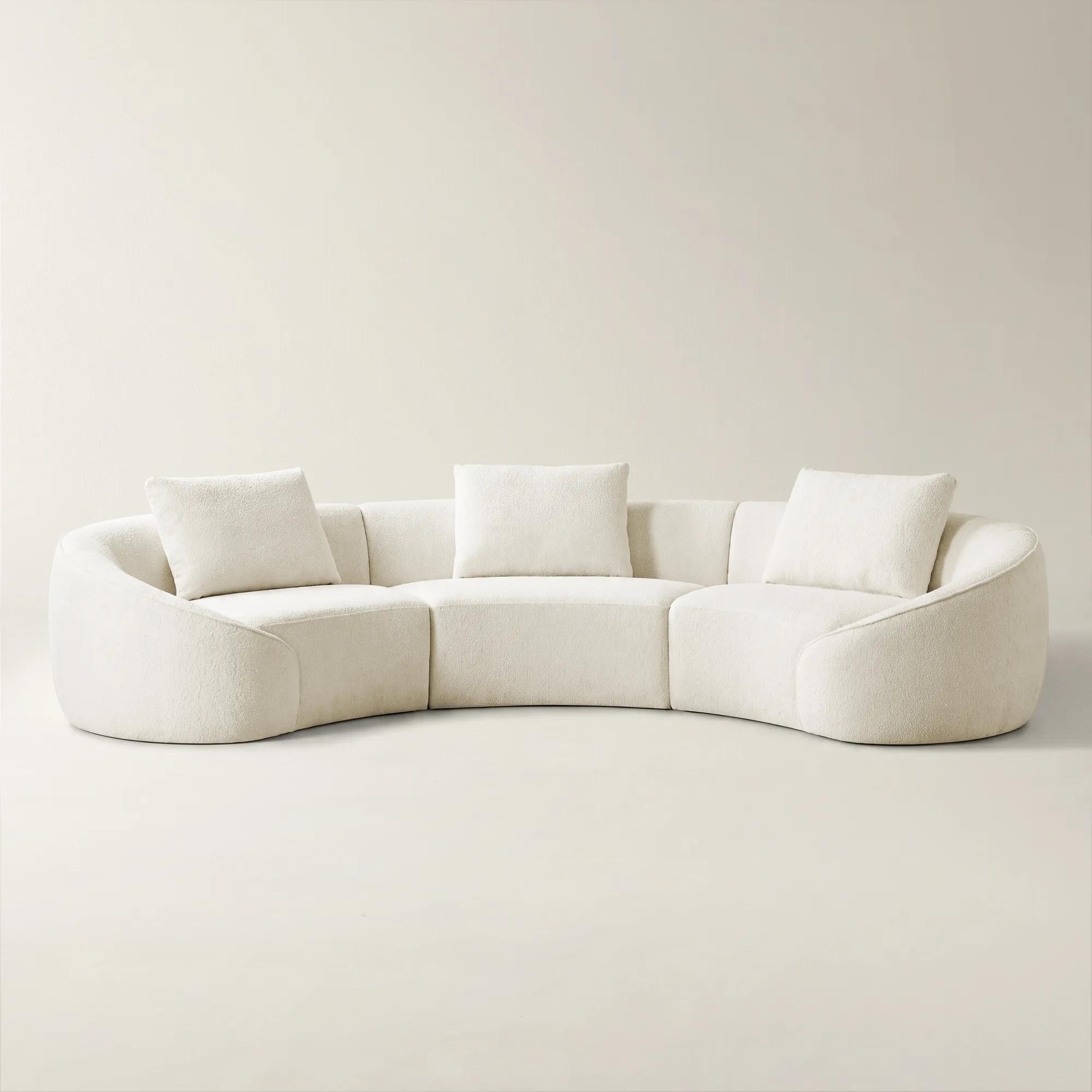
-7622206680239983900.webp?w=1200&h=1200) Irene 3-Piece Ivory Performance Chenille Sectional Sofa$3799
Irene 3-Piece Ivory Performance Chenille Sectional Sofa$3799An inviting ivory chenille sectional featuring sculptural curves, performance upholstery, and high-resiliency foam cushions.
Add To Cart -
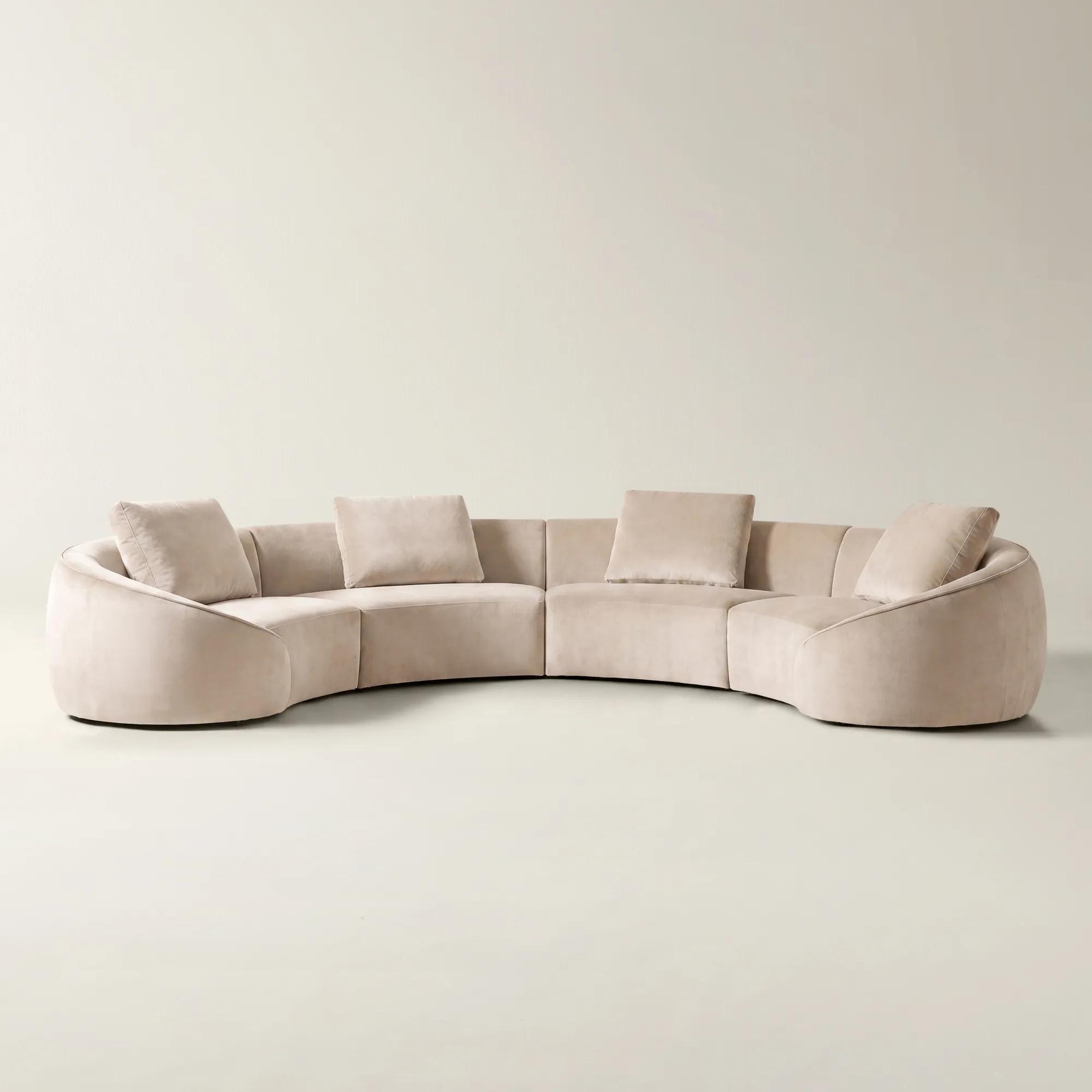 Irene 4-Piece Simply Taupe Velvet Sectional Sofa$4599
A sculptural taupe velvet sectional featuring high-resiliency foam cushions and hand-finished artisan upholstery.
Add To Cart -
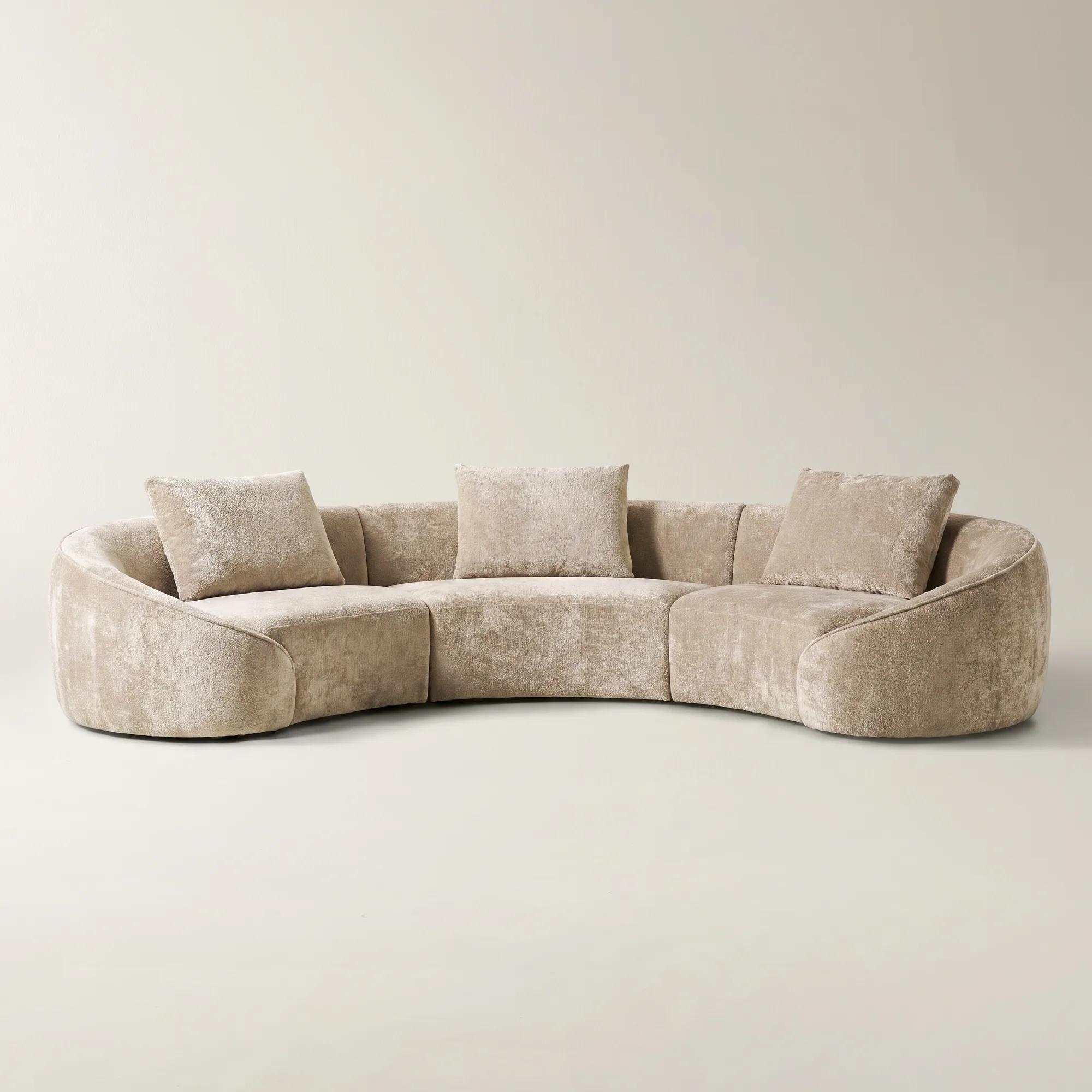 Irene 3-Piece Light Brown Chenille Sectional Sofa$3599
A sculptural light brown chenille sectional featuring high-resiliency foam cushions and artisan hand-finished upholstery.
Add To Cart -
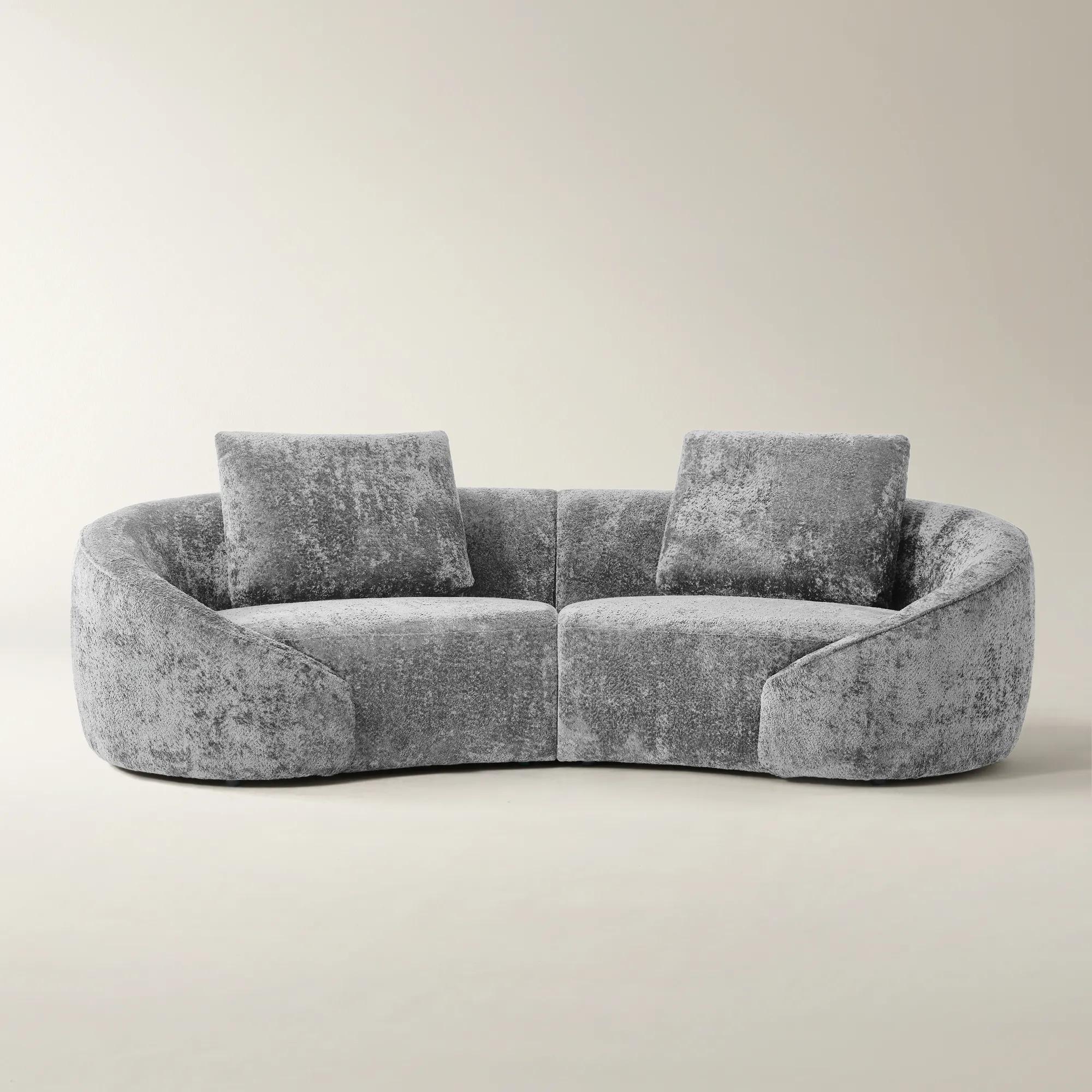 Irene 2-Piece Grey Chenille Sectional$2499
A modern curved sectional upholstered in plush Utopia Sand chenille with high-density foam cushioning for comfort.
Add To Cart -
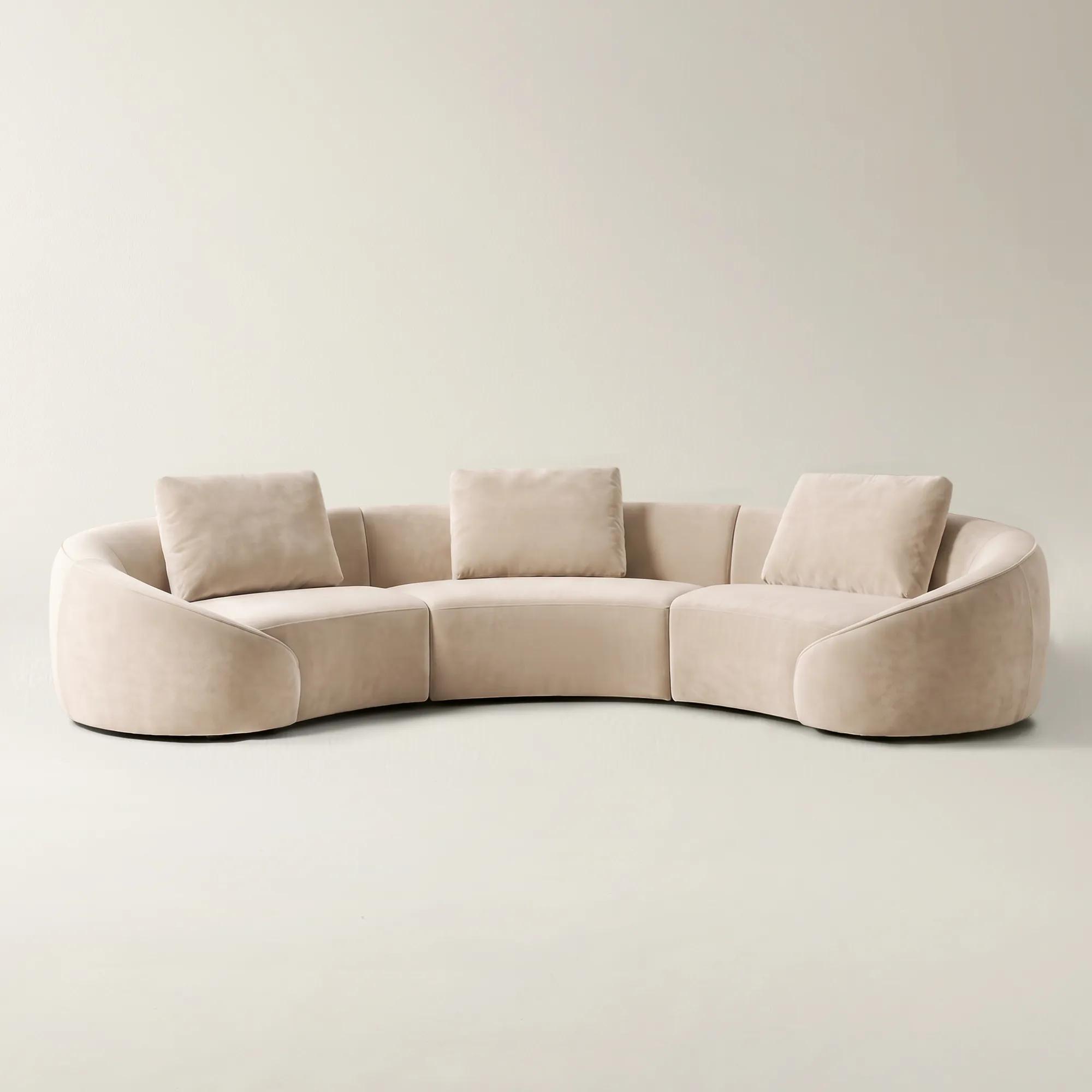 Irene 3-Piece Simply Taupe Velvet Sectional Sofa$3599
A sculptural, hand-finished sectional in simply taupe velvet with high-resiliency foam cushions and accent pillows.
Add To Cart -
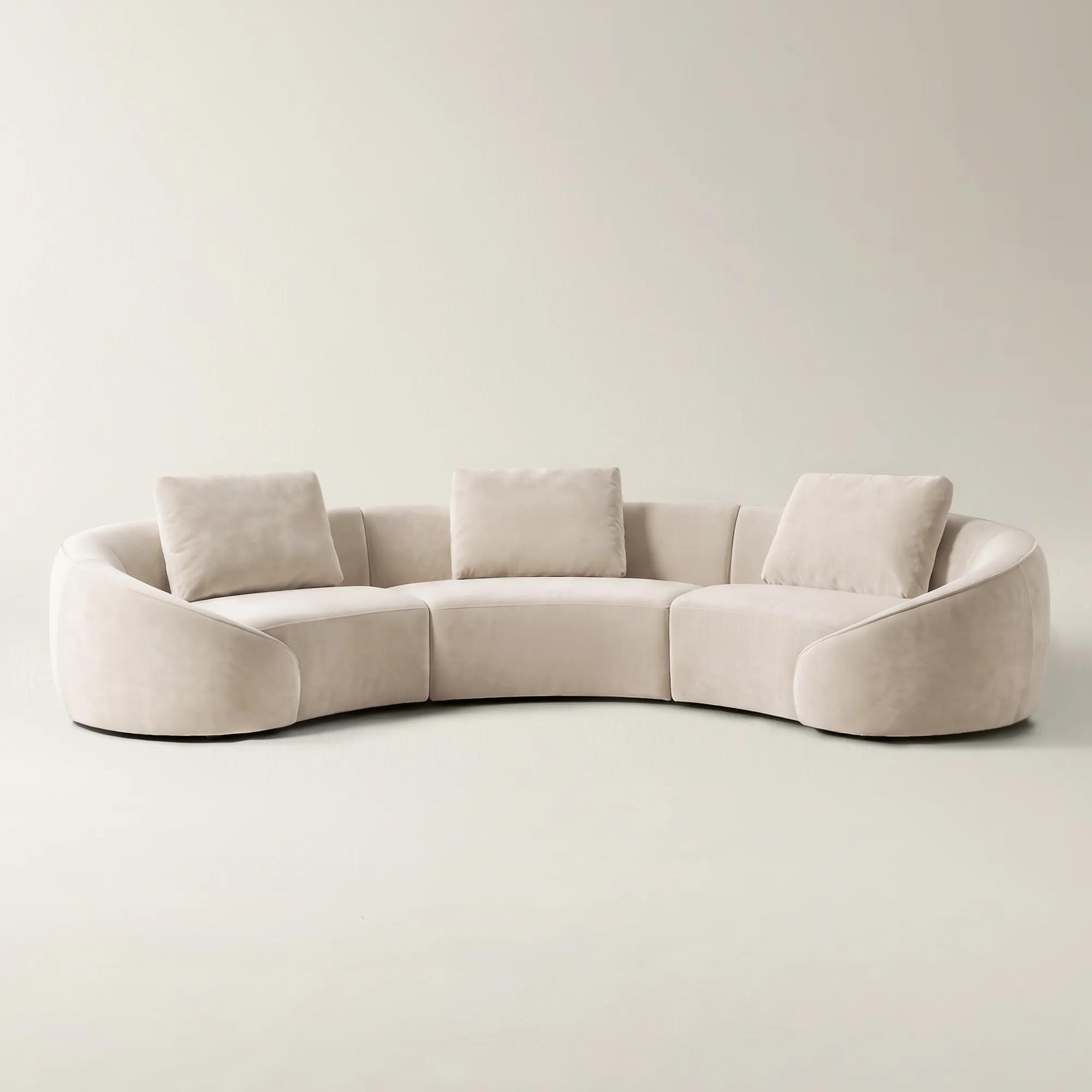 Irene 3-Piece Oatmeal Velvet Sectional Sofa$3599
An inviting oatmeal velvet sectional featuring sculptural curves, high-resiliency foam cushions, and artisan hand-finished upholstery.
Add To Cart -
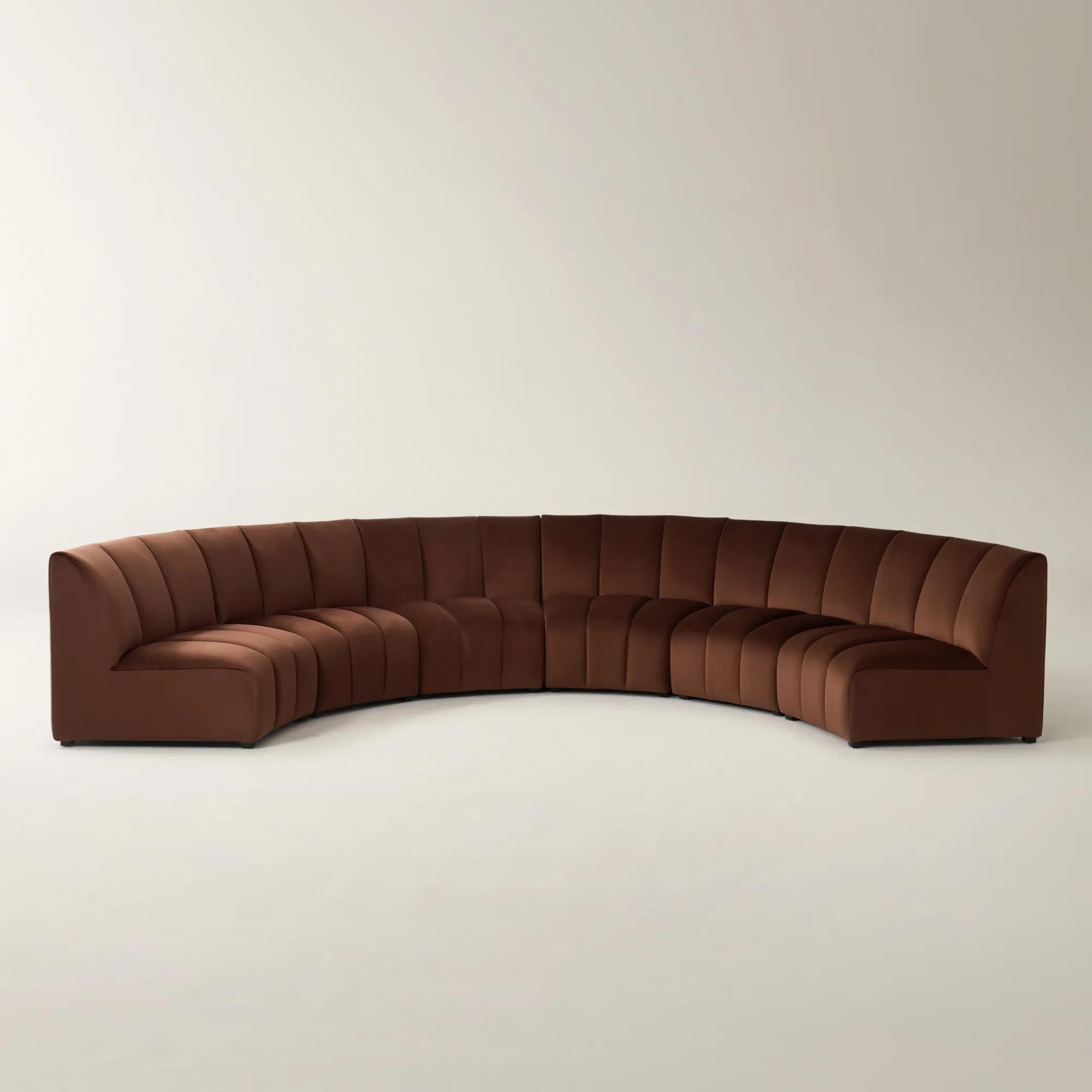
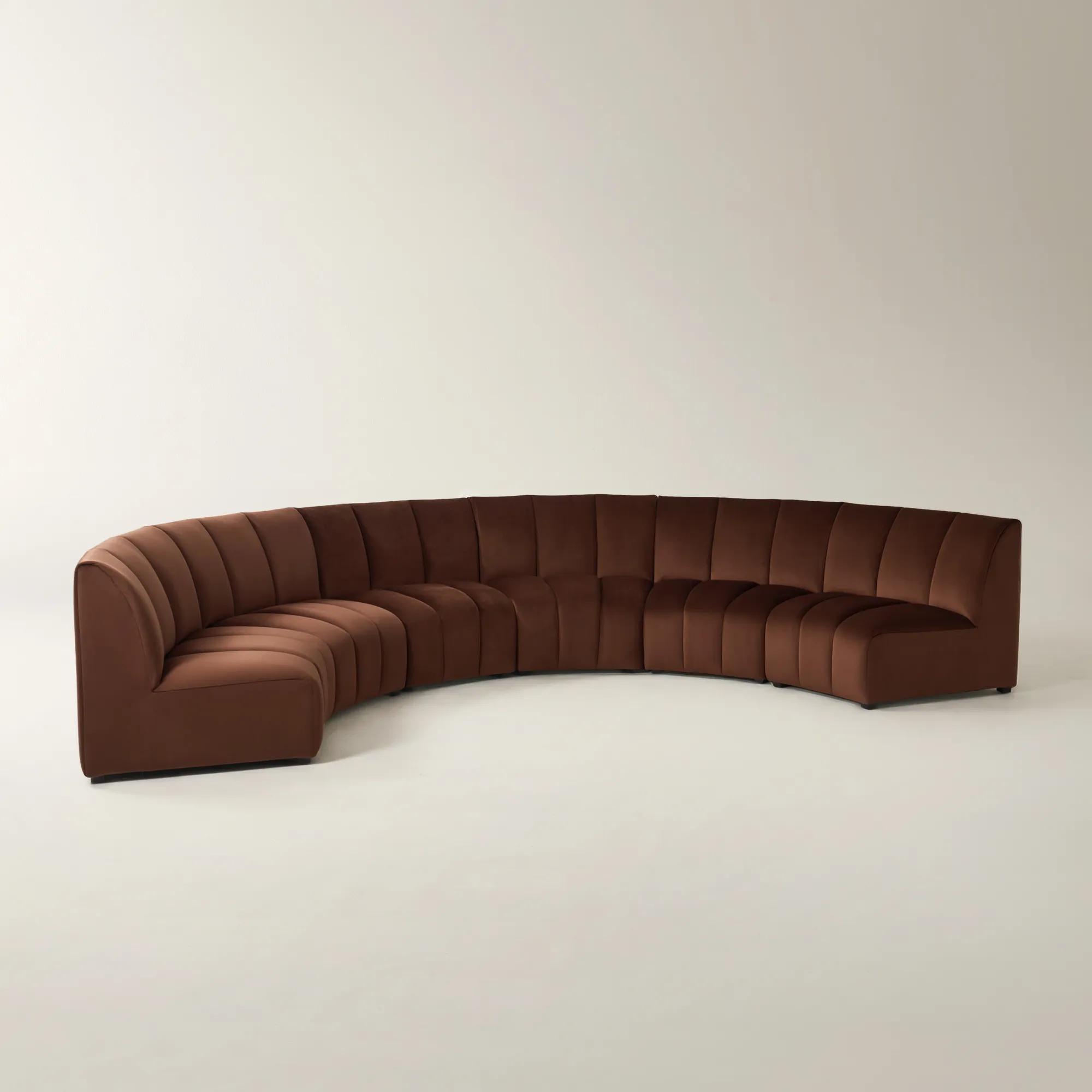 Jayce 6-Piece Channel-Tufted Burnt Umber Velvet Sectional Sofa$5499
A modern curved sectional in silver grey velvet with deep channel tufting and plush, high-density foam cushions.
Add To Cart -
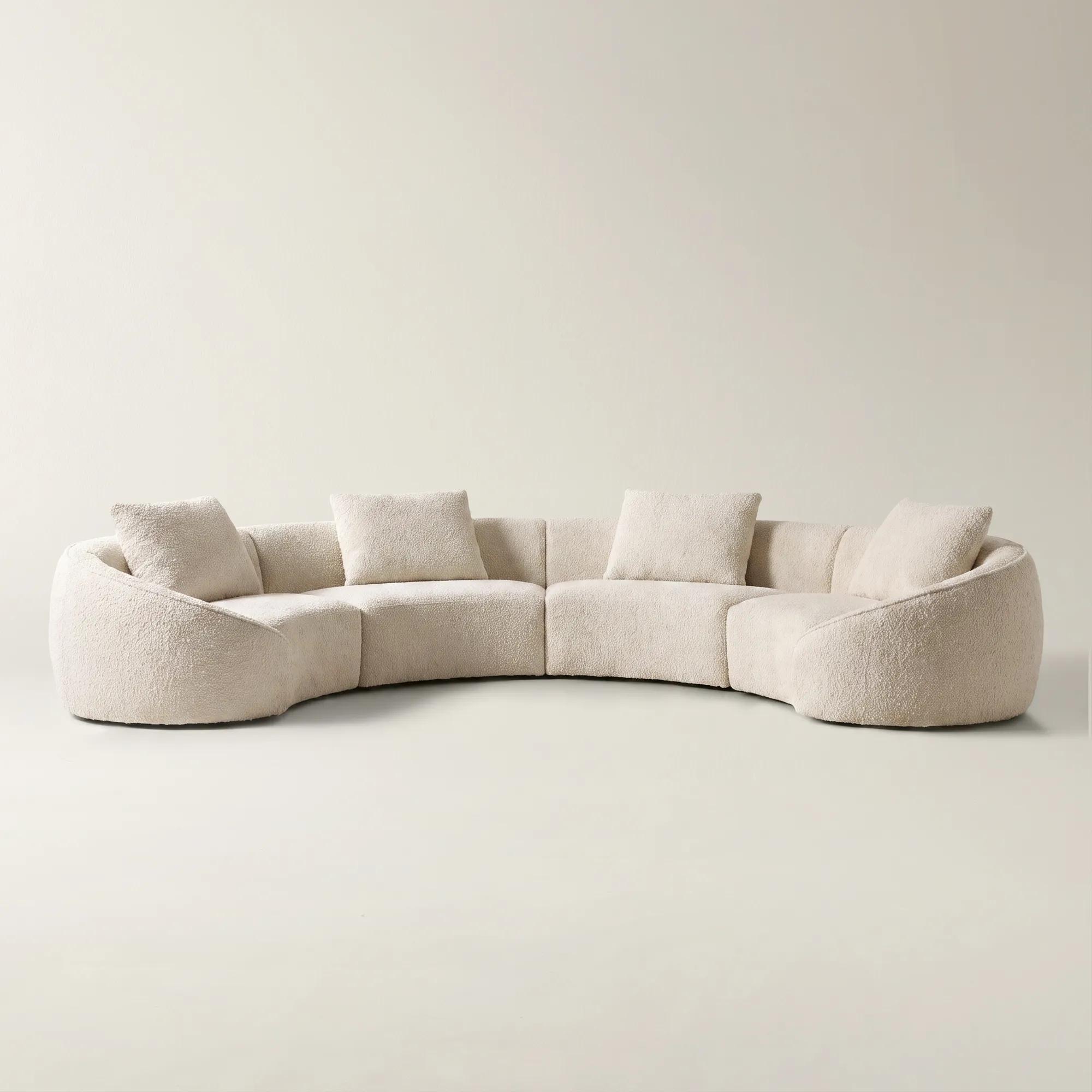 Irene 4-Piece Ivory Performance Boucle Sectional Sofa$4799
A sculptural ivory performance boucle sectional featuring hand-finished upholstery and high-resiliency foam cushions.
Add To Cart -
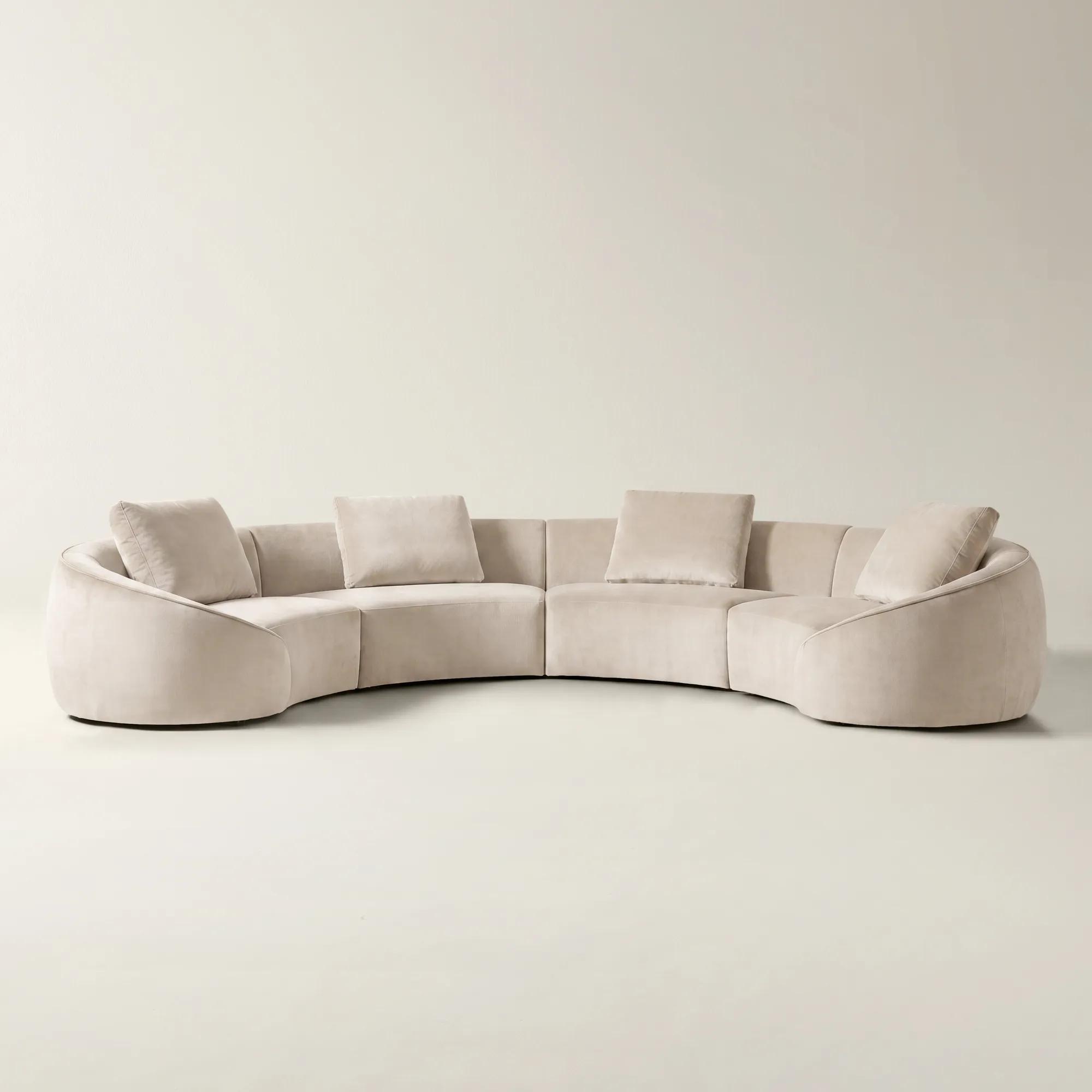 Irene 4-Piece Oatmeal Velvet Sectional Sofa$4599
A sculptural oatmeal velvet sectional featuring hand-finished upholstery, high-resiliency foam cushions, and modular design.
Add To Cart -
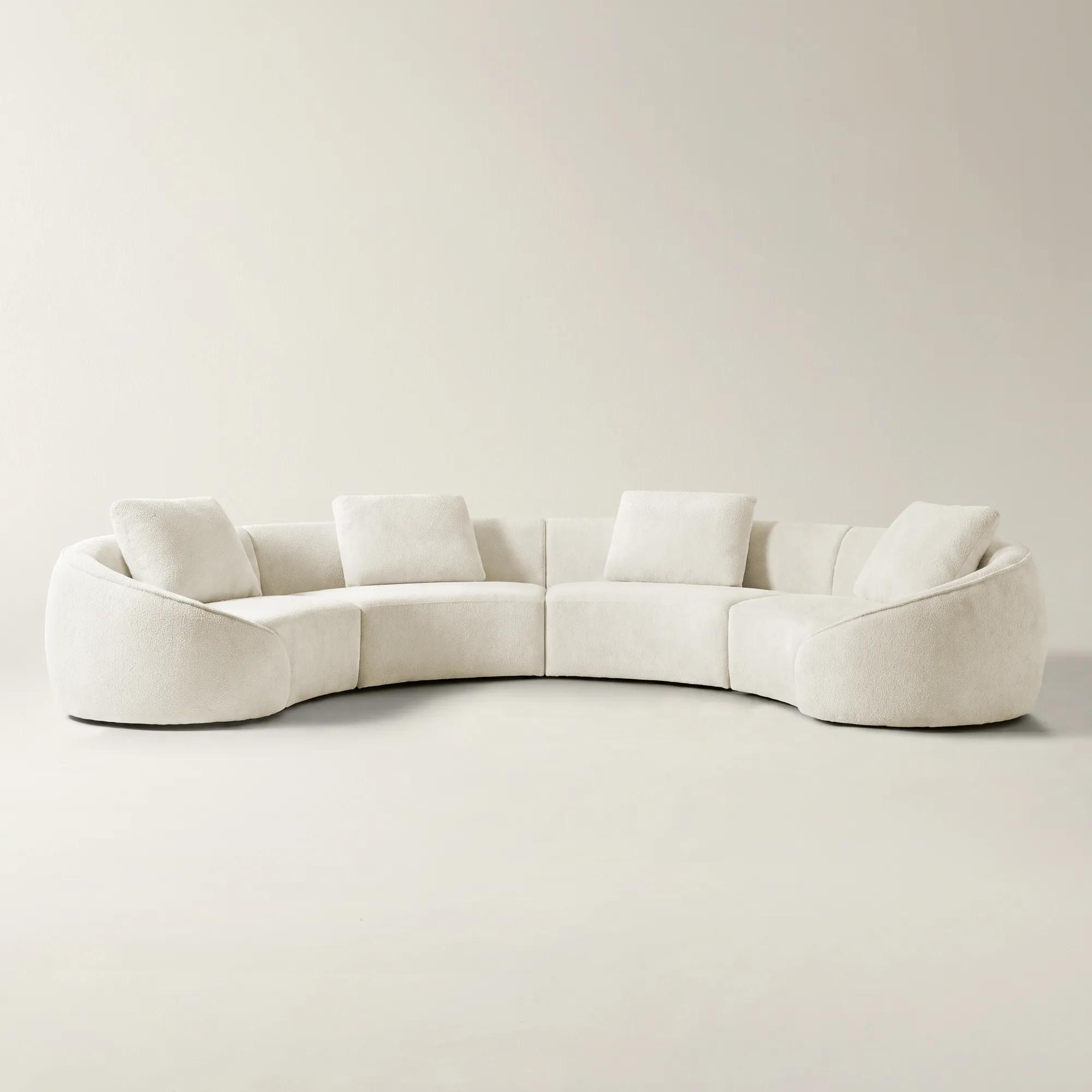 Irene 4-Piece Ivory Performance Chenille Sectional Sofa$4799
An inviting ivory chenille sectional featuring sculptural curves, performance upholstery, and artisan-crafted detailing.
Add To Cart -
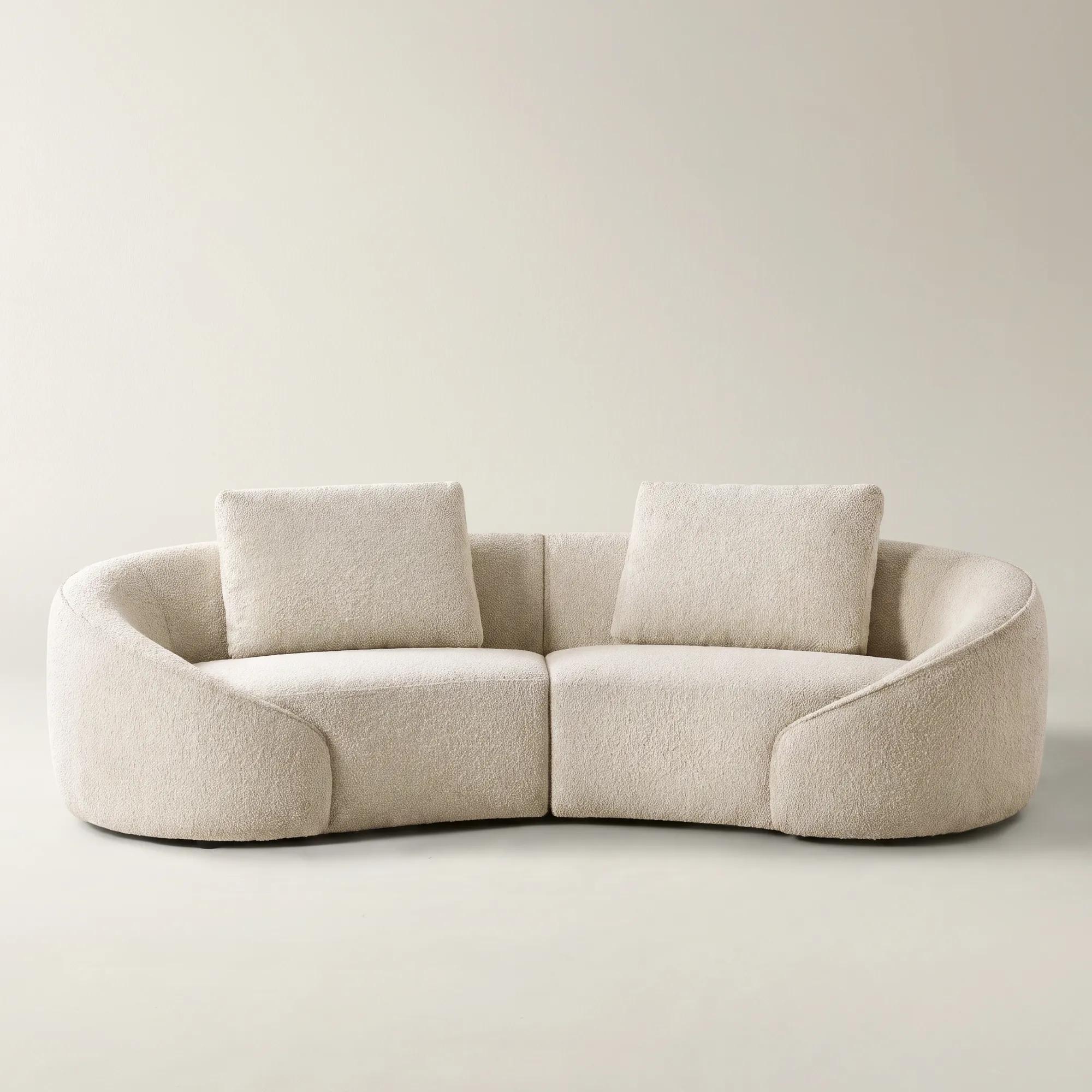
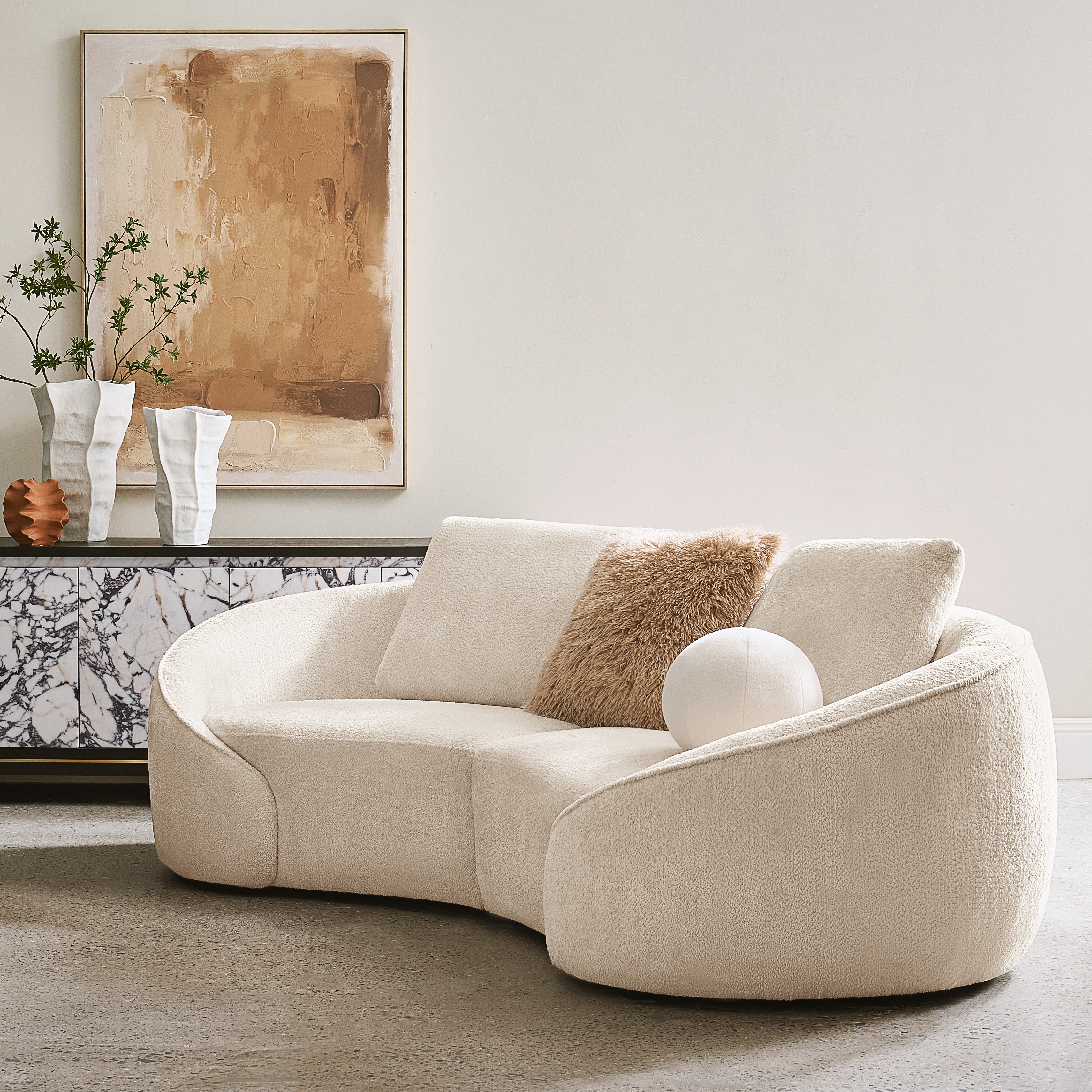 Irene 2-Piece Ivory Performance Boucle Sectional Sofa$2699
An inviting ivory performance boucle sectional featuring sculptural curves, high-resiliency foam, and artisan-tailored upholstery.
Add To Cart -
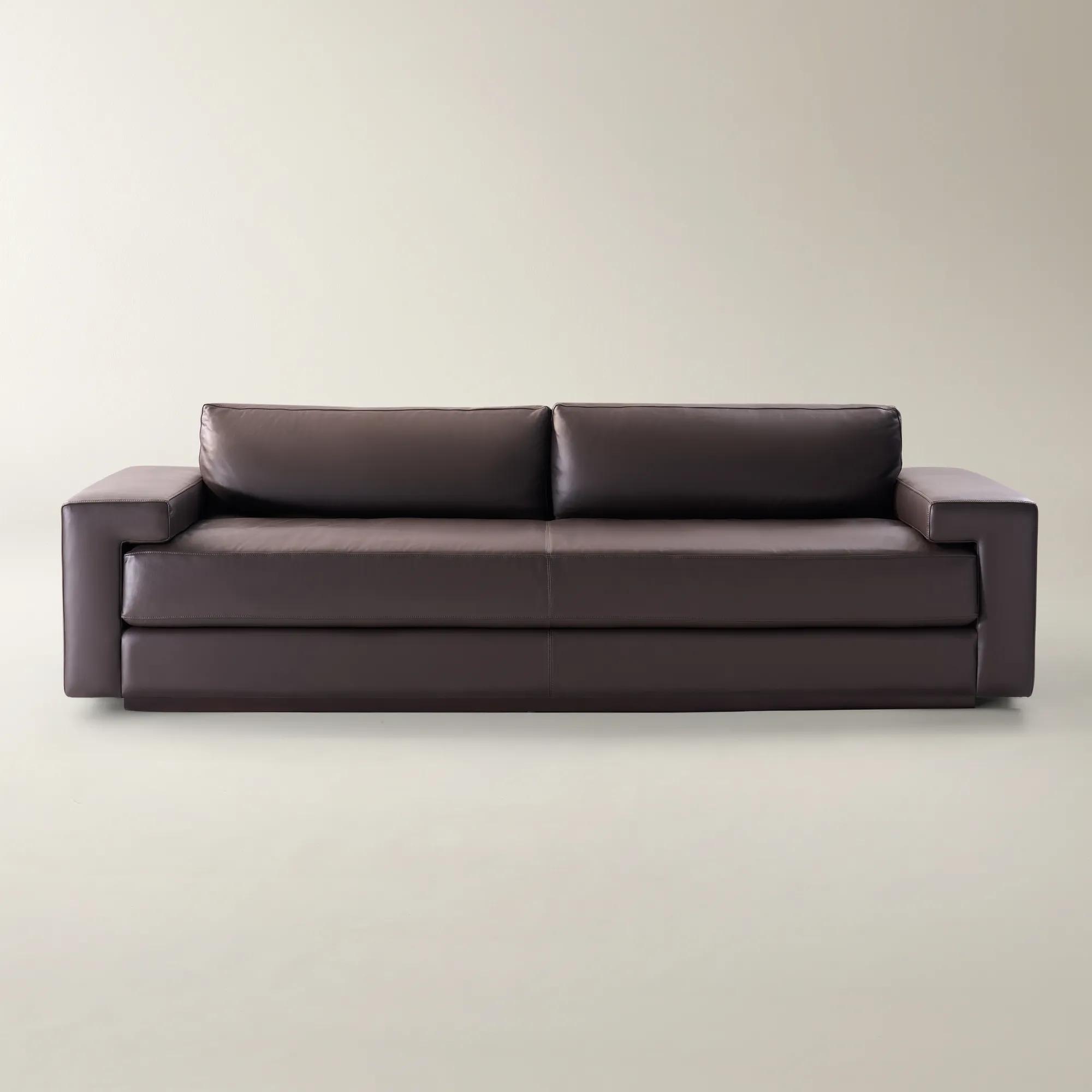
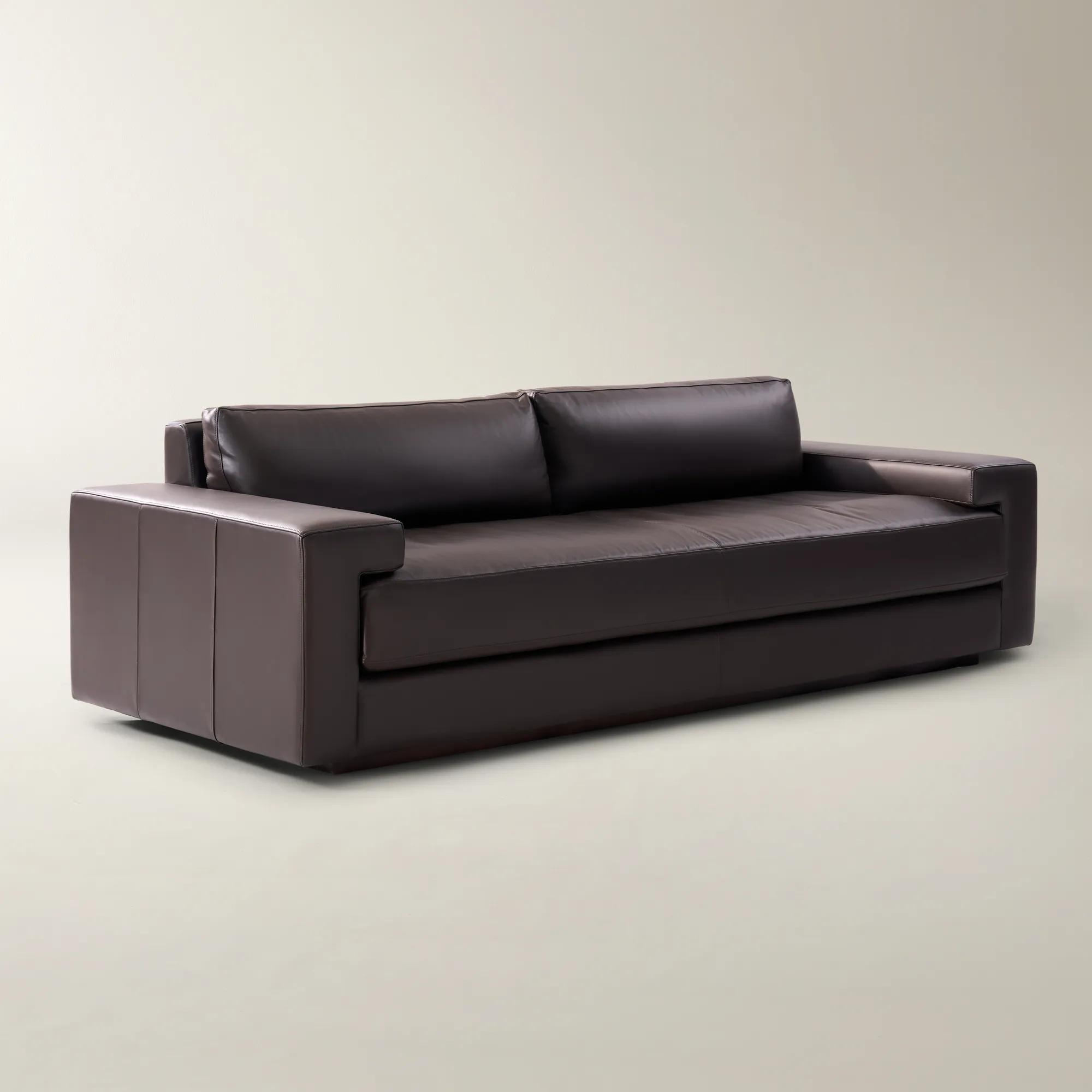 Ariel Brown Leather Sofa$4599
A sleek, hand-upholstered sofa in top-grain leather with plush feather and foam cushions for comfort.
Add To Cart -
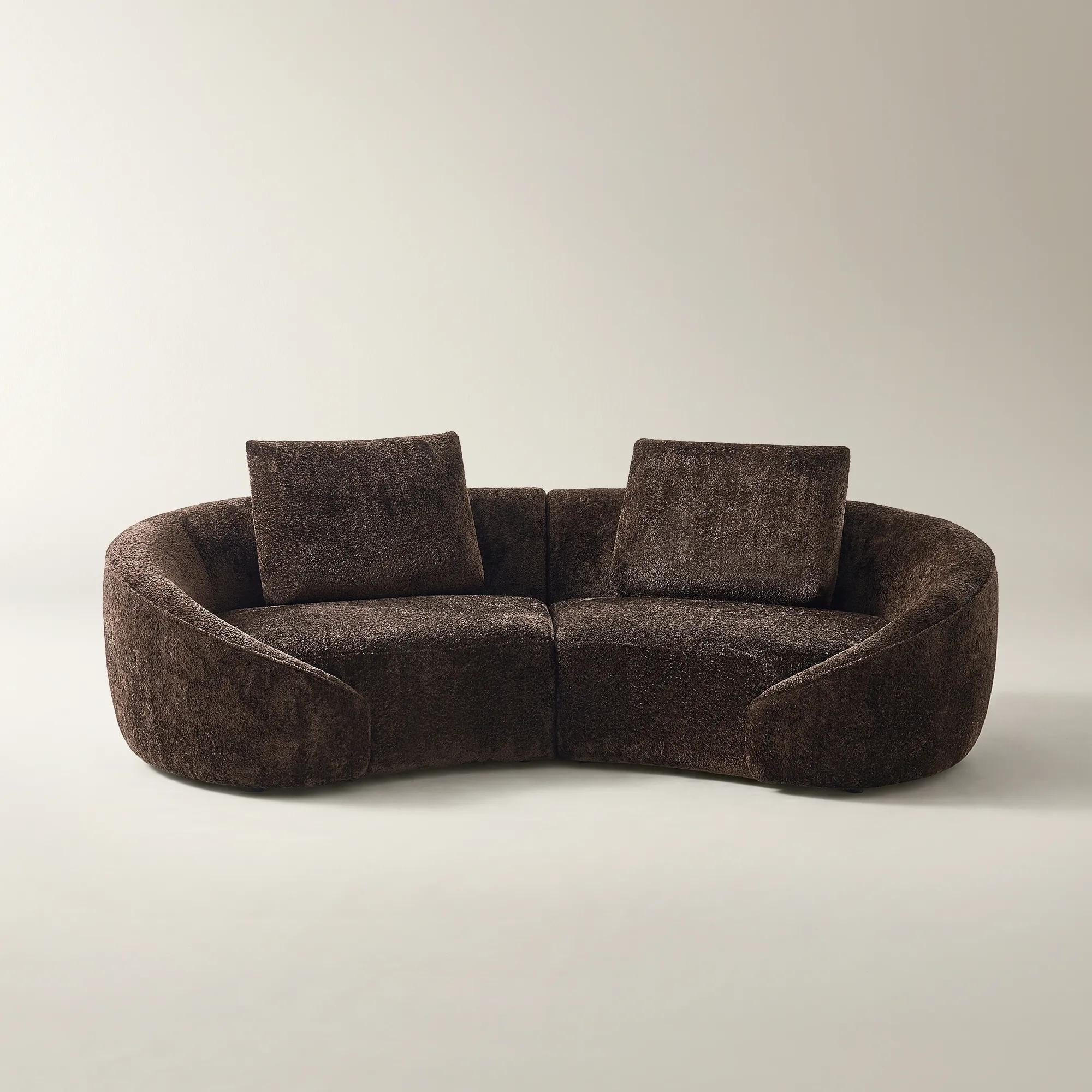 Irene 2-Piece Dark Chocolate Chenille Sectional Sofa$2499
A sculptural, hand-finished sectional wrapped in plush dark chocolate chenille with high-resiliency foam cushions.
Add To Cart

Sectional Sofas With High Density Foam
Sectional sofas with high density foam invite you to indulge in the art of lounging, where every seat is sculpted for both drama and decadence. These statement-making silhouettes transform living rooms into luxurious retreats, marrying bold design with irresistible comfort. Imagine a gathering space that elevates conversation and quiet moments alike—each cushion crafted to cradle and support, each curve designed to dazzle. With sumptuous textures and striking profiles, sectional sofas with high density foam become the anchor of your home’s most memorable moments, promising style that captivates and comfort that endures.
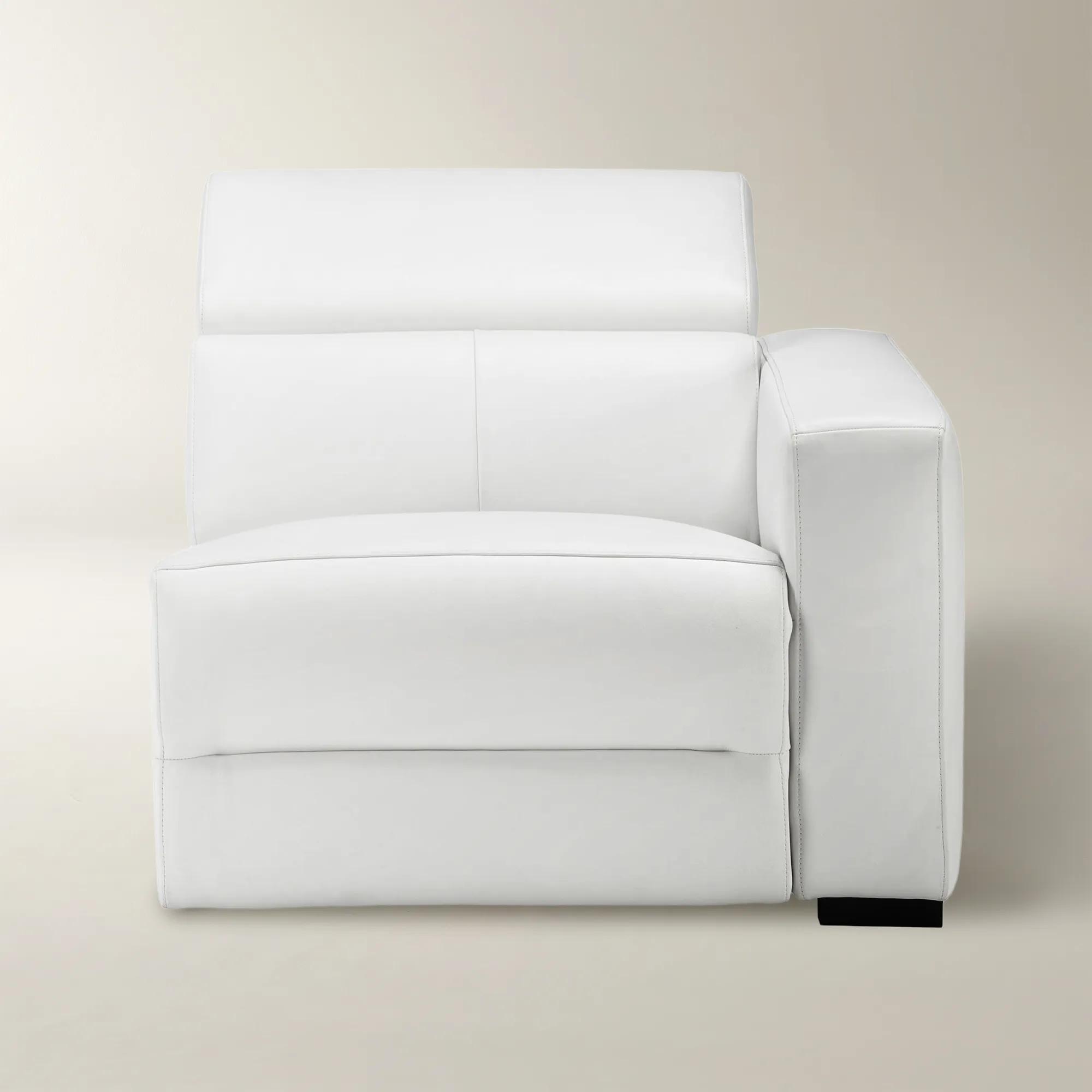
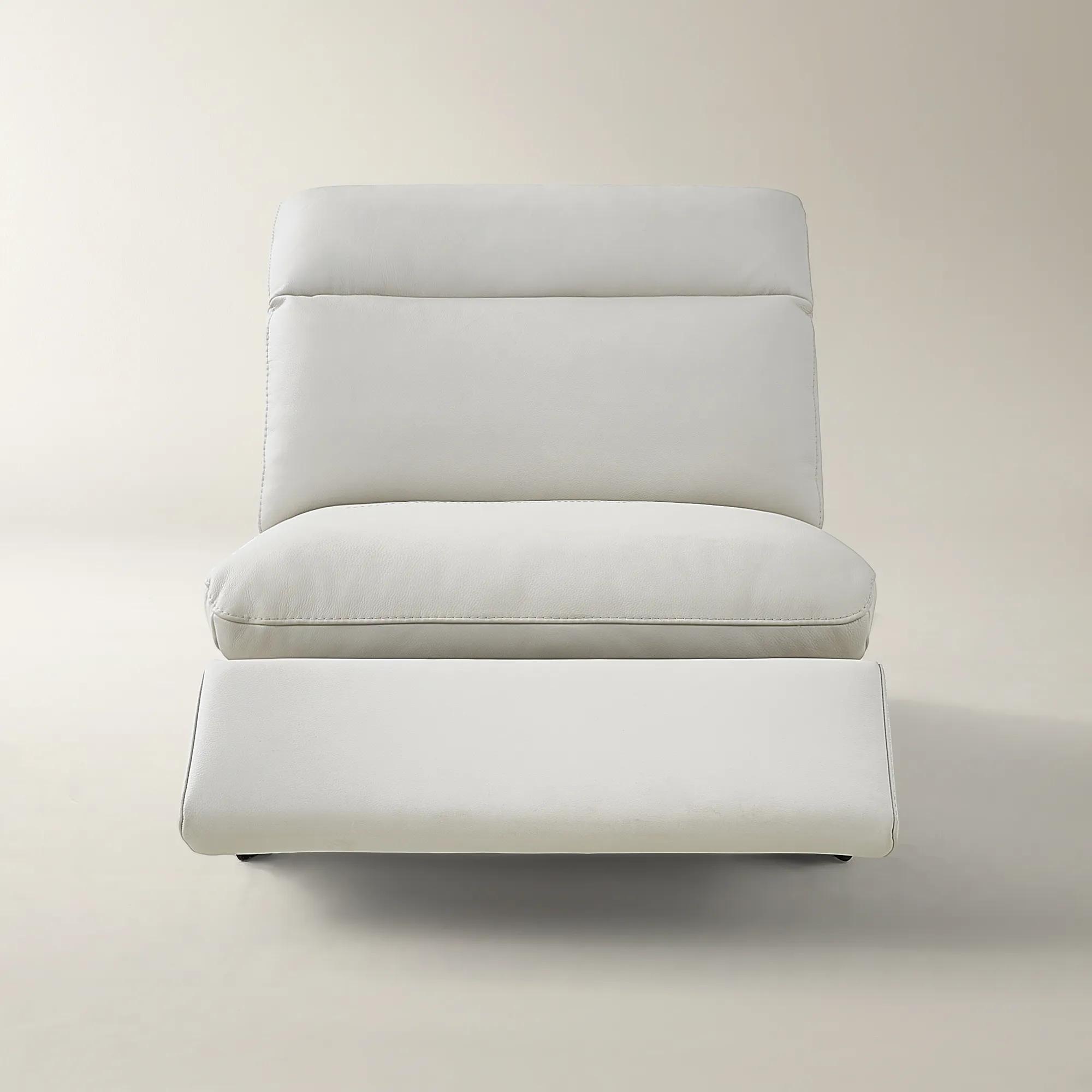
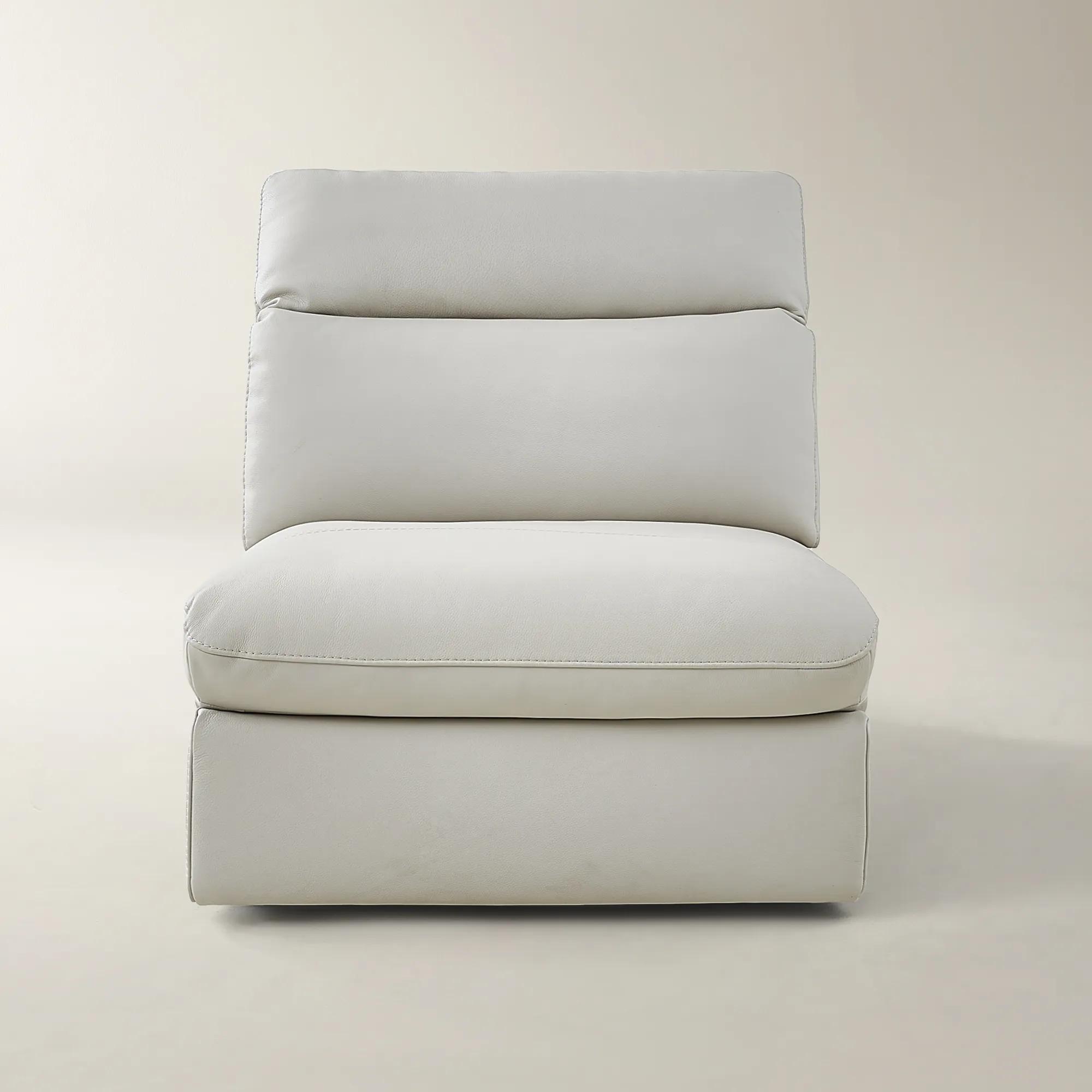
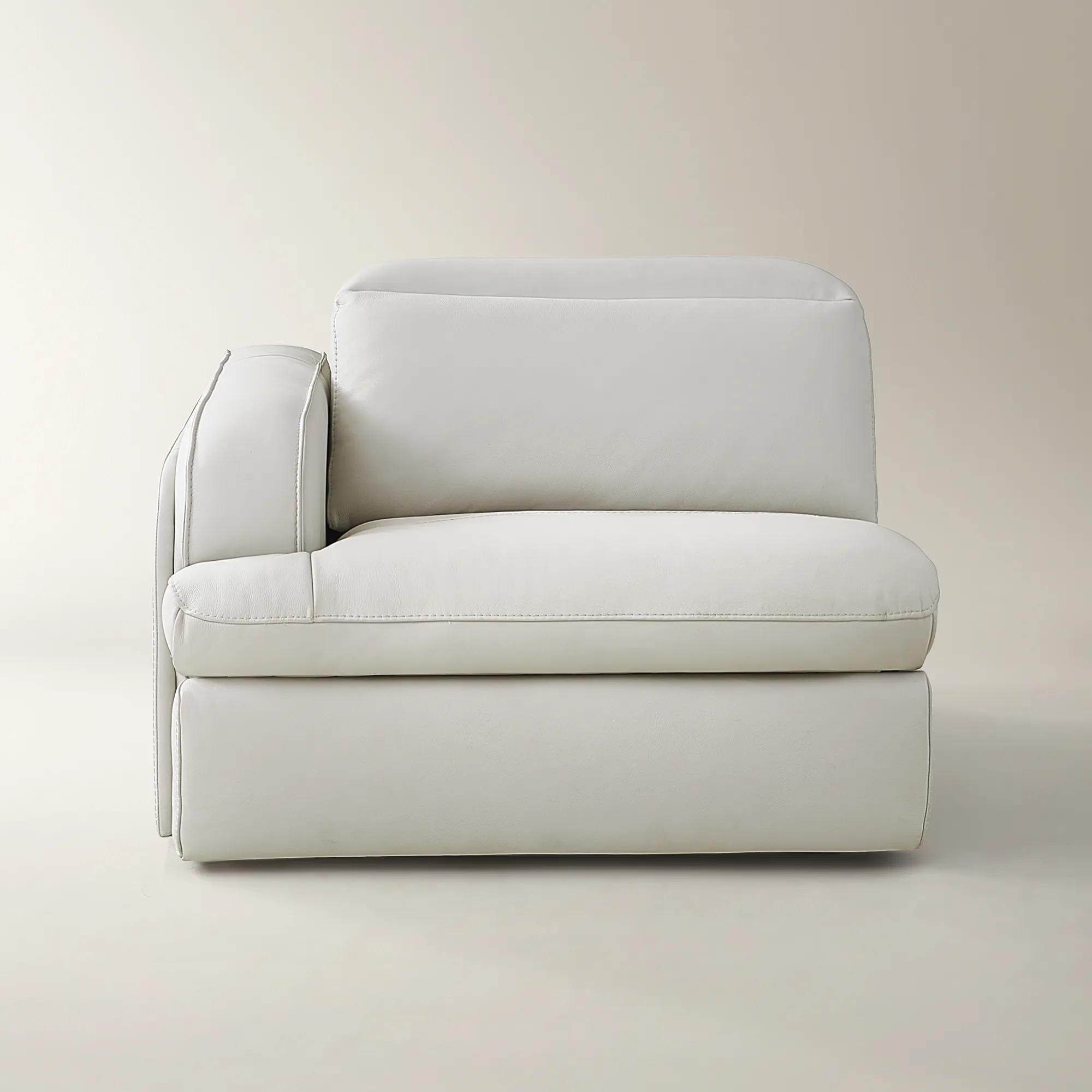
Sectional sofas with high density foam bring a sense of permanence to the living room: generous seating, sculptural proportions, and cushioning designed to support the way a space is actually lived in. An expansive chaise invites an evening with a novel, while an L-shaped arrangement gives guests room to settle into conversation without pulling chairs from another room. Beneath that inviting silhouette, high density foam provides a substantial cushion core that can help seats retain their shape through repeated use. Foam density describes how much a given volume of foam weighs, typically expressed in pounds per cubic foot; it does not, by itself, tell you how firm a cushion will feel. A dense foam core can be engineered for a softer or firmer sit, and the finished experience also depends on cushion thickness, upholstery, underlying suspension, and any fiber or feather wrapping. This distinction matters when choosing between an upright seat for entertaining and a deeper sectional made for stretching out. Compared with lower-density foam of similar quality and construction, higher-density cushioning generally offers better resistance to premature compression, though no cushion is entirely immune to wear. A well-built sectional balances that resilient interior with a supportive frame and dependable seat suspension, so comfort comes from the complete construction rather than a single specification. Visually, the result can be just as compelling as it is comfortable. Broad arms and low backs establish an architectural presence; curved profiles soften a room filled with angular tables and crisp cabinetry. Tailored upholstery lets the silhouette take center stage, while channeling or tufting introduces shadow, rhythm, and dimension. For households that gather in the living room every evening, or hosts who prefer a long conversation to a formal seating plan, a high density foam sectional offers a foundation for a richly layered space. The strongest choice is one whose proportions, cushion feel, and construction work together, creating a seat that looks composed and feels welcoming well beyond the first impression.
Scale gives a sectional its drama, but fit determines how comfortably that drama lives in the room. Measure the full footprint, including the chaise projection, and mark it on the floor before committing to a configuration. A sectional that fits along the wall can still overwhelm the route between a doorway and the kitchen, interrupt access to a cabinet, or leave too little room to move around a coffee table. Plan for comfortable circulation, keeping roughly 30 to 36 inches clear along primary walkways where possible, and allow approximately 14 to 18 inches between the seat edge and a coffee table, adjusting for the household’s needs. Seat depth deserves equal attention: deep cushions encourage a relaxed, tucked-in posture, while shallower seats may better suit people who prefer their feet on the floor and their backs supported. Overall dimensions do not reveal usable sitting space, particularly when wide arms or thick back cushions occupy part of the footprint. Check seat height, interior depth, and chaise length alongside the exterior measurements. An L-shaped sectional can define a seating area in an open-plan room, while a U-shaped configuration creates a more enveloping setting for conversation. Modular construction may allow the arrangement to evolve, but confirm whether individual sections can function independently and how they connect. Left-facing and right-facing descriptions can vary, so rely on the layout diagram rather than the name alone. Doorways, elevators, stair turns, and delivery paths also belong in the measurement process. Once the proportions are settled, upholstery sets the mood. Velvet lends color a luminous depth, chenille creates a softly textured surface, and woven fabrics can introduce subtle tonal variation. Fabric names alone do not establish durability or ease of care; fiber content, weave, backing, and cleaning instructions matter. For a sunny family room or a household with pets, consider light exposure, snag potential, and documented performance characteristics. A pale sectional can create a striking, gallery-like composition, while charcoal, chocolate, or jewel tones give generous seating a more saturated presence.
Lasting comfort depends as much on everyday habits as on the materials inside the cushions. High density foam is valued for support and shape retention, but its lifespan varies with foam quality, construction, frequency of use, and care. If density specifications are provided, consider them alongside the frame, suspension, cushion wrapping, and warranty details rather than treating a single number as a promise of longevity. Foam cushions may soften with use, and wrapped cushions can require regular reshaping to keep their tailored appearance. Rotate and flip loose cushions only when their design permits; a cushion upholstered on one side or shaped for a specific corner may not be reversible. Alternating favorite seats can help distribute wear, especially in a household where the chaise becomes everyone’s preferred retreat. Vacuum upholstery gently with an appropriate attachment, paying attention to seams and the spaces between sections where crumbs and dust collect. Blot spills promptly instead of rubbing, follow the upholstery’s cleaning code, and test any approved cleaner in an inconspicuous area. A removable cover is not necessarily machine washable, and excessive moisture can affect both fabric and cushion interiors. Keep seating away from concentrated heat and prolonged direct sunlight when possible to help protect upholstery color and texture. The decorative layers should support the way the sectional is used, too: a few substantial pillows can add contrast without consuming the seat, and a sumptuous throw brings softness to a broad chaise during cooler months. Pairing generous upholstery with a slender-legged table keeps the arrangement visually balanced, while a sufficiently large rug ties the sections into one deliberate composition. For rooms better suited to a single sofa, high density foam sofas offer another way to prioritize supportive cushioning without a sectional footprint. Whether furnishing a dedicated lounge, a shared family room, or an open living area designed for entertaining, the aim is the same: seating with expressive presence, thoughtful proportions, and comfort that supports the rituals of home.
FAQs
A sectional sofa with high-density foam stands apart due to its superior support and resilience. The dense foam core resists sagging and maintains its shape over time, ensuring that each seat remains as inviting and structured as the day you brought it home. This makes it ideal for those seeking both longevity and a refined, tailored seating experience.
A 2.5 density foam sectional is perfect for individuals or families who value both comfort and durability. Design enthusiasts who love to entertain, households with frequent guests, and anyone who appreciates a sofa that retains its sophisticated silhouette will find this option especially rewarding. Its supportive nature also suits those who prefer a firmer, more elevated seating experience.
High-density foam allows a sectional to maintain crisp lines and elegant contours, contributing to a polished, luxurious atmosphere. The foam’s resilience ensures that cushions look perpetually plump and inviting, elevating the overall drama and artistry of your living room. It’s the foundation that lets the upholstery and design details shine.
Absolutely. A foam couch sectional is a versatile canvas for seasonal styling. In winter, drape it with faux fur throws and velvet accent pillows for a sense of warmth and opulence. In warmer months, swap in linen or silk accessories to create a breezier, sunlit mood. Its enduring structure provides the perfect backdrop for ever-evolving décor.
When selecting upholstery, consider both tactile pleasure and visual impact. Luxe fabrics like velvet, chenille, or performance linen pair beautifully with the supportive core of high-density foam, enhancing comfort while making a bold style statement. Choose a color and texture that reflect your personal aesthetic and complement the room’s overall design.