Accent Chairs With High Density Foam
Accent Chairs With High Density Foam
-
 Lyssa Pleated Simply Taupe Velvet Swivel Accent Chair$1099
A taupe velvet accent chair with pleated panels, 360-degree swivel, and a soft gold metal base.
Add To Cart -
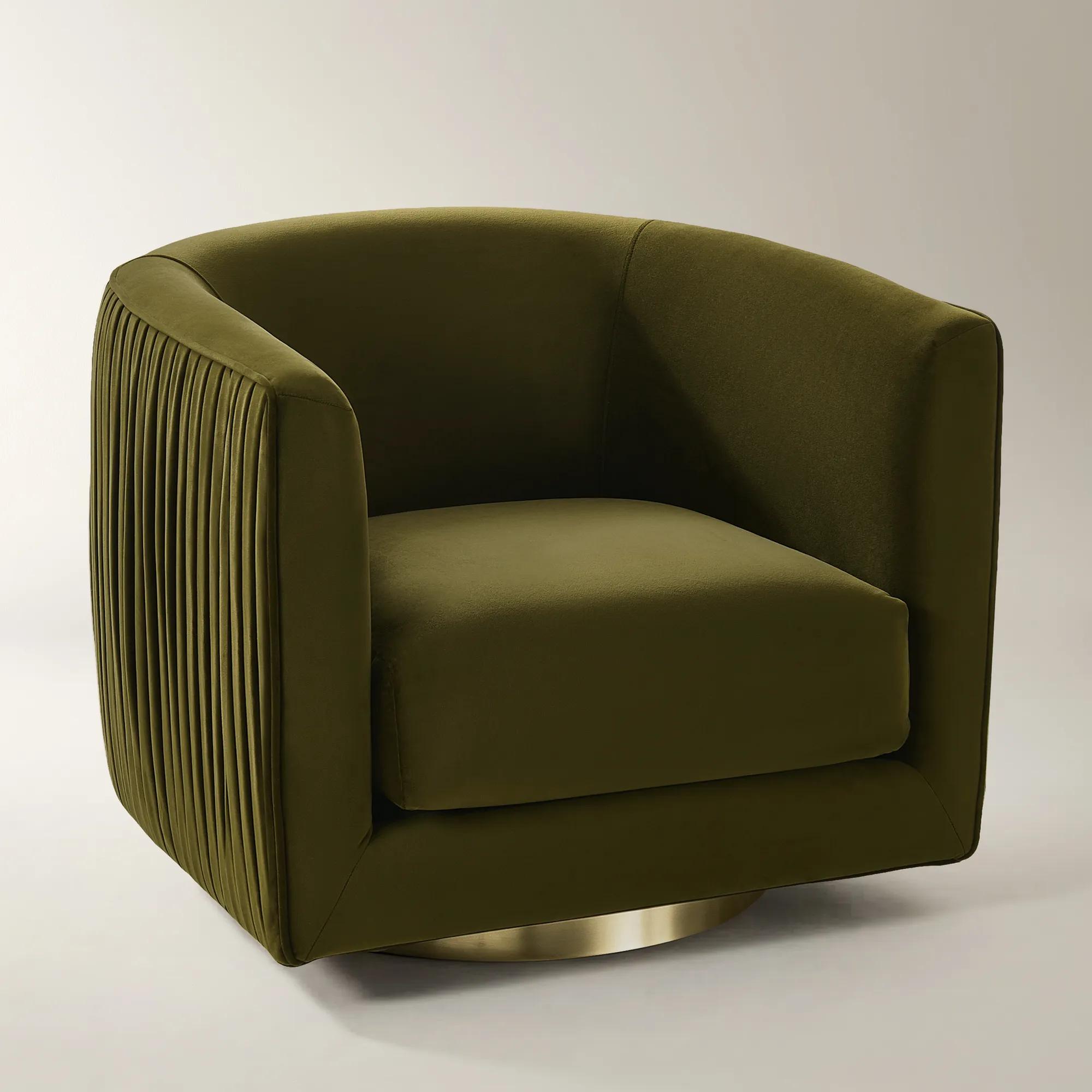
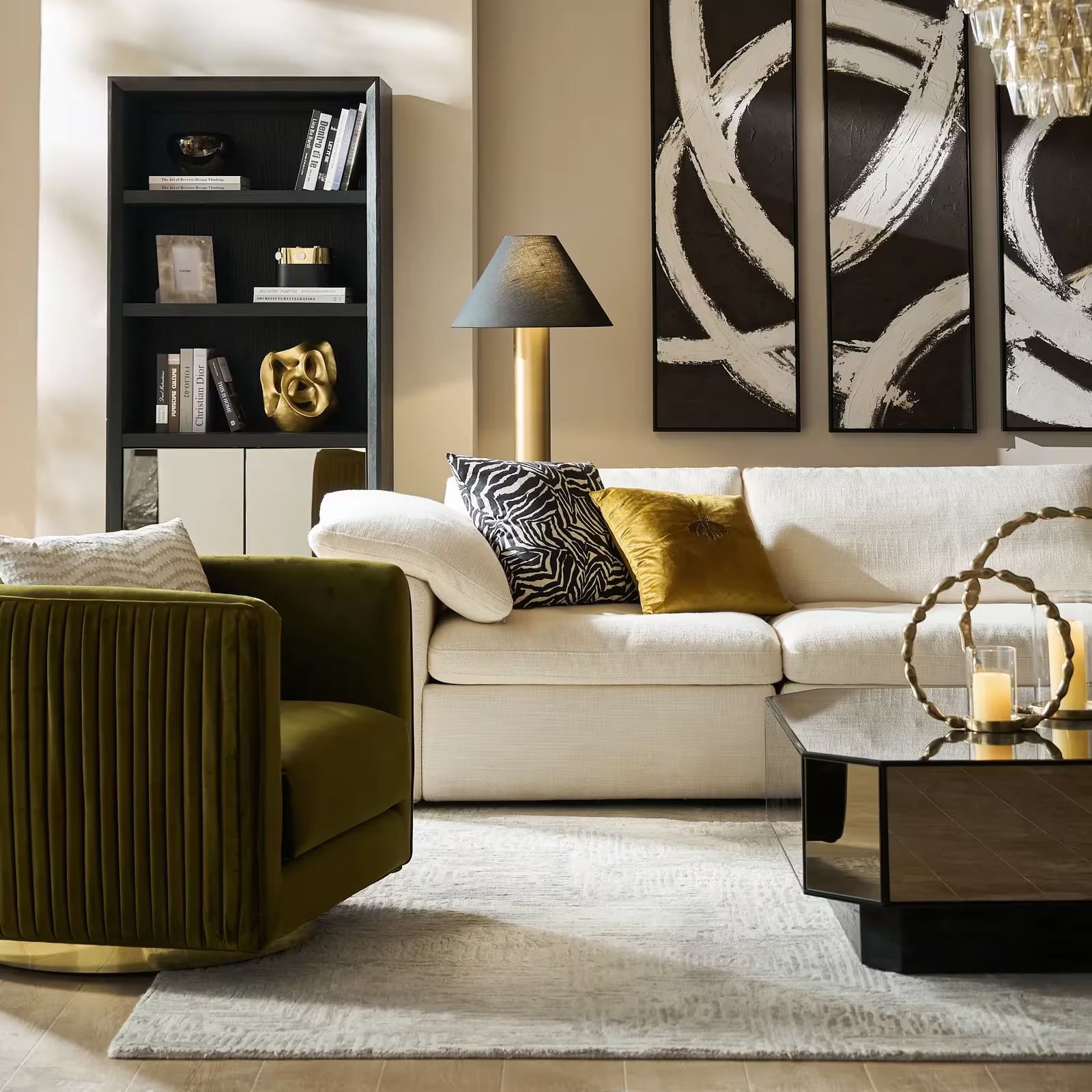 Lyssa Pleated Deep Olive Velvet Swivel Accent Chair$1099
A deep olive velvet accent chair with pleated panels, 360-degree swivel, and gold-finished steel base.
Add To Cart -
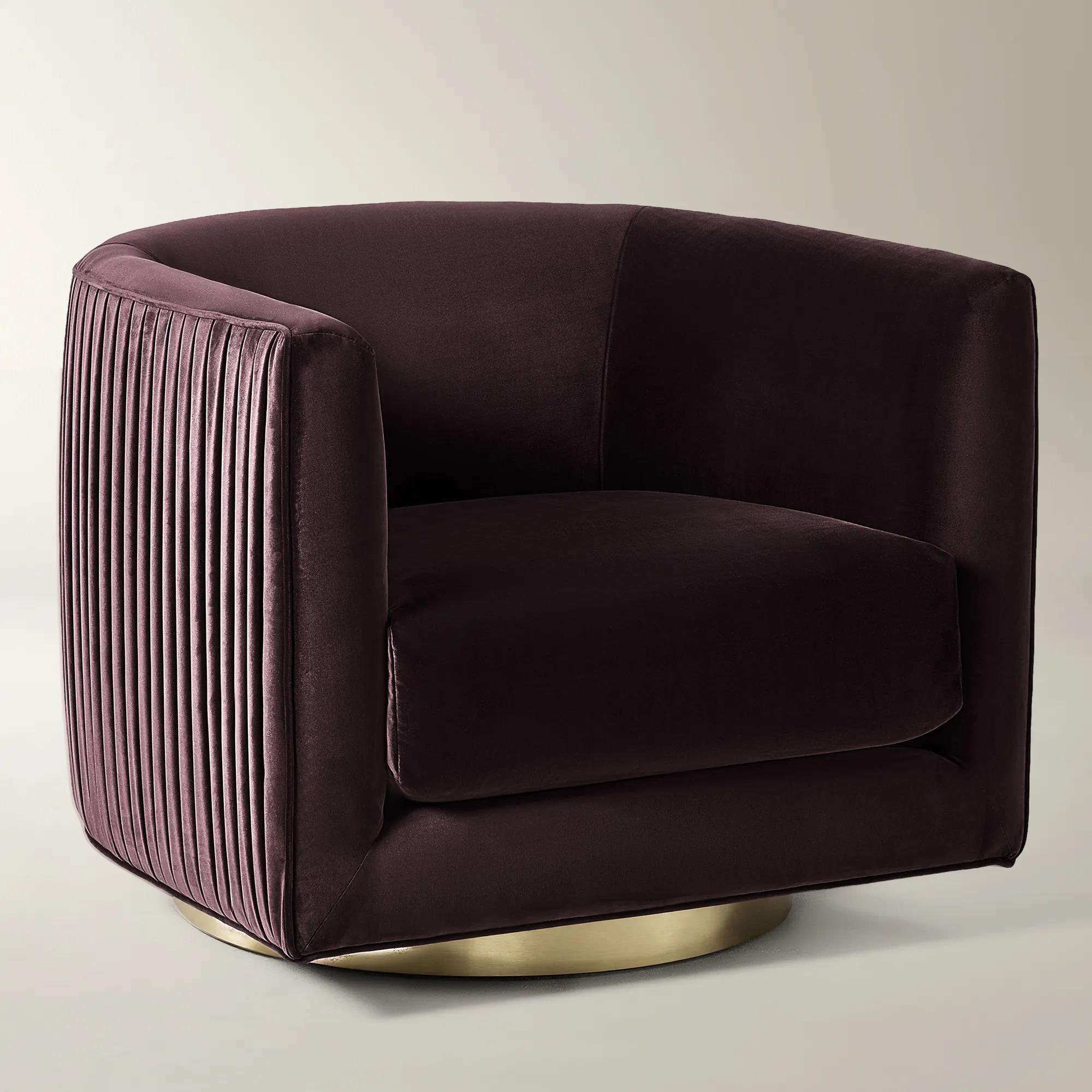 Lyssa Pleated Fig Velvet Swivel Accent Chair$1099
A red velvet accent chair with pleated panels, curved silhouette, 360-degree swivel, and soft-gold metal base.
Add To Cart -
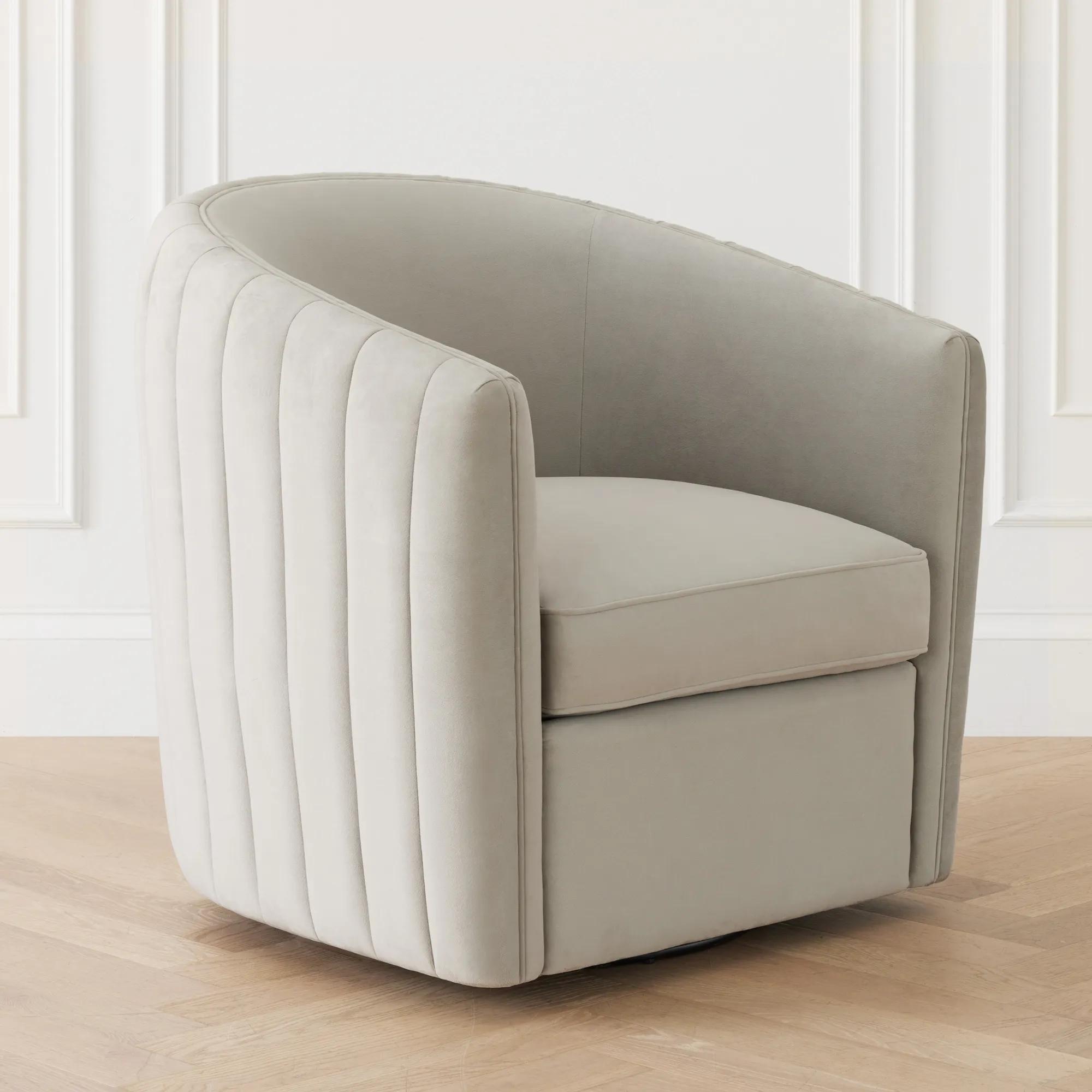
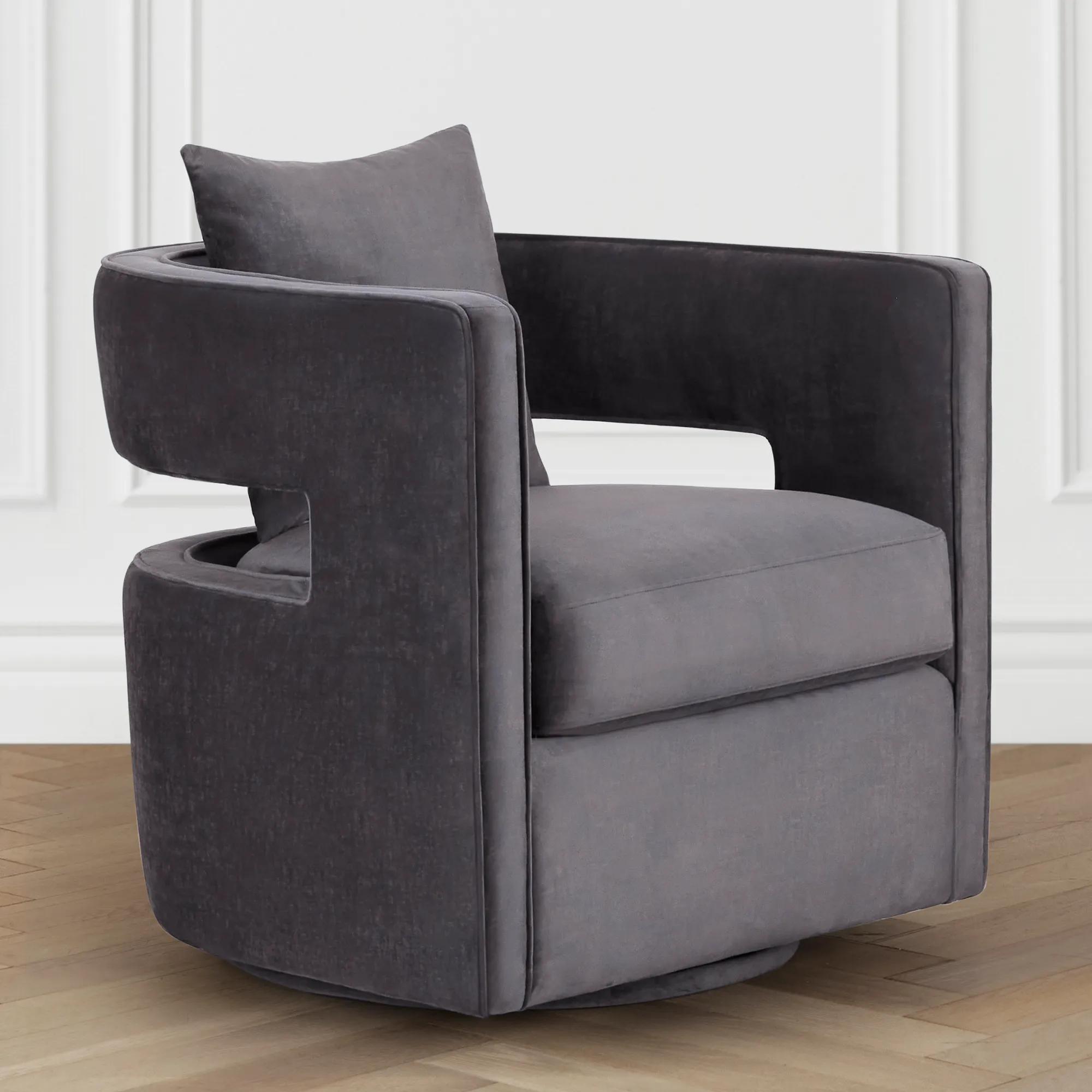 Lottie Grey Velvet Swivel Accent Chair$999
A glamorous grey velvet swivel chair featuring a barrel back, cutout arms, and plush foam cushioning.
Add To Cart -
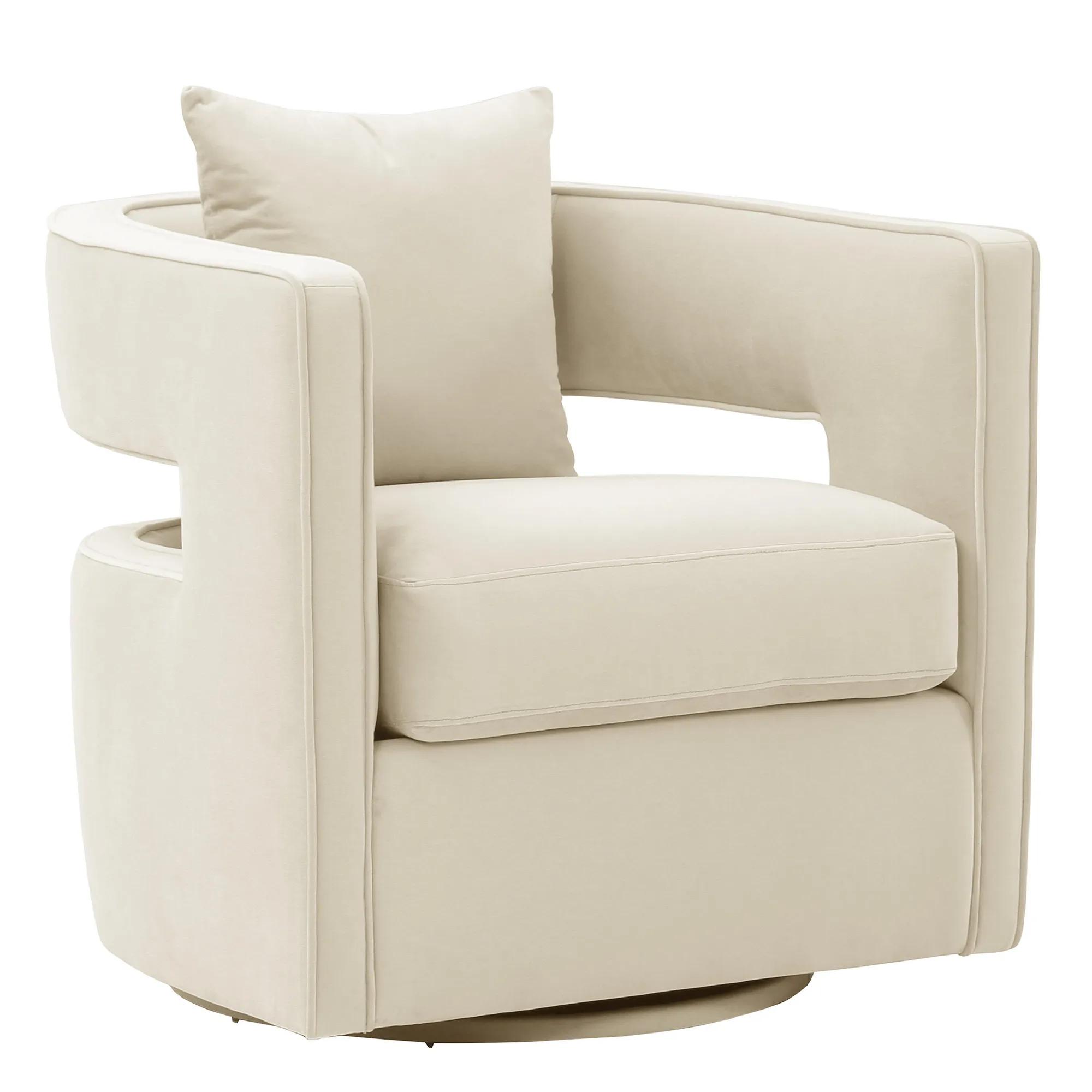
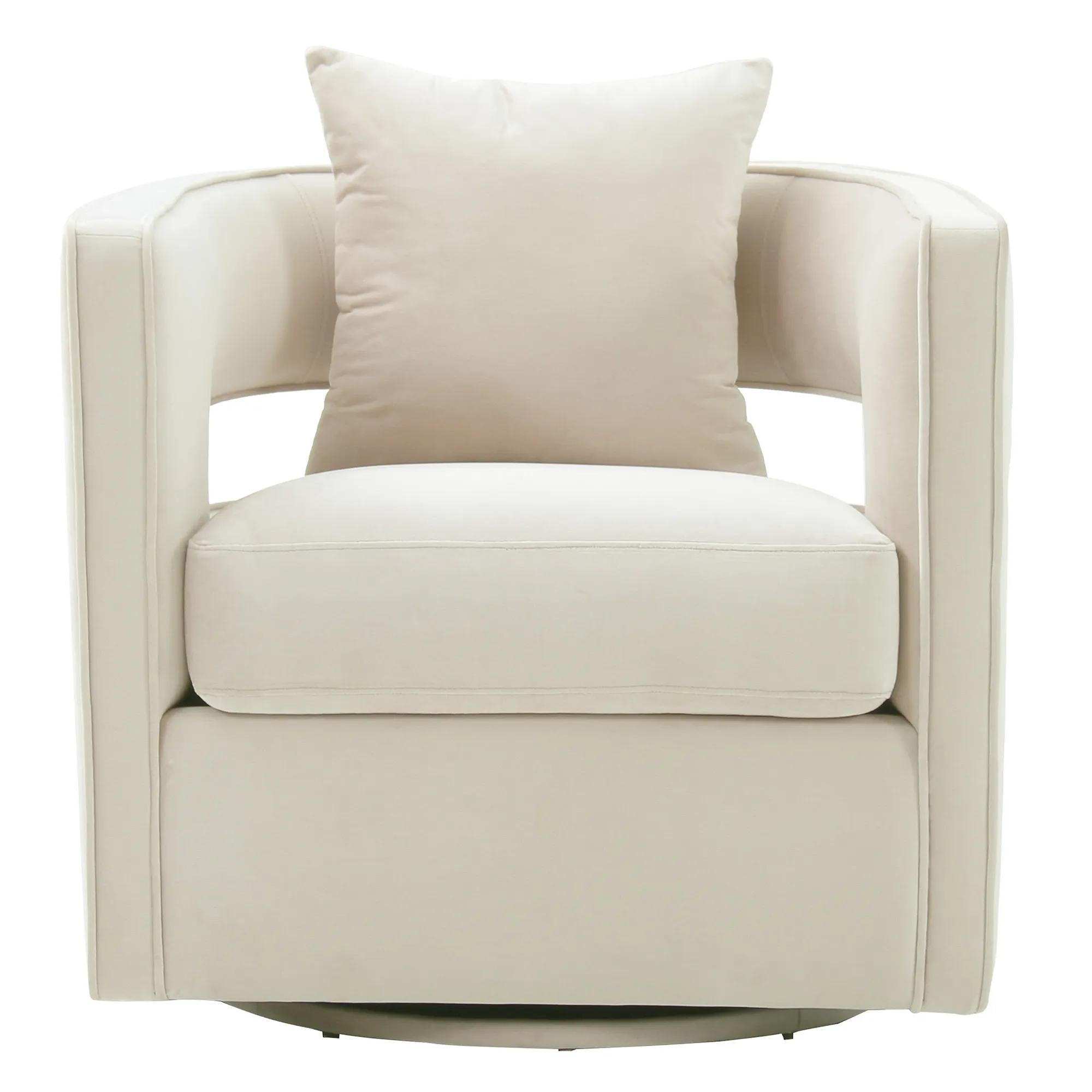 Lottie Cream Velvet Swivel Accent Chair$999
A glamorous cream velvet swivel chair featuring a barrel back, cutout arms, and plush foam cushioning.
Add To Cart -
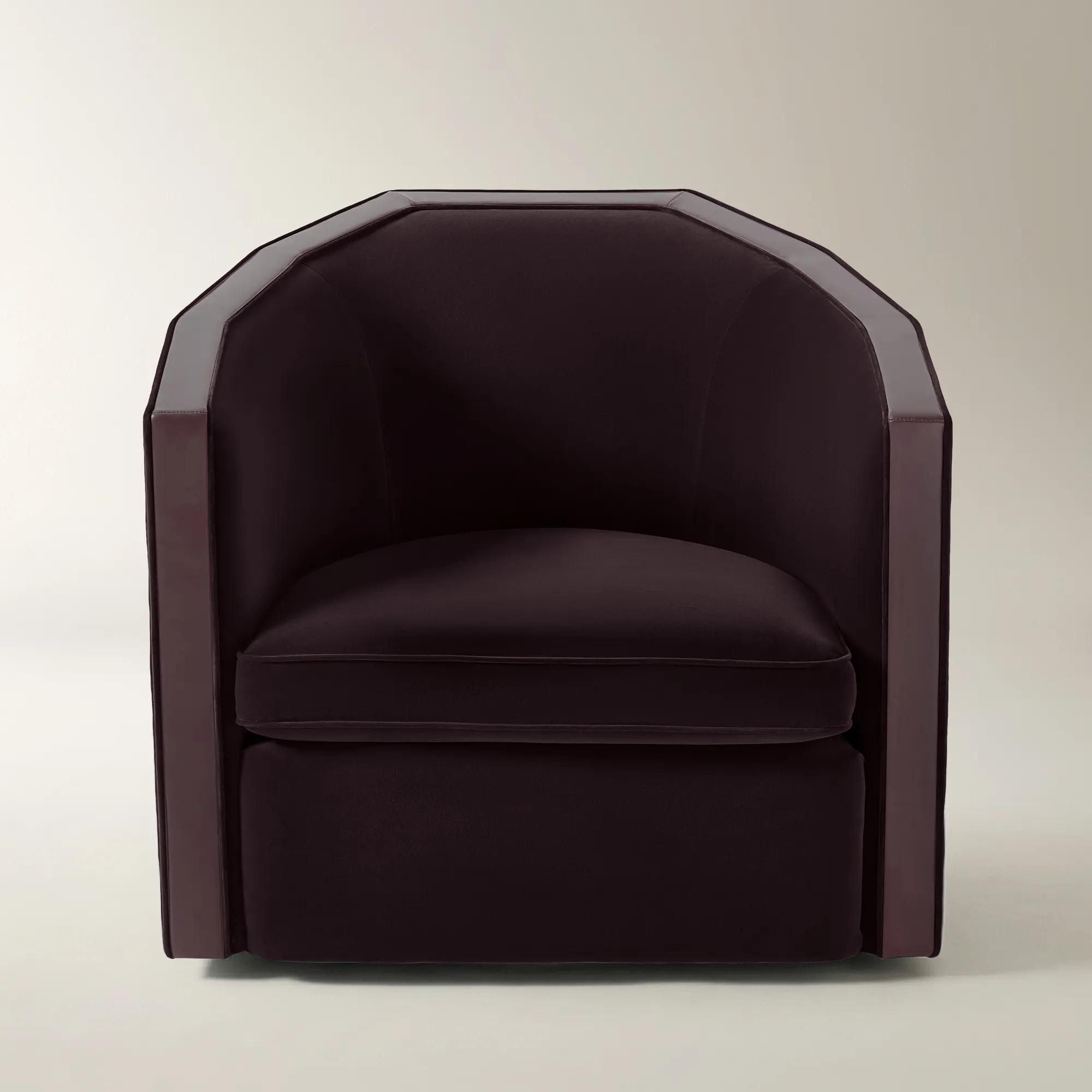
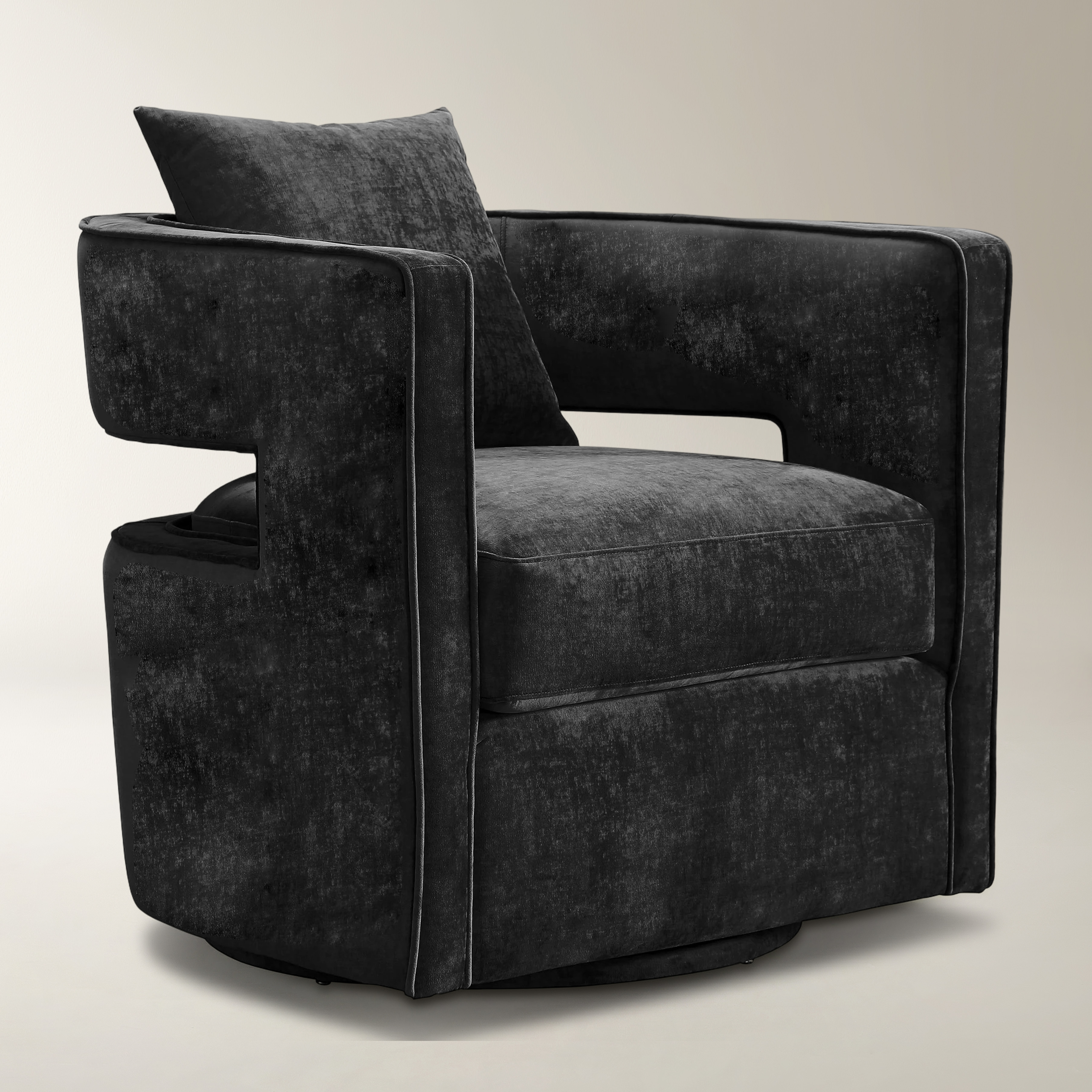 Lottie Black Velvet Swivel Accent Chair$999
A black velvet swivel accent chair with a sculpted barrel silhouette, open arms, and supportive cushioning.
Add To Cart -
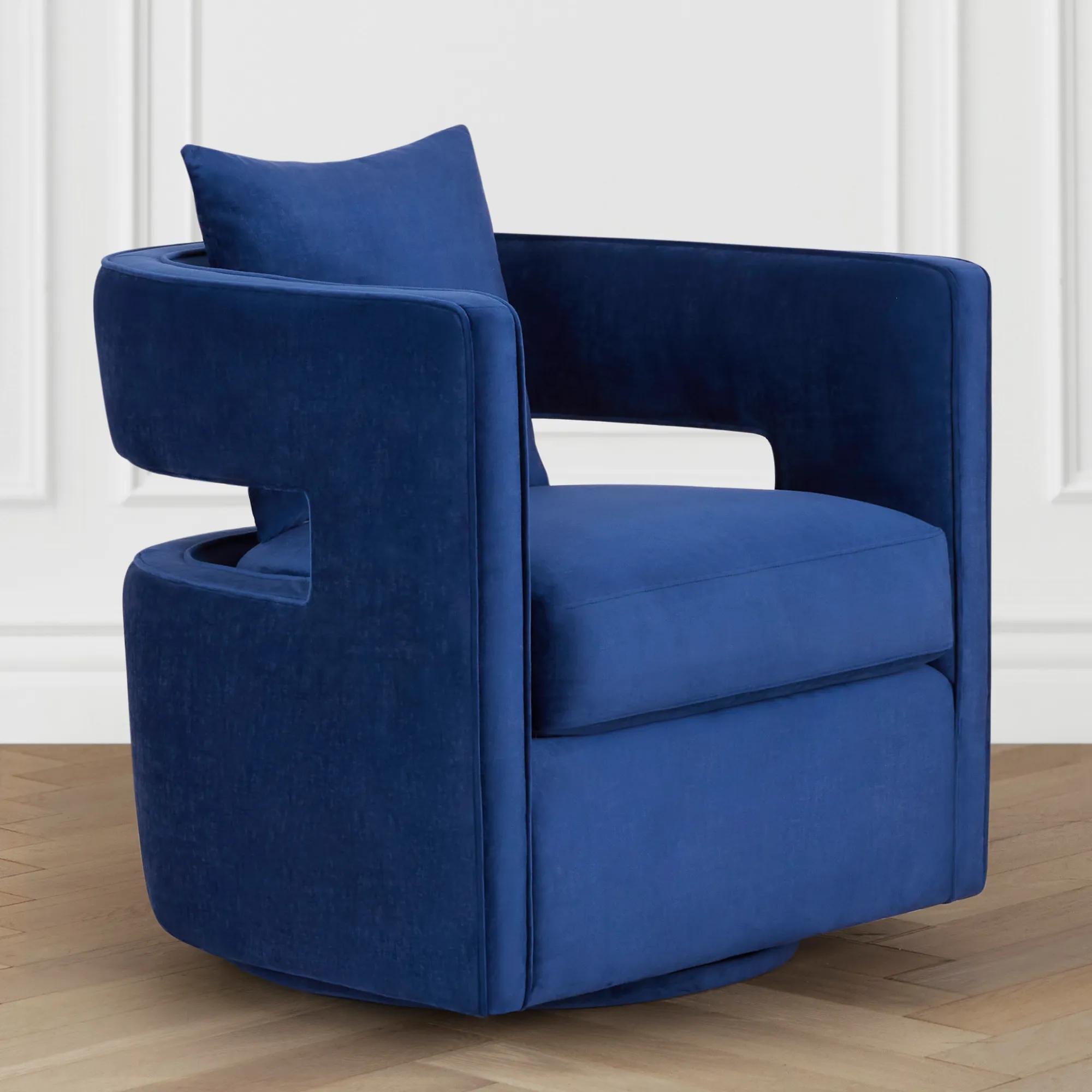
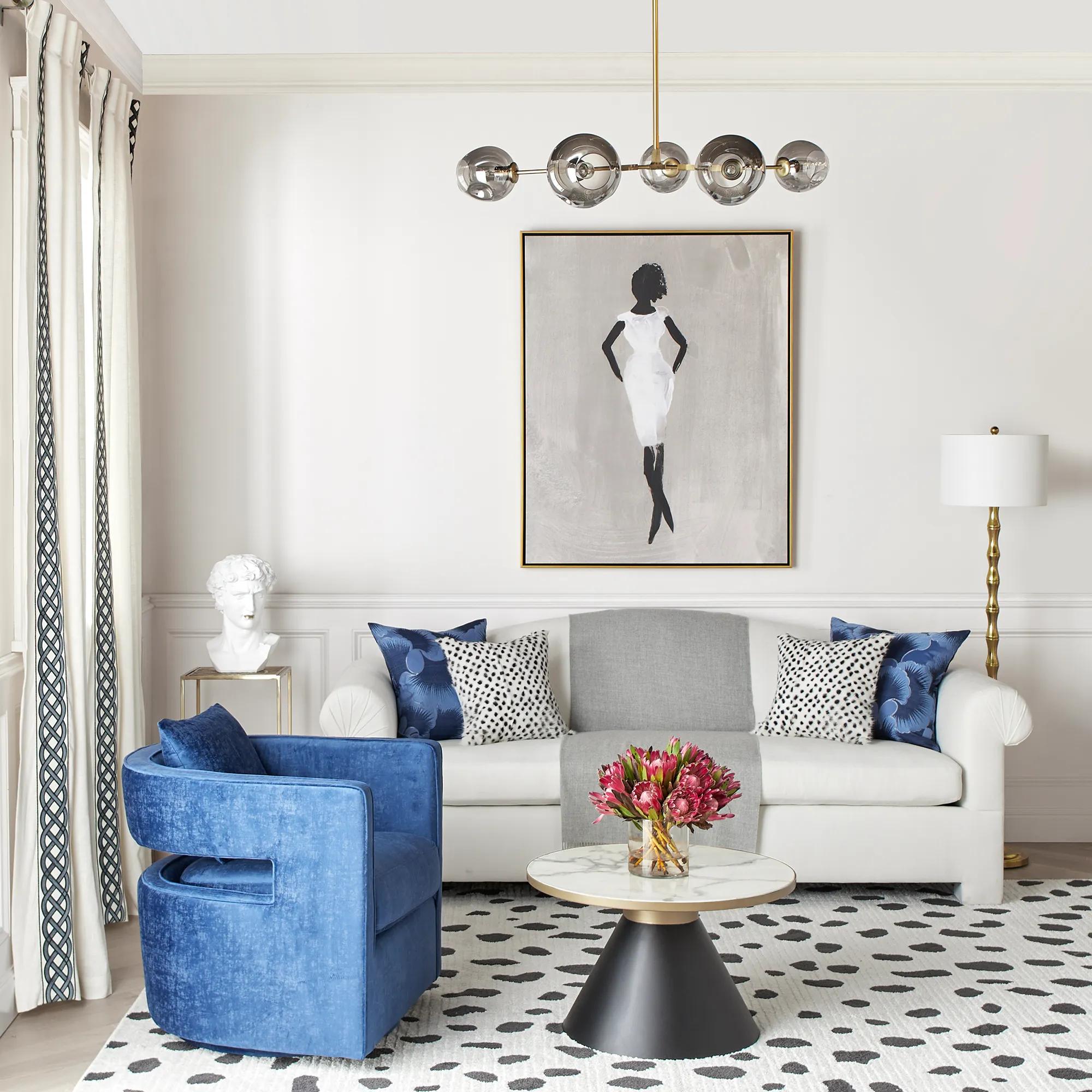 Lottie Navy Velvet Swivel Accent Chair$999
A navy velvet swivel accent chair featuring a sculpted barrel silhouette, open arms, and supportive cushioning.
Add To Cart -
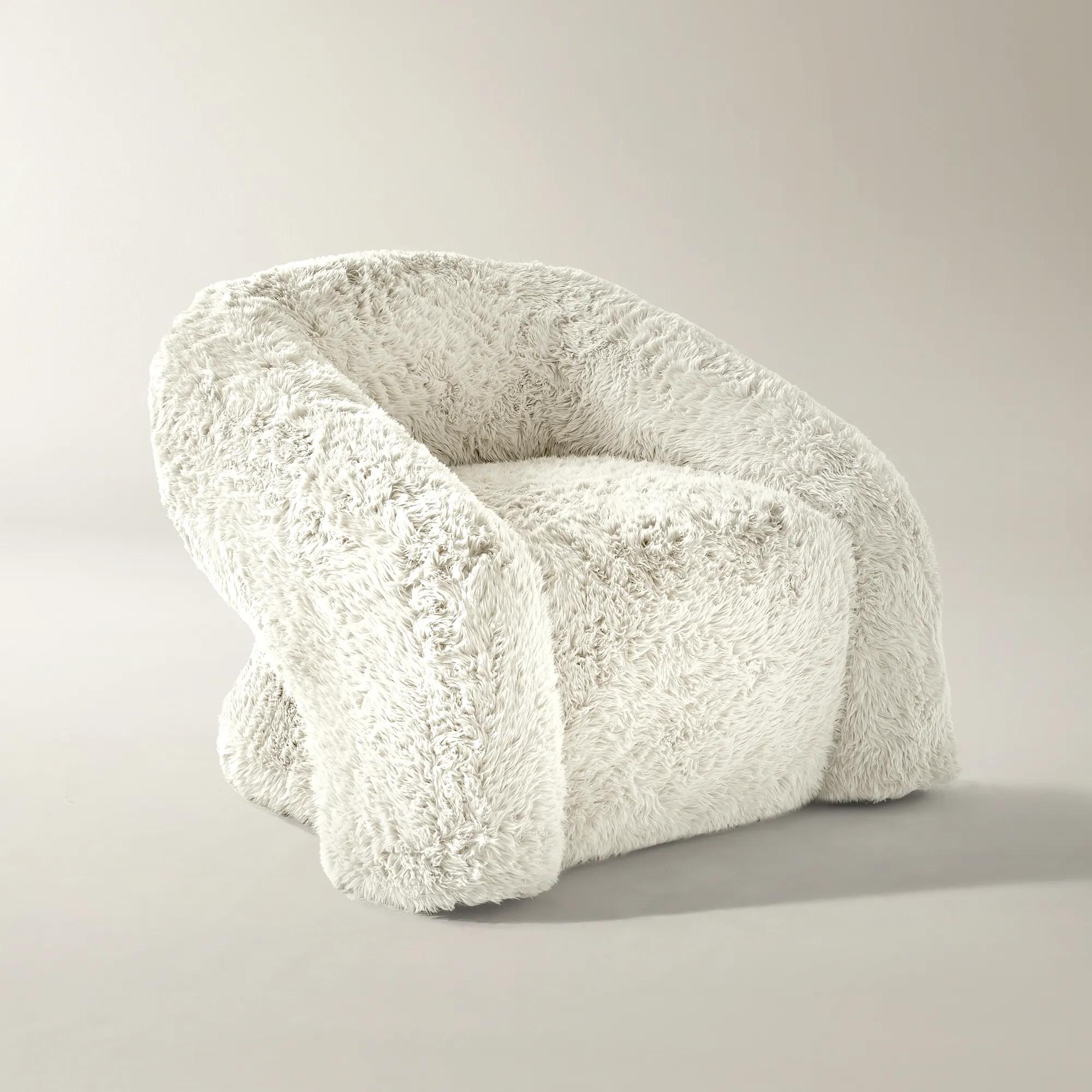 Misha White Faux Fur Accent Chair$799
A modern white faux fur chair offering plush comfort, sculptural lines, and pet-friendly, easy-care upholstery.
Add To Cart -
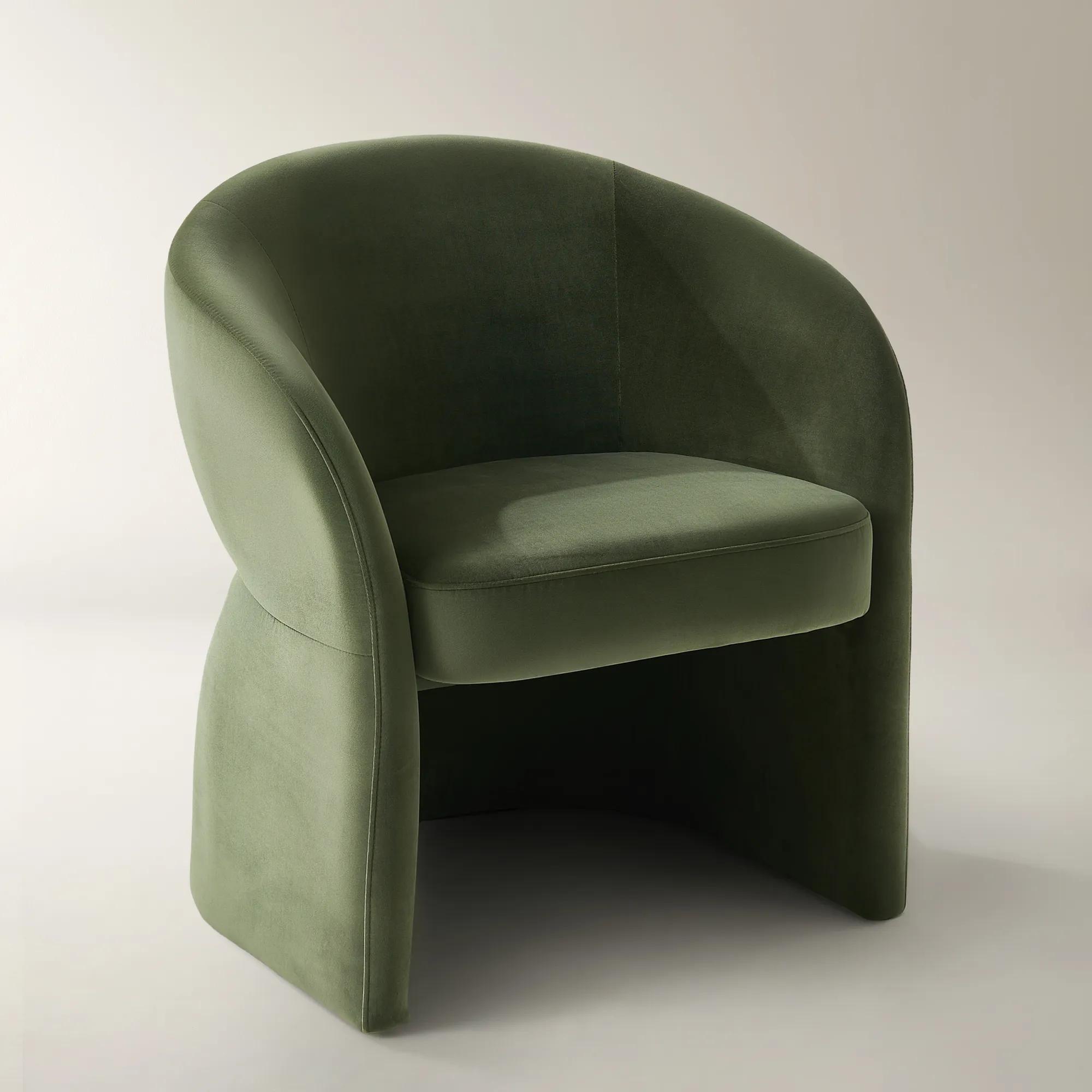
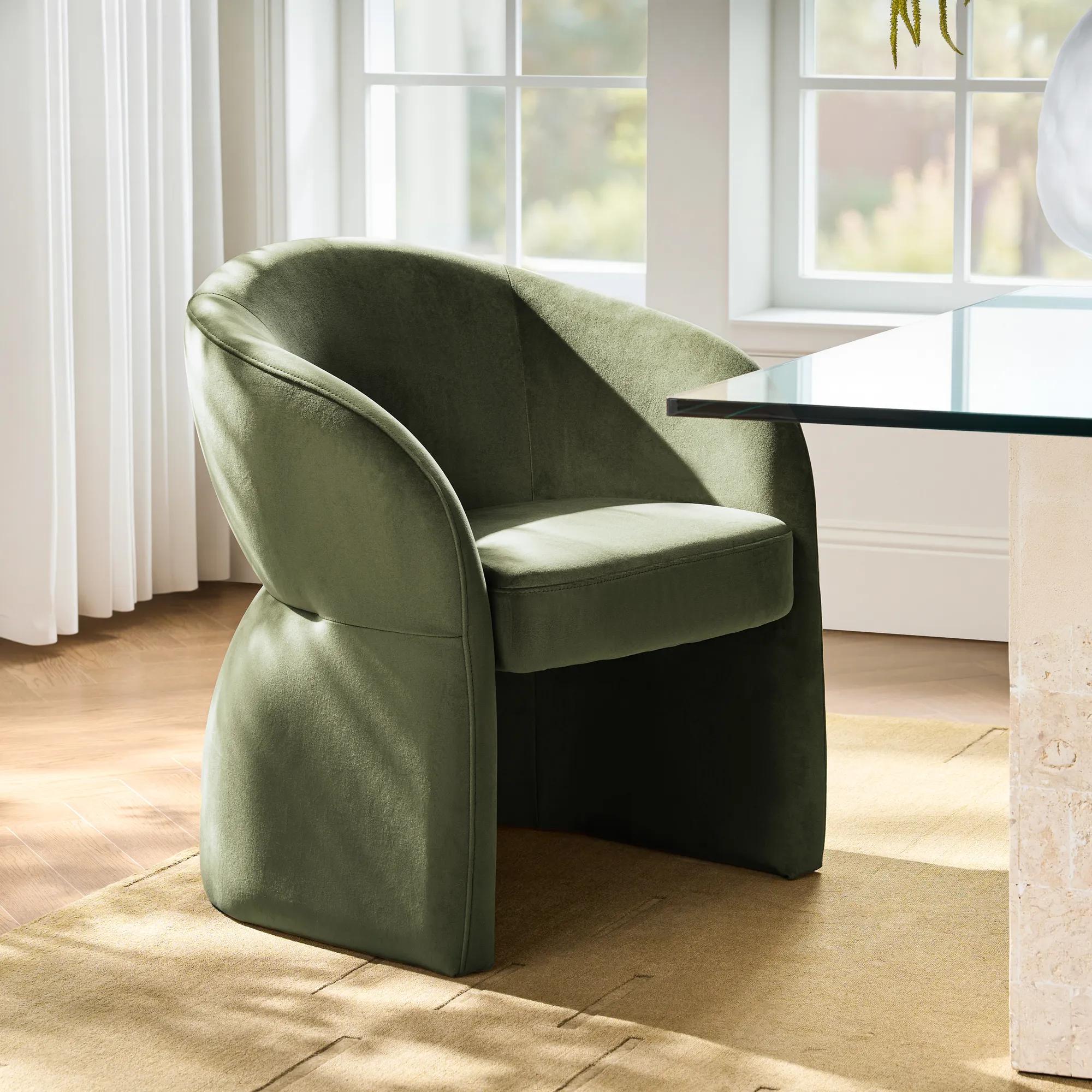 Sierra Jade Green Velvet Dining Chair$599
A sculptural accent chair in jade green velvet with gracefully arched arms and plush, supportive cushioning.
Add To Cart -
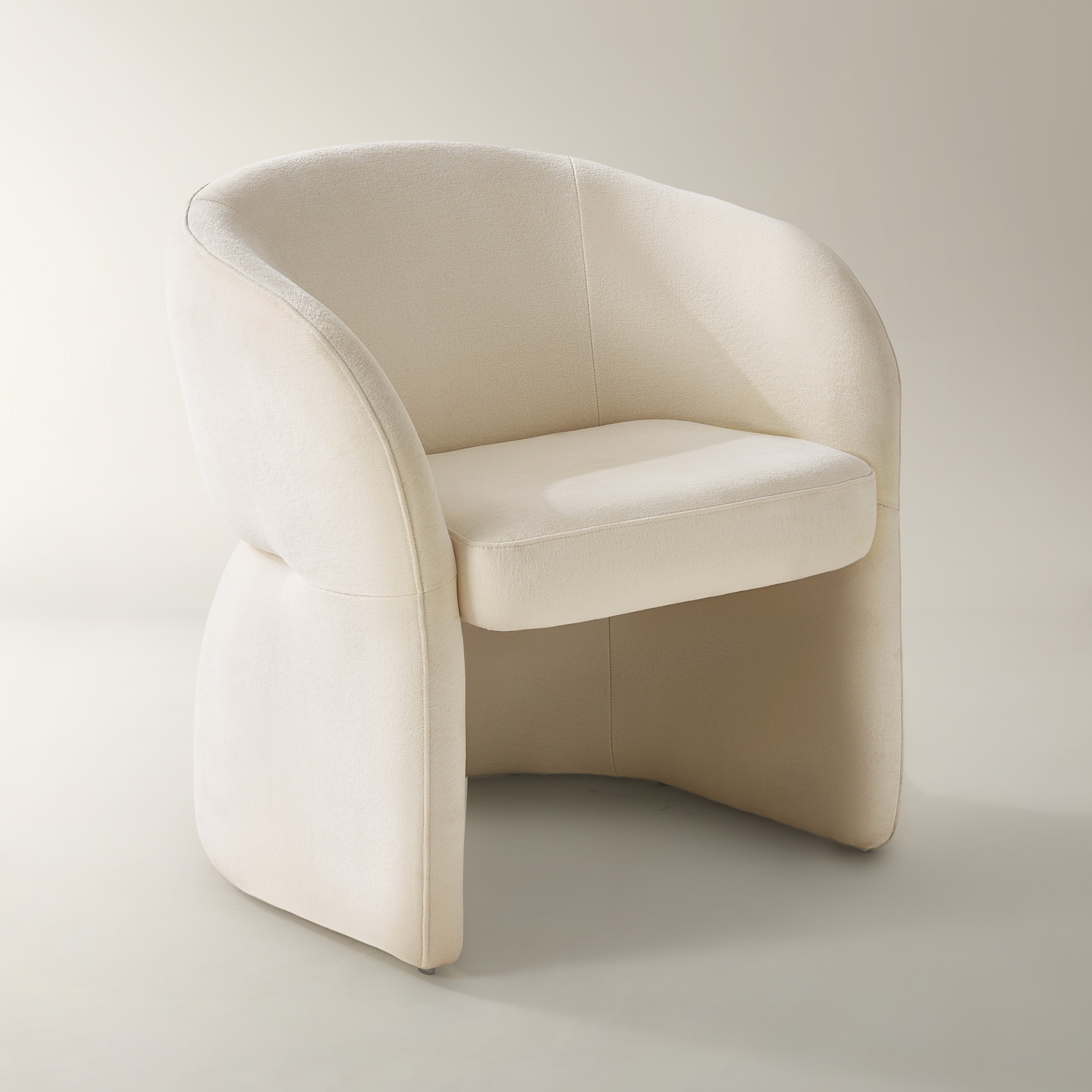
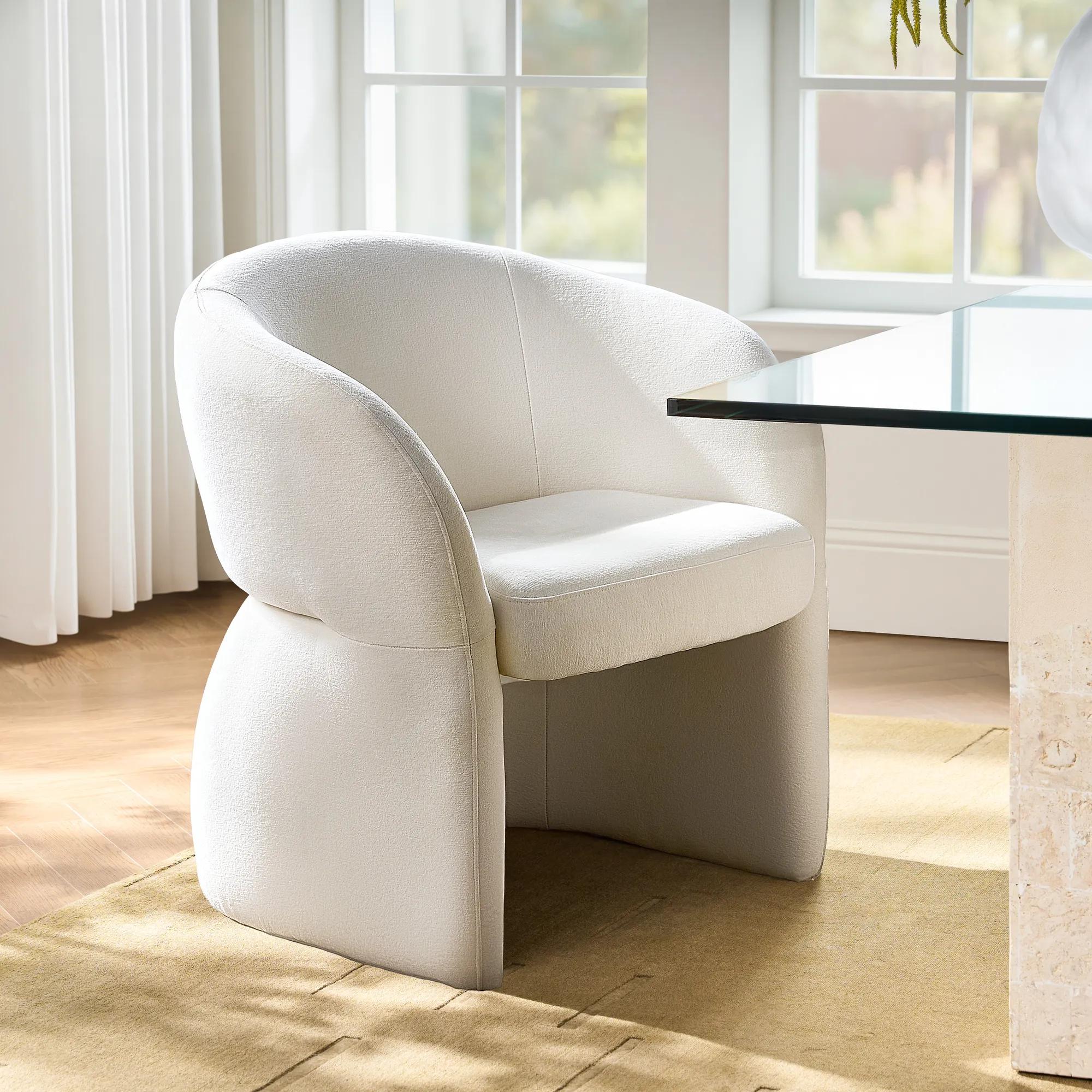 Sierra Oatmeal Velvet Dining Chair$599
An elegant accent chair in oatmeal velvet with gracefully arched arms, curved back, and plush cushioning.
Add To Cart -
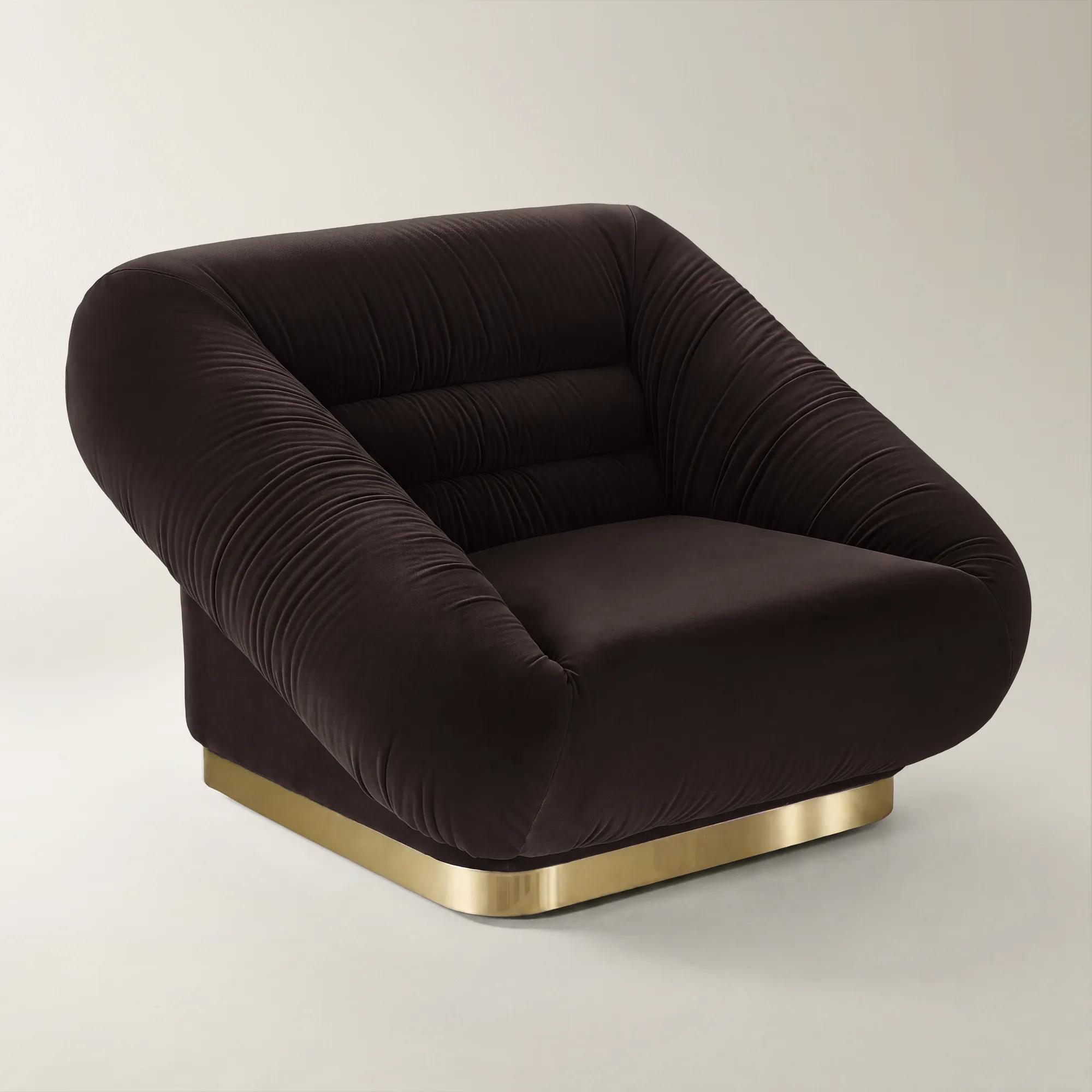
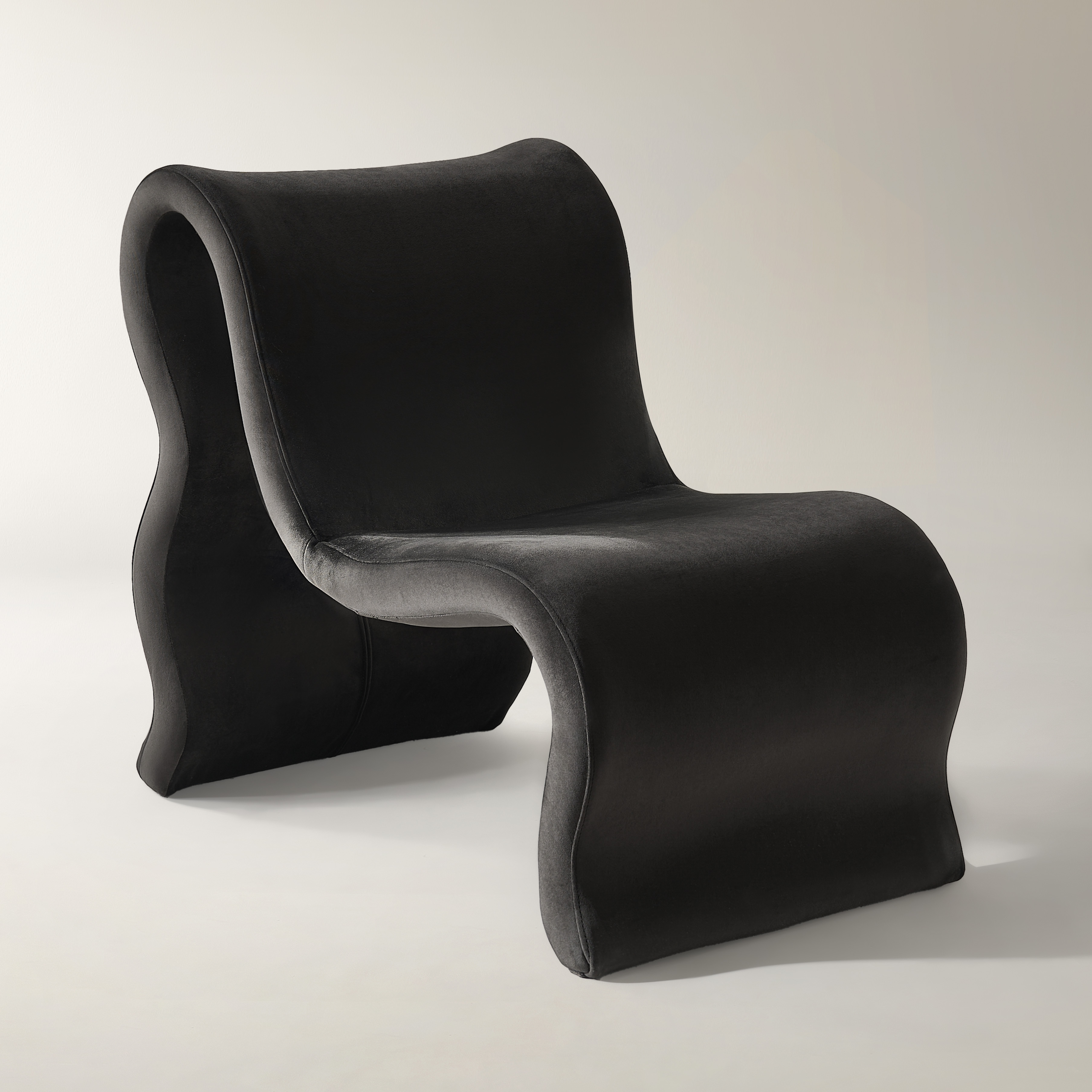 Romy Charcoal Velvet Accent Chair$999
A sculptural accent chair in charcoal velvet with a wave-like silhouette and full foam construction.
Add To Cart -
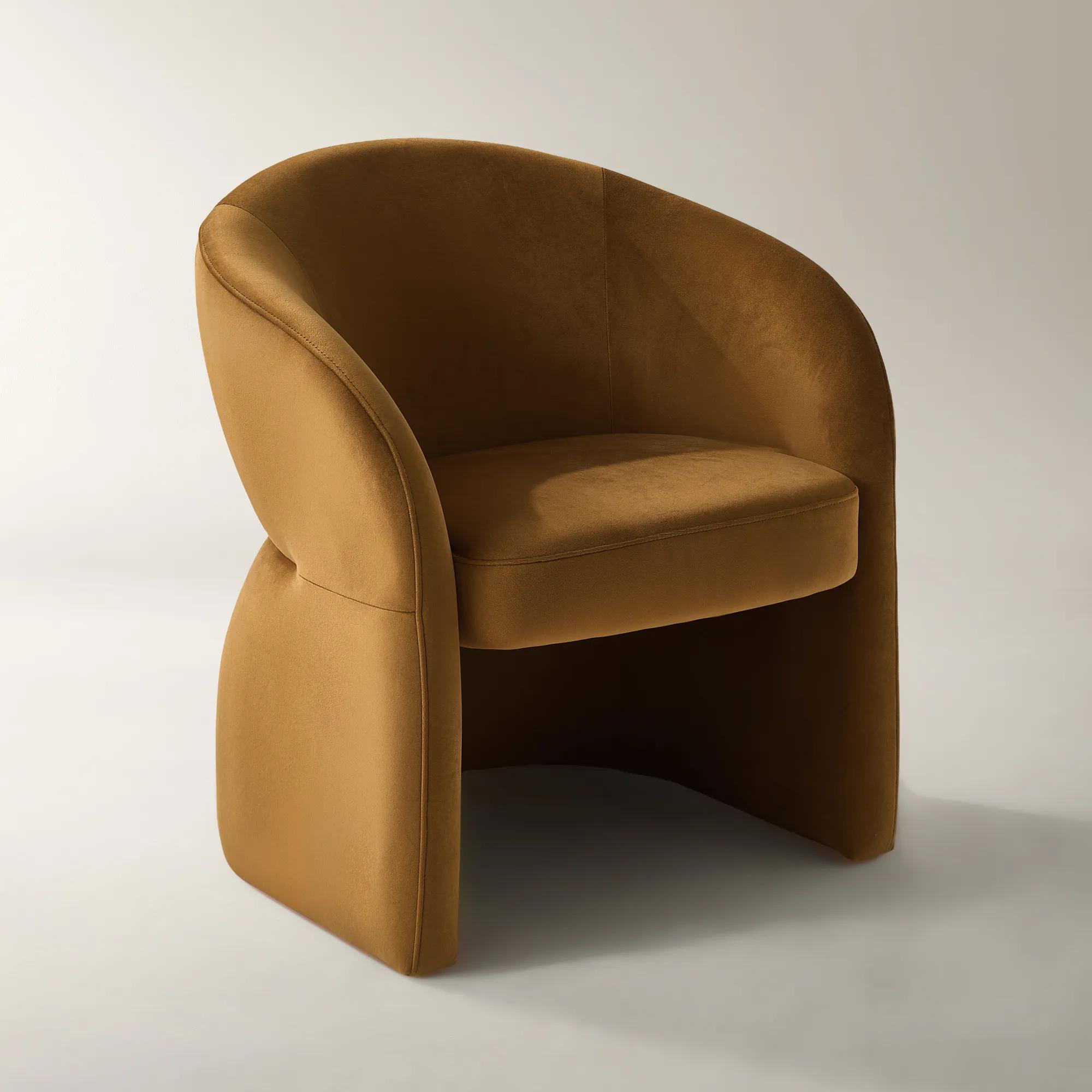
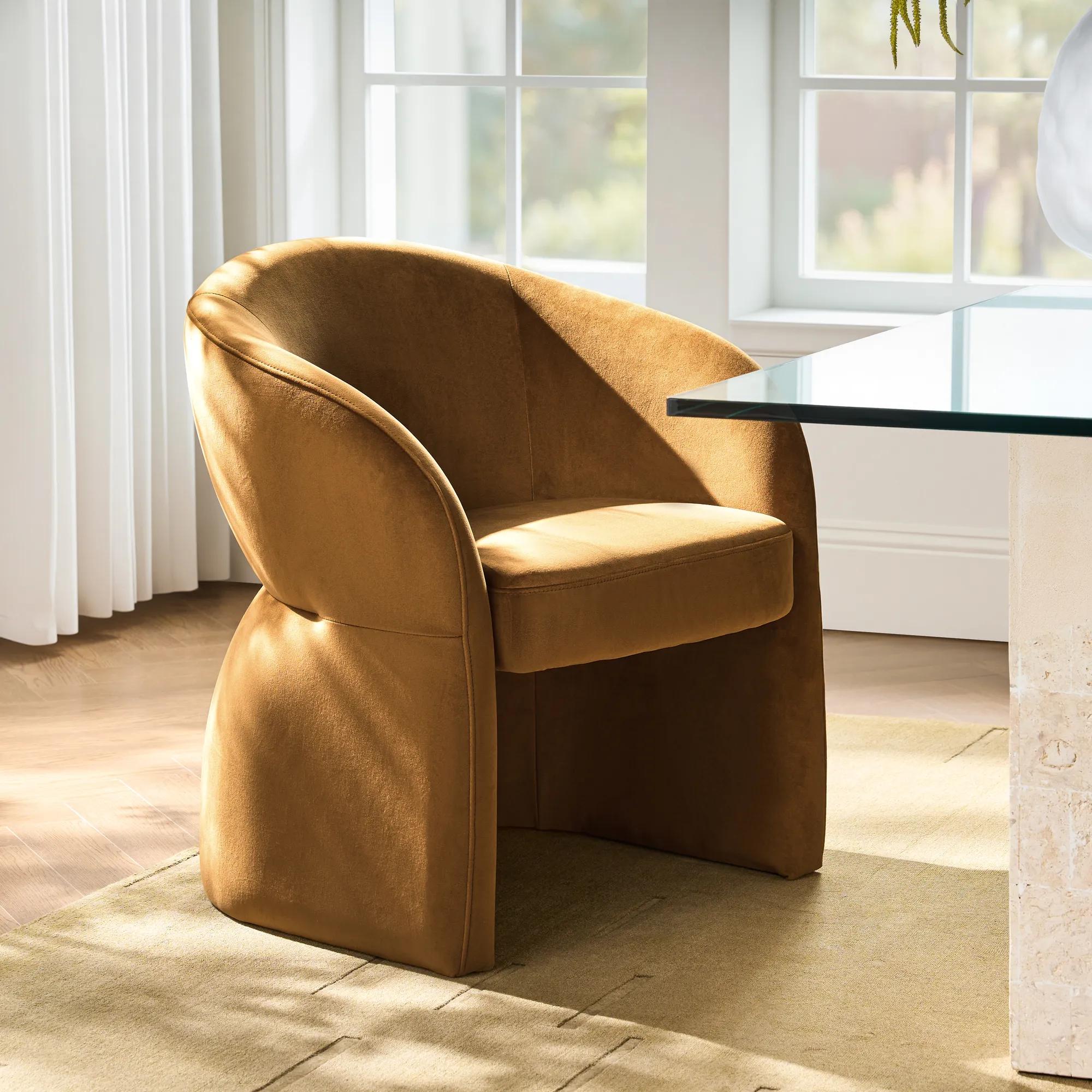 Sierra Roasted Pecan Velvet Dining Chair$599
A sculptural accent chair in roasted pecan velvet with arched arms, curved back, and plush cushioning.
Add To Cart -
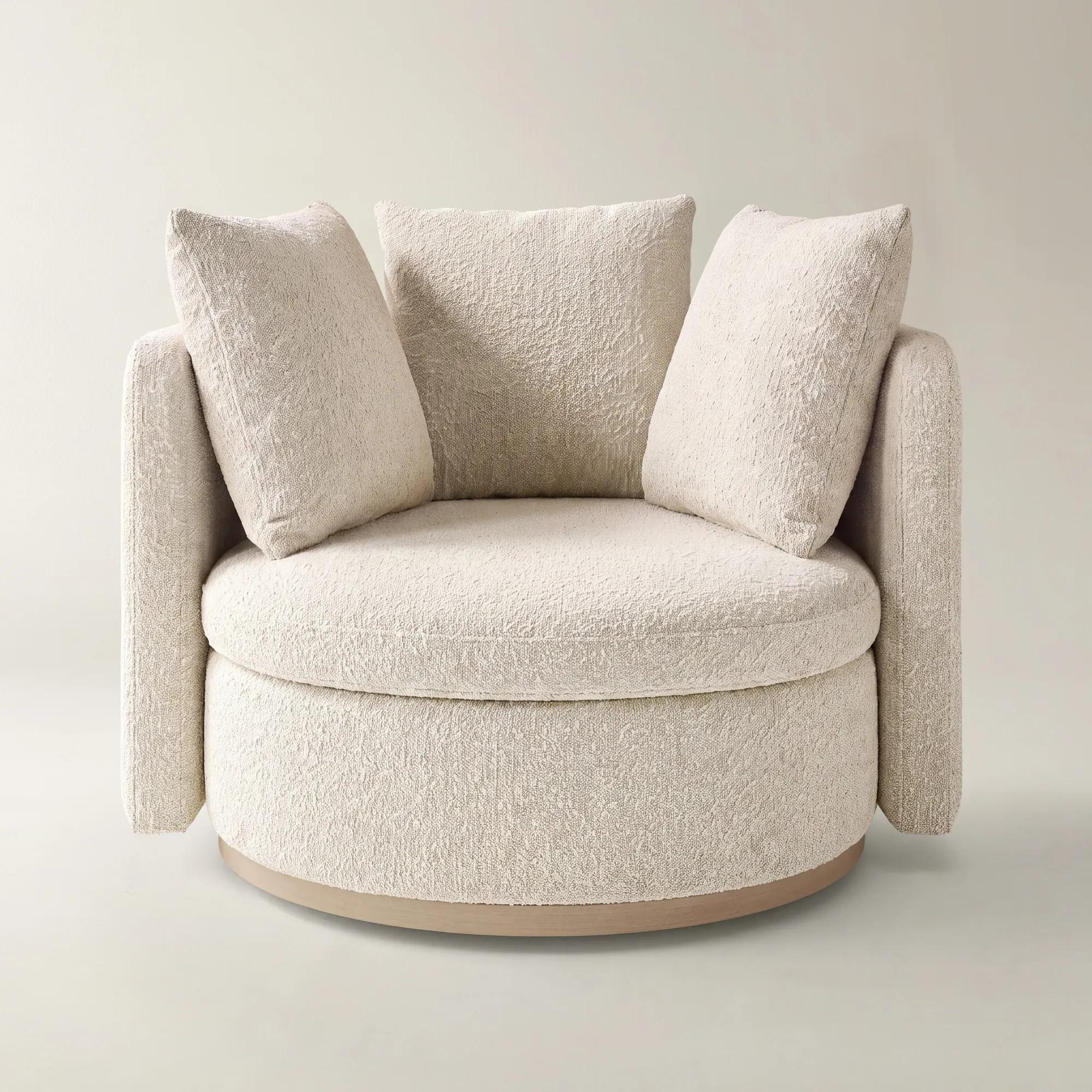
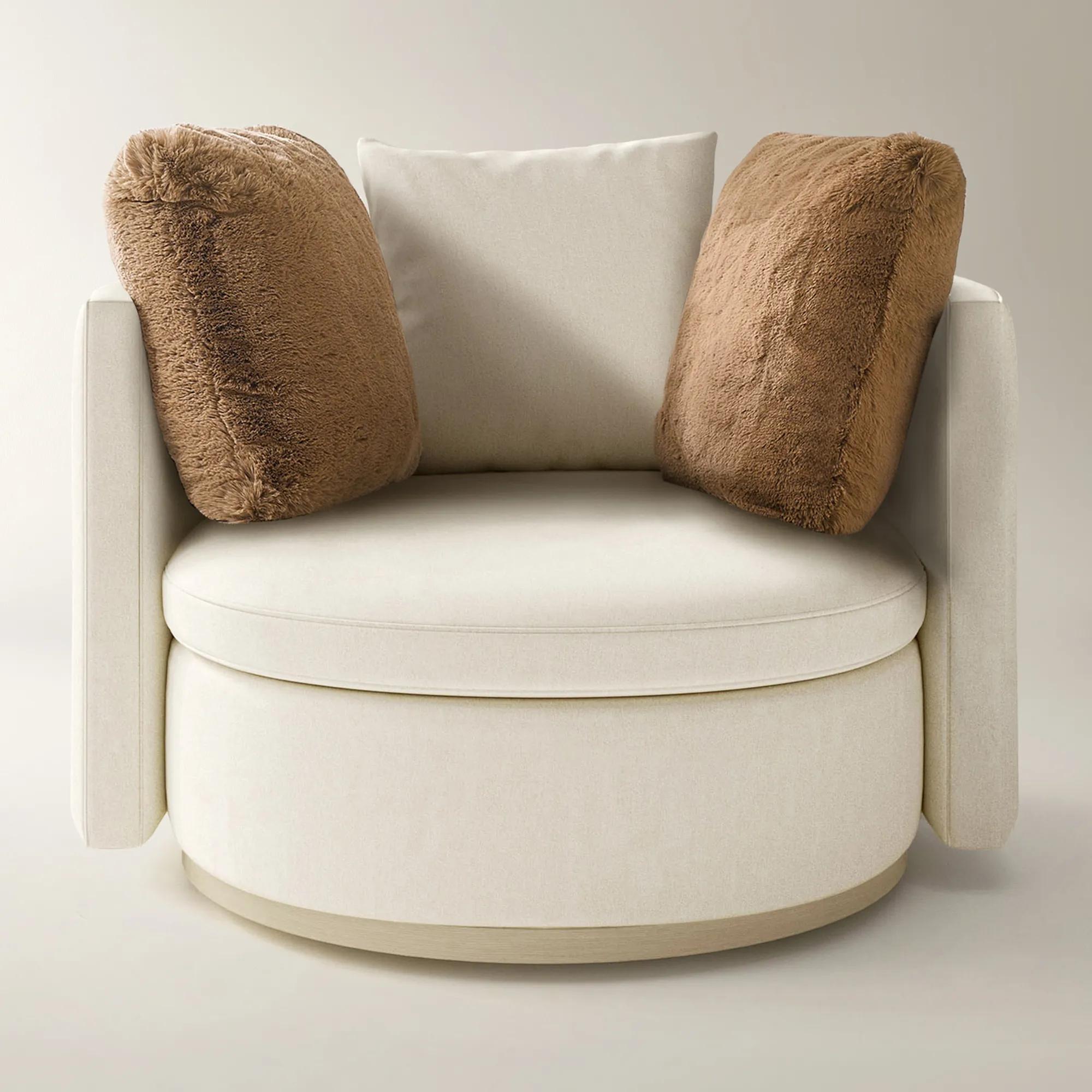 Stria Ivory Performance Boucle Swivel Accent Chair$1599
An ivory performance bouclé accent chair with enveloping curves, layered comfort, and a concealed 360-degree swivel.
Add To Cart -
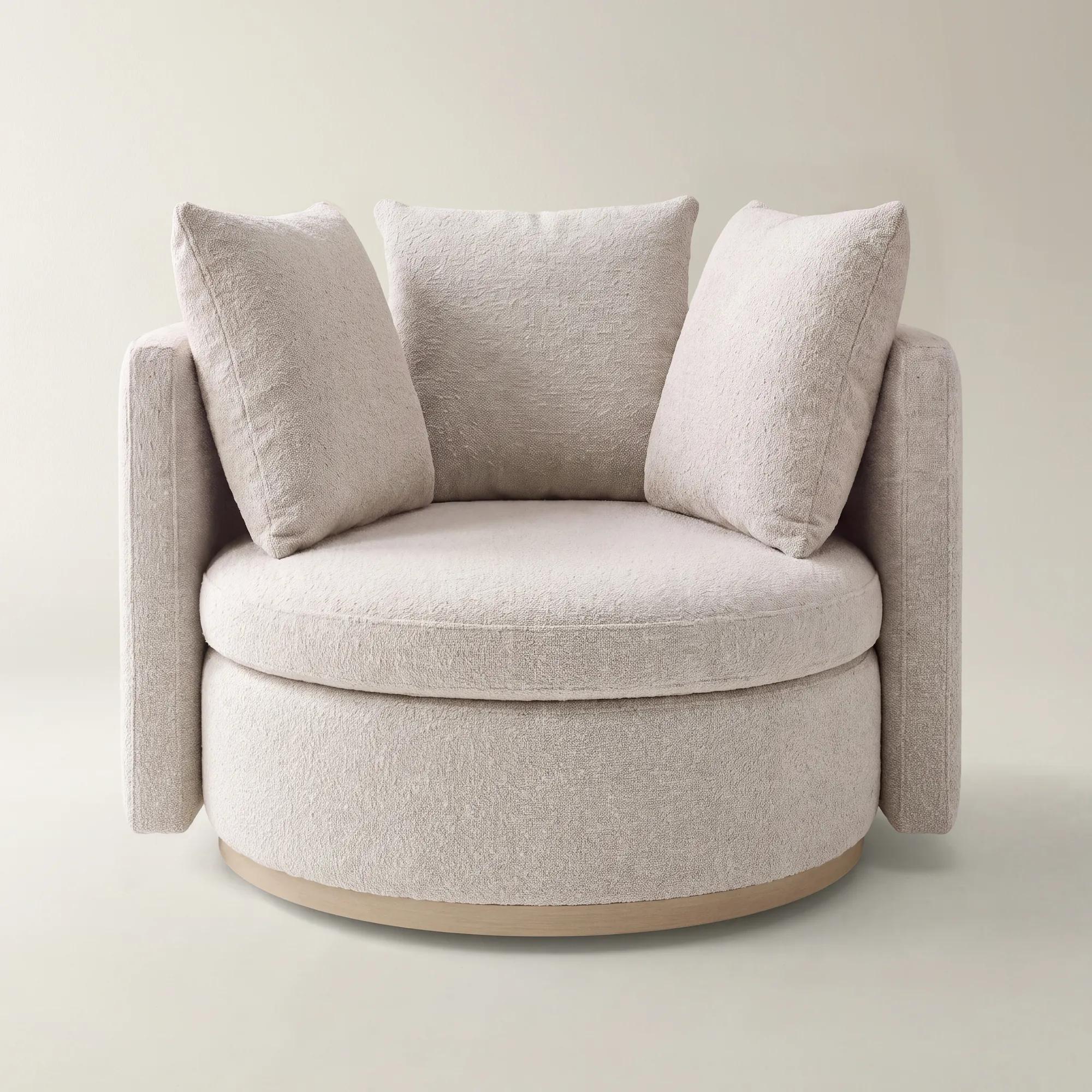
 Stria Ivory Performance Boucle Swivel Accent Chair$1599
An ivory performance bouclé accent chair with enveloping curves, layered comfort, and a concealed 360-degree swivel.
Add To Cart -
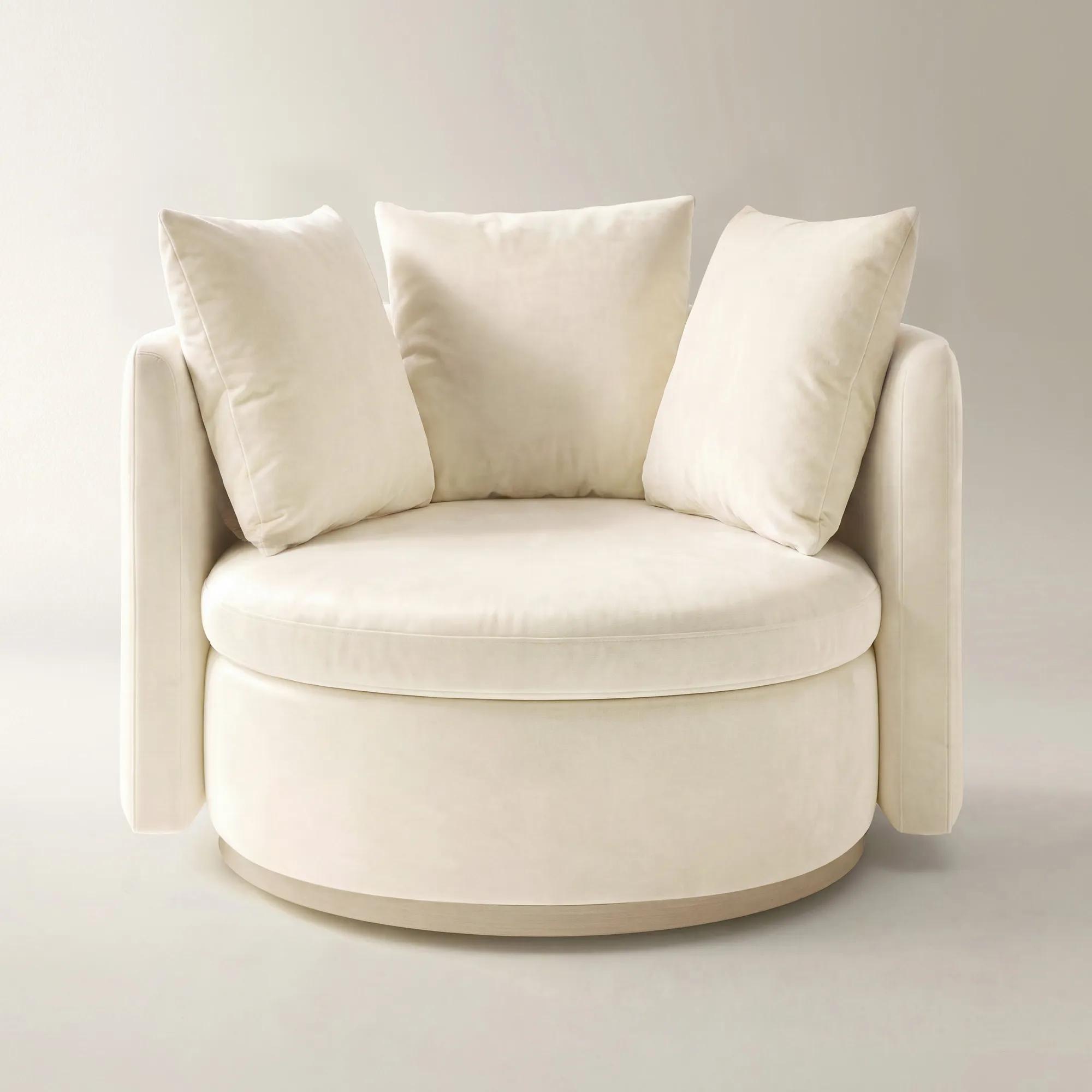 Stria Oatmeal Velvet Swivel Accent Chair$1499
An oatmeal velvet accent chair featuring enveloping curves, layered cushioning, and a concealed 360-degree swivel base.
Add To Cart -
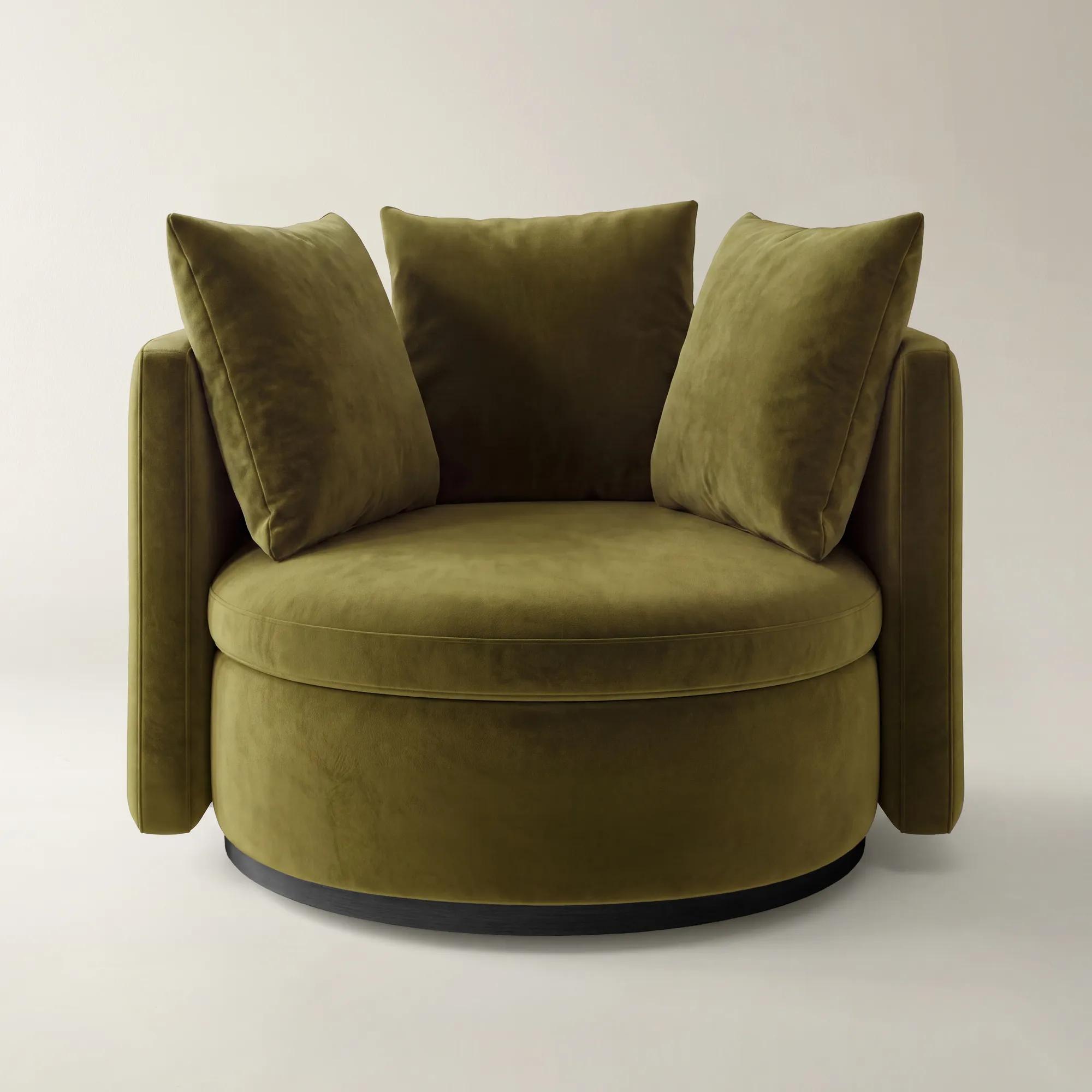 Stria Deep Olive Velvet Swivel Accent Chair$1499
A deep olive velvet accent chair with enveloping curves, layered cushioning, and a concealed 360-degree swivel base.
Add To Cart -
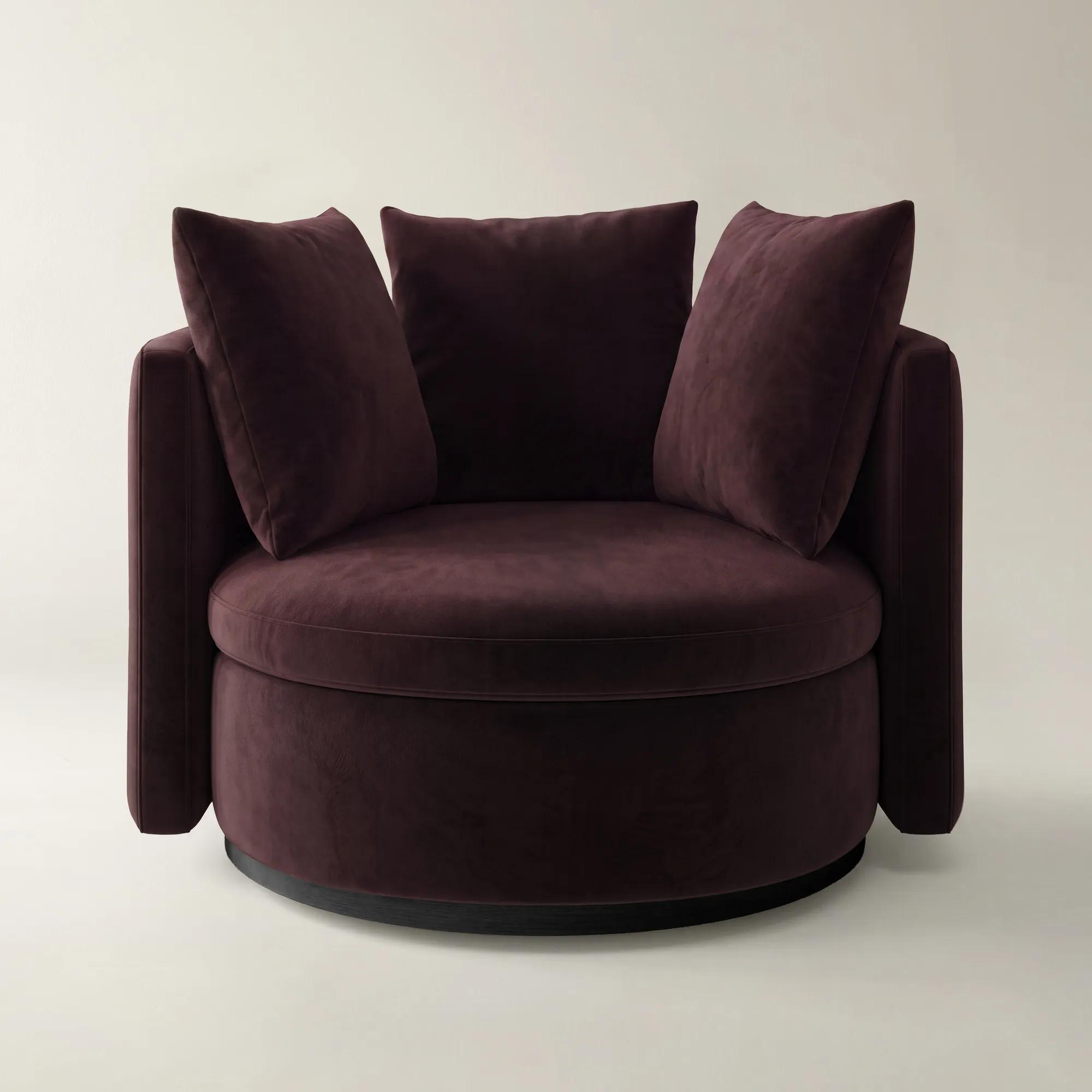 Stria Fig Velvet Swivel Accent Chair$1499
A fig velvet chair with a sculptural wraparound silhouette, layered foam comfort, and concealed 360-degree swivel.
Add To Cart -
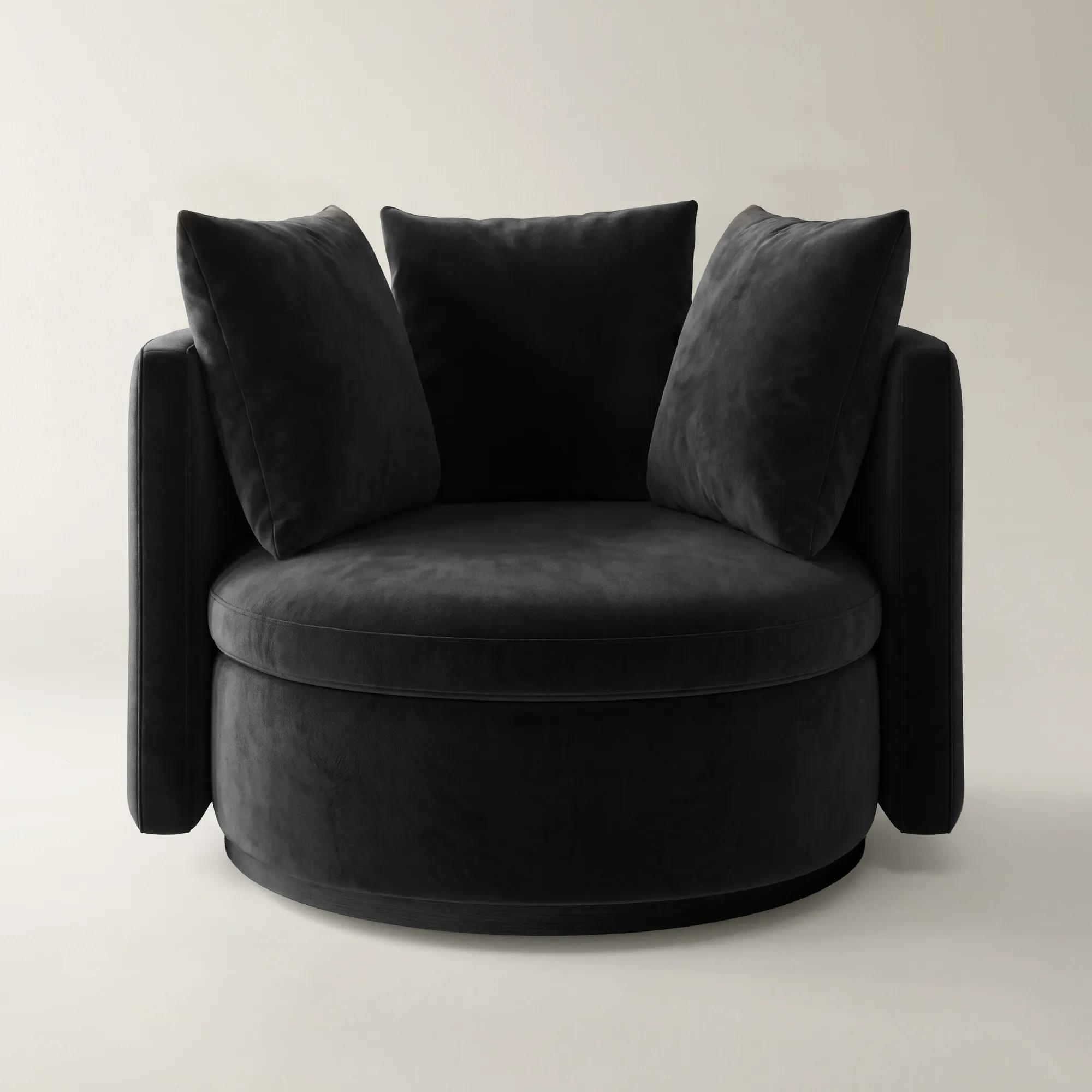 Stria Charcoal Velvet Swivel Accent Chair$1499
A sculptural charcoal velvet accent chair with enveloping curves, layered cushioning, and a concealed 360-degree swivel.
Add To Cart -
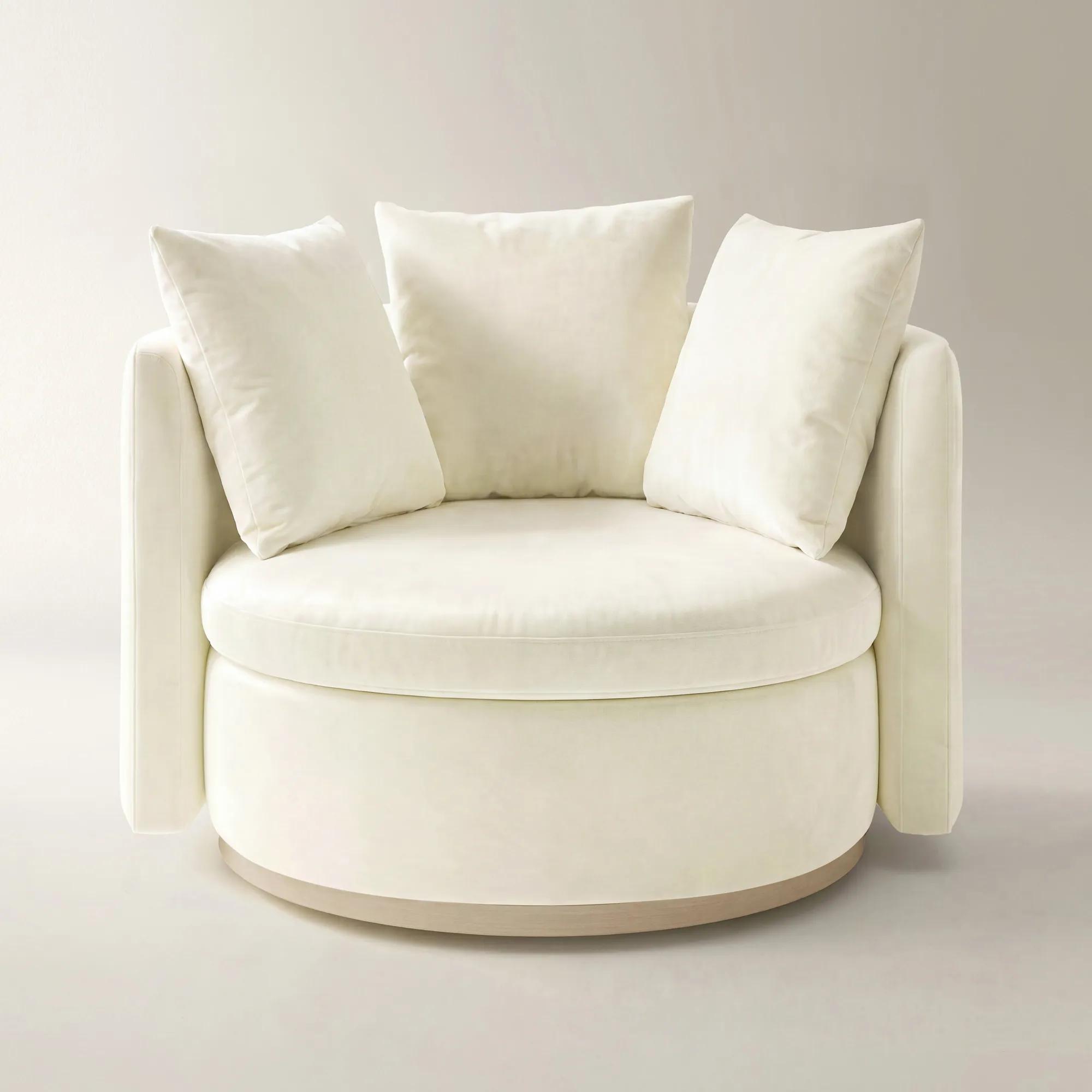 Stria Cloud Velvet Swivel Accent Chair$1499
A sculptural cloud-velvet accent chair with enveloping curves, layered cushioning, and a concealed 360-degree swivel base.
Add To Cart -
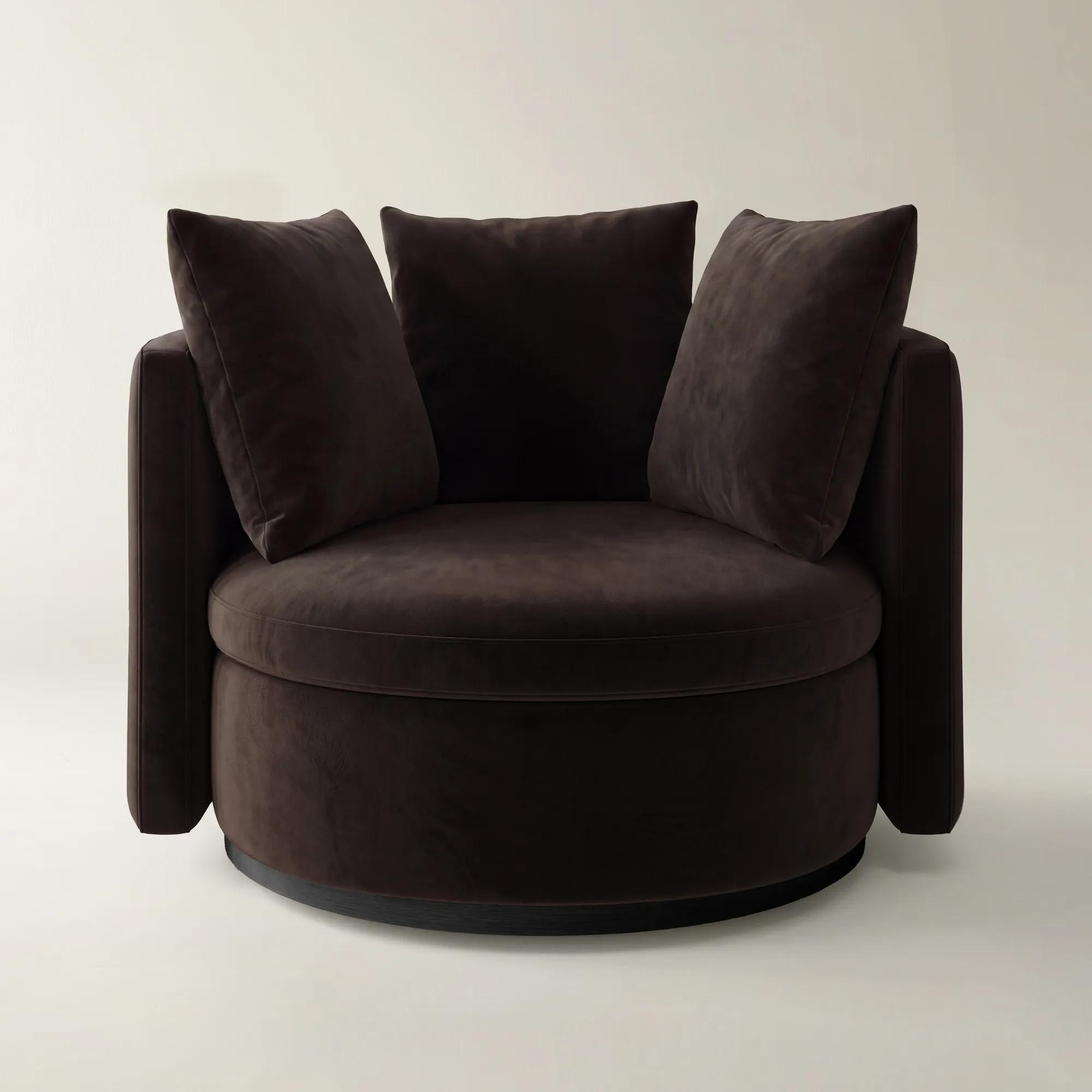 Stria Dark Chocolate Velvet Swivel Accent Chair$1499
A dark chocolate velvet accent chair with enveloping curves, plush cushioning, and a concealed 360-degree swivel.
Add To Cart -
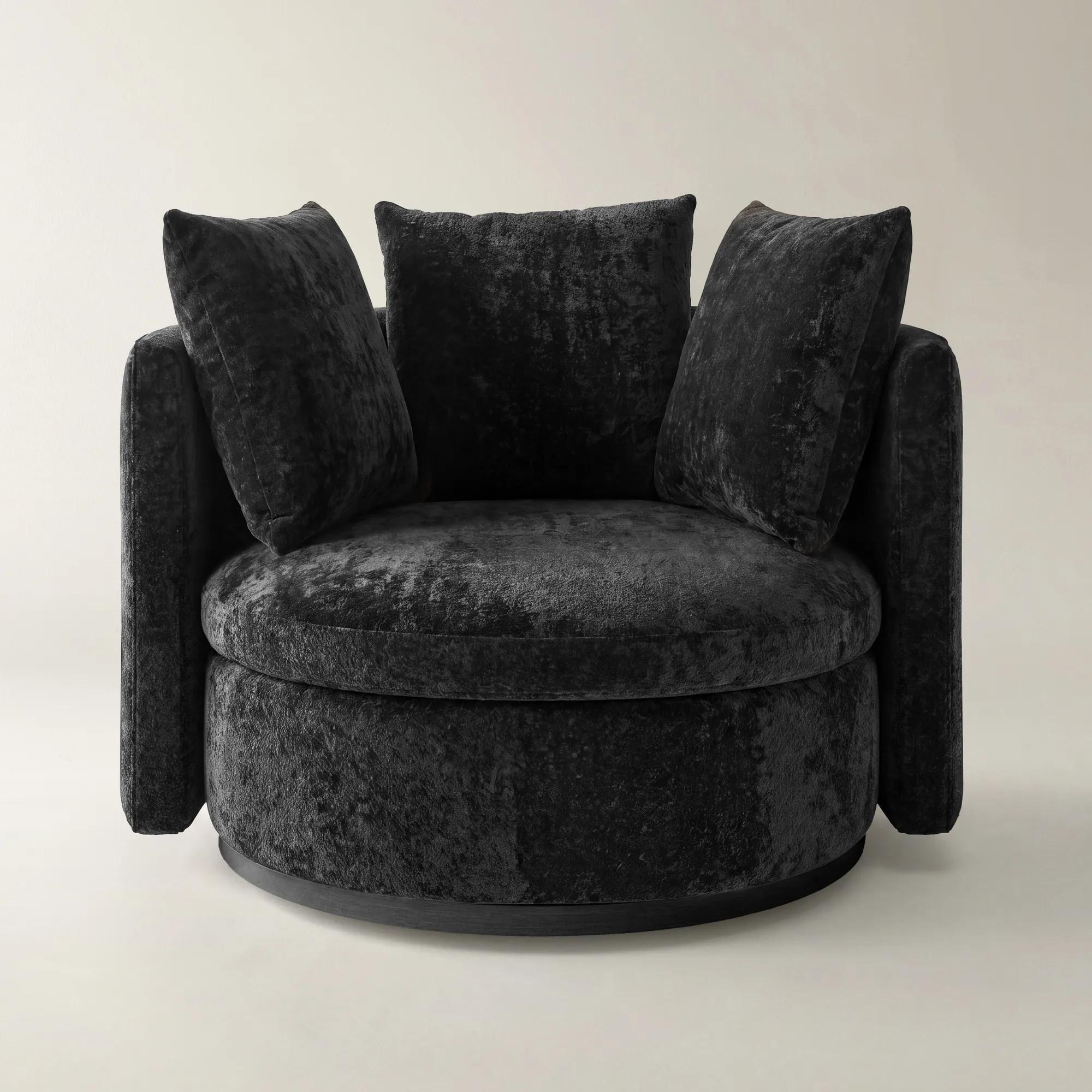 Stria Black Chenille Swivel Accent Chair$1599
A black chenille accent chair with enveloping curves, foam-and-down comfort, and a concealed 360-degree swivel.
Add To Cart -
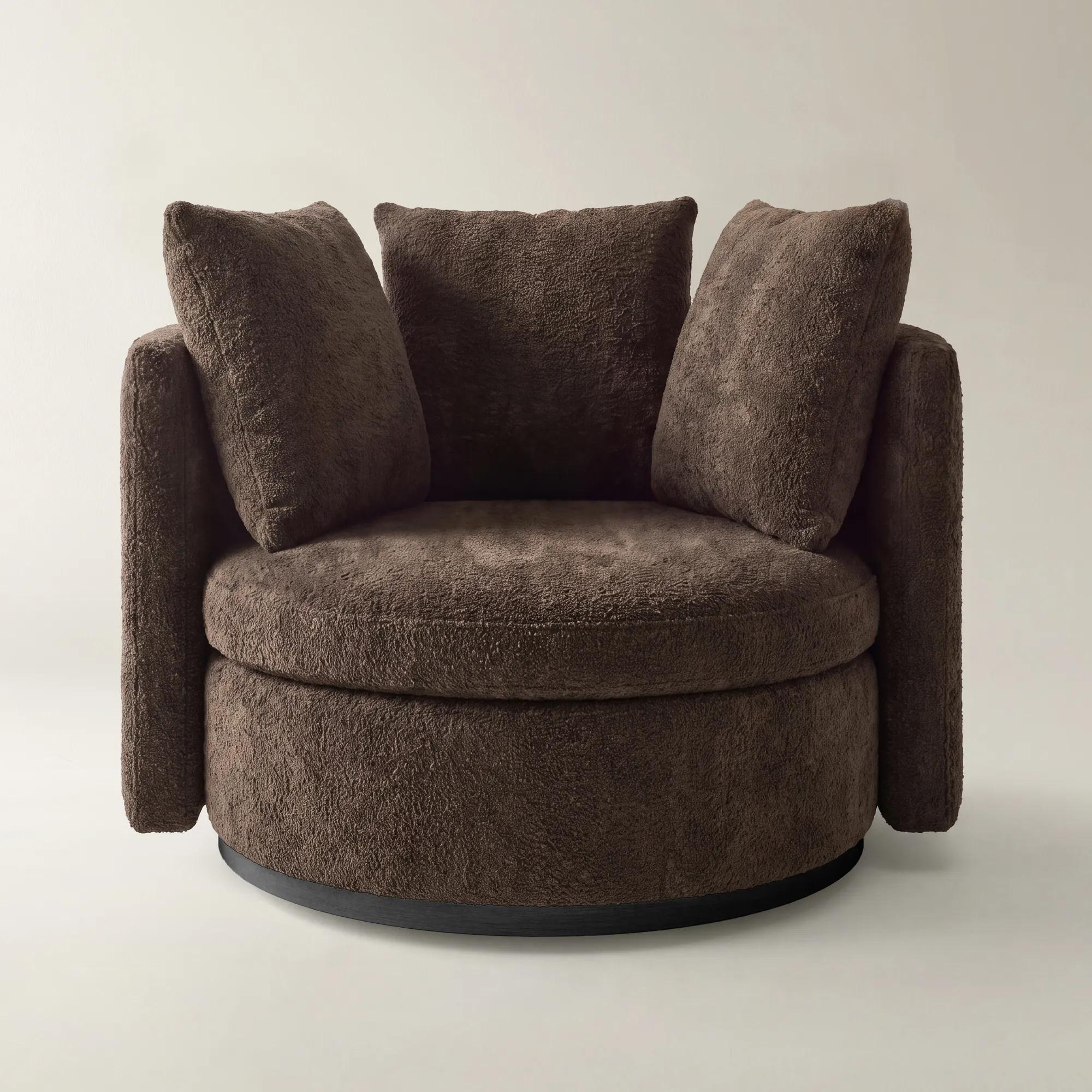 Stria Dark Chocolate Chenille Swivel Accent Chair$1599
A dark chocolate chenille accent chair featuring enveloping curves, layered cushioning, and a concealed 360-degree swivel.
Add To Cart -
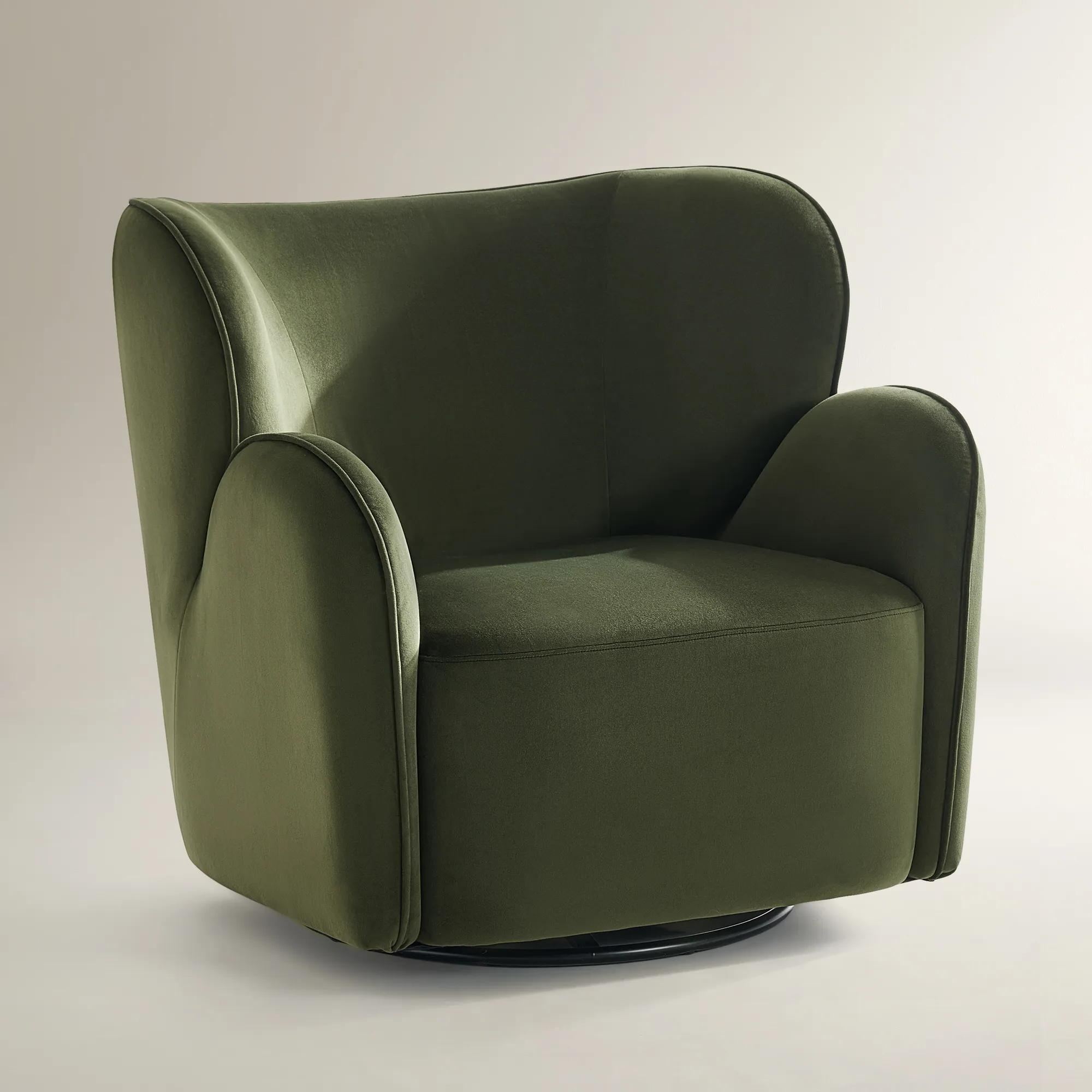
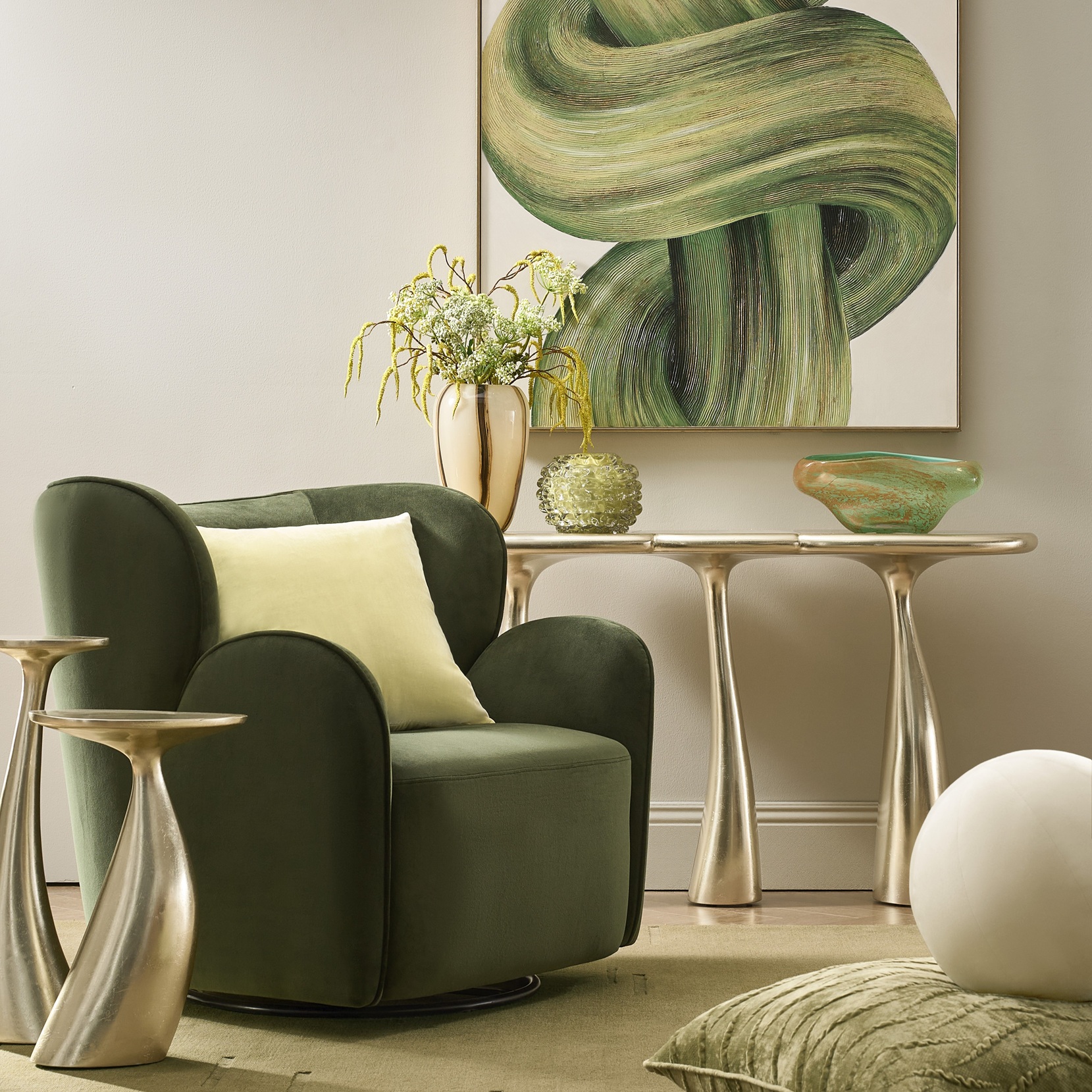 Ceres Jade Green Velvet Swivel Accent Chair$799
A plush jade green velvet chair with a curved silhouette, 360° swivel, and supportive foam cushioning.
Add To Cart -
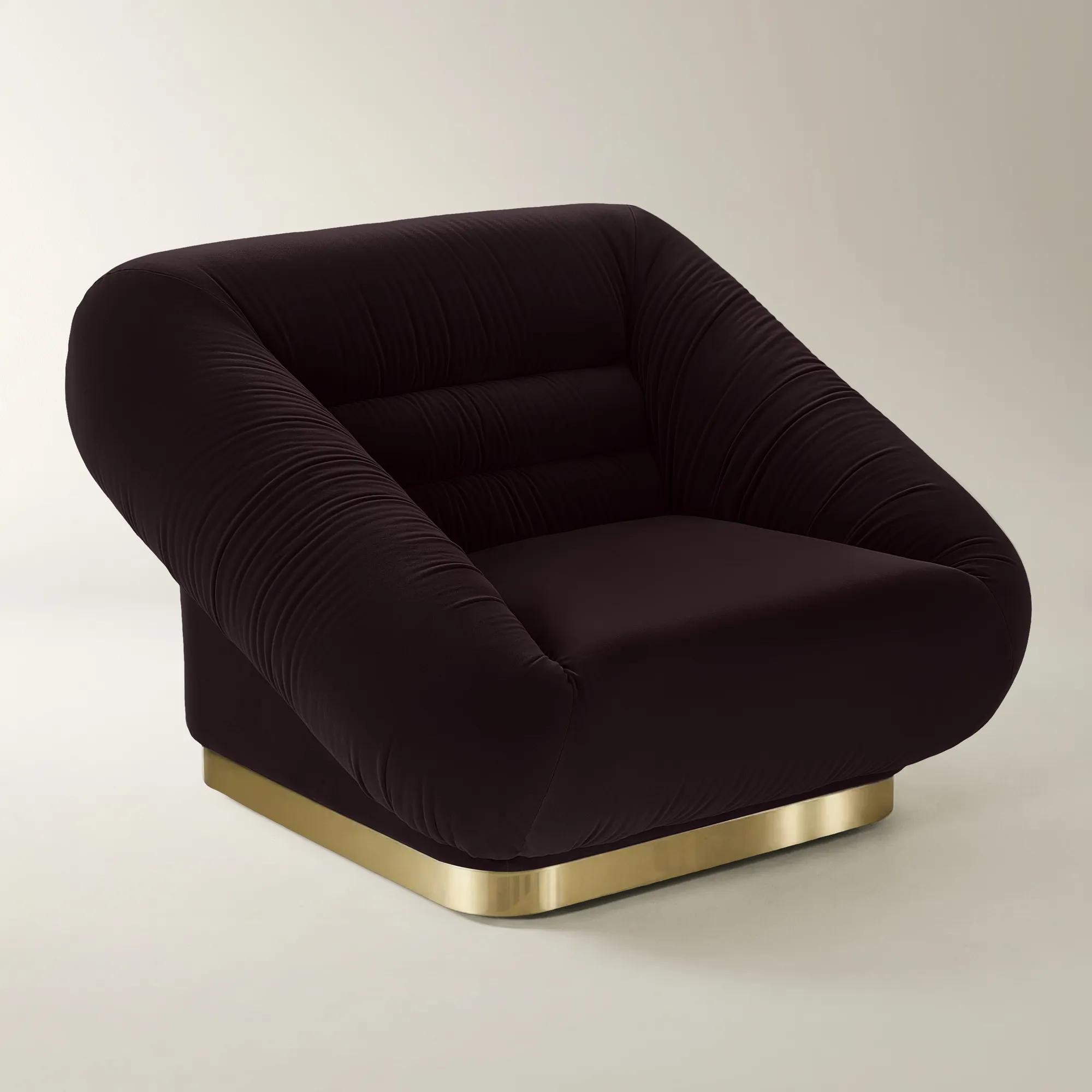 Dover Fig Velvet Swivel Accent Chair$1299
A sculptural fig velvet accent chair featuring soft gathered upholstery, gold-trimmed base, and smooth 360° swivel.
Add To Cart

Accent Chairs With High Density Foam
Accent chairs with high density foam invite you to indulge in a world where comfort meets couture. Each sculptural silhouette is meticulously crafted to elevate your space—offering not just a seat, but a statement. Imagine the sumptuous embrace of plush cushioning as you unwind, while bold lines and luxurious textures transform any corner into an artful retreat. With accent chairs designed for those who crave both drama and refinement, every moment becomes an opportunity to express your unique vision and infuse your home with undeniable allure.
Accent chairs with high-density foam bring expressive design and resilient cushioning into the same beautifully composed seat. High-density foam contains more material per cubic foot than lower-density foam and, in comparable conditions, generally offers better resistance to compression and loss of shape over time. That makes it a compelling choice for an accent chair that serves as more than a decorative silhouette: the seat beside a favorite reading lamp, the pair arranged for conversation, or the bedroom chair that becomes a quiet destination at the end of the day. Density and firmness are not interchangeable, however. A dense foam cushion can feel soft, medium, or firm depending on its formulation and construction, while layers of fiber or other padding can soften the initial feel without changing the supportive core beneath. The frame, seat suspension, upholstery, and cushion thickness also influence how a chair feels and how well it wears. Together, these details create the difference between a chair admired from across the room and one that invites a lingering stay. A sculptural barrel back can establish an intimate, enveloping mood; an angular profile can lend architectural definition beside a generously upholstered sofa. Curved arms soften a composition of clean lines, while an exposed base gives a substantial seat a lighter visual presence. High-density foam supports these varied expressions by providing cushioning that can recover after everyday use, although no foam is entirely immune to softening or wear. For households where an accent chair sees frequent reading, conversation, or entertaining, the appeal lies in that balance of form and function. The silhouette contributes artistry to the room, and the cushion beneath the upholstery helps make the experience as considered as the appearance. Comfort remains personal, so the most satisfying combination depends on whether the intended sitter prefers an upright, supported posture or a deeper seat with room to settle in. A chair’s density specification is useful context, but it never tells the entire comfort story.
Upholstery gives that support its tactile character, transforming a cushioned chair into a distinct design statement. Velvet catches light across its pile, lending even a restrained color a rich, dimensional finish. Textured woven fabrics introduce depth through their yarns, while smoother upholstery can emphasize the sweep of an arm or the precision of a tailored seam. Leather develops its own character with use, though its care requirements and response to light vary by finish. The material that feels most compelling also needs to suit the chair’s daily role. A frequently used family-room seat faces different demands than an occasional chair in a formal sitting area, particularly where pets, children, or frequent guests are part of the setting. Tightly woven fabrics may offer practical advantages, but weave alone does not establish durability; fiber content, construction, testing, and the manufacturer’s care information all matter. Likewise, a performance designation should be understood through the specific protections described rather than treated as a promise that spills cannot leave a mark. Beneath the fabric, a well-constructed frame with secure joints and appropriate seat support helps the cushioning perform as intended. High-density foam cannot compensate for an unstable frame or weakened suspension, and a substantial frame does not eliminate the need for thoughtful cushion construction. Everyday care protects the whole composition. Gentle vacuuming with a suitable upholstery attachment removes dust from seams and crevices, while prompt blotting can help keep a spill from spreading. Cleaning methods should follow the upholstery label, since water-based products are unsuitable for some materials and solvents are unsuitable for others. Removable cushions may benefit from rotation when their construction permits it; attached cushions require a different approach. Direct sunlight can fade upholstery, and repeated contact with sharp hardware or rough surfaces can abrade fibers. These practical details preserve the pleasure of a chair’s texture, the clarity of its tailoring, and the polished impression it brings to a room without suggesting that any upholstery or foam is maintenance-free.
Scale determines whether an accent chair feels intentional within its surroundings. Overall width and depth establish its footprint, but seat height, usable seat depth, arm height, and back angle shape the experience of sitting down and standing up. A deep, low chair can create a luxurious lounging spot, yet a shallower seat and higher sitting position may feel more accommodating to someone who prefers upright support. Higher arms can provide a comfortable resting place for elbows, while a generous back can make a small reading corner feel more sheltered. These proportions also affect the relationship to surrounding furniture: a chair should sit comfortably within conversation range of a sofa without crowding a coffee table or narrowing a walkway. In a compact room, a visually open base or a slimmer arm profile can preserve breathing room without giving up a distinctive presence. In a larger room, two substantial chairs can frame a fireplace, balance a long sofa, or define a separate gathering area. Measuring entryways and the intended placement helps ensure that a dramatic silhouette suits both the room and the route into it. Color and finish then establish the mood. An ivory upholstered chair against dark wood creates luminous contrast; a saturated jewel tone can lend depth to a neutral arrangement; metallic details introduce a controlled gleam beside matte surfaces. Coordinating chairs need not duplicate every finish to feel connected. Repeated curves, related textures, or a shared color undertone can carry a design language from one space to another, including seating around a dining table. For that setting, High Density Foam Dining Arm Chairs bring the same interest in supportive cushioning to a different set of proportions, where table clearance and arm height become especially important. An accent chair, by contrast, has greater freedom to stand as an individual gesture. Whether placed in a living room, bedroom, or spacious home office, its success rests on a thoughtful relationship between resilient cushioning, suitable materials, comfortable dimensions, and a silhouette with enough personality to make the space feel distinctly personal.
FAQs
High-density foam accent chairs offer a level of plush support and resilience that elevates everyday seating into an indulgent experience. The foam’s superior structure resists sagging over time, ensuring each sit feels as inviting as the first. Paired with expressive fabrics and bold silhouettes, these chairs bring a sense of artistry and sophistication to any room.
Accent chairs with high-density foam not only provide exceptional comfort but also serve as sculptural focal points within a room. Whether upholstered in rich velvet, tactile boucle, or a daring print, these chairs invite conversation, relaxation, and admiration—transforming ordinary corners into captivating vignettes.
Absolutely. The versatility of high-density foam accent chairs allows them to shine in both formal living rooms and relaxed reading nooks. Their refined construction and chic design details lend an air of luxury, while their comfort ensures they’re equally at home in spaces meant for unwinding and everyday enjoyment.
Performance fabrics, sumptuous velvets, and textured boucle are all exquisite choices for accent chairs featuring high-density foam. These materials not only highlight the foam’s supportive qualities but also add layers of visual and tactile richness, ensuring your chair remains a standout piece for years to come.
A high-density foam accent chair makes a thoughtful and luxurious gift for anyone who values both style and comfort. It’s a perfect gesture for new homeowners, design enthusiasts, or loved ones celebrating a milestone—offering them a piece that blends lasting support with bold, expressive design.