High Density Foam Sofas
High Density Foam Sofas
-
 Asheville Beige Boucle Sofa$2399
A light grey boucle sofa with feather-filled cushions, removable slipcover, and kiln-dried solid oak feet.
Add To Cart -
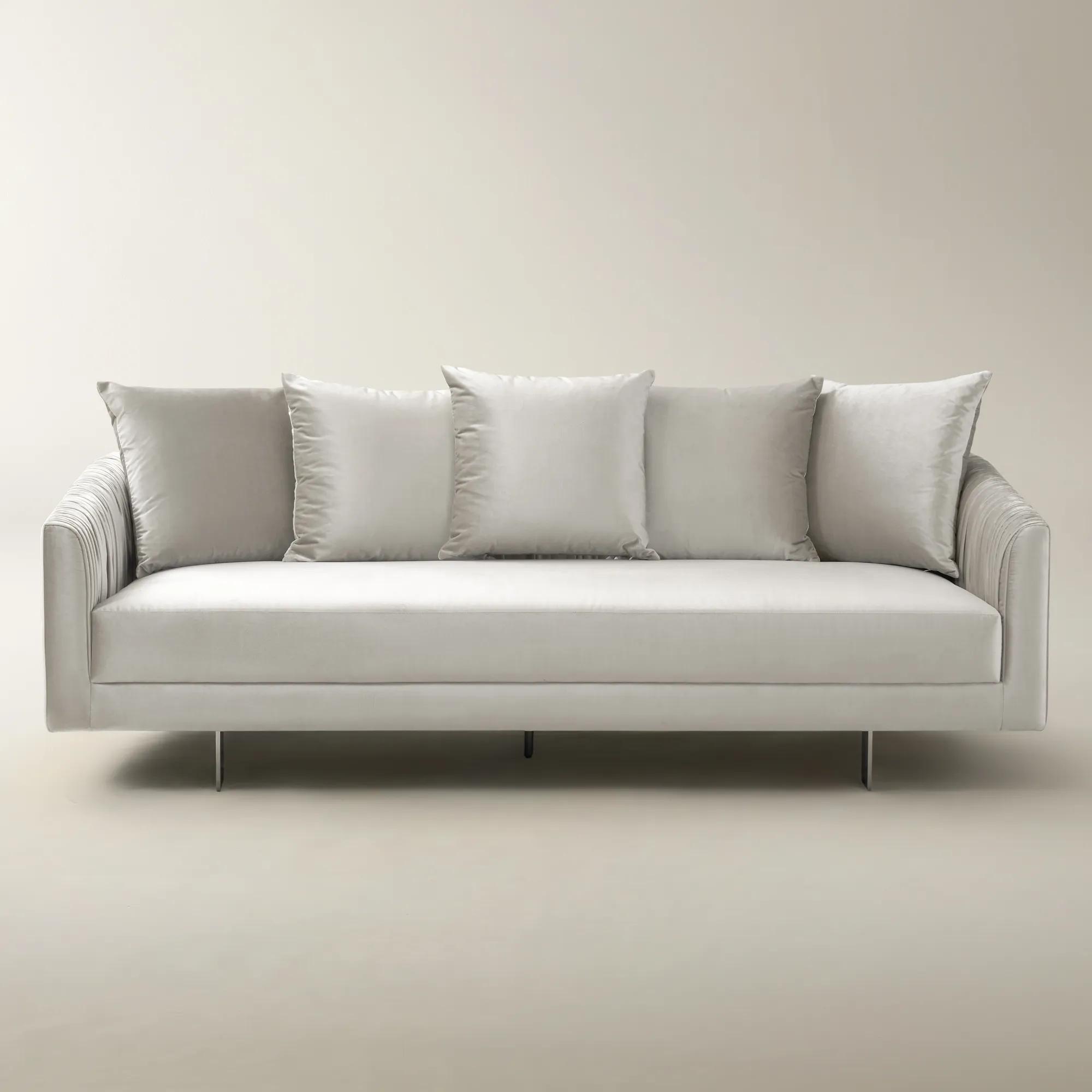
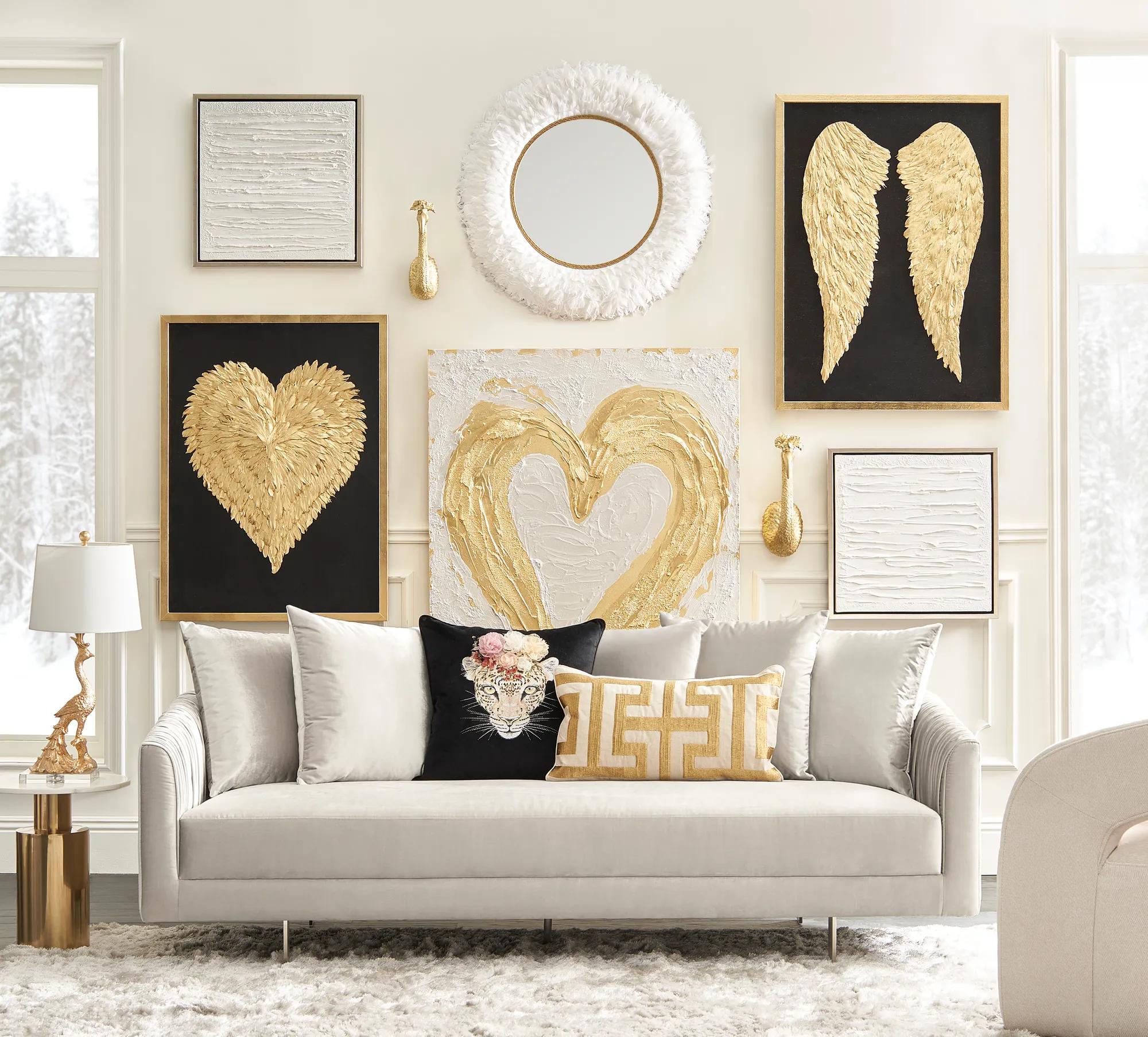 Isabel Softgrey Velvet Sofa$2599
A luxurious hand-tufted sofa with plush feather and foam cushions, nickel-brushed legs, and five pillows.
Add To Cart -
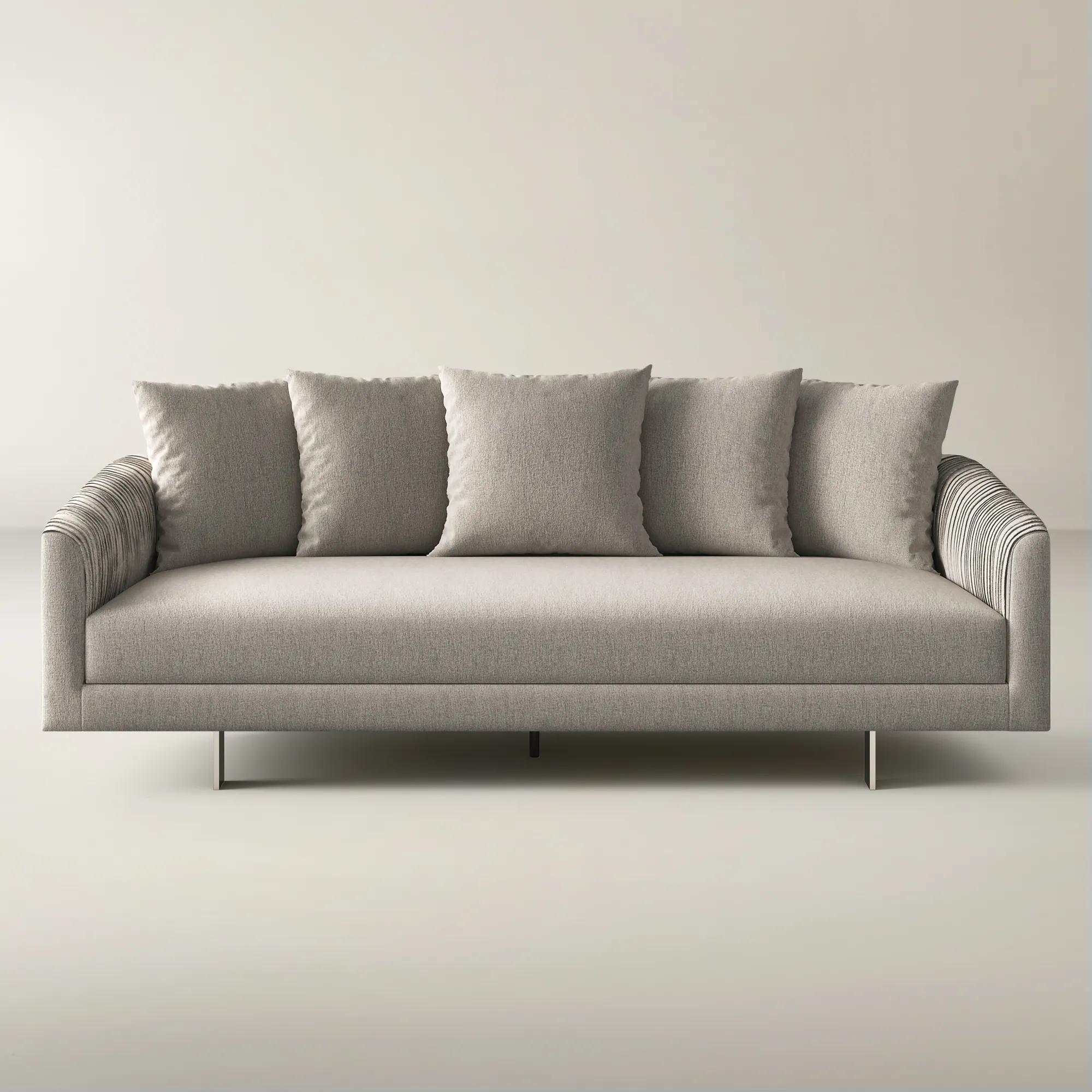 Isabel Moondust Chenille Sofa$2299
A luxurious hand-tufted sofa with plush feather and foam cushions, nickel-brushed legs, and five pillows.
Add To Cart -
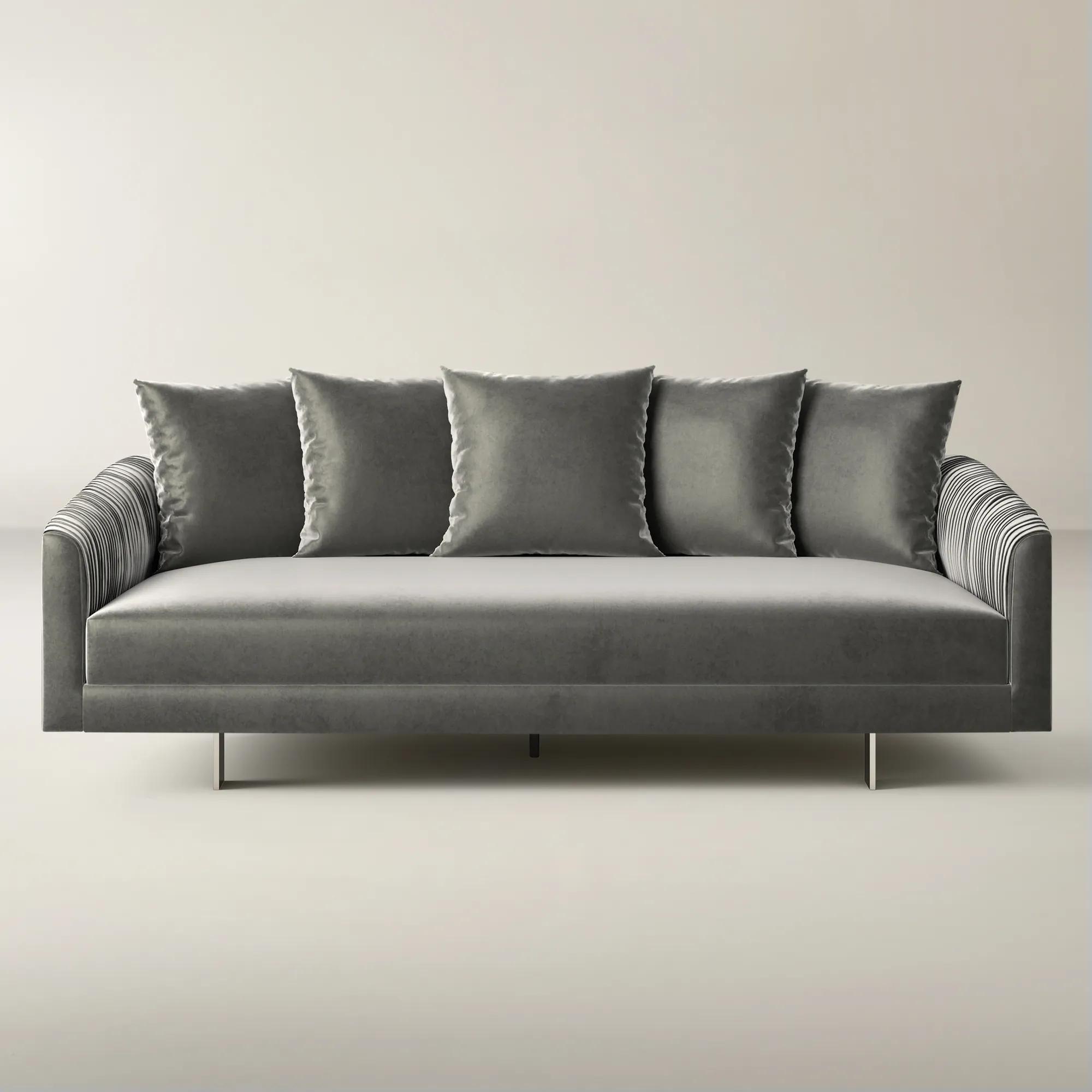 Isabel Ottergrey Velvet Sofa$2599
A luxurious hand-tufted sofa with plush feather-filled cushions, nickel-brushed stainless steel legs, and five decorative pillows.
Add To Cart -
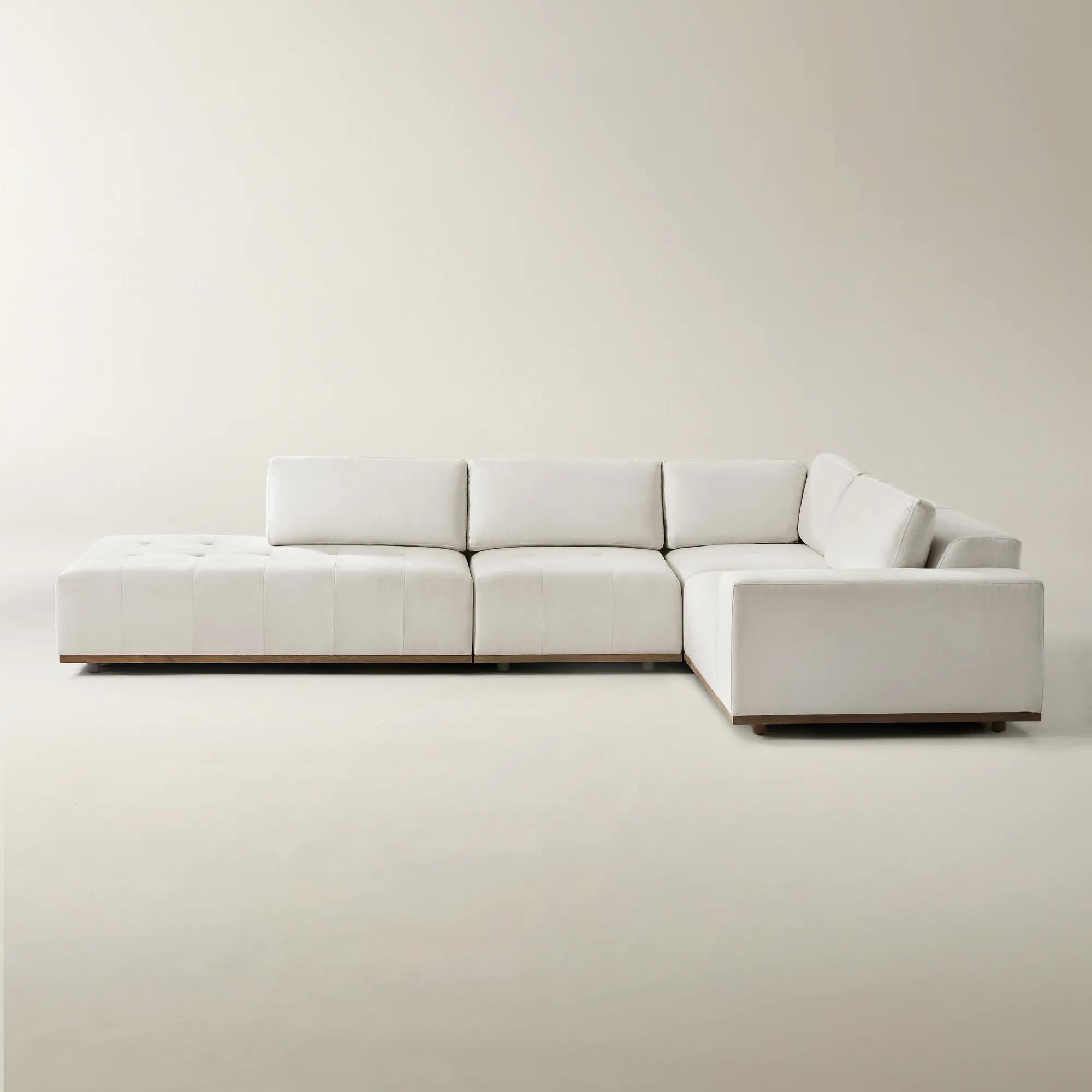 Carlos 4-Piece L-Shaped Oyster Linen Sectional Sofa$5899
A hand-tufted sectional with luxurious linen-blend upholstery, natural grey legs, and plush duck feather cushions.
Add To Cart -
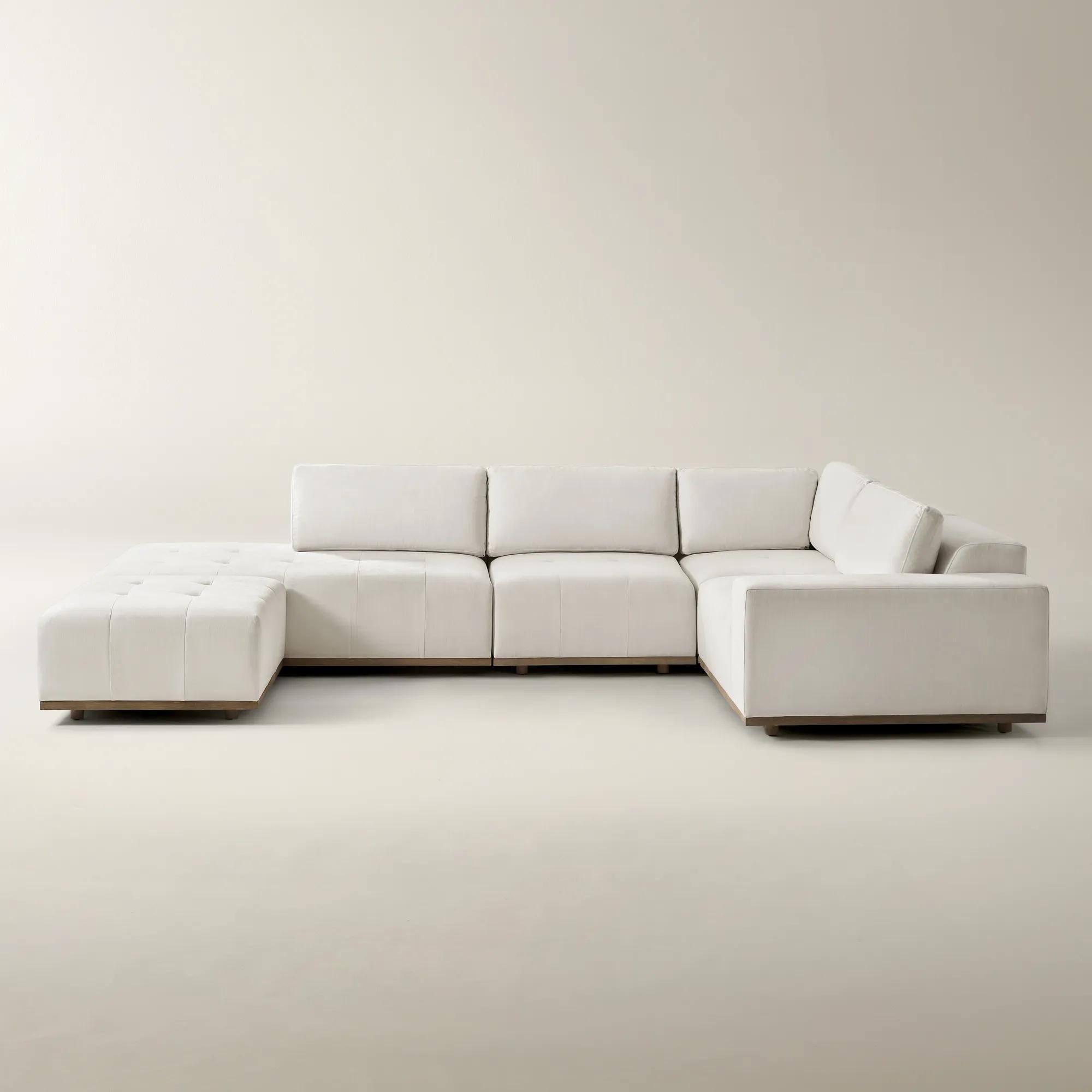
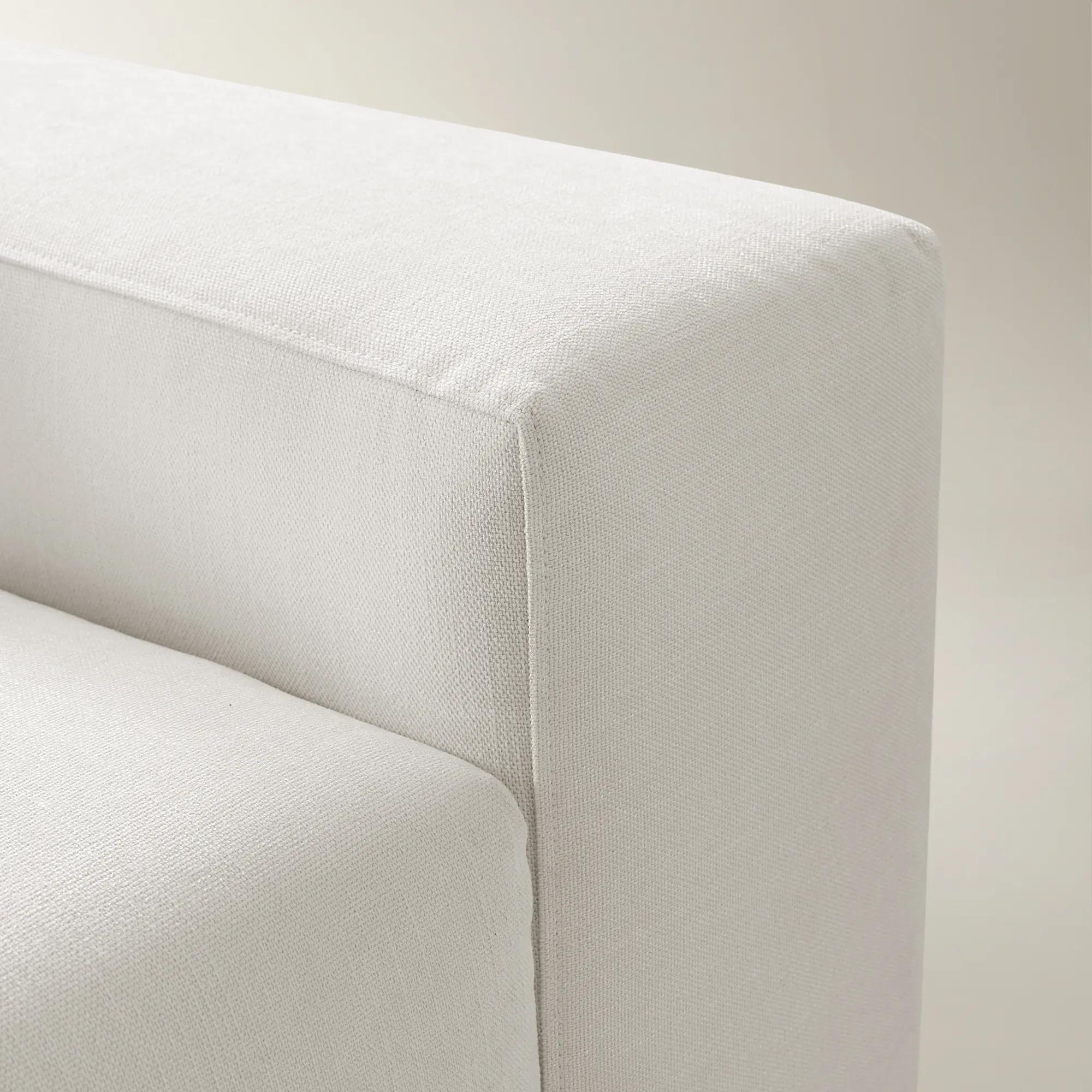 Carlos 5-Piece L-Shaped Oyster Linen Sectional Sofa$6849
A hand-tufted sectional with luxurious linen-blend upholstery and a kiln-dried rubberwood frame for refined comfort.
Add To Cart -
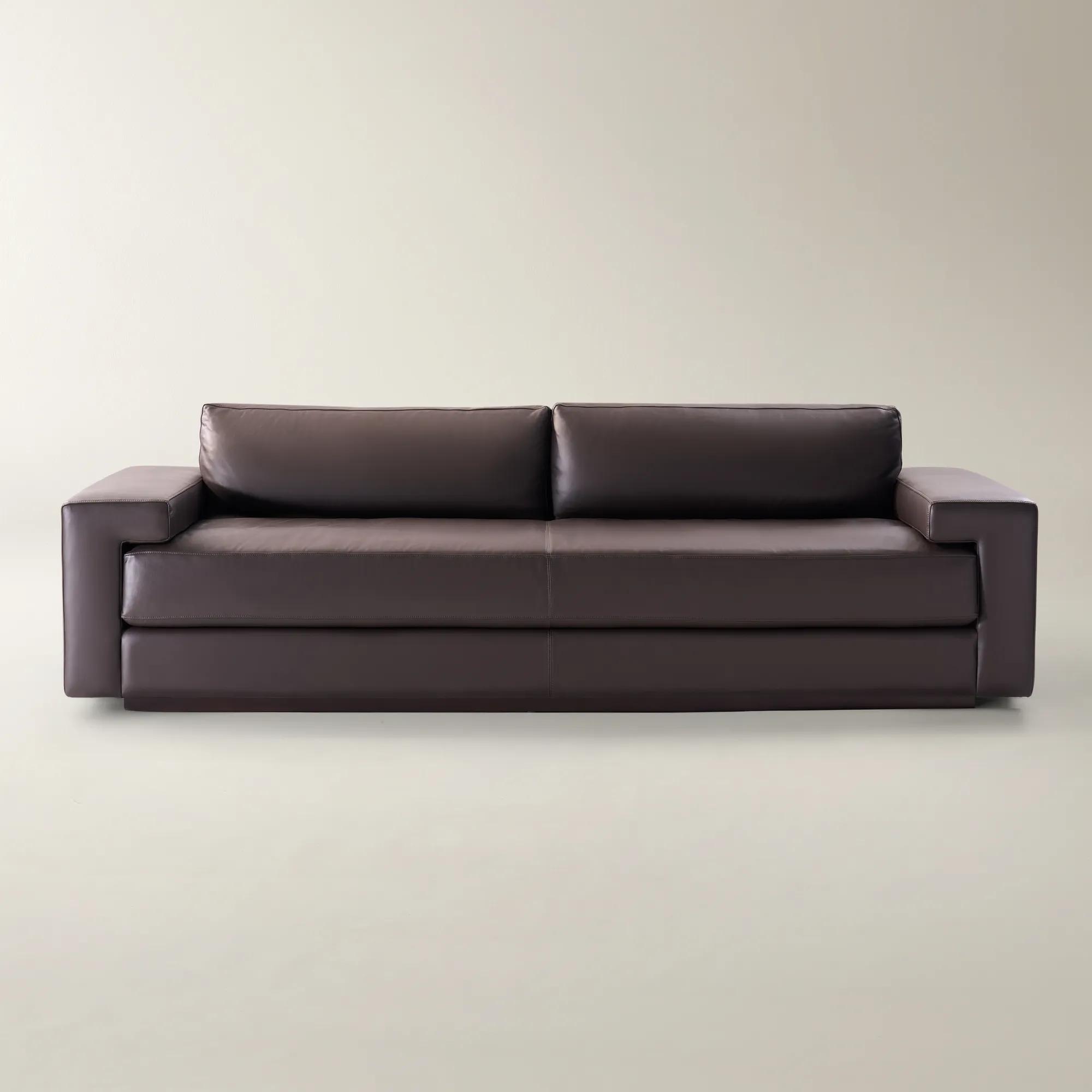
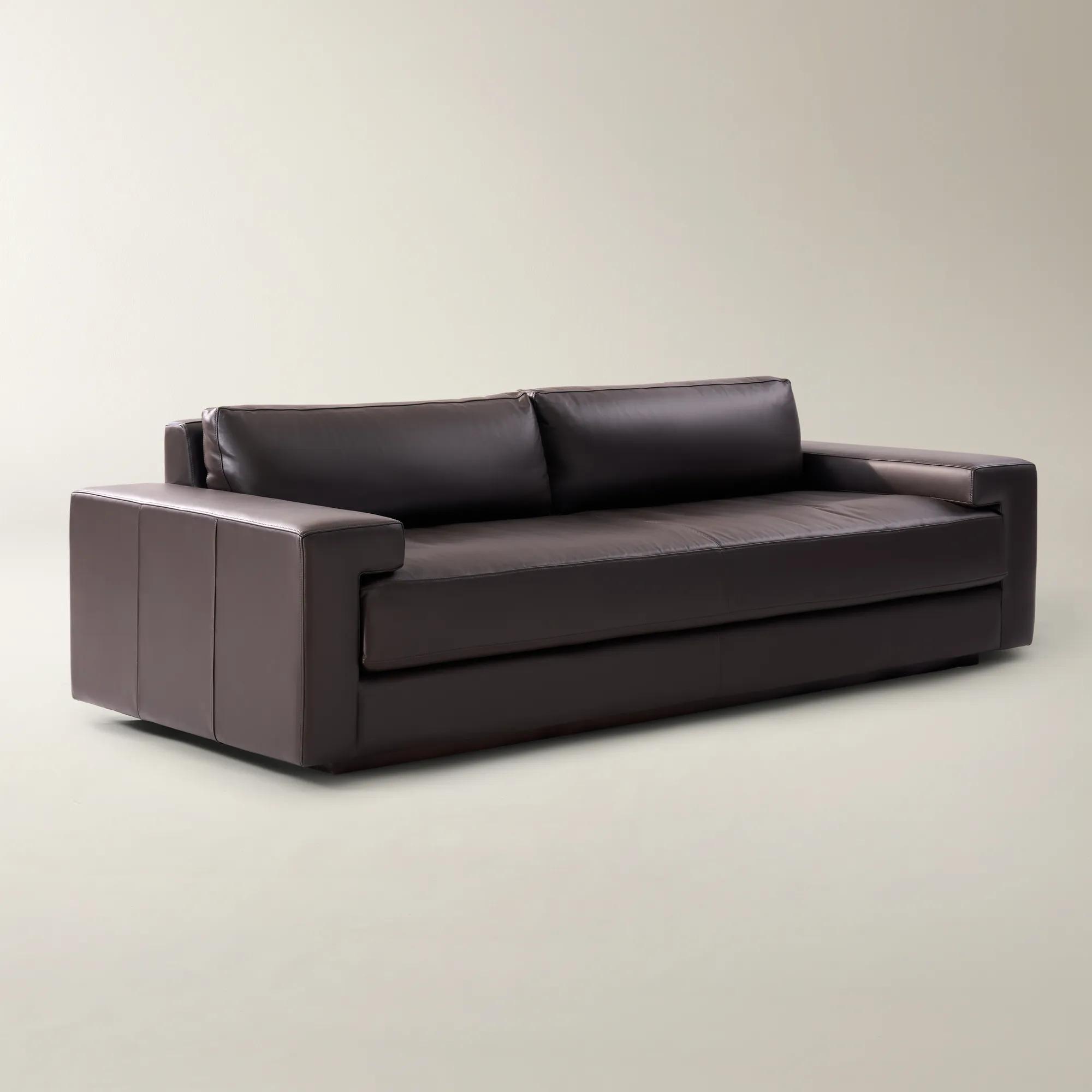 Ariel Brown Leather Sofa$4599
A sleek, hand-upholstered sofa in top-grain leather with plush feather and foam cushions for comfort.
Add To Cart -
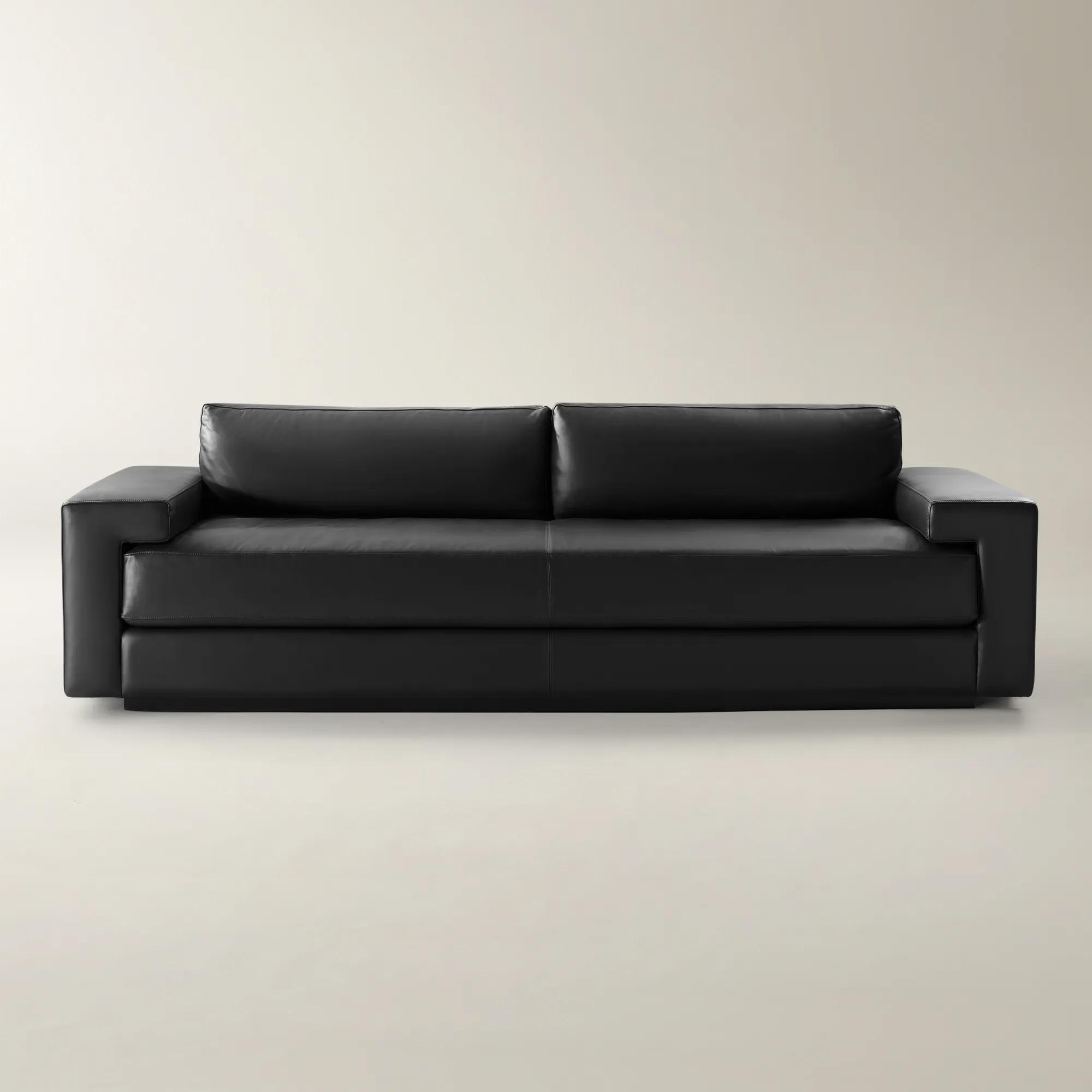 Ariel Black Leather Sofa$4599
A sleek, top-grain leather sofa with plush feather and foam cushions on a kiln-dried rubberwood frame.
Add To Cart -
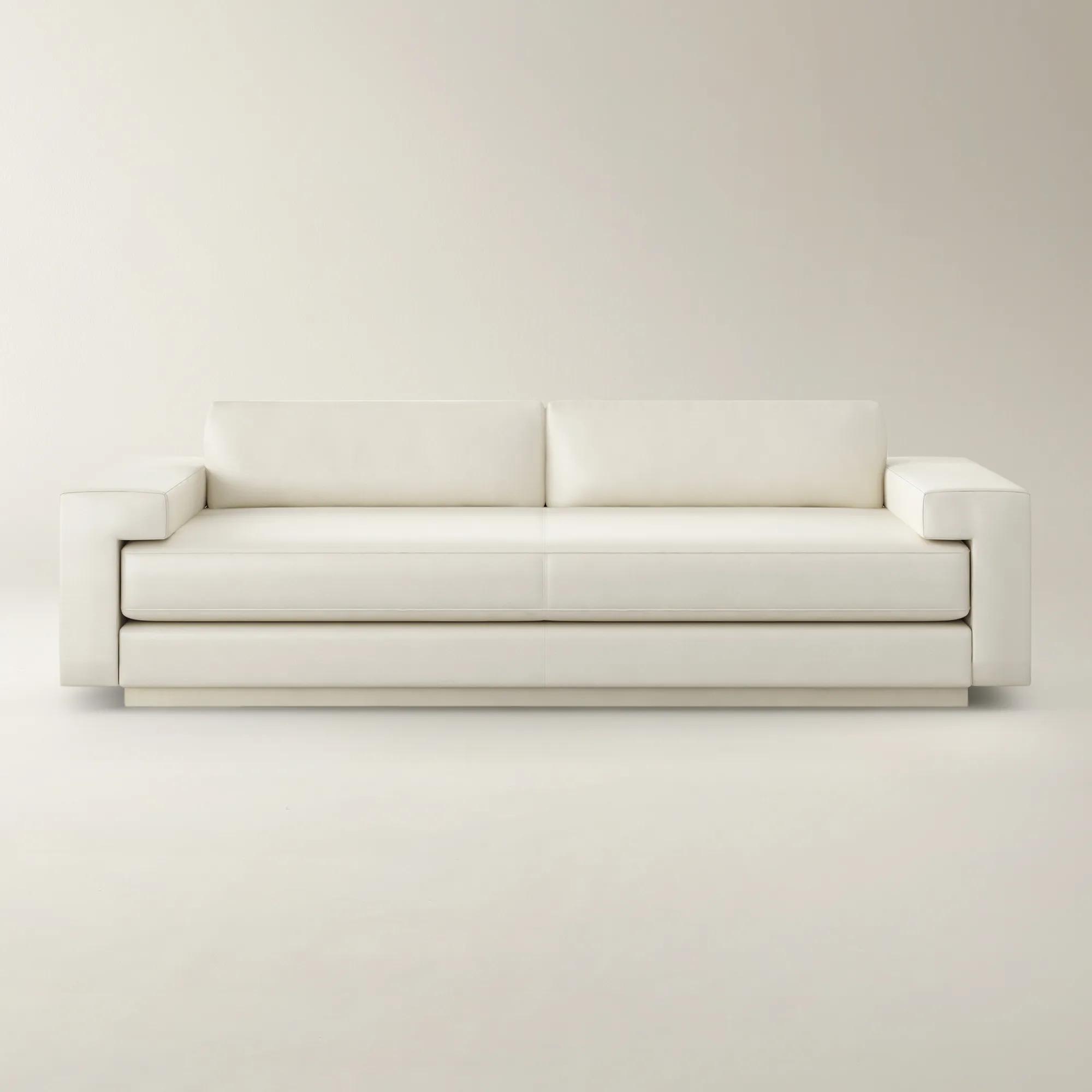 Ariel White Leather Sofa$4599
A sleek, hand-upholstered sofa in top-grain leather with plush feather and foam cushions for comfort.
Add To Cart -
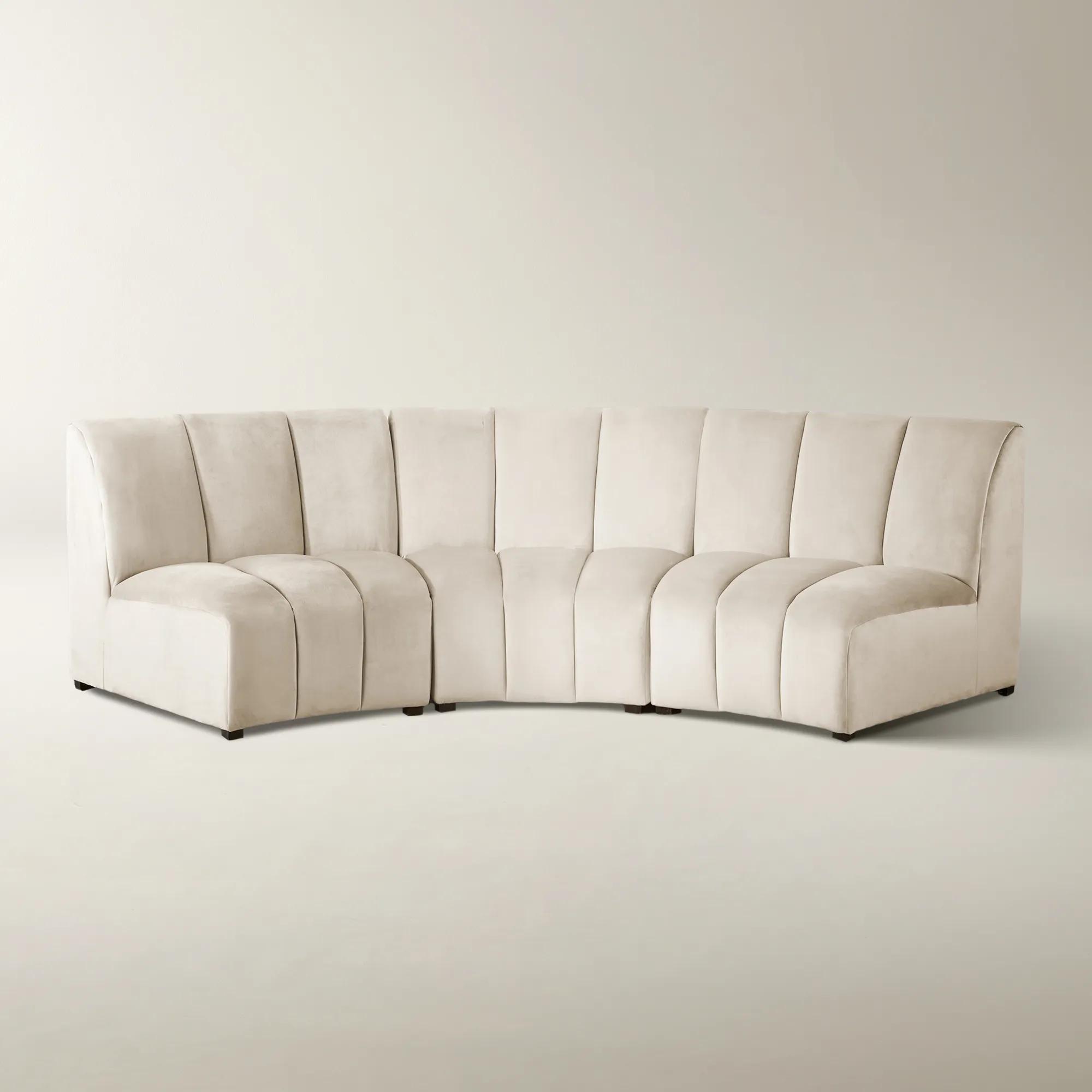
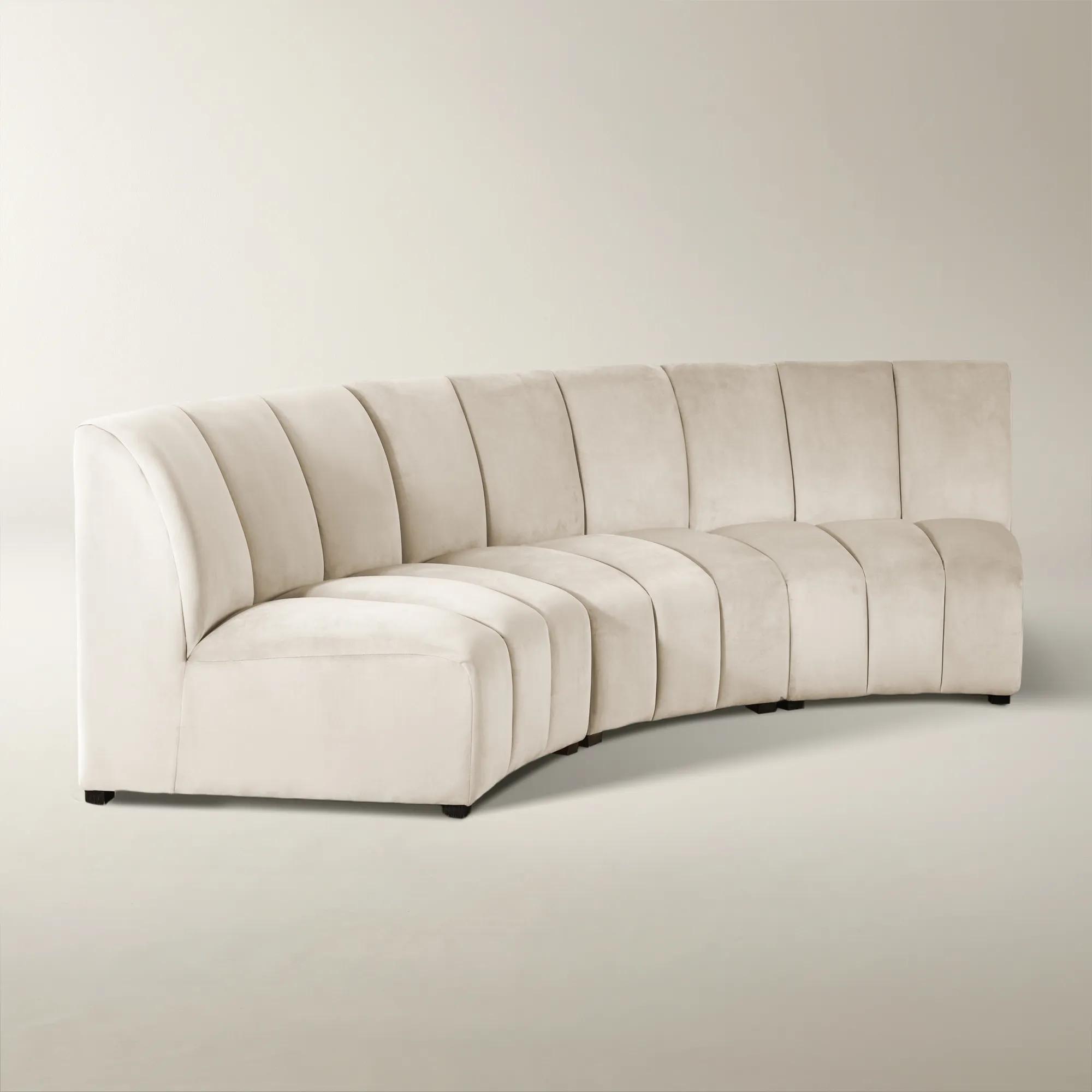 Jayce 3-Piece Channel-Tufted Ivory Velvet Sectional Sofa$2799
A modern curved sectional in stain-resistant Velvet Ivory with deep channel tufting and plush, structured cushions.
Add To Cart -
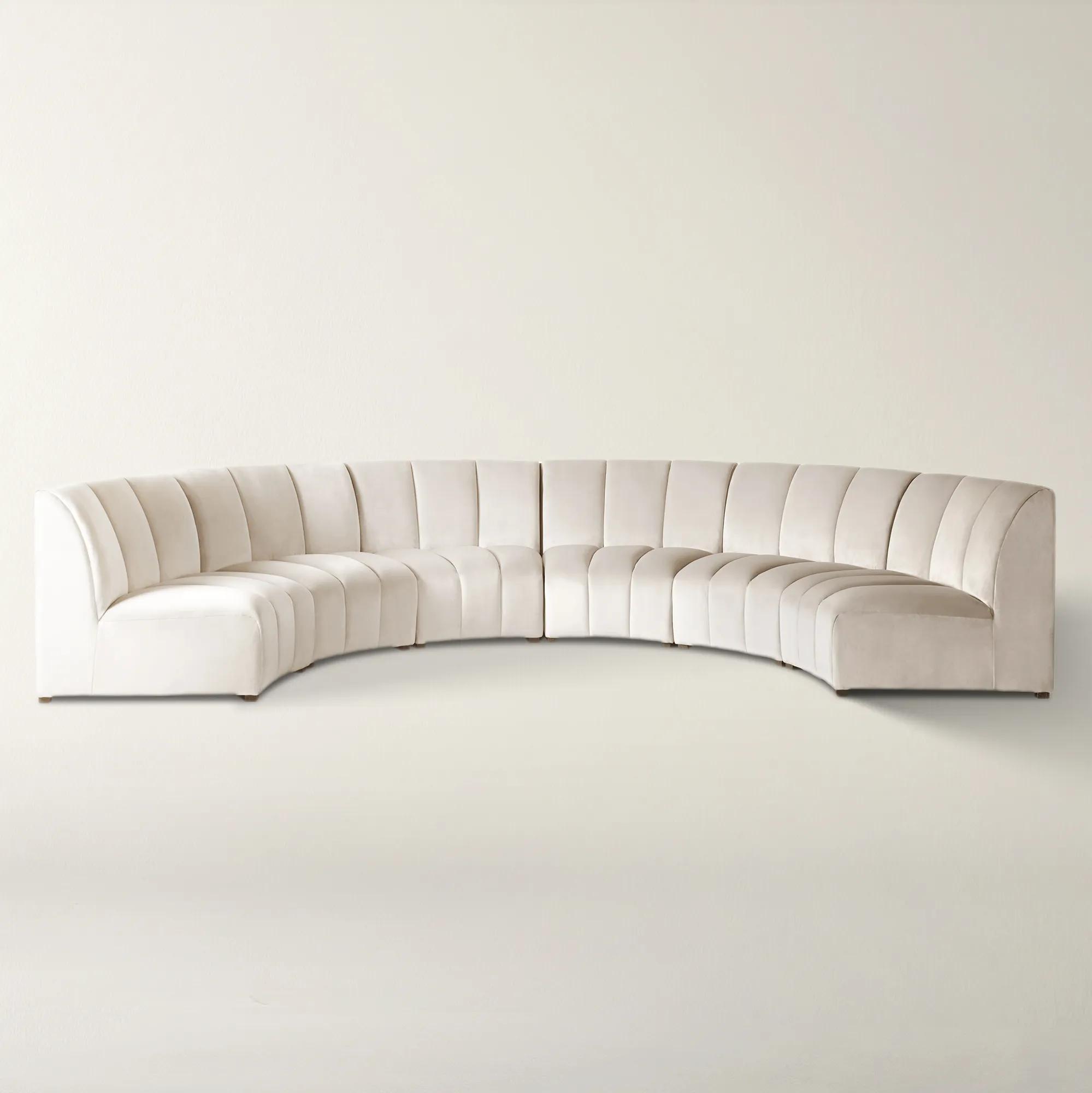 Jayce 6-Piece Channel-Tufted Ivory Velvet Sectional Sofa$5499
A modern curved sectional in stain-resistant Velvet Ivory with deep channel tufting and plush, structured cushions.
Add To Cart -
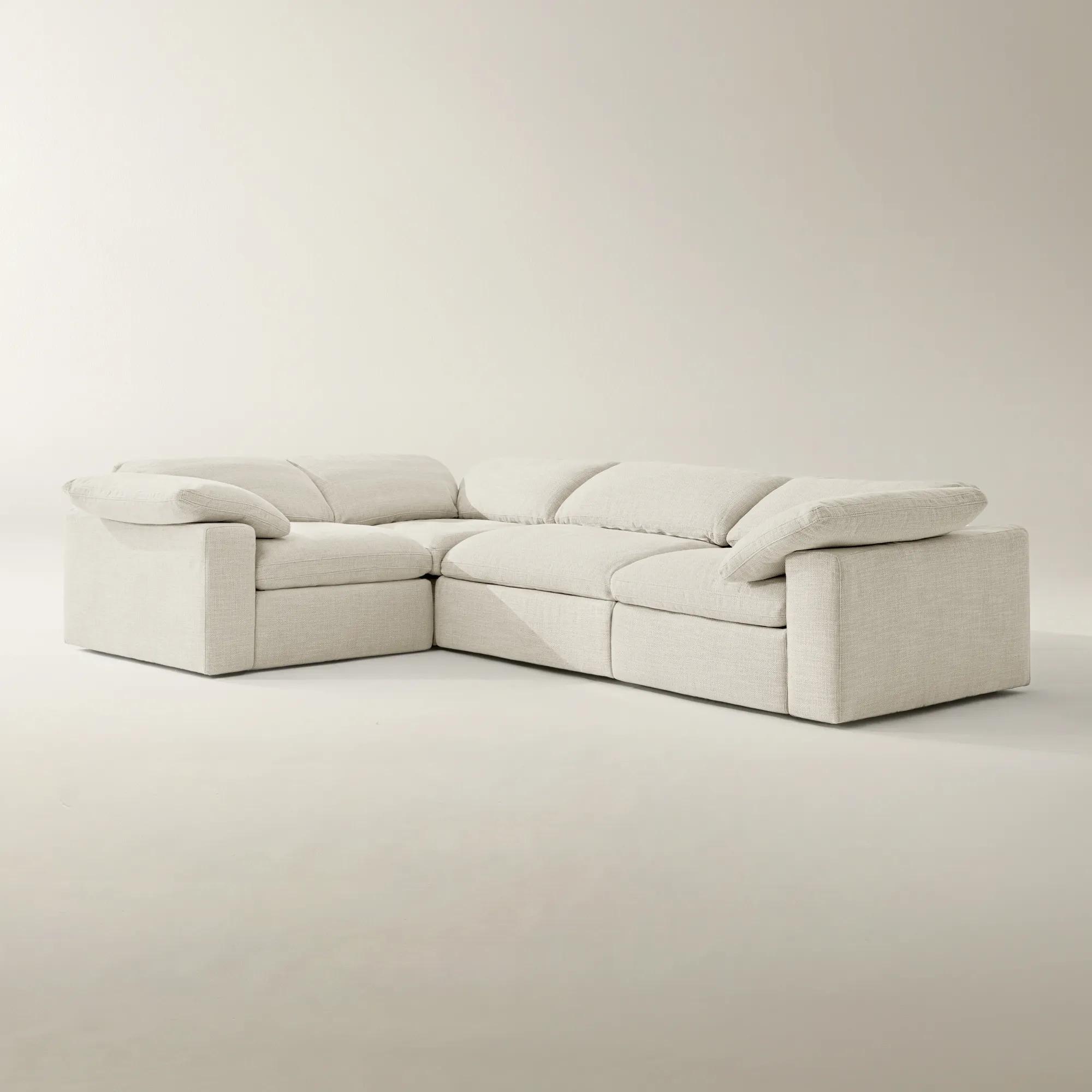
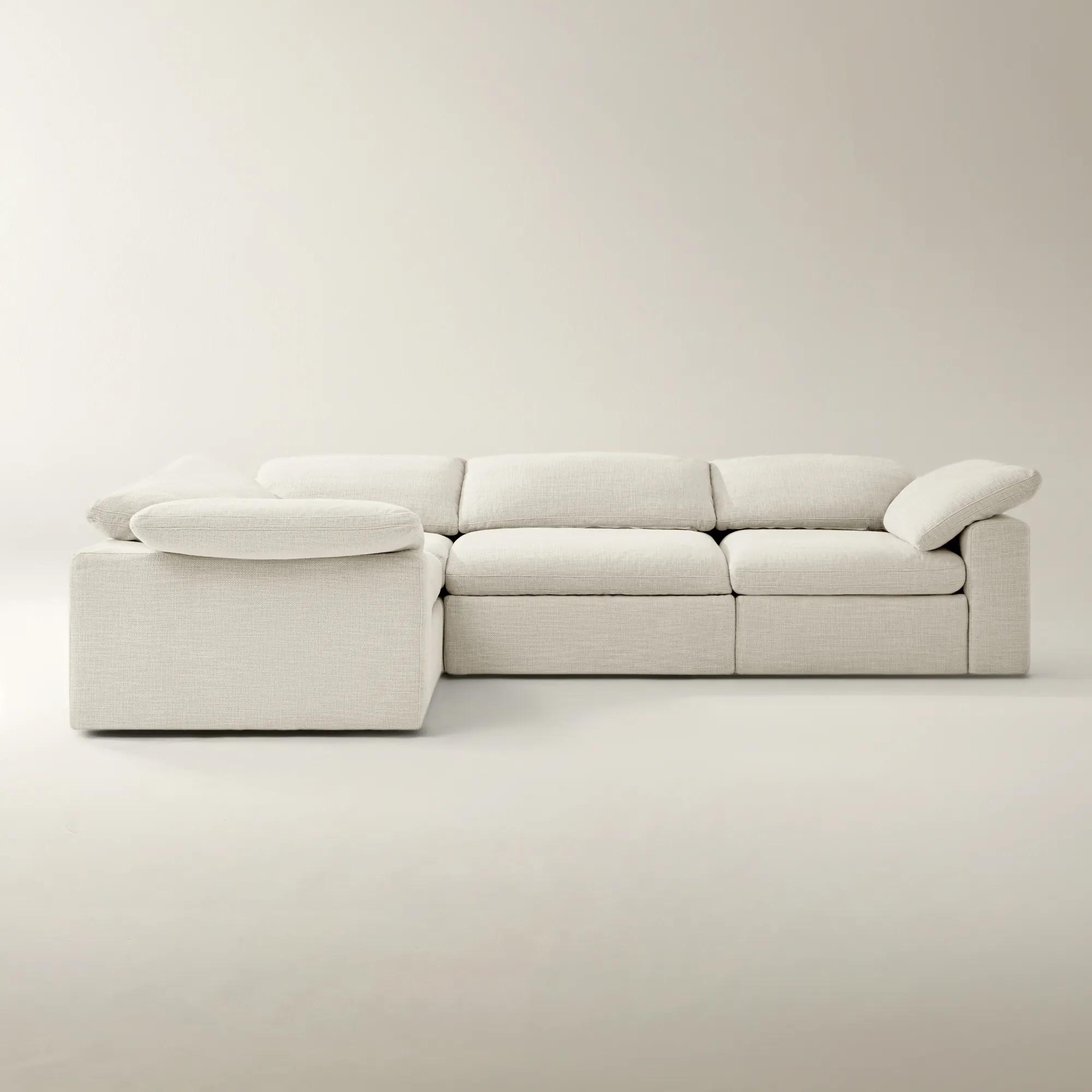 Milo 4-Piece L-Shaped Reclining Ivory Performance Fabric Sectional Sofa With Left-Arm Chair$4399
A modular L-shaped sectional sofa in ivory performance fabric with plush cushioning and independent power reclining.
Add To Cart -
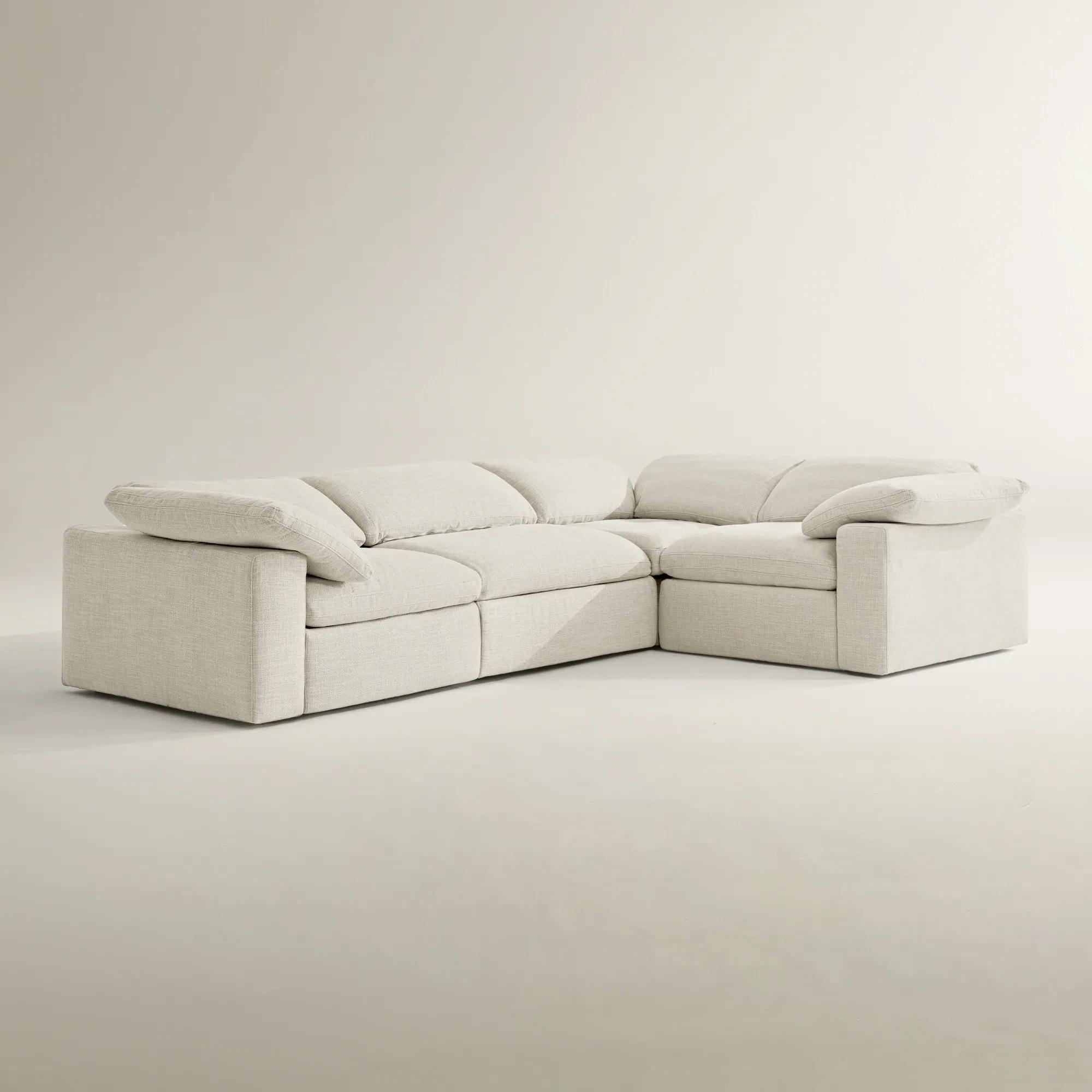
 Milo 4-Piece L-Shaped Reclining Ivory Performance Fabric Sectional Sofa With Right-Arm Chair$4399
A four-piece L-shaped sectional sofa in ivory performance fabric with power reclining and plush feather-blend cushions.
Add To Cart -
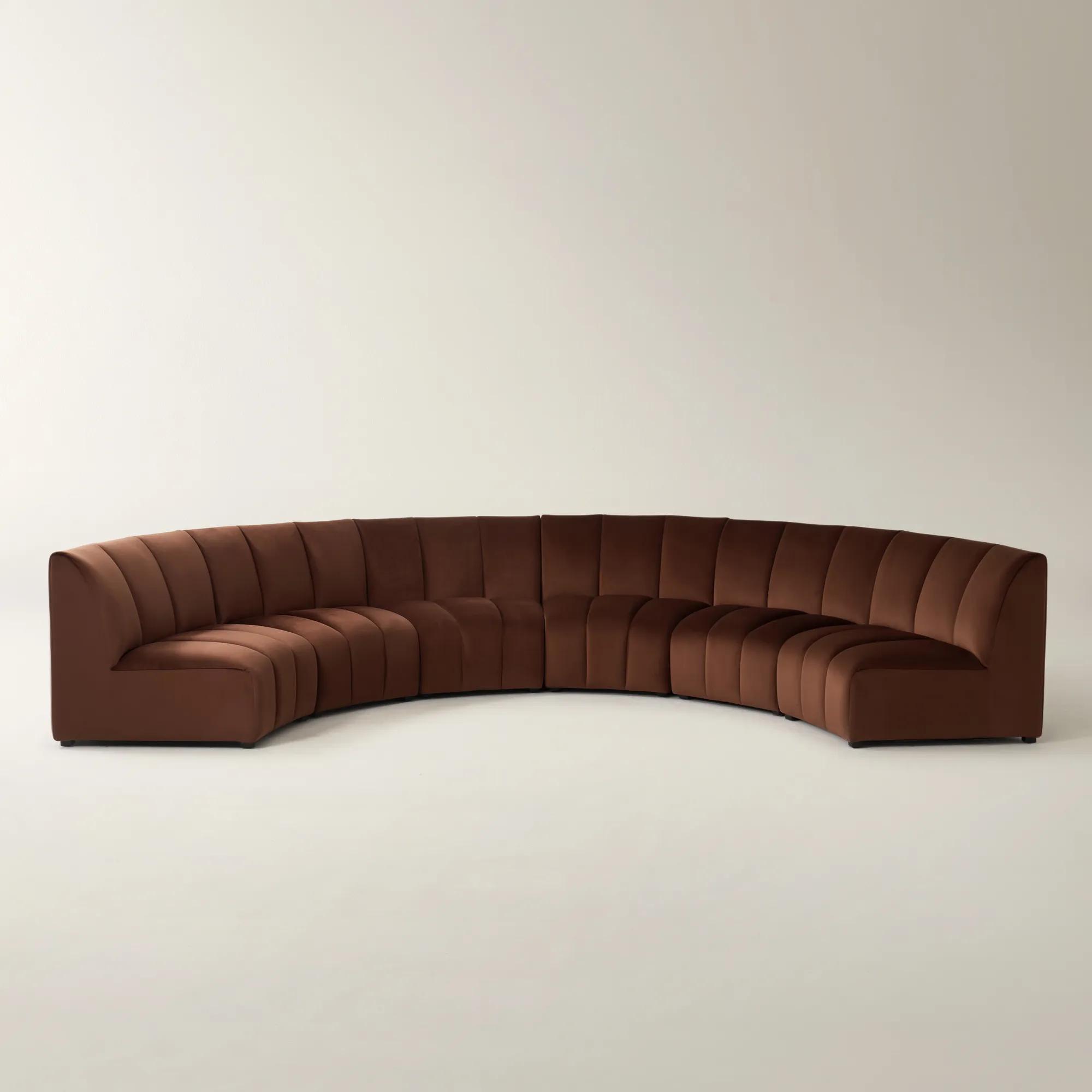
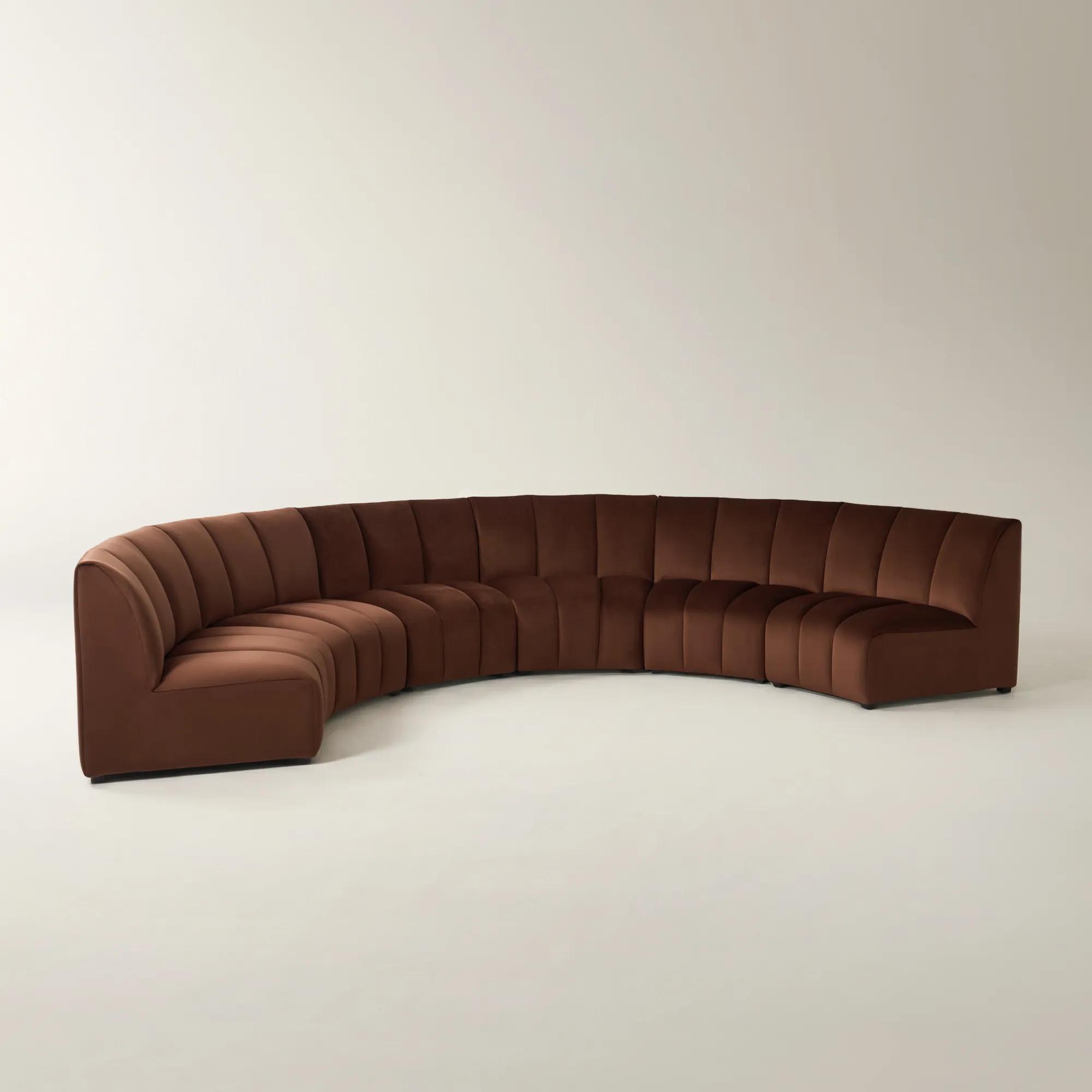 Jayce 6-Piece Channel-Tufted Burnt Umber Velvet Sectional Sofa$5499
A modern curved sectional in silver grey velvet with deep channel tufting and plush, high-density foam cushions.
Add To Cart -
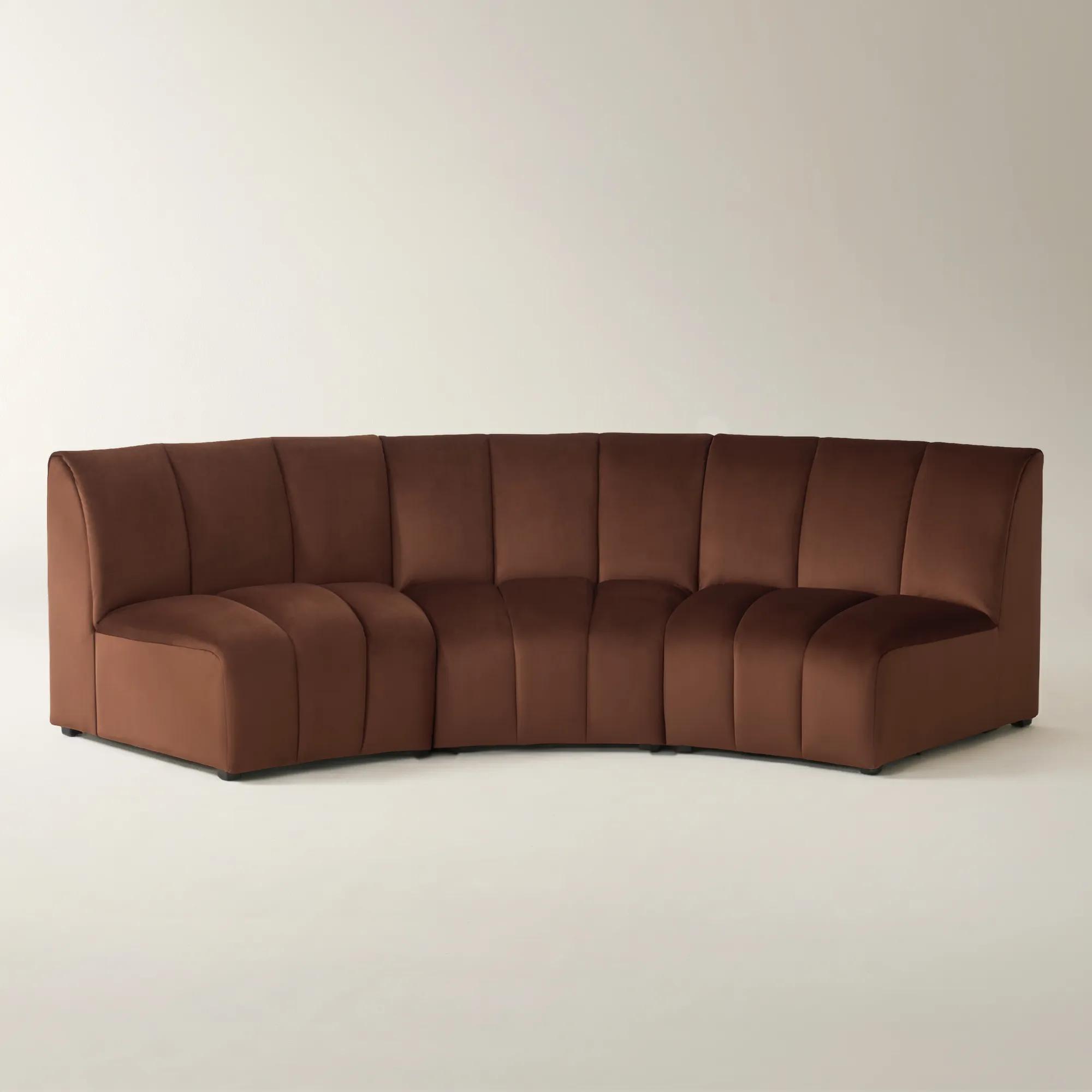 Jayce 3-Piece Channel-Tufted Burnt Umber Velvet Sectional Sofa$2799
A modern curved sectional in silver grey velvet with deep channel tufting and plush, water-repellent upholstery.
Add To Cart -

 Milo 3-Piece Reclining Ivory Performance Fabric Sectional Sofa$3399
A reclining sectional sofa in ivory performance fabric with plush feather-blend cushions and independently powered footrests.
Add To Cart -
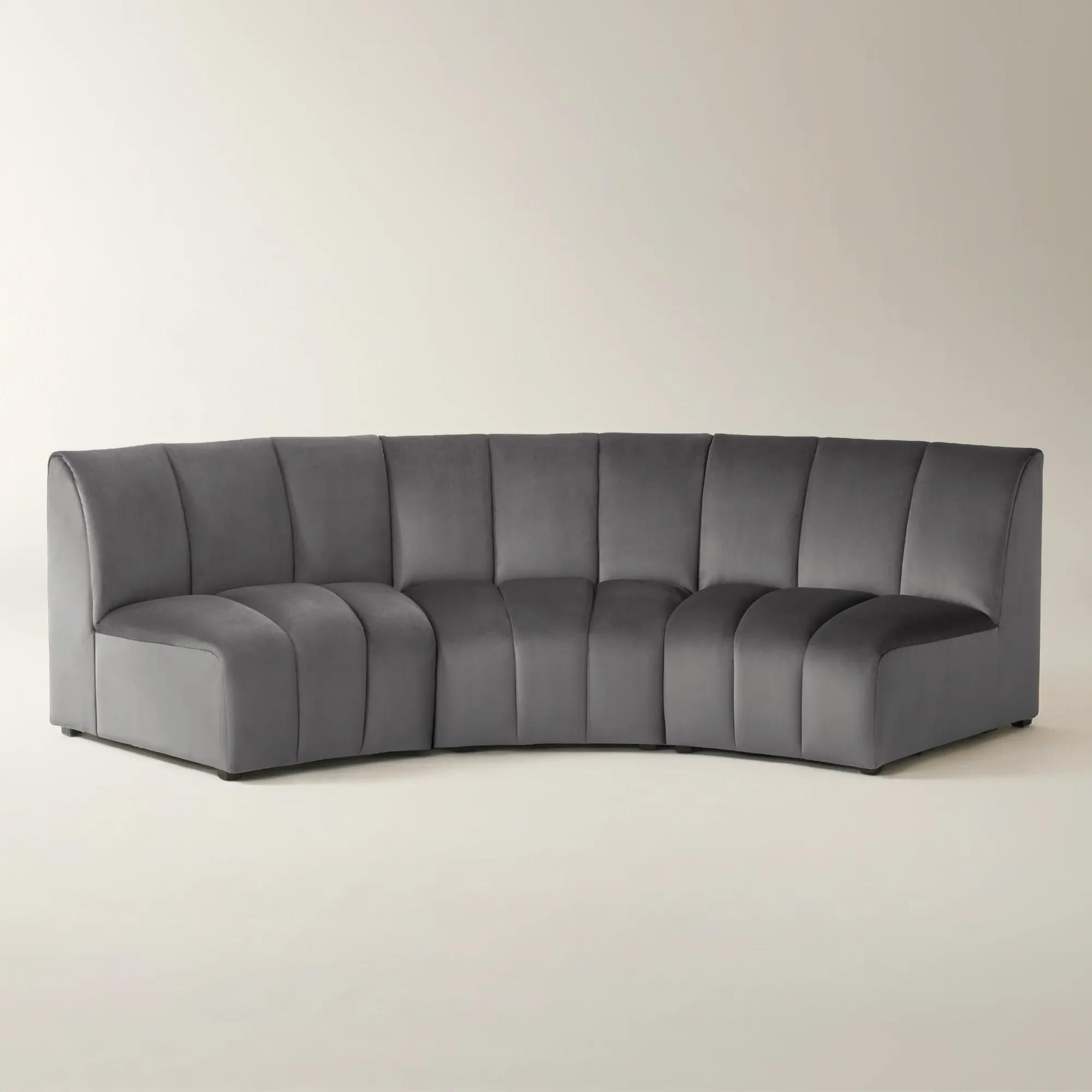 Jayce 3-Piece Channel-Tufted Smoked Pearl Velvet Sectional Sofa$2799
A modern curved sectional in silver grey velvet with deep channel tufting and plush, high-density foam cushions.
Add To Cart -
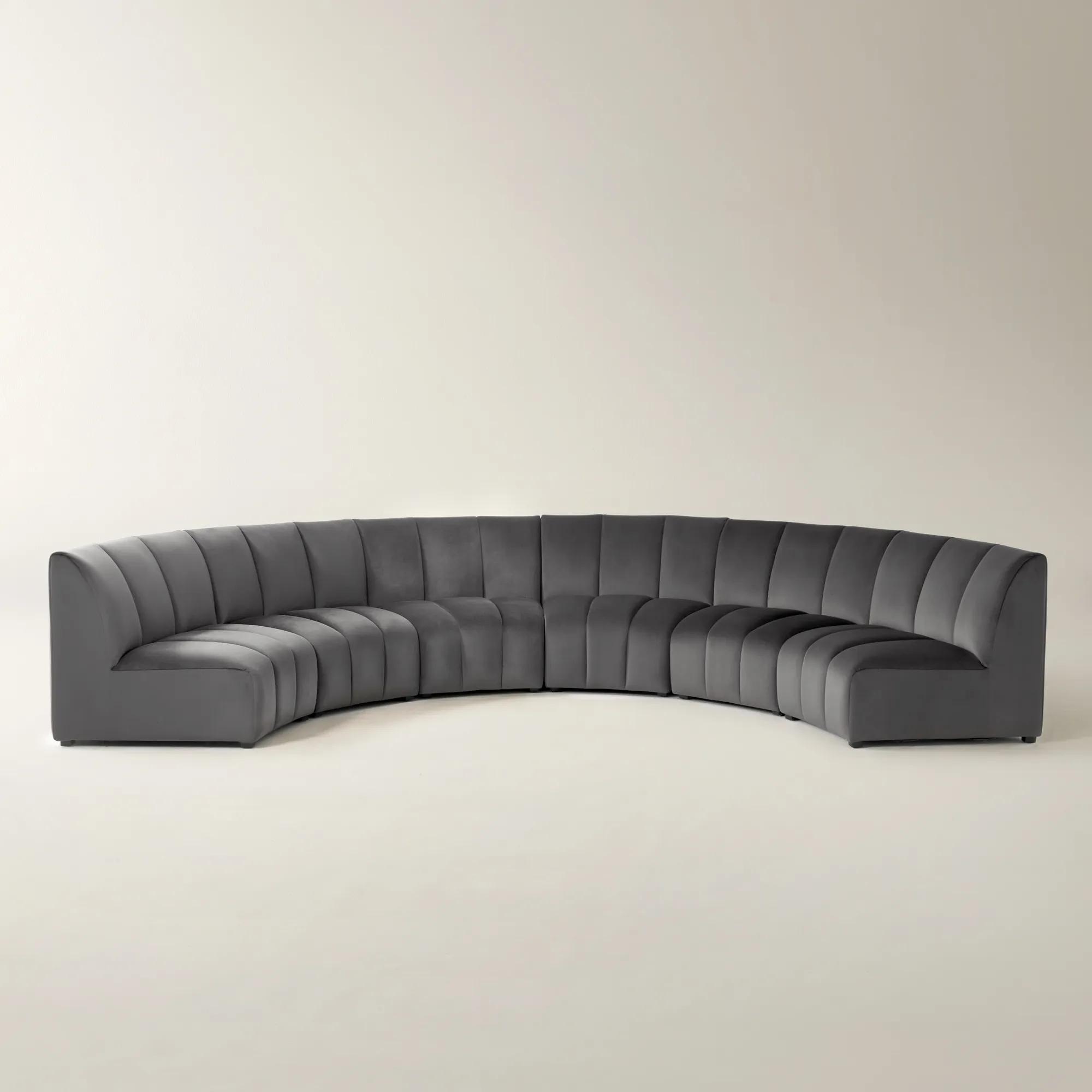 Jayce 6-Piece Channel-Tufted Smoked Pearl Velvet Sectional Sofa$5499
A modern curved sectional in silver grey velvet with deep channel tufting and plush, high-density cushions.
Add To Cart -
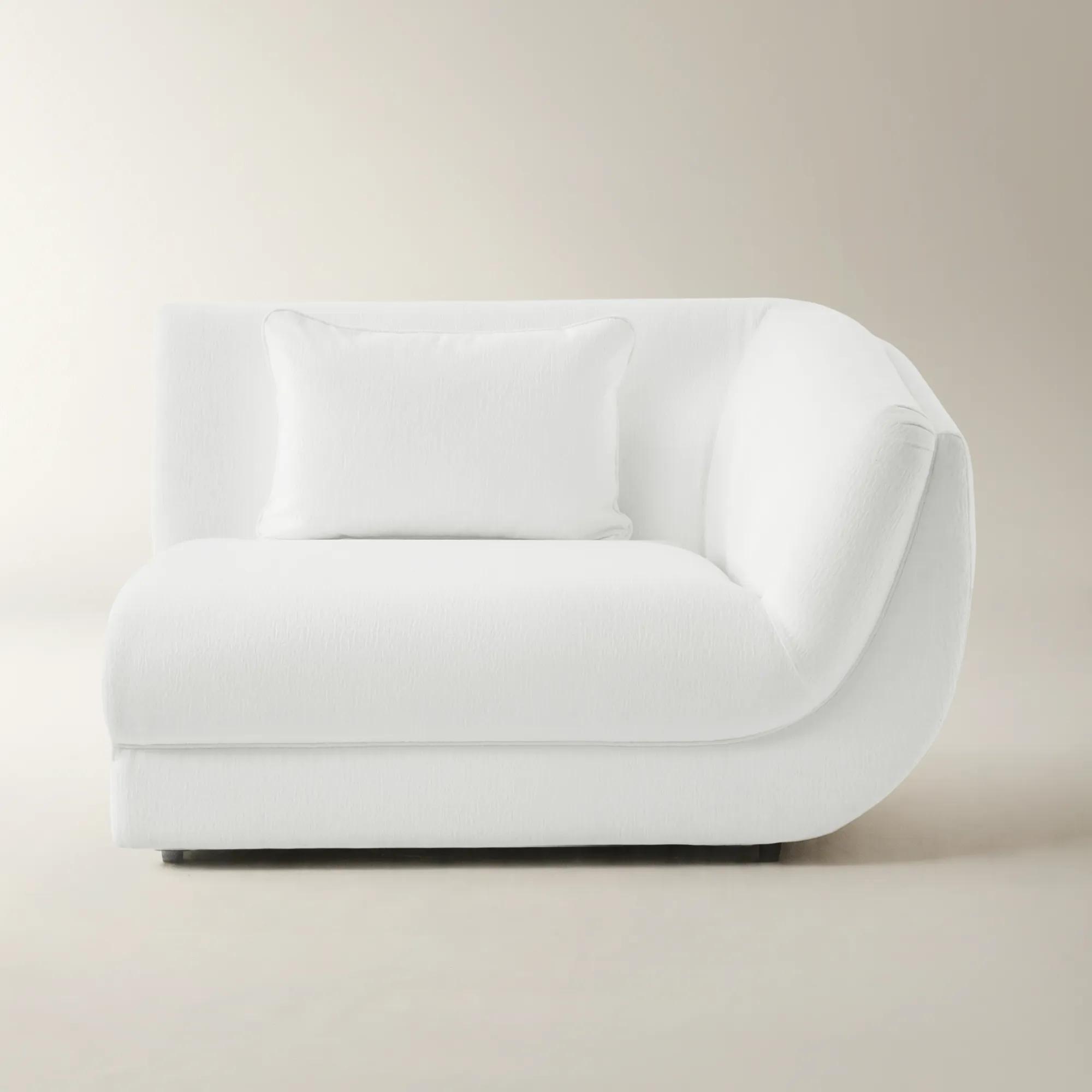
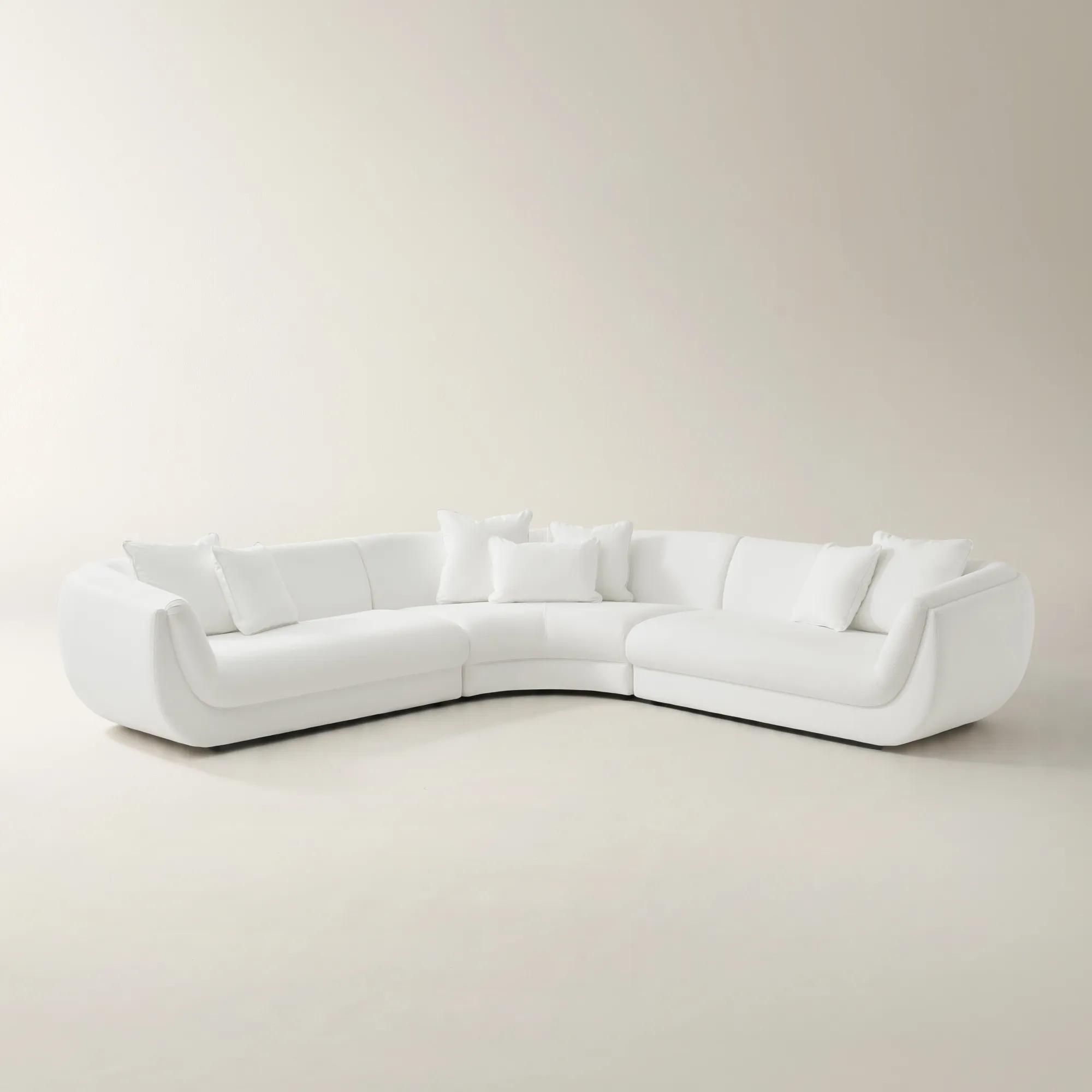 Curvia 3-Piece White Performance Chenille Indoor/Outdoor Sectional Sofa$4599
A sculptural white sectional sofa wrapped in performance chenille for luxurious indoor and outdoor lounging.
Add To Cart -
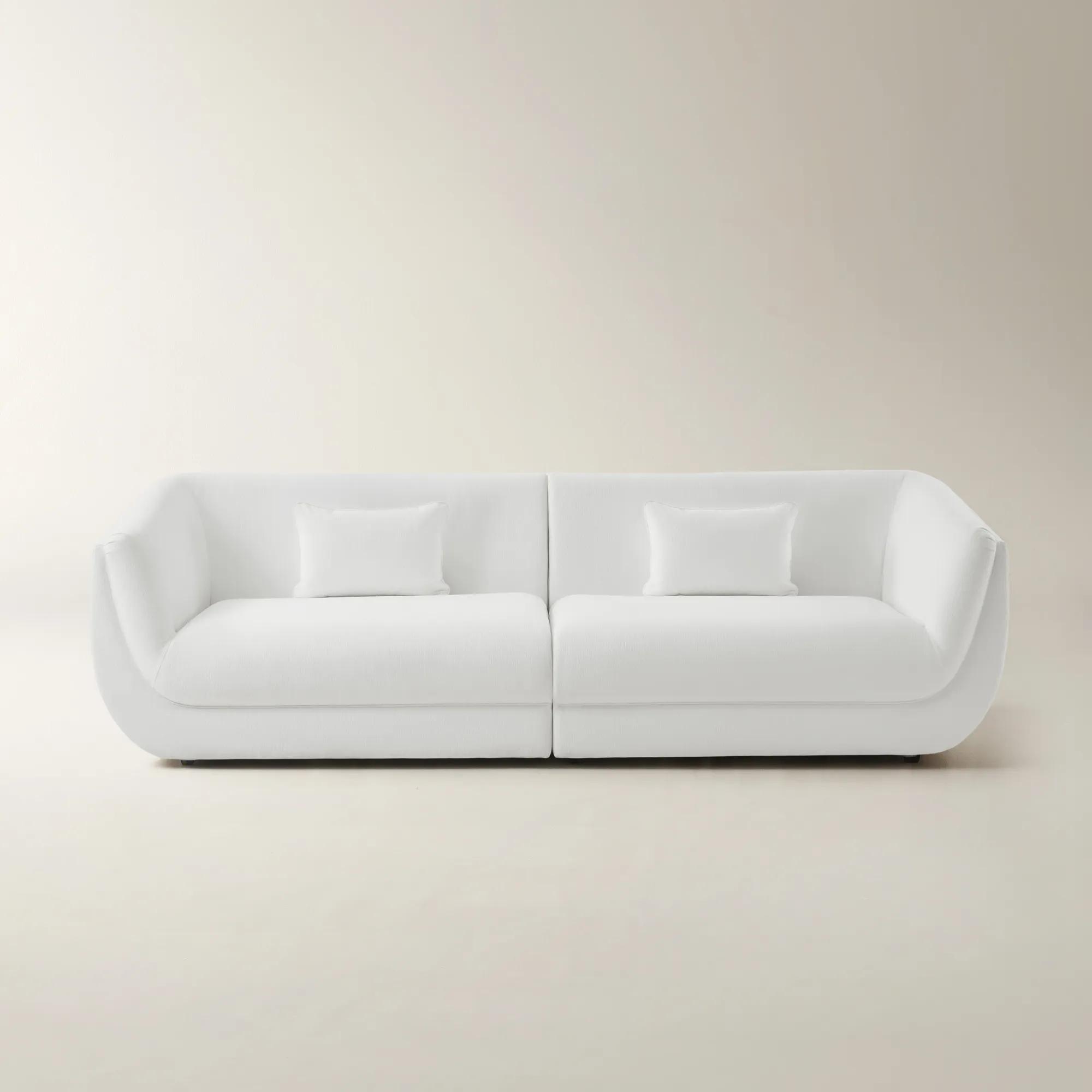
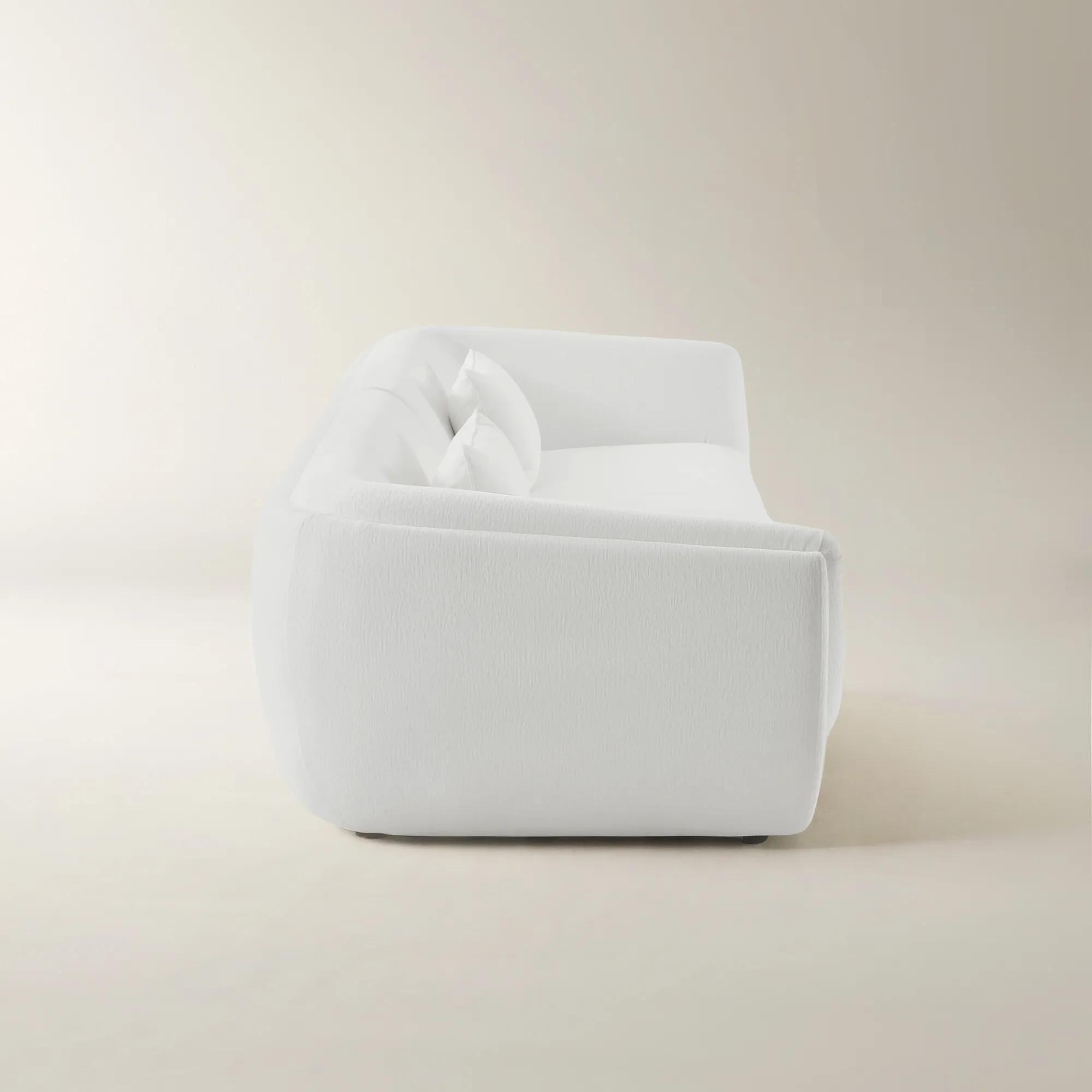 Curvia 2-Piece White Performance Chenille Indoor/Outdoor Sectional Sofa$2799
A sculptural white sectional sofa upholstered in performance chenille for luxurious indoor or outdoor lounging.
Add To Cart -
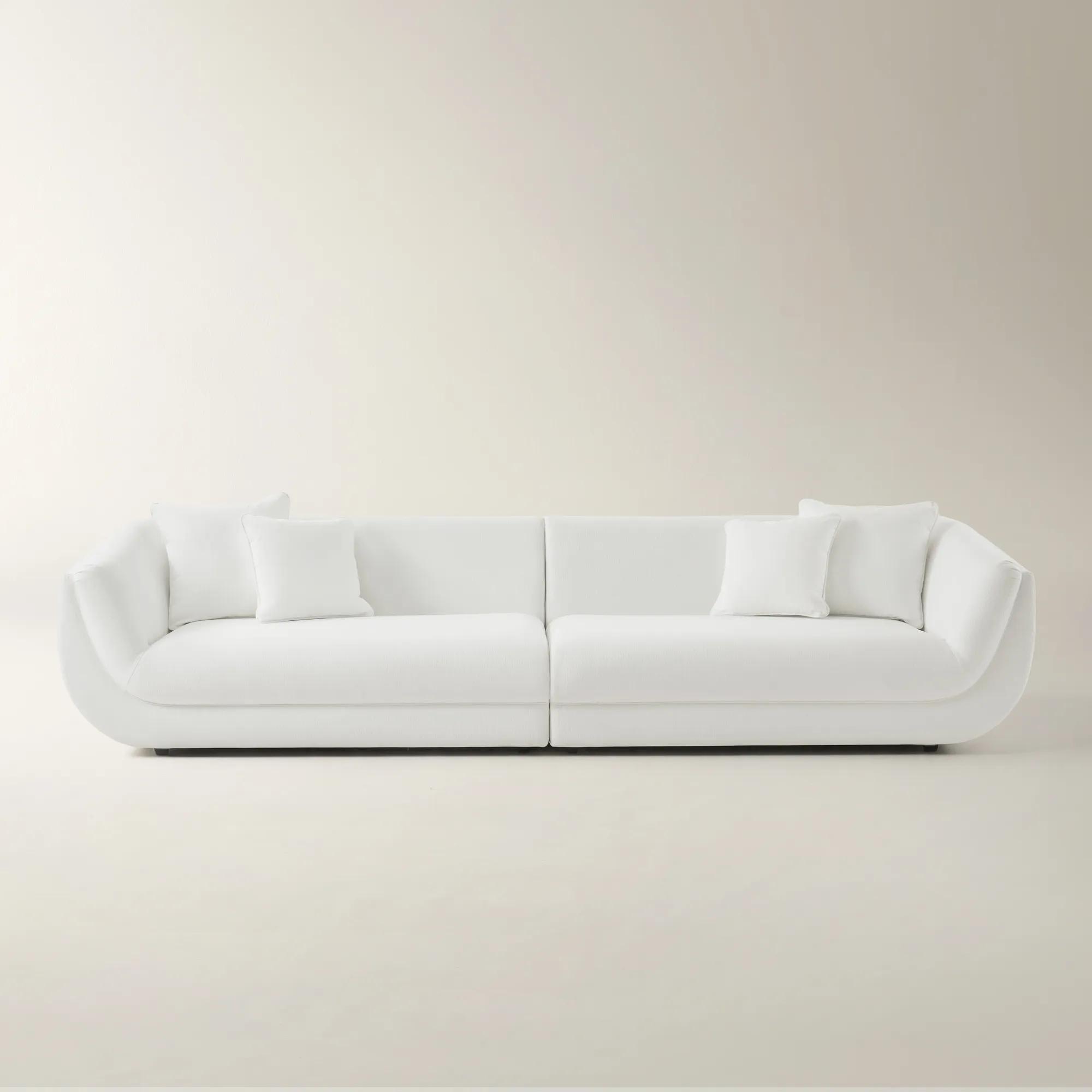
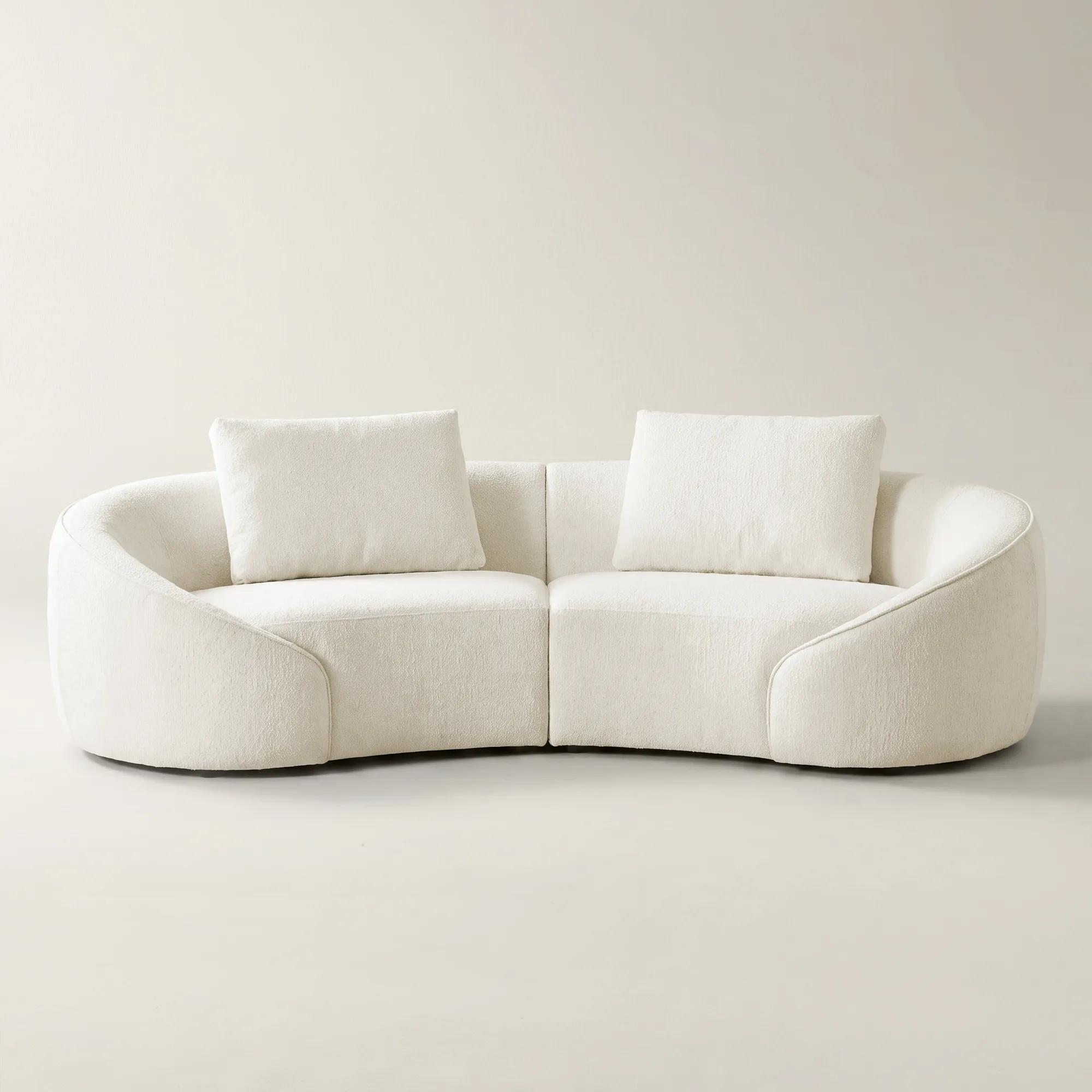
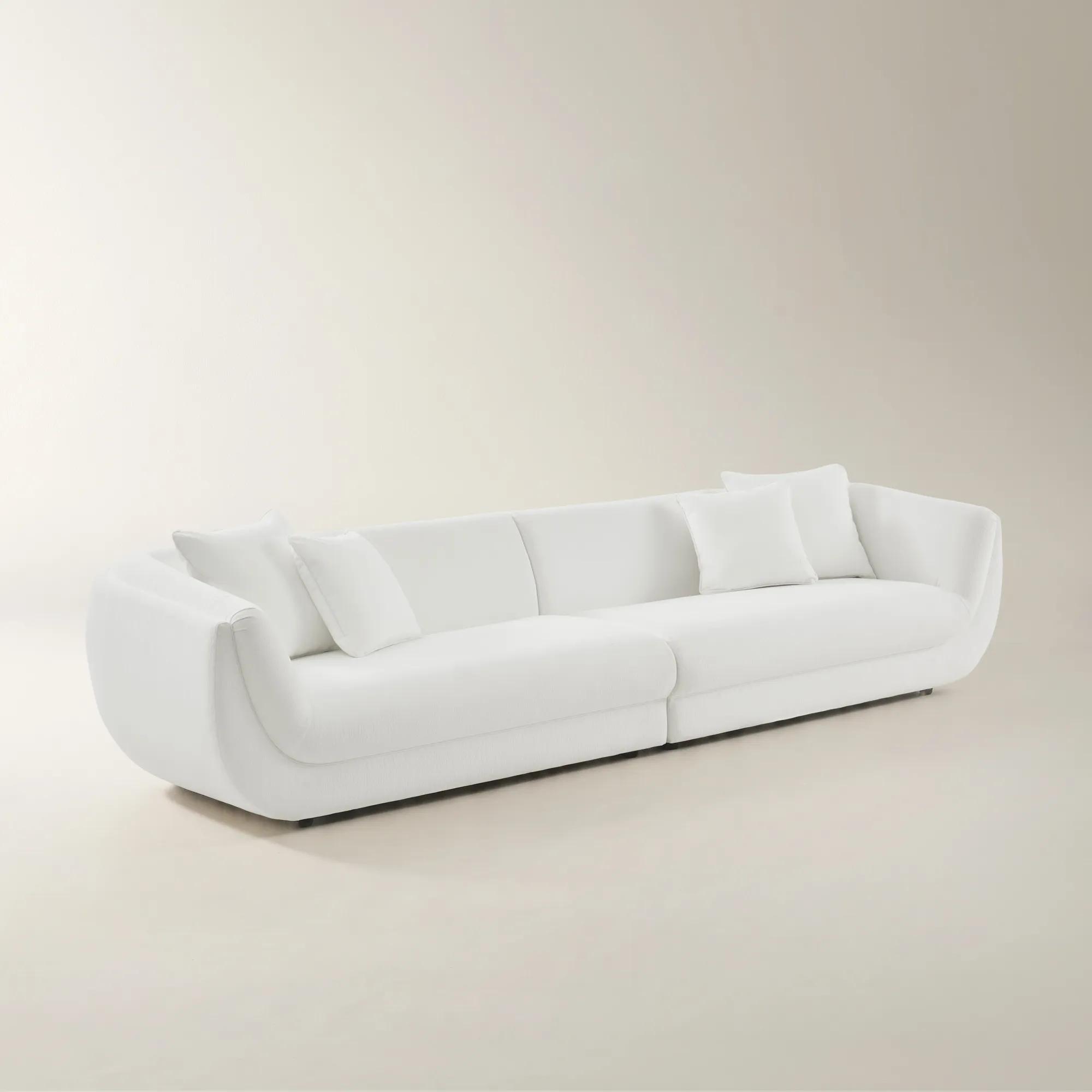 Curvia 2-Piece White Performance Chenille Indoor/Outdoor Grand Sectional Sofa$2999
A sculptural white sectional wrapped in performance chenille, designed for luxurious indoor or outdoor lounging.
Add To Cart -
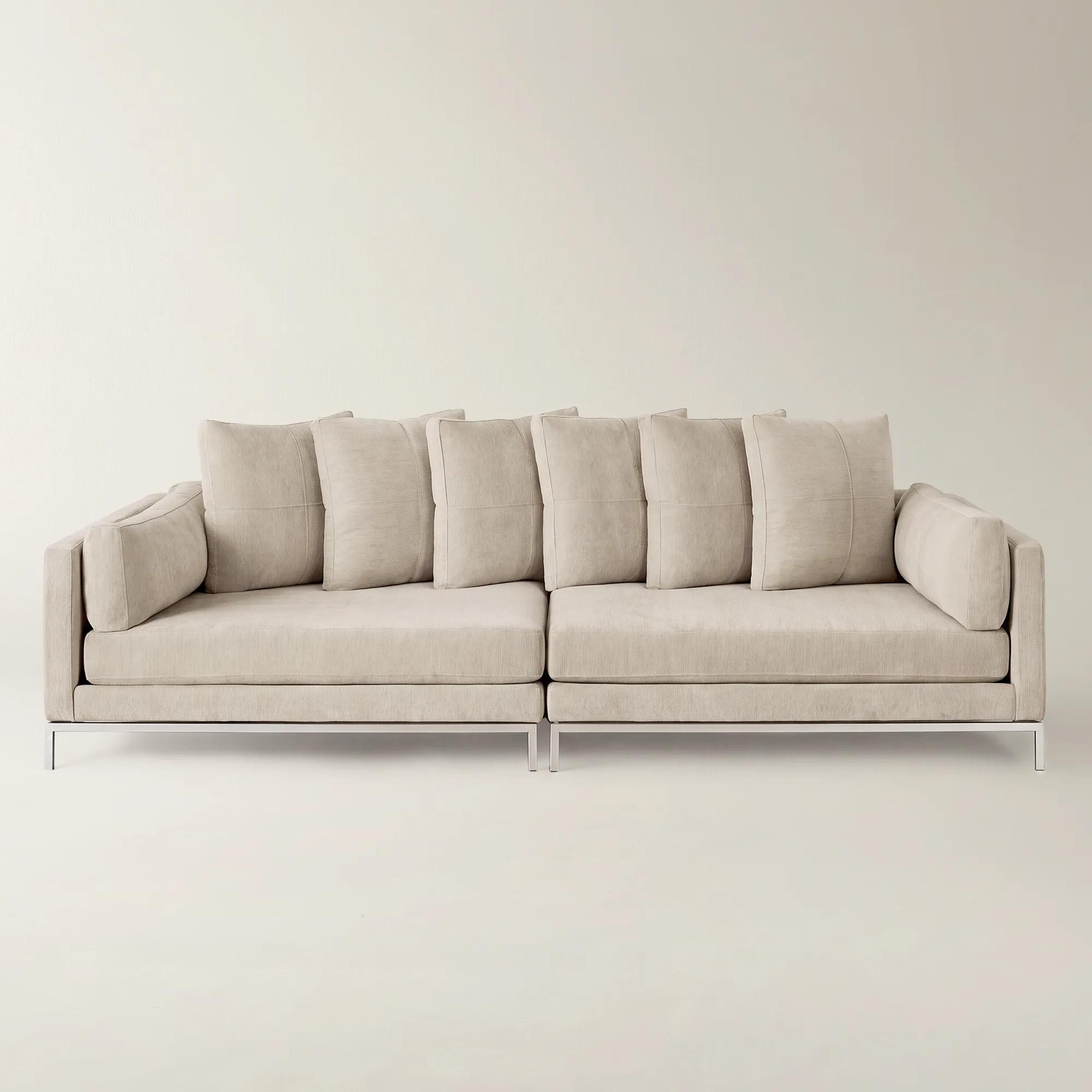
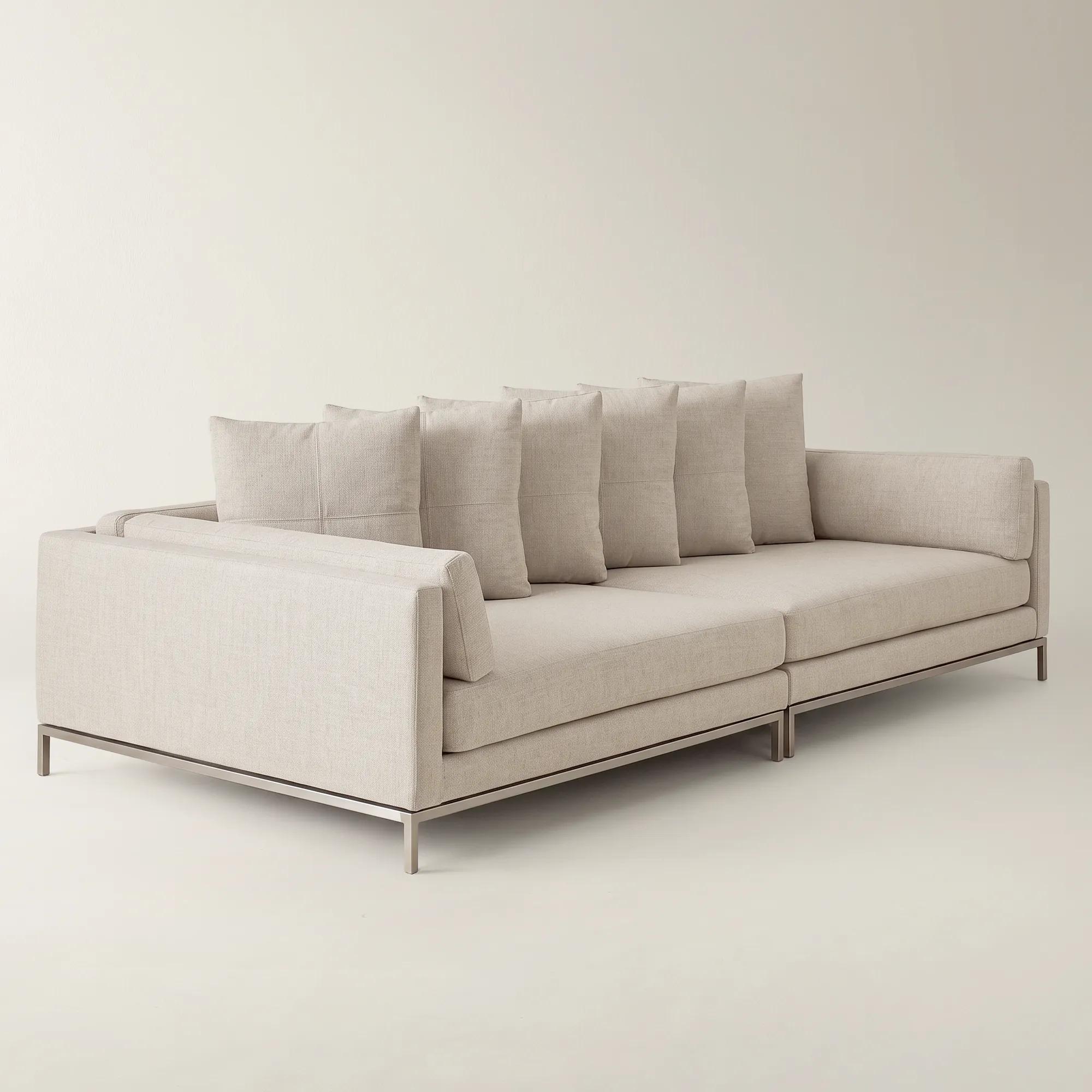 Ventura 2-Piece Square Snow Chenille Sectional Sofa$4299
A modern snow chenille sectional with a floating stainless-steel base, plush feather-filled pillows, and versatile configurations.
Add To Cart -

 Curvia 2-Piece Dark Chocolate Velvet Grand Sectional Sofa$2899
A modular sectional wrapped in dark chocolate velvet, featuring sculptural curves and deep, plush lounge seating.
Add To Cart -
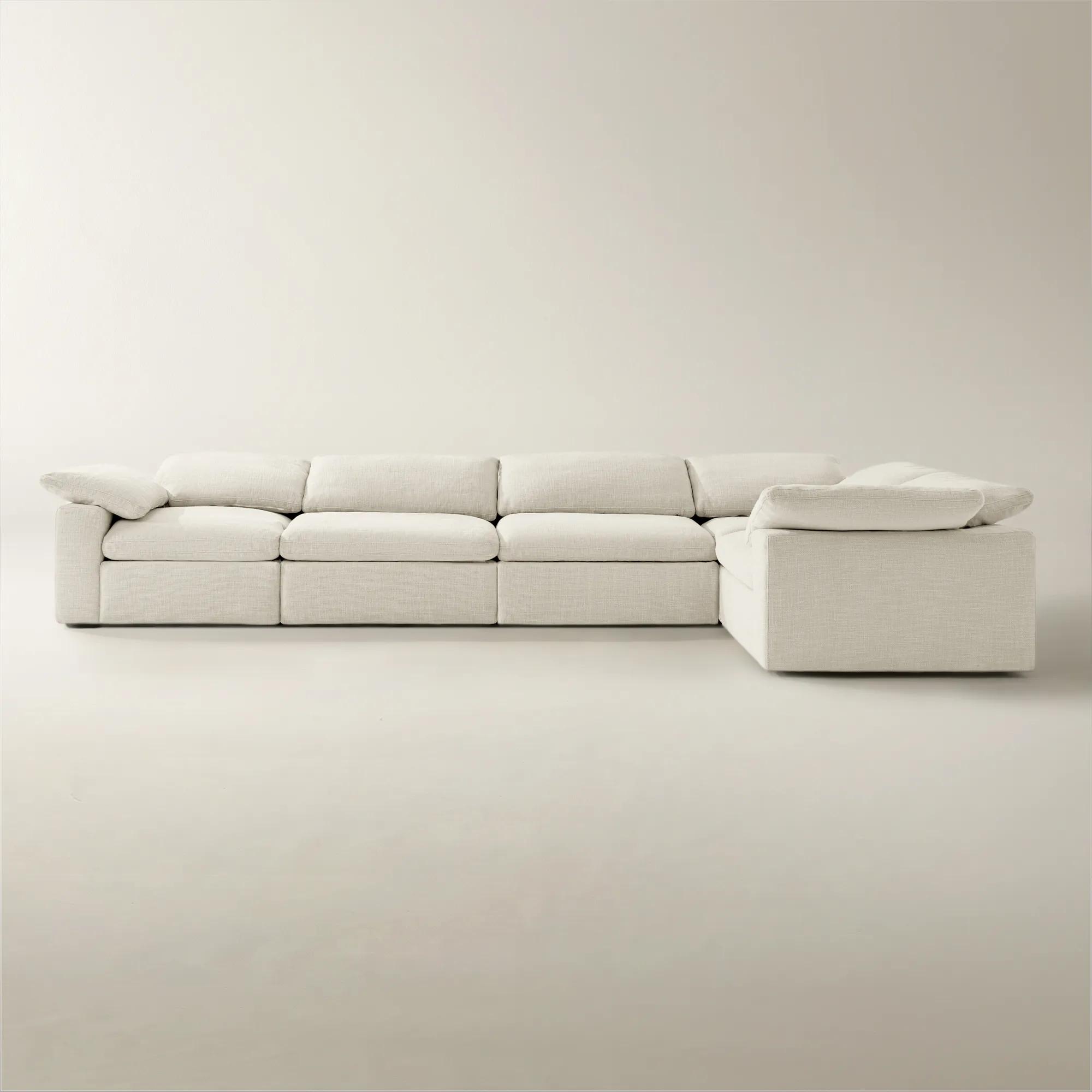
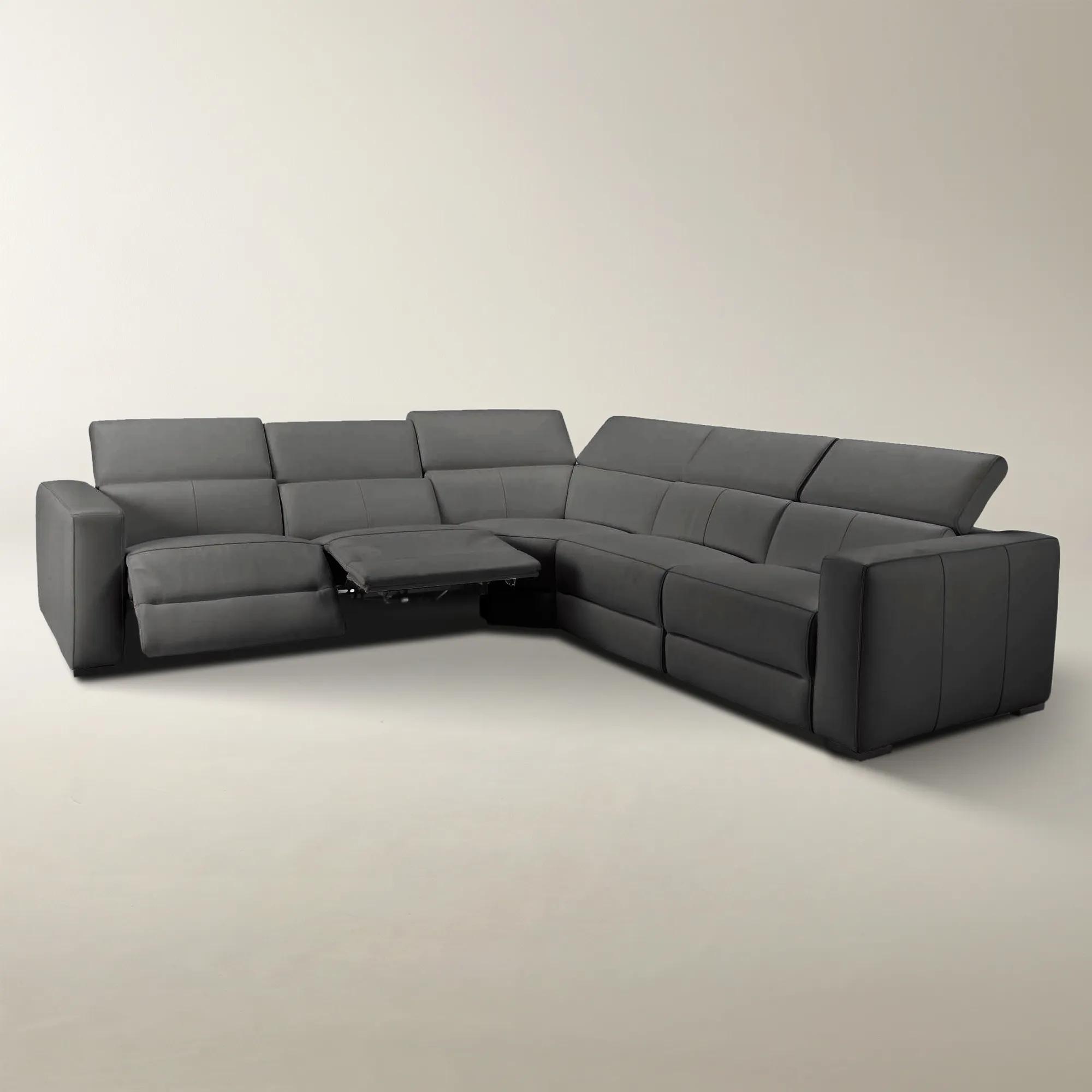
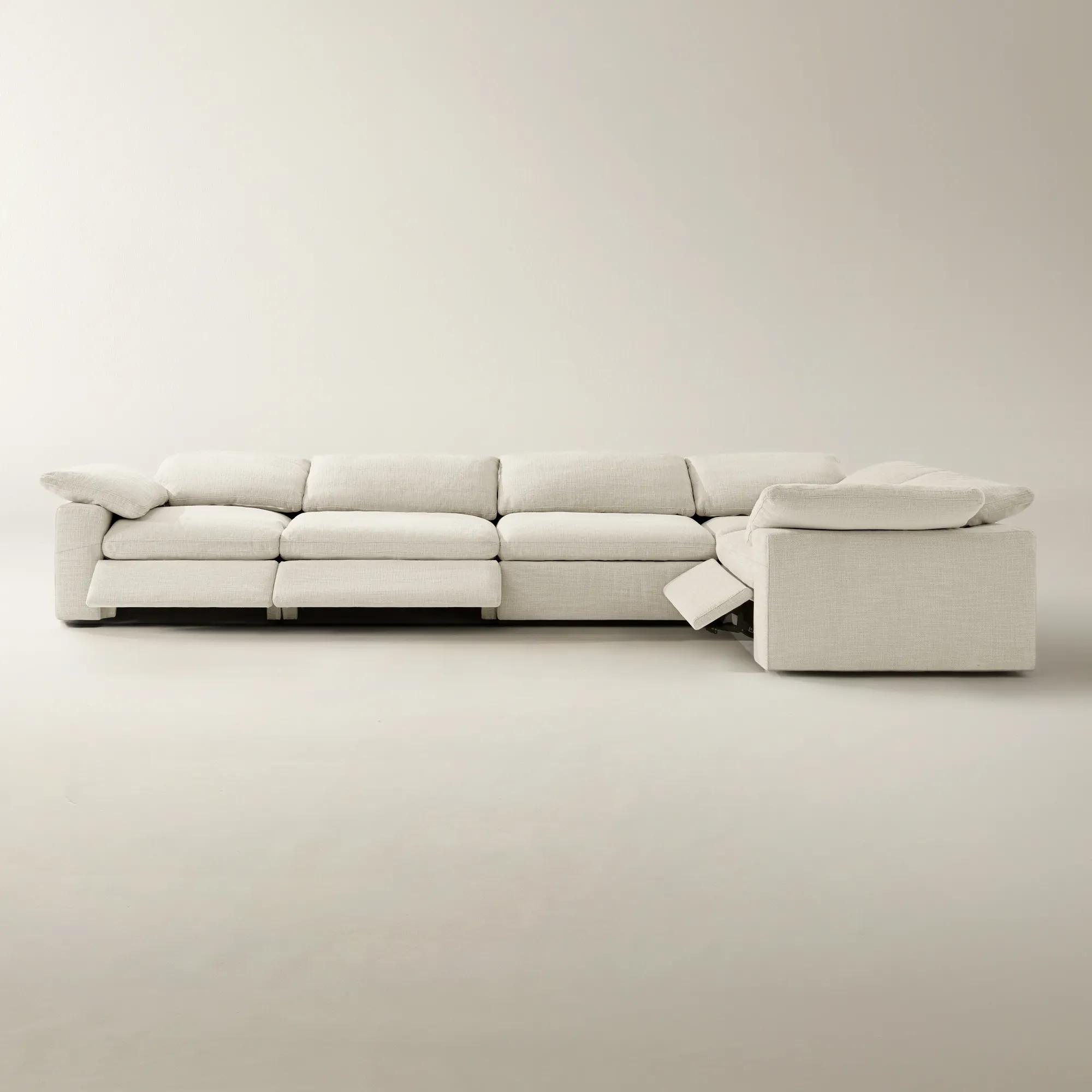 Milo 5-Piece Reclining Ivory Performance Fabric Sectional$5499
A modular sectional sofa in ivory performance fabric with plush cushioning and independent power-reclining footrests.
Add To Cart

High Density Foam Sofas
High density foam sofas invite you to experience comfort reimagined—where sculptural silhouettes meet irresistible support and every seat feels like a destination. Designed for those who crave both opulence and enduring style, these statement pieces transform living spaces into galleries of relaxation and elegance. With their tailored profiles and plush presence, high density foam sofas become the heart of your home’s narrative, offering a foundation for bold design choices and unforgettable moments. Elevate your interiors with seating that’s as indulgent as it is iconic—because artistry should never compromise on comfort.
A high-density foam sofa is an upholstered sofa that uses relatively dense foam in its seat cushions or seating body to provide support and help maintain its shape through repeated use. Compared with lower-density foam of similar quality, higher-density foam generally resists compression and deterioration better, making it a compelling choice for living rooms where beautiful seating also needs to accommodate everyday life. Density measures the foam’s weight per cubic foot; it does not measure firmness. A high-density cushion can feel soft, medium, or firm depending on its formulation, thickness, and surrounding layers. That distinction matters when choosing between a tailored sofa with a poised, upright seat and a generous silhouette designed for lingering. Support need not come at the expense of indulgence: a substantial foam core wrapped in fiber or topped with softer cushioning can combine a stable foundation with a more inviting surface. High-density foam is also not synonymous with memory foam, which responds differently to pressure and may recover its shape more slowly. The complete cushion construction determines the experience, from the first impression when sitting down to the support felt after an evening of conversation. Upholstery gives that comfort its visual expression. Velvet brings depth to saturated jewel tones and catches the light across sculpted arms, while textured woven fabric lends dimension to ivory, stone, and charcoal palettes. Leather offers another distinct character, with care requirements and surface changes that depend on its finish. Beneath the upholstery, a conventional sofa may pair foam cushions with a wood or metal frame and a suspension system; a frameless foam sofa instead relies on its foam body for structure. These are different seating experiences, not interchangeable constructions. For frequent hosts, households that gather around the living room, or anyone who values a polished seating area that remains inviting, the appeal lies in the balance of expressive design, supportive comfort, and materials suited to regular use.
The right proportions allow high-density foam sofas to feel as considered as the art above them. Overall width establishes the sofa’s presence, but usable seat width, seat depth, cushion height, and arm thickness determine how comfortably it accommodates the people who sit there. Broad, sculptural arms can create a dramatic silhouette while leaving less seating space than the exterior dimensions suggest. A deeper seat encourages reclining and relaxed lounging; a shallower seat can make it easier to sit upright with feet resting on the floor. For shorter adults or people who prefer a more supported posture, loose back cushions may help adjust the effective depth, though decorative pillows should not substitute for a suitable fit. Seat height and the amount a cushion compresses also influence how easily someone can sit down and stand up. A low, enveloping foam design may be ideal for a media room yet less suited to someone who prefers a higher, steadier seat. In a compact apartment, a streamlined sofa can establish a luxurious focal point without overwhelming the room. In an expansive living area, Sectional Sofas With High Density Foam can define a gathering space with extended seating and room to stretch out. Consider whether a chaise will support the intended layout or interrupt the route between an entryway and adjacent rooms. Leave comfortable passage around the seating, and position a coffee table close enough to reach without making the arrangement feel crowded. Doorways, stair turns, elevator interiors, and hallway clearances deserve the same attention as the final placement. Some frameless foam sofas arrive compressed, but unpacking procedures and expansion times vary, so follow the manufacturer’s directions rather than assuming immediate readiness. Removable legs or modular sections may simplify access on other designs. The most successful choice serves the room’s actual rhythm: intimate conversation, shared movie nights, reading beside a lamp, or entertaining within a richly layered arrangement of tables, lighting, and textiles.
Lasting comfort depends on more than foam density alone. Foam quality, cushion thickness, upholstery performance, frame construction, and suspension all contribute to how a sofa wears. Dense foam can help resist premature flattening, but it cannot compensate for weak structural components or an unsuitable seating design. Cushions may soften with use, and gradual changes in feel do not necessarily indicate a defect. Where the construction permits, rotating seat cushions distributes wear more evenly; flipping is appropriate only for cushions designed to be reversible. Fixed seats and one-sided cushions require a different approach, so care should follow the sofa’s instructions. Upholstery deserves equally thoughtful attention. A sumptuous surface can be practical when its fiber content, finish, and maintenance requirements suit the household. Performance fabrics may offer useful stain resistance, but that designation does not mean a sofa is stain-proof or that every cleaning method is safe. Removable cushion covers are not automatically machine washable. Check the care label before treating spills, blot promptly with a clean cloth, and avoid rubbing residue into the fabric or saturating the cushion beneath it. Excess moisture can be difficult to remove from a thick foam interior. Regular vacuuming with a suitable upholstery attachment helps lift dust and debris from seams and cushions, while professional cleaning may be appropriate for delicate fabrics or persistent marks. Velvet can develop pressure shading and changes in pile direction, creating variations in its sheen; cleaning and brushing methods should be appropriate to the particular fabric. Leather requires products compatible with its finish rather than general-purpose household cleaners. Placement matters as well: prolonged direct sunlight can alter upholstery color, and repeated concentrated pressure on arms or cushion edges can accelerate wear. For homes with children, pets, or frequent guests, consider fabric testing information, cushion access, and realistic cleaning needs alongside the silhouette. A luminous neutral sofa can anchor a dramatic room beautifully, provided its maintenance suits the household. With a considered fit and consistent care, high-density foam seating brings substance to that visual statement—a supportive foundation beneath rich texture, confident proportions, and the pleasure of settling into a well-appointed room.
FAQs
A high density foam sofa is defined by its core construction, utilizing premium-density foam that delivers exceptional resilience, support, and shape retention. Unlike traditional sofas that may rely on lower-density materials or basic spring systems, foam sofas maintain their sculptural silhouette and luxurious comfort over time, providing a seating experience that feels both tailored and indulgent.
Foam lounges and high density foam sofas are ideal for those who value both style and substance in their living spaces. They cater to design enthusiasts seeking statement-making pieces, busy households requiring enduring comfort, and entertainers who need seating that stands up to frequent use. These sofas also make thoughtful gifts for new homeowners or anyone embarking on a fresh chapter, offering a foundation of everyday luxury.
Sofas with high density foam offer a firmer, more supportive sit that gently contours to the body without sacrificing structure. Unlike down or fiber-filled sofas, which can be ultra-soft but prone to flattening and needing frequent fluffing, high density foam maintains its plushness and crisp lines, ensuring your sofa looks as inviting as it feels—day after day.
Foam sofas are remarkably versatile, seamlessly complementing a range of aesthetics—from modern glam and mid-century chic to contemporary minimalism. Their clean lines and tailored profiles make them a striking centerpiece in any setting, while the variety of upholstery options allows you to play with color, texture, and pattern to reflect your personal taste.
A 1000 lb weight capacity sofa signals a commitment to craftsmanship and durability, offering peace of mind for lively households, frequent entertainers, or anyone who values robust construction. This feature ensures your sofa remains steadfast and inviting, no matter how many guests gather or how often the space is enjoyed.