Sectional Sofas With Thick Cushions
Sectional Sofas With Thick Cushions
-

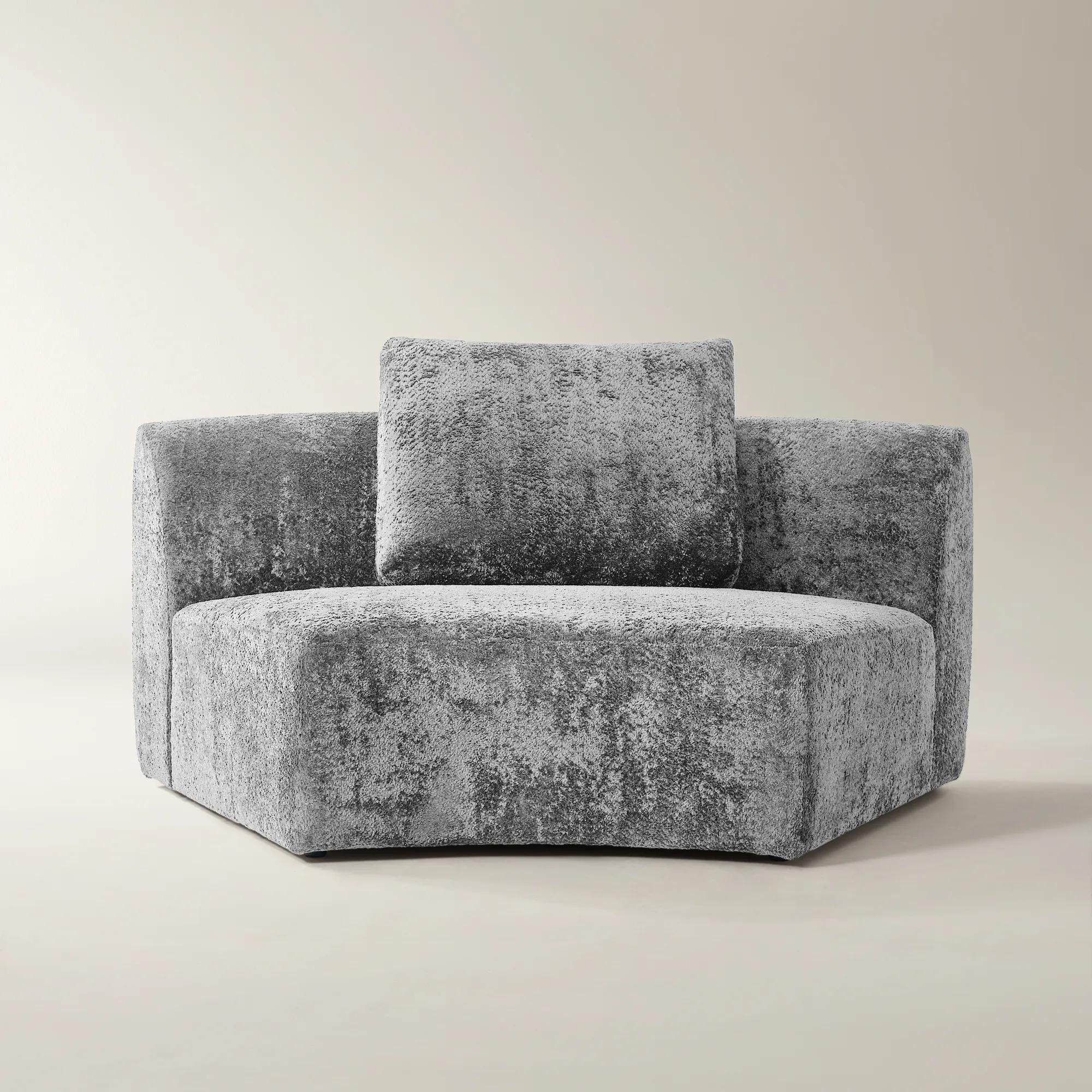
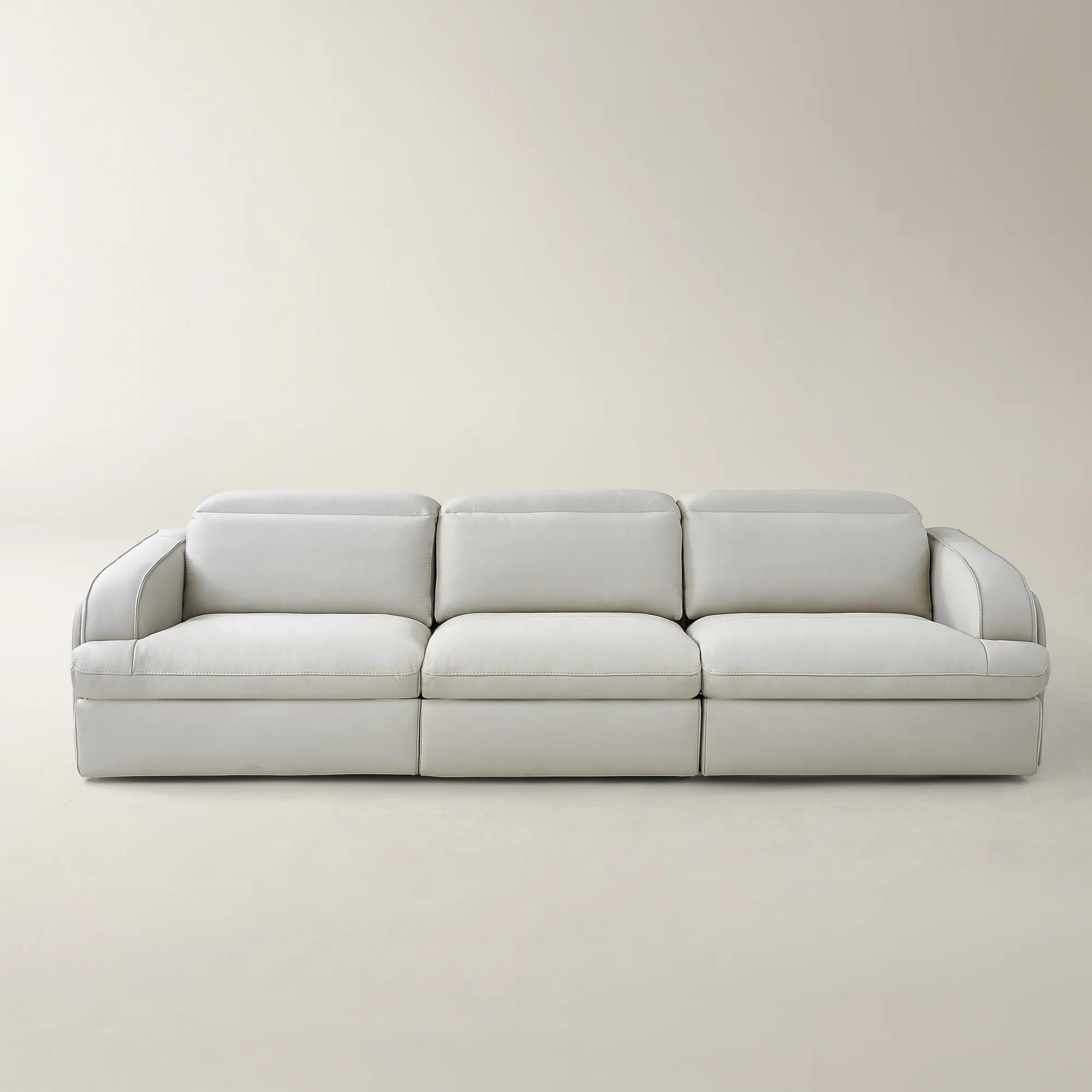
 Curvia 2-Piece Dark Chocolate Velvet Grand Sectional Sofa$2899
A modular sectional wrapped in dark chocolate velvet, featuring sculptural curves and deep, plush lounge seating.
Add To Cart -
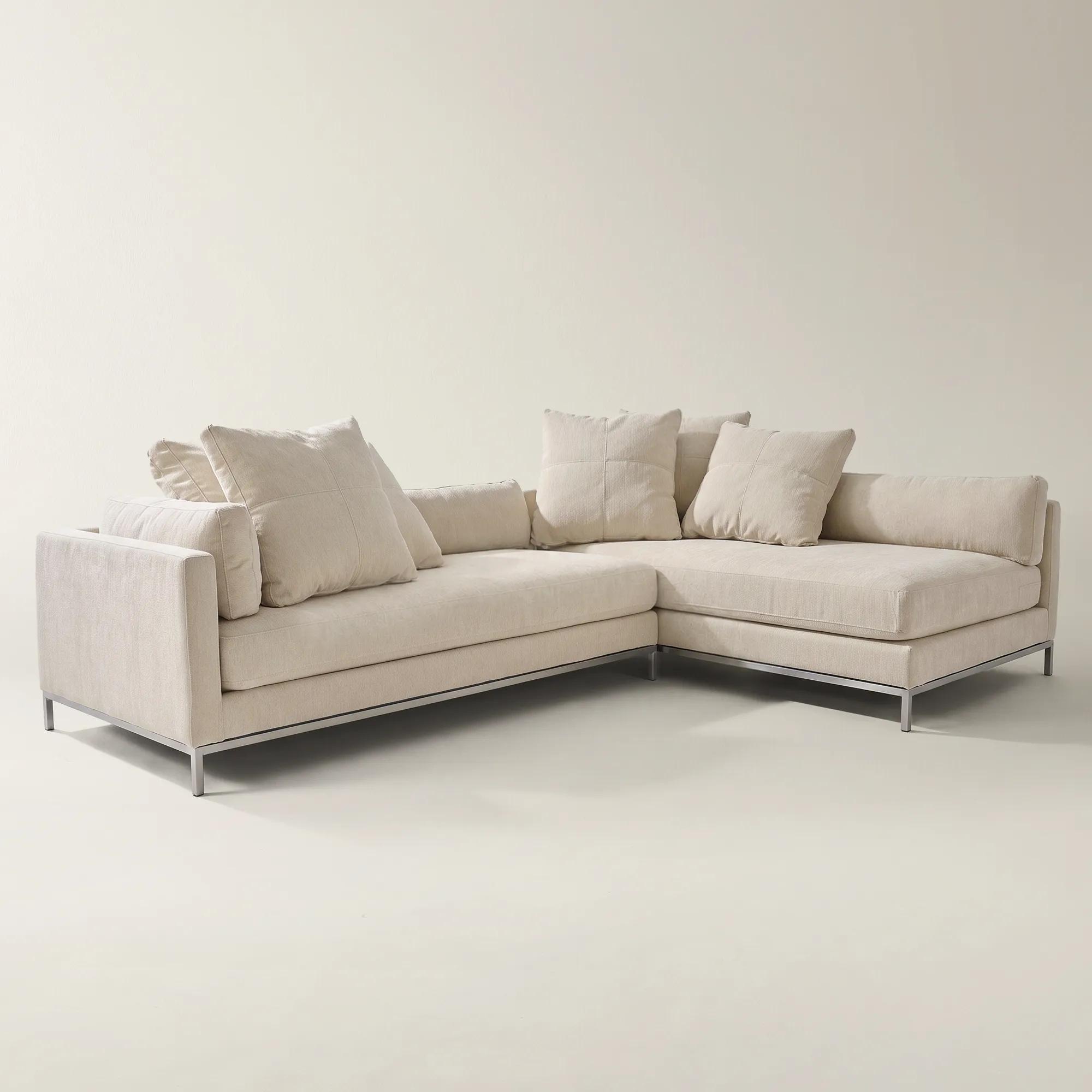
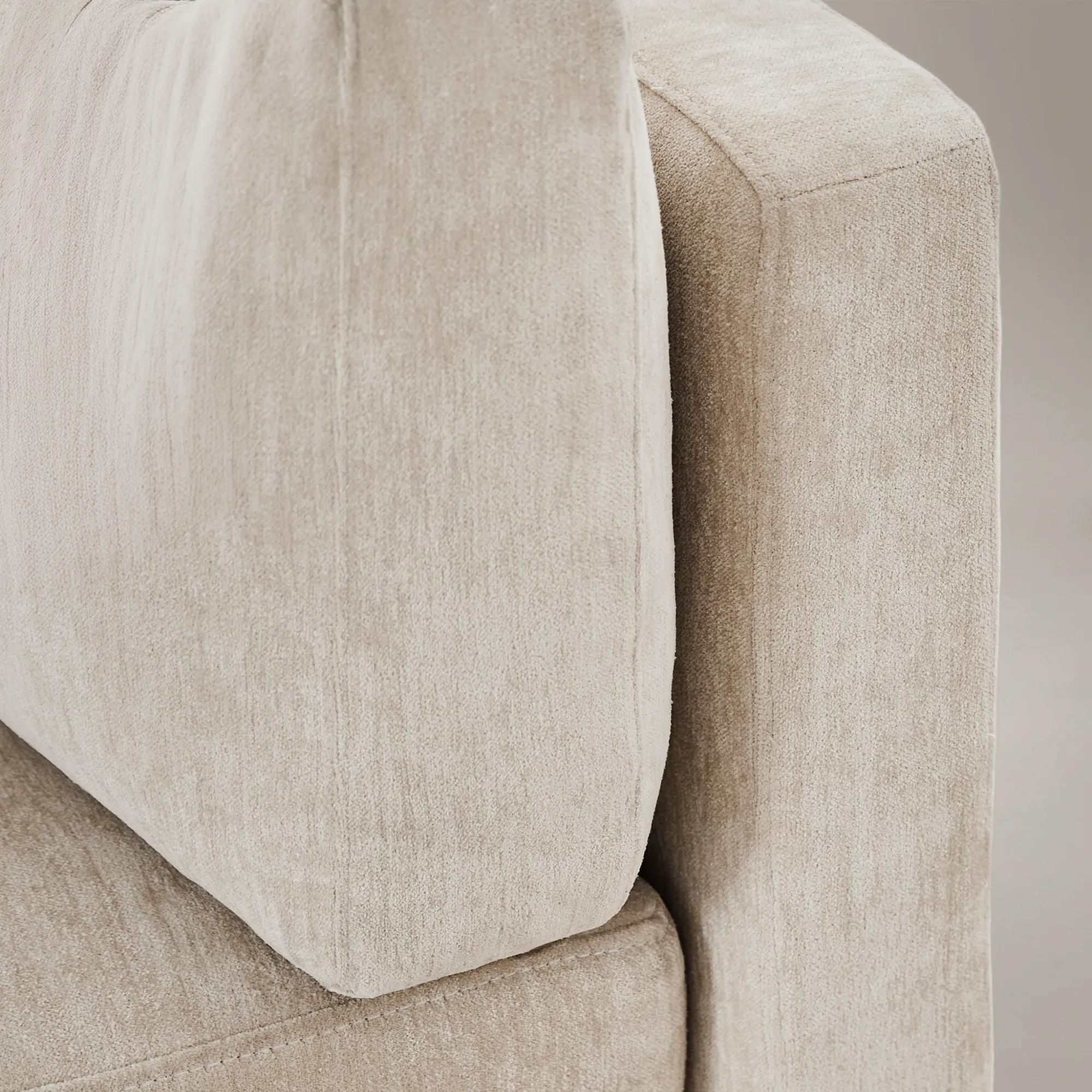 Ventura 2-Piece L-Shaped Snow Chenille Sectional Sofa With Left-Arm Chair$4099
A modern Snow chenille sectional with plush feather-filled pillows, supportive cushioning, and a stainless-steel base.
Add To Cart -
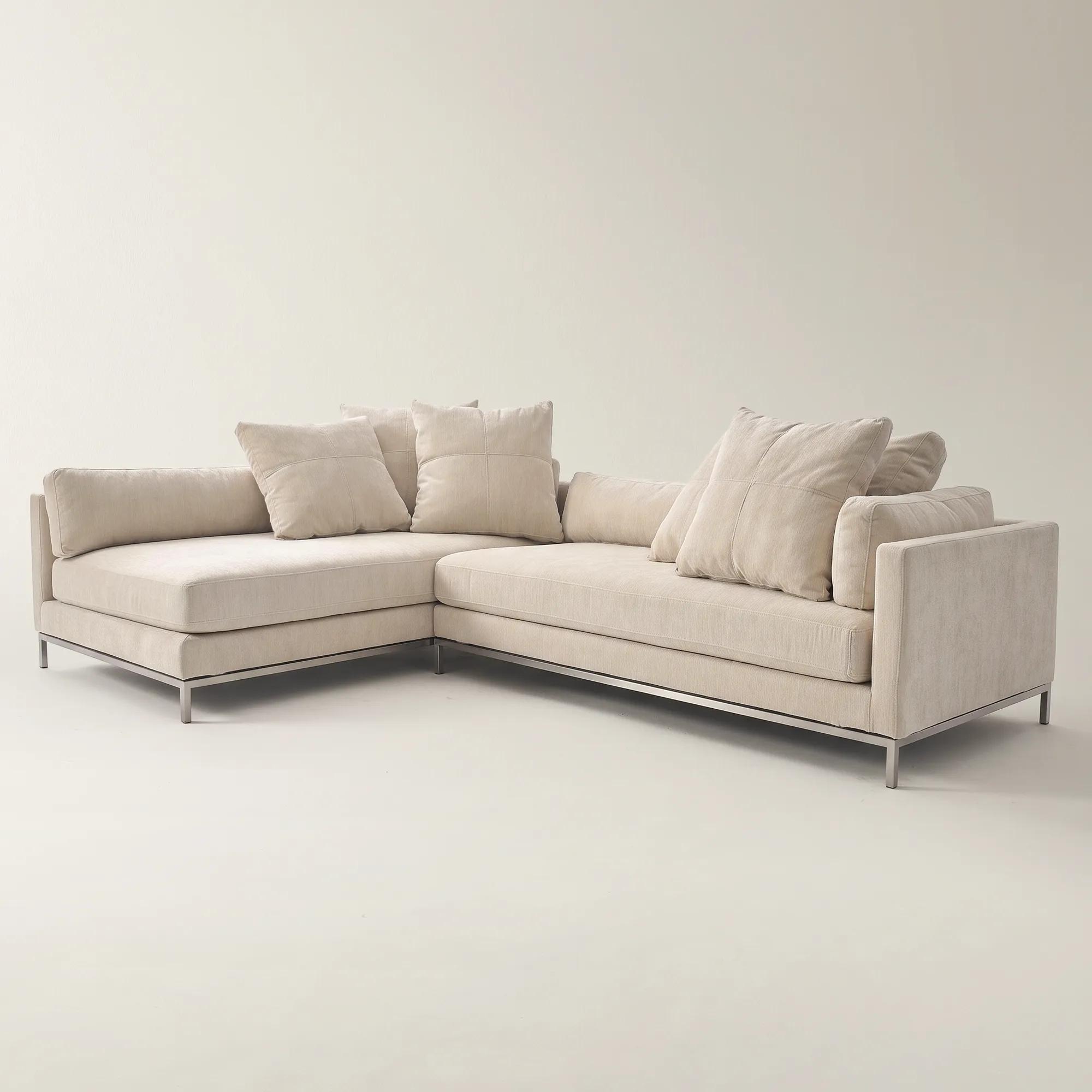 Ventura 2-Piece L-Shaped Snow Chenille Sectional Sofa With Right-Arm Chair$4099
A modern Snow chenille sectional with plush feather-filled cushions, streamlined metal base, and versatile L-shaped comfort.
Add To Cart -
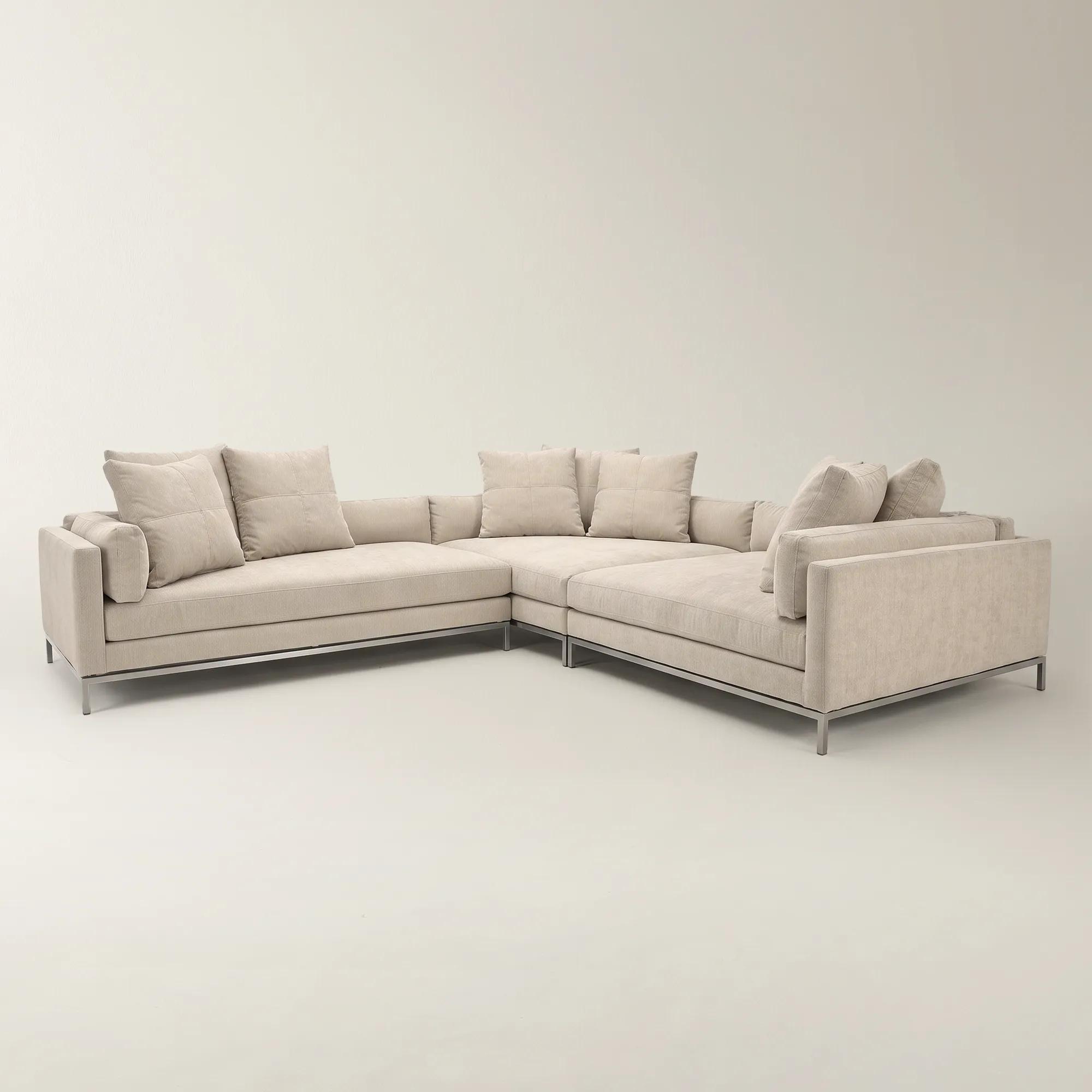 Ventura 3-Piece L-Shaped Snow Chenille Sectional Sofa With Left-Arm Chair$5999
A modern Snow chenille sectional with a stainless-steel base, plush feather pillows, and deep-seated comfort.
Add To Cart -
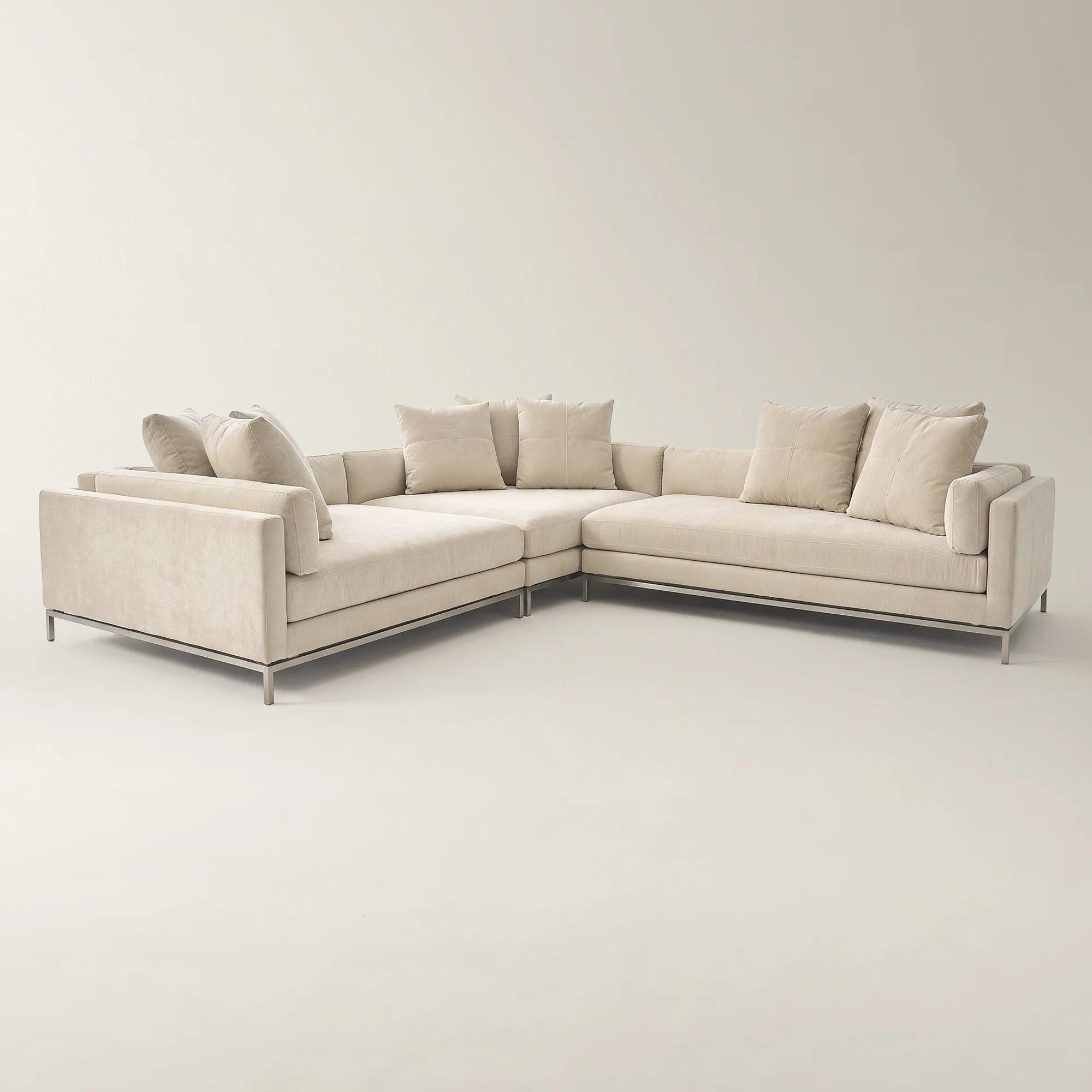 Ventura 3-Piece L-Shaped Snow Chenille Sectional Sofa With Right-Arm Chair$5999
A snow chenille sectional with a streamlined floating silhouette, plush feather-filled cushions, and versatile L-shaped seating.
Add To Cart -
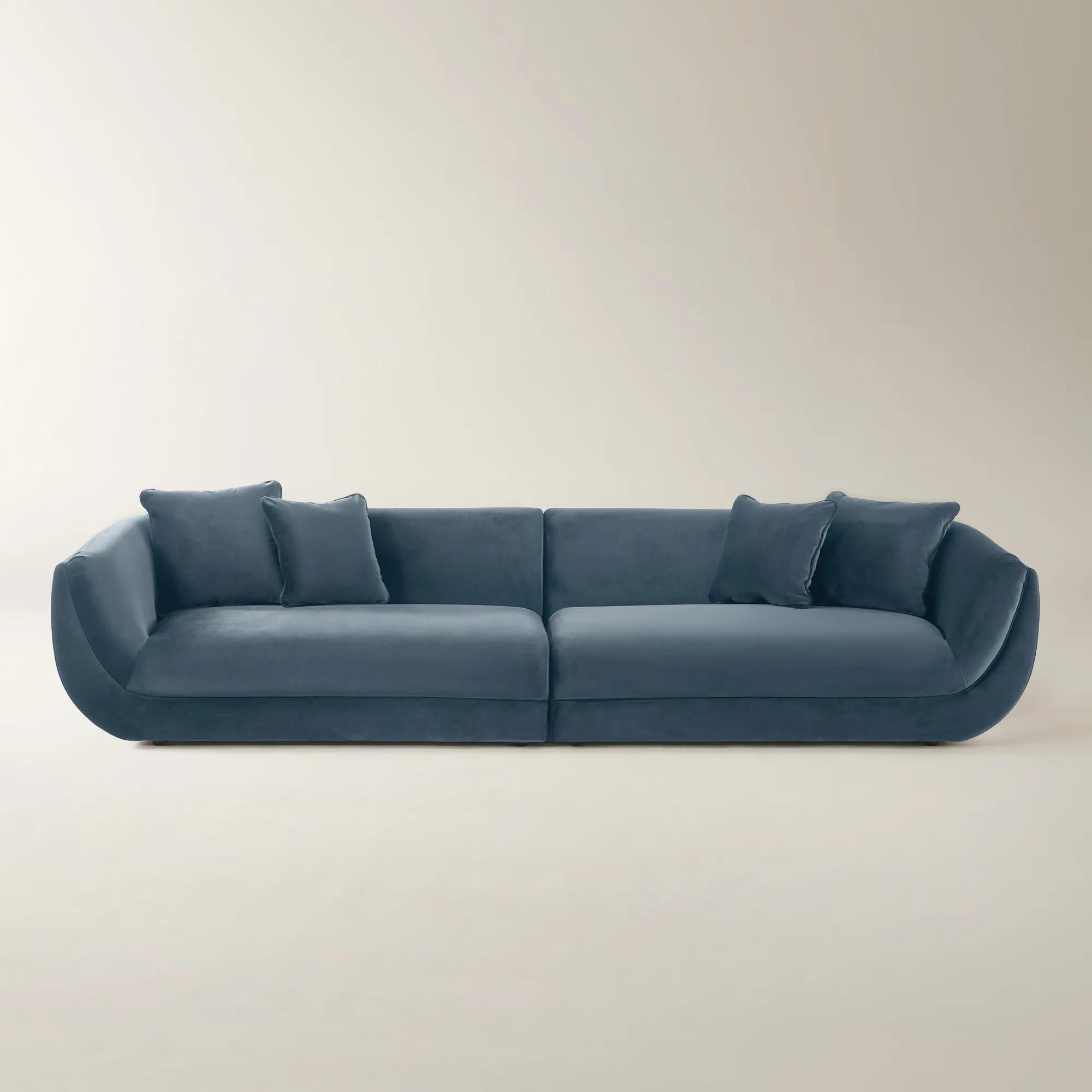
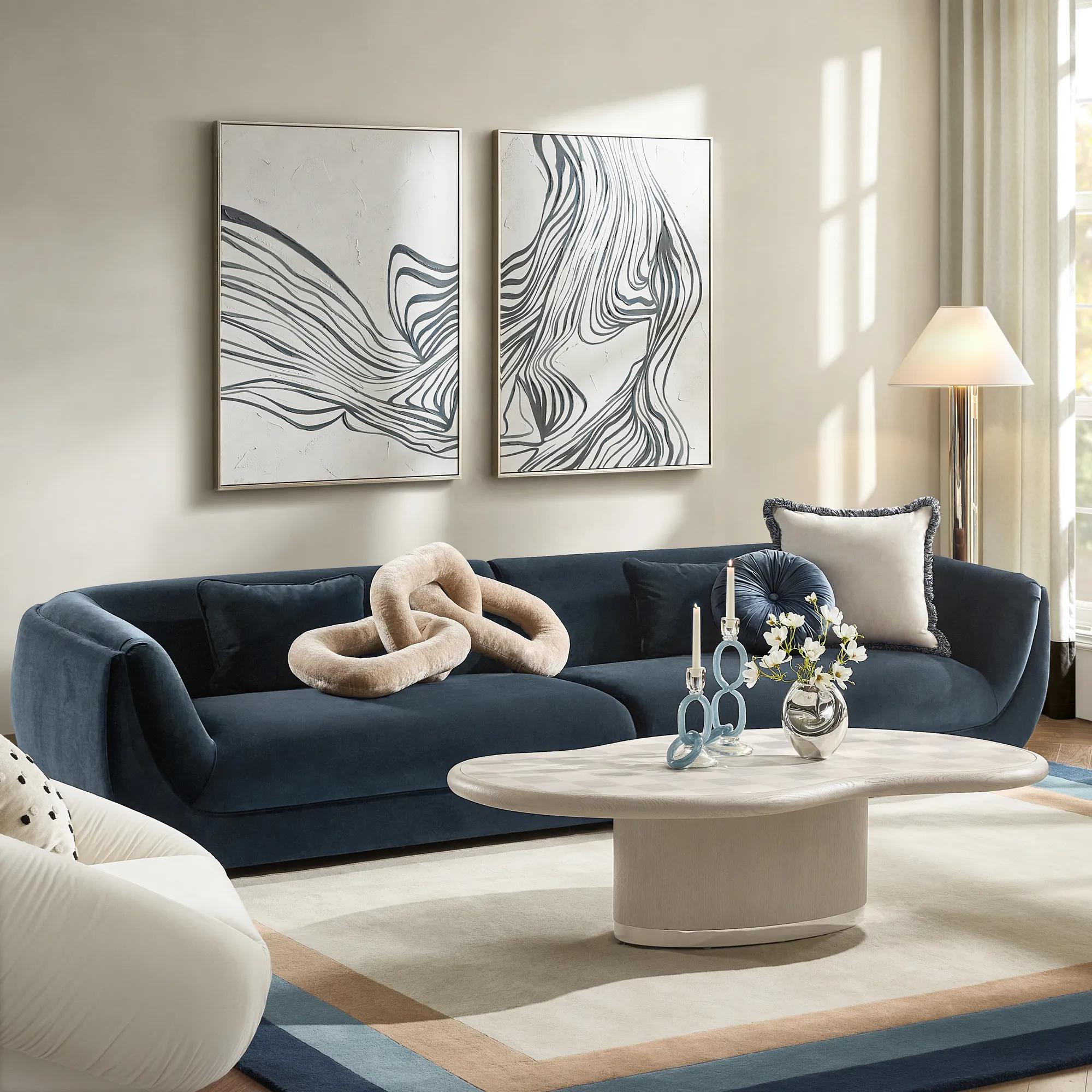 Curvia 2-Piece Dusty Blue Velvet Grand Sectional Sofa$2899
A plush, modular sectional wrapped in dusty blue velvet with sculptural curves and deep, lounge-worthy comfort.
Add To Cart -

 Curvia 2-Piece Dark Chocolate Velvet Sectional Sofa$2699
A sculptural sectional wrapped in dark chocolate velvet with plush cushioning and modular, lounge-ready design.
Add To Cart -
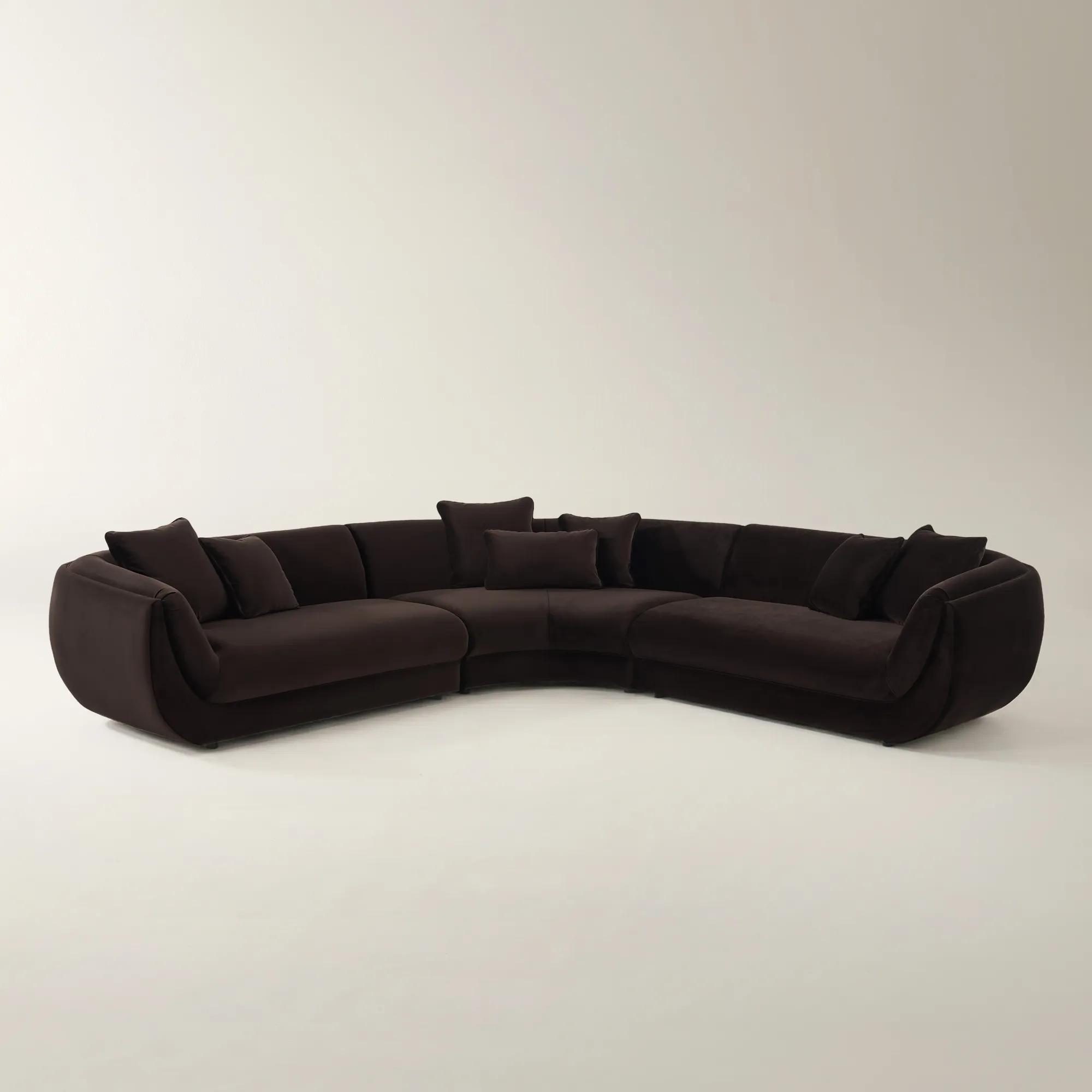
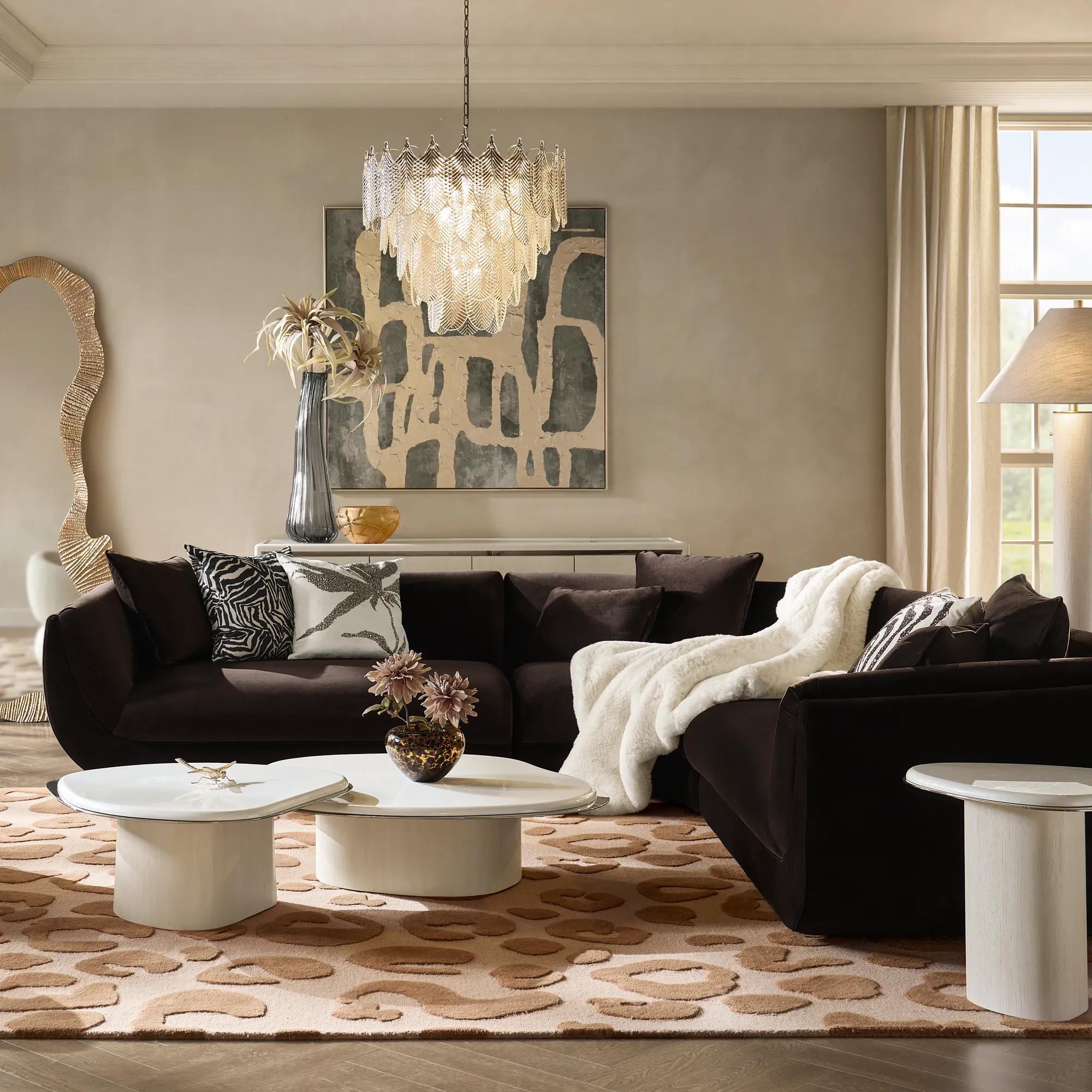 Curvia 3-Piece Dark Chocolate Velvet Sectional Sofa$4599
A modular sectional wrapped in dark chocolate velvet, featuring sculptural curves and deep, plush lounge seating.
Add To Cart -
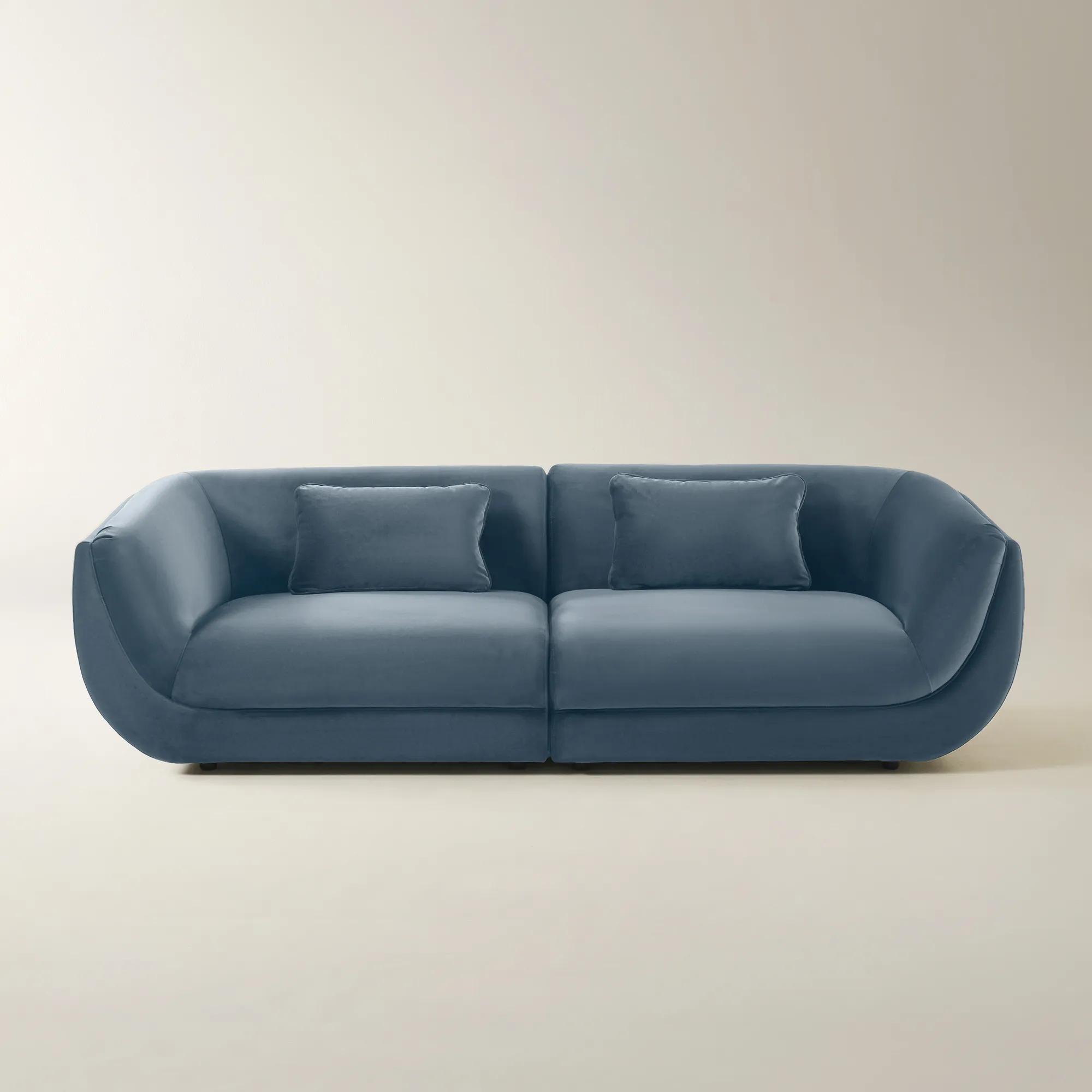 Curvia 2-Piece Dusty Blue Velvet Sectional Sofa$2699
A modular sectional wrapped in plush dusty blue velvet with sculptural curves and deep, lounge-worthy comfort.
Add To Cart -
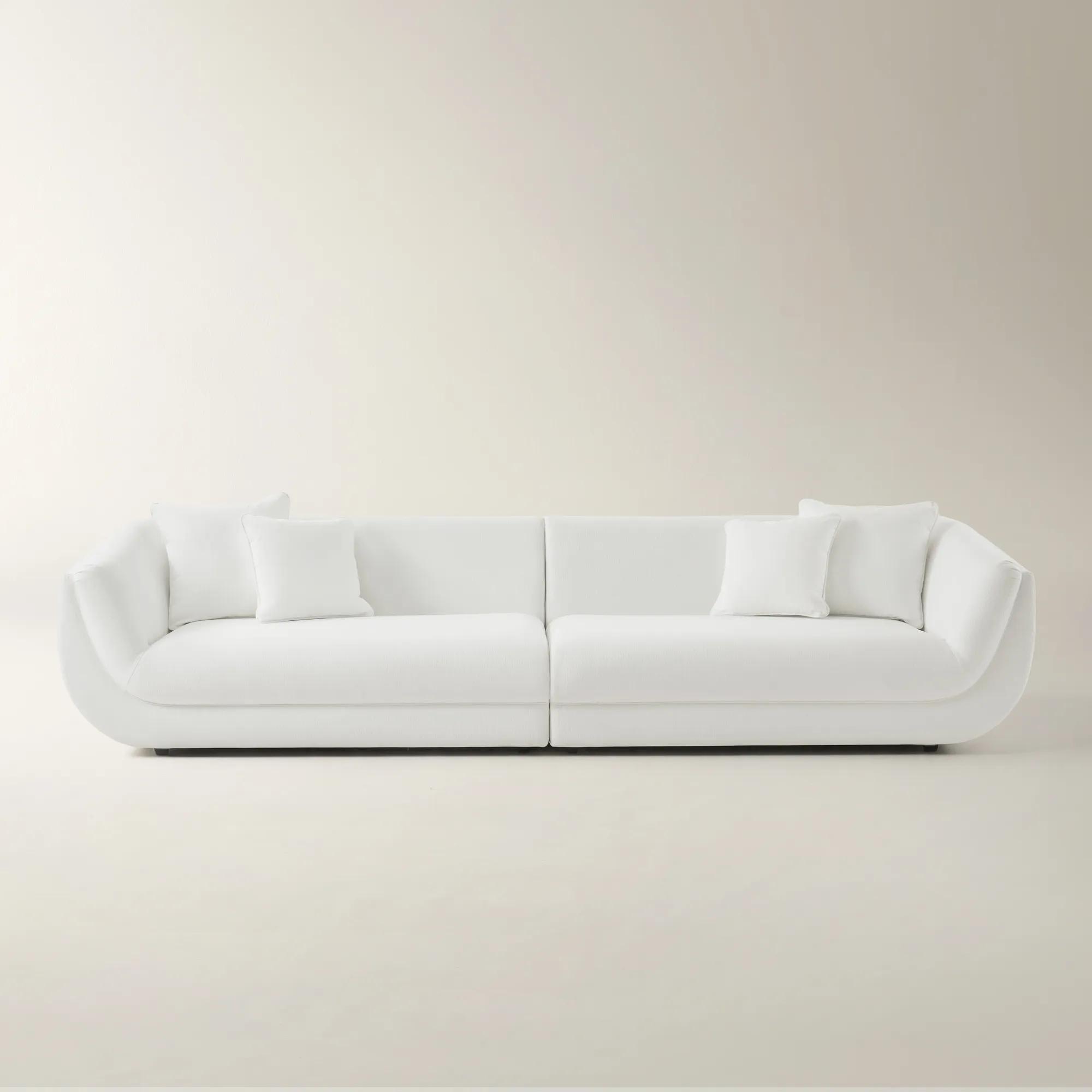
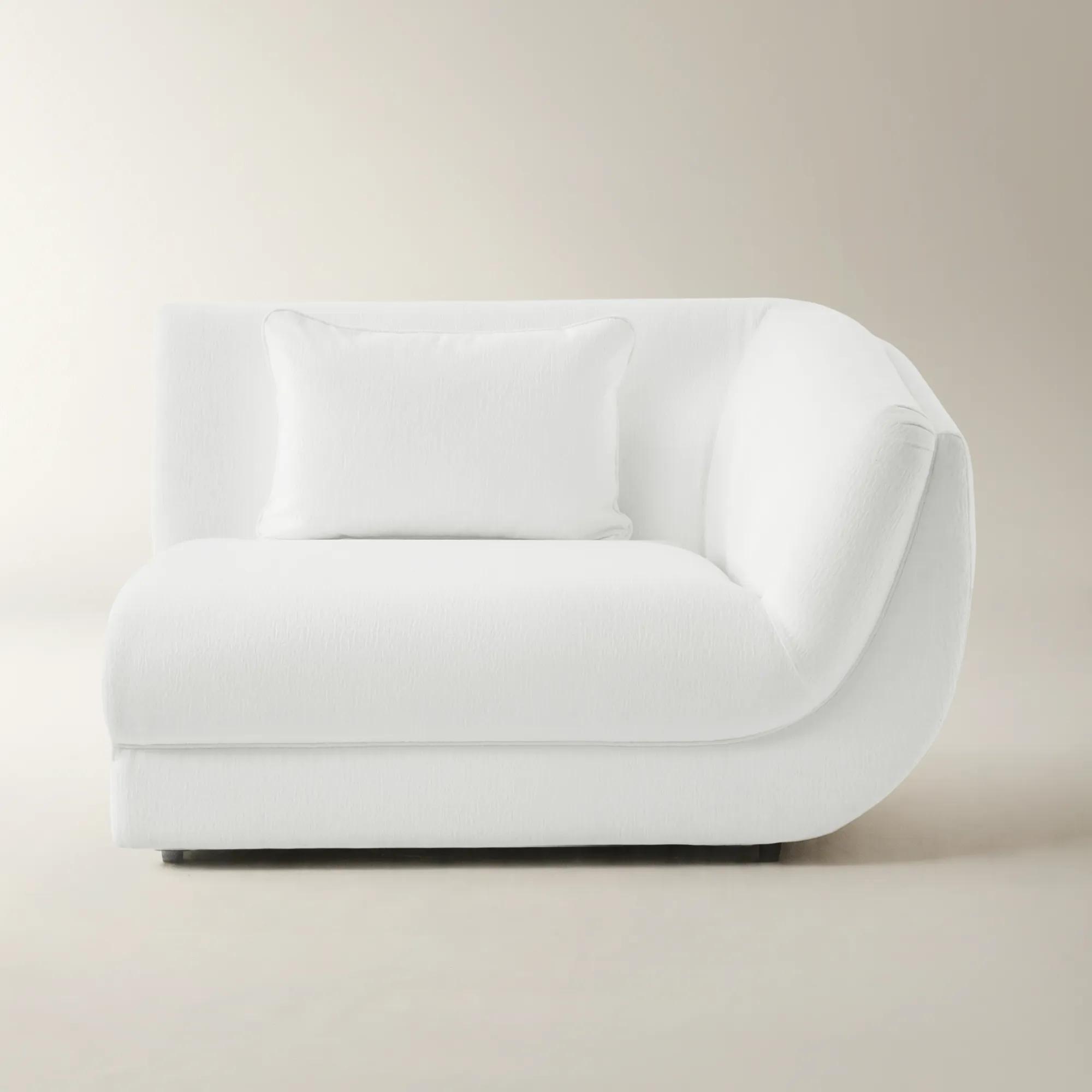
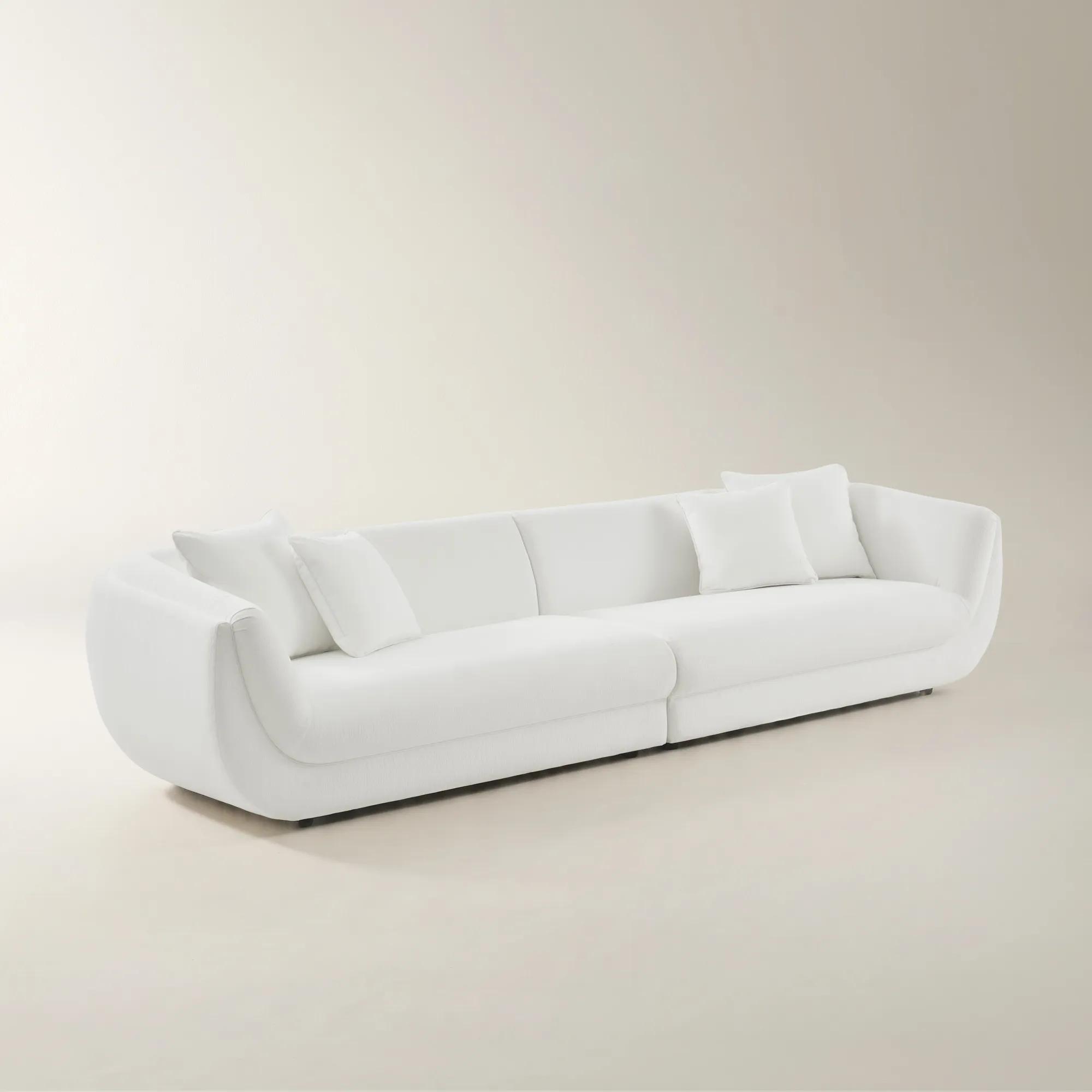 Curvia 2-Piece White Performance Chenille Indoor/Outdoor Grand Sectional Sofa$2999
A sculptural white sectional wrapped in performance chenille, designed for luxurious indoor or outdoor lounging.
Add To Cart -
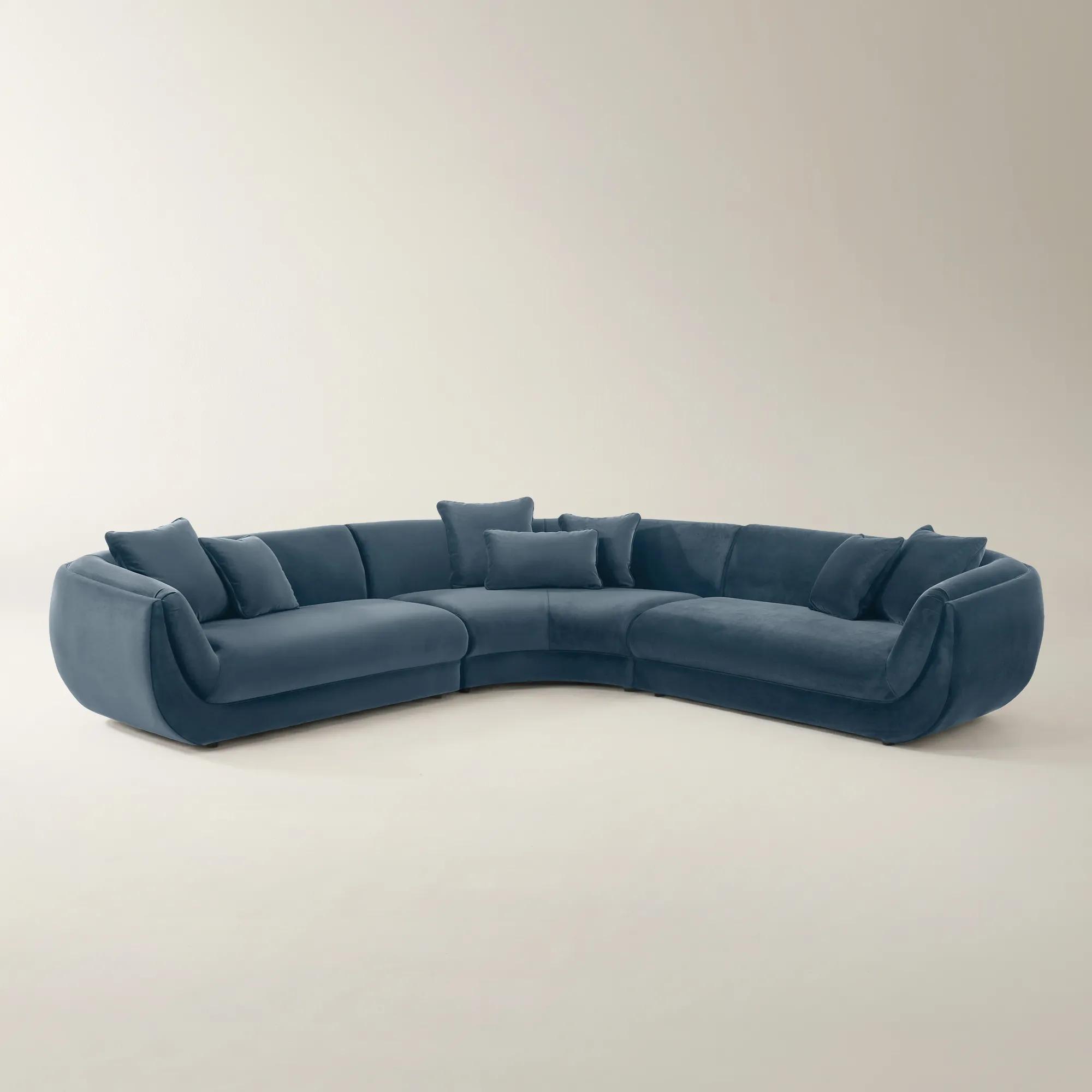
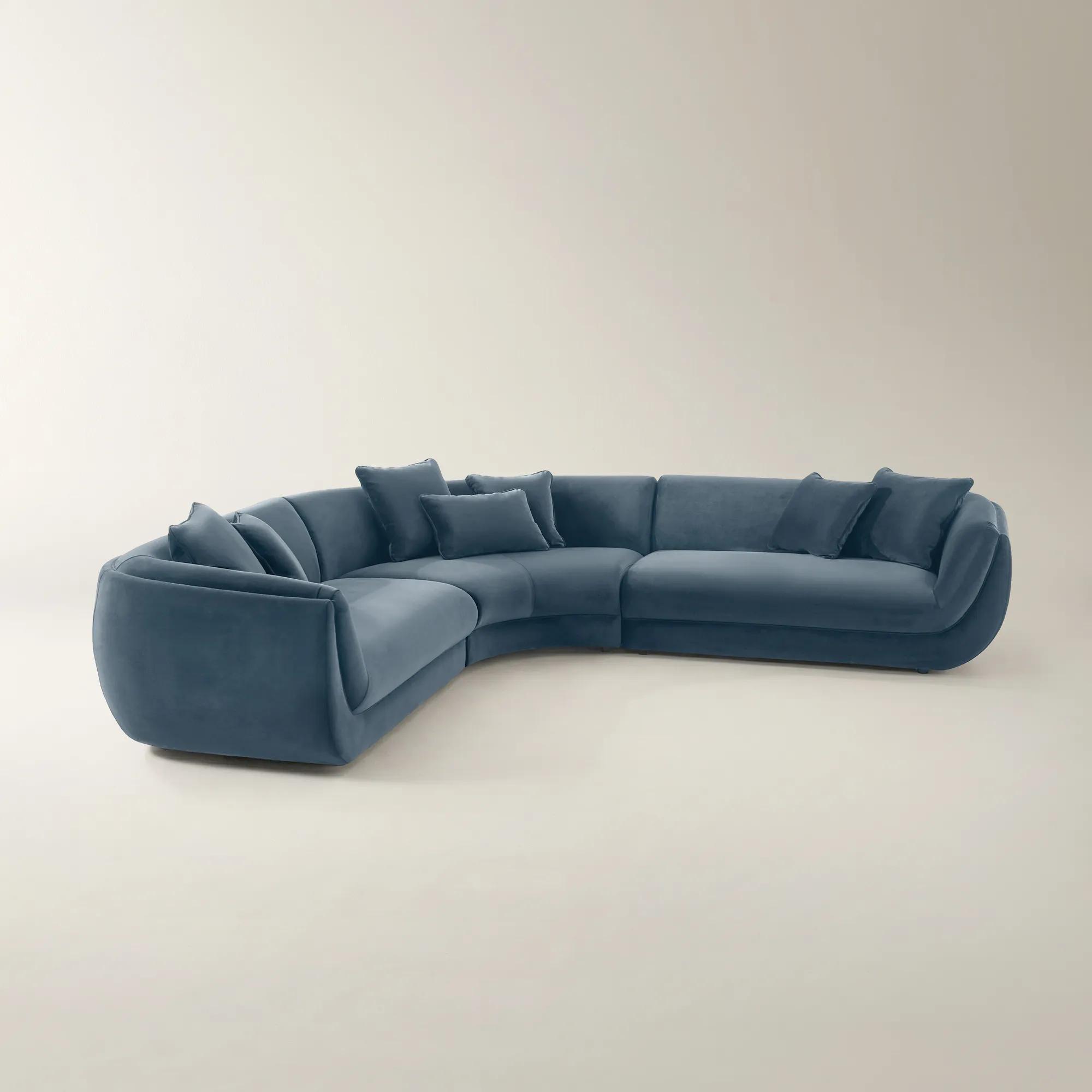 Curvia 3-Piece Dusty Blue Velvet Sectional Sofa$4599
A modular sectional wrapped in plush dusty blue velvet with deep lounge seating and sculptural curves.
Add To Cart -
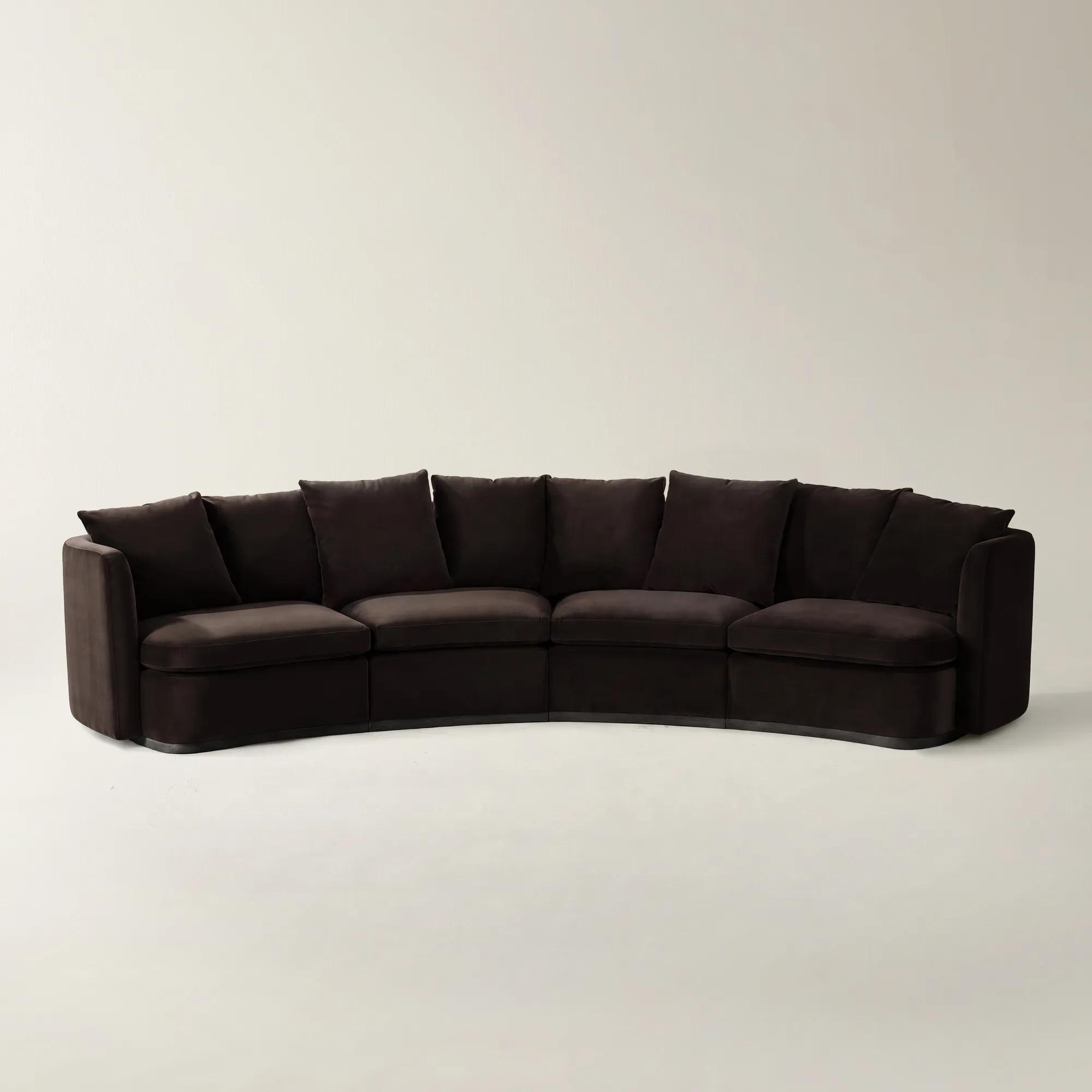
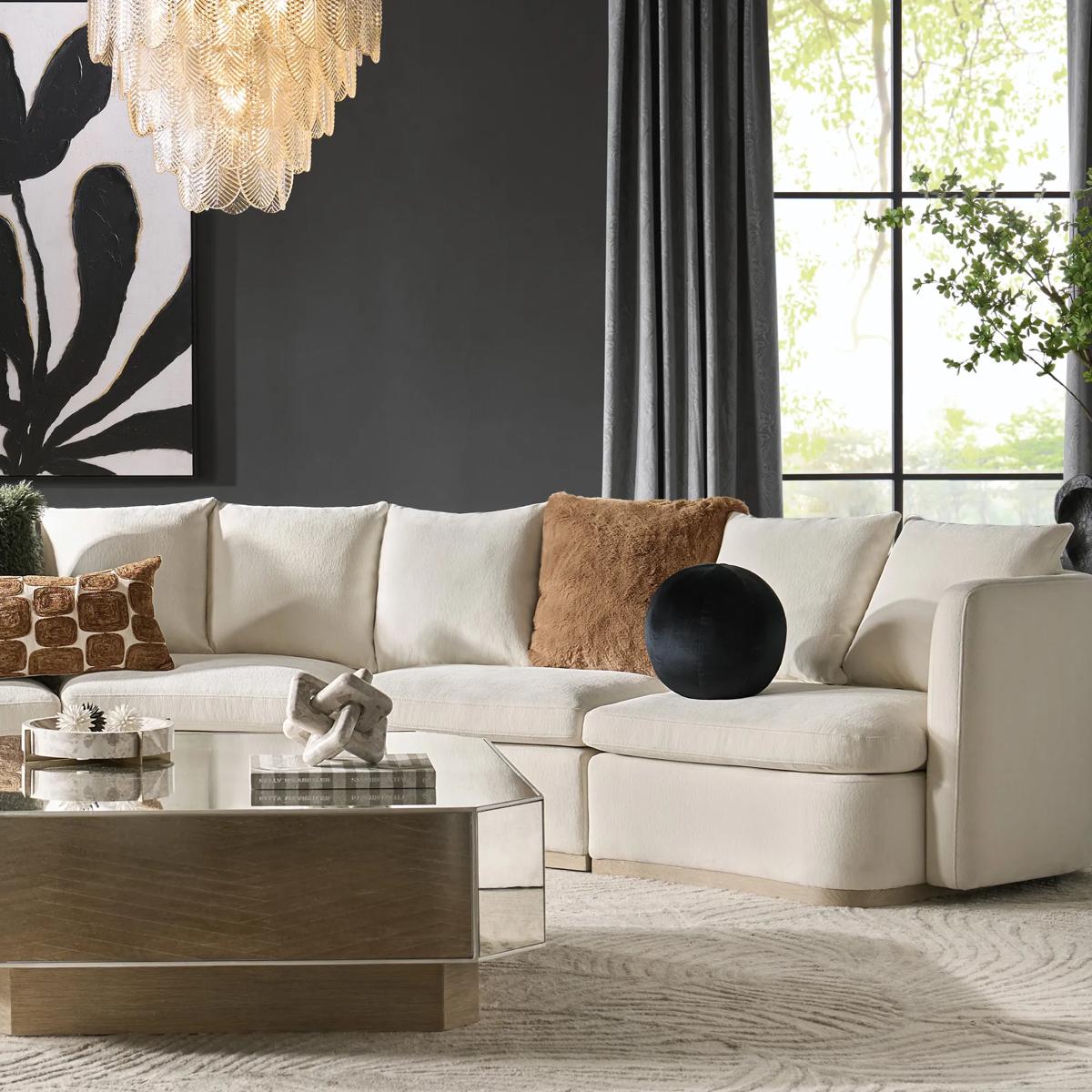 Stria 4-Piece Dark Chocolate Velvet Sectional Sofa$4499
A sculptural dark chocolate velvet sectional with curved edges, layered foam-down cushioning, and adaptable modular connectors.
Add To Cart -
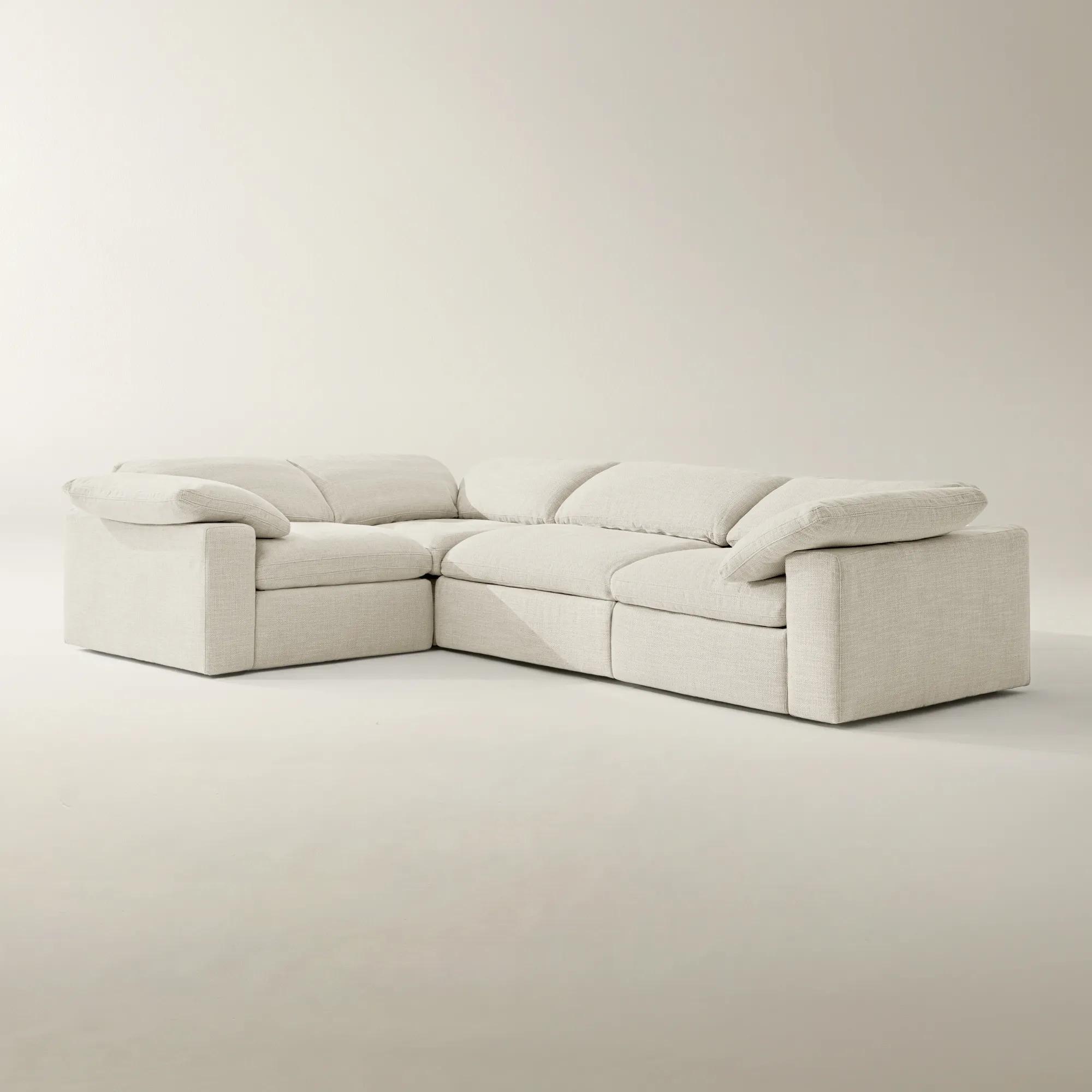
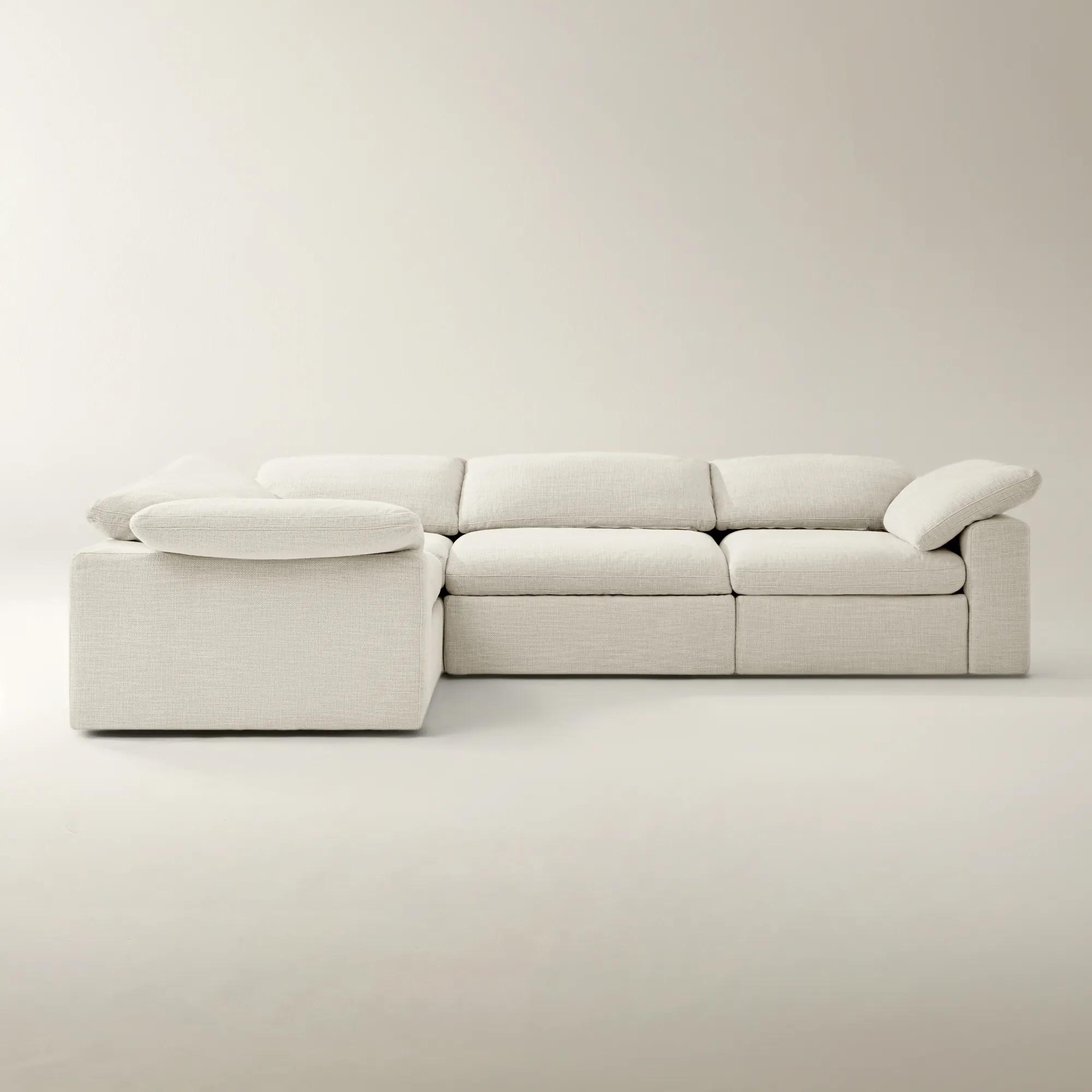 Milo 4-Piece L-Shaped Reclining Ivory Performance Fabric Sectional Sofa With Left-Arm Chair$4399
A modular L-shaped sectional sofa in ivory performance fabric with plush cushioning and independent power reclining.
Add To Cart -
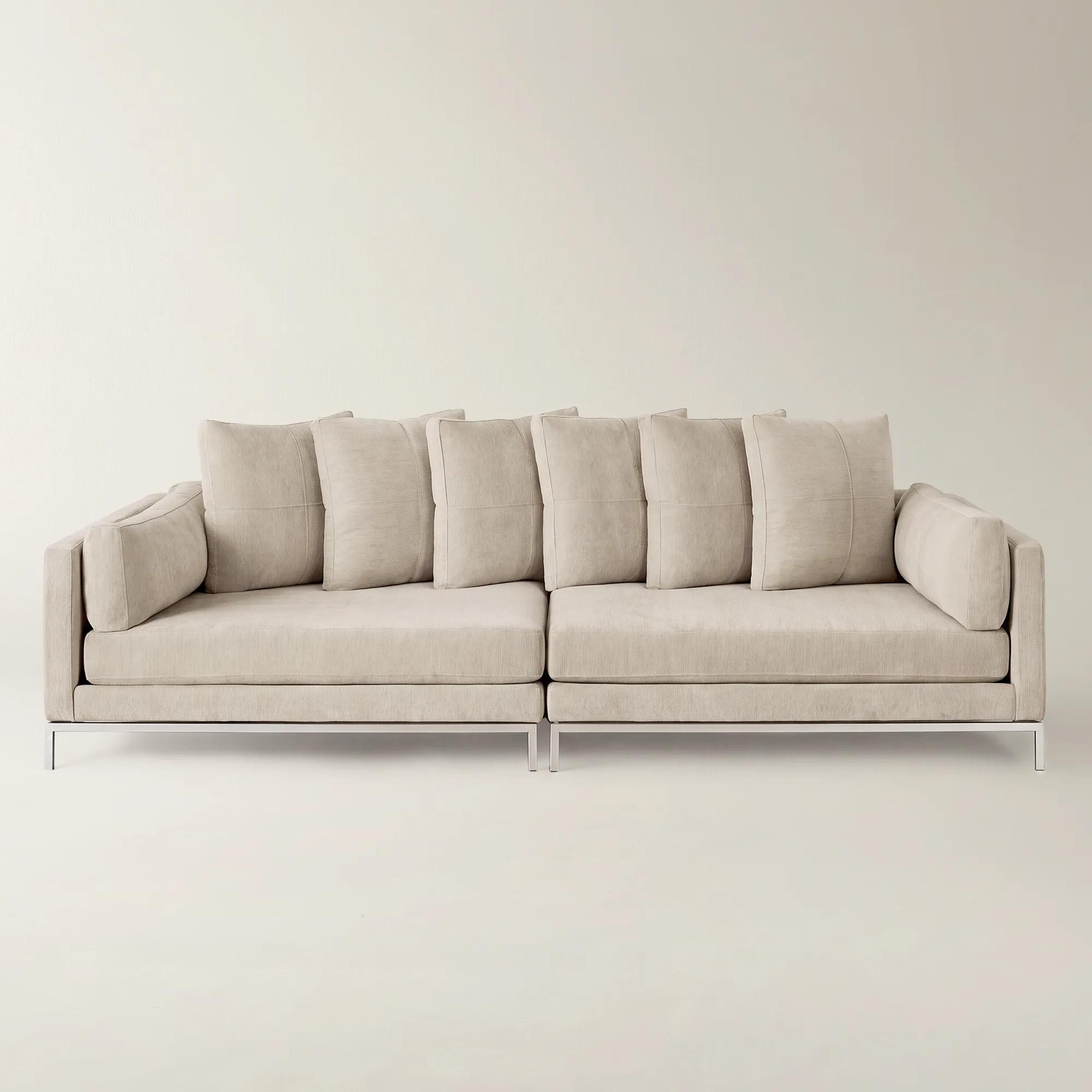
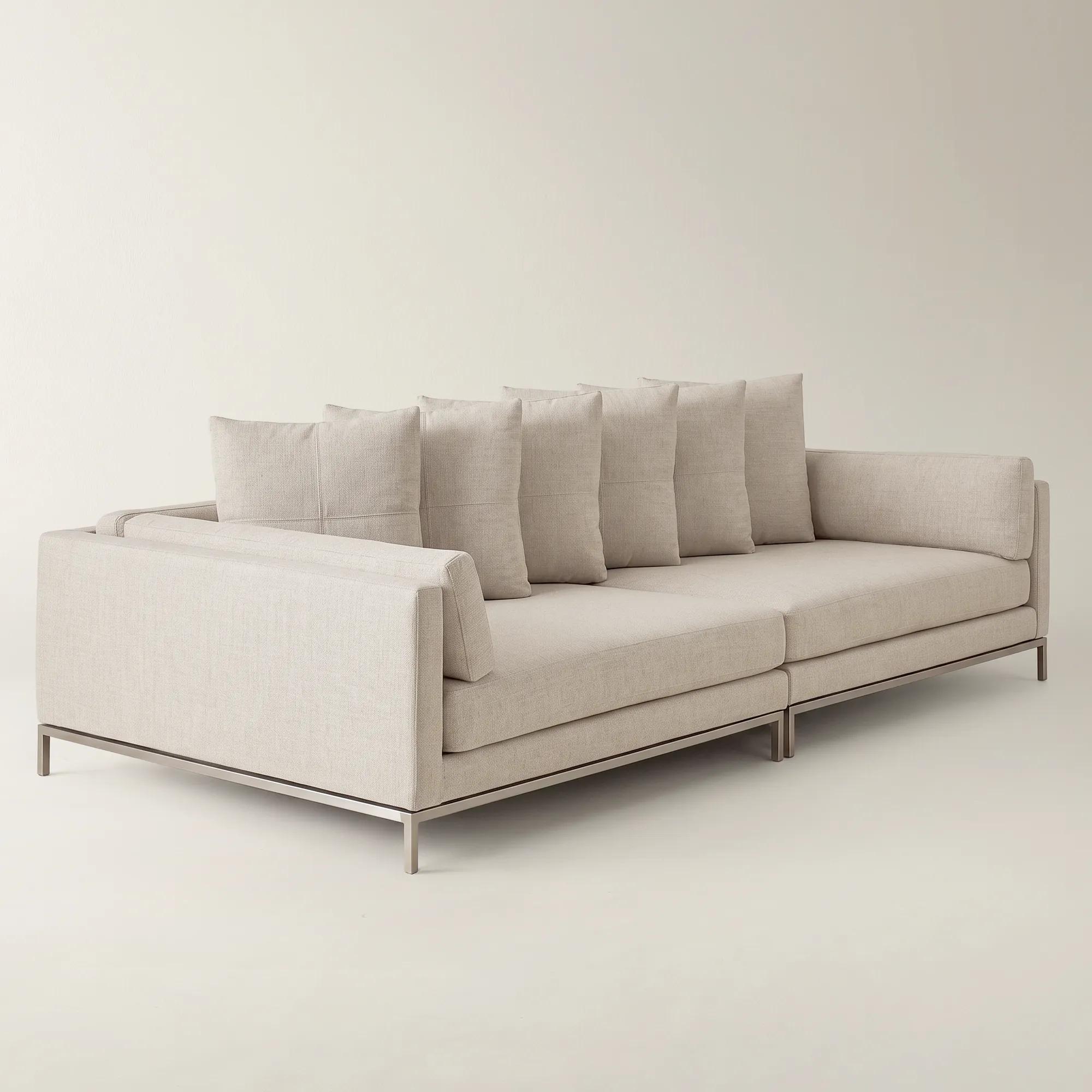 Ventura 2-Piece Square Snow Chenille Sectional Sofa$4299
A modern snow chenille sectional with a floating stainless-steel base, plush feather-filled pillows, and versatile configurations.
Add To Cart -
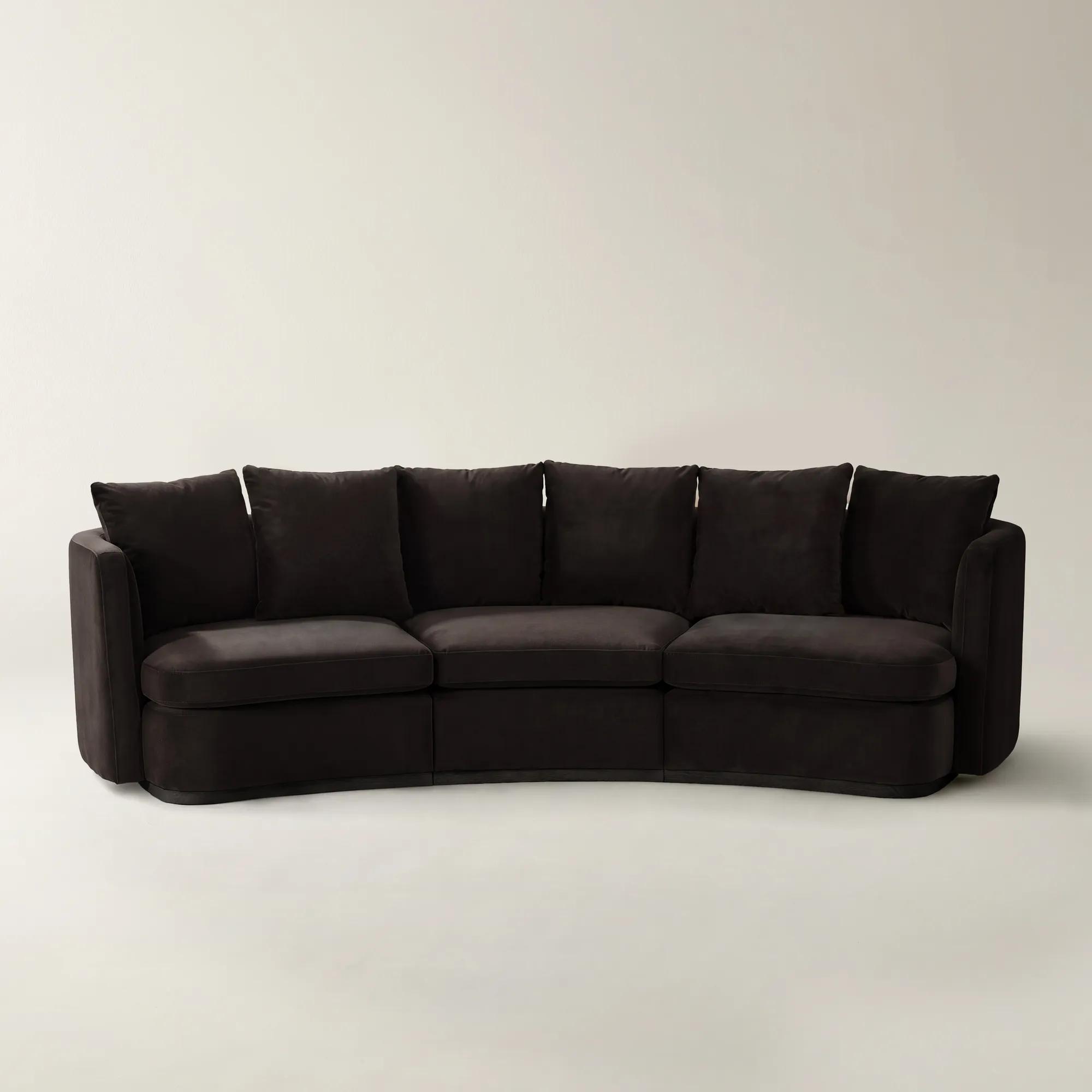 Stria 3-Piece Dark Chocolate Velvet Sectional Sofa$3399
A sculptural dark chocolate velvet sectional with curved styling, layered cushioning, and adaptable modular construction.
Add To Cart -
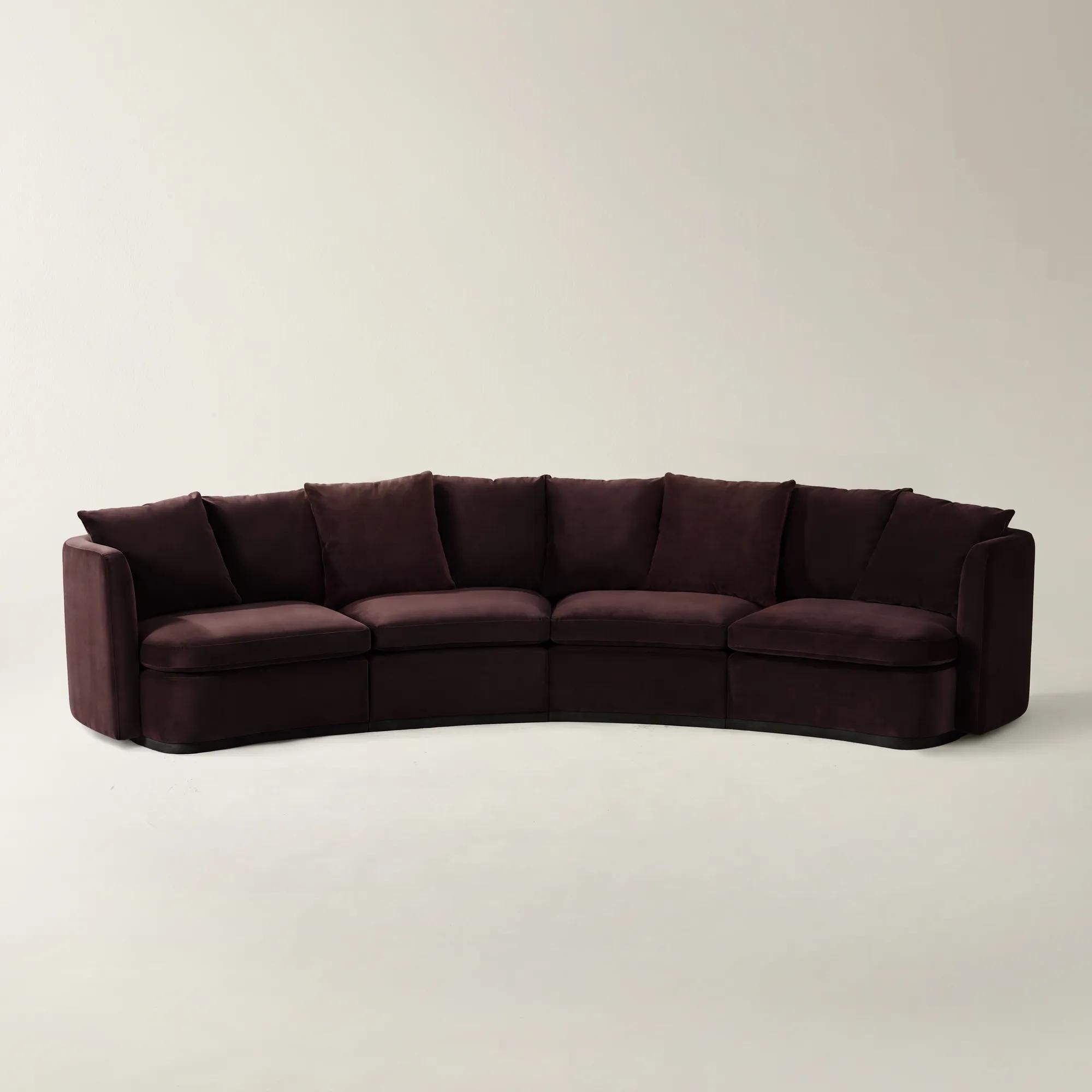 Stria 4-Piece Fig Velvet Sectional Sofa$4499
A sculptural fig velvet sectional with curved lines, layered foam-and-down cushioning, and modular connectors for comfort.
Add To Cart -
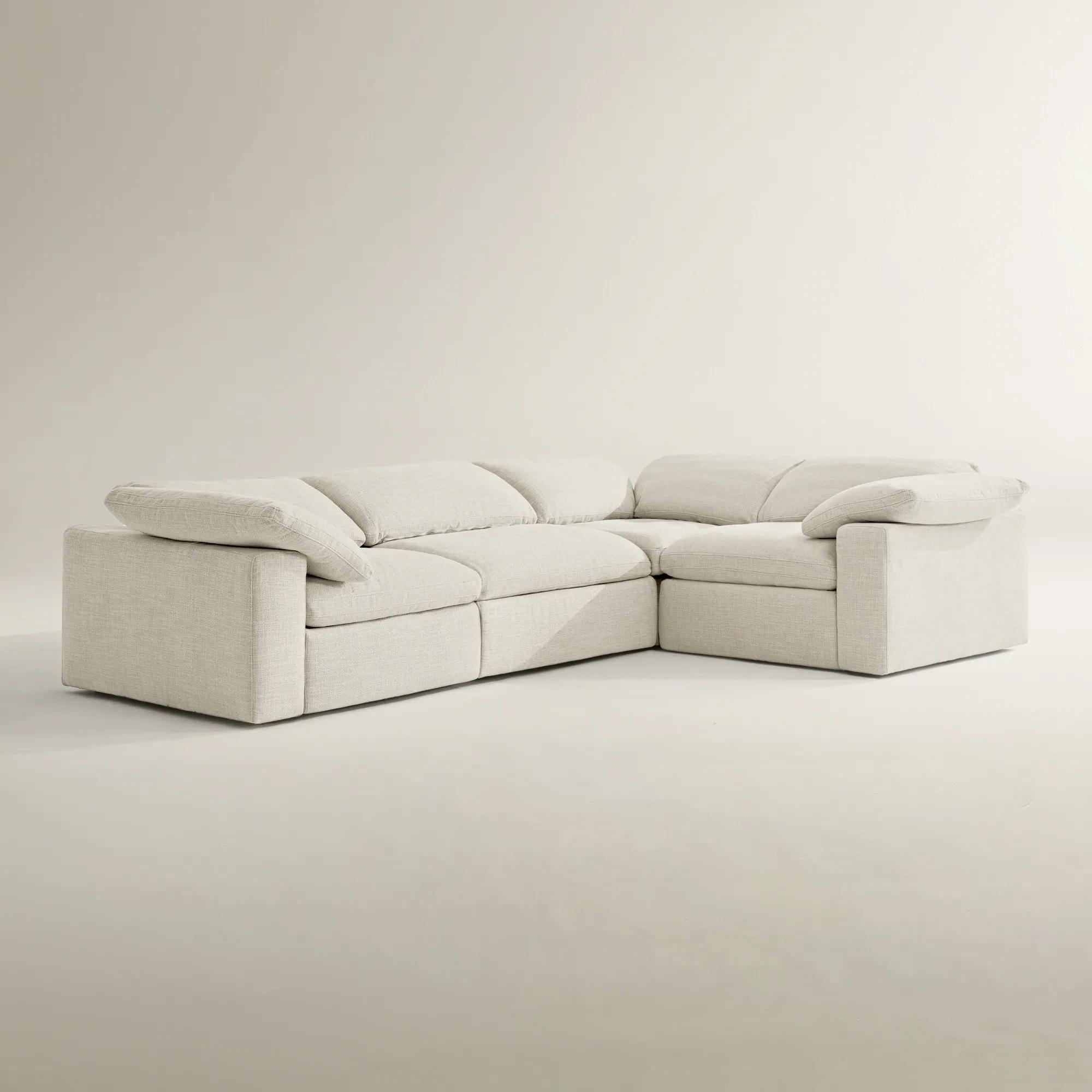
 Milo 4-Piece L-Shaped Reclining Ivory Performance Fabric Sectional Sofa With Right-Arm Chair$4399
A four-piece L-shaped sectional sofa in ivory performance fabric with power reclining and plush feather-blend cushions.
Add To Cart -
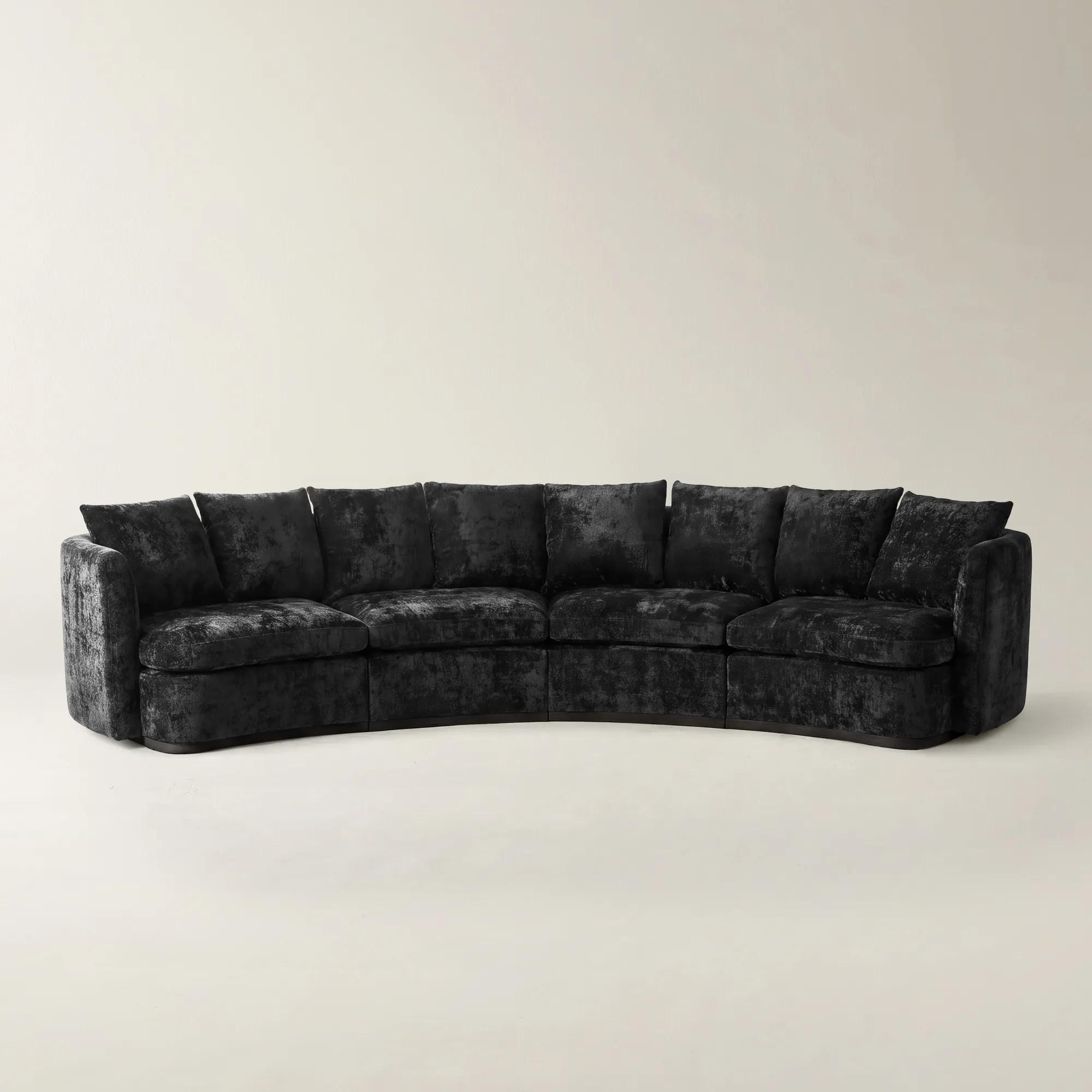 Stria 4-Piece Black Chenille Sectional Sofa$4499
A sculptural black chenille sectional featuring modular construction, curved edges, and layered foam-and-down cushioning.
Add To Cart -
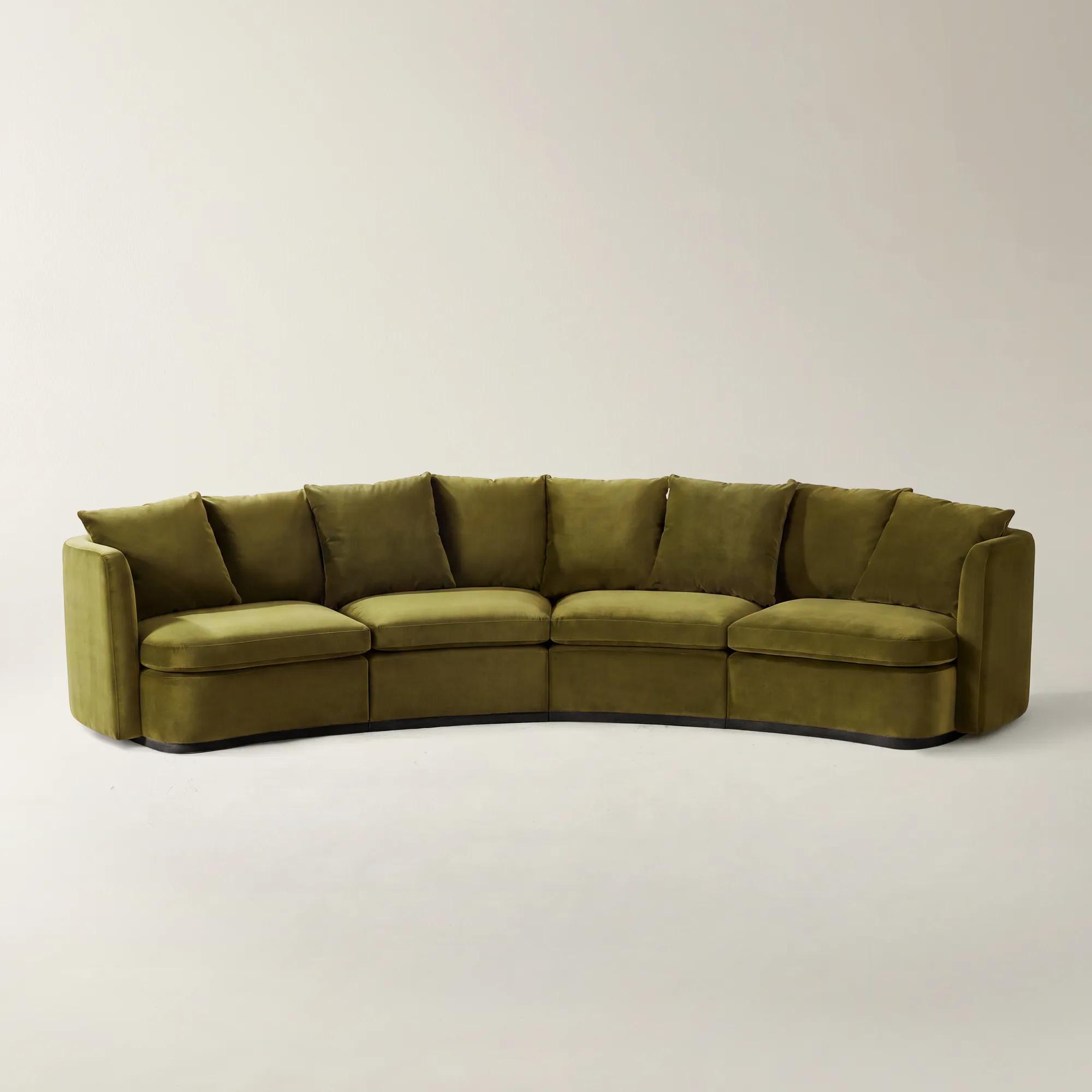 Stria 4-Piece Deep Olive Velvet Sectional Sofa$4499
A sculptural deep olive velvet sectional with modular connectors, kiln-dried wood construction, and layered foam-down cushioning.
Add To Cart -
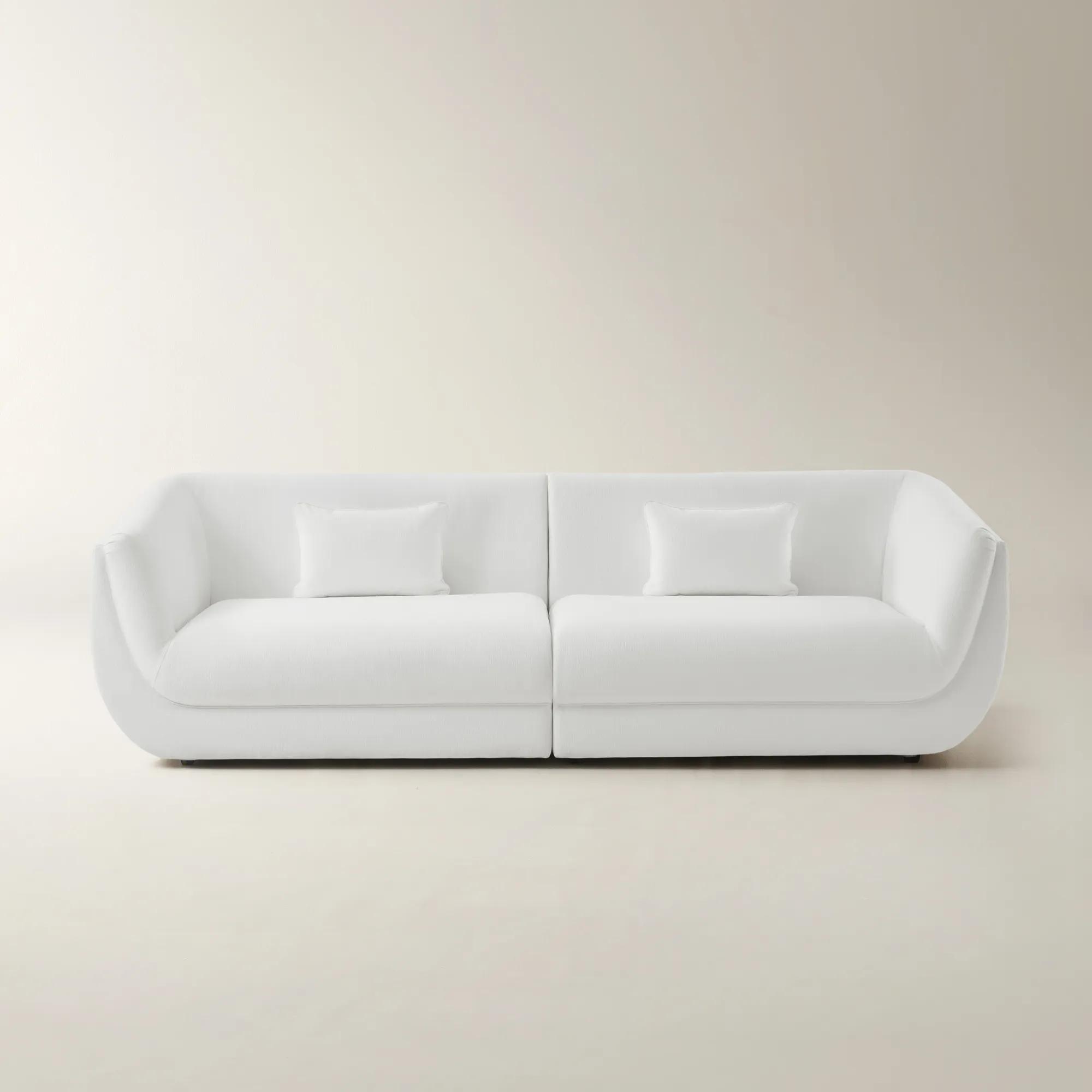
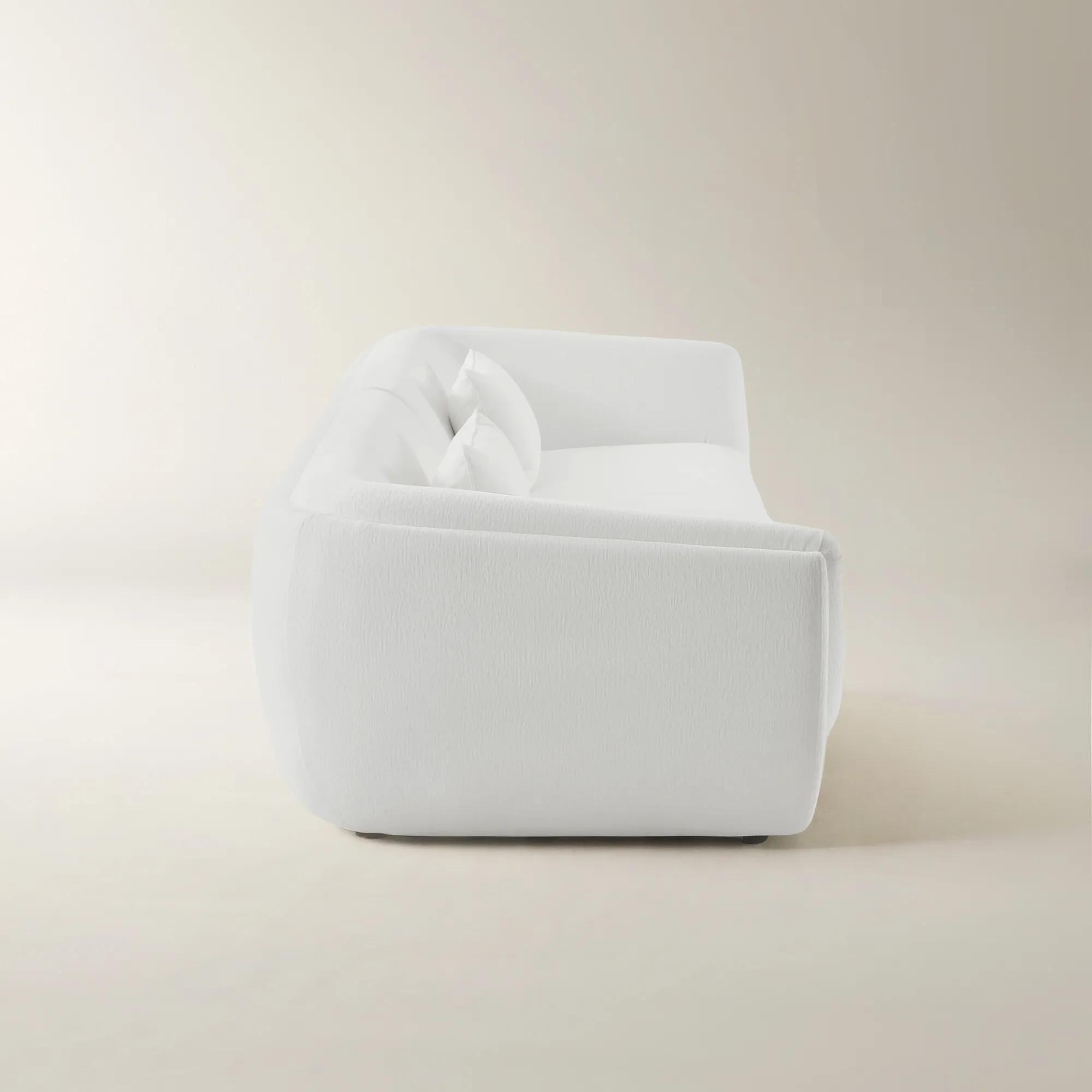 Curvia 2-Piece White Performance Chenille Indoor/Outdoor Sectional Sofa$2799
A sculptural white sectional sofa upholstered in performance chenille for luxurious indoor or outdoor lounging.
Add To Cart -
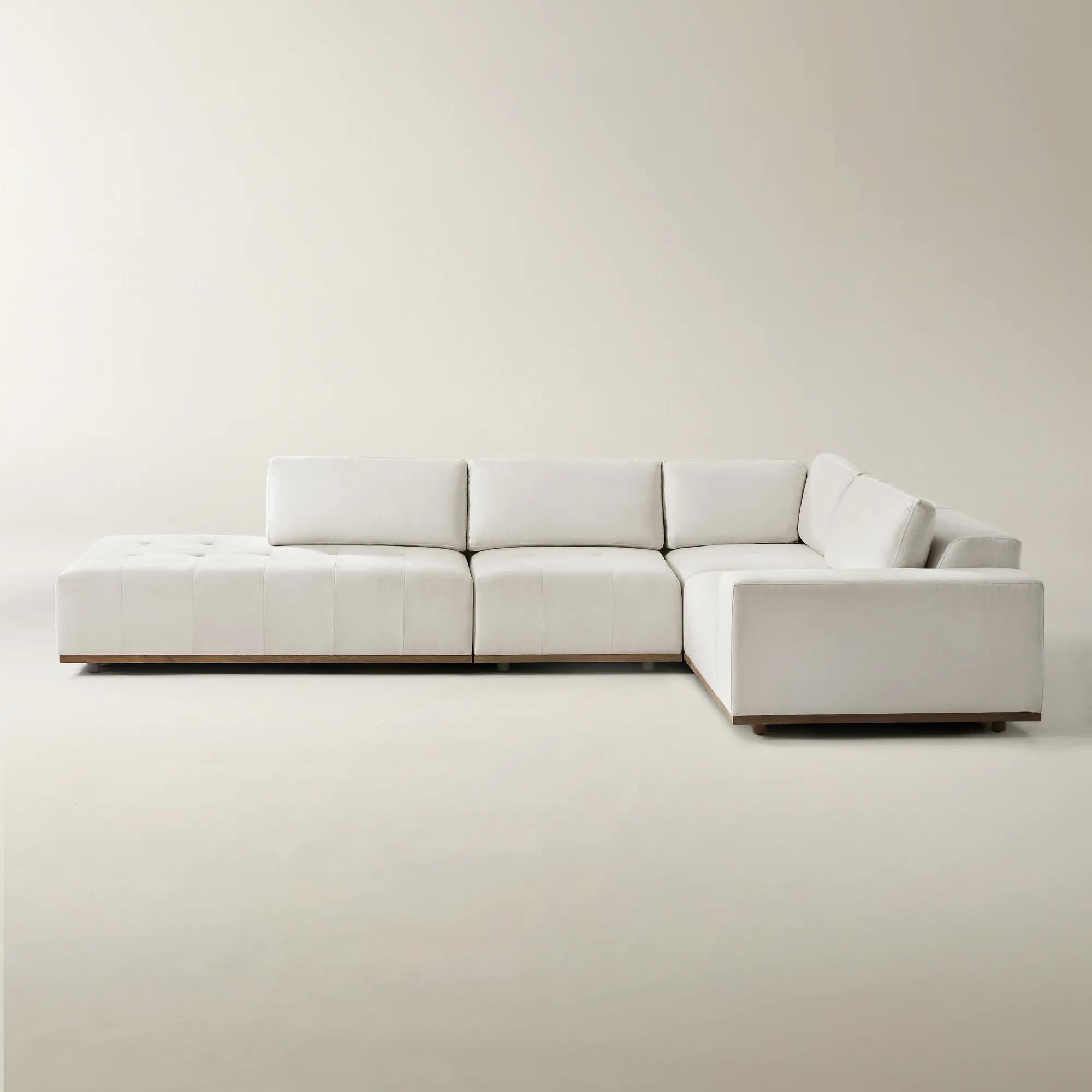 Carlos 4-Piece L-Shaped Oyster Linen Sectional Sofa$5899
A hand-tufted sectional with luxurious linen-blend upholstery, natural grey legs, and plush duck feather cushions.
Add To Cart -
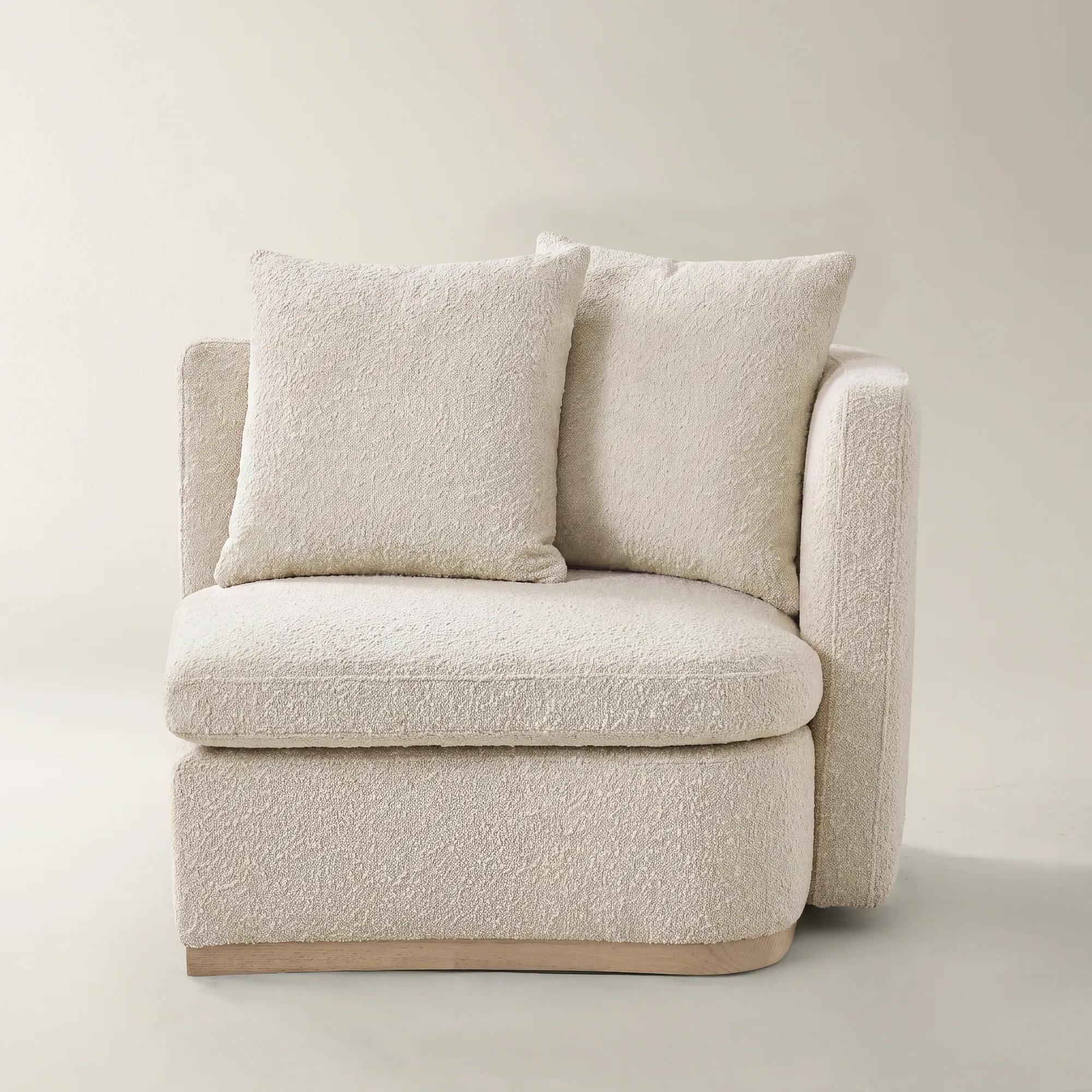
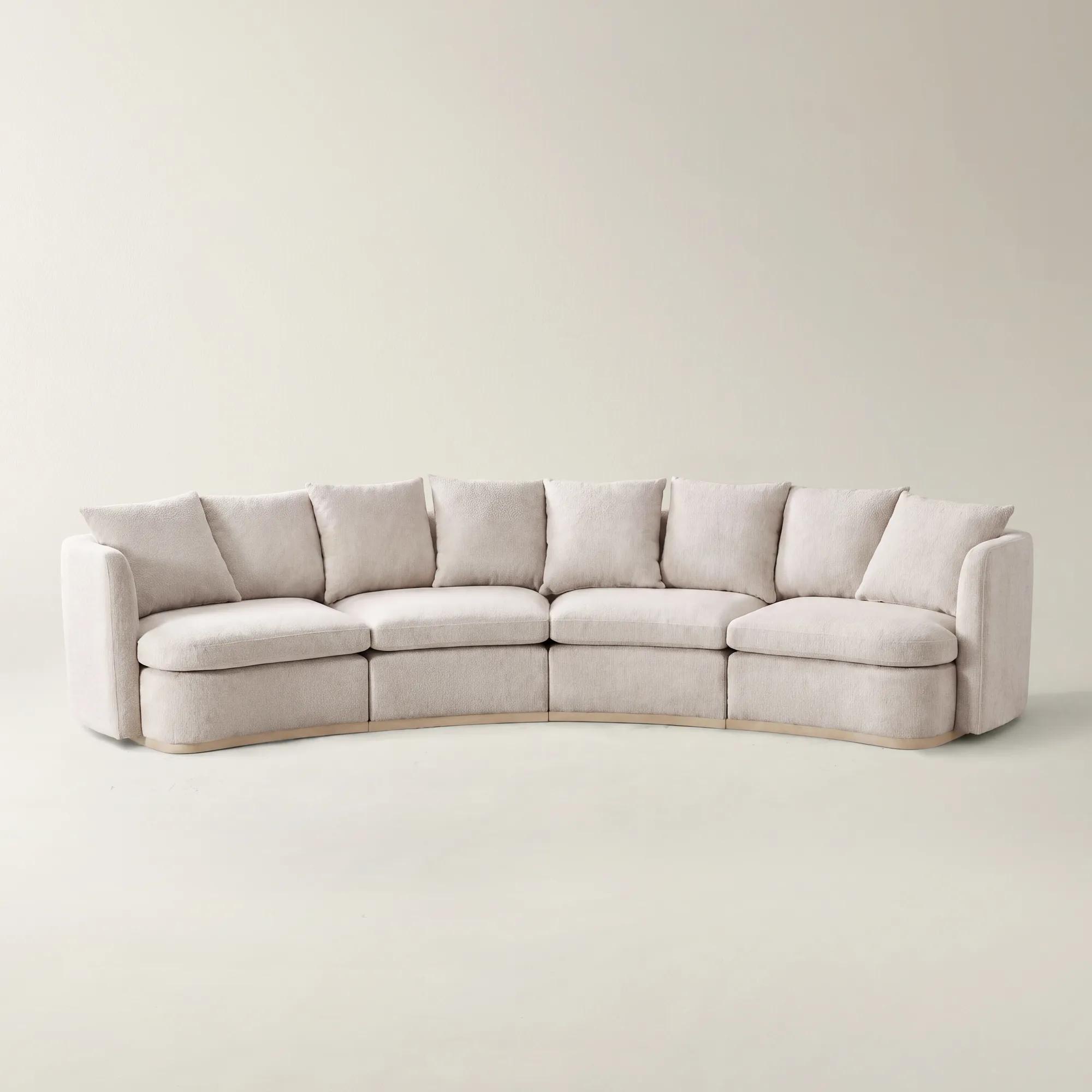 Stria 4-Piece Ivory Performance Boucle Sectional Sofa$4499
A sculptural ivory performance boucle sectional with modular connectors, kiln-dried wood construction, and layered foam-down cushioning.
Add To Cart -
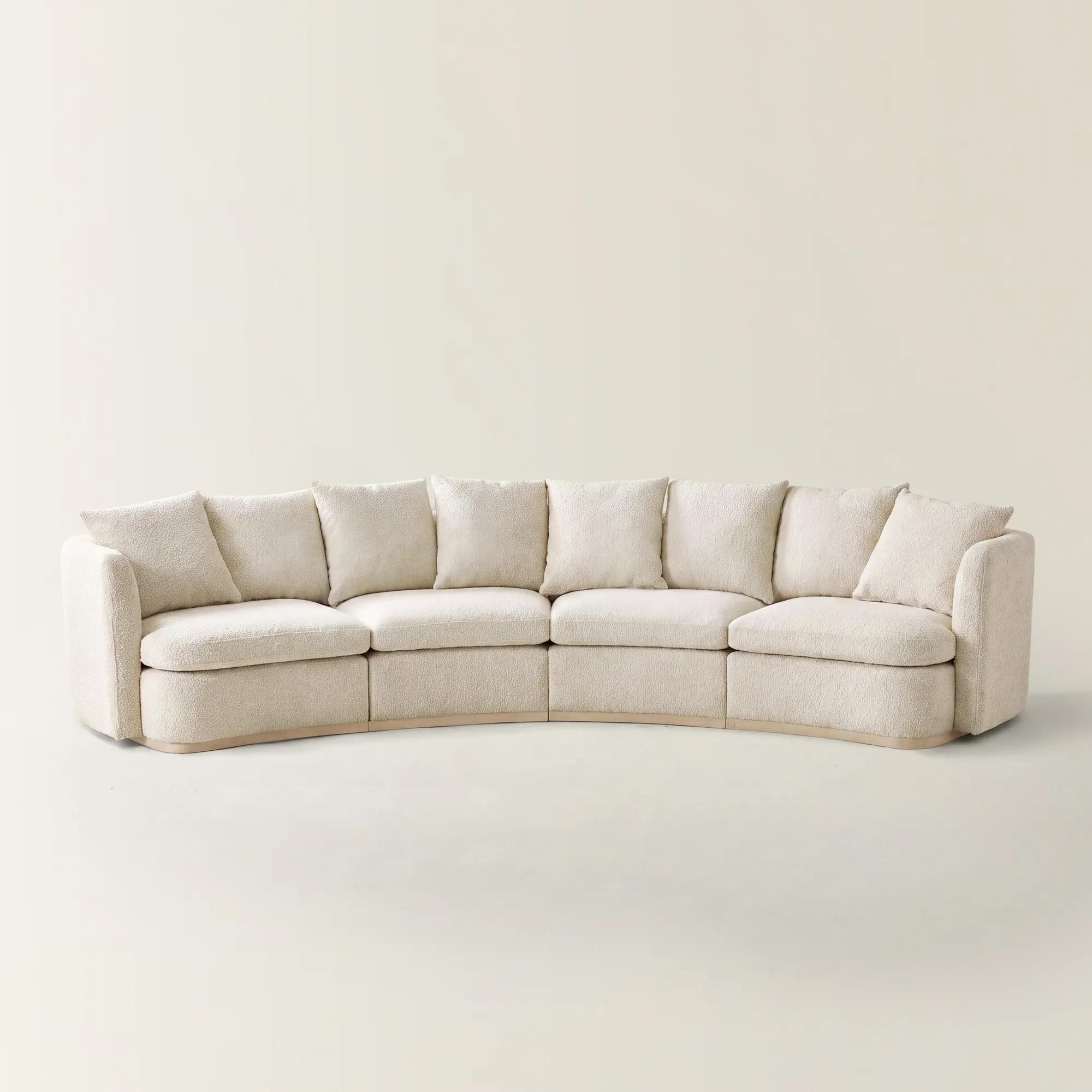 Stria 4-Piece Ivory Performance Boucle Sectional Sofa$4499
A sculptural ivory performance boucle sectional with modular connectors and layered foam-down cushioning for relaxed comfort.
Add To Cart -
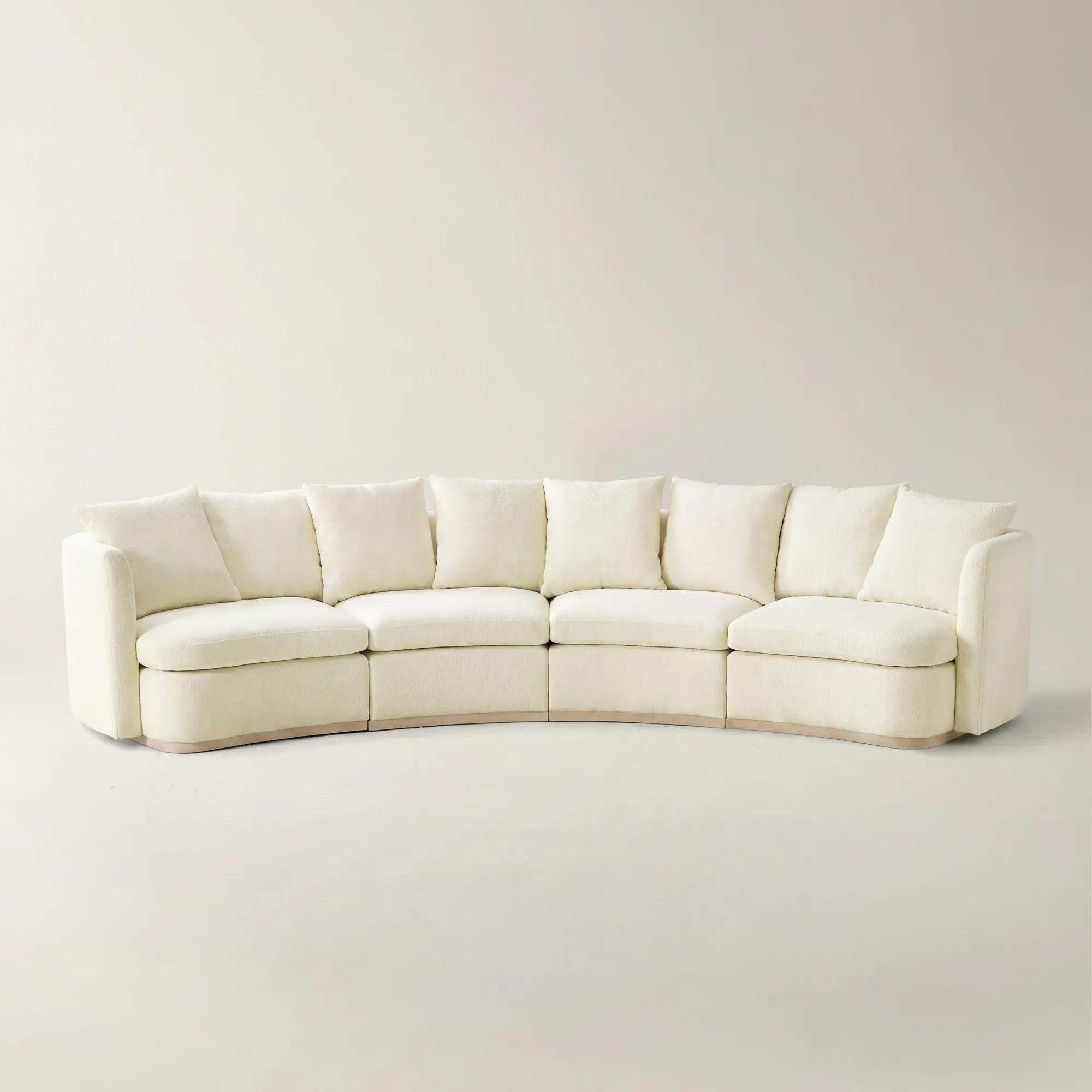 Stria 4-Piece Cloud Velvet Sectional Sofa$4499
A sculptural cloud velvet sectional featuring curved lines, modular connectors, and layered foam-down cushioning.
Add To Cart

Sectional Sofas With Thick Cushions
Sectional sofas with thick cushions invite you to indulge in a world where comfort and artistry entwine. Each piece is an invitation to sink into sumptuous layers, transforming your living room into a sanctuary of plush sophistication. These sculptural silhouettes promise more than seating—they set the stage for lavish lounging, lively gatherings, and moments of pure relaxation. With bold proportions and an undeniable air of luxury, sectional sofas with thick cushions become the heart of any space, elevating your décor with their dramatic presence and irresistible allure.
Sectional sofas with thick cushions bring generous padding and expansive seating together in a sculptural centerpiece for the living room. Their appeal begins with the silhouette: substantial seat cushions, inviting back pillows, and an upholstered profile that gives the room a sense of presence. The comfort beneath that silhouette depends on more than cushion thickness alone. Fill composition, foam density, seat depth, and the support beneath the cushions all influence how a sectional feels when someone settles in. A substantial foam core can create a more structured seat, while fiber or down-blend wrapping adds softness around the edges. Foam density relates to the amount of material within the cushion, not necessarily its firmness, so a dense cushion can still have a yielding feel. For a softer, gently enveloping experience, sectional sofas with down cushions offer a distinctively plush alternative; constructions that combine a supportive core with a down or feather blend balance structure with a relaxed surface. Generously padded back cushions add another layer of comfort, particularly when their height and placement support the way the sofa will be used. A deeper seat invites reclining with a book or stretching out for a film, while a shallower seat can make upright conversation more comfortable. Thick cushions also compress under weight, which means the listed seat height may feel different once occupied. For anyone who prefers an easier transition from sitting to standing, a supportive cushion and a suitable seat height matter as much as visual fullness. This is seating for homes where comfort deserves a dramatic expression: a gathering place for lively conversation, a generous retreat for quiet evenings, and a strong visual foundation for an expressive interior. The most satisfying combination is one in which the cushions look sumptuous without feeling unstable, and the upholstery, proportions, and internal support work together rather than asking softness alone to carry the experience.
The proportions of a thick-cushioned sectional shape both its comfort and its relationship to the room. Broad arms and deep cushions create an expansive, lounge-oriented look, but those details also affect how much usable seating fits within the overall footprint. A sectional with a more streamlined arm can preserve sitting space, while an oversized arm makes a deliberate architectural statement. In an open living area, an L-shaped arrangement can define the conversation zone without introducing a wall; a chaise offers a place to extend the legs without requiring a separate ottoman. A U-shaped configuration creates a more enclosed gathering space, particularly suited to households that enjoy hosting several people at once. Modular construction can offer flexibility when the room arrangement changes, although the available configurations and connection systems depend on the design. Chaise orientation deserves particular attention because left-facing and right-facing terminology can vary by retailer; the configuration diagram should correspond to the intended layout. Overall width and depth are only part of the fit. Doorways, stair turns, elevators, and hallways also determine whether the individual sections can reach their destination. Within the room, enough clearance for walking and access to nearby furniture keeps generous seating from overwhelming daily movement. Upholstery then gives that substantial form its personality. Velvet can catch the light across broad cushions, introducing depth and a polished, theatrical finish. Textured woven fabrics bring dimension to expansive seats, while a smooth fabric emphasizes clean lines and precise tailoring. Pale upholstery can make a large sectional feel luminous; a saturated hue gives the same silhouette a commanding, gallery-like presence. A performance designation may be useful for frequently used seating, but the specific stain-resistance, cleaning, and wear characteristics should be confirmed rather than assumed. Against such a substantial upholstered anchor, a sculptural table, gleaming accent, or richly patterned rug can add contrast without competing with the sectional’s defining sense of volume.
Lasting comfort depends on what supports the cushions as well as what fills them. Frame materials, joinery, suspension, and cushion construction all contribute to how a sectional performs through repeated use. A well-constructed wood or engineered-wood frame, secure joints, and an appropriate suspension system provide the foundation, while resilient cushion interiors help the seating maintain its intended shape. No single material description guarantees durability; the complete construction and the demands of the household matter together. In a primary living room used daily by children, pets, and guests, upholstery suited to frequent contact and a cushion fill compatible with regular upkeep are especially valuable. A room reserved for conversation may place greater emphasis on a tailored silhouette or a more delicate fabric finish. Thick, loose cushions can require occasional repositioning, and down or fiber-filled styles generally benefit from regular fluffing to redistribute the fill. Where the construction allows, rotating cushions helps distribute wear; flipping is appropriate only for cushions upholstered and designed for use on both sides. Attached cushions have different maintenance needs, making the manufacturer’s instructions the best reference for preserving their shape. Routine vacuuming with an upholstery attachment helps remove dust and debris from seams and the spaces between sections. Spills should be blotted promptly rather than rubbed, with any cleaning method matched to the fabric’s care code and instructions. A zippered cover does not automatically mean the cover is machine washable, and an unsuitable cleaner can leave marks or alter the texture. Direct sunlight can fade some upholstery, while repeated friction from the same seating position may gradually change the surface appearance. These practical details protect the atmosphere that makes plush sectional seating so compelling. With a fill that suits the preferred level of support, upholstery appropriate to everyday life, and proportions that leave the room beautifully composed, a thick-cushioned sectional becomes more than a generous place to sit. It gives the living space a confident center, inviting people to linger without sacrificing the drama of thoughtful design.
FAQs
Sectional sofas with thick cushions often feature high-density foam or feather-blend fills to create a plush, supportive seat. Upholstery options range from sumptuous chenille and velvet to durable microfiber and textured polyester, each chosen for its tactile appeal and ability to withstand daily use while adding a layer of visual richness to the room.
Thick-cushioned sectionals instantly infuse a room with a sense of indulgence and hospitality. Their generous proportions and inviting texture create a focal point that encourages relaxation and conversation, making any gathering feel more intimate and every moment at home feel like an occasion.
Absolutely. Many thick-cushioned sectionals are upholstered in resilient, easy-to-clean fabrics that stand up beautifully to the demands of family life. Their deep seats and plush surfaces offer a safe, comfortable landing spot for children and pets alike, without sacrificing style or sophistication.
Many sectional sofas with thick cushions are designed with modular components, allowing you to create a layout that perfectly complements your room’s unique dimensions and flow. Whether you prefer a classic L-shape or a more expansive U-shaped arrangement, these sectionals offer flexibility without compromising on comfort.
Thick-cushioned sectional sofas are remarkably versatile, seamlessly complementing a range of aesthetics from modern glamor to relaxed contemporary. Their bold presence and sculptural lines make them a stunning anchor in both minimalist and maximalist interiors, while their luxurious upholstery elevates any decorative scheme.