Romantic Wall Arts For Art Collectors
Romantic Wall Arts For Art Collectors
-
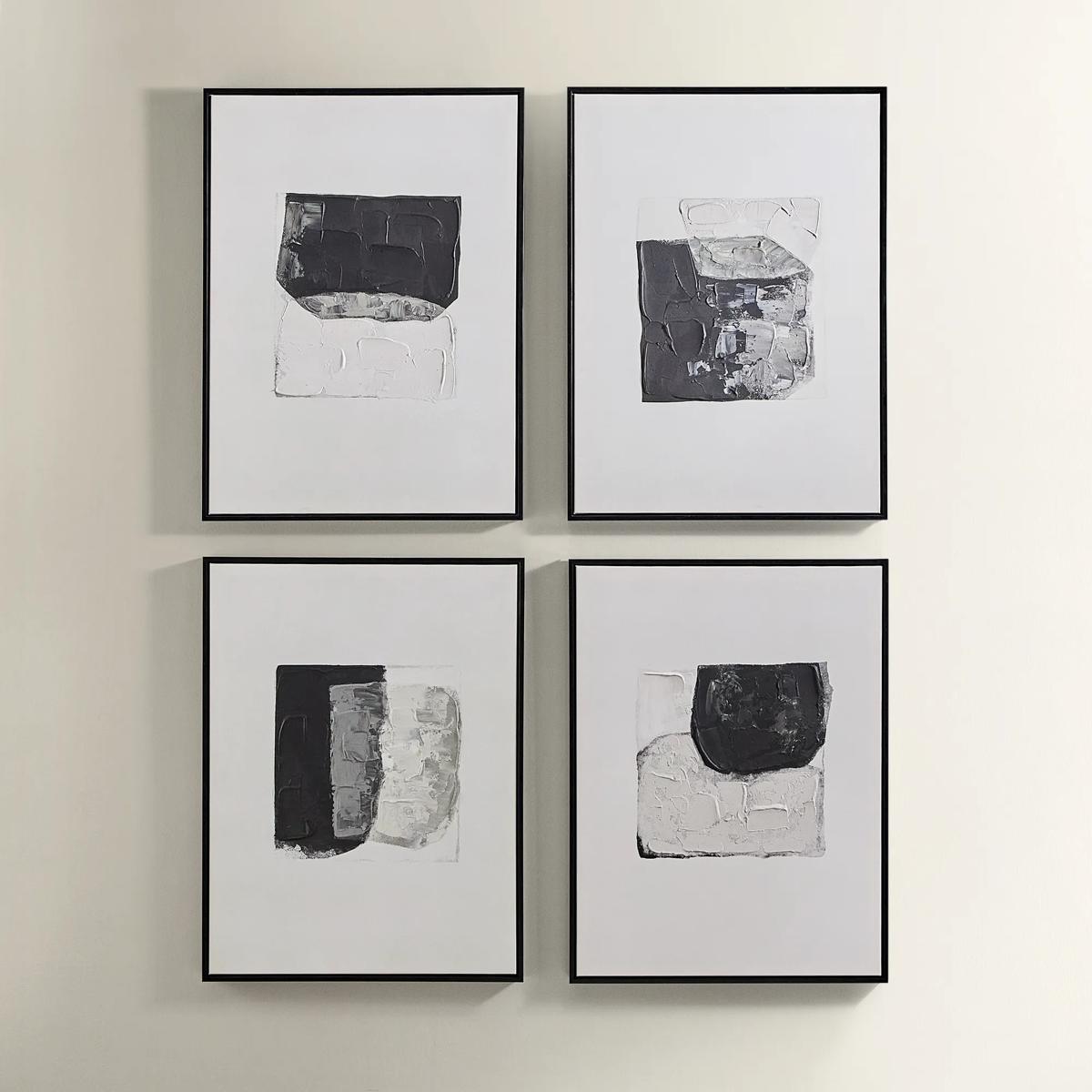
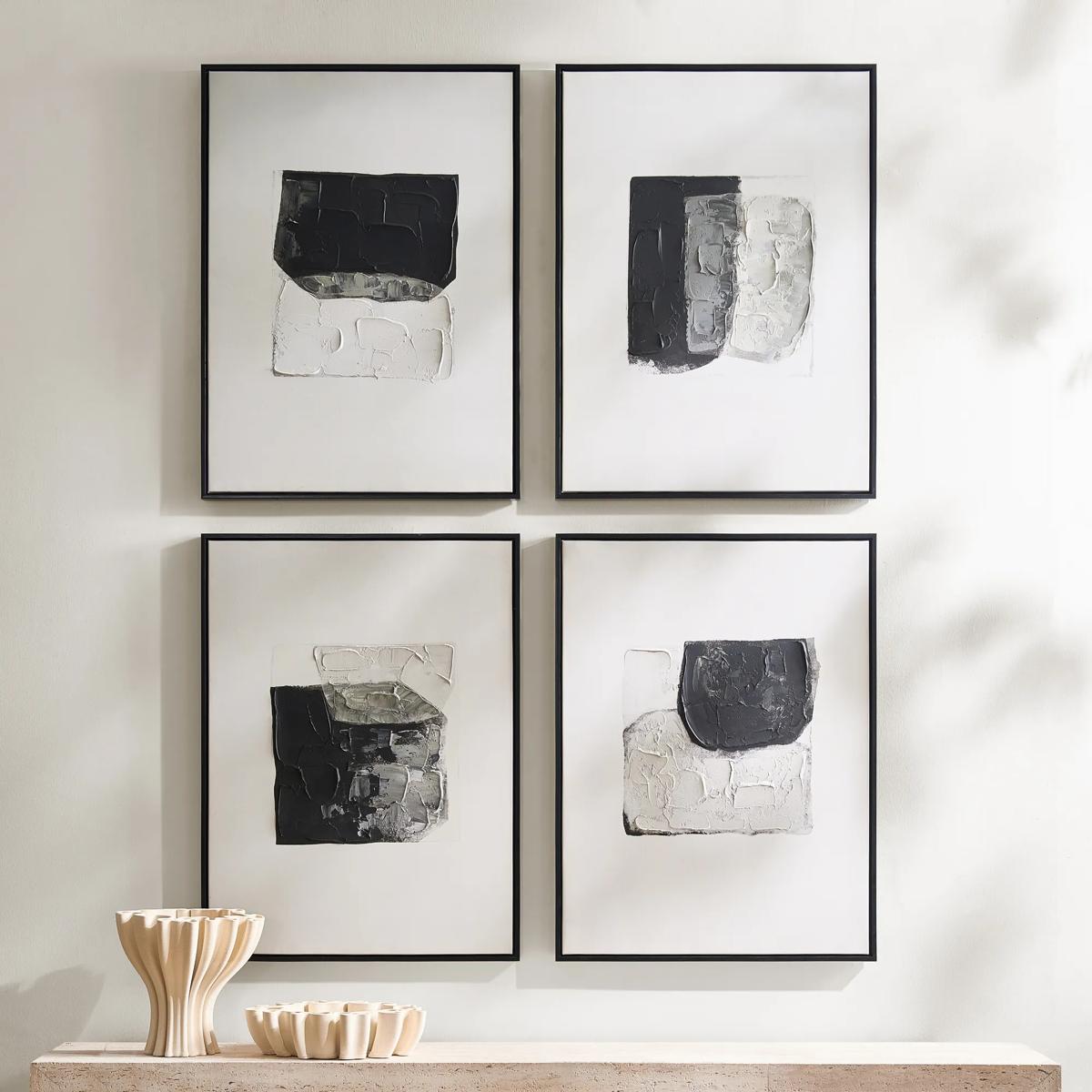 Shadows Framed Painted Wall Art Set of 4$299
A set of four hand-painted abstract canvases featuring black, white, and gold accents in black frames.
Add To Cart -
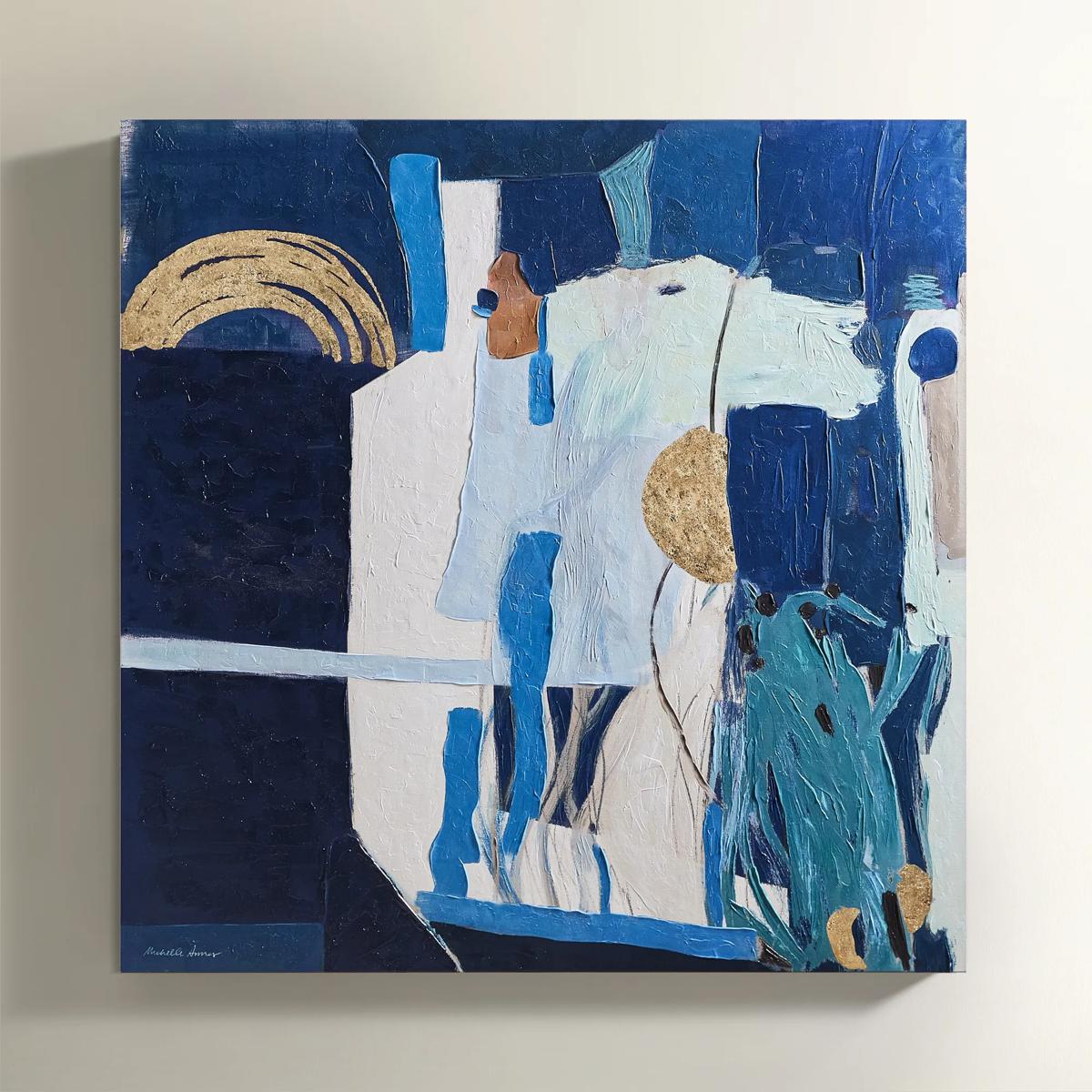
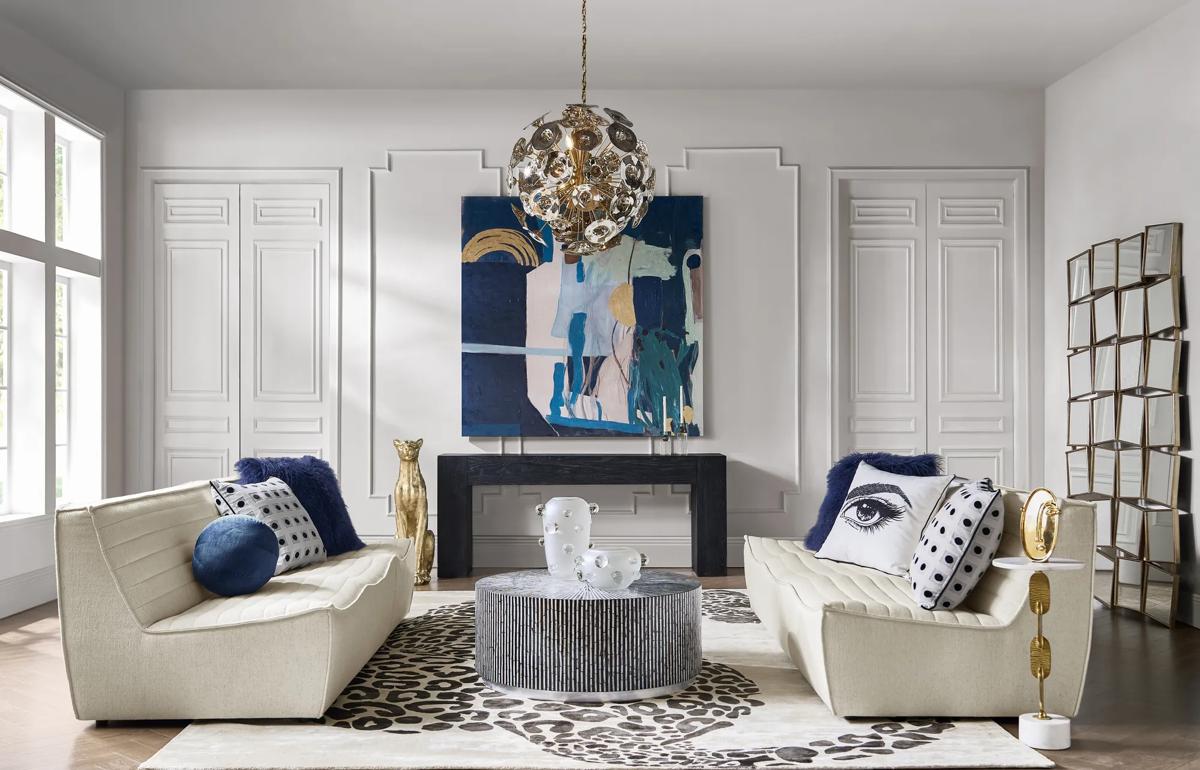 In Flux Painting$699
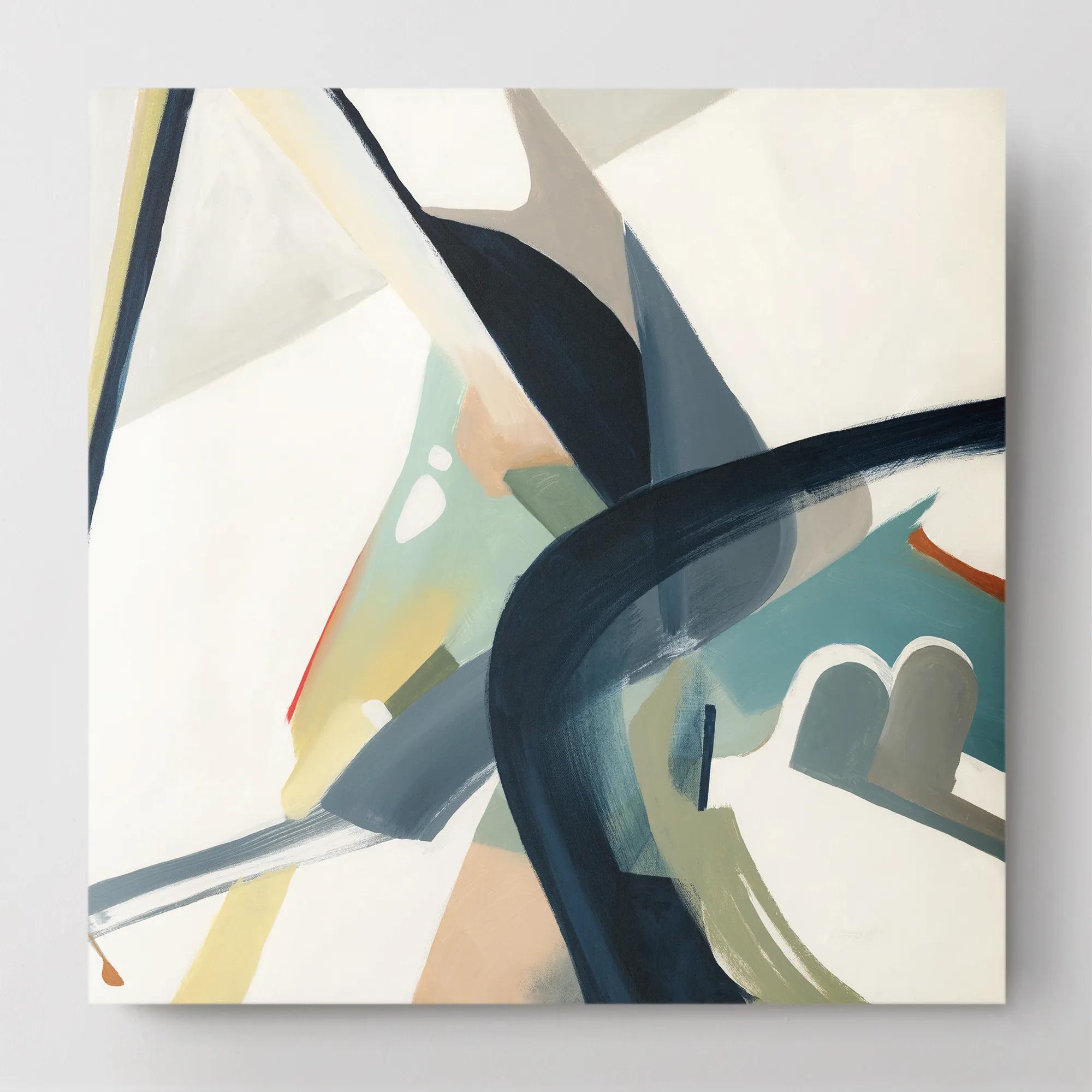
A hand-embellished canvas artwork featuring deep teal, green, ivory, and gold in a black Art Deco frame.
Add To Cart -
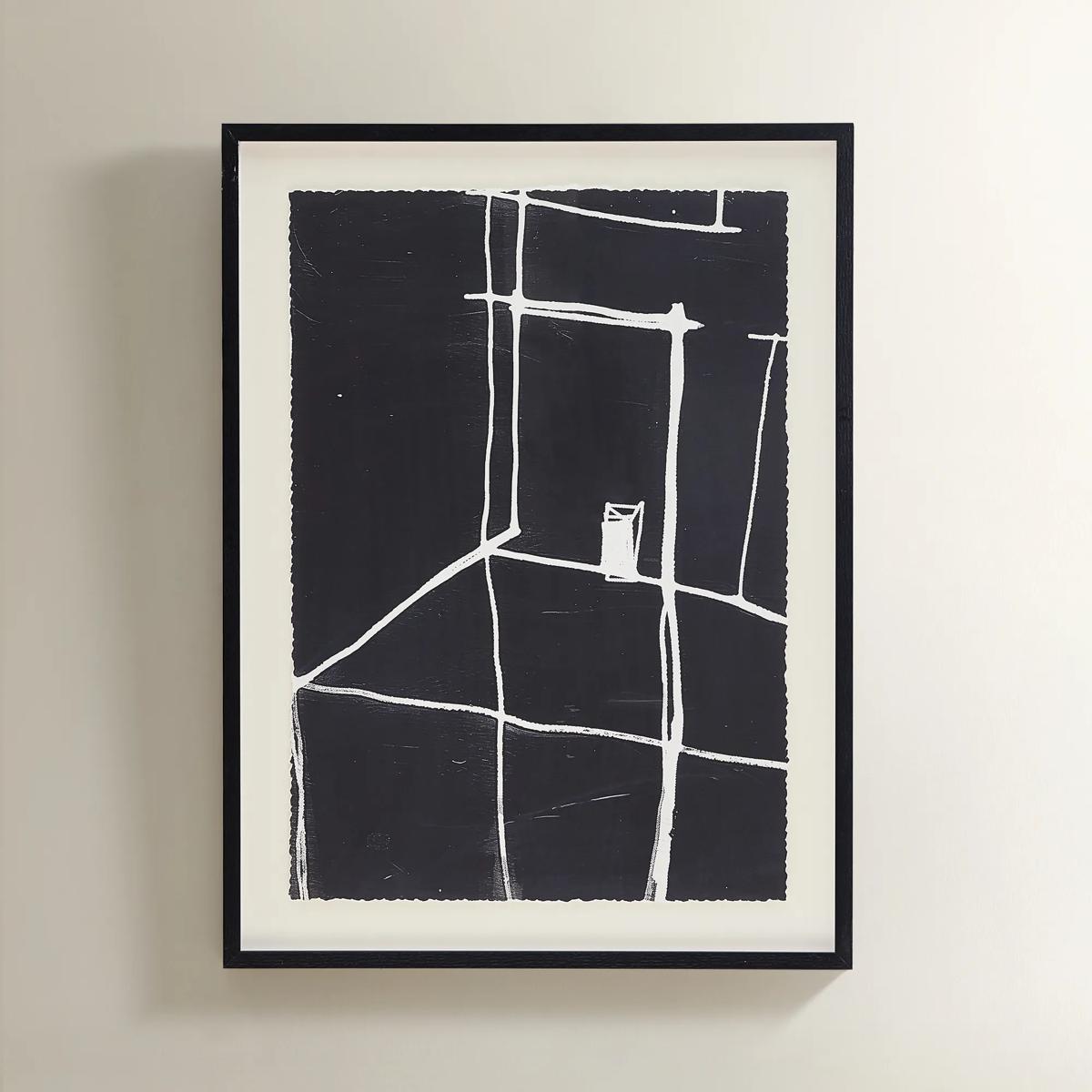 Solitude Art$269
A minimalist black-and-white abstract print featuring bold white lines in a sleek black polyresin frame.
Add To Cart -
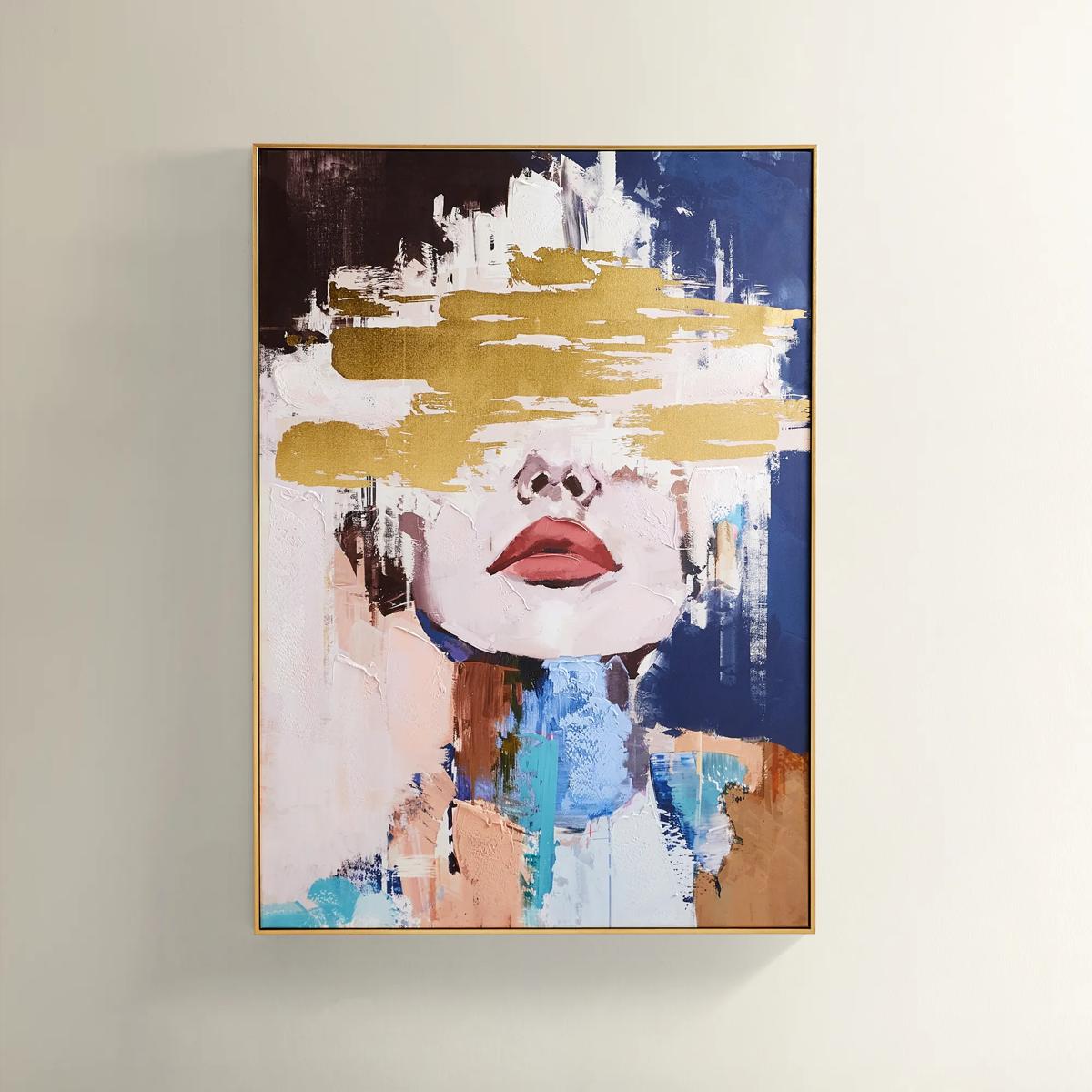
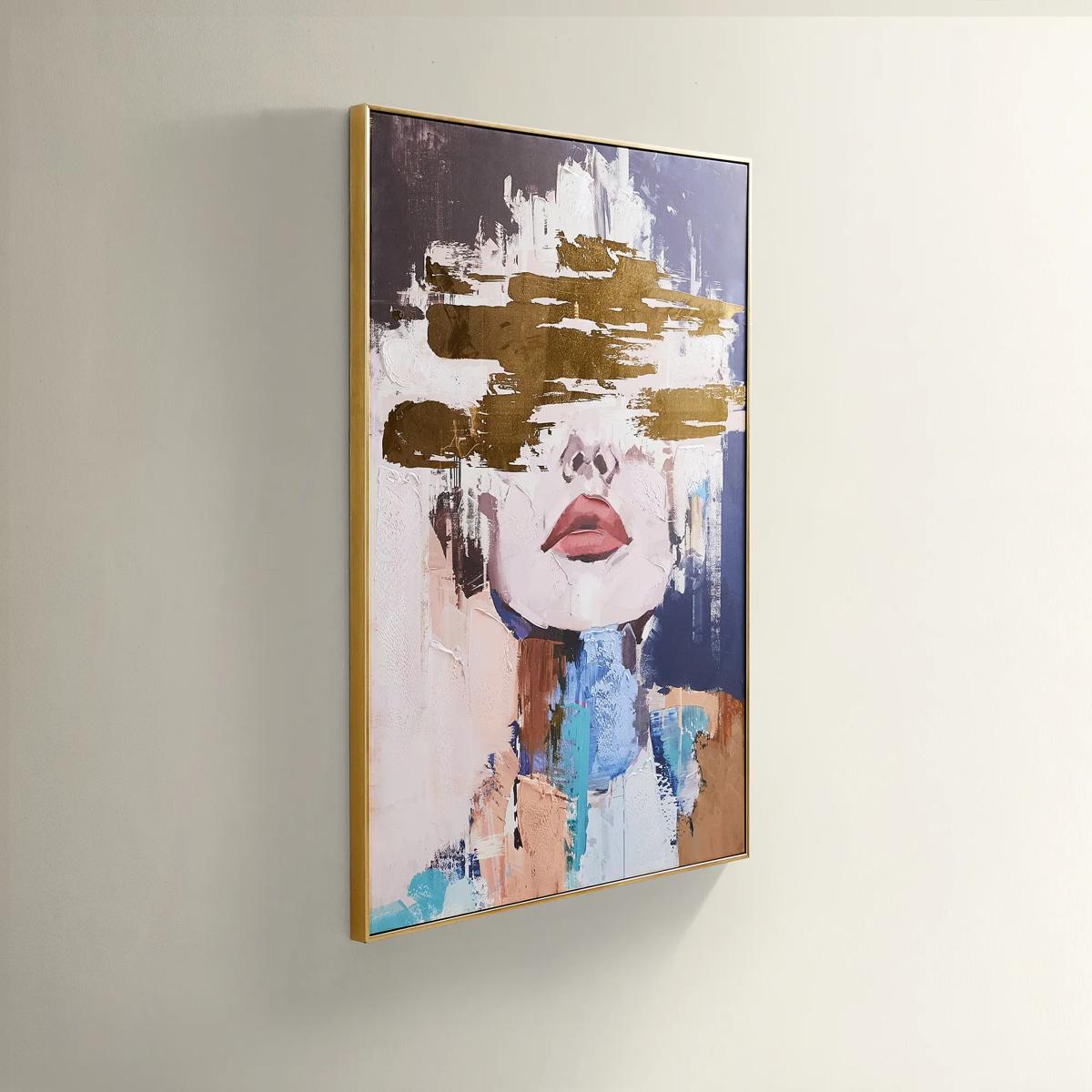 Waiting in Color Gold Foil Painted Wall Art 39.25" x 55"$499
A hand-painted abstract portrait in vivid blue, blush, and gold foil, framed in luxe gold.
Add To Cart -
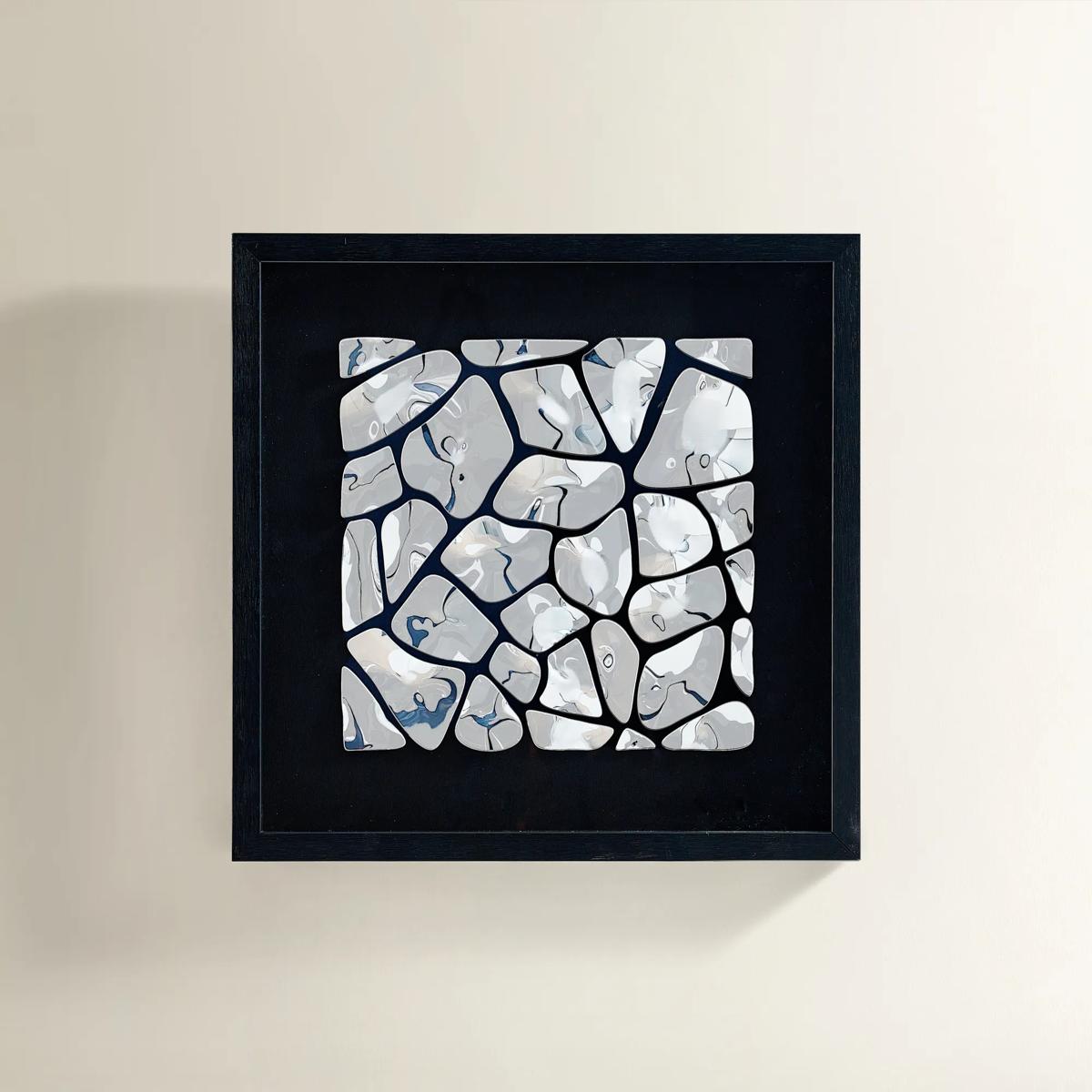 Reflect Silver And Black Shadowbox Art I$189
A dimensional metal wall art piece featuring polished silver and black forms in a sleek black frame.
Add To Cart -
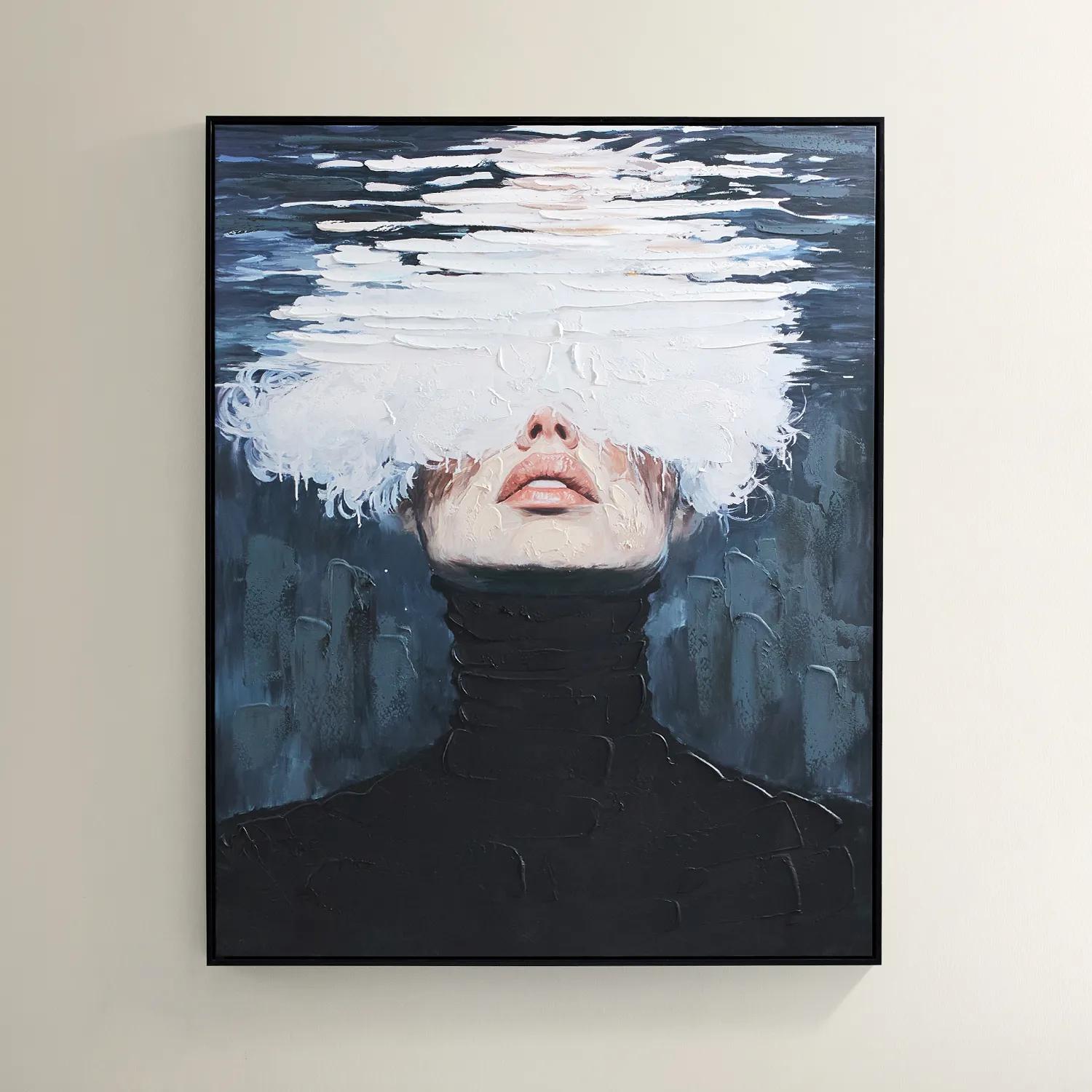
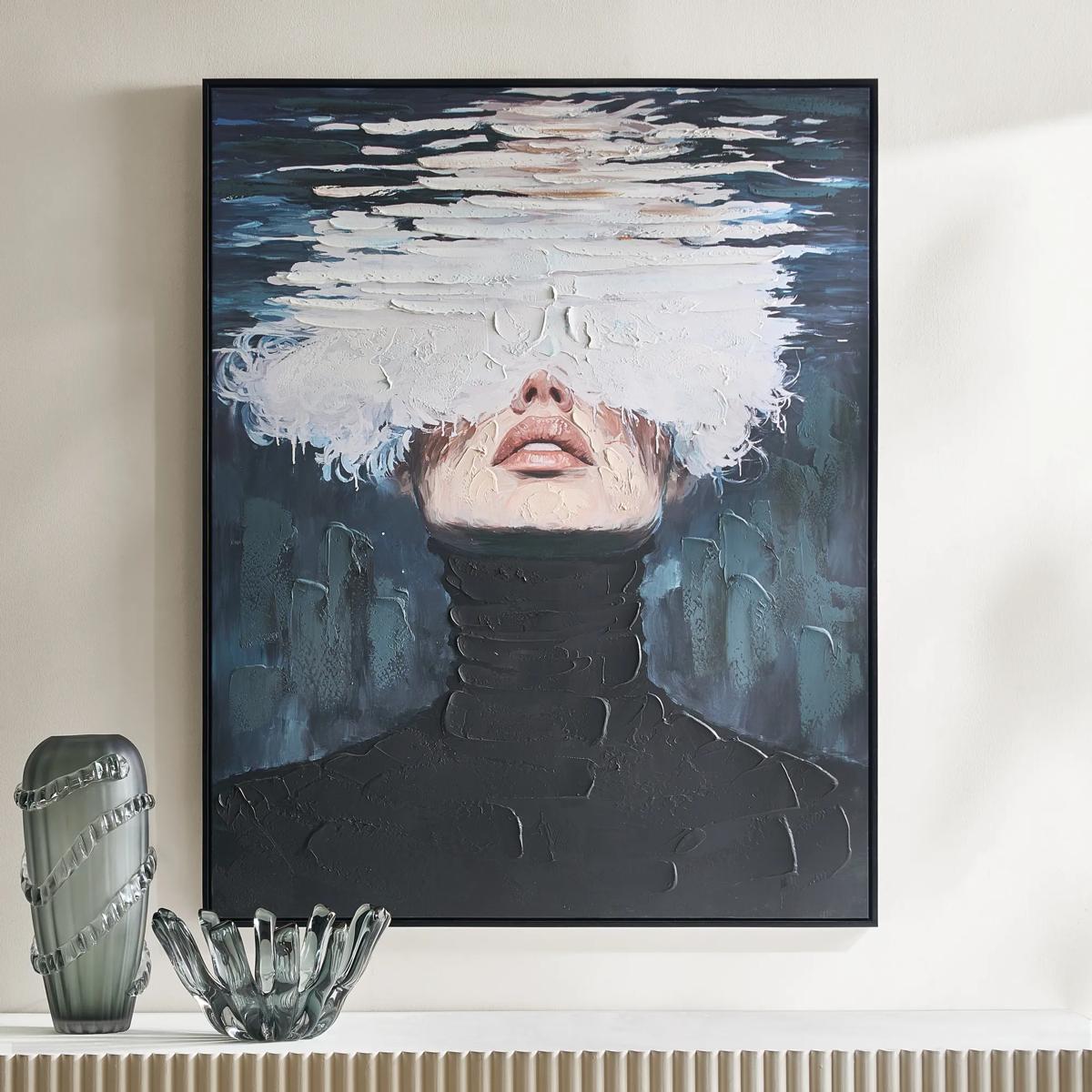 Submerged Framed Painted Wall Art 40" x 50"$599
A hand-painted canvas featuring a surreal portrait in black, blue, and white with a black floater frame.
Add To Cart -
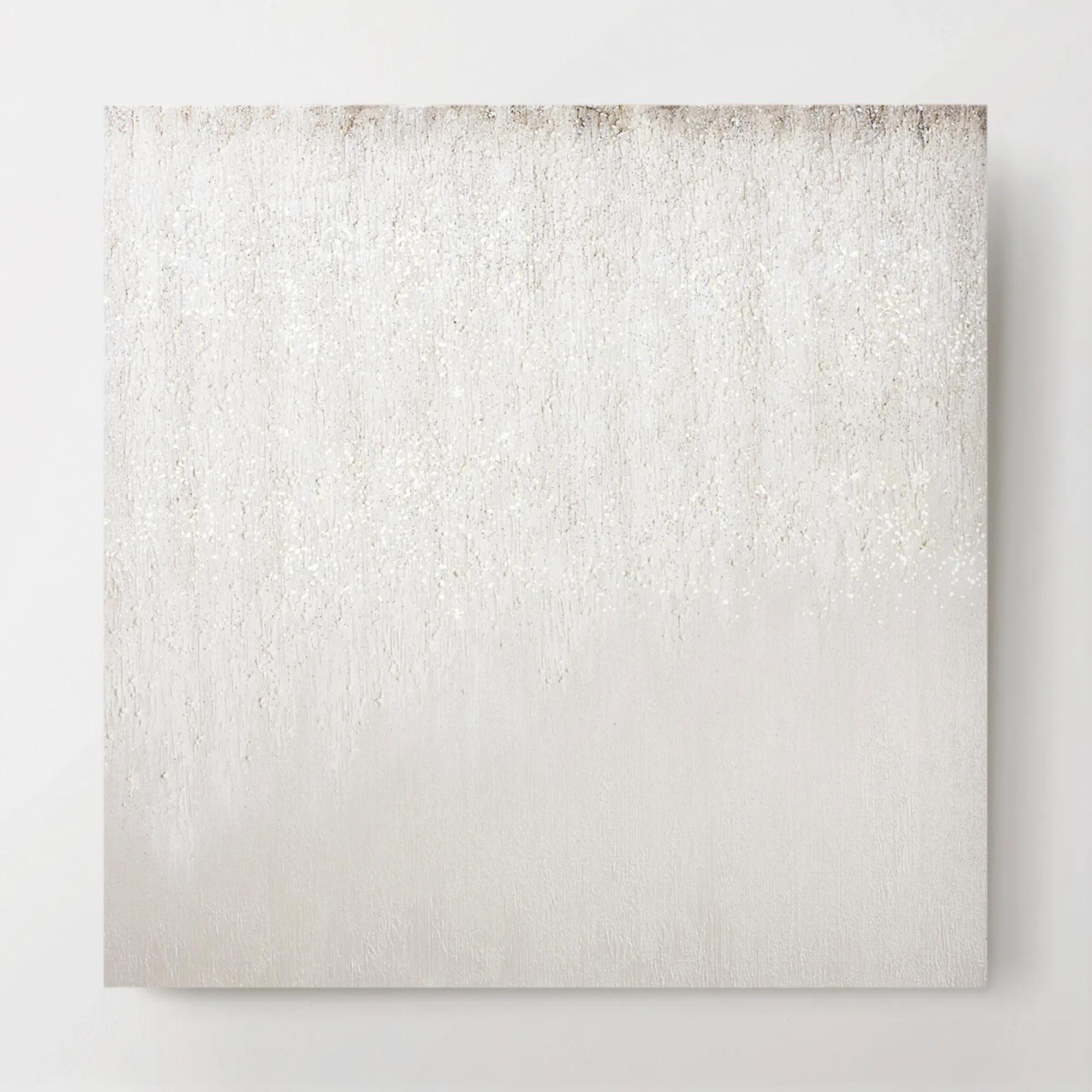 Je T'aime Glitter Painted Wall Art 30" x 30"$499
A hand-painted canvas artwork featuring ethereal hazy brushstrokes and subtle glitter embellishments.
Add To Cart -
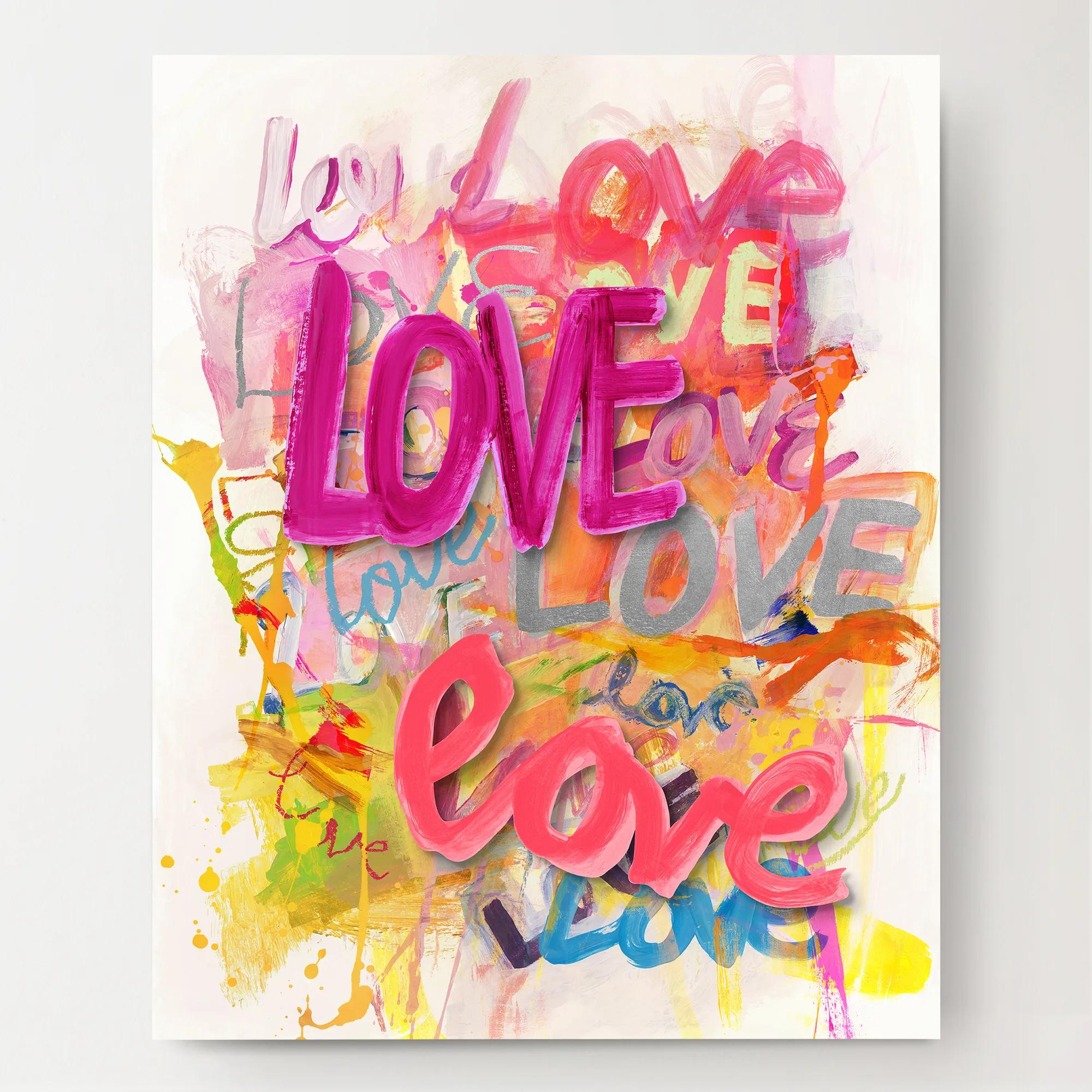
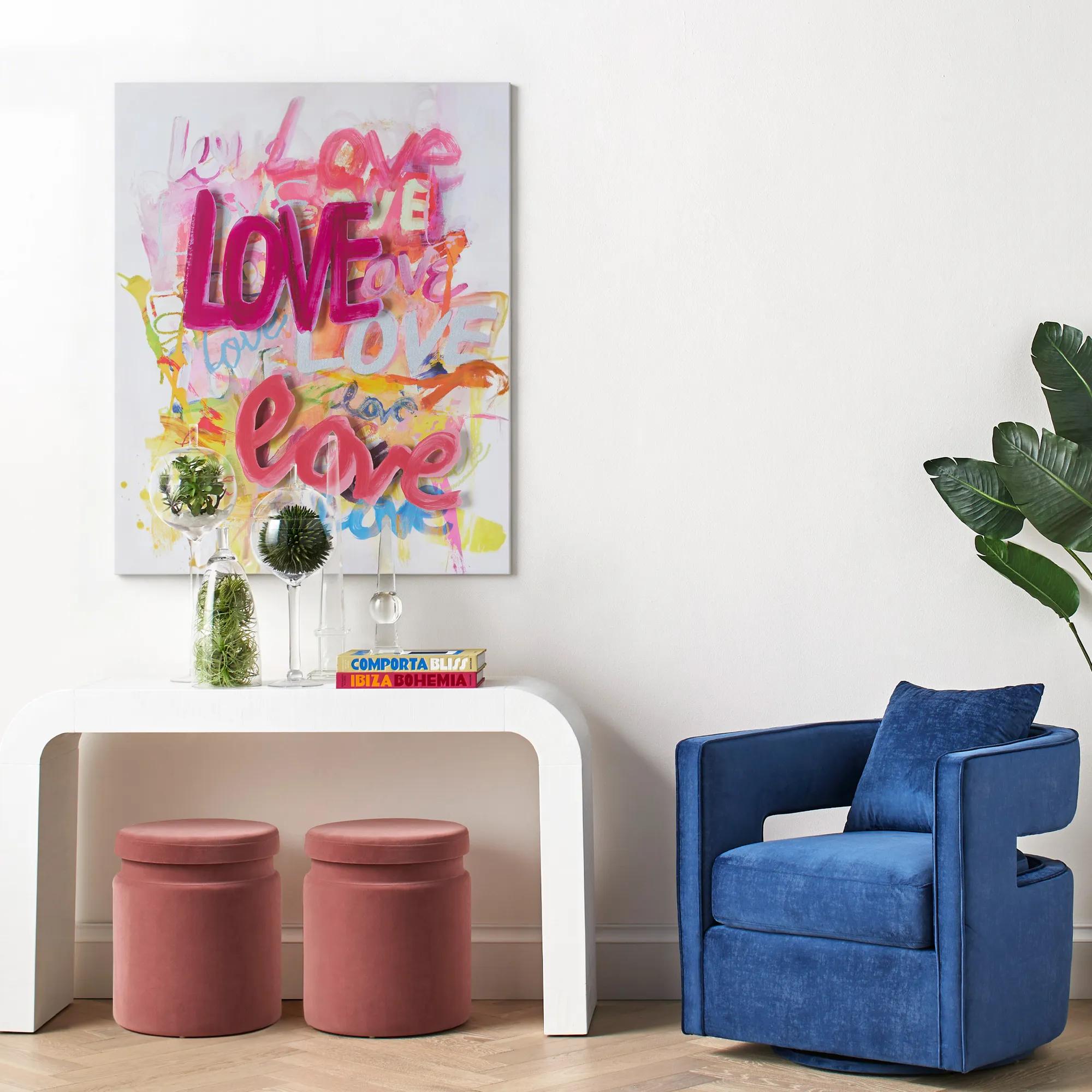 Love Is In The Air Wall Art 40" x 50"$1399
A vibrant giclee canvas print featuring hand-applied silver gilding and dimensional acrylic "Love" lettering.
Add To Cart -
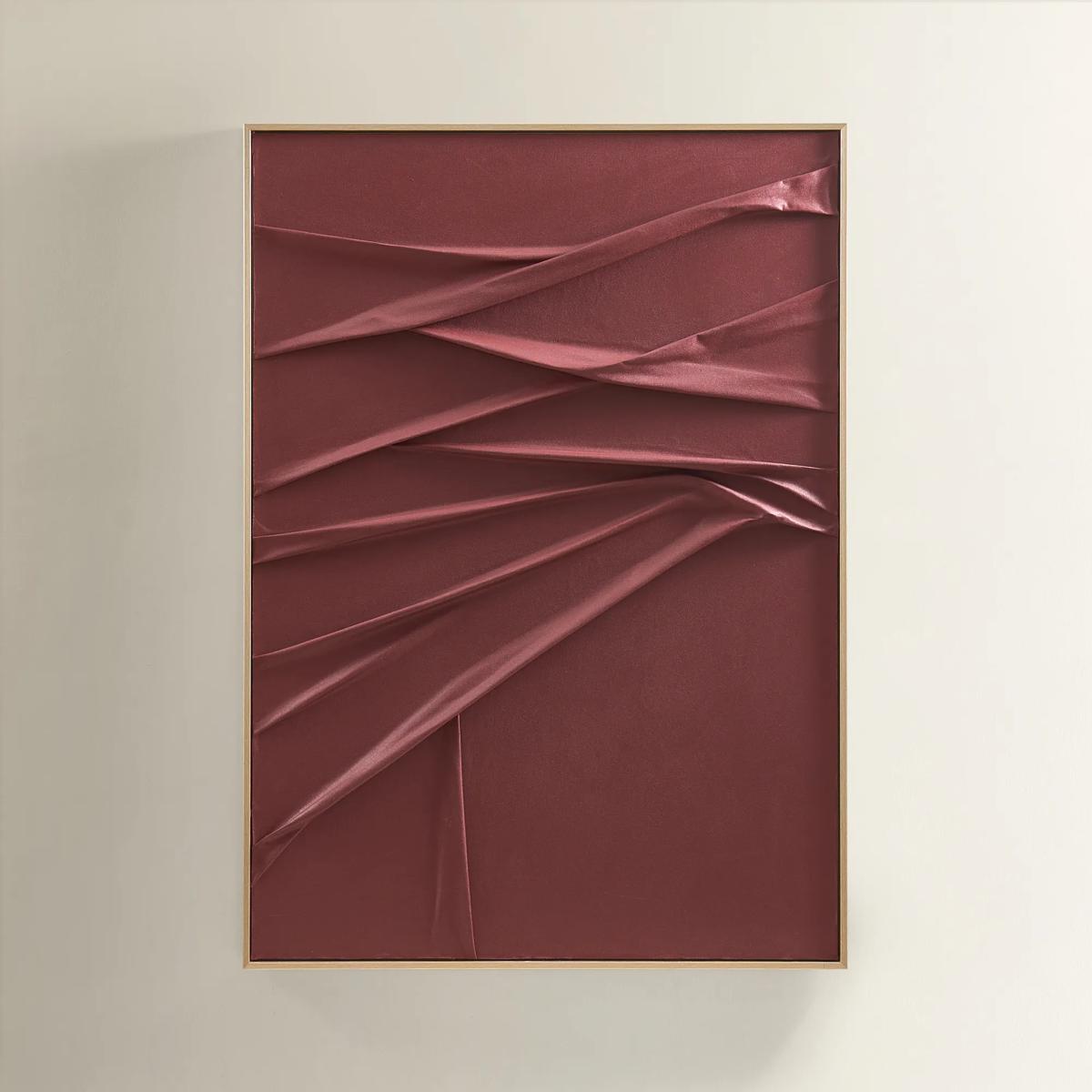
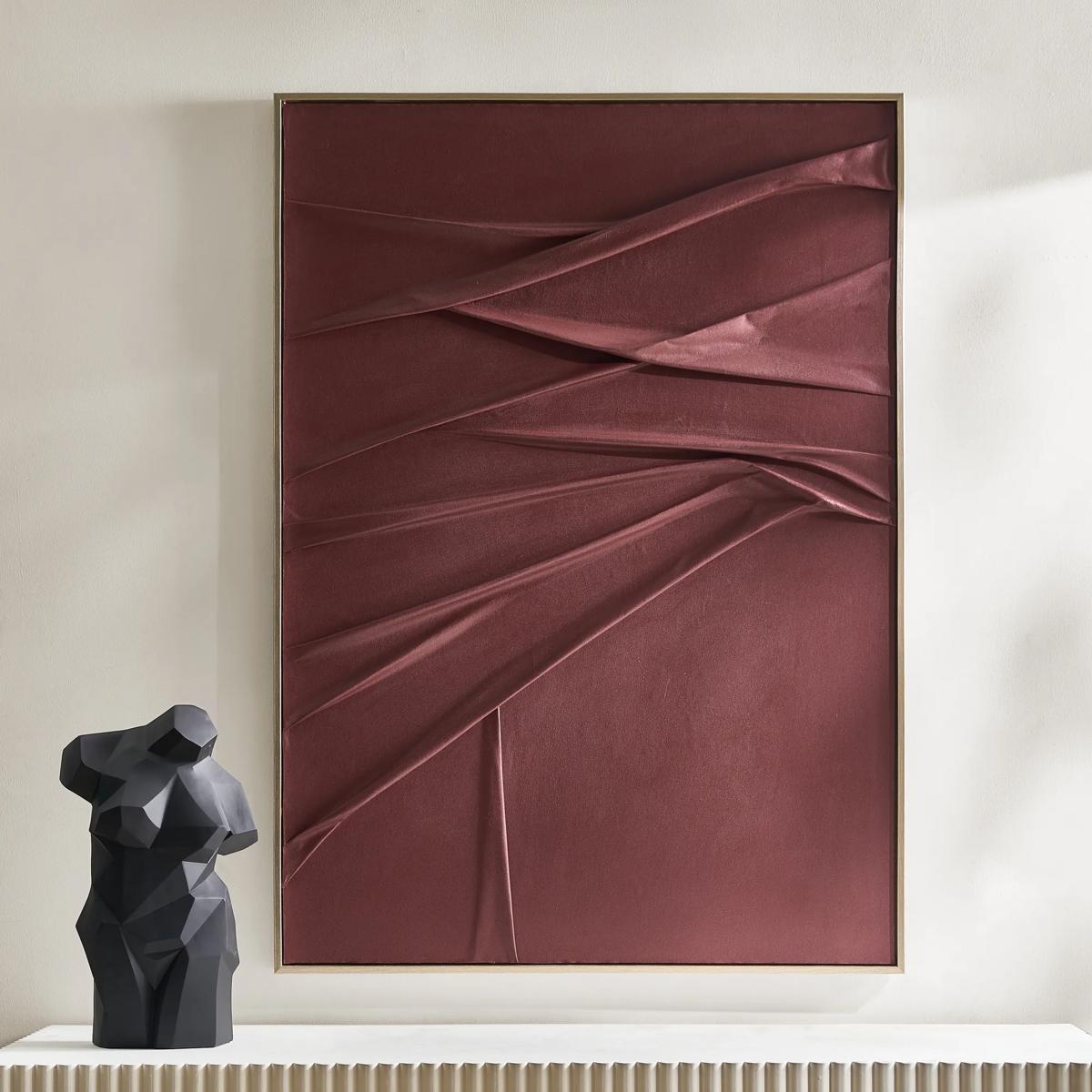 Crimson Painting$599
A handcrafted burgundy canvas artwork with sculptural folds, framed in champagne for a dramatic, textured effect.
Add To Cart -
-compressed.jpg?w=1200&h=1200) Etched in Gold$229
Etched in Gold$229A hand-carved gold copper artwork set in a sleek black alloy frame for modern contrast.
Add To Cart -
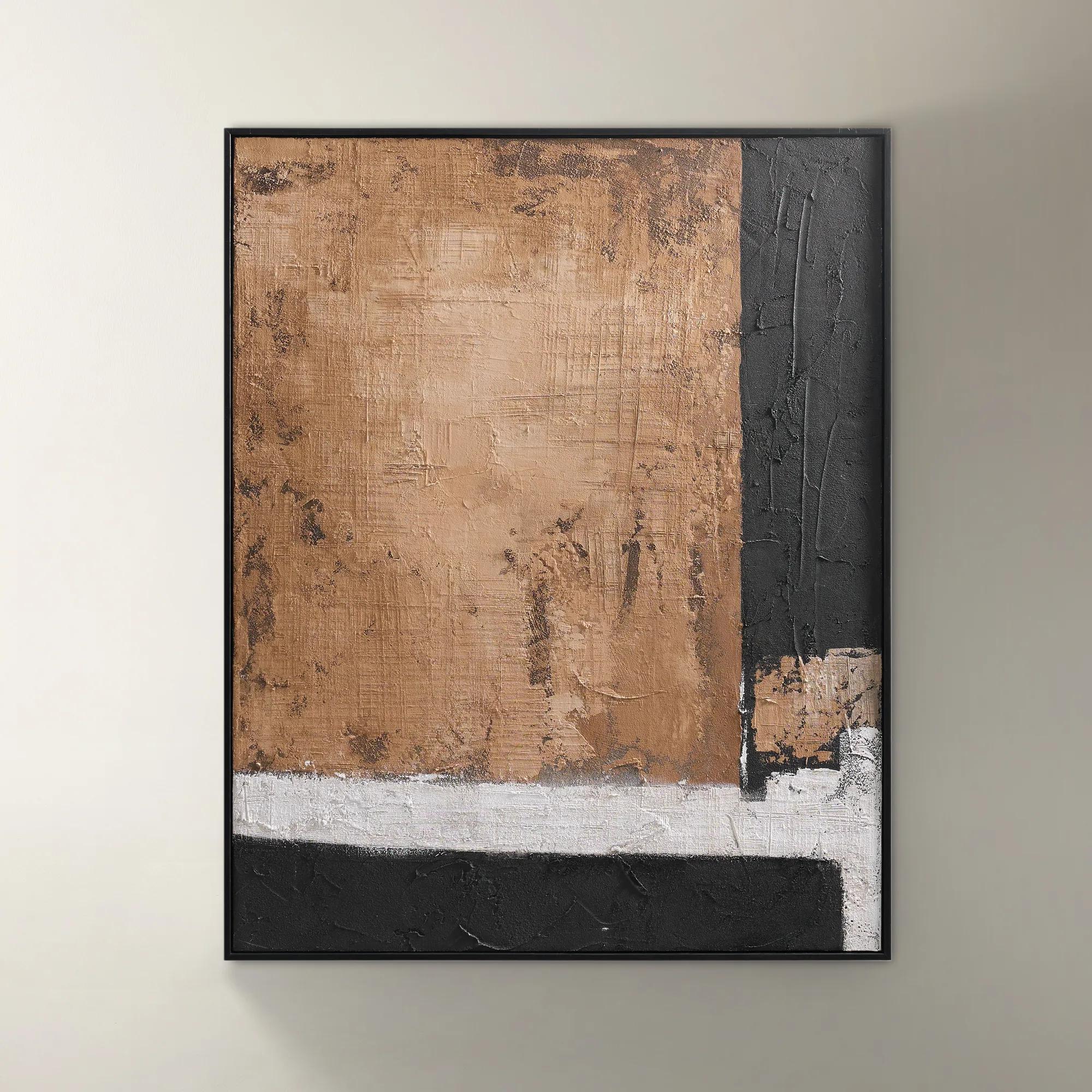 Drift Framed Painted Wall Art I 39.4" x 31.5"$299
A bold hand-painted abstract artwork featuring layered brown tones in a sleek black floater frame.
Add To Cart -
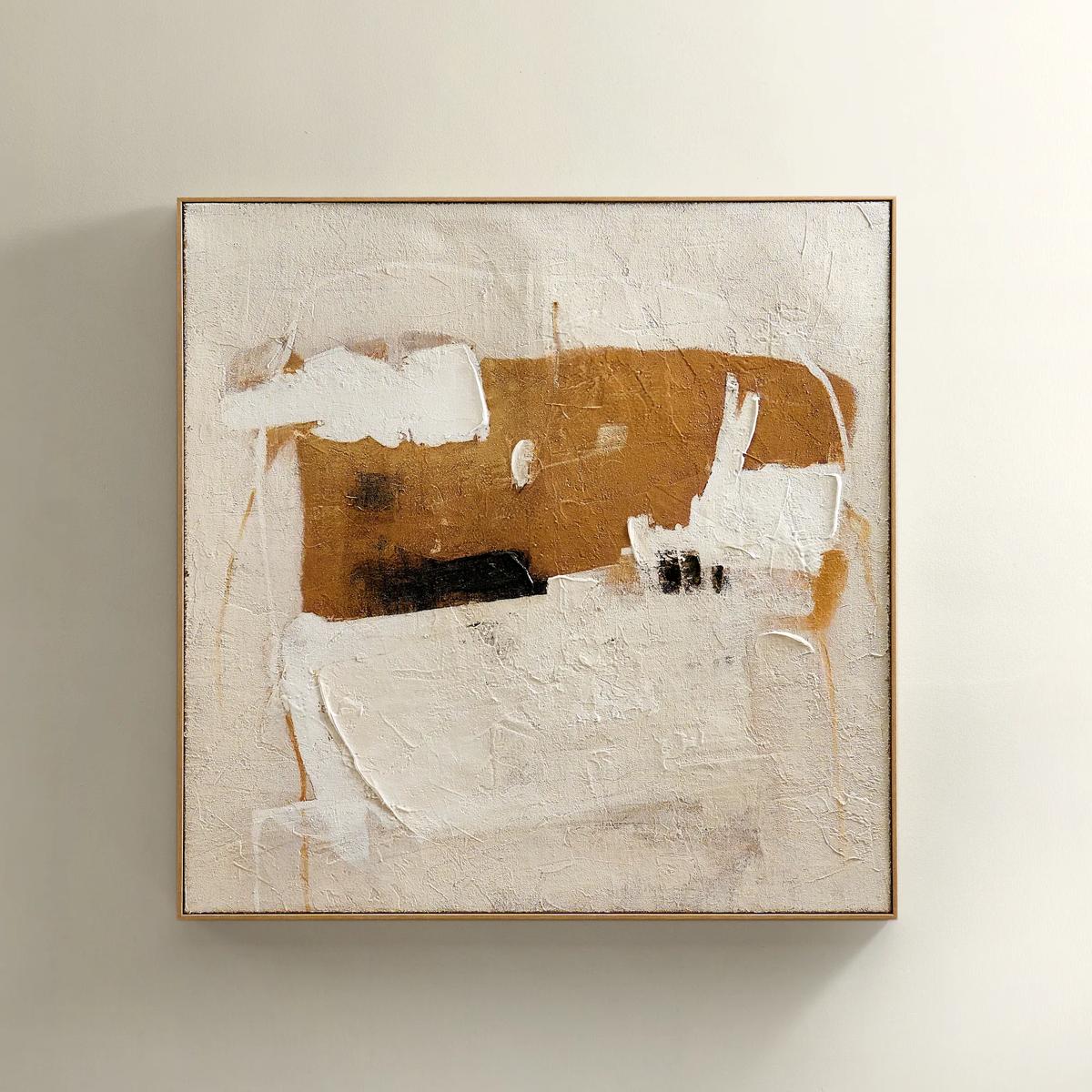 Instinct Framed Painted Wall Art 39.25" x 39.25"$349
An abstract hand-painted artwork featuring warm neutrals and black strokes on hessian with a light natural frame.
Add To Cart -
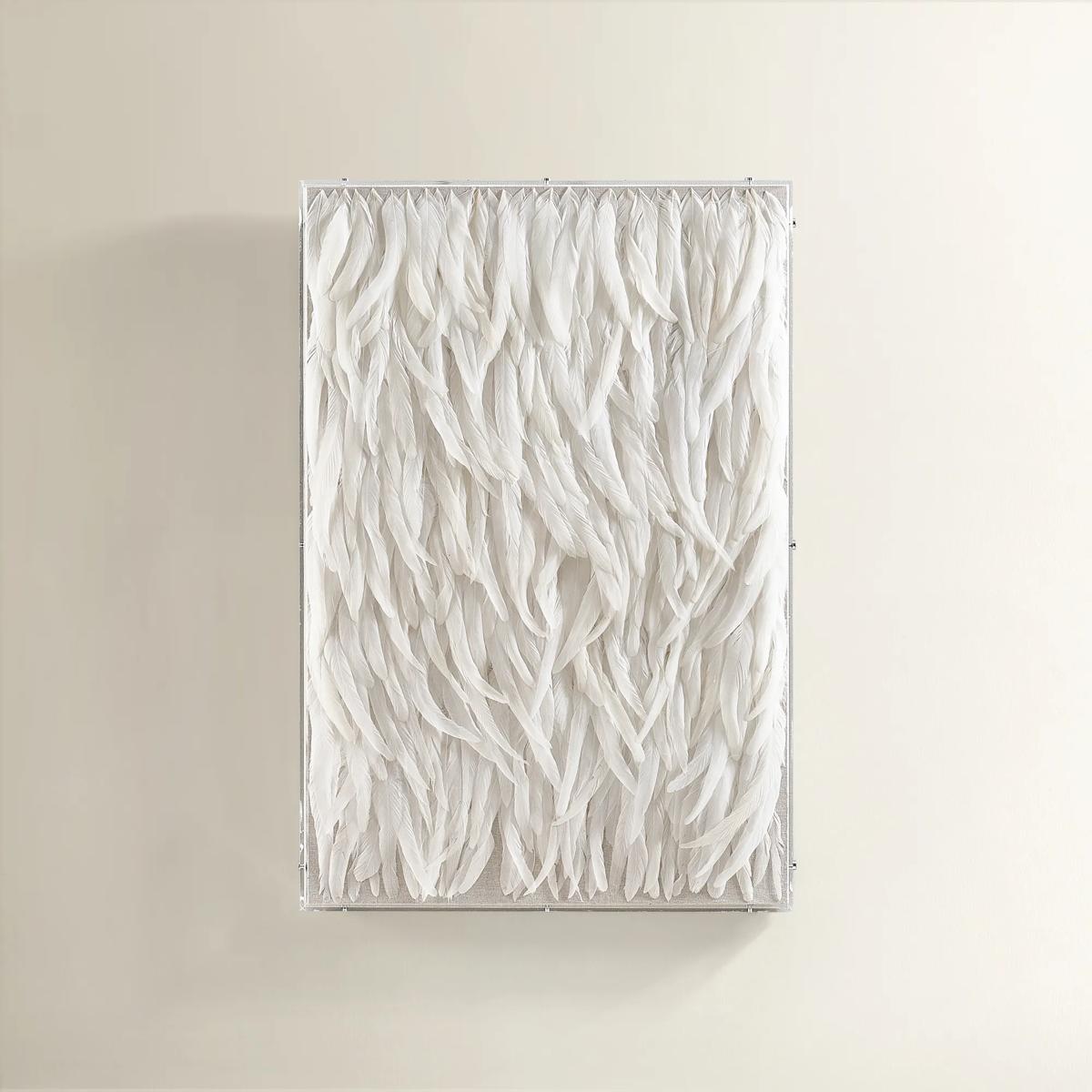 Swoon White Feather Wall Decor in Acrylic 23.5" x 35.5"$399
An ethereal wall art piece featuring layered white feathers encased in a crystal-clear acrylic shadow box.
Add To Cart -
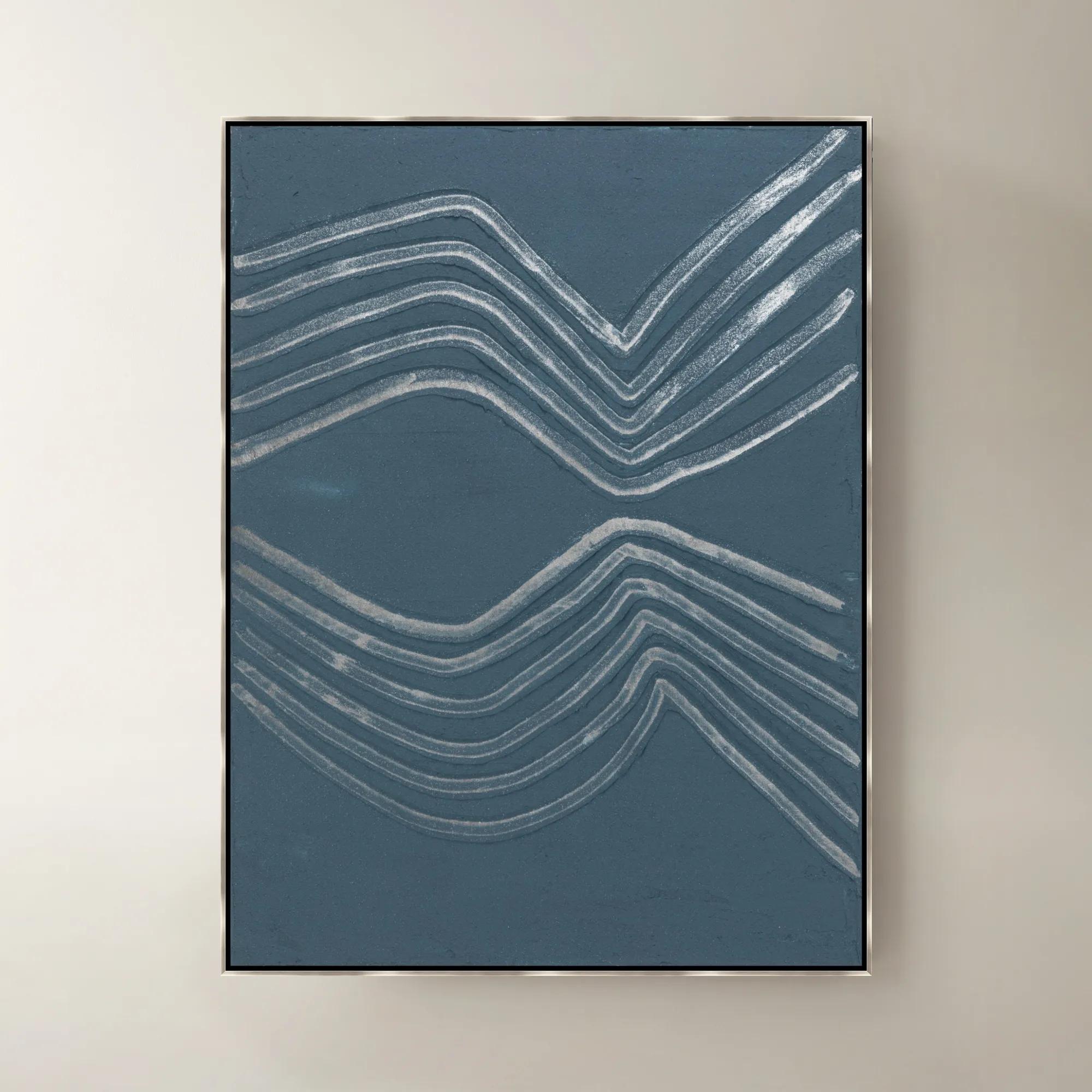
-compressed.jpg?w=1200&h=1200) Etched in Silver$229
Etched in Silver$229An abstract hand-carved aluminum wall art featuring shimmering silver tones in a modern black alloy frame.
Add To Cart -
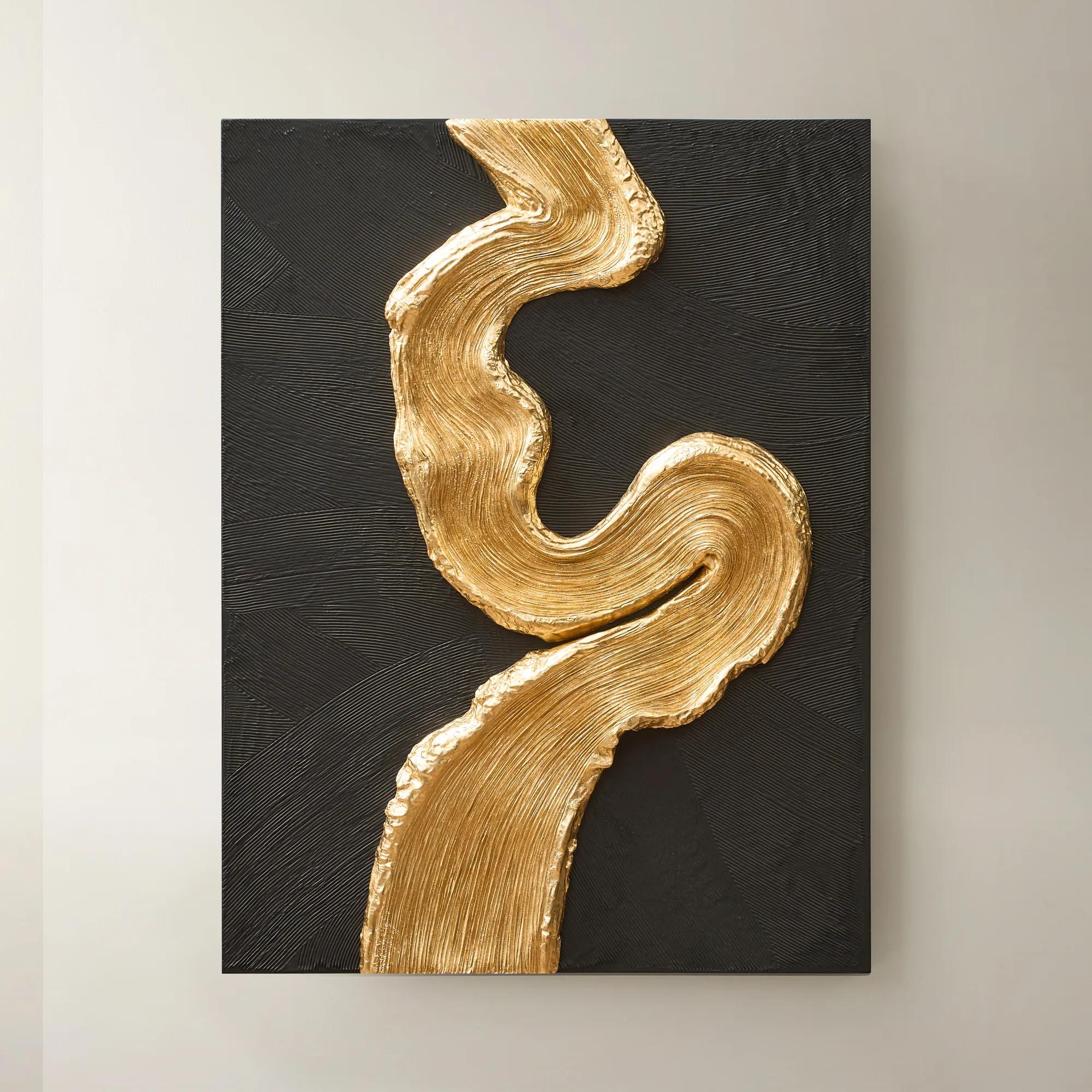
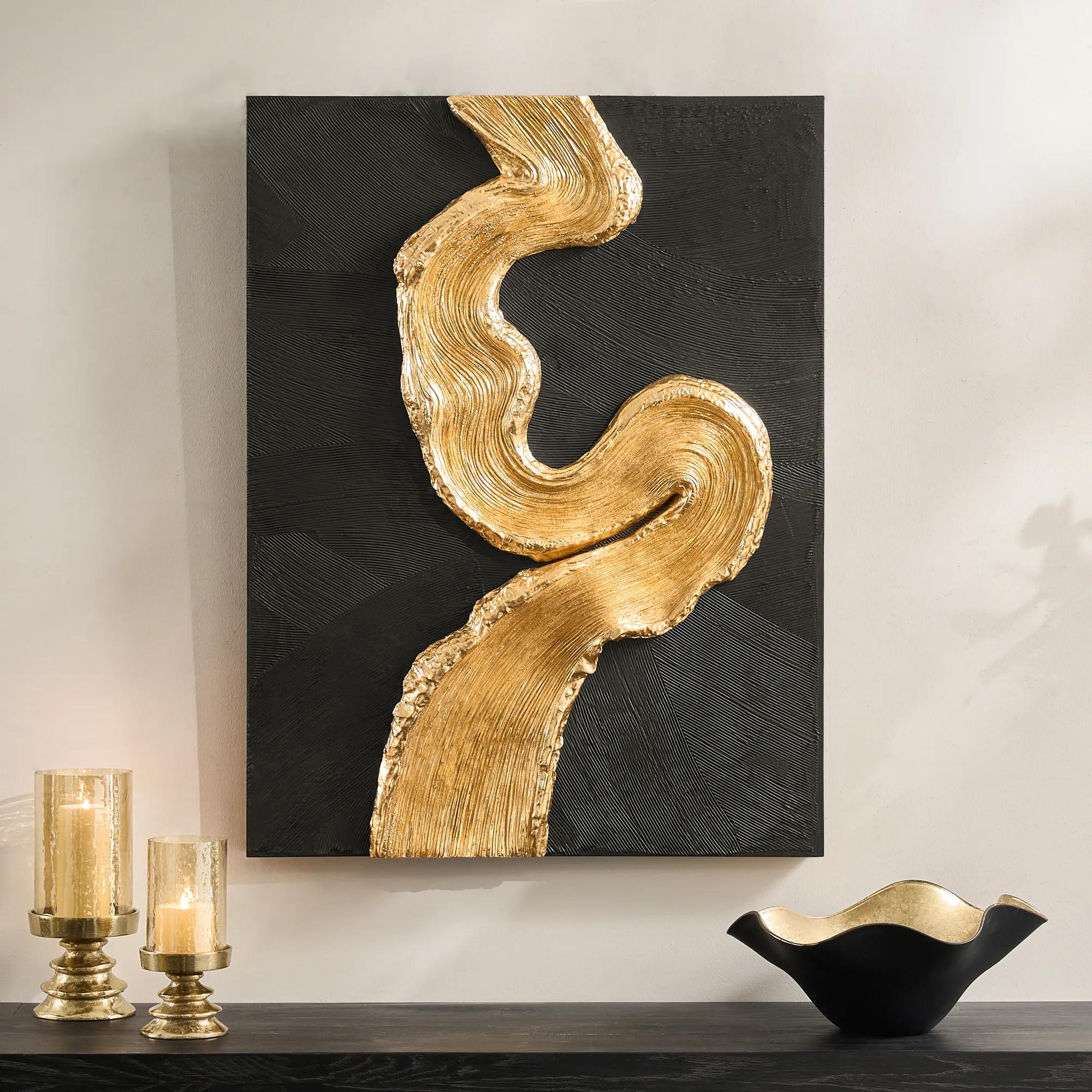 Gold Impasto Sculpted Resin Wall Panel 30" x 40"$499
A sculpted fiberglass resin wall panel featuring gold leaf detail and bold impasto texture on a black backdrop.
Add To Cart -
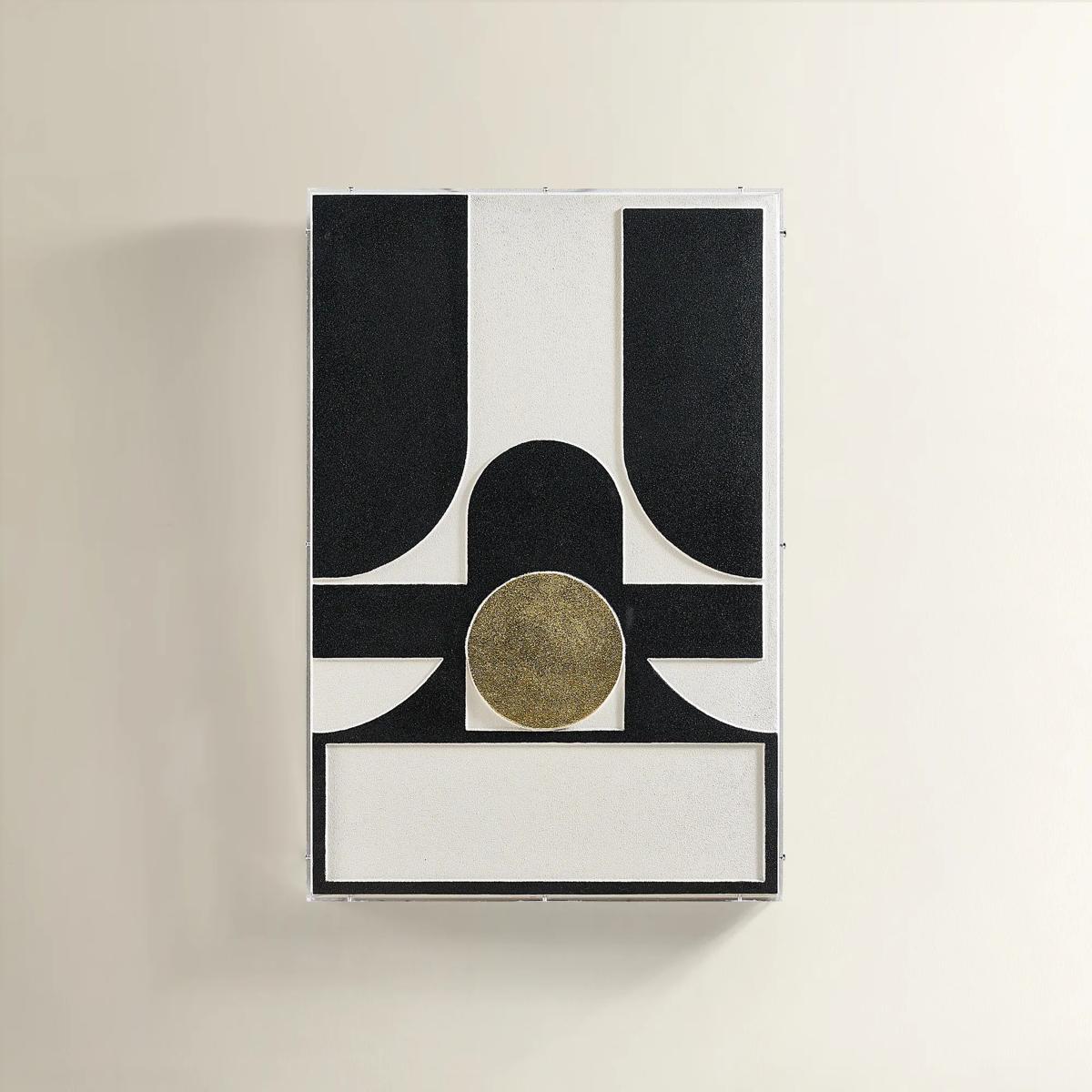
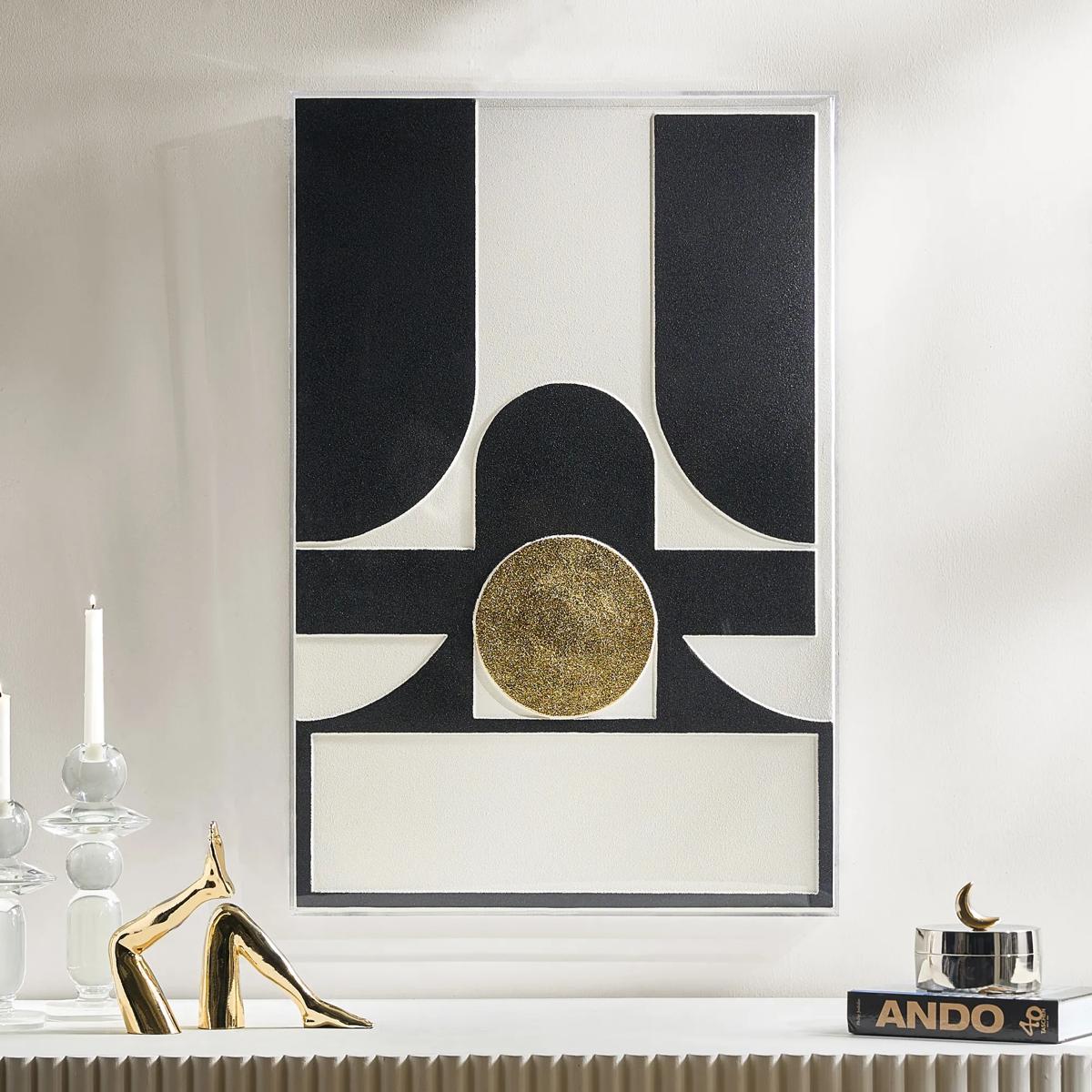 Siren Black And Gold Wall Decor in Acrylic 23.5" x 35.5"$299
A layered composition of black, ivory, and gold geometric forms set in a sleek acrylic shadow box.
Add To Cart -
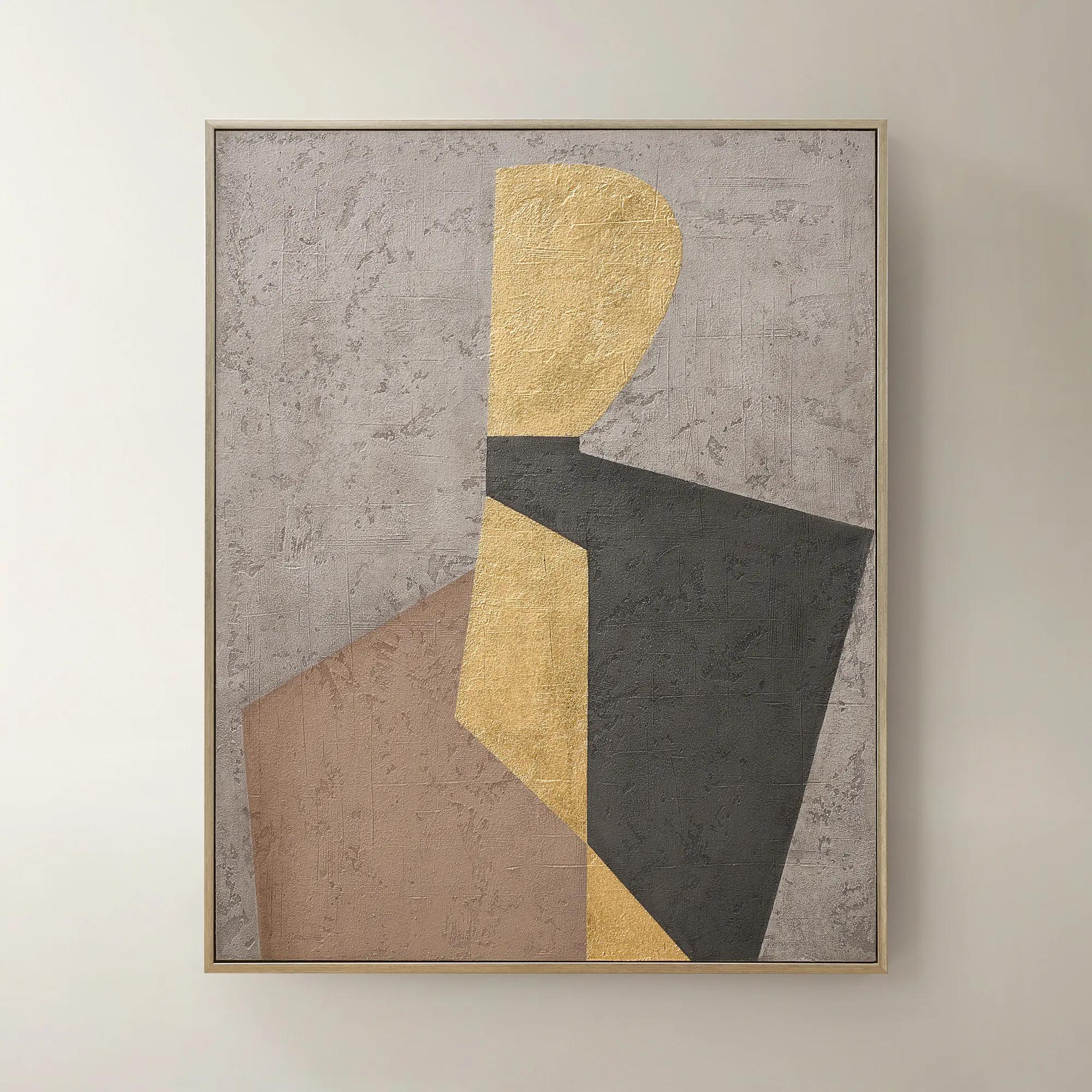 Aura of Gold Framed Painted Wall Art 40" x 50"$399
A hand-painted canvas with champagne leafing and a brushed champagne frame in mocha, grey, black, and gold.
Add To Cart -
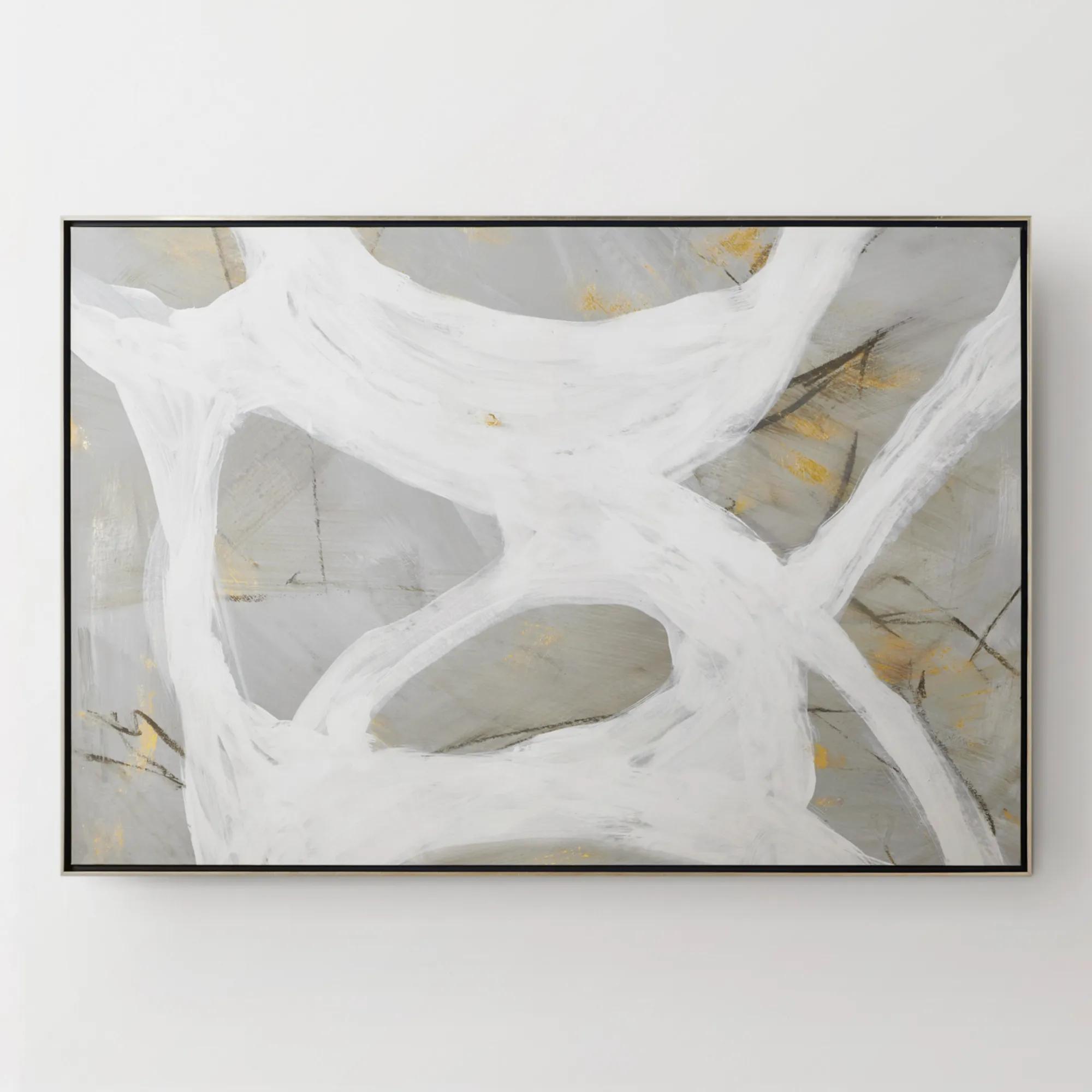
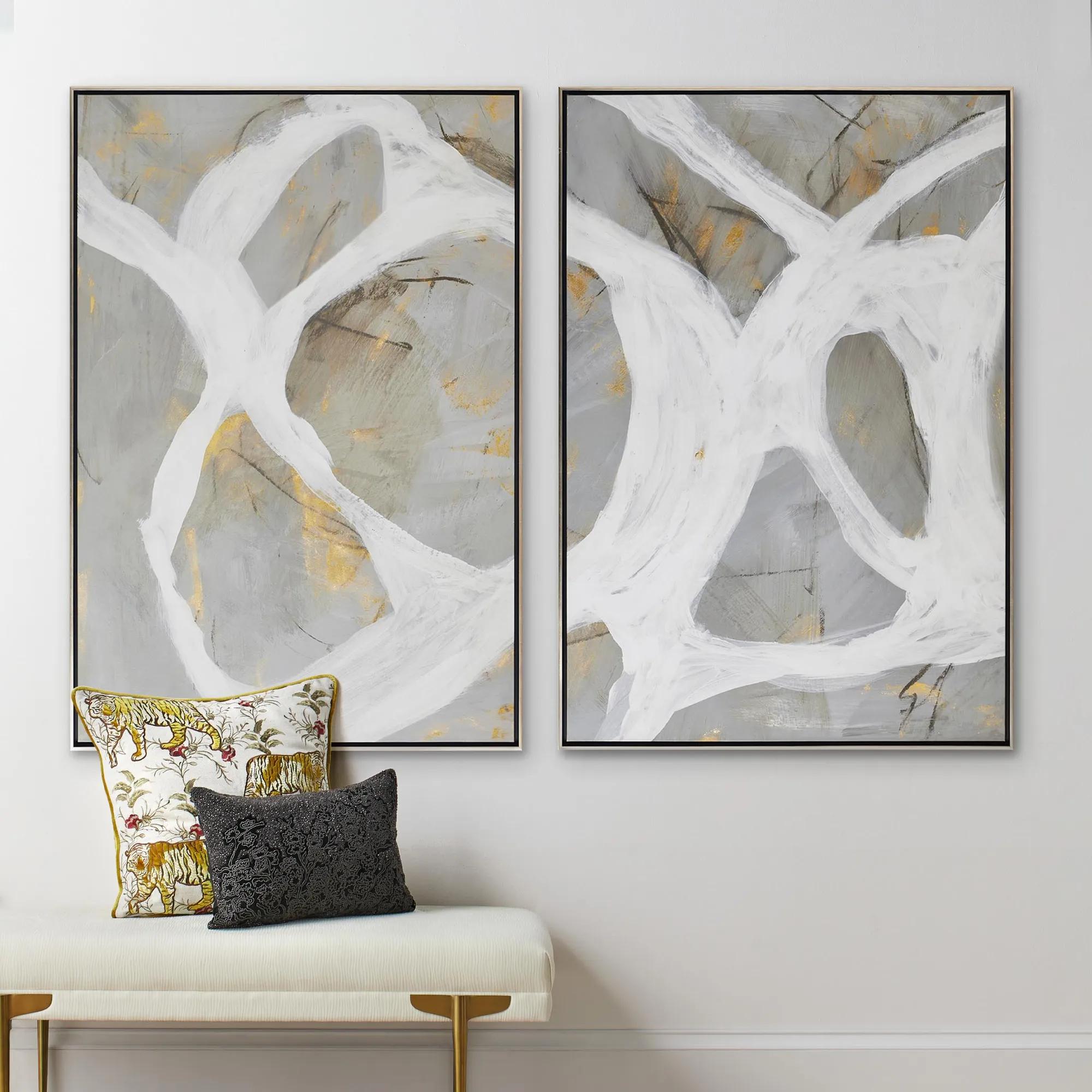 Les Series Framed Painted Wall Art II 61" x 41"$1099
An abstract canvas artwork featuring bold brushstrokes, hand-applied gold accents, and a silver floater frame.
Add To Cart -
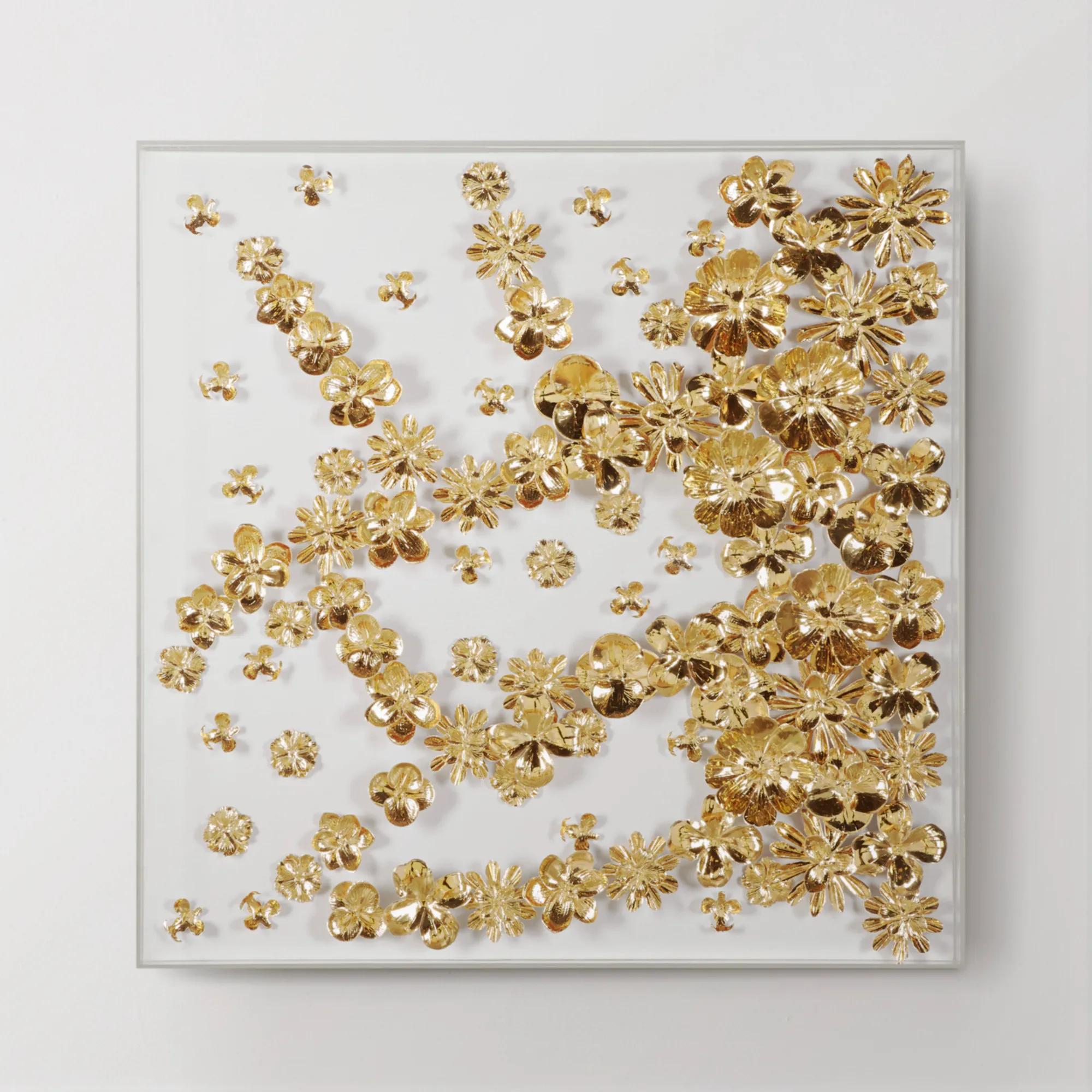
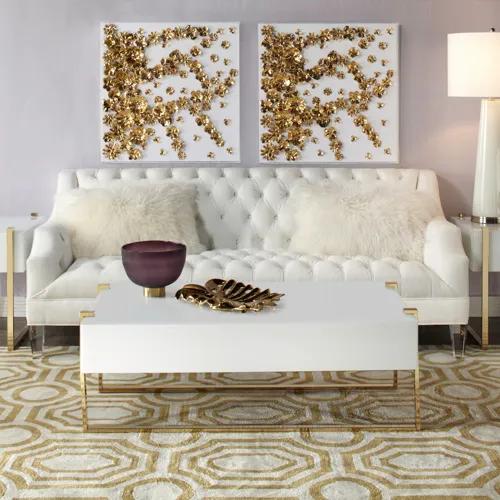 Gold Flora Handmade Foil Wall Decor in Acrylic 31" x 31"$499
A glam botanical wall art featuring handmade gold foil paper flowers on a white linen background.
Add To Cart -
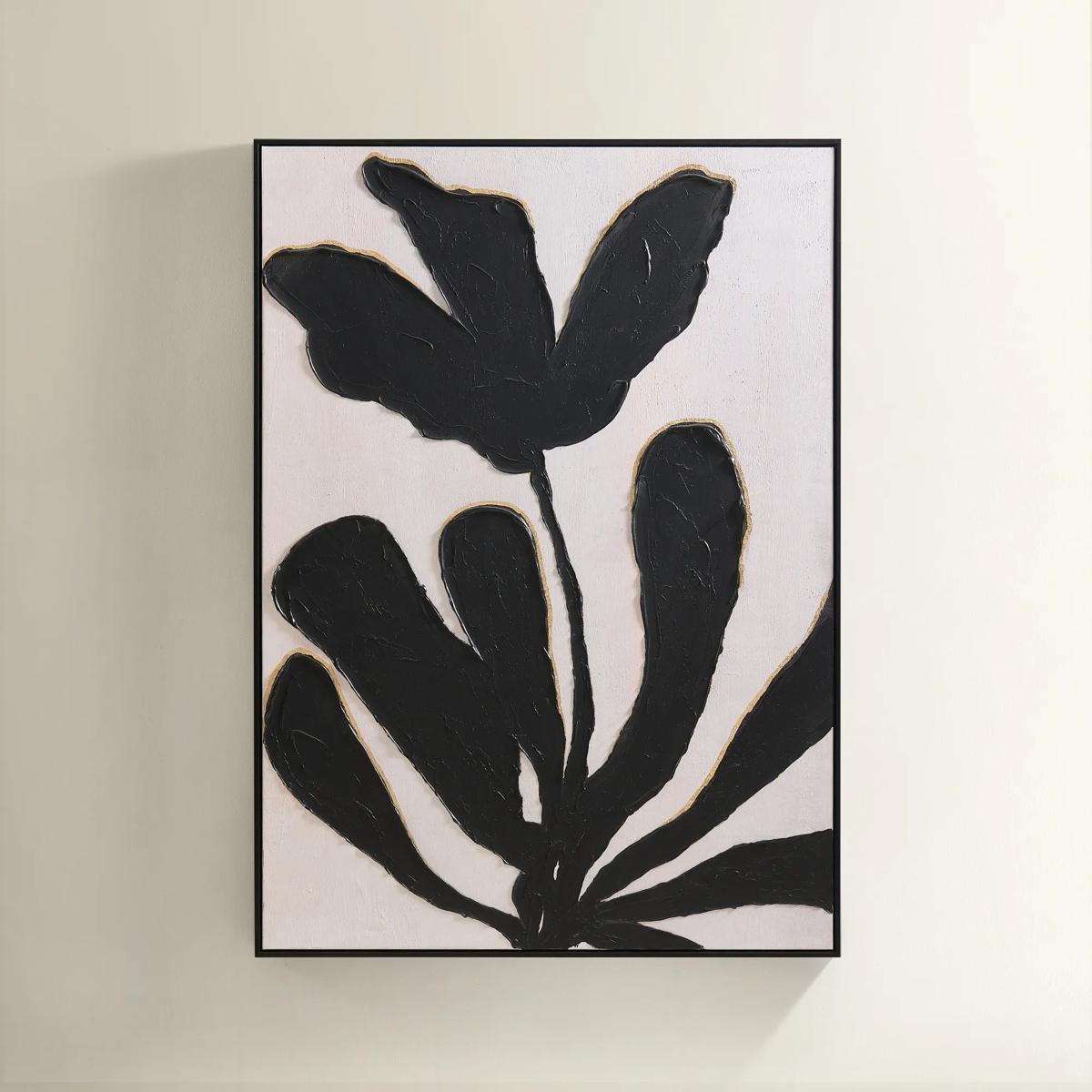
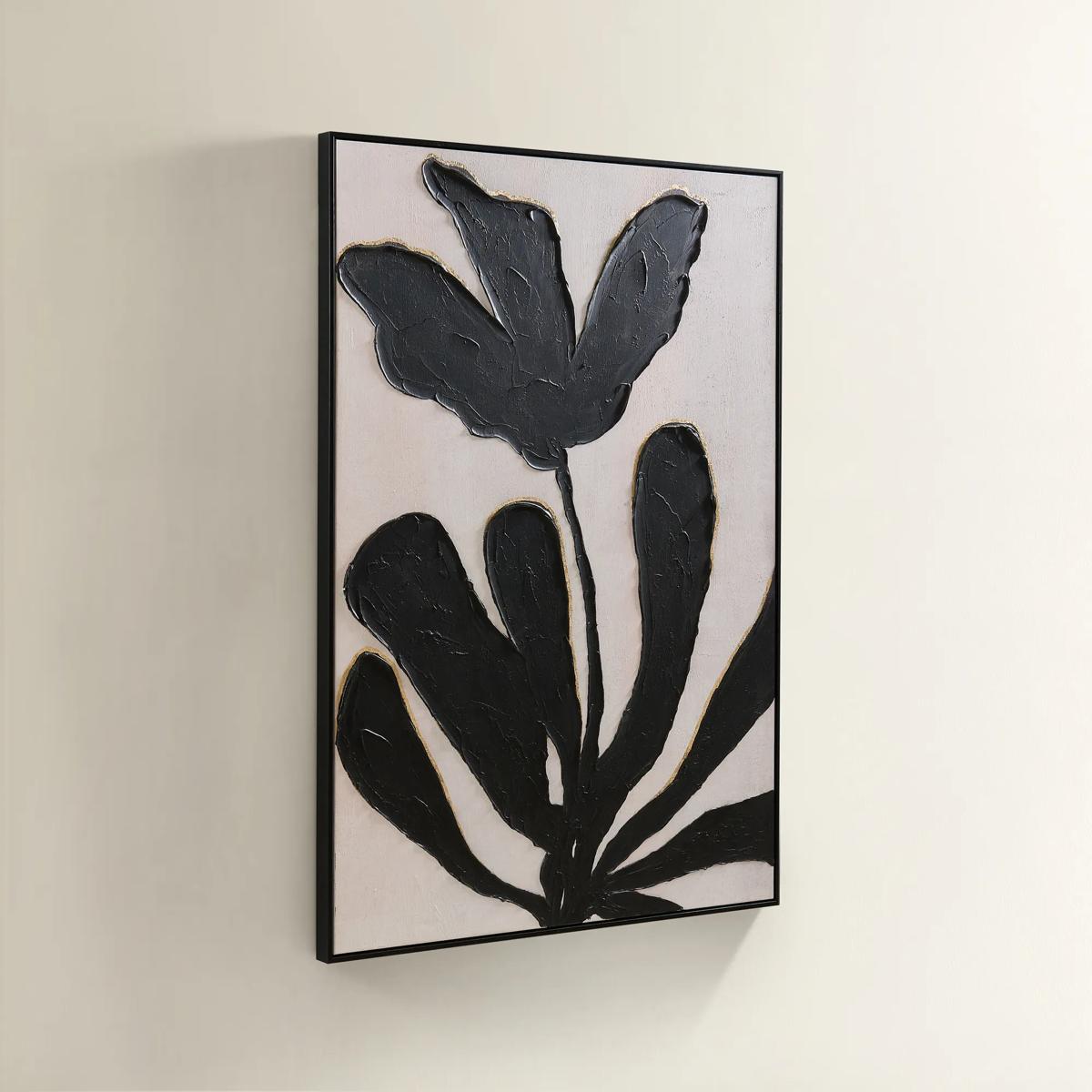 First Bloom Framed Painted Wall Art 39.25" x 55"$499
A hand-painted canvas featuring black abstract leaves and gold leafing on an ivory background in a black frame.
Add To Cart -
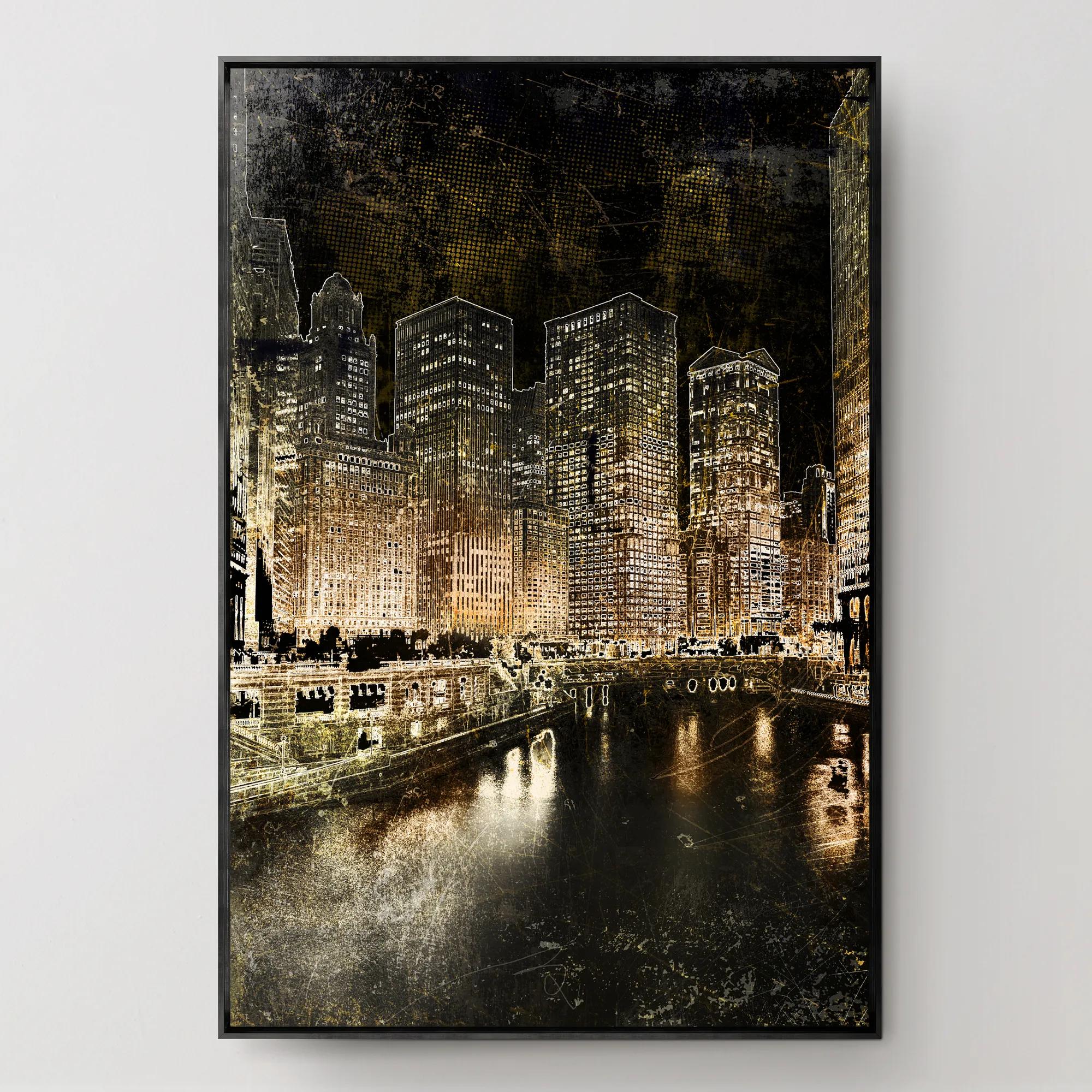
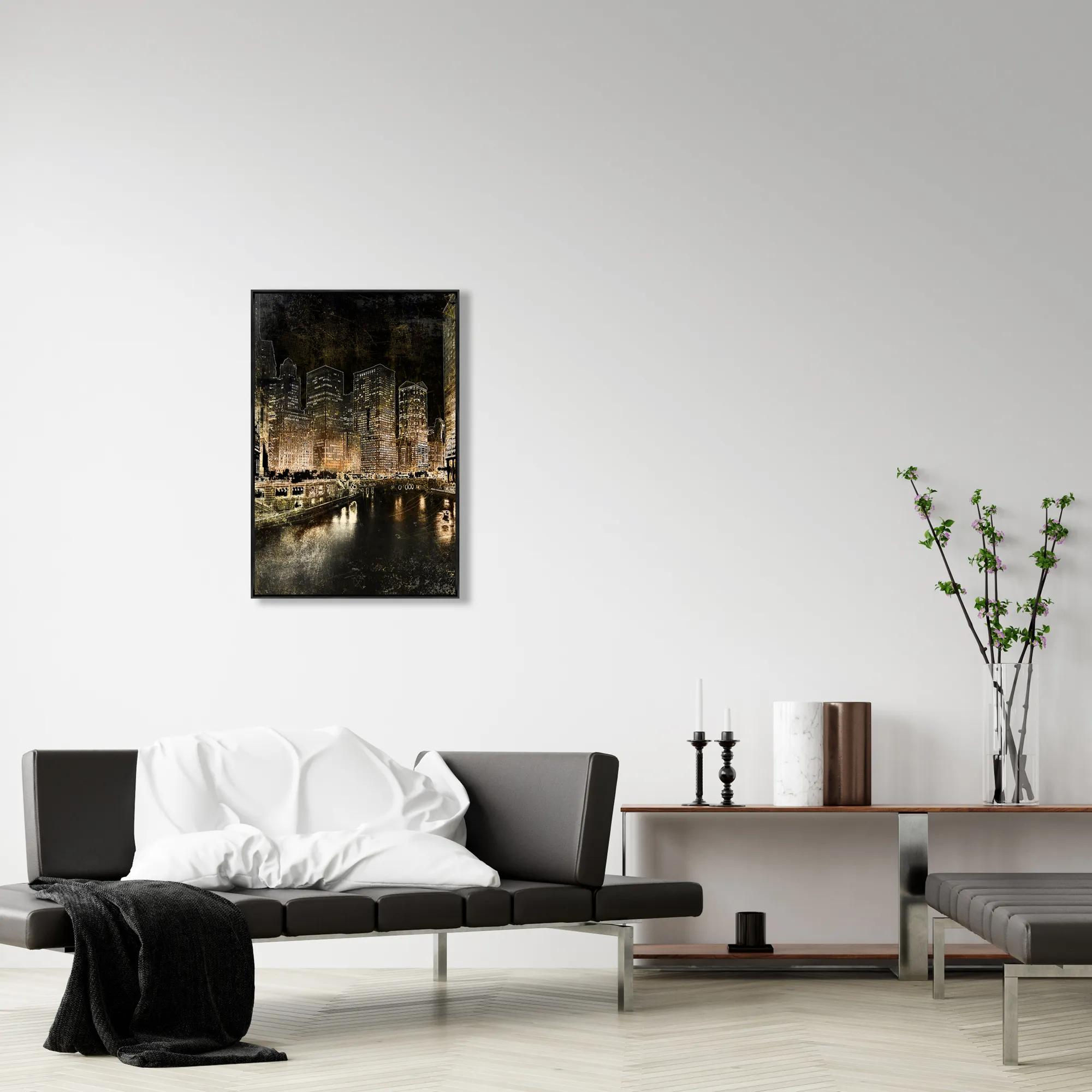 Chicago Lights Framed Wall Art 30" x 45"$649
A gallery-wrapped canvas artwork featuring a hand-applied gel finish in a sleek black floater frame.
Add To Cart -
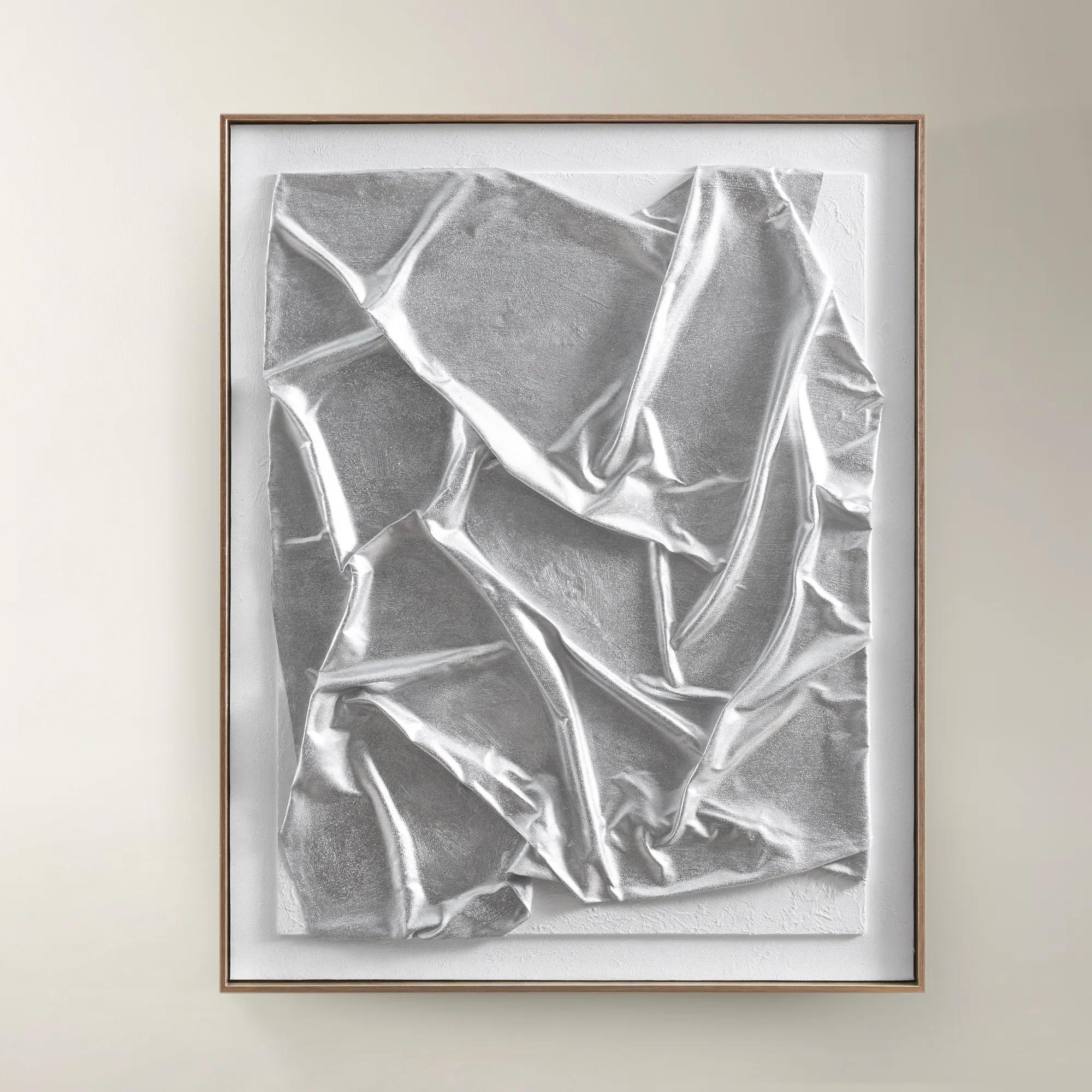 In the Mood Framed Painted Wall Art 31.5" x 39.5"$199
A hand-painted abstract canvas in shimmering silver tones, set in a warm champagne floater frame.
Add To Cart -
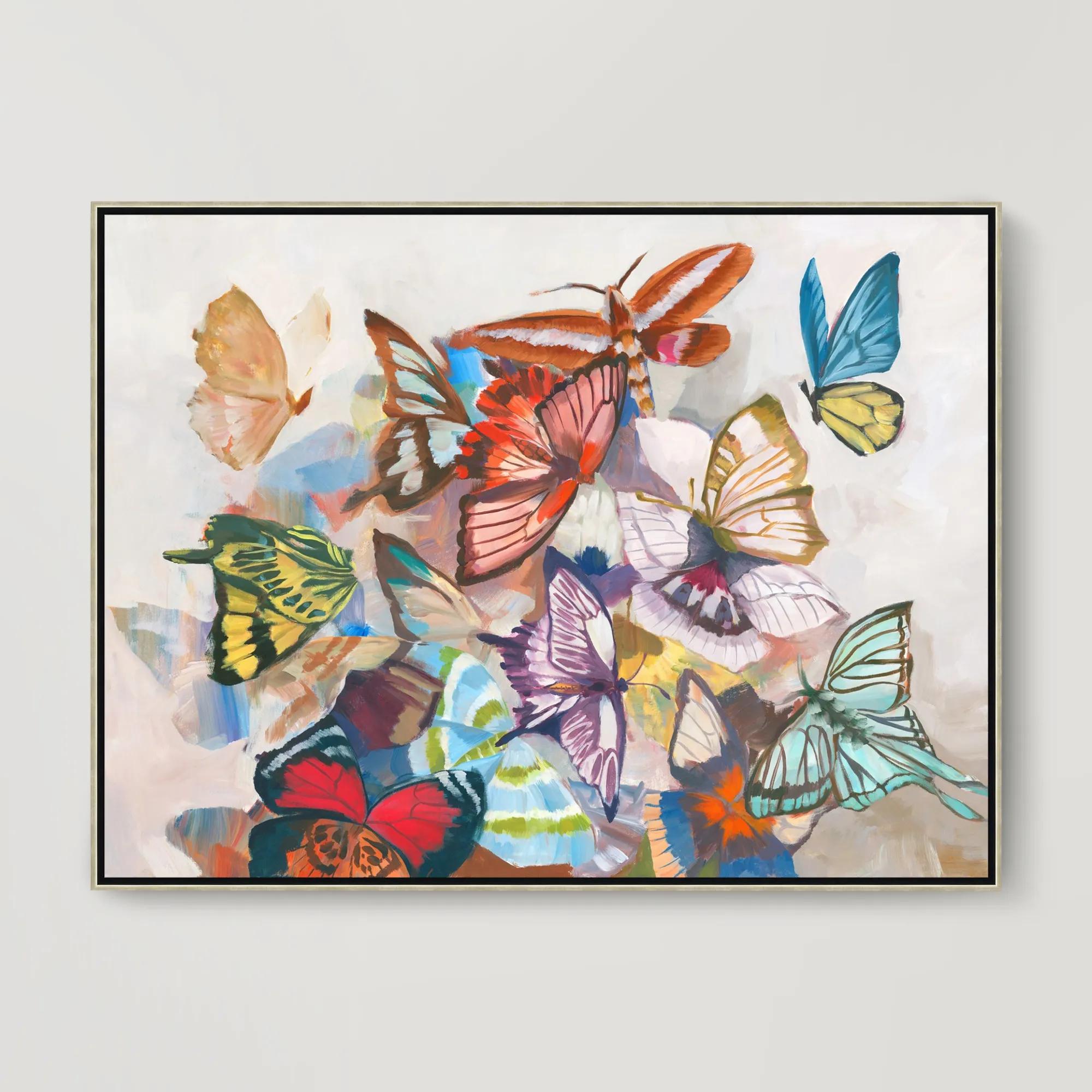 Sugar Wings Framed Wall Art 49.5" x 37.5"$799
A vibrant gallery-wrapped canvas artwork with hand-applied brush gel finish in a sleek silver floater frame.
Add To Cart -
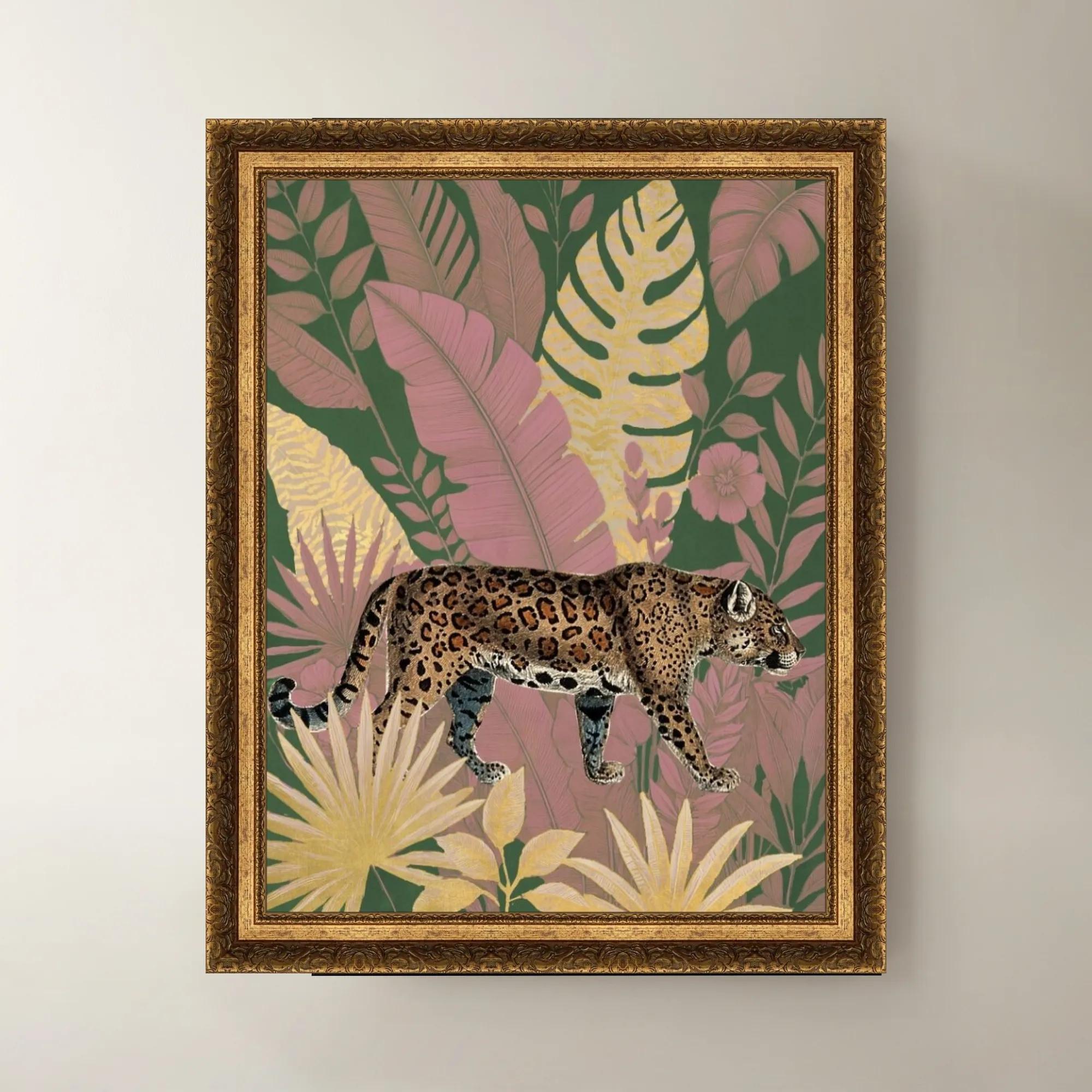
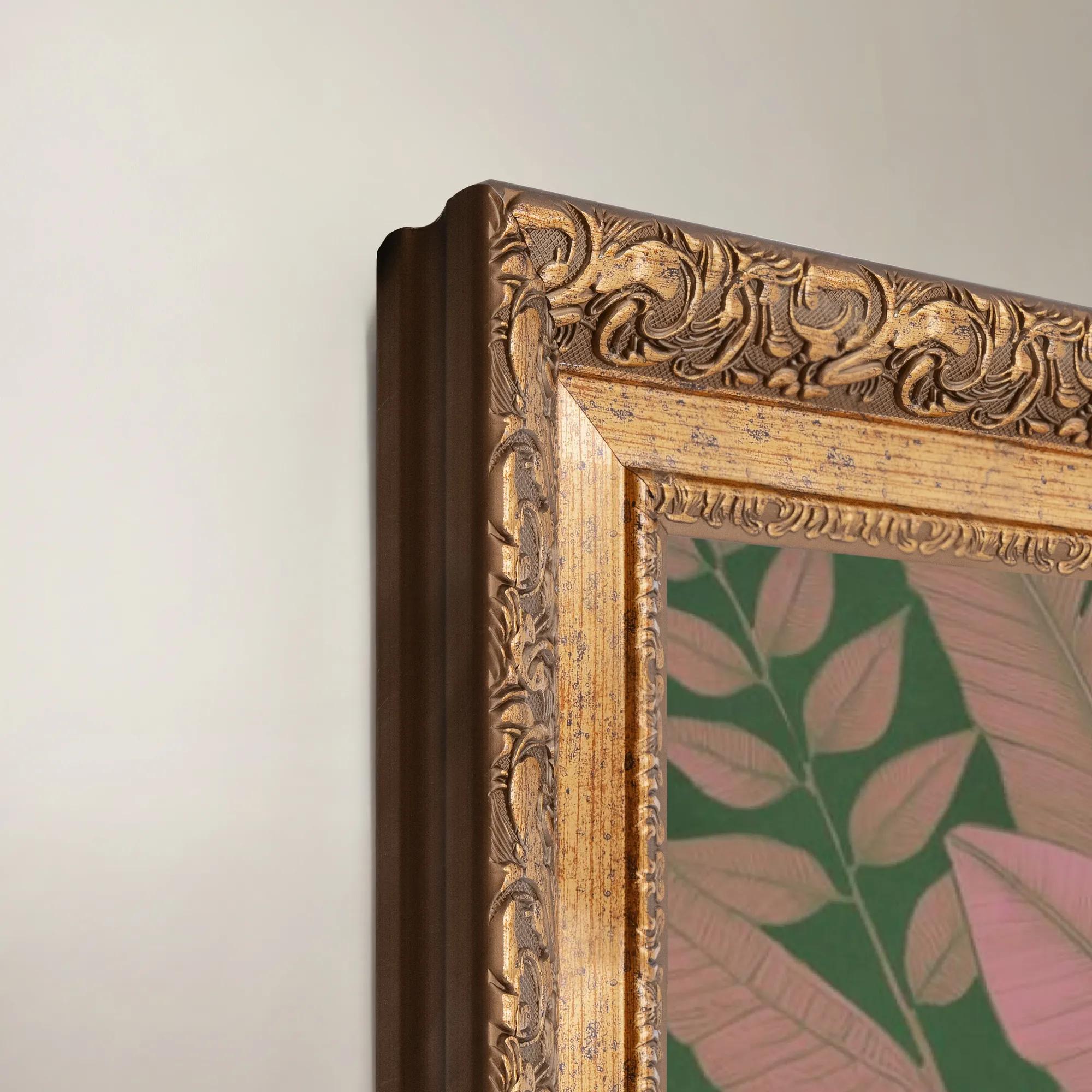 Floral Jungle I Framed Wall Art 30" x 40"$799
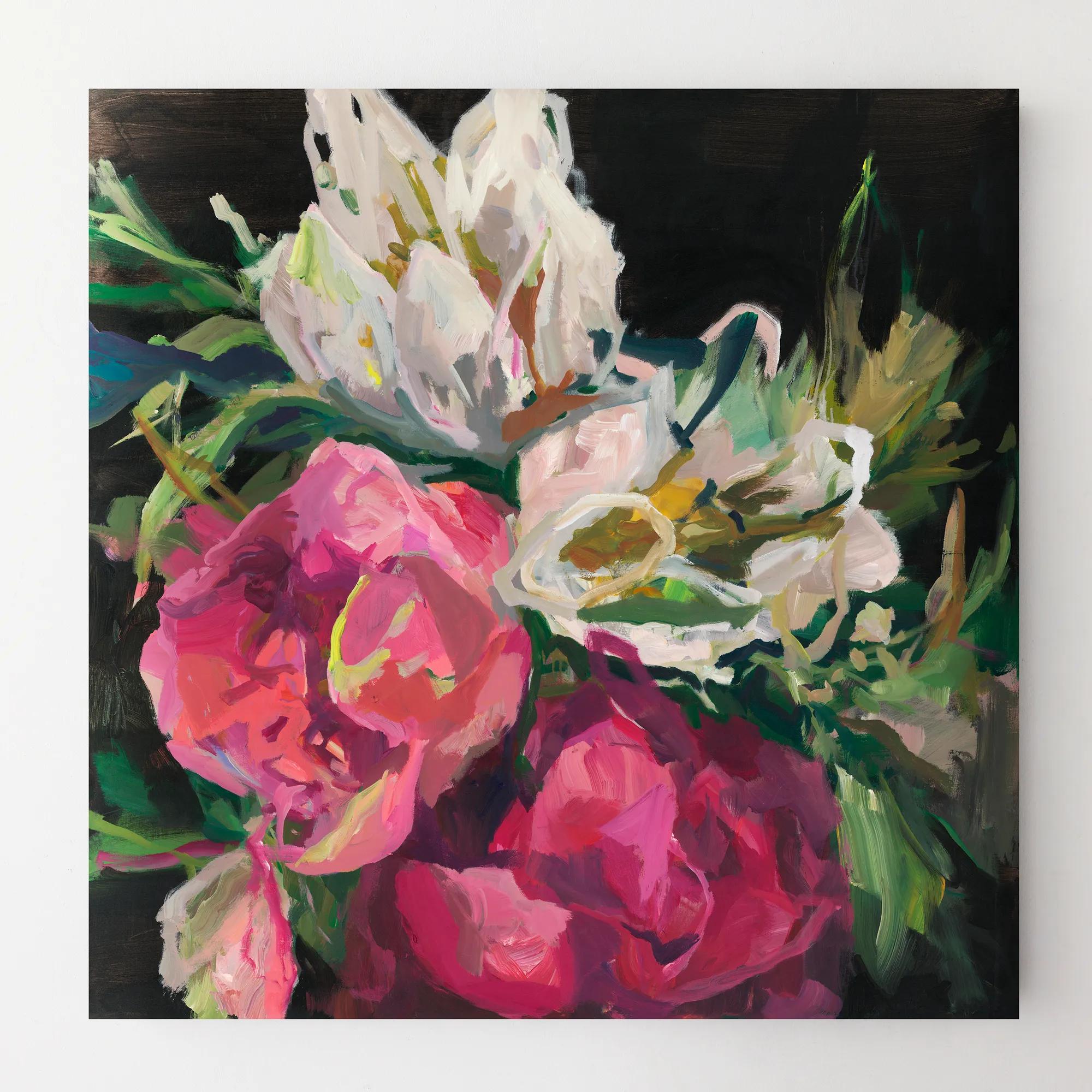
A gold-framed linen canvas artwork featuring vibrant pink and gold tones for a striking modern accent.
Add To Cart

Romantic Wall Arts For Art Collectors
Romantic Wall Arts for Art Collectors transform blank walls into poetic statements—each piece a captivating ode to passion, elegance, and imagination. Here, artistry meets allure in brushstrokes that whisper of moonlit rendezvous and gilded daydreams, inviting you to curate a gallery where emotion reigns supreme. For the discerning collector, every canvas is more than décor; it’s an invitation to fall in love with your space all over again, layering depth and desire into your home’s most intimate moments. Let your walls tell a story worthy of admiration—one framed in romance and destined to enchant.
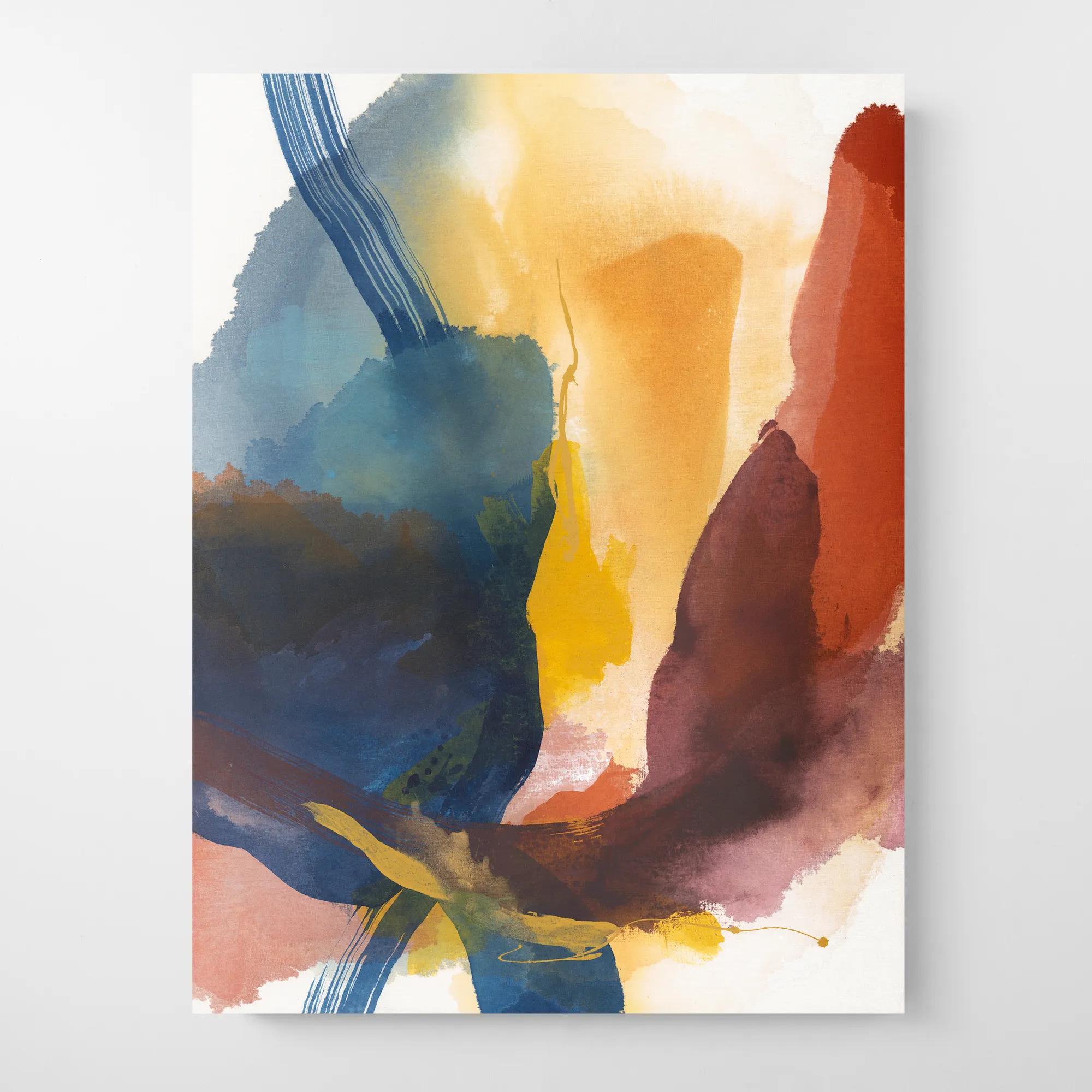
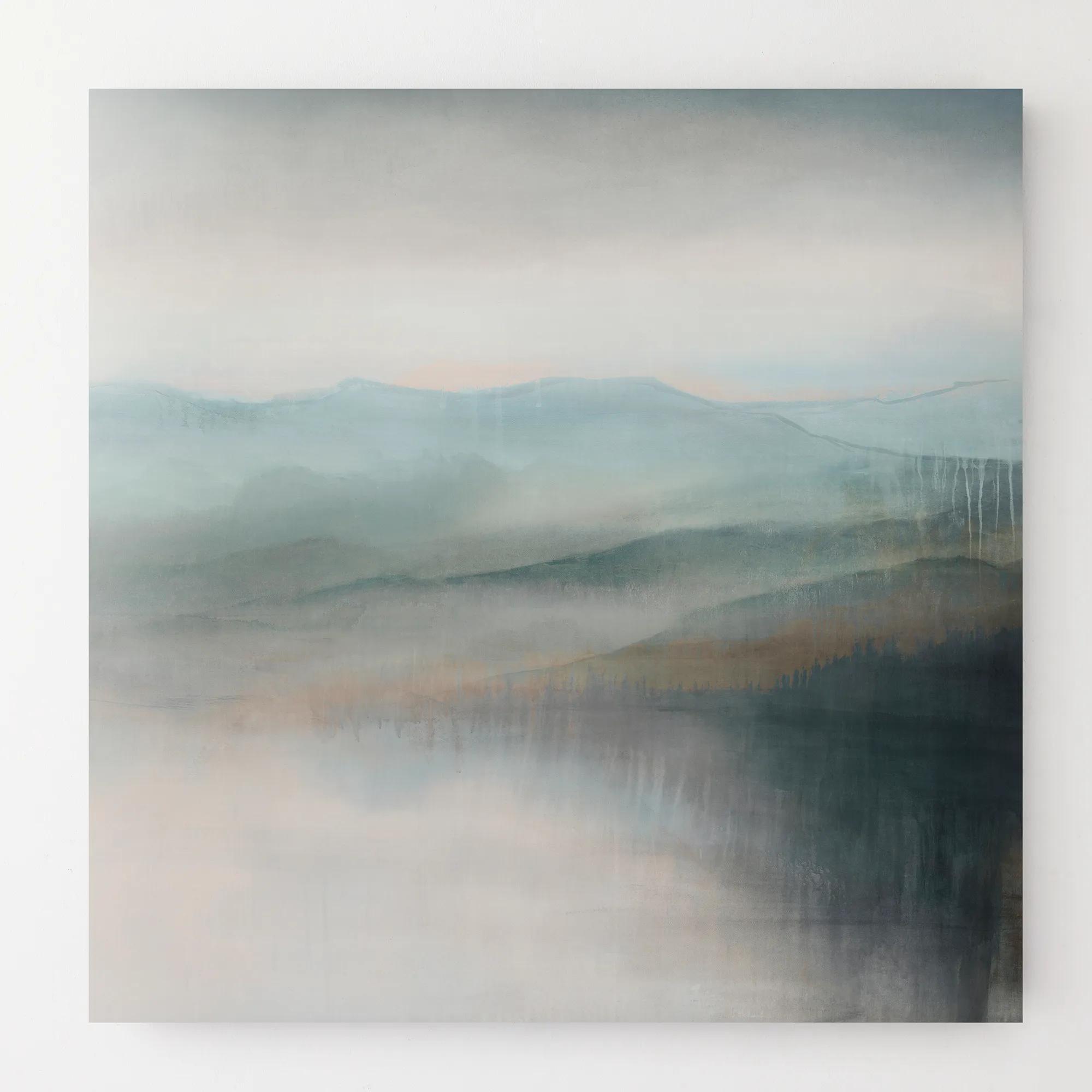
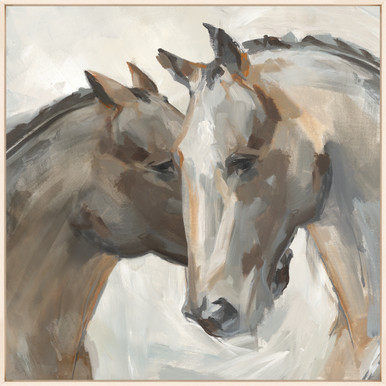
Romantic wall art for art collectors brings emotion into focus through intimate figures, atmospheric landscapes, expressive florals, and abstractions that suggest connection without describing it literally. The category encompasses original paintings, fine art prints, canvas reproductions, and mixed-media works, with appeal that extends well beyond traditional scenes of lovers. A distant horizon softened by mist, a ribbon of rose against charcoal, or two silhouettes sharing a pool of light can give a room its emotional center. Romantic imagery is also distinct from the historical Romanticism movement, although the two can share an appreciation for imagination, nature, and heightened feeling. For a collector, that breadth creates room for an individual point of view: classical compositions can sit beside contemporary gestures when color, atmosphere, or subject establishes a meaningful relationship. Figurative artwork lends a sense of narrative, inviting you to notice a glance, a posture, or the space between two people. Painterly gardens and luminous cityscapes evoke remembered places, while abstract romantic wall art lets movement and color carry the sentiment. Blush, burgundy, ivory, and violet offer sumptuous possibilities, but romance need not depend on a soft palette. Inky blue, burnished gold, and dramatic black-and-white contrasts can feel equally intimate, especially when the composition balances depth with moments of light. The most compelling choice is often the one that recalls something personal without needing an explanation: the color of an evening sky on a shared trip, the sweep of flowers from a childhood garden, the quiet of a familiar street after rain. In a living room, such artwork can become the point around which conversation gathers; in a bedroom, it can establish a more private mood. Collectors building their first grouping may gravitate toward one arresting image, while those with established collections might seek a work that introduces a new emotional register. Either approach allows romantic art to feel considered rather than overtly sentimental, with enough visual complexity to reward looking again.
Choosing romantic paintings and prints begins with understanding what is being offered, because medium, production method, and presentation influence both appearance and price. An original oil or acrylic painting may reveal brushwork, glazing, or raised passages of pigment that shift with the light. A canvas reproduction translates an existing image onto a woven surface, while a work printed on paper may offer fine tonal transitions and a presentation enhanced by matting and glazing. Mixed-media pieces can bring additional dimension through layered materials, though their care requirements depend on their construction. A textured finish alone does not establish that a work is an original painting; product descriptions should clarify whether the image is hand-painted, printed, or embellished after printing. For collectors interested in editions, signatures, or provenance, look for explicit documentation rather than assuming that “limited edition” or “archival” tells the whole story. Edition size, artist attribution, printing process, paper or canvas specifications, and any accompanying certificate are useful details to review. Archival materials can support longevity, but they do not make artwork immune to sunlight, moisture, or environmental changes. Price is best assessed alongside these tangible characteristics, as well as dimensions, framing, and condition—not as a promise of future value. Scale deserves equally close attention. Measure the available wall and the furniture beneath it, then confirm whether listed dimensions describe the image or the finished frame. A generous horizontal composition can establish a languid rhythm above a sofa, while a tall work may give a narrow wall unexpected presence. Before committing, outline the finished dimensions with removable paper to experience the proportions from the doorway and your usual seat. That small exercise often reveals more than a measurement alone. Framing completes the expression: warm metallic finishes can draw out amber and rose tones, dark frames sharpen pale compositions, and restrained profiles let energetic brushwork remain the focus. With paper works, an appropriate mat or spacer helps keep the surface from touching the glazing; conservation-minded framing is especially worth considering for pieces intended to stay in a collection for years.
Living with romantic wall art is as much about placement and pacing as it is about the image itself. A single large-scale work above a low console can give an entryway a gracious, gallery-like introduction, particularly when nearby objects leave its strongest colors room to resonate. In a dining room, a richly toned landscape or sweeping abstraction can lend depth to evening gatherings without competing with the table. Bedrooms often benefit from compositions whose gestures feel fluid rather than restless, although a collector drawn to theatrical interiors may prefer a dark floral or a boldly contrasted figurative work. The distinction is personal: choose the atmosphere you want to return to, not simply the color that matches the upholstery. When arranging several works, repeat one element—perhaps a warm undertone, a curving line, or a frame finish—while allowing the subjects to differ. A romantic composition can also find an intriguing counterpart in Silver Abstract Wall Arts For Art Collectors, especially when cool metallic tones provide contrast to warmer imagery. Keep lighting deliberate. Soft, well-positioned illumination can reveal subtle details, while direct sunlight and glare may obscure the image and contribute to deterioration over time. During the cooler months, when evenings draw more activity indoors, artwork with nuanced shadows and luminous highlights can add depth to a room under lamplight. Romantic wall decor also makes a thoughtful wedding, anniversary, or housewarming gift when the selection reflects the recipient’s taste rather than a prescribed symbol of love. A landscape that recalls a meaningful destination or an abstract composition in a cherished palette may feel more intimate than an overtly romantic subject. For an experienced collector, confirm preferred media, available wall space, and framing preferences before choosing; presentation, delivery arrangements, and return terms matter for a gift of this scale. Ultimately, the enduring pleasure lies in the encounter: passing a painting on the way to morning coffee, noticing a previously overlooked detail, or watching its colors deepen as the room settles into evening. Romantic art earns its place through that continuing sense of recognition.
FAQs
Romantic wall art is characterized by its evocative themes, lush palettes, and emotional resonance. Unlike minimalist or abstract styles, romantic art often features expressive brushwork, soft lighting, and imagery that celebrates love, longing, and connection. These pieces are designed to stir the senses and create an atmosphere of warmth and intimacy, making them ideal for spaces where you want to evoke a sense of enchantment and personal storytelling.
Romantic wall art makes a thoughtful and meaningful gift for anyone who cherishes beauty, sentiment, and artistic expression. It is especially well-suited for newlyweds, couples celebrating anniversaries, or friends moving into a new home. Art lovers with a flair for the dramatic or those who appreciate the poetry of everyday life will find these pieces particularly moving and memorable.
Romantic wall art has the power to transform the emotional landscape of a space. By introducing soft hues, flowing forms, or passionate scenes, these pieces can create a sense of tranquility, intimacy, or dramatic allure. Whether placed in a bedroom for a dreamy retreat or in a dining area to inspire conversation, romantic art sets the tone and invites deeper connection within the home.
Romantic wall art frequently features rich materials and sumptuous techniques, such as oil on canvas, watercolor washes, or mixed media with metallic accents. Artists may employ layered textures, gentle gradients, or intricate detailing to evoke emotion and depth. The result is artwork that feels tactile, immersive, and crafted with a sense of artistry that enhances its romantic appeal.
Absolutely. Romantic wall art can serve as a captivating focal point or blend harmoniously with other styles, such as modern abstracts or classic landscapes. When curating a gallery wall, consider balancing color palettes, frame finishes, and thematic elements to create a cohesive yet dynamic arrangement. Mixing romantic pieces with contemporary or eclectic works allows you to express your unique vision and tell a more layered, personal story through your collection.