Best Selling Modern Wall Arts
Best Selling Modern Wall Arts
-
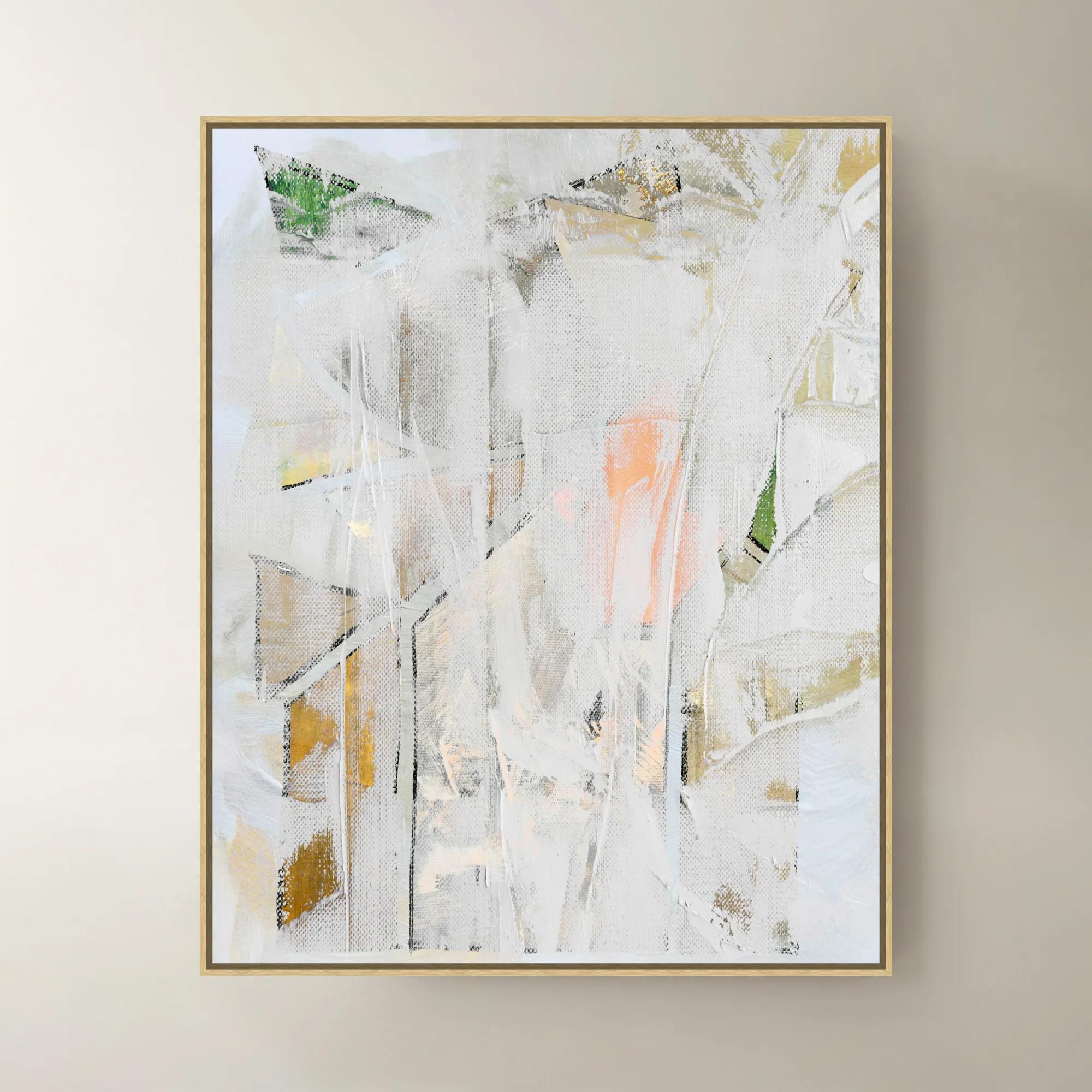
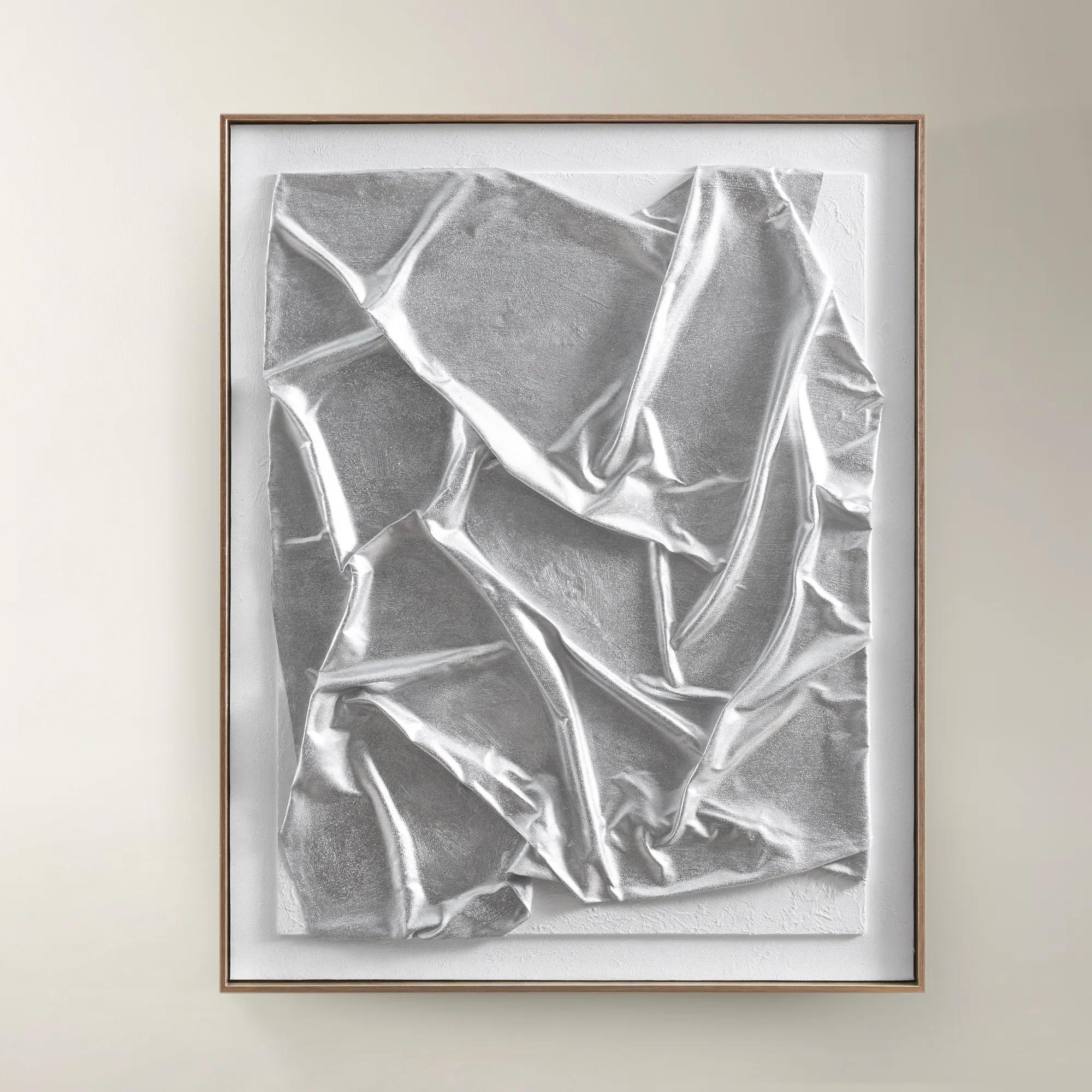 In the Mood Framed Painted Wall Art 31.5" x 39.5"$199
A hand-painted abstract canvas in shimmering silver tones, set in a warm champagne floater frame.
Add To Cart -
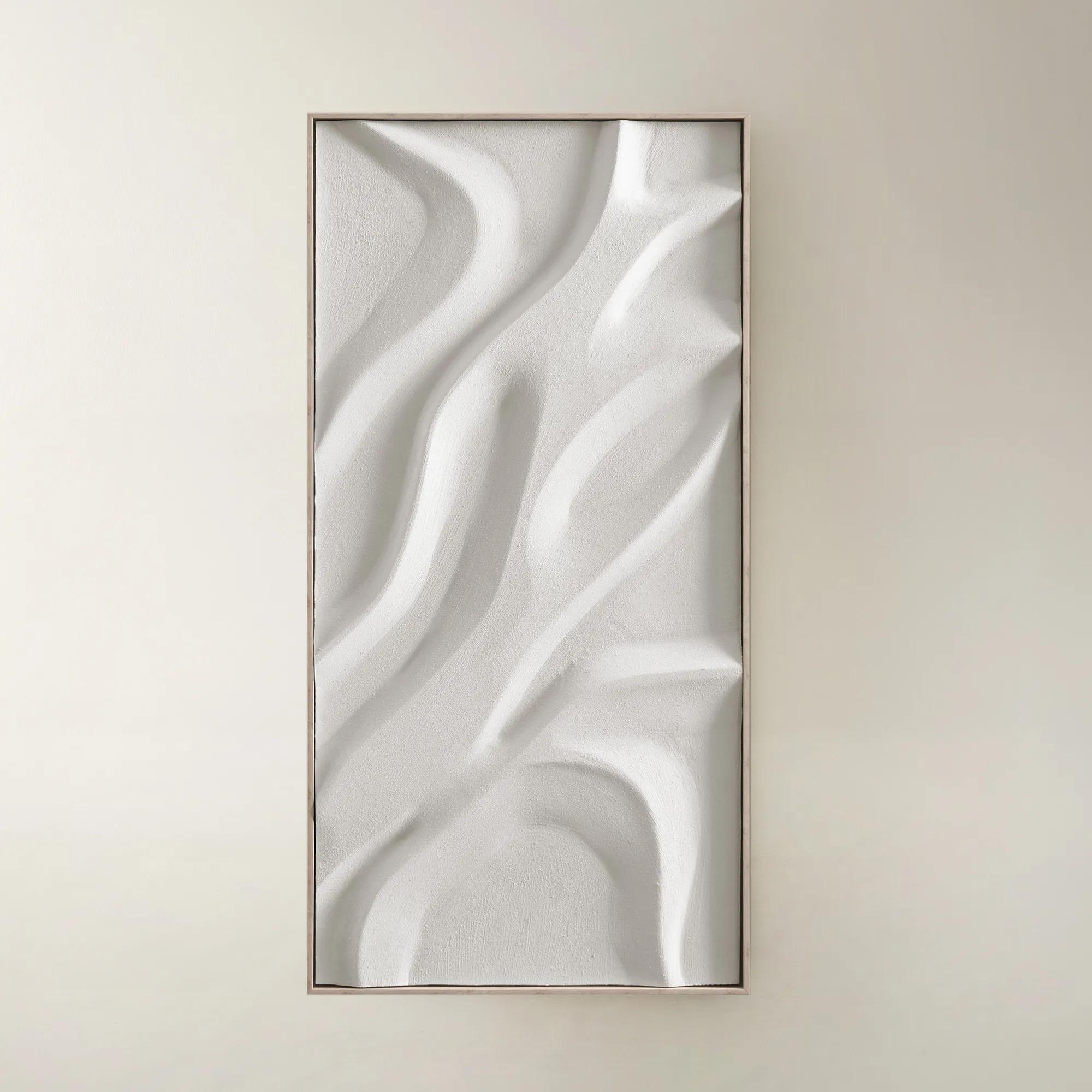
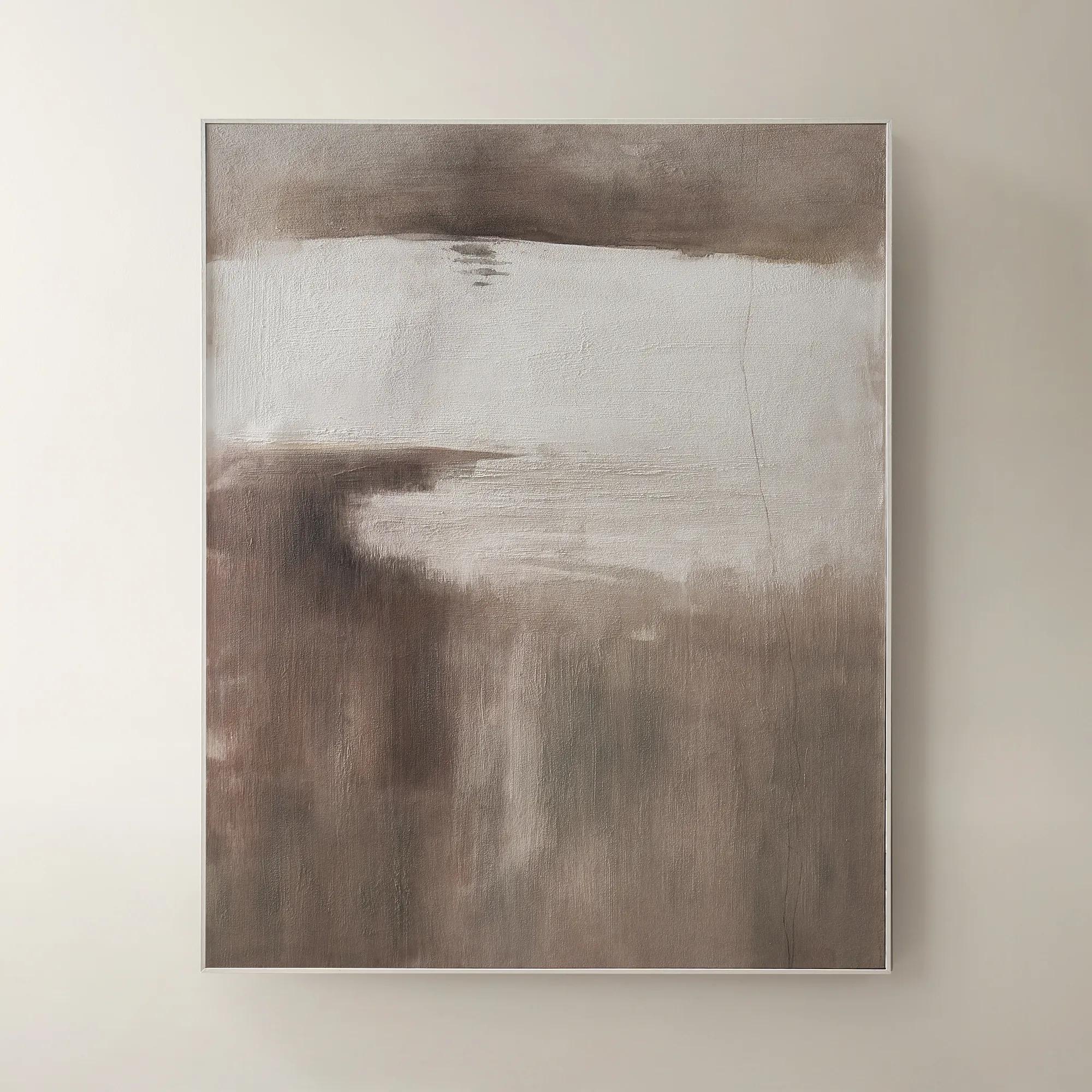
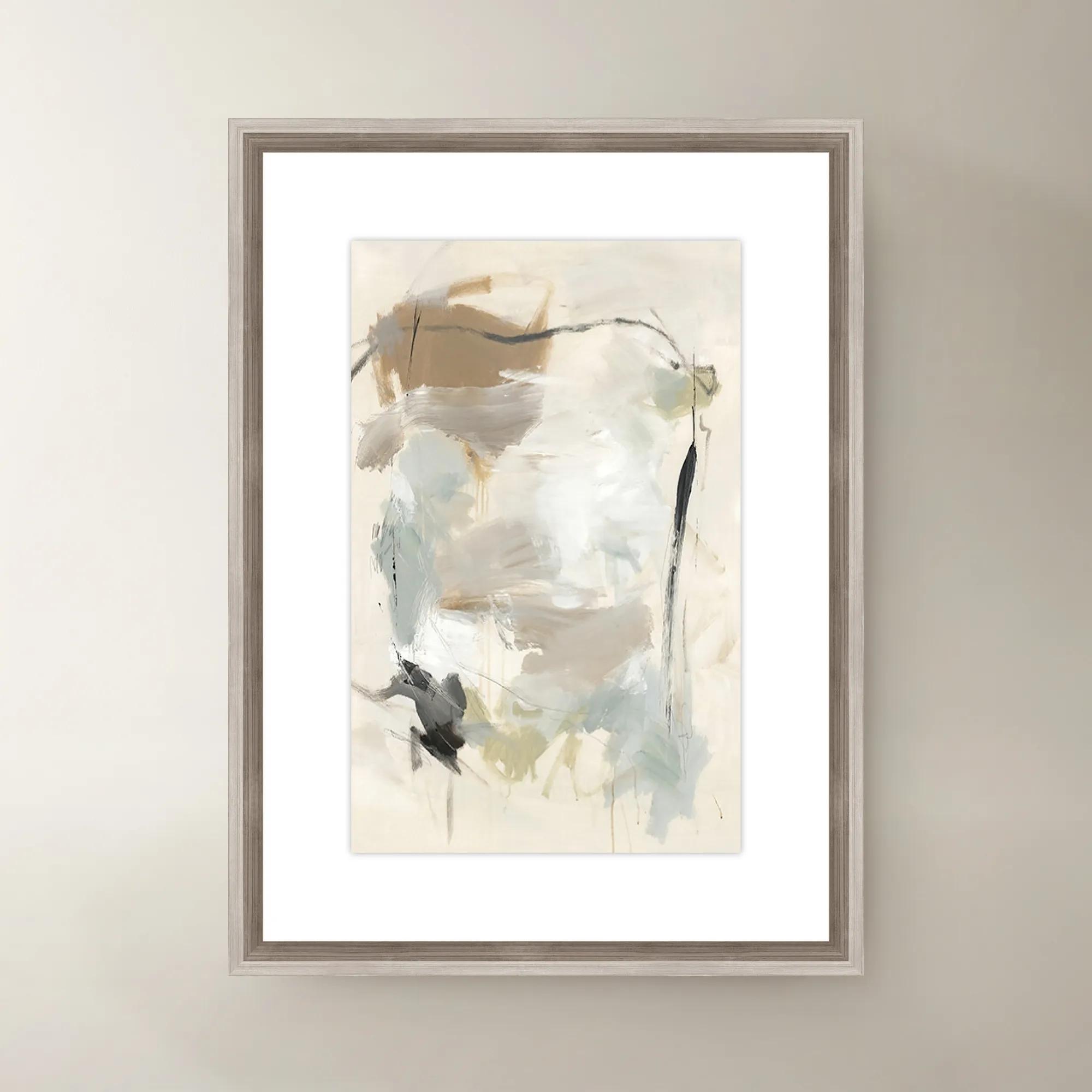
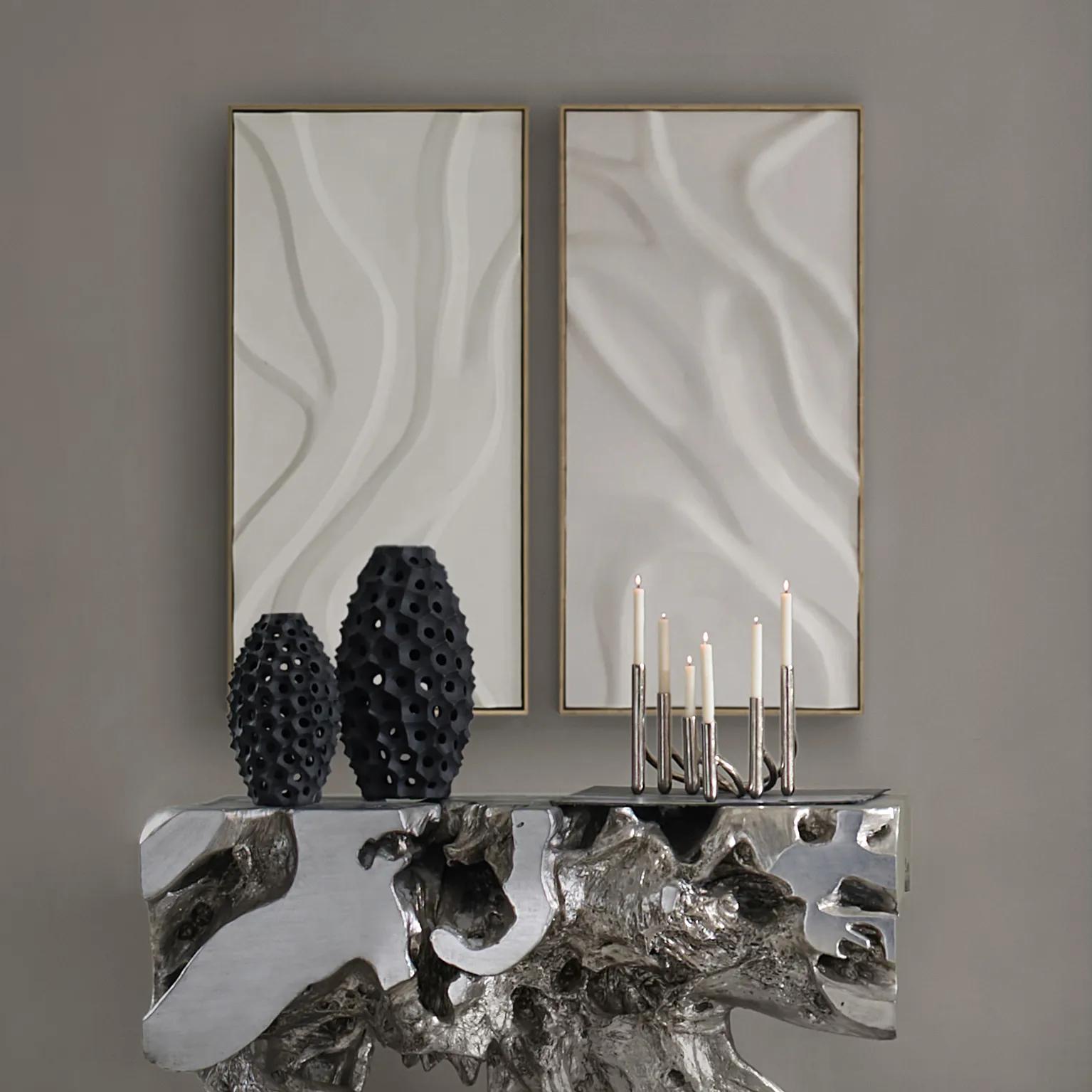 Au Lait Framed Painted Wall Art II 47.2" x 23.6"$199
A serene hand-painted canvas in beige, set in a warm whitewash floater frame for modern interiors.
Add To Cart -
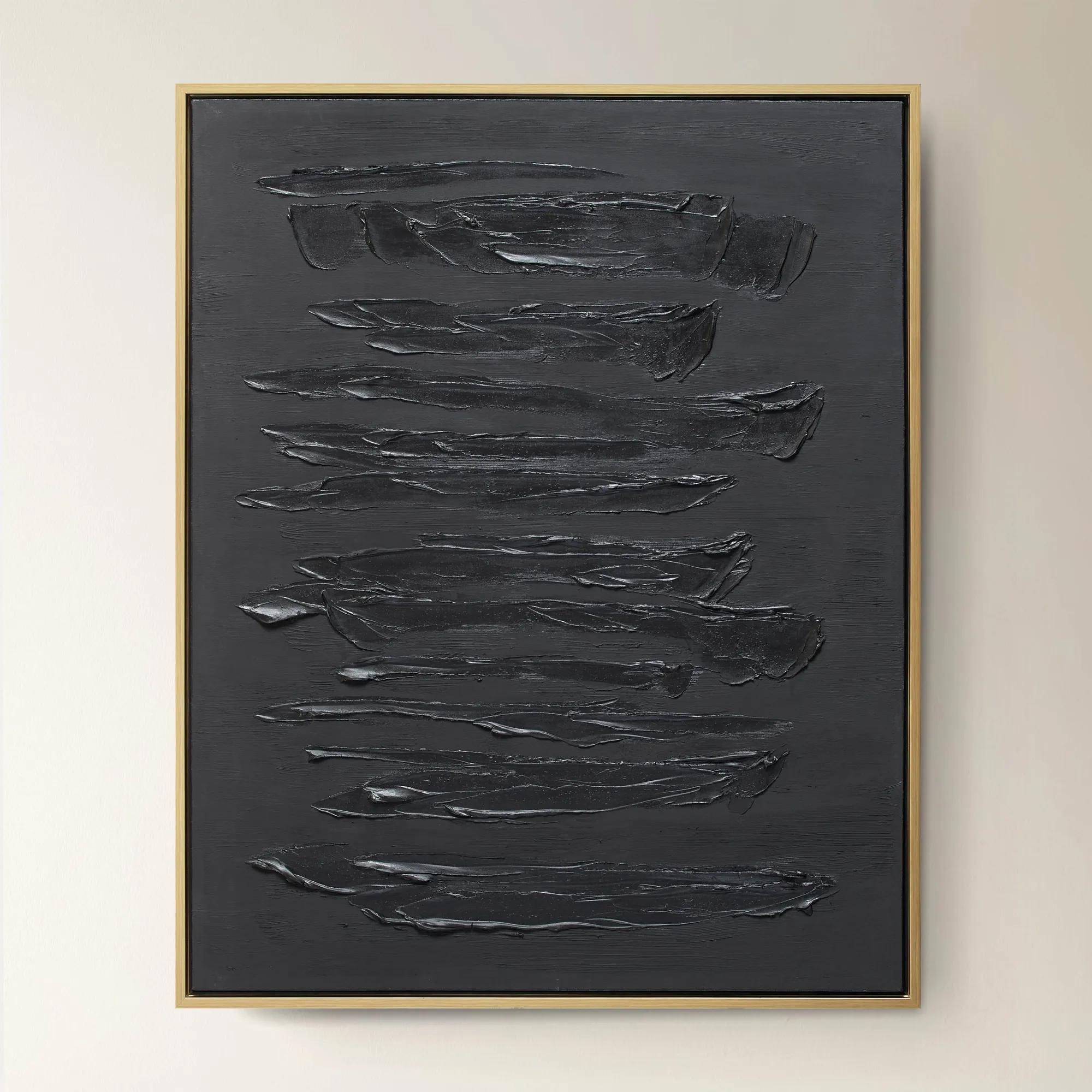
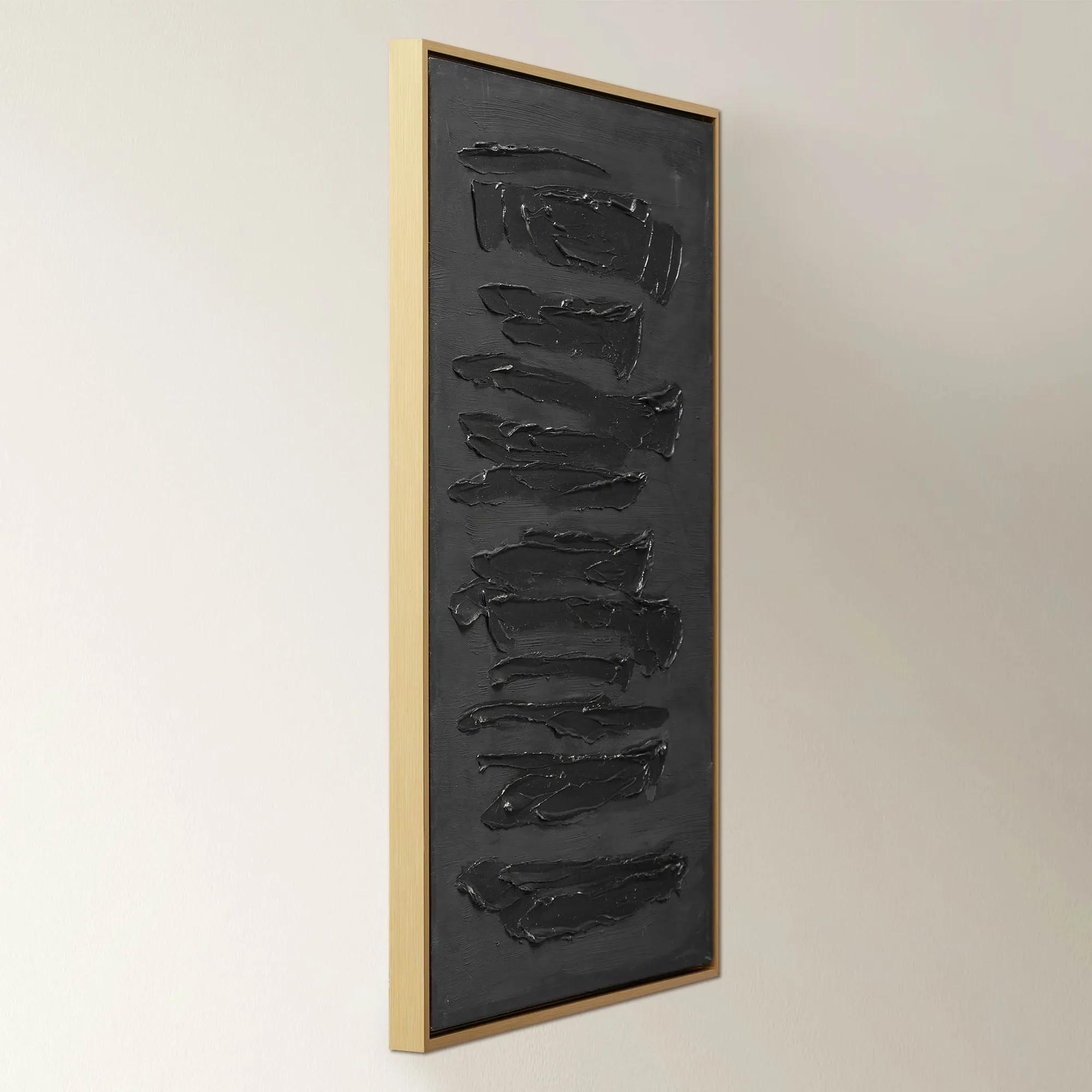 Nocturne$599.95
A dramatic abstract artwork featuring bold, dark brushstrokes on hand-painted canvas in a gold floater frame.
Add To Cart -
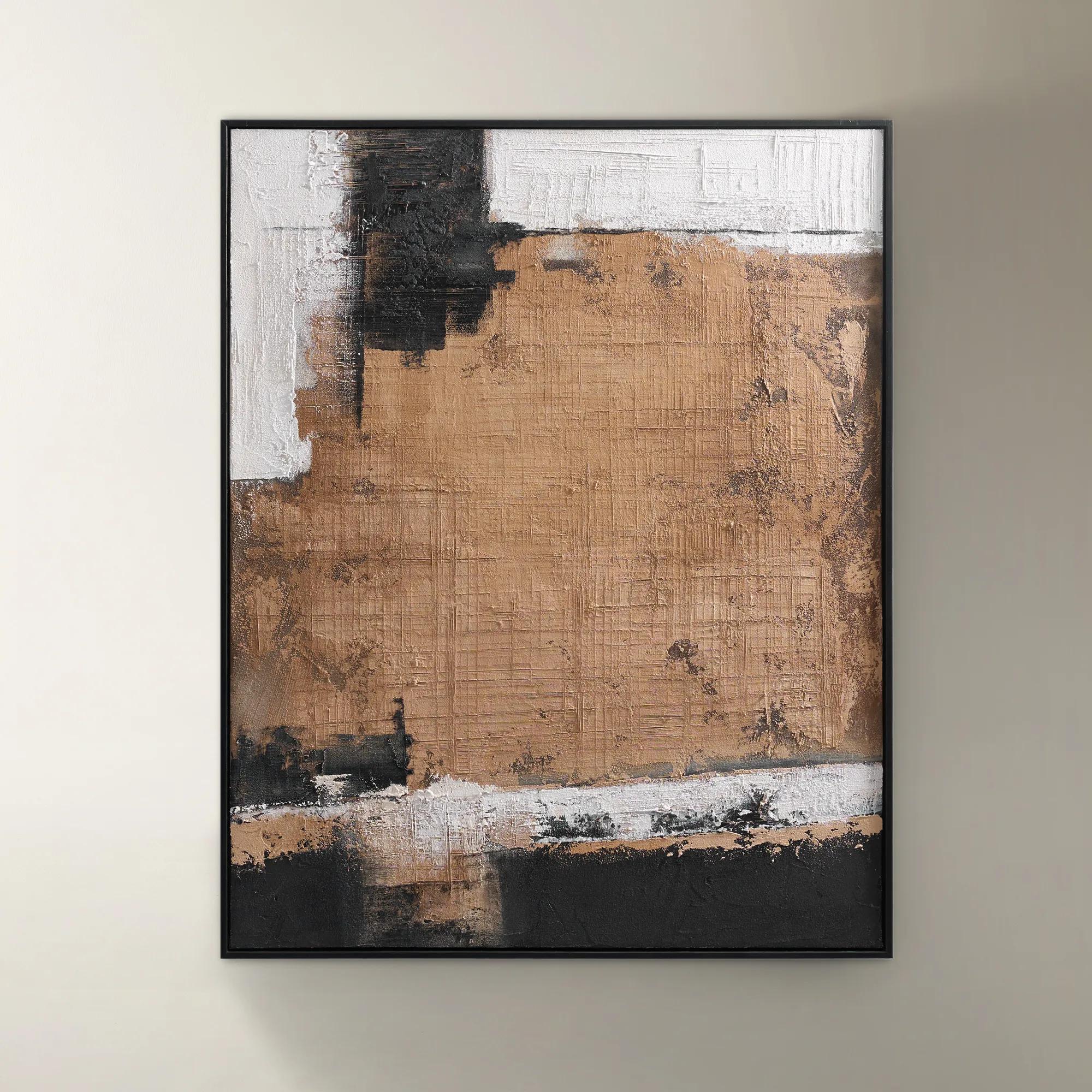
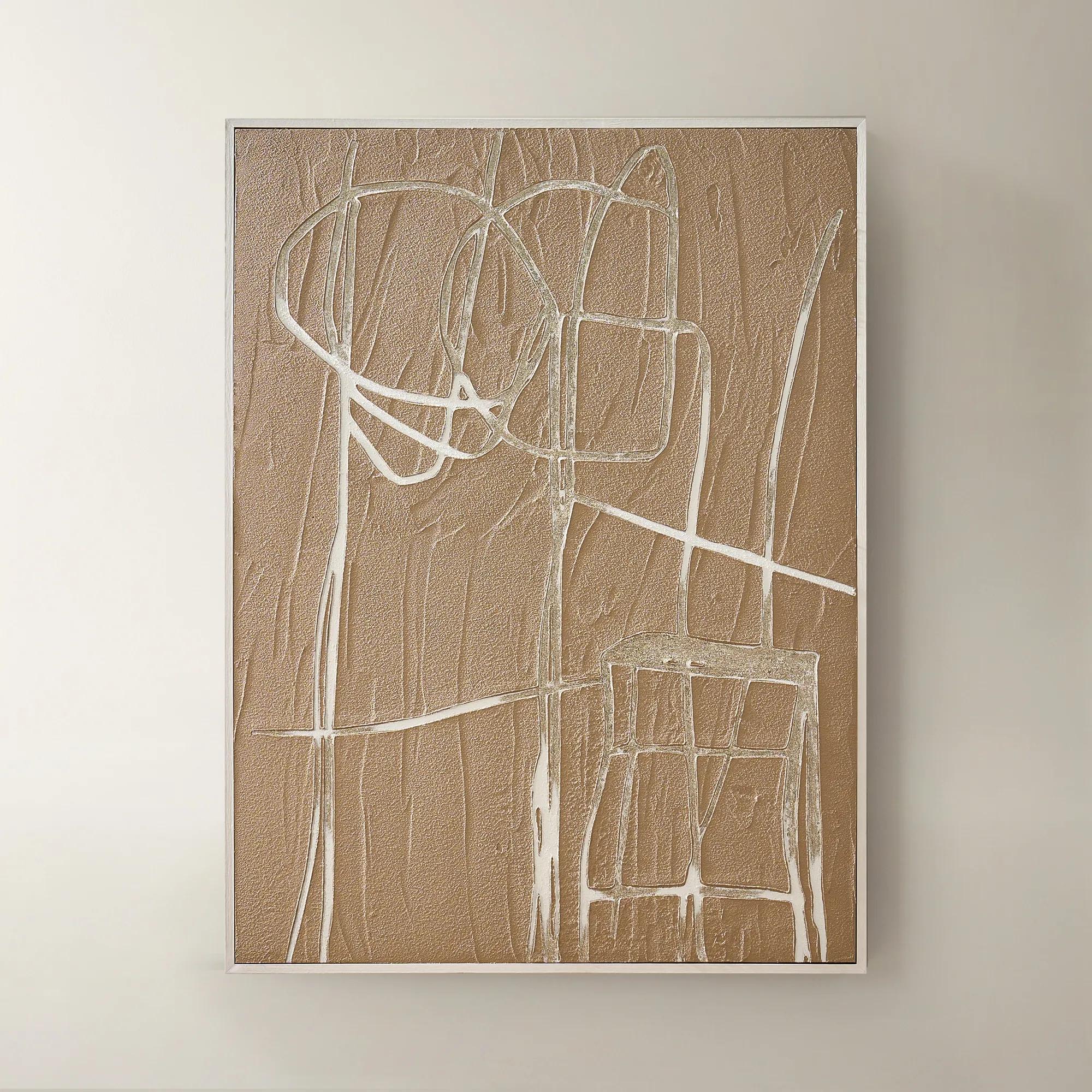
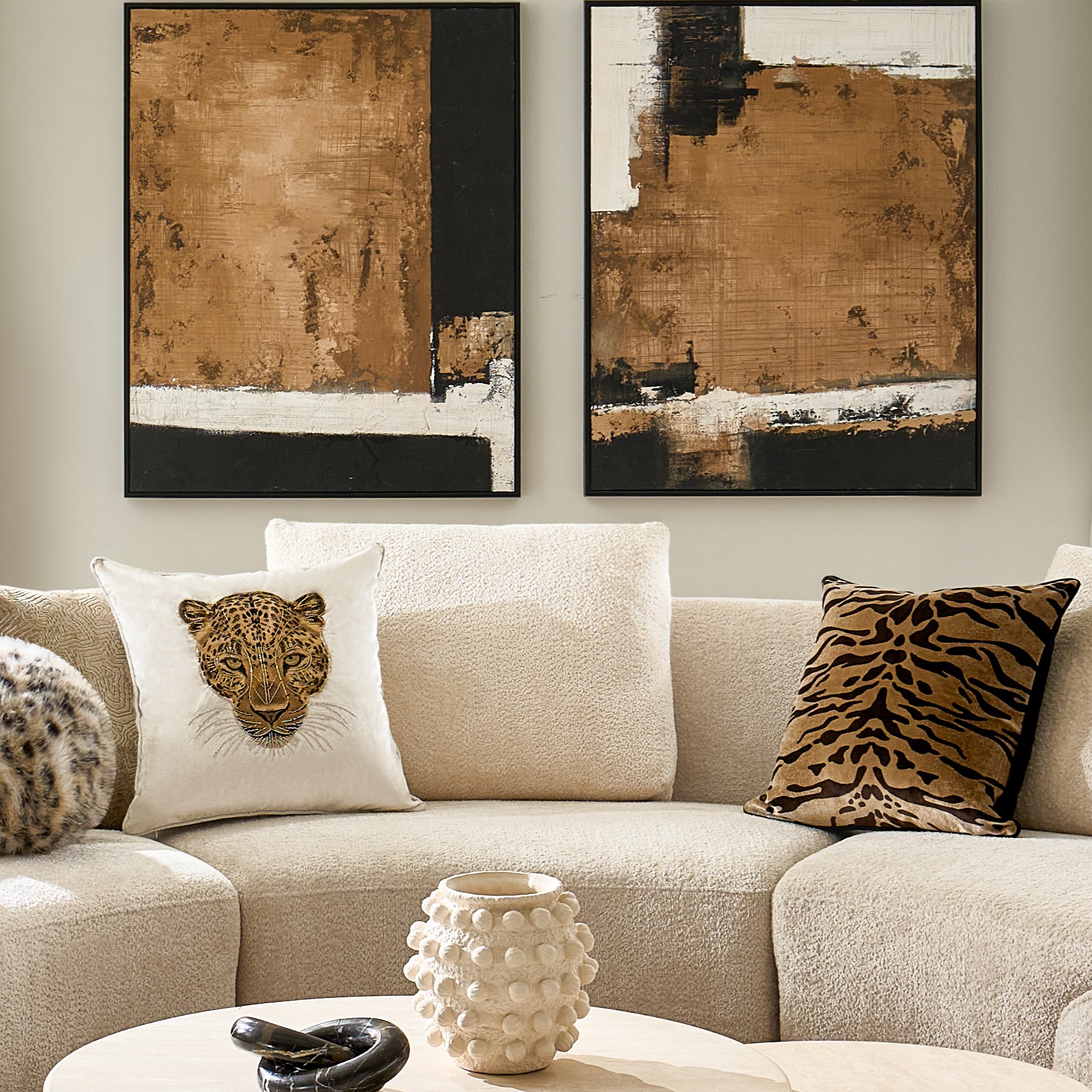 Drift Framed Painted Wall Art II 39.4" x 31.5"$299
A hand-painted canvas in brown, featuring bold texture and color interplay within a sleek black floater frame.
Add To Cart -
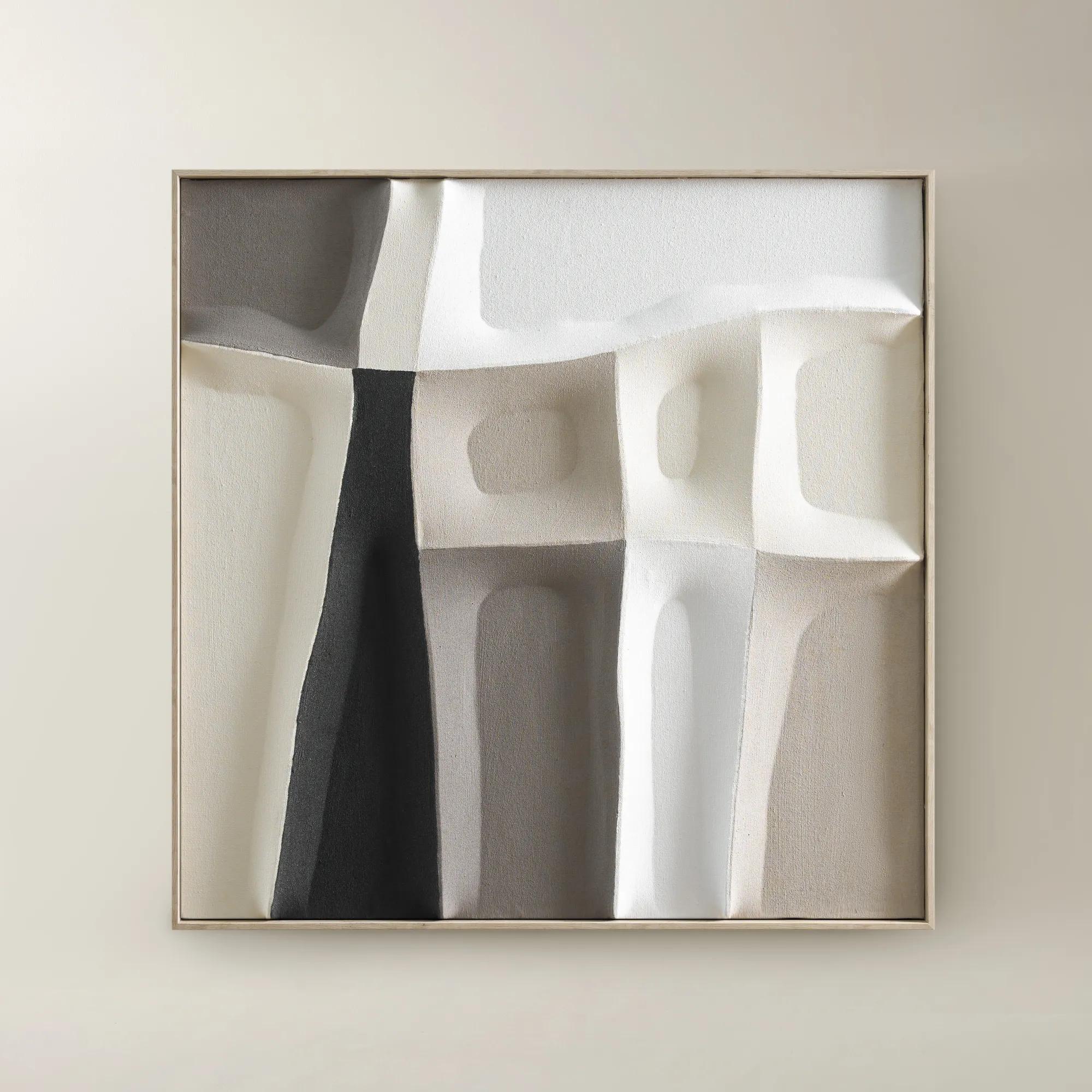 Shadow Painting 1$179
A hand-painted canvas featuring bold colors and sculptural textures in a warm whitewash floater frame.
Add To Cart -
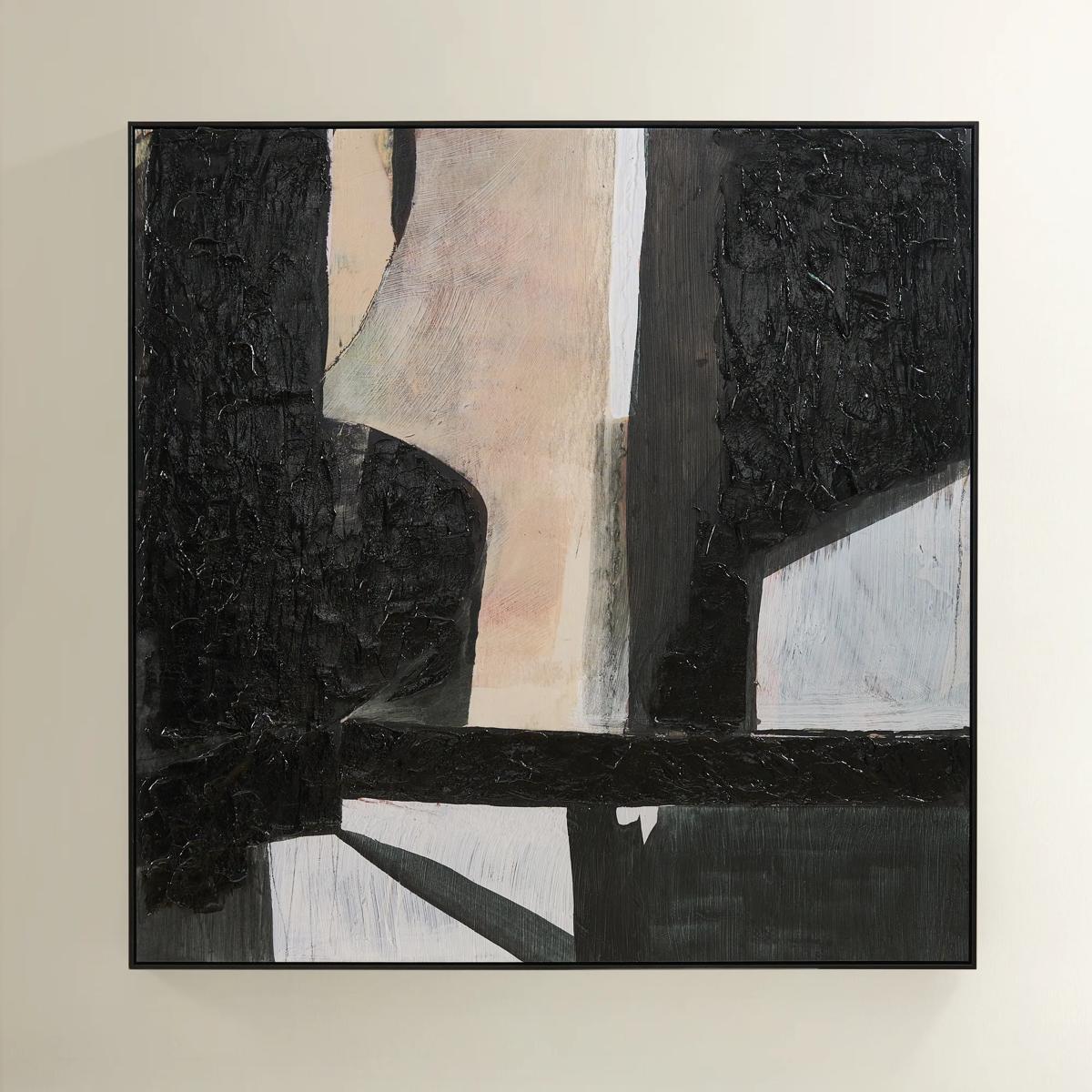 Grounded Painting$699
A hand-painted abstract canvas featuring black, cream, and earth tones in a sleek black floater frame.
Add To Cart -
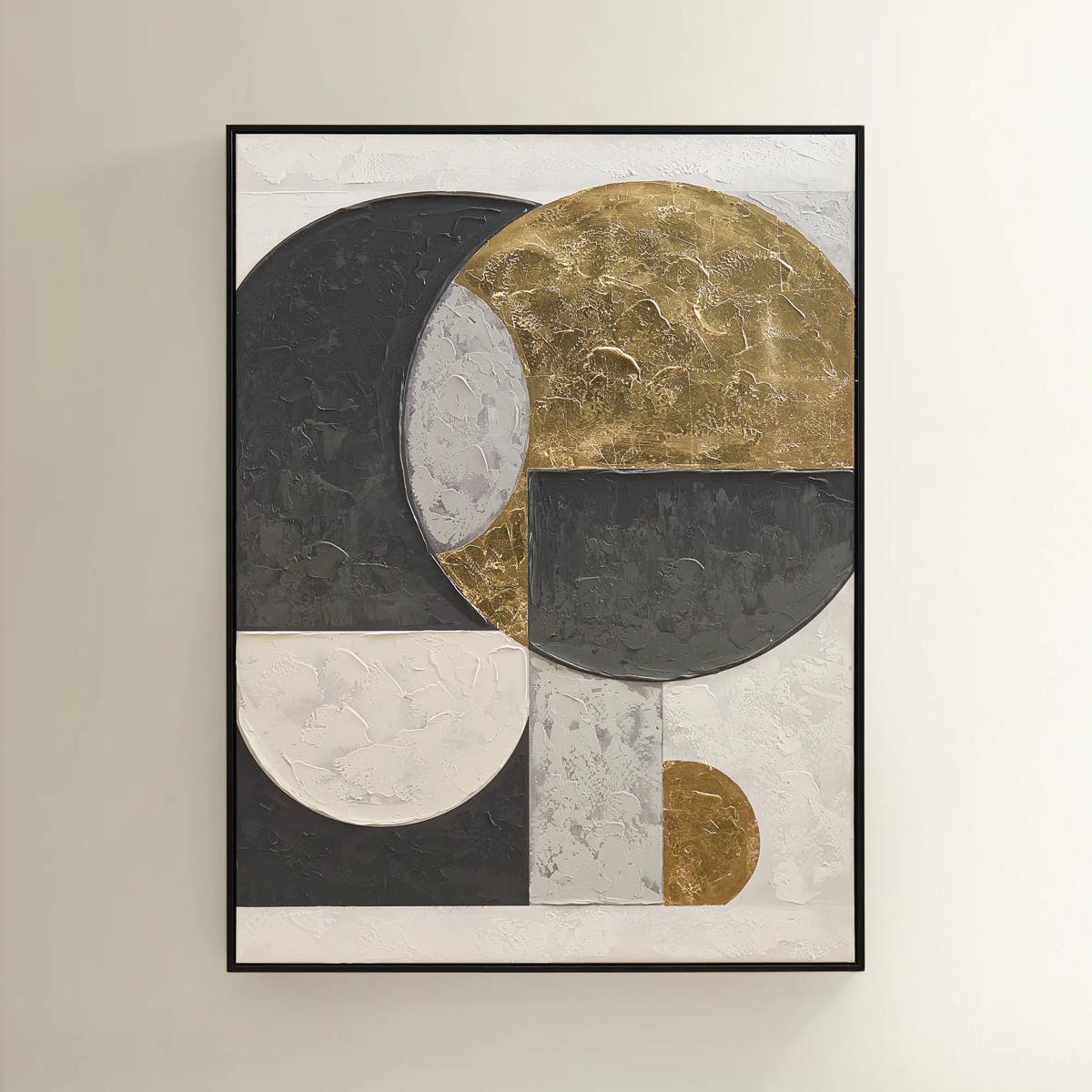
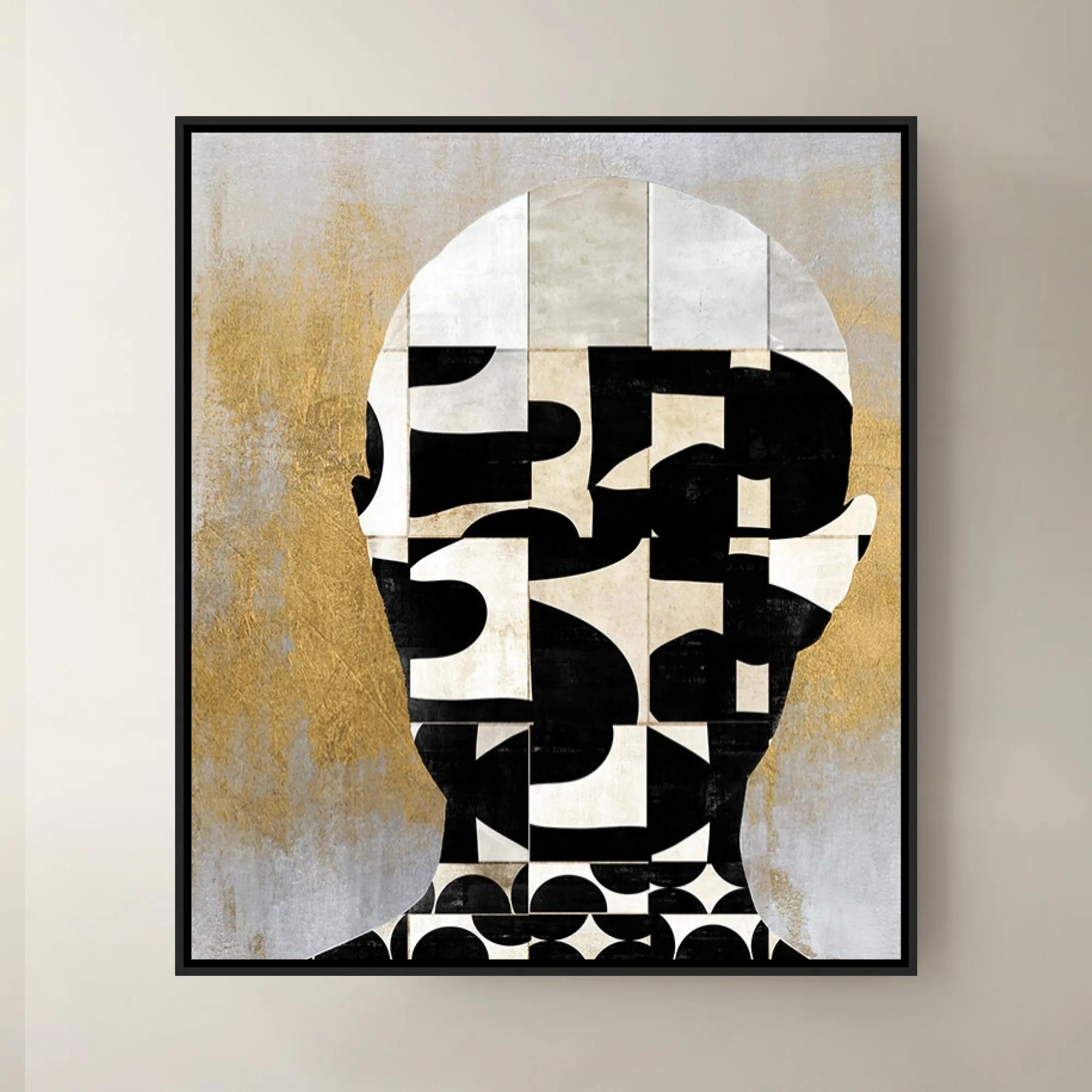
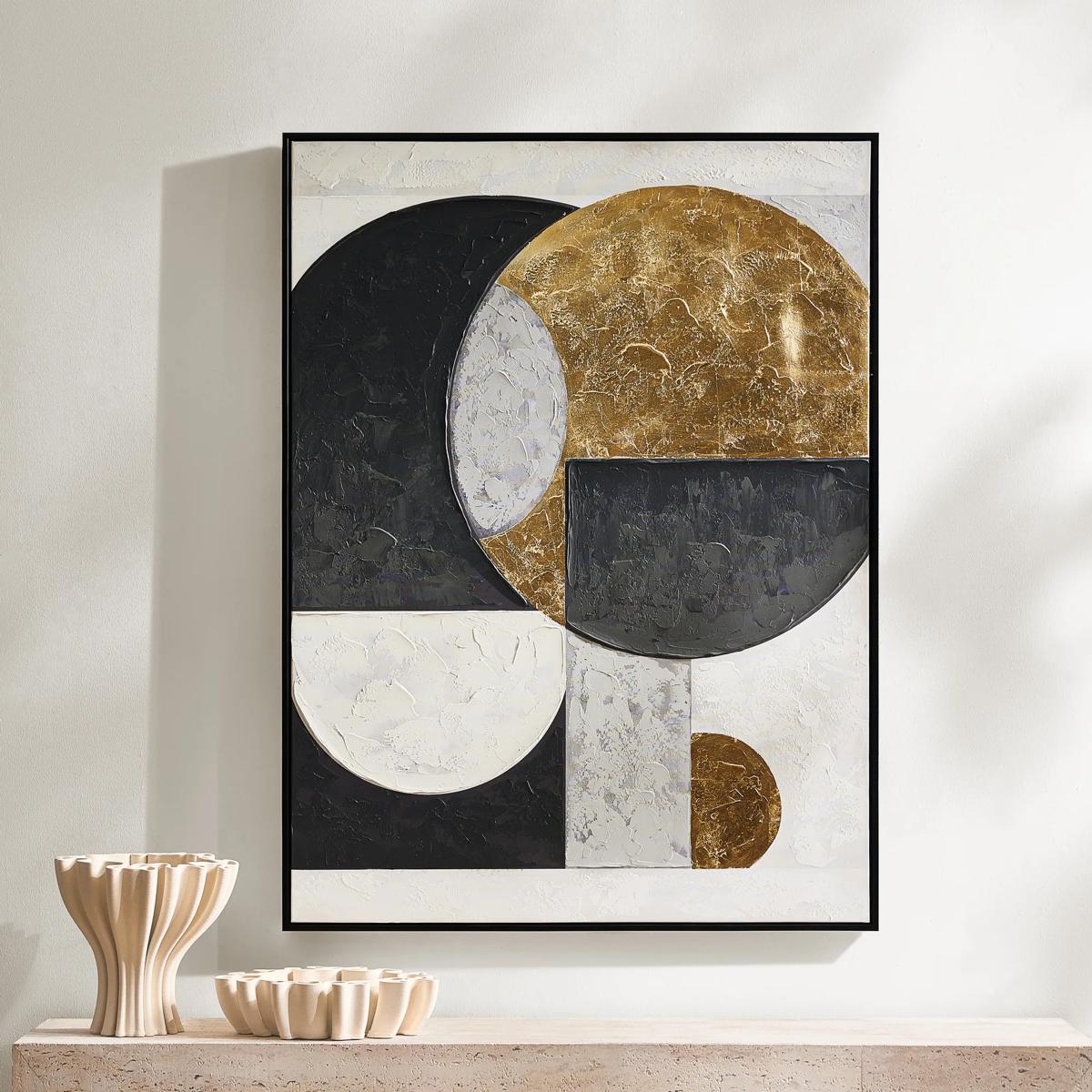 Eclipse Framed Gold Leaf Painted Wall Art 35.25" x 47.25"$449
A hand-painted canvas featuring bold black, grey, and gold geometric shapes with shimmering gold leaf accents.
Add To Cart -
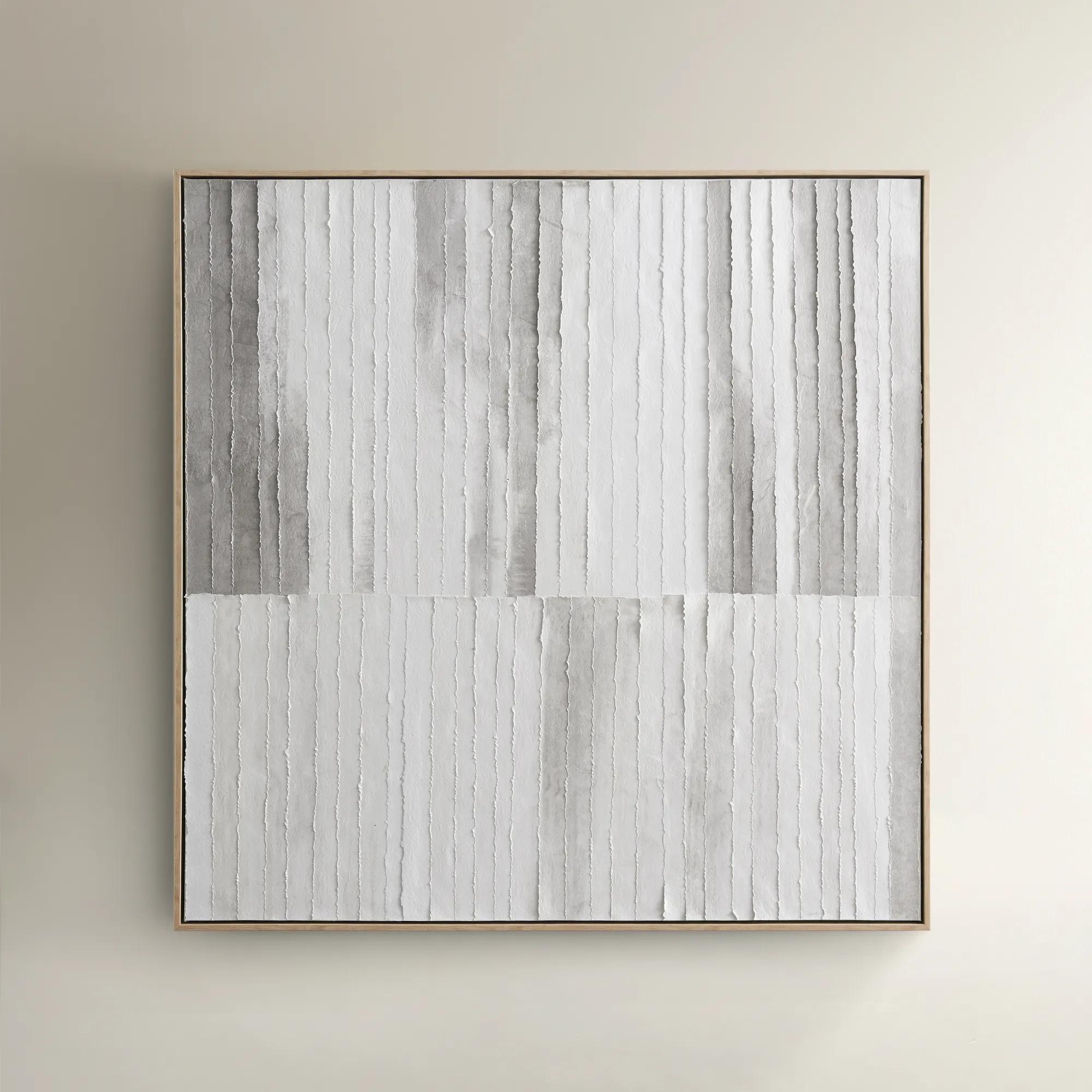
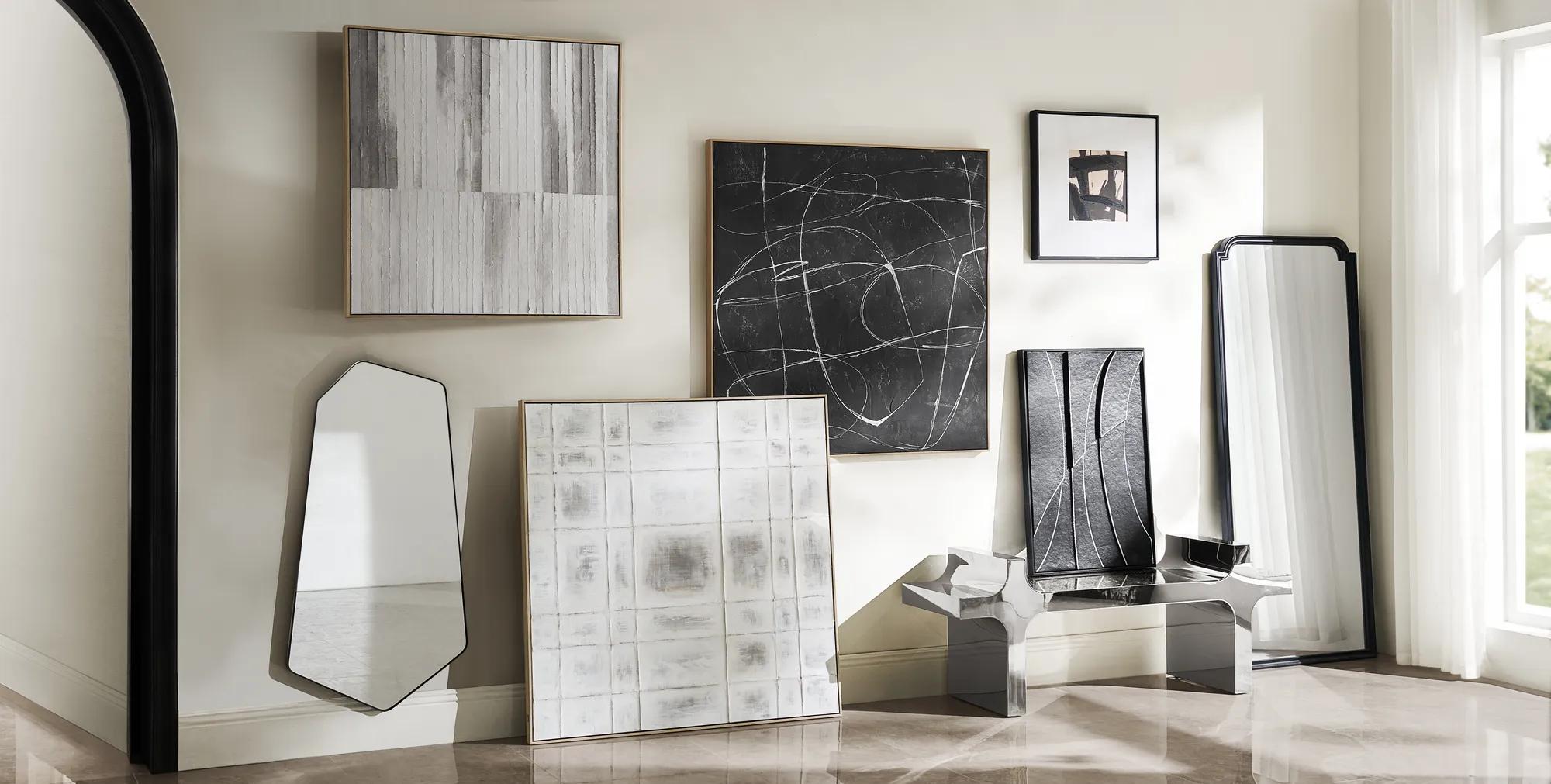 Morning Mist Paper Art$329
A hand-painted canvas featuring rhythmic grey lines in a textured, whitewashed floater frame for serene style.
Add To Cart -
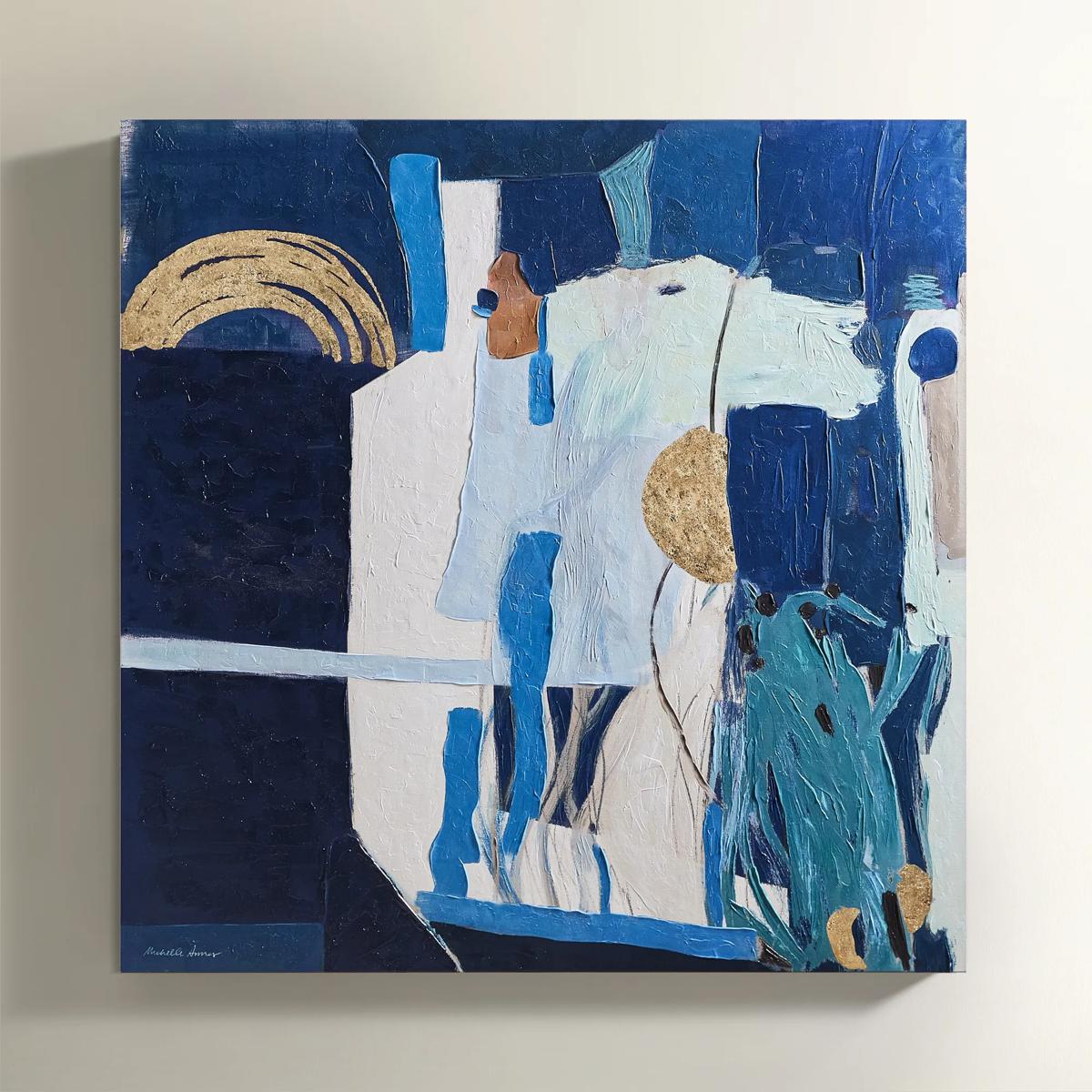
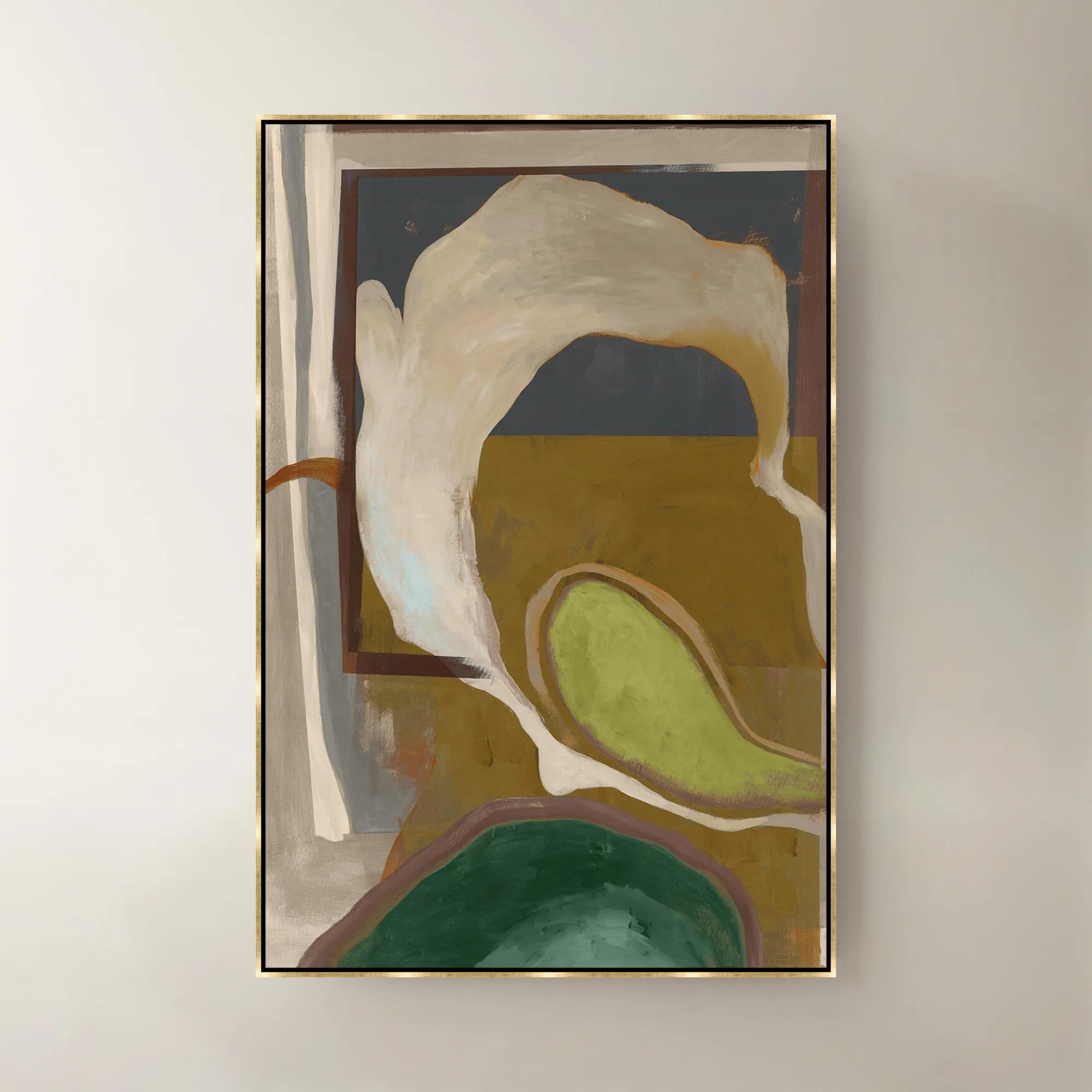
 In Flux Painting$699
A hand-embellished canvas artwork featuring deep teal, green, ivory, and gold in a black Art Deco frame.
Add To Cart -
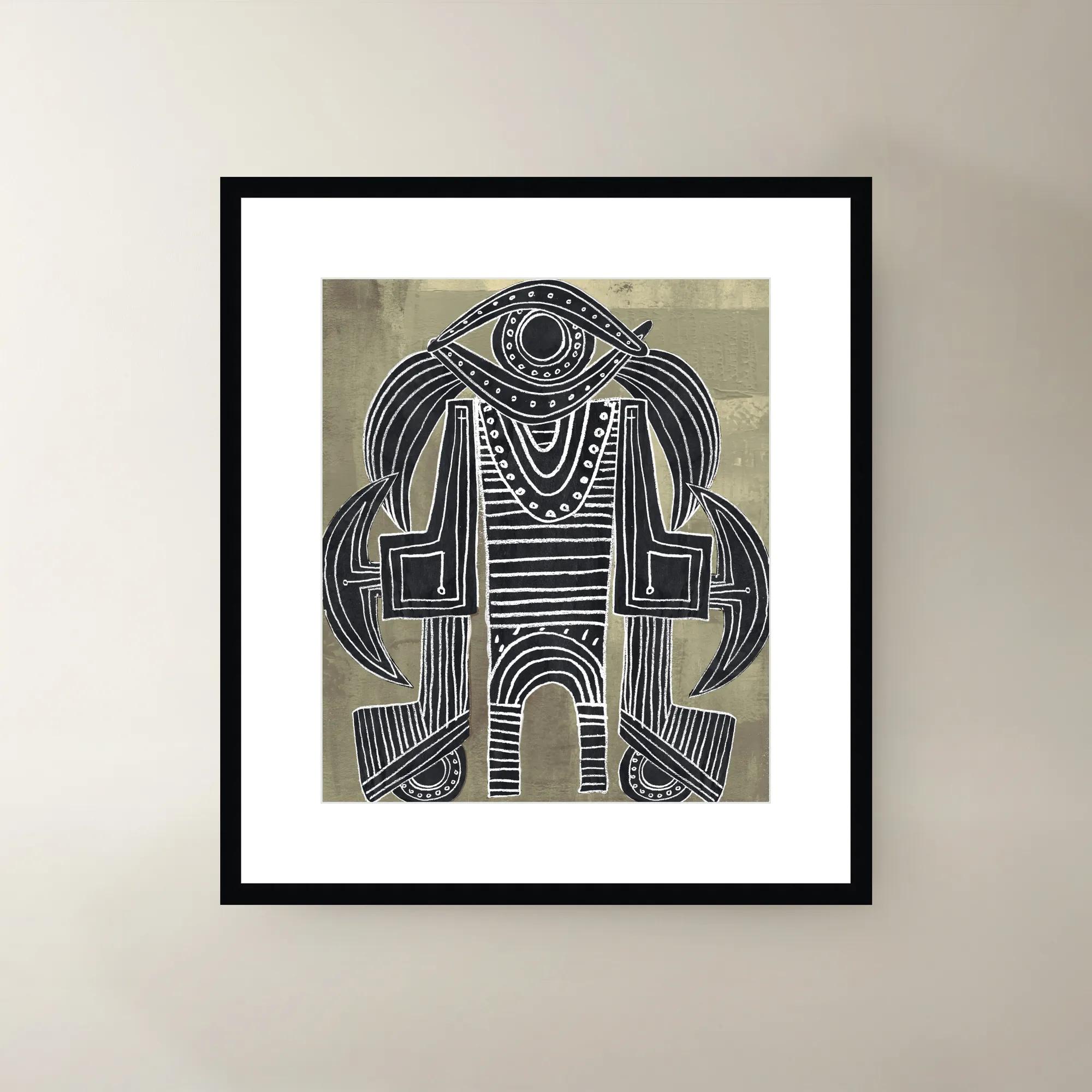
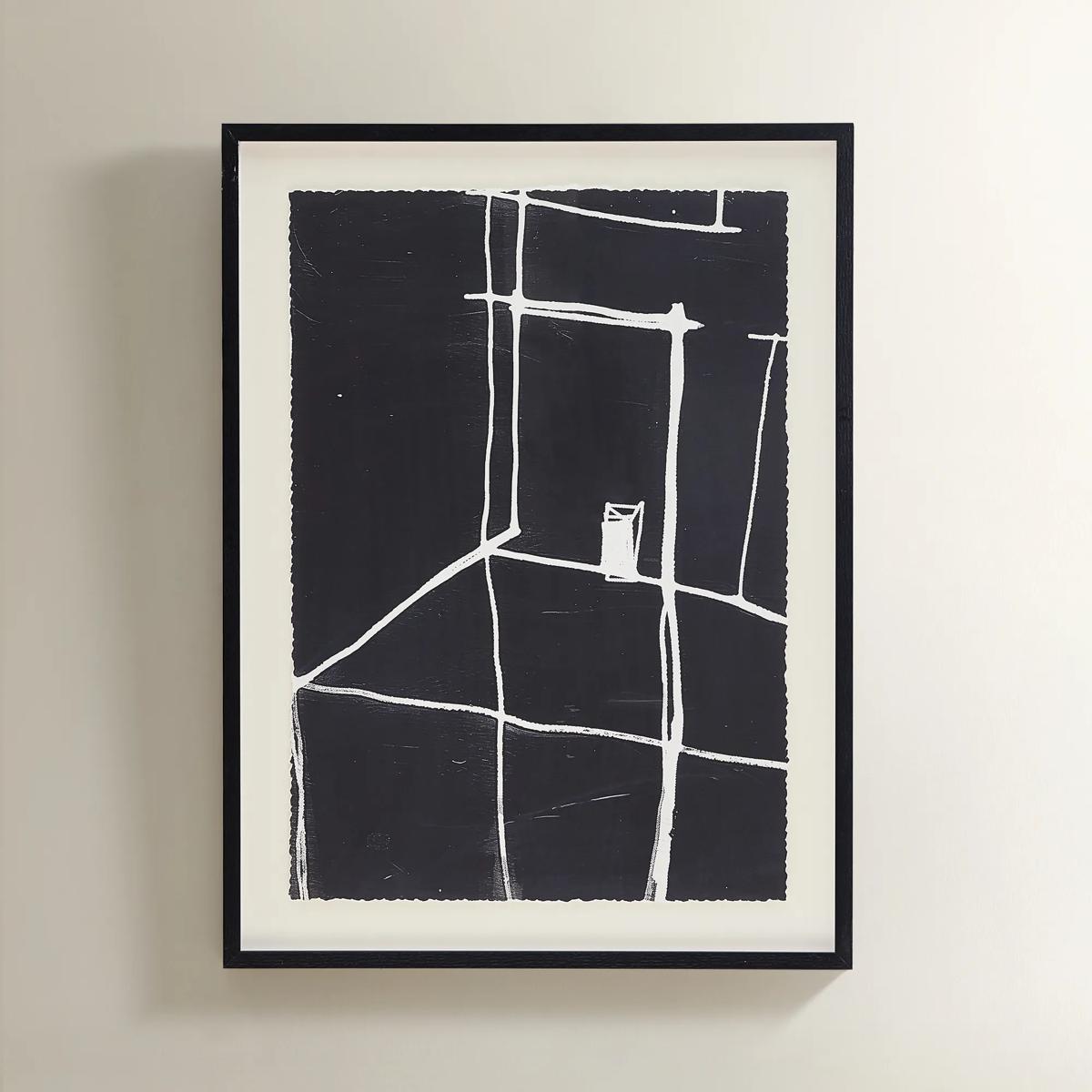 Solitude Art$269
A minimalist black-and-white abstract print featuring bold white lines in a sleek black polyresin frame.
Add To Cart -
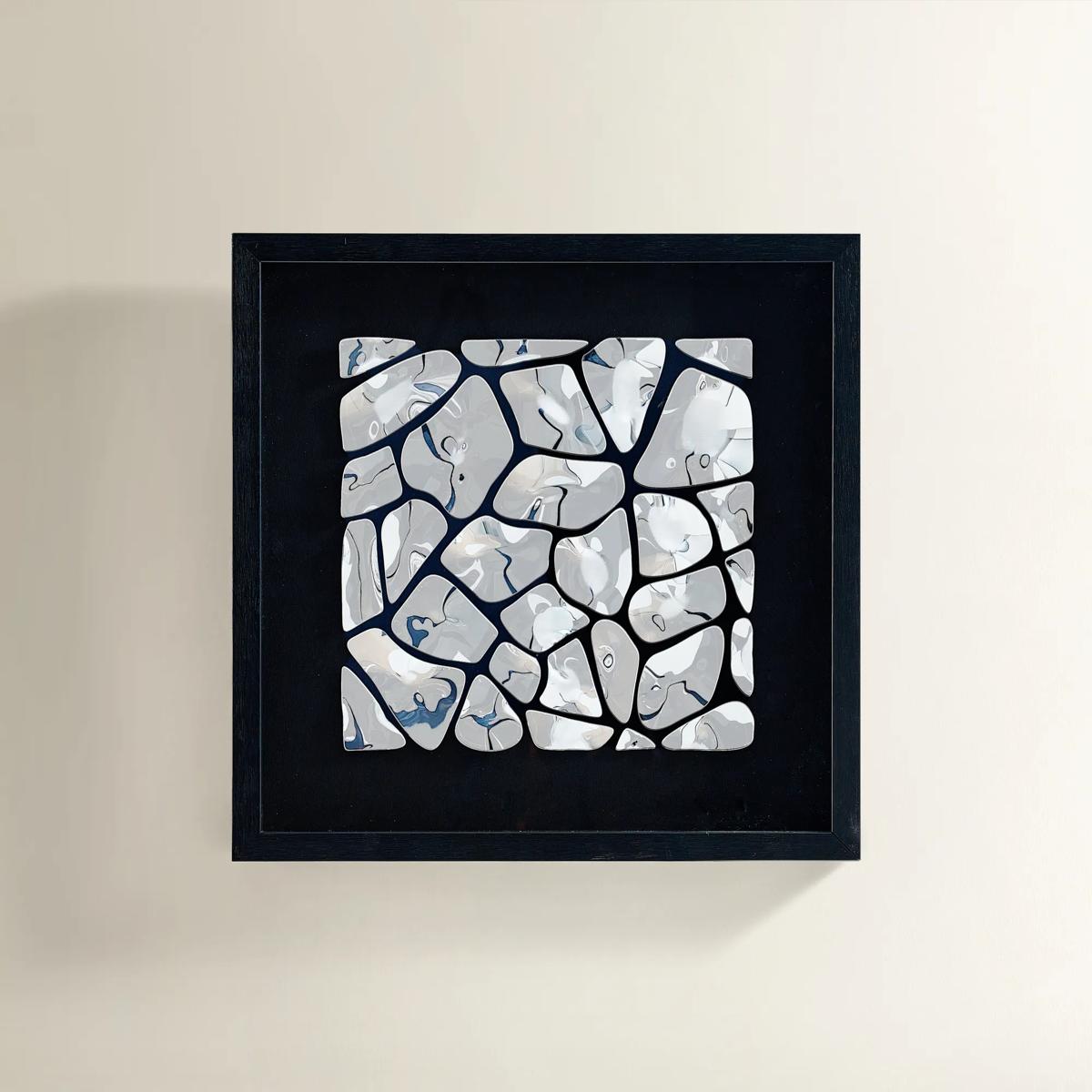 Reflect Silver And Black Shadowbox Art I$189
A dimensional metal wall art piece featuring polished silver and black forms in a sleek black frame.
Add To Cart -
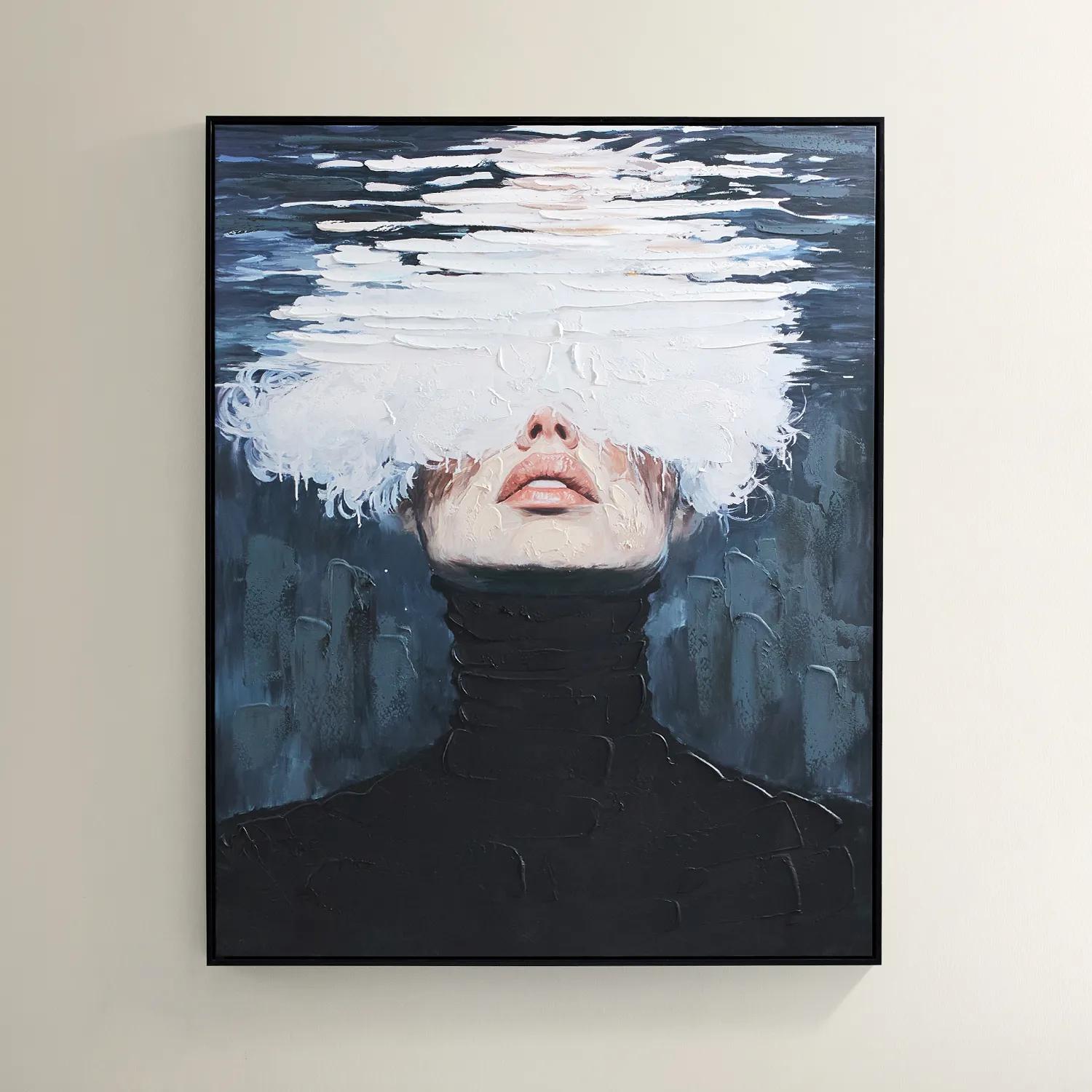
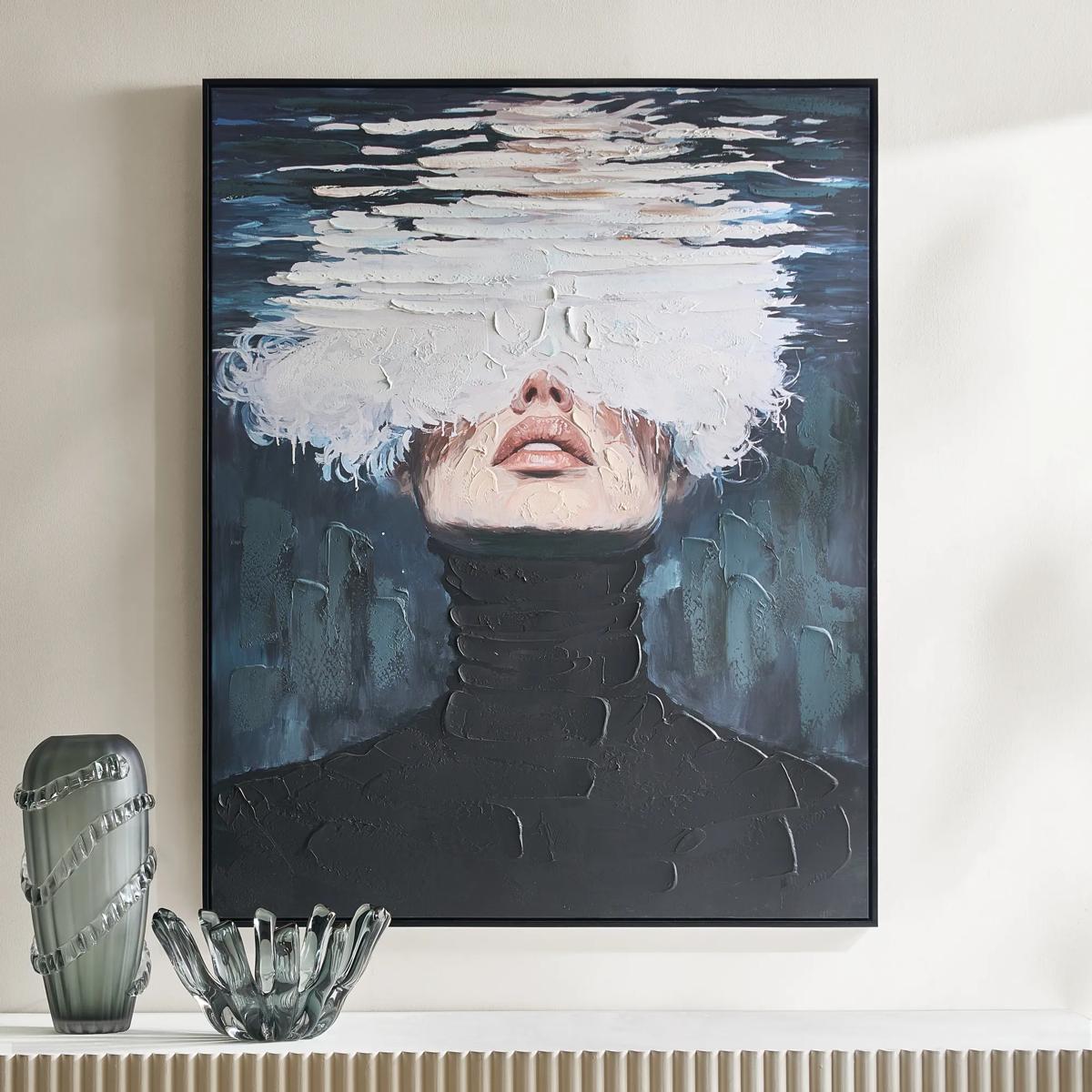 Submerged Framed Painted Wall Art 40" x 50"$599
A hand-painted canvas featuring a surreal portrait in black, blue, and white with a black floater frame.
Add To Cart -
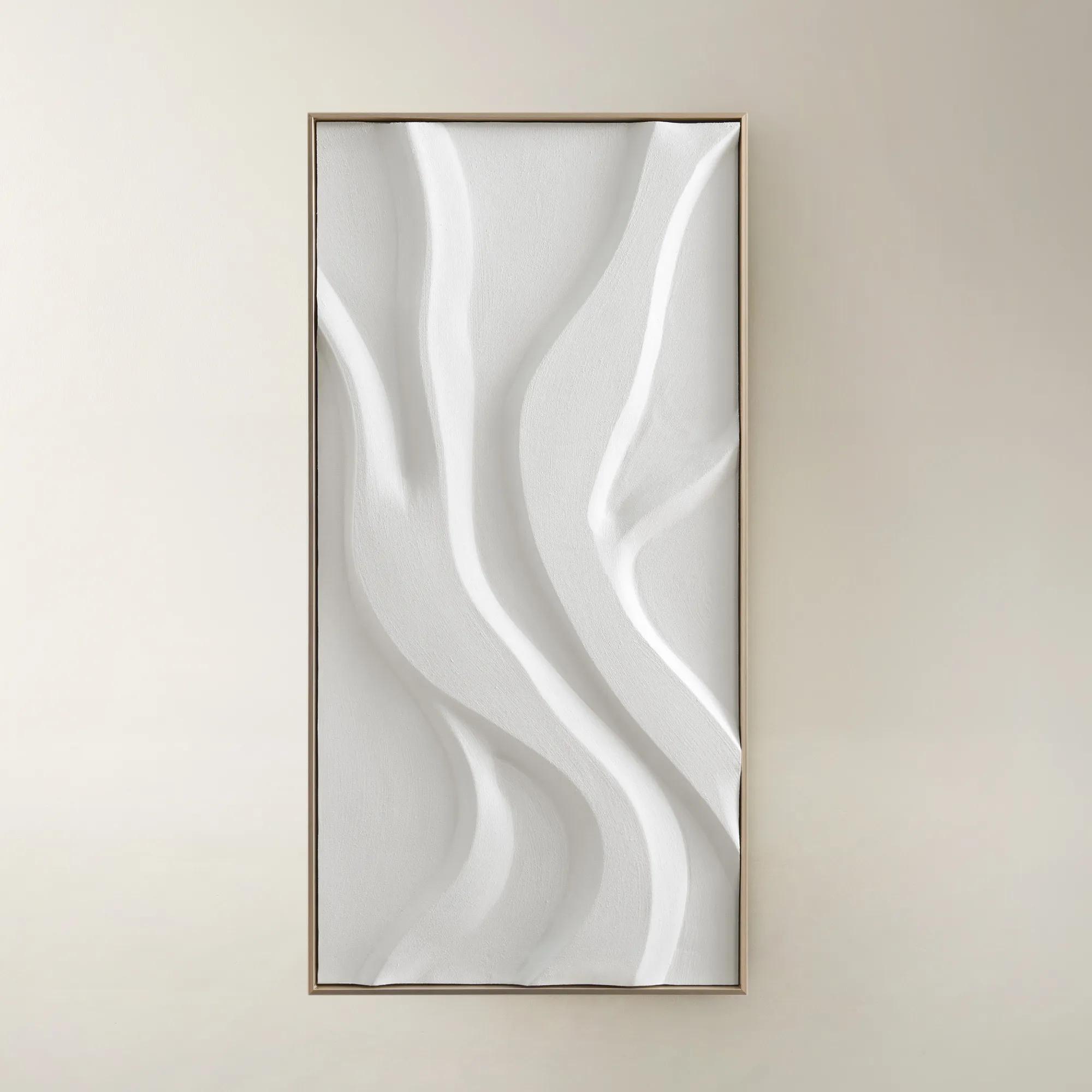
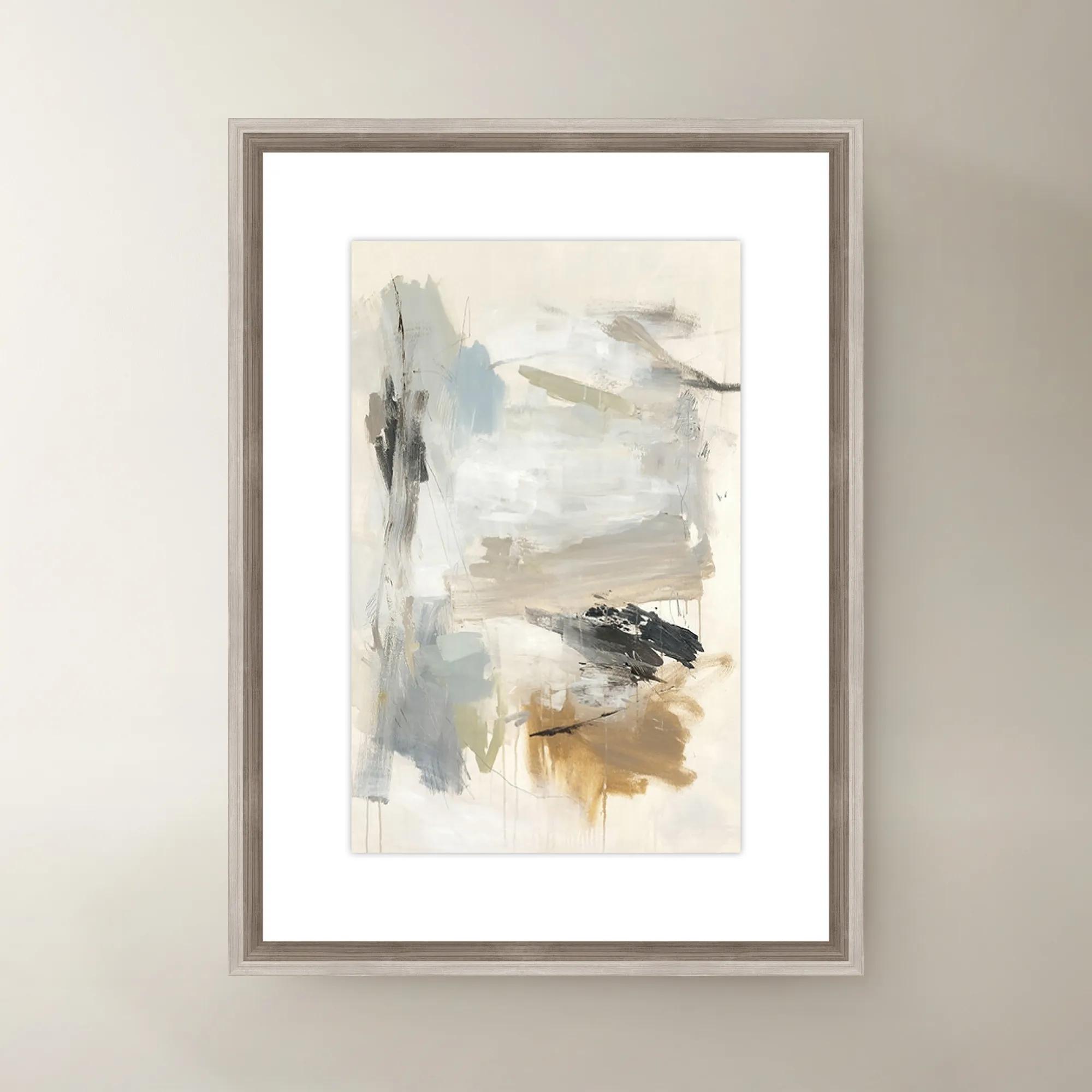
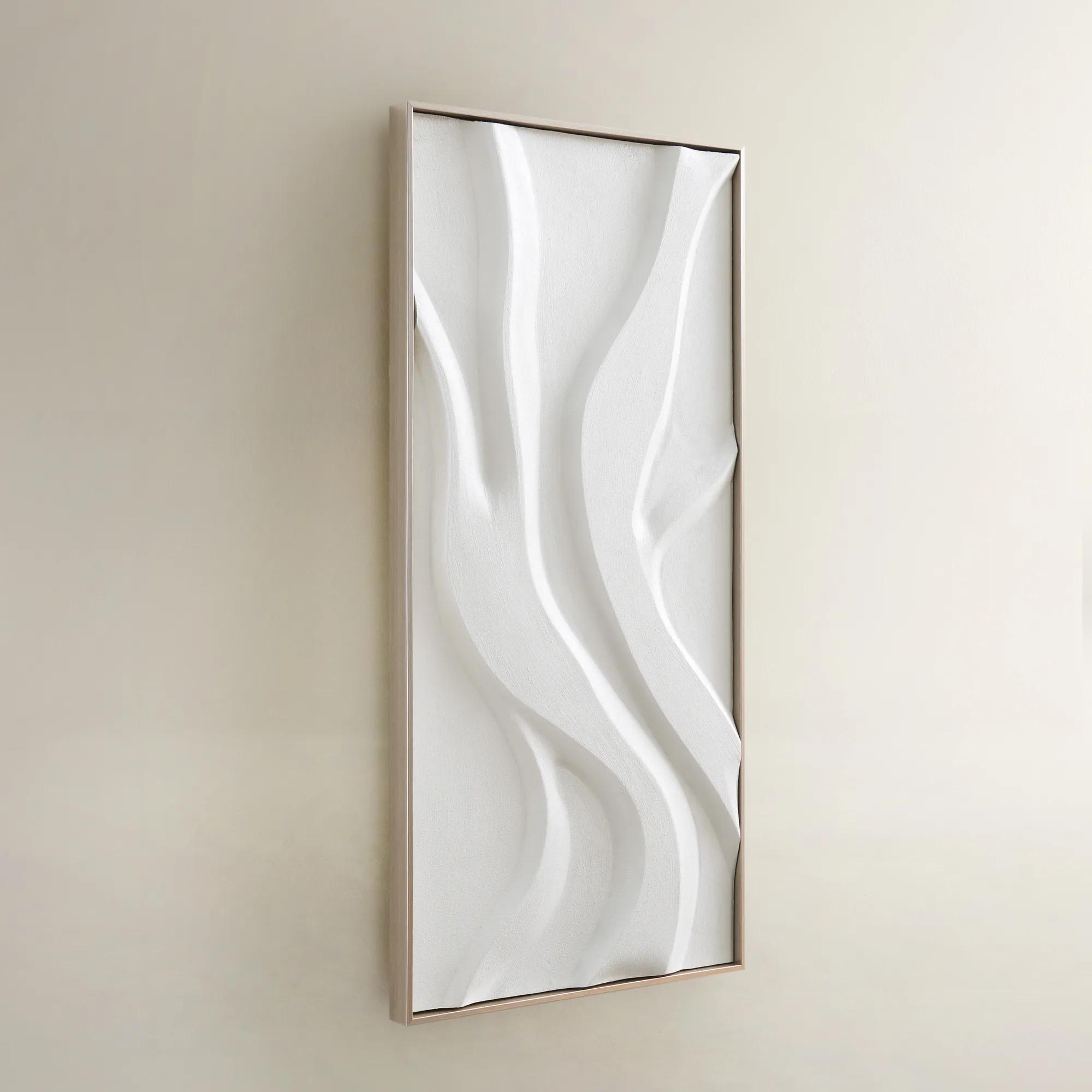 Au Lait Framed Painted Wall Art I 47.2" x 23.6"$199
An organic hand-painted canvas featuring flowing white forms in a warm champagne finish floater frame.
Add To Cart -
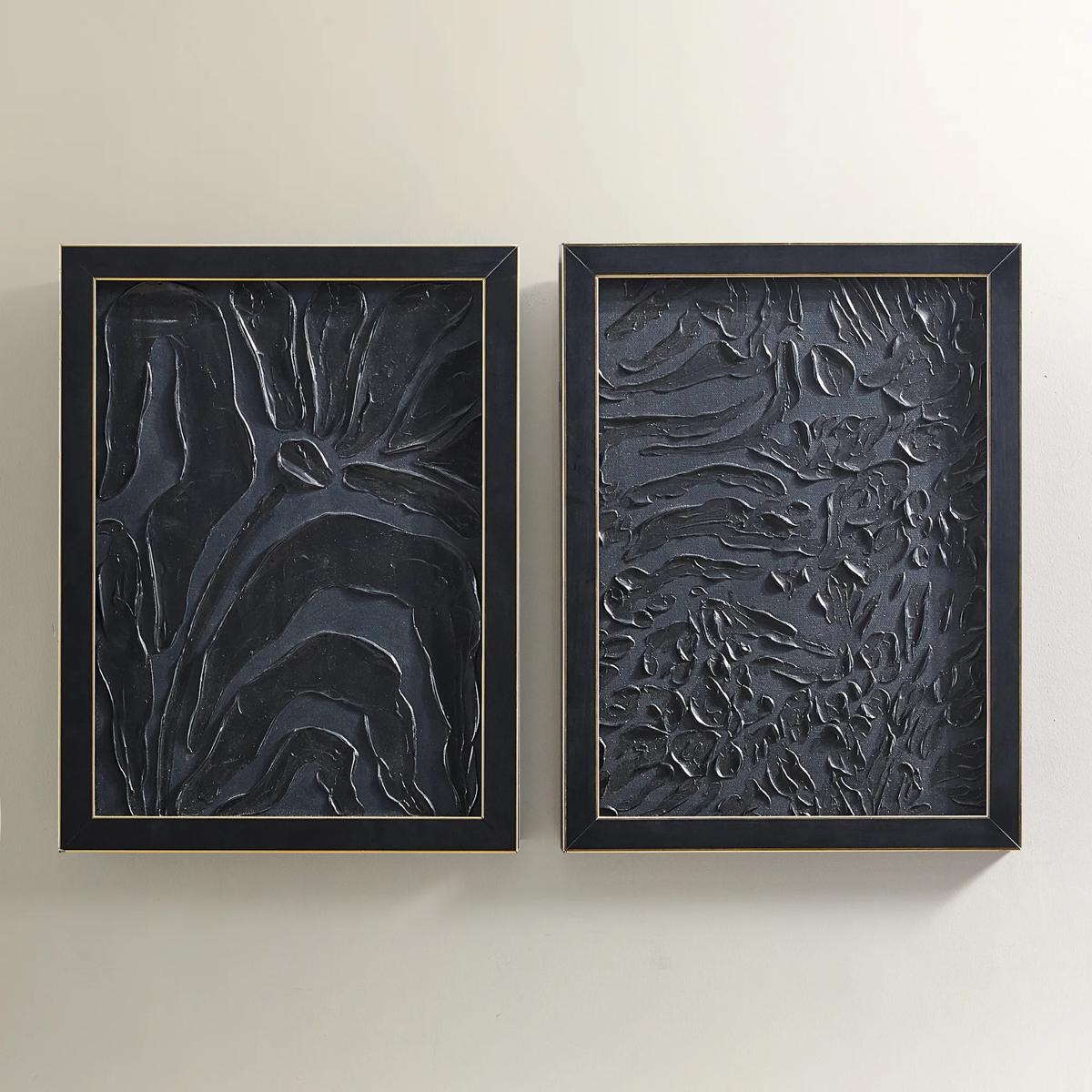
 Midnight Animal Painting - Set of 2$119
A set of hand-embellished canvas artworks in black and gold frames, adding depth and warmth to interiors.
Add To Cart -
-0.jpeg?w=1200&h=1200)
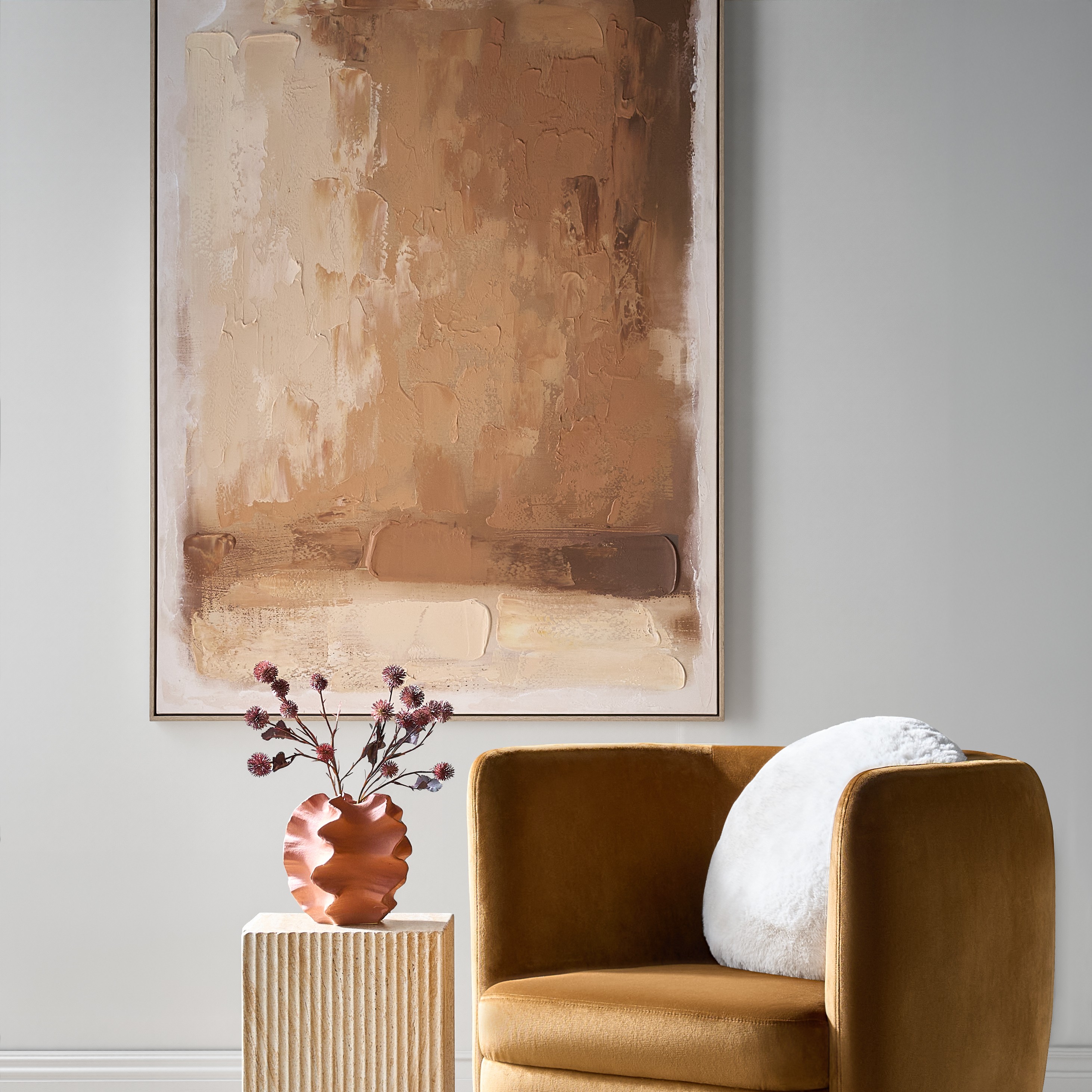 Ember Glow Framed Painted Wall Art 39.25" x 55"$499
A hand-painted abstract canvas blending ochre, terracotta, and golden clay hues in a light natural frame.
Add To Cart -
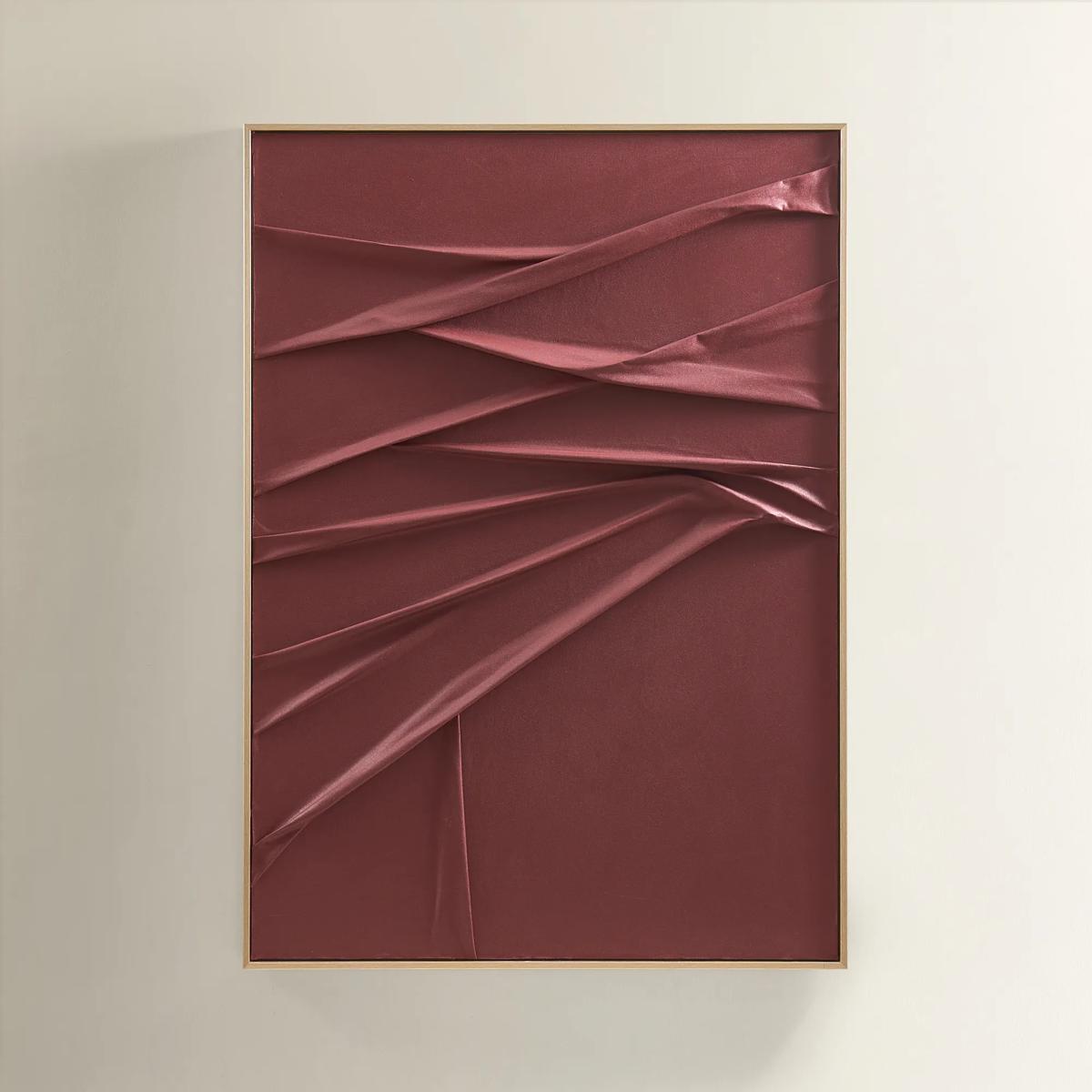
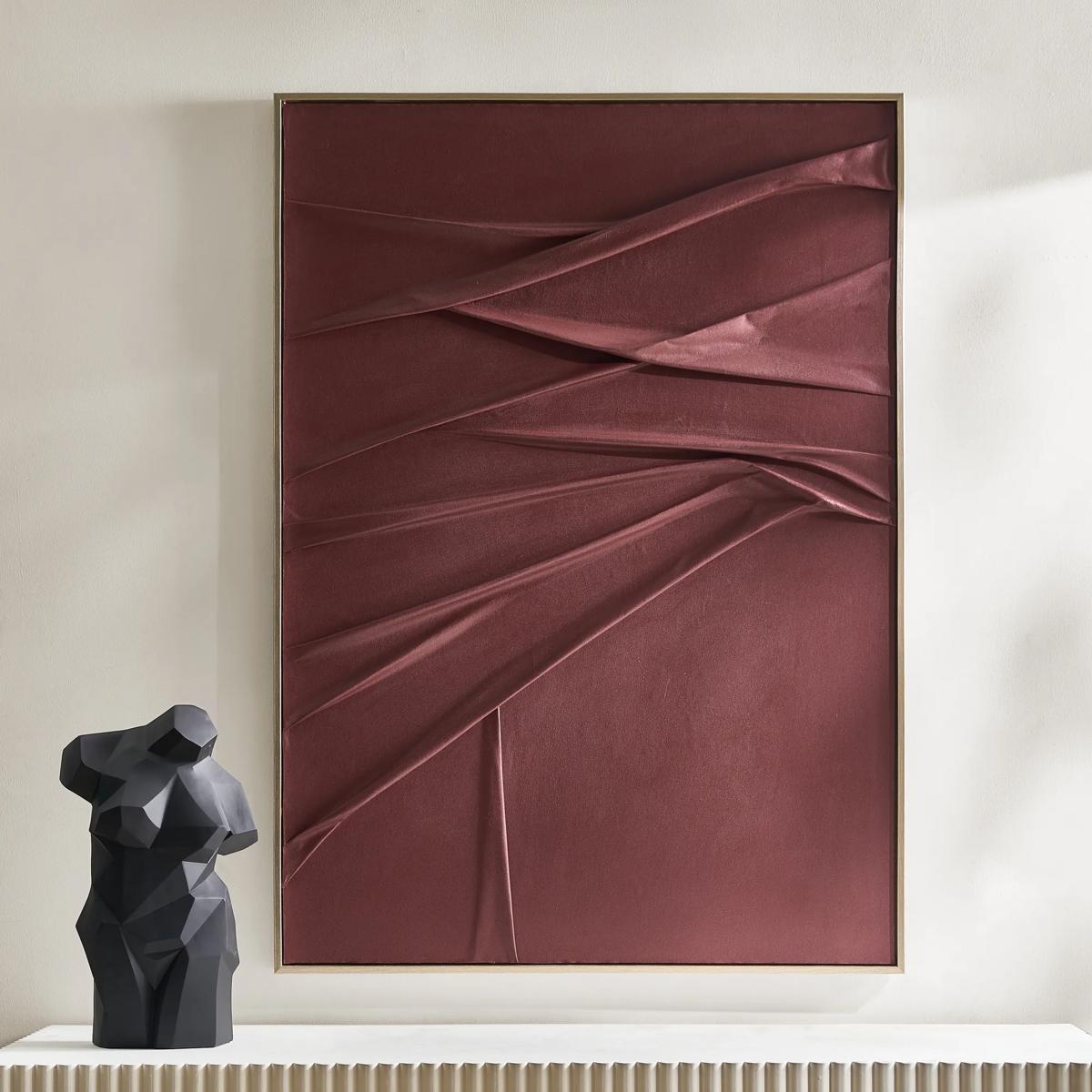 Crimson Painting$599
A handcrafted burgundy canvas artwork with sculptural folds, framed in champagne for a dramatic, textured effect.
Add To Cart -
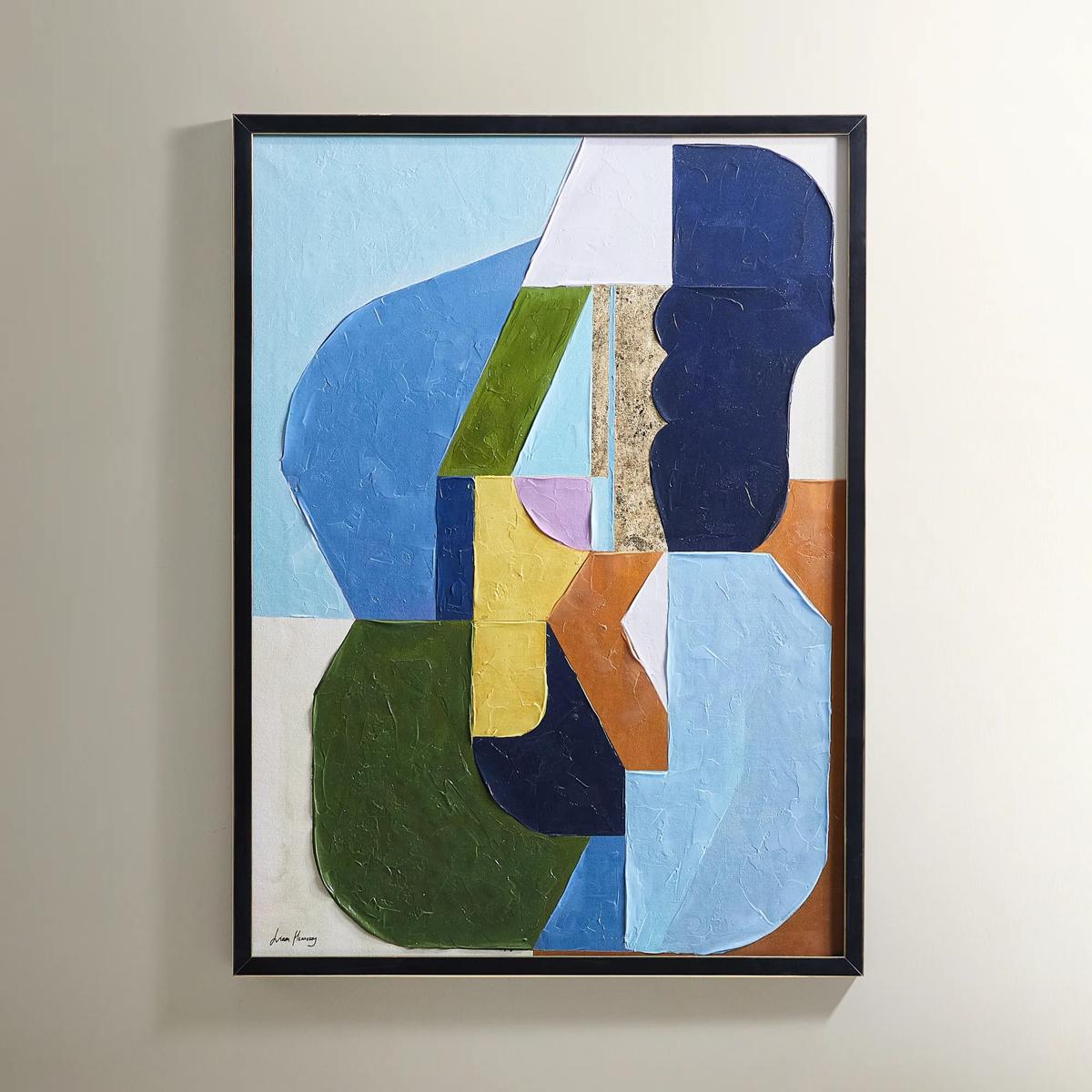
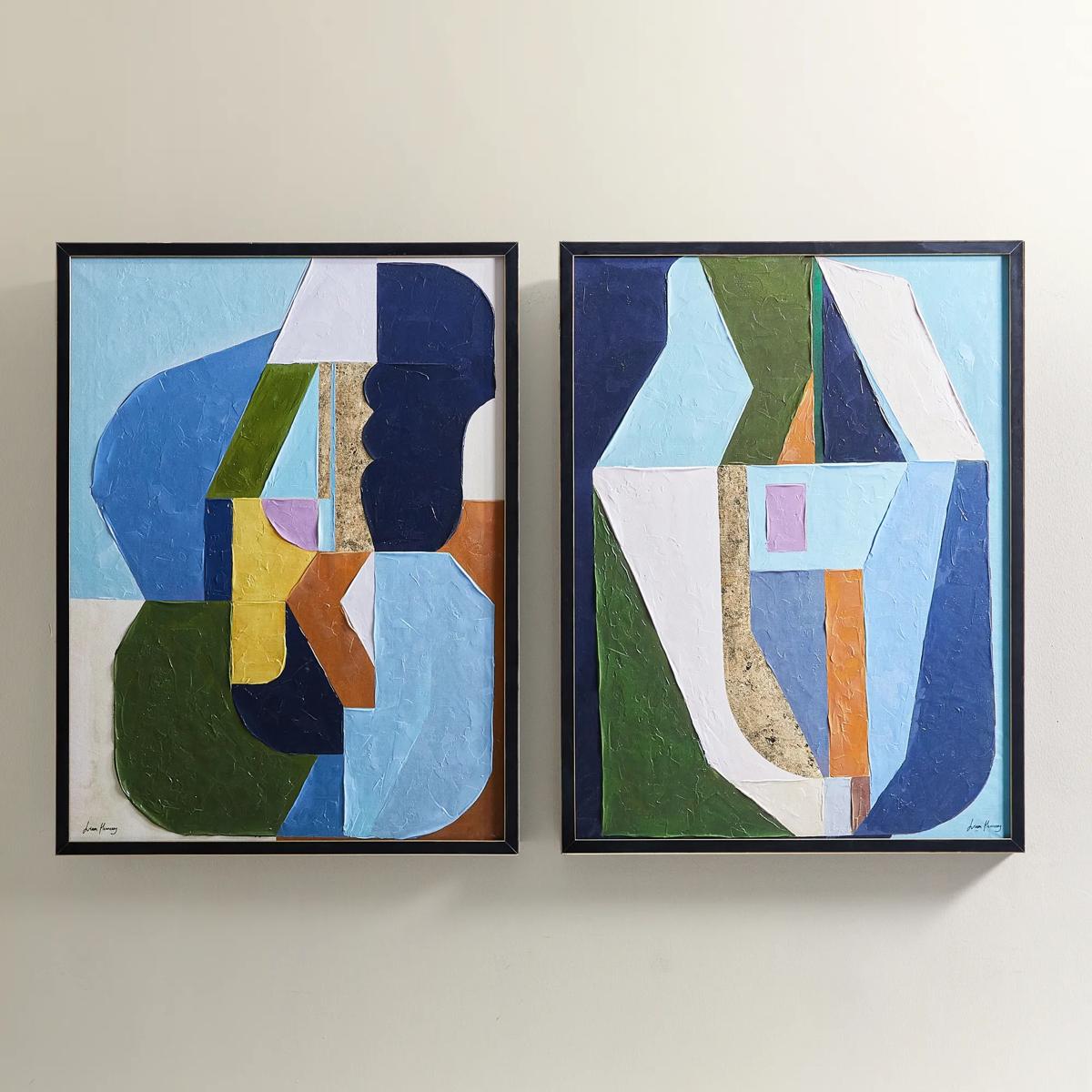 Thought Provoking Painting 1$249
A hand-embellished canvas artwork featuring textured strokes in deep blue, olive green, and gold accents.
Add To Cart -
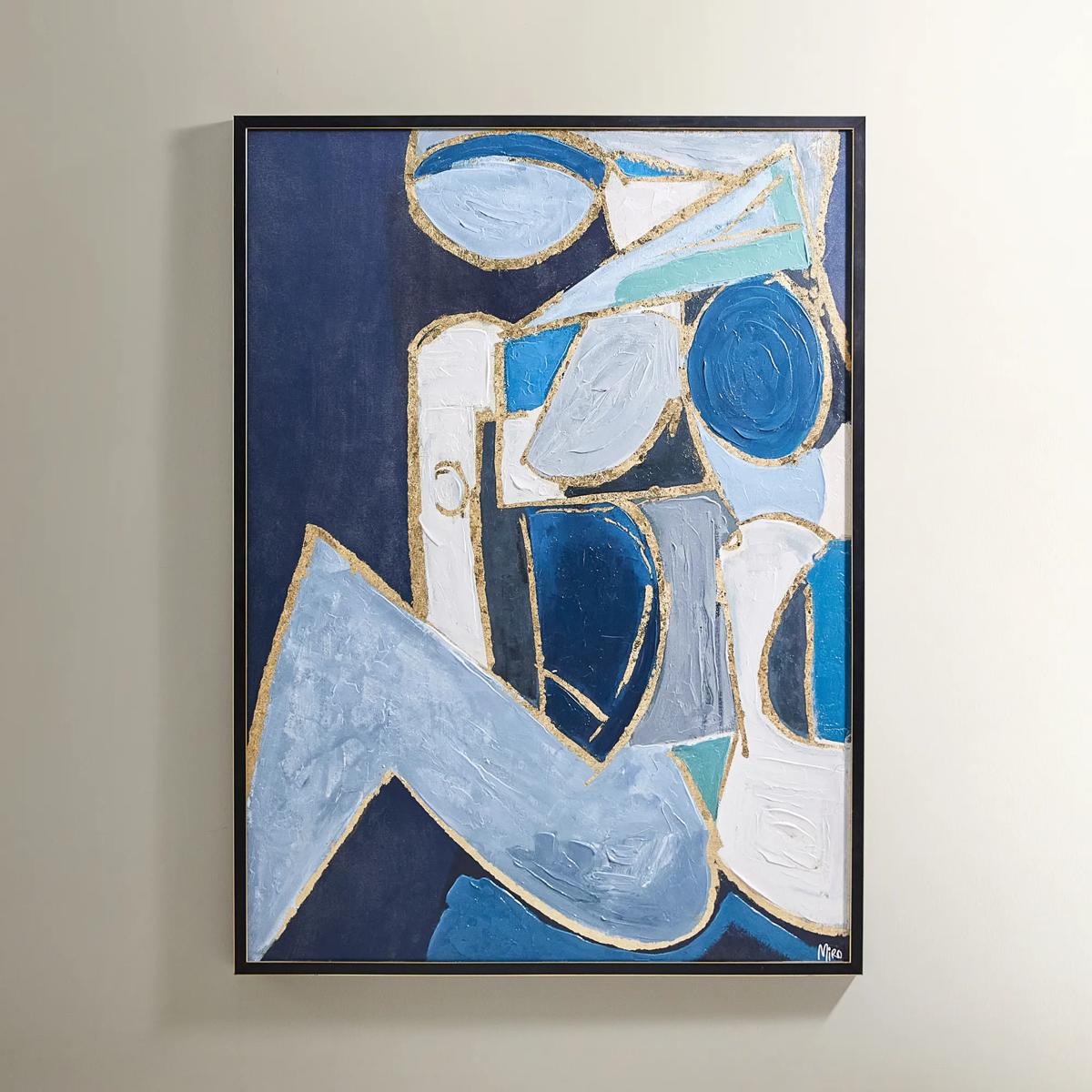
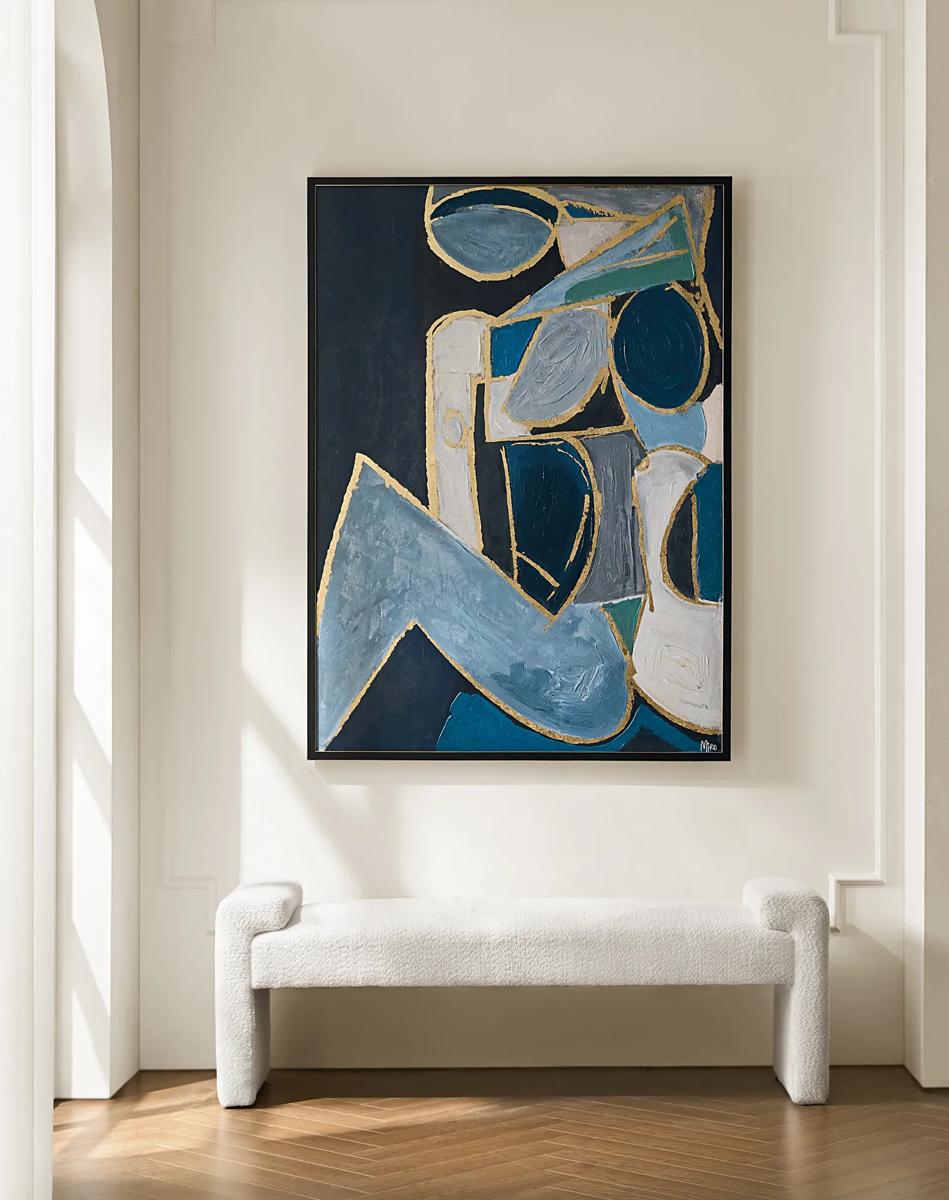 Figure in Cubism Painting$599
A hand-embellished canvas artwork featuring blue, gold, and white hues with elegant silver foil accents.
Add To Cart -
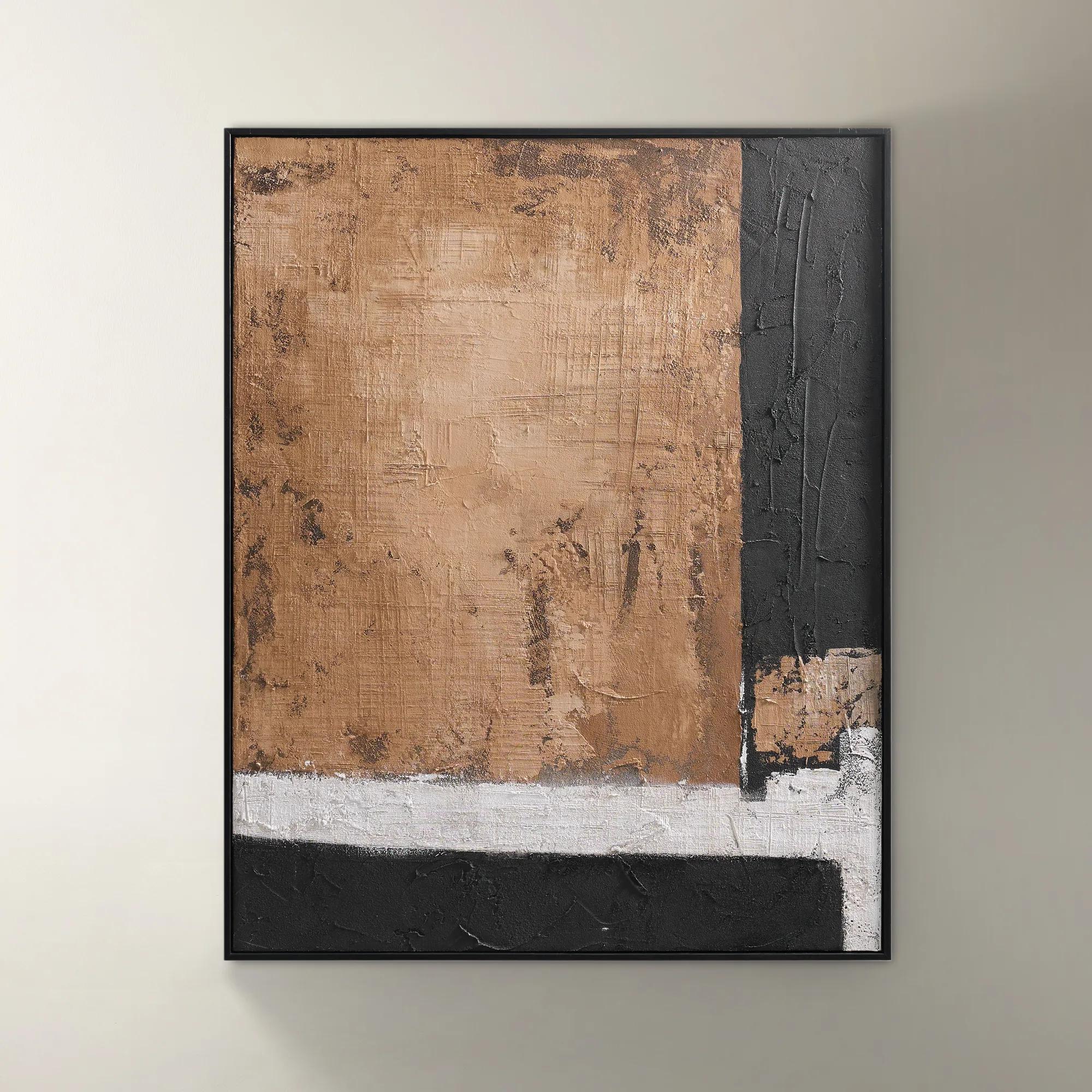 Drift Framed Painted Wall Art I 39.4" x 31.5"$299
A bold hand-painted abstract artwork featuring layered brown tones in a sleek black floater frame.
Add To Cart -
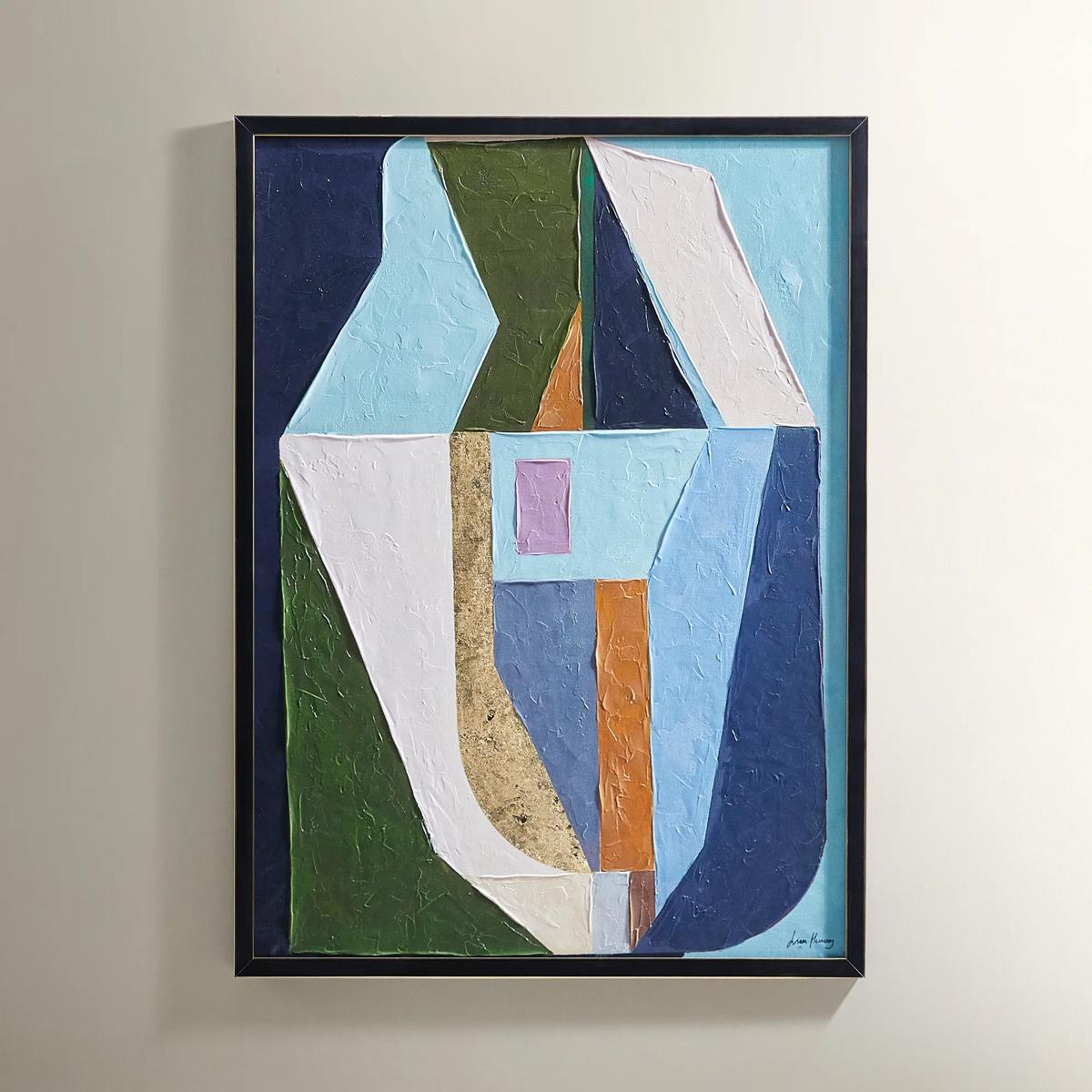 Thought Provoking Painting 2$249
A hand-embellished canvas artwork featuring textured strokes in deep blue, olive green, and gold accents.
Add To Cart -
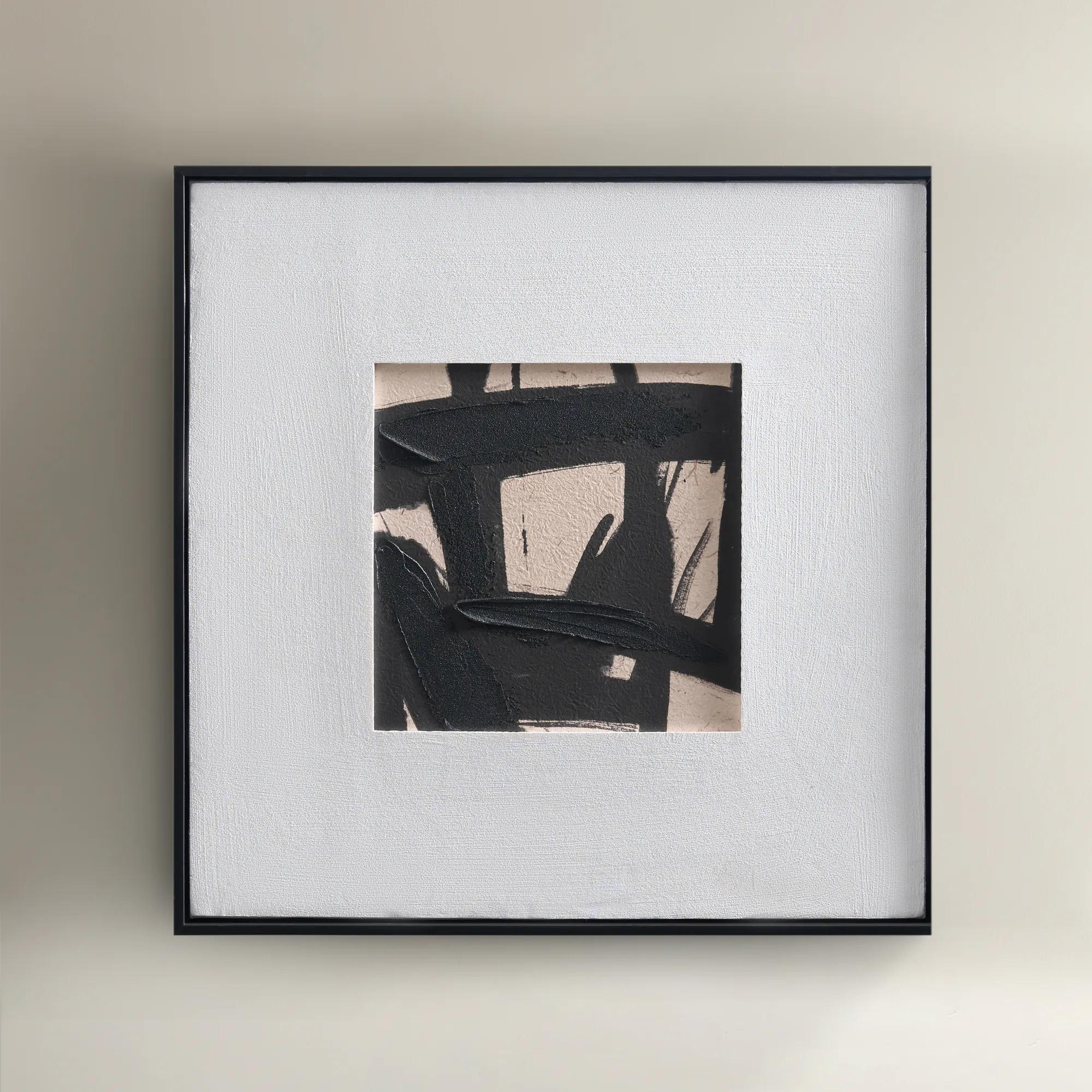
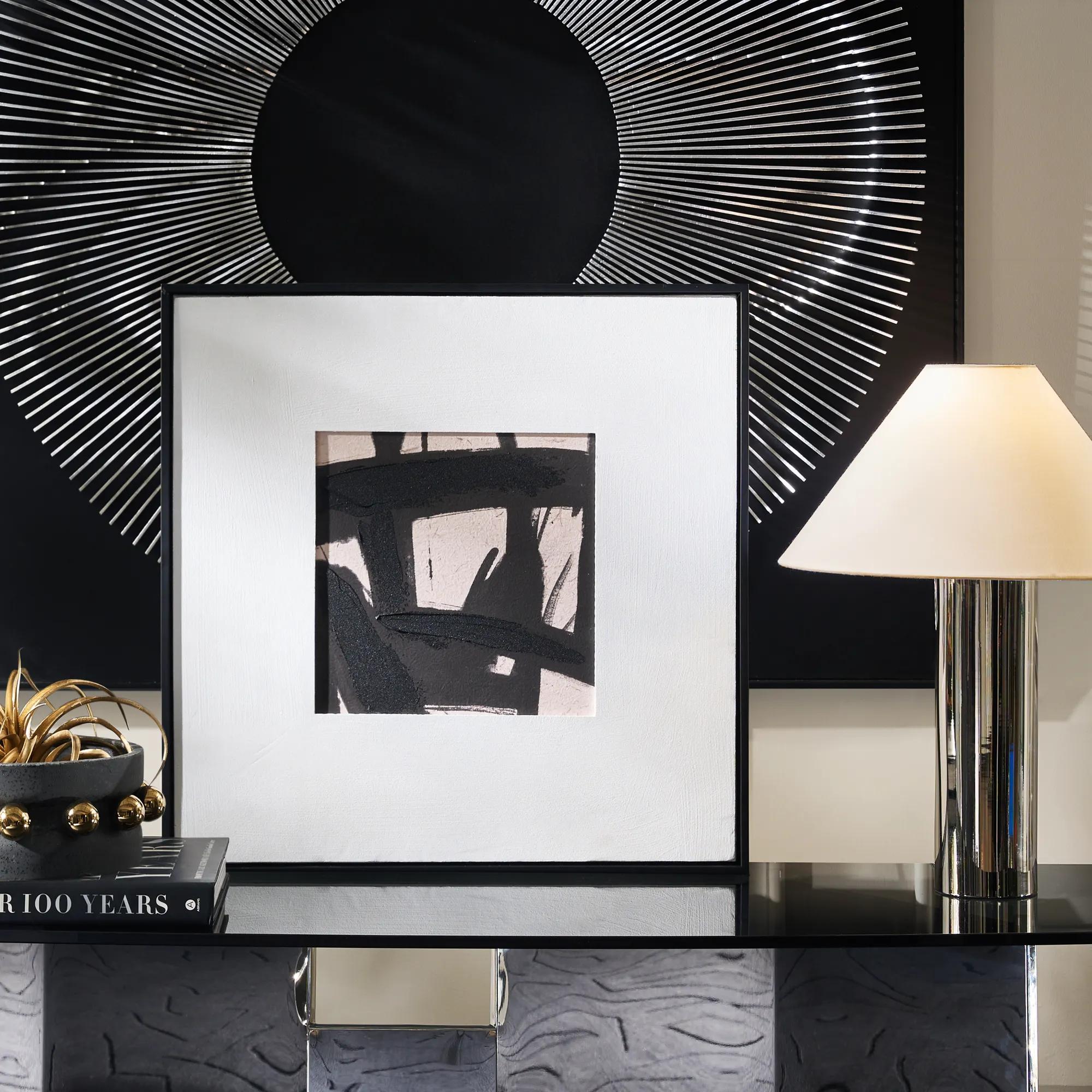 Ink Maze Painting$89
A hand-painted canvas featuring bold black and beige contrasts, set in a sleek black floater frame.
Add To Cart -
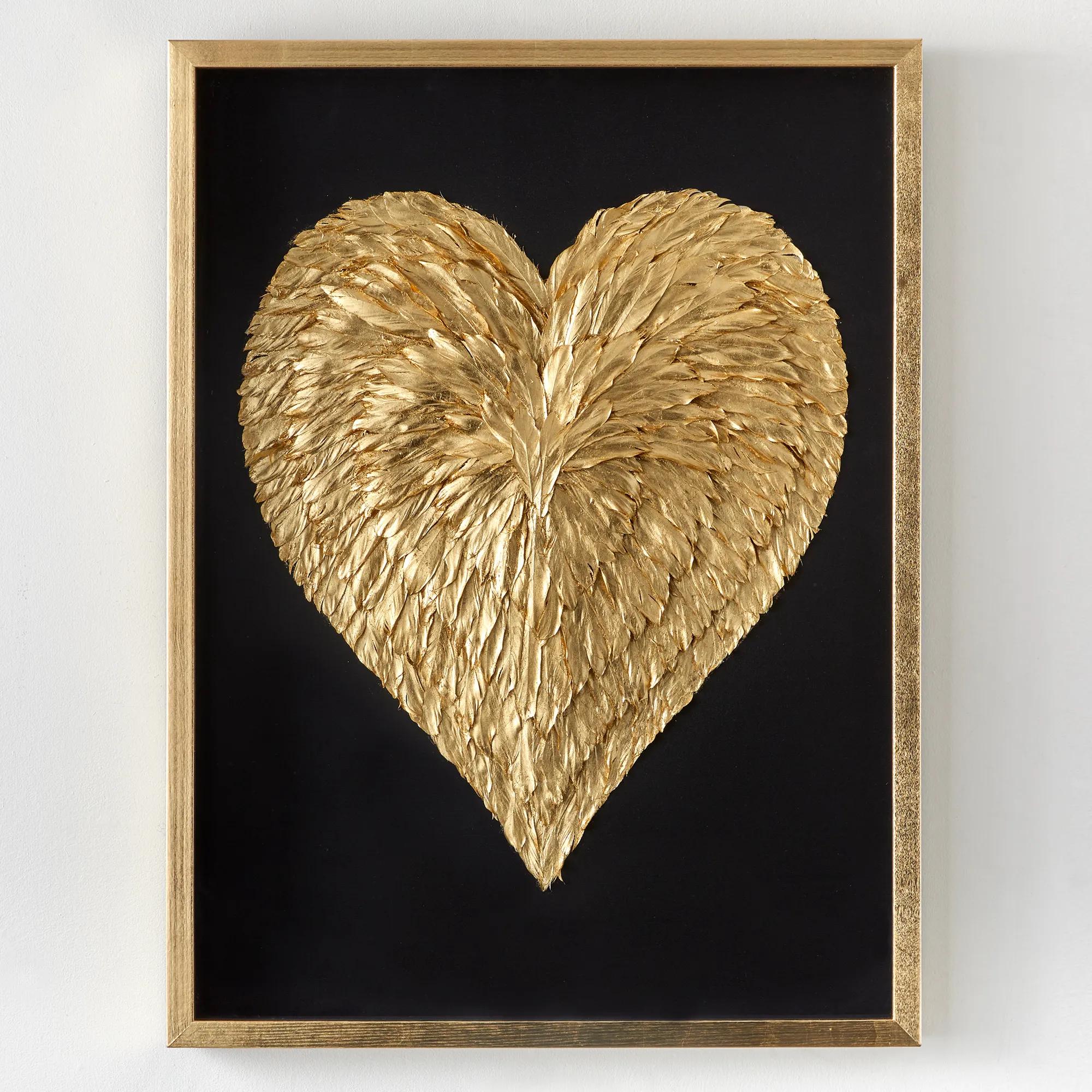 Heart Of Gold Feather Shadowbox 29.5" x 39.5"$449
A hand-painted feather artwork set on black fabric and framed in a gold shadowbox display.
Add To Cart -
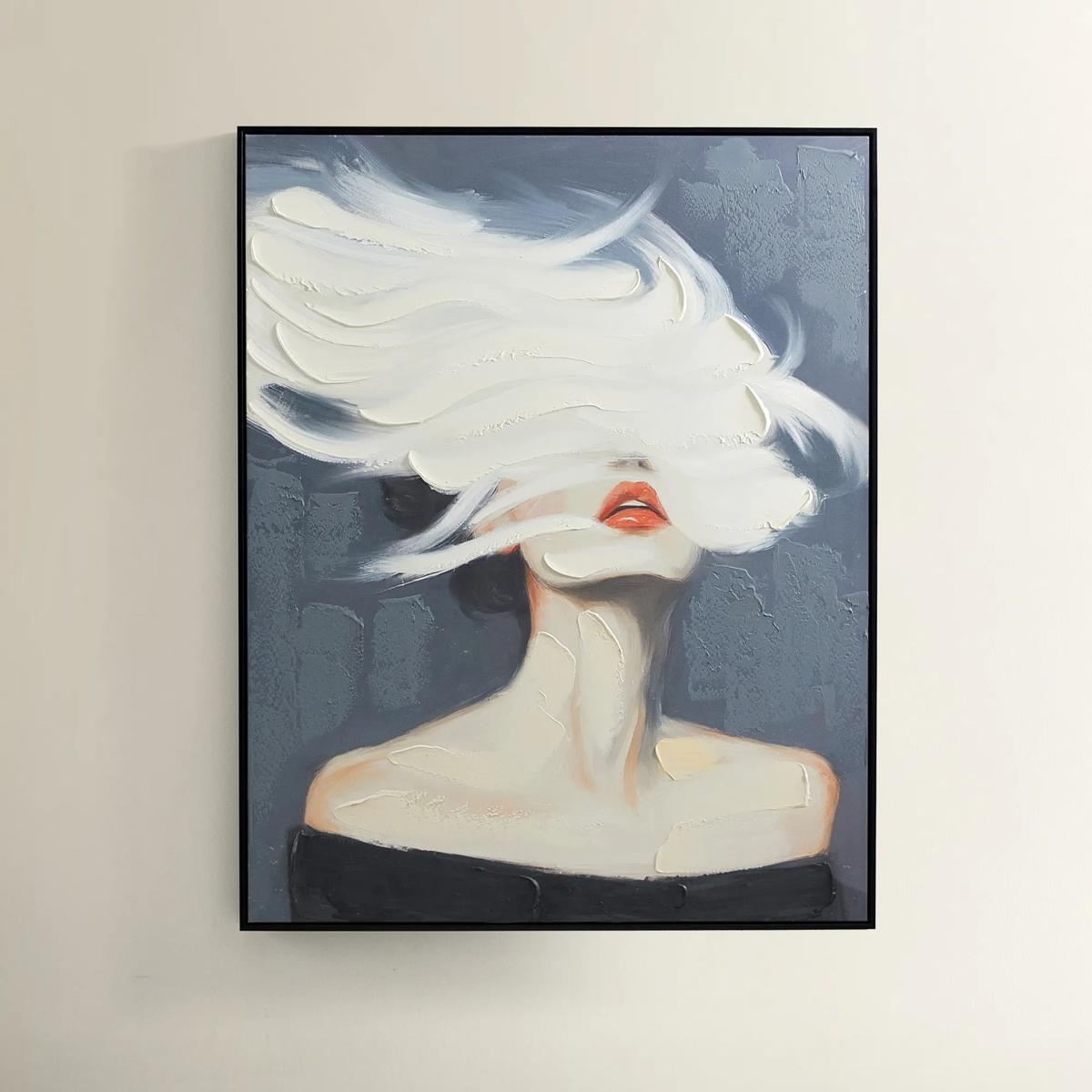
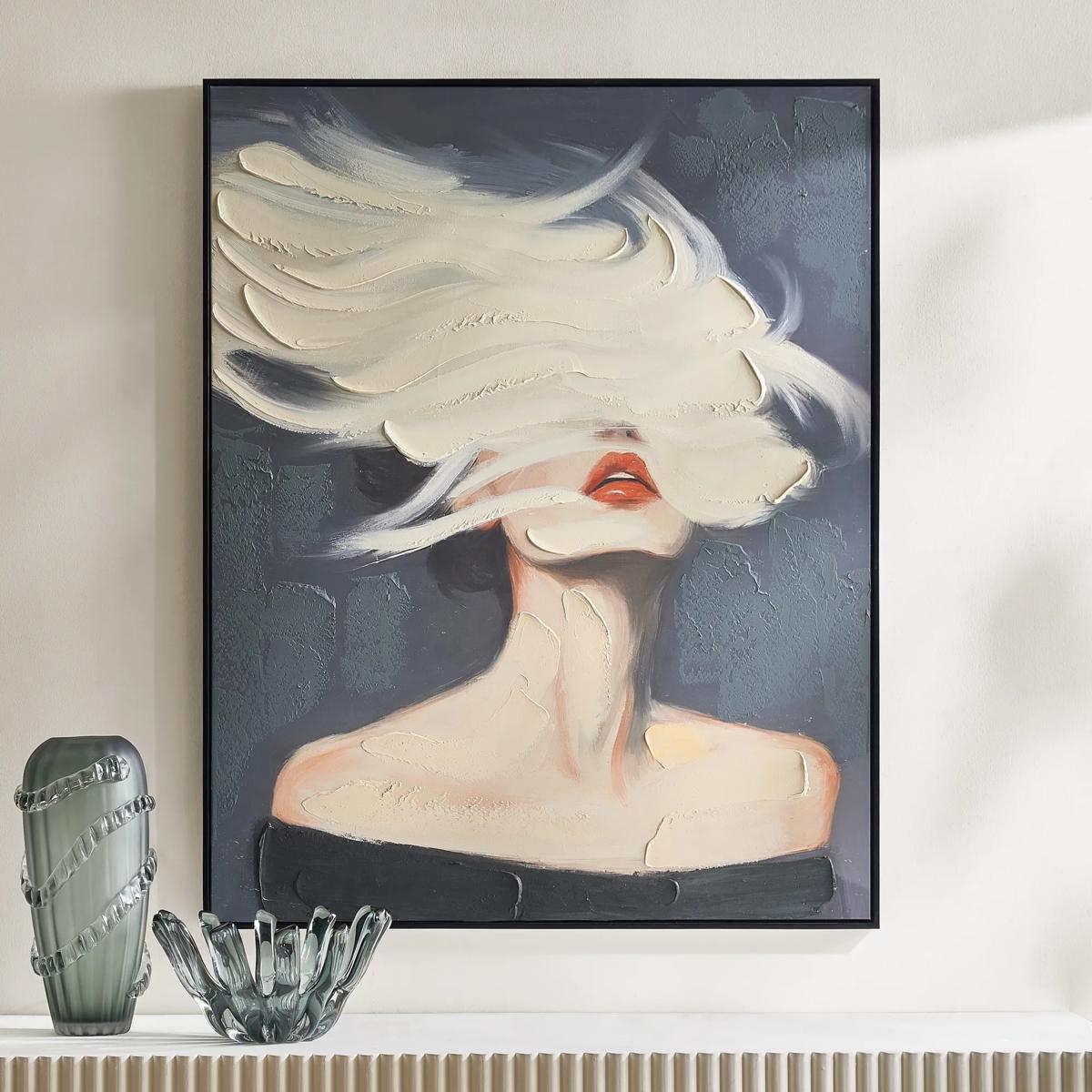 Daydreamer Painting$599
A hand-painted canvas portrait with sculptural white brushstrokes, bold red lips, and a sleek black frame.
Add To Cart -
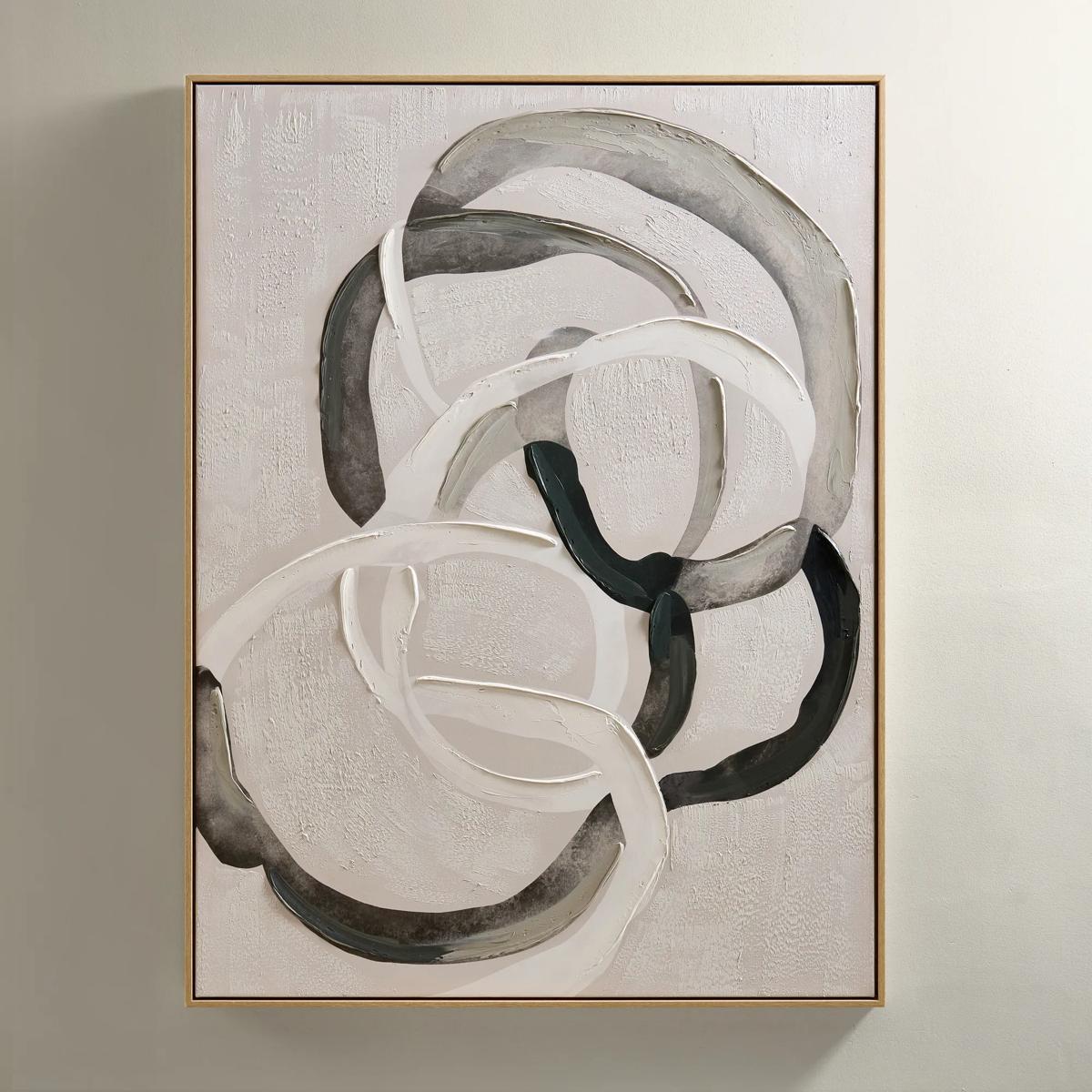
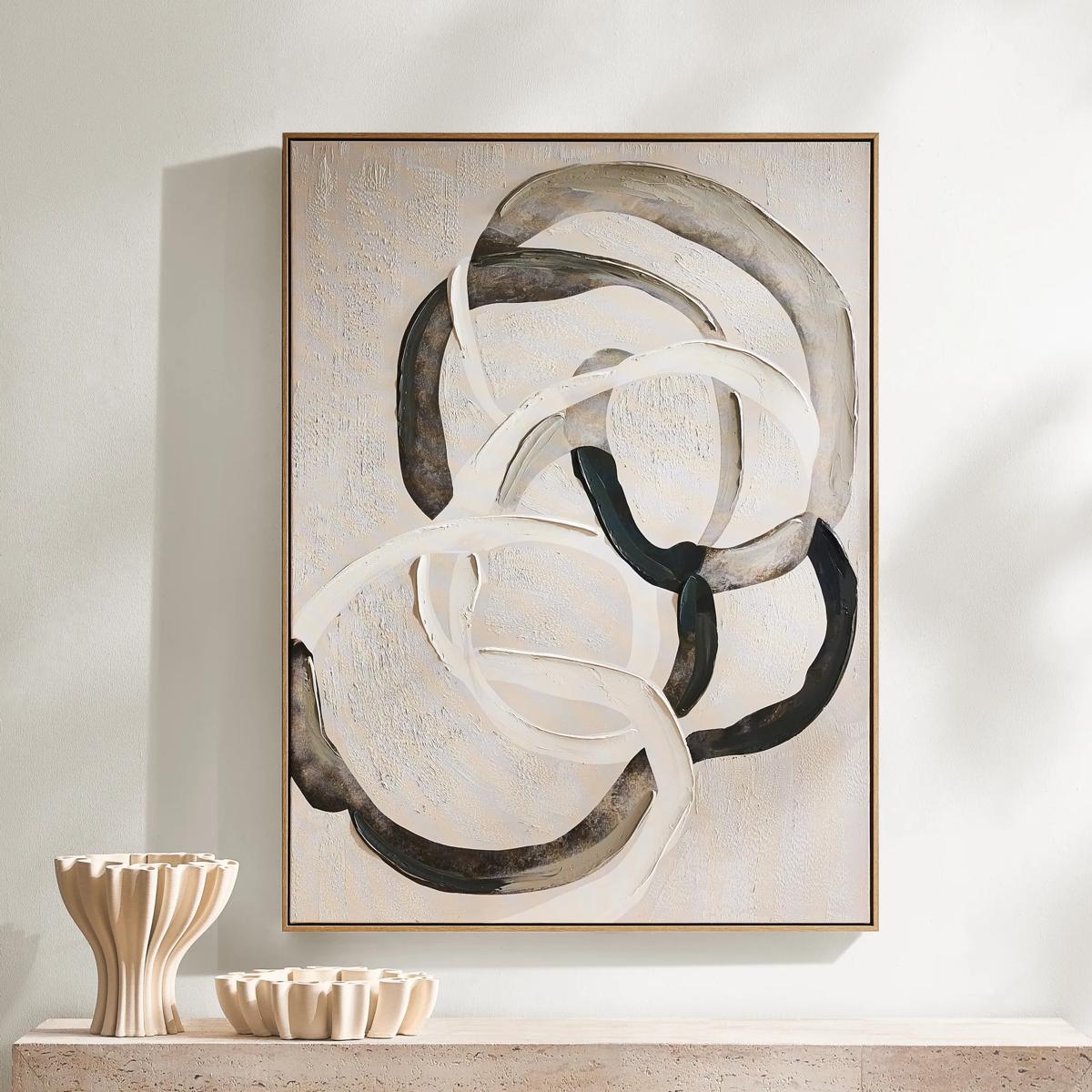 Round About Framed Painted Wall Art 35.25" x 47.25"$349
An abstract hand-painted canvas with tonal whites, charcoals, and taupes in a light wood floater frame.
Add To Cart

Best Selling Modern Wall Arts
Best selling modern wall arts transform blank walls into breathtaking focal points, capturing the essence of bold self-expression and contemporary sophistication. Each piece is a celebration of artistry—where color, texture, and form collide to create unforgettable visual drama. Let your home become a curated gallery, alive with movement, mood, and magnetic allure. With best selling modern wall arts as your muse, every room becomes an invitation to indulge in creativity and elevate the everyday into the extraordinary.
Best-selling modern wall art brings together expressive abstract compositions, dimensional metal designs, textured canvases, and striking photography—distinct approaches united by their ability to give a room a compelling focal point. Broad brushstrokes can lend movement to a tailored living room, while a sculptural arrangement of geometric forms introduces depth that changes with the light. Neutral abstract wall art in ivory, taupe, cream, and charcoal creates atmosphere through contrast and surface detail rather than saturated color. Gold accents add another layer of expression, catching the glow of a nearby lamp and echoing the gleam of a decorative tray or polished table base. For a more vivid statement, cobalt, emerald, and rust tones can connect an artwork to upholstery or draw an unexpected accent into an otherwise restrained palette. Modern art does not need to match every element in a room; often, the most memorable composition introduces a shape, hue, or texture that the space was missing. Oversized coastal photography can open up the feeling of an enclosed sitting area, while moody botanical imagery lends intimacy to a bedroom or reading nook. Graphic prints and sweeping color fields offer different kinds of energy: one crisp and architectural, the other fluid and expansive. These styles appeal to expressive decorators, new homeowners defining their interiors, and anyone refreshing a familiar room without replacing its furniture. Their versatility also allows contemporary wall decor to sit comfortably beside traditional details. An abstract canvas above an ornate console creates a deliberate contrast, and a black-and-white photograph can sharpen the silhouette of a sumptuous velvet sofa. The strongest choice begins with the mood the room should hold—serene, theatrical, contemplative, or richly layered—and carries that feeling into an image with enough presence to stand on its own. Even a quiet composition can feel dramatic when its scale, finish, and placement give it room to command attention. A finely drawn silhouette, for example, gains remarkable definition against a richly colored wall, while a pale textured surface becomes more expressive in gentle side light.
Scale and proportion help transform modern wall art from an attractive accent into an integral part of the interior. Above a sofa or sideboard, artwork measuring approximately two-thirds to three-quarters of the furniture’s width is a useful starting point, with adjustments for nearby windows, sconces, and the visual weight of the frame. A generous horizontal composition can unite a long seating area, while a vertical work emphasizes height beside a doorway or on a narrow wall. In rooms with tall ceilings, consider the relationship to the furniture before moving artwork higher; a piece that floats too far above a console can feel disconnected from the vignette below. Hanging the center near eye level, often around 57 to 60 inches from the floor, provides a practical baseline for open walls. Above furniture, a gap of roughly 6 to 10 inches often keeps the arrangement visually connected, provided the artwork remains clear of everyday contact. Measure the full framed dimensions and use paper templates to preview placement before making holes. For expansive walls, coordinated compositions create rhythm without requiring a single oversized work. Best Selling Canvas Art Sets offer a complementary approach, allowing related colors, forms, or imagery to unfold across multiple panels. Treat the complete arrangement, including the spaces between panels, as one composition when assessing its fit. Consistent spacing gives a multi-panel display a considered finish, while generous breathing room around the grouping preserves its impact. Material matters just as much as size: canvas brings a woven surface and a softer visual presence, framed paper emphasizes clean definition, and metal wall sculpture introduces relief, reflection, and shadow. Glass or acrylic glazing can protect works on paper, although reflections may affect visibility opposite a bright window. A slim dark frame outlines pale artwork with precision; a luminous metallic finish draws warmer notes into the surrounding decor. In a dining room, an expansive abstract can hold its own above a substantial buffet, while a more intimate photograph rewards close viewing in a hallway. Each decision should support both the artwork and the way the room is experienced.
Modern wall art is intended primarily for visual enjoyment, but construction and thoughtful care help preserve that enjoyment over time. For canvas, look at the support structure, how evenly the fabric is stretched, and whether the edges are finished for the intended presentation. A stretched canvas can create a clean, dimensional profile without an outer frame, while a framed canvas adds a defined border and a more architectural presence. Surface texture may come from painted layers, applied materials, or the appearance of texture reproduced in a print, so review material descriptions closely when tactile depth is important. With metal wall decor, the finish, weight, and mounting points deserve particular attention; reflective surfaces can be visually delicate even when the underlying material is sturdy. Use hanging hardware appropriate to both the artwork’s weight and the wall construction, following the supplied mounting instructions rather than assuming every piece can hang from a single nail. Heavier works may require attachment to studs or suitable wall anchors, especially in busy living spaces. Placement also influences longevity. Direct sunlight can fade pigments and photographs, while excessive humidity and abrupt temperature changes can affect paper, canvas, and frames. A sheltered interior wall is generally a better setting than a location exposed to steam, splashes, or sustained heat. Dust frames and suitable surfaces gently with a clean, dry microfiber cloth, and follow the maker’s care directions for painted, embellished, or unusually textured work. Avoid spraying cleaning products directly onto artwork or glazing, where moisture could reach edges or underlying materials. These considerations are especially valuable in family rooms, home offices, and entertaining spaces, where art should remain beautiful through daily use. As a housewarming, wedding, or milestone gift, modern wall art feels personal when its palette and scale reflect the recipient’s taste and available wall space. A serene photographic landscape may suit someone creating a restful retreat, while an energetic abstract can celebrate a more exuberant sensibility. Whether chosen for a first home or a carefully layered interior, the right artwork gives personal style a visible, enduring expression.
FAQs
Contemporary favorites include abstract expressionism, biophilic and botanical themes, serene landscapes, and bold animal portraiture. Minimalist line art and vintage-inspired prints also remain in high demand, allowing you to curate a space that feels both on-trend and timeless.
Consider the mood and color palette of your room. For dramatic interiors, opt for vivid abstracts or metallic accents. If your space leans toward tranquility, botanical prints or soft landscapes can introduce a calming influence. Harmonize with your furnishings by echoing key tones or introducing a striking contrast for visual intrigue.
Absolutely. Modern wall art is a thoughtful, expressive gift that can celebrate a loved one’s style or commemorate a special occasion. Choose themes that resonate with their personality—such as nature-inspired pieces for plant lovers or cityscapes for urban enthusiasts—to create a memorable and meaningful gesture.
Gallery walls, art ledges, and unexpected placements—such as above a bar cart or along a staircase—can transform your art into a focal point. Mix and match mediums or arrange pieces in a grid for a curated, editorial look that reflects your sense of artistry and adventure.
Wall art has the power to set the tone and energy of any space. Dramatic pieces can add a sense of grandeur and excitement, while serene landscapes or botanical prints evoke calm and comfort. The right artwork becomes a visual anchor, shaping the mood and inviting self-expression throughout your home.