Rectangular Console Tables
Rectangular Console Tables
-
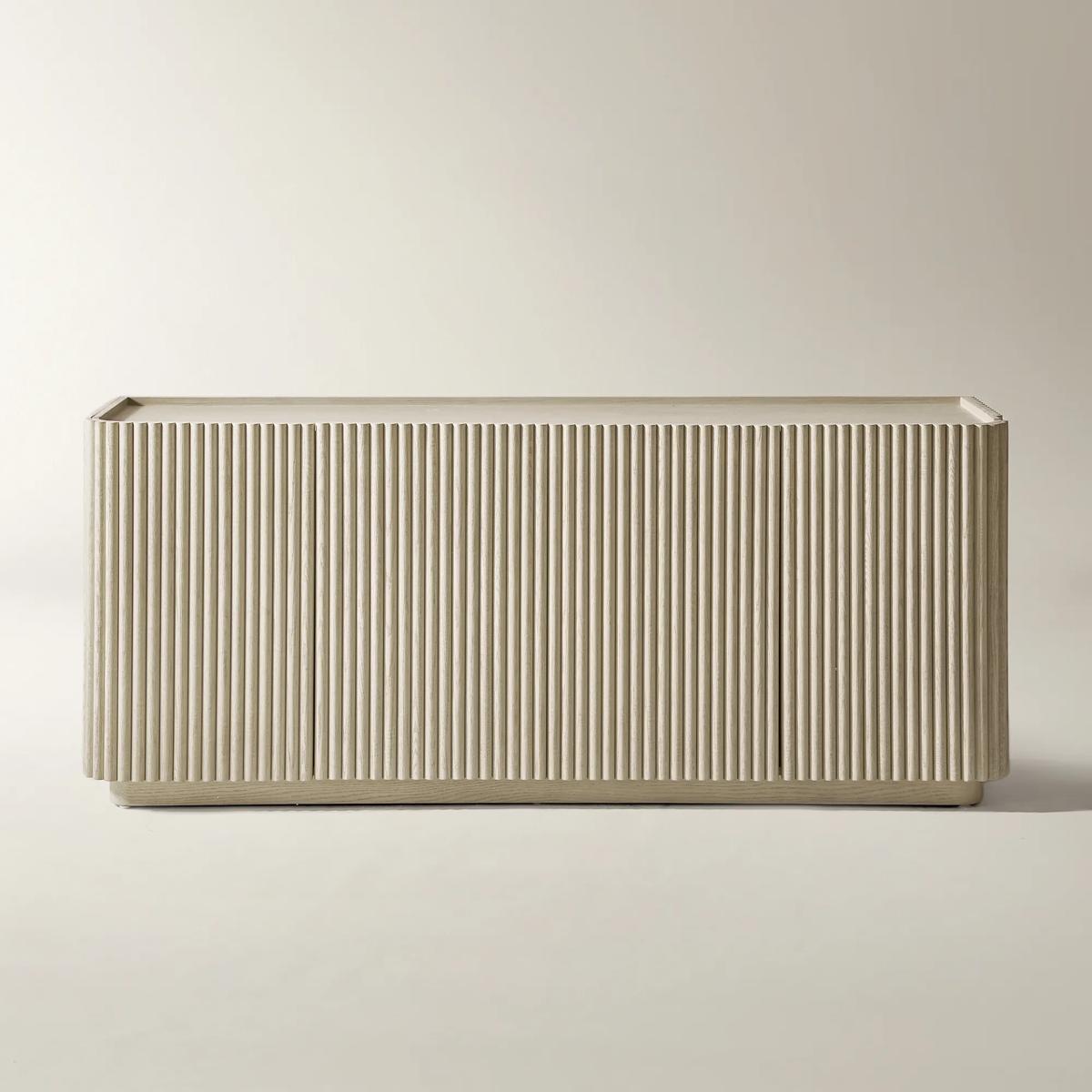
 Stria Reeded White Oak Buffet (72")$2199
A sculptural oak buffet featuring reeded detailing, gold-plated trim, and adjustable storage behind four doors.
Add To Cart -
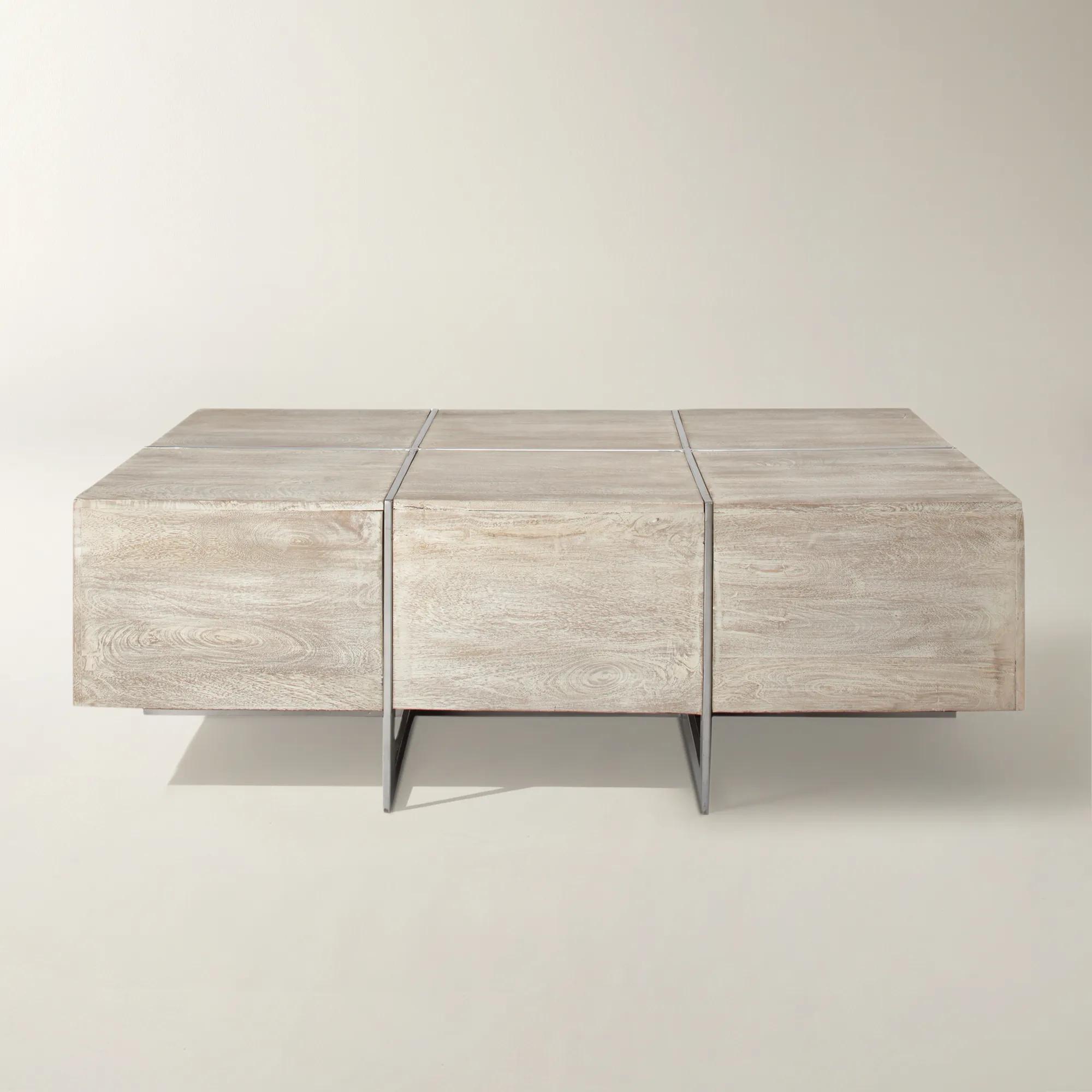
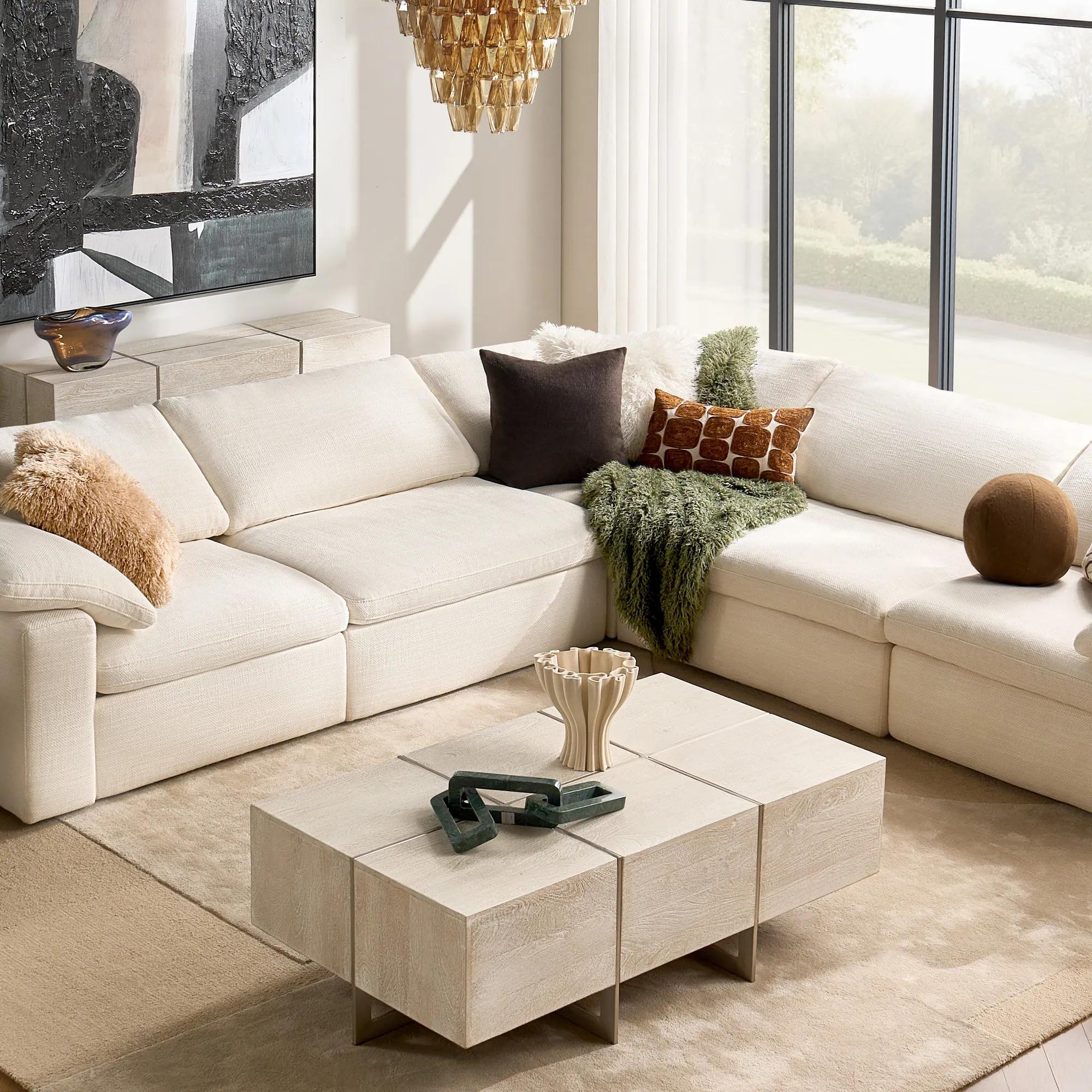 Clifton Rectangular Natural Mango Wood Coffee Table (54")$1299
A handcrafted mango wood table with a whitewashed finish and antiqued silver iron legs for organic appeal.
Add To Cart -
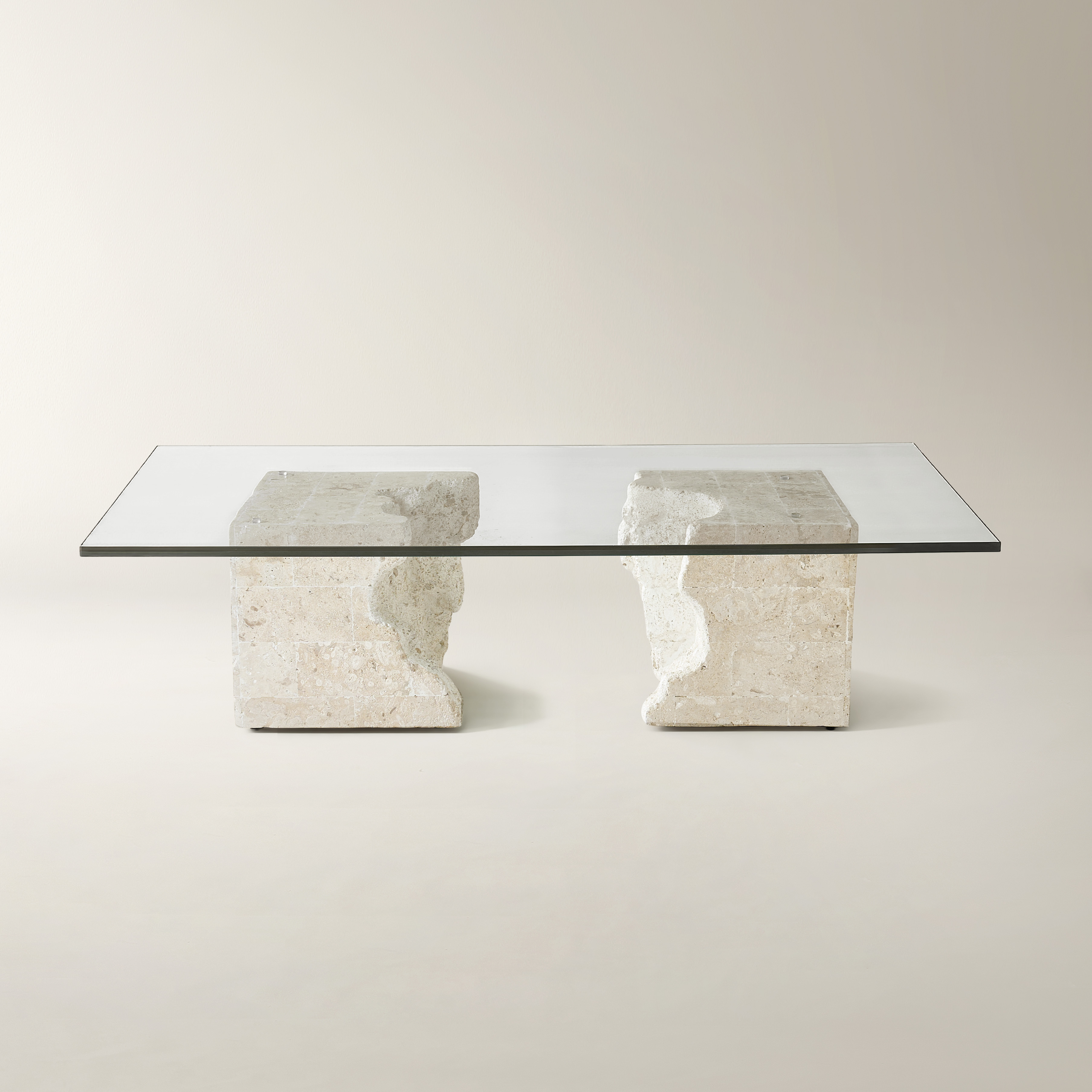 Cairo Rectangular Mactan Stone Coffee Table With Glass Top (63")$1899
A contemporary coffee table featuring a clear tempered glass top floating above hand-carved Mactan stone bases.
Add To Cart -
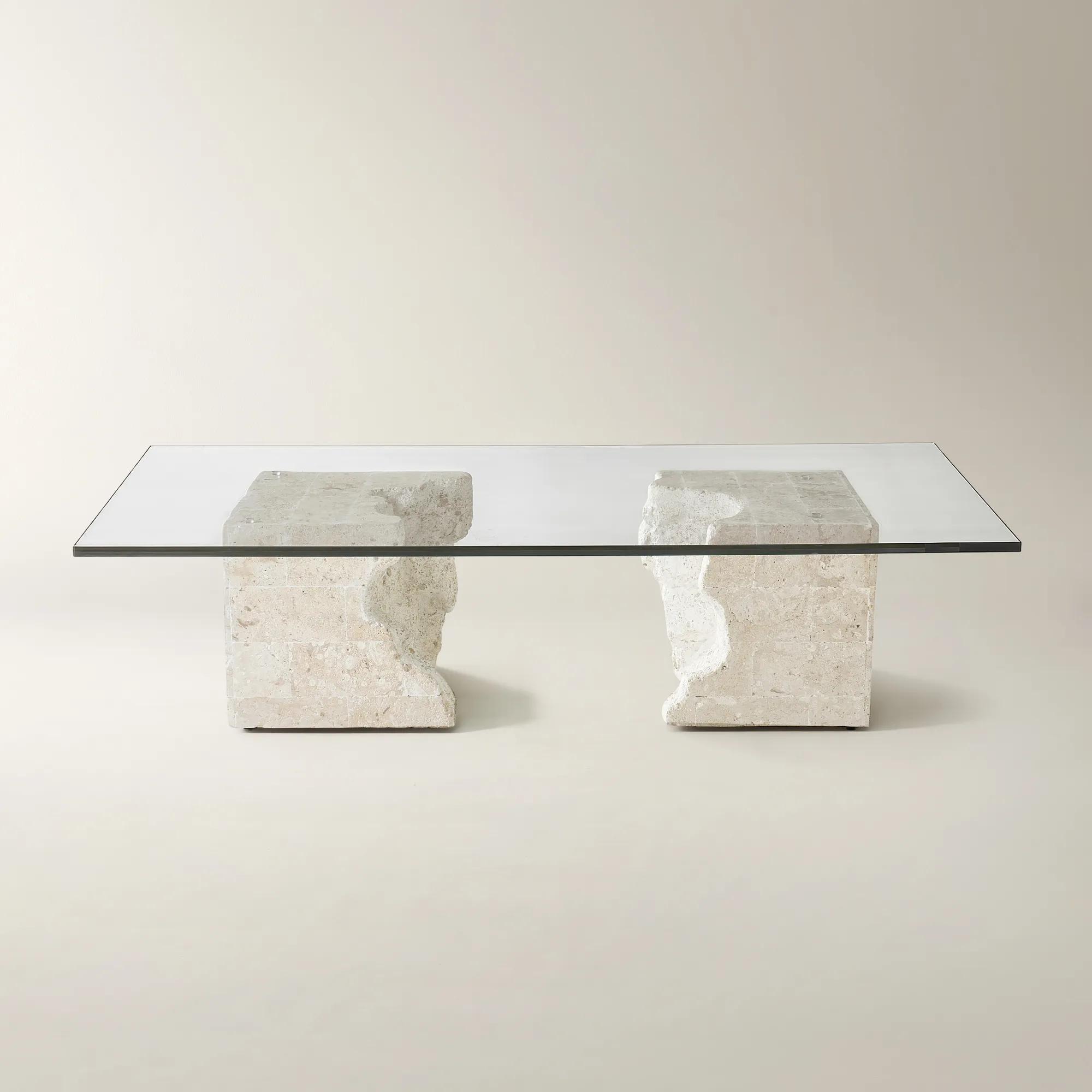 Cairo Rectangular Mactan Stone Coffee Table With Glass Top (70.87")$1999
A contemporary coffee table featuring a clear tempered glass top floating above hand-carved Mactan stone bases.
Add To Cart -
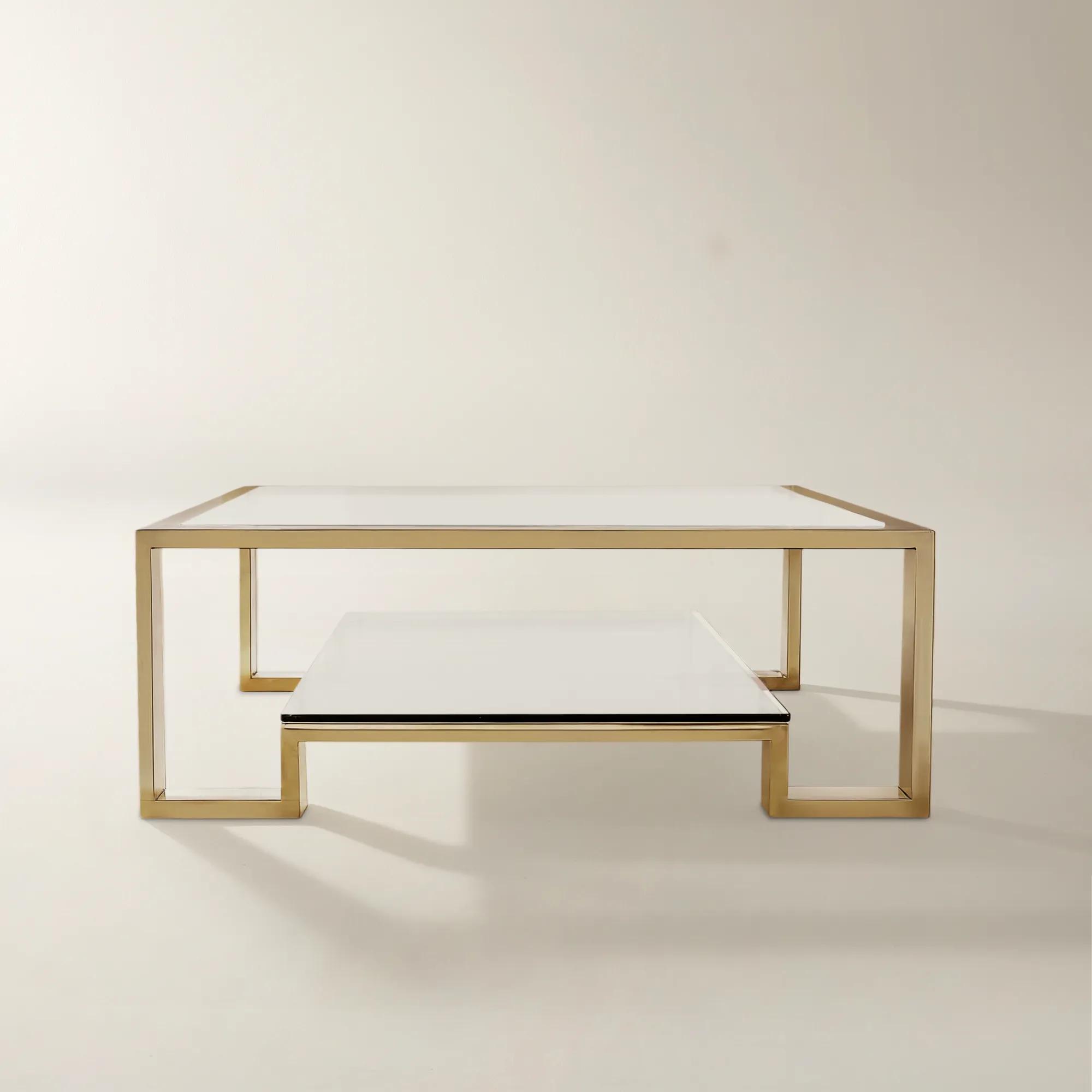 Duplicity Rectangular Gold Stainless Steel Coffee Table With Glass Top (50")$1399
A modern coffee table featuring a stainless steel frame, tempered glass top, and floating storage shelf.
Add To Cart -
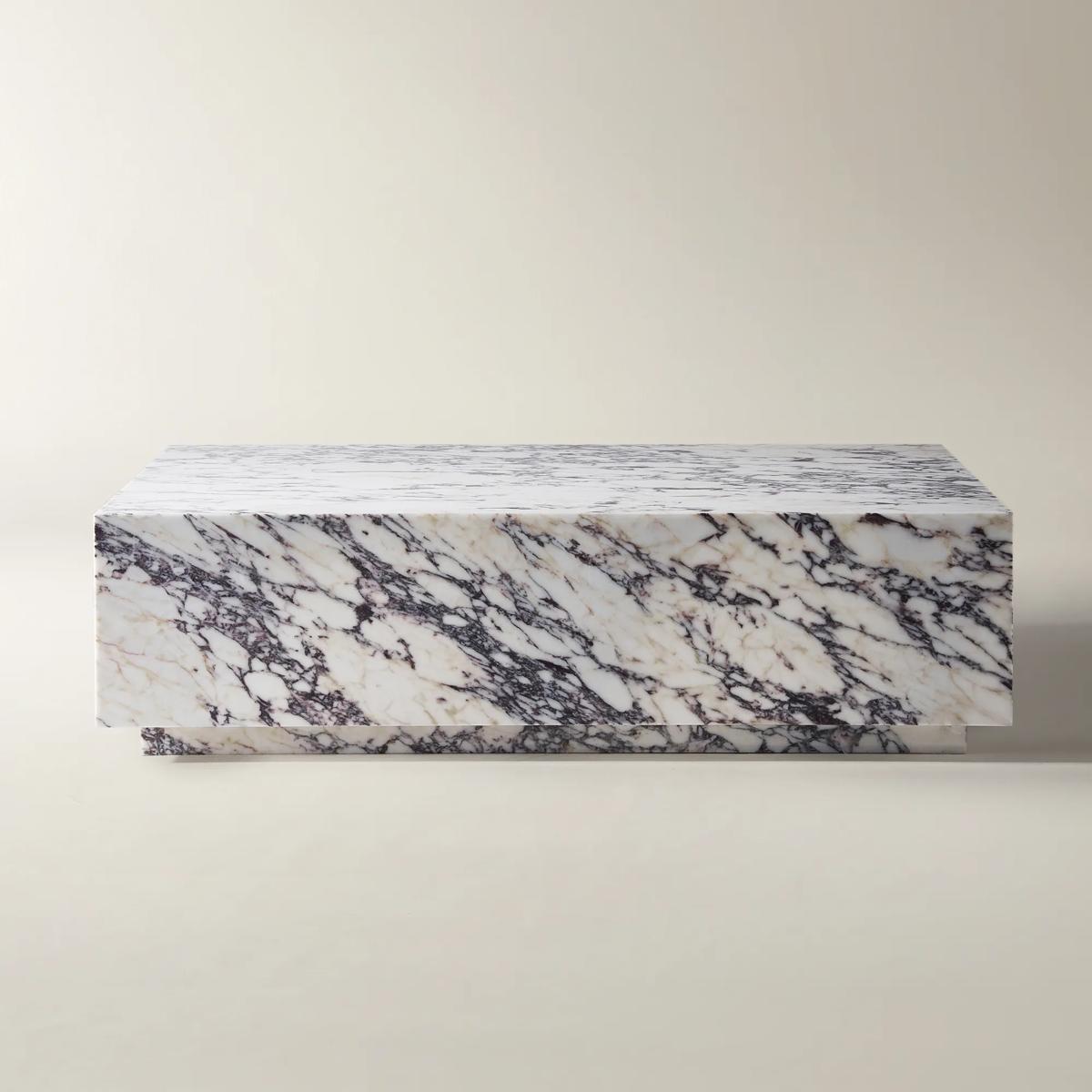
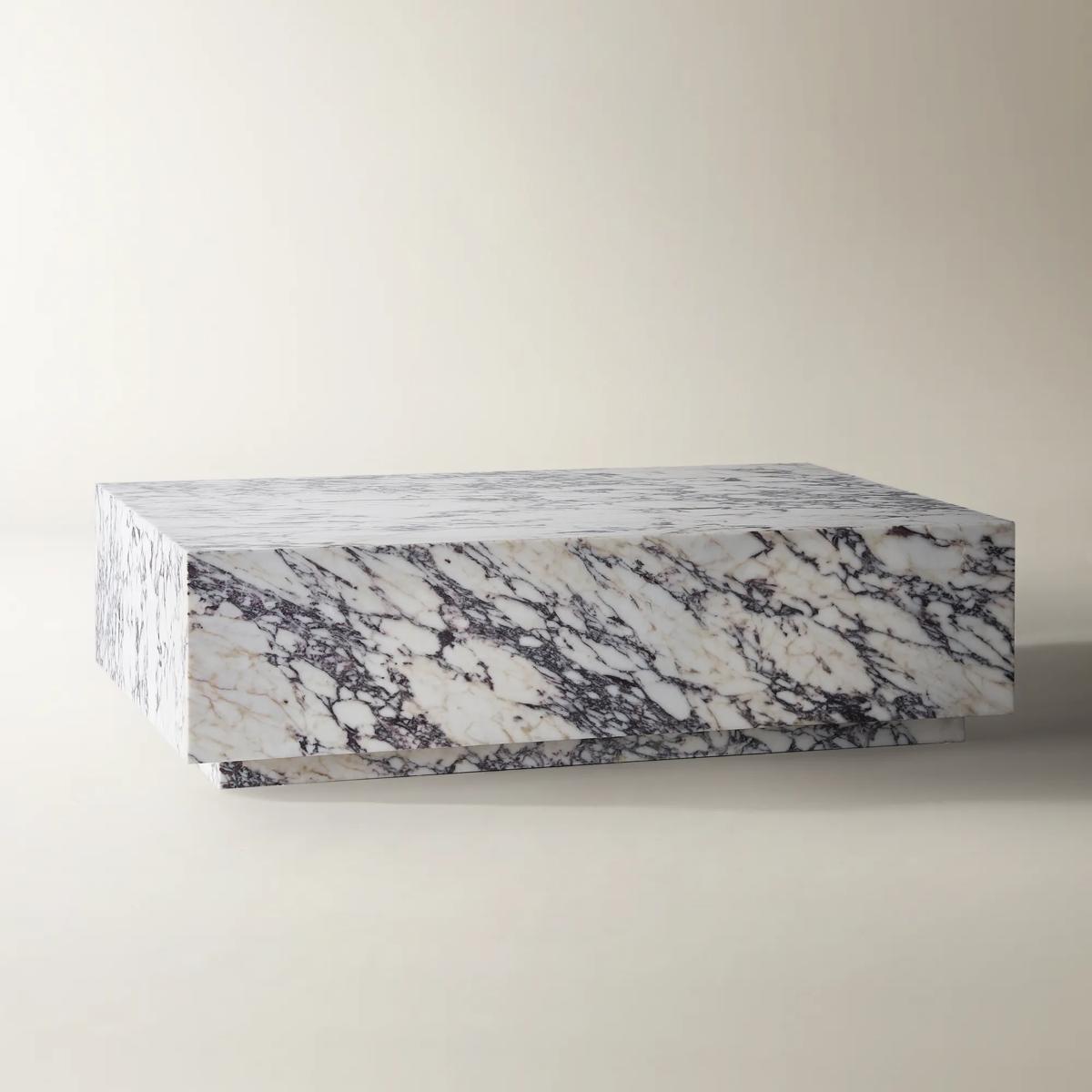 Vanta Rectangular Viola Calacatta Marble Coffee Table (54")$3699
A sculptural coffee table in Calacatta Viola marble, featuring an aluminum core and recessed plinth base.
Add To Cart -
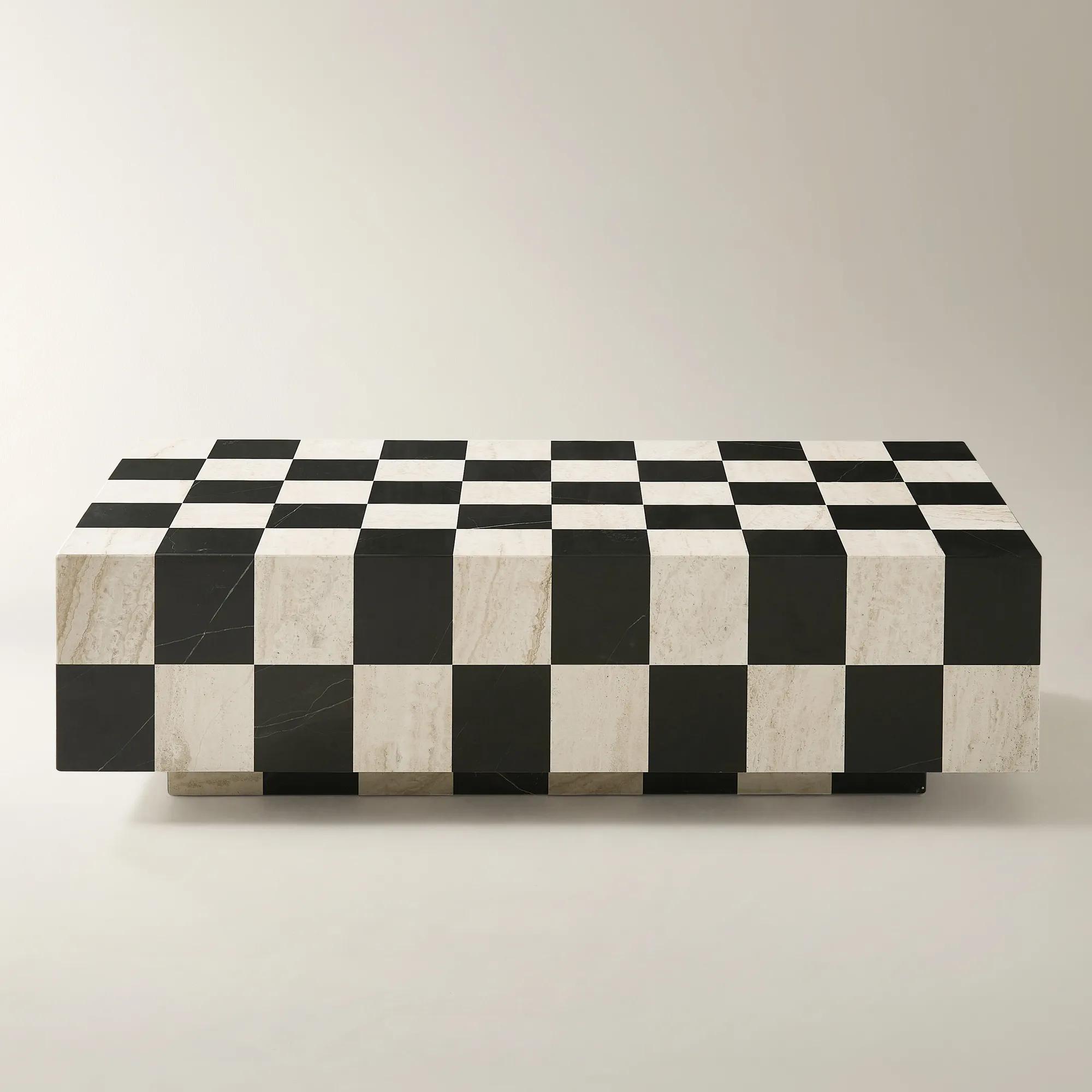 Chessa Rectangular Chequered Marble Coffee Table (53.1")$2399
A sculptural coffee table featuring polished black marble and travertine checkerboard mosaic with a monolithic silhouette.
Add To Cart -
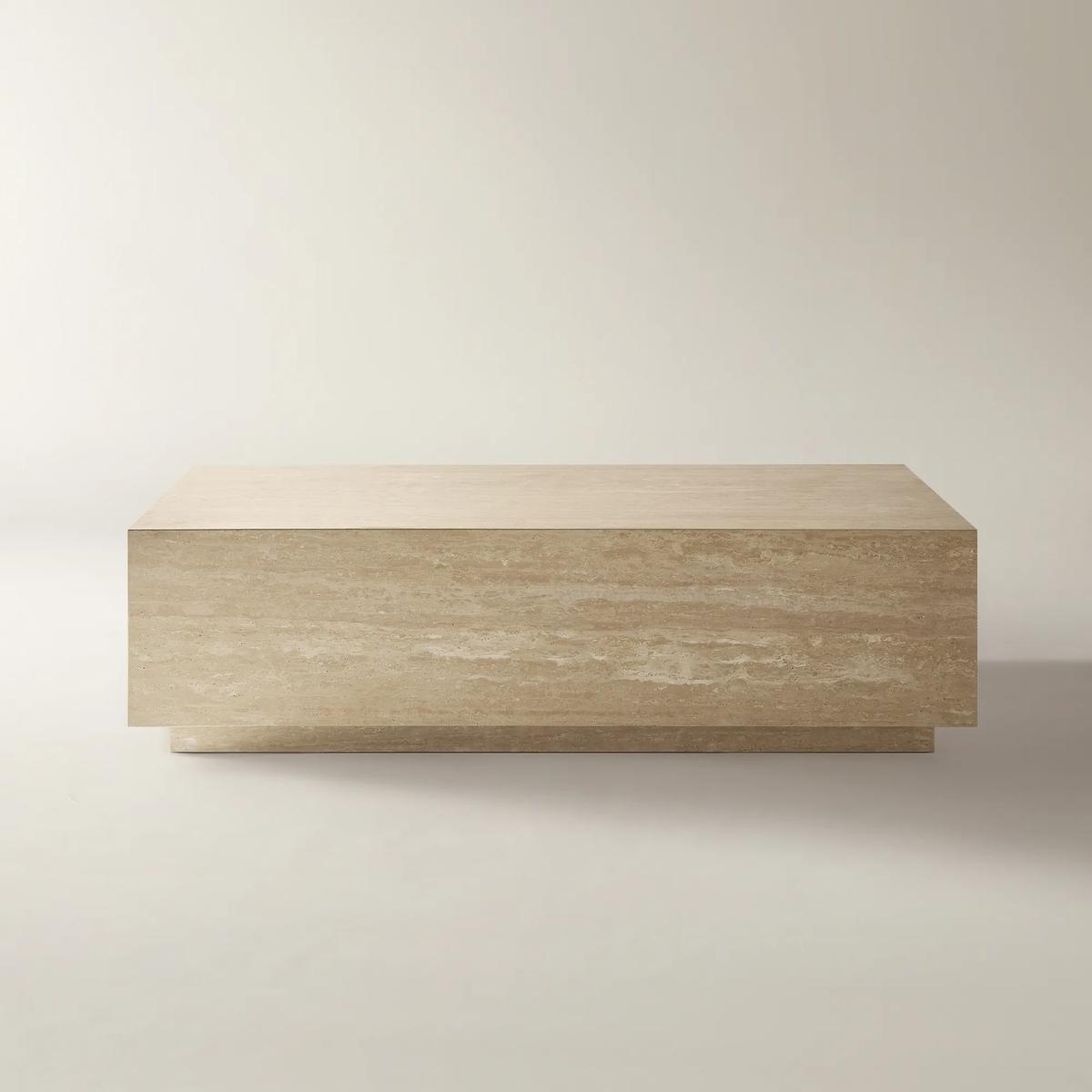
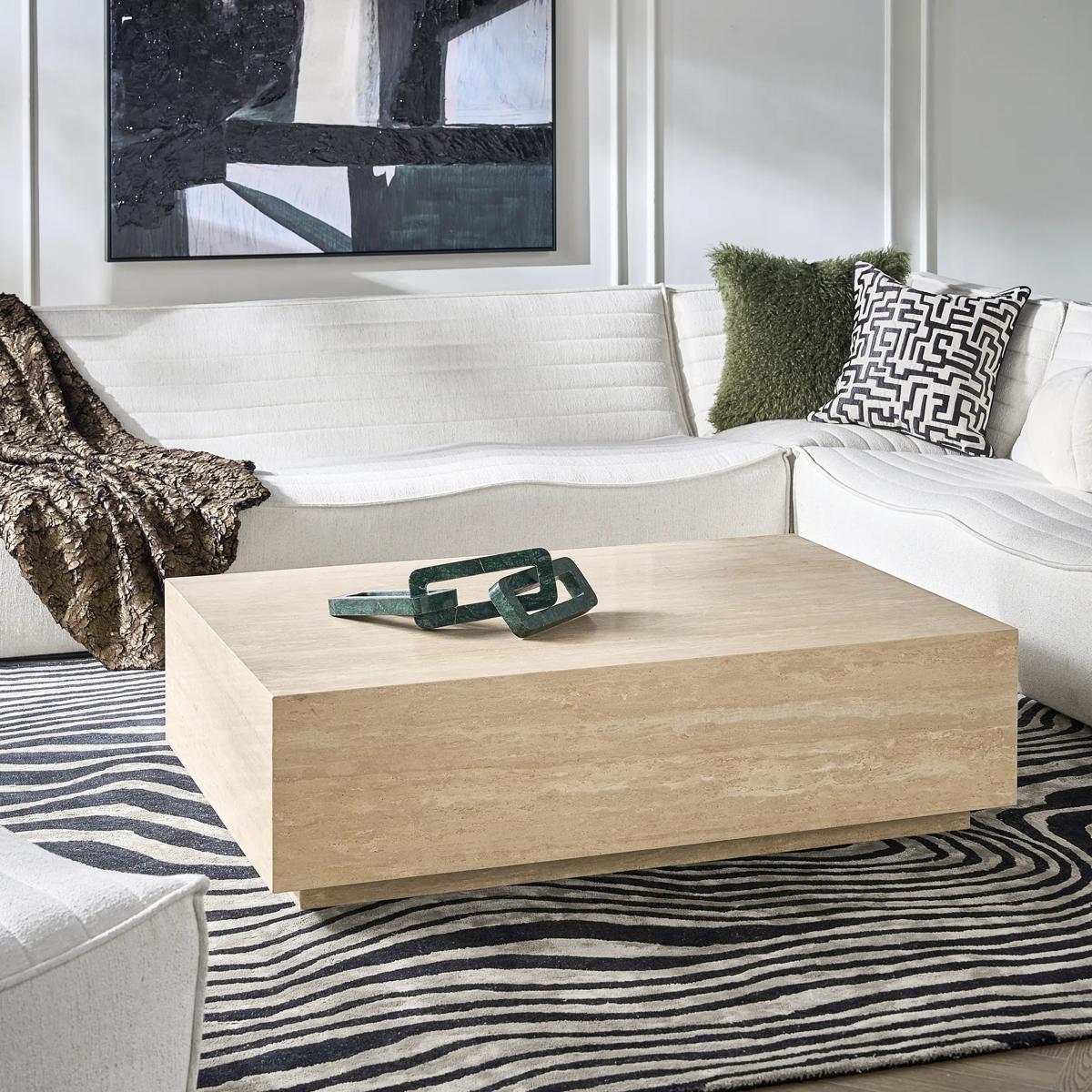 Vanta Rectangular Travertine Coffee Table (54")$2599
A sculptural travertine coffee table with an aluminum honeycomb core and recessed plinth base.
Add To Cart -

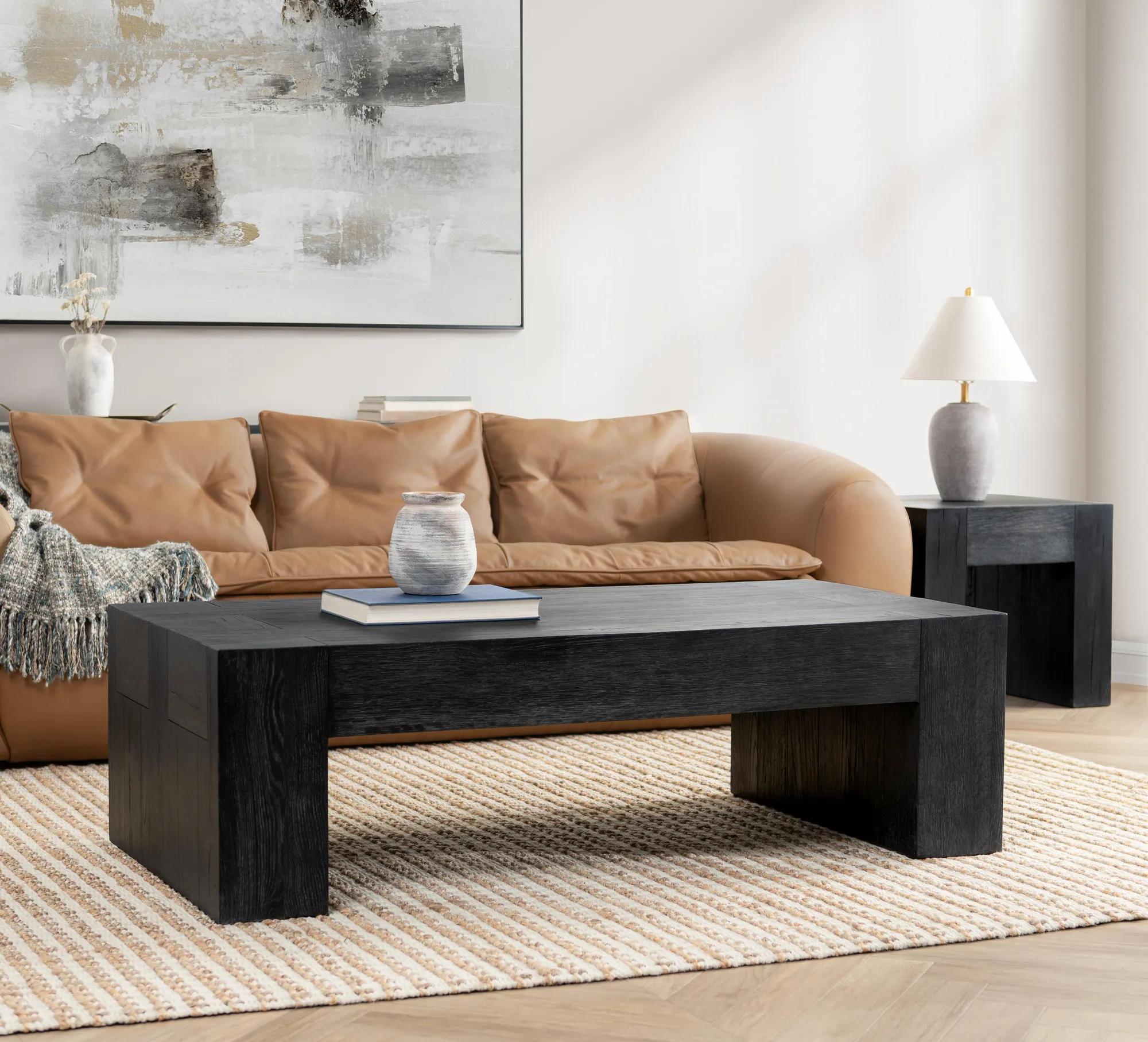 Bristol Rectangular Black Oak Coffee Table (60")$2099
A handcrafted black reclaimed oak coffee table featuring natural wood cracks and modern dovetail joints.
Add To Cart -
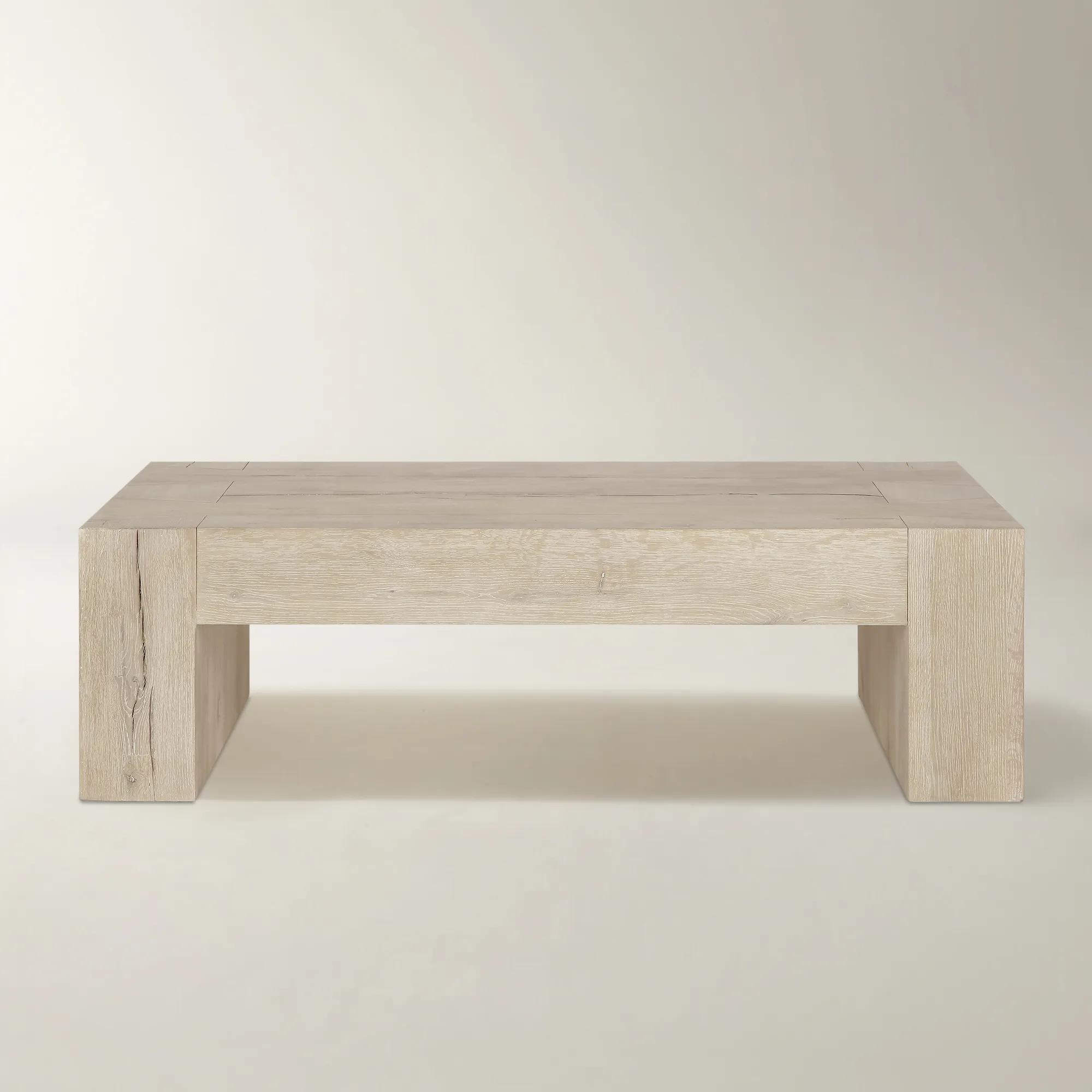 Bristol Rectangular Cream Oak Coffee Table (60")$2099
A handcrafted cream-finished coffee table featuring cracked oak details and modern dovetail accents for unique style.
Add To Cart -
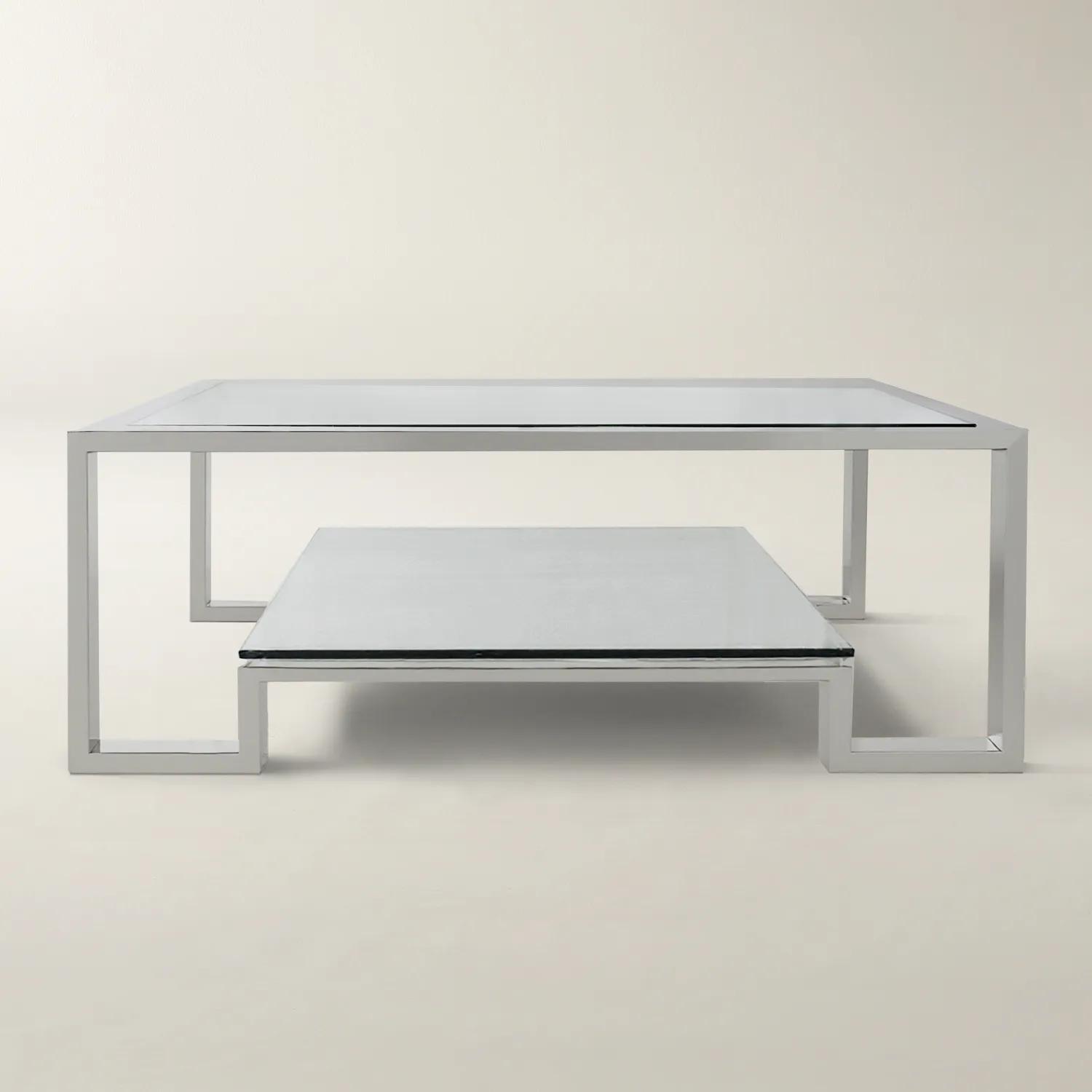
 Duplicity Rectangular Silver Stainless Steel Coffee Table With Glass Top (50")$1399
A modern coffee table featuring a stainless steel frame, tempered glass top, and floating bottom shelf.
Add To Cart -
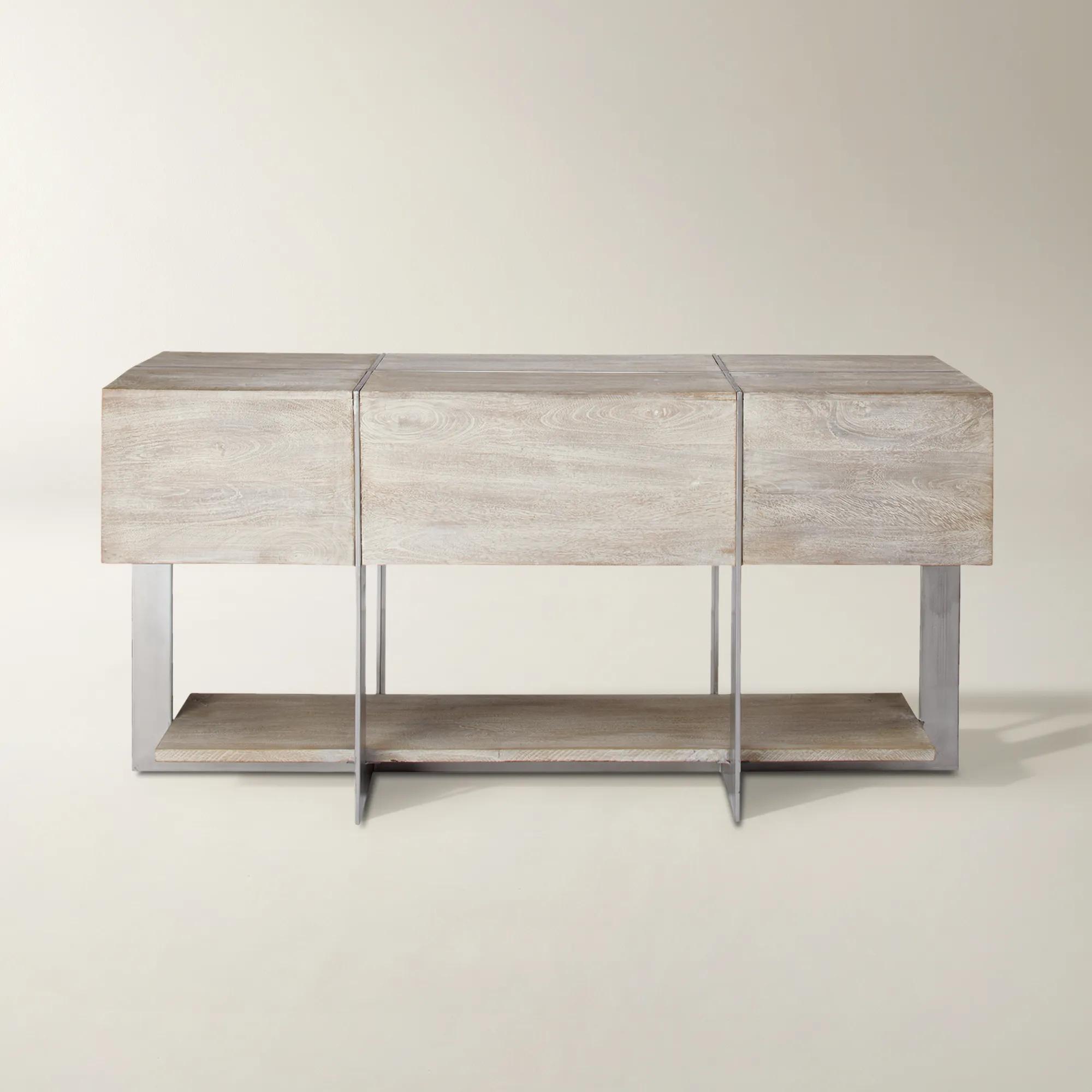
 Clifton Rectangular Natural Mango Wood Console Table (60")$1399
A handcrafted mango wood console table with a whitewashed finish and antiqued silver iron legs.
Add To Cart -
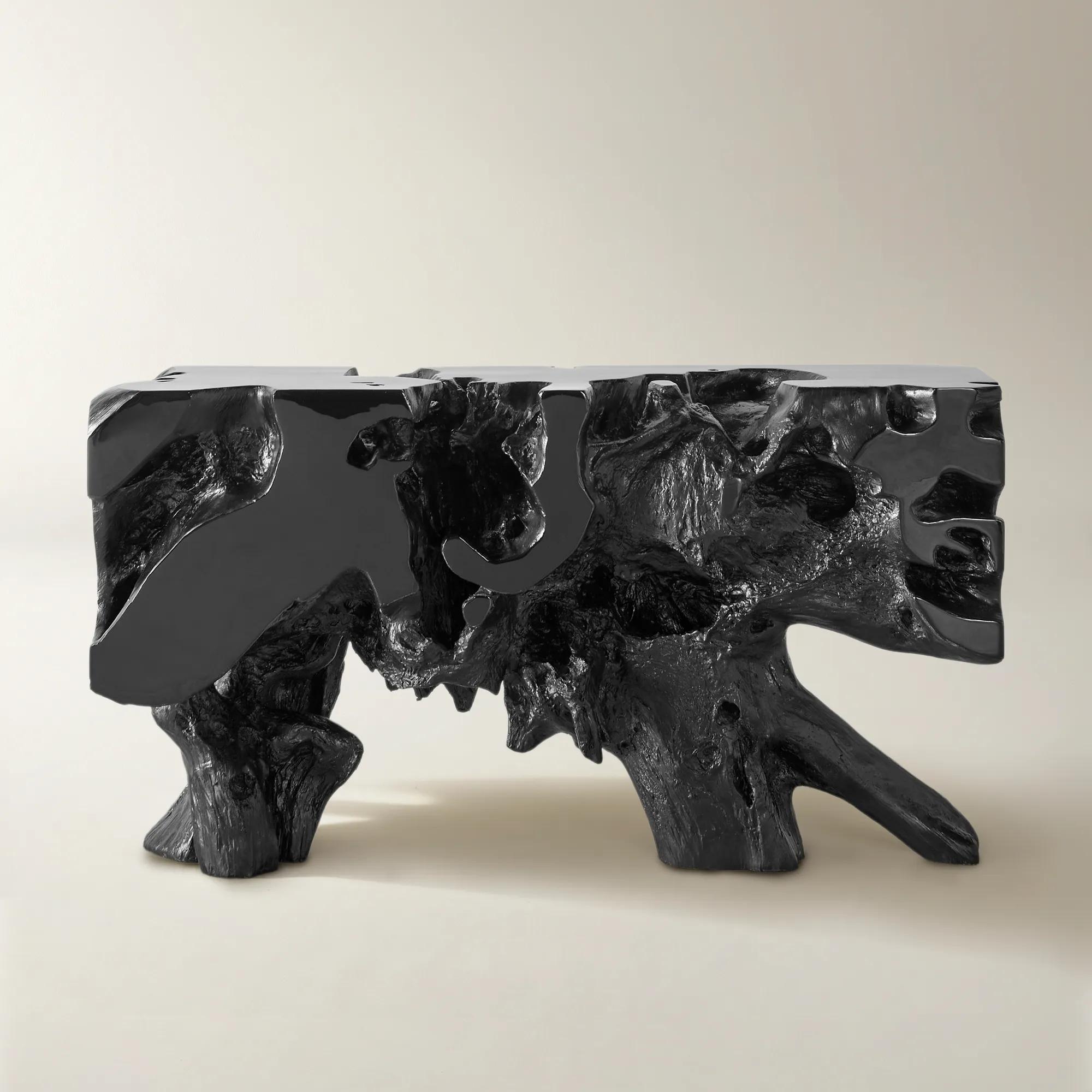 Sequoia Black Resin Console Table (58")$1999
A sculptural black console table crafted from resin, fiberglass, and polished stone for indoor or outdoor use.
Add To Cart -
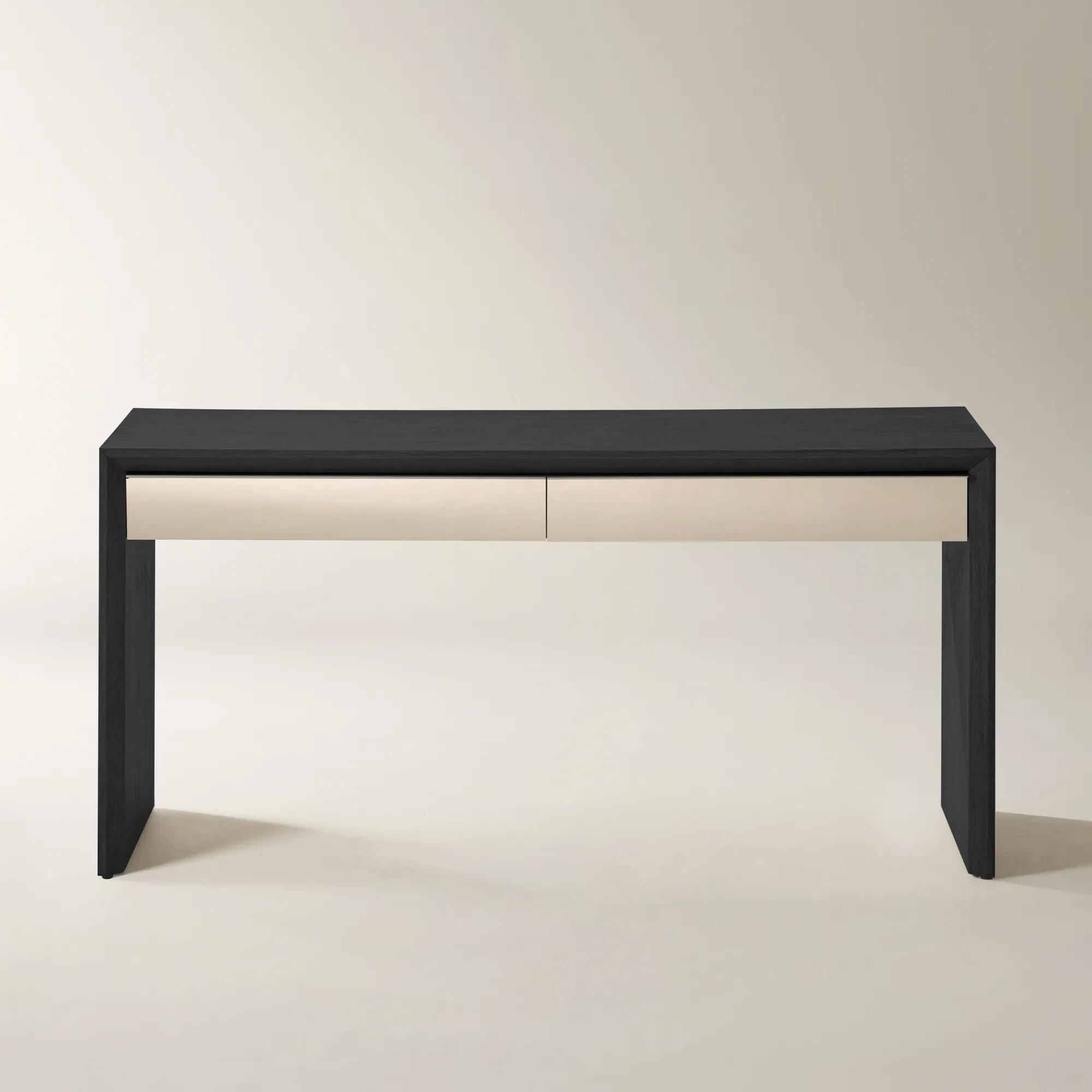
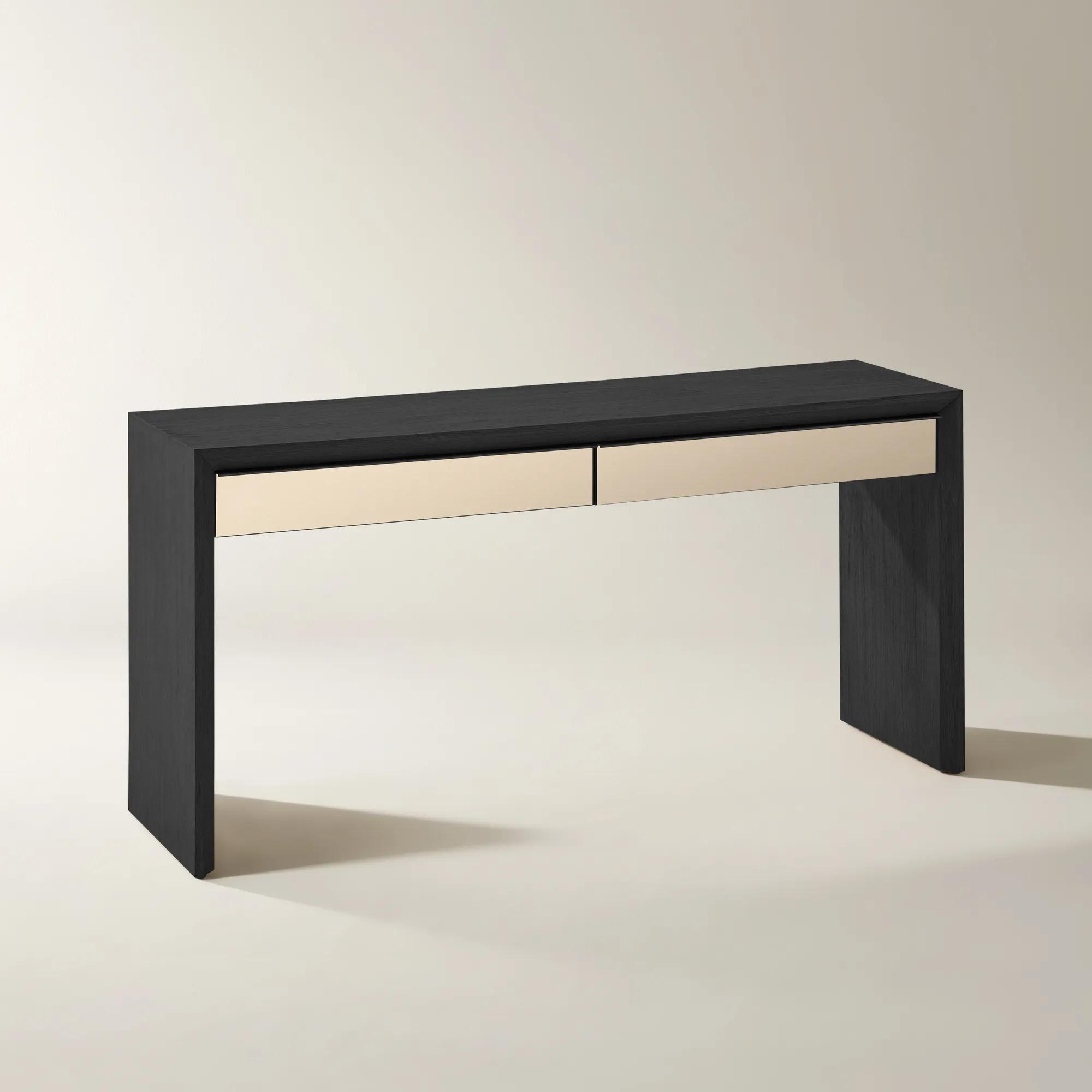 Glimmer Mirrored 2-Drawer Black Oak Console Table (62")$1299
A modern console table featuring black oak veneer, bronze mirrored drawer fronts, and soft-close velvet-lined drawers.
Add To Cart -

 Cairo Mactan Stone Console Table (63")$1799
A hand-carved Mactan stone console table featuring a raw chiseled edge and natural tonal variations.
Add To Cart -

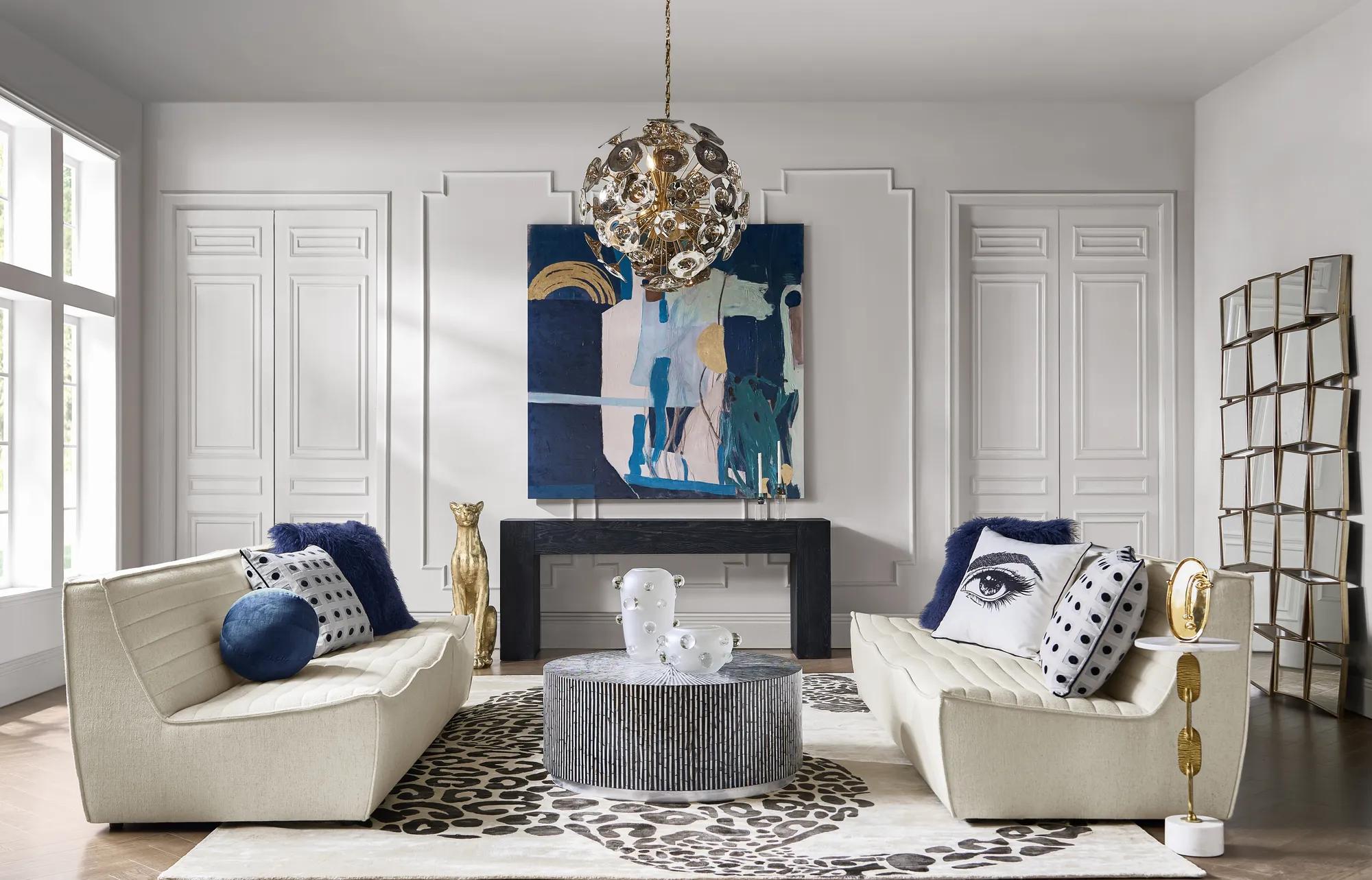 Bristol Rectangular Black Oak Console Table (72")$2099
A handcrafted black reclaimed oak console table featuring natural wood cracks and sturdy dovetail joints.
Add To Cart -
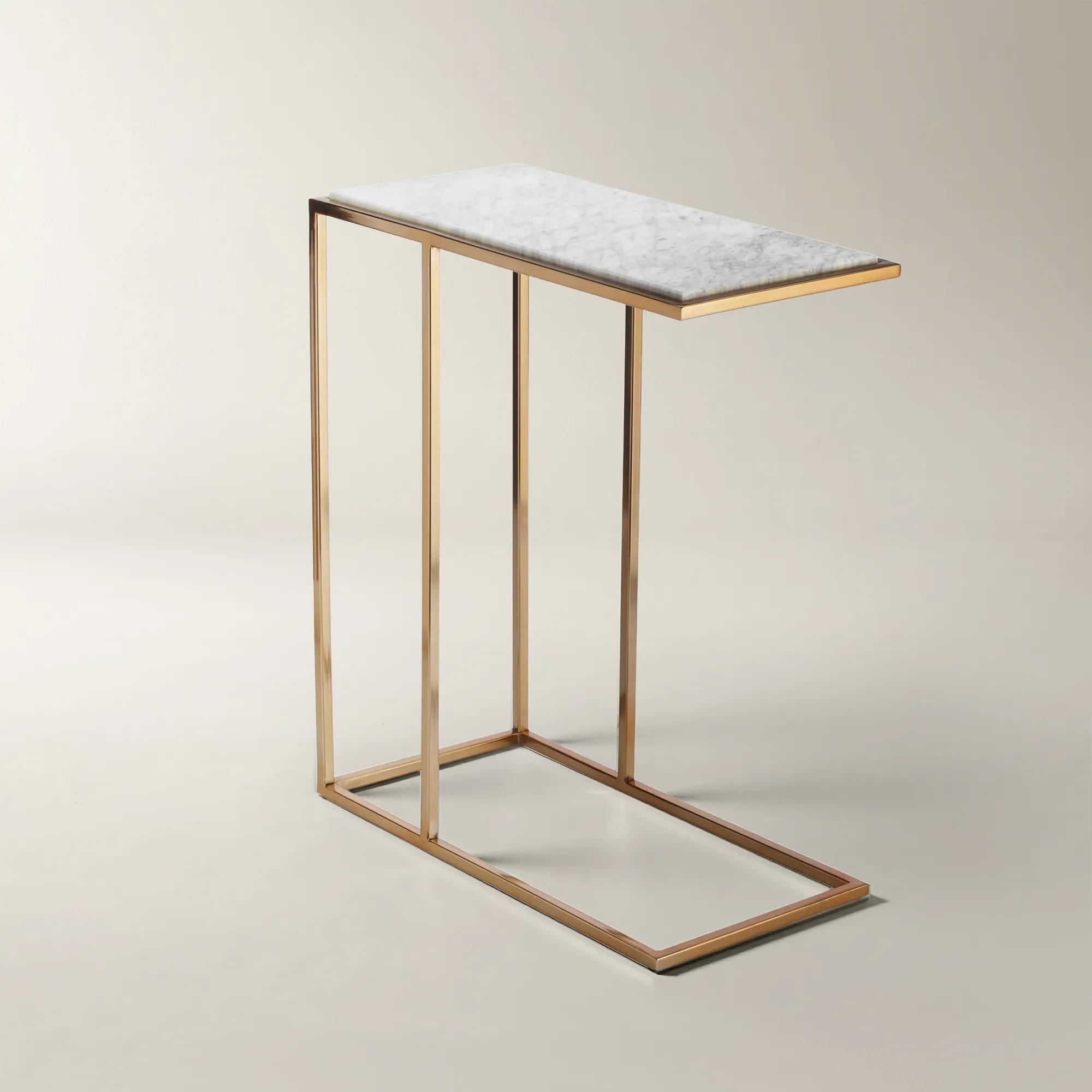
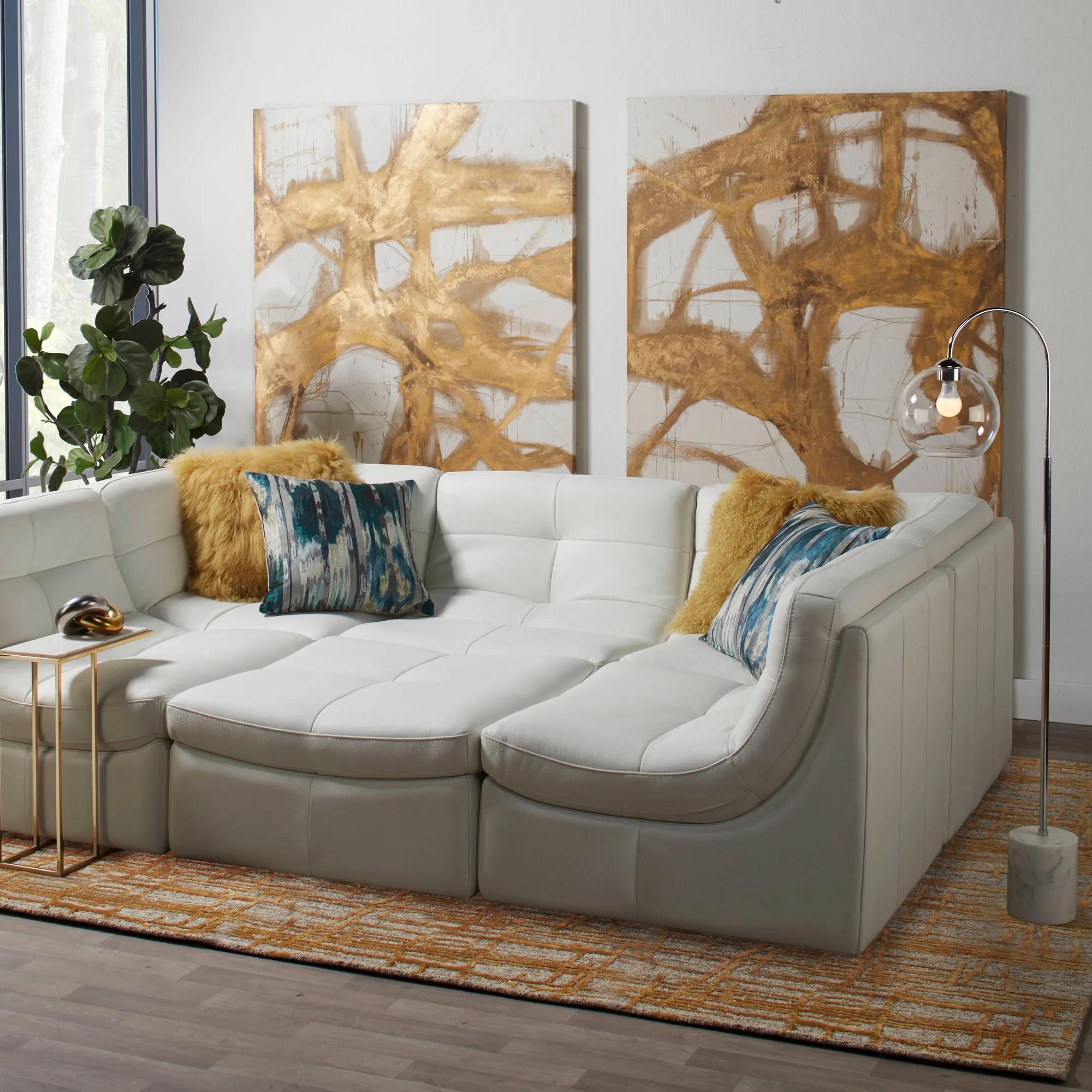 Lawton Rectangular Gold Stainless steel Accent Table With Marble Top (19.75")$259
A space-saving table featuring a white marble top and gold-finished stainless steel base.
Add To Cart -
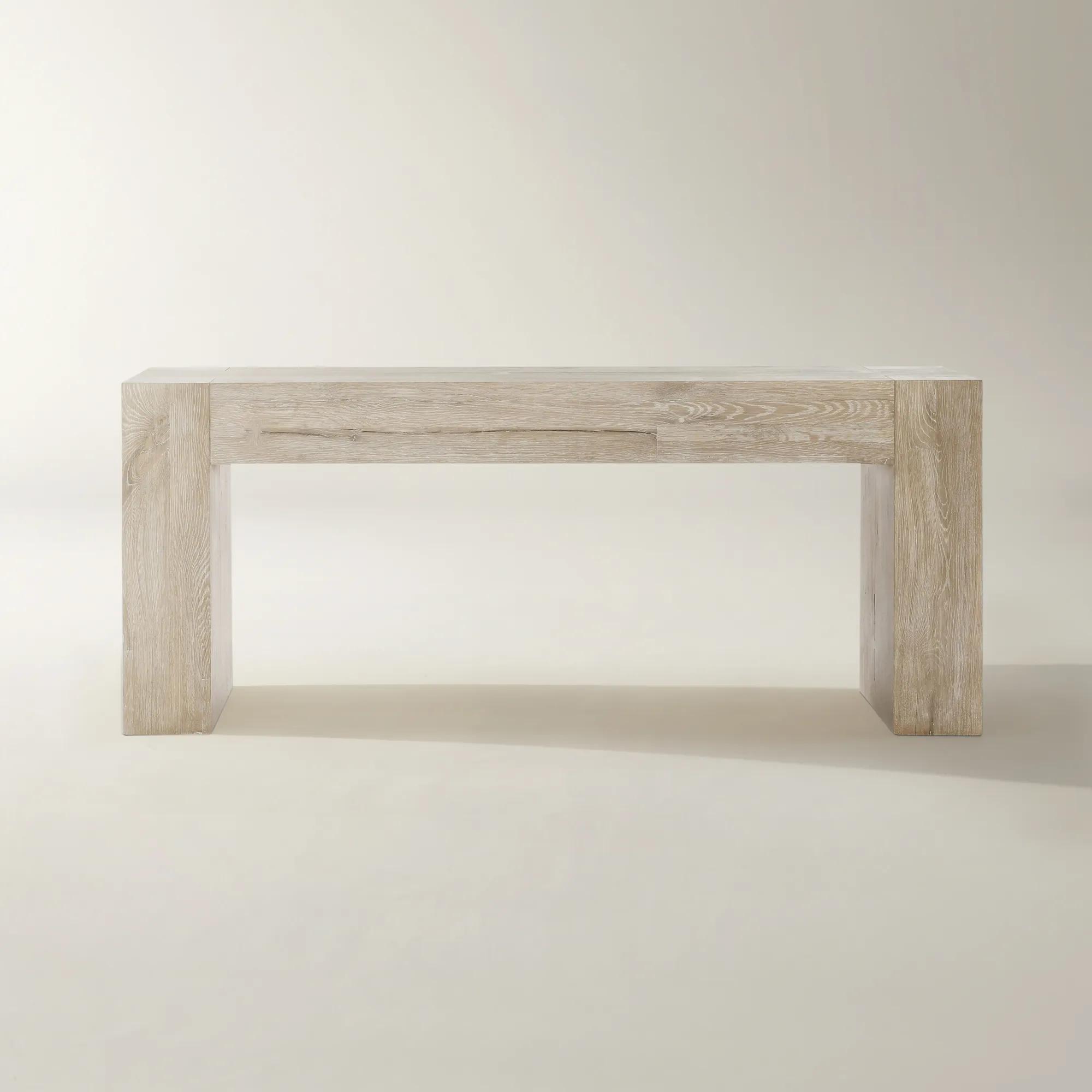
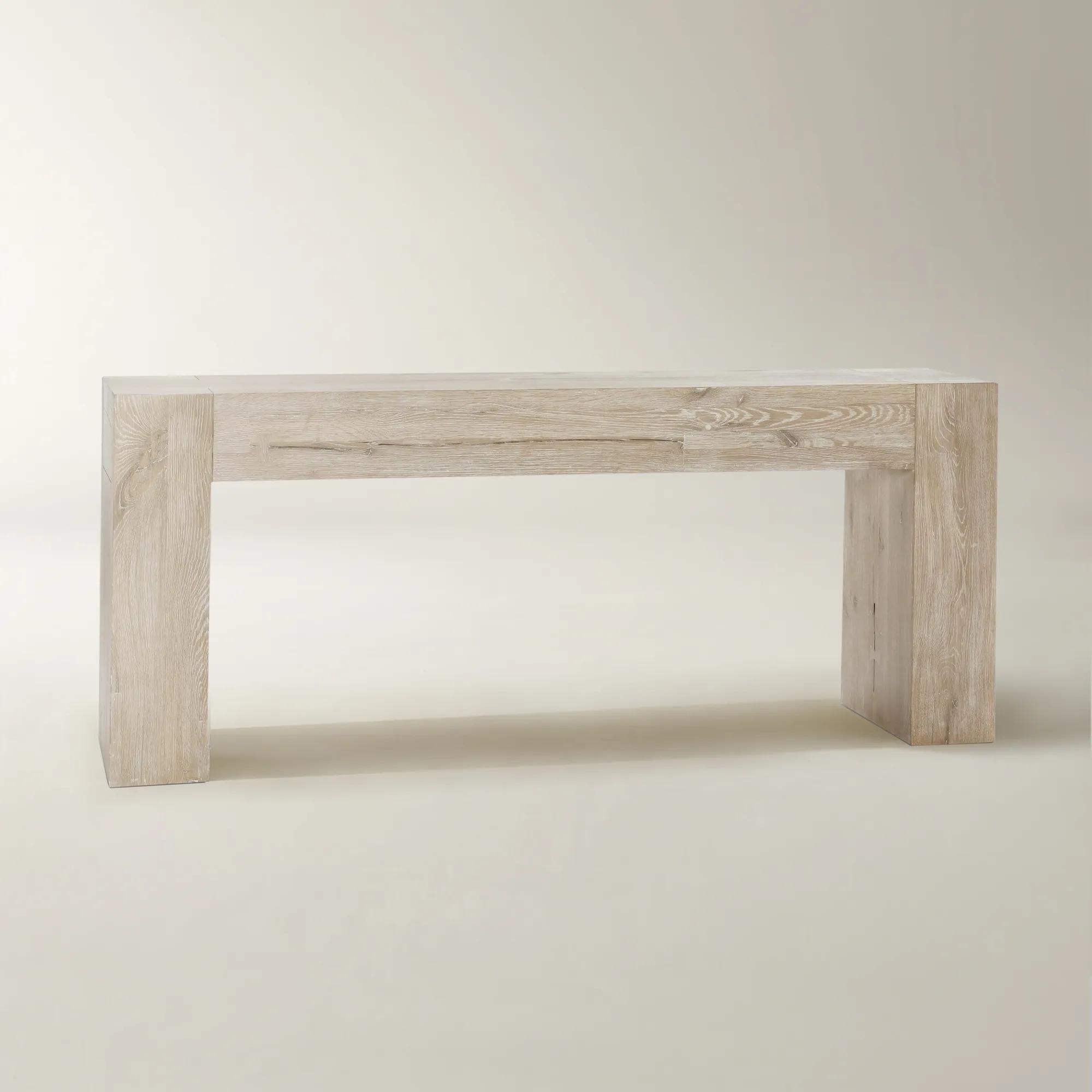 Bristol Rectangular Cream Oak Console Table (72")$2099
A handcrafted console table in aged cream cracked oak with modern dovetail detailing and artisanal character.
Add To Cart -
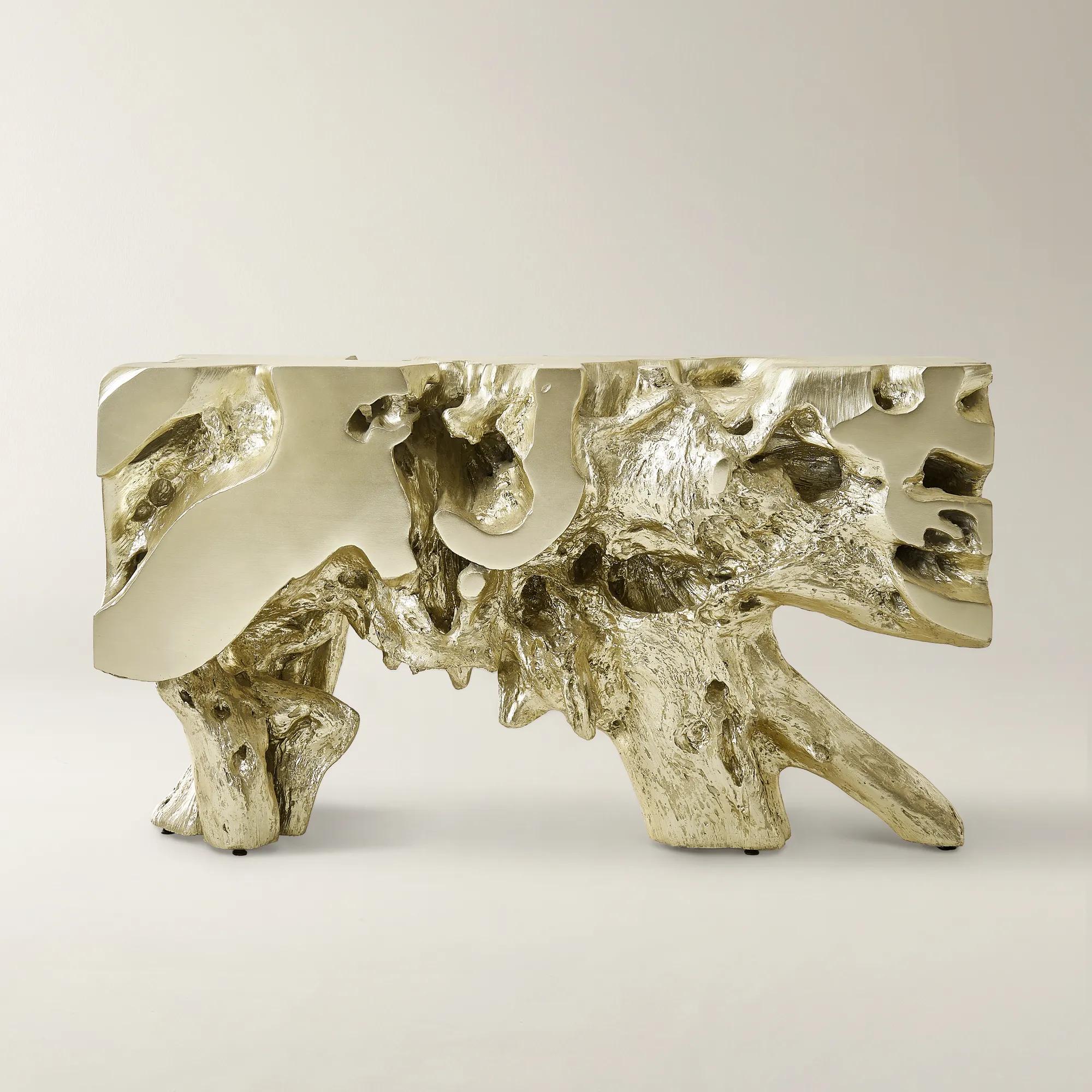 Sequoia Champagne Gold Resin Console Table (58")$1999
A sculptural resin console table finished in luminous champagne gold leaf with organic, root-inspired texture.
Add To Cart -
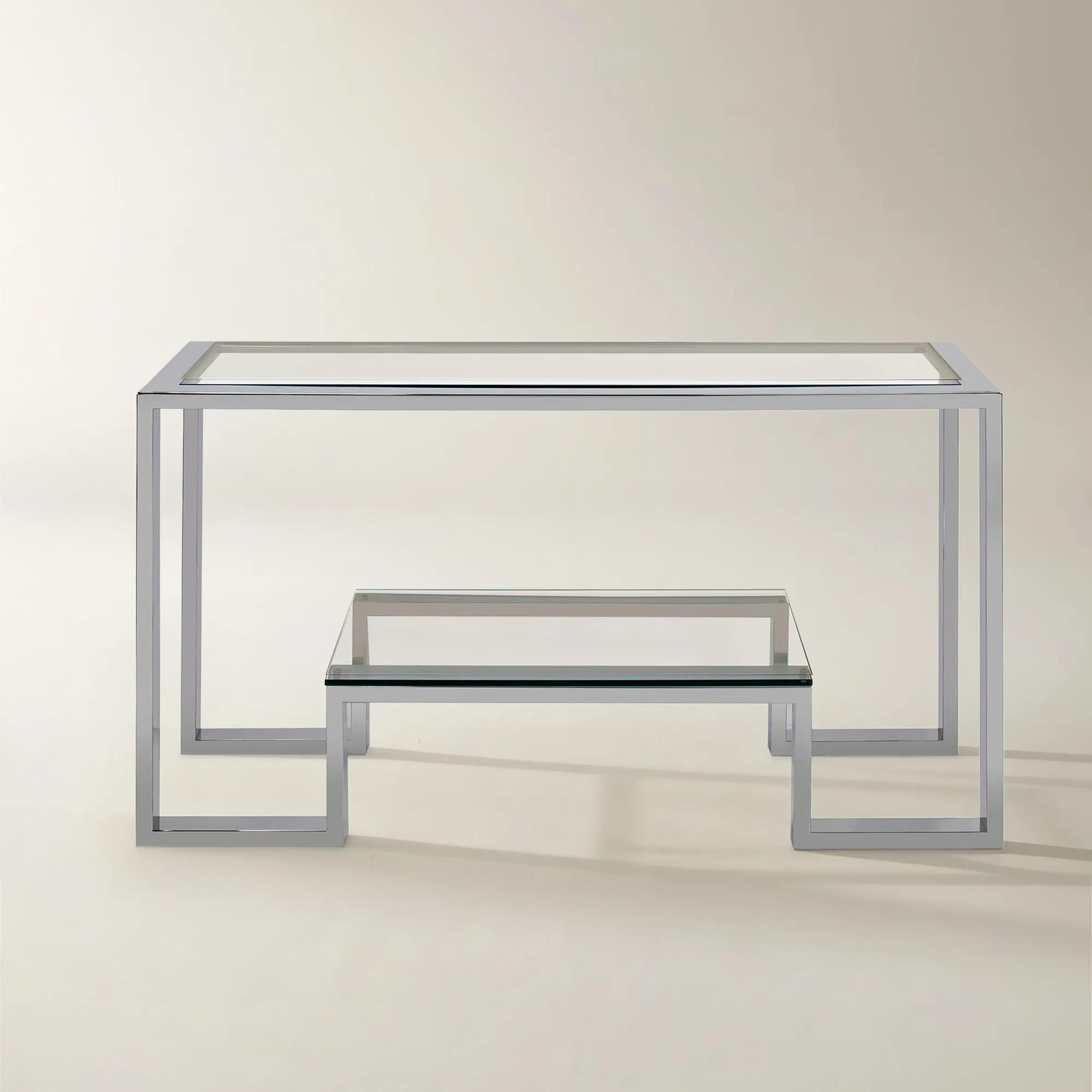
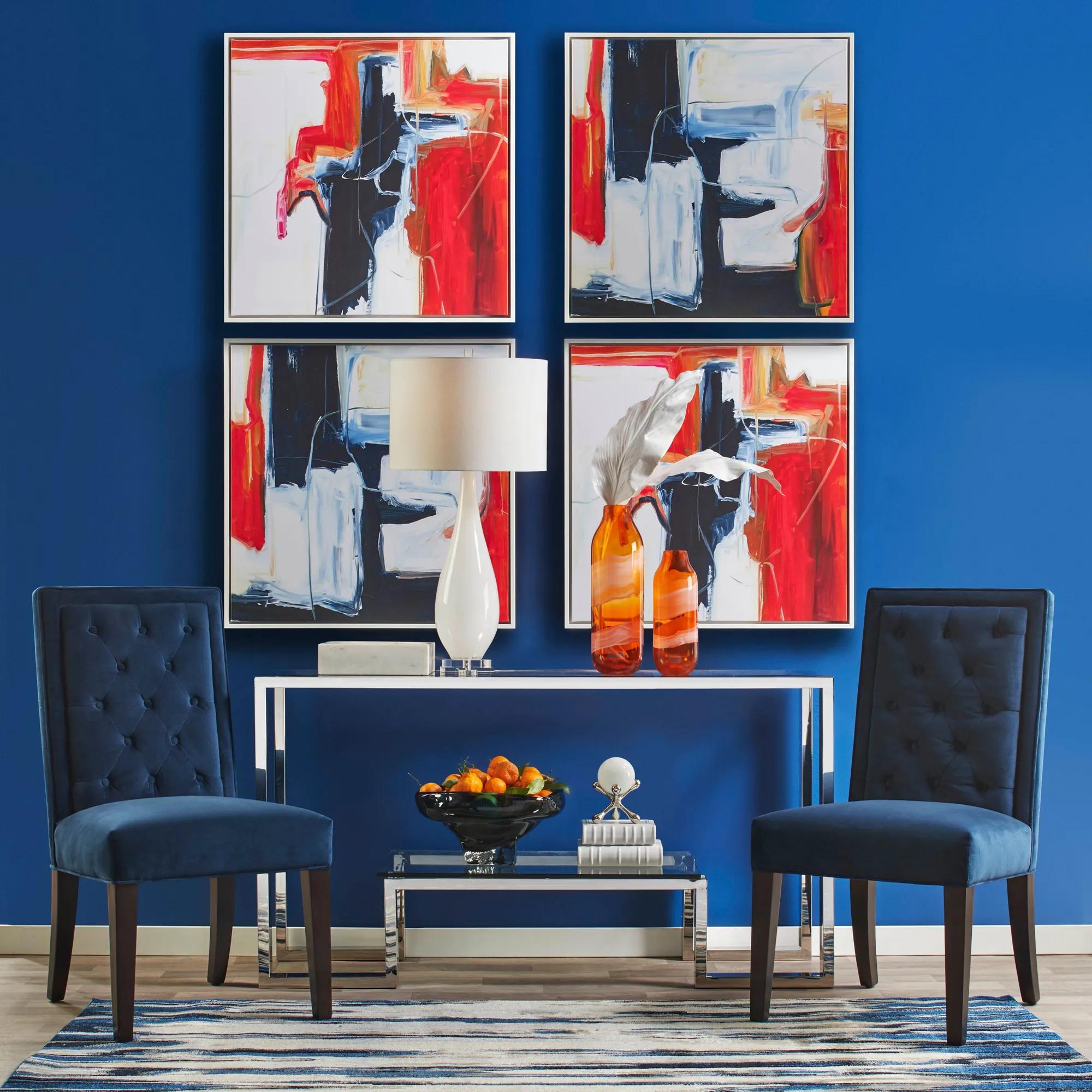 Duplicity Rectangular Silver Stainless Steel Console Table With Glass Top (59")$1399
A modern console table crafted from stainless steel and tempered glass with a floating bottom shelf.
Add To Cart -

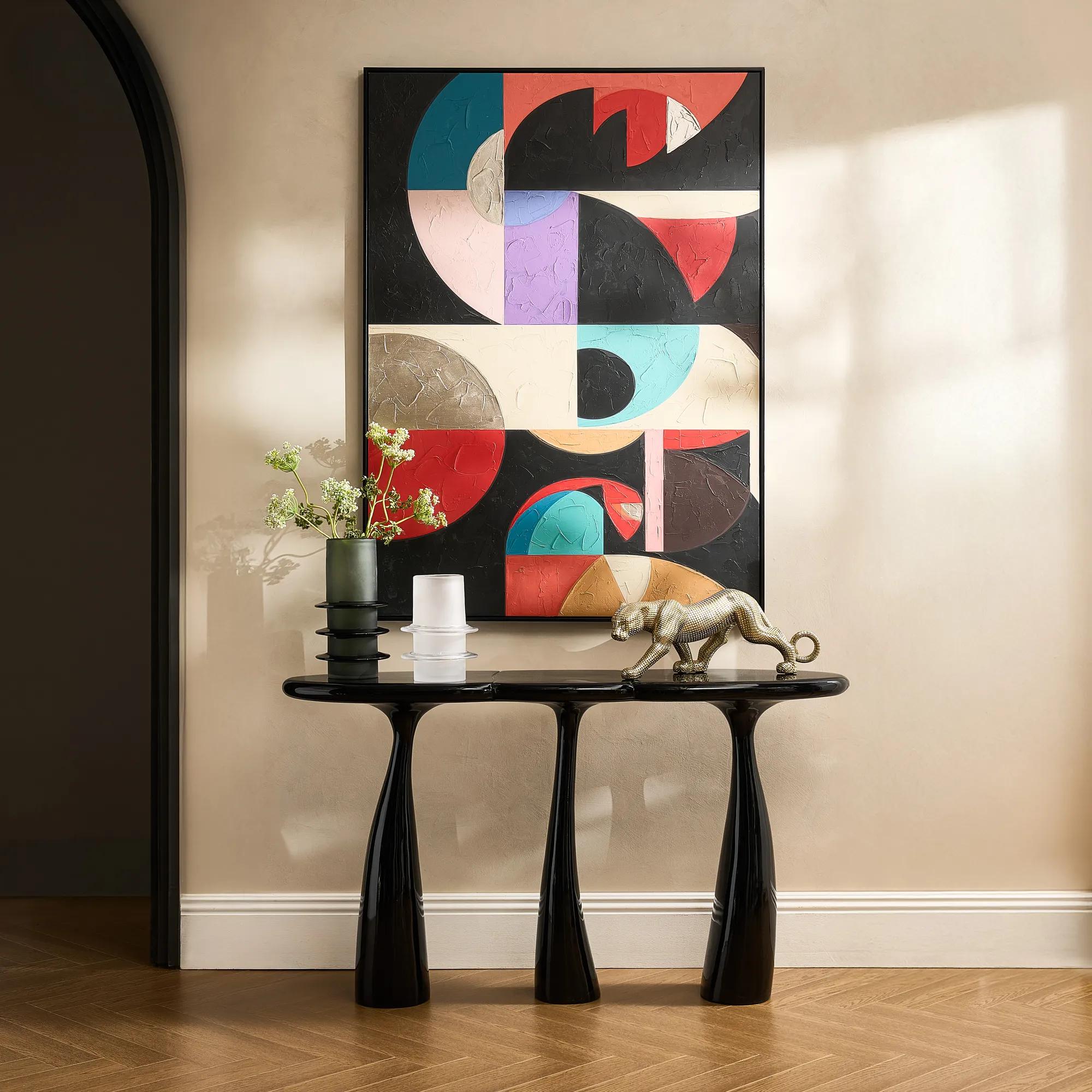 Thalia Glossy Black Console Table (52.4")$999
A sculptural console table crafted from glossy black fiberglass with seamless curves and a mirror-like finish.
Add To Cart -

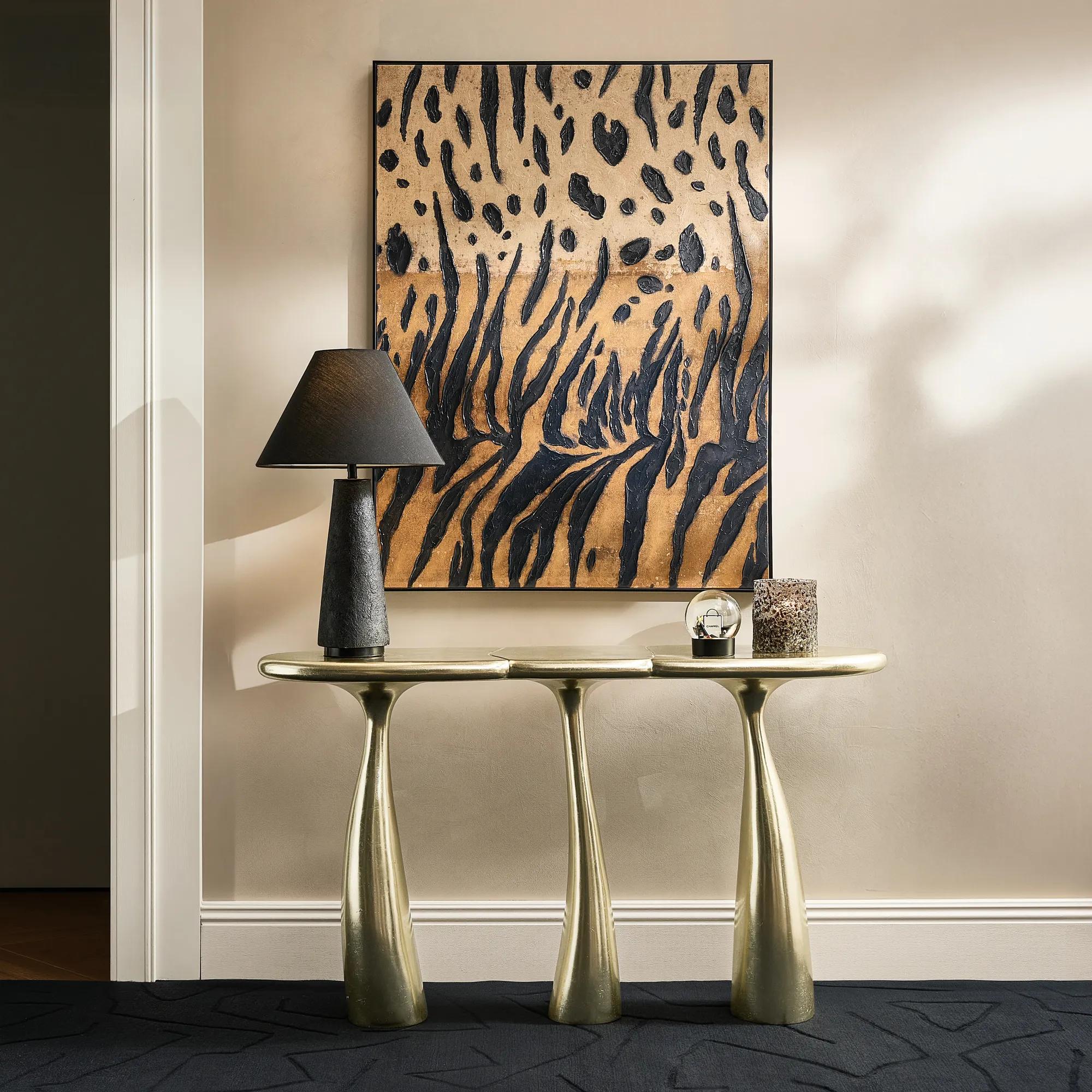 Thalia Soft Gold Console Table (52.4")$999
A sculptural console table hand-molded from fiberglass with a luminous, hand-applied gold leaf finish.
Add To Cart -
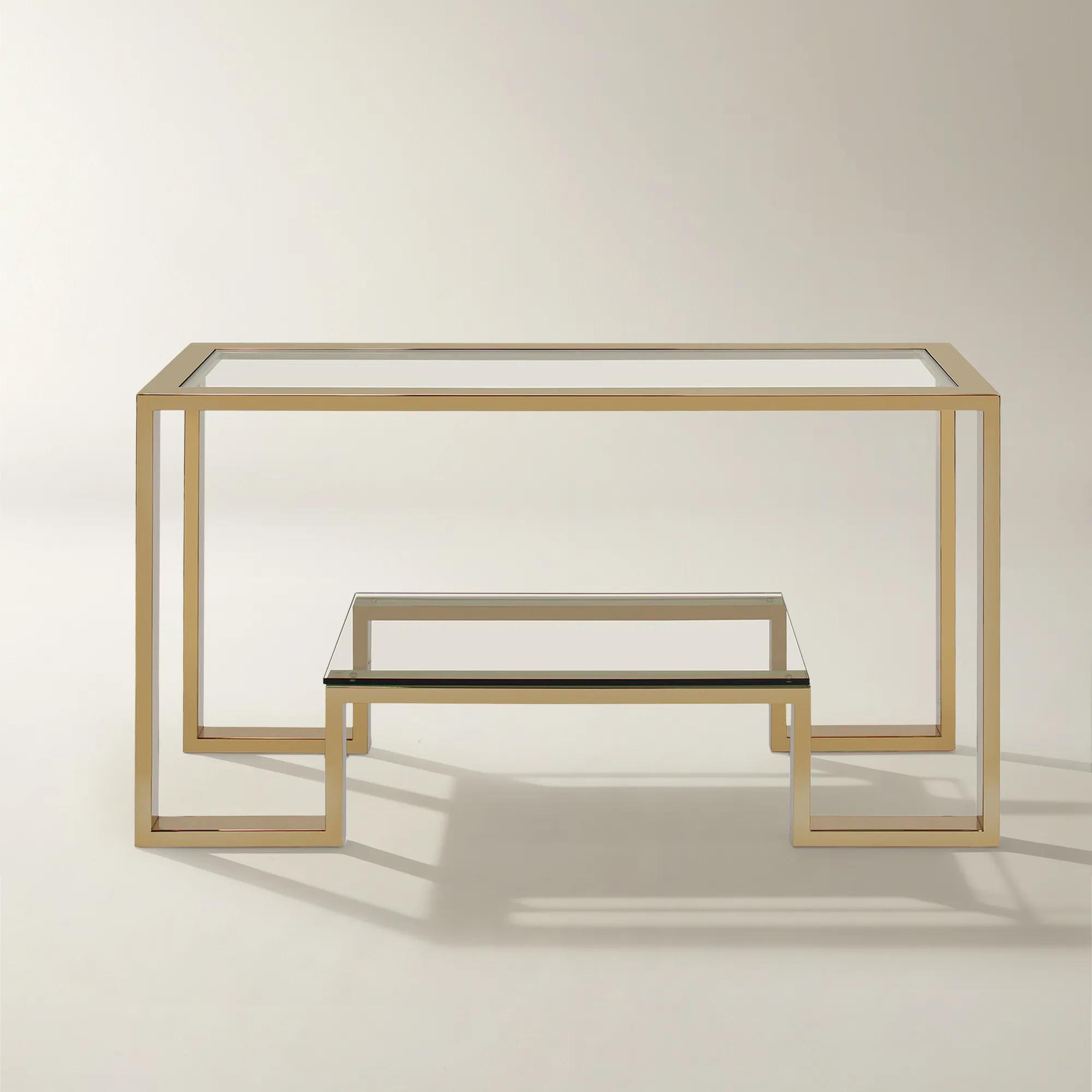
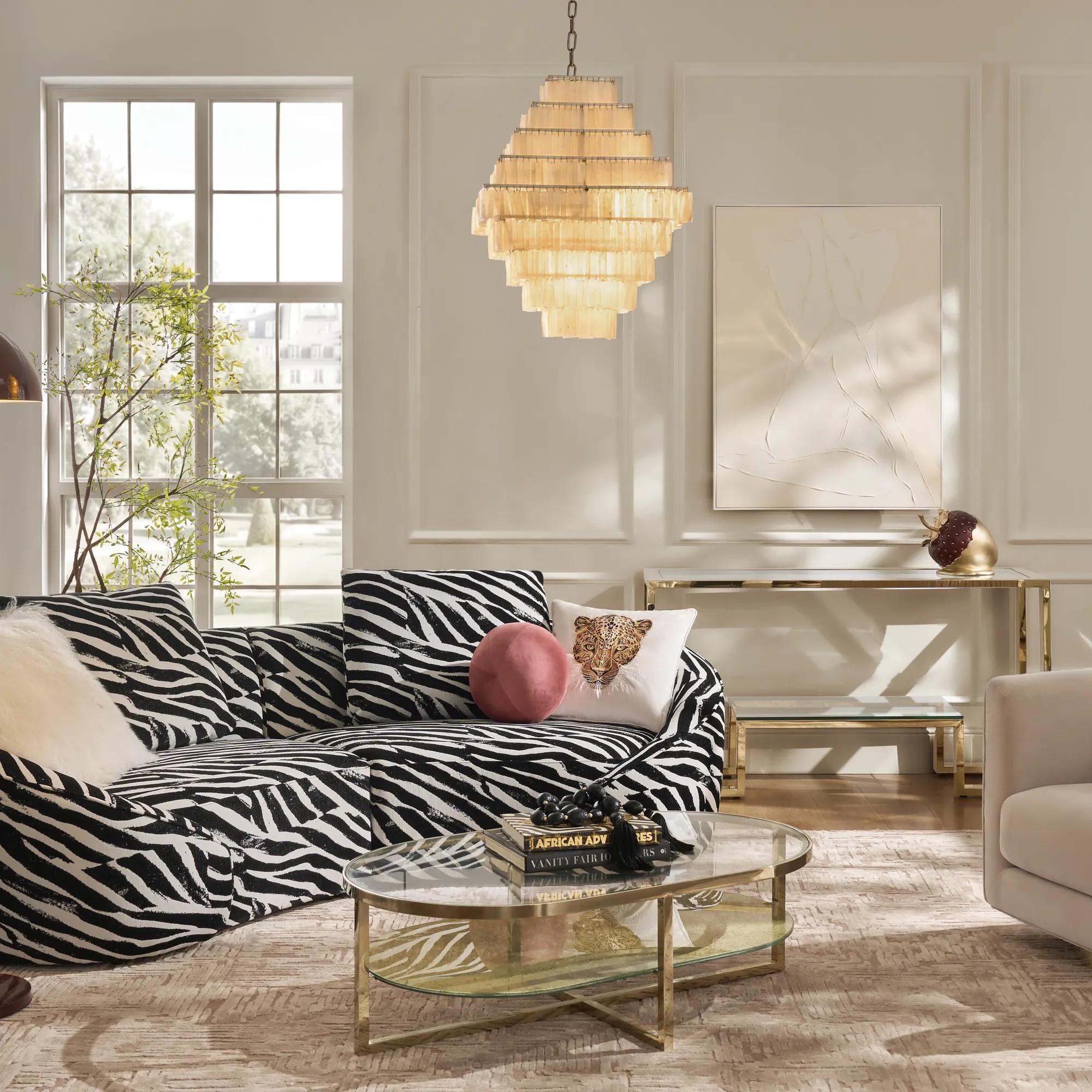 Duplicity Rectangular Gold Stainless Steel Console Table With Glass Top (59")$1399
A modern console table crafted from stainless steel and tempered glass with a floating bottom shelf.
Add To Cart -
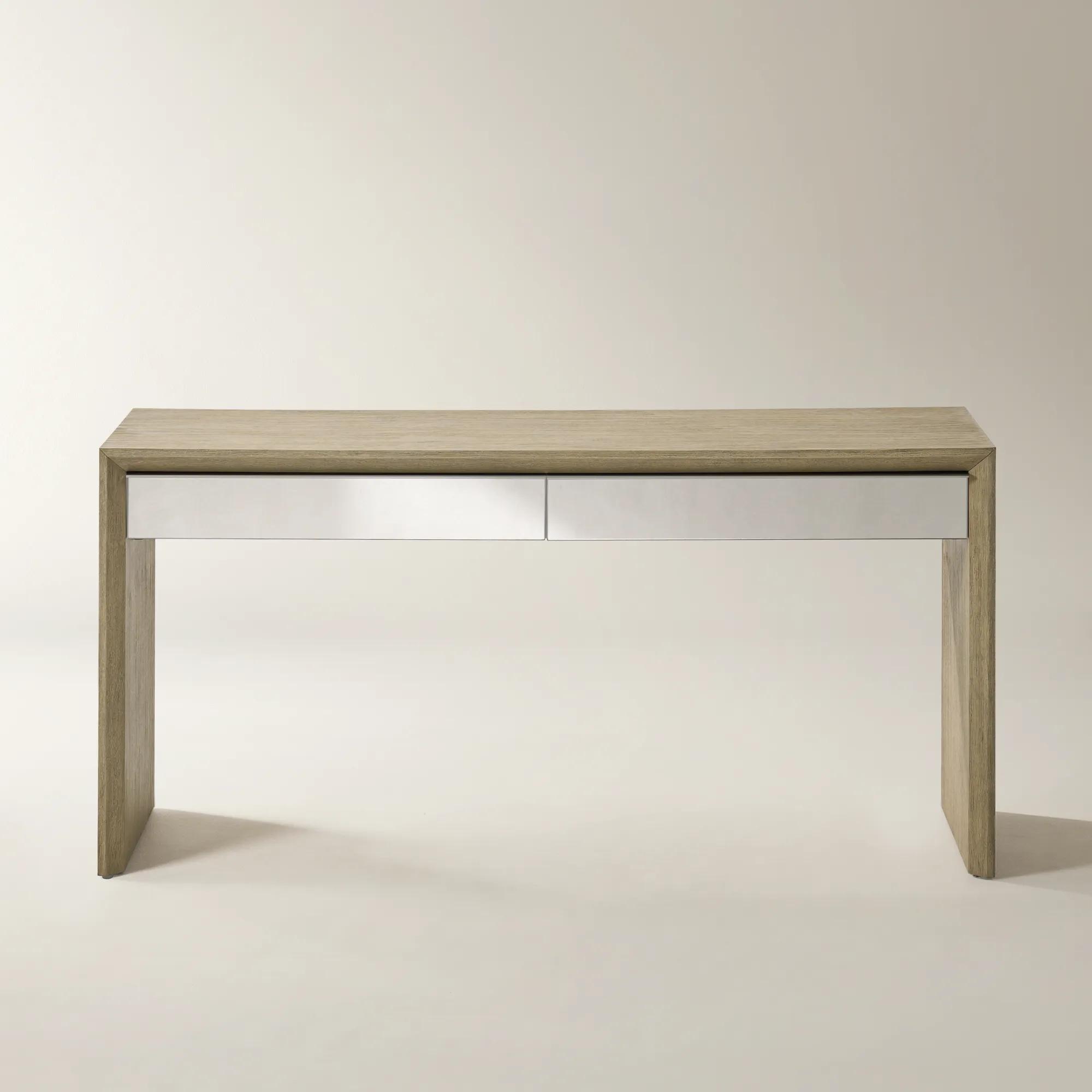 Glimmer Mirrored 2-Drawer Sea Drift Oak Console Table (62")$1299
A two-tone console table featuring warm oak veneer, antique mirrored drawers, and soft-close velvet-lined storage.
Add To Cart

Rectangular Console Tables
Explore rectangular console tables to define an entryway, elevate a hallway, or create an artful vignette behind a sofa. Compare length, depth, and height with your available space to find proportions that frame a striking display while keeping walkways comfortably clear.
Rectangular console tables are narrow, elongated accent tables designed to sit against a wall, behind a sofa, or along an entryway, bringing a useful surface and a strong decorative presence to spaces that rarely accommodate deeper furniture. Their straight-sided shape creates a composed foundation for expressive interiors: a gleaming lamp beside an oversized artwork, a sculptural bowl beneath a dramatic mirror, or a carefully edited arrangement of ceramics and books. In an entry, a console establishes the mood before the rest of the home comes into view. In a living room, it can give the back of a floating sofa a finished appearance while keeping a favorite object or reading light within reach. Along a dining room wall, a rectangular console offers a beautiful setting for decorative serving pieces between gatherings, provided its dimensions and construction suit the intended use. The appeal lies in this balance of presence and restraint. A long silhouette can anchor an expansive wall, while a slender depth preserves valuable floor space in an apartment foyer or connecting hallway. Fit depends on more than the width of an empty wall, however. Door swings, nearby drawers, floor registers, and the route people naturally take through a room all influence whether a table feels gracious or intrusive. Behind a sofa, a console generally looks most integrated when it is no taller than the sofa back and does not extend beyond its ends. Near an entrance, enough clearance to walk past comfortably matters more than filling every available inch. Rectangular console tables also offer a pleasing architectural contrast to rounded upholstery, curved mirrors, and organic accessories. Their linear outline gives those softer shapes definition without demanding that every furnishing match. For homes with open layouts, that same outline can subtly distinguish a seating area from an adjacent passage, creating a sense of order without the visual weight of a full-height divider. The result is furniture that contributes to the composition of a room rather than simply occupying its edges.
Material and construction determine how that silhouette feels, wears, and responds to everyday life. A wood console introduces warmth through grain, tonal variation, and the character of its finish; it can soften a room filled with glass, polished metal, or pale upholstery. Solid wood and wood veneer over an engineered core are different construction approaches, and neither label alone tells the whole story of durability. Joinery, surface protection, support, and the quality of the finished piece all matter. Metal frames can lend a rectangular console table a crisp, architectural profile, with slender legs that leave more of the surrounding room visible. Reflective finishes amplify nearby light, while brushed or darker finishes create a quieter outline around more theatrical accessories. Glass tops offer visual openness, particularly where a table sits in front of decorative wallpaper or an intricately finished wall. Tempered glass, when specified, has different safety characteristics from ordinary glass, though edges still deserve care and the stated weight capacity remains important. Stone surfaces bring rich variation and a substantial presence, with veining that becomes part of the design itself. Natural marble can be sensitive to acids and staining, while other stone and manufactured surfaces have their own maintenance requirements. A console intended to hold a frequently watered plant, for example, benefits from a protective saucer rather than direct contact between the pot and tabletop. Coasters and felt-backed accessories help protect many finishes, and lifting decorative objects instead of sliding them reduces the chance of scratches. Gentle dusting with a soft cloth is a sound starting point, followed by the manufacturer’s material-specific cleaning instructions; abrasive pads and harsh cleaners can compromise delicate surfaces. Durability also depends on placement. A level floor, properly assembled supports, and adherence to load limits help preserve stability. In homes with children or pets, rounded corners may be worth considering, and any supplied or recommended anti-tip hardware should be installed as directed. Console tables are accent furniture, not seating, even when their proportions appear substantial.
The most compelling rectangular console tables make room for personality without losing their practical purpose. An open base can frame a pair of decorative baskets or leave a patterned rug uninterrupted, while a lower shelf adds another plane for larger objects without crowding the top. Drawers, when included, keep keys, correspondence, and other small essentials out of sight, allowing the surface to retain its polished composition. For someone who loves a glamorous entrance, mirrored details or luminous metal can turn an otherwise overlooked wall into a deliberate focal point. For an art collector, a restrained rectangular form provides a confident base beneath a painting without competing with it. Those drawn to Modern Decorative Console Tables can appreciate the way a familiar furniture shape becomes expressive through an unexpected base, a richly textured surface, or a striking contrast of materials. Styling succeeds when it respects both the table’s scale and the way the room is used. A tall arrangement at one end can balance a broad, low bowl at the other, while open space between them allows the tabletop’s finish to remain part of the display. Where a lamp is involved, the position of the outlet and the path of its cord deserve consideration before the arrangement is complete. In a busy entry, a shallow tray gives everyday essentials a defined place; behind a sofa, a lower arrangement preserves conversation and sightlines across the room. Artwork or a mirror above the console should feel proportionate to the furniture beneath it, with enough separation to keep the grouping from appearing compressed. Repeating one finish from elsewhere in the room can create continuity, but identical metals and woods are not essential. A thoughtful contrast often gives an interior greater depth. Whether furnishing a first apartment, refining an established living room, or creating a memorable welcome for guests, a rectangular console offers an elegant platform for the details that make a home unmistakably personal.
FAQs
A rectangular console table creates a striking focal point in an entryway, along a living room wall, or behind a sofa. In a dining room, it can become an elegant stage for decorative objects. Let its placement inspire the story: a dramatic welcome, an artful display, or a polished finishing touch.
Build an expressive vignette with a sculptural vase, a stack of art books, and a decorative tray. Vary silhouettes and textures, then leave some of the tabletop exposed so each piece feels intentional. An asymmetrical arrangement brings movement and an editorial sensibility to the table’s linear form.
The rectangular silhouette offers a composed foundation for both modern and glamorous interiors. Emphasize its geometry with graphic artwork and sculptural objects, or introduce drama through luminous accents and richly textured accessories. The surrounding details can steer the look toward restrained sophistication or expressive opulence.
A statement mirror, abstract artwork, or a curated gallery wall can give your console table a compelling backdrop. Echo a color or shape from the wall display in your tabletop accessories to connect the composition. For a more dramatic effect, pair the table’s crisp lines with artwork full of sweeping movement.
Look for a shared design thread rather than matching every detail. Repeat a finish, color, or geometric motif already present in the room, then introduce contrast through decorative accents. Curved objects beside the console’s angular silhouette create a layered composition that feels collected and distinctly personal.