Modern Indoor Console Tables
Modern Indoor Console Tables
-
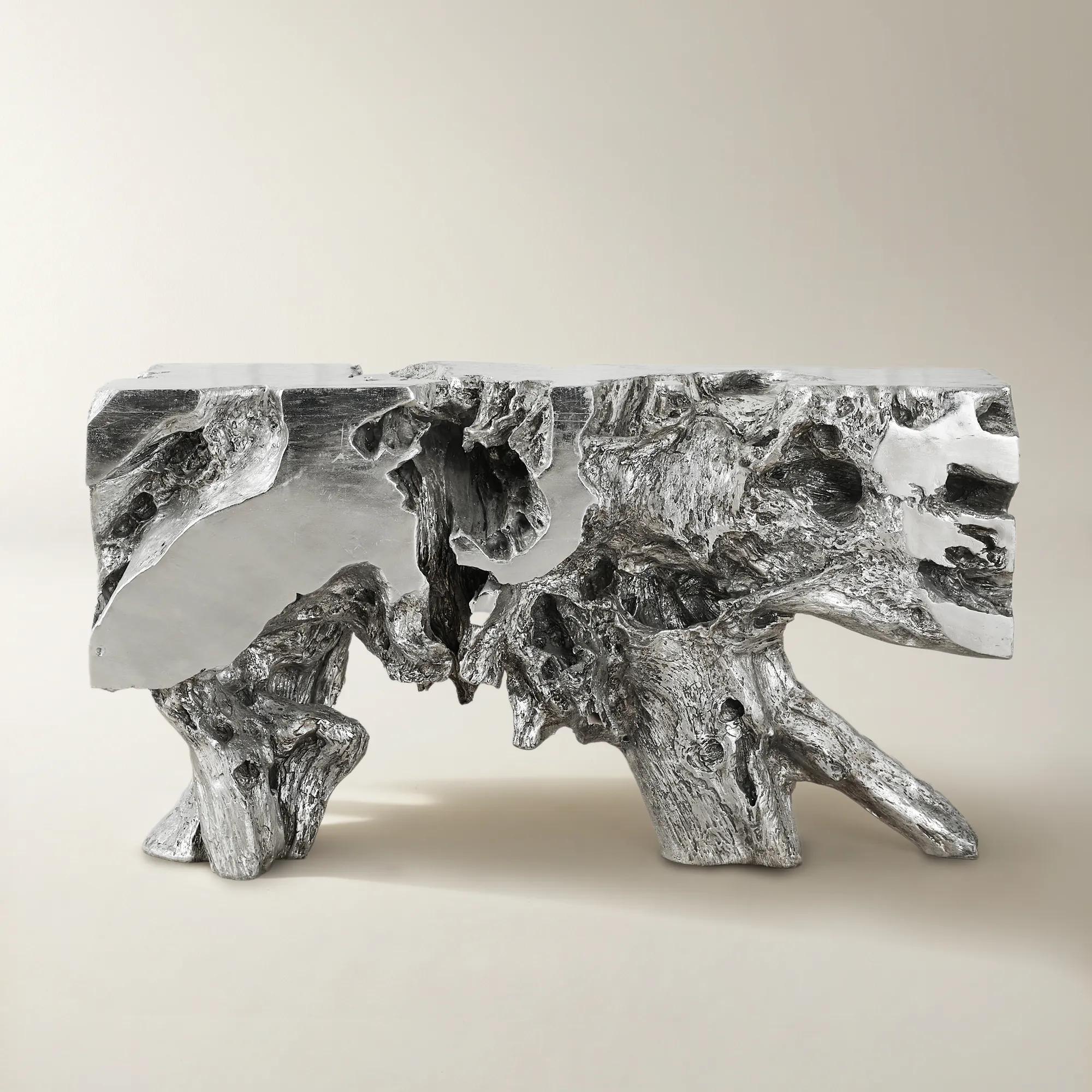
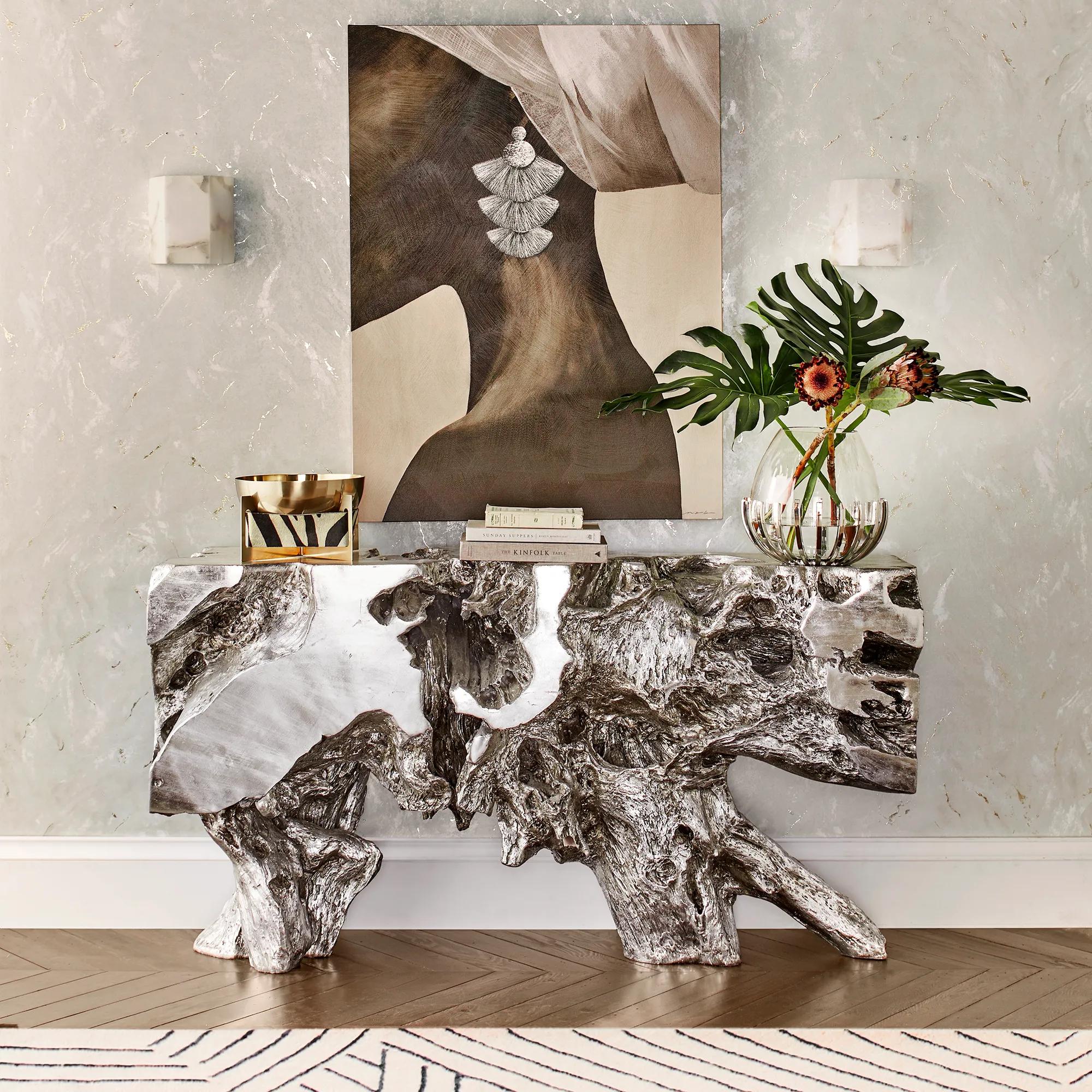 Sequoia Silver Resin Console Table (58")$1999
A sculptural console table featuring hand-applied silver leaf over resin and fiberglass with an iron core.
Add To Cart -
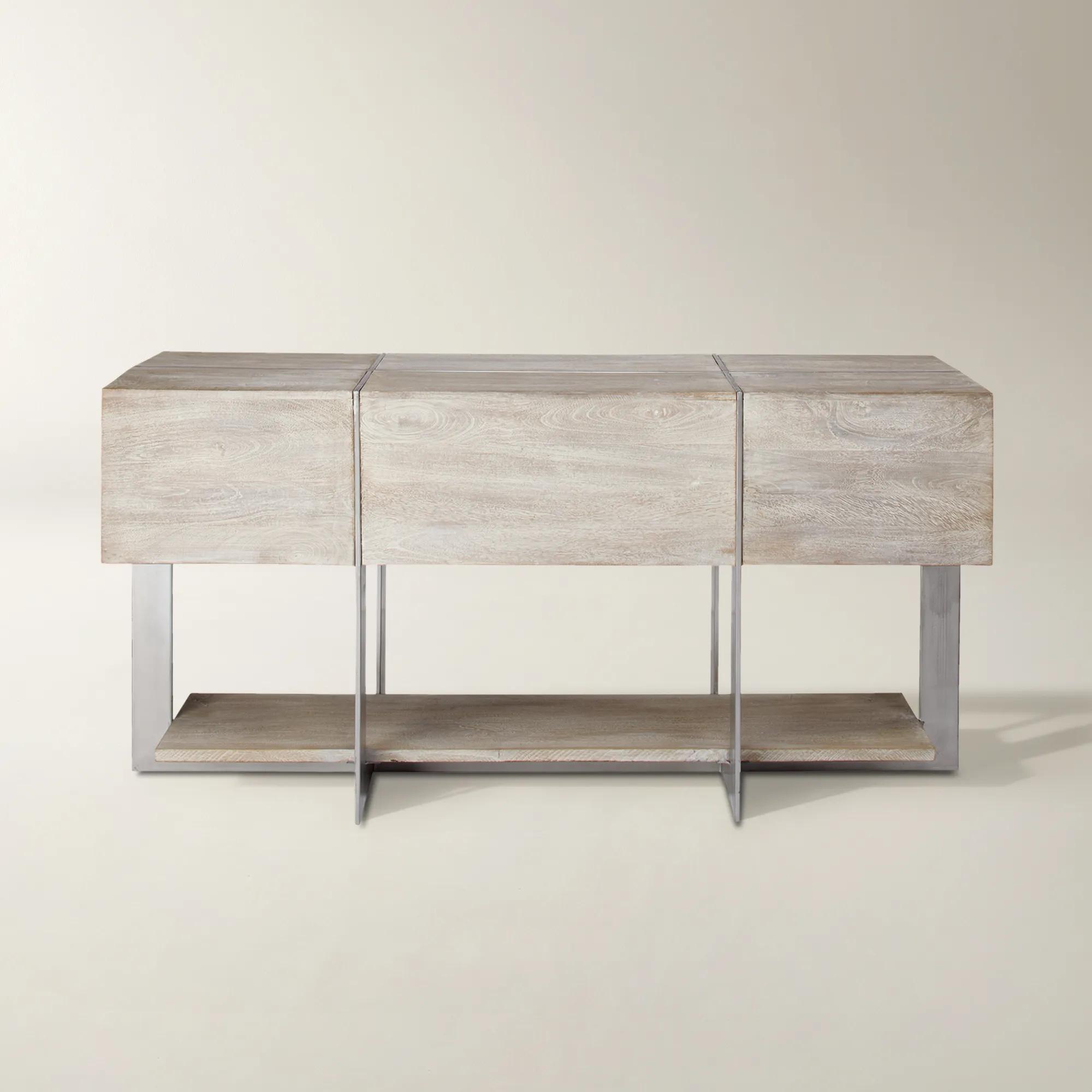
.jpg?w=1200&h=1200) Clifton Rectangular Natural Mango Wood Console Table (60")$1399
Clifton Rectangular Natural Mango Wood Console Table (60")$1399A handcrafted mango wood console table with a whitewashed finish and antiqued silver iron legs.
Add To Cart -
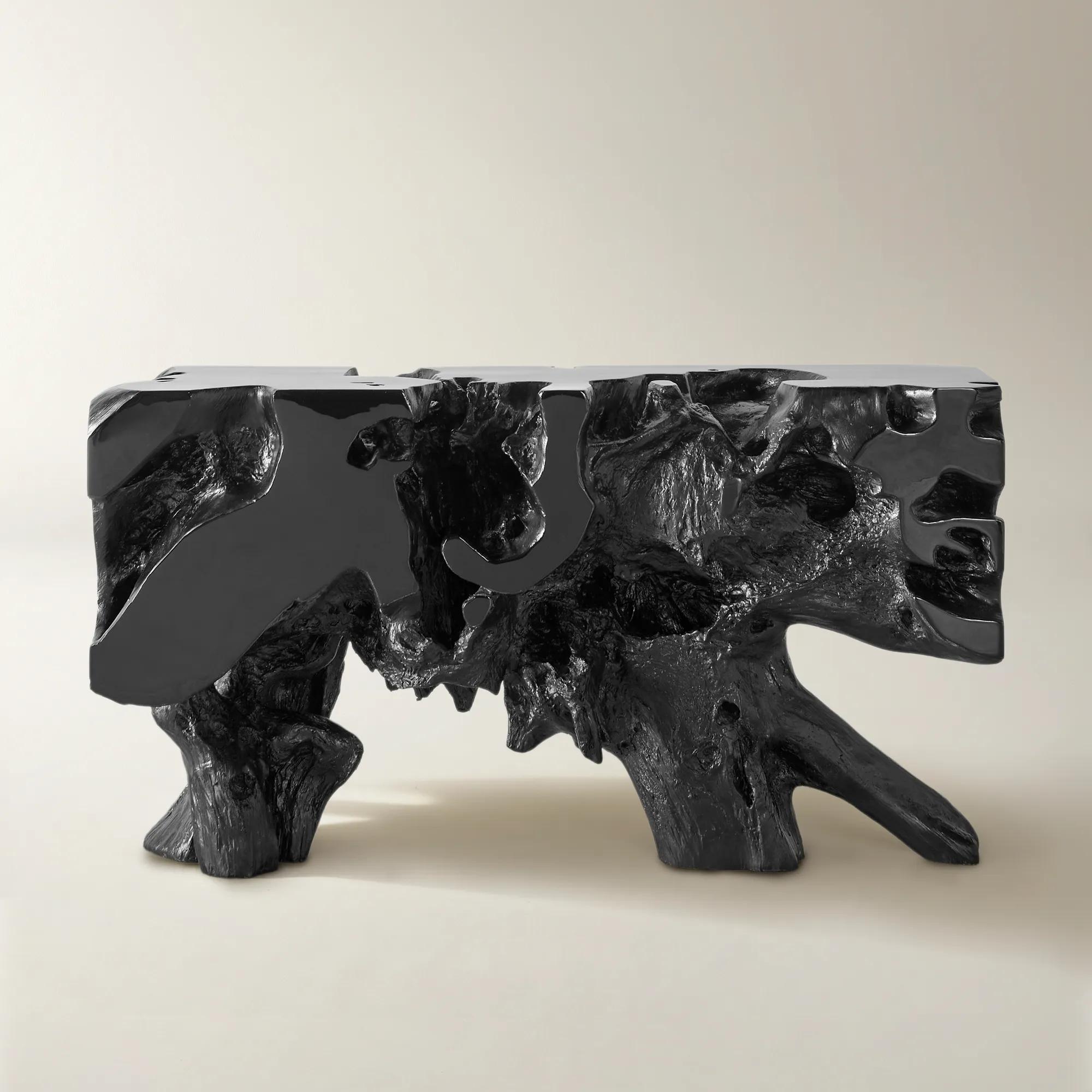 Sequoia Black Resin Console Table (58")$1999
A sculptural black console table crafted from resin, fiberglass, and polished stone for indoor or outdoor use.
Add To Cart -
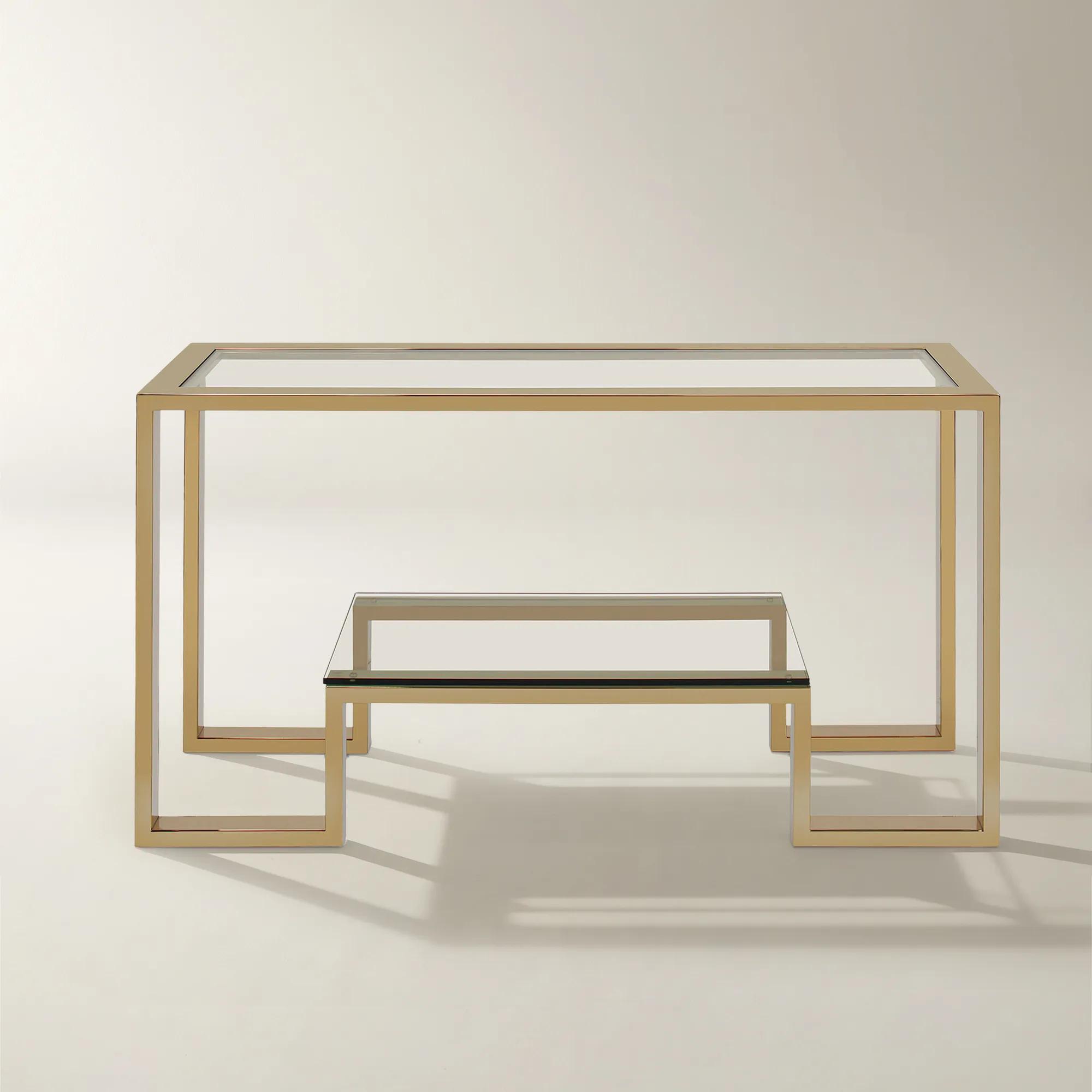
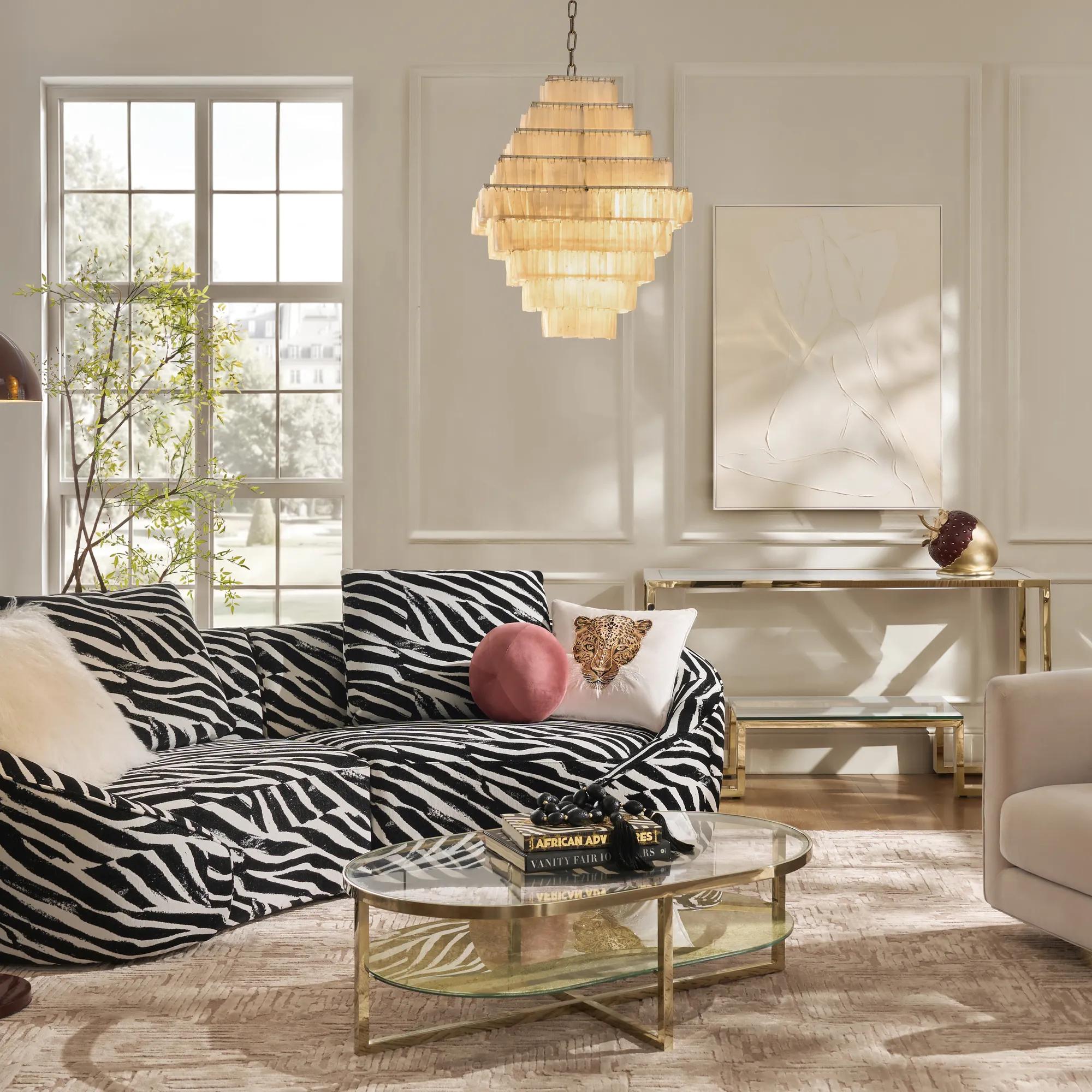 Duplicity Rectangular Gold Stainless Steel Console Table With Glass Top (59")$1399
A modern console table crafted from stainless steel and tempered glass with a floating bottom shelf.
Add To Cart -
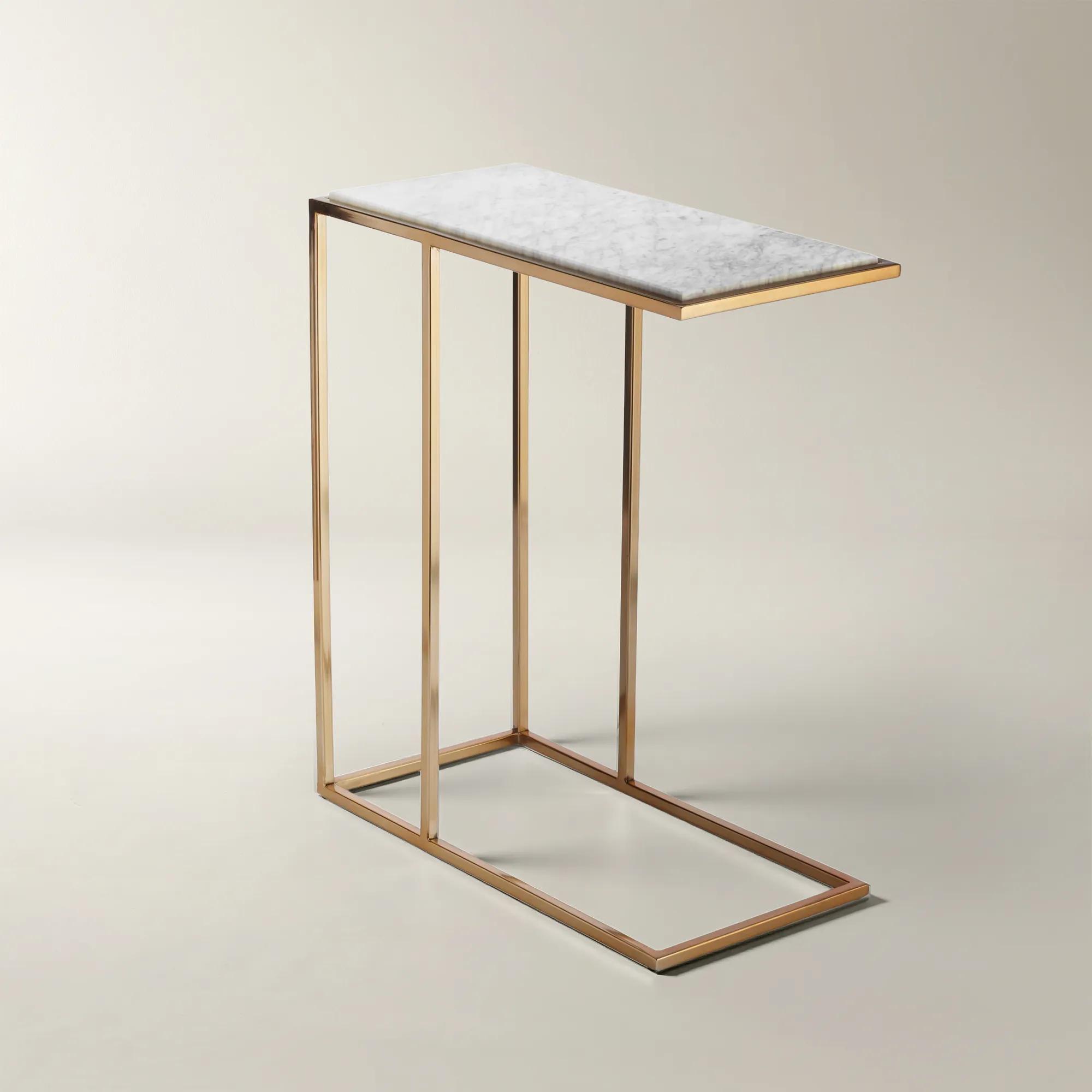
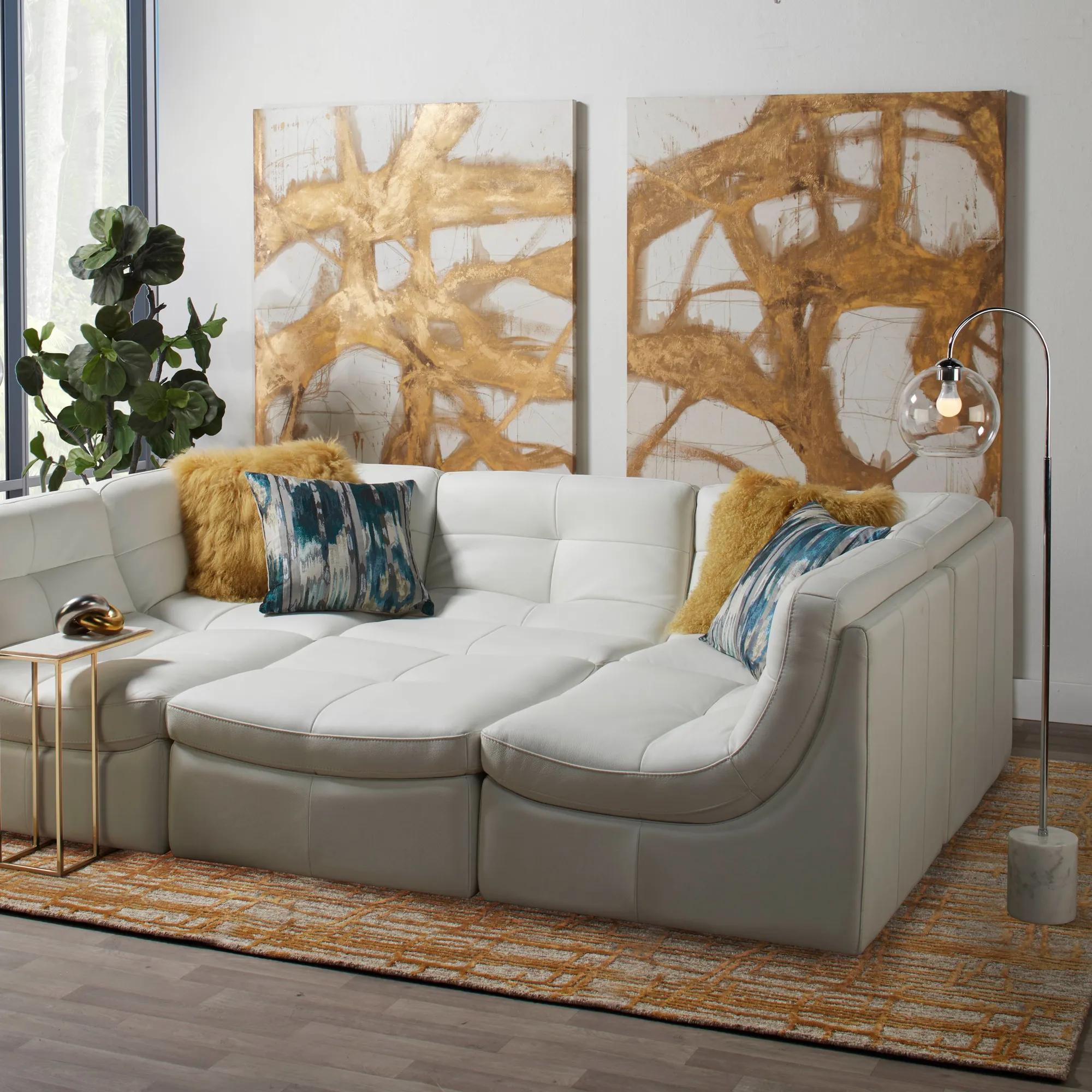 Lawton Rectangular Gold Stainless steel Accent Table With Marble Top (19.75")$259
A space-saving table featuring a white marble top and gold-finished stainless steel base.
Add To Cart -
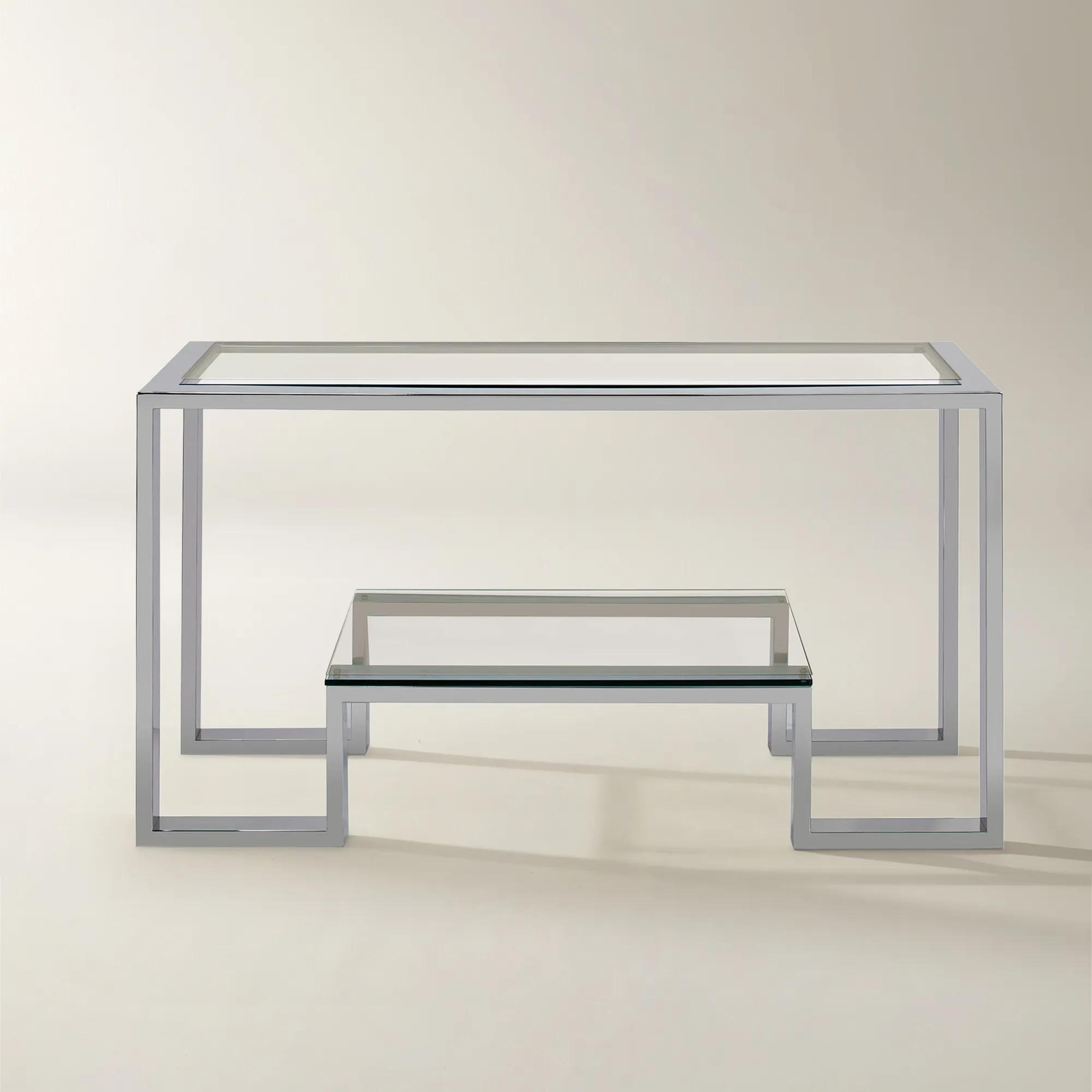
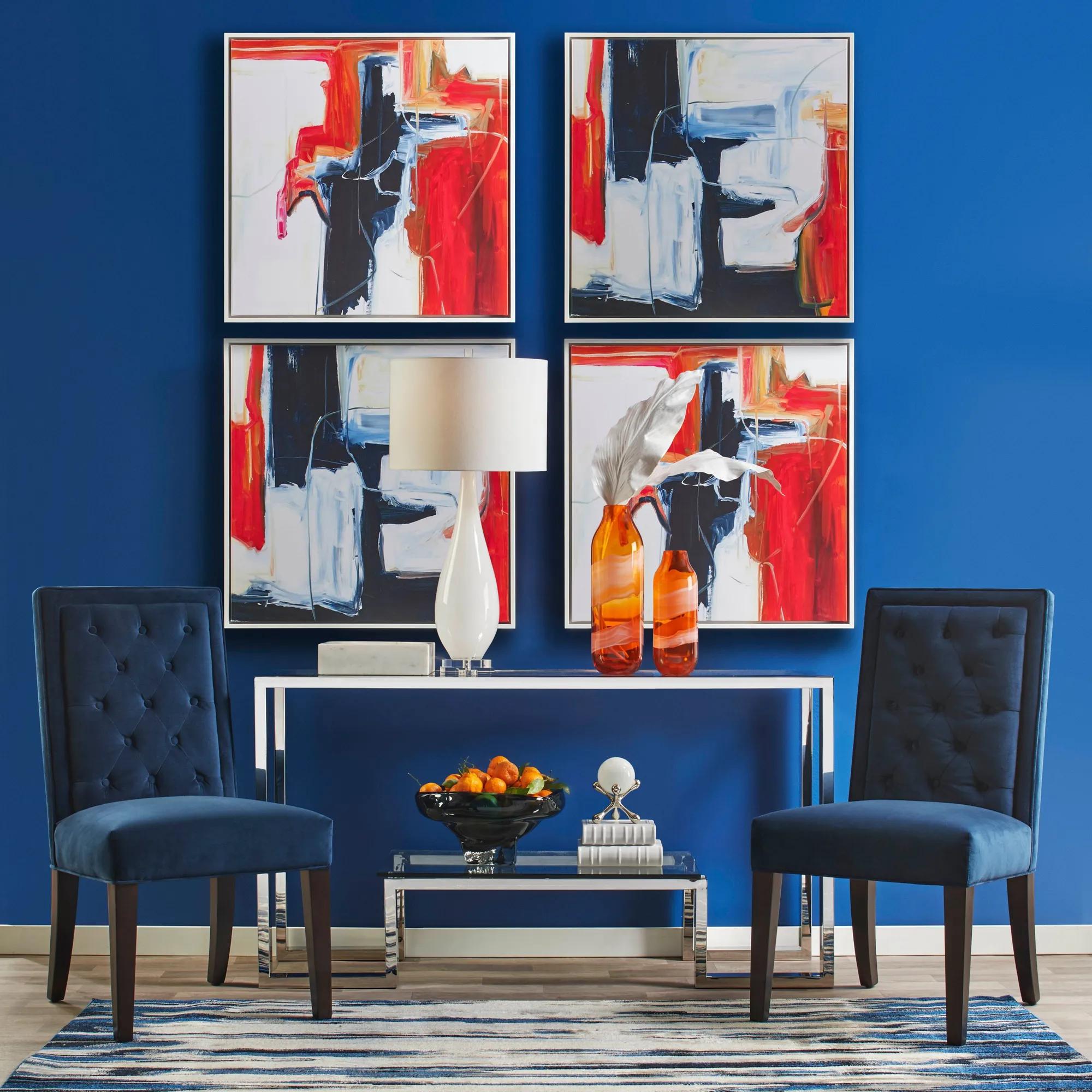 Duplicity Rectangular Silver Stainless Steel Console Table With Glass Top (59")$1399
A modern console table crafted from stainless steel and tempered glass with a floating bottom shelf.
Add To Cart -
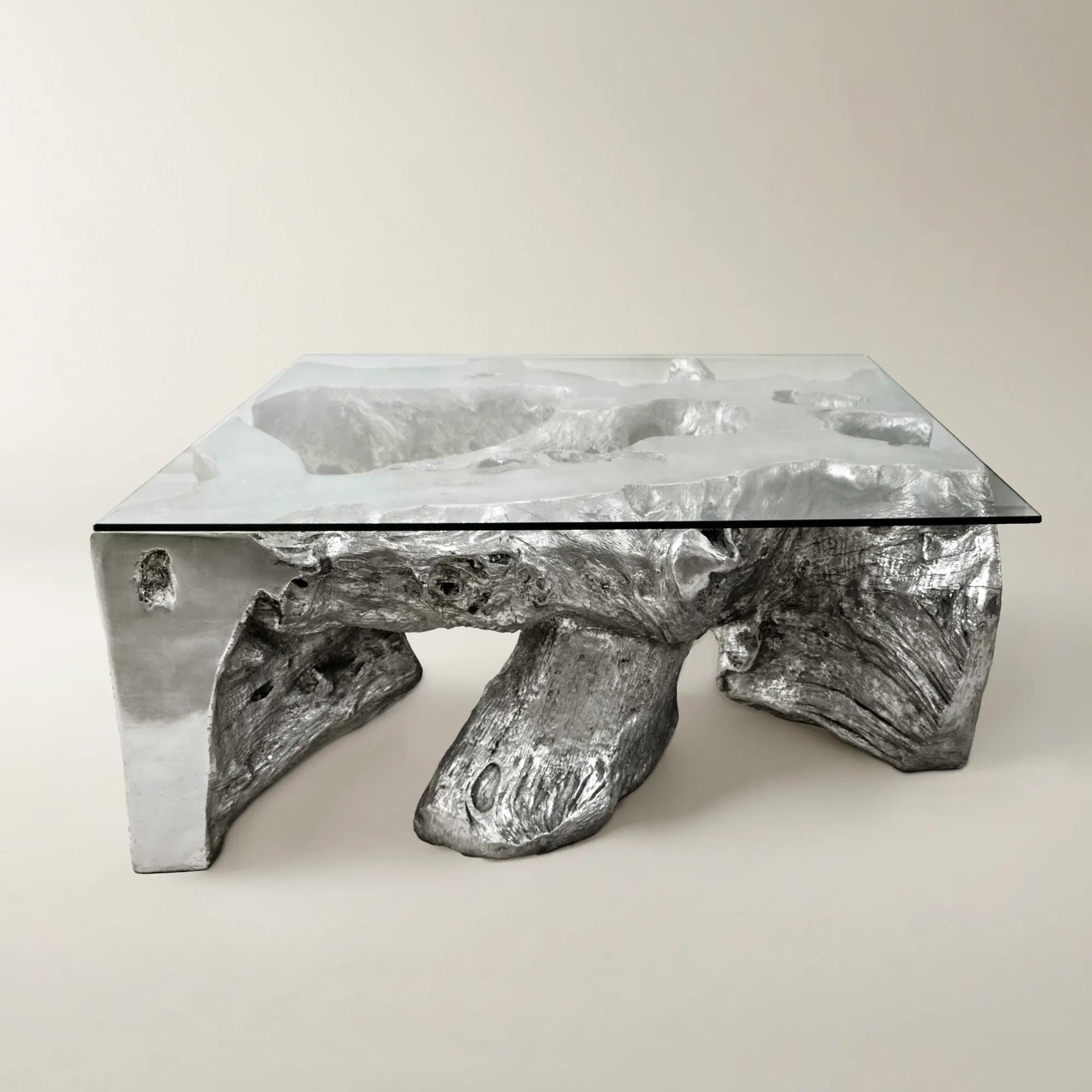 Sequoia Silver Resin Coffee Table With Glass Top (44")$2299
A sculptural coffee table featuring a hand-applied silver leaf resin base and a tempered glass top.
Add To Cart -
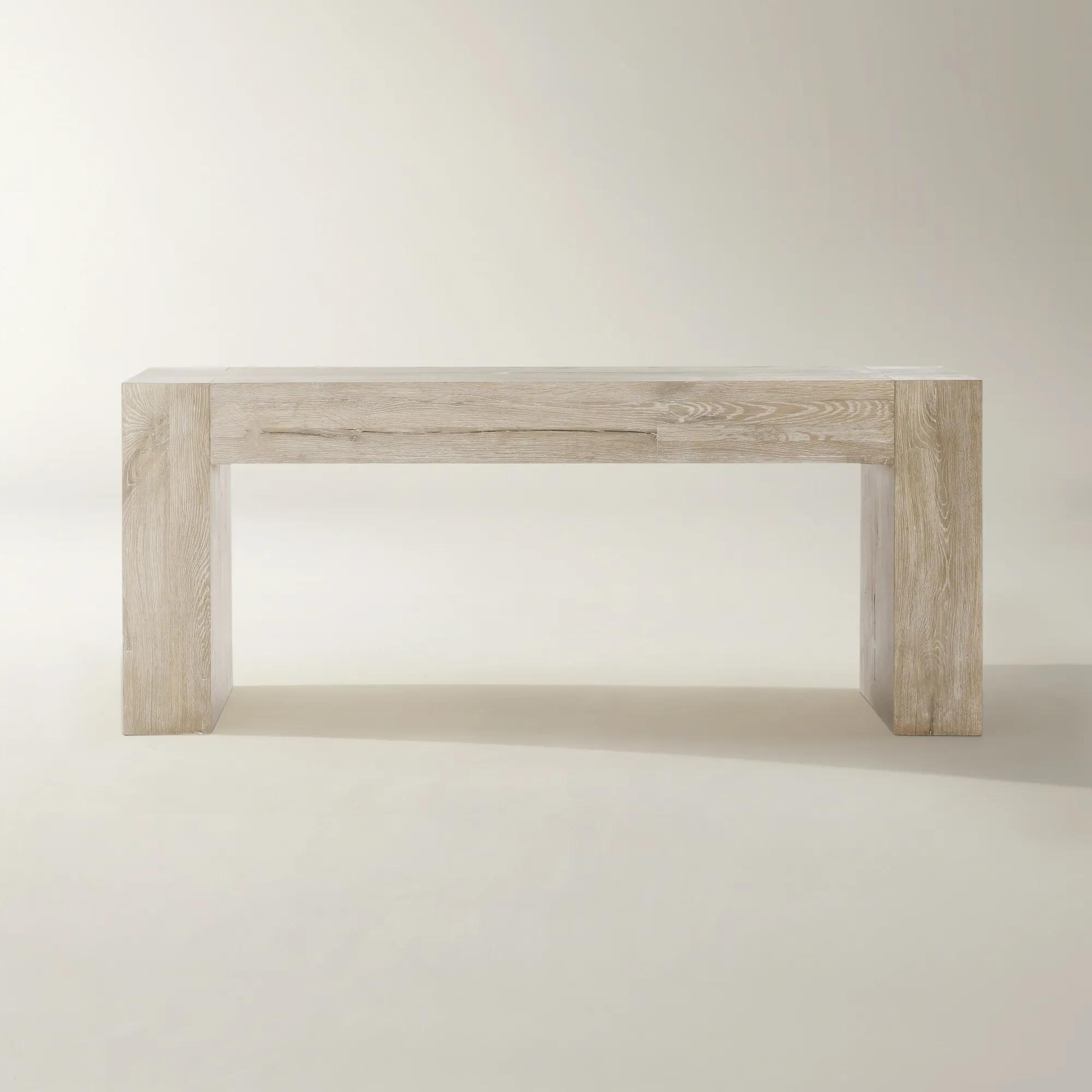
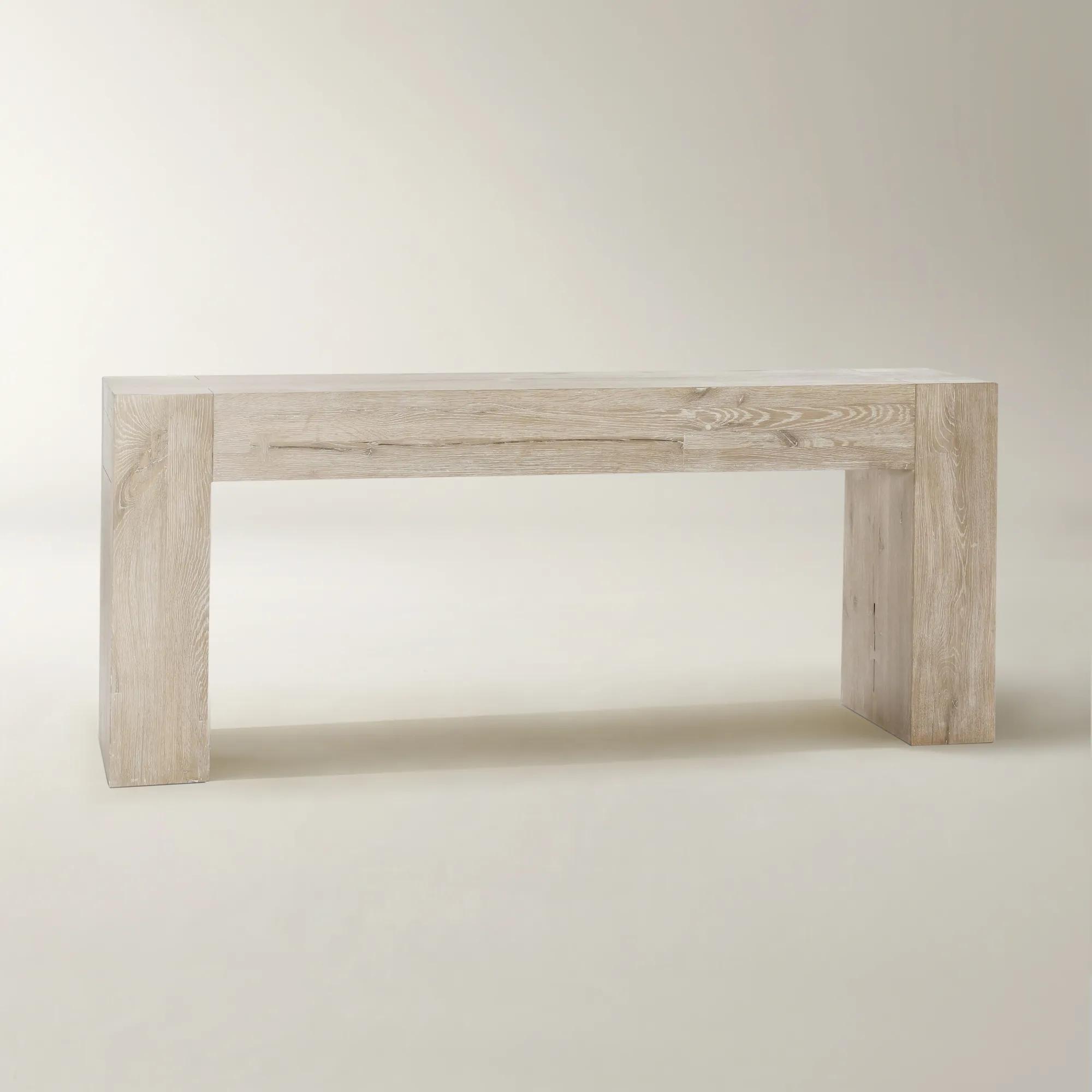 Bristol Rectangular Cream Oak Console Table (72")$2099
A handcrafted console table in aged cream cracked oak with modern dovetail detailing and artisanal character.
Add To Cart -
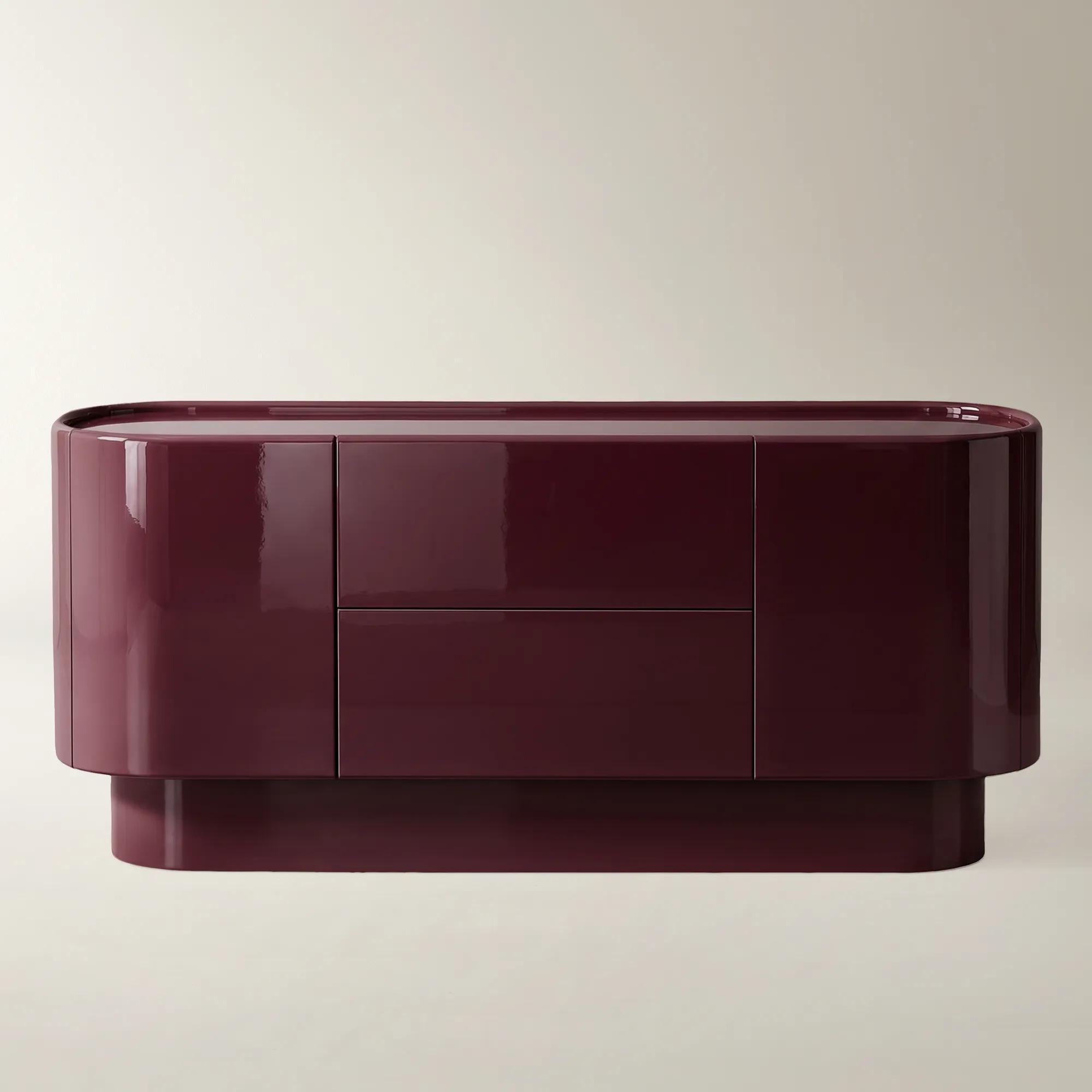
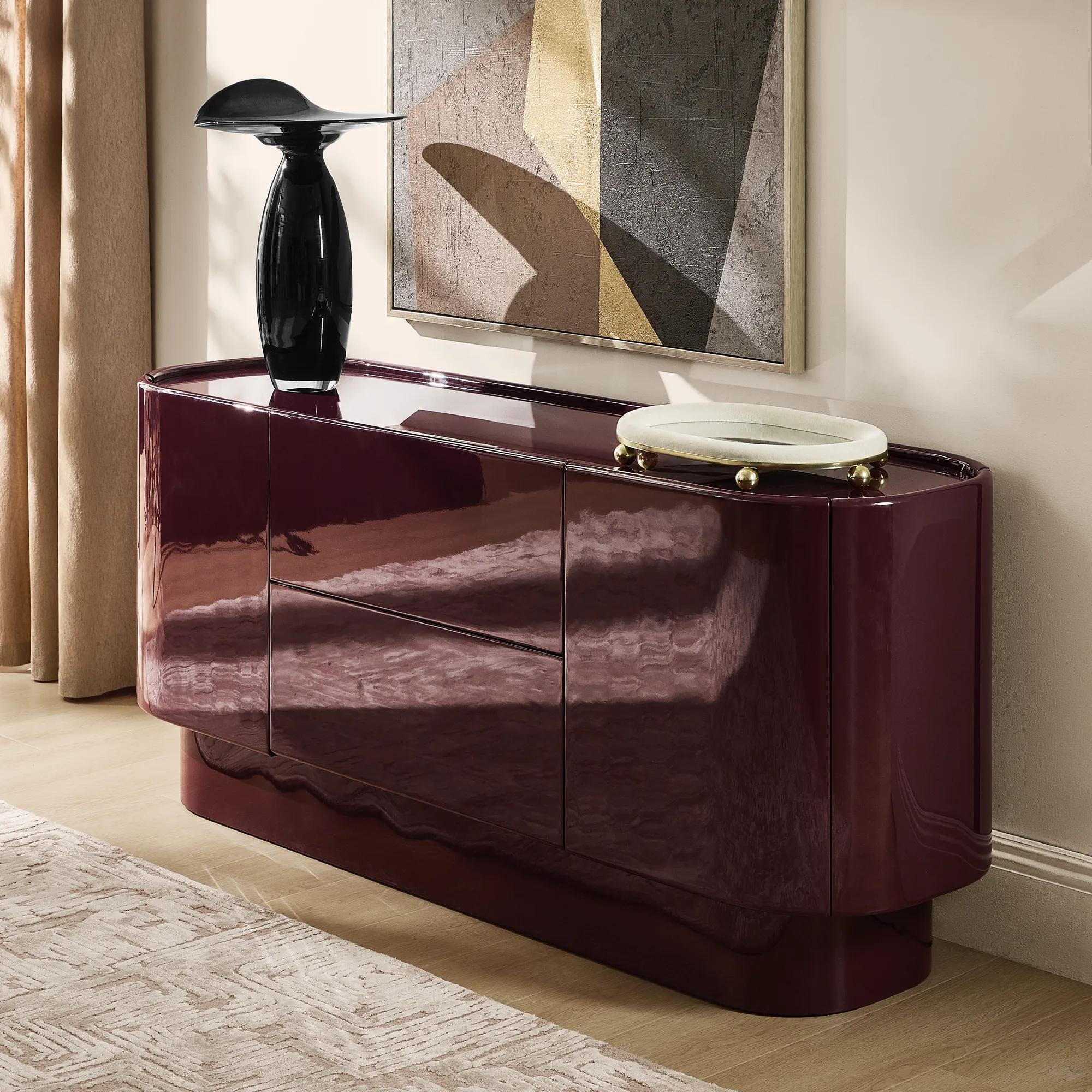 Velar Lacquered Ox Blood Buffet With Glass Top (70")$1899
A sculptural ox blood buffet featuring high-gloss lacquer, back-painted glass top, and illuminated mirrored storage.
Add To Cart -
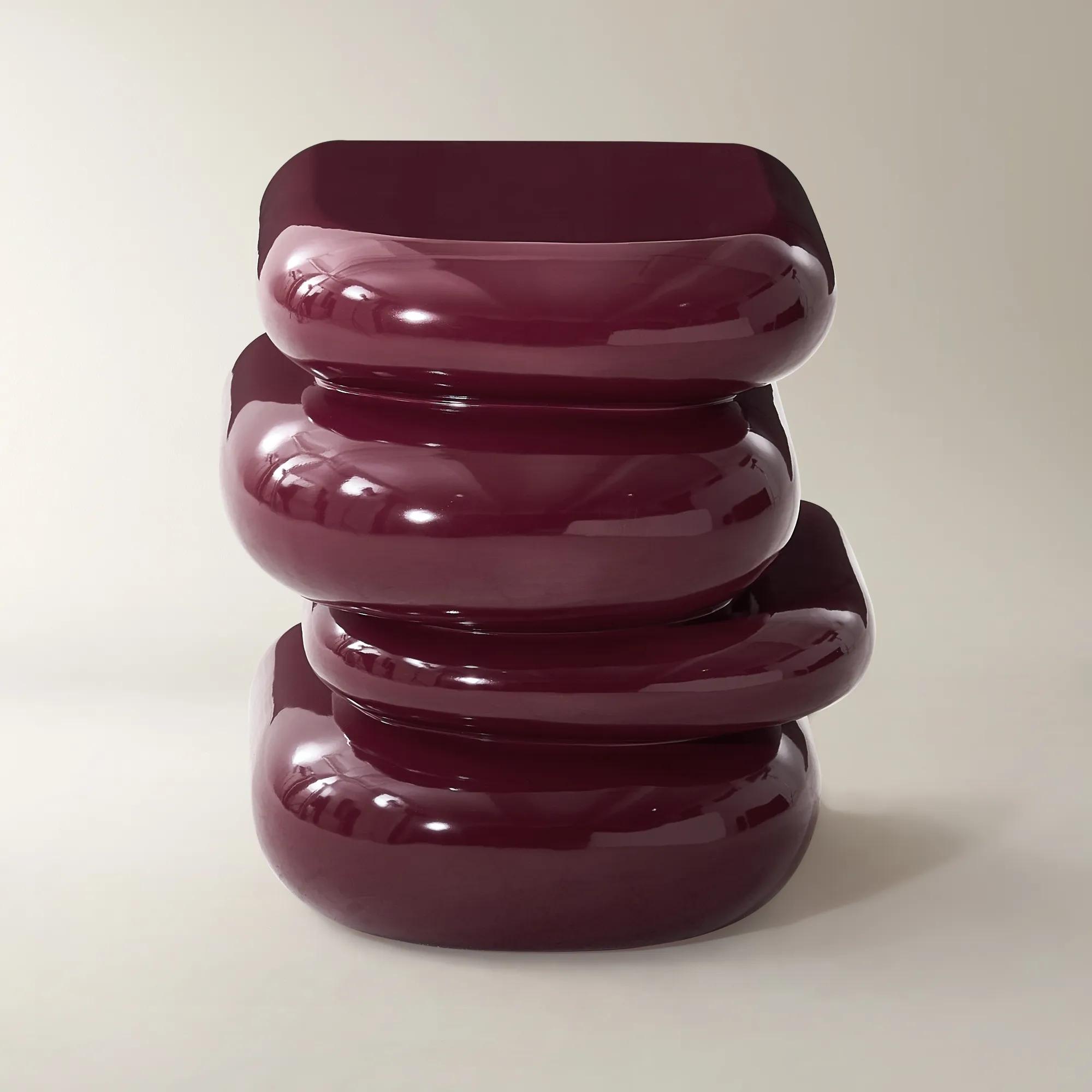 Forma Stacked Ox Blood Side Table (19.9")$459
A sculptural accent table crafted from high-gloss ox blood fiberglass with softly stacked, rounded tiers.
Add To Cart -
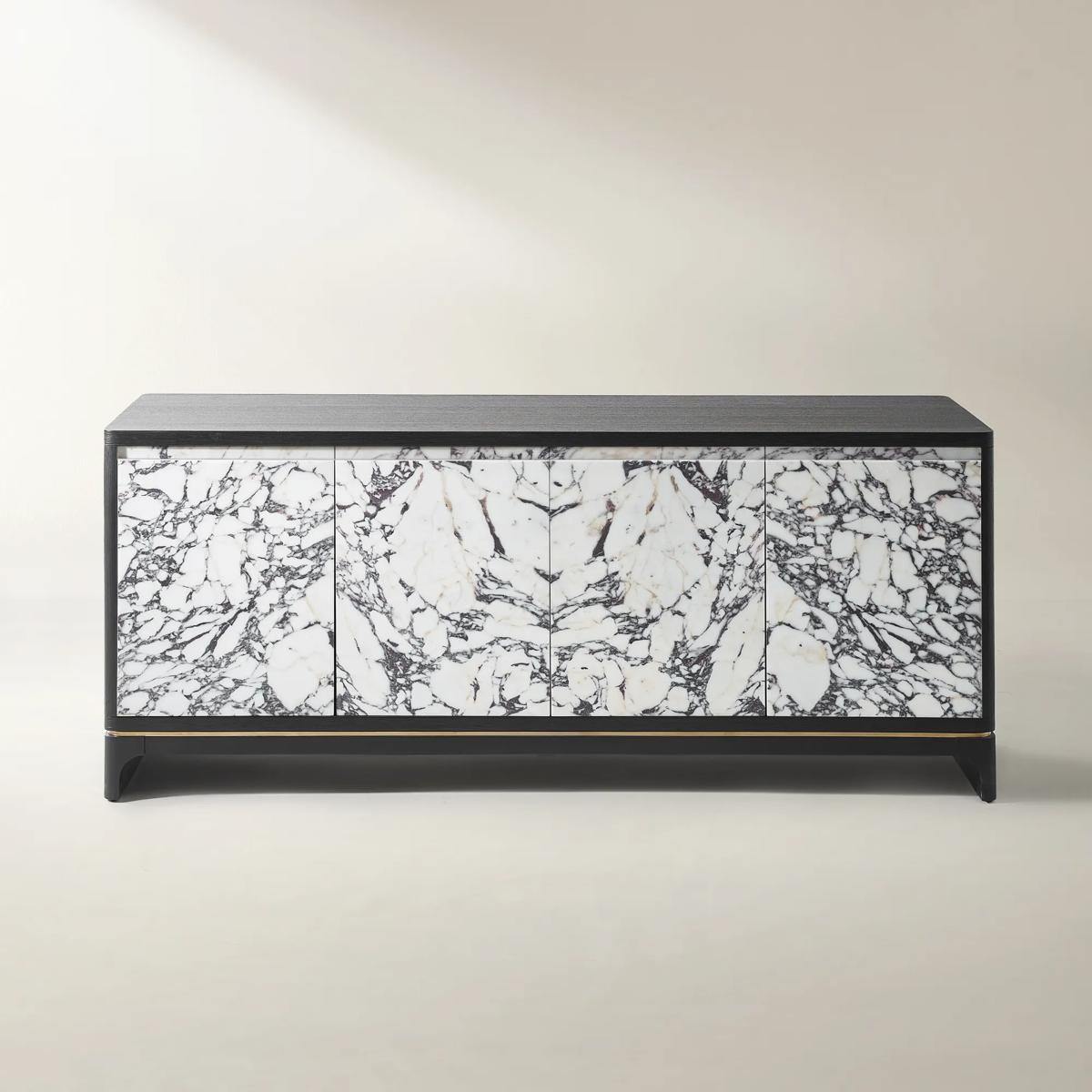
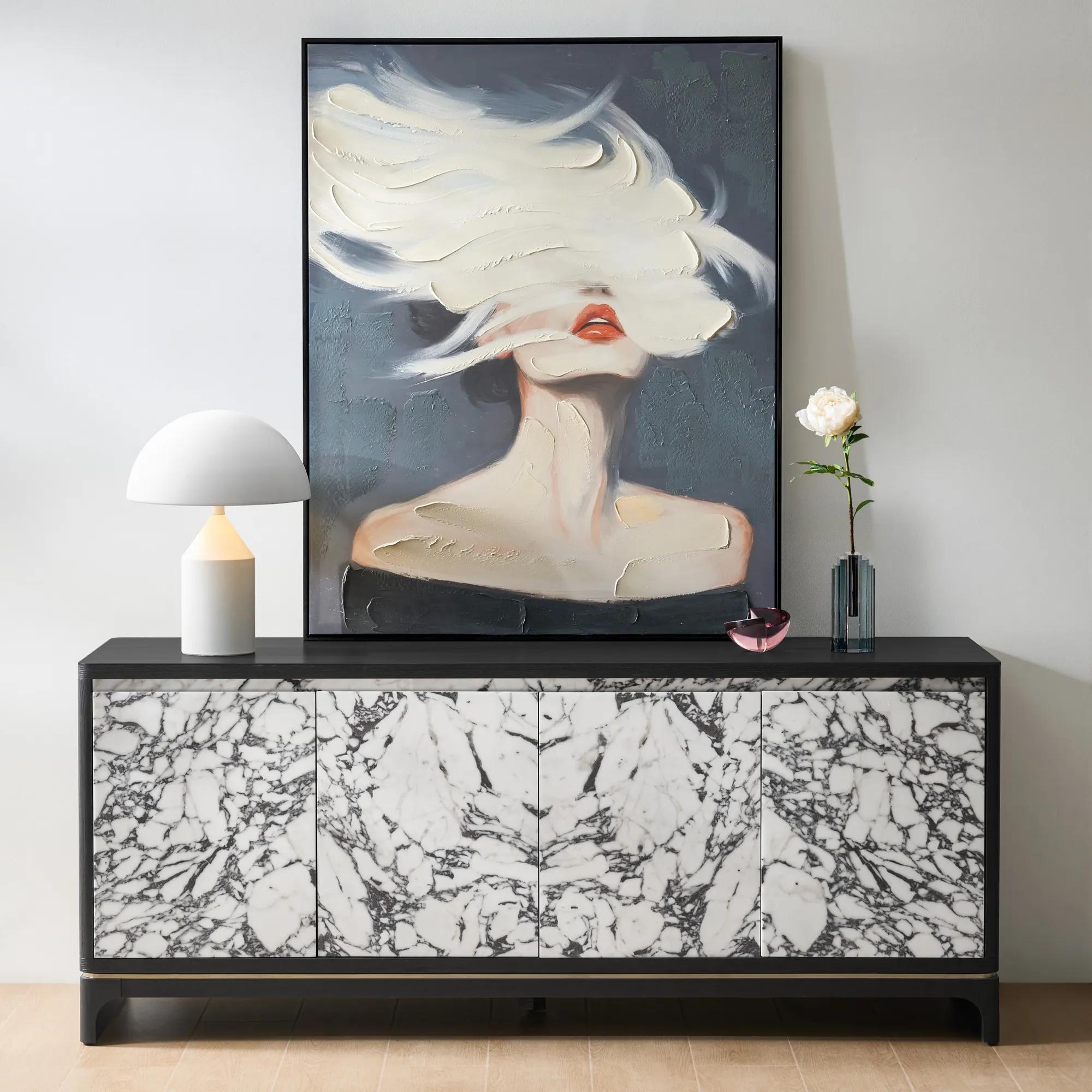 Vanta Black Oak And Calacatta Marble Buffet (72")$2499
A striking matte black oak sideboard featuring genuine Calacatta Viola marble fronts with dramatic violet veining.
Add To Cart -
.jpeg?w=1200&h=1200)
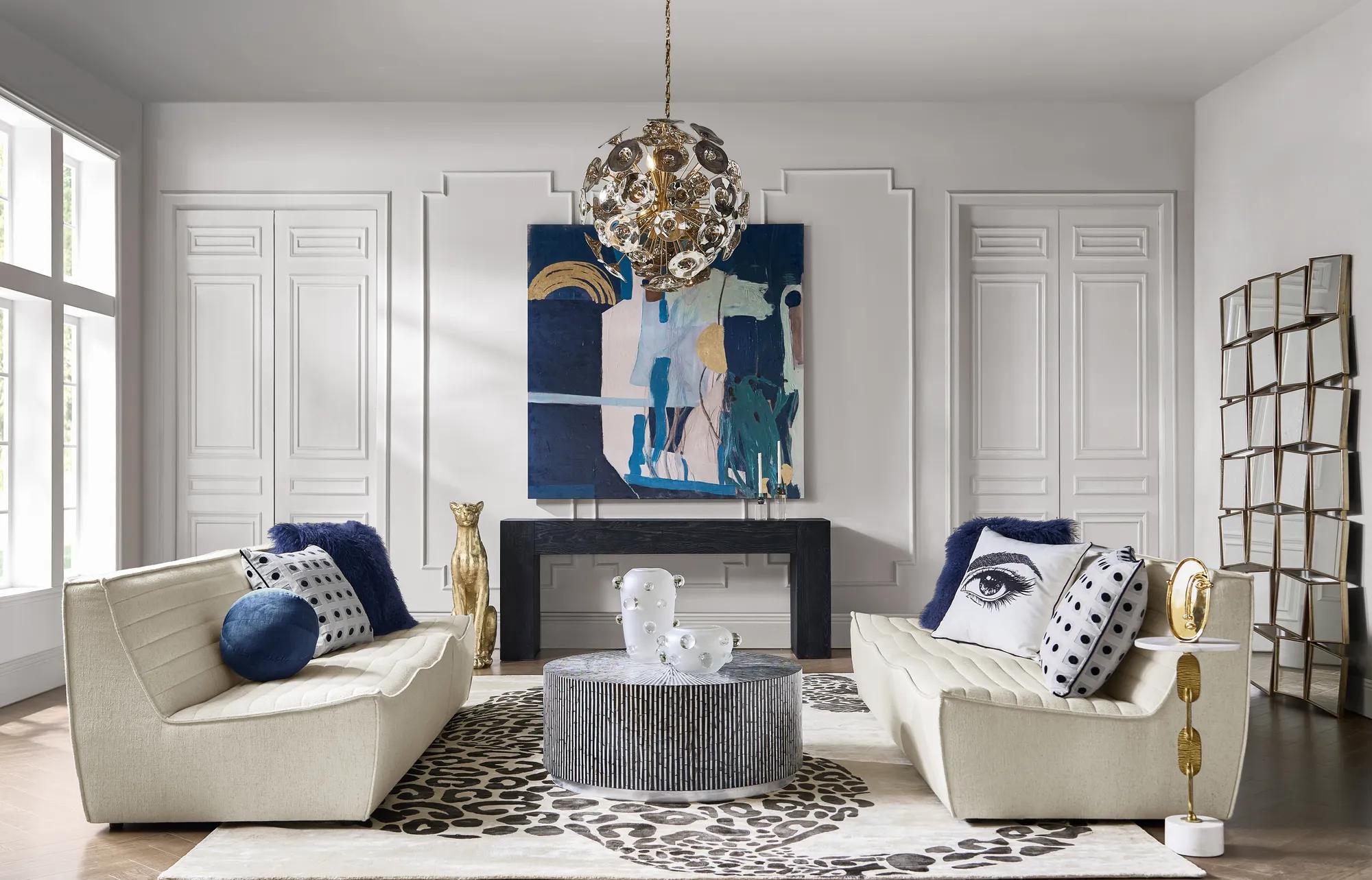 Bristol Rectangular Black Oak Console Table (72")$2099
A handcrafted black reclaimed oak console table featuring natural wood cracks and sturdy dovetail joints.
Add To Cart -
-compressed.jpg?w=1200&h=1200)
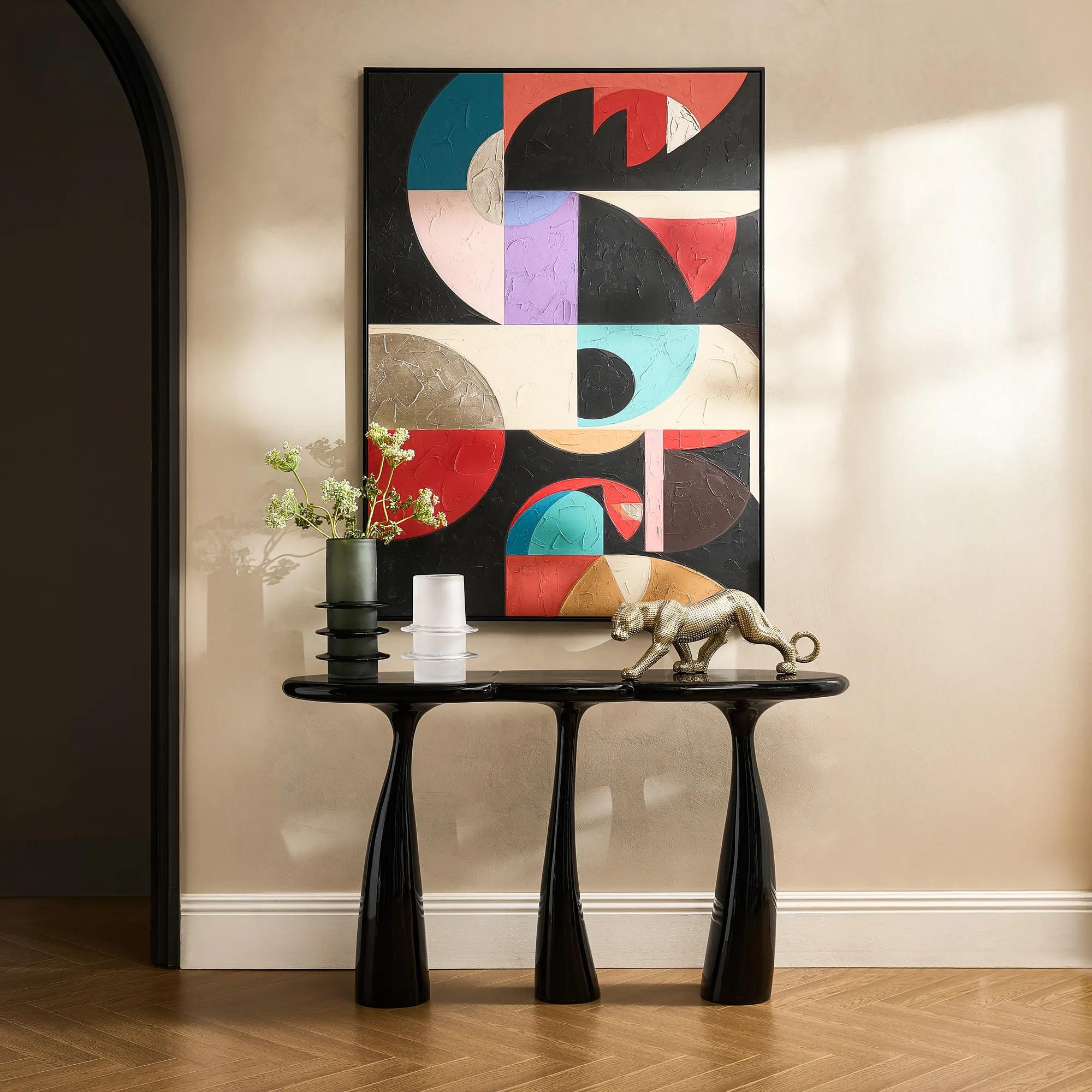 Thalia Glossy Black Console Table (52.4")$899
A sculptural console table crafted from glossy black fiberglass with seamless curves and a mirror-like finish.
Add To Cart -
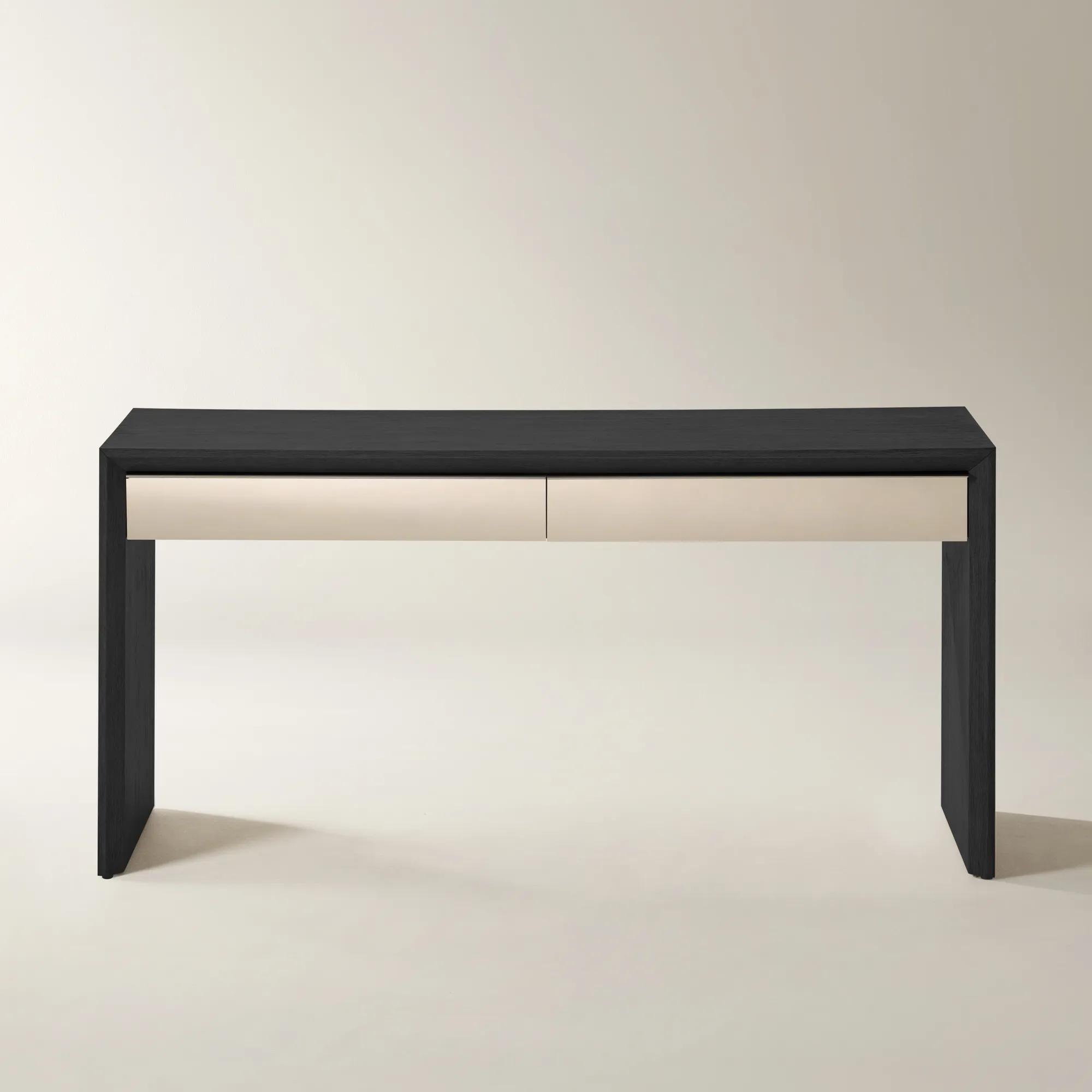
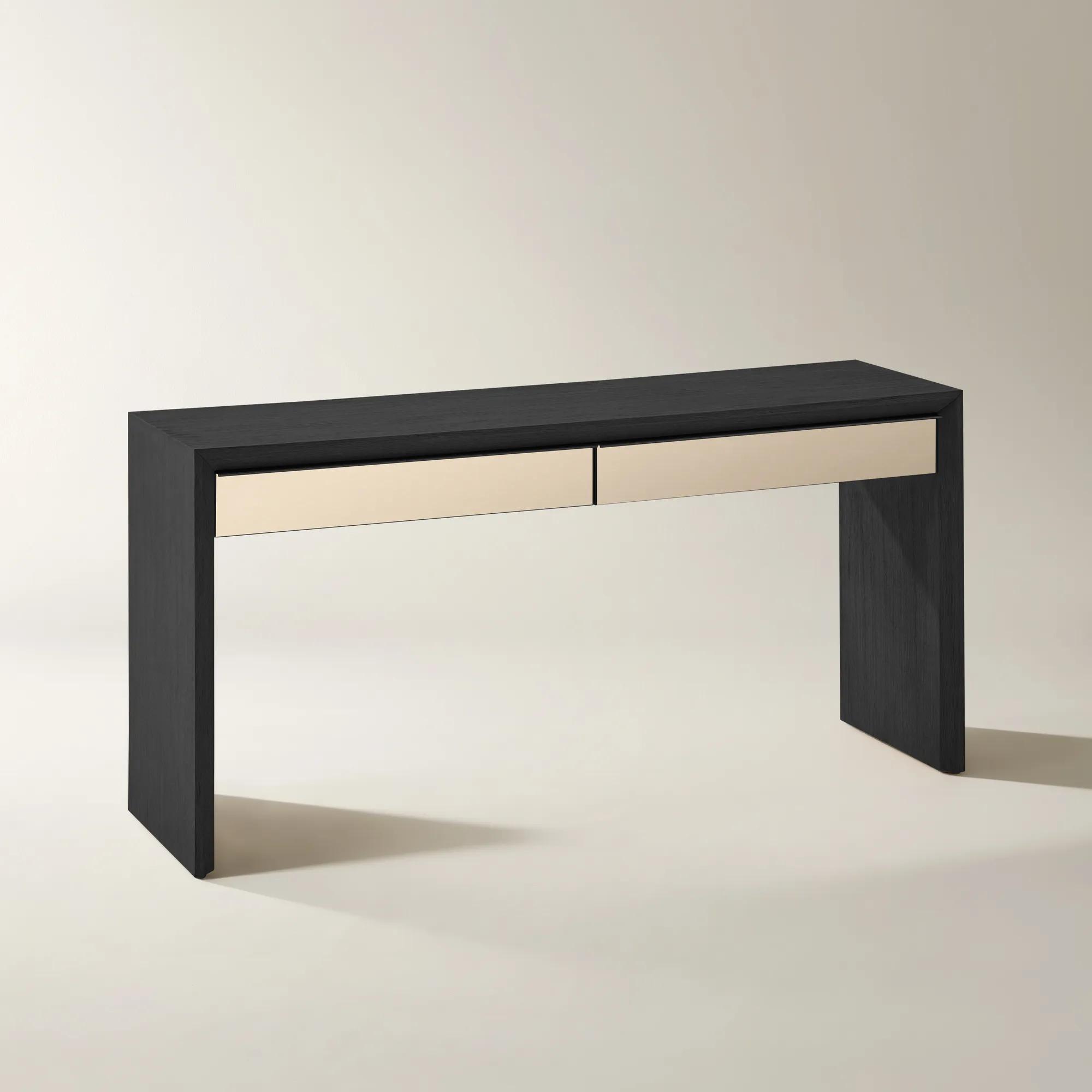 Glimmer Mirrored 2-Drawer Black Oak Console Table (62")$1199
A modern console table featuring black oak veneer, bronze mirrored drawer fronts, and soft-close velvet-lined drawers.
Add To Cart -

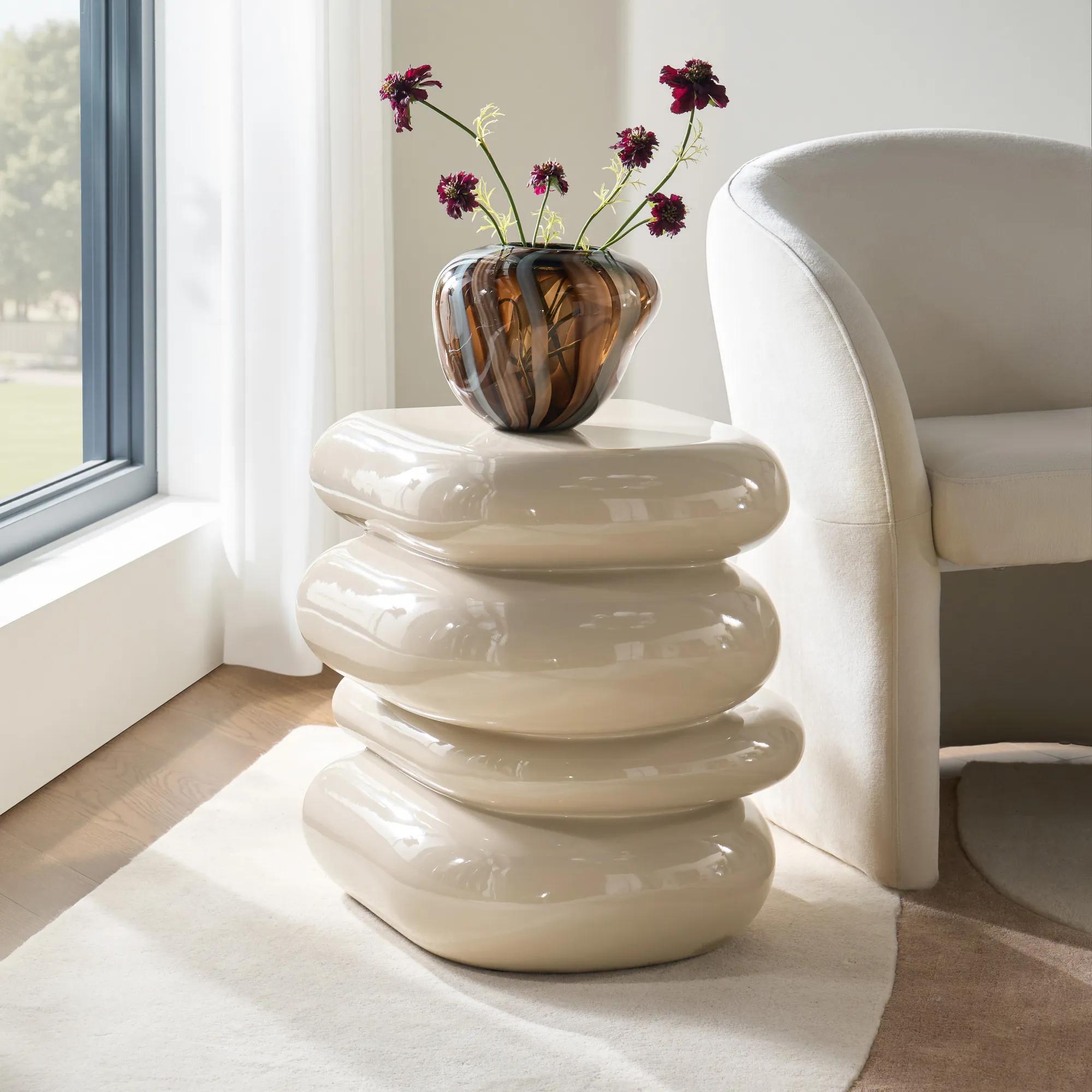 Forma Stacked Turtle Dove Side Table (19.9")$459
A sculptural accent table crafted from high-gloss turtle dove fiberglass with softly stacked, rounded tiers.
Add To Cart -
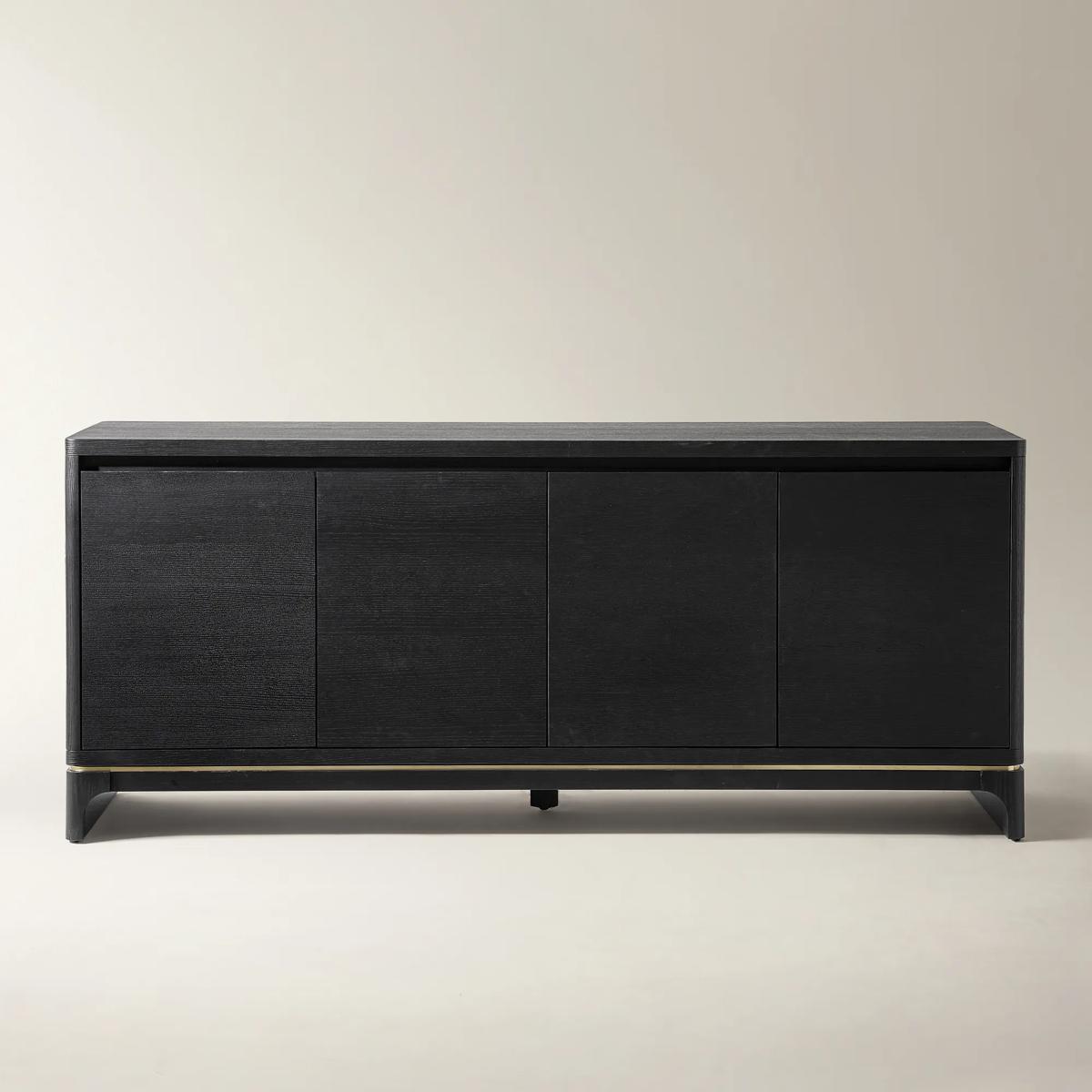
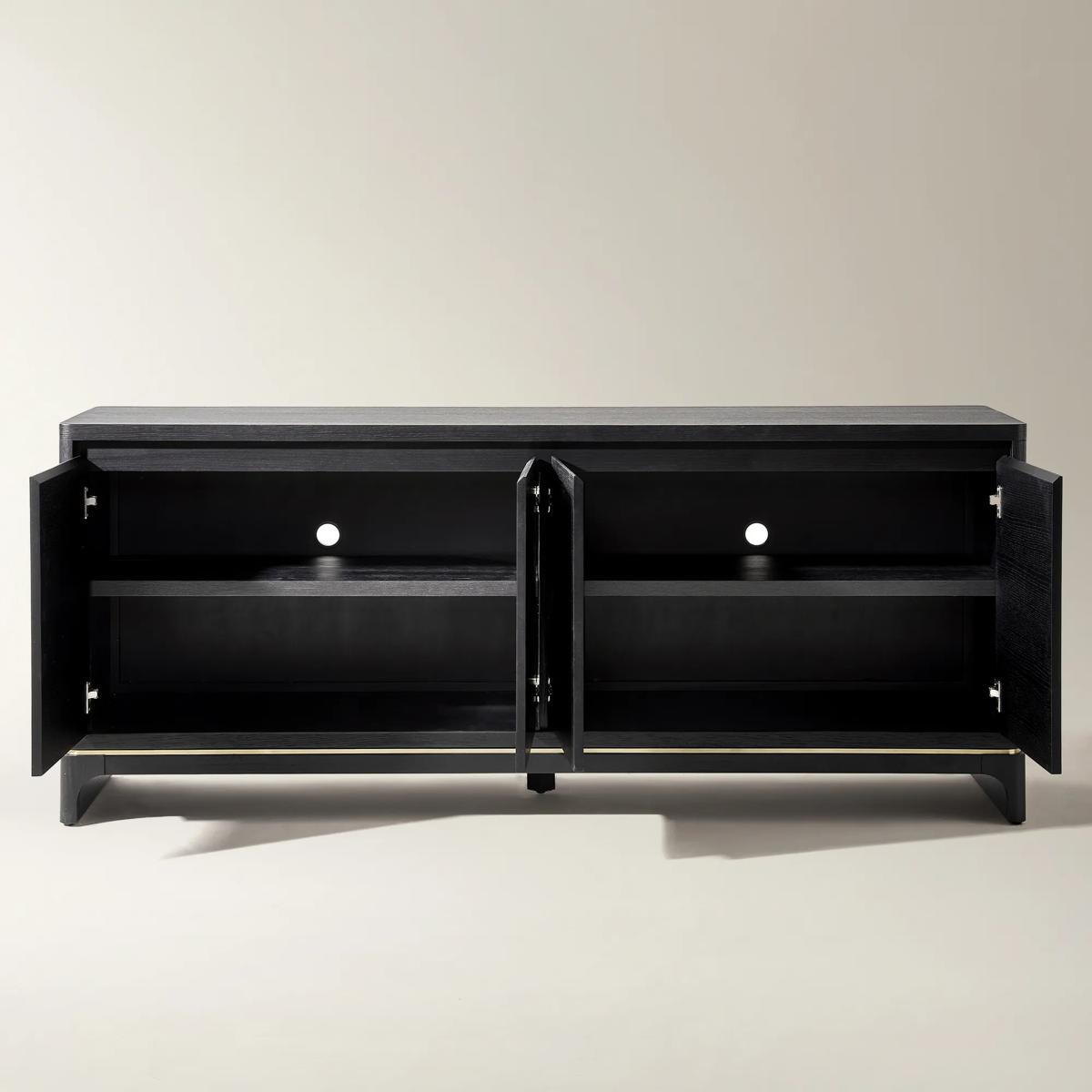 Vanta Black Oak Buffet (72")$1799
A matte black oak sideboard with gold stainless steel trim and concealed pulls for modern, elegant storage.
Add To Cart -
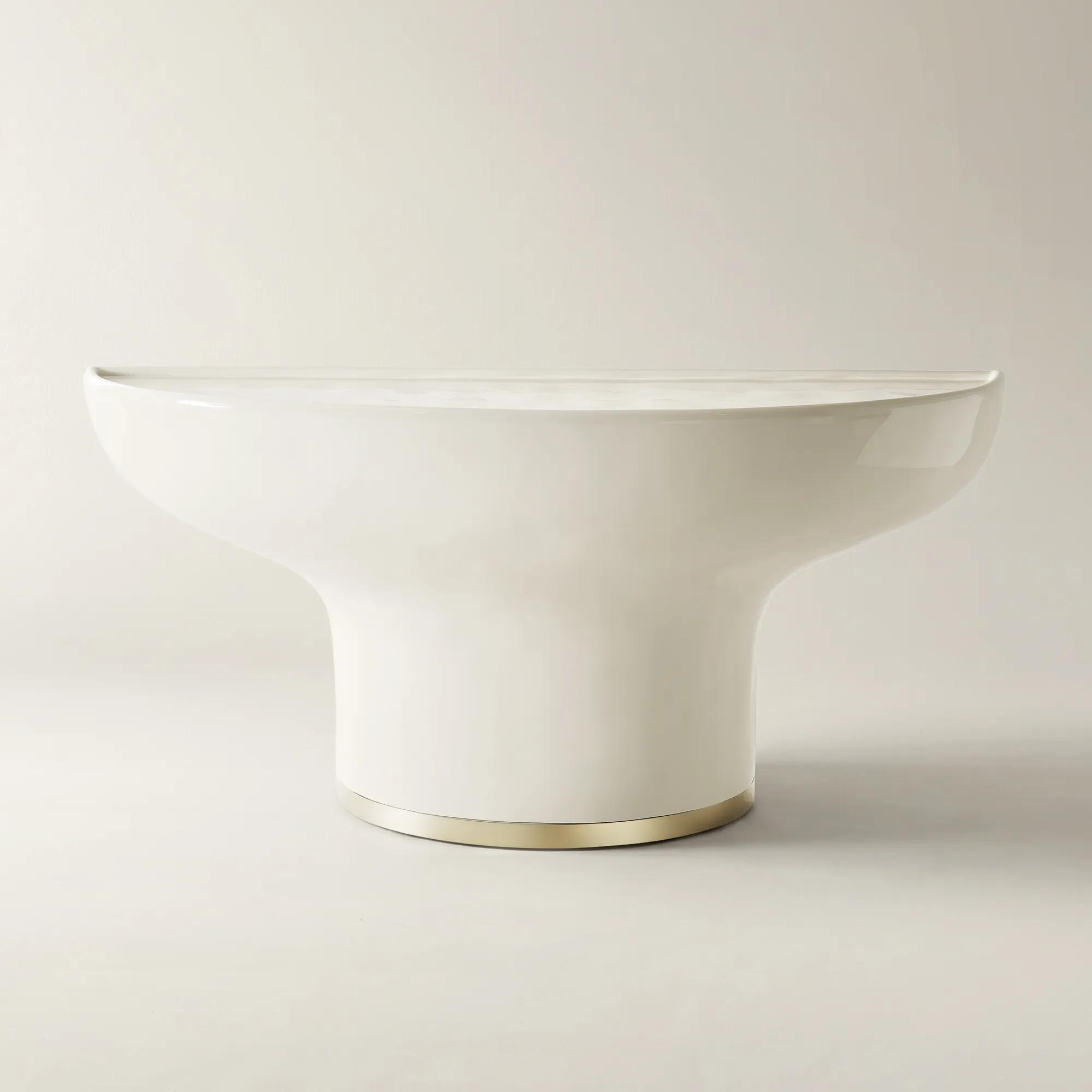 Celia Lacquered Cloud Resin Indoor/Outdoor Console Table (63")$1499
A sculptural one-piece resin console table with a warm high-gloss finish and gold stainless steel base.
Add To Cart -
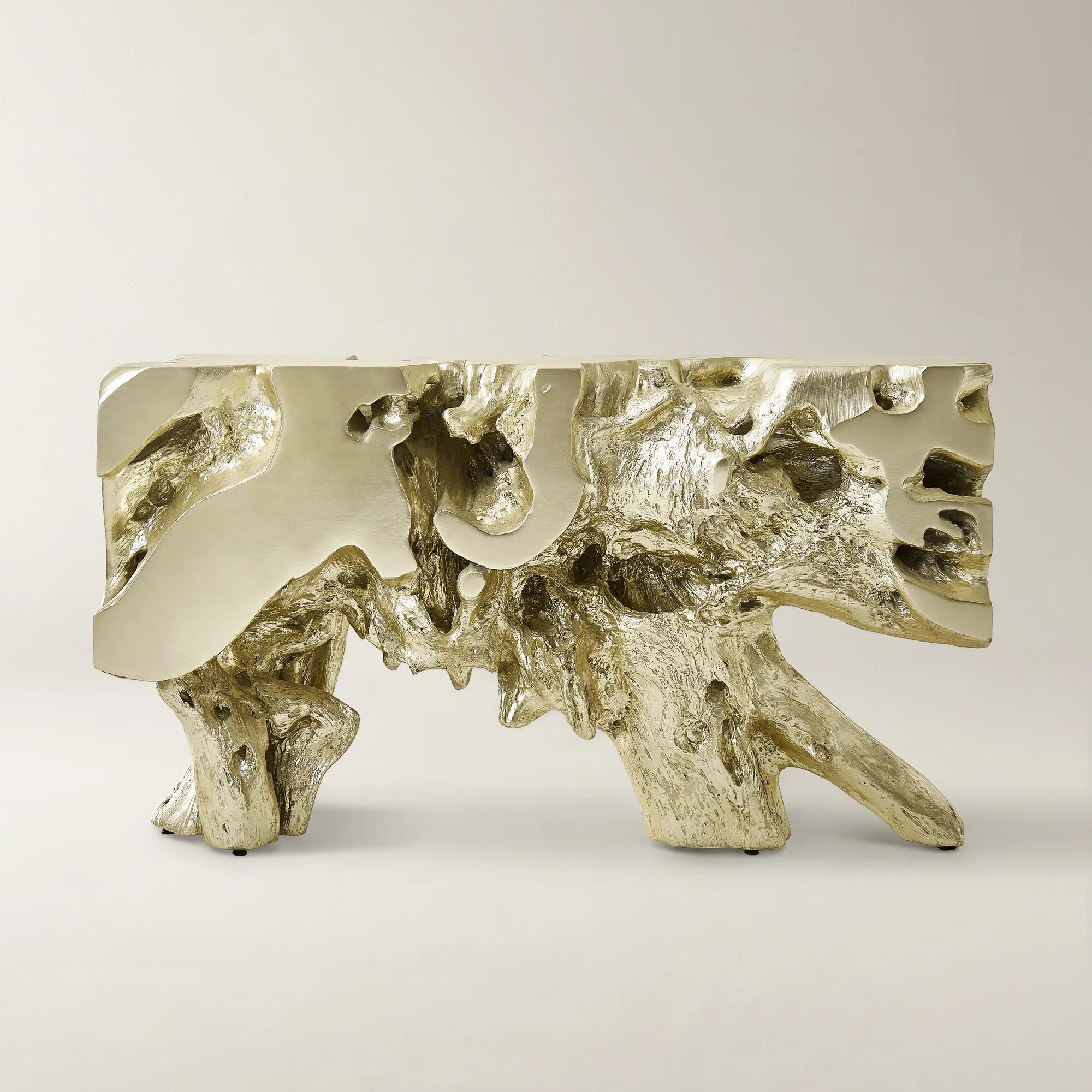 Sequoia Champagne Gold Resin Console Table (58")$1999
A sculptural resin console table finished in luminous champagne gold leaf with organic, root-inspired texture.
Add To Cart -
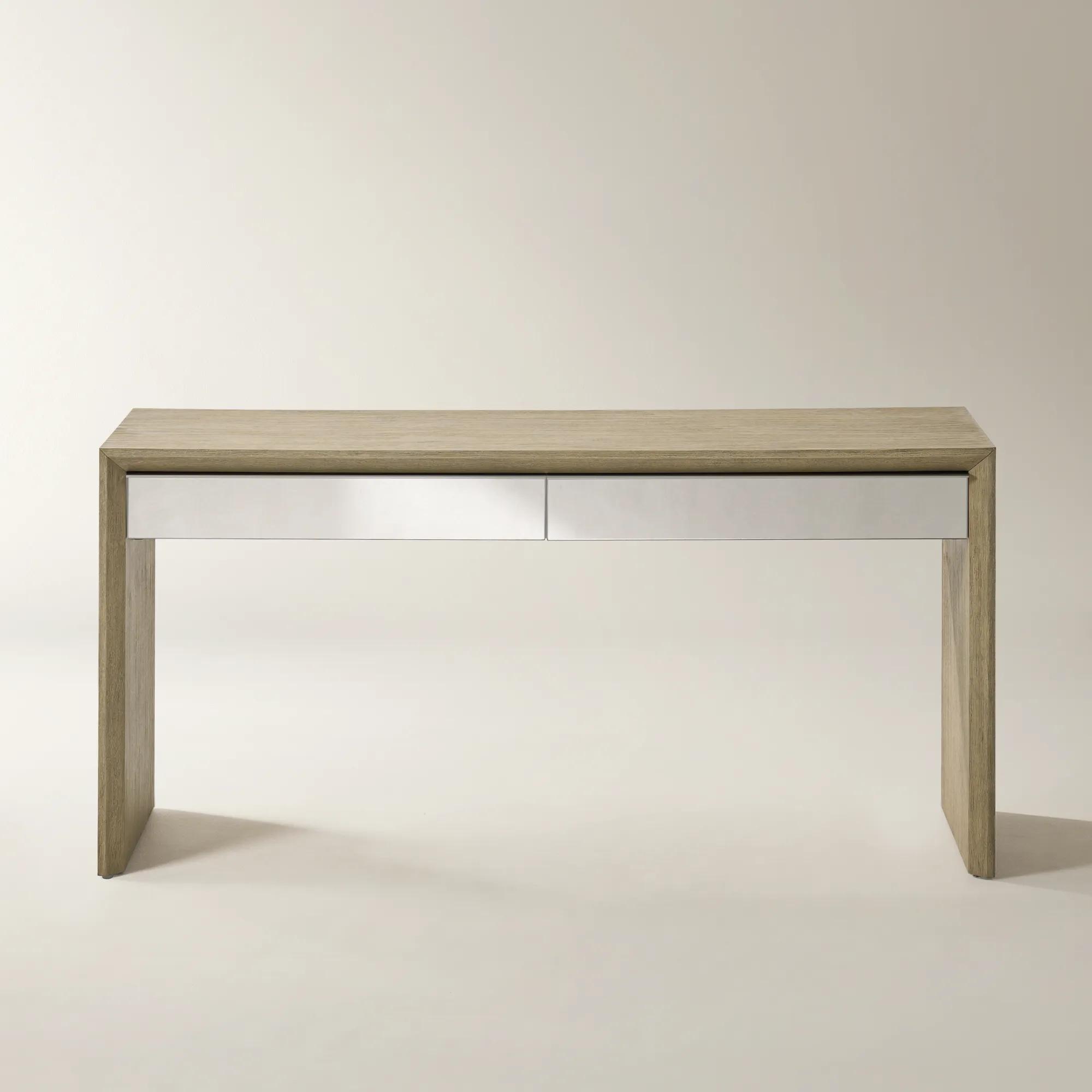 Glimmer Mirrored 2-Drawer Sea Drift Oak Console Table (62")$1199
A two-tone console table featuring warm oak veneer, antique mirrored drawers, and soft-close velvet-lined storage.
Add To Cart -
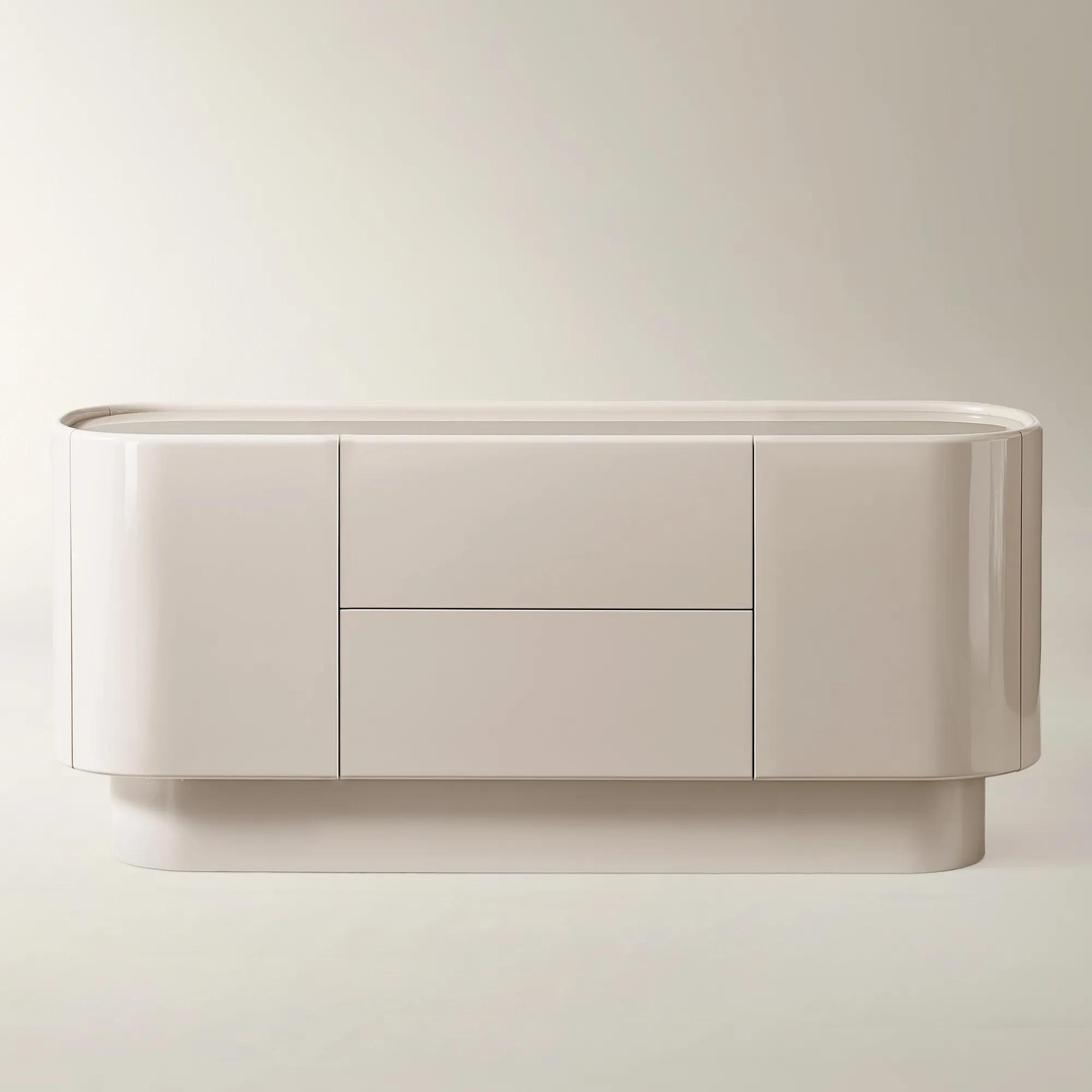
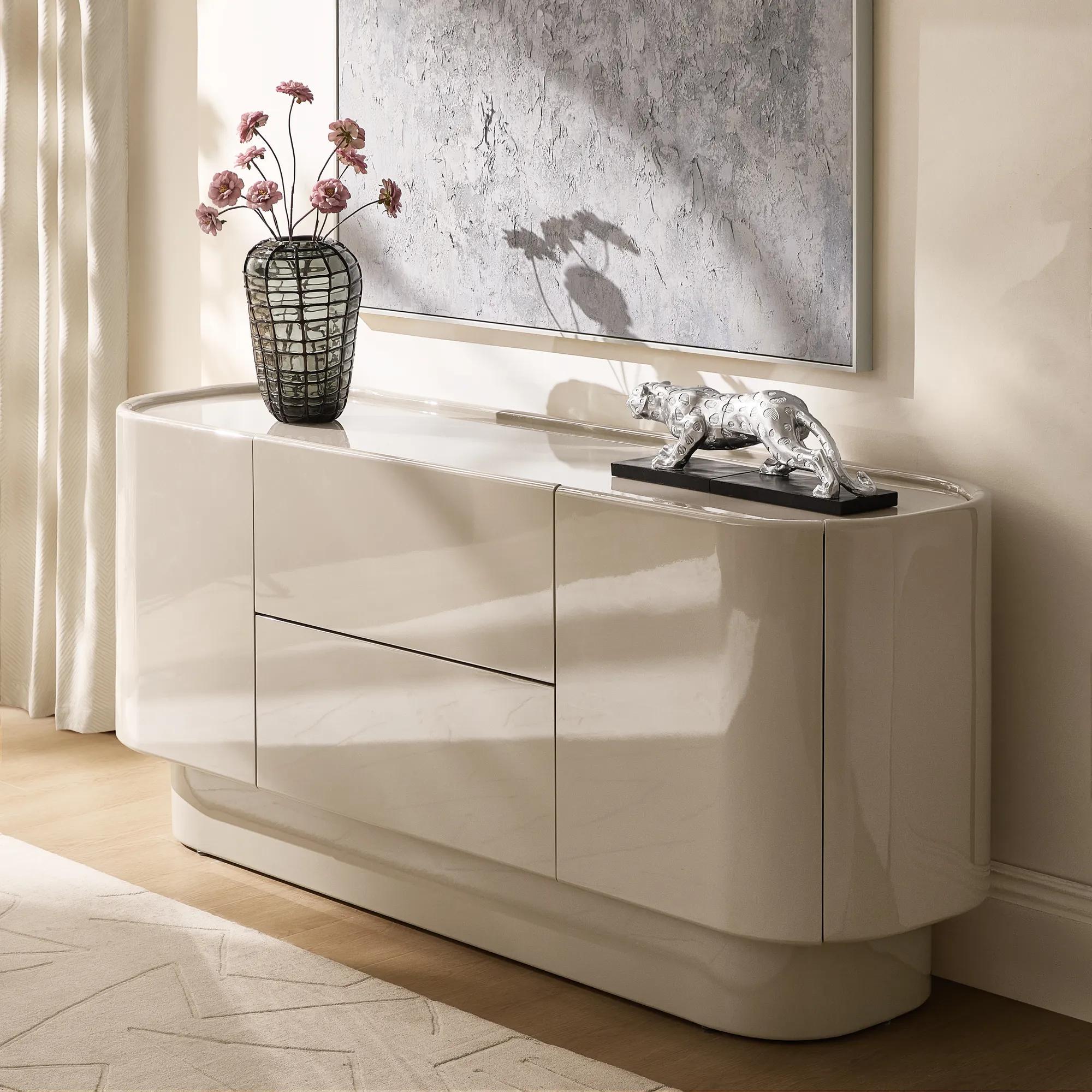 Velar Lacquered Turtle Dove Buffet With Glass Top (70")$1899
A sleek turtle dove buffet featuring high-gloss lacquer, tempered glass, and illuminated mirrored interior storage.
Add To Cart -
-compressed.jpg?w=1200&h=1200)
.jpg?w=1200&h=1200) Cairo Mactan Stone Console Table (63")$1799
Cairo Mactan Stone Console Table (63")$1799A hand-carved Mactan stone console table featuring a raw chiseled edge and natural tonal variations.
Add To Cart -
-compressed.jpg?w=1200&h=1200)
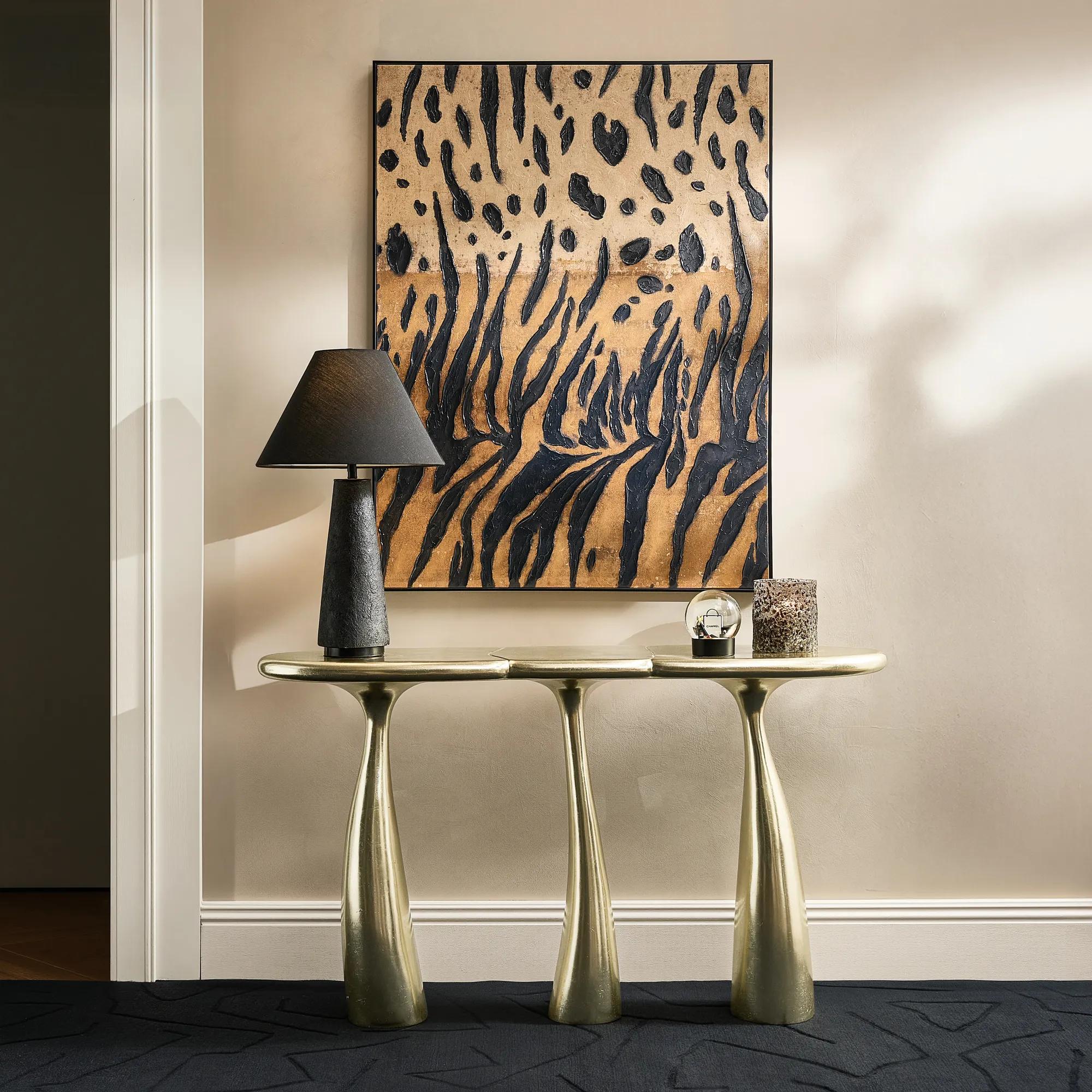 Thalia Soft Gold Console Table (52.4")$999
A sculptural console table hand-molded from fiberglass with a luminous, hand-applied gold leaf finish.
Add To Cart -
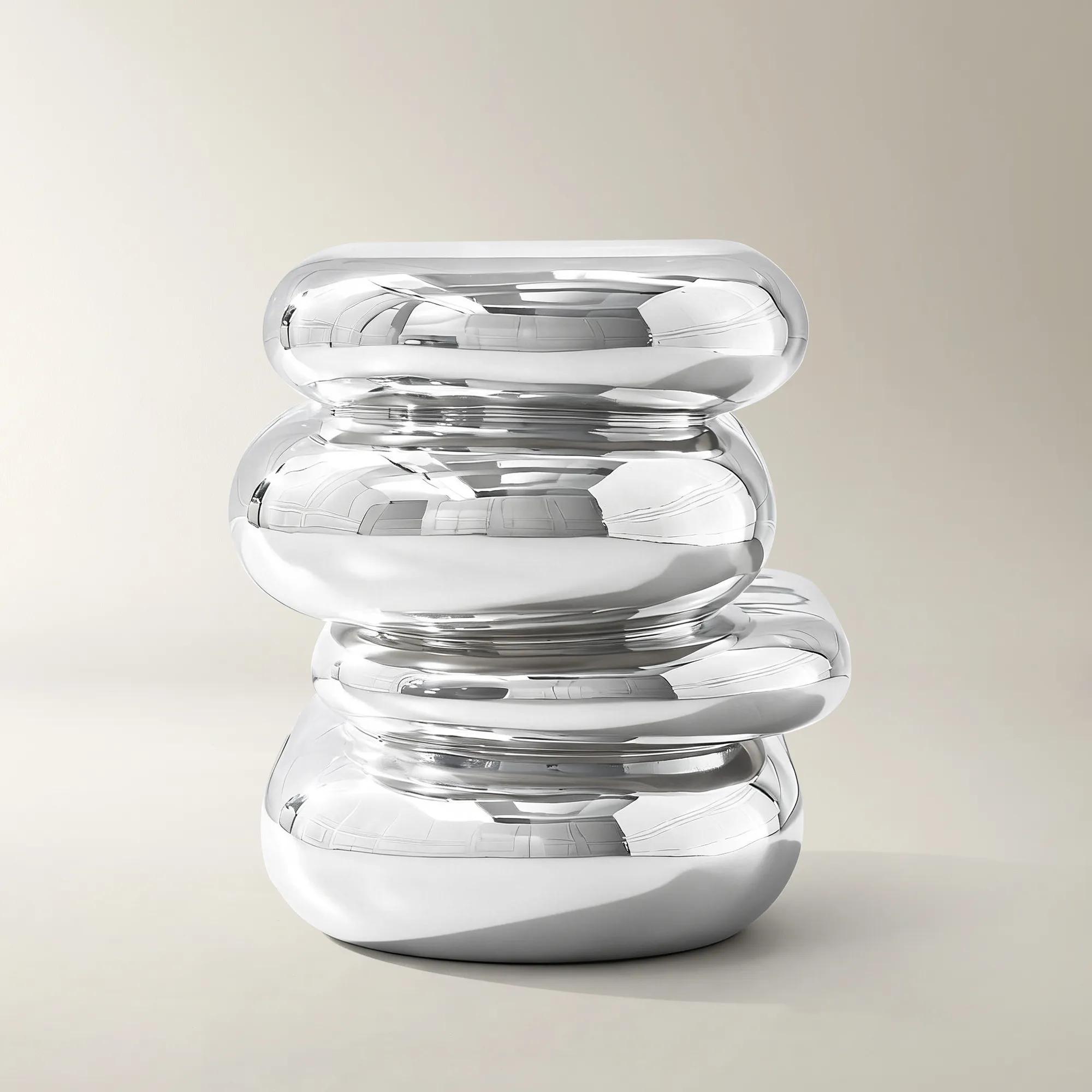 Forma Stacked Chrome Side Table (19.9")$599
A sculptural accent table crafted from seamless fiberglass with a reflective chrome finish and rounded tiers.
Add To Cart -
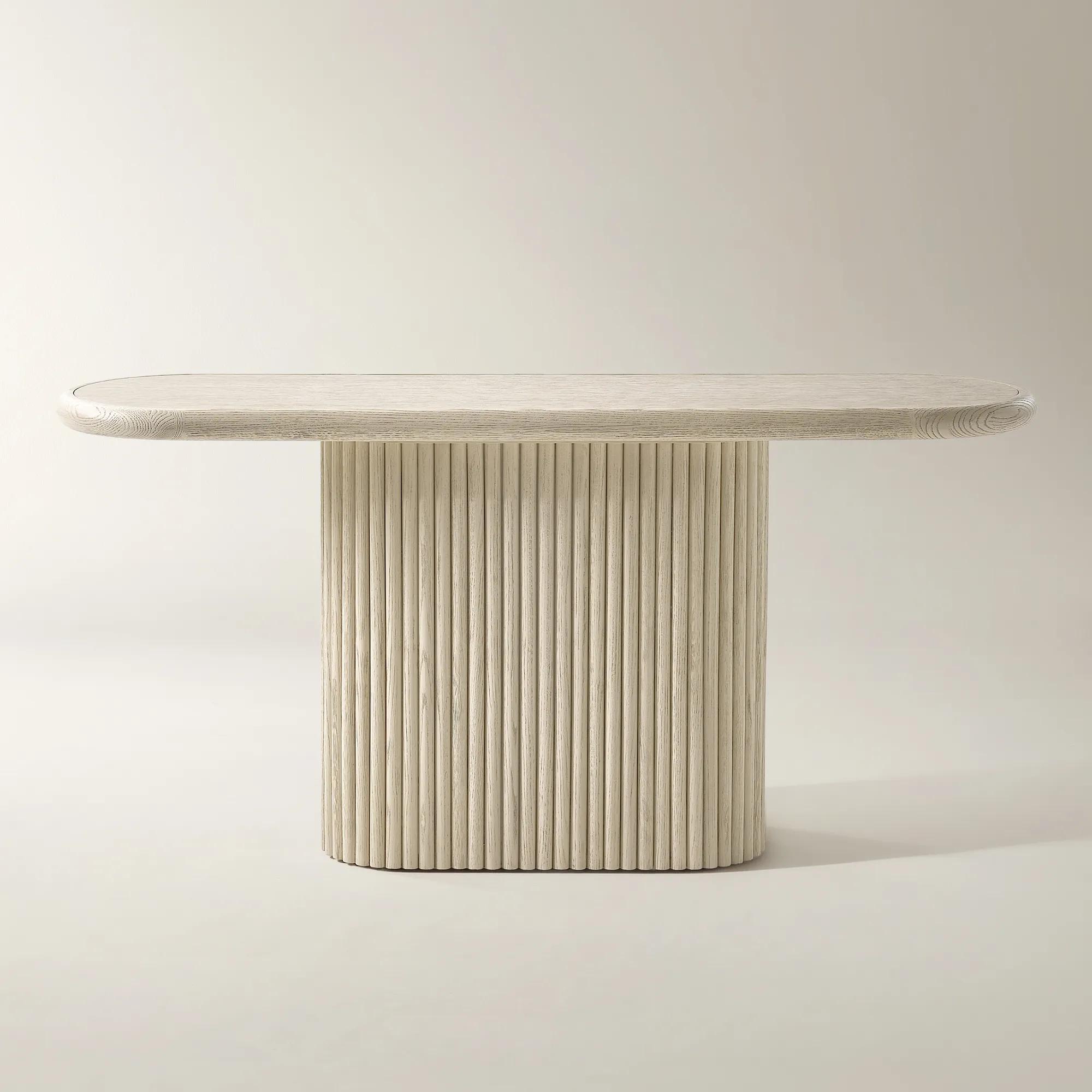
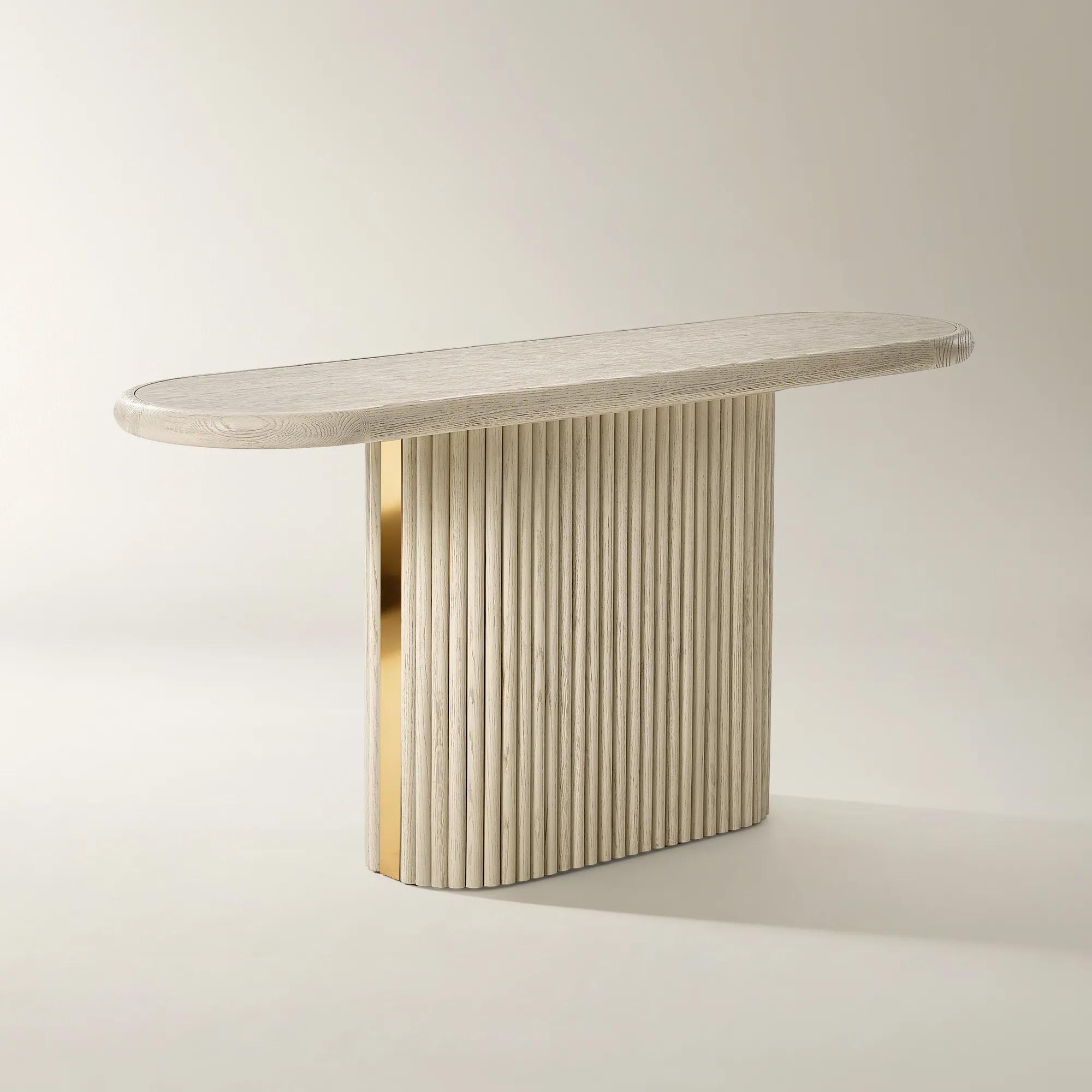 Stria Oval Reeded White Oak Console Table (63")$1299
A sculptural console table featuring reeded white oak, soft gold metal trim, and an architectural pedestal base.
Add To Cart

Modern Indoor Console Tables
Modern indoor console tables are the unsung heroes of sophisticated interiors—artful accents that command attention while seamlessly tying a room together. Whether gracing an entryway or anchoring a living space, these sculptural masterpieces invite admiration with every glance. Each piece is designed to transform the ordinary into the extraordinary, offering a canvas for curated vignettes and personal treasures. With bold silhouettes, luxurious finishes, and an undeniable air of drama, modern indoor console tables set the stage for a home that celebrates expressive design and unapologetic style.
Modern indoor console tables are narrow accent tables designed to bring a finished, expressive presence to entryways, hallways, living rooms, and the space behind a sofa. Their elongated silhouettes create room for lighting, art, and personal objects without the depth of a desk or dining table, making them especially compelling wherever floor space must remain open. Many console tables measure approximately 30 to 60 inches wide, 11 to 15 inches deep, and 30 to 32 inches high, although proportions vary considerably and larger statement designs extend beyond those ranges. That balance of slender scale and visual impact gives the console its distinctive role: it can establish the mood at the front door, give an otherwise empty wall architectural definition, or draw a deliberate boundary between seating and dining areas. In an entryway, a sculptural base beneath a gleaming surface creates an arrival with presence; a shallow tray provides a discreet landing place for keys while a lamp casts a welcoming pool of light. Behind a floating sofa, an open-frame console introduces another layer of shape and texture without enclosing the room. Along a hallway, a narrow console table can turn a passing glance into a moment of appreciation, with a ceramic vessel or framed photograph given space to stand out. Modern design does not require a restrained personality. Sweeping curves, substantial pedestal supports, faceted fronts, and polished details can all express a contemporary sensibility while delivering unmistakable drama. A symmetrical silhouette feels composed beneath a large artwork, while an asymmetric base can become the focal point itself. For apartment dwellers, homeowners furnishing an expansive foyer, or anyone refining a living room, these pieces offer a concentrated expression of taste. Their appeal lies in the relationship between useful surface space and artistry: the table serves everyday rituals while giving treasured objects a setting worthy of their character.
Materials shape both the atmosphere of a modern console table and the way it lives in a home. Wood introduces depth through grain, color variation, and the subtle movement of its surface; a dark finish can lend gravity to pale upholstery, while a lighter wood tone brings contrast to richly colored walls. Solid wood and wood veneer are different constructions rather than interchangeable descriptions. Veneer places a thin layer of real wood over a supporting core and can create beautifully consistent grain patterns, while solid wood responds naturally to changes in indoor humidity. In either case, finish quality, joinery, and a stable structure matter to lasting performance. Metal offers another kind of expression, from slender geometric frames to bold sculptural supports. Polished surfaces catch surrounding light with a jewelry-like brilliance, while brushed finishes create a softer sheen. Glass tops preserve sightlines and allow an intricate base to remain visible, an appealing quality in compact rooms or interiors with richly layered rugs. Glass still needs protection from impact, and exposed edges deserve consideration in busy passageways. Mirrored panels add reflection and depth but show fingerprints readily. Natural stone brings distinctive veining and substantial weight; marble and other calcium-based stones can be vulnerable to acidic spills, while porosity and sealing requirements depend on the material. Stone-look and composite surfaces vary in composition, so their care should follow the stated finish requirements rather than assumptions based on appearance. Durability ultimately reflects the entire piece, including its construction, surface treatment, hardware, and intended load. A heavy sculpture or oversized lamp calls for attention to weight limits and balance, not simply tabletop thickness. Gentle dusting with a soft cloth, prompt attention to spills, and protective pads beneath decorative objects help preserve the finish. Coasters protect against moisture rings, and lifting accessories rather than dragging them reduces the chance of scratches. Abrasive cleaners, rough cloths, and excessive water can compromise delicate surfaces; material-specific care keeps the table’s distinctive texture and luster at the center of the room.
The most successful fit comes from considering the console in relation to the furniture, doors, and movement around it. Width should feel intentional against the wall or sofa, with enough surrounding space to reveal the outline rather than compress it between neighboring pieces. Depth determines how comfortably people can pass, particularly near an entry door, where a projecting corner can interrupt the natural route into the home. Leaving approximately 36 inches of clear passage is a useful planning starting point where space allows, though individual needs, accessibility requirements, and the room’s layout may call for more. Door swings, baseboards, nearby outlets, and the extension of drawers also affect placement. Behind a sofa, a console at or slightly below the sofa back often creates a cohesive profile; a much taller surface changes the sightline and deserves deliberate consideration. An entryway console with drawers can conceal mail and small essentials, while an open shelf offers a defined place for decorative boxes or books. Open bases emphasize the floor beneath them and reveal more of a patterned rug; enclosed forms provide greater visual weight. These differences make console tables particularly adaptable to households that want both expressive interiors and purposeful organization. They are display and light-use surfaces, not seating, climbing structures, or substitutes for furniture designed to carry substantial equipment. Manufacturer instructions, weight limits, and any recommended anti-tip anchoring are especially important in homes with children or pets. Once the proportions are settled, styling can remain selective without losing richness: a tall lamp, a low bowl, and one richly textured object create variation while leaving usable space. A mirror above the table can echo its geometry, while oversized art introduces a confident contrast. Housewarming gifting is most thoughtful when the recipient’s measurements and finish preferences are already known, since a console becomes part of the room’s architecture rather than a small finishing accessory. For another perspective on this versatile silhouette, explore Modern Summer Console Tables. Whether placed beneath a dramatic canvas or framing the back of a favorite sofa, a well-proportioned console gives the room a polished point of connection between daily life and personal expression.
FAQs
A modern indoor console table truly shines when layered with thoughtful accents. Consider pairing sculptural vases with fresh florals for a burst of color, or arranging a trio of metallic candleholders to create a sense of drama. Art books, framed photographs, and a statement lamp can add both height and personality, while a decorative tray keeps smaller treasures elegantly corralled. For a touch of luxury, drape a velvet runner beneath your arrangement or display a unique piece of art above the table to anchor the vignette.
Modern console tables are remarkably versatile and can elevate nearly any room. In the entryway, they offer a stylish landing spot for keys and mail while setting the tone for the rest of the home. In living rooms, they serve as a sophisticated backdrop for curated décor or a convenient surface behind a sofa. Bedrooms benefit from their sleek lines as vanities or writing desks, and dining rooms can use them as elegant buffet stations or display surfaces for fine serveware and art.
Materials and finishes are the essence of a console table’s personality. Mirrored or high-gloss finishes amplify light and add a touch of glamour, while matte metals or brushed brass evoke understated elegance. Rich woods bring warmth and organic texture, while glass surfaces lend an airy, contemporary feel. Mixing materials—such as pairing marble with metal—creates visual intrigue and allows the piece to command attention as a true work of art within your space.
Absolutely. A modern console table makes an extraordinary gift for housewarmings, weddings, anniversaries, or milestone birthdays. It’s a piece that blends beauty with function, offering the recipient an opportunity to express their style and create memorable moments in their home. With its ability to transform an entryway or living space, a console table is both practical and indulgent—a gift that continues to delight long after the occasion has passed.
In open-concept layouts, a modern console table acts as a sophisticated room divider without sacrificing flow or light. Placing one behind a sofa subtly delineates the living area from dining or kitchen spaces, while a console along a hallway wall can create a sense of destination and structure. By anchoring the table with statement décor, you introduce visual interest and help guide the eye, making each zone feel intentional and beautifully composed.
.jpeg?w=3000&h=3000)