Statement Console Tables
Statement Console Tables
-
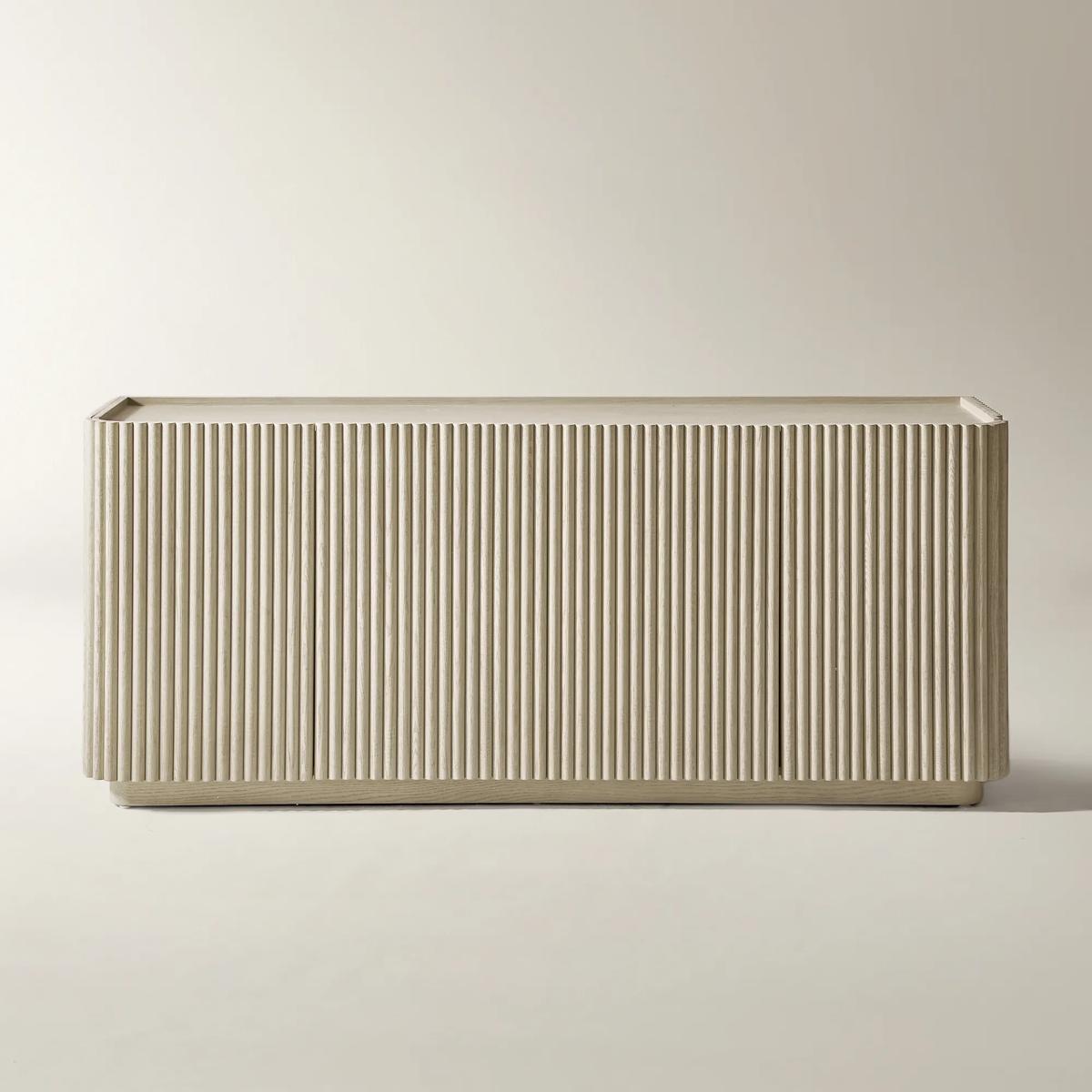
 Stria Reeded White Oak Buffet (72")$2199
A sculptural oak buffet featuring reeded detailing, gold-plated trim, and adjustable storage behind four doors.
Add To Cart -
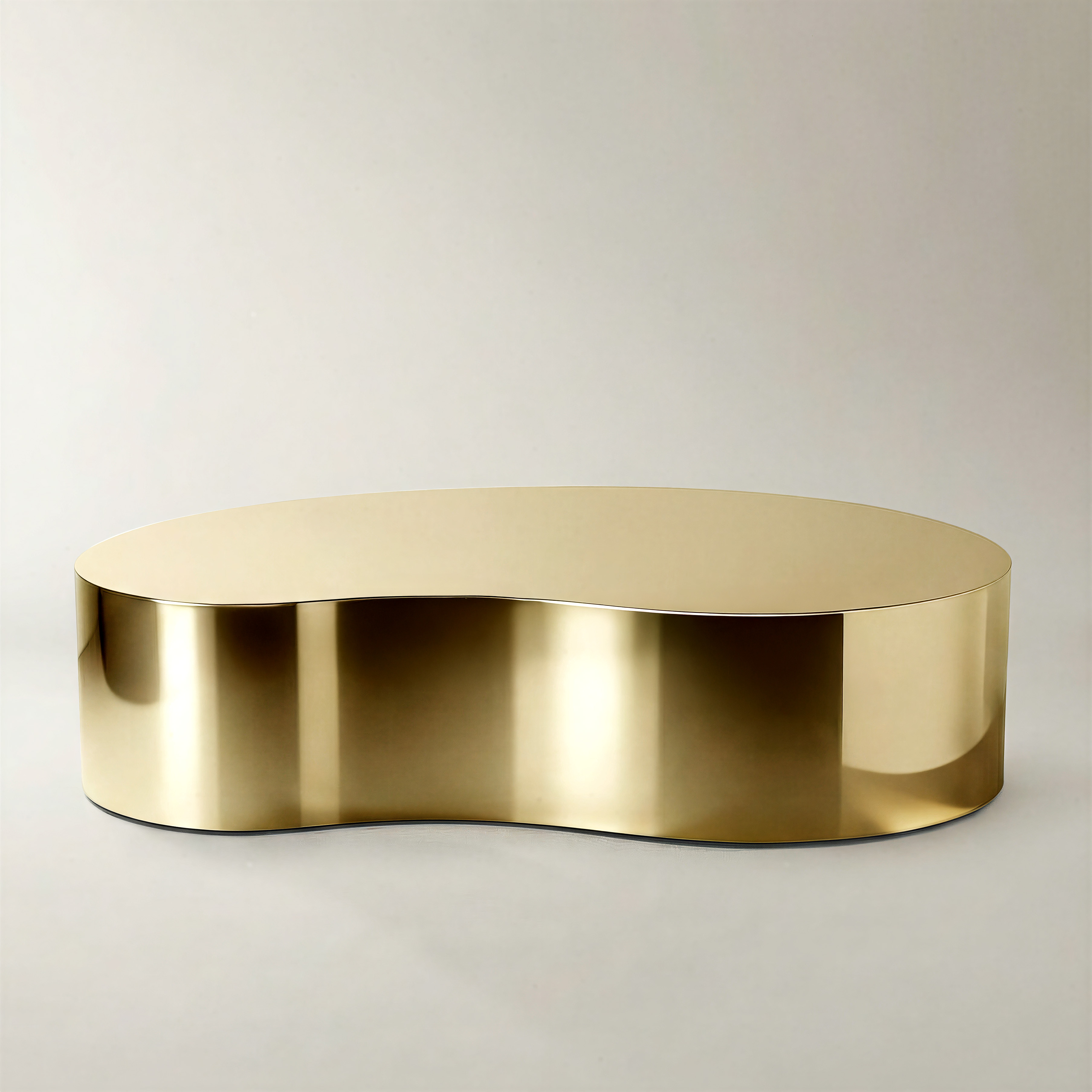
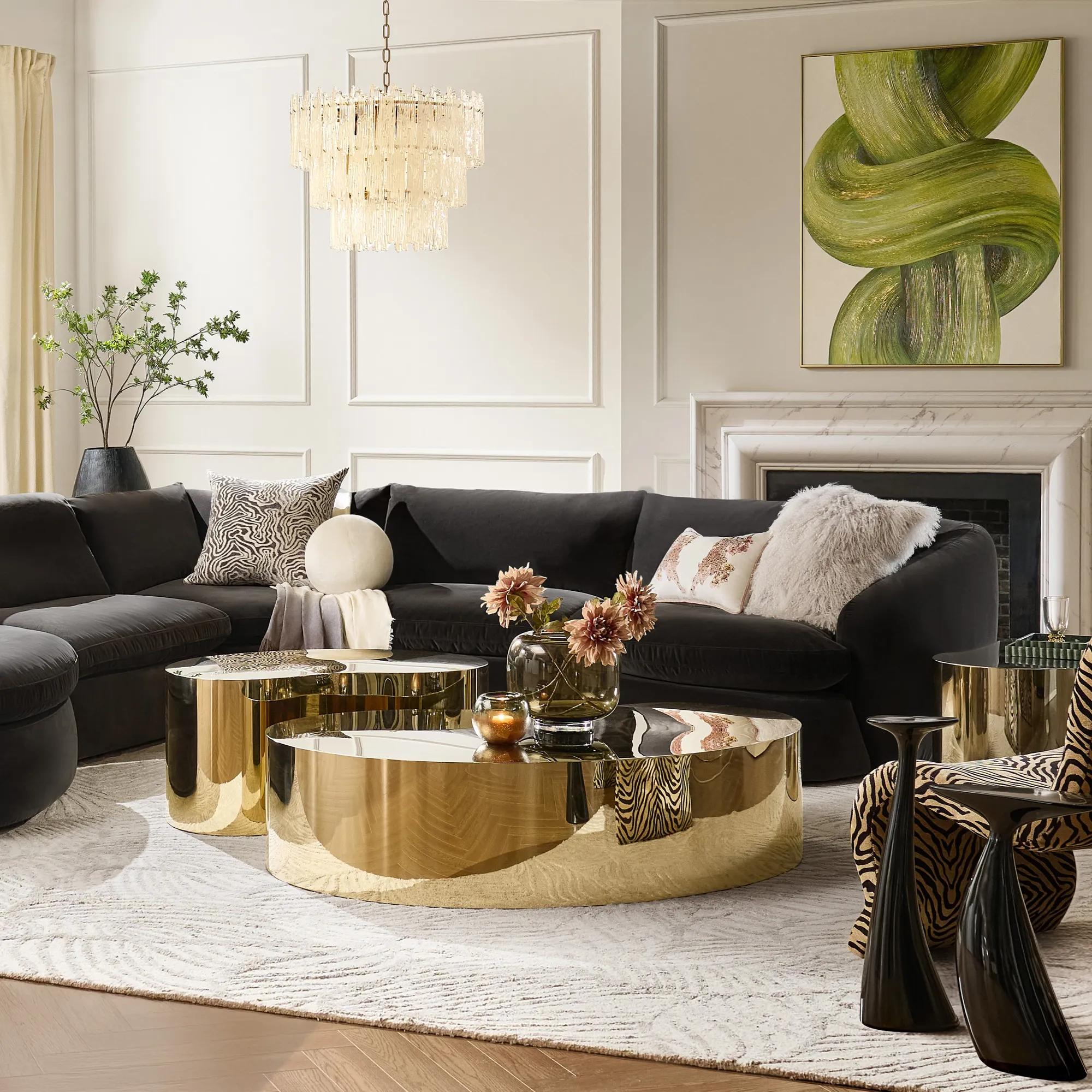 Aurea Soft Gold Coffee Table (57")$1399
A sculptural coffee table crafted from stainless steel with a high-gloss soft gold finish and rounded edges.
Add To Cart -
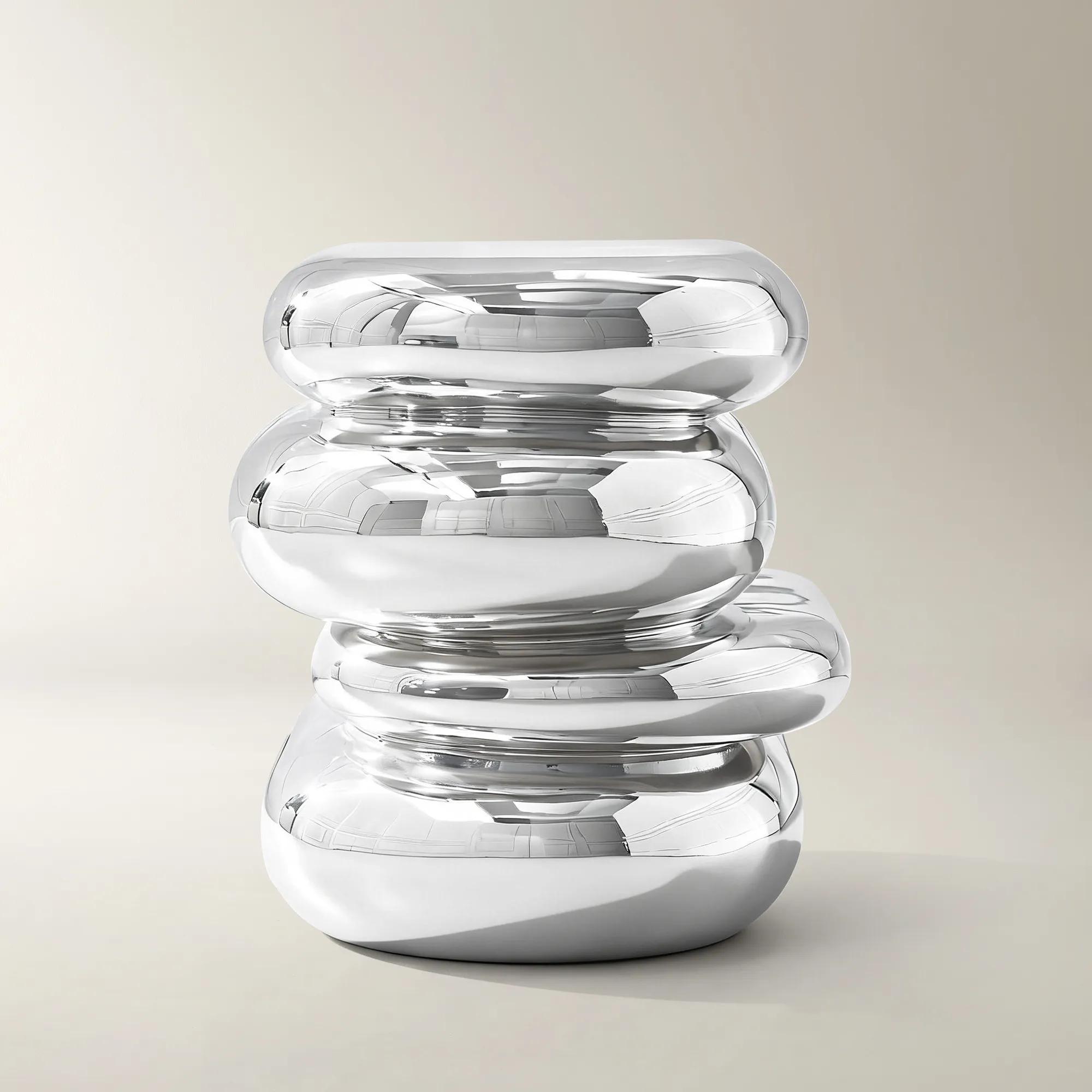 Forma Stacked Chrome Side Table (19.9")$699
A sculptural accent table crafted from seamless fiberglass with a reflective chrome finish and rounded tiers.
Add To Cart -
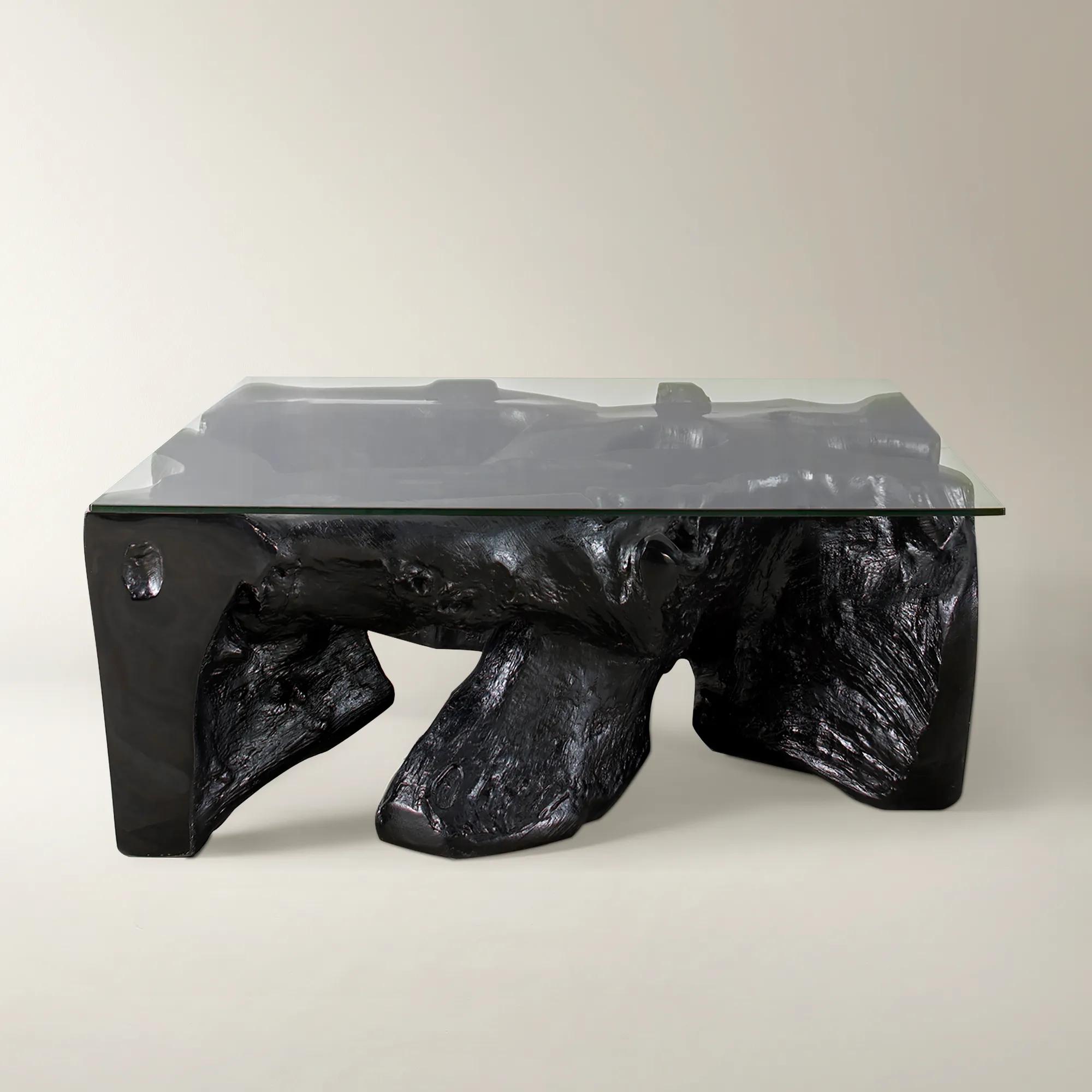
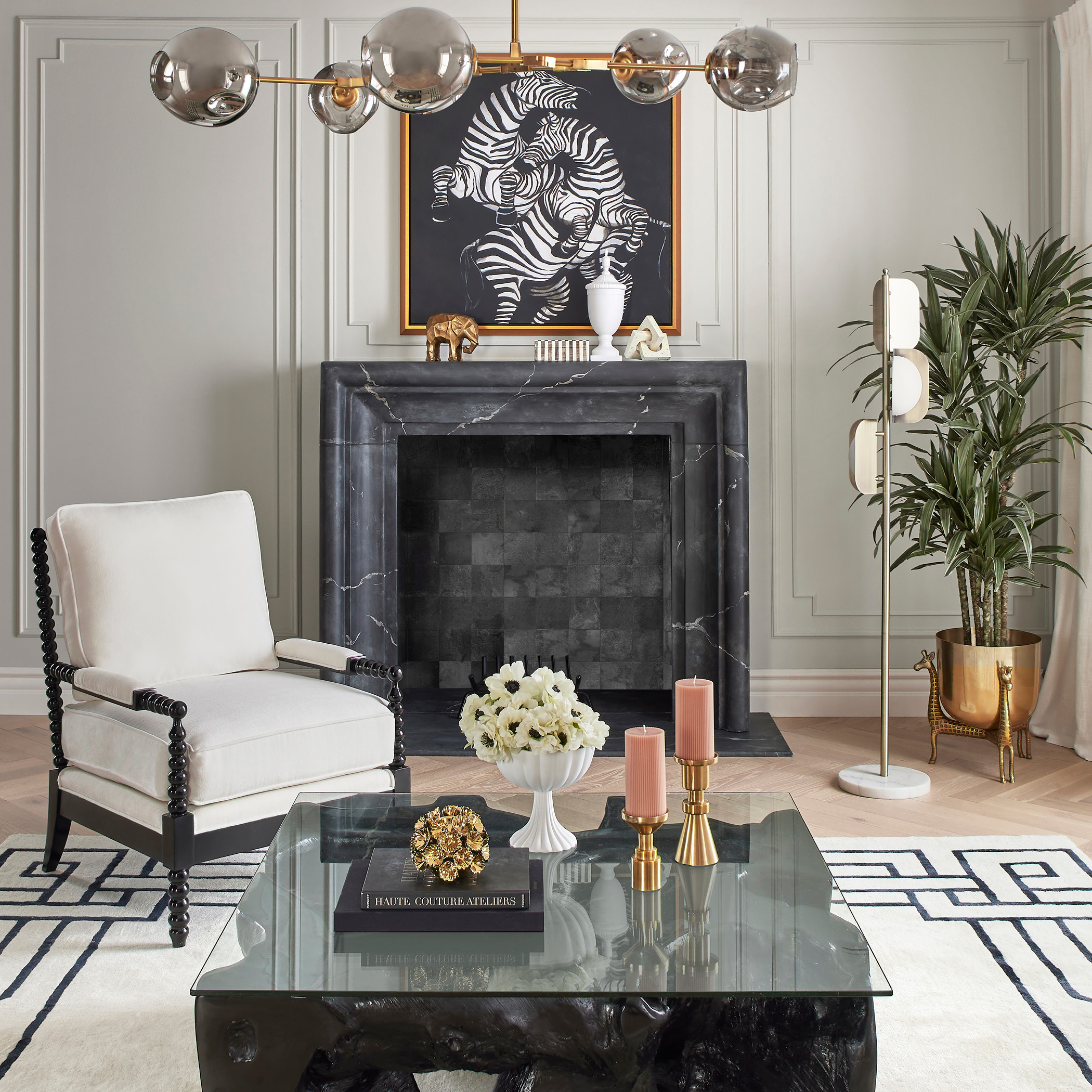 Sequoia Black Resin Coffee Table With Glass Top (44")$2299
A sculptural black coffee table crafted from resin and polished stone fragments for indoor or outdoor use.
Add To Cart -
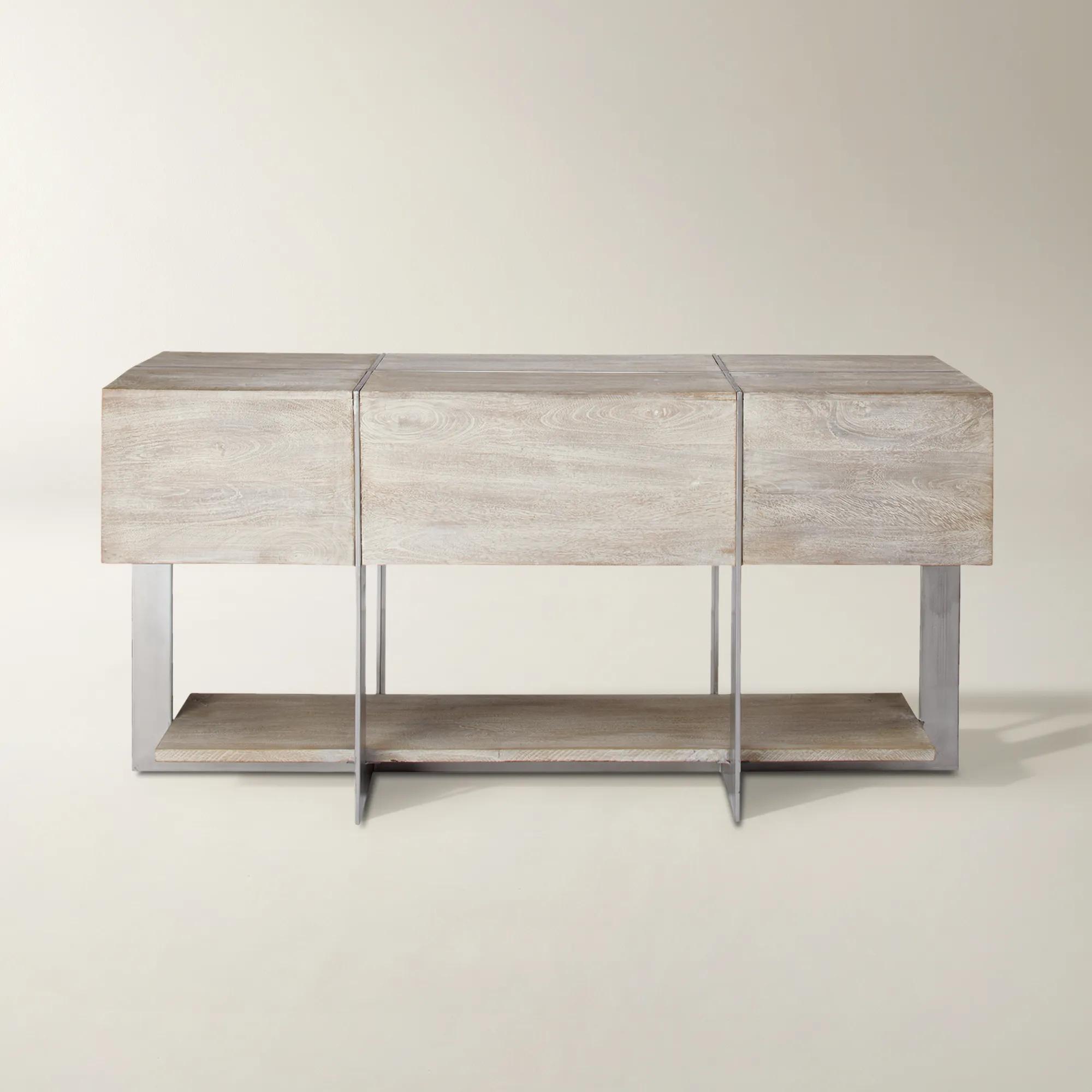
 Clifton Rectangular Natural Mango Wood Console Table (60")$1399
A handcrafted mango wood console table with a whitewashed finish and antiqued silver iron legs.
Add To Cart -
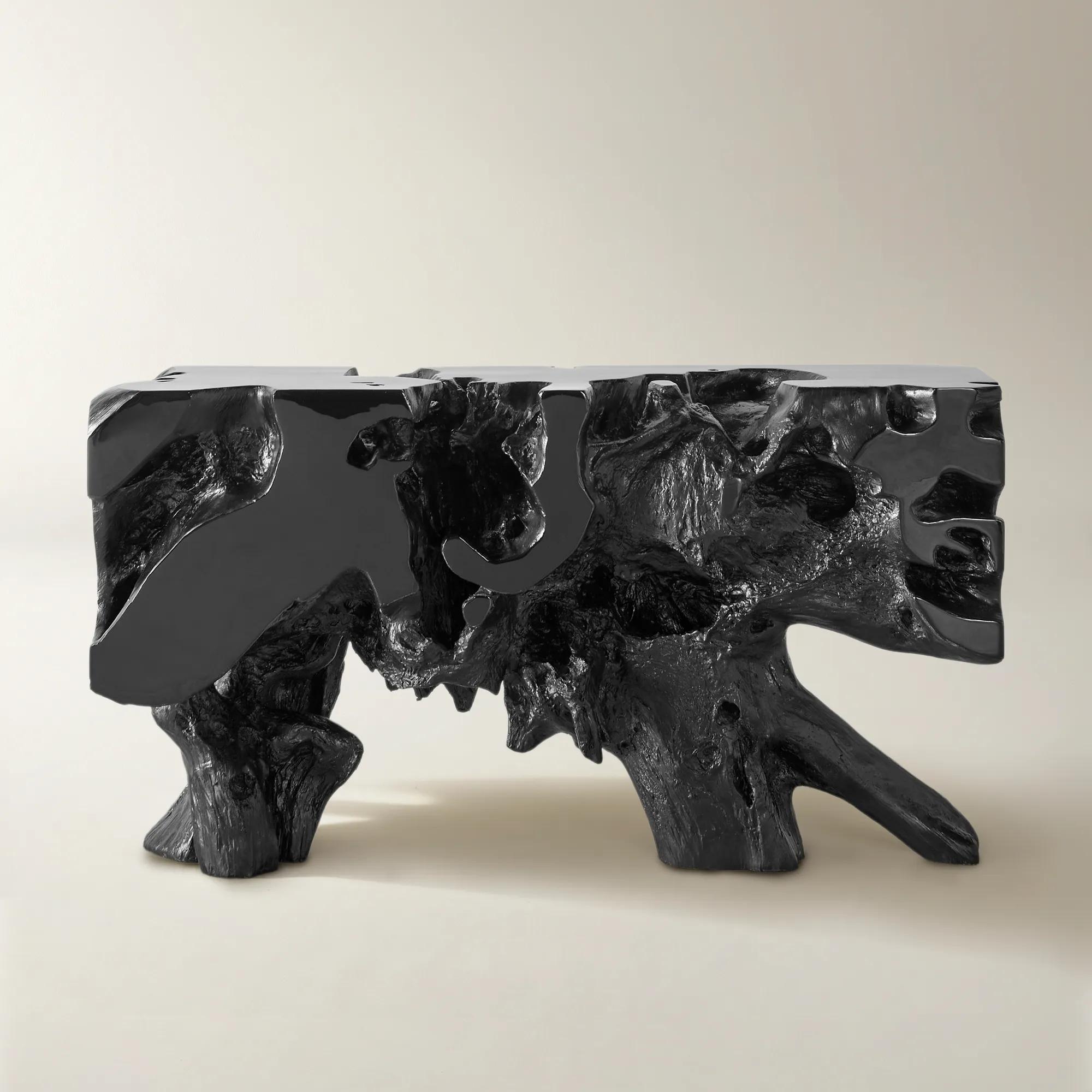 Sequoia Black Resin Console Table (58")$1999
A sculptural black console table crafted from resin, fiberglass, and polished stone for indoor or outdoor use.
Add To Cart -

 Cairo Mactan Stone Console Table (63")$1799
A hand-carved Mactan stone console table featuring a raw chiseled edge and natural tonal variations.
Add To Cart -
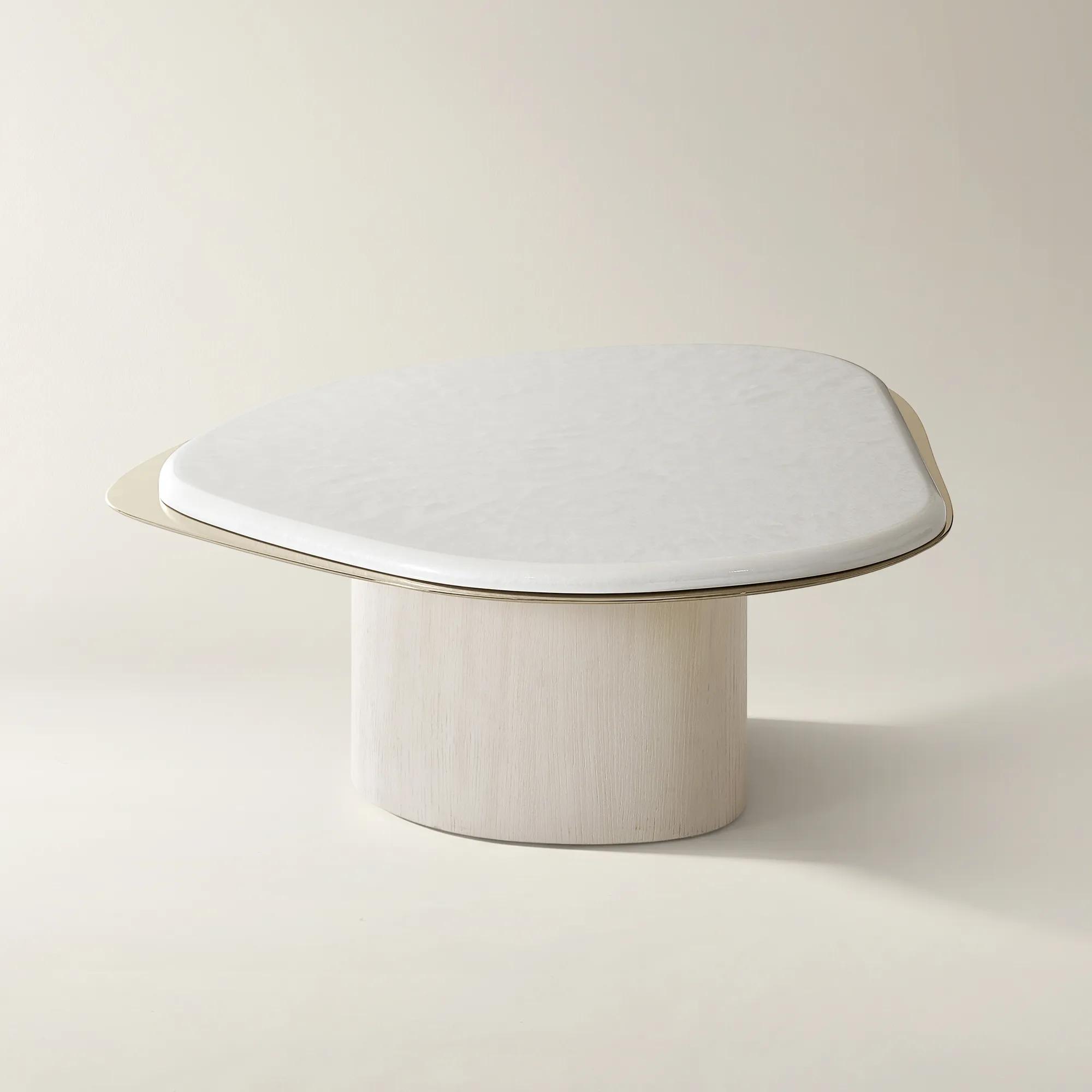
 Lumina Bleached Oak Coffee Table With Pearl Lacquered Top (32")$899
A sculptural coffee table featuring a pearl lacquered top, bleached oak base, and champagne gold trim.
Add To Cart -

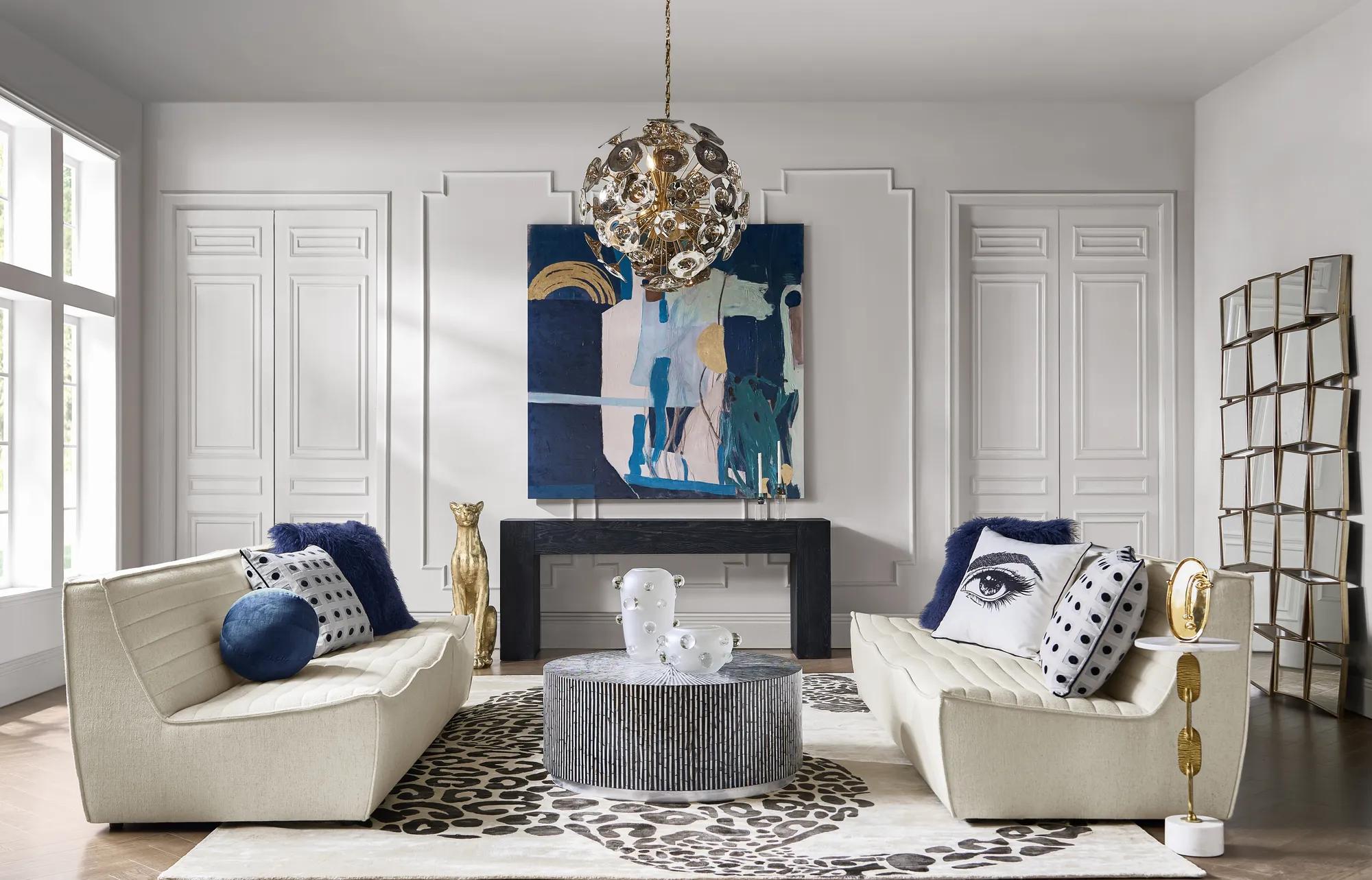 Bristol Rectangular Black Oak Console Table (72")$2099
A handcrafted black reclaimed oak console table featuring natural wood cracks and sturdy dovetail joints.
Add To Cart -
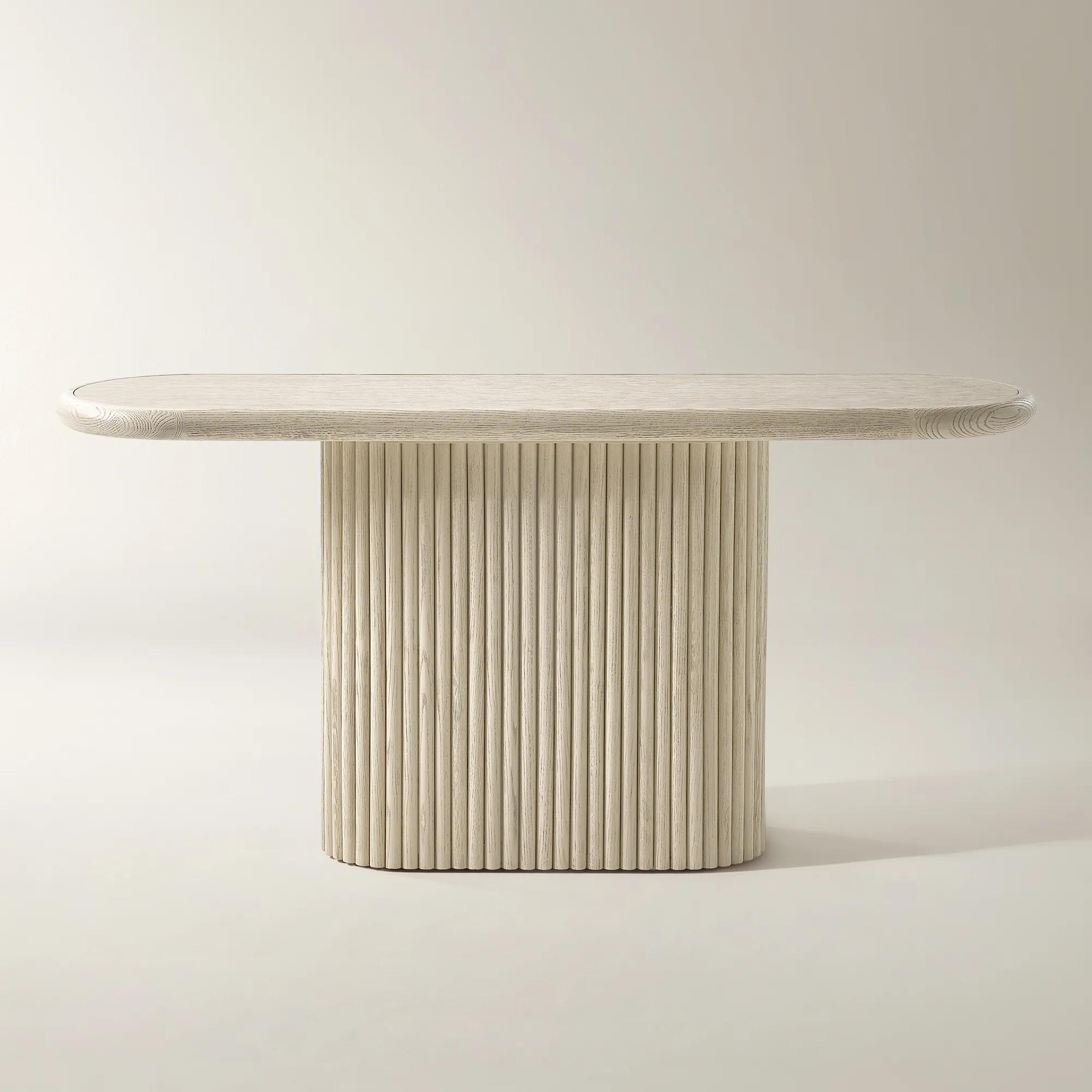
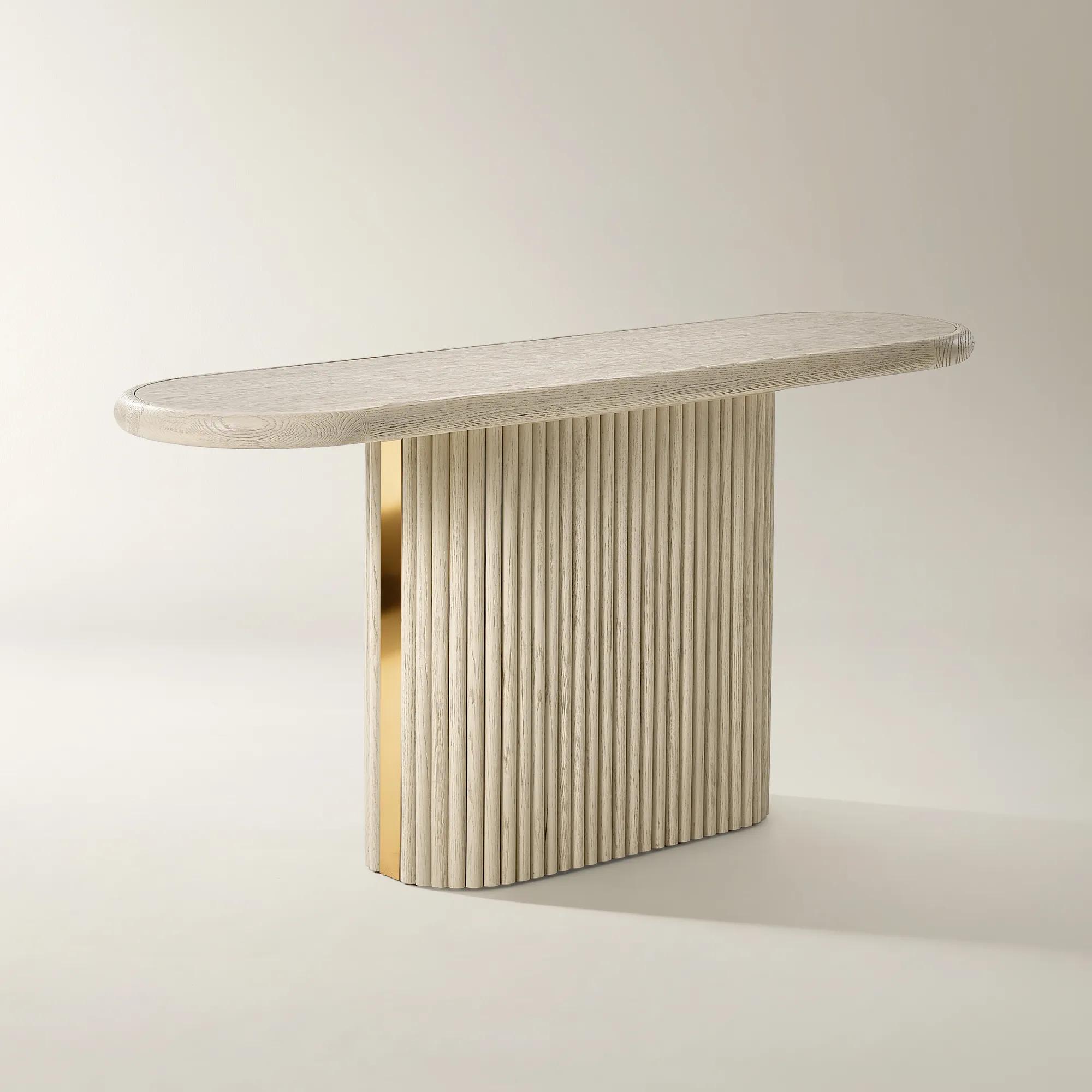 Stria Oval Reeded White Oak Console Table (63")$1399
A sculptural console table featuring reeded white oak, soft gold metal trim, and an architectural pedestal base.
Add To Cart -
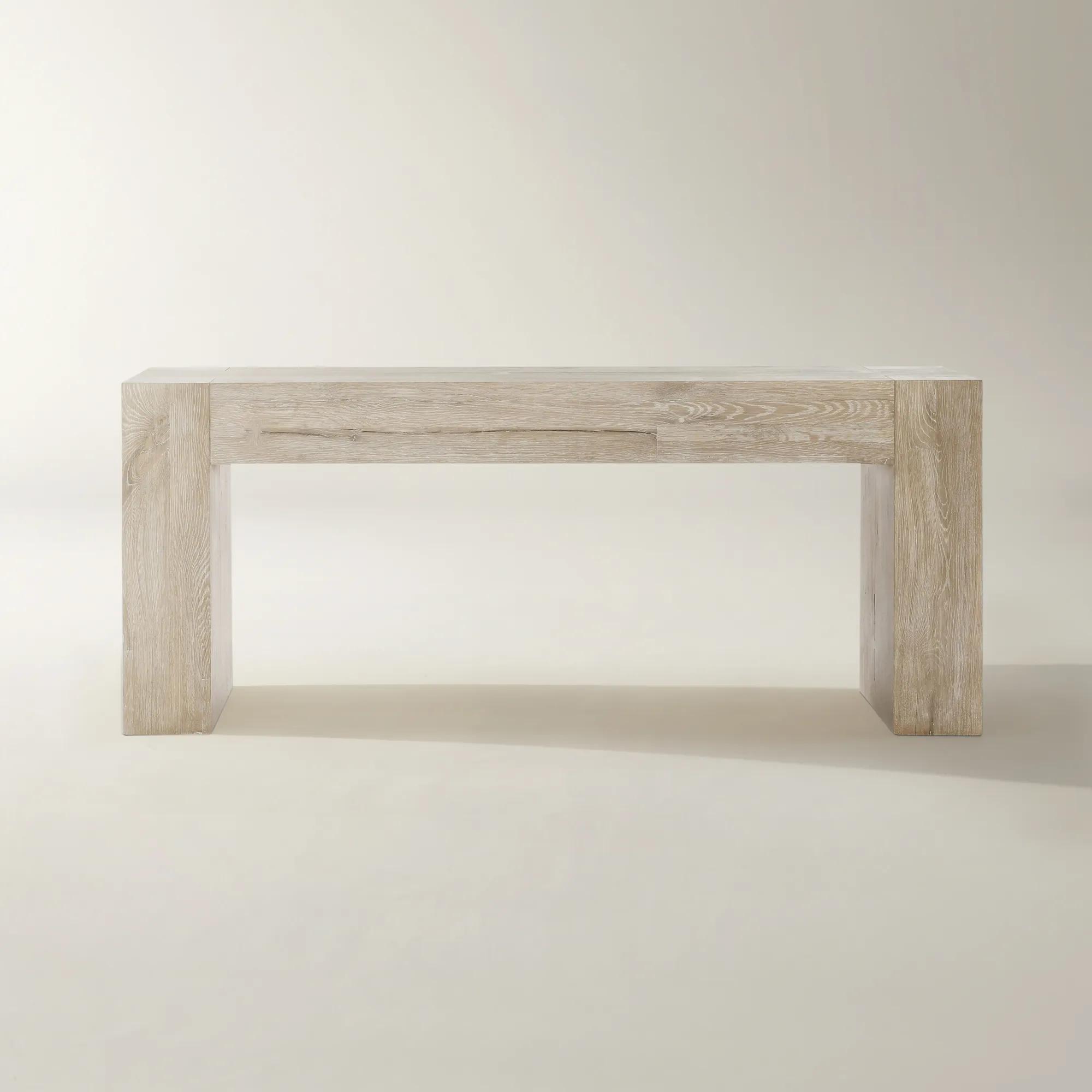
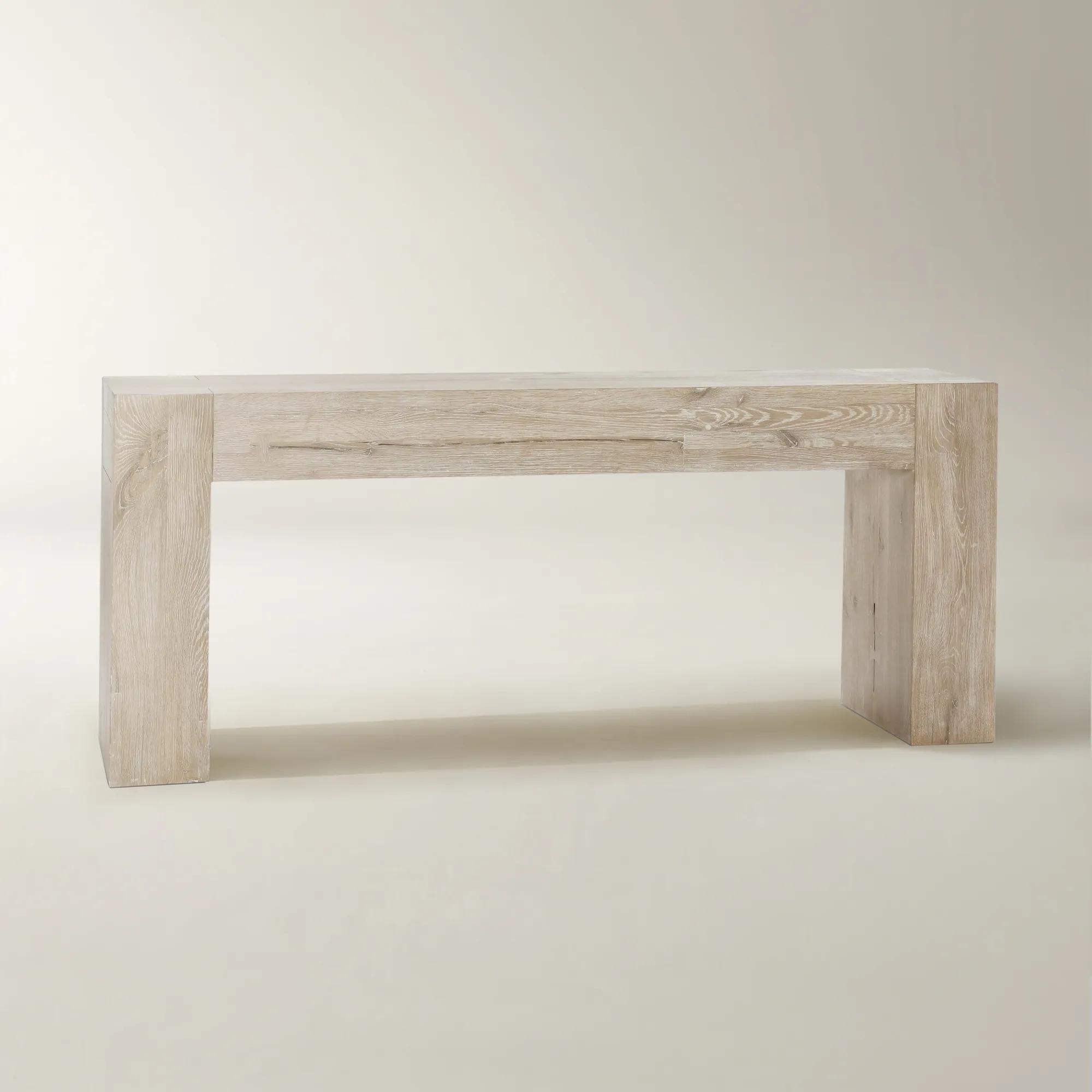 Bristol Rectangular Cream Oak Console Table (72")$2099
A handcrafted console table in aged cream cracked oak with modern dovetail detailing and artisanal character.
Add To Cart -
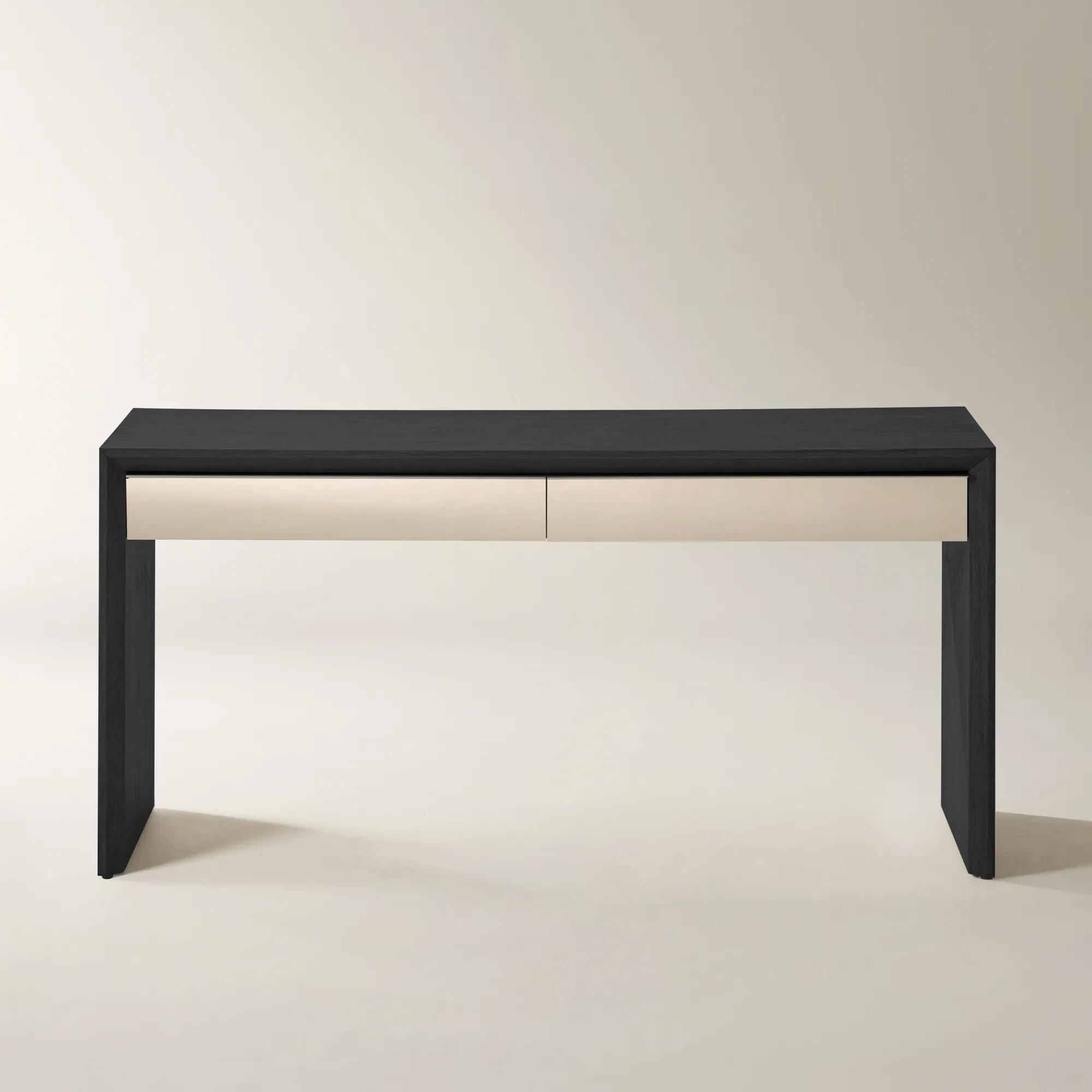
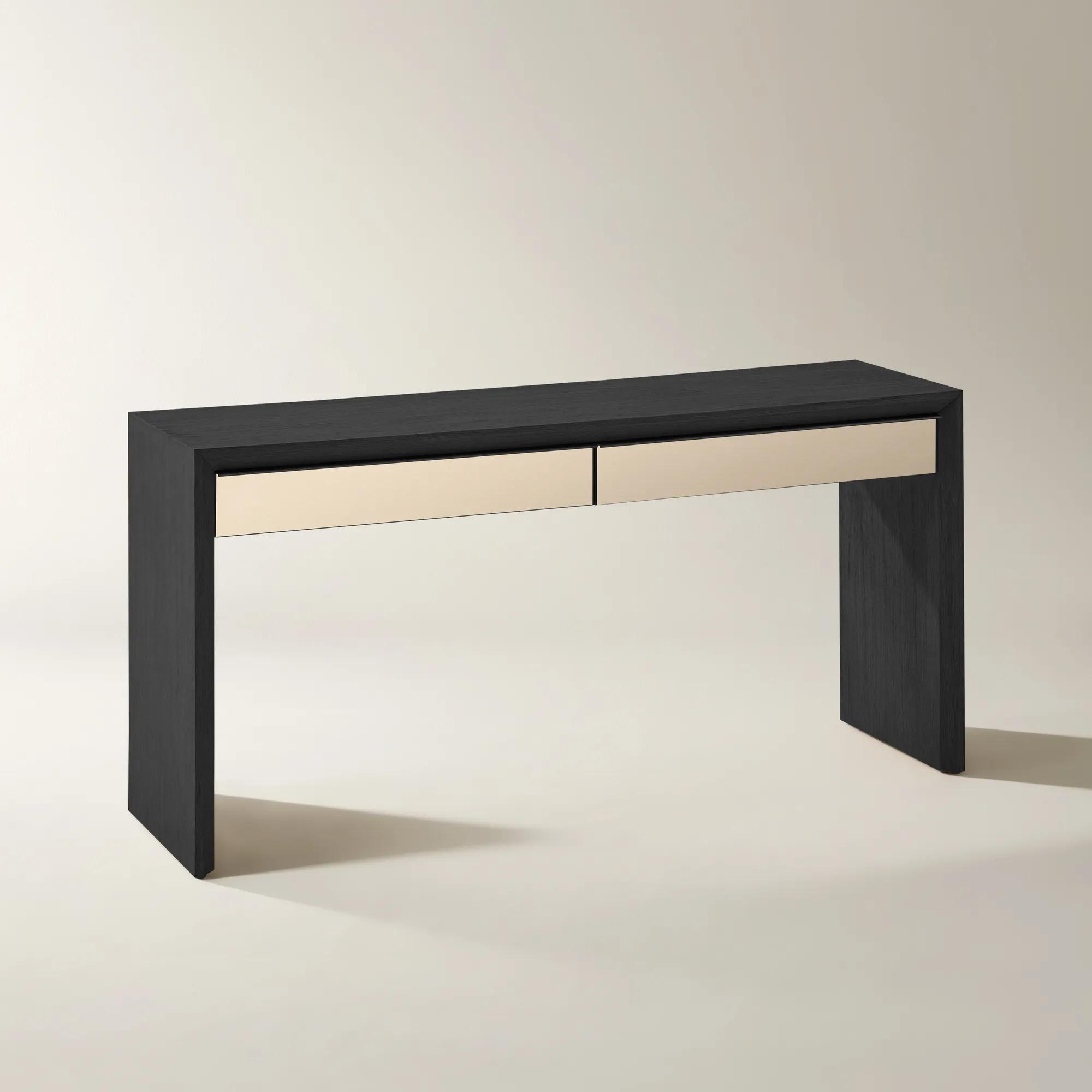 Glimmer Mirrored 2-Drawer Black Oak Console Table (62")$1299
A modern console table featuring black oak veneer, bronze mirrored drawer fronts, and soft-close velvet-lined drawers.
Add To Cart -
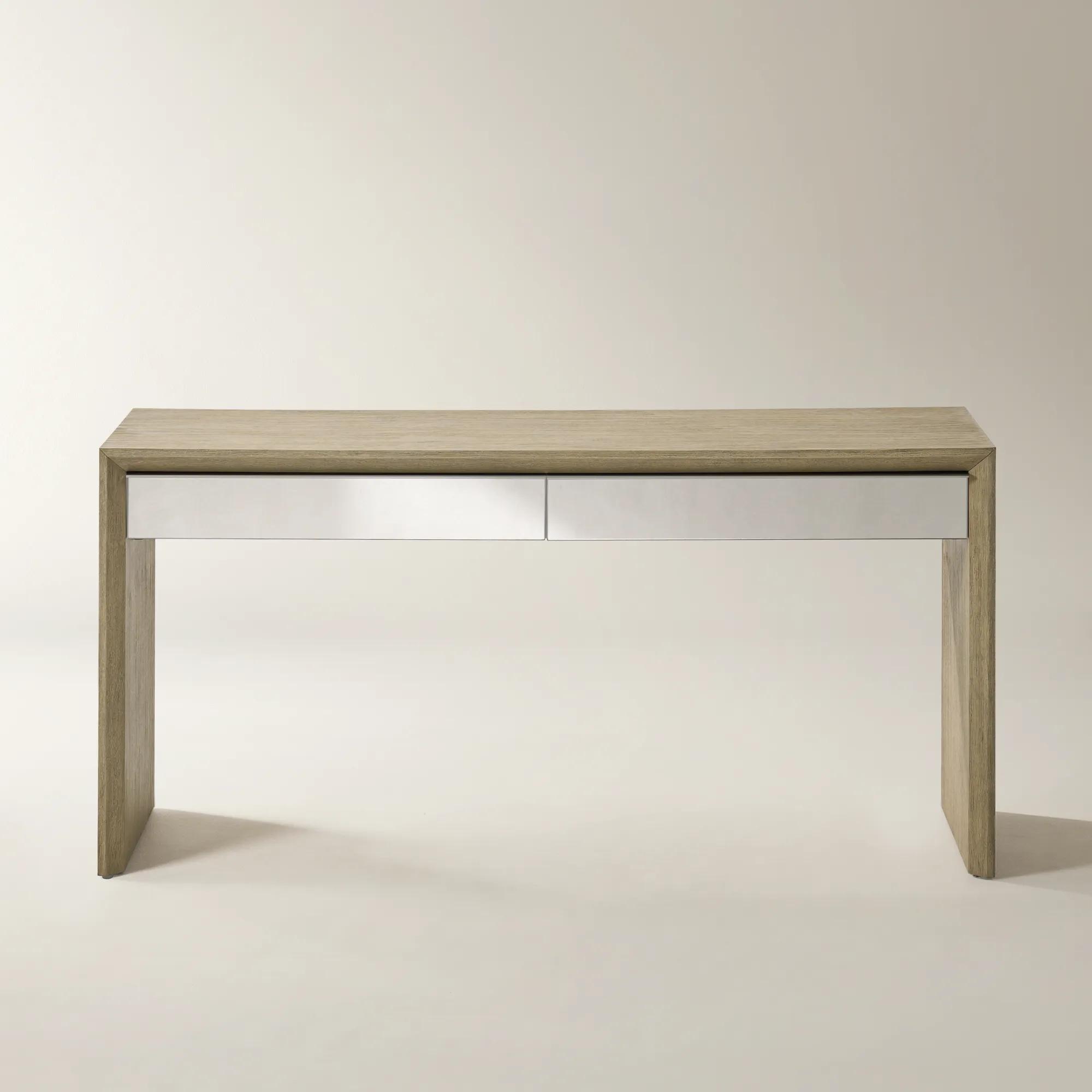 Glimmer Mirrored 2-Drawer Sea Drift Oak Console Table (62")$1299
A two-tone console table featuring warm oak veneer, antique mirrored drawers, and soft-close velvet-lined storage.
Add To Cart -
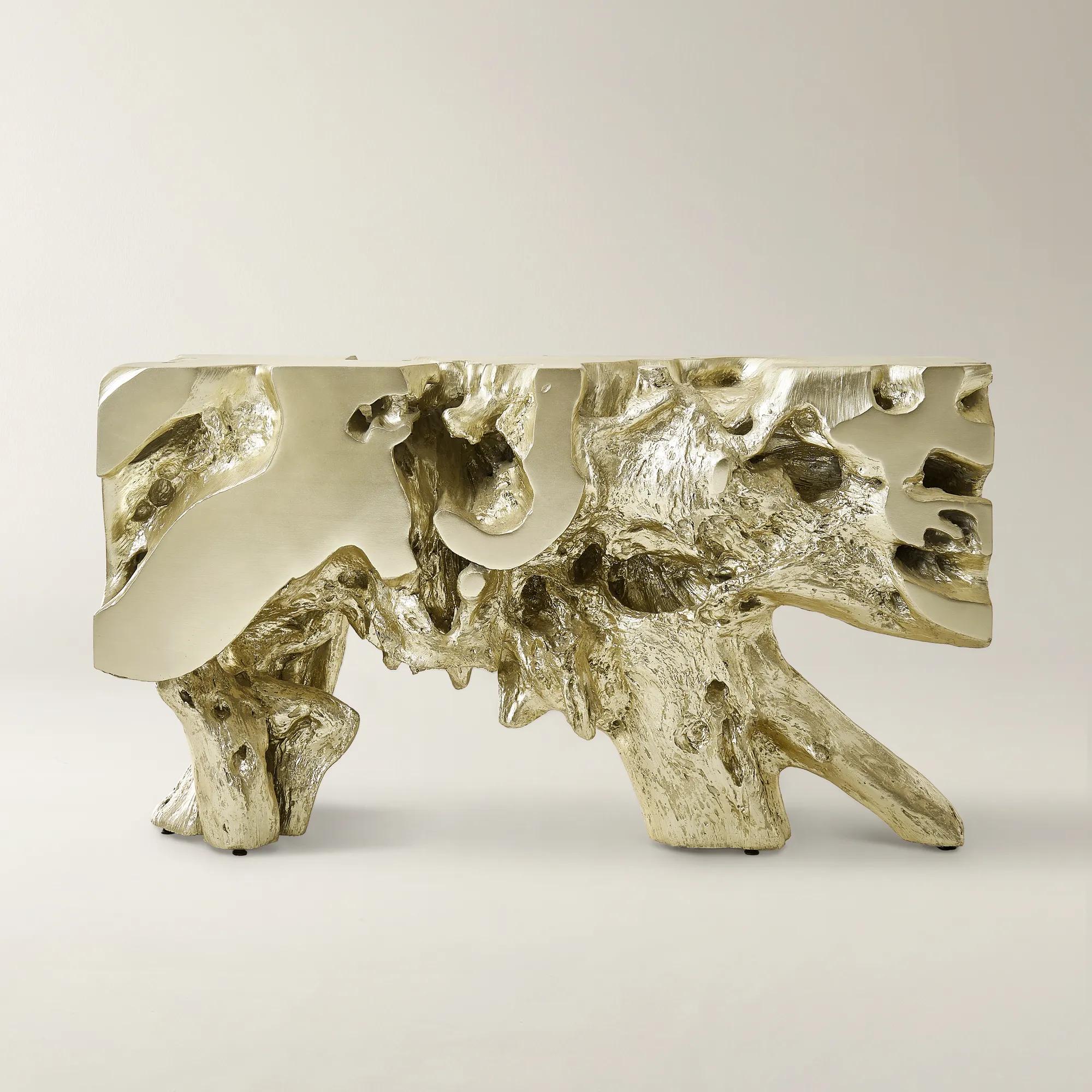 Sequoia Champagne Gold Resin Console Table (58")$1999
A sculptural resin console table finished in luminous champagne gold leaf with organic, root-inspired texture.
Add To Cart -
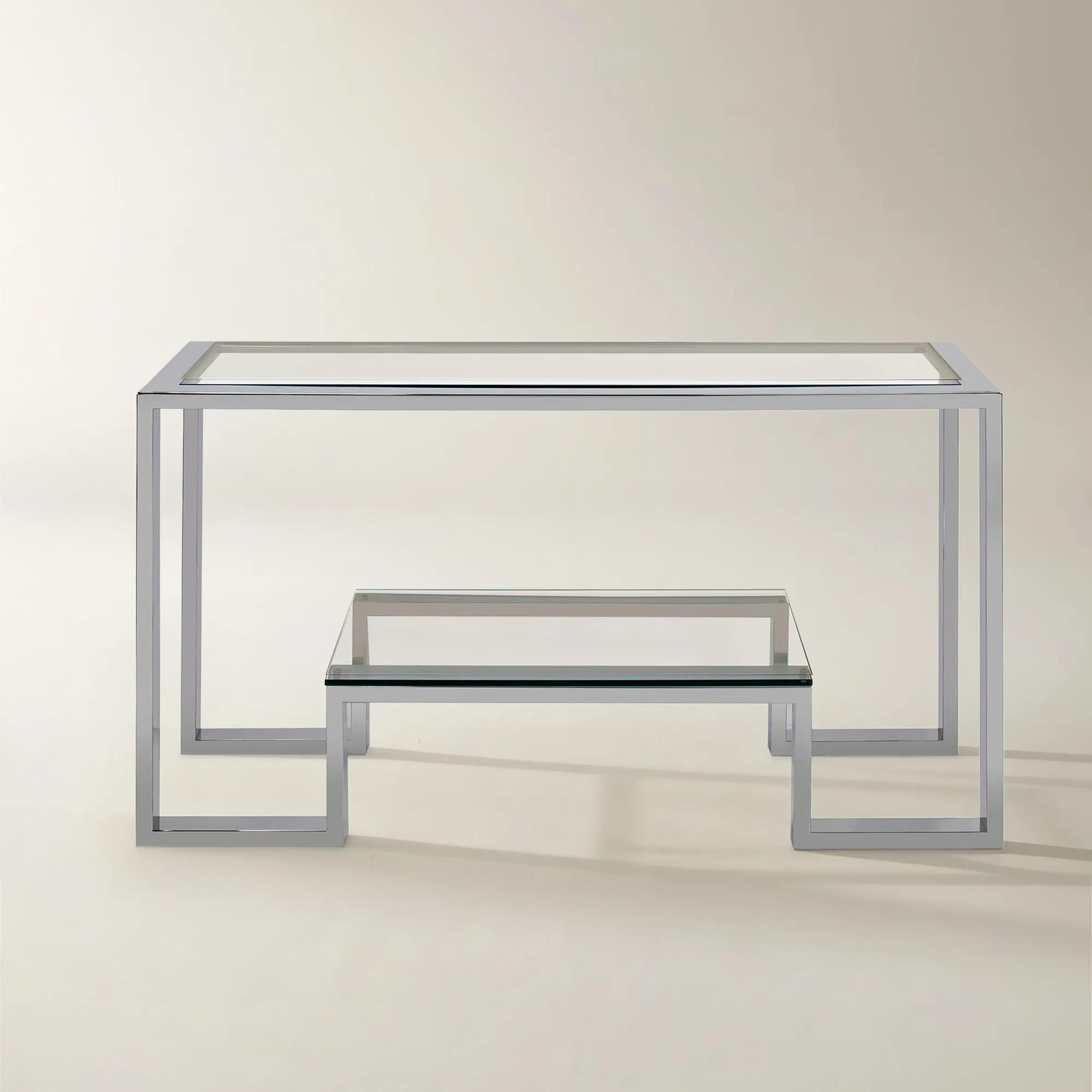
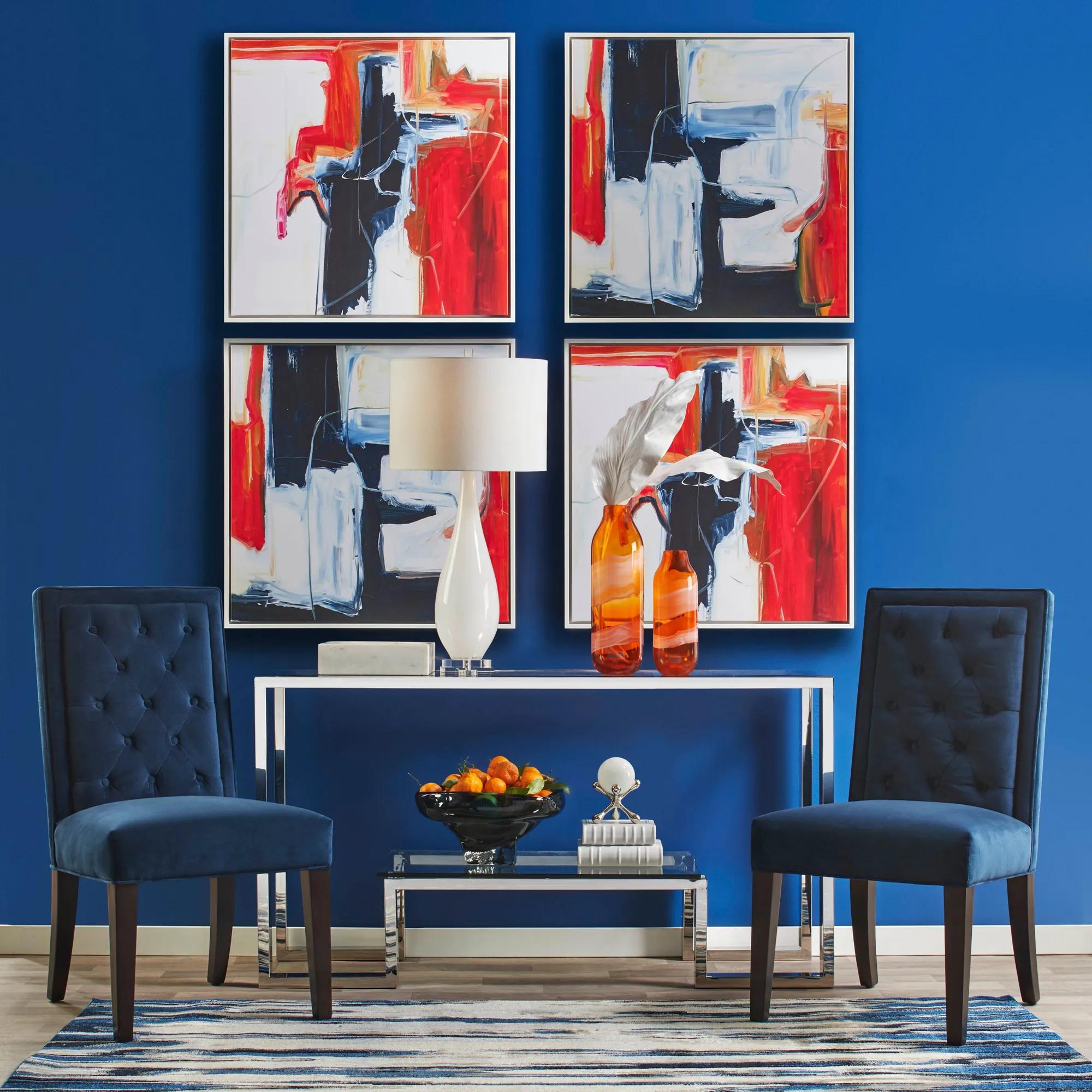 Duplicity Rectangular Silver Stainless Steel Console Table With Glass Top (59")$1399
A modern console table crafted from stainless steel and tempered glass with a floating bottom shelf.
Add To Cart -

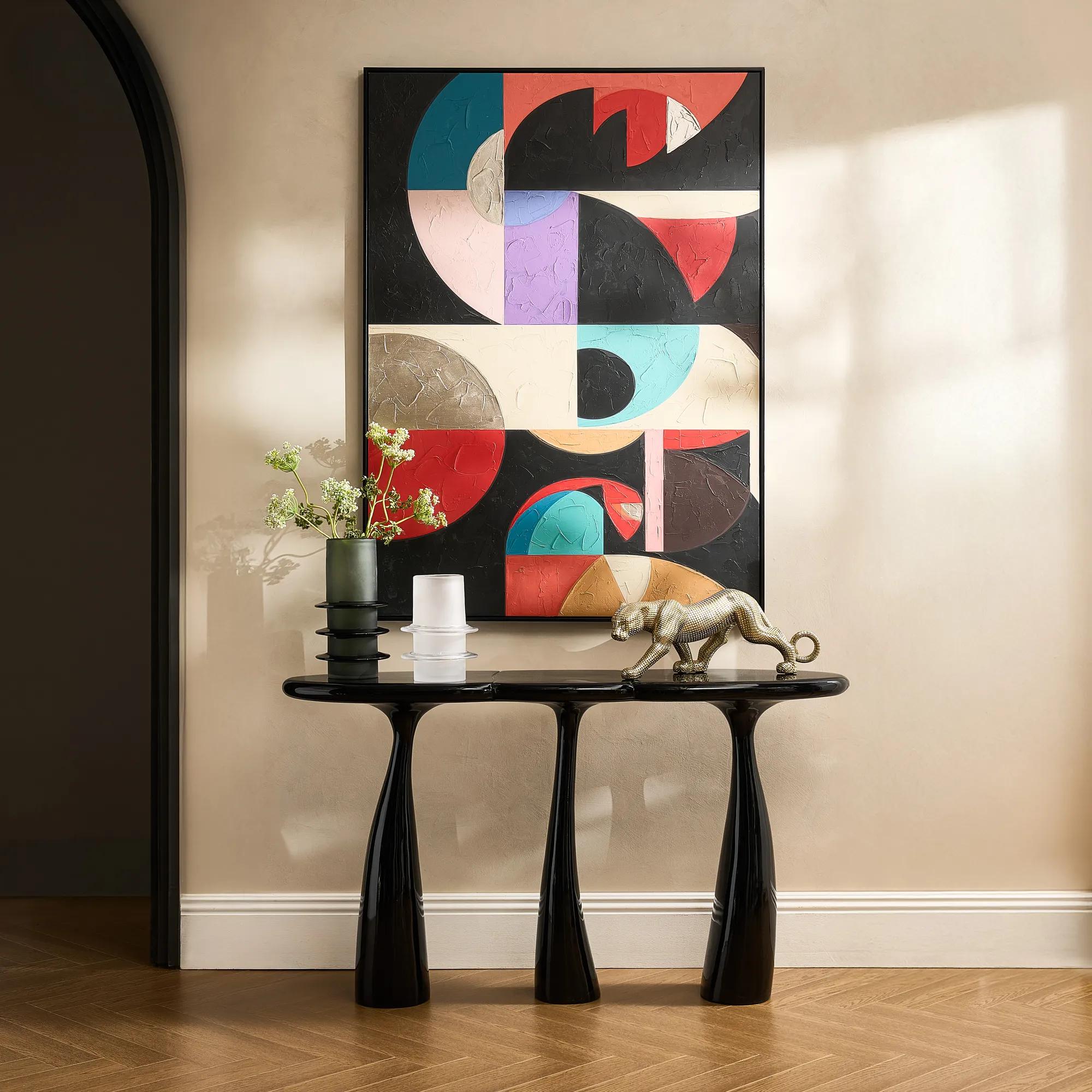 Thalia Glossy Black Console Table (52.4")$999
A sculptural console table crafted from glossy black fiberglass with seamless curves and a mirror-like finish.
Add To Cart -

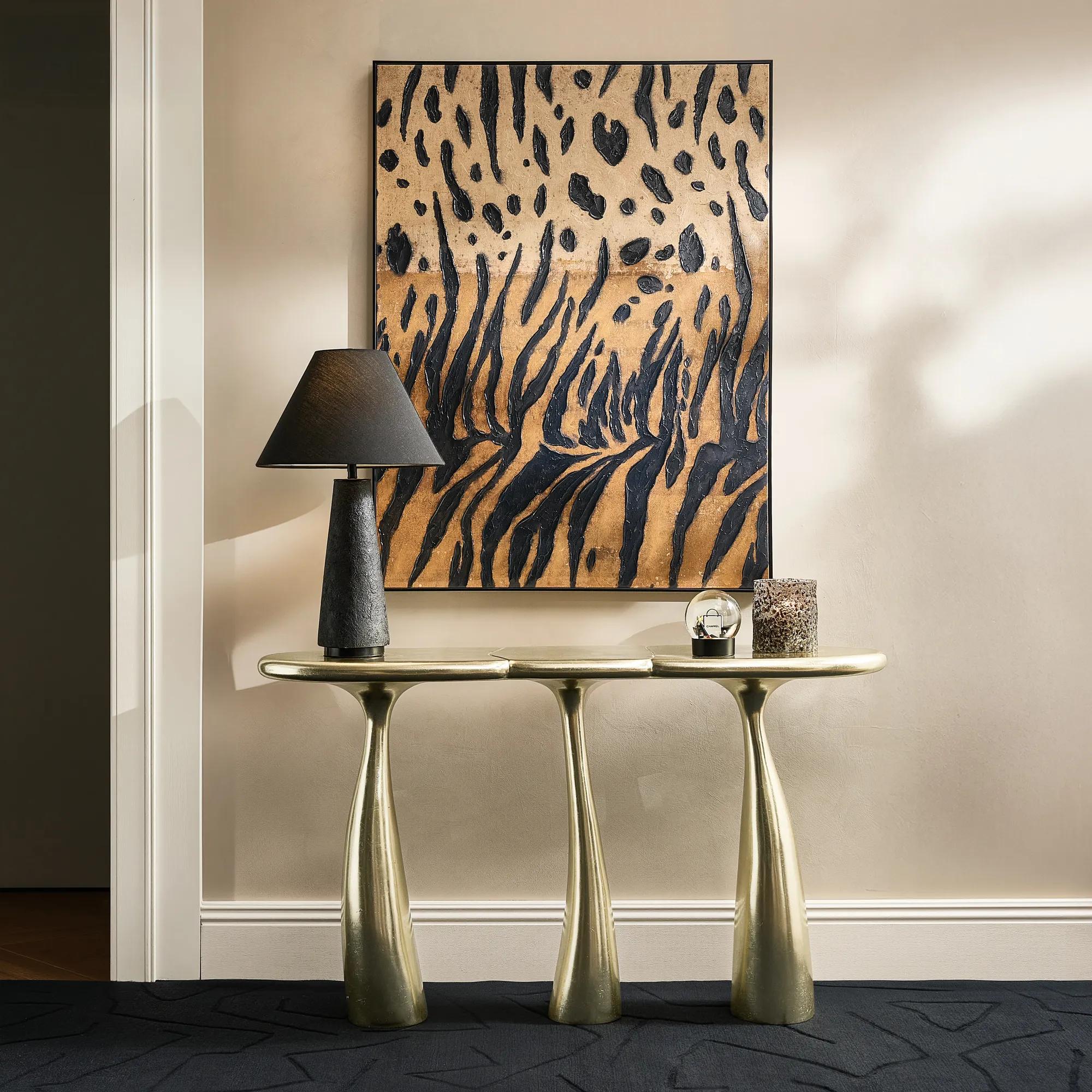 Thalia Soft Gold Console Table (52.4")$999
A sculptural console table hand-molded from fiberglass with a luminous, hand-applied gold leaf finish.
Add To Cart -
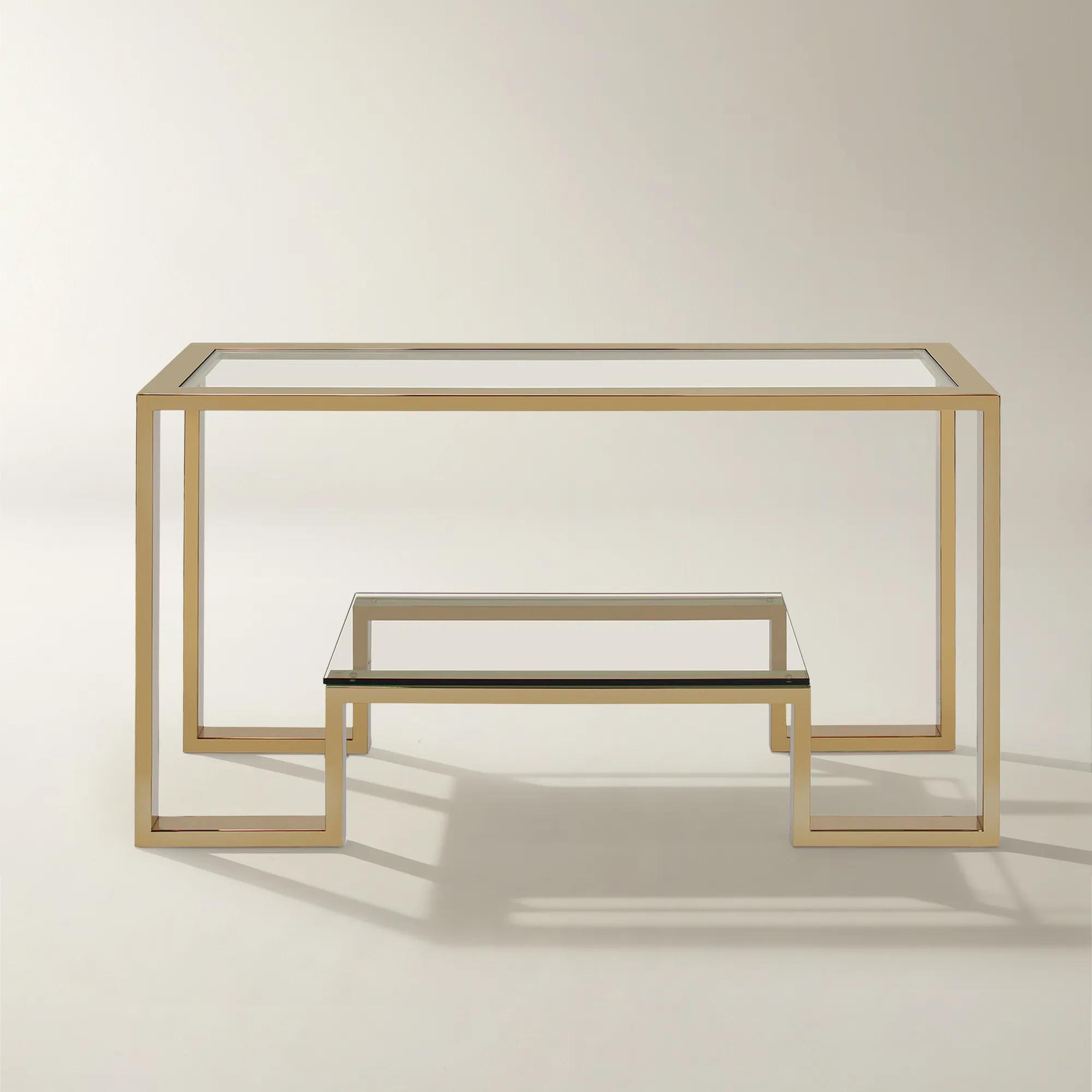
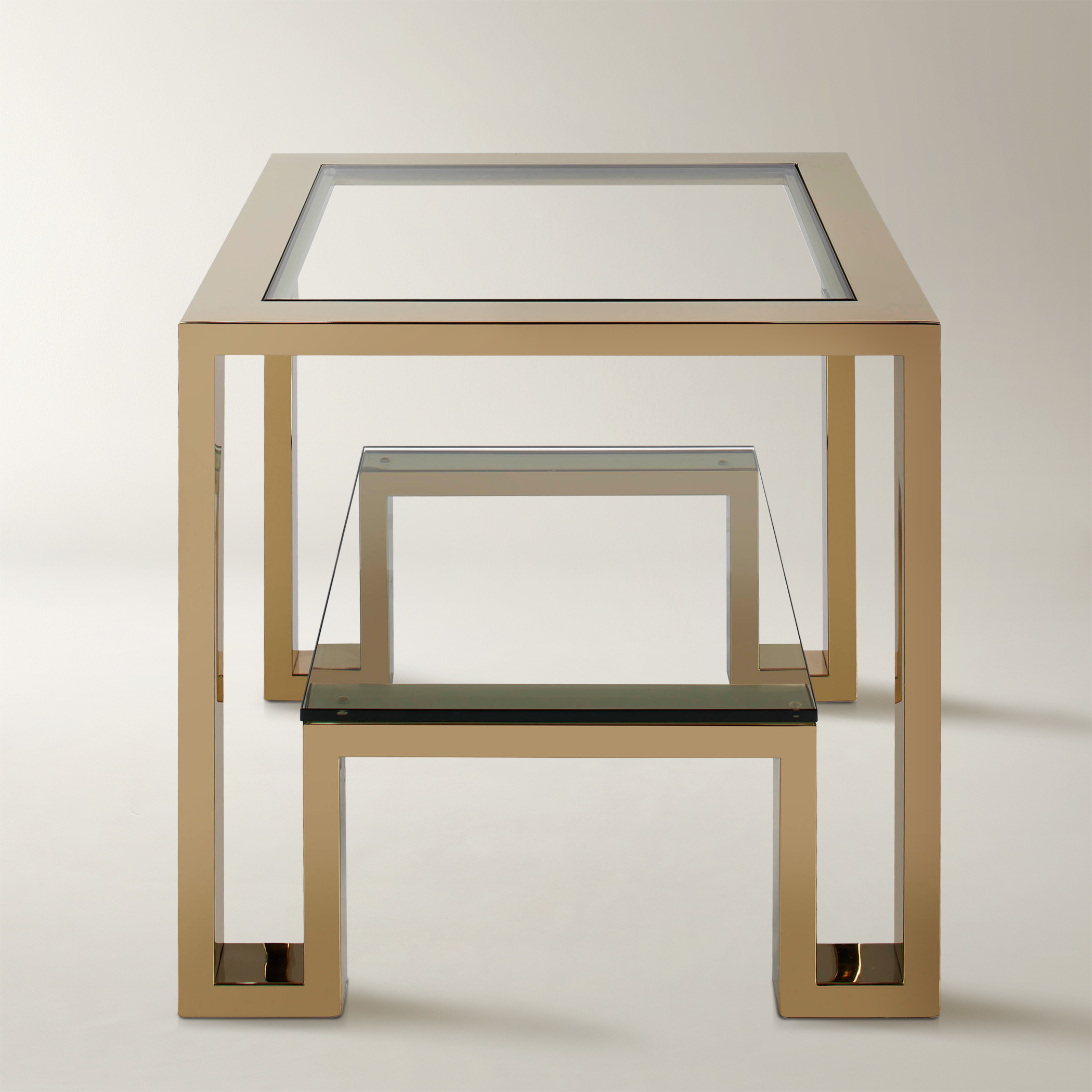
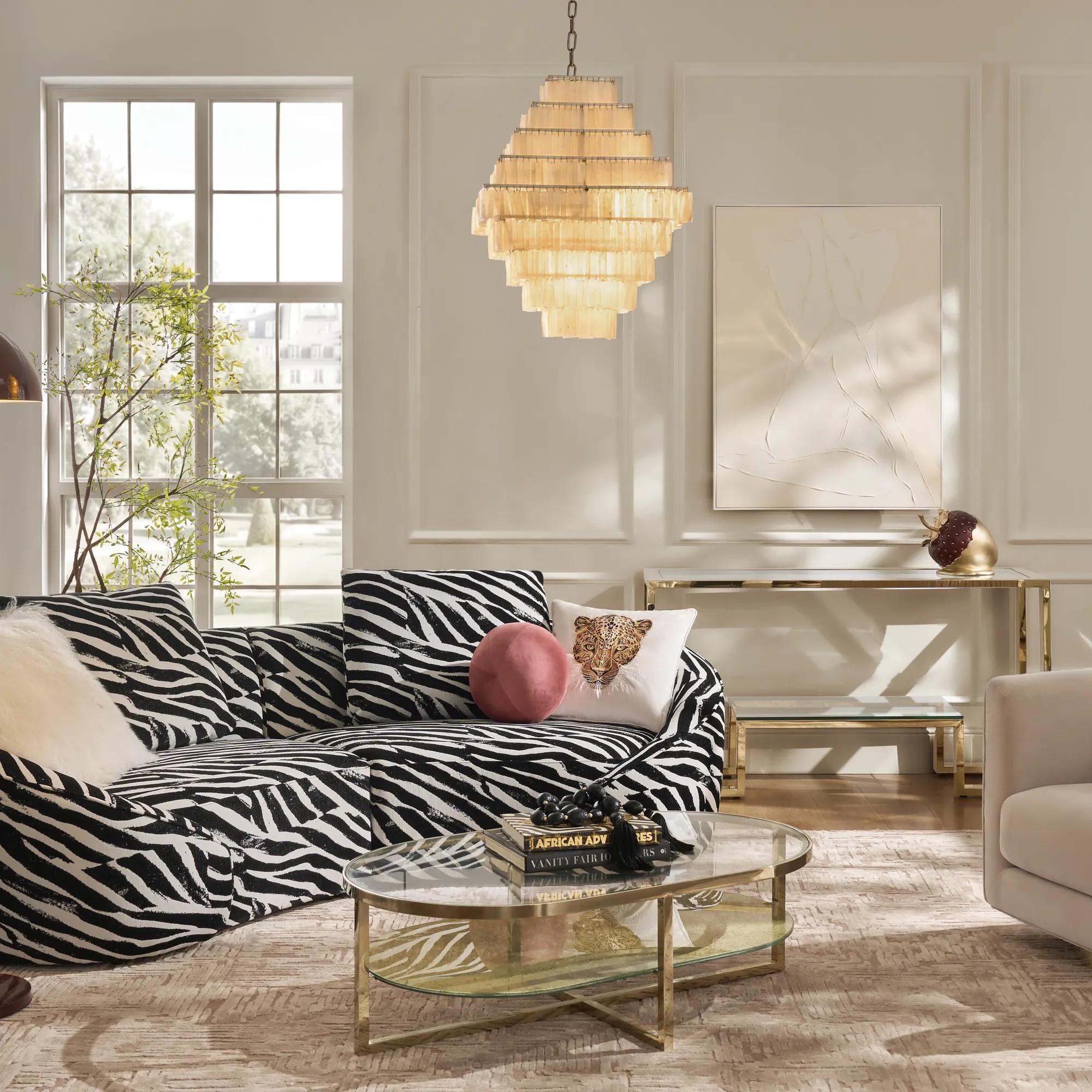 Duplicity Rectangular Gold Stainless Steel Console Table With Glass Top (59")$1399
A modern console table crafted from stainless steel and tempered glass with a floating bottom shelf.
Add To Cart -
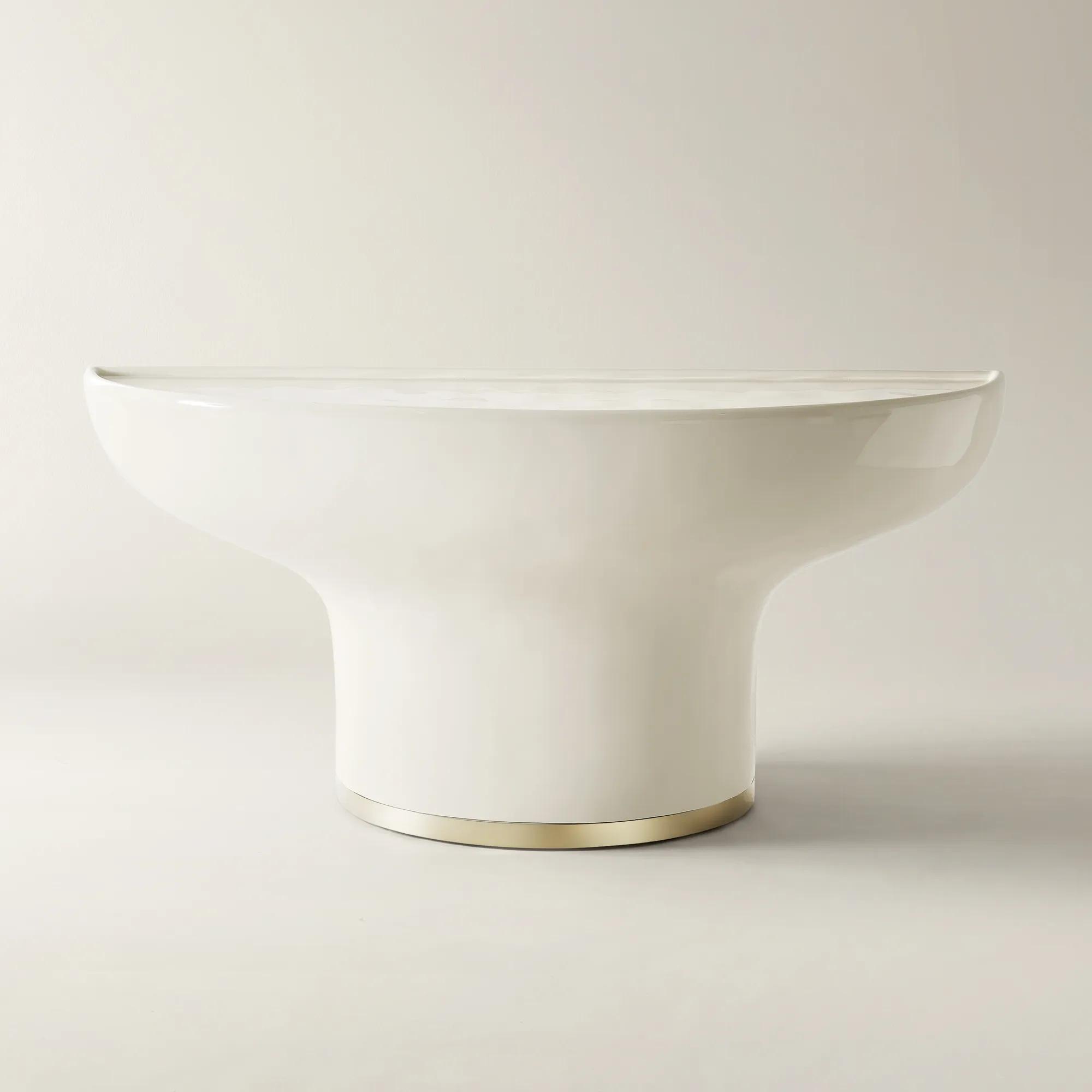 Celia Lacquered Cloud Resin Indoor/Outdoor Console Table (63")$1499
A sculptural one-piece resin console table with a warm high-gloss finish and gold stainless steel base.
Add To Cart -
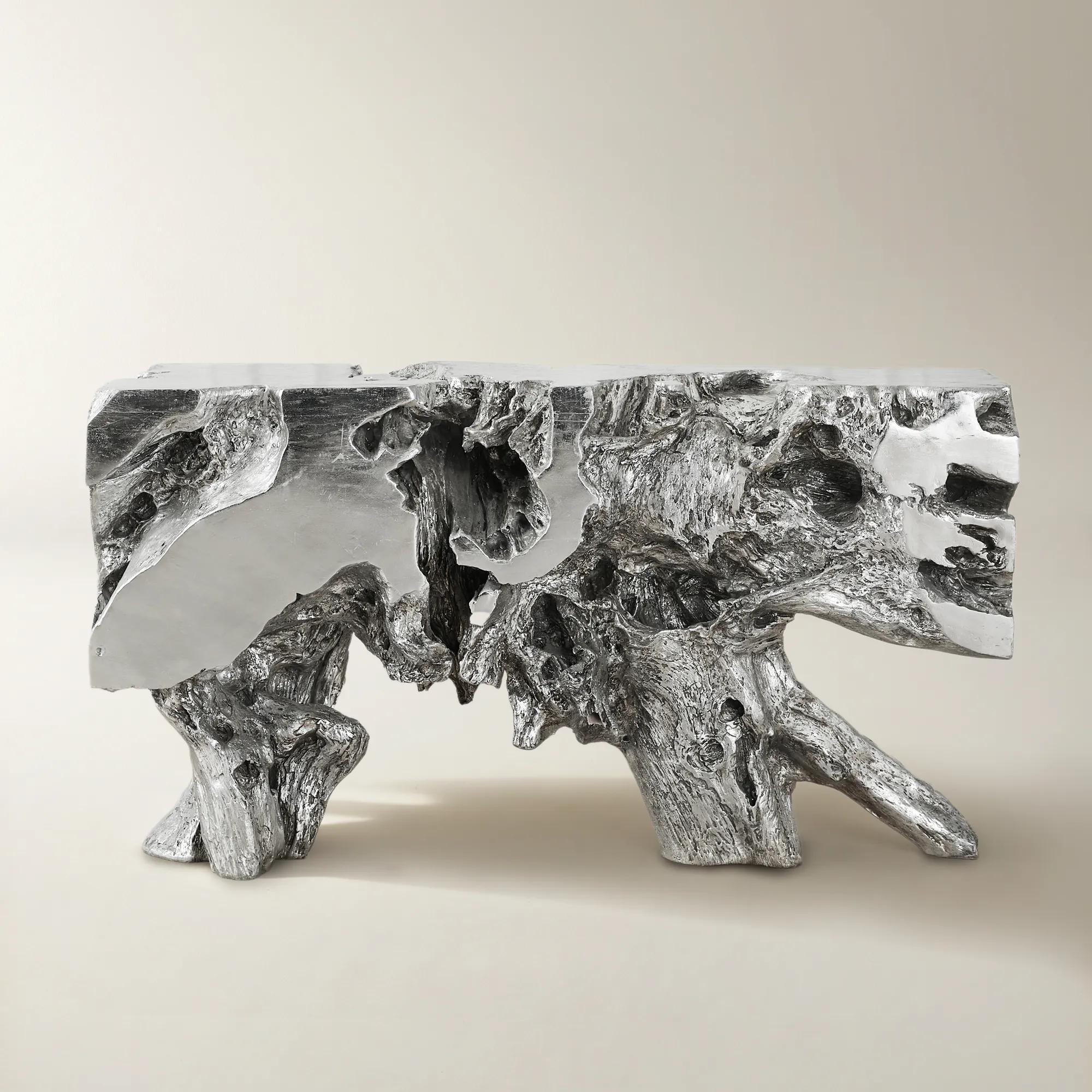
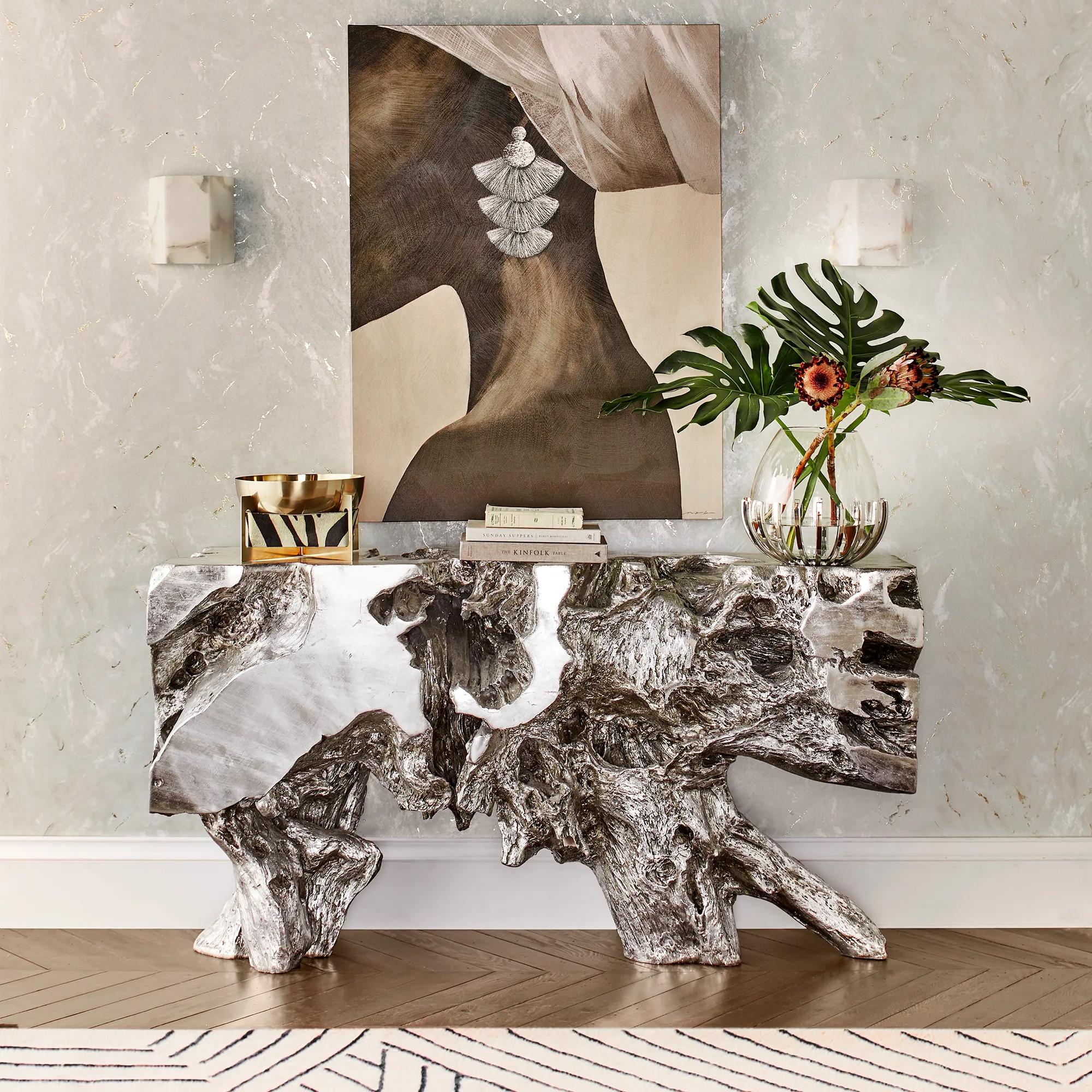 Sequoia Silver Resin Console Table (58")$1999
A sculptural console table featuring hand-applied silver leaf over resin and fiberglass with an iron core.
Add To Cart -
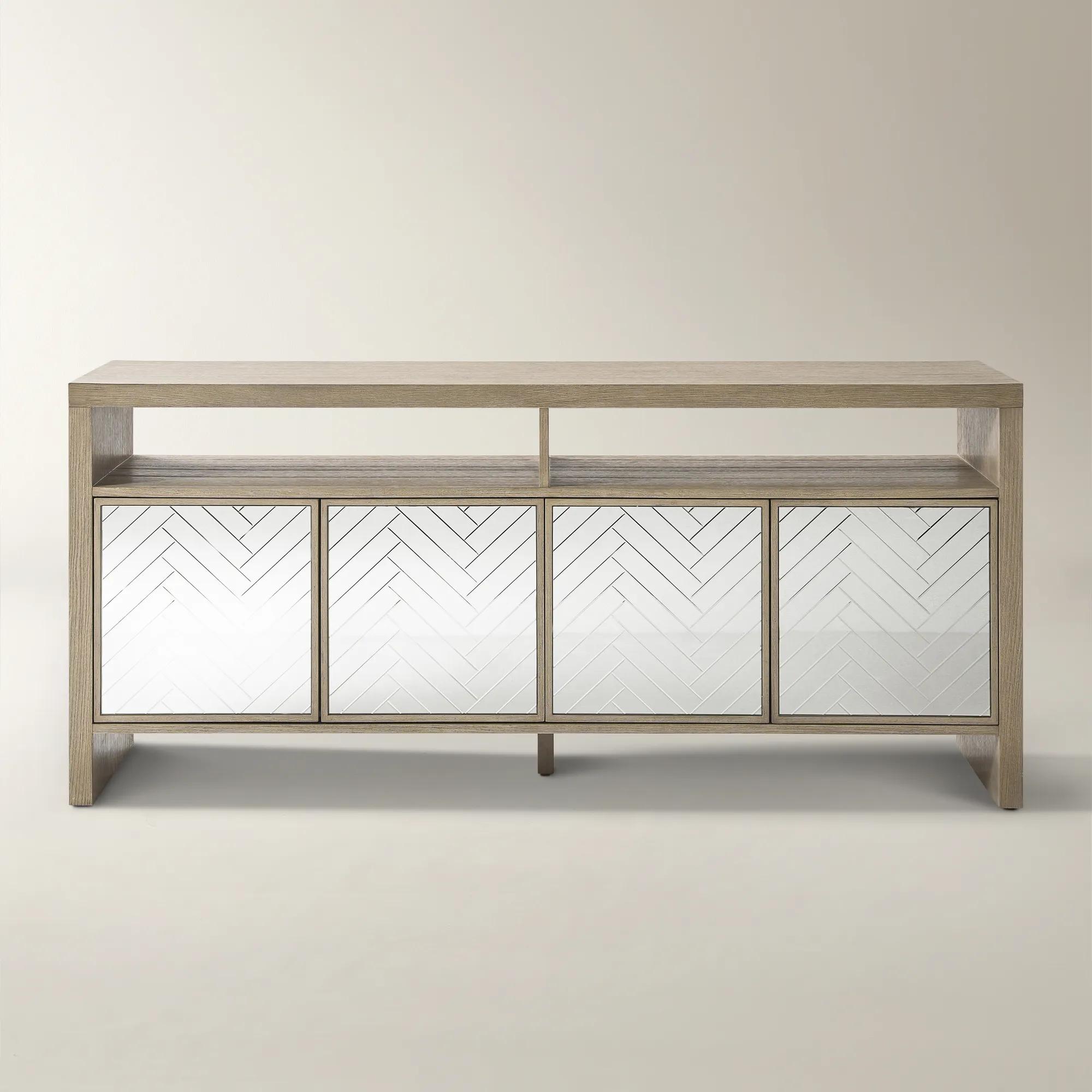 Glimmer Mirrored Seadrift Oak Buffet (70.5")$1999
A sophisticated buffet featuring sea drift oak veneer and mirrored parquet doors with silver leaf accents.
Add To Cart

Statement Console Tables
Explore statement console tables that make an entryway, hallway, or living room wall a striking focal point. Choose a silhouette that complements your décor and a scale that leaves room to move, with enough surface space to create an expressive display of art and decorative accents.
Statement console tables bring the presence of a substantial piece of furniture to spaces that call for a lighter footprint. Traditionally positioned against a wall or behind a sofa, the console has evolved into an expressive accent: part display surface, part architectural gesture, and an opportunity to introduce an unexpected finish or silhouette. A sweeping base can lend movement to a quiet entryway, while a gleaming frame beneath a substantial top creates a striking contrast between delicacy and strength. In an entrance, a console establishes the mood before the rest of the home comes into view, offering a place for a sculptural lamp, a shallow key dish, and a vase with generous proportions. Behind a floating sofa, it gives the seating arrangement a finished back and brings lighting within reach without adding another side table. Along a dining room wall, it can hold decorative objects or serve as an occasional staging surface when its materials and weight capacity suit the task. These pieces are especially compelling for design lovers who want a memorable focal point without the visual mass of a cabinet or sideboard. Their appeal depends as much on proportion as ornament. A narrow hallway benefits from restrained depth and a base that leaves the floor visible; a broad wall can support a longer silhouette with a more commanding sculptural presence. Length, depth, and height all influence how comfortably a console belongs in its setting. Door swings, nearby drawers, outlets, and the route between rooms deserve space to function, particularly in a busy entry shared by guests, children, or pets. Behind a sofa, a top positioned near or slightly below the back often creates a more composed relationship than one that rises conspicuously above it. Open bases preserve an airy feeling, while designs with drawers or lower shelves can give everyday essentials a more discreet home. A statement feels most confident when the room still moves naturally around it.
Materials give modern console tables much of their character, shaping both the atmosphere they create and the attention they require. Glass offers visual openness, allowing an expressive base or a distinctive rug to remain part of the composition. Clear surfaces can feel almost suspended, while tinted or textured glass adds depth without necessarily introducing a heavy block of color. Fingerprints and dust tend to show on glass, so its luminous effect benefits from regular attention with a soft cloth and a cleaner appropriate to the finish. Mirrored surfaces bring a different kind of drama, reflecting nearby light and color to create a layered, jewel-like impression. Their edges and reflective coatings call for gentle handling, with cleaning products applied as directed rather than allowed to collect at seams. Metal can read as precise and architectural or fluid and ornamental, depending on its shape and finish. Polished treatments catch the light sharply; brushed finishes offer a quieter sheen. Neither appearance alone establishes resistance to scratches, moisture, or wear, so finish-specific care matters. Wood introduces grain, tonal variation, and a grounding richness that can balance reflective accents elsewhere in the room. Solid wood, veneers, and engineered constructions each have distinct characteristics, and the quality of the construction is as important as the material name. Stone brings weight and individual patterning, from subtle veining to bold mineral movement, though natural stone may be porous or sensitive to acidic spills. Protective pads beneath vessels, coasters beneath drinks, and prompt attention to moisture help preserve surfaces across many material types. Harsh abrasives can dull a polished finish, while dragging a ceramic vase across a top can leave marks that interrupt its sheen. Durability also depends on the stability of the base, secure connections, appropriate placement, and respect for the stated load limit. A slim console is a display surface, not a seat, and tall or narrow designs may require wall anchoring according to the manufacturer’s instructions. Thoughtful care allows the finish and form to remain the focus rather than the traces of everyday use.
Styling a statement console table is an exercise in giving beautiful objects enough room to be seen. A dramatic base often needs little accompaniment: a tall lamp at one end, a low bowl toward the other, and a single artwork above can create a complete composition without hiding the furniture itself. Where the console has a quieter outline, a more expressive arrangement can supply the energy through varied heights, contrasting textures, and a deliberate accent color. A matte ceramic vessel against a reflective top feels especially dimensional; clear glass beside richly grained wood lets both materials retain their identity. Artwork and mirrors should relate to the width of the table and the scale of the wall rather than appear stranded above it. A mirror can extend the impression of space, but its reflection becomes part of the arrangement, making a view of artwork or an adjoining room more rewarding than a direct reflection of clutter. Lighting adds another layer of intention. A shaded lamp lends intimacy to an entry, while a sculptural light source can emphasize the lines of a console after overhead lighting is dimmed. Access to an outlet and a discreet cord path help preserve that composed effect. In a living room, the relationship between the console and statement coffee tables can create cohesion without requiring identical finishes. A shared curve, a related metallic tone, or a repeated stone color gives the room a visual rhythm, while differences in scale and texture keep it from feeling overly matched. For a home that welcomes frequent guests, an uncluttered stretch of tabletop leaves room for a serving tray when the surface is suitable and protected. In a more private setting, framed photographs, collected objects, and a favorite piece of art turn the same furniture into a personal portrait. The strongest arrangements leave some of the top visible, allowing its finish to contribute to the scene. With the right proportions and a distinctive material vocabulary, a console transforms an overlooked wall or the space behind a sofa into a moment of deliberate, expressive design.
FAQs
A statement console table commands attention through distinctive design—think sculptural silhouettes, expressive detailing, or a dramatic finish. Rather than blending into the background, it becomes a focal point that shapes the room’s personality. Choose a design that reflects your aesthetic, whether that means polished glamour, architectural drama, or an artful mix of both.
An entryway console table sets an expressive tone from the moment you arrive. In a living room, a console can anchor an art-filled wall or create a composed vignette behind a sofa. A dining room offers another striking setting, where decorative objects and artwork can give the table a gallery-inspired presence.
Let the console’s design lead, then layer with intention. Pair a sculptural vase with a stack of art books, or balance a dramatic lamp with a distinctive decorative object. Vary shapes and textures while leaving some surface visible, allowing the table’s defining details to remain part of the composition.
Choose artwork or a mirror that creates a conversation with the console rather than repeating every detail. Expressive abstract art can bring movement to an architectural table, while a boldly framed mirror introduces another decorative focal point. Connect the pairing through a shared color, finish, or shape for a deliberate, collected look.
Look for one visual connection to your room, such as a finish echoed in your lighting or a silhouette that complements your seating. Then allow the console to introduce contrast. Curved forms can soften angular furnishings, while a gleaming finish can add a glamorous counterpoint to richly textured upholstery.