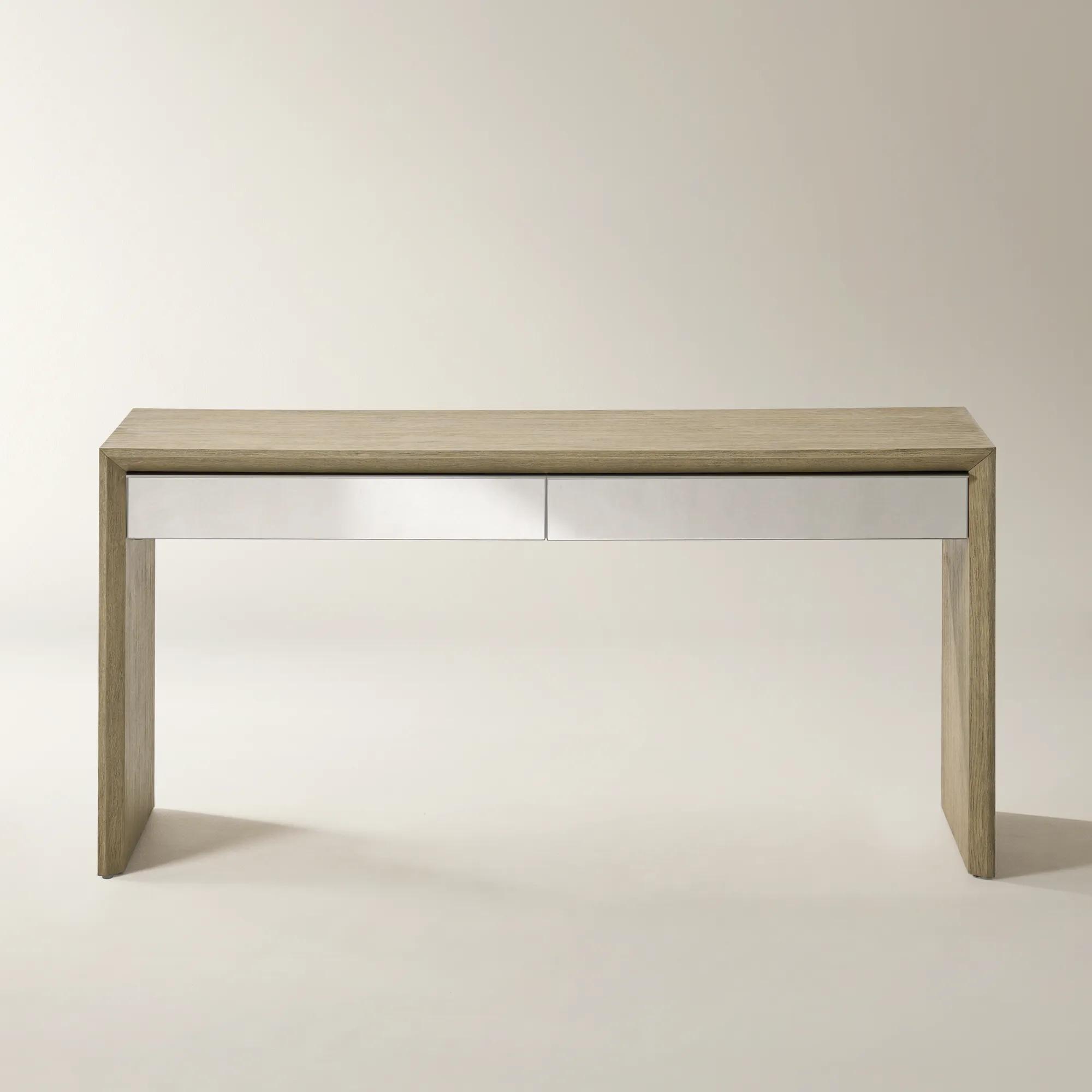
Statement Coffee Tables
Statement Coffee Tables
-
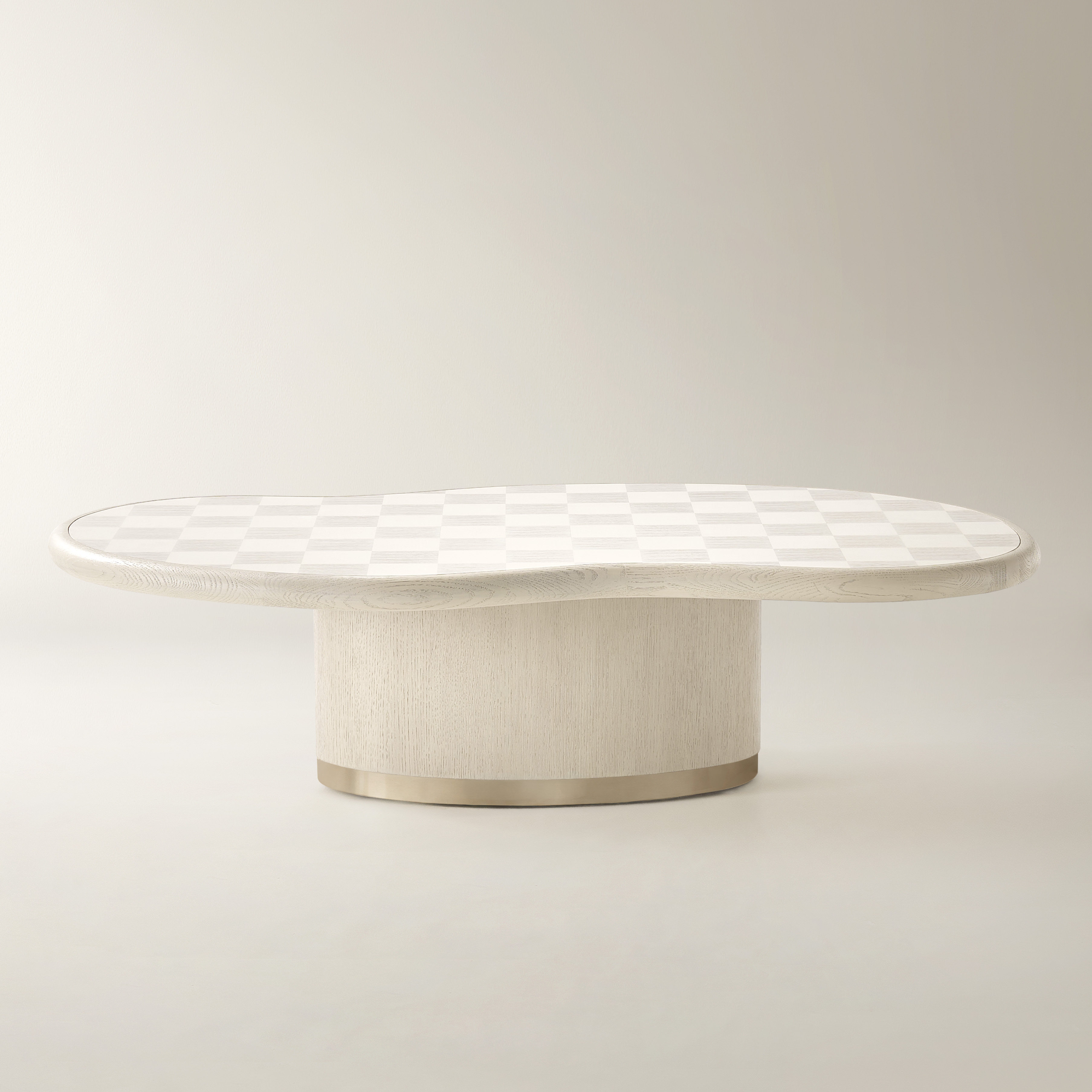 Vetra Checkerboard Oak and Maple Coffee Table (60")$1299
A sculptural coffee table featuring a hand-arranged oak and maple checkerboard top with gold-accented base.
Add To Cart -
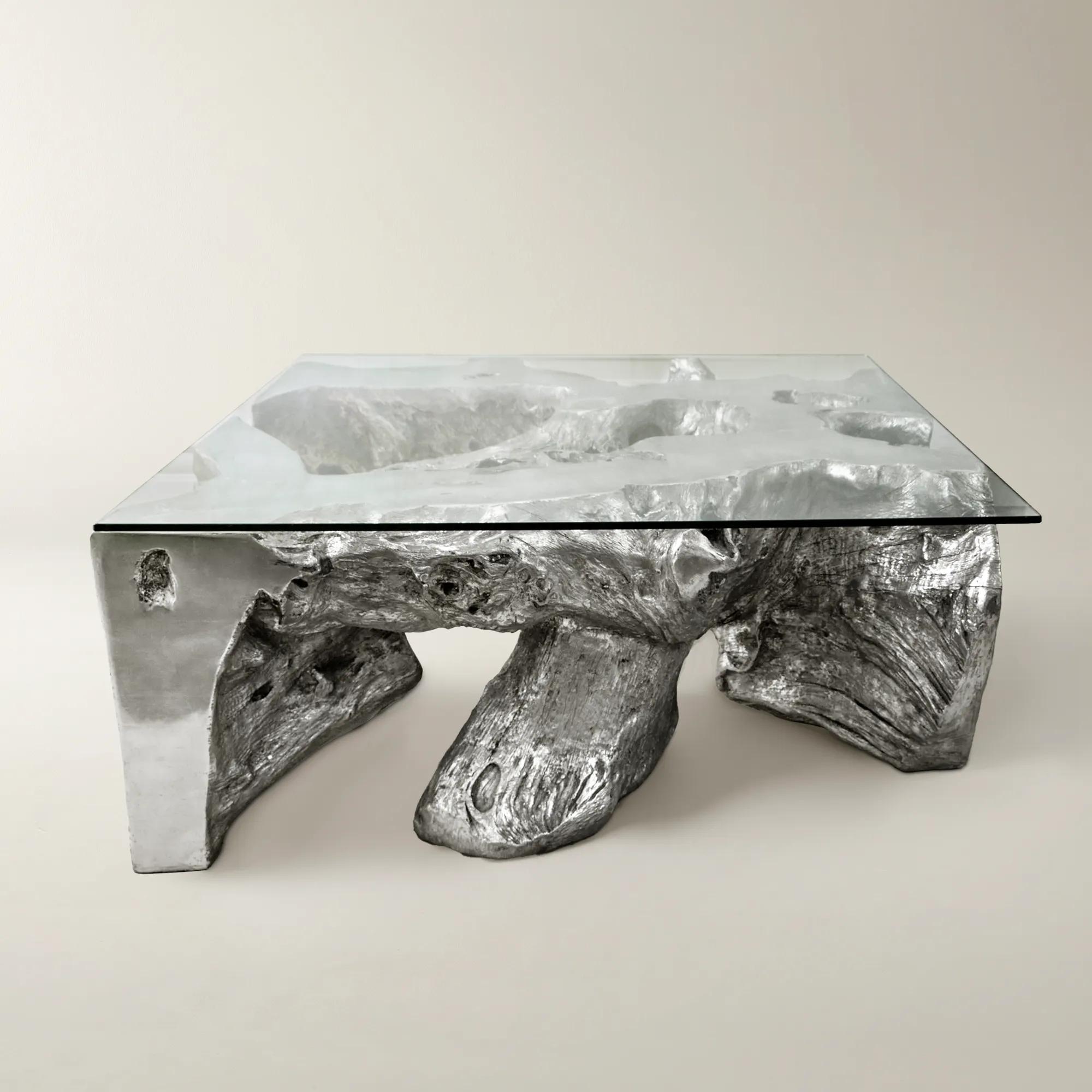 Sequoia Silver Resin Coffee Table With Glass Top (44")$2299
A sculptural coffee table featuring a hand-applied silver leaf resin base and a tempered glass top.
Add To Cart -
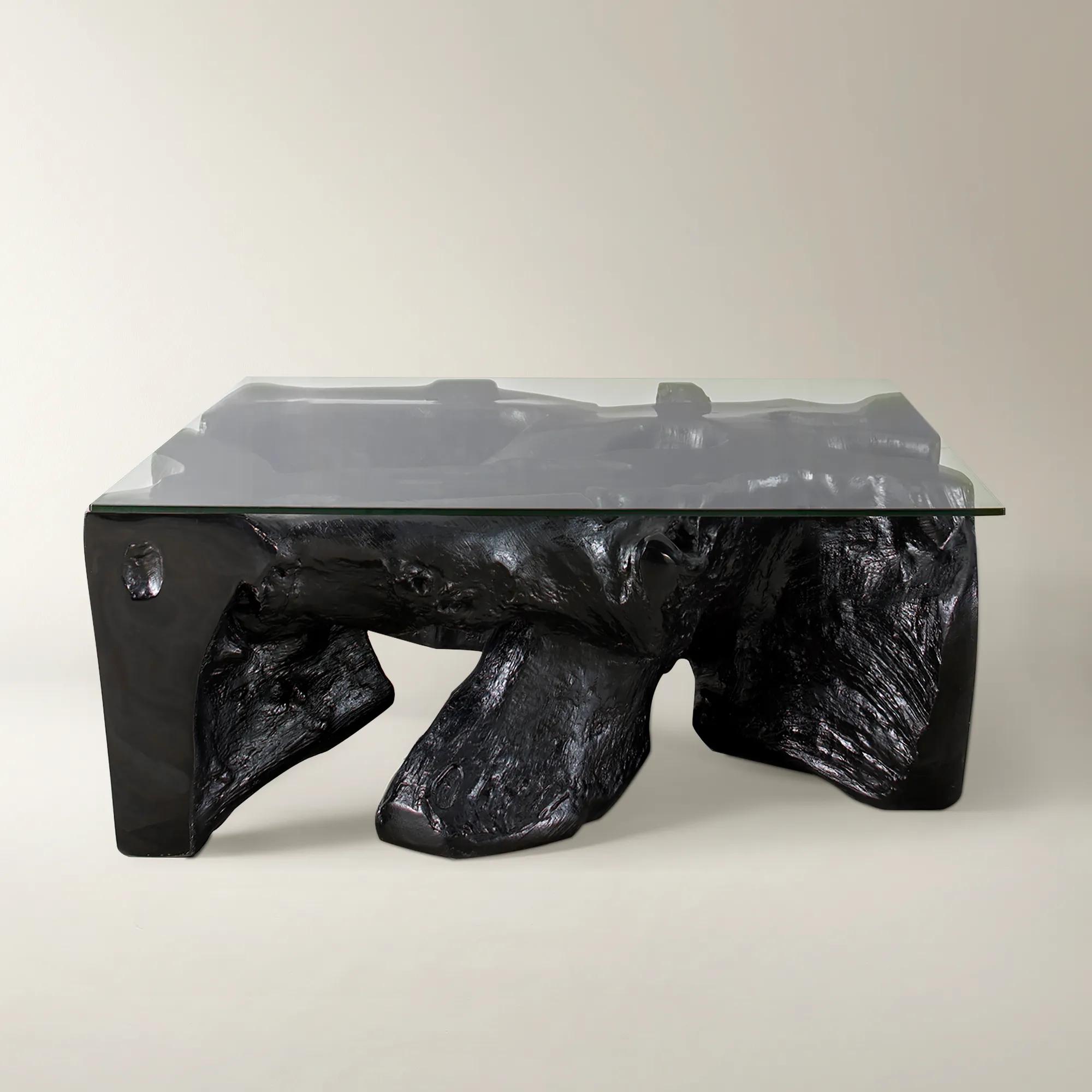
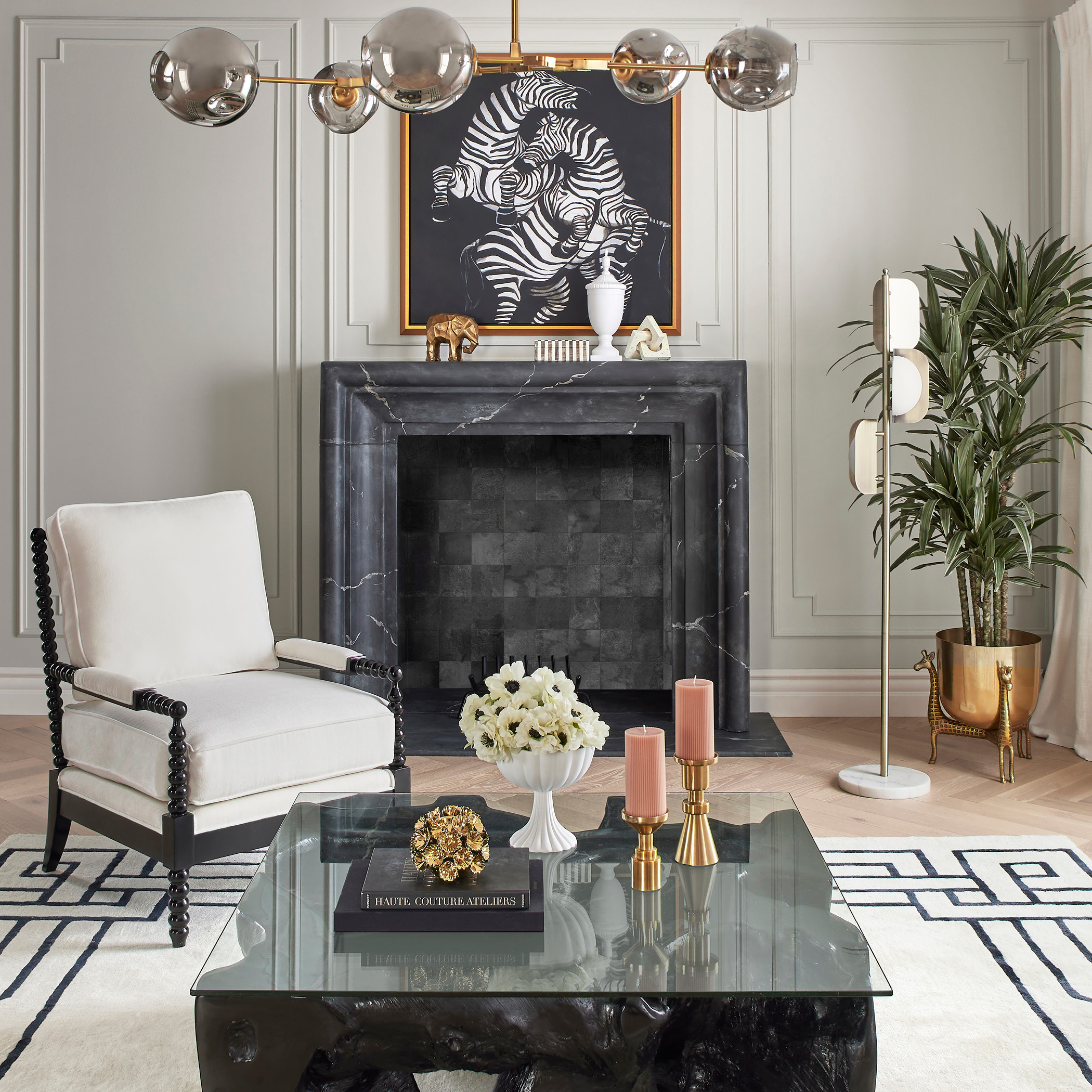 Sequoia Black Resin Coffee Table With Glass Top (44")$2299
A sculptural black coffee table crafted from resin and polished stone fragments for indoor or outdoor use.
Add To Cart -
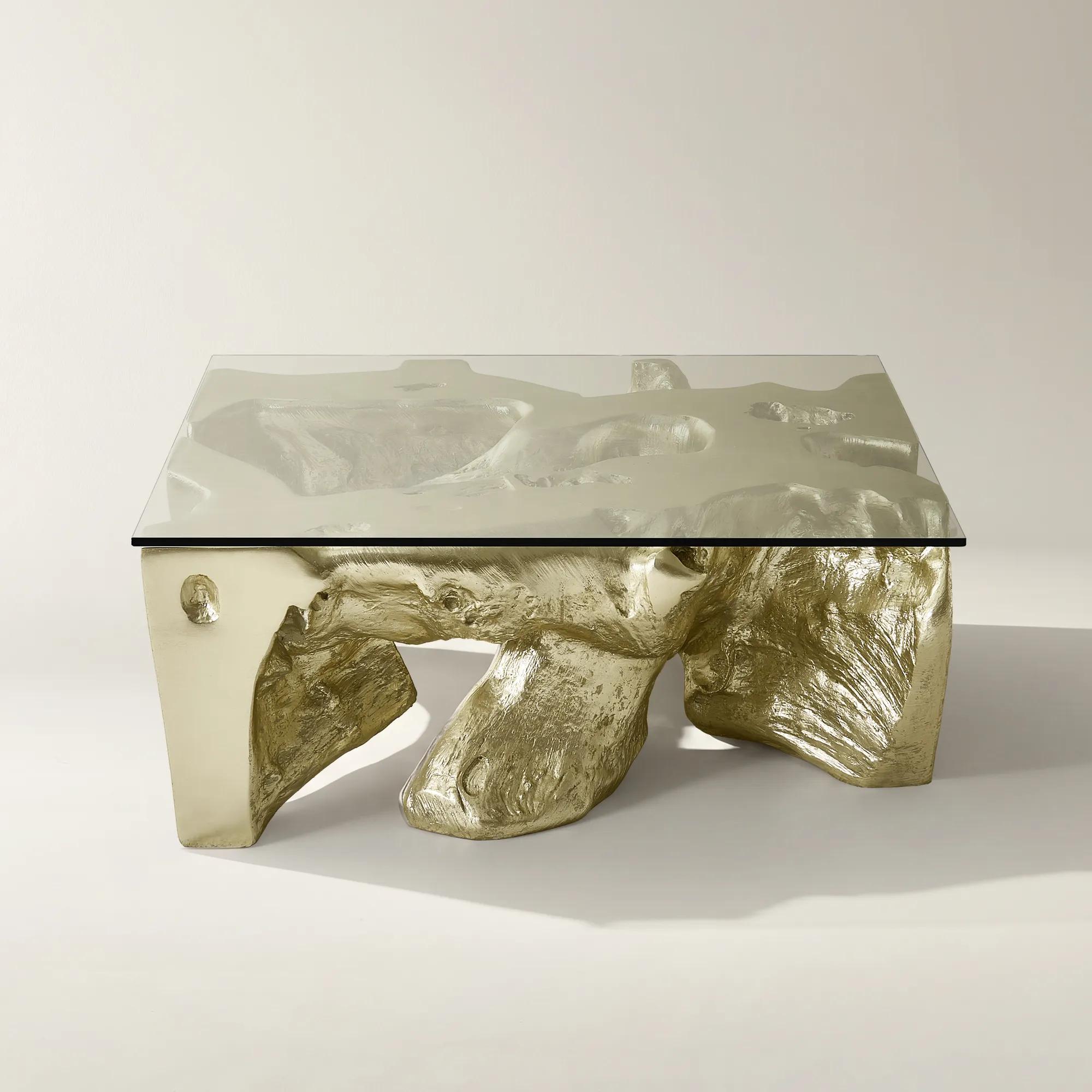 Sequoia Champagne Gold Resin Coffee Table With Glass Top (44")$2299
A sculptural resin coffee table with a champagne gold leaf finish and a clear tempered glass top.
Add To Cart -
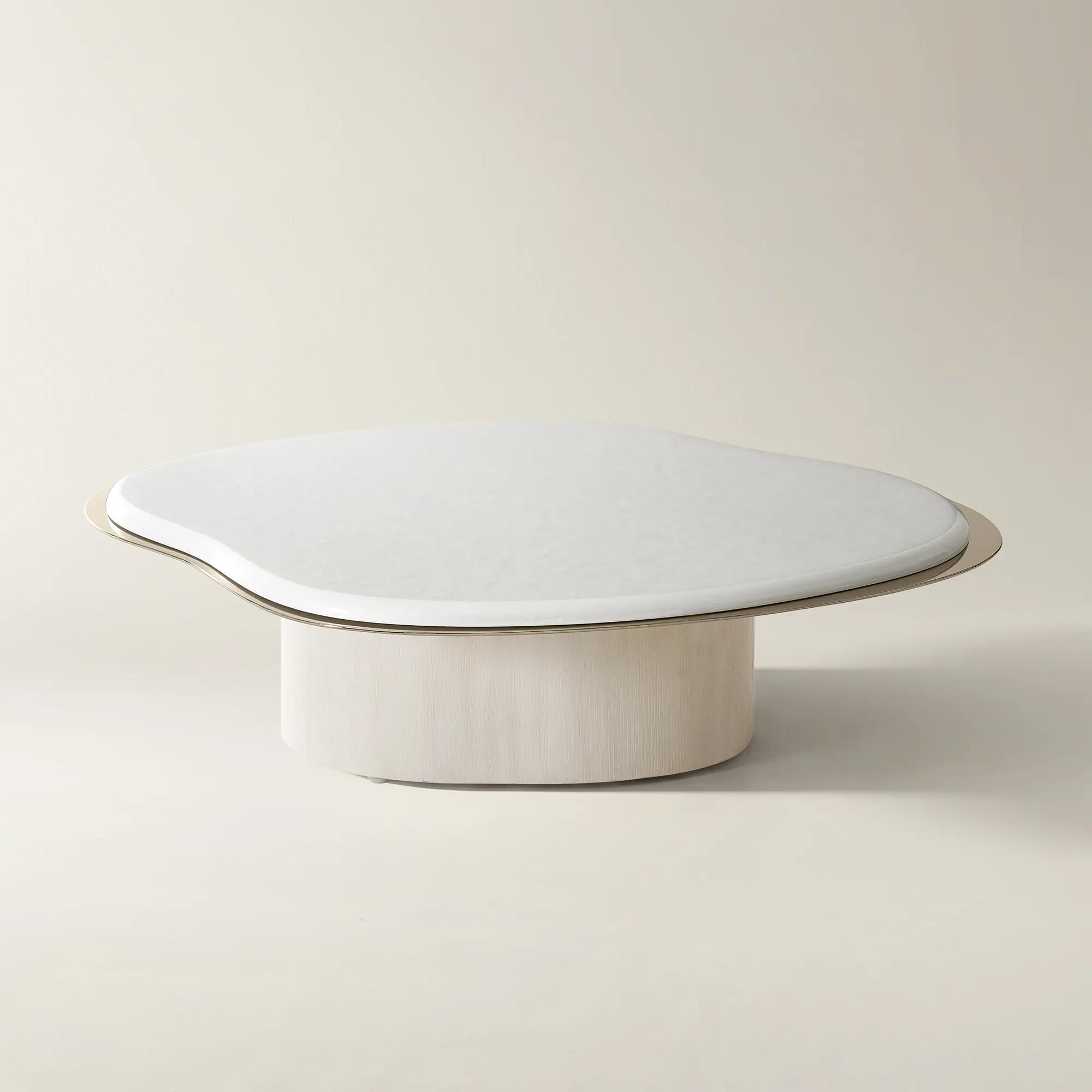
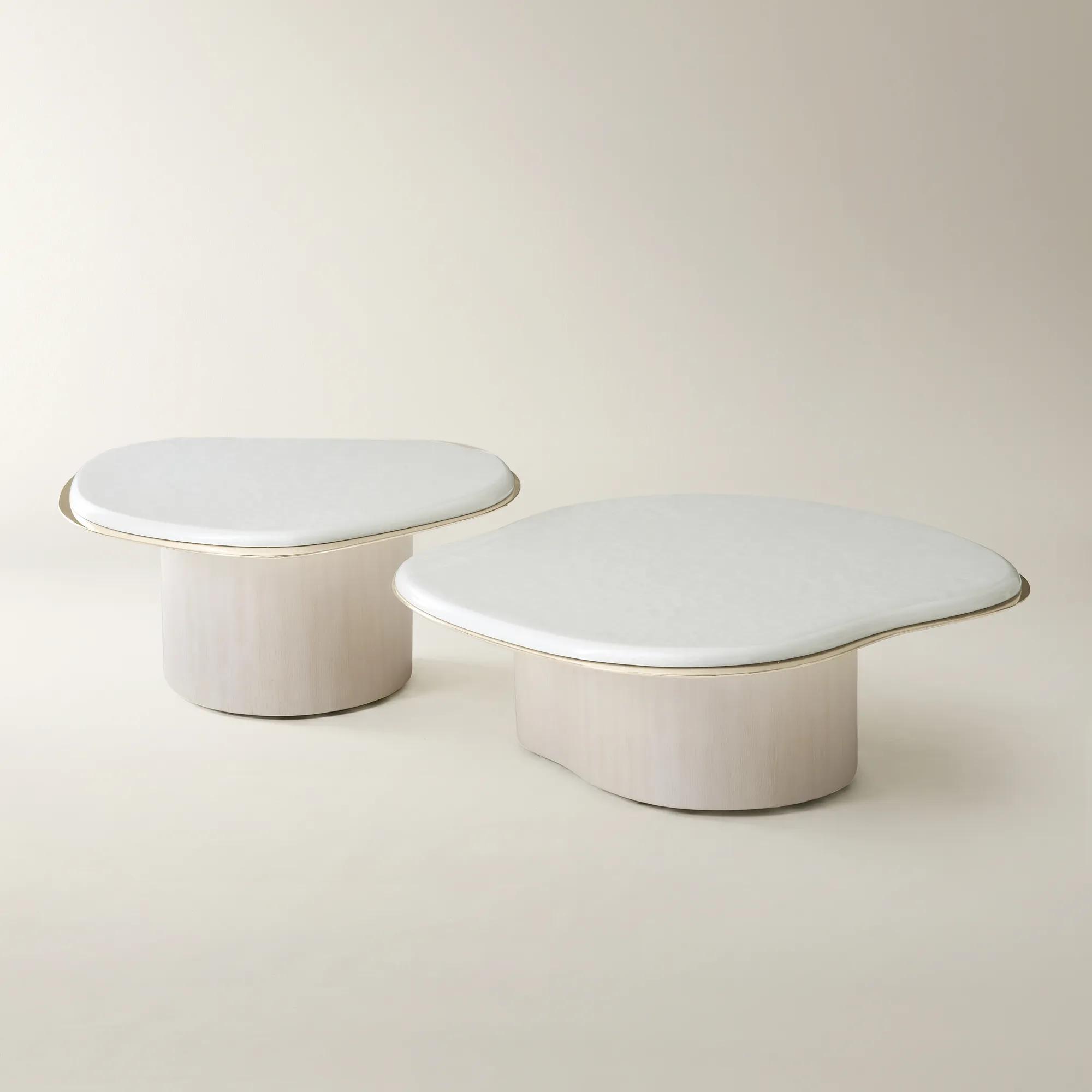
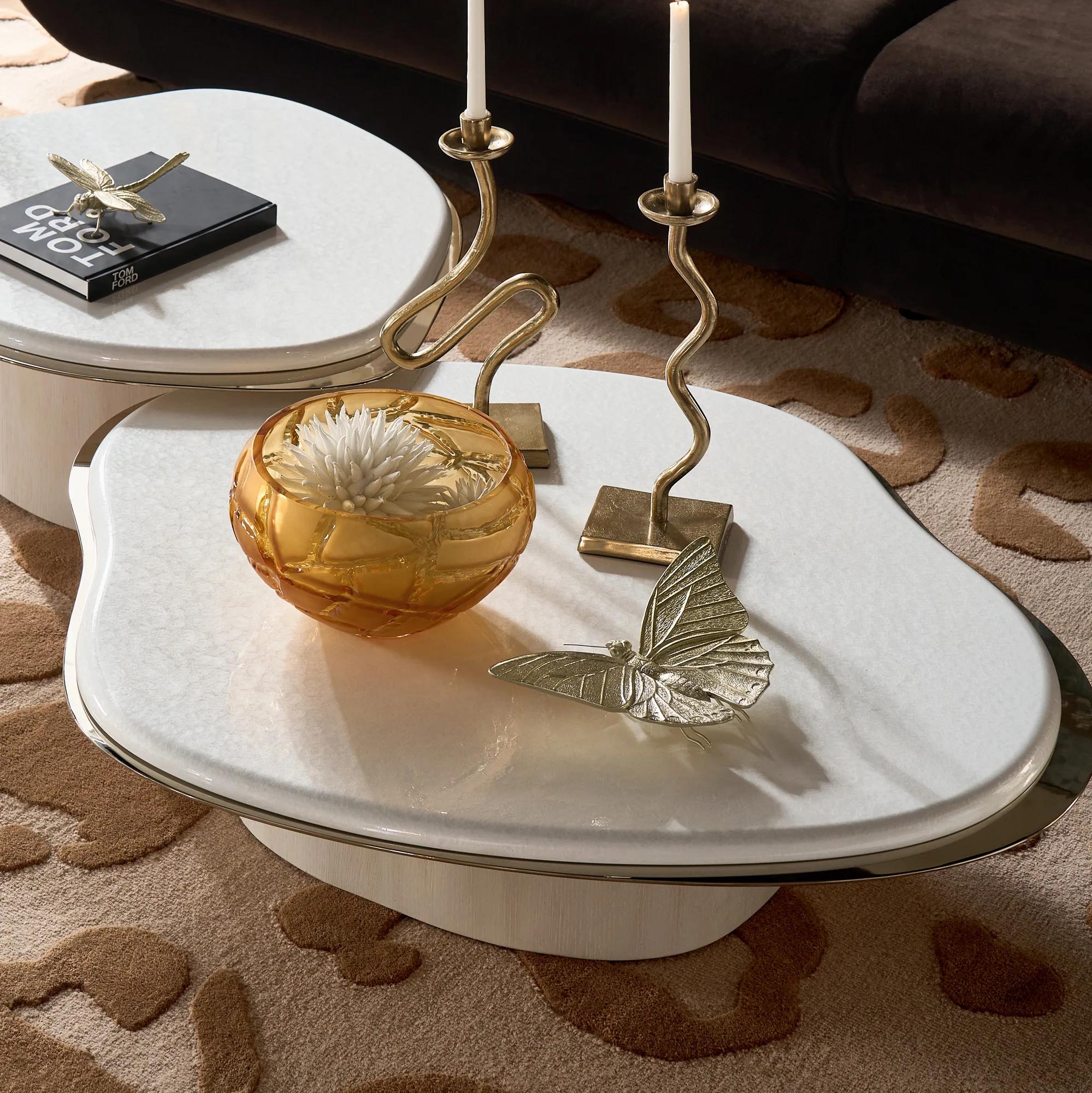 Lumina Bleached Oak Coffee Table With Pearl Lacquered Top (41")$1199
A sculptural coffee table featuring a pearl lacquered top, bleached oak base, and champagne gold trim.
Add To Cart -
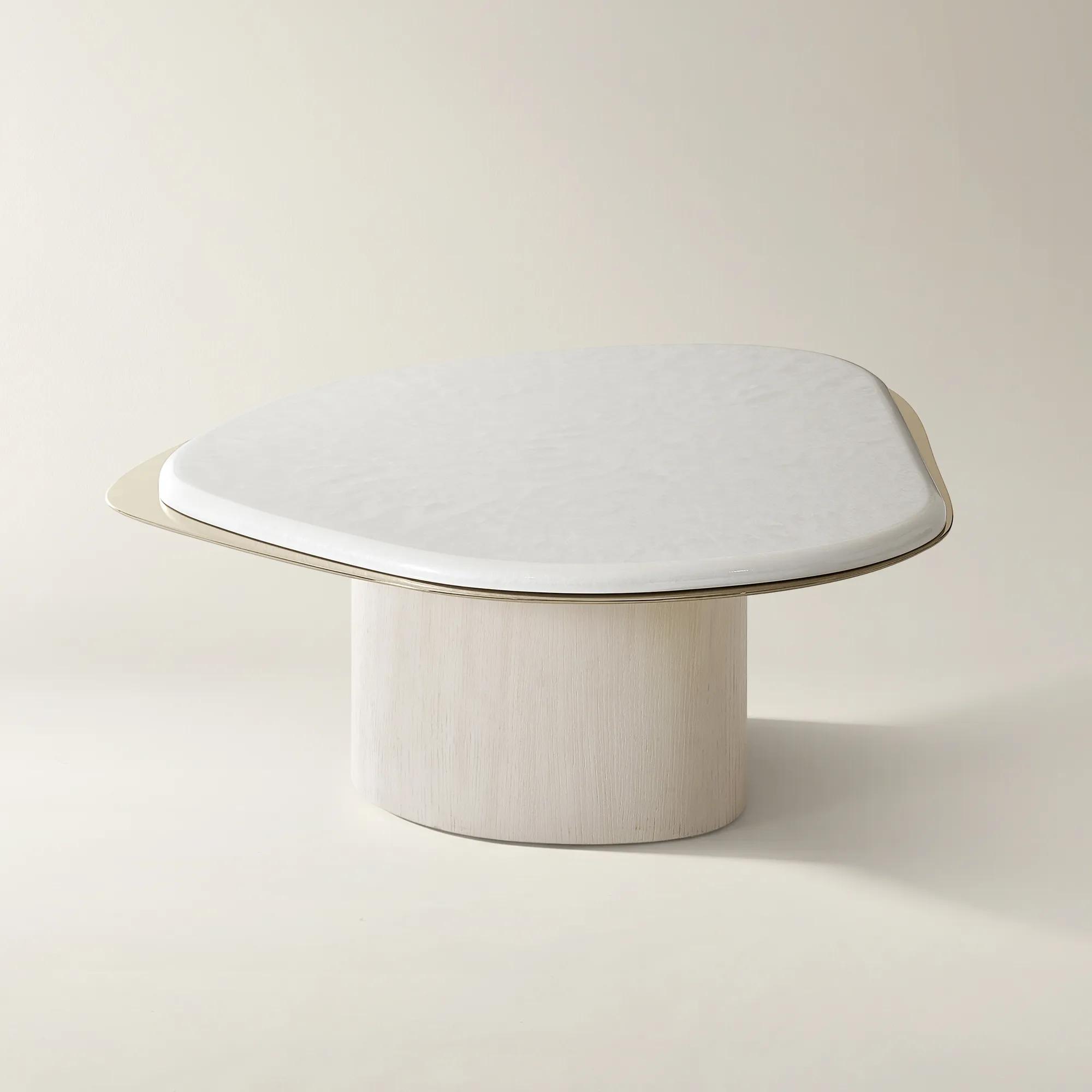
 Lumina Bleached Oak Coffee Table With Pearl Lacquered Top (32")$899
A sculptural coffee table featuring a pearl lacquered top, bleached oak base, and champagne gold trim.
Add To Cart -
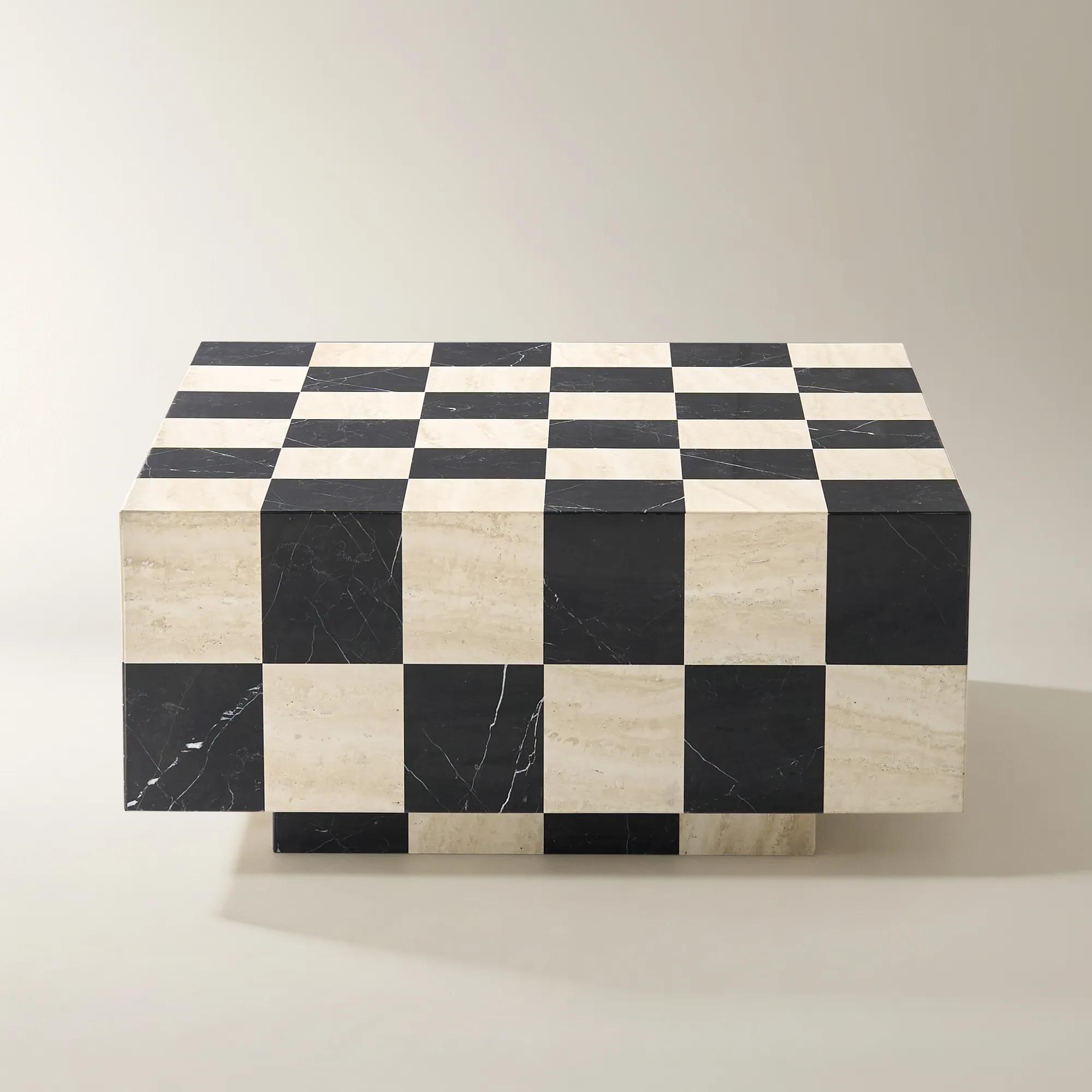
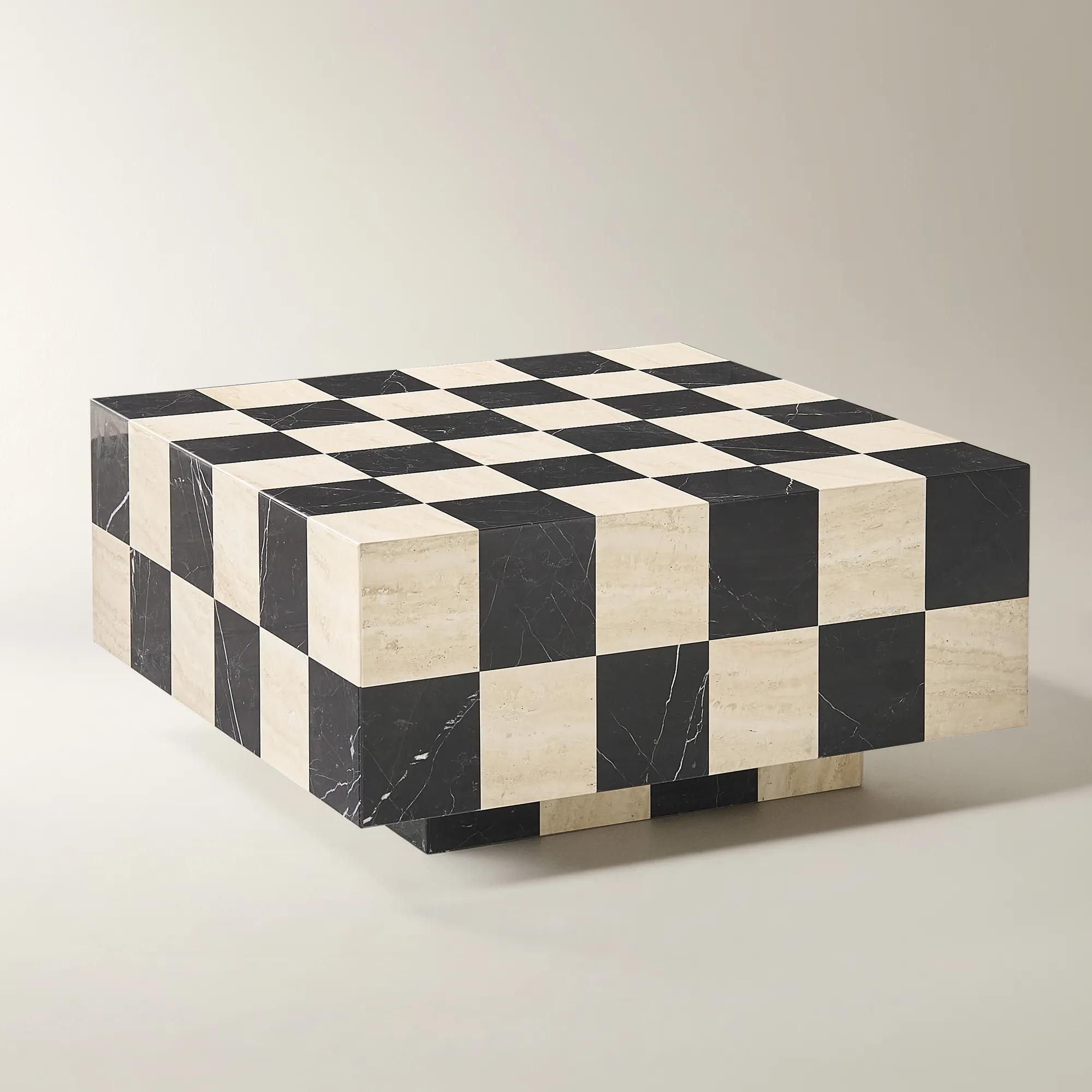 Chessa Square Chequered Marble Coffee Table (31.9")$1699
A striking coffee table featuring a dimensional black marble and travertine checkerboard mosaic with polished finish.
Add To Cart -
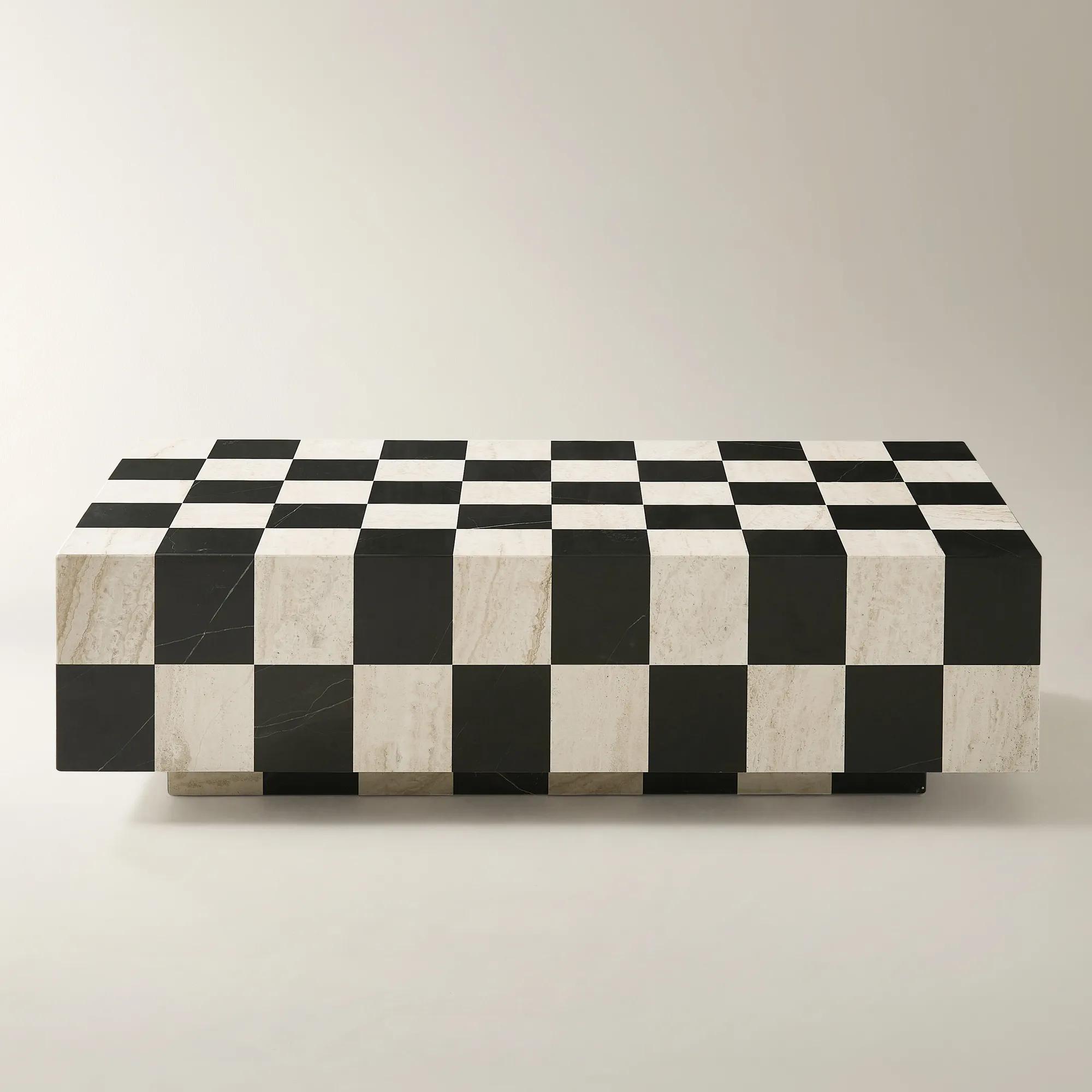 Chessa Rectangular Chequered Marble Coffee Table (53.1")$2399
A sculptural coffee table featuring polished black marble and travertine checkerboard mosaic with a monolithic silhouette.
Add To Cart -
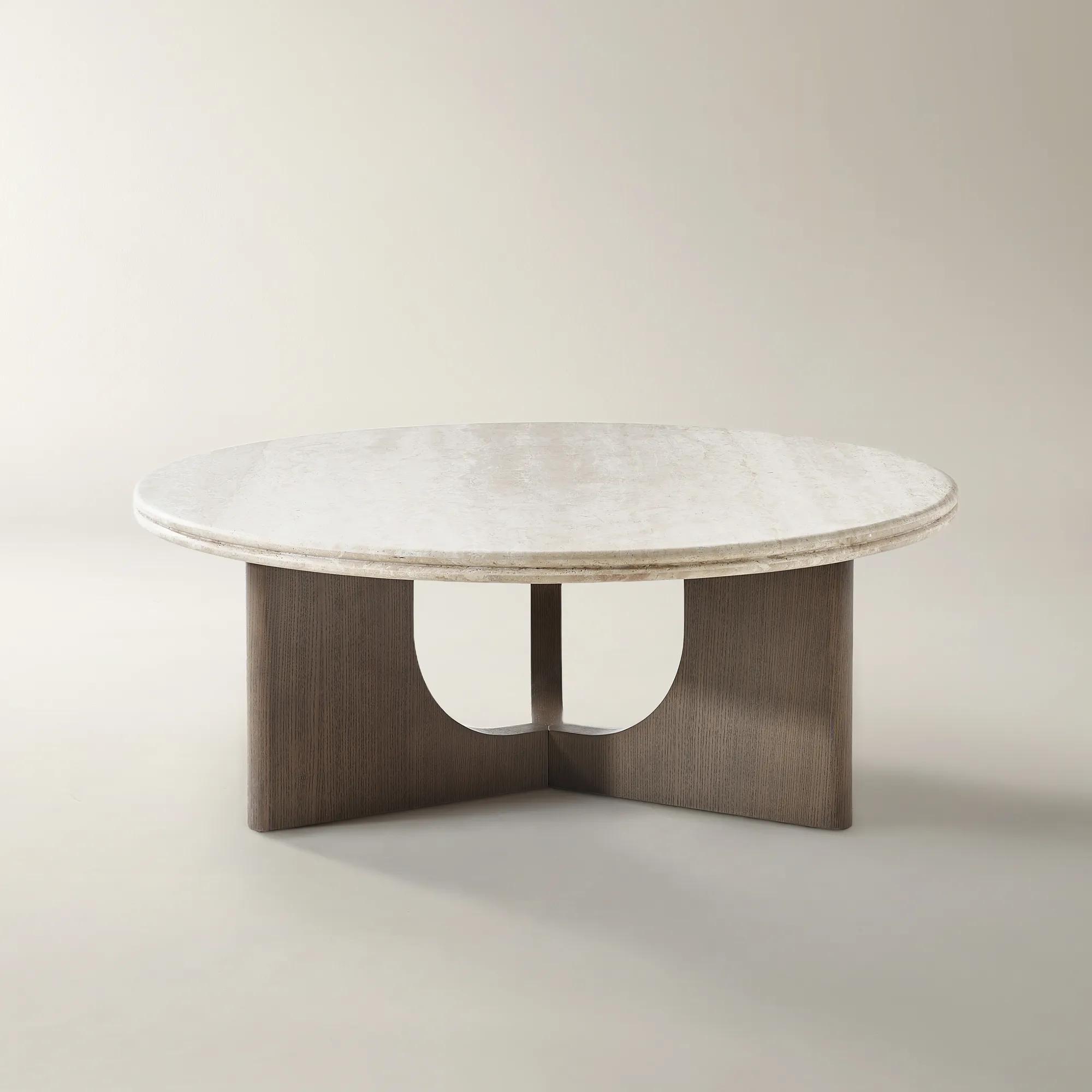
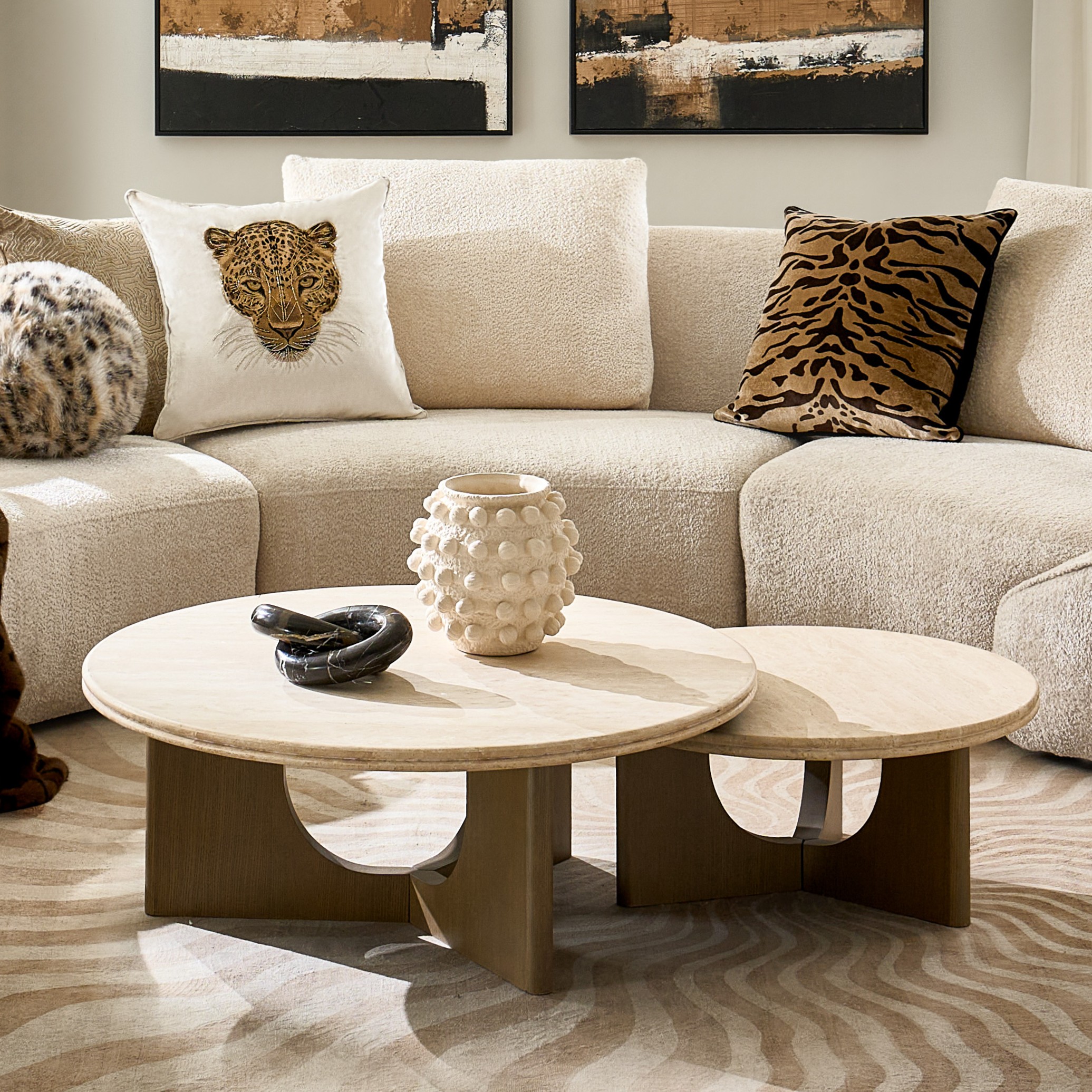 Bond Round Travertine and Wood Coffee Table (41")$1399
A round coffee table featuring a genuine travertine stone top and natural ash wood panel base with arches.
Add To Cart -
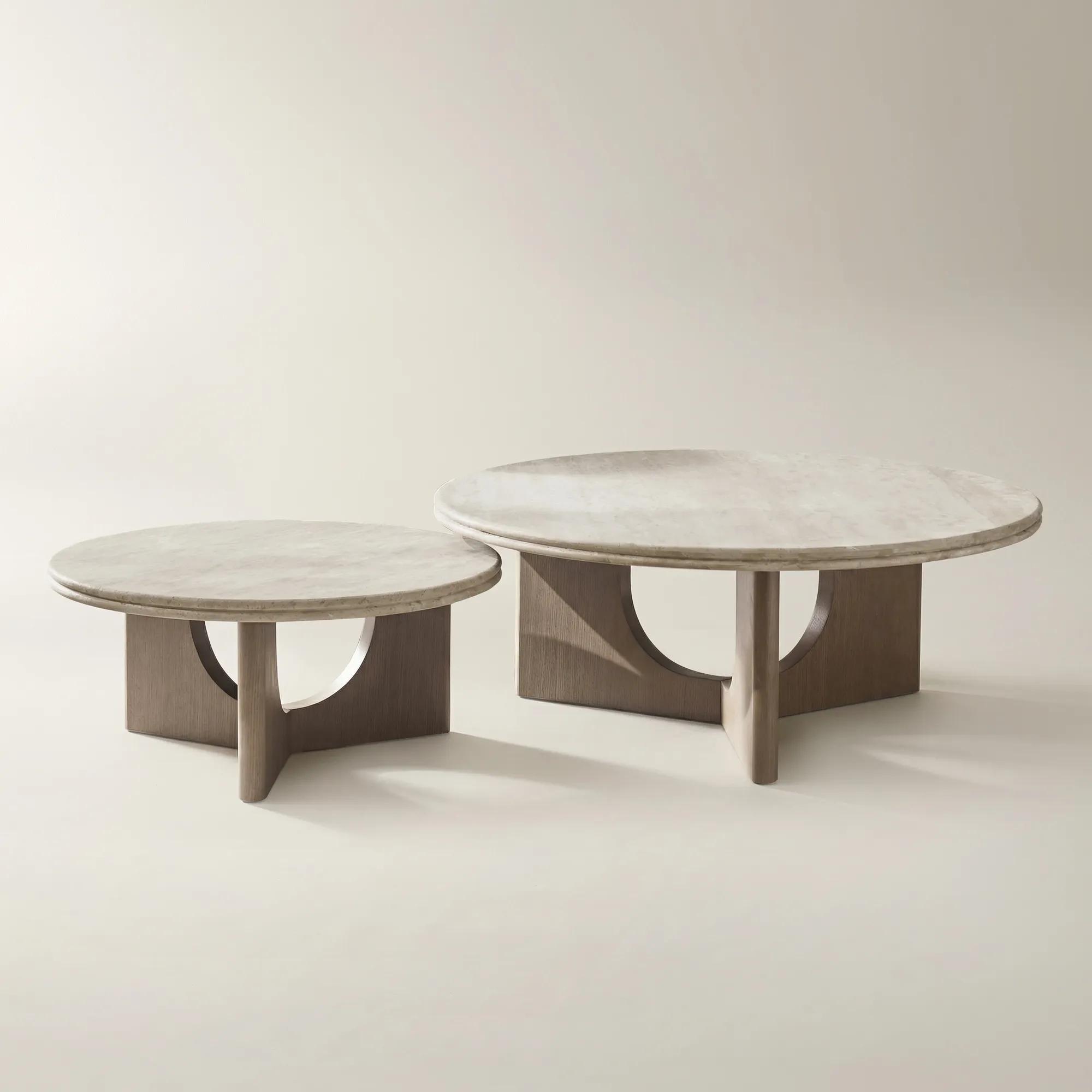
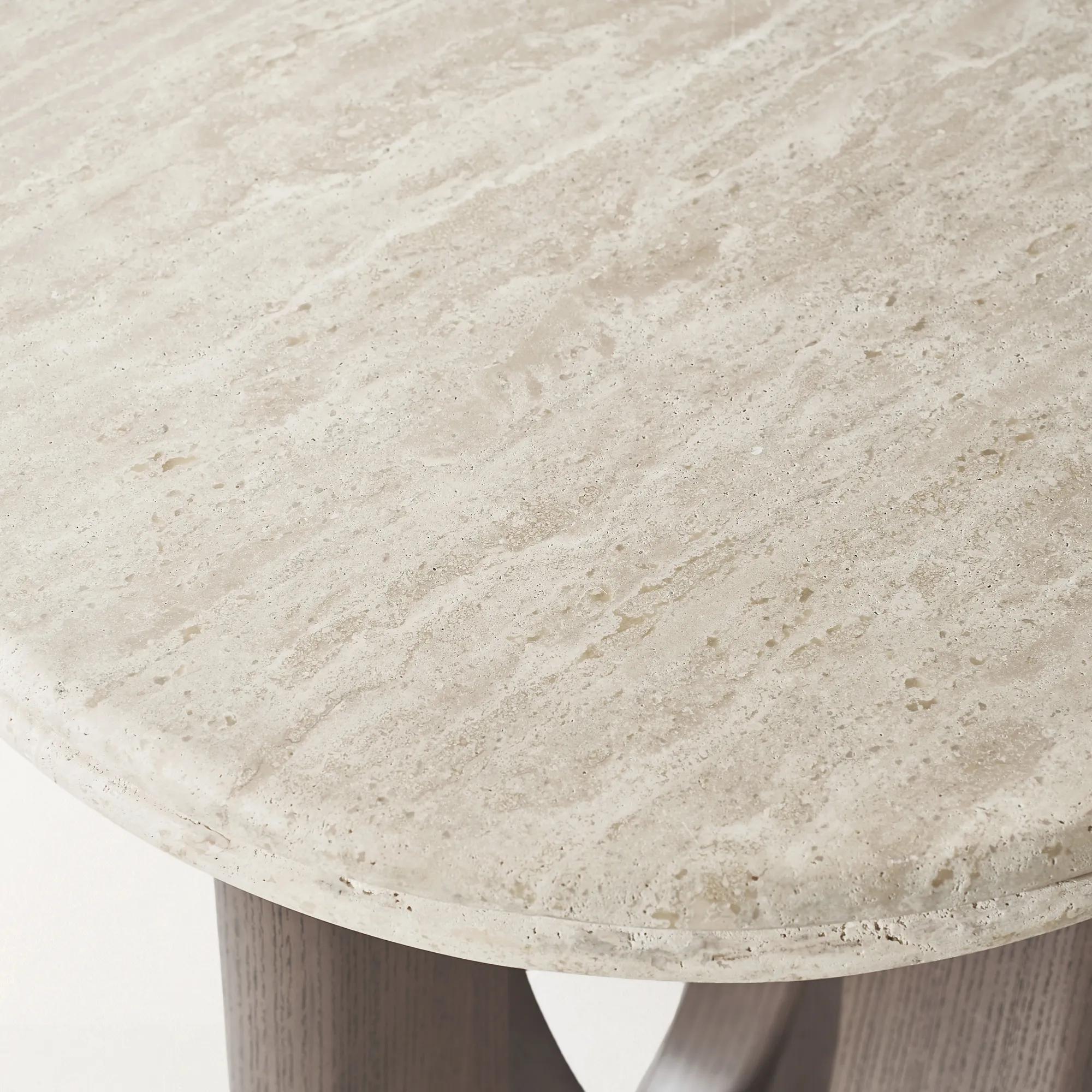 Bond Round Travertine and Wood Coffee Table Set of 2 (29.25"-41")$2098
A natural-finish nesting coffee table set offering versatile, space-saving layering for modern living rooms.
Add To Cart -
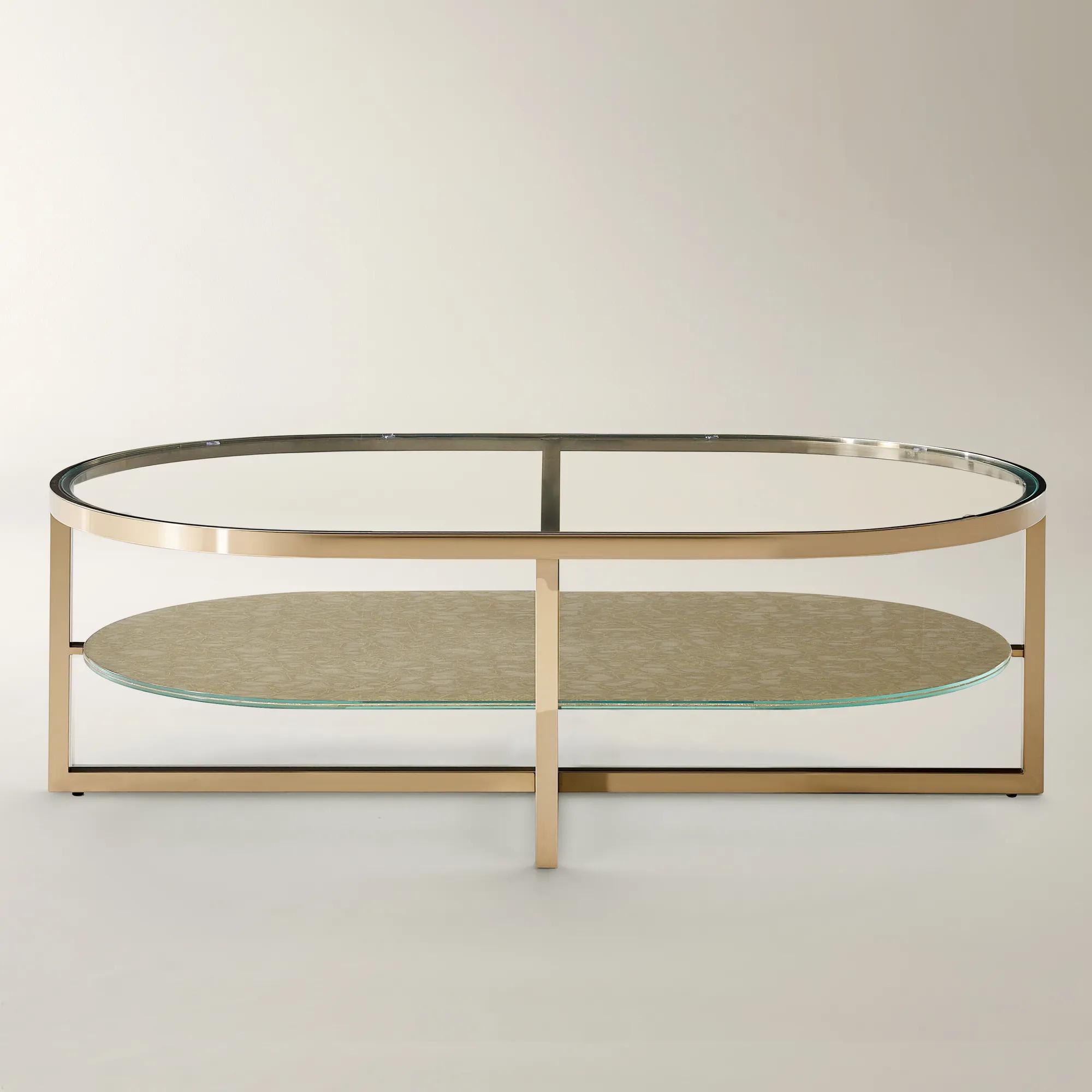
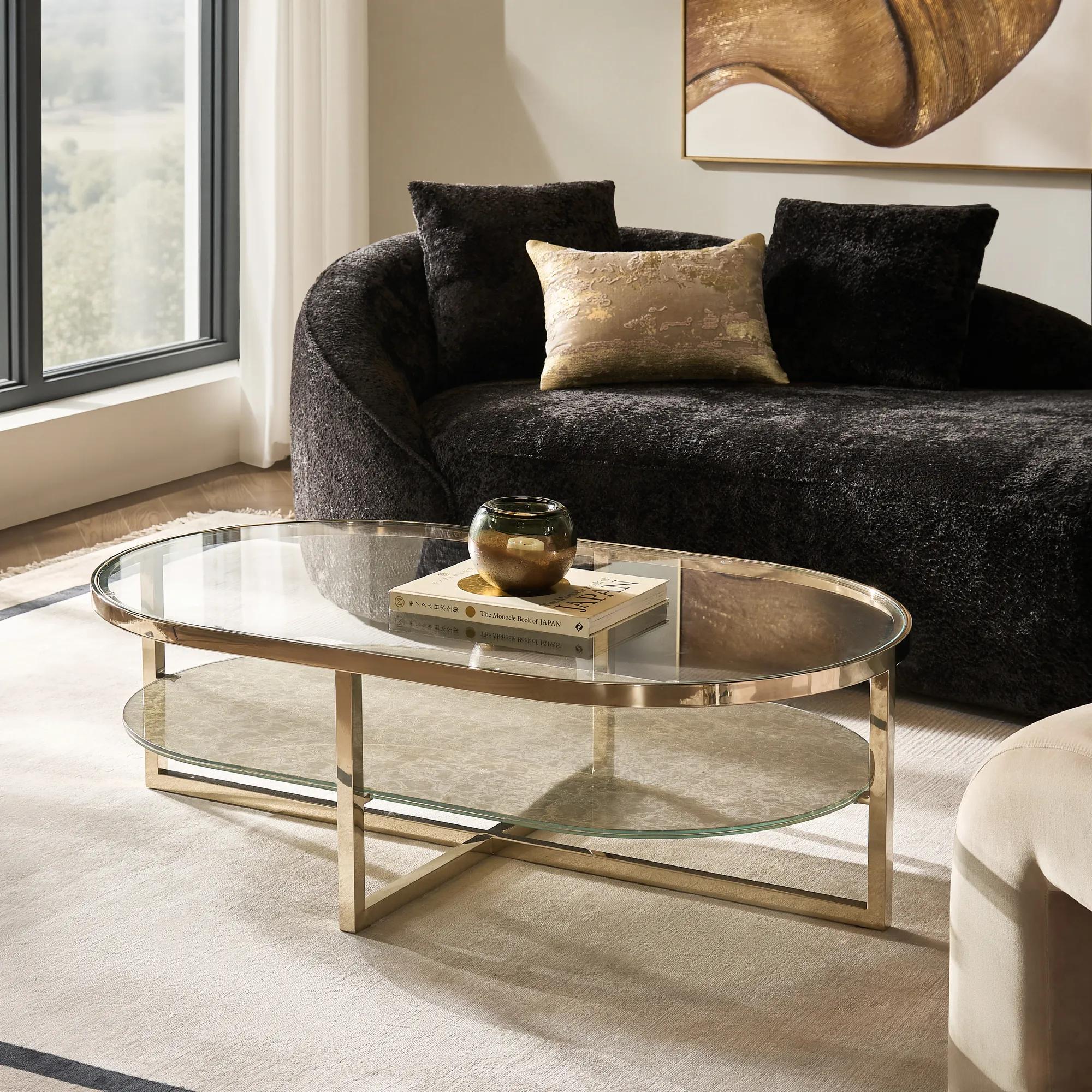 Duality Oval Fabric-Laminated Glass Coffee Table (47")$999
A modern oval coffee table featuring a tempered glass top, fabric-laminated shelf, and soft gold stainless steel frame.
Add To Cart -
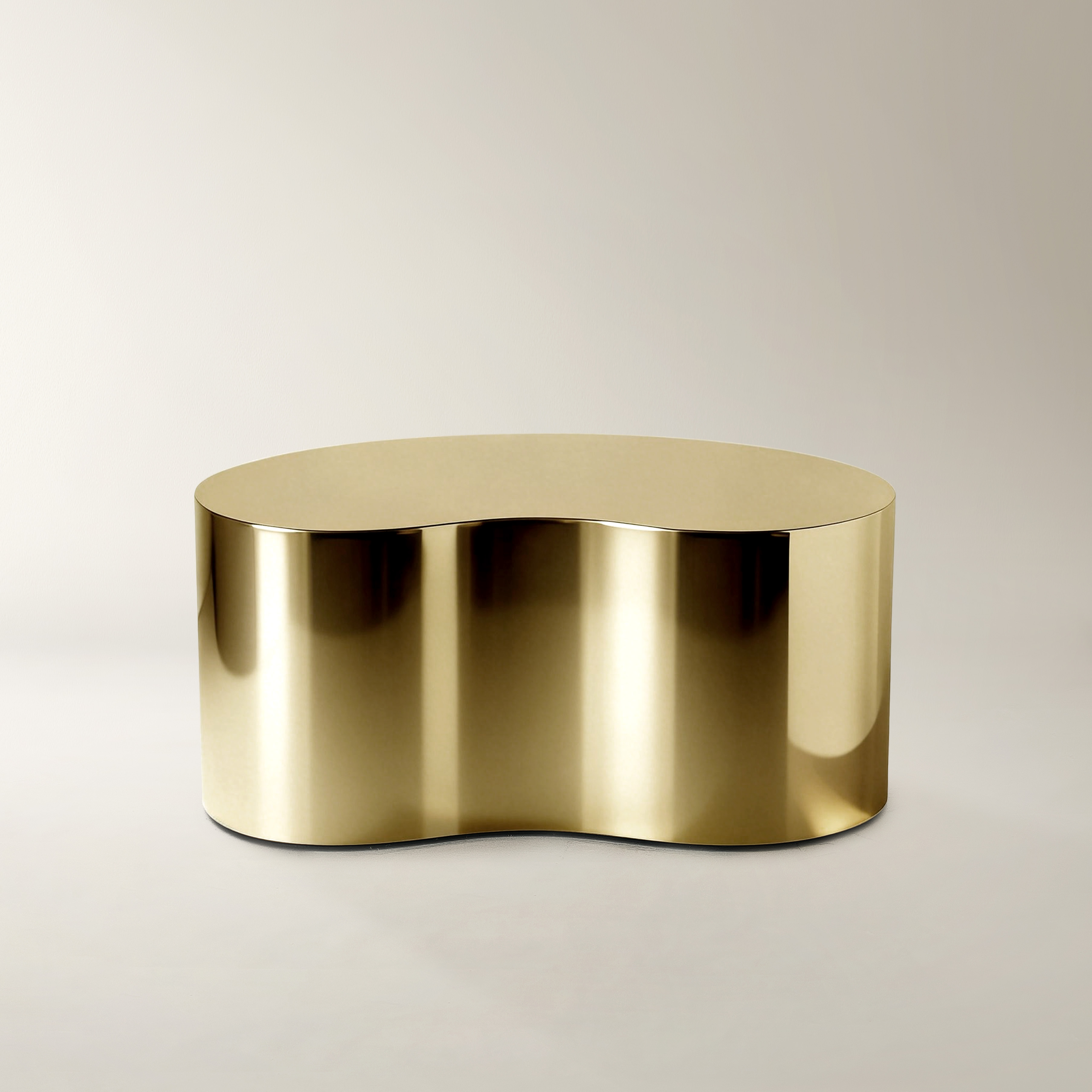
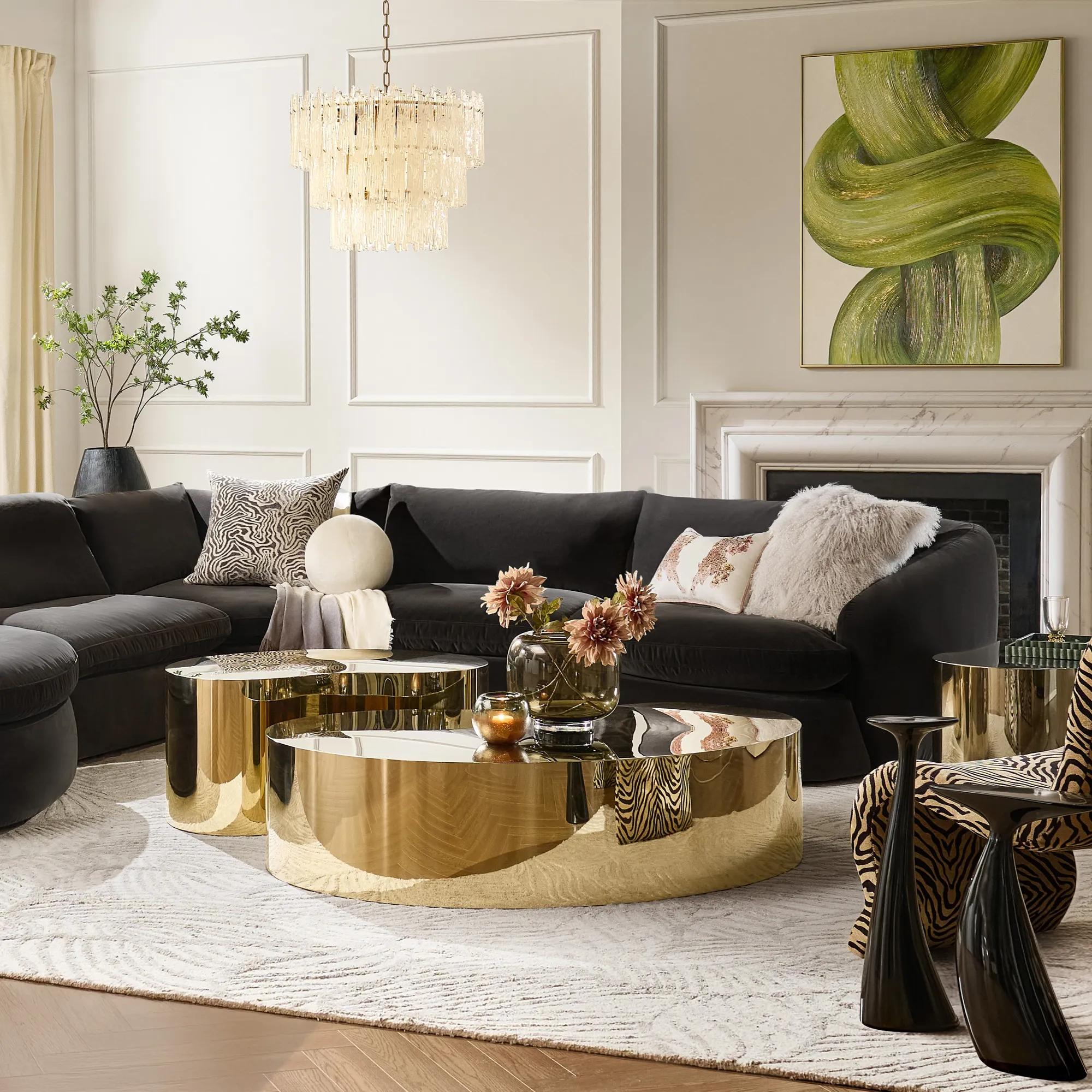 Aurea Soft Gold Coffee Table (37.5")$999
A sculptural coffee table crafted from premium stainless steel with a high-gloss soft gold mirror finish.
Add To Cart -
 Bond Round Travertine and Wood Coffee Table (29.25")$699
A genuine travertine stone coffee table with warm ivory-gold tones atop a solid natural ash base.
Add To Cart -
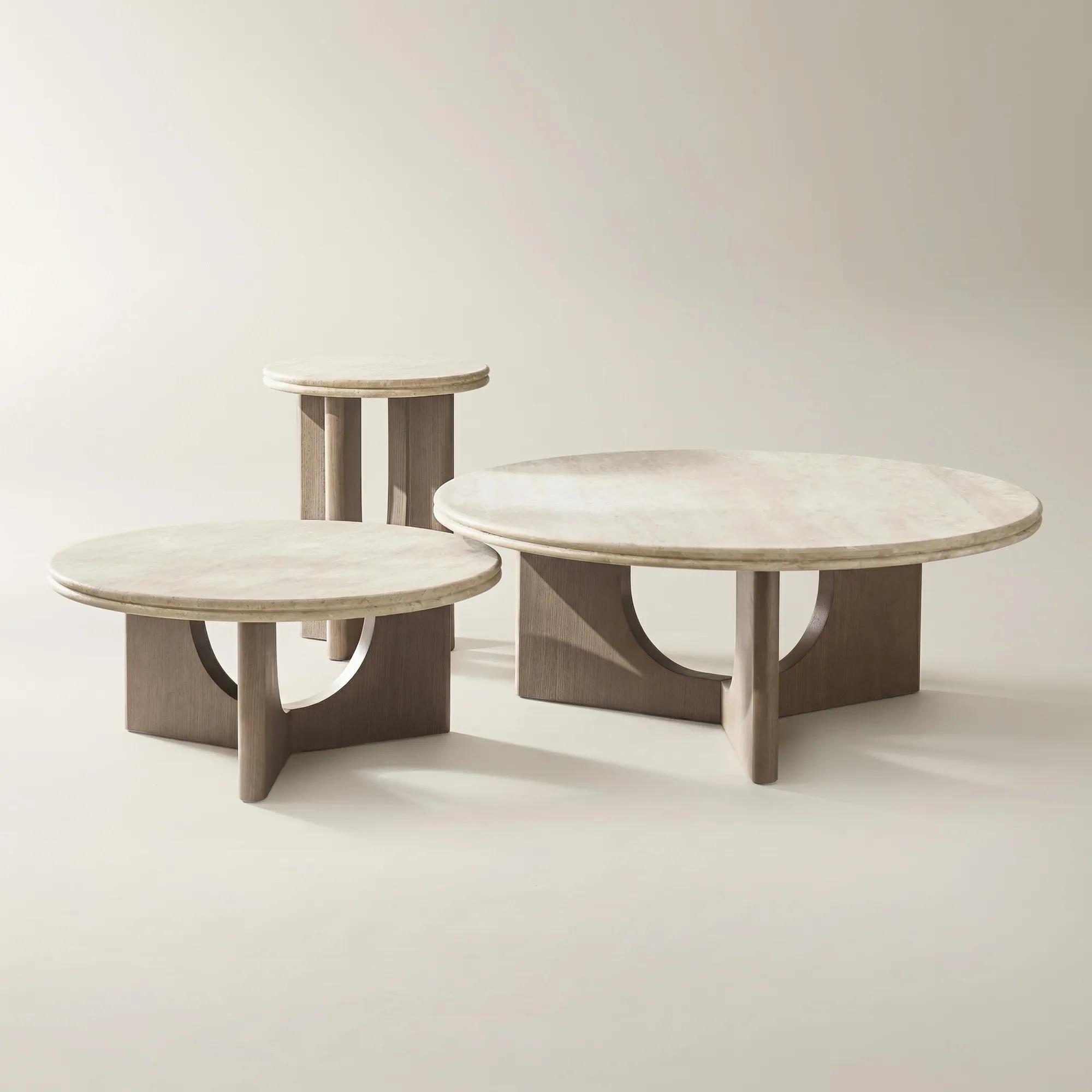
 Bond Round Travertine and Wood Coffee Table Set of 3 (17.72"-41")$2557
A natural-finish nesting coffee table set offering versatile, space-saving surfaces for modern living rooms.
Add To Cart -
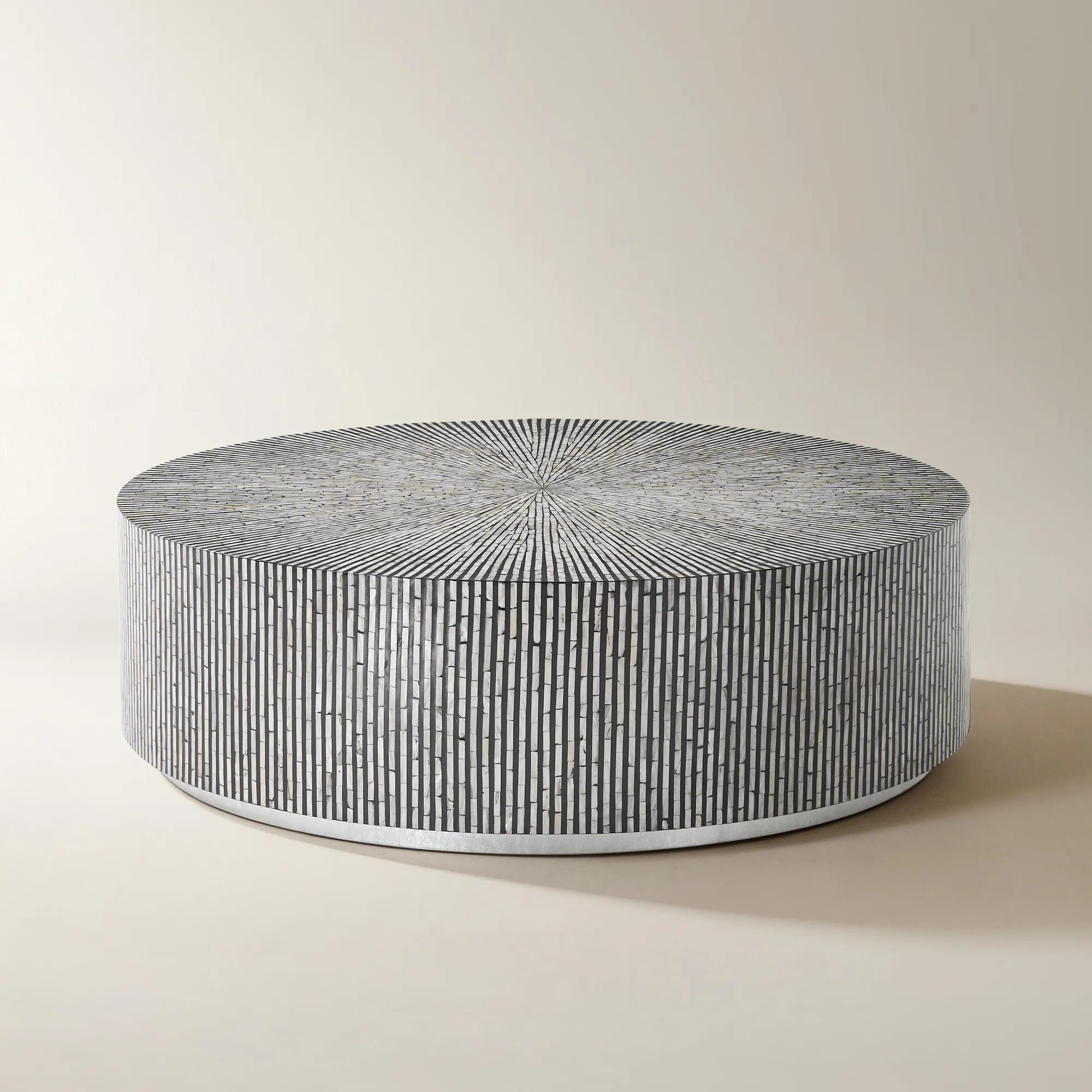
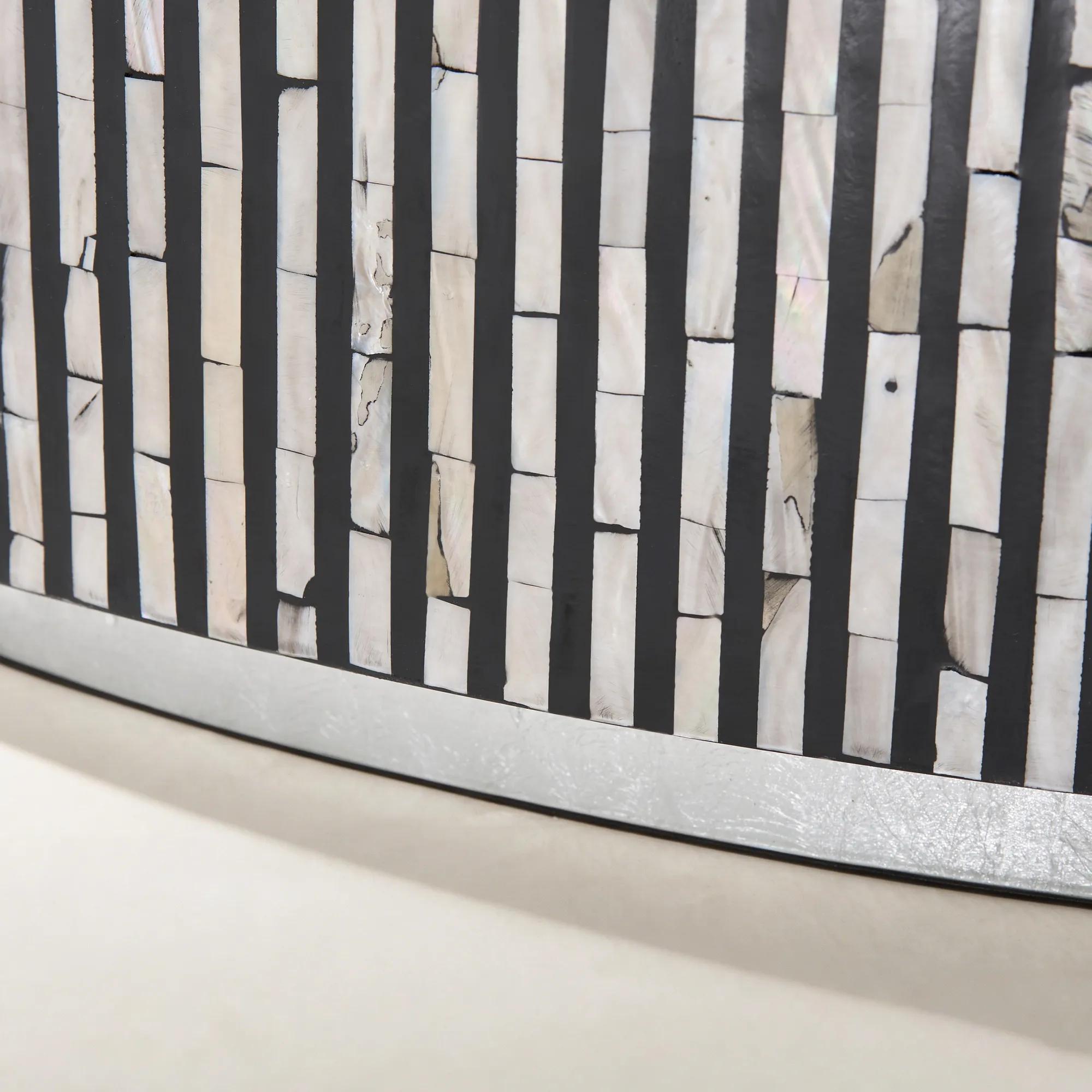 Marina Round Mosaic Black Coffee Table (52")$1399
A sculptural black coffee table featuring hand-applied mother-of-pearl mosaic and a silver leaf base.
Add To Cart -
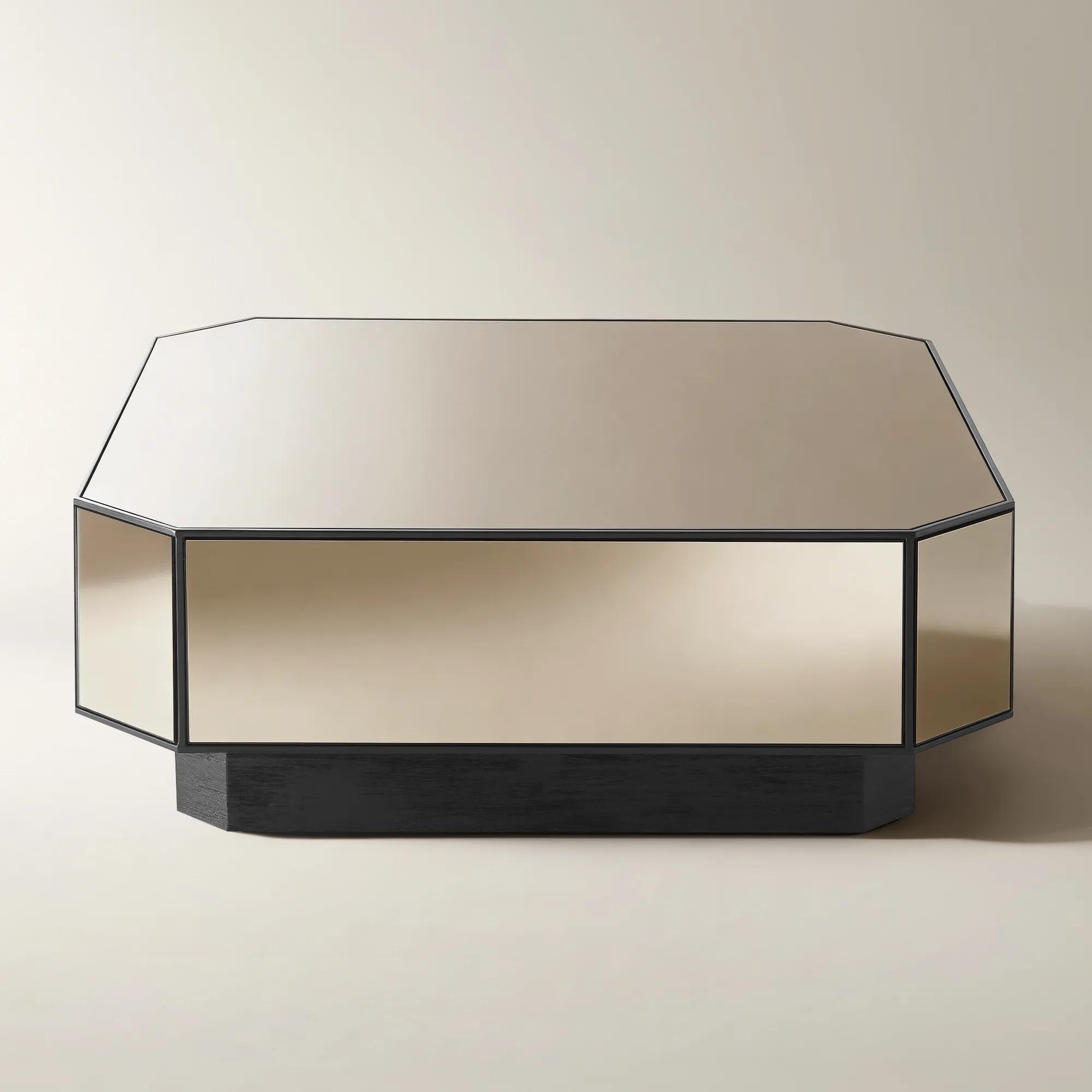 Glimmer Bronze Mirrored Coffee Table (44")$1699
A sculptural coffee table featuring bronze mirror panels and a black oak base for modern sophistication.
Add To Cart -
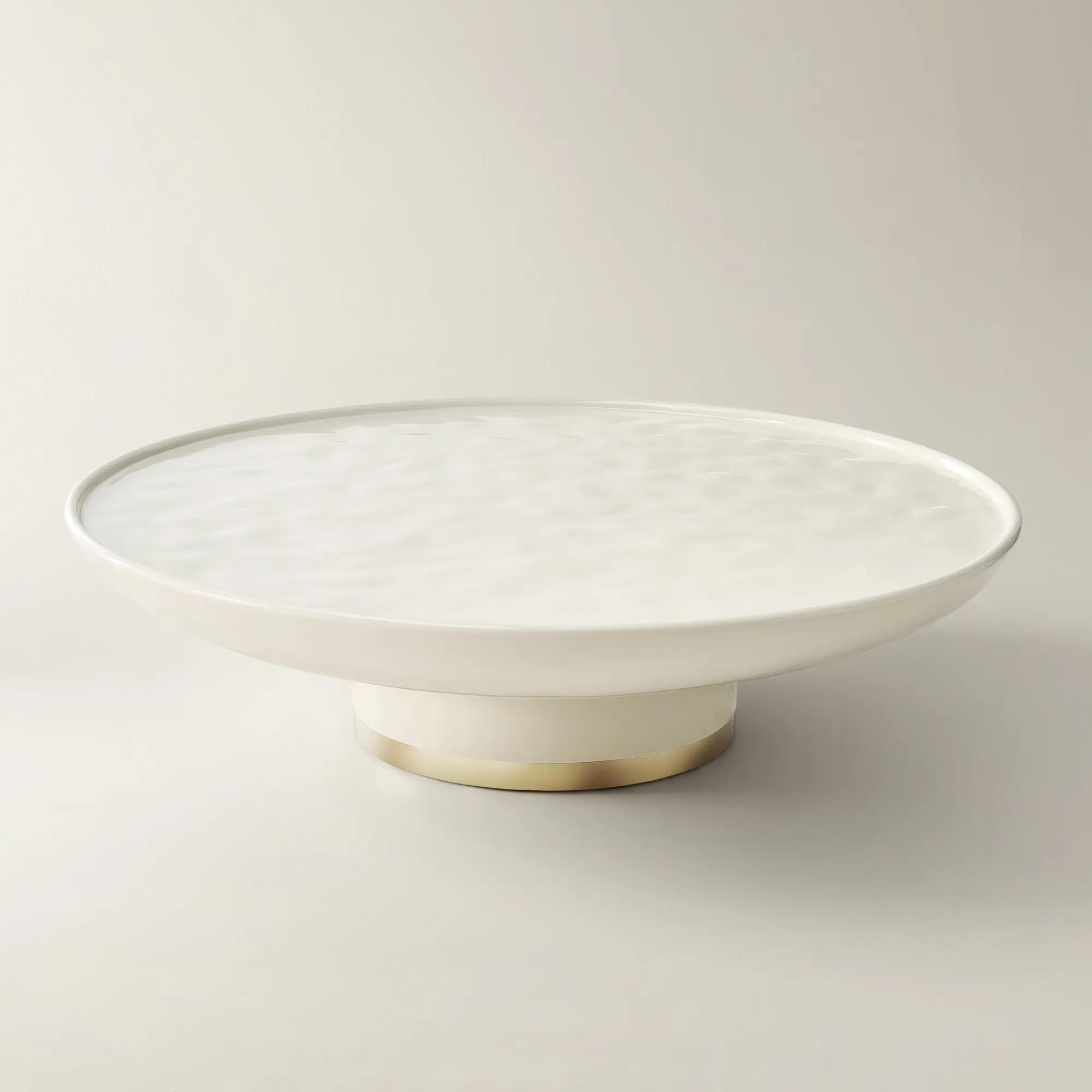
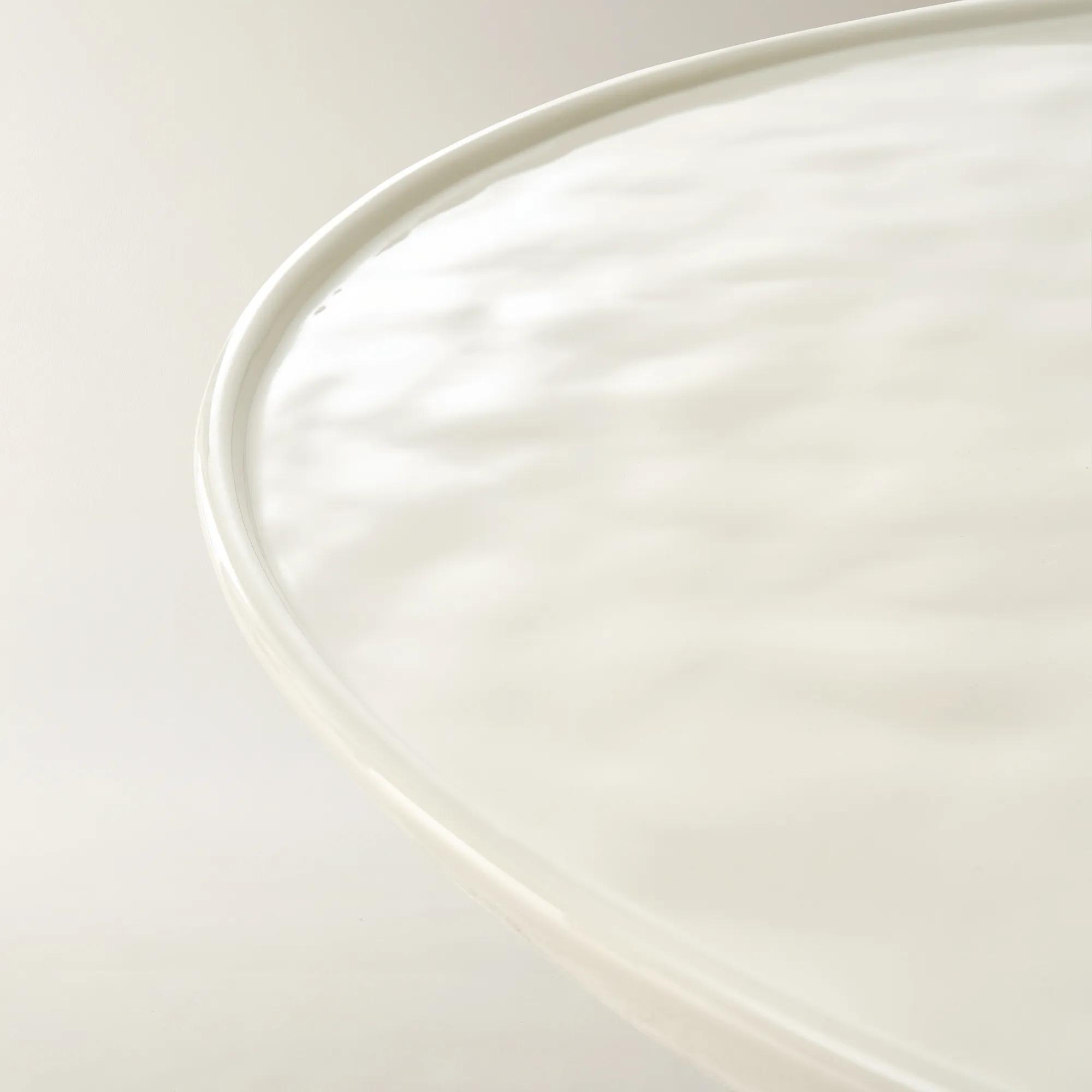 Celia Lacquered Cloud Resin Indoor/Outdoor Coffee Table (54")$1399
A sculptural one-piece resin coffee table with a high-gloss warm finish and gold stainless steel base.
Add To Cart -
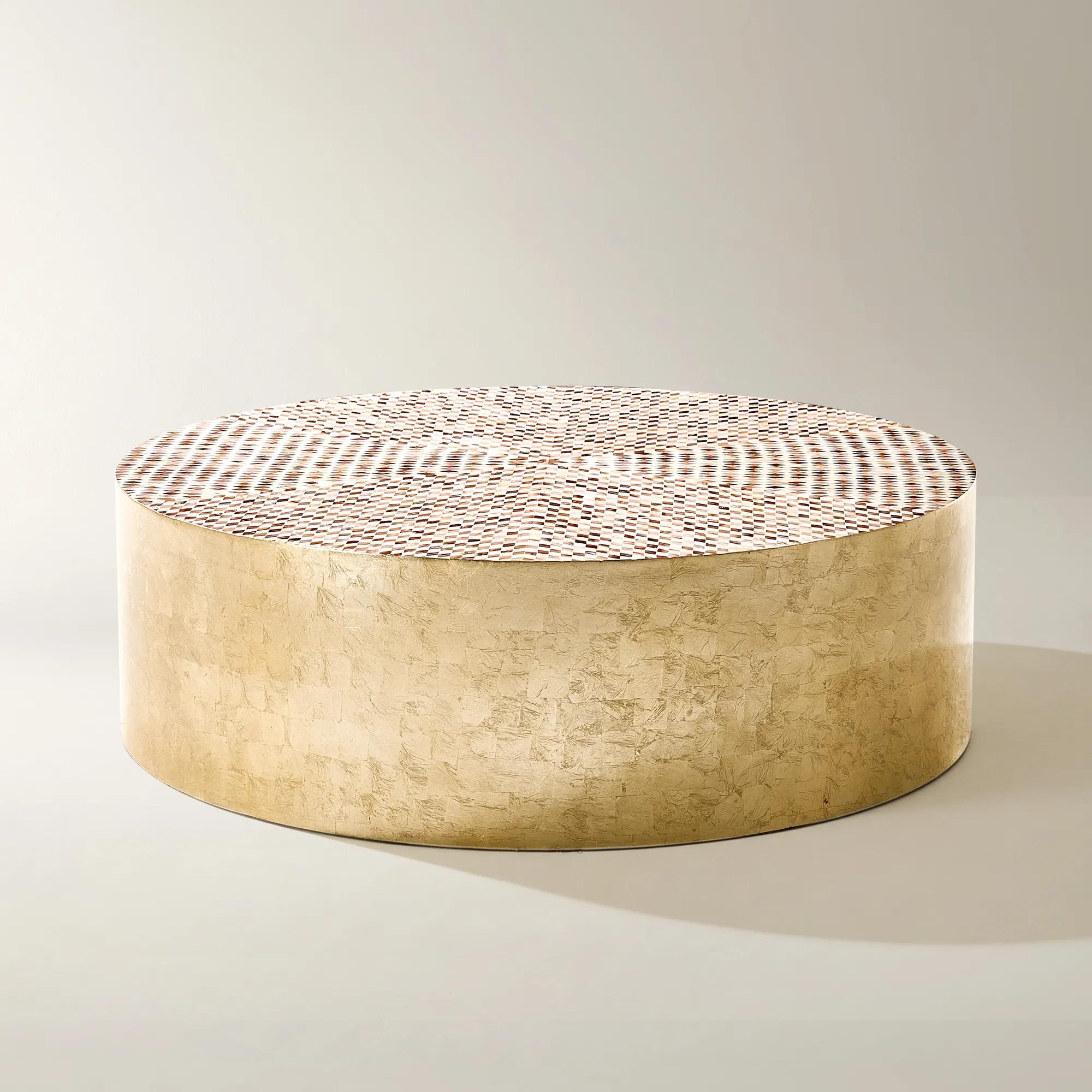
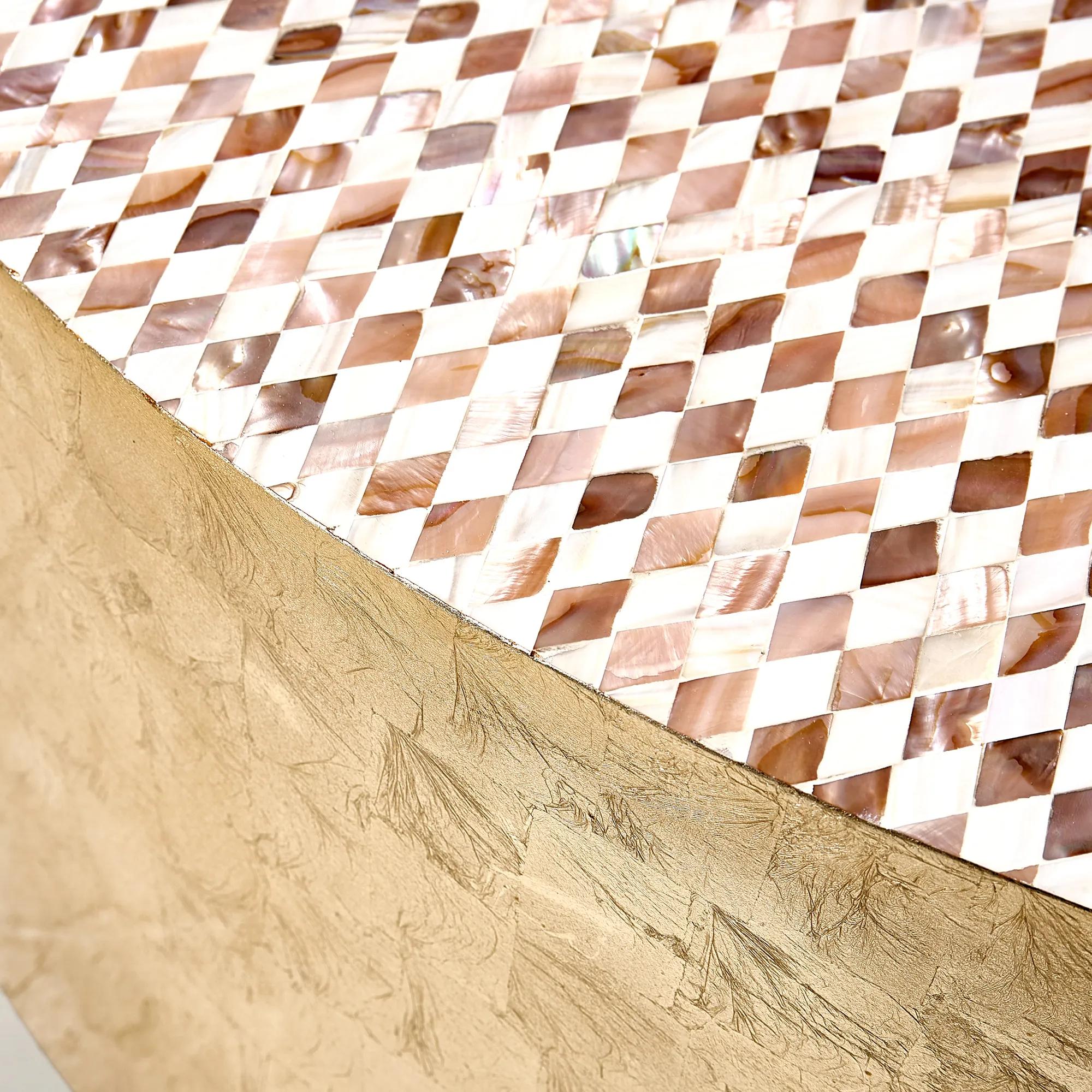 Lucien Round Diamond Coffee Table (47.24")$1299
A sculptural round coffee table featuring a hand-laid mother-of-pearl diamond mosaic and gold leaf sides.
Add To Cart -
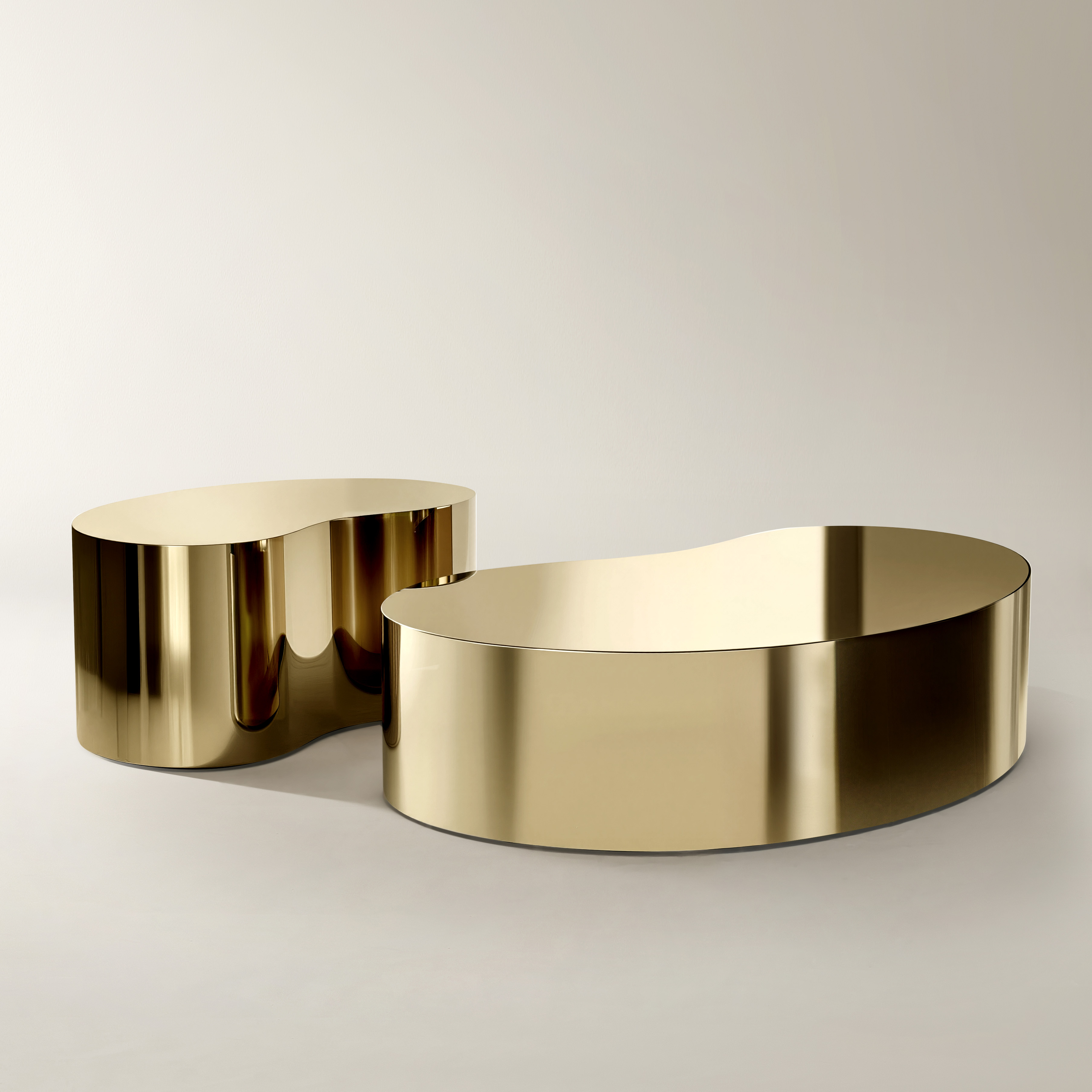 Aurea Soft Gold Coffee Table Set of 2 (37.5"-57")$2398
A sculptural coffee table crafted from premium stainless steel with a radiant, high-gloss soft gold finish.
Add To Cart -
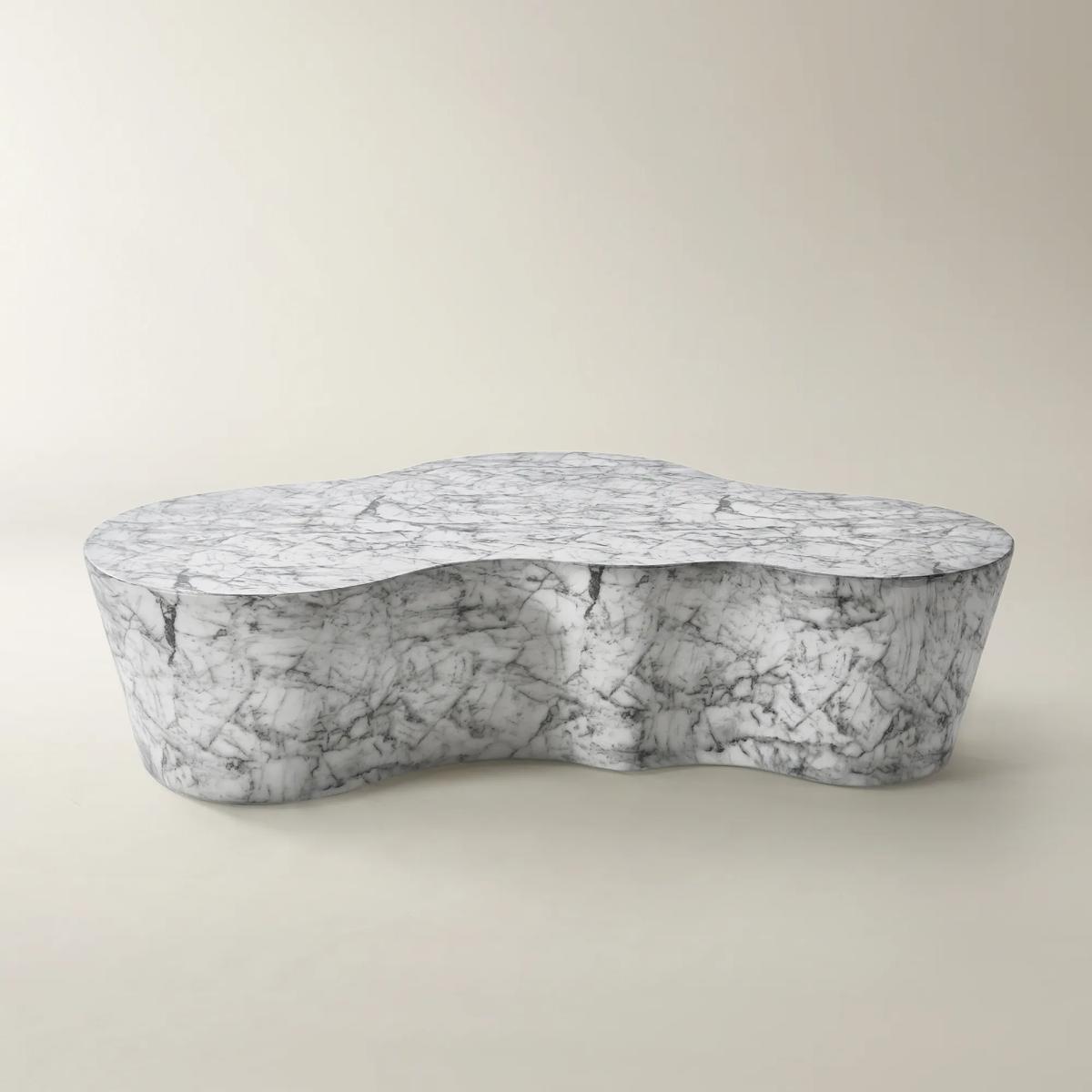
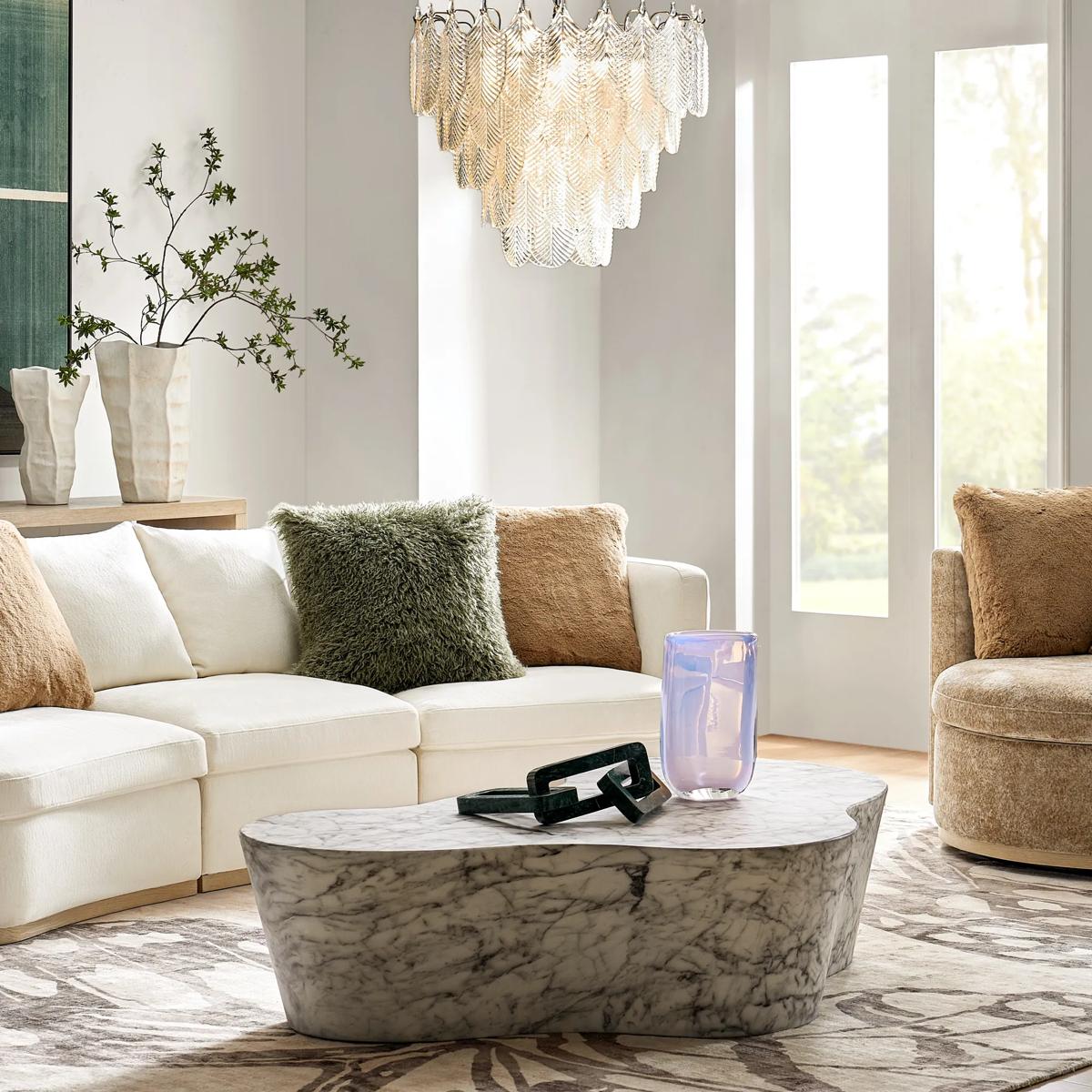 Petra White Concrete Indoor/Outdoor Coffee Table (59.4")$1099
A sculptural white concrete coffee table with cloud-like contours and marble-look veining, suitable indoors or outdoors.
Add To Cart -
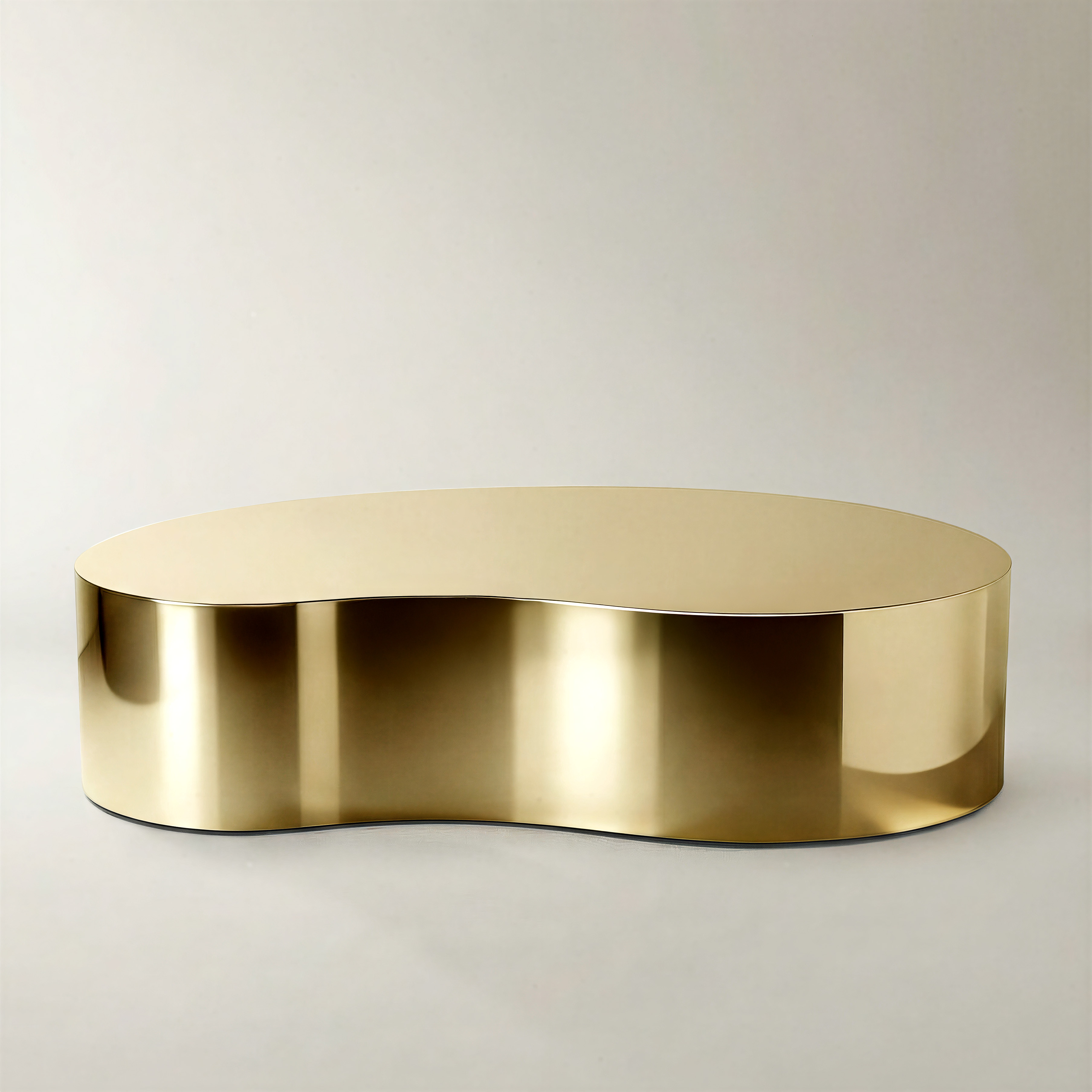 Aurea Soft Gold Coffee Table (57")$1399
A sculptural coffee table crafted from stainless steel with a high-gloss soft gold finish and rounded edges.
Add To Cart -
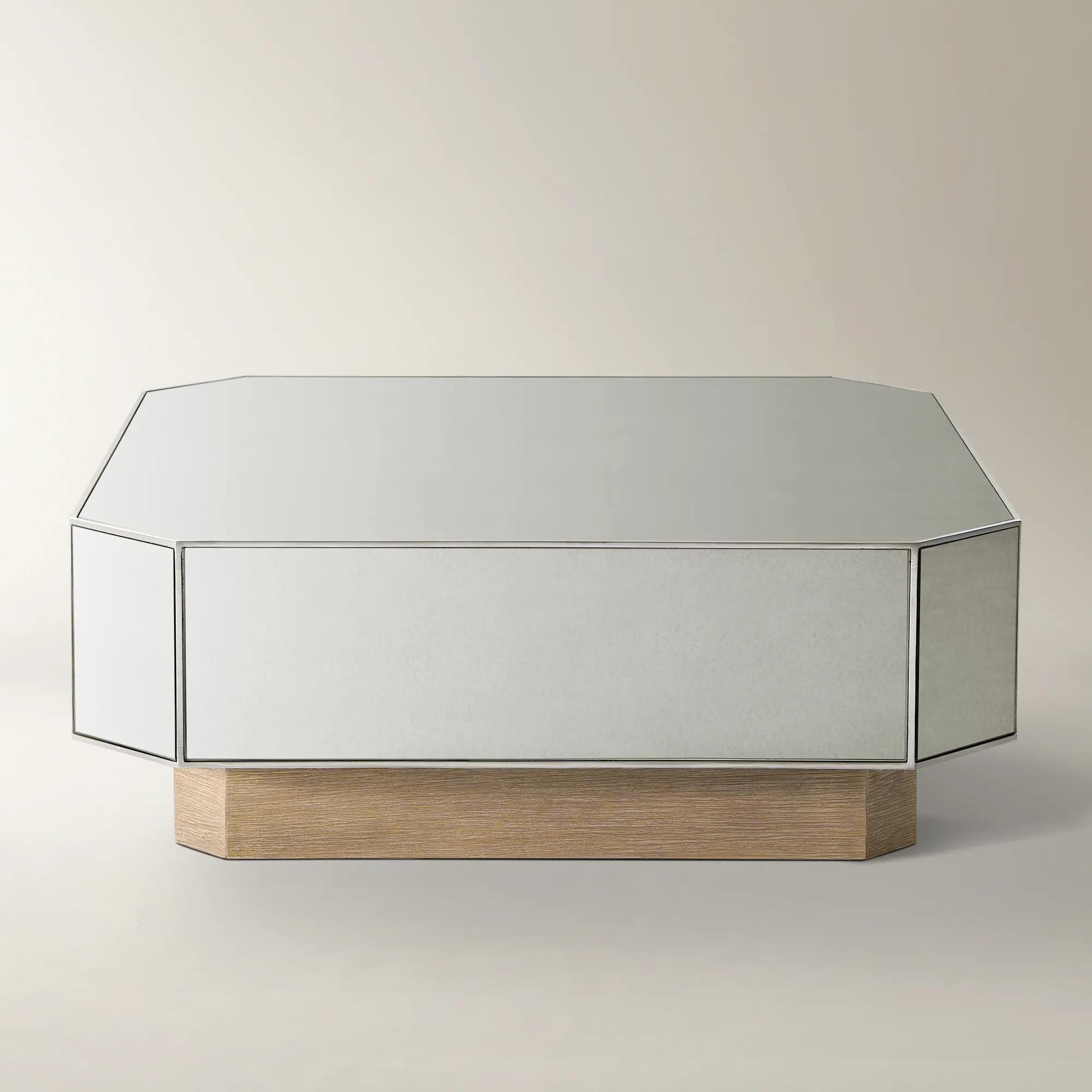 Glimmer Silver Mirrored Coffee Table (44")$1699
A luminous coffee table featuring an antique silver mirror top and warm oak veneer base with handcrafted details.
Add To Cart -
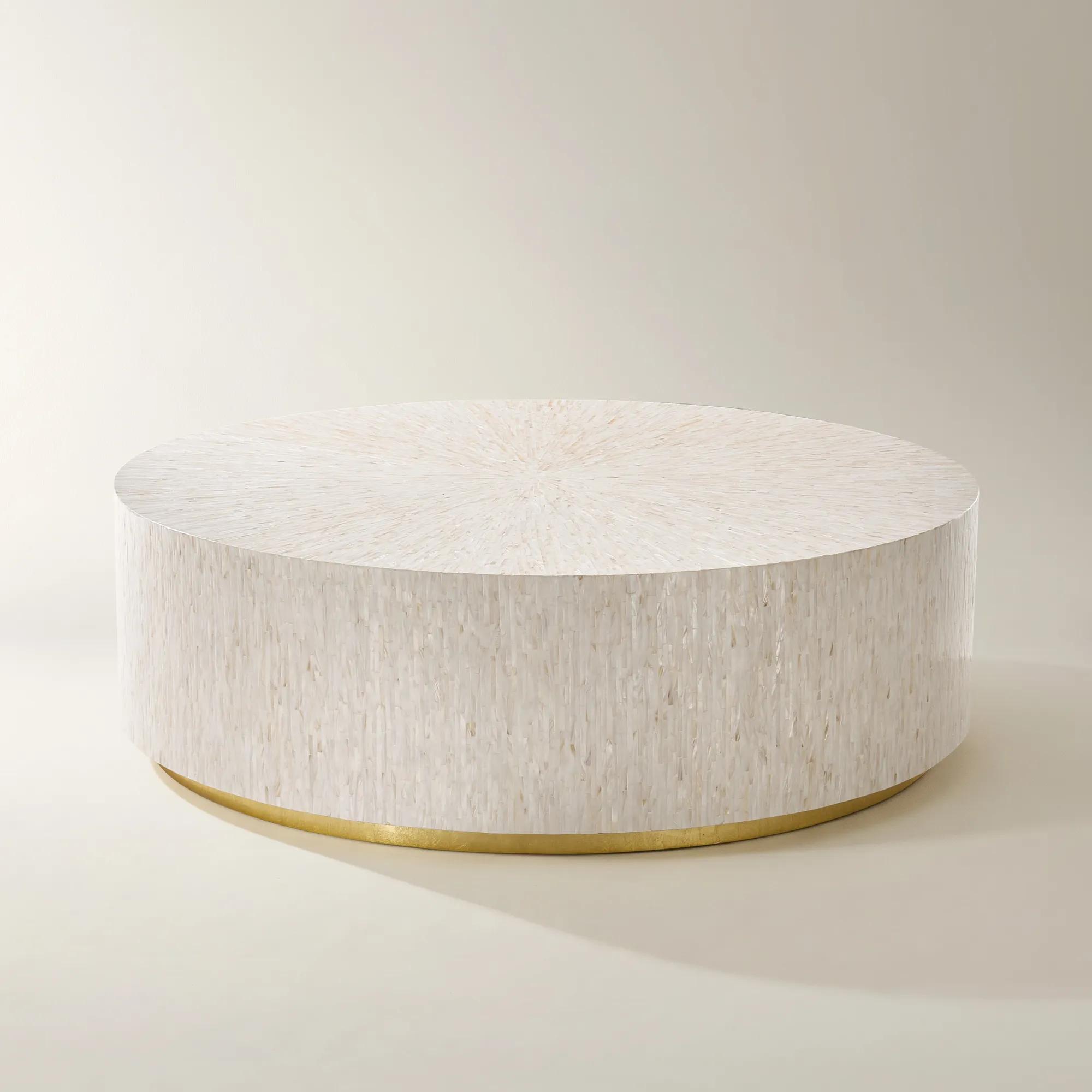 Alexandria Round Mosaic Platinum Coffee Table (52")$1399
A luminous mother-of-pearl mosaic coffee table with a sculptural round form and gold leaf–accented base.
Add To Cart -
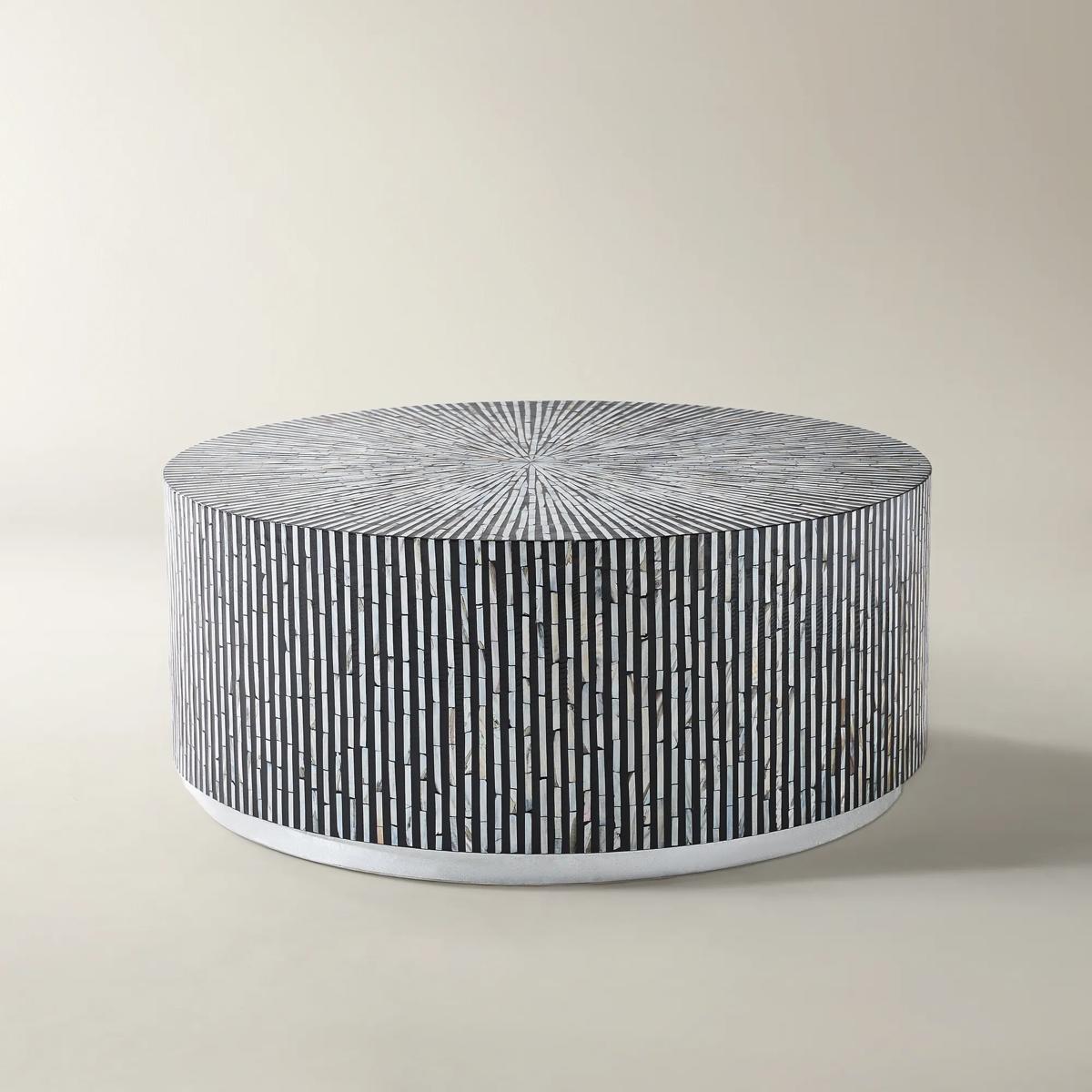
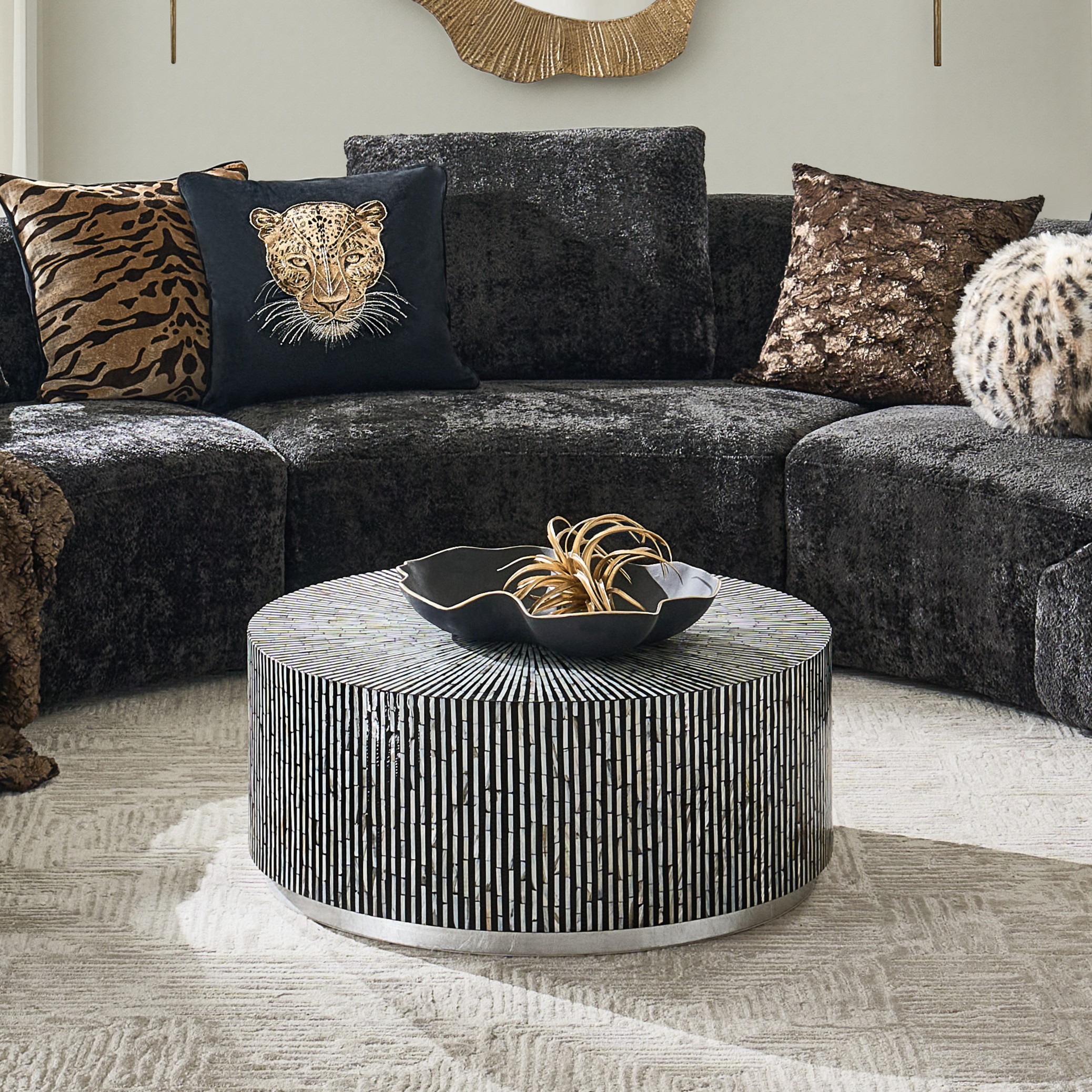 Marina Round Mosaic Black Coffee Table (35.8")$799
A handcrafted round coffee table featuring iridescent mother-of-pearl inlay and a silver leaf base.
Add To Cart

Statement Coffee Tables
Statement Coffee Tables are the heartbeat of a living room, commanding attention with their sculptural silhouettes and unapologetic presence. Each piece is designed to spark conversation and elevate your space from ordinary to extraordinary, inviting artistry and intrigue into every gathering. With bold forms and luxurious finishes, Statement Coffee Tables transform functional furniture into a captivating centerpiece, setting the stage for unforgettable moments and expressive living. Let your home speak volumes—choose a table that reflects your flair for drama and your passion for design.
Statement coffee tables give the living room a center of gravity: a sculptural form that draws the eye, gathers the seating arrangement, and sets the tone for everything around it. Positioned beside sumptuous upholstery or beneath an expressive piece of art, a distinctive coffee table brings shape, texture, and contrast into the room’s most social space. Its presence might come from a sweeping curved base, the depth of a polished stone surface, a gleaming metallic finish, or proportions that feel deliberately generous. The strongest statement is not always the largest or most ornate. A restrained silhouette in an unexpected material can hold its own against richly layered furnishings, while a substantial geometric table can anchor a quieter arrangement with architectural confidence. Shape influences how that presence feels. A round coffee table softens the lines of a tailored sofa and invites conversation from several directions; an oval silhouette offers similar fluidity with a longer surface for entertaining. Rectangular forms echo the length of a sofa, while square profiles can bring balance to spacious seating groups and sectional arrangements. Scale gives these expressive choices their purpose. A table should feel connected to the surrounding furniture without overwhelming it, with enough room for guests to settle into a seat and move comfortably through the space. About 14 to 18 inches between the table and seating is a useful starting point, adjusted for the room’s layout and the people using it. A surface near the height of the sofa cushions generally keeps a drink or book within comfortable reach. In a compact living room, an open base or transparent top can preserve sightlines without sacrificing drama. In a larger space, a broader surface or substantial pedestal can give the seating area the visual weight it needs. Beyond dimensions, the table’s footprint matters: a beautifully proportioned top still needs a base that allows feet, furniture, and everyday movement to coexist gracefully.
Material gives a statement coffee table its particular character, shaping both its visual impact and its relationship with daily life. Stone brings depth and an inherently individual pattern, from subtle tonal movement to pronounced veining that reads almost like abstract art. Natural variations are part of its appeal, though porous stone may require sealing or other care specified by the manufacturer. Marble and similar surfaces deserve protection from acidic spills, which can leave etching even when the surface has been sealed. Glass introduces lightness, allowing a sculptural base or richly textured rug to remain visible beneath the tabletop. It also makes fingerprints and dust more noticeable, so its luminous effect comes with a regular cleaning rhythm. Tempered glass, when specified, offers greater resistance than ordinary glass, but edges still require care and the surface should never be treated as indestructible. Wood lends warmth and depth, with grain patterns, veneers, and finishes creating effects that range from finely tailored to richly expressive. Solid wood can respond to changes in indoor humidity, while veneered and engineered constructions have their own care requirements; the finish and quality of construction matter as much as the material name. Metallic surfaces can bring a mirrorlike gleam or a softer brushed glow, and each finish benefits from cleaning products suited to its coating rather than an abrasive all-purpose approach. Mixed-material coffee tables create another layer of interest, pairing visual weight with openness or a cool surface with a warm supporting frame. Across materials, durability depends on sound construction, stable connections, appropriate use, and consistent care. A coffee table used for serving drinks and holding books has different demands than one frequently asked to support heavy decorative objects. Manufacturer guidance should determine weight limits and cleaning methods. Coasters, protective pads beneath decorative pieces, and prompt attention to spills preserve the surface without diminishing its elegance. Soft cloths and finish-appropriate cleaners help maintain the detail that made the table compelling in the first place.
A statement coffee table earns its place through the occasions it makes more inviting, from a quiet evening with a beautifully bound book to a gathering where drinks and small plates circulate among friends. Its surface needs enough breathing room to support those moments. A dramatic arrangement can remain practical: a low decorative bowl, a short stack of art books, and one sculptural accent offer texture and personality while leaving space for a glass or serving tray. Tall arrangements may look commanding in an empty room but can interrupt conversation when guests are seated, making lower compositions especially effective at the center of a social setting. A tray creates a defined area for smaller objects and can be moved when the tabletop needs to serve a different purpose. Where storage is important, shelves or enclosed compartments can keep remotes and other everyday essentials from competing with the table’s silhouette. Households with children or energetic pets may favor rounded profiles and a stable base, while remembering that softened corners do not replace supervision or appropriate placement. For frequent hosts, usable surface area and easy access from several seats can matter as much as the visual finish. Supporting furniture helps distribute those practical demands. Pairing the central piece with Statement Living Room Side Tables gives guests additional places to set a drink and allows the coffee table to retain a more considered composition. The relationship can be harmonious without being identical: a shared metallic tone, complementary curves, or a recurring material can connect different silhouettes. Against a deeply colored sofa, a pale stone or glass surface creates contrast; beside lighter upholstery, dark wood or a substantial metallic base introduces definition. A textured rug beneath the arrangement adds another dimension, provided its pattern leaves room for the table’s details to register. These choices create a living room with a distinct point of view, where the central surface feels as expressive during everyday use as it does when the room is arranged for company.
FAQs
A statement coffee table is designed to be the focal point of your living space, blending artistry with function. Unlike traditional coffee tables, which often prioritize subtlety and utility, statement tables feature bold designs, luxurious materials, and dramatic details that spark conversation and elevate the room’s ambiance.
To make your statement coffee table shine, curate a mix of textures and heights—think art books, sculptural vases, and gleaming trays. Layering objects in odd numbers, adding a touch of greenery, or displaying cherished collectibles can create a dynamic, personalized vignette that draws the eye and complements the table’s design.
Absolutely. Many statement coffee tables are crafted from durable materials and feature smooth edges or rounded corners, making them both stylish and practical. Opt for finishes that resist fingerprints or scratches, and choose designs that balance beauty with everyday resilience for family-friendly elegance.
A statement coffee table makes a memorable and meaningful gift for anyone who loves interior design or entertaining. Its presence transforms a living room, serving as a lasting reminder of the occasion and the giver’s thoughtful taste. It’s an ideal choice for housewarmings, anniversaries, or milestone celebrations.
Consider the textures, finishes, and colors already present in your space. A mother of pearl coffee table rectangle adds iridescent glamour to neutral palettes, while mirrored or metallic tables amplify light and drama. Harmonize with your existing furnishings by echoing tones or contrasting boldly for an eclectic, curated look.