Power Loomed Polypropylene Rugs
Power Loomed Polypropylene Rugs
-
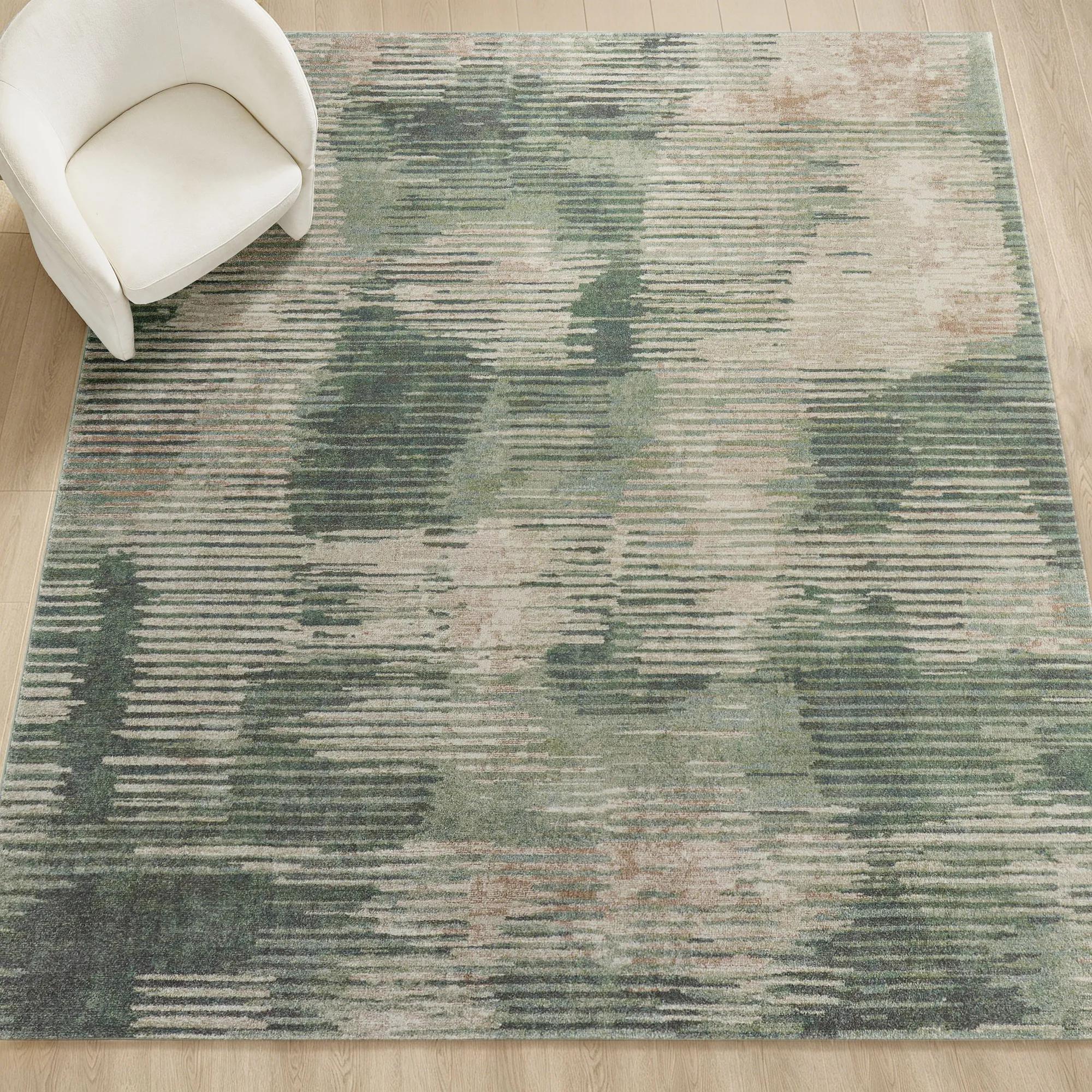
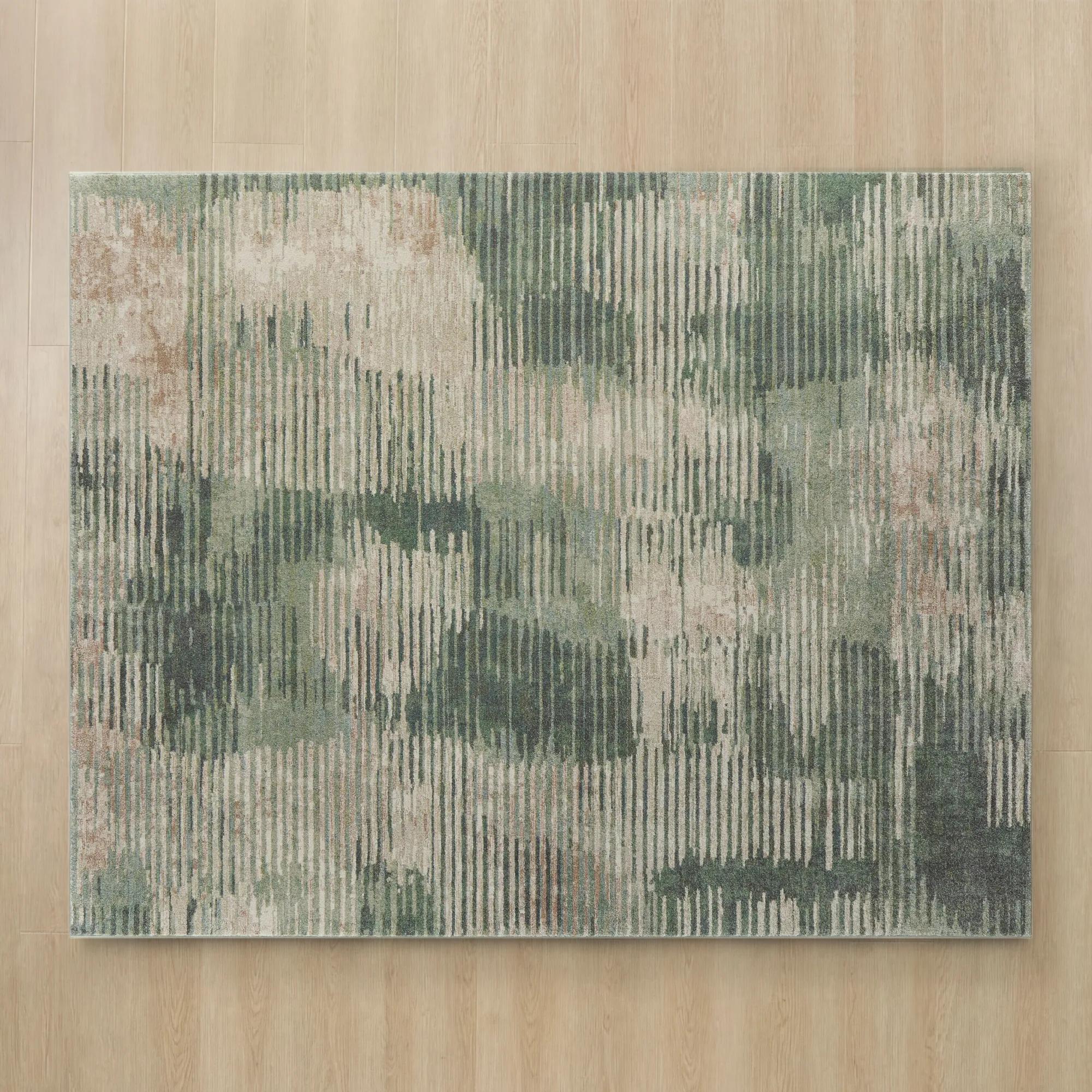 Sylvan Green/Beige Power Loomed Rug$1499
A power-loomed polypropylene rug featuring a smoked olive green and beige organic pattern with a soft pile.
Add To Cart -
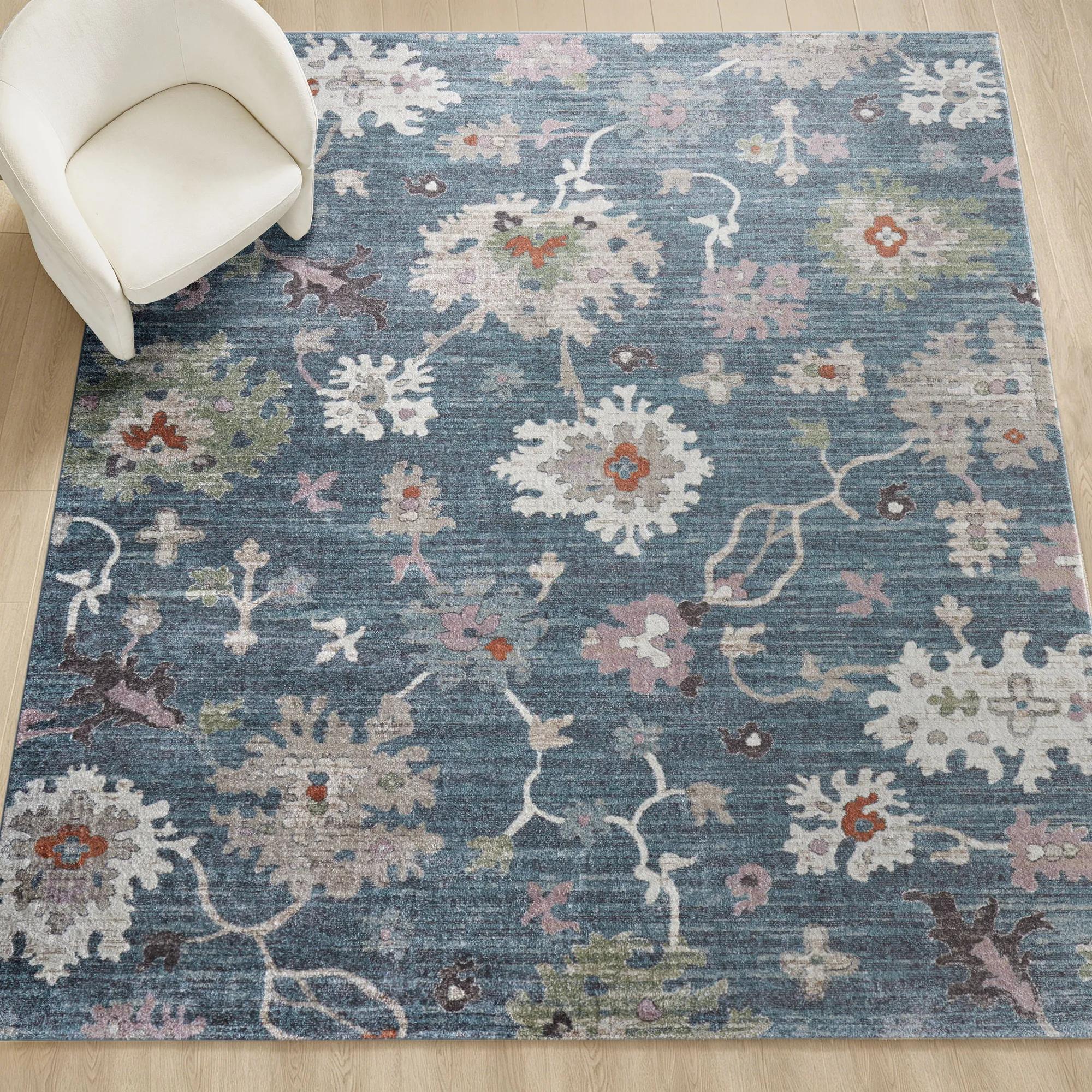
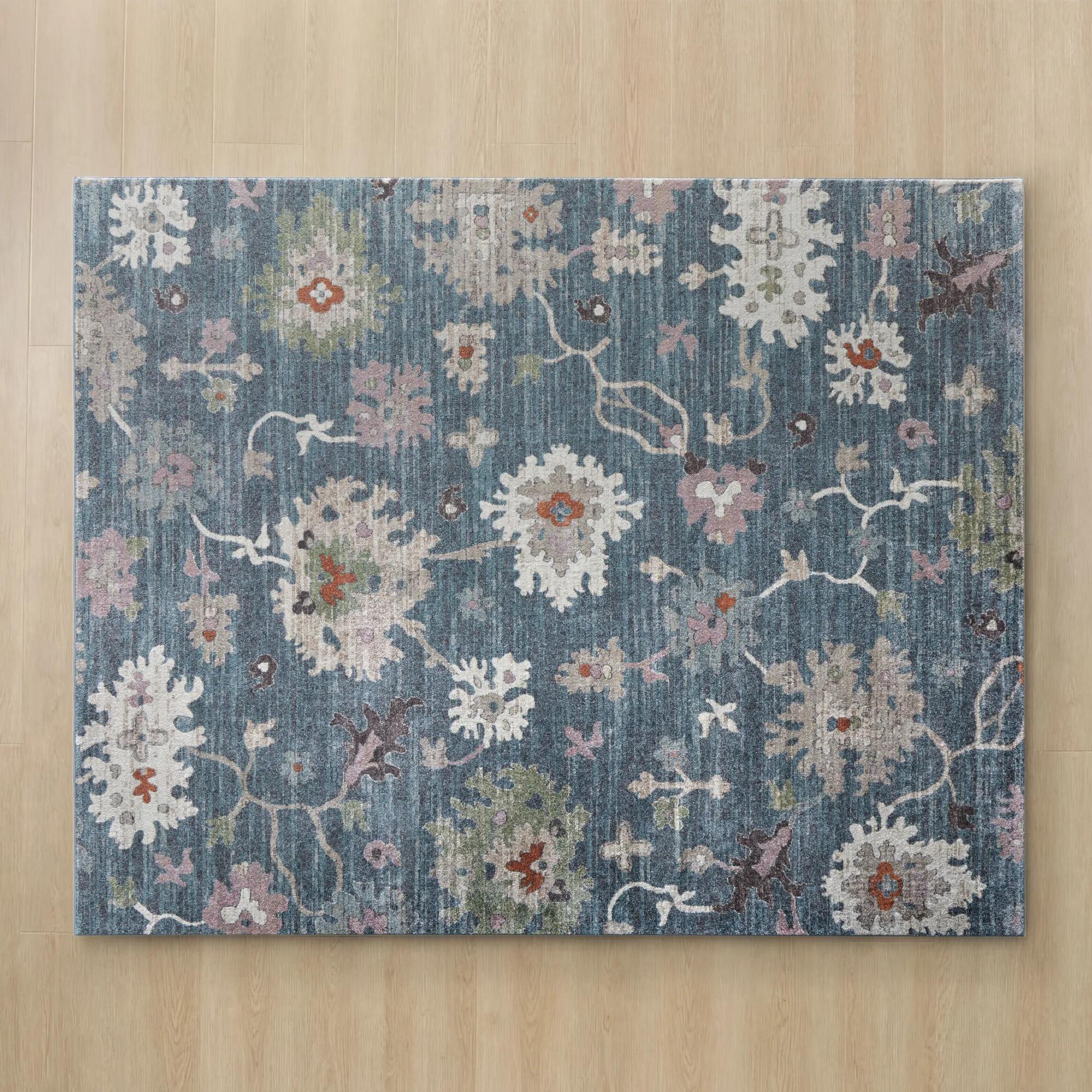 Ariella Floral Blue/Ivory/Beige/Green/Rose Dust Performance Power Loomed Rug$1399
A Persian-inspired rug in blue, ivory, beige, green, and rose dust with plush, stain-resistant polypropylene.
Add To Cart -
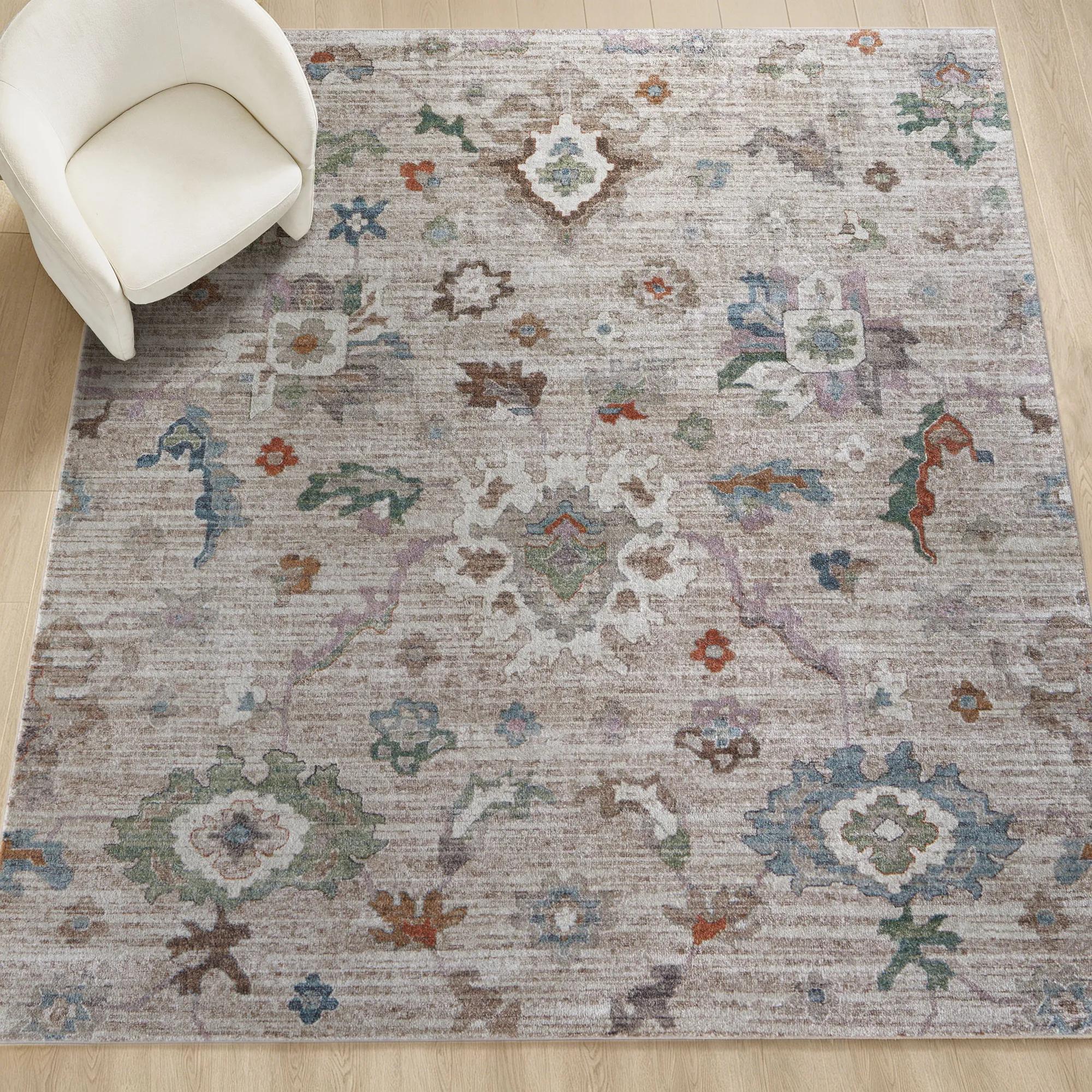
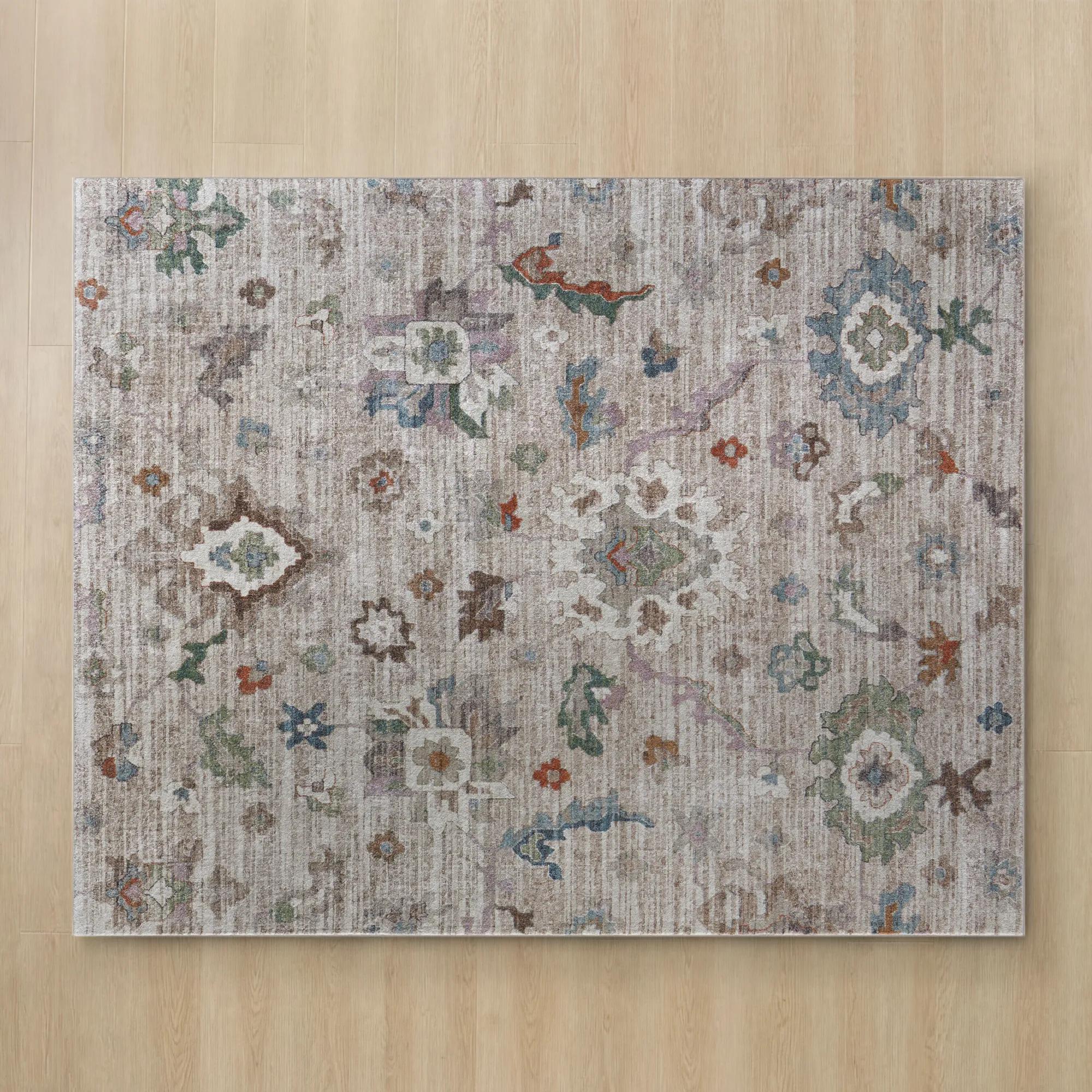 Ariella Floral Taupe/Ivory/Beige/Blue/Green Performance Power Loomed Rug$1499
A Persian-inspired rug in taupe, ivory, beige, blue, and green with a plush, power-loomed polypropylene pile.
Add To Cart -
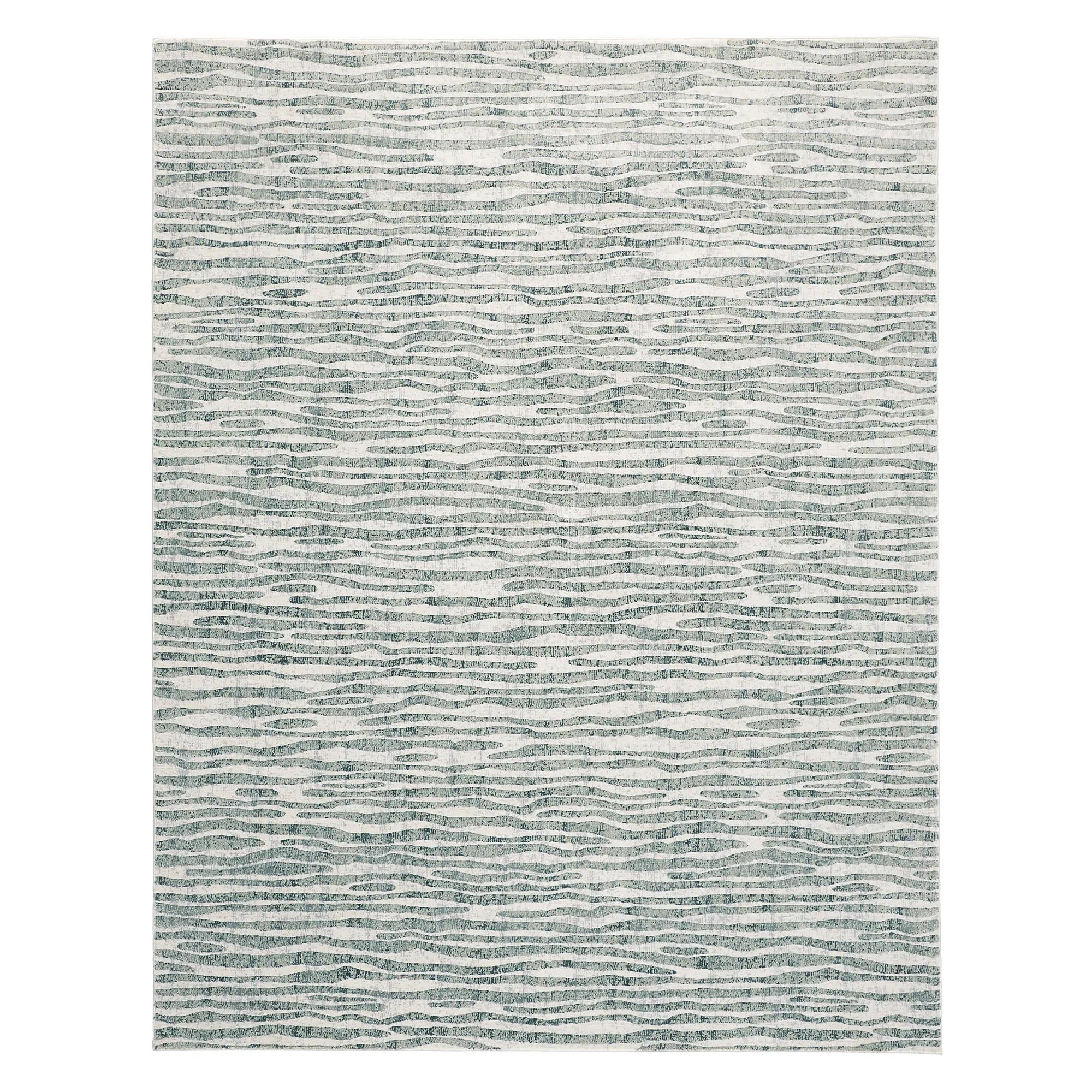 Samantha Power-Loomed Aqua/Grey Rug$719
A machine-woven rug featuring silvery-aqua and green accents on an ivory and grey polypropylene base.
Add To Cart -
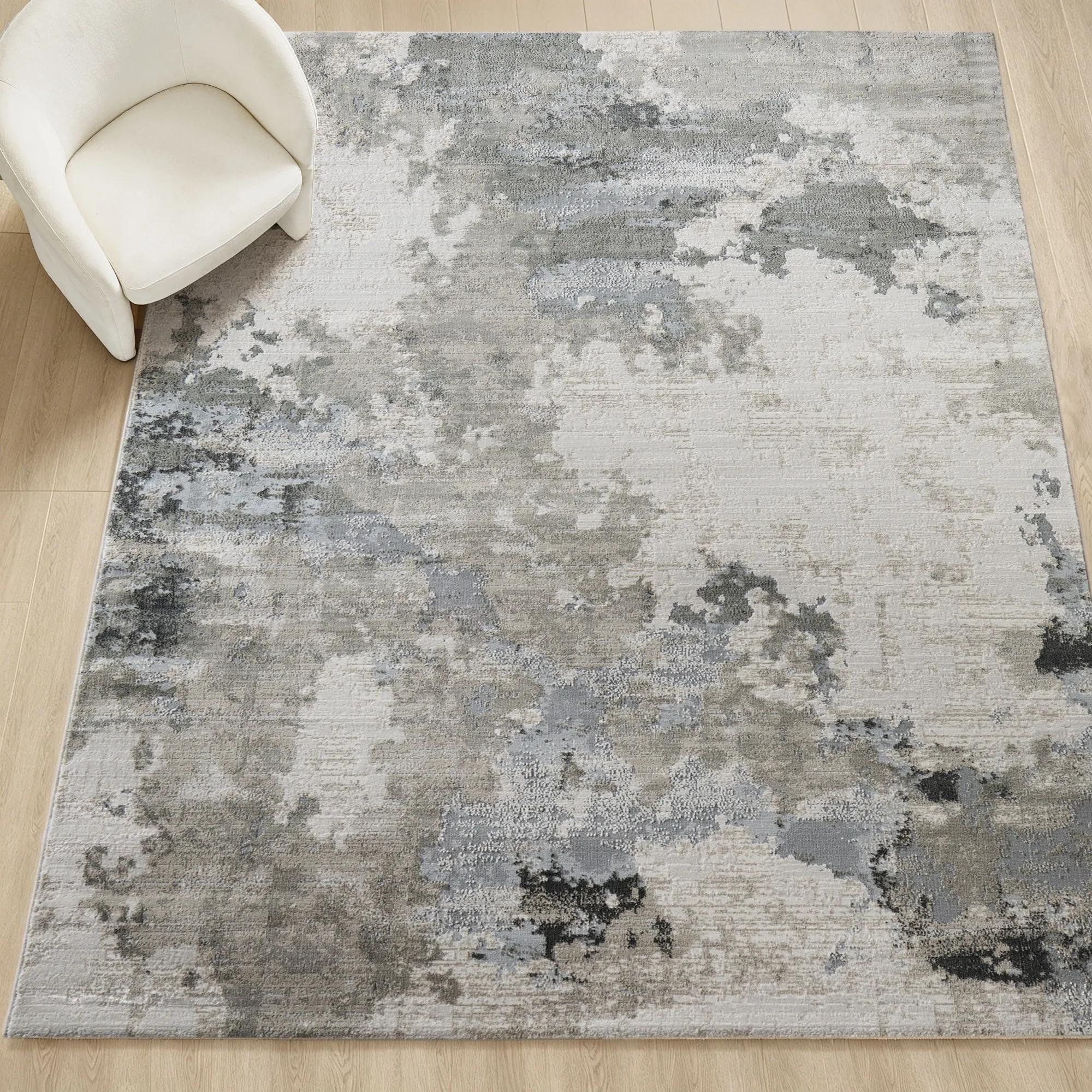 Alarion Abstract Grey/Muted Blue/Ivory Performance Power Loomed Rug$379
A power-loomed rug featuring a grey, muted blue, and ivory abstract pattern with stain-resistant durability.
Add To Cart -
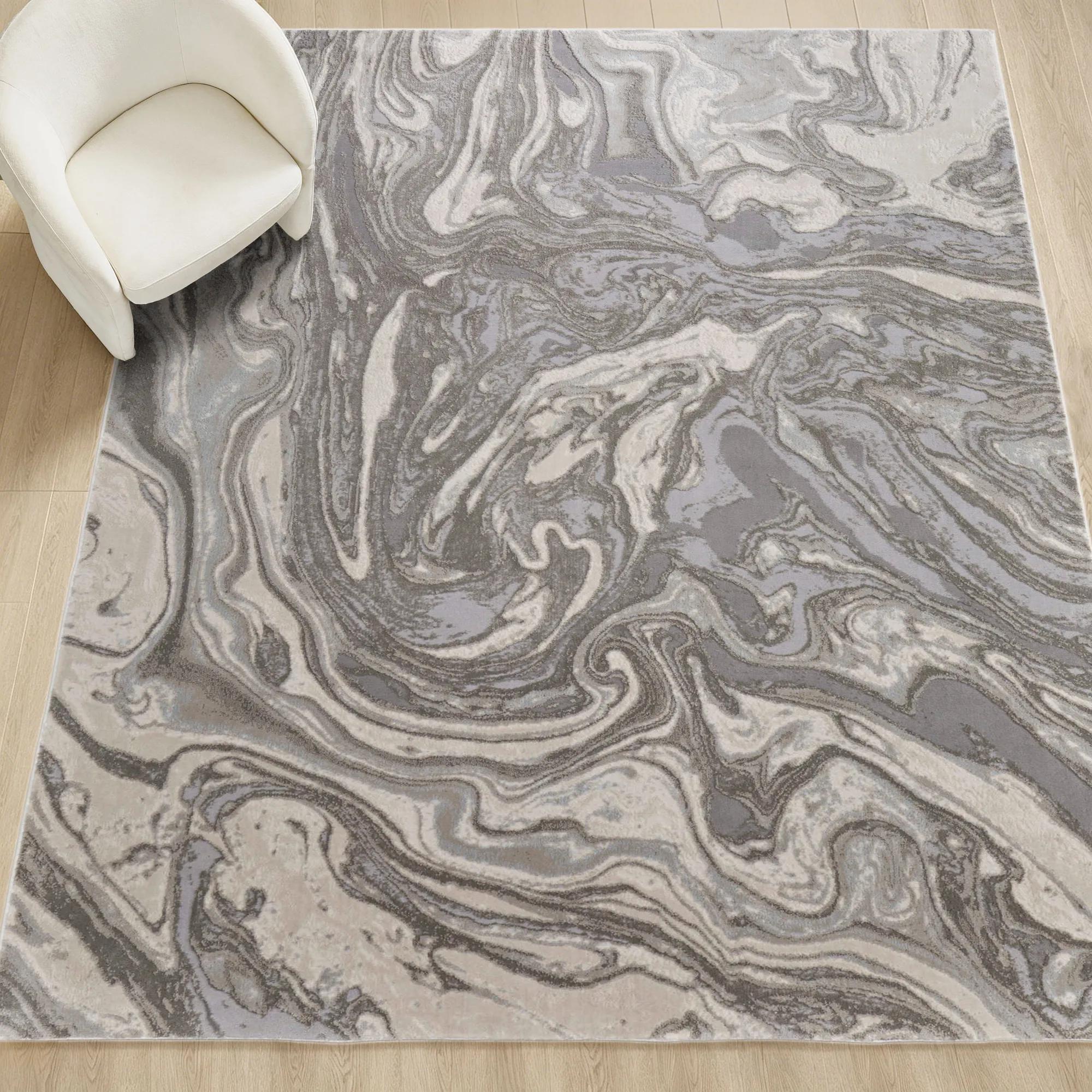
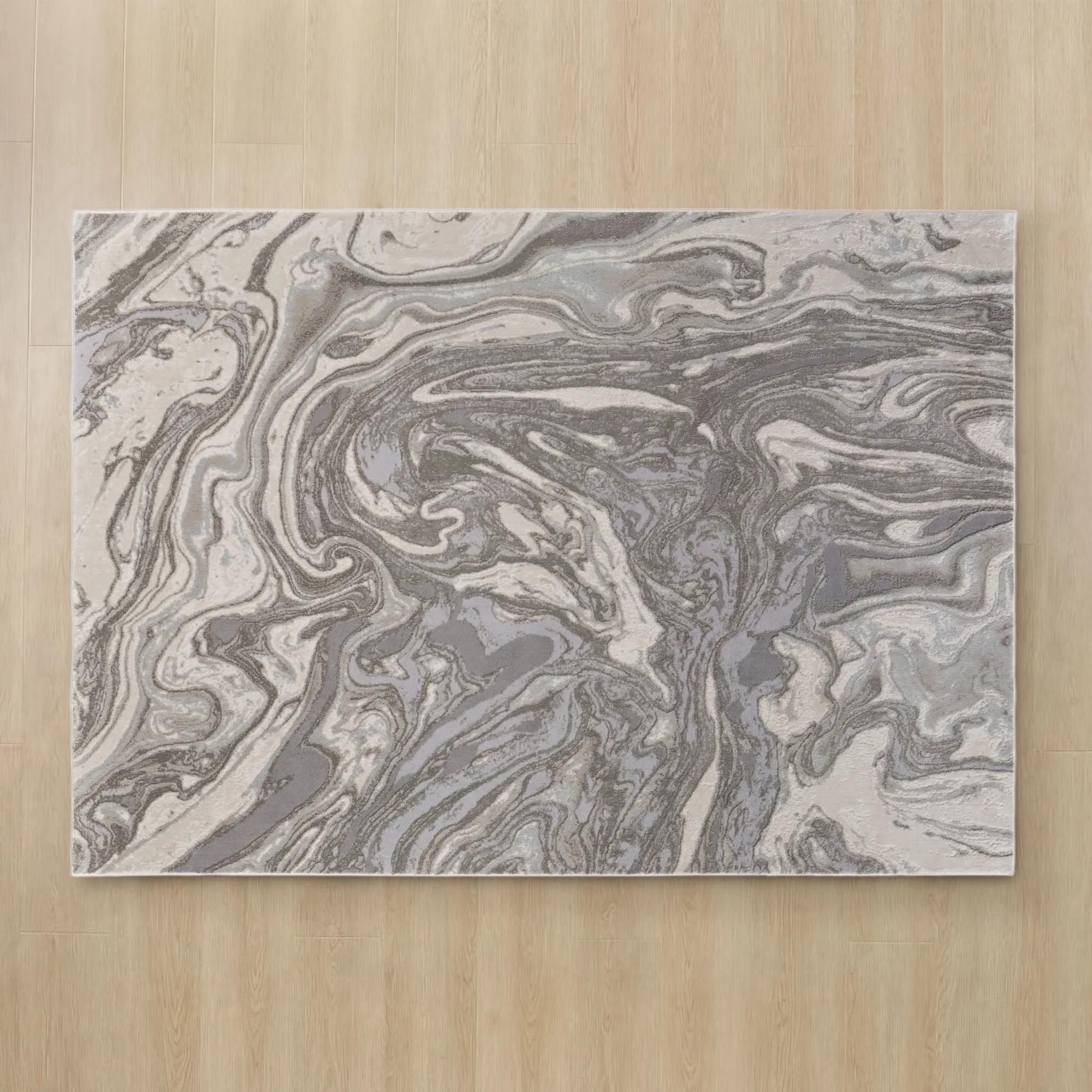 Marbre Marbled Grey/Taupe/Powder Blue Performance Power Loomed Rug$379
A softly marbled rug in grey, taupe, and powder blue with a textured, stain-resistant polypropylene blend.
Add To Cart -
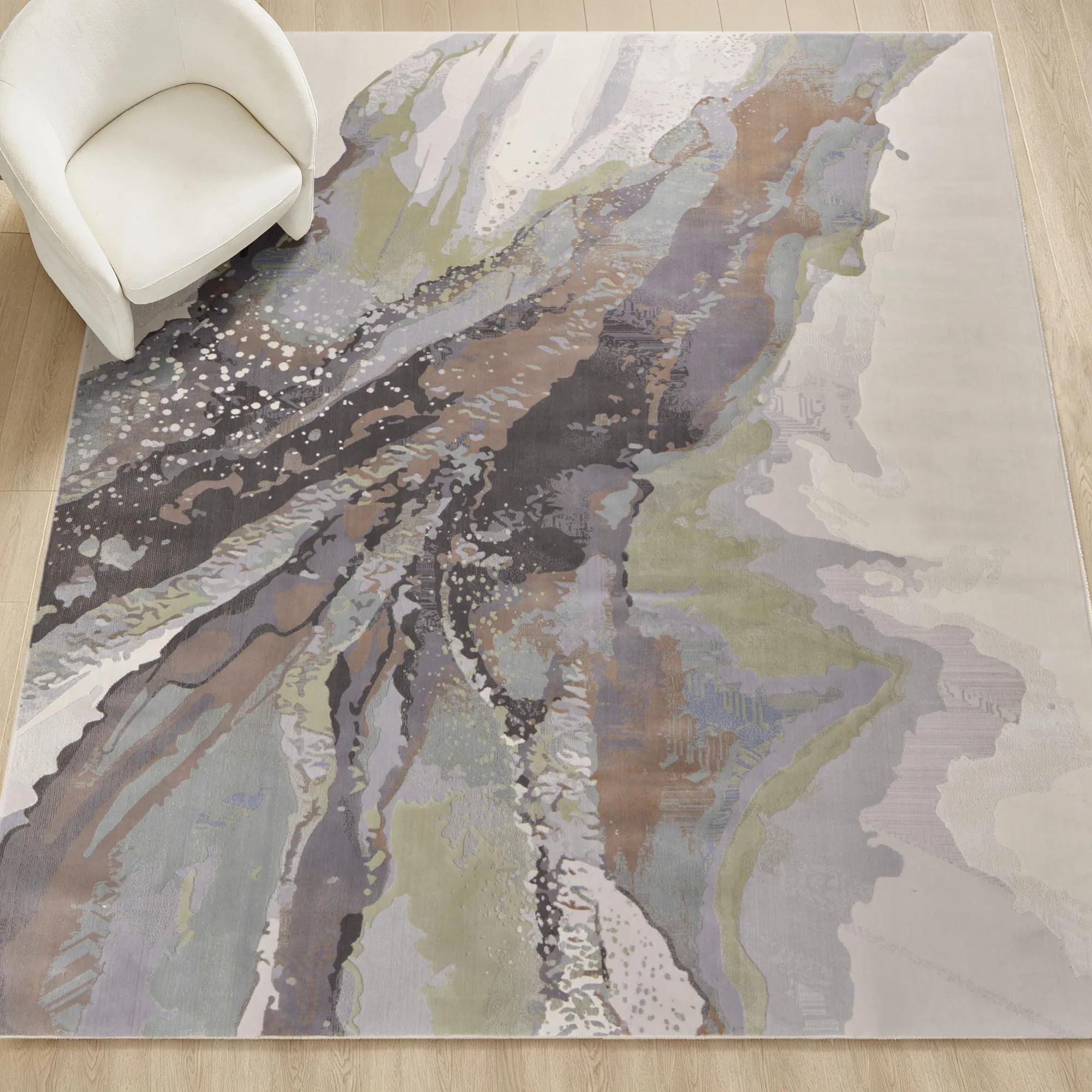
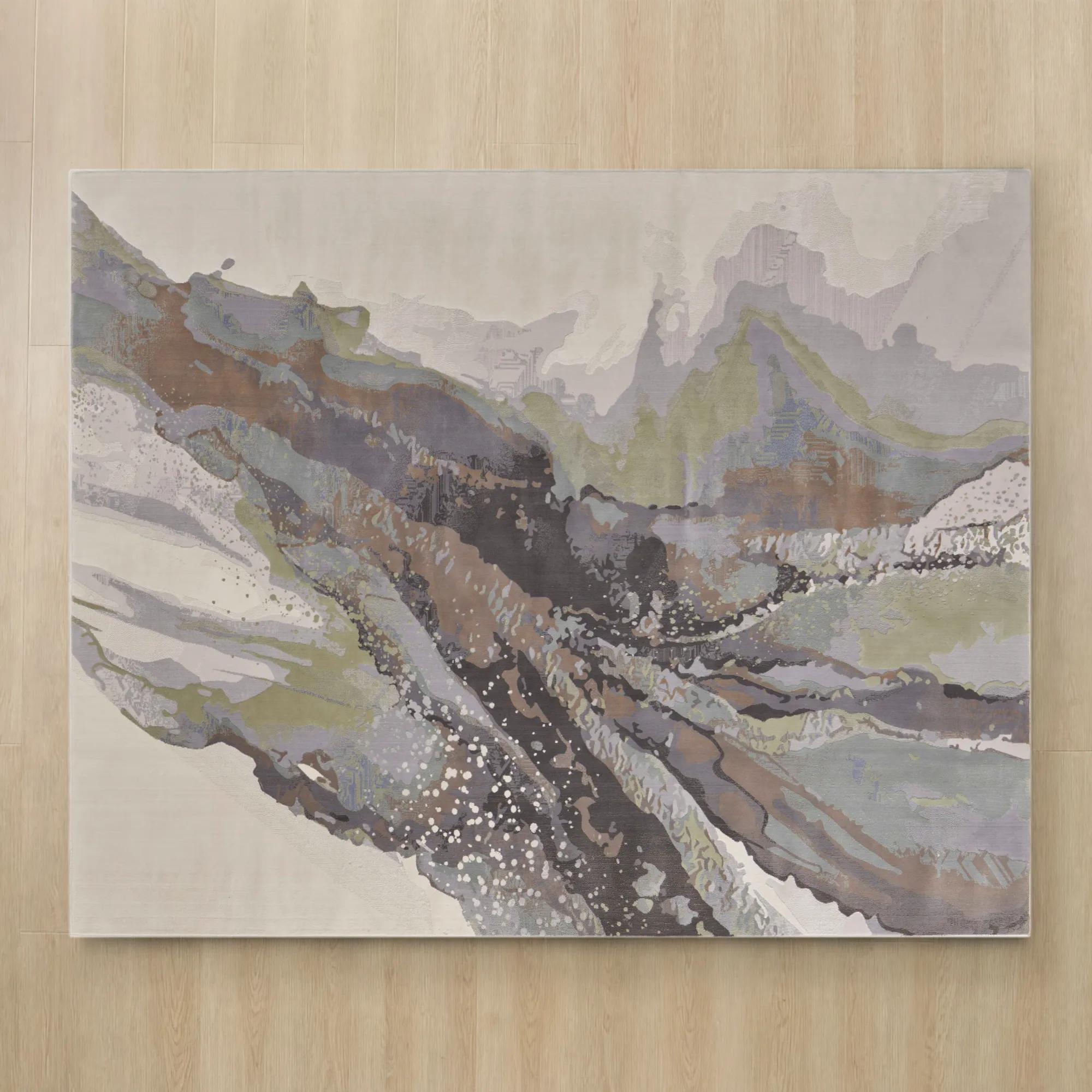 Nerissa Abstract Ivory/Grey/Blue/Green Performance Power Loomed Rug$449
An abstract rug in ivory, grey, blue, and green with a textured, stain-resistant polypropylene-polyester blend.
Add To Cart -
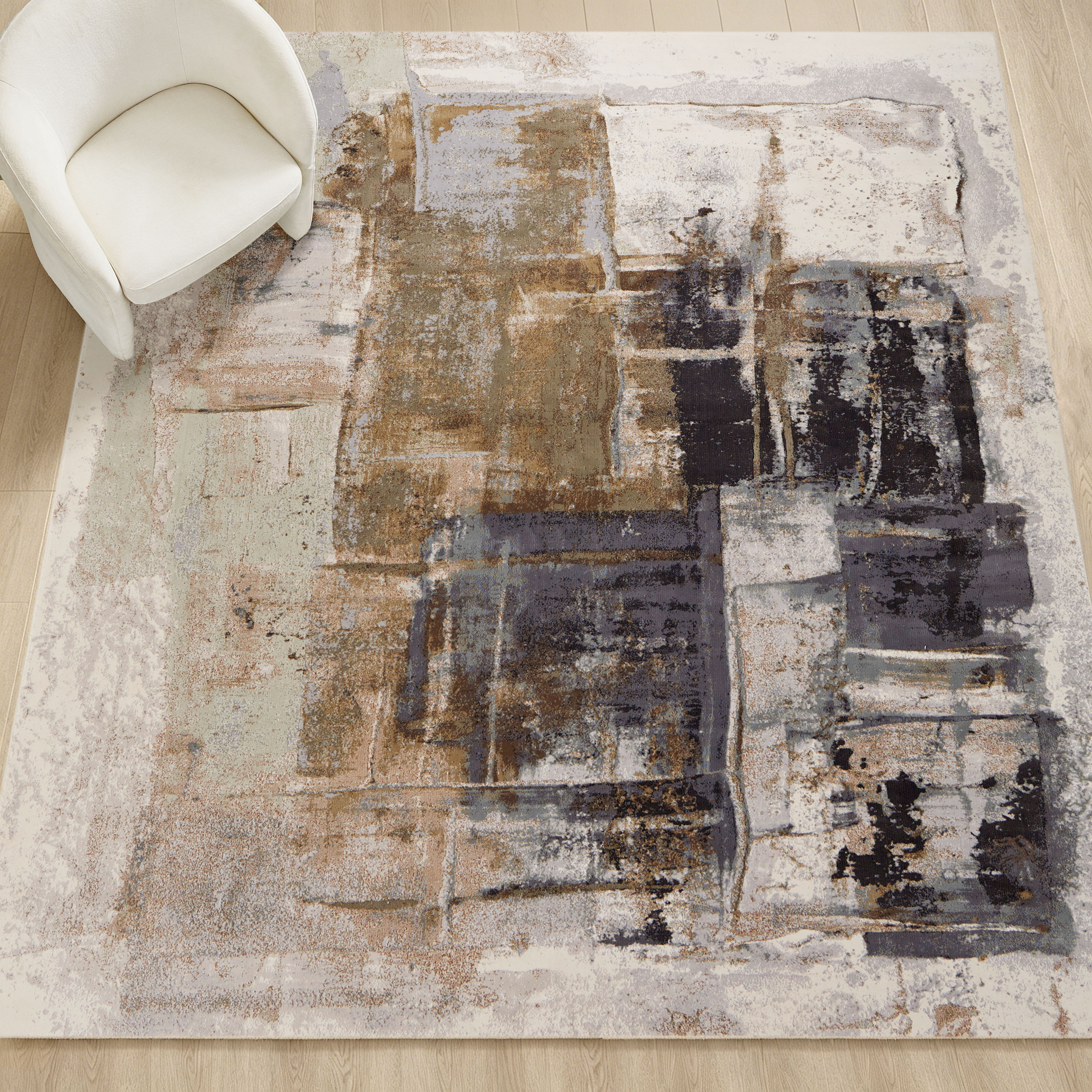
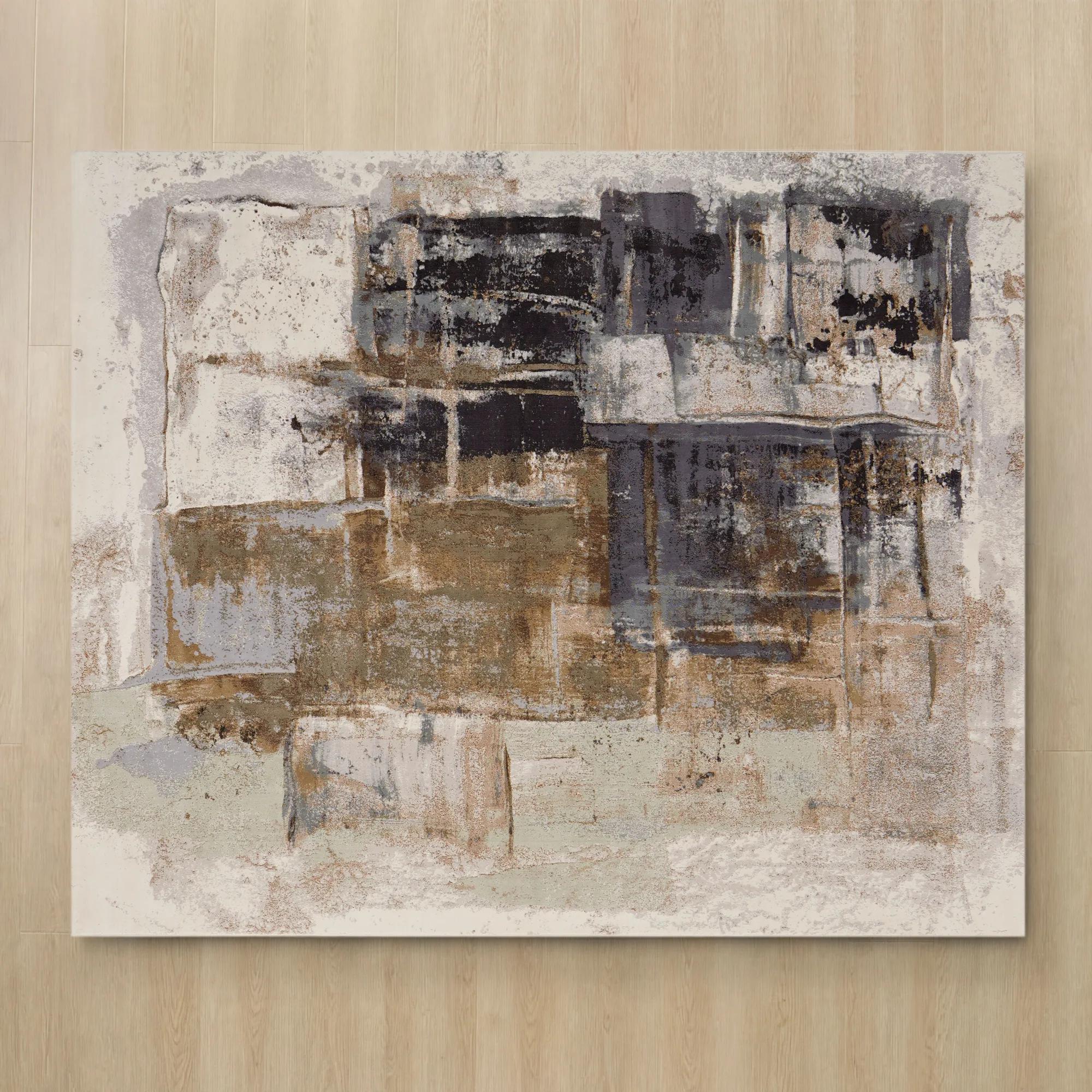 Gaia Abstract Grey/Charcoal/Ivory/Gold/Blue Performance Power Loomed Rug$449
An abstract rug in grey, charcoal, ivory, gold, and blue with a soft, stain-resistant performance blend.
Add To Cart -
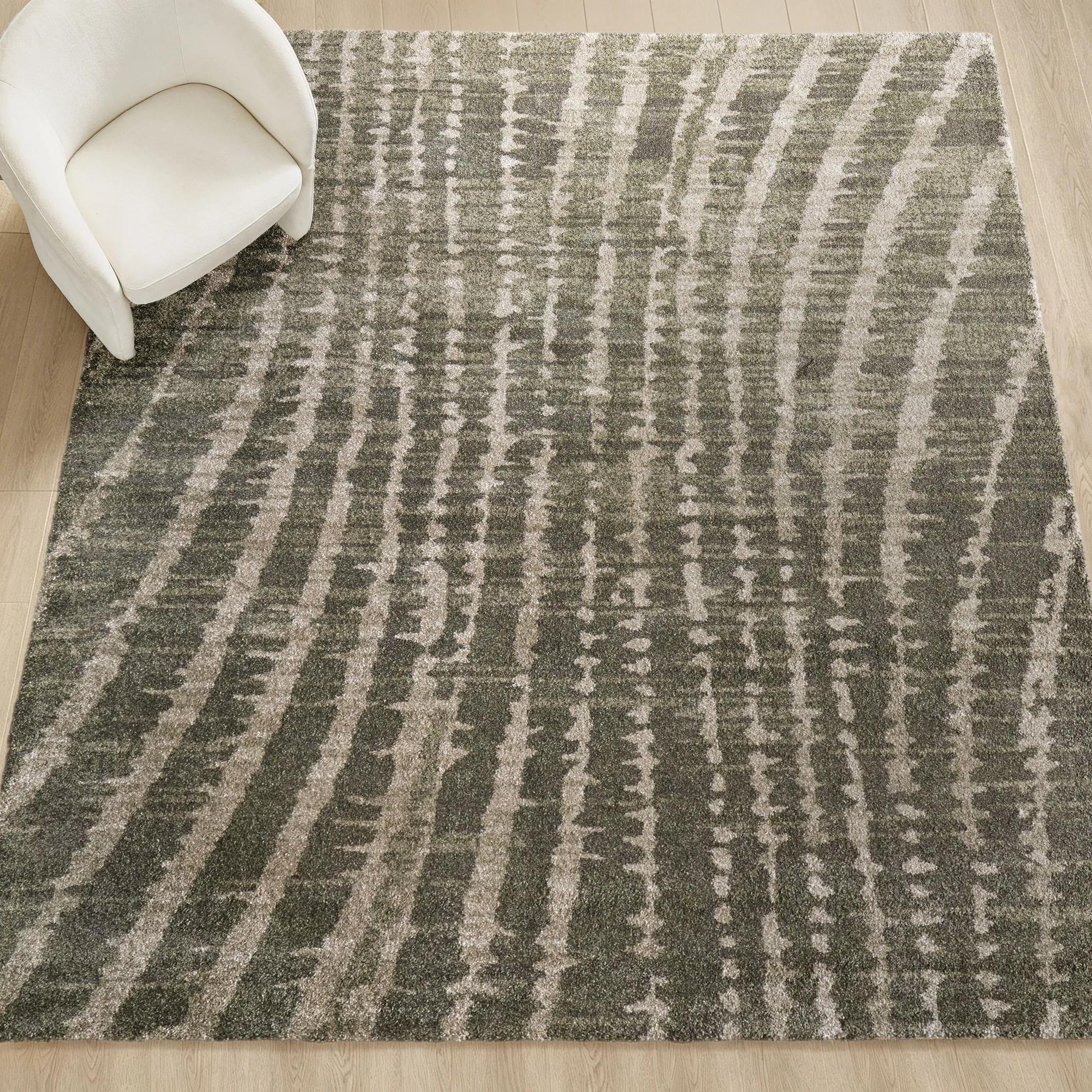
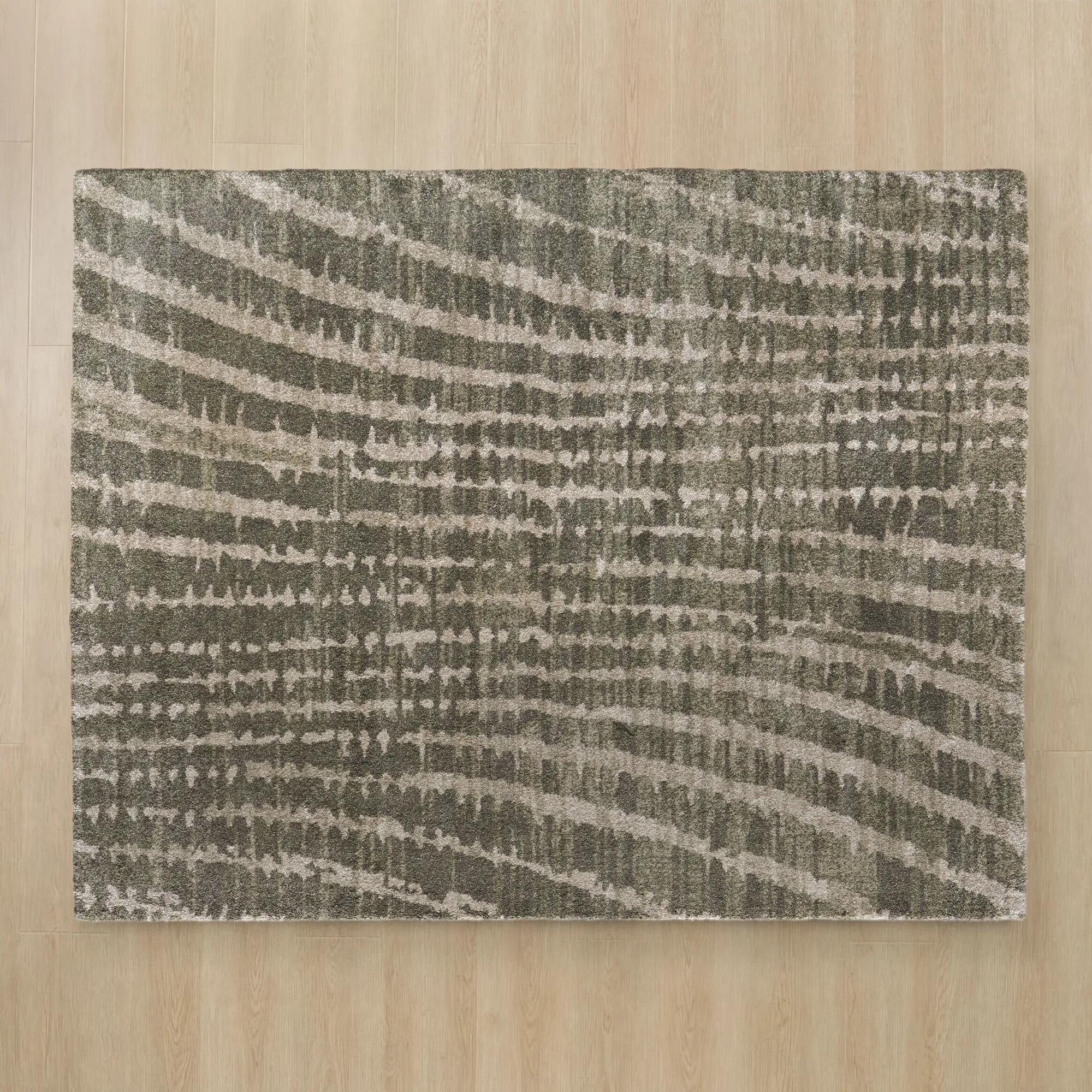 Tempo Green/Grey/Beige Performance Power Loomed Rug$1649
An abstract charcoal grey and beige rug with plush cut pile and durable, stain-resistant polypropylene-polyester construction.
Add To Cart -
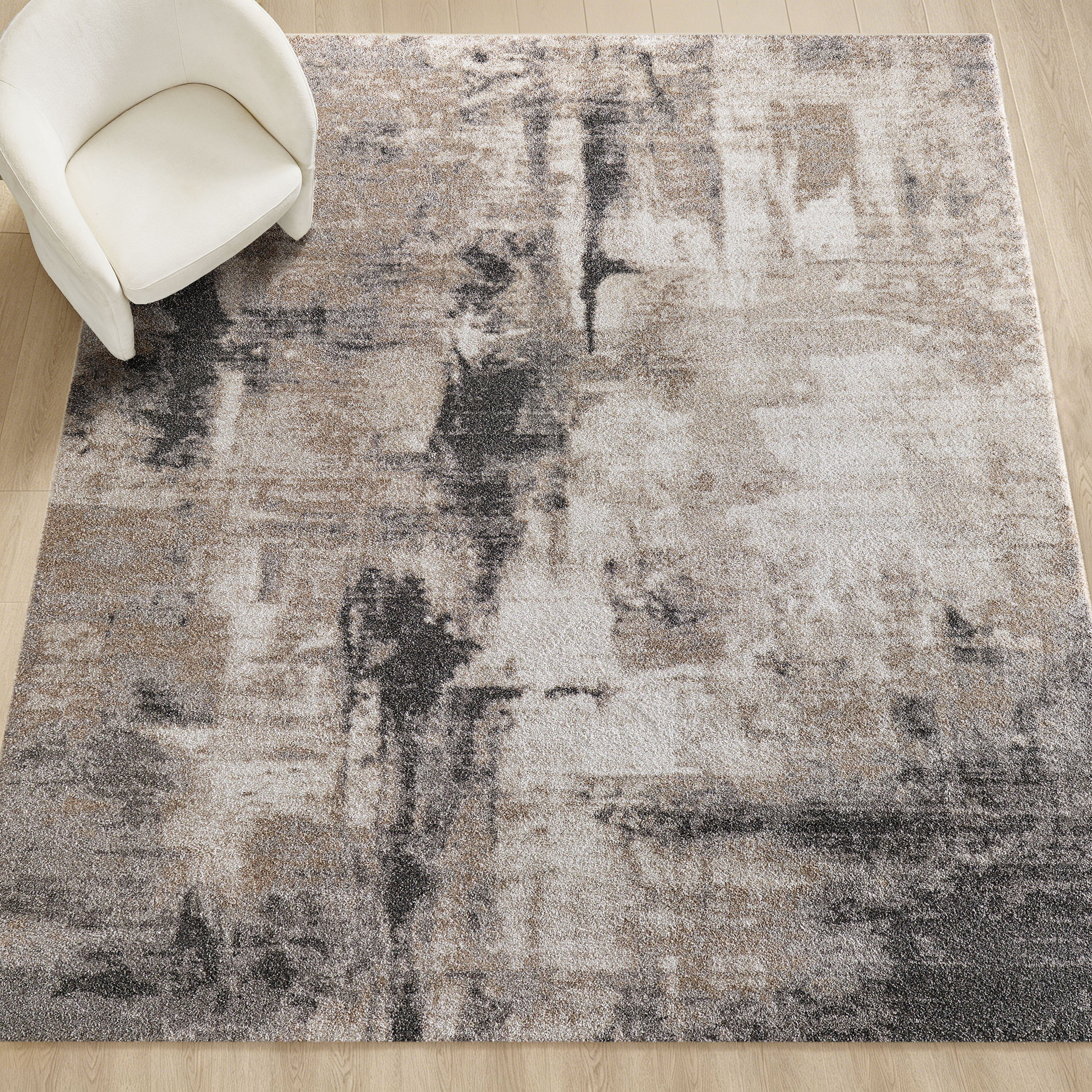
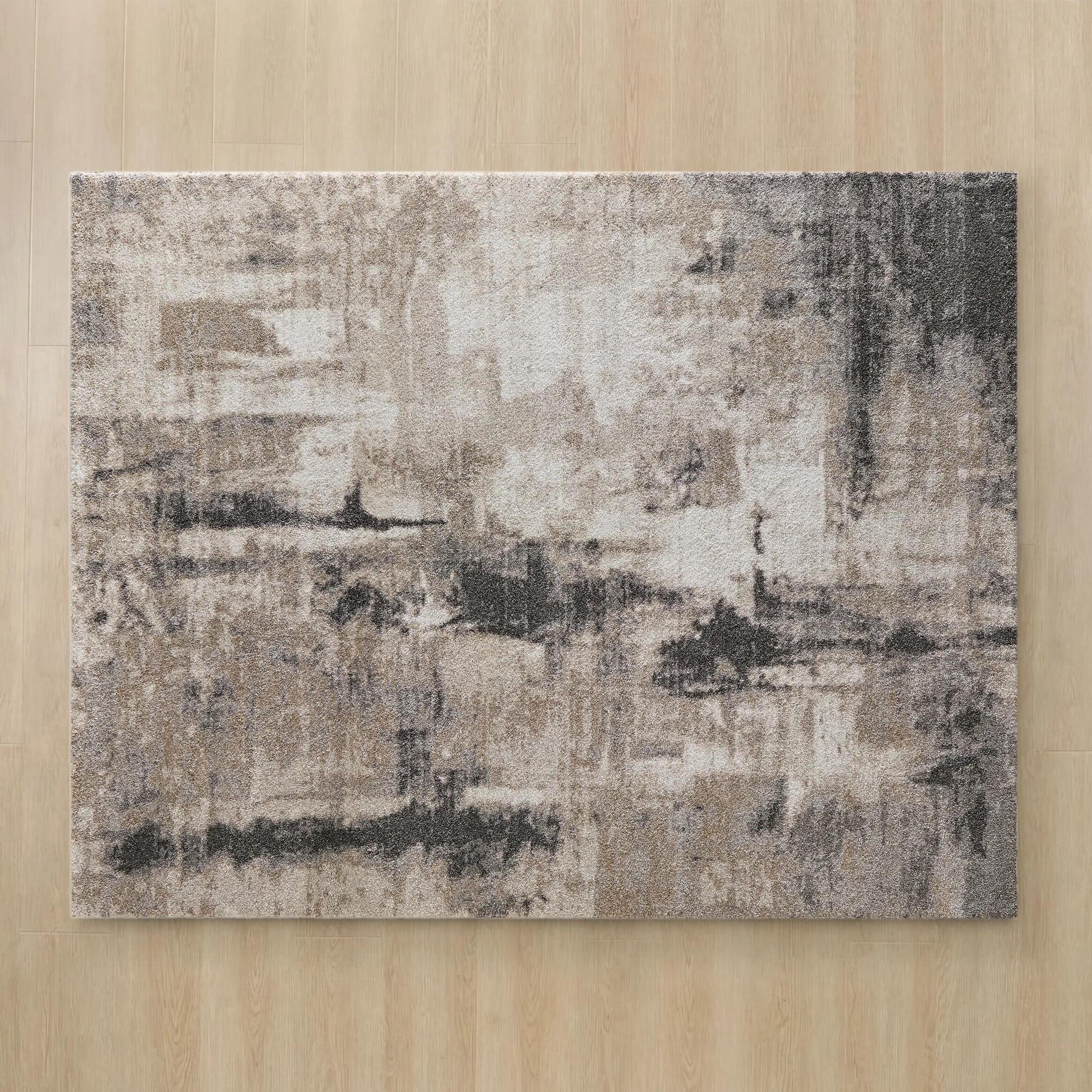 Atlas Abstract Grey/Taupe/Ivory/Charcoal Performance Power Loomed Rug$399
An abstract rug in grey, taupe, ivory, and charcoal with a plush, stain-resistant polypropylene blend.
Add To Cart -
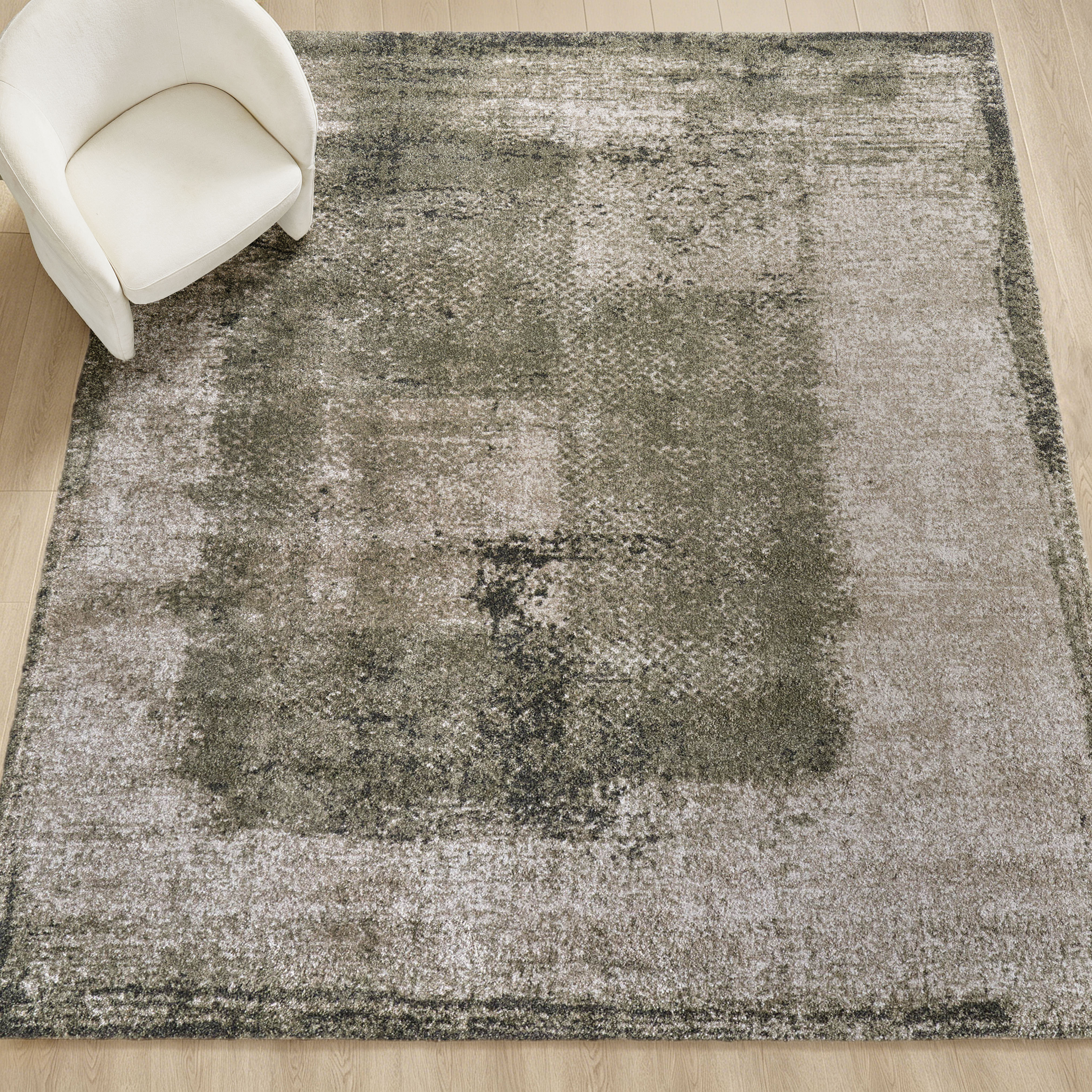
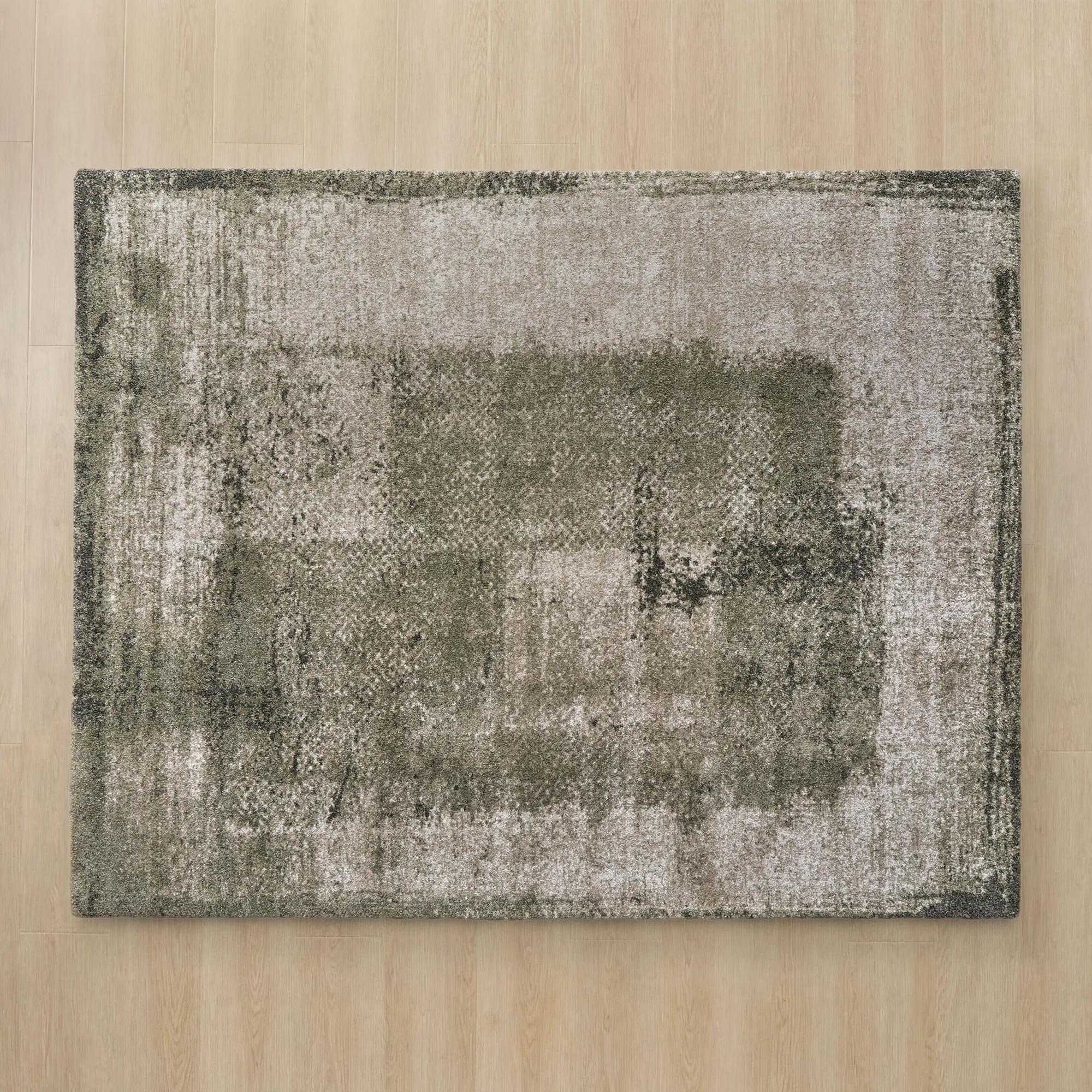 Irving Abstract Moss Green/Beige/Grey Performance Power Loomed Rug$1649
An abstract rug in moss green, beige, and grey with plush, durable polypropylene and polyester construction.
Add To Cart -
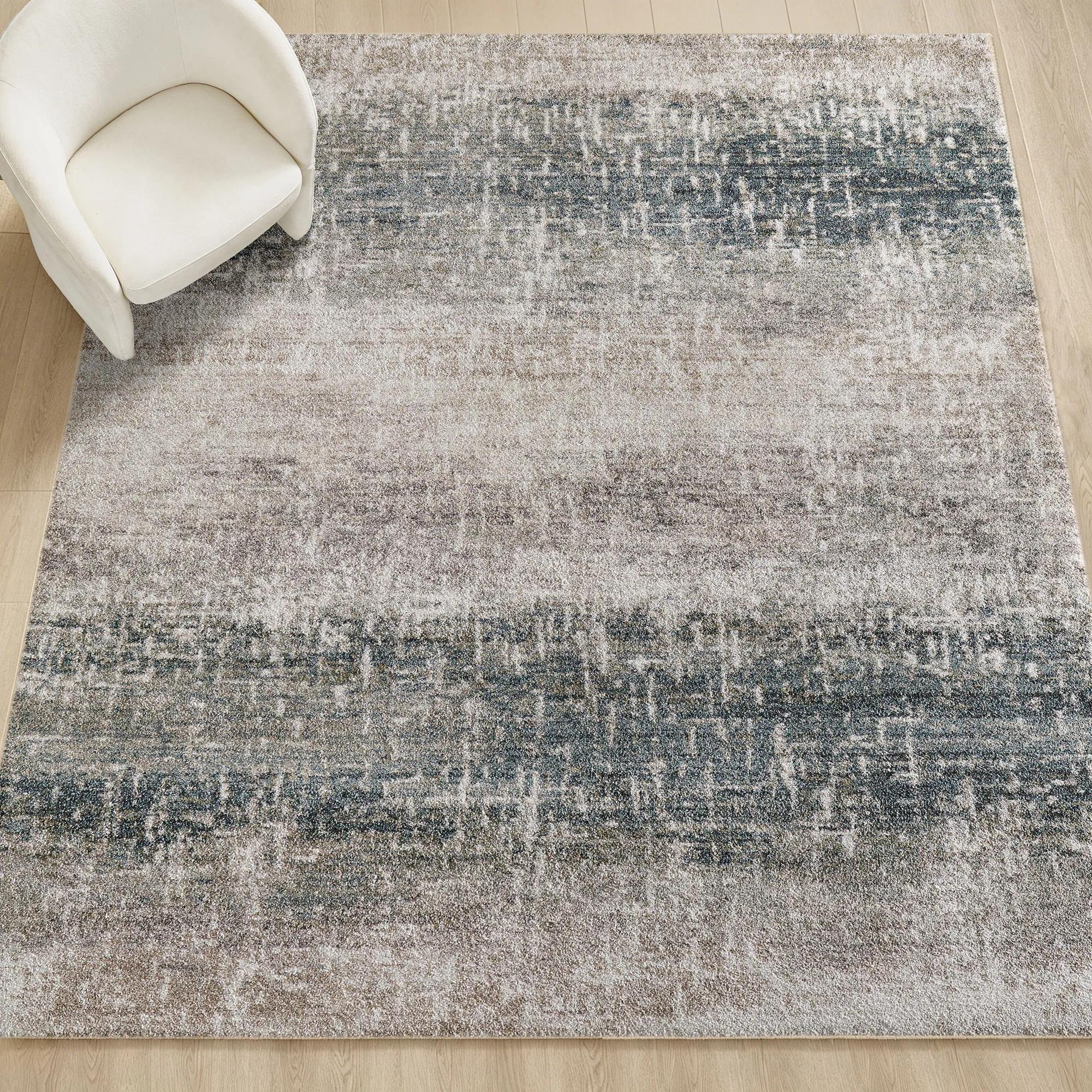
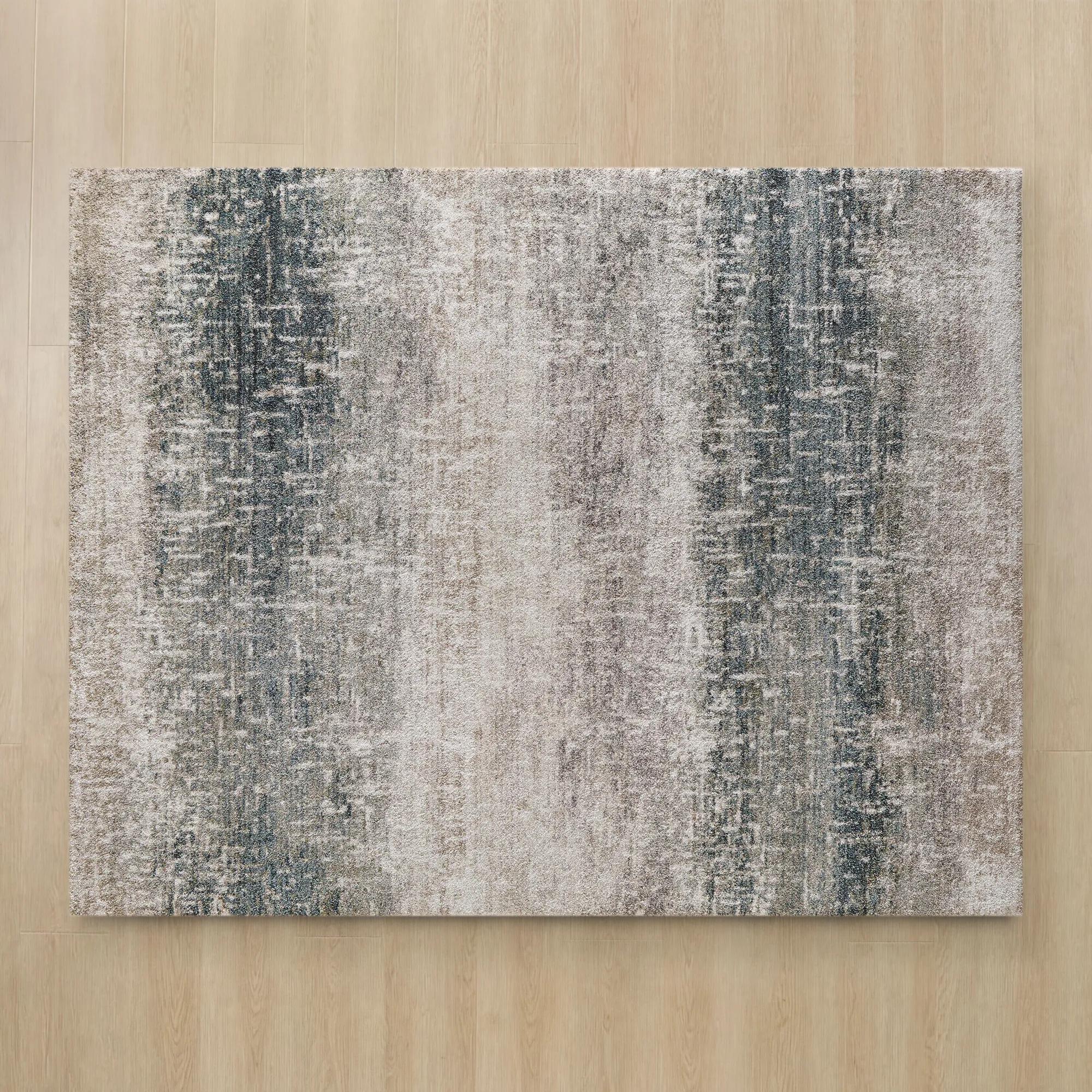 Collier Taupe/Grey/Blue/Green Performance Power Loomed Rug$1649
An abstract rug in taupe, grey, blue, and green with a plush pile and durable, easy-care blend.
Add To Cart -
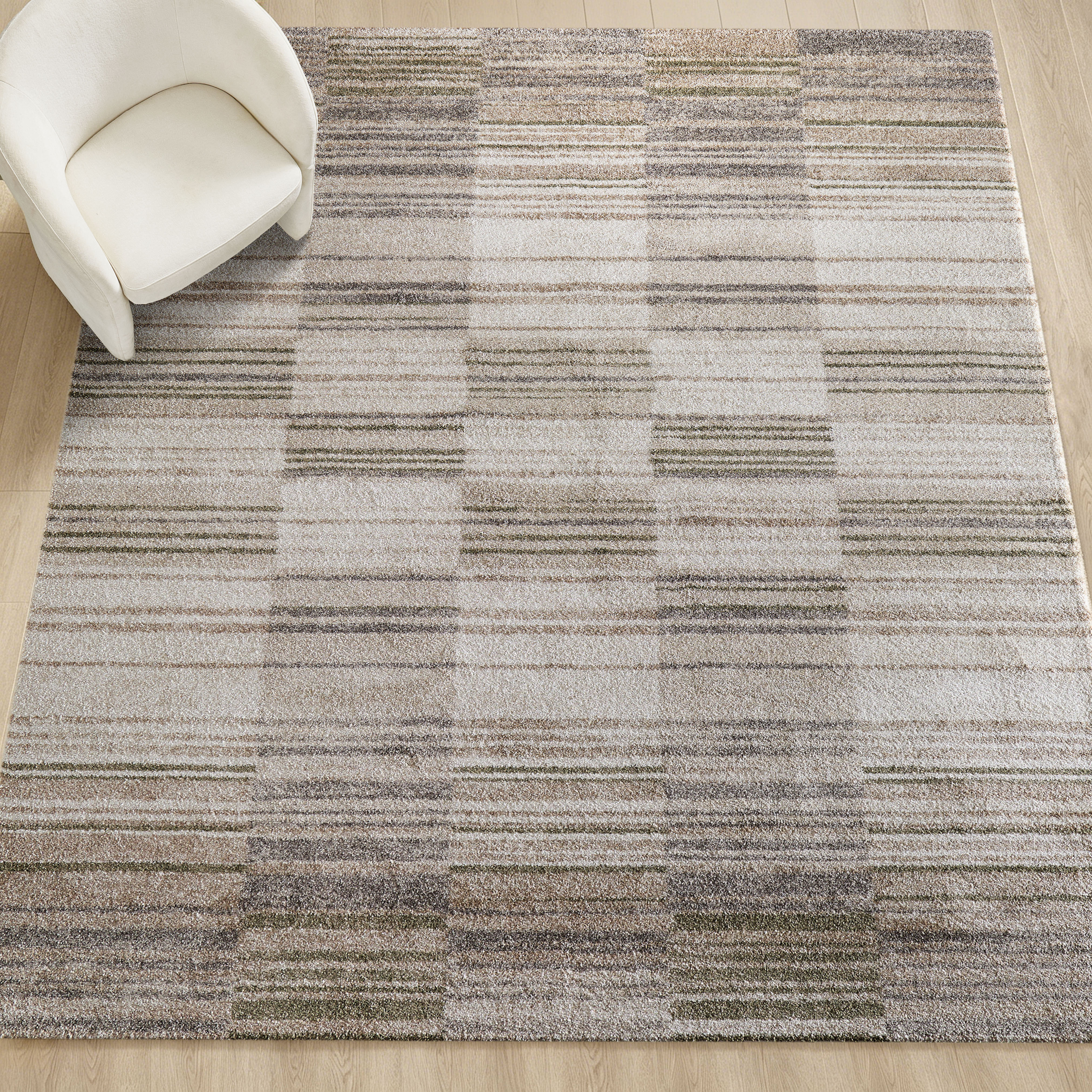
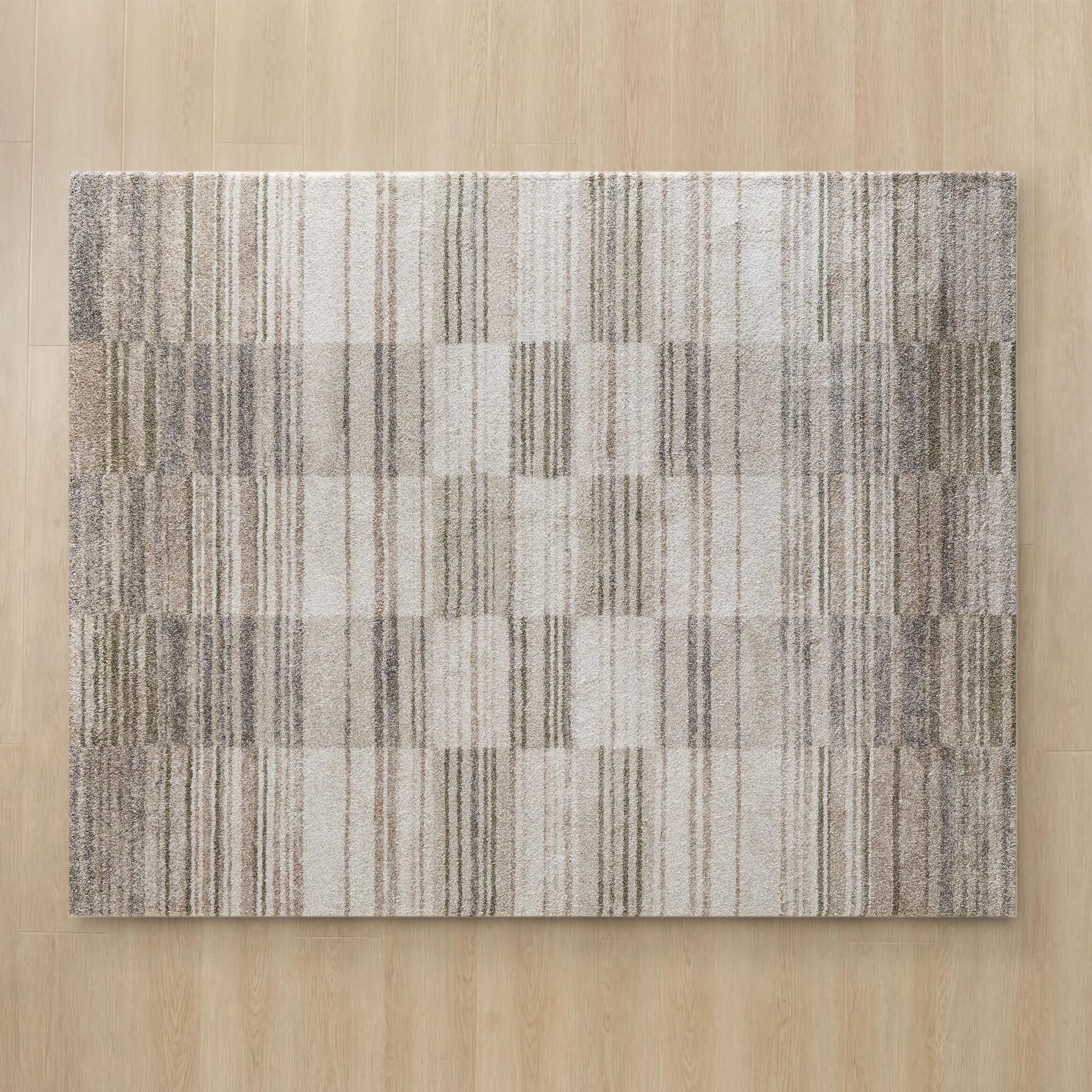 Checka Grey/Tan/Ivory/Soft Green Performance Power Loomed Rug$399
A plush, power-loomed rug featuring a soft check pattern in grey, tan, ivory, and green.
Add To Cart -
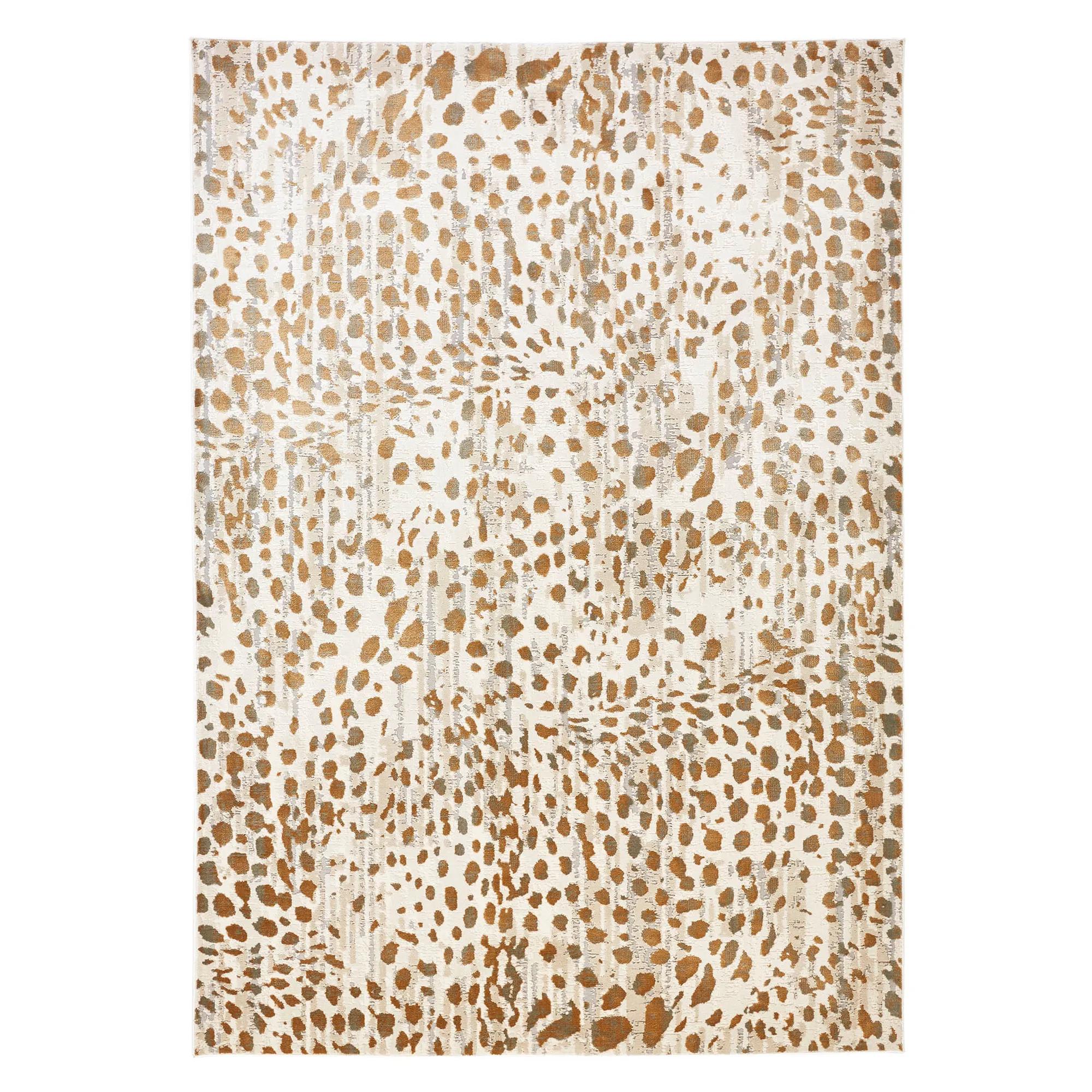
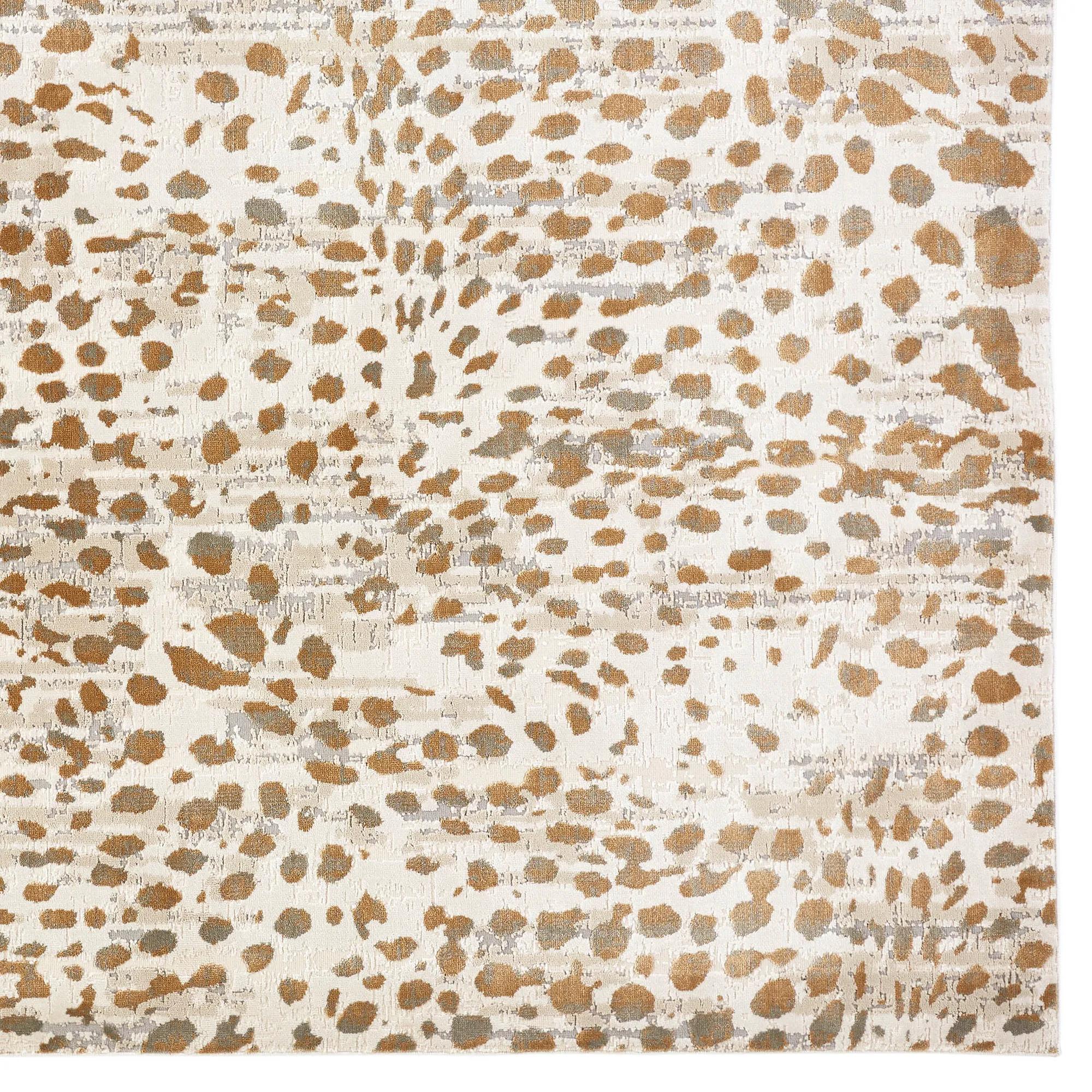 Amur Ivory/Natural Animal Print Power-Loomed Rug$399
A hand-tufted wool and viscose rug featuring a gold chain link design on neutral grey.
Add To Cart -
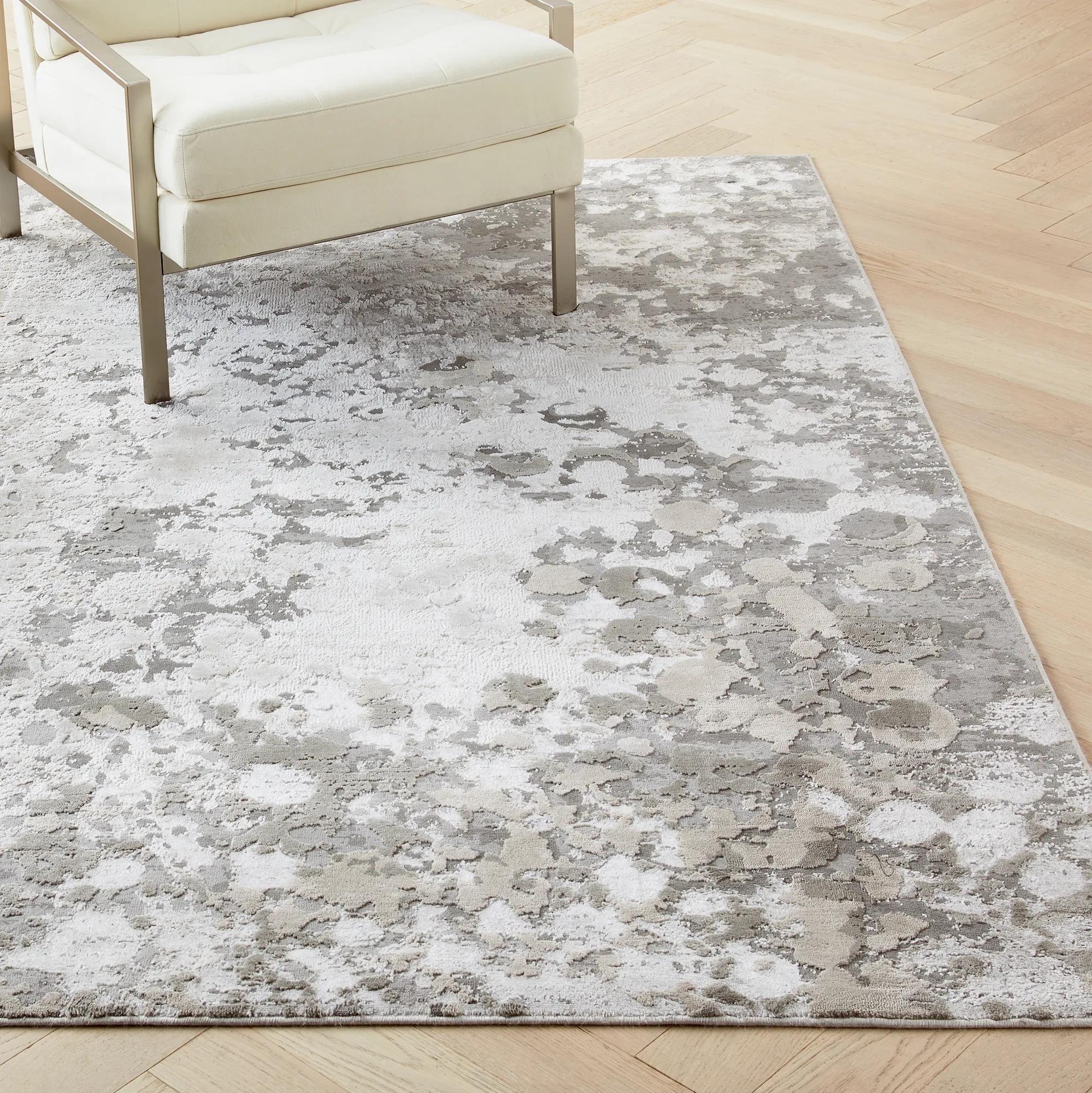 Mercury Power-Loomed Silver/Grey/Beige Rug$1649
A textured rug in silver, grey, and beige crafted from polyester, polypropylene, jute, and cotton.
Add To Cart -
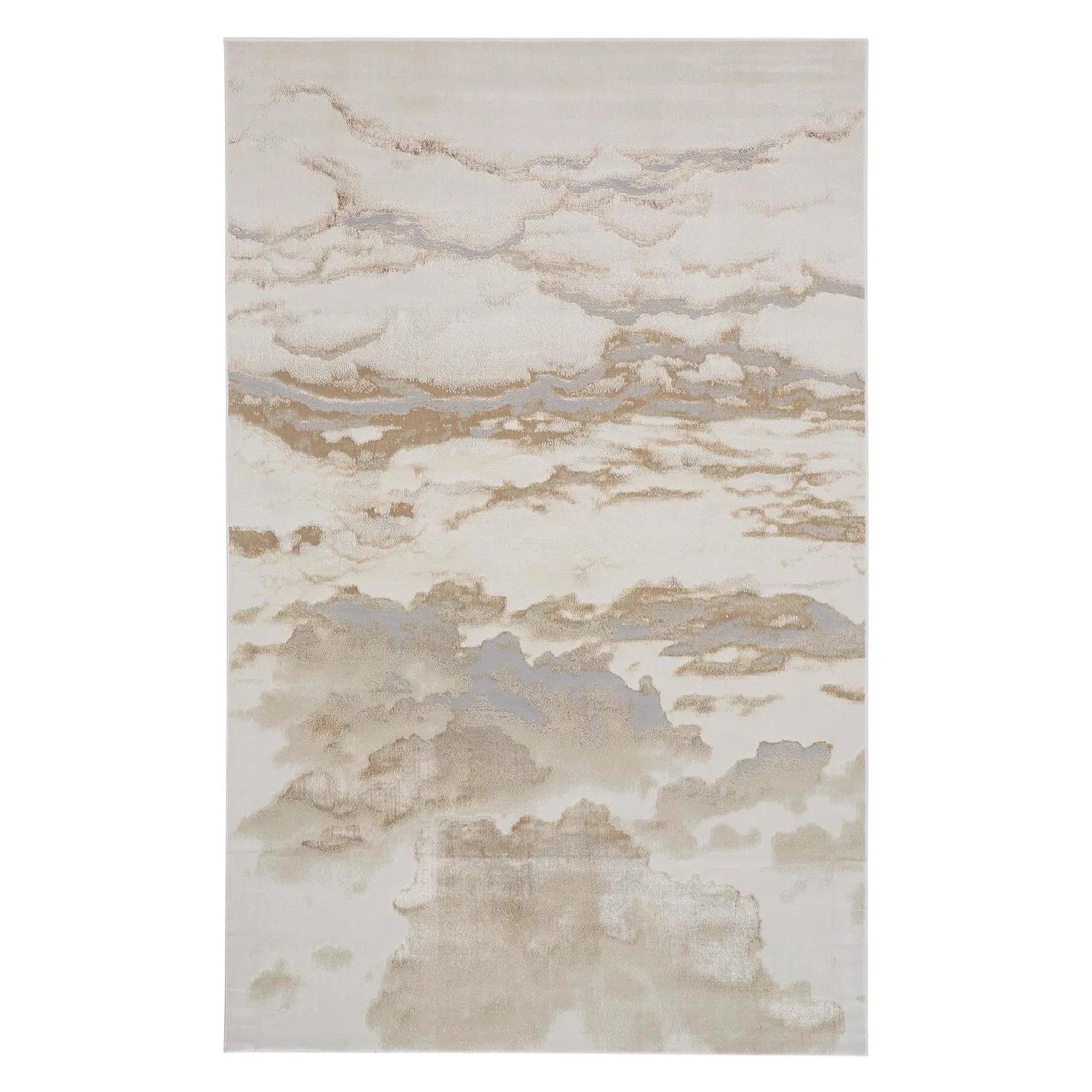
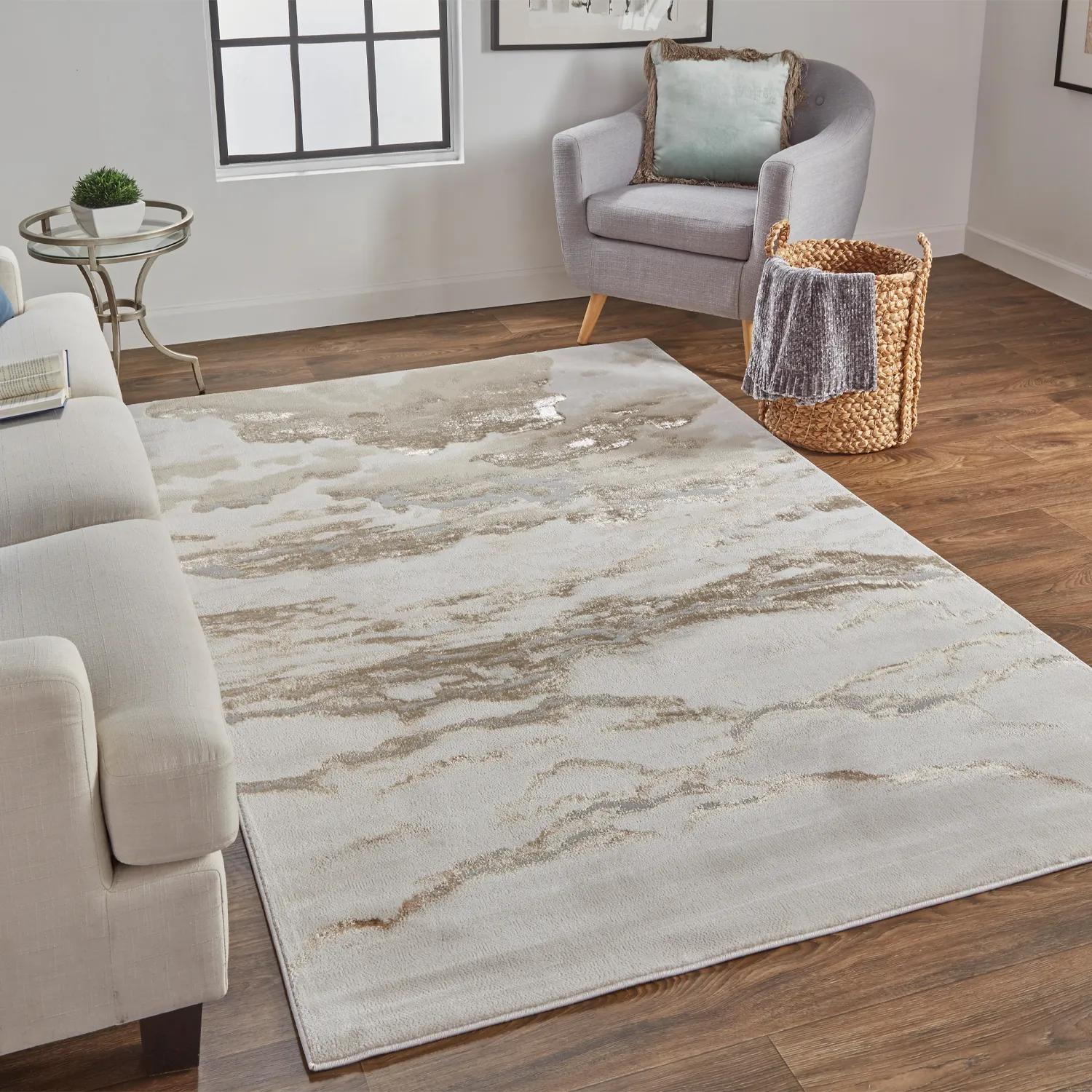 Tide Power-Loomed Beige/Gold/Ivory Rug$899
A machine-made rug in beige and gold, crafted from ultra-soft polyester and polypropylene for elegant spaces.
Add To Cart -
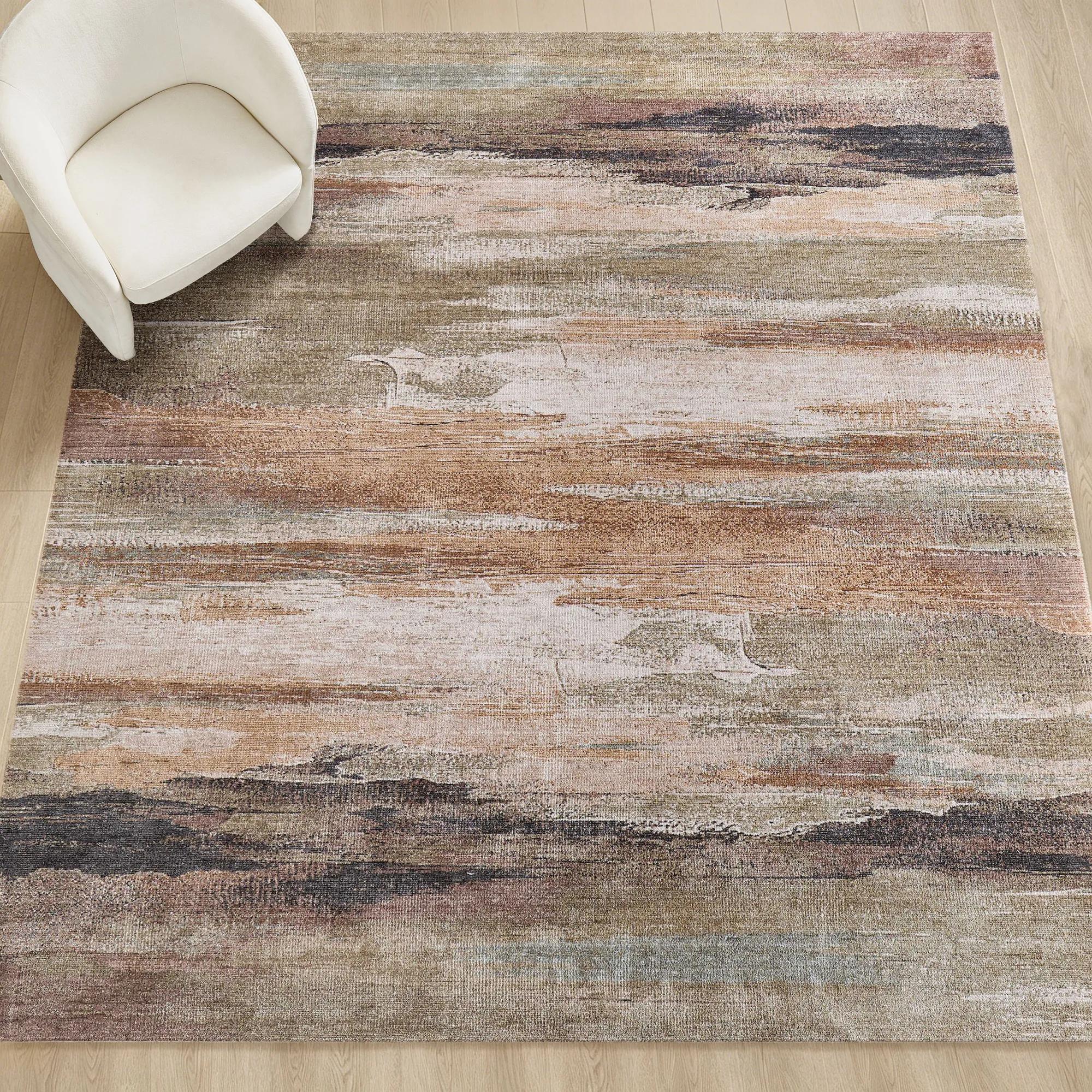
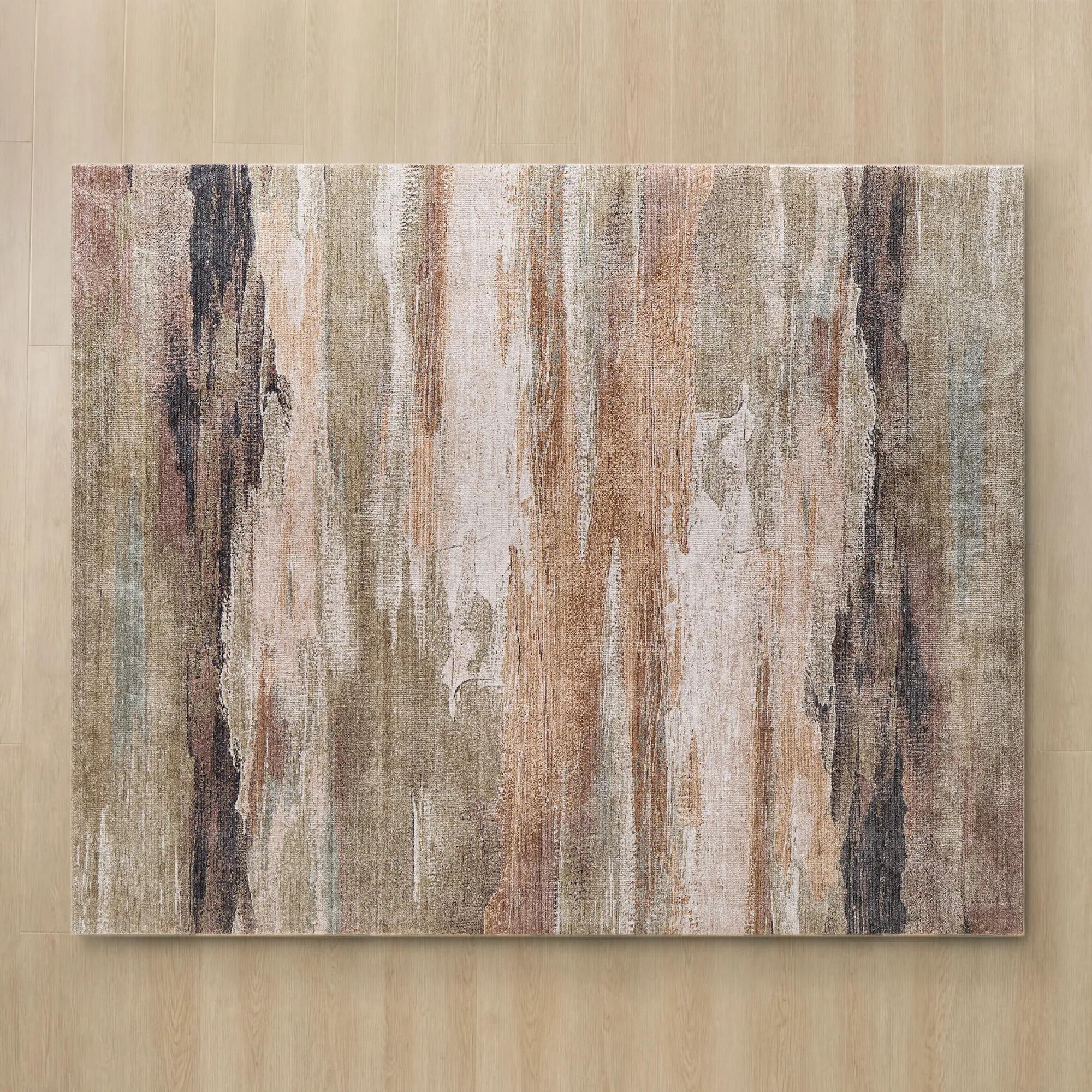 Sedona Rust/Beige/Moss Green/Charocal/Blue Performance Power Loomed Rug$599
A plush, power-loomed polyester rug featuring a rich abstract pattern in rust, beige, moss green, charcoal, and blue.
Add To Cart -
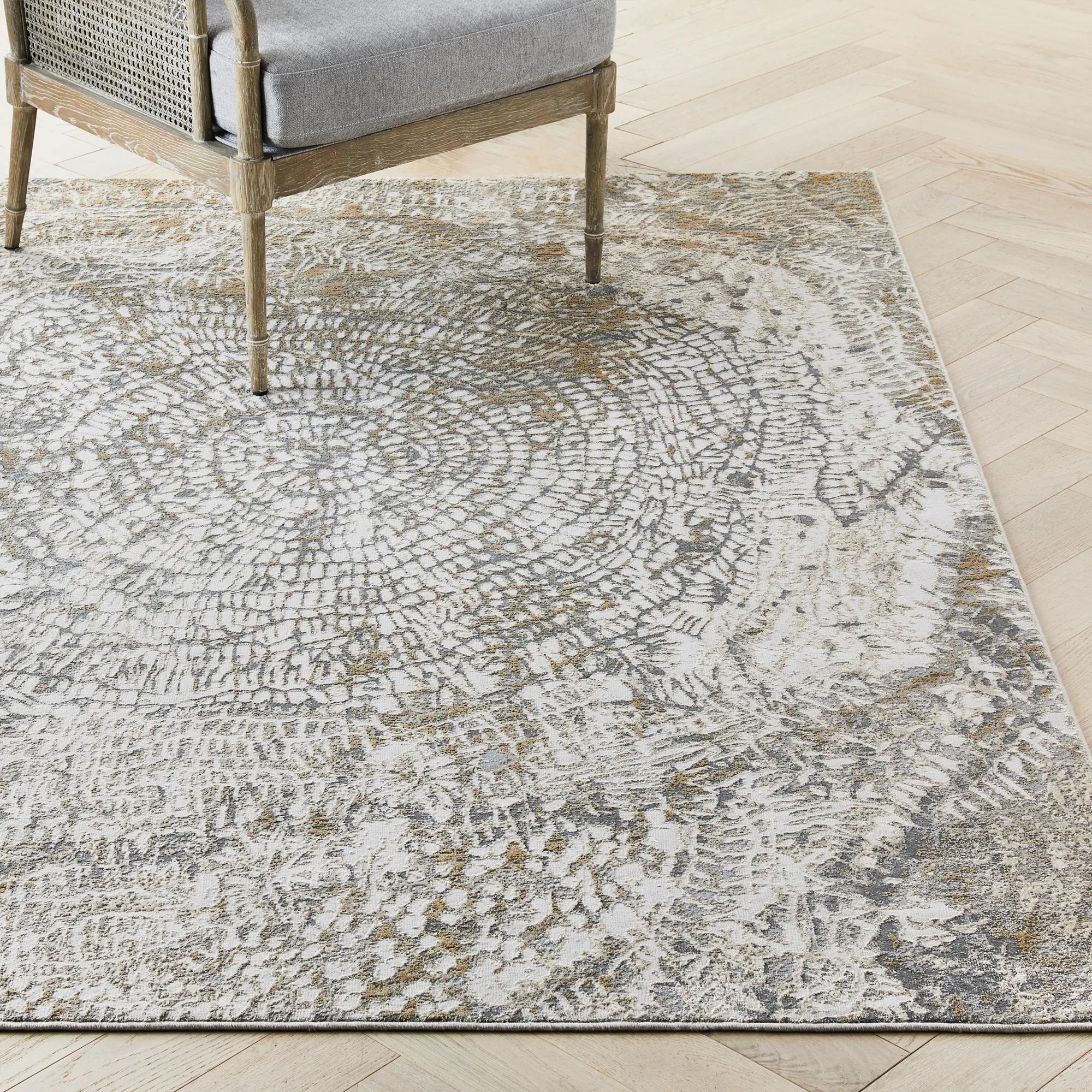 Nautilus Power-Loomed Silver/Grey/Natural Rug$999
A machine-woven ivory rug featuring subtle tonal variations and a durable polypropylene blend construction.
Add To Cart

Power Loomed Polypropylene Rugs
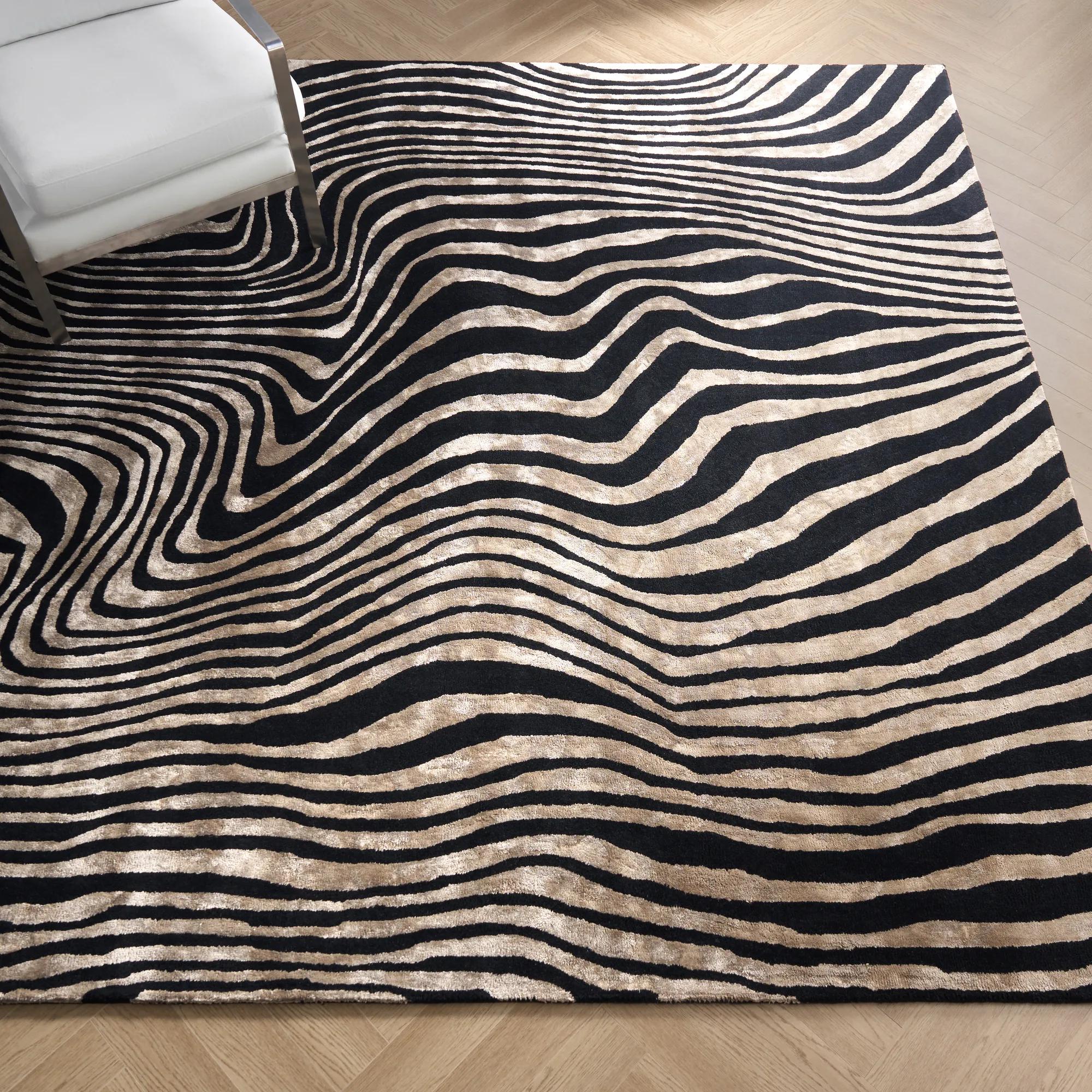
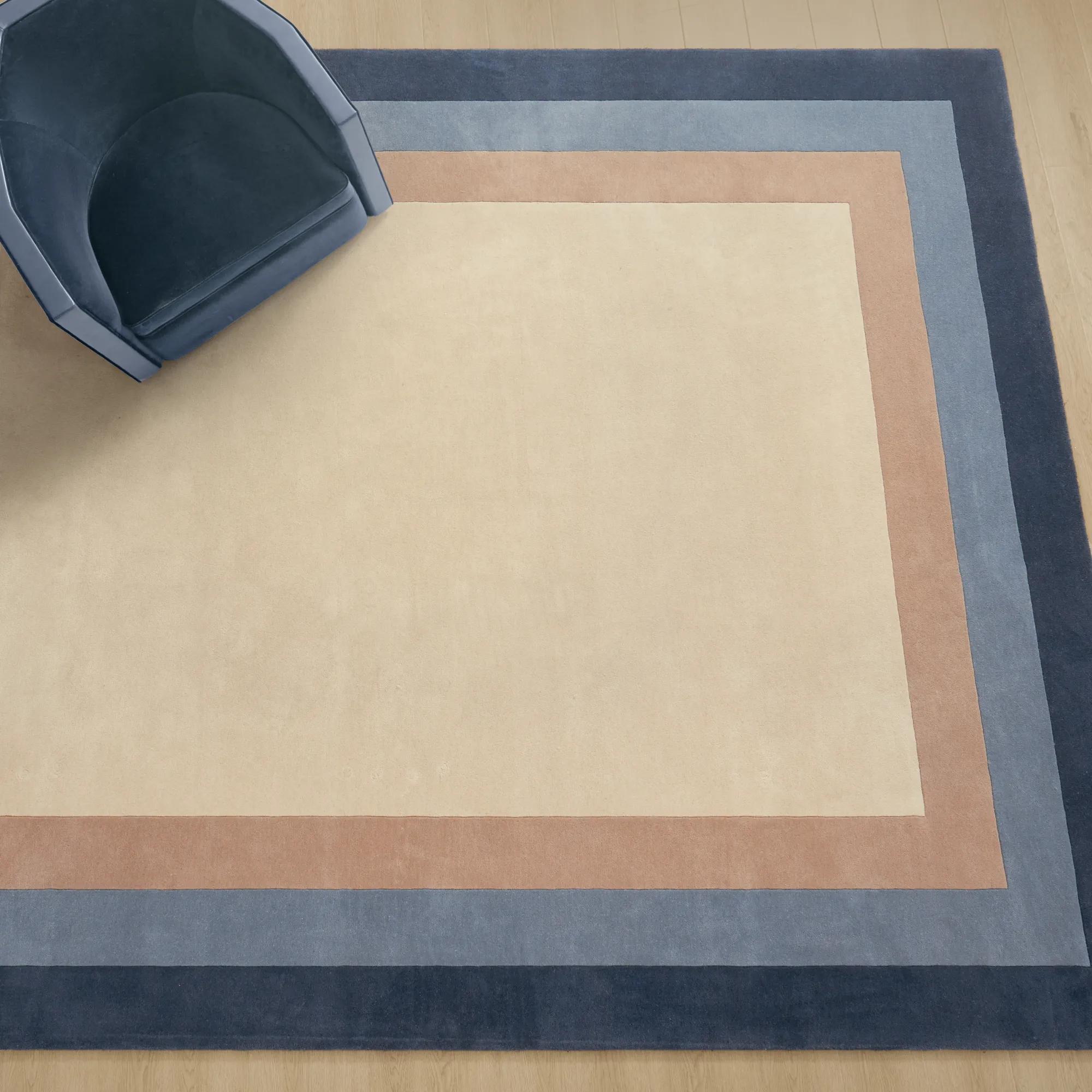
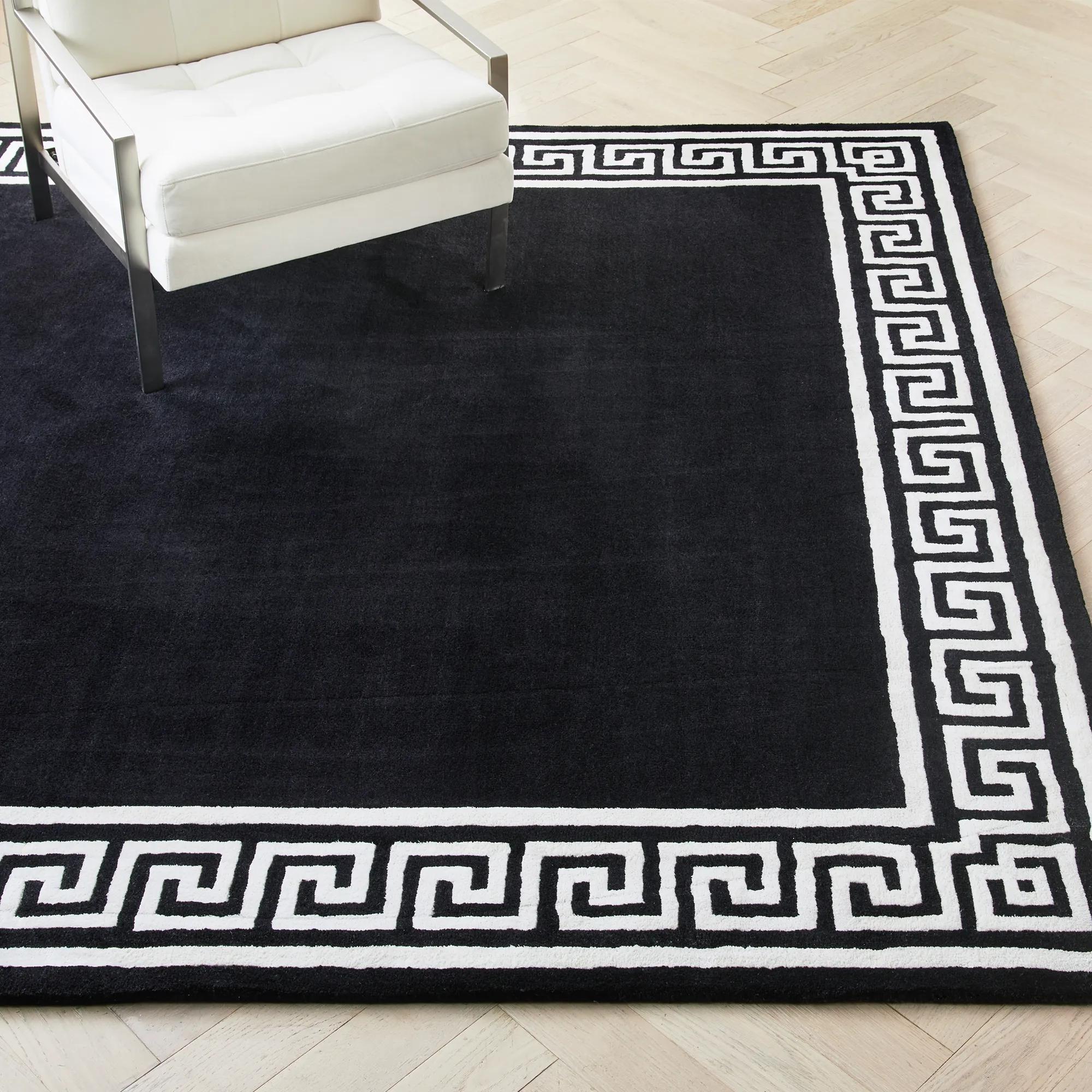
Power loomed polypropylene rugs are the secret ingredient for those who crave artistry underfoot and drama at every step. Crafted to command attention, these rugs transform ordinary floors into stunning showcases of pattern, color, and texture. With a captivating interplay of sheen and structure, each piece weaves together modern sophistication and enduring allure—perfect for those who believe a room’s foundation should be as expressive as its final flourish. Elevate your space with the bold confidence of power loomed polypropylene rugs, where luxury meets imagination in every thread.
Power-loomed polypropylene rugs pair expressive pattern with the resilience of a synthetic fiber, giving a room a richly composed foundation that feels as considered as the furniture above it. Made on mechanized looms rather than woven by hand, these rugs feature precisely repeated designs, from sweeping abstract gestures and sculptural geometrics to traditional motifs softened with a distressed effect. Polypropylene, also called olefin, is a lightweight synthetic fiber with low moisture absorption and an ability to hold color beautifully. The result is a rug material suited to interiors where visual drama and daily living share the same space. An ivory-and-charcoal composition can sharpen the silhouette of a curved sofa, while smoky tonal movement lends depth beneath a glass coffee table without competing with its gleaming frame. More intricate patterns introduce a layered, collected feeling, particularly when balanced against solid upholstery and generous expanses of color. Power looming describes the manufacturing method, not a particular texture: polypropylene rugs can have a closely cropped surface, a more substantial pile, or dimensional effects created through variations in yarn and construction. Their softness, density, and finish vary, so fiber content alone does not tell the whole story. Some rugs combine polypropylene with other fibers, which can change their feel, sheen, and care requirements. For a broader look at this material across different design expressions, Polypropylene Area Rugs offer another perspective on its decorative range. The appeal is especially strong for households that want a polished interior without reserving the most beautiful rooms for occasional use. A patterned rug beneath a favorite reading chair or a broad tonal design anchoring a conversation area brings artistry to the floor while accommodating the rhythms of everyday life. Its role is both practical and atmospheric: it defines a gathering place, softens the room’s visual edges, and gives individual furnishings a shared setting.
Scale determines whether that setting feels expansive and intentional or visually disconnected. In a living room, a power-loomed polypropylene area rug often looks most cohesive when it extends beneath at least the front legs of the sofa and accompanying chairs, rather than resting as an isolated rectangle beneath the coffee table. A larger rug can unite a generous sectional with an accent chair, establishing a clear seating zone within an open floor plan. Smaller dimensions suit more intimate arrangements, but the rug should still relate to the furniture rather than simply fill an empty patch of floor. Beneath a dining table, sufficient coverage allows chairs to remain on the rug when pulled out for seating; approximately 24 to 30 inches beyond the tabletop on each side is a useful starting point, checked against the actual chairs and room dimensions. A lower pile generally makes chair movement easier and offers a less textured surface for collecting crumbs. In a bedroom, extending the rug beyond the sides of the bed creates a softer landing and adds a frame of color around the bedding. Runners can bring a deliberate line of pattern to a hallway, provided their width leaves a balanced border of flooring and their height clears nearby doors. Pile height matters elsewhere, too: a plush surface contributes sumptuous texture to a lounge area, while a low-profile weave is often better suited to rolling desk chairs and frequently used passageways, though chair movement still depends on the rug’s density and construction. A rug pad compatible with both the rug backing and the flooring helps reduce shifting, adds cushioning, and can limit friction against the floor. The finished effect should feel effortless, but it comes from these thoughtful proportions. Even the most daring pattern looks composed when its boundaries support the architecture of the room and the way people move through it.
For busy living spaces, polypropylene’s resistance to moisture absorption and generally low shedding make it an appealing choice, particularly where family gatherings, pets, or frequent entertaining are part of the picture. Those qualities are advantages rather than guarantees: a polypropylene rug is not stain-proof, waterproof, or immune to wear. Water-based spills are often easier to address because the fiber does not readily absorb liquid, but spills can still travel into the rug’s backing or onto the flooring beneath. Prompt blotting with a clean, absorbent cloth helps contain a spill without pushing it farther into the pile; rubbing can spread the mark and disturb the surface. Oil and grease deserve particular attention because polypropylene attracts oily substances, making those stains more difficult to remove. Cleaning products and methods should follow the rug’s care label, with any approved solution tested first in an inconspicuous area. Routine vacuuming removes grit that can abrade the fibers, and suction-only cleaning or an appropriate adjustable setting may be preferable for raised textures, fringed edges, or longer pile. Occasional rotation distributes foot traffic and light exposure more evenly, while furniture cups can help lessen concentrated pressure from heavy pieces. Resilience also depends on construction: densely made, lower-pile rugs often perform well in active areas, whereas taller fibers may flatten along favorite routes or beneath substantial furniture. Polypropylene does not have wool’s natural spring, so compressed pile may not recover as readily. Keep the material away from hot styling tools, fireplace embers, and other concentrated heat sources, which can damage or melt the fibers. Outdoor suitability must be explicitly stated for the individual rug; polypropylene fiber alone does not establish that its backing and construction can tolerate outdoor placement. With the right dimensions, an appropriate pad, and care suited to its finish, a power-loomed polypropylene rug can bring both definition and decorative confidence to an interior. Beneath sculptural seating, alongside lacquered cabinetry, or against the quiet richness of upholstered walls, it gives a room texture, movement, and a distinct point of view without asking daily life to stand still.
FAQs
Power loomed polypropylene rugs are engineered for resilience, making them exceptionally well-suited for spaces that see frequent footfall. The tightly woven synthetic fibers resist crushing and wear, while their stain-resistant nature ensures that spills and everyday messes can be easily cleaned, preserving the rug’s vibrant design and plush texture even in busy entryways, living rooms, or family spaces.
These rugs are remarkably versatile, offering sophisticated style that transitions seamlessly from indoors to out. Their durable, colorfast fibers withstand sun exposure and moisture, making them perfect for patios, porches, or sunrooms. Indoors, their wide array of patterns and textures allow you to create bold vignettes or anchor open-concept spaces with a statement-making foundation.
Absolutely. The synthetic construction of power loomed polypropylene rugs means they are inherently resistant to stains, moisture, and odors. This makes them a practical yet stylish solution for households with children or pets, as everyday spills and accidents can be quickly wiped away without compromising the rug’s beauty or integrity.
Layering rugs is a chic way to add dimension and drama to your décor, and power loomed polypropylene rugs are perfect for this purpose. Their lightweight construction and variety of sizes and patterns allow you to experiment—try placing a bold patterned rug over a larger neutral base to create a curated, editorial-inspired aesthetic.
Consider the mood and color palette of your space. Power loomed polypropylene rugs come in a stunning range of designs, from shimmering abstracts to classic motifs. For a cohesive look, choose a rug that echoes the accent colors or textures already present in your furnishings, or opt for a daring contrast to create a dramatic focal point that elevates the entire room.