Polypropylene Polyester Area Rugs
Polypropylene Polyester Area Rugs
-
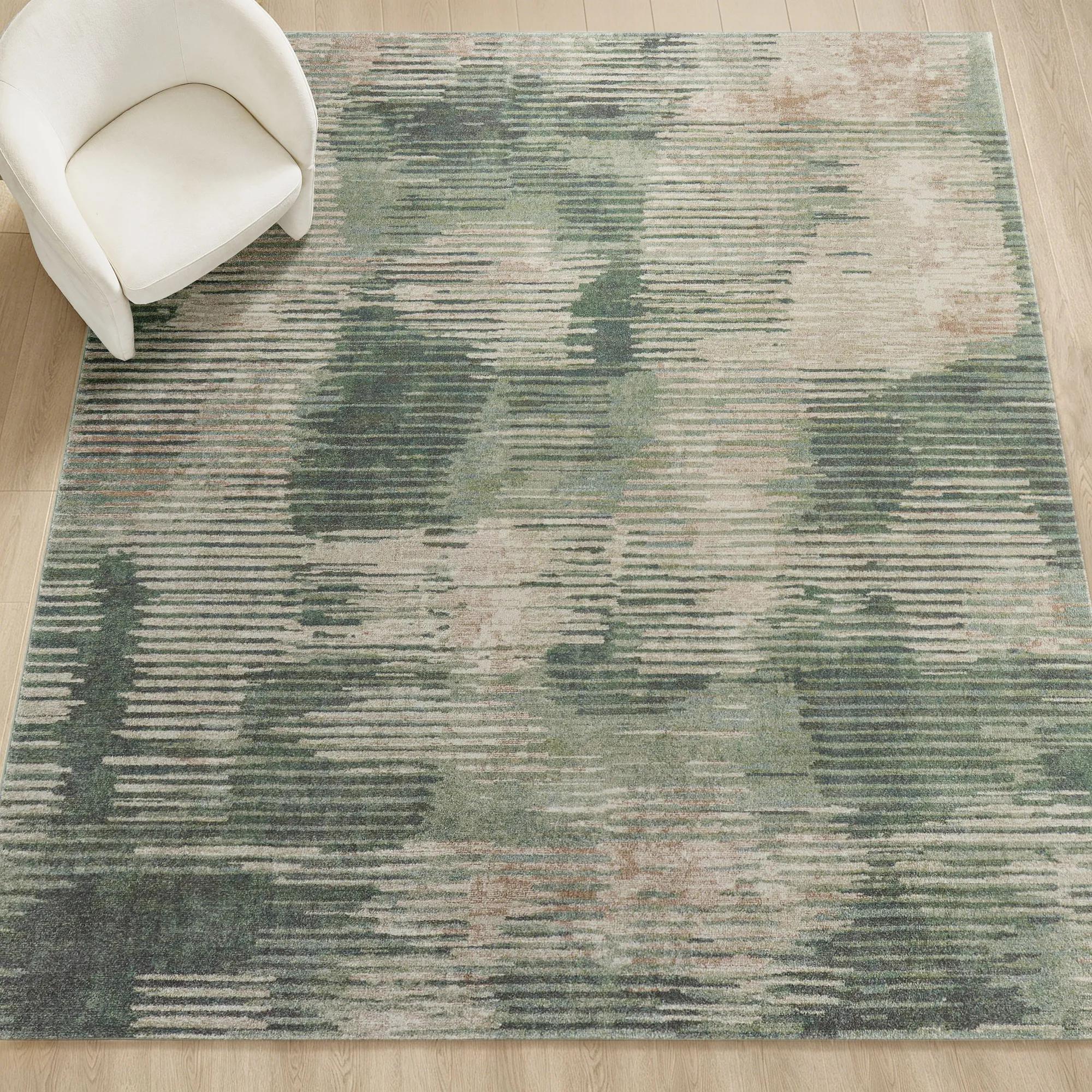
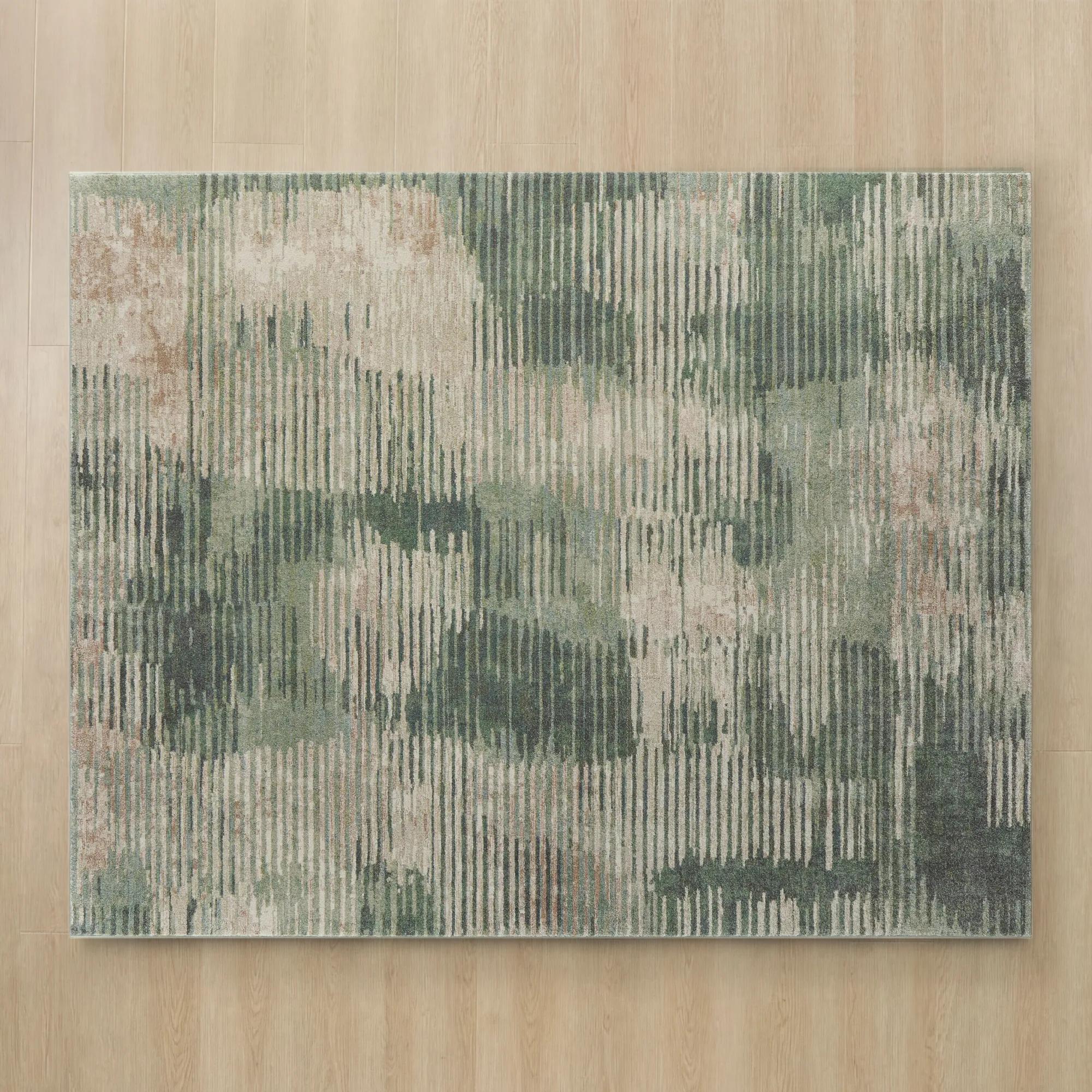 Sylvan Green/Beige Power Loomed Rug$1349
A power-loomed polypropylene rug featuring a contemporary organic pattern in smoked olive green and beige.
Add To Cart -
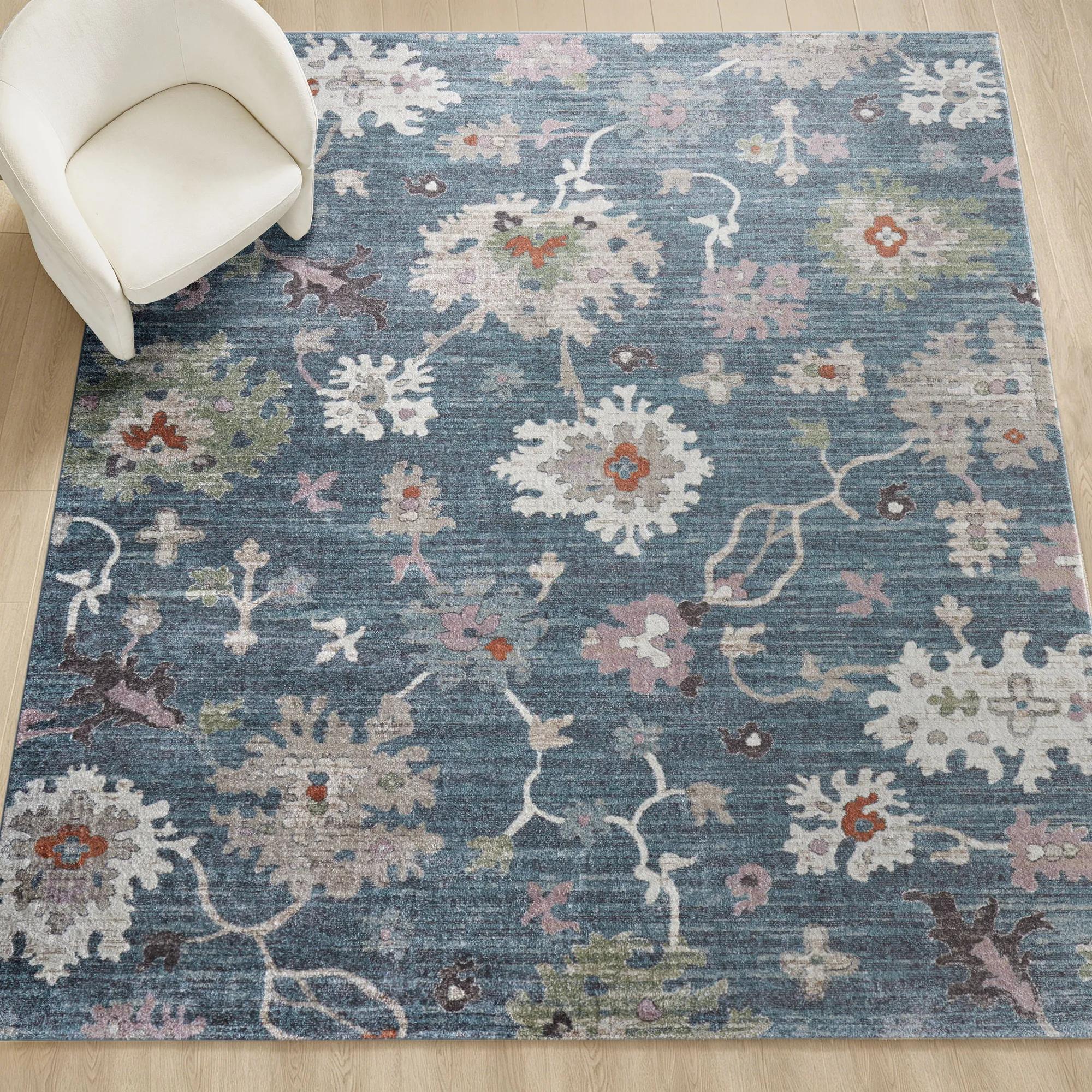
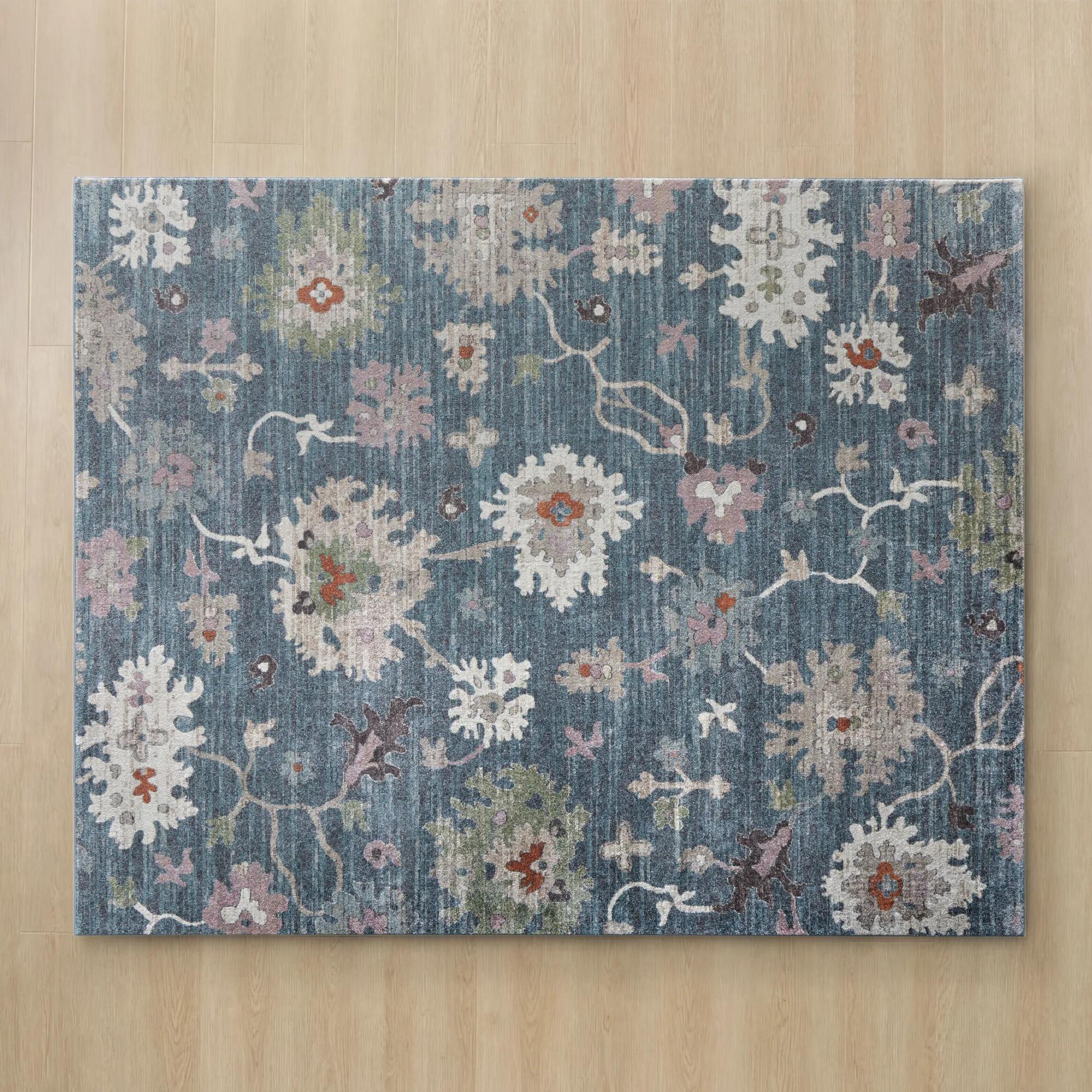 Ariella Floral Blue/Ivory/Beige/Green/Rose Dust Performance Power Loomed Rug$1399
A Persian-inspired rug in blue, ivory, beige, green, and rose dust with plush, stain-resistant polypropylene.
Add To Cart -
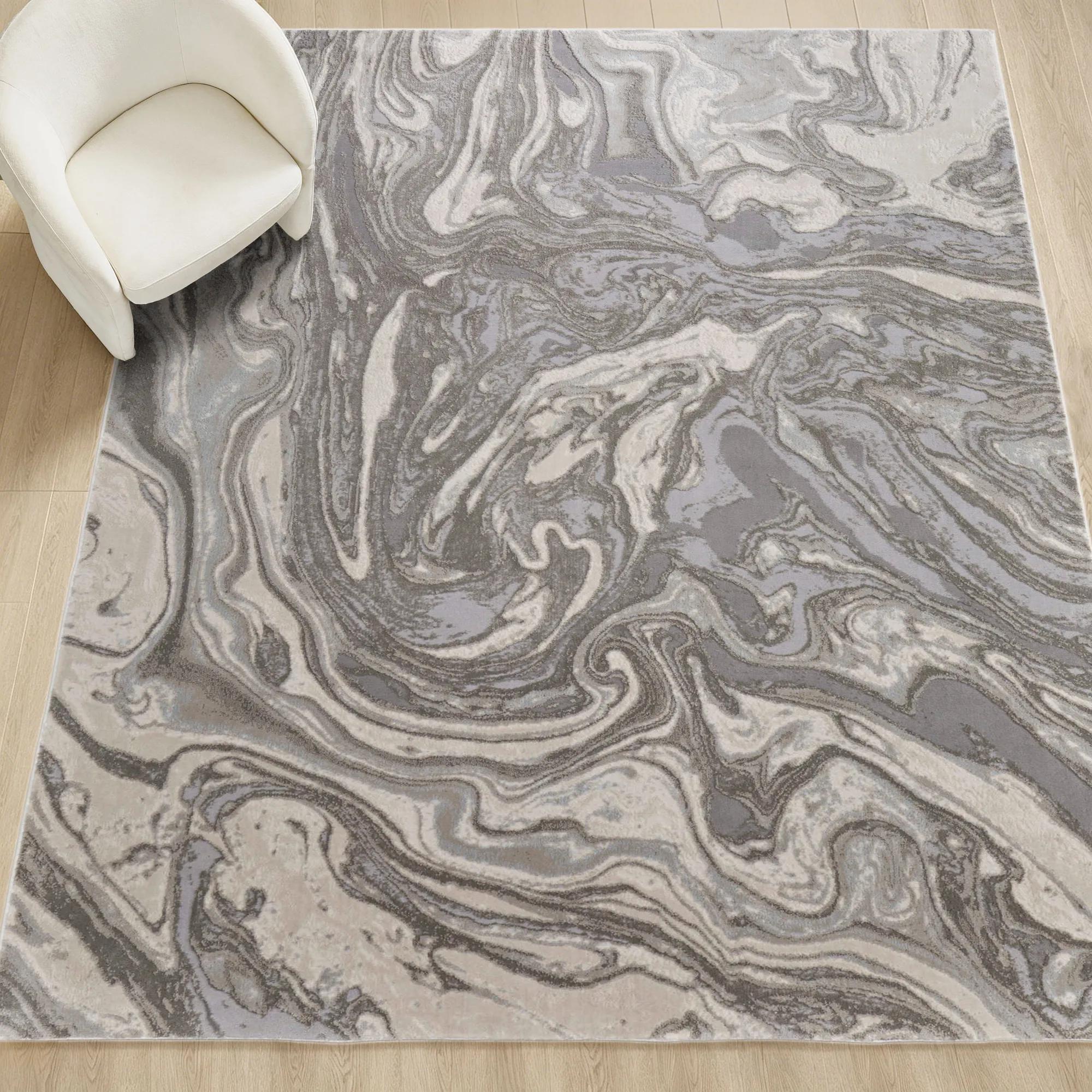
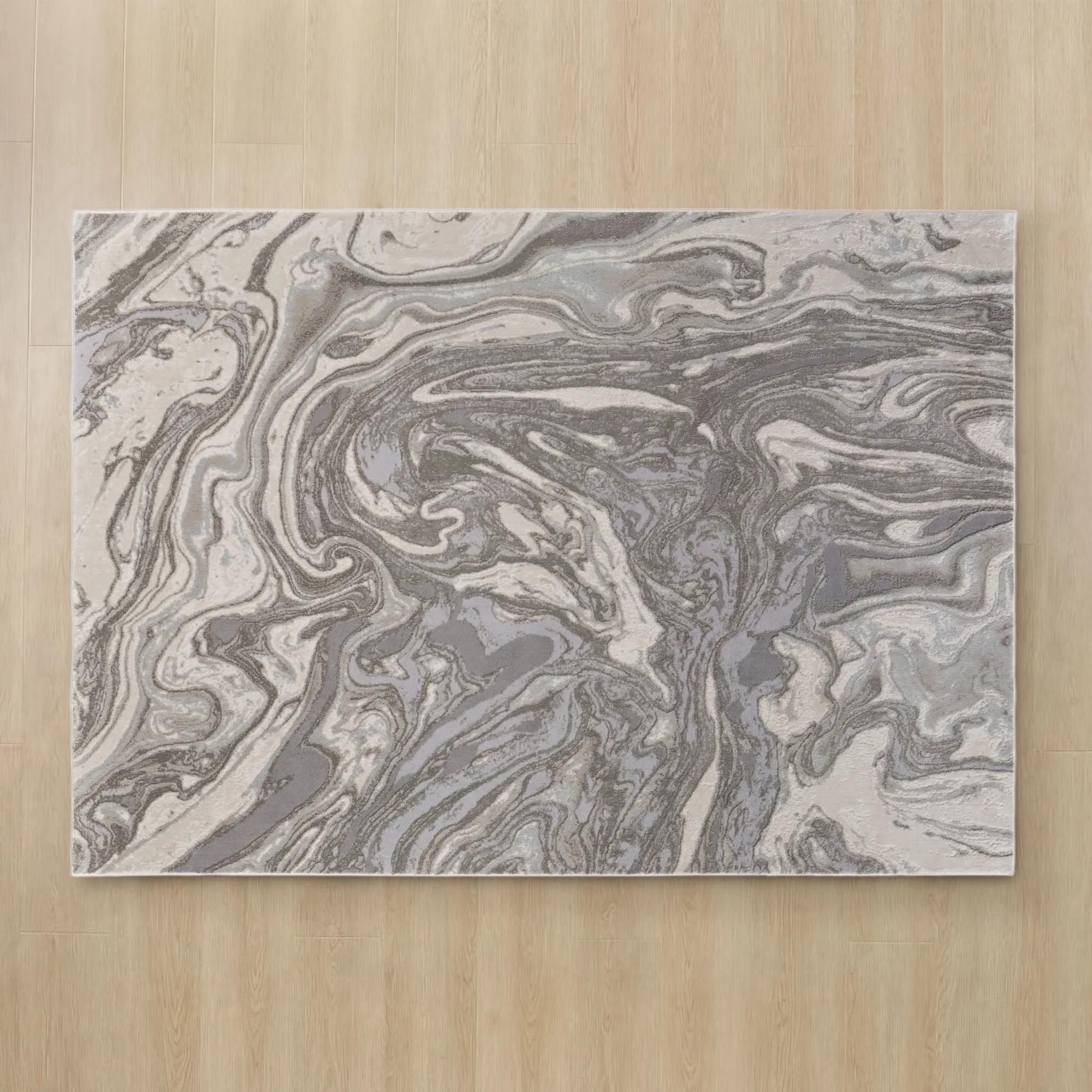 Marbre Marbled Grey/Taupe/Powder Blue Performance Power Loomed Rug$379
A softly marbled rug in grey, taupe, and powder blue with a textured, stain-resistant polypropylene blend.
Add To Cart -
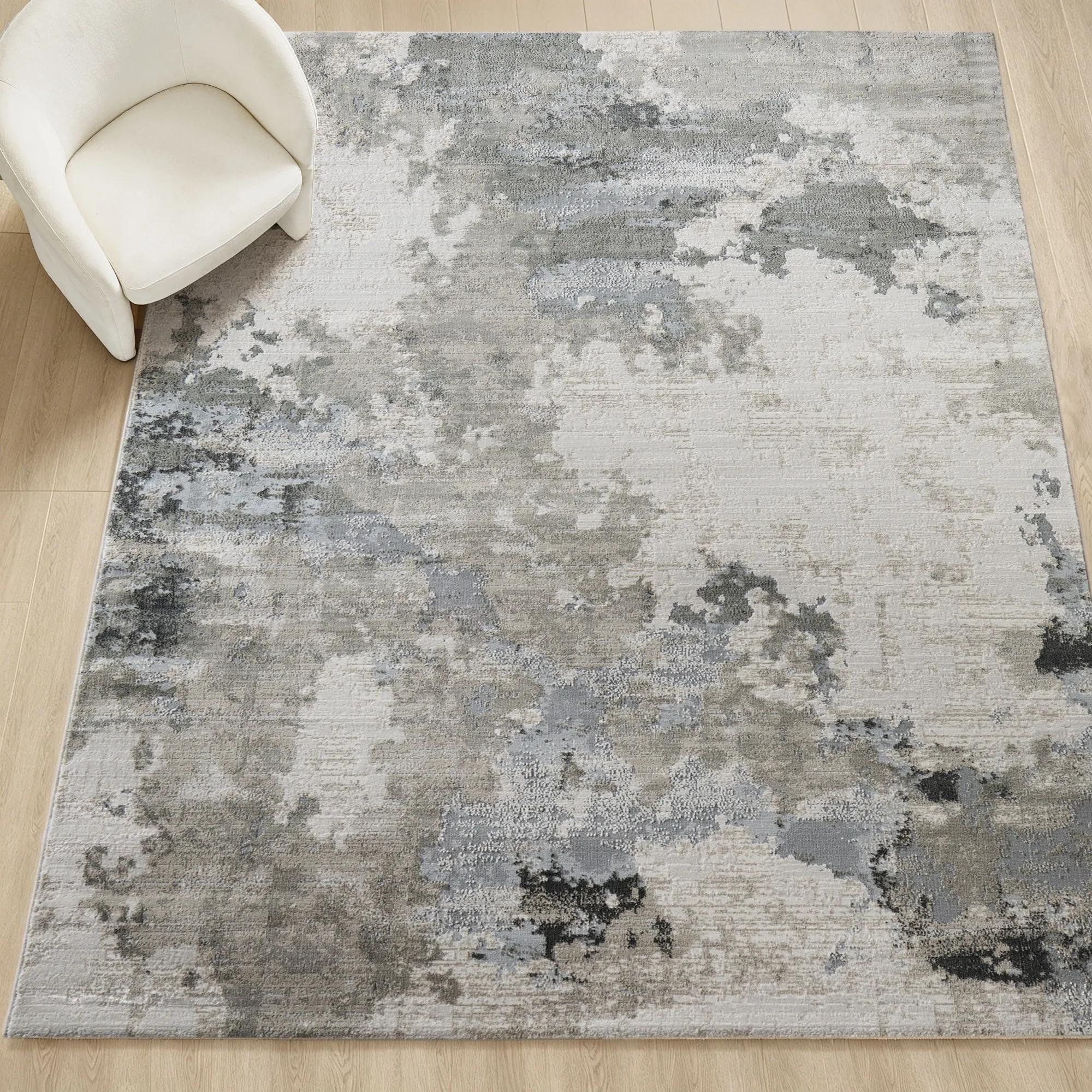 Alarion Abstract Grey/Muted Blue/Ivory Performance Power Loomed Rug$379
A power-loomed rug featuring a grey, muted blue, and ivory abstract pattern with stain-resistant durability.
Add To Cart -
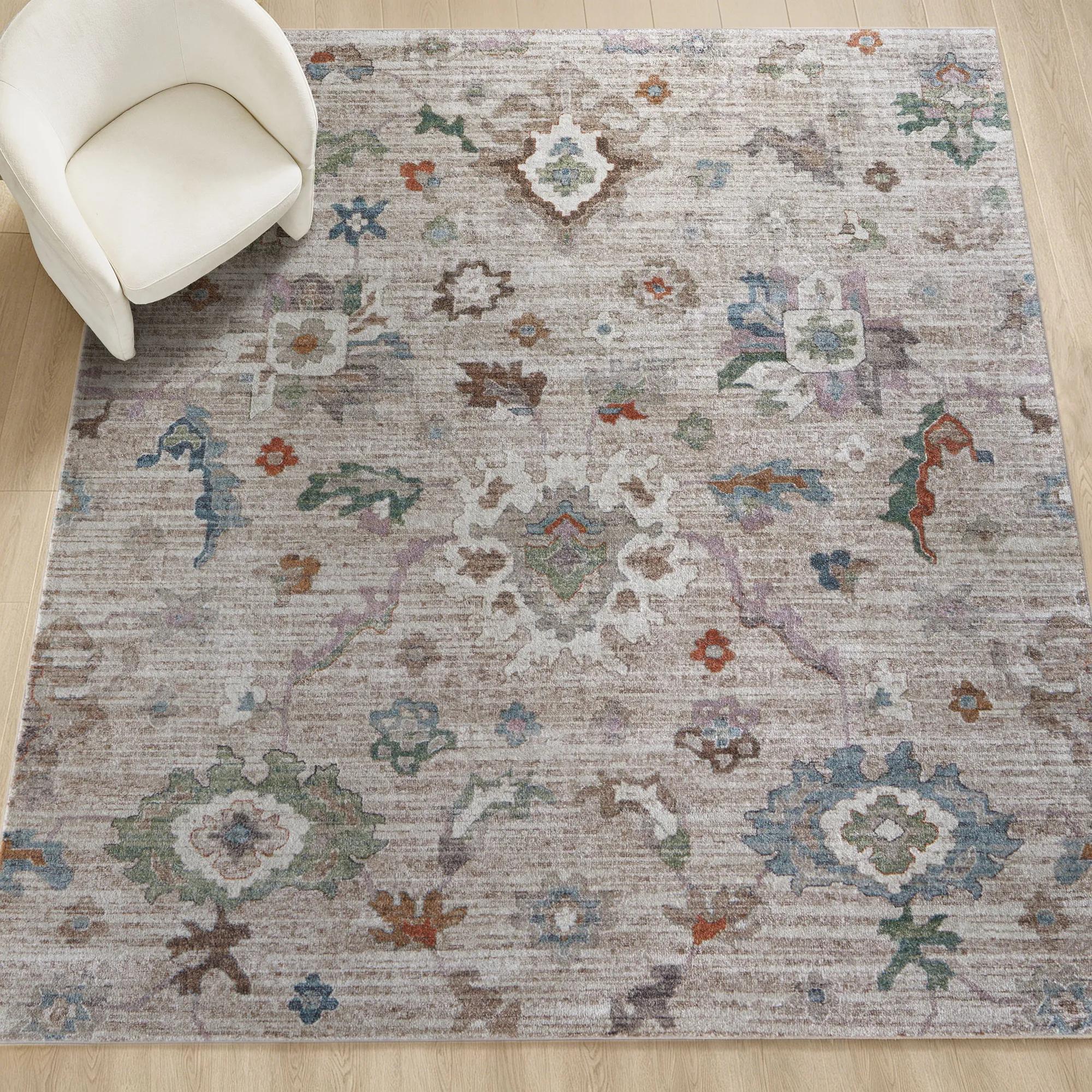
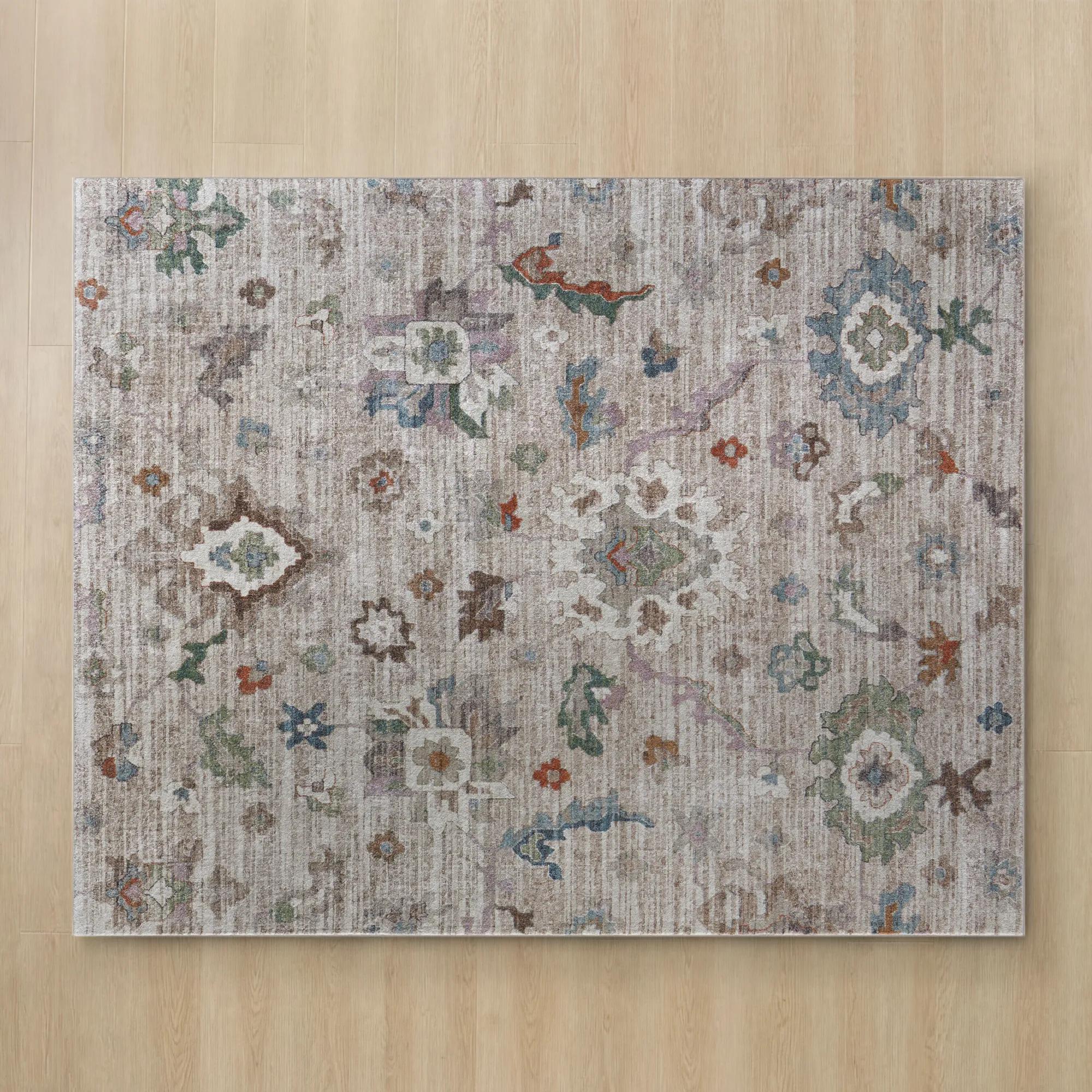 Ariella Floral Taupe/Ivory/Beige/Blue/Green Performance Power Loomed Rug$349
A Persian-inspired rug in taupe, ivory, beige, blue, and green with a plush, power-loomed polypropylene pile.
Add To Cart -
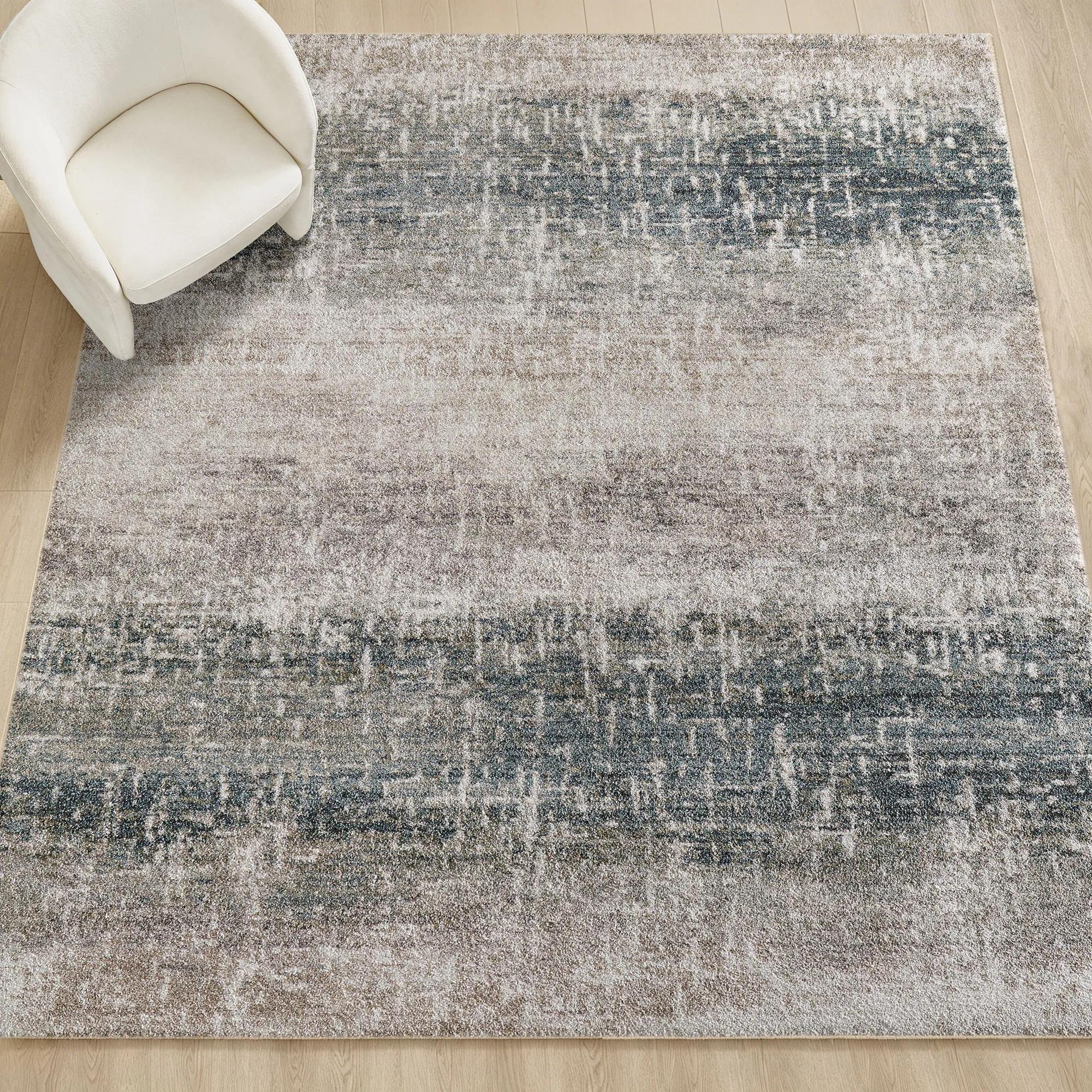
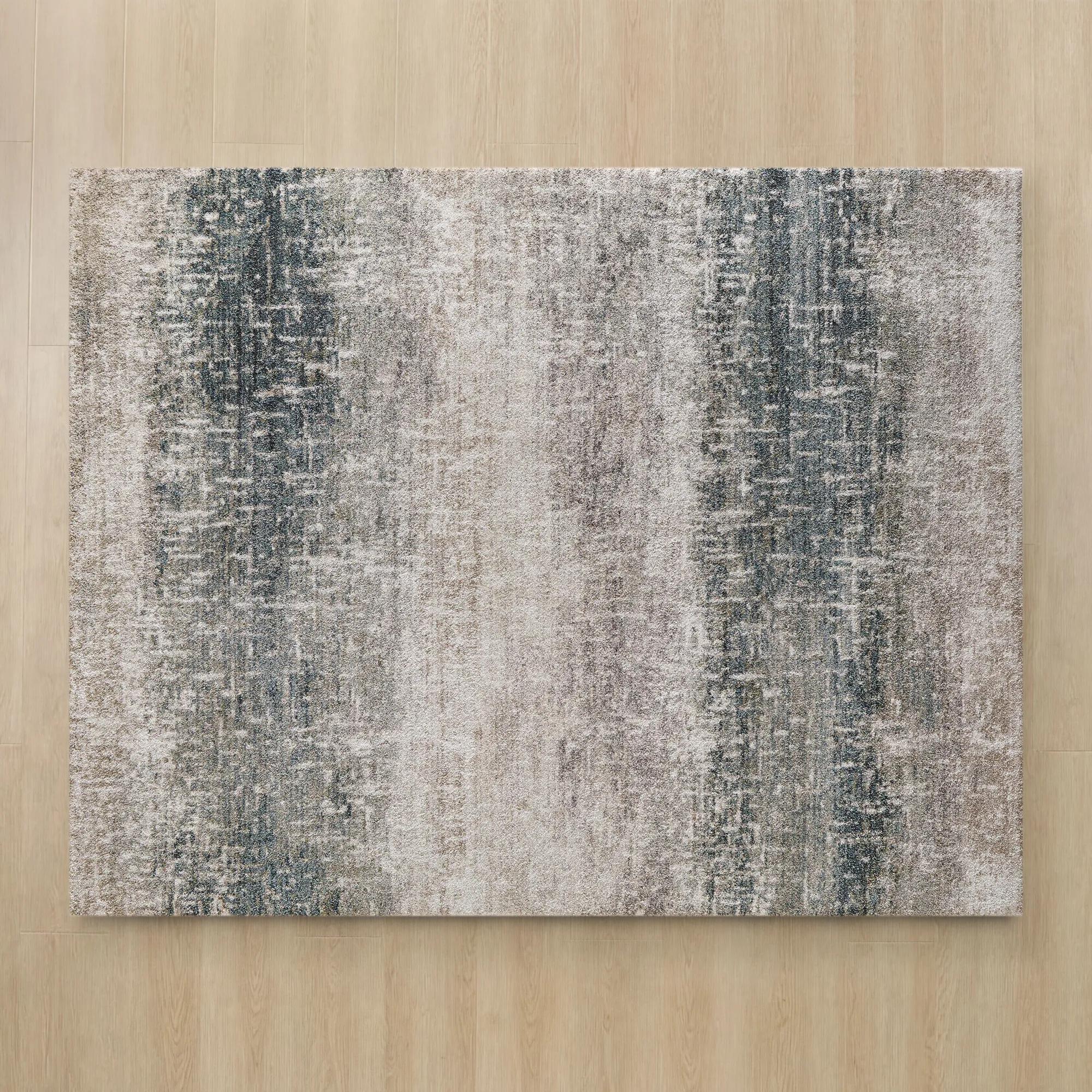 Collier Taupe/Grey/Blue/Green Performance Power Loomed Rug$399
An abstract rug in taupe, grey, blue, and green with a plush, stain-resistant polypropylene-polyester blend.
Add To Cart -
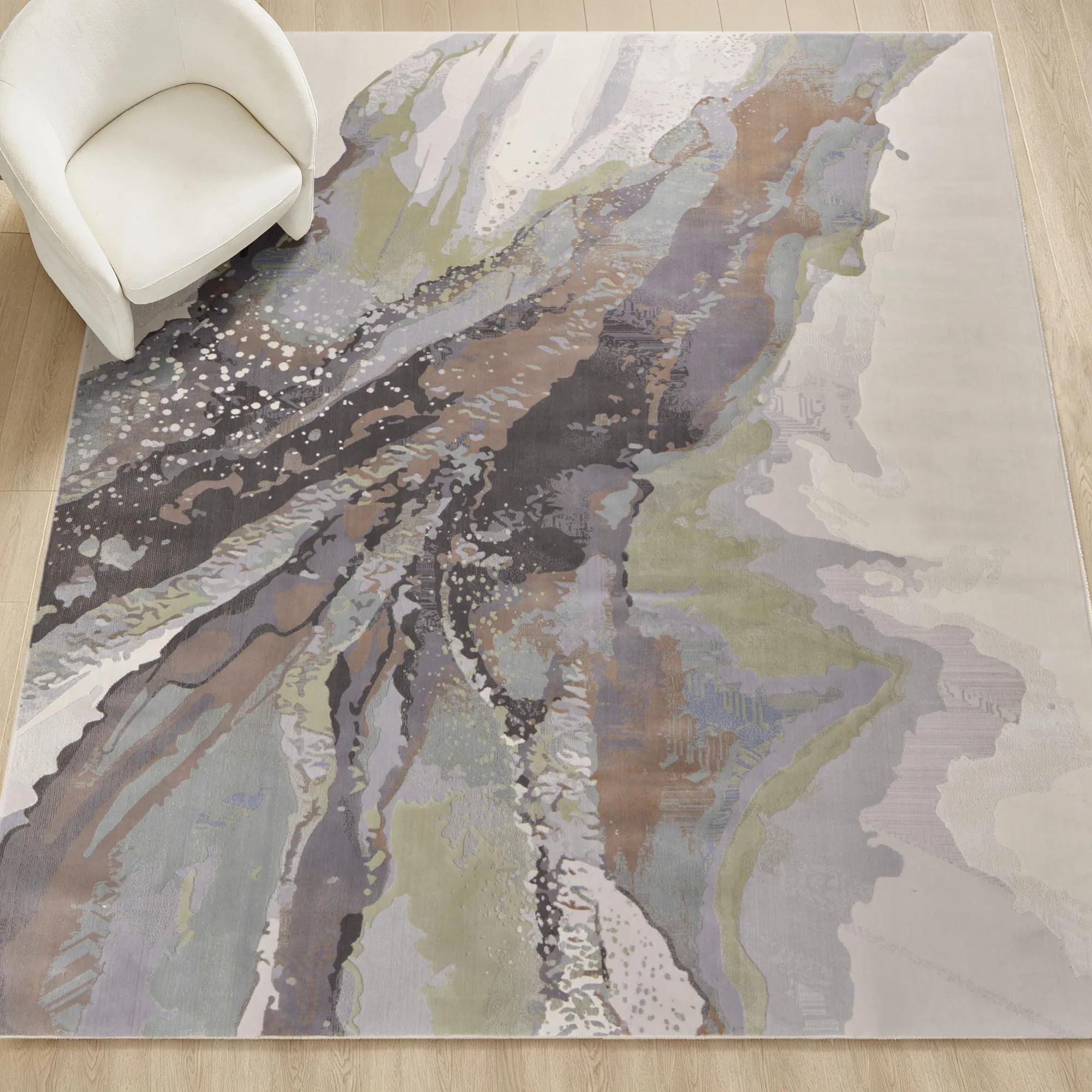
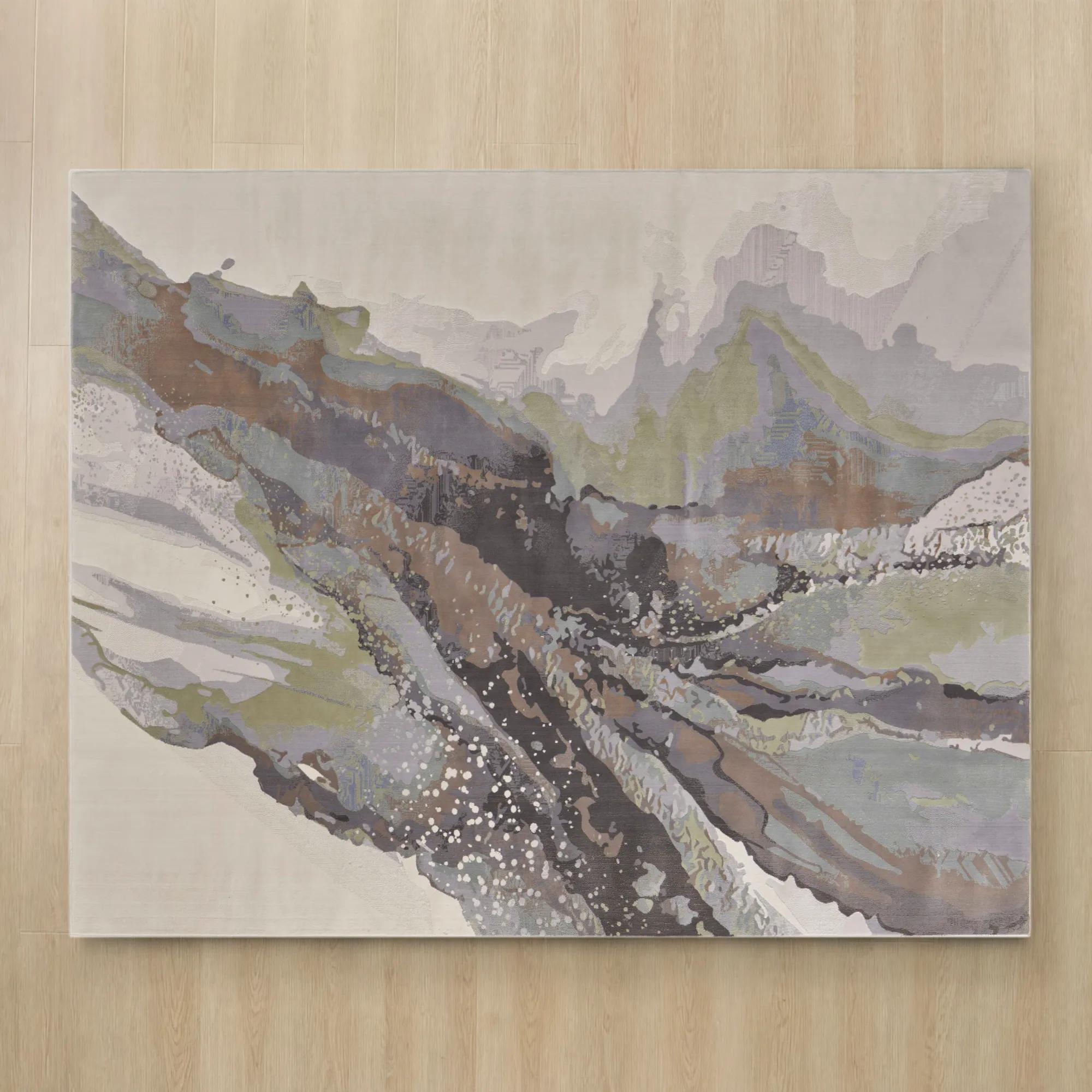 Nerissa Abstract Ivory/Grey/Blue/Green Performance Power Loomed Rug$449
An abstract rug in ivory, grey, blue, and green with a textured, stain-resistant polypropylene-polyester blend.
Add To Cart -
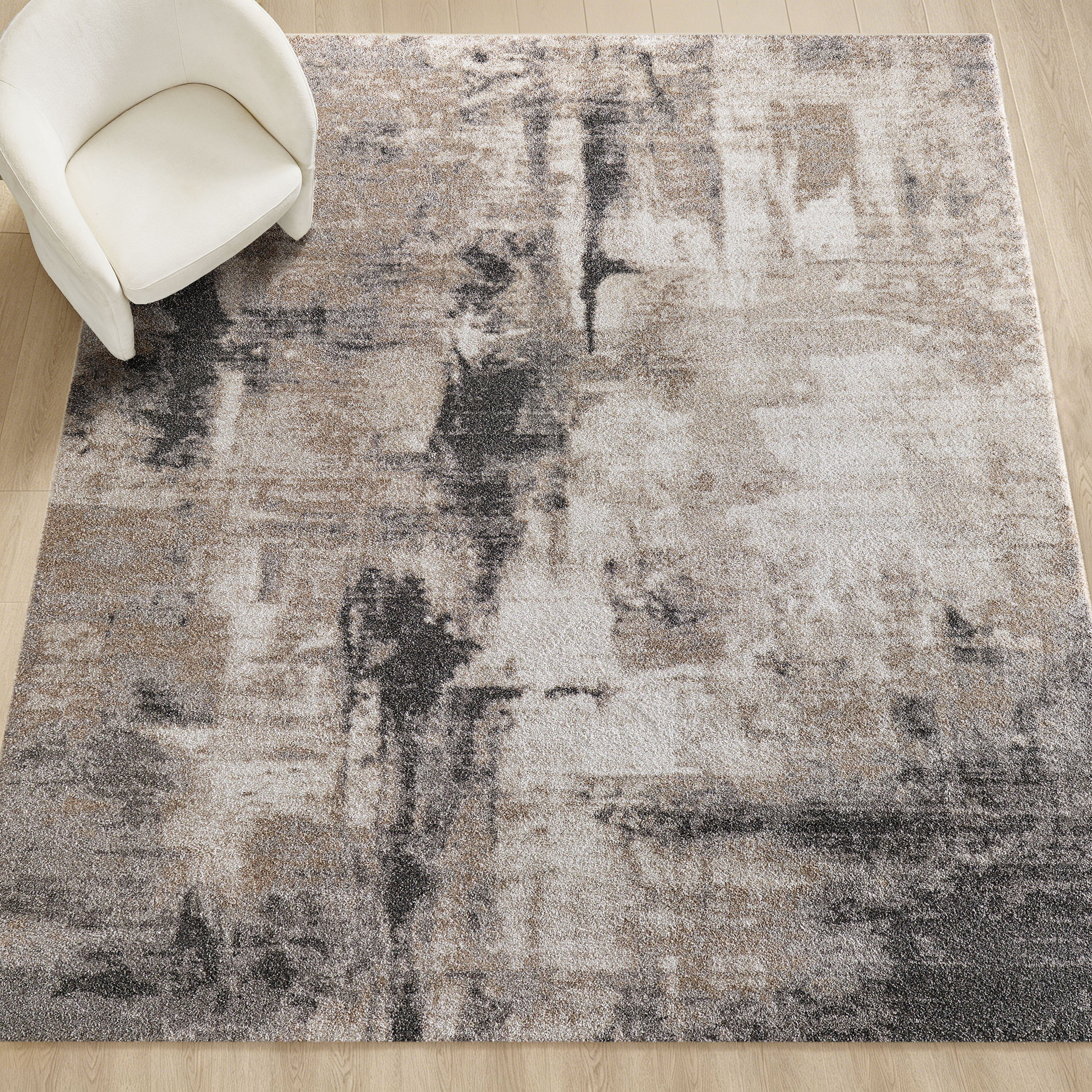
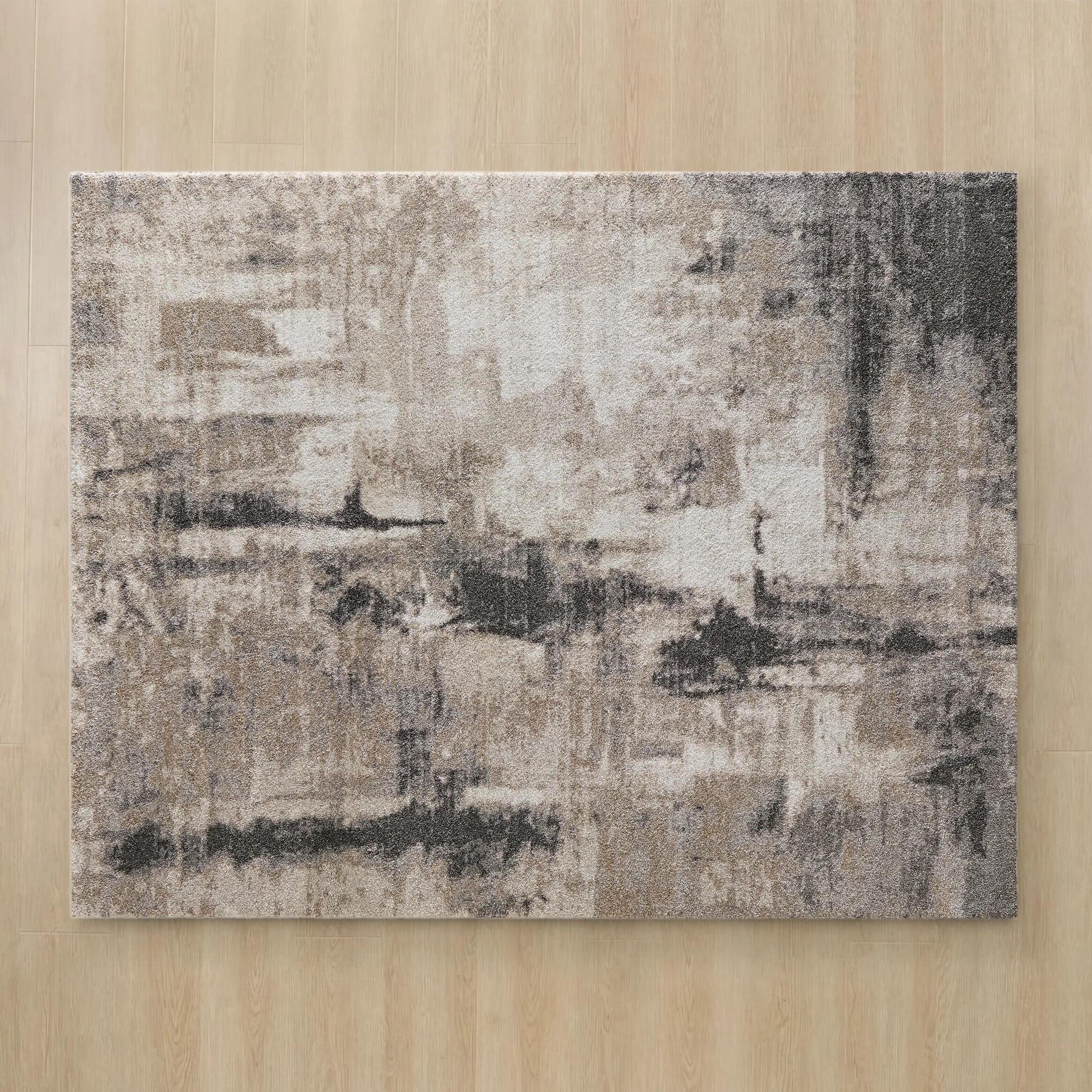 Atlas Abstract Grey/Taupe/Ivory/Charcoal Performance Power Loomed Rug$399
An abstract rug in grey, taupe, ivory, and charcoal with a plush, stain-resistant polypropylene blend.
Add To Cart -
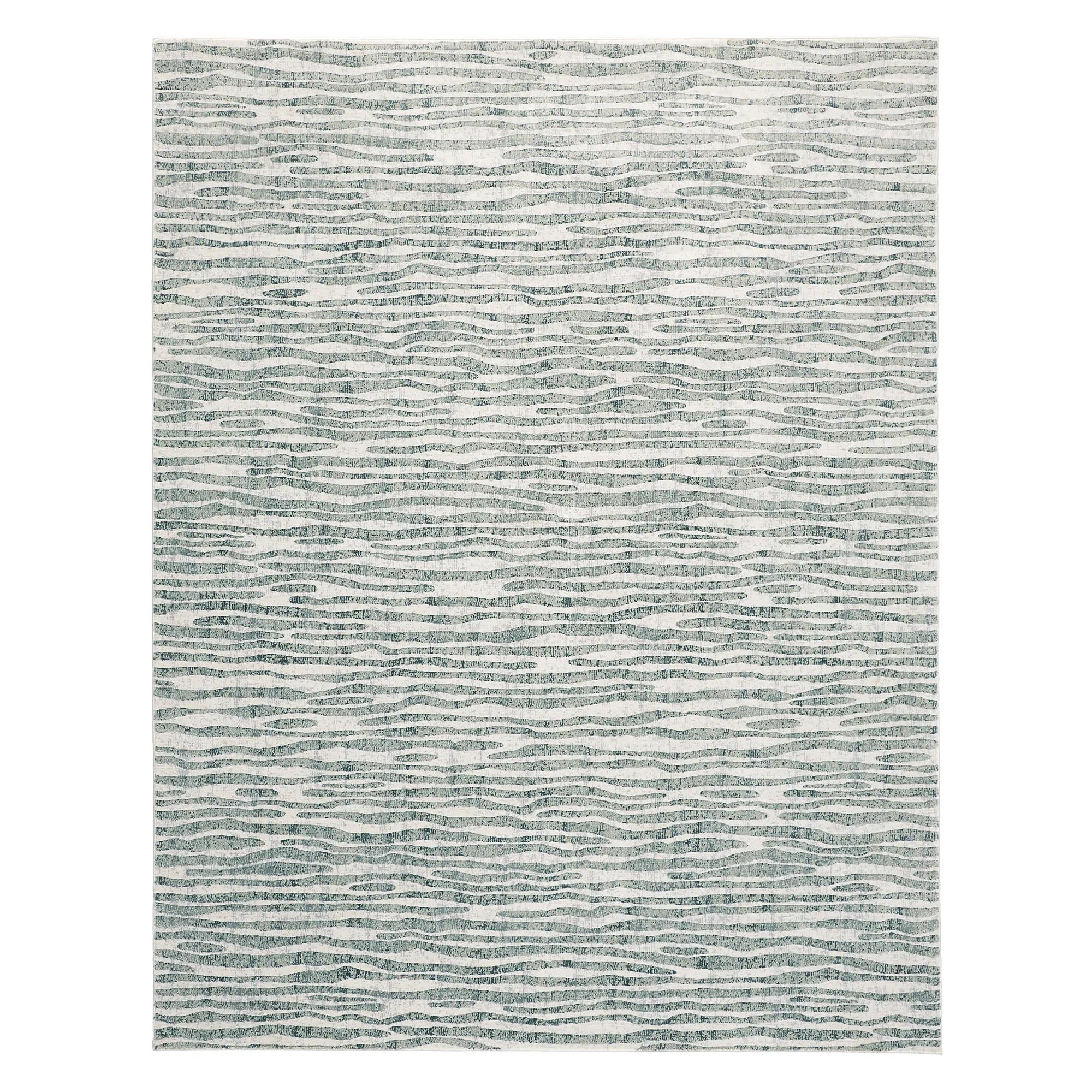 Samantha Power-Loomed Aqua/Grey Rug$719
A machine-woven rug featuring silvery-aqua and green accents on an ivory and grey polypropylene base.
Add To Cart -
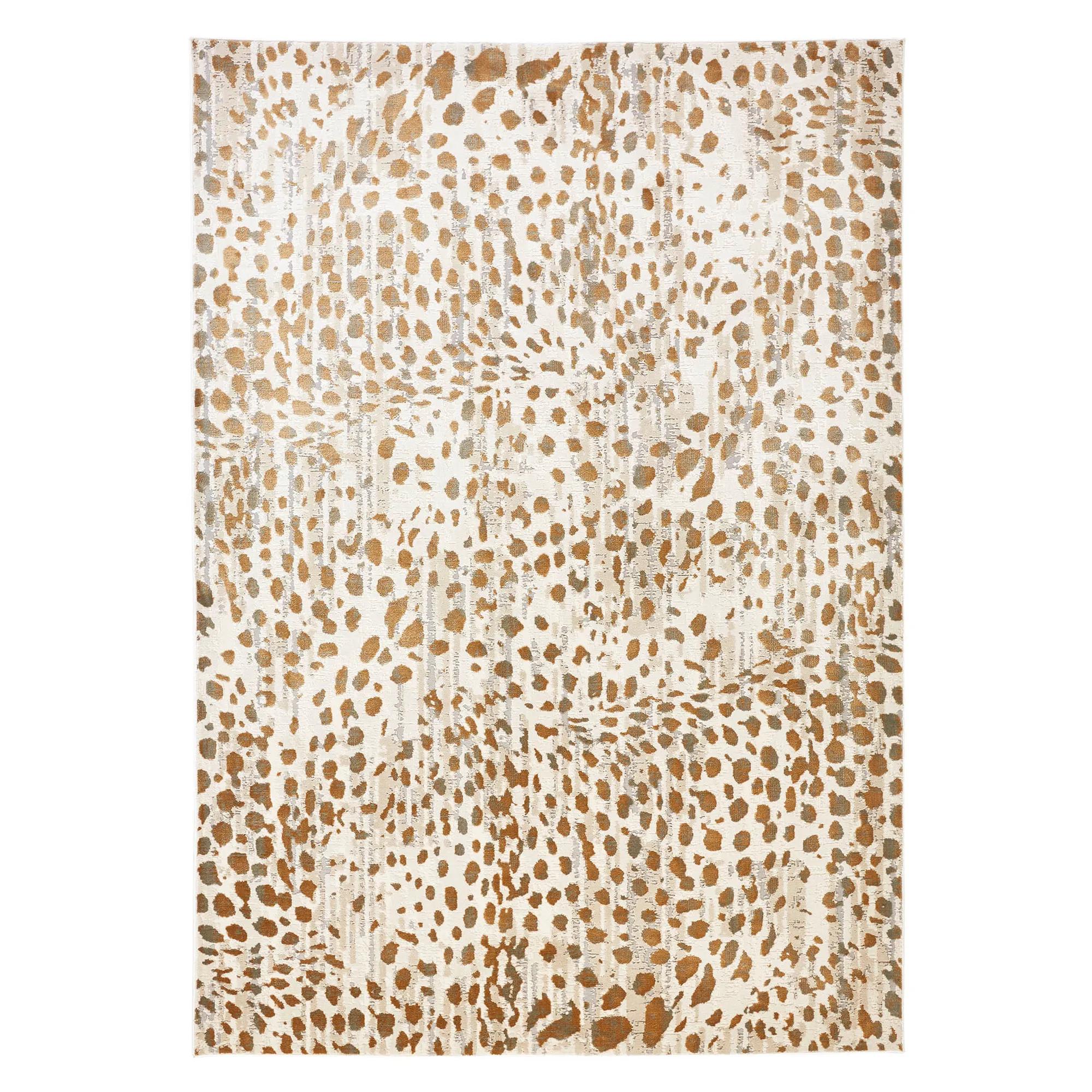
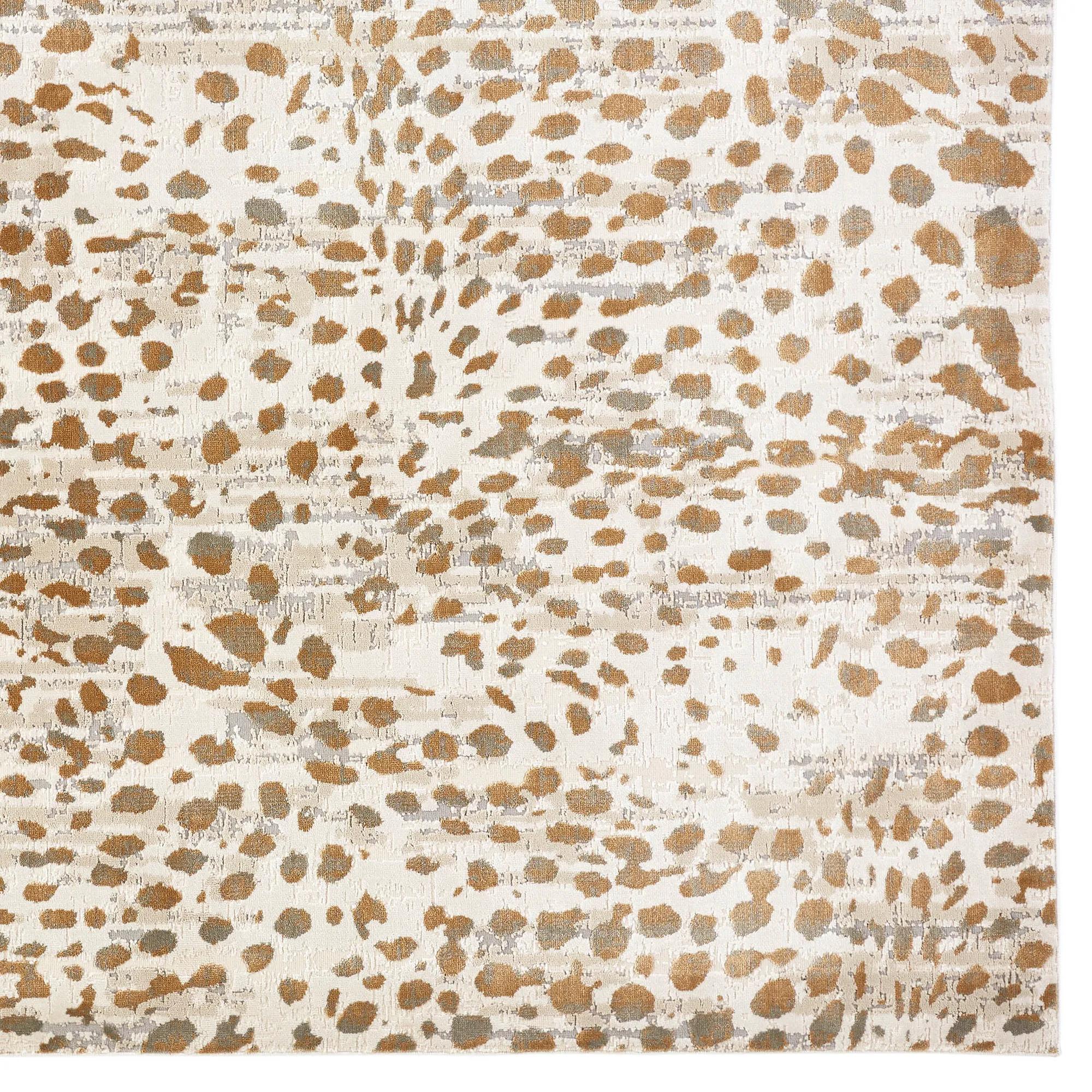 Amur Ivory/Natural Animal Print Power-Loomed Rug$399
A hand-tufted wool and viscose rug featuring a gold chain link design on neutral grey.
Add To Cart -
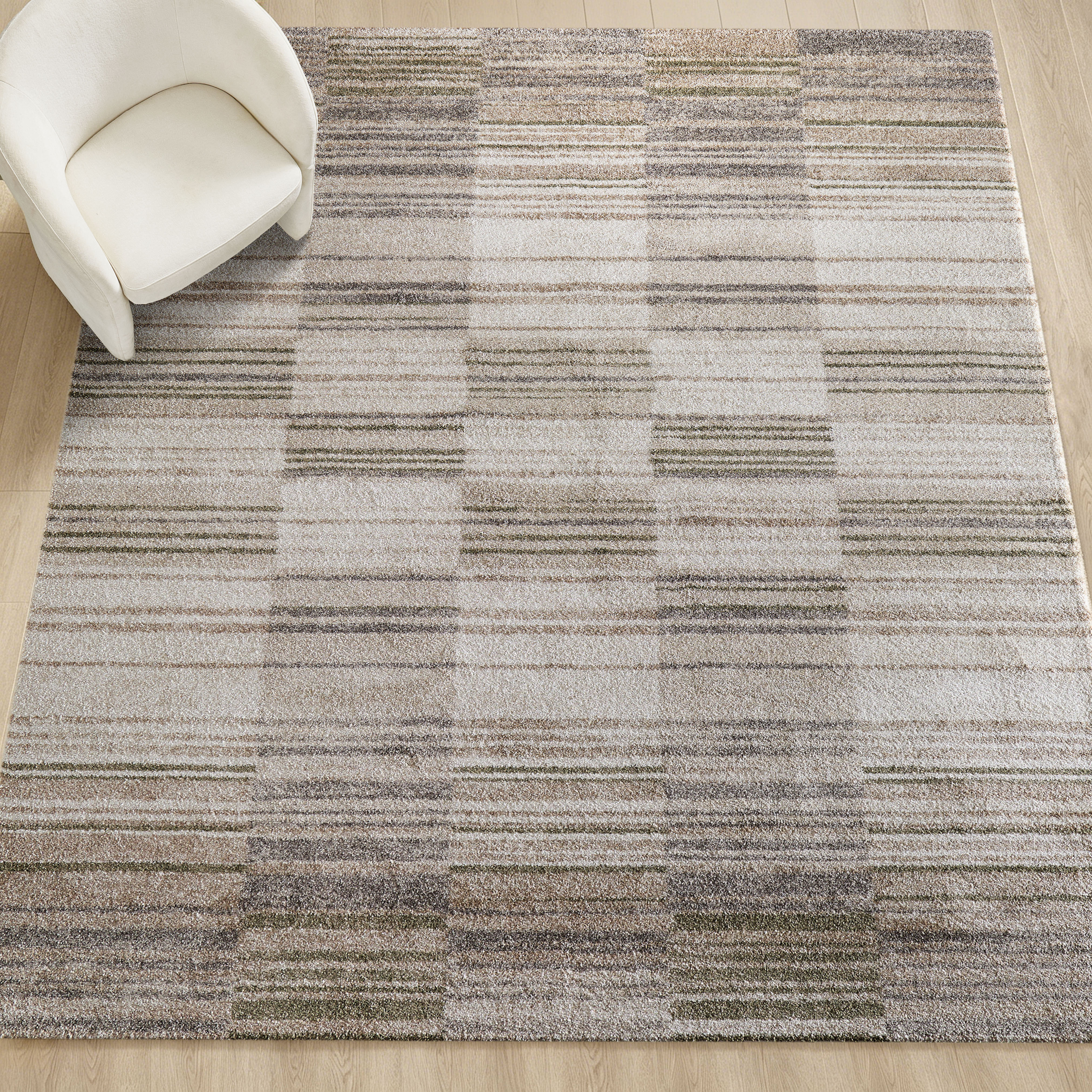
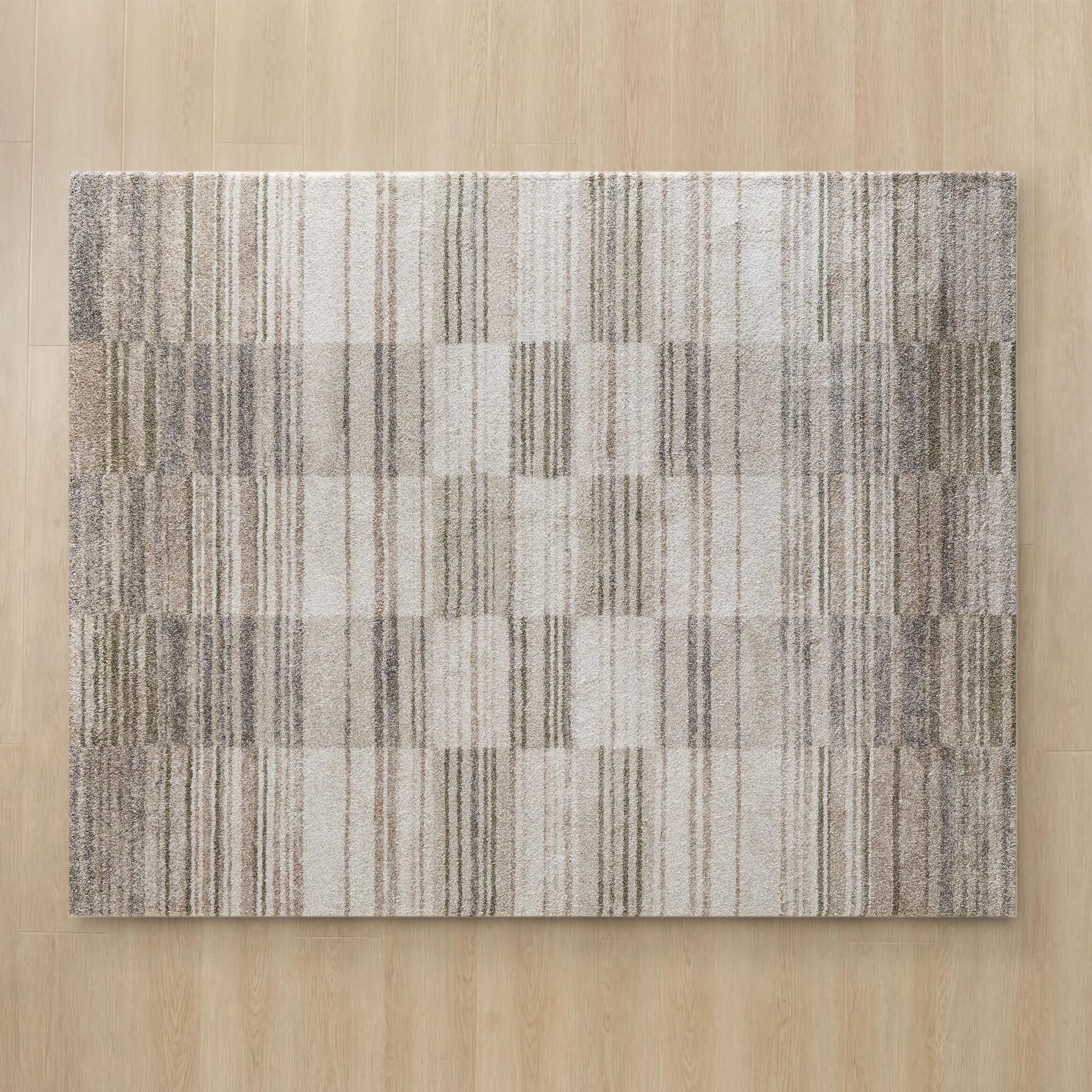 Checka Grey/Tan/Ivory/Soft Green Performance Power Loomed Rug$849
A plush, power-loomed rug featuring a soft check pattern in grey, tan, ivory, and green.
Add To Cart -
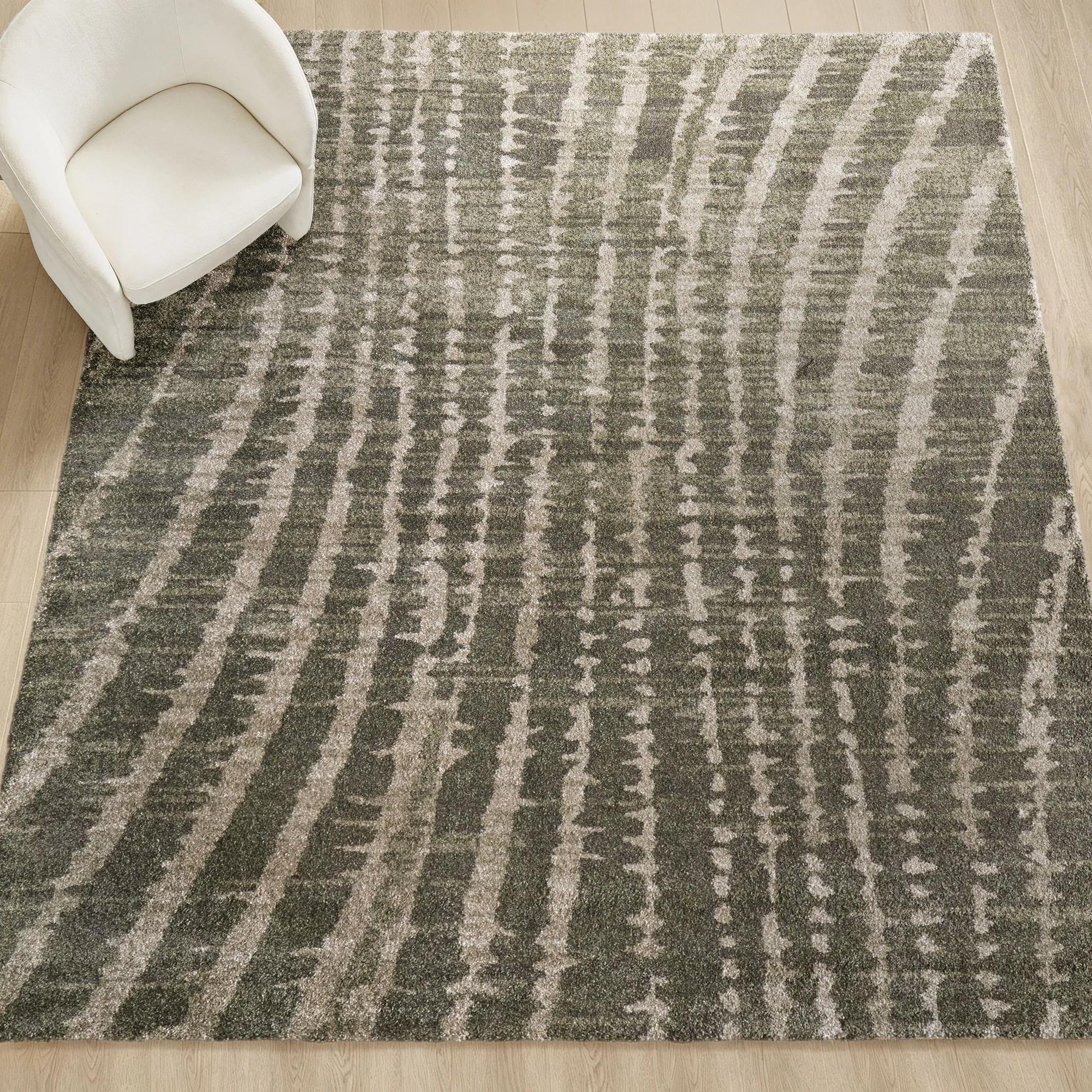
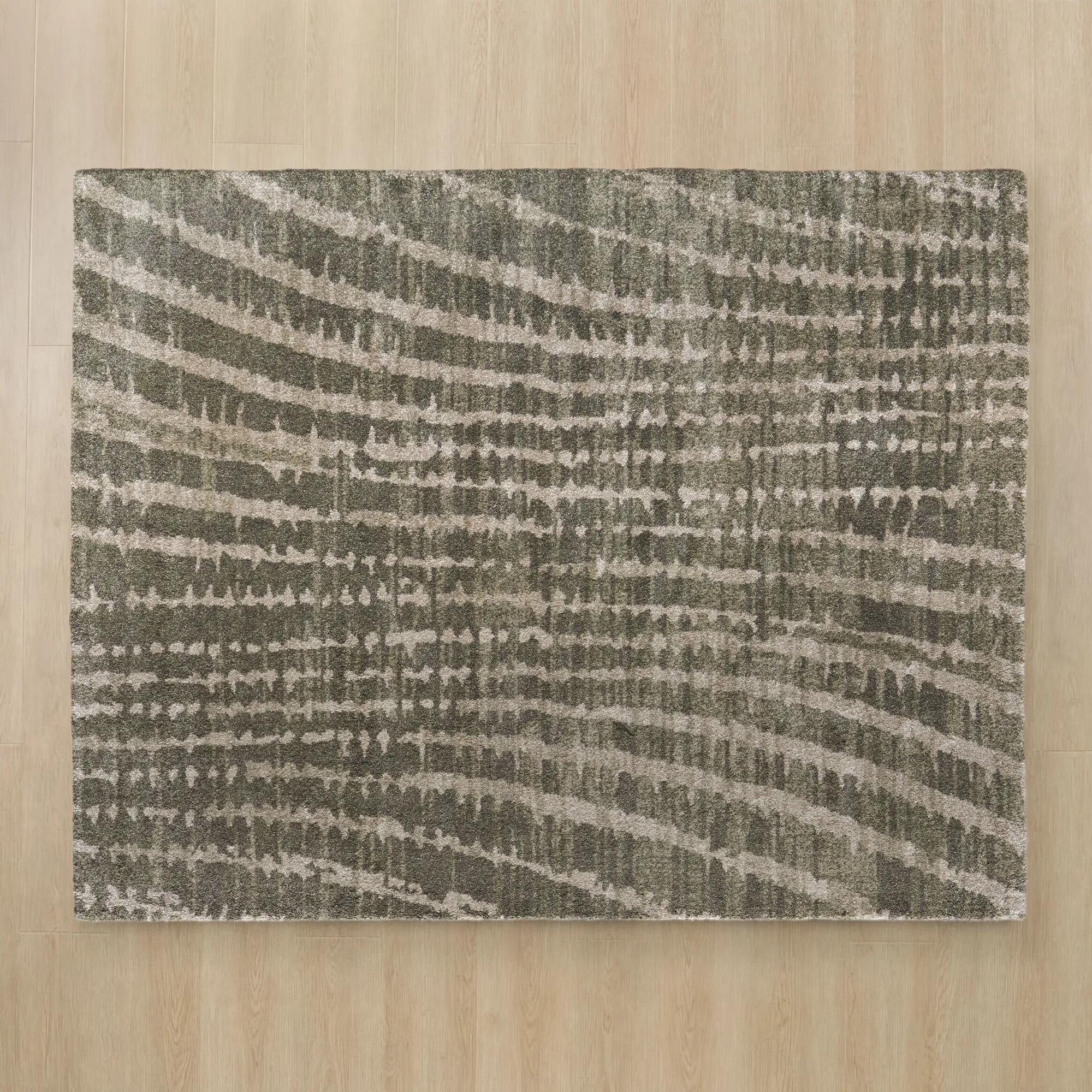 Tempo Green/Grey/Beige Performance Power Loomed Rug$399
An abstract charcoal grey and beige rug with plush cut pile and durable, stain-resistant polypropylene-polyester blend.
Add To Cart -
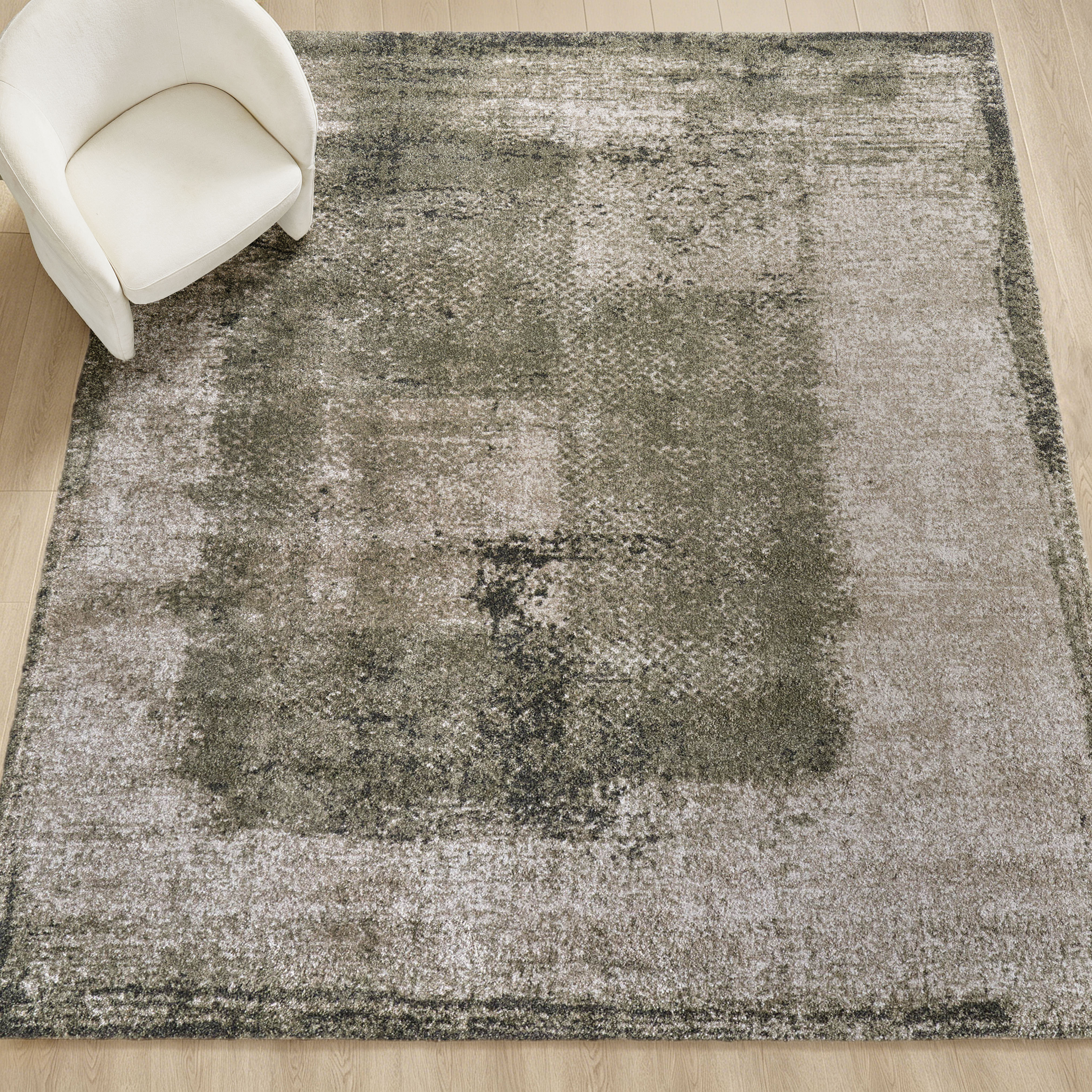
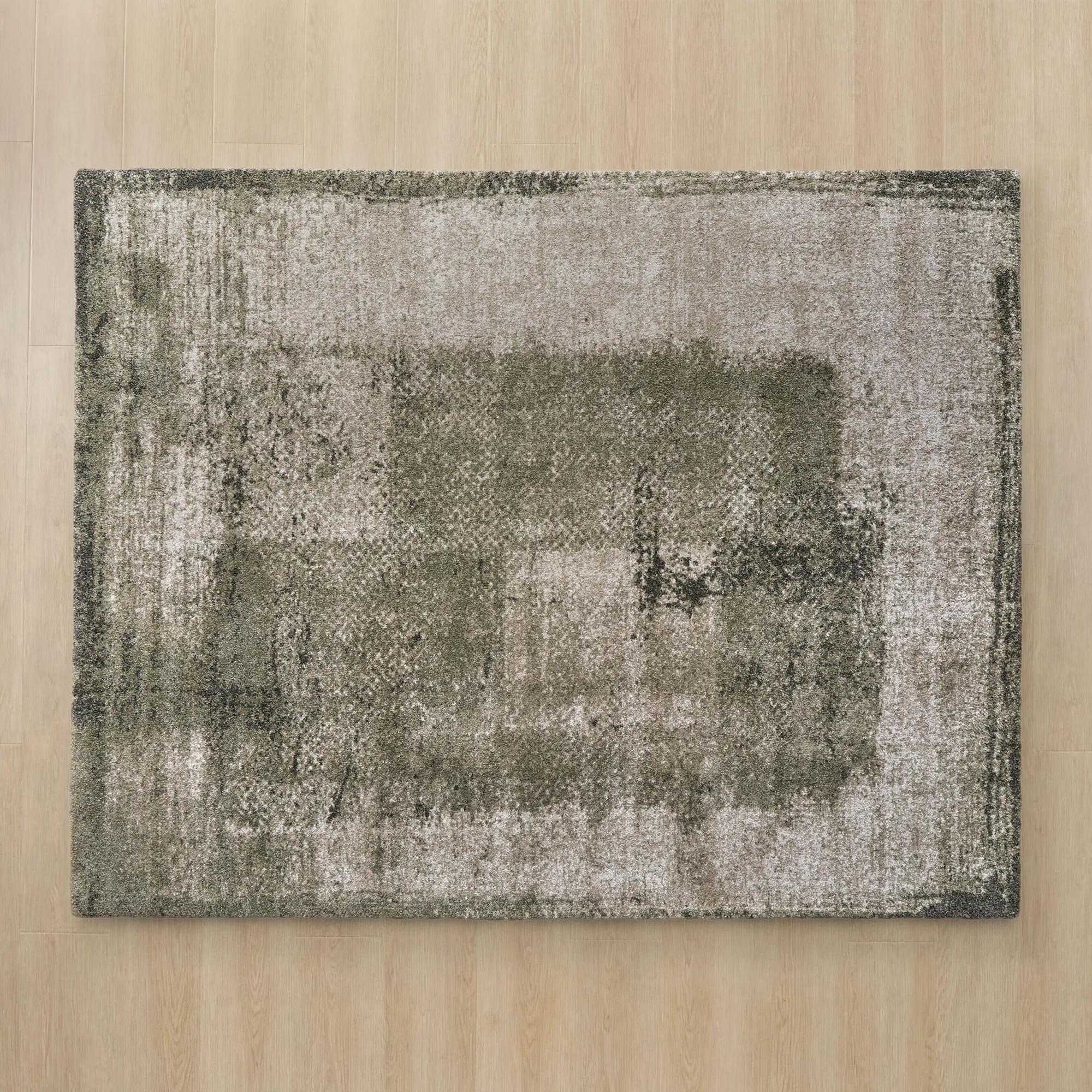 Irving Abstract Moss Green/Beige/Grey Performance Power Loomed Rug$1649
An abstract rug in moss green, beige, and grey with plush, durable polypropylene and polyester construction.
Add To Cart -
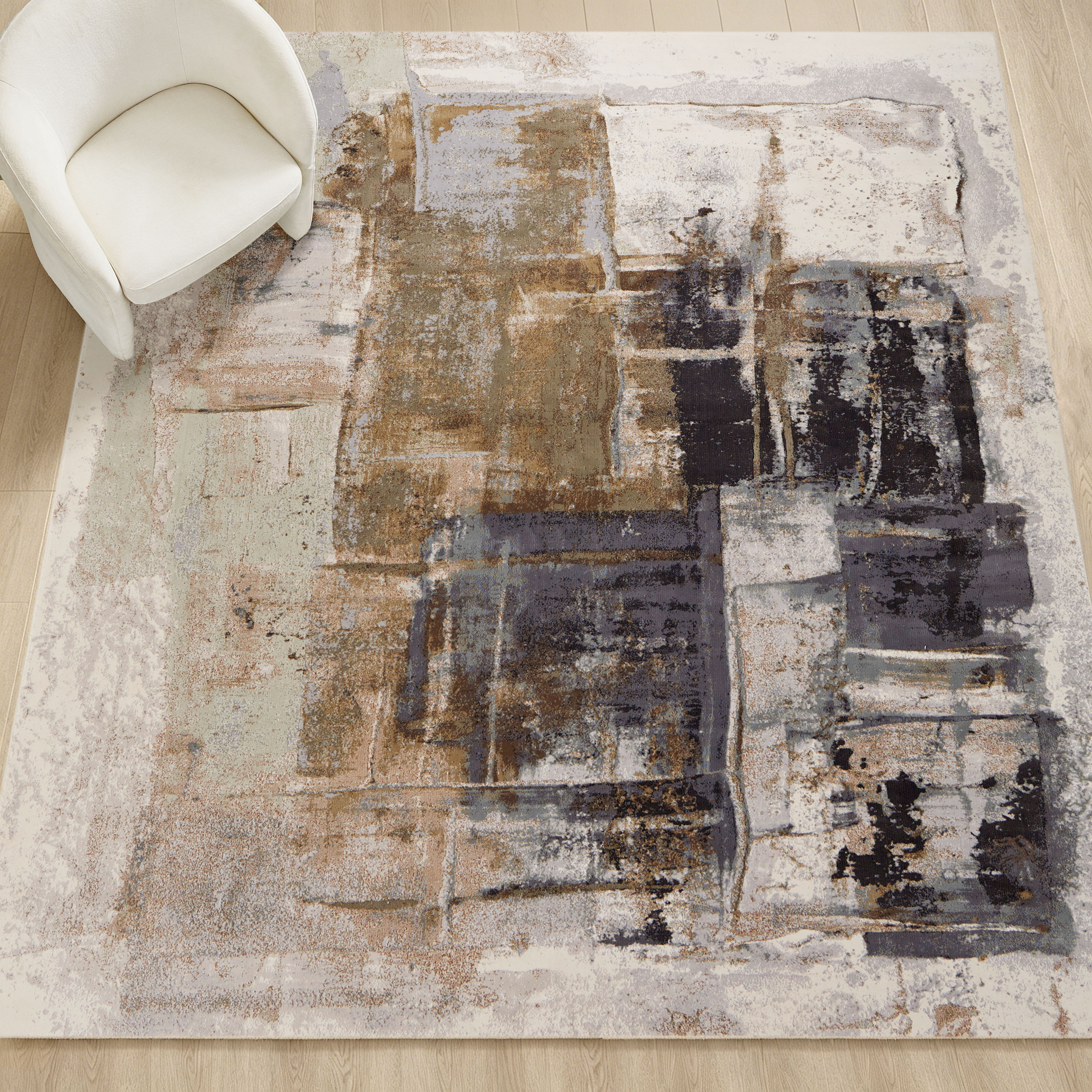
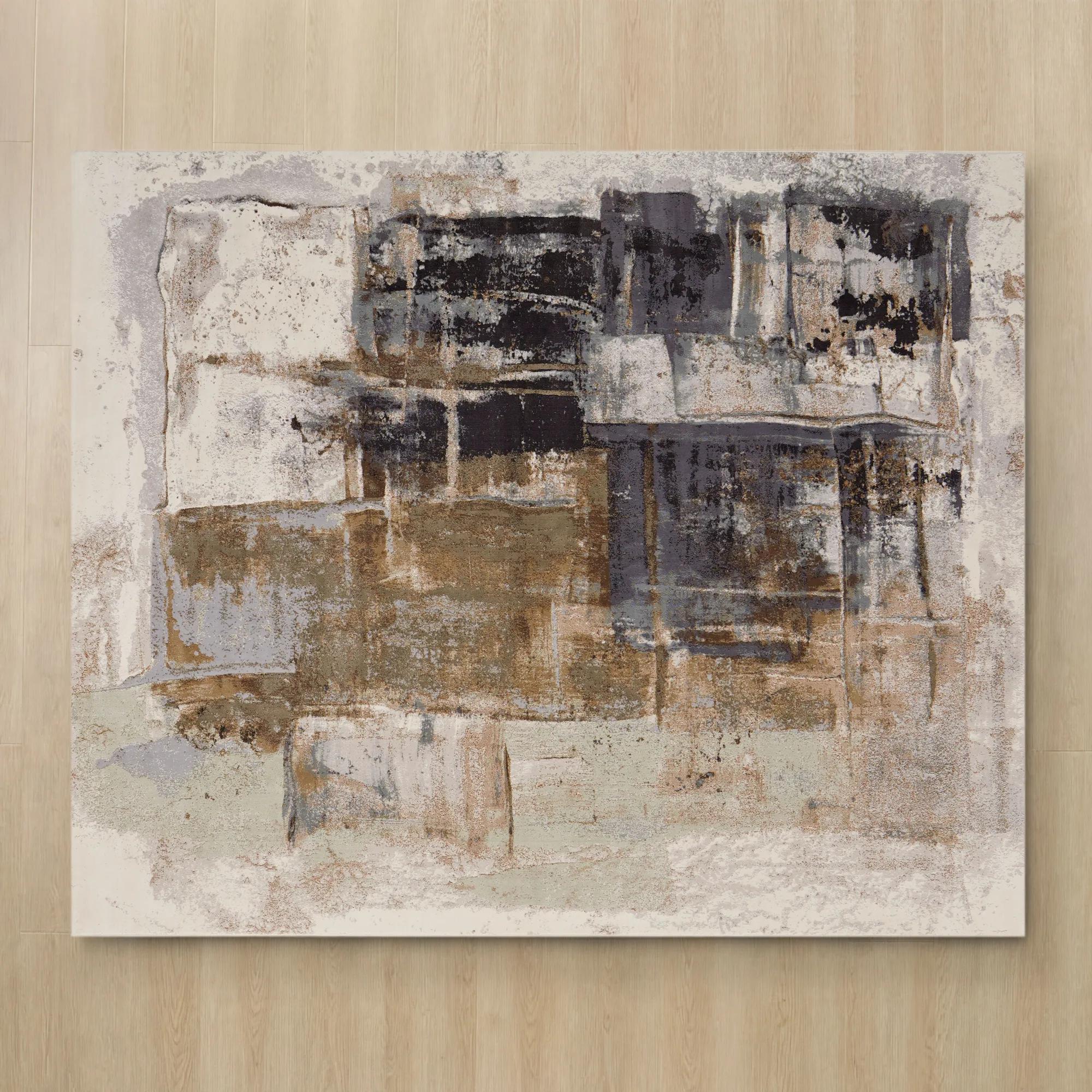 Gaia Abstract Grey/Charcoal/Ivory/Gold/Blue Performance Power Loomed Rug$1549
An abstract rug in grey, charcoal, ivory, gold, and blue with a soft, stain-resistant performance blend.
Add To Cart -
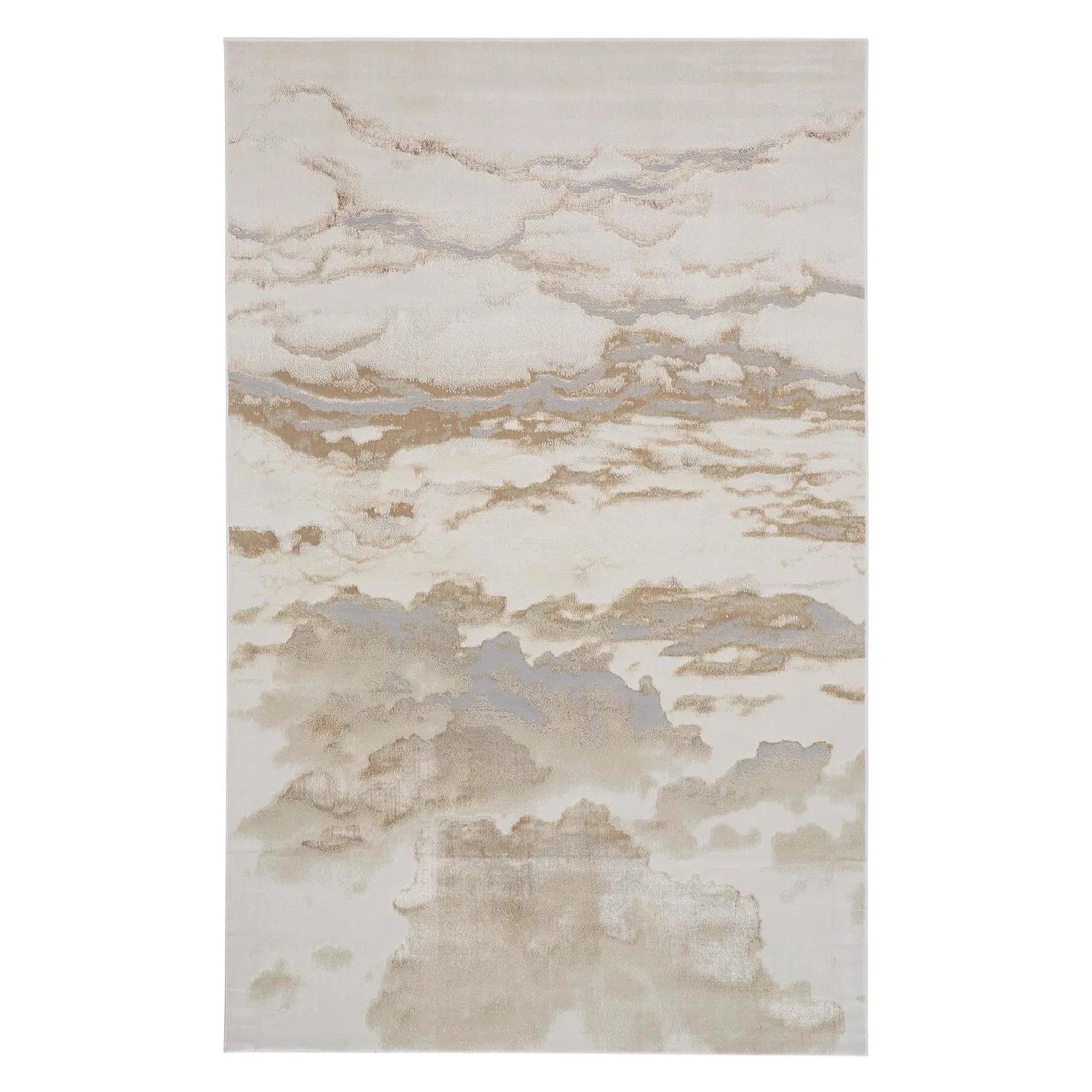
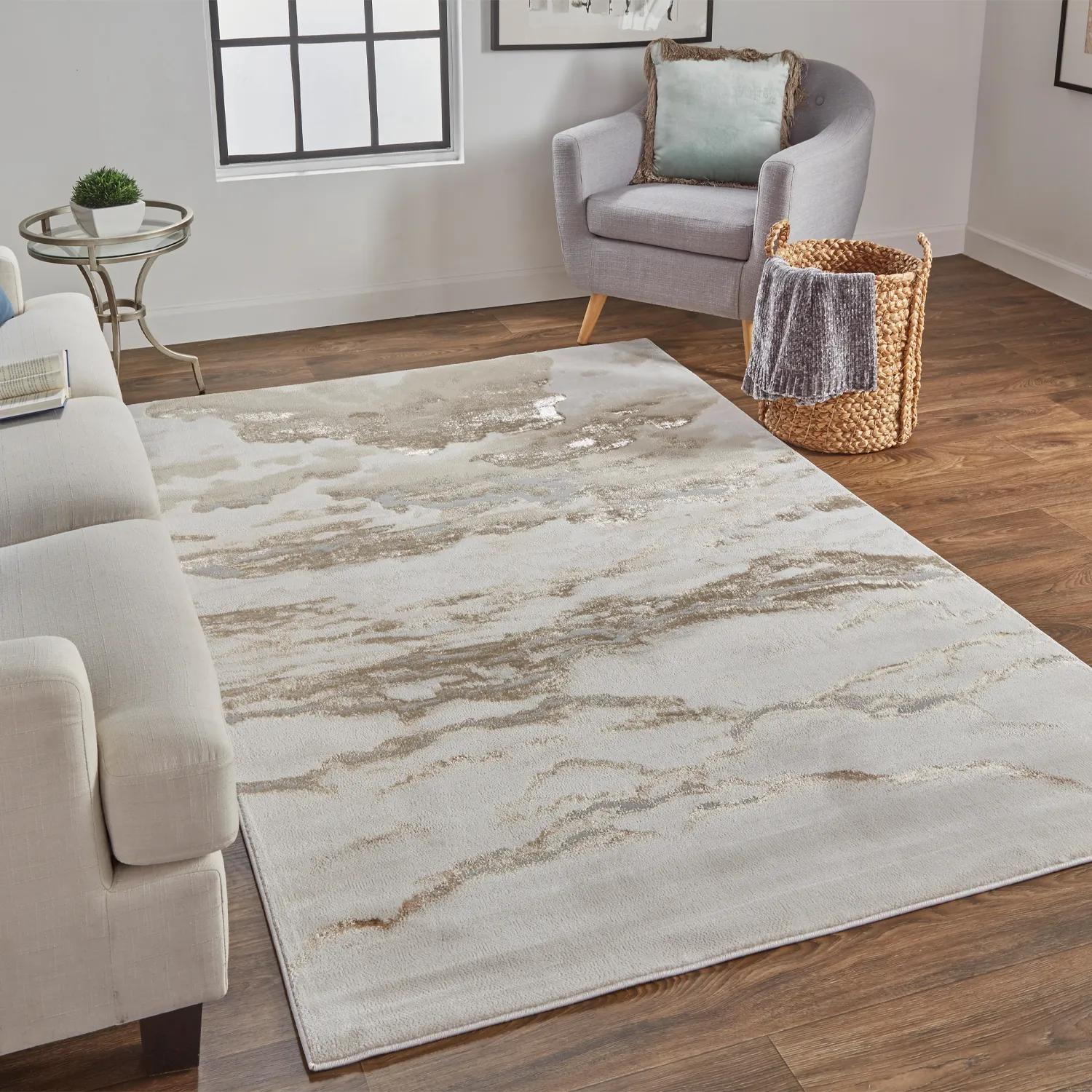 Tide Power-Loomed Beige/Gold/Ivory Rug$899
A machine-made rug in beige and gold, crafted from ultra-soft polyester and polypropylene for elegant spaces.
Add To Cart -
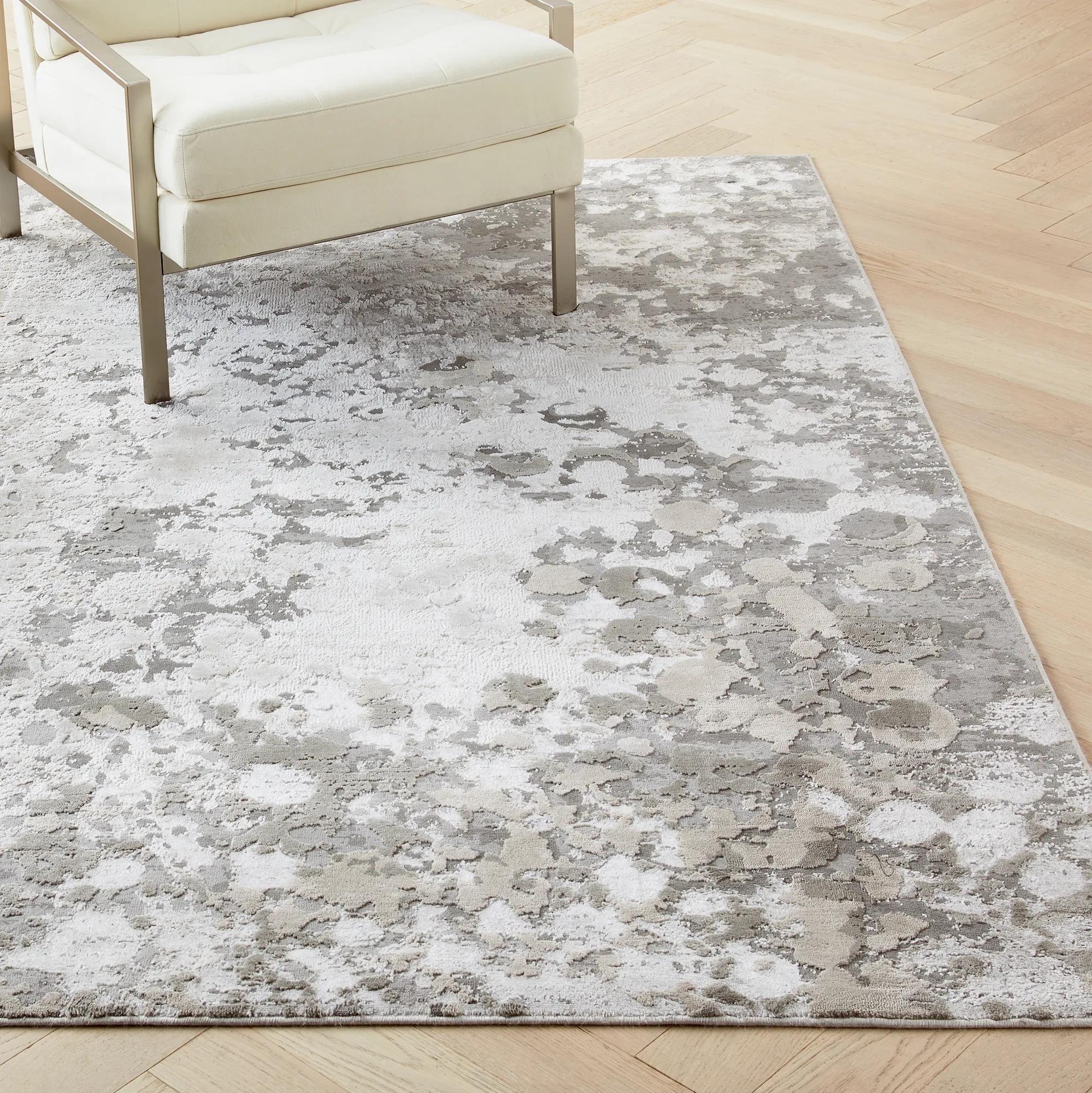 Mercury Power-Loomed Silver/Grey/Beige Rug$1649
A textured rug in silver, grey, and beige crafted from polyester, polypropylene, jute, and cotton.
Add To Cart -
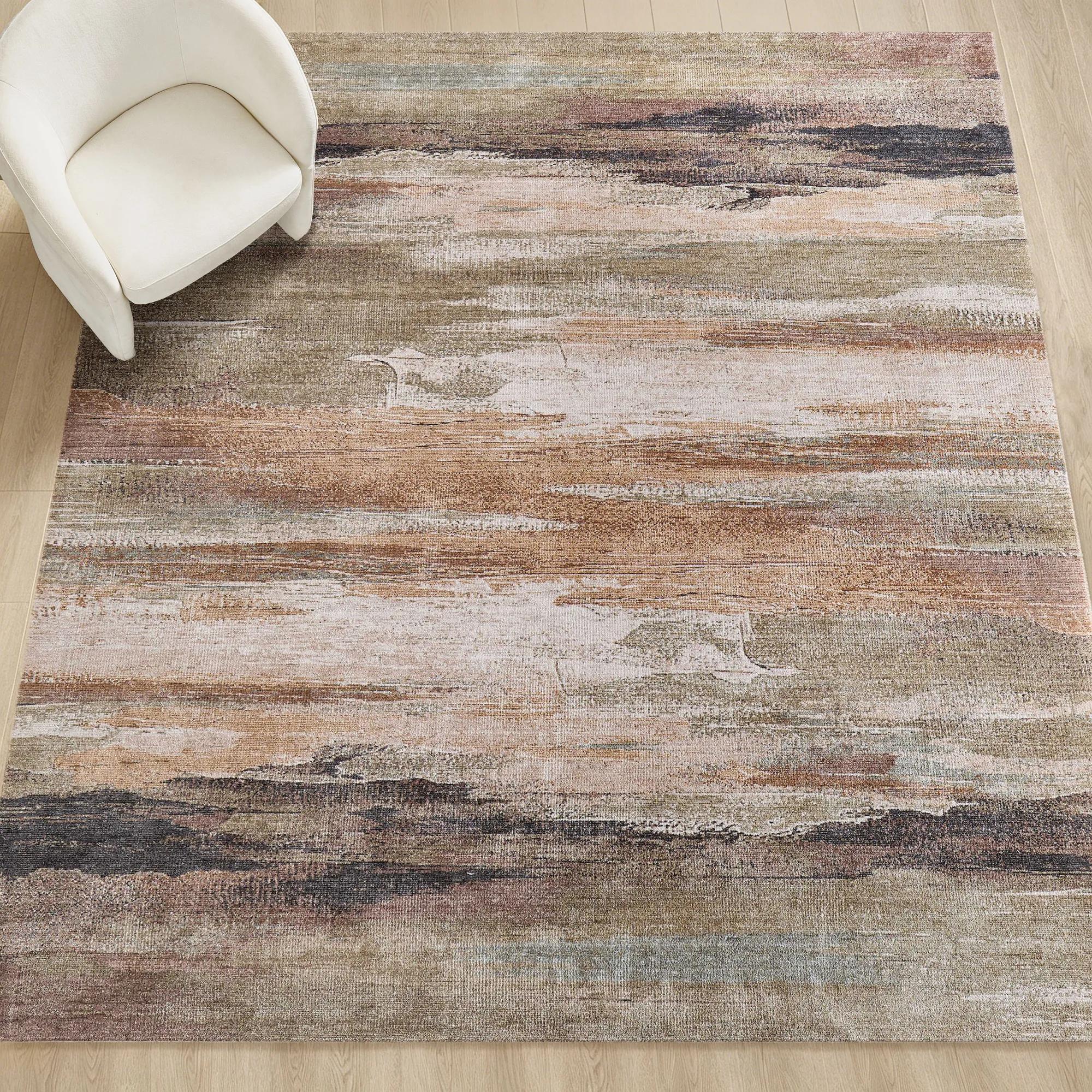
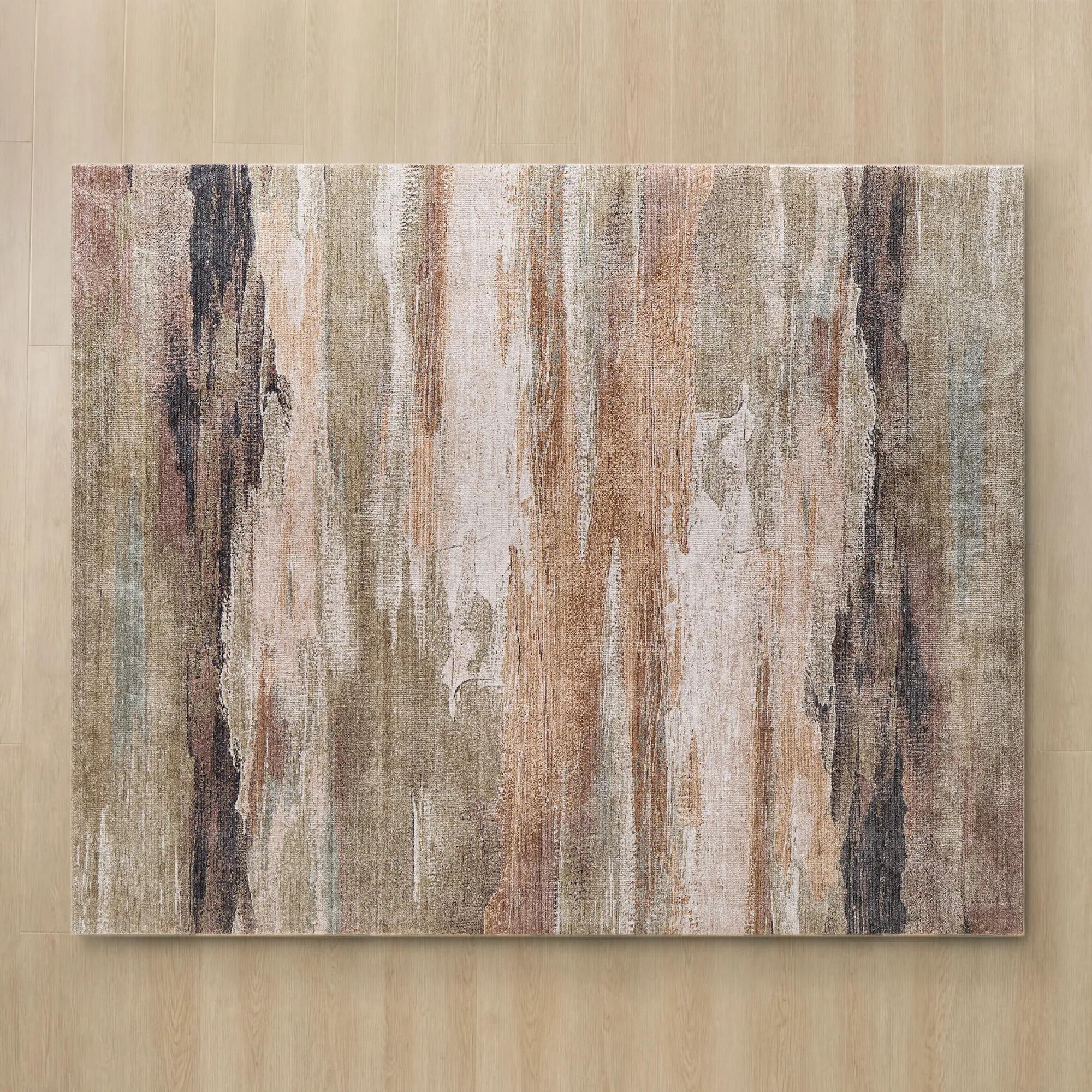 Sedona Rust/Beige/Moss Green/Charocal/Blue Performance Power Loomed Rug$1499
A power-loomed polyester rug featuring a rich abstract pattern in rust, beige, moss green, charcoal, and blue.
Add To Cart -
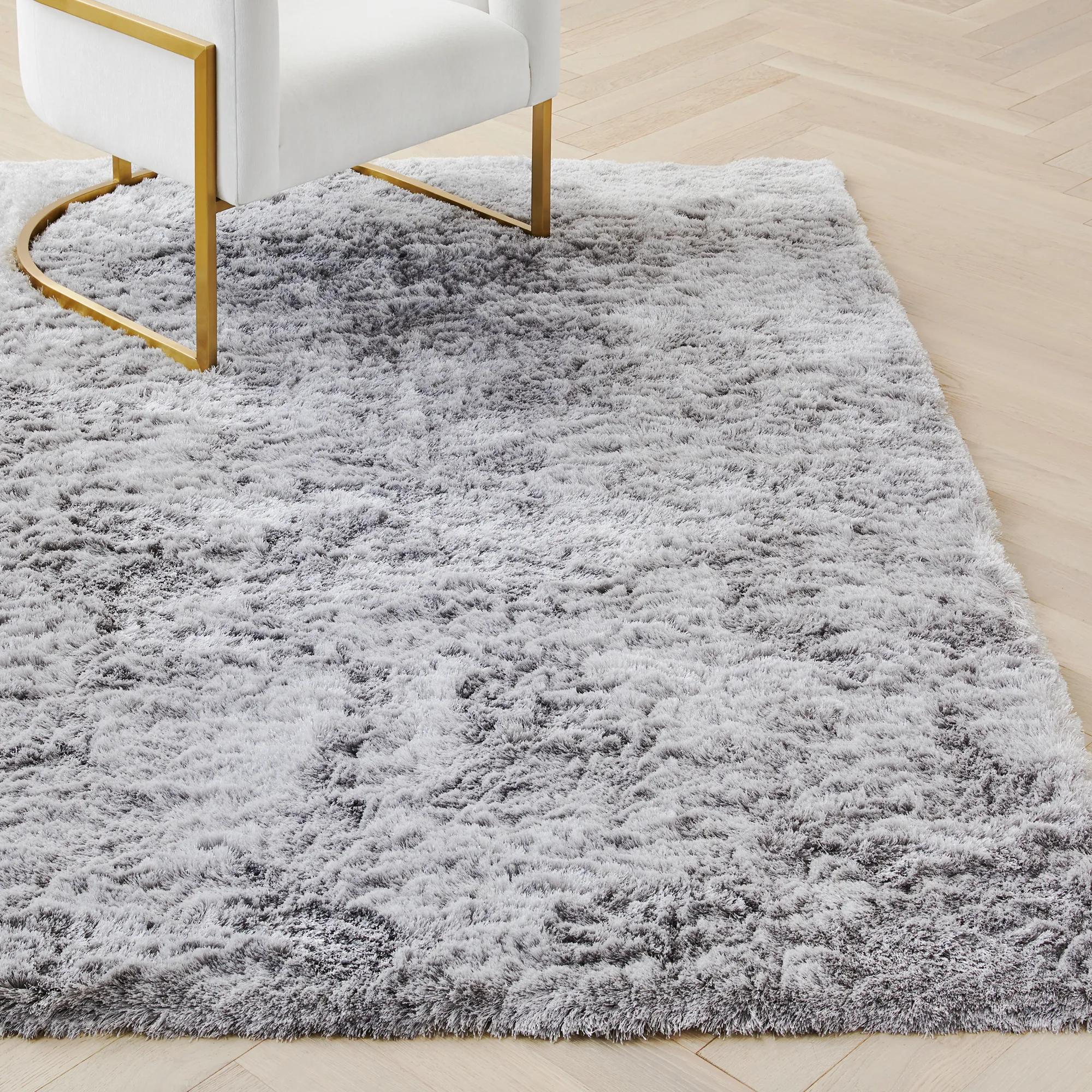 Indochine Shag Platinum Rug$399
A platinum-toned shag rug with a subtle sheen and plush 1.5" polyester pile for luxurious texture.
Add To Cart -
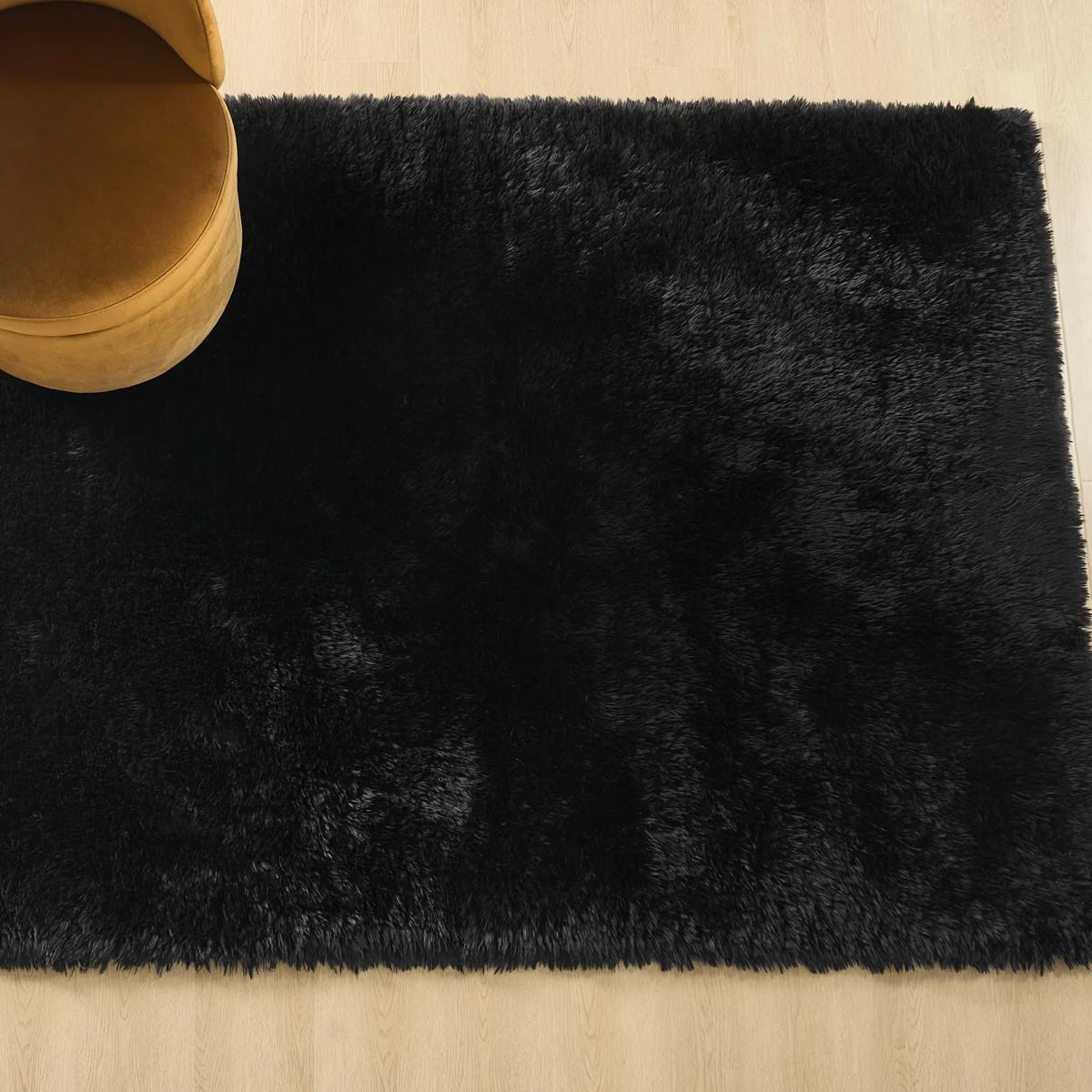
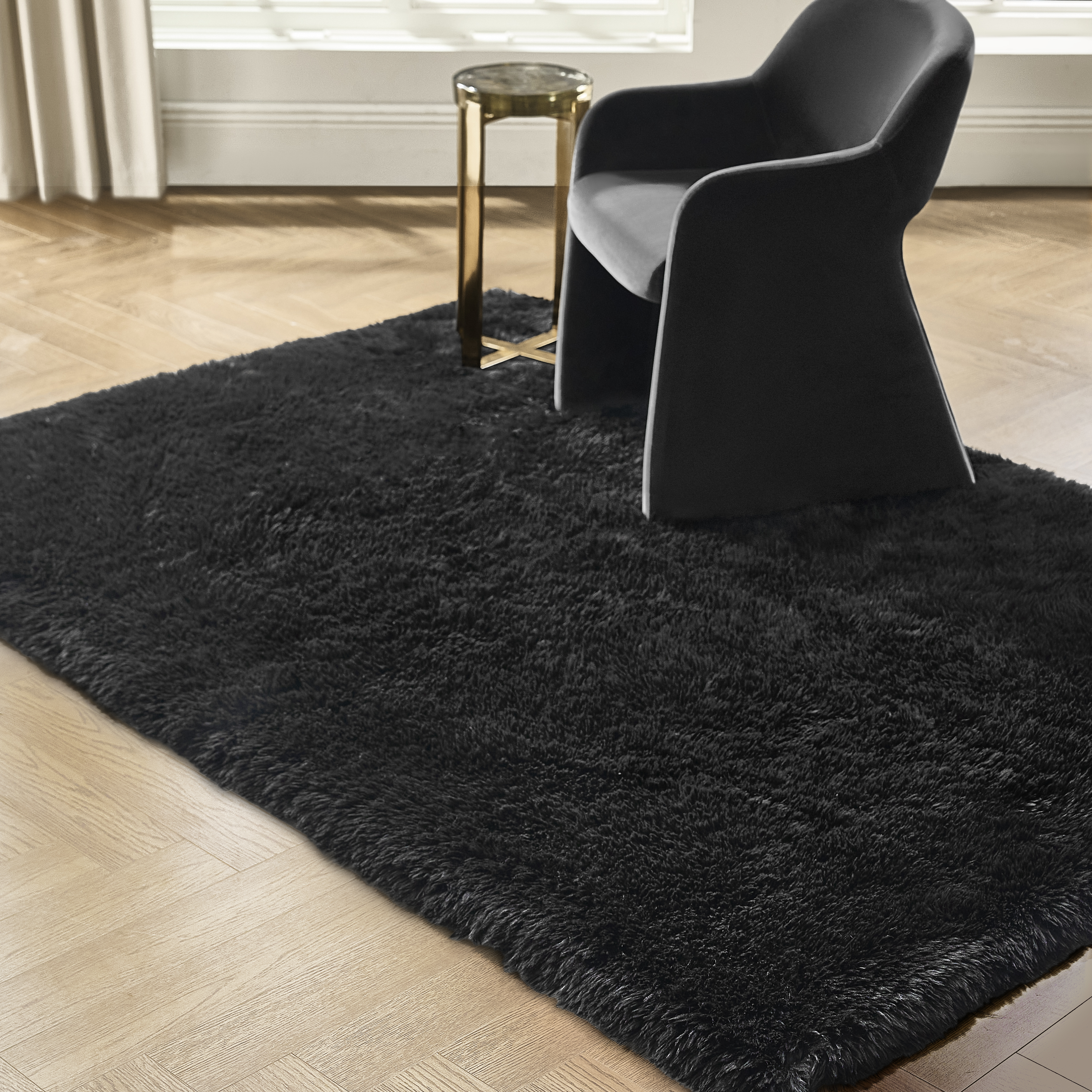 Lustre Shag Rug - Black$299
A plush, ultra-soft high-pile rug in deep black polyester with a non-slip backing for modern elegance.
Add To Cart -
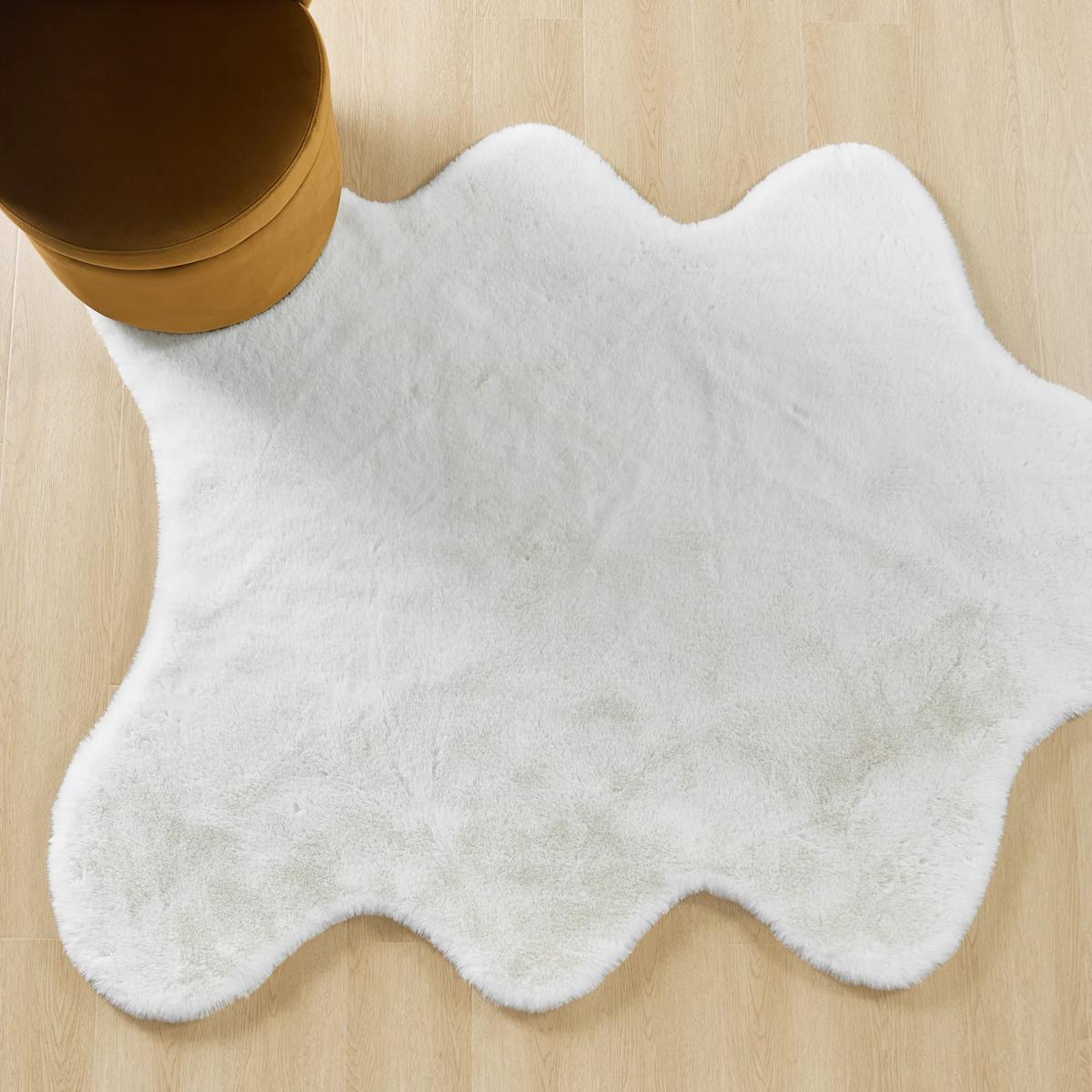
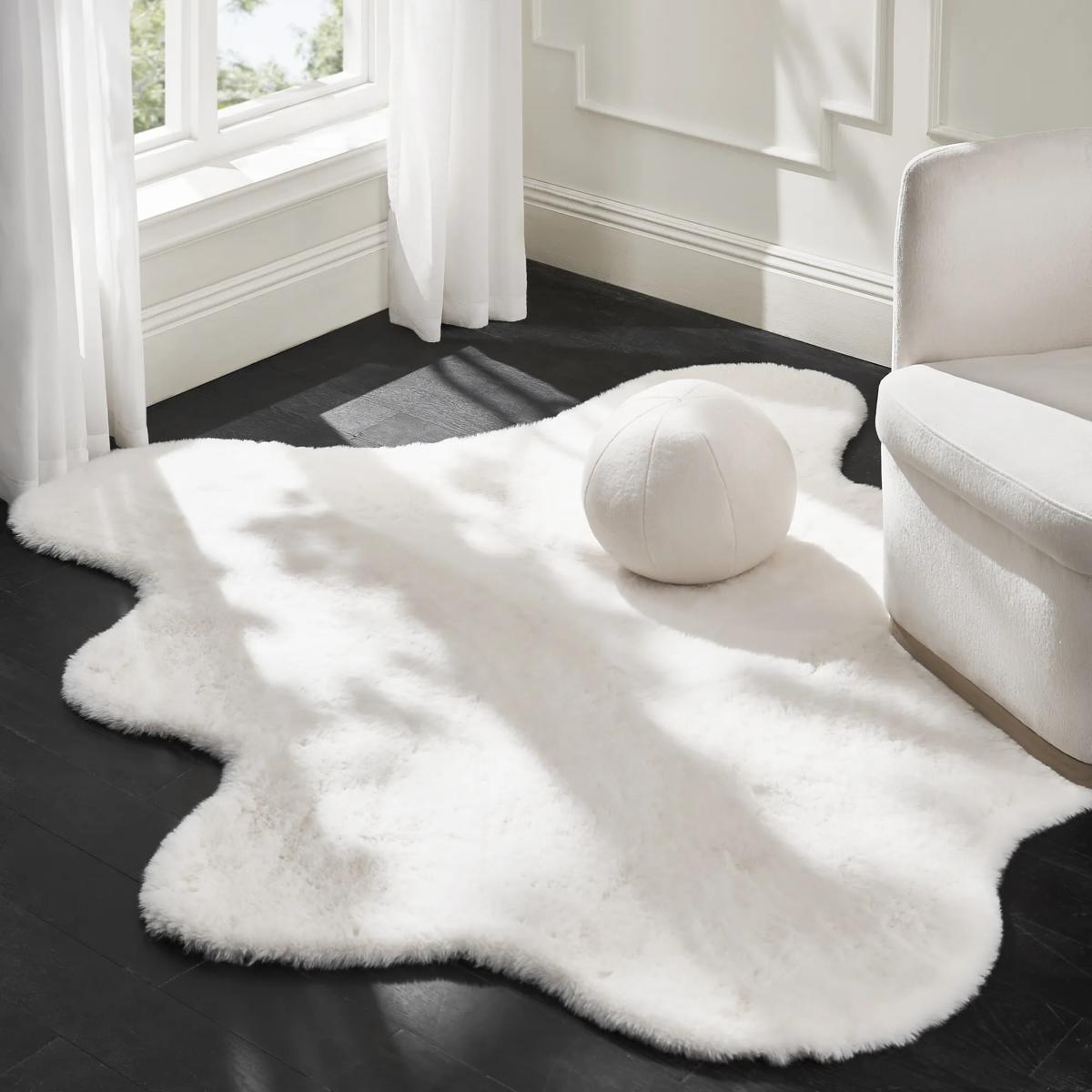 Odin Faux Fur White Shaped Rug 5' x 6'$249
A plush, cloud-shaped white rug with ultra-soft polyester pile and a practical non-slip backing.
Add To Cart

Polypropylene Polyester Area Rugs
Polypropylene Polyester Area Rugs transform the ordinary into the extraordinary, weaving artistry and modern resilience into every fiber. These statement-making rugs invite you to indulge in bold patterns, radiant hues, and sumptuous textures that elevate any space from simple to striking. Whether anchoring a grand living room or adding a flourish of drama to a quiet corner, each piece is designed to ignite your imagination and ground your décor with effortless sophistication. Let your floors become the foundation for self-expression—where every step is a brushstroke on the canvas of your home.
Polypropylene and polyester area rugs bring expressive pattern, sumptuous texture, and resilient synthetic fibers to rooms designed to make an impression. Polypropylene, also called olefin, resists moisture absorption and many water-based stains, while polyester is valued for its soft hand, rich color, and, in certain constructions, a subtle sheen. Rugs made with either fiber—and designs that blend the two—can create a polished foundation for living rooms, bedrooms, dining spaces, and other gathering places. Their performance depends on more than the fiber name: pile height, yarn density, construction, backing, and finishing all influence how a rug feels and wears. A closely constructed, low-pile rug generally accommodates regular foot traffic and moving furniture more readily than a deep, loosely textured pile. A plush surface offers a more cushioned sensation underfoot, making it especially inviting beside a bed or beneath a lounge arrangement. Polypropylene is often chosen for its moisture and stain resistance, but oily spills can be difficult to remove, and repeated pressure may flatten its pile. Polyester also resists many water-based stains and holds color well, though heavily traveled pathways and furniture legs can leave visible compression over time. Neither material is stainproof or immune to wear. A polypropylene-polyester blend may combine a resilient foundation with added surface softness or luster, depending on how the fibers are used. For related compositions, Polypropylene Blend Area Rugs offer another way to explore the relationship between fiber content and texture. These synthetic materials suit households seeking decorative impact alongside manageable everyday care, including homes where entertaining, children, or pets shape the rhythm of a room. For those settings, a patterned, lower-pile design can be a practical choice without surrendering drama. Think sweeping abstract lines beneath a tailored sofa, a tonal motif that gives an ivory seating area depth, or a silvery surface that catches the light beside a sculptural accent table. The material supports daily living; the design gives that living space its distinct character.
Scale and placement determine whether an area rug simply occupies floor space or gives the entire room a sense of intention. In a living room, a rug large enough to hold at least the front legs of the main seating pieces creates a visual connection between the sofa, chairs, and tables. A small rug isolated beneath a coffee table can leave a generous seating arrangement feeling fragmented, even when its pattern is striking. Common dimensions such as 8 by 10 feet or 9 by 12 feet provide useful starting points, but the furniture footprint and room proportions should lead the decision. Marking the proposed edges on the floor with a surface-safe method makes it easier to judge walking paths, door clearance, and the amount of exposed flooring. Beneath a dining table, allow enough rug beyond the tabletop for chairs to remain on it when pulled out; approximately 24 to 30 inches on each side is a common starting point, with deeper chairs sometimes requiring more. A low pile helps chairs move smoothly and makes crumbs easier to reach during routine cleaning. In a bedroom, extending the rug beyond the sides and foot of the bed creates a generous frame and a soft landing where feet naturally meet the floor. Leave clearance for nearby doors and consider whether bedside tables will sit fully on or fully off the rug for a balanced arrangement. Color and pattern deserve the same attention as measurements. Ivory, taupe, and gray can establish a luminous backdrop for velvet upholstery and metallic accents, while charcoal or saturated blue introduces a more enveloping mood. Abstract patterns lend movement to clean-lined furniture; defined geometry can sharpen a room filled with curved silhouettes. A lustrous polyester surface may appear lighter or darker depending on viewing angle and pile direction, so its character can change across the room. Subtle color variation and layered motifs can help disguise minor traces of everyday use, whereas broad areas of solid color tend to reveal them more readily. Texture supplies another dimension: a restrained tonal palette can still feel lavish when the rug pairs raised detailing with a smoother ground.
Thoughtful care preserves the definition, softness, and visual richness that make polypropylene and polyester rugs so compelling. Follow the individual rug’s care label, since the fiber content alone does not determine whether a rug can be machine washed, wet cleaned, or treated with a particular solution. Routine vacuuming removes grit before it works deeper into the pile, where repeated foot traffic can contribute to wear. Use the suction level and attachment recommended for the construction; rotating brush rolls may disturb shag, raised textures, loose yarns, or fringe. Attend to spills promptly by lifting away solids and blotting liquids with a clean, white absorbent cloth rather than scrubbing them across the surface. Test any approved cleaning solution in an inconspicuous area first, and avoid soaking the rug, since a moisture-resistant face fiber does not make the backing or the flooring beneath it waterproof. Greasy food spills, cosmetics, and other oil-based marks deserve particular care because synthetic fibers can retain oily residue. Professional cleaning may be appropriate when permitted by the manufacturer, especially for extensive soiling or stains that resist the recommended treatment. Rotate the rug periodically where its shape and placement allow, helping distribute exposure to footsteps, furniture pressure, and direct sunlight. Furniture cups or suitable protectors can reduce concentrated pressure, although they cannot guarantee that indentations will not form. A properly fitted rug pad adds cushioning, helps limit shifting, and can reduce friction against the floor; choose one compatible with both the rug backing and the flooring manufacturer’s requirements. For homes with pets, consider how claws might interact with loops or raised yarns, and remember that stain resistance does not prevent chewing, snagging, or damage from accidents. Indoor use is the appropriate assumption unless a rug is specifically labeled for outdoor placement, regardless of polypropylene’s low moisture absorption. Matched to the room’s activity and cared for according to its construction, a polypropylene or polyester area rug can deliver a compelling balance of tactile pleasure and everyday practicality. Beneath a dining arrangement or across a richly layered sitting room, it becomes the generous sweep of color and texture that brings the composition together.
FAQs
Polypropylene and polyester rugs offer a harmonious blend of visual elegance and everyday durability. They are celebrated for their vibrant color retention, soft texture, and resistance to stains and fading, making them ideal for high-traffic spaces as well as rooms where you want to make a bold design statement.
These rugs are remarkably versatile, available in an array of colors, patterns, and textures that suit everything from modern minimalism to opulent glamour. Their adaptability allows you to layer them with other textiles or use them as a dramatic focal point, giving you the freedom to express your unique sense of style.
Absolutely. The resilient fibers of a polyester and polypropylene rug are designed to withstand the realities of busy households, including playful pets and energetic children. Their easy-care nature means spills and messes can be cleaned up quickly, allowing you to enjoy luxurious style without worry.
Gifting a rug crafted from these materials is a gesture of both beauty and practicality. It’s a way to help loved ones elevate their living spaces with a piece that combines sumptuous comfort and enduring style—perfect for housewarmings, weddings, or anyone embarking on a new chapter.
A new rug can instantly transform the atmosphere of a room, especially during the winter months. Choose a plush design to add warmth and texture, or opt for bold patterns and colors to invigorate your décor. These rugs are an effortless way to create a cozy, inviting ambiance that feels fresh and inspired all season long.