Polypropylene Area Rugs
Polypropylene Area Rugs
-
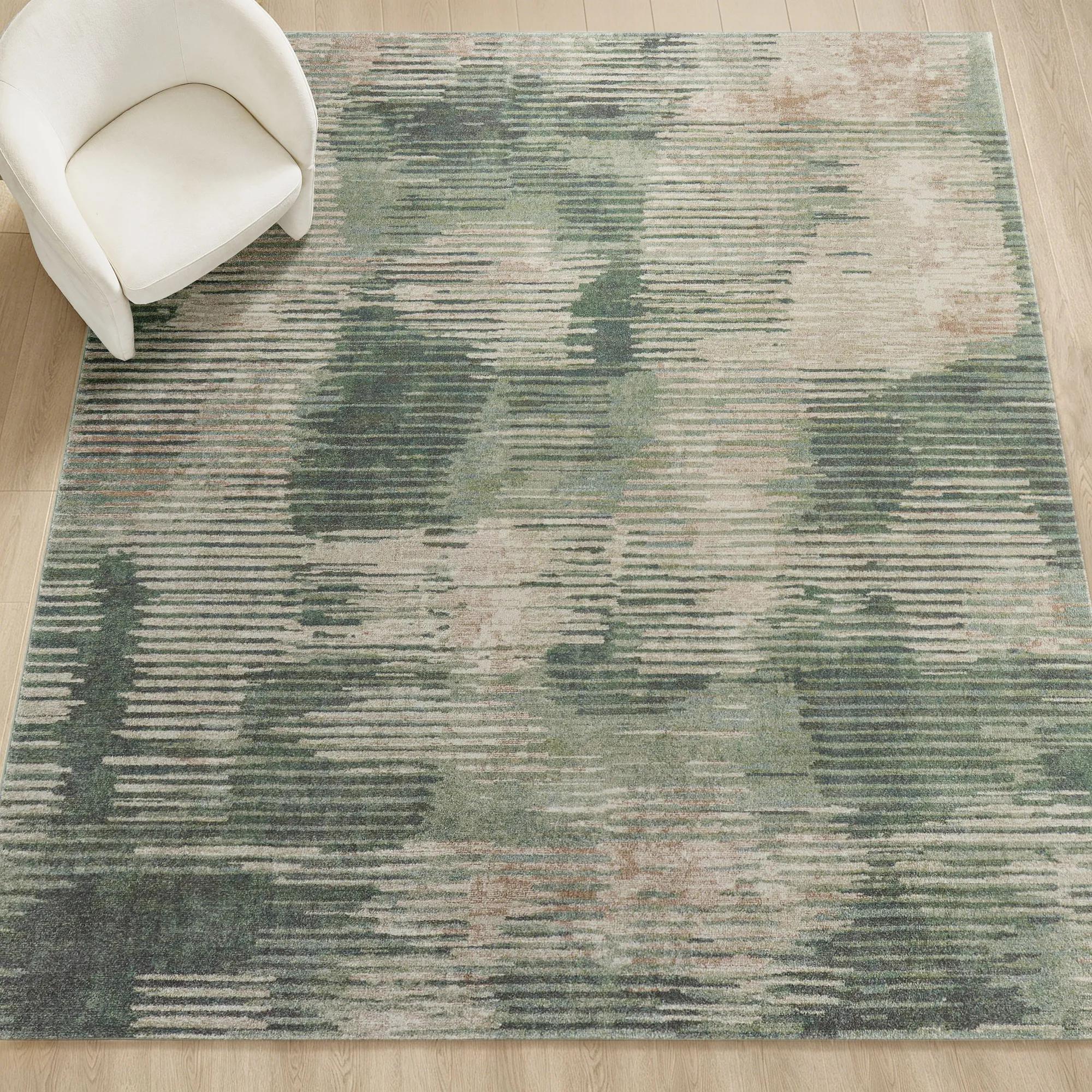
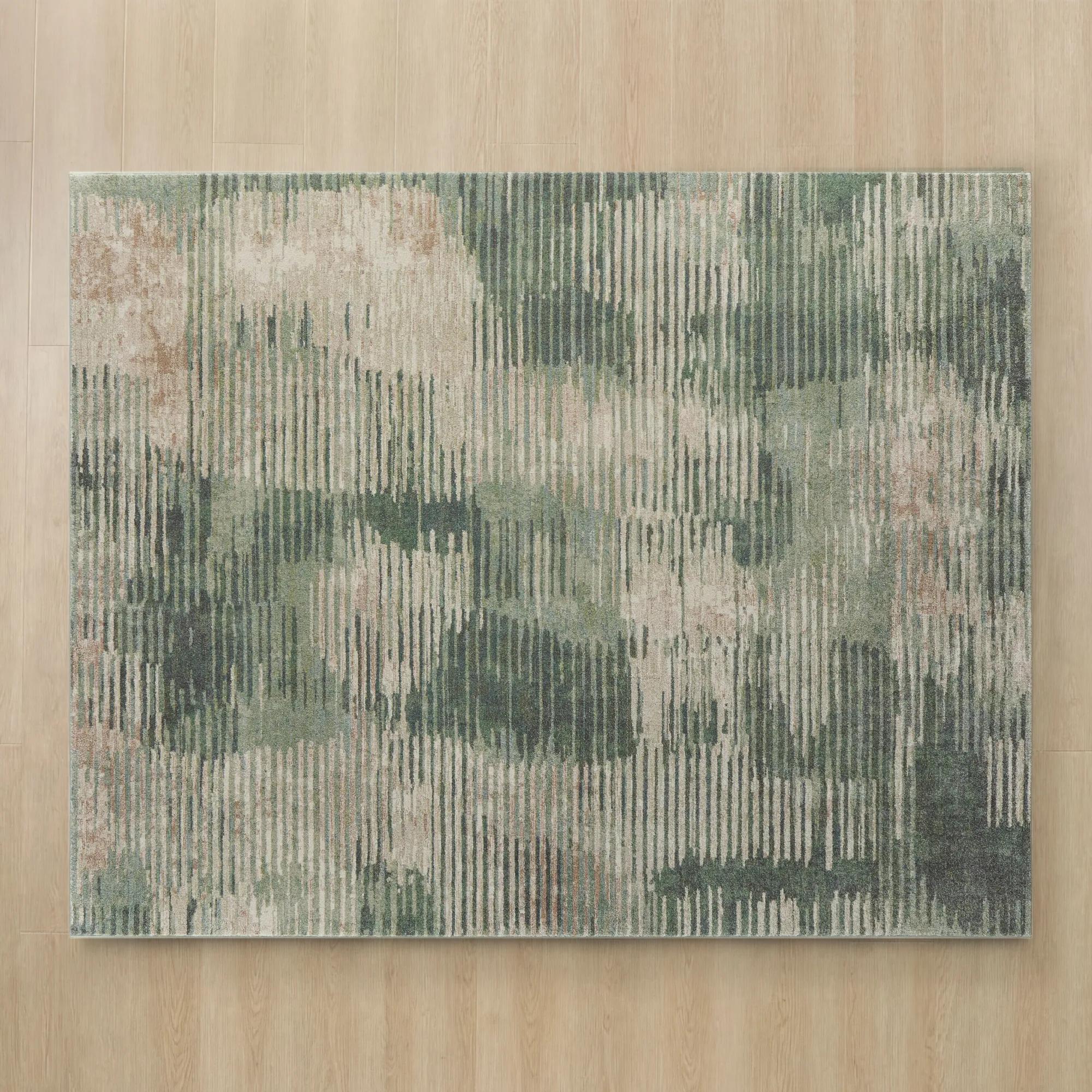 Sylvan Green/Beige Power Loomed Rug$329
A power-loomed polypropylene rug in smoked olive green and beige with a soft, contemporary organic pattern.
Add To Cart -
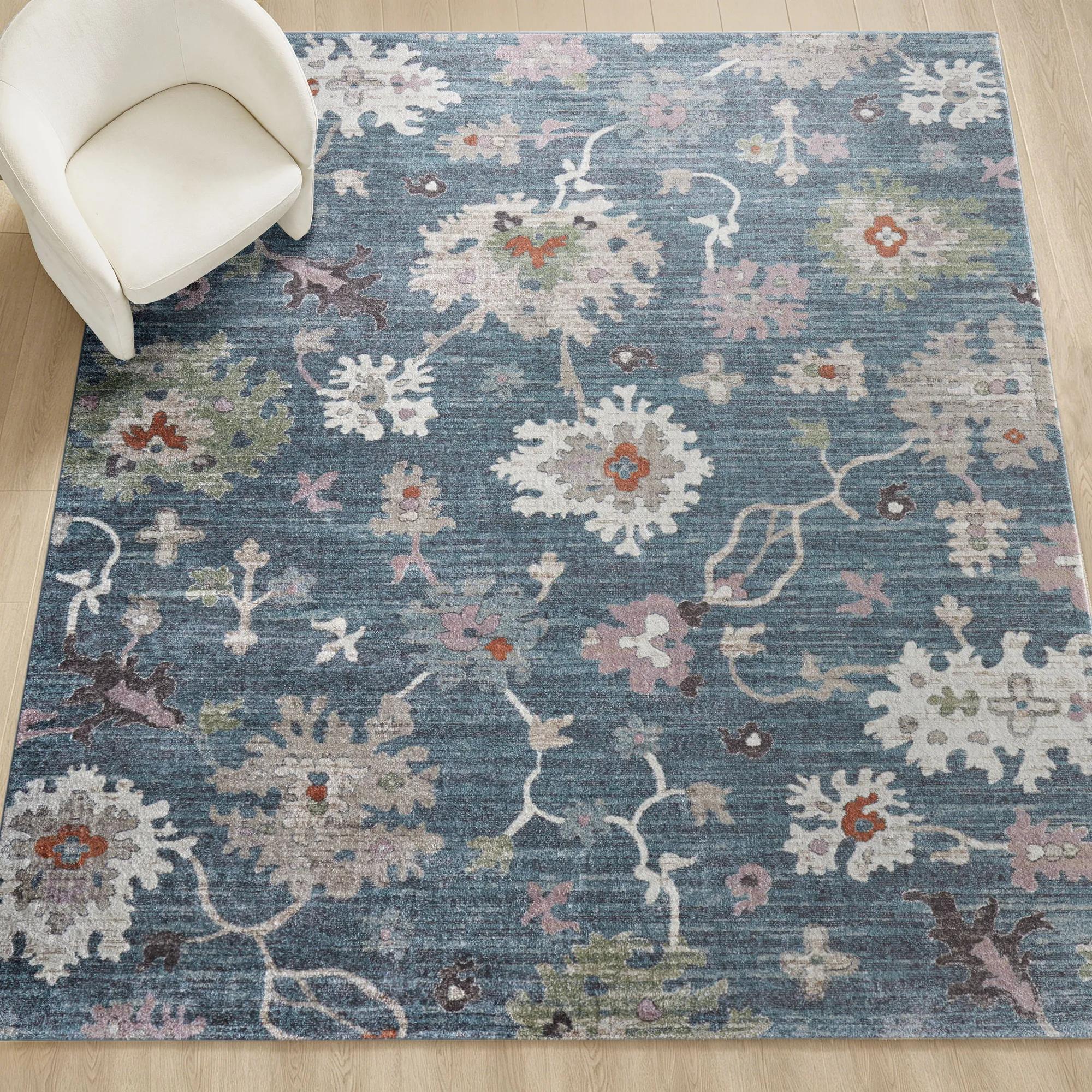
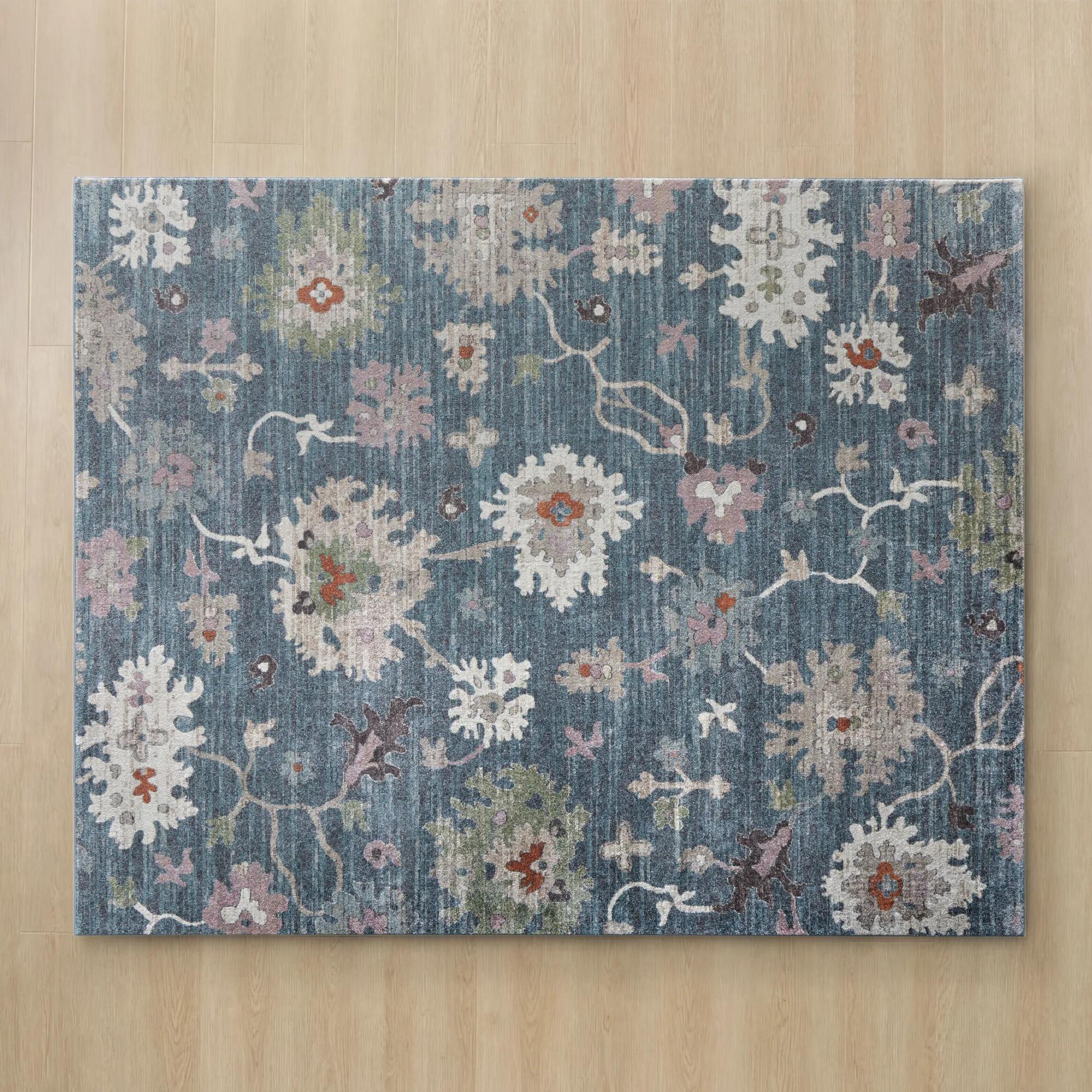 Ariella Floral Blue/Ivory/Beige/Green/Rose Dust Performance Power Loomed Rug$1499
A Persian-inspired rug in blue, ivory, beige, green, and rose dust with plush, stain-resistant polypropylene.
Add To Cart -
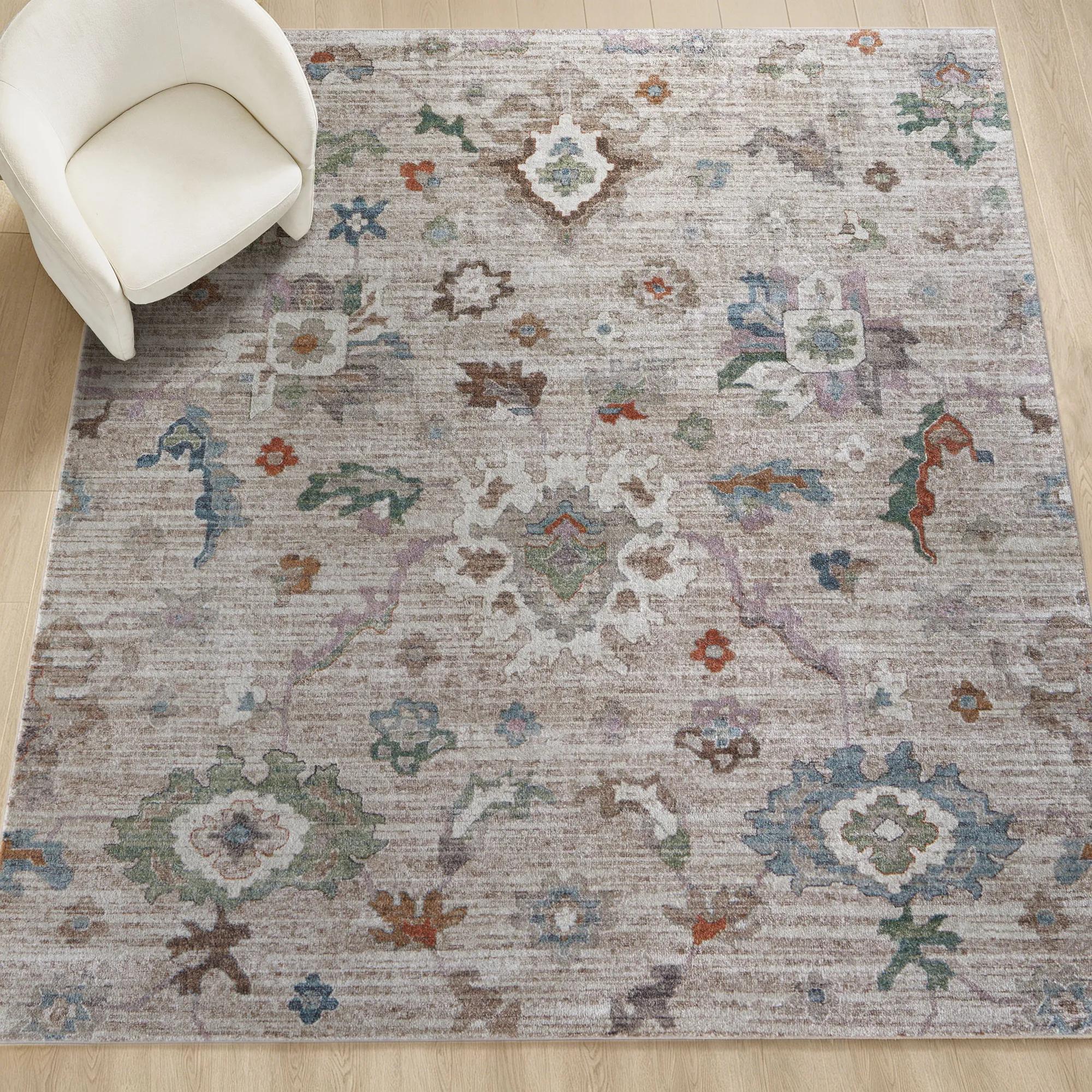
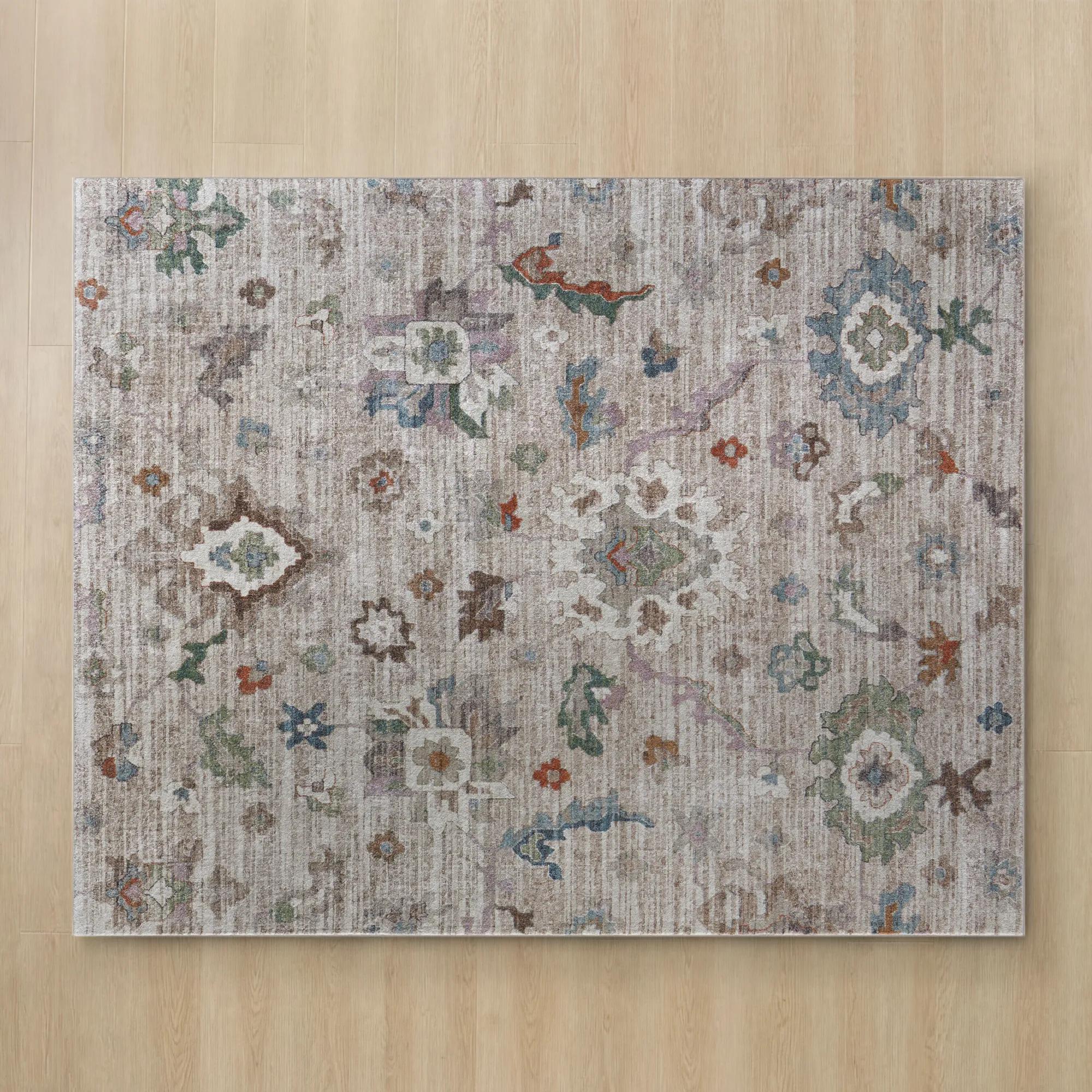 Ariella Floral Taupe/Ivory/Beige/Blue/Green Performance Power Loomed Rug$1499
A Persian-inspired rug in taupe, ivory, beige, blue, and green with a plush, power-loomed polypropylene pile.
Add To Cart -
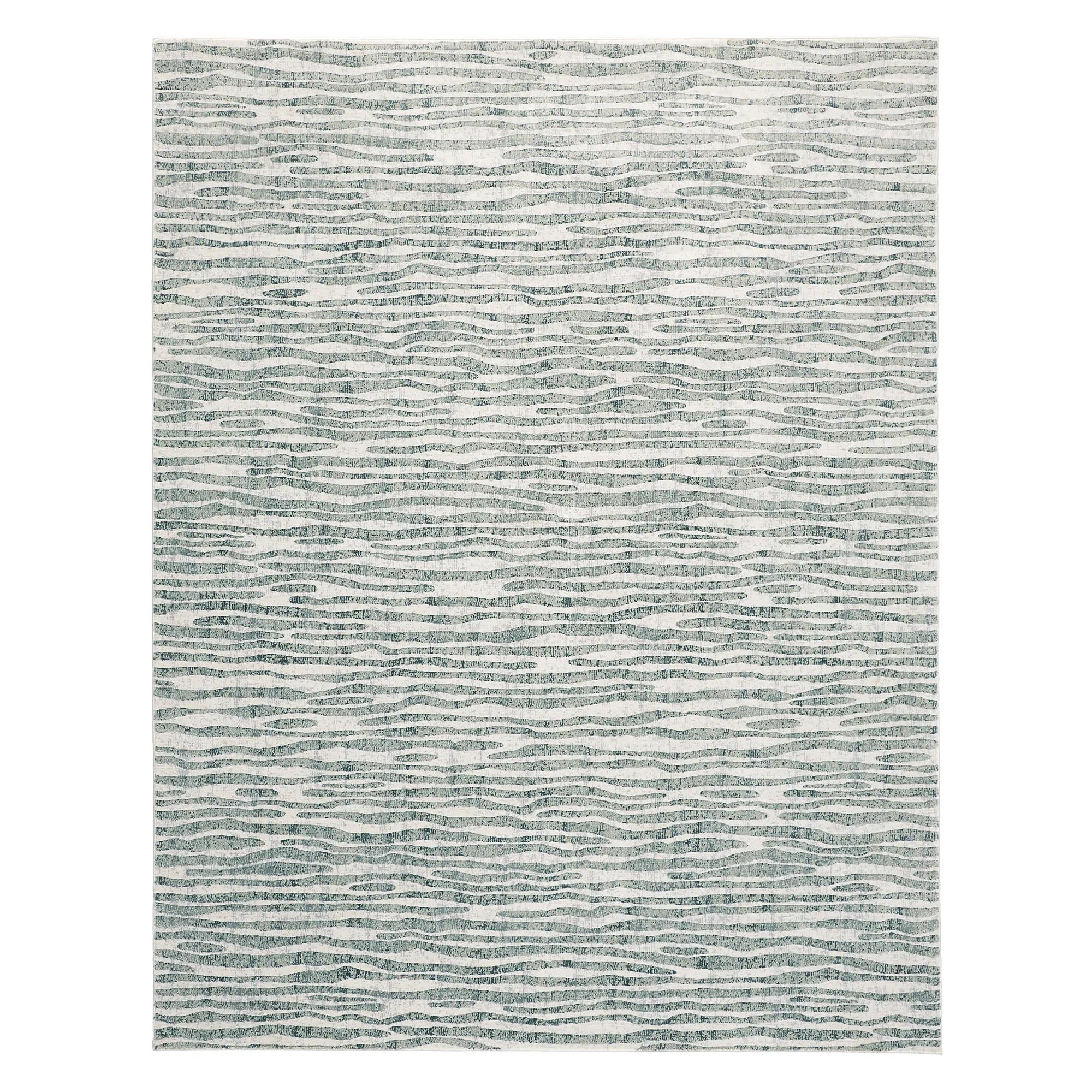 Samantha Power-Loomed Aqua/Grey Rug$719
A machine-woven rug featuring silvery-aqua and green accents on an ivory and grey polypropylene base.
Add To Cart -
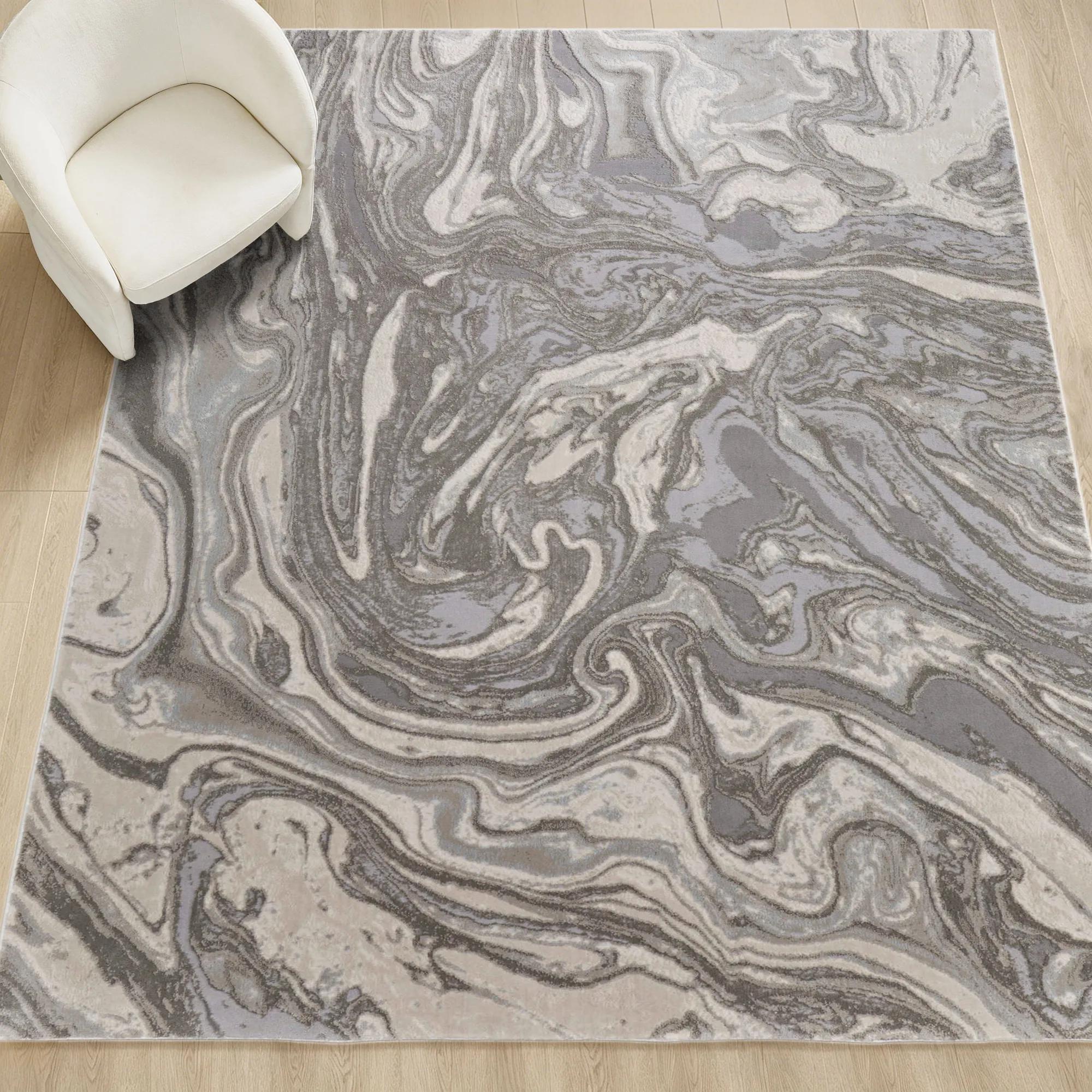
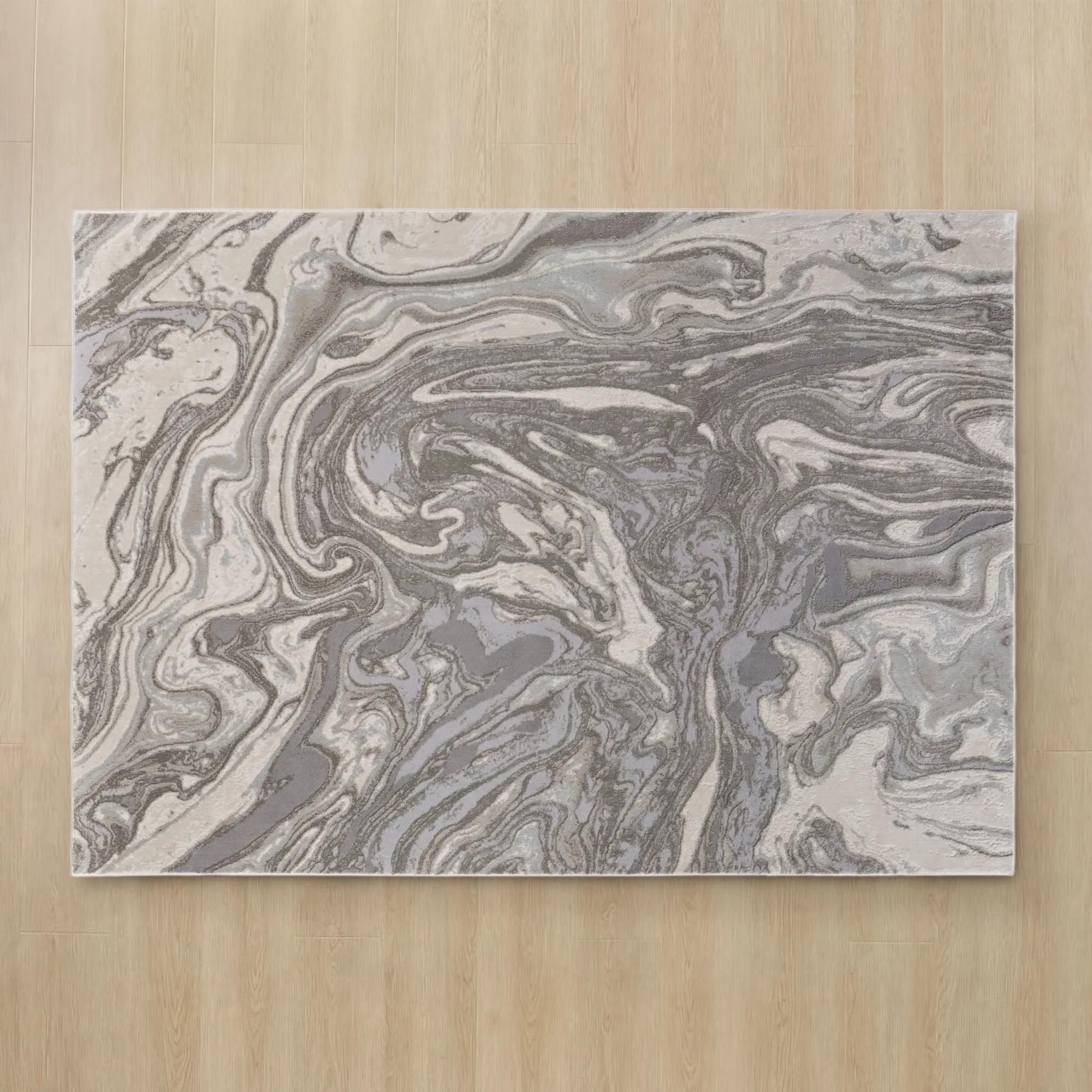 Marbre Marbled Grey/Taupe/Powder Blue Performance Power Loomed Rug$379
A softly marbled rug in grey, taupe, and powder blue with a textured, stain-resistant polypropylene blend.
Add To Cart -
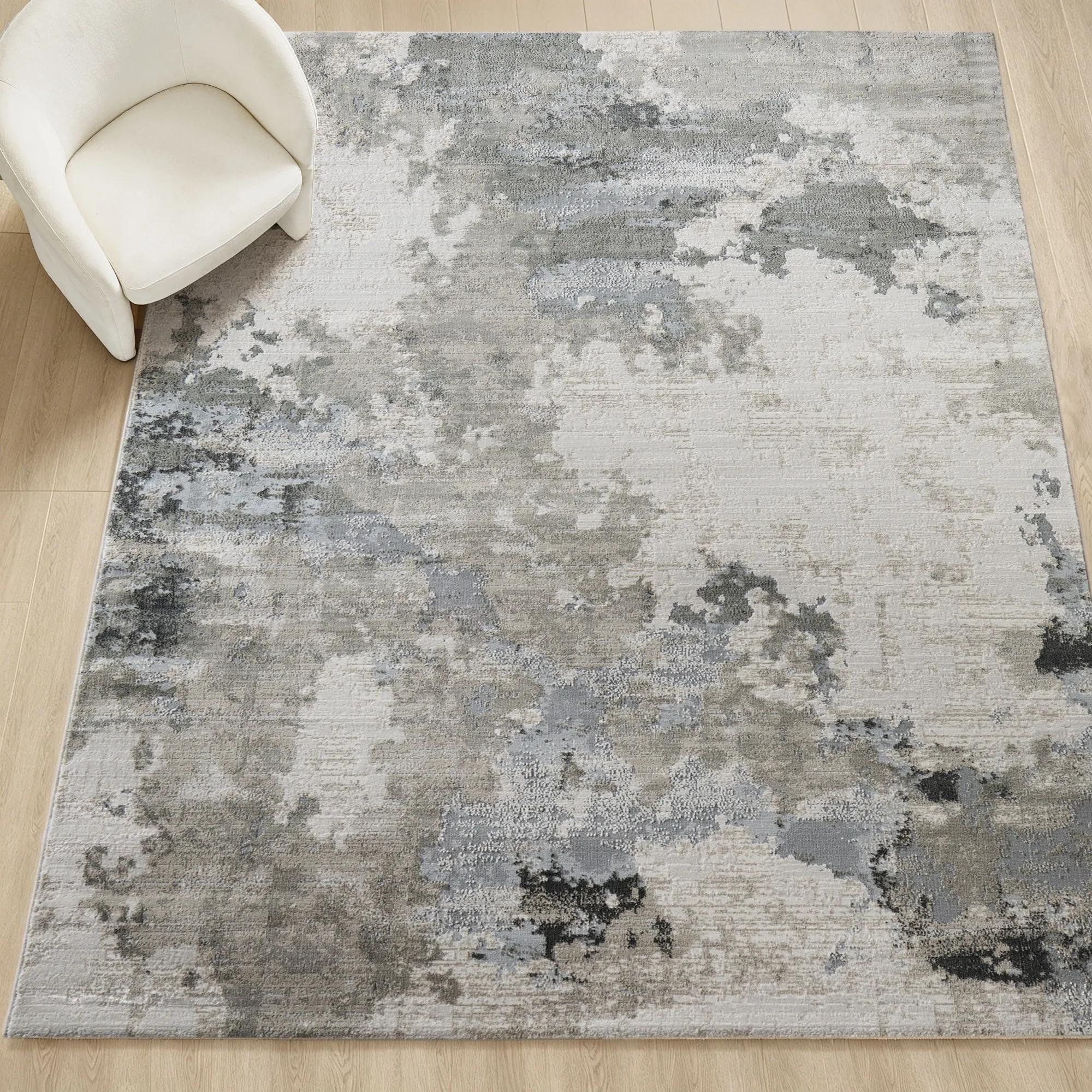 Alarion Abstract Grey/Muted Blue/Ivory Performance Power Loomed Rug$379
A power-loomed rug featuring a grey, muted blue, and ivory abstract pattern with stain-resistant durability.
Add To Cart -
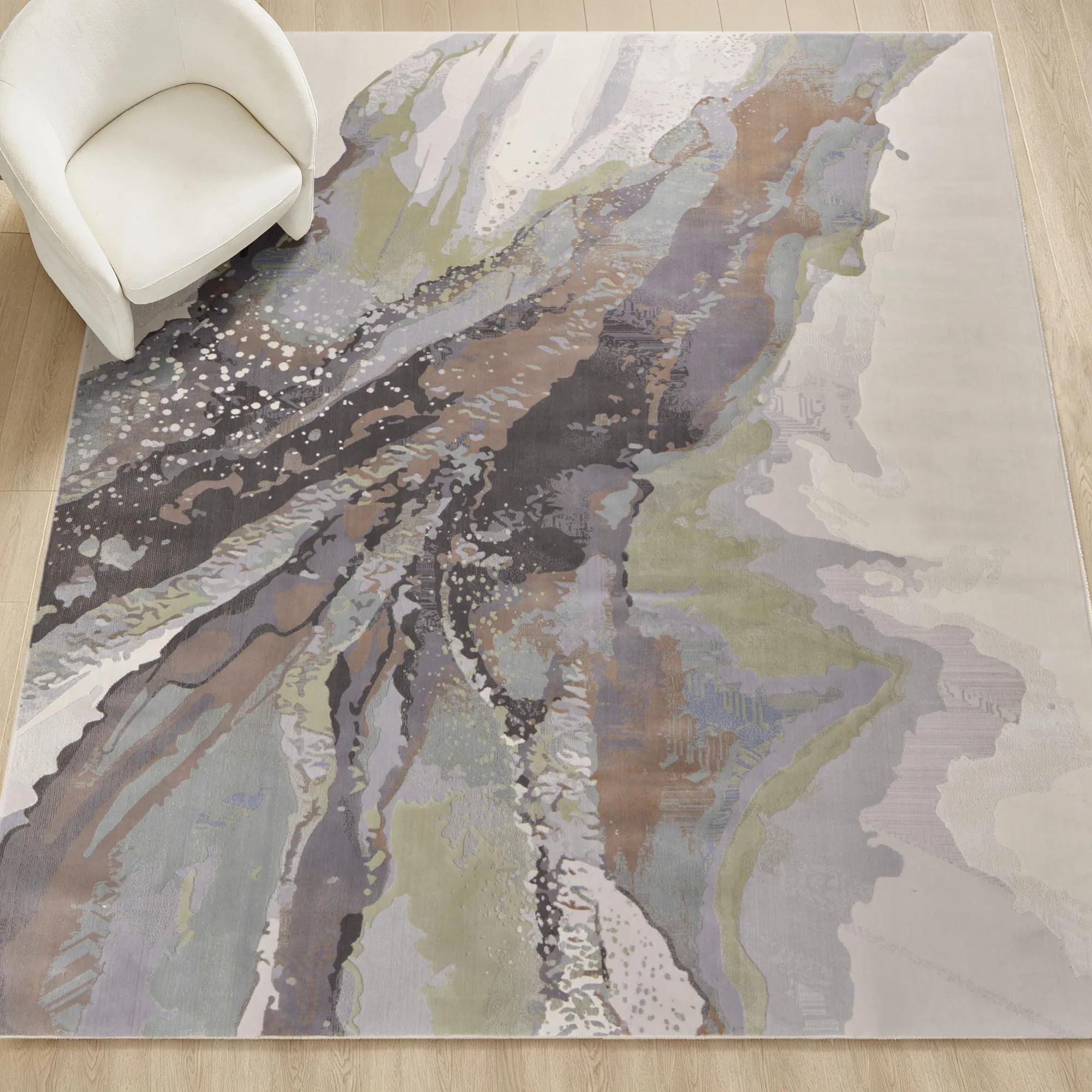
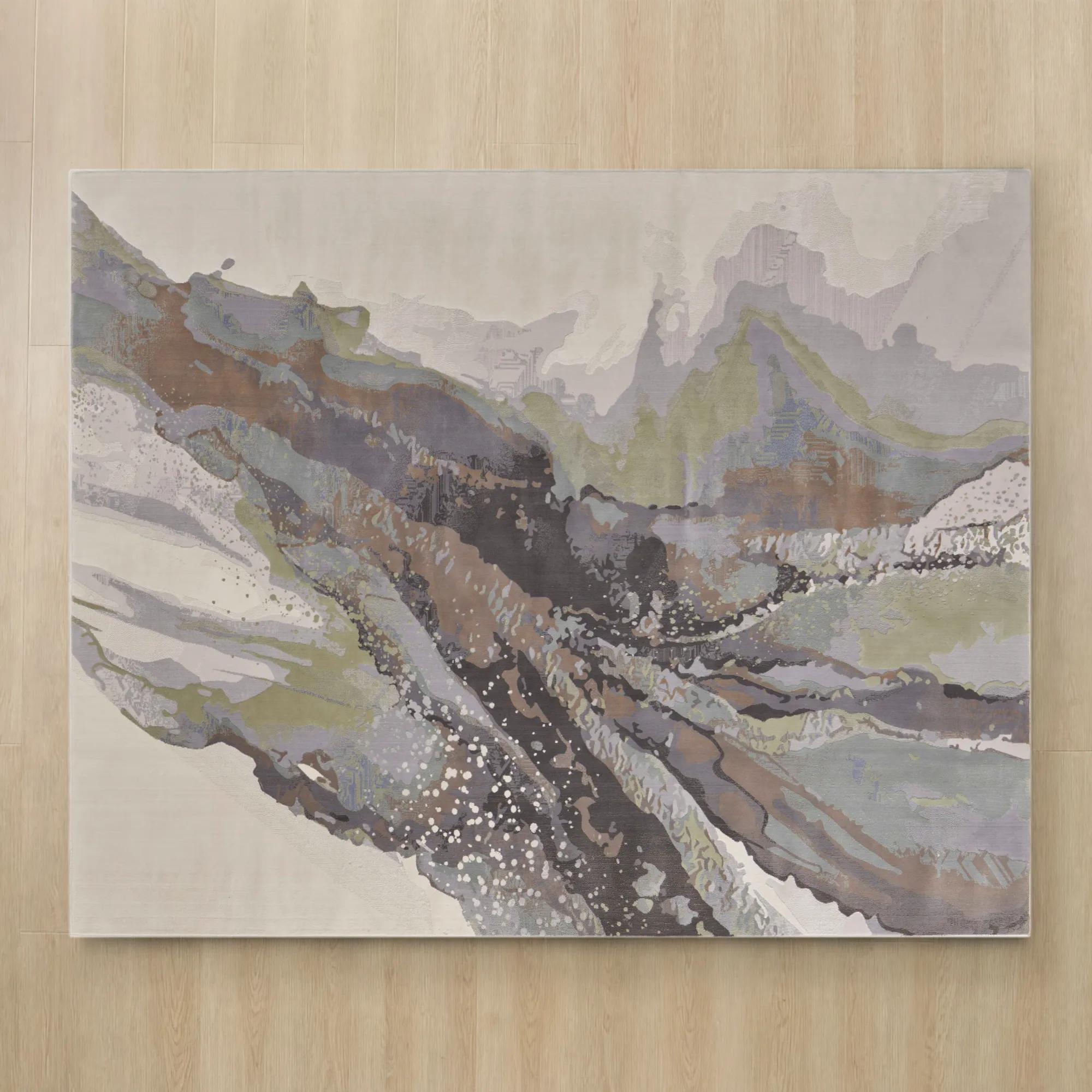 Nerissa Abstract Ivory/Grey/Blue/Green Performance Power Loomed Rug$449
An abstract rug in ivory, grey, blue, and green with a textured, stain-resistant polypropylene-polyester blend.
Add To Cart -
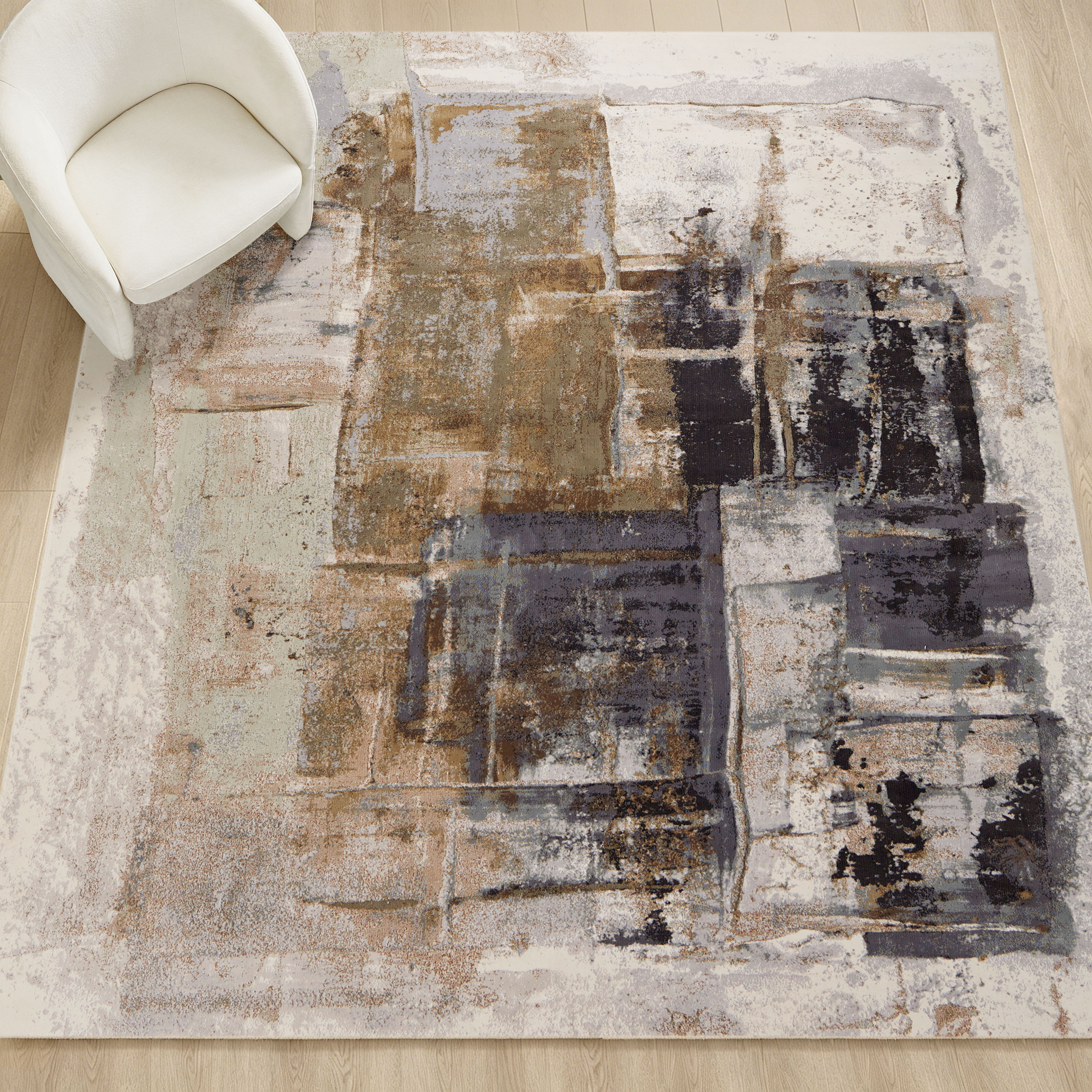
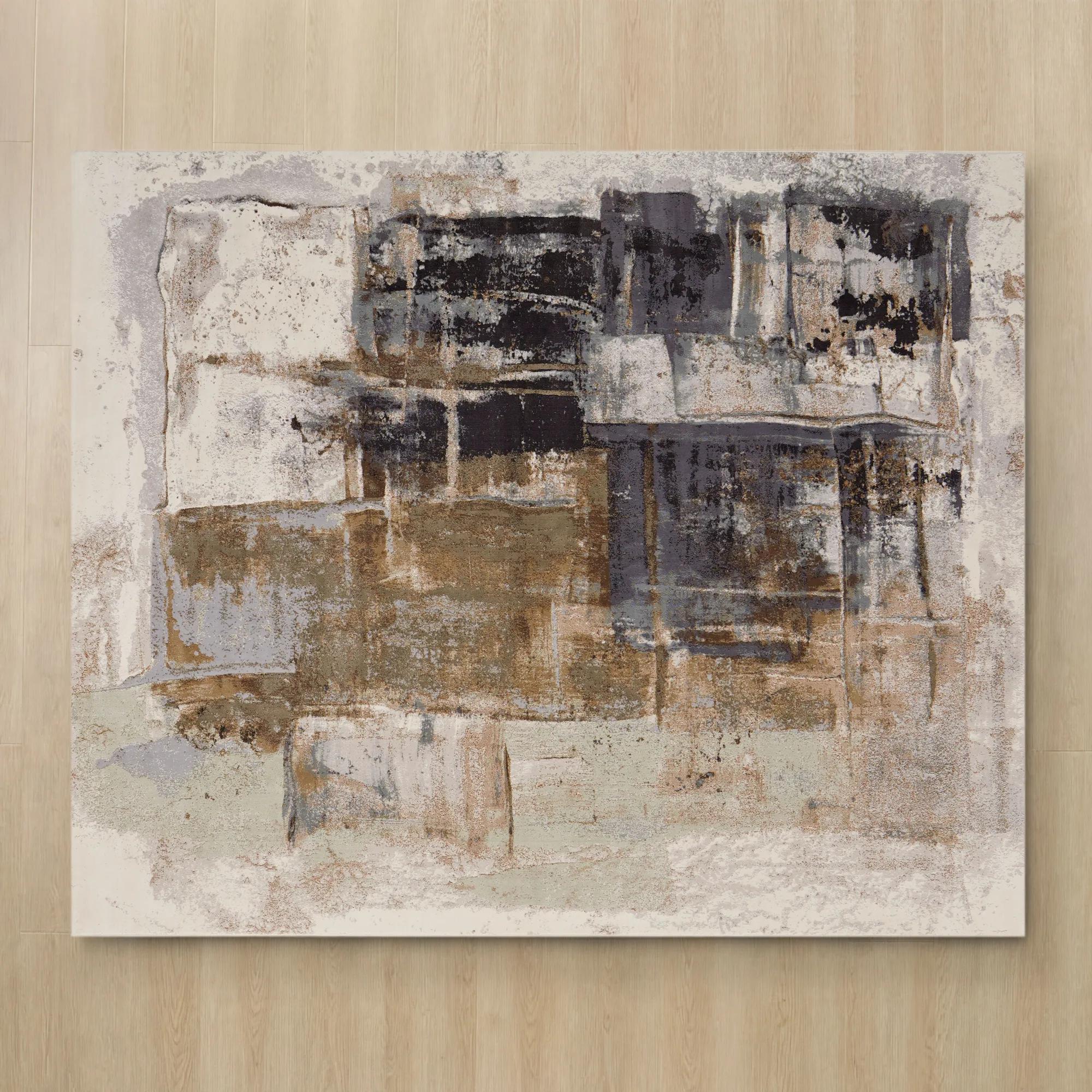 Gaia Abstract Grey/Charcoal/Ivory/Gold/Blue Performance Power Loomed Rug$1749
An abstract rug in grey, charcoal, ivory, gold, and blue with a soft, stain-resistant performance blend.
Add To Cart -
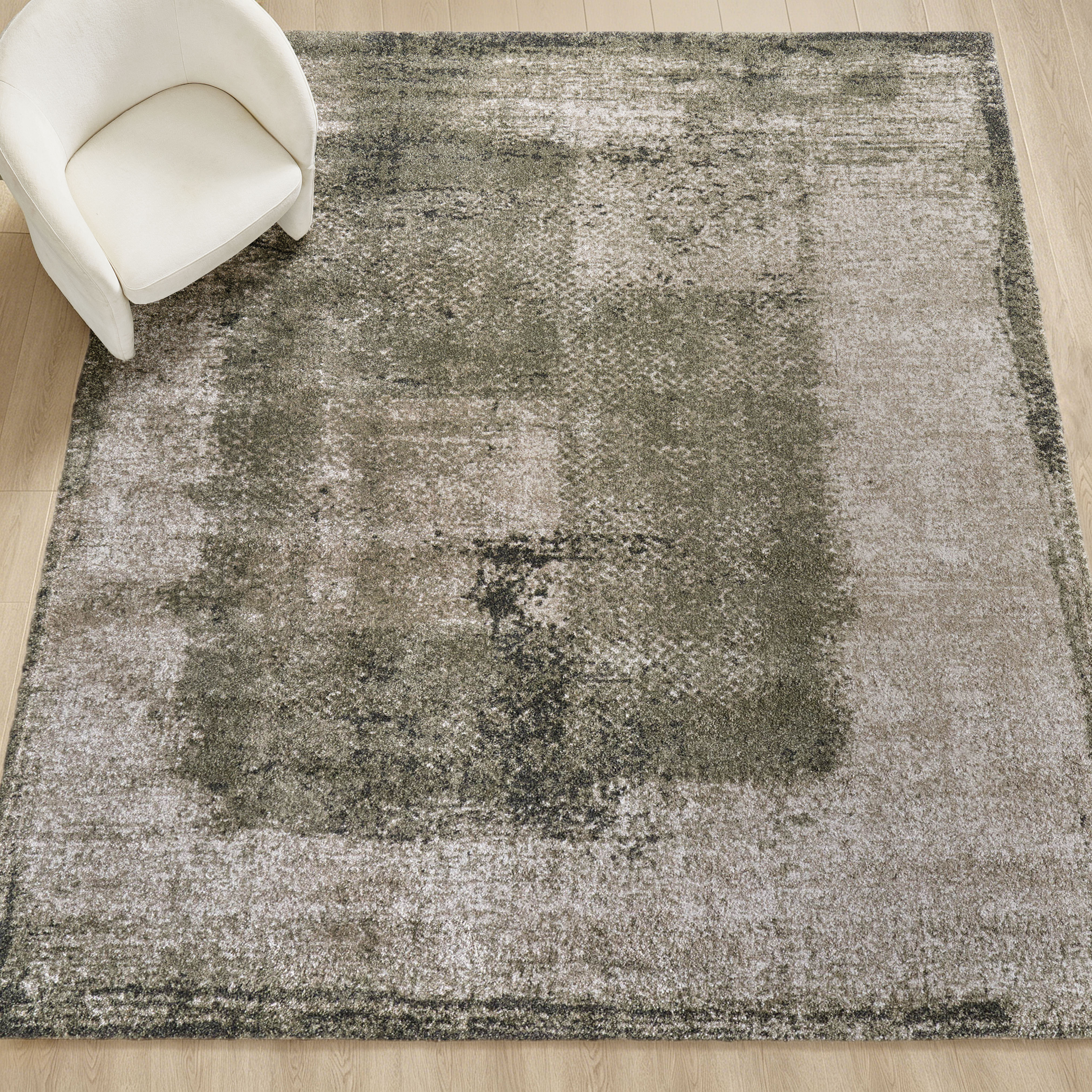
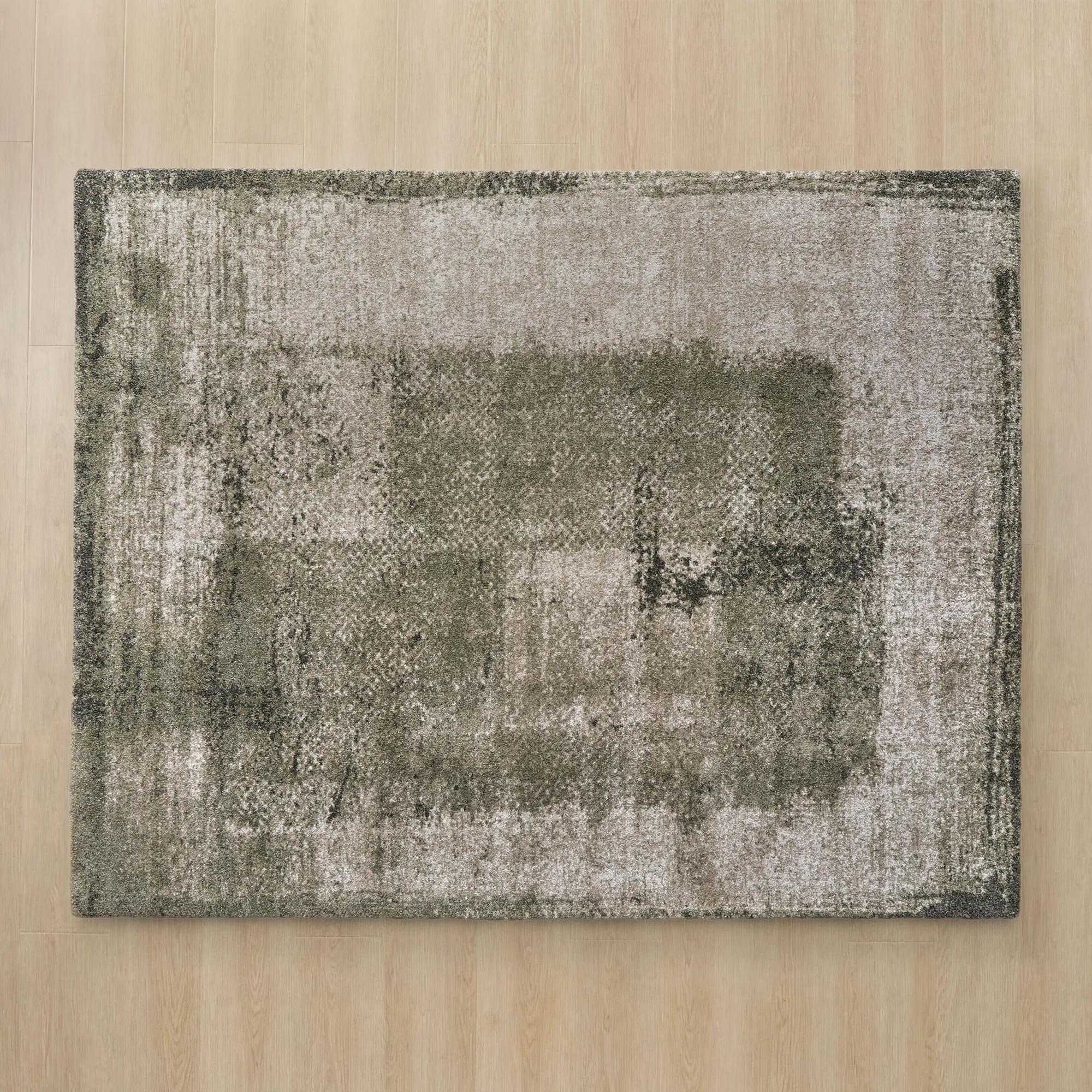 Irving Abstract Moss Green/Beige/Grey Performance Power Loomed Rug$1649
An abstract rug in moss green, beige, and grey with plush, durable polypropylene and polyester construction.
Add To Cart -
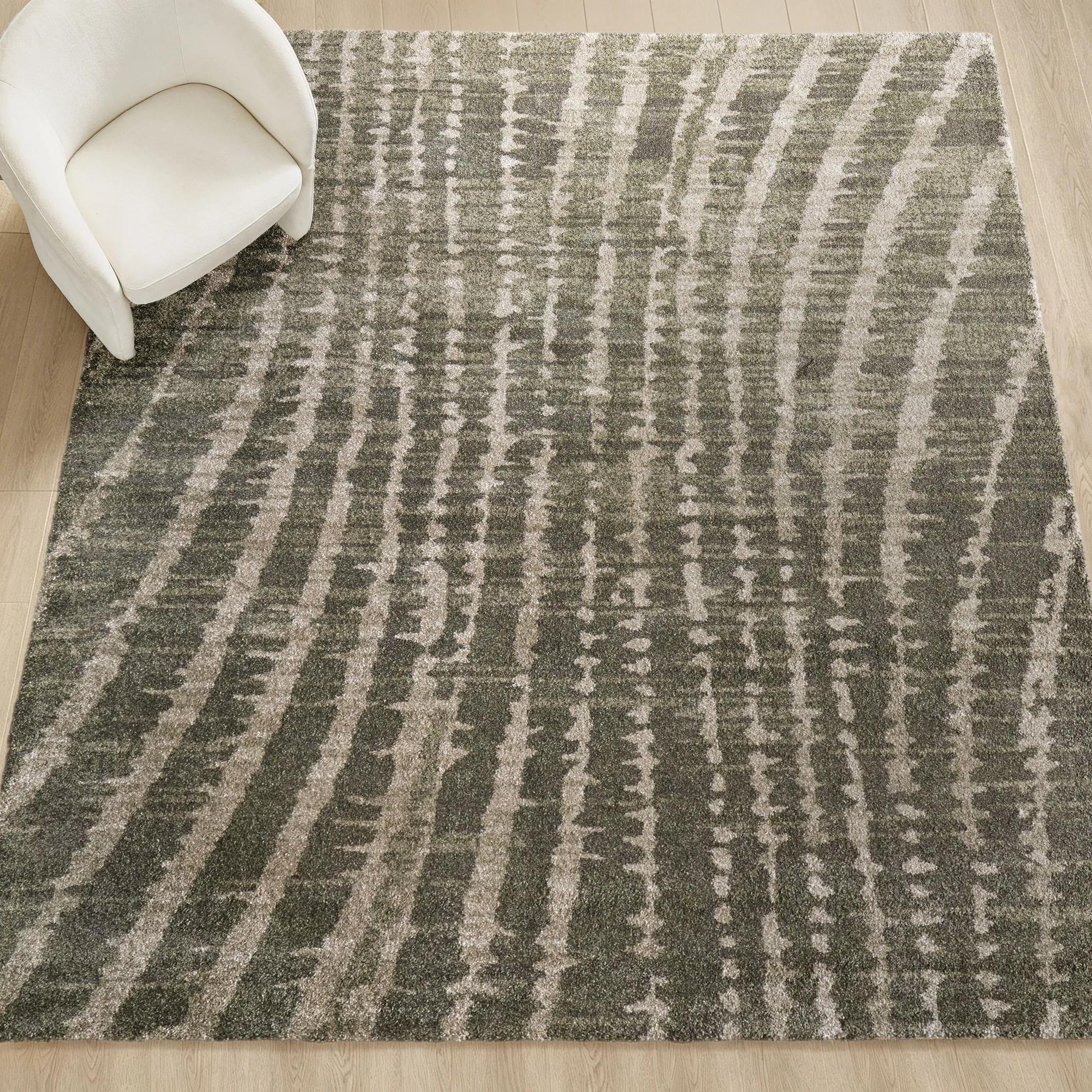
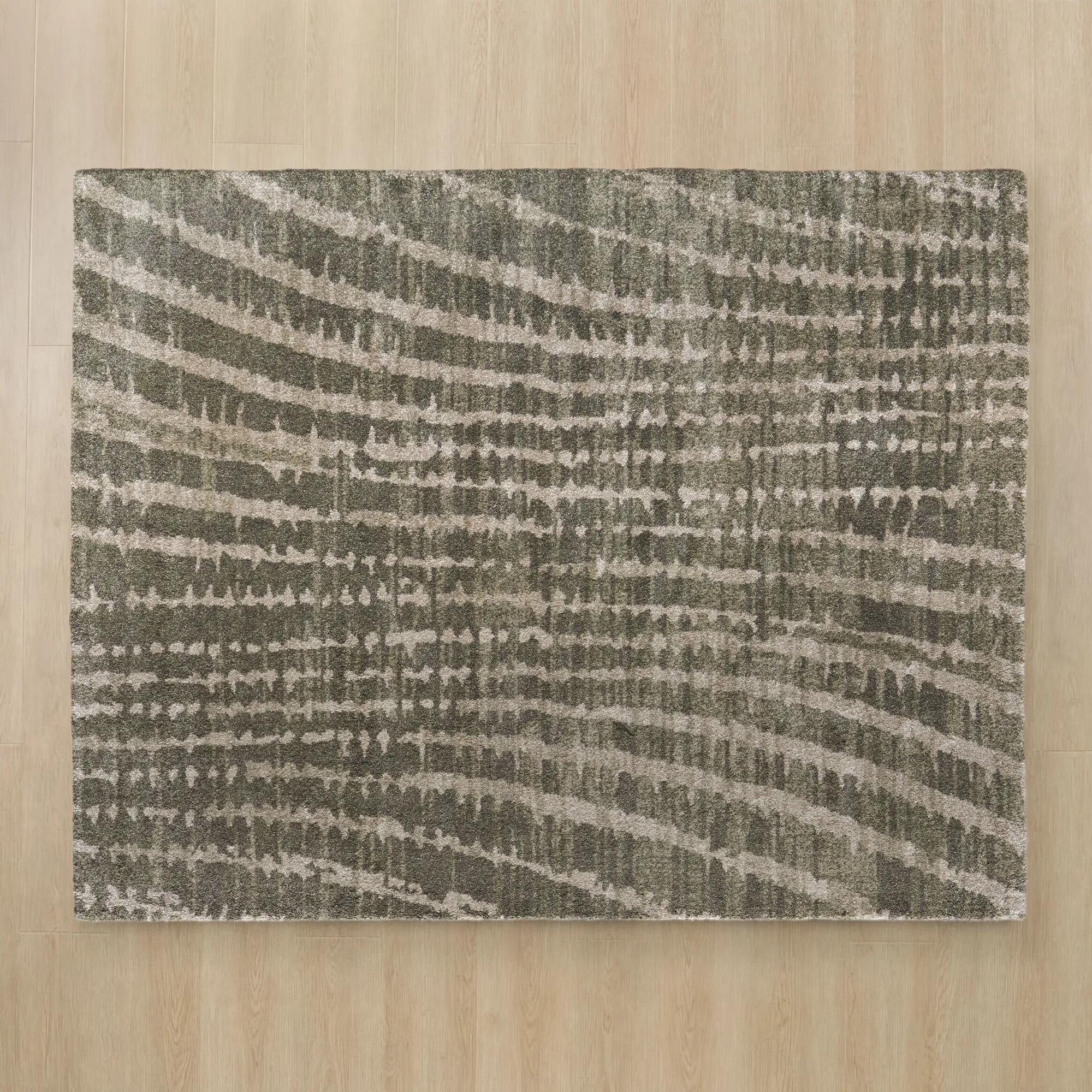 Tempo Green/Grey/Beige Performance Power Loomed Rug$1649
An abstract charcoal grey and beige rug with plush cut pile and durable, stain-resistant polypropylene-polyester construction.
Add To Cart -
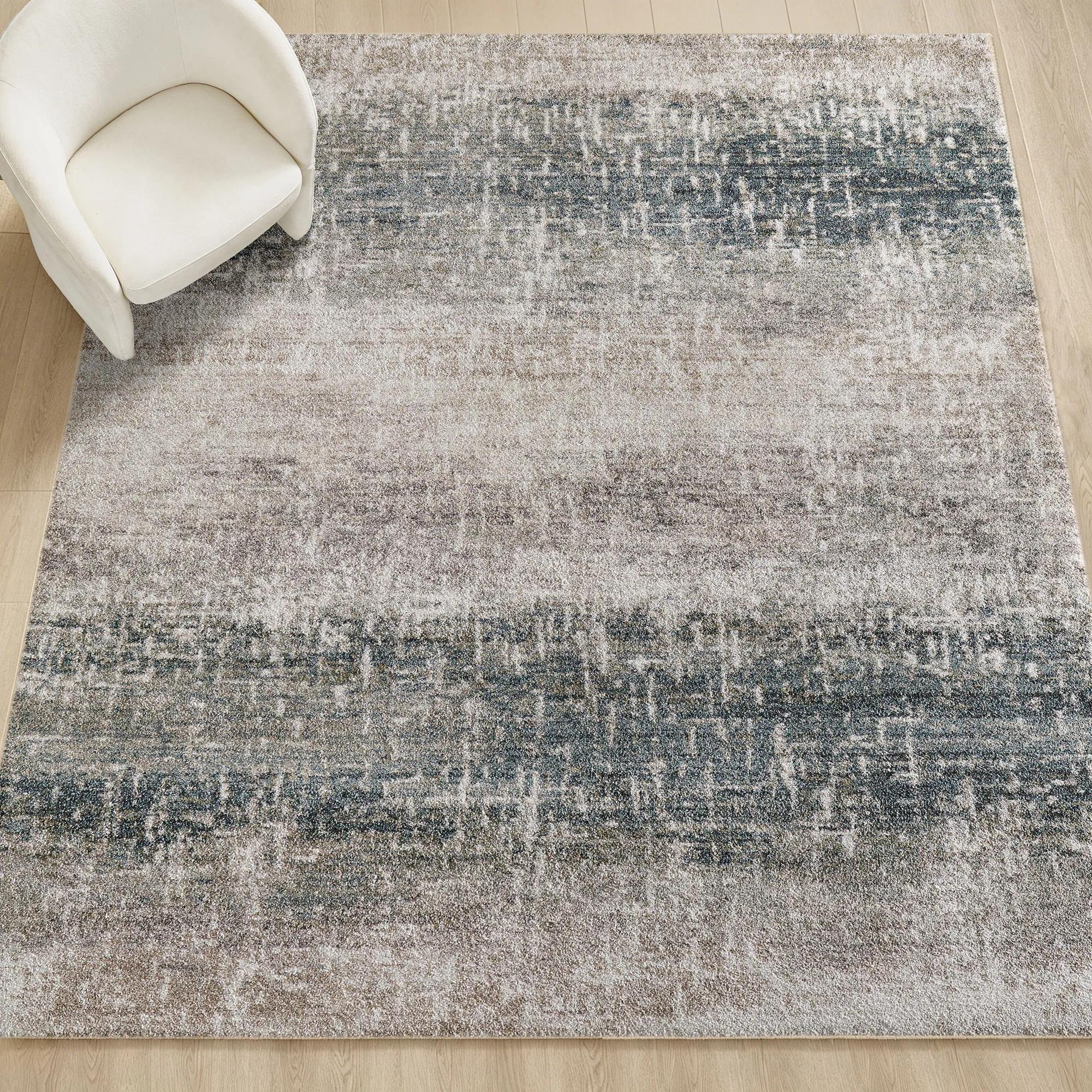
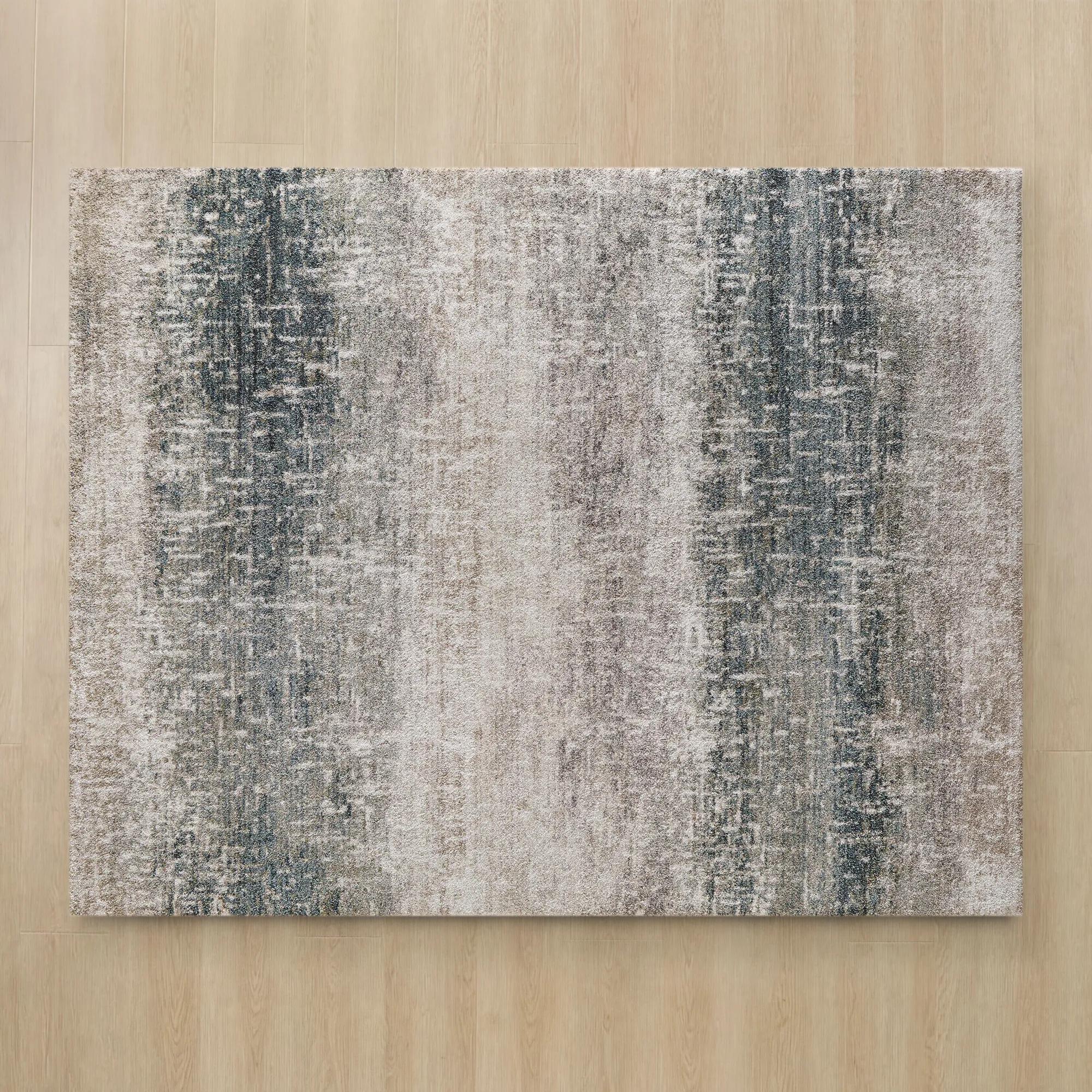 Collier Taupe/Grey/Blue/Green Performance Power Loomed Rug$399
An abstract rug in taupe, grey, blue, and green with a plush, stain-resistant polypropylene-polyester blend.
Add To Cart -
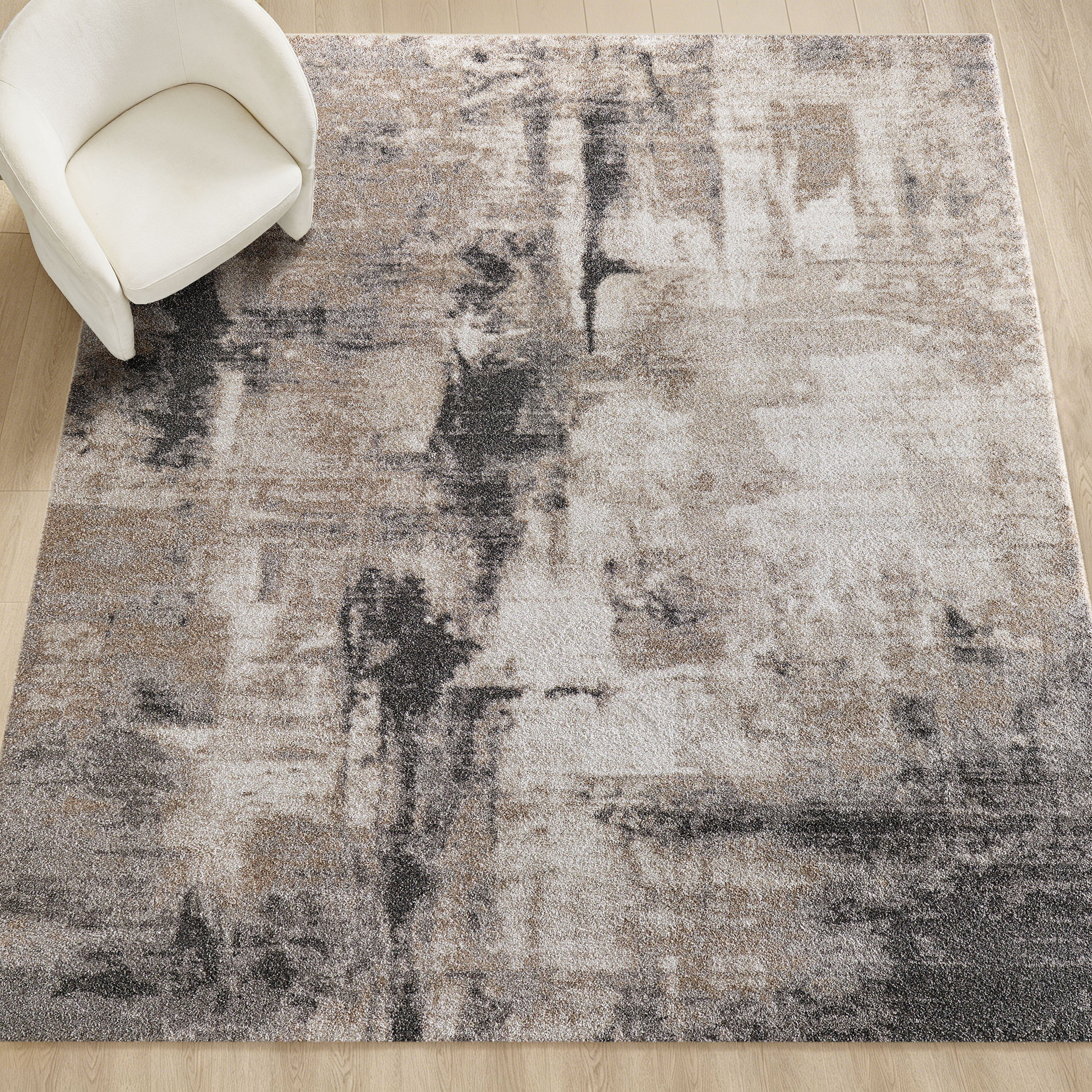
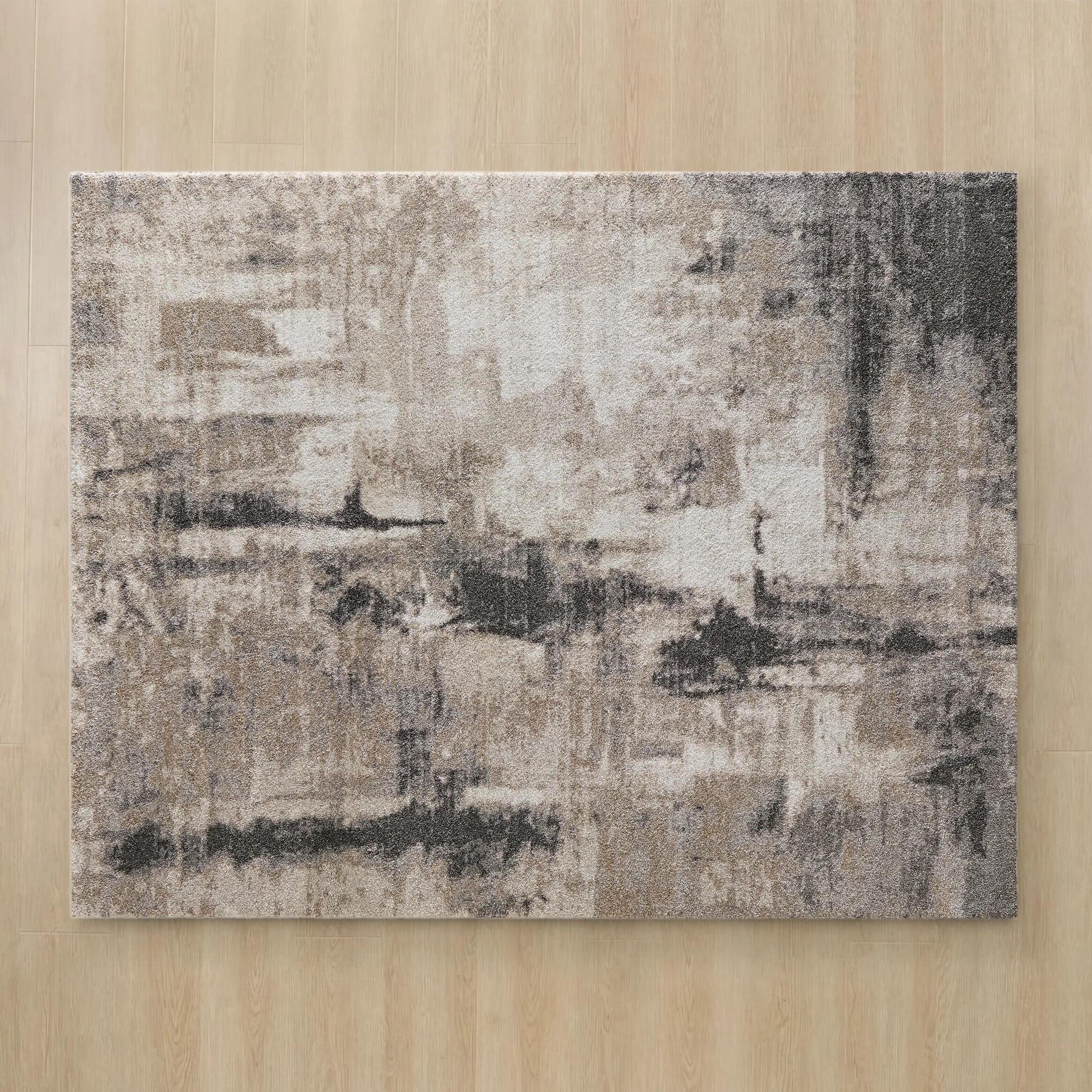 Atlas Abstract Grey/Taupe/Ivory/Charcoal Performance Power Loomed Rug$399
An abstract rug in grey, taupe, ivory, and charcoal with a plush, stain-resistant polypropylene blend.
Add To Cart -
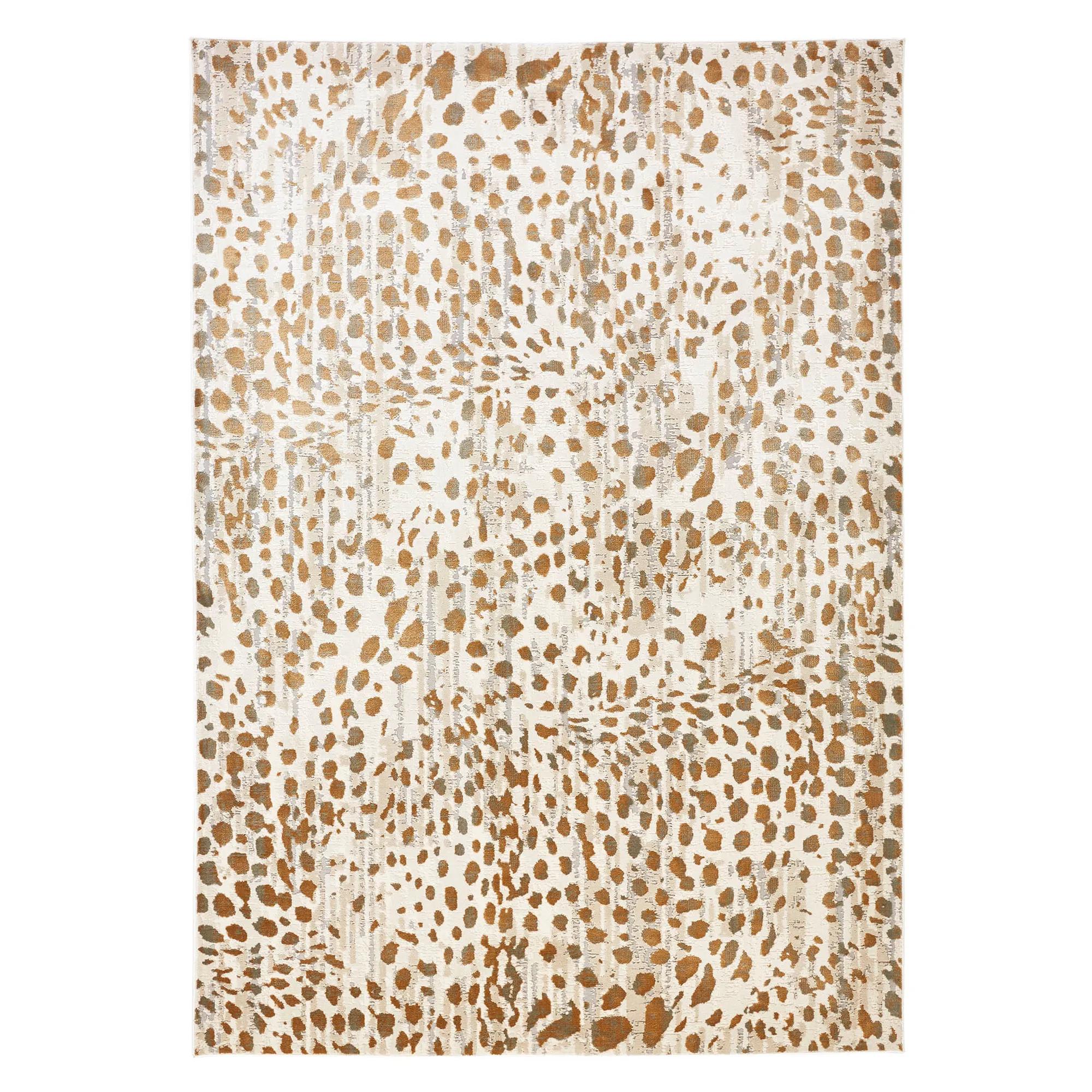
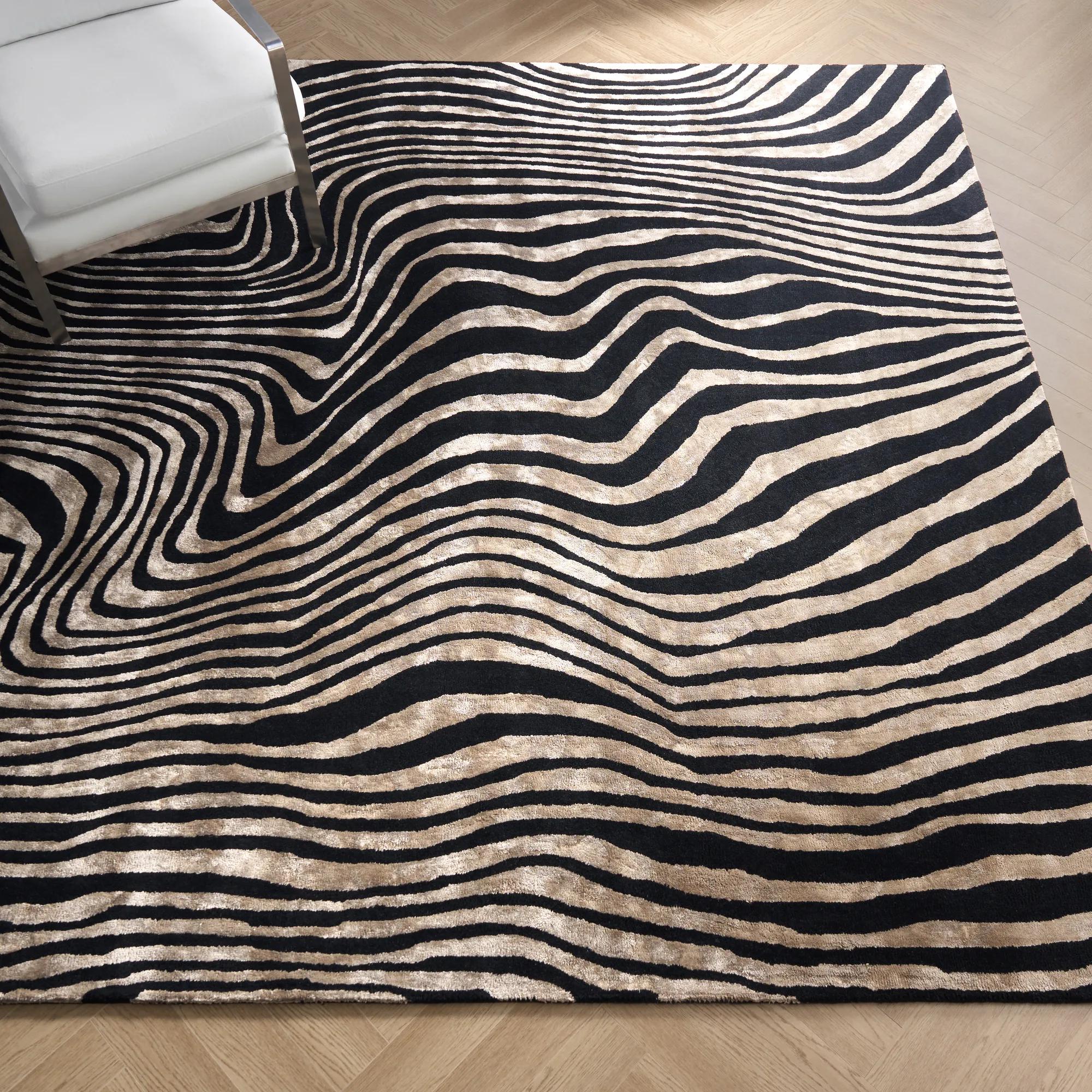
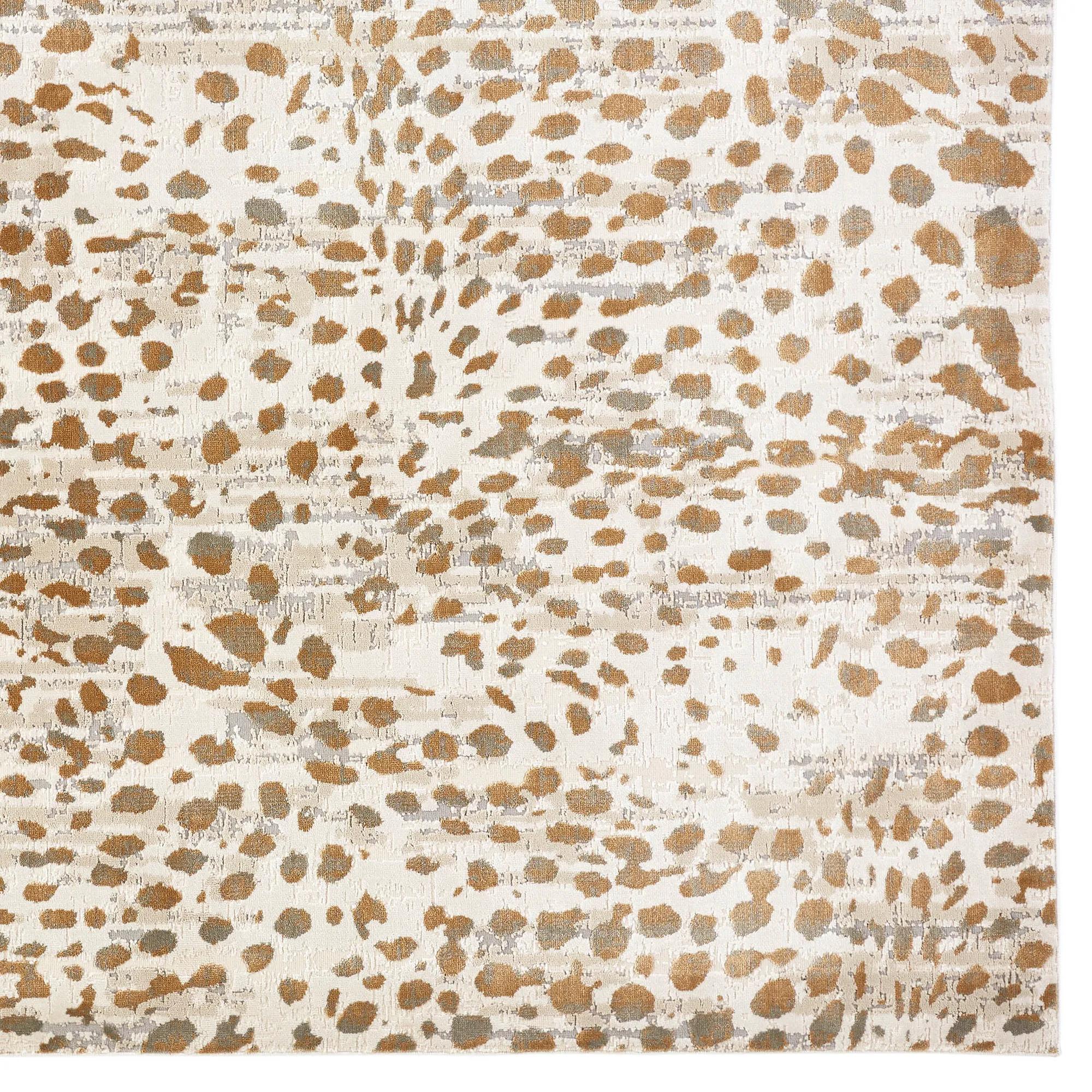 Amur Ivory/Natural Animal Print Power-Loomed Rug$399
A hand-tufted wool and viscose rug featuring a gold chain link design on neutral grey.
Add To Cart -
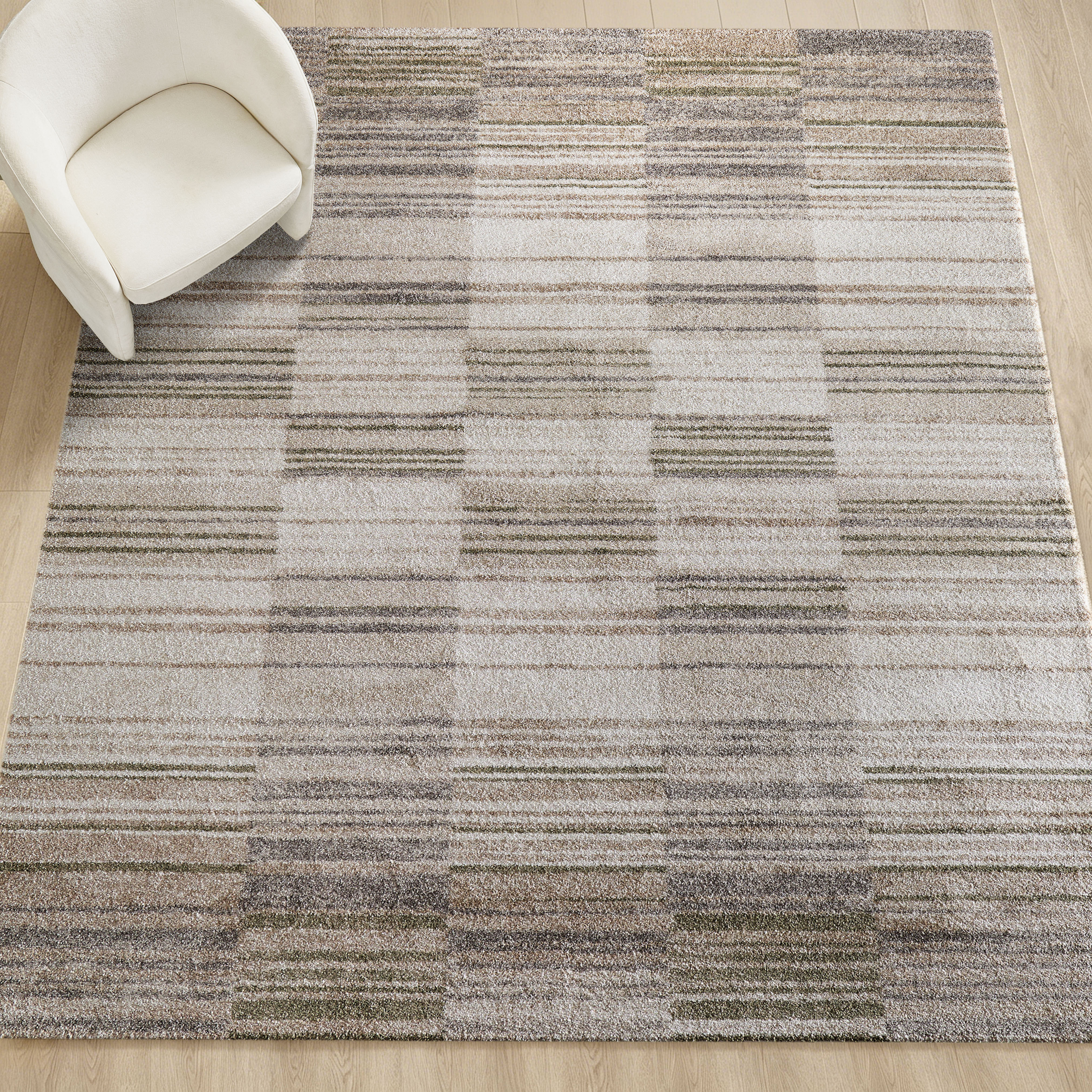
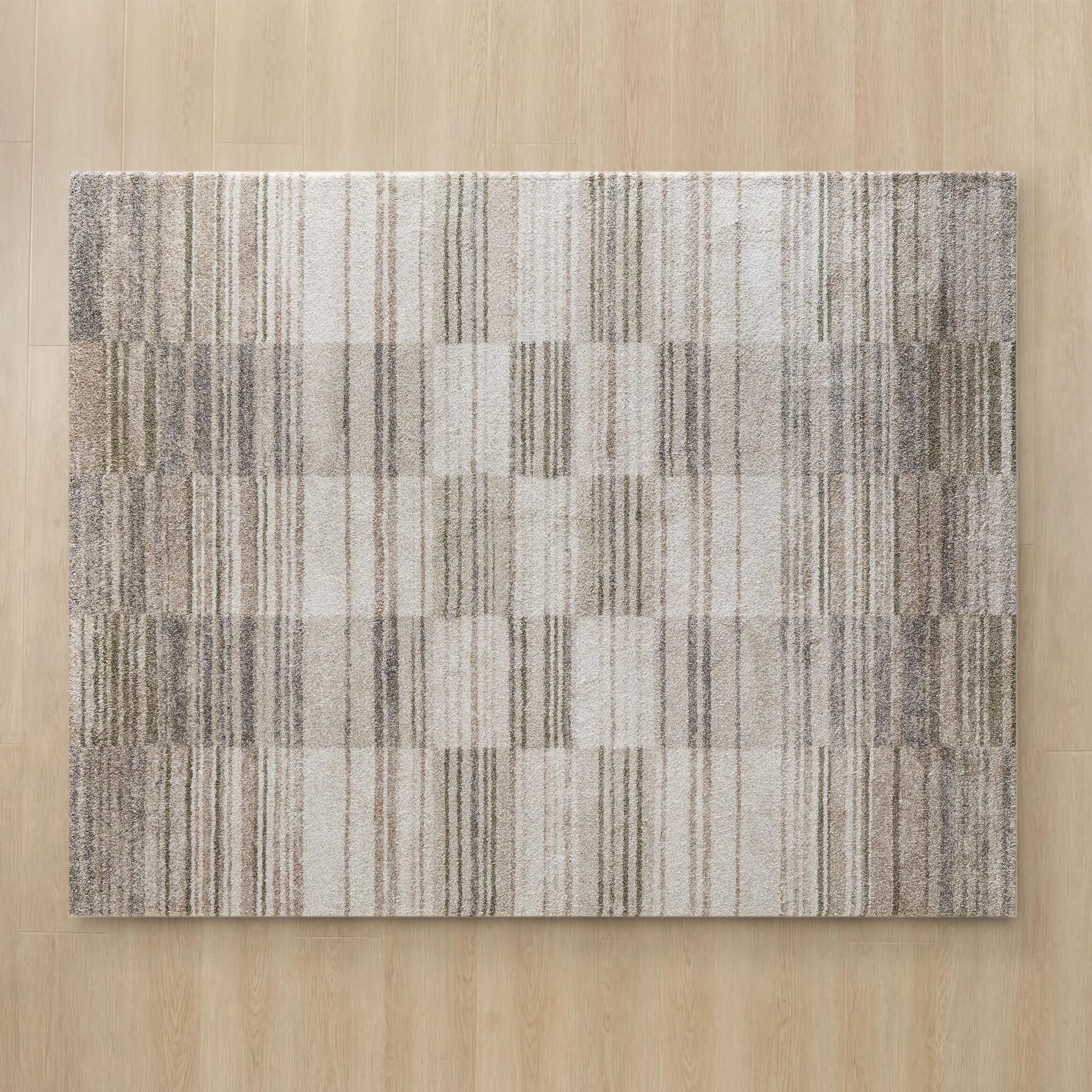 Checka Grey/Tan/Ivory/Soft Green Performance Power Loomed Rug$399
A plush, power-loomed rug featuring a soft check pattern in grey, tan, ivory, and green.
Add To Cart -
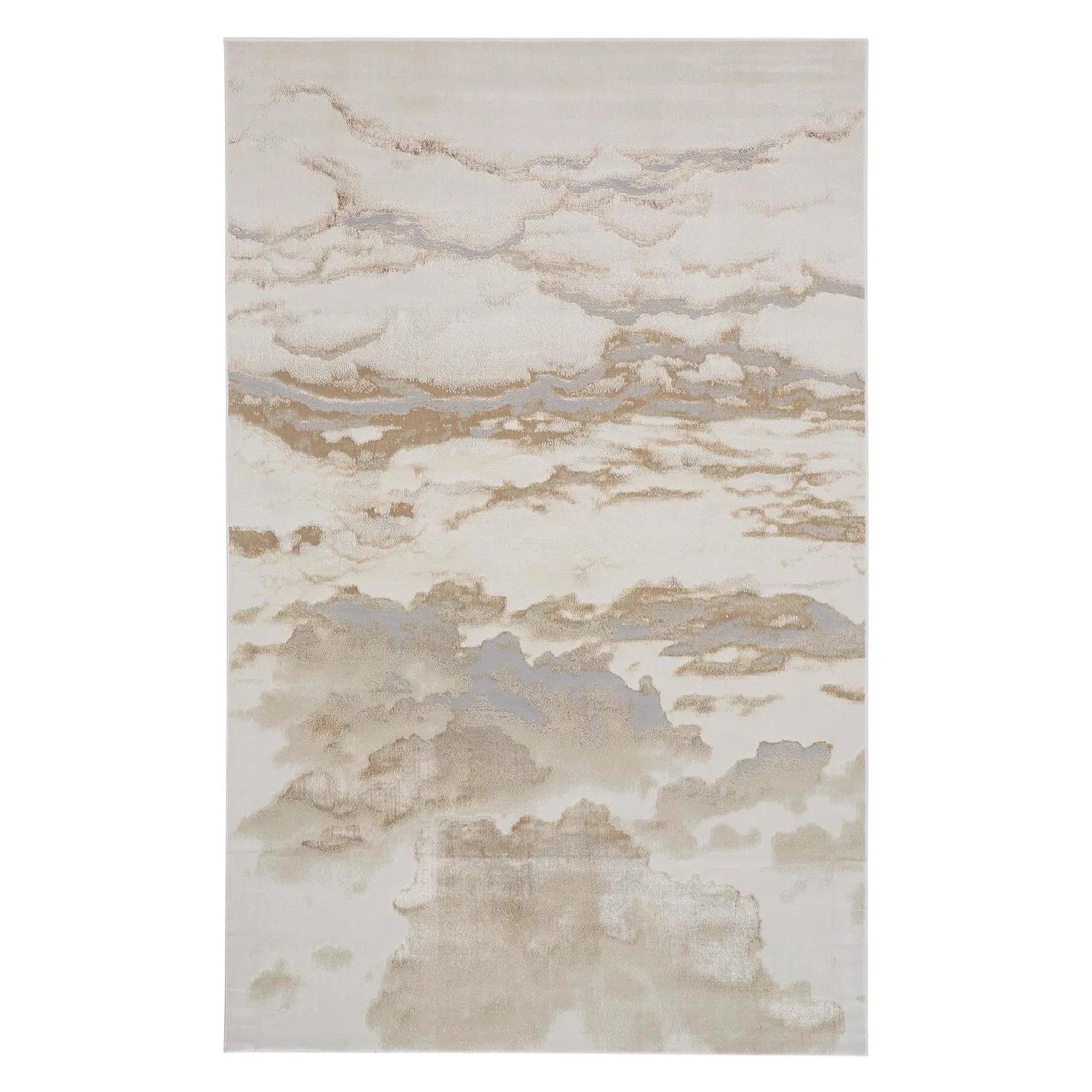
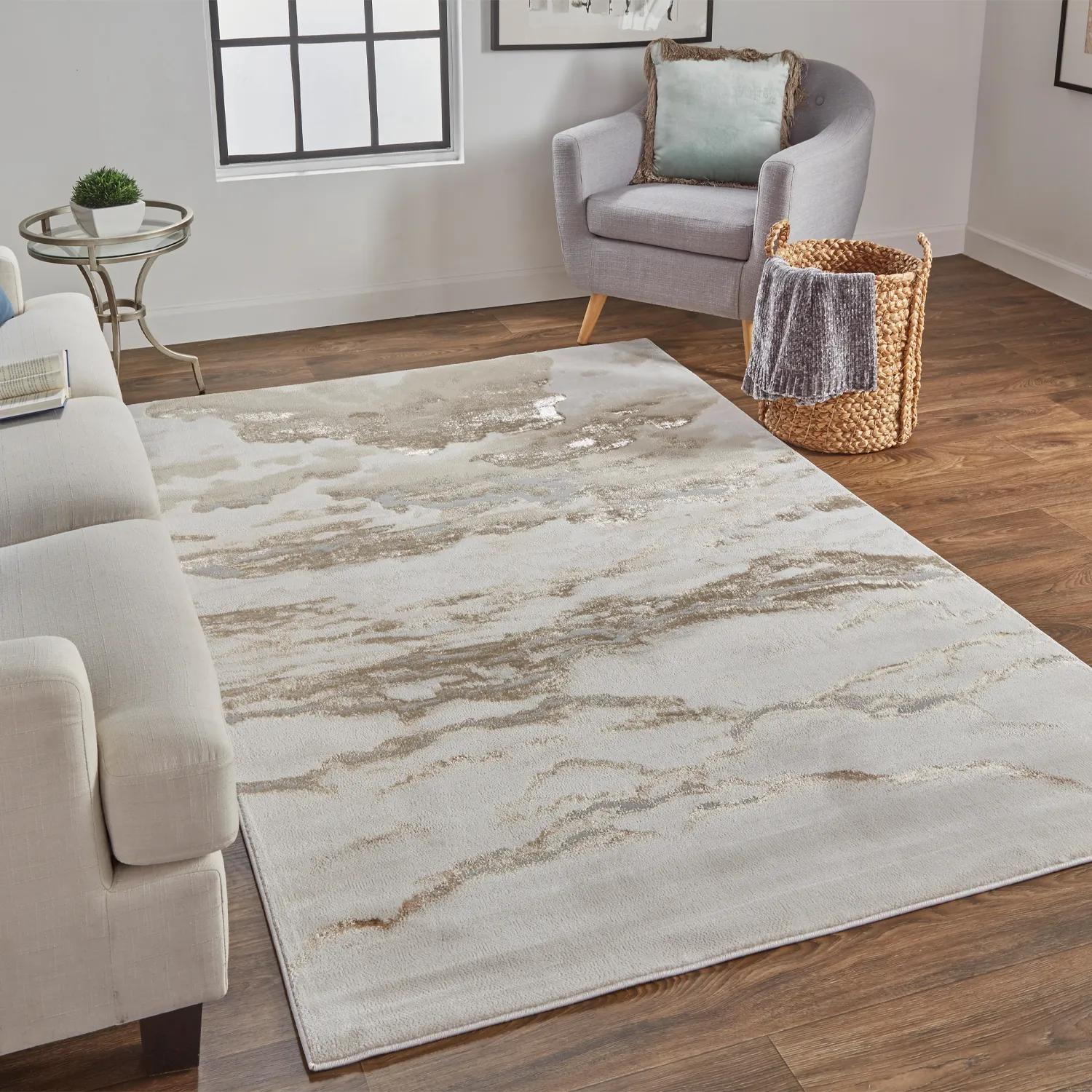 Tide Power-Loomed Beige/Gold/Ivory Rug$449
A machine-made rug in beige and gold, crafted from ultra-soft polyester and polypropylene for elegant appeal.
Add To Cart -
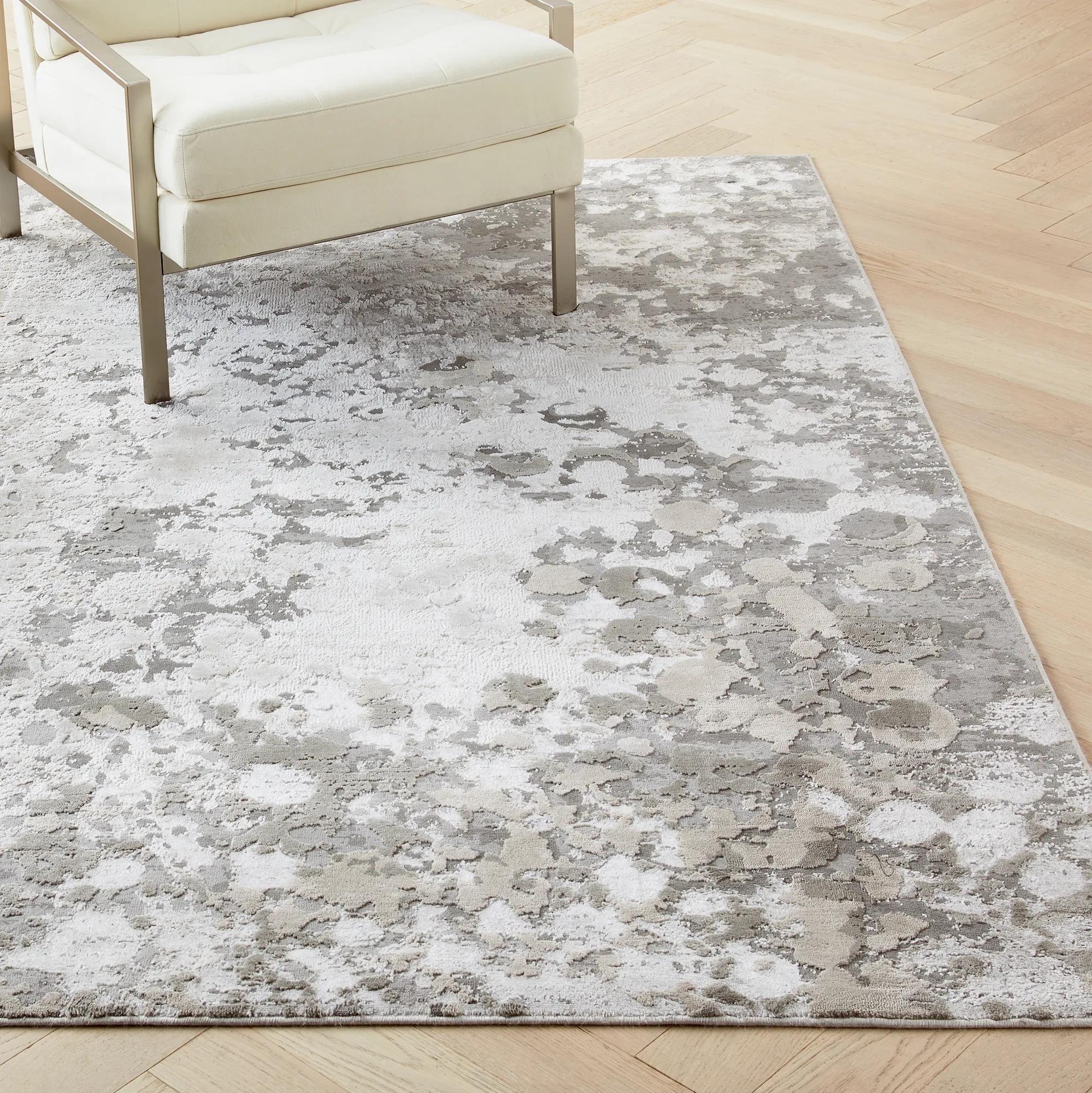 Mercury Power-Loomed Silver/Grey/Beige Rug$1649
A textured rug in silver, grey, and beige crafted from polyester, polypropylene, jute, and cotton.
Add To Cart -
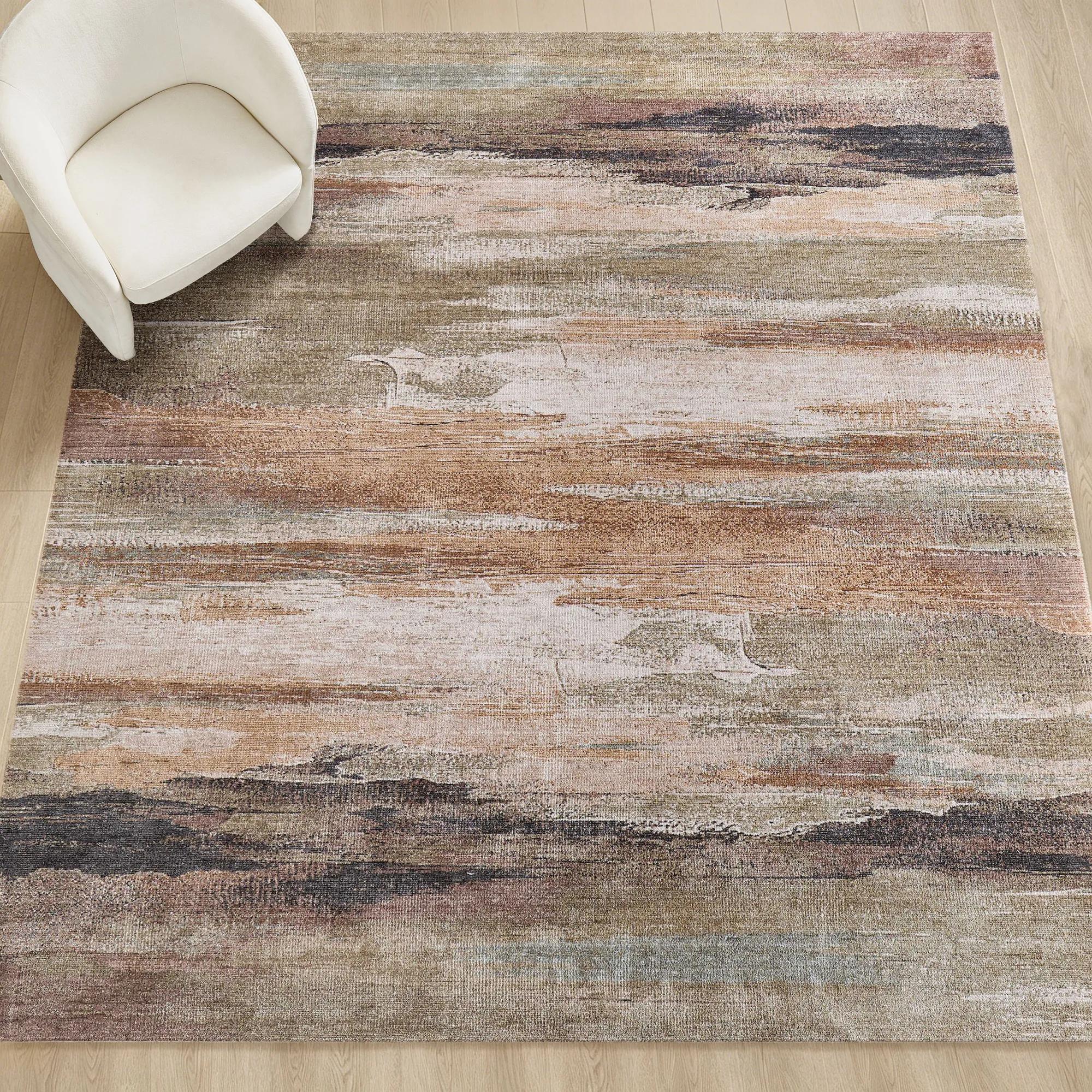
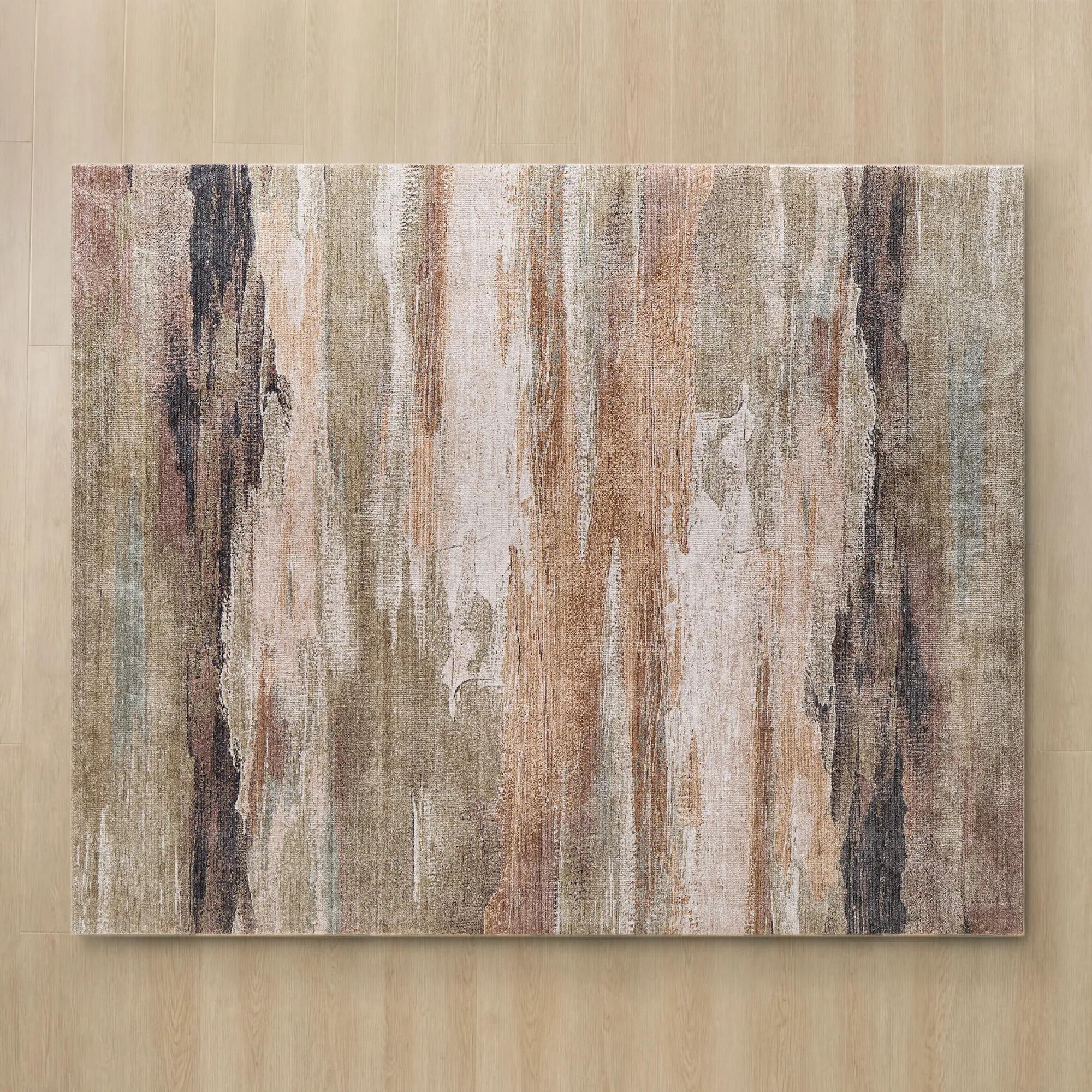 Sedona Rust/Beige/Moss Green/Charocal/Blue Performance Power Loomed Rug$1999
A power-loomed polyester rug featuring a rich abstract pattern in rust, beige, moss green, charcoal, and blue.
Add To Cart

Polypropylene Area Rugs
Polypropylene Area Rugs invite you to reimagine your floors as the foundation for artistry and allure. These rugs are more than mere accents—they are transformative canvases, infusing every room with a rush of color, texture, and visual intrigue. Let bold patterns and sumptuous weaves set the stage for your most inspired interiors, adding a layer of drama that grounds your space in both comfort and style. With Polypropylene Area Rugs, each step becomes a statement, and every moment at home is elevated to extraordinary.
Polypropylene area rugs bring expressive pattern, inviting texture, and everyday resilience to interiors that deserve more than a quiet backdrop. Made from a synthetic fiber also known as olefin, these rugs are valued for their low moisture absorption, resistance to many water-based stains, and generally low-shedding construction. Those qualities make them appealing for living rooms, dining areas, entryways, and other spaces where beautiful design shares the floor with daily activity. The fiber itself absorbs very little water, but a finished rug’s performance also depends on its weave, pile, backing, and care requirements. A tightly woven surface feels different from a plush cut pile, and each creates its own visual rhythm: crisp geometry lends structure to a room, while a softly distressed motif introduces depth without overwhelming the furniture. Polypropylene can take on a broad spectrum of colors, from luminous ivory and smoky gray to saturated jewel tones that make a seating arrangement feel deliberately composed. Many polypropylene rugs use solution-dyed fibers, with color incorporated during manufacturing rather than applied only to the surface; this can support color retention, although fade resistance varies by construction and intended use. For households with children or pets, the appeal is both visual and practical. A patterned rug can make minor marks less conspicuous, while a lower pile generally allows crumbs and loose debris to be removed more easily than a deep, dense surface. Stain-resistant does not mean stain-proof, however, and oily spills can be more challenging because polypropylene has an affinity for oils. The best match balances appearance with the demands of the room. A sculptural coffee table may call for a restrained tonal field beneath it, while streamlined upholstery can carry a more dramatic rug with sweeping lines or oversized forms. Texture deserves equal attention: a subtly raised pattern can enrich a monochromatic room, and a flatter weave can keep a furniture grouping visually crisp. Rather than treating durability as a compromise, polypropylene area rugs allow practical considerations to become part of a polished, personal composition.
Scale determines whether an area rug simply occupies the floor or gives the entire room a sense of intention. In a living room, a rug large enough to accommodate at least the front legs of the sofa and adjacent chairs creates a connected seating arrangement. An 8-by-10-foot or 9-by-12-foot rug often suits a larger furniture grouping, but measurements should follow the actual layout rather than the room’s label alone. Marking the proposed edges on the floor can reveal whether a rug will reach a favorite accent chair, leave an awkward strip beside a sectional, or interrupt a walkway. A visible border of flooring around the arrangement keeps the composition defined, while sufficient coverage beneath the furniture gives it presence. Under a dining table, allow approximately 24 to 30 inches of rug beyond the tabletop on each side so chairs can remain on the rug when pulled out. A low-pile polypropylene rug is often a practical choice here, offering a surface that supports chair movement and is generally easier to vacuum after meals. In a bedroom, generous coverage along the sides and foot of the bed creates a finished foundation; an extension of roughly 18 to 24 inches beyond those edges is a useful starting point, adjusted for the room and bed size. Entryways call for closer attention to door clearance, traffic patterns, and a stable surface underfoot. Renters and homeowners alike can use these rugs to establish distinct zones in open layouts, giving a reading corner, conversation area, or dining space its own identity without introducing a physical divider. For spaces beyond the interior, Polypropylene Outdoor Area Rugs offer a related direction, provided the rug is specifically rated for outdoor use. Polypropylene fiber alone does not make every rug suitable for an exterior setting; backing, construction, drainage, and UV resistance all matter. An outdoor-rated design can anchor a furnished terrace with the same attention to color and proportion as an indoor room, while its product specifications should establish where it belongs and how it should be maintained.
Thoughtful care preserves both the appearance and usefulness of polypropylene area rugs, especially in spaces with frequent foot traffic. Regular vacuuming removes grit before it works deeper into the surface, but the appropriate setting depends on the rug’s construction. A suction-only attachment or a disengaged brush roll is often preferable for looped, textured, or delicate surfaces, and fringes should be kept clear of rotating brushes. Follow the rug’s care instructions rather than assuming all synthetic rugs tolerate the same treatment. When a spill occurs, blot promptly with a clean, absorbent cloth, working from the outside toward the center to limit spreading. Rubbing can push residue farther into the pile and disturb the surface. If cleaning solution is permitted, test a small amount in an inconspicuous area before treating the visible spot, and avoid saturating the rug or leaving cleaner behind. The polypropylene fibers may absorb little moisture, but the backing, accumulated soil, and flooring beneath can still be affected by prolonged dampness. Allow the entire rug to dry thoroughly after approved cleaning, and reserve rinsing or hosing for designs whose care instructions expressly allow it. A compatible rug pad adds another layer of consideration: it can reduce movement, provide cushioning, and help protect the floor, provided its material is suitable for both the rug and the flooring finish. Durability also benefits from realistic expectations. Polypropylene can perform well in active households, yet pile may flatten along favorite walking routes or beneath heavy furniture. Rotating the rug periodically helps distribute wear, while furniture coasters can reduce concentrated pressure where appropriate. Homes with pets may favor a tighter, lower-profile construction, since claws can catch in some looped surfaces and accidents still require prompt attention. For a lounge-like atmosphere, a plusher texture can deliver softness and visual depth, with the understanding that it may need more attentive maintenance. The enduring appeal of a polypropylene rug lies in this balance: a richly considered foundation that accommodates everyday living while giving furniture, artwork, and treasured objects a more compelling setting.
FAQs
Polypropylene area rugs are celebrated for their remarkable durability and resistance to stains, making them an ideal option for spaces where life is lived out loud—entryways, living rooms, and family hubs. Their resilient fibers maintain their vibrancy and plushness even under frequent use, allowing you to indulge in bold design without sacrificing peace of mind.
These rugs are crafted to dazzle, offering a rich palette of colors and intricate patterns that set the stage for your personal aesthetic. Whether you crave dramatic geometrics or subtle, painterly motifs, polypropylene rugs infuse any space with texture, warmth, and a sense of curated artistry, transforming everyday rooms into expressive sanctuaries.
Absolutely. The fibers in polypropylene rugs are engineered to resist stains and repel moisture, making accidental spills and pet mishaps easy to manage. Their robust construction stands up to playful paws and little feet, delivering lasting beauty and comfort in even the liveliest households.
Yes, layering polypropylene rugs with other textiles—such as sheepskin throws, velvet ottomans, or silky pillows—creates a sumptuous, multi-dimensional look. The versatility of polypropylene allows you to experiment with textures and tones, resulting in a space that feels thoughtfully collected and uniquely yours.
Polypropylene rugs are a dream for seasonal stylists. Their fade-resistant fibers hold color beautifully, so you can swap out accessories or accent pieces throughout the year without worrying about the rug losing its luster. From cozy winter gatherings to vibrant spring refreshes, these rugs provide a timeless anchor for any evolving design story.