Ottomans For Indoor Use Only
Ottomans For Indoor Use Only
-
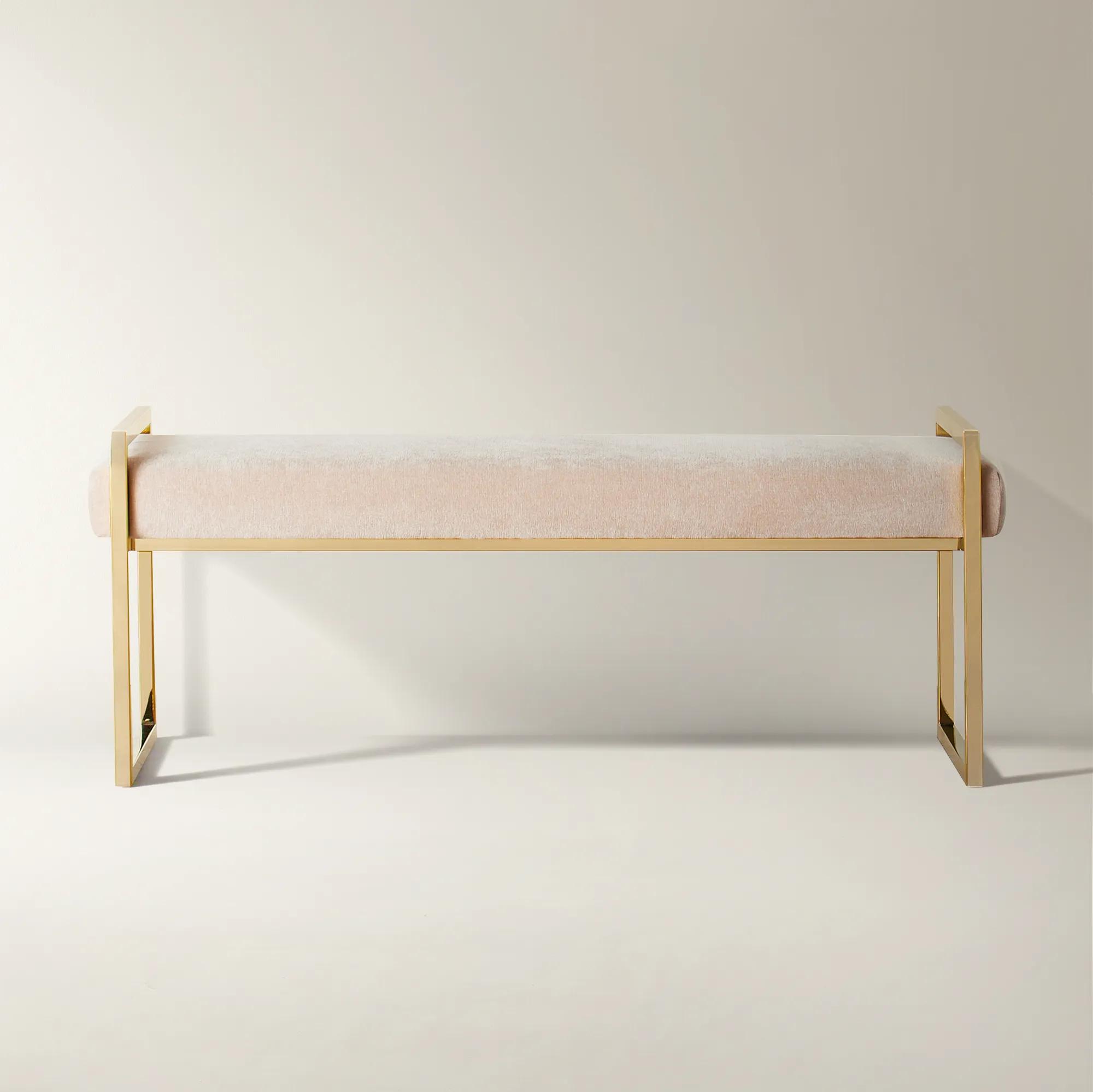
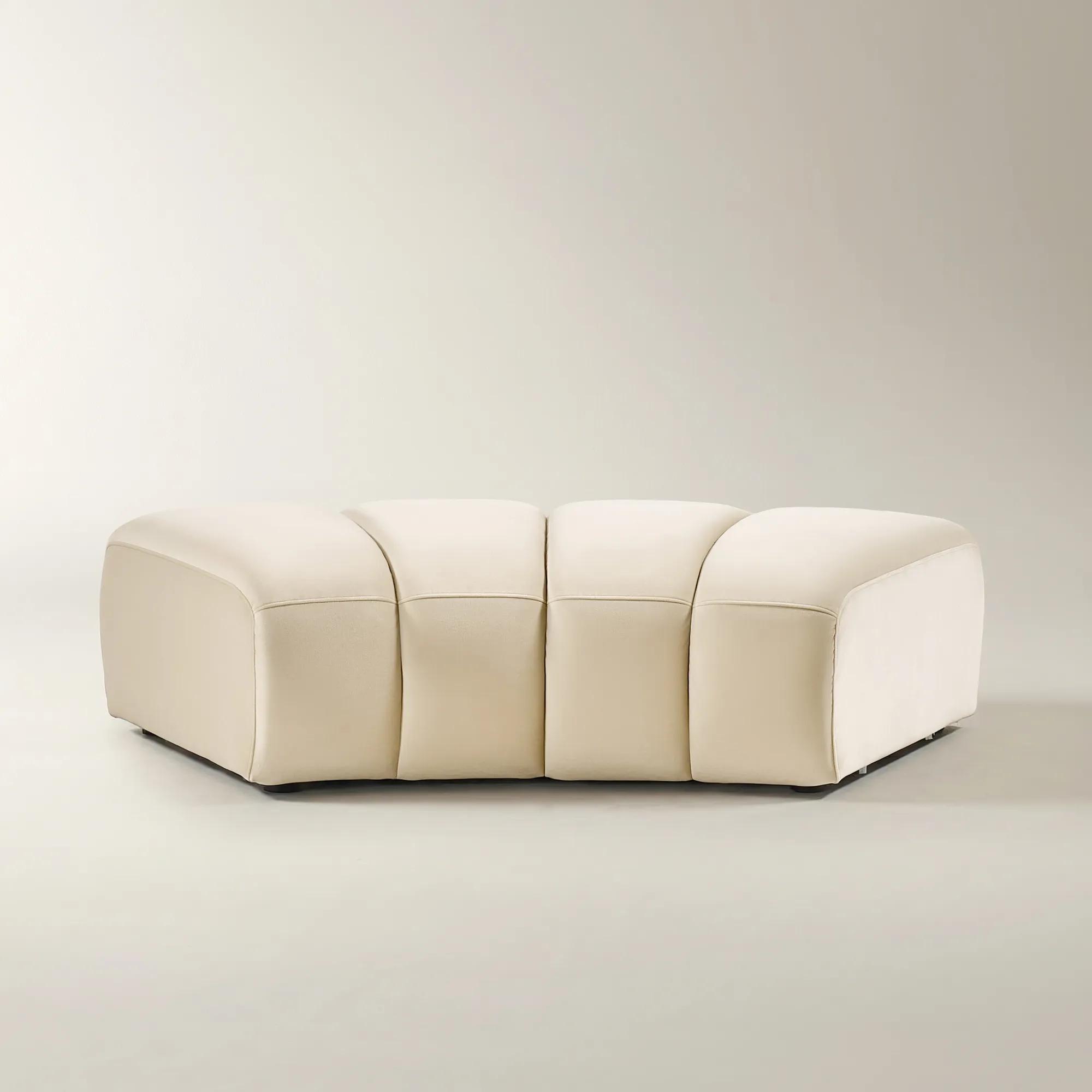 Jocelyn Channel-Tufted Oatmeal Velvet Ottoman$999
An oatmeal velvet ottoman featuring deep channel tufting, curved silhouette, and kiln-dried wood construction.
Add To Cart -
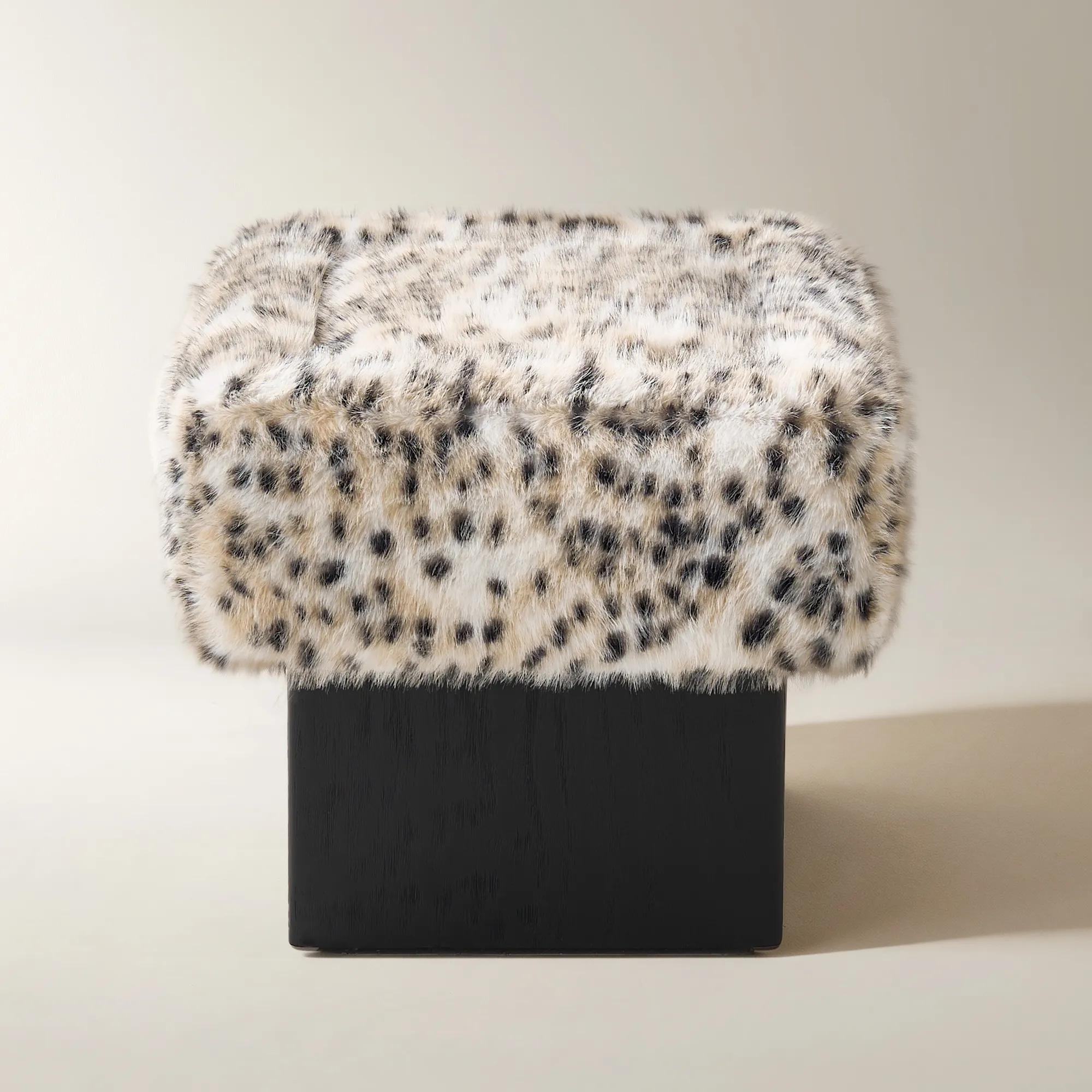
 Leopard Camel/Black Cow Hide Ottoman (18'')$799
A genuine cowhide pouf in camel and black leopard print with a removable cover and hidden zipper.
Add To Cart -
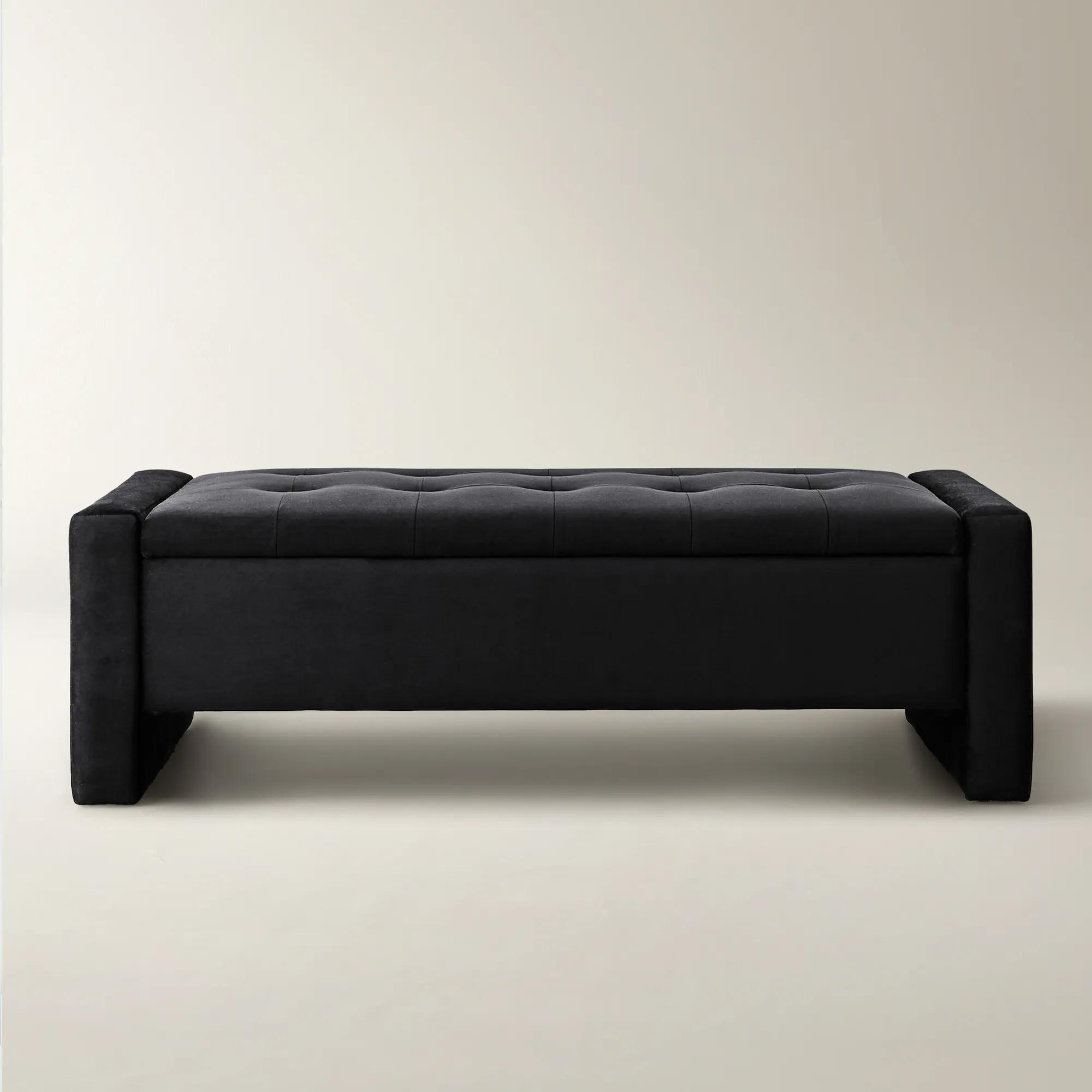
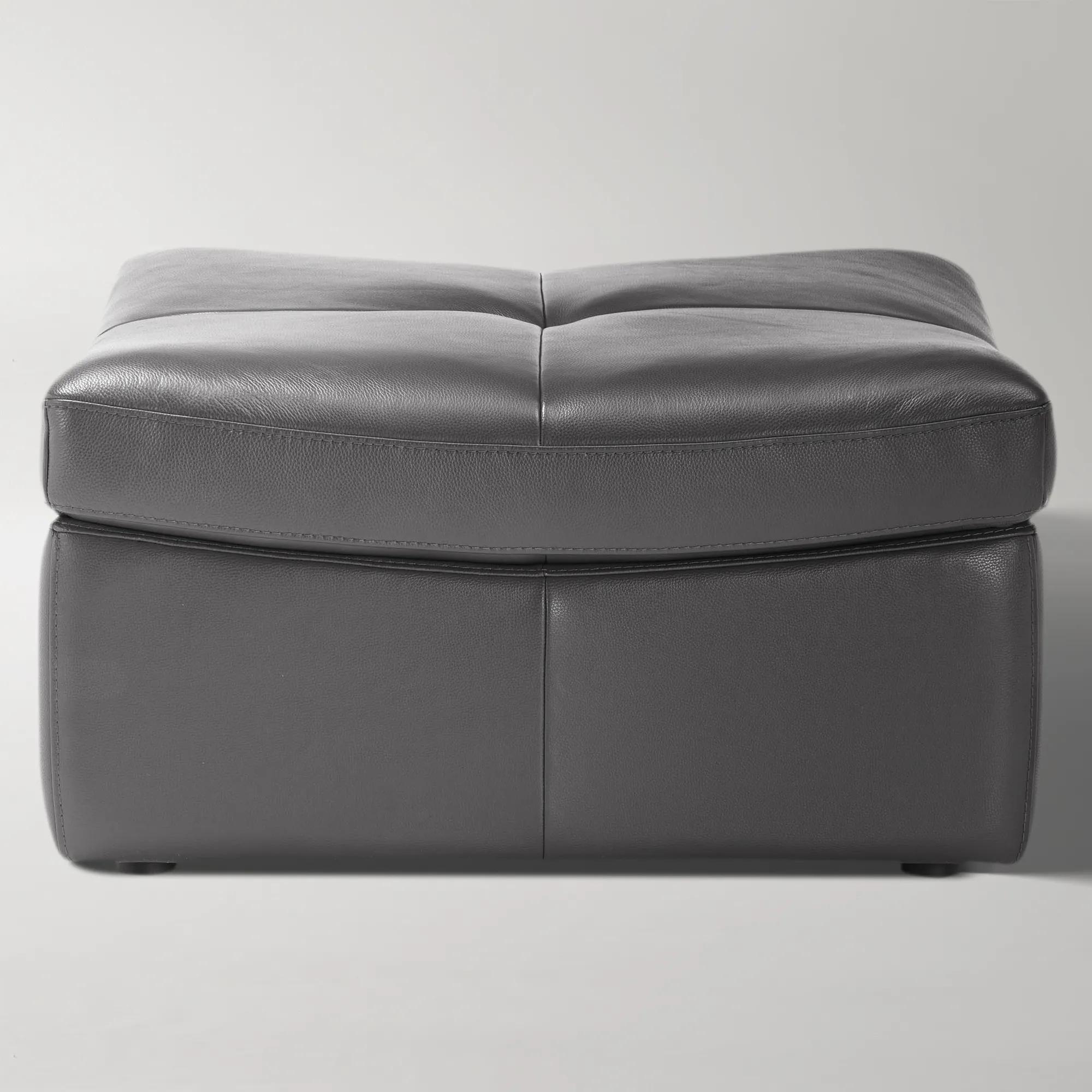 Convo Charcoal Leather Ottoman$849
A modular sectional in charcoal semi-aniline leather with kiln-dried hardwood frames and gently curved seats.
Add To Cart -
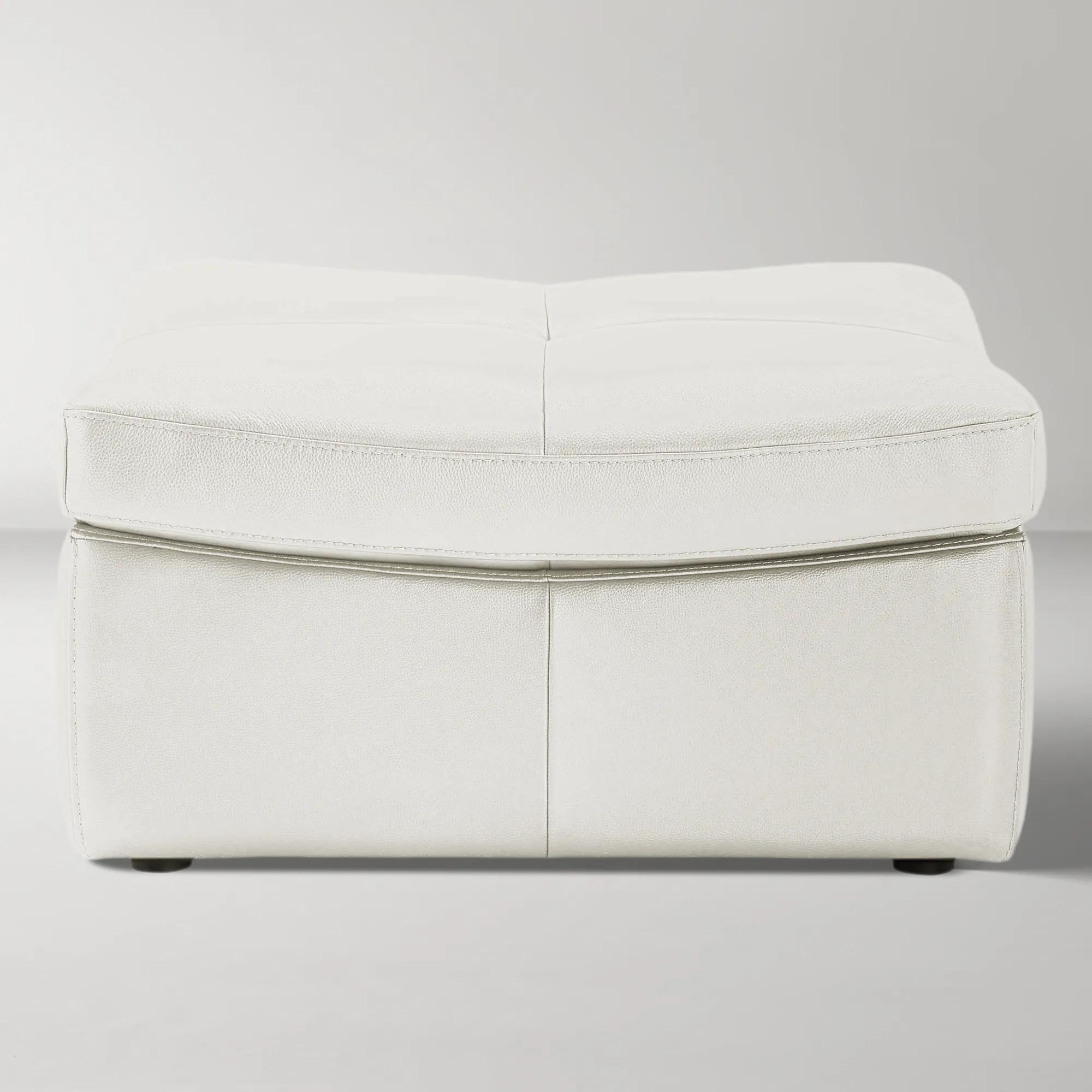 Convo White Leather Ottoman$849
A modular sectional with kiln-dried hardwood frame and charcoal semi-aniline leather upholstery for modern versatility.
Add To Cart -
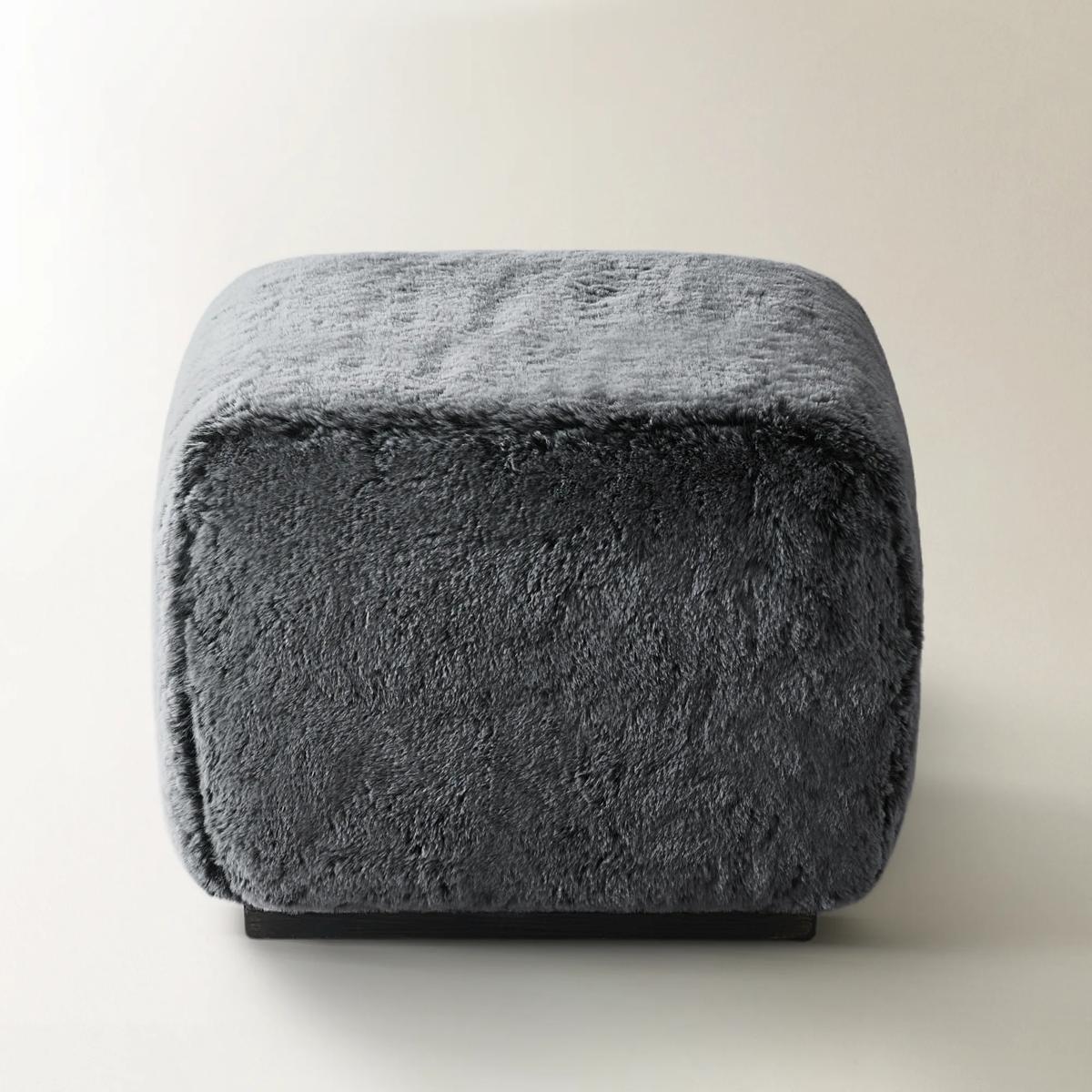
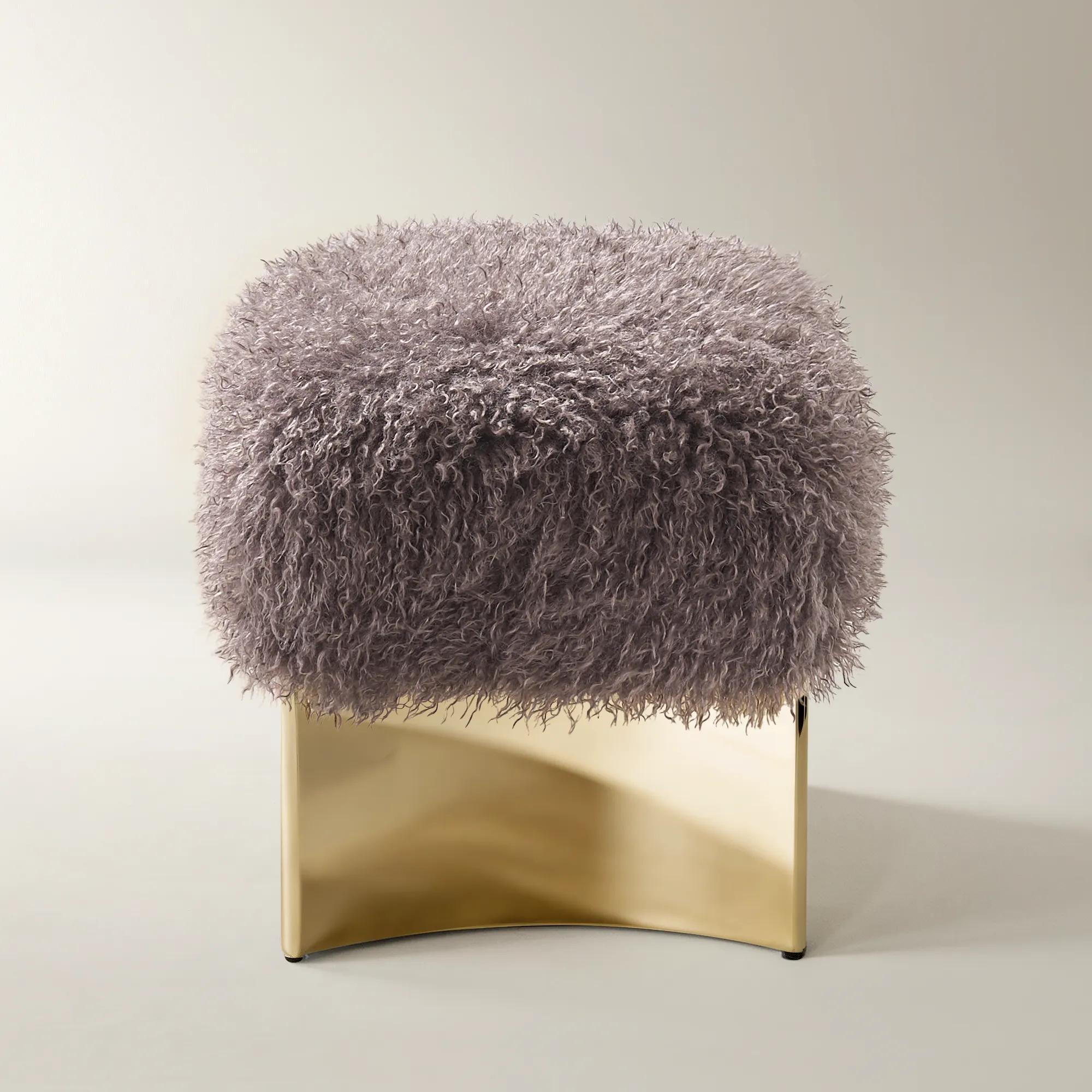
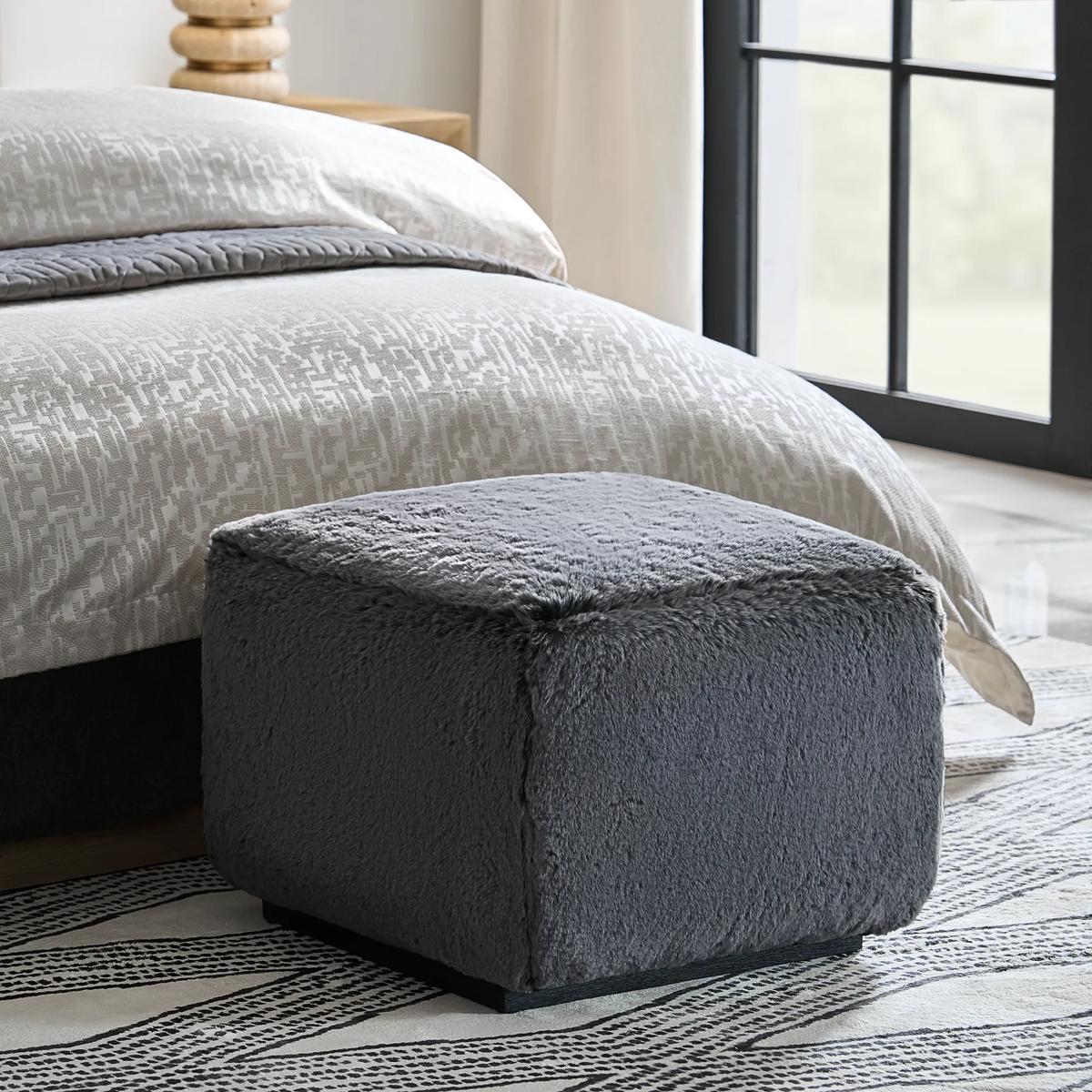 Lris Grey Faux Fur Stool (21")$299
A charcoal grey faux fur pouf with high-density foam and a sturdy rubberwood base for modern comfort.
Add To Cart

Ottomans For Indoor Use Only
Ottomans for indoor use only are the unsung heroes of high-style living—effortlessly blending function with a flourish of artistry. Each piece is an invitation to indulge, transforming everyday spaces into curated escapes where comfort meets couture. Whether poised as a glamorous centerpiece or nestled beside your favorite chair, these ottomans bring dimension, drama, and a touch of the unexpected to your interiors. Embrace the allure of sculptural silhouettes and sumptuous textures; with ottomans for indoor use only, your home becomes a stage for self-expression and refined relaxation.
Ottomans for indoor use only are versatile accent furnishings designed for interior spaces, serving as footrests, occasional seating when constructed for that purpose, and concealed storage in styles with built-in compartments. Their appeal extends beyond function: an upholstered silhouette can soften a room filled with angular furniture, introduce a saturated jewel tone, or carry a gleaming metallic detail through a seating arrangement. In a living room, a generously scaled ottoman creates an inviting center of gravity, giving a sofa or sectional a sumptuous companion. Beside a reading chair, a smaller version offers a place to stretch out without overwhelming the setting. In a bedroom or dressing area, an ottoman adds a tailored finishing touch while providing a convenient perch if its construction supports seated use. Shape establishes a distinct mood. Round profiles temper the geometry of straight-lined sofas and square rugs; rectangular forms echo the proportions of longer seating; compact cubes bring sculptural definition to an otherwise overlooked corner. The most successful proportions feel connected to the surrounding furniture rather than competing with it. For use as a footrest, a surface at or slightly below the adjacent seat generally supports a relaxed position, though personal comfort and cushion compression also influence the fit. Overall width and depth matter just as much, especially where doors, drawers, and everyday walking paths share the same space. A large ottoman can anchor an expansive seating arrangement, while a pair of smaller forms allows a more flexible composition. Where an ottoman takes the place of a coffee table, a stable tray can create a defined surface for decorative objects, provided the upholstery and shape support it securely. Soft or deeply tufted tops are less suited to balancing drinks directly. These details give indoor ottomans their particular versatility: each silhouette can contribute comfort and visual presence while respecting the way a room is actually used, from quiet evenings with a book to conversation that gathers around the sofa.
Upholstery determines much of an ottoman’s character, both in appearance and in everyday use. Velvet lends depth to color, catching the light across a curved side or a generously padded top; its changing nap can create subtle shading that gives the surface dimension. Bouclé brings a richly textured, sculptural quality, while tightly woven fabrics can deliver a more tailored finish. Leather introduces a smooth, substantial presence, with wear characteristics that vary according to the hide and finish. Faux leather offers a different material composition and its own care requirements, so the two should not be treated interchangeably. A fabric’s fiber content, weave, finish, and maintenance instructions are more informative than appearance alone when considering durability. In a room shared with pets, pronounced loops or delicate surface details may be more vulnerable to claws. In a frequently used family space, upholstery with documented performance characteristics may be useful, although resistance to stains does not make a material impervious to spills. Color and pattern also shape how daily wear reads: a dimensional weave or nuanced midtone can disguise minor marks differently than a smooth, pale surface. Beneath the upholstery, frame construction, joinery, cushioning, and the way the base is attached all contribute to longevity. A firm, supportive top may suit occasional seating, while a softer cushion may feel more inviting beneath resting feet. Neither appearance nor cushion firmness alone establishes seating capacity; that depends on the manufacturer’s intended use and stated limits. Exposed wood, polished metal, or a fully upholstered base can shift the overall expression from tailored to theatrical without changing the essential role of the piece. Details such as channeling, tufting, piping, and sculpted edges add artistry, but they also affect how the surface feels and how easily it can be cleaned. The result is a category with considerable range, allowing texture, structure, and silhouette to carry equal weight in a thoughtfully composed interior.
Storage ottomans bring another layer of purpose to rooms where visual calm matters as much as comfort. A concealed compartment can hold throws, spare cushion covers, or other suitable lightweight belongings, keeping the surrounding arrangement composed without sacrificing easy access. The usable interior dimensions, lid clearance, and hinge design determine how gracefully that storage works within a room. A hinged top needs space to open, while a removable lid needs somewhere secure to rest. In homes with children, lid supports, closing mechanisms, and the manufacturer’s safety information deserve particular attention. For spaces centered on entertaining, Ottomans For Extra Seating offer a related way to consider flexible seating arrangements, with suitability for sitting confirmed by the specifications rather than assumed from the shape. Indoor-only construction should remain within the interior settings for which it was designed; it is not a substitute for furniture made for outdoor use. Everyday care is equally specific to the material. Upholstery may benefit from gentle vacuuming with an appropriate attachment, while spills generally call for prompt blotting rather than vigorous rubbing, followed by the approved cleaning method. Fabric care codes, leather care instructions, and finish-specific recommendations take precedence over general cleaning advice. Removable covers are not necessarily machine washable, and household solvents or abrasive cleaners can damage fibers, coatings, and decorative bases. Protective pads beneath the feet can help limit contact marks on compatible flooring, and lifting rather than dragging helps protect both the furniture and the floor. For a housewarming or another meaningful home-focused gift, an ottoman feels especially considered when its dimensions, upholstery, and intended role reflect the recipient’s space. Whether it becomes a velvet accent beside a favorite chair or a substantial upholstered centerpiece, the right indoor ottoman brings an expressive room into focus through a balance of tactile richness, proportion, and everyday ease.
FAQs
Indoor ottomans are often crafted from luxurious materials such as plush velvet, textured bouclé, refined linen, and supple faux leather. These fabrics are chosen for their tactile appeal and ability to elevate the ambiance of any room, making them ideal for climate-controlled, indoor environments where their beauty and softness can be fully appreciated.
An ottoman introduces an element of artistry and versatility to your décor, serving as both a striking focal point and a harmonious accent. Whether you opt for a bold color to create dramatic contrast or select a piece that complements your existing palette, an ottoman can infuse the room with texture, depth, and a sense of curated luxury.
Ottomans are true multitaskers—use them as impromptu seating for guests, a chic alternative to a coffee table when topped with a decorative tray, or as a clever storage solution with hidden compartments. Their adaptability allows them to move seamlessly from living rooms to bedrooms, entryways, or even dressing areas.
Gifting an ottoman is a gesture that blends practicality with artistic flair. It’s a way to offer comfort, beauty, and versatility to someone’s home, making it an inspired choice for housewarmings, birthdays, or special occasions. The recipient can enjoy both the immediate comfort and the lasting statement it brings to their space.
Ottomans lend themselves beautifully to seasonal styling. In colder months, opt for rich fabrics and deep hues that evoke warmth and coziness. As the seasons shift, refresh your space with lighter textiles and brighter colors, allowing your ottoman to reflect and enhance the evolving mood of your home.