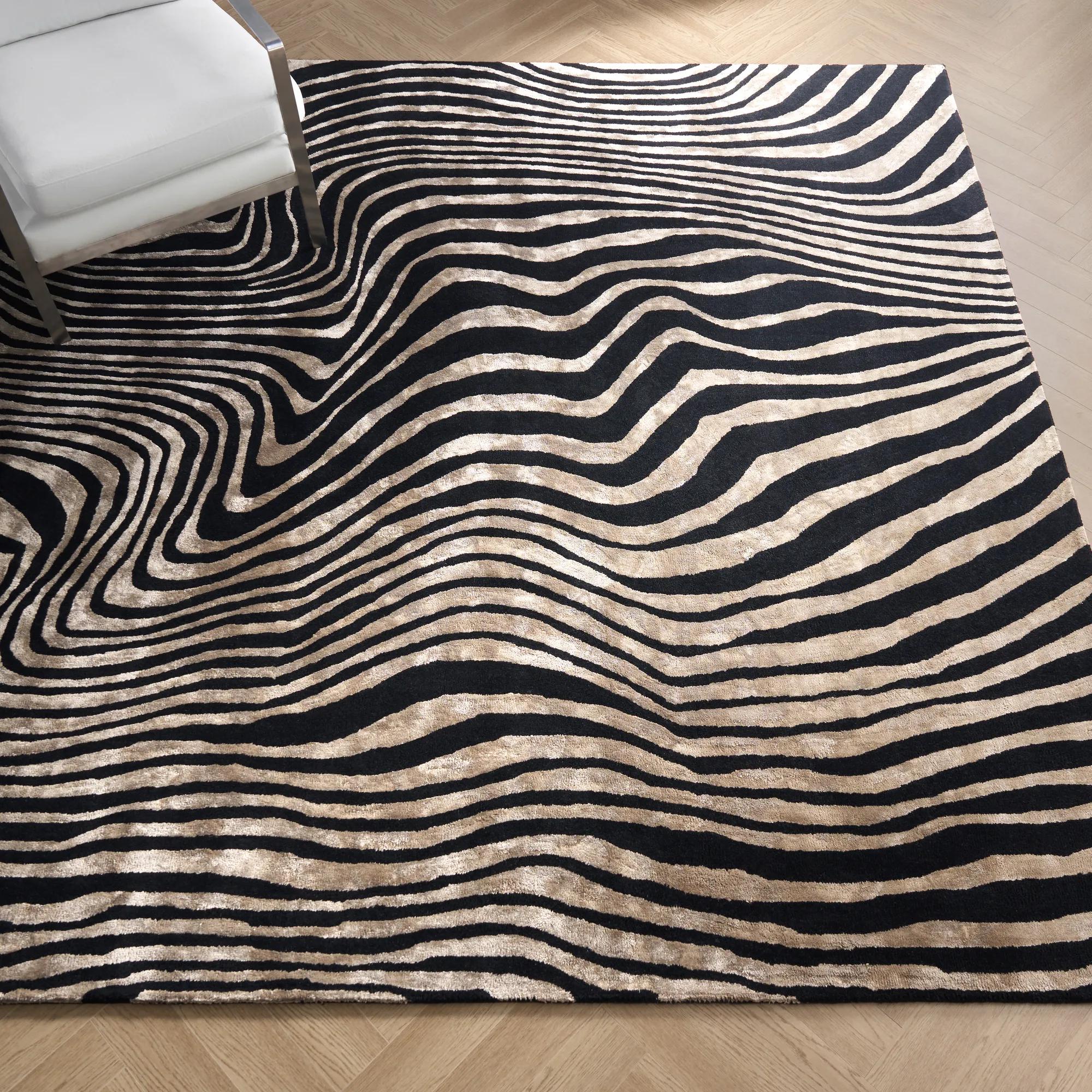
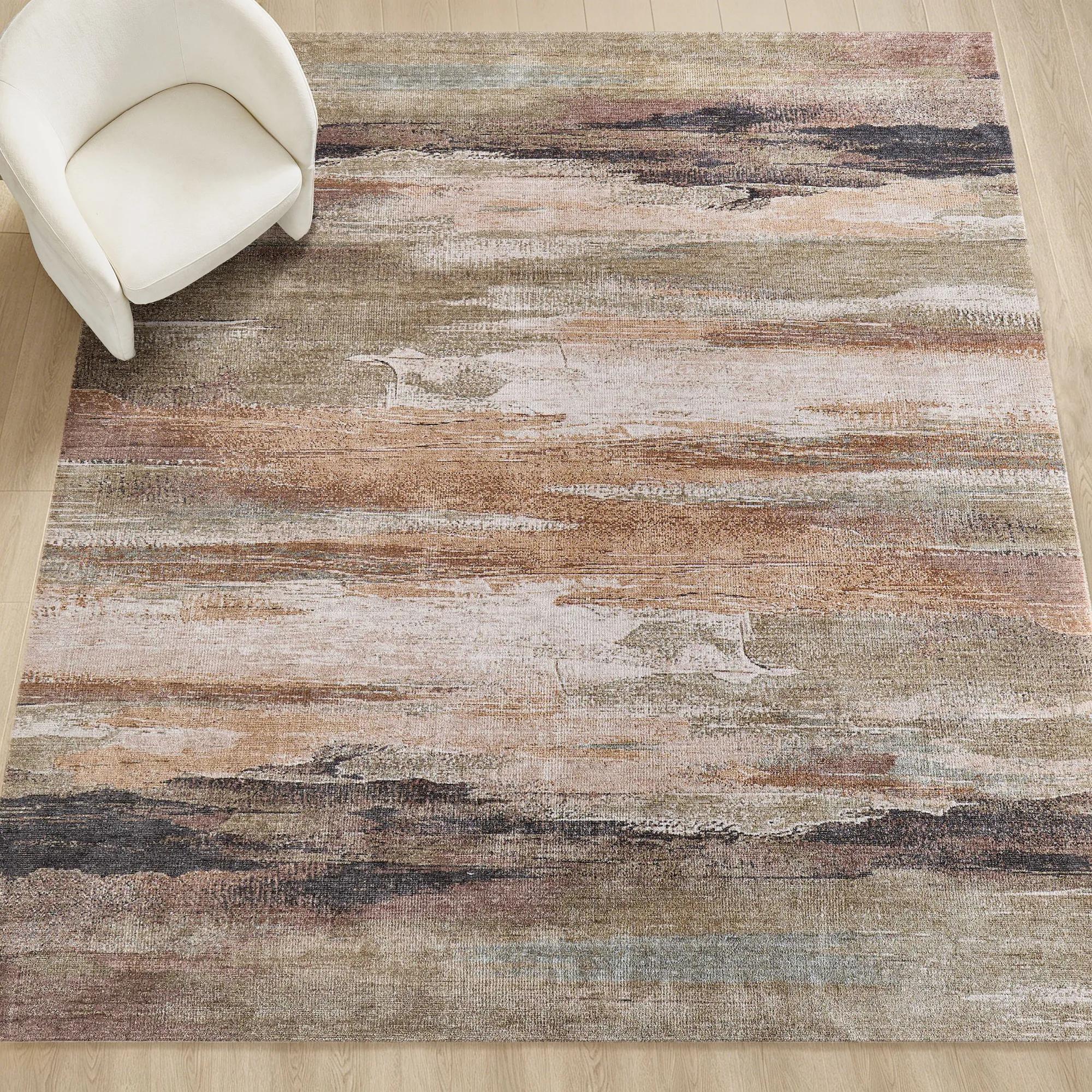
Neutral Rugs For Guest Rooms
Neutral Rugs For Guest Rooms
-
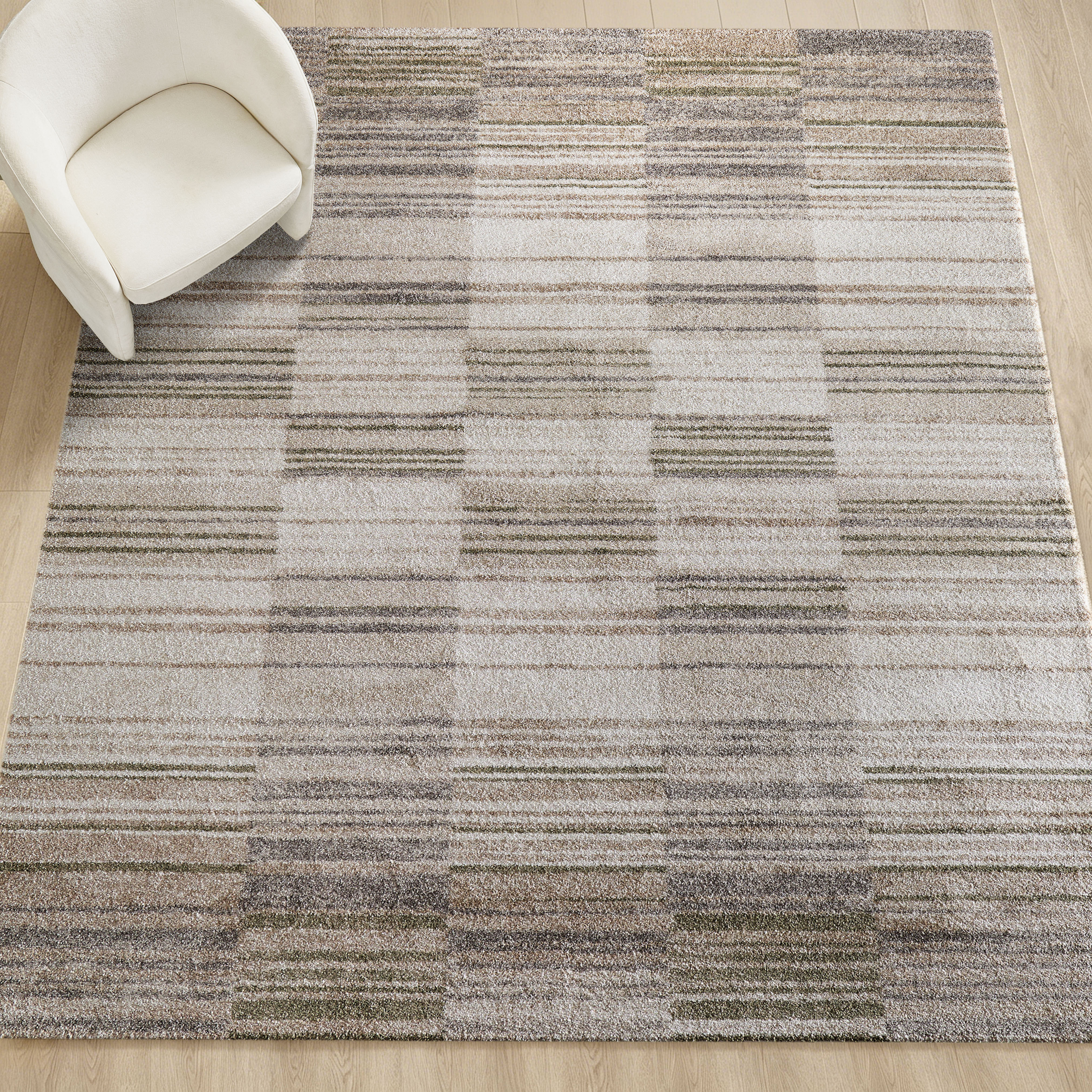
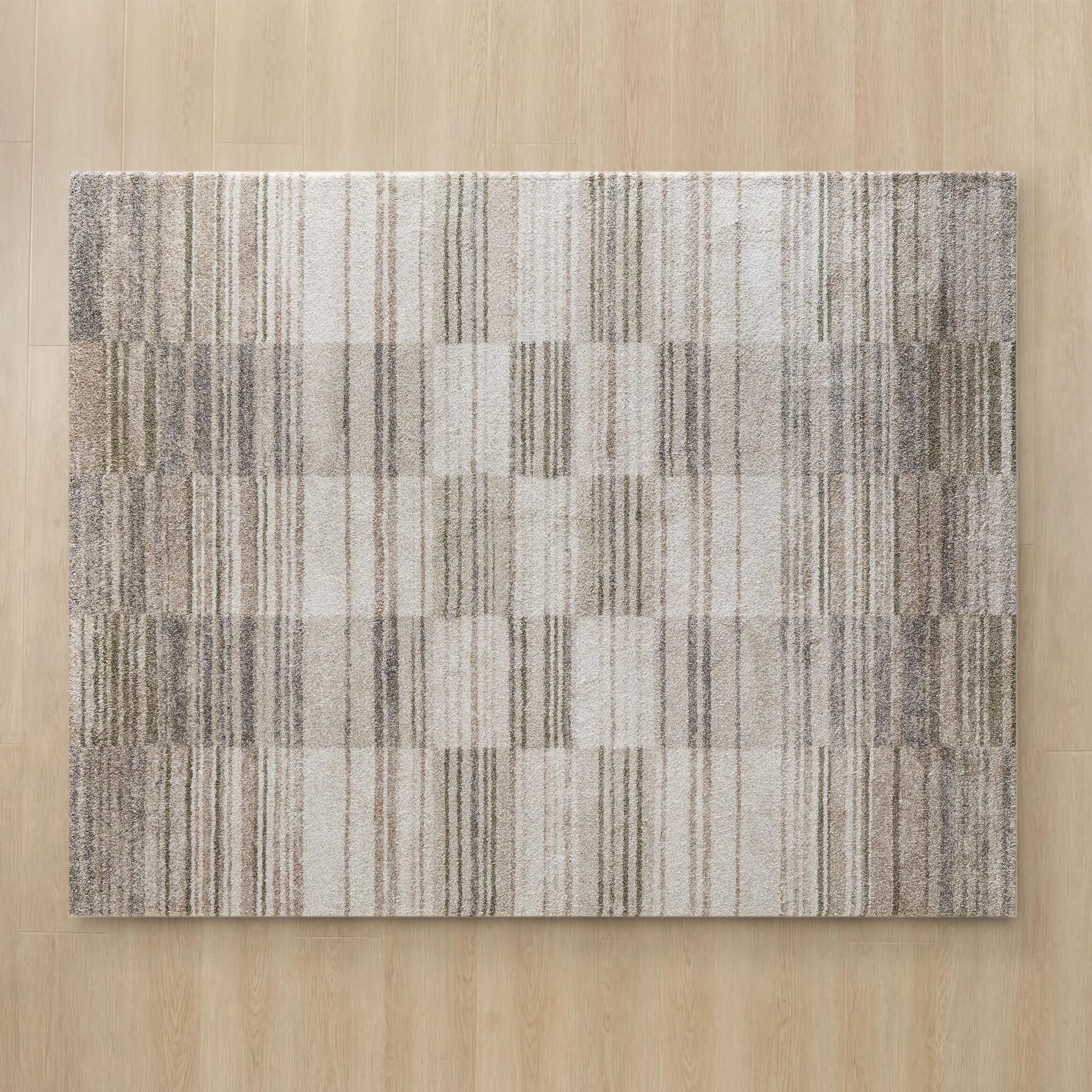 Checka Grey/Tan/Ivory/Soft Green Performance Power Loomed Rug$399
A plush, power-loomed rug featuring a soft check pattern in grey, tan, ivory, and green.
Add To Cart -
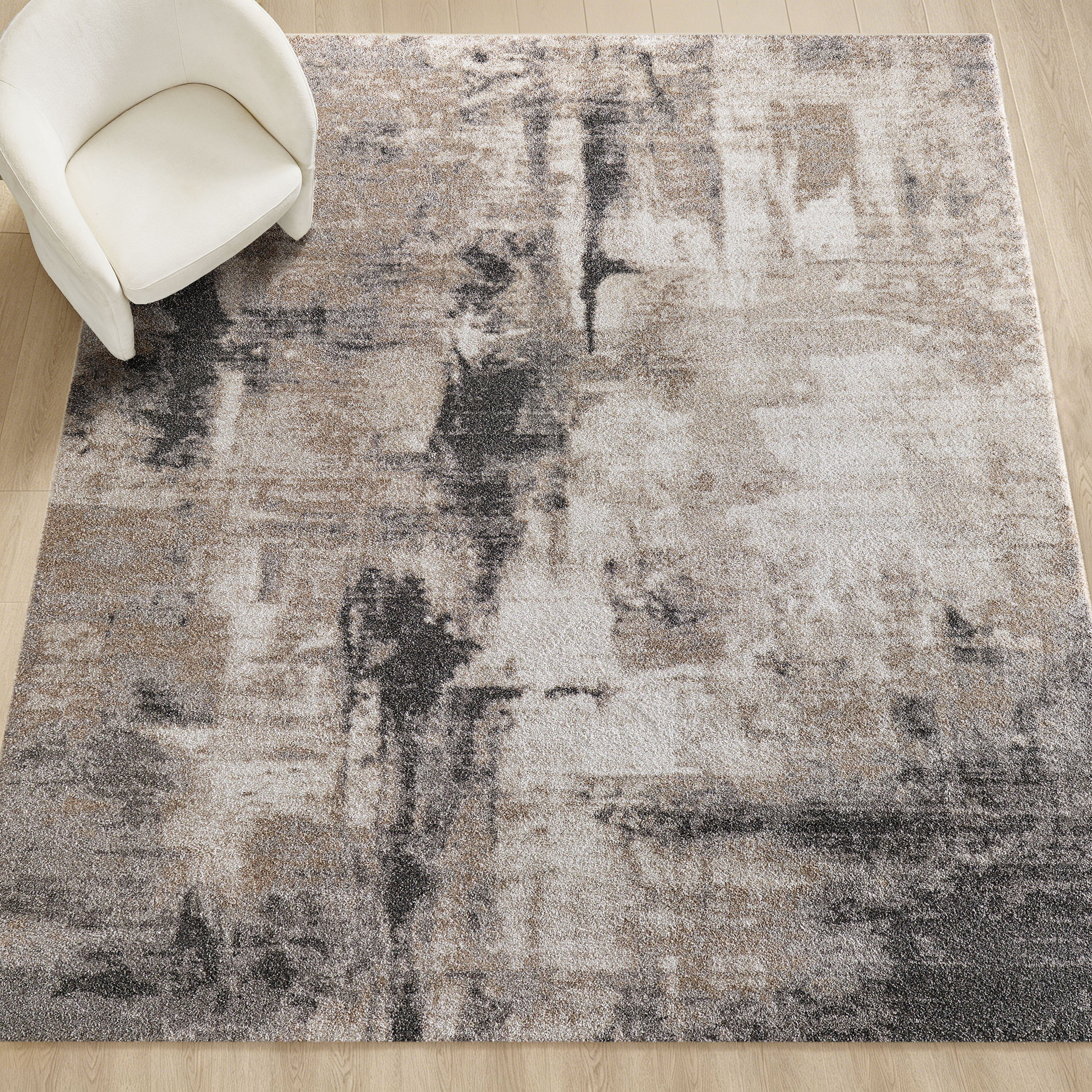
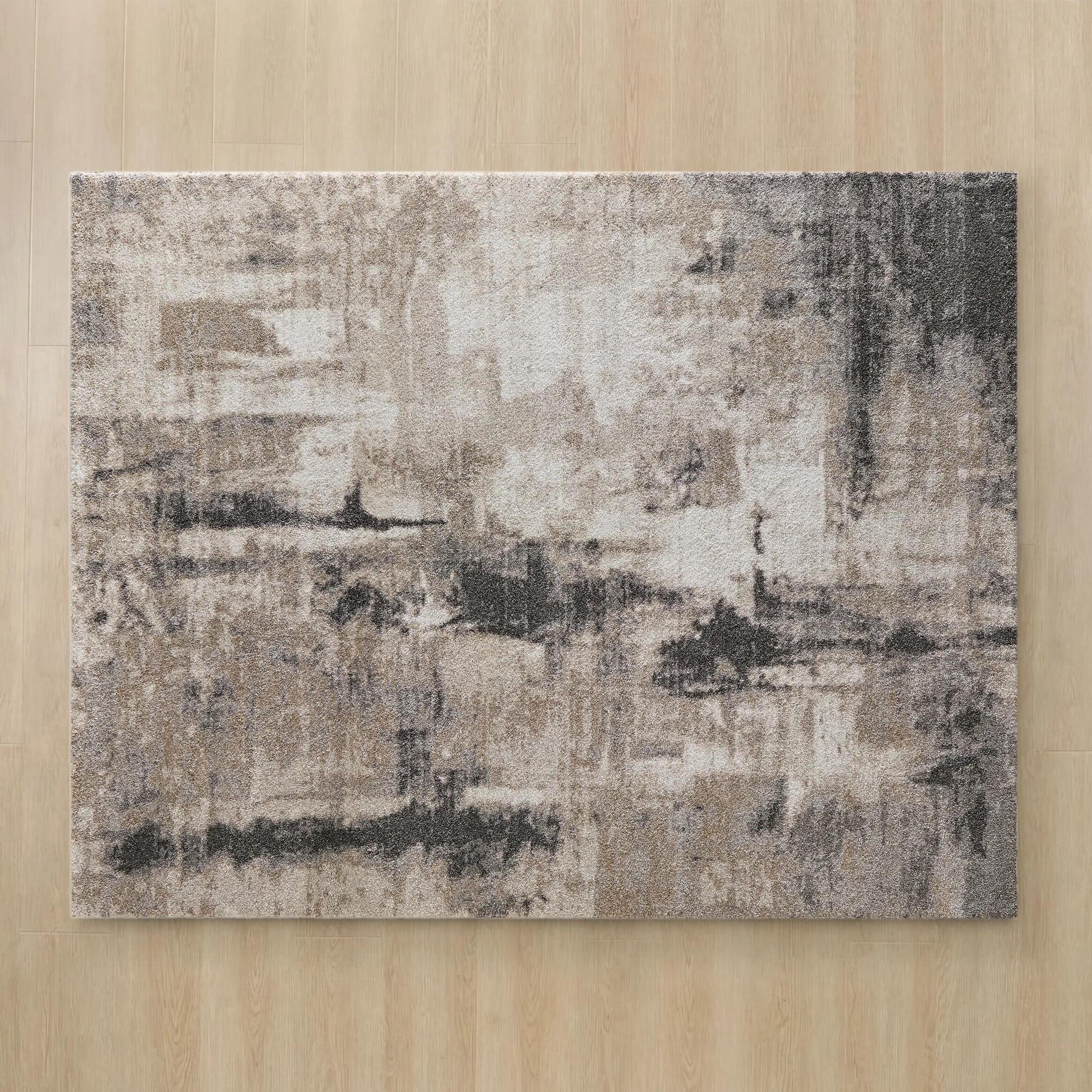 Atlas Abstract Grey/Taupe/Ivory/Charcoal Performance Power Loomed Rug$399
An abstract rug in grey, taupe, ivory, and charcoal with a plush, stain-resistant polypropylene blend.
Add To Cart -
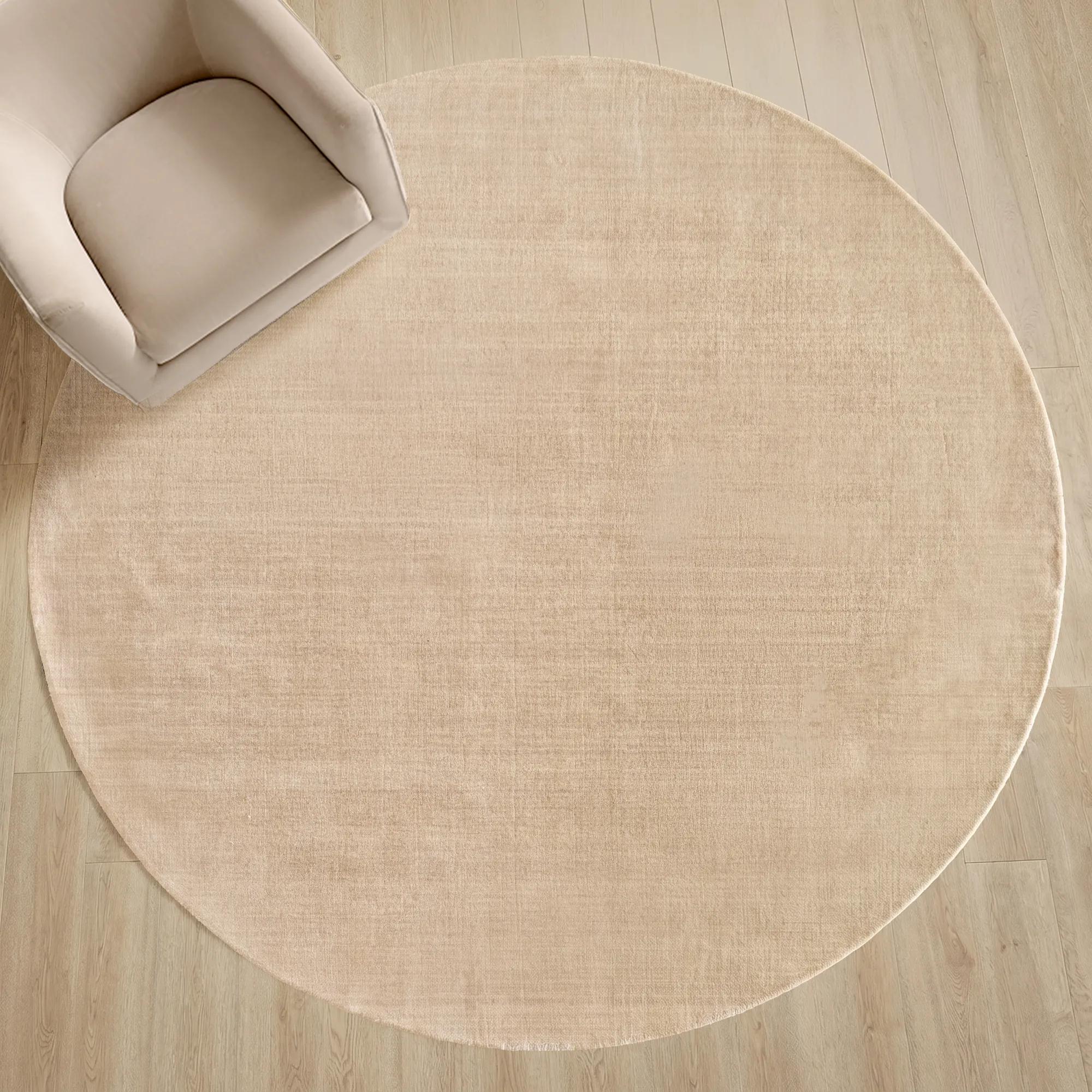 Juni Hand Woven Heathered Warm Beige Round Rug$1399
A handwoven round wool rug in heathered warm beige, offering refined texture and everyday durability.
Add To Cart -
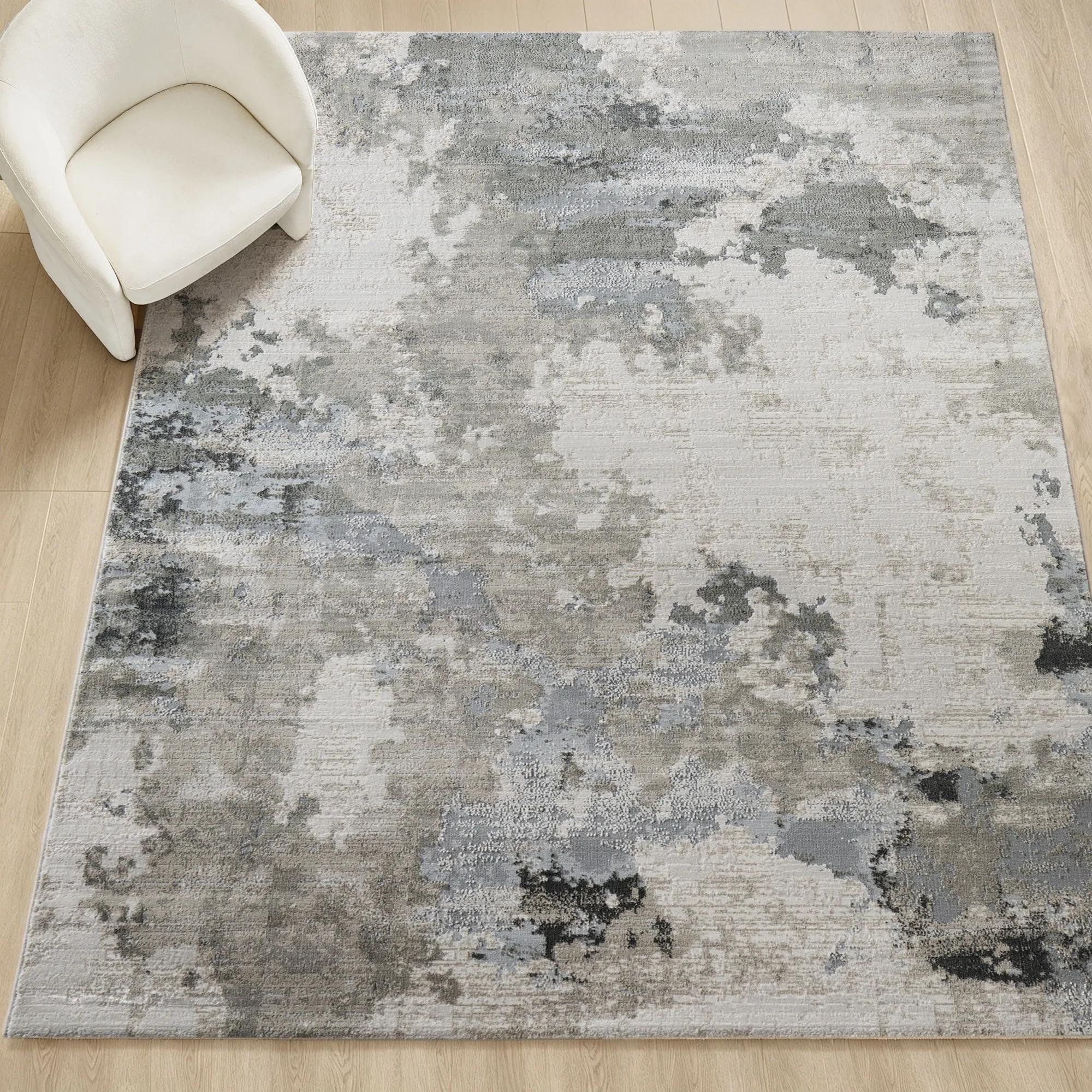 Alarion Abstract Grey/Muted Blue/Ivory Performance Power Loomed Rug$1499
A power-loomed rug featuring a distressed abstract pattern in grey, muted blue, and ivory with stain resistance.
Add To Cart -
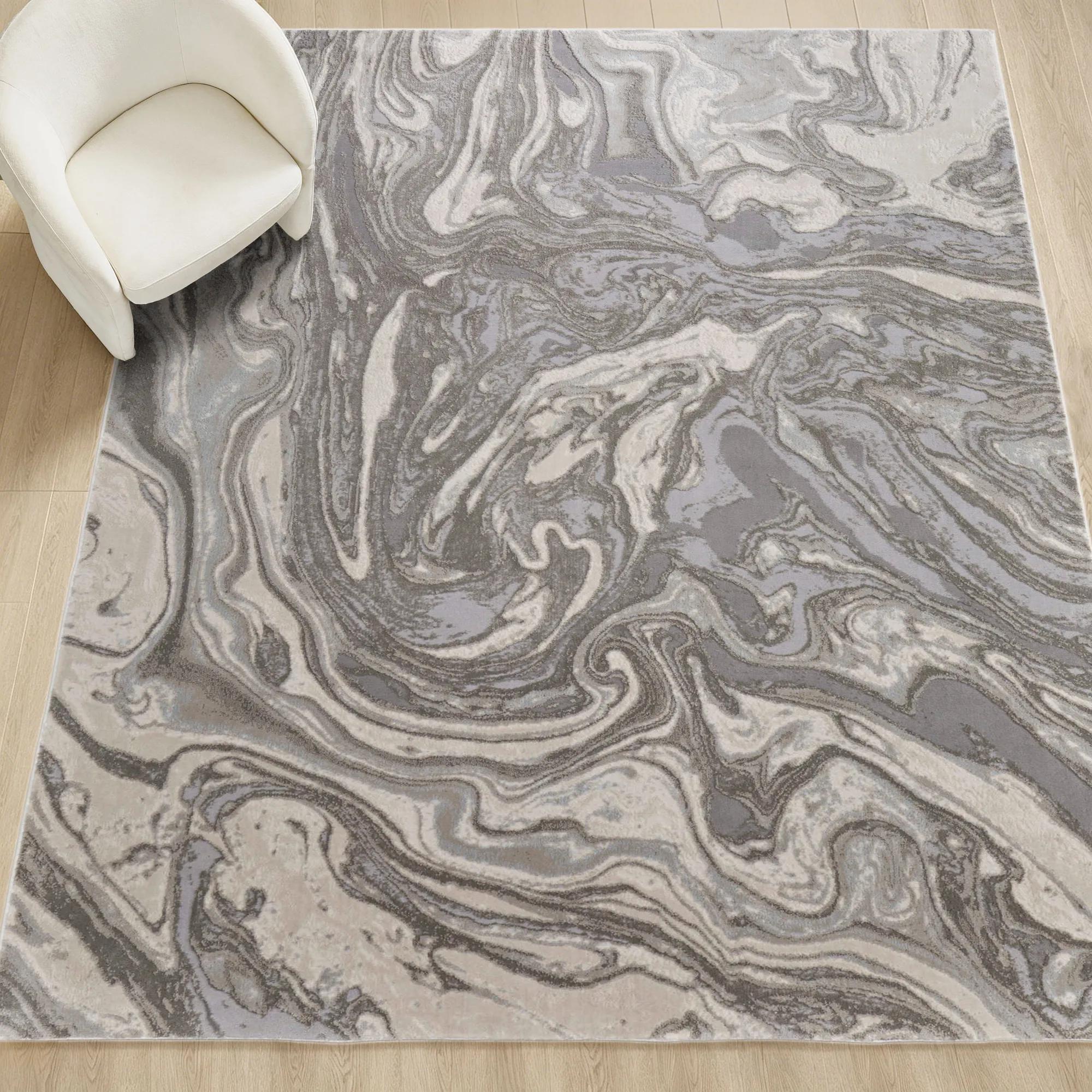
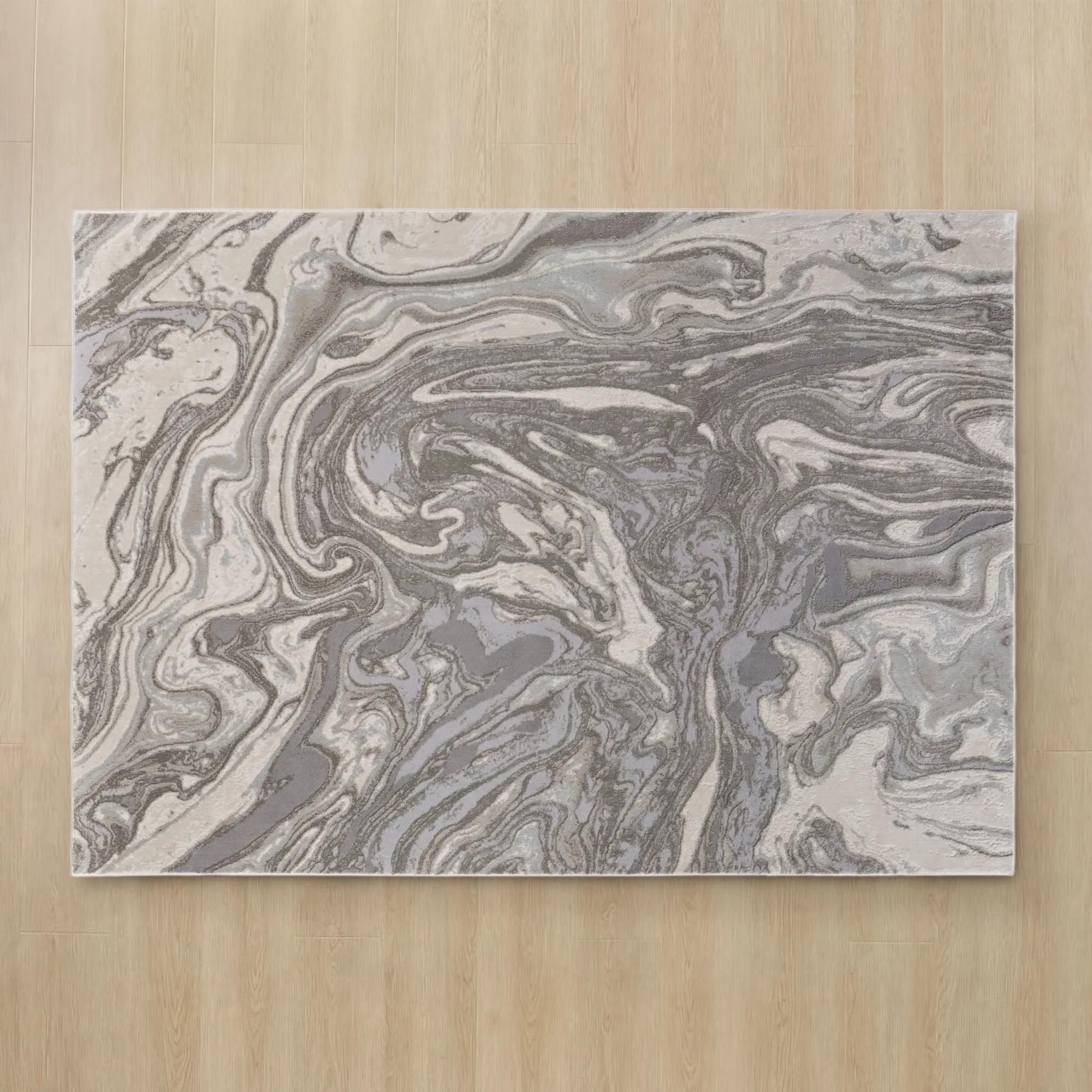 Marbre Marbled Grey/Taupe/Powder Blue Performance Power Loomed Rug$379
A softly marbled rug in grey, taupe, and powder blue with a textured, stain-resistant polypropylene blend.
Add To Cart -
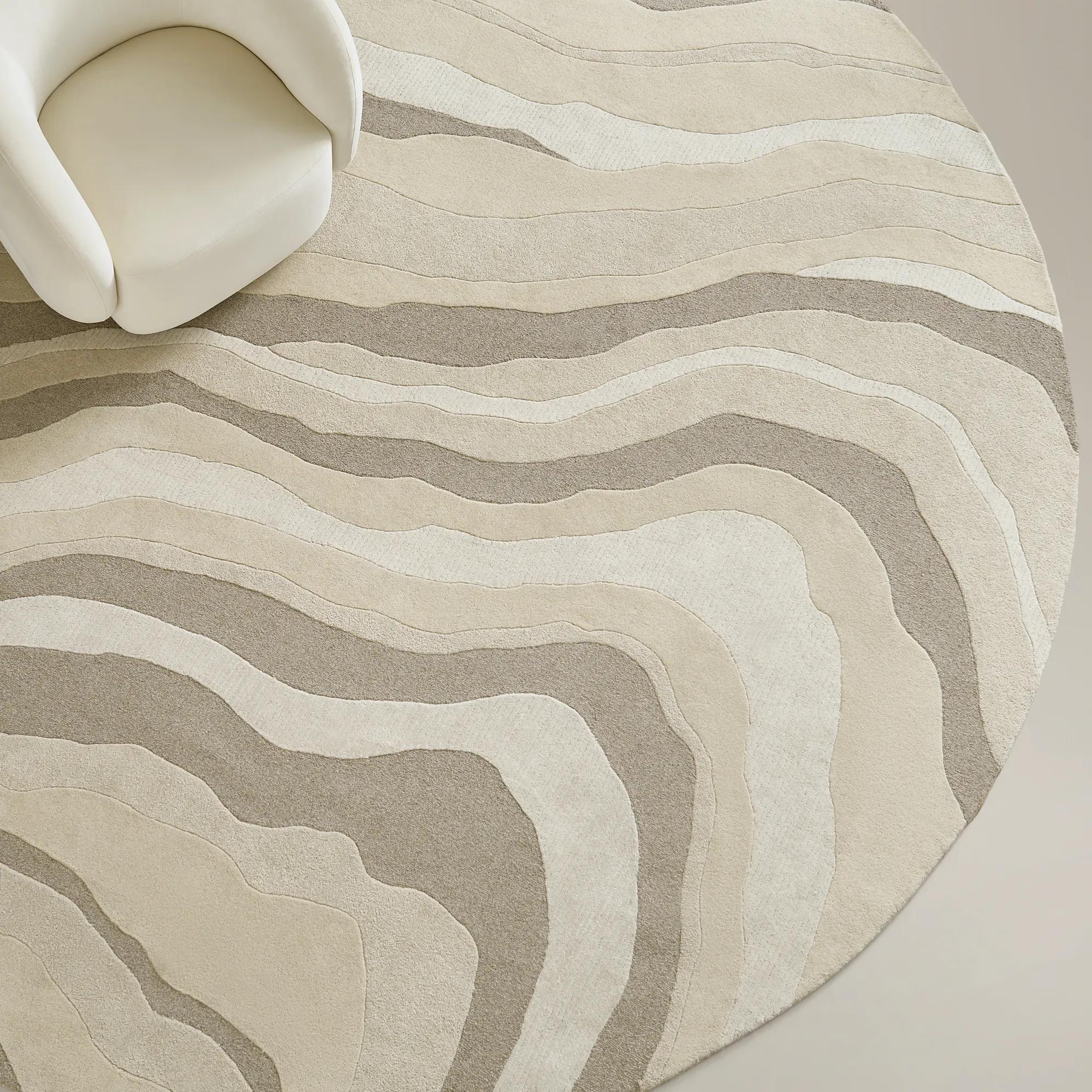 Kadence Hand-Tufted White/Ivory/Tan Wool Round Rug 12"$1799
A hand-tufted round rug in white, ivory, and tan, crafted from 100% wool for natural warmth.
Add To Cart -
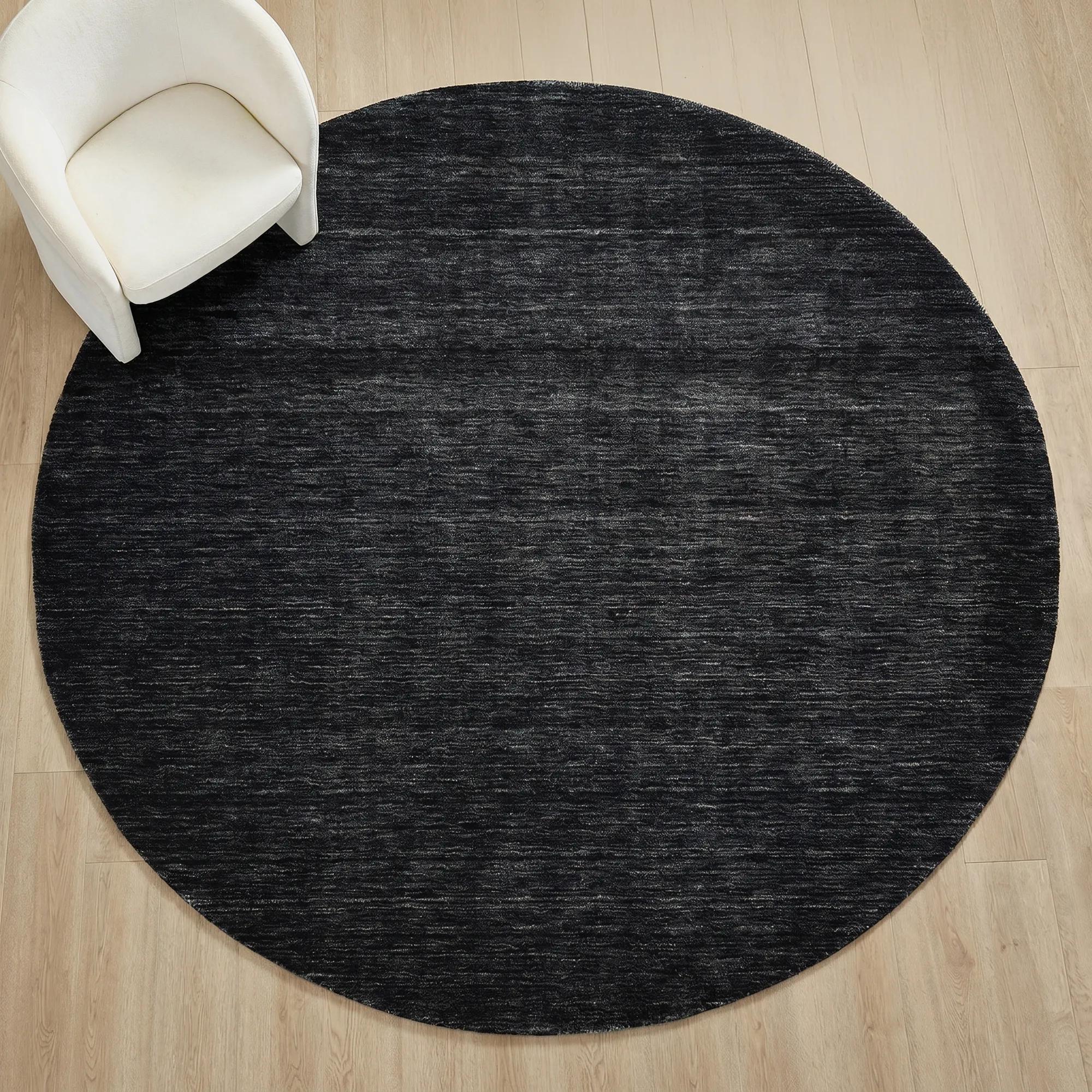 Juni Hand Woven Heathered Black Rug$799
A handwoven round wool rug in heathered black, offering durable texture and moody, contemporary style.
Add To Cart -
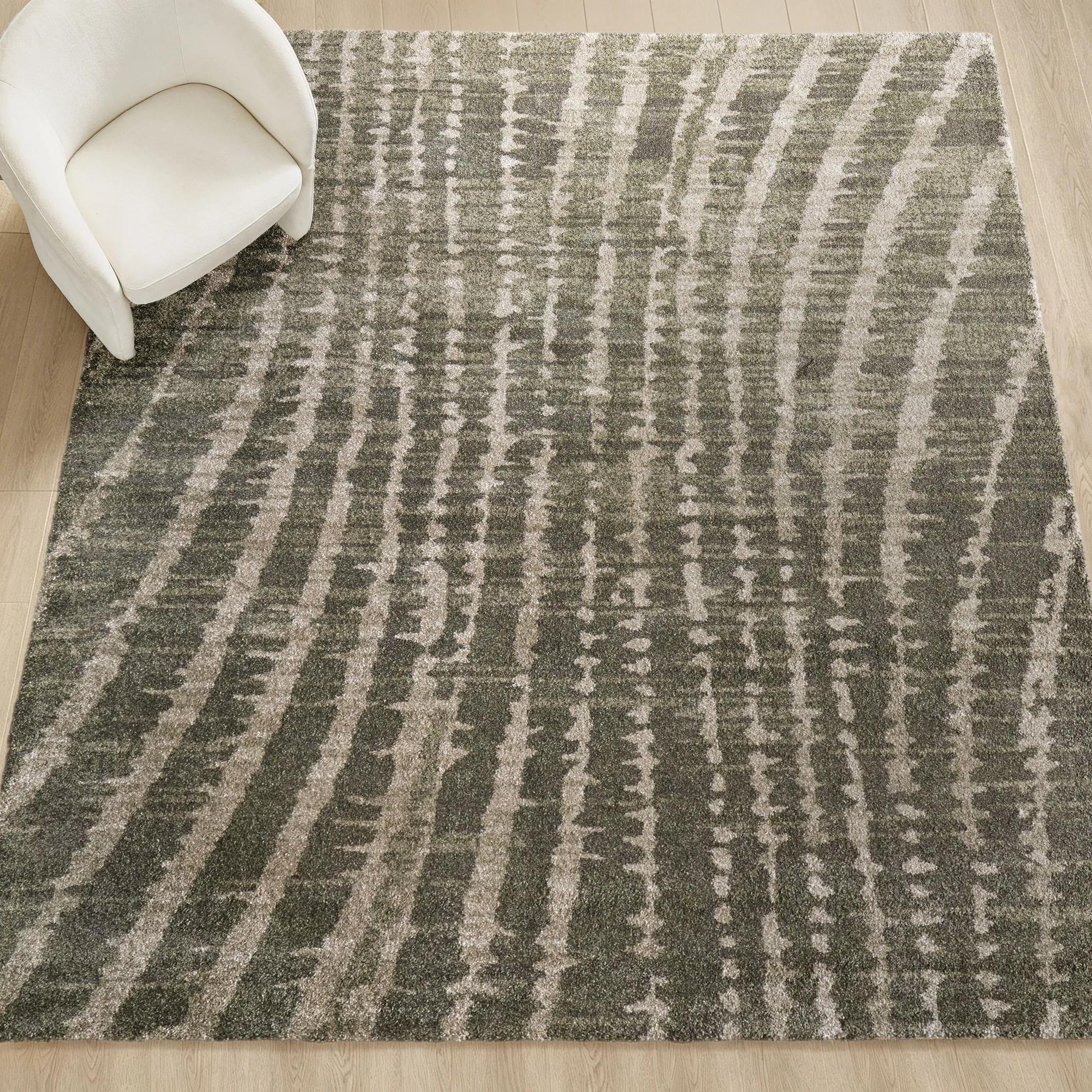
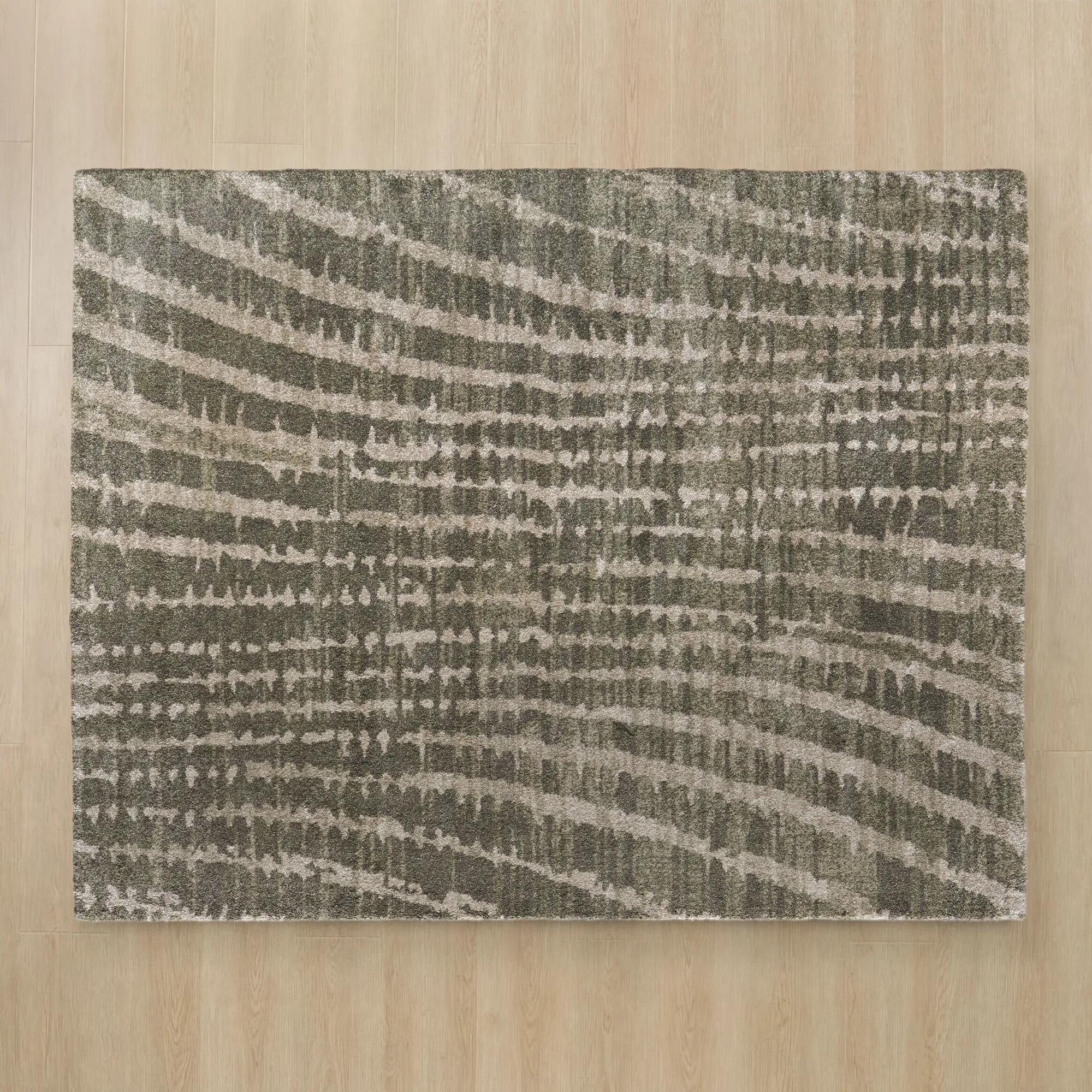 Tempo Green/Grey/Beige Performance Power Loomed Rug$399
An abstract charcoal grey and beige rug with plush cut pile and durable, stain-resistant polypropylene-polyester blend.
Add To Cart -
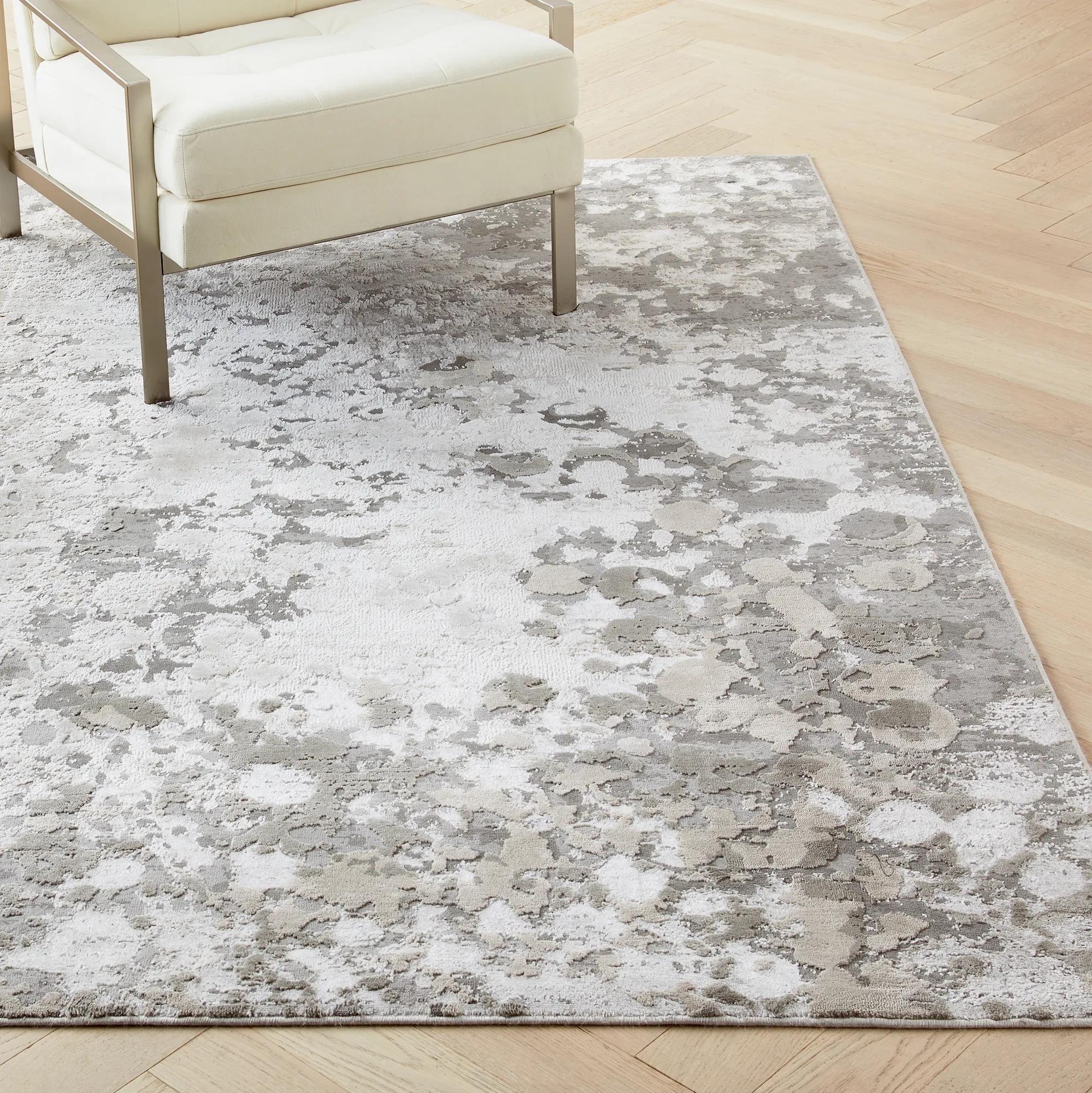 Mercury Power-Loomed Silver/Grey/Beige Rug$249
A neutral floor covering featuring a silver, grey, and beige palette with a textured polyester blend.
Add To Cart -
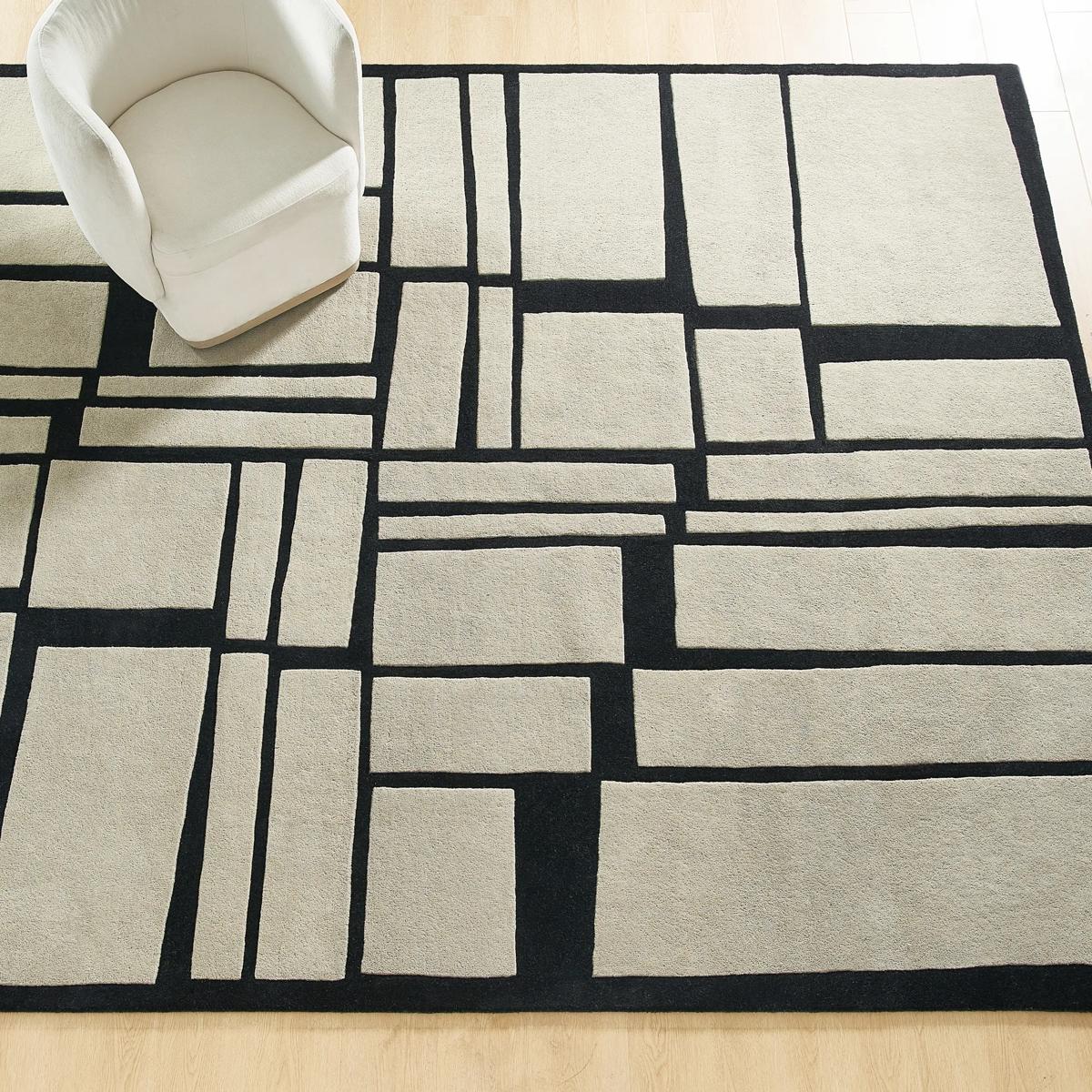 Novak Hand-Tufted Natural/Black Wool Rug$449
A hand-tufted wool rug featuring a bold black and natural grid design for modern visual impact.
Add To Cart -
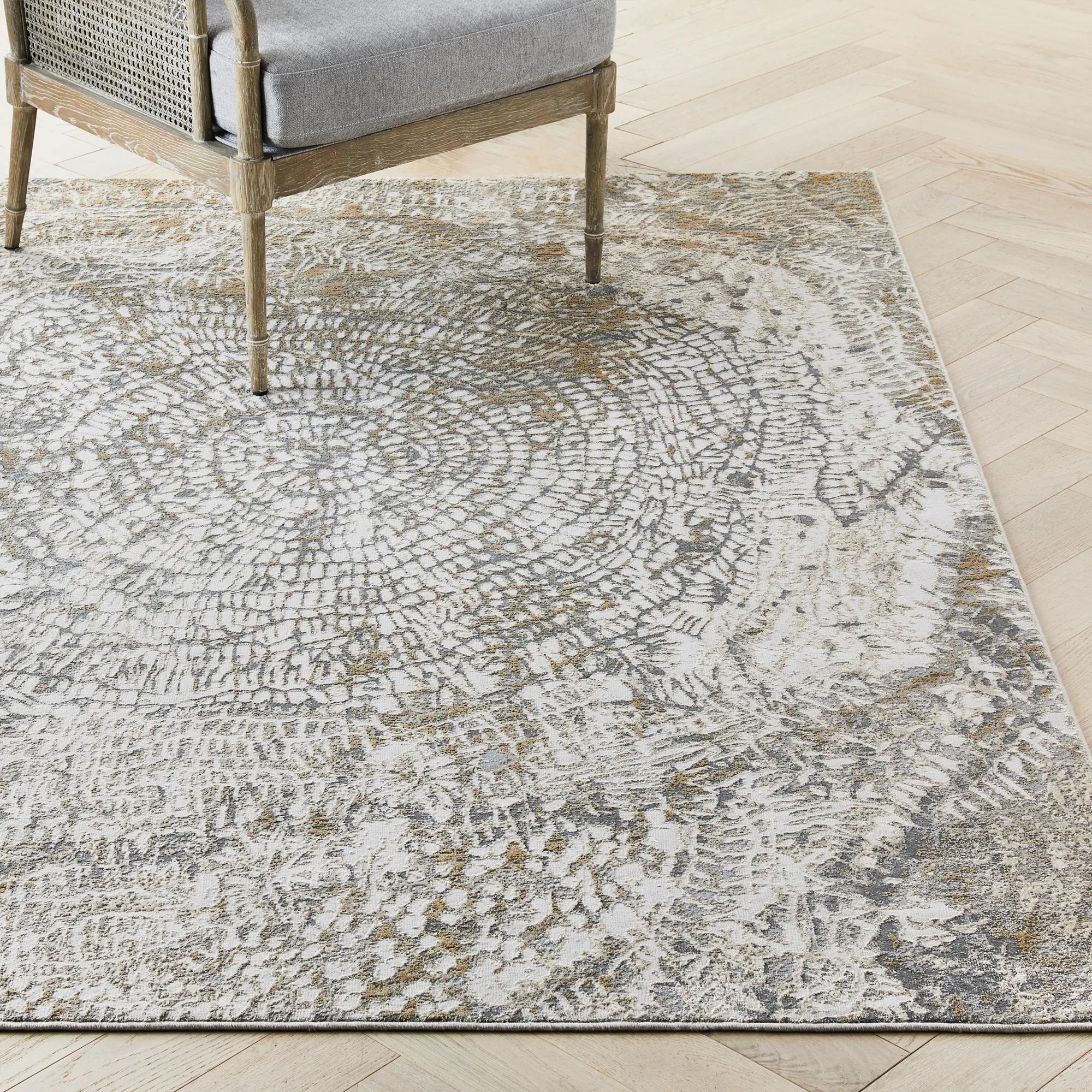 Nautilus Power-Loomed Silver/Grey/Natural Rug$449
A machine-woven ivory rug featuring subtle tree ring-inspired patterns in durable polypropylene and viscose.
Add To Cart -
 Fiona Hand-Tufted Ivory/Beige/Black Border Fringe Rug$599
A hand-tufted ivory, beige, and black rug featuring a distinctive border and fringe detailing.
Add To Cart -
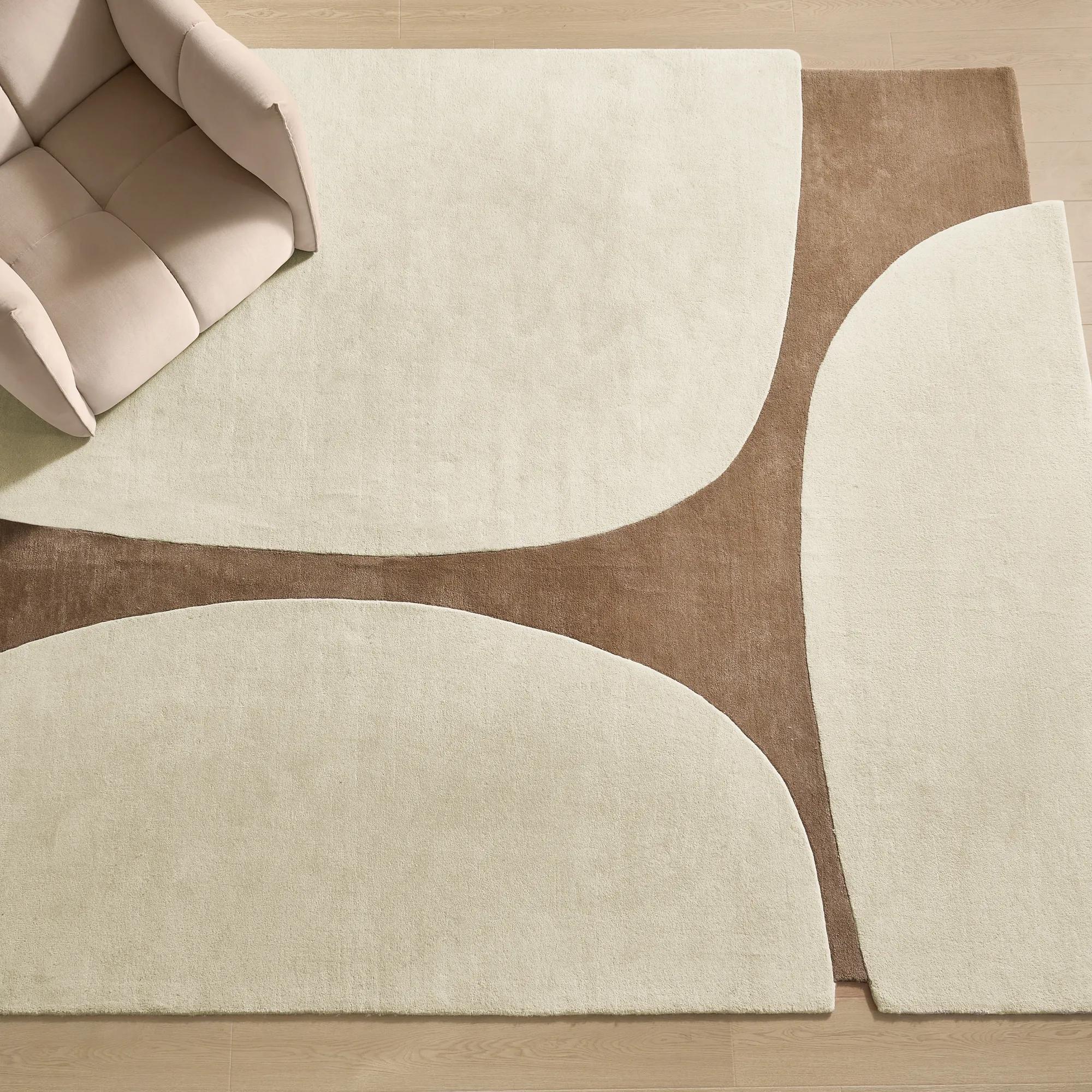
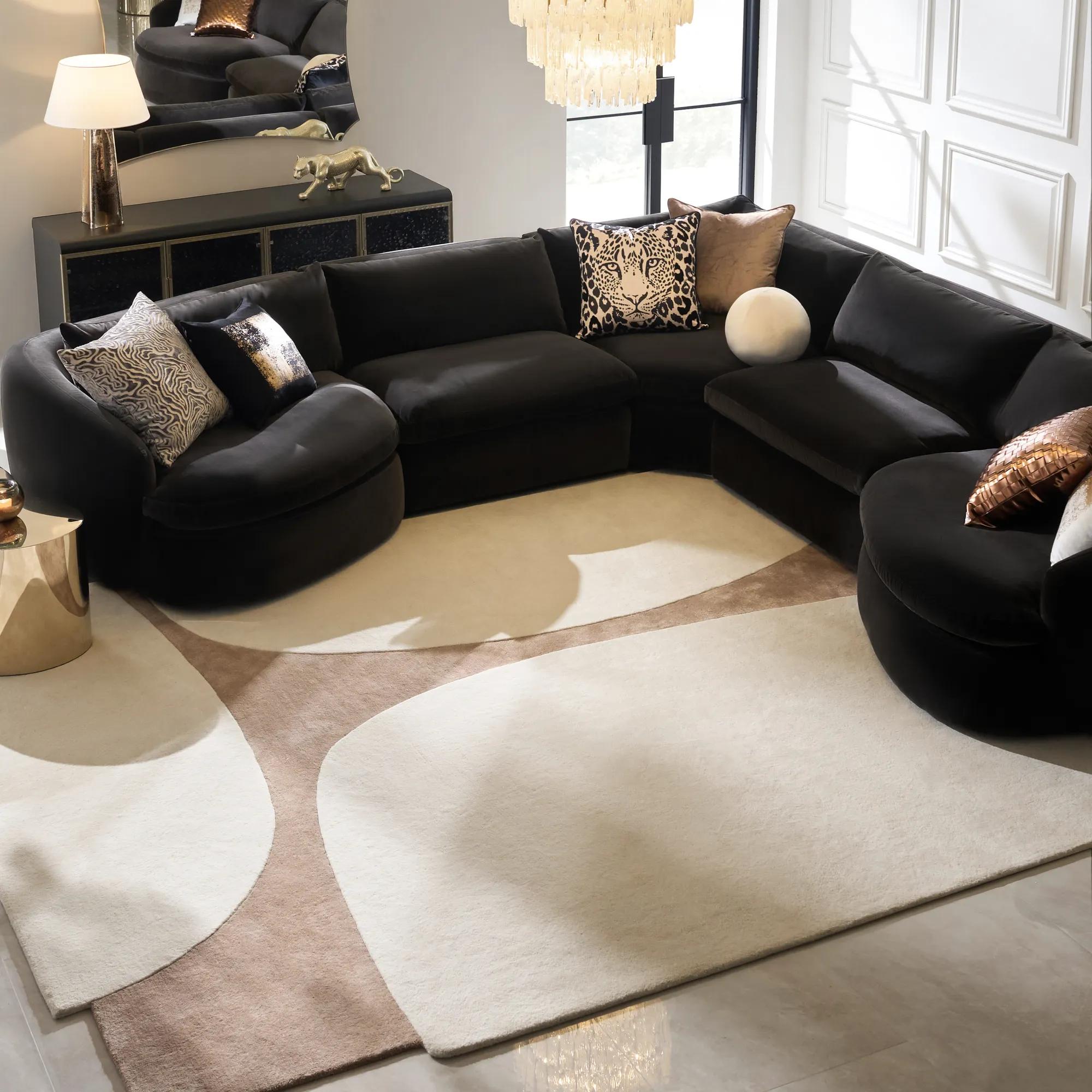 Contour Hand-Tufted Ivory/Ginger Root Wool Blend Rug$499
A hand-tufted wool rug blending ivory and ginger root tones for textured, modern warmth.
Add To Cart -
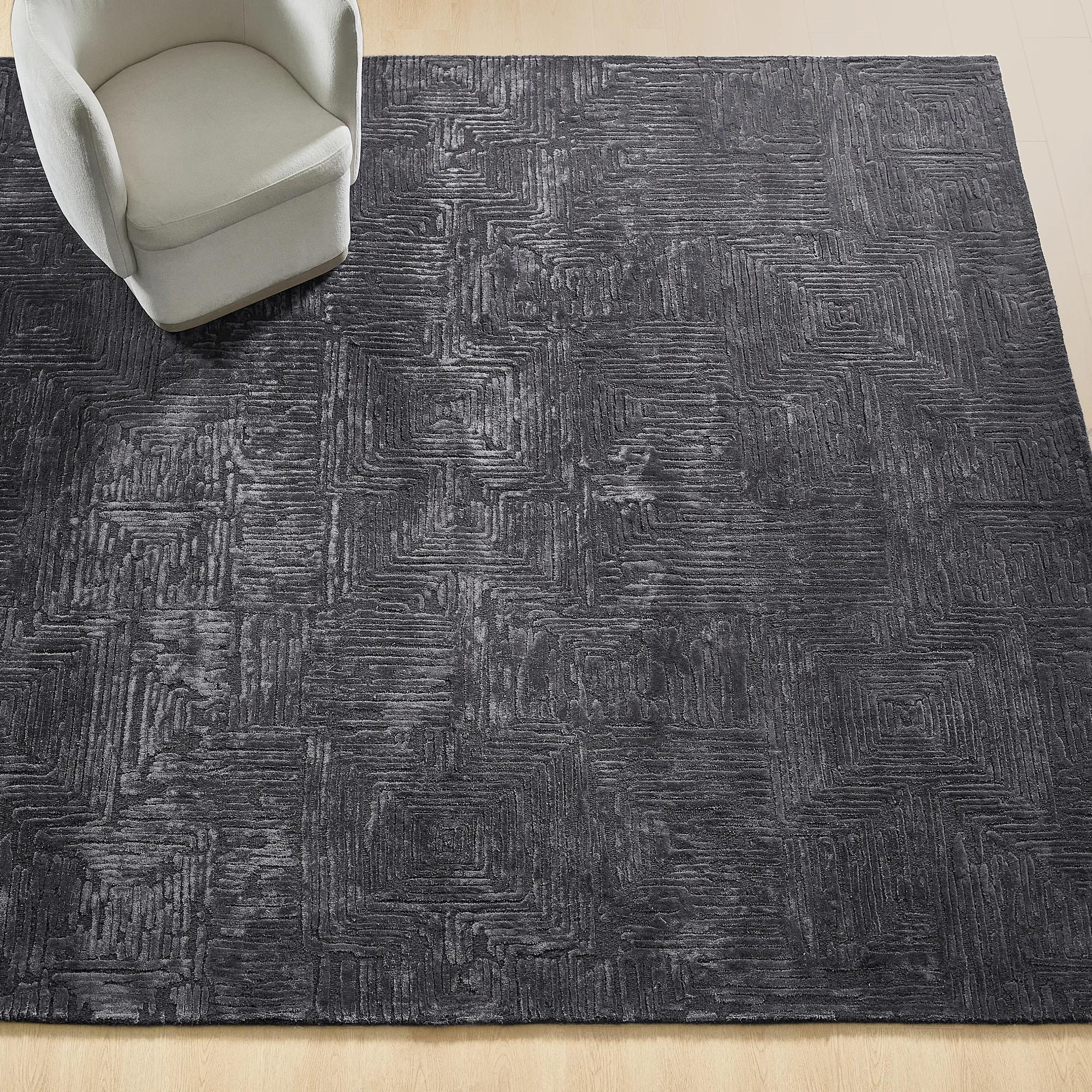
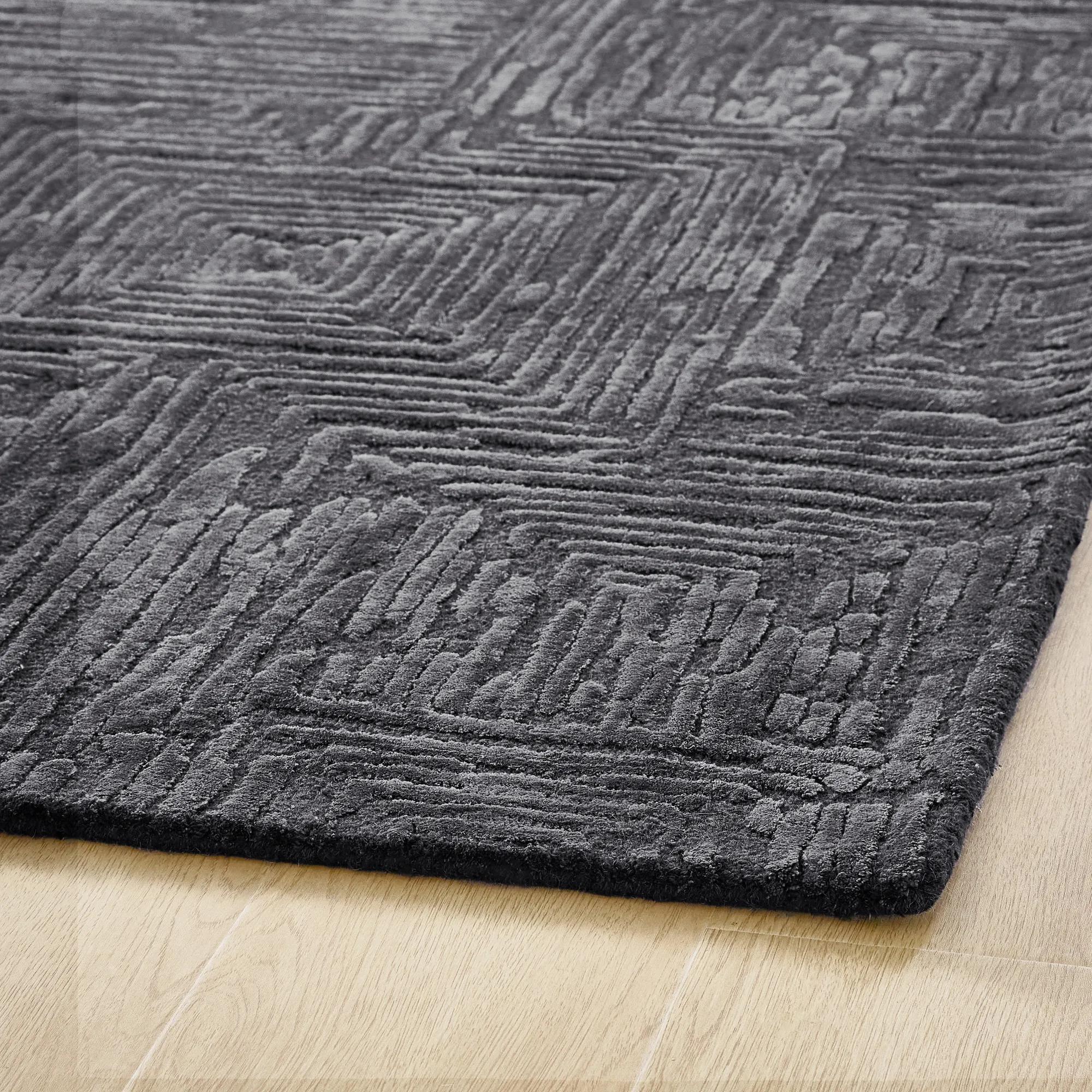 Andra Charcoal Hand-Tufted Wool Blend Dimensional Rug$1499
A hand-tufted viscose-wool rug in rich charcoal with a sculptural, dimensional pattern and plush texture.
Add To Cart -
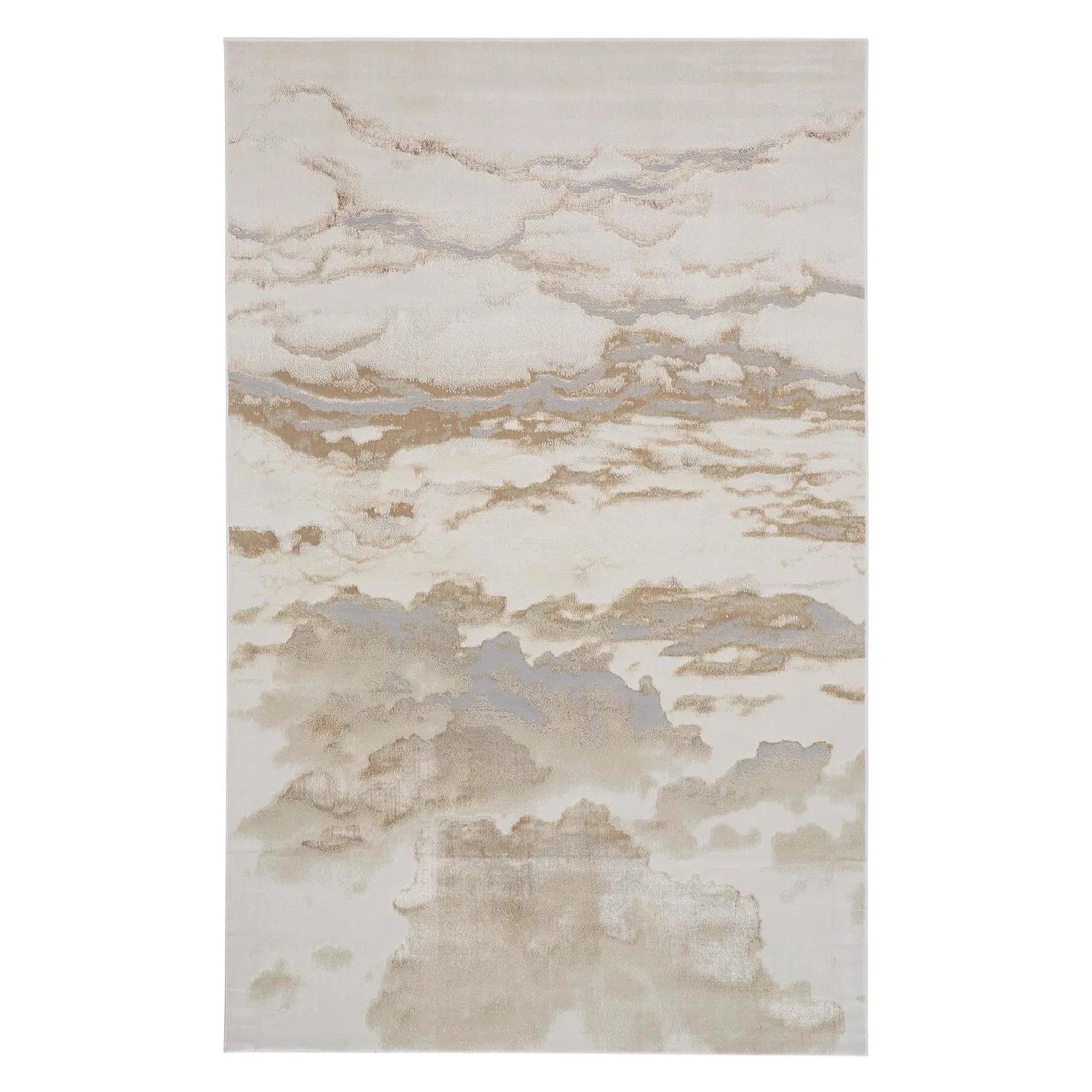
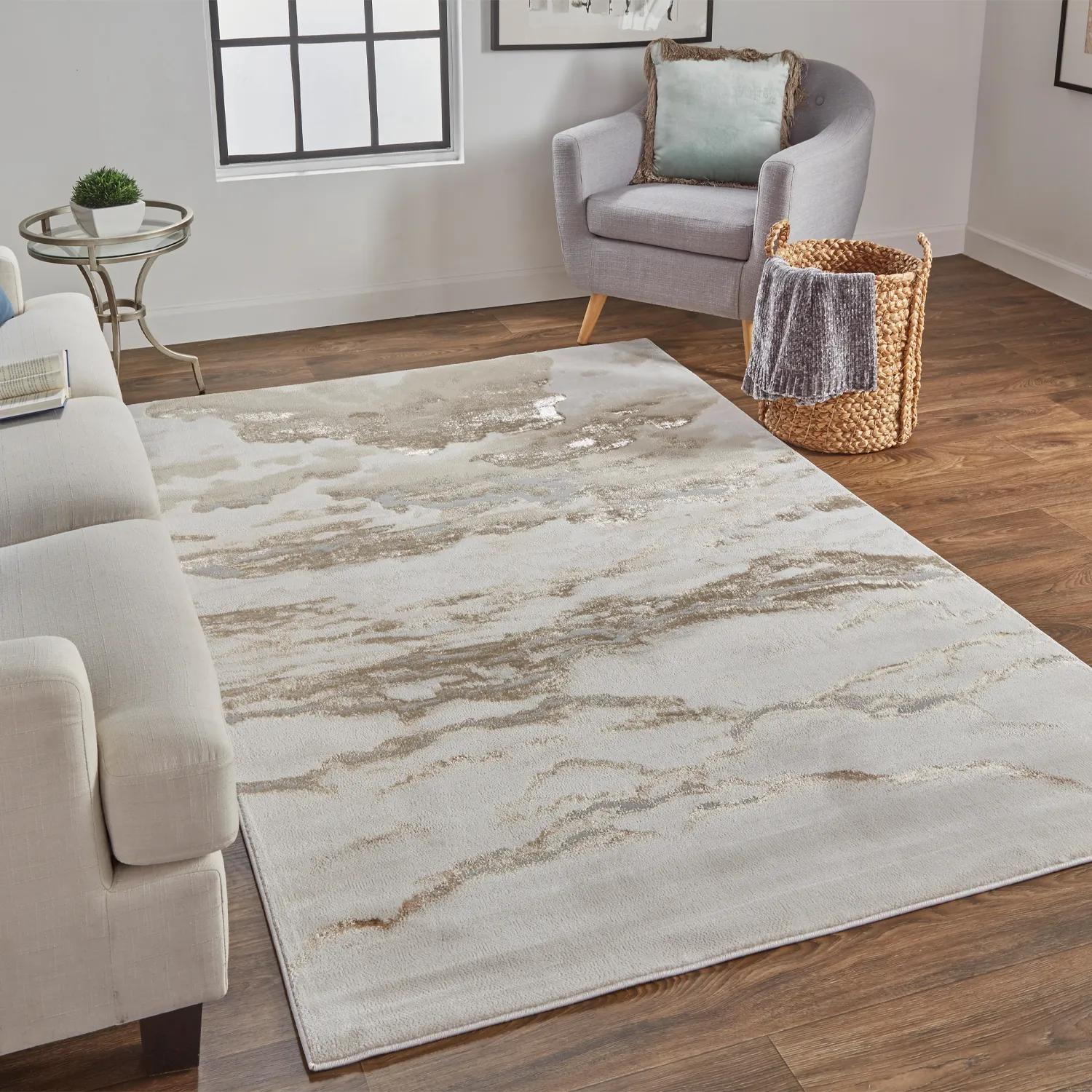 Tide Power-Loomed Beige/Gold/Ivory Rug$449
A machine-made rug in beige and gold, crafted from ultra-soft polyester and polypropylene for elegant appeal.
Add To Cart -
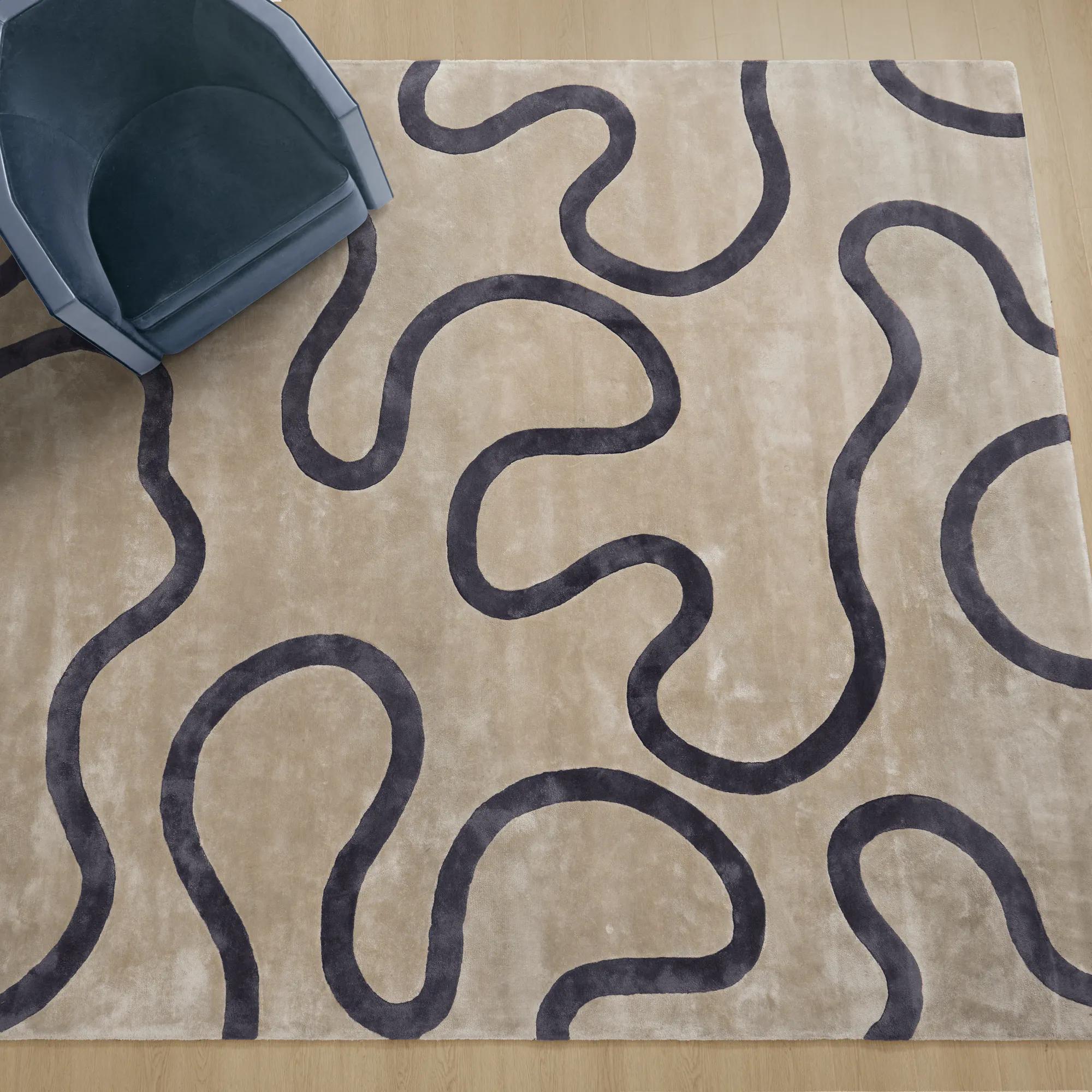 Seraphine Hand-Tufted Smoked Pearl/Taupe Viscose Loop Rug$599
A hand-tufted viscose rug in smoked pearl and taupe, featuring high-contrast loops and luminous sheen.
Add To Cart -
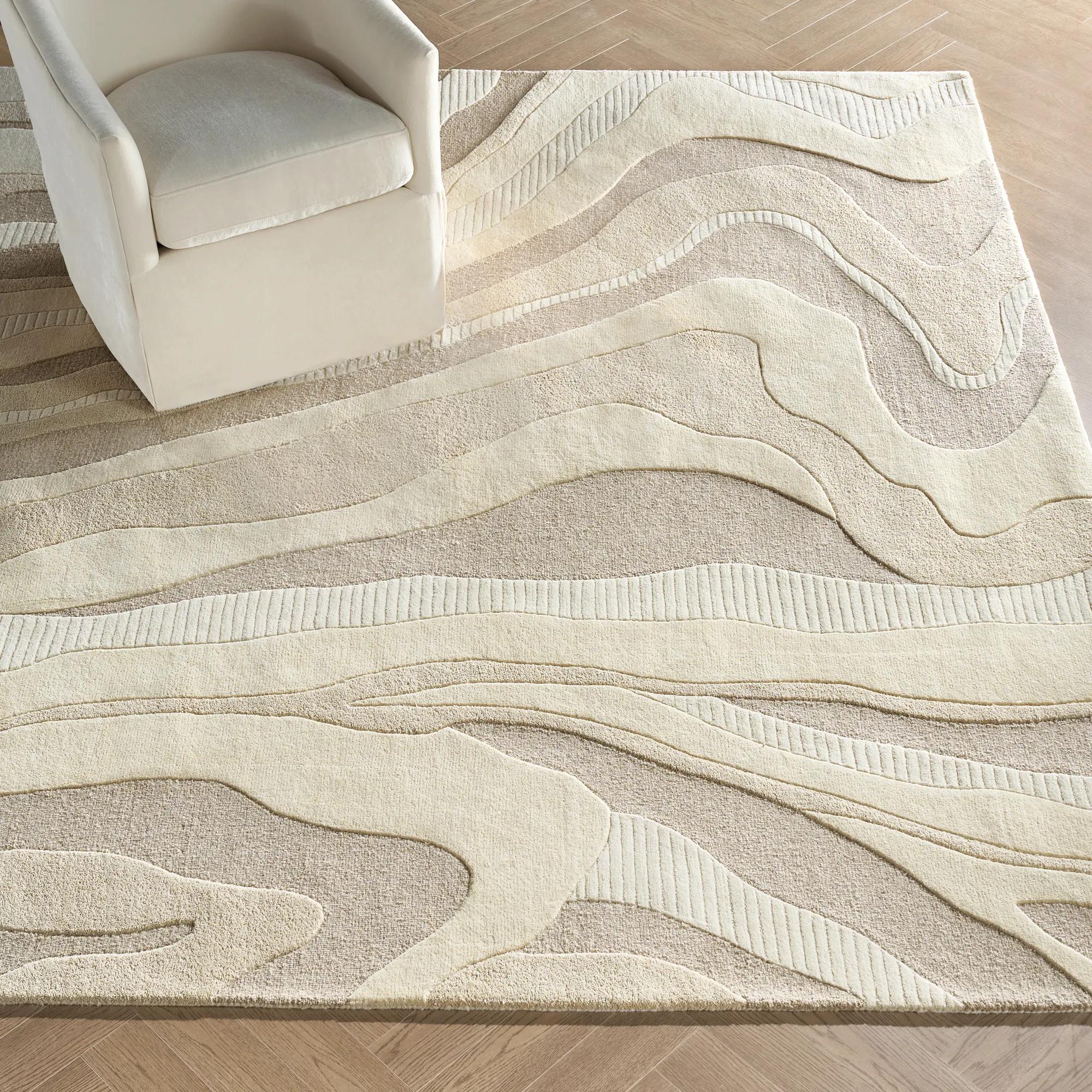 Kadence Hand-Tufted Ivory/Tan Wool Rug$1499
A hand-tufted wool rug featuring a multi-textured swirl design in ivory and tan for timeless elegance.
Add To Cart -
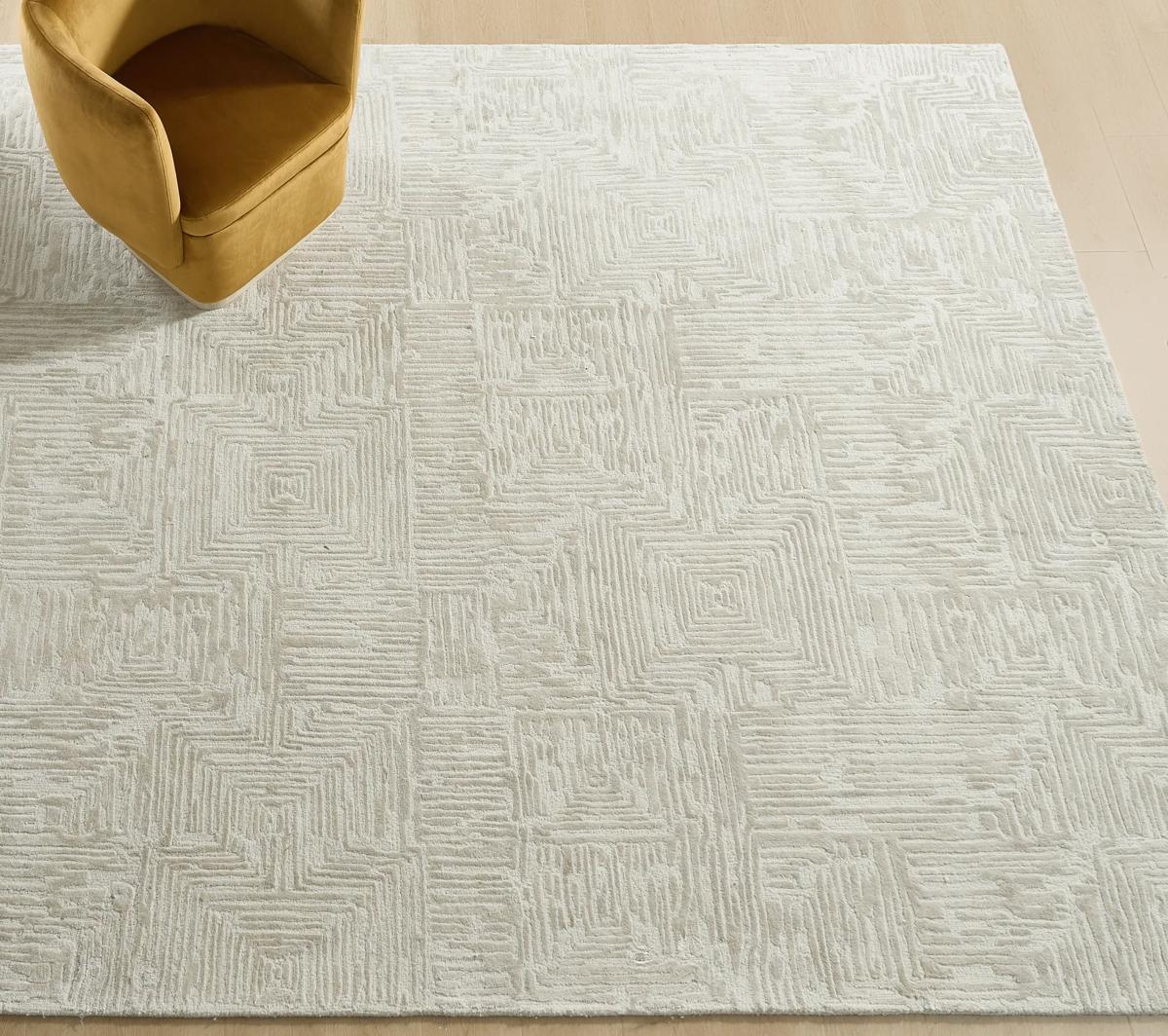 Andra Ivory Hand-Tufted Wool Blend Dimensional Rug$1499
A hand-tufted ivory rug in a viscose-wool blend with raised detailing and a subtle sheen.
Add To Cart -
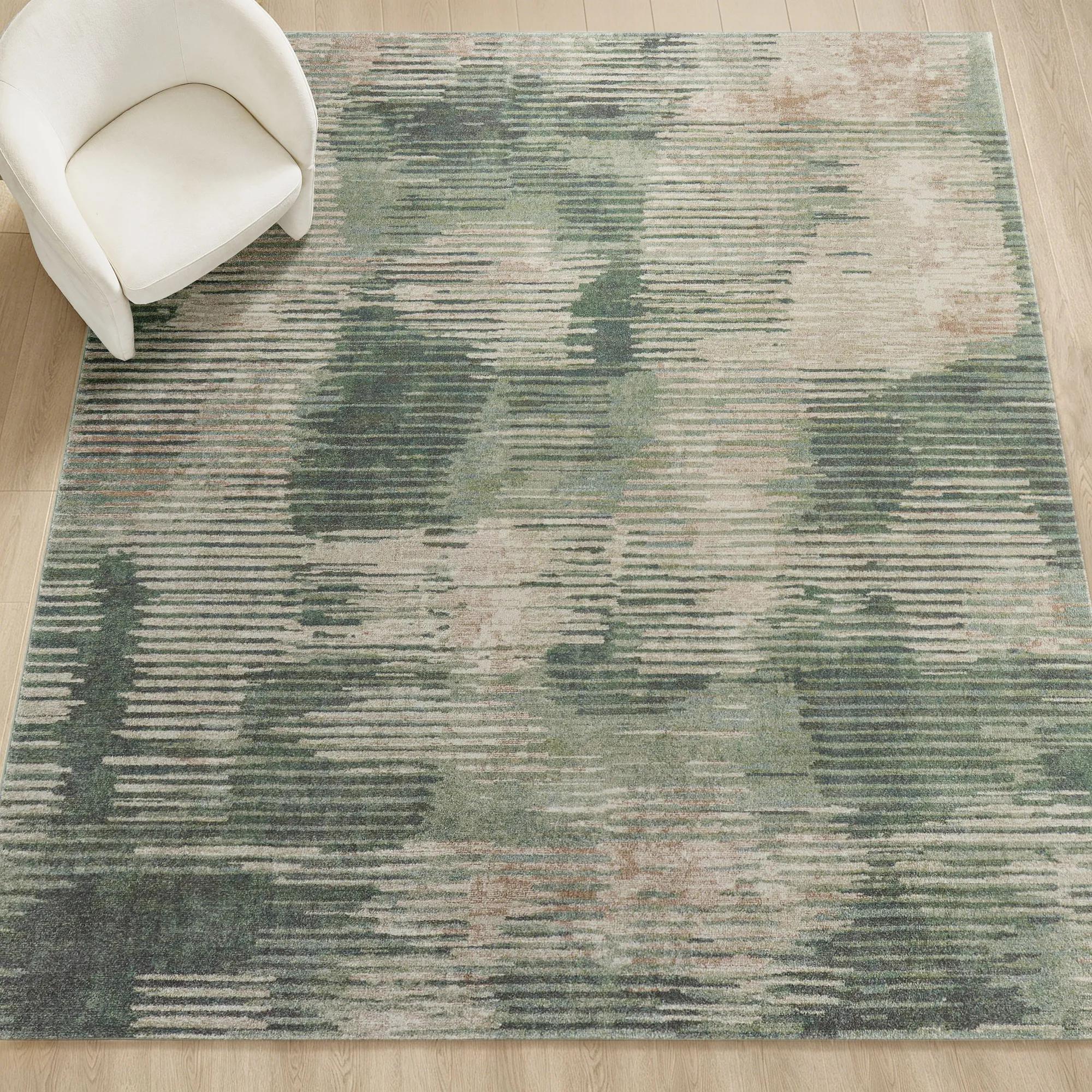
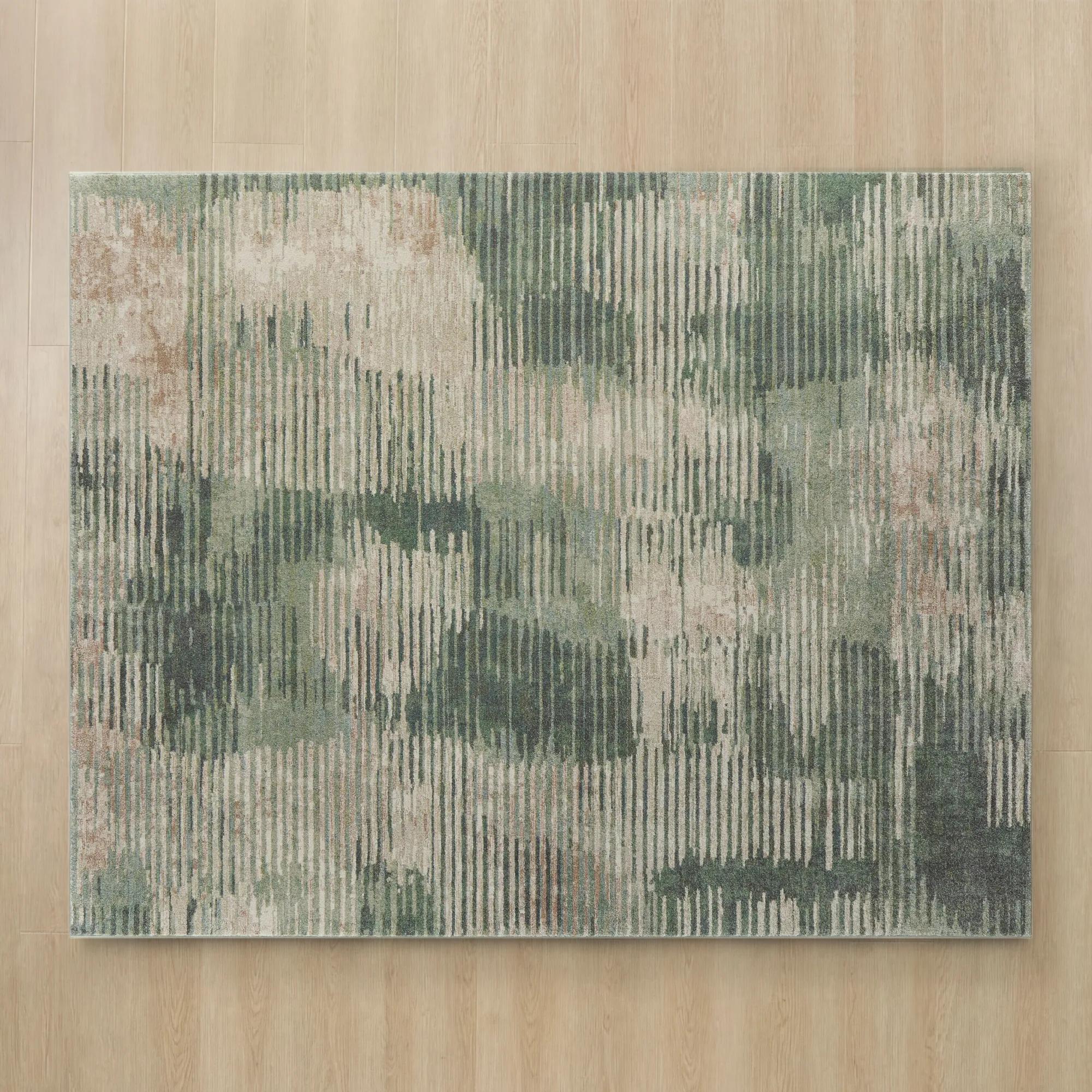 Sylvan Green/Beige Power Loomed Rug$1349
A power-loomed polypropylene rug featuring a contemporary organic pattern in smoked olive green and beige.
Add To Cart -
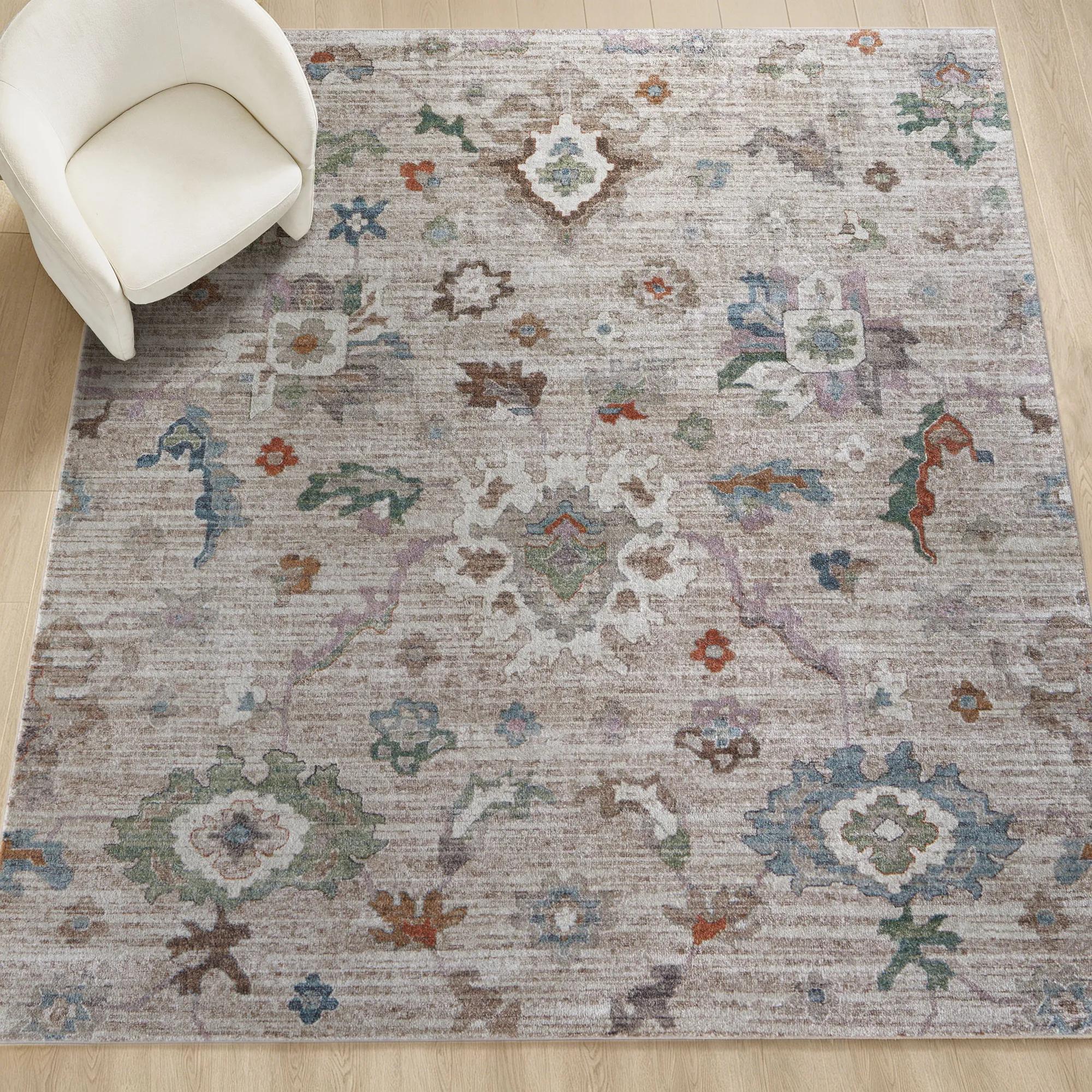
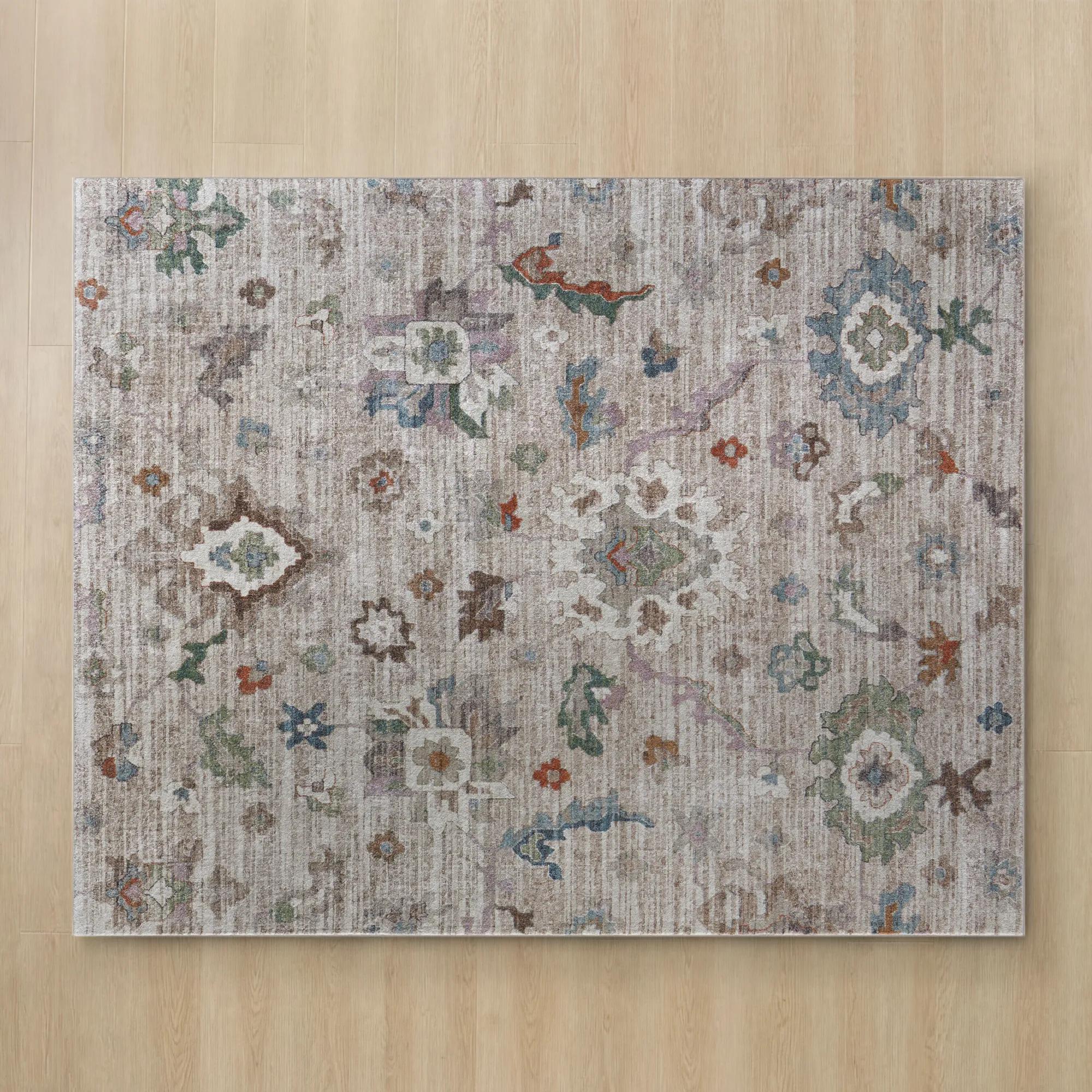 Ariella Floral Taupe/Ivory/Beige/Blue/Green Performance Power Loomed Rug$1499
A Persian-inspired rug in taupe, ivory, beige, blue, and green with a plush, power-loomed polypropylene pile.
Add To Cart -
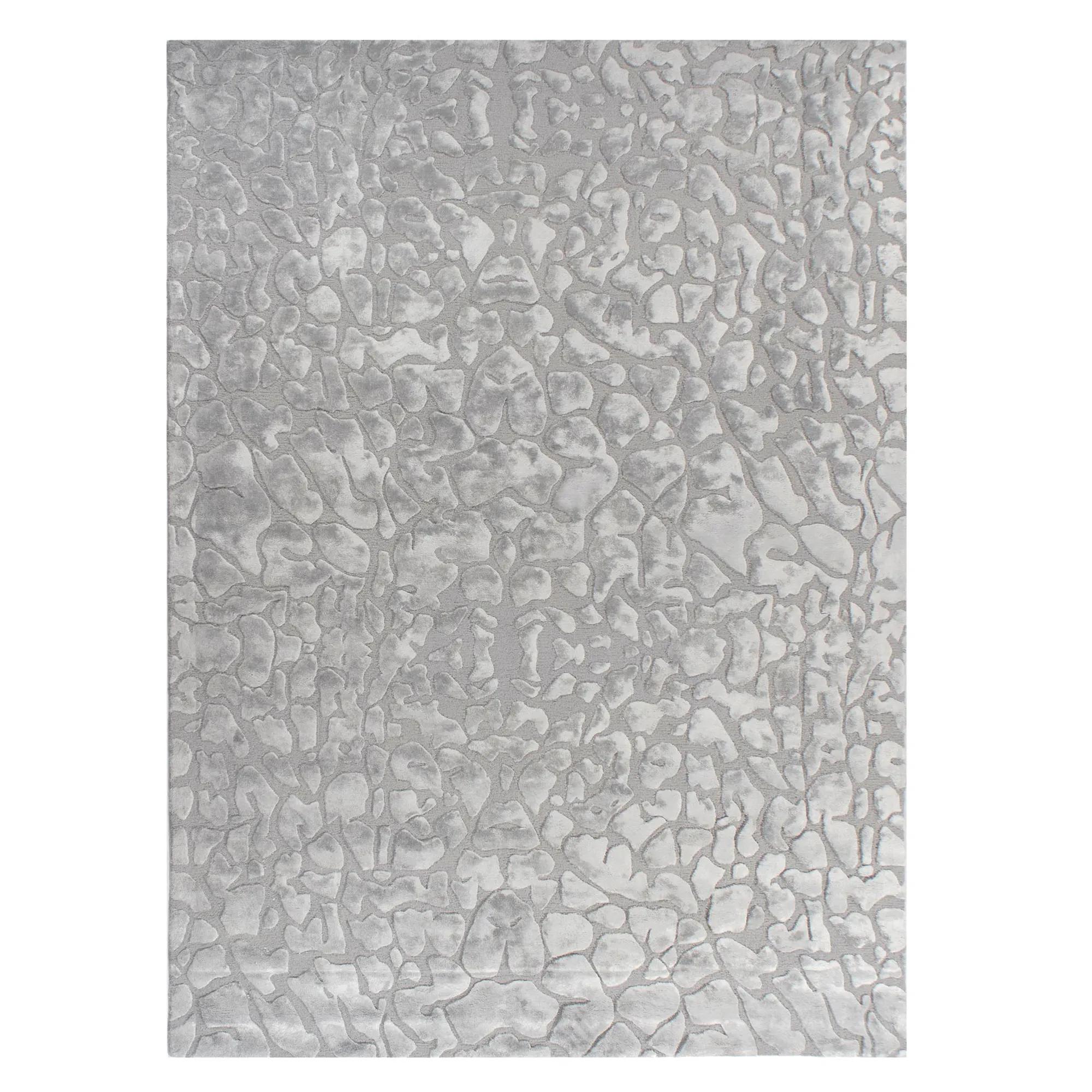
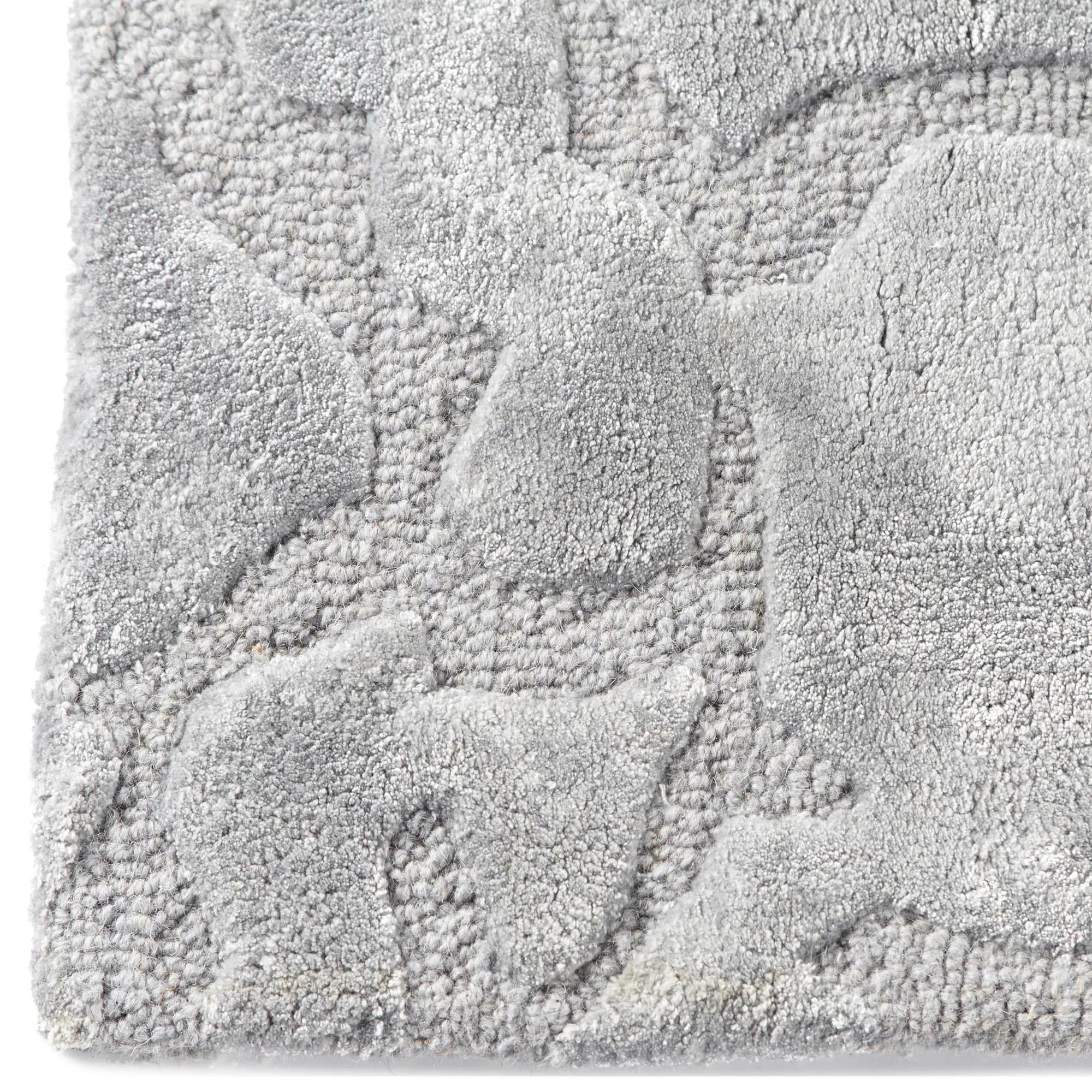 Nola Hand-Tufted Cool Grey Wool Blend Rug$849
A hand-tufted silver rug with contrasting pile heights, crafted from wool and viscose for plush texture.
Add To Cart -
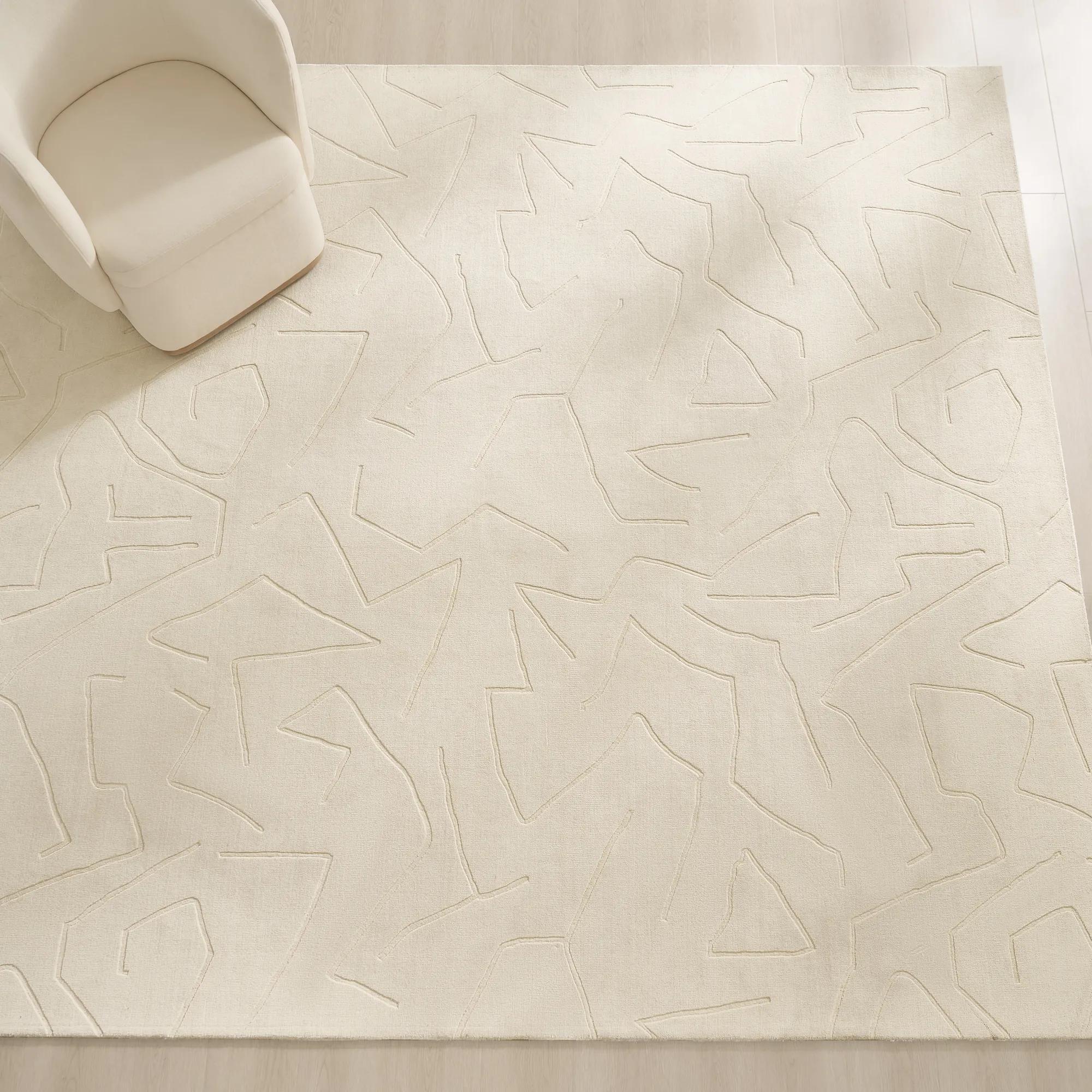 Carved Maze Ivory Hand-Loomed Wool Blend Rug$699
A hand-loomed ivory wool-blend rug featuring a carved maze pattern for modern, textural appeal.
Add To Cart -
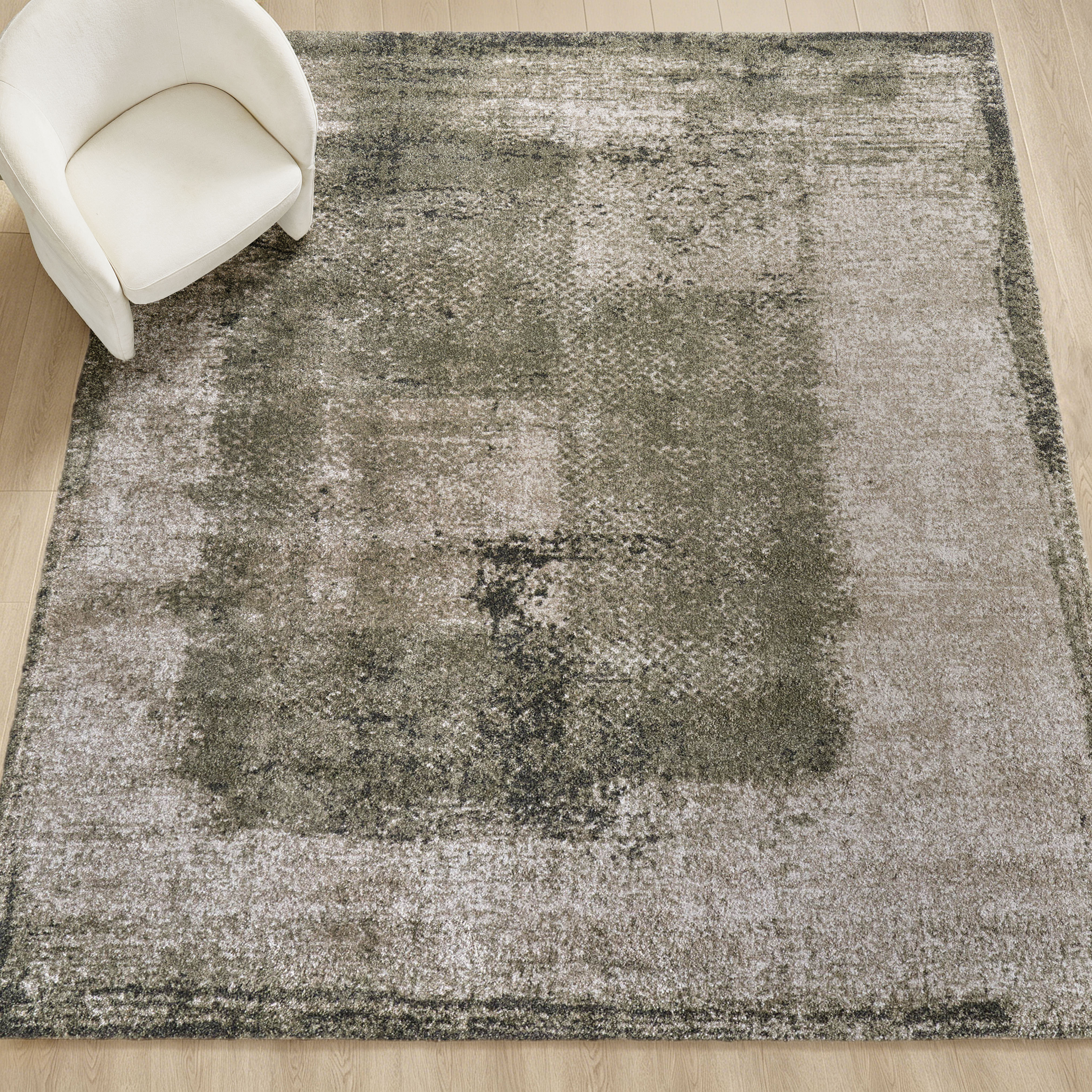
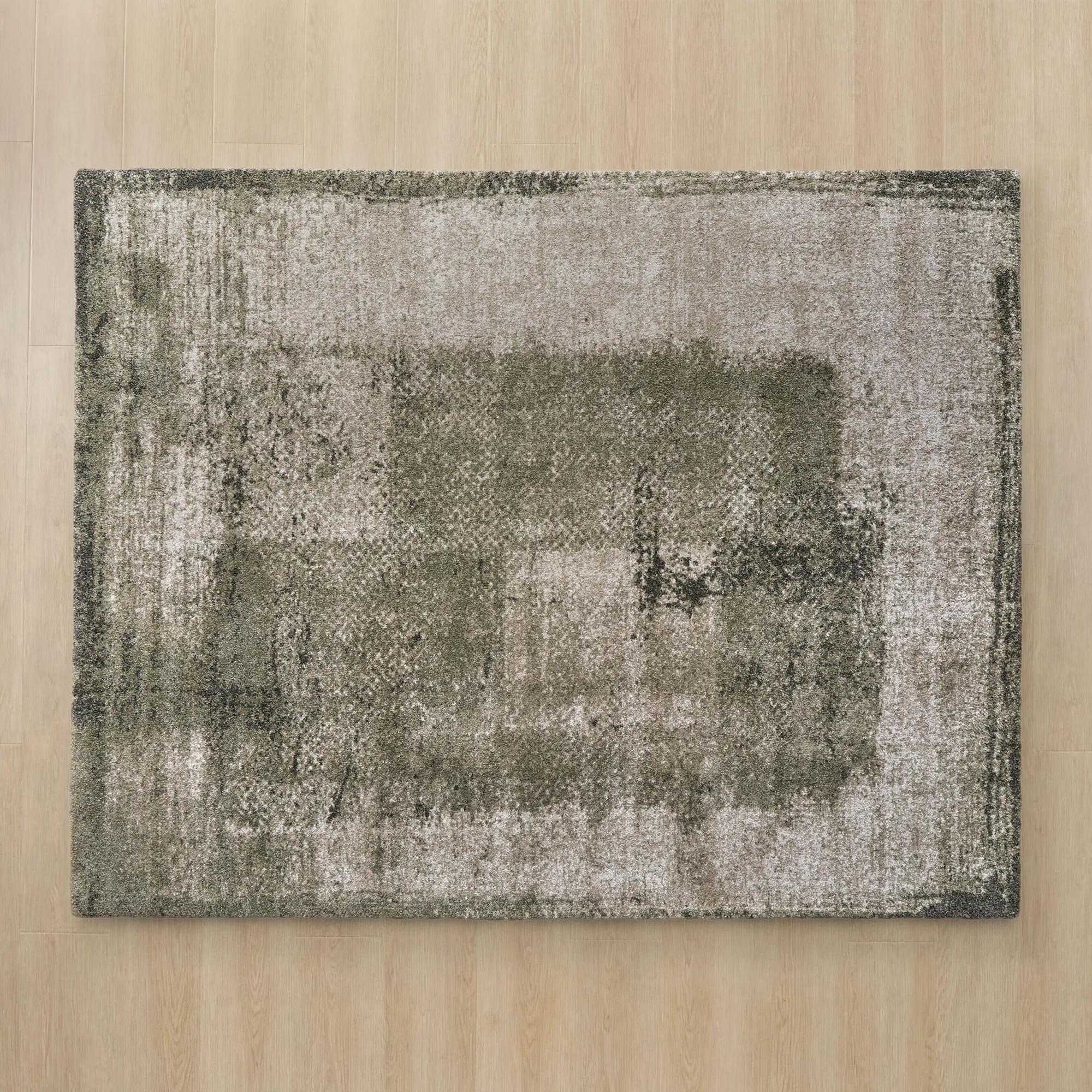 Irving Abstract Moss Green/Beige/Grey Performance Power Loomed Rug$1649
An abstract rug in moss green, beige, and grey with plush, durable polypropylene and polyester construction.
Add To Cart -
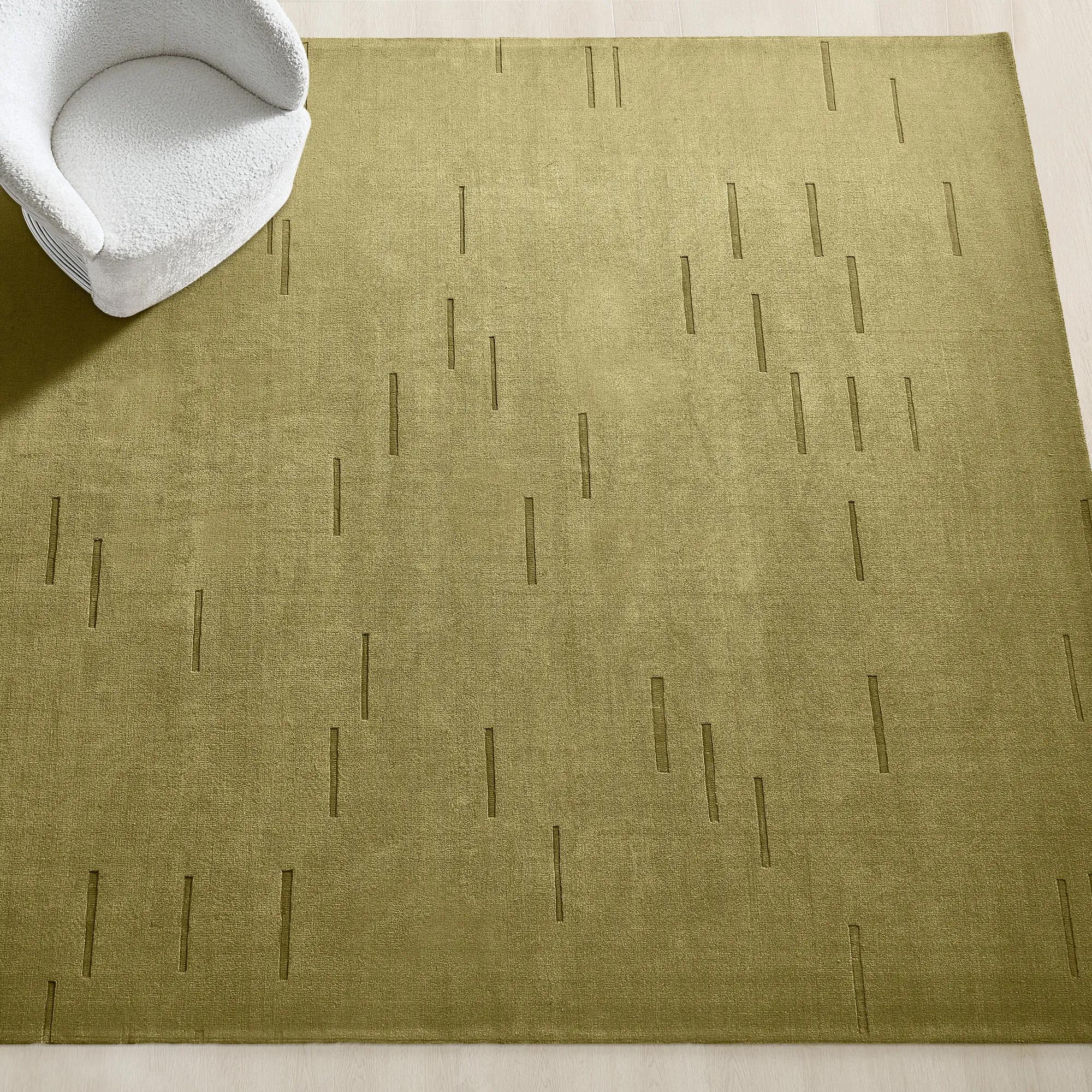
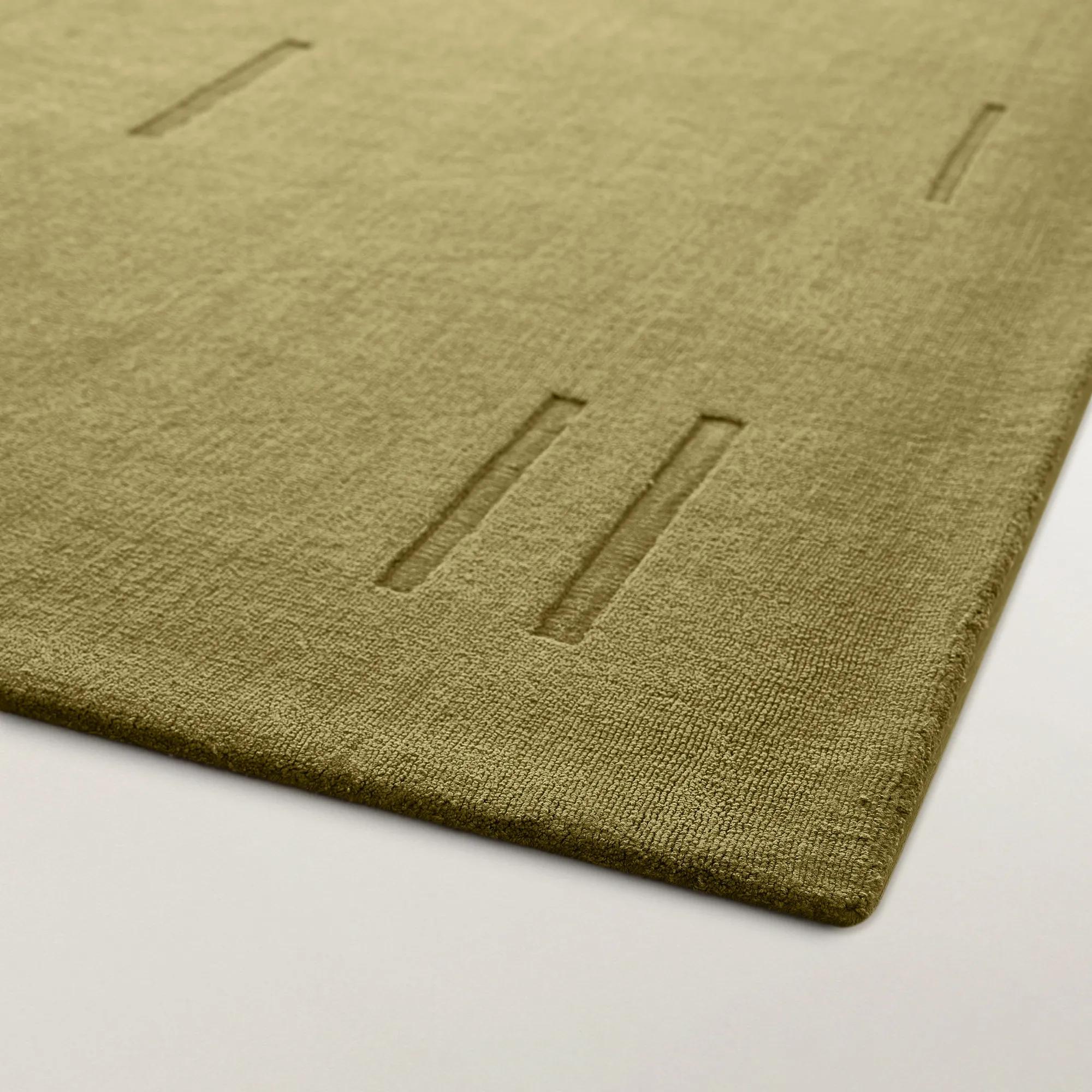 Lamita Muted Olive Green Wool Blend Rug$1999
A muted olive green wool-blend rug bringing soft texture and understated warmth to modern interiors.
Add To Cart

Neutral Rugs For Guest Rooms
Neutral rugs for guest rooms invite tranquility and effortless sophistication into your sanctuary of hospitality. These understated masterpieces lay the foundation for serene retreats, balancing subtlety with undeniable presence. Each rug whispers elegance beneath your guests’ feet, setting the stage for restful nights and artful mornings. Transform spare spaces into havens of comfort—where every texture soothes, every hue harmonizes, and every moment feels exquisitely considered. With neutral rugs for guest rooms, style becomes a warm welcome that lingers long after the visit ends.
Neutral rugs for guest rooms create a welcoming foundation that works beautifully with changing bedding, expressive artwork, and furniture in a range of finishes. Ivory, cream, beige, taupe, greige, and soft gray offer more than a subdued palette: they bring depth, balance, and a sense of intention to a room reserved for visiting family and friends. An ivory rug beneath a dark upholstered bed sharpens the silhouette, while a layered taupe design beside pale wood furniture creates a more enveloping effect. Against mirrored nightstands or polished metal accents, a softly textured rug introduces a tactile counterpoint that keeps the space from feeling overly formal. The distinction lies in the details. A tonal geometric pattern can lend architecture to an otherwise simple bedroom; a gently distressed motif creates visual movement without competing with patterned pillows or a statement headboard. High-low construction adds sculptural dimension, allowing a single neutral shade to reveal different depths as light crosses the surface. For a guest room with dramatic wallpaper, a quieter weave gives the eye a place to rest. In a room with solid bedding and restrained walls, a more expressive rug can become the defining layer. Color undertones deserve particular attention: creamy neutrals tend to complement golden wood and brass, while gray-based tones often sit comfortably beside chrome, charcoal, and cooler upholstery. Natural light and bedside lamps can shift how these shades appear, so a rug’s relationship to the surrounding finishes matters as much as its color name. Texture also influences the impression of luxury. A dense, softly defined surface feels tailored, while an irregular weave introduces an artisanal note. Neutral bedroom rugs are especially versatile in guest spaces because they leave room for personal touches—a favorite photograph, a sculptural lamp, a beautifully folded throw—without making the room feel visually crowded. The result is an inviting retreat with enough character to feel considered and enough flexibility to welcome different guests.
Scale gives that atmosphere its structure. A guest room area rug should relate to the bed, surrounding furniture, and usable floor space rather than simply filling an open patch of flooring. For a queen bed, an 8-by-10-foot rug is a common starting point; a 6-by-9-foot rug may work in a smaller room when positioned beneath the lower portion of the bed. A king bed generally calls for a 9-by-12-foot rug, with a 10-by-14-foot size offering a more generous frame when the room allows. A 5-by-7-foot rug can suit a twin-bed arrangement, depending on its orientation and the surrounding layout. Where possible, allow approximately 18 to 24 inches of rug beyond the sides and foot of the bed so guests step onto a soft surface rather than landing directly on the floor. These dimensions are starting points, not substitutes for measuring: bed frames, benches, dressers, and door swings all affect the final fit. With the rug beneath the lower two-thirds of the bed, nightstands can remain on the exposed floor while the sleeping area still feels connected. A larger rug can accommodate the bed and bedside furniture for a more expansive composition. In a room with two twin beds, a shared rug can visually unite the arrangement, while a properly secured bedside runner may suit a narrower footprint. Keep edges out of the primary walking path whenever possible, particularly between the bed and bathroom. Pile height matters here, too. A lower-profile rug generally offers easier clearance beneath doors and furniture, while a deeper pile brings a more cushioned feel but may require additional attention around luggage wheels and mobility aids. A floor-compatible, nonslip rug pad helps limit shifting, adds cushioning, and reduces friction against the floor. The pad should sit slightly inside the rug’s edges, and its suitability should be checked against both the rug’s construction and the flooring manufacturer’s recommendations. Smooth corners and stable placement make an elegant room more comfortable to navigate.
Material and construction shape how a neutral guest room rug feels, wears, and responds to everyday care. Wool is valued for its resilient fibers and substantial texture, making it appealing for a bedroom that calls for softness with lasting structure; some wool rugs shed initially and benefit from regular, gentle vacuuming. Cotton can offer a relaxed woven texture, although washability depends on the individual rug rather than the fiber alone. Synthetic fibers such as polyester and polypropylene can provide softness and practical maintenance, with stain resistance and durability varying by construction and finish. Viscose can introduce a luminous, almost silken effect, but it is more sensitive to moisture and may be better suited to carefully maintained spaces. Natural plant fibers such as jute contribute earthy dimension, though their coarser hand may feel less inviting beside a bed where bare feet are expected. For frequently used guest accommodations, a dense, lower pile and a softly varied neutral pattern can be useful: subtle tonal movement makes lint and minor marks less conspicuous than a completely uniform pale surface. In an occasional-use suite, a more tactile or lustrous finish may suit the room’s quieter rhythm. Care should always follow the rug’s label. Vacuum regularly using the recommended setting, avoid aggressive rotating brushes on delicate weaves or fringe, and blot spills promptly with a clean cloth rather than rubbing them deeper into the fibers. Cleaning products should be appropriate for the material and tested discreetly; professional cleaning may be necessary for delicate fibers or persistent stains. Rotating a rug periodically can help distribute wear where the layout permits, especially beside the most-used side of the bed. In a guest bedroom that also serves as a workspace, a low-profile design can support a more cohesive arrangement, provided desk-chair movement and rug edges are considered; neutral rugs for offices offer a related direction for coordinating that dual-purpose space. Thoughtfully chosen, a neutral rug does more than soften a landing. It gives the guest room a composed identity, balancing expressive furnishings with an inviting surface that makes every arrival feel considered.
FAQs
Neutral rugs for guest rooms often feature luxurious materials like wool, cotton, jute, and sisal. These natural fibers not only provide inviting texture and warmth but also offer a timeless foundation that complements a wide range of interior styles.
Neutral rugs infuse guest rooms with a sense of calm and sophistication. Their understated tones create a tranquil backdrop that allows accent pieces and colorful decor to shine, while their texture adds depth and a welcoming touch for every guest.
Absolutely. The beauty of neutral rugs lies in their versatility—they pair effortlessly with sleek, modern furnishings as well as classic, traditional pieces. Their subtle palette acts as a bridge between diverse styles, ensuring your guest room feels harmonious and thoughtfully designed.
Subtle geometric motifs, distressed finishes, and understated abstract designs are all popular choices for neutral rugs in guest rooms. These patterns introduce visual interest without overwhelming the space, striking a perfect balance between artistry and tranquility.
A neutral rug is a sophisticated and meaningful gift, especially for those who love to entertain. Its timeless appeal and adaptable style make it a cherished addition to any guest room, offering comfort and elegance that guests will appreciate for years to come.