Neutral Color Vases
Neutral Color Vases
-
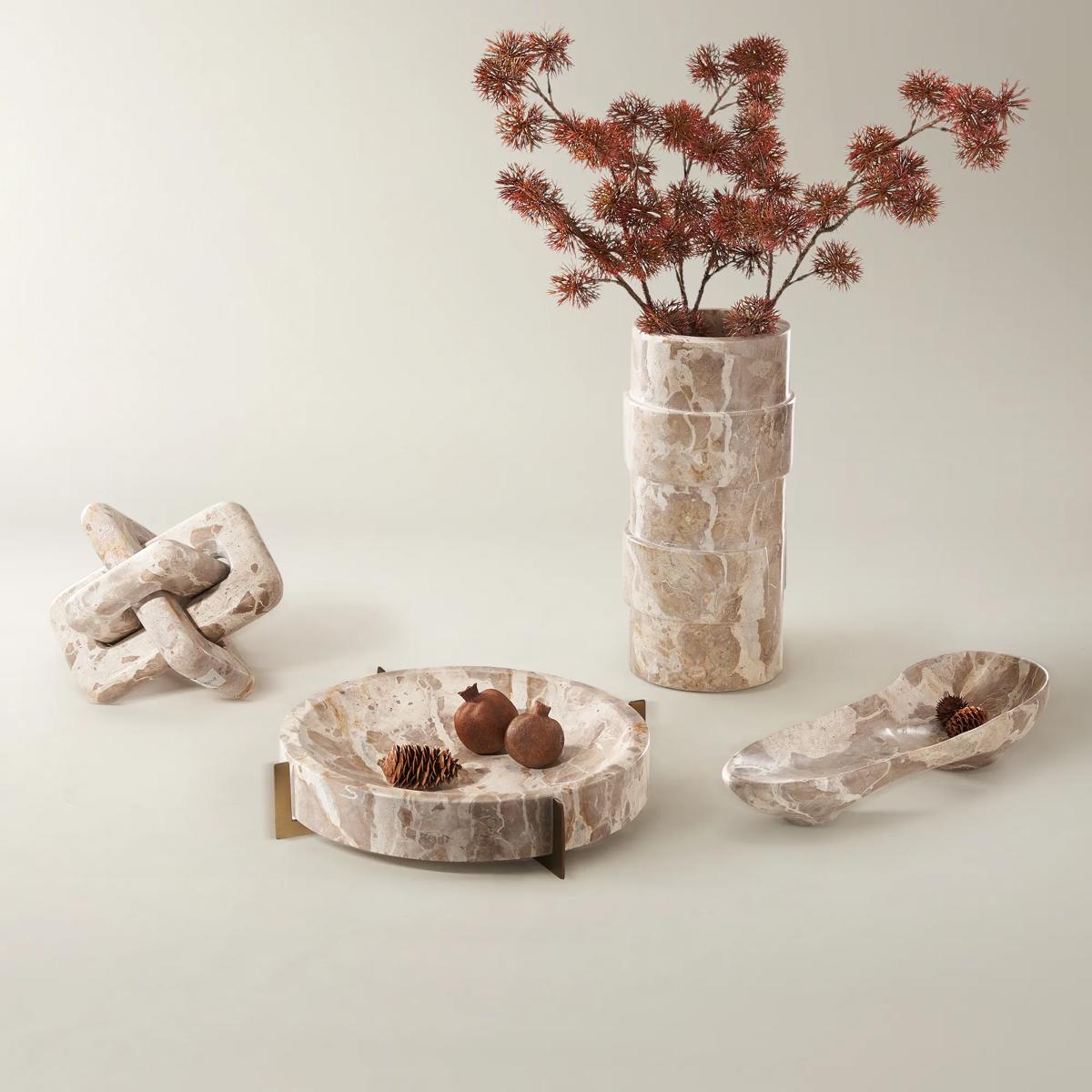
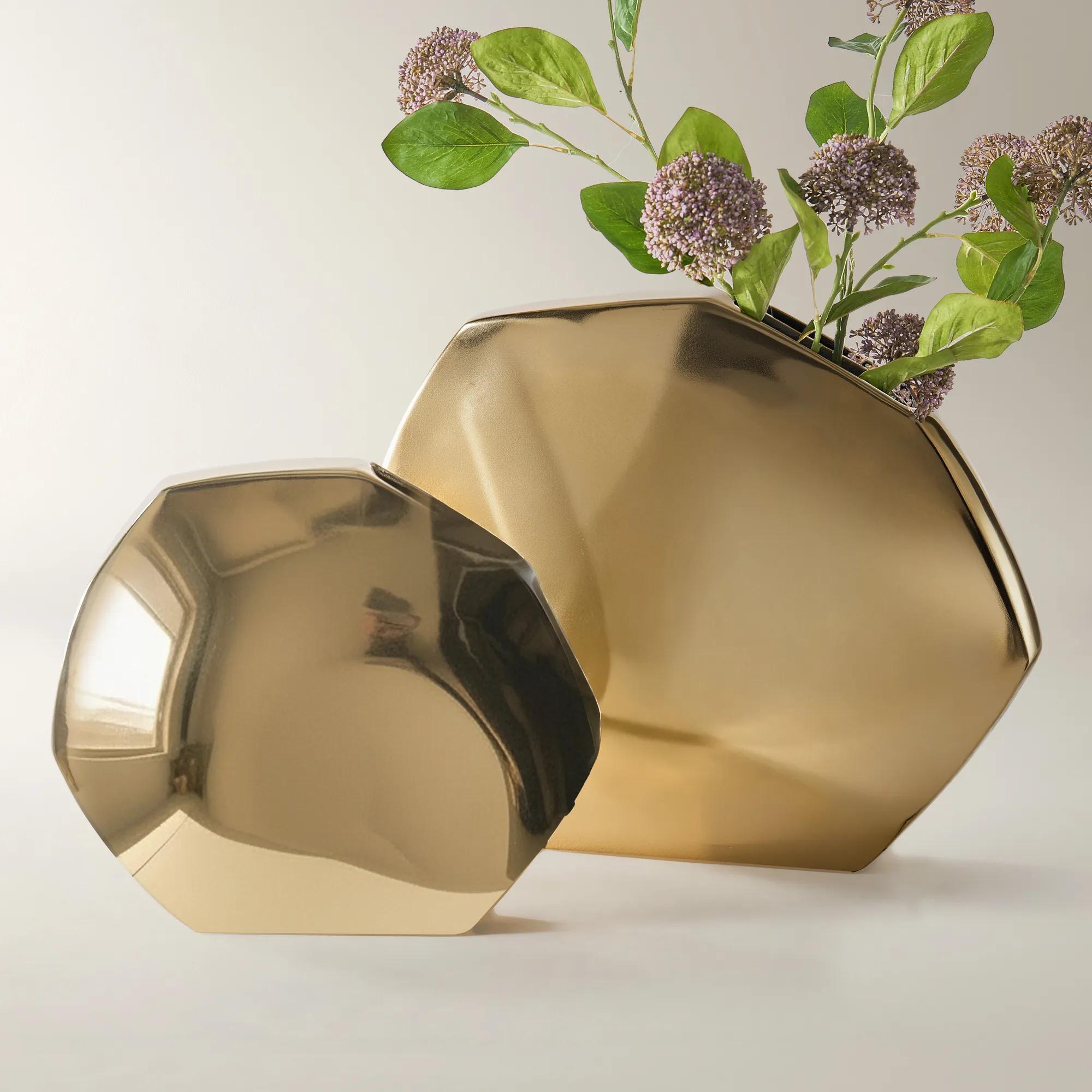
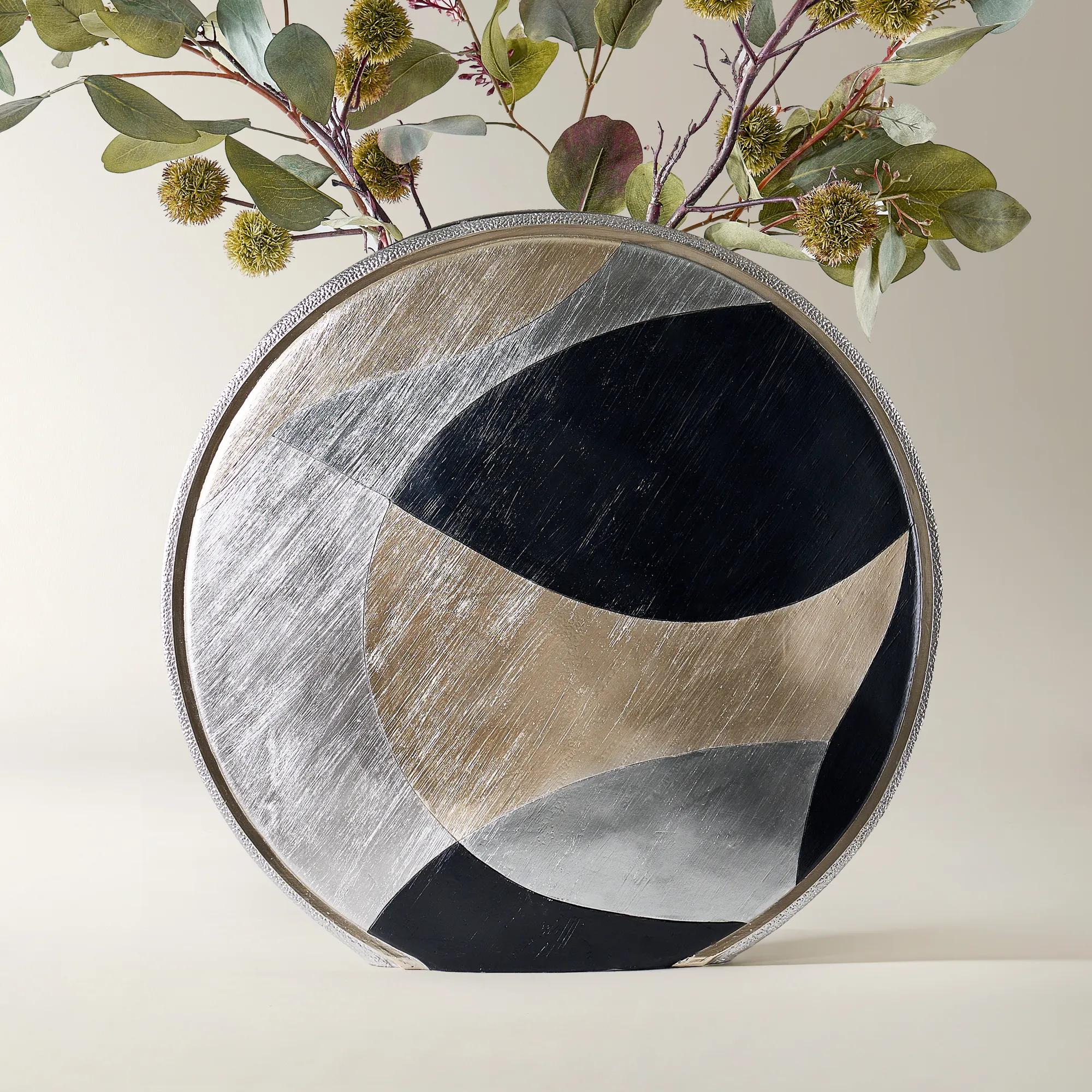
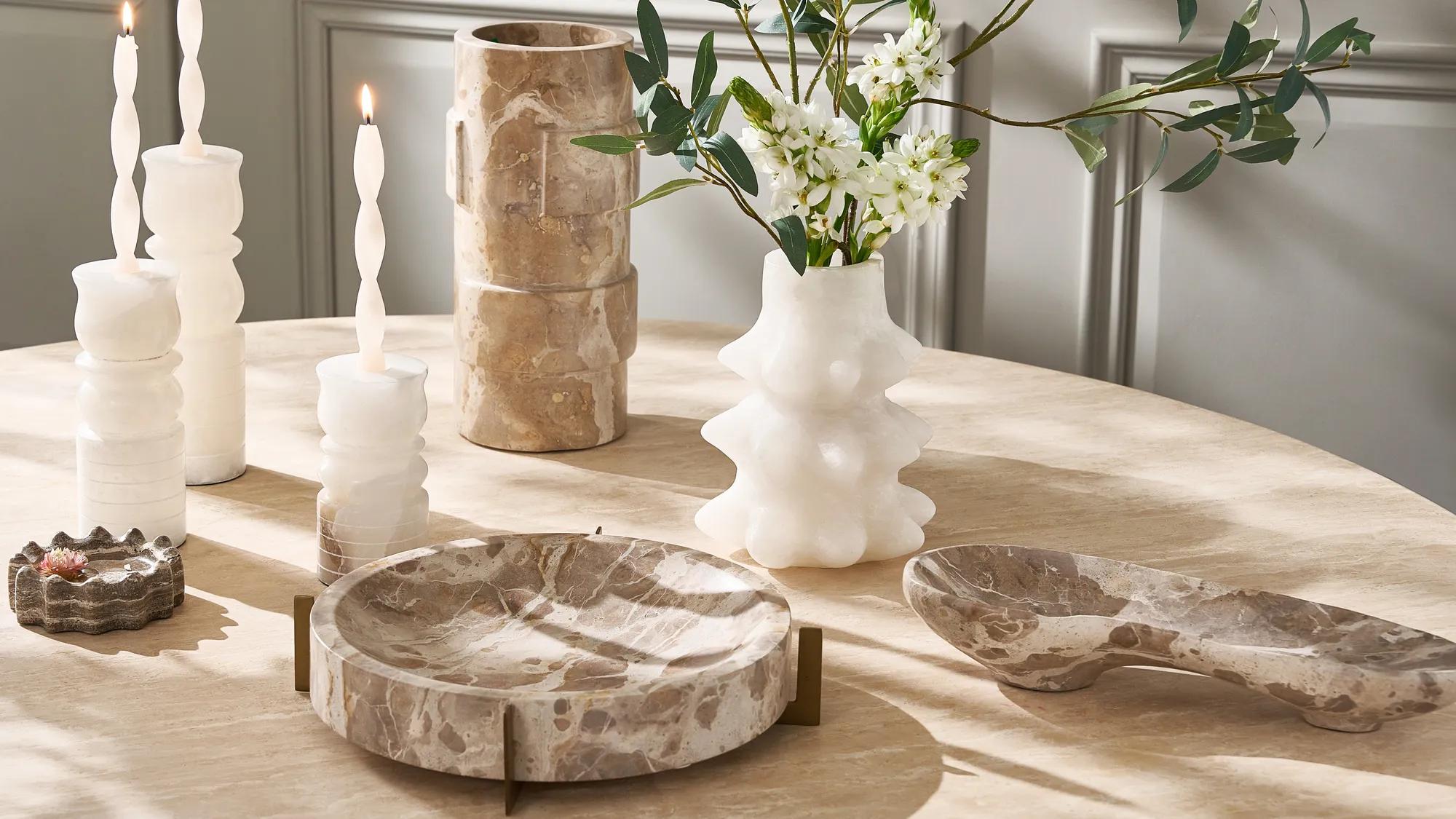 Neutral Marble Collection$109
A handcrafted marble decor collection featuring unique veining, natural neutral tones, and elegant metal accents.
Add To Cart -
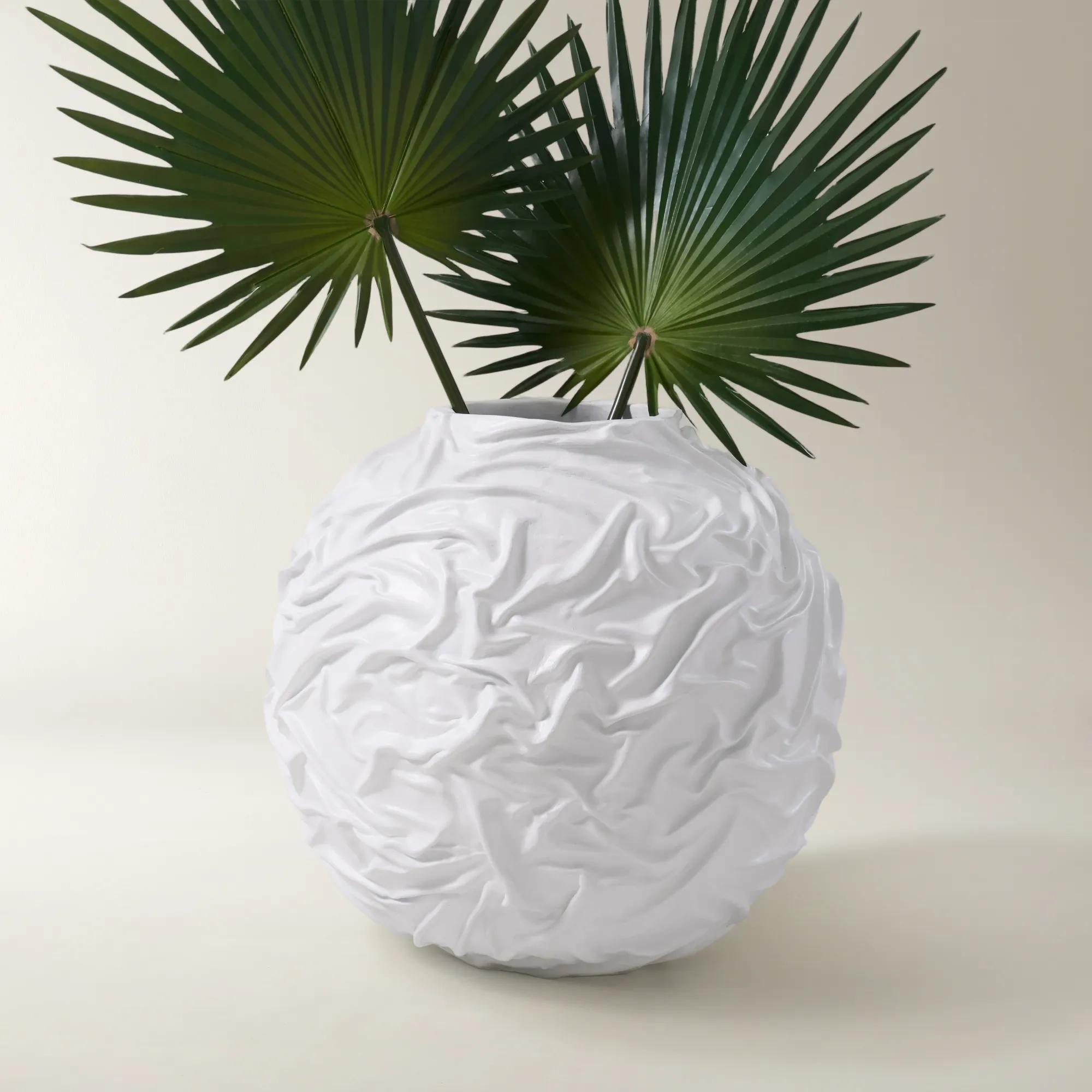 Crumple White Resin Floor Vase 18.3"$259
A sculptural resin vase with a crumpled-paper design and a sleek white finish for modern spaces.
Add To Cart -
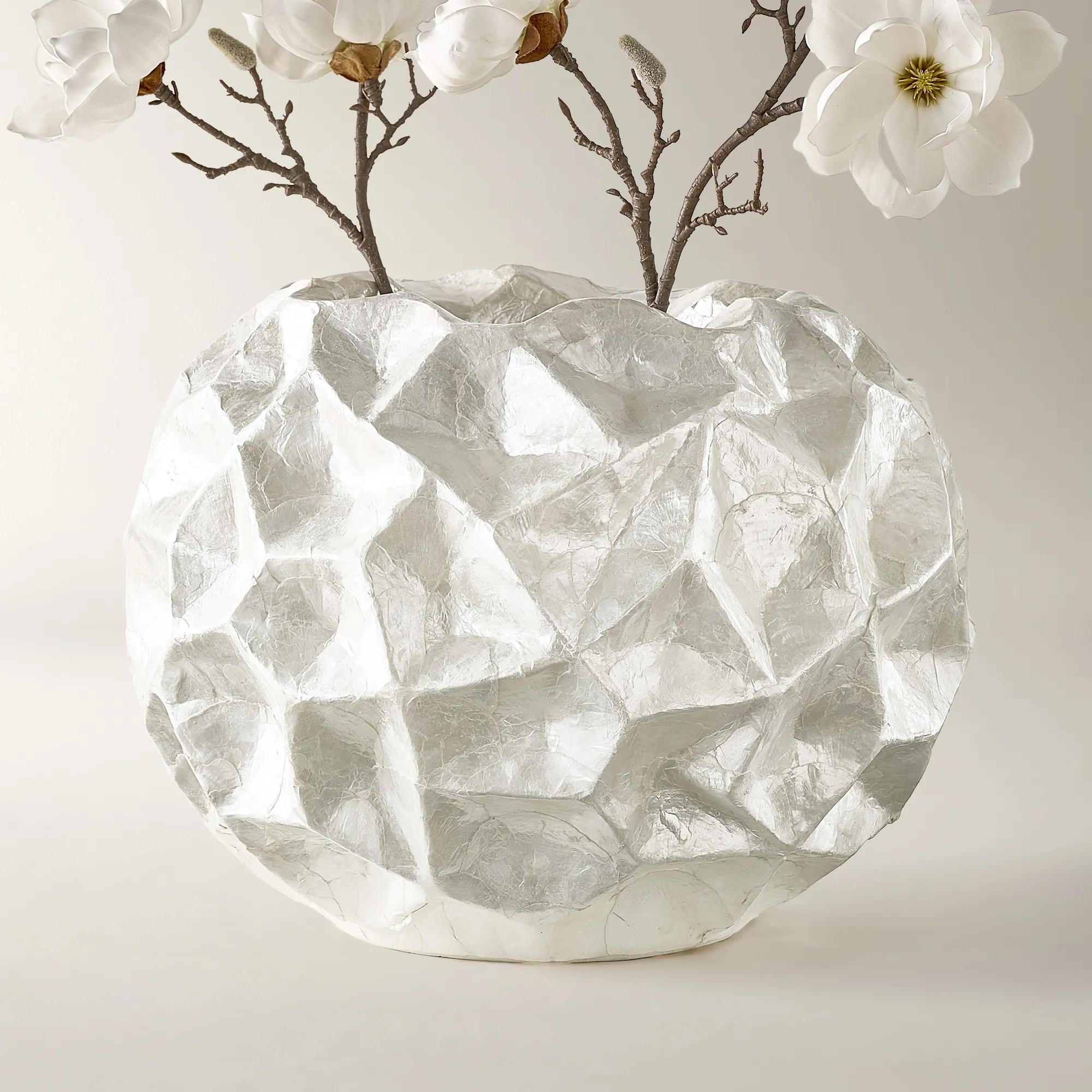
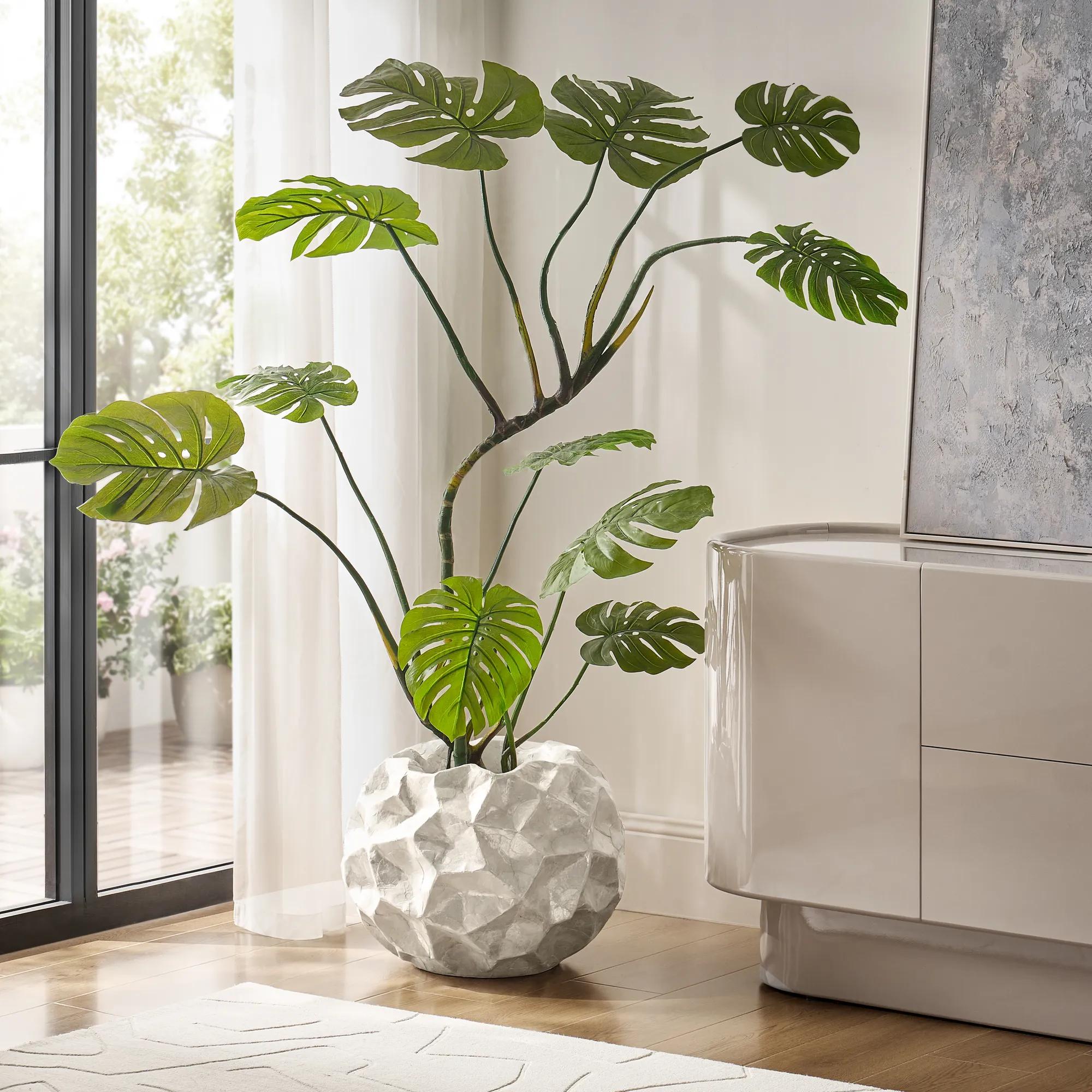 Aspen Capiz Shell Floor Planter 20.25" x 15.25"$299
An opaline pearl floor vase featuring luminous capiz shell texture and a sculptural resin form.
Add To Cart -
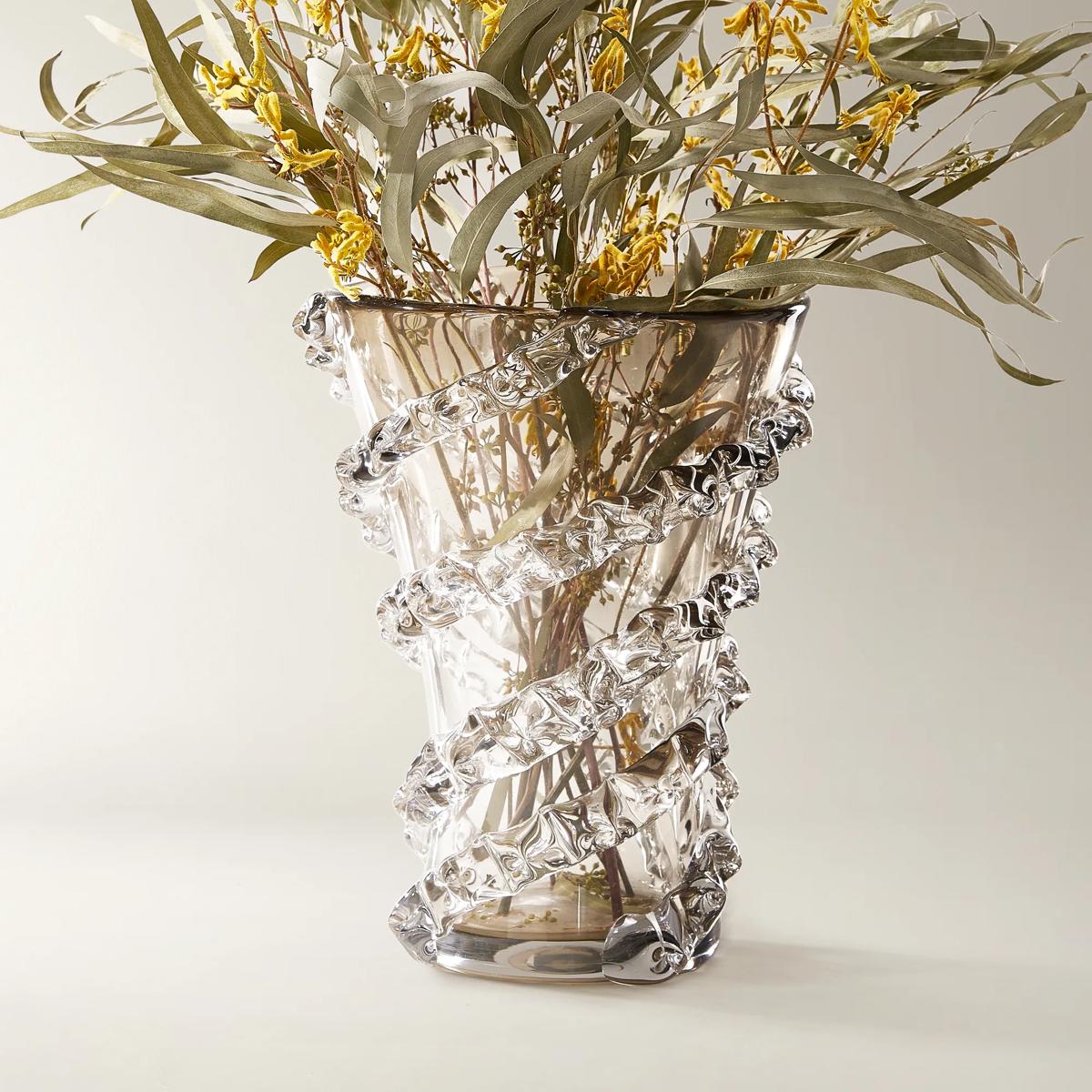
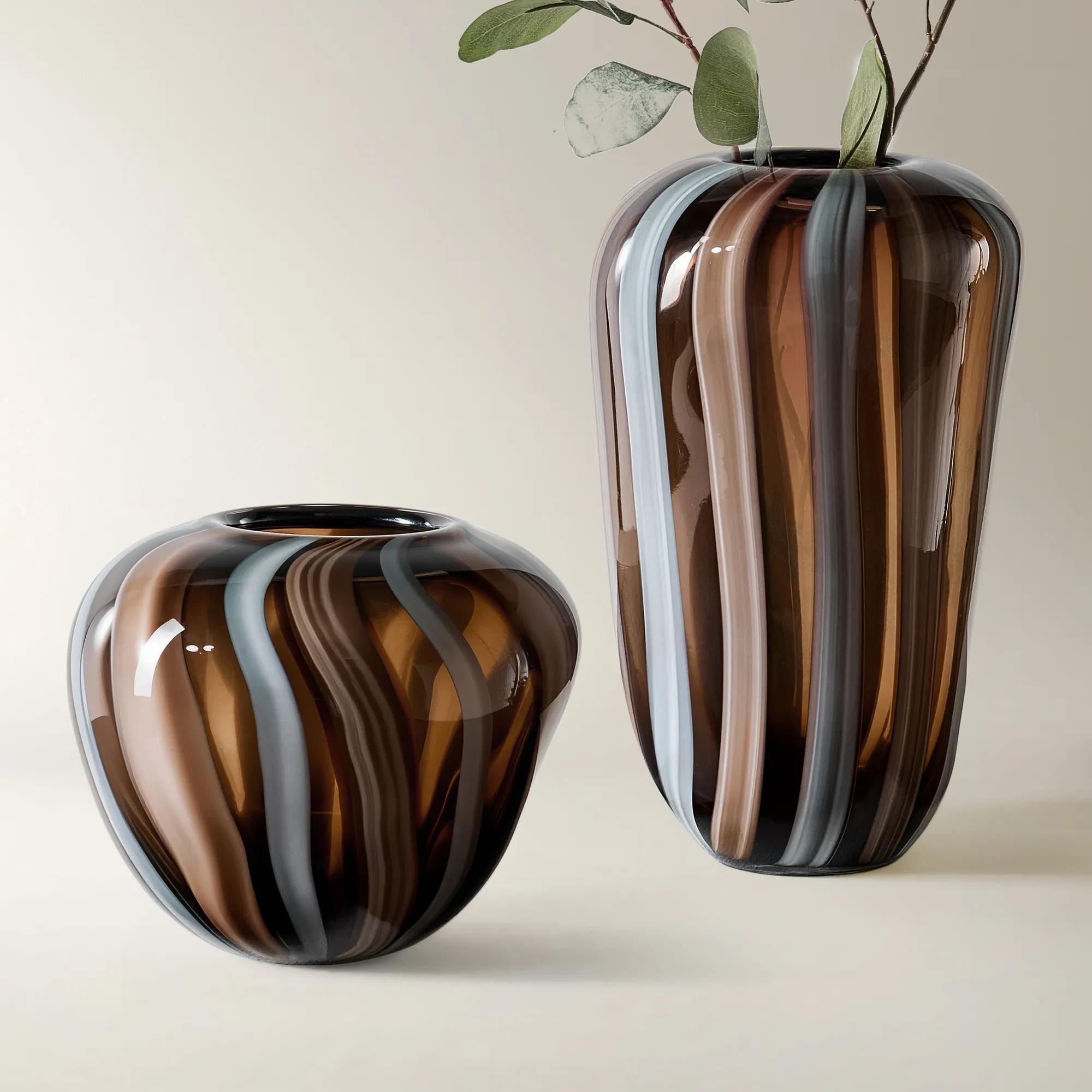
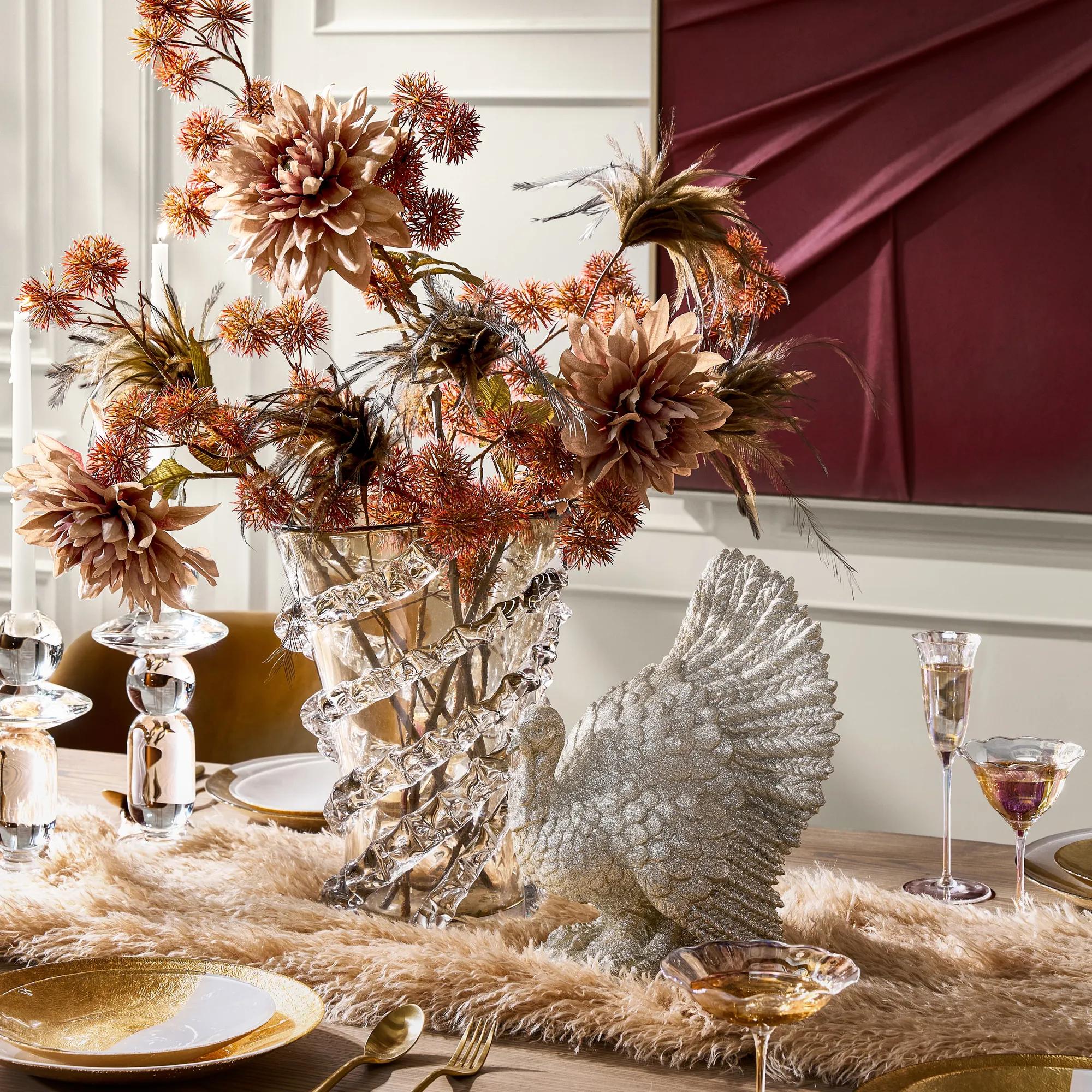 Reyna Glass Vase$299
A hand-blown glass vase featuring a sculptural swirl design and a smoky grey-brown finish.
Add To Cart -
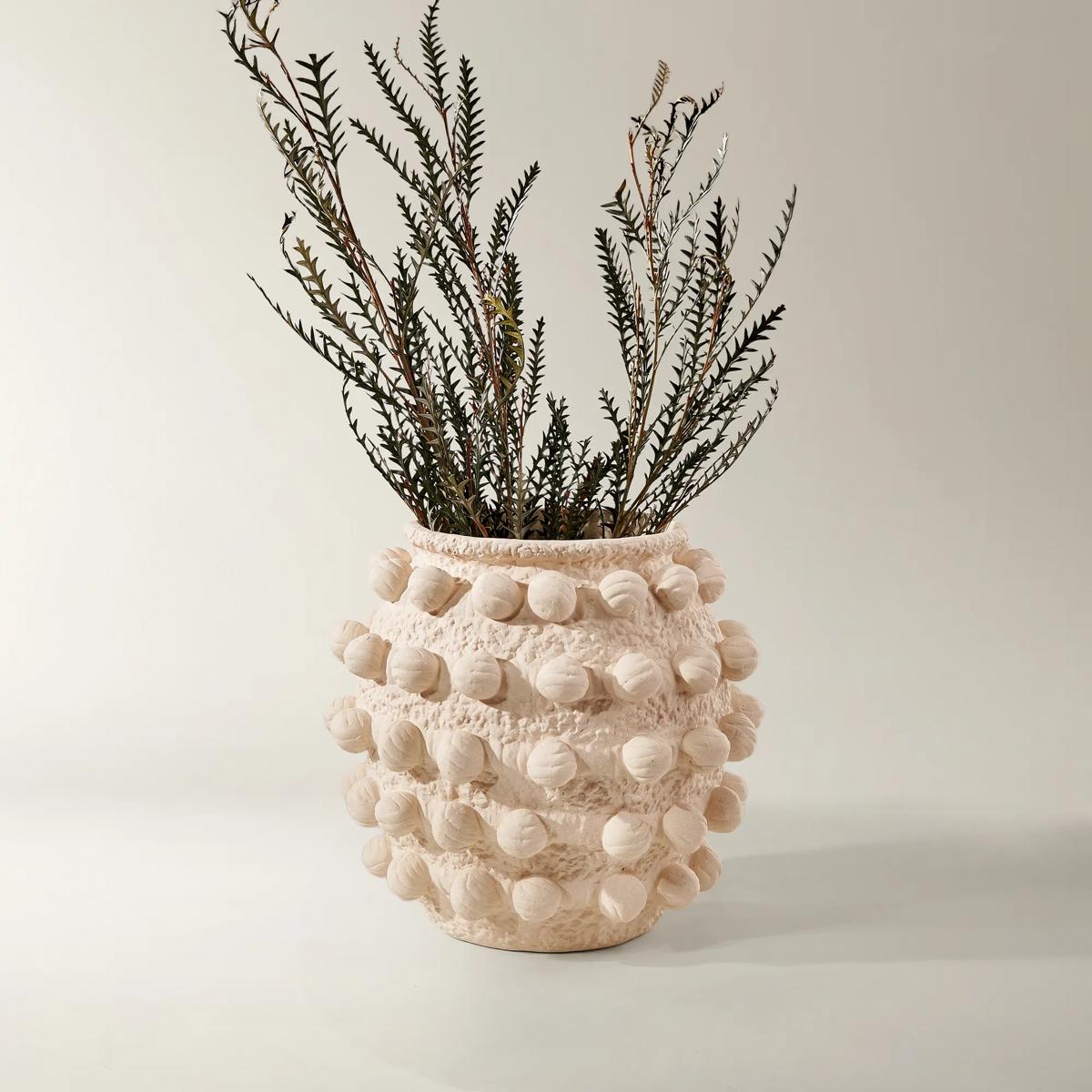
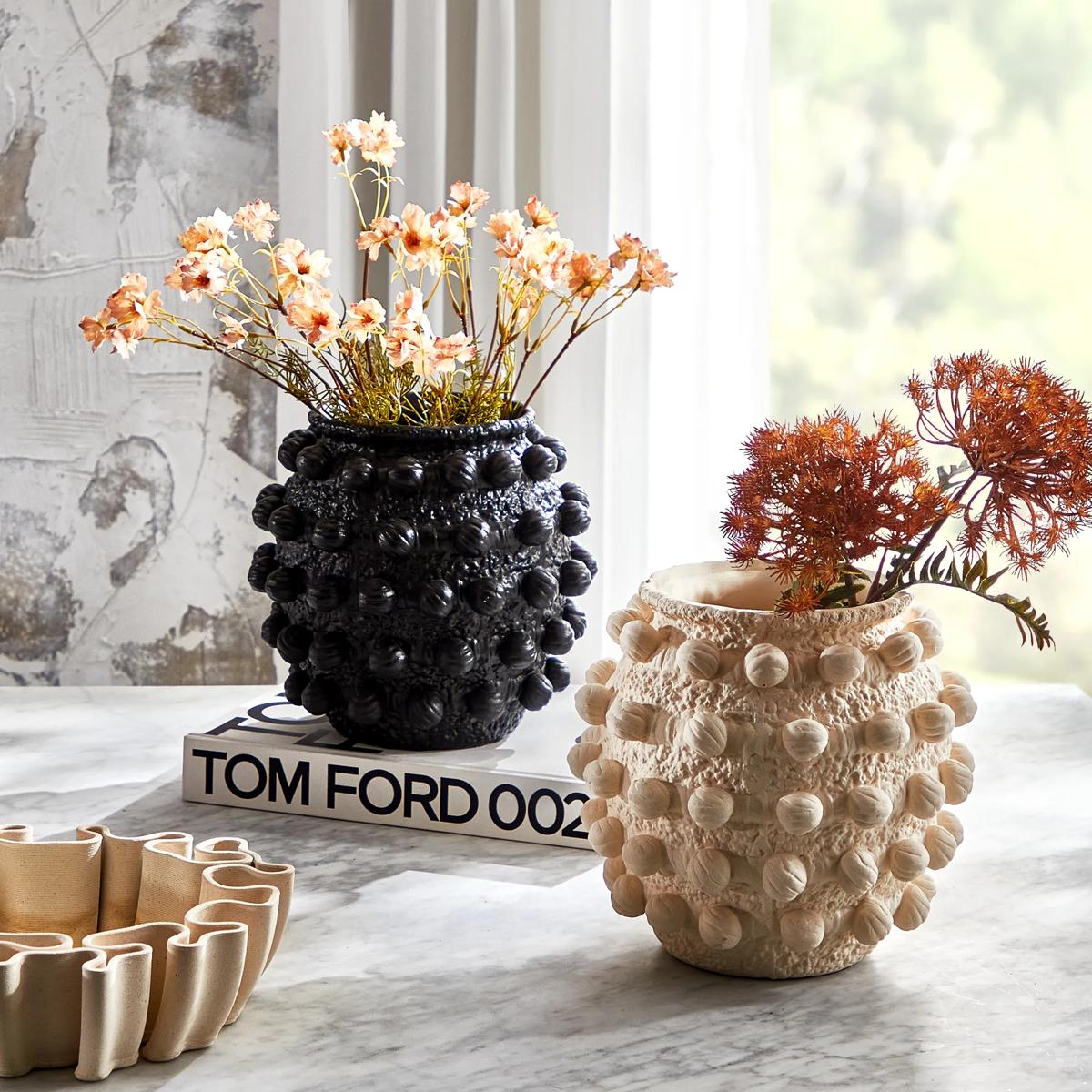 Pompa Vase - Ivory$119
An ivory porcelain vase featuring sculptural rounded forms and a richly textured, tactile surface.
Add To Cart -
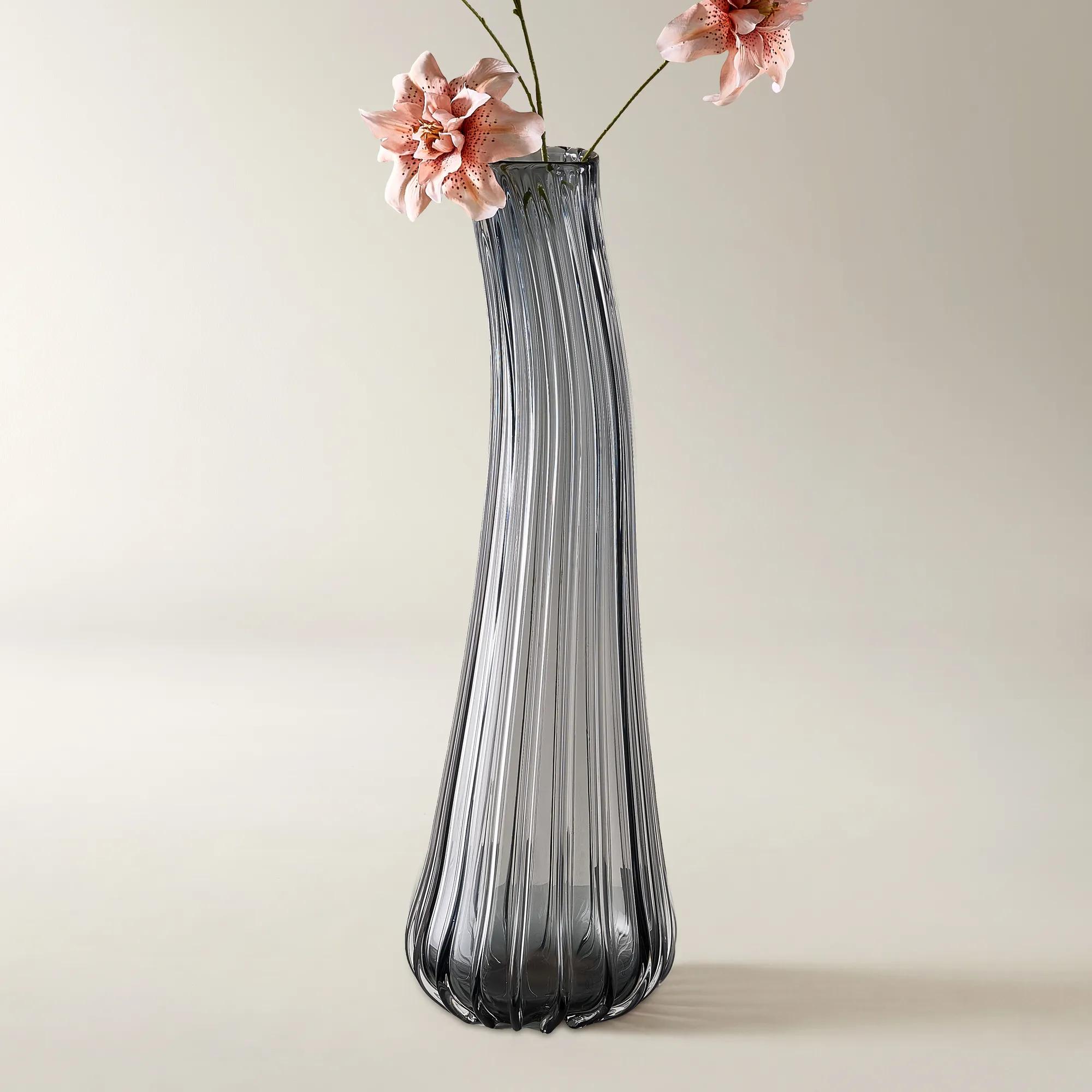 Tango Mouth Blown Smoked Pearl Vase 29"$199
A handblown glass vase in a smoked pearl finish with a textured surface for sculptural elegance.
Add To Cart -
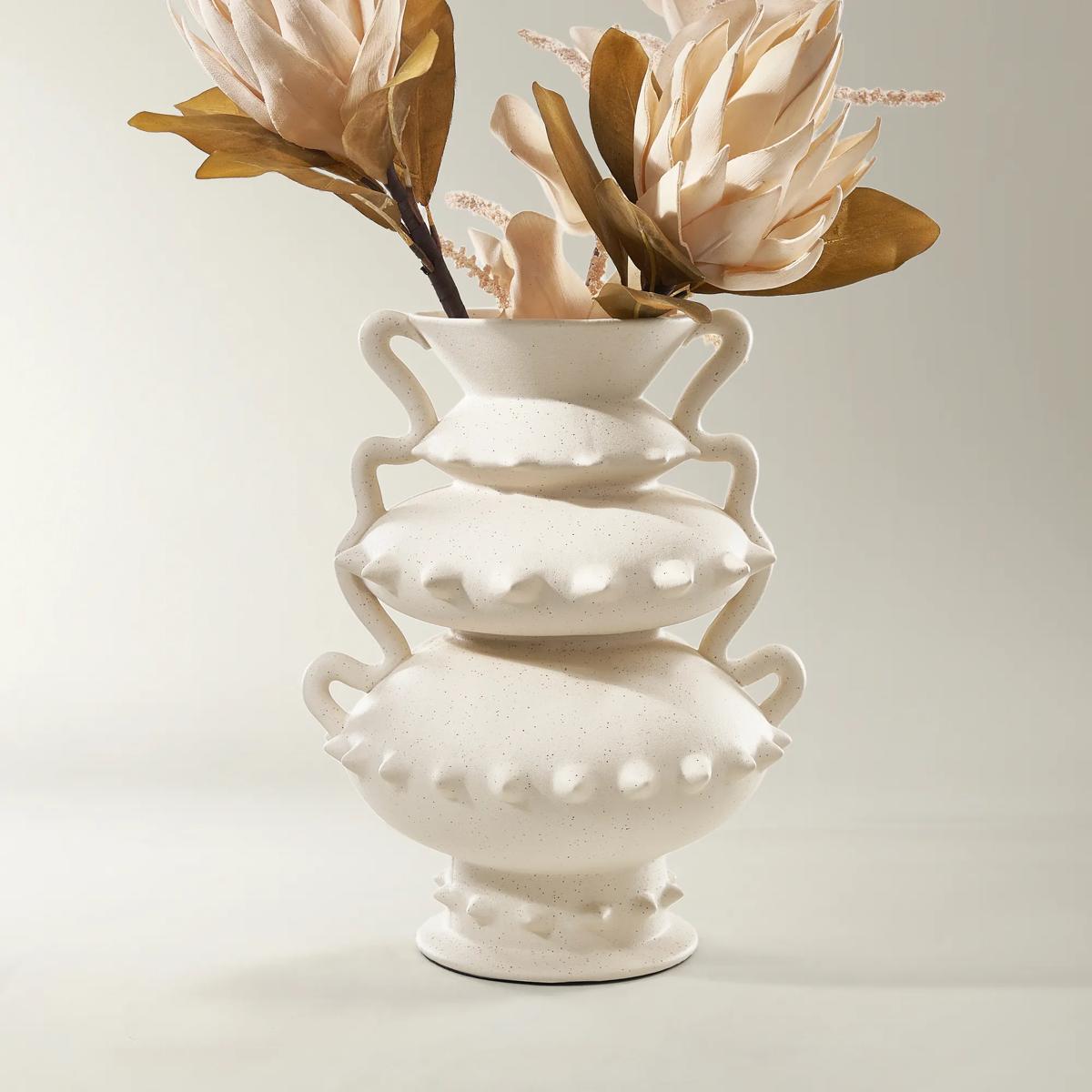 Savior Porcelain Vase - Ivory$189
An ivory porcelain vase featuring sculptural handles, tiered silhouette, and a matte, softly speckled finish.
Add To Cart -
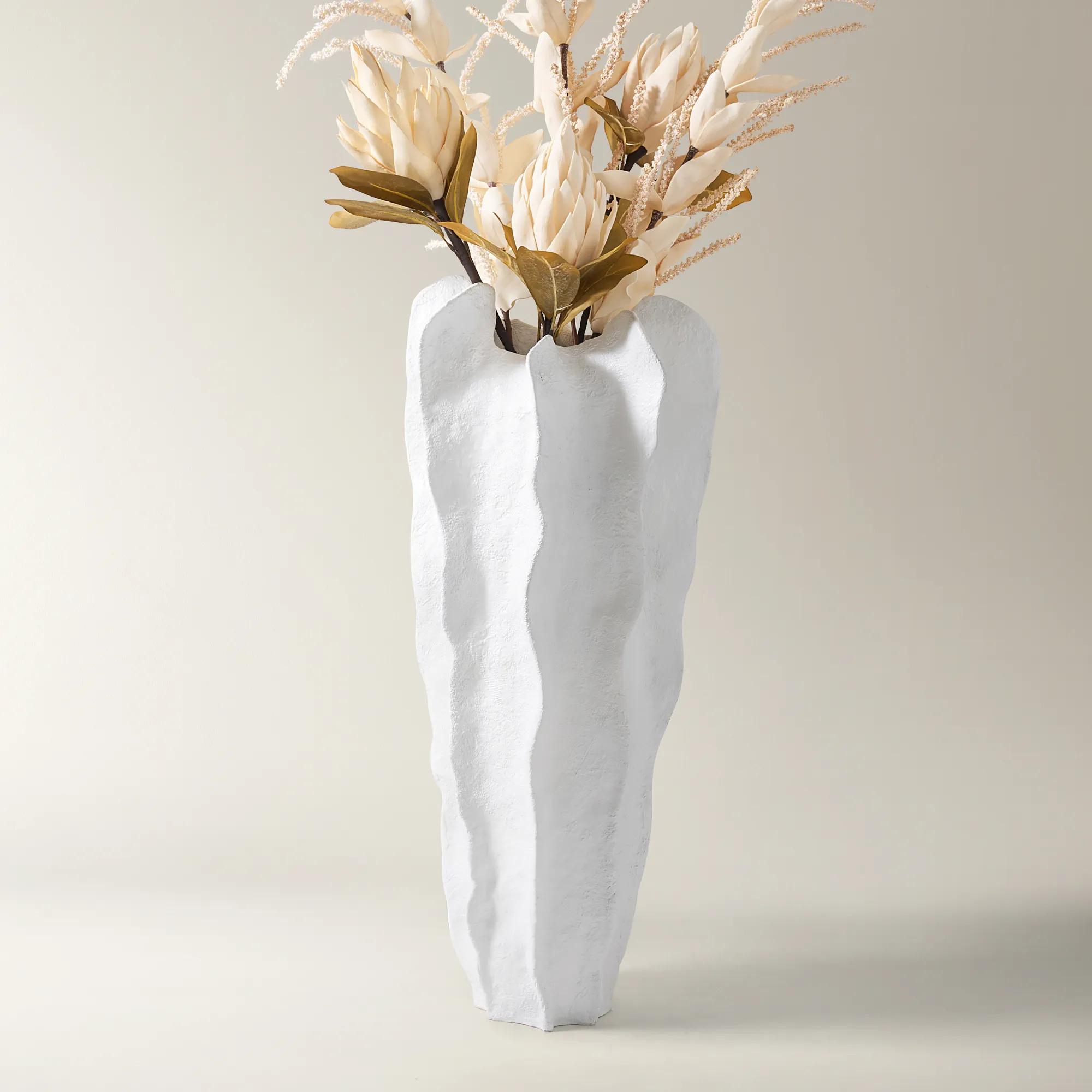 Playa White Resin Floor Vase 15" x 36"$299
A sculptural matte white resin vase featuring organic texture for a bold, dramatic accent.
Add To Cart -
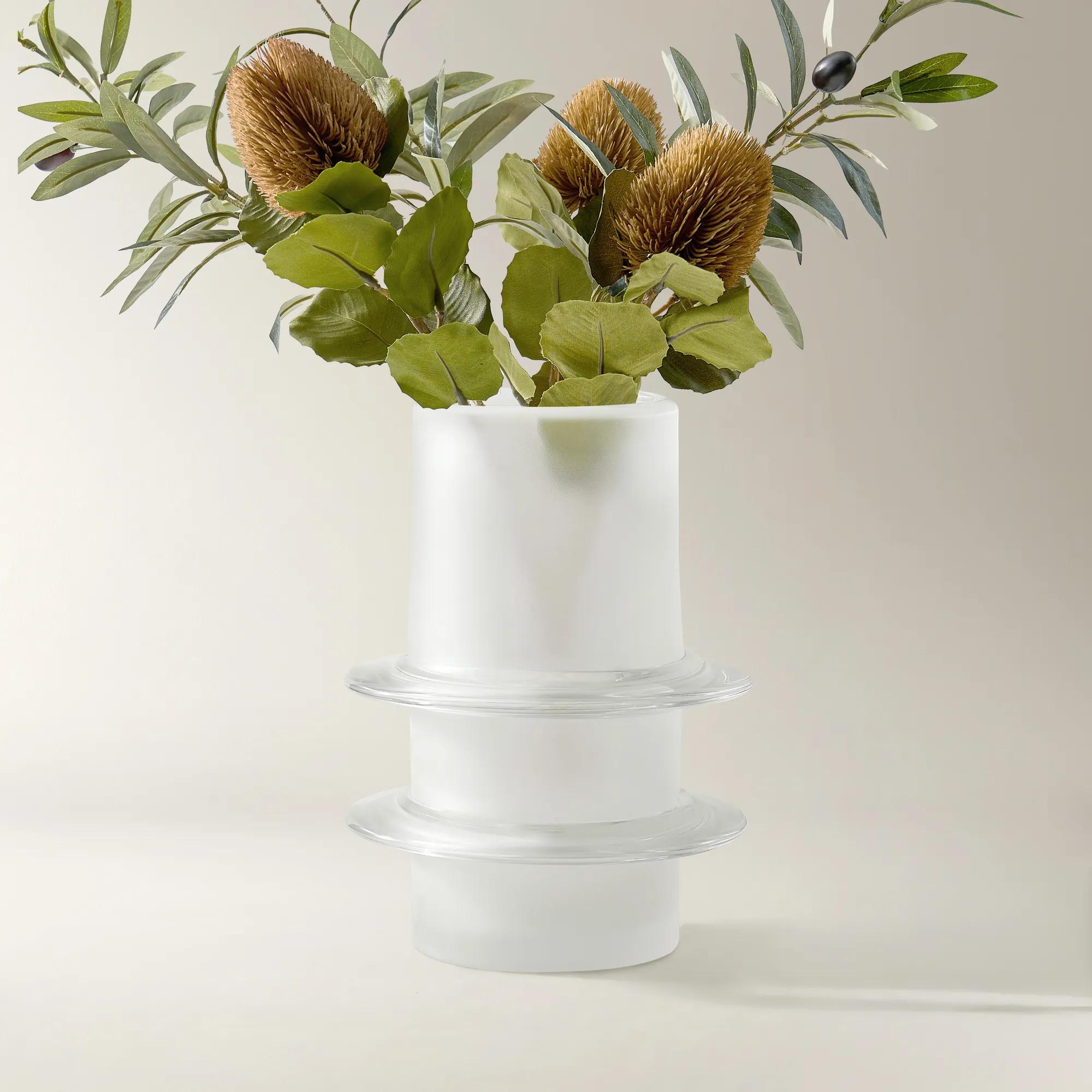
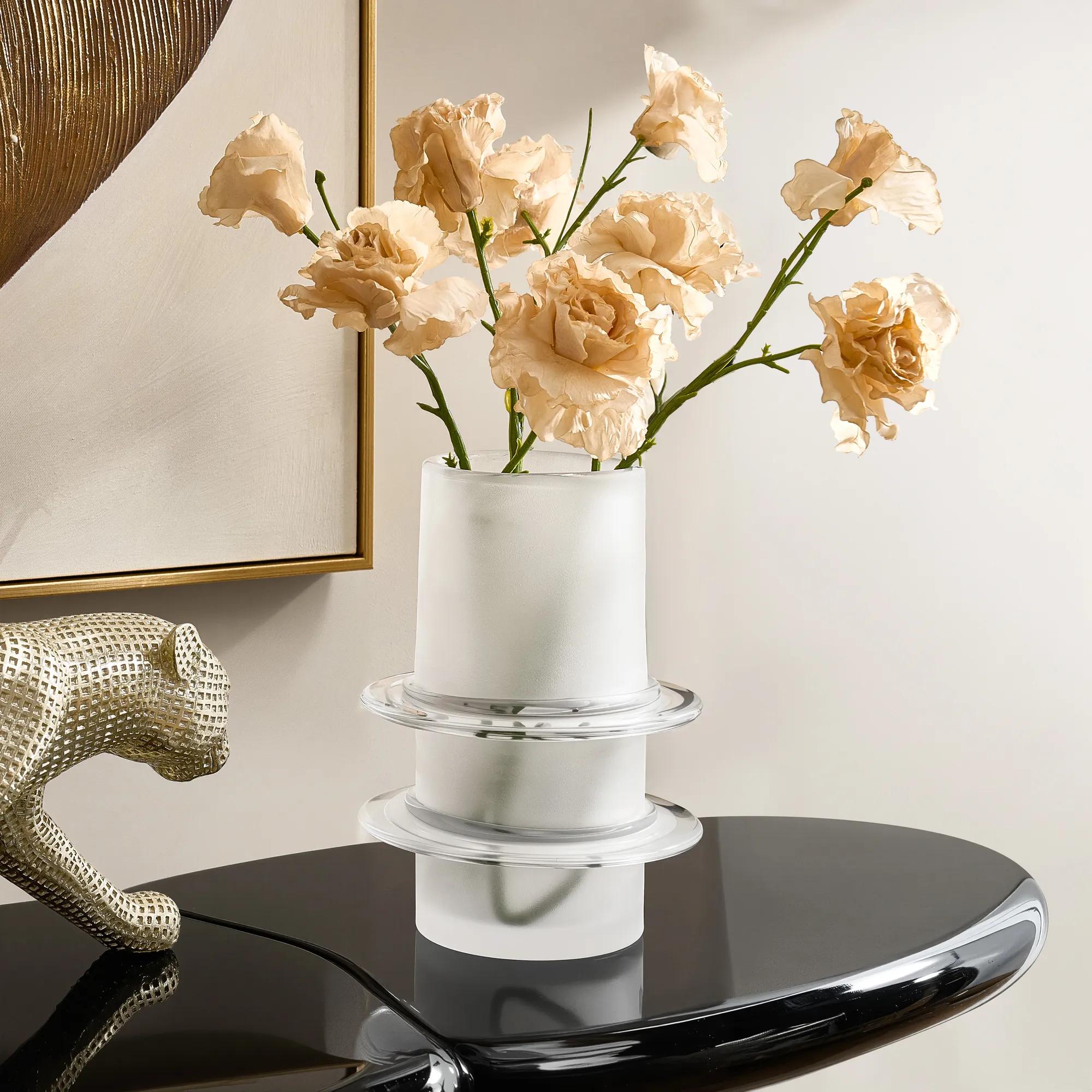 Pierre Glass Vase - Frosted White$99
A frosted white glass vase adding modern elegance to any décor.
Add To Cart -
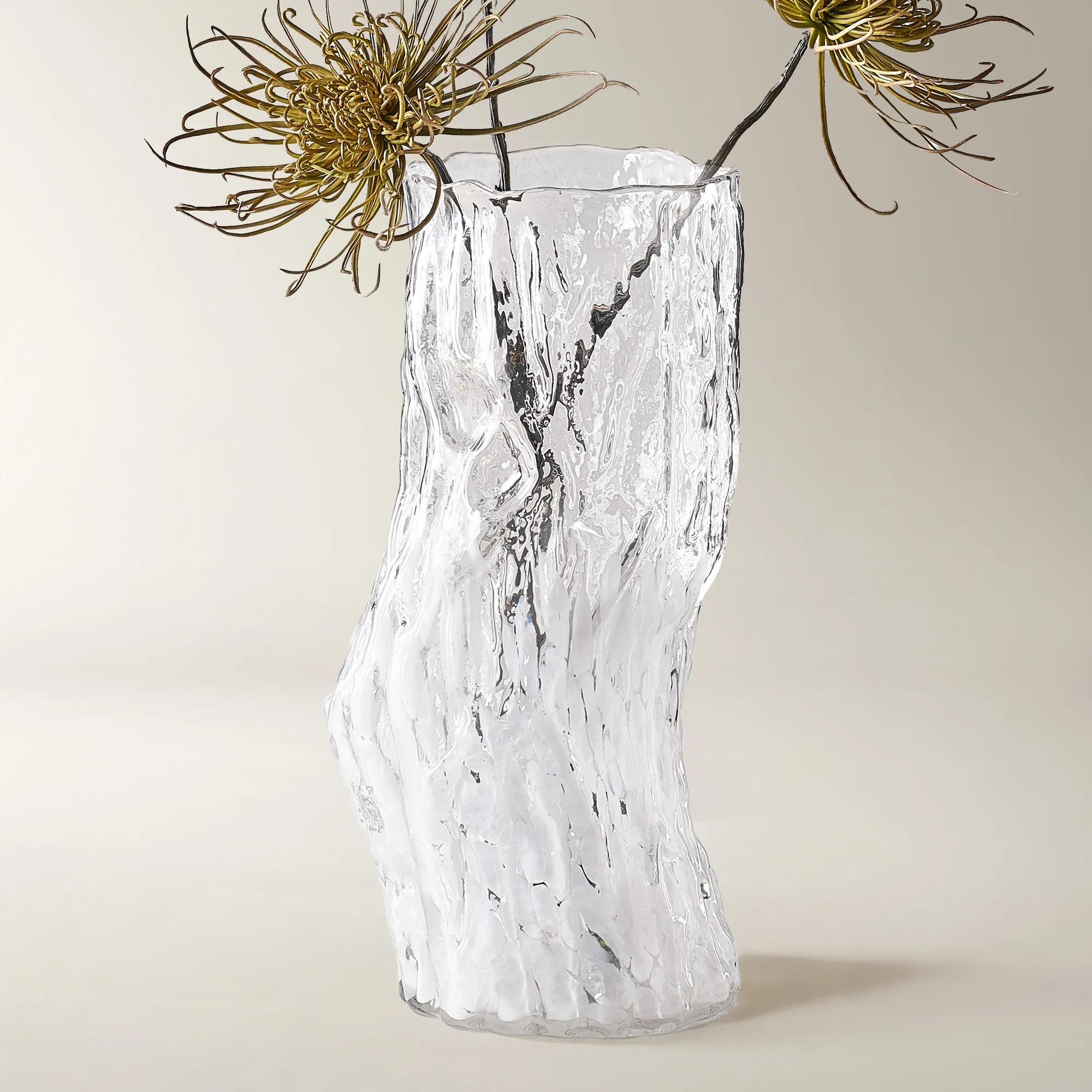 Vanish Mouth Blown Frosted White Glass Vase 18.5"$159
A handblown frosted white glass vase with an ethereal, translucent finish and sculptural silhouette.
Add To Cart -
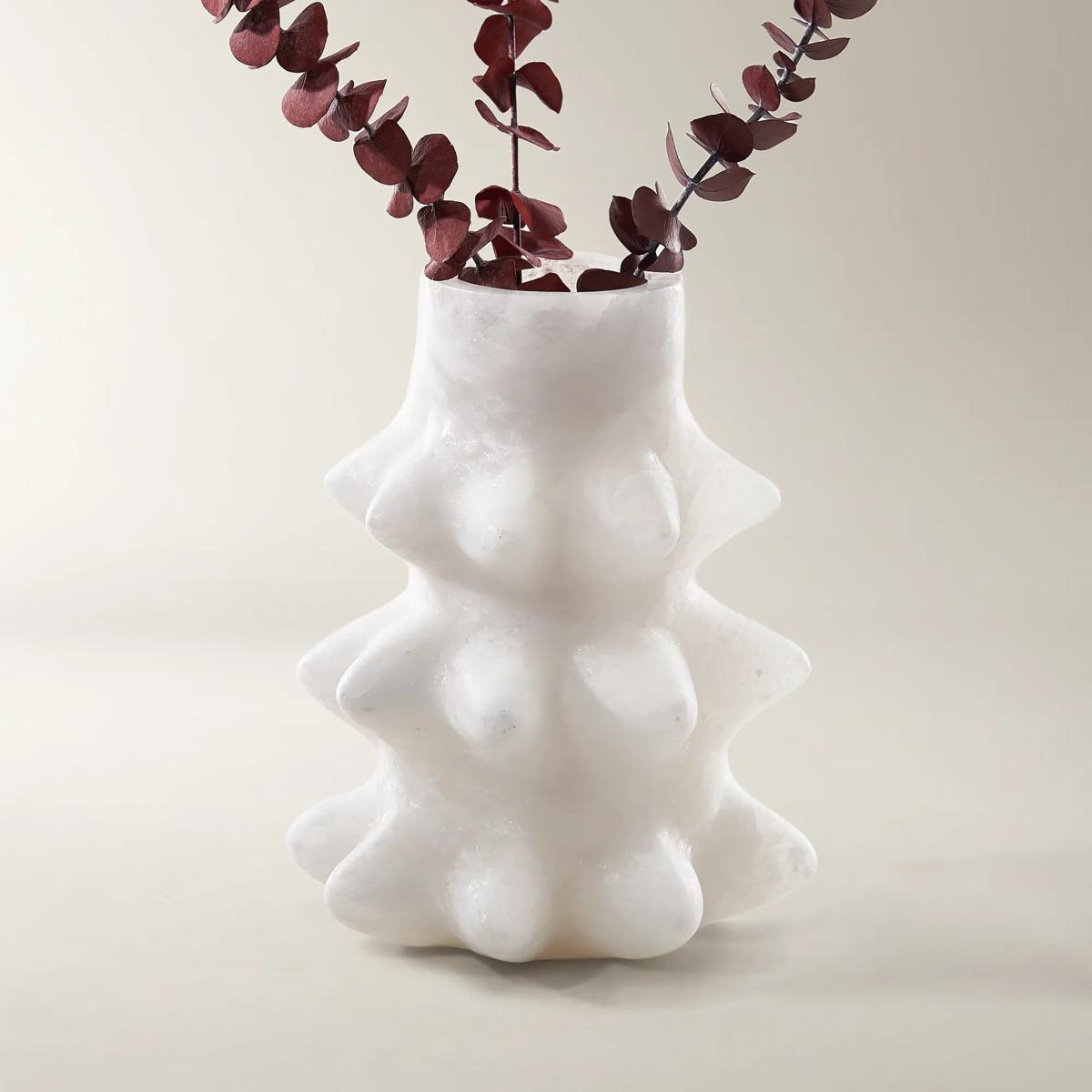 Alabaster Spike Vase$239
A sculptural white alabaster vase with bold spiked contours and naturally radiant veining.
Add To Cart -
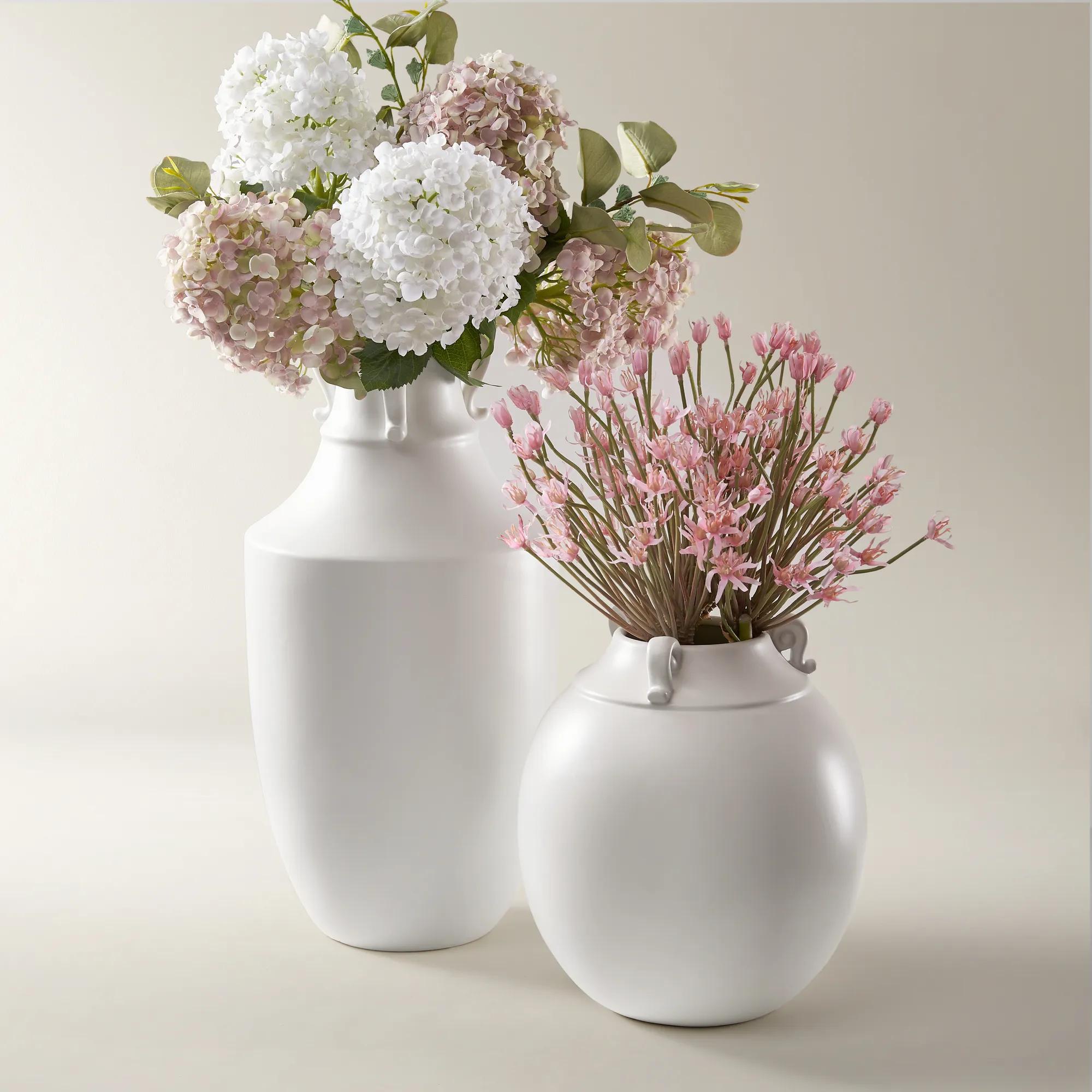 Amora Vase$119
A graceful white ceramic vase featuring smooth curves for a refined, contemporary accent to any space.
Add To Cart -
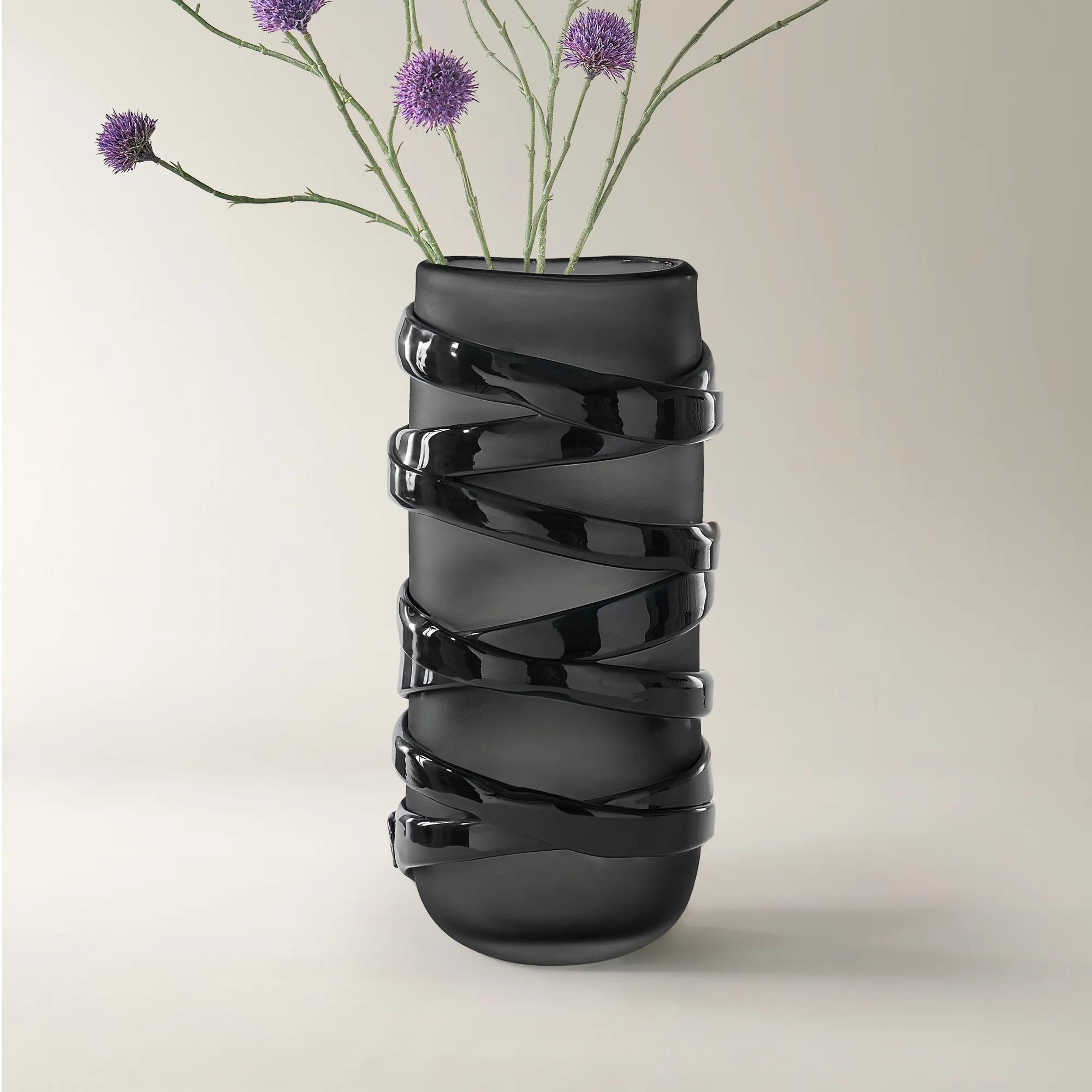
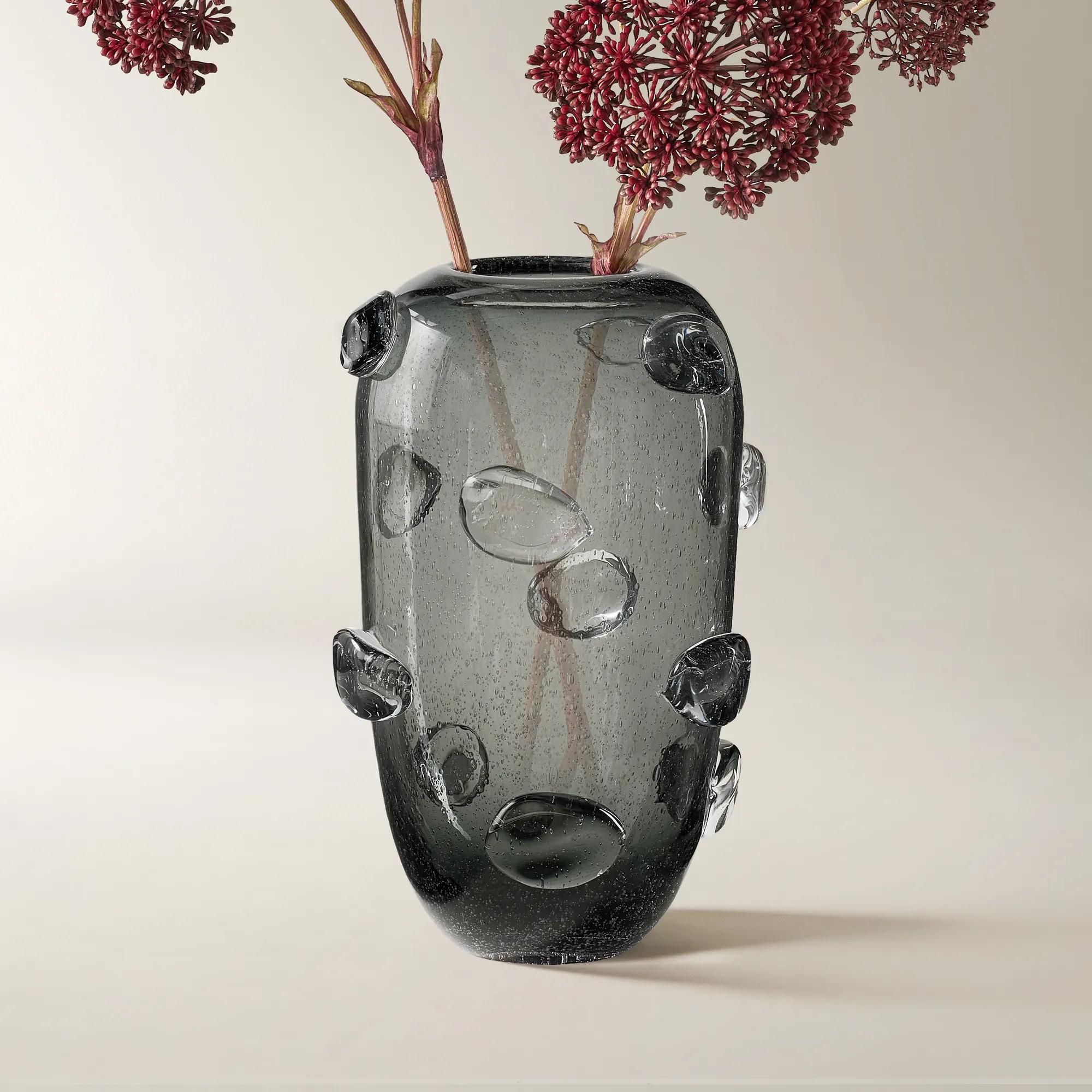 Surel Mouth Blown Graphite Glass Vase 13.5"$149
A handblown glass vase in moody graphite with playful bauble accents for sculptural sophistication.
Add To Cart -
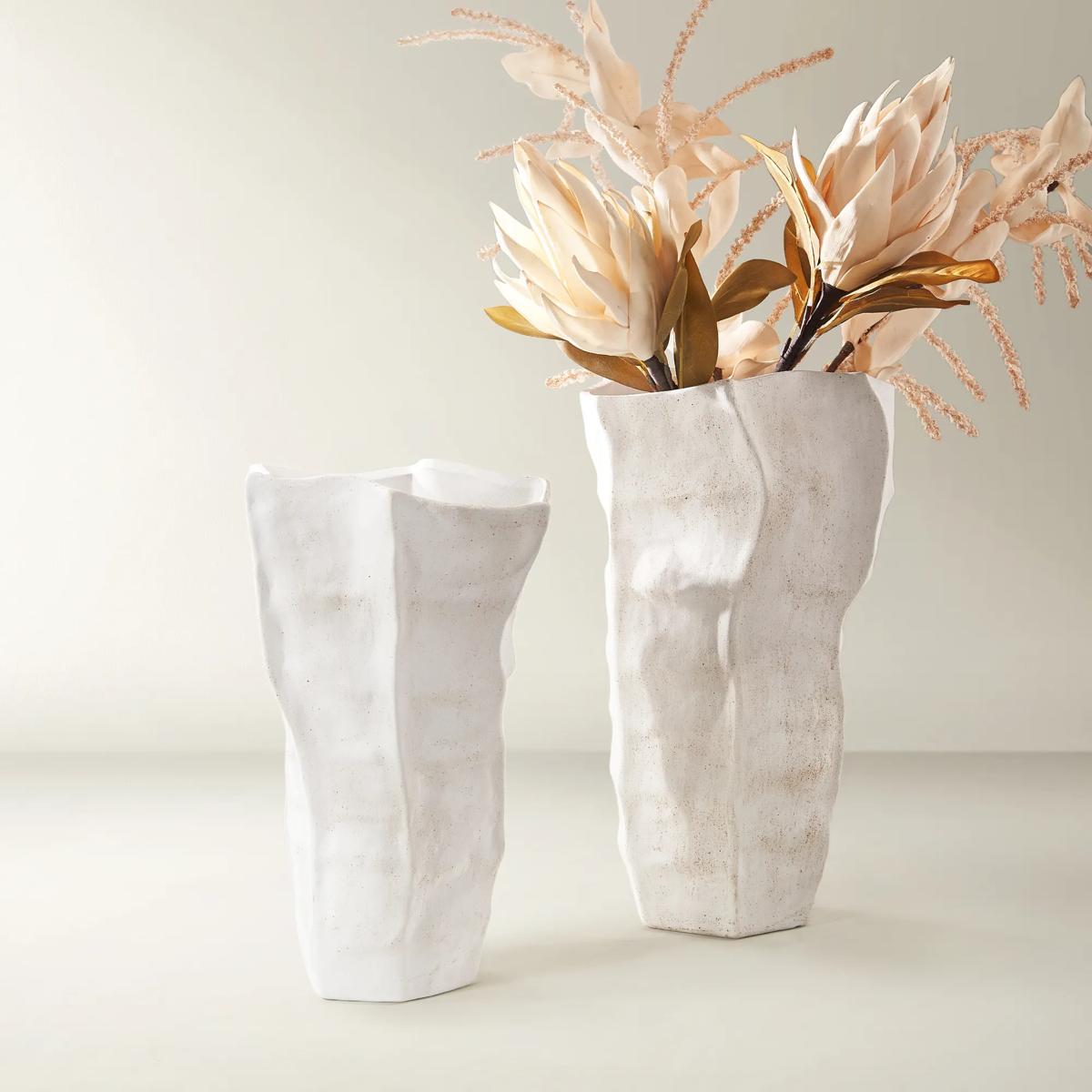 Kira Porcelain Vase$139
A sculptural matte white porcelain vase with fluid, faceted curves and a soft, textured finish.
Add To Cart -
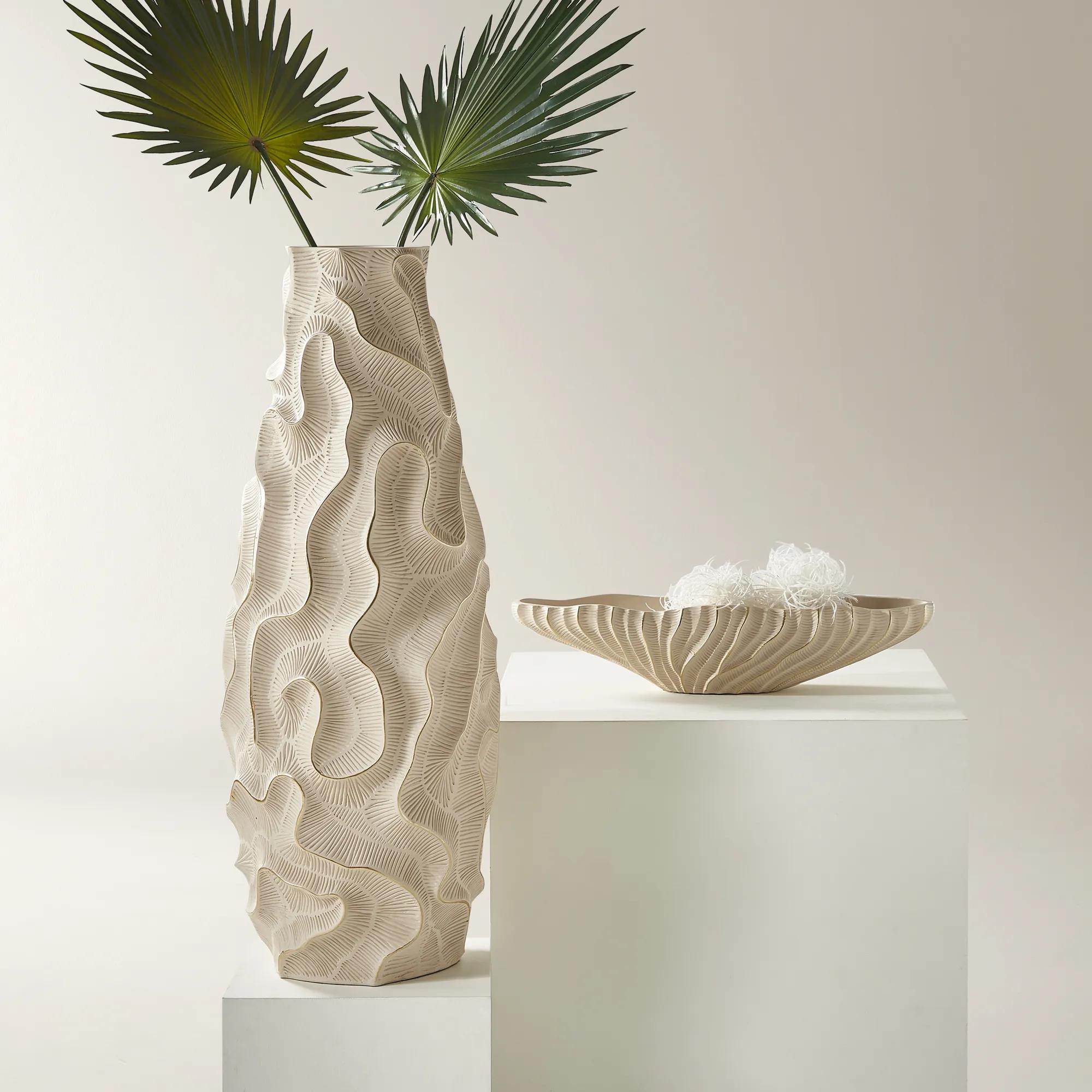
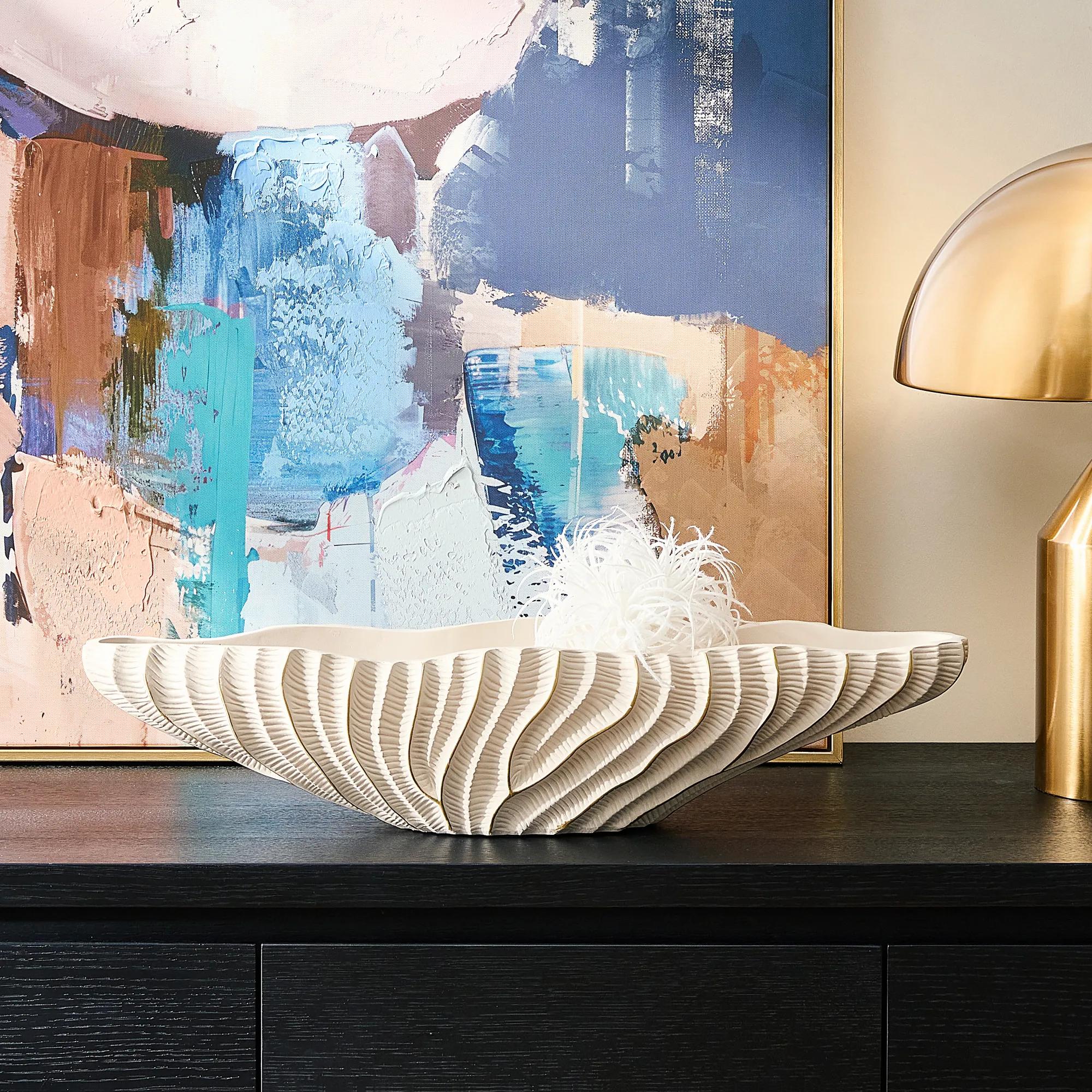 Rouche Ivory And Gold Etched Resin Floor Vase & Bowl$79
An ivory resin collection featuring sculptural, hand-etched textures and undulating organic contours.
Add To Cart -
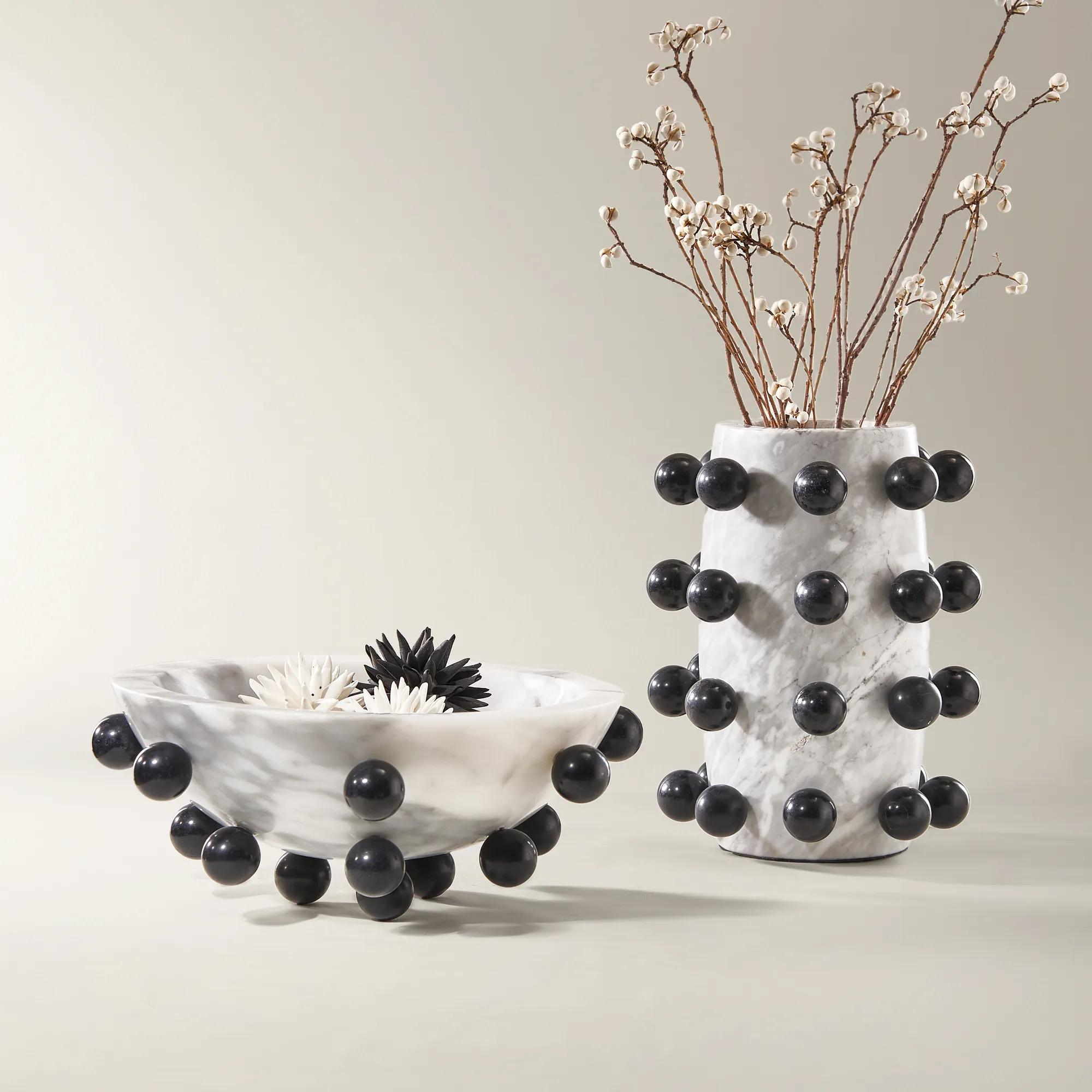 Borra Grey Black Marble Vase & Bowl$219
A sculptural grey marble accent featuring bold black orbs and unique natural veining for modern drama.
Add To Cart -
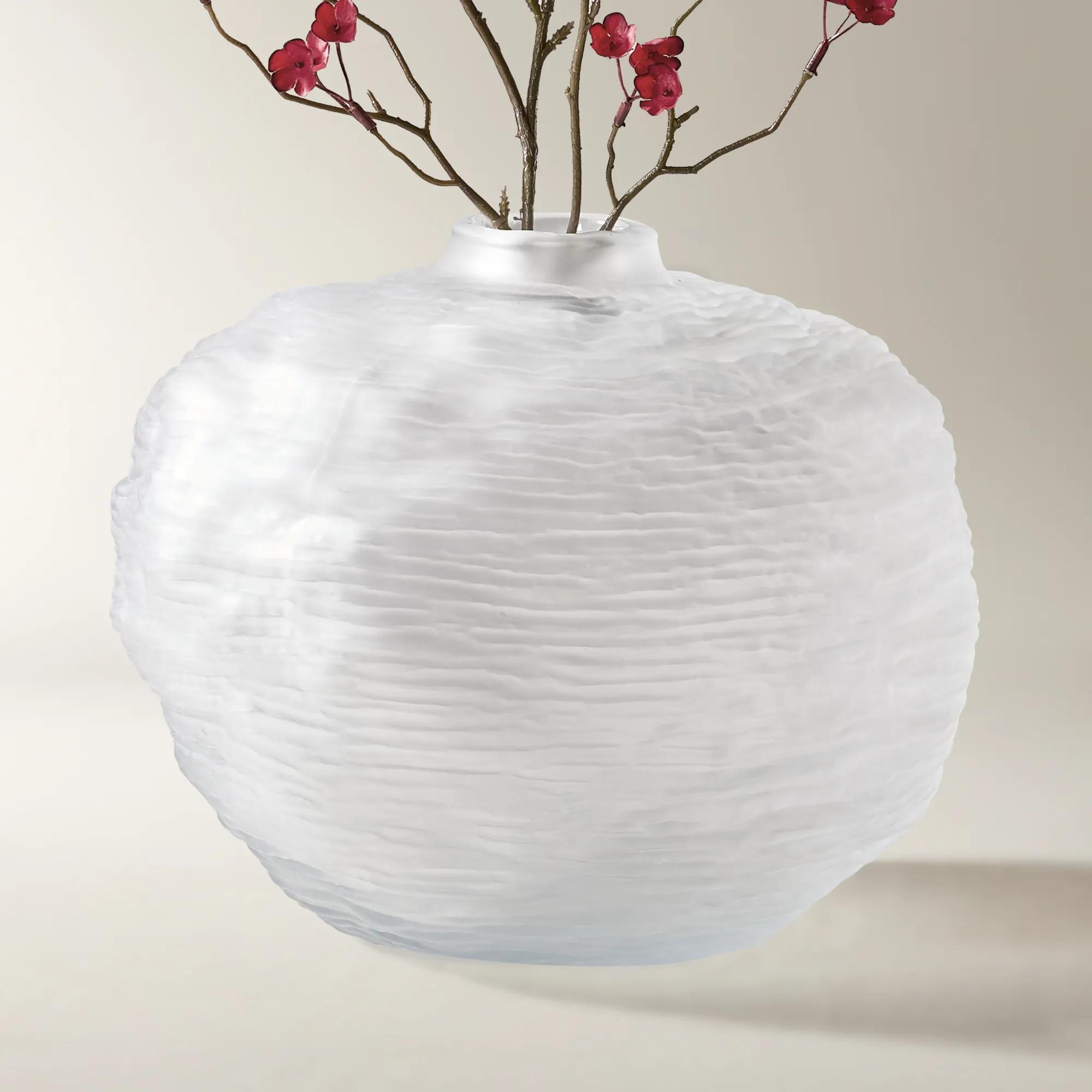 Lucid Mouth Blown Frosted Glass Vase 9.25"$99
A handblown frosted white glass vase with a sculptural, softly textured surface for modern elegance.
Add To Cart -
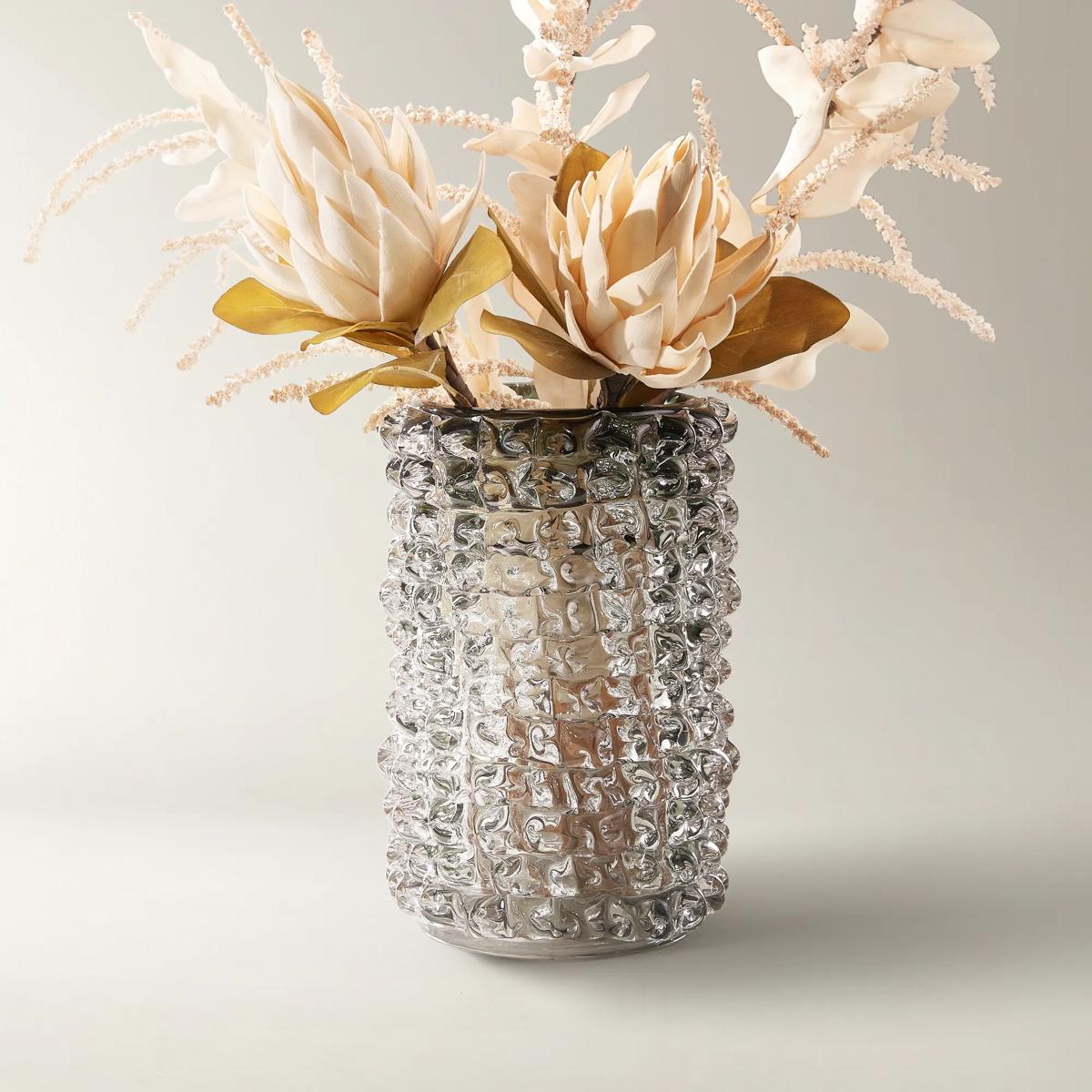
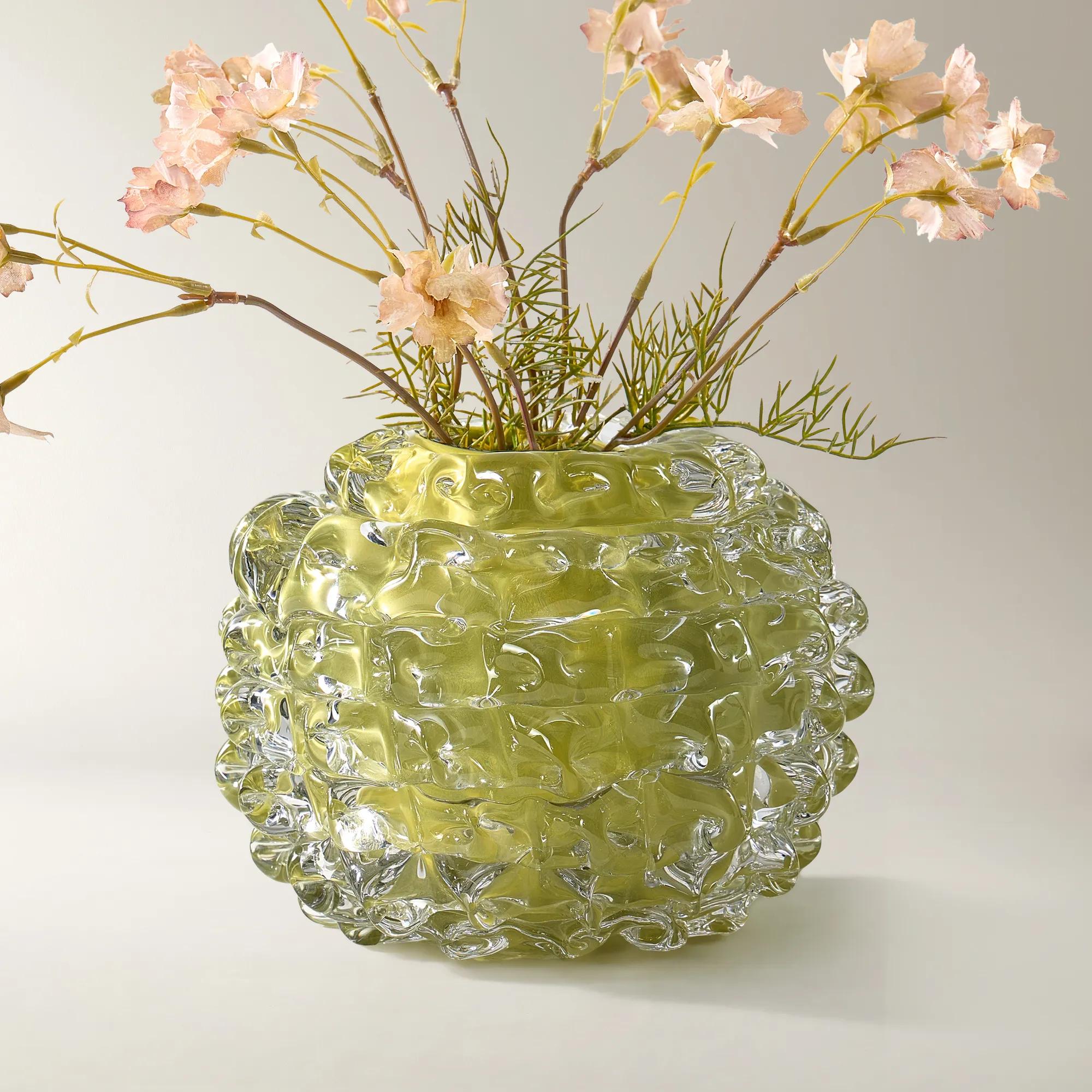
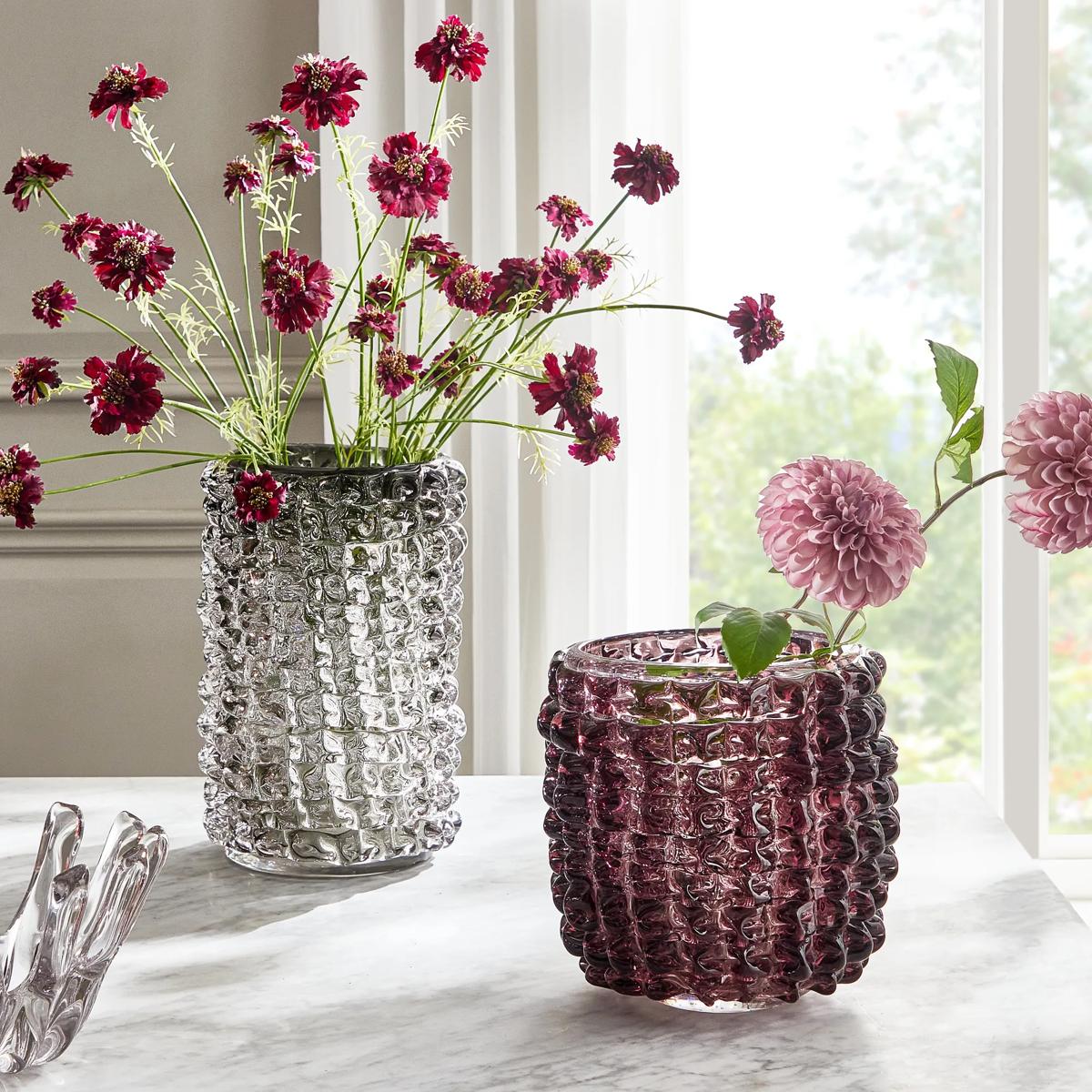 Laurel Glass Vase - Large Graphite$399
A hand-blown glass vase in smoky graphite with a bubbled, light-catching organic texture.
Add To Cart -
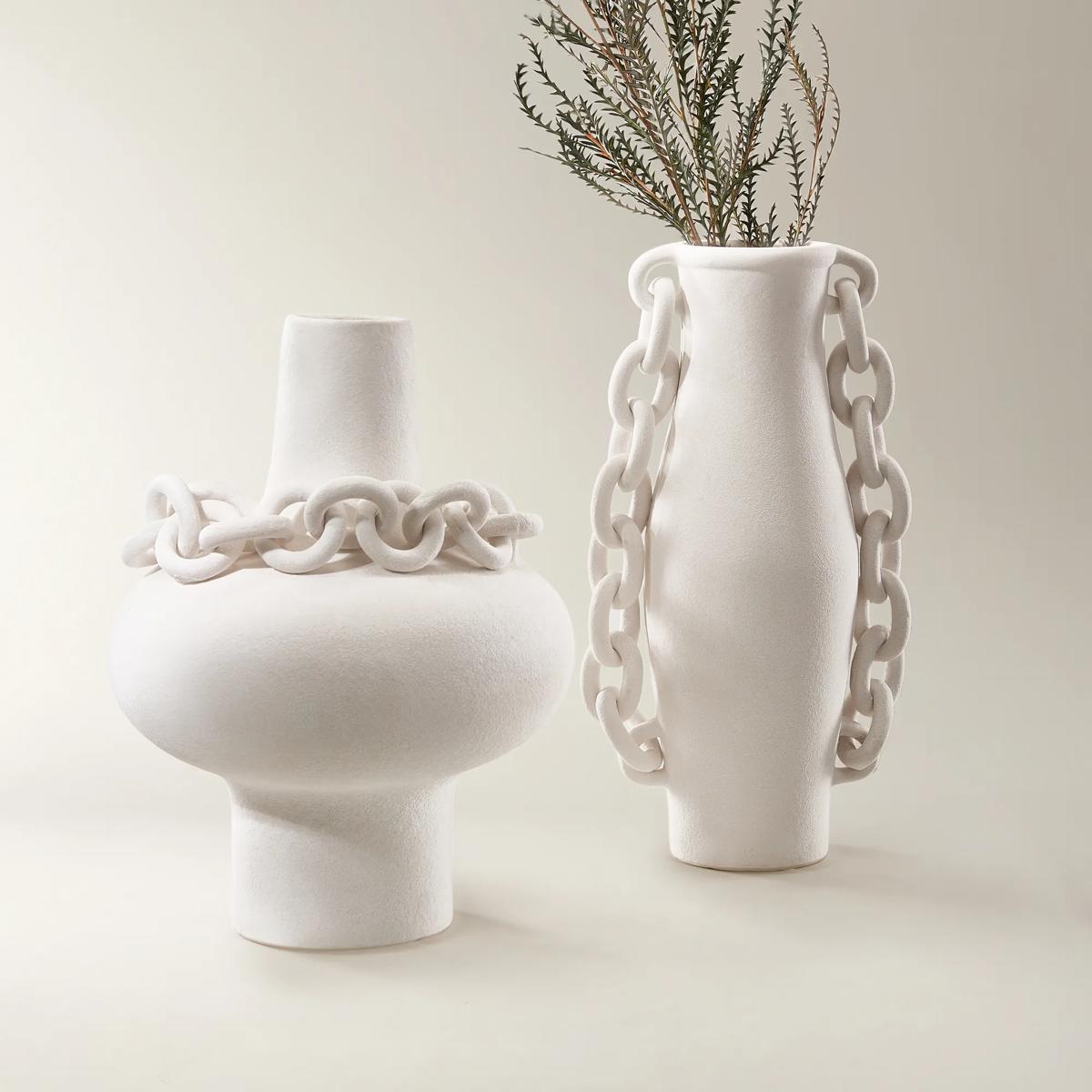
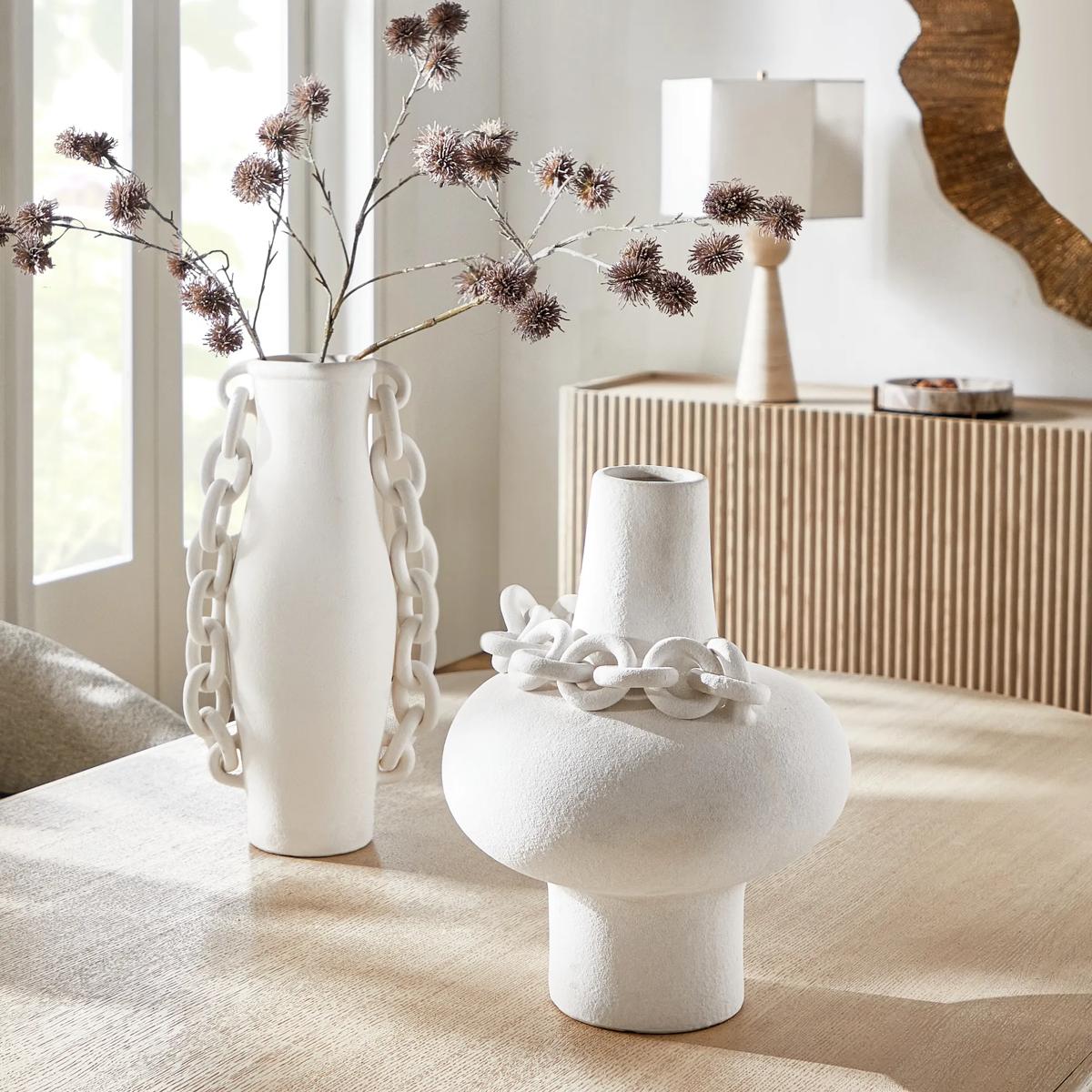 Links Stoneware Vases$119
A sculptural matte white stoneware vase featuring bold chain-link details for modern, artful texture.
Add To Cart -
.jpeg?w=1200&h=1200)
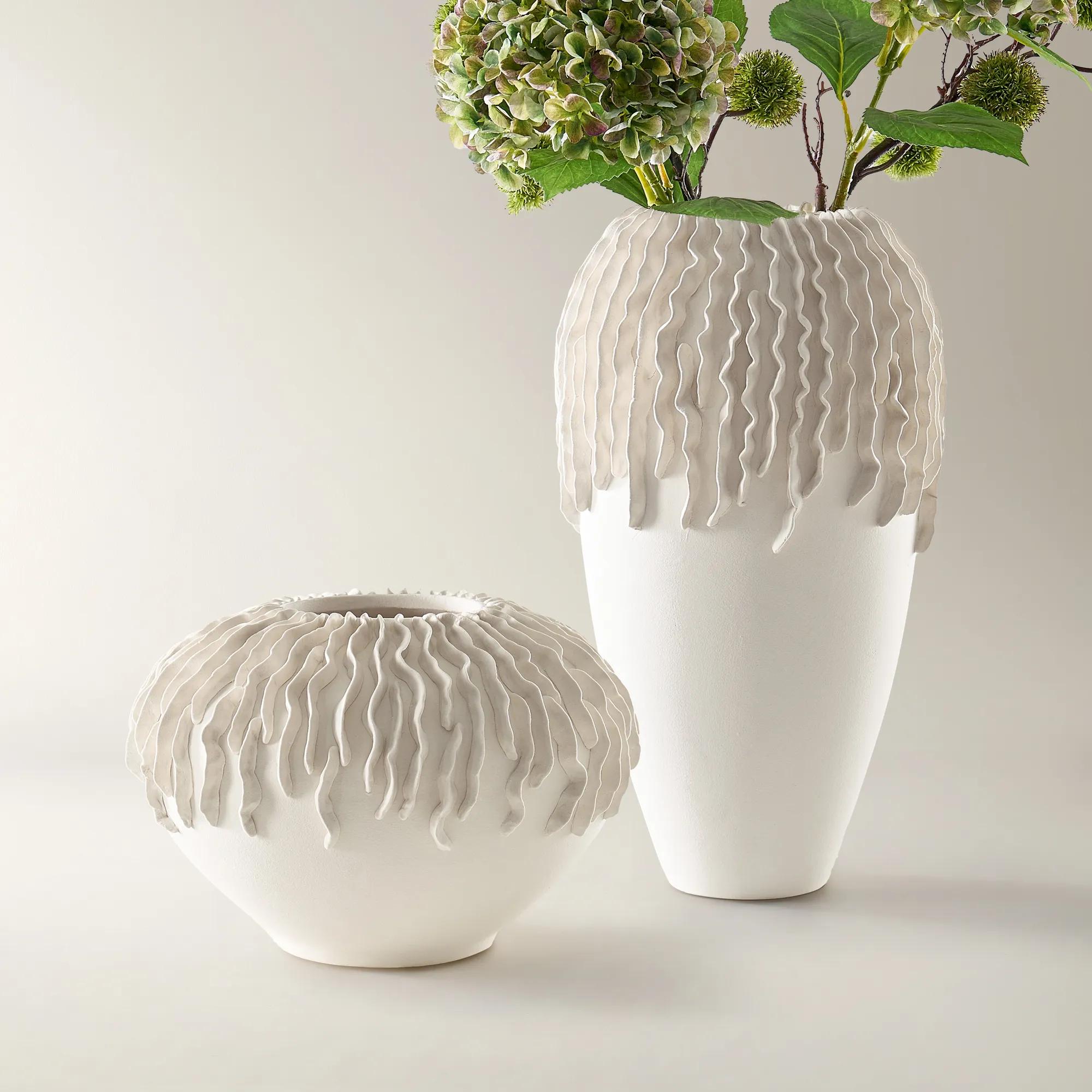
 Coral Ivory Porcelain Vase & Bowl$139
Coral Ivory Porcelain Vase & Bowl$139An ivory porcelain accent featuring flowing, coral-inspired curves for a modern, gallery-worthy display.
Add To Cart -
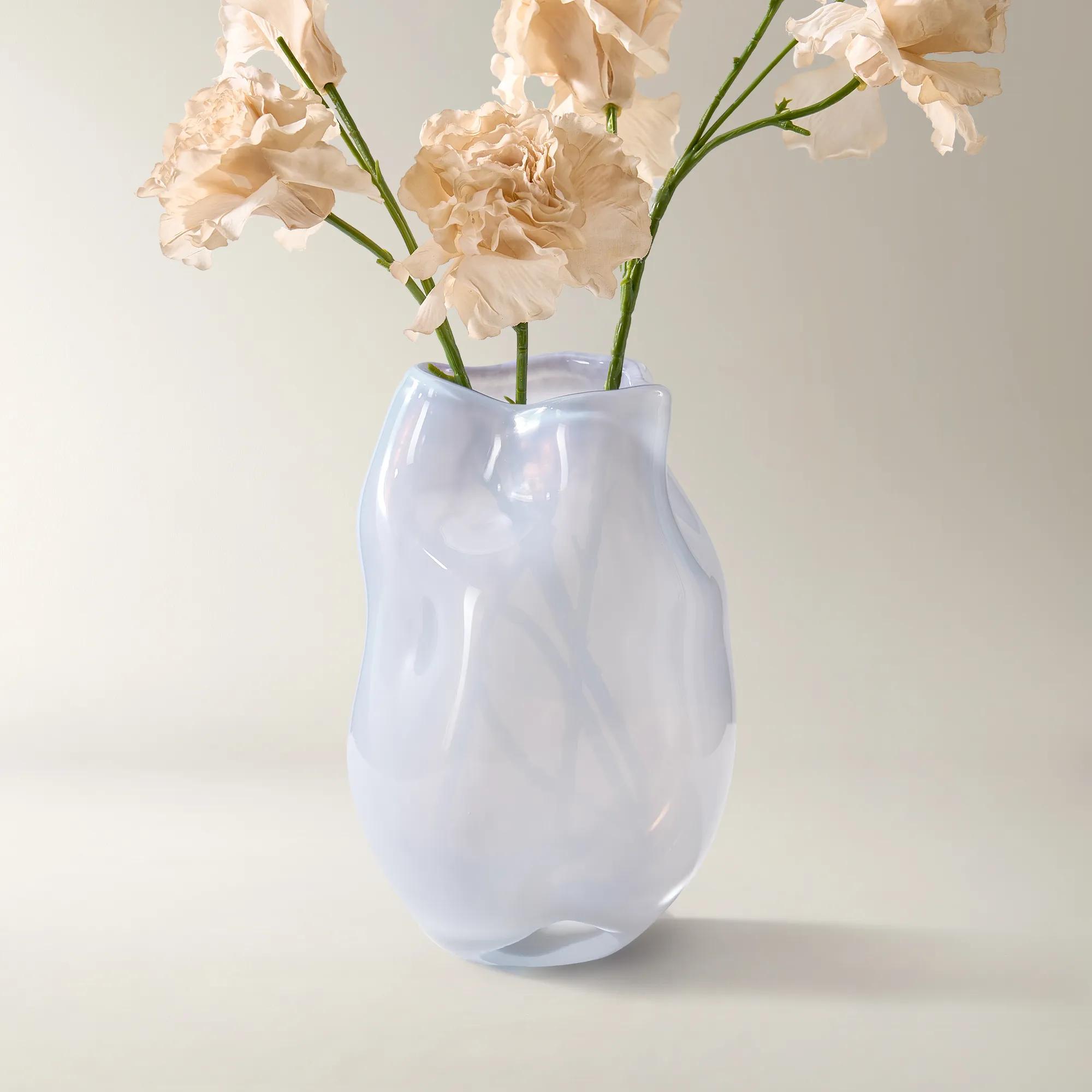
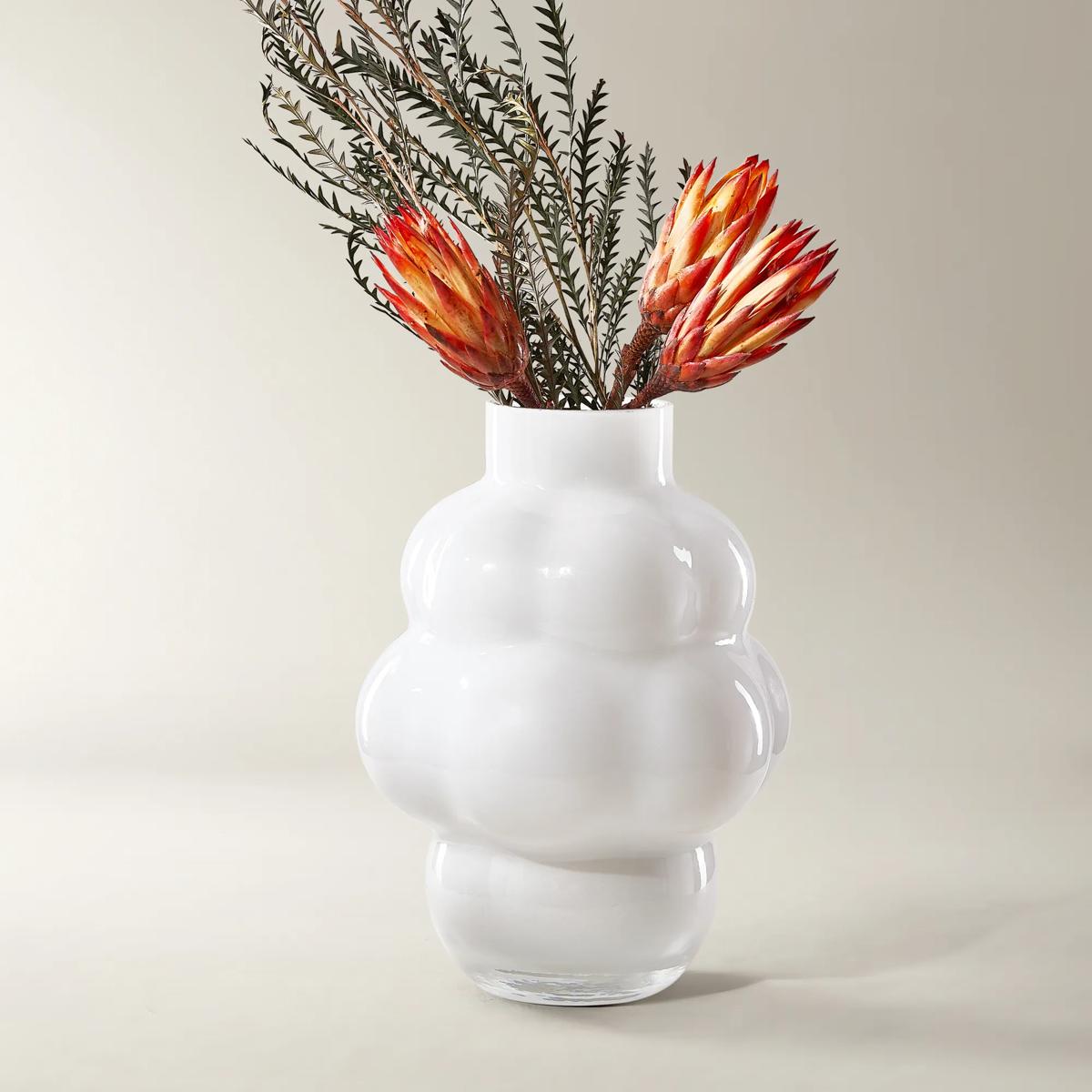 Cloud Glass Vase - White$129
A hand-blown glass vase in glossy opaque white with a sculptural, cloud-inspired silhouette.
Add To Cart -
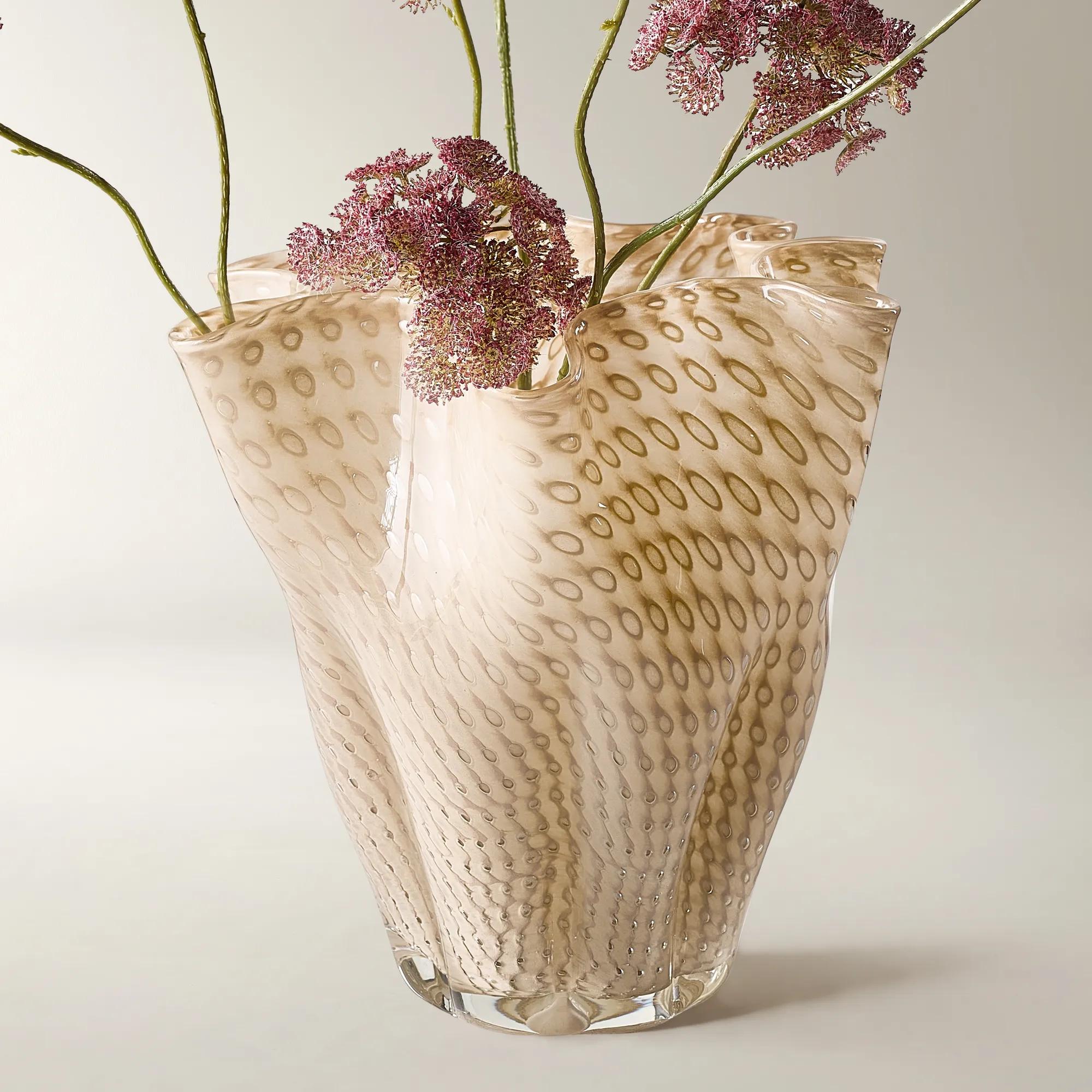 Elle Mouth Blown Tawny Glass Vase 11.25"$129
A handblown glass vase in a warm tawny hue with an organic, sculptural silhouette.
Add To Cart -
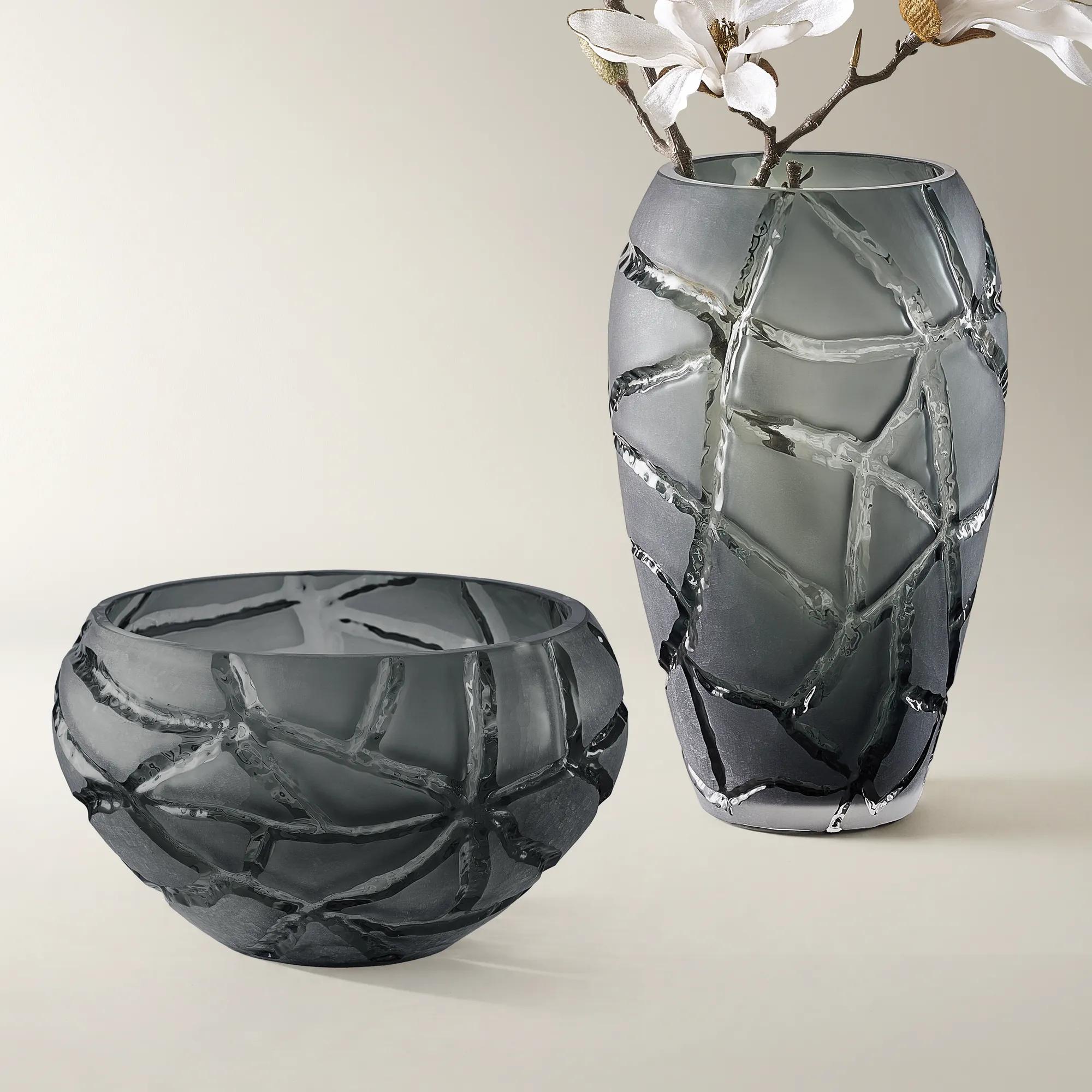 Rowen Mouth Blown Charcoal Glass Vase & Bowl$129
A handblown charcoal glass vase featuring a textured surface for moody sophistication and sculptural appeal.
Add To Cart -
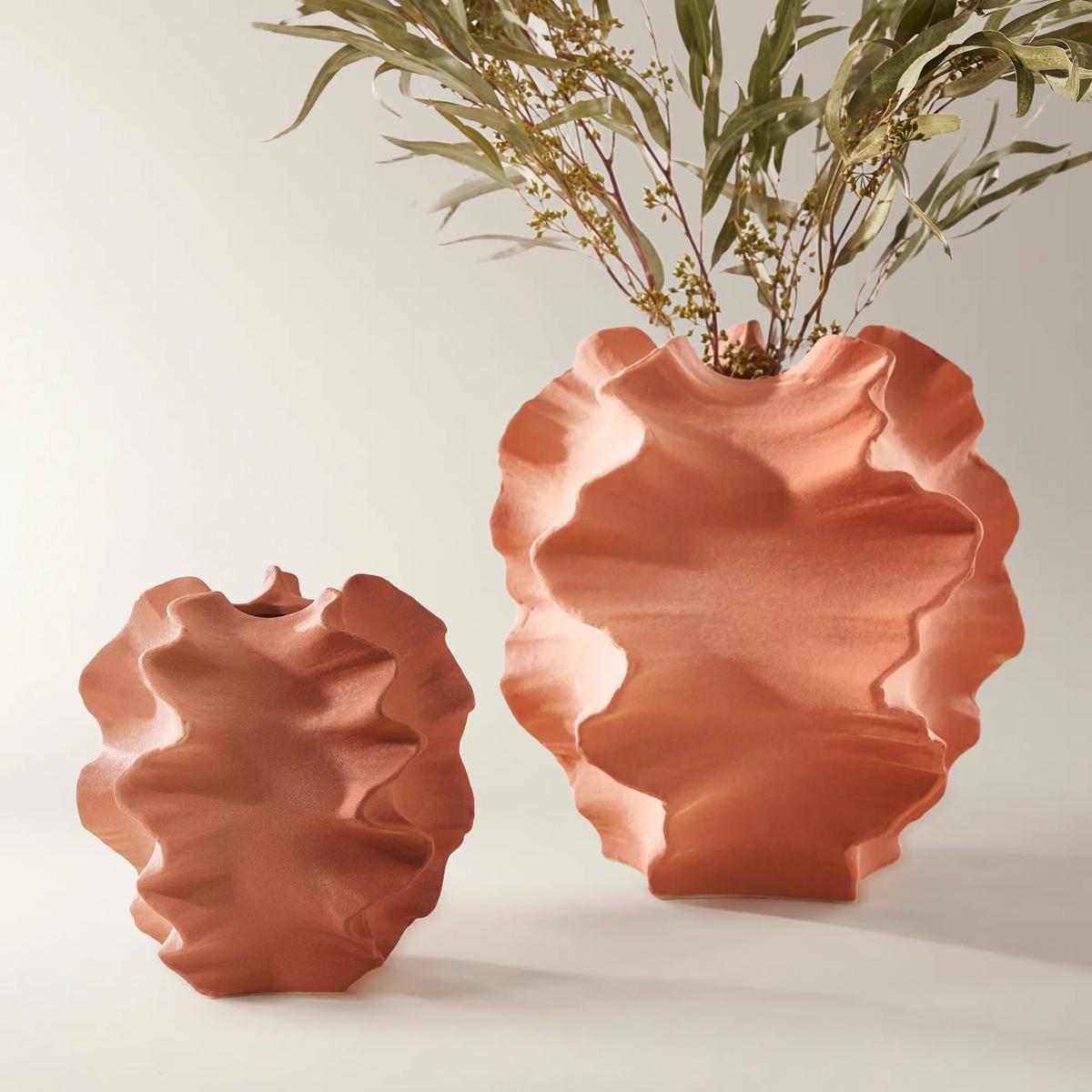
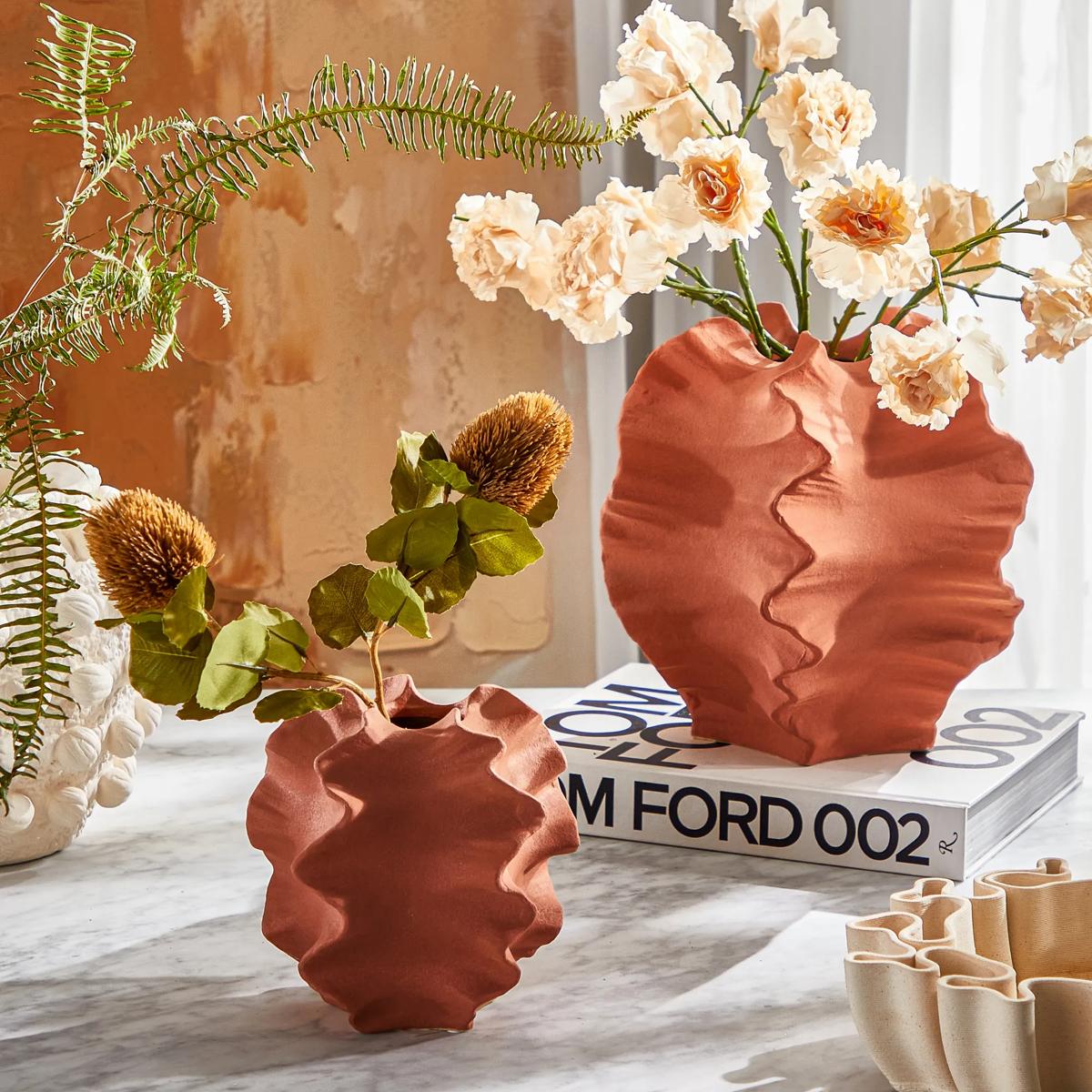 Morra Terracotta Sculptural Vases$79
A sculptural terracotta stoneware vase with rippling contours and a matte, earthy finish.
Add To Cart

Neutral Color Vases
Neutral Color Vases channel the quiet power of understatement, transforming any space into a sanctuary of serene sophistication. These sculptural vessels invite the eye to linger, their subtle hues whispering elegance while providing a canvas for creative expression. Whether poised on a mantel or gathered in a sunlit entryway, Neutral Color Vases ground your décor with gentle artistry—balancing drama and restraint for a look that is eternally chic. Let their timeless palette harmonize with bold statements or delicate details, elevating every arrangement into an objet d’art.
Neutral color vases bring sculptural presence to a room through shades of ivory, cream, beige, taupe, gray, and soft white, allowing silhouette and surface detail to command attention. Their appeal lies in that balance: restrained color, expressive form. A generously rounded vessel can soften the geometry of a console, while an elongated neck draws the eye upward against a sweeping wall of art. These decorative vases complement both tonal interiors and richly layered spaces, creating a visual pause beside patterned upholstery, gleaming metal, or saturated color. Neutral does not have to mean pale or nearly invisible. Mushroom, sand, greige, and charcoal introduce distinct depths, and the difference between a warm cream and a cool gray becomes especially apparent beside wood, stone, and fabric. An ivory vase echoes the richness of champagne-toned accents; a graphite vessel gives pale marble a dramatic counterpoint. In a room with bold artwork, a neutral vase can carry the composition onto a tabletop without competing with the canvas. In a quieter setting, pronounced ribbing, an asymmetric opening, or a sweeping curved profile becomes the focal point. White and cream vases often feel luminous, beige and taupe vases lend warmth, and gray vases can create a more architectural impression. Those distinctions make the category relevant to contemporary, transitional, and artfully eclectic interiors alike. The strongest choices respond to something already present in the room—a linen weave, a veined stone surface, a brushed-metal frame—without matching every surrounding finish. For a broader palette of clay-inspired hues and grounded color, Earth Tone Vases offer a natural extension of this look. Whether displayed as an independent object or filled with a considered arrangement, a neutral vase gives a room shape, rhythm, and a deliberate sense of composition. It is especially compelling where a surface needs presence rather than another layer of color.
Material gives neutral decorative vases much of their character, influencing their weight, sheen, durability, and suitability for flowers. Ceramic is a broad category that includes earthenware, stoneware, and porcelain, each capable of producing distinctly different effects. Earthenware can bring tactile warmth through visible texture and softly irregular contours, while stoneware often has a substantial feel that suits generous, grounded forms. Porcelain can support refined profiles and delicate-looking details, although any ceramic vessel still deserves careful handling. Terracotta, a type of earthenware, has an earthy character that may appear through a pale wash or muted finish. Unglazed clay is generally porous, and a glazed surface alone does not establish that a vase is watertight; the intended use and care instructions matter more than appearance. Fresh flowers belong in vessels specifically suitable for holding water, while decorative-only designs are better reserved for dried stems, faux botanicals, or display without a filling. A separate watertight insert may be appropriate when the vessel’s shape and manufacturer’s guidance allow it. Glass offers a different kind of drama. Clear, smoky, and frosted glass vases interact with surrounding light, creating transparency or diffused depth rather than the opaque presence of ceramic. Smoky gray glass can feel especially striking against a light wall, while frosted glass softens the visible lines of an arrangement. Matte finishes emphasize contour and texture; glossy glazes catch highlights and sharpen the impression of a curved shoulder or fluted body. These surfaces also call for different care. Raised textures may collect dust in their recesses, and chalky or unsealed finishes can show marks or absorb moisture. Gentle dusting with a soft brush or cloth is often appropriate for decorative exteriors, with washing reserved for materials and finishes that permit it. Abrasive cleaners, prolonged soaking, and dishwasher cleaning should not be assumed safe. Even a weighty vase can chip at the rim or scratch a delicate tabletop, so thoughtful placement and a suitable protective pad help preserve both vessel and furniture.
Scale and opening shape determine how comfortably a neutral vase fits its setting and how an arrangement behaves inside it. A narrow-neck vase gathers a few stems into a defined gesture, making it well suited to a small console or a bedside surface where space is shared with lighting and daily essentials. A broad opening accommodates a fuller bouquet but may require a floral support to keep stems from spreading too loosely. Tall vases give long branches room to rise, provided the base is stable and the arrangement does not make the vessel top-heavy. Floor vases need particular attention to footprint and clearance: their silhouette should remain visible without obstructing a doorway, narrowing a walkway, or sitting where children or pets can easily knock them over. On a dining table, a low, rounded form allows conversation to flow across the arrangement, while a taller centerpiece can serve as a statement between gatherings. Shelves invite a different relationship with scale. A compact vase beside a horizontal stack of books adds curvature, and a larger vessel given space of its own reads almost like a small sculpture. Groupings feel more intentional when they vary in height and proportion while sharing a color relationship. Three vessels in cream, sand, and taupe can create depth without relying on identical shapes; leaving visible space between them keeps their outlines distinct. Botanicals further shape the mood. White blooms emphasize luminosity, eucalyptus introduces muted green, and sculptural branches make the negative space around an arrangement part of its appeal. Dried grasses contribute feathery texture, while an empty vase lets a carved, folded, or rippled surface speak uninterrupted. For anyone furnishing a first home, refining a collected interior, or choosing a housewarming or wedding gift, neutral vases offer flexibility without surrendering personality. A manageable tabletop size and a finish that complements several materials can make a particularly thoughtful gift. The lasting attraction is not simply versatility, but the way a beautifully proportioned vessel turns an ordinary surface into a place worth noticing.
FAQs
Neutral color vases bring a sense of calm and sophistication to your home, acting as elegant anchors that complement both bold and understated decor. Their versatile hues allow you to effortlessly transition between seasons and styling moods, creating a timeless backdrop for fresh flowers, sculptural branches, or even as standalone art pieces.
Neutral vases are the perfect canvas for a wide range of floral arrangements, from monochromatic bouquets to vibrant seasonal blooms. In winter, consider filling them with evergreens, frosted branches, or white amaryllis for a serene look. In warmer months, soft pastels or bold, colorful stems both shine against the subtle backdrop of a neutral vase.
Absolutely. Neutral vases are timeless, making them an inspired choice for weddings, housewarmings, anniversaries, or milestone celebrations. Their classic appeal ensures they blend seamlessly with any home style, offering lasting beauty and endless styling opportunities for the recipient.
To create a modern centerpiece, cluster neutral vases of varying heights and shapes along a dining table or console. Fill them with minimalist arrangements—think single stems, dried florals, or sculptural branches—to highlight their form and texture. For more inspiration, explore our <a href="https://zgallerie.com/o/modern-white-vases-for-centerpieces">Modern White Vases For Centerpieces</a> collection.
Neutral vases are often crafted from materials like ceramic, porcelain, glass, or stoneware. Matte ceramics offer a soft, organic feel, while glossy porcelain adds a touch of refined shine. Textured finishes and hand-thrown details create depth and visual intrigue, allowing each vase to make a unique artistic statement within your home.
.jpg?w=3614&h=3614)