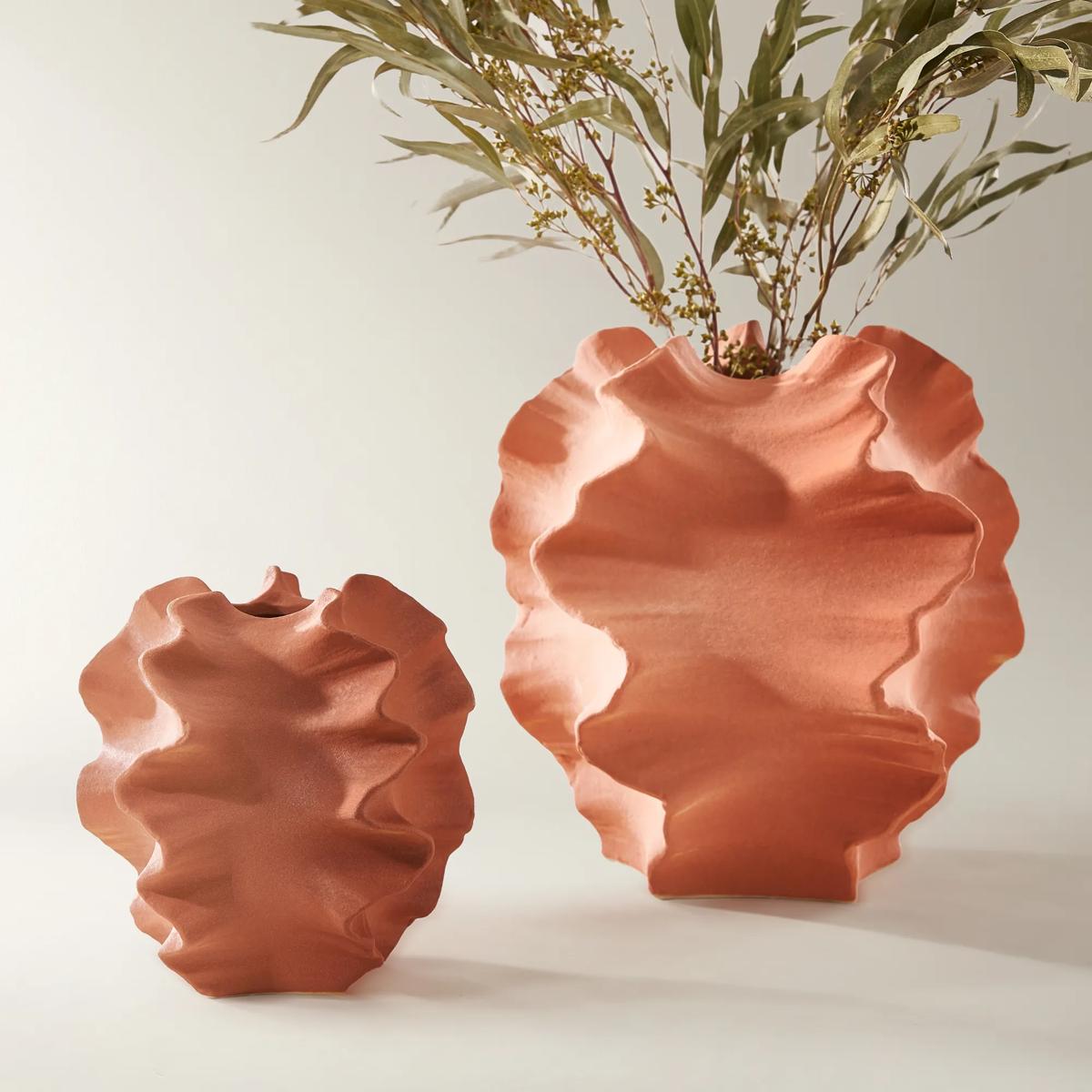
Stylish White Decorative Vases
Stylish White Decorative Vases
-
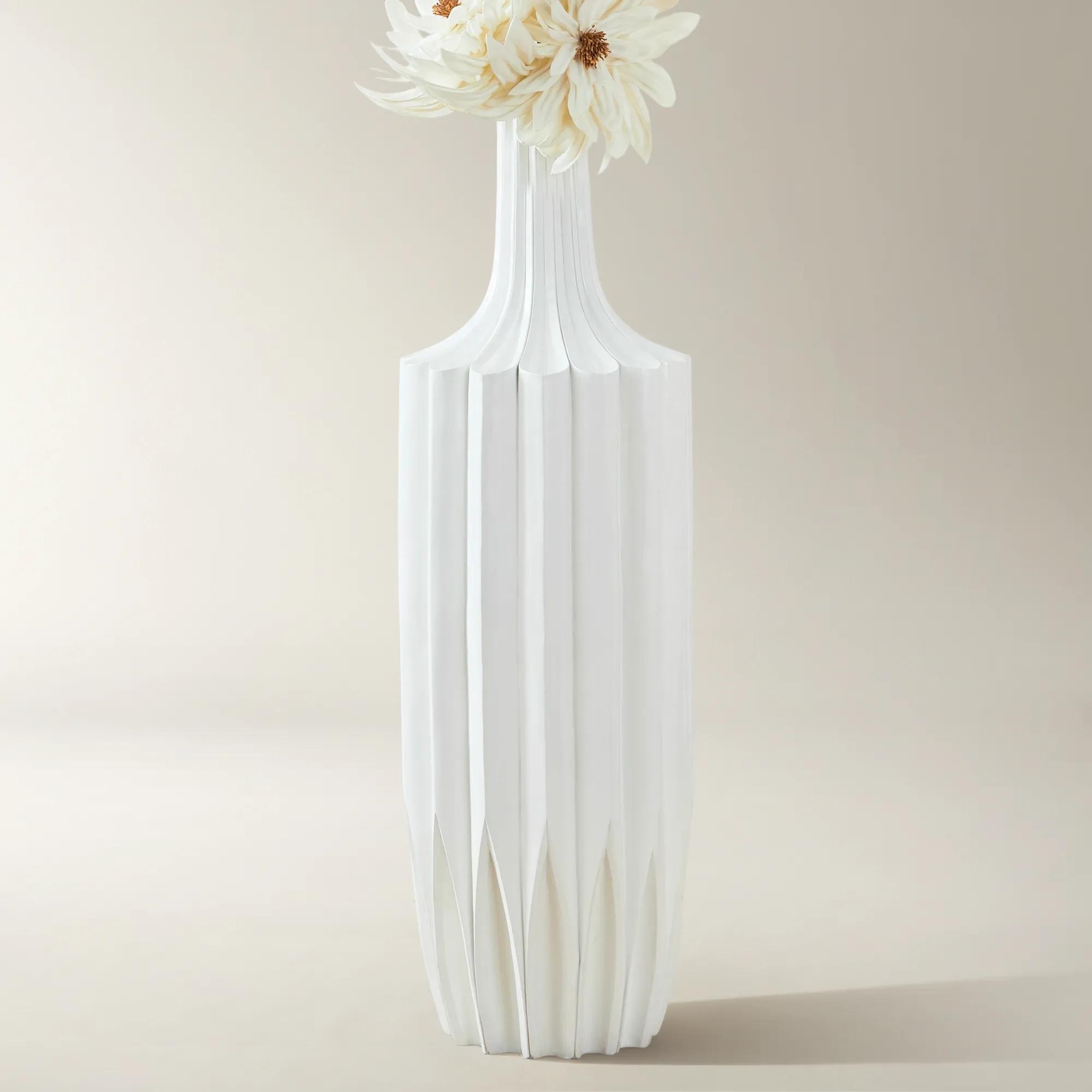 Savannah White Resin Floor Vase 48.75"$509
A sophisticated polyresin vase featuring sleek vertical curves, perfect for displaying decorative flowers or foliage.
Add To Cart -
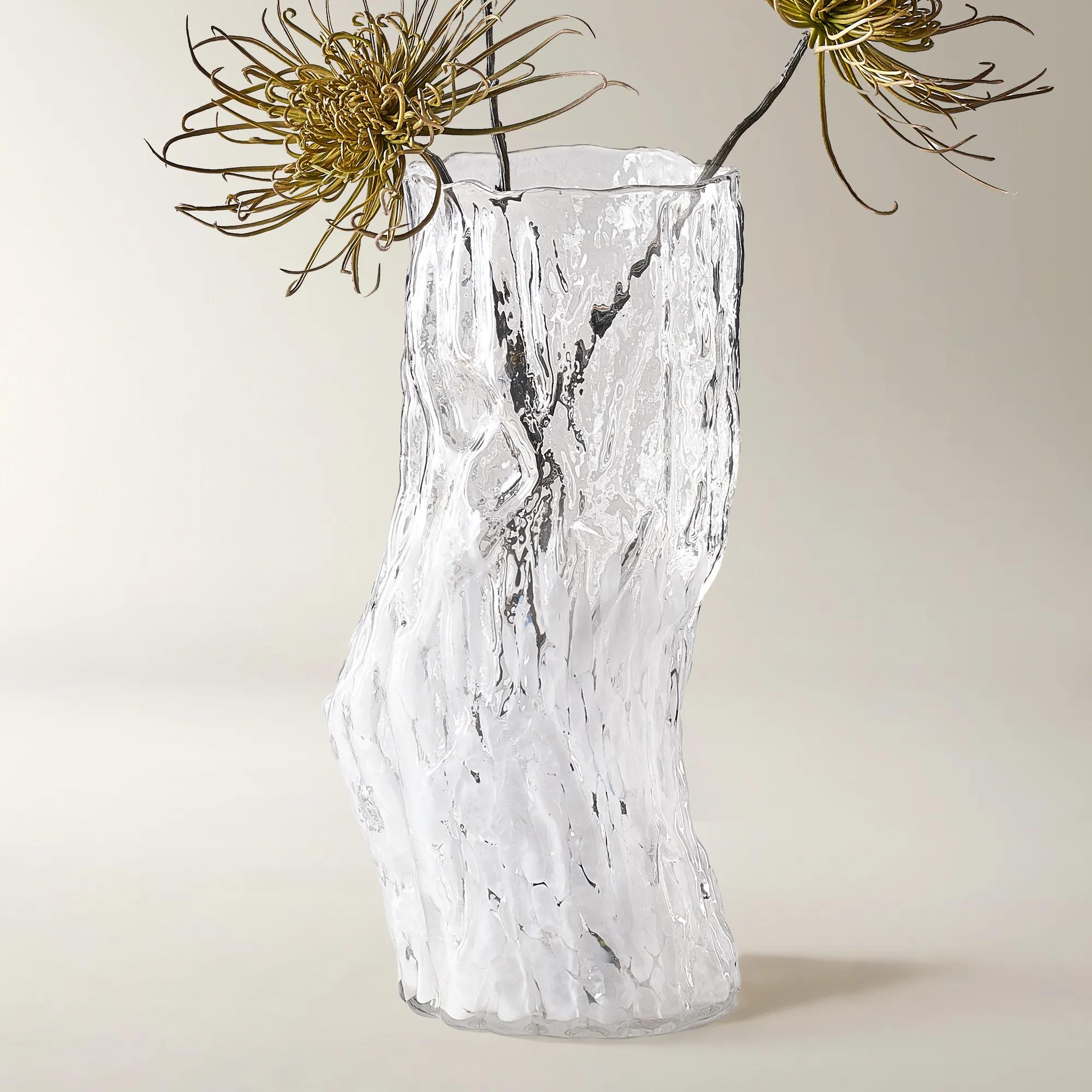 Vanish Mouth Blown Frosted White Glass Vase 18.5"$159
A handblown frosted white glass vase with an ethereal, translucent finish and sculptural silhouette.
Add To Cart -
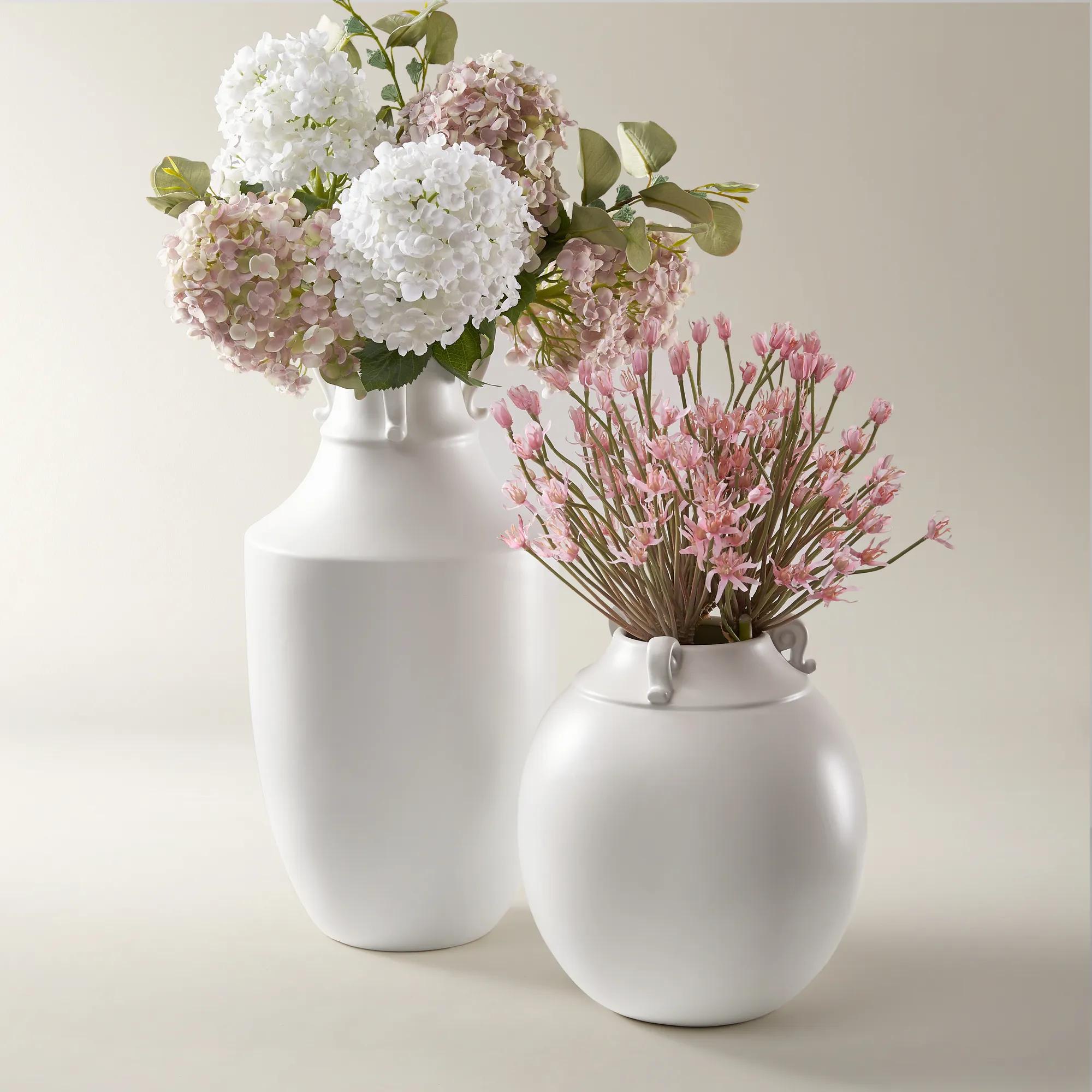 Amora Vase$119
A graceful white ceramic vase featuring smooth curves for a refined, contemporary accent to any space.
Add To Cart -
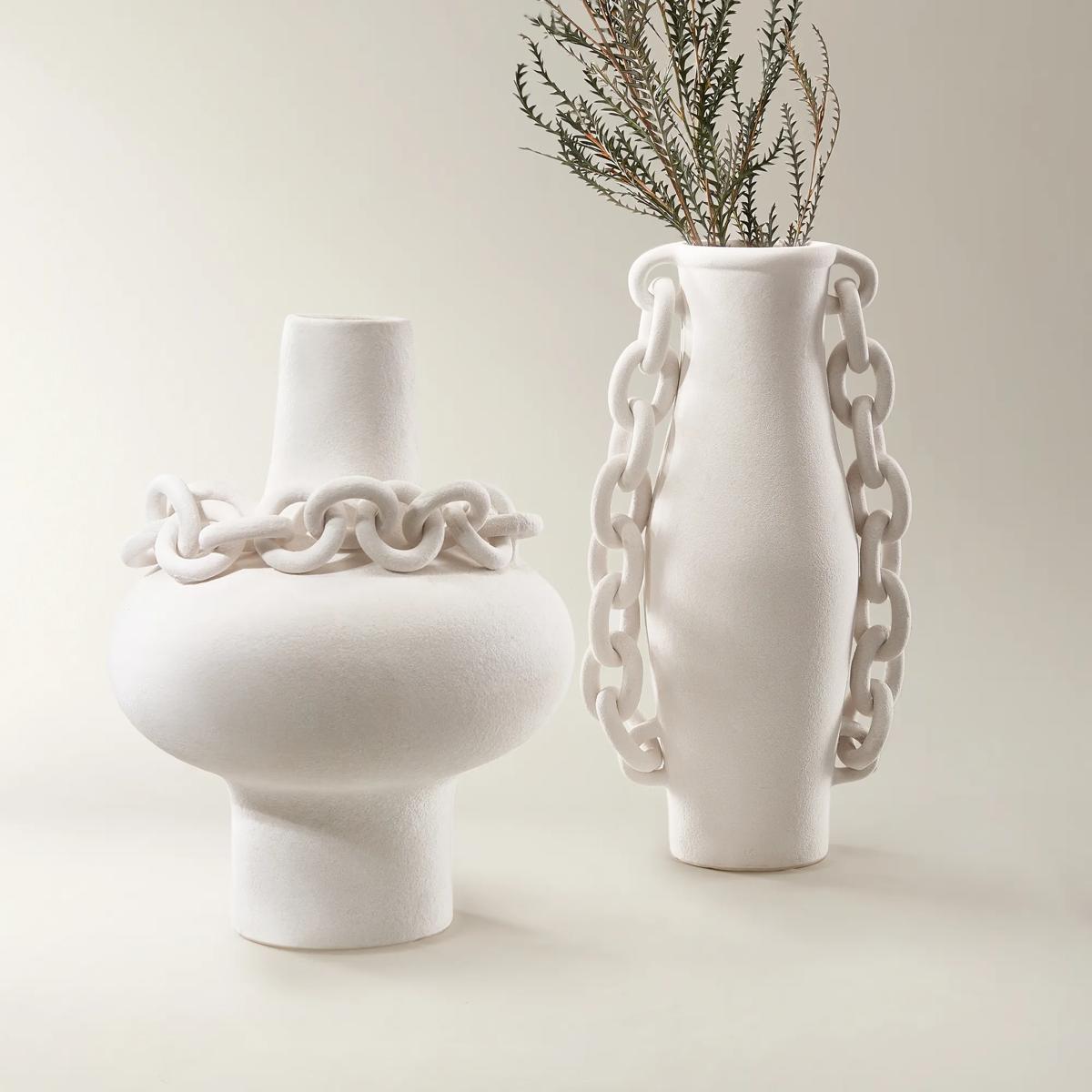
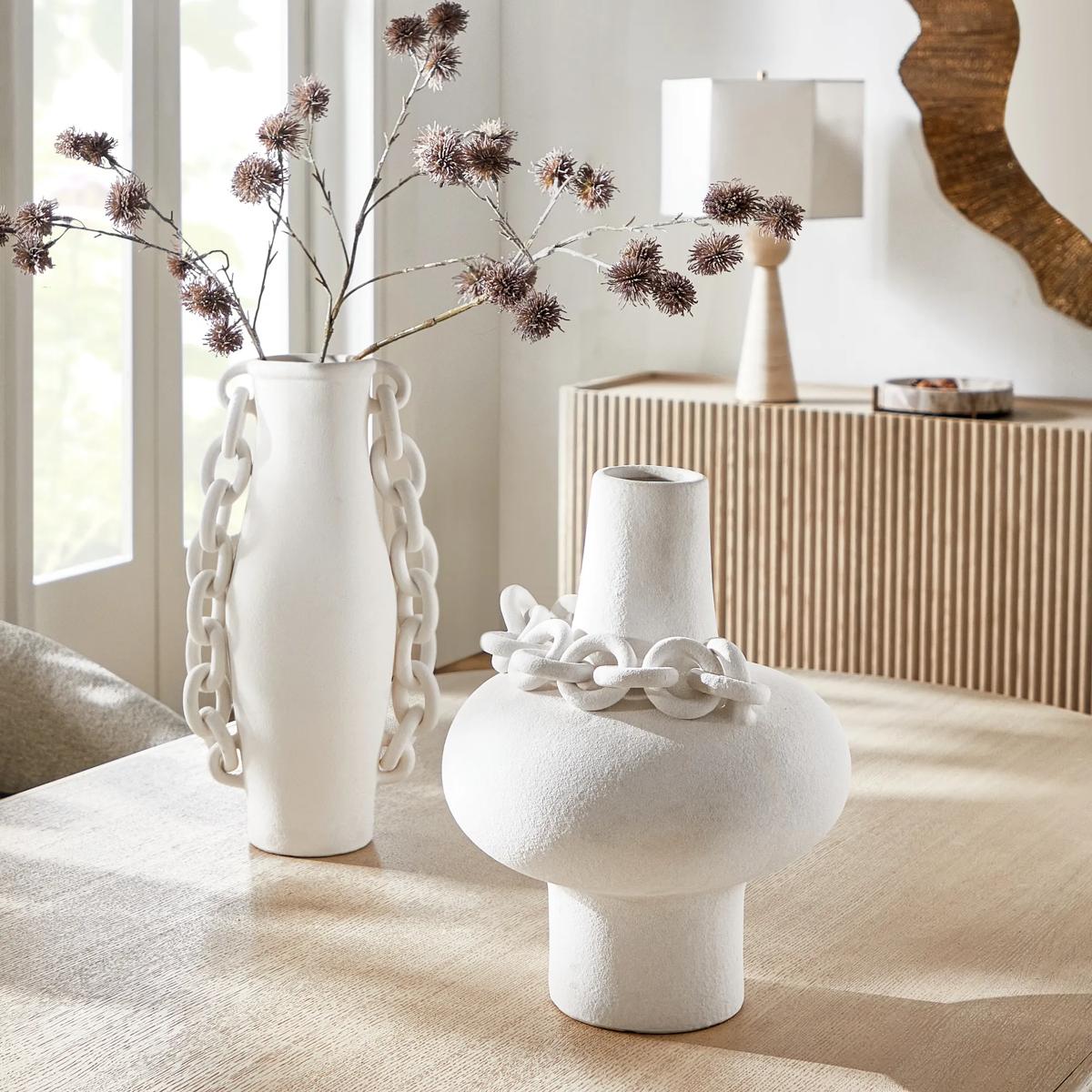 Links Stoneware Vases$119
A sculptural matte white stoneware vase featuring bold chain-link details for modern, artful texture.
Add To Cart -
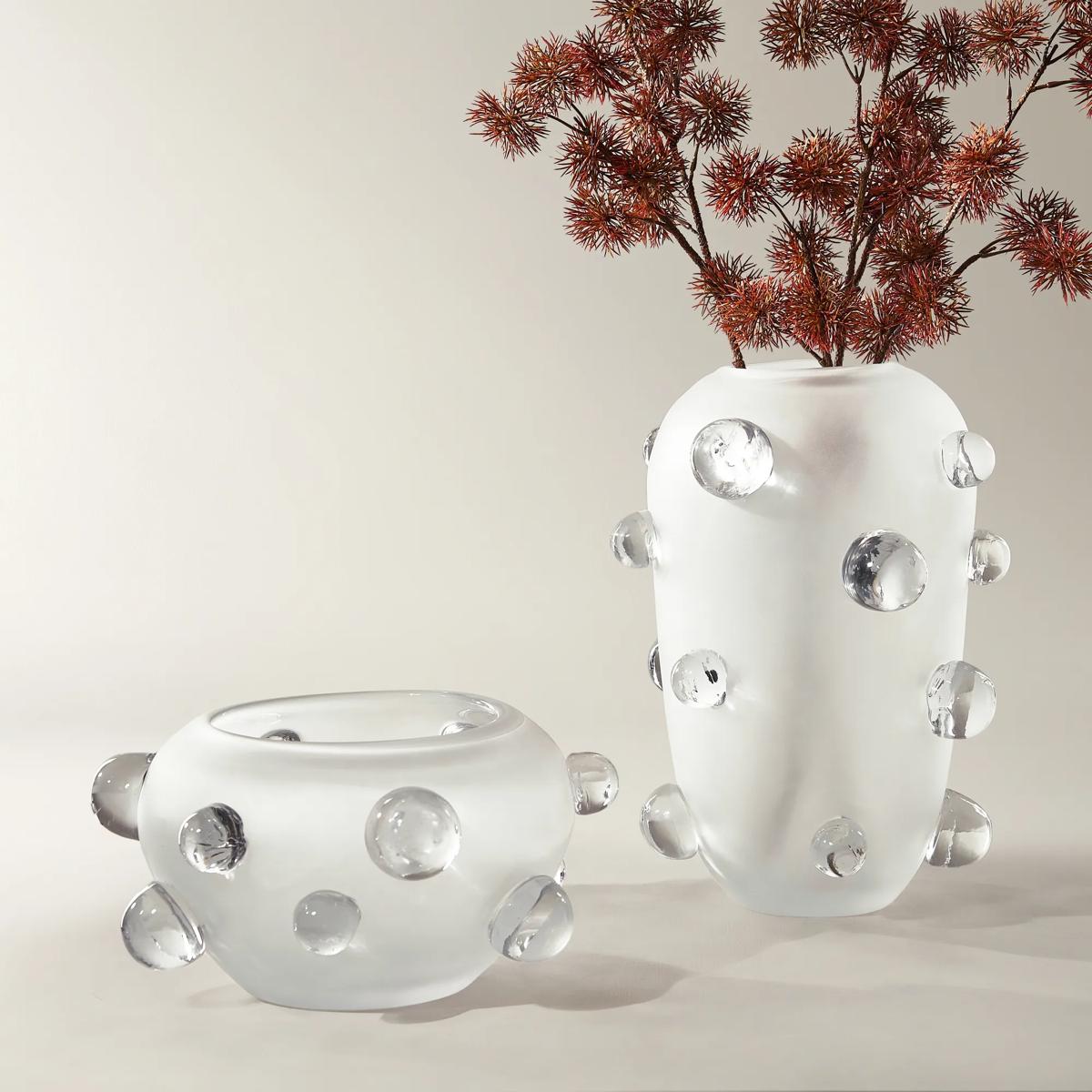 Cielo Clear Handblown Glass Vases$149
A hand-blown clear glass vase adorned with spherical orbs for a whimsical, modern decorative accent.
Add To Cart -
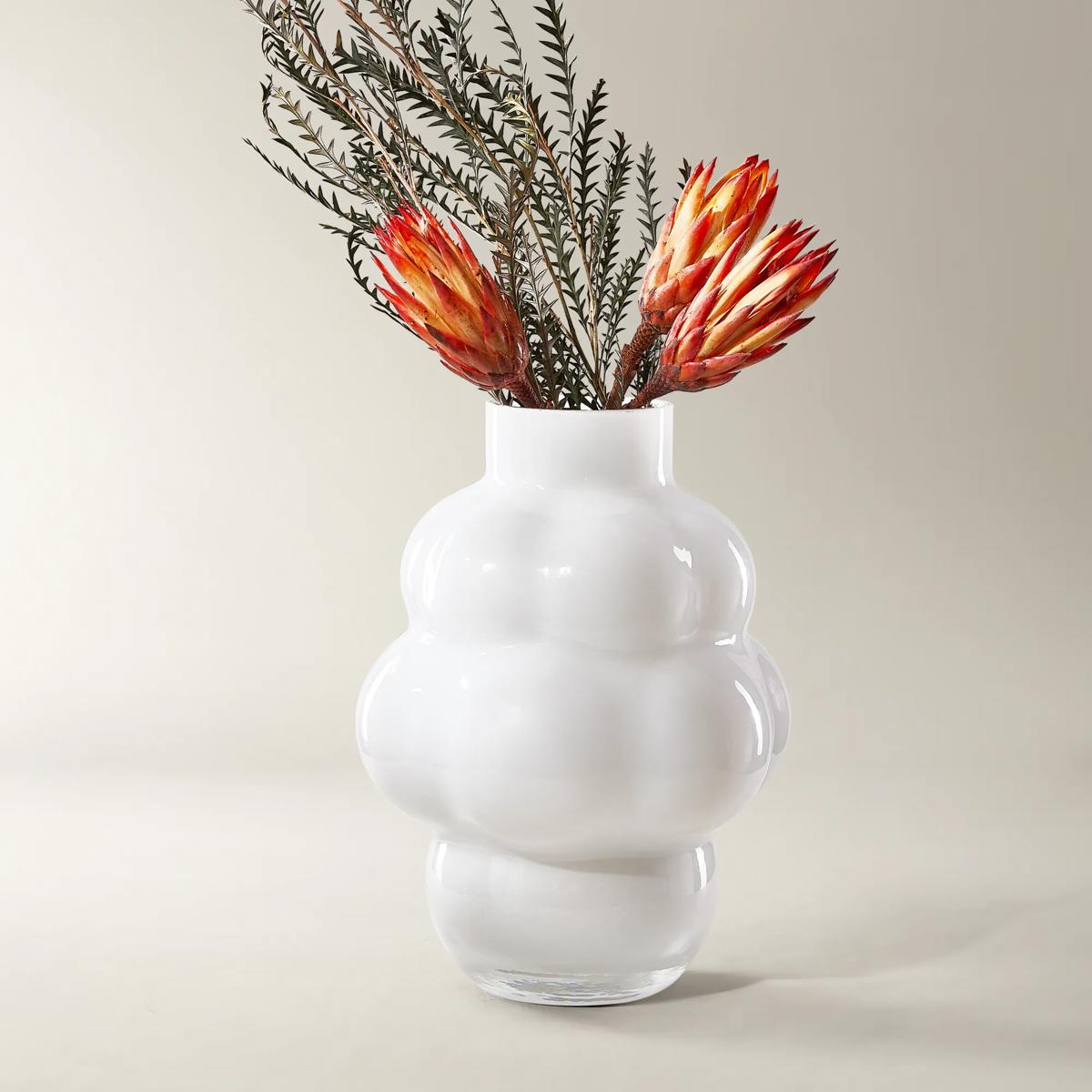 Cloud Glass Vase - White$129
A hand-blown glass vase in glossy opaque white with a sculptural, cloud-inspired silhouette.
Add To Cart -
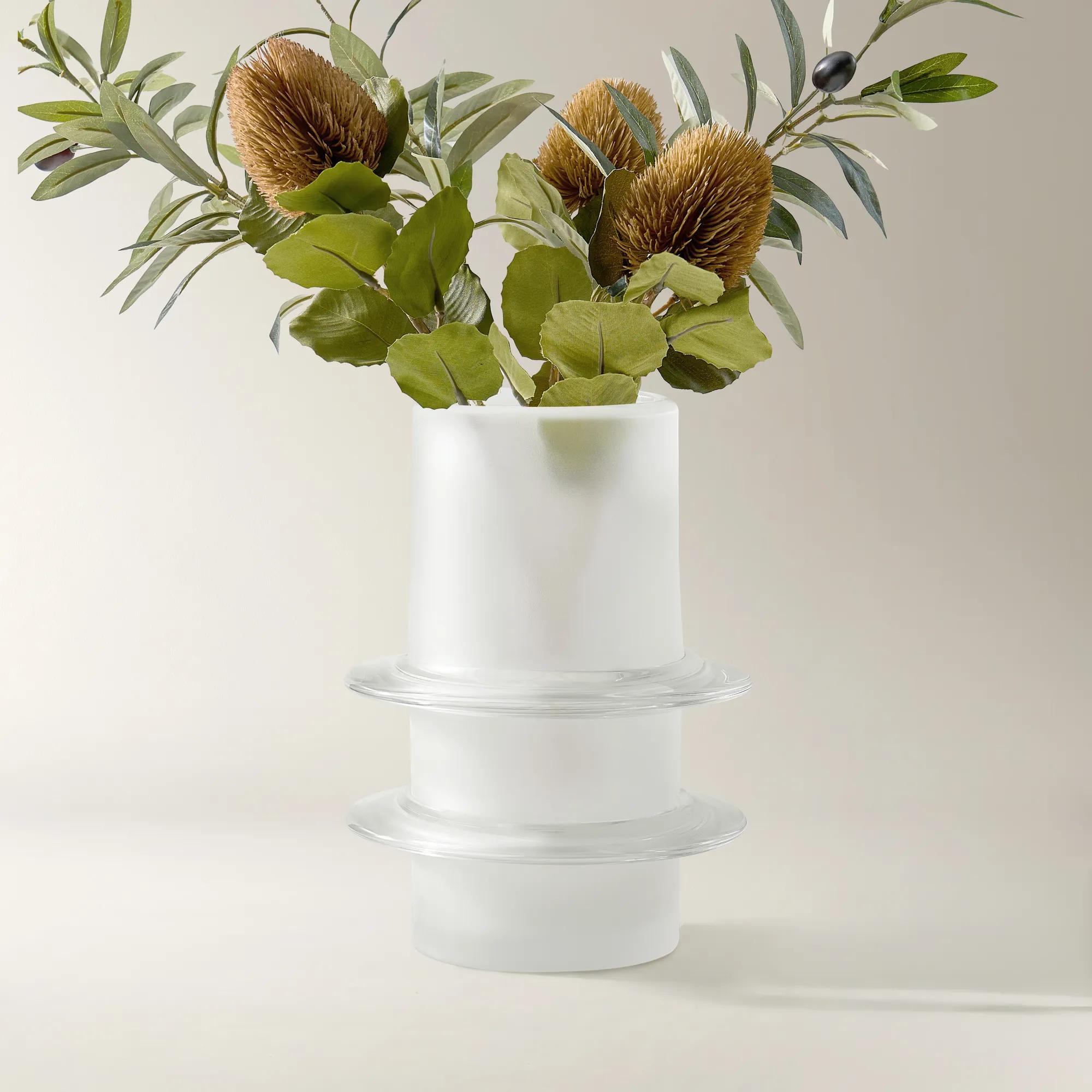
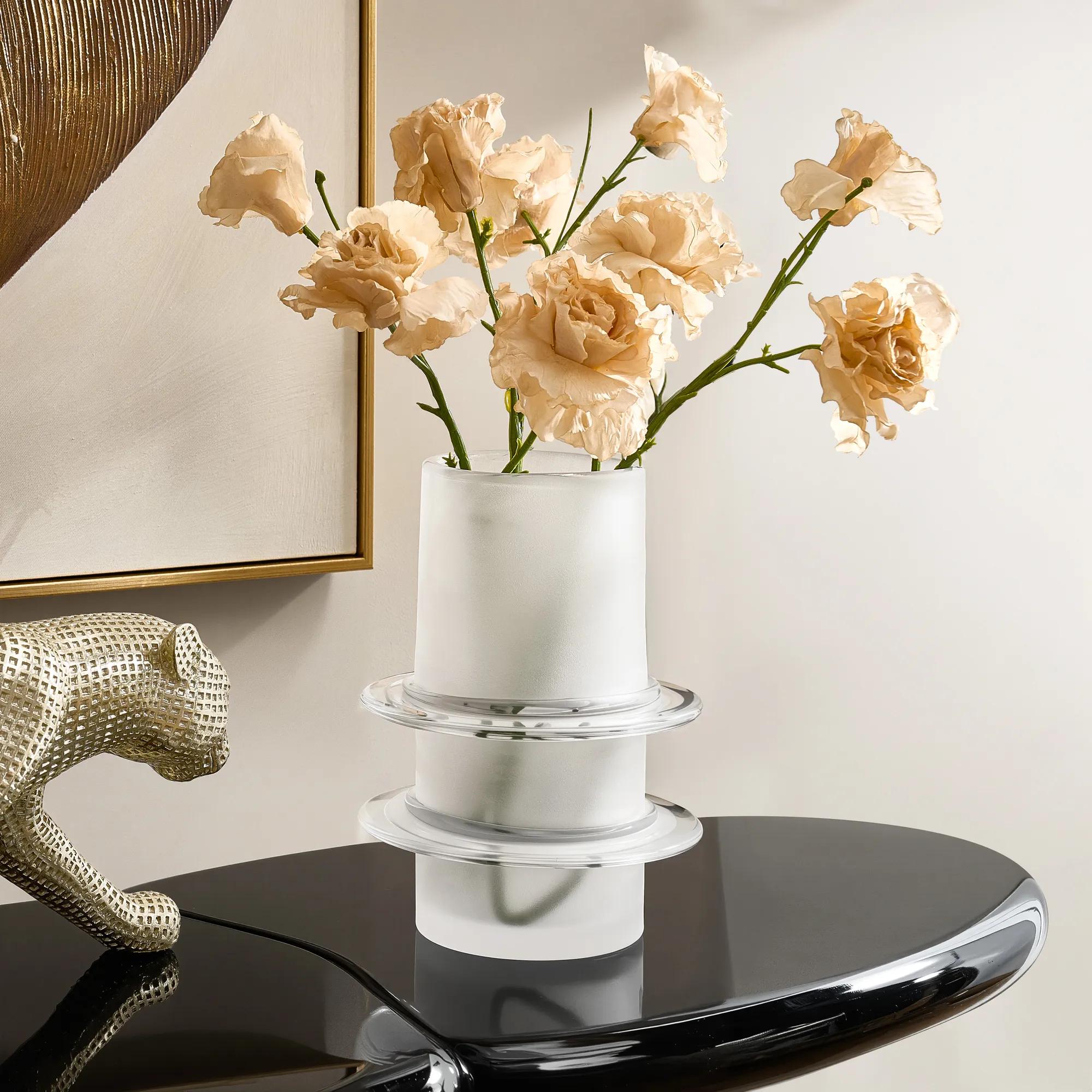 Pierre Glass Vase - Frosted White$99
A frosted white glass vase adding modern elegance to any décor.
Add To Cart -
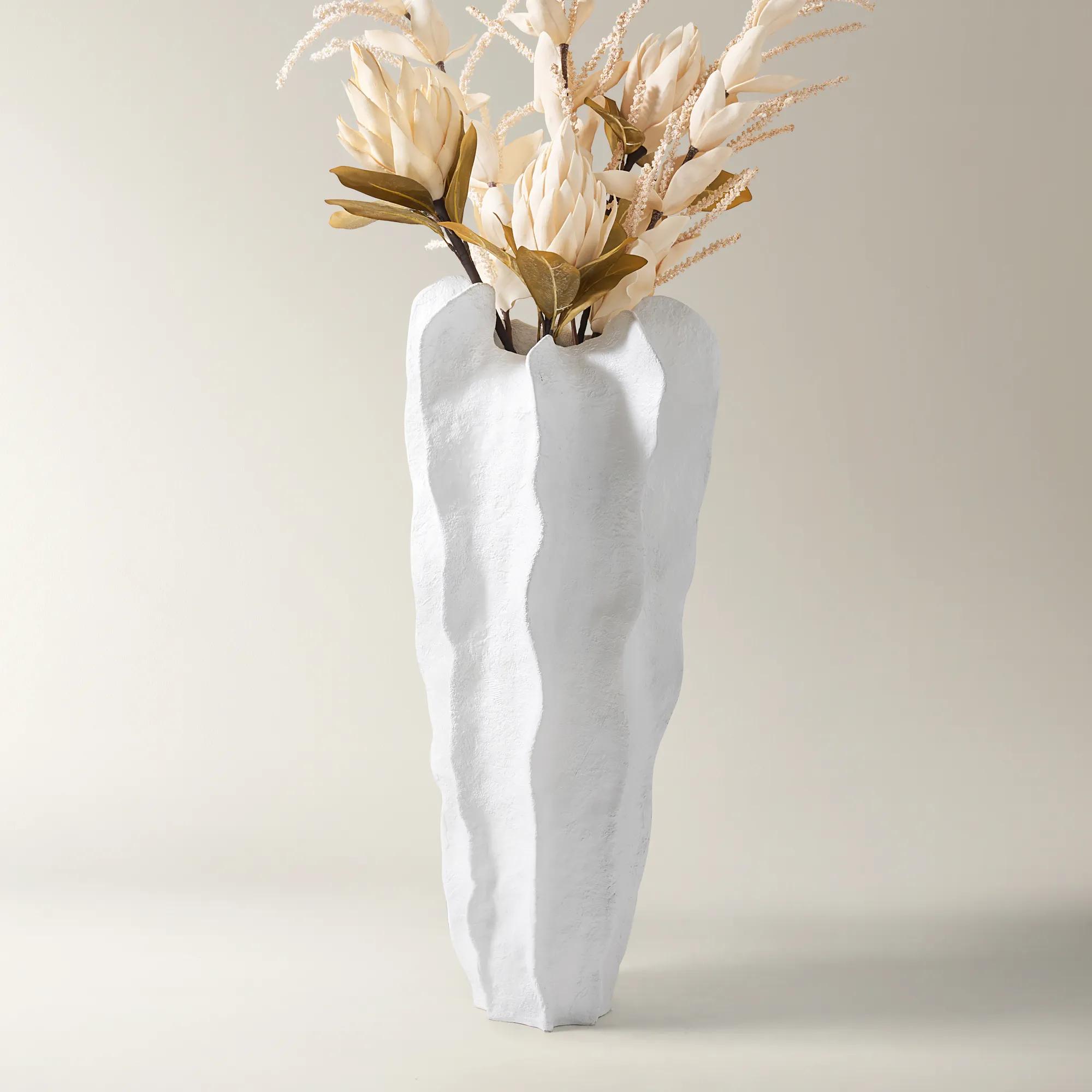 Playa White Resin Floor Vase 15" x 36"$299
A sculptural matte white resin vase featuring organic texture for a bold, dramatic accent.
Add To Cart -
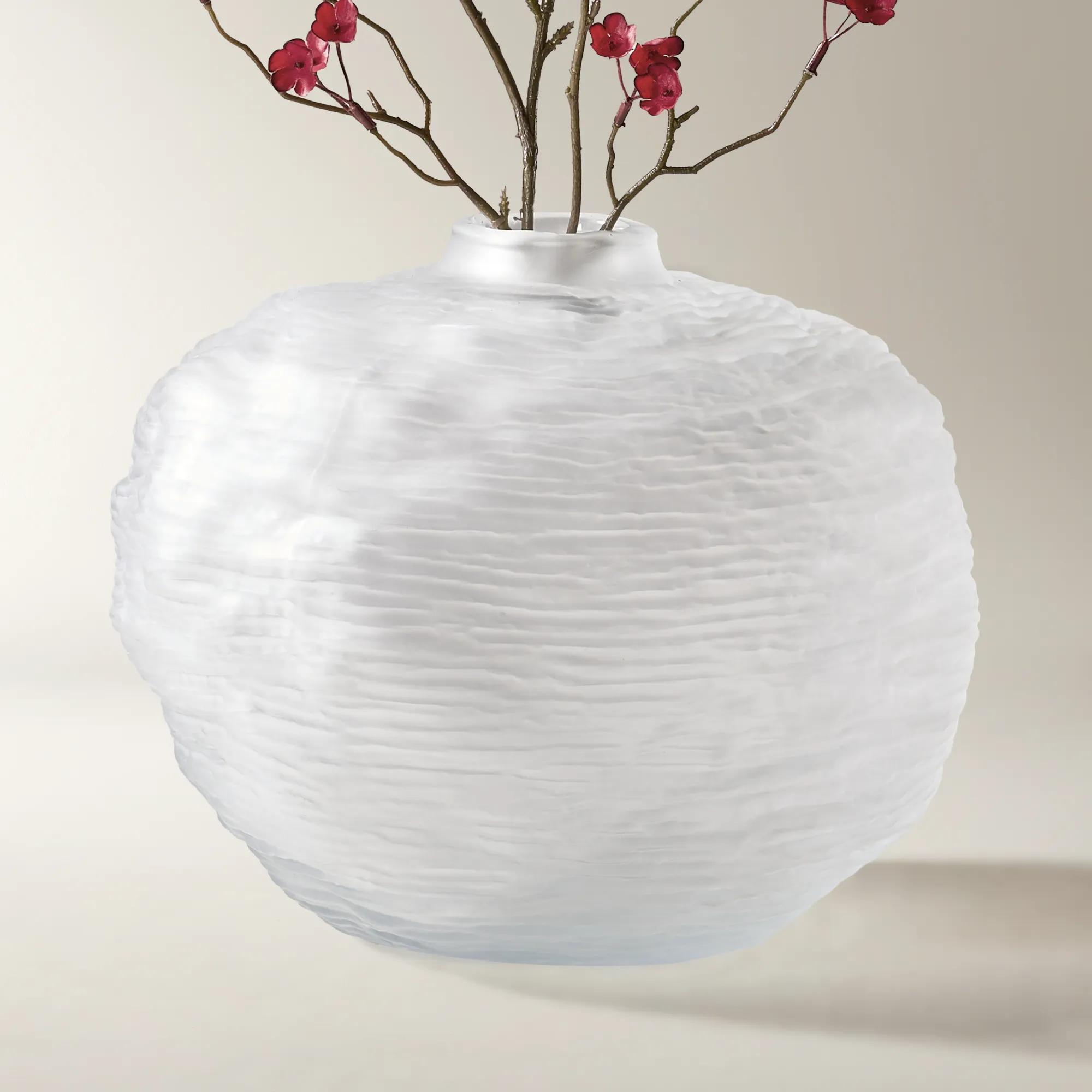 Lucid Mouth Blown Frosted Glass Vase 9.25"$99
A handblown frosted white glass vase with a sculptural, softly textured surface for modern elegance.
Add To Cart -
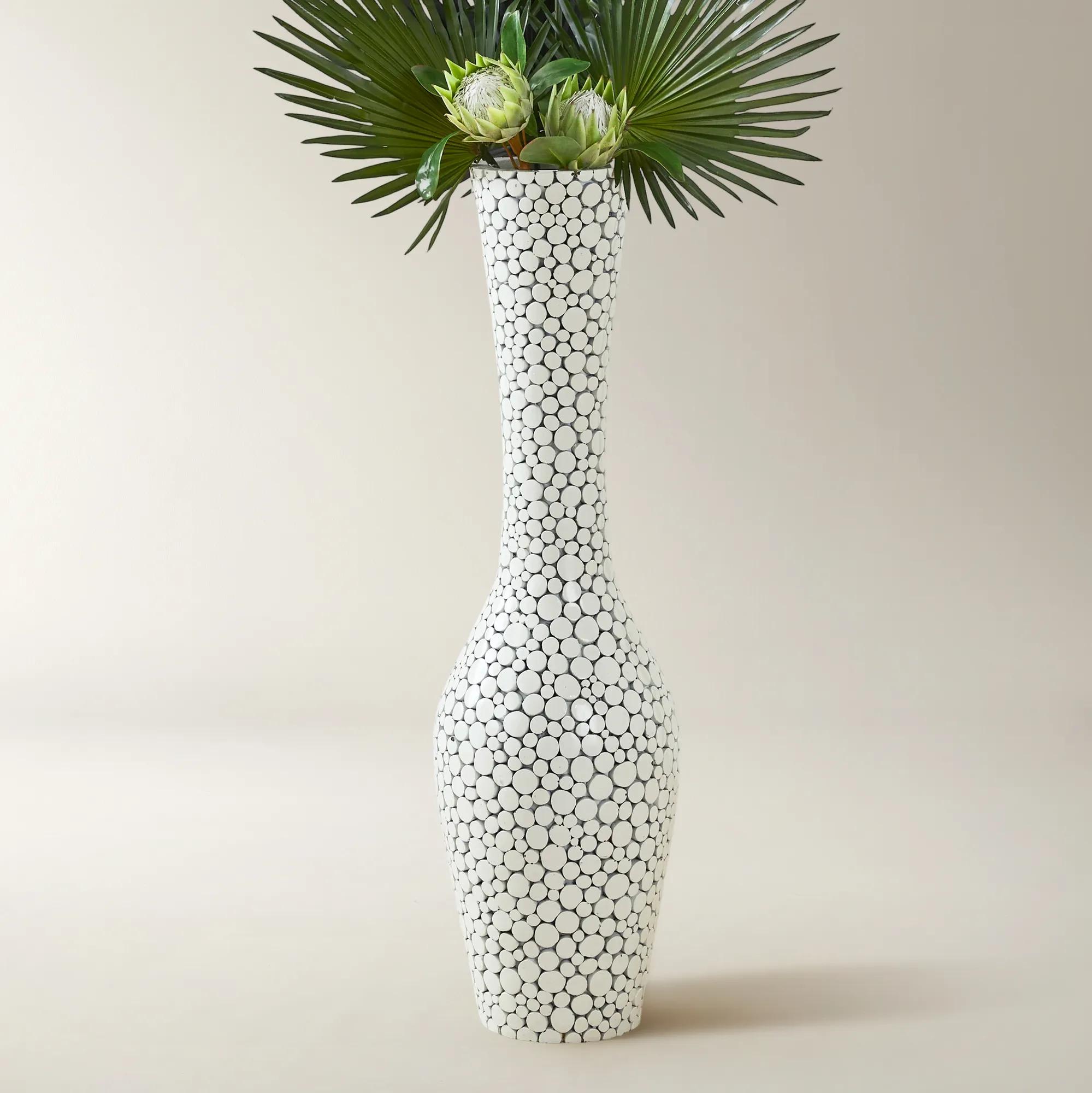 Oslo Floor Vase$299
A contemporary floor vase featuring hand-applied wood accents and a glossy white fiberglass base.
Add To Cart -
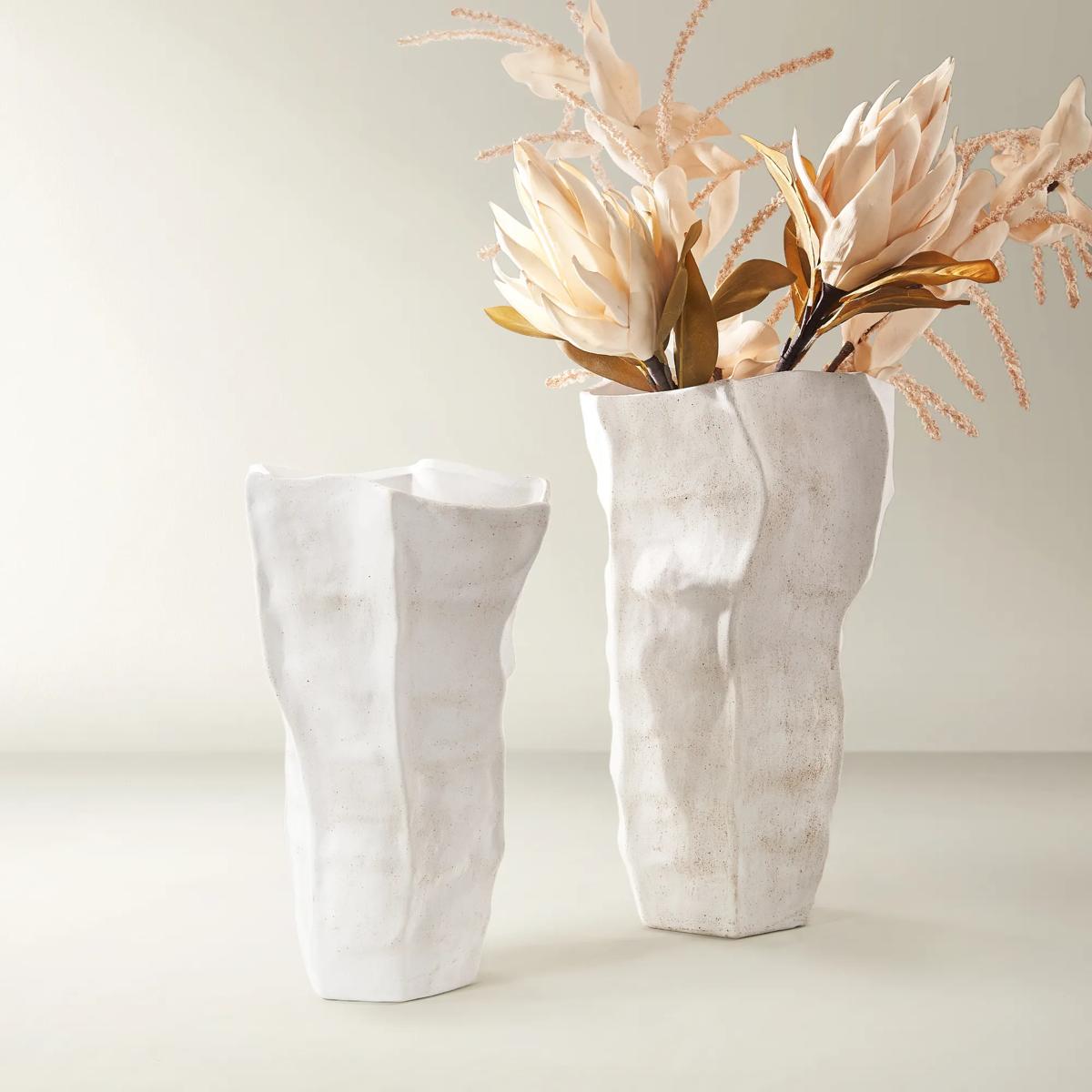 Kira Porcelain Vase$169
A sculptural matte white porcelain vase with a fluid, faceted design for modern, minimalist decor.
Add To Cart -
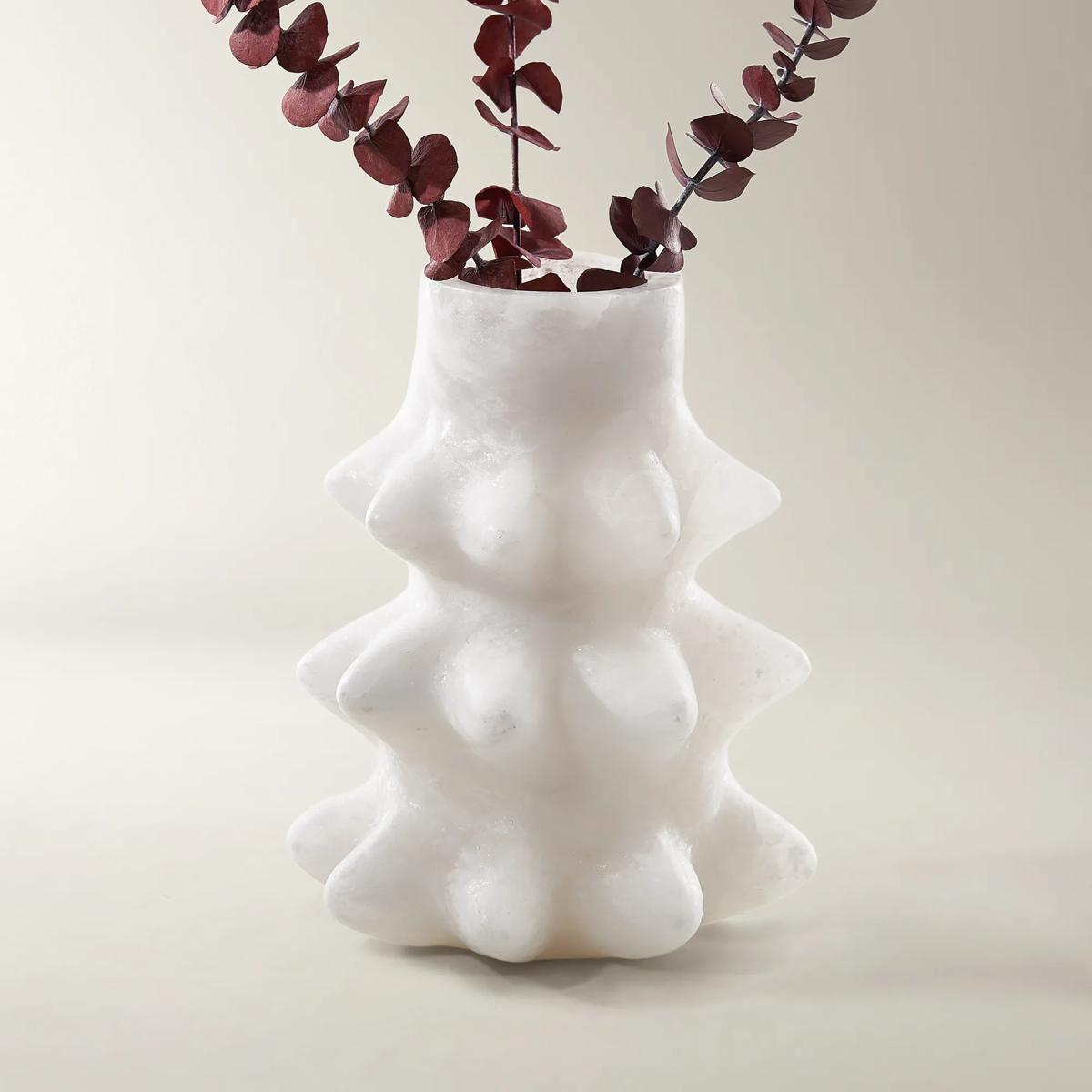
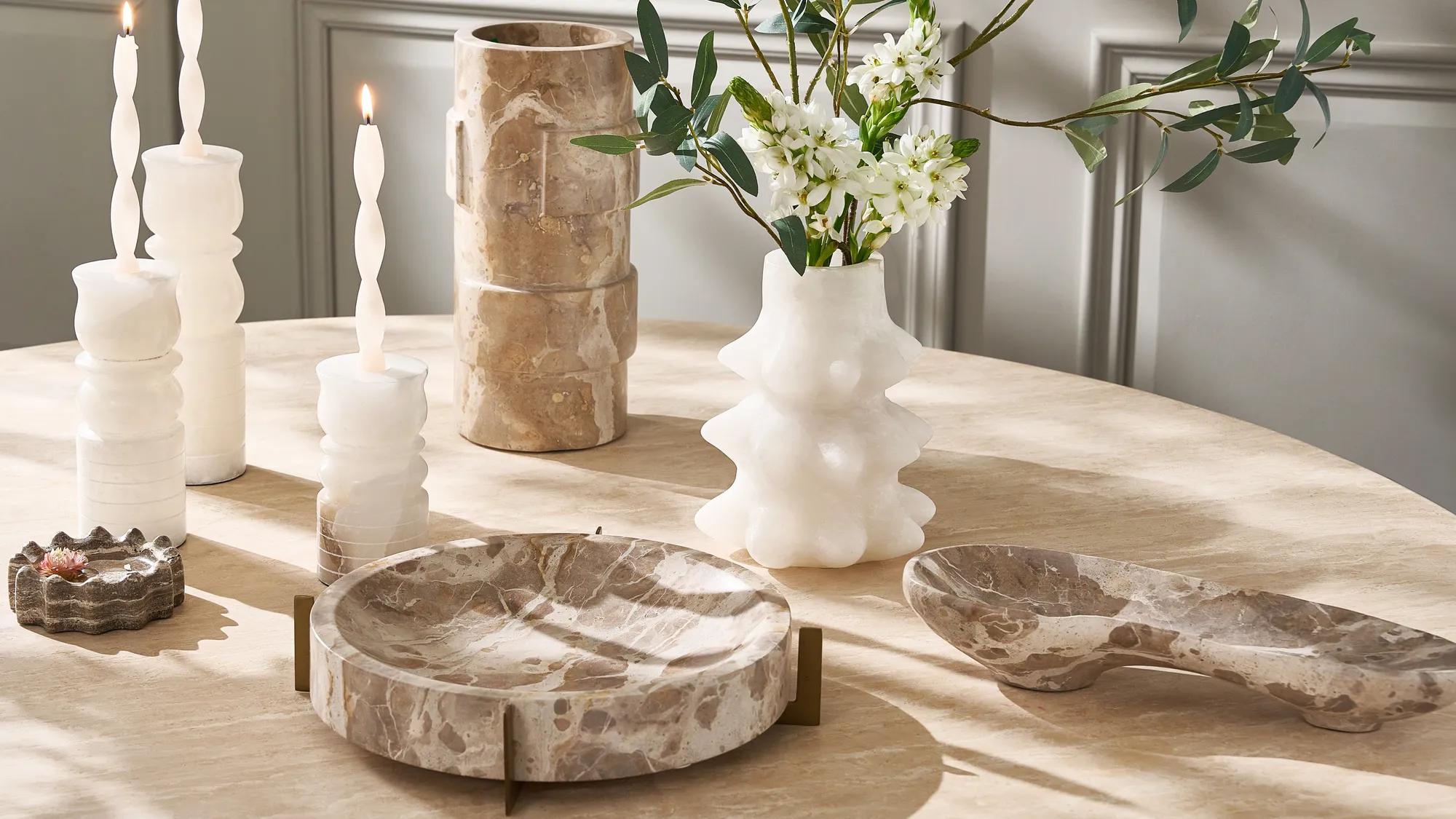 Alabaster Spike Vase$239
A sculptural white alabaster vase with bold spiked contours and naturally radiant veining.
Add To Cart -
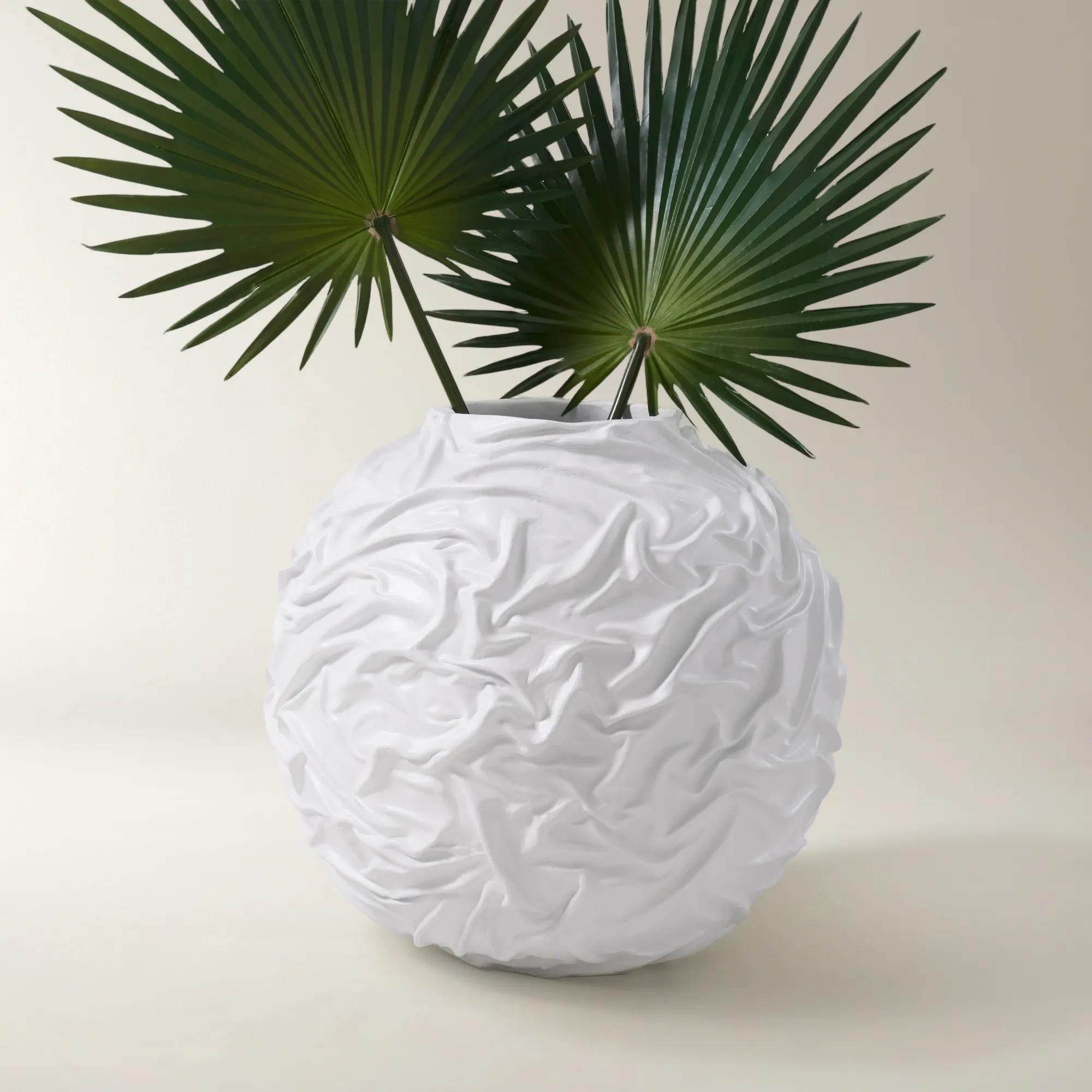 Crumple White Resin Floor Vase 18.3"$259
A sculptural resin vase with a crumpled-paper design and a sleek white finish for modern spaces.
Add To Cart -
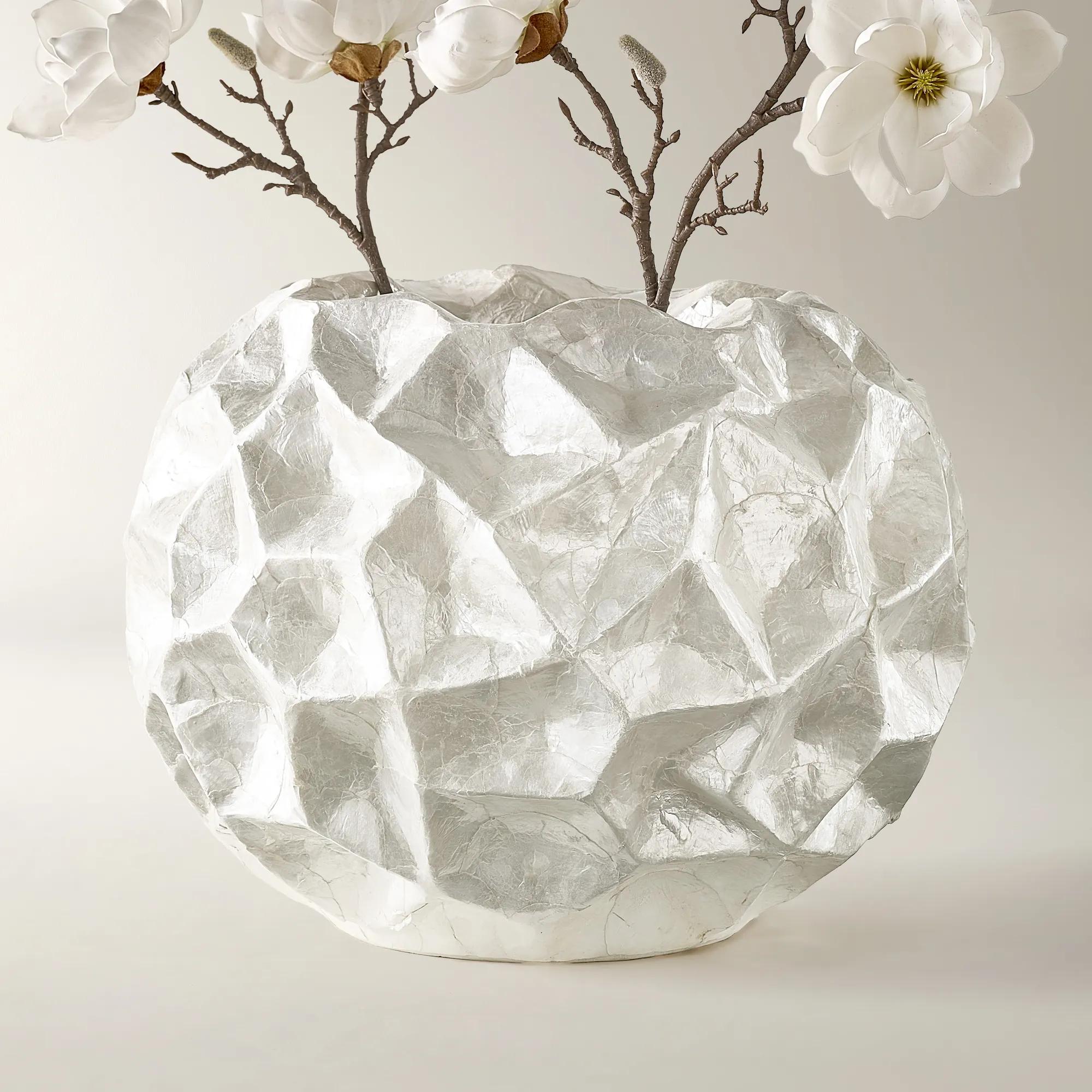
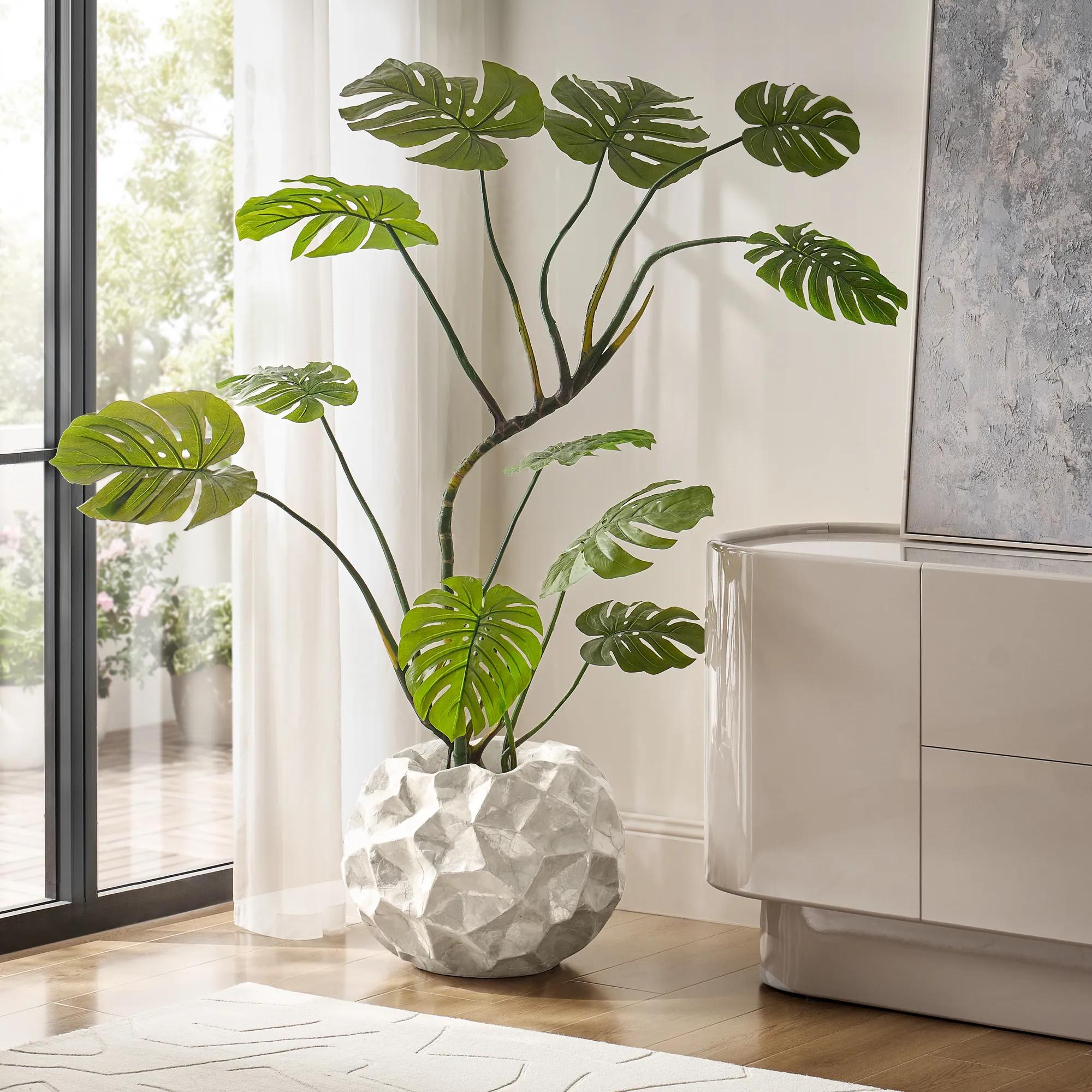 Aspen Capiz Shell Floor Planter 20.25" x 15.25"$299
An opaline pearl floor vase featuring luminous capiz shell texture and a sculptural resin form.
Add To Cart -
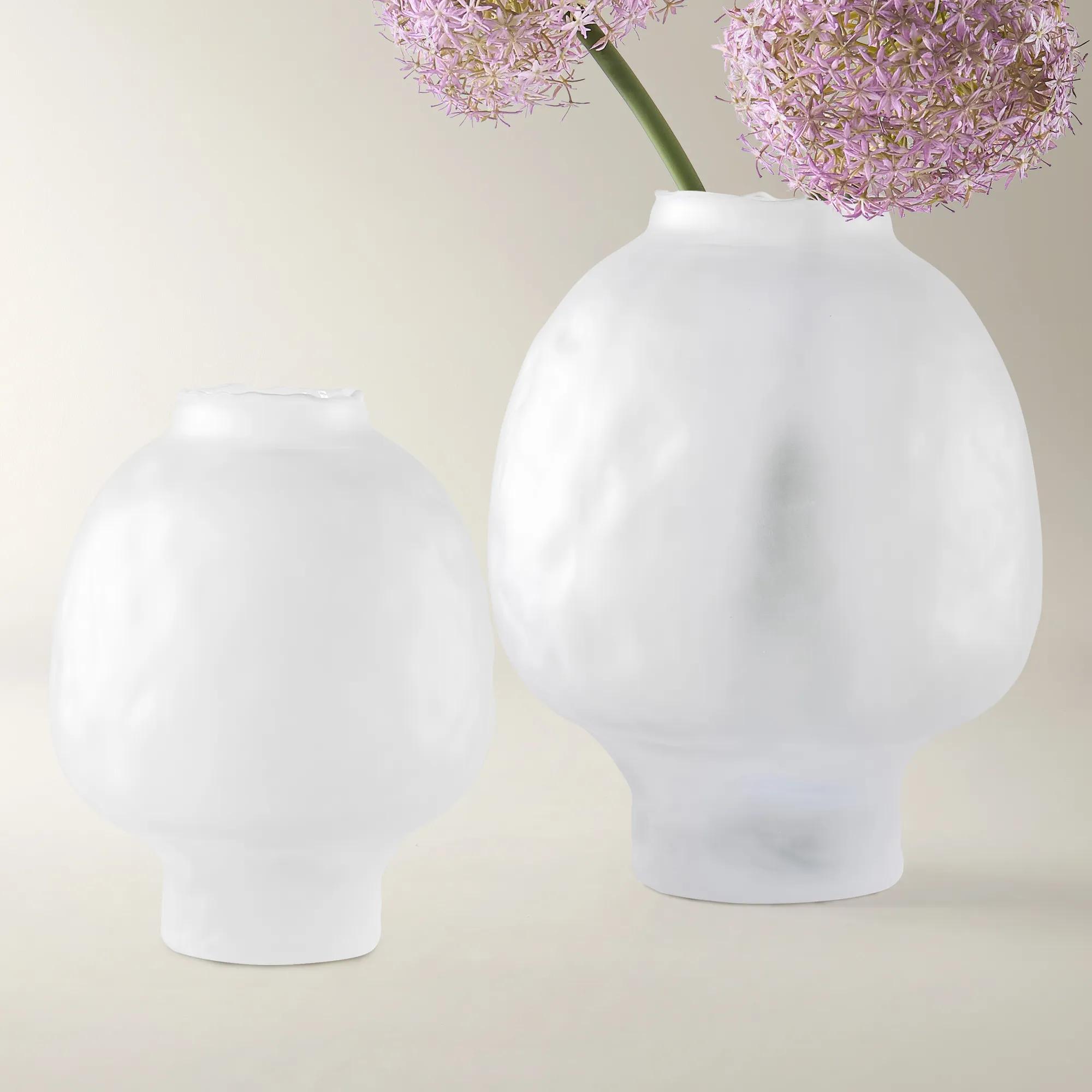
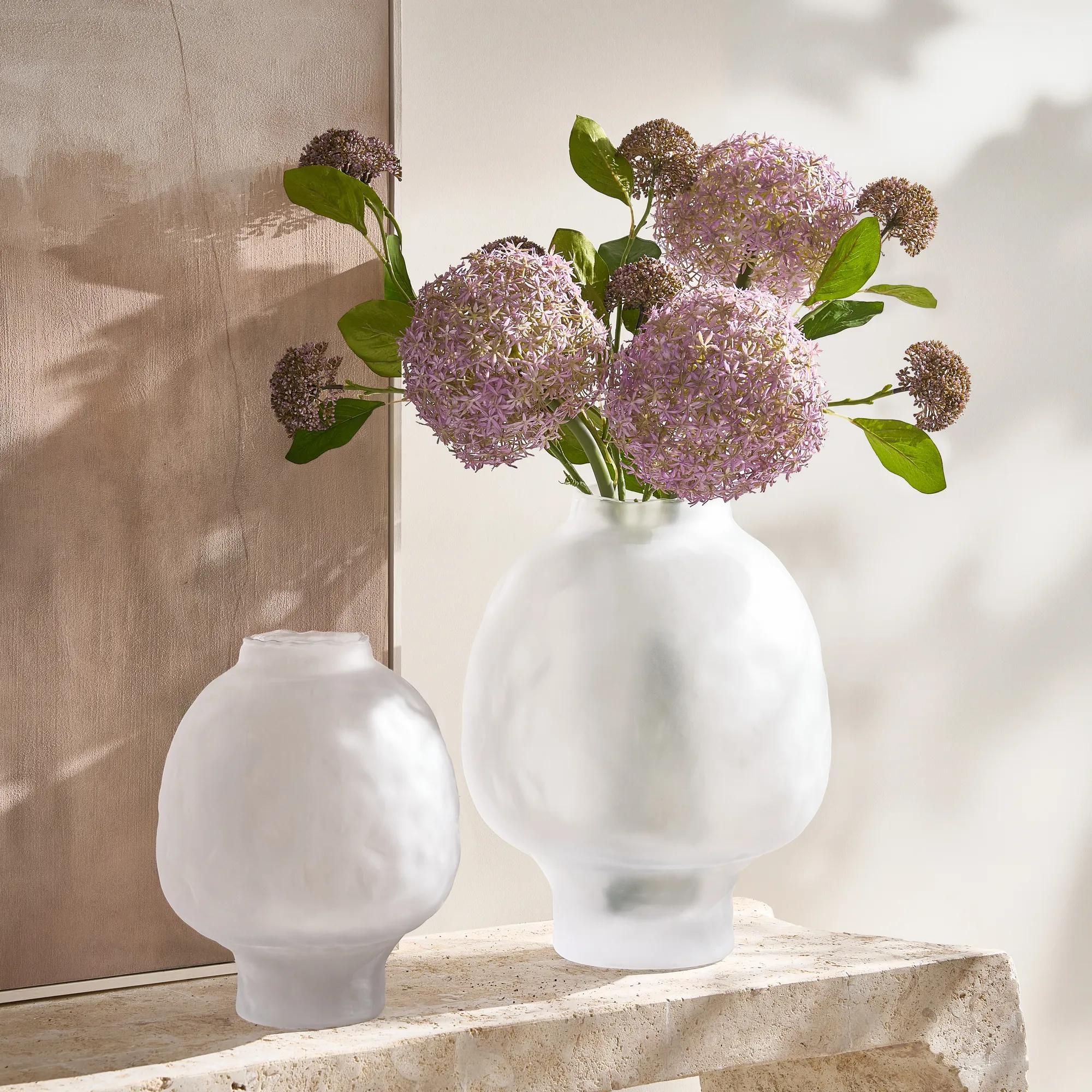 Frost Glass Vase$179
A sculptural frosted glass vase adding sleek, contemporary elegance to curated interiors.
Add To Cart -
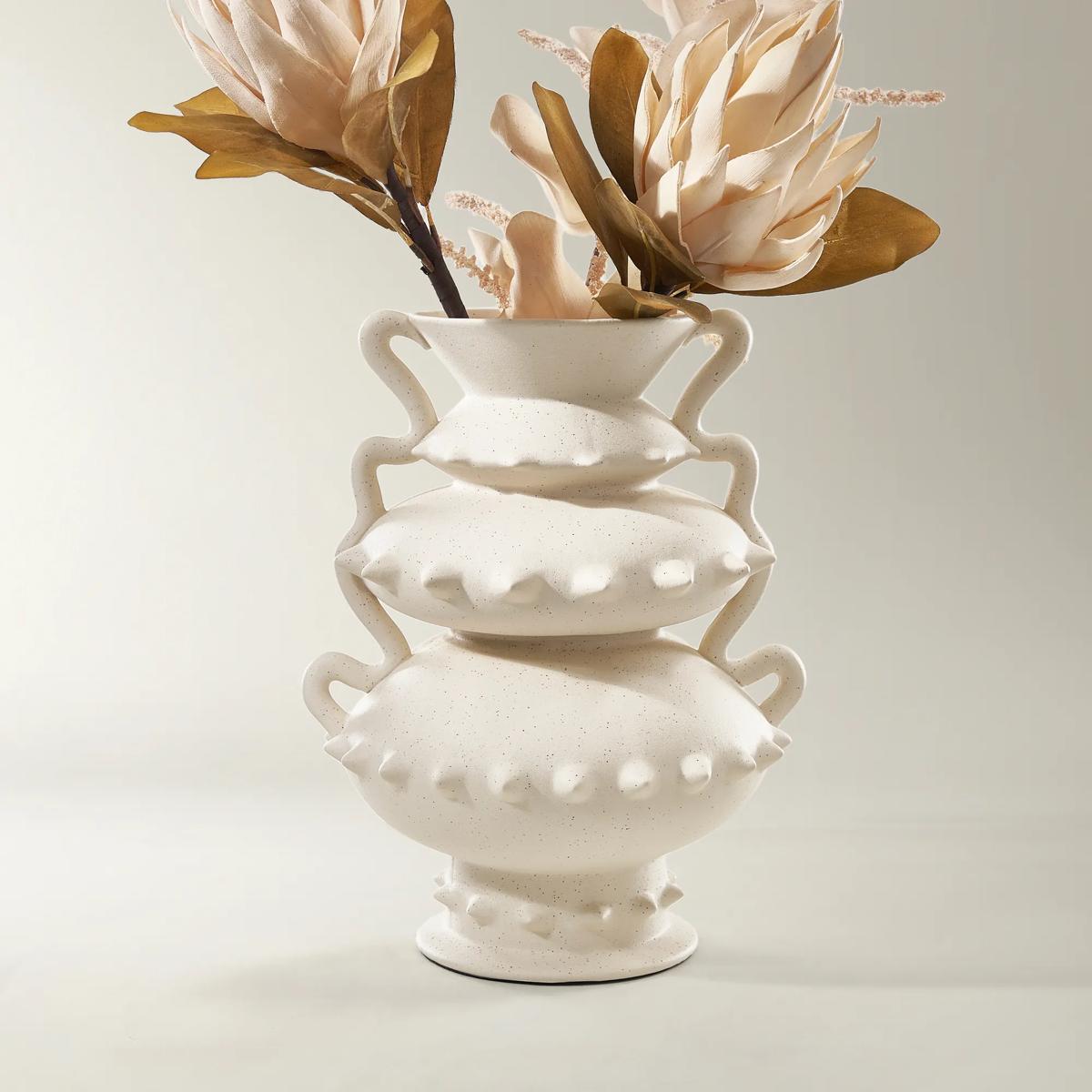 Savior Porcelain Vase - Ivory$189
An ivory porcelain vase featuring sculptural handles, tiered silhouette, and a matte, softly speckled finish.
Add To Cart -
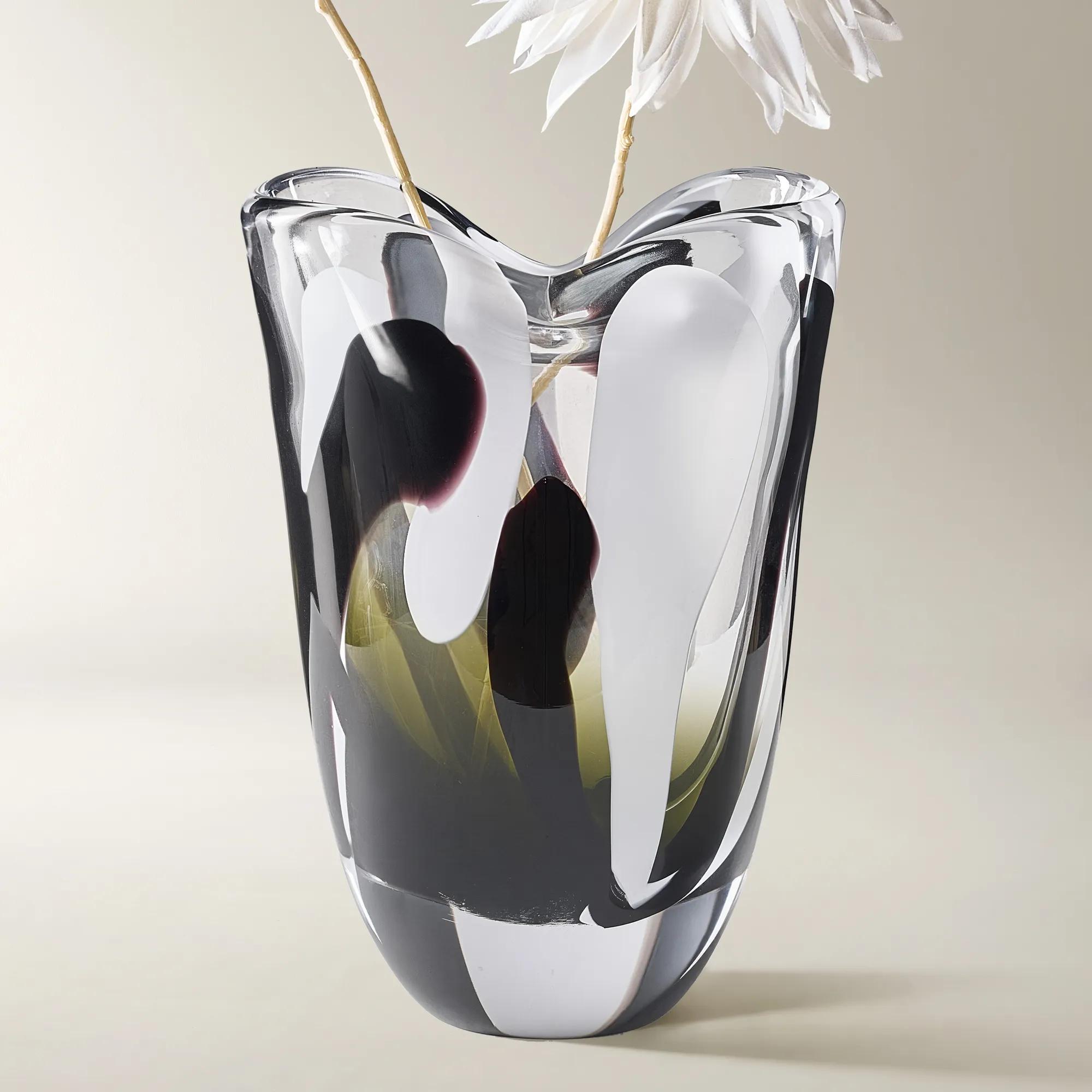 Melrose Mouth Blown Black White Glass Vase 11.25"$109
A handblown glass vase featuring a bold black and white abstract animal pattern for modern appeal.
Add To Cart -

 Madre Handcrafted Ivory Porcelain Vases$129
A handcrafted ivory porcelain vase featuring cascading textured fronds and a smooth matte finish.
Add To Cart -
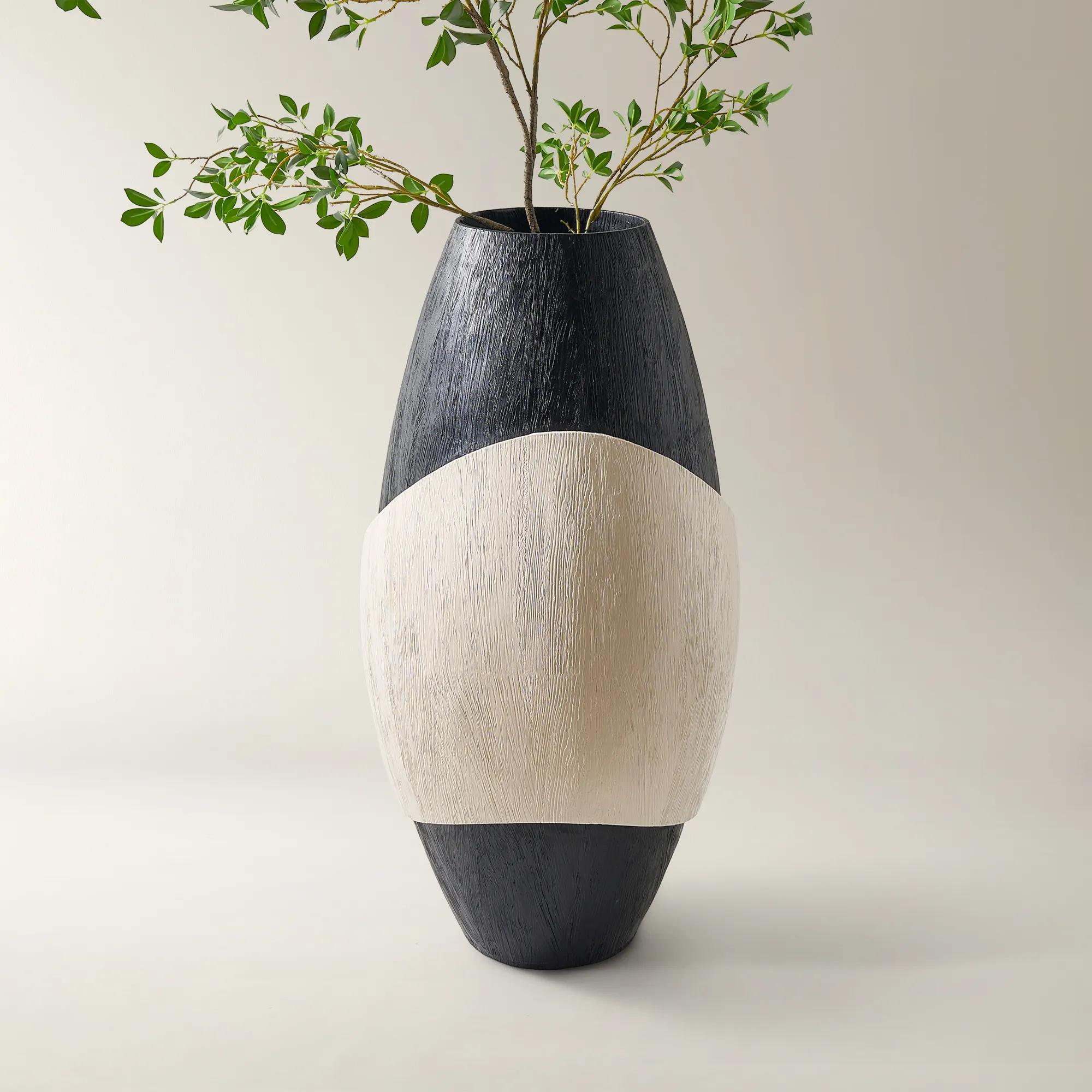
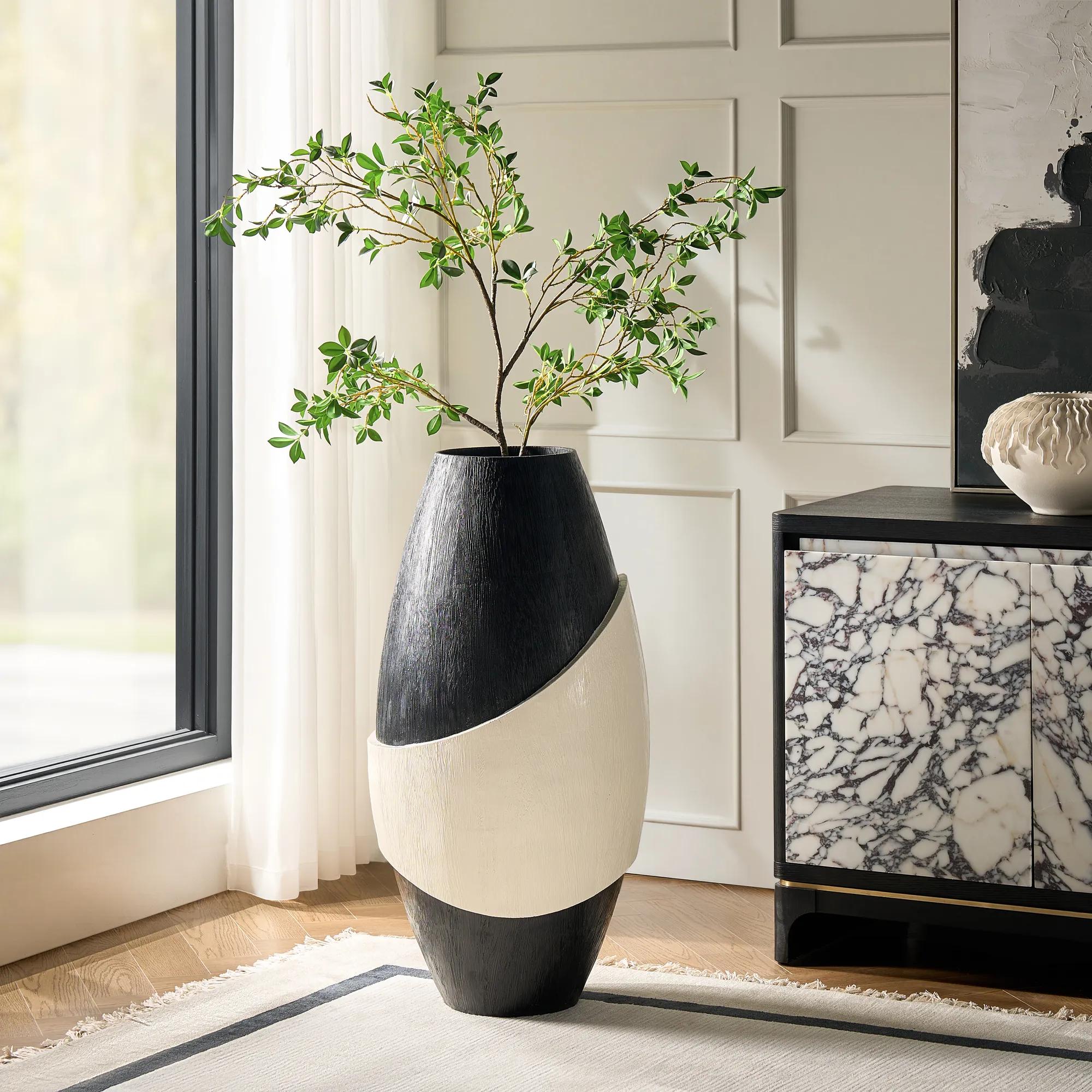 Domino Black And White Resin Floor Vase 35"$449
A modern decorative floor vase with a sculptural silhouette.
Add To Cart -
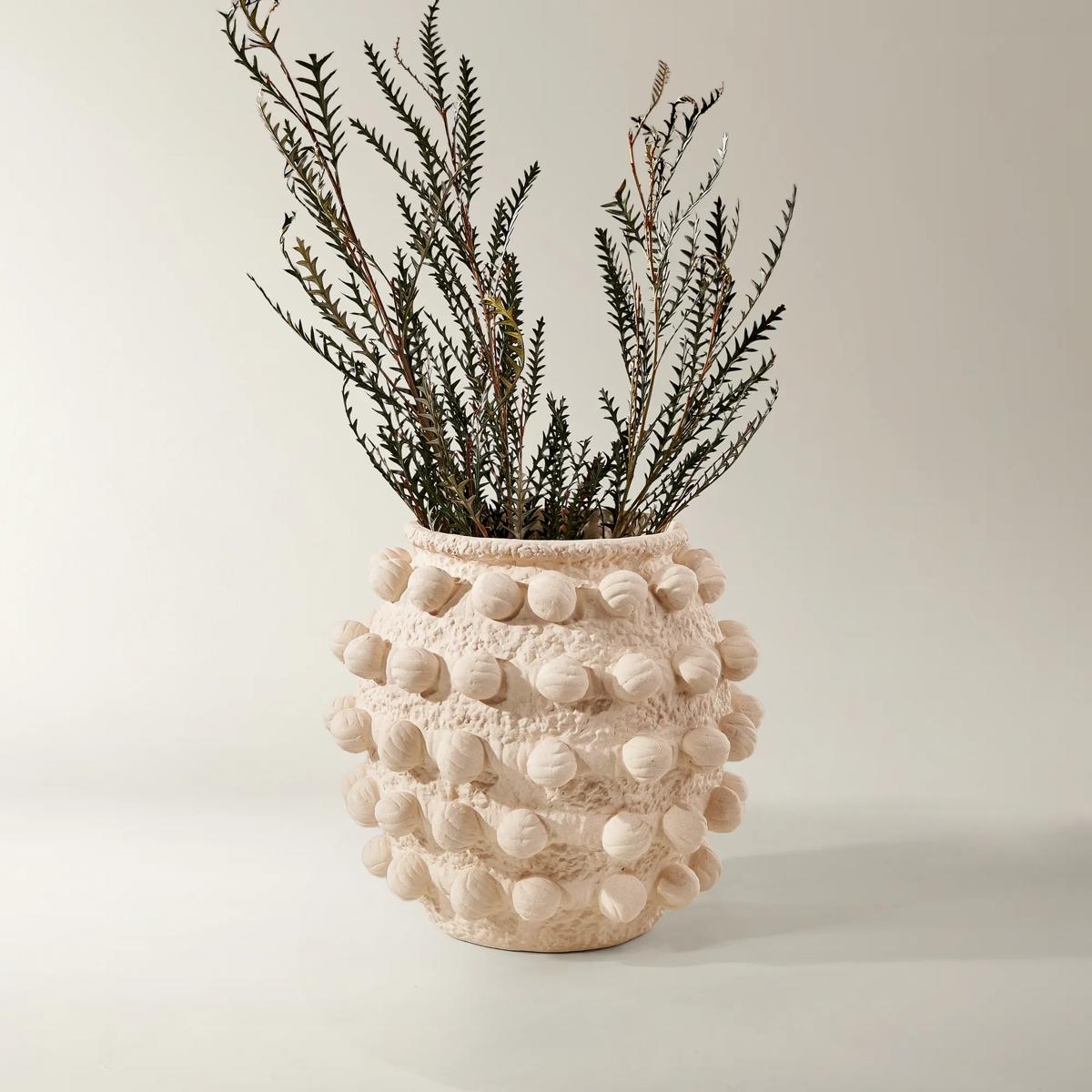
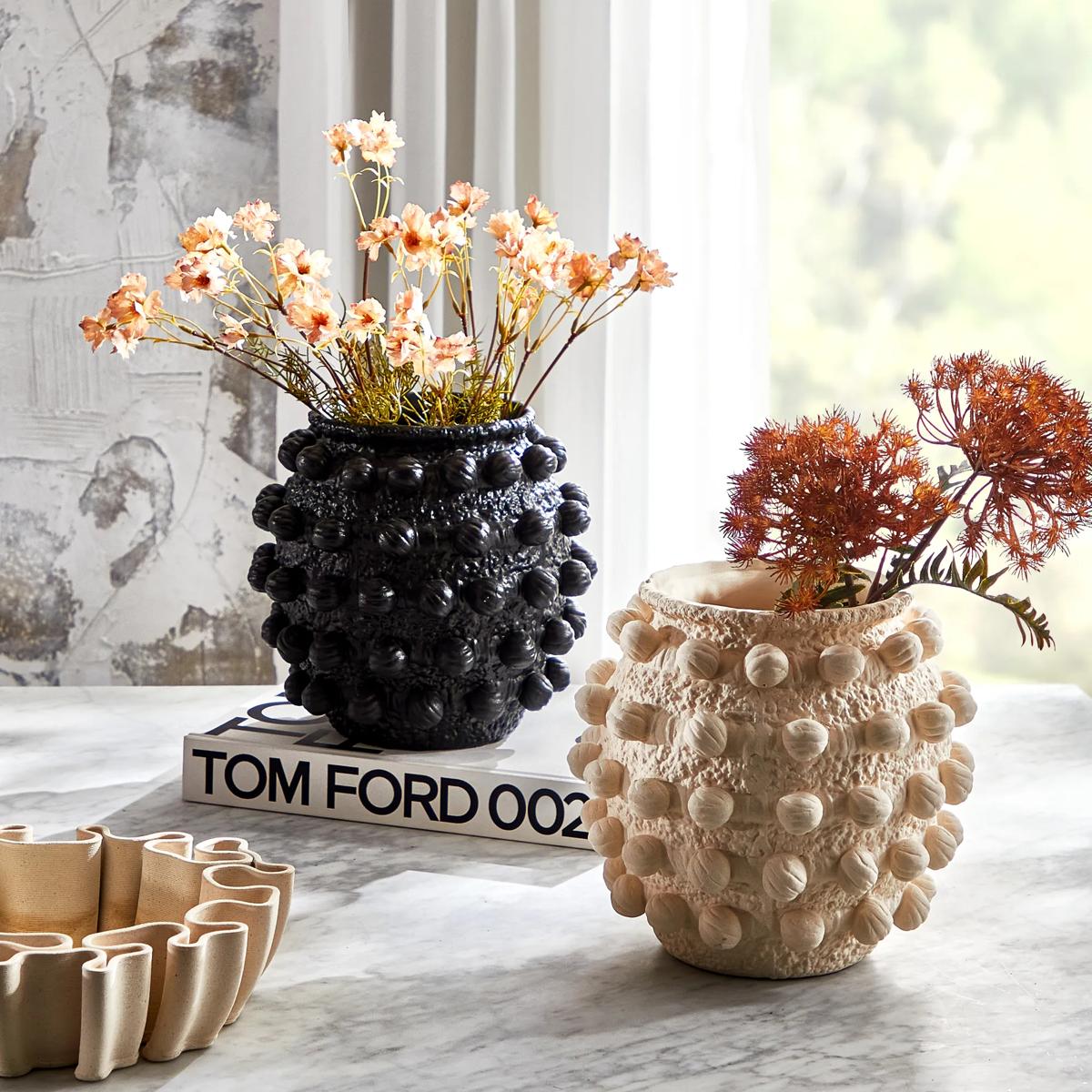 Pompa Vase - Ivory$119
An ivory porcelain vase featuring sculptural rounded forms and a richly textured, tactile surface.
Add To Cart -
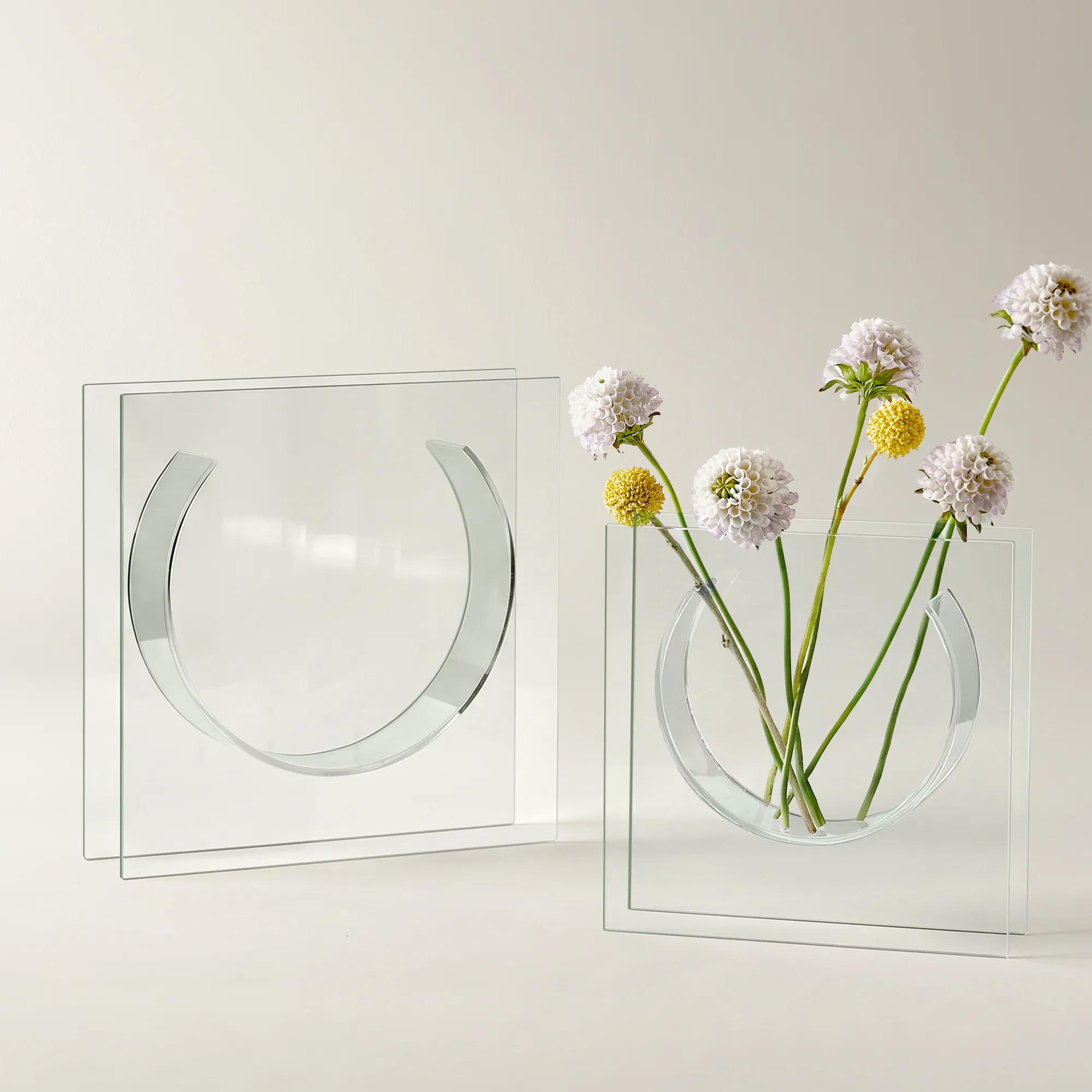
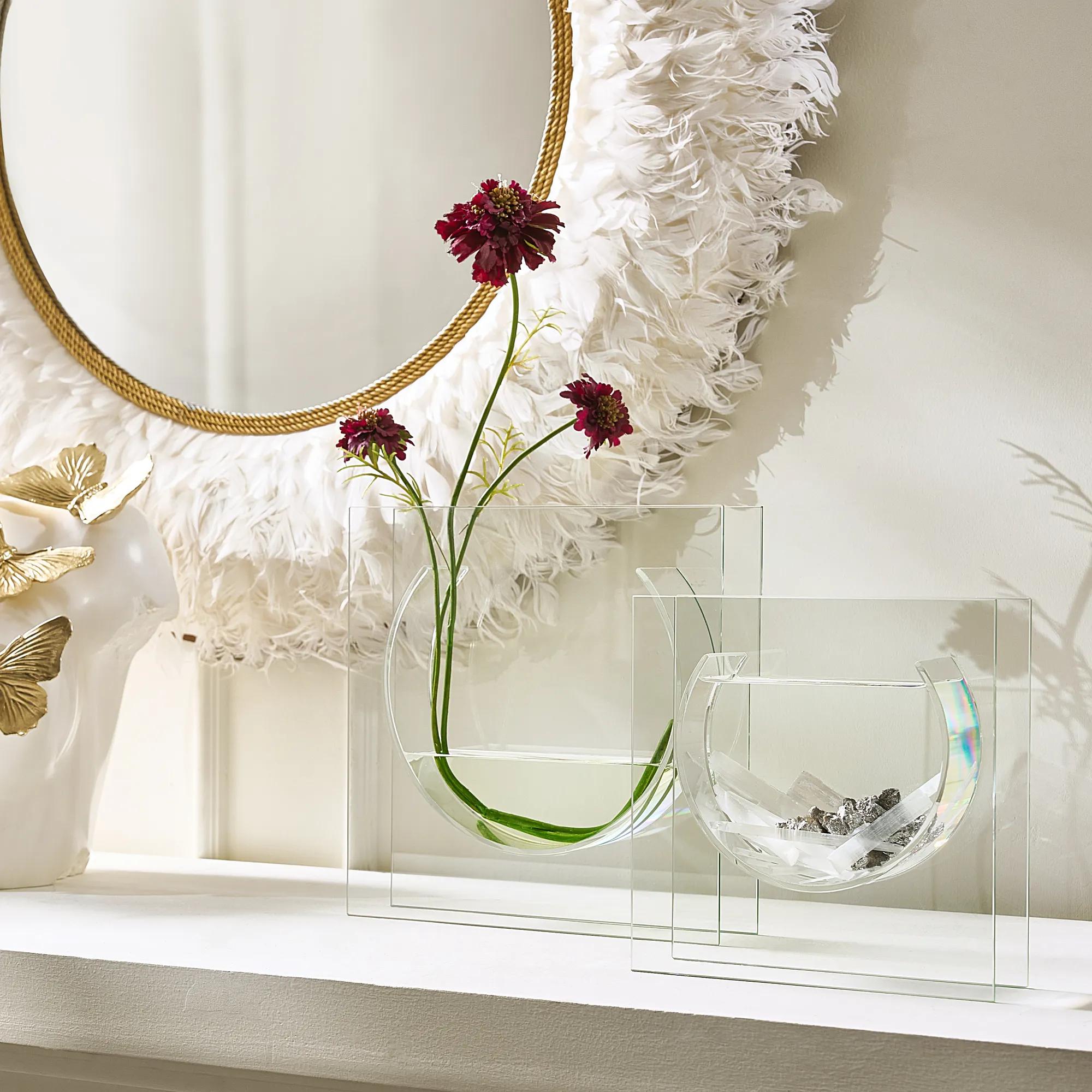 Solaris Clear Glass Vases$39
A bold modern vase crafted from clear glass with an elliptical bowl between two sleek glass panels.
Add To Cart -
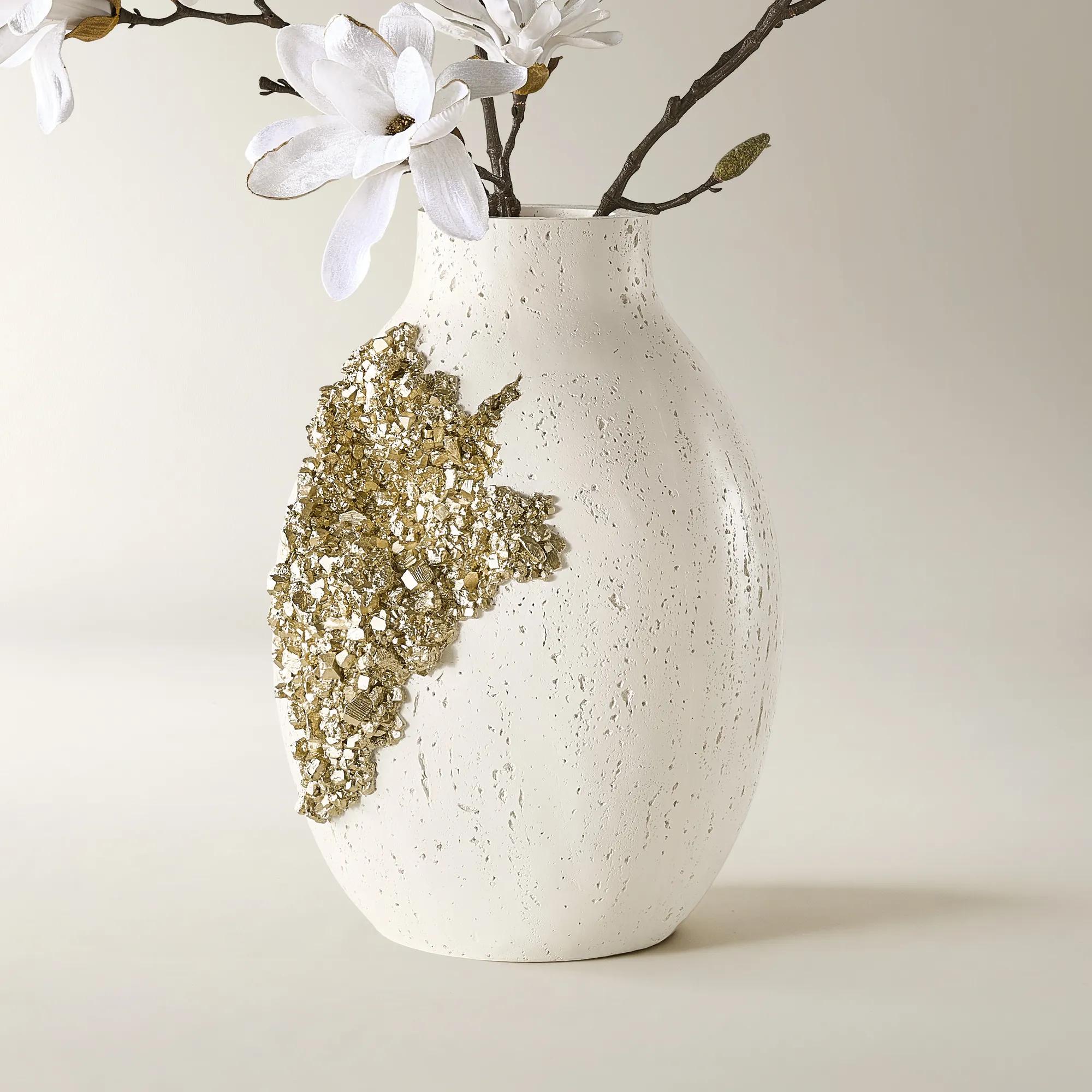 Delve Soft Gold Ivory Resin Vase 18.5"$199
A sculptural polyresin and stone vase in soft gold and white, adding modern glamour to any space.
Add To Cart -
 Speckled Mouth Blown Brown And White Glass Vase 14.75"$129
A handblown glass vase featuring a brown and white speckled pattern for modern, artful appeal.
Add To Cart -
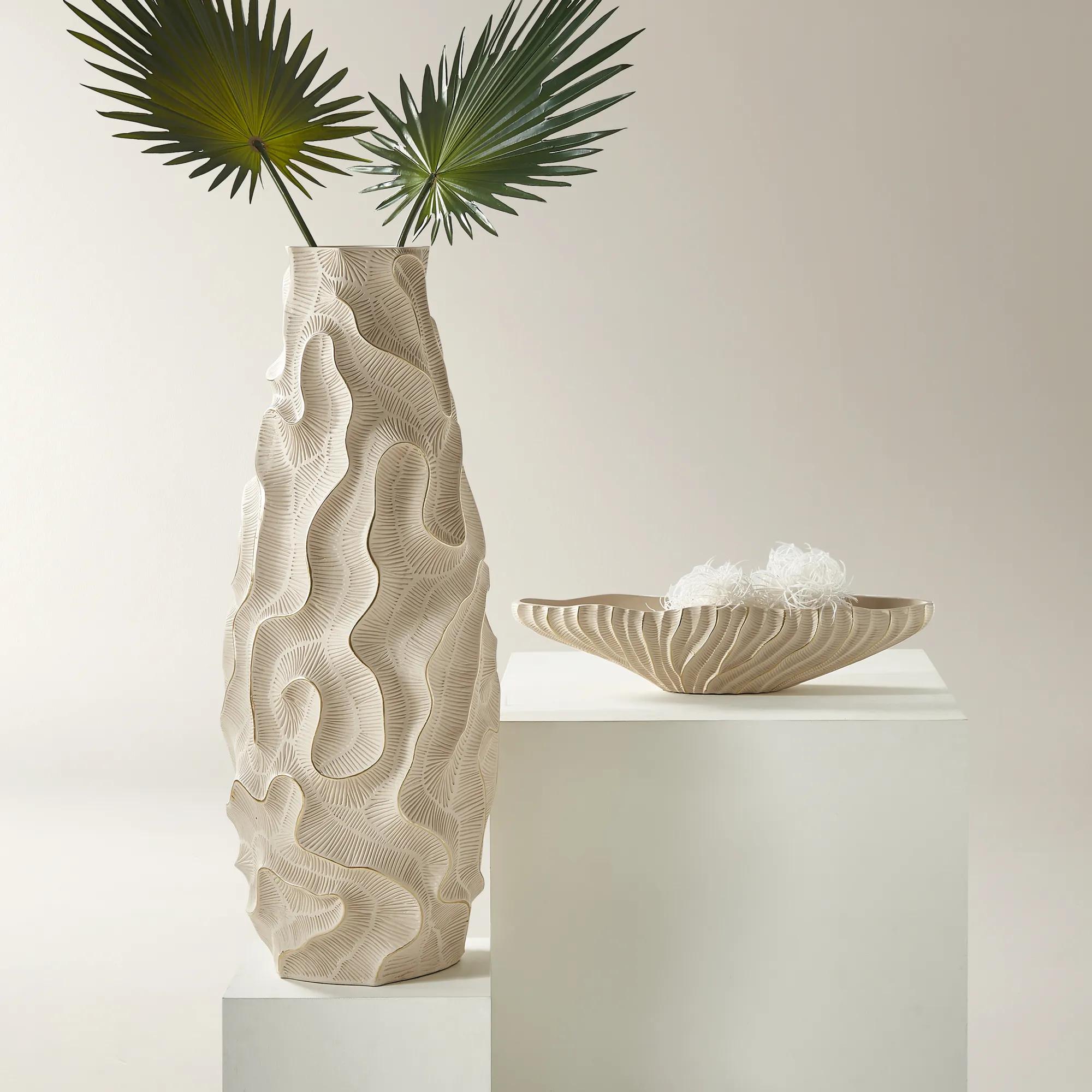
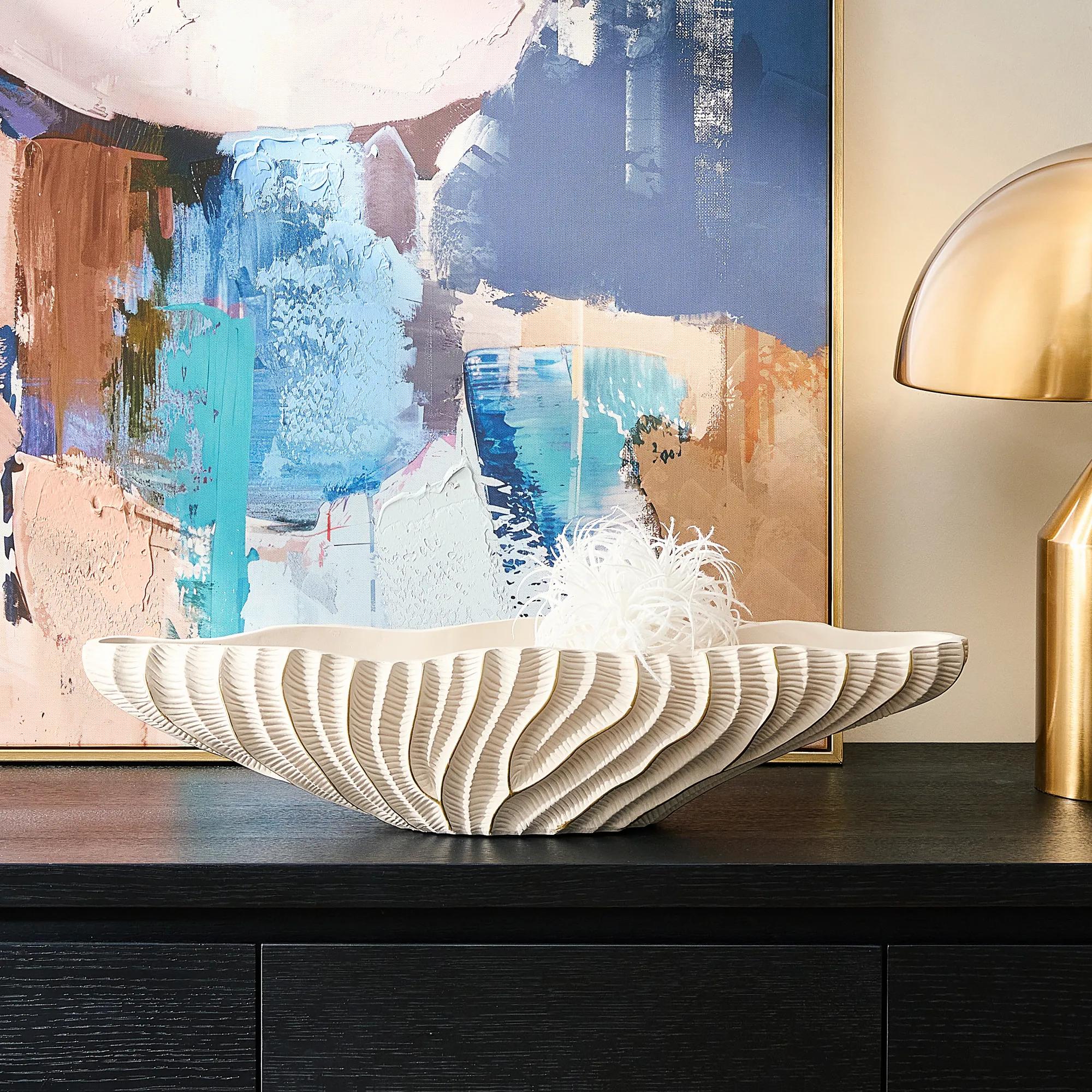 Rouche Ivory And Gold Etched Resin Floor Vase & Bowl$379
An ivory resin decorative vase and bowl set with organic undulating forms and hand-etched gold detailing.
Add To Cart

Stylish White Decorative Vases
Stylish white decorative vases are the ultimate expression of modern elegance—inviting light, purity, and artistry into every corner they grace. Their sculptural silhouettes and luminous finishes transcend mere function, transforming surfaces into curated galleries of personal style. Whether poised on a mantel or gathered as a centerpiece, these vases whisper of sophistication and serenity, effortlessly elevating your décor with their timeless allure. For those who believe home is a canvas, each piece promises a fresh stroke of refinement—bold, bright, and endlessly chic.
Stylish white decorative vases bring sculptural form, luminous color, and expressive texture to tables, mantels, shelves, and entryways. Their appeal lies in the contrast between a restrained palette and an unmistakable presence: a sweeping curve, deeply fluted surface, or dramatically narrow neck becomes the detail that defines a room. White allows these shapes to stand out without competing with artwork, patterned upholstery, or richly veined stone. Against a dark console, a chalk-white vessel creates a crisp focal point; beside pale upholstery, an ivory finish adds a softer layer of dimension. The shade matters as much as the silhouette. Bright white tends to look sharp alongside chrome, clear glass, and cool gray, while creamier whites create a graceful connection with brass, warm wood, and beige textiles. Ceramic, porcelain, stoneware, glass, and other decorative materials each offer a distinct expression of the color. Glazed ceramic can lend a polished sheen, matte finishes emphasize contour, and textured surfaces introduce shadows that make an otherwise simple vessel feel richly detailed. Porcelain often supports delicate-looking profiles, while stoneware can bring a more substantial, grounded presence. White glass offers another interpretation, with opaque or softly translucent effects depending on its construction. Material alone does not determine durability, water resistance, or suitability for flowers, so the finish and intended use remain important distinctions. A vase can be beautiful with nothing inside it, allowing an unusual opening, folded edge, or rounded body to read as sculpture. Filled with a few deliberate stems, that same shape becomes a frame for color and movement. For interiors that favor glamour, white provides an elegant counterpoint to mirrored surfaces, metallic accents, and sumptuous fabrics. For more organic spaces, it highlights the expressive grain of wood and the irregular beauty of natural branches. Its versatility comes not from disappearing into a room, but from giving surrounding details a clearer, more intentional presence.
Scale gives white decorative vases their relationship to the room. A broad, low silhouette can anchor a coffee table without obscuring conversation, while a slender vessel adds height to a console where surface space is limited. On a dining table, the combined height of the vase and its arrangement matters more than the vessel alone; a beautifully proportioned centerpiece should still leave guests comfortable speaking across the table. An entryway can accommodate a more commanding shape, especially when it balances a substantial mirror or large piece of art. For spaces that need a strong vertical accent, tall white decorative vases draw the eye upward and give long branches or architectural stems room to make an impression. Their footprint deserves equal attention: a tall vase with a narrow base needs a level, secure surface and an arrangement that will not make it top-heavy. Smaller forms bring intimacy to bedside tables, bookcases, and compact consoles, where a sculptural curve can be appreciated at close range. Groupings feel most considered when the pieces share a visual connection without repeating every detail. Three white vessels in different heights, for example, can create a cohesive composition through color while contrasting a smooth cylinder with a rounded body and a rippled surface. Leaving visible space between them keeps the individual outlines distinct. A single generous vase may be more effective than a crowded collection, particularly beside an expressive lamp or an elaborate mirror. The opening also shapes the arrangement: a narrow neck can hold a few stems close together, while a wide mouth allows a fuller bouquet to spread. Upright branches emphasize height, arching stems introduce movement, and a low gathering of blooms accentuates breadth. Empty vessels deserve the same attention to placement, with their most distinctive profile turned toward the room. Even subtle details, such as how a handle frames the wall behind it or how a ribbed finish catches nearby light, can give a display its sense of artistry.
Intended use is an essential part of choosing a decorative vase, particularly when fresh flowers are involved. Not every vessel is designed to hold water, and an apparently sealed exterior does not establish that the interior is watertight. Product care information should confirm whether a vase is suitable for fresh arrangements, dried botanicals, faux stems, or decorative display only. When a vessel is intended for dry use, a separate watertight insert may be appropriate if it fits securely and the care instructions permit it; water should never sit directly against a surface that is not designed to contain it. For fresh flowers, an accessible opening makes it easier to replace water and clean away residue. For dried stems, a stable base and an opening that supports the arrangement help preserve the desired silhouette without unnecessary handling. Daily care is usually gentlest when it begins with a soft cloth, with cleaning methods matched to the material and finish. Abrasive pads, harsh chemicals, and prolonged soaking can damage certain coatings or decorative treatments, while dishwasher use should be reserved for pieces specifically labeled as dishwasher-safe. Matte and textured white surfaces may show fingerprints or collect dust in recessed details, so light, regular attention helps preserve their character. Ceramic and porcelain can chip or crack if knocked against hard edges, and even substantial vessels benefit from placement away from busy walkways or unstable furniture. A suitable protective pad beneath the base can help safeguard a delicate tabletop, provided it does not compromise balance. These practical details make a beautiful object more satisfying to live with. White decorative vases also make thoughtful housewarming, wedding, or host gifts when the recipient enjoys interiors and floral arranging. A versatile shape can suit someone who loves changing a display, while a more expressive sculptural form speaks to a confident collector of decorative objects. Whether presented with suitable stems or left unfilled, a well-chosen white vase offers something enduring: a distinctive silhouette that can move between rooms and remain an intentional part of the home.
FAQs
A decorative white vase transforms effortlessly throughout the year. In winter, accentuate its crisp beauty with sculptural branches or evergreens. As spring arrives, fill it with pastel blooms or fresh greenery to evoke renewal. Summer calls for vibrant, sun-drenched flowers or even dried botanicals for a bohemian touch, while autumn’s palette shines with golden foliage or deep-hued stems. The neutral elegance of a white vase allows you to refresh your décor with each season’s bounty, always creating a striking focal point.
Contemporary white vases are remarkably versatile, beautifully showcasing everything from a single dramatic stem to lush, mixed arrangements. Consider pairing with bold peonies, classic roses, or modern orchids for a touch of luxury. For a minimalist look, a few sculptural branches or dried pampas grass create visual intrigue. Don’t overlook the artistry of ceramic artists flowers, which offer a sophisticated, everlasting statement.
Absolutely. An elegant white vase is a thoughtful, timeless gift for weddings, anniversaries, housewarmings, or milestone celebrations. Its versatile design complements any décor style, and it serves as both a practical vessel and a decorative keepsake. Gifting a unique white vase allows the recipient to express their personal style and create lasting memories with every arrangement.
To craft a dynamic display, group white vases of varying heights, shapes, and textures together on a mantel, console, or dining table. Layering different finishes—such as glossy, matte, or textured surfaces—adds depth and interest. Arrange them asymmetrically for a modern, curated look, and fill each with complementary or contrasting botanicals for a striking, gallery-inspired vignette.
A white vase endures as a design classic due to its clean lines, adaptability, and understated elegance. It harmonizes effortlessly with both traditional and contemporary interiors, acting as a subtle canvas for creative floral arrangements or standing alone as a sculptural accent. Whether displayed solo or as part of a collection, a decorative white vase brings a sense of sophistication and artistry to any room.