Modern Window Decor Ideas
Modern Window Decor Ideas
-
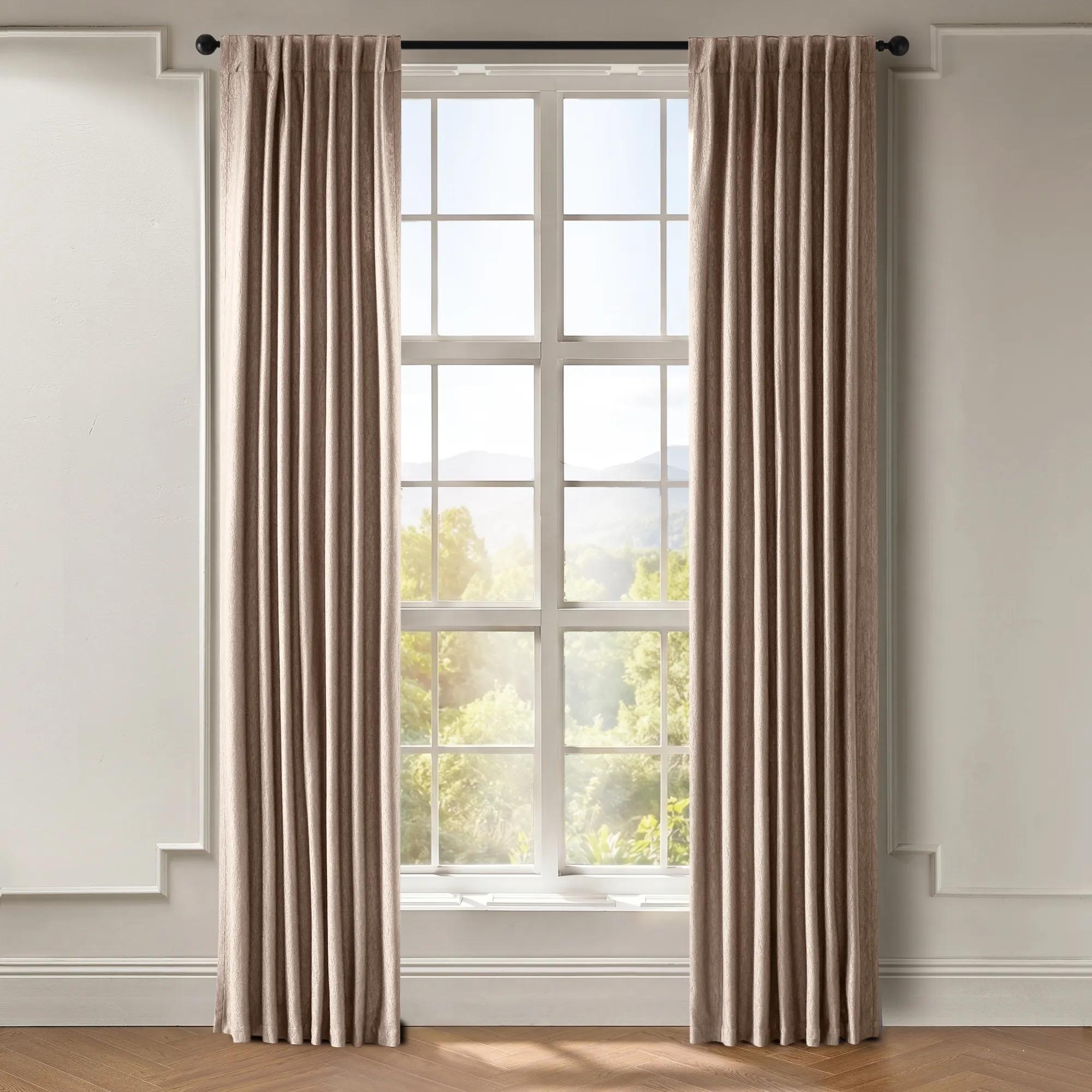
 Anson Mocha Rose Textured Window Curtain Panel$89
A light mocha rose curtain panel with crushed sheen texture and room-darkening, dual hanging design.
Add To Cart -
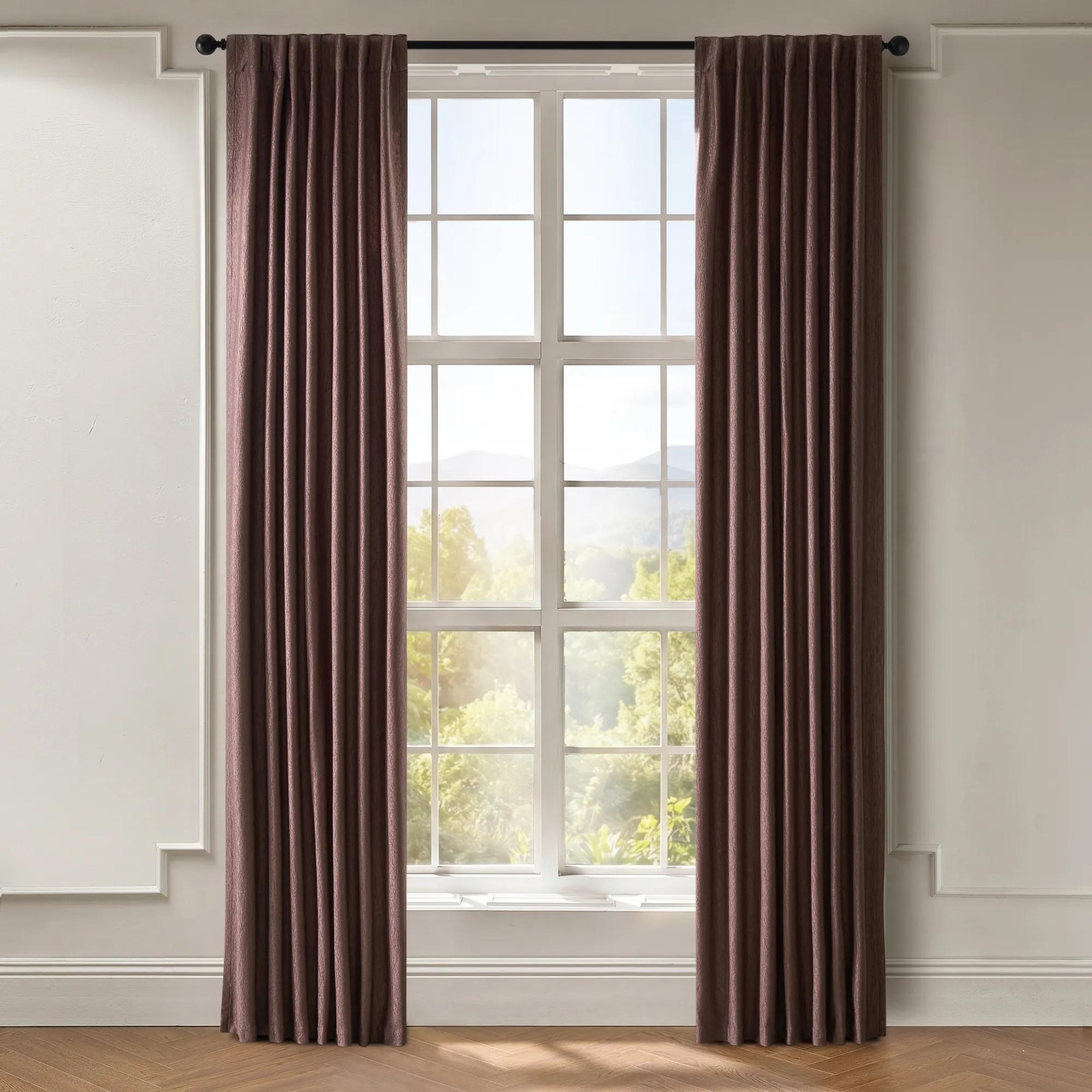
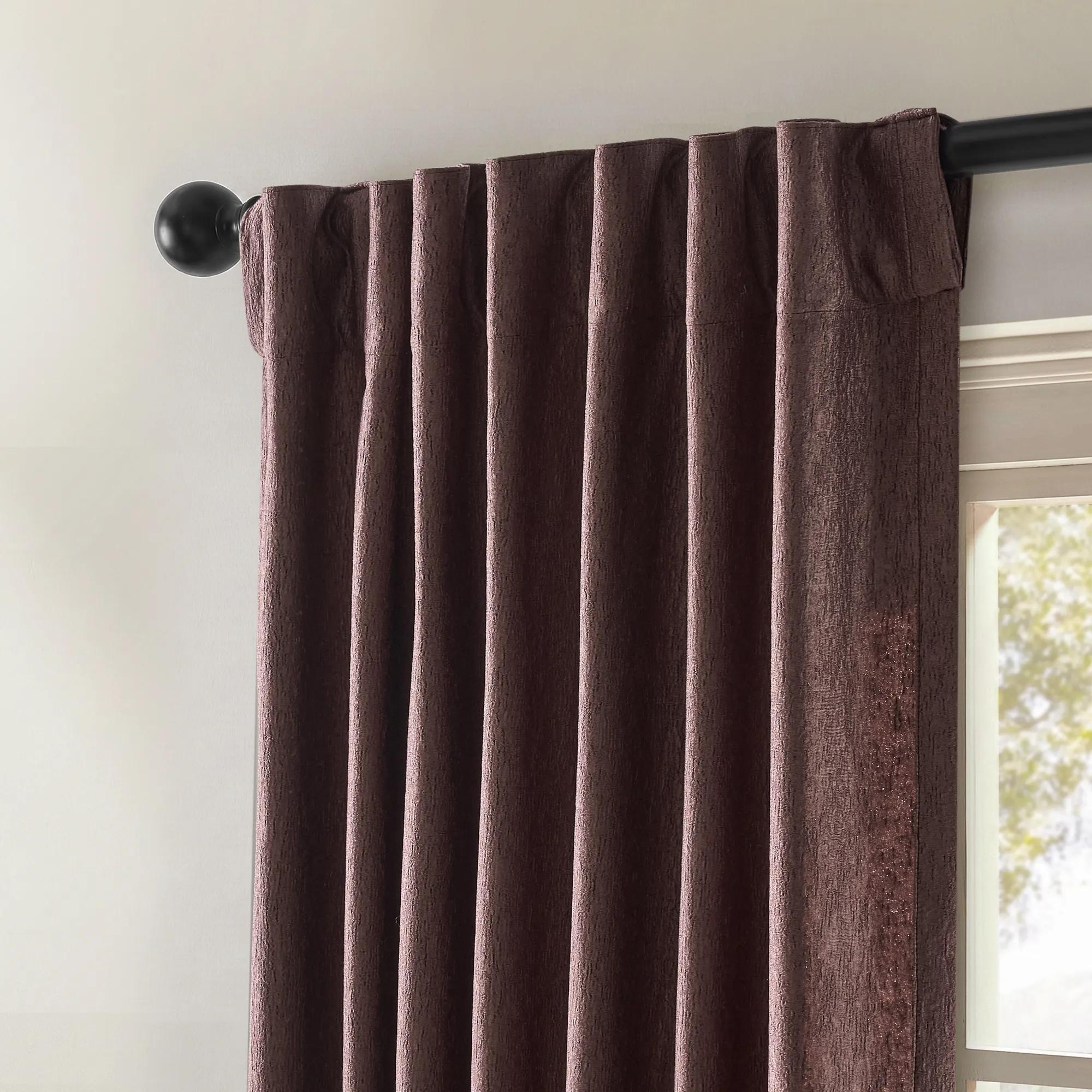 Anson Fig Textured Window Curtain Panel$109
A room-darkening fig curtain panel with a crushed sheen texture and versatile dual hanging options.
Add To Cart -
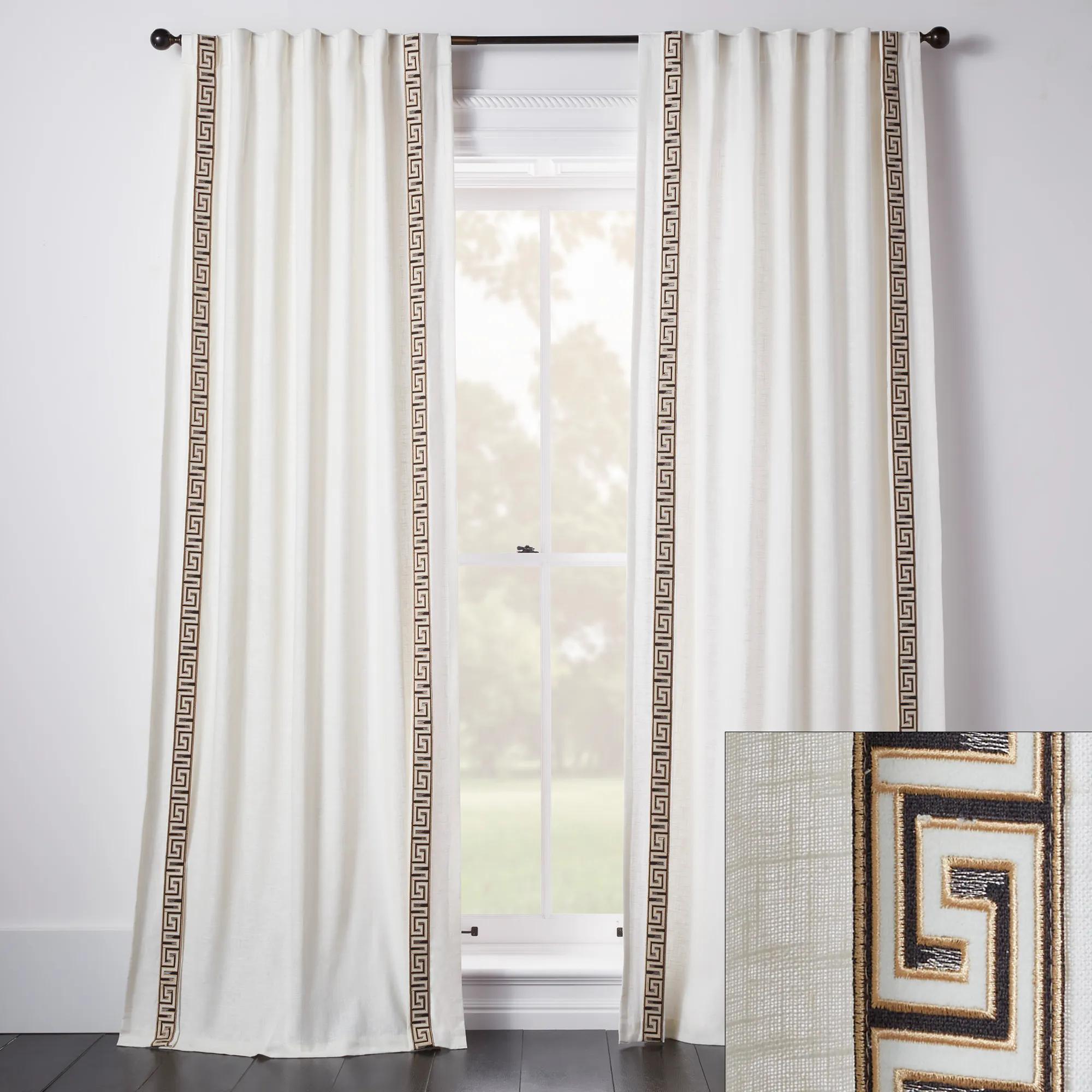 Chole Greek Key Border Velvet Widow Curtain Panels Custom$359
A linen-blend curtain panel with black and gold velvet Greek key border and customizable header options.
Add To Cart -
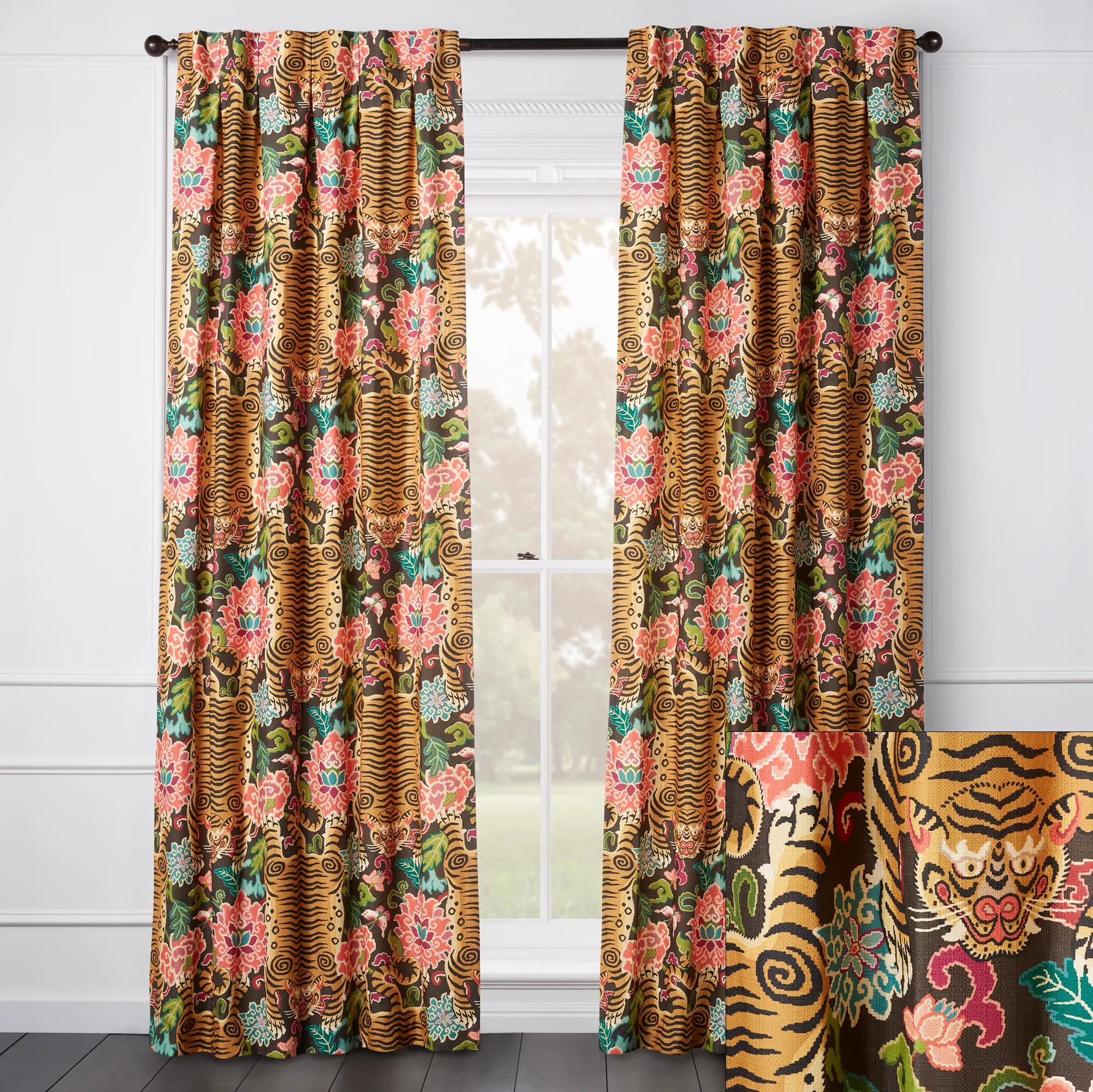
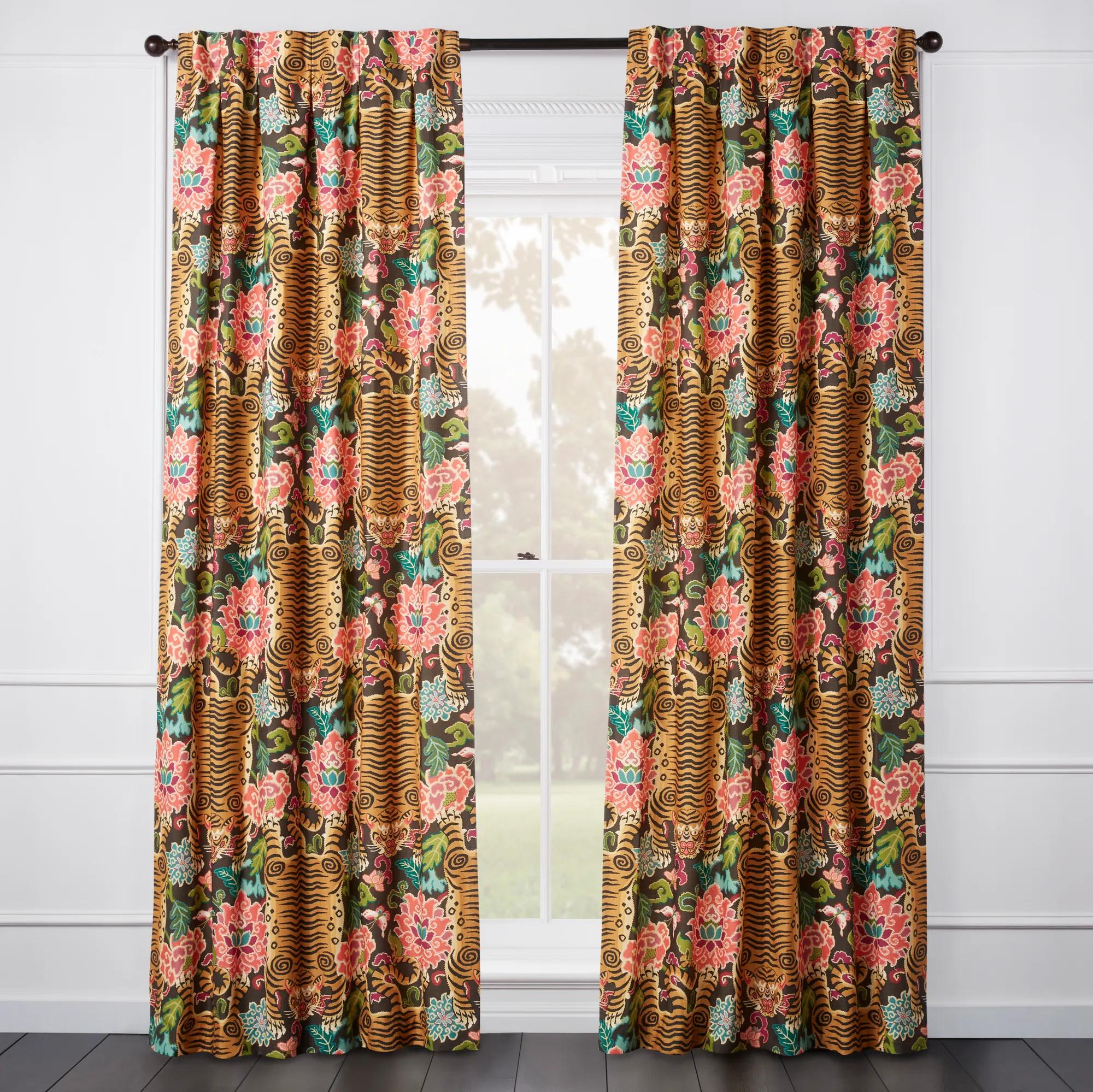 Nimer Gold/Multi Printed Slubbed Cotton Window Curtain Panel$299
A lively gold and multi-colored cotton curtain featuring a bold tiger print and customizable hanging options.
Add To Cart -
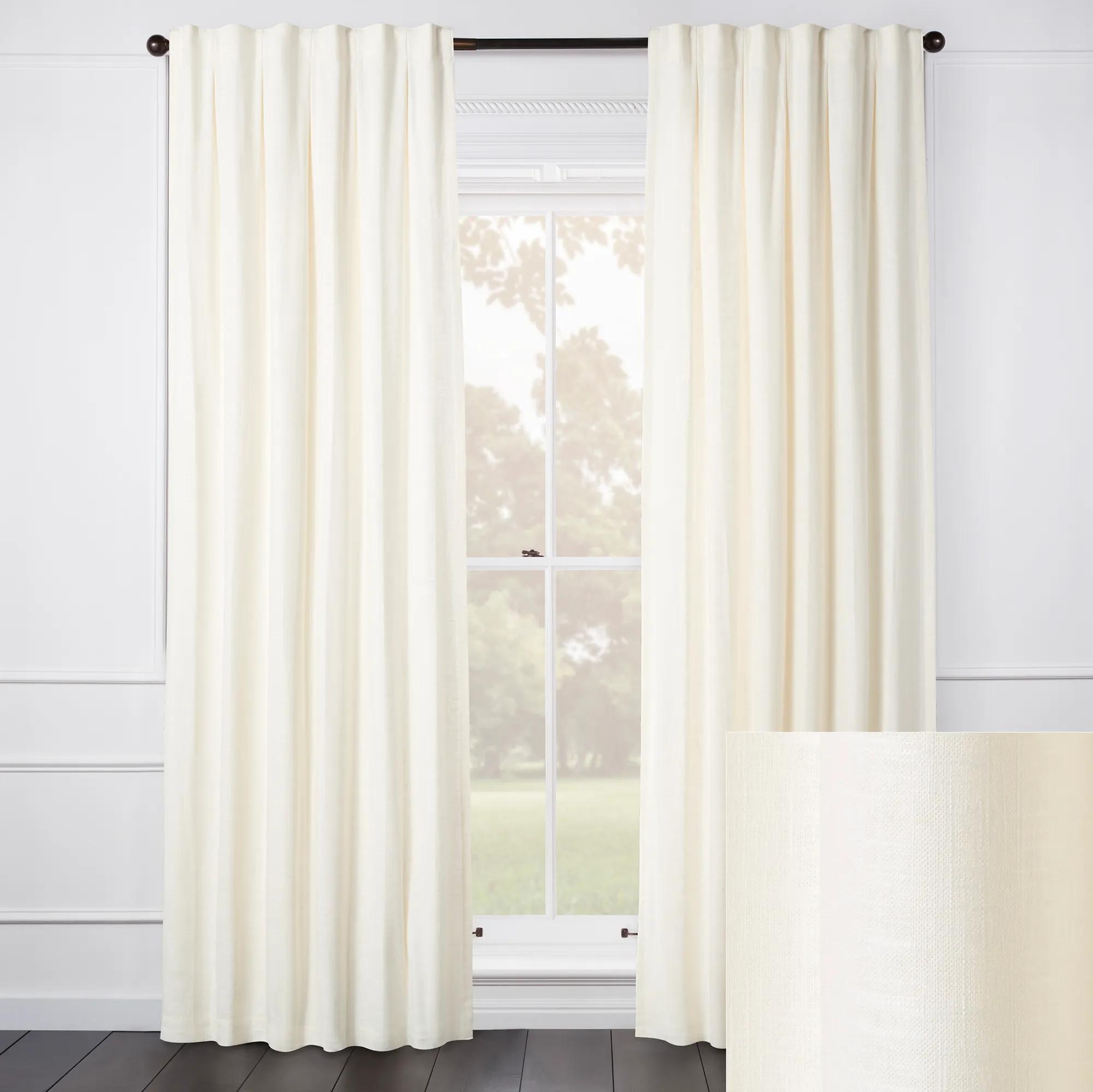
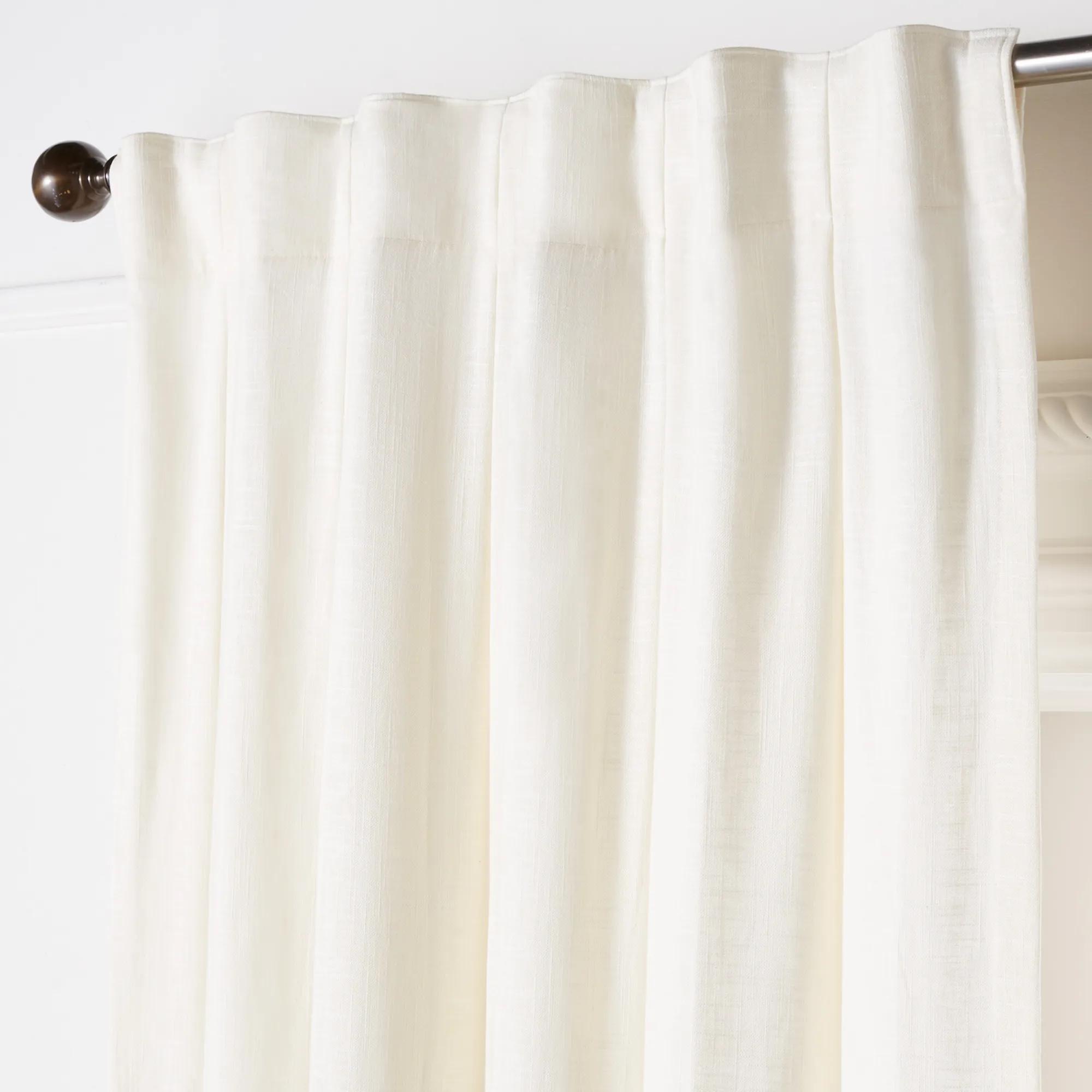 Audrey Linen Ivory Curtain - Custom$269
An ivory linen-blend curtain panel with lining, offering customizable lengths and two elegant header styles.
Add To Cart -
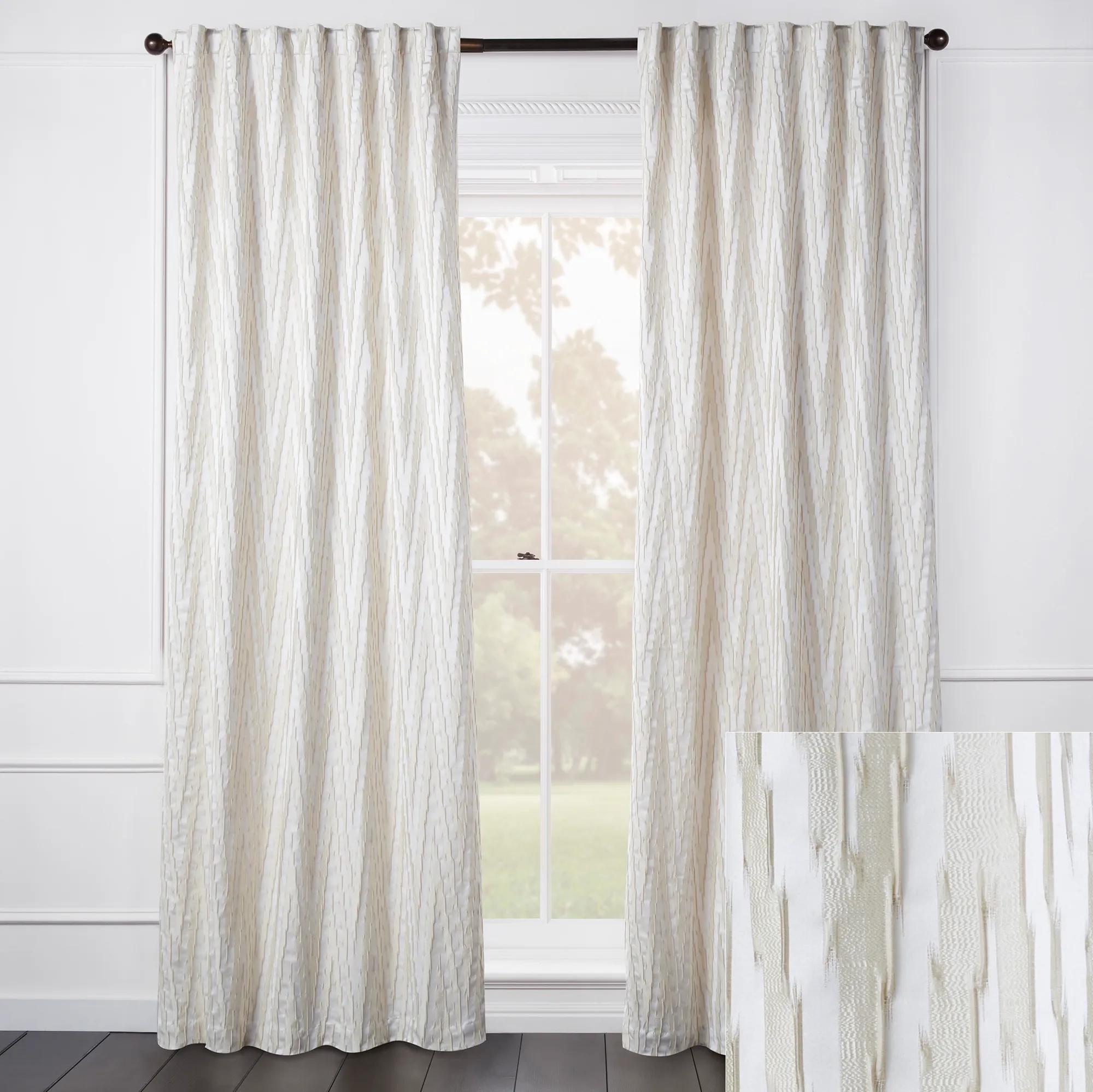
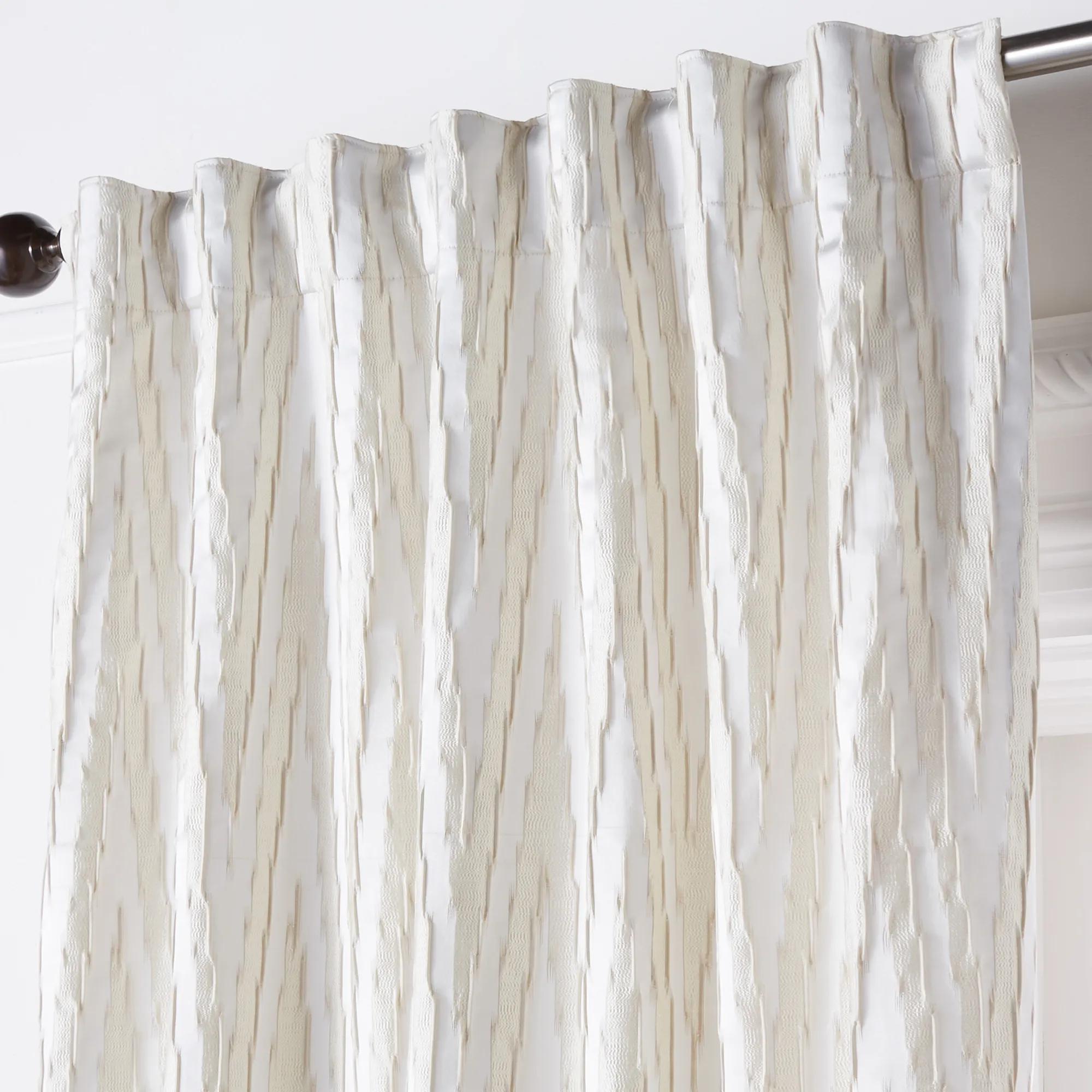 Minka Jacquard Pearl Window Curtain Panel Custom$329
A highly textured chevron curtain panel in pearl, grey, or natural polyester with customizable hanging options.
Add To Cart -

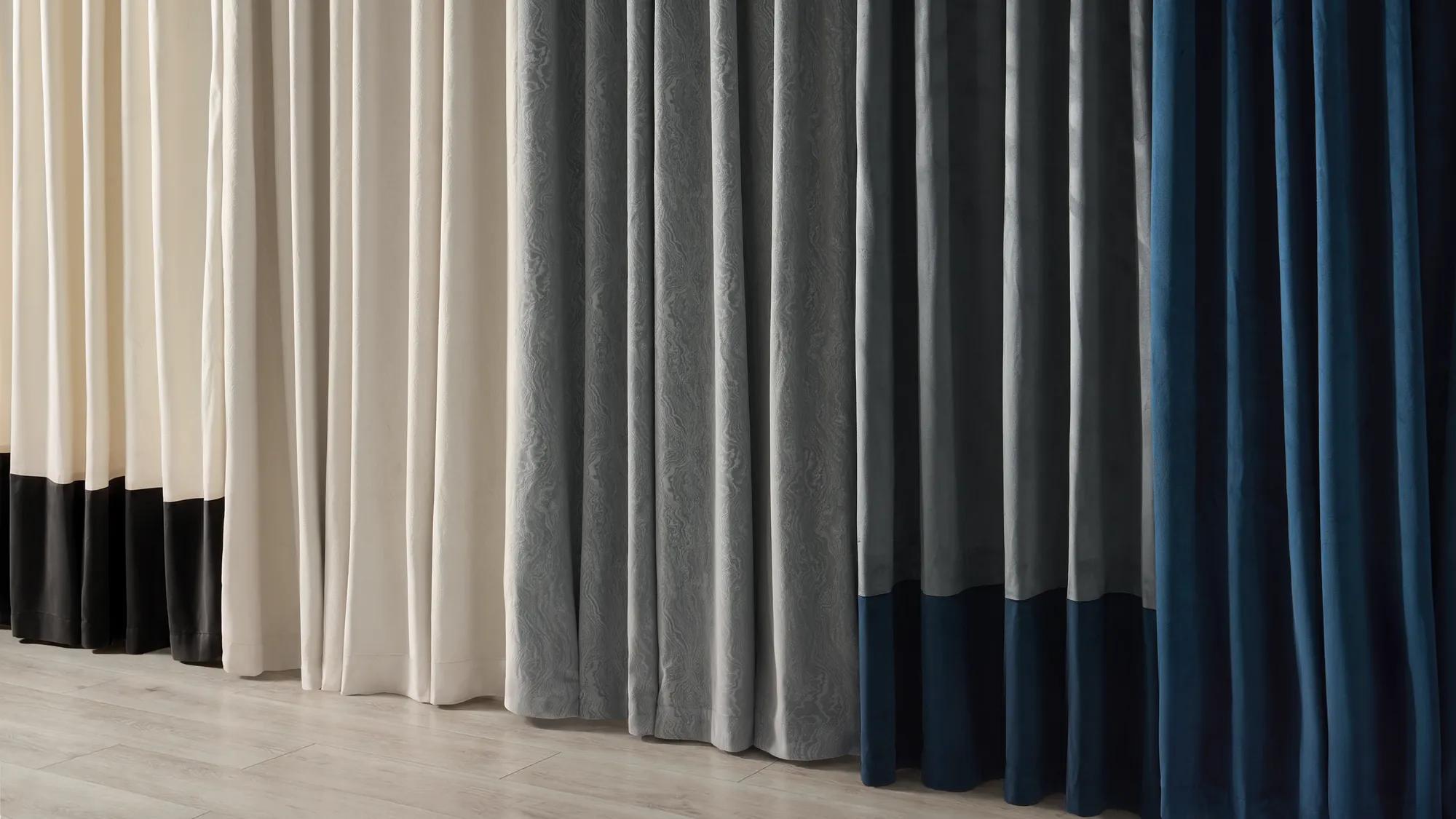 Mabel Velvet Swirl Curtain - Grey Blue$99
A grey blue velvet curtain featuring a tonal swirl pattern and versatile dual hanging options.
Add To Cart -
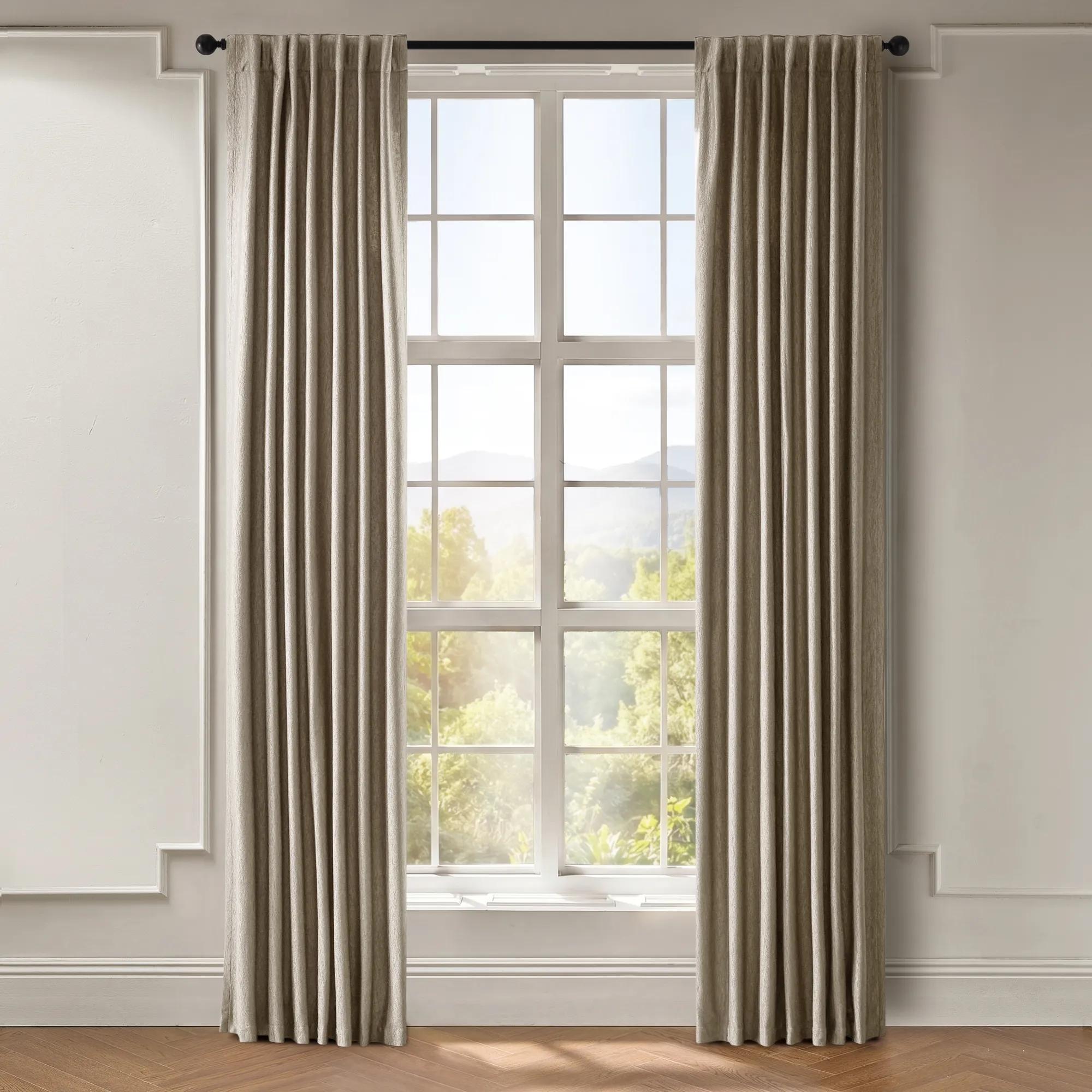
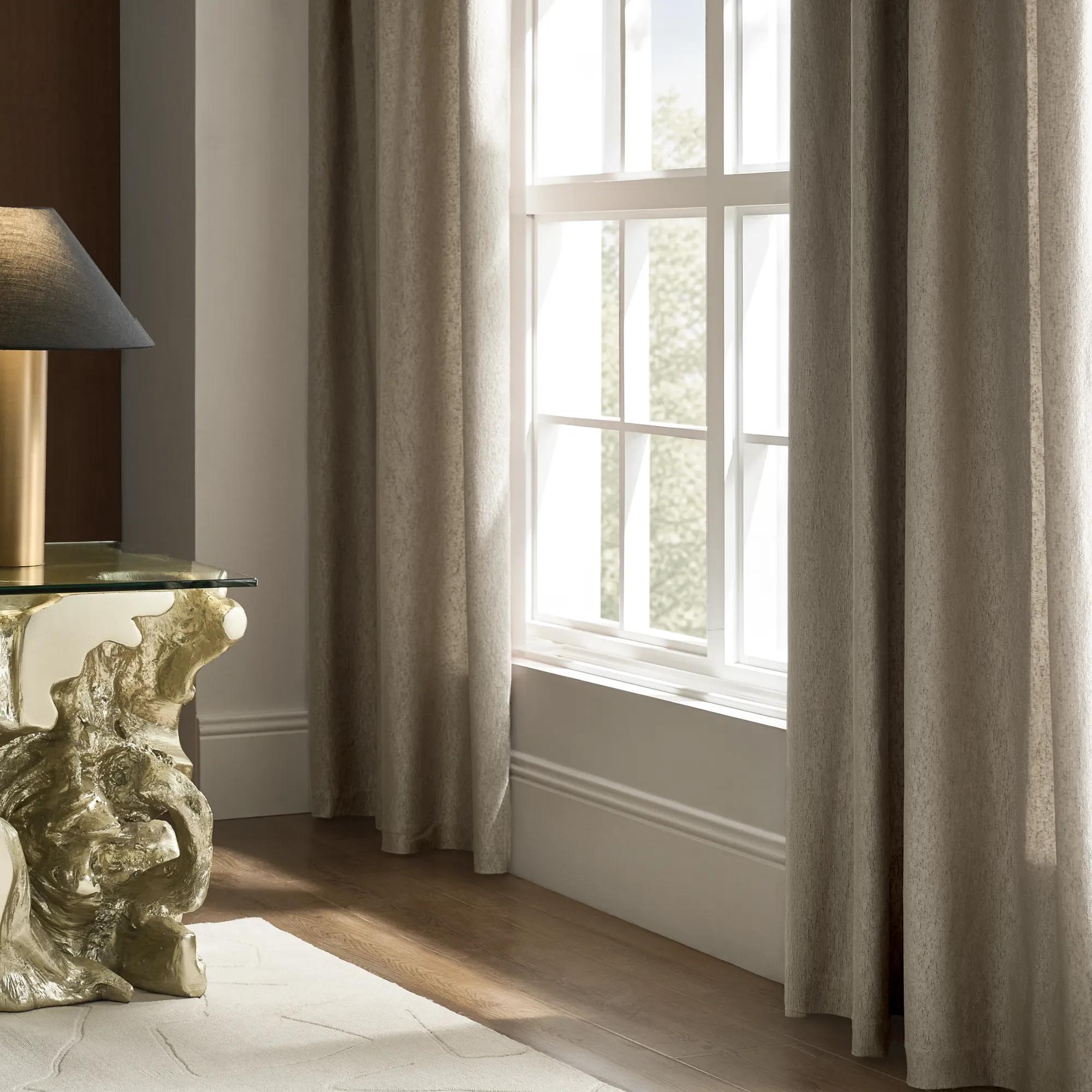 Anson Taupe Textured Window Curtain Panel$109
A taupe curtain panel featuring a crushed sheen texture and room-darkening, dual hanging design in 100% polyester.
Add To Cart -

 Mabel Natural Velvet Swirl Window Curtain Panel$109
A warm neutral velvet curtain with a tonal swirl pattern and room-darkening, dual hanging options.
Add To Cart -
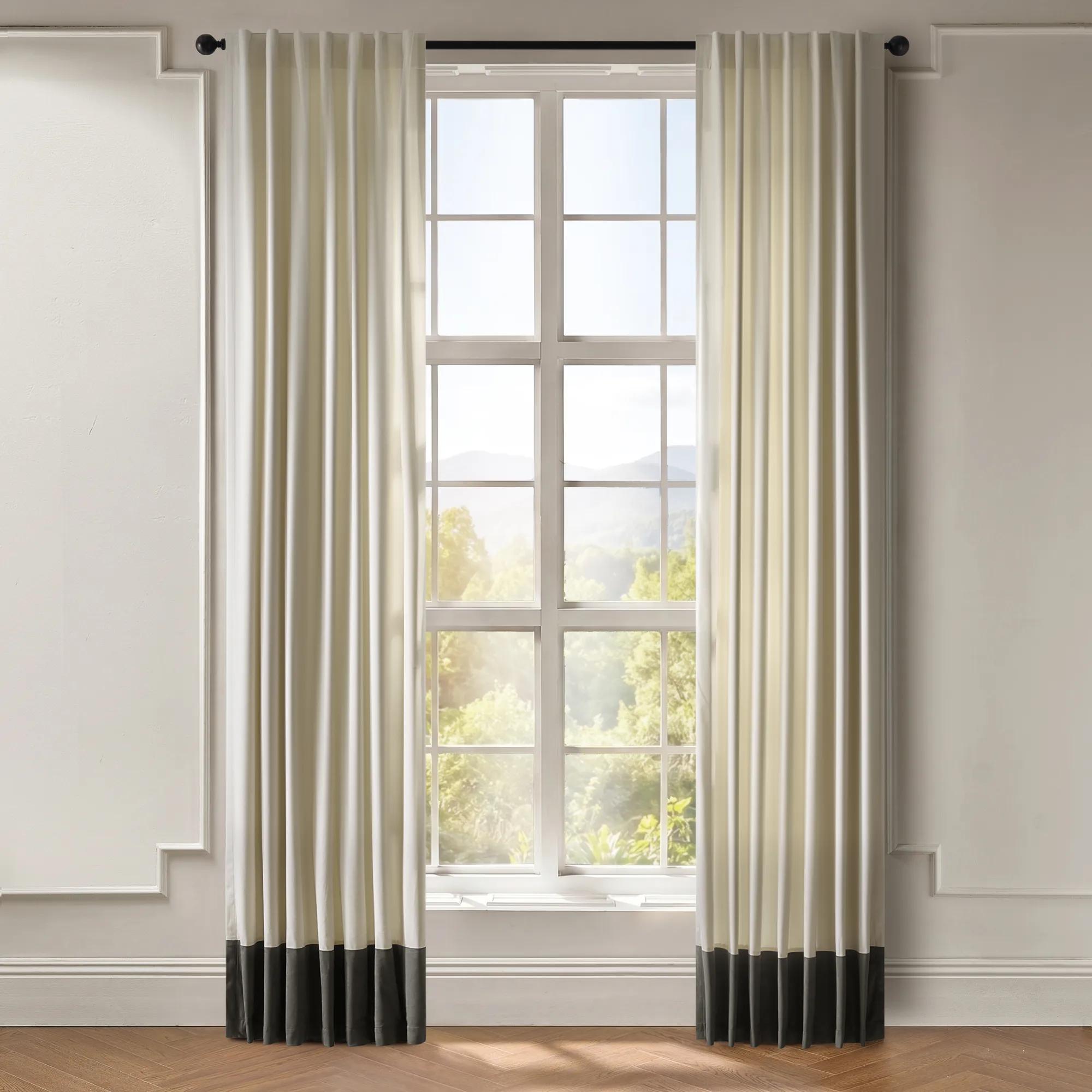
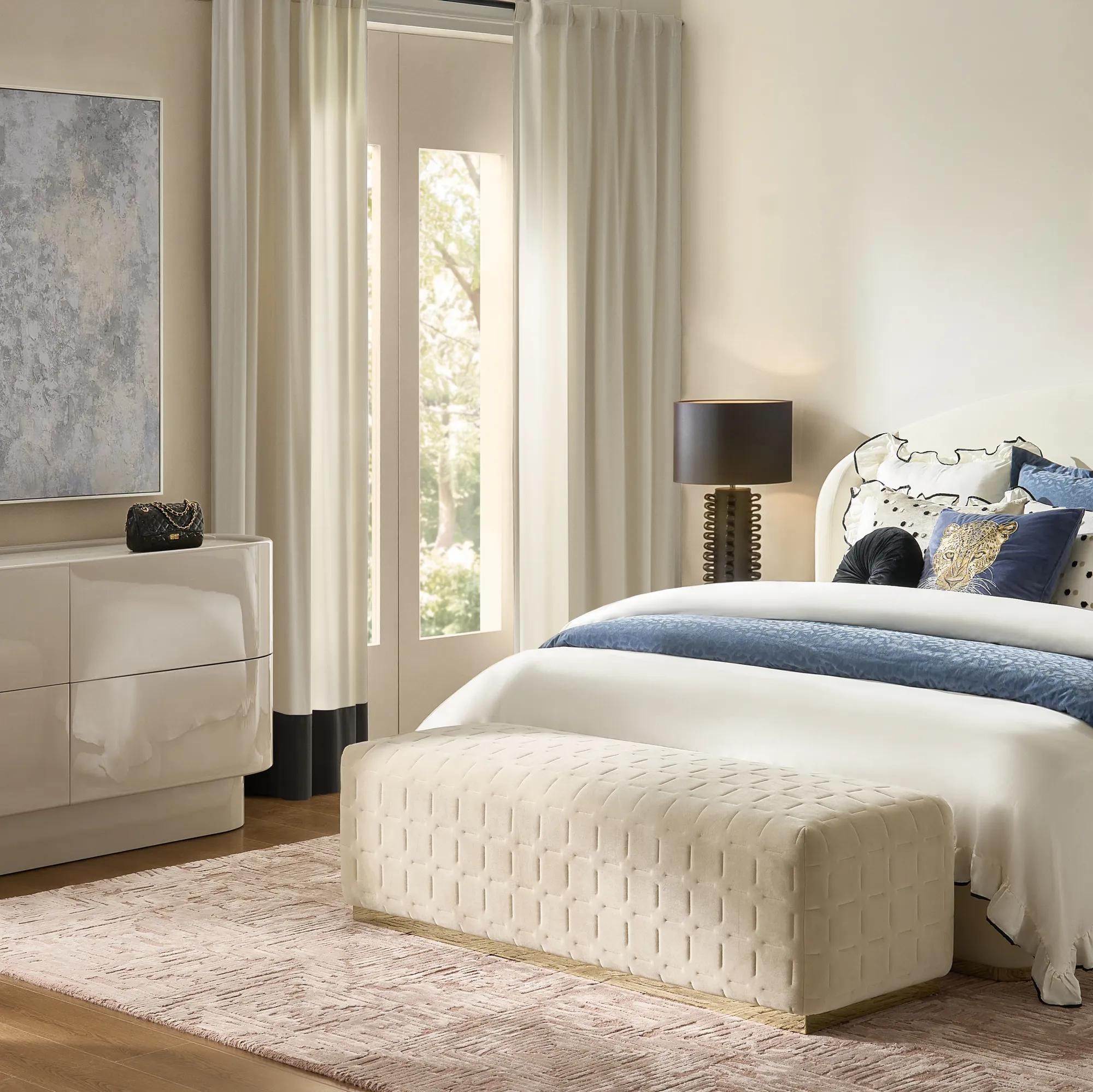 Bastien Ivory/Graphite Velvet Border Window Curtain Panel$109
A two-tone ivory and graphite velvet curtain panel with a Deco-inspired border and room-darkening design.
Add To Cart -

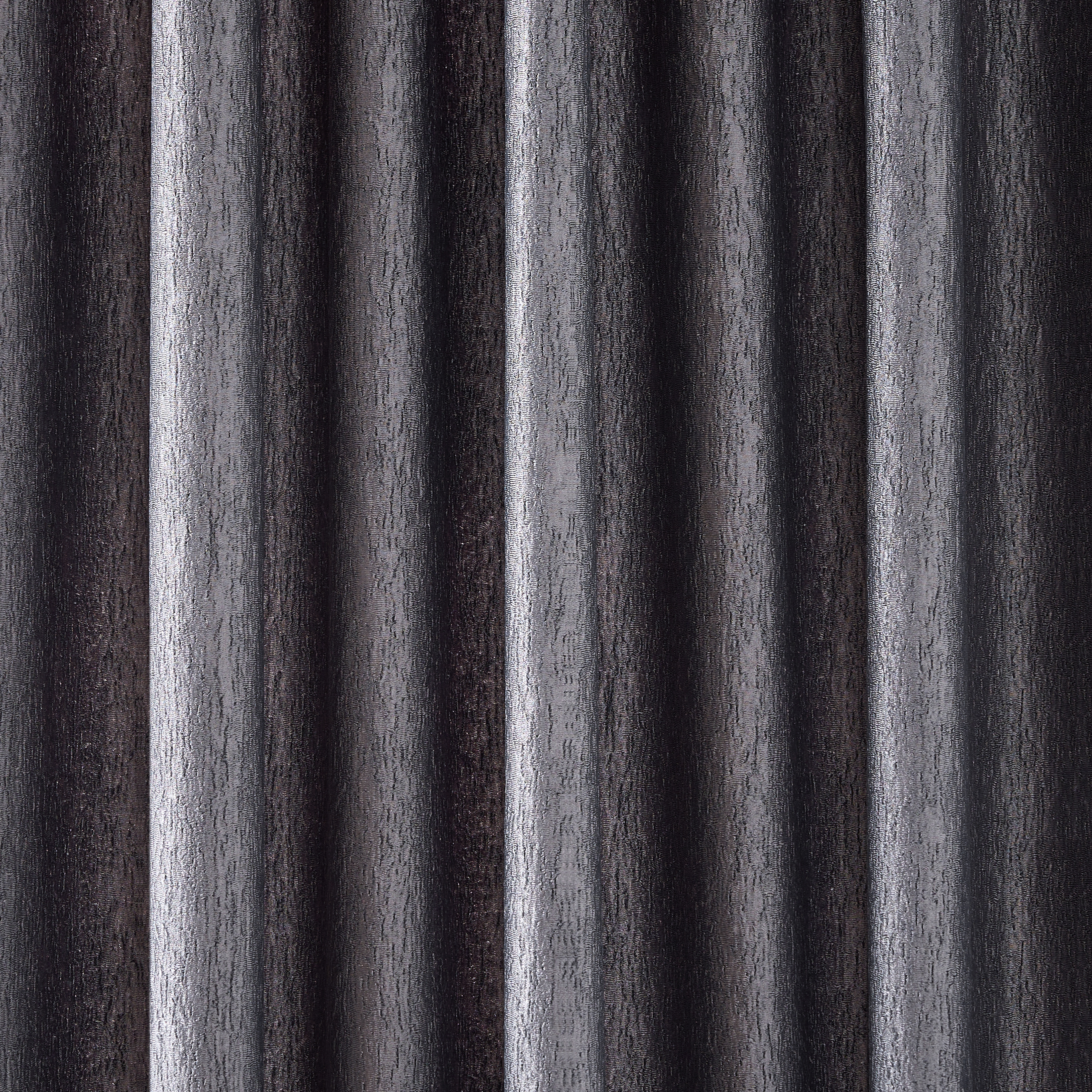 Anson Charcoal Textured Window Curtain Panel$109
A moody charcoal curtain with crushed polyester texture and subtle sheen for stylish, room-darkening appeal.
Add To Cart -
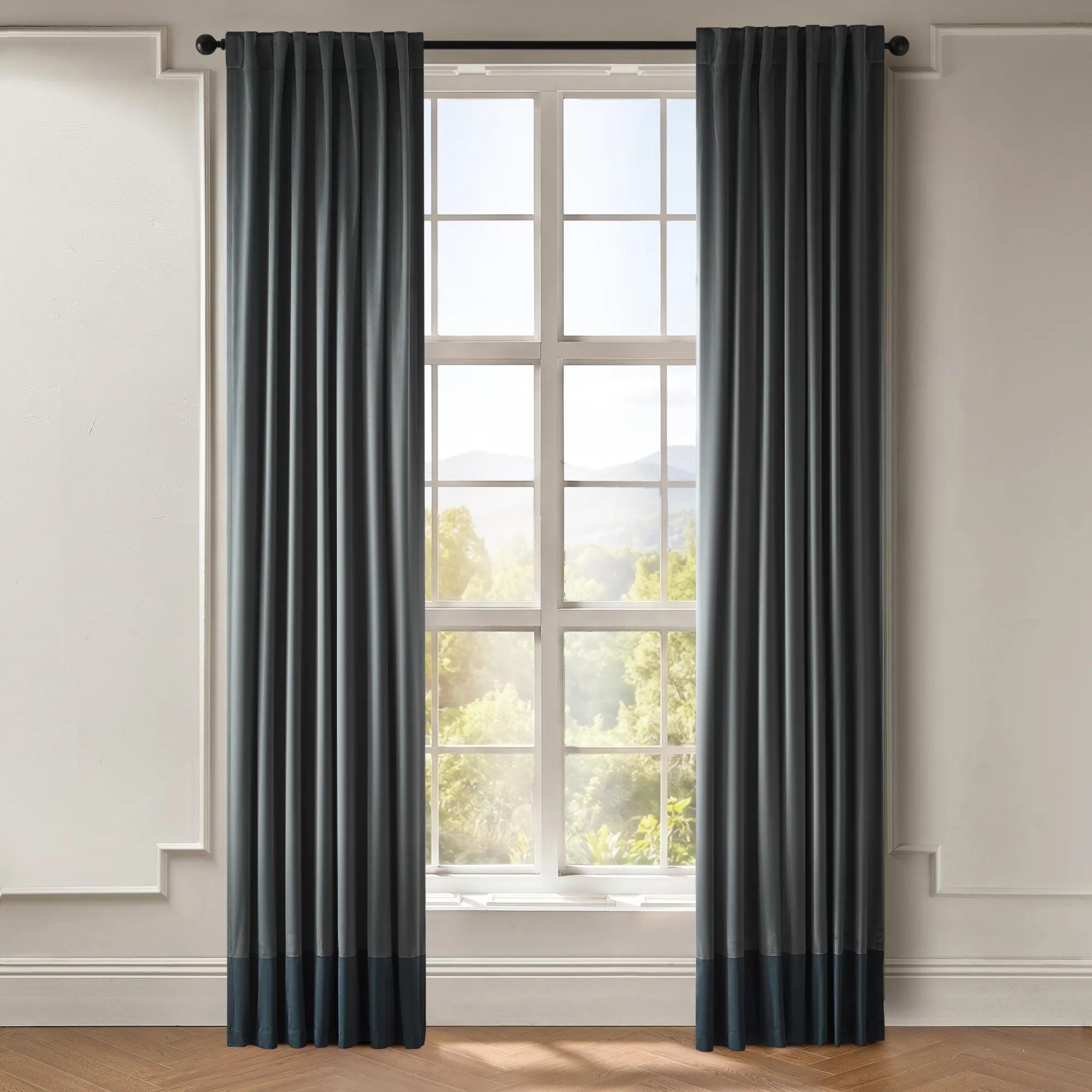
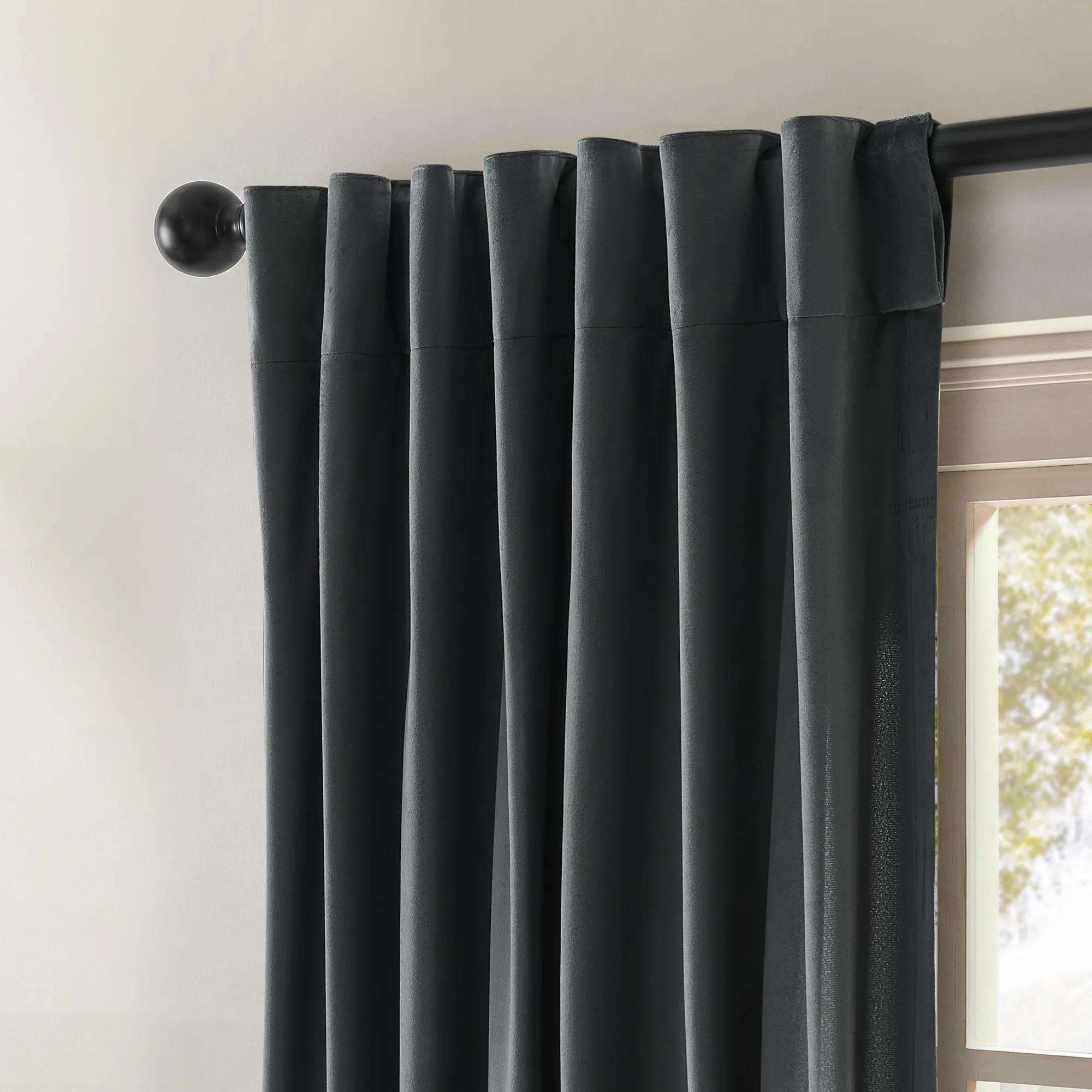 Bastien Blue/Midnight Velvet Border Window Curtain Panel$99
A two-tone dusty and midnight blue velvet curtain panel with a Deco-inspired border and room-darkening design.
Add To Cart -
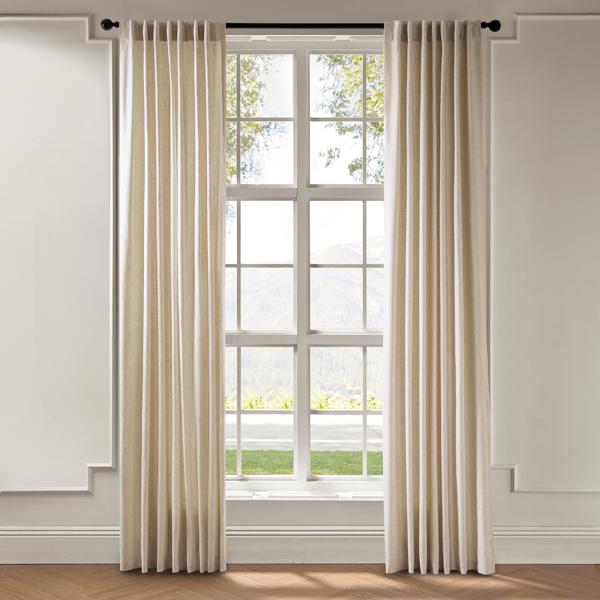
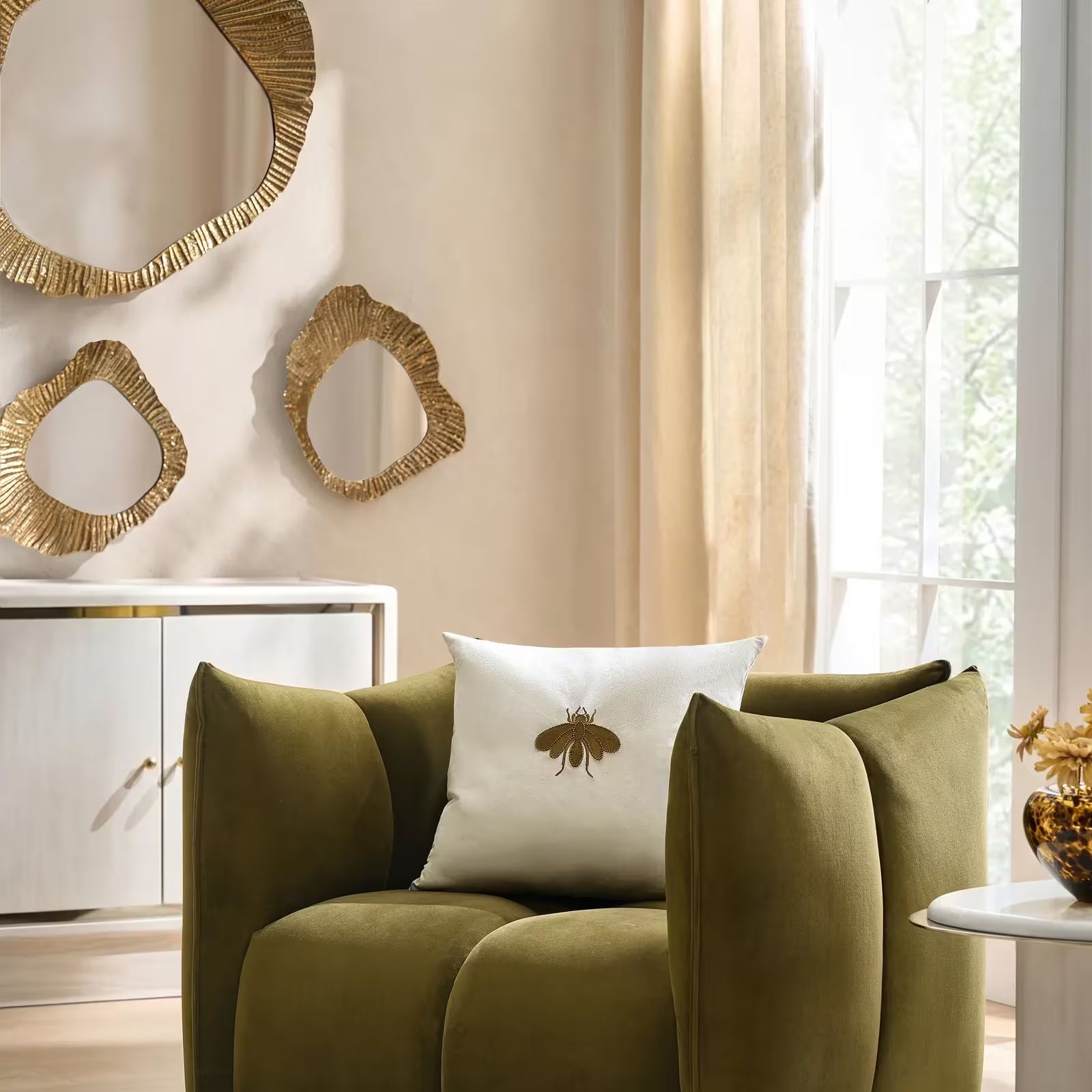 Anson Ivory Textured Window Curtain Panel$99
An elegant ivory curtain panel with a crushed, light-reflective texture for subtle shine and room darkening.
Add To Cart -

 Adair Midnight Blue Solid Velvet Window Curtain Panel$79
A sumptuous midnight blue velvet curtain that adds rich dimension and room-darkening elegance to any space.
Add To Cart -
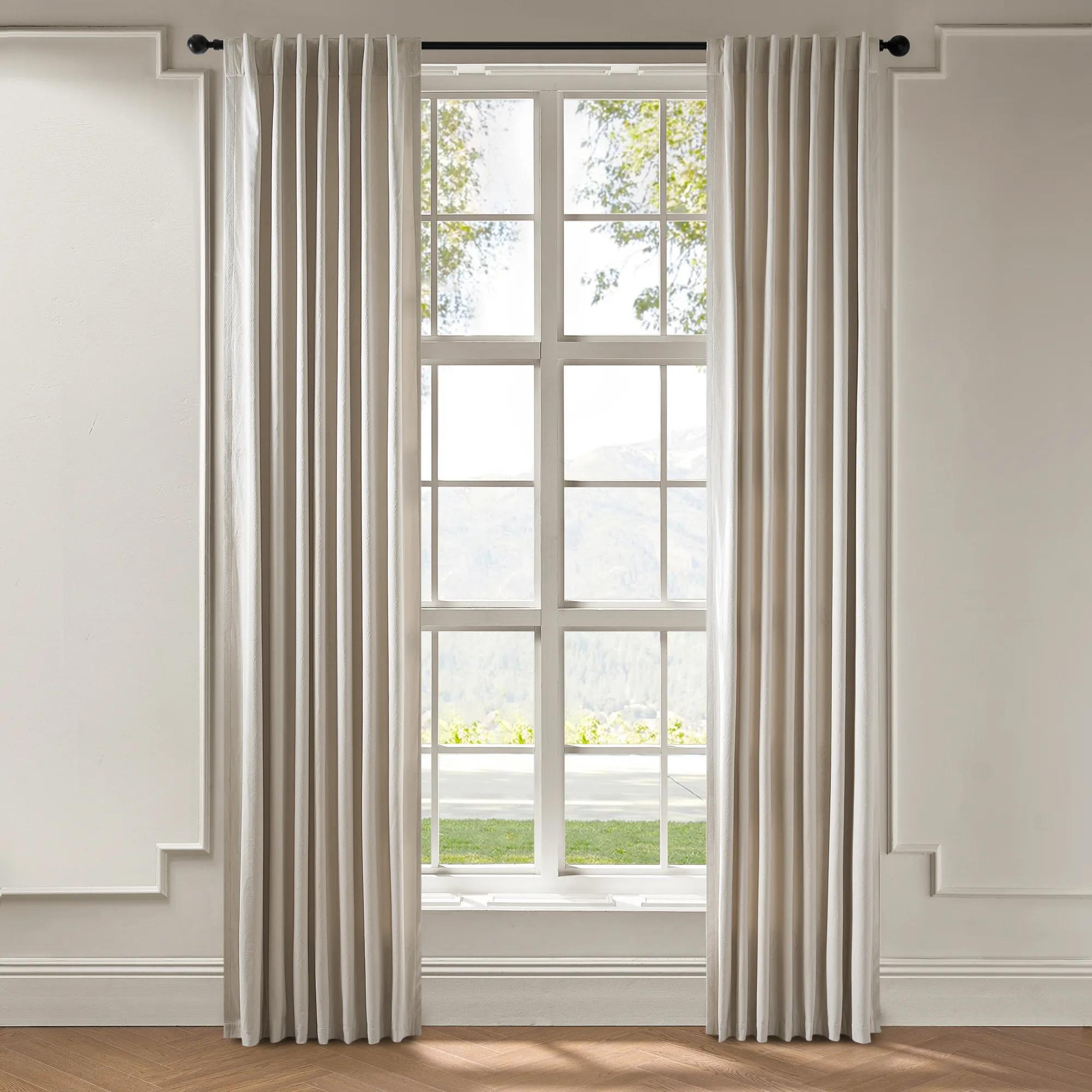
 Mabel White Velvet Swirl Window Curtain Panel$109
A crisp white velvet curtain featuring a tonal swirl texture and versatile dual hanging options.
Add To Cart -
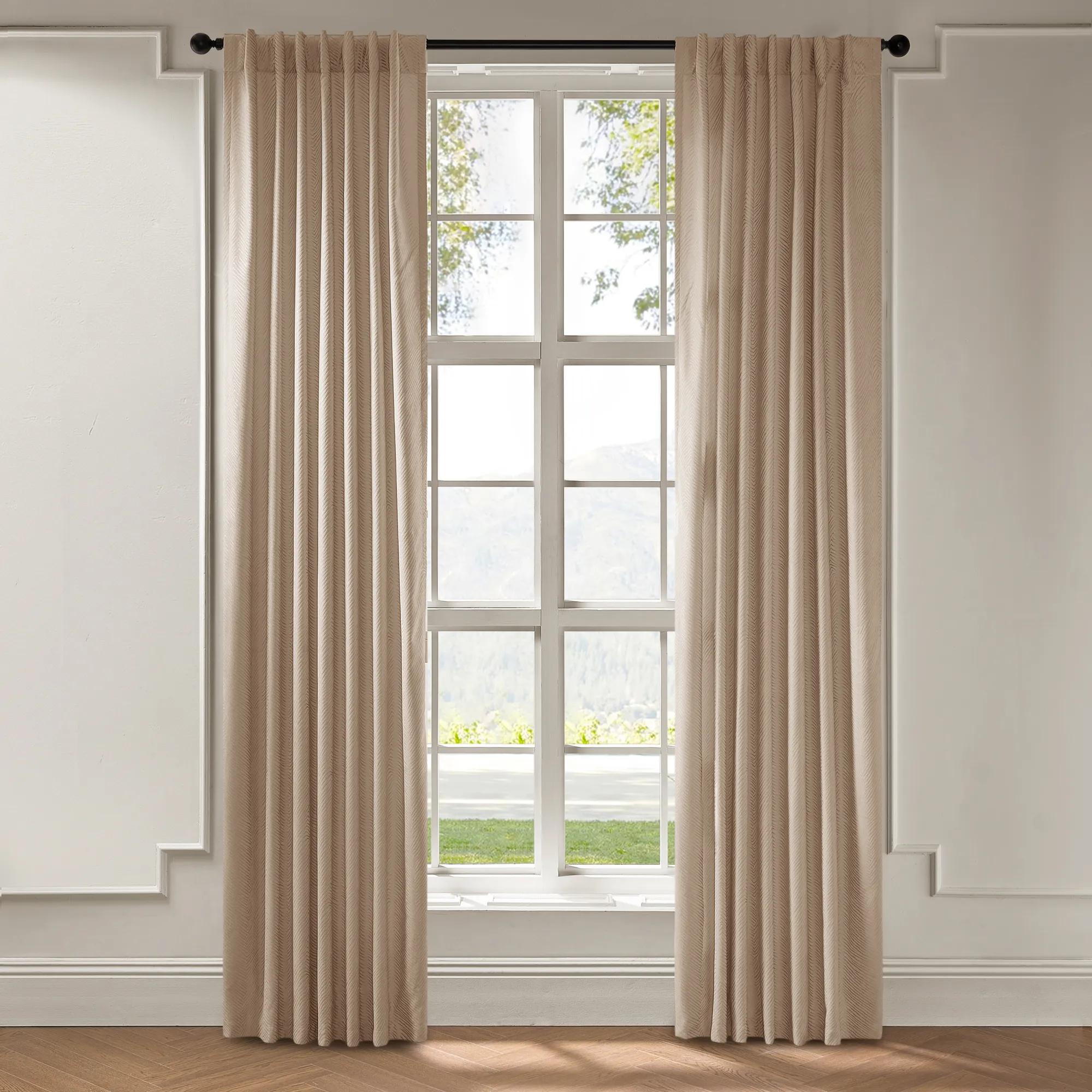 Kenzo Jacquard Beige Chenille Window Curtain Panel$139
A warm beige chenille jacquard curtain with a subtle sheen and versatile rod pocket or back tab hanging.
Add To Cart -

 Adair Sand Solid Velvet Window Curtain Panel$69
A sand-colored velvet curtain offering room-darkening privacy and versatile hanging options for refined interiors.
Add To Cart -
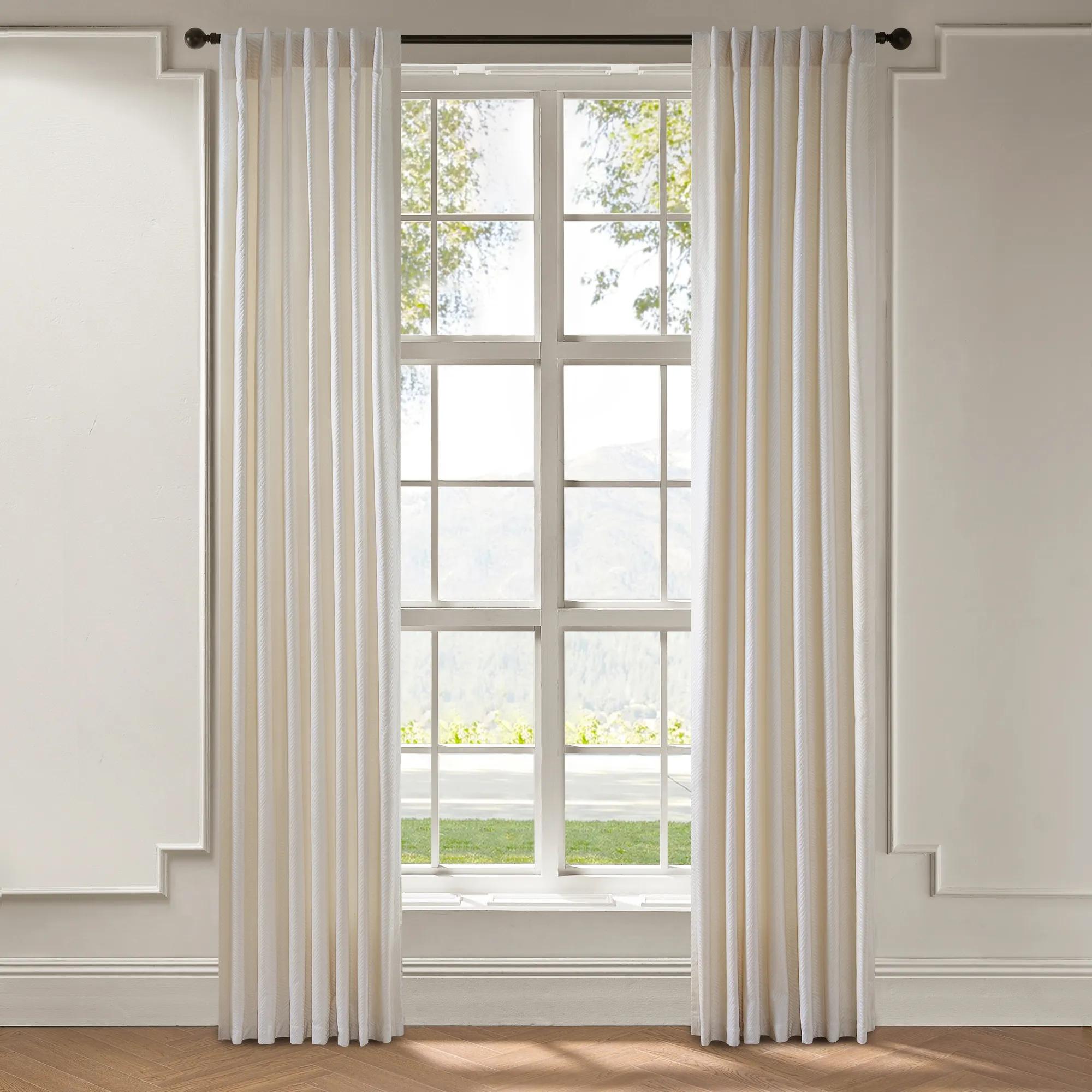
 Kenzo Chenille Curtain - White$119
A white chenille jacquard curtain featuring a subtle high-contrast pattern and soft, room-darkening texture.
Add To Cart -
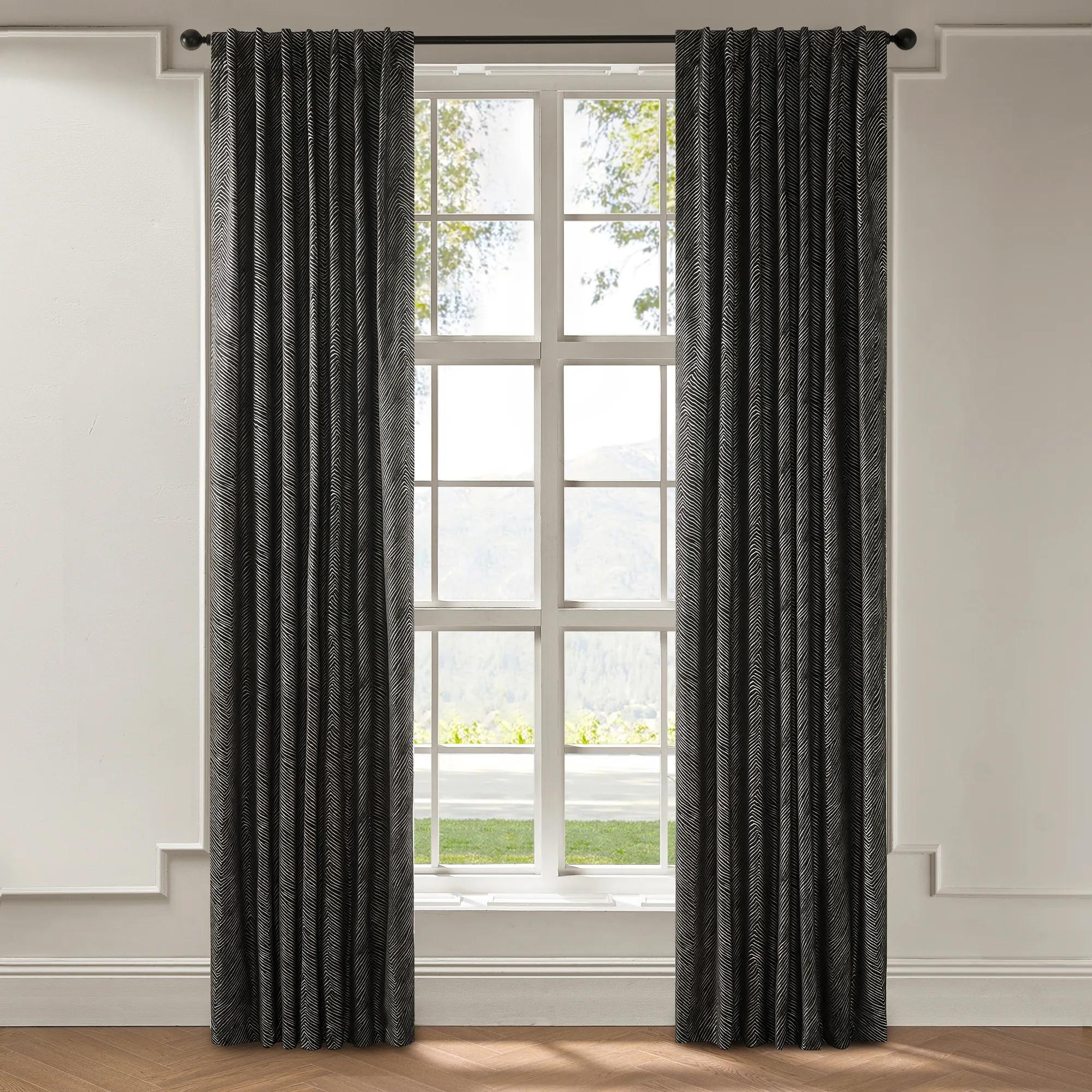
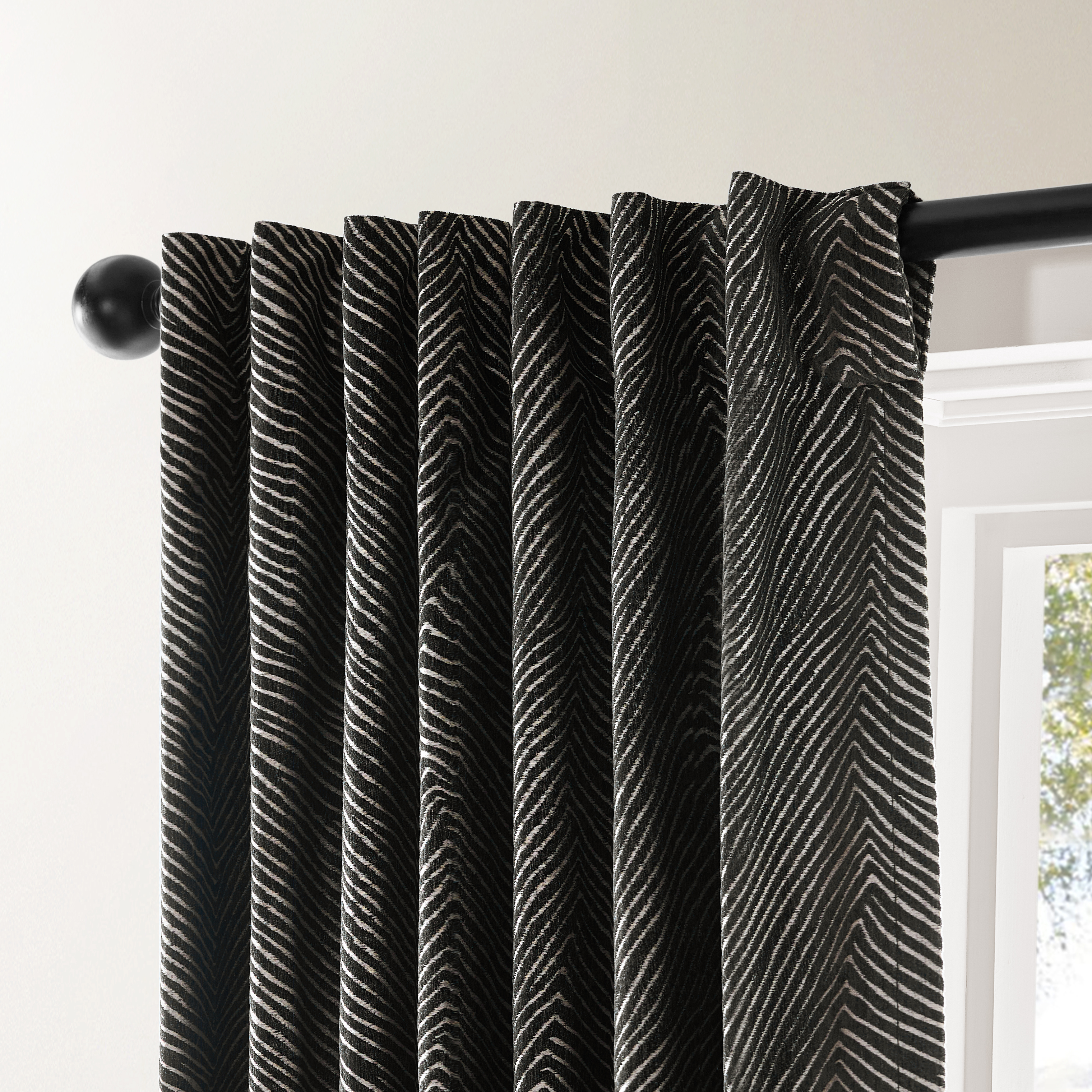 Kenzo Black Chenille Window Curtain Panel$119
A black chenille jacquard curtain with a luxe sheen and versatile dual hanging options for modern spaces.
Add To Cart

Modern Window Decor Ideas
Explore modern window decor ideas to frame your view and give your room a polished, expressive finish. Browse decorative accents with your window’s proportions, surrounding furnishings, and color palette in mind, choosing details that make the window a striking focal point or a graceful backdrop for a more dramatic interior.
Modern window decor gives daylight a deliberate frame, turning an architectural opening into a defining feature of the room. A sweep of fabric can soften angular furniture, introduce a luminous accent, or carry a rich color from floor to ceiling. The most compelling modern window decor ideas balance that visual presence with the way a space is lived in: filtered light for a conversation area, a more secluded atmosphere for a bedroom, or an elegant backdrop for a dining table. Sheer fabrics lend an airy, translucent layer, allowing the view and surrounding architecture to remain part of the composition. More substantial woven panels create a stronger outline, while velvet brings a sumptuous surface that changes character as light moves across its pile. Linen and linen blends offer visible texture and a relaxed drape without sacrificing sophistication; their natural creasing belongs to a different aesthetic than a crisp, smooth weave. Polyester and blended fabrics can offer practical resilience, though performance depends on the construction and care requirements of each textile. Color is equally expressive. Ivory against pale walls creates quiet depth, charcoal establishes a graphic border, and saturated jewel tones can give an otherwise restrained room a theatrical focal point. A subtle sheen catches the light without competing with sculptural furnishings, while a matte finish lets texture take the lead. Patterns deserve attention at room scale: a generous geometric motif reads differently across a wide window than it does on a narrow strip of fabric. In a room with boldly patterned upholstery or an expressive rug, solid panels can provide a welcome visual pause. Where the furniture has simpler lines, a distinctive weave or contrasting border gives the window its own artistic identity. The goal is not to make every surface compete, but to give the room a clear point of view, with fabric, light, and proportion working together.
The proportions of modern home window panels shape their effect as much as the fabric itself. Length determines whether a window feels crisply framed or enveloped in softness. Panels that finish just above the floor create a tailored line and move easily in rooms used throughout the day. A slight break at the floor feels more relaxed, while a longer puddle is an intentionally dramatic treatment better suited to areas away from foot traffic, pets, and frequent cleaning. Width matters just as much: fabric stretched nearly flat across a rod rarely delivers the dimensional folds associated with a luxurious treatment. Many panel styles look fuller with a combined fabric width around one and a half to two times the span being covered, although sheer fabrics, heading styles, and manufacturer recommendations may call for different proportions. Measurements should reflect the actual hanging position, not just the window frame. Rings, grommets, tabs, and rod pockets each place the top of the fabric differently, so finished length needs to account for the chosen attachment. Mounting hardware above the frame can draw attention upward, and extending a rod beyond the sides of the opening, where wall space permits, gives open panels somewhere to rest without obscuring as much glass. These details are especially valuable beside a beautifully proportioned window or a doorway with an expansive view. Hardware contributes its own visual punctuation: a polished metallic finish can echo a gleaming accent elsewhere in the room, while a darker finish gives pale fabric a confident outline. Rod diameter, brackets, anchors, and any required center supports must suit the fabric’s weight and the mounting surface. Wall-mounted treatments also need enough projection to clear handles, trim, and other obstructions. Near doors, operable windows, and furniture, clearance preserves both the graceful fall of the fabric and comfortable everyday movement.
Beauty becomes more satisfying when the treatment supports the room’s daily rituals. In a living room used for reading, conversation, and screen time, layered window coverings allow different levels of light control without requiring a single fabric to do everything. Sheers can soften incoming light, but they generally do not provide dependable privacy after dark when interior lights are on. An opaque layer offers greater coverage, with the degree of privacy and light reduction depending on its weave, lining, fit, and construction. For bedrooms, room-darkening and blackout descriptions should be checked carefully; fabric performance alone does not eliminate light entering around the top, sides, or center opening. A home office may benefit from adjustable coverage that reduces distracting glare while retaining a sense of openness. In an open-plan interior, repeating a fabric or hardware finish across connected windows can establish continuity without making every room identical. Care requirements are part of that long-term harmony. Some washable textiles suit busy households, while delicate weaves, certain linings, and silk may require professional cleaning. The care label should determine washing, drying, ironing, and steaming methods, since unsuitable treatment can cause shrinkage, distort a lining, or alter a fabric’s sheen. Gentle dust removal with an appropriate vacuum attachment, when permitted, helps prevent buildup in folds; velvet and other pile fabrics need particular care to avoid crushing or marking the surface. Direct sunlight can gradually affect some textiles and dyes, making exposure and lining relevant considerations for lasting appearance. In homes with children or pets, secure hardware, fabric kept clear of heat sources, and coverings without accessible dangling cords deserve special attention. For an apartment, a frequently used family room, or a more formal entertaining space, the right window decor combines expressive material with thoughtful function. Rich folds, considered finishes, and a beautifully judged silhouette make the window feel integral to the interior—a generous architectural gesture rather than an afterthought.
FAQs
Treat your windows as an architectural focal point with fluid drapery, a distinctive curtain rod, and a thoughtfully edited palette. Pair understated panels with gleaming hardware, or let expressive curtains command attention against quieter walls. The contrast gives the room a polished, artful rhythm.
Ivory, taupe, and charcoal create a sophisticated foundation, while jewel tones bring a more dramatic point of view. For a cohesive composition, draw your curtain color from a painting, rug, or accent chair. Tonal pairings feel serene; deliberate contrasts add energy.
Pair sheer panels with more substantial drapery to create depth through contrasting textures. Keep the colors closely related for a softly sculptural effect, or frame pale sheers with richly colored outer panels. An edited combination lets each layer contribute without overwhelming the window.
Look for clean-lined rods and sculptural finials that echo the room’s design details. A polished metallic finish can introduce a luminous accent, while a dark finish creates a crisp outline. Coordinate hardware with a few nearby accents rather than matching every finish in the room.
Give patterned curtains room to express themselves by pairing them with solid upholstery and a restrained mix of accessories. Geometric motifs introduce graphic structure, while abstract designs lend a painterly quality. Repeat one color from the curtains elsewhere to connect the composition.