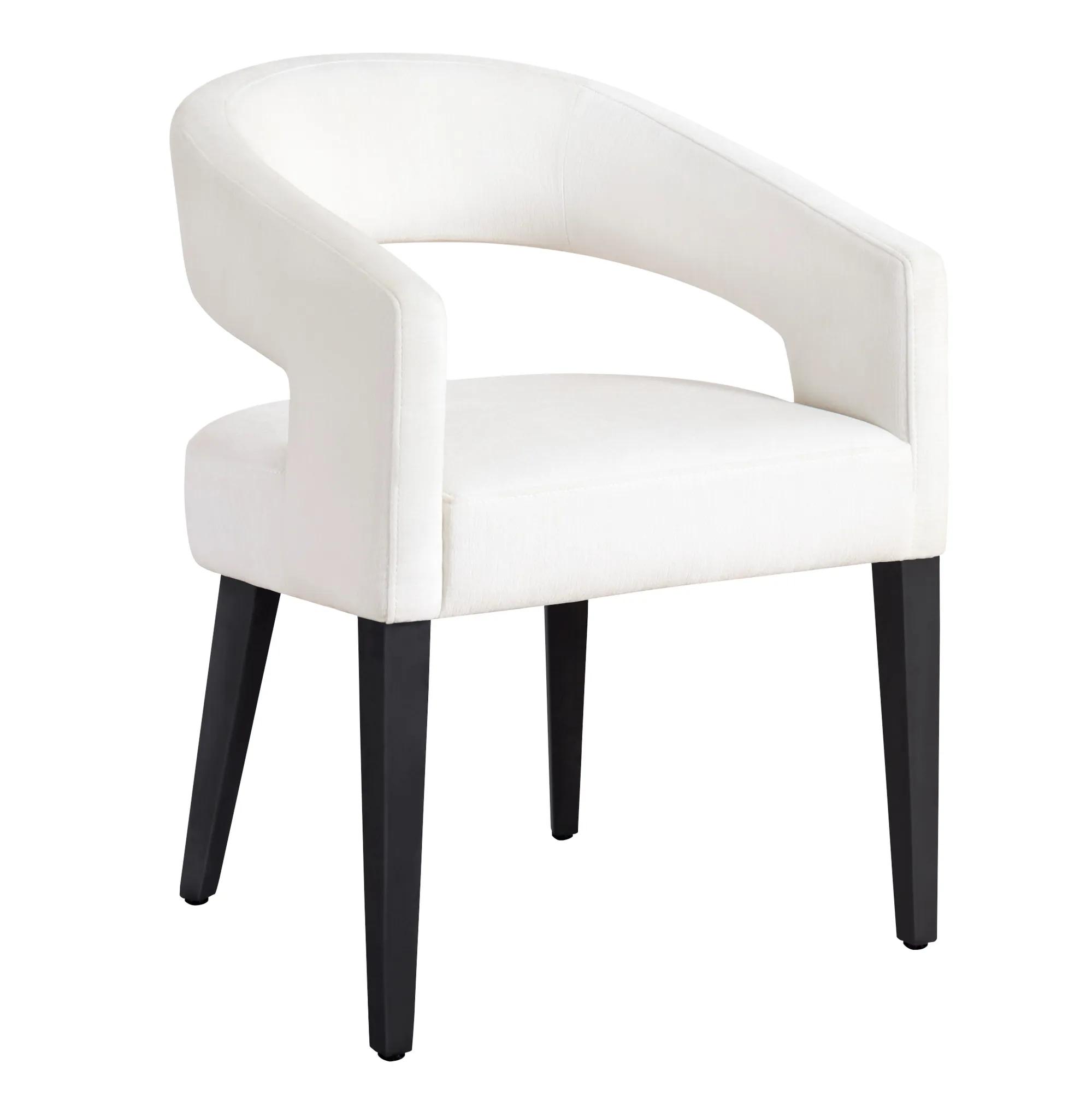
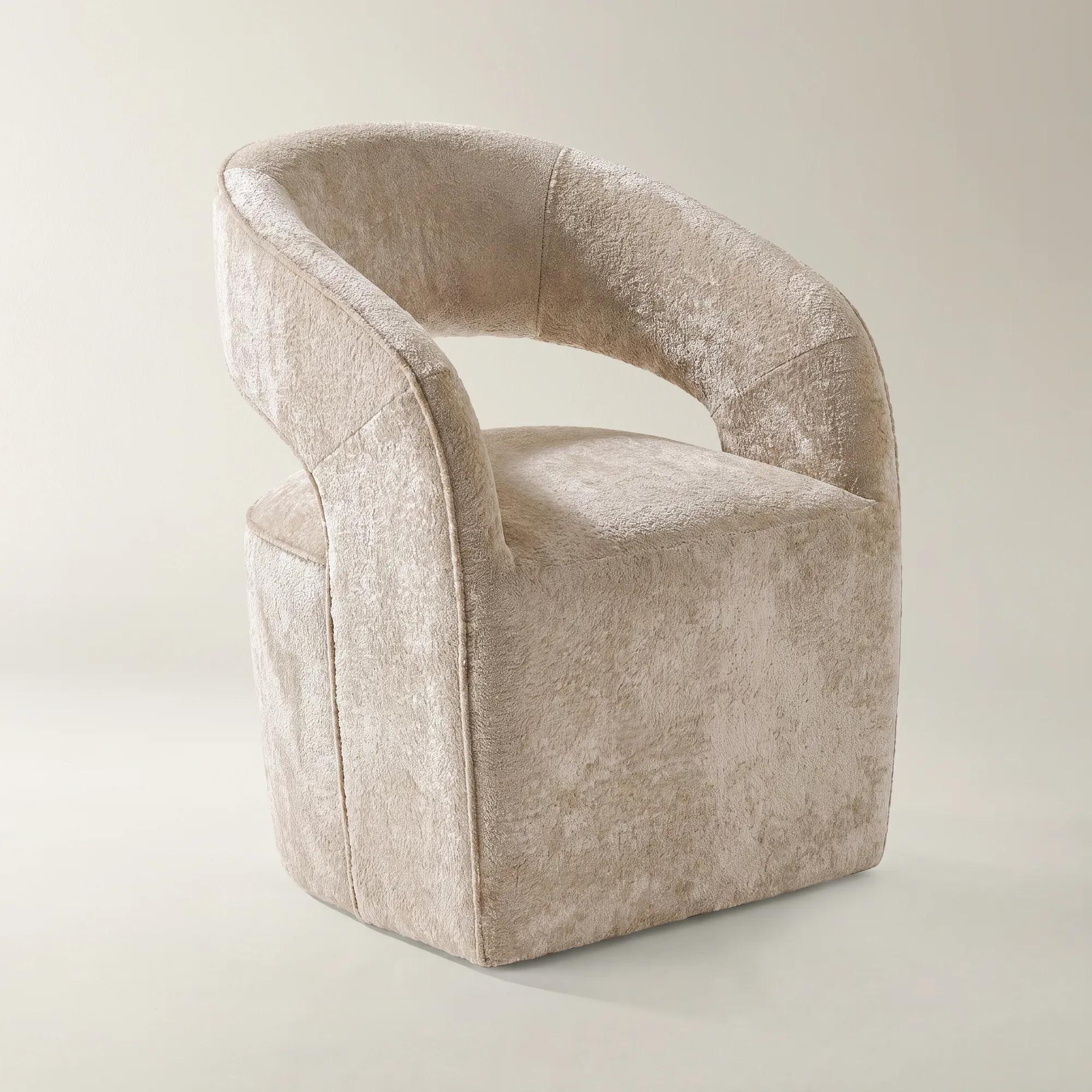
Modern Wash Oak Dining Chairs
Modern Wash Oak Dining Chairs
-
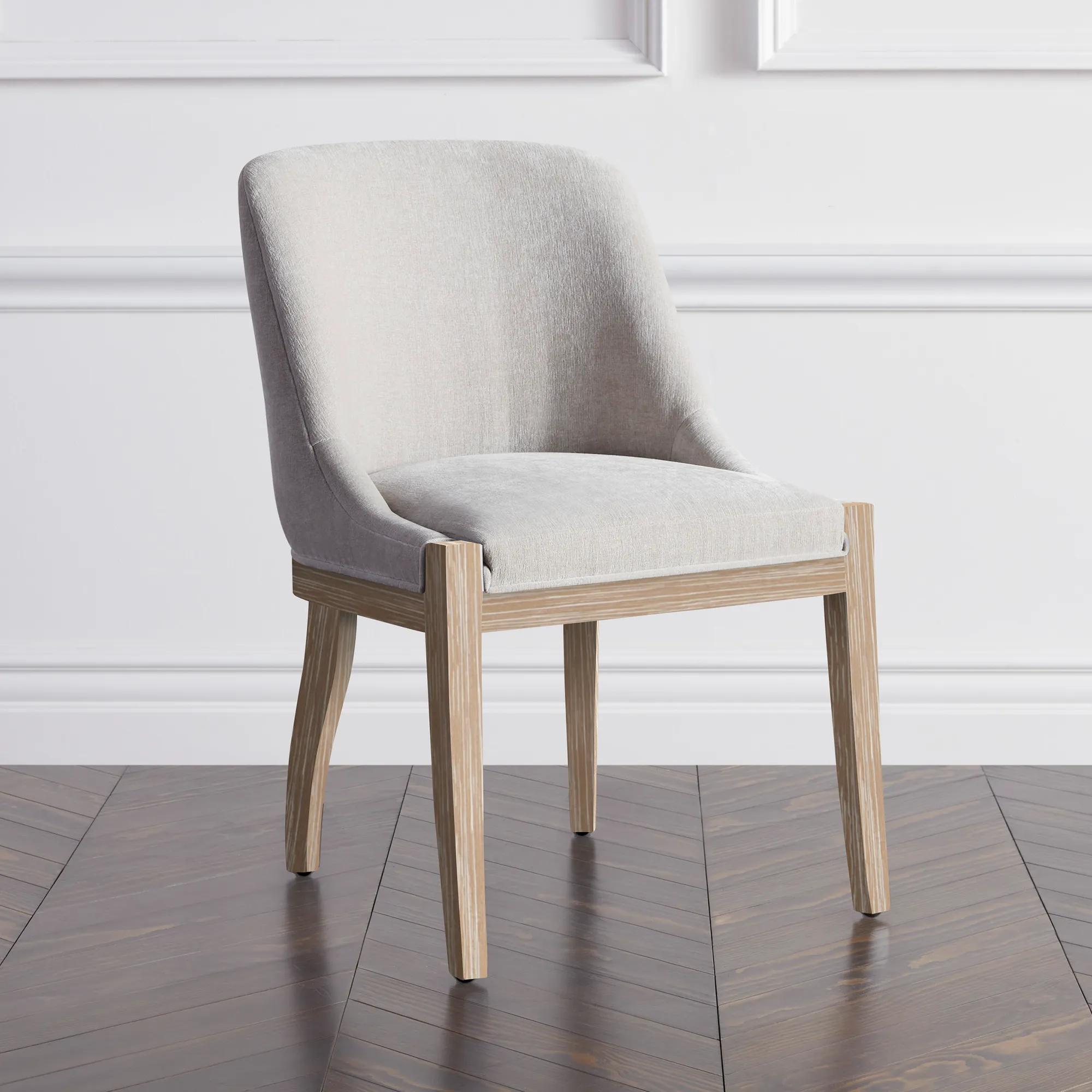
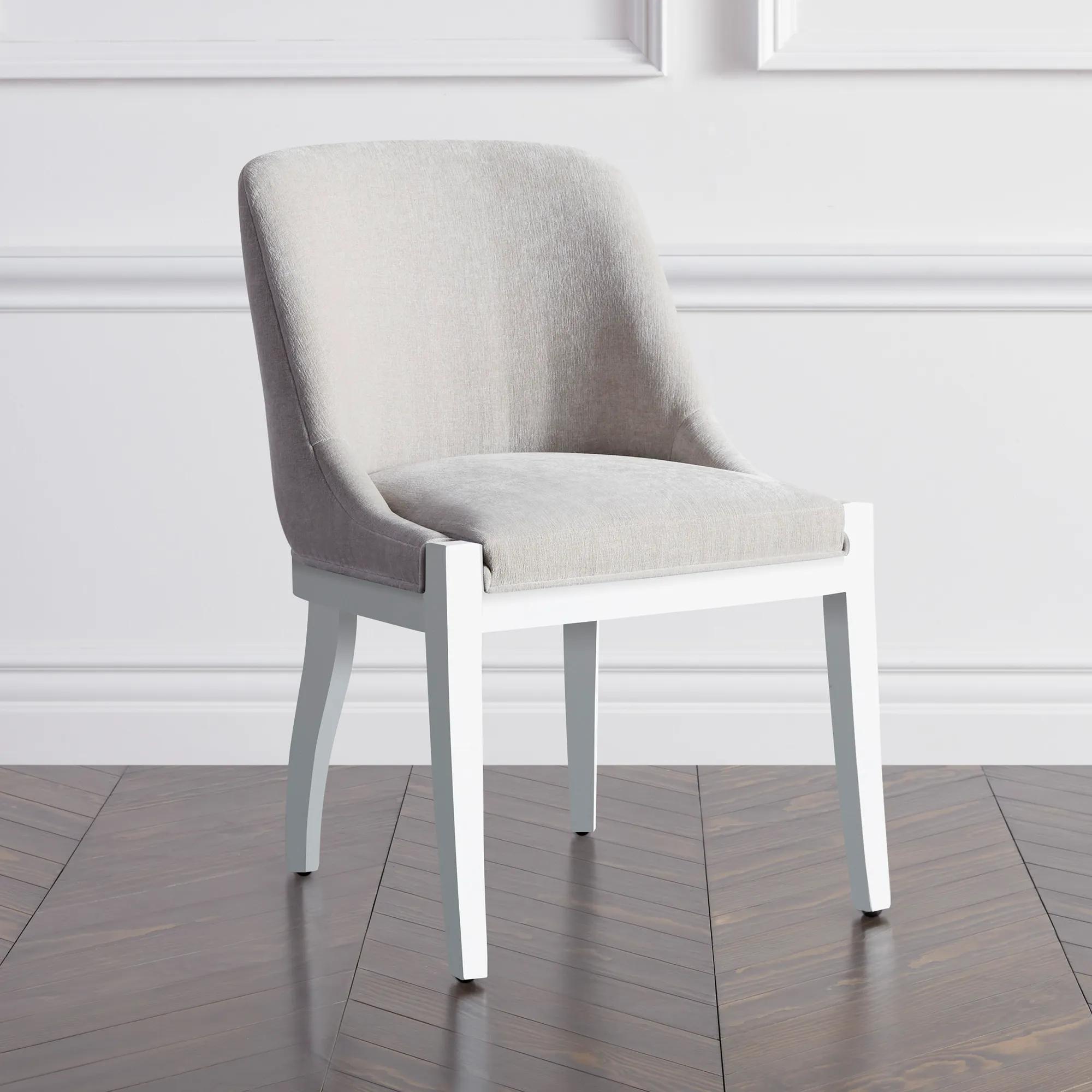
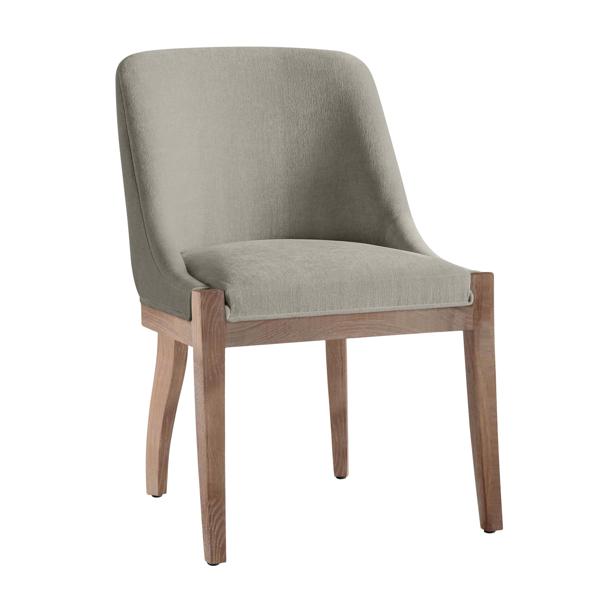 Lily Dining Chair - Wash Oak$649
A modern dining chair featuring a kiln-dried hardwood frame, wash oak legs, and tailored chenille upholstery.
Add To Cart -
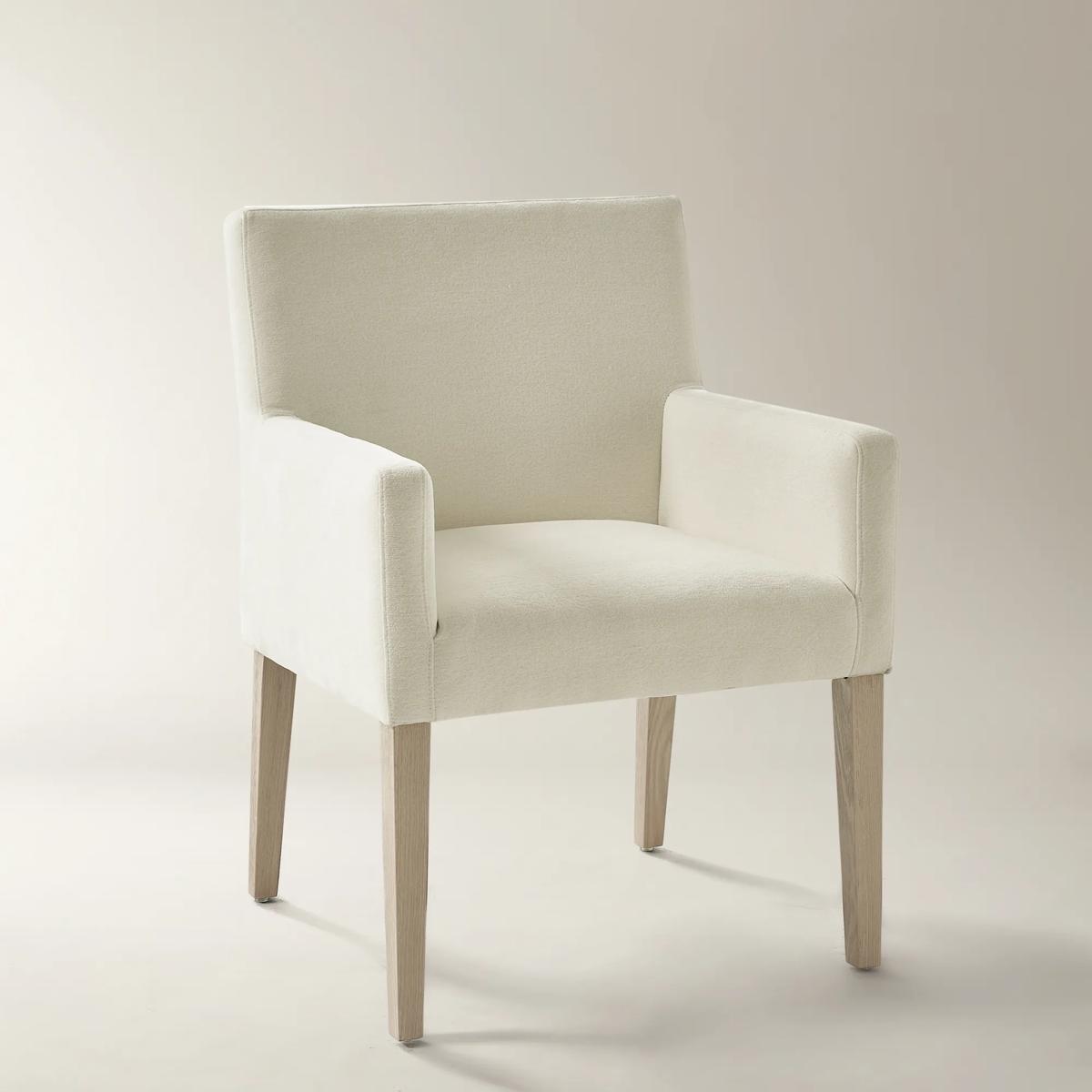
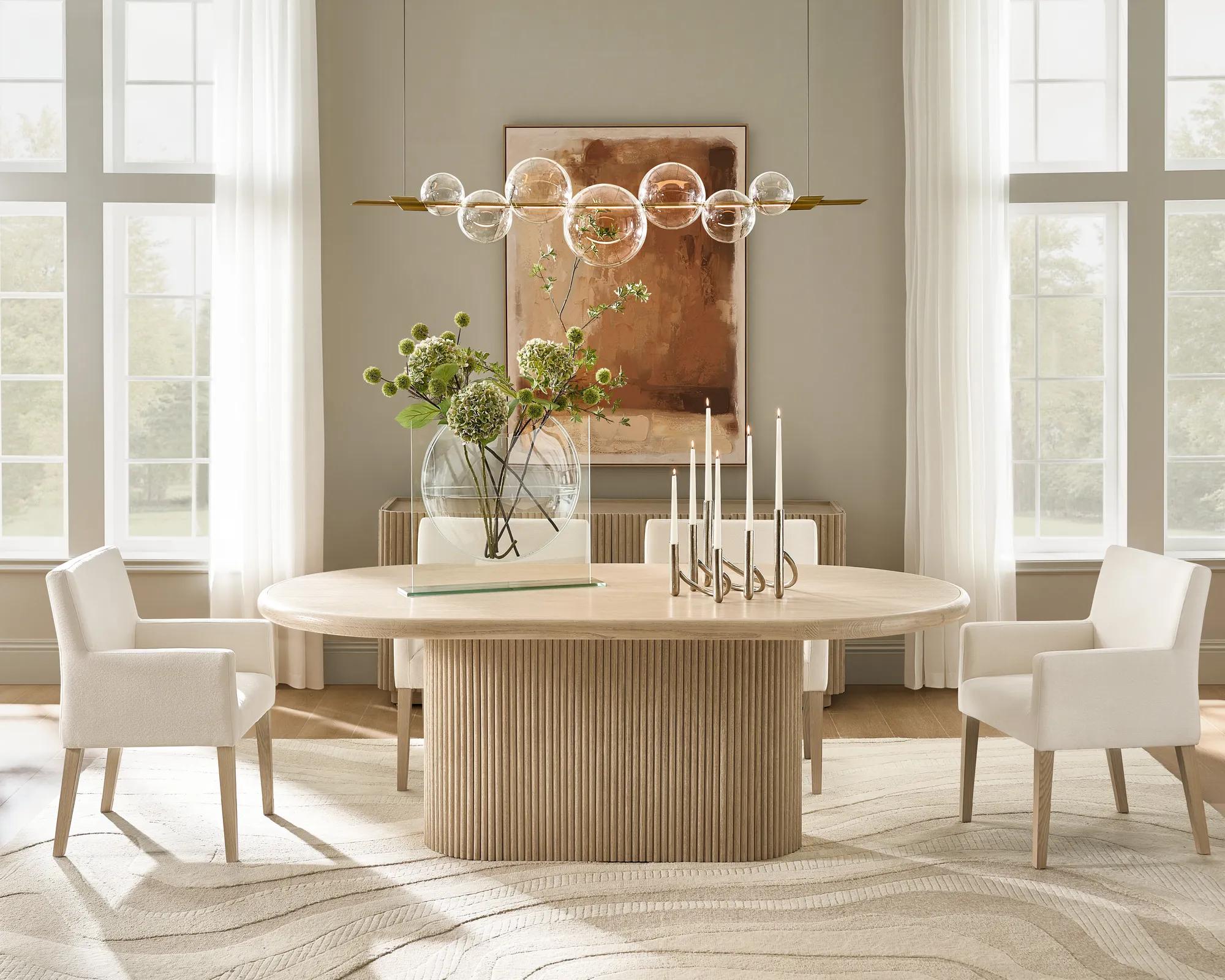 Stria Ivory Chenille Dining Chair Set Of 2$599
A pair of ivory chenille arm chairs with natural oak legs, offering plush comfort and modern elegance.
Add To Cart -
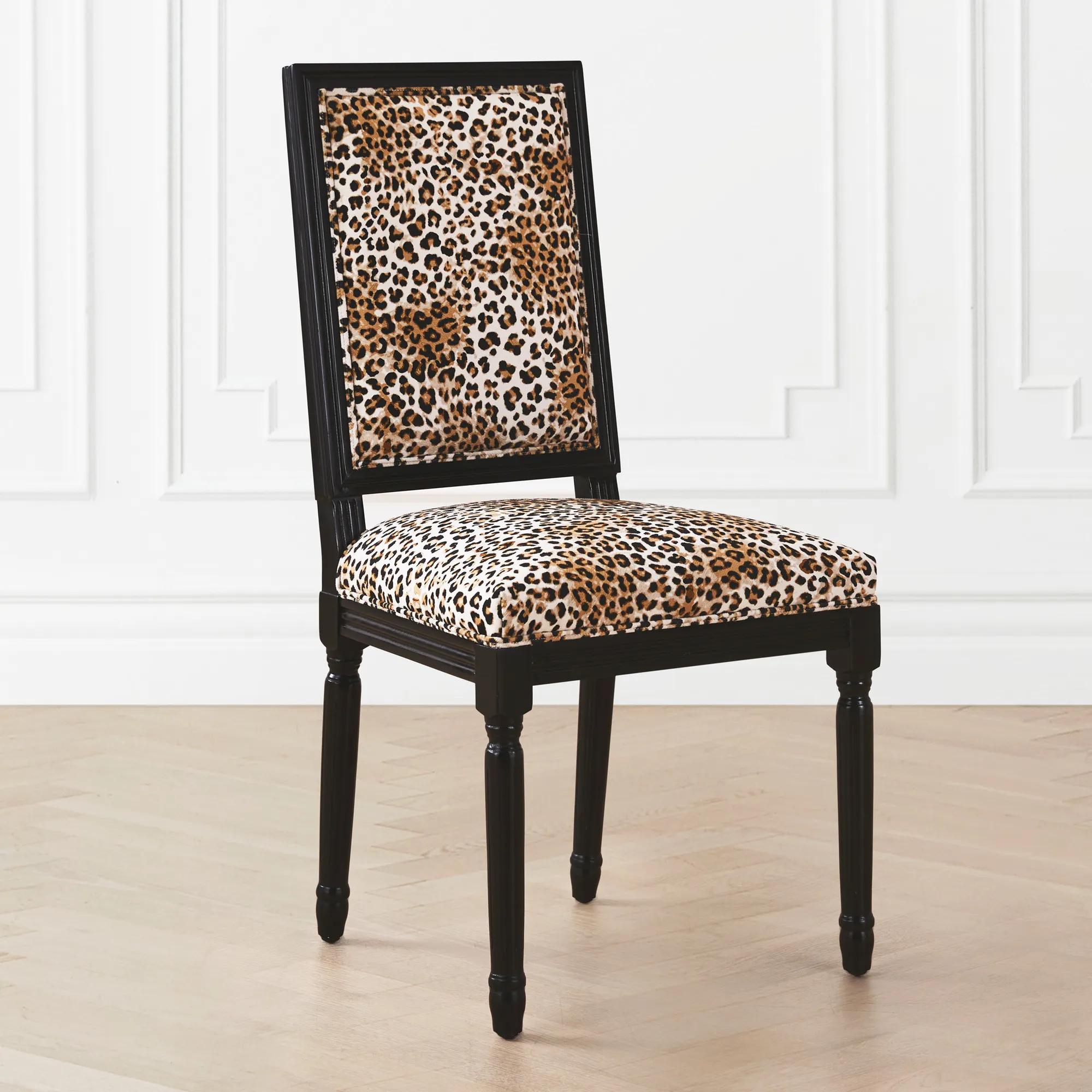
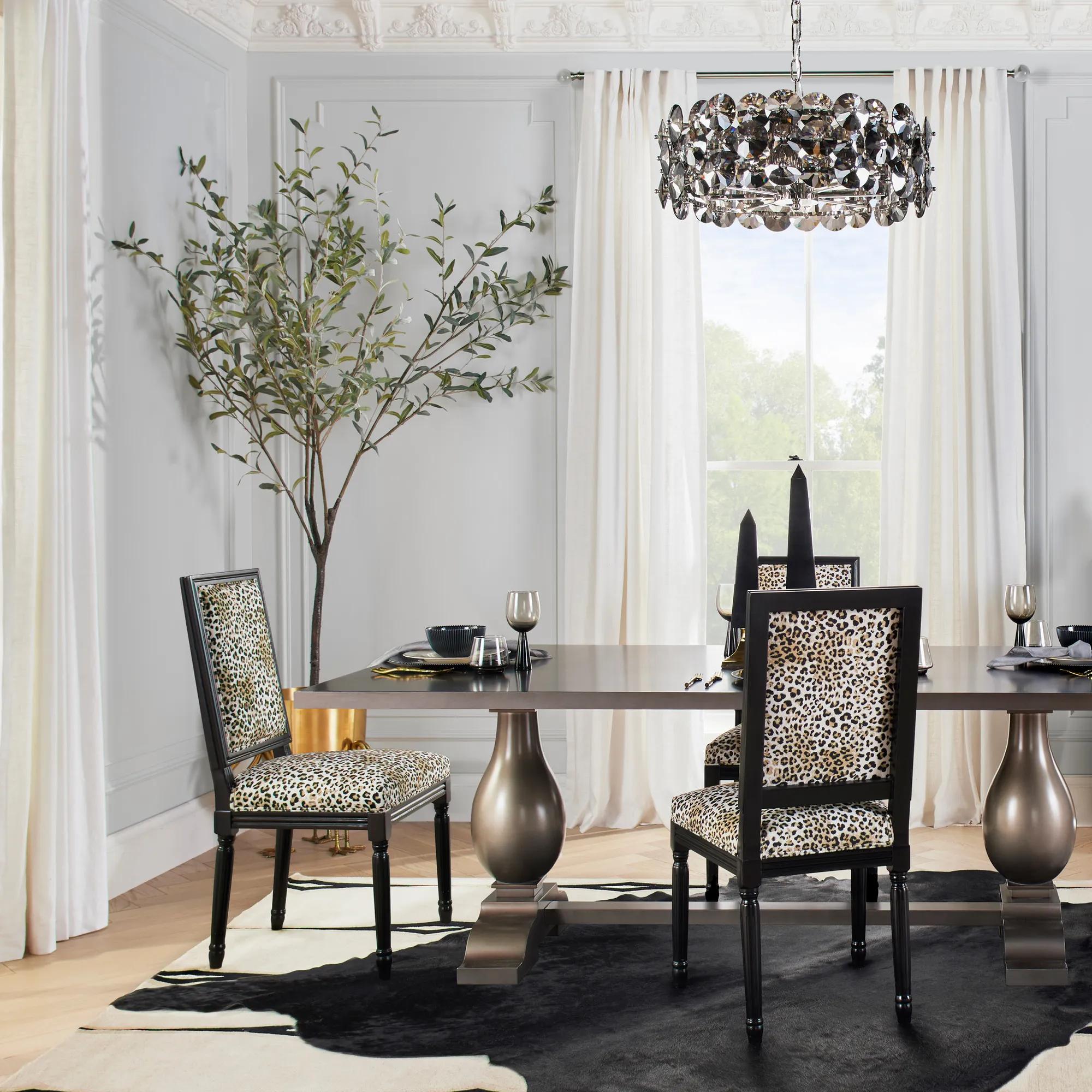 Callan Dining Chair$599
A handcrafted modern chair featuring classic upholstery, squared back, fluted legs, and high-gloss finish.
Add To Cart -
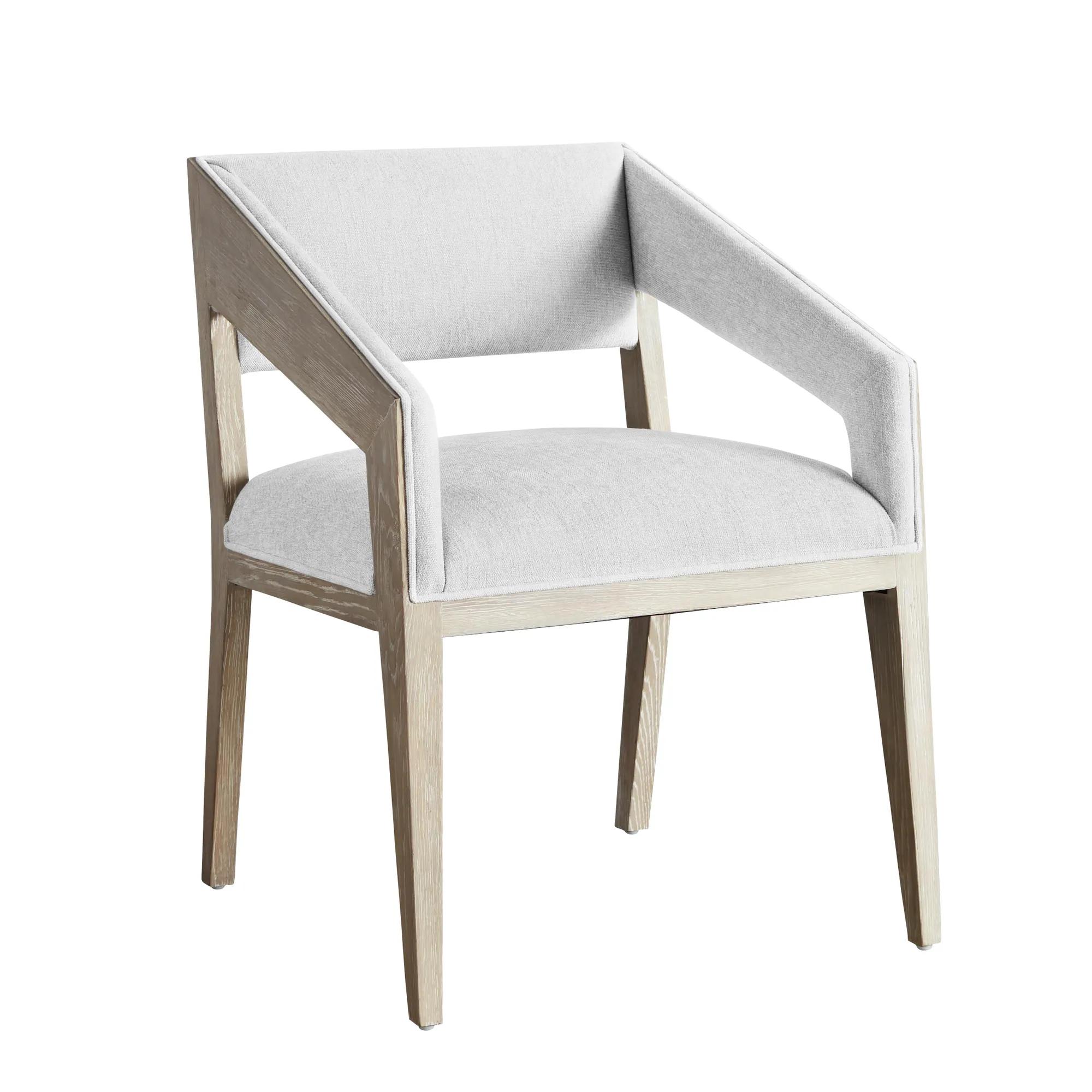
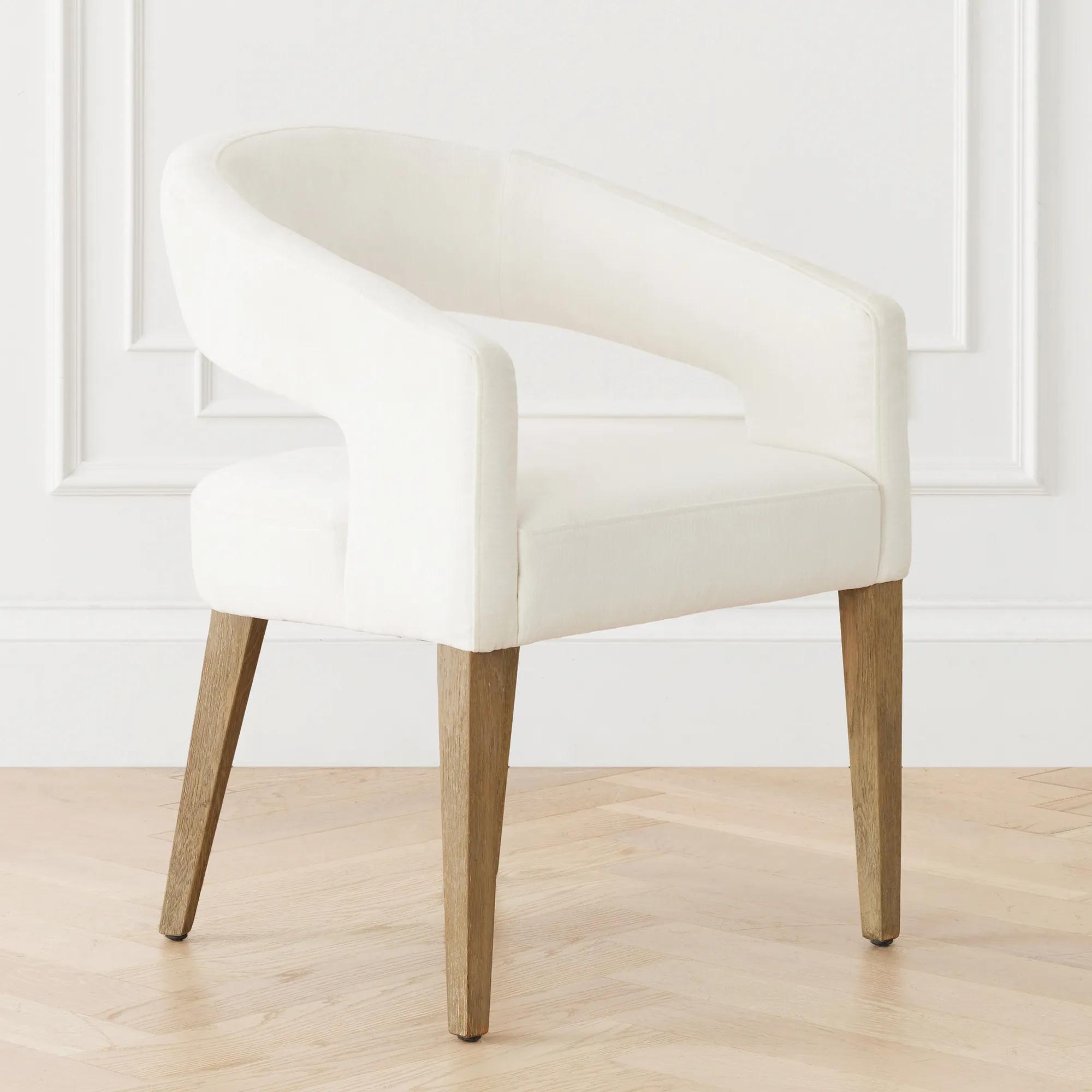
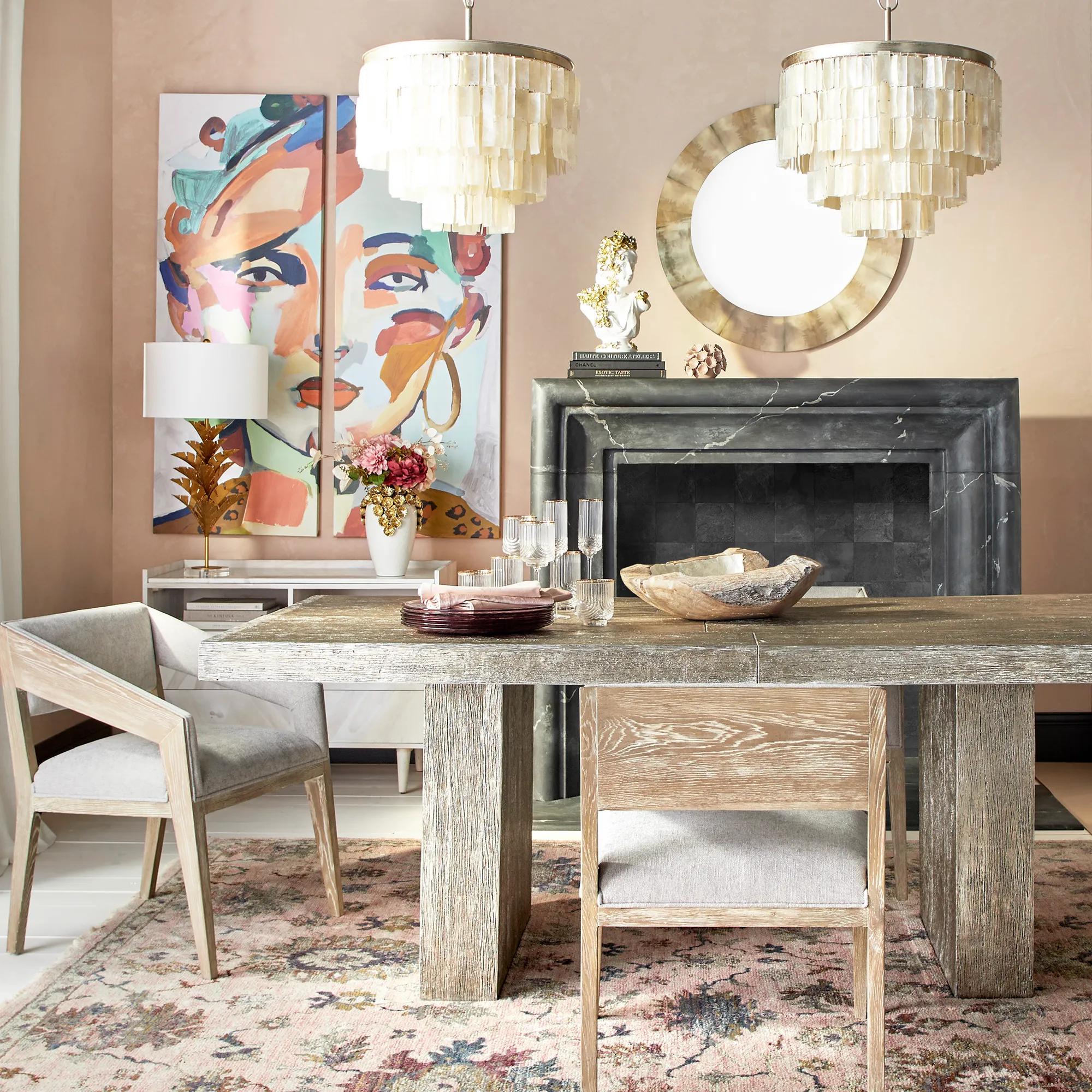 Alric Dining Arm Chair$699
A modern armchair featuring solid oak framing, natural grey finish, and neatly tailored pearl grey upholstery.
Add To Cart -
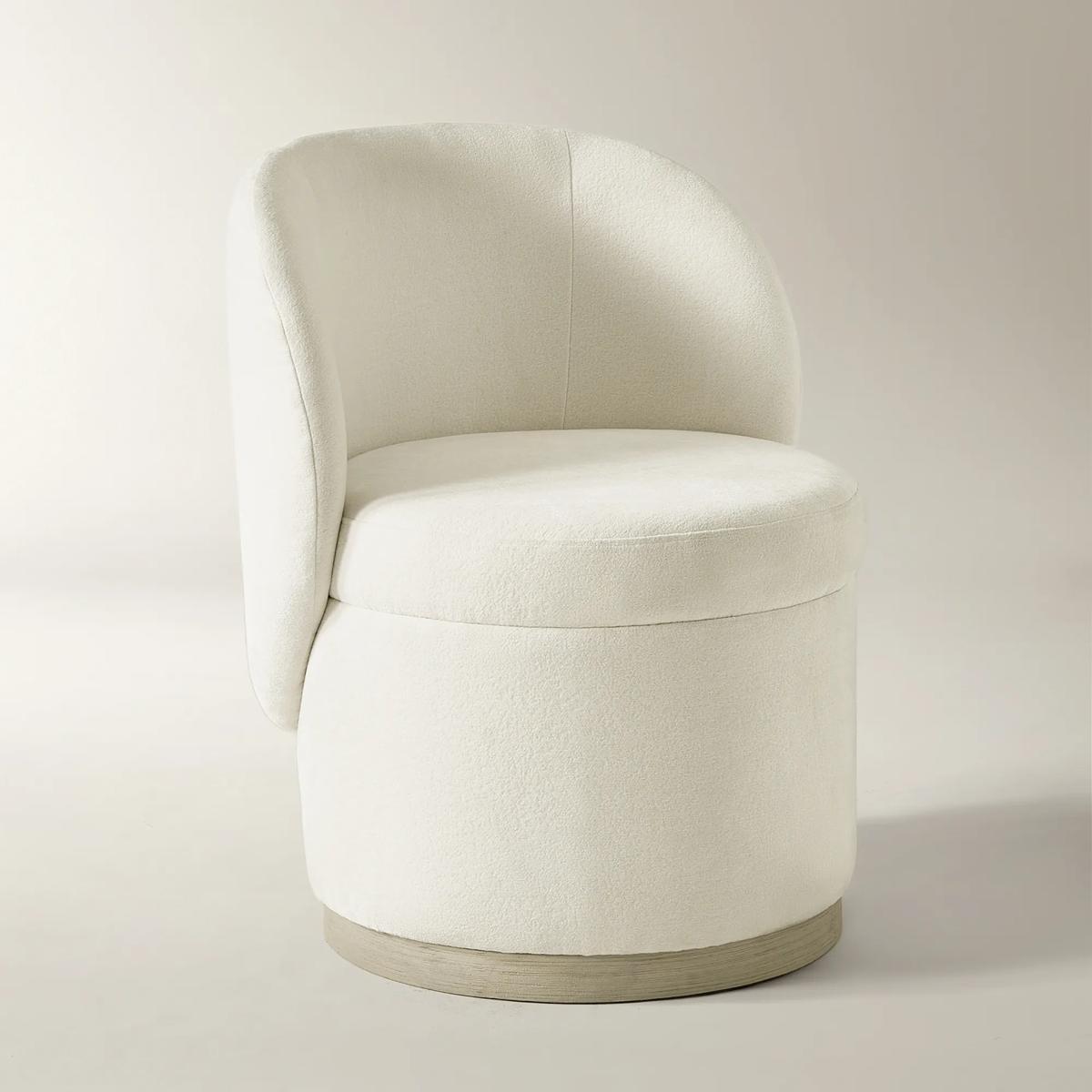 Stria Ivory Chenille Dining Chair With Oak Base$599
An ivory chenille chair featuring a plush, velvet-like finish and a handcrafted solid oak base.
Add To Cart -
 Stria Roasted Pecan Velvet Swivel Dining Chair With Oak Base$699
A velvet swivel dining chair with a sculpted curved profile and warm solid oak base.
Add To Cart -
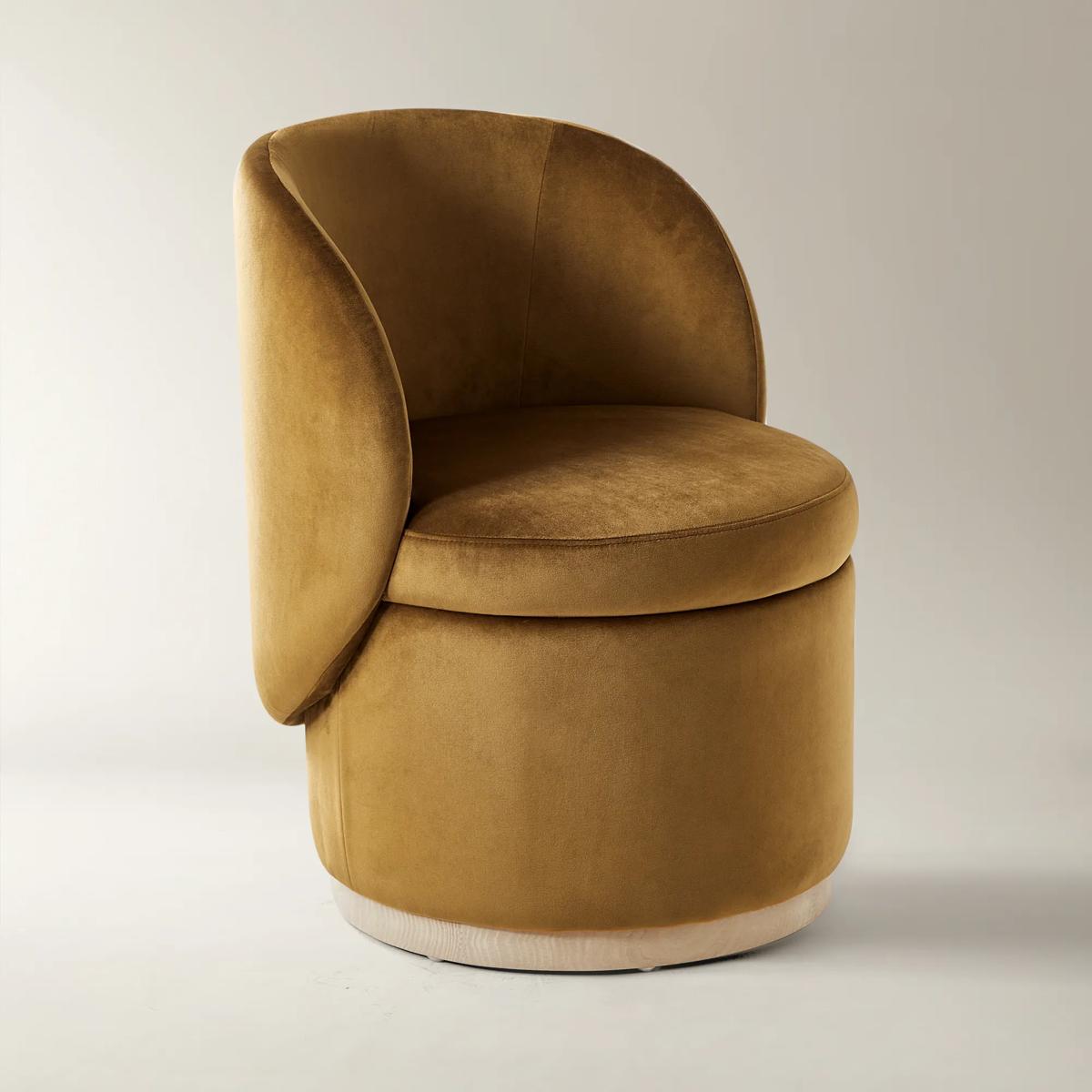
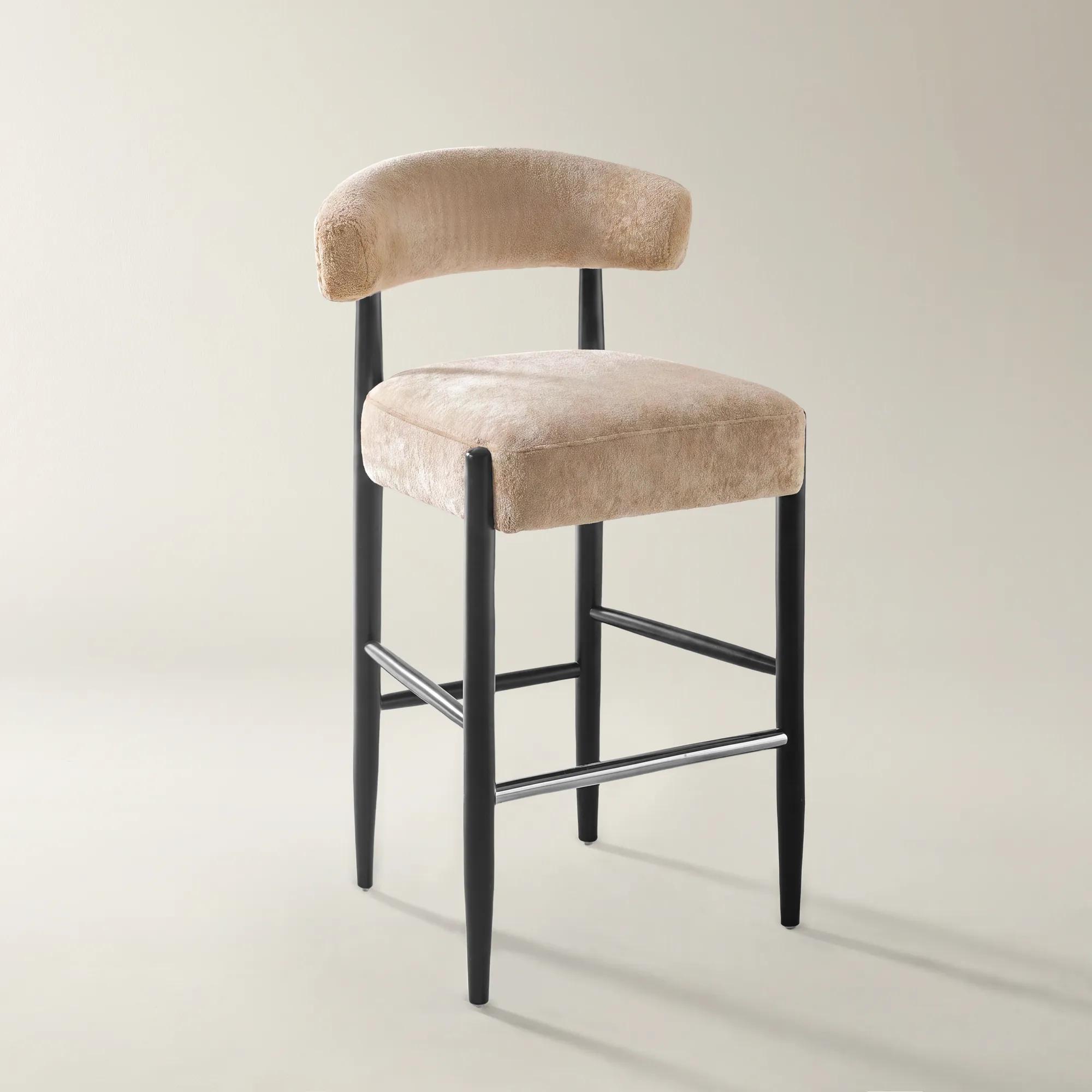
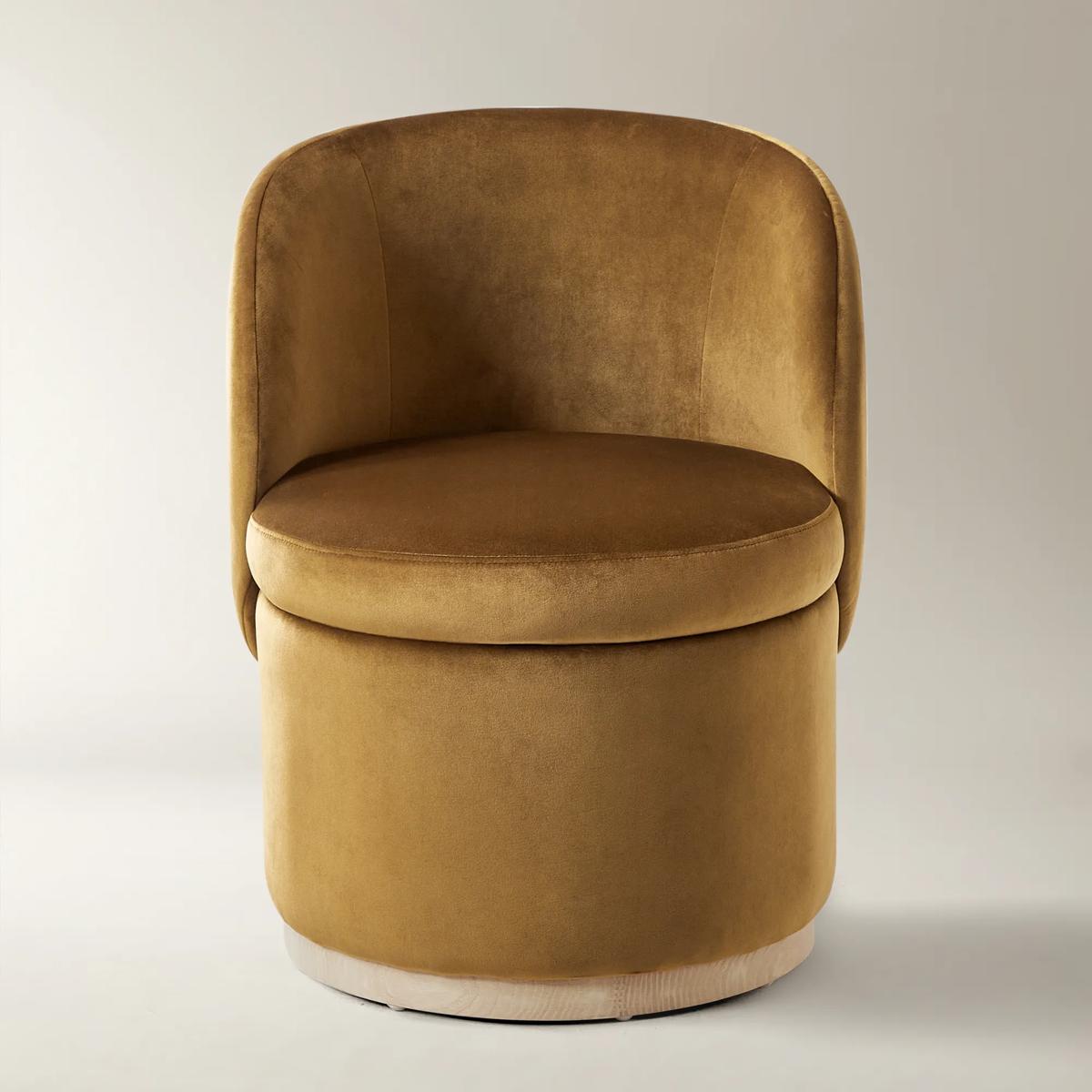 Stria Roasted Pecan Velvet Dining Chair With Oak Base$599
A khaki chenille chair featuring cozy upholstery and a handcrafted solid oak base for organic warmth.
Add To Cart -
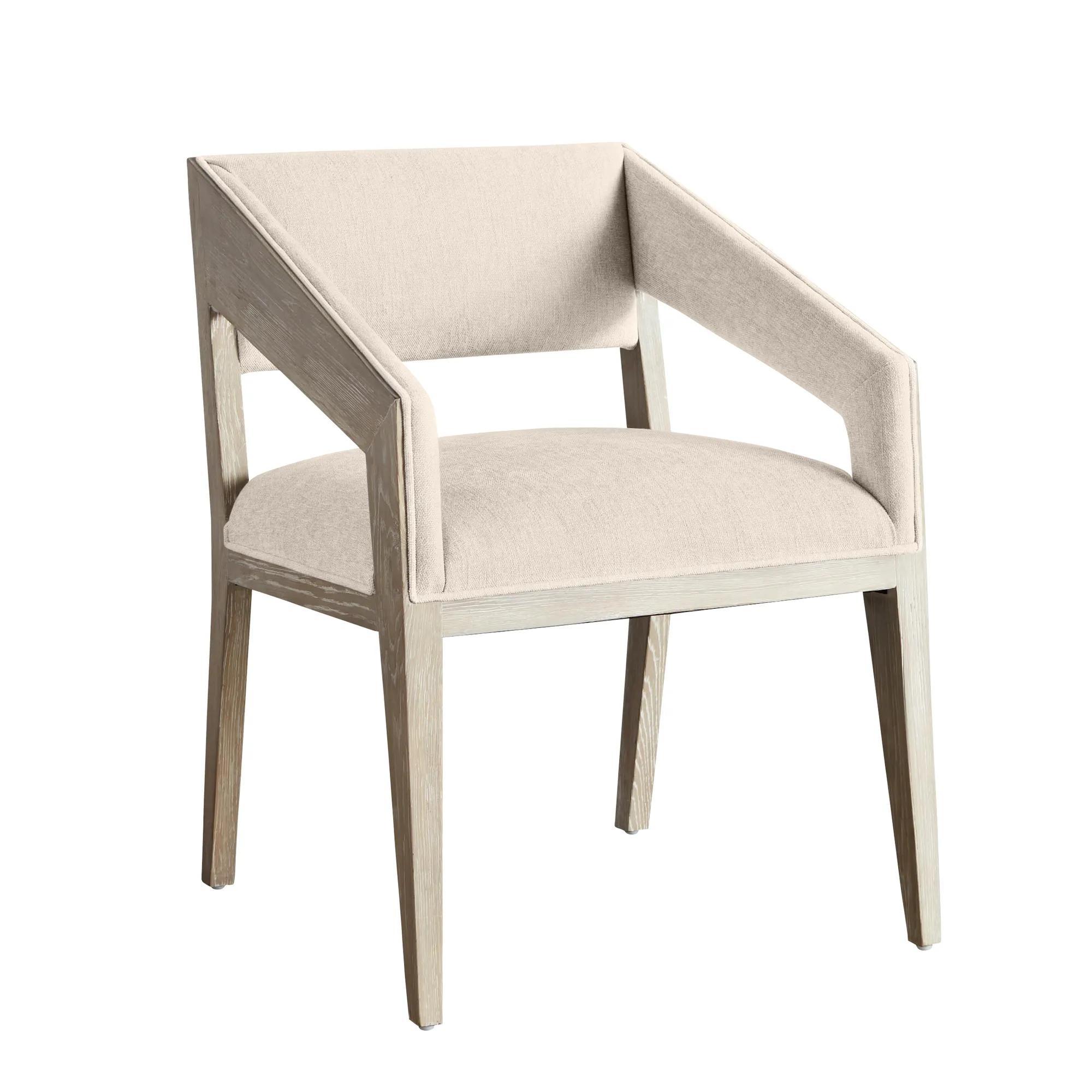 Alric Dining Arm Chair$699
A modern armchair featuring solid oak frame, natural grey finish, and neatly tailored pearl grey linen upholstery.
Add To Cart -
 Stria Ivory Chenille Swivel Dining Chair With Oak Base$699
A sculpted ivory chenille dining chair with a solid oak base and smooth 360-degree swivel.
Add To Cart -
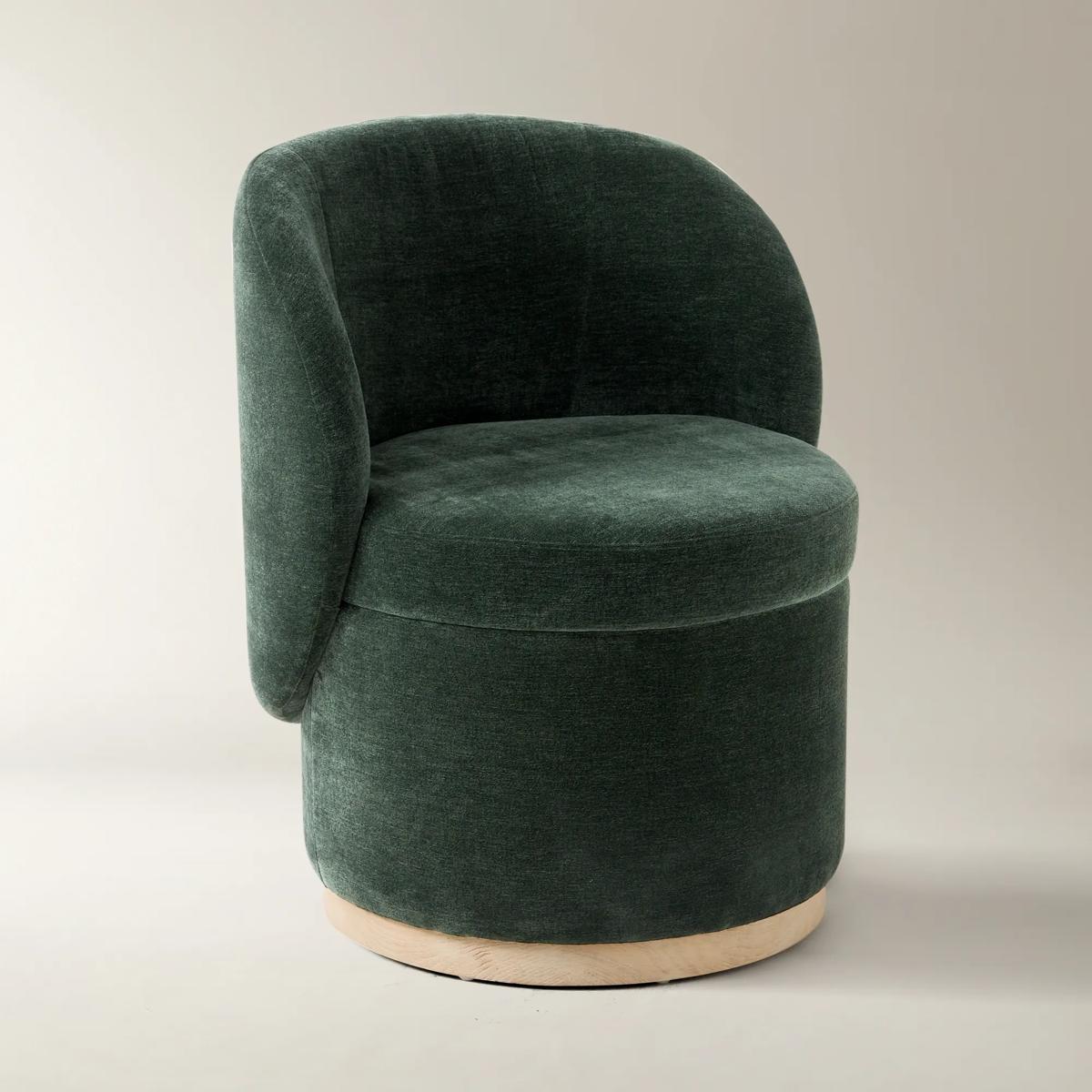
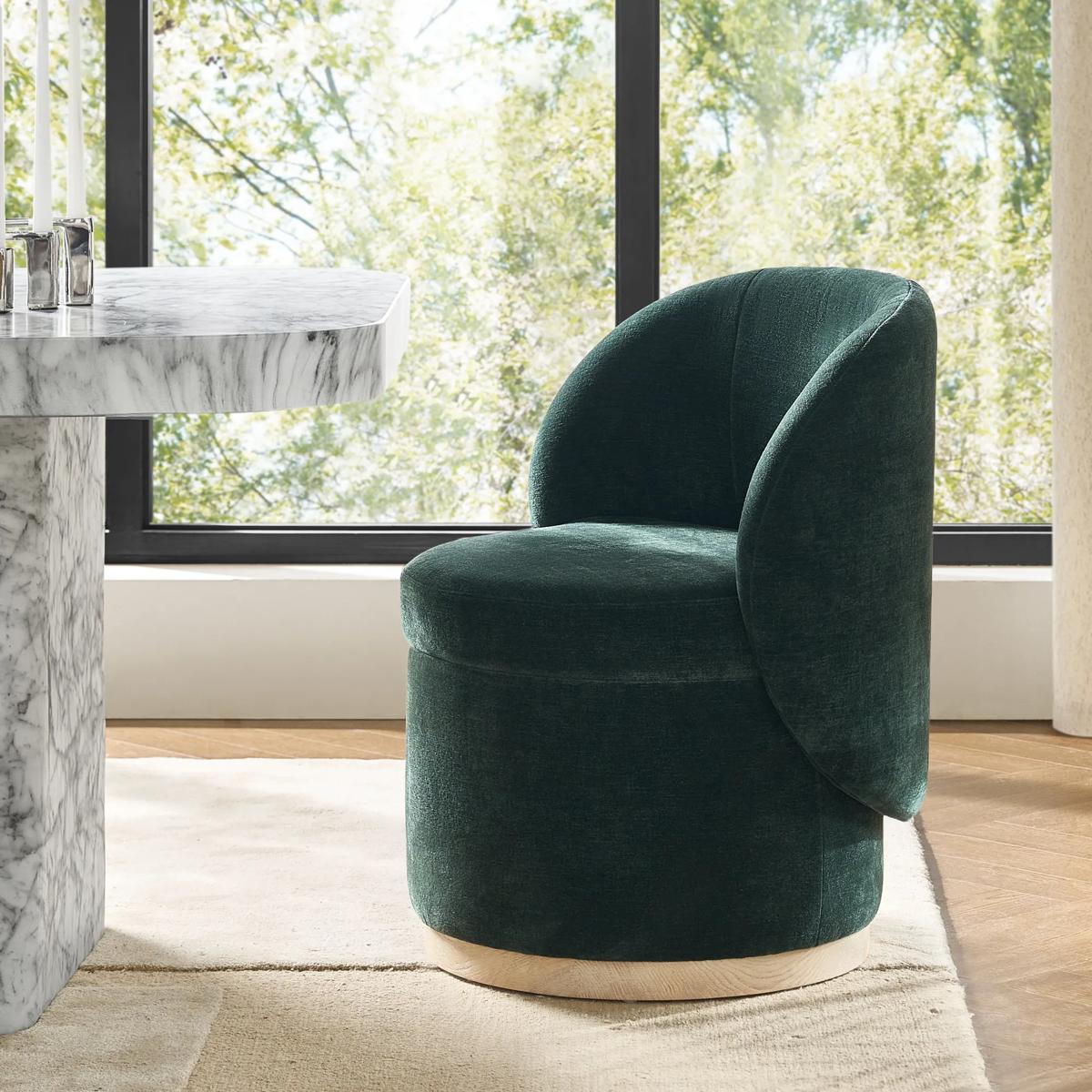 Stria Green Chenille Dining Chair With Oak Base$599
A green chenille dining chair with a handcrafted solid oak base and inviting, softly curved silhouette.
Add To Cart -
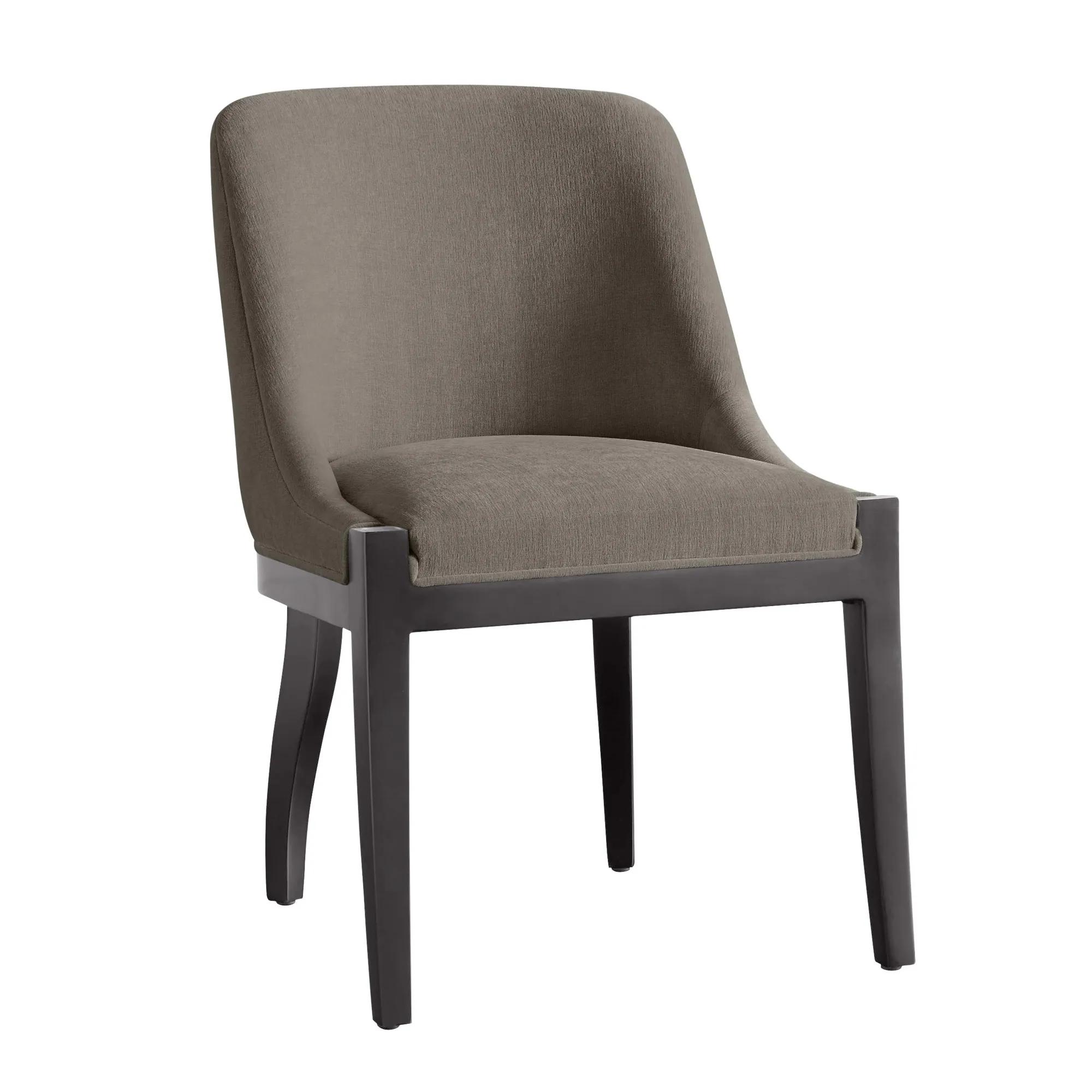
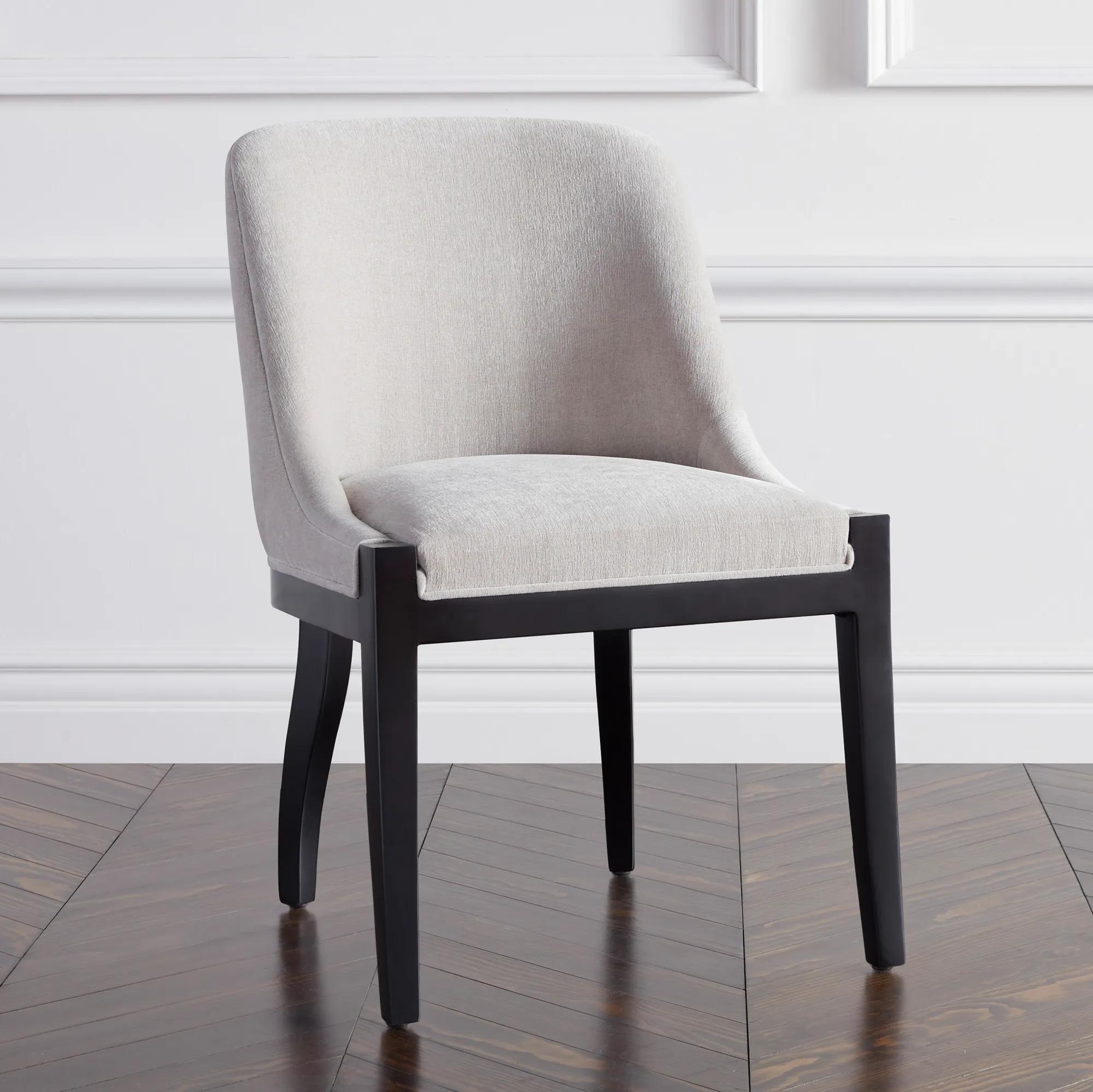
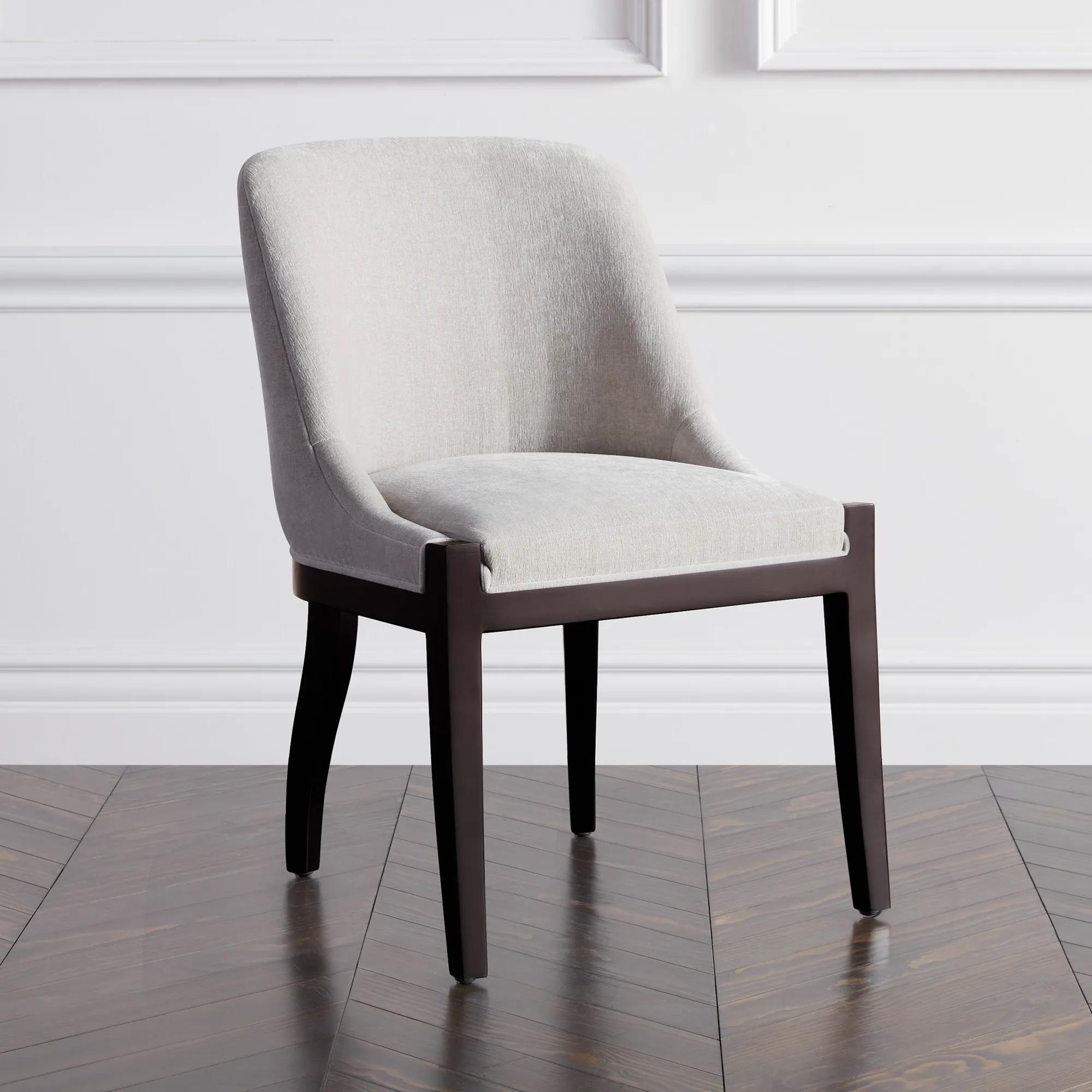 Lily Dining Chair - Espresso$649
A modern dining chair featuring espresso-finished hardwood, curvaceous silhouette, and plush tailored upholstery.
Add To Cart -

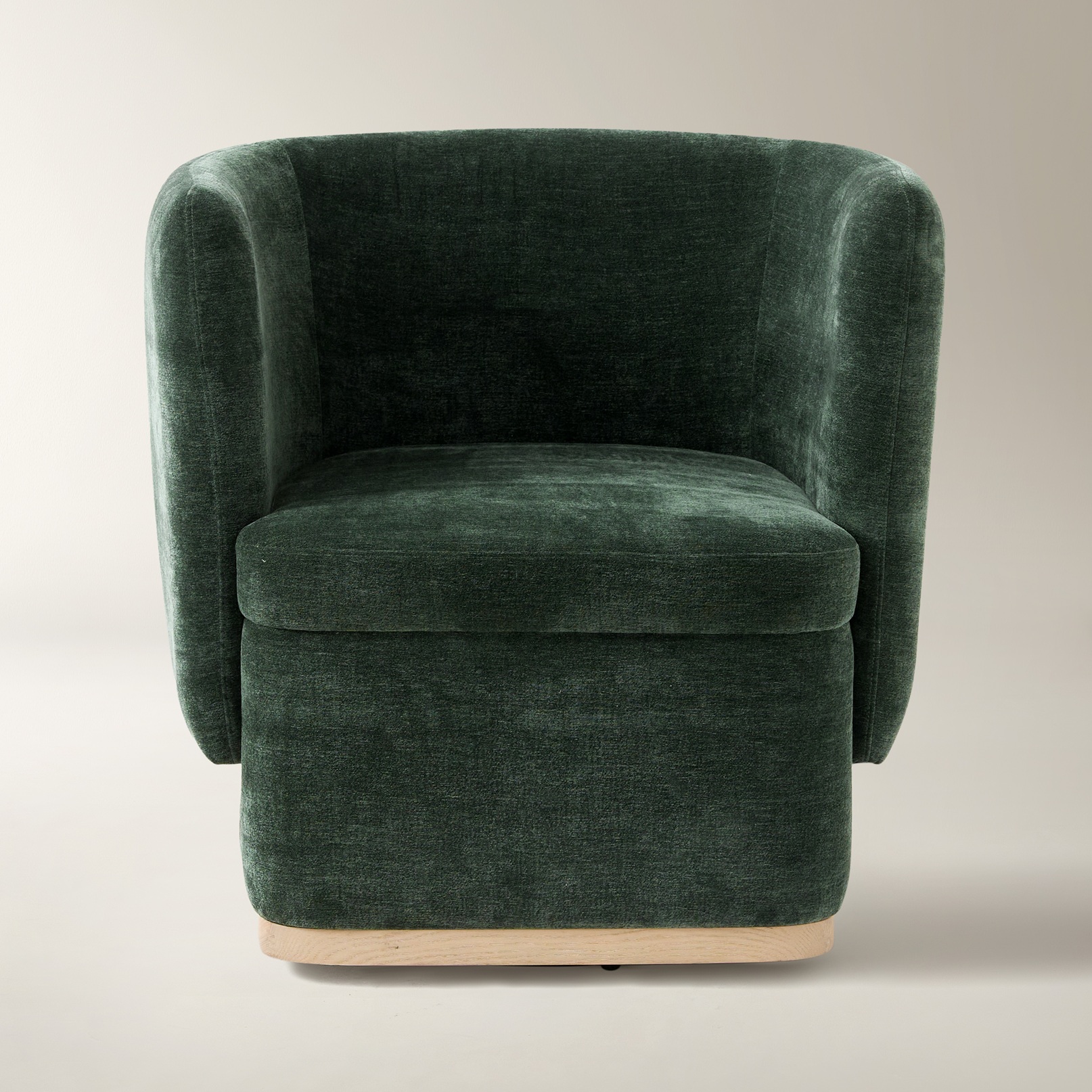 Stria Green Chenille Swivel Dining Chair With Oak Base$699
A green chenille dining chair with a sculpted curved profile, solid oak base, and 360° swivel.
Add To Cart -
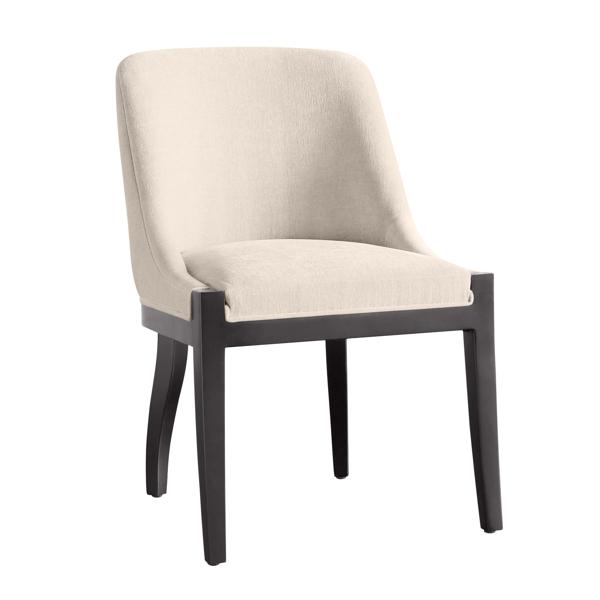 Lily Dining Chair - Espresso$649
A modern dining chair with kiln-dried hardwood frame, espresso legs, and plush tailored upholstery for comfort.
Add To Cart -
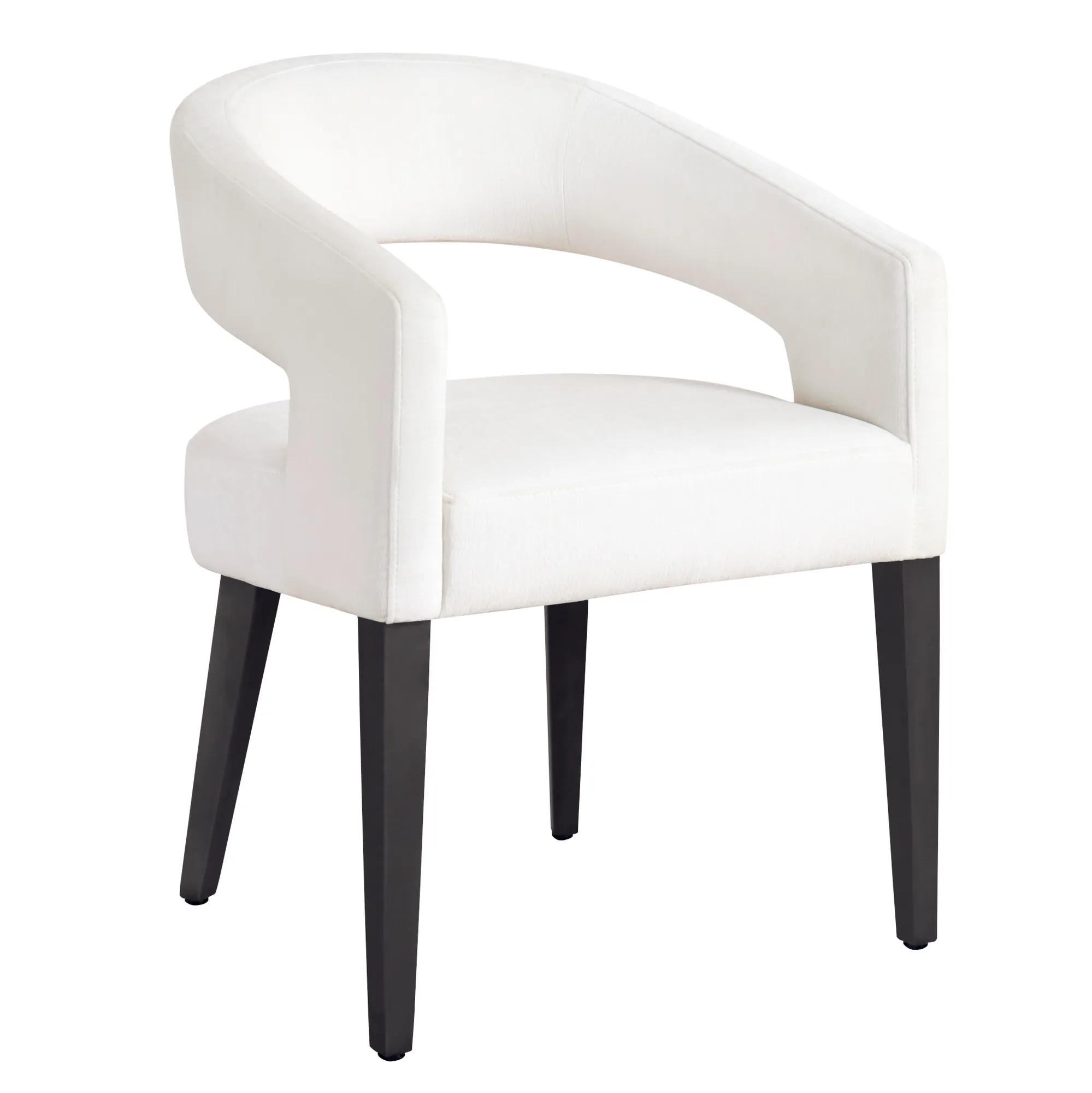
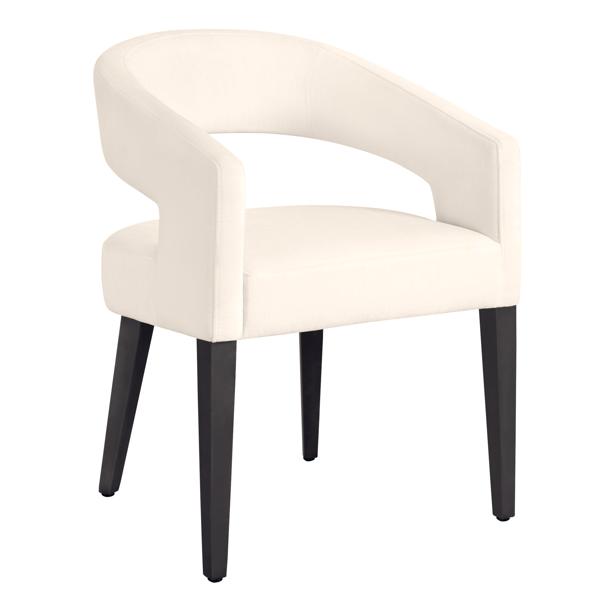 Philippa Dining Chair - Espresso$599
A modern dining chair featuring a curved silhouette, espresso legs, and neatly tailored chenille upholstery.
Add To Cart -
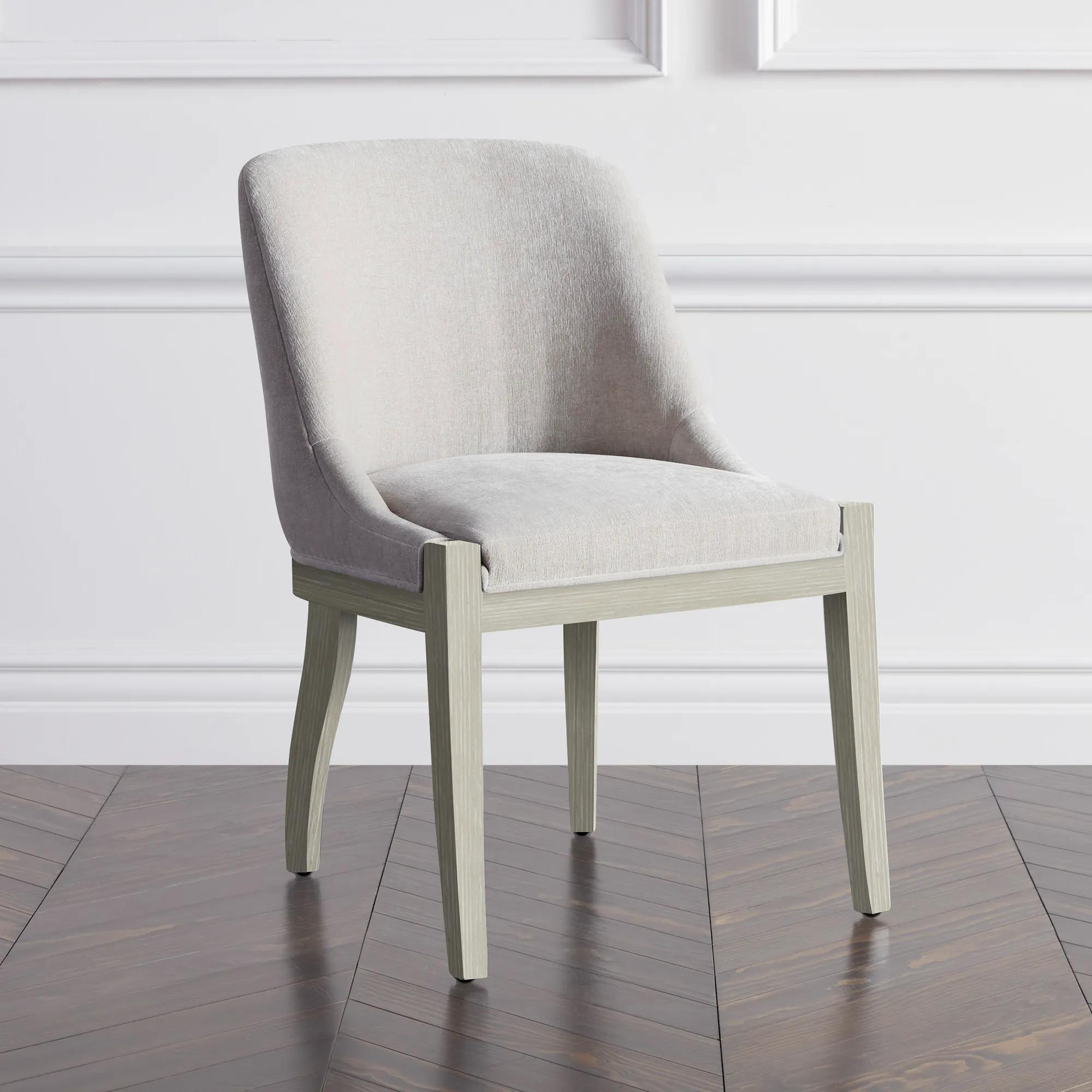 Lily Dining Chair - Natural Grey$649
A modern dining chair featuring kiln-dried hardwood, natural grey upholstery, and cushioned foam-and-fiber comfort.
Add To Cart

Modern Wash Oak Dining Chairs
Modern wash oak dining chairs are the very definition of understated glamour—where clean lines meet the poetic beauty of natural wood grain. These sculptural silhouettes invite conversation and celebration, transforming every meal into an occasion. With their pale, sun-kissed finish and artful presence, modern wash oak dining chairs capture the essence of contemporary elegance, offering a canvas for bold tablescapes and curated moments. Elevate your dining scene with pieces that exude quiet sophistication while making a dramatic statement—because in a Z Gallerie home, every seat is a front-row invitation to style.
Modern washed oak dining chairs combine the expressive grain of oak with a softened finish and clean, contemporary silhouettes. A washed treatment typically lightens the wood’s appearance or settles pale pigment into its grain, creating depth without the visual weight of a dark stain. The result can range from creamy beige to muted taupe or gray, depending on the underlying wood and finishing technique. This is a finish description rather than a guarantee of construction: a chair may incorporate solid oak, oak veneer, or a combination of materials, so individual specifications matter. What connects the look is its balance of natural character and architectural restraint. Broad grain patterns give a streamlined frame movement; slender legs and a sculpted back keep that texture feeling intentional rather than rustic. Around a dining table, these chairs introduce warmth without overpowering a dramatic centerpiece, a veined stone surface, or the gleam of polished metal. Their pale tones are especially compelling against deep charcoal walls, where every curve becomes more distinct, or beside ivory drapery and a richly textured rug for a quieter composition with equal presence. A washed oak finish does not need to match the dining table exactly. Pairing it with darker wood can create a deliberate contrast, while a glass tabletop allows the chair frames to become part of the room’s visual architecture. When combining wood tones, a shared warm or cool undertone often makes the arrangement feel more cohesive than an almost identical color match. For a related interpretation of this material-led aesthetic, Contemporary Oak Dining Chairs offer another point of connection between visible grain and sculptural form. The appeal extends beyond a single decorating style: washed oak can temper a room filled with reflective surfaces, enrich a neutral interior, or lend an artful foundation to saturated upholstery and oversized artwork.
The most successful dining chairs have a presence that suits both the table and the people gathered around it. A curved back can soften the geometry of a rectangular table, while an angular frame brings definition to a round pedestal design. Upholstered seats introduce another layer of texture, from the tailored look of a tightly woven fabric to the plush dimension of a more tactile covering. Unupholstered seats place greater emphasis on the wood’s finish and contour, although comfort depends on shaping, support, and individual preference rather than material alone. For a dining space that hosts lingering conversations, the angle of the back, usable seat depth, and cushioning deserve as much attention as the silhouette. Dimensions also determine how gracefully a room functions. A seat height roughly 10 to 12 inches below the tabletop is a common starting point for standard-height dining furniture, but a substantial apron can reduce legroom. Armchairs need enough clearance to slide beneath the table, and thick seat cushions can change the seated position. Allowing approximately 24 inches of table edge per person offers a useful initial estimate; wider chairs, sweeping arms, and closely spaced table legs may require more. Beyond the table, leave room to pull chairs out without catching a rug edge or interrupting a nearby walkway. These details become especially important in an open dining area that shares space with a living room, where the backs of the chairs remain visible throughout the day. An expressive back profile can make that view feel as considered as the place settings. Armless chairs often suit a more compact footprint, while armchairs at the ends of a rectangular table can establish a composed, generous rhythm. Matching frames create continuity, but a measured mix of upholstered and exposed-wood seating can give the room greater depth when finish, proportion, or shape provides a clear connection.
Material and finish details influence how washed oak dining chairs feel in daily life and how they should be maintained. Solid oak brings natural variation in grain and color, while oak veneer presents a thin layer of real wood over a supporting substrate; neither description alone establishes the quality of the finished chair. Joinery, frame stability, surface protection, and the manufacturer’s intended use all contribute to lasting performance. A pale wash should not be mistaken for a waterproof coating or a promise that spills will disappear into the finish. Dining chairs live close to coffee cups, serving dishes, and the occasional splash of sauce, so prompt, gentle care helps preserve their character. Dust exposed wood with a soft cloth, blot spills promptly, and follow the stated cleaning directions rather than reaching for an abrasive pad or an all-purpose spray. Avoid leaving moisture on the surface, and test any approved cleaner in an inconspicuous area. Upholstery requires its own approach: the fabric’s care instructions, fiber content, and any stated performance treatment should determine how marks are addressed. A textured pale fabric may have extraordinary visual depth, but it is not automatically stain resistant. In homes with children or frequent guests, documented cleanability and a stable, comfortable frame may matter more than an intricate decorative detail. Protective pads appropriate to the flooring can help limit scuffs, while lifting chairs instead of dragging them reduces strain on joints and surfaces. Prolonged direct sunlight and proximity to heat sources can also affect wood and upholstery, making thoughtful placement part of long-term care. Designed for indoor dining unless otherwise specified, these chairs can serve a formal dining room, an intimate breakfast setting, or a multipurpose apartment where meals and conversation share the same beautifully composed space. Their distinctive strength is the interplay of texture and line: visible oak grain brings individuality, the washed finish lends softness, and the silhouette gives the room its poise. Paired with substantial dinnerware, luminous glass, or a sculptural vessel, they support a dining setting with character well beyond the tabletop.
FAQs
Modern wash oak dining chairs blend the timeless appeal of natural oak with contemporary silhouettes, making them a seamless fit for a range of interiors—from minimalist and Scandinavian to eclectic and transitional. Their subtle washed finish and sculptural forms allow them to complement both bold statement pieces and understated décor, ensuring they adapt beautifully as your style evolves.
The washed oak finish brings out the natural grain and texture of the wood, creating a luminous, soft-toned surface that adds depth and character to any dining space. This finish not only highlights the craftsmanship behind each chair but also evokes a sense of relaxed sophistication, making every meal feel like a special occasion.
Absolutely. Modern oak dining chairs are designed to transition effortlessly between formal dinner parties and everyday meals. Their refined lines and elegant proportions bring a touch of luxury to formal settings, while their inviting comfort and approachable finish make them perfect for casual gatherings and family meals.
Contemporary oak dining chairs can be styled as a matching set for a cohesive, gallery-inspired look, or mixed with upholstered chairs and metallic accents for added drama. Pairing them with a glass or marble table enhances their natural beauty, while layering in textured rugs and statement lighting completes a bold, expressive dining vignette.
Modern wash oak dining chairs make an exceptional gift for newlyweds, first-time homeowners, or anyone passionate about interior design. Their blend of craftsmanship, comfort, and timeless style ensures they’ll be cherished for years, transforming every gathering into a celebration of artistry and connection.