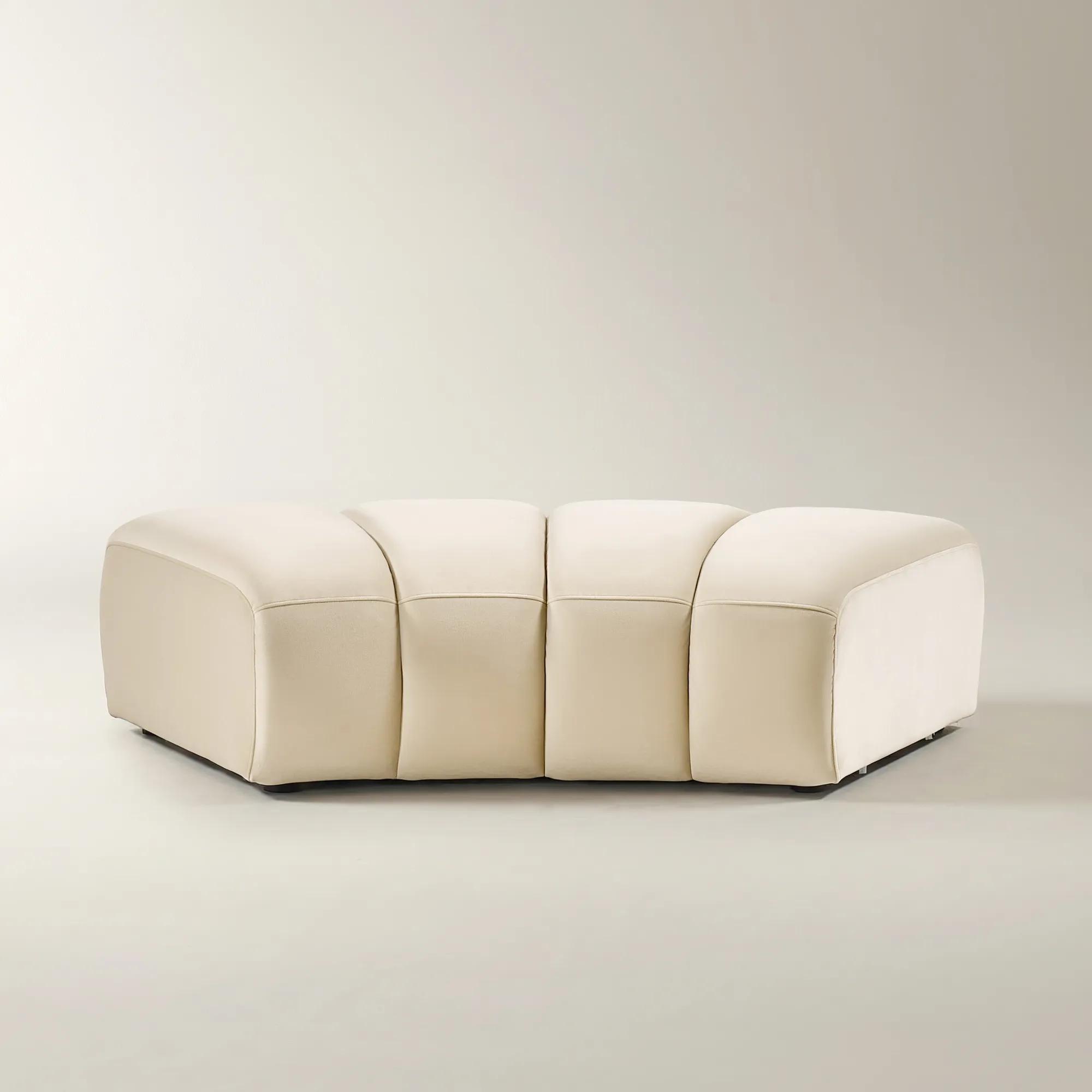
Modern Seating For Small Spaces
Modern Seating For Small Spaces
-

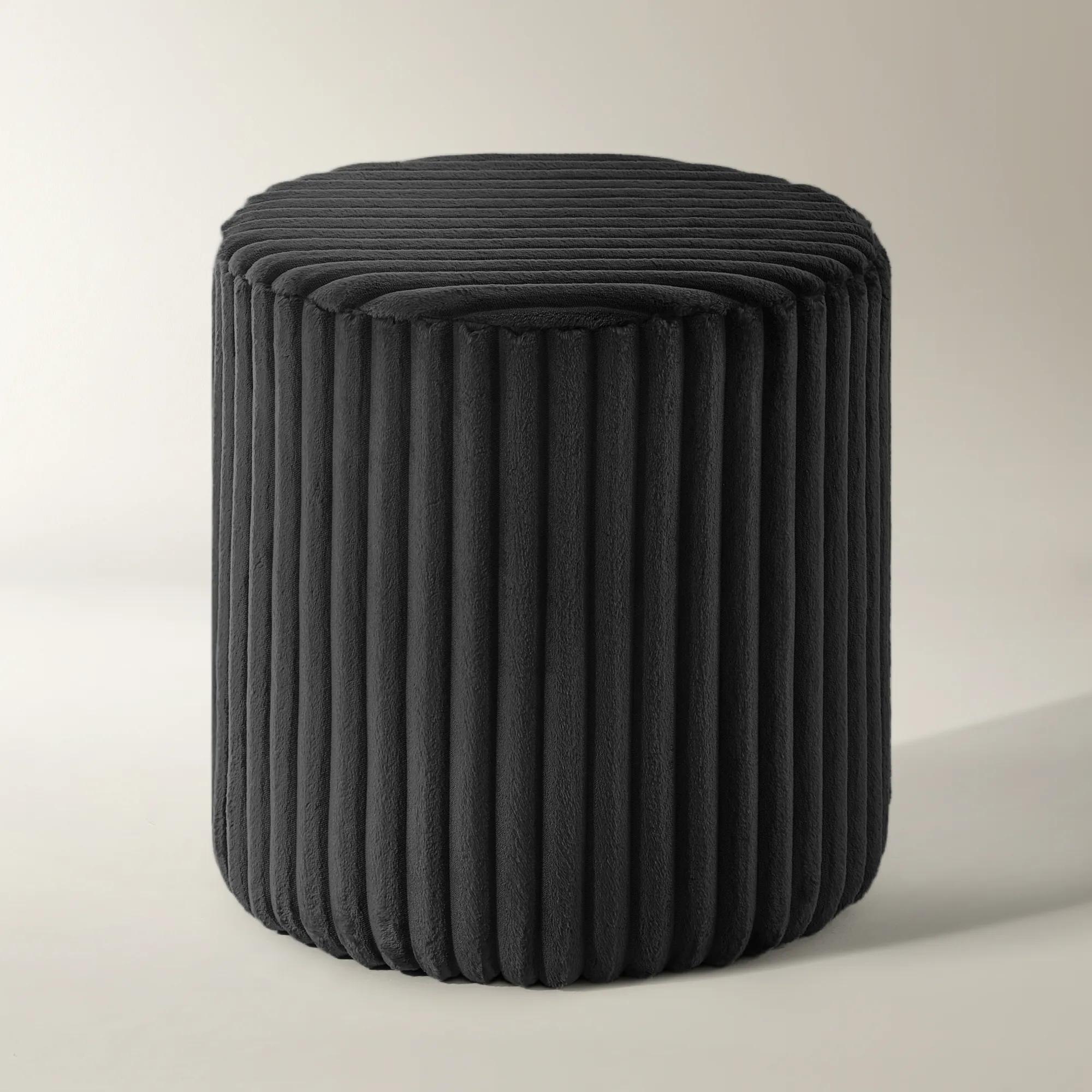 Fleece Fluted Black Velvet Stool (15.55'')$229
A plush black ribbed velvet stool offering versatile seating and cozy texture for any modern space.
Add To Cart -
 Fleece Fluted Gray Velvet Stool (15.55'')$229
A plush grey velvet stool with a unique ribbed texture, perfect for versatile, cozy seating or decor.
Add To Cart -

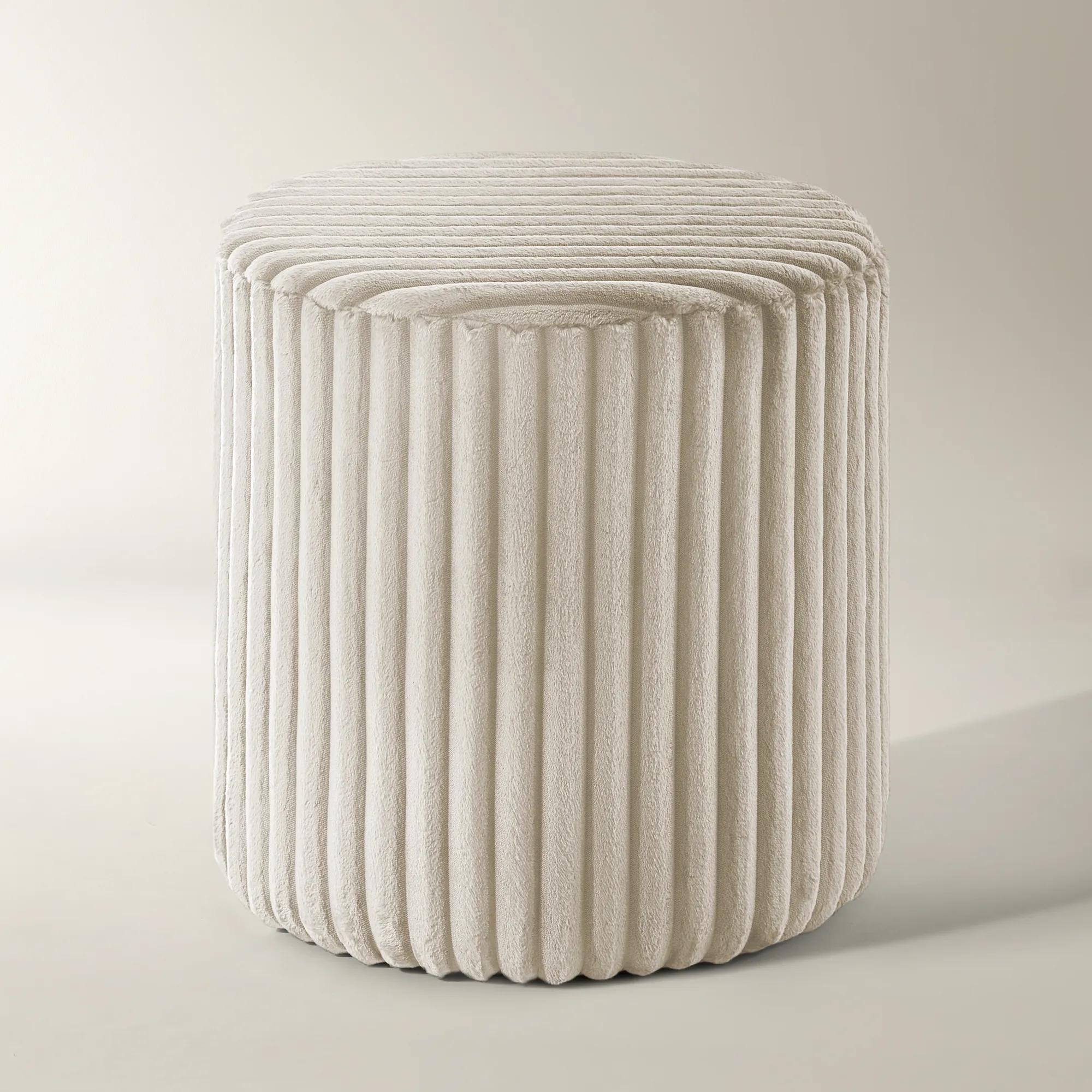 Fleece Fluted Ivory Velvet Stool (15.55'')$229
An ivory ribbed velvet stool offering cozy softness and versatile use as seating, footrest, or accent table.
Add To Cart -
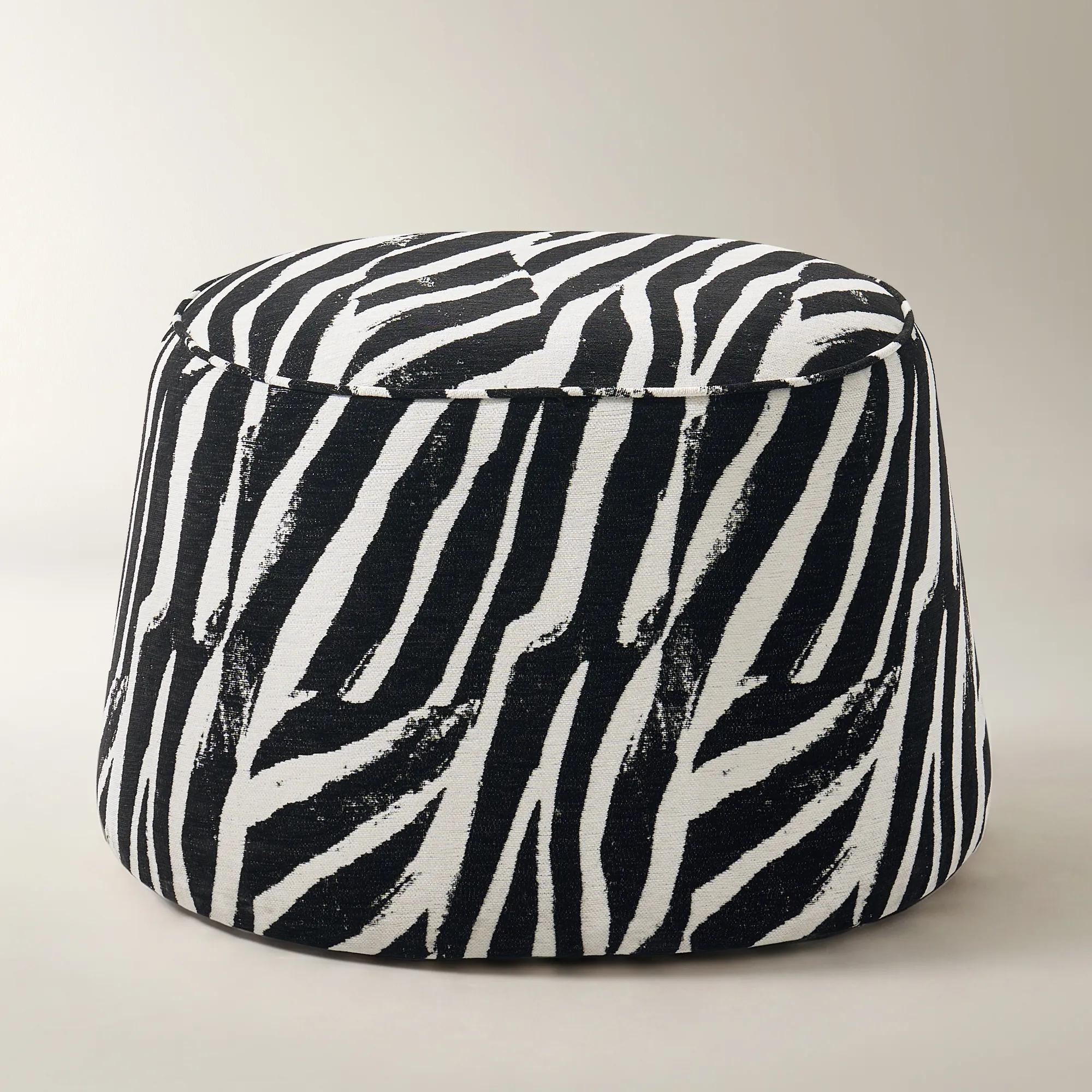 Avery White/Black Performance Chenille Stool$399
A sculpted drum accent stool in black and white performance chenille with an animal-inspired pattern.
Add To Cart -
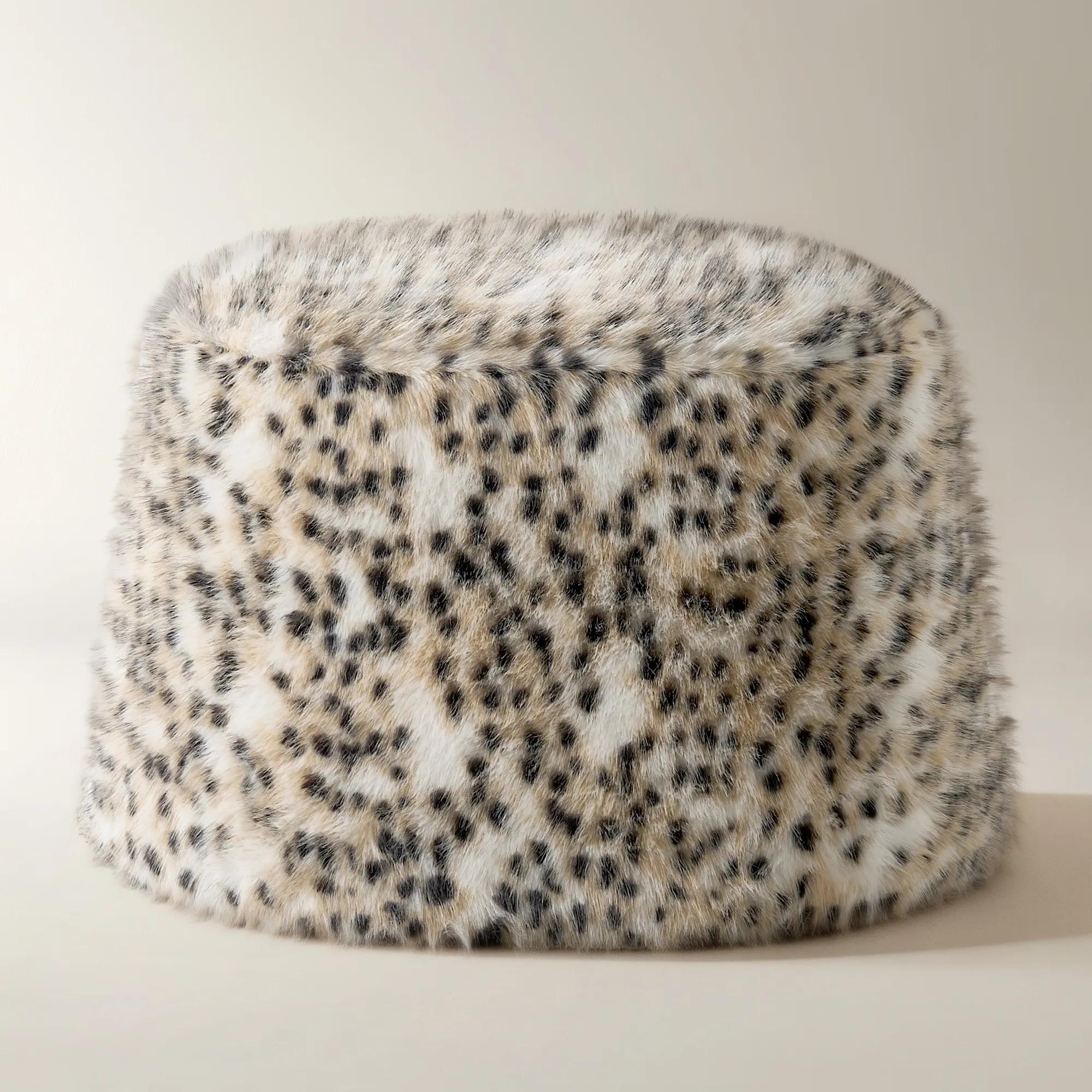
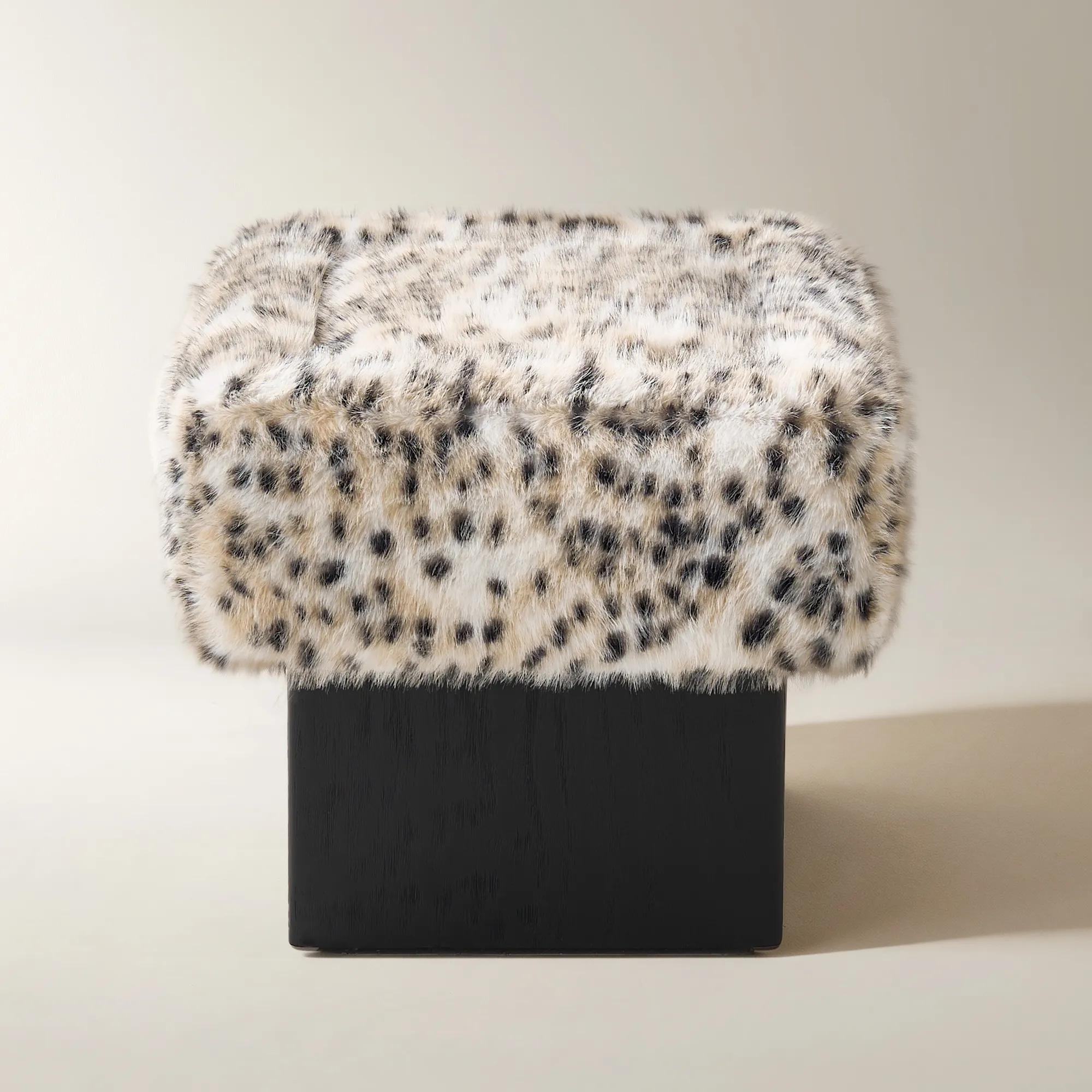
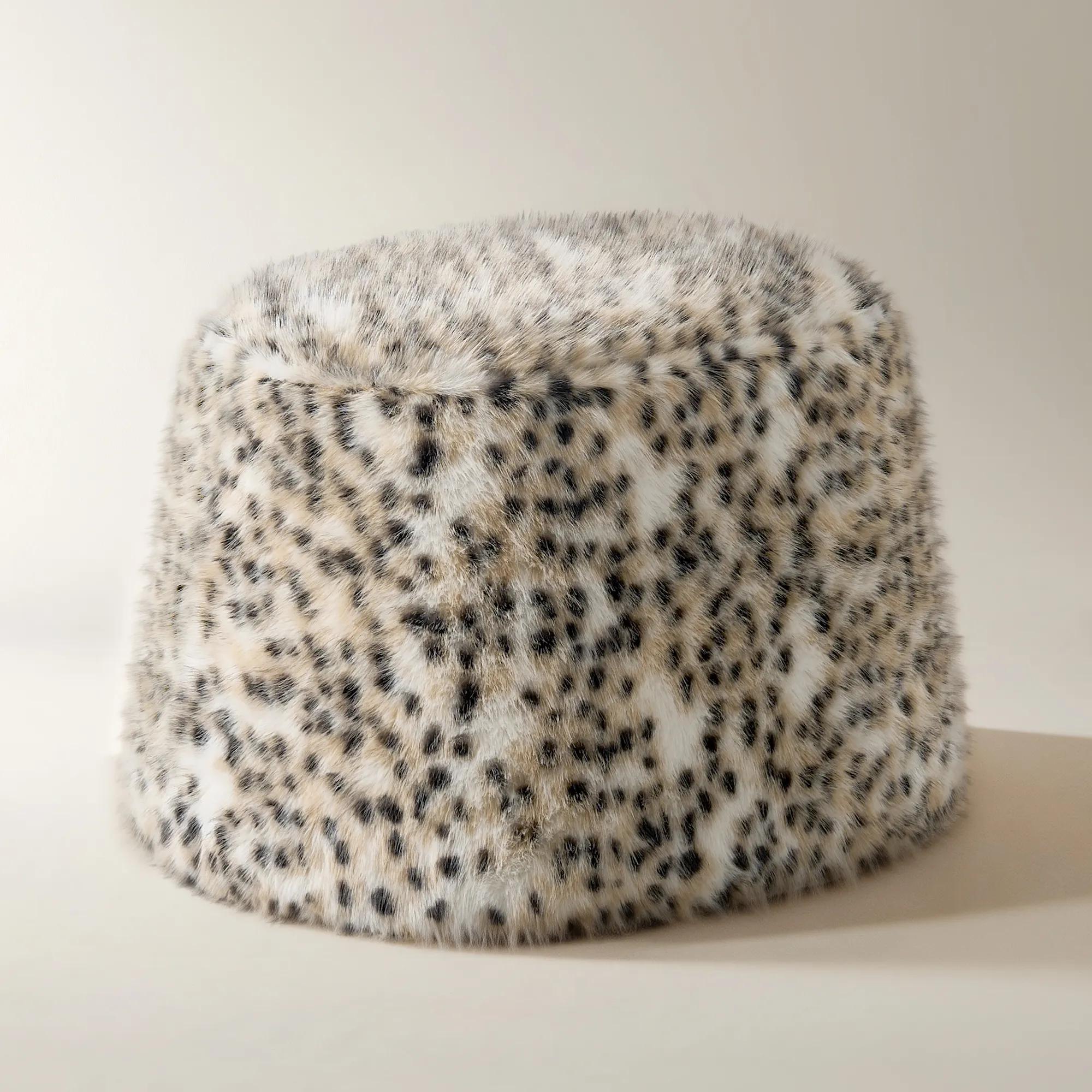 Avery Spotted Faux Fur Stool$399
A sculpted drum stool wrapped in plush spotted faux fur for bold, modern accent seating.
Add To Cart -
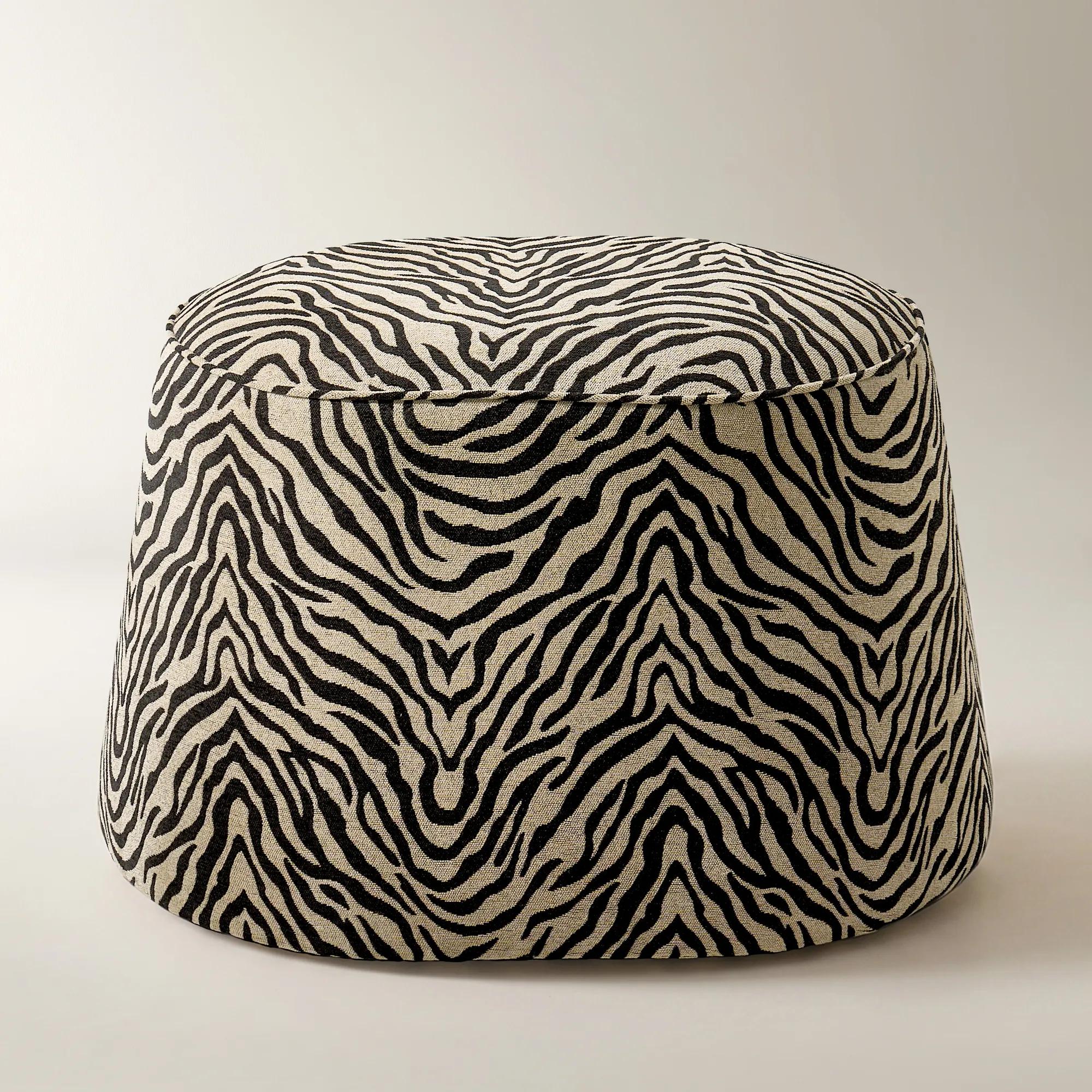 Avery Zebra Performance Chenille Stool$399
A sculpted drum-shaped accent stool upholstered in zebra-patterned performance chenille for bold, modern style.
Add To Cart -
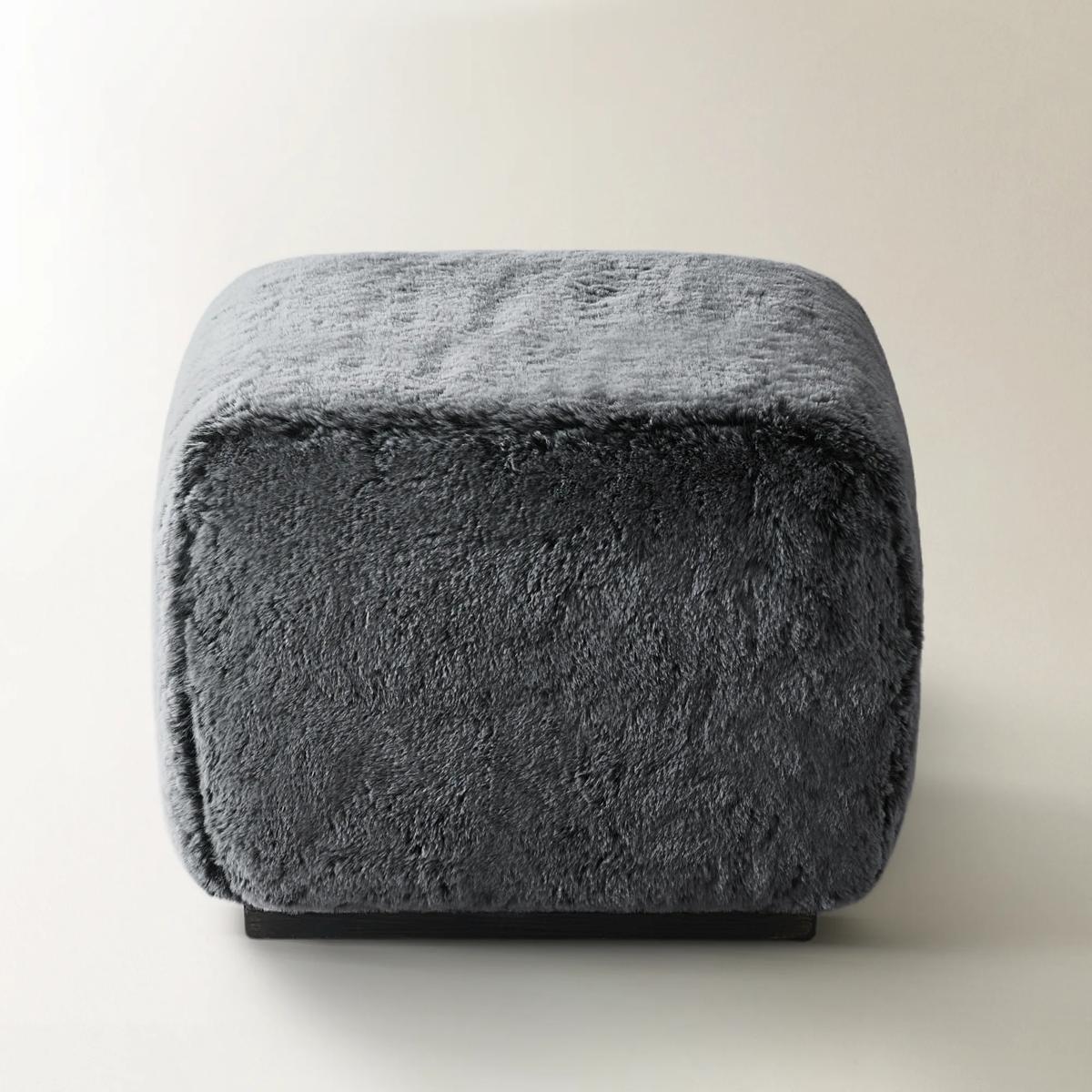
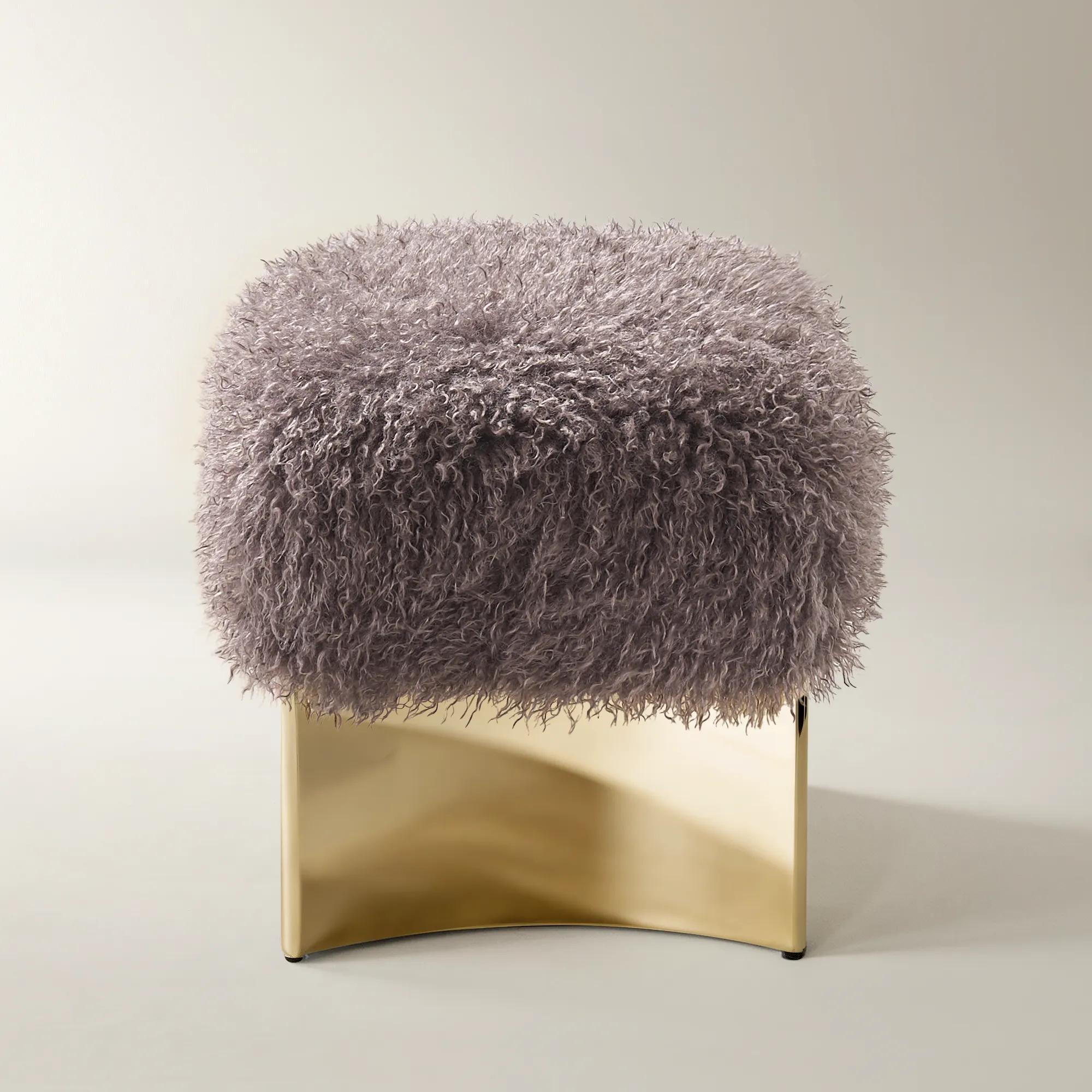
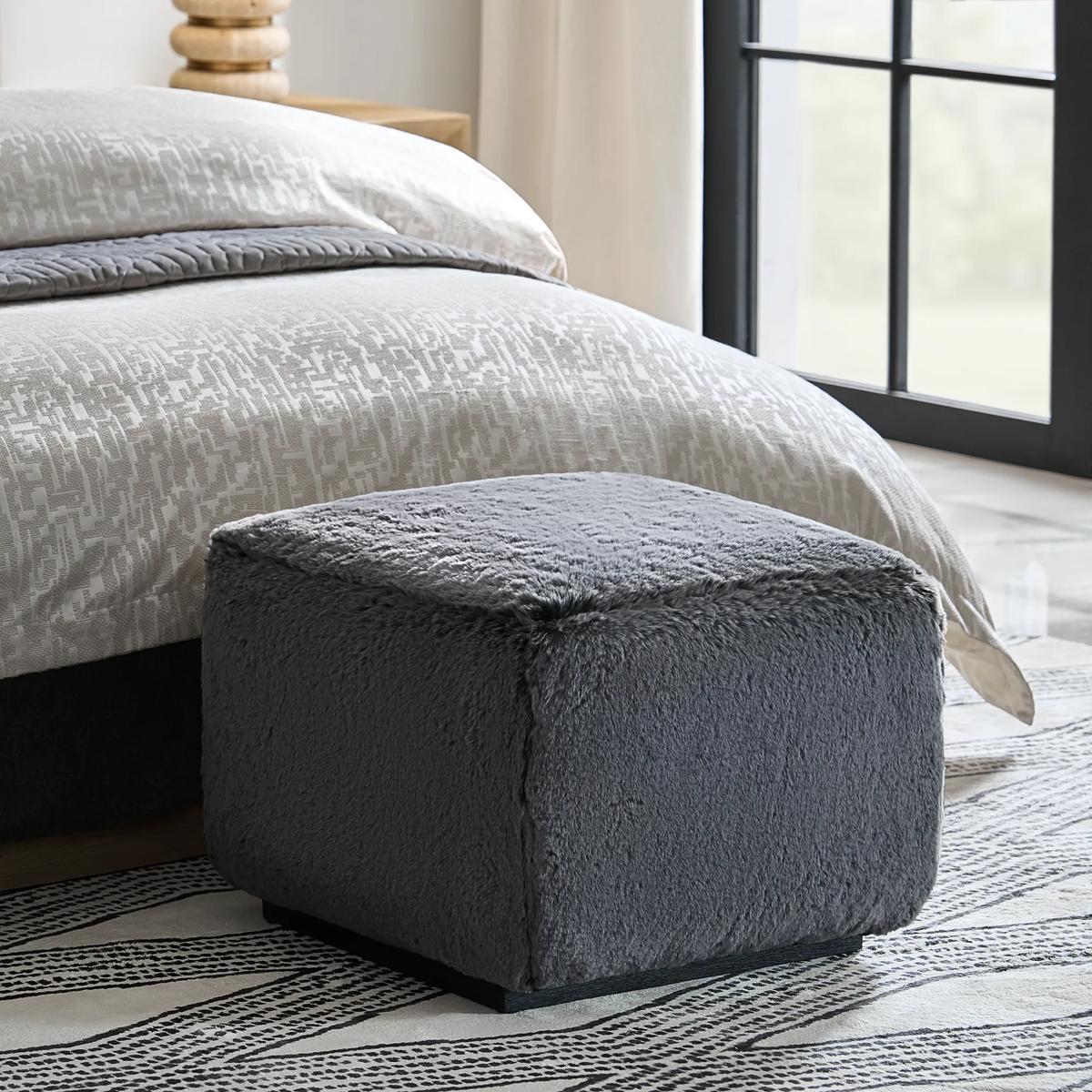 Lris Grey Faux Fur Stool (21")$299
A charcoal grey faux fur pouf with high-density foam and a sturdy rubberwood base for modern comfort.
Add To Cart -
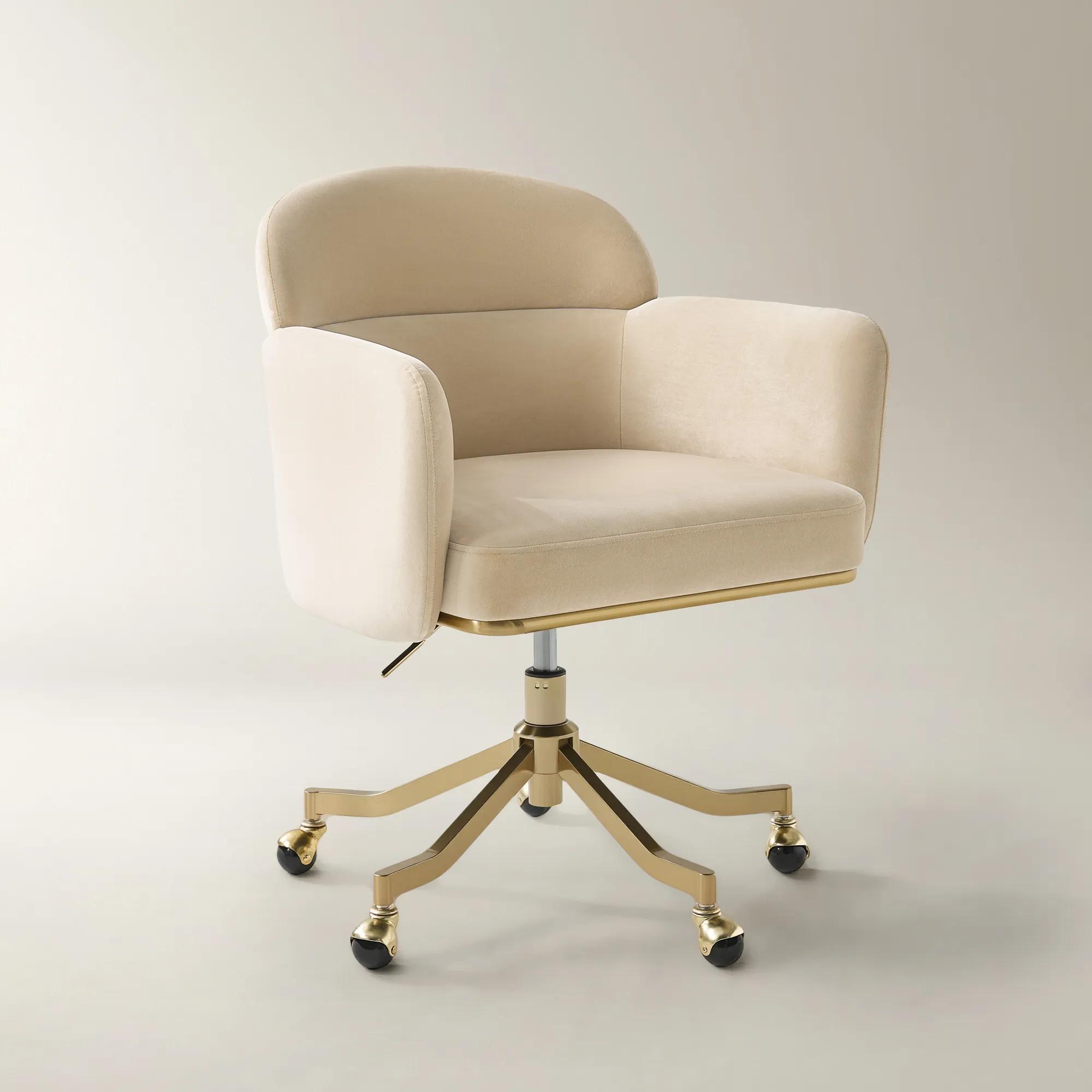 Paige Oatmeal Velvet Swivel Desk Chair$399
An oatmeal velvet swivel chair with adjustable height, ergonomic design, and a polished metal base with casters.
Add To Cart -
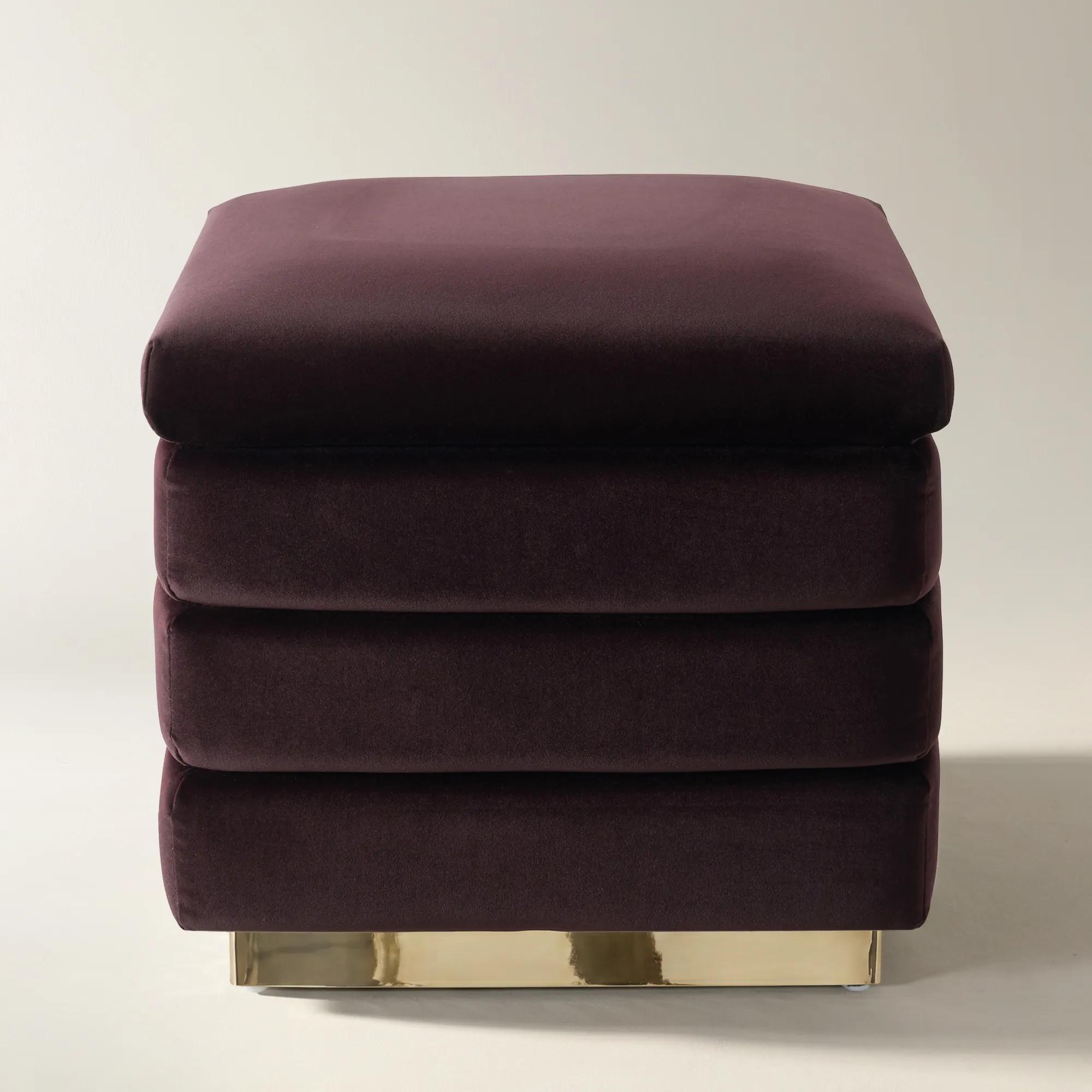
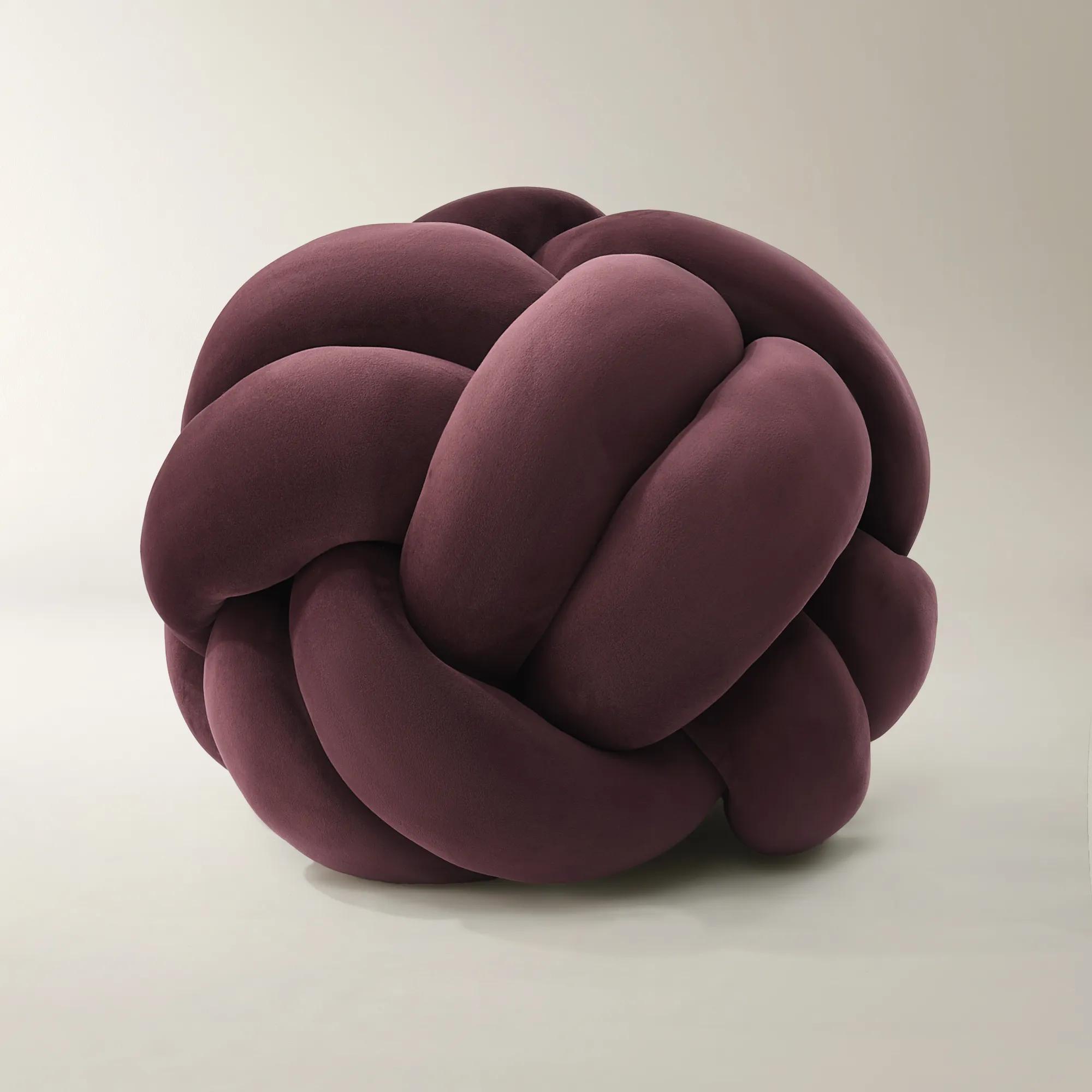
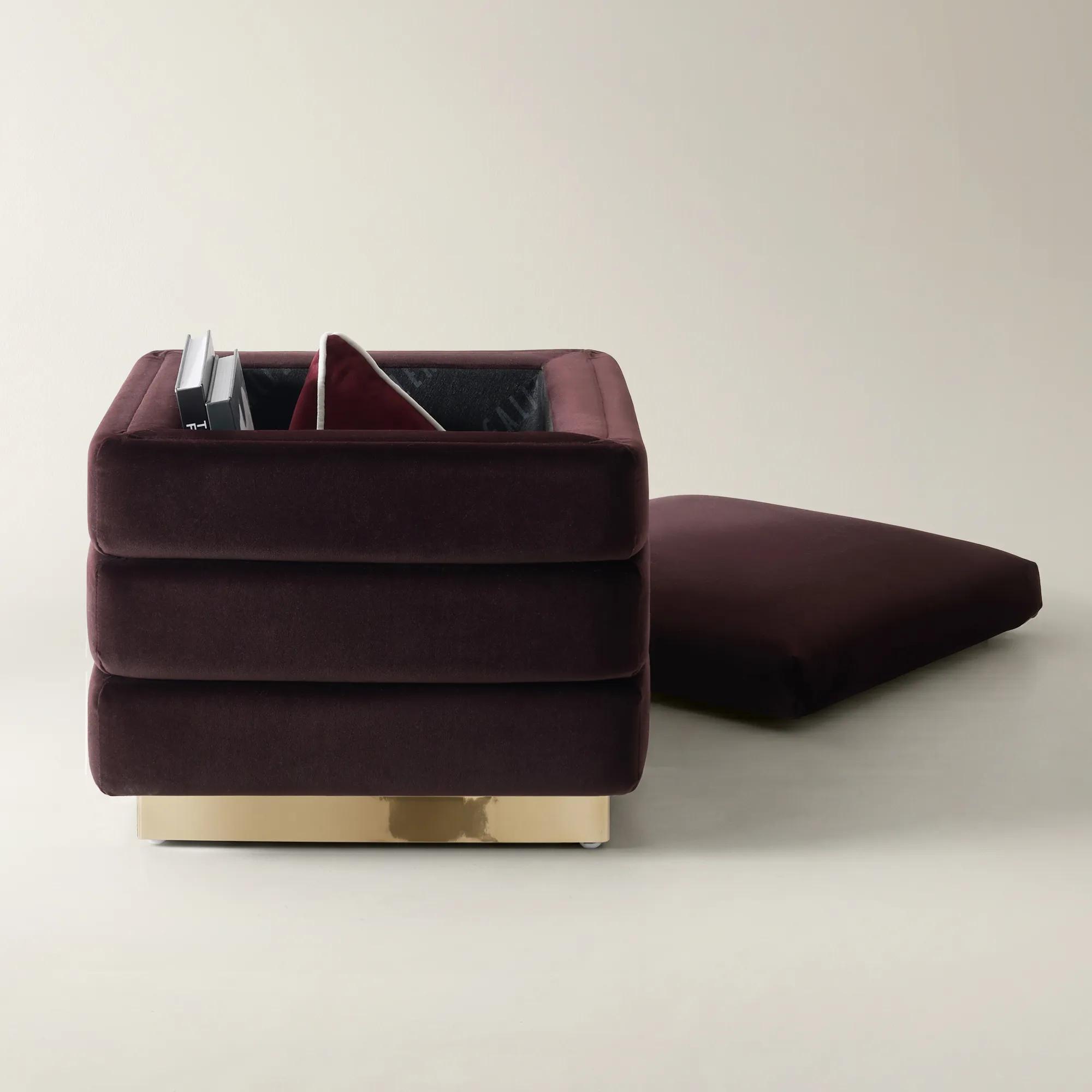 Gable Fig Chenille Storage Stool$399
A plush fig chenille stool with hidden storage, velvet upholstery, and a polished gold stainless steel base.
Add To Cart -
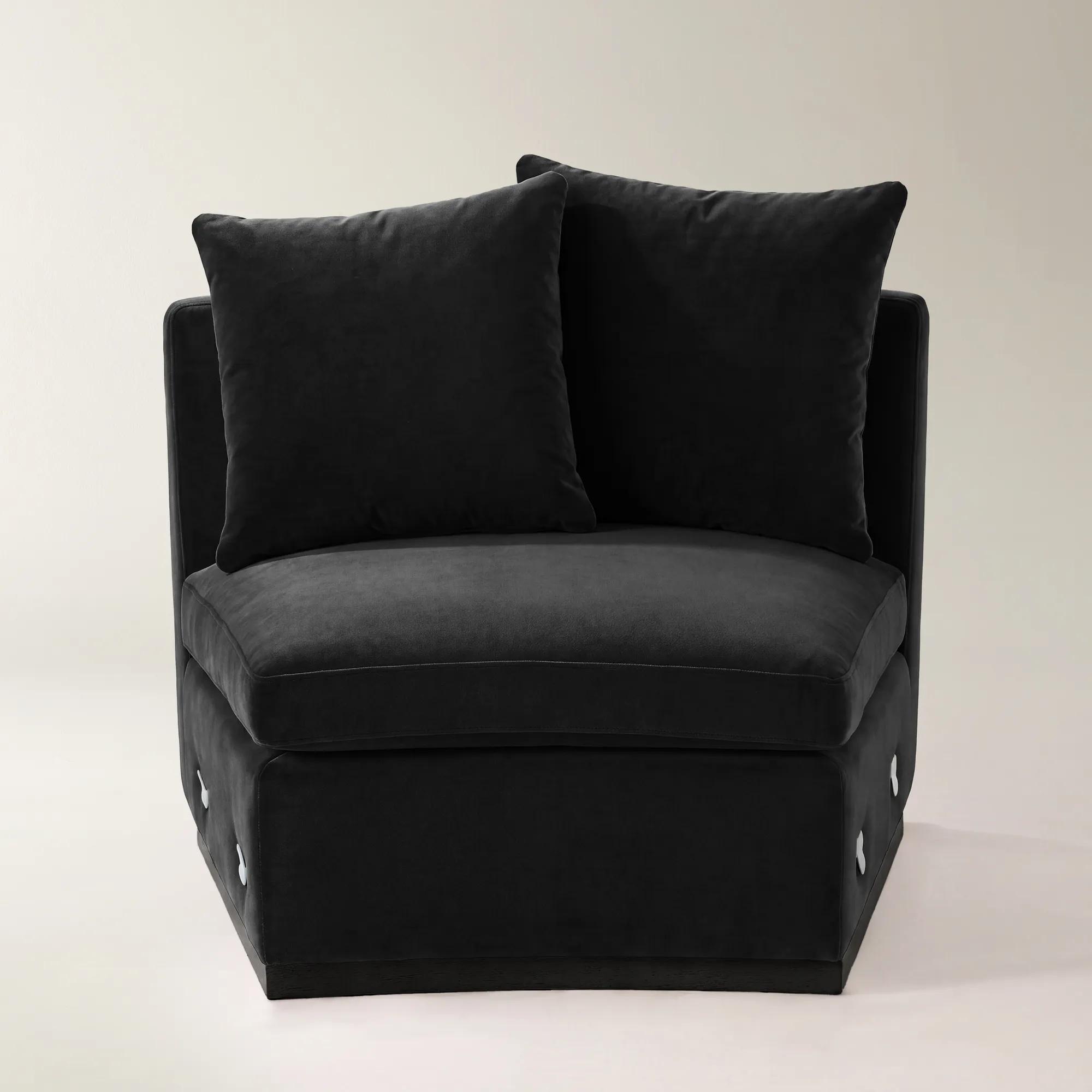
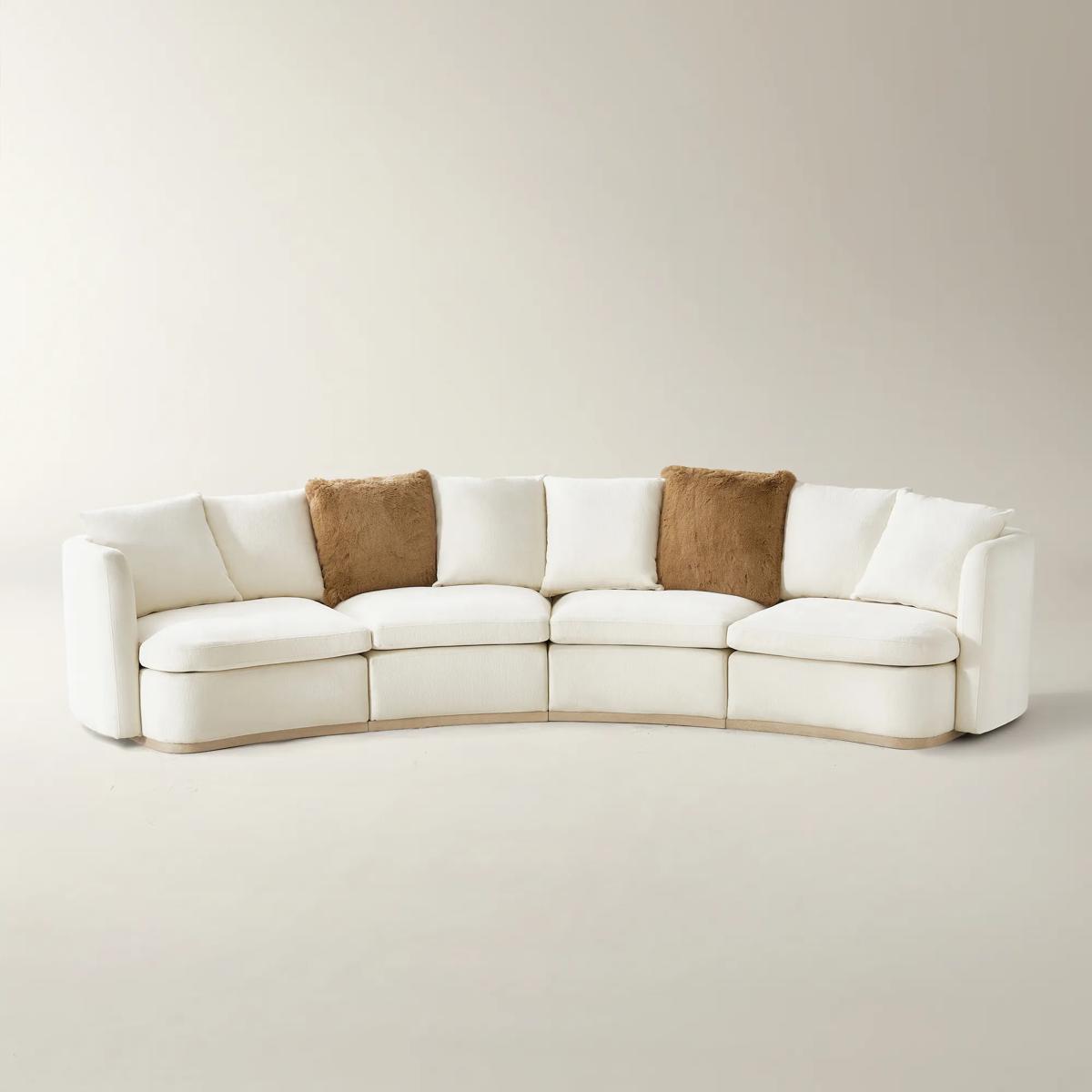 Stria Charcoal Velvet Armless Chair$1099
A sculptural charcoal velvet armless chair featuring layered foam-and-down cushioning and a kiln-dried wood frame.
Add To Cart -
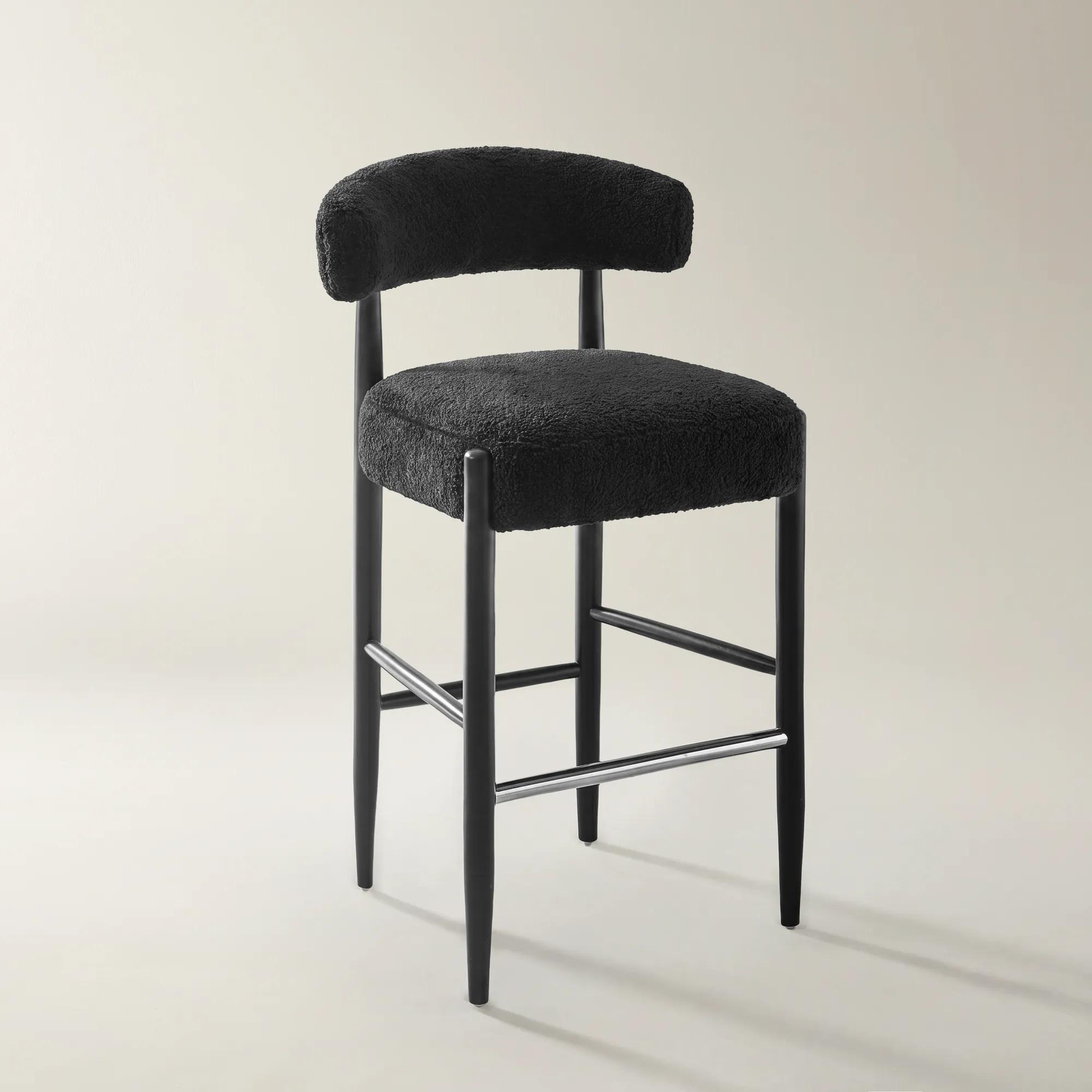 Anna Black Chenille Bar/Counter Stool$449
A black chenille counter stool with a sculpted padded seat and solid rubberwood legs.
Add To Cart -
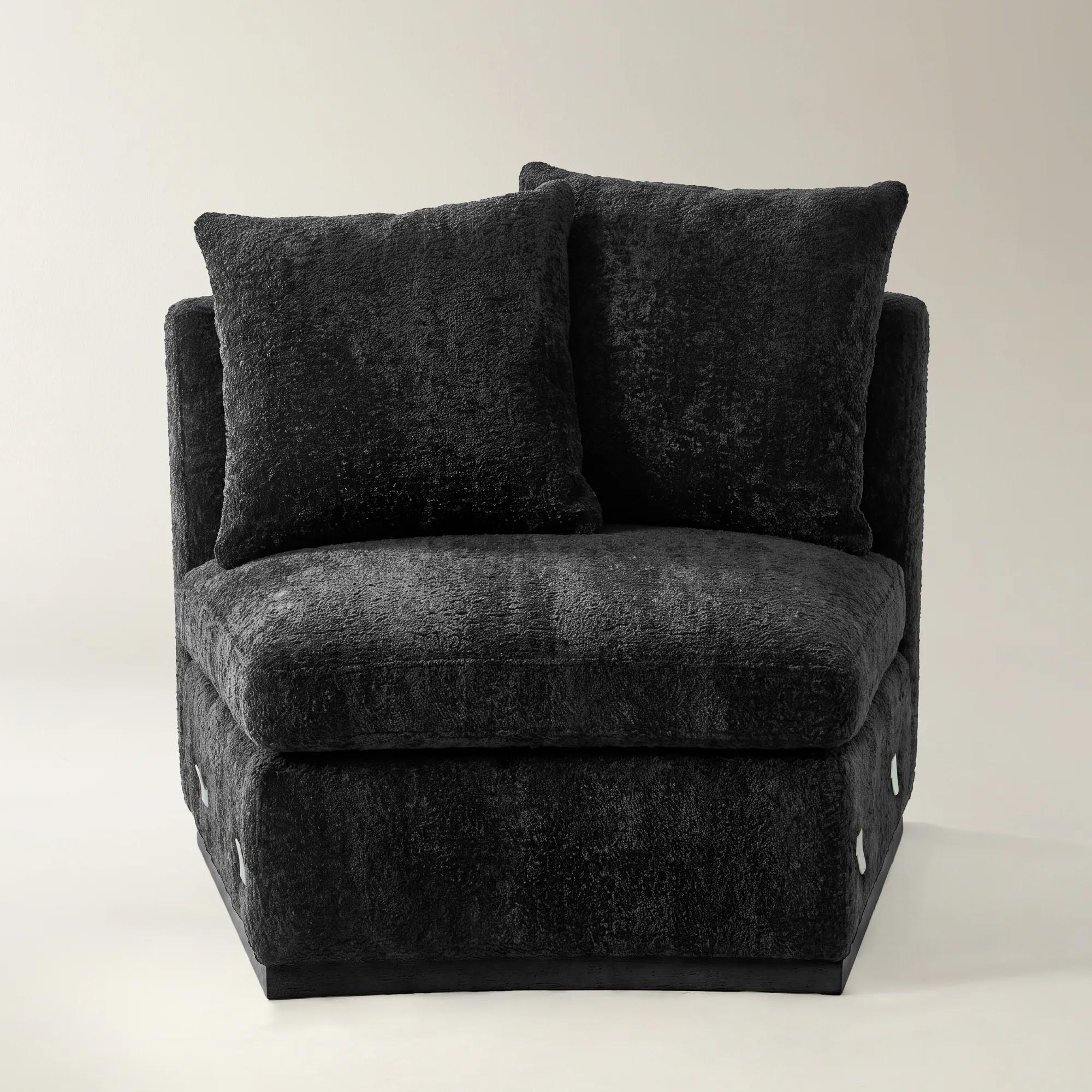 Stria Black Chenille Armless Chair$1099
A sculptural black chenille armless chair with kiln-dried wood construction, solid oak base, and layered cushioning.
Add To Cart -
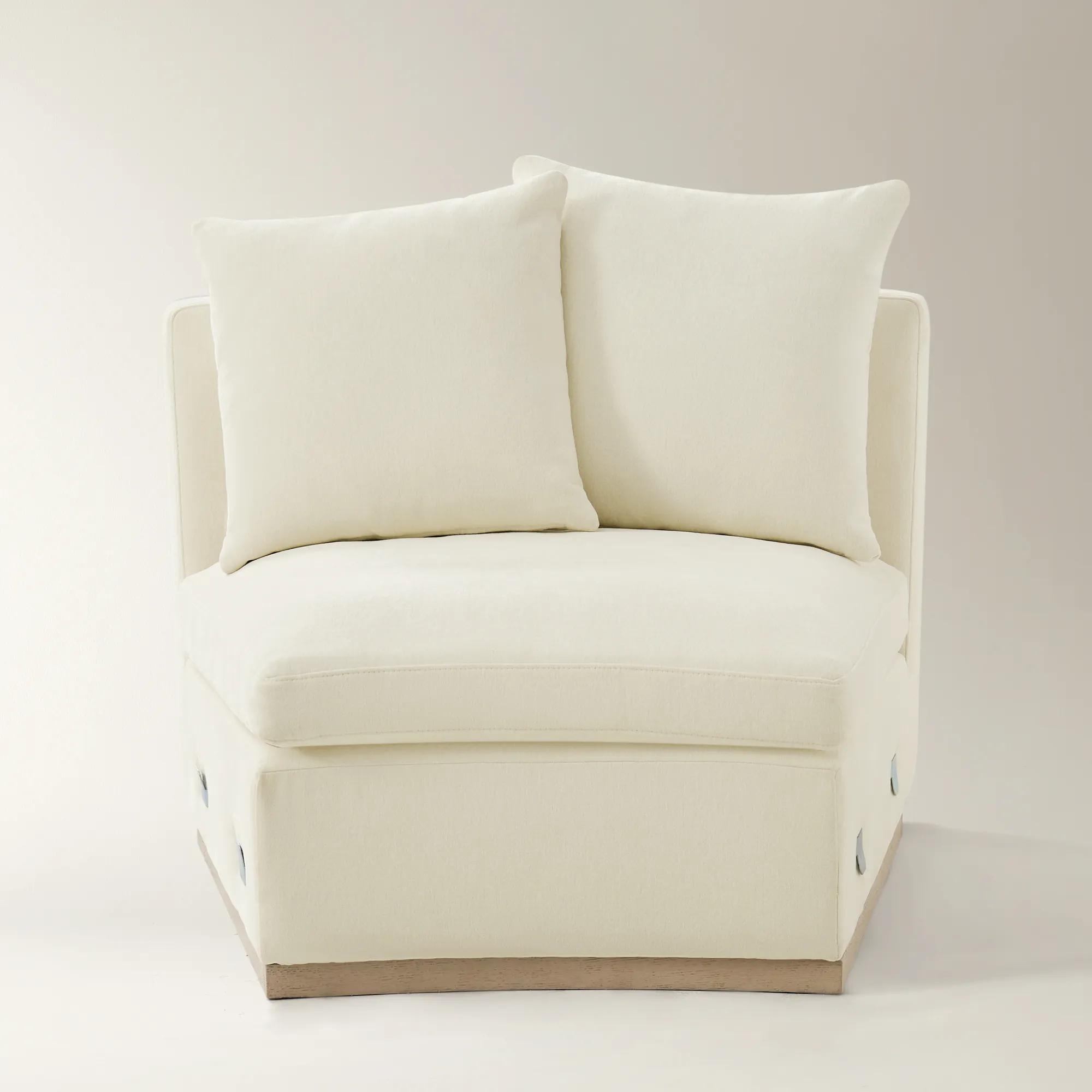 Stria Cloud Velvet Armless Chair$1099
A sculptural cloud velvet armless chair featuring layered foam-and-down cushioning and a solid oak base.
Add To Cart -
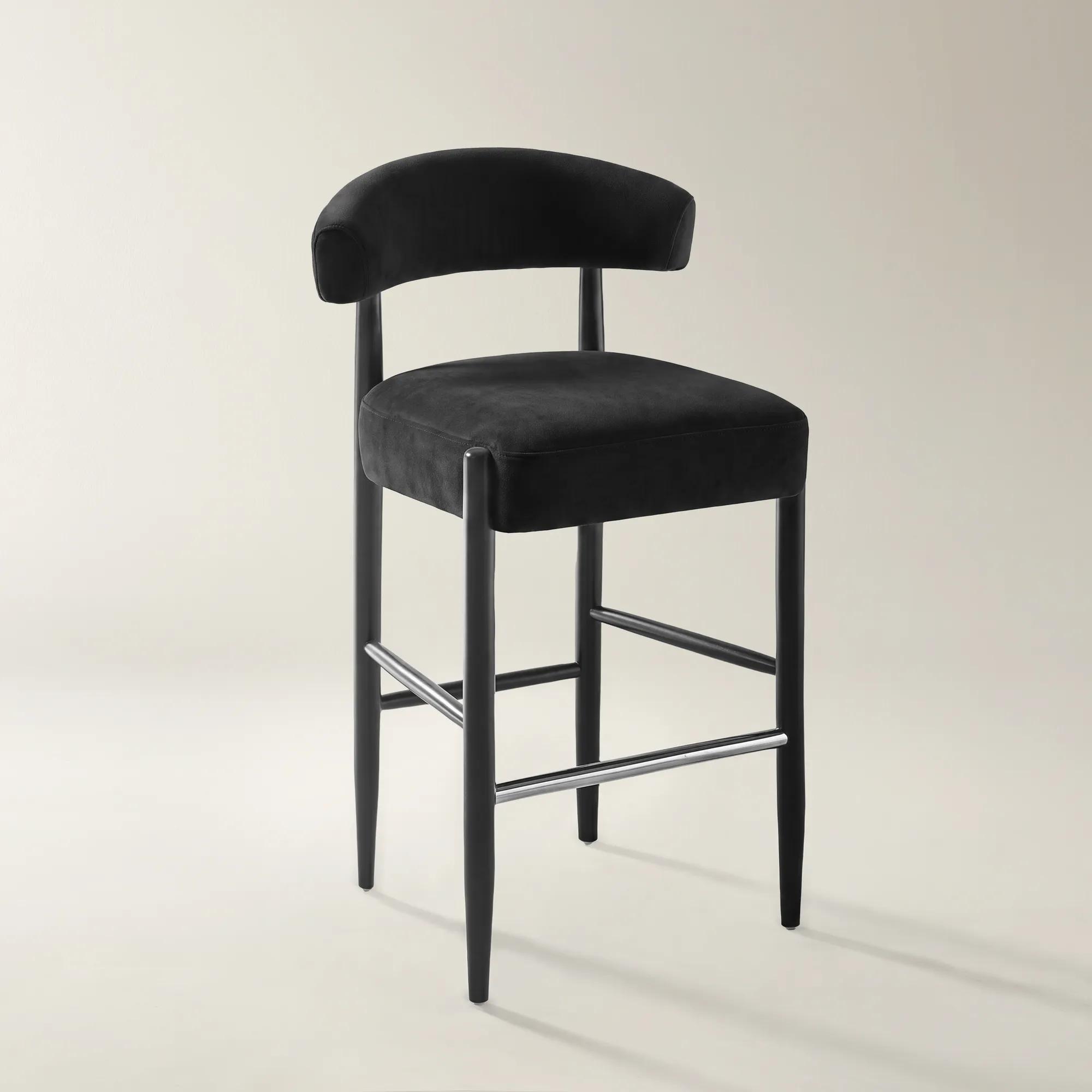 Anna Charcoal Velvet Bar/Counter Stool$449
A charcoal velvet bar stool with a sculpted padded seat and solid rubberwood legs.
Add To Cart -
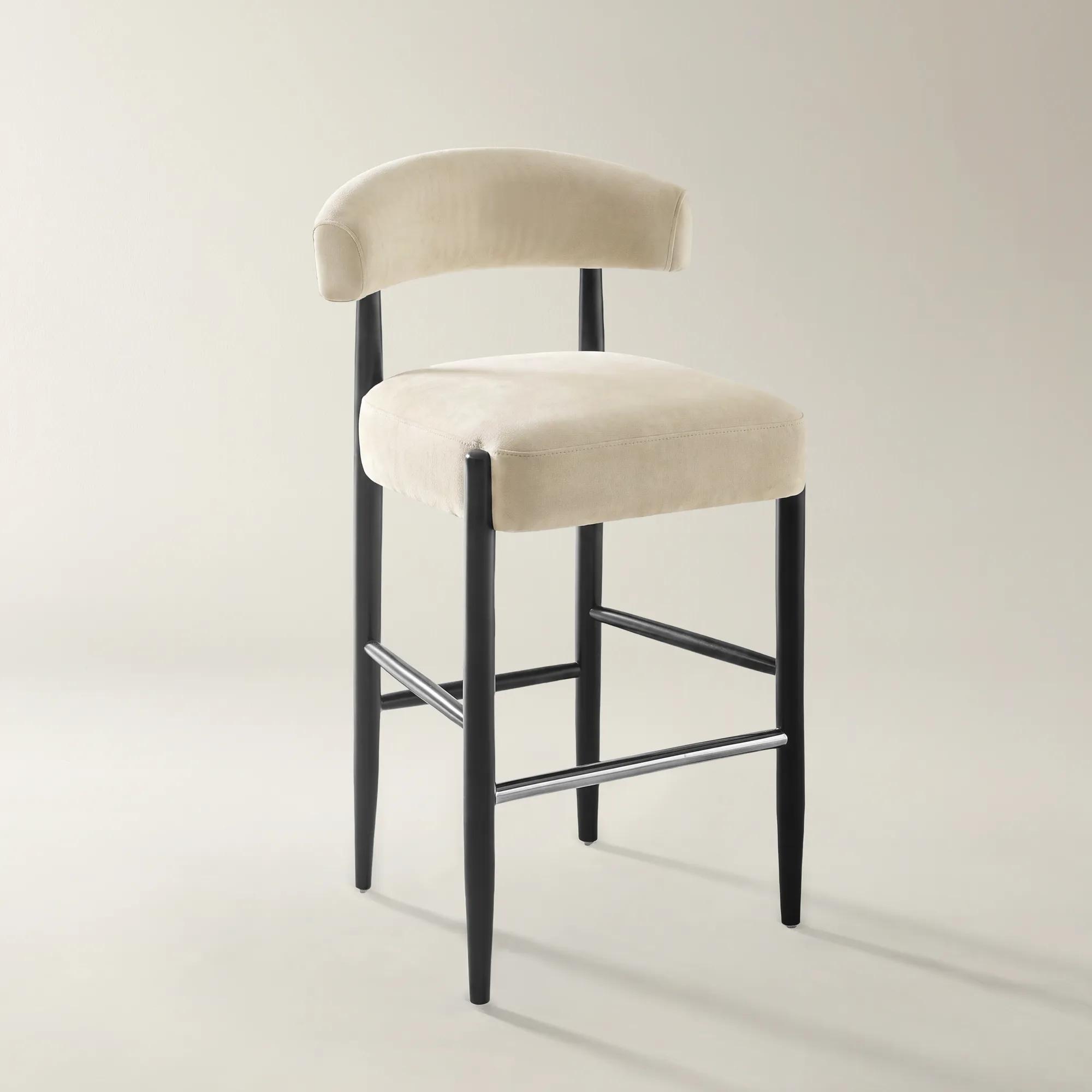 Anna Oatmeal Velvet Bar/Counter Stool$449
A counter stool with oatmeal velvet upholstery, sculpted back, padded seat, and solid rubberwood legs.
Add To Cart -
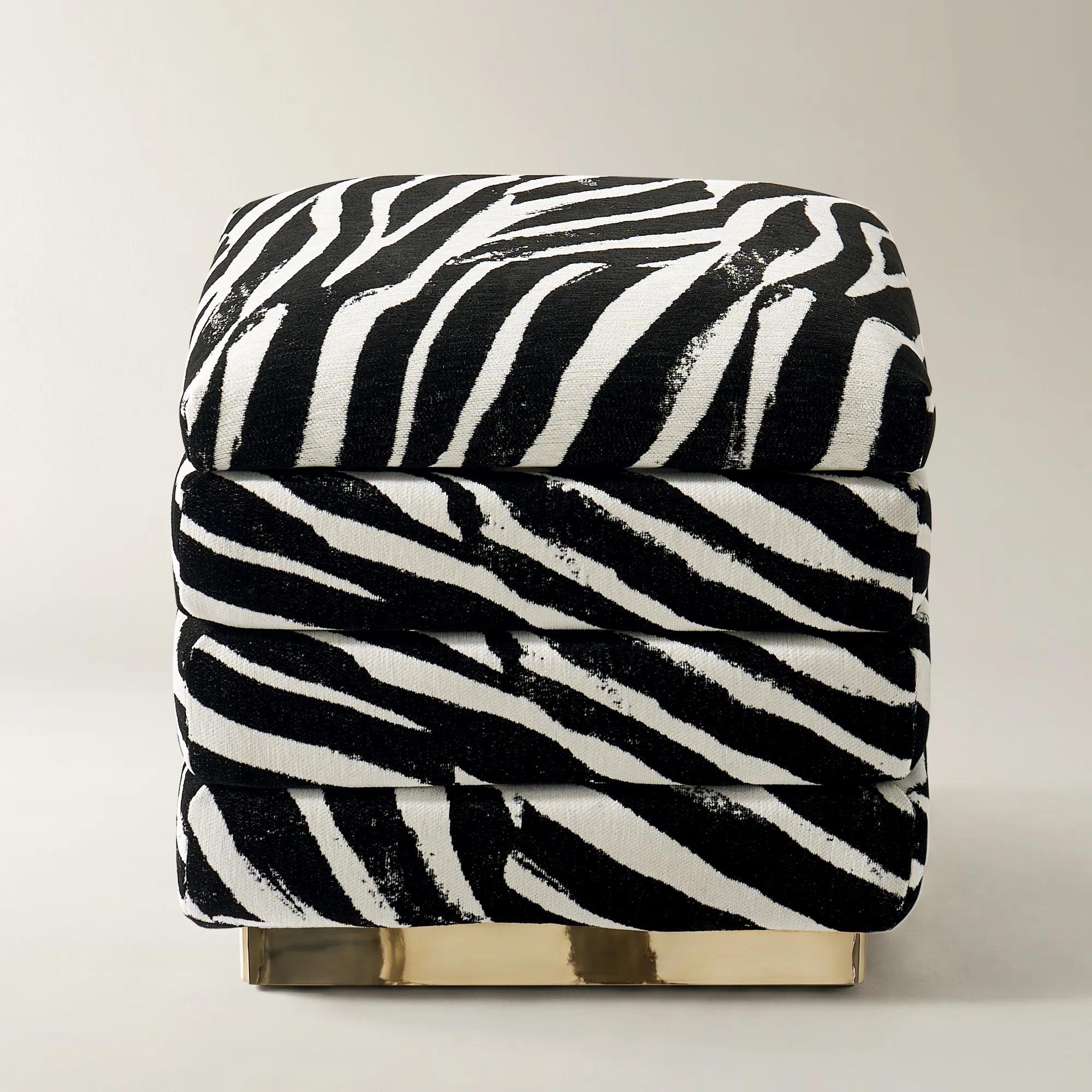
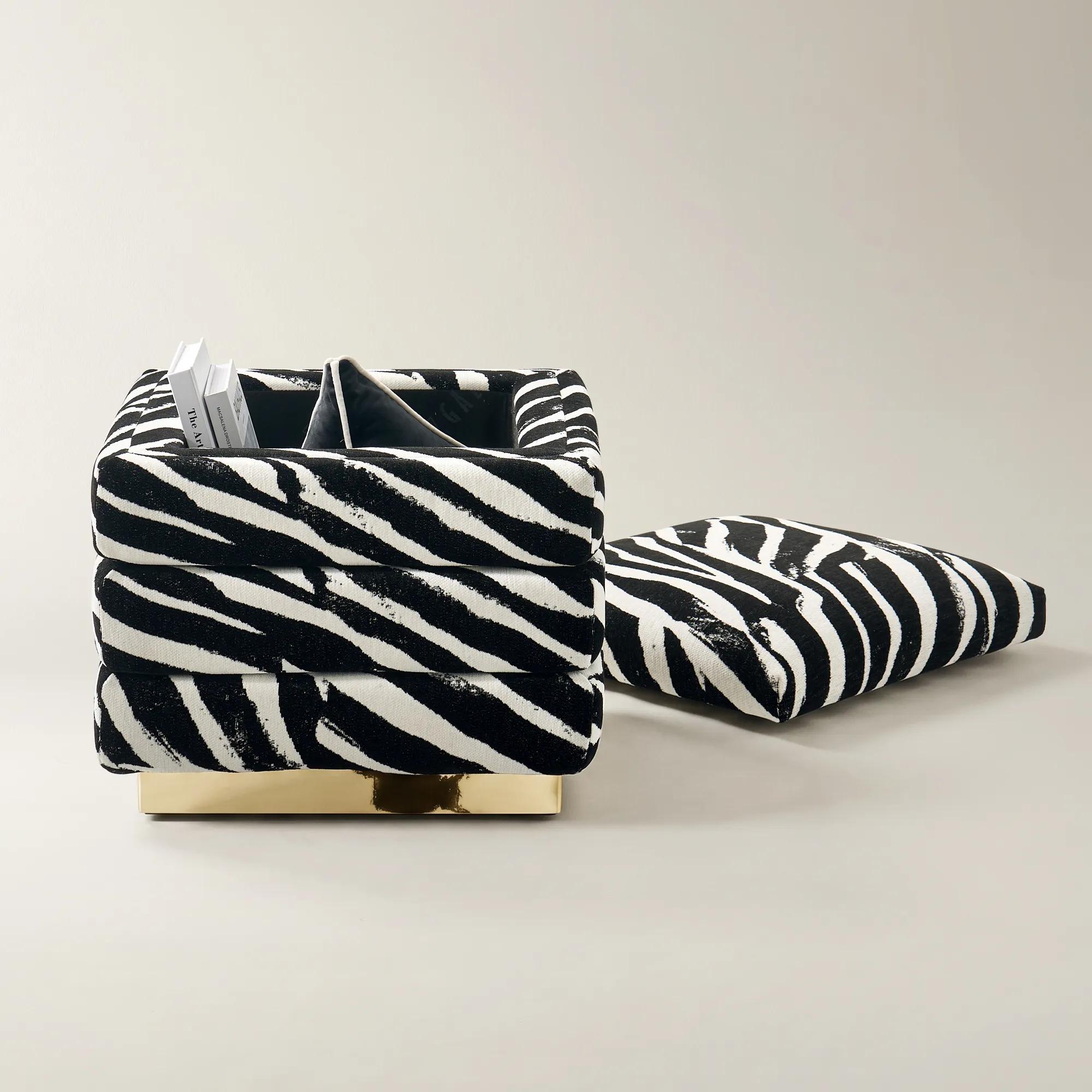 Gable White/Black Performance Chenille Stool$399
A plush white and black chenille stool with hidden storage and a polished gold stainless steel base.
Add To Cart -
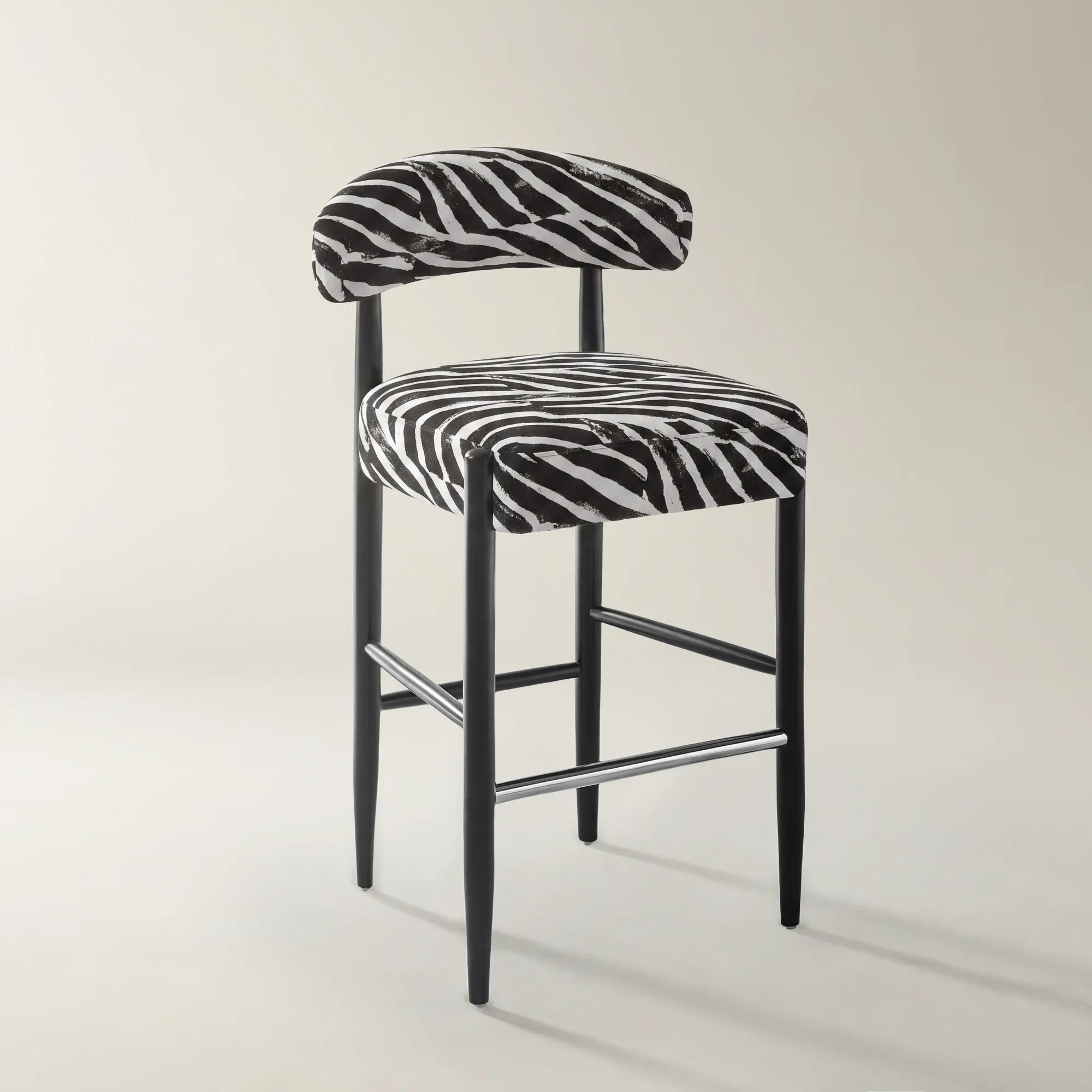 Anna White/Black Performance Chenille Bar/Counter Stool$449
A black-and-white chenille bar stool with a sculpted back, padded seat, and tapered solid rubberwood legs.
Add To Cart -
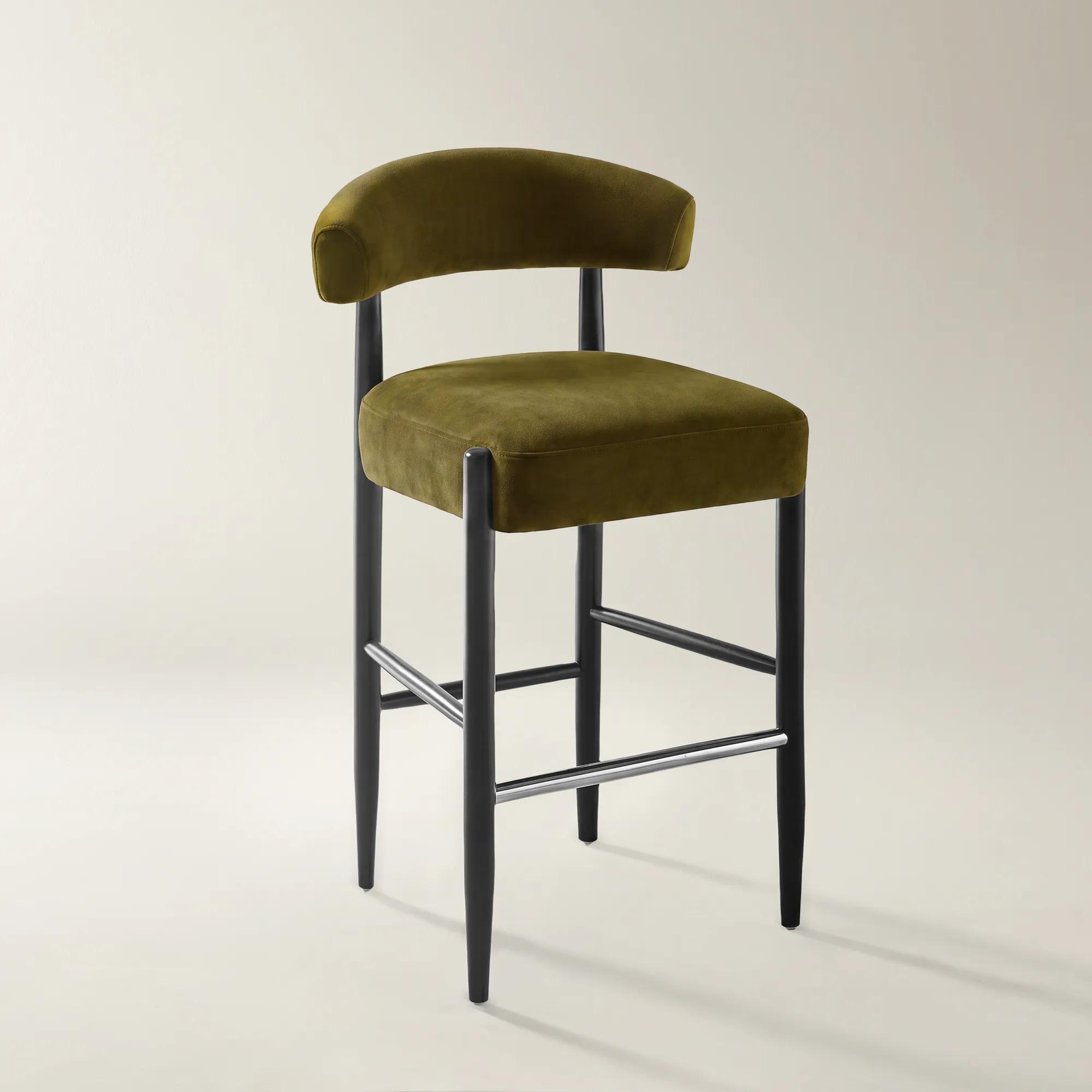 Anna Deep Olive Velvet Bar/Counter Stool$449
A green velvet bar stool with a sculpted padded seat, tailored upholstery, and tapered solid-rubberwood legs.
Add To Cart -
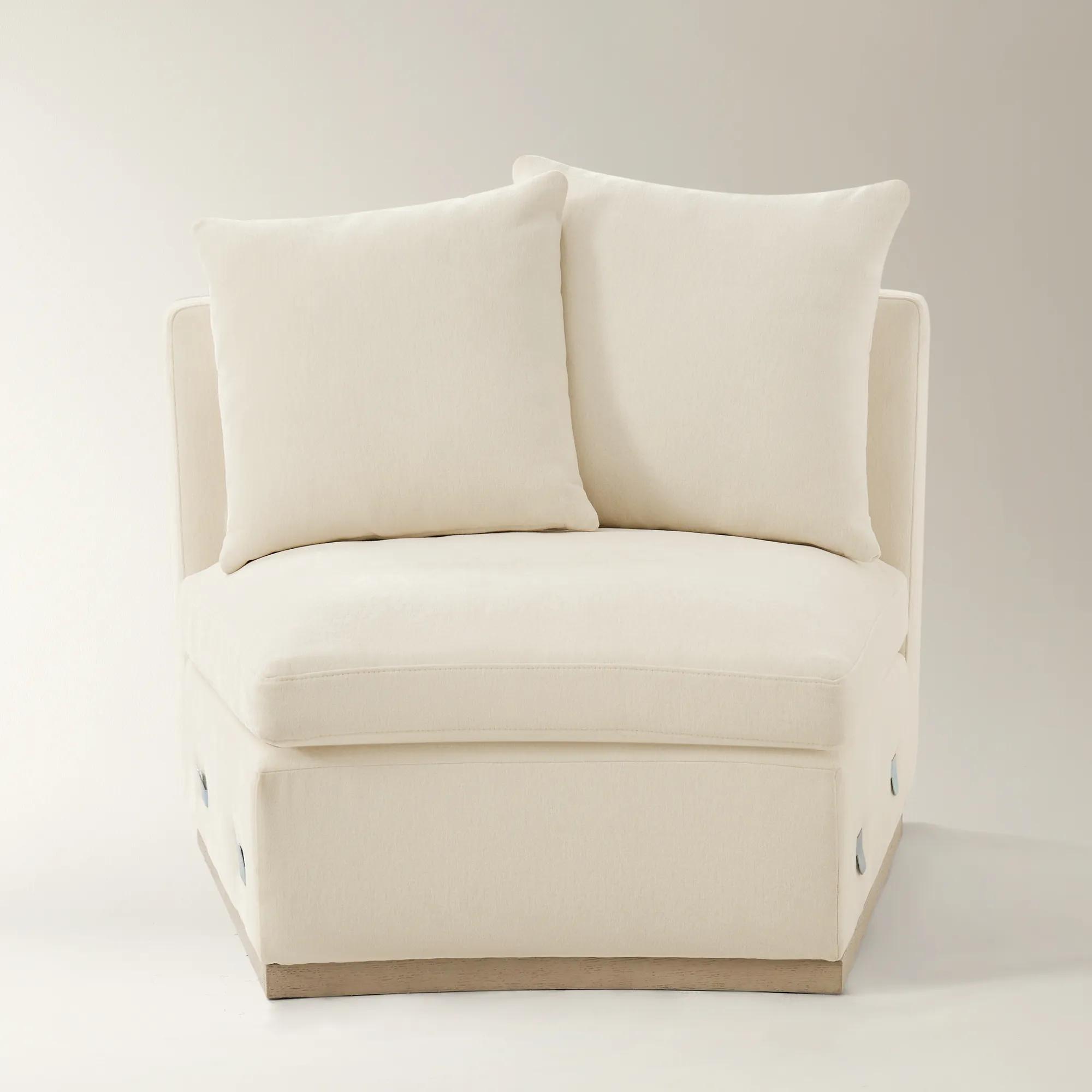 Stria Oatmeal Velvet Armless Chair$1099
A sculptural oatmeal velvet armless chair featuring layered cushioning, curved edges, and a kiln-dried wood frame.
Add To Cart -
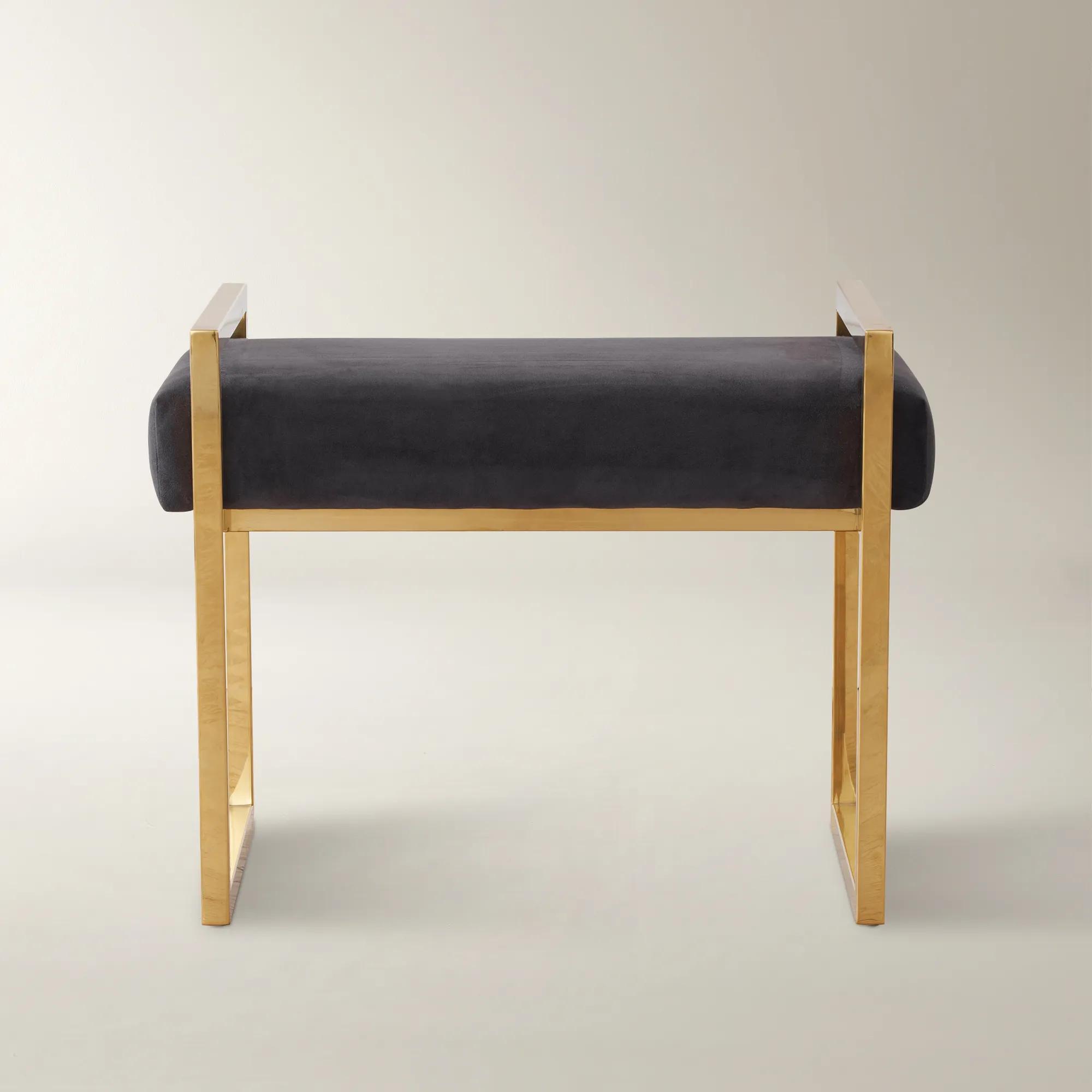
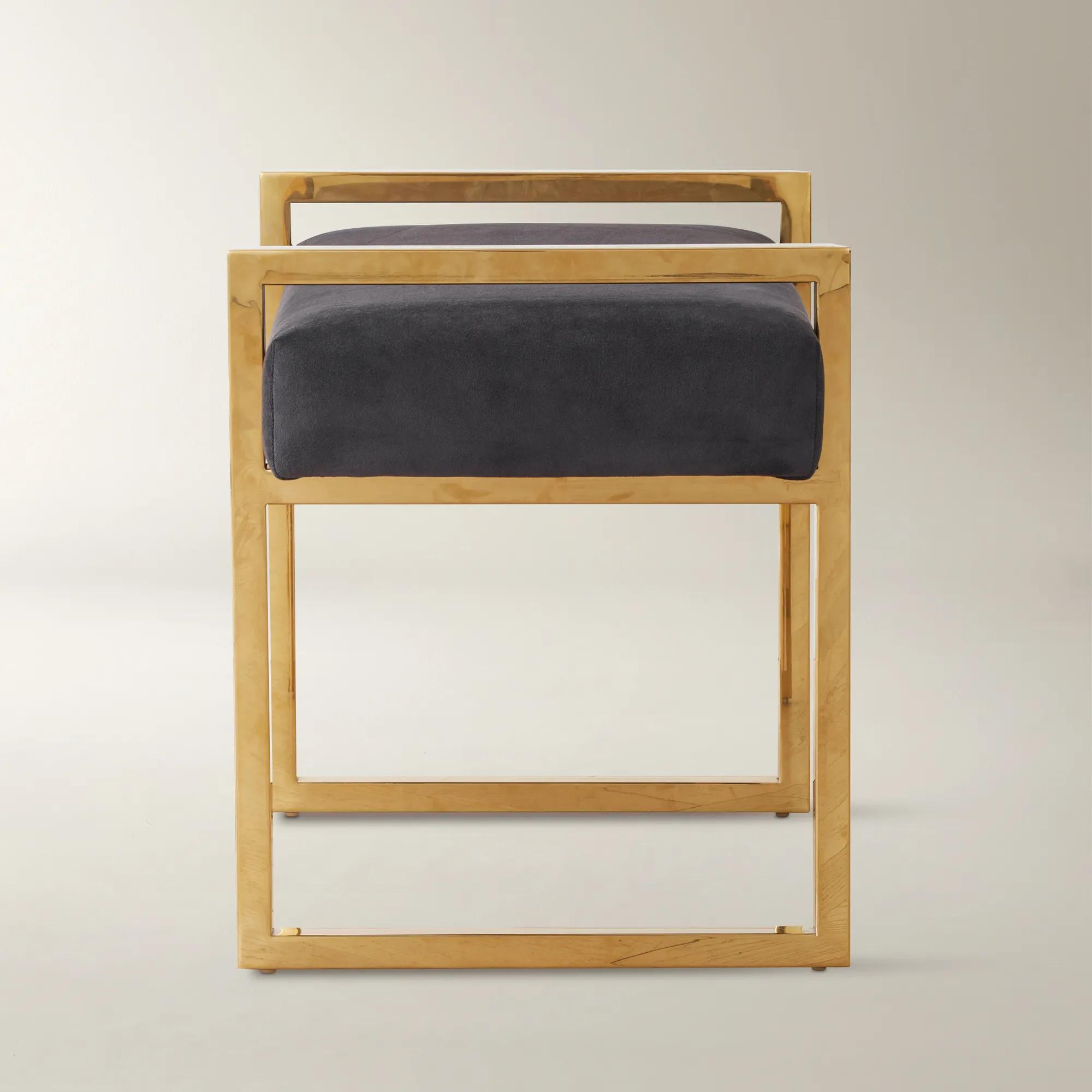 Clara Accent Stool$449
A chic accent stool featuring a plush black velvet seat and polished gold metal legs for modern flair.
Add To Cart -
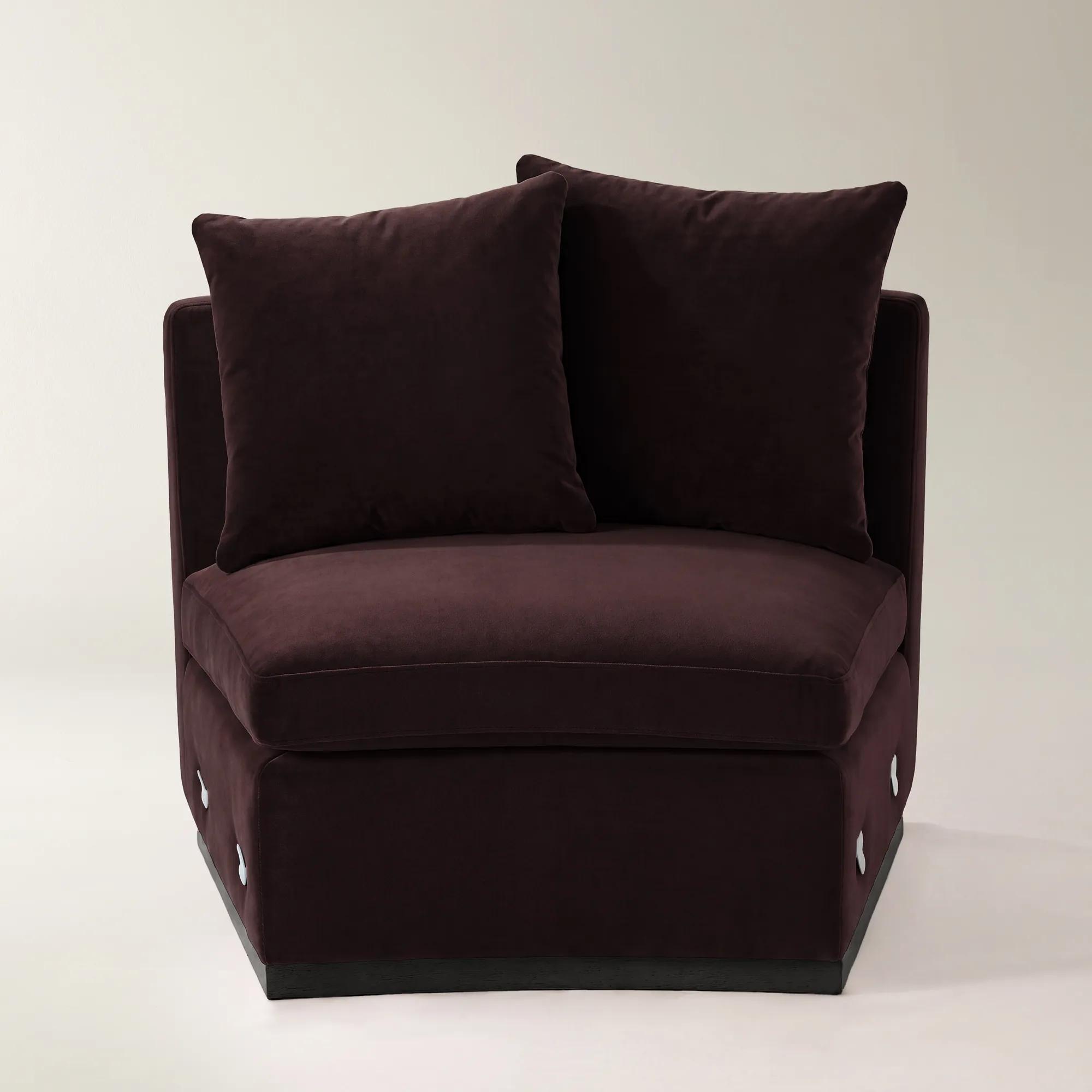 Stria Fig Velvet Armless Chair$1099
A sculptural fig velvet chair with layered cushioning, curved edges, and a kiln-dried wood frame.
Add To Cart -
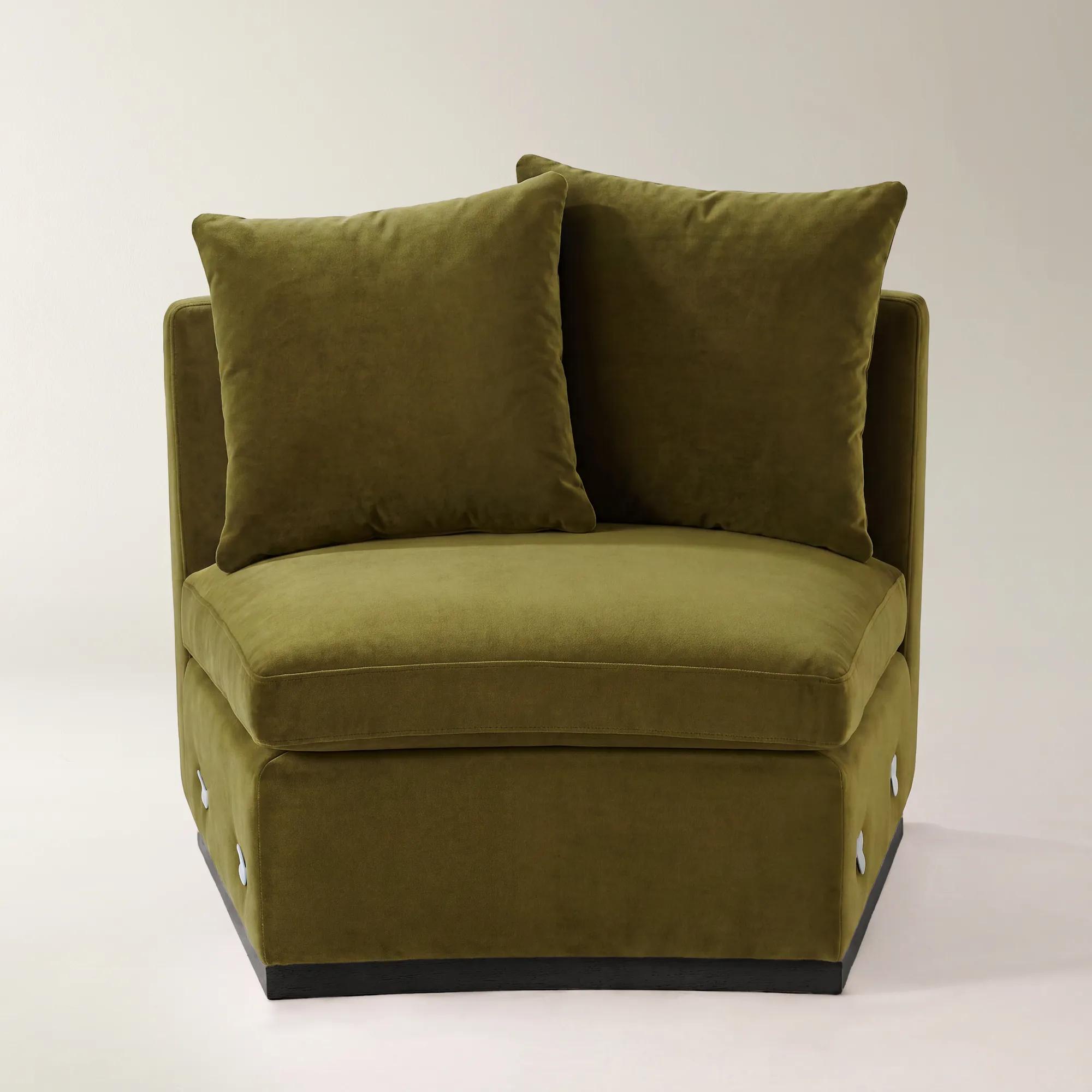 Stria Deep Olive Velvet Armless Chair$1099
A sculptural deep olive velvet armless chair with kiln-dried wood construction and layered foam-down cushioning.
Add To Cart -
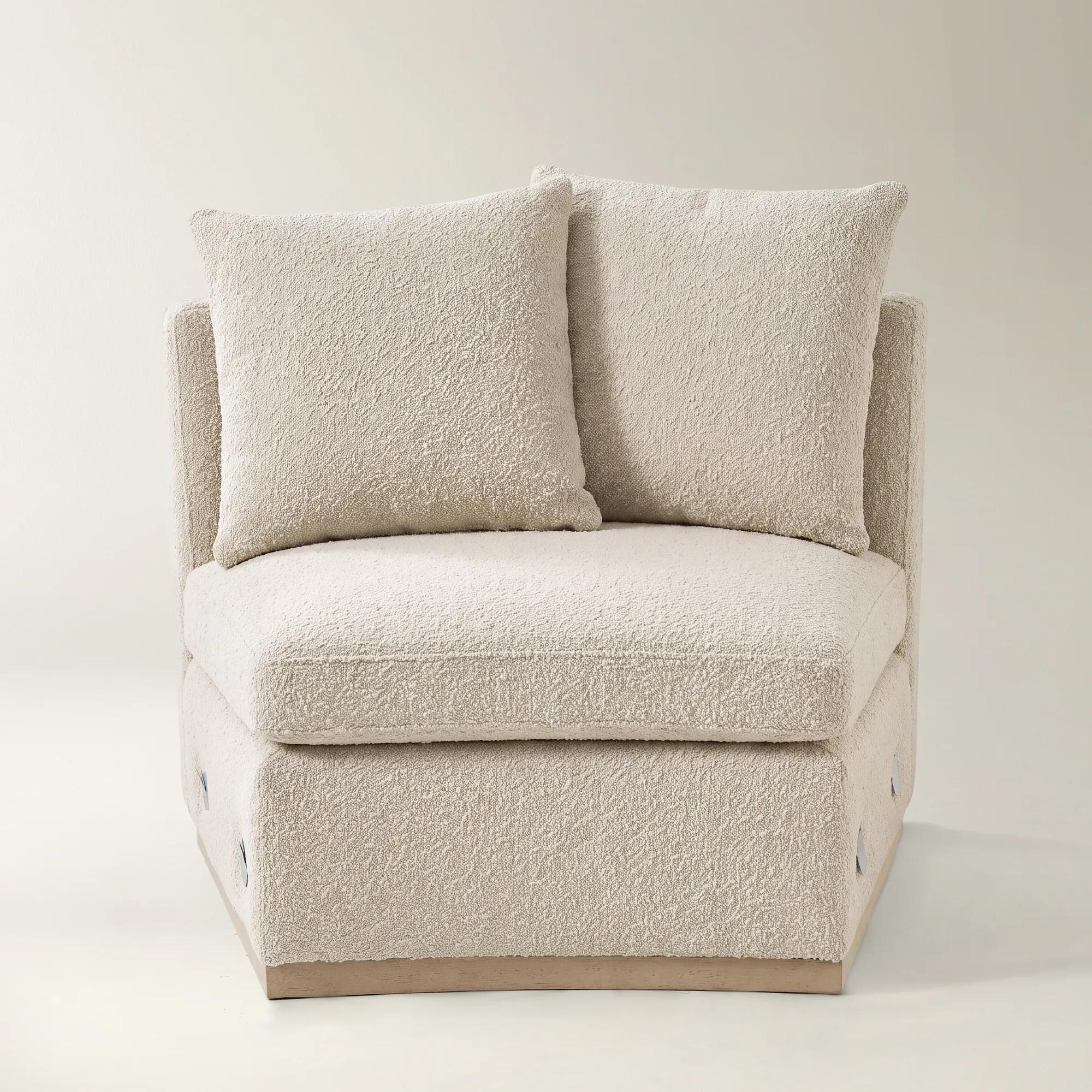 Stria Ivory Performance Boucle Armless Chair$1099
A sculptural ivory performance boucle chair with curved lines, layered cushioning, and a kiln-dried wood frame.
Add To Cart -
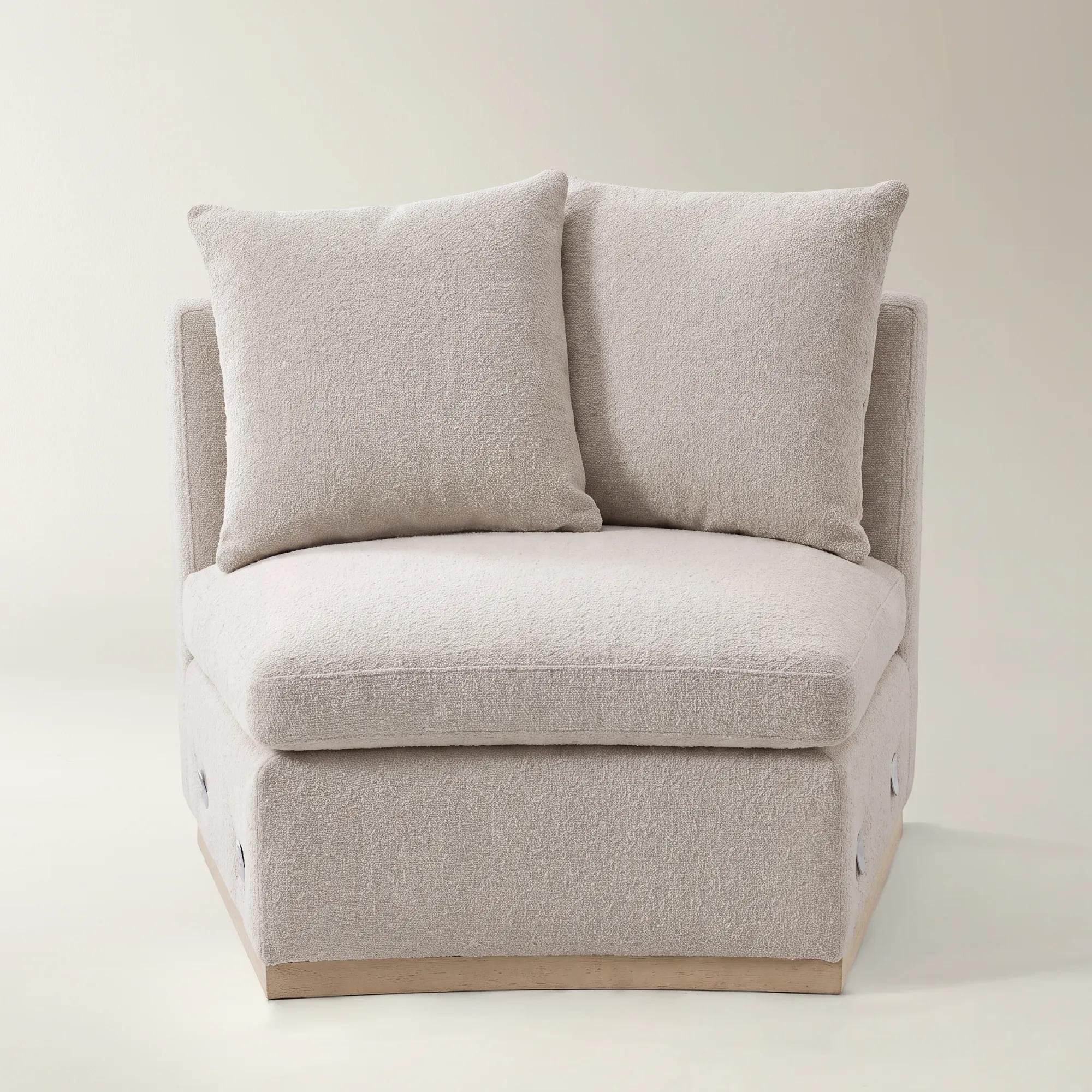 Stria Ivory Performance Boucle Armless Chair$1099
An ivory boucle chair with sculptural curves, layered foam-and-down cushioning, and a kiln-dried wood frame.
Add To Cart

Modern Seating For Small Spaces
Modern seating for small spaces transforms every inch into a stage for style and self-expression. Think sleek silhouettes, sumptuous fabrics, and sculptural forms that invite both conversation and repose—each piece curated to elevate intimacy without sacrificing impact. Here, compact proportions meet unapologetic glamour, allowing you to orchestrate a living area that feels as expansive in personality as it is refined in design. Discover how artful seating can turn even the coziest corner into a dramatic statement, proving that bold design knows no boundaries.
Modern seating for small spaces pairs streamlined proportions, thoughtful comfort, and expressive design to make compact rooms feel beautifully composed rather than crowded. Smaller sofas, accent chairs, benches, and ottomans create places to lounge, converse, and entertain without overwhelming the floor plan. The distinction lies in proportion: a slender arm can preserve more usable seat width, an elevated base can reveal the floor beneath, and an open silhouette can keep a seating arrangement from feeling visually dense. In an apartment living room, a tailored loveseat and a sculptural chair can establish a conversation area with more flexibility than a sprawling sofa. In a bedroom, a petite upholstered chair can transform an unused corner into a private retreat, especially beside a small table and a pool of lamplight. Modern silhouettes offer room for personality, too. Curved backs soften angular architecture, channel detailing introduces a rhythmic accent, and a gleaming metal base gives even a compact seat a jewelry-like finish. A smaller footprint need not mean an understated presence; saturated upholstery or an architectural frame can supply the drama that a larger room might achieve through scale. Fit depends on more than the width of a wall. Overall depth, arm height, and the space needed to sit down, stand up, or move around the furniture all shape how comfortably a piece belongs in the room. A chair that tucks neatly beside a sofa still needs clearance for movement, while a swivel design needs room to rotate without brushing nearby furniture. Doorways, stair turns, and elevator dimensions also matter when bringing seating into a compact home. With proportions that respect both the architecture and everyday routines, modern seating gives a small living area a deliberate focal point while leaving the room open to movement, light, and individual expression.
Materials bring much of that expression to life, giving compact seating richness that extends beyond its dimensions. Velvet catches the light across a curved back or rounded arm, lending depth to jewel tones and a luminous softness to neutral shades. Textured woven upholstery adds dimension without relying on a bold pattern, while leather offers a smooth, tailored surface with character that varies by finish. Exposed wood can introduce warmth and sculptural definition; polished or brushed metal can give a slim frame a striking outline. These details influence the atmosphere, but the way a seat supports the body is equally important. Seat height affects how easily someone can rise, seat depth determines whether the posture feels upright or lounge-oriented, and back shape changes the support available during a long conversation or an evening with a book. A deep seat may feel luxurious for curling up, yet a shallower profile can be more comfortable for someone who prefers both feet resting on the floor. Cushion construction matters as well: resilient foam generally offers a more structured sit, while softer, fiber-rich fills may need regular reshaping to maintain their appearance. Upholstery intended for frequent use deserves attention to abrasion resistance and cleaning requirements, particularly in homes shared with children or pets. Performance characteristics vary by fabric, so stain resistance, removable covers, or other care features should be confirmed rather than assumed. Regular vacuuming with a suitable upholstery attachment helps keep dust from settling into seams and textured surfaces. Spills call for prompt attention according to the fabric’s care instructions, without aggressive rubbing that could disturb the finish or pile. Leather, wood, and metal each require care appropriate to their specific treatment. A well-constructed frame, sound joints, and upholstery suited to the household help a small-scale seat remain a satisfying part of daily life, not simply a beautiful accent.
The most compelling small-space seating earns its place through both presence and purpose. A bench can define an entryway, provide a place to put on shoes, and move into a living area when conversation calls for another seat, provided its size and construction suit that use. An upholstered ottoman can introduce a softer shape among angular furnishings and offer a comfortable place to rest feet; designs intended for sitting can also accommodate an extra guest. Storage seating brings another possibility, concealing throws or other everyday belongings within the footprint already devoted to furniture. In a studio, a compact sofa can establish a distinct living zone without the visual weight of a full-size arrangement. In a home office, an accent chair creates a change of posture and a welcoming place for a visitor without turning the room into a second lounge. Couples furnishing a first apartment, residents refining a city pied-à-terre, and homeowners giving a guest room greater versatility may all find that carefully scaled seating makes the room feel more personal and complete. For another perspective on balancing an intimate footprint with everyday ease, explore Comfortable Seating For Small Spaces. Visual harmony comes from relationships rather than matching every piece: a rounded chair can echo the curve of a table, a metallic base can draw out a detail in nearby lighting, and a richly textured seat can bring depth to smooth walls and reflective surfaces. One confident upholstery color may be all a compact room needs to establish its character, while tonal fabrics let sculptural forms take the lead. Leaving breathing room between pieces allows those details to register. The result is seating that feels intentional from every angle—a place to settle into conversation, enjoy a quiet pause, or welcome someone into a home where limited square footage has never limited the imagination.
FAQs
In open floor plans, opt for seating with slim profiles and elevated legs, such as armless accent chairs or small-scale sectionals. These pieces create a sense of spaciousness and help define distinct zones for lounging, entertaining, or reading, all while maintaining an airy, uncluttered atmosphere.
Absolutely—compact loveseats, swivel chairs, and storage ottomans are perfect for home offices and bedrooms. A sleek chair can serve as a stylish desk companion by day and a cozy reading spot by night, while an ottoman adds both comfort and hidden storage, enhancing both function and flair in any room.
Luxe yet durable materials like velvet, leather, and high-performance woven fabrics are ideal for modern seating. These textiles not only add visual interest and tactile richness, but they also stand up beautifully to daily use, ensuring your seating remains both chic and inviting over time.
Light, neutral tones can make a room feel more expansive, while rich textures—think velvet, boucle, or leather—add depth and warmth. Mixing materials and finishes, such as pairing a smooth leather ottoman with a plush velvet chair, creates a layered, sophisticated look that draws the eye and elevates the entire space.
Yes, thoughtfully chosen seating pieces make exceptional gifts for anyone moving into a new home, furnishing an apartment, or refreshing their décor. A chic accent chair or a versatile storage ottoman offers both beauty and utility, making them memorable and practical presents for housewarmings, weddings, or special occasions.