Modern Living Room Rugs
Modern Living Room Rugs
-
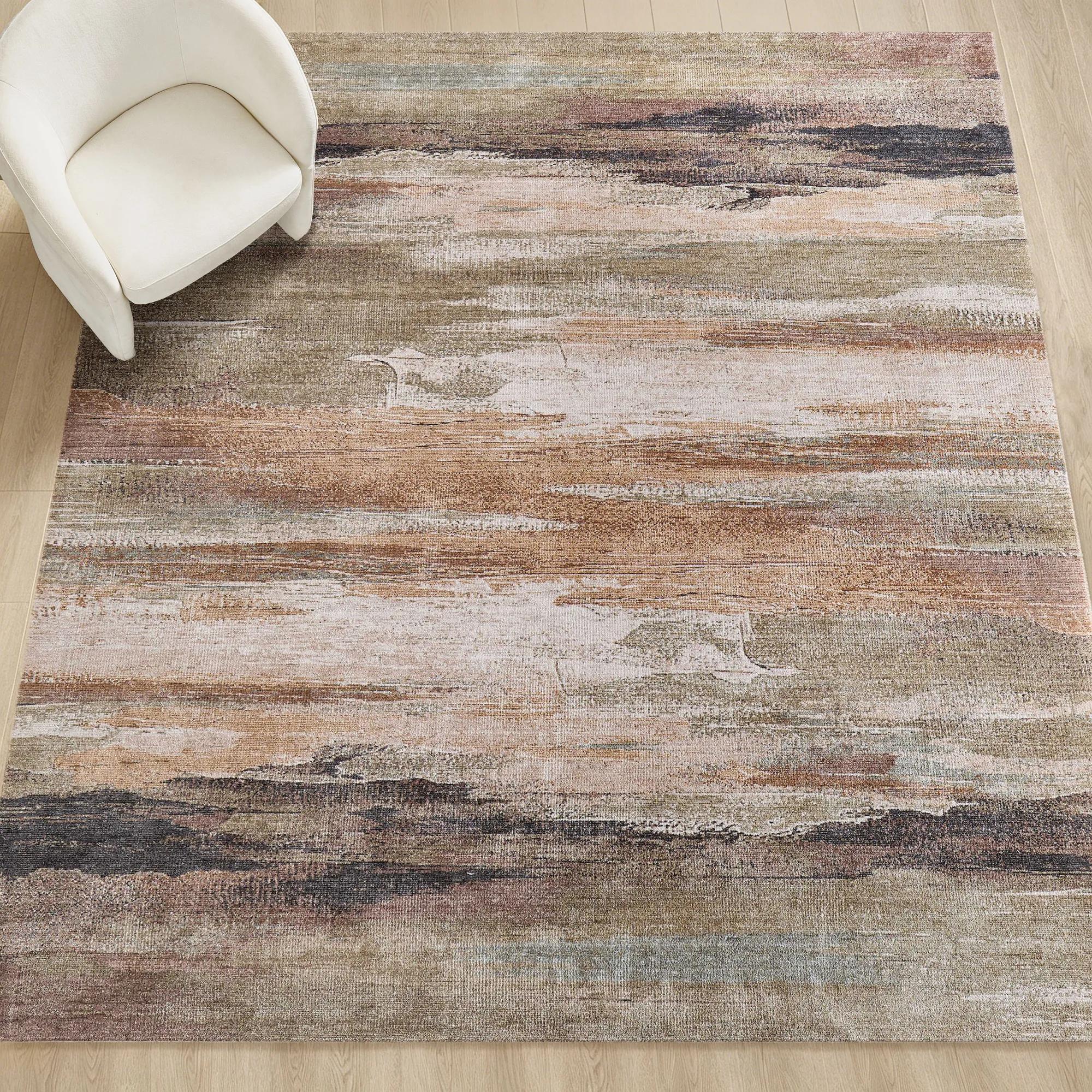
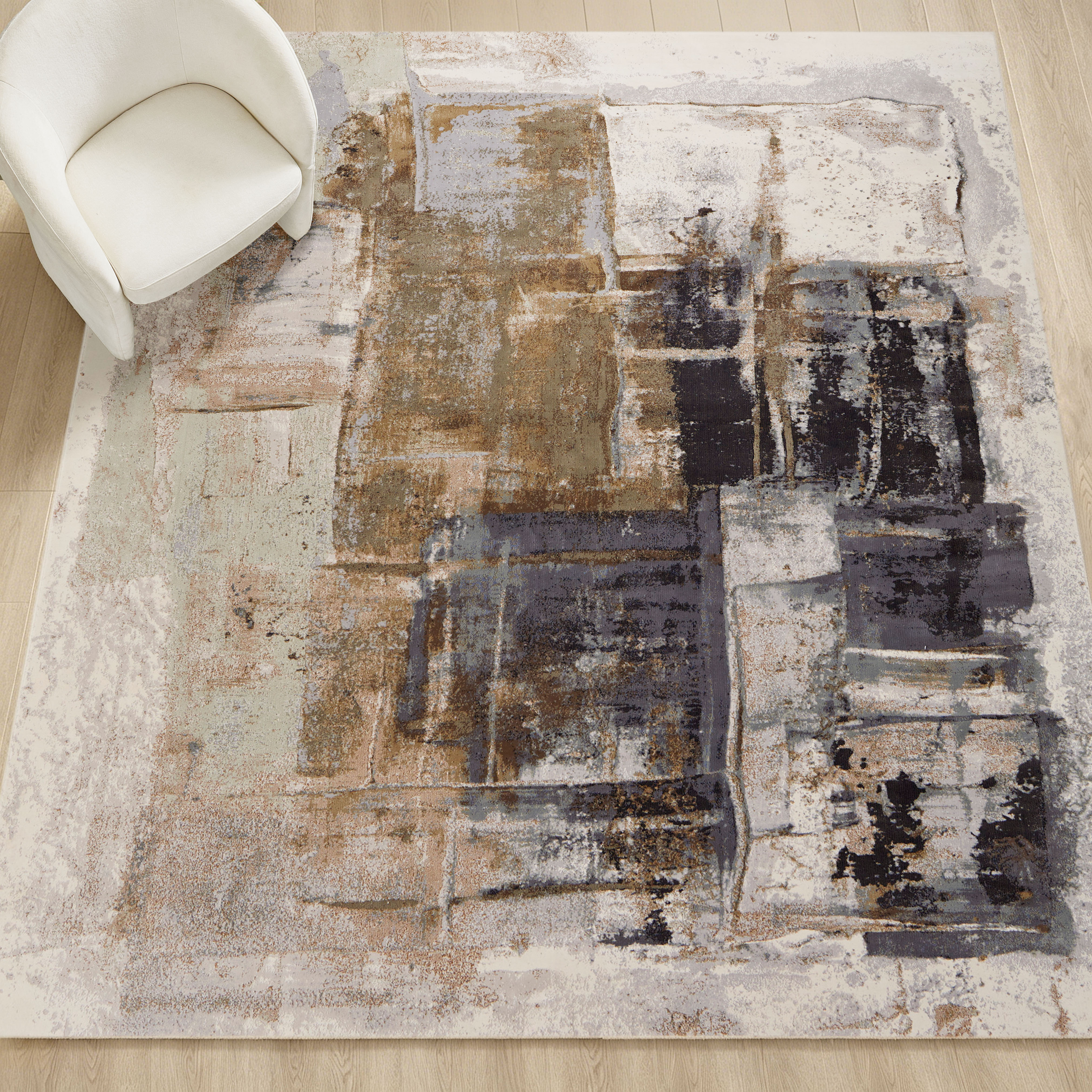
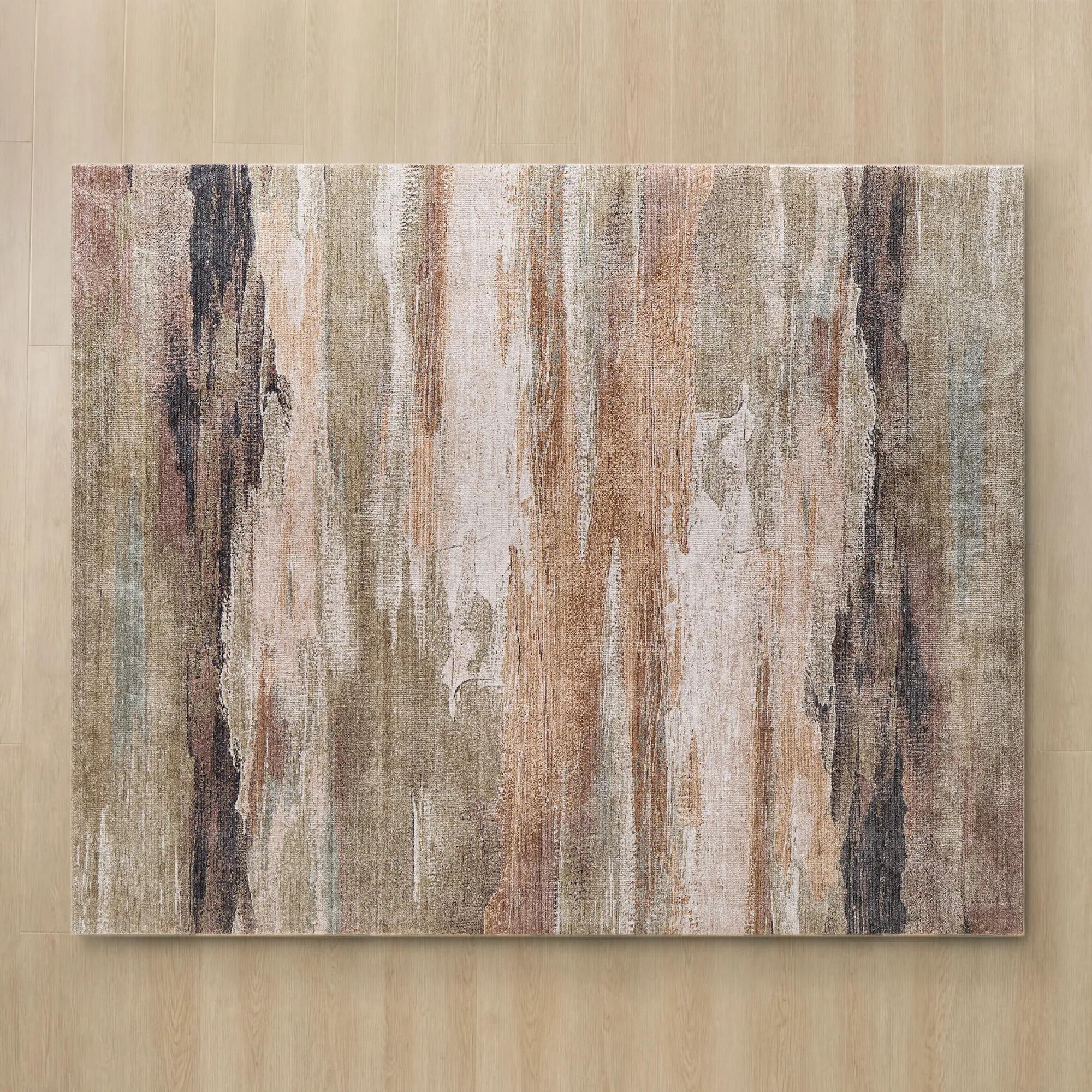 Sedona Rust/Beige/Moss Green/Charocal/Blue Performance Power Loomed Rug$1999
A power-loomed polyester rug featuring a rich abstract pattern in rust, beige, moss green, charcoal, and blue.
Add To Cart -
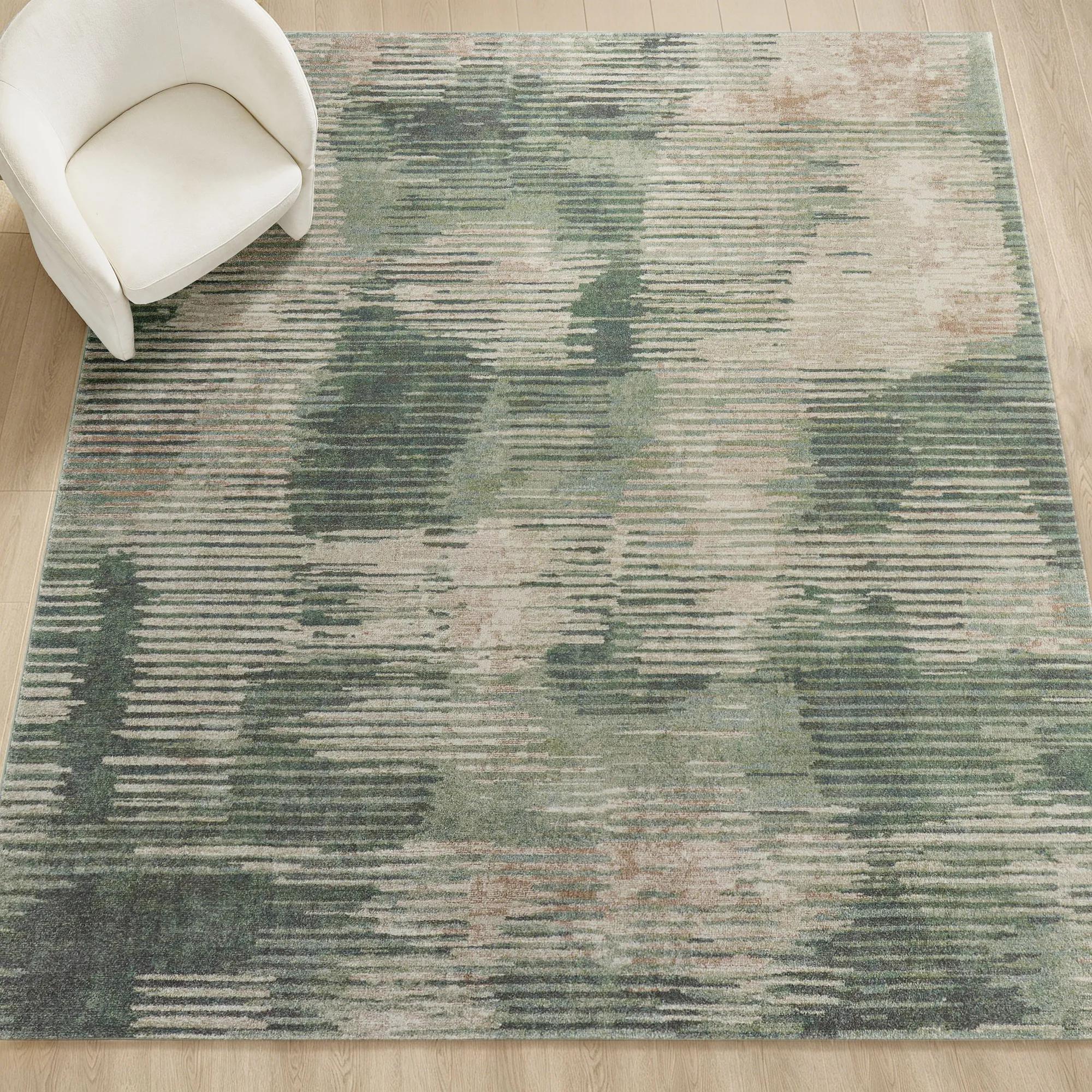
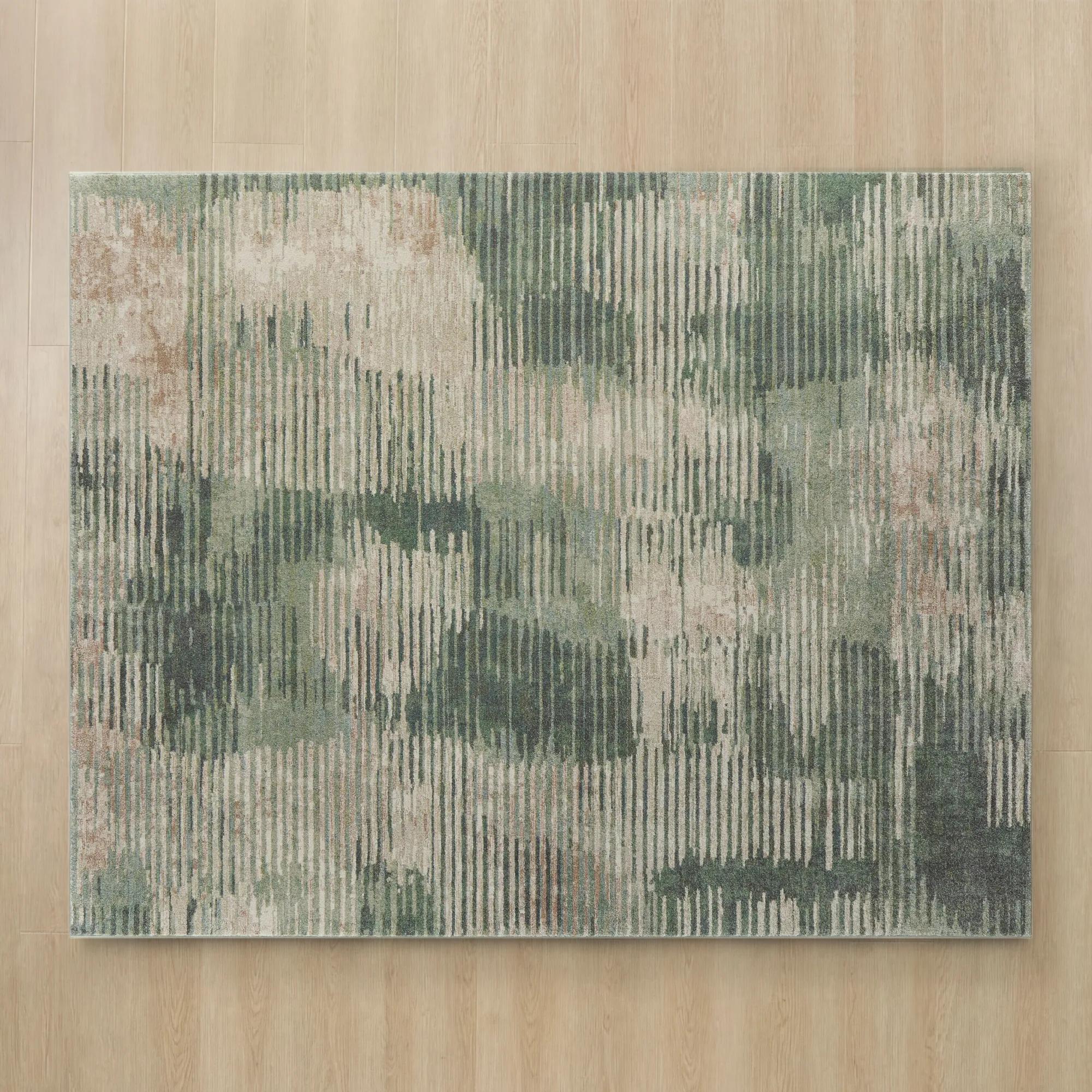 Sylvan Green/Beige Power Loomed Rug$689
A contemporary rug featuring a smoked olive green and beige organic pattern with a soft, power-loomed polypropylene pile.
Add To Cart -
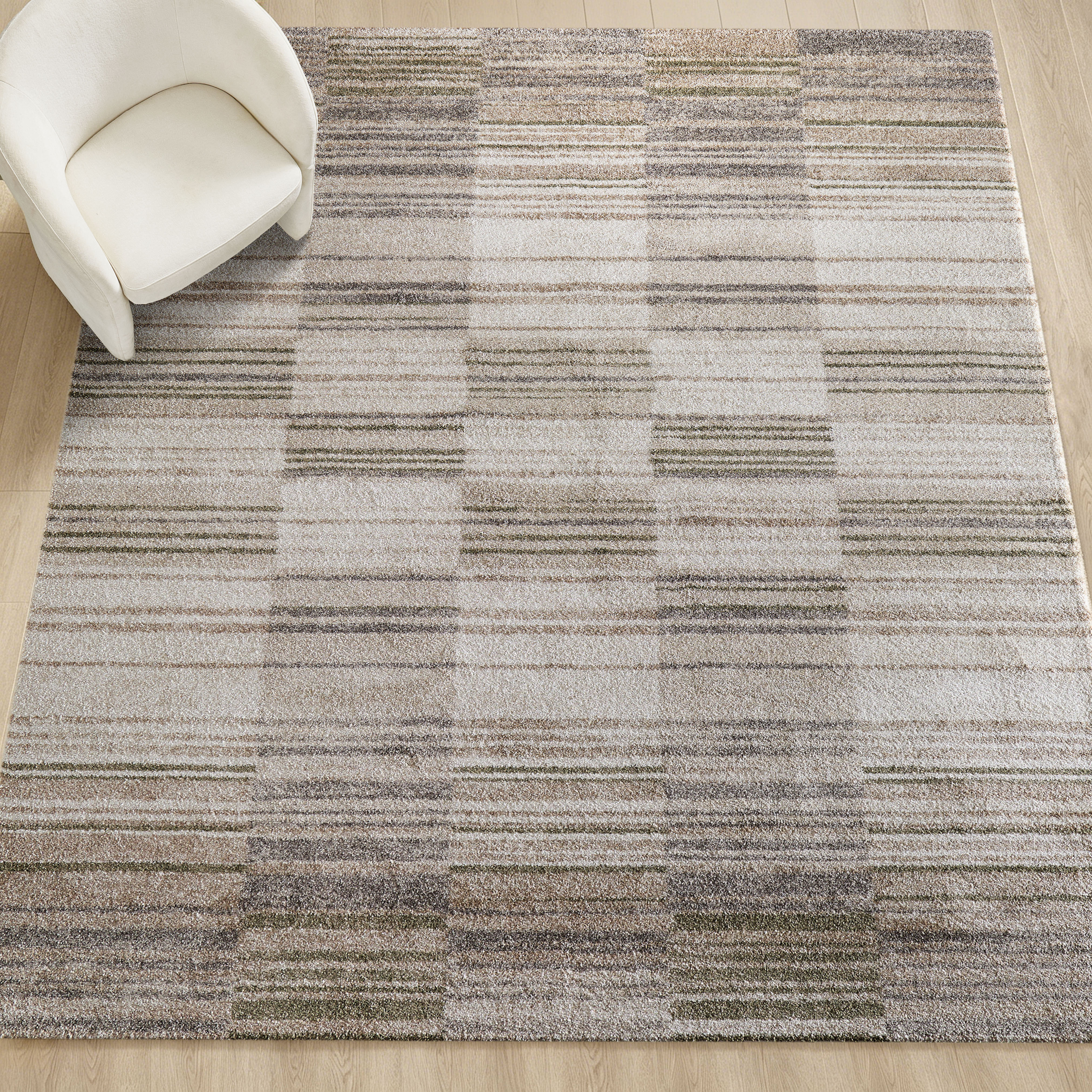
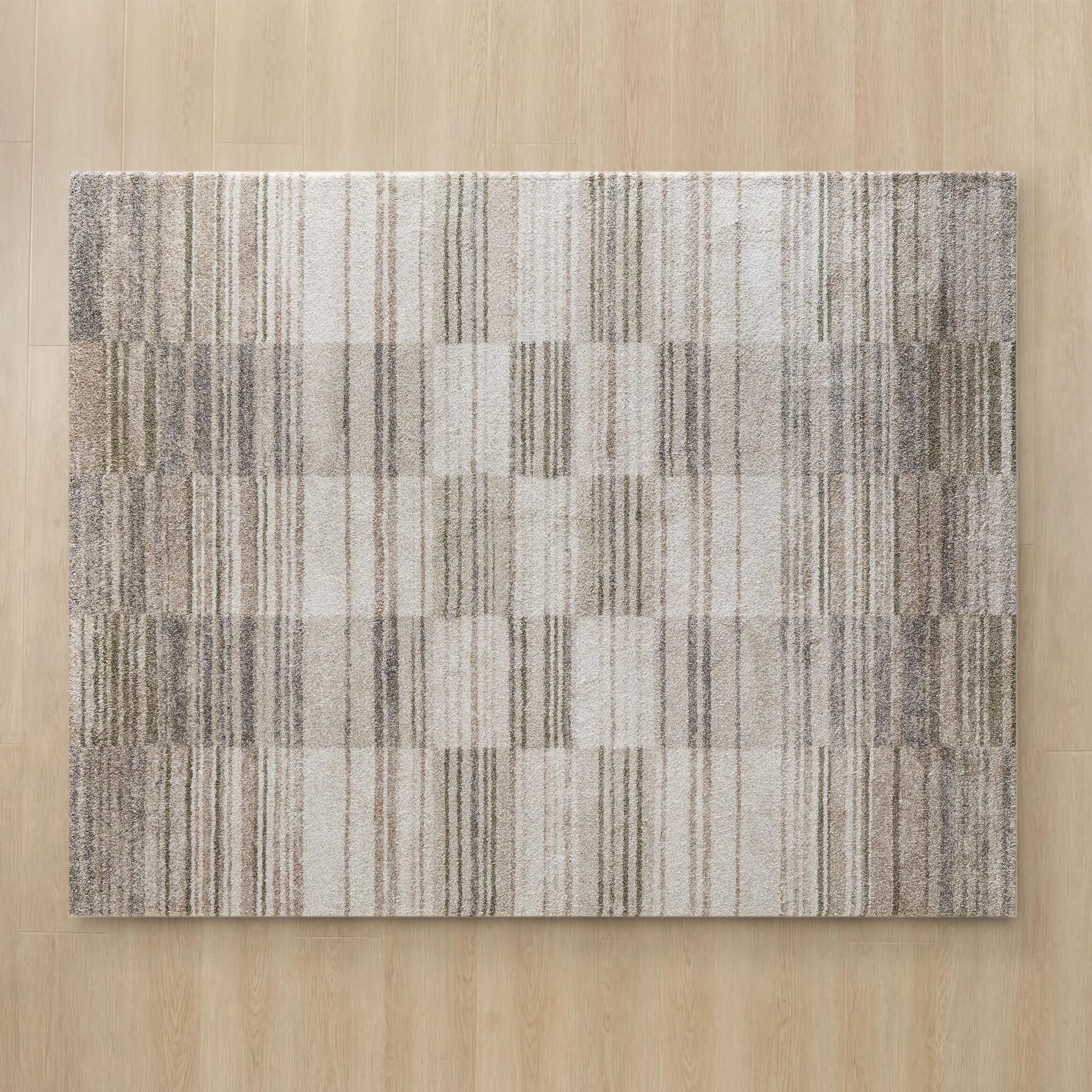 Checka Grey/Tan/Ivory/Soft Green Performance Power Loomed Rug$399
A plush, power-loomed rug featuring a soft check pattern in grey, tan, ivory, and green.
Add To Cart -
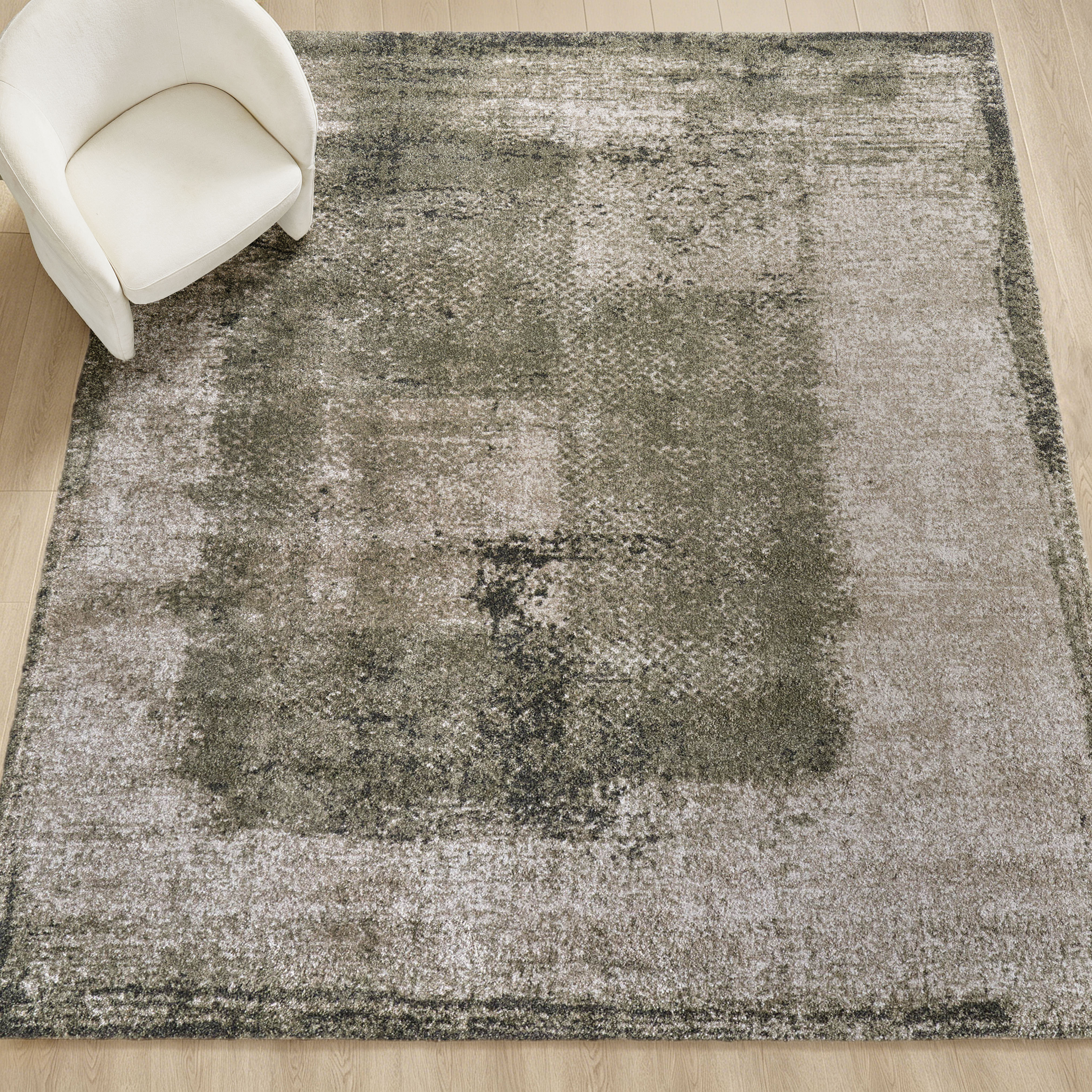
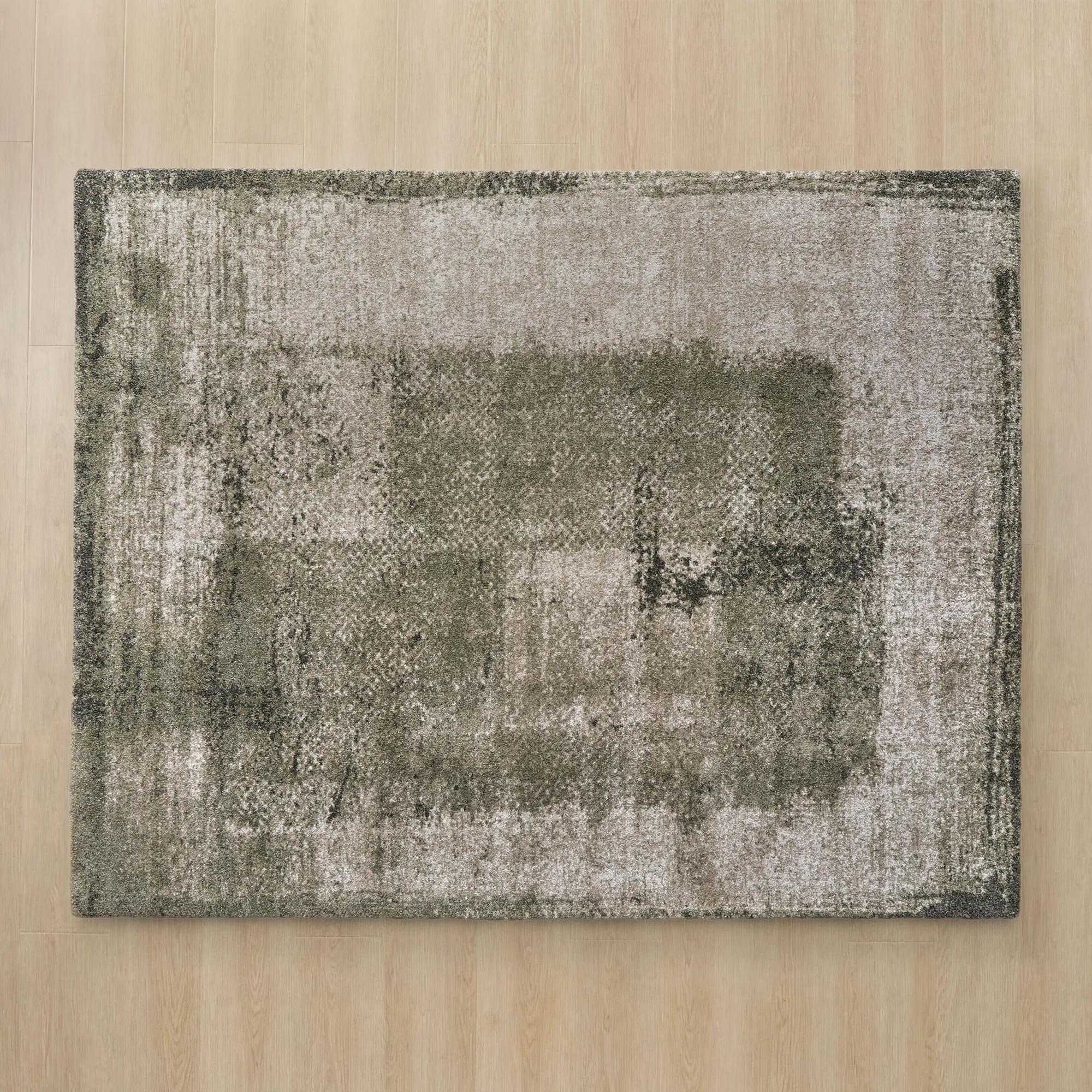 Irving Abstract Moss Green/Beige/Grey Performance Power Loomed Rug$849
An abstract rug in moss green, beige, and grey with plush, durable power-loomed polypropylene and polyester.
Add To Cart -
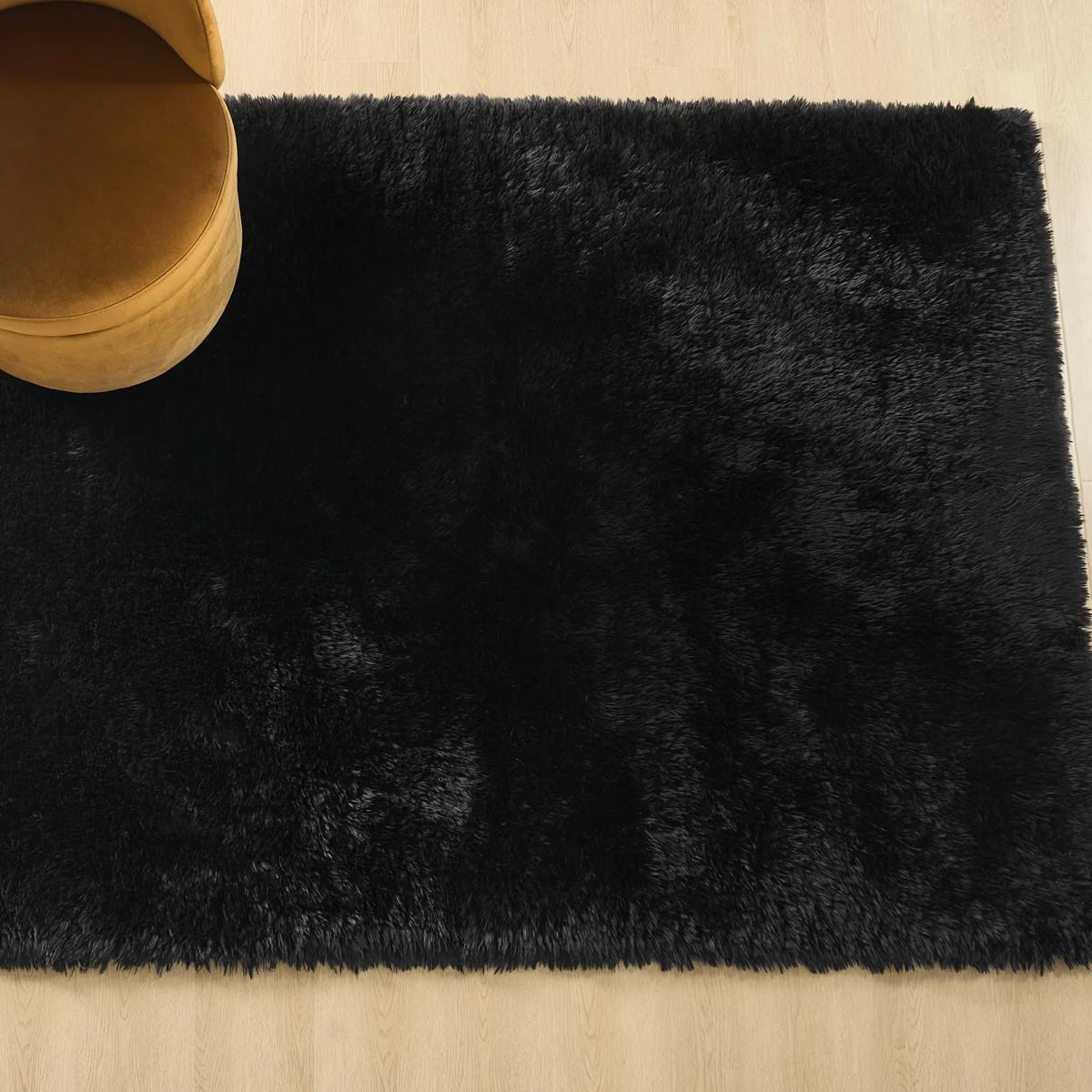
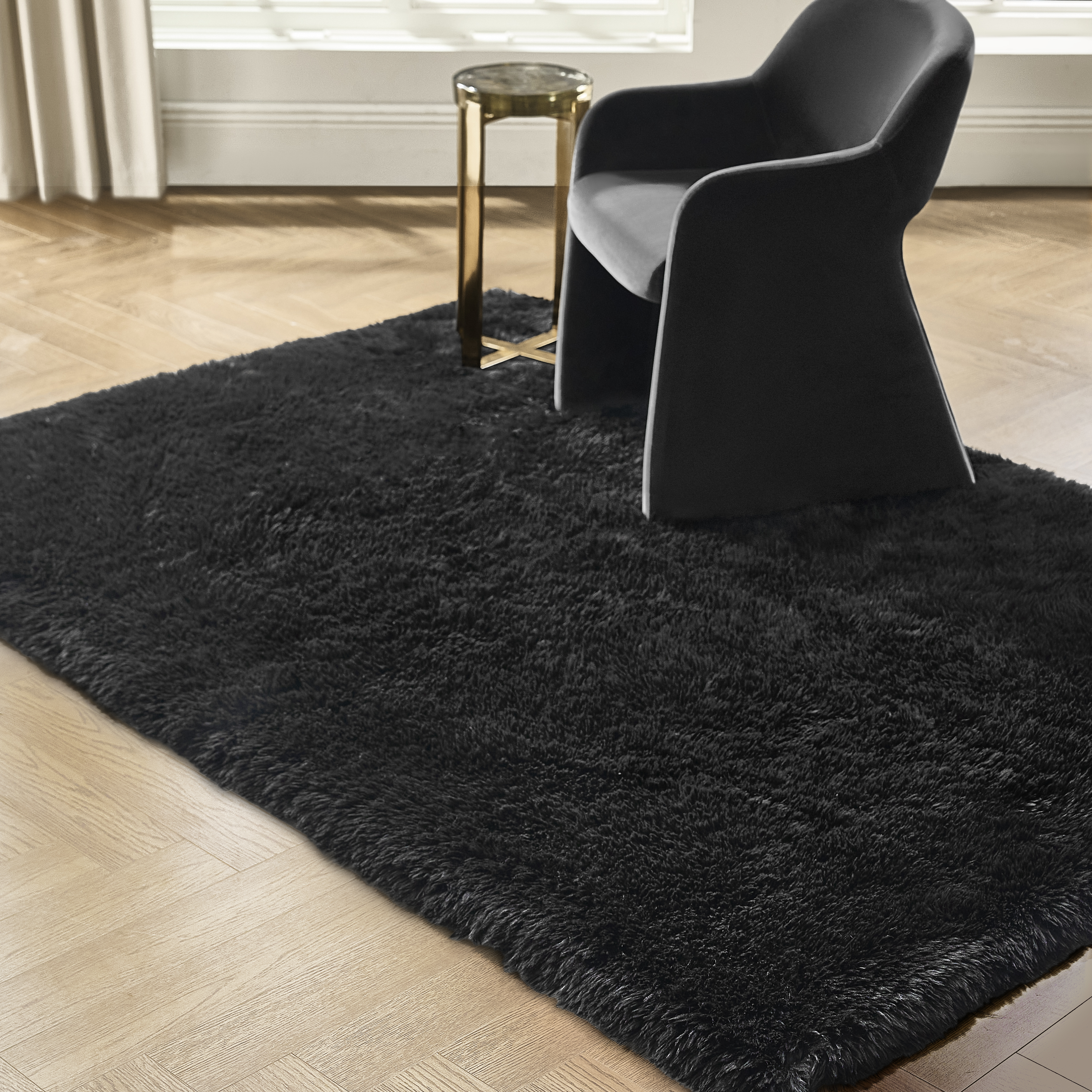 Lustre Shag Rug - Black$299
A plush, ultra-soft high-pile rug in deep black polyester with a non-slip backing for modern elegance.
Add To Cart -
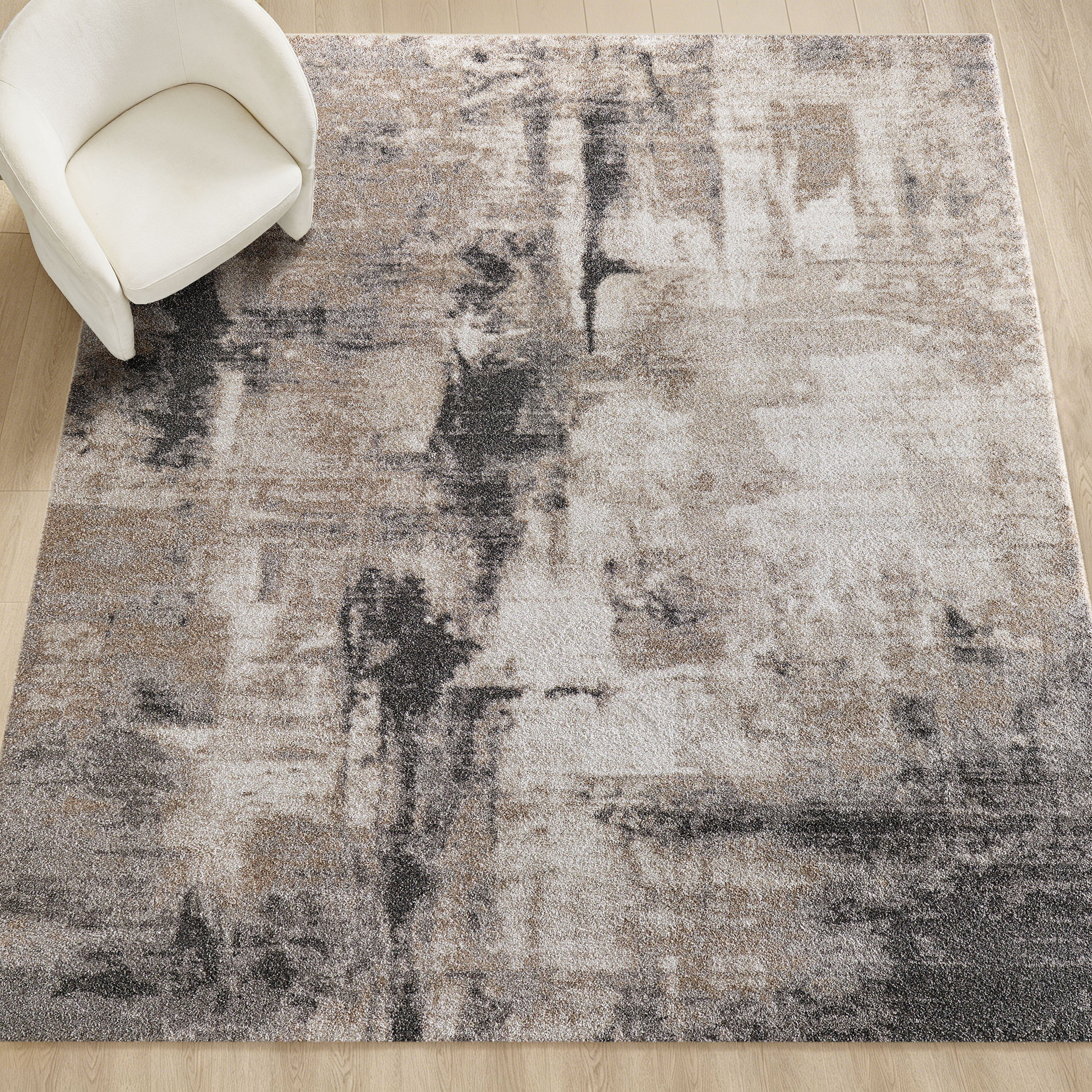
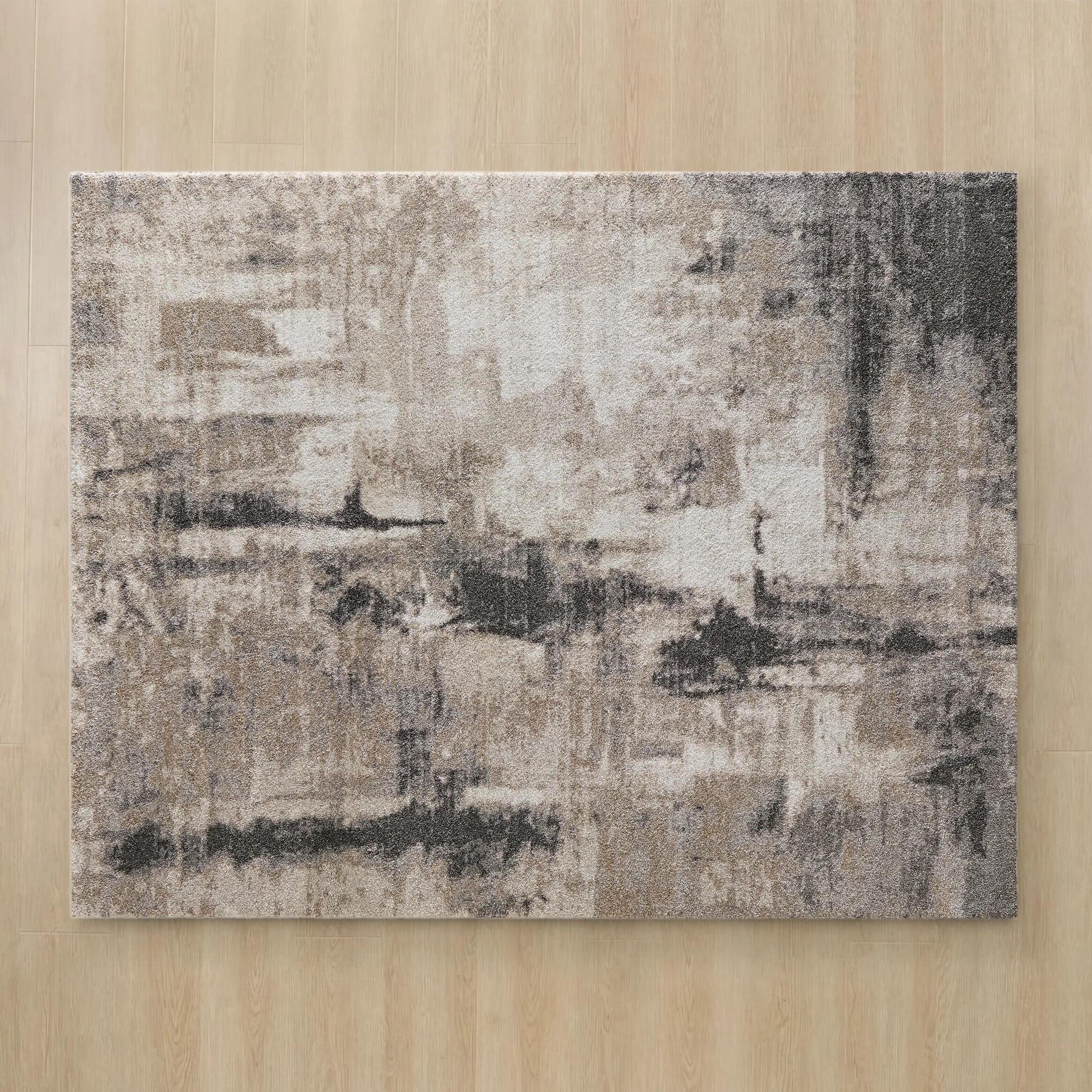 Atlas Abstract Grey/Taupe/Ivory/Charcoal Performance Power Loomed Rug$399
An abstract rug in grey, taupe, ivory, and charcoal with a plush, stain-resistant polypropylene blend.
Add To Cart -
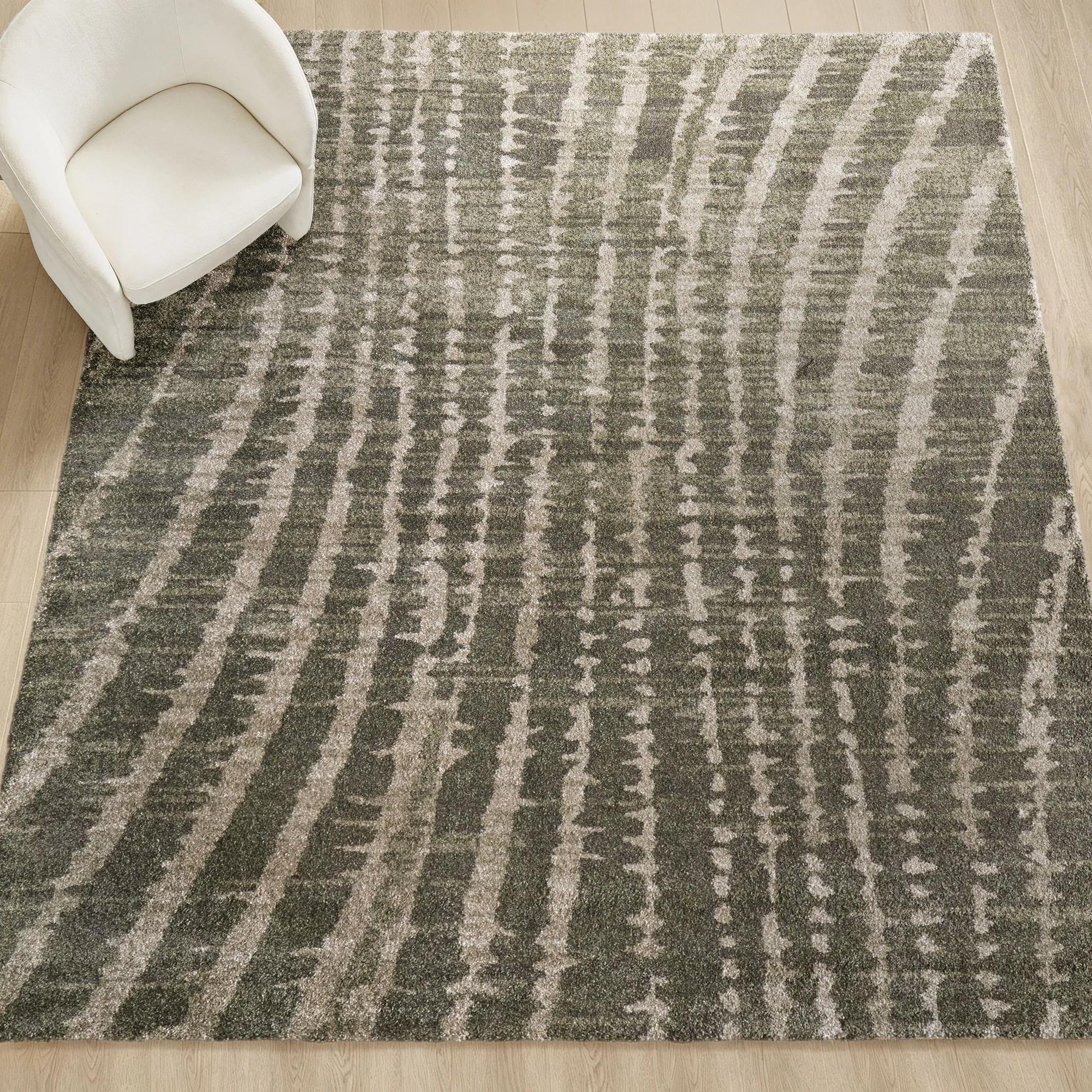
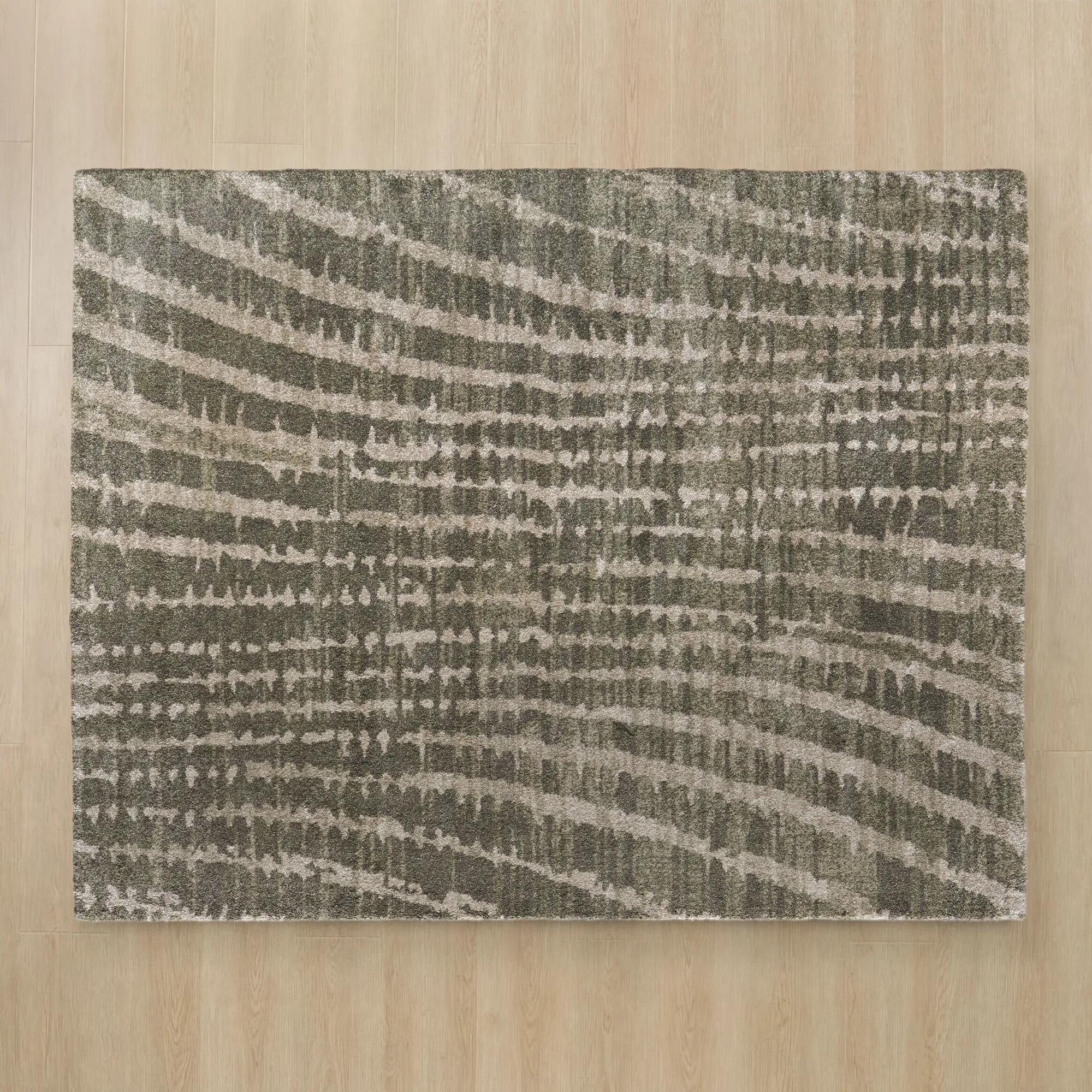 Tempo Green/Grey/Beige Performance Power Loomed Rug$1349
An abstract charcoal grey and beige rug with plush, power-loomed polypropylene and polyester construction.
Add To Cart -
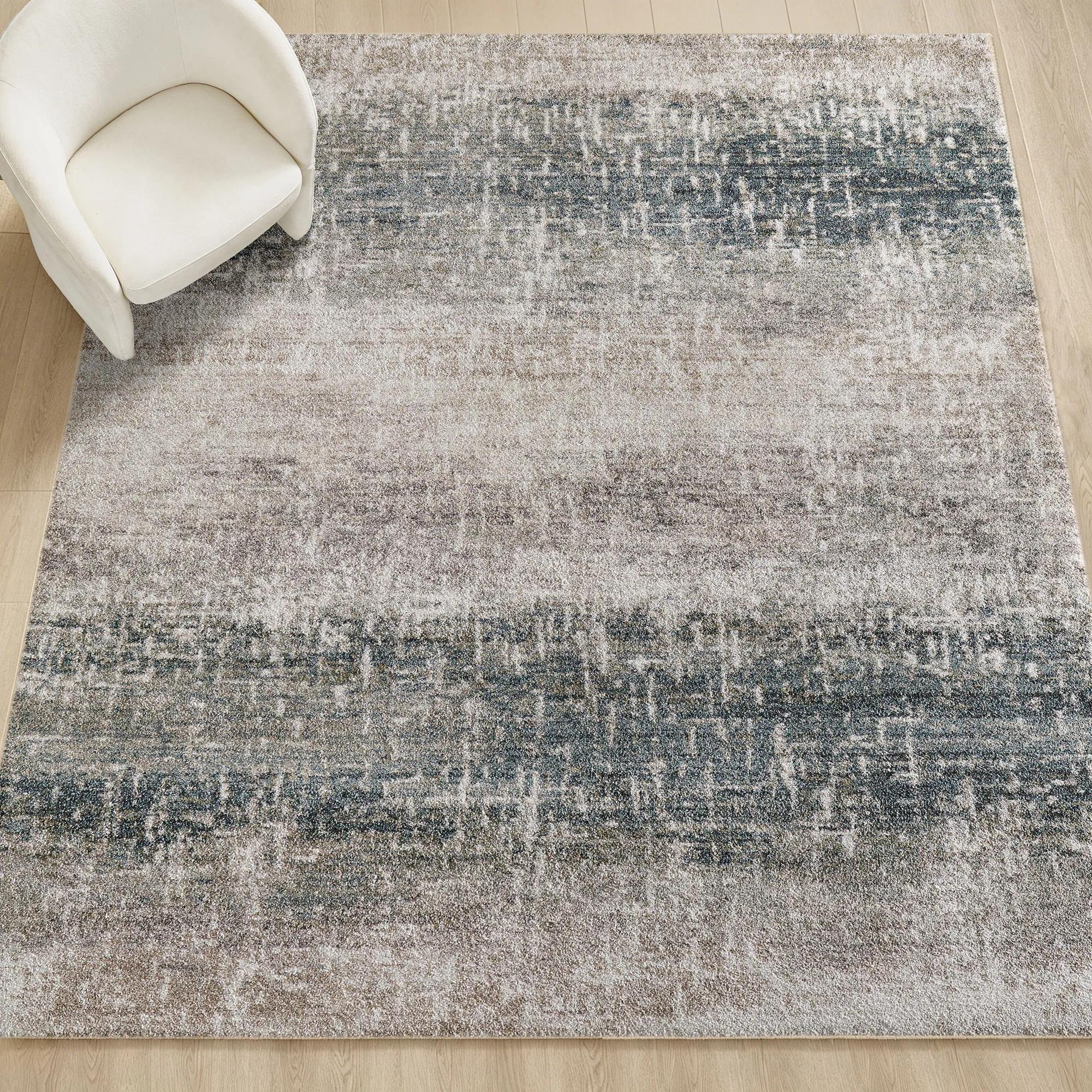
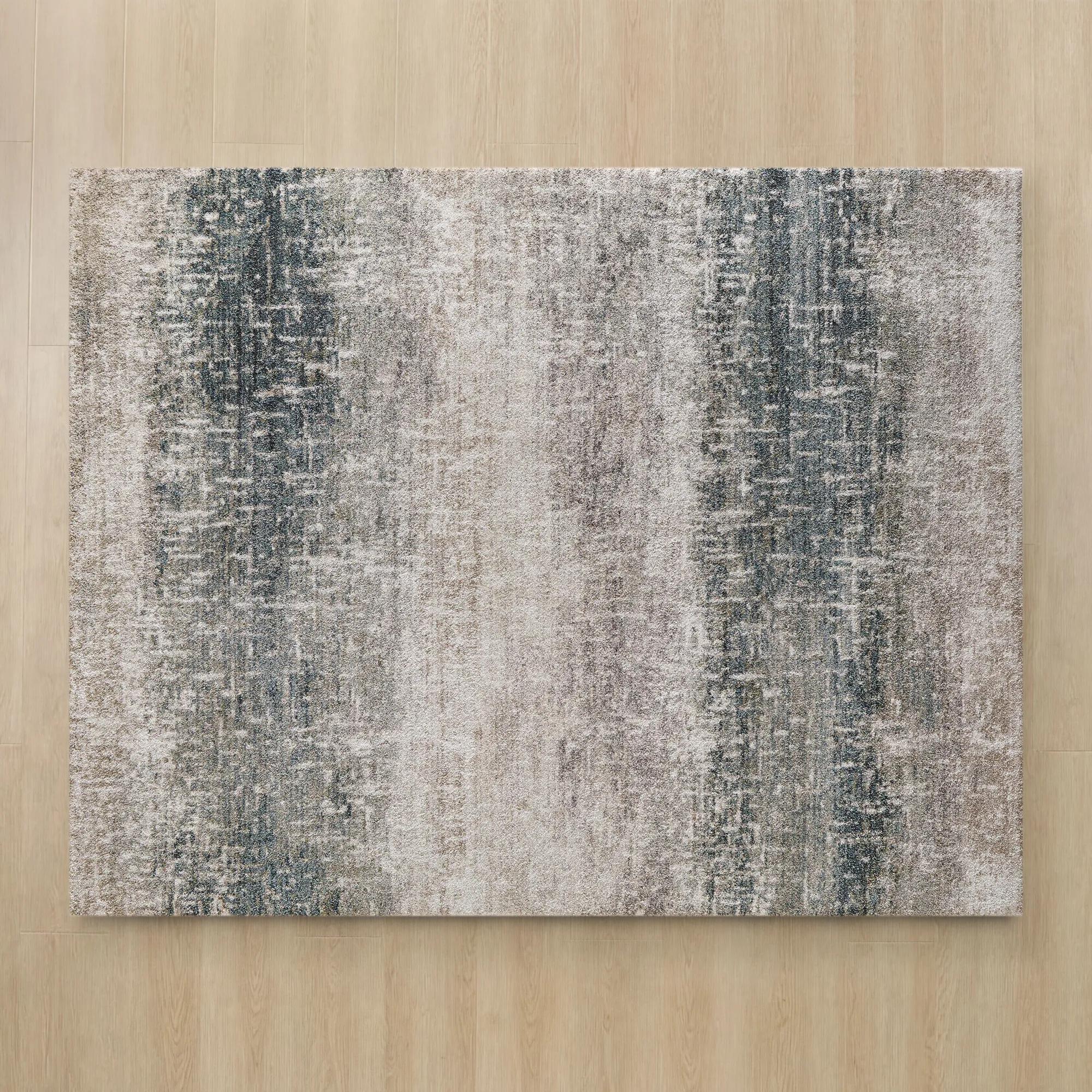 Collier Taupe/Grey/Blue/Green Performance Power Loomed Rug$1649
An abstract rug in taupe, grey, blue, and green with a plush pile and durable, easy-care blend.
Add To Cart -
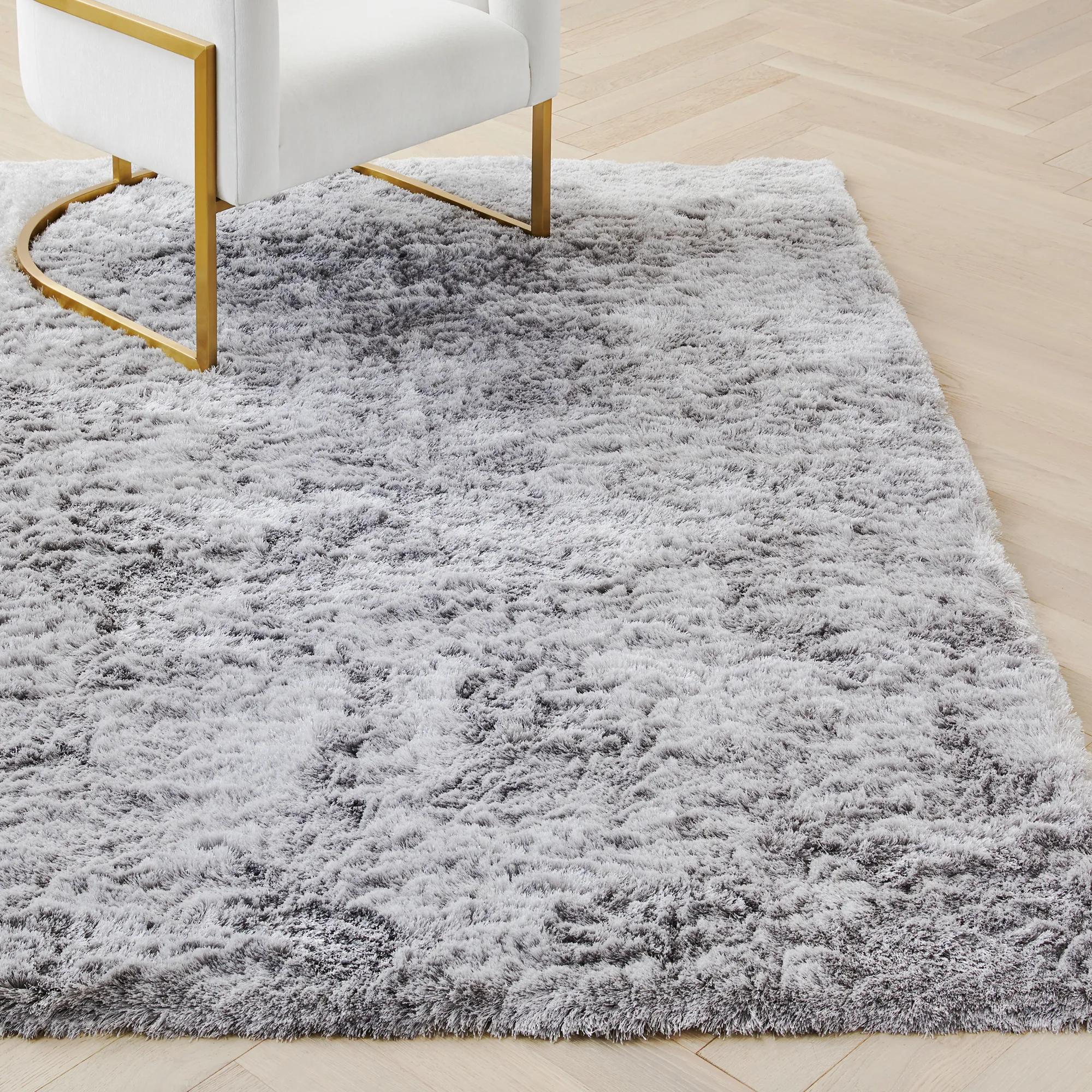 Indochine Shag Platinum Rug$399
A platinum-toned shag rug with a subtle sheen and plush 1.5" polyester pile for luxurious texture.
Add To Cart -
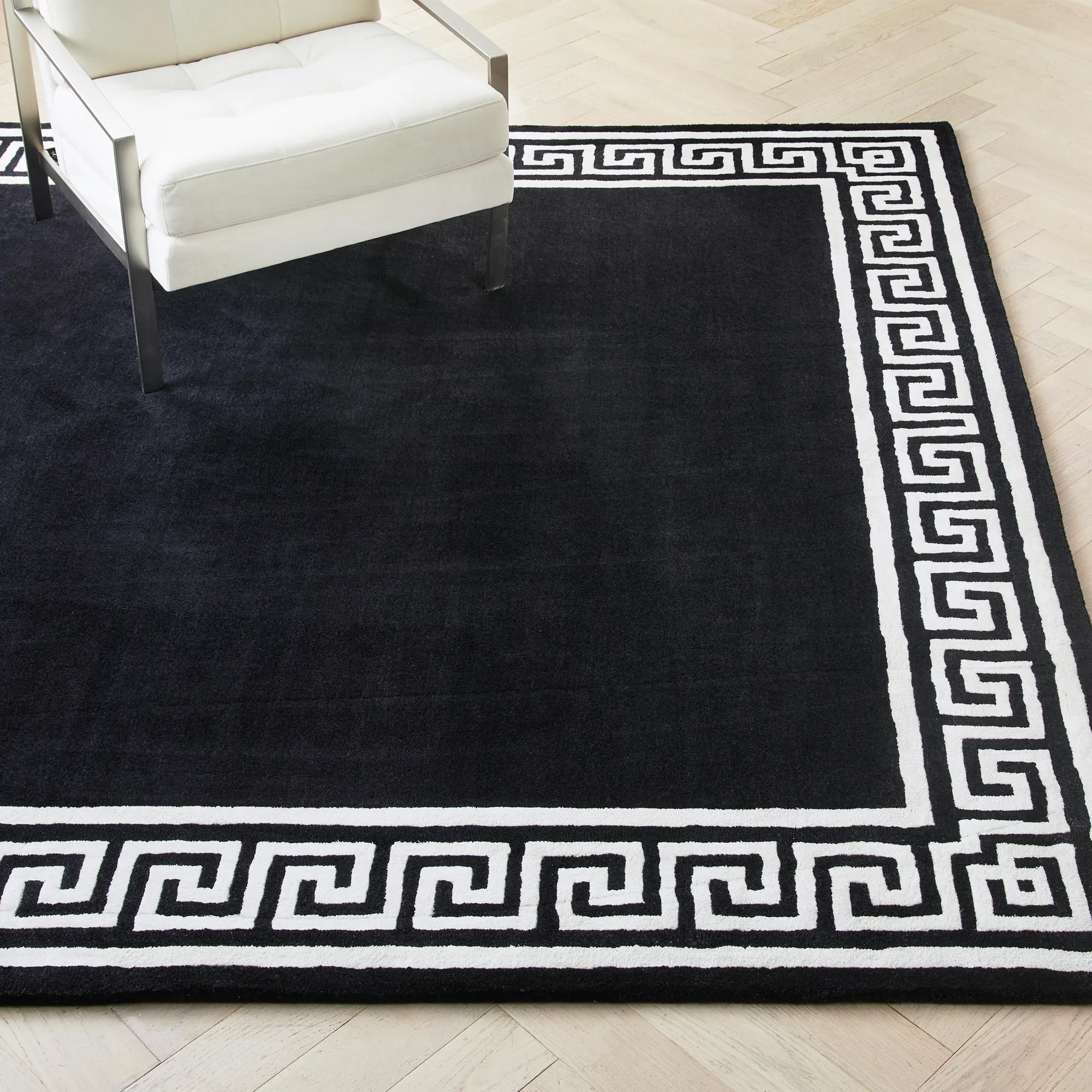
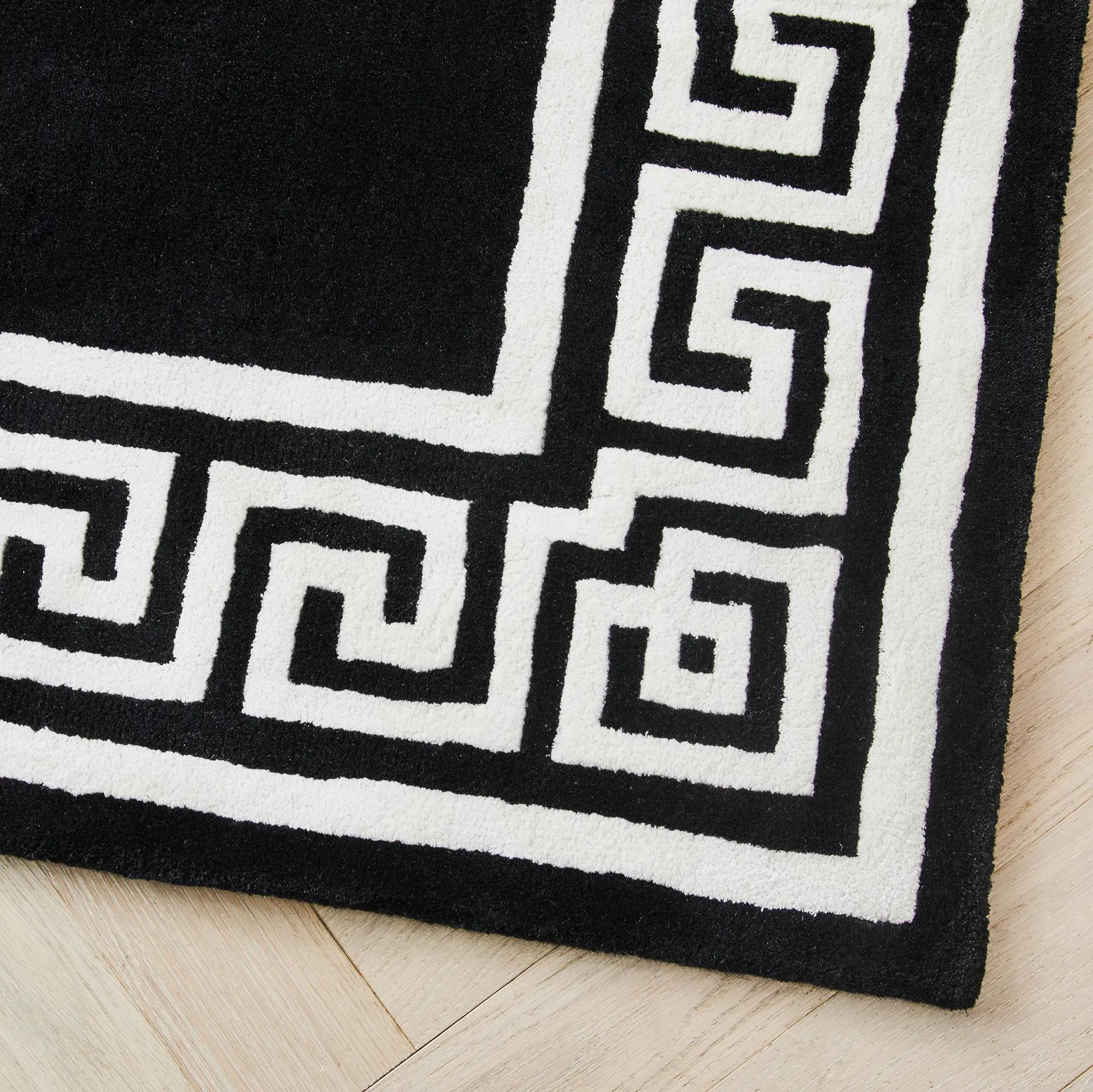 Greek Key Rug - Black/Ivory$1199
A hand-tufted black and ivory rug featuring a classic Greek key pattern in wool and viscose.
Add To Cart -
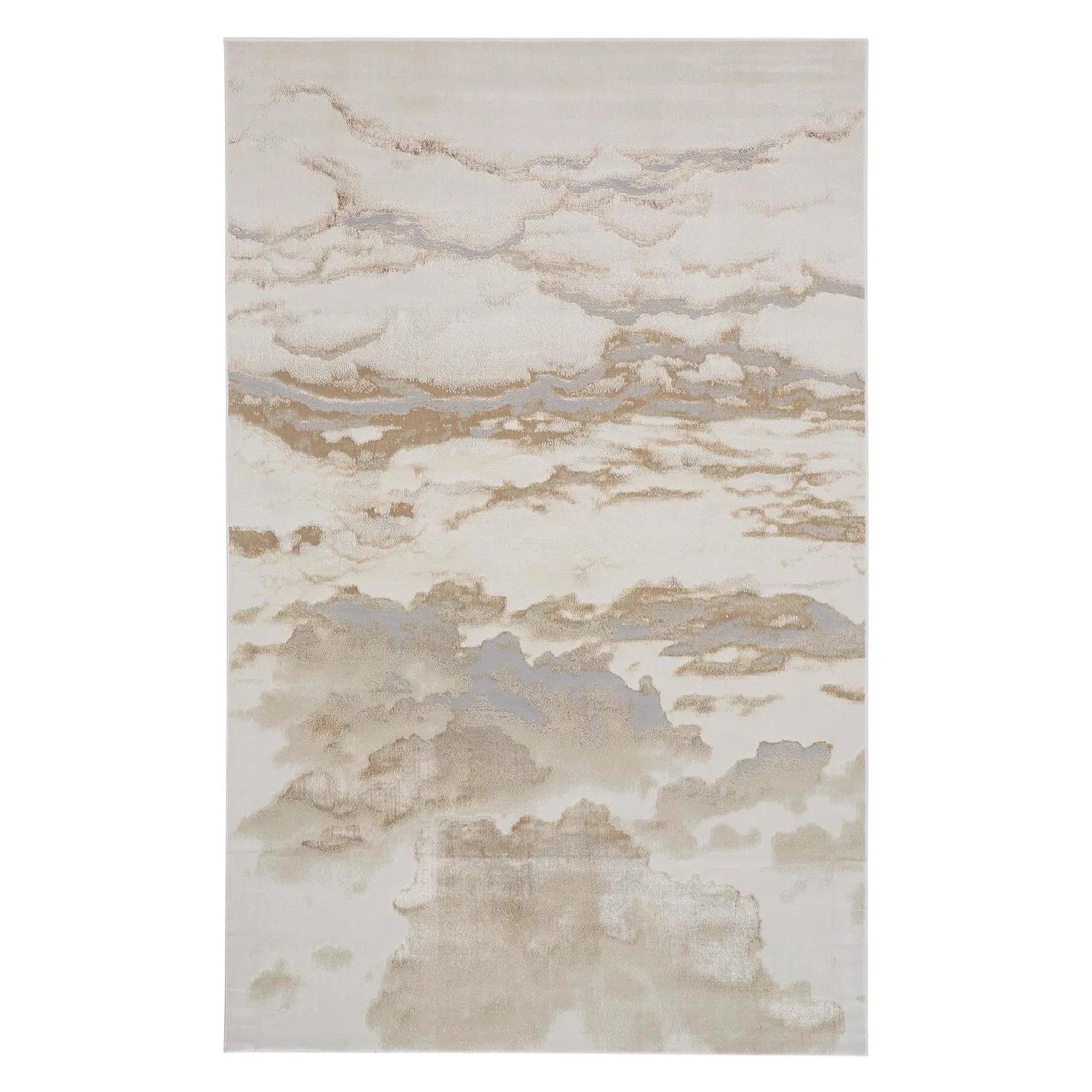
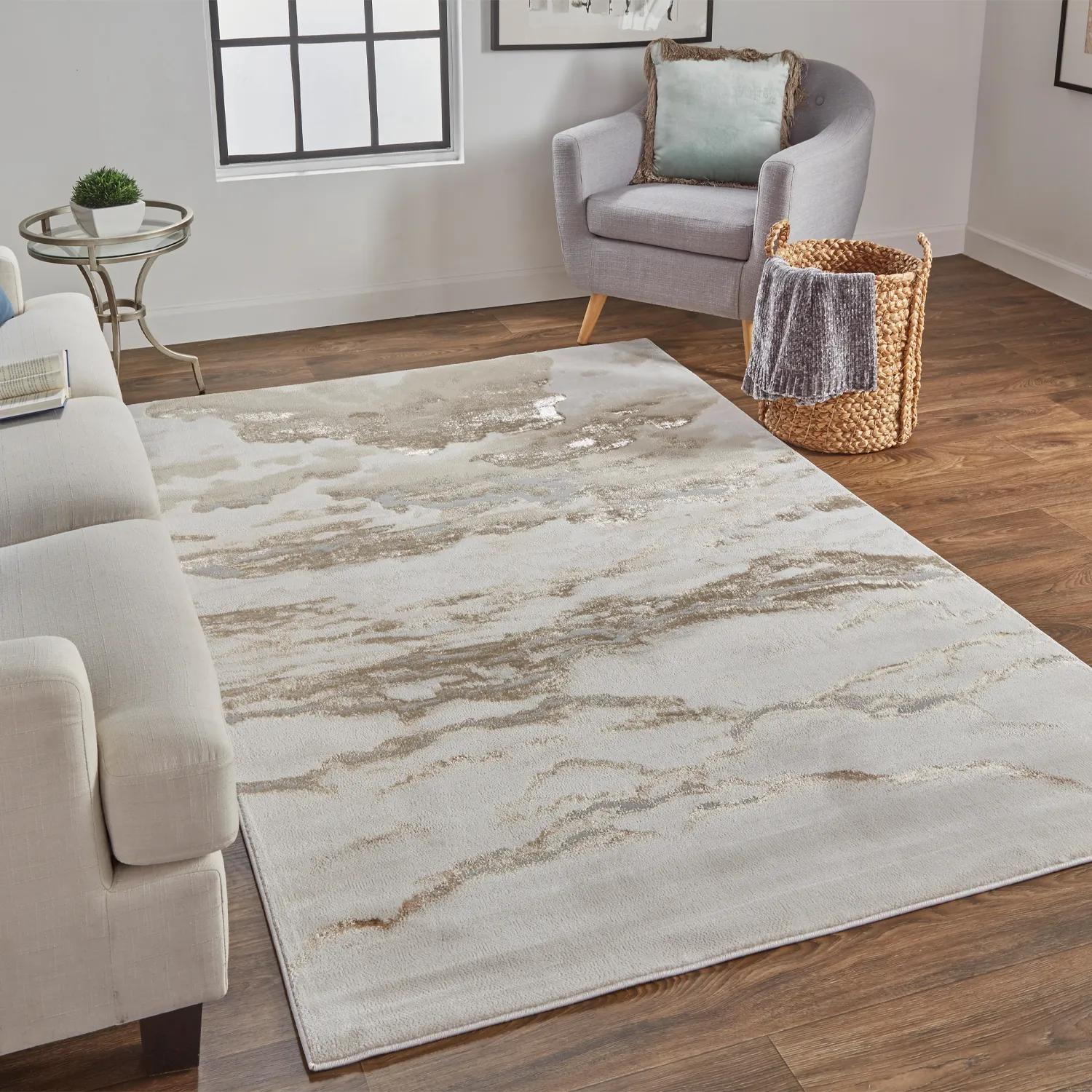 Tide Power-Loomed Beige/Gold/Ivory Rug$899
A machine-made rug in beige and gold, crafted from ultra-soft polyester and polypropylene for elegant spaces.
Add To Cart -
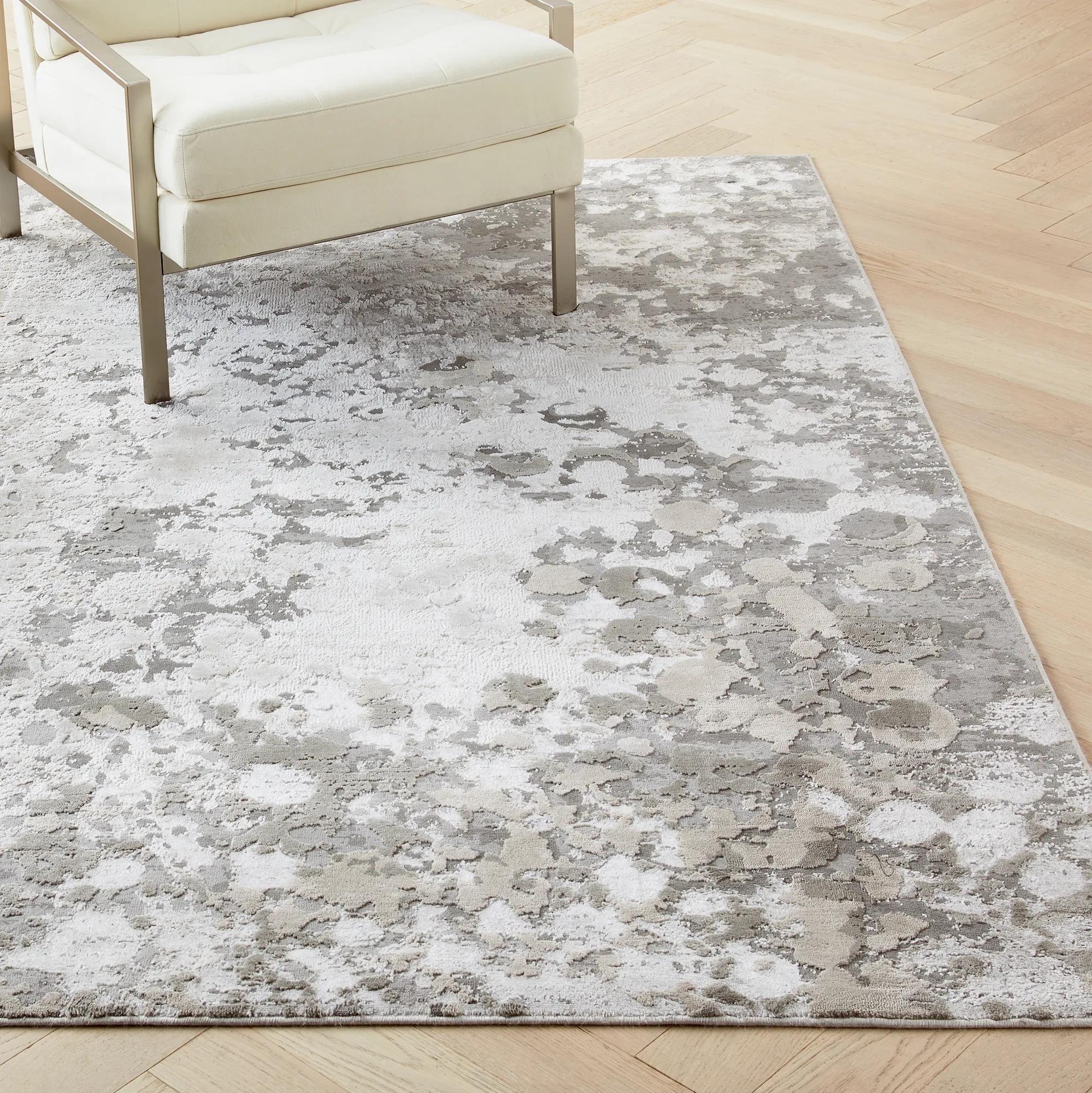 Mercury Power-Loomed Silver/Grey/Beige Rug$249
A neutral floor covering featuring a silver, grey, and beige palette with a textured polyester blend.
Add To Cart -
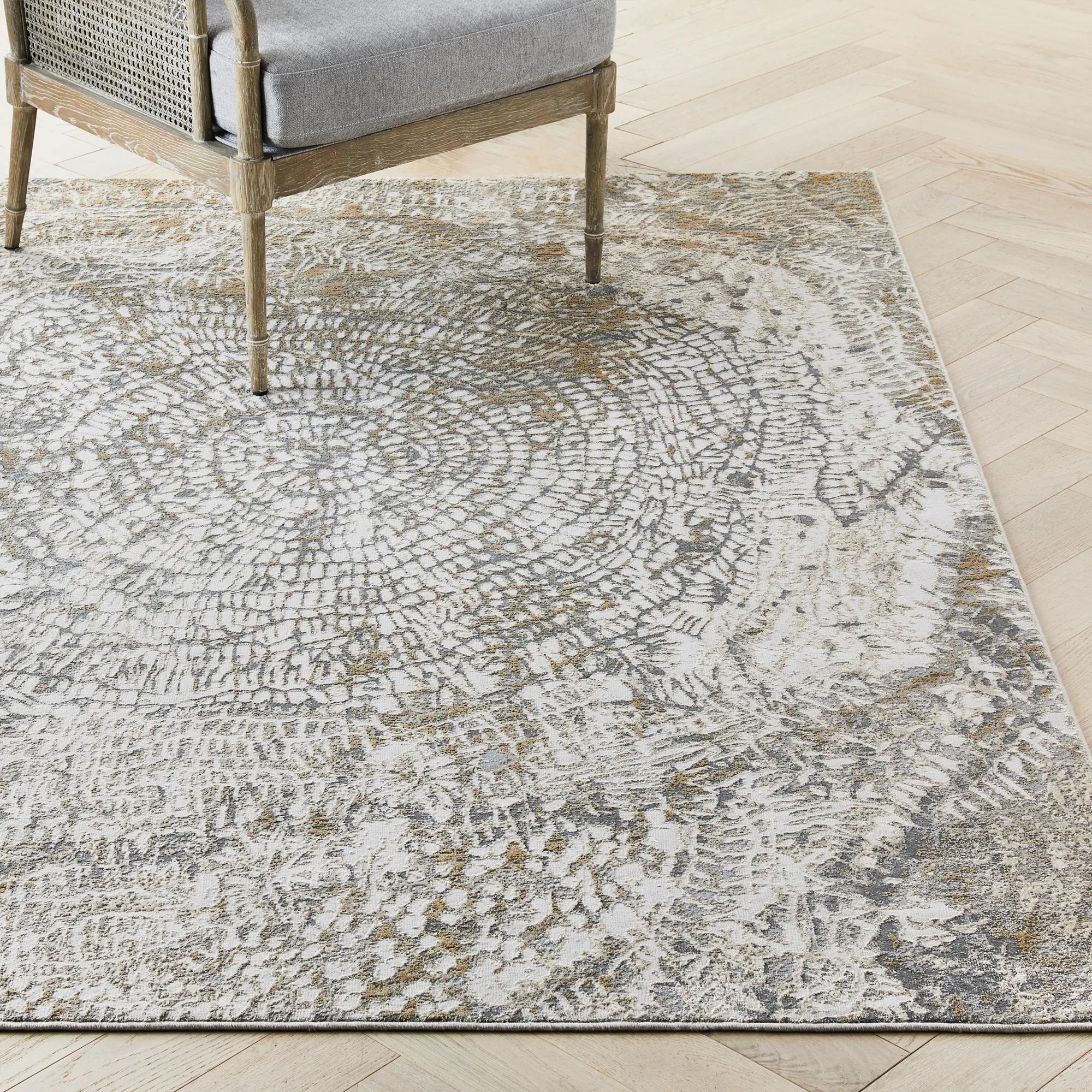 Nautilus Power-Loomed Silver/Grey/Natural Rug$999
A machine-woven ivory rug featuring subtle tonal variations and a durable polypropylene blend construction.
Add To Cart -
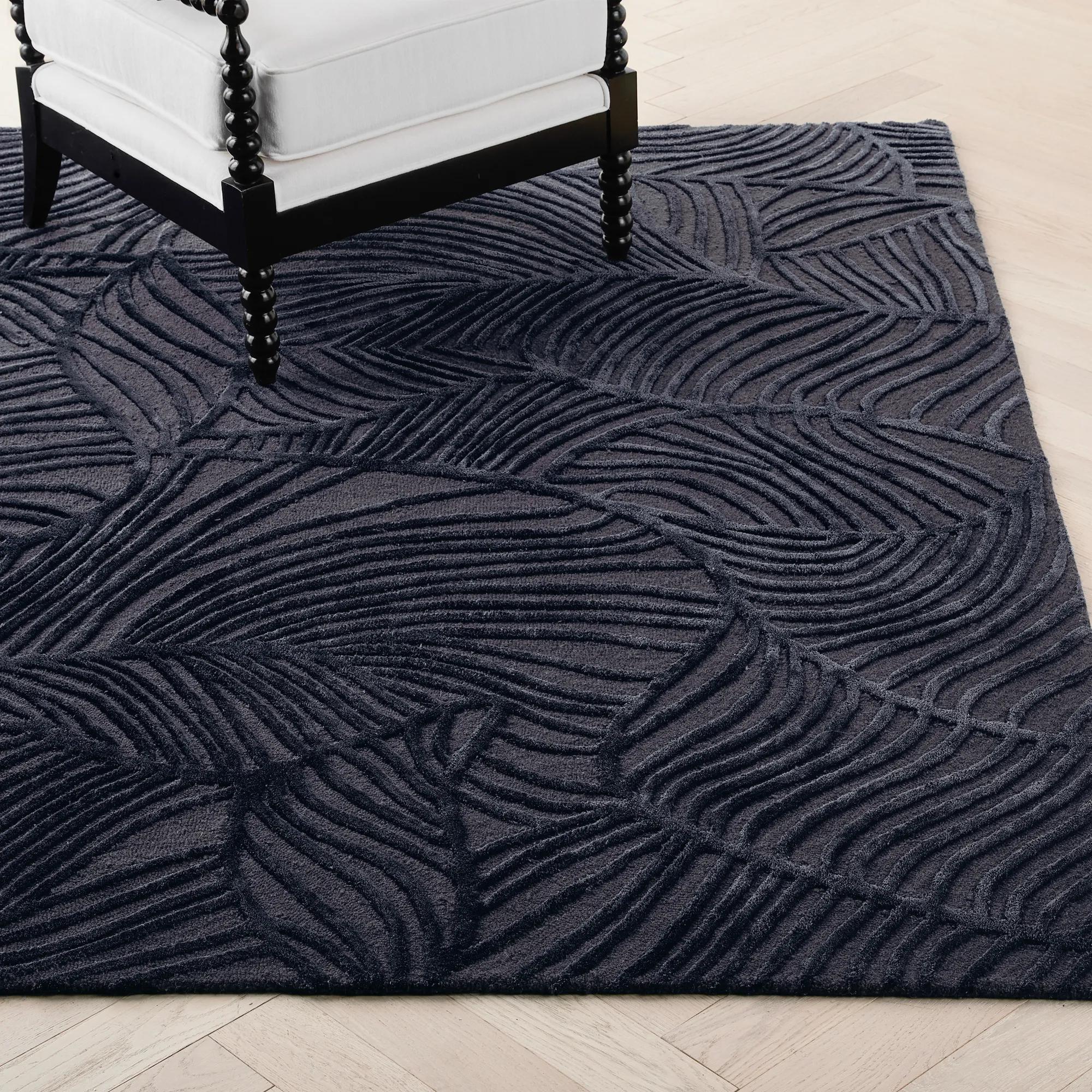
 Palm Rug - Charcoal$1499
A charcoal rug featuring a dynamic palm-leaf design with a textured high-low viscose and wool pile.
Add To Cart -
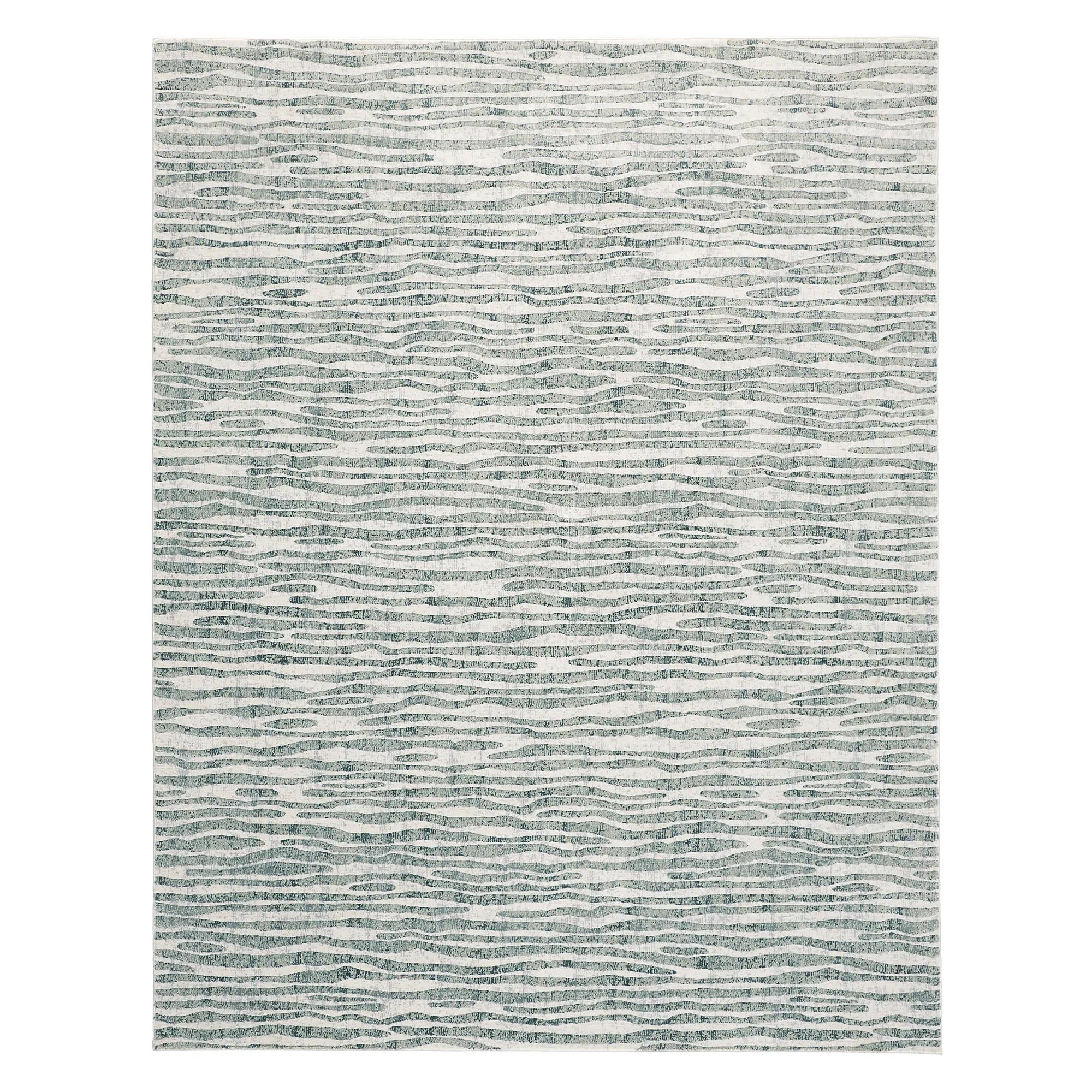 Samantha Power-Loomed Aqua/Grey Rug$719
A machine-woven rug featuring silvery-aqua and green accents on an ivory and grey polypropylene base.
Add To Cart -
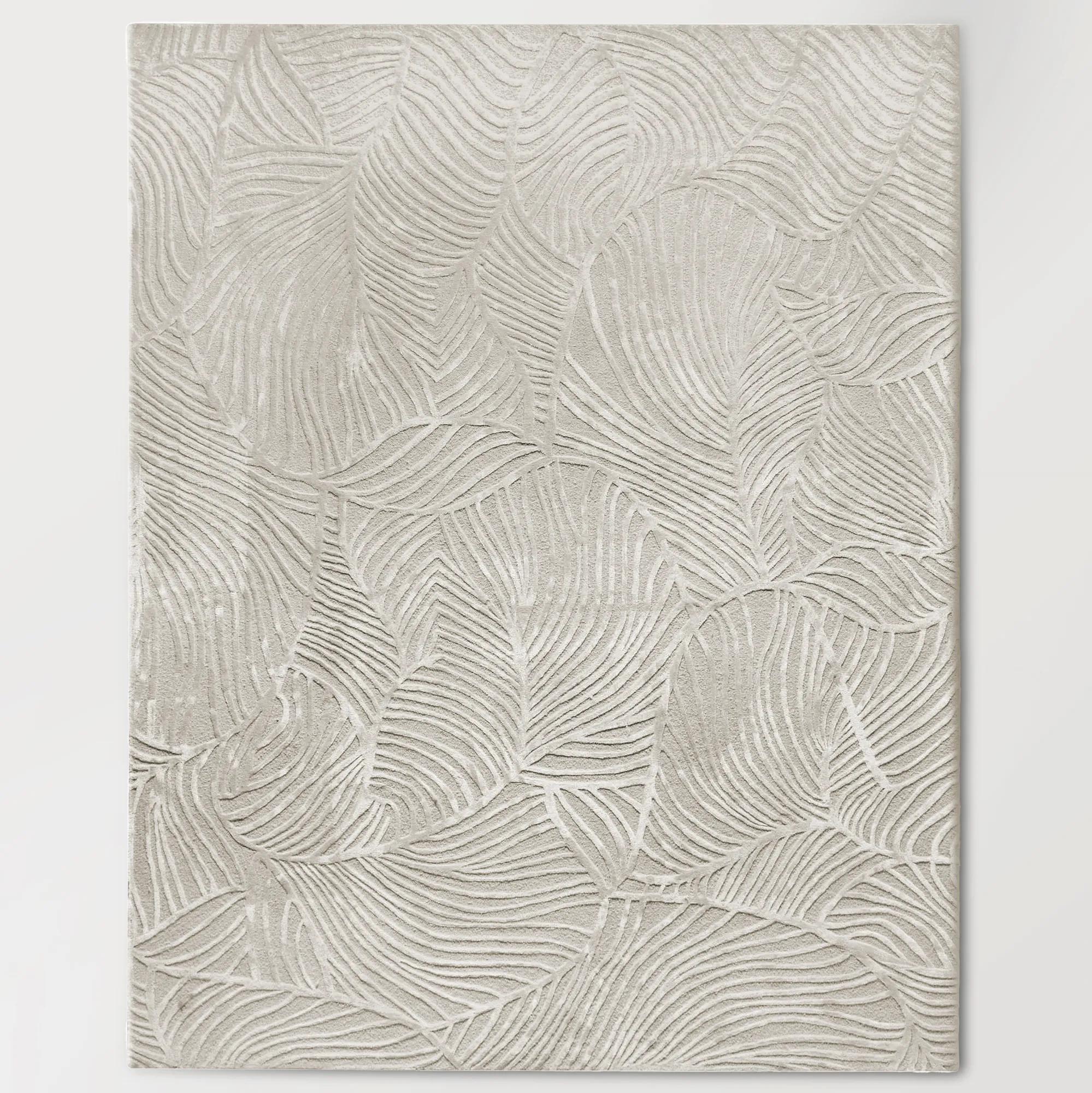 Palm Hand-Tufted Ivory Wool Blend Rug$999
An ivory rug featuring a dynamic palm-leaf design with high-low pile in viscose and wool.
Add To Cart -
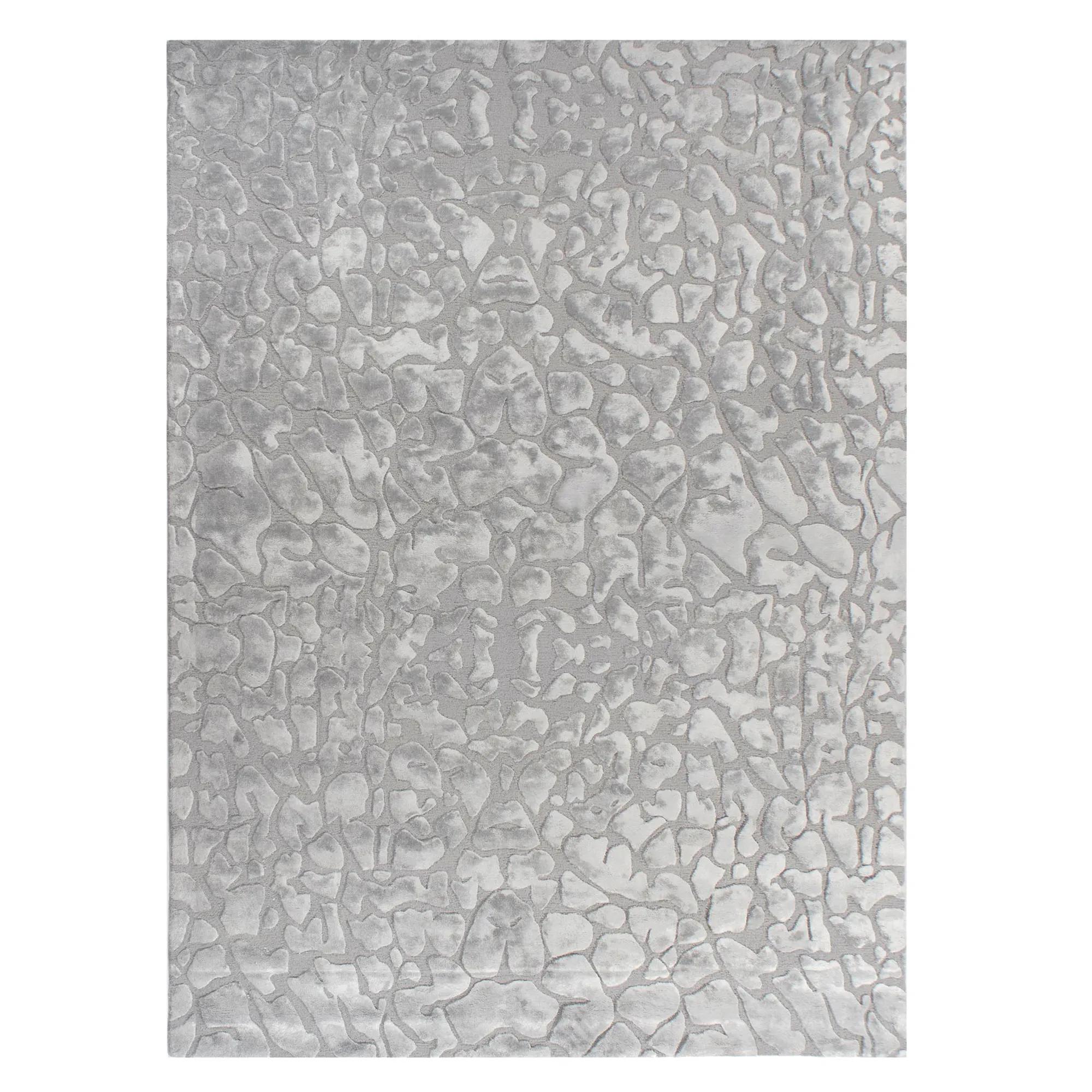
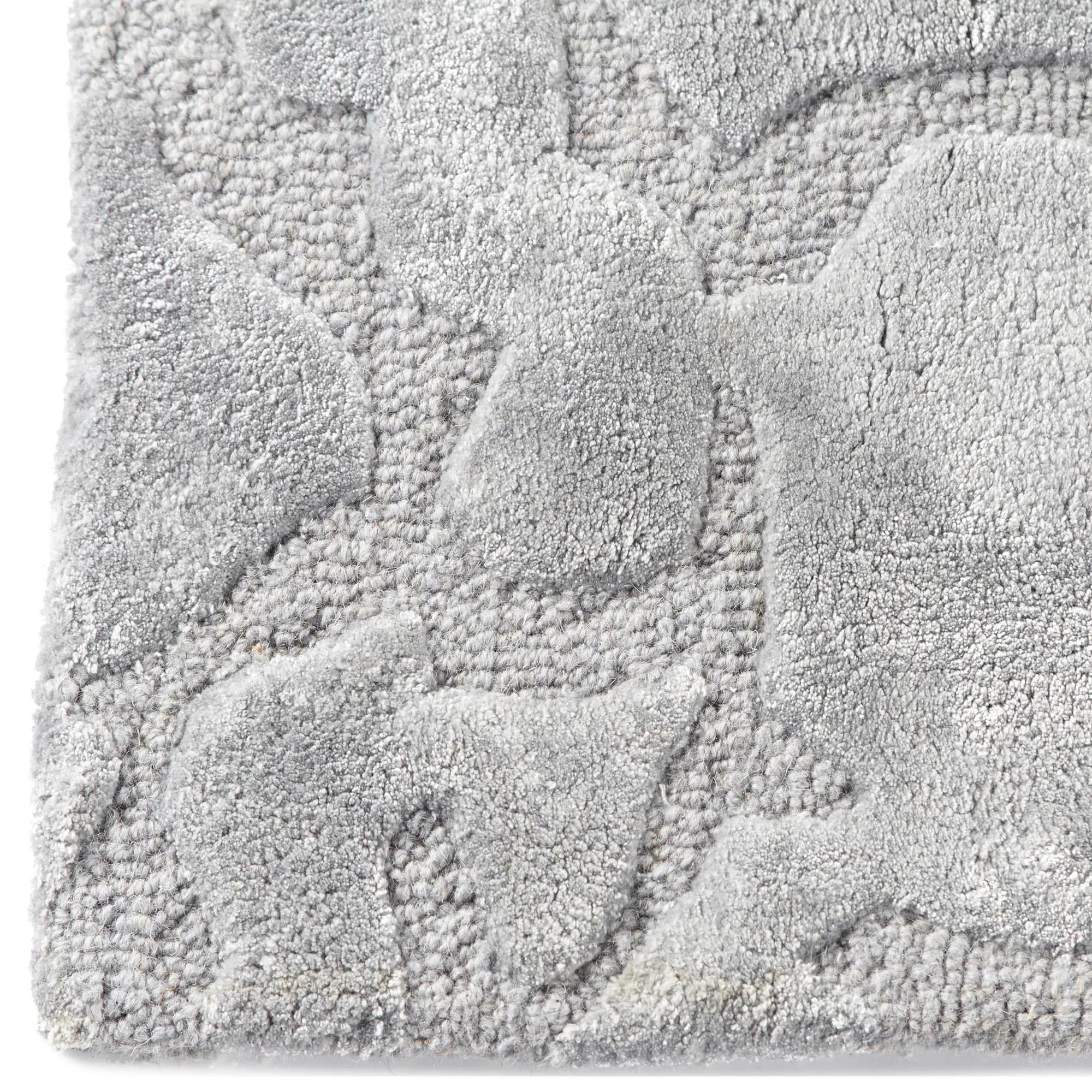 Nola Hand-Tufted Cool Grey Wool Blend Rug$849
A hand-tufted silver rug with contrasting pile heights, crafted from wool and viscose for plush texture.
Add To Cart -
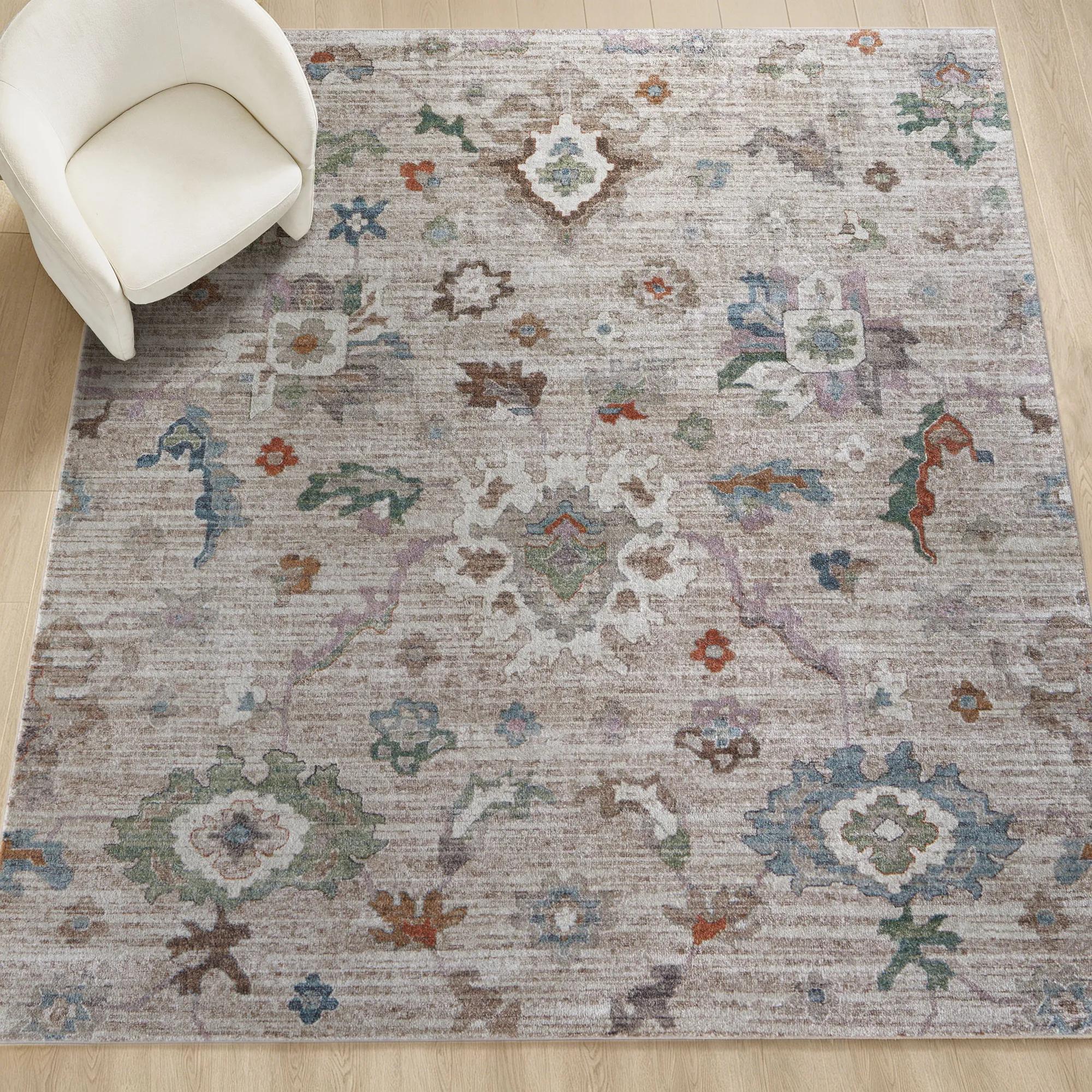
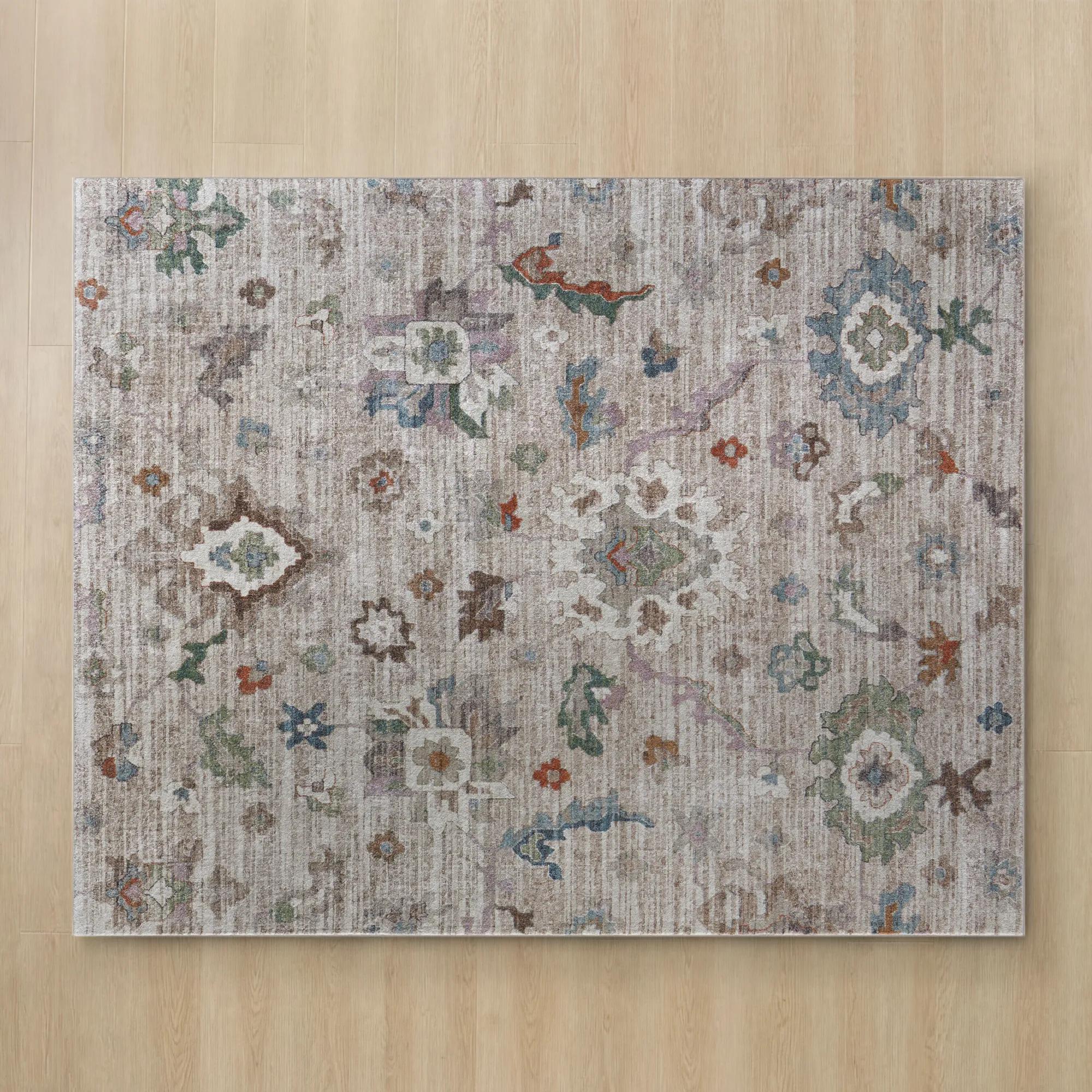 Ariella Floral Taupe/Ivory/Beige/Blue/Green Performance Power Loomed Rug$1399
A Persian-inspired rug in taupe, ivory, beige, blue, and green with a plush, power-loomed polypropylene pile.
Add To Cart -
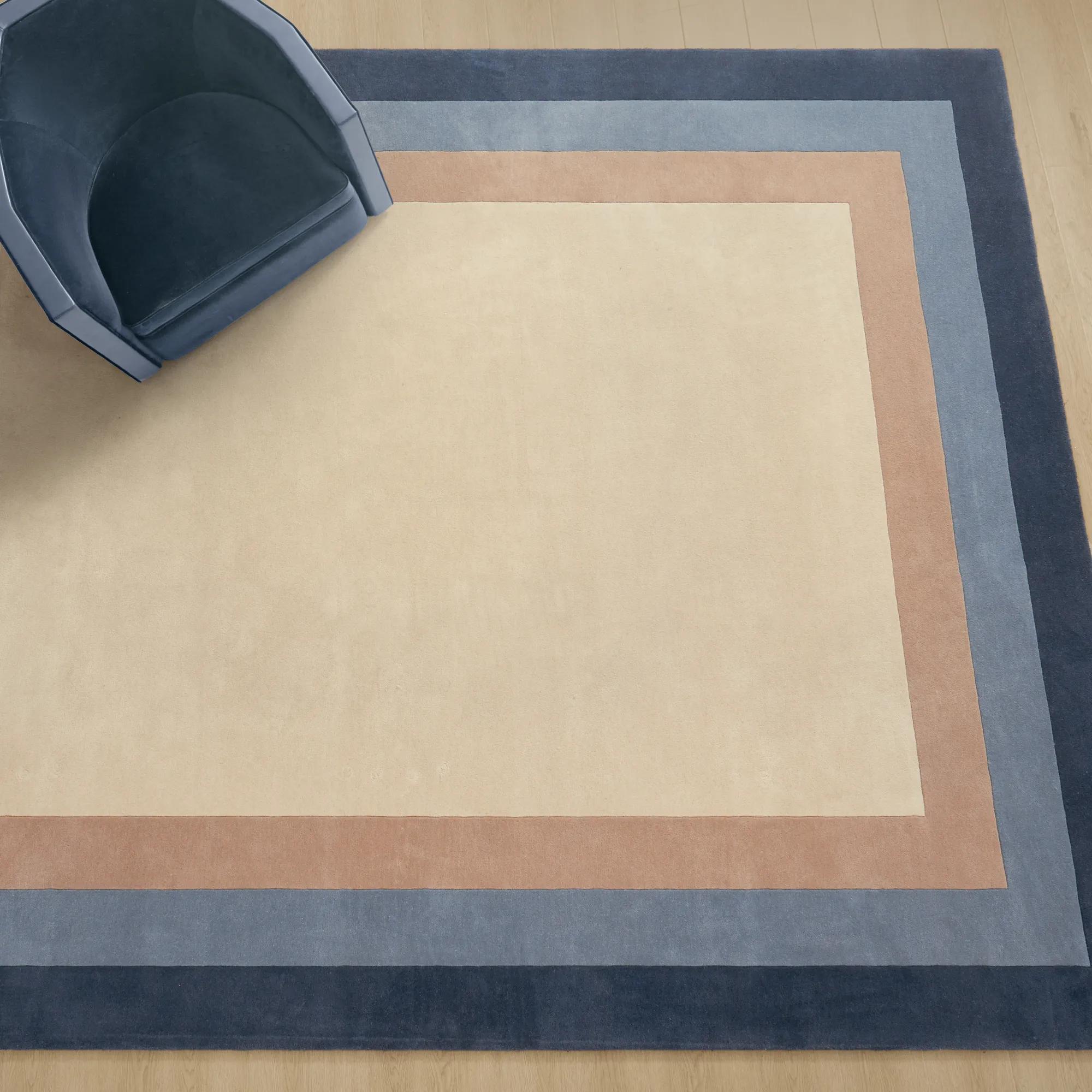 Bastien Hand-Tufted Blue/Taupe/Ivory Wool Border Rugs$1499
A hand-tufted wool rug featuring a bold color-blocked border in dusty blue, taupe, and ivory tones.
Add To Cart -
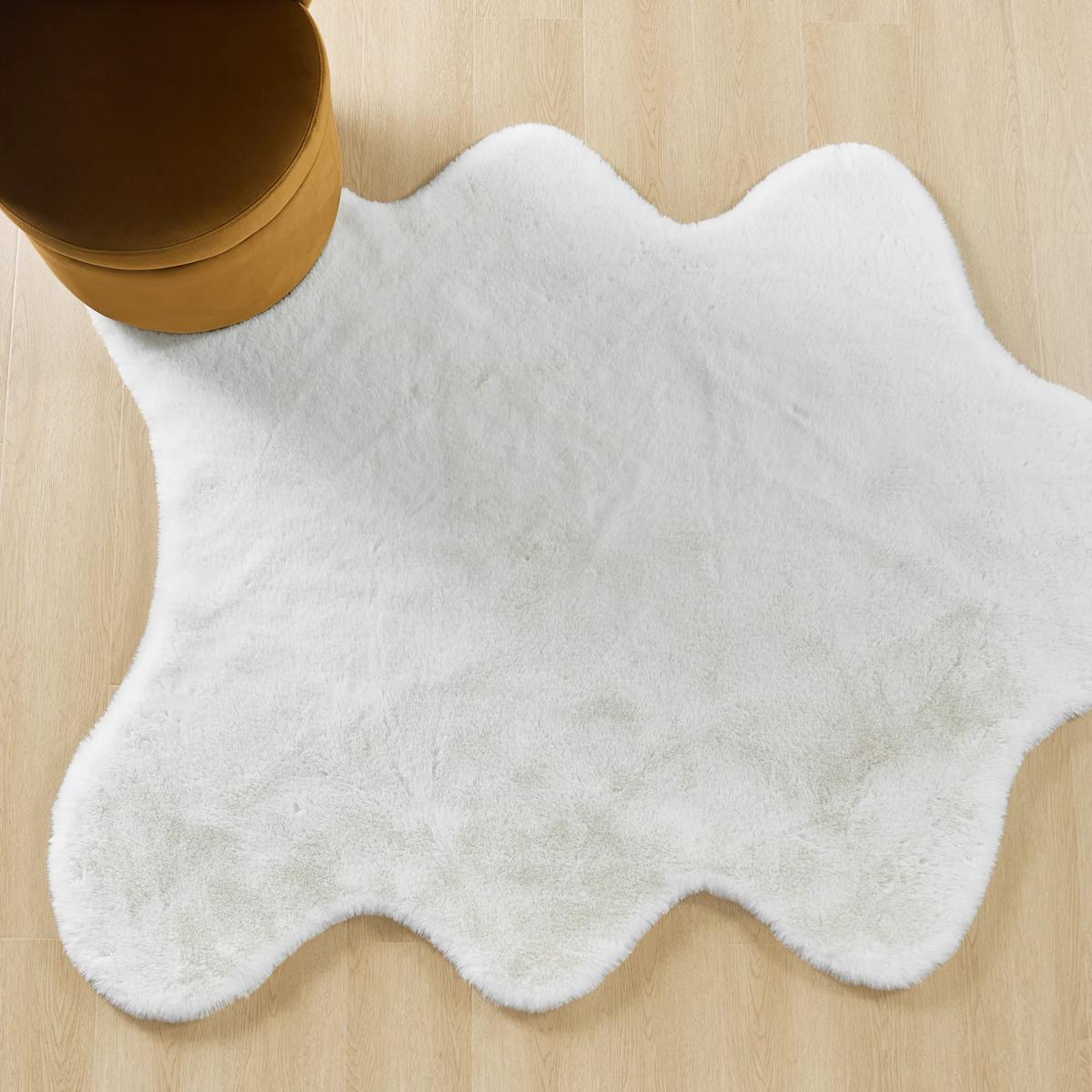
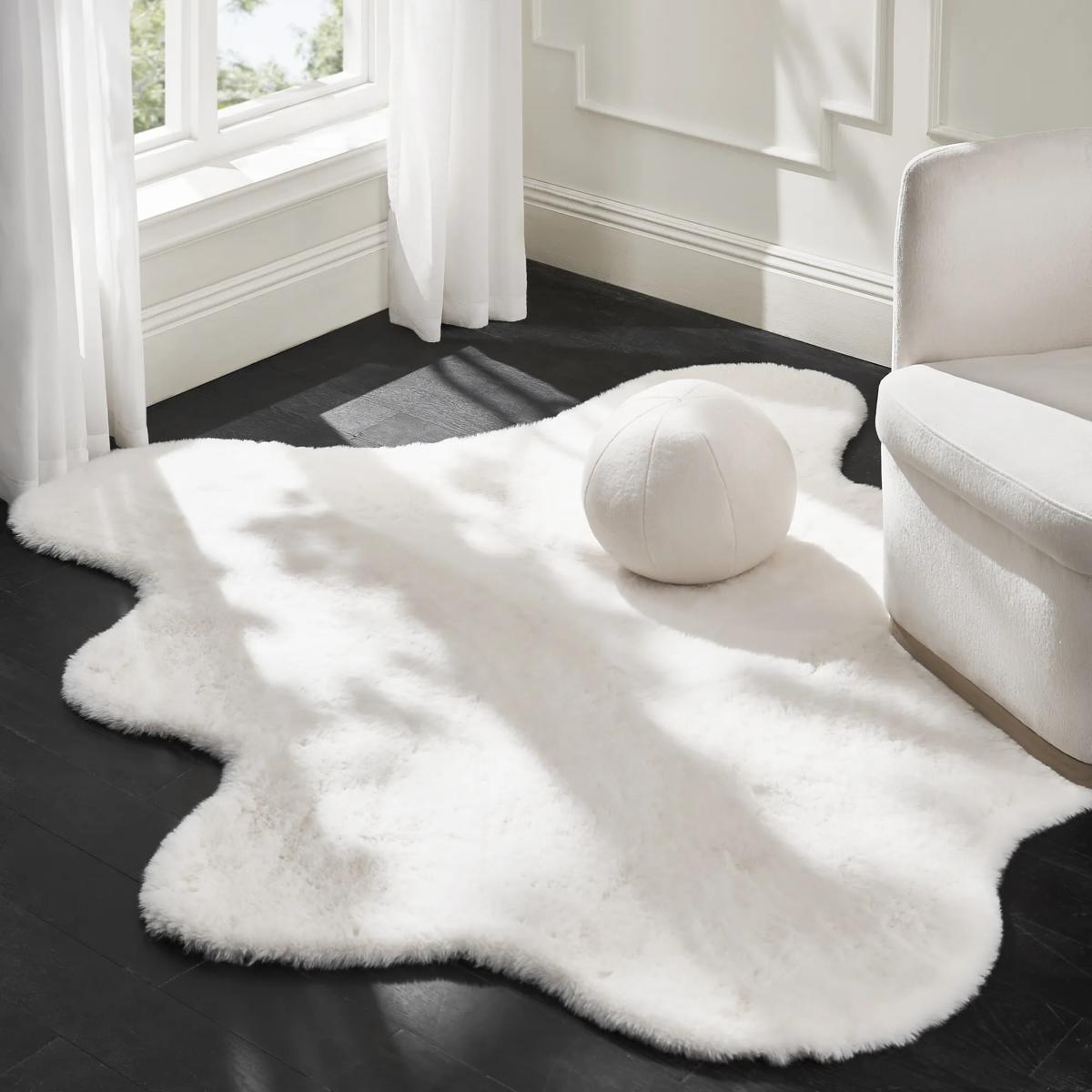 Odin Faux Fur White Shaped Rug 5' x 6'$249
A plush, cloud-shaped white rug with ultra-soft polyester pile and a practical non-slip backing.
Add To Cart -
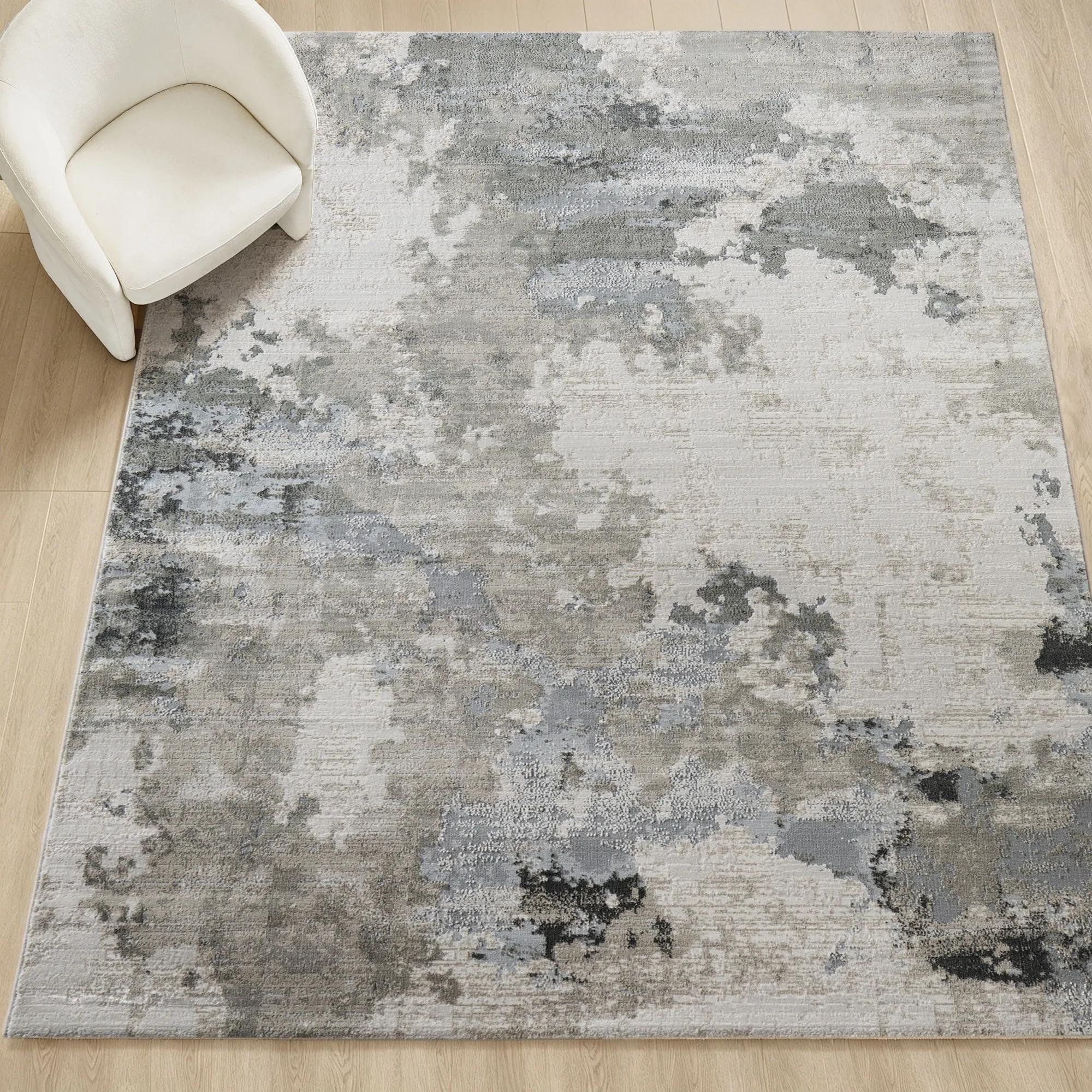 Alarion Abstract Grey/Muted Blue/Ivory Performance Power Loomed Rug$1499
A power-loomed rug featuring a distressed abstract pattern in grey, muted blue, and ivory with stain resistance.
Add To Cart -
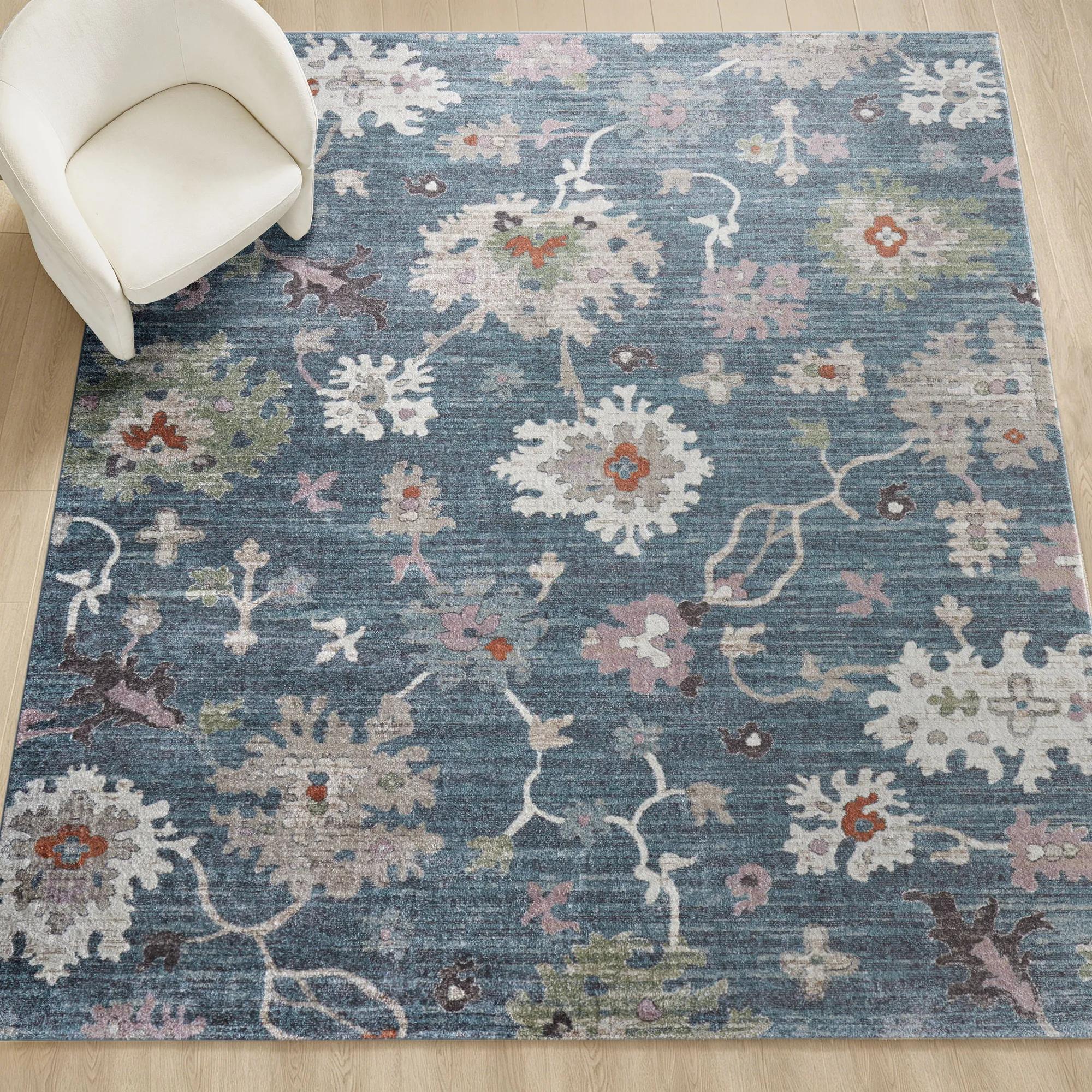
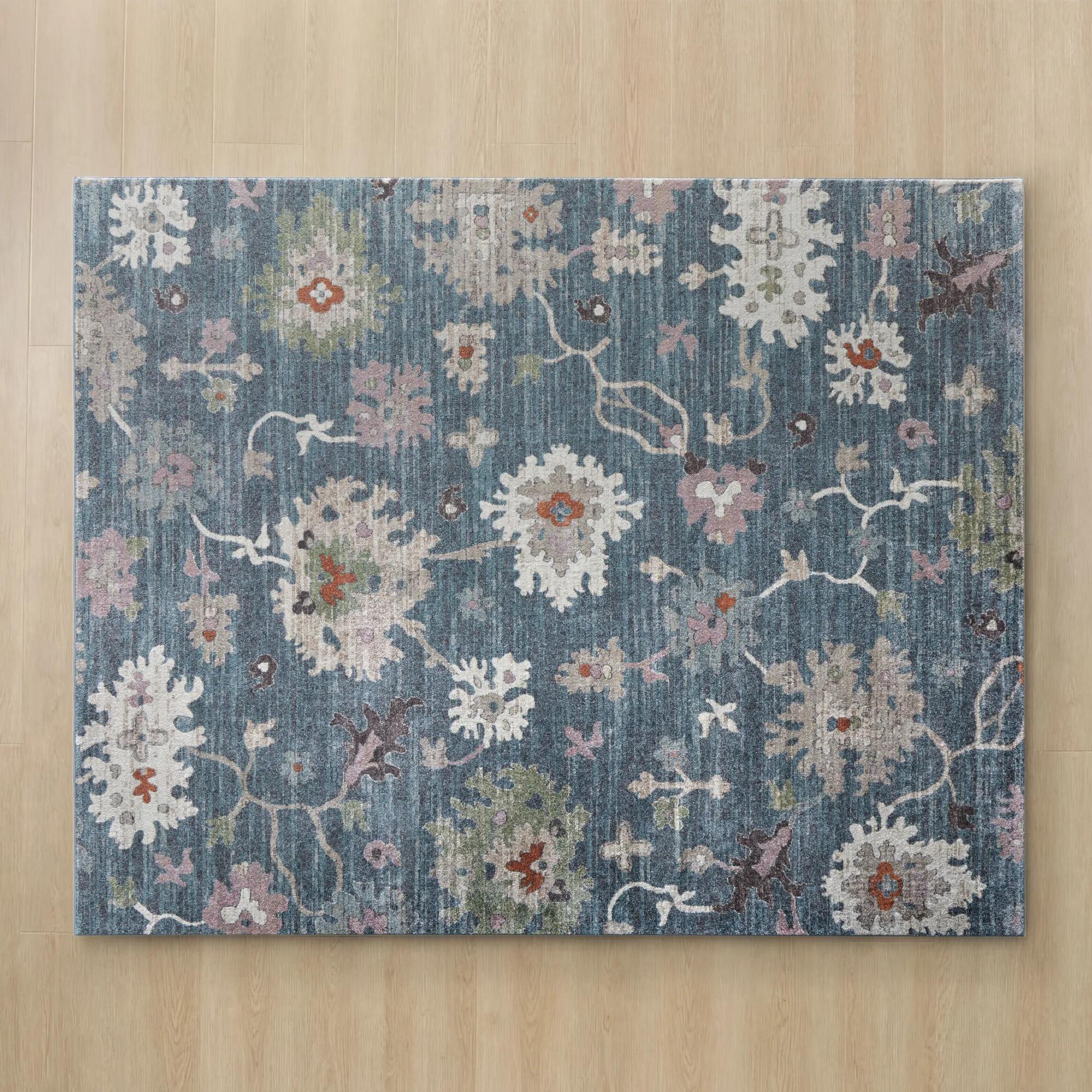 Ariella Floral Blue/Ivory/Beige/Green/Rose Dust Performance Power Loomed Rug$1499
A Persian-inspired rug in blue, ivory, beige, green, and rose dust with plush, stain-resistant polypropylene.
Add To Cart -
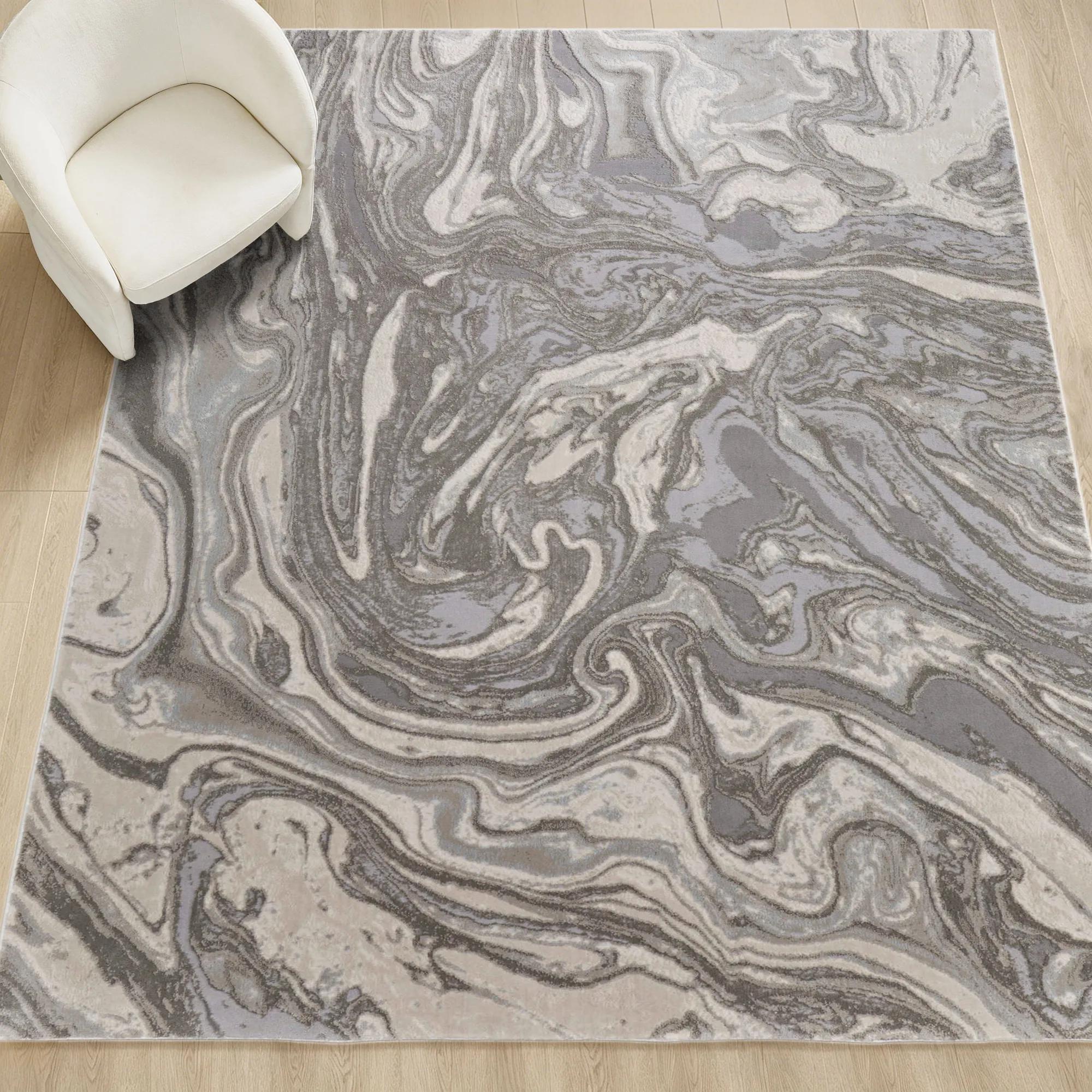
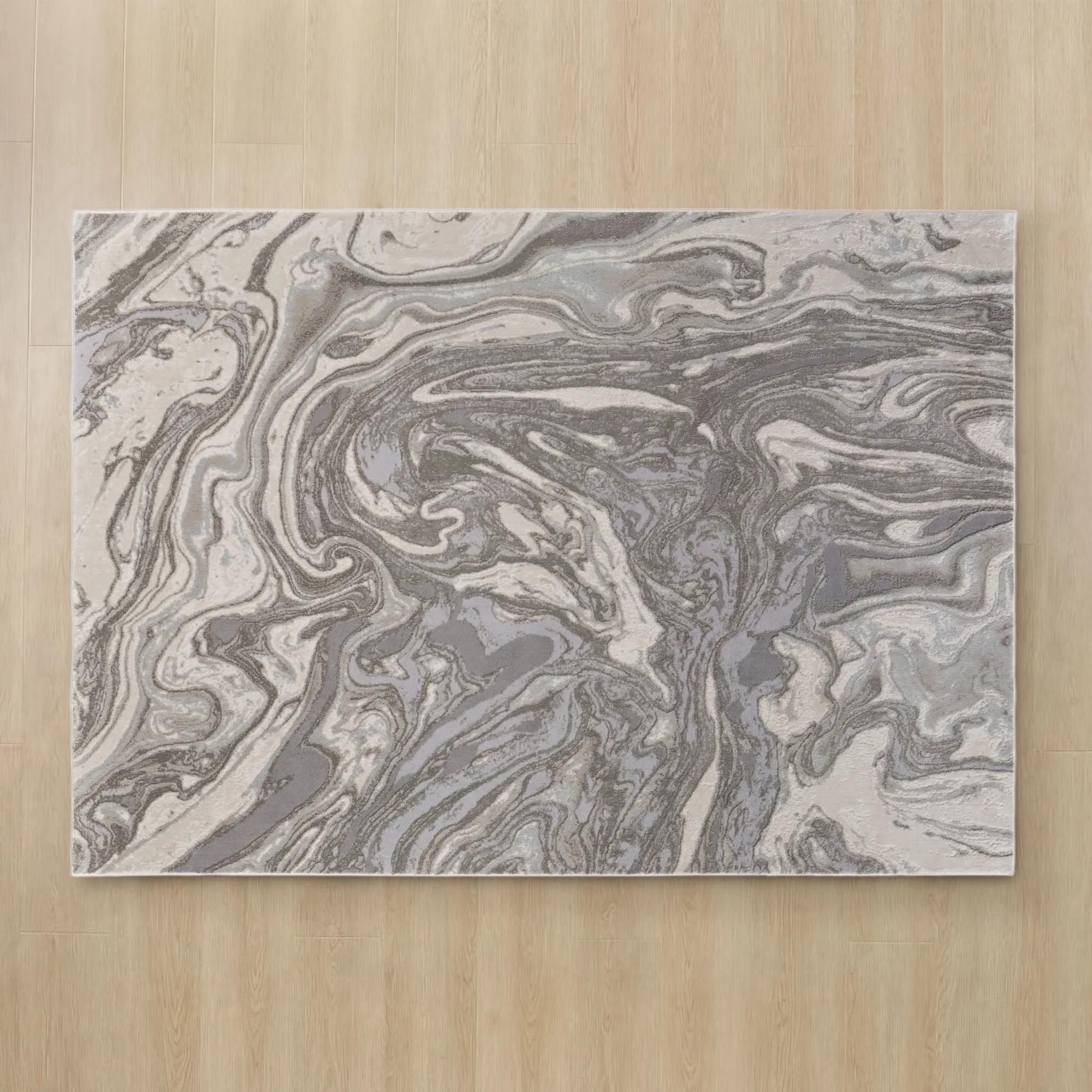 Marbre Marbled Grey/Taupe/Powder Blue Performance Power Loomed Rug$1499
A softly marbled rug in grey, taupe, and powder blue with a textured, stain-resistant performance blend.
Add To Cart -
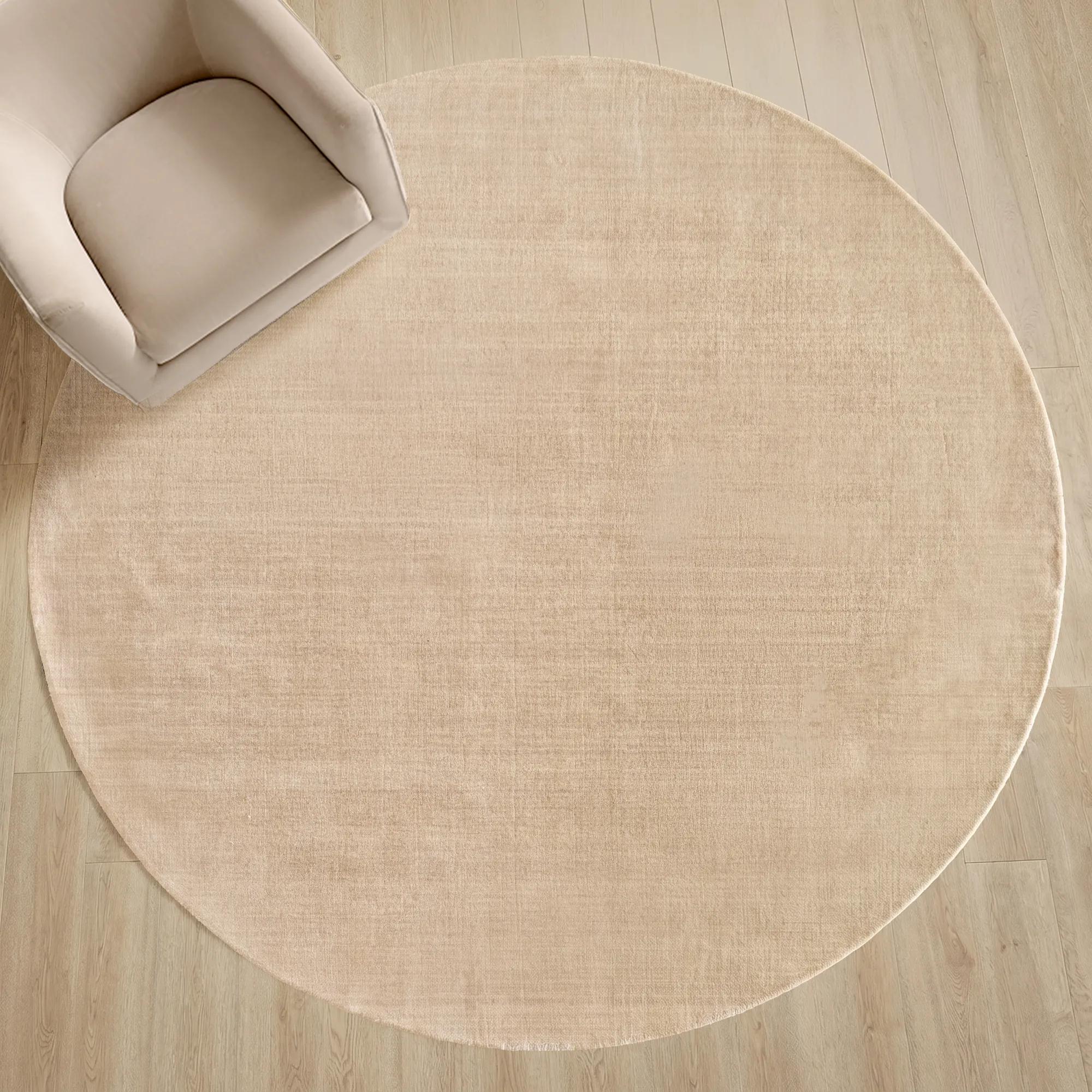 Juni Hand Woven Heathered Warm Beige Round Rug$1399
A handwoven round wool rug in heathered warm beige, offering refined texture and everyday durability.
Add To Cart

Modern Living Room Rugs
Explore modern living room rugs to anchor your seating area and set the room’s mood. As you browse area rugs, consider how size, color, and pattern will work with your sofa and accent chairs. Choose proportions that connect your furnishings, then use a complementary palette or dramatic contrast to shape the space.
Modern living room rugs bring color, texture, and architectural definition to the space where daily life unfolds. Characterized by abstract compositions, geometric patterns, sculpted surfaces, and expressive color combinations, these area rugs establish a visual foundation for sofas, accent chairs, and coffee tables. Their impact extends beyond decoration: a well-proportioned rug connects separate pieces of furniture, softens the feel of hard flooring, and gives a seating arrangement a distinct identity. An ivory rug traced with charcoal lines can echo the framework of a sculptural chair, while a fluid gray-and-blue design introduces movement beneath a streamlined sofa. For a room with mirrored accents or polished metal, a softly lustrous surface adds another dimension, catching light without competing with every gleaming detail. High-low textures create a different kind of drama, using raised and recessed fibers to make a restrained palette feel richly layered. Geometric living room rugs lend structure to curved furniture, while abstract rugs provide a painterly counterpoint to tailored upholstery. Neither approach requires an entirely new room; a repeated shade from an artwork, pillow, or upholstered chair can make the composition feel deliberate. Cream, taupe, silver-gray, and charcoal offer versatile foundations, while deeper blues and saturated accent colors give a neutral seating area a more expressive center. Pattern scale matters as much as color. Broad shapes remain legible beneath a generous coffee table, whereas closely spaced lines create a finer visual rhythm across an open expanse of floor. A rug with tonal variation can also be more forgiving of everyday lint and small traces of use than an uninterrupted solid color. For a softer interpretation of this polished aesthetic, elegant living room rugs offer a complementary design direction. Whether the room feels gallery-inspired, richly layered, or quietly glamorous, the strongest rug choice creates a relationship between its surroundings rather than simply matching every finish.
Scale gives modern area rugs their room-defining presence. Common living room rug sizes include 8 by 10 feet, 9 by 12 feet, and 10 by 14 feet, but the right dimensions depend on the seating arrangement as much as the room itself. An 8-by-10-foot rug may connect a sofa and two chairs in a compact conversation area, while a larger sectional or more expansive furniture arrangement often needs the reach of a 9-by-12-foot or 10-by-14-foot rug. These are useful starting points, not guarantees of fit. Measuring the full seating footprint and marking the proposed edges on the floor makes the proportions easier to judge before committing to a size. In many arrangements, placing at least the front legs of the sofa and accompanying chairs on the rug creates a cohesive composition; larger rooms may accommodate every furniture leg on its surface. A rug that holds only the coffee table can leave the surrounding seating looking disconnected, especially when the sofa is substantial. Where the layout allows, a visible border of flooring around the room preserves definition without making the rug feel wall-to-wall. In an open-plan interior, the rug can distinguish the conversation area from dining and circulation spaces while allowing the larger room to remain visually connected. Rectangular rugs echo long sofas and sectionals, while round rugs can emphasize an intimate grouping of curved chairs. Pile height changes both the silhouette and the daily experience. Low-pile rugs offer a tailored profile and generally make it easier to move furniture or pass a vacuum across the surface. Medium-pile styles add cushioning without the pronounced depth of shag, while plush, high-pile designs create a sumptuous setting for relaxed seating. Door clearance, nearby walkways, and the stability of small accent tables deserve consideration, particularly where a thick pile or sculpted pattern introduces an uneven surface. A coffee table with a broad base may sit more securely than a delicate pedestal positioned across deeply raised and recessed sections.
Materials and construction determine how a modern living room rug feels, wears, and responds to care. Wool offers natural resilience and a substantial, tactile character, making it appealing for living rooms that need both polish and everyday comfort. Some shedding is normal, particularly with new wool rugs, and gentle, consistent maintenance helps manage loose fibers. Synthetic fibers such as nylon, polyester, and polypropylene offer different combinations of softness, resilience, and stain resistance; performance depends on the fiber, construction, and any applied treatment rather than the material name alone. Polypropylene generally resists moisture absorption, while nylon is valued for resilience, but neither makes a rug immune to stains or wear. Viscose and other regenerated cellulose fibers can produce a luminous, silk-like effect that enriches a formal seating area, though they are often more sensitive to moisture and abrasion. Their care requirements deserve particular attention in homes with frequent spills, active children, or pets. A densely constructed, lower-profile rug is often a practical match for a busy family living room, while a more delicate, lustrous design may be better suited to a lightly used conversation space. Hand-tufted, hand-knotted, and machine-made constructions also differ in backing, texture, and maintenance needs, so the individual care label remains essential. Washability should never be assumed: even a rug described as washable may require a particular machine capacity or drying method. For routine care, vacuum settings should suit the pile and construction, with rotating brush bars avoided when the manufacturer advises against them. Spills call for prompt blotting with a clean, absorbent cloth rather than vigorous rubbing, followed by the recommended cleaning method. Periodic rotation helps distribute foot traffic and light exposure, and a properly sized rug pad can improve cushioning, reduce movement, and help protect the floor when its material is compatible with the flooring finish. These practical details preserve the expressive qualities that make a rug compelling in the first place: the clarity of its pattern, the richness of its texture, and its ability to make a living room feel beautifully composed and genuinely lived in.
FAQs
Modern living room rugs emphasize expressive design through abstract motifs, geometric lines, tonal shading, or sculptural texture. From fluid, painterly compositions to crisp graphic patterns, these rugs ground a seating arrangement while giving the room a distinct artistic point of view.
Wool lends plush texture and rich visual depth, while viscose introduces a light-catching sheen. Synthetic fibers can offer everything from velvety surfaces to dimensional woven effects. Consider how the material’s finish complements your room: matte textures create quiet richness, while luminous fibers bring a more glamorous presence.
Ivory, charcoal, and taupe create a refined foundation that lets sculptural furniture and artwork take focus. For a more expressive room, explore jewel tones, dramatic black-and-white contrasts, or layered shades of blue. Echo a color from your artwork or accent pillows to give the composition a deliberate connection.
Let contrast shape the conversation. A tonal rug with subtle texture can frame a sumptuous velvet sofa, while an abstract design brings movement beneath furniture with clean, tailored lines. Pair gleaming metal or mirrored accents with a richly textured rug to balance polished surfaces with tactile depth.
Yes—give the patterns a shared color story, then vary their visual rhythm. A fluid abstract rug can complement sharply defined geometric pillows, while a linear rug offers structure alongside painterly curtains. Include solid upholstery or accents to give each motif room to make its statement.