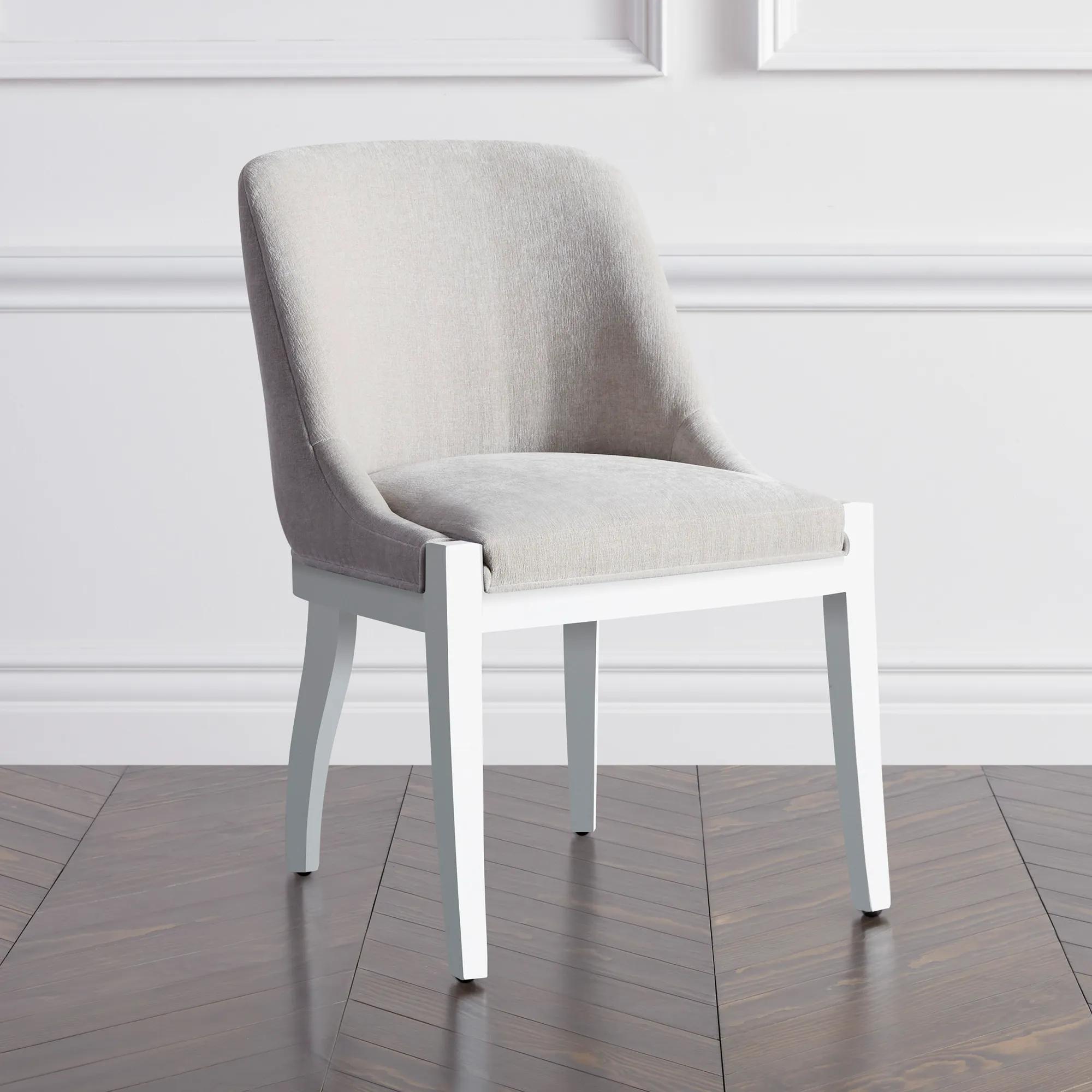
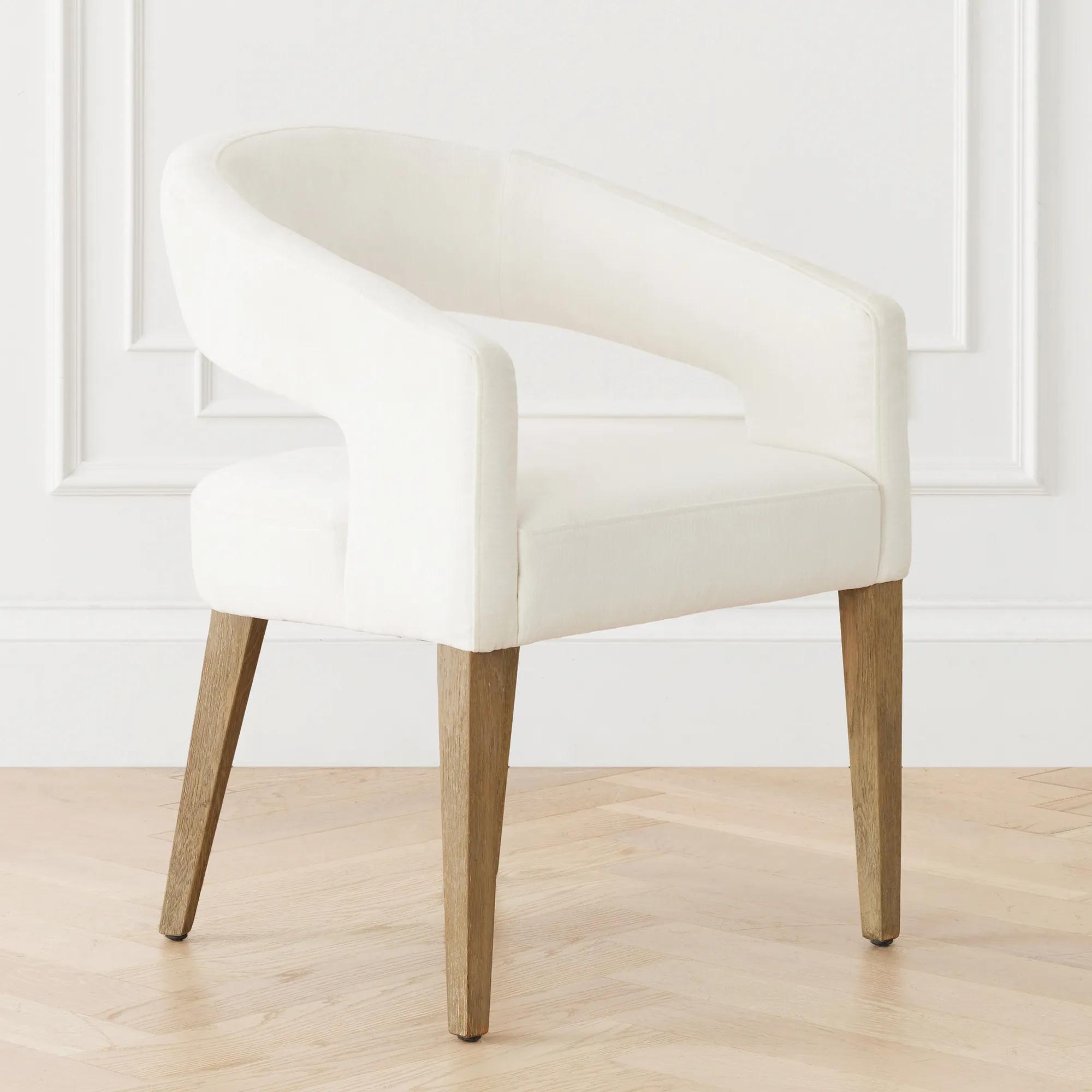
Modern Dining Chairs With Multiple Leg Finishes
Modern Dining Chairs With Multiple Leg Finishes
-
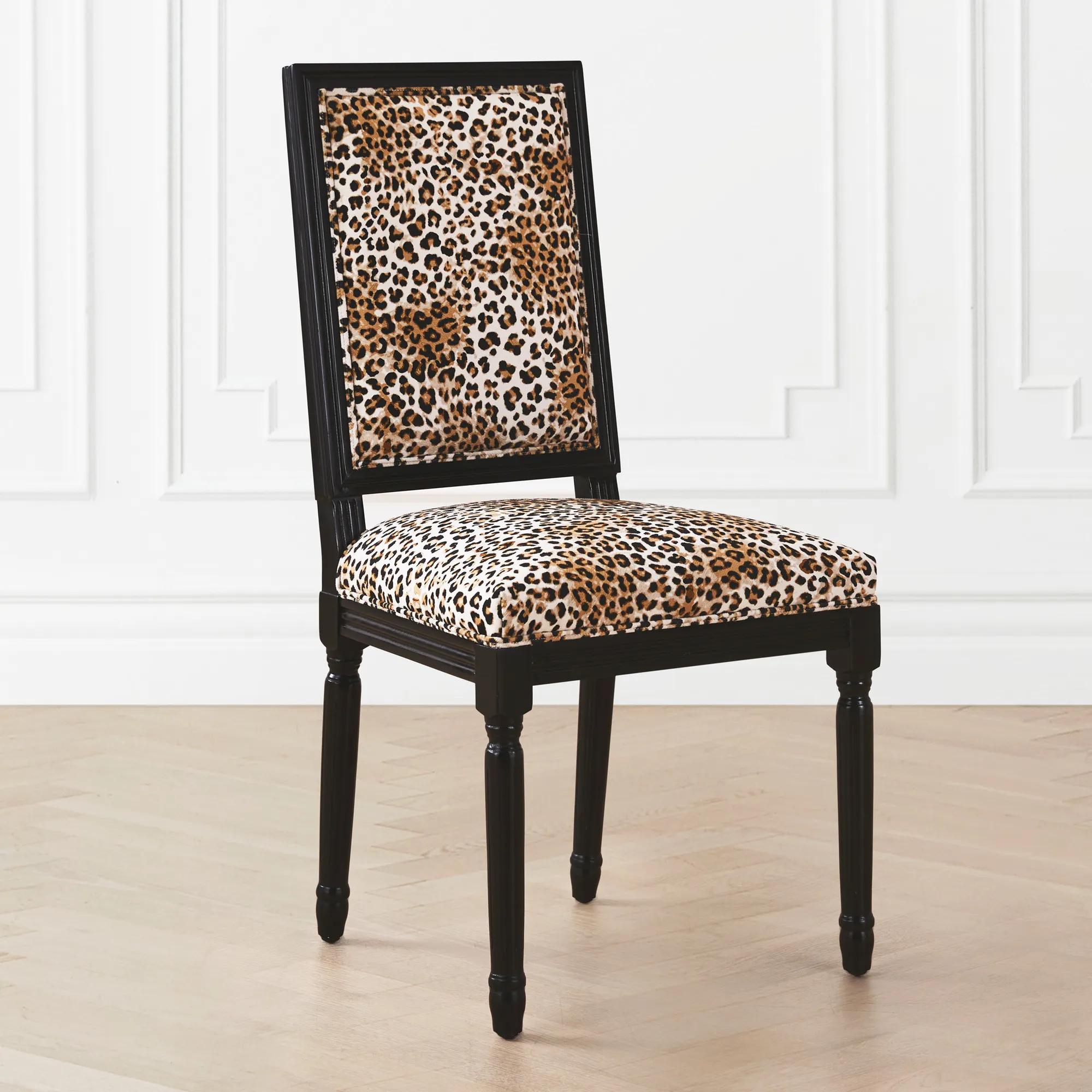
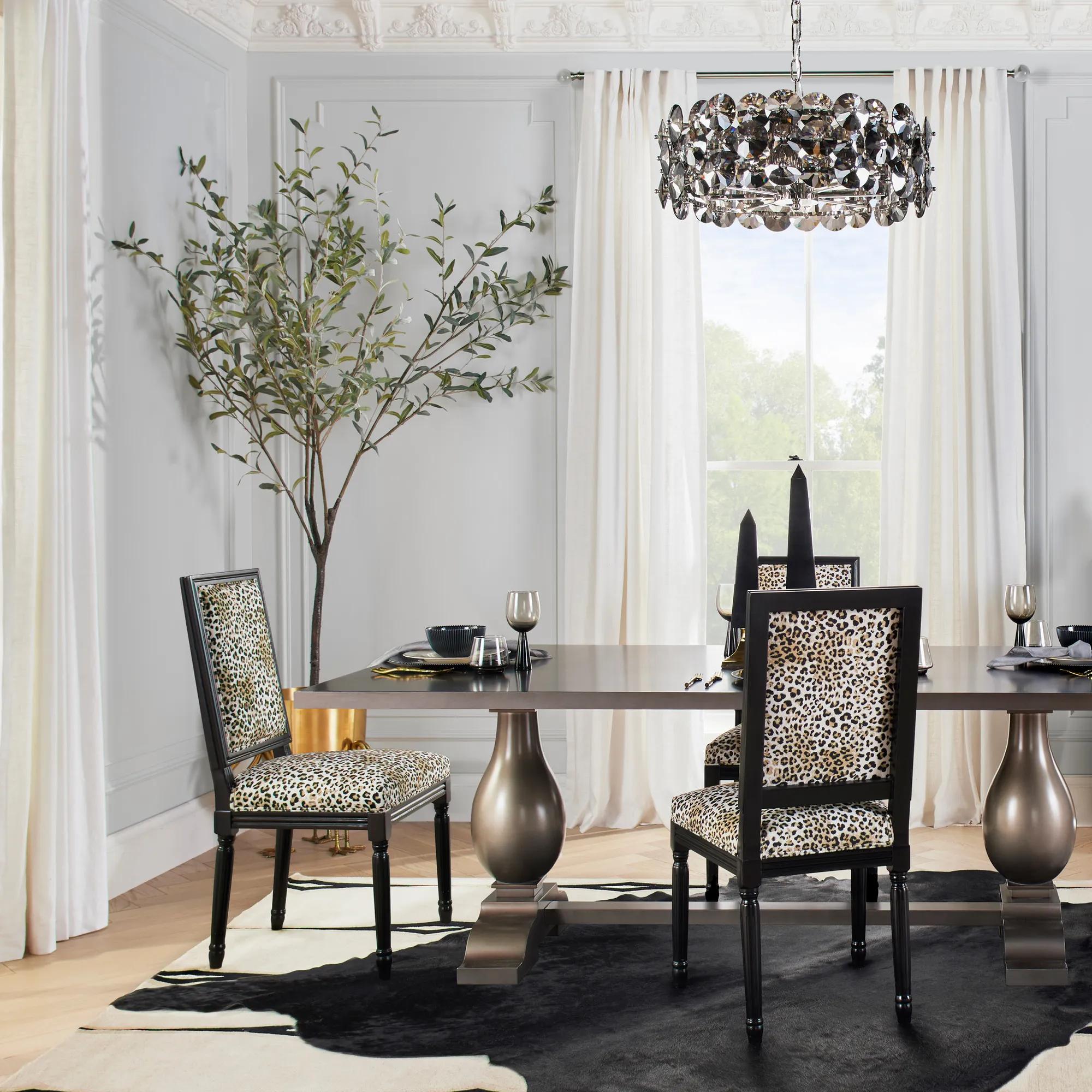 Callan Dining Chair$599
A handcrafted modern chair featuring classic upholstery, squared back, fluted legs, and high-gloss finish.
Add To Cart -
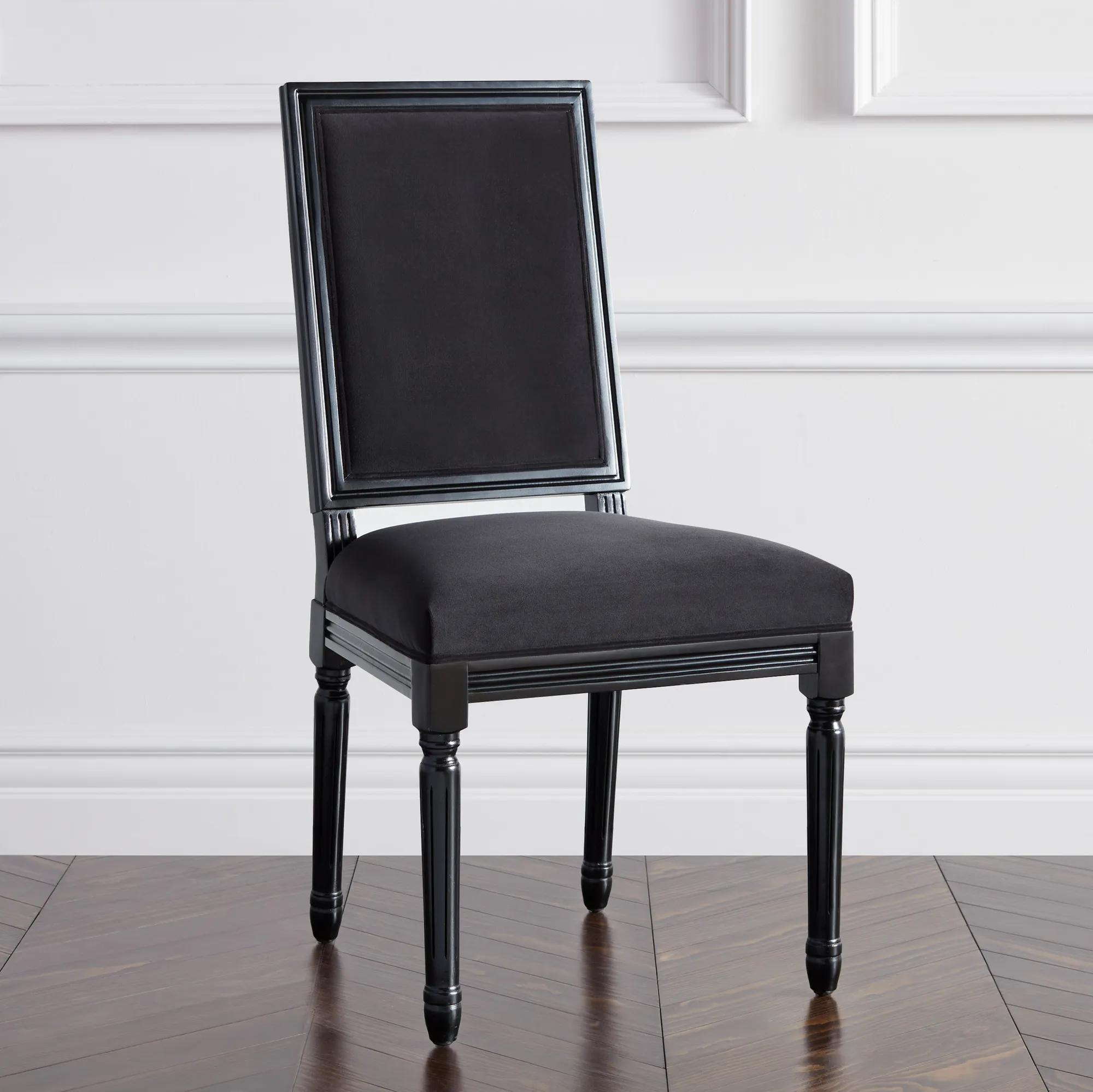
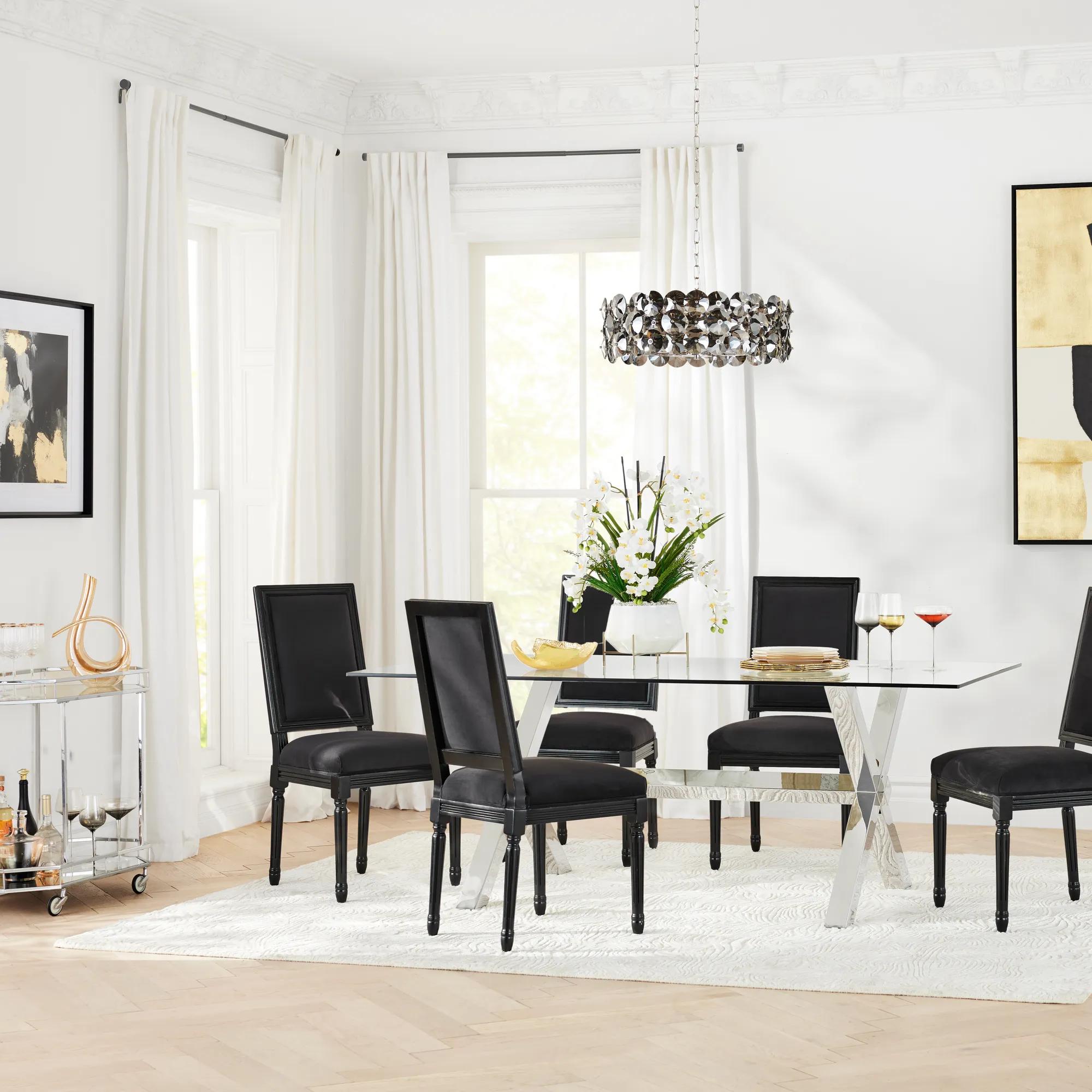 Callan Dining Chair - High Gloss Black$549
A handcrafted dining chair featuring high-gloss black finish, Bella Velvet upholstery, and classic French-inspired details.
Add To Cart -
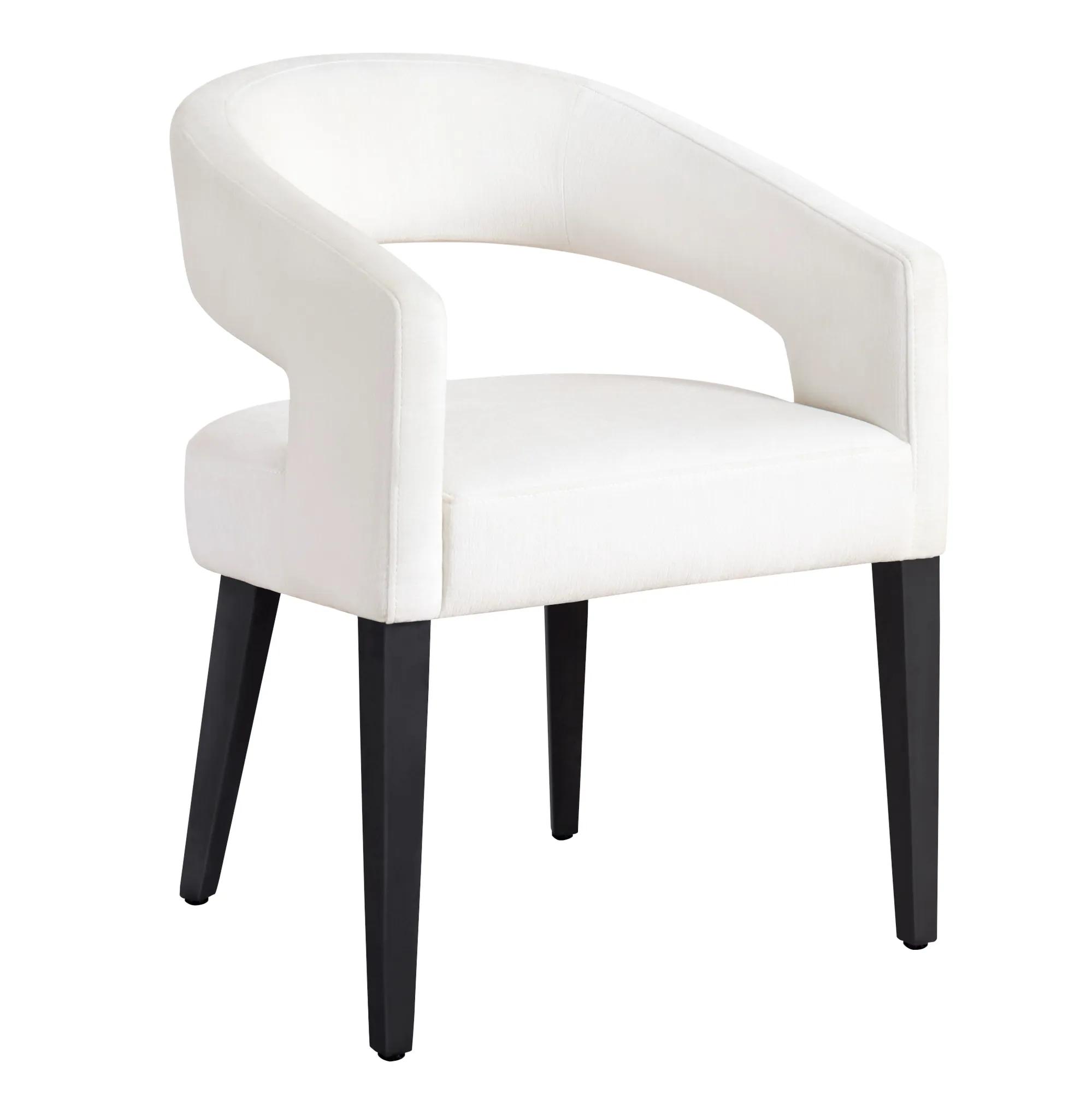
 Philippa Dining Chair - Matte Black$599
A modern dining chair featuring a curved silhouette, matte black legs, and neatly tailored upholstery.
Add To Cart -
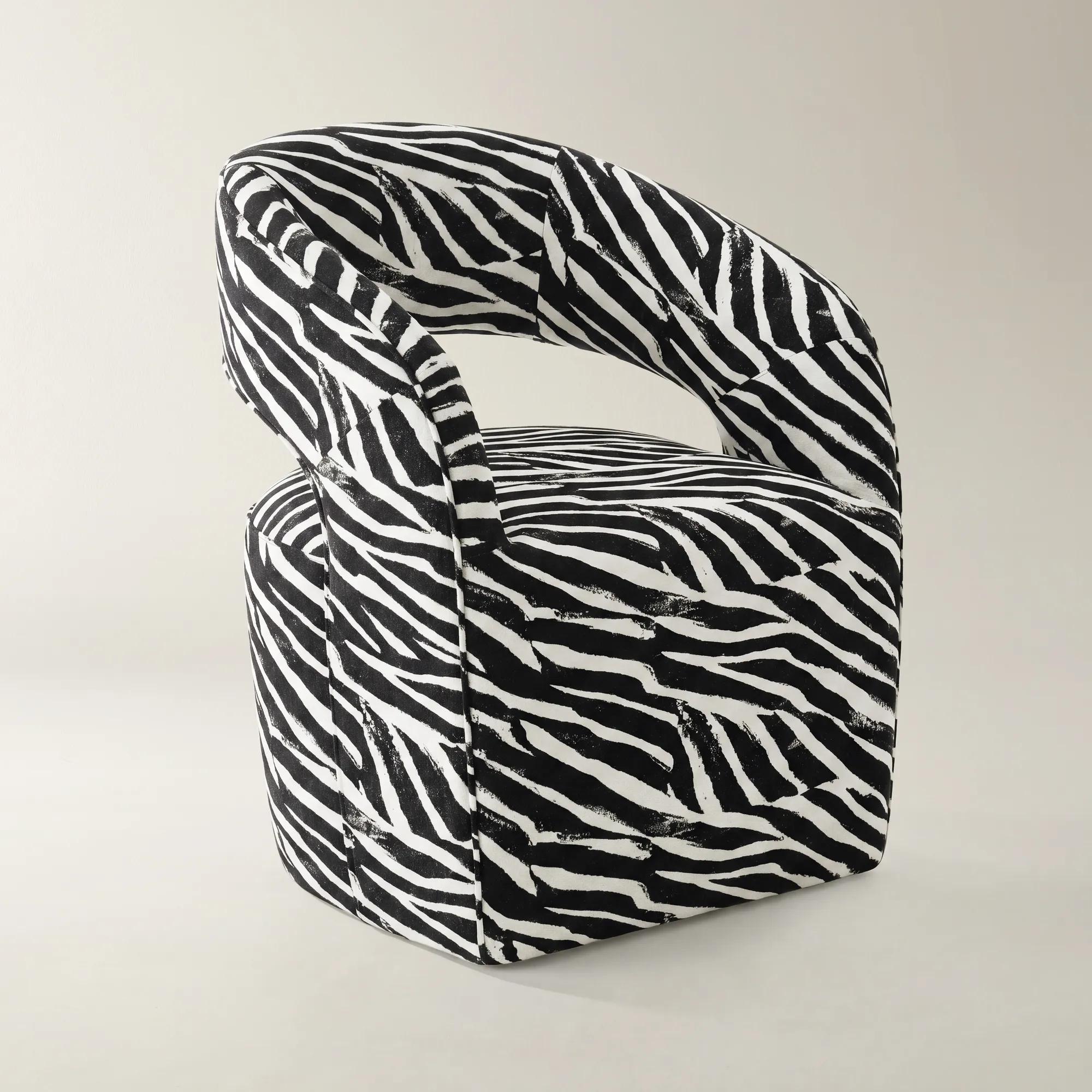
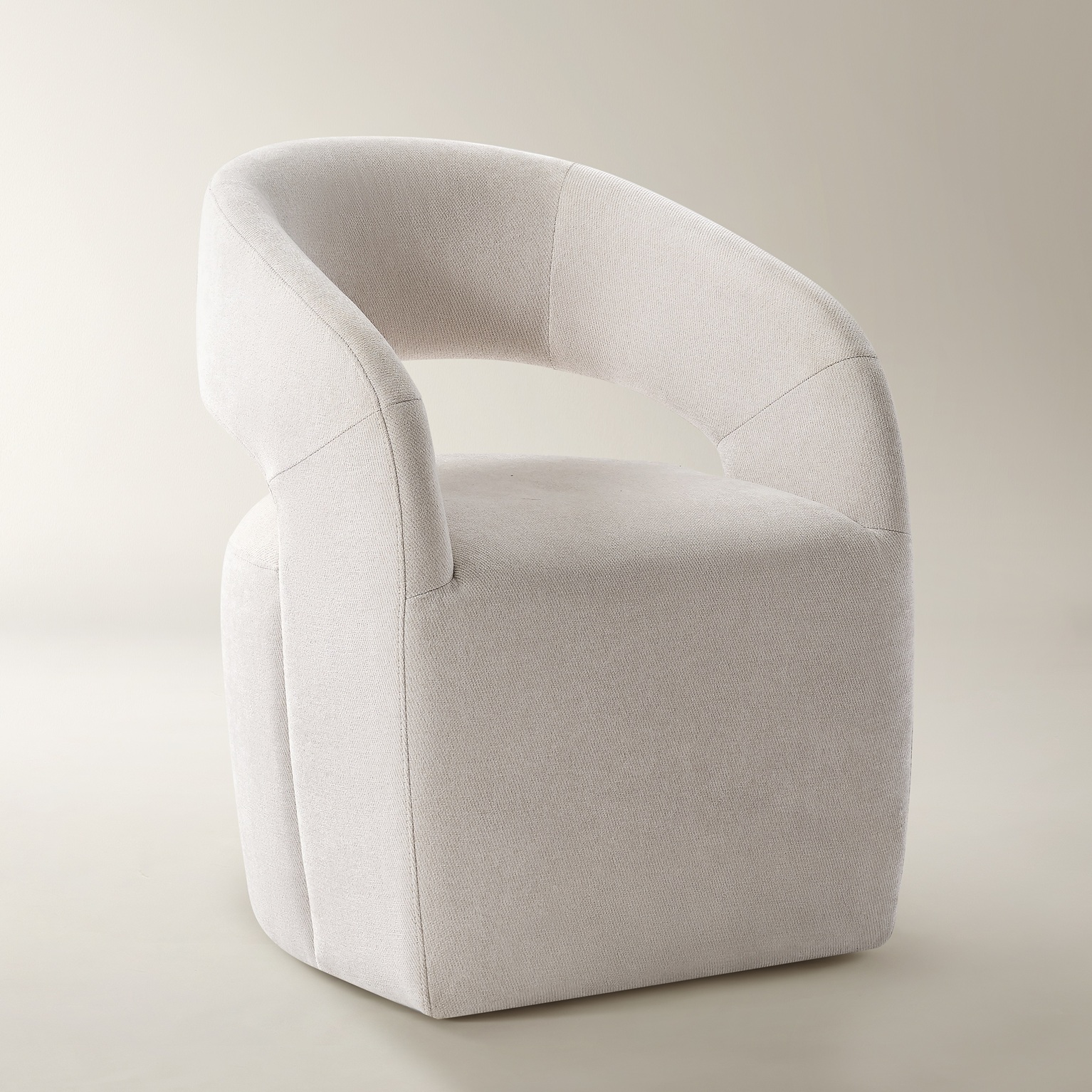 Harrison White/Black Performance Chenille Dining Chair$499
A sculptural dining chair in white and black performance chenille with plush feather-blend cushioning and curved arms.
Add To Cart -
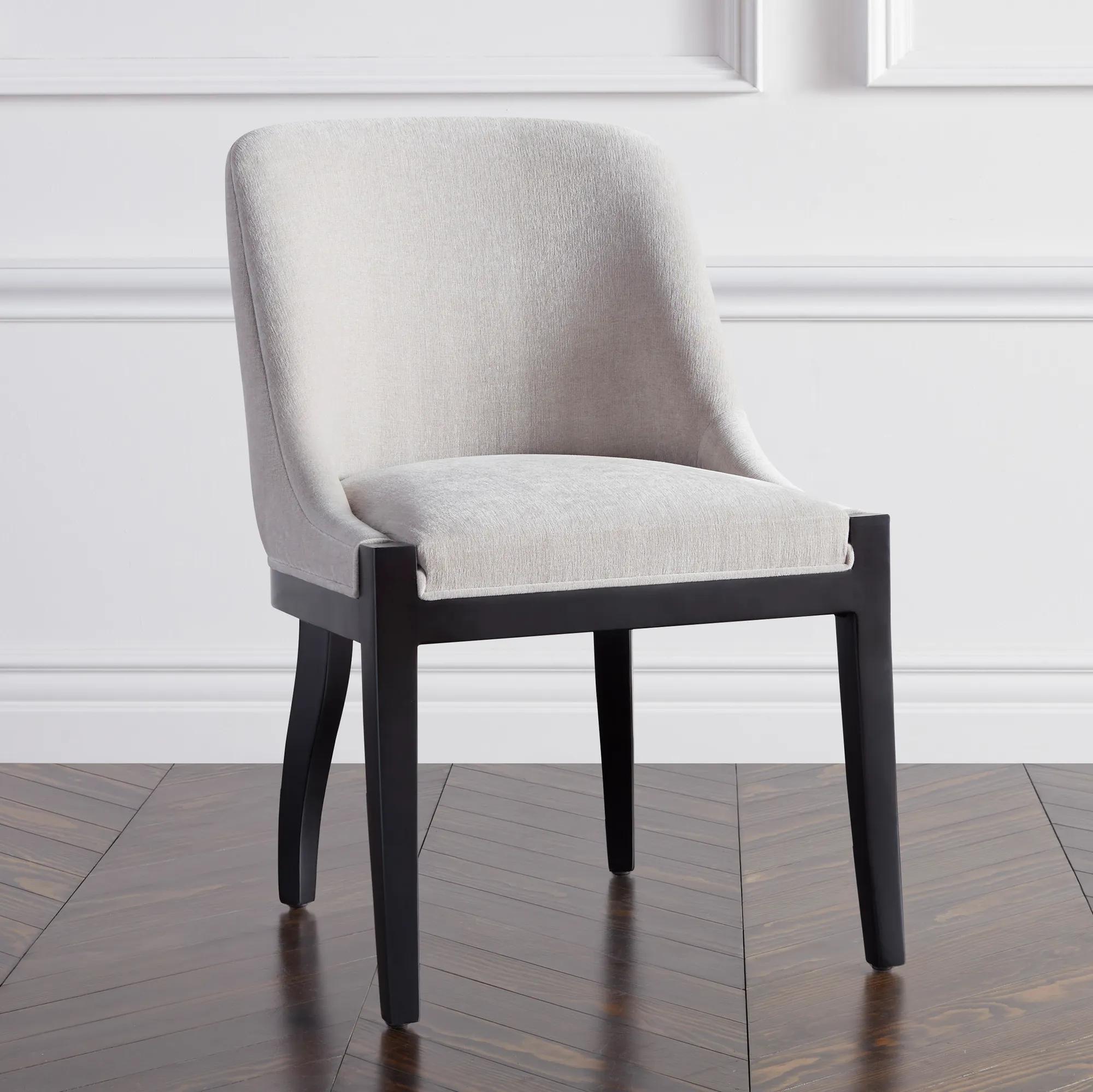 Lily Dining Chair - Matte Black$599
A modern dining chair with a kiln-dried hardwood frame, matte black legs, and plush tailored upholstery.
Add To Cart -
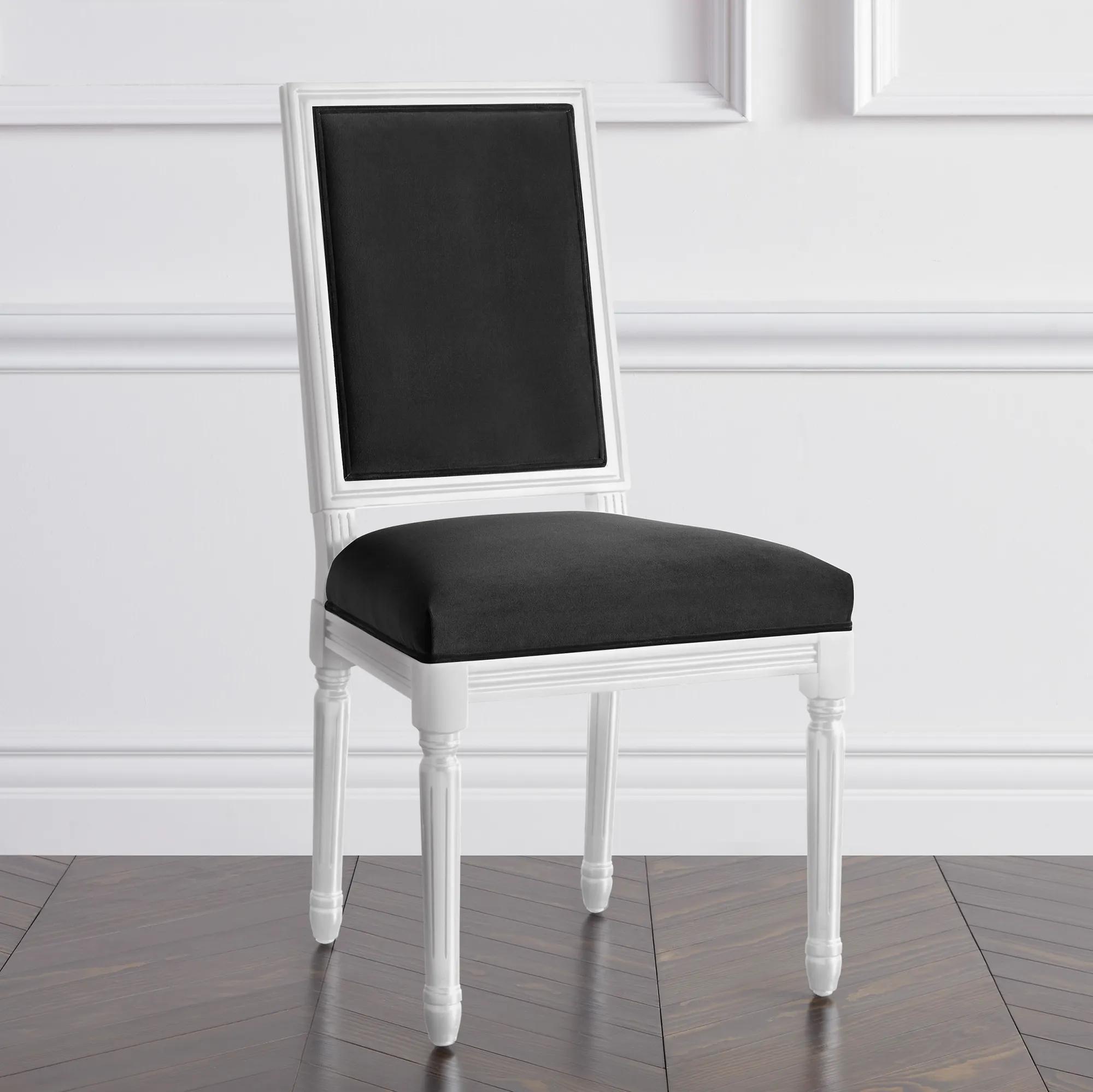
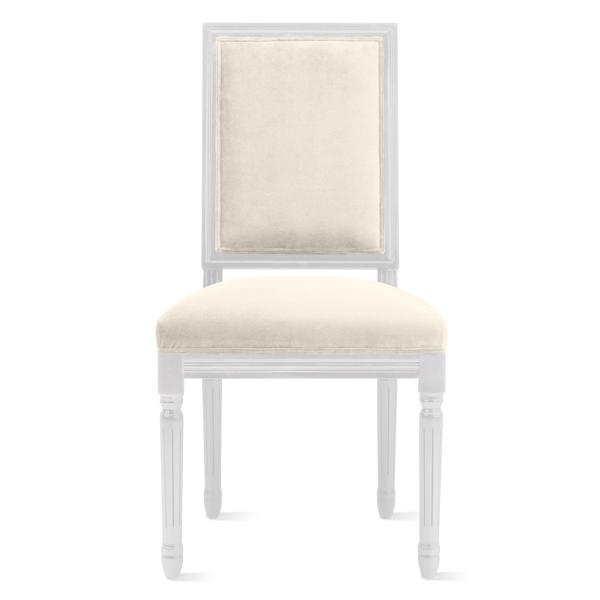 Callan Dining Chair - High Gloss White$699
A handcrafted dining chair featuring high-gloss white finish, kiln-dried hardwood frame, and plush velvet upholstery.
Add To Cart -
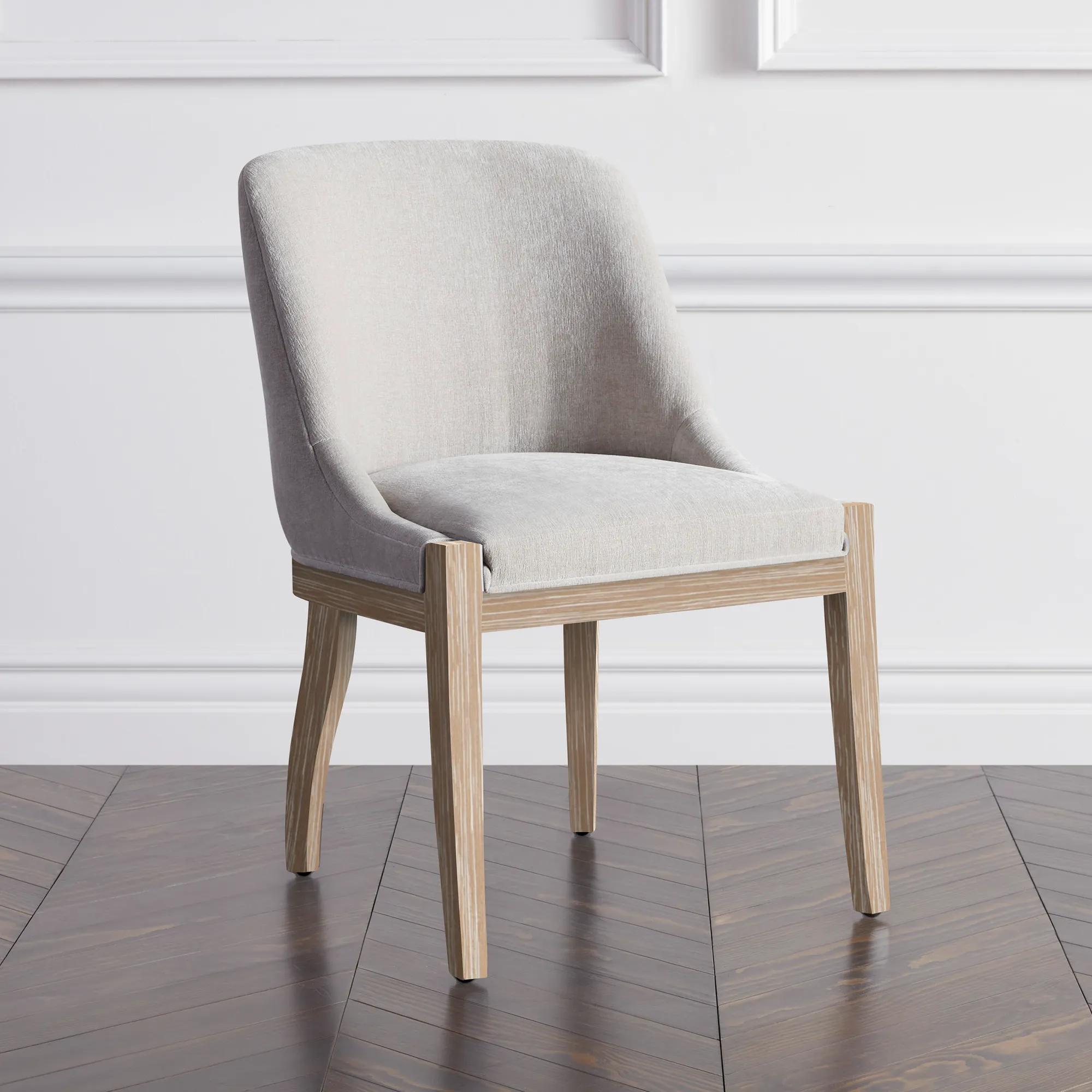
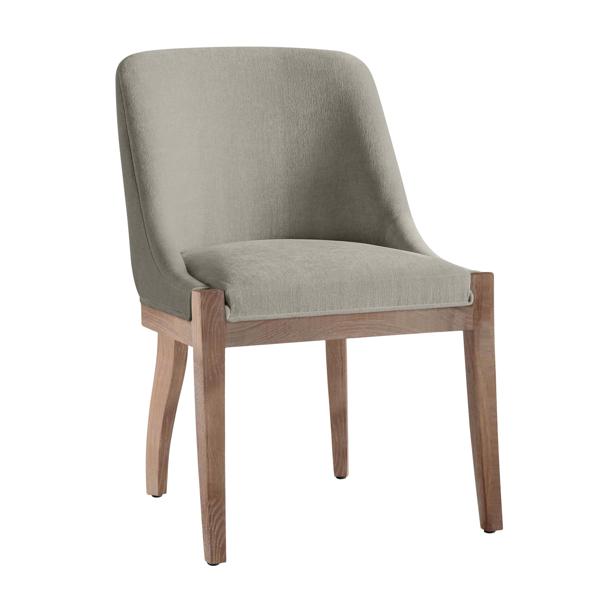 Lily Dining Chair - Wash Oak$749
A modern dining chair featuring a kiln-dried hardwood frame, wash oak legs, and tailored chenille upholstery.
Add To Cart -
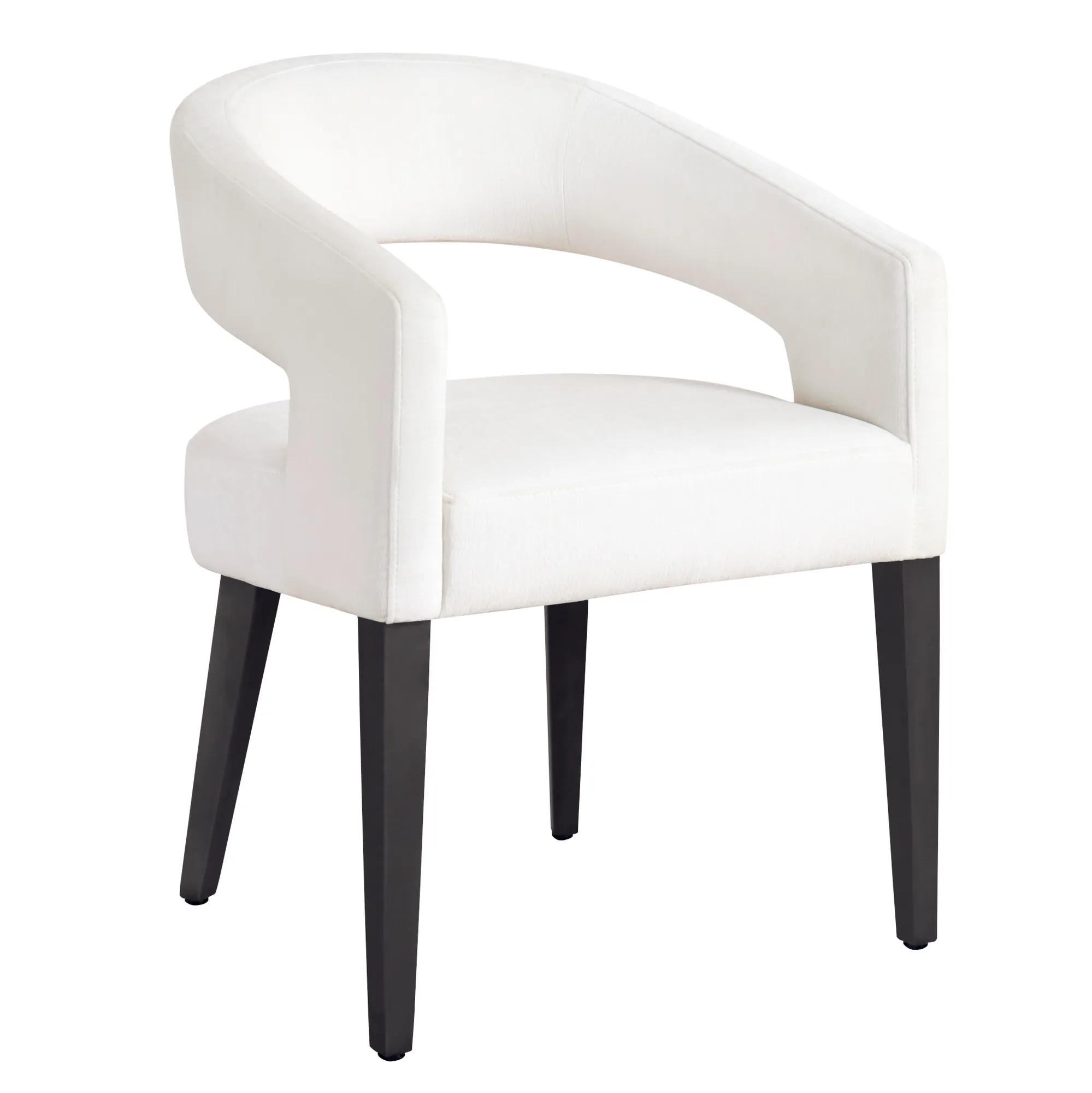
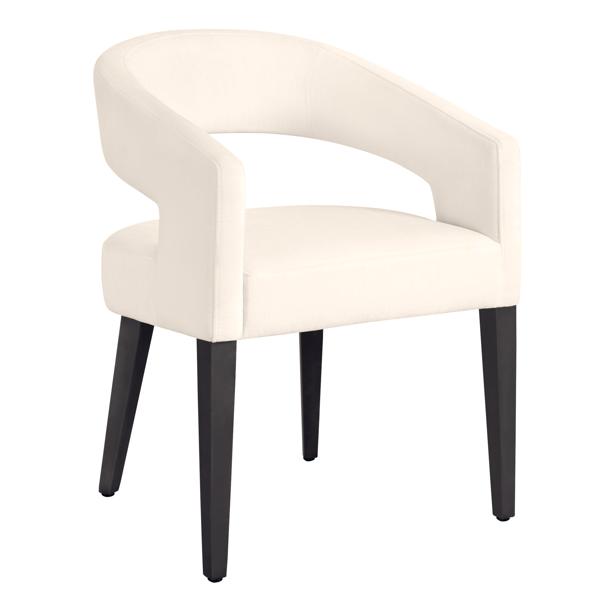 Philippa Dining Chair - Espresso$599
A modern dining chair featuring a curved silhouette, tailored upholstery, and espresso-finished legs.
Add To Cart -
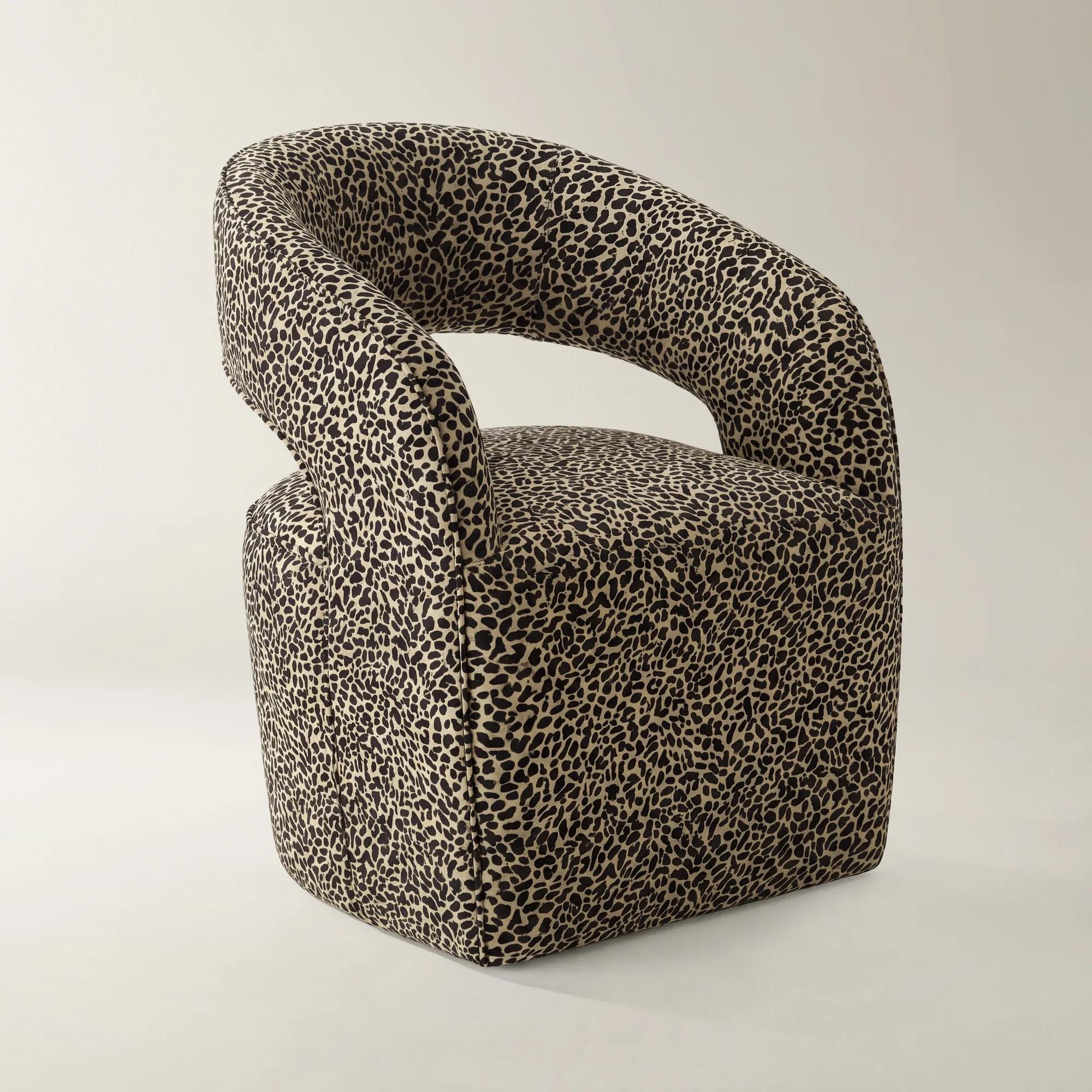 Harrison Leopard Performance Chenille Dining Chair$499
A sculptural dining chair featuring leopard performance chenille upholstery, feather-blend cushioning, and a curved silhouette.
Add To Cart -
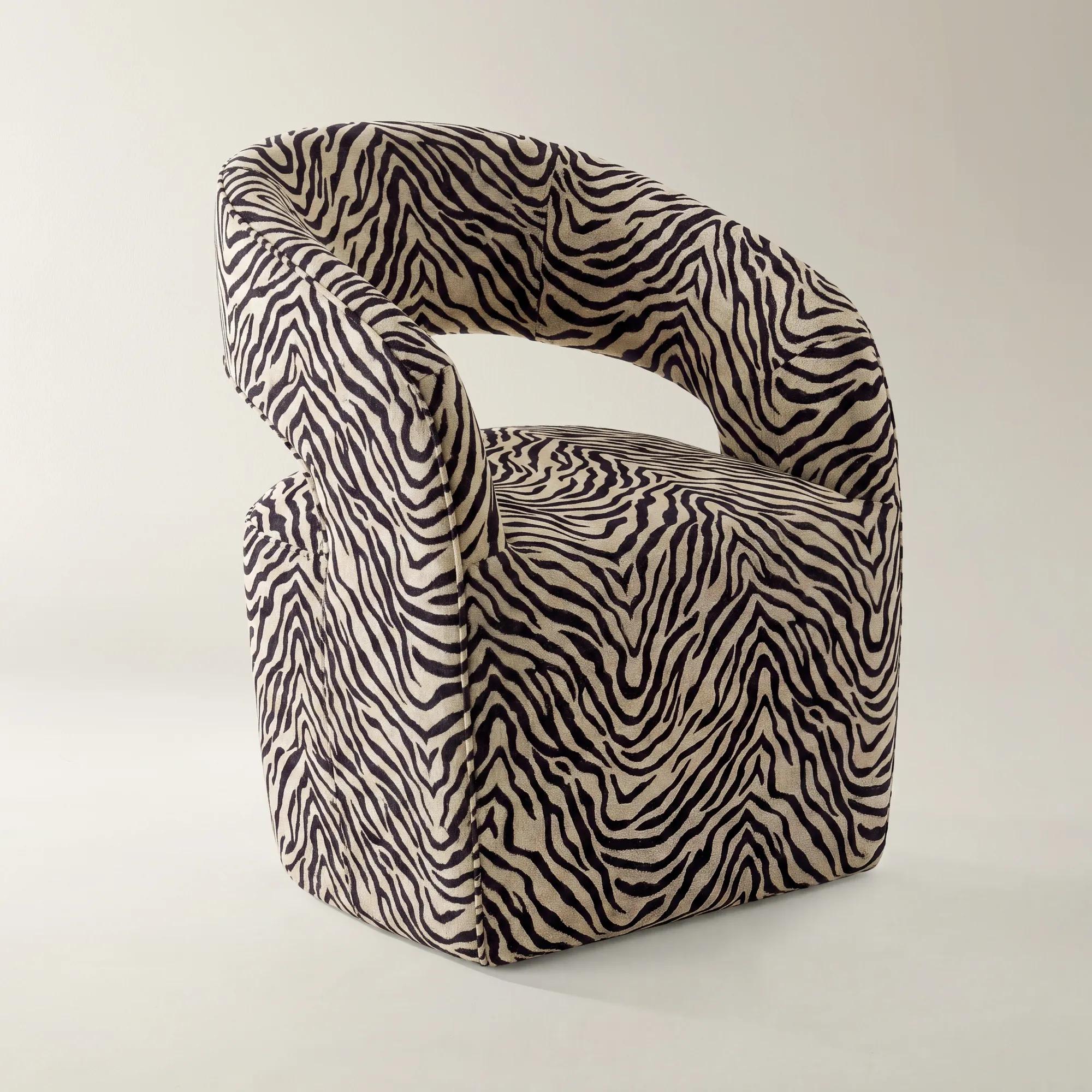 Harrison Zebra Performance Chenille Dining Chair$499
A sculptural dining chair upholstered in zebra performance chenille with a curved back and feather-blend comfort.
Add To Cart -
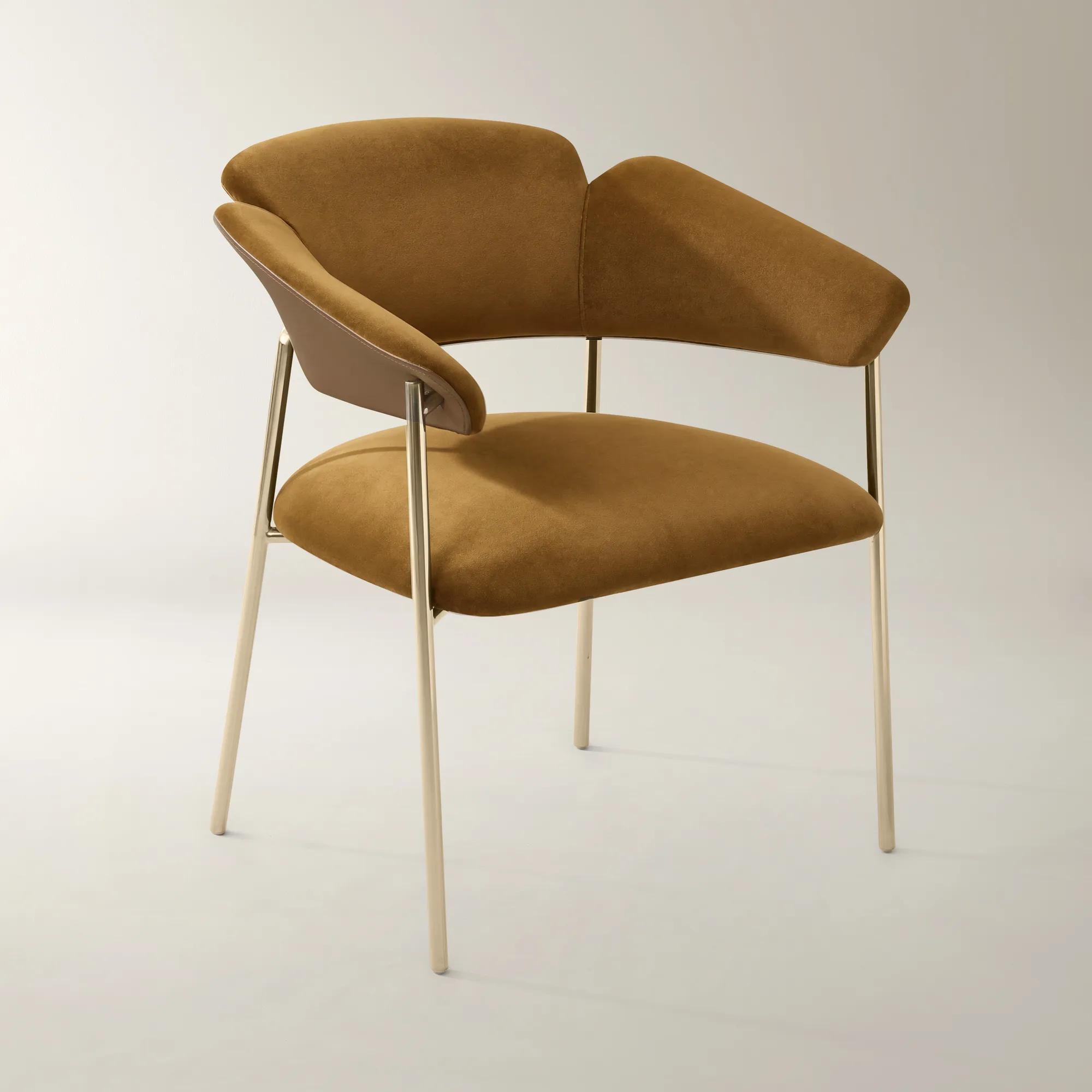 Odette Roasted Pecan Velvet Dining Chair$499
A sculptural dining chair featuring roasted pecan velvet, tonal faux leather accents, and gold stainless steel legs.
Add To Cart -
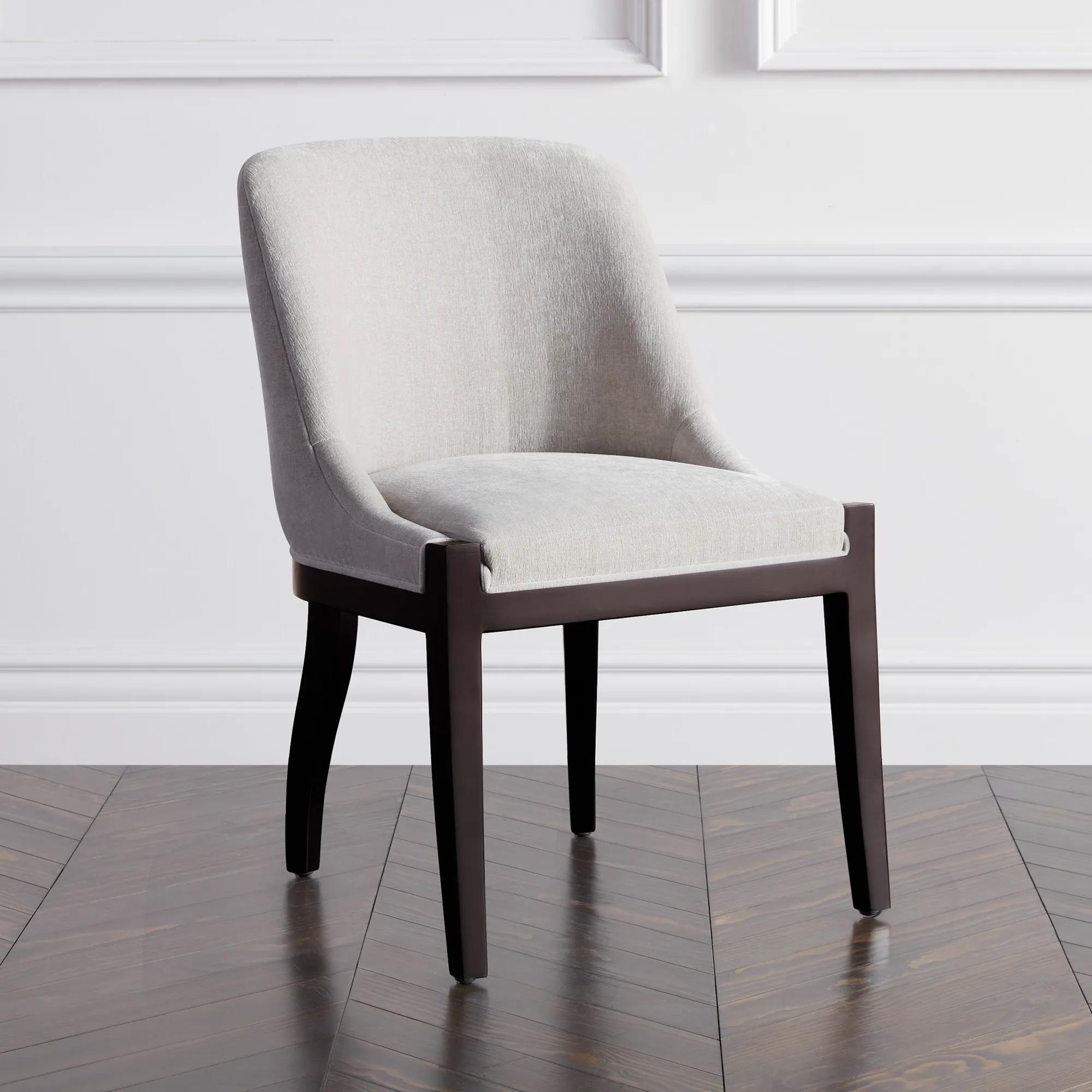
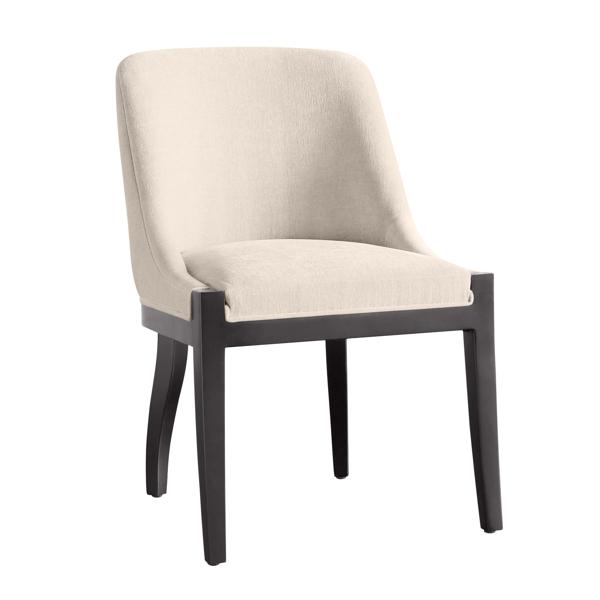 Lily Dining Chair - Espresso$649
A modern dining chair with kiln-dried hardwood frame, espresso legs, and plush tailored upholstery for comfort.
Add To Cart -
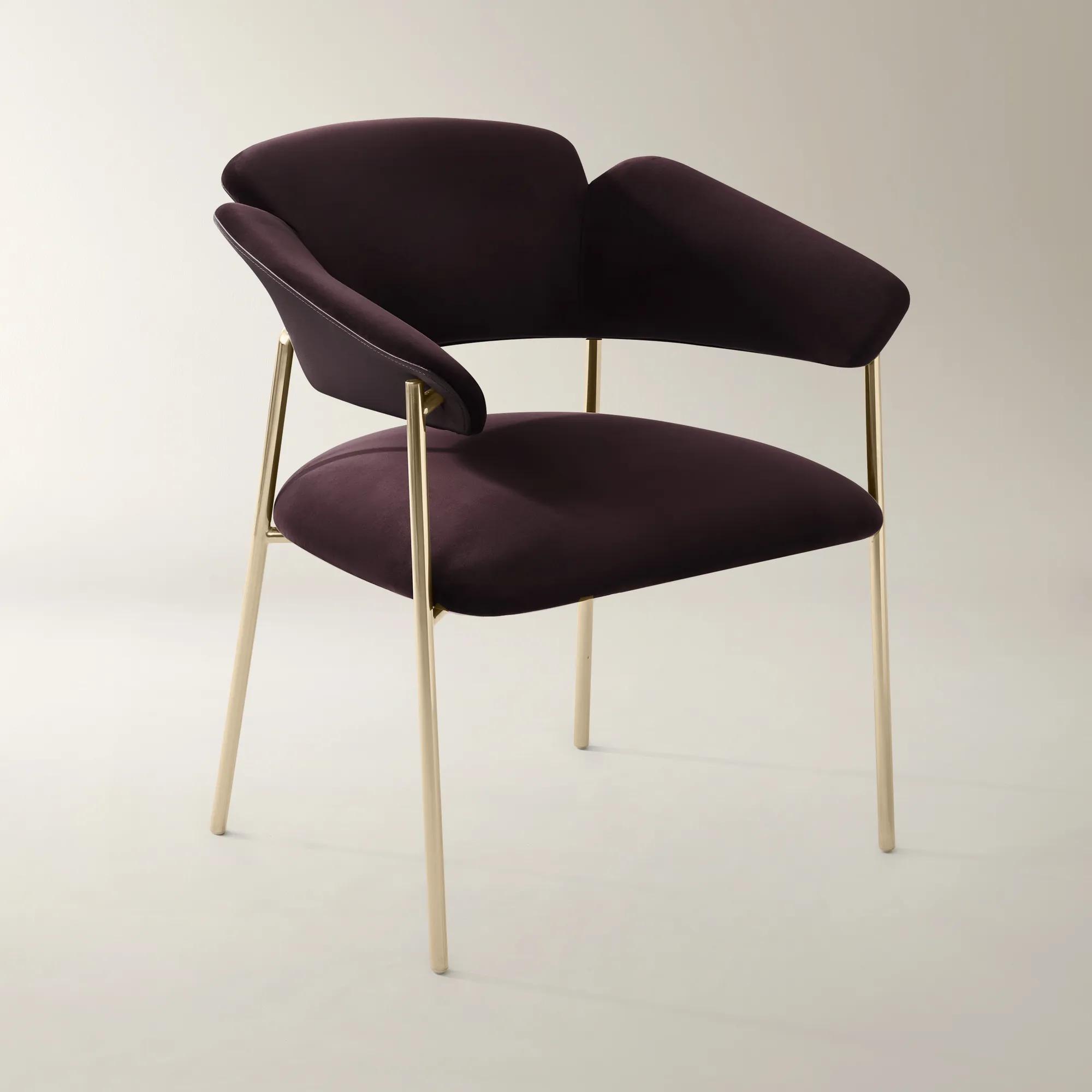 Odette Fig Velvet Dining Chair$499
A sculptural dining chair featuring fig velvet, tonal faux leather accents, and slender gold-finished metal legs.
Add To Cart -
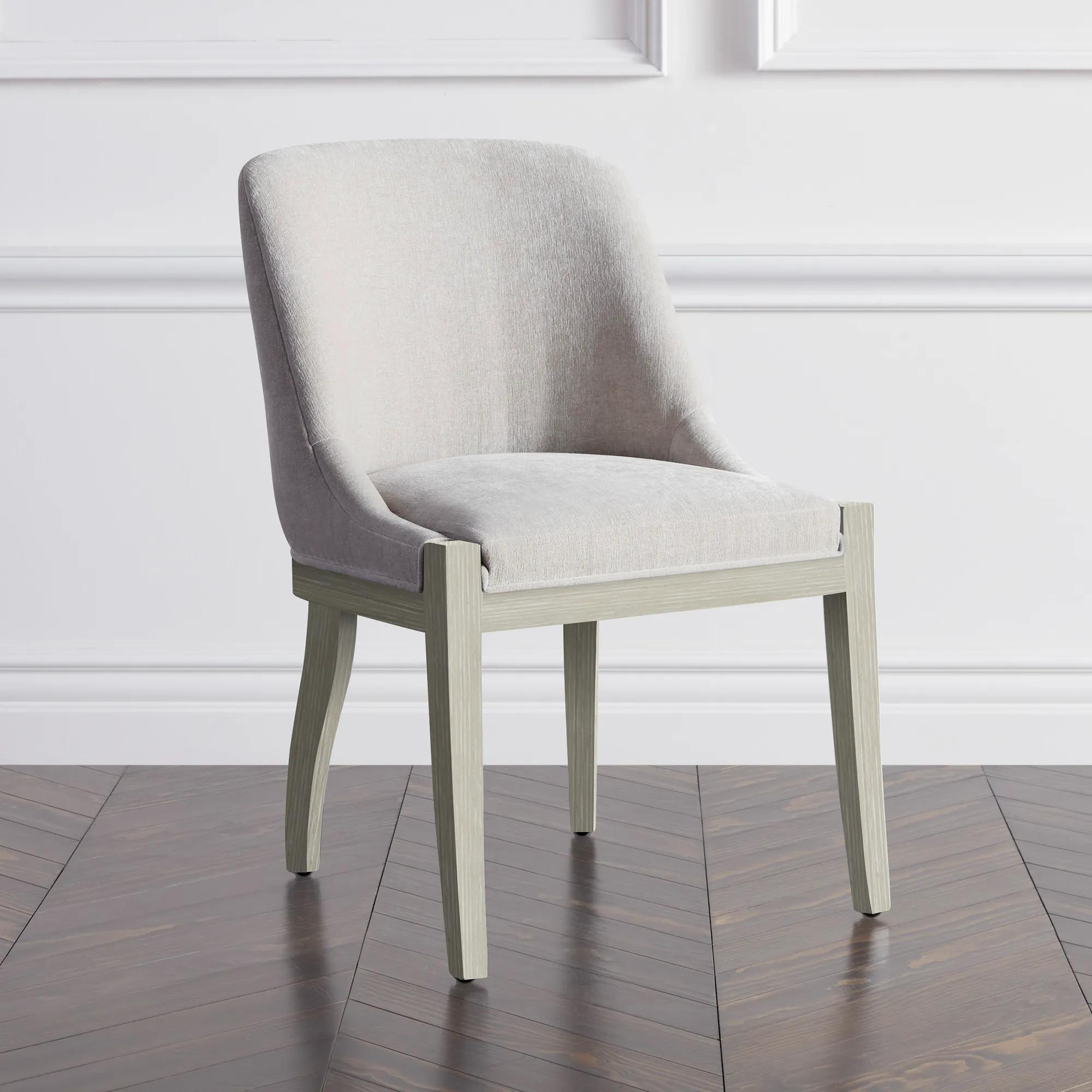 Lily Dining Chair - Natural Grey$649
A modern dining chair featuring kiln-dried hardwood, natural grey upholstery, and cushioned foam-and-fiber comfort.
Add To Cart -
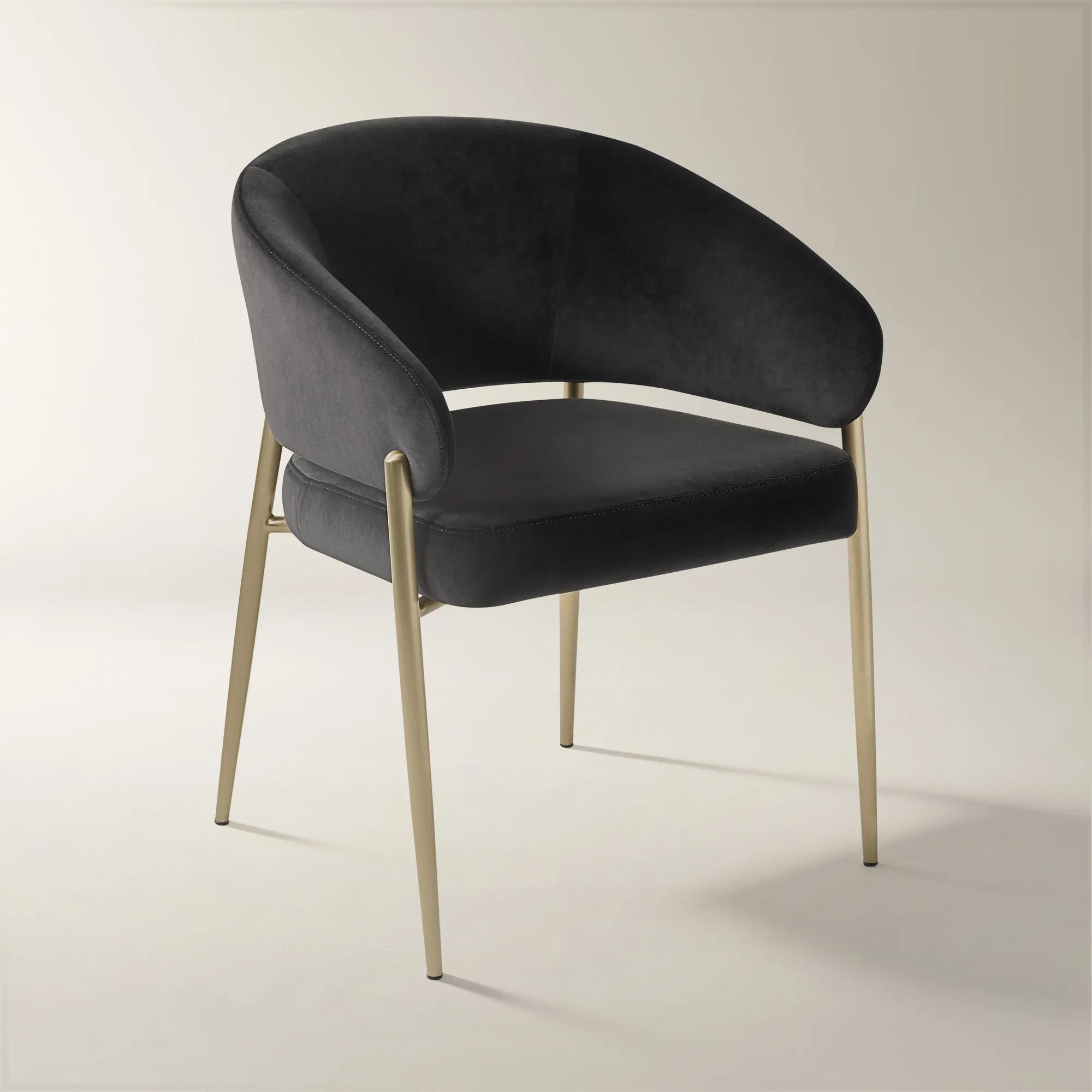 Nara Charcoal Velvet Dining Chair Set Of 2$599
A set of two charcoal velvet chairs featuring curved backs, plush upholstery, and brushed brass metal legs.
Add To Cart -
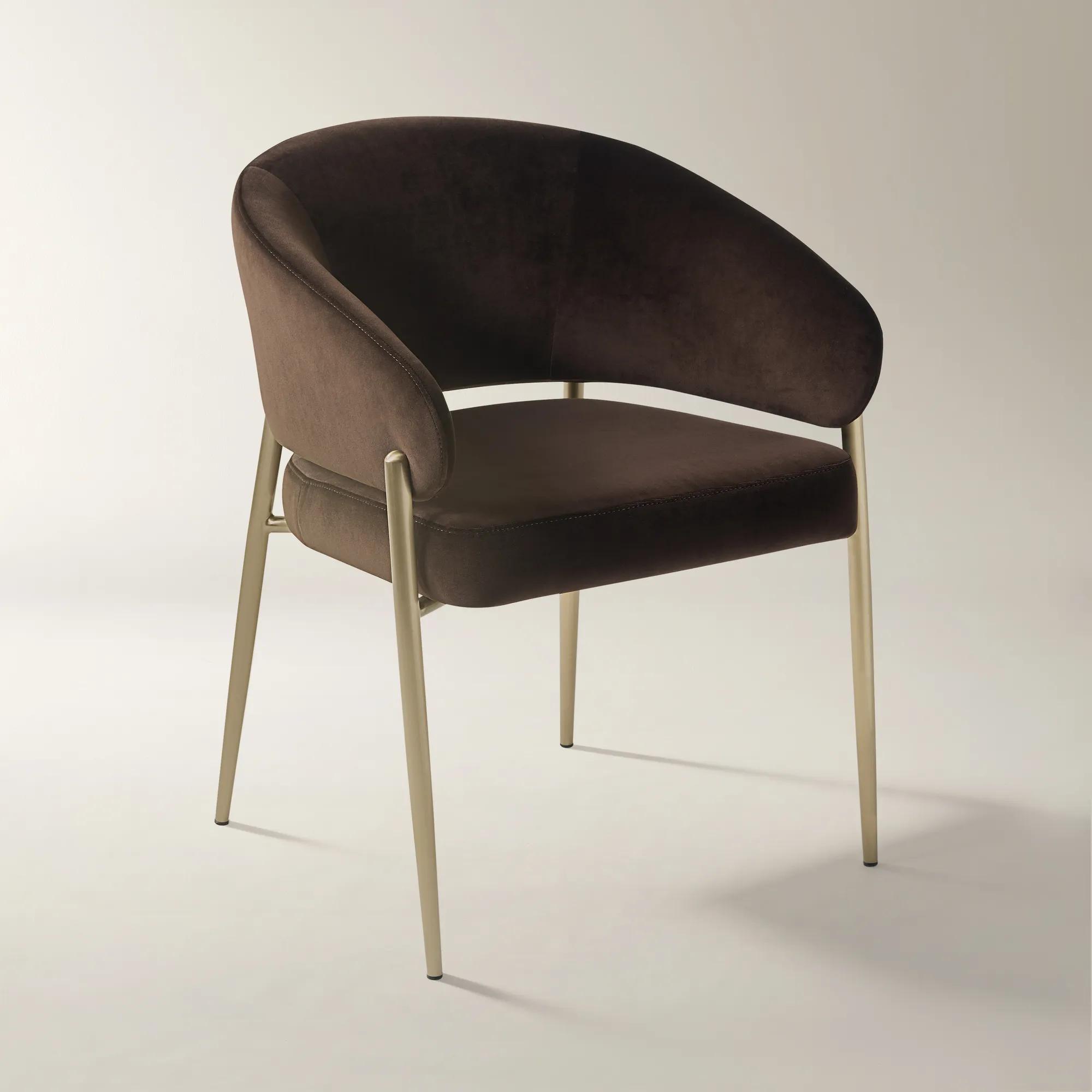 Nara Dark Chocolate Velvet Dining Chair Set Of 2$599
A pair of dark chocolate velvet chairs with curved backs and brushed brass stainless-steel legs for modern elegance.
Add To Cart -
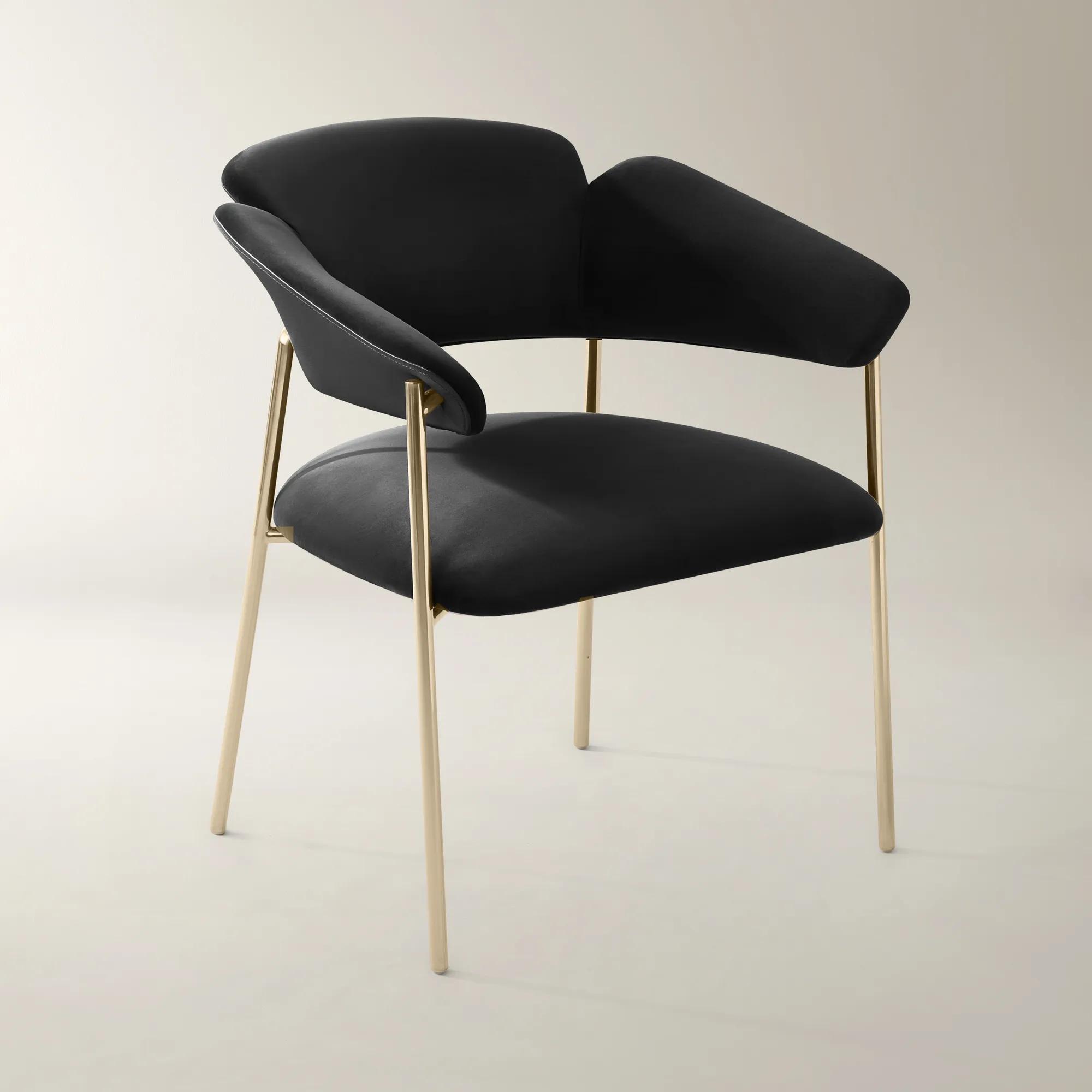 Odette Charcoal Velvet Dining Chair$499
A charcoal velvet chair featuring a wraparound open-back design, tonal faux leather accents, and gold metal legs.
Add To Cart -
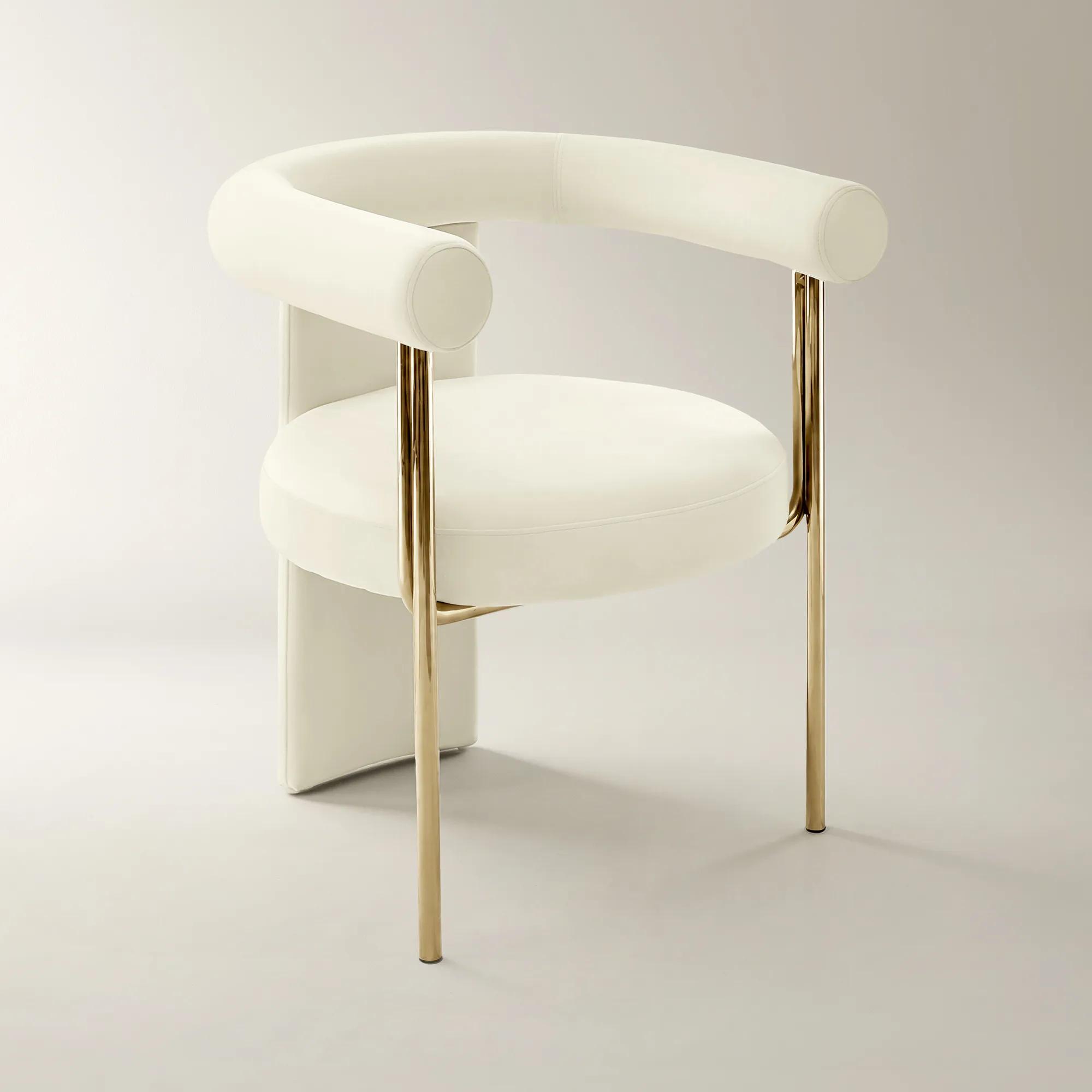 Davina Cloud Velvet Dining Chair Set Of 2$899
A set of two dining chairs featuring plush cloud velvet upholstery and a sculptural gold metal frame.
Add To Cart -
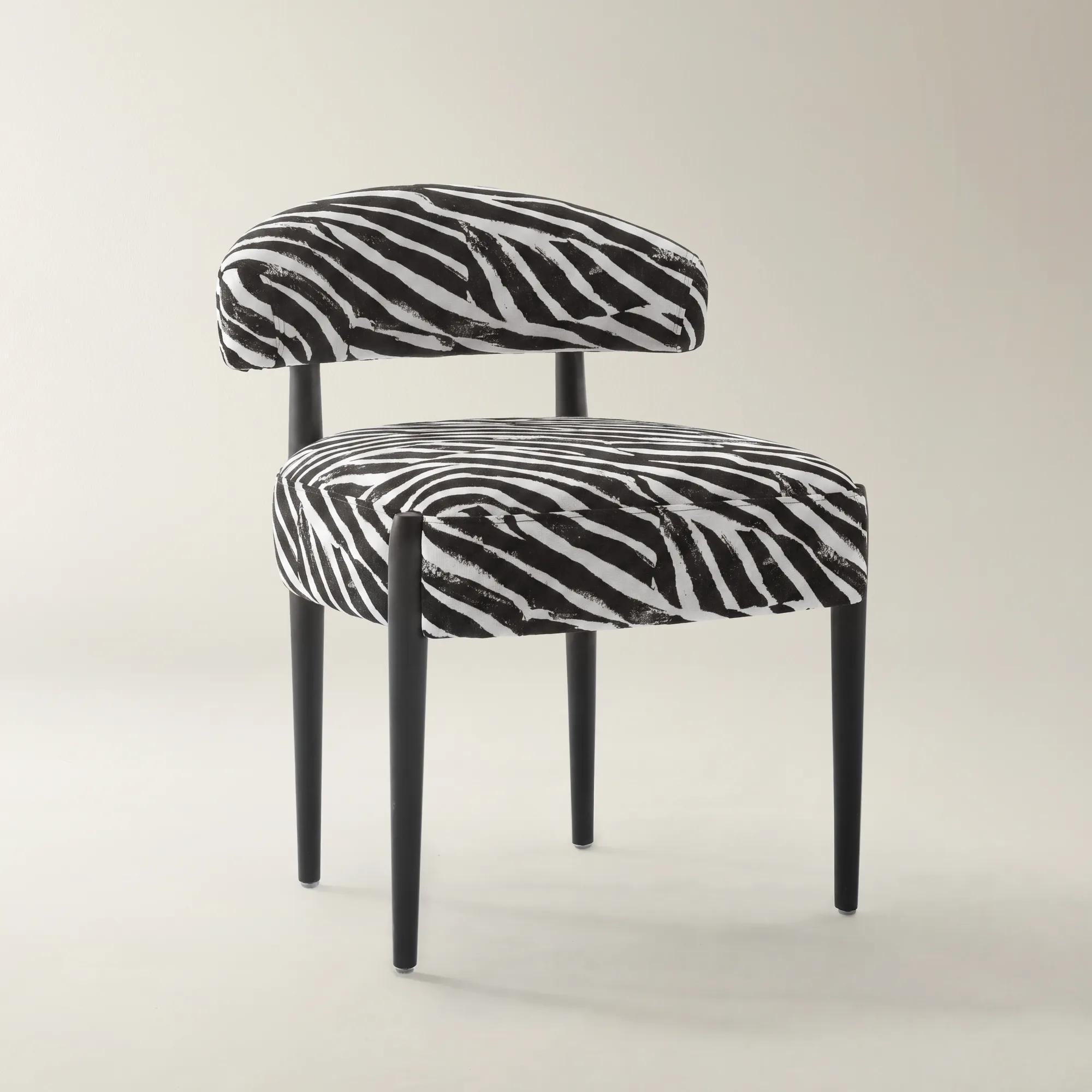
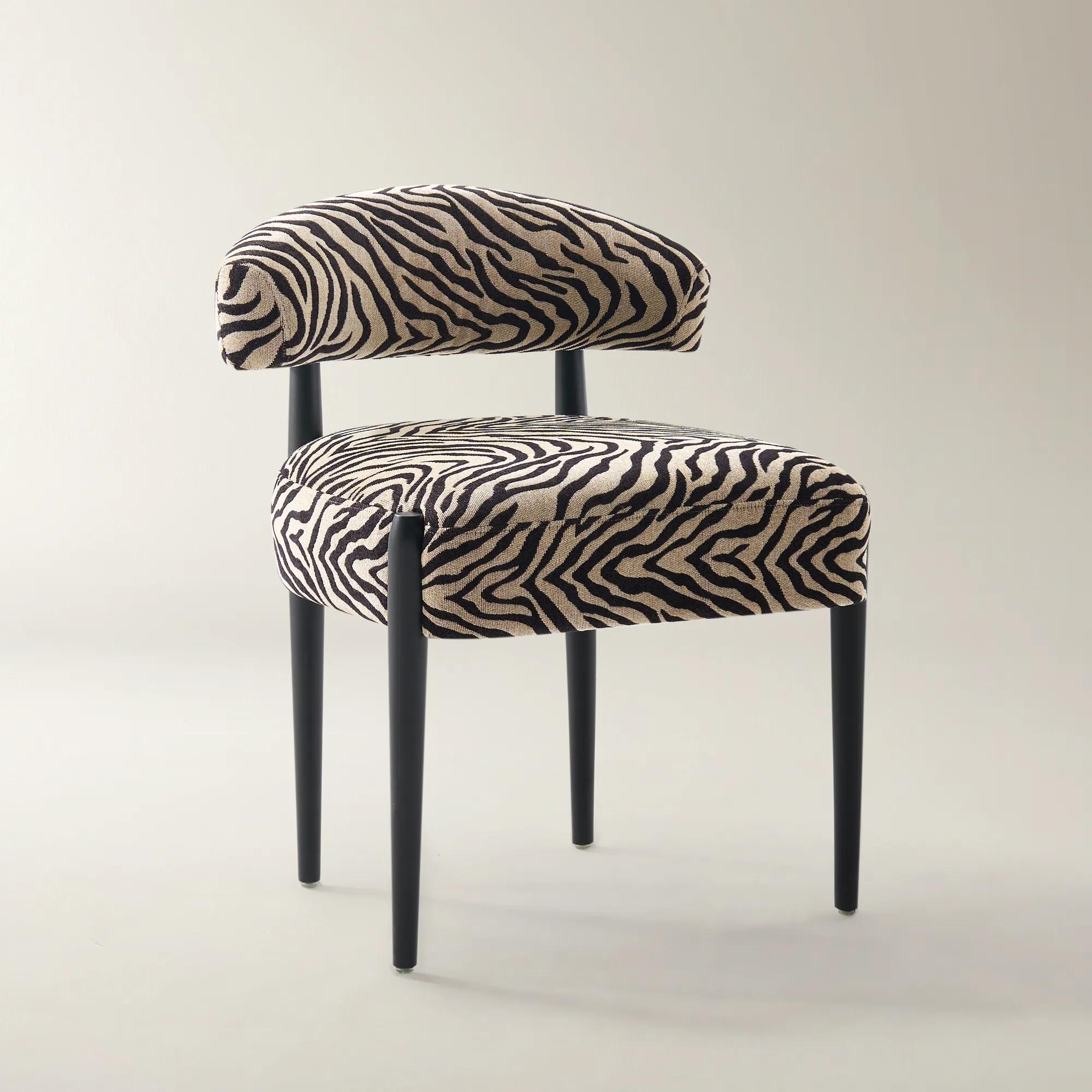 Anna White/Black Performance Chenille Dining Chair Set of 2$699
A black-and-white performance chenille chair set with arched backs, high-density foam, and solid rubberwood legs.
Add To Cart -
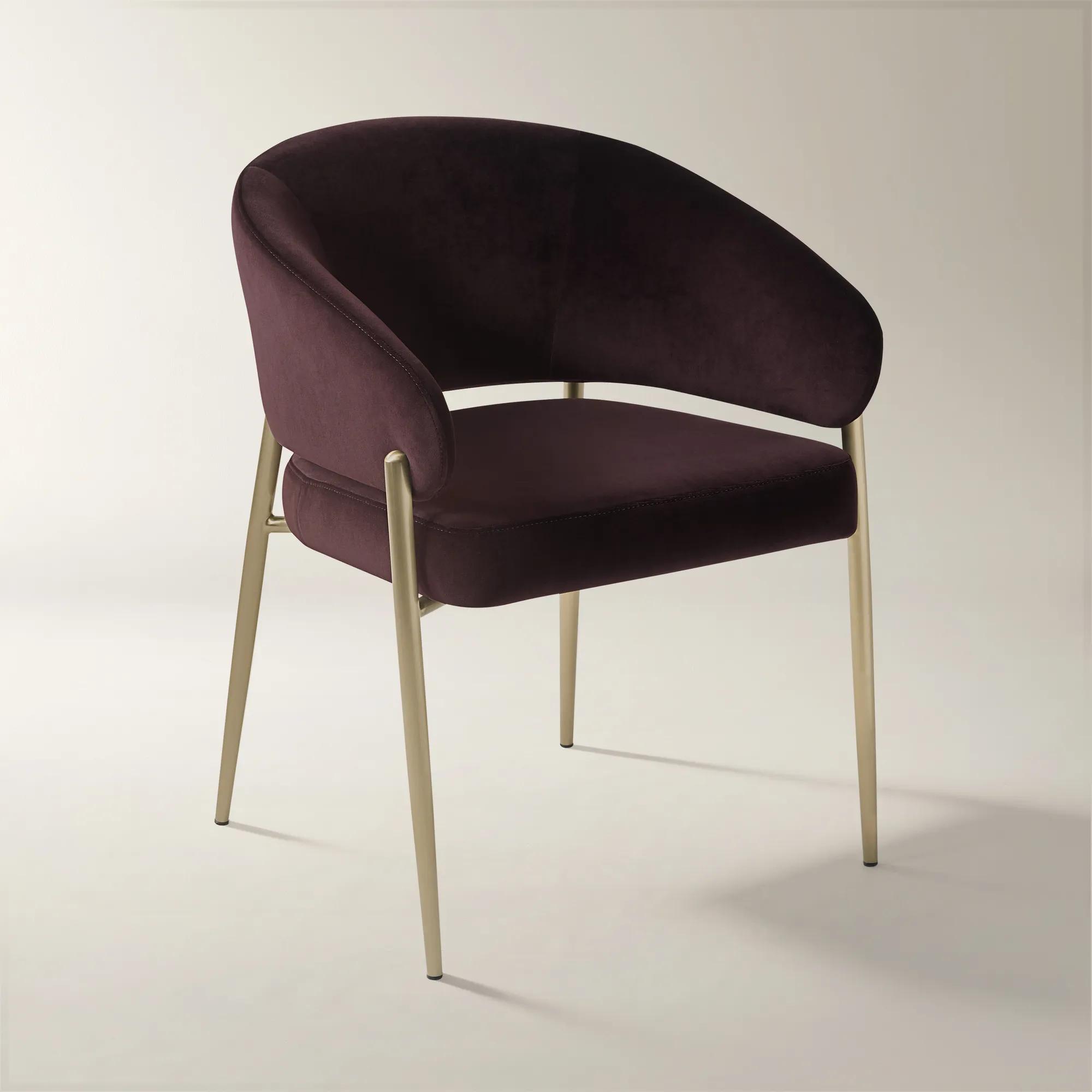 Nara Fig Velvet Dining Chair Set Of 2$599
A set of two dining chairs featuring plush fig velvet upholstery and brushed brass stainless-steel legs.
Add To Cart -
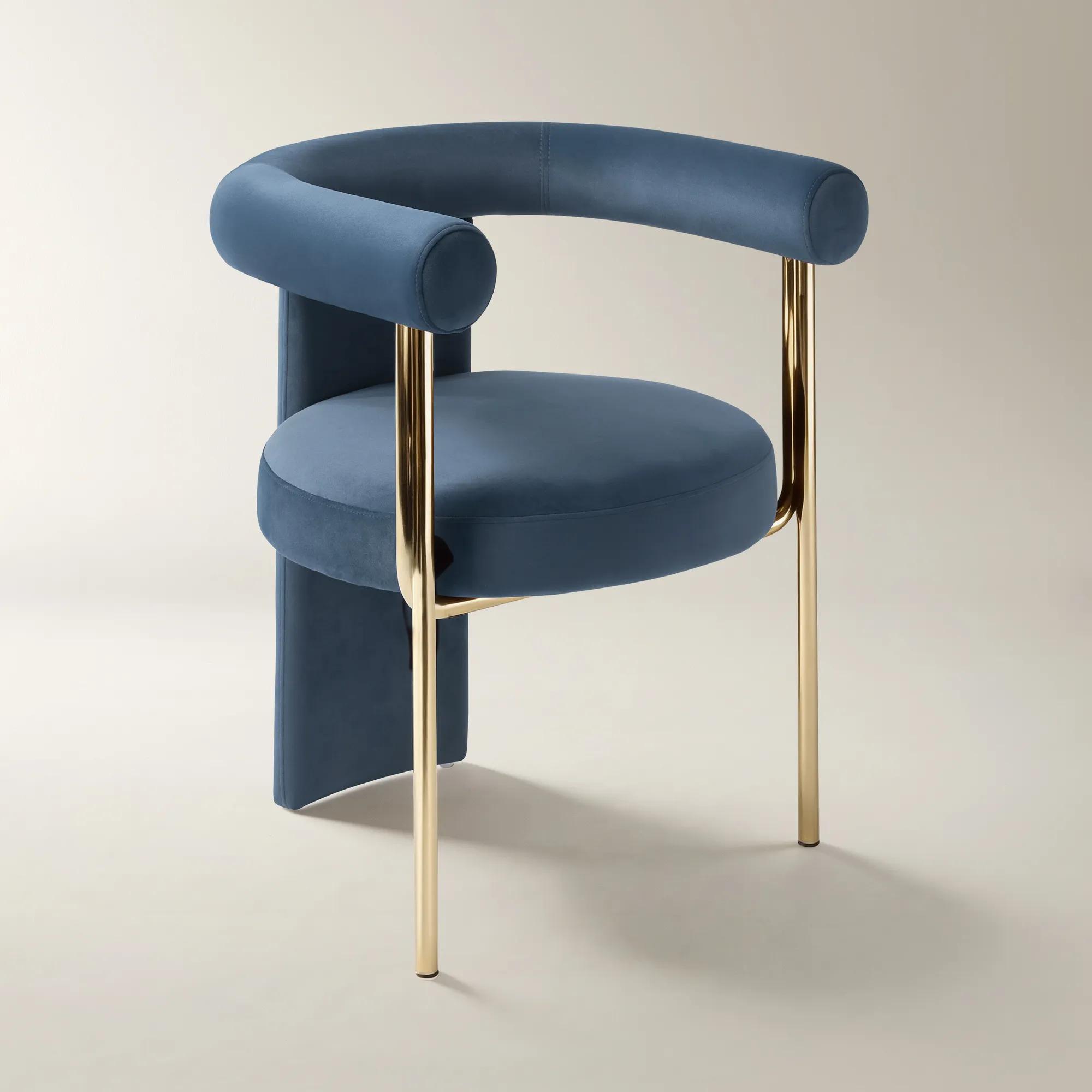 Davina Dusty Blue Velvet Dining Chair Set Of 2$899
A set of two dining chairs featuring dusty blue velvet upholstery and a polished gold metal frame.
Add To Cart -
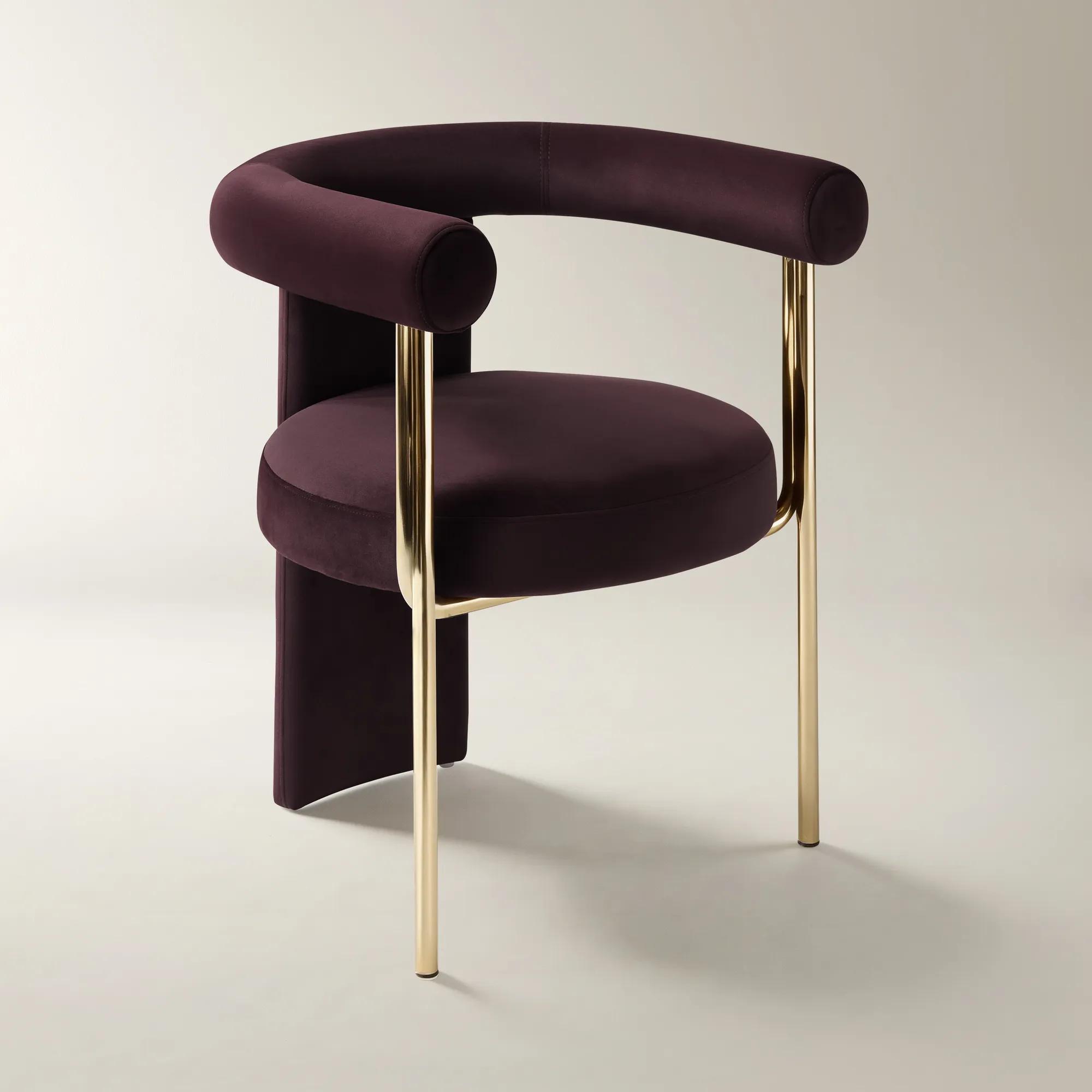 Davina Fig Velvet Dining Chair Set Of 2$899
A set of two dining chairs featuring plush fig velvet upholstery and a sleek gold-finished metal frame.
Add To Cart -
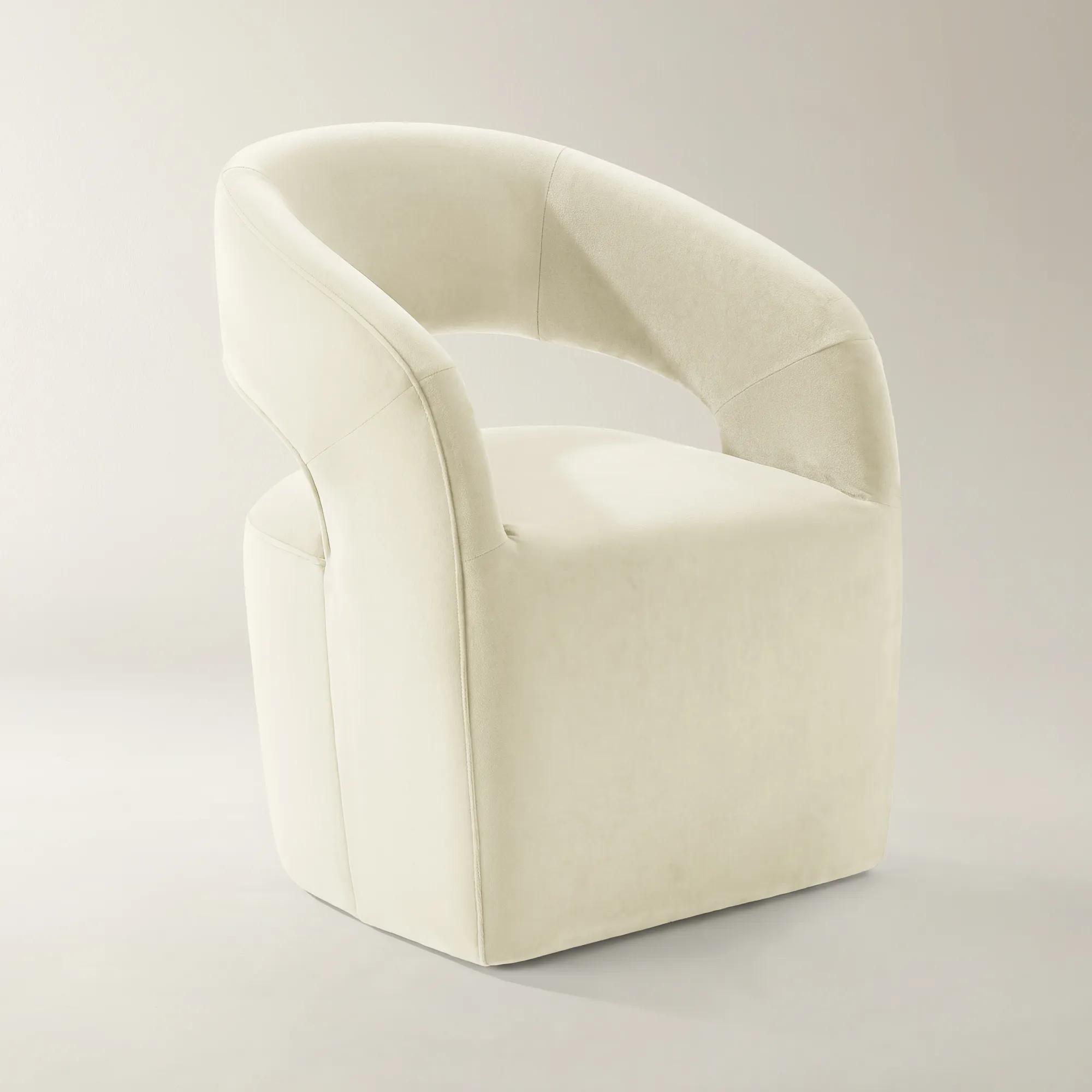 Harrison Cloud Velvet Dining Chair$499
A sculptural dining chair featuring cloud velvet upholstery, feather-blend cushioning, and a continuous curved back.
Add To Cart -
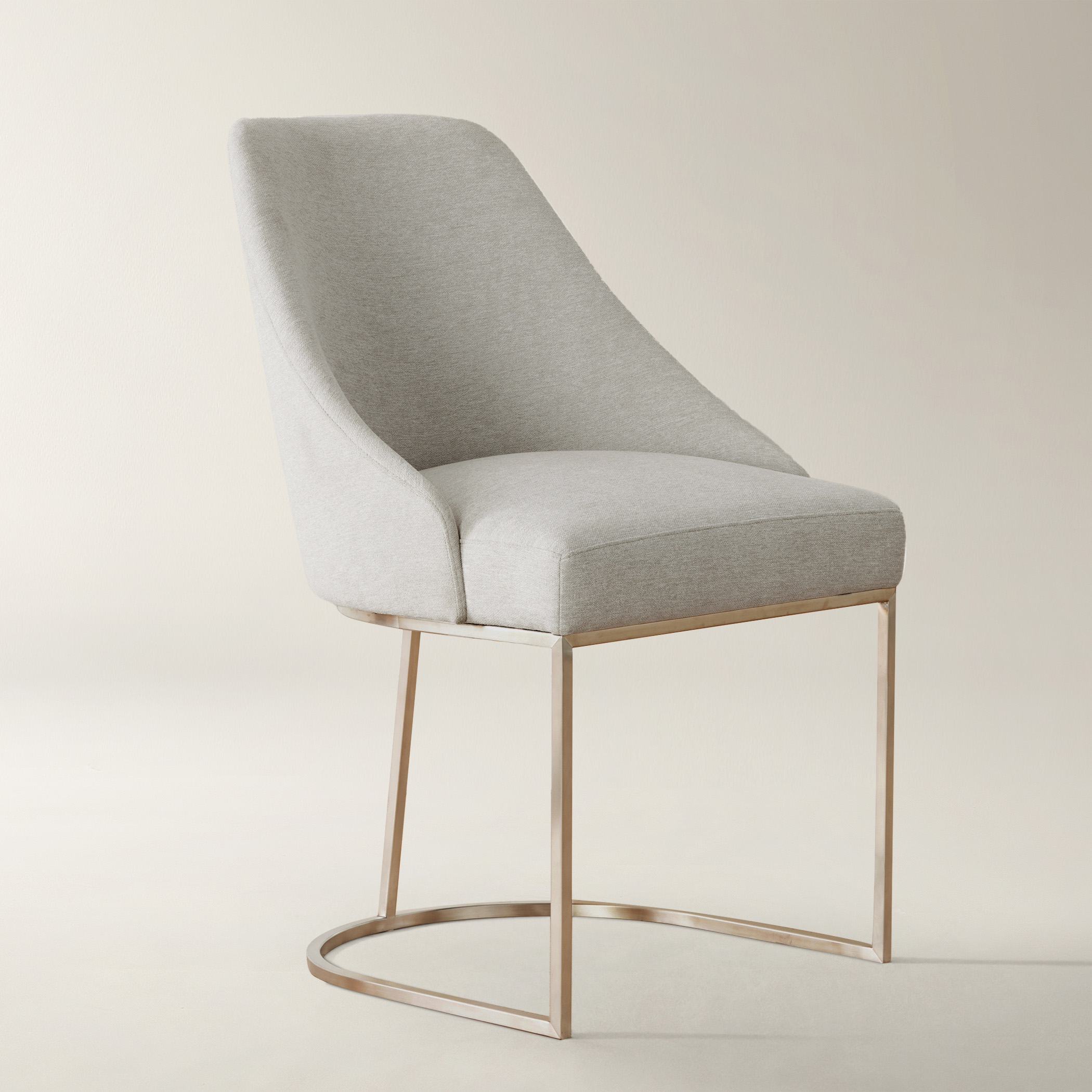
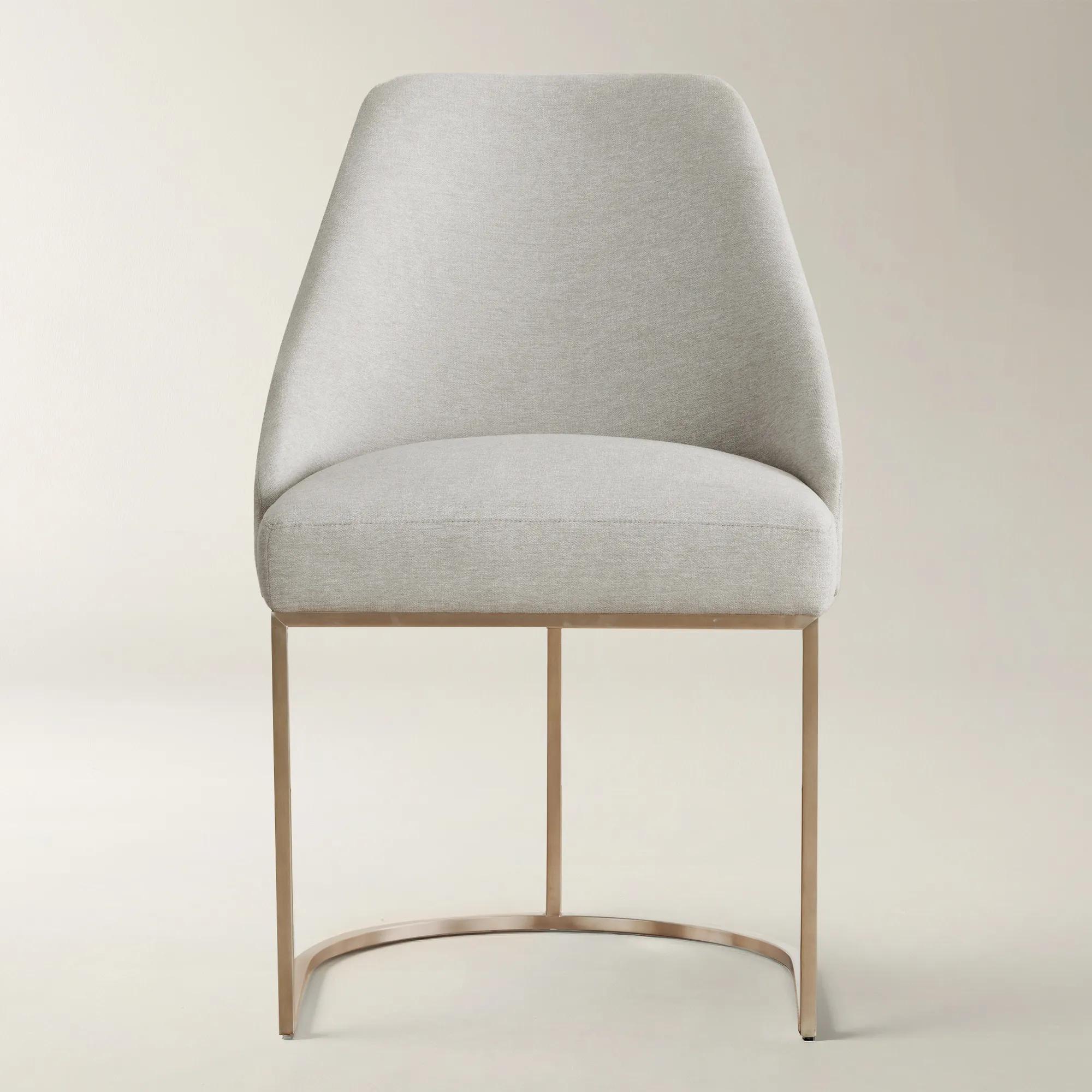 Rowan Ivory Fabric Dining Chair$599
A modern chair featuring brushed stainless steel legs and stain-resistant, water-repellent Roxboro Frost fabric.
Add To Cart

Modern Dining Chairs With Multiple Leg Finishes
Modern dining chairs with multiple leg finishes invite you to reimagine your dining space as a gallery of style and sophistication. Each silhouette becomes a work of art, where sleek lines and sumptuous textures meet the allure of customizable foundations—whether gleaming in metallic radiance or grounded in rich wood tones. These chairs don’t simply seat your guests—they set the stage for unforgettable evenings, transforming every meal into a curated experience. Explore modern dining chairs with multiple leg finishes and discover the perfect balance of artistry and individuality, designed to elevate your home’s most memorable moments.
Modern dining chairs with multiple leg finishes bring a distinctive layer of expression to the table, pairing sculptural seating with bases that can echo, soften, or contrast the surrounding furniture. Common options include natural and stained wood, matte black metal, polished chrome, and brass-toned finishes, each creating a different relationship with light and color. Pale wood lends an airy warmth to an upholstered seat, while a deep walnut finish gives the same silhouette a richer, more grounded presence. Black powder-coated legs draw a crisp outline beneath ivory or taupe upholstery; gleaming metallic legs introduce reflected light and a more jewelry-like detail. These differences matter because dining chairs remain visible from many angles, especially around a glass-top table or within an open living area. A slender metal base can preserve sightlines across the room, while substantial wooden legs give a generous seat a sense of architectural weight. Multiple leg-finish options also make it easier to connect a dining arrangement with an existing sideboard, pendant light, or table base without making every surface identical. Warm metallic accents can complement a richly veined stone tabletop, while dark legs can repeat the outline of window frames or nearby cabinetry. Matching every metal is not essential; a repeated tone in two or three places can give a mixed-finish room a deliberate rhythm. The distinction between material and finish is equally important. A brass-toned leg may be finished steel rather than solid brass, and a walnut-colored finish does not necessarily indicate solid walnut construction. Wood species, stain, coating, and underlying frame material all contribute to the final appearance and performance. Natural grain can introduce subtle variation from chair to chair, while an opaque painted or powder-coated surface creates a more uniform effect. For interiors that balance expressive art, luminous lighting, and richly textured fabrics, the leg finish becomes a precise design detail: small in scale, yet influential enough to change the entire dining composition.
Beyond their visual impact, modern dining chairs need to feel proportionate to the table and comfortable through the full course of a meal. Upholstered seats, shaped backs, and thoughtfully positioned arms can turn an everyday dining area into a place where conversation lingers. Velvet brings depth and a shifting sheen, especially when its plush surface meets polished metal or dark wood. Woven upholstery adds visible texture and can soften the effect of a highly reflective table, while leather and faux leather offer smoother surfaces with distinct care requirements. Fabric appearance alone does not establish durability; fiber content, weave, construction, and any stated performance characteristics deserve equal attention. A tightly woven textile may suit frequent dining, while a more dimensional fabric can appeal to someone creating a richly layered entertaining space. Seat firmness is another personal consideration: a generously padded chair may feel inviting at first, but supportive cushioning and a comfortable back angle matter during longer gatherings. Scale ties these details together. Many dining arrangements work well with approximately 10 to 12 inches between the top of the seat and the underside of the tabletop, although an apron or support rail can reduce usable legroom. Arm height also determines whether a chair can tuck beneath the table, an especially meaningful detail in a compact dining room. Around 24 inches of table edge per person is a useful starting point, with wider chairs and arms often requiring more space. Clearance behind each chair should accommodate pulling it out and moving around it; roughly 36 inches is a common planning reference, with more room helpful along a busy walkway. These relationships influence the finished look as much as comfort. Closely spaced, oversized chairs can overwhelm a delicate table, while very narrow seating can feel visually slight beside a broad pedestal. A balanced arrangement gives each silhouette room to register, allowing the upholstery, leg shape, and finish to read as intentional parts of the room.
Daily use brings another dimension to the choice of leg finish. A household that gathers at the dining table for meals, homework, and conversation may place different demands on its chairs than a formal dining room reserved primarily for entertaining. Sturdy construction, secure joints, appropriate weight capacity, and a base suited to the intended flooring matter more than shine alone. Powder-coated metal can provide a durable surface, but chips and scratches are still possible; stained wood can reveal marks or changes in its protective finish over time. Neither a metallic appearance nor a substantial-looking leg guarantees a particular level of performance. Floor-appropriate protective glides help reduce scuffing, and lifting chairs rather than dragging them limits unnecessary wear on both the base and the floor. Cleaning should follow the care instructions for the specific upholstery and finish. A soft cloth can remove dust from many leg surfaces, while abrasive pads and harsh cleaners may scratch polished metal or damage protective coatings. Upholstery spills generally benefit from prompt attention, blotting rather than vigorous rubbing, and a cleaning method approved for the material. Leather, faux leather, velvet, and woven fabrics should not be treated as interchangeable, particularly when moisture or cleaning solvents are involved. In a dining area that serves several purposes, these practical details help preserve the beauty of the composition without making the room feel precious. Color offers another opportunity to personalize the setting: Dining Chairs With Multiple Color Options can extend the palette from the seat to the surrounding art, rug, and table linens. A pale upholstered chair with dark legs creates a different mood from a saturated seat on a warm metallic base, even when the overall shape is similar. Coordinated side chairs can establish a strong visual rhythm, while more sculptural host chairs introduce a deliberate accent at either end of the table. With proportion, materials, and finish working together, dining seating becomes part of the room’s expressive architecture—comfortable enough for familiar routines and distinctive enough to give every gathering a beautifully considered setting.
FAQs
Modern dining chairs often feature leg finishes such as powder-coated black for a striking matte effect, gleaming gold or brass for a touch of opulence, polished chrome for a sleek, contemporary vibe, and rich wood tones like walnut, oak, or espresso that bring warmth and organic character to the space. These finishes allow you to tailor your dining area’s mood and coordinate with a variety of table styles and decor themes.
Mixing and matching dining chairs with varied leg finishes is a bold way to express your personal style. For a curated look, consider pairing metal-legged chairs with a wood-topped table, or alternate leg finishes around the table for an eclectic, designer-inspired effect. Balance is key—choose finishes that complement each other in tone or texture, and echo those elements elsewhere in your decor, such as in lighting or art, to create a cohesive yet dynamic space.
Velvet and bouclé upholstery are often paired with gold or black metal legs for a dramatic, glamorous aesthetic, while minimalist frames in acrylic or polycarbonate are typically matched with chrome or clear finishes to evoke a futuristic feel. Sculptural wire chairs work beautifully with matte black or colored metal legs, and mid-century designs featuring natural or walnut wood legs complement both neutral and richly hued fabrics for a timeless, sophisticated appeal.
Absolutely. Dining chairs with diverse leg finishes can serve as visual anchors in open-concept layouts, helping to define the dining area while enhancing flow between living, kitchen, and dining zones. Choosing finishes that echo other elements in the room—such as metallic accents in lighting or natural wood in flooring—creates harmony while allowing each piece to stand out as a work of art.
Dining chairs with multiple leg finishes are incredibly versatile and complement a range of design styles. They shine in modern and contemporary settings, add retro flair to mid-century spaces, and bring a touch of glamour to eclectic or maximalist interiors. Whether your aesthetic is bold and dramatic or refined and understated, these chairs offer the flexibility to craft a dining space that feels uniquely yours.