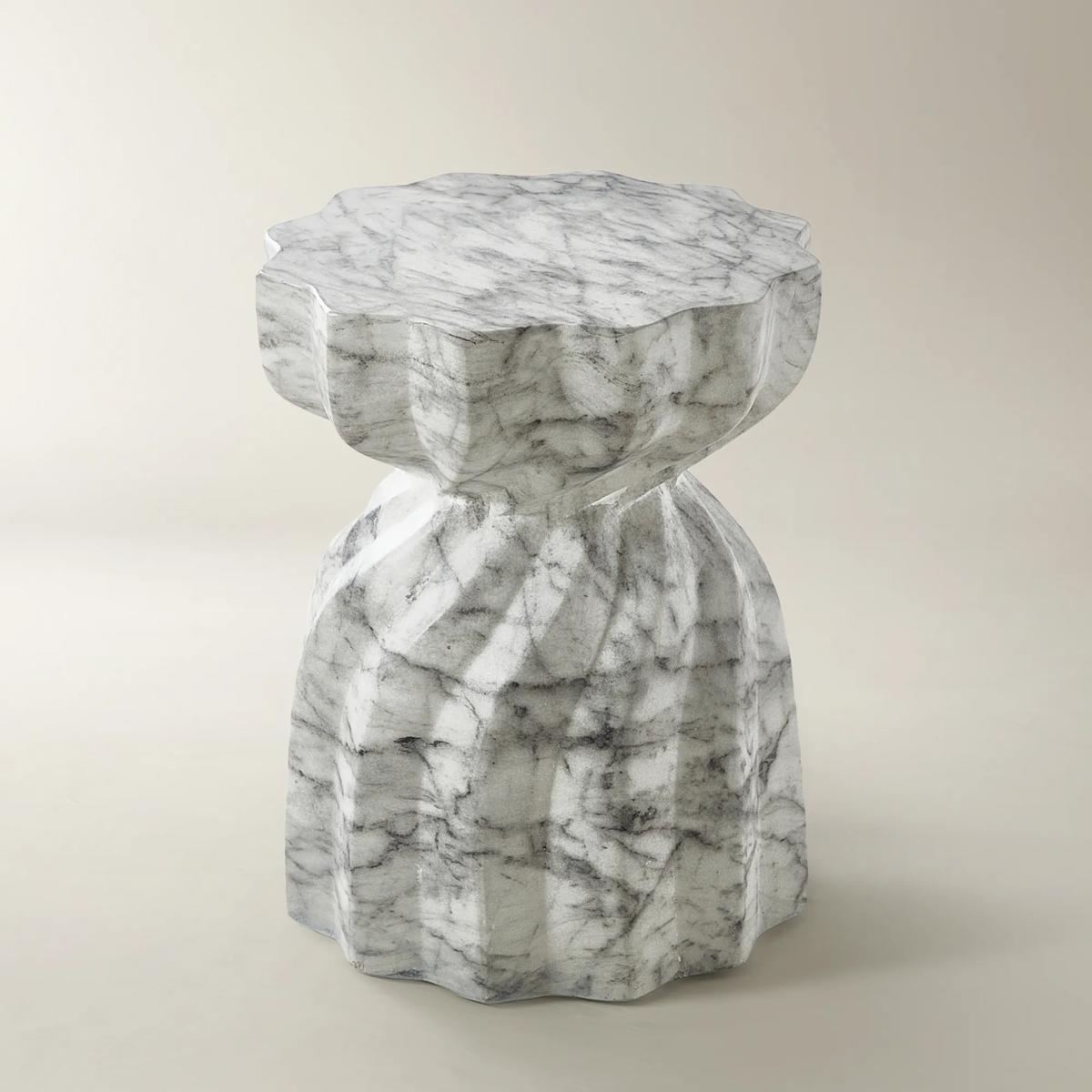
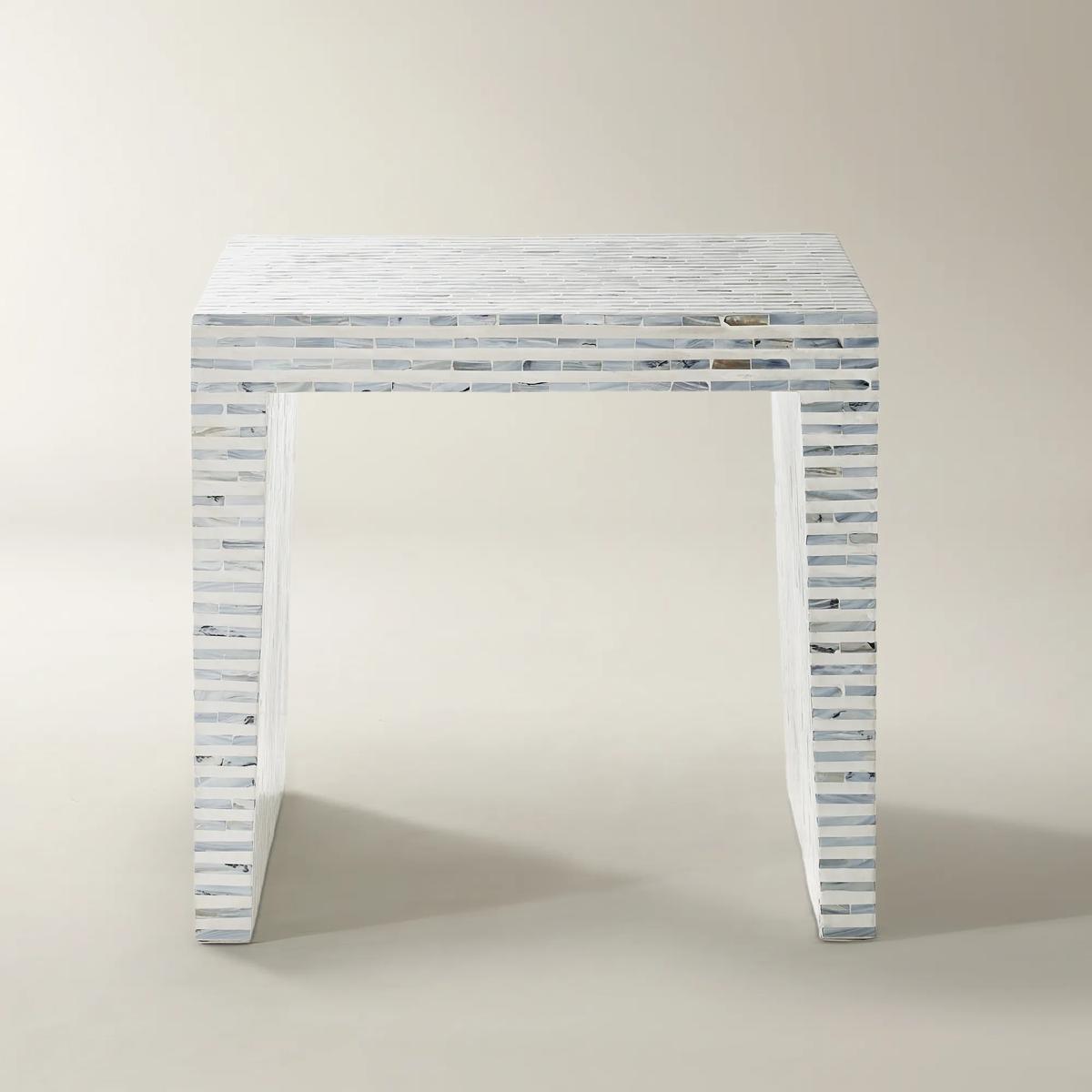
Mango Wood Accent Pieces
Mango Wood Accent Pieces
-

 Nikki Chu Female Figure Black Wood Decorative Object Set of 3$129
A striking set of three black mango wood sculptures featuring graceful, elegant female silhouettes.
Add To Cart -
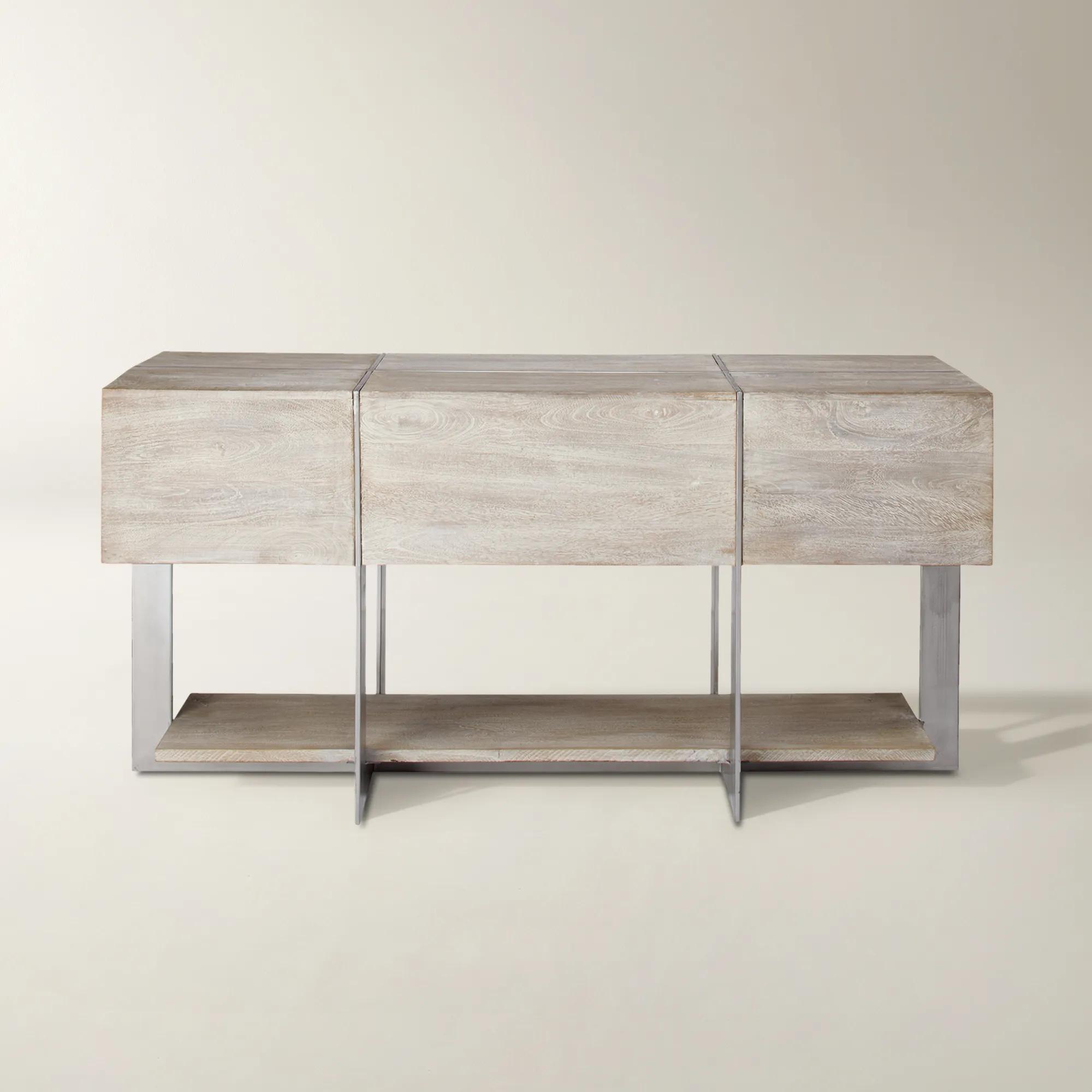
.jpg?w=1200&h=1200) Clifton Rectangular Natural Mango Wood Console Table (60")$1399
Clifton Rectangular Natural Mango Wood Console Table (60")$1399A handcrafted mango wood console table with a whitewashed finish and antiqued silver iron legs.
Add To Cart -
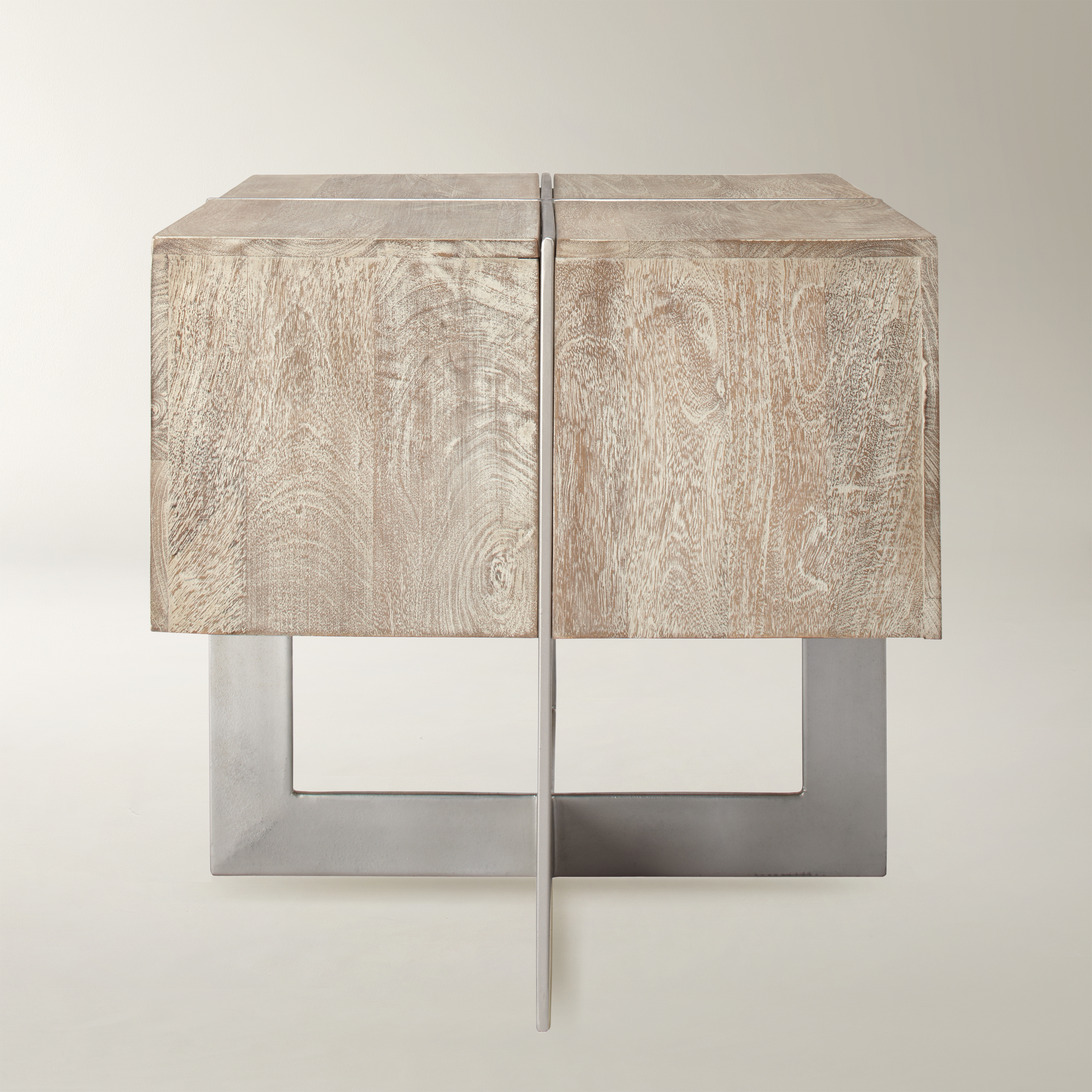
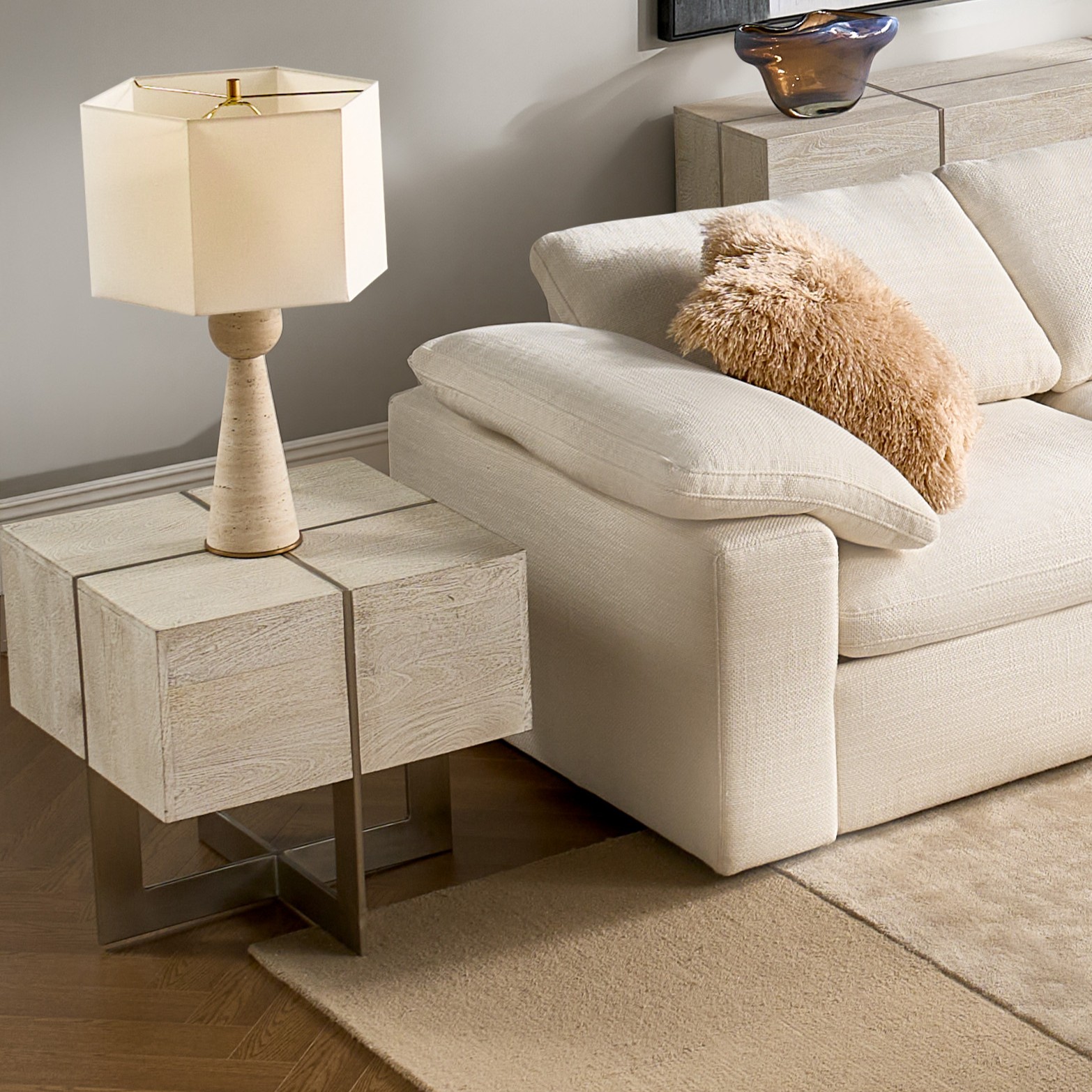 Clifton Square Natural Mango Wood End Table (24")$599
A handcrafted mango wood end table with a whitewashed finish and antiqued silver iron legs.
Add To Cart -
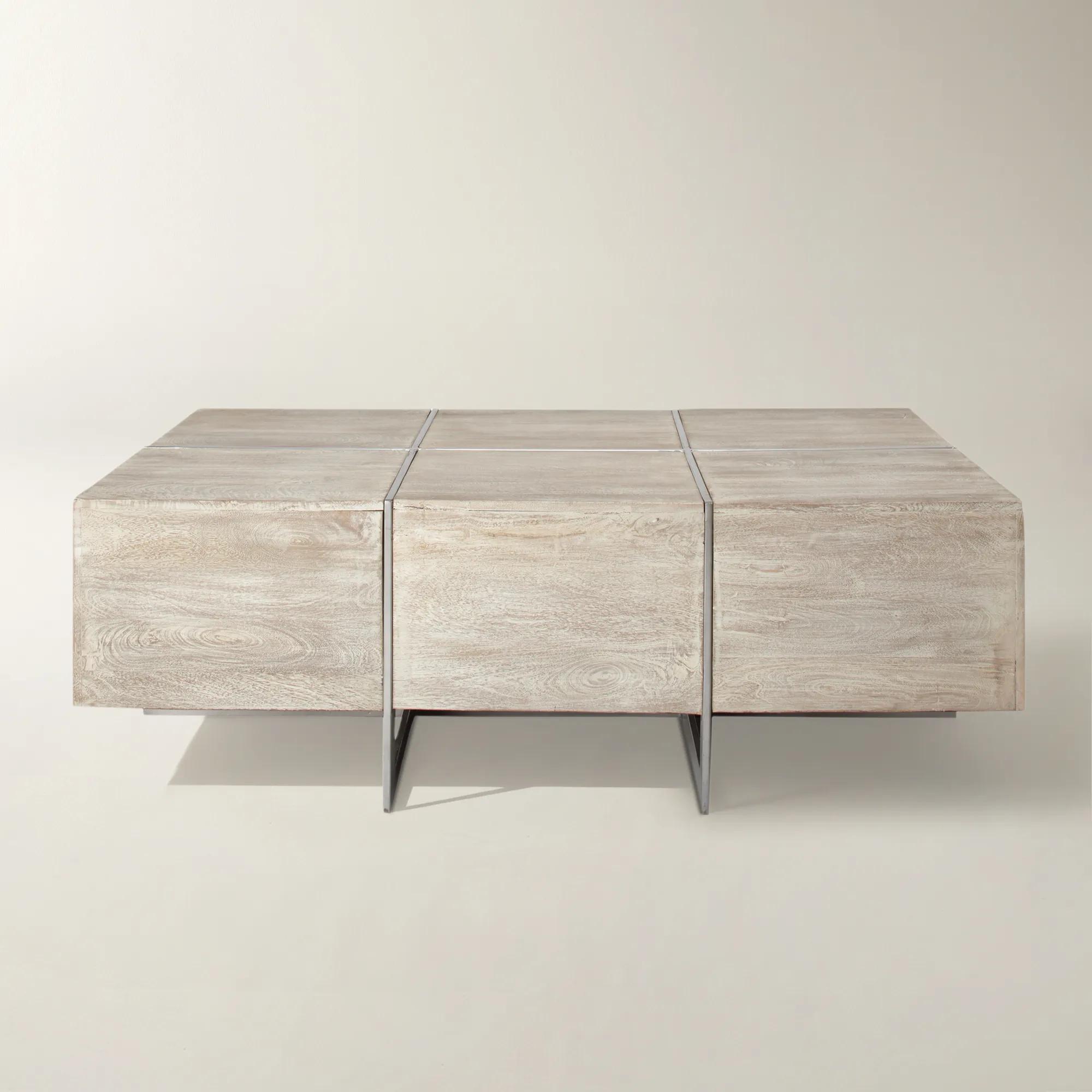
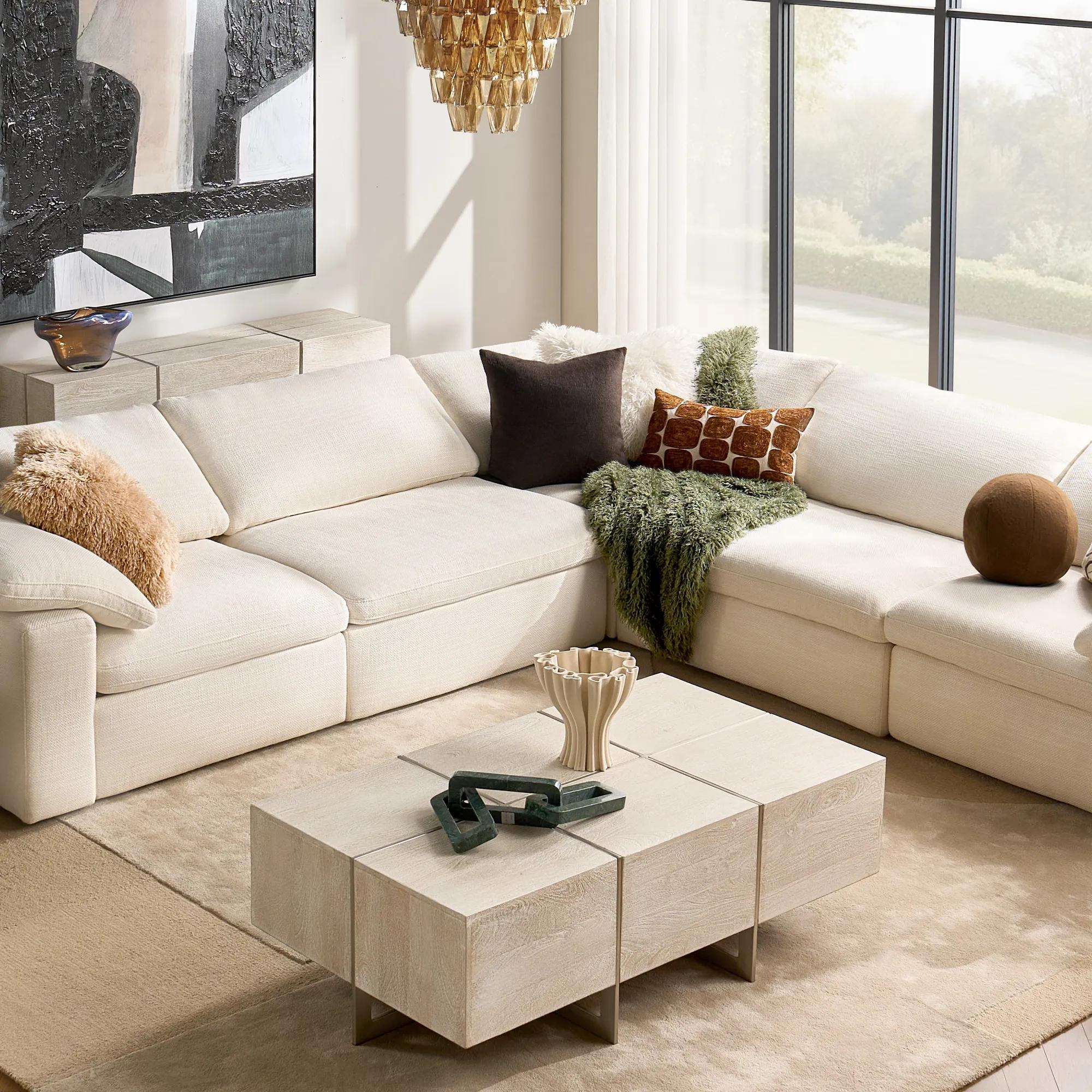 Clifton Rectangular Natural Mango Wood Coffee Table (54")$1299
A handcrafted mango wood table with a whitewashed finish and antiqued silver iron legs for organic appeal.
Add To Cart

Mango Wood Accent Pieces
Mango wood accent pieces invite a sense of artistry and warmth into every corner of your home. With their rich, organic grain and captivating character, these statement-makers transform ordinary spaces into galleries of texture and intrigue. Each piece is a celebration of natural beauty—boldly sculpted, elegantly finished, and ready to anchor your most daring vignettes. Whether you’re curating an opulent entryway or layering luxe detail into your living room, mango wood accent pieces set the stage for expressive living that’s anything but expected.
Mango wood accent pieces bring a sense of organic warmth and expressive character to a room, balancing modern silhouettes with the unmistakable beauty of natural timber. Harvested from mango trees that have reached the end of their fruit-bearing life, mango wood is valued for giving new purpose to a durable, richly grained material. Each piece reveals its own pattern, tonal variation, knots, and subtle marks, so no two accents feel entirely alike. That individuality is part of the appeal: a mango wood detail does more than fill an empty surface—it introduces texture, story, and a grounded counterpoint to polished surroundings. Use these accents to soften a room layered in glass and metal, bring warmth to a monochromatic palette, or add an organic note to a glamorous setting filled with velvet, lacquer, and luminous finishes. Sculptural forms can lend an artful presence to a console or open shelving, while functional accent furnishings can create a beautifully considered landing place beside a sofa, reading chair, or bed. The most compelling arrangements often mix scale and shape rather than relying on a matched set. A low, substantial form can anchor a vignette, while a taller, more slender accent draws the eye upward and gives the composition a sense of movement. In an entryway, mango wood can make a first impression feel collected and welcoming; in a living area, it can temper sleek upholstery with the warmth of hand-finished material. During the cooler months, its natural tone feels especially inviting, adding the visual equivalent of candlelight even when the room is simply layered with throws, books, and soft textiles.
When selecting mango wood accent pieces, consider the atmosphere you want to create as carefully as the available surface or floor space. Lighter finishes tend to complement airy neutrals, natural linens, creamy upholstery, and relaxed tonal interiors, while deeper stains bring richness to jewel tones, charcoal, dramatic patterned rugs, and rooms with a more enveloping mood. Look closely at proportion as well. An accent intended for a console should leave enough breathing room around surrounding objects, and a piece placed beside seating should sit at a comfortable height for everyday use. For smaller rooms, sculptural tabletop accents can provide dimension without overwhelming the floor plan; in open spaces, a more substantial accent can help define a conversation area and make generous square footage feel intentional. Consider the relationship between materials, too. Mango wood paired with gleaming metal creates a striking contrast between earthy texture and modern polish. Set against transparent glass, its grain becomes the visual focus, while plush boucle, velvet, leather, or woven textiles can make the entire arrangement feel more sumptuous. These accents are equally at home in a carefully styled dining space, a quiet home office, or a bedroom where layered materials create a more personal retreat. A thoughtfully chosen piece can also make a distinctive gift for someone settling into a new home, refreshing a first apartment, or building a collection of objects that reflect an artistic point of view. For a more intimate styling moment, explore Bedroom Accent Pieces to carry the same sense of warmth and sculptural detail into a private space. Whether selected for a design enthusiast or someone who appreciates beautifully made essentials, mango wood offers a giftable quality because its natural variation feels personal rather than mass-produced.
Care is simple, but thoughtful handling helps preserve the character of mango wood for years to come. Dust surfaces gently with a soft, dry cloth, following the direction of the grain, and wipe occasional spills promptly with a lightly damp cloth before drying thoroughly. Avoid abrasive cleaners, harsh chemicals, soaking, and prolonged exposure to standing water, as excess moisture can affect the finish and the wood itself. Direct, intense sunlight may gradually alter natural tones, so placing pieces away from strong, constant rays can help maintain their original depth and variation. For decorative accents, rotate their placement from time to time to keep a room feeling fresh and to prevent one area from receiving all the wear. Functional pieces deserve the same consideration: use coasters beneath beverages, protective layers beneath warm serving items, and felt pads beneath objects that may shift across the surface. The goal is not to hide every mark—natural wood gains character through a lived-in home—but to care for it in a way that respects its craftsmanship. Arrange mango wood with intention: let its grain remain visible, give sculptural forms room to breathe, and repeat a related tone elsewhere in the room through a frame, woven textile, or warm metallic finish. The result is an interior that feels layered rather than staged, richly detailed without becoming crowded, and unmistakably individual. From bright, open rooms to moody spaces designed for lingering, mango wood accent pieces offer a versatile foundation for expressive styling, bringing the tactile beauty of nature into a home that is meant to be lived in and admired.
FAQ List
Mango wood accent pieces are celebrated for their striking grain patterns, rich color variations, and sustainable origins. Harvested as a byproduct of the fruit industry, mango wood is both eco-friendly and exceptionally durable. Its natural luster and intricate swirls lend a sense of artistry and warmth to any room, making each piece a one-of-a-kind statement in modern and contemporary interiors.
Mango wood’s organic textures and warm tones offer a beautiful contrast to sleek, modern lines and minimalist palettes. These pieces infuse contemporary spaces with depth and character, serving as sculptural focal points or grounding elements within a room. Their versatility allows them to blend seamlessly with metallics, glass, and bold textiles, creating a layered and expressive look.
Absolutely. Mango wood accent pieces make thoughtful and luxurious gifts for housewarmings, weddings, or milestone celebrations. Their timeless appeal, unique craftsmanship, and eco-conscious story resonate with recipients who appreciate both style and substance. Each piece feels personal and enduring, destined to become a cherished part of any home.
Decorative wood accent pieces are perfect for ushering in a new season. In late summer and early autumn, the golden hues and tactile surfaces of mango wood echo the warmth of the changing light. Whether used to anchor a tablescape, highlight a mantel, or create a cozy reading nook, these accents add richness and dimension, transforming everyday spaces into curated retreats.
Mango wood accent pieces shine in every room—from a statement bowl on the dining table to a hand-carved sculpture on a bookshelf or a textured tray in the entryway. Layer them with glass, metallics, or lush textiles to create visual interest. Use them to introduce organic shapes and natural warmth, or let them stand alone as works of art that celebrate craftsmanship and individuality.
-0.jpeg?w=3936&h=3936)
-compressed.jpg?w=3614&h=3614)
.jpeg?w=4043&h=4043)