Low Maintenance Faux Greenery
Low Maintenance Faux Greenery
-
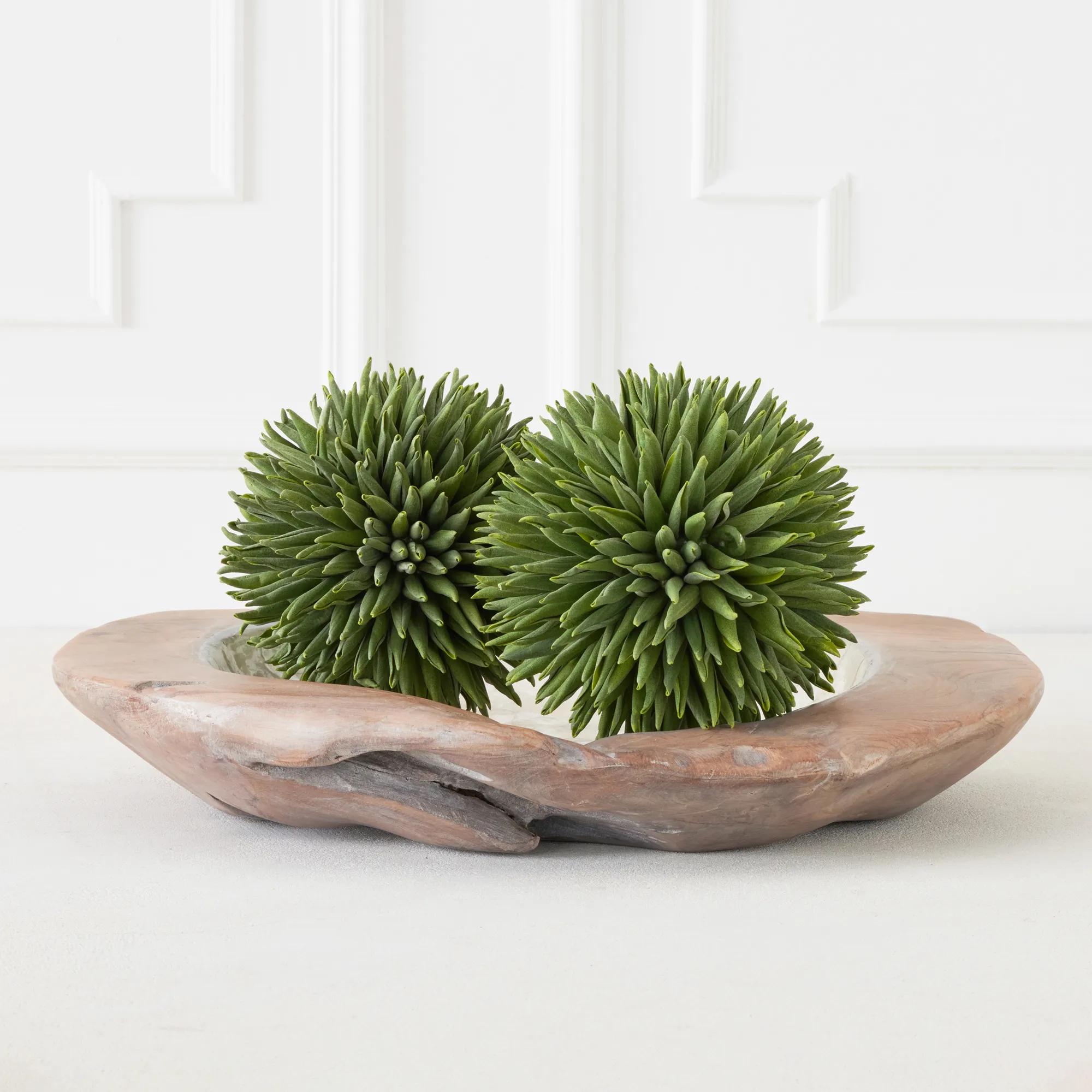 Faux Green Allium Sphere 7" Set of 3$59
A set of three lifelike foam green faux floral spheres that stay vibrant without water or sunlight.
Add To Cart -
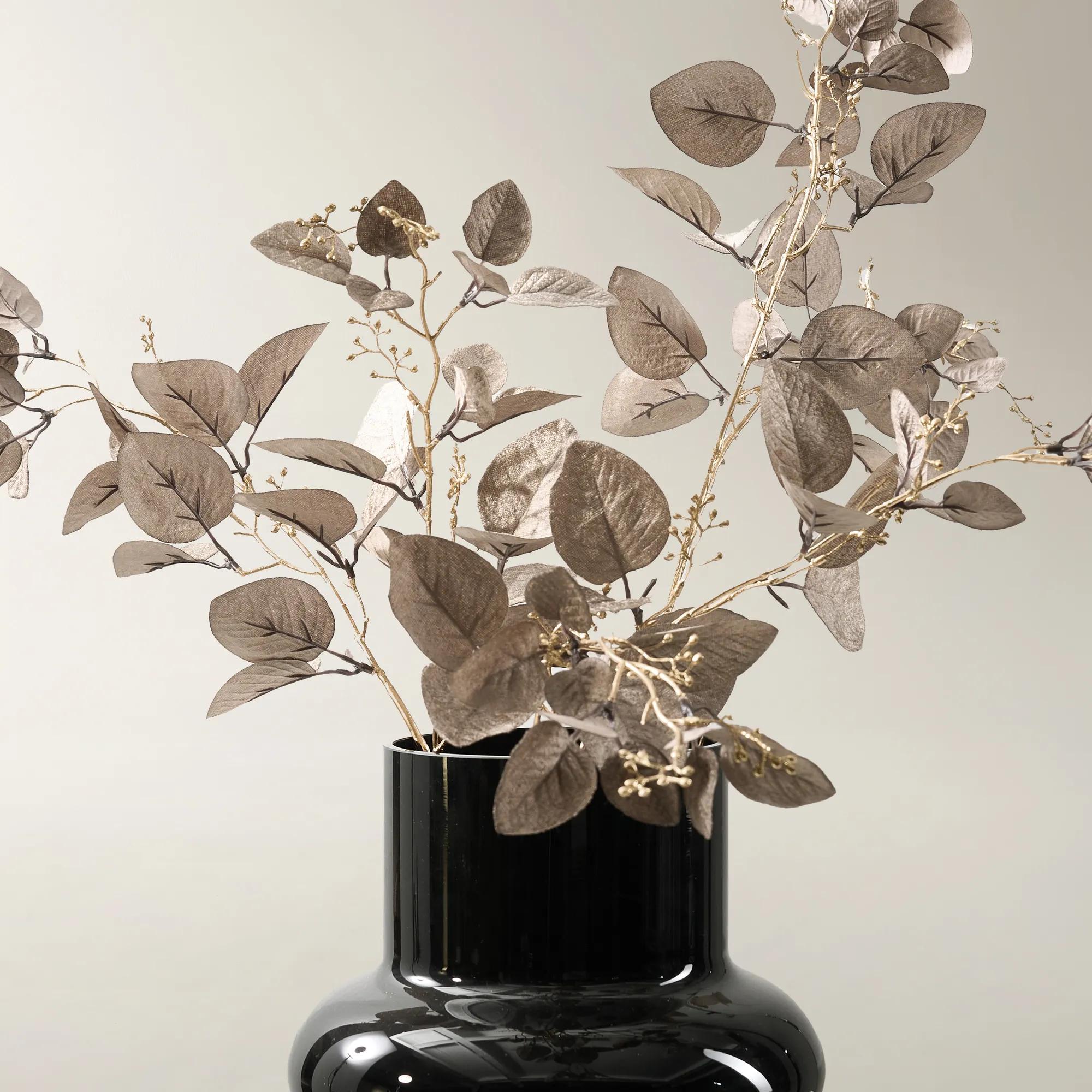 Faux Champagne Shimmer Eucalyptus Spray 32" Set of 3$49
A set of three antique champagne faux eucalyptus sprays adds metallic warmth and airy texture to arrangements.
Add To Cart -
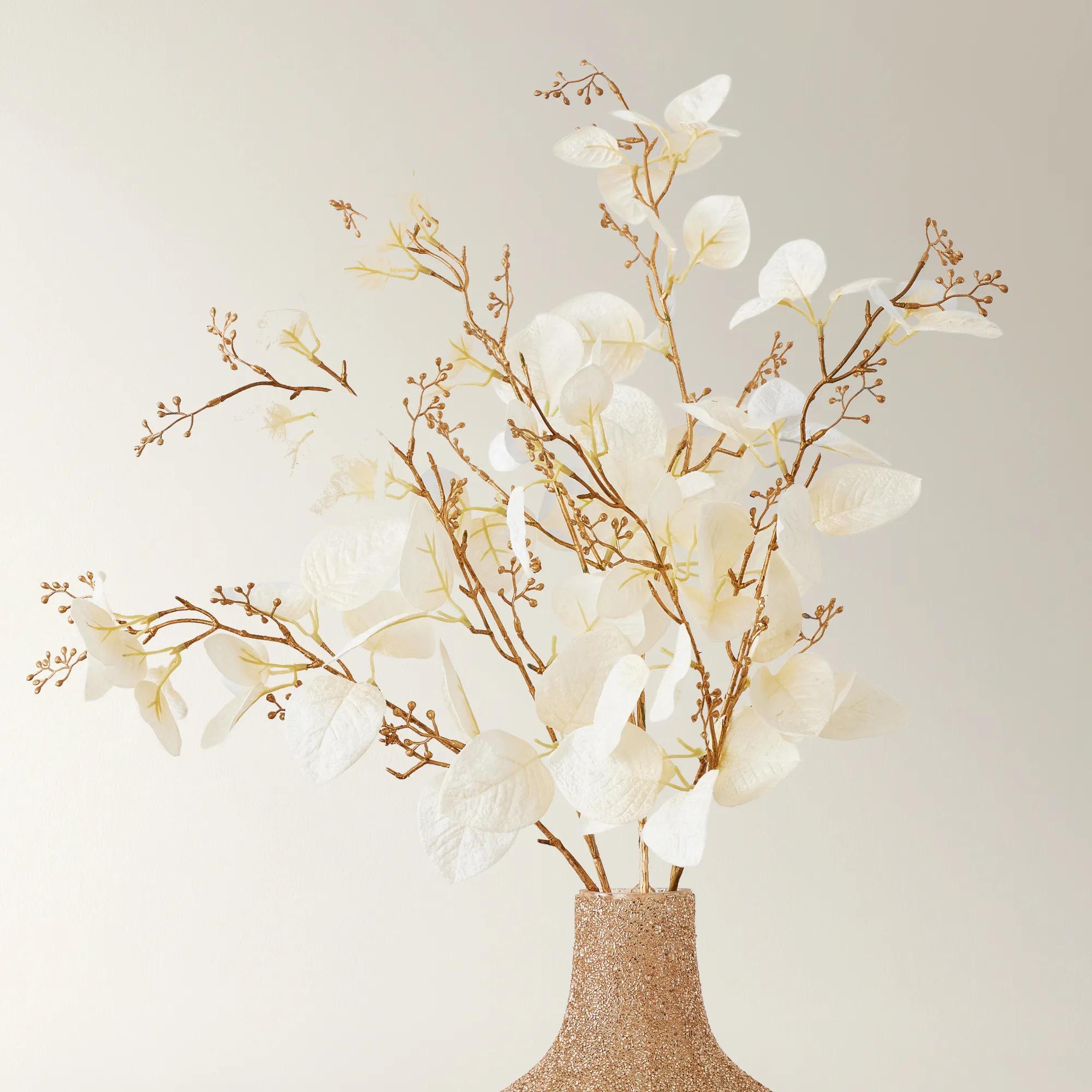 Faux Ivory/Gold Eucalyptus Spray 32" Set of 3$49
A trio of ivory-and-gold polyester eucalyptus sprays adds luminous, dimensional texture to botanical arrangements.
Add To Cart -
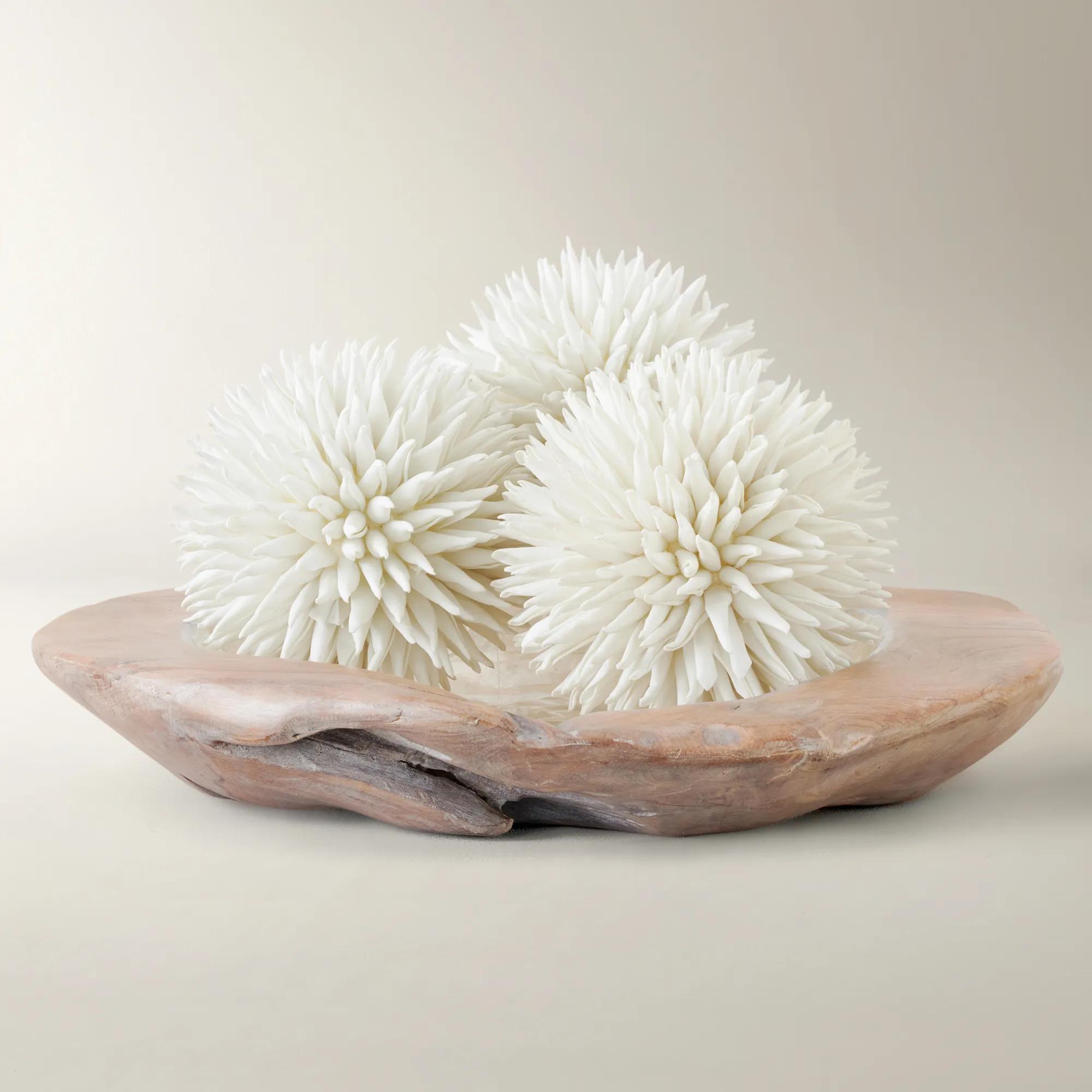
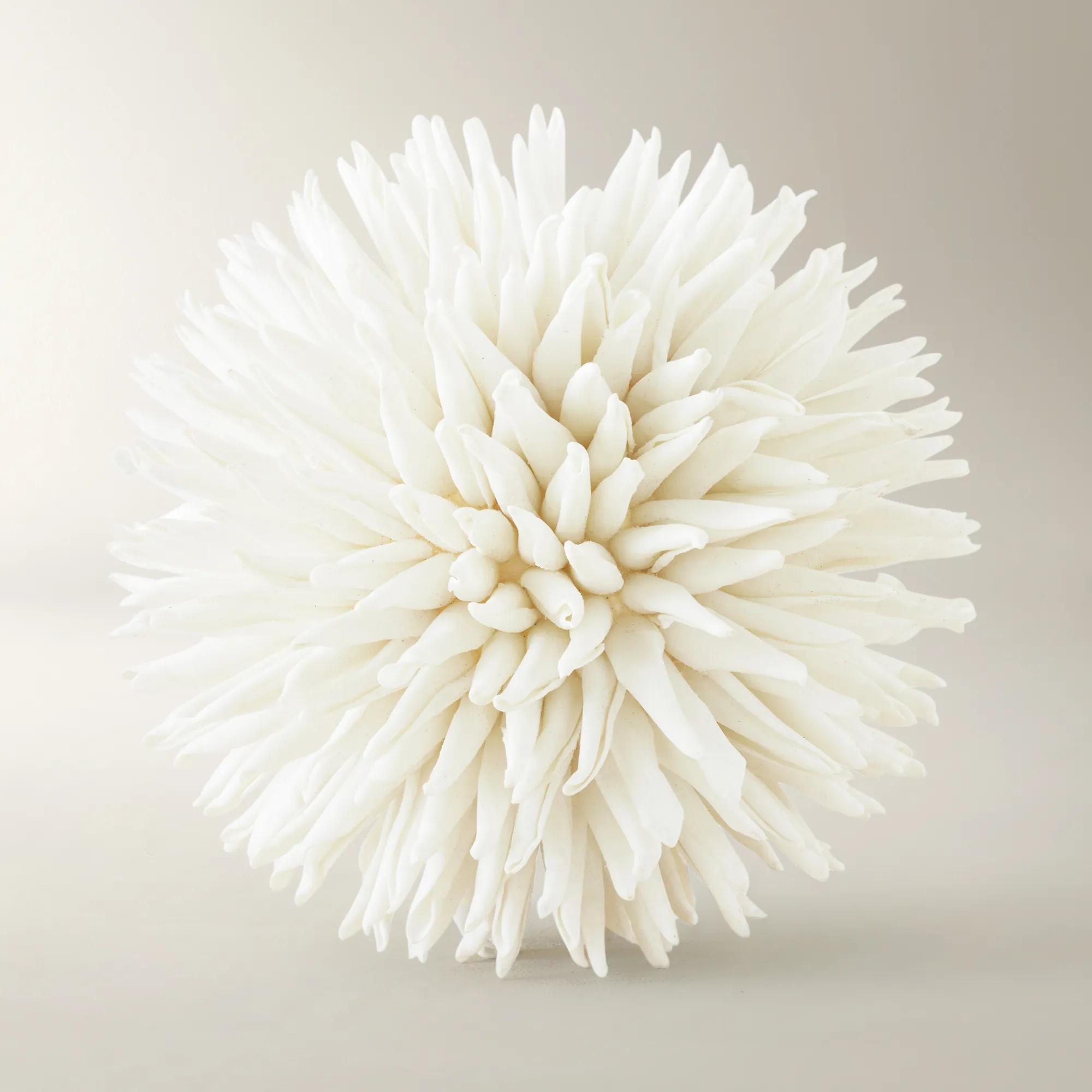 Faux White Allium Sphere 7" Set of 3$59
A set of three foam white faux floral spheres that stay vibrant year-round without water or sunlight.
Add To Cart -
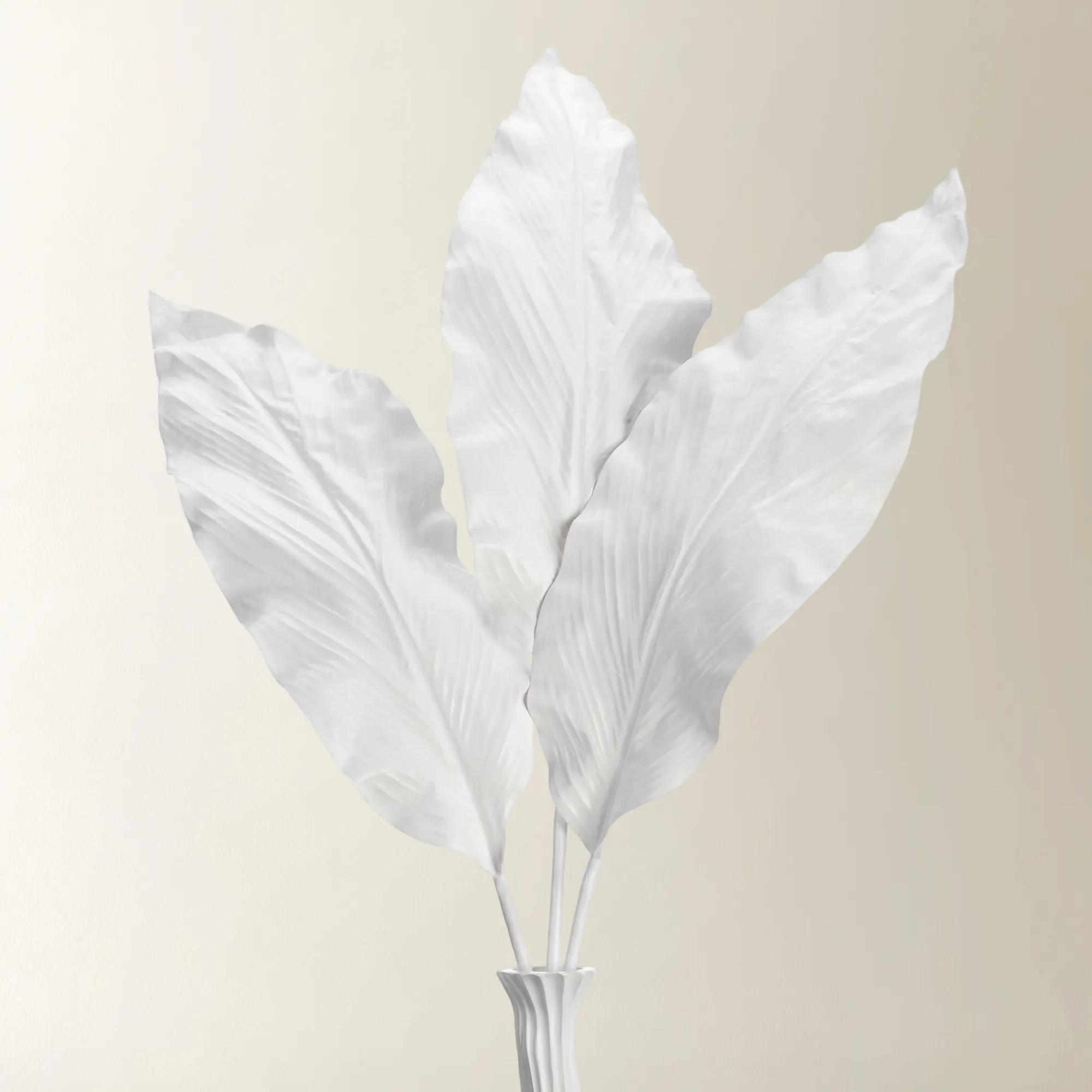
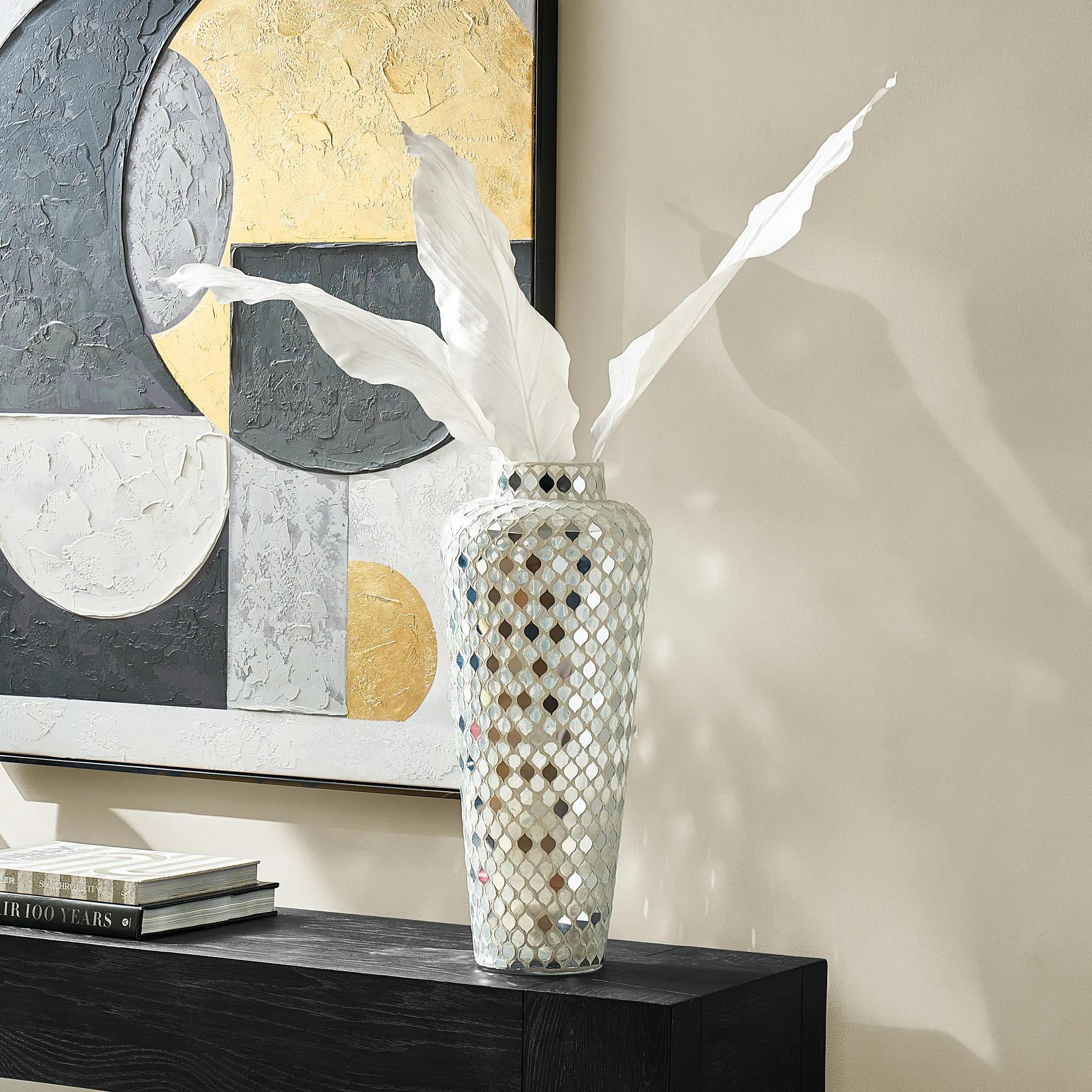 Faux White Canna Leaf Branch 38" Set of 3$49
A set of three white decorative branches inspired by the elegant foliage of the Canna plant.
Add To Cart -
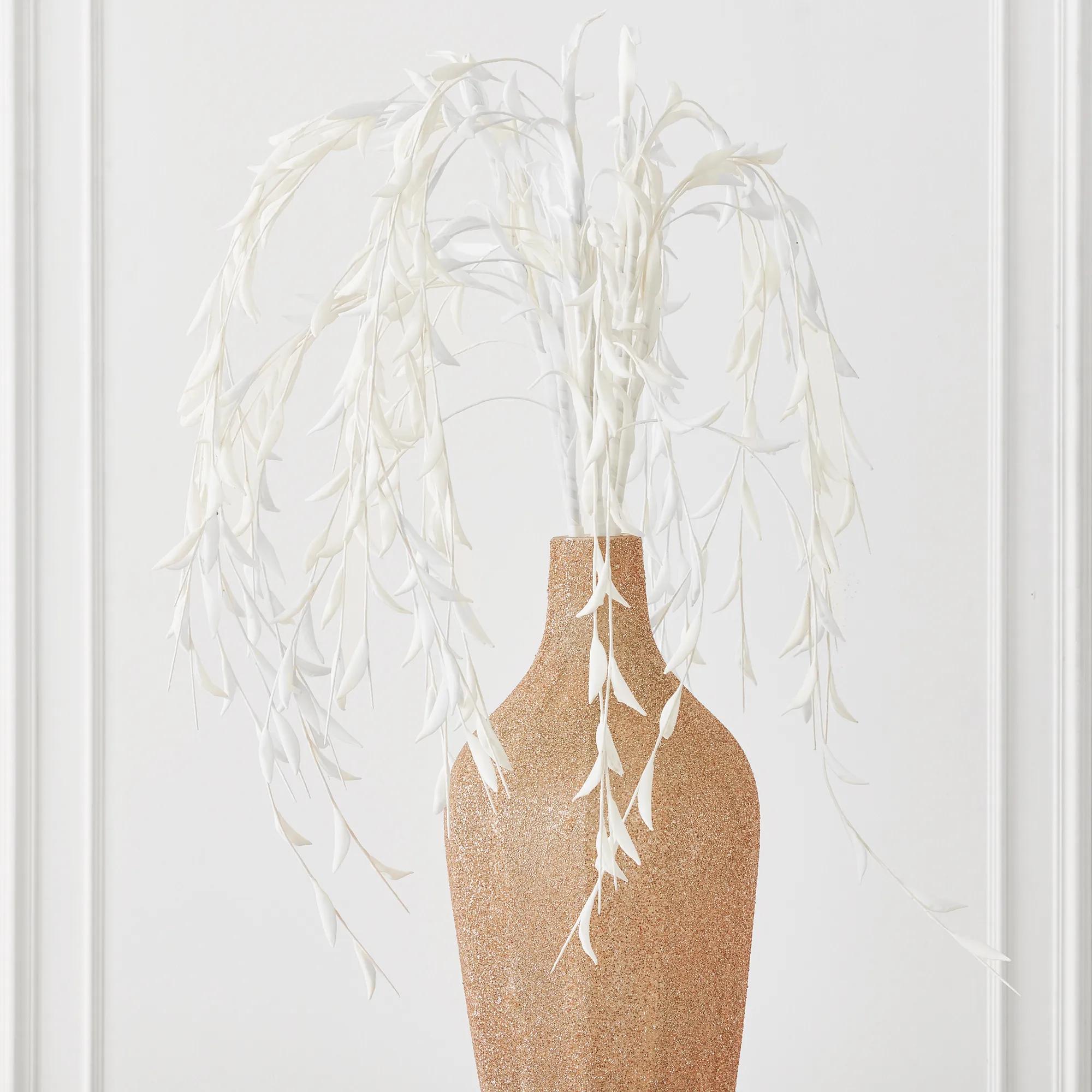 Faux Weeping Willow Spray Set of 3$59
A set of three faux weeping willows with delicate white foam branches for enchanting decor.
Add To Cart -
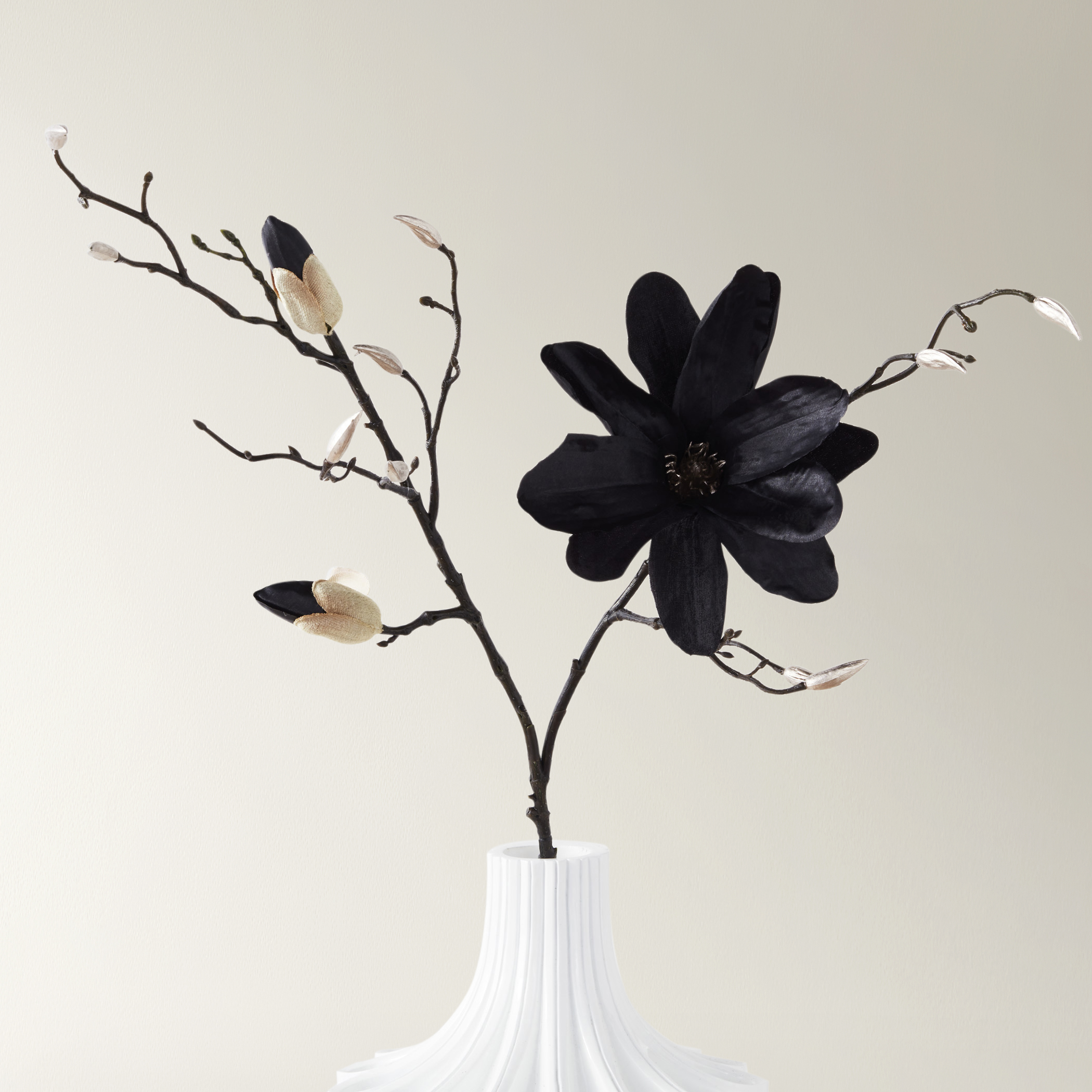 Faux Black & Gold Magnolia Stem 33" Set of 3$59
A set of three lifelike black polyester magnolia sprays that add dramatic height to any decor.
Add To Cart -
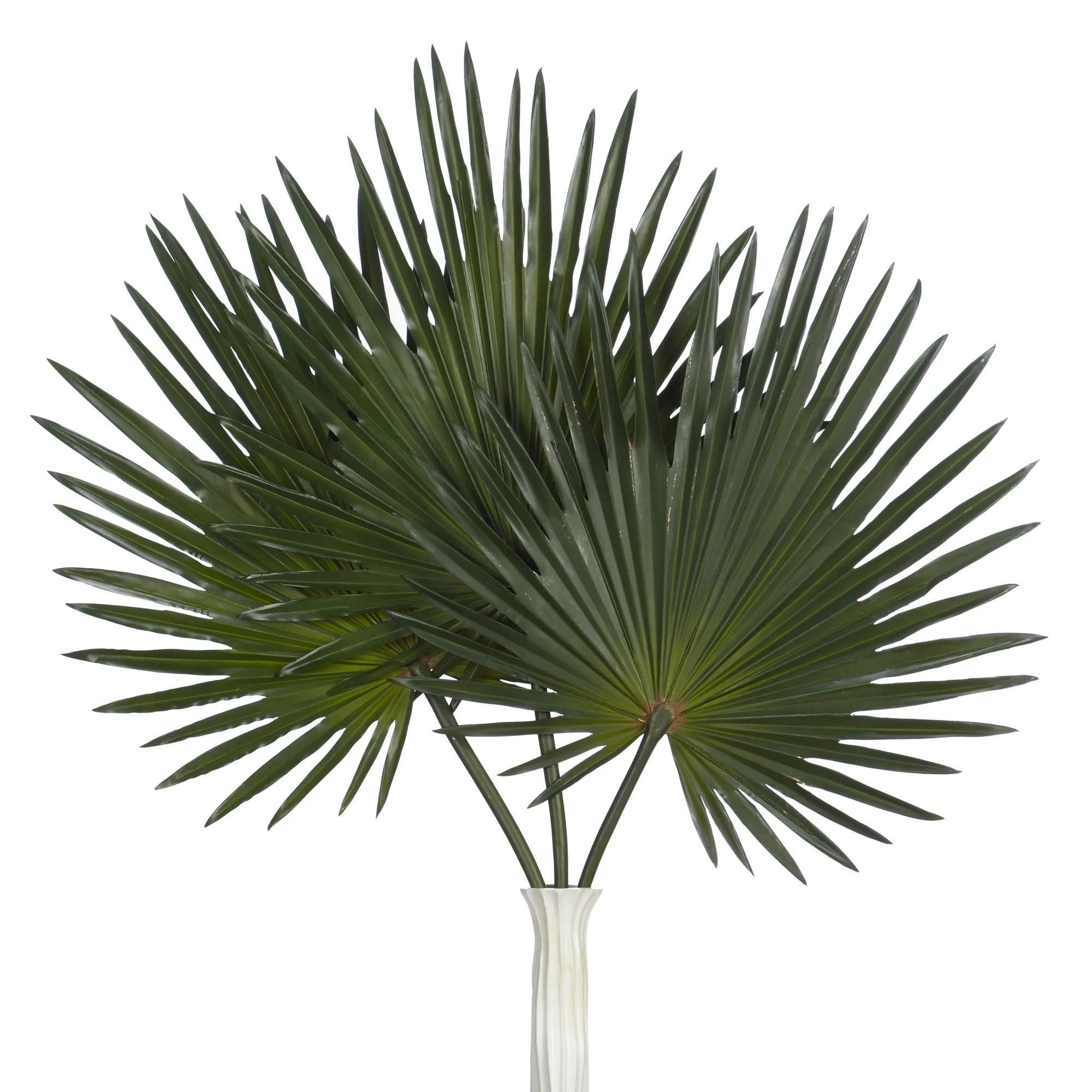
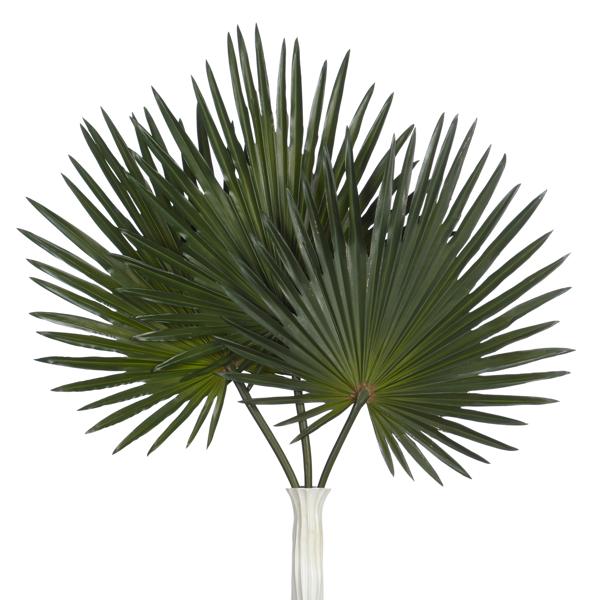 Faux Green Palm Stem 40" Set of 3$69
A set of three green polymer palm stems with flexible wire for easy, artistic arranging.
Add To Cart -
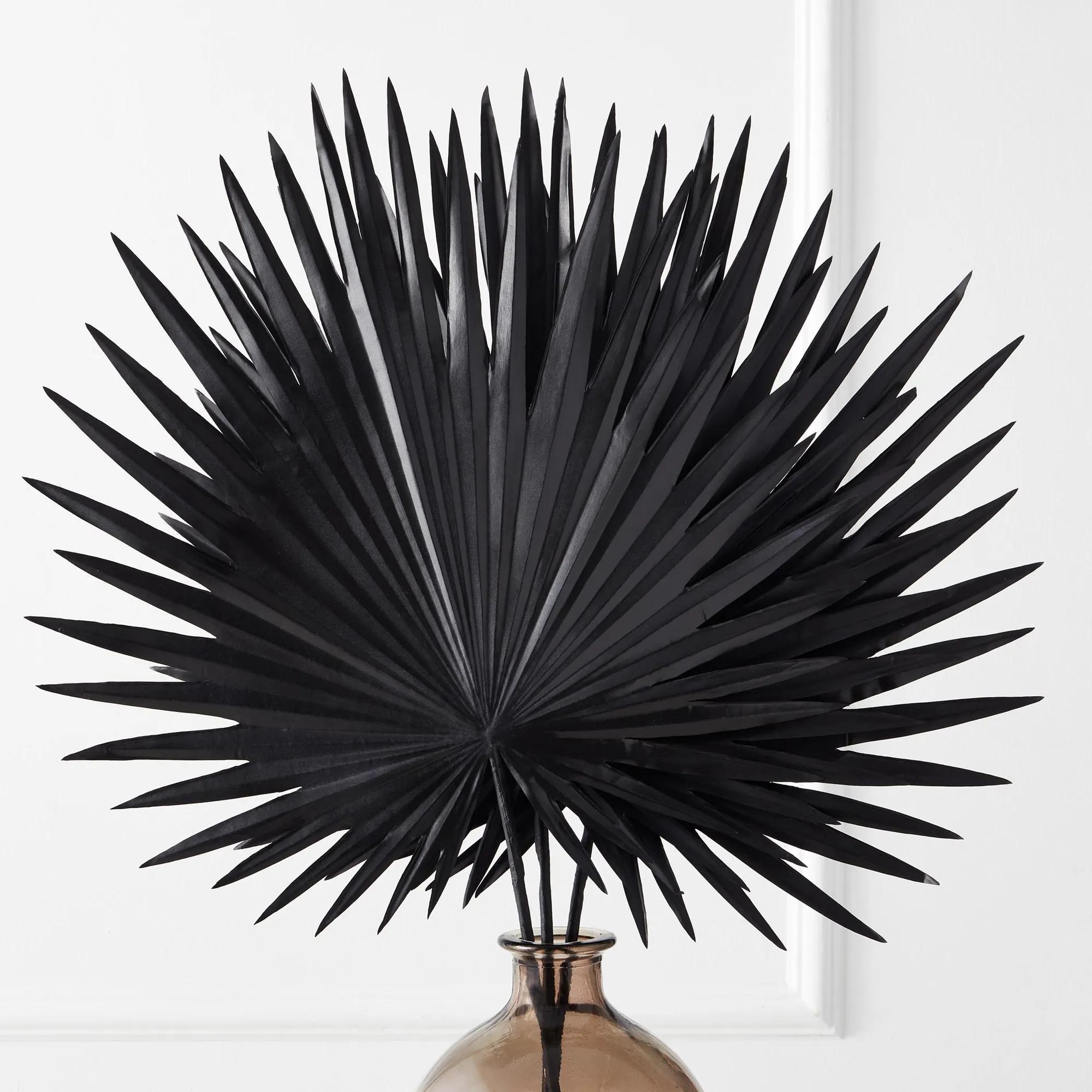
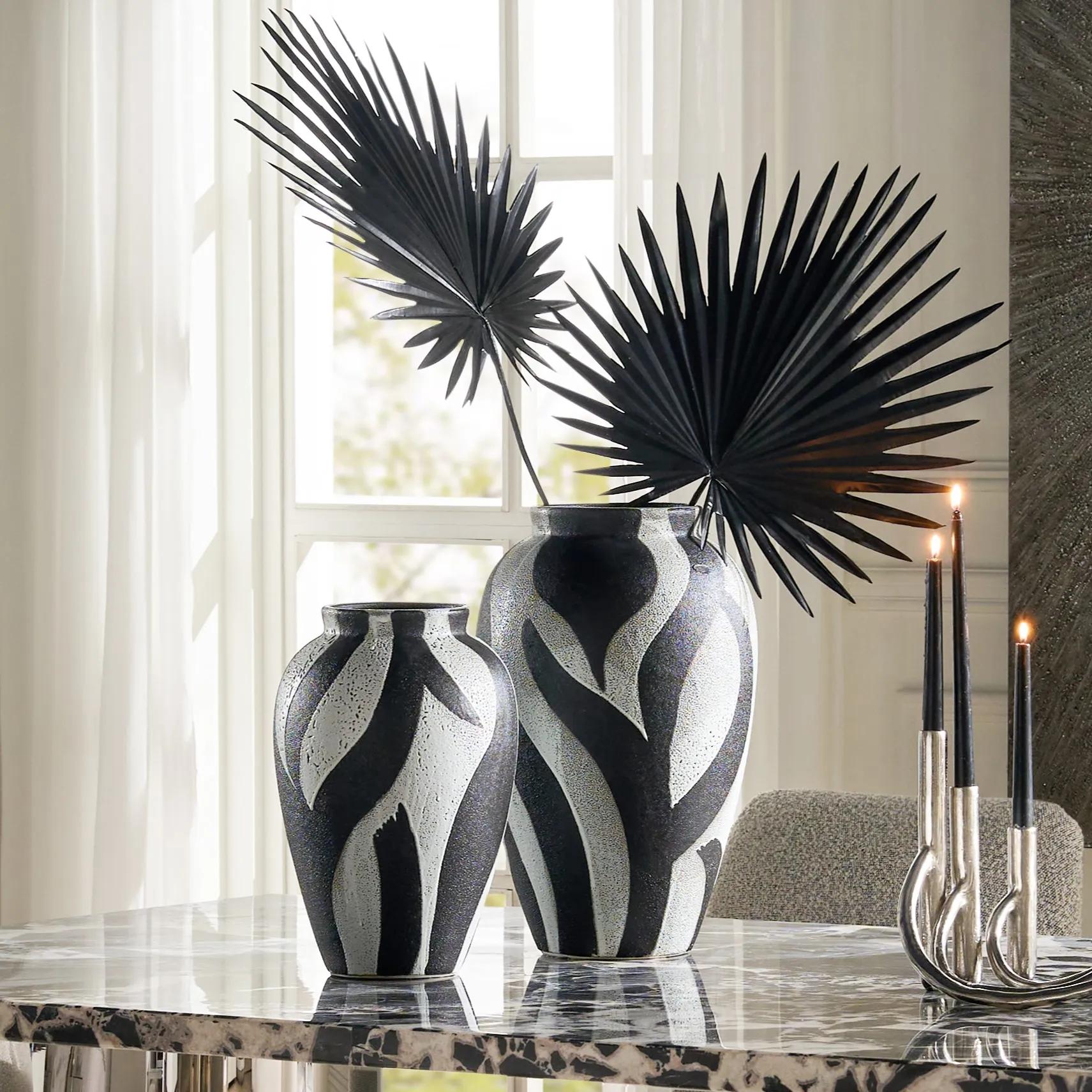 Faux Black Palm Stem 40" Set of 3$69
A set of three black faux palm stems with flexible wire for easy, artistic arranging.
Add To Cart -
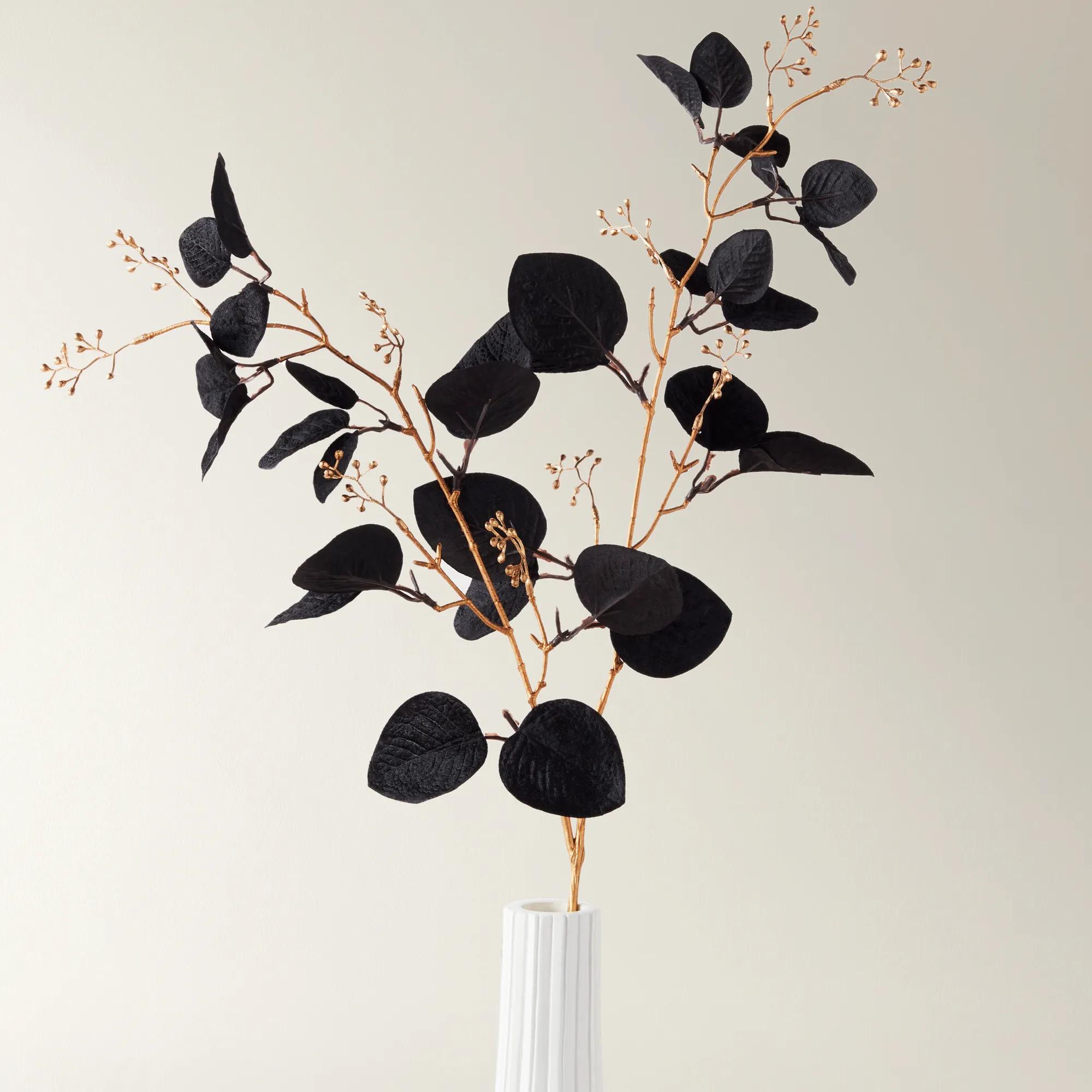
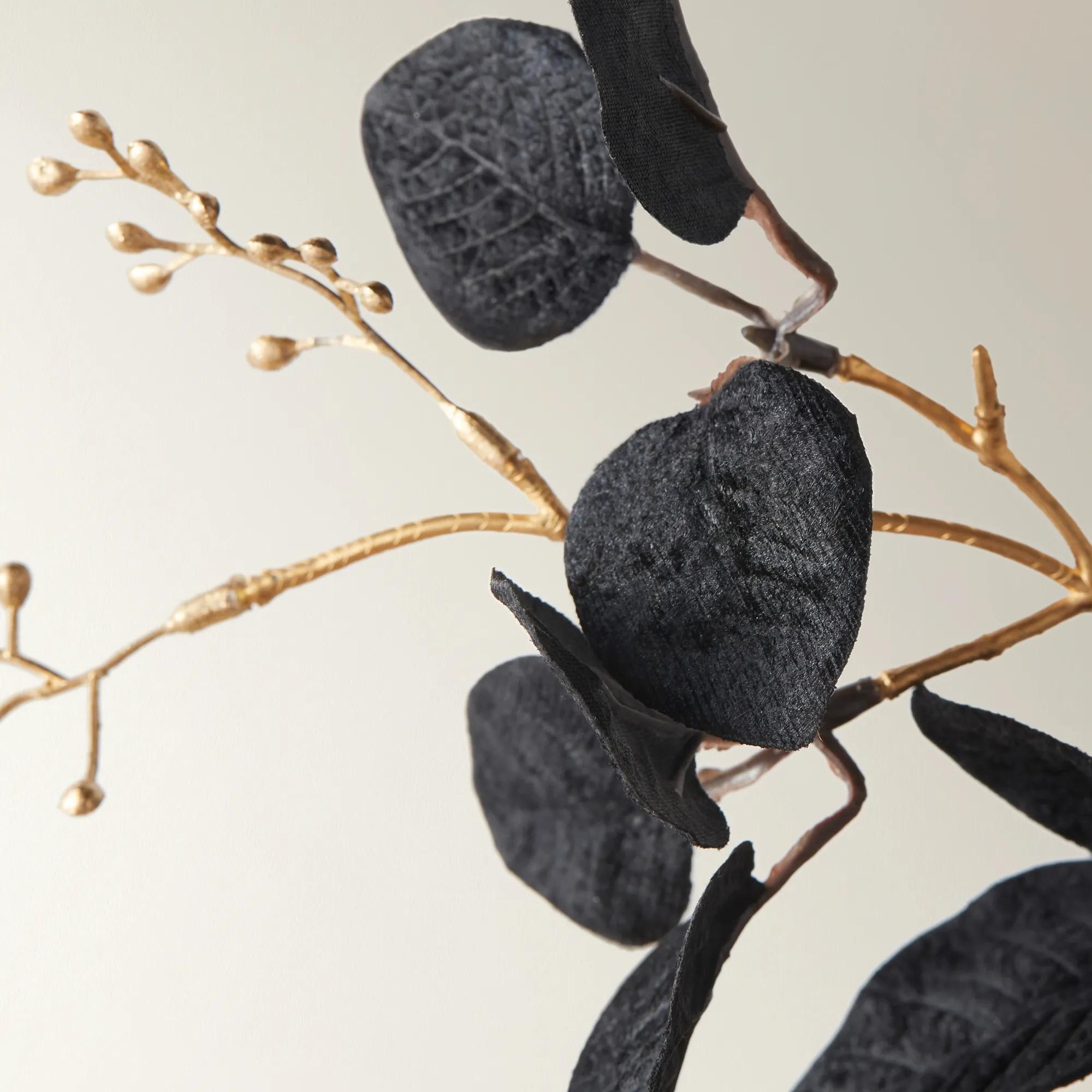 Faux Black/Gold Eucalyptus Spray 32" Set of 3$49
A set of three black-and-gold faux eucalyptus sprays crafted from durable plastic for sculptural seasonal arrangements.
Add To Cart -
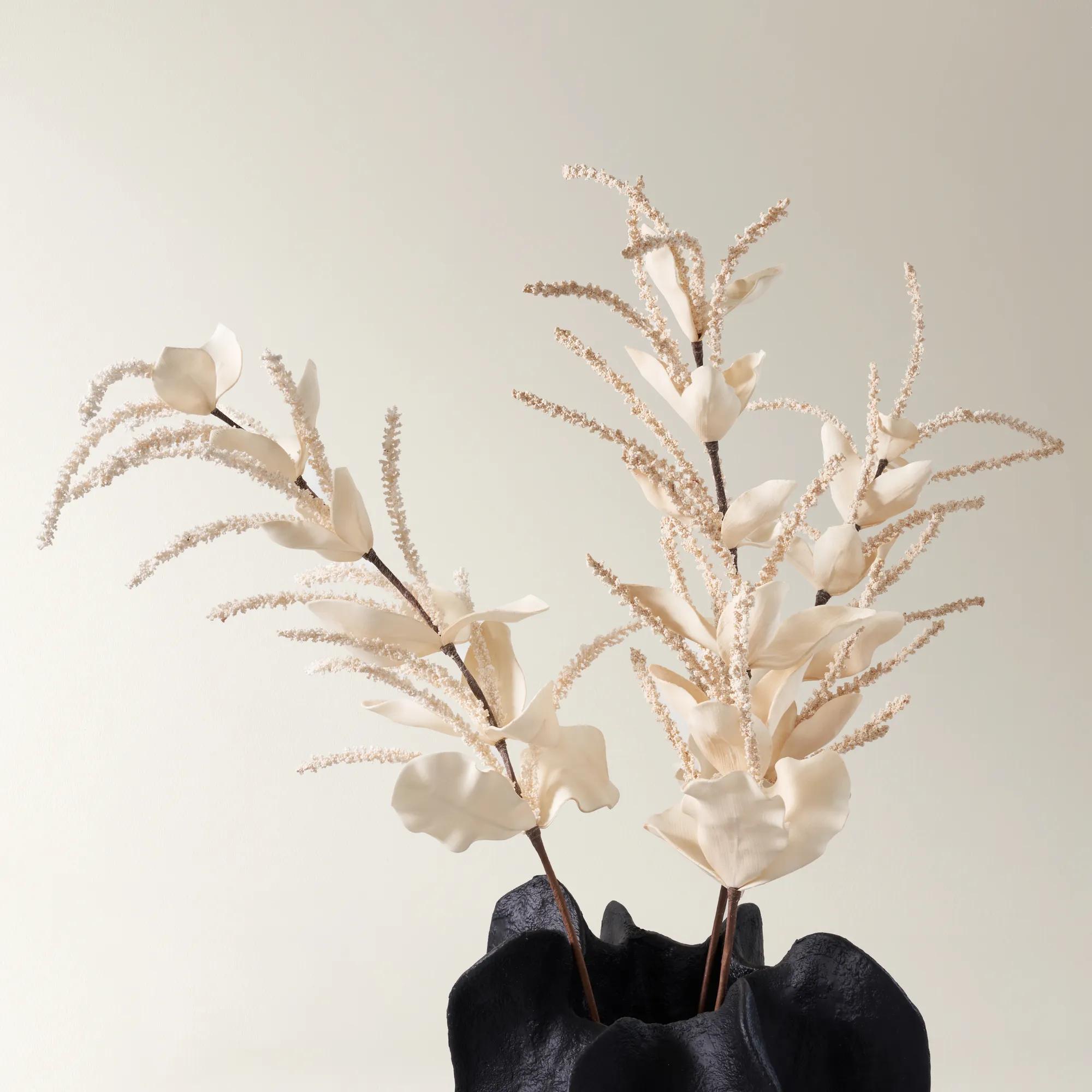 Faux Cream Weeping Spray 50" Set of 3$59
A set of three lifelike sprays in earthy beige and brown tones for a natural, elegant accent.
Add To Cart -
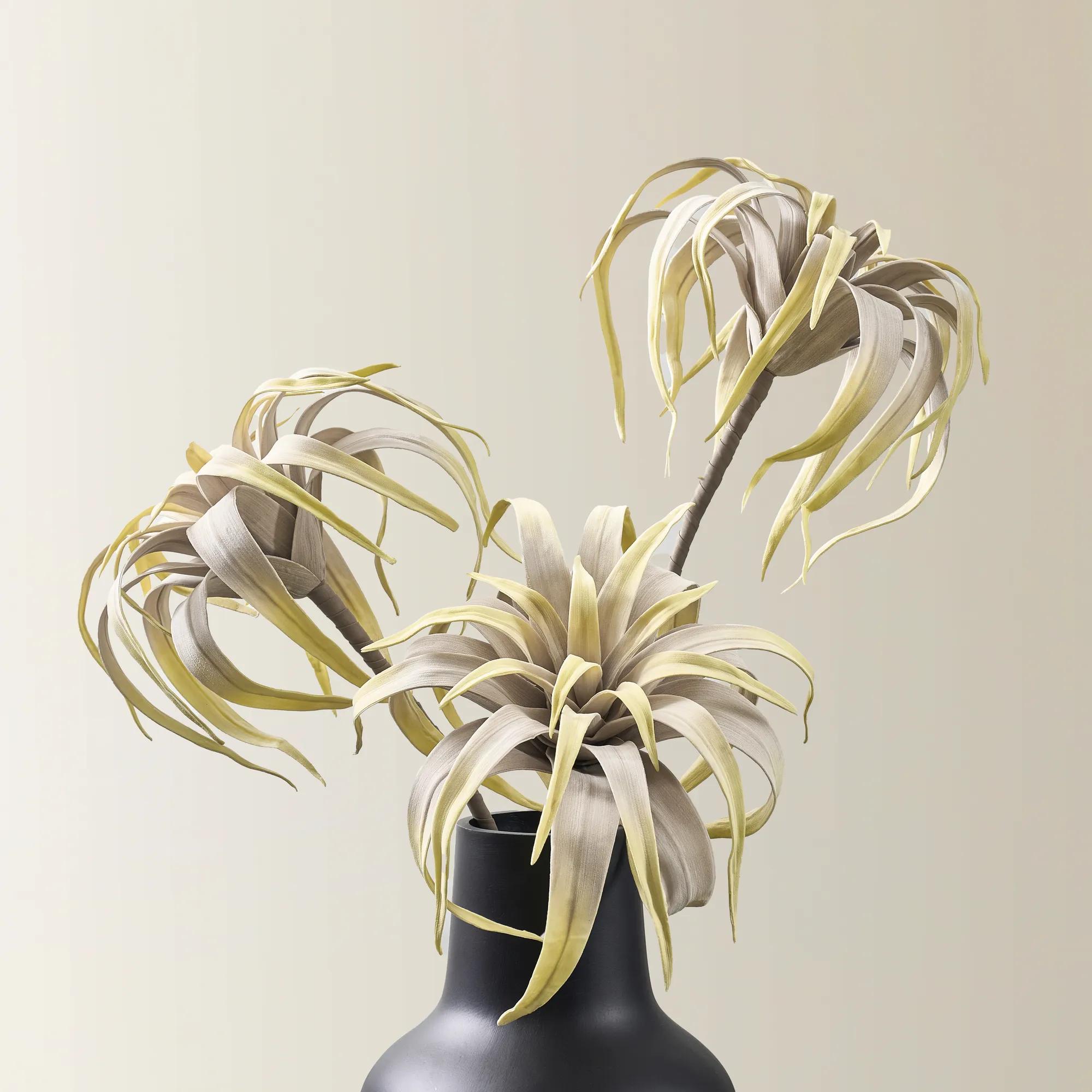 Faux Dusty Blush Large Airplant Stem 35.5" Set of 3$49
A set of three sculptural faux airplant stems in soft dusty blush foam for modern decorative arrangements.
Add To Cart -
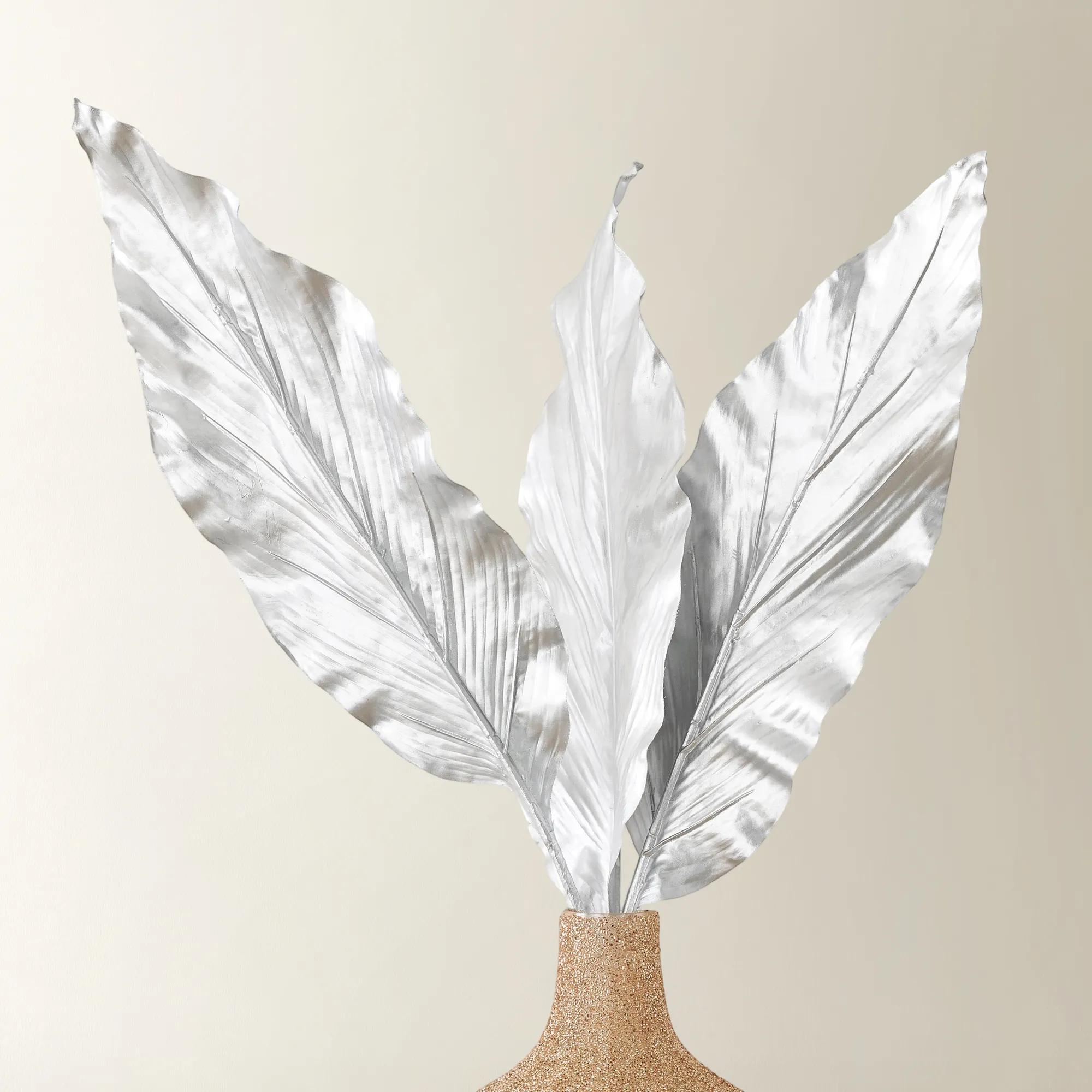
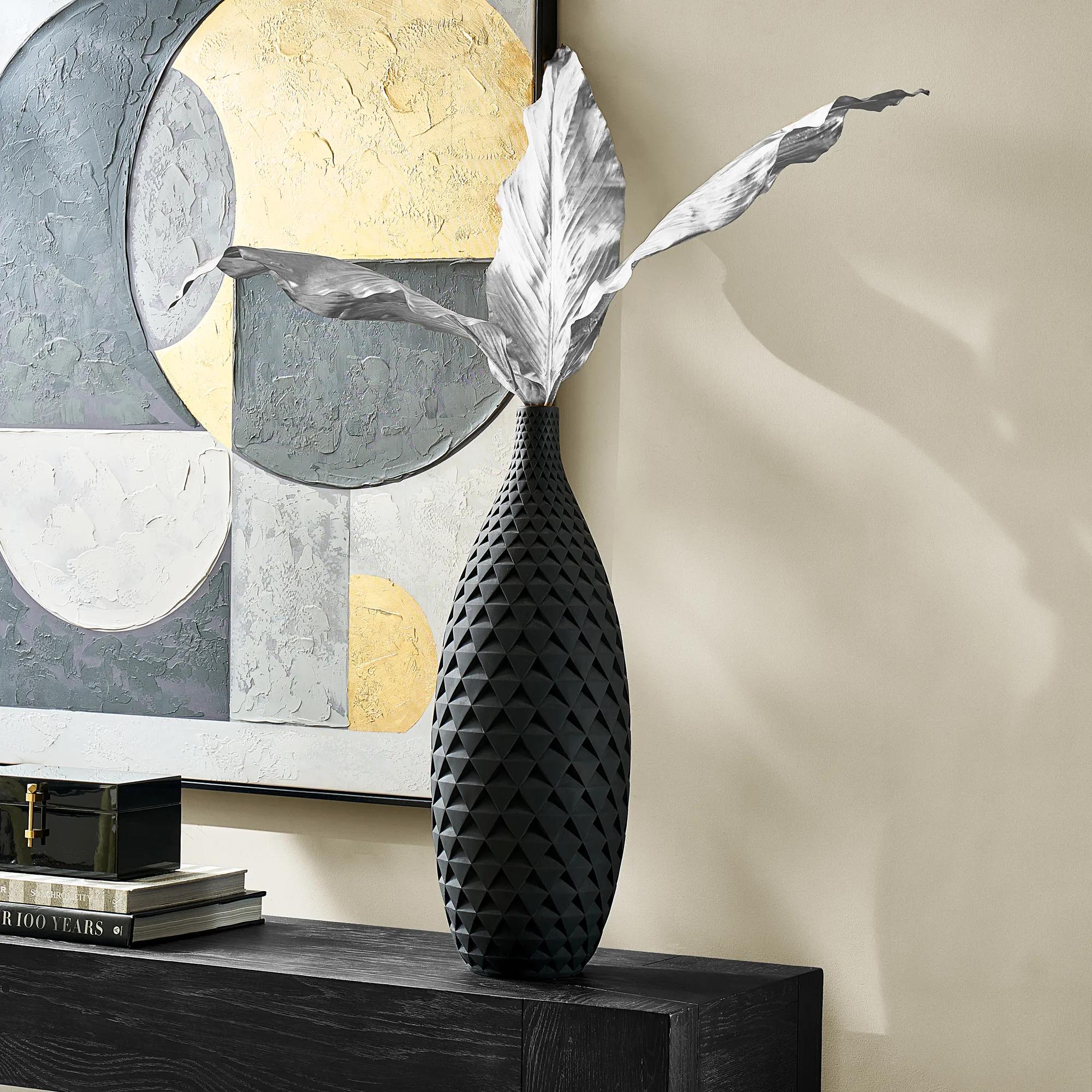 Faux Silver Canna Leaf Branch 38" Set of 3$49
A set of three silver metallic leaves inspired by the Canna plant for modern seasonal décor.
Add To Cart -
 Faux White Magnolia Stem 40" Set of 3$79
A set of three lifelike faux magnolia stems in creamy white polyester for timeless floral elegance.
Add To Cart -
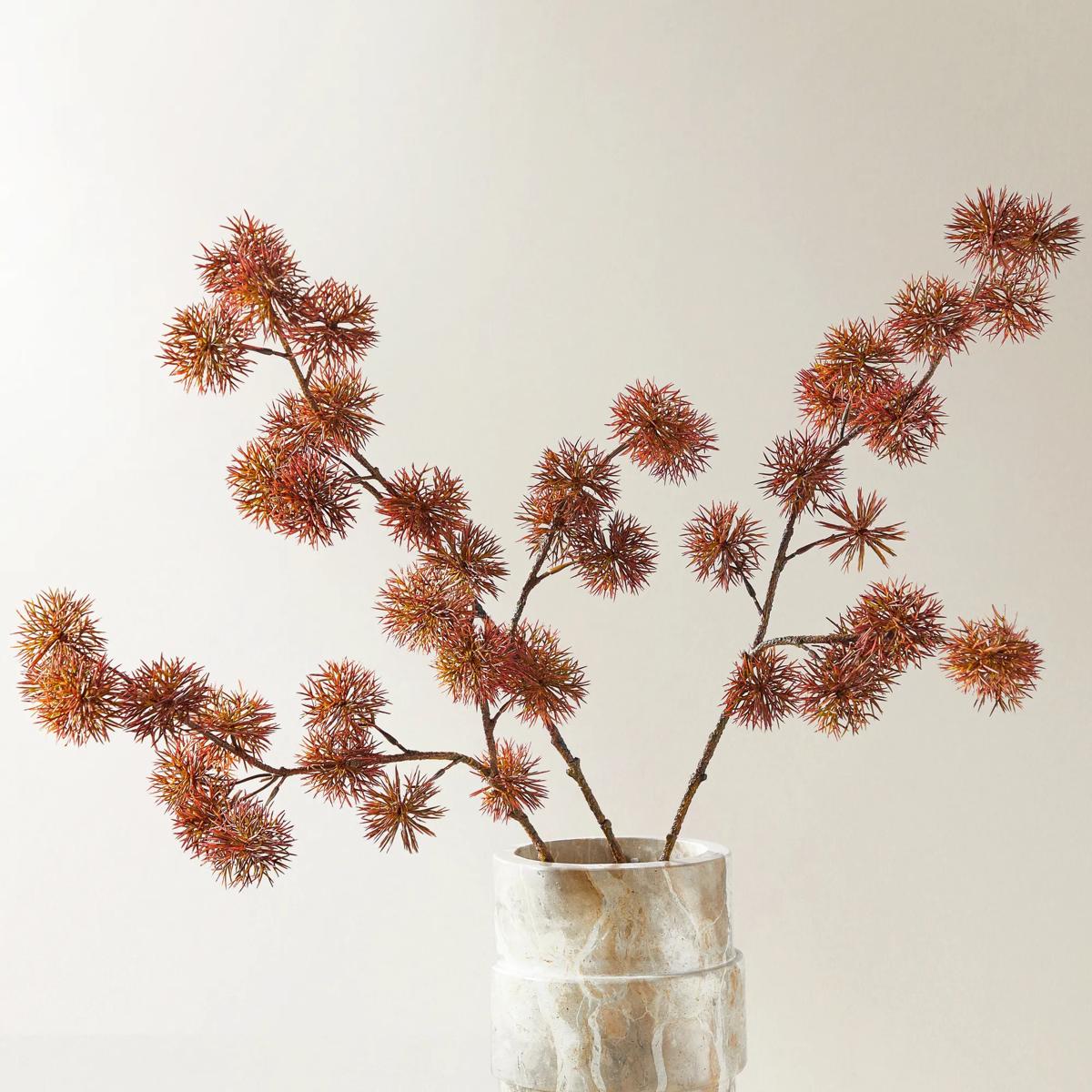
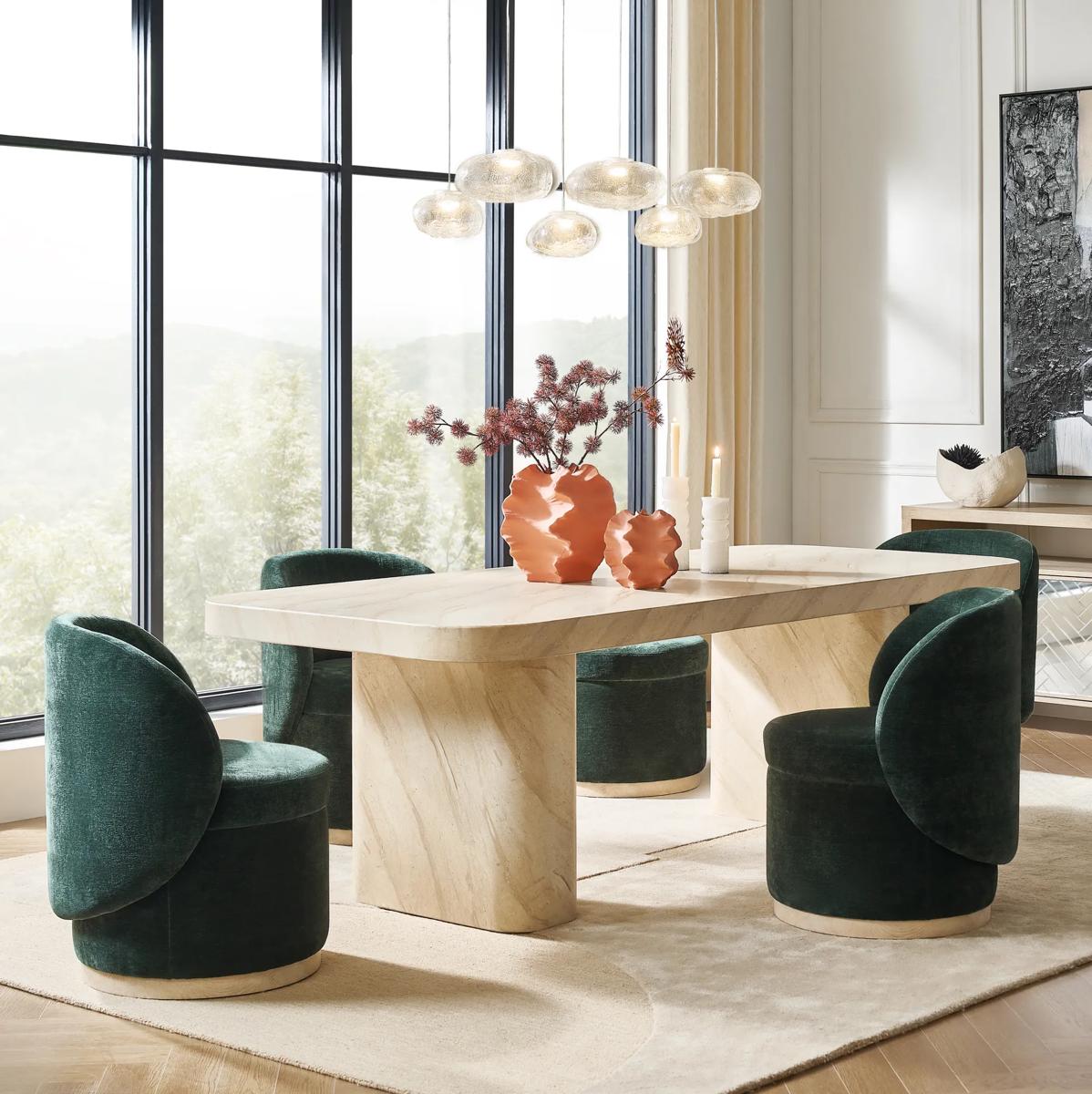 Faux Rust Brown Fall Thistle Stem 27" Set of 3$49
A set of three faux thistle stems in warm rust-brown tones adds sculptural autumnal texture to arrangements.
Add To Cart -

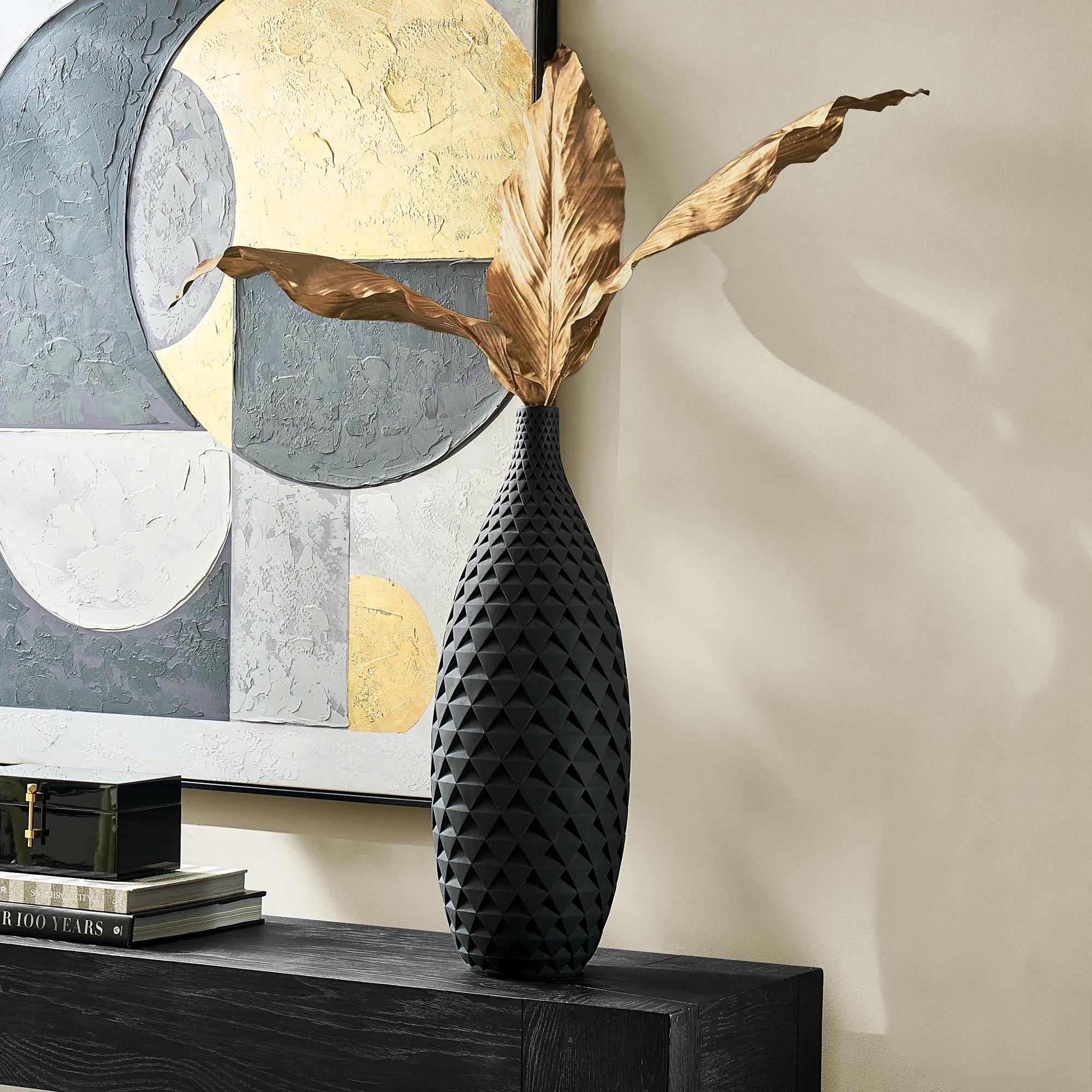 Faux Gold Canna Leaf Branch 38" Set of 3$49
A set of three golden metallic branches inspired by Canna leaves for a modern, autumnal accent.
Add To Cart -
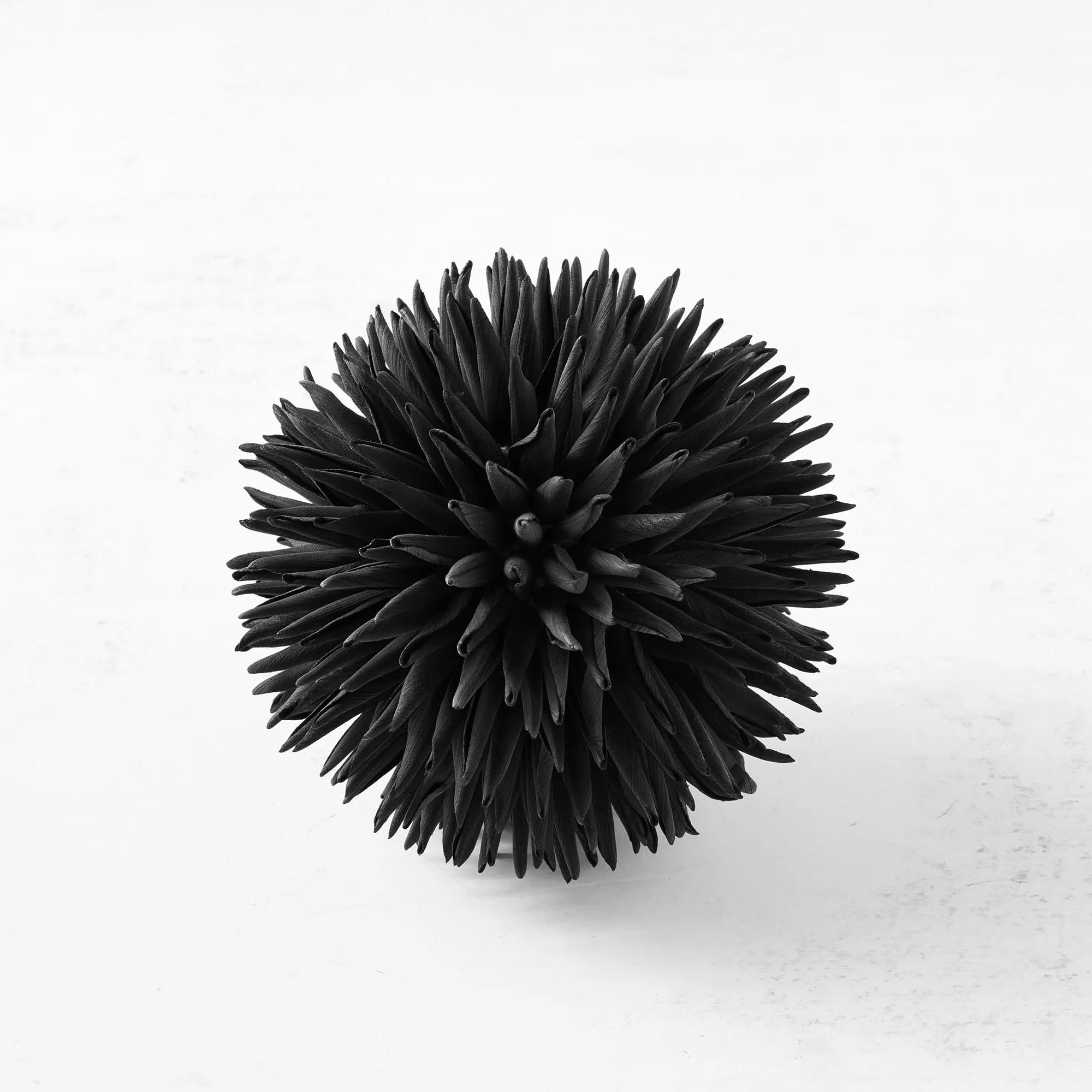 Faux Black Allium Sphere 7" Set of 3$59
A set of three lifelike black faux allium spheres crafted from foam for effortless, year-round decor.
Add To Cart -
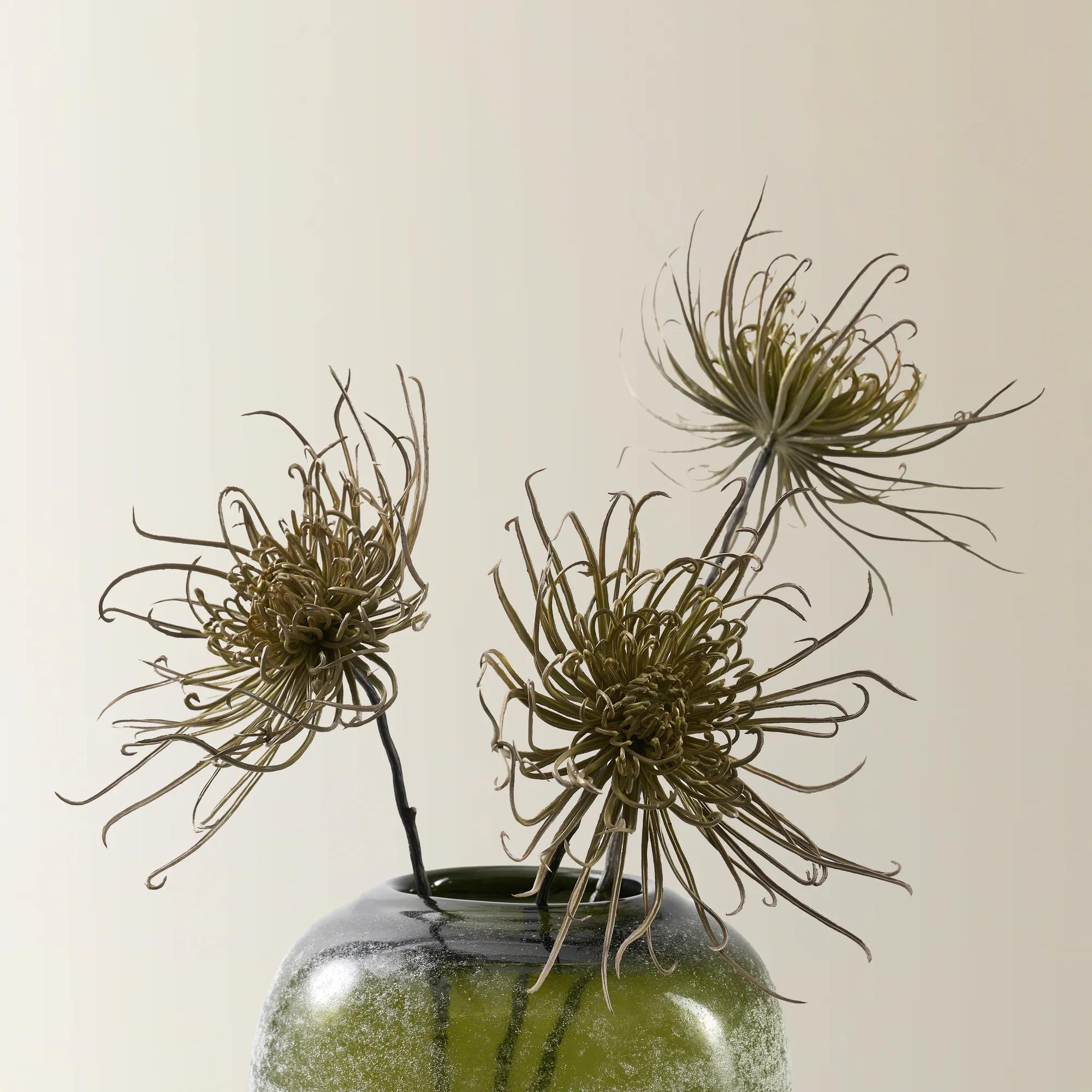 Faux Green Mum Stem 28" Set of 3$59
A set of three faux green mum stems with yellow accents adds lively, natural texture to arrangements.
Add To Cart -
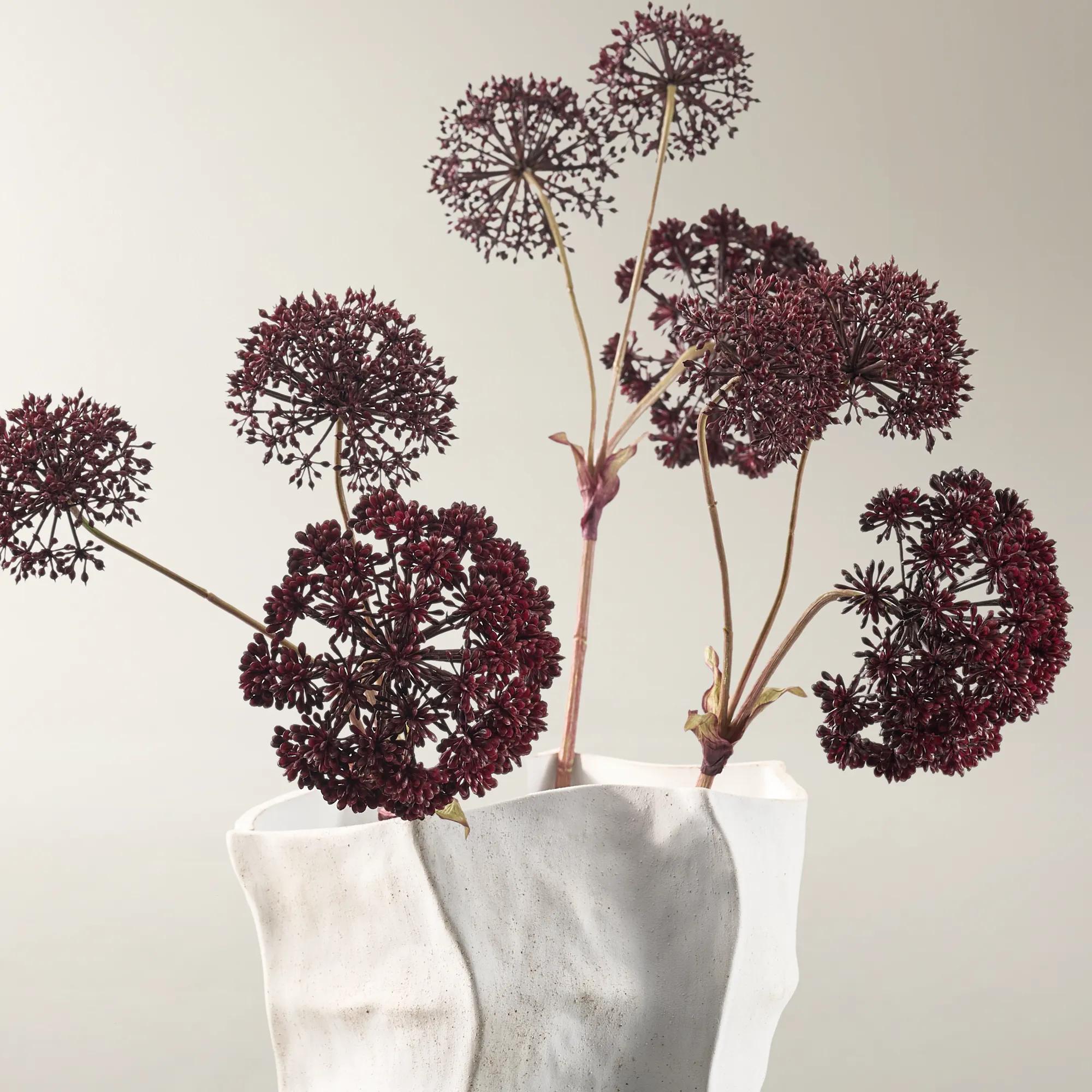 Faux Fig Angelica Stem 28" Set of 3$89
A set of three faux fig angelica stems in rich fig color adds sculptural depth to seasonal arrangements.
Add To Cart -
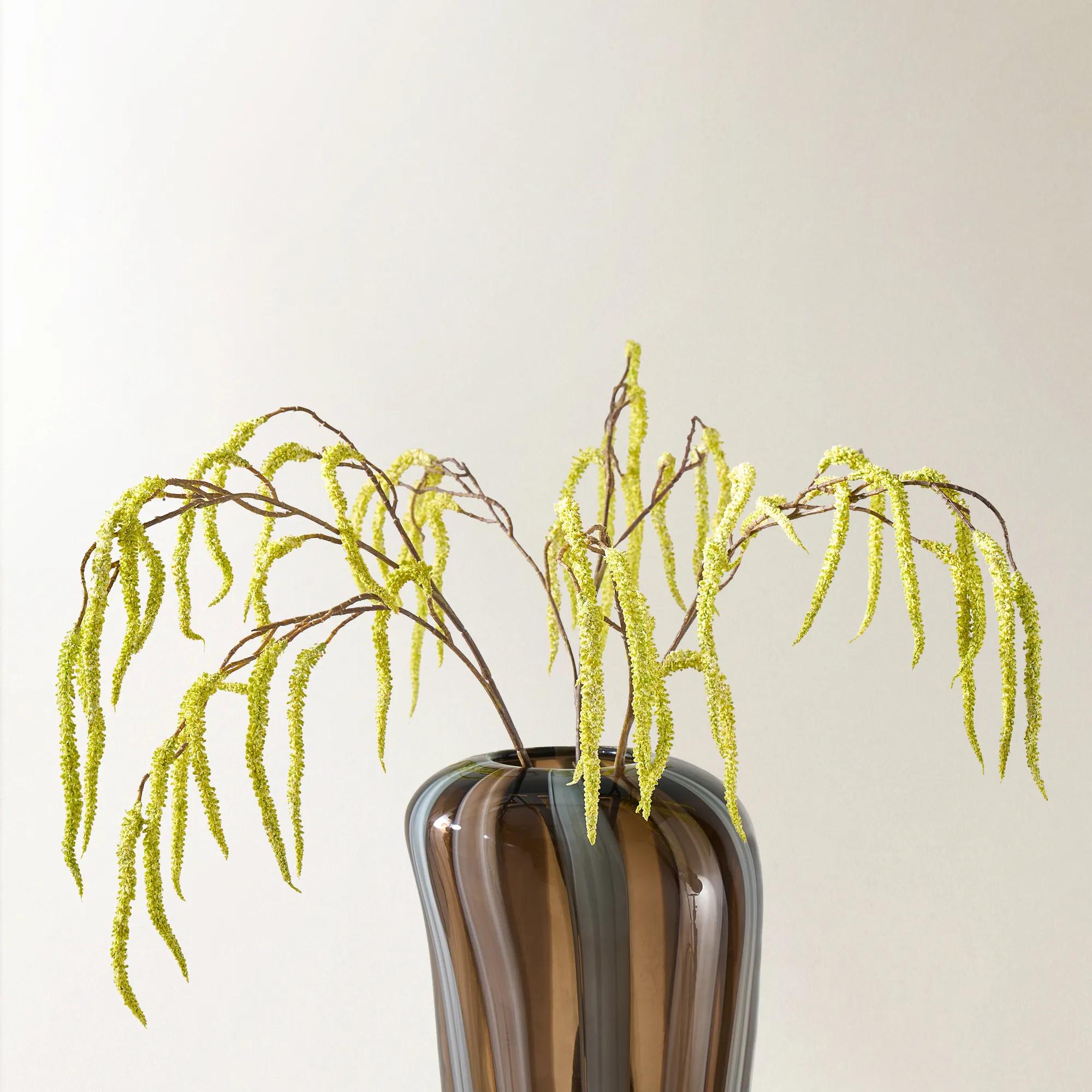
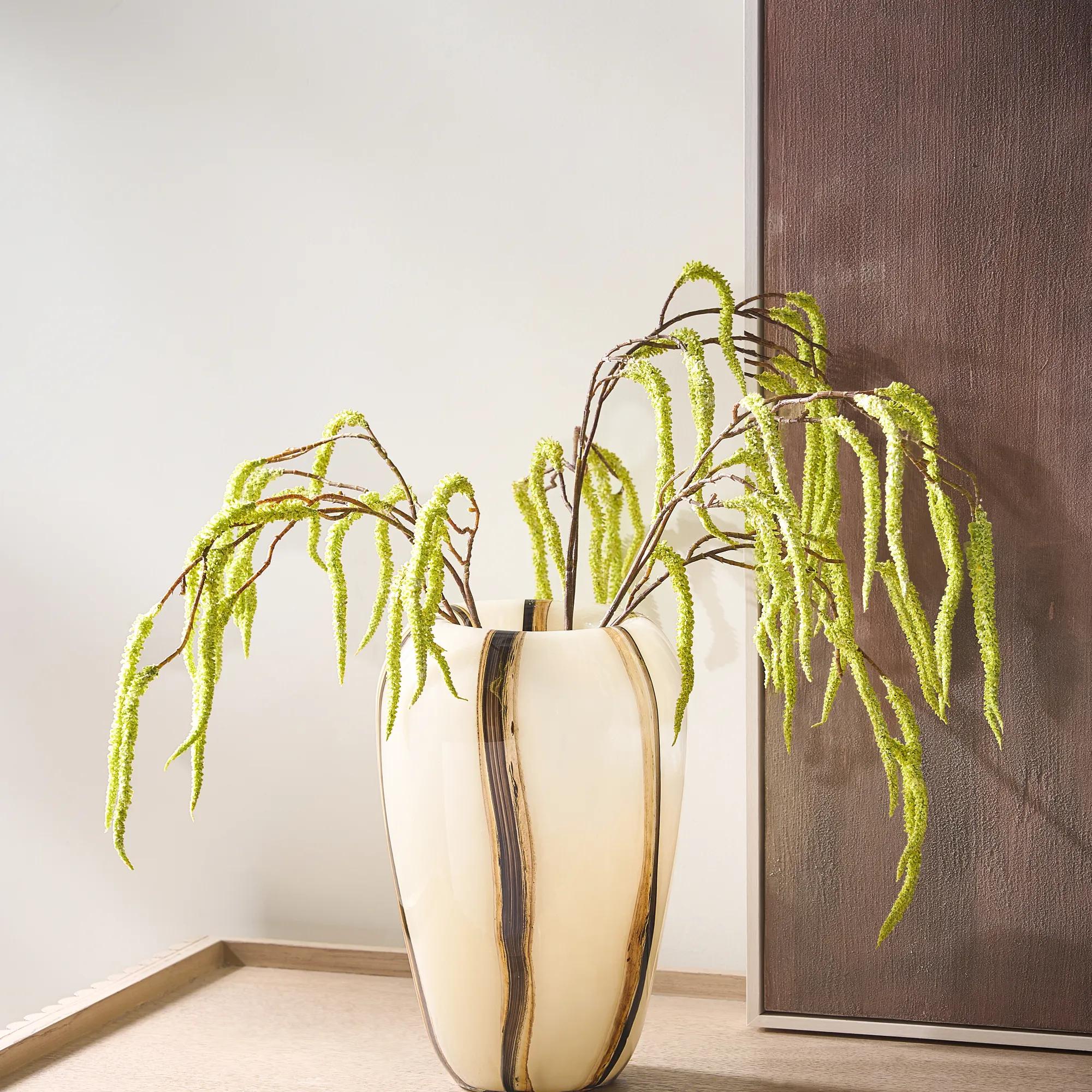 Faux Citron Yellow Amaranthus Stem 30" Set of 3$39
A faux floral stem set in citron yellow plastic with cascading form for layered arrangements.
Add To Cart -
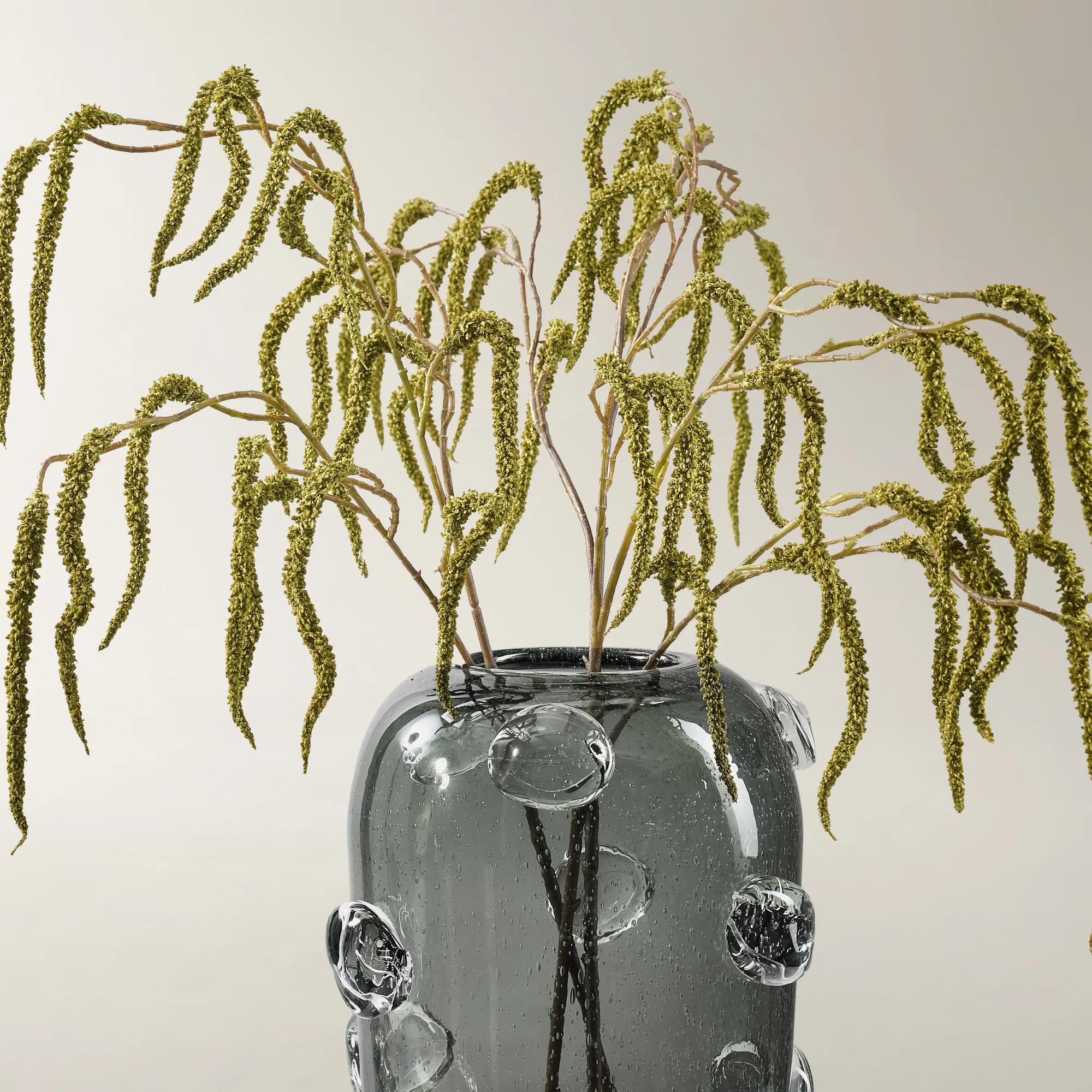 Faux Citron Green Amaranthus Stem 30" Set of 3$39
A set of three cascading faux amaranthus stems in vibrant citron green plastic for lush arrangements.
Add To Cart -
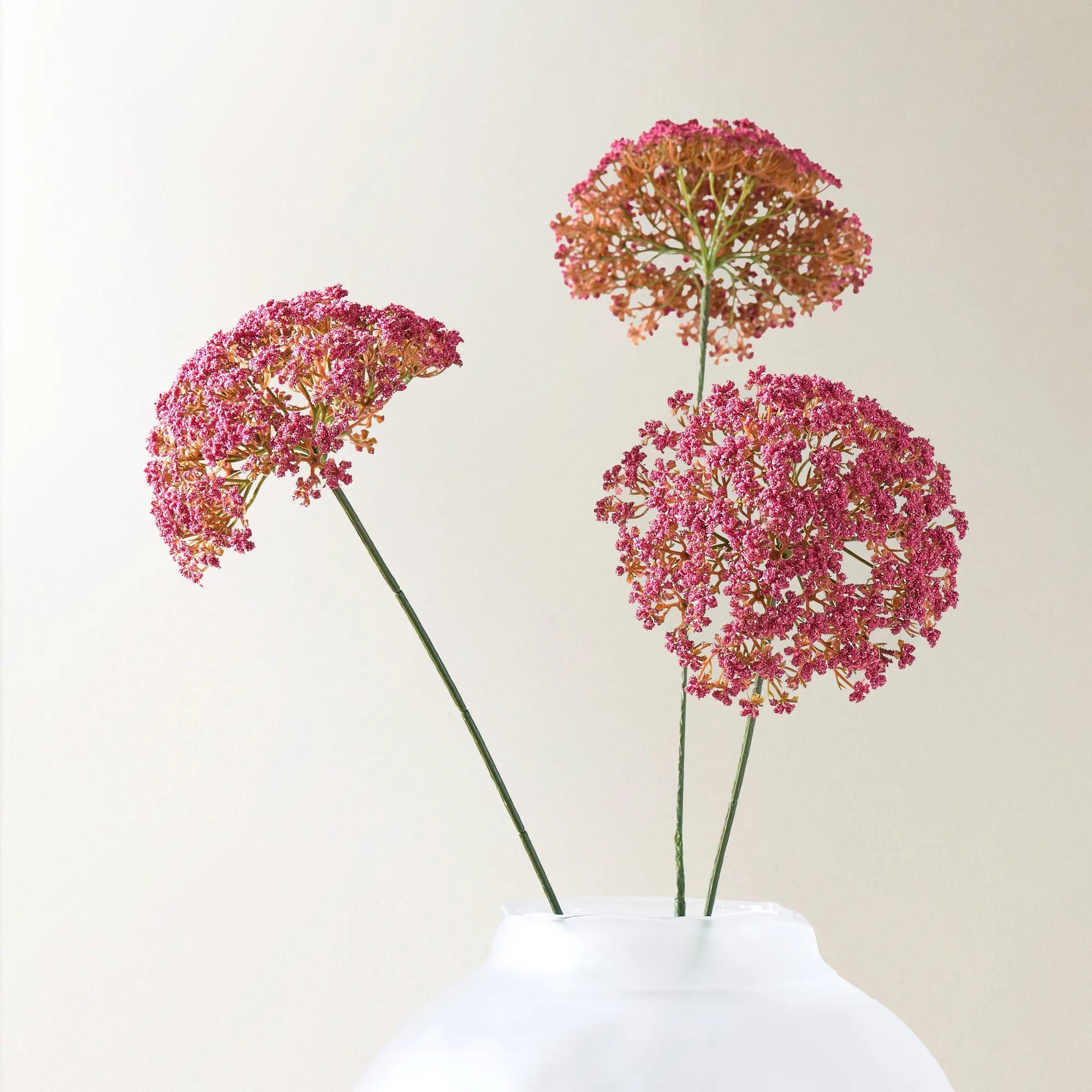
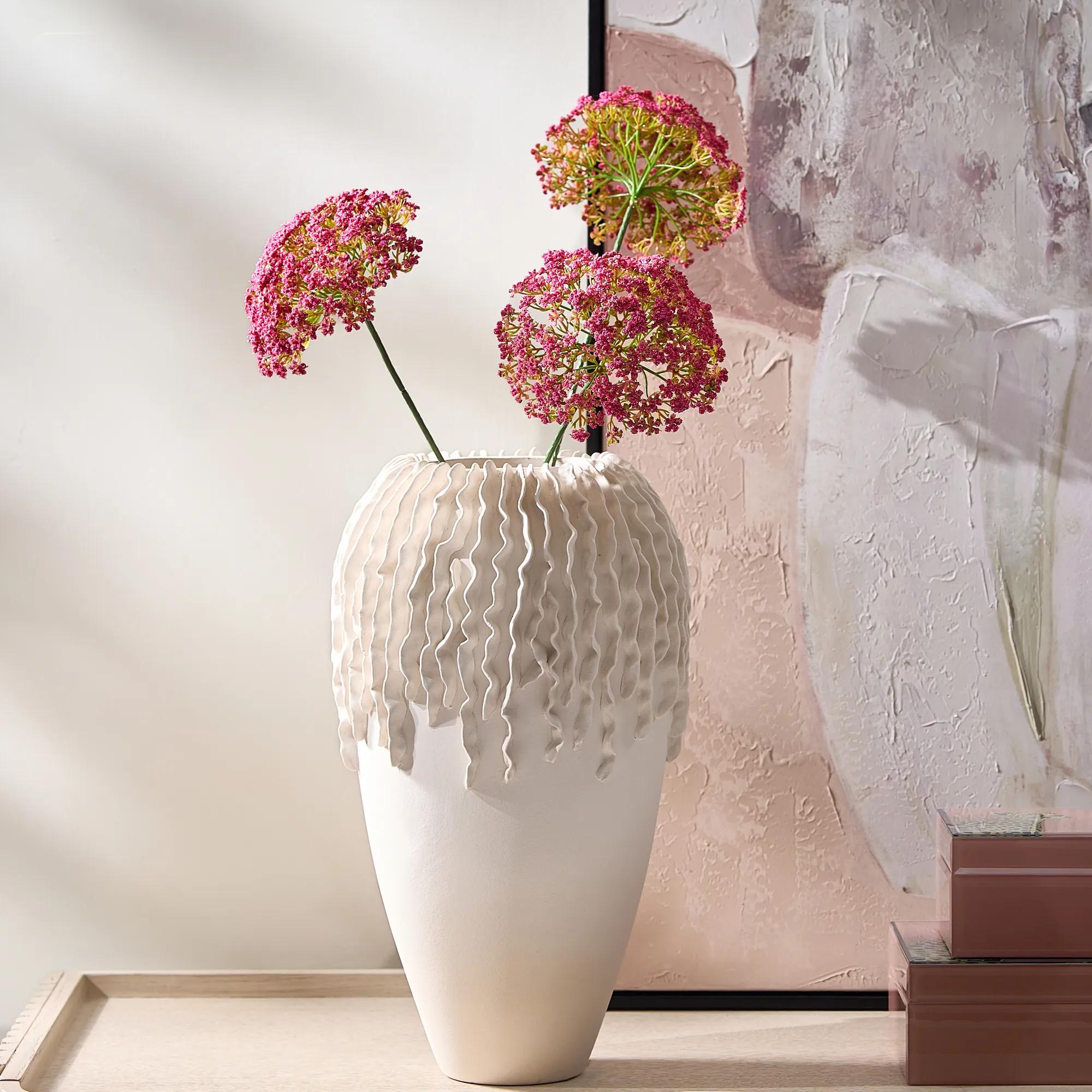 Faux Berry Pink Heracleum Stem 29" Set of 3$49
A trio of pink faux Heracleum stems adds sculptural texture and lasting botanical style to interiors.
Add To Cart -
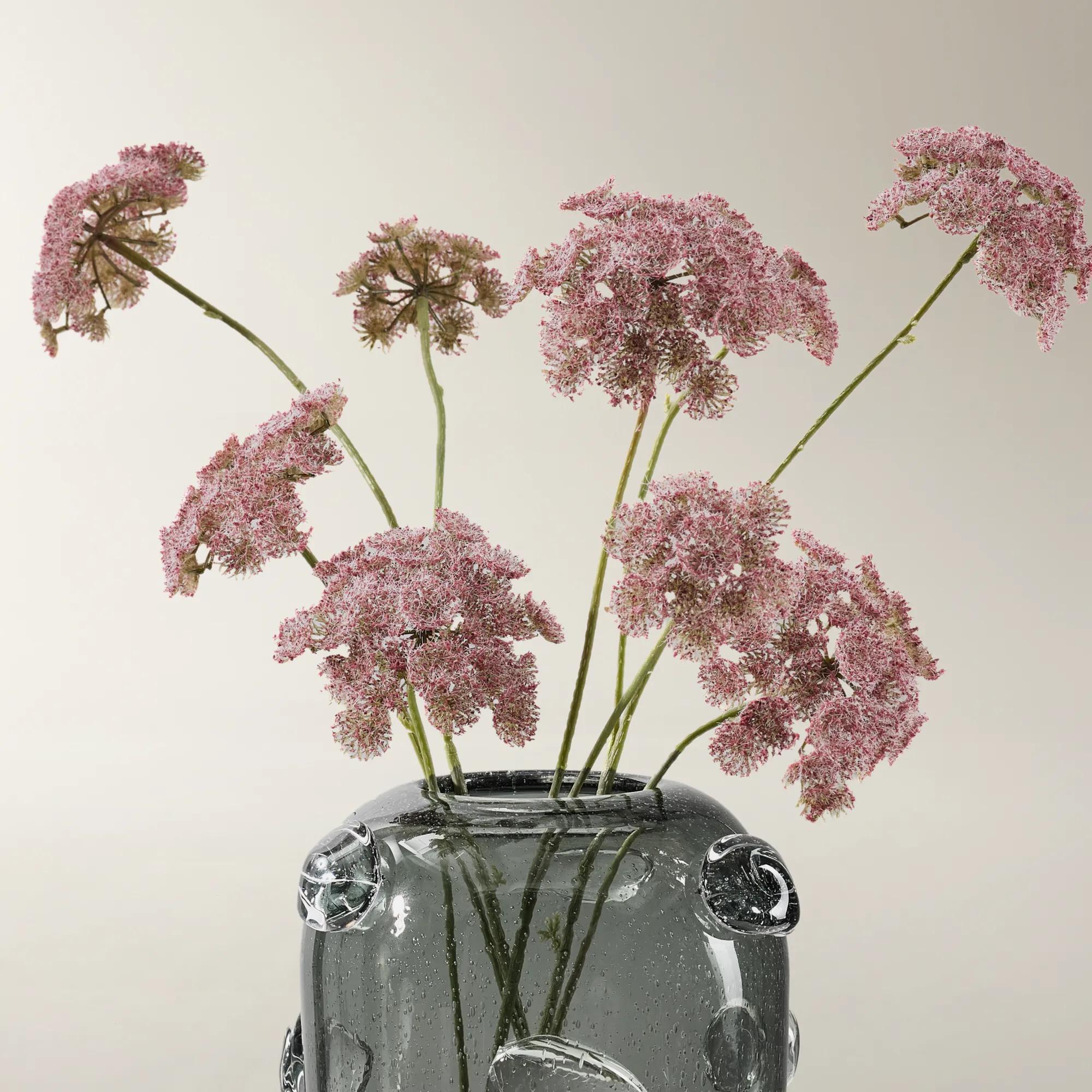 Faux Mauve Queens Lace Stem 30.5" Set of 3$49
A set of three mauve faux Queen’s Lace stems adds romantic color and airy texture to arrangements.
Add To Cart -

 Icicle Sequin Willow Stem 70" Set of 3$79
A set of three clear and white willow stems with sequins for shimmering, dramatic holiday arrangements.
Add To Cart

Low Maintenance Faux Greenery
Transform your home into a sanctuary of everlasting style with low maintenance faux greenery—where botanical beauty meets effortless sophistication. Lush, verdant leaves and sculptural stems breathe life into every corner, inviting the eye to linger and the imagination to wander. Whether poised atop a marble console or cascading from a gilded shelf, these artful accents infuse your space with vibrant energy and organic allure—no watering can required. Embrace the drama of nature’s palette while savoring the ease of enduring perfection; with low maintenance faux greenery, every room becomes a living masterpiece.
Low-maintenance faux greenery is artificial foliage designed to bring botanical texture and color to a space without watering, pruning, soil care, or sunlight requirements. From airy leafy stems to full, sculptural artificial plants, these decorative accents create a lush presence while asking for little more than occasional cleaning. Their appeal goes beyond convenience: greenery softens the geometry of furniture, adds depth to a restrained palette, and gives a room the layered character of a thoughtfully composed interior. A sweep of foliage beside a lacquered console can temper its gleaming surface; a generous botanical silhouette near an upholstered chair can make the entire corner feel more inviting. For busy households, frequent travelers, and anyone with rooms that do not support living plants, faux greenery offers lasting visual impact without a plant-care schedule. Construction varies, but common materials include molded plastics, polyester fabric leaves, and wire-supported stems that allow some arrangements to be shaped. Realism comes from the combination of details rather than color alone. Look for subtle shifts in green, believable leaf veining, varied leaf sizes, and branching that feels organic instead of mechanically repeated. Matte or softly lustrous surfaces often create a more convincing effect than a uniform, highly reflective finish. Dense foliage delivers a sumptuous, enveloping look, while open branching allows light and surrounding finishes to remain part of the composition. The right choice depends on the atmosphere a room needs: broad leaves introduce bold form, fine foliage lends delicacy, and elongated stems create expressive movement. Artificial greenery does not grow or change shape on its own, so its visual proportions remain consistent between cleanings and occasional adjustments. That consistency makes it especially useful in carefully styled spaces where every line has a purpose, from a polished entryway to a dining room arranged around statement art. The effect can be dramatic without becoming demanding, giving botanical design a place in homes where living foliage would be difficult to maintain.
Scale is what turns faux greenery from an accessory into an intentional part of the room. Overall height matters, but so do the width of the foliage, the footprint of its container, and the amount of open space around it. A tall artificial plant with an expansive crown needs room to express its silhouette without brushing a doorway or crowding a seating area. A more slender profile can bring height to a narrow corner while preserving a clear path through the room. On a console, a low arrangement leaves artwork visible and keeps the composition grounded; on a dining table, foliage that sits below seated eye level allows conversation to flow unobstructed. Consider how an arrangement looks from more than one angle, particularly on an island, open shelving unit, or table viewed from adjoining rooms. Stems with adjustable internal wires can sometimes be gently separated and angled to create a less compressed outline, though shaping should always follow the care instructions. Containers provide another layer of expression. A substantial ceramic vessel gives delicate greenery visual weight, while a metallic finish introduces a luminous contrast against deep green leaves. Where an artificial plant comes with a basic inner pot, a compatible decorative planter can refine the presentation, provided the base sits securely and the foliage remains balanced. Check both interior planter dimensions and the size of the plant’s existing base rather than relying on outside measurements alone. Stability is particularly important beside walkways or in homes with children and pets. Groupings feel more considered when their heights and textures differ, with enough breathing room to appreciate each silhouette. A single generous arrangement can hold its own against a large mirror, while smaller accents can connect a desk, bookcase, and nearby seating area through repeated touches of green. In a home office, foliage adds softness around screens and hard surfaces without introducing watering near electronics. In an entry, it offers an immediate sense of welcome. Throughout the home, the most compelling compositions let greenery converse with furniture and art rather than compete with every surrounding detail.
Easy-care artificial greenery still benefits from thoughtful placement and gentle maintenance. Dust can dull leaf color and collect along textured surfaces, so a soft, dry microfiber cloth or a delicate brush is often a suitable starting point when permitted by the manufacturer’s instructions. Support individual leaves while cleaning rather than pulling at stems, and test any approved damp-cleaning method on an inconspicuous area first. Fabric foliage, glued components, decorative coatings, and natural accents may react differently to moisture, making care directions more useful than a single cleaning rule for every arrangement. Avoid soaking, harsh household cleaners, and excessive bending unless the construction specifically allows them. Durability depends on materials, assembly, handling, and exposure; a convincing appearance does not automatically mean an arrangement is suited to every setting. Indoor faux greenery should remain indoors unless it is expressly rated for outdoor use, and an outdoor designation should be checked for the conditions it actually covers. UV-resistant construction can help limit fading, but it does not promise permanent color retention or suitability for unrestricted exposure. Indoors, prolonged direct sunlight may also affect some finishes, and foliage should be kept away from open flames and heat sources. Artificial leaves are decorative rather than edible, so placement beyond the reach of curious pets or young children remains sensible. For a housewarming or a newly established workspace, faux greenery can be a considerate gift because it brings a finished decorative element without assigning its recipient an ongoing horticultural routine. A manageable size and a versatile container make that gesture easier to incorporate into an existing interior. Its dependable presentation also makes faux greenery for home staging especially useful in rooms prepared for photography or property showings, where scale, clear sightlines, and visual continuity matter. Chosen with attention to texture and proportion, low-maintenance faux greenery offers more than a substitute for living plants: it introduces a deliberate layer of botanical artistry, giving polished interiors softness, dimension, and an unmistakably expressive finish.
FAQs
To achieve a lifelike appearance, place faux greenery in stylish planters or decorative baskets, and consider adding natural elements like moss, river stones, or topsoil around the base. Arrange leaves and stems with gentle bends to mimic the organic shapes found in nature. Layer different heights and textures throughout your space to create a collected, curated look that feels both intentional and inviting.
Faux plants are ideal for low-light rooms because they don’t require sunlight to maintain their vibrant color and lush appearance. Large faux trees like Fiddle Leaf Figs or Olive Trees make a dramatic statement in shadowy corners, while smaller succulents, snake plants, or tabletop arrangements bring a touch of greenery to bookshelves, desks, and bathrooms where natural light is limited.
Many faux greenery options are crafted with UV-resistant materials, making them suitable for covered patios, balconies, and even exposed outdoor spaces. These durable plants withstand sunlight, rain, and seasonal changes without fading or deteriorating, allowing you to create lush, maintenance-free outdoor retreats year-round.
Faux greenery instantly elevates interiors by introducing color, texture, and a sense of vitality—without the unpredictability of live plants. Designers and home stagers often use large faux trees to anchor living areas or entryways, while smaller arrangements add finishing touches to shelves, tables, and bathrooms. The result is a polished, welcoming environment that feels both luxurious and lived-in.
Absolutely. Faux greenery makes a thoughtful and lasting gift, especially for those with busy lifestyles, travel schedules, or less-than-green thumbs. They’re ideal as christmas gifts for people who are hard to shop for, offering beauty and style without the need for ongoing care. From elegant orchids to sculptural succulents, faux plants bring enduring joy and a touch of nature to any space.