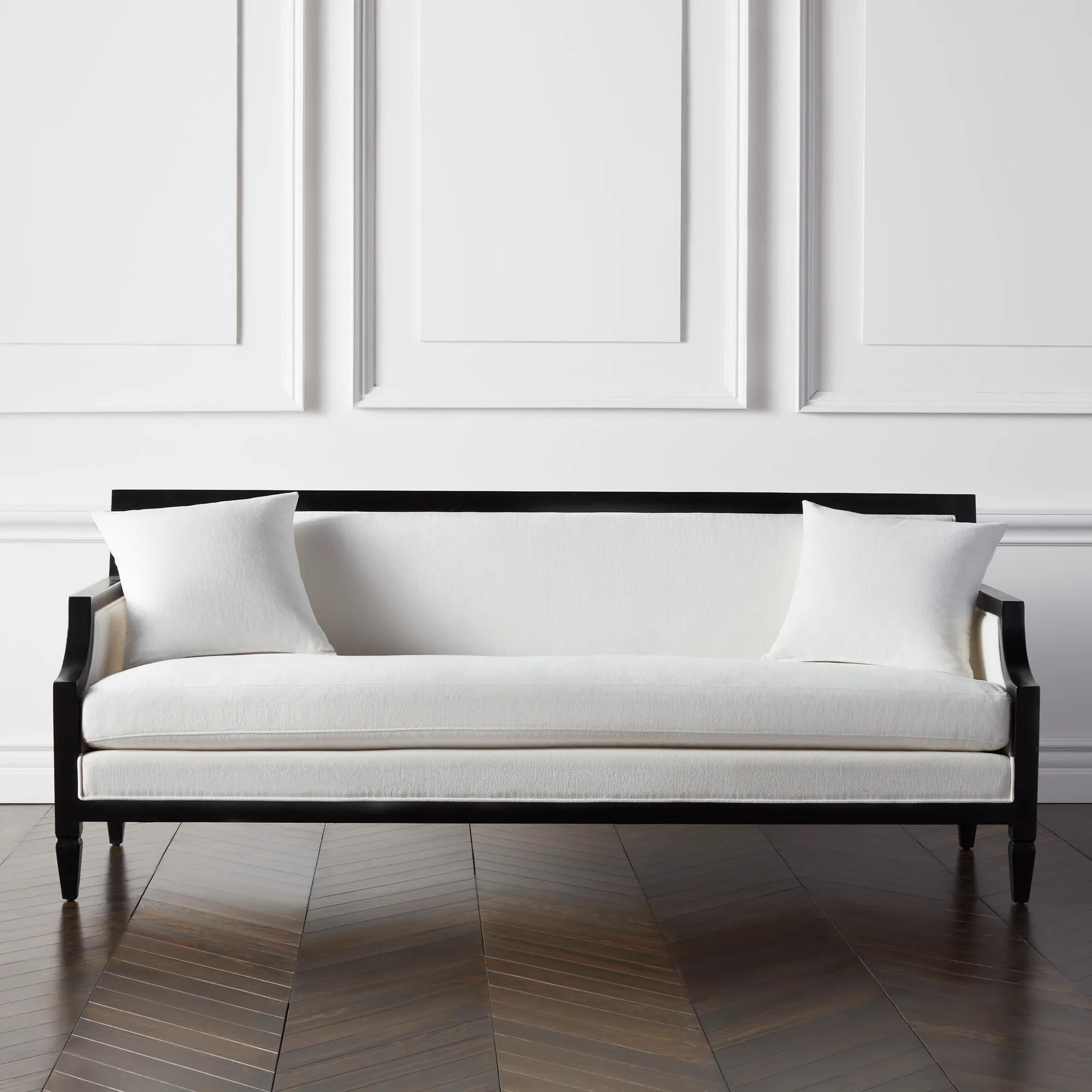
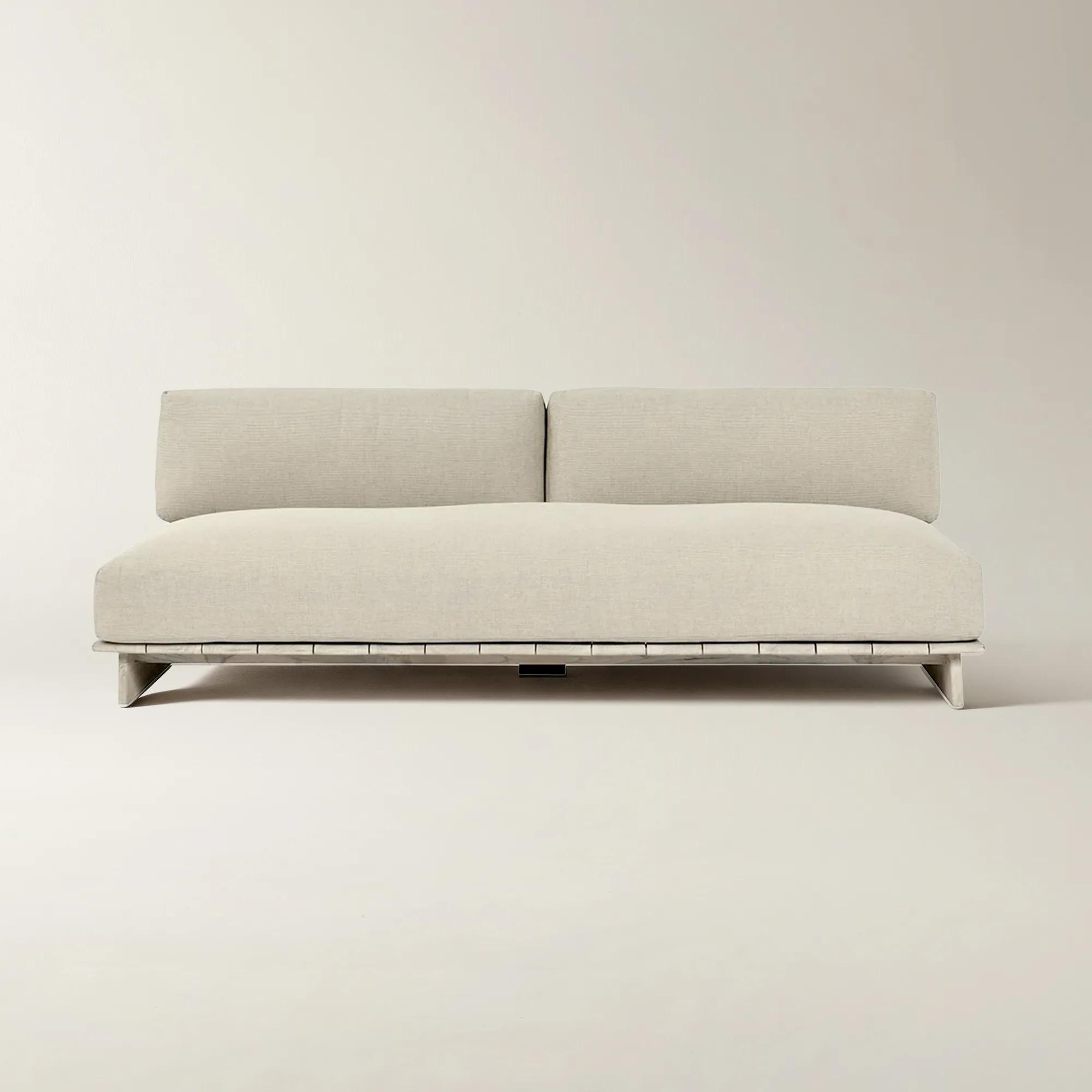
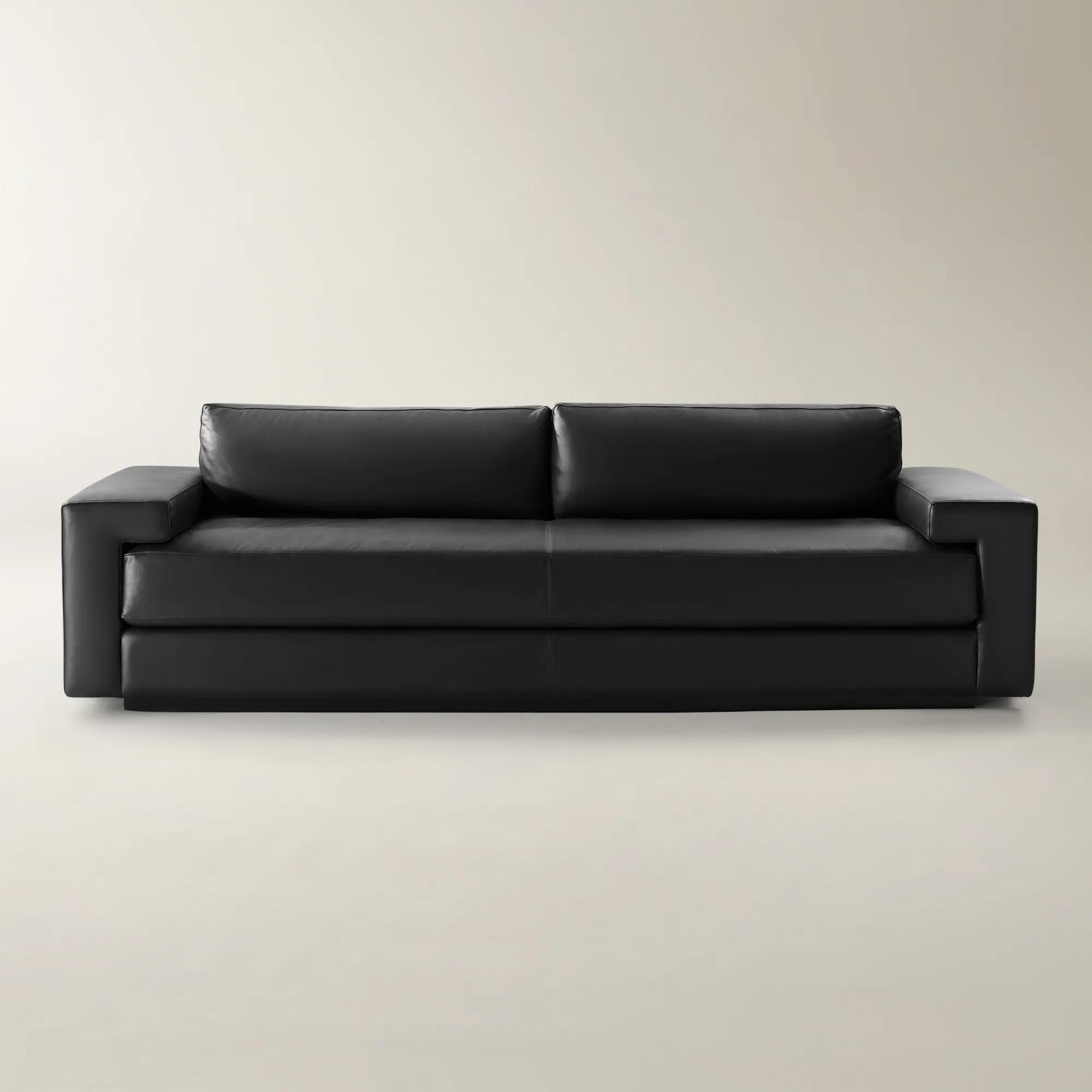
Living Room Furniture Collections
Living Room Furniture Collections
-
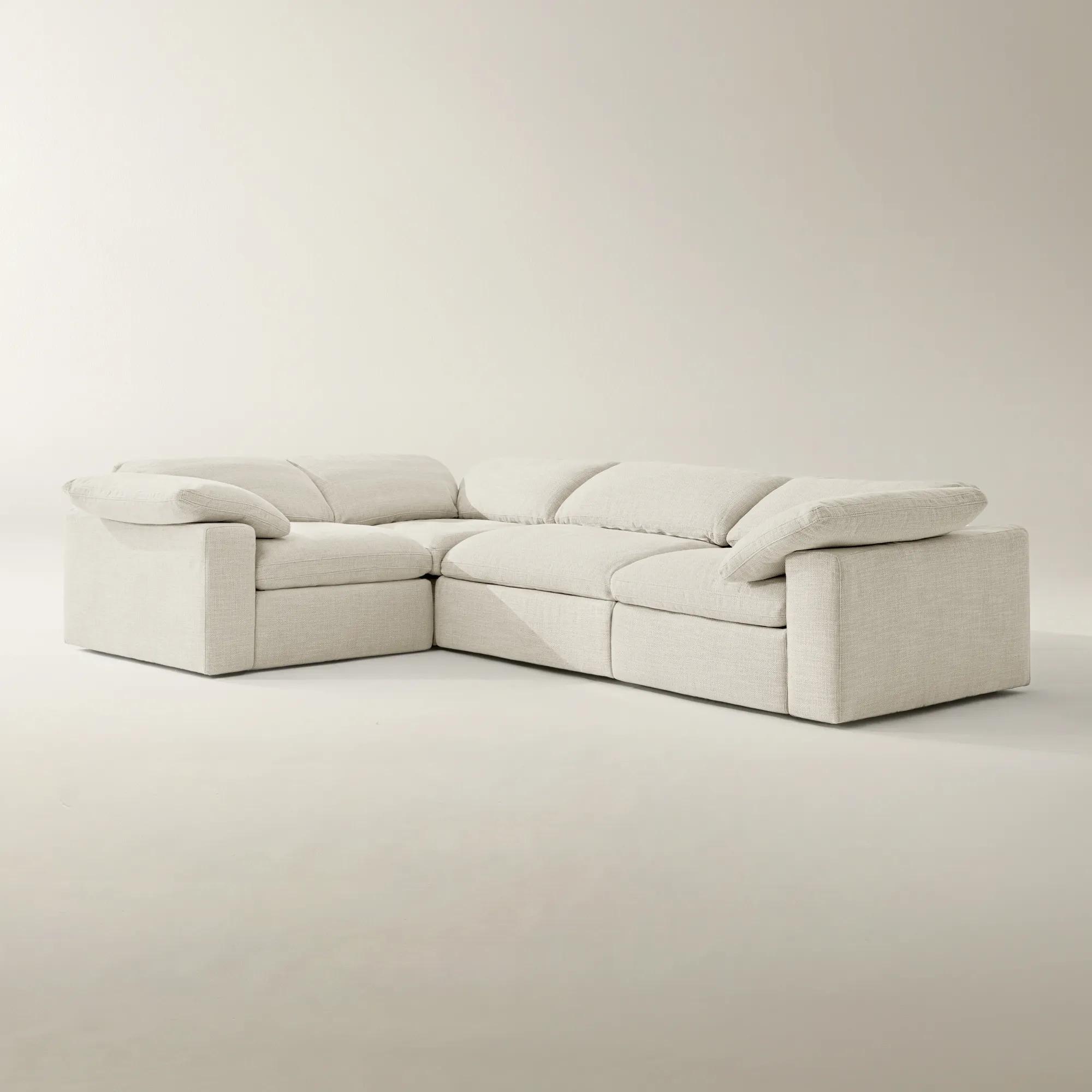
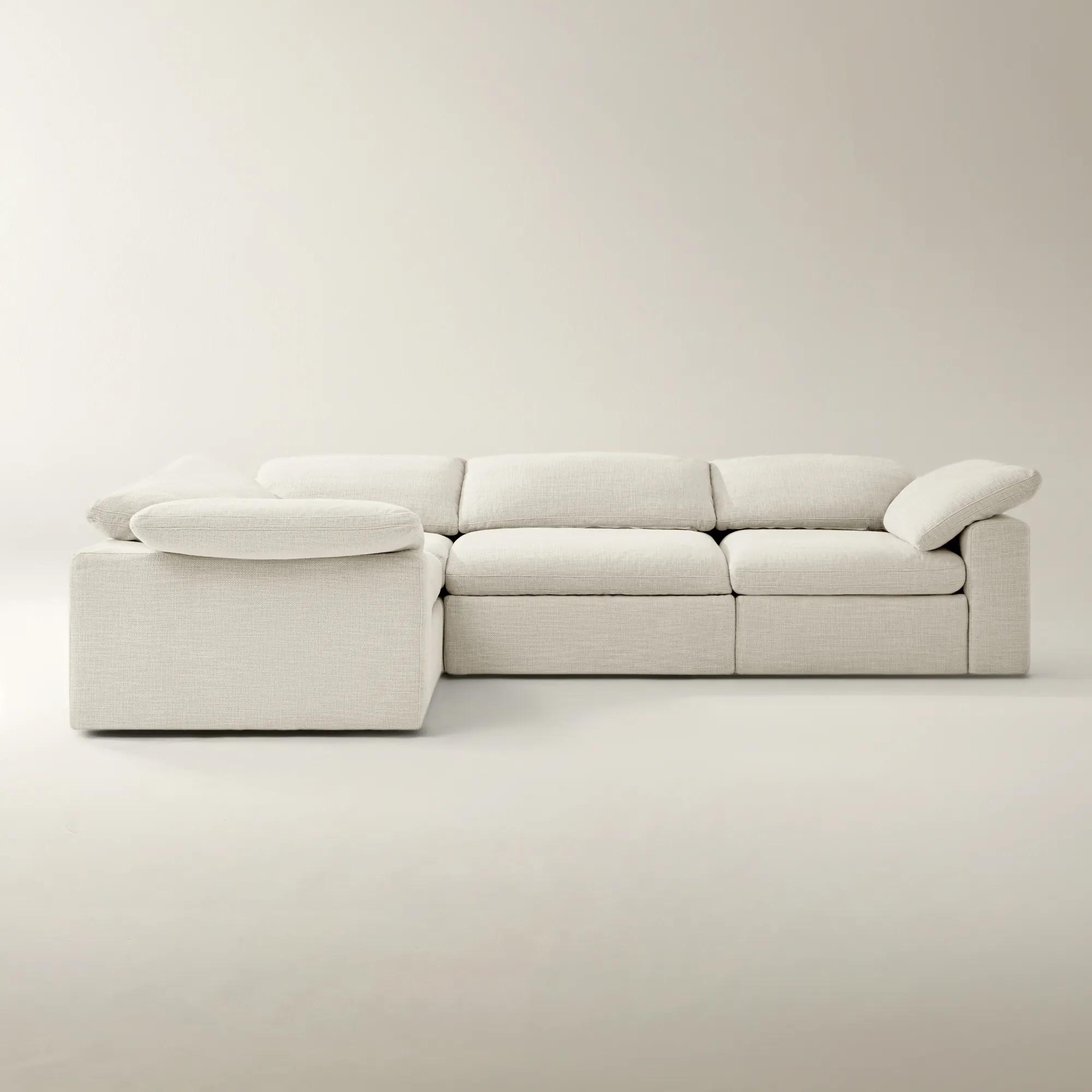 Milo 4-Piece L-Shaped Reclining Ivory Performance Fabric Sectional Sofa With Left-Arm Chair$4399
A modular L-shaped sectional sofa in ivory performance fabric with plush cushioning and independent power reclining.
Add To Cart -
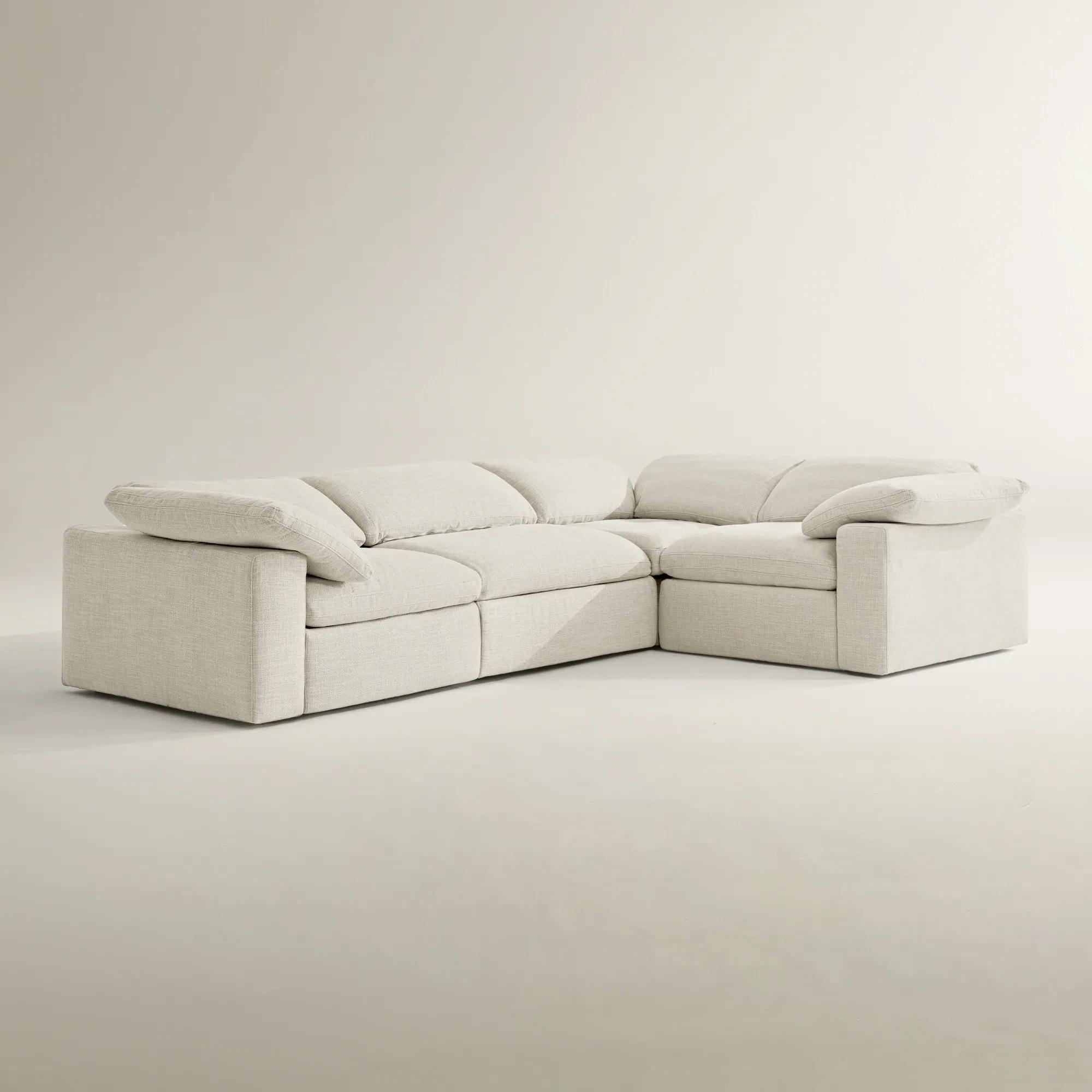
 Milo 4-Piece L-Shaped Reclining Ivory Performance Fabric Sectional Sofa With Right-Arm Chair$4399
A four-piece L-shaped sectional sofa in ivory performance fabric with power reclining and plush feather-blend cushions.
Add To Cart -
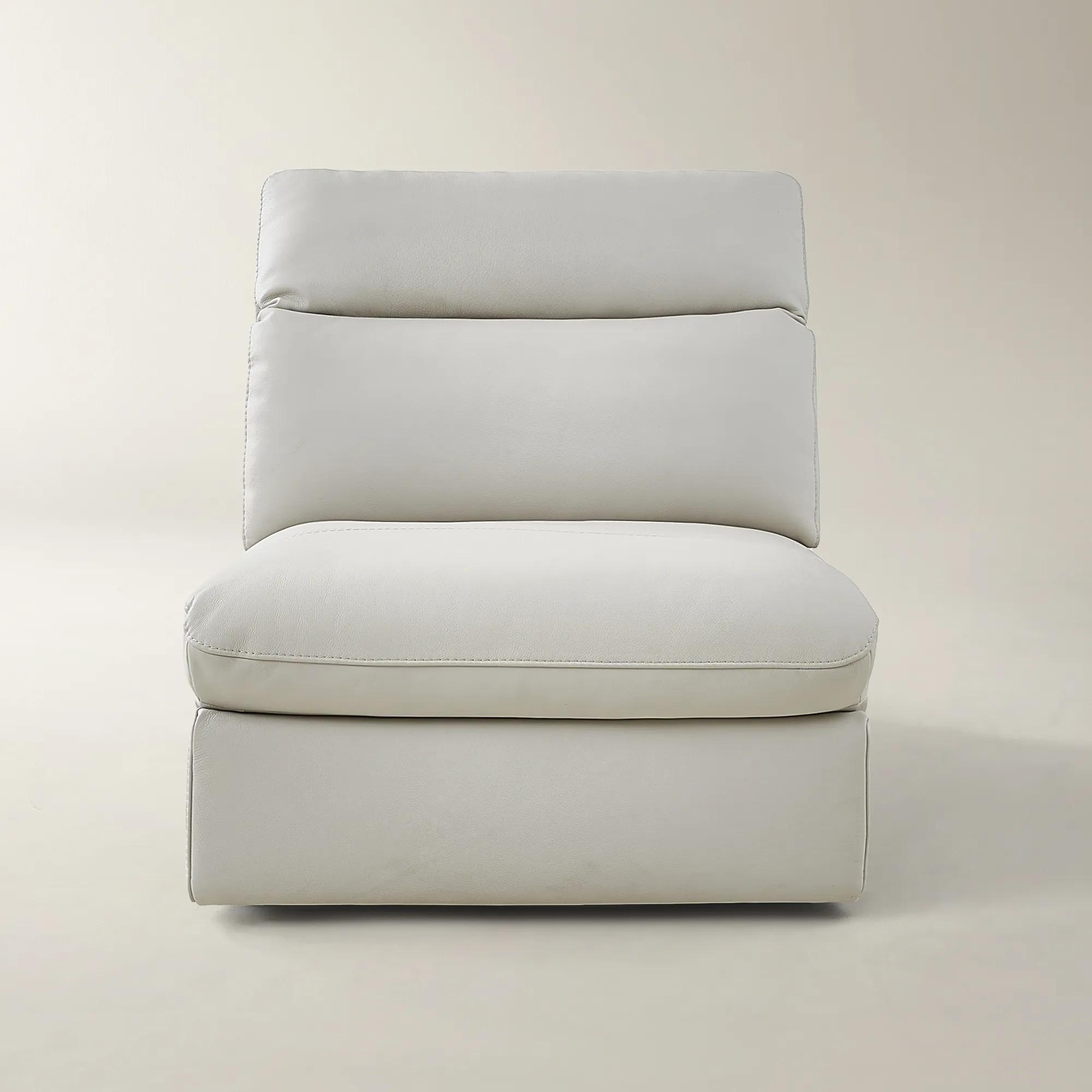
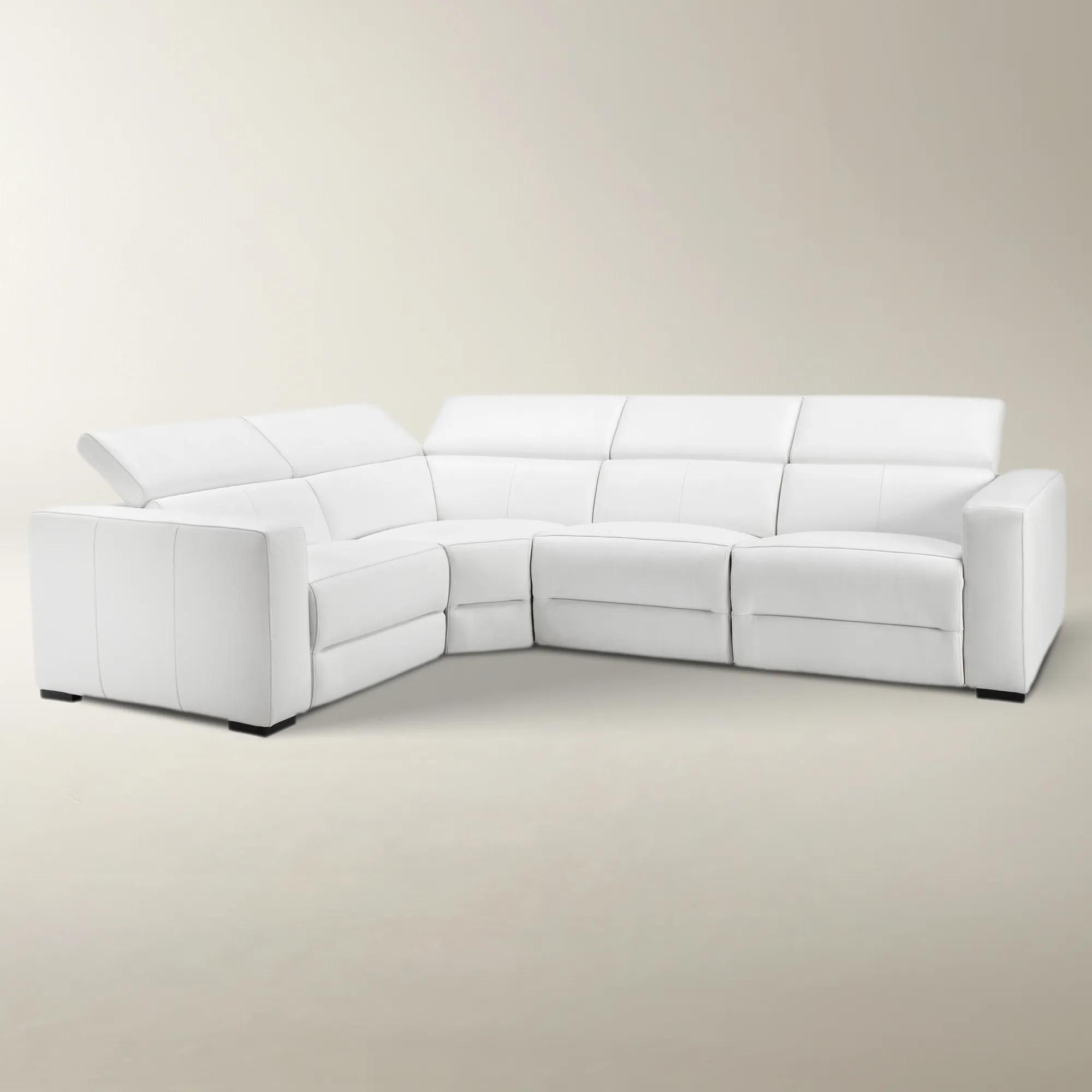 Verona 4-Piece L-Shaped Reclining White Leather Sectional Sofa With Left-Arm$5899
A modern sectional upholstered in supple white semi-aniline leather with adjustable headrests and power-reclining seats.
Add To Cart -
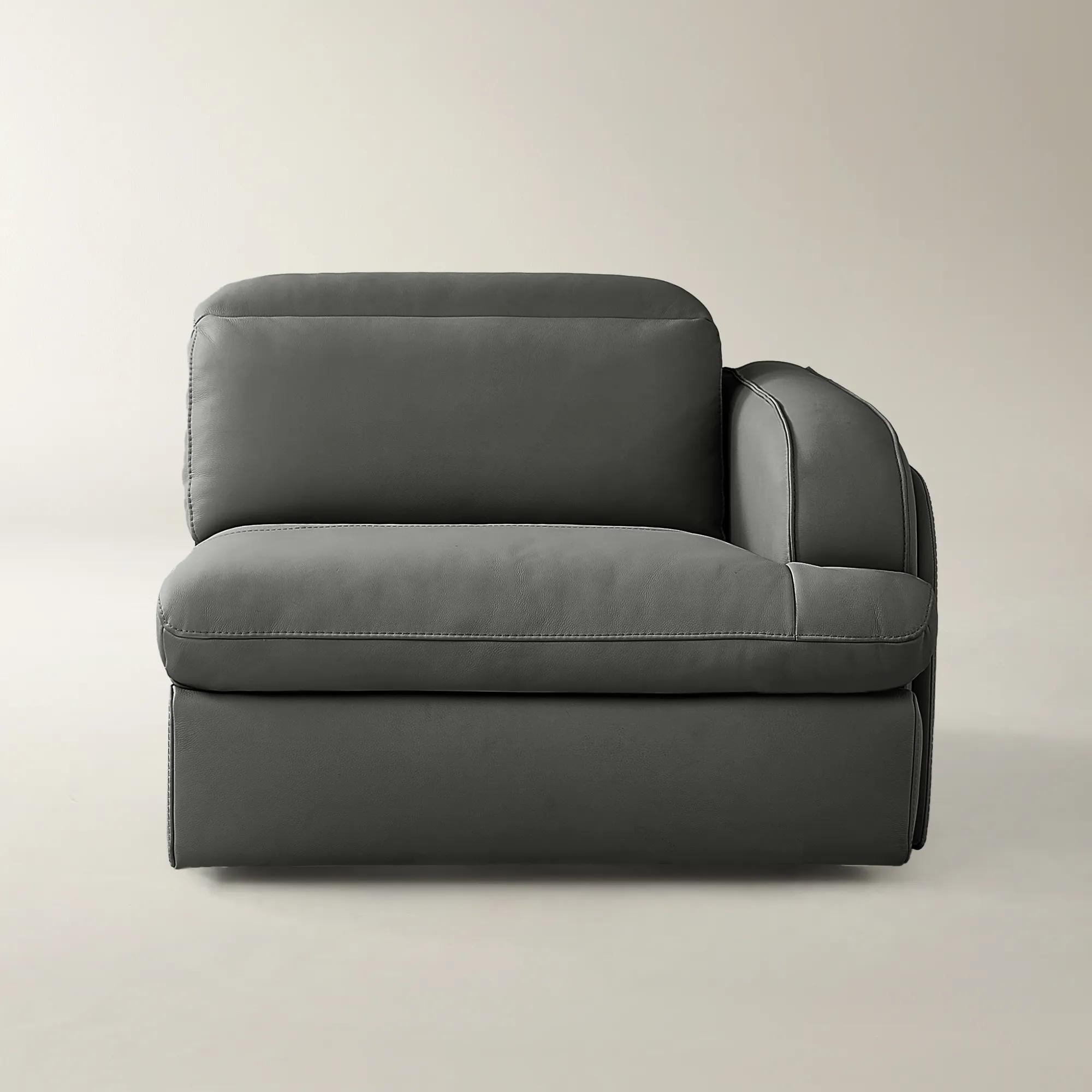
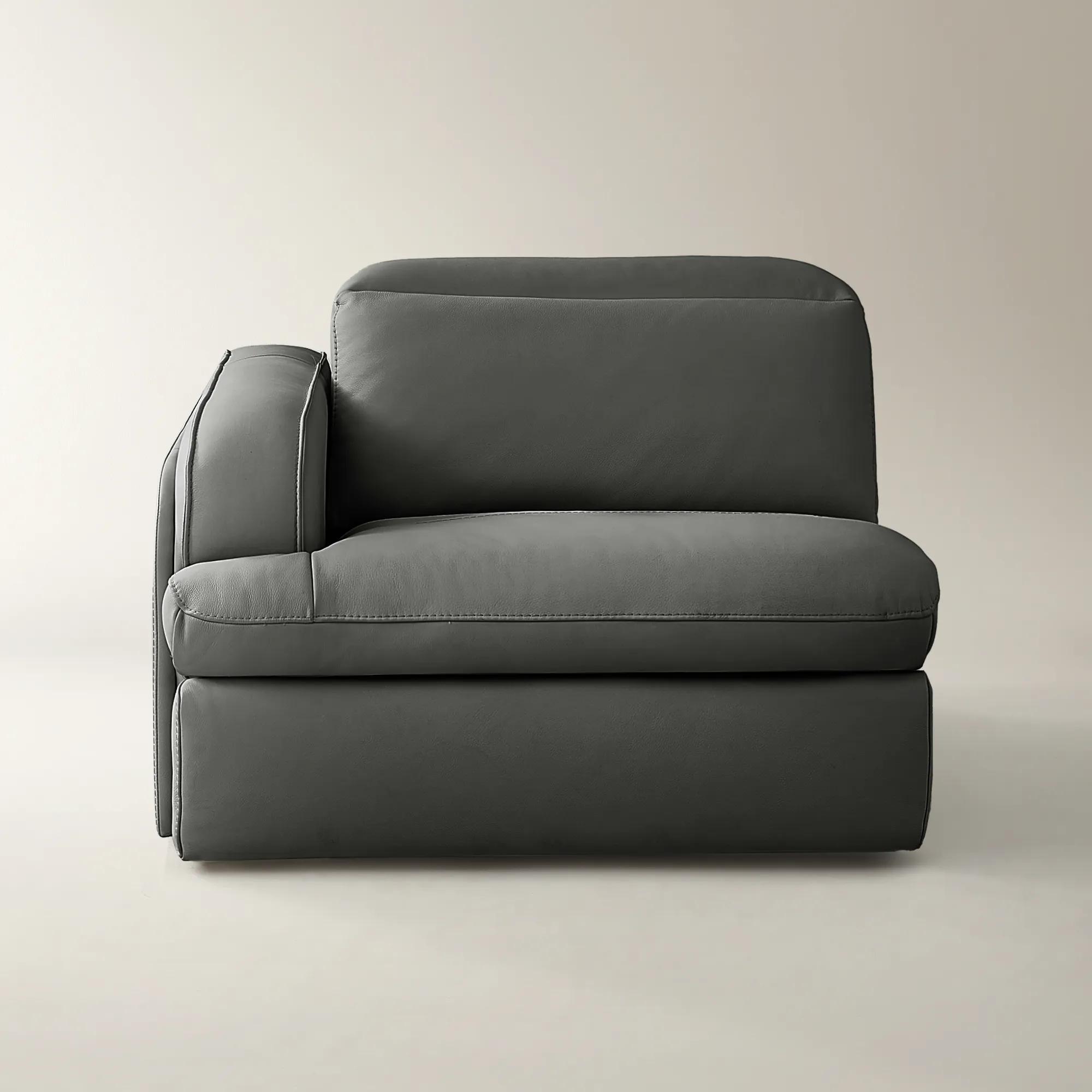
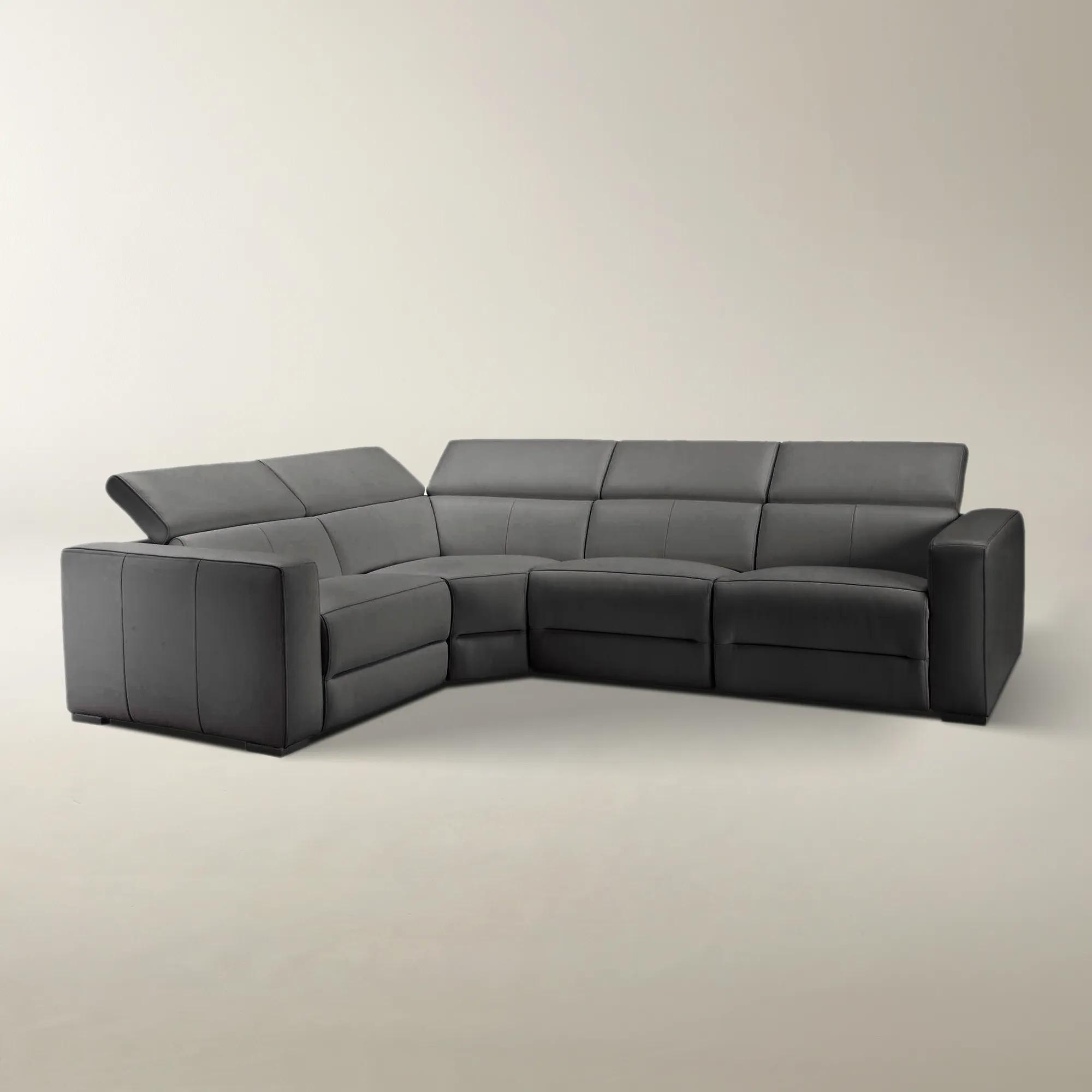 Verona 4-Piece L-Shaped Reclining Charcoal Leather Sectional Sofa With Left-Arm$5899
A charcoal semi-aniline leather sectional featuring adjustable headrests and optional power-reclining seats for comfort.
Add To Cart -
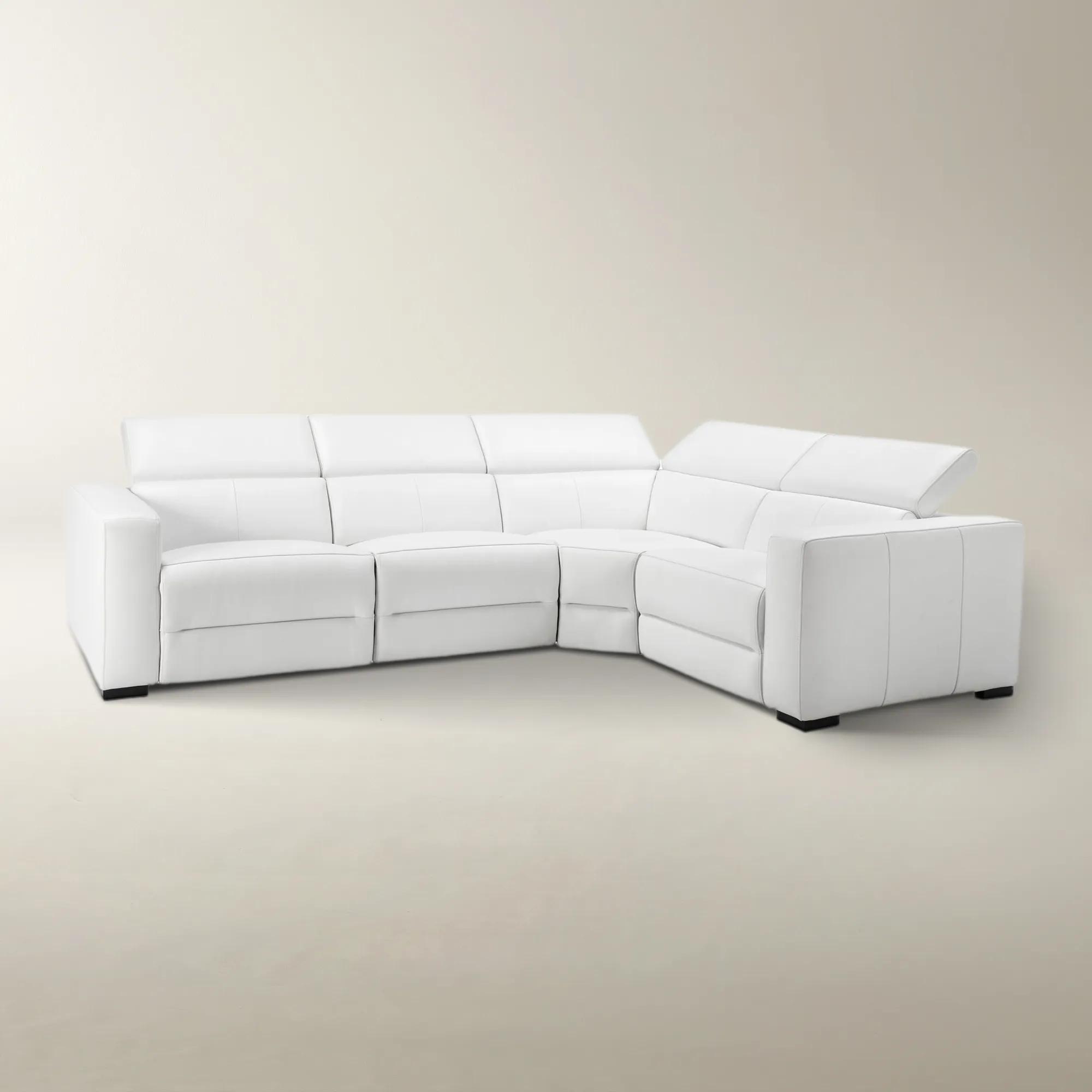
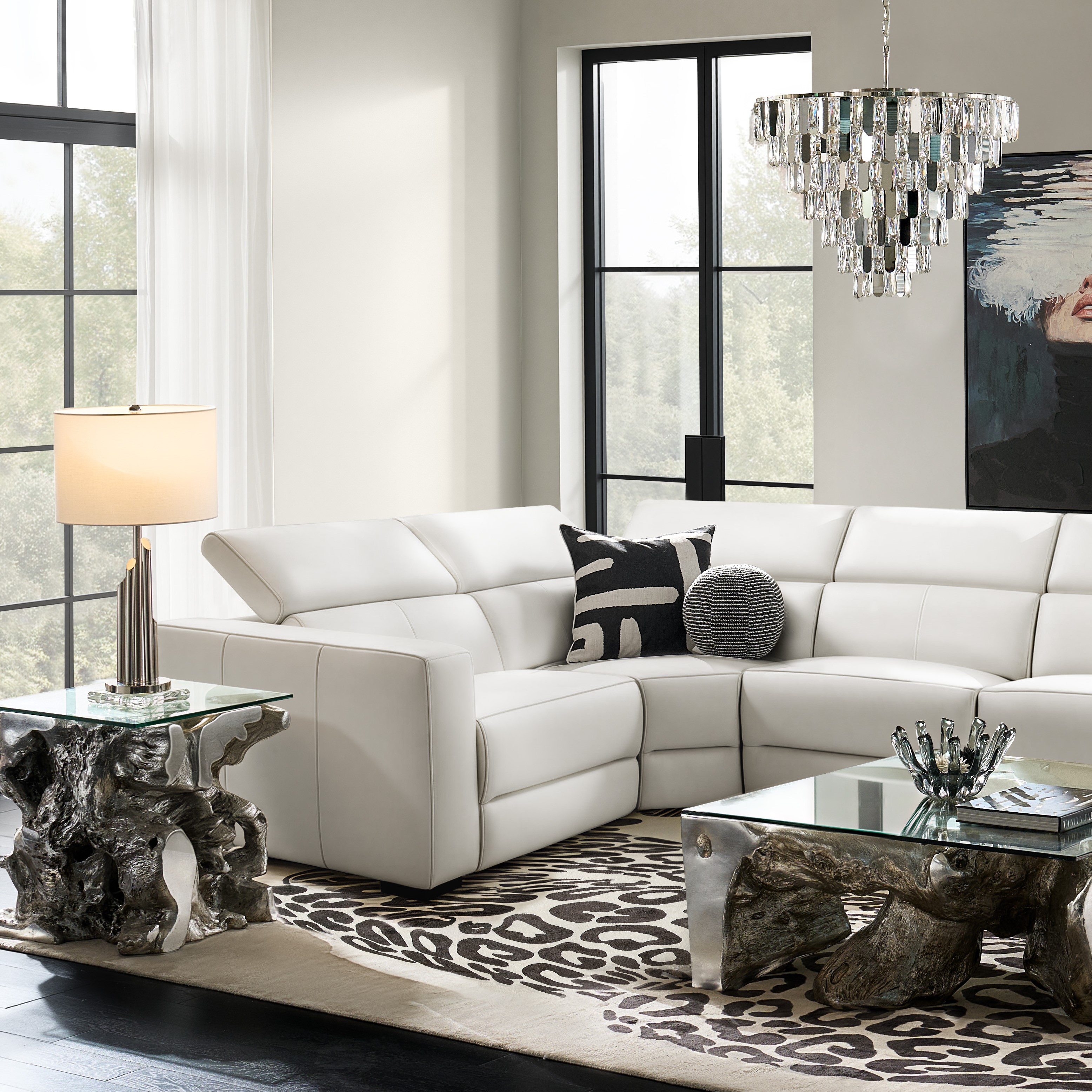 Verona 4-Piece L-Shaped Reclining White Leather Sectional Sofa With Right-Arm$5899
A modern sectional upholstered in supple white semi-aniline leather with adjustable headrests and power-reclining seats.
Add To Cart -
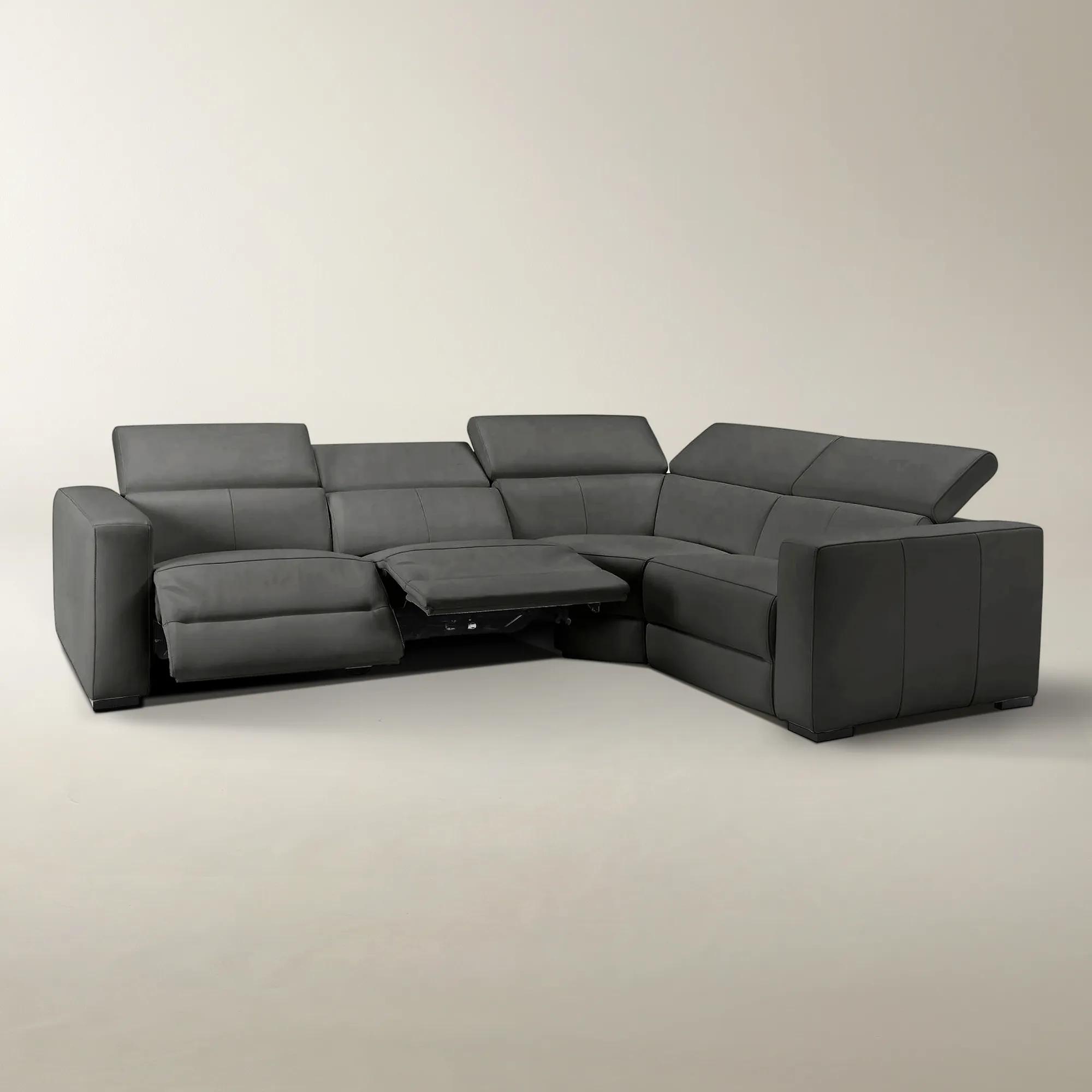
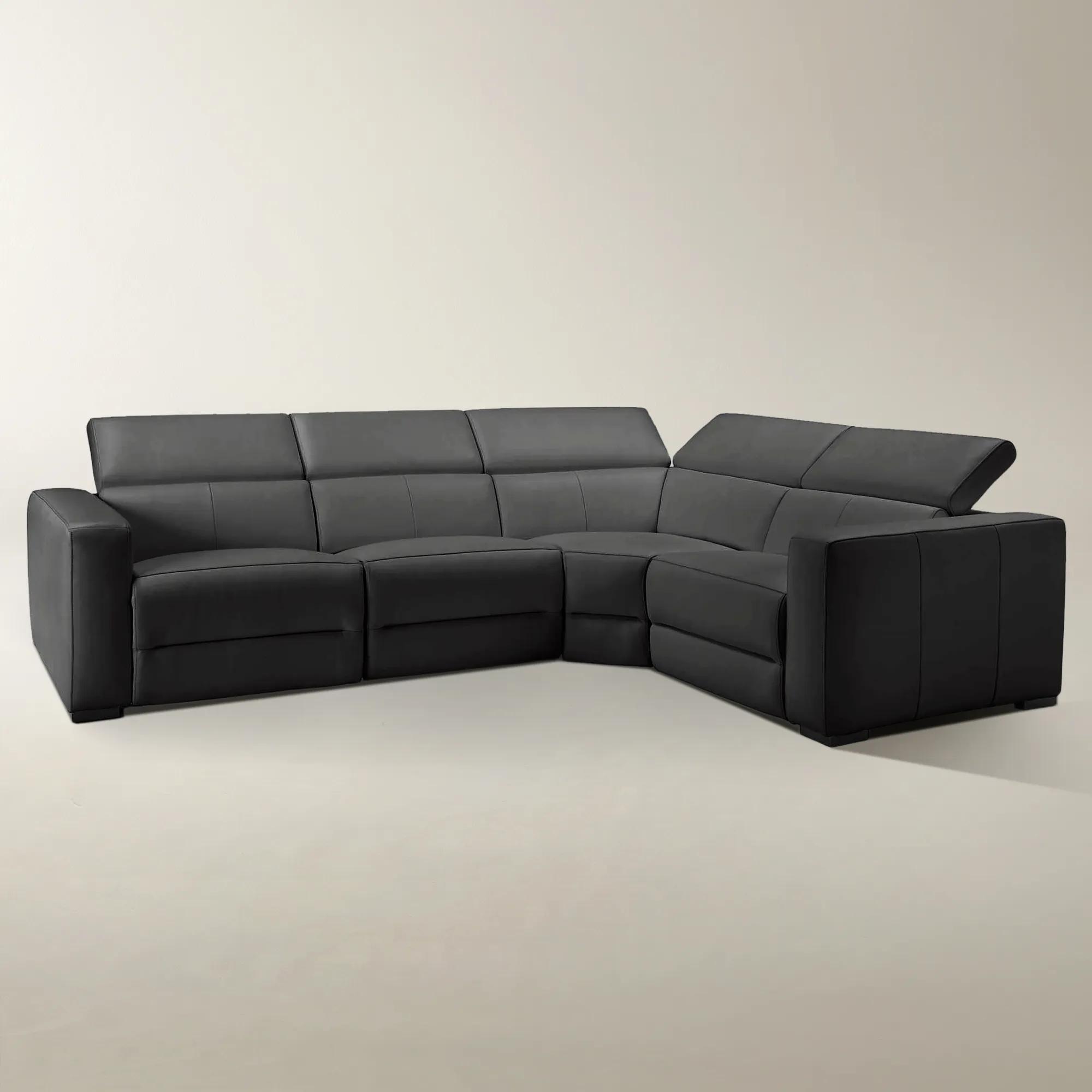 Verona 4-Piece L-Shaped Reclining Charcoal Leather Sectional Sofa With Right-Arm$5899
A charcoal semi-aniline leather sectional featuring adjustable headrests, power-reclining seats, and kiln-dried hardwood frame.
Add To Cart -
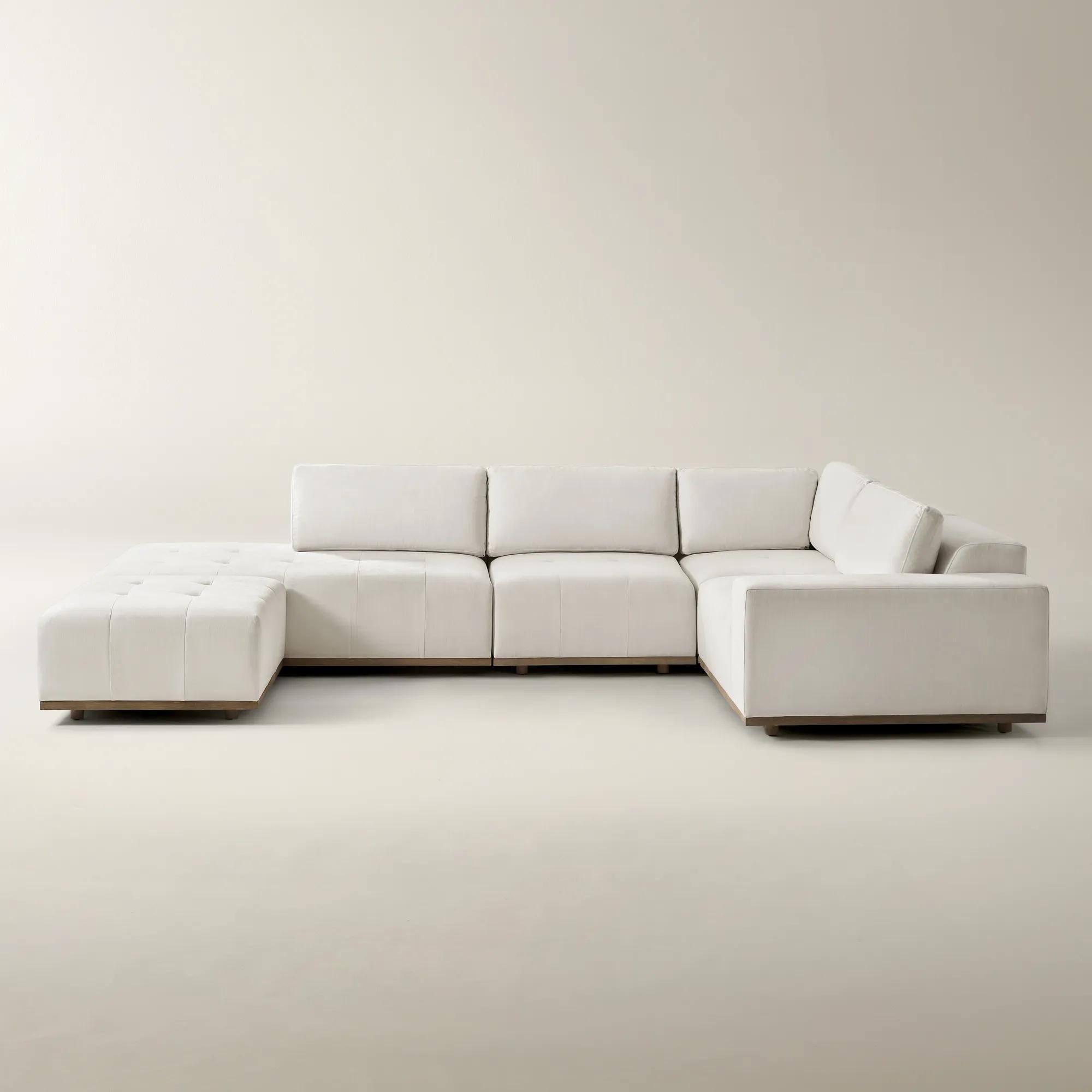
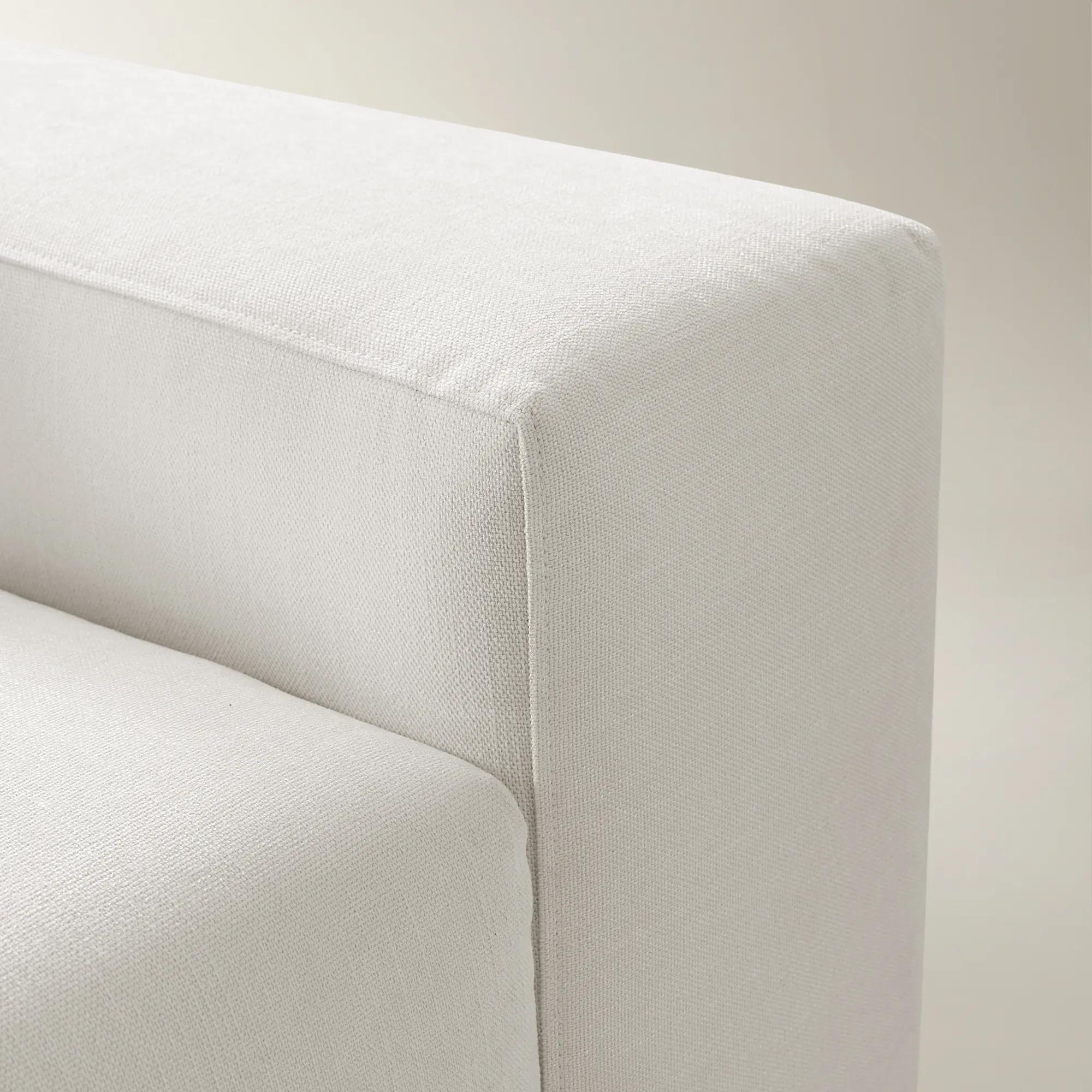 Carlos 5-Piece L-Shaped Oyster Linen Sectional Sofa$6849
A hand-tufted sectional with luxurious linen-blend upholstery and a kiln-dried rubberwood frame for refined comfort.
Add To Cart -
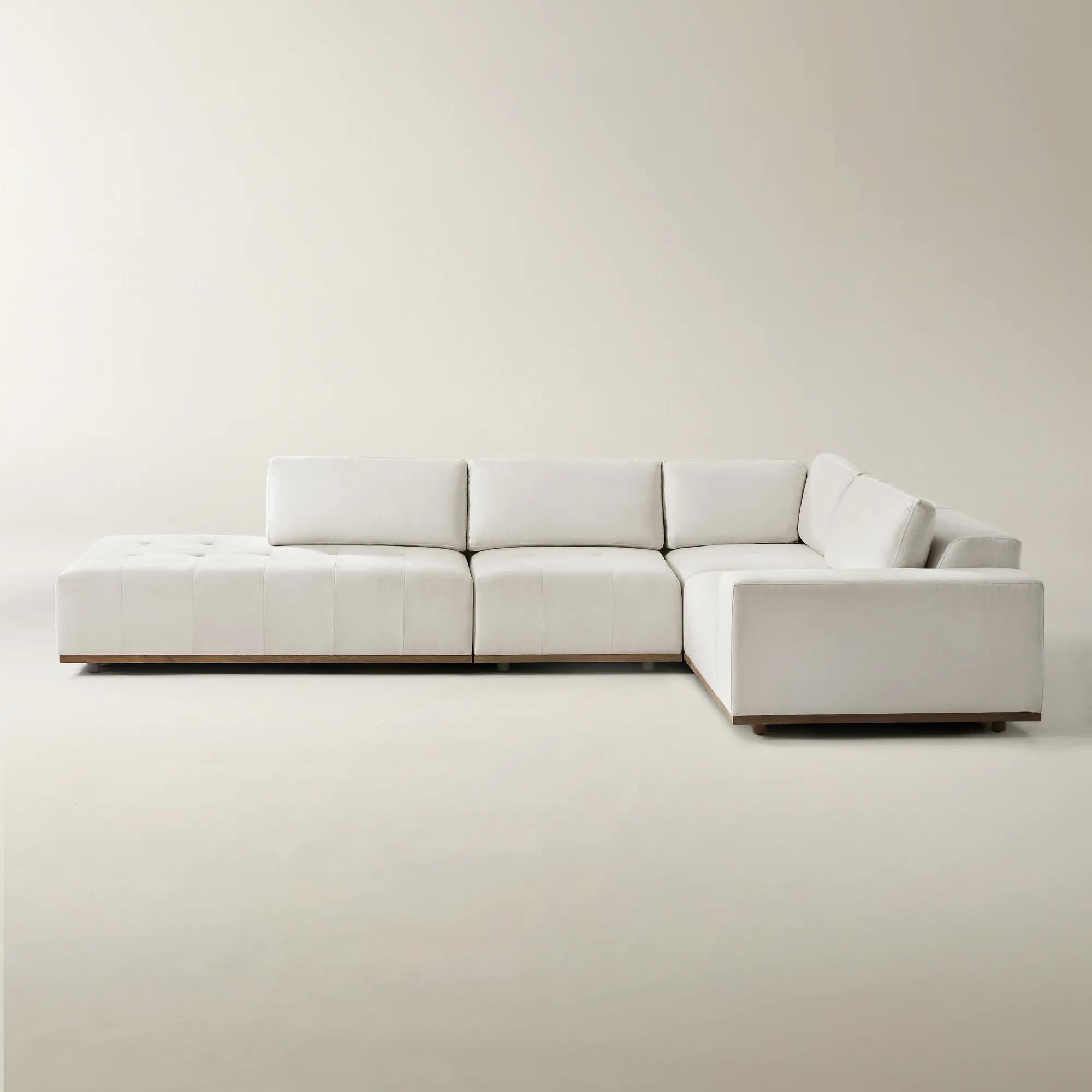 Carlos 4-Piece L-Shaped Oyster Linen Sectional Sofa$5899
A hand-tufted sectional with luxurious linen-blend upholstery, natural grey legs, and plush duck feather cushions.
Add To Cart -
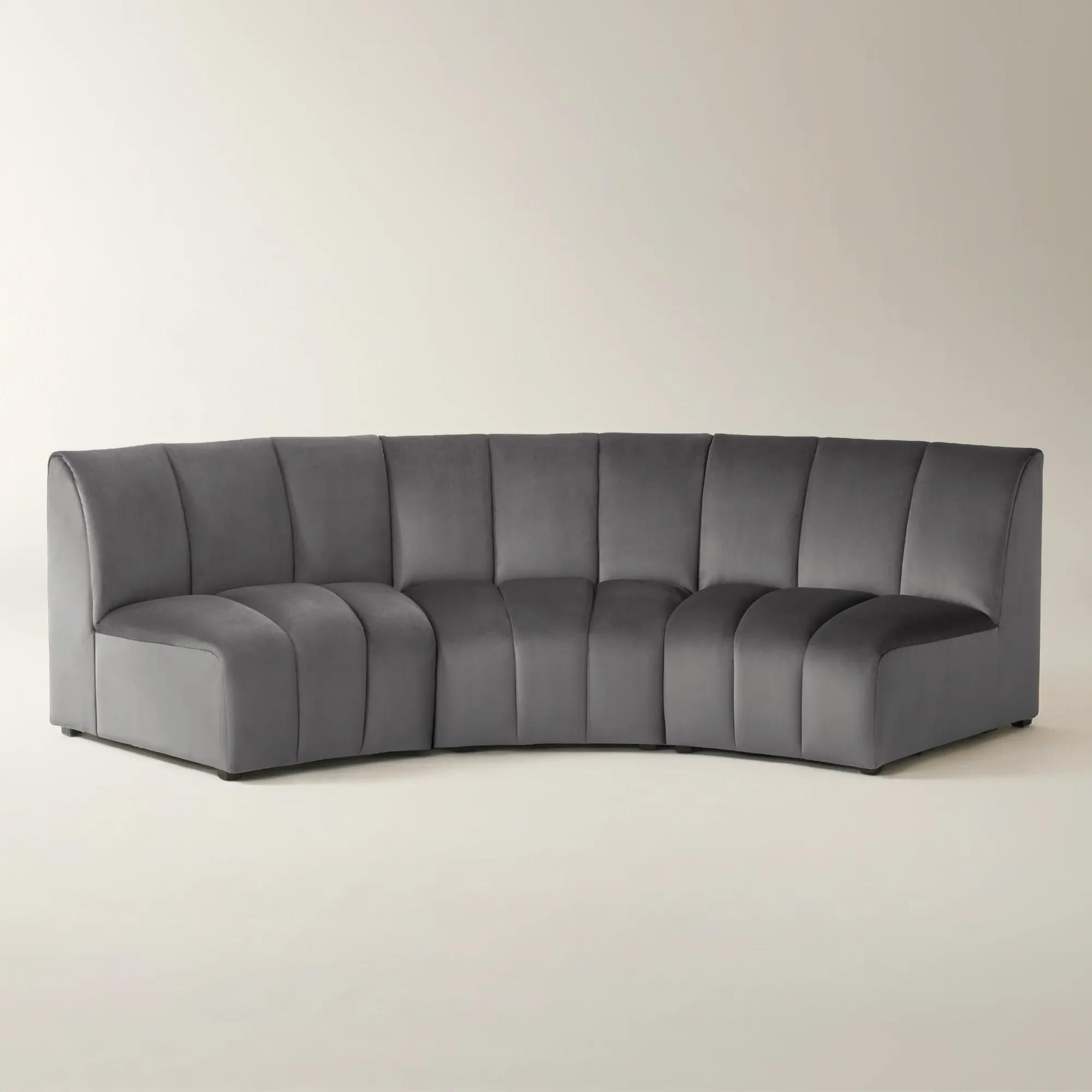 Jayce 3-Piece Channel-Tufted Smoked Pearl Velvet Sectional Sofa$2799
A modern curved sectional in silver grey velvet with deep channel tufting and plush, high-density foam cushions.
Add To Cart -
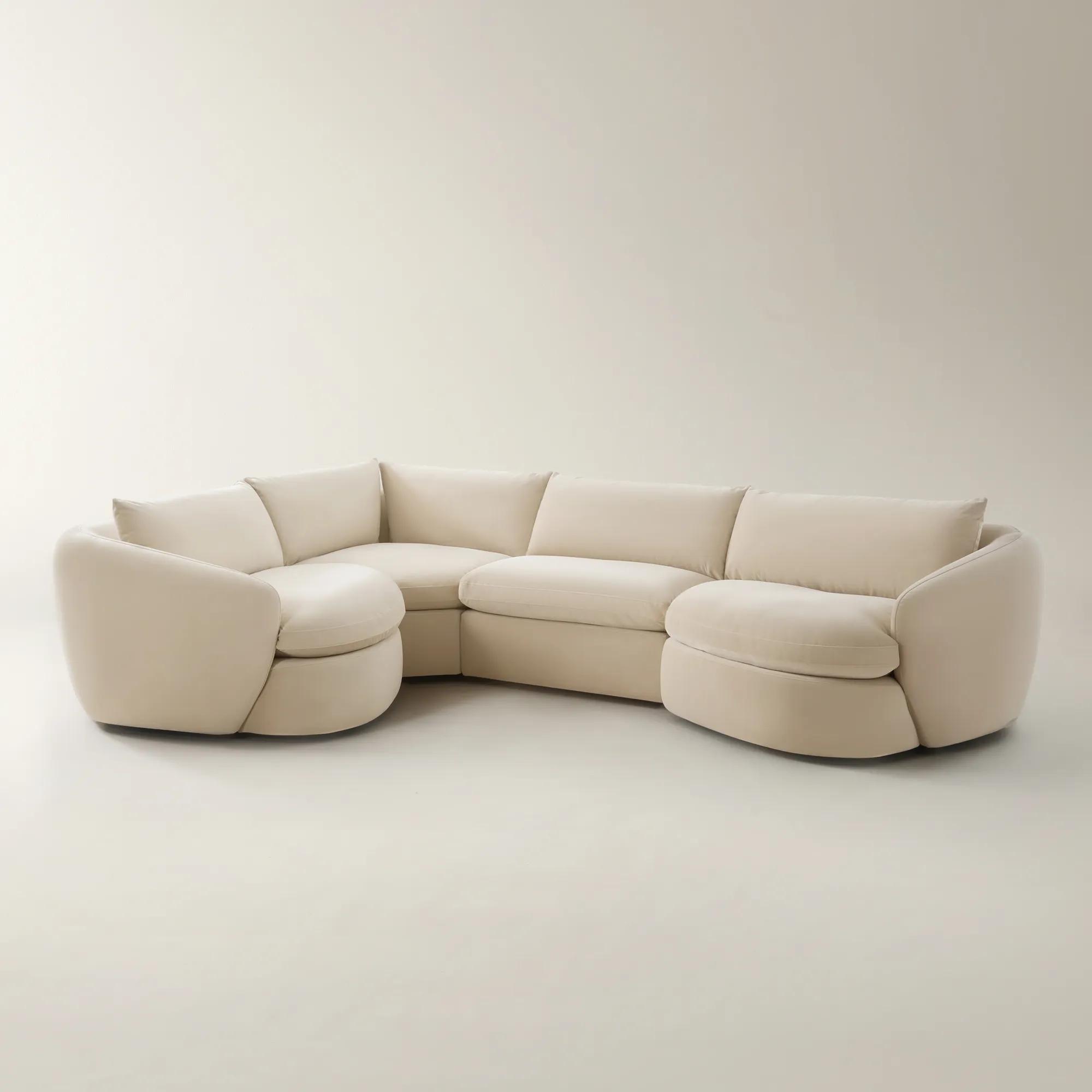 Sabrina 4-Piece Oatmeal Velvet Sectional With Left-Arm Chair$4999
An inviting L-shaped sectional in soft oatmeal velvet with feather-blend cushions and a modular, curved silhouette.
Add To Cart -
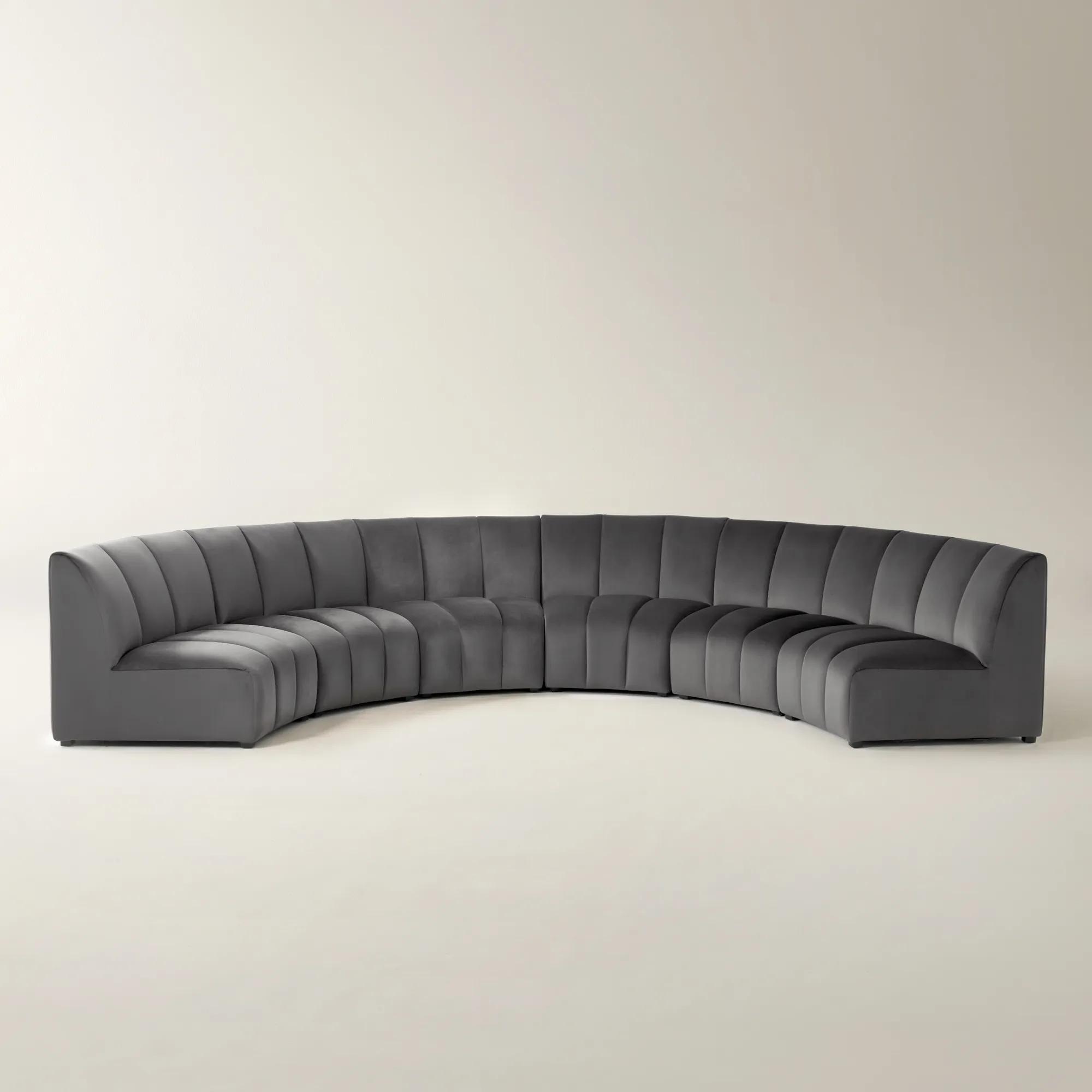 Jayce 6-Piece Channel-Tufted Smoked Pearl Velvet Sectional Sofa$5499
A modern curved sectional in silver grey velvet with deep channel tufting and plush, high-density cushions.
Add To Cart -
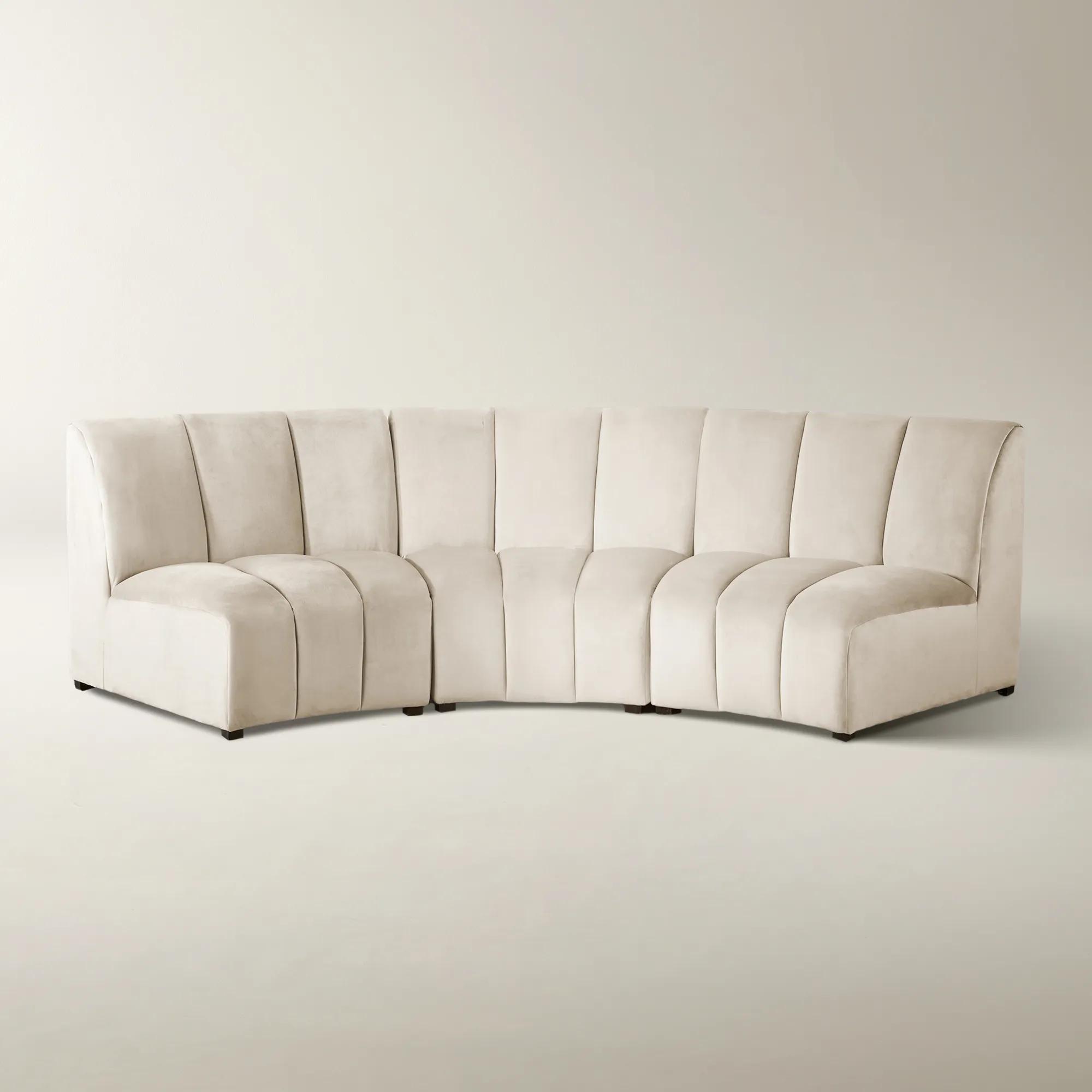
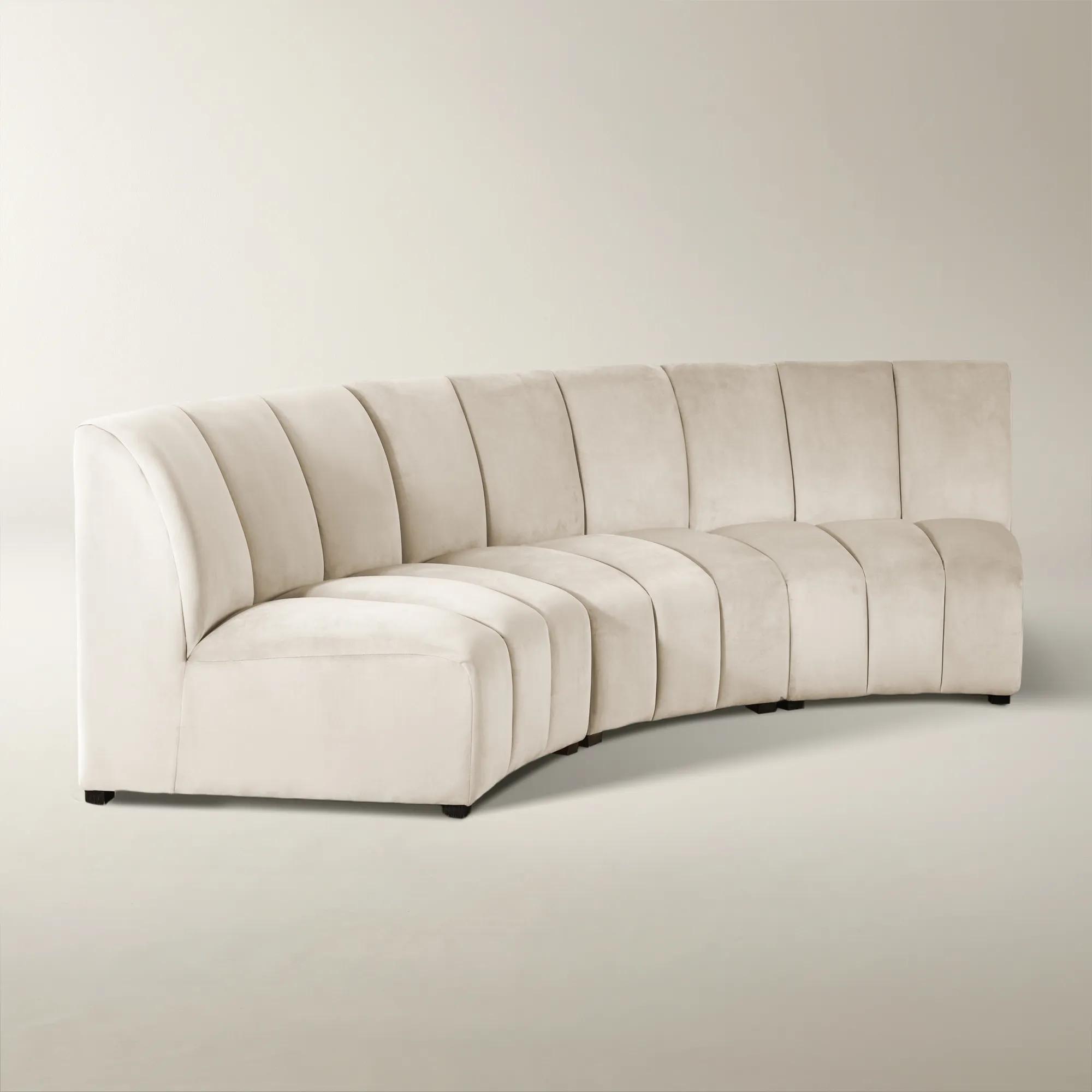 Jayce 3-Piece Channel-Tufted Ivory Velvet Sectional Sofa$2799
A modern curved sectional in stain-resistant Velvet Ivory with deep channel tufting and plush, structured cushions.
Add To Cart -
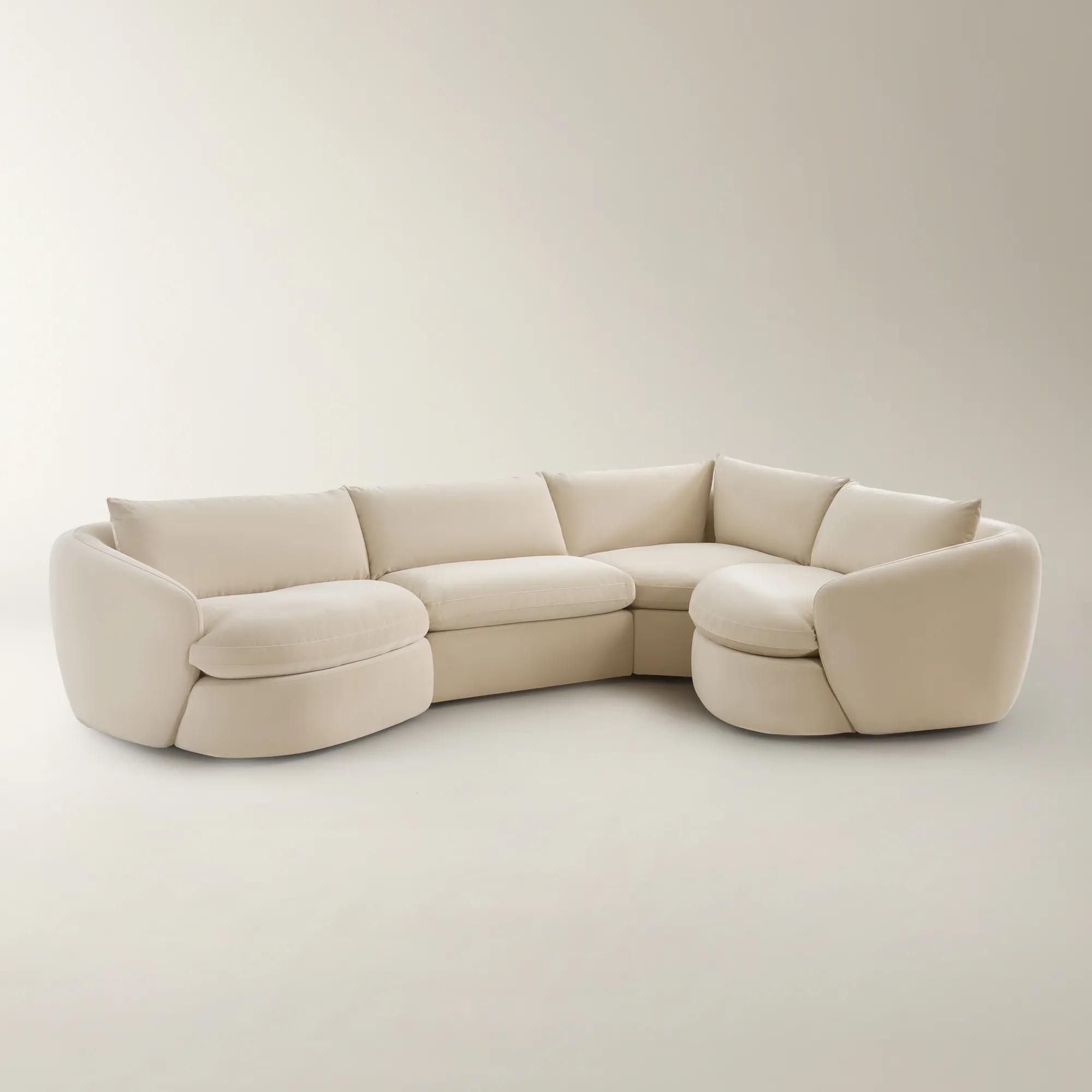 Sabrina 4-Piece Oatmeal Velvet Sectional With Right-Arm Chair$4999
An inviting L-shaped sectional in soft oatmeal velvet with plush feather-blend cushions and modular design.
Add To Cart -
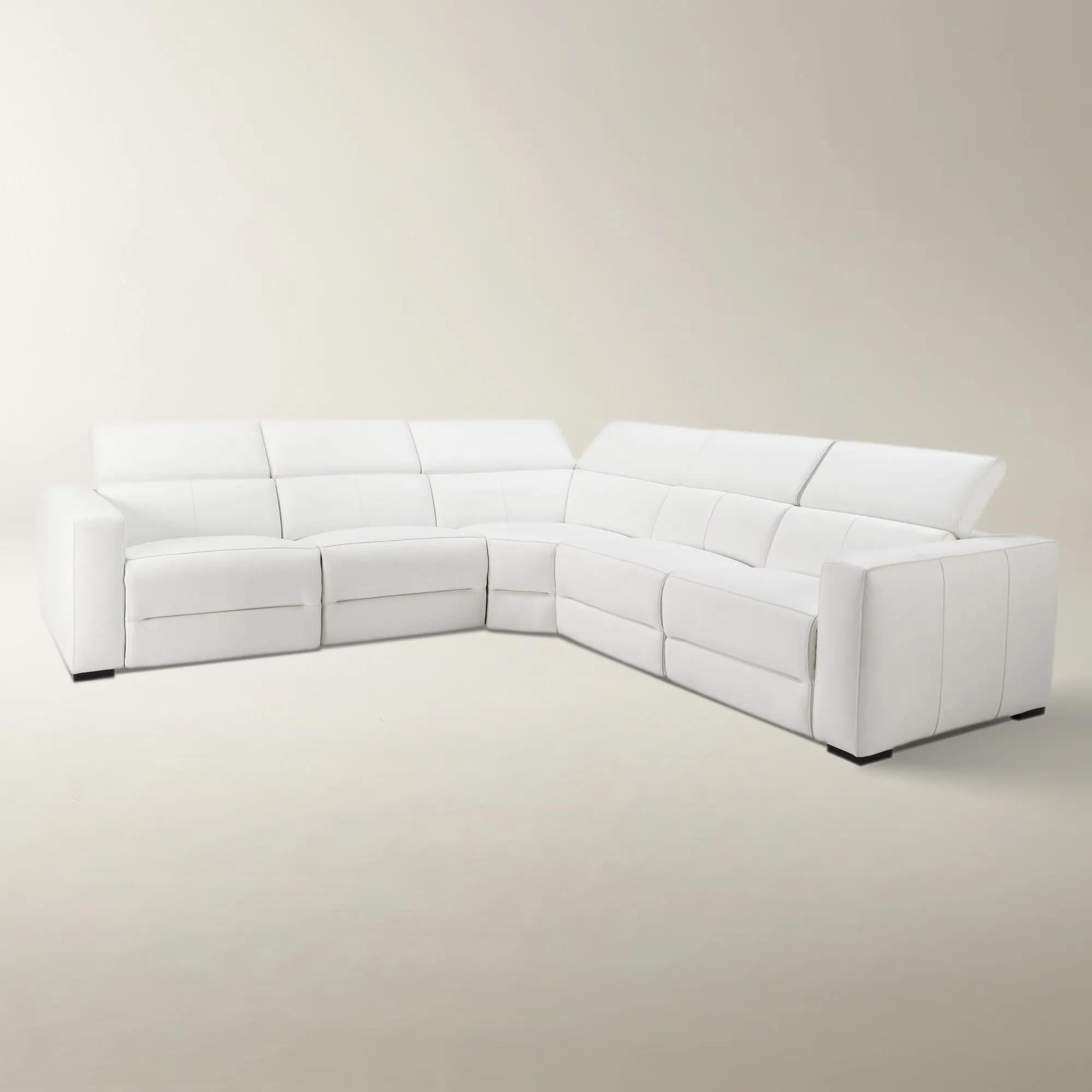 Verona 5-Piece Reclining White Leather Sectional Sofa$7199
A modern sectional upholstered in supple white semi-aniline leather with adjustable headrests and power-reclining seats.
Add To Cart -
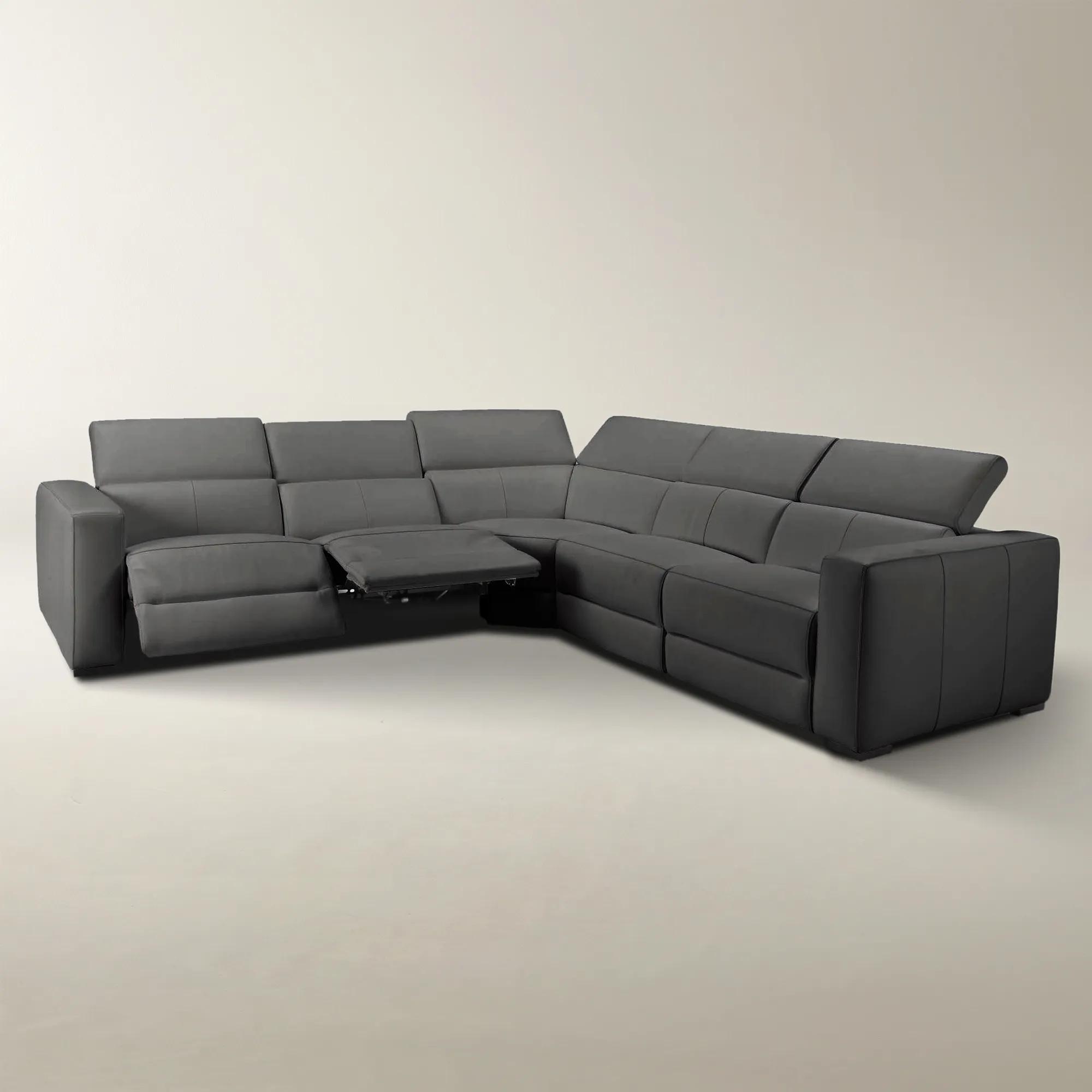 Verona 5-Piece Reclining Charcoal Leather Sectional Sofa$7199
A charcoal semi-aniline leather sectional featuring adjustable headrests, kiln-dried hardwood frame, and optional power recline.
Add To Cart -
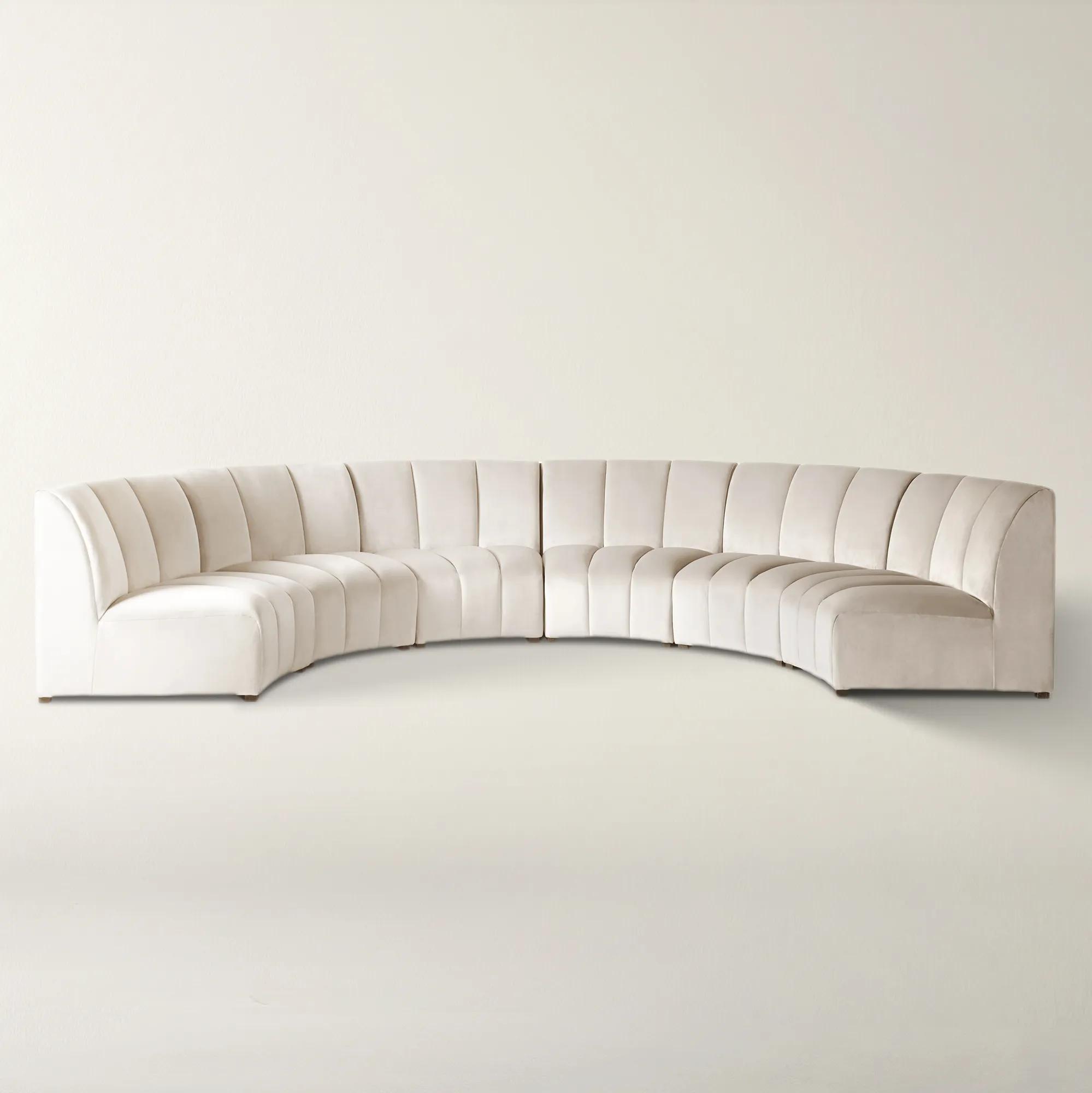 Jayce 6-Piece Channel-Tufted Ivory Velvet Sectional Sofa$5499
A modern curved sectional in stain-resistant Velvet Ivory with deep channel tufting and plush, structured cushions.
Add To Cart -
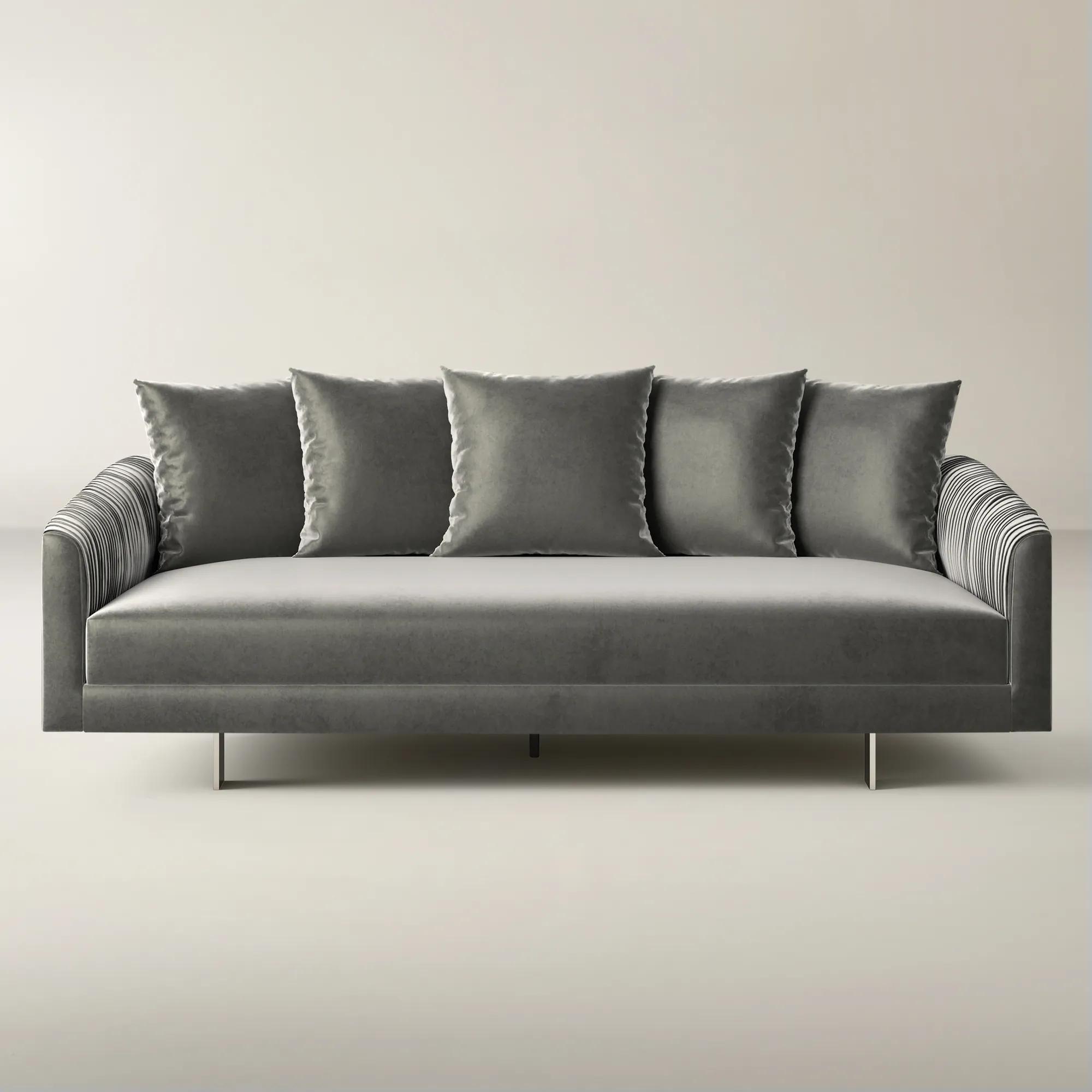 Isabel Ottergrey Velvet Sofa$2599
A luxurious hand-tufted sofa with plush feather-filled cushions, nickel-brushed stainless steel legs, and five decorative pillows.
Add To Cart -
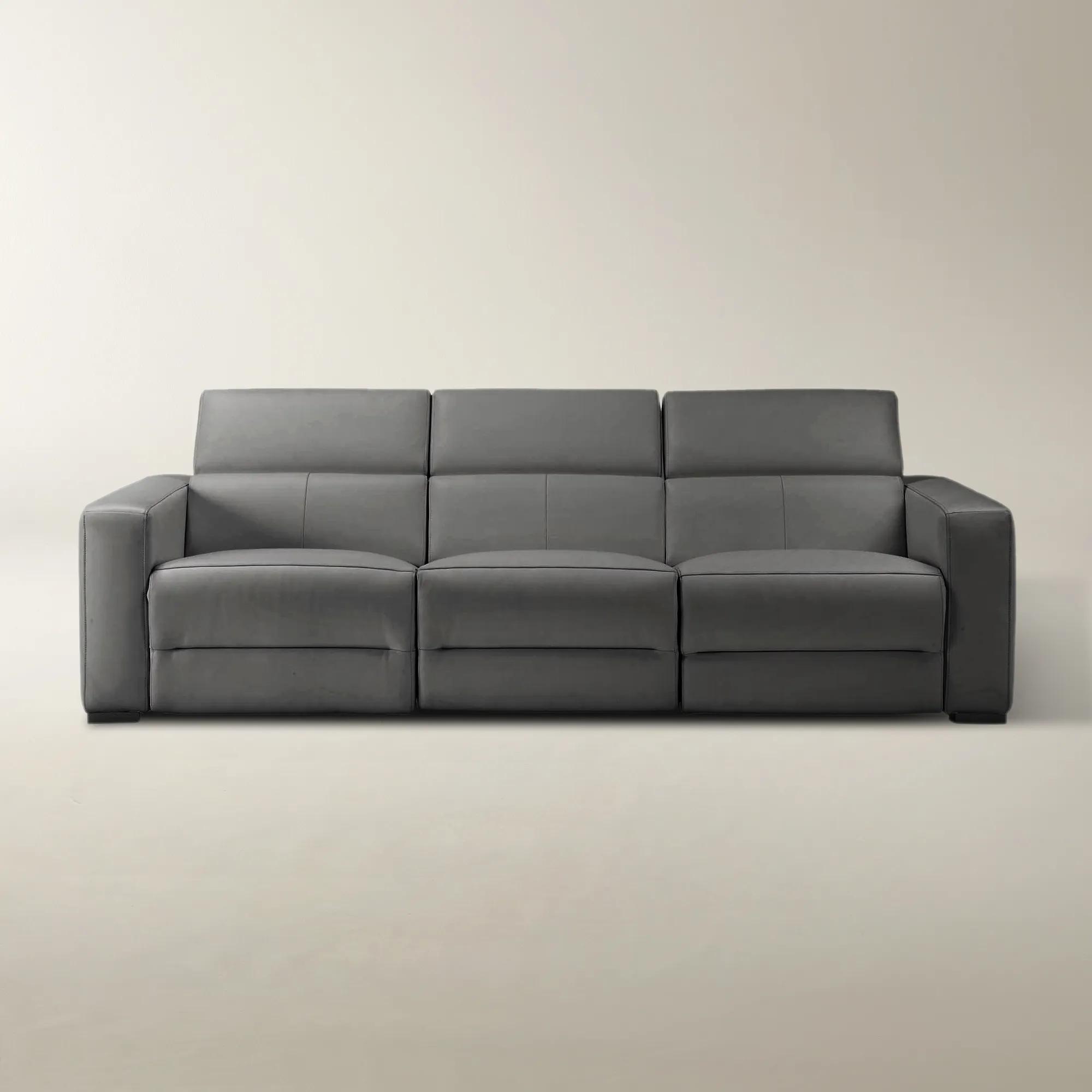 Verona 3-Piece Charcoal Leather Sectional Sofa$4399
A charcoal semi-aniline leather sectional featuring adjustable headrests, kiln-dried hardwood frame, and optional power recline.
Add To Cart -
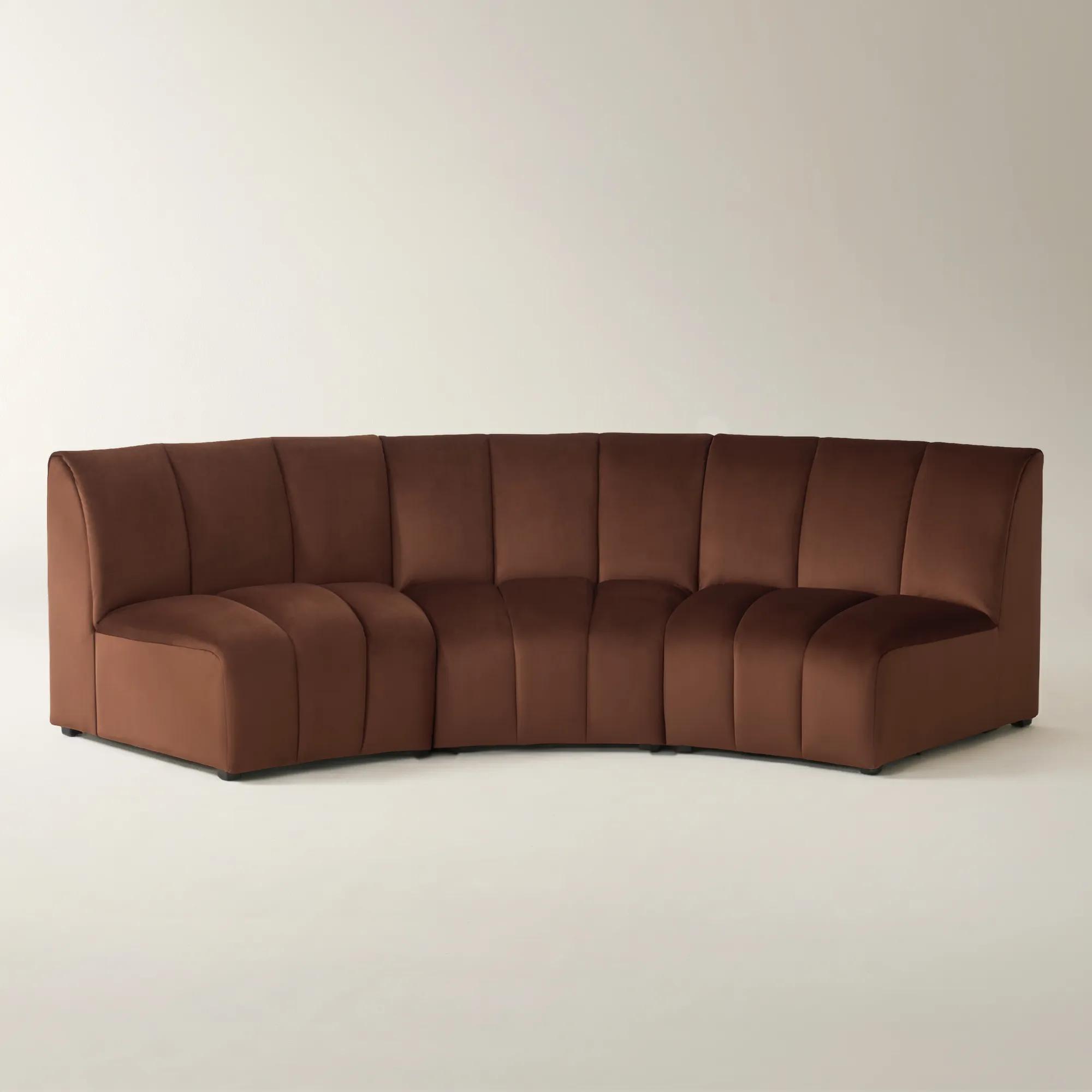 Jayce 3-Piece Channel-Tufted Burnt Umber Velvet Sectional Sofa$2799
A modern curved sectional in silver grey velvet with deep channel tufting and plush, water-repellent upholstery.
Add To Cart -
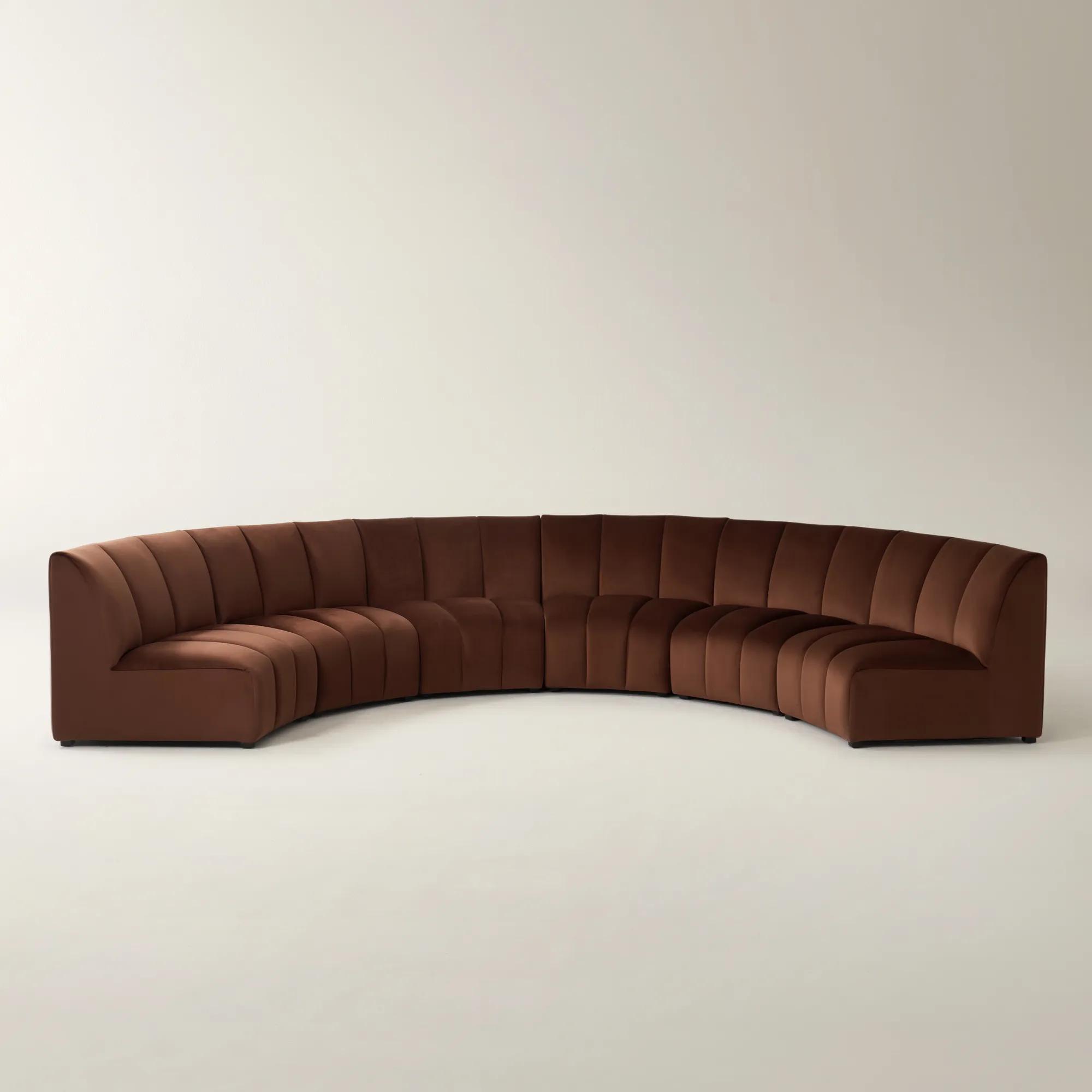
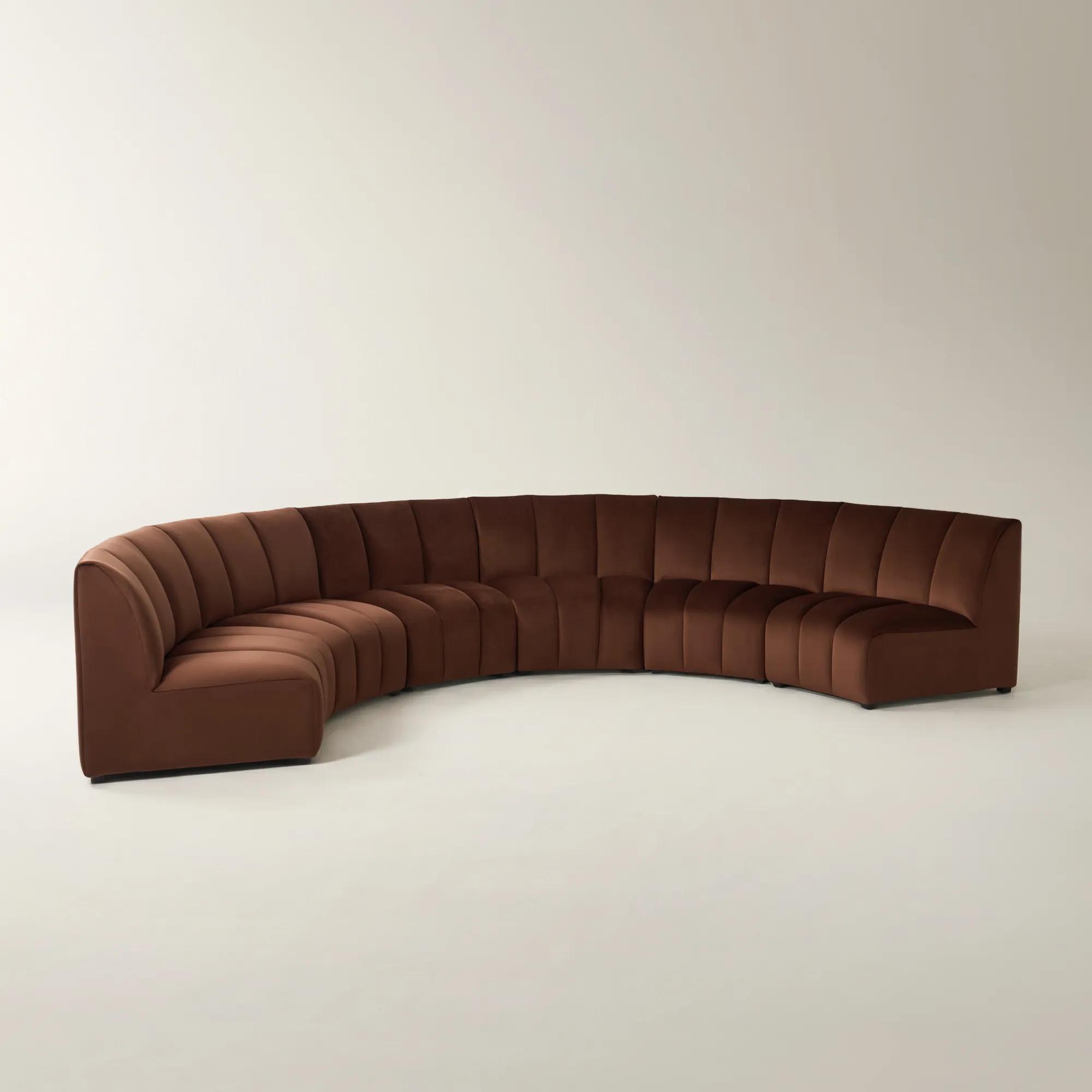 Jayce 6-Piece Channel-Tufted Burnt Umber Velvet Sectional Sofa$5499
A modern curved sectional in silver grey velvet with deep channel tufting and plush, high-density foam cushions.
Add To Cart -
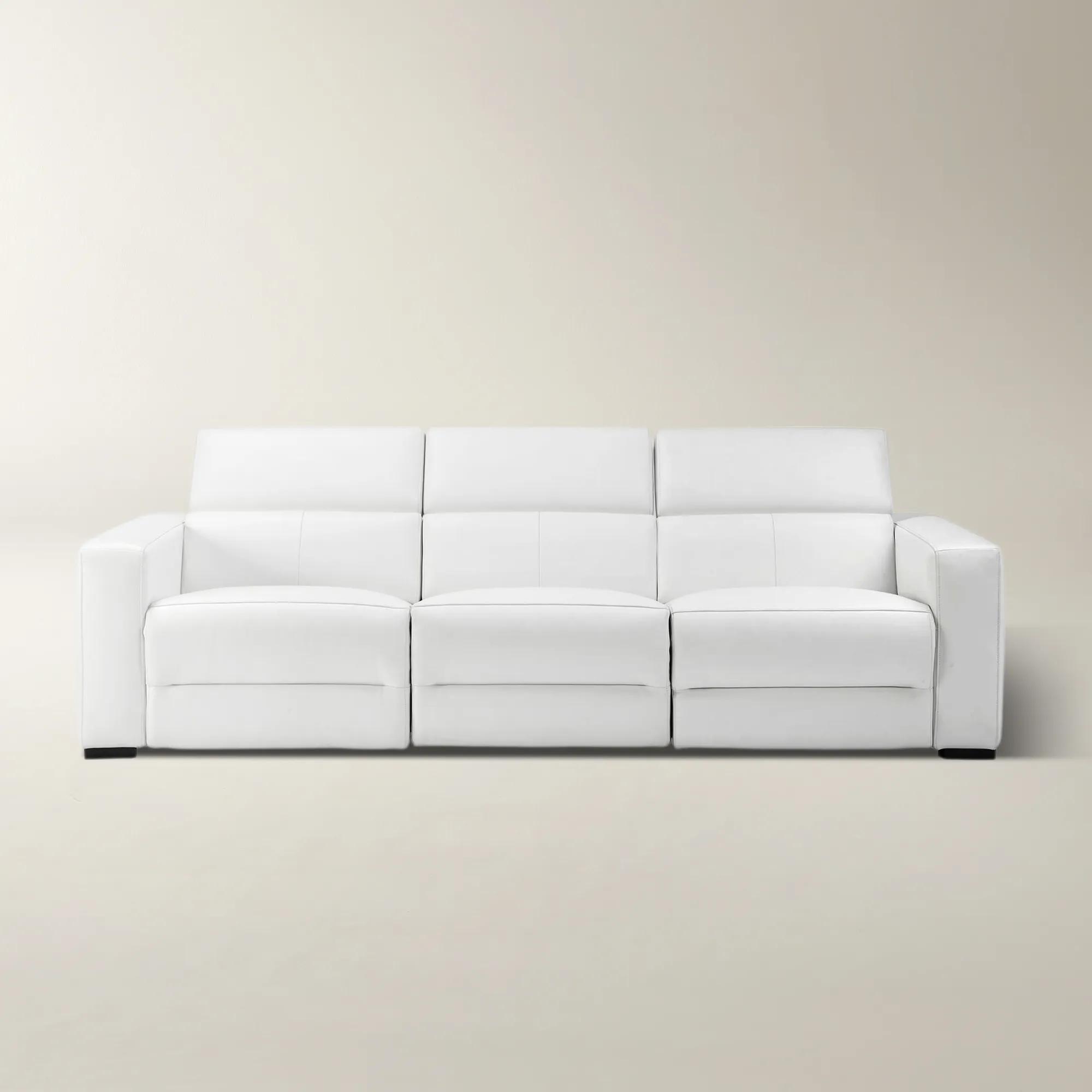 Verona 3-Piece White Leather Sectional Sofa$4399
A modern white sectional upholstered in supple semi-aniline leather with adjustable headrests and power-reclining seats.
Add To Cart -
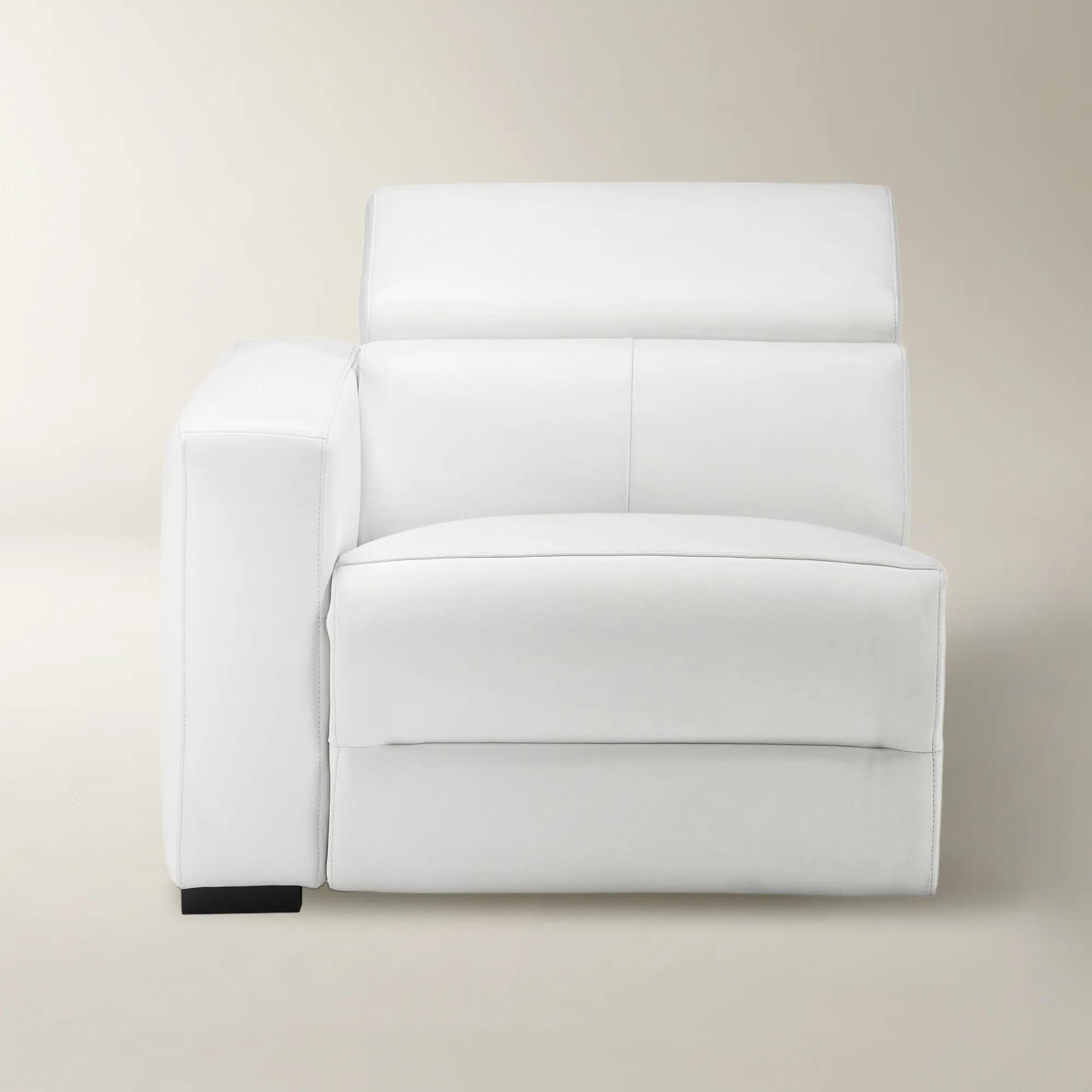
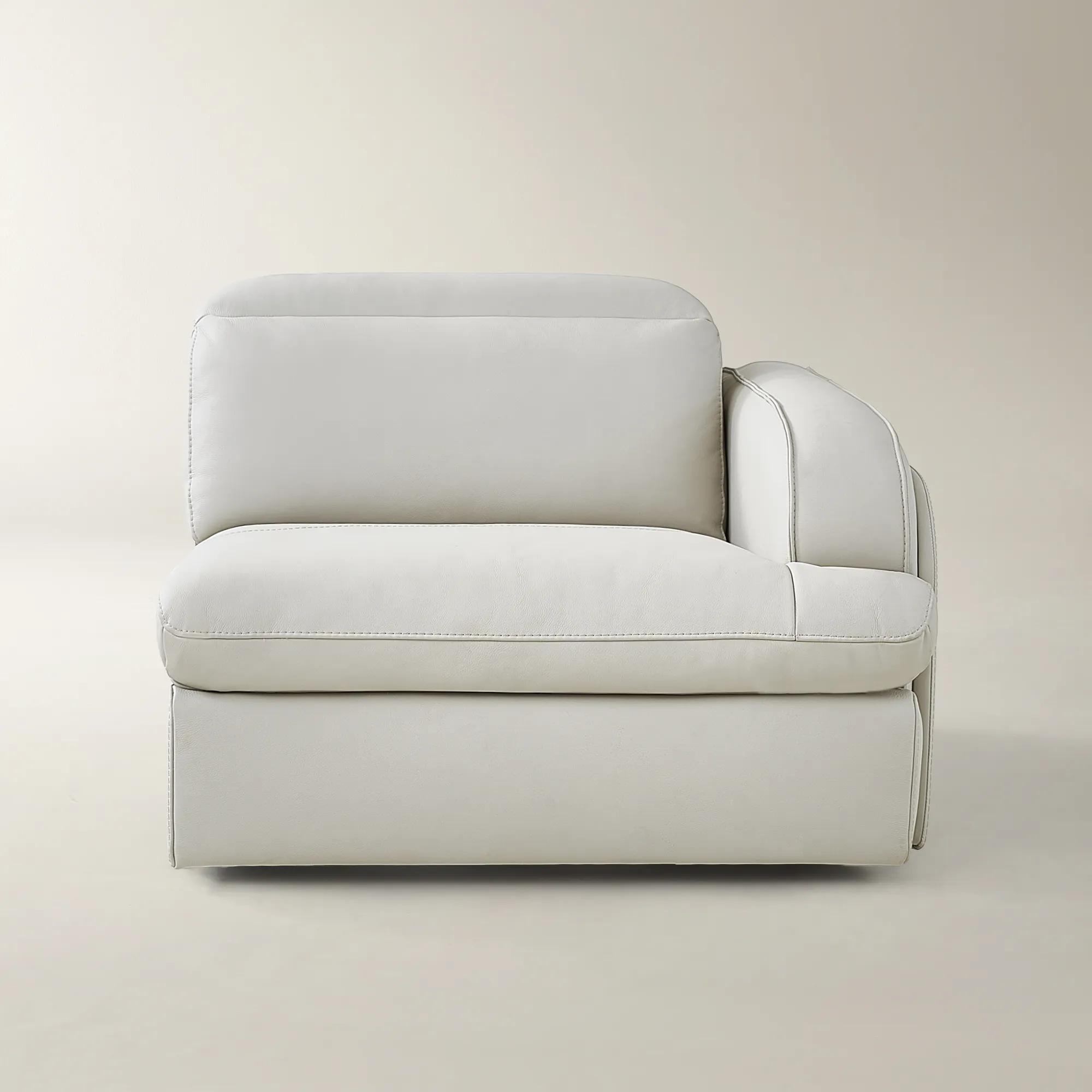
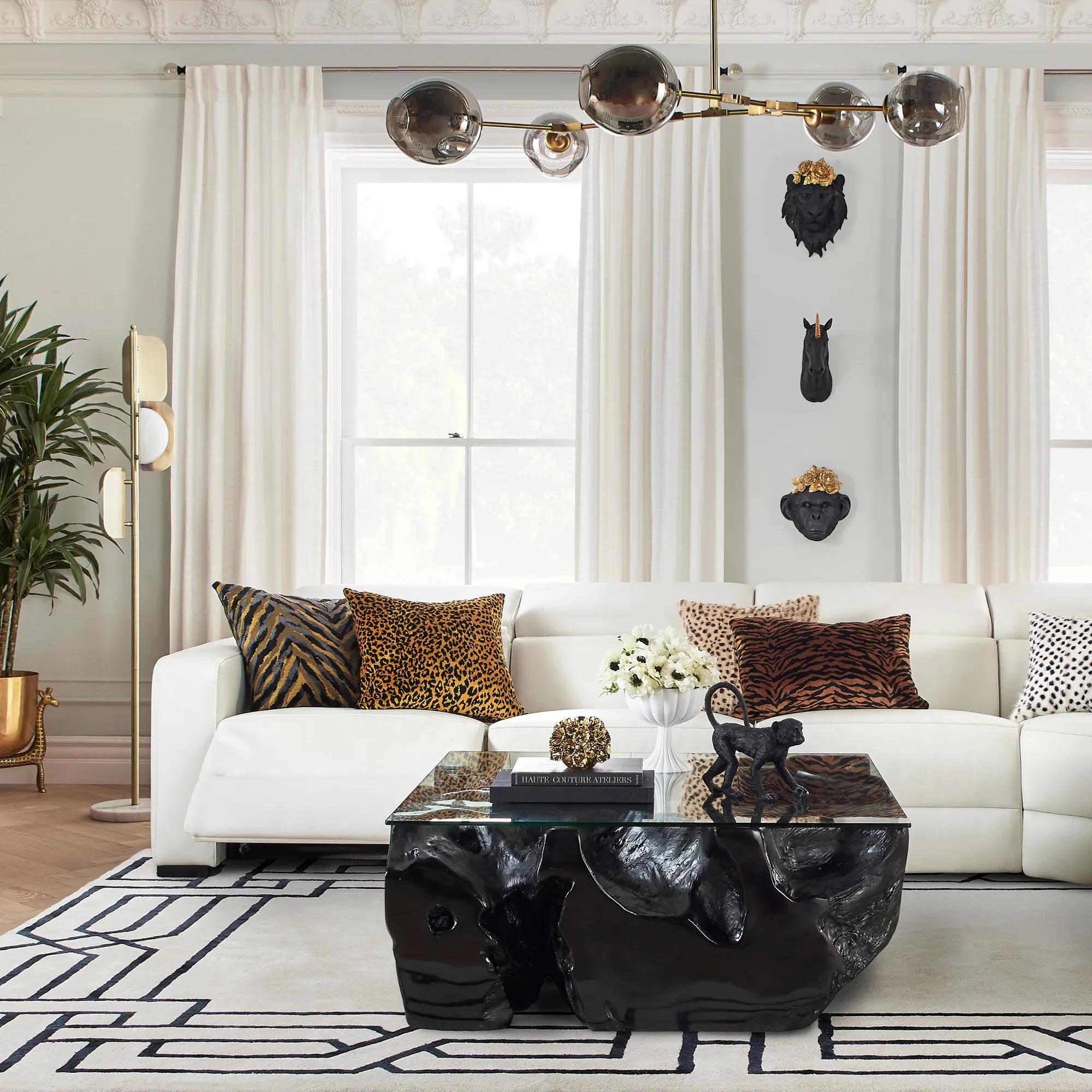 Verona White Leather Left Arm Chair$1399
A modern white sectional upholstered in supple semi-aniline leather with adjustable headrests and power-reclining seats.
Add To Cart -
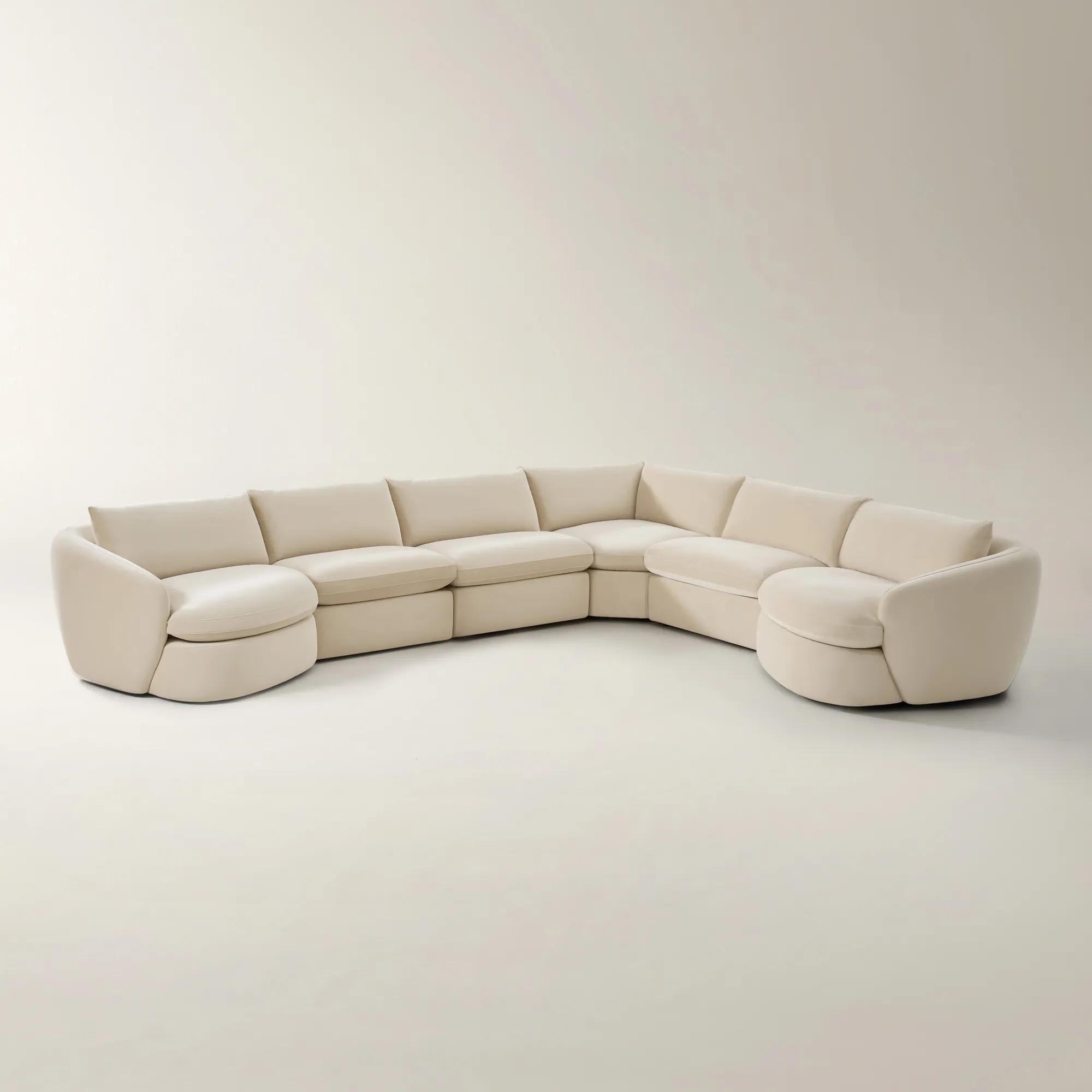
 Sabrina 6-Piece Oatmeal Velvet Sectional$6999
An inviting L-shaped sectional in soft oatmeal velvet with plush feather-blend cushions and modular design.
Add To Cart -
 Sabrina 5-Piece Oatmeal Velvet Sectional$5999
An inviting L-shaped sectional in soft oatmeal velvet with plush feather-blend cushions and modular design.
Add To Cart

Living Room Furniture Collections
Living room furniture collections at Z Gallerie are an invitation to transform ordinary spaces into extraordinary expressions of style. Each curated ensemble is designed to capture the art of living boldly—where plush textures, sculptural silhouettes, and luminous finishes set the stage for unforgettable moments. Whether your vision leans toward modern glamor or timeless sophistication, our living room furniture collections promise to infuse your home with drama, elegance, and a sense of wonder that lingers long after the last guest departs. Indulge in the luxury of self-expression—because every living room deserves its own spotlight.
Living room furniture collections bring sofas, sectionals, chairs, ottomans, and occasional tables into a shared design language, creating a room that feels connected through silhouette, material, and proportion. A collection may center on coordinated upholstery or extend to complementary tables and storage; the exact components vary, so individual dimensions and descriptions matter as much as the overall look. The appeal is more than matching furniture. Repeated curves, a consistent metal finish, or a distinctive leg shape can give a living room the visual rhythm of a beautifully composed interior. A sweeping sofa establishes a generous focal point, while rounded chairs soften the arrangement and invite conversation. Deep button tufting introduces shadow and dimension; tailored seams and slender bases create a more architectural impression. Modern living room furniture collections can feel richly expressive without relying on elaborate ornament, especially when plush upholstery meets polished metal, richly grained wood, or a reflective tabletop. For an intimate apartment, a sofa and a pair of chairs can create a complete seating area without overwhelming the floor plan. In a larger room, a sectional, substantial cocktail table, and additional seating can establish a gathering place with presence. Coordinated furniture also leaves room for personal expression. A dramatic piece of art, an heirloom vessel, or a rug with an assertive pattern can become more compelling against a consistent foundation. Upholstery in ivory, charcoal, or taupe allows texture and shape to take the lead, while saturated jewel tones bring a more theatrical energy. Matching every element is not essential; repeating one or two details is often enough to connect the room. A curved chair might echo a sofa’s rounded arms, while a table’s metallic base picks up the gleam of nearby lighting. That continuity makes individual choices feel intentional, giving the room a clear point of view without flattening its personality.
Materials shape both the atmosphere of a living room furniture collection and the experience of using it every day. Velvet catches light across its pile, giving broad upholstered surfaces subtle movement and depth. Woven fabrics offer a different kind of richness, with visible texture that can temper glossy finishes and strong architectural lines. Leather develops character according to its finish and use, while textured upholstery can lend dimension to a restrained palette. Fiber content, weave, backing, and finishing all influence how a fabric wears; appearance alone does not establish durability or ease of cleaning. Where performance upholstery is specified, the stated properties and care instructions deserve close attention, since stain resistance does not necessarily mean a cover is removable or machine washable. Households with children, pets, or frequent guests may place particular value on cleanable surfaces, secure cushions, and upholstery suited to regular contact. Construction matters beneath the surface as well. Frame materials, joinery, suspension, and cushion composition work together to determine support and resilience. Foam can create a more structured seat, while fiber or feather blends may offer a softer, more relaxed feel and require regular reshaping. Wood tables introduce grain and warmth; metal bases add definition; glass can preserve sightlines around substantial upholstered seating. Each surface brings its own care requirements. Coasters and protective pads help shield table finishes from moisture, heat, and abrasion, and abrasive cleaners can damage delicate coatings. Upholstery generally benefits from routine vacuuming with an appropriate attachment, prompt attention to spills, and protection from prolonged direct sunlight. Blotting rather than rubbing helps avoid pushing a spill farther into the fabric, but cleaning products should always follow the manufacturer’s directions. Removable cushions may benefit from rotation when their design permits it. These details are worth considering alongside color and silhouette: a room can retain its glamour more comfortably when its materials suit the people, habits, and gatherings it is meant to accommodate.
Scale gives coordinated living room furniture its confidence. The dimensions of a sofa or sectional should relate not only to the walls but also to the space needed for walking, opening doors, and moving between seats. Measuring the intended footprint with painter’s tape can reveal whether a generous chaise will interrupt a natural route or whether a cocktail table will sit comfortably within reach. Delivery access deserves the same attention, including doorway openings, stair turns, elevator dimensions, and any restrictions on removing furniture legs. Sectional orientation is especially important because left-facing and right-facing descriptions depend on the seller’s stated viewpoint. Seat depth and seat height affect comfort independently of overall size: a deep sofa encourages lounging, while a shallower seat may feel more supportive for upright conversation or getting up with ease. Arm height also changes the experience, whether the sofa is used for reading, entertaining, or stretching out at the end of the day. In compact spaces, raised bases and carefully scaled tables can keep the arrangement visually open. Larger living rooms can accommodate broader silhouettes, but dividing the space into a main seating group and a smaller conversation area may feel more welcoming than spreading furniture along the perimeter. An ottoman can introduce an upholstered counterpoint to a firm-edged table, while accent chairs can turn toward guests rather than fixing every seat toward a screen. A rug large enough to connect the seating helps the collection read as one composition, and table heights that relate comfortably to nearby cushions make the arrangement easier to use. For another view of coordinated seating and complementary forms, explore Living Room Furniture Deals. The most compelling living rooms balance visual drama with this kind of practical precision: a clear path through the room, a comfortable place for conversation, and furnishings whose proportions allow their distinctive details to be seen. Rich texture and expressive shapes set the mood, while a well-resolved layout gives that beauty a place in everyday life.
FAQs
To achieve a harmonious living room, focus on unifying elements such as color palettes, textures, and finishes. Mix materials—like velvet, leather, and polished metals—for a layered, sophisticated effect, but keep a consistent undertone throughout. Echo shapes or design motifs across pieces, and use accent pillows or throws to tie the collection together. Lighting and artwork can also bridge styles, turning your living room into a thoughtfully curated retreat.
Layering textures adds depth and visual intrigue to your living room. Pair a sumptuous velvet sofa with a sleek glass or mirrored coffee table, and introduce tactile contrast with a plush area rug or faux fur throw. Incorporate metallic accents for a touch of glamour, and balance glossy surfaces with matte finishes. The interplay of soft and structured, smooth and nubby, creates a dynamic space that invites relaxation and conversation.
Start by identifying the mood you want to create—dramatic, serene, eclectic, or refined. Choose anchor pieces that speak to your aesthetic, whether that's a sculptural accent chair, a tufted sofa, or a bold coffee table. Layer in complementary items that echo your favorite colors, patterns, or materials. Don’t be afraid to showcase unique finds or statement pieces; your living room should be a canvas for self-expression and artistry.
Absolutely. Thoughtfully designed living room collections blend style with comfort, making them ideal for both grand gatherings and quiet evenings at home. Opt for plush seating and versatile arrangements that can accommodate guests while still offering cozy nooks for reading or relaxation. Accent tables and ottomans enhance functionality, ensuring your space adapts effortlessly to every occasion.
Accent pieces—such as side tables, ottomans, and statement chairs—are the jewels of a living room collection. They add personality, introduce unexpected shapes or finishes, and provide practical function. Use them to highlight your unique taste, create conversation areas, or infuse pops of color and shine. Thoughtful accents transform a collection from simply coordinated to truly captivating.