Living Room Accent Mirrors
Living Room Accent Mirrors
-
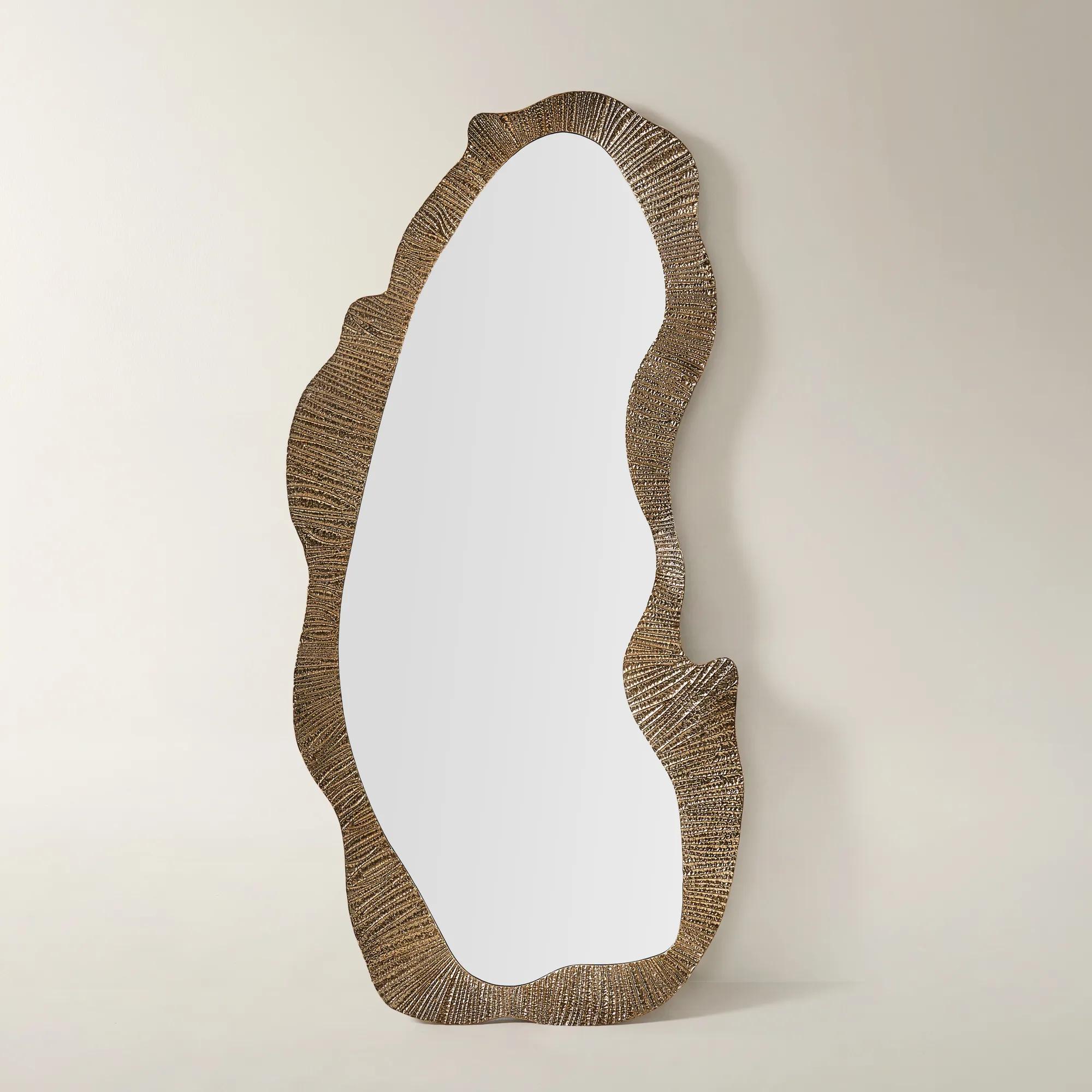
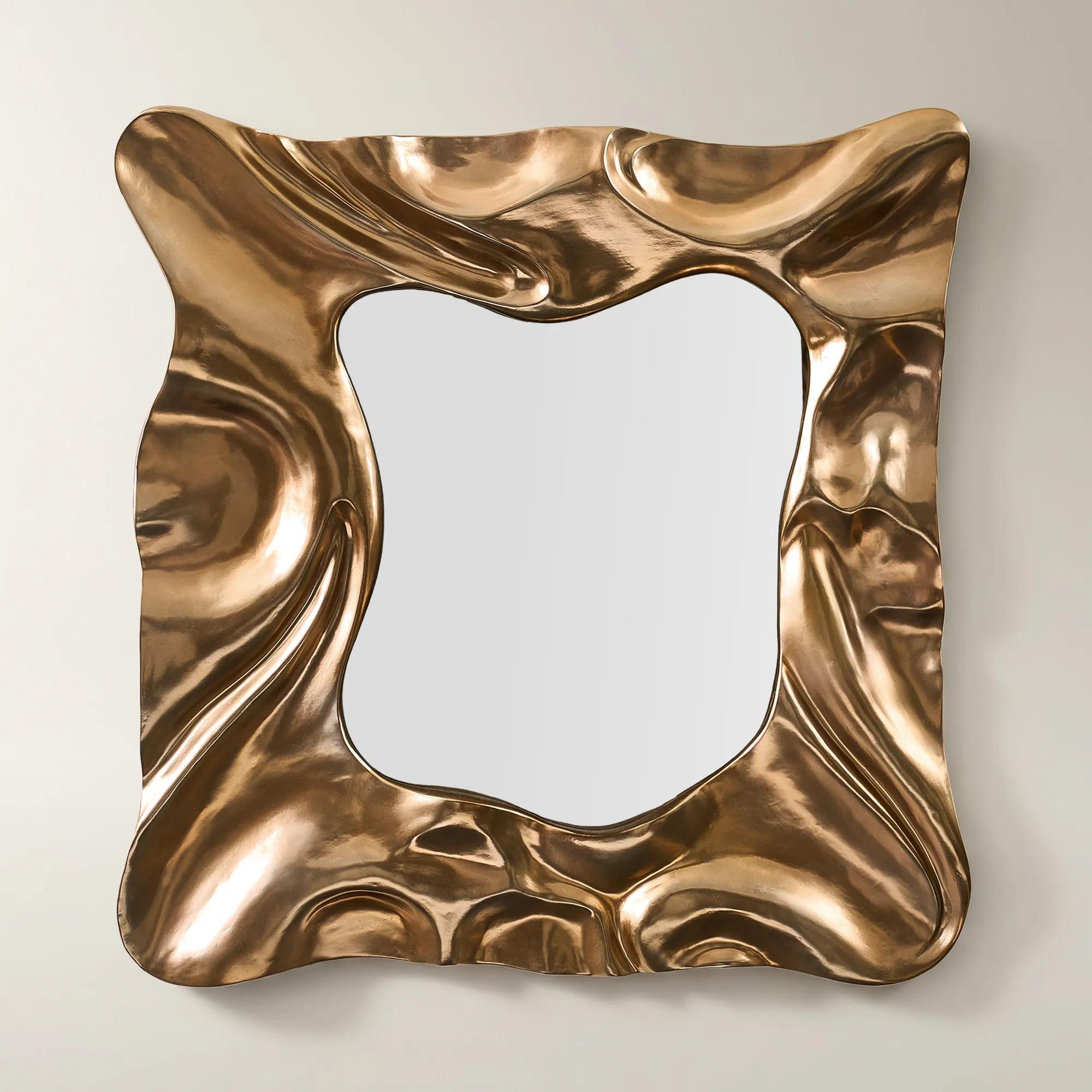 Surface Bronze Resin Organic Shaped Wall Mirror 40" x 40"$699
A sculptural bronze resin frame and organic silhouette create a striking, artful focal point for any room.
Add To Cart -
 Ever Translucent Amber Resin Round Wall Mirror 40"$699
A sculptural amber resin mirror with gold accents and playful bauble-inspired forms for modern glamour.
Add To Cart -
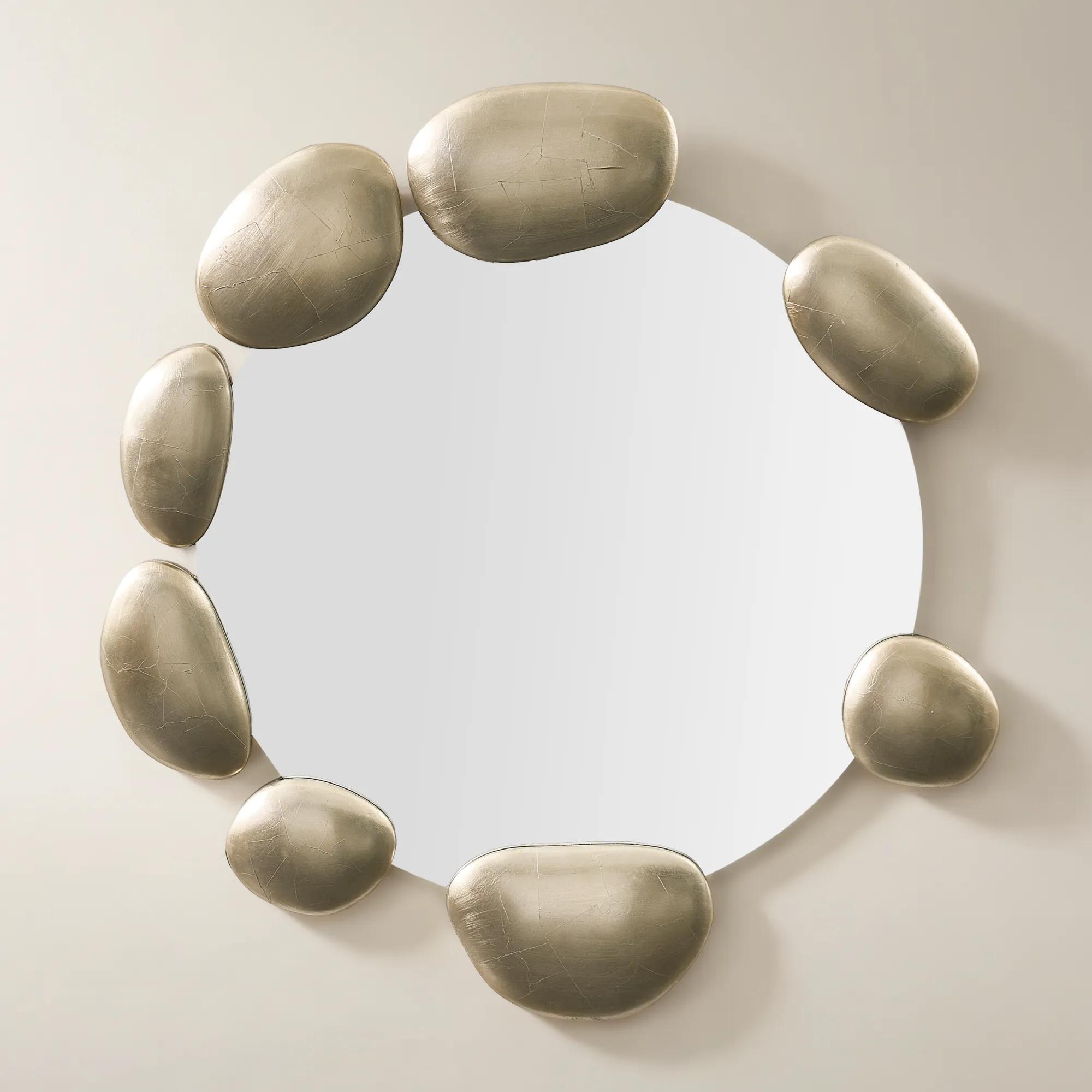 Pebbled Champagne Leaf Resin Round Wall Mirror 40"$599
A round wall mirror featuring a sculptural resin frame with champagne leafing and playful pebbled accents.
Add To Cart -
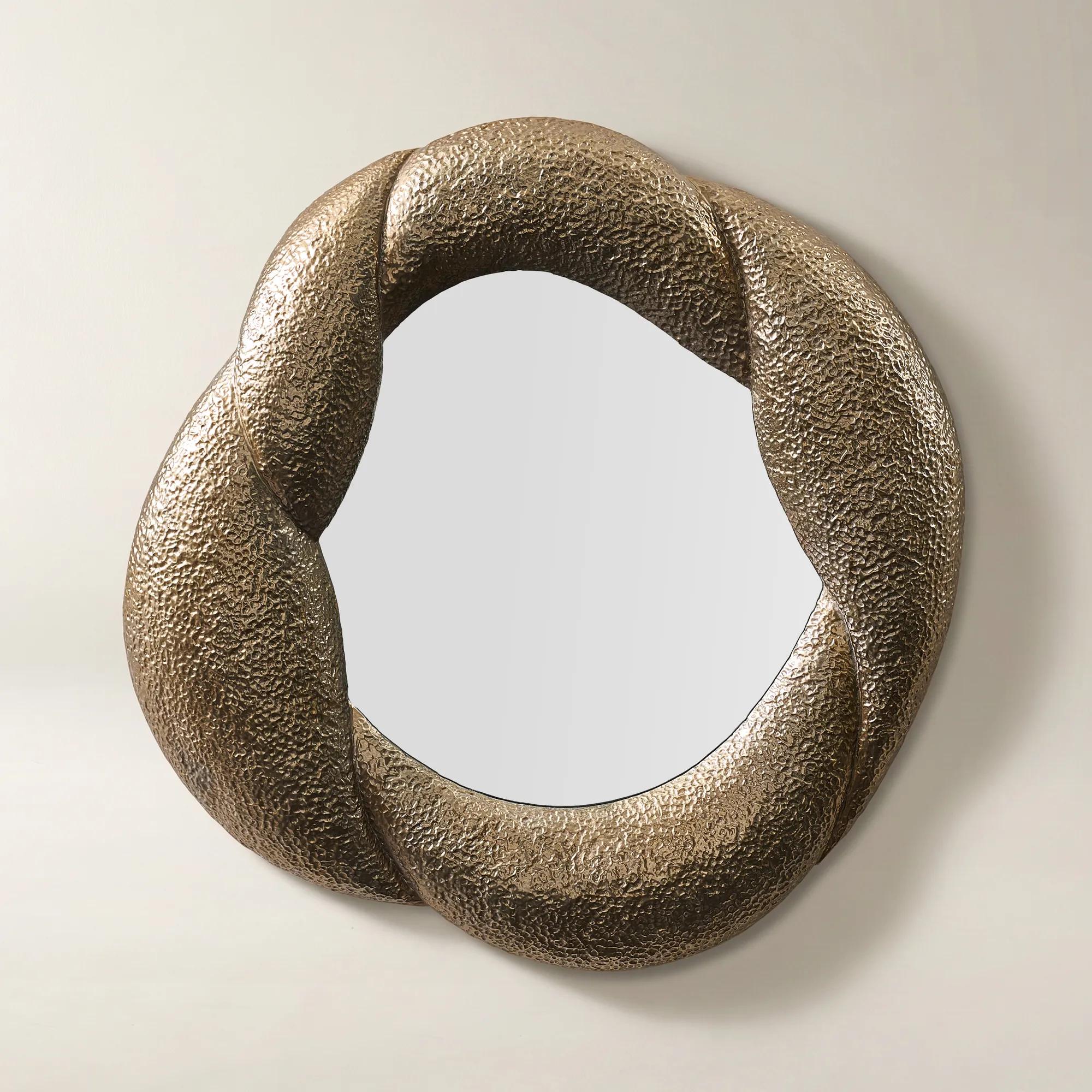 Bronze Age Hammered Texture Resin Organic Round Wall Mirror 34"$599
A round wall mirror featuring a chunky resin frame with hammered bronze texture for sculptural, modern appeal.
Add To Cart -
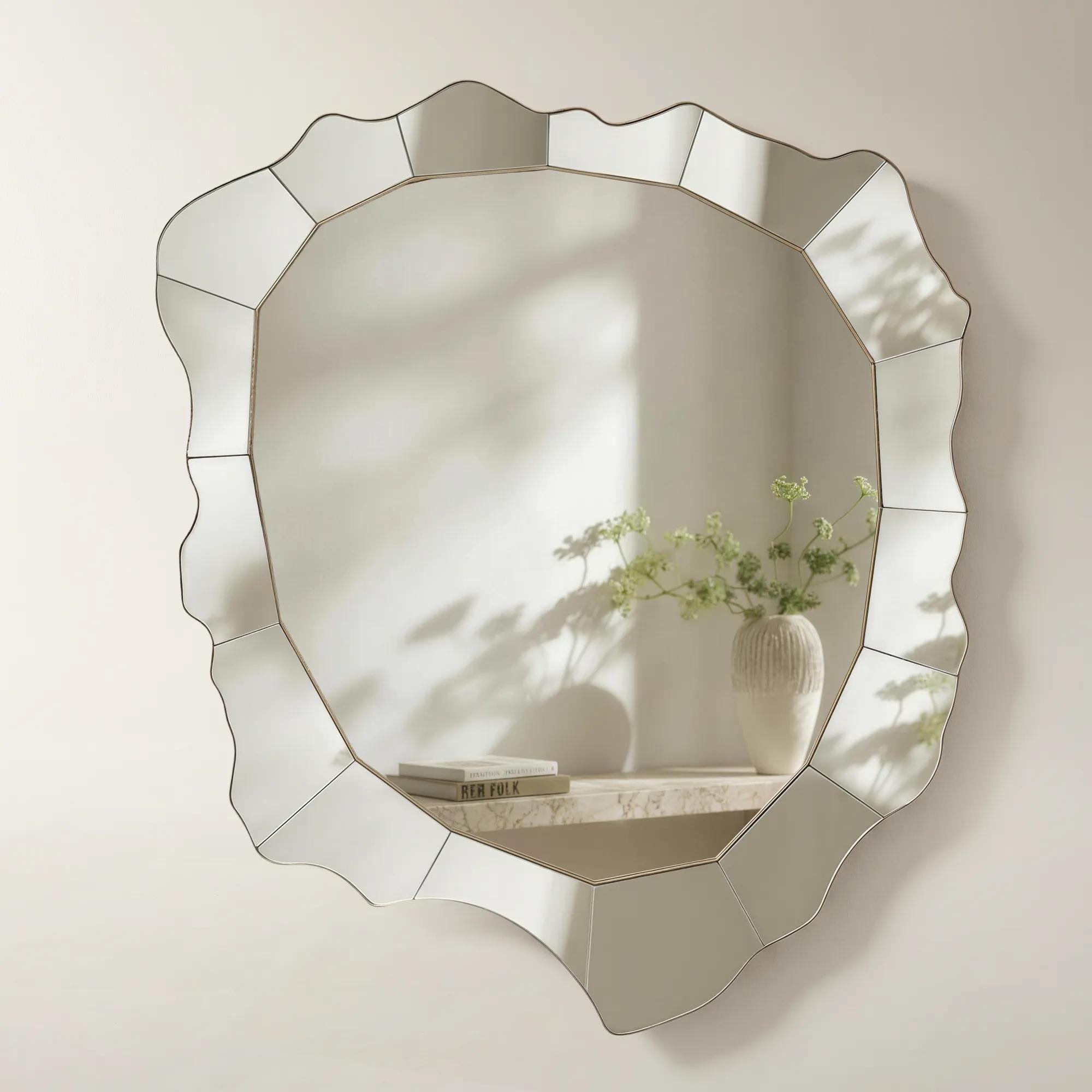 Gala Gold Trim Organic Shaped Wall Mirror 45" x 54"$999
An organic faceted mirror with soft gold iron trim adds sculptural movement and refined glamour to any room.
Add To Cart -
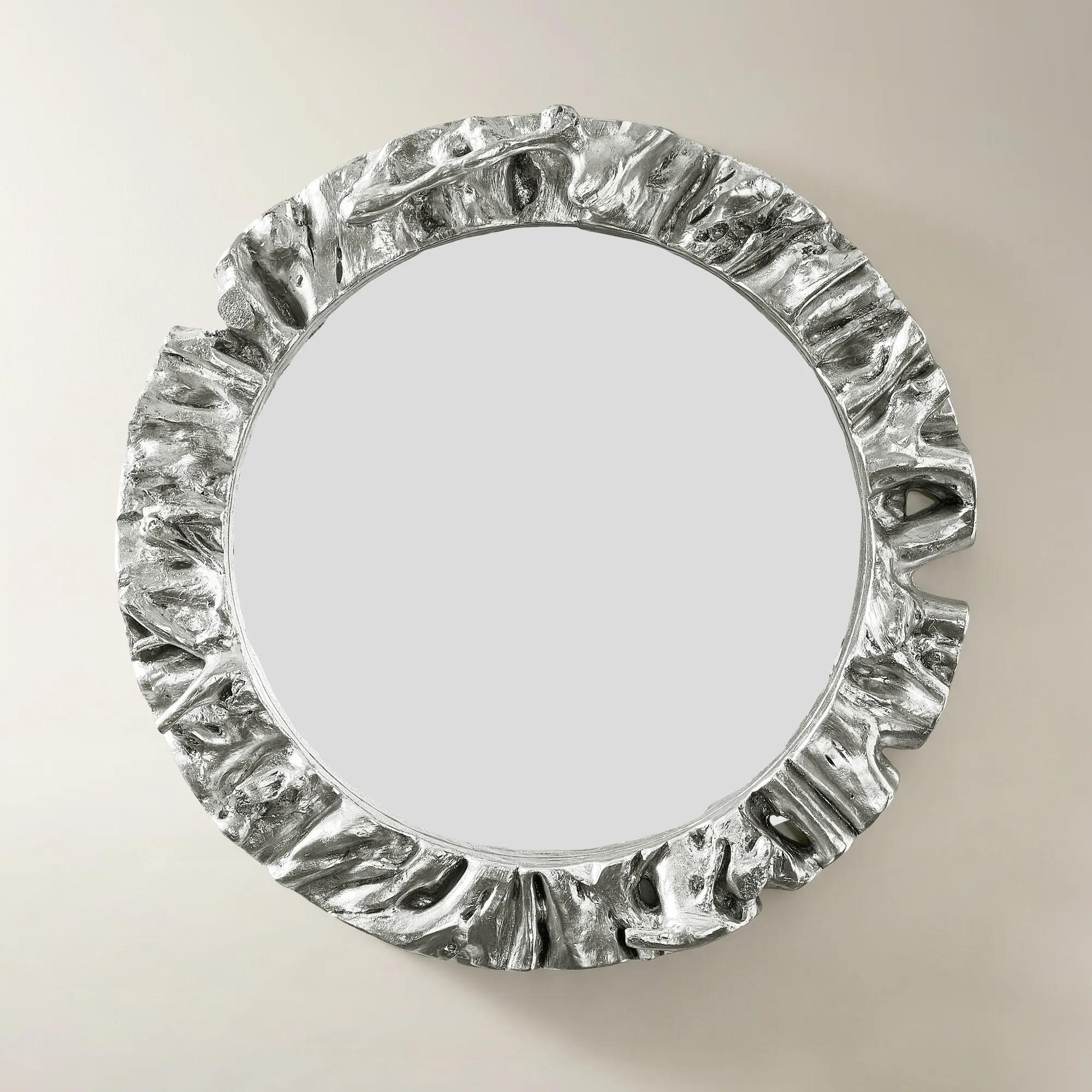
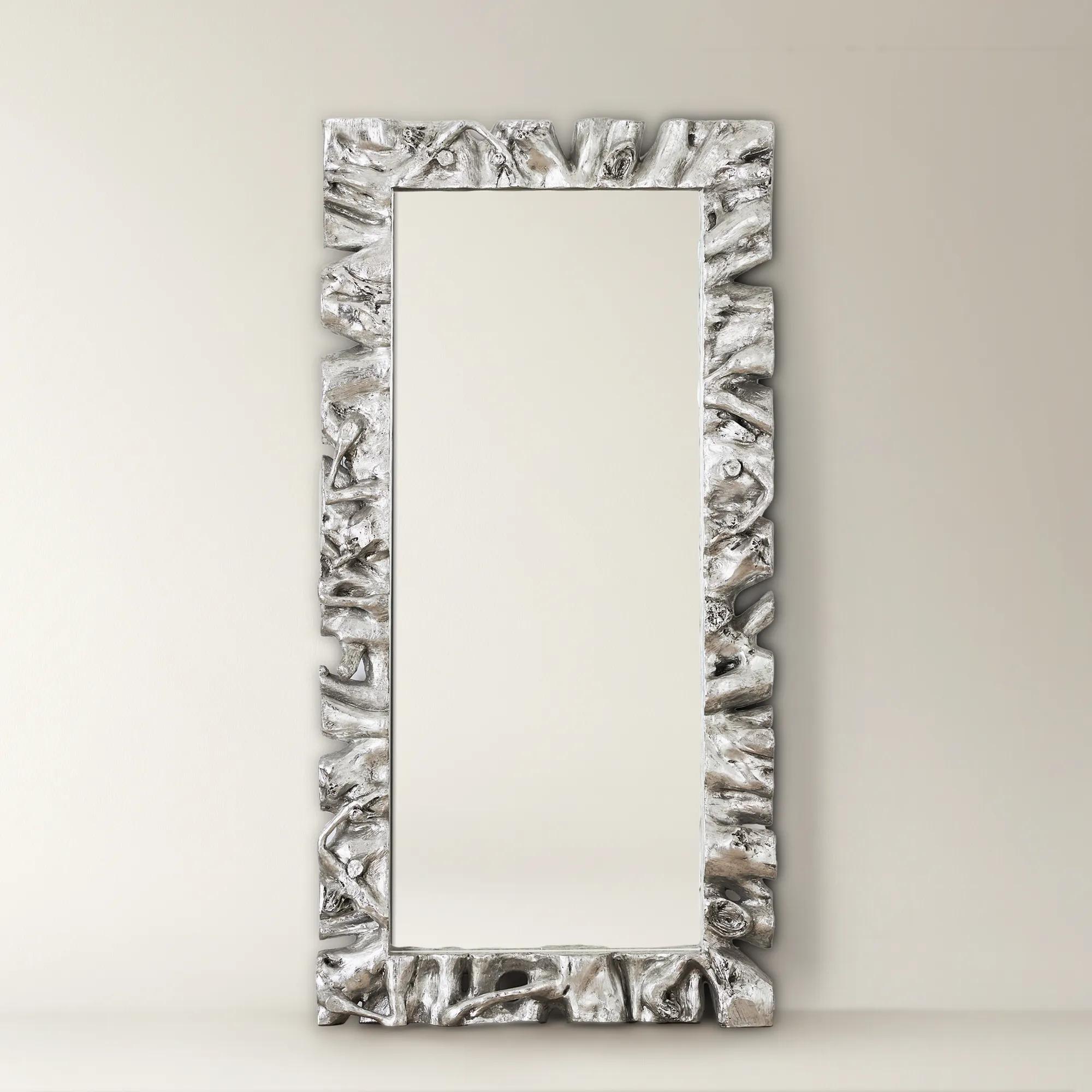
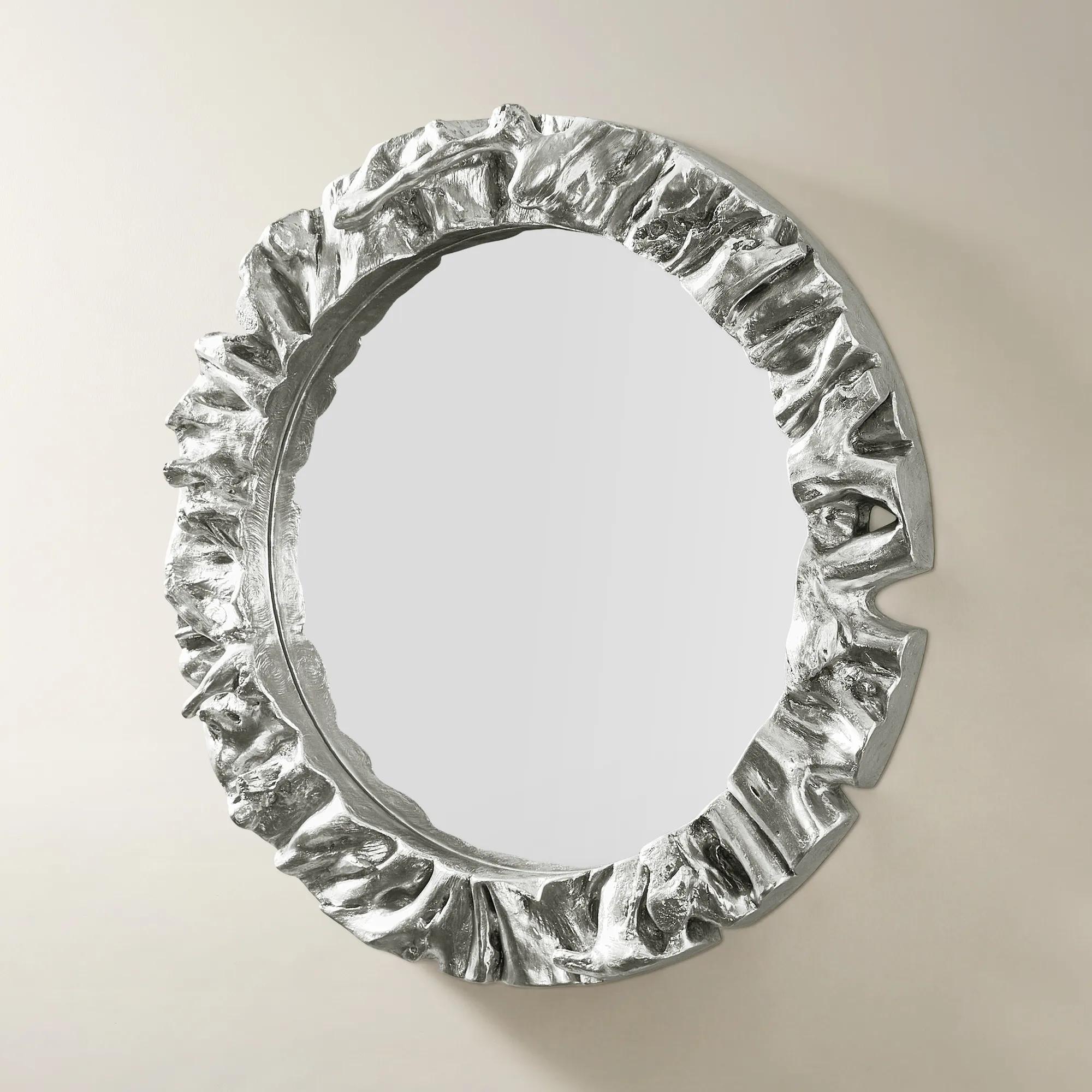 Sequoia Silver Resin Round Wall Mirror 48.25"$1199
A sculptural silver fiberglass resin frame mirror that adds modern polish and reflective brightness to any room.
Add To Cart -
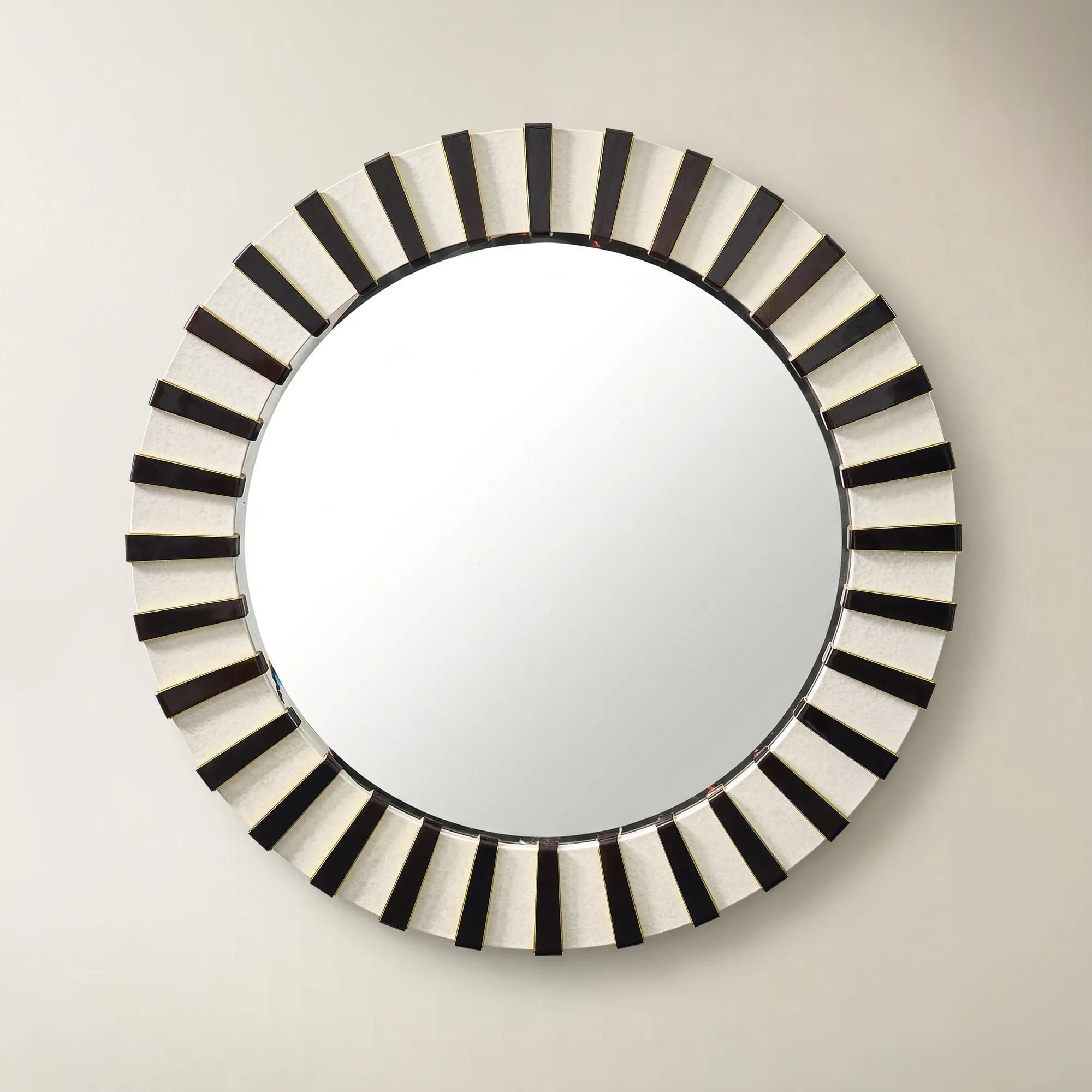 Regatta Opaline Pearl Black Gold Dimensional Round Wall Mirror 45"$849
A luminous wall mirror featuring an opaline pearl lacquered wood frame with black, gold, and raised resin accents.
Add To Cart -
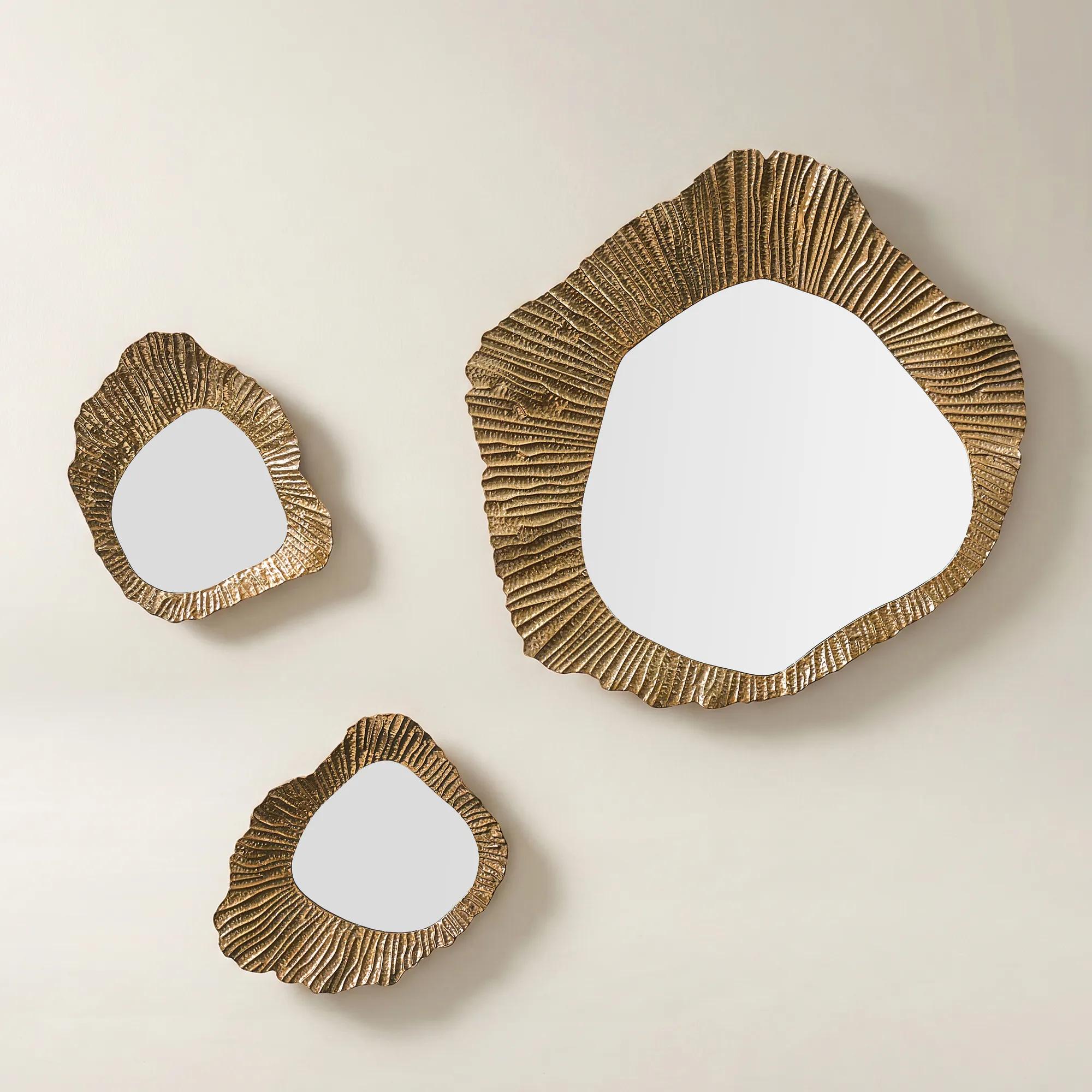 Cara Antique Gold Hand-Forged Iron Organic Shaped Wall Mirror Cluster Trio$1099
A set of three hand-forged iron mirrors in antiqued gold, featuring an organic, sculptural cluster design.
Add To Cart -
 Oceano White Resin Round Wall Mirror 42.7" x 40.2"$699
A white wall mirror featuring an organic shape and sandy texture for a serene, coastal-inspired accent.
Add To Cart -
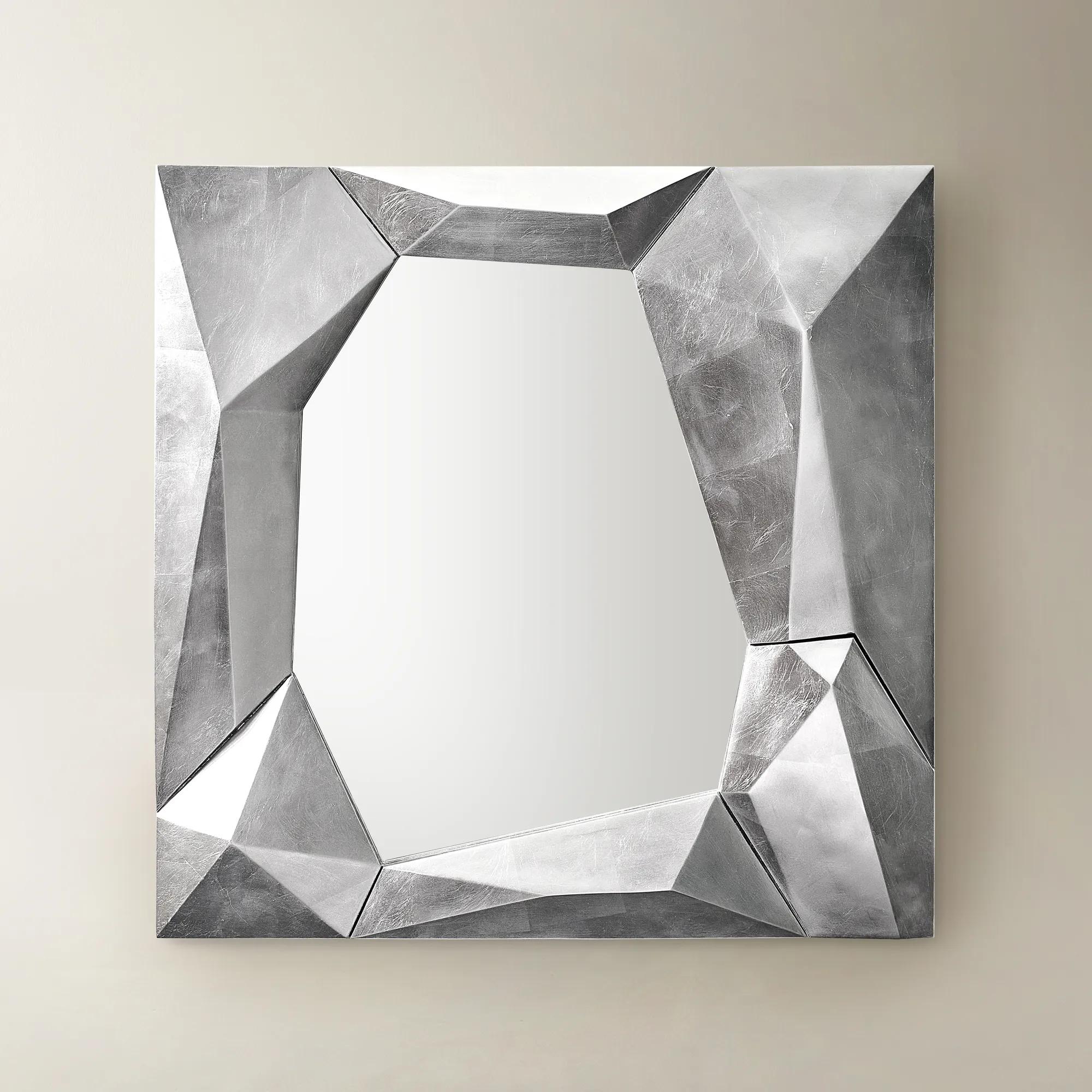 Aeris Satin Silver Faceted Resin Square Wall Mirror 35" x 35"$499
A satin silver fiberglass resin frame and faceted silhouette create a modern, sculptural wall mirror.
Add To Cart -
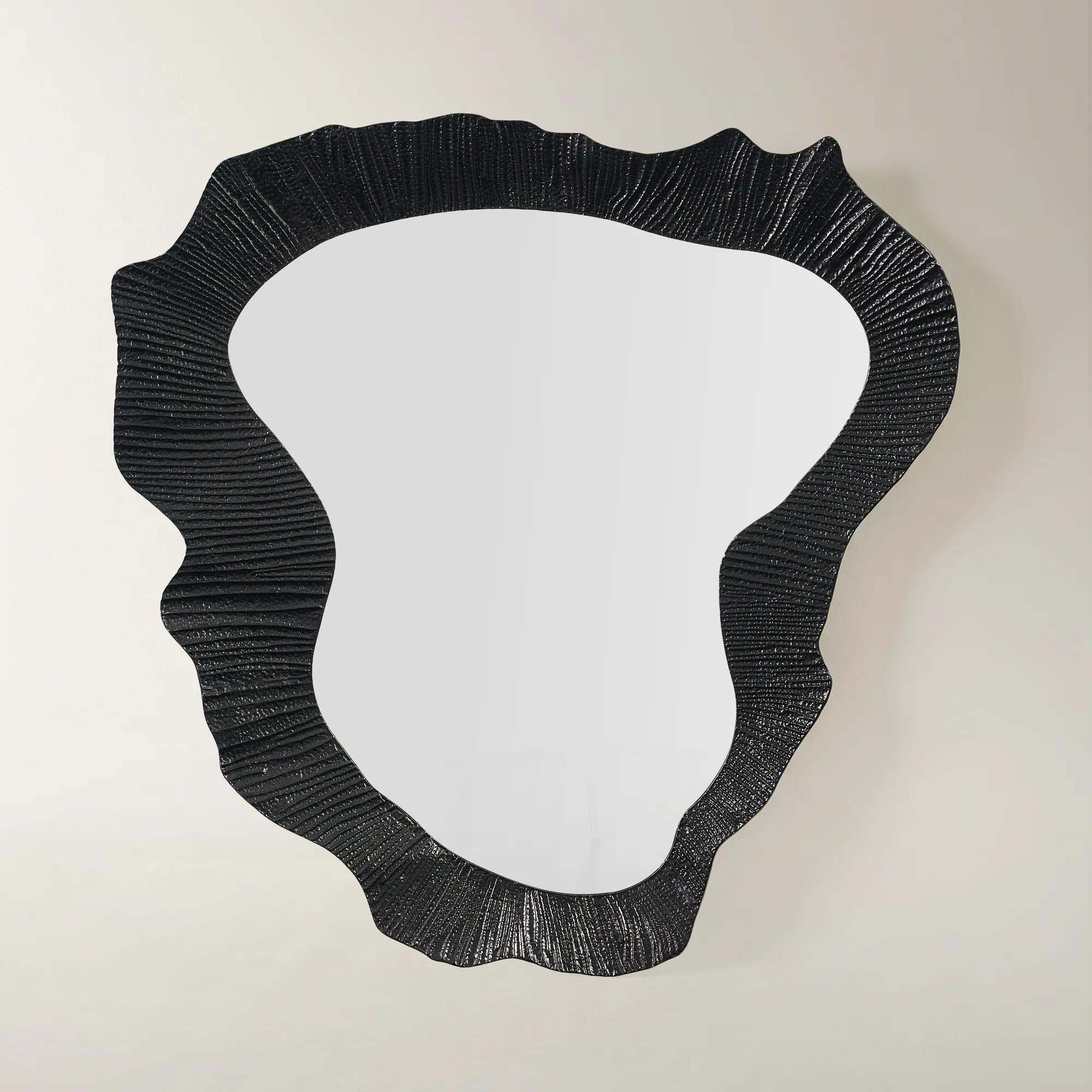 Cara Black Hand-Forged Iron Organic Shaped Wall Mirror 52.5" x 53"$1199
A hand-forged black iron frame and organic silhouette create a bold, sculptural statement for any room.
Add To Cart -
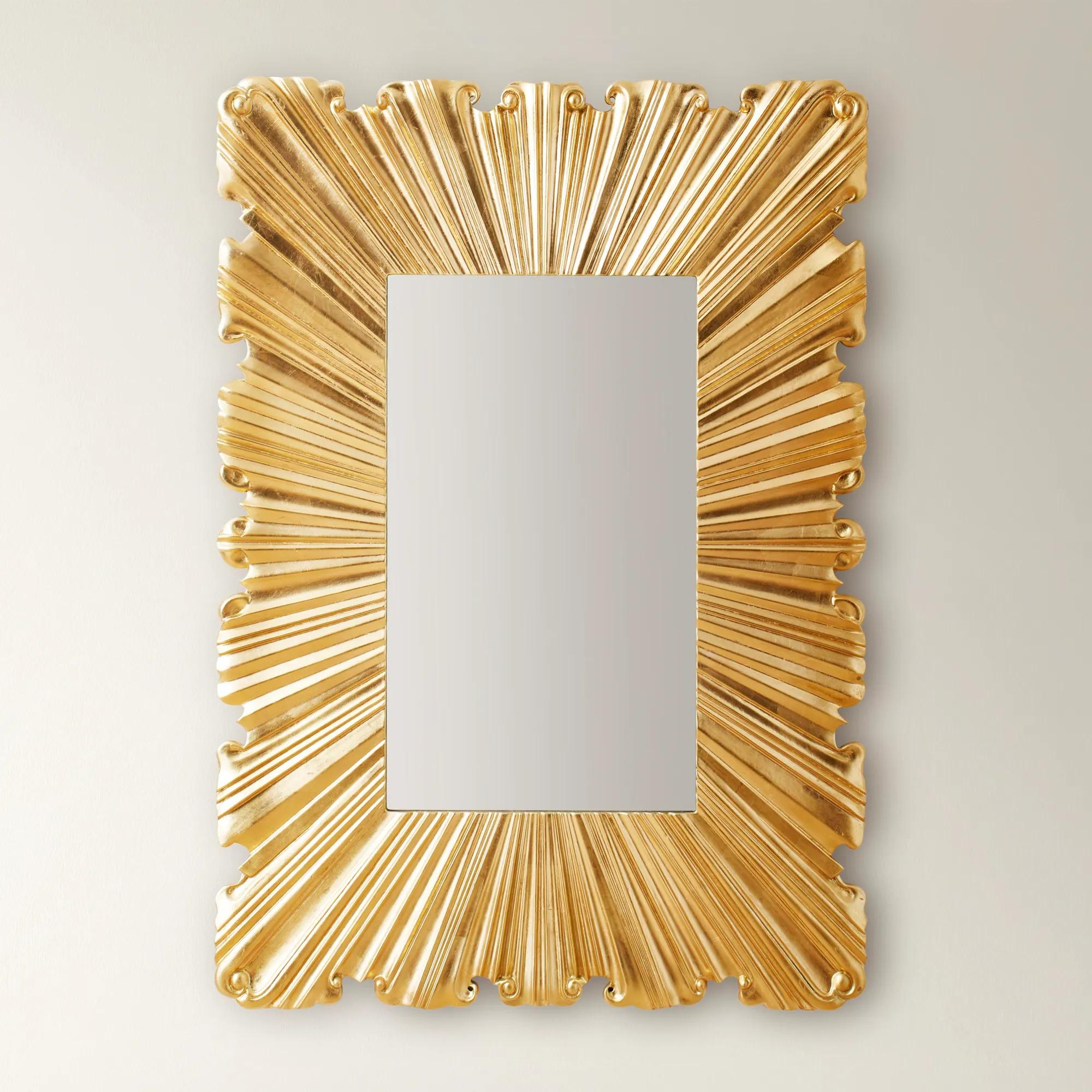 Metropolitan Gold Leaf Resin Rectangular Wall Mirror 27.5" x 39.5"$459
A sculptural wall mirror featuring a gold-finished polyurethane frame for a modern, elegant accent.
Add To Cart -
 Cara Antique Gold Hand-Forged Iron Organic Shaped Wall Mirror 52.5" x 53"$1199
A sculptural wall mirror featuring a hand-hammered iron frame with radiant gold and organic edges.
Add To Cart -
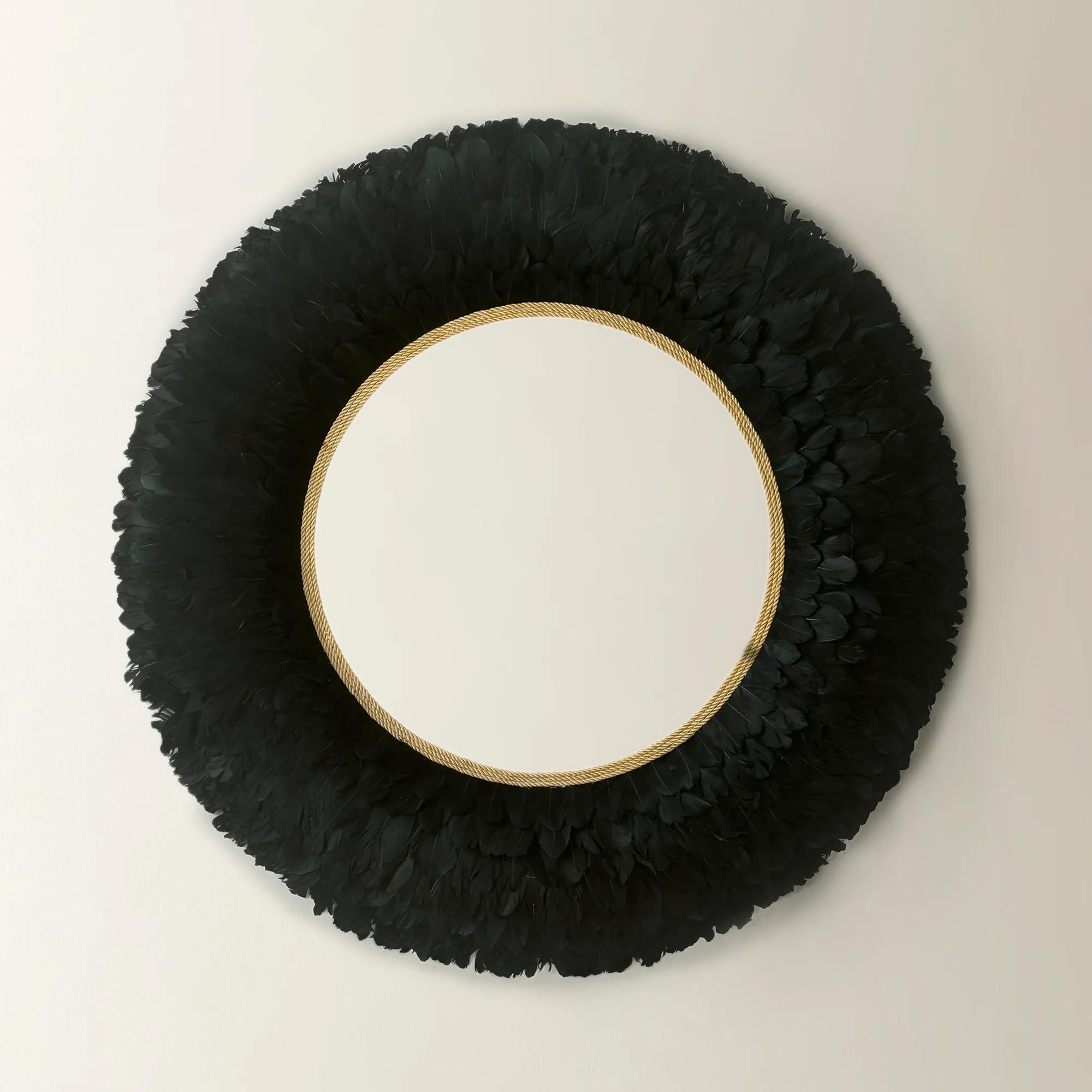
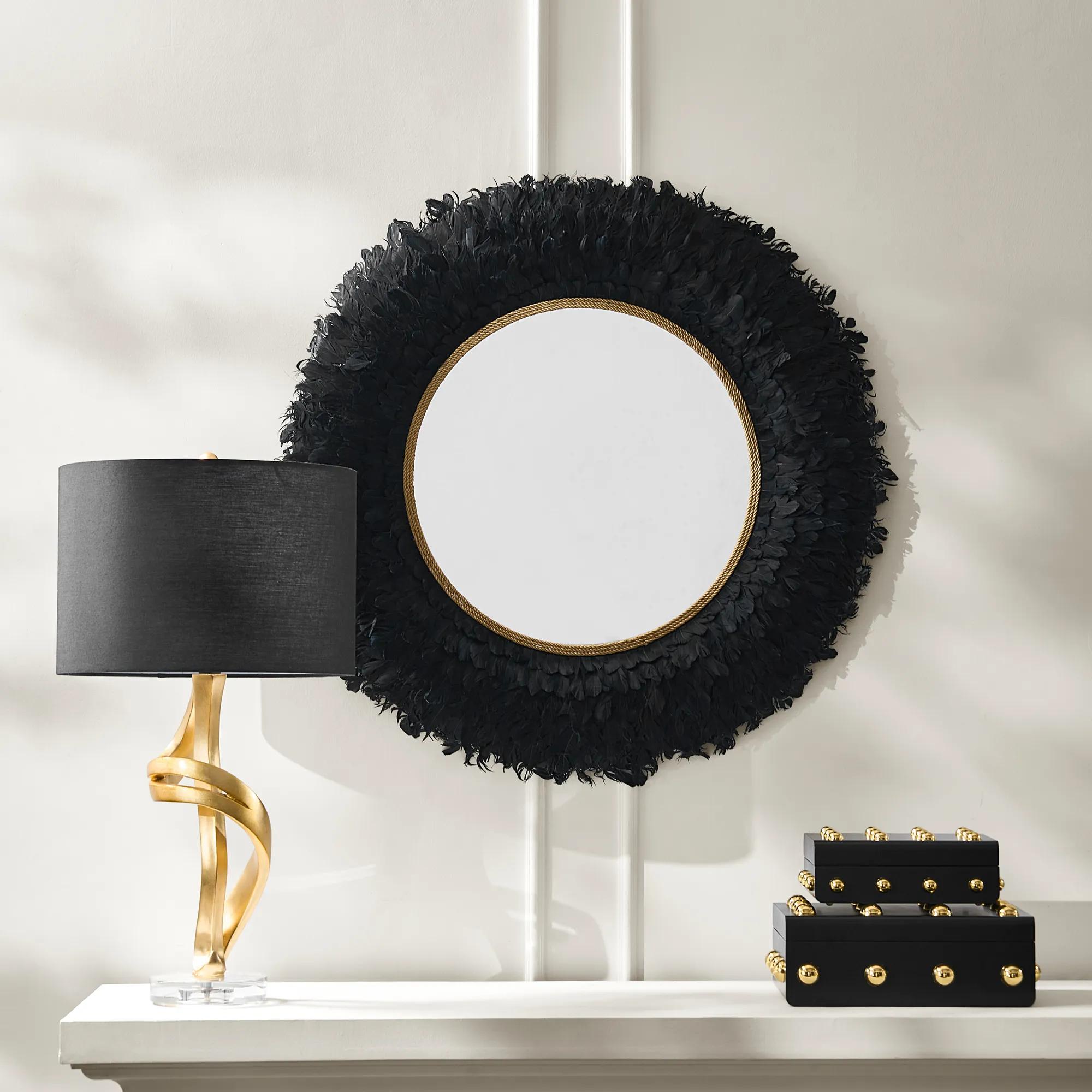 Nikki Chu Midnight Black Feather Round Wall Mirror 35.5"$499
A dramatic black feather-framed mirror accented with a gleaming gold inner border for striking wall texture.
Add To Cart -
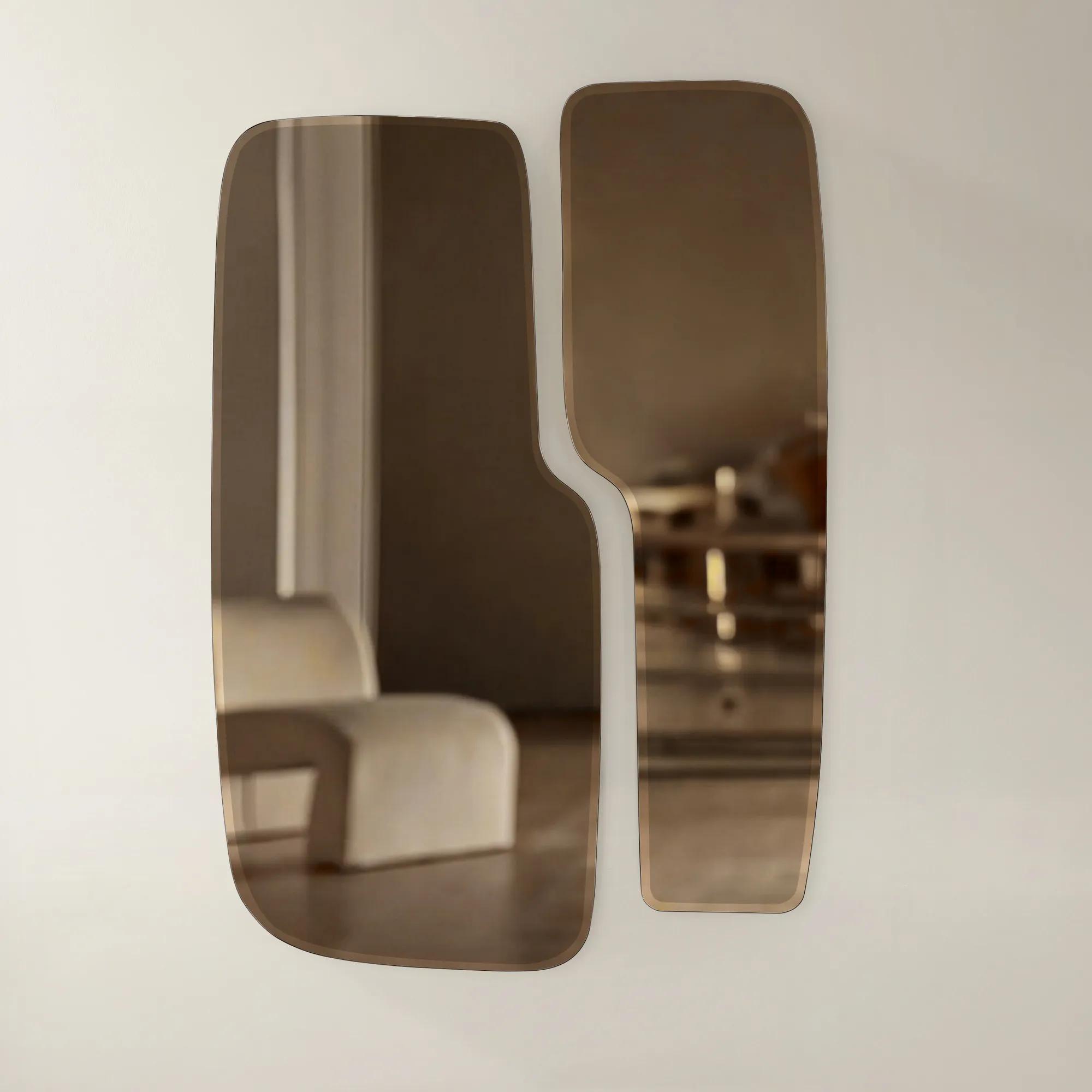 Puzzle 2-Piece Bronze Organic Shaped Wall Mirror 30" x 45"$499
A two-piece bronze wall mirror set featuring organic shapes for an artful, sculptural accent.
Add To Cart -
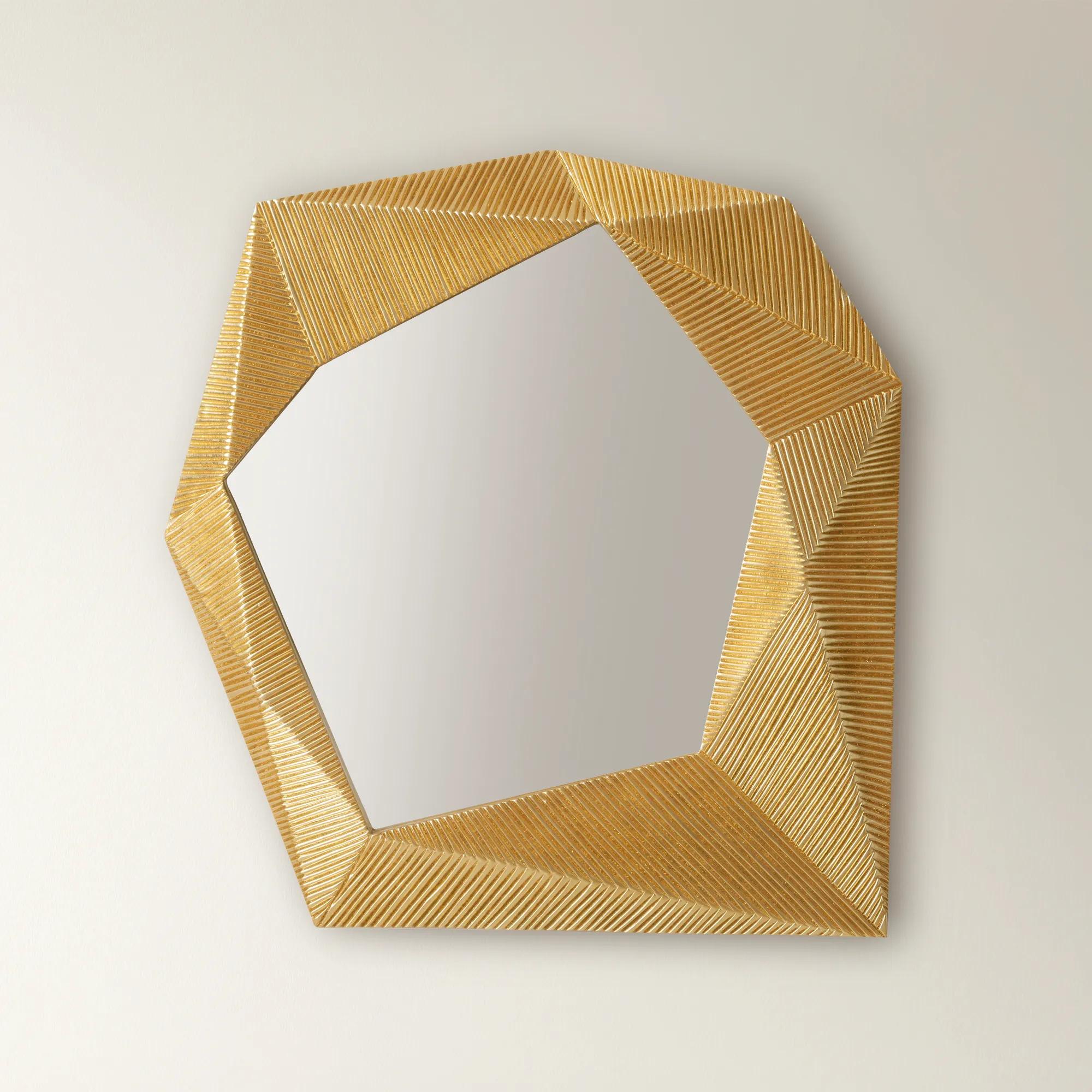
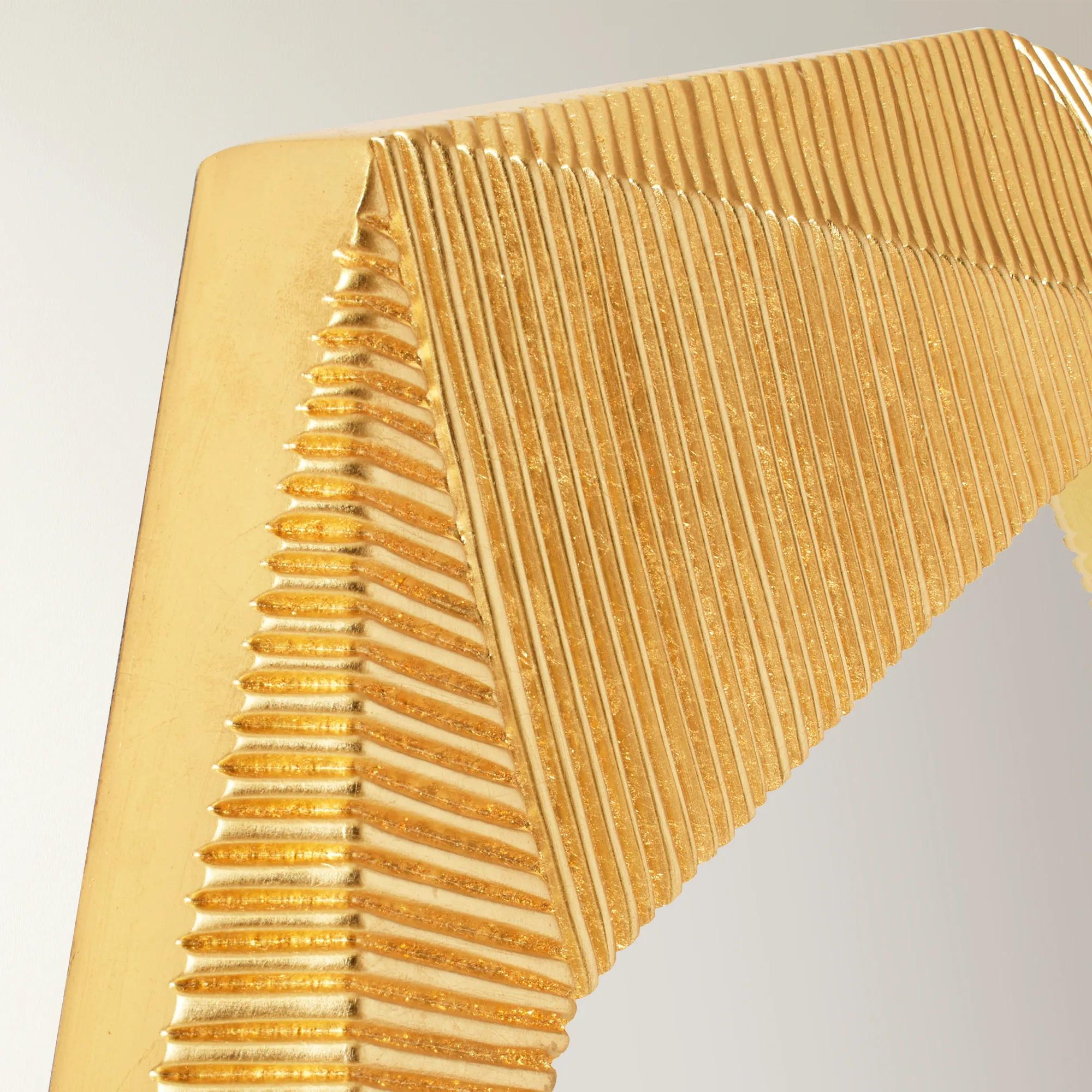 Nikki Chu Gold Steel Faceted Wall Mirror 31.5" x 35.5"$349
A modern mirror featuring a textured, faceted steel frame in a striking metallic gold finish.
Add To Cart -

 Titan II Framed Printed Wall Mirror 40" x 60"$1529
A striking modern mirror designed to elevate contemporary spaces with artistic flair.
Add To Cart -

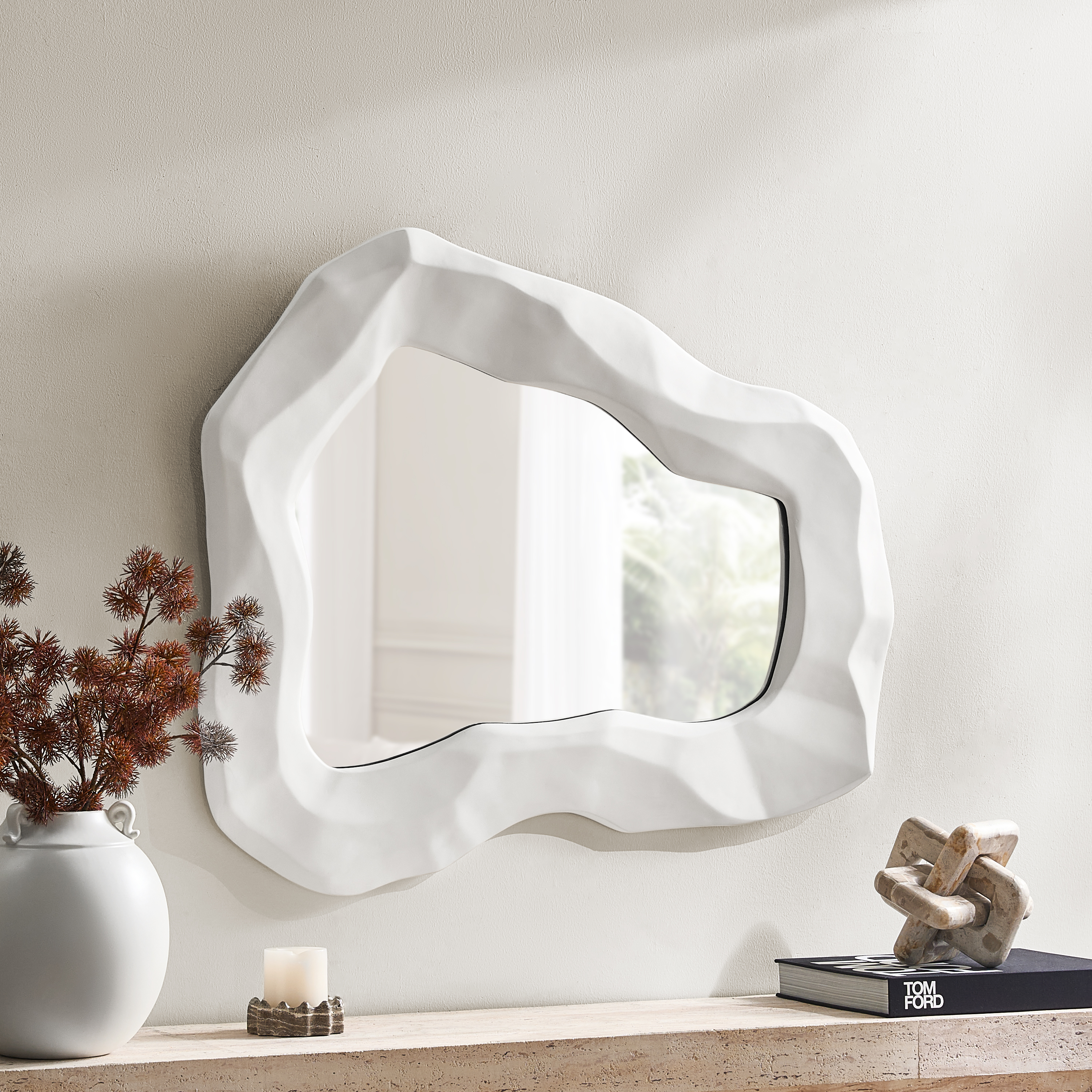 Islay Wall Mirror - White$549
A sculpted resin-framed mirror in matte white with an organic, asymmetrical silhouette for modern interiors.
Add To Cart -
 Celine White And Gold Resin Round Wall Mirror 46.5" x 38.5"$699
A curvaceous wall mirror featuring a white and gold frame for a touch of modern glamour.
Add To Cart -
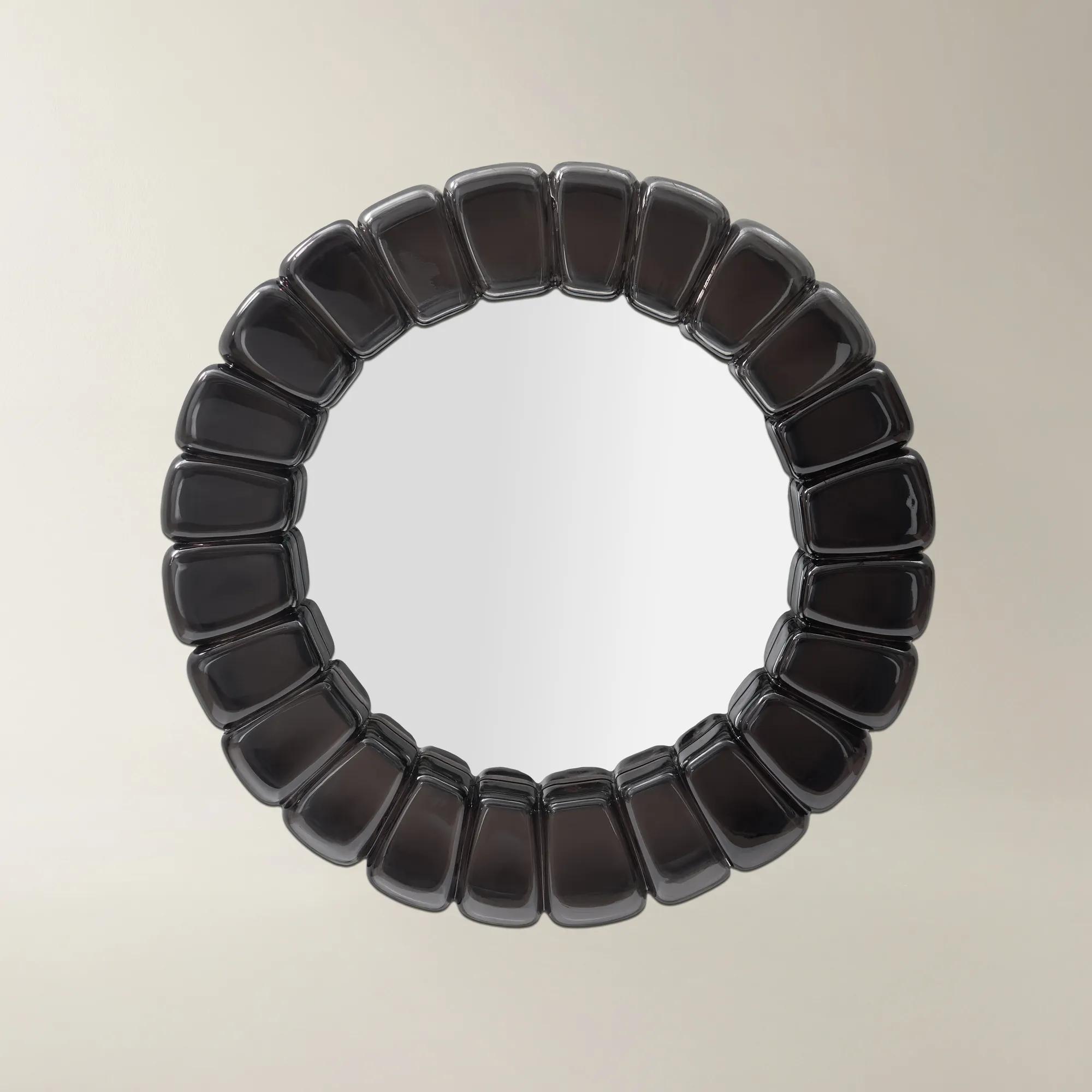
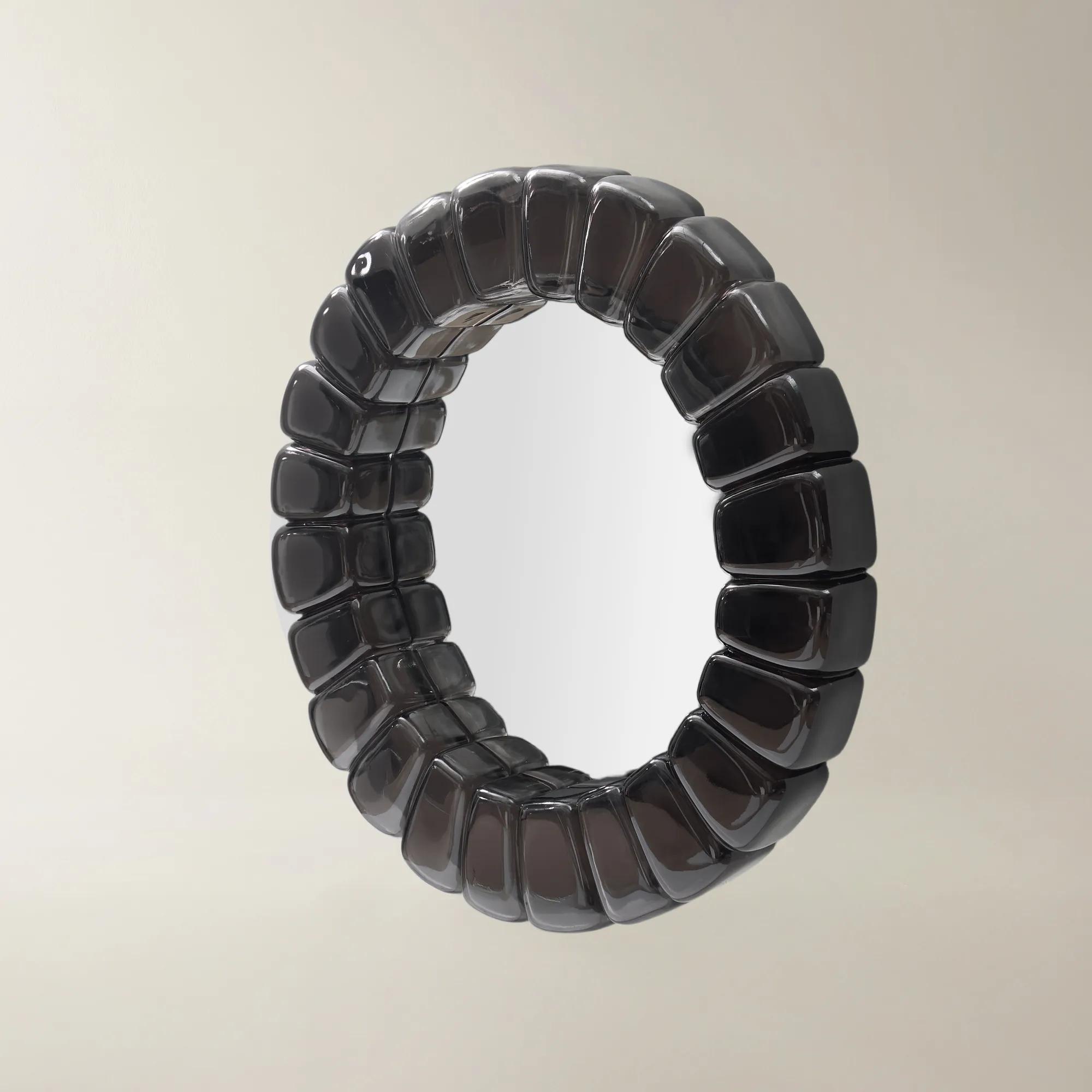 Lumino Graphite Resin Round Wall Mirror 38.5"$899
A round wall mirror with a sculptural translucent charcoal resin frame, graphite finish, and vertical display.
Add To Cart -

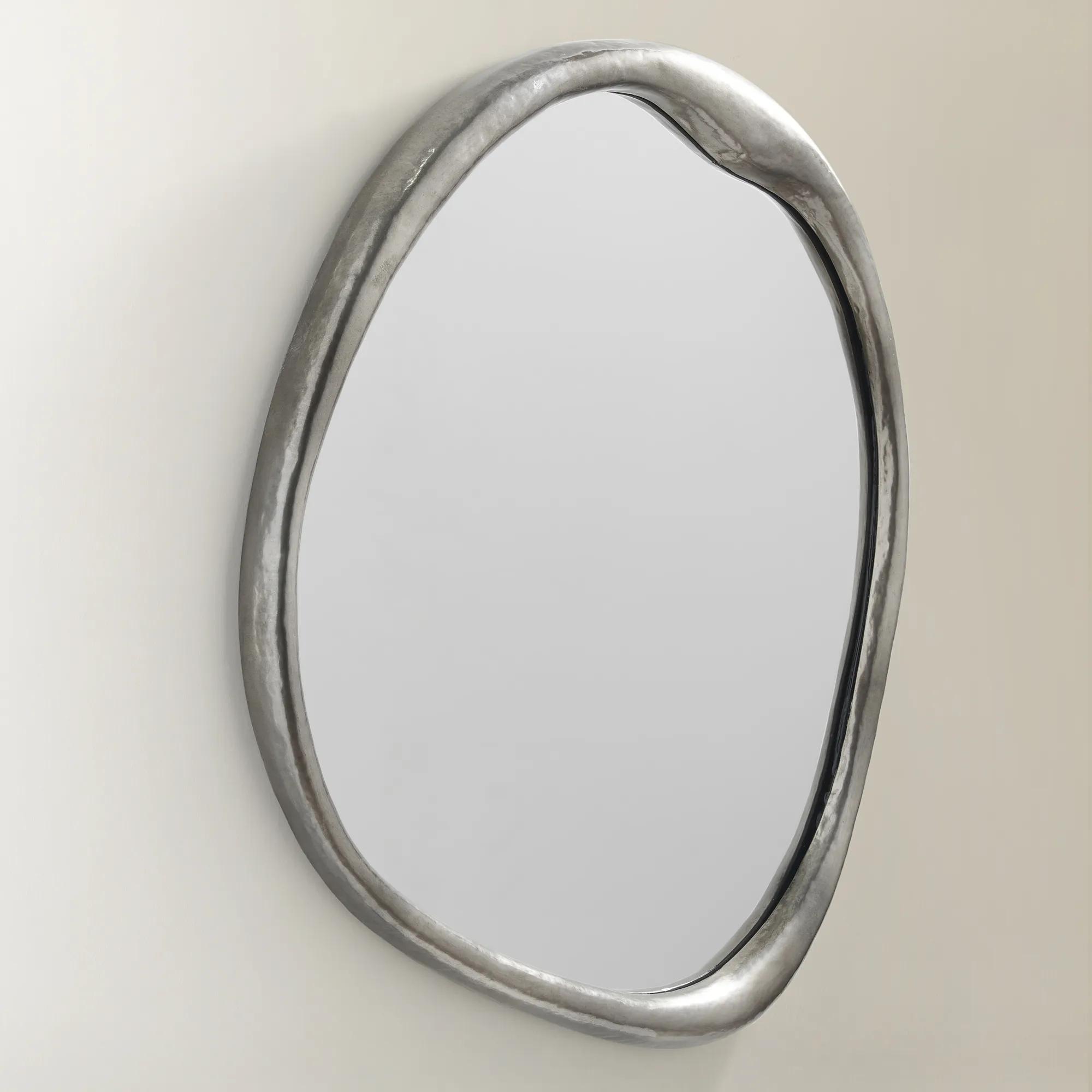 Organa Wall Mirror$599
An irregular silver iron-framed mirror that brings modern organic style and reflective depth to any room.
Add To Cart -

 Cade Gold Hand-Hammered Iron Round Wall Mirror 46.25"$749
A round wall mirror featuring a hand-hammered iron frame with a warm gold finish for elegant appeal.
Add To Cart -
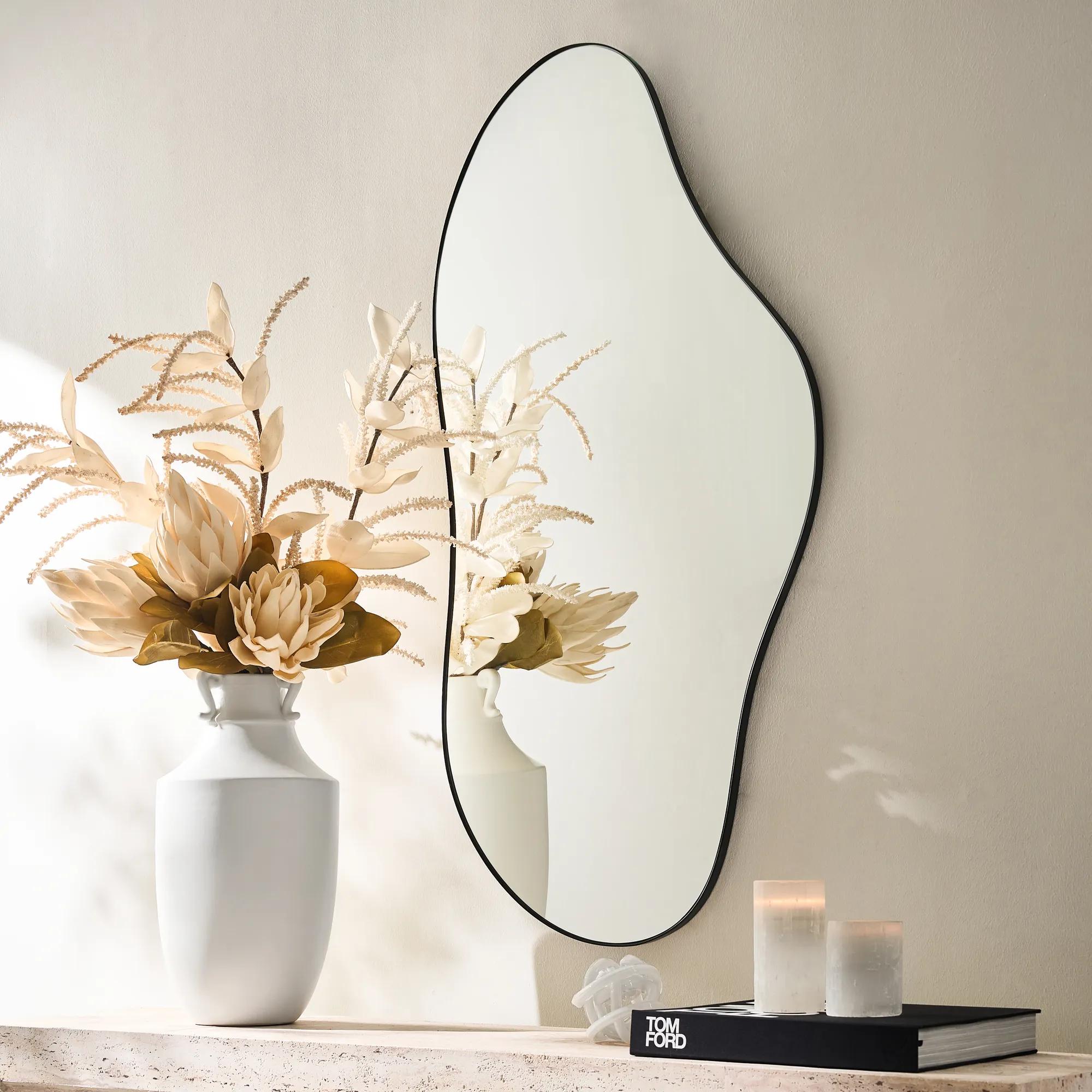
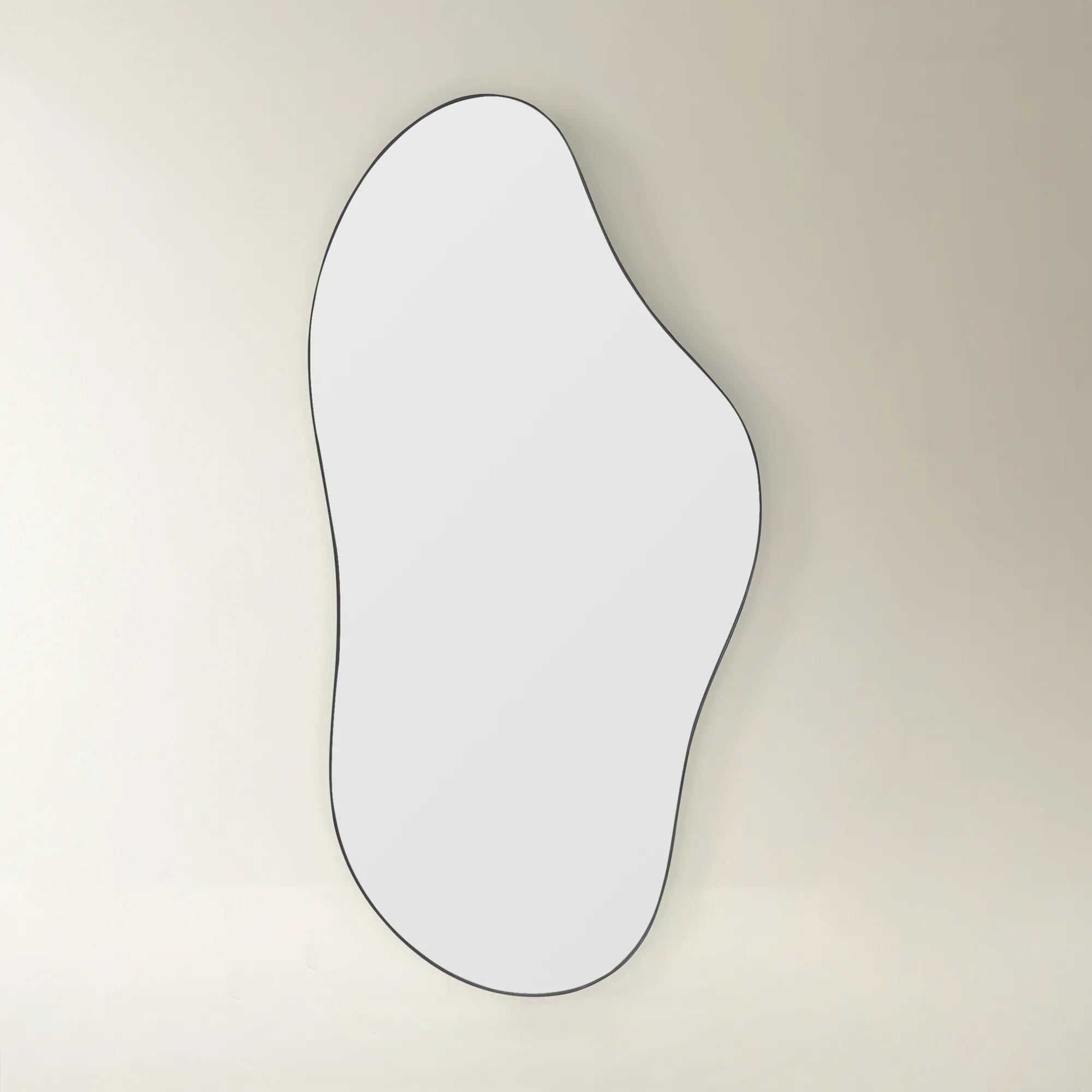 Puddle Wall Mirror$299
A freeform glass mirror with a black frame that adds playful sophistication to modern interiors.
Add To Cart -

 In a New Light II Framed Printed Wall Mirror 60" x 40"$1499
A contemporary framed printed wall mirror adding artistic dimension and reflective style to modern interiors.
Add To Cart

Living Room Accent Mirrors
Living Room Accent Mirrors are more than mere reflections—they are transformative works of art that elevate every corner with luminous allure. Each piece is an invitation to indulge in drama, capturing light and amplifying space while adding a sculptural flourish to your decor. Whether poised above a mantel or creating intrigue in an unexpected nook, these mirrors infuse your living room with a sense of grandeur and depth. Let your walls become a canvas for brilliance, where every glance reveals new dimensions of glamour and expressive style.
Living room accent mirrors are decorative mirrors that reflect existing light, create a sense of depth, and serve as functional wall art. Their appeal lies in that interplay between reflection and design: a gleaming frame gives an otherwise quiet wall definition, while the glass captures the movement, color, and character of the room around it. Above a console, beside a seating arrangement, or within a layered wall composition, an accent mirror can make the space feel more expansive without changing its footprint. Unlike artwork with a fixed image, a mirror offers an evolving composition of sculptural lighting, richly textured upholstery, and architectural details. Its shape contributes just as much as its reflection. Round mirrors soften the strong lines of a sectional or rectangular coffee table; elongated silhouettes emphasize height; geometric frames introduce an architectural rhythm. Sunburst forms radiate outward with a jewelry-like presence, while irregular outlines bring an artistic, unexpected edge to tailored furnishings. Materials establish the mood before the reflection even comes into focus. Metal frames can appear slender and refined or substantial and sculptural, with polished finishes lending brilliance and brushed textures offering a more subdued glow. Wood frames introduce grain, depth, and a tactile counterpoint to glass, particularly when carved or finished with dimensional detail. Molded resin can support elaborate contours, while mirrored borders extend the reflective surface for a luminous, layered effect. Clear glass delivers a crisp reflection; antiqued or intentionally distressed treatments create atmosphere through mottling and softened detail, making them more decorative than precise for checking an appearance. A beveled edge adds another plane for light to meet, giving even a restrained silhouette a distinctive finish. These differences allow decorative living room mirrors to complement expressive interiors without disappearing into them. The strongest choice feels connected to the room’s furnishings yet brings its own point of view, whether that means repeating a metallic accent, contrasting curved glass with angular furniture, or introducing a richly detailed frame against smooth upholstery.
Proportion gives a living room wall mirror its sense of belonging. A mirror above a sofa or console generally feels balanced when it is narrower than the furniture beneath it, leaving visible wall space on either side rather than crowding the composition. Its full outer dimensions matter, not just the size of the reflective glass: a broad frame may command considerable wall space while offering a smaller reflection. In a room with tall ceilings, a vertical mirror can draw attention upward; over a long, low cabinet, a horizontal shape can echo the furniture’s silhouette and give the arrangement greater continuity. Smaller accent mirrors bring concentrated detail to a narrow wall or a composition with artwork, while larger formats create a more immersive reflective surface. For a more commanding focal point, Living Room Statement Mirrors offer another direction for interiors where scale is central to the design. Placement determines what any mirror contributes beyond its frame. A reflection of a chandelier, an upholstered chair, or a carefully arranged bookcase gives the room another considered view. A reflection dominated by cords, a television screen, or a busy passageway can distract from an otherwise polished setting. Near a window, a mirror may redistribute daylight, but its angle deserves attention so that direct sun or glare does not interfere with conversation or screen viewing. In rooms with limited natural light, reflected lamplight can add luminosity, although a mirror cannot replace an adequate lighting plan. The height should suit the composition and the people using the room, rather than defaulting to a fixed measurement. A mirror intended mainly as wall art may relate most closely to the furniture below, while one used for a final glance before greeting guests needs a comfortably visible reflection. Generous space around the frame lets its outline register clearly. Where decorative objects sit beneath it, varied heights and a little breathing room keep the arrangement layered rather than crowded, allowing glass, ceramics, and reflective finishes to contribute distinct textures.
Lasting beauty depends on construction, suitable placement, and care that respects both the glass and its frame. Glass remains vulnerable to impact, and an ornate silhouette does not necessarily indicate greater strength; frame joints, backing, and the specified hanging system are important considerations alongside appearance. Metal, wood, and resin each respond differently to handling, moisture, and cleaning products, so the manufacturer’s instructions should determine routine care. For many mirrors, a soft, lint-free cloth is appropriate for removing surface dust, with a suitable glass cleaner applied to the cloth rather than sprayed directly onto the mirror. Keeping liquid away from edges and backing helps protect the reflective layer, while a separate dry cloth can lift dust from the frame without exposing decorative finishes to unnecessary chemicals. Abrasive pads and harsh cleaners can scratch glass or dull a polished surface. Carved details and textured borders may need gentle attention with a soft brush, provided the finish permits it. Installation deserves equal consideration: the mirror’s weight, wall construction, and supplied hardware determine the appropriate mounting method. Hardware must be rated for the load and suited to the wall, and heavier or more complex installations may call for professional assistance. A wall mirror should not be treated as a leaning mirror unless it is designed for that use and secured as directed, especially in homes with children or pets. With those practical details resolved, an accent mirror becomes an enduring part of the room’s visual identity. It suits the host who wants a luminous backdrop for conversation, the apartment dweller seeking greater visual depth, and the design enthusiast drawn to sculptural objects with everyday purpose. It can also be a thoughtful housewarming or wedding gift when the recipient’s style, wall space, and installation needs are known. Whether the effect is quietly radiant or unapologetically dramatic, the right living room accent mirror does more than reflect furnishings: it gives light, proportion, and personal expression a beautifully defined frame.
FAQs
Accent mirrors are remarkably versatile and can elevate a wide range of living room styles. From glamorous Hollywood Regency to modern eclectic, a thoughtfully chosen mirror can amplify the room's personality. Ornate frames suit classic or maximalist interiors, while sleek, geometric shapes bring drama to contemporary spaces. Whether your décor leans toward bold color, layered textures, or minimalist chic, an accent mirror serves as a striking focal point that ties the room together.
Accent mirrors are masterful at capturing and reflecting natural light, instantly brightening your living room. Positioning a mirror opposite or adjacent to a window multiplies sunlight and creates a luminous, airy atmosphere. This effect is especially valuable in winter months or in rooms with limited natural light, as mirrors help distribute warmth and make the space feel more inviting and dynamic.
Absolutely—an accent mirror is a thoughtful, artful gift that goes beyond the ordinary. It’s perfect for housewarmings, weddings, anniversaries, or milestone birthdays, offering both beauty and utility. By choosing a mirror that reflects the recipient’s style, you give a gift that transforms their living space and serves as a lasting reminder of a special moment.
Accent mirrors can be displayed as solo statement pieces or incorporated into gallery walls for a layered, curated look. Try hanging a sculptural mirror above a fireplace to create a dramatic focal point, or cluster smaller mirrors with artwork and decorative objects for an eclectic, collected vibe. Leaning a large mirror against a wall adds relaxed elegance and can help visually expand the room.
The frame material of an accent mirror plays a pivotal role in setting the room’s tone. Gilded and metallic frames evoke opulence and warmth, perfect for glamorous or traditional settings. Wood frames add organic texture and a sense of grounded comfort, while mirrored or lacquered finishes create a sleek, modern edge. Choosing the right material allows you to tailor the mood of your living room, whether you crave drama, serenity, or a touch of the unexpected.