
Lined Window Curtain Panels
Lined Window Curtain Panels
-
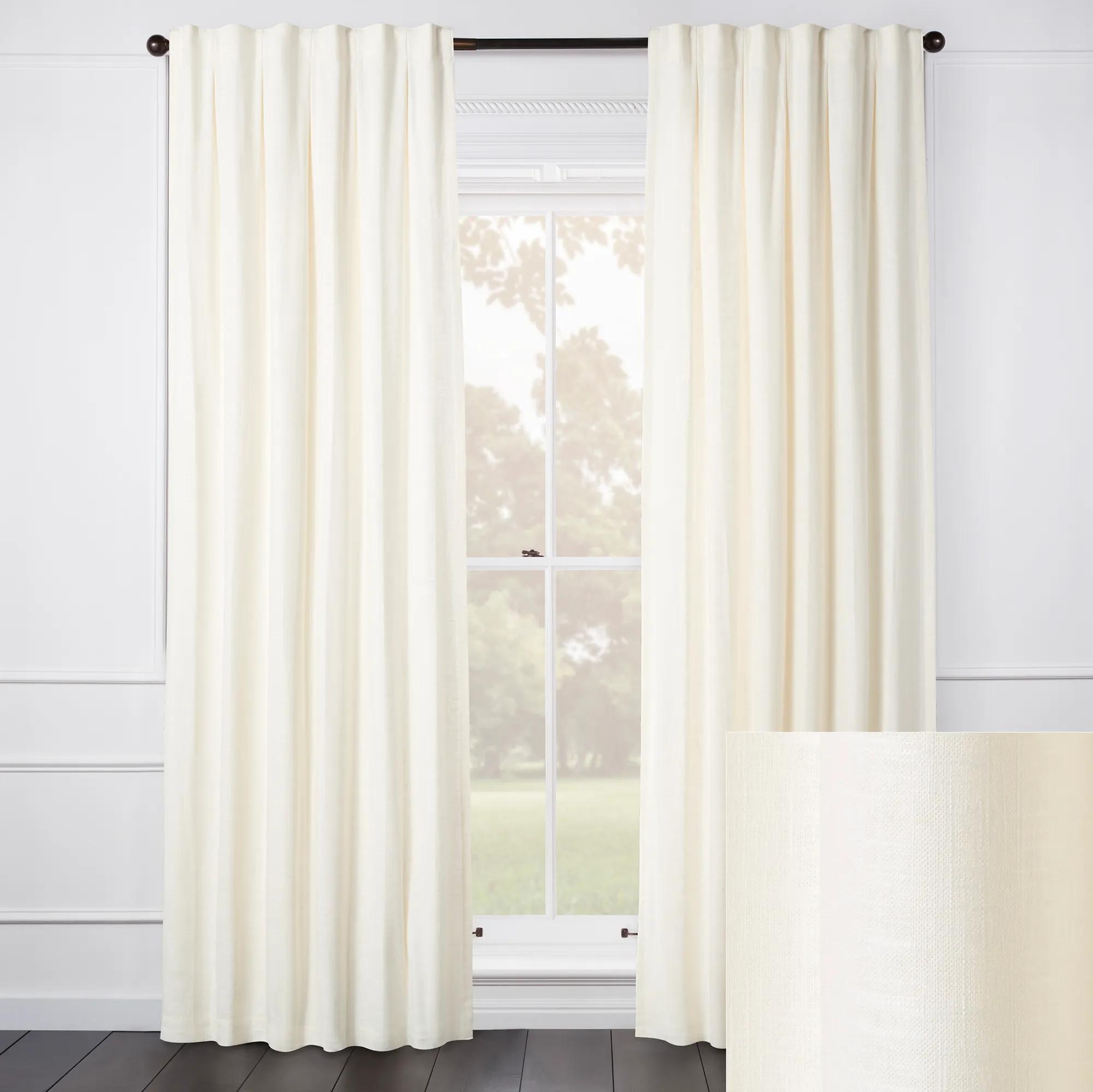
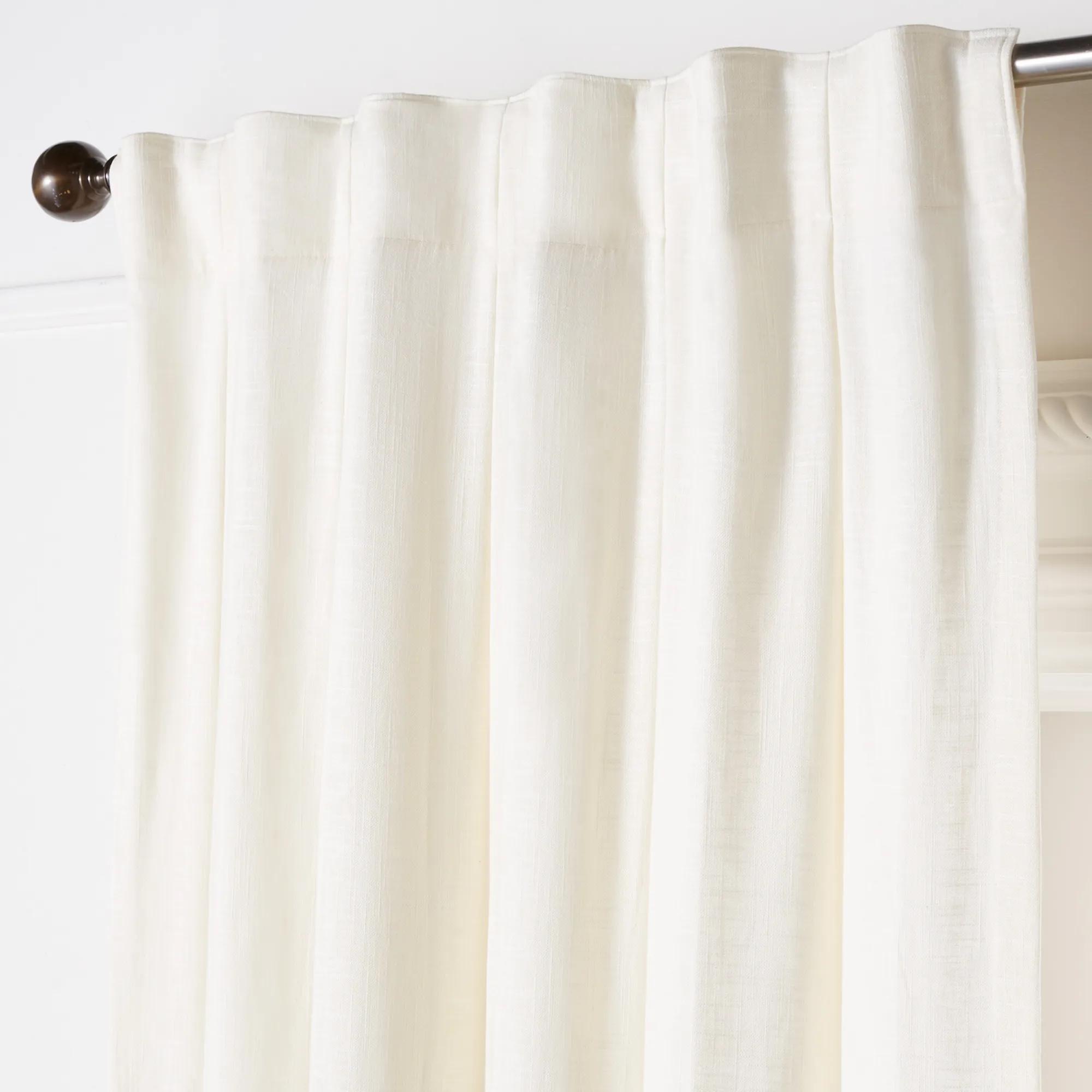 Audrey Linen Ivory Curtain - Custom$269
An ivory linen-blend curtain panel with lining, offering customizable lengths and two elegant header styles.
Add To Cart -
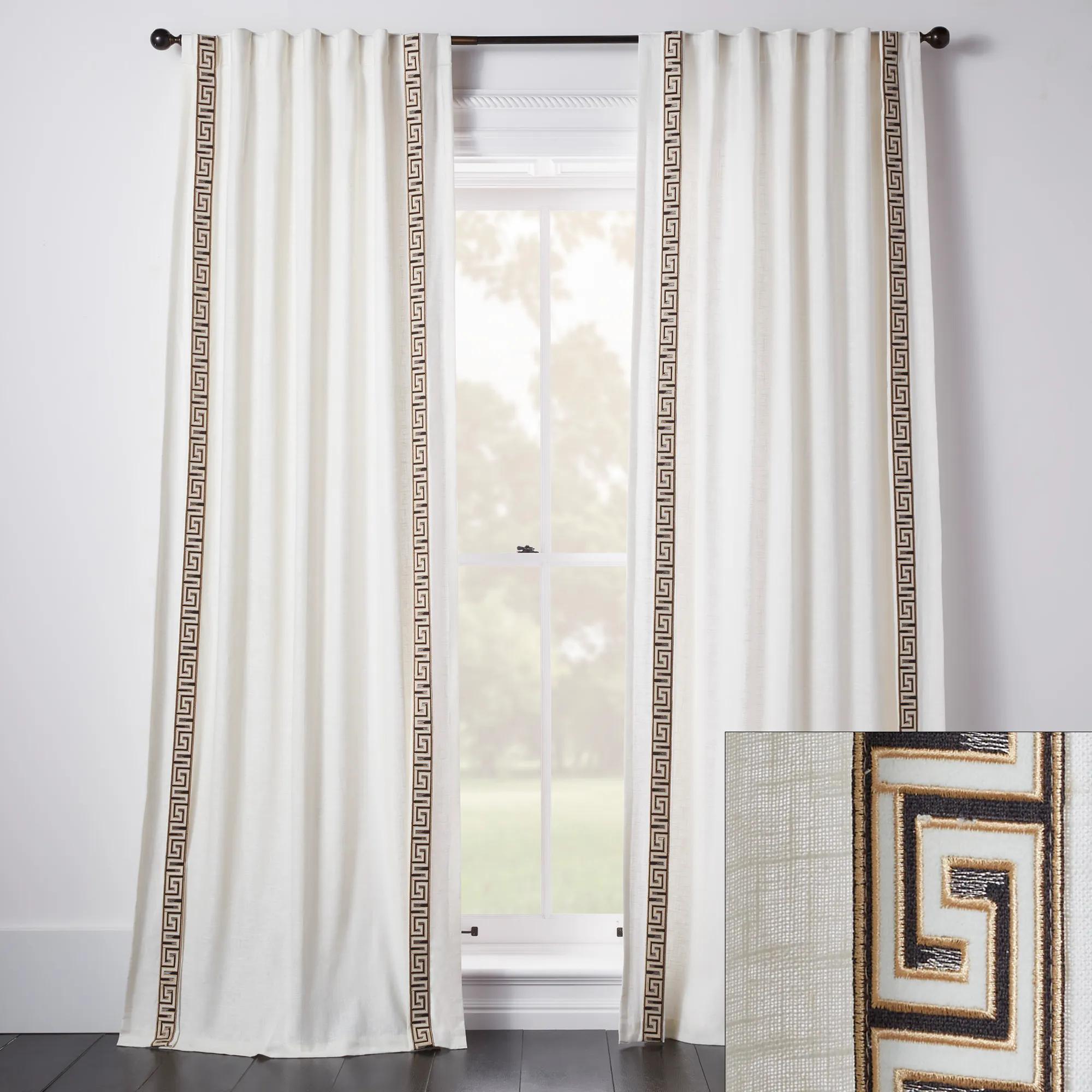 Chole Greek Key Border Velvet Widow Curtain Panels Custom$419
A linen-blend curtain panel with plush black and gold velvet Greek key border and customizable options.
Add To Cart -
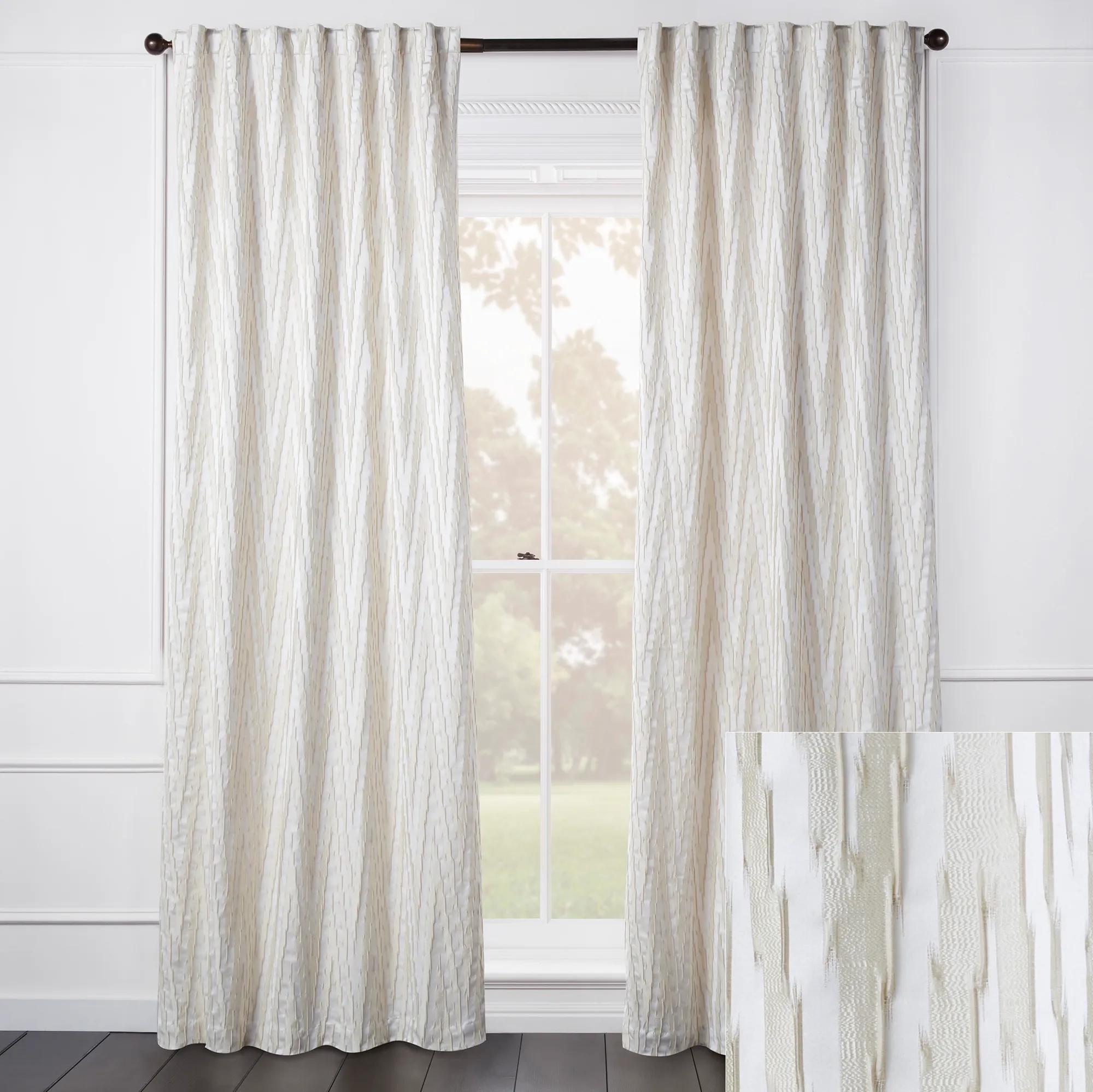
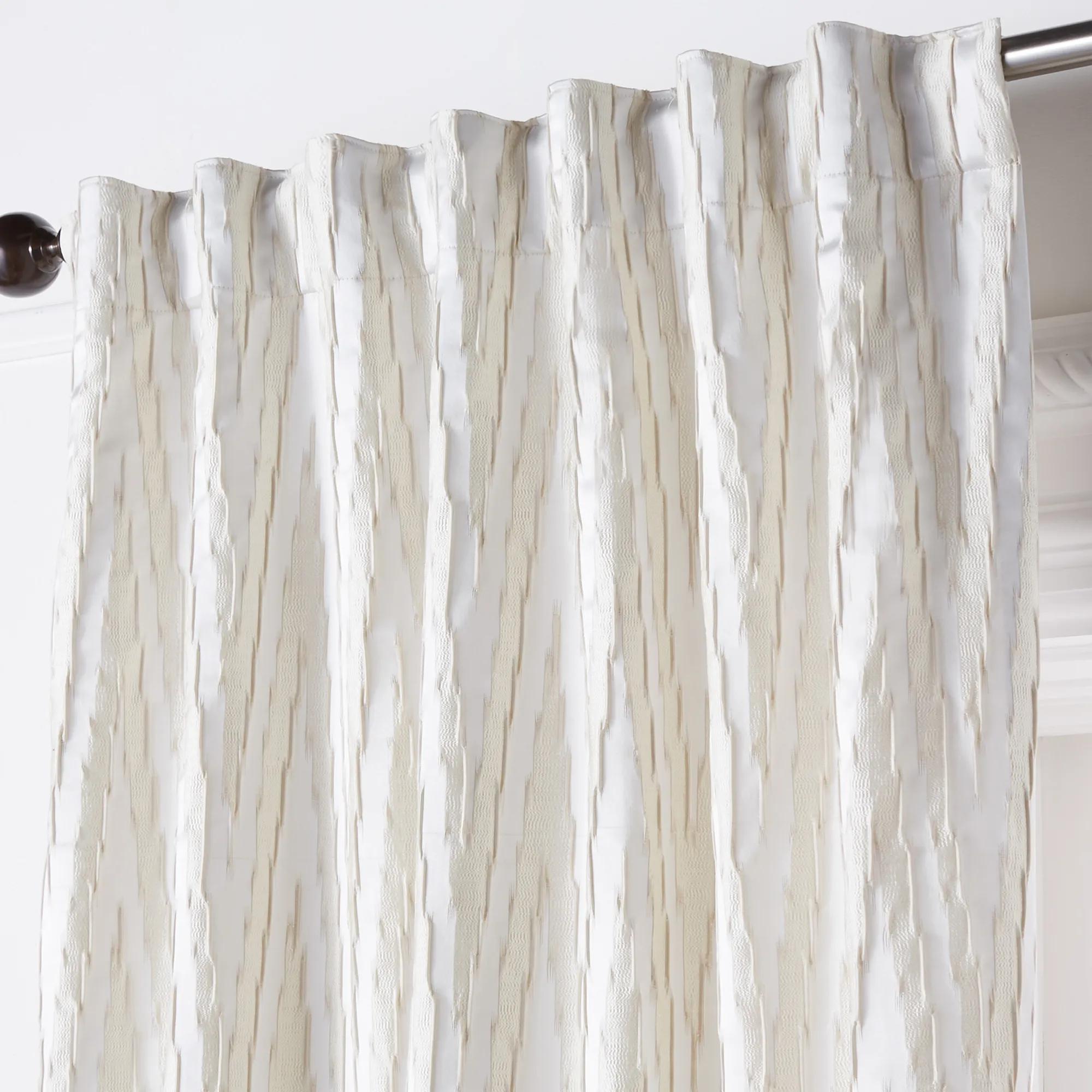 Minka Jacquard Pearl Window Curtain Panel Custom$249
A highly textured chevron curtain panel in pearl, grey, or natural polyester with customizable hanging options.
Add To Cart -
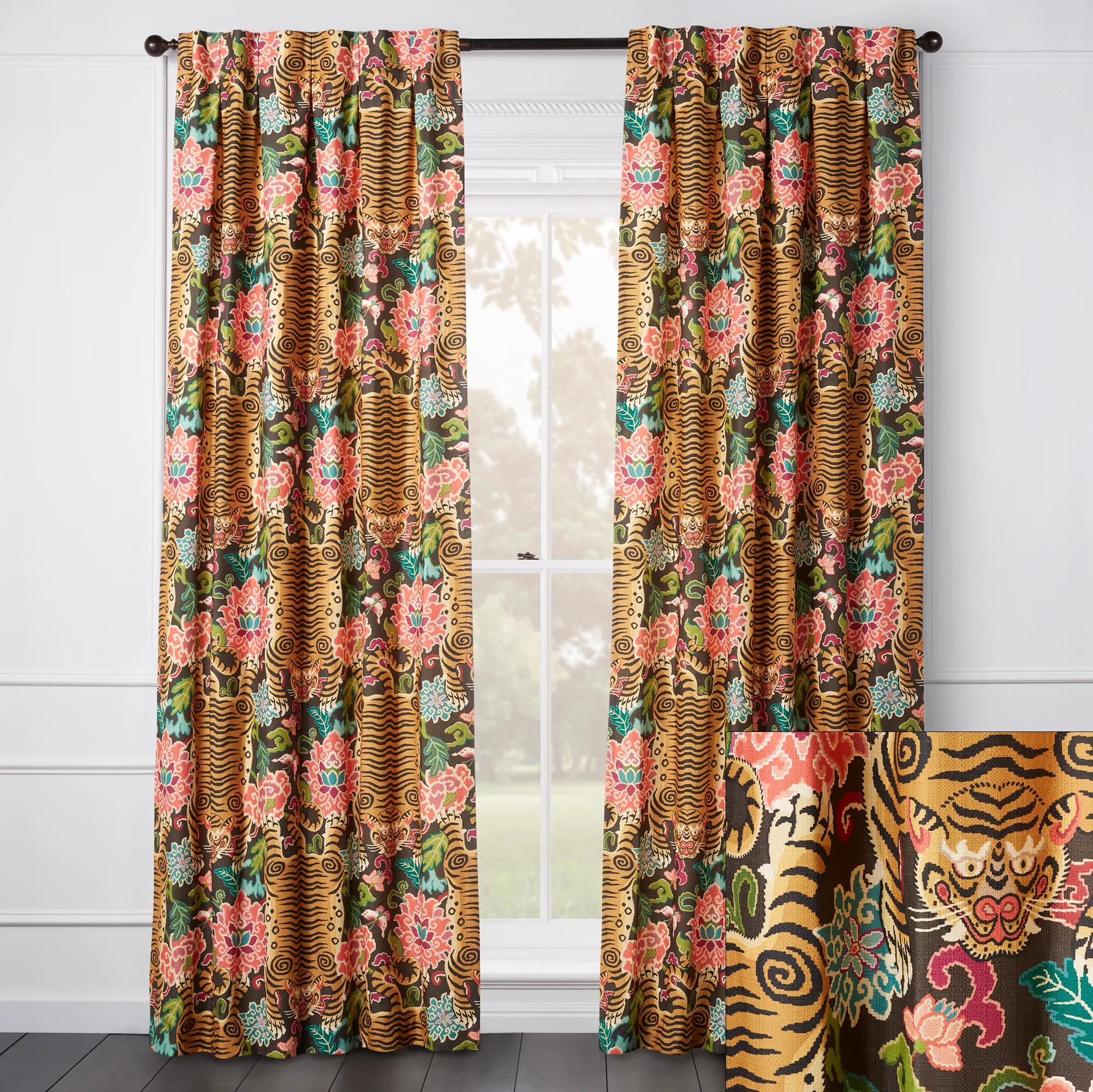
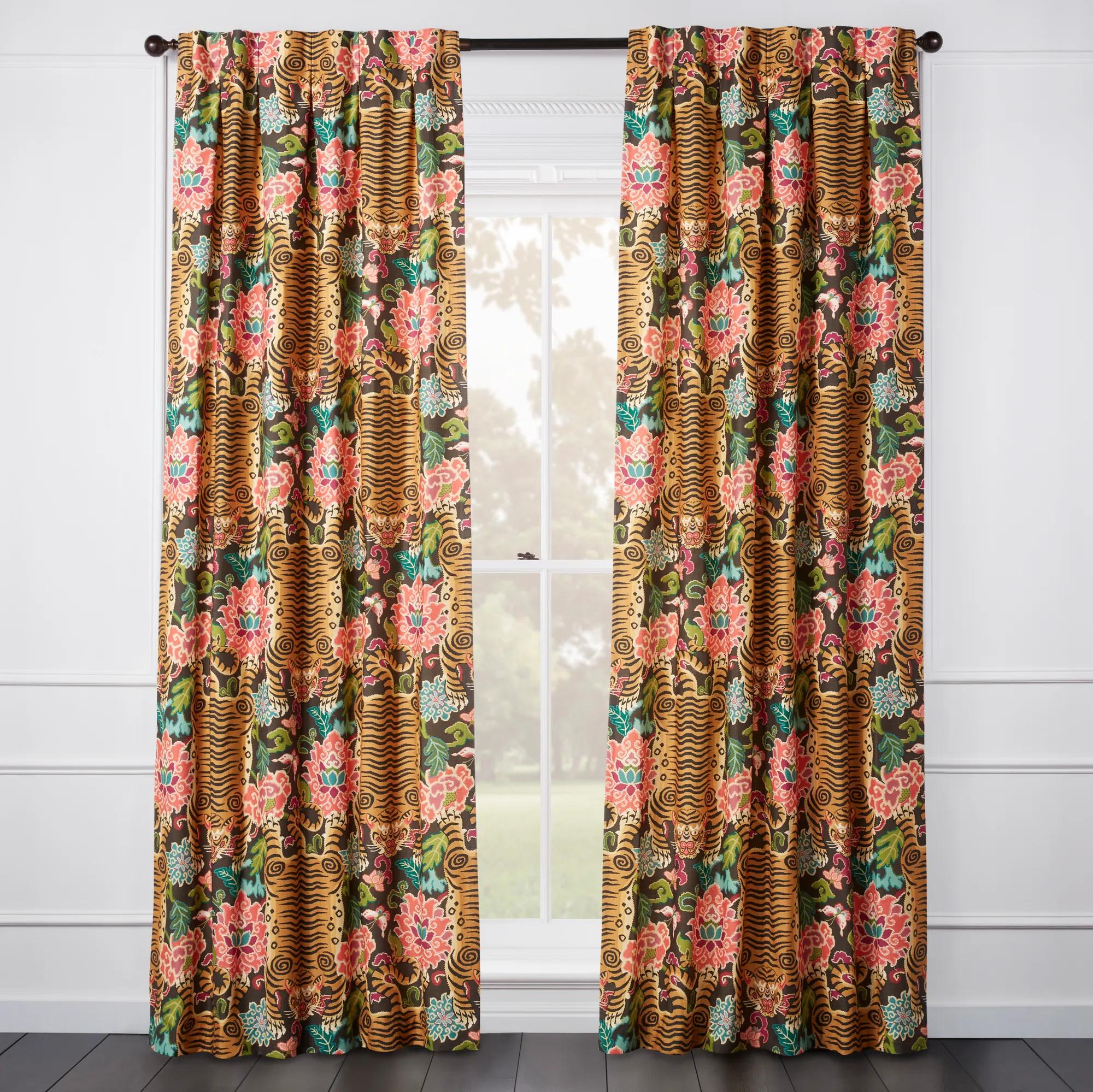 Nimer Gold/Multi Printed Slubbed Cotton Window Curtain Panel$349
A lively gold and multi-colored cotton curtain panel featuring a bold tiger print and customizable options.
Add To Cart -

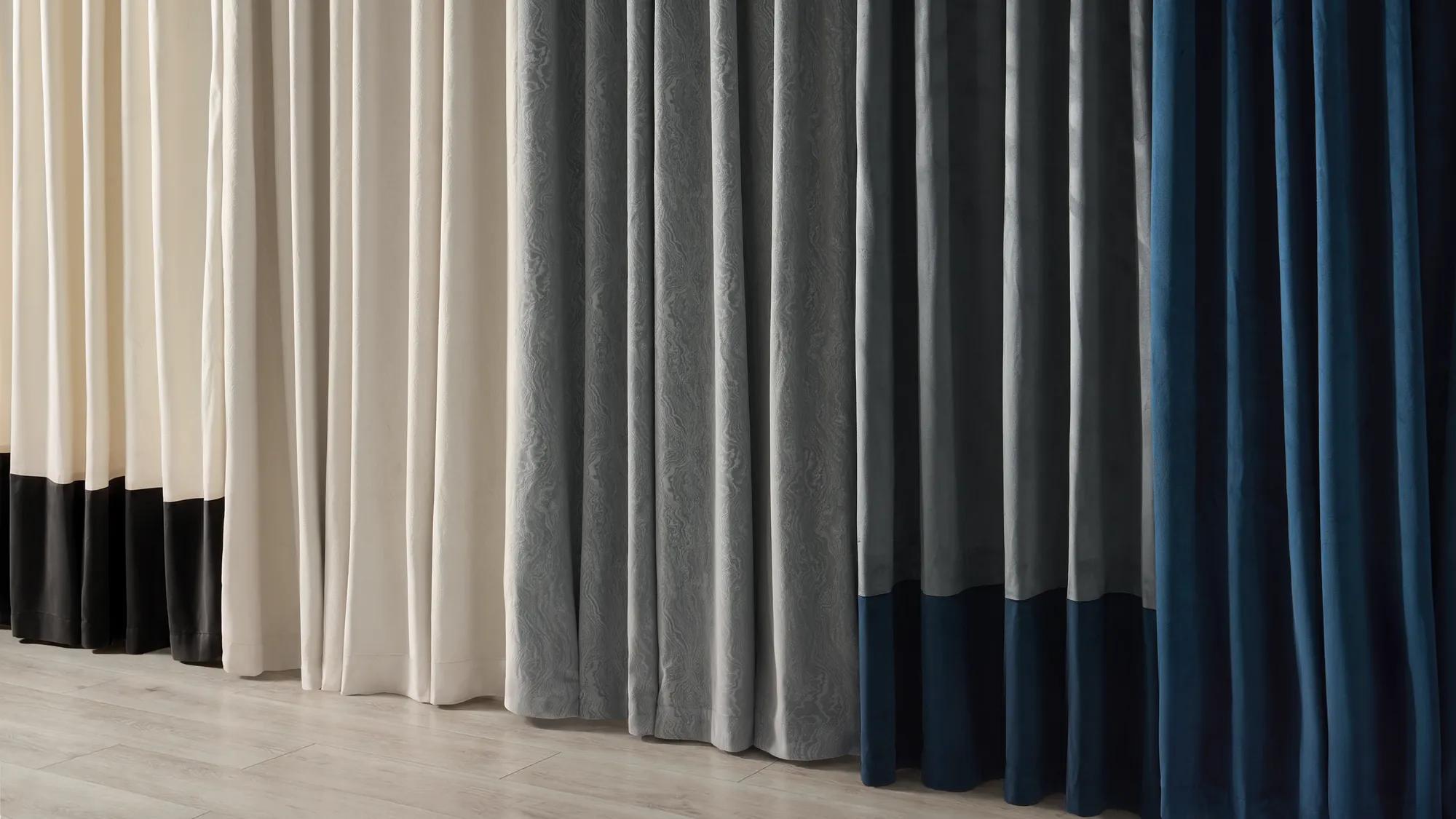 Mabel Velvet Swirl Curtain - Grey Blue$99
A grey blue velvet curtain featuring a tonal swirl pattern and versatile dual hanging options.
Add To Cart -

 Mabel Natural Velvet Swirl Window Curtain Panel$109
A warm neutral velvet curtain with a tonal swirl pattern and room-darkening, dual hanging options.
Add To Cart -

 Adair Sand Solid Velvet Window Curtain Panel$89
A sand-colored velvet curtain offering room-darkening privacy and versatile hanging options for refined interiors.
Add To Cart -
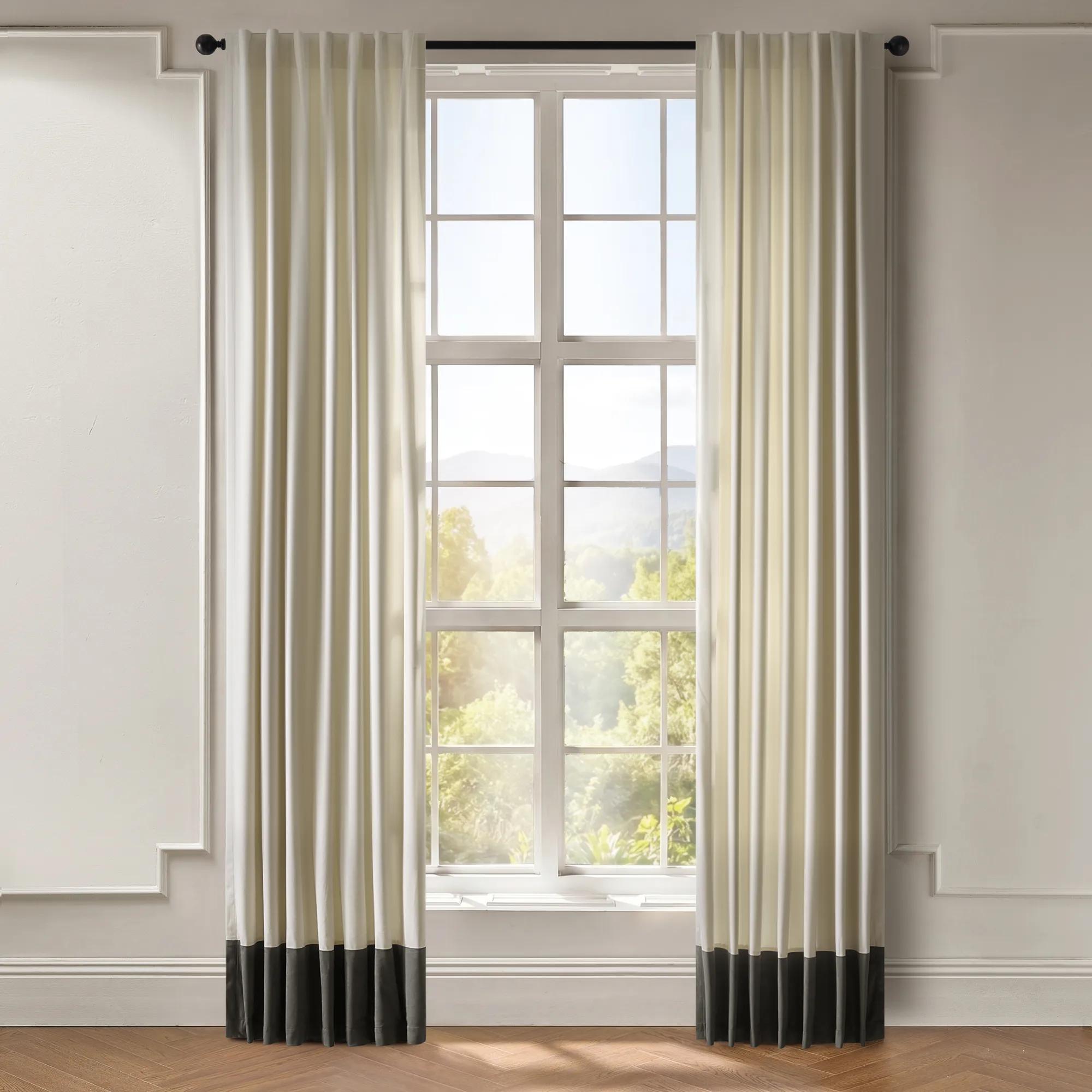
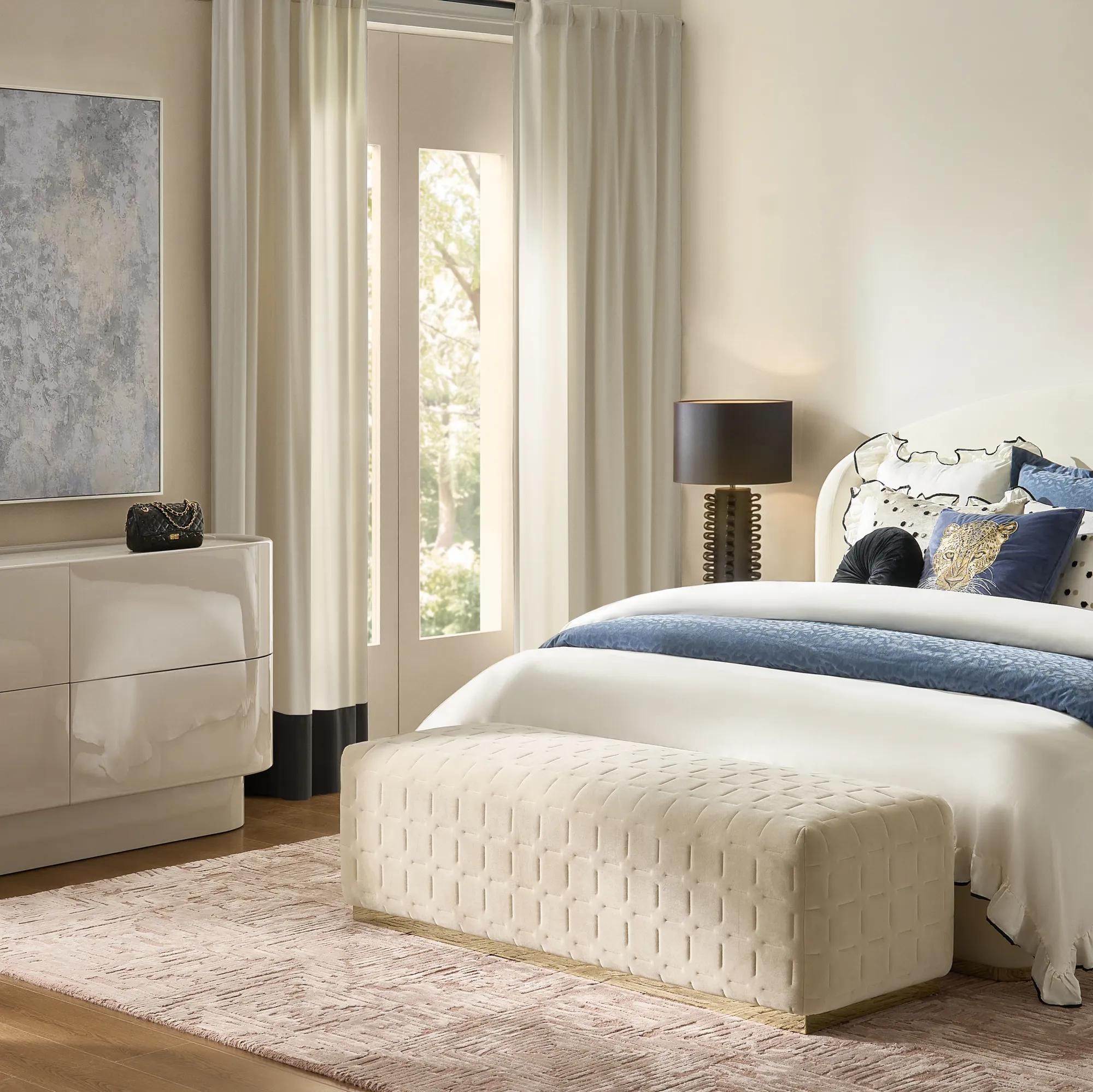 Bastien Ivory/Graphite Velvet Border Window Curtain Panel$99
A two-tone ivory and graphite velvet curtain panel with room-darkening design and versatile hanging options.
Add To Cart -
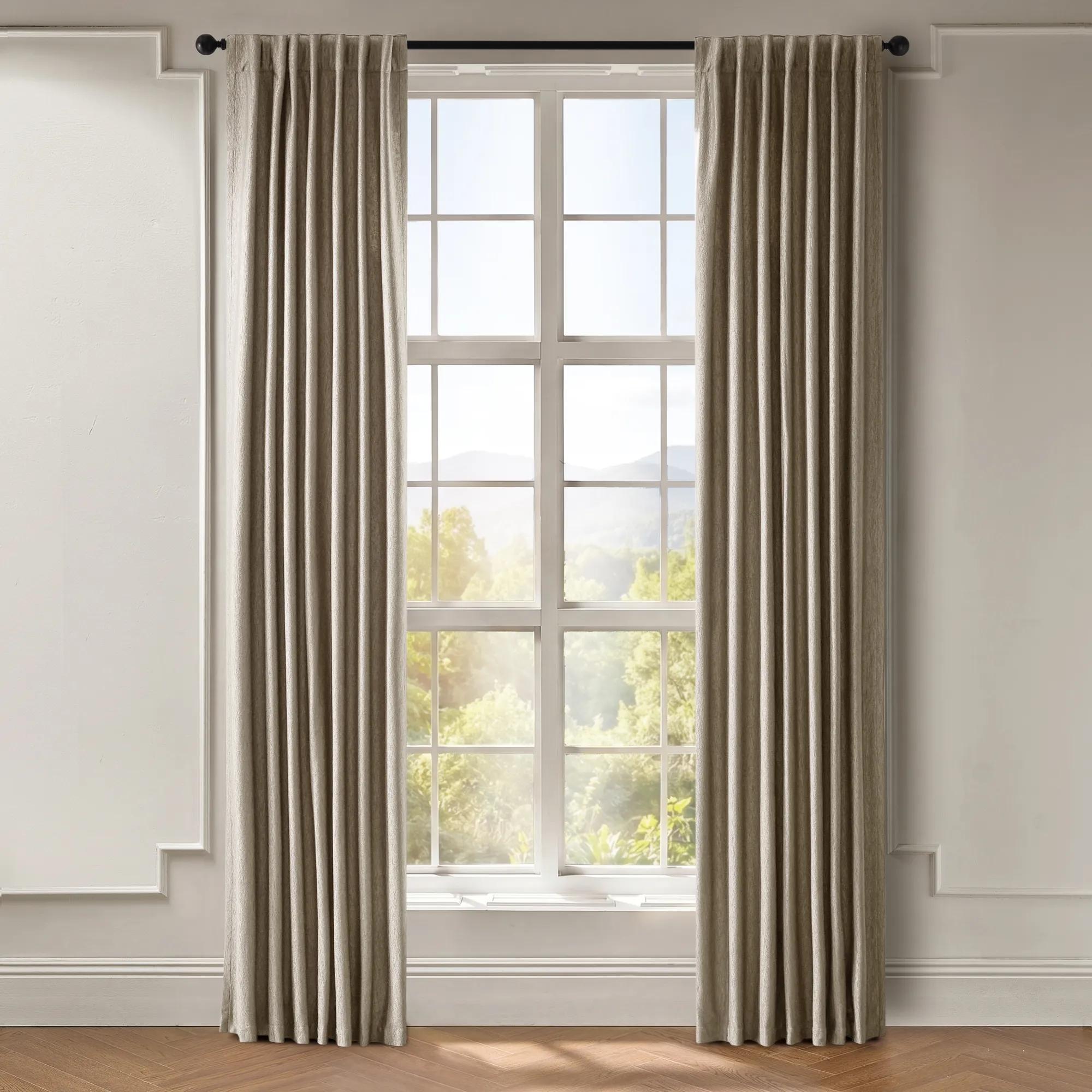
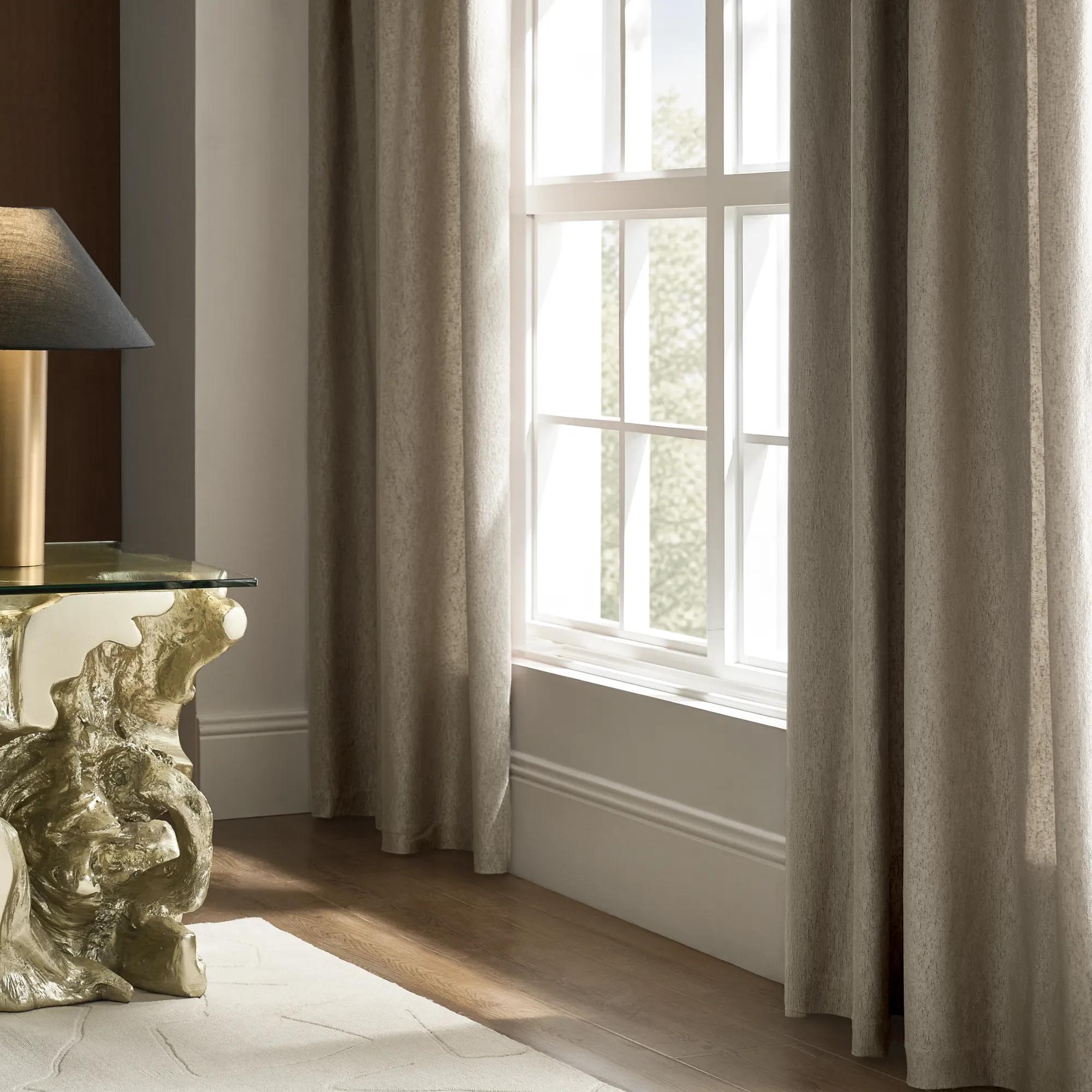 Anson Taupe Textured Window Curtain Panel$89
A taupe polyester curtain panel featuring a crushed sheen texture and room-darkening, dual hanging design.
Add To Cart -
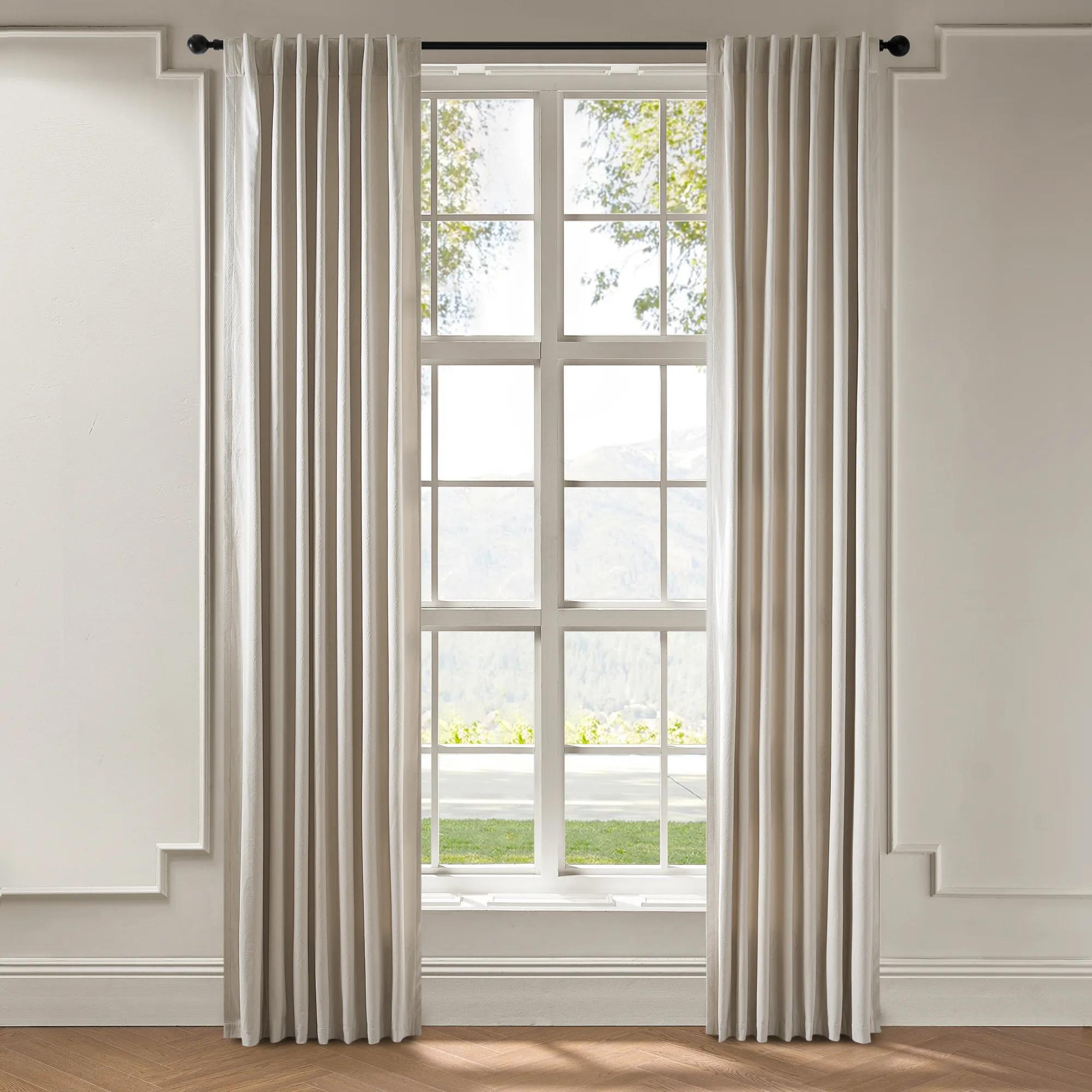
 Mabel White Velvet Swirl Window Curtain Panel$109
A crisp white velvet curtain featuring a tonal swirl texture and versatile dual hanging options.
Add To Cart -
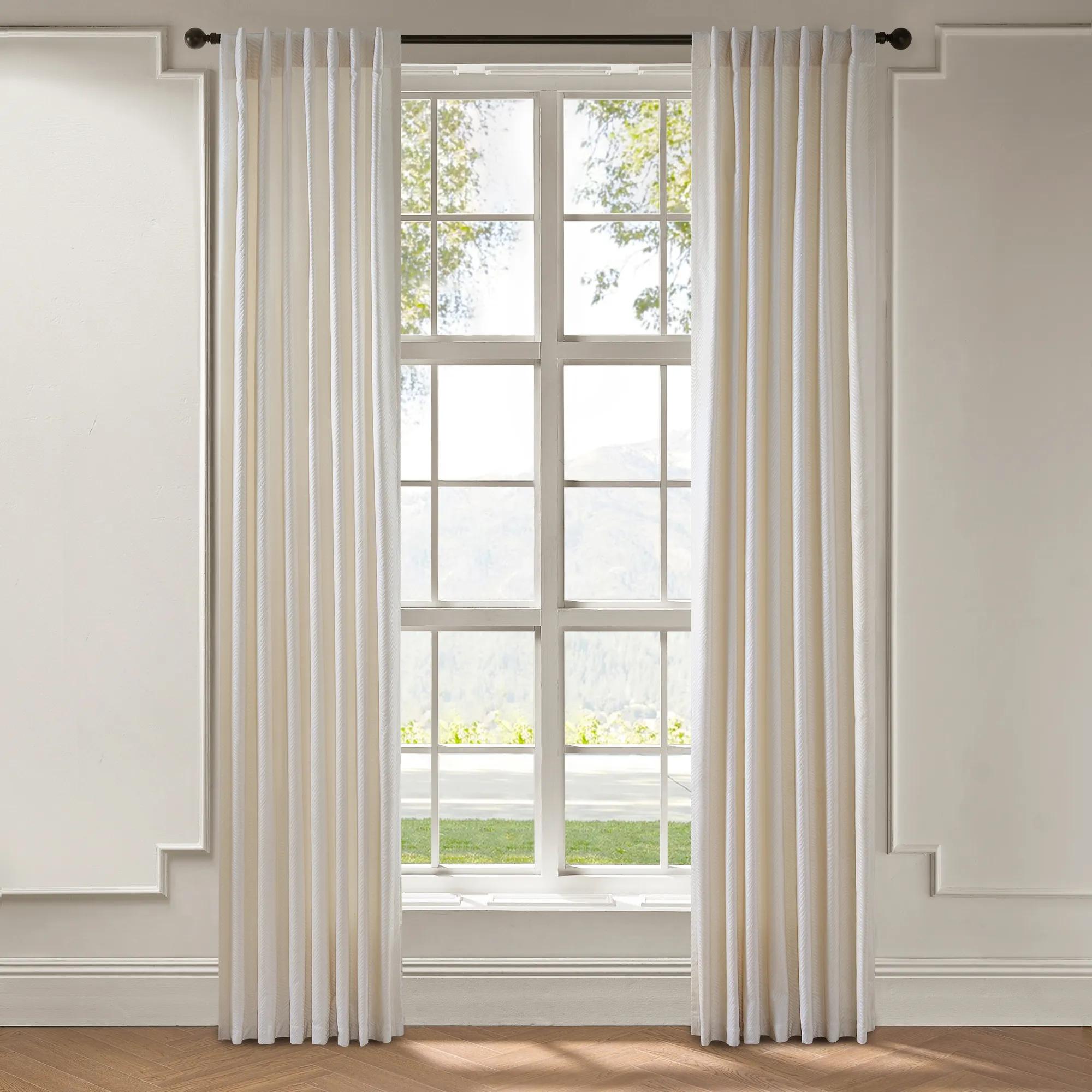
 Kenzo Chenille Curtain - White$129
A luxe white chenille jacquard curtain featuring a subtle high-contrast pattern and versatile dual construction.
Add To Cart -
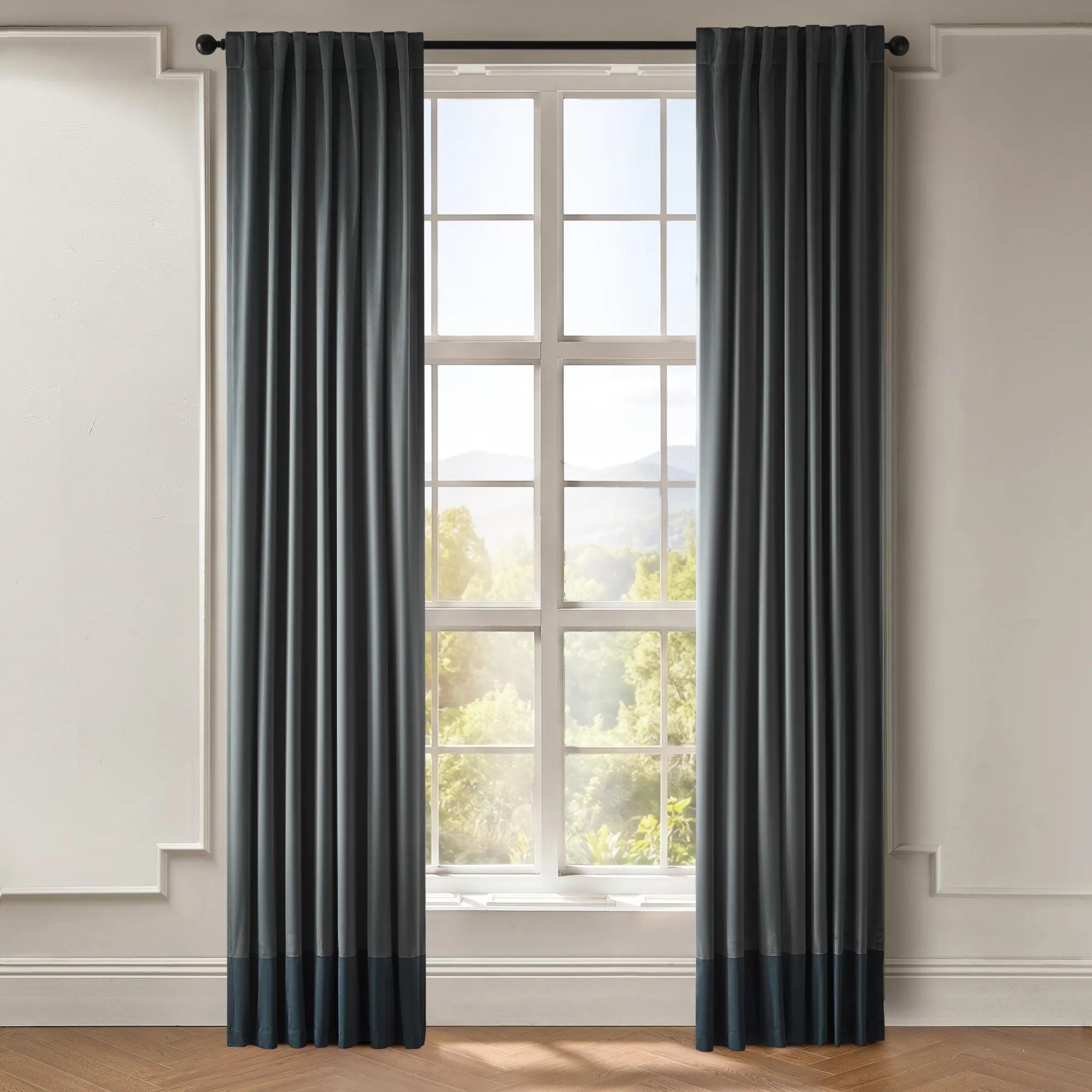
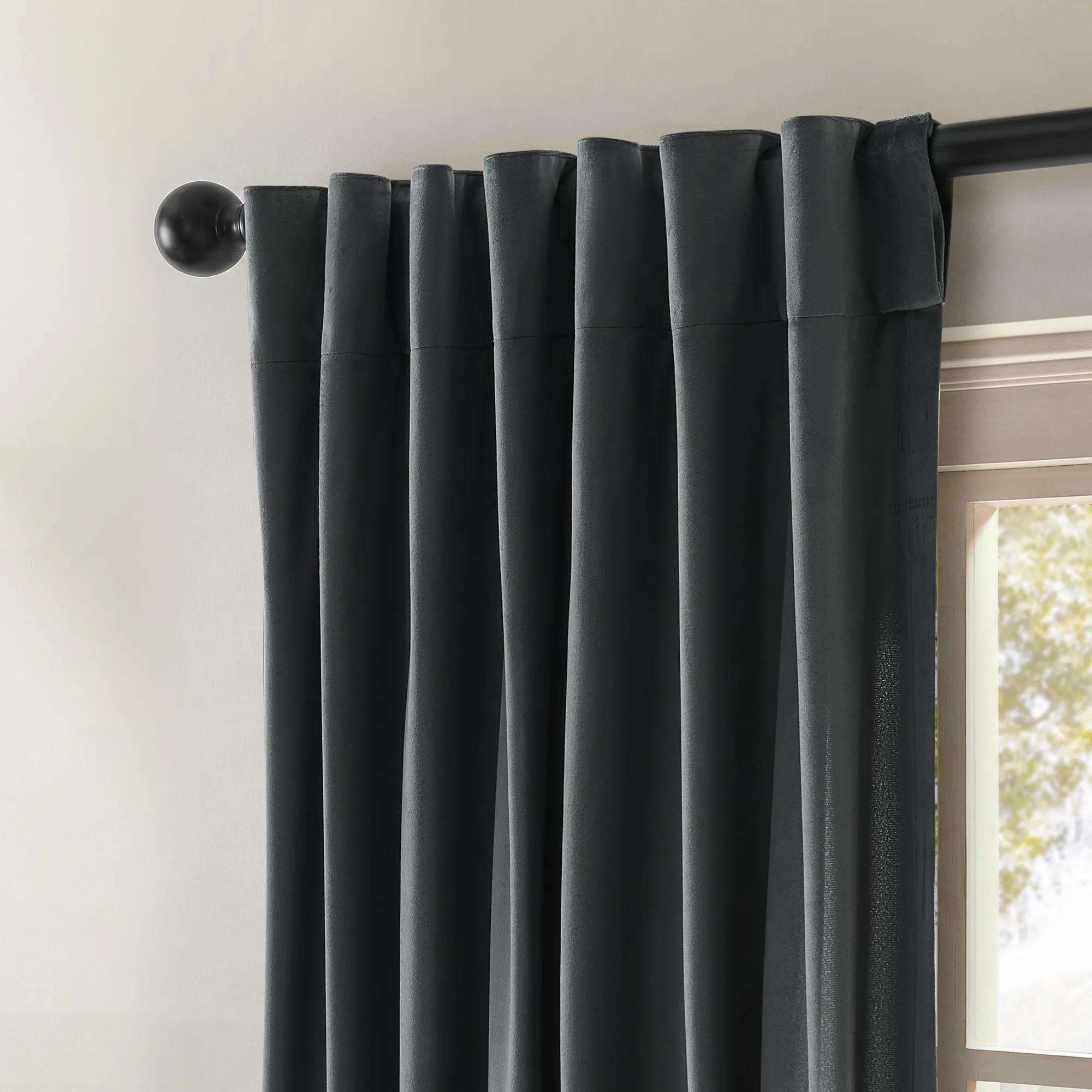 Bastien Blue/Midnight Velvet Border Window Curtain Panel$89
A two-tone dusty and midnight blue velvet curtain panel with a Deco-inspired border and room-darkening design.
Add To Cart -
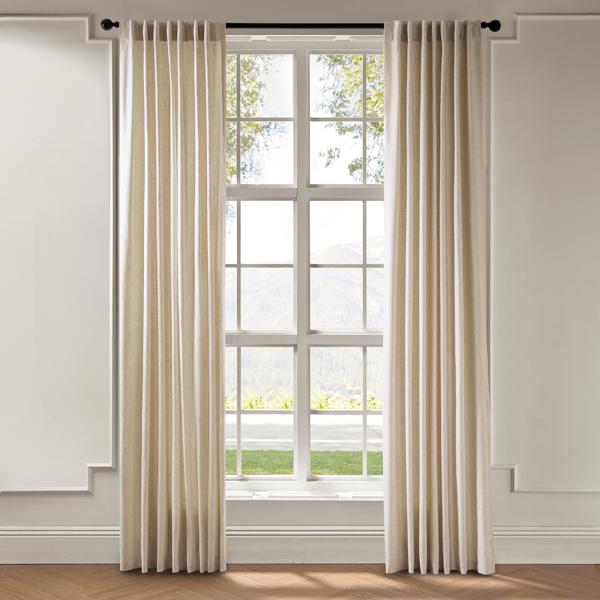
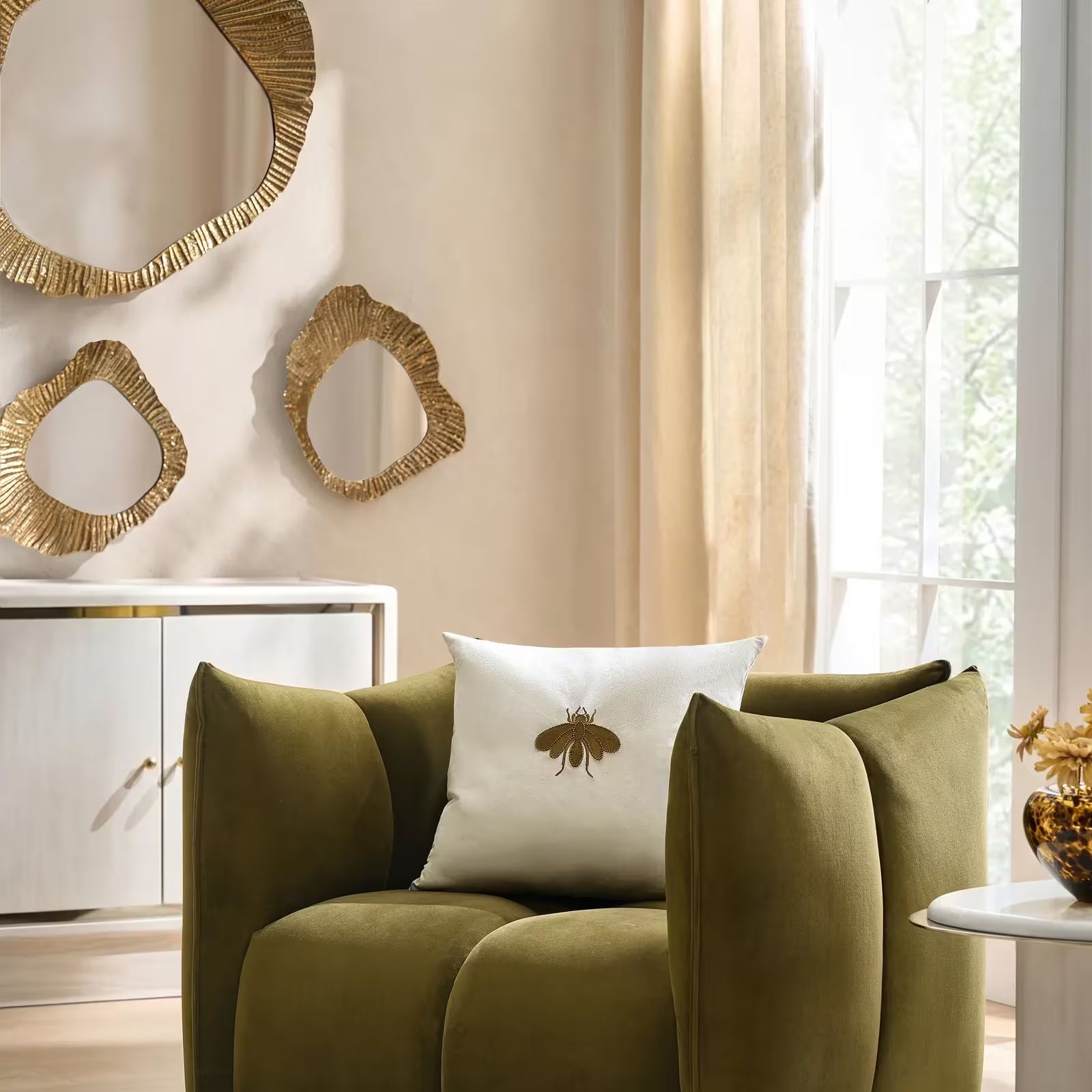 Anson Ivory Textured Window Curtain Panel$109
An elegant ivory curtain with a crushed, light-reflective texture and versatile dual hanging options.
Add To Cart -
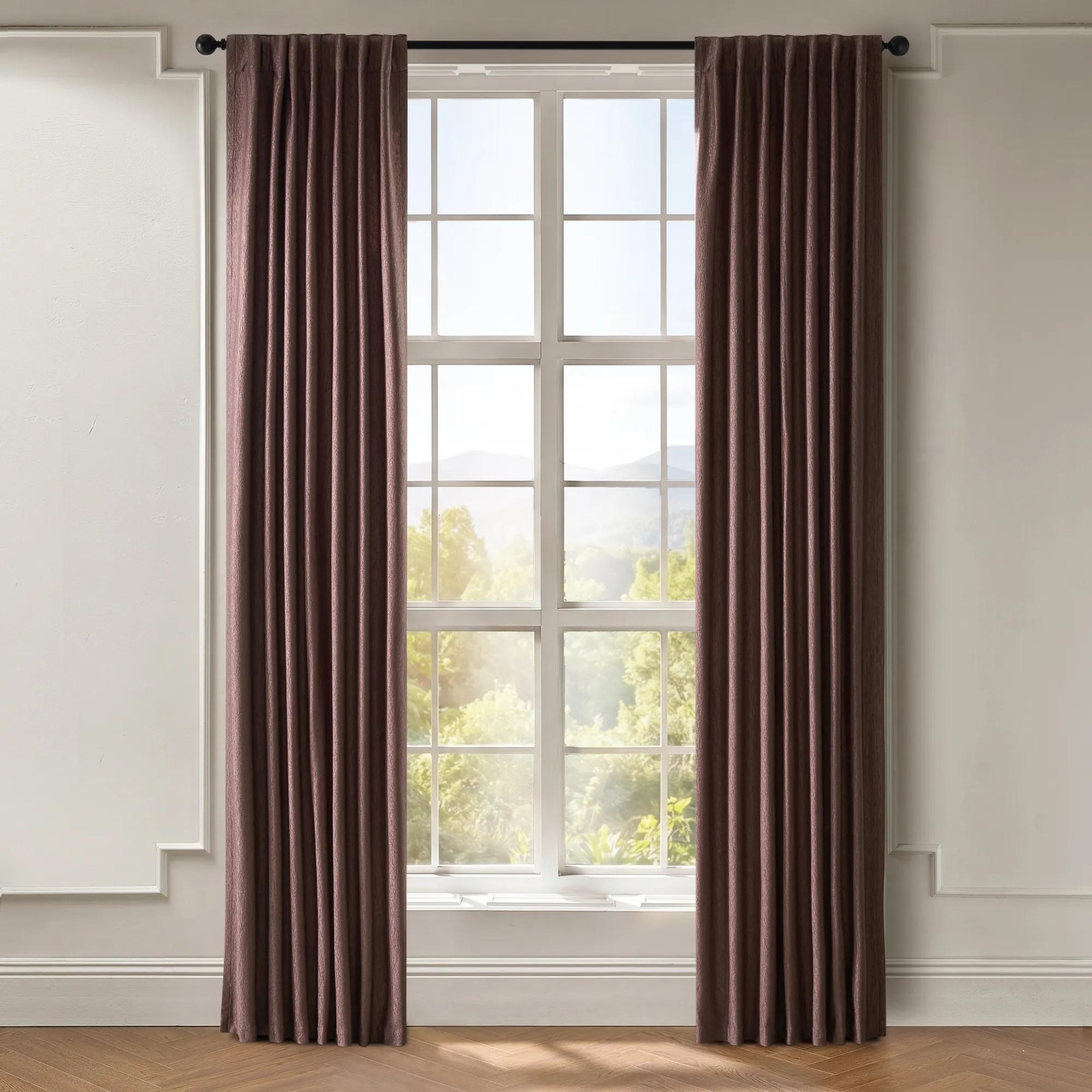
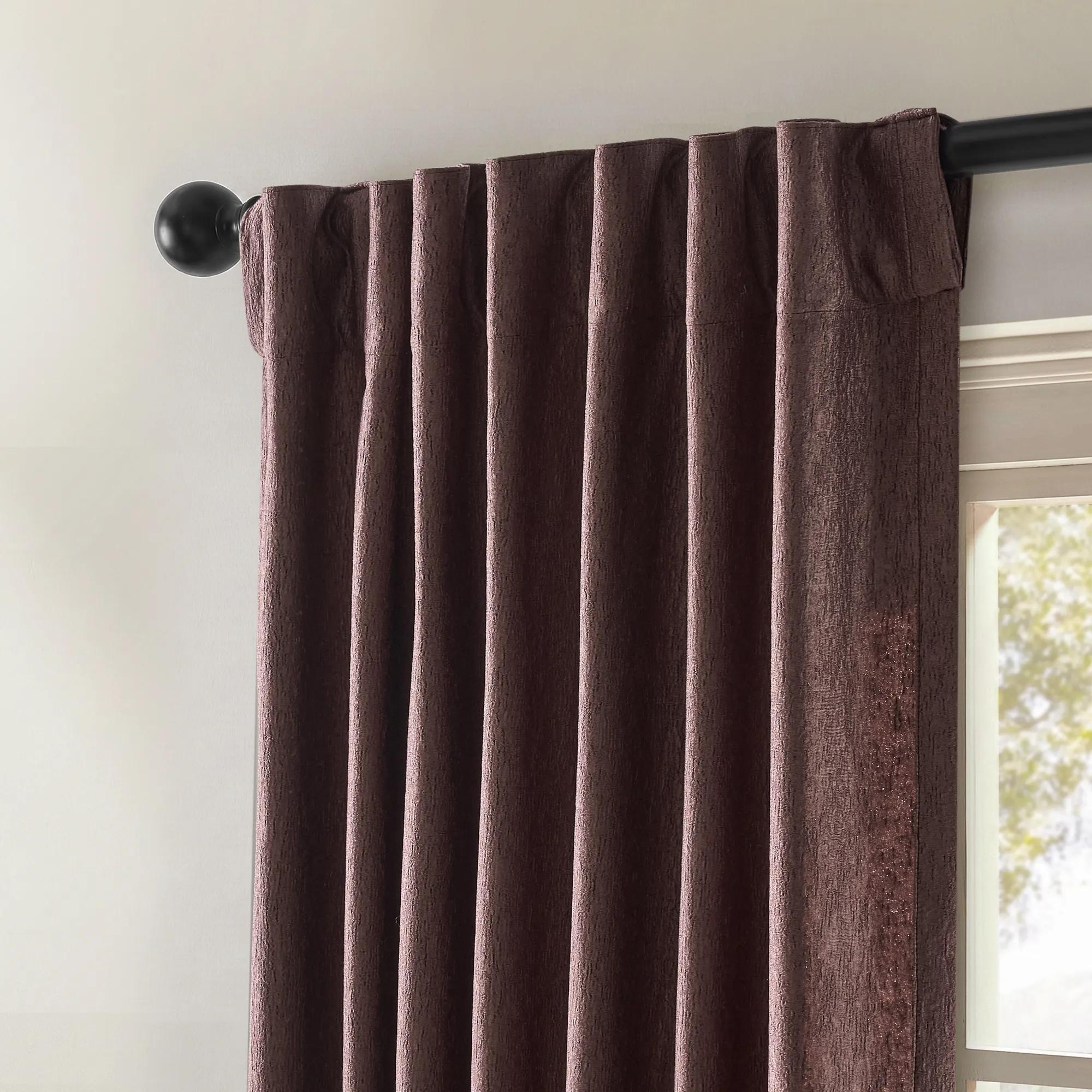 Anson Fig Textured Window Curtain Panel$89
A deep fig curtain panel with crushed sheen texture and room-darkening, dual hanging design in polyester.
Add To Cart -
 Anson Mocha Rose Textured Window Curtain Panel$89
A light mocha rose curtain panel with crushed sheen texture and room-darkening, dual hanging design.
Add To Cart -

 Adair Midnight Blue Solid Velvet Window Curtain Panel$89
A sumptuous midnight blue velvet curtain that adds elegance, depth, and room-darkening style to any space.
Add To Cart -
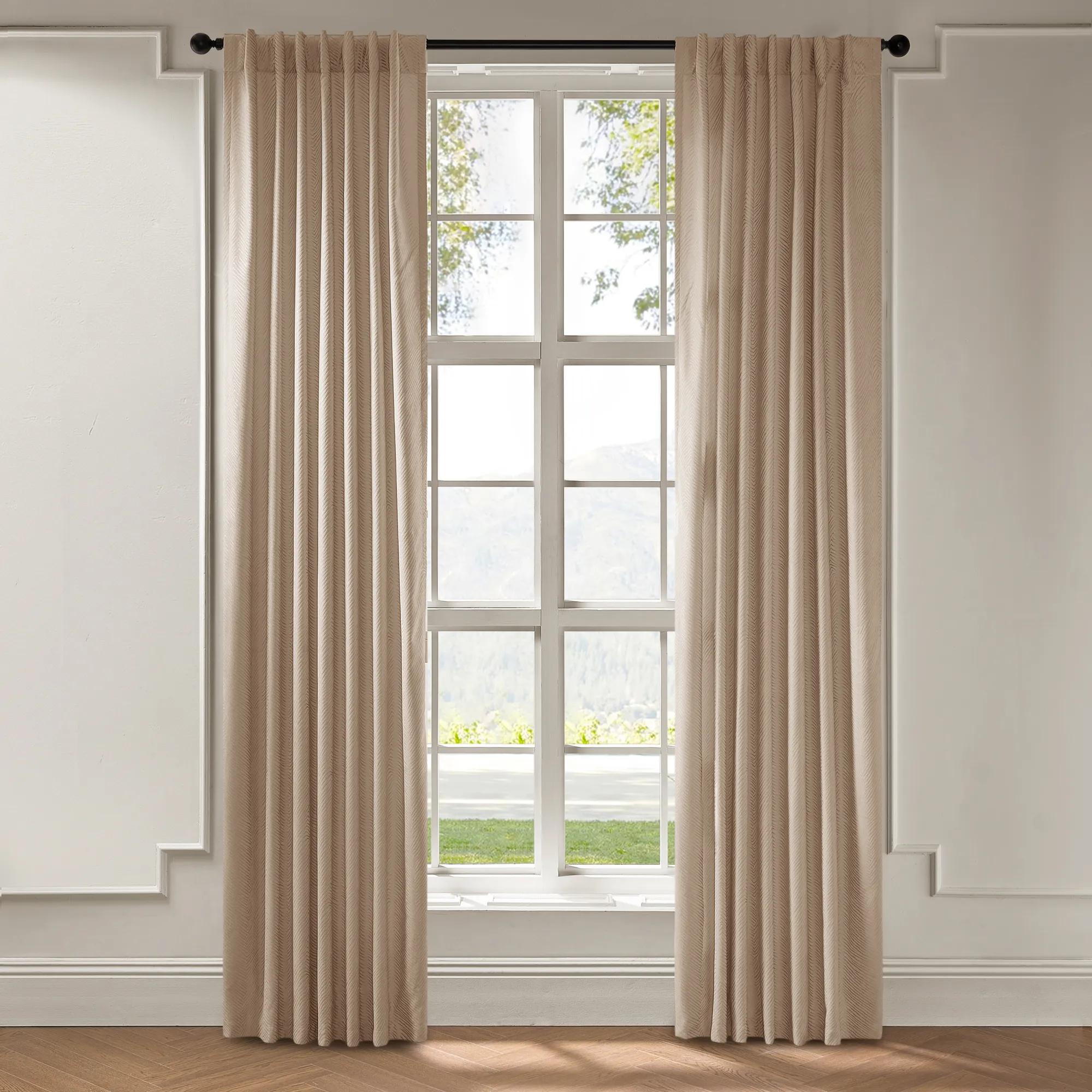 Kenzo Jacquard Beige Chenille Window Curtain Panel$119
A warm beige chenille jacquard curtain with a subtle sheen and versatile rod pocket or back tab hanging.
Add To Cart -

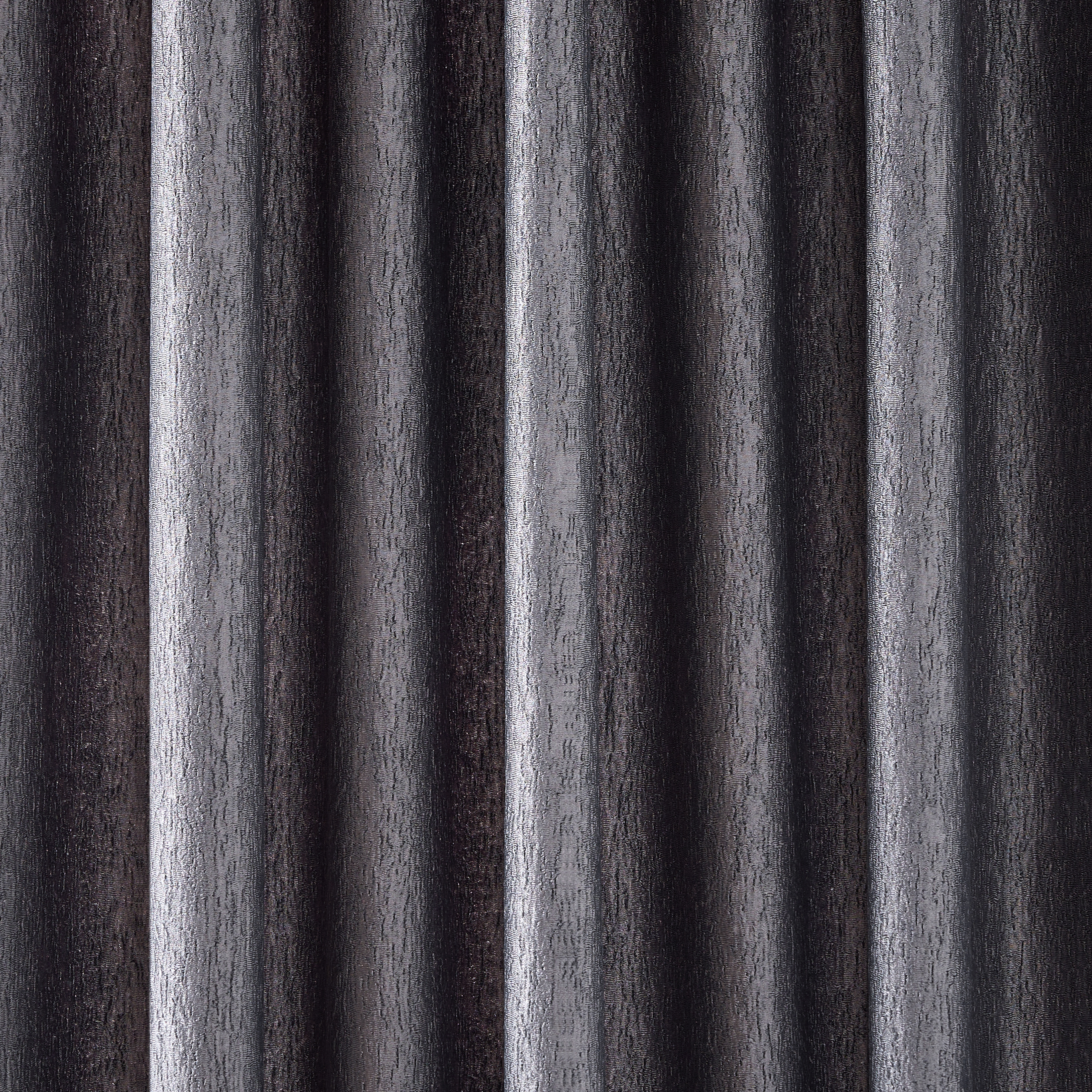 Anson Charcoal Textured Window Curtain Panel$89
A moody charcoal curtain with crushed polyester texture and subtle sheen for stylish, room-darkening appeal.
Add To Cart -
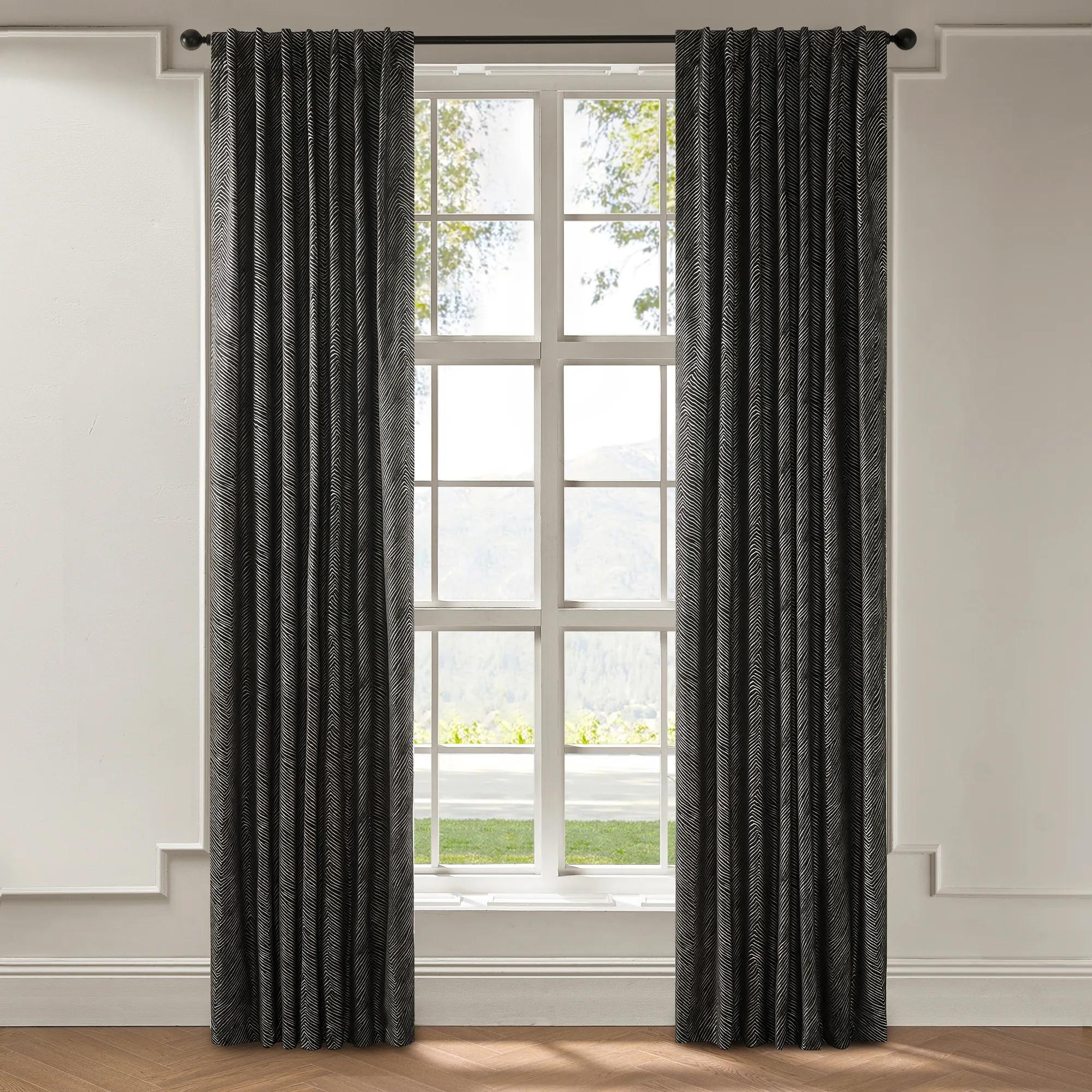
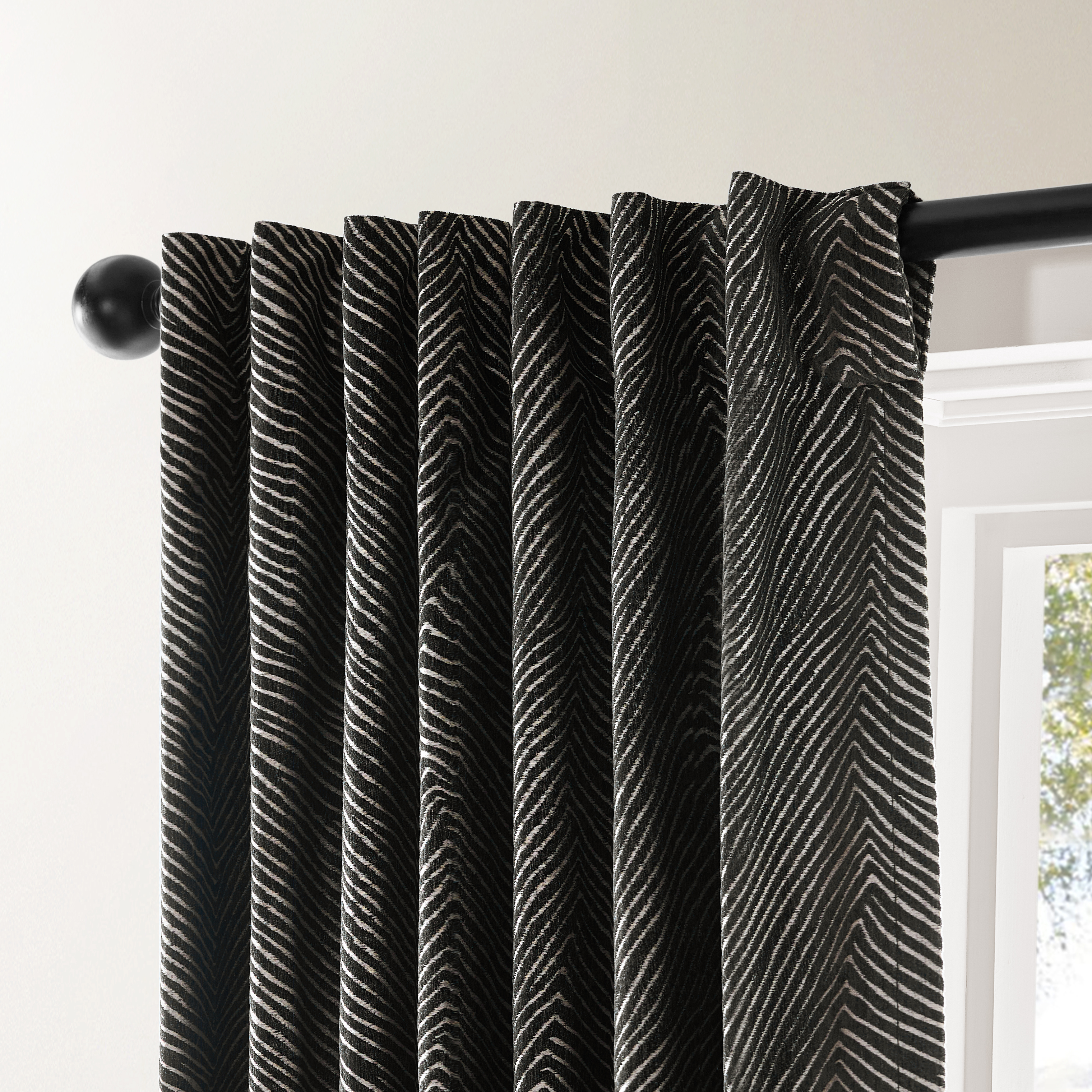 Kenzo Black Chenille Window Curtain Panel$139
A black chenille jacquard curtain with a room-darkening finish and versatile dual hanging options.
Add To Cart

Lined Window Curtain Panels
Lined window curtain panels are the ultimate expression of refined drama—draping your windows in layers of sumptuous fabric, they transform sunlight into a soft, artful glow and create a sense of tailored luxury in any room. Whether framing grand city views or adding intrigue to intimate corners, these panels invite you to curate your space with opulent texture and striking silhouette. Elevate every moment at home as lined window curtain panels become both backdrop and statement, infusing your interiors with a sense of grandeur and curated sophistication.
Lined window curtain panels pair a decorative face fabric with an additional fabric backing, creating a more substantial drape and a beautifully finished appearance at the window. That second layer does more than conceal the reverse of the fabric: depending on its construction, it can improve privacy, reduce incoming light, and help the front fabric retain its visual richness by limiting direct sun exposure from behind. Lining also gives folds greater definition, allowing a simple neutral panel to fall with sculptural presence rather than look thin or unfinished. The effect can be quietly luxurious or unapologetically dramatic. Ivory panels lend softness to a room filled with reflective accents, while deep charcoal or jewel-toned drapery frames the view with the intensity of a painted backdrop. In a living room, lined curtains bring visual balance to substantial seating and expansive windows; in a bedroom, they create an enveloping setting around an upholstered bed. The distinction between lined, room-darkening, and blackout curtains matters, however. A standard lining may soften daylight without blocking it completely, while room-darkening construction reduces more light and blackout construction is specifically designed for stronger light blocking. Even blackout fabric can allow light around the edges if the panels do not adequately cover the window. Privacy likewise depends on fabric opacity and room lighting, especially after dark. Some linings offer insulating benefits, and substantial fabric layers can soften reflected sound within a room, but ordinary lined curtains should not be mistaken for soundproofing or assumed to have a particular thermal performance. For rooms used for reading, conversation, or watching a favorite film, the right combination of fabric and lining helps shape a more comfortable atmosphere without sacrificing expressive design. A window becomes part of the composition: a generous sweep of fabric beside a sculptural lamp, a soft counterpoint to a mirrored console, or a richly colored frame that gives artwork and upholstery a stronger presence. The appeal lies in that balance of practical coverage and deliberate beauty, with every fold contributing to the room’s character.
Material gives lined curtains their individual expression, influencing everything from the way light grazes the surface to how crisply the panels settle into folds. Linen and linen-blend faces offer visible texture and a relaxed, architectural elegance; their natural-looking irregularities add depth beside smooth stone, glass, and polished metal. Cotton can create a more matte, tailored impression, while velvet introduces a plush surface that shifts in appearance with its pile and the direction of the light. Silk and silk-look fabrics bring a more lustrous note, particularly striking where a room calls for a fluid, luminous frame around the windows. Lined Polyester Curtain Panels offer another expression of this layered look, with polyester fabrics ranging from softly textured weaves to smoother, more reflective finishes. Polyester is generally resistant to wrinkling and holds its shape well, although the finished curtain’s performance depends on its weave, lining, and construction. A sumptuous appearance does not necessarily require a heavy fabric; a lighter face paired with an appropriate lining can still produce graceful coverage and more defined folds. Conversely, a dense face fabric and substantial backing may require sturdier hardware to support their combined weight. Durability rests in the details as much as the fiber itself, including secure header construction, even hems, and seams that allow both layers to hang smoothly. Lining can help shield the decorative fabric from direct exposure at the window, but it does not make any textile immune to fading. Care requirements deserve equal attention because the face and backing may react differently to water, heat, and cleaning solutions. Washable construction should be confirmed on the care label rather than inferred from the fiber name, and lined panels marked for professional cleaning need that treatment to preserve their shape and finish. Gentle dust removal, where permitted, helps keep the surface looking refined between cleanings. Steaming or ironing also depends on the fabric and lining instructions, particularly with delicate surfaces or coated backings. Thoughtful fabric selection makes room for both the desired visual impact and the level of upkeep suited to the household.
Proportion completes the effect, turning attractive fabric into drapery that feels integrated with the architecture. Curtain width relates to the span of the rod or track, not simply the glass, because panels need room to cover the opening and form folds. For many flat, unpleated panels, a combined width of roughly one and a half to two times the rod width creates comfortable fullness, though the appropriate amount varies with fabric weight, header style, and the desired silhouette. Pre-pleated curtains have their own finished coverage measurements, making the stated usable width especially important. A generous arrangement can look lavish when closed, but it also needs enough space at the sides to stack back without crowding the view. Length establishes another kind of mood. Panels that just meet the floor create a precise, tailored line, while a slight break introduces softness and a more decorative finish. Longer pooling lengths bring theatrical richness but require additional attention to dust, floor cleaning, and foot traffic; clear-of-floor lengths are often more practical near frequently used doors or in active family spaces. The header changes the presentation as well. Grommets produce broad, regular waves, rod pockets offer a gathered treatment, and pleated headers create a structured rhythm that suits more formal rooms. Compatibility between the header, rod diameter, rings, or track determines whether the panels move smoothly and hang as intended. Mounting height, surrounding trim, and the position of nearby furniture all influence the final proportions, while secure hardware supports the added weight of lined fabric. In a dining room, full-length panels can echo the vertical lines of tall chairs and lend intimacy to an expansive wall. Alongside layered bedding, a softly lustrous pair adds depth without competing with the room’s focal point. Against patterned upholstery, a solid textured fabric provides a poised visual pause. Whether the desired impression is tailored, opulent, or artfully relaxed, lined window curtain panels give color and texture the scale to transform a room, framing everyday life with a distinctly considered sense of drama.
FAQs
Lined window curtain panels offer enhanced insulation, superior light control, and improved sound absorption compared to unlined options. The additional lining helps regulate indoor temperatures, protects furnishings from sun exposure, and creates a more substantial, tailored drape for a luxurious look and feel.
Selecting the right color and pattern depends on your room’s existing palette and the mood you wish to create. Colorful curtain panels can energize a space, while multi colored curtain panels add visual intrigue and depth. For a cohesive look, consider echoing accent hues from your décor or introducing a bold contrast to make your windows a true focal point.
Absolutely. Lined draperies are versatile enough to enhance any room, from bedrooms and living areas to dining rooms and home offices. Their ability to control light and provide privacy makes them especially valuable in spaces where ambiance and comfort are paramount.
Yes, the extra layer of fabric in lined curtain panels helps absorb sound, making them an excellent choice for homes in busy neighborhoods or for rooms where you desire a quieter, more serene atmosphere.
Lined curtain panels are available in a variety of header styles, including grommet, rod pocket, and pinch pleat. Each style offers a distinct look and influences how the panels drape and move, allowing you to tailor the final effect to your personal taste and the architectural features of your space.


