Light And Texture Canvas Art
Light And Texture Canvas Art
-
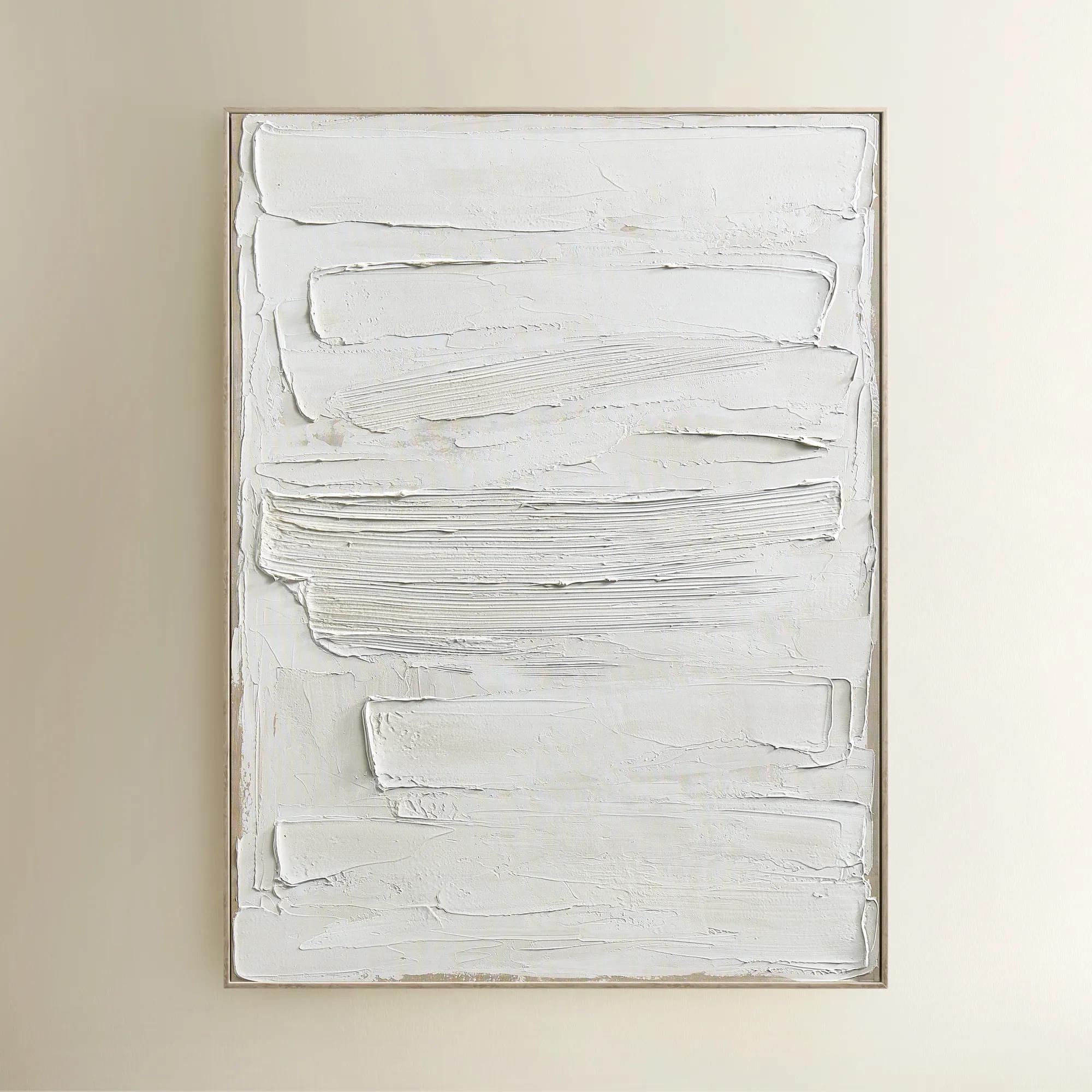
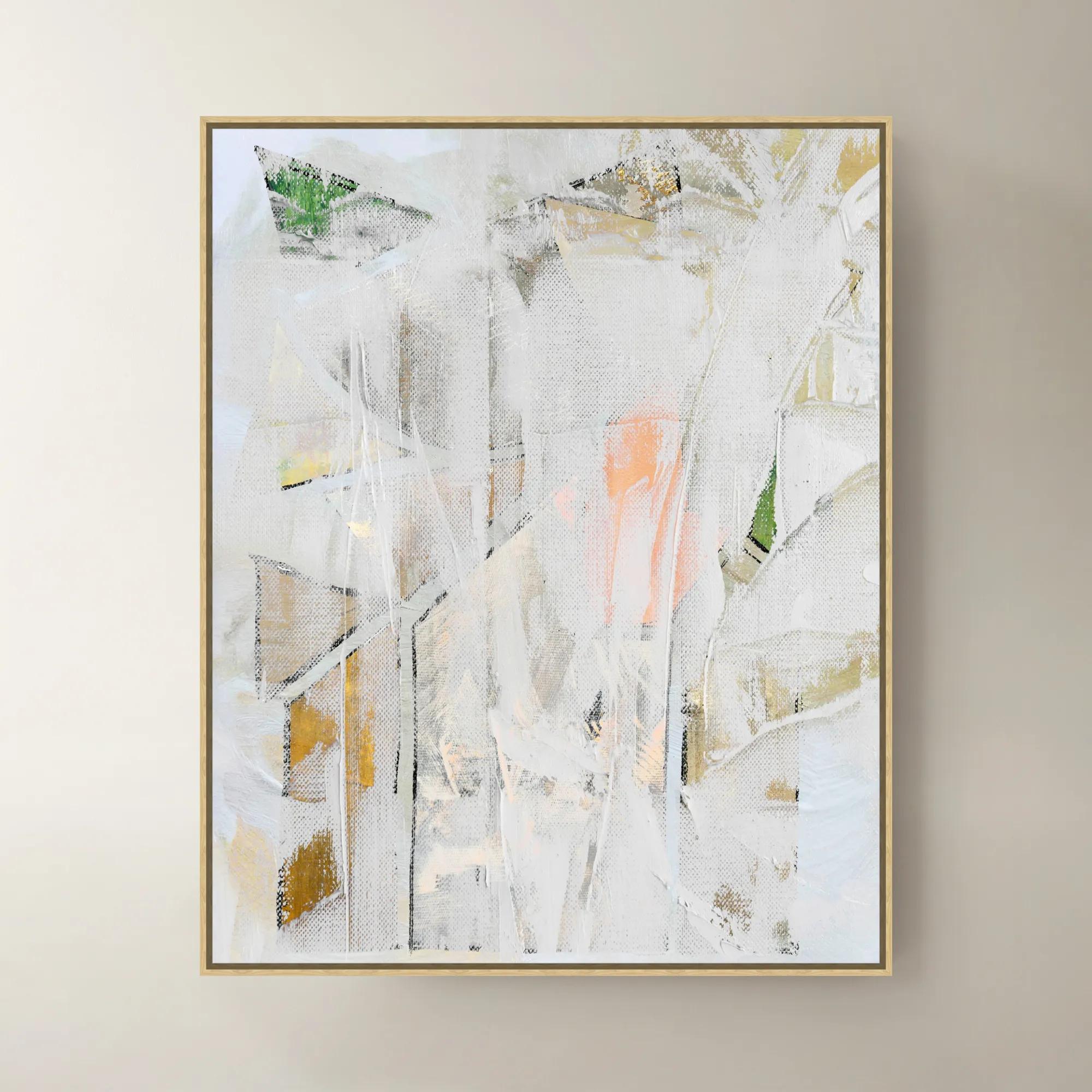
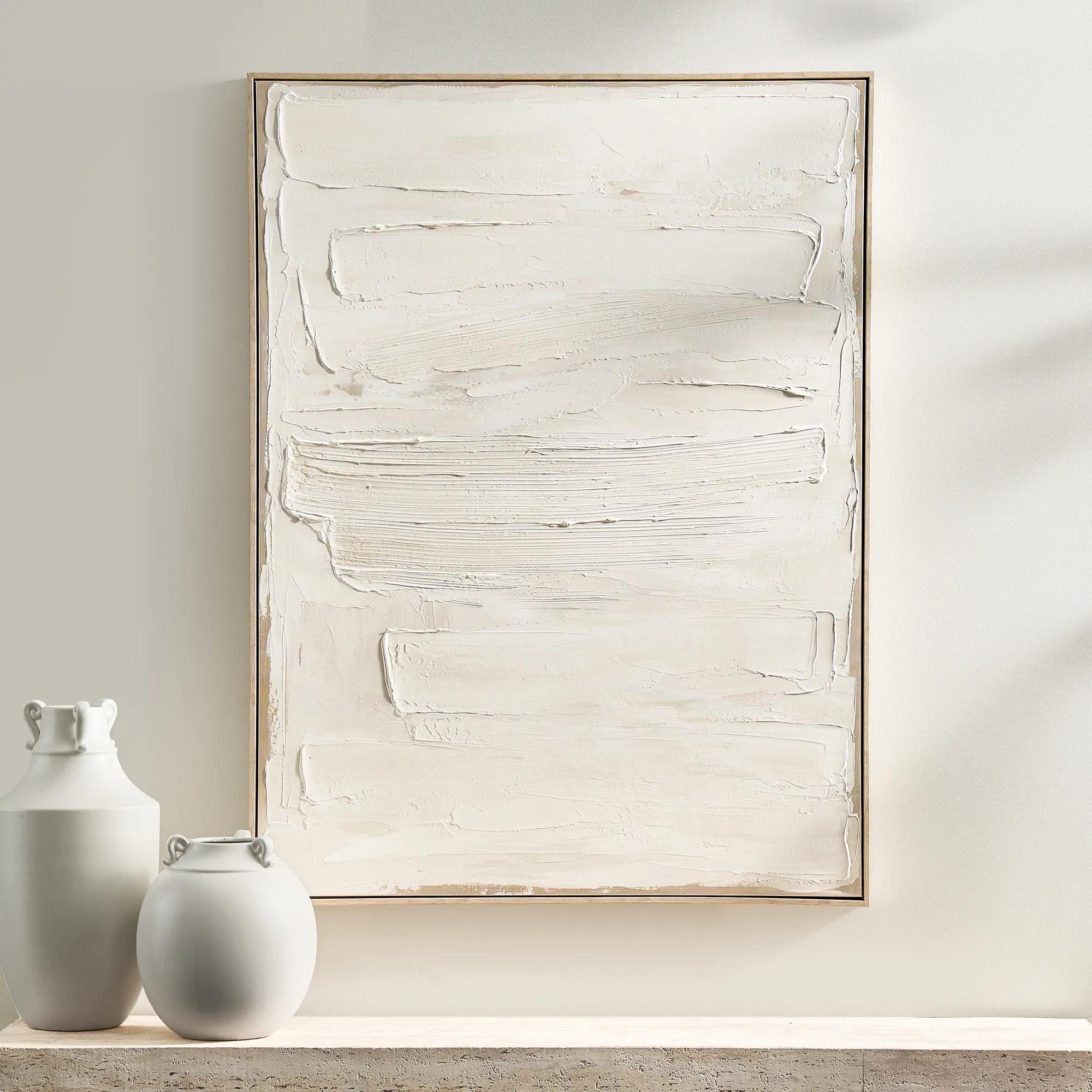 Monotype Canvas 1$399
A hand-painted abstract canvas featuring layered white tones and textured paint in a whitewashed wood frame.
Add To Cart -
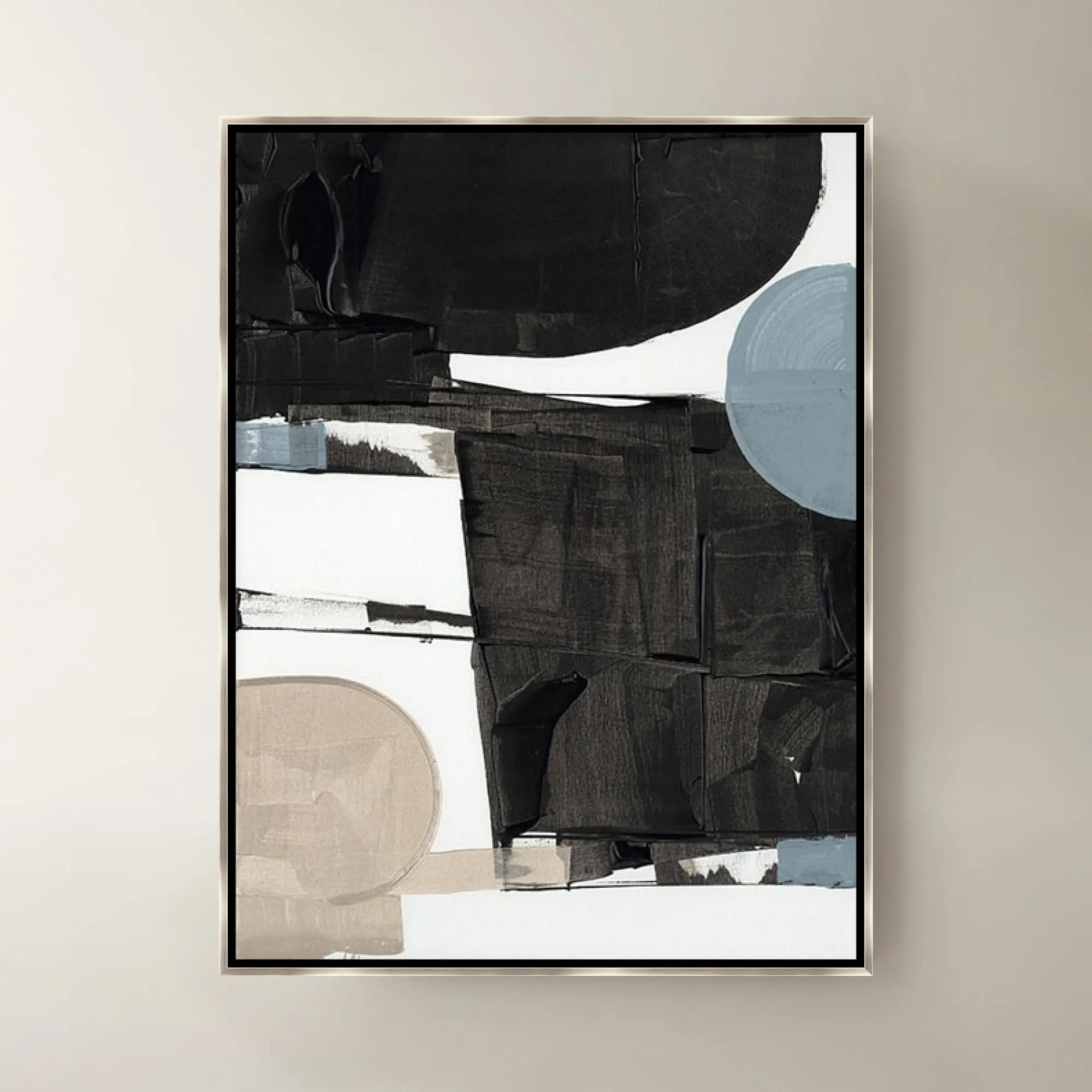
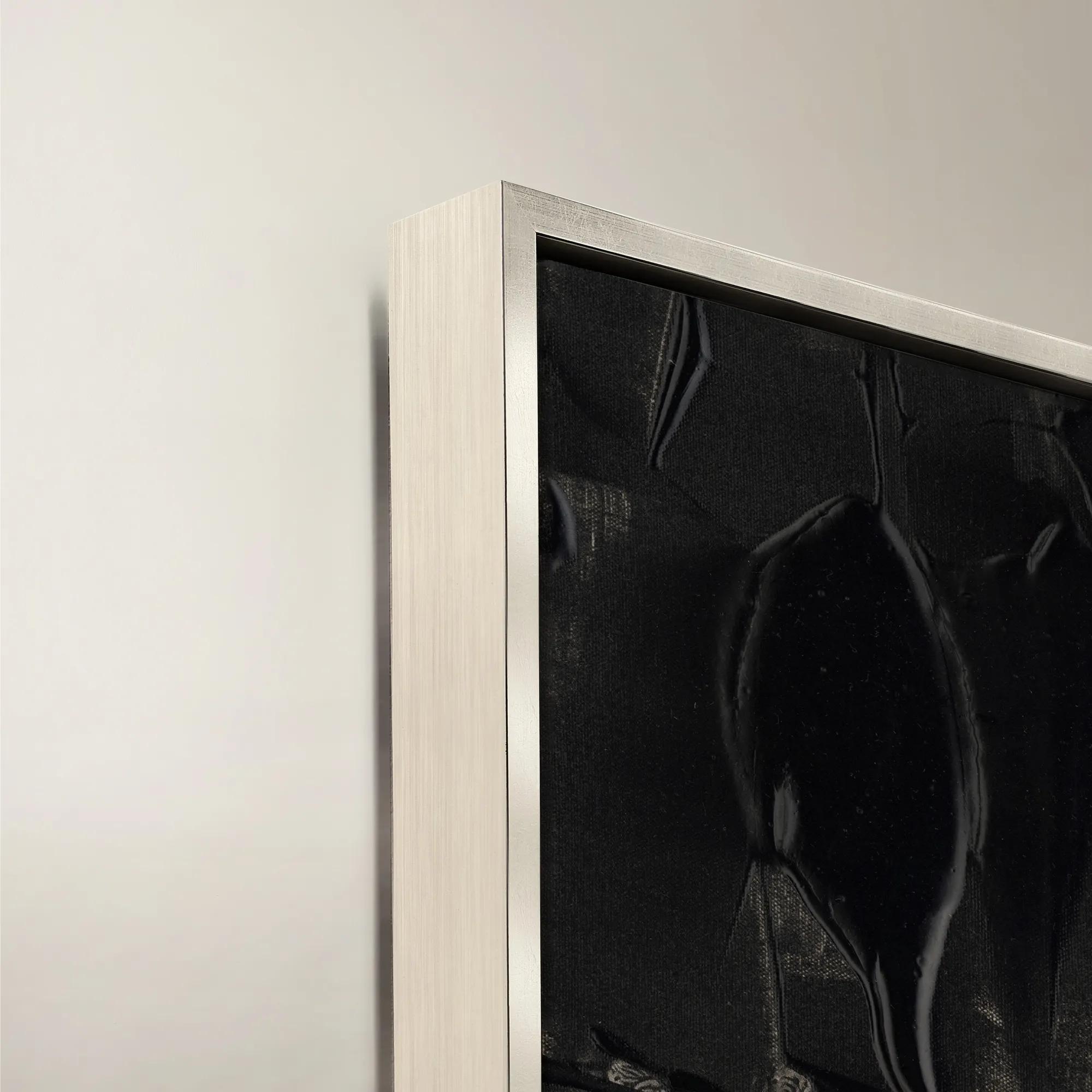 Blanc de Blancs II Framed Wall Art 24" x 30"$519
A sophisticated black canvas artwork presented in a refined frame, bringing modern elegance to your walls.
Add To Cart -
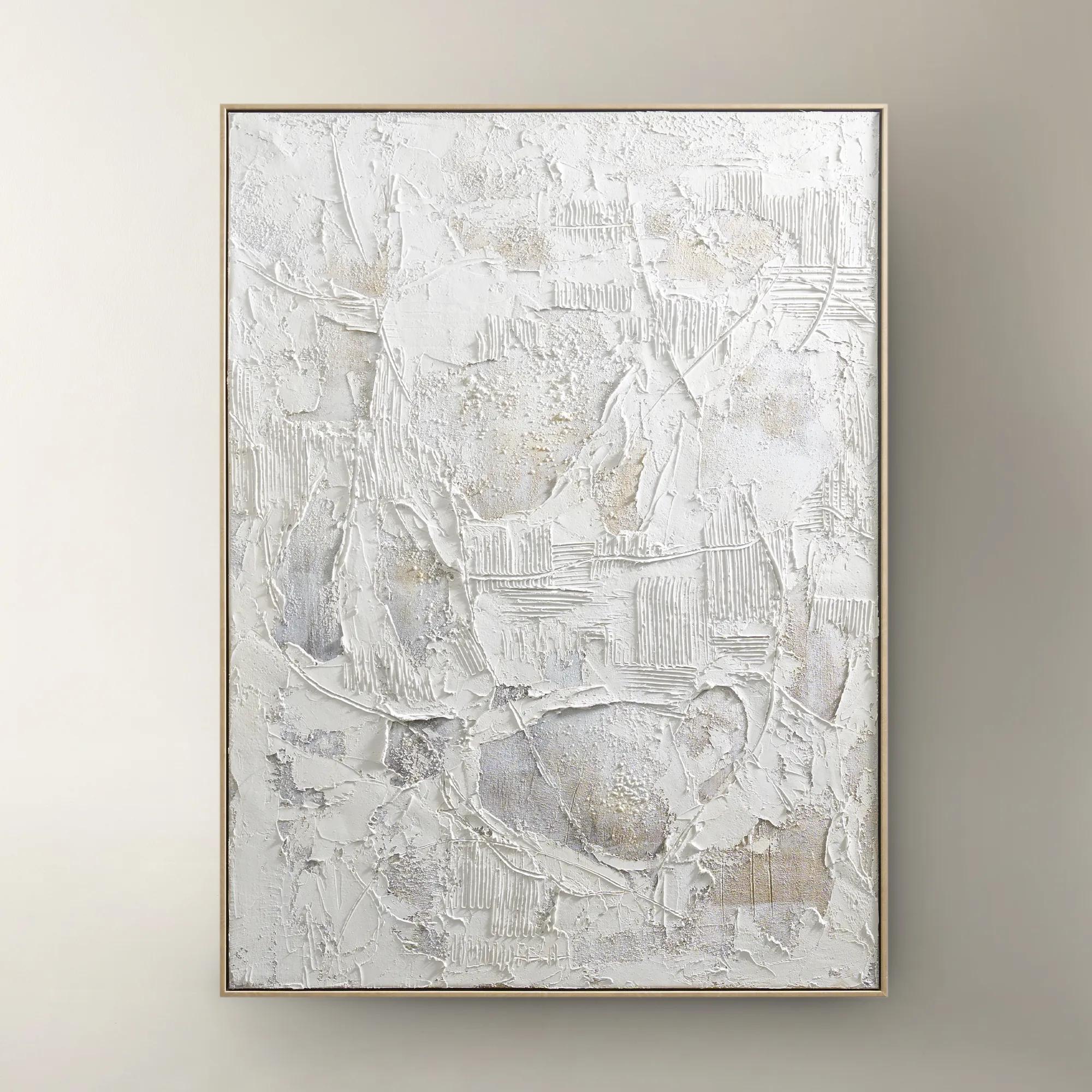 Stone Heritage Painting$399
A hand-painted canvas featuring textured white tones, elegantly framed in warm beech wood for refined appeal.
Add To Cart -
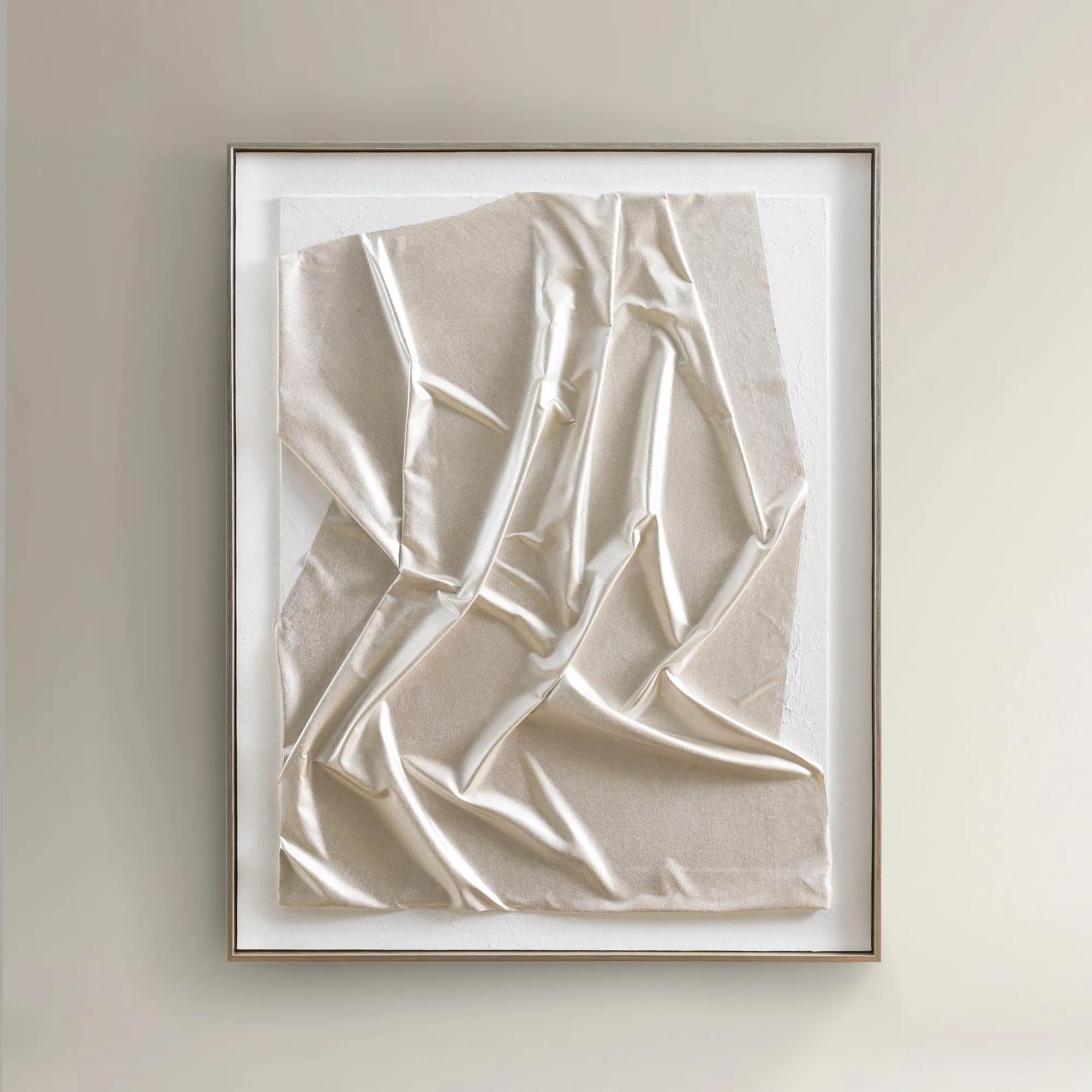
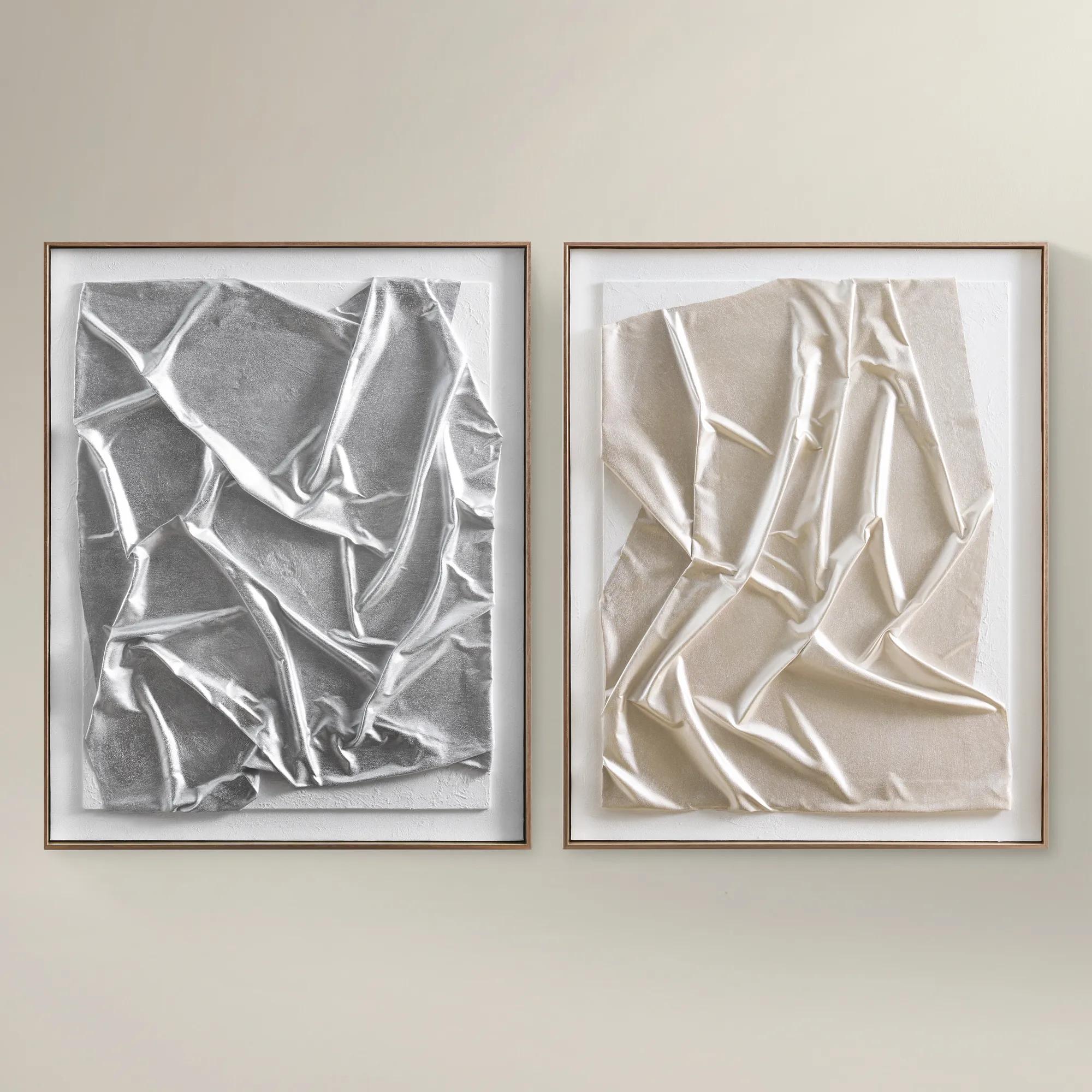 In the Mood Framed Painted Wall Art 31.5" x 39.5"$199
A hand-painted gold canvas artwork featuring textured surfaces and fluid forms in a champagne floater frame.
Add To Cart -
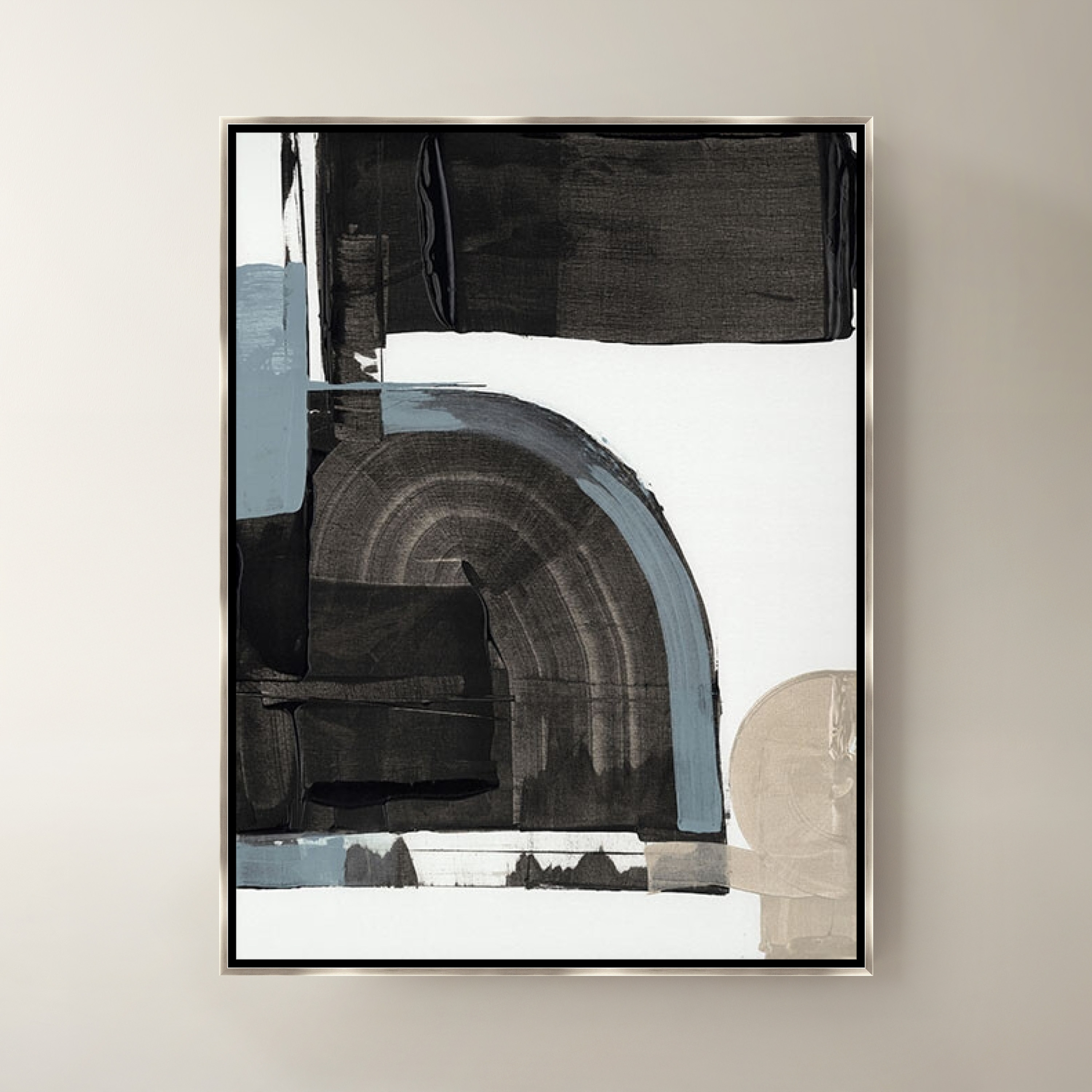
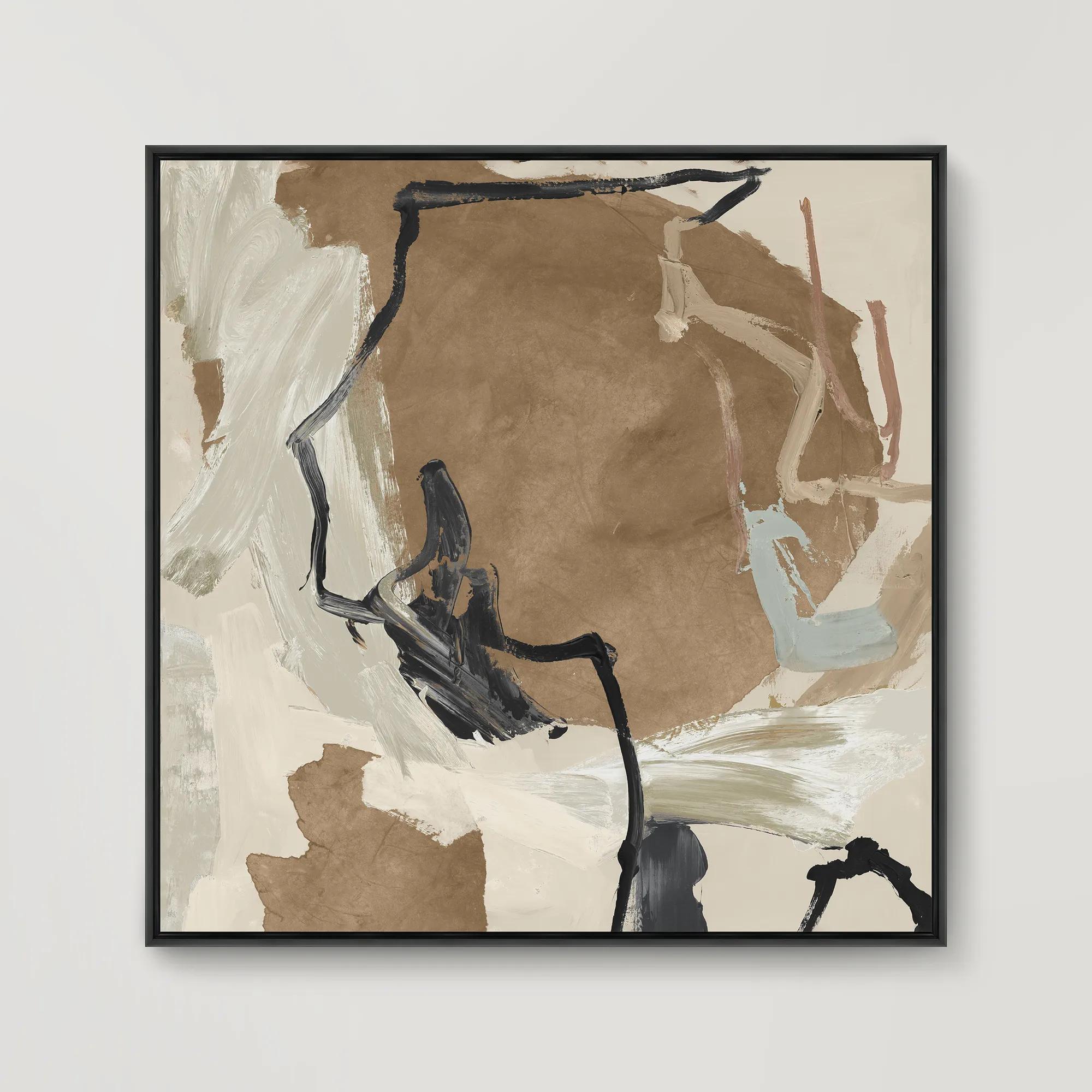
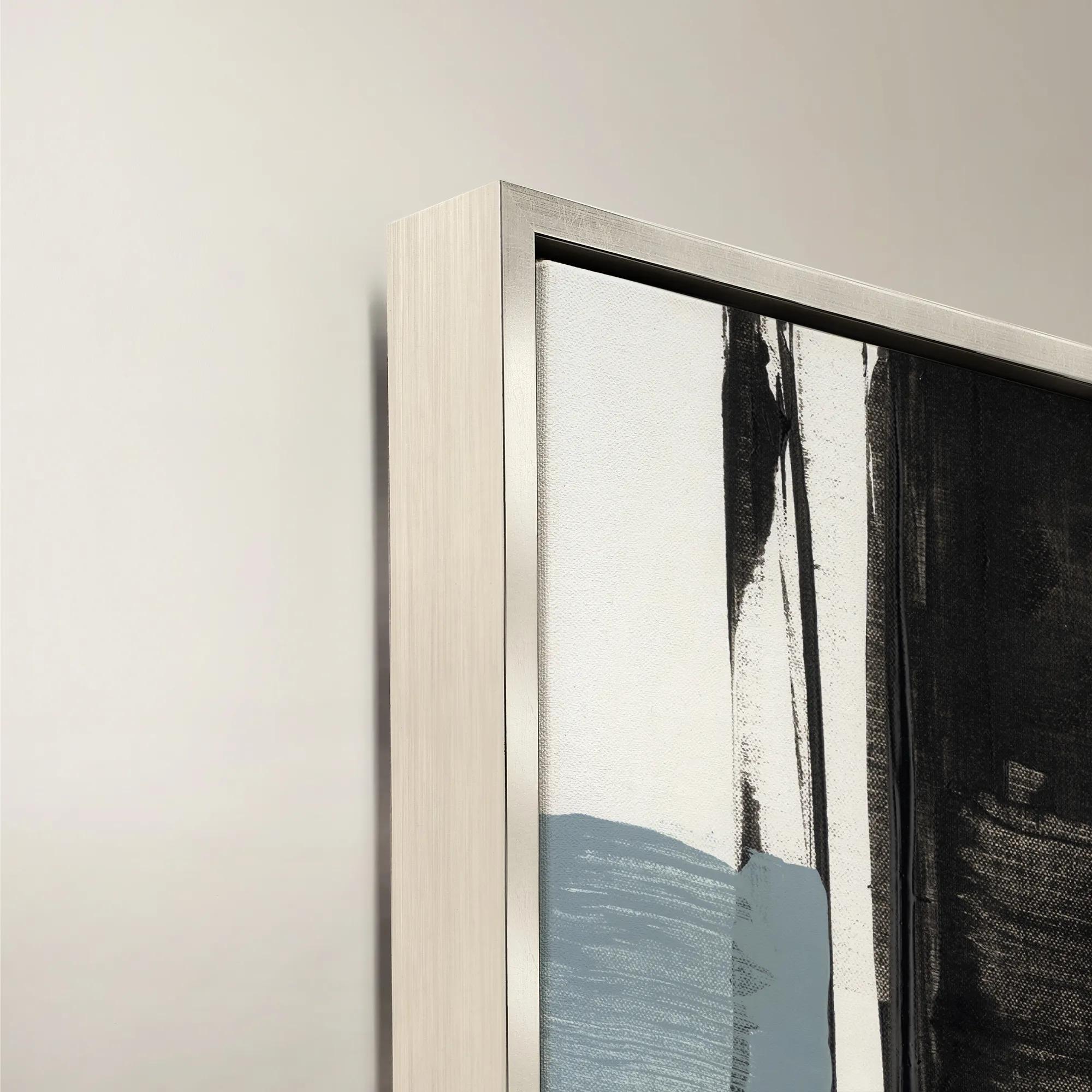 Blanc de Blancs III Framed Wall Art 24" x 30"$519
A sophisticated black canvas artwork presented in a refined frame for modern wall styling.
Add To Cart -
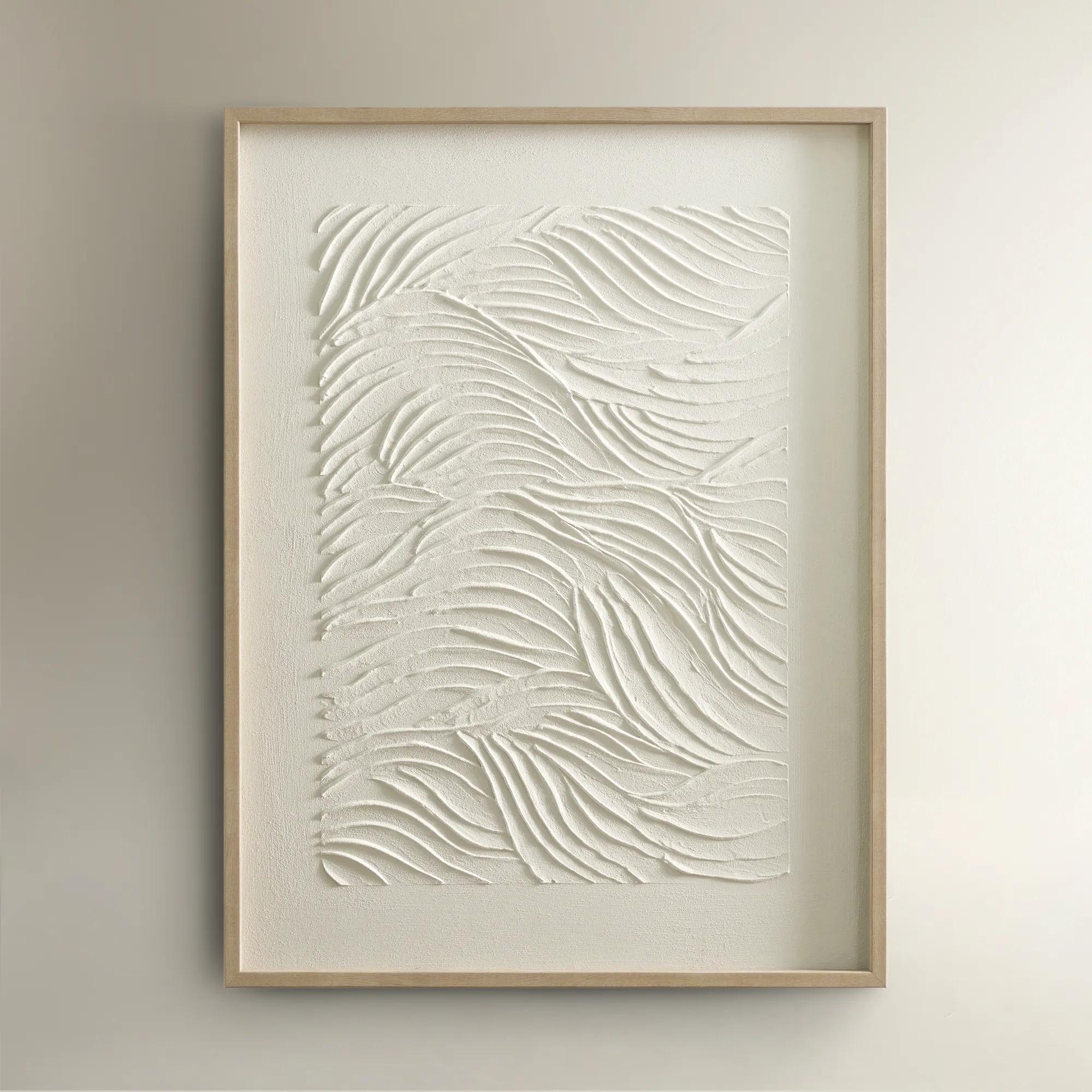
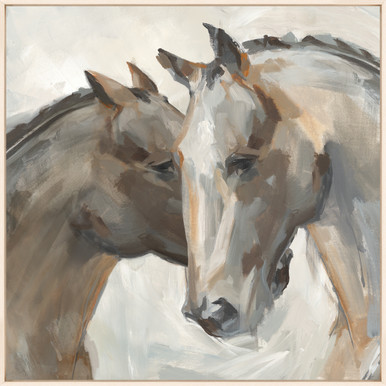
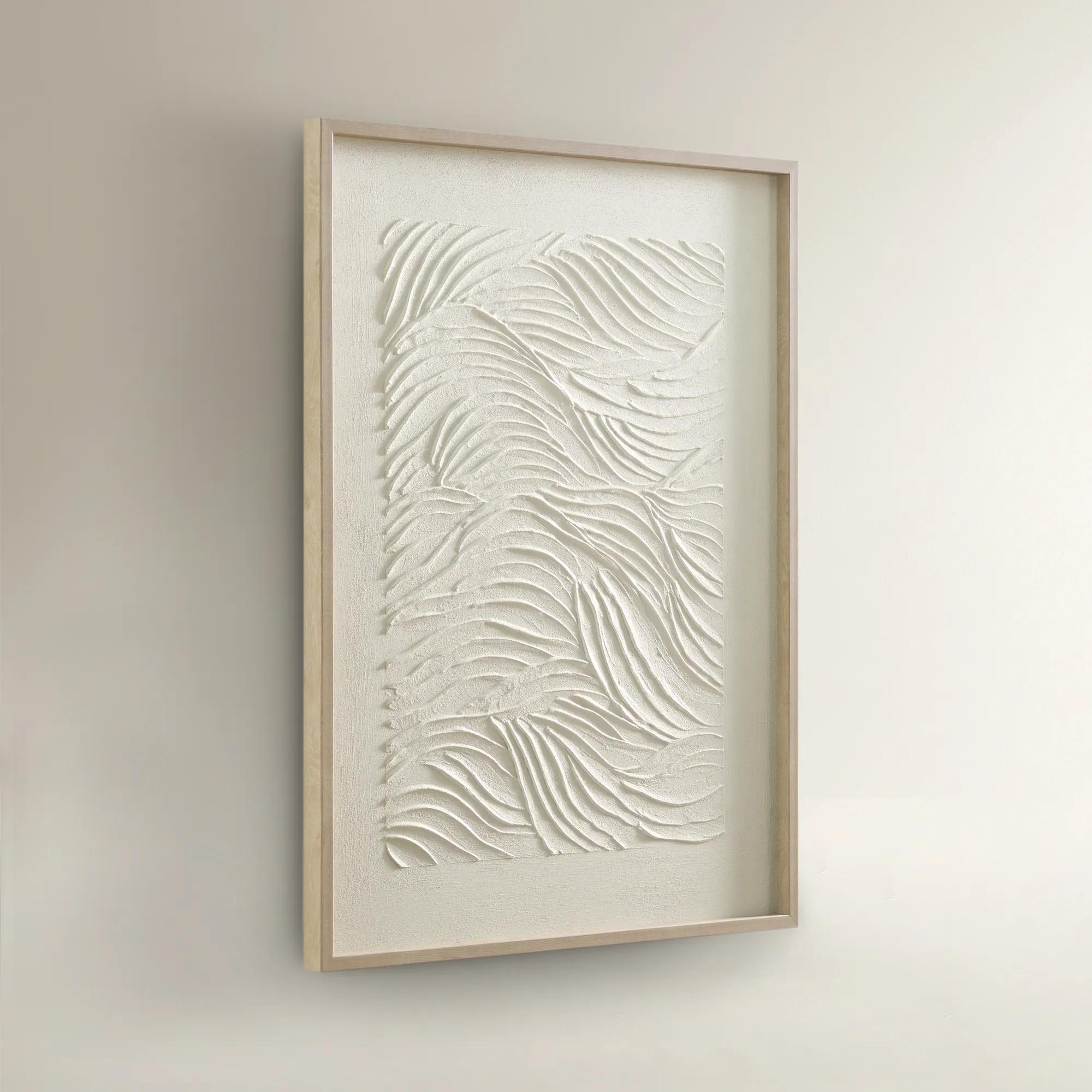 Sonnet Framed Painted Wall Art 23.5" x 31.5"$99
A hand-painted canvas featuring textured white shades and a warm blonde wood frame for elegant depth.
Add To Cart -
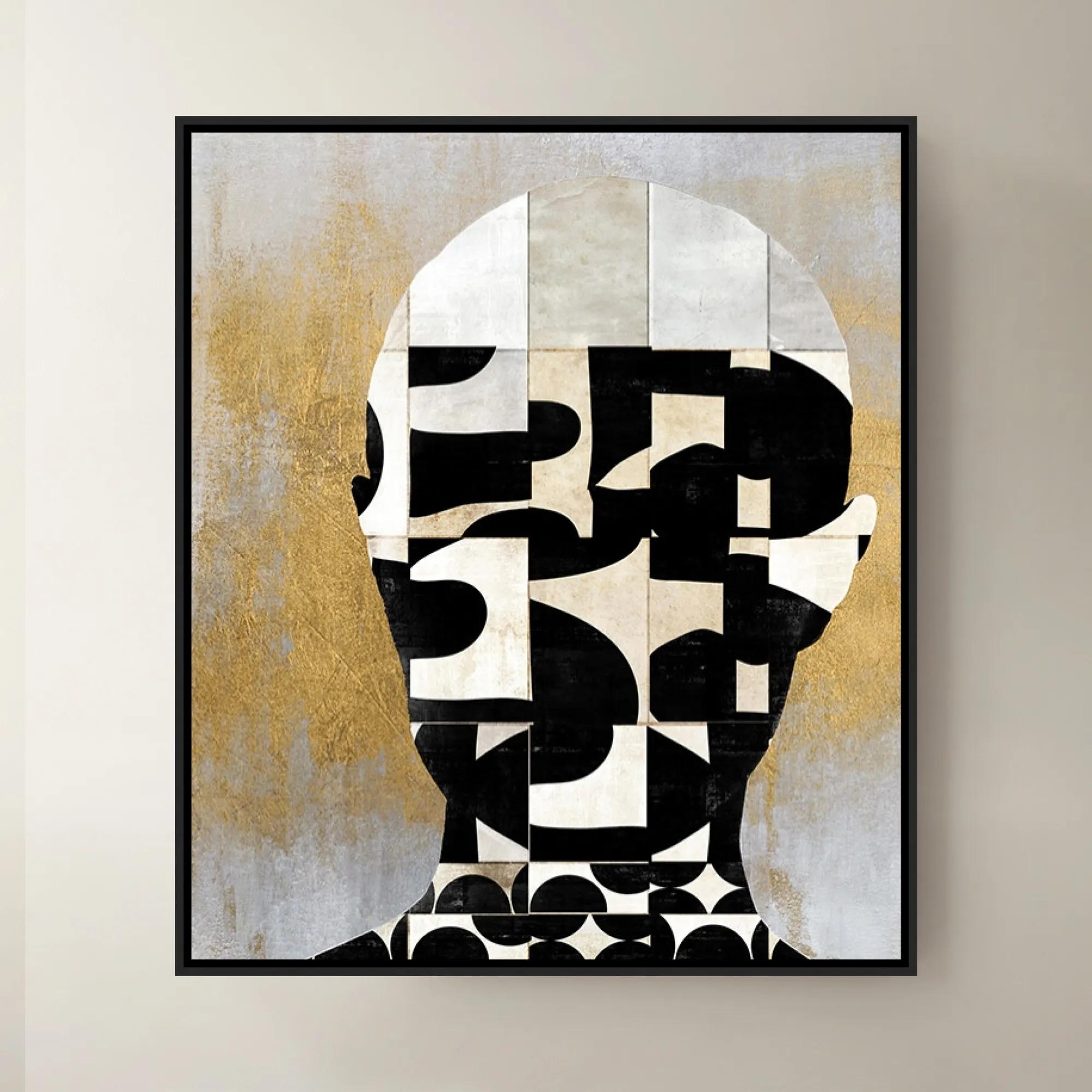
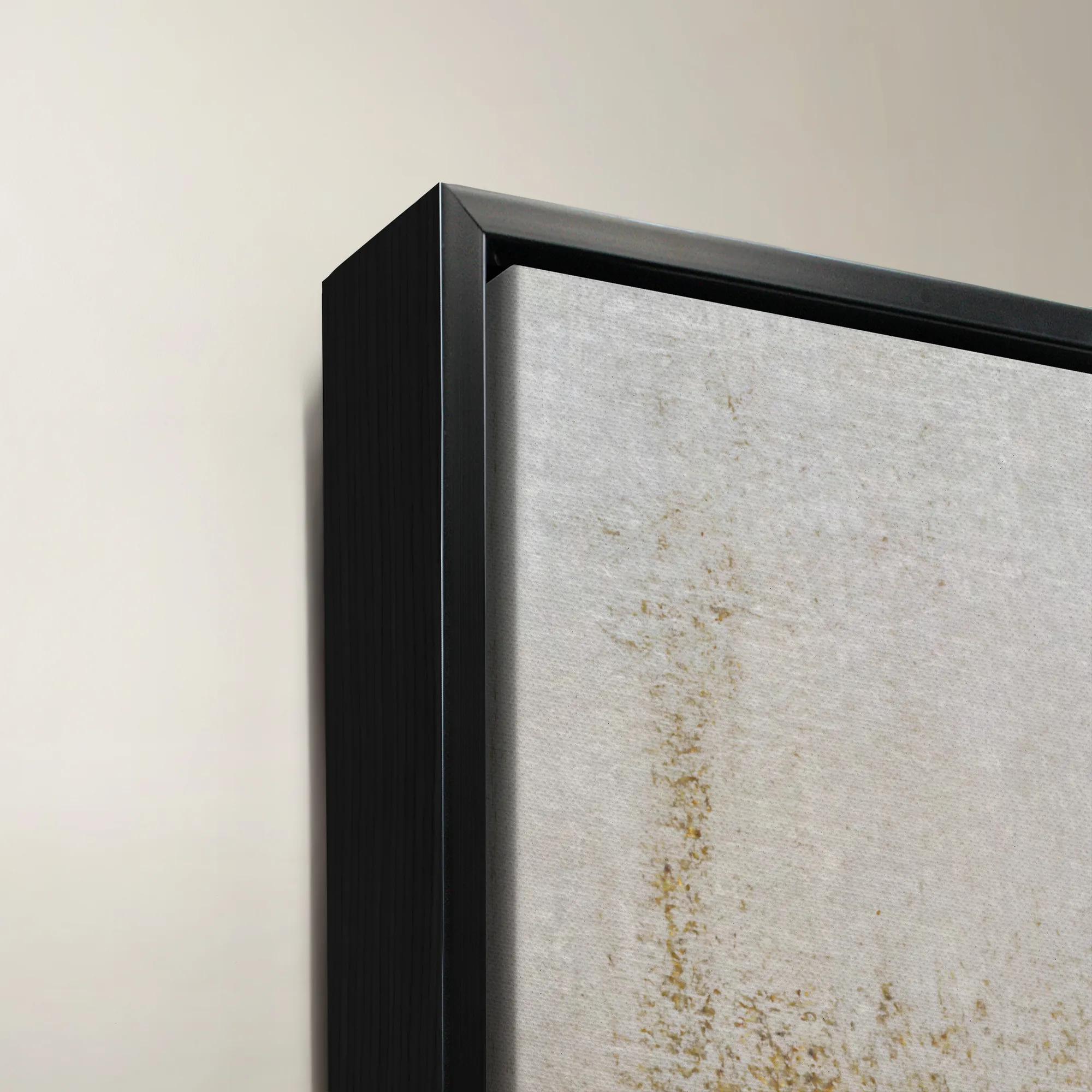 Lets Face It II Framed Wall Art 30" x 35"$699
A striking contemporary art piece showcasing bold design and creative flair by a renowned interior designer.
Add To Cart -
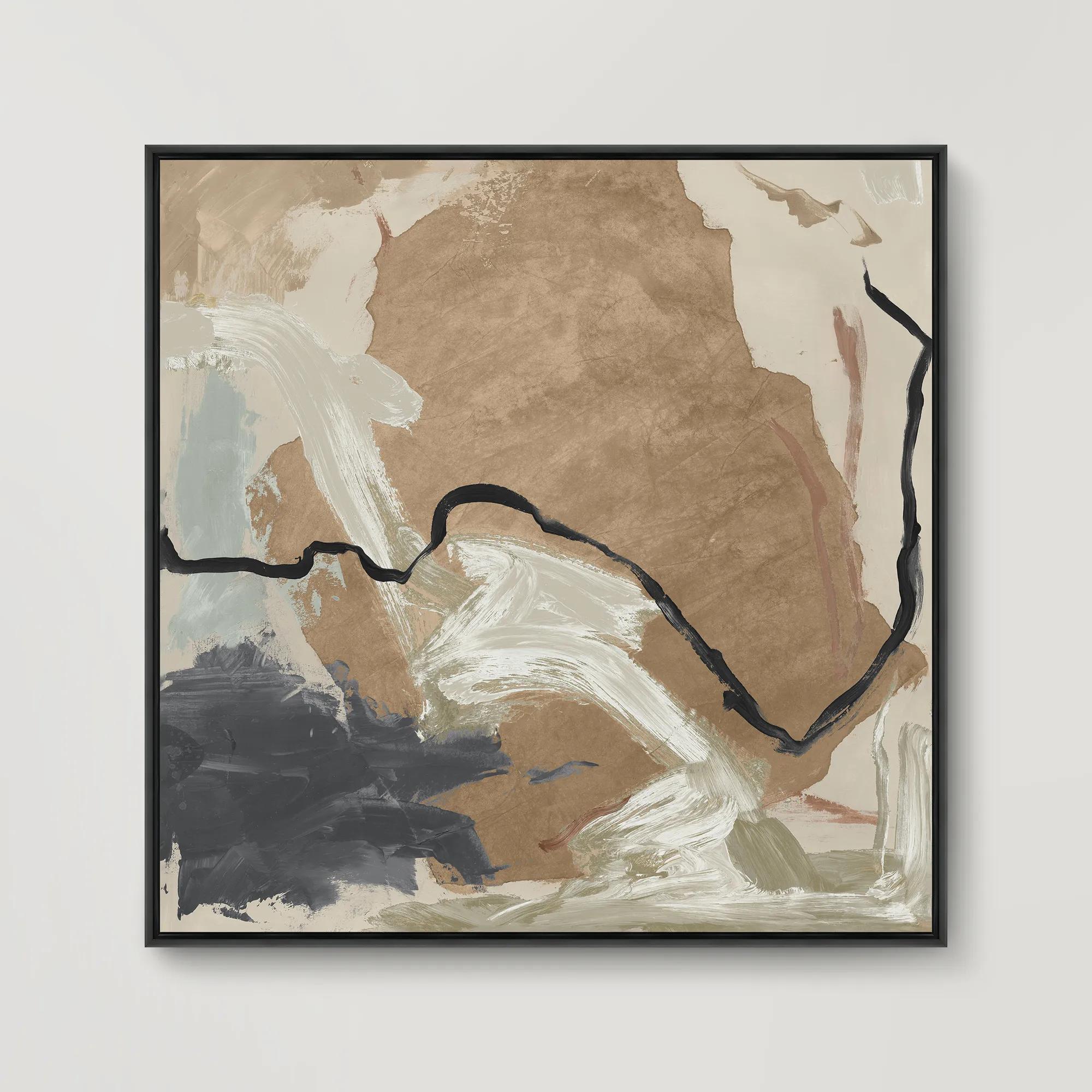
 Fossil Painting$299
A bold hand-painted abstract artwork featuring textured black shades in a sleek black floater frame.
Add To Cart -
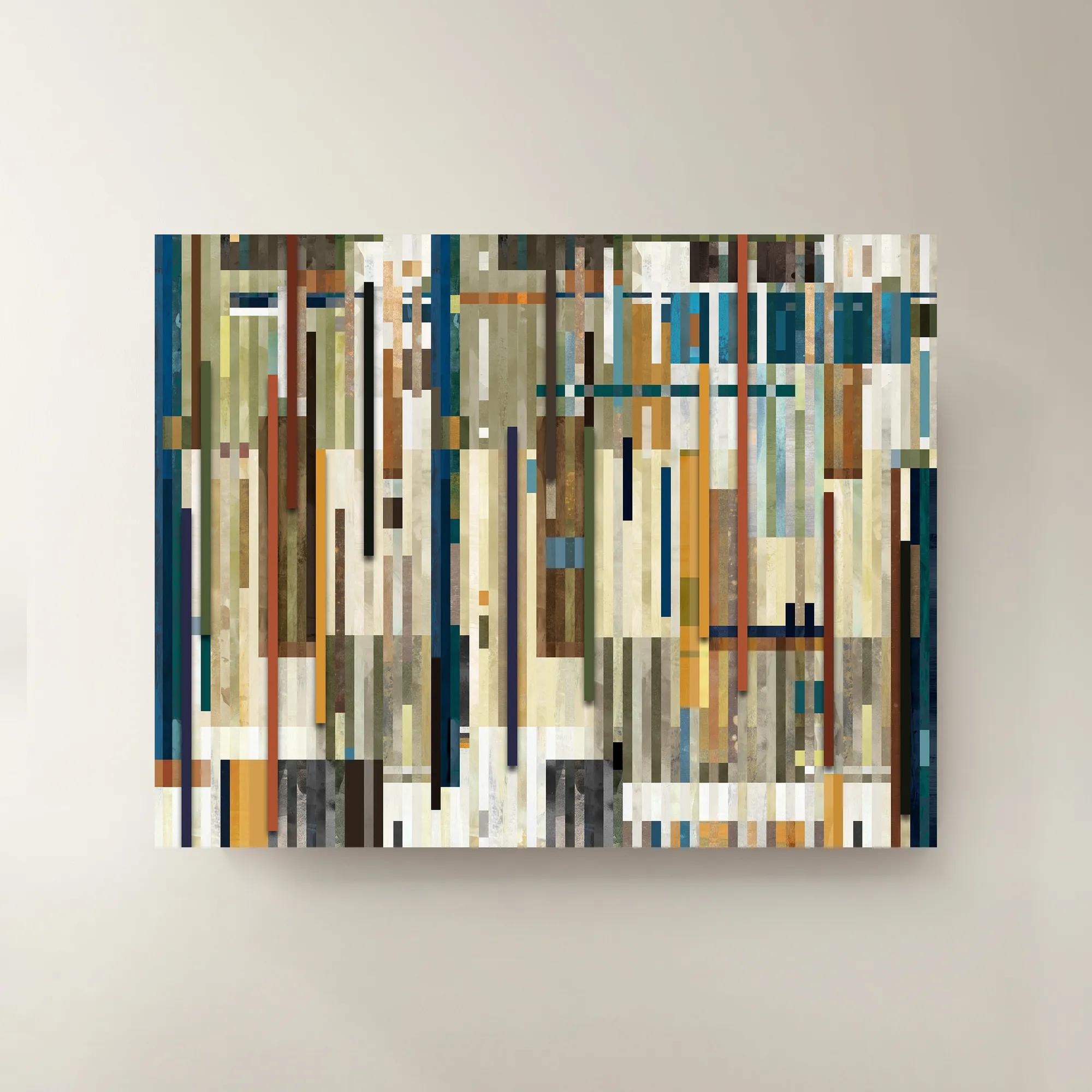
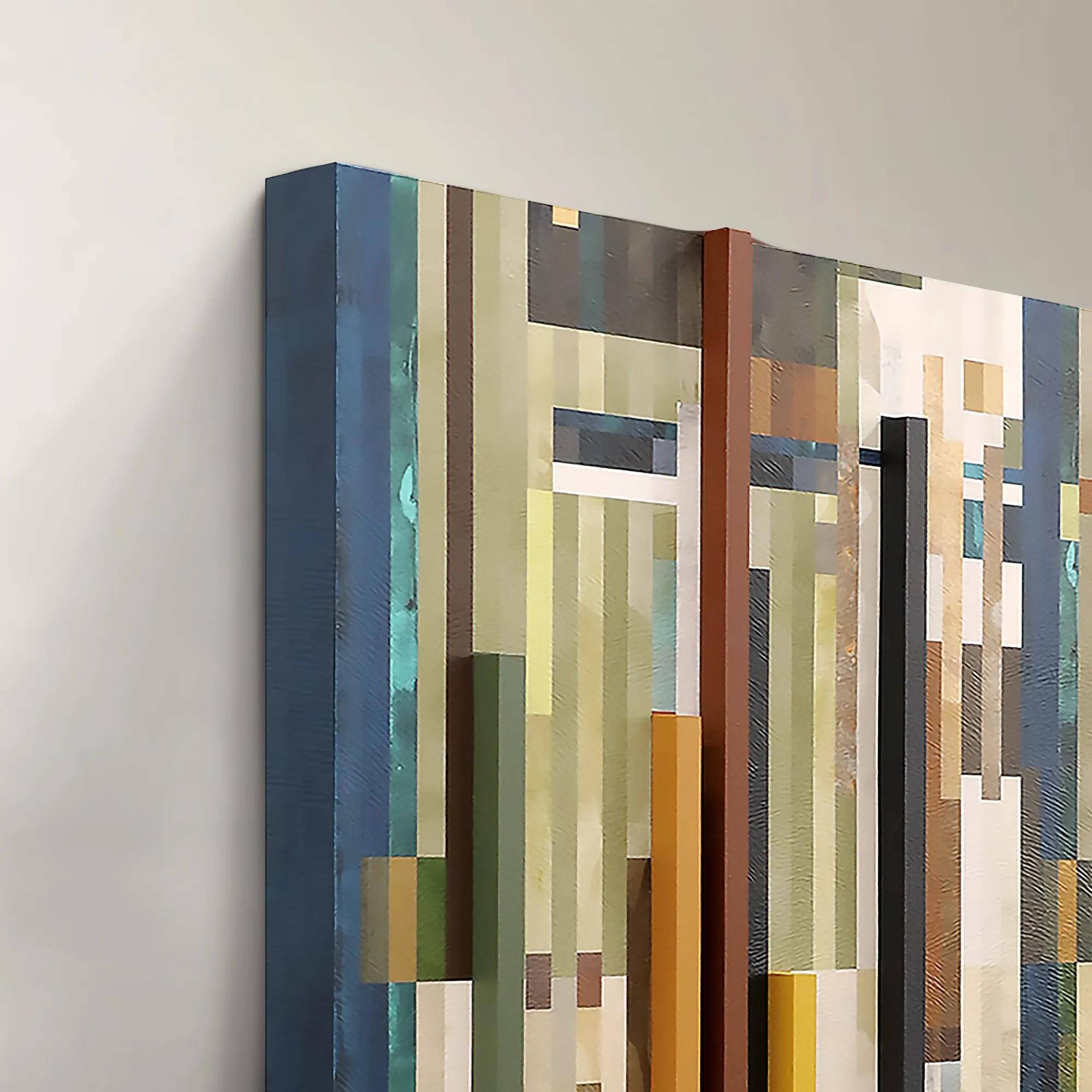 Chromatic Rhythms II Wall Art 60" x 47"$1899
A dynamic blue abstract canvas artwork featuring rhythmic geometric composition.
Add To Cart -
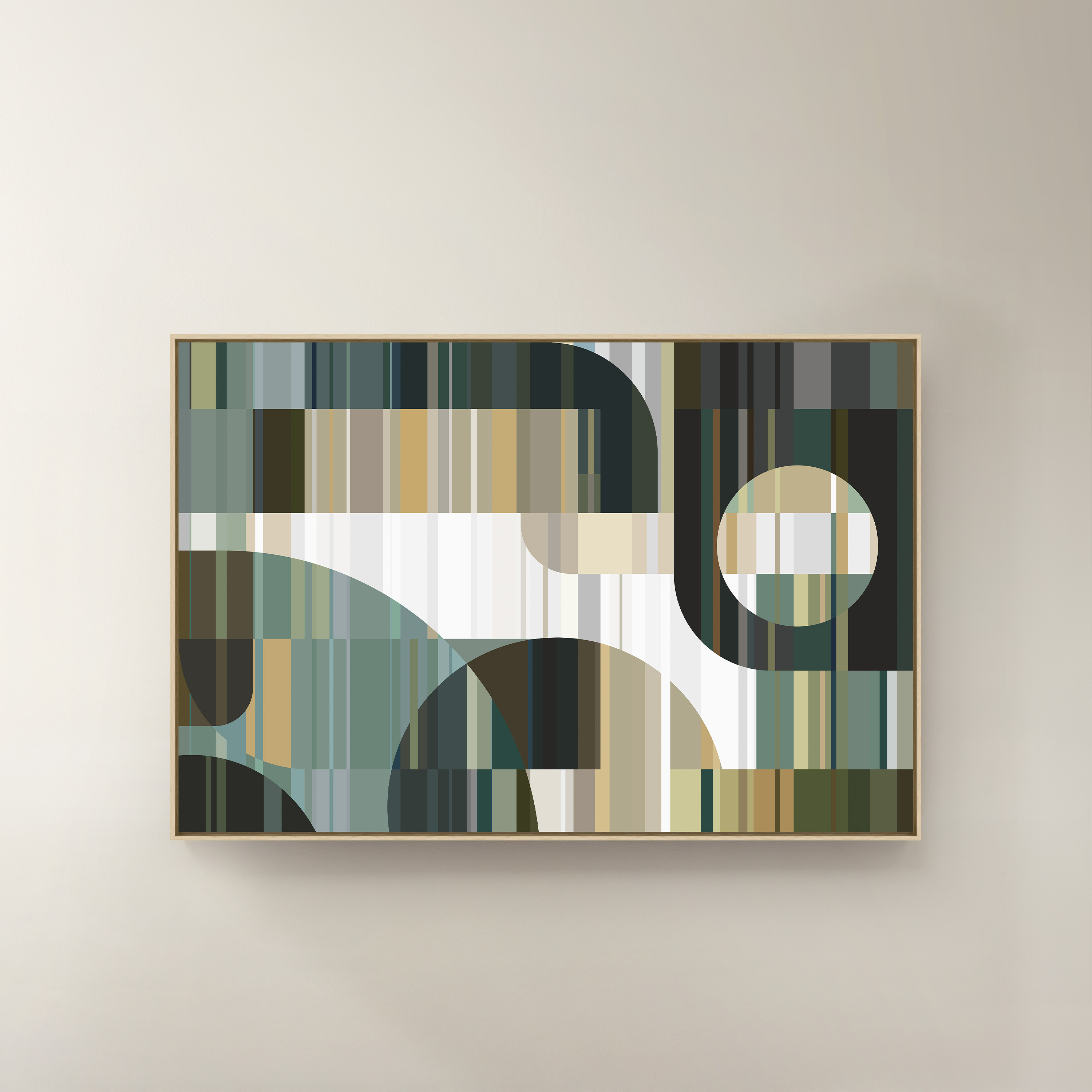
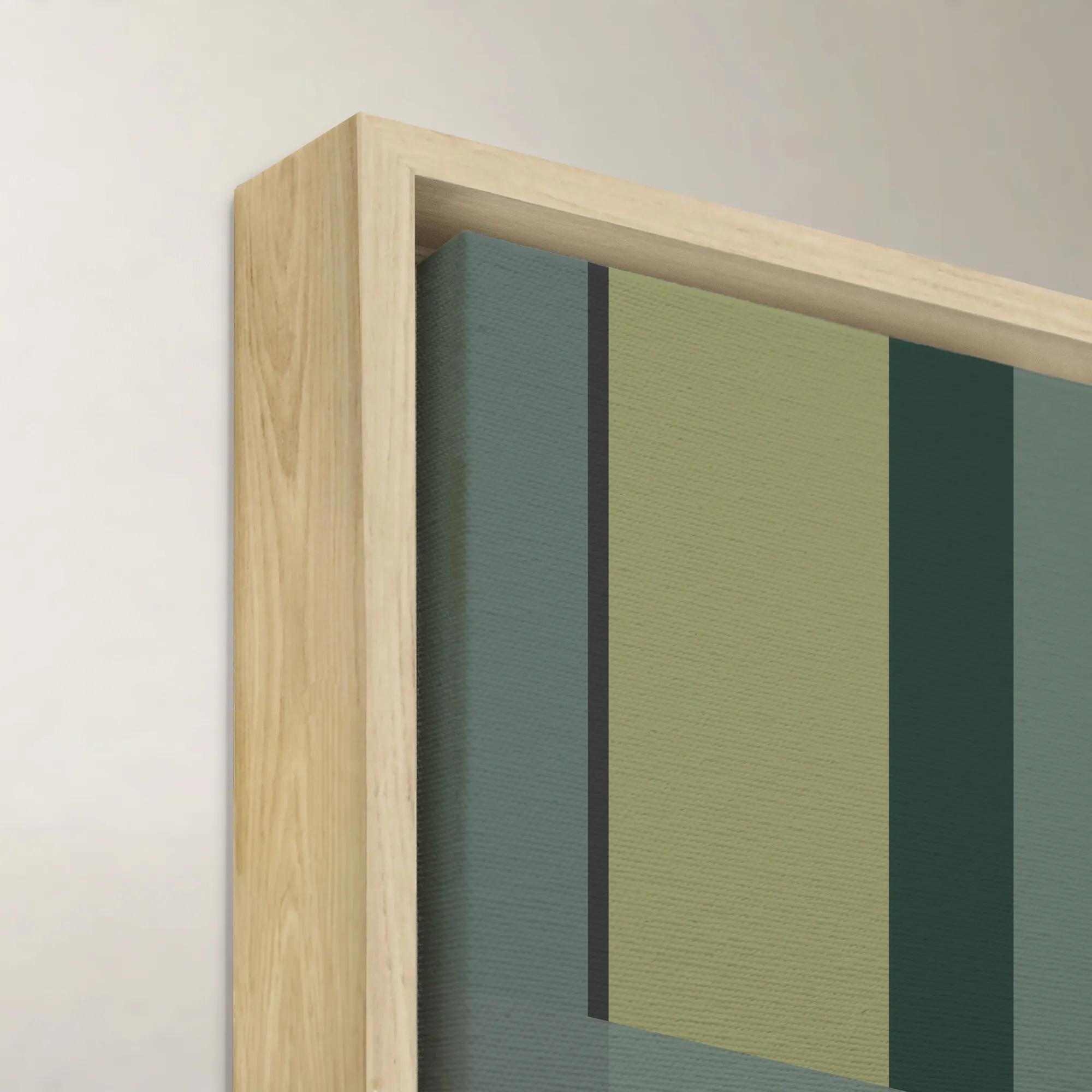 Cool Intersecting Forms II Framed Wall Art 60" x 40"$1099
A framed canvas wall artwork featuring cool-toned intersecting forms in a multicolored abstract composition.
Add To Cart -
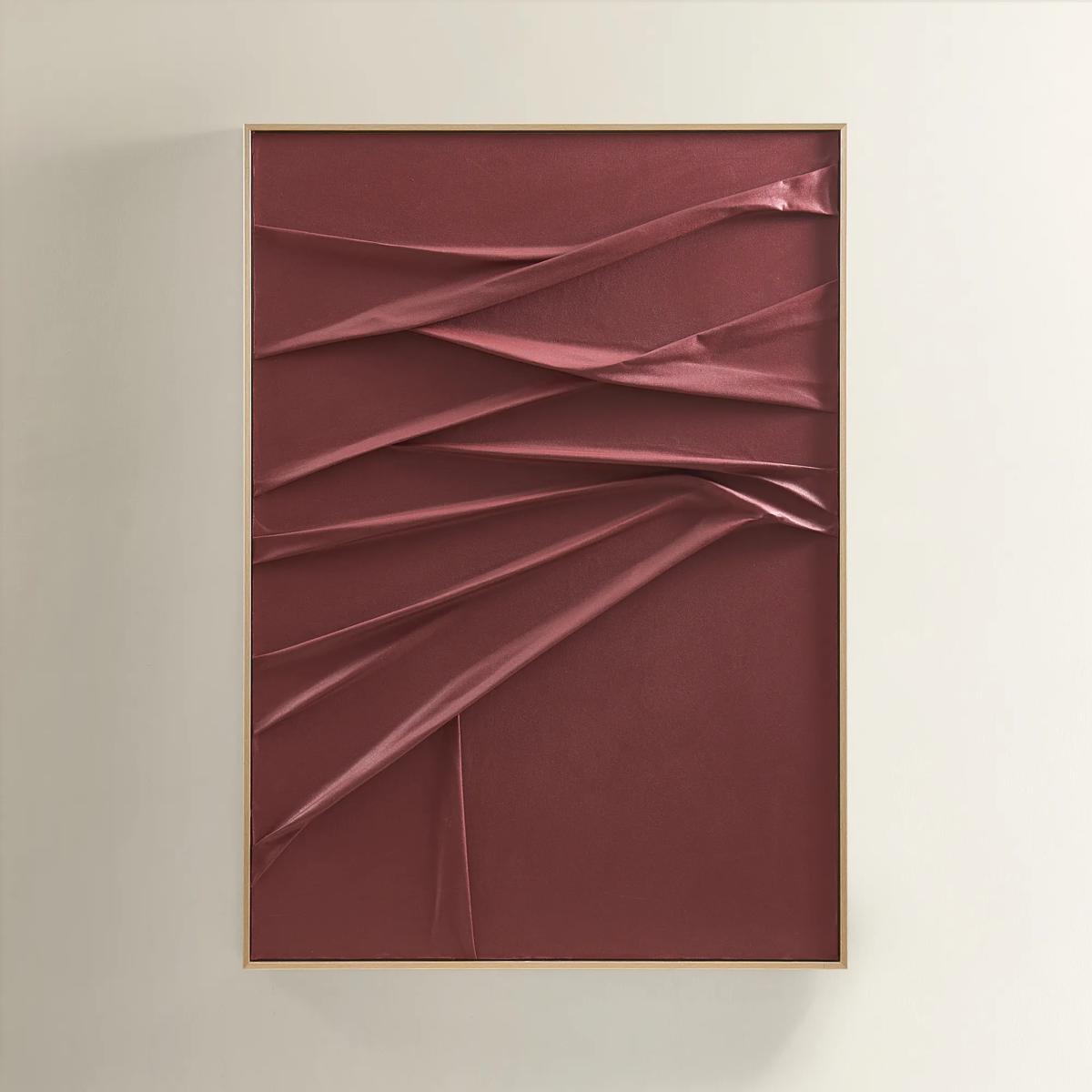
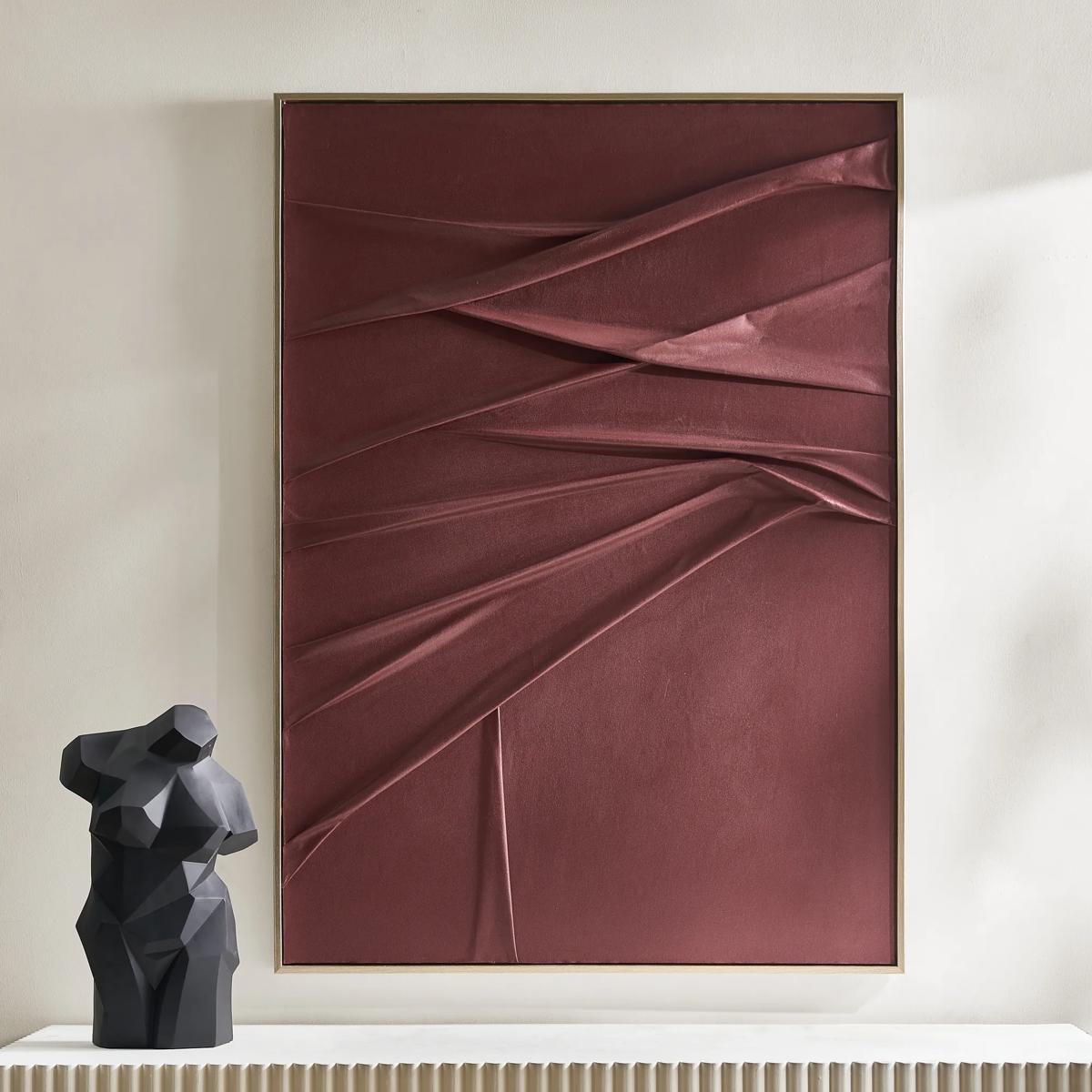 Crimson Painting$599
A handcrafted burgundy canvas artwork with sculptural folds, framed in champagne for a dramatic, textured effect.
Add To Cart -
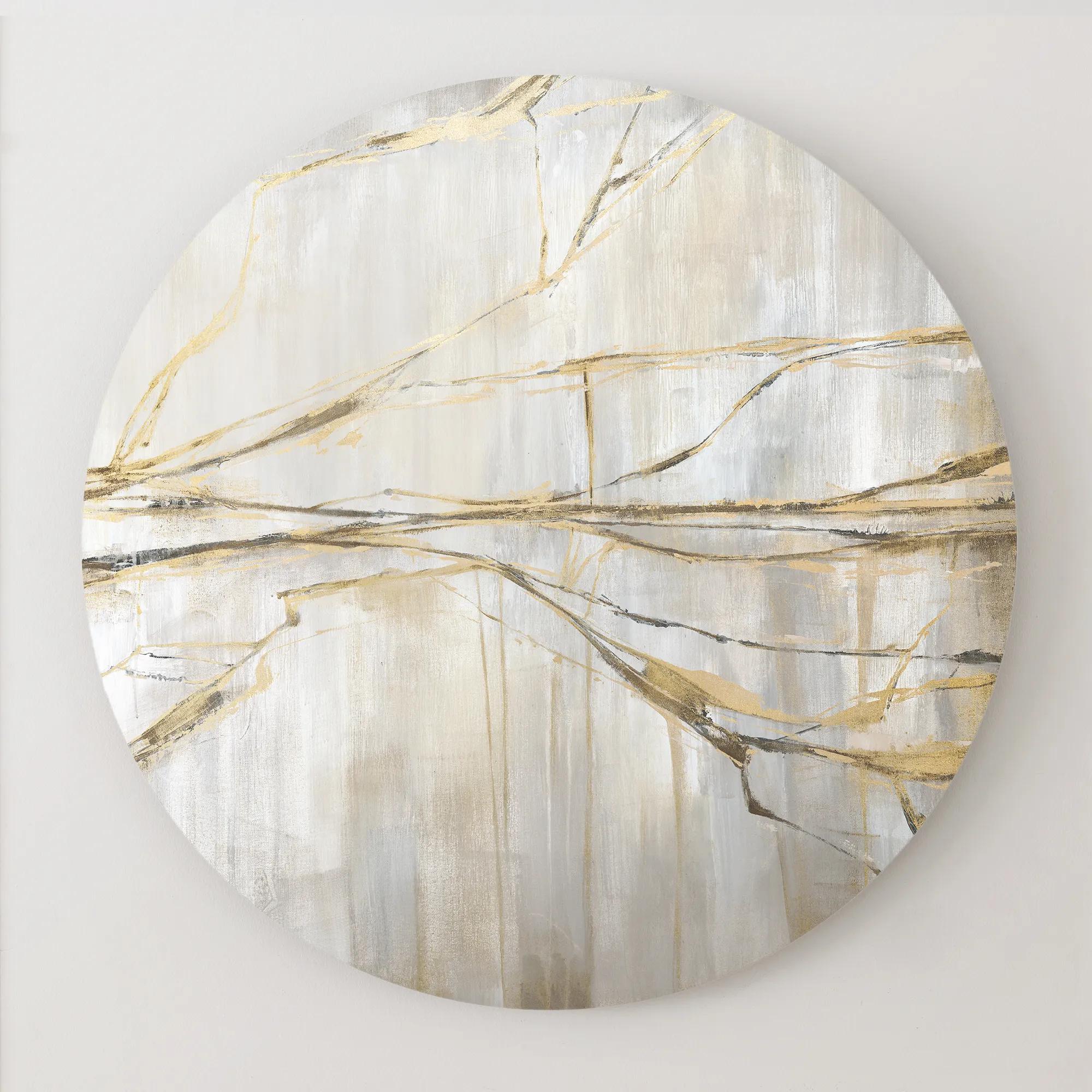
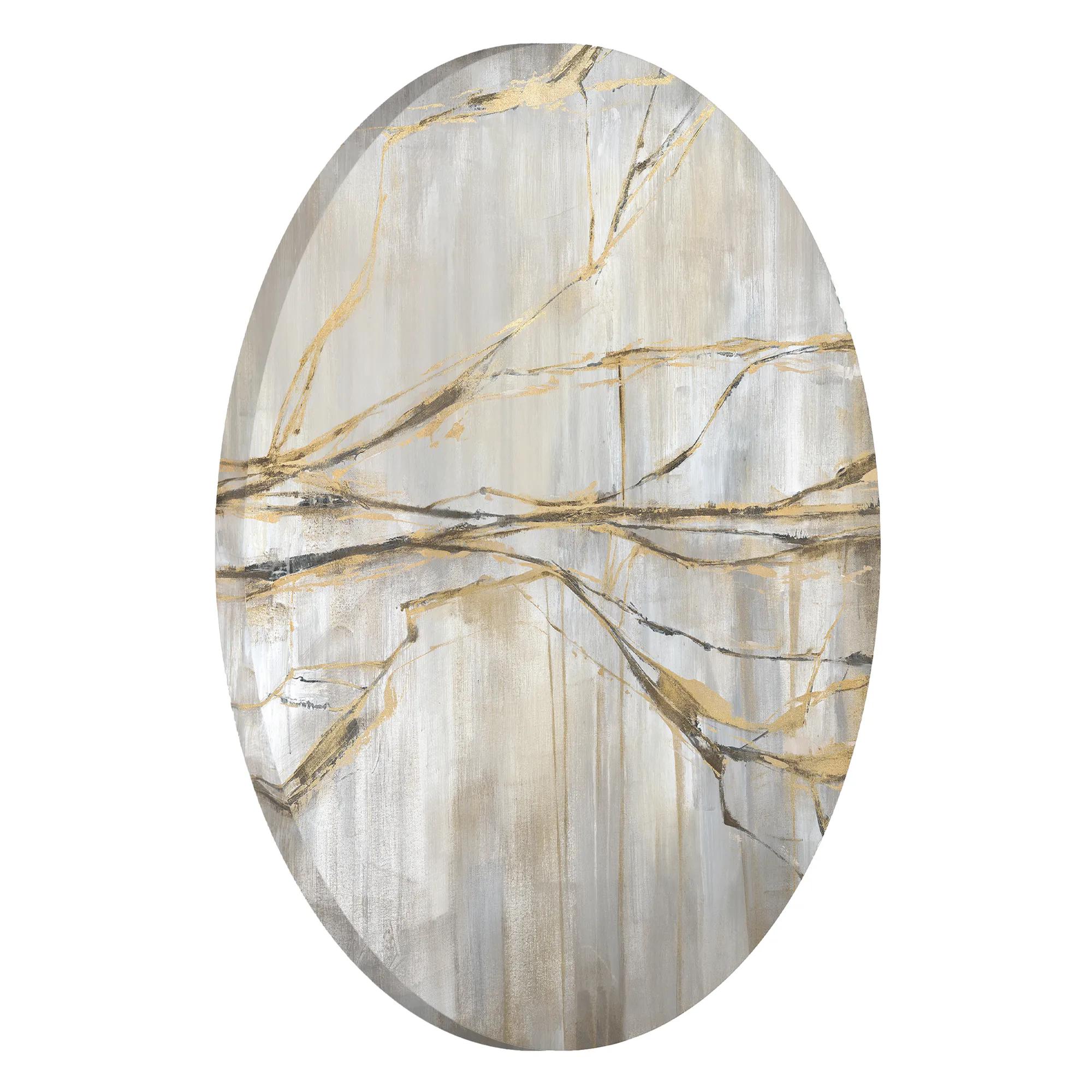 Lightening Crashes Round Wall Art 30"$899
A hand-textured circular linen canvas featuring a gallery-wrapped design for versatile wall display.
Add To Cart -
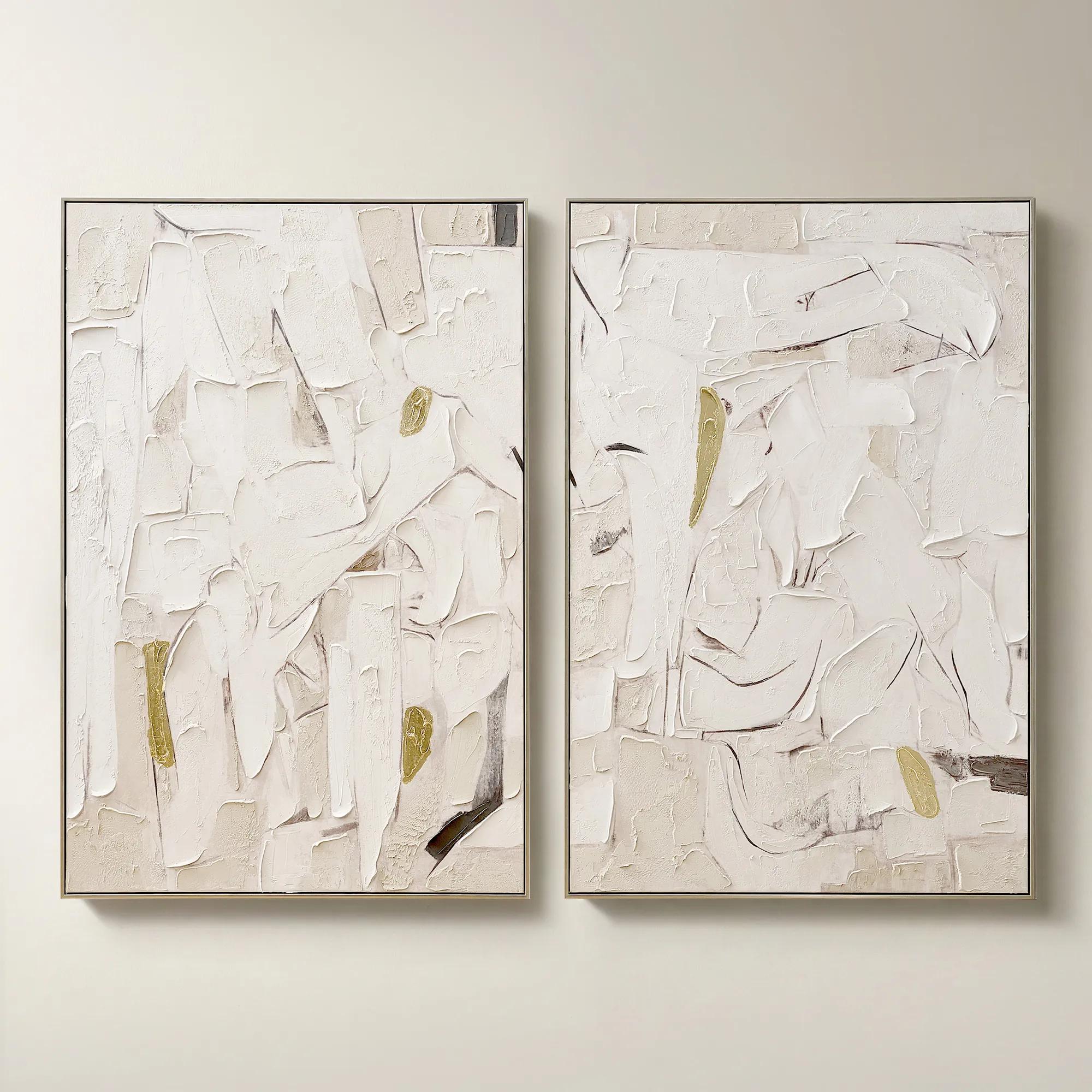 Beneath the Surface Framed Gold Leaf Painted Wall Art 40" x 60" Set of 2$799
A hand-painted abstract diptych featuring gold detailing and layered texture in alabaster and tawny hues.
Add To Cart -
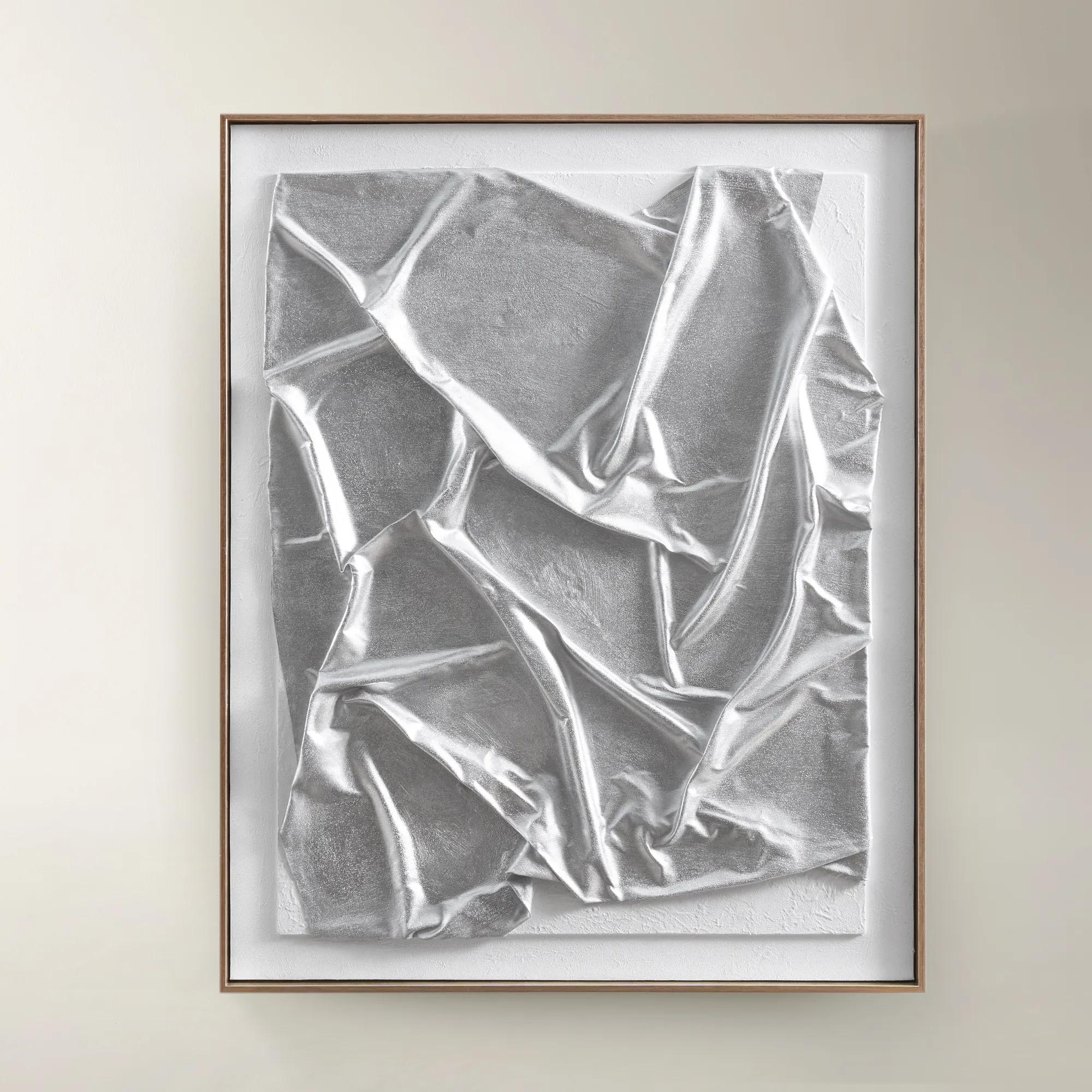 In the Mood Framed Painted Wall Art 31.5" x 39.5"$199
A hand-painted abstract canvas in shimmering silver tones, set in a warm champagne floater frame.
Add To Cart -
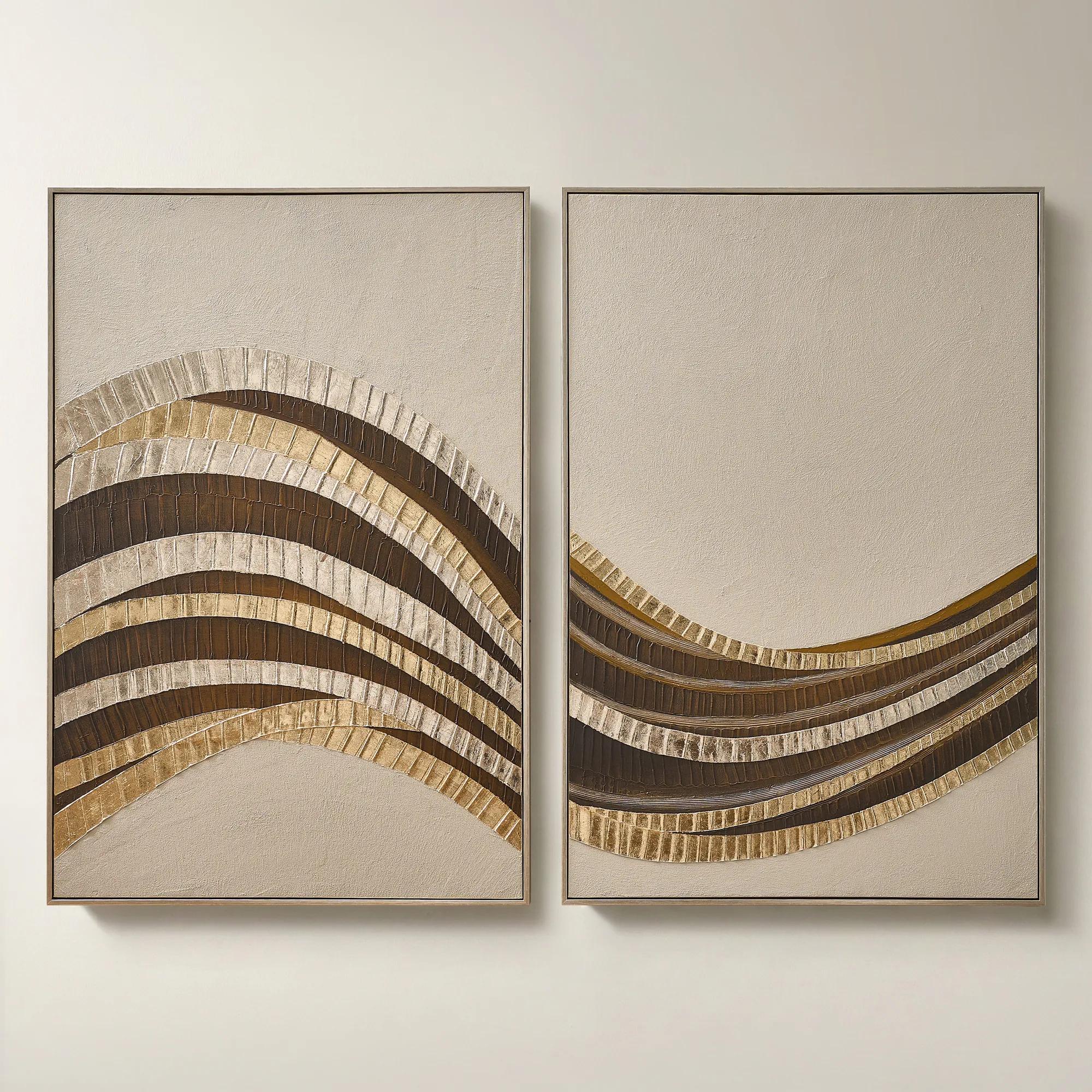 Stillness in Motion Framed Gold Leaf Painted Wall Art 40" x 60" Set of 2$899
A hand-painted abstract diptych with gold leaf accents, textured surface, and brushed champagne frames.
Add To Cart -
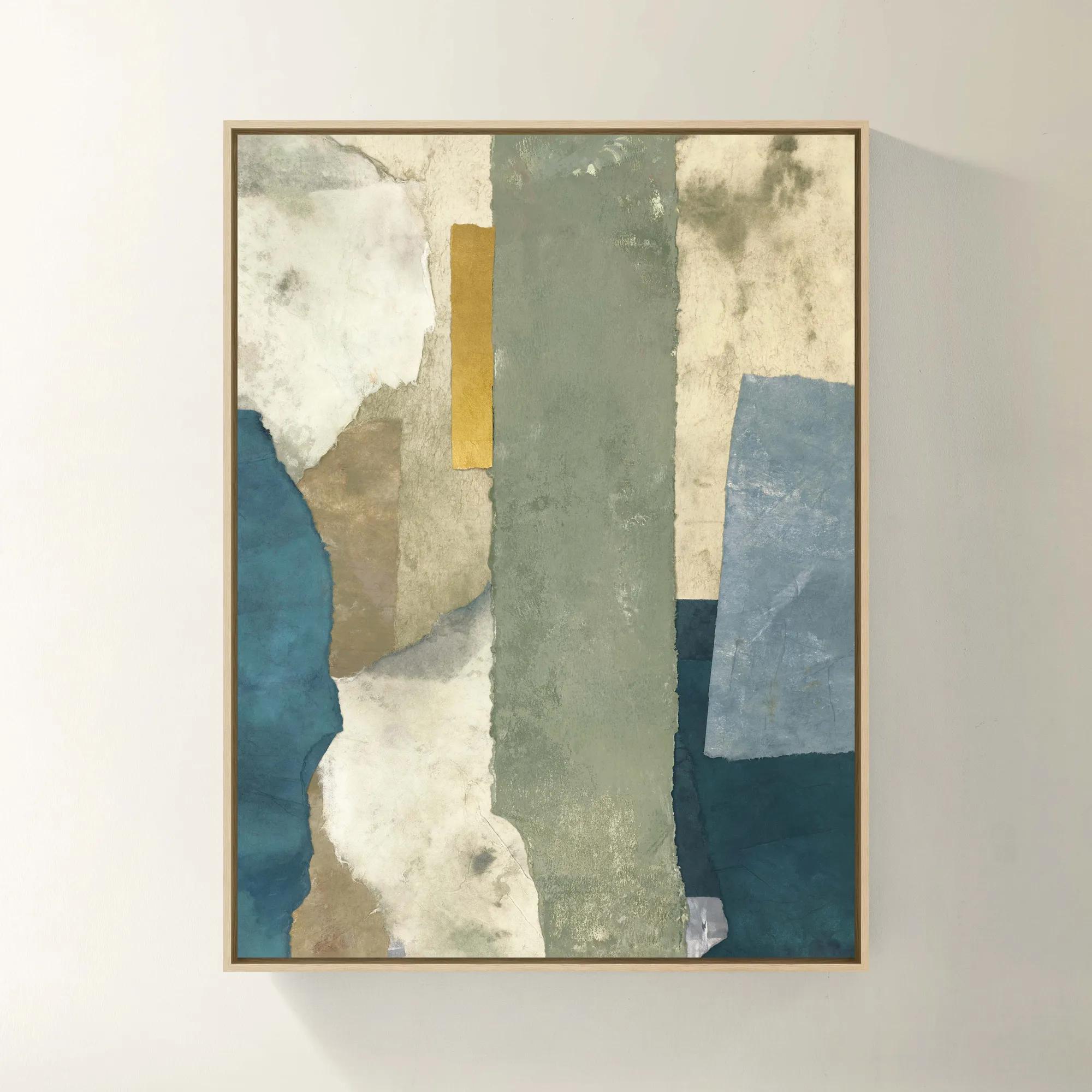 Earth Fragments II Framed Wall Art 30" x 40"$799
A gallery-wrapped canvas featuring gild accents and hand-applied gel, set in a natural floater frame.
Add To Cart -
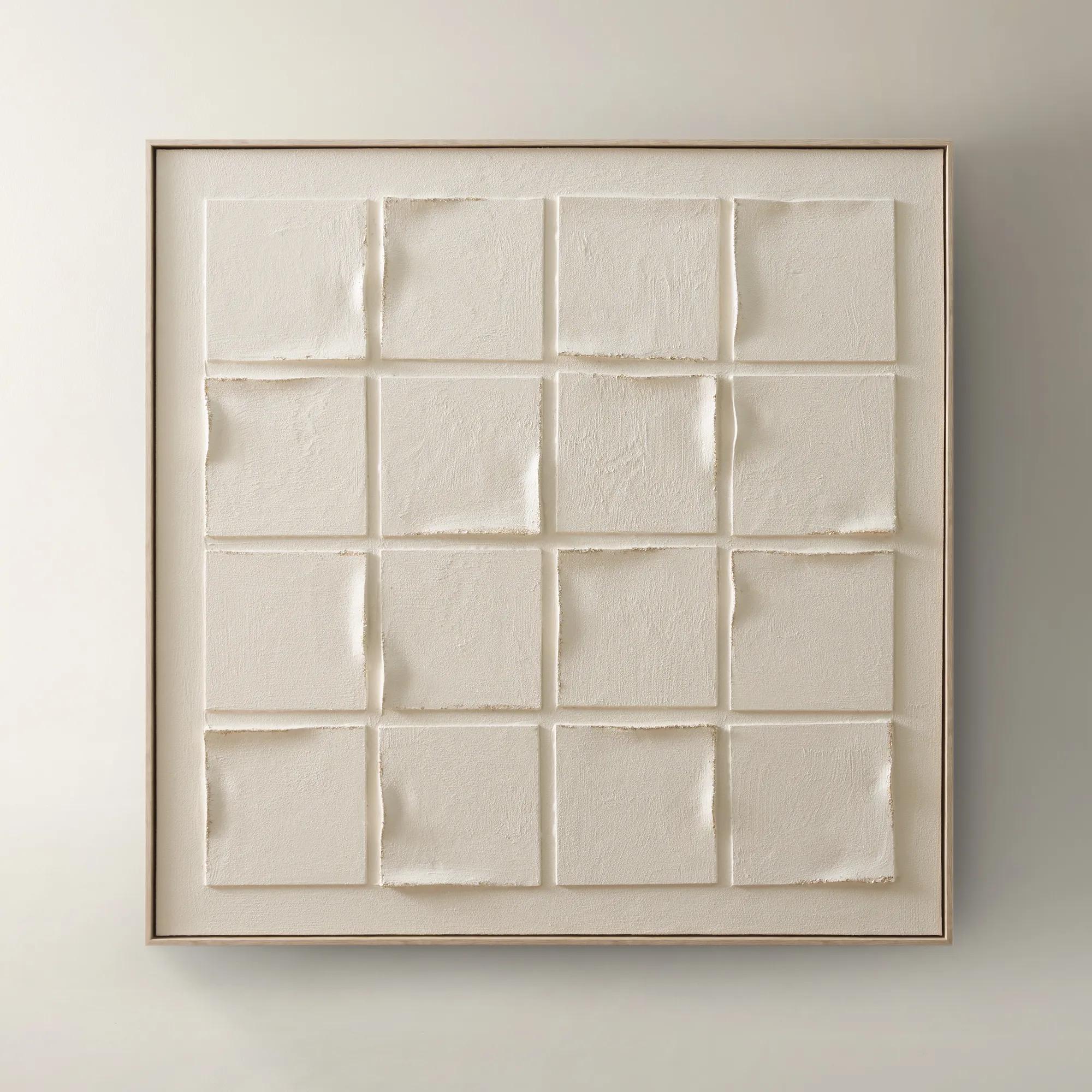 Gaze Framed Painted Wall Art 39.4" x 40"$329
A hand-painted canvas featuring subtle beige tones and textured depth in a warm whitewash floater frame.
Add To Cart -
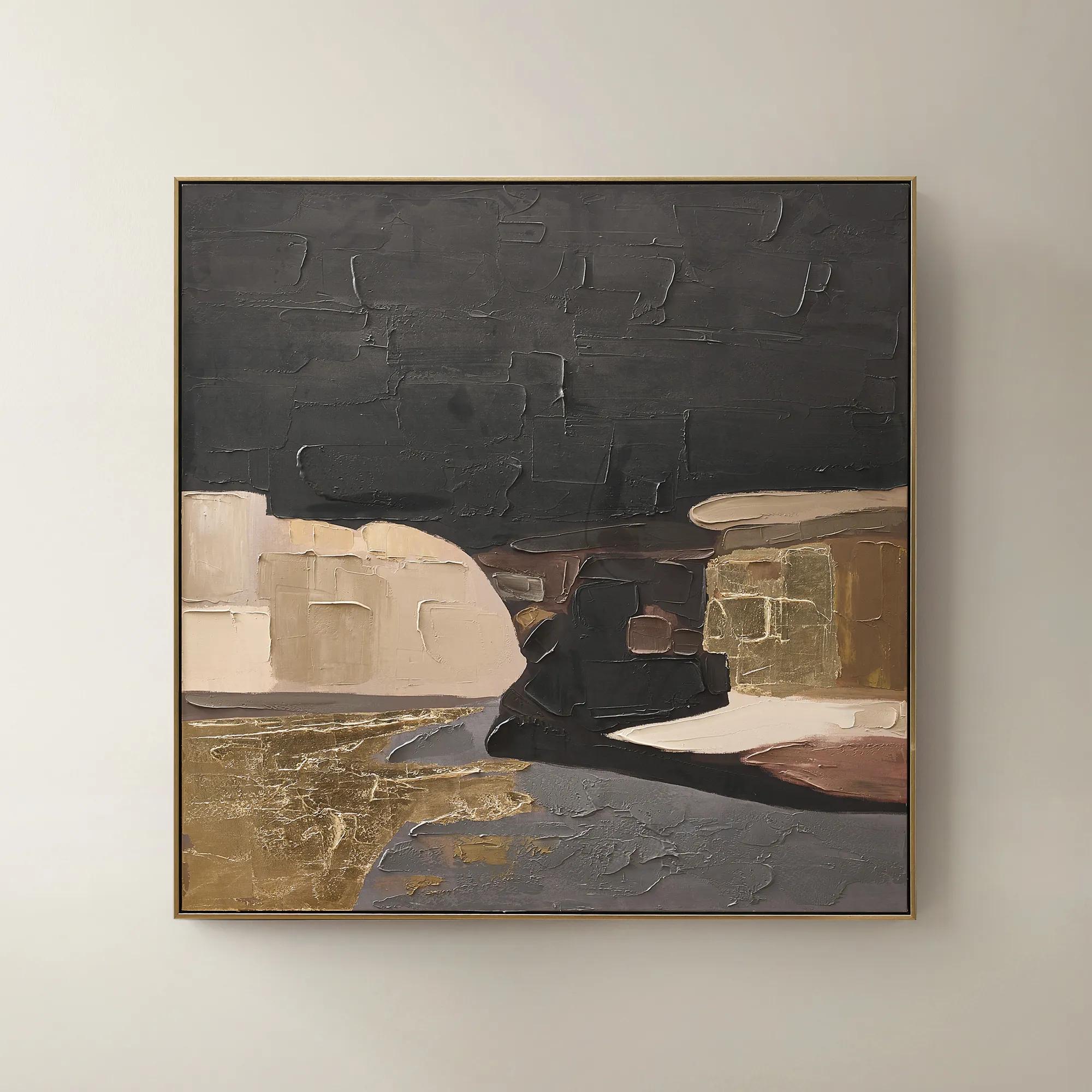 Obscured Light Framed Gold Leaf Painted Wall Art 48" x 48"$499
A hand-painted canvas with gold leaf accents and a black-gold frame in dramatic neutral tones.
Add To Cart -
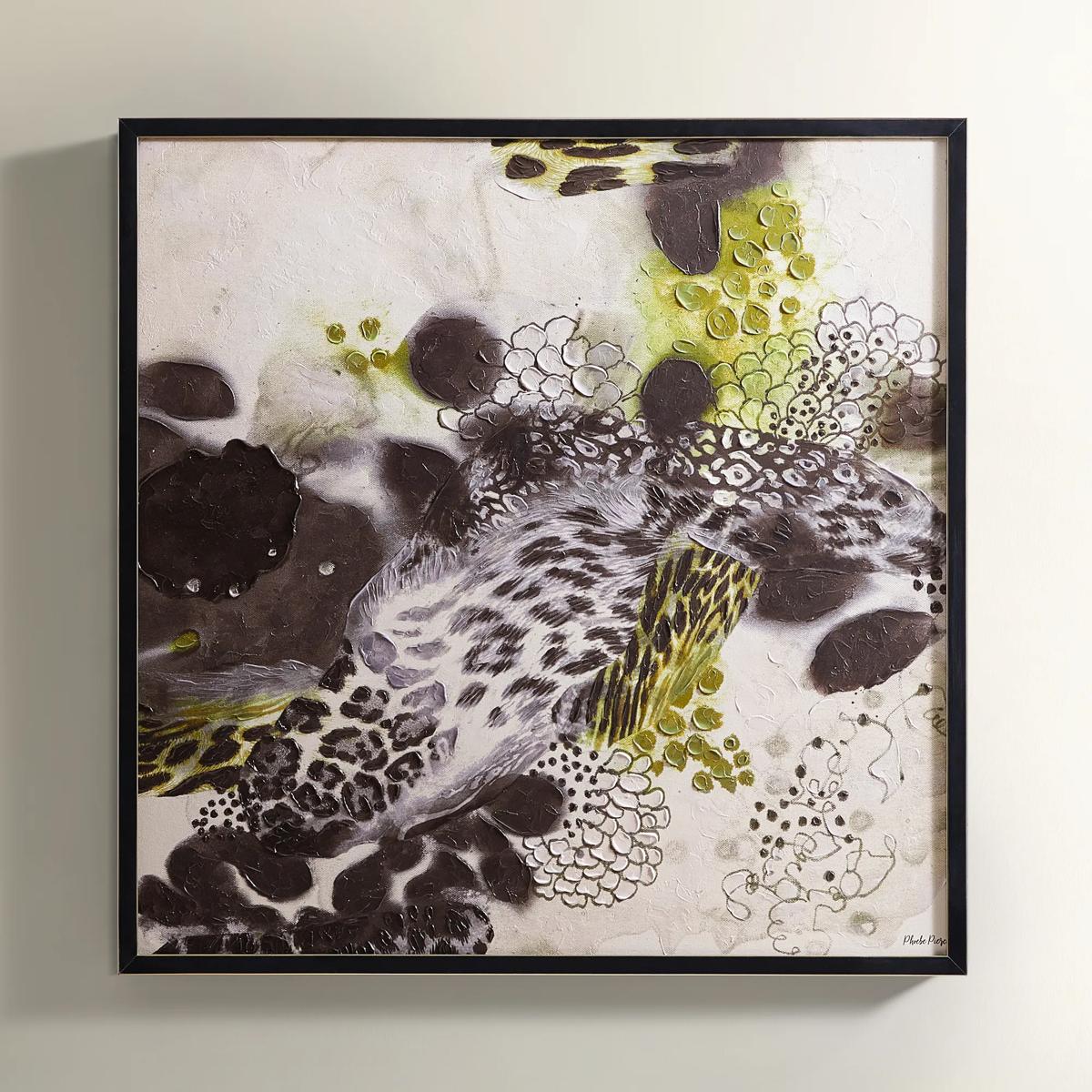
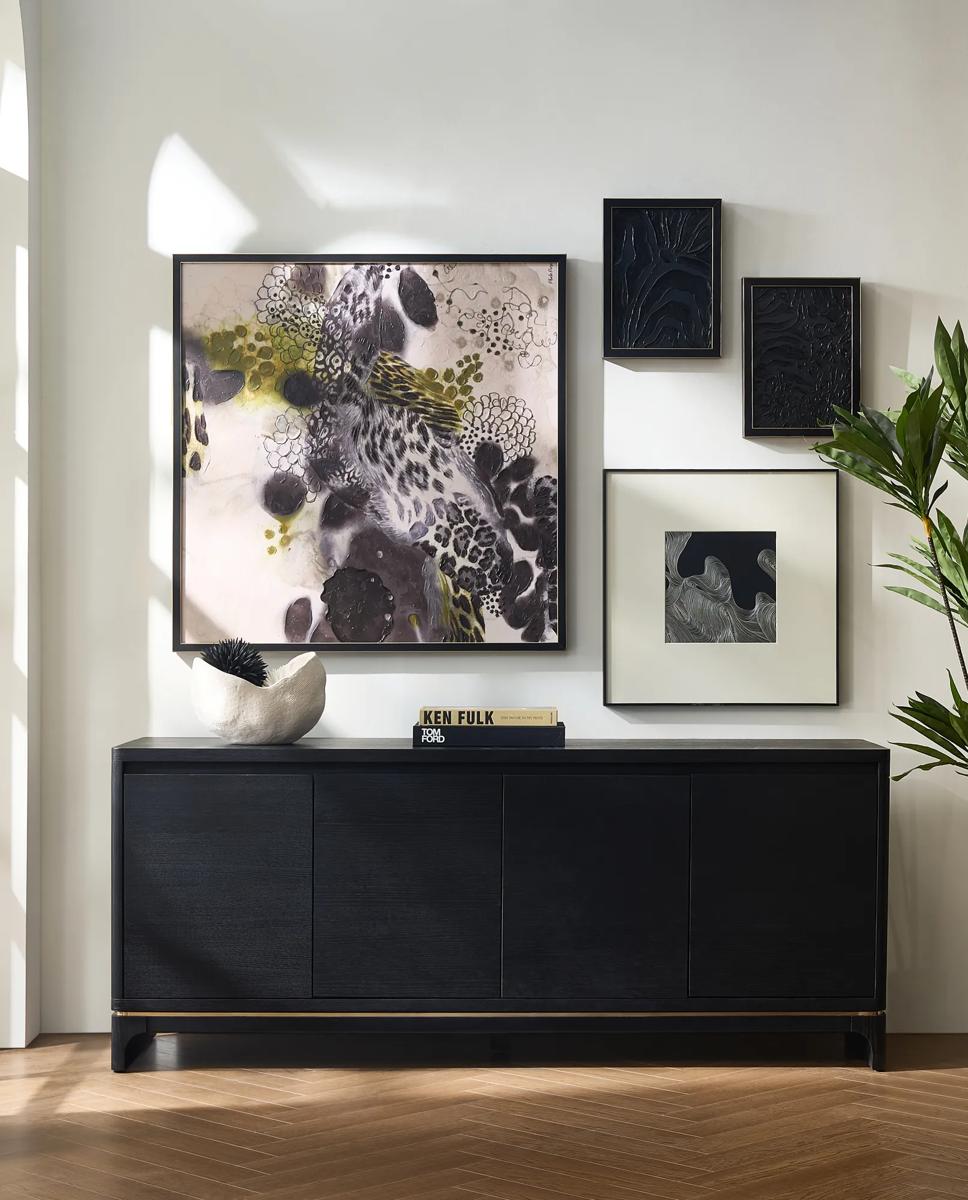 In the Wild$399
A hand-embellished canvas artwork featuring textured strokes in black, chartreuse, and sand, framed in ornate wood.
Add To Cart -
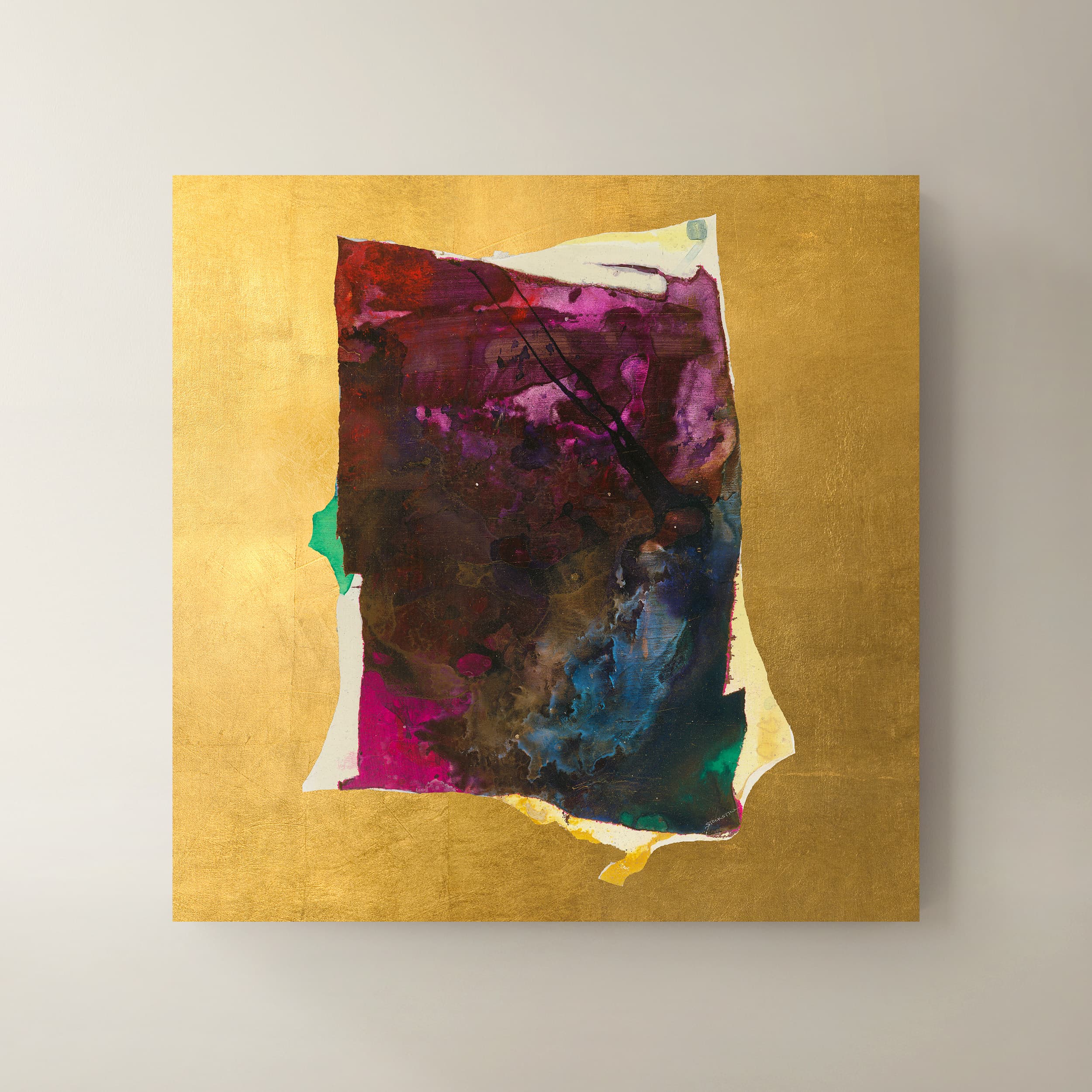 Supremo I Wall Art 40" x 40"$999
A multicolored canvas wall art piece adding contemporary visual interest to your interior.
Add To Cart -
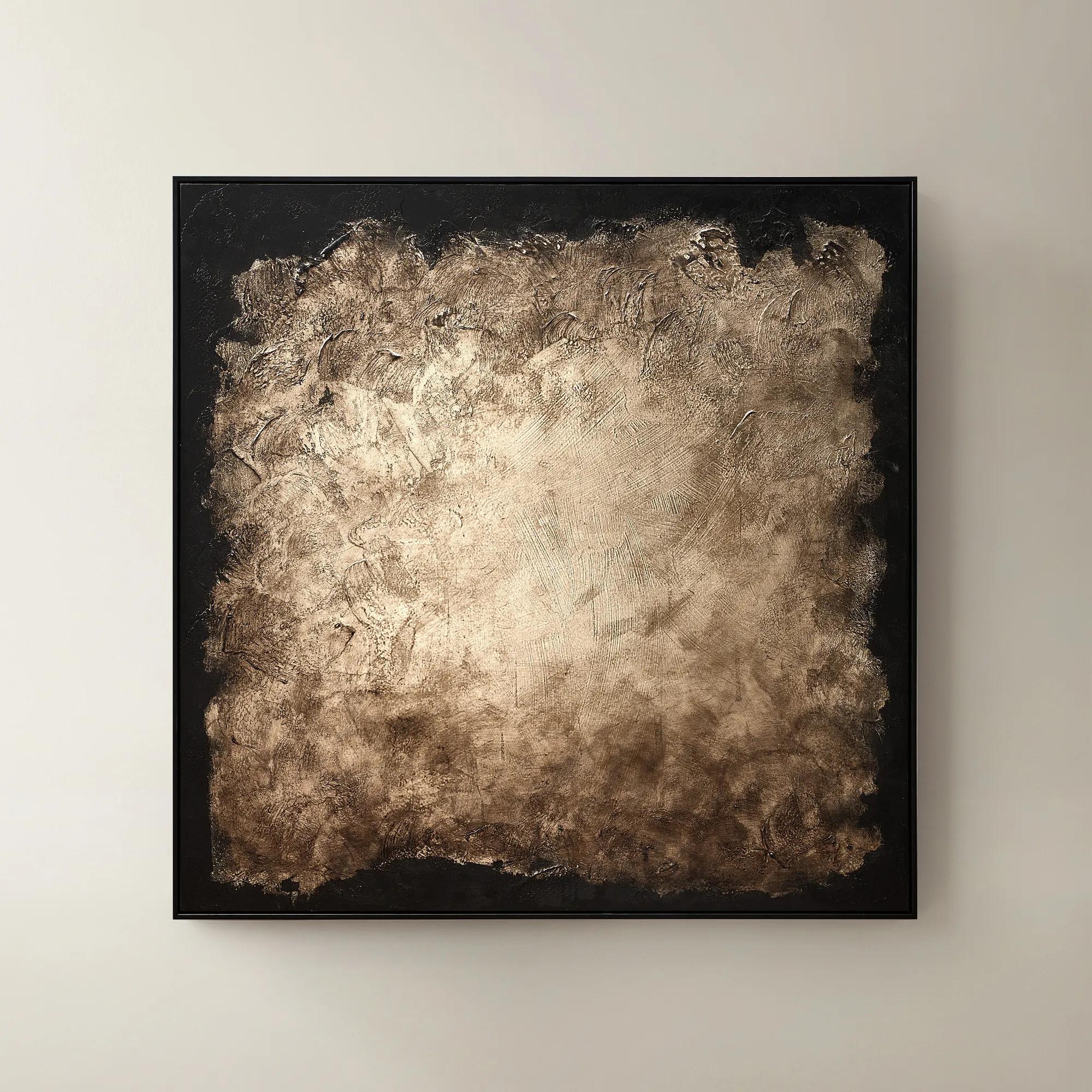 Edge of Knowing Framed Gold Leaf Painted Wall Art 50" x 50"$599
A hand-painted abstract canvas featuring gold leaf accents and a smoked champagne and black palette in a black frame.
Add To Cart -
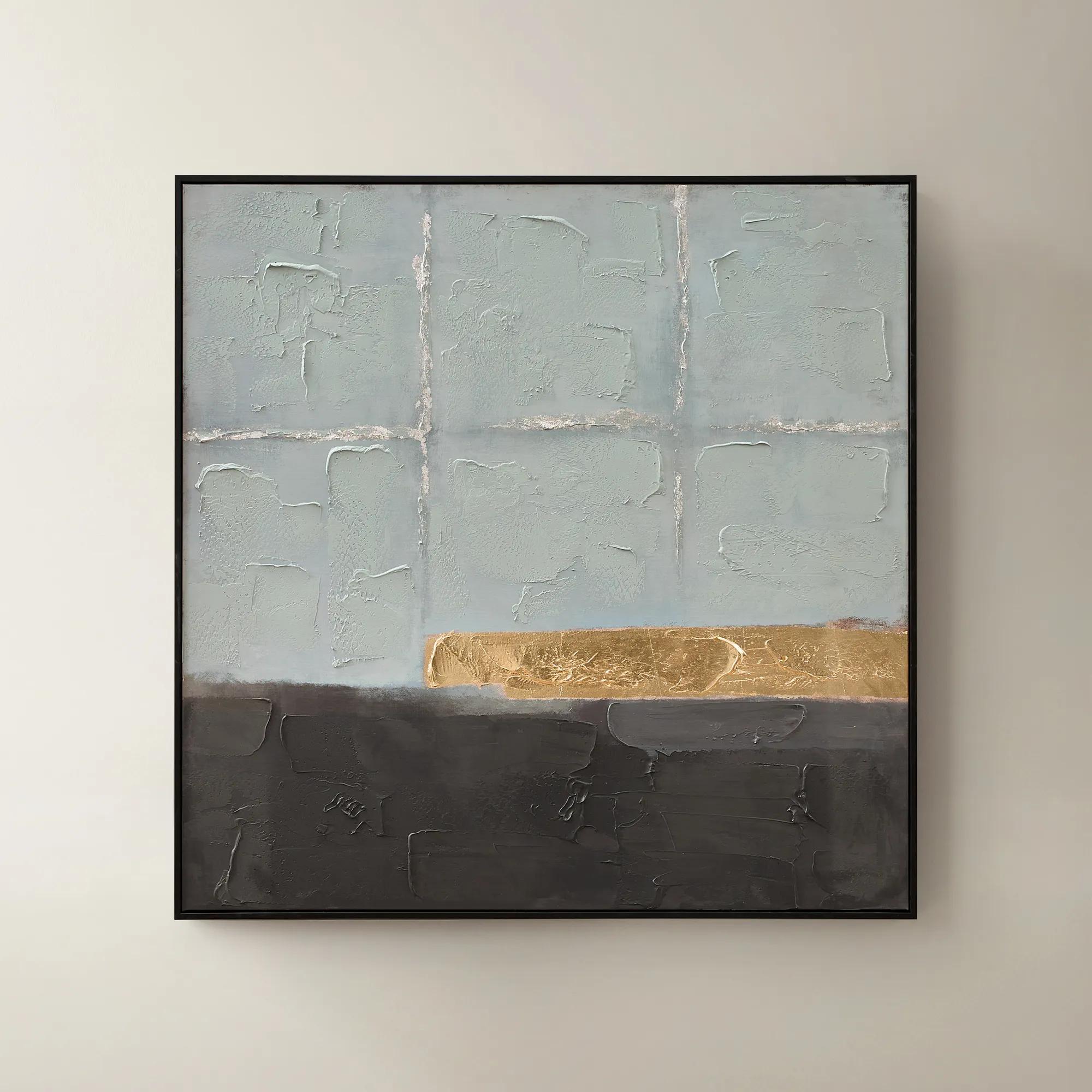
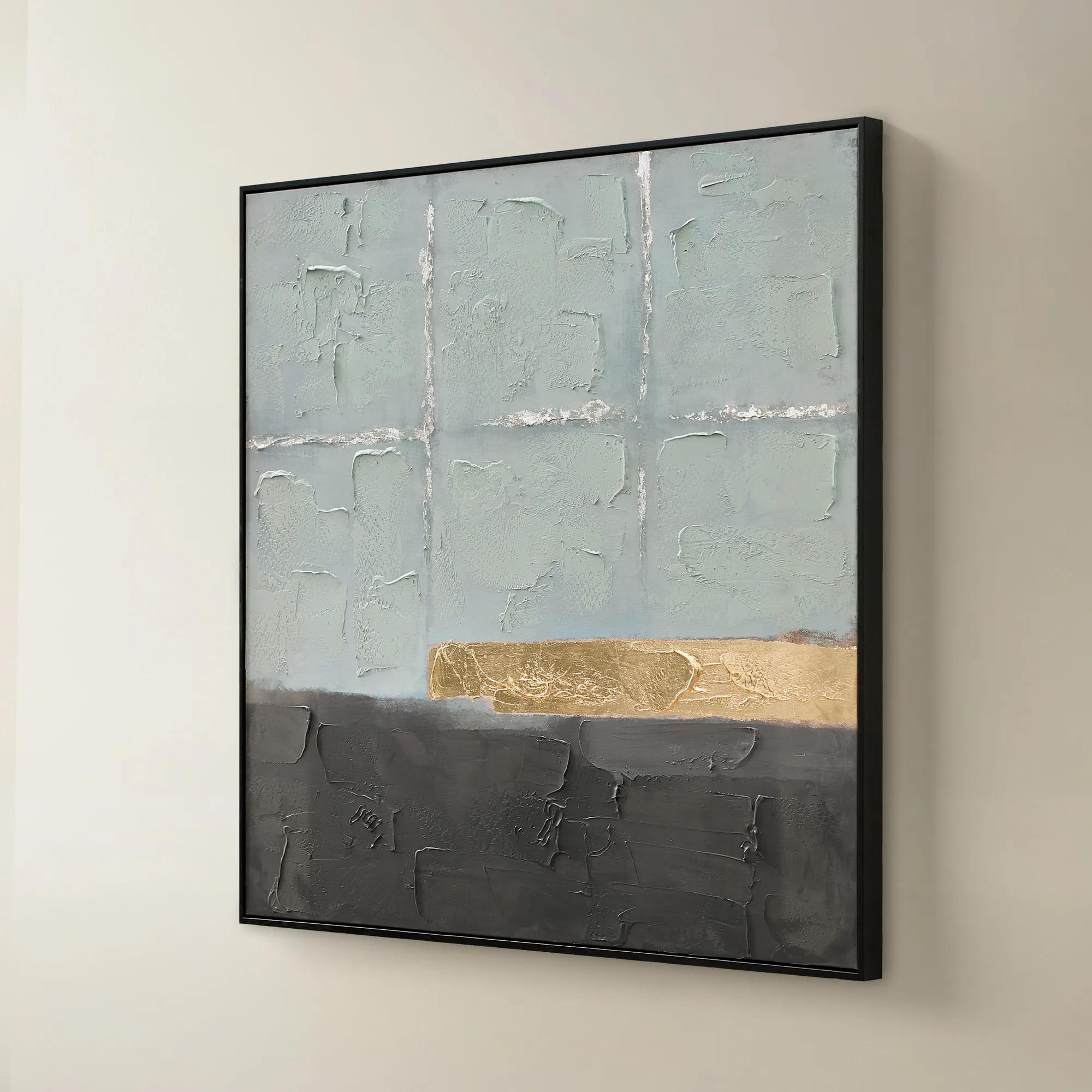 Jules Framed Gold Leaf Painted Wall Art 40" x 40"$299
A hand-painted canvas in mineral blue with gold leaf accents and a sleek black frame for modern appeal.
Add To Cart -
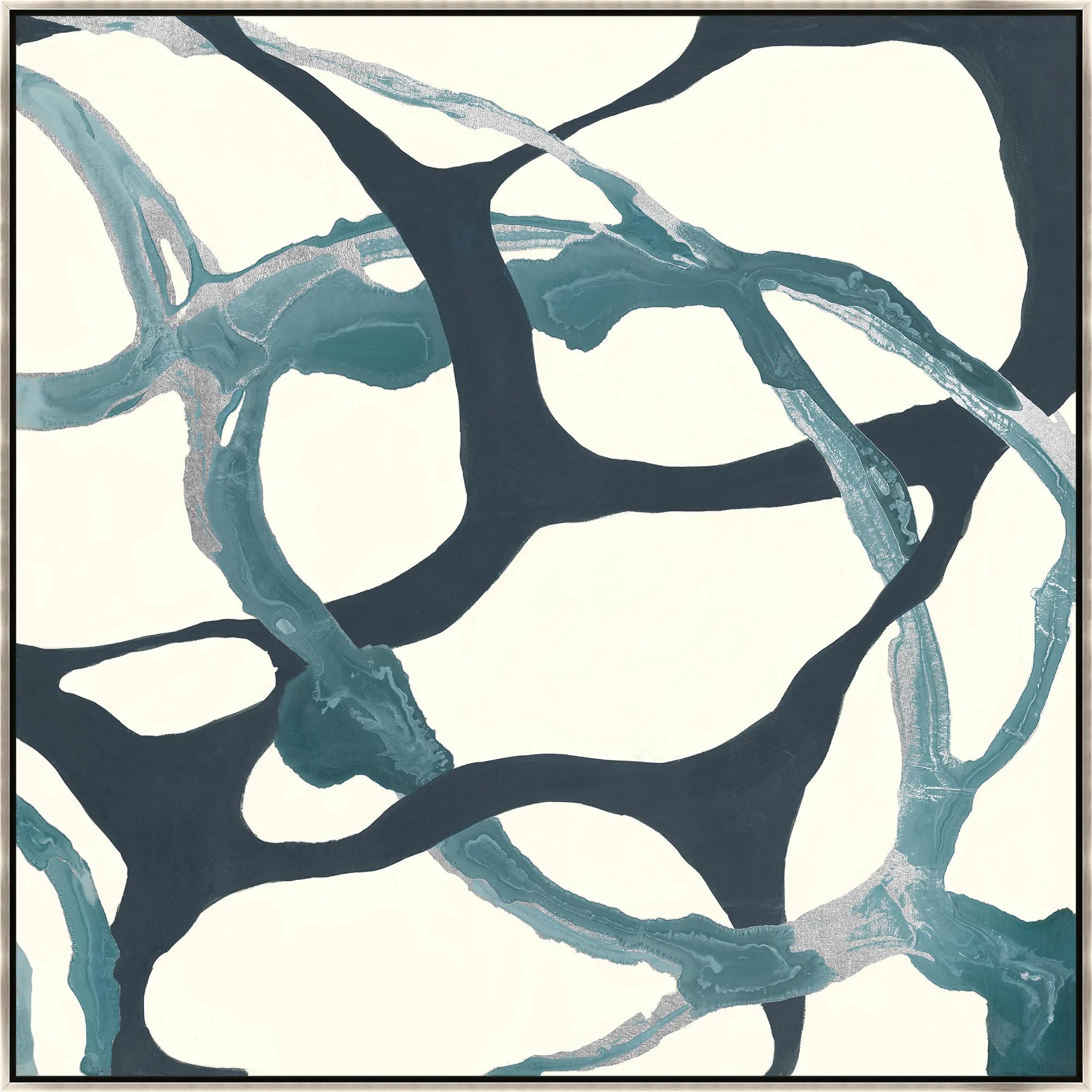
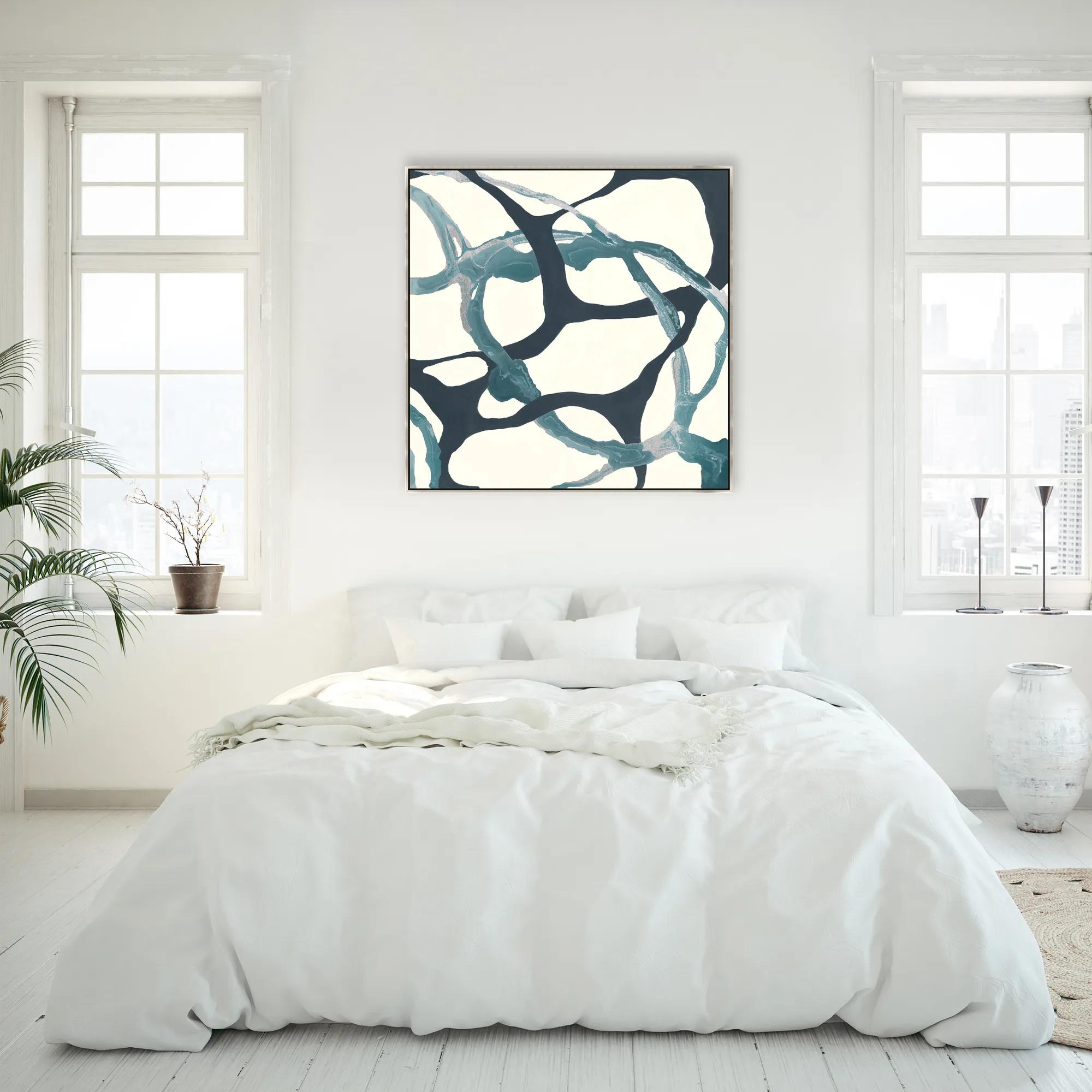 Alignments II Framed Wall Art 40" x 40"$899
A gallery-wrapped canvas featuring gilded silver accents and hand-applied brush gel in a silver floater frame.
Add To Cart -
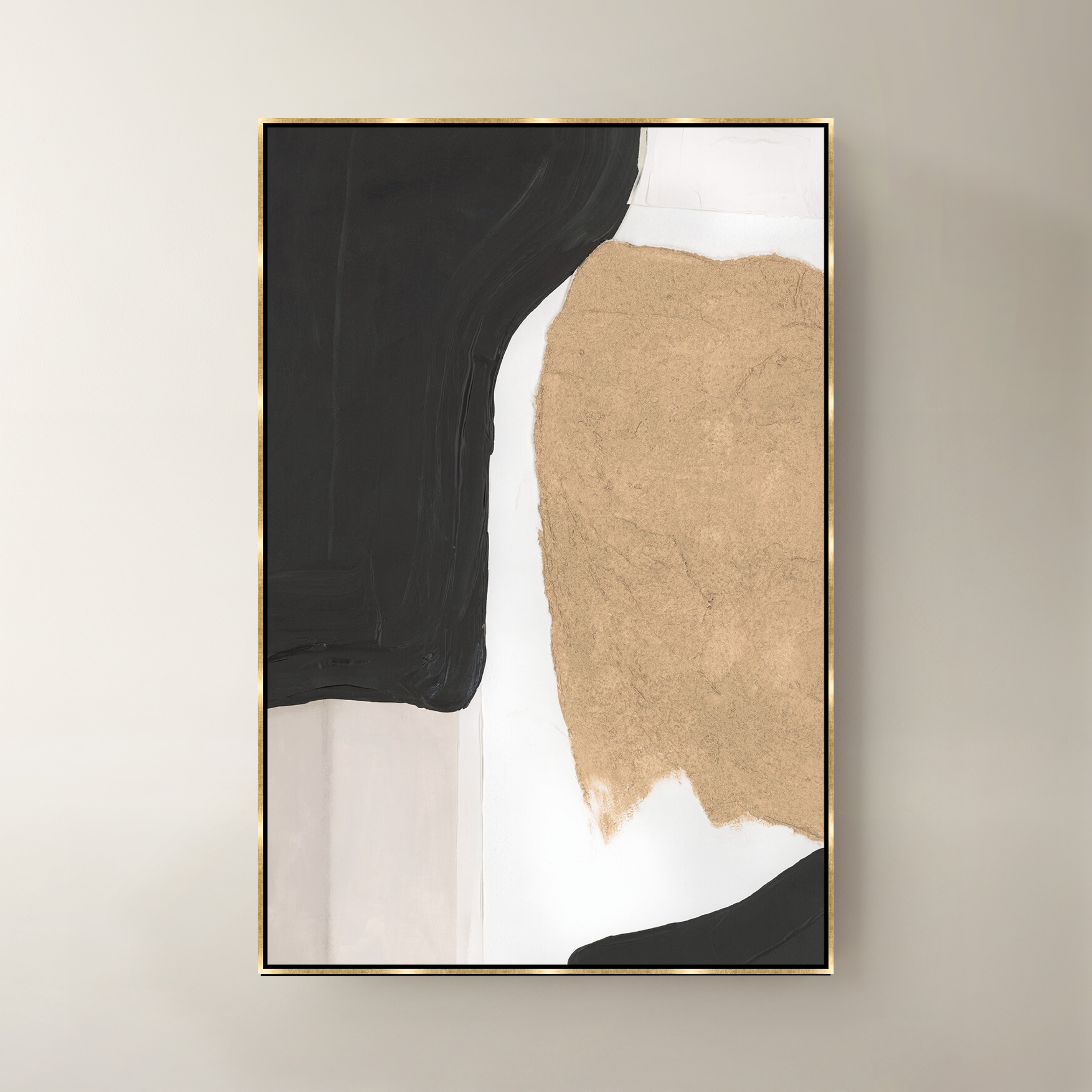
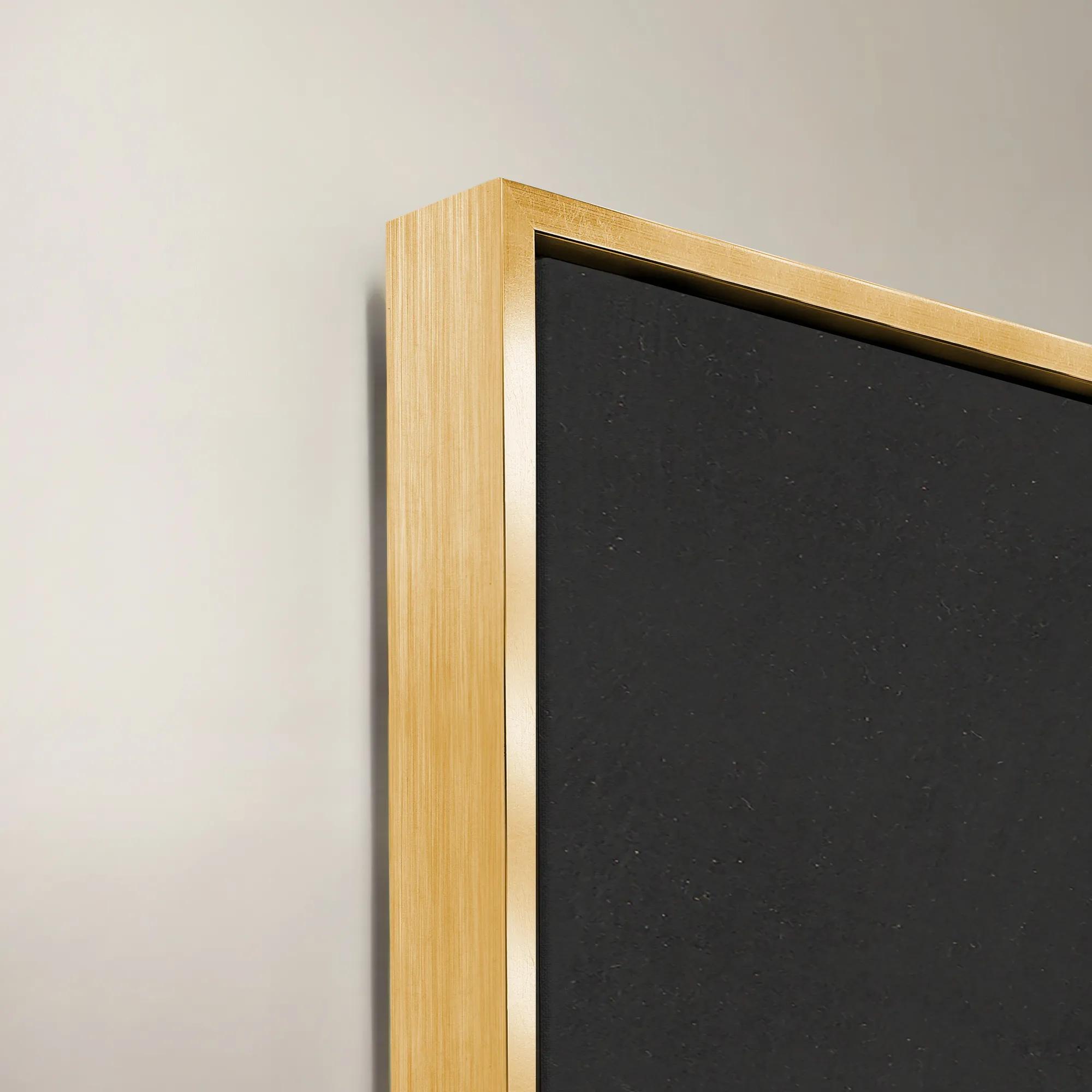 Noir I Framed Wall Art 40" x 60"$1299
A multicolored canvas wall artwork presented in a striking frame for modern interior styling.
Add To Cart

Light And Texture Canvas Art
Light and texture canvas art transforms ordinary walls into luminous showcases of artistry, where every brushstroke captures the interplay between illumination and depth. Each piece is a visual symphony—inviting the eye to dance across layered surfaces, shimmering highlights, and shadowed contours. Curated for those who crave drama and dimension, these canvases evoke a gallery-worthy ambiance, infusing your space with radiant energy and tactile intrigue. Elevate your home’s narrative with light and texture canvas art—a celebration of movement, mood, and unapologetic self-expression.
Light and texture canvas art brings dimension to the wall in a way that flat artwork cannot. Rather than simply adding color, a textured canvas creates a shifting composition of raised plaster-like surfaces, sculptural curves, architectural ripples, cracked finishes, or expressive impasto strokes. As natural light moves across a room, these details gather highlights and cast delicate shadows, giving the artwork an evolving presence from morning through the cooler hours of the evening. Many designs draw from the quiet beauty of Wabi-Sabi, embracing organic irregularity, tonal variation, and the artistry of an imperfect surface. Neutral palettes of ivory, white, beige, taupe, and greige are especially versatile, lending a serene sophistication to modern, contemporary, transitional, and Scandinavian-inspired interiors. Other compositions introduce the gleam of gold, silver, or bronze accents, creating a more lavish focal point with metallic highlights that shimmer as the surrounding light changes. Whether placed above a sofa, console, bed, dining area, or fireplace, light and texture canvas art can transform an empty wall into a considered visual moment. It is particularly effective in rooms with clean-lined furnishings, where the relief provides warmth and movement without overwhelming the architecture. A softly textured composition can make a bedroom feel more composed and restorative, while a dimensional piece with sweeping ridges or metallic detail can bring a living room or dining space a sense of polished drama. For a layered gallery arrangement, pair textured canvas art with reflective surfaces, sculptural objects, or streamlined frames, allowing the varied finishes to create depth across the entire vignette. In a more restrained room, one substantial canvas can serve as the anchor, balancing generous negative space with an unmistakable sense of artistry.
When selecting light and texture canvas art, consider the scale of the wall, the furniture beneath it, and the viewing distance from which the details will be appreciated. A large-format piece can give a broad wall the presence of an art installation, while a smaller canvas may be ideal for a reading corner, entryway, dressing area, or intimate bedside composition. As a general guideline, artwork displayed above a sofa, console, or bed should feel connected to the width of the furniture below it rather than appearing isolated, and the center of the composition should sit at a comfortable viewing height. Pay close attention to the room’s existing undertones as well. Warm cream, sand, and bronze harmonize beautifully with walnut, caramel leather, brass, and softly colored upholstery, while cooler white, stone, silver, and charcoal complement glass, polished metal, gray textiles, and crisp architectural finishes. Texture also has a visual weight: deep relief and pronounced ridges create a bolder statement, whereas fine raised lines and subtle tonal shifts offer a more delicate effect. In spaces that receive strong daylight, dimensional surfaces can become especially expressive, revealing contours that may be quieter under evening illumination. In rooms with layered lamps or sconces, metallic touches can catch a warm glow and add a refined glimmer without relying on bold color. For a curated selection of more pronounced finishes, explore Bold Texture Canvas Wall Arts. Before purchasing, review the artwork’s overall dimensions, orientation, frame or gallery-wrap construction, hanging requirements, and color balance in relation to the wall where it will live. A little planning helps the final arrangement feel intentional, particularly when working with high ceilings, narrow hallways, expansive open-plan rooms, or walls that already include mirrors and other reflective elements. Keep the artwork away from excessive moisture and prolonged direct sunlight when possible, and dust the surface gently with a soft, dry cloth rather than using liquid cleaners that may affect raised finishes or metallic details.
Light and texture canvas art also makes a thoughtful gift for someone establishing a new home, refreshing a primary suite, completing a first apartment, or refining a space with a more collected point of view. It offers the character of a considered art selection while remaining adaptable to many decorating styles, making it a fitting choice for a housewarming, wedding, anniversary, milestone birthday, or design-minded celebration. For a gift, neutral artwork is often the most versatile, particularly when the recipient’s furnishings and color preferences are not fully known. A composition with soft organic movement can bring calm to a newly furnished room, while a sculptural or subtly metallic design suits someone who gravitates toward glamour, contrast, and expressive detail. During the cooler months, when interiors become a natural gathering place and layered lighting takes on greater importance, textured wall art can make a room feel warmer and more complete without adding visual clutter. It can also refresh a familiar setting before entertaining, giving a dining room or sitting area a memorable backdrop that looks especially striking against velvet, boucle, linen, wood, or reflective accents. The most successful arrangements allow the artwork’s surface to breathe: avoid crowding it with competing wall decor, and use nearby lighting to reveal the relief rather than flatten it. Even a quiet monochromatic canvas can become richly atmospheric when its peaks, grooves, and hand-finished variations are illuminated from the side. For homes that favor bold self-expression, pair the artwork with jewel-toned upholstery, dramatic lighting, or sculptural accessories. For calmer interiors, let the tactile surface provide the statement while the surrounding palette remains restrained. In every setting, light and texture canvas art turns the wall into more than a backdrop—it becomes a living part of the room’s composition, catching the day’s changing glow and giving the home a sense of depth, intention, and unmistakable style.
FAQs
Light and texture canvas art is remarkably versatile, complementing a range of design aesthetics from modern glam to eclectic maximalism. These pieces thrive in spaces that embrace bold statements, but they also add dimension and intrigue to minimalist settings. Pairing textured canvas art with metallic accents, artisan lamps, or plush textiles enhances the layered look, creating a curated and elevated atmosphere.
Bead art on canvas is perfect for adding a touch of opulence and tactile interest to any room. Place a beaded canvas where it will catch natural or accent lighting to highlight its shimmering details—over a mantel, in an entryway, or as a centerpiece in a gallery wall. These pieces pair beautifully with sculptural accessories and luxe finishes for an unforgettable visual moment.
Absolutely—textured canvas art makes a thoughtful and distinctive gift for housewarmings, weddings, or milestone celebrations. Its unique combination of visual impact and tactile allure ensures it will be cherished and displayed with pride, offering the recipient a daily reminder of your carefully chosen gesture.
Lighting plays a transformative role, accentuating the raised surfaces and intricate details of textured canvas art. Positioning these pieces near artisan lamps or in areas with changing natural light can create dynamic shadows and highlights, allowing the artwork to evolve throughout the day and adding a sense of movement and drama to your space.
Yes, these pieces are designed to command attention and anchor a space. A large-scale textured canvas above a sofa or bed draws the eye and sets the tone for the entire room, while a series of smaller pieces can create a bold, gallery-inspired installation. Their dimensional qualities ensure that they don’t just decorate a wall—they define it.