Translucent Paint Canvas Art
Translucent Paint Canvas Art
-
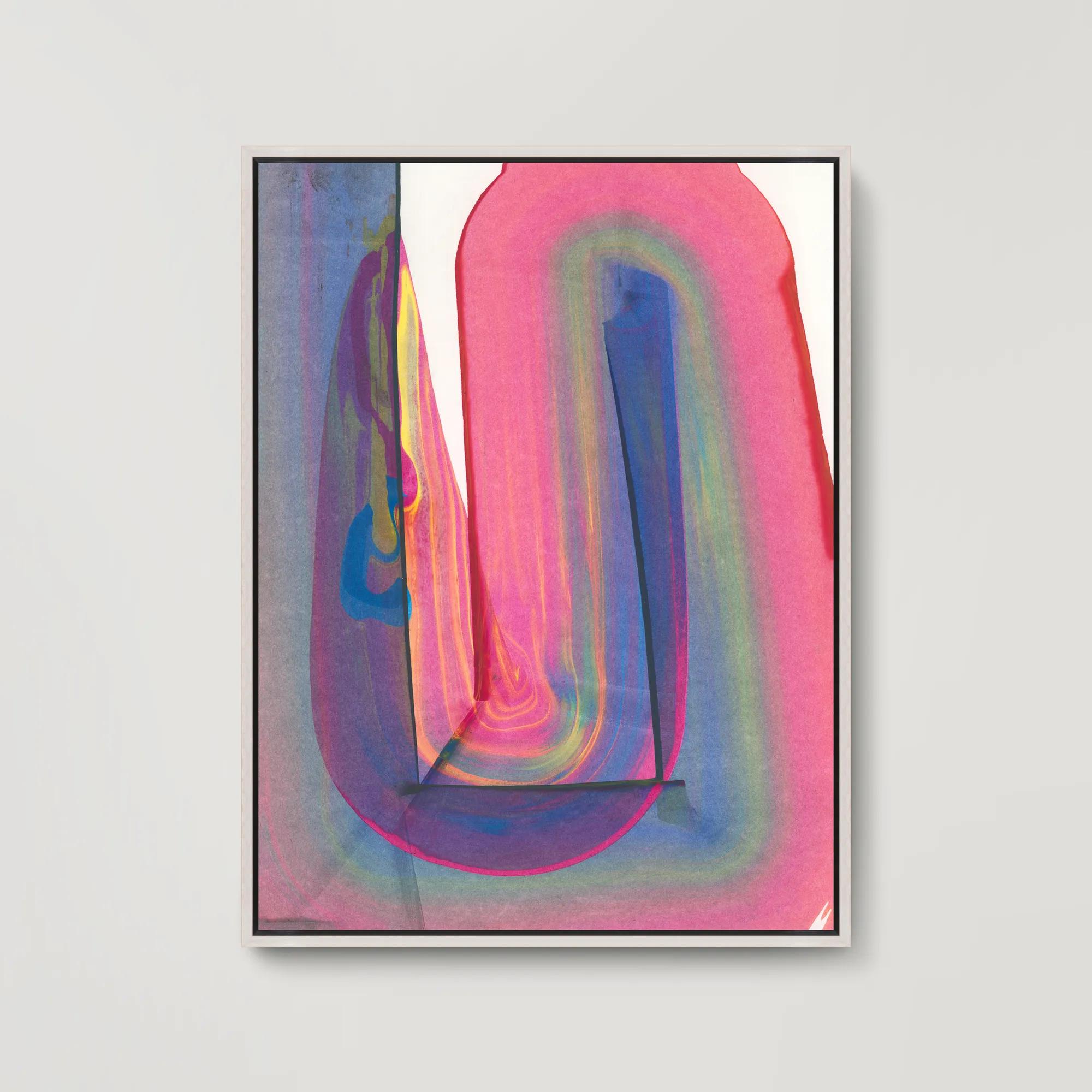
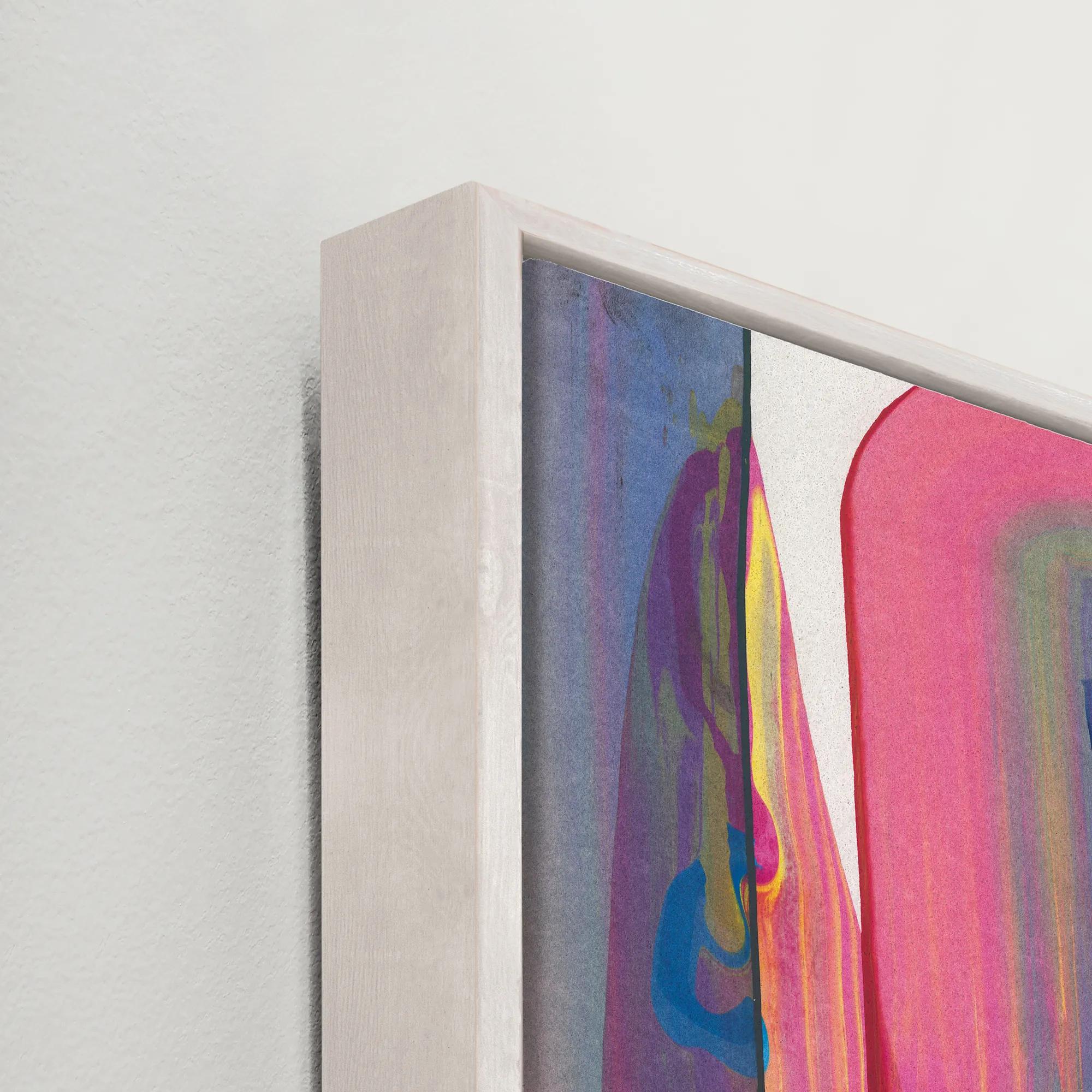 Color In Motion Framed Wall Art 31.5" x 41.5"$699
A gallery-wrapped abstract artwork featuring layered translucent paint and expressive brushstrokes in a white floater frame.
Add To Cart -
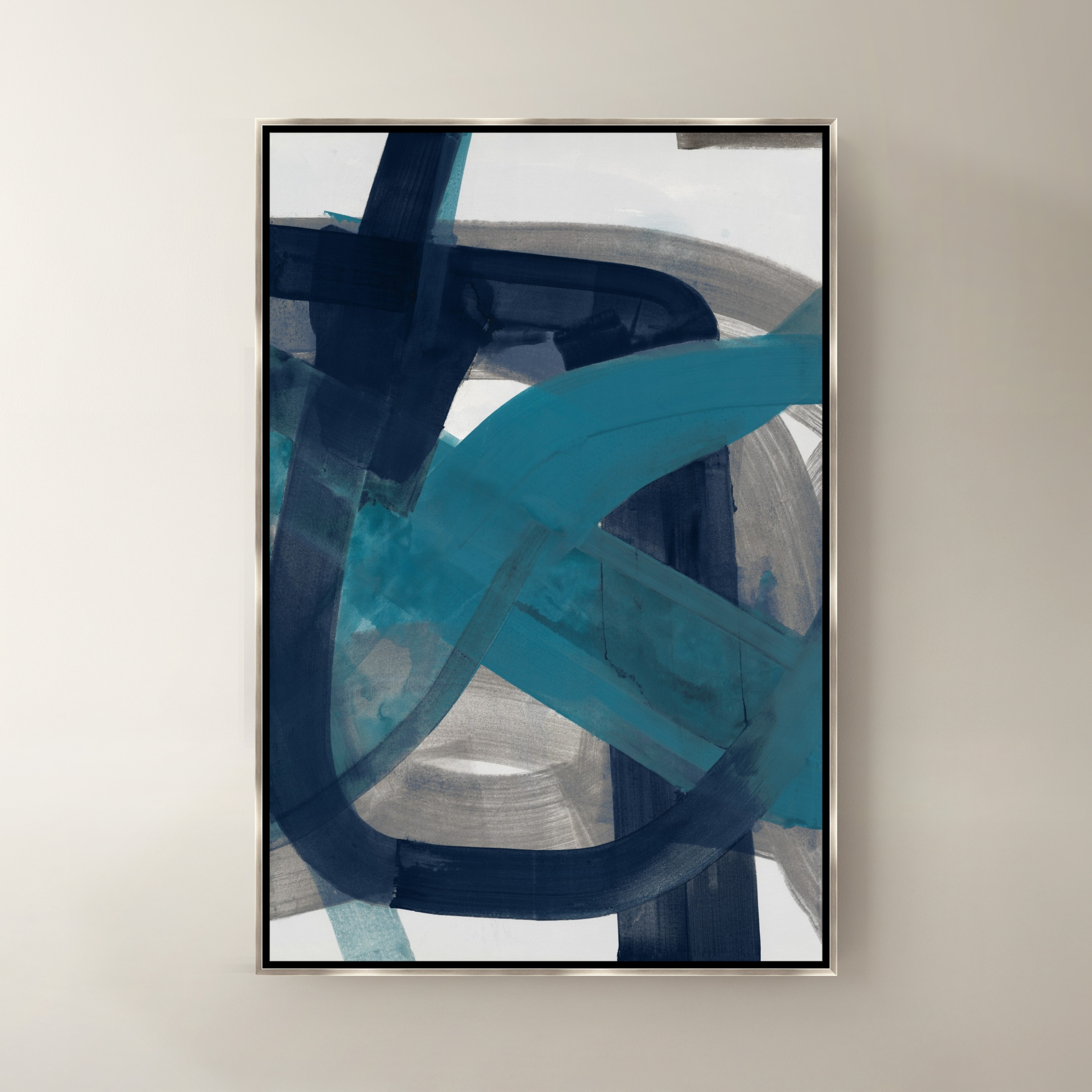
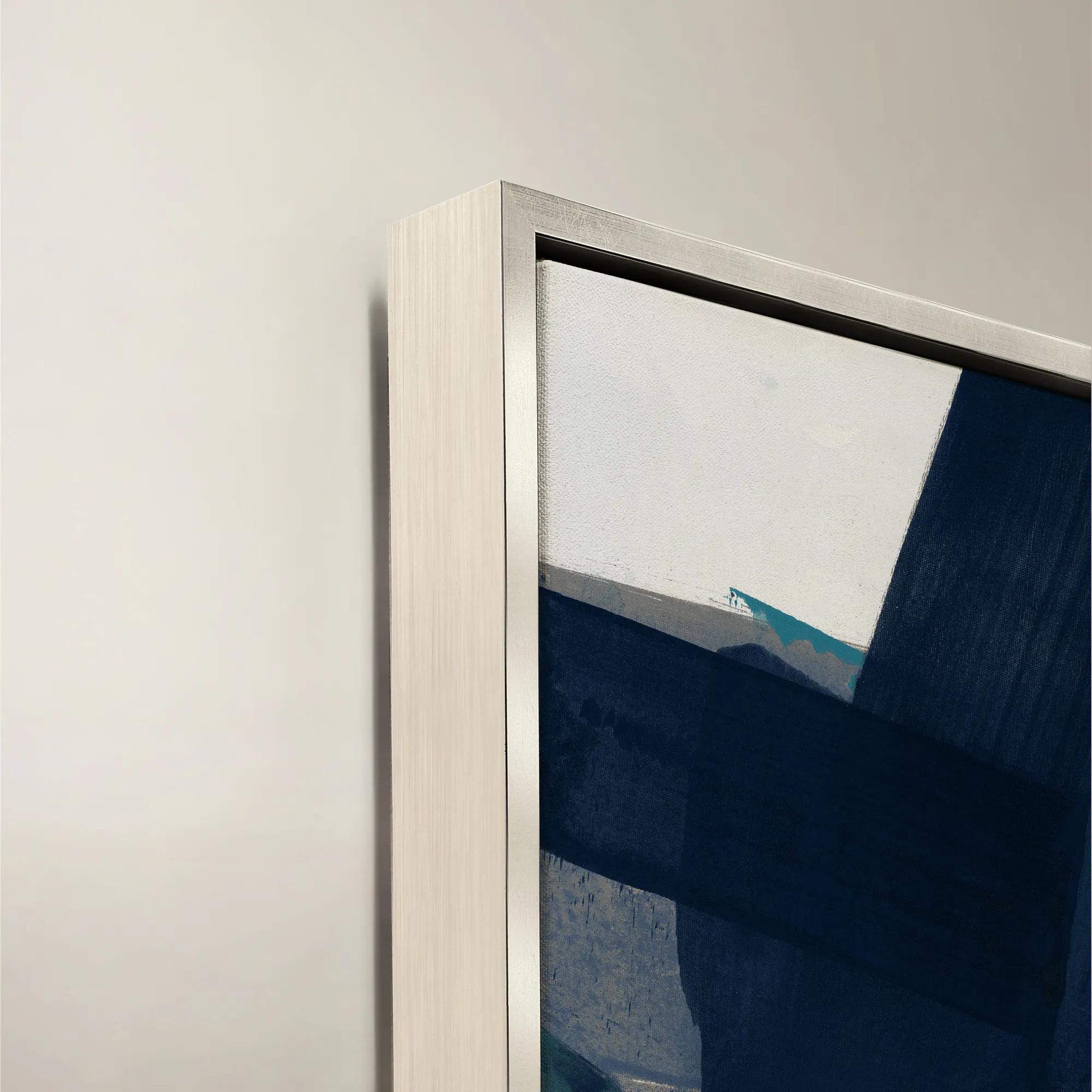 Fractured Currents II Framed Wall Art 24" x 36"$499
A framed canvas wall artwork featuring dynamic blue and purple tones for a modern, expressive accent.
Add To Cart -
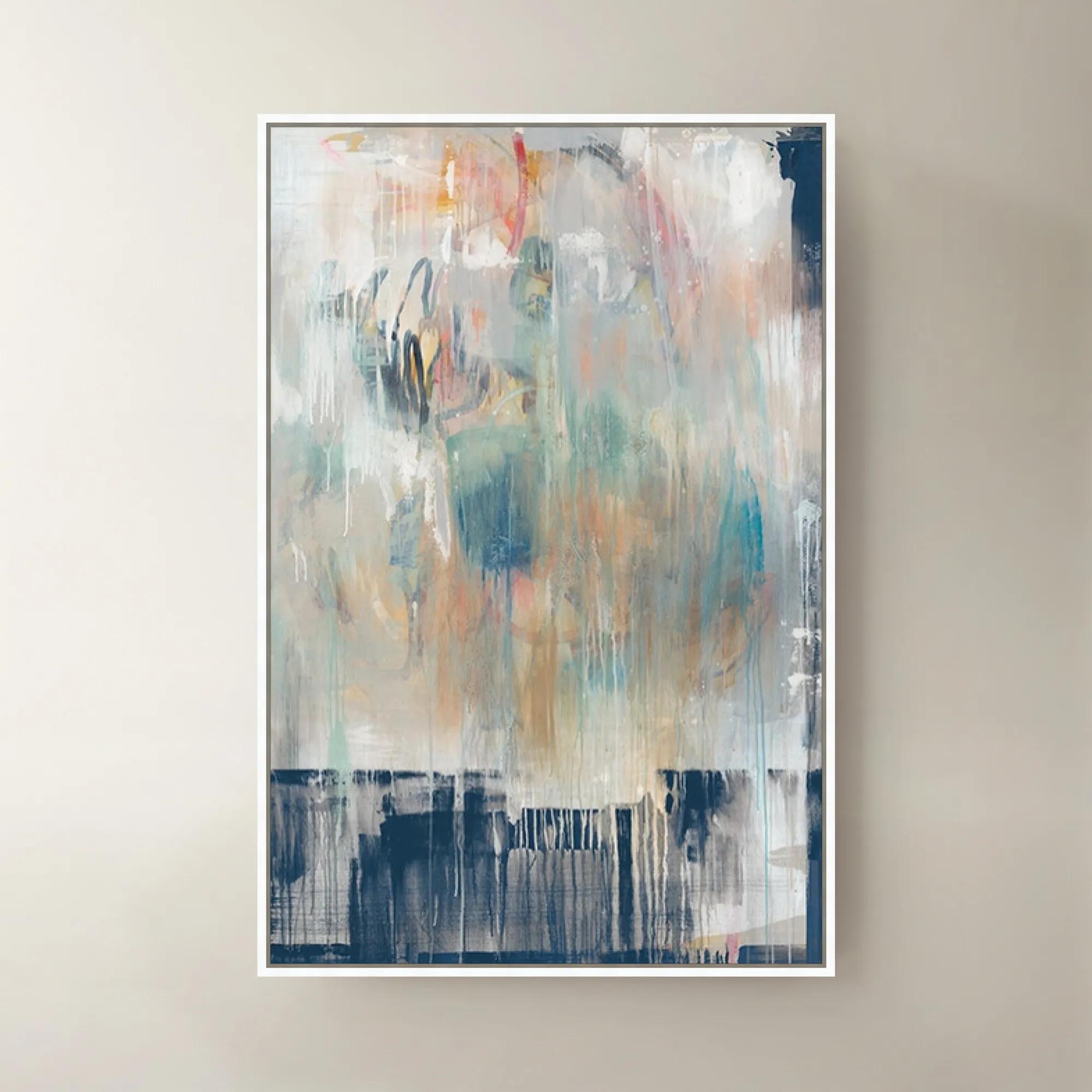
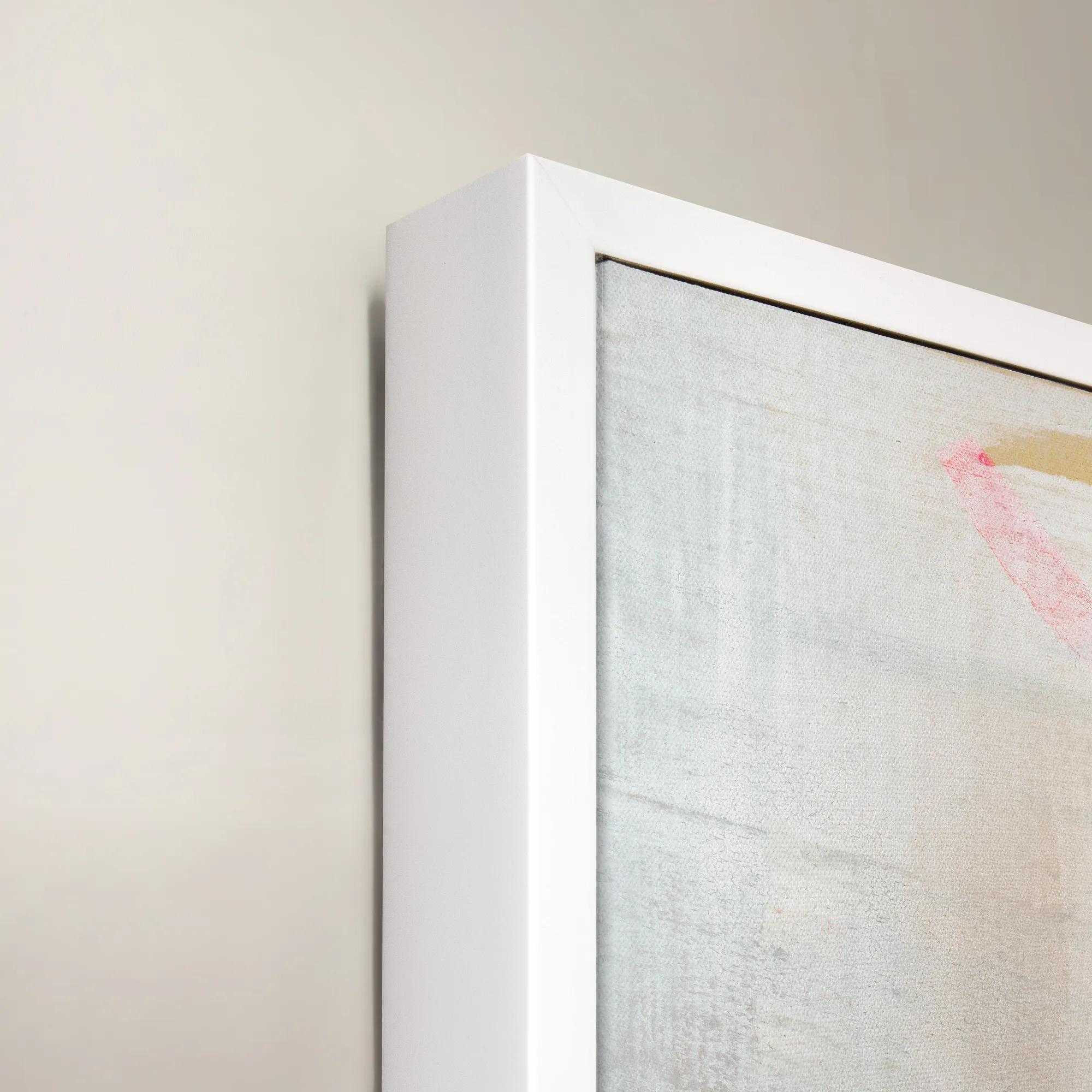 Disrepair III Framed Wall Art 40" x 60"$1099
A multicolored canvas wall artwork in a framed presentation, bringing expressive contemporary character to interiors.
Add To Cart -
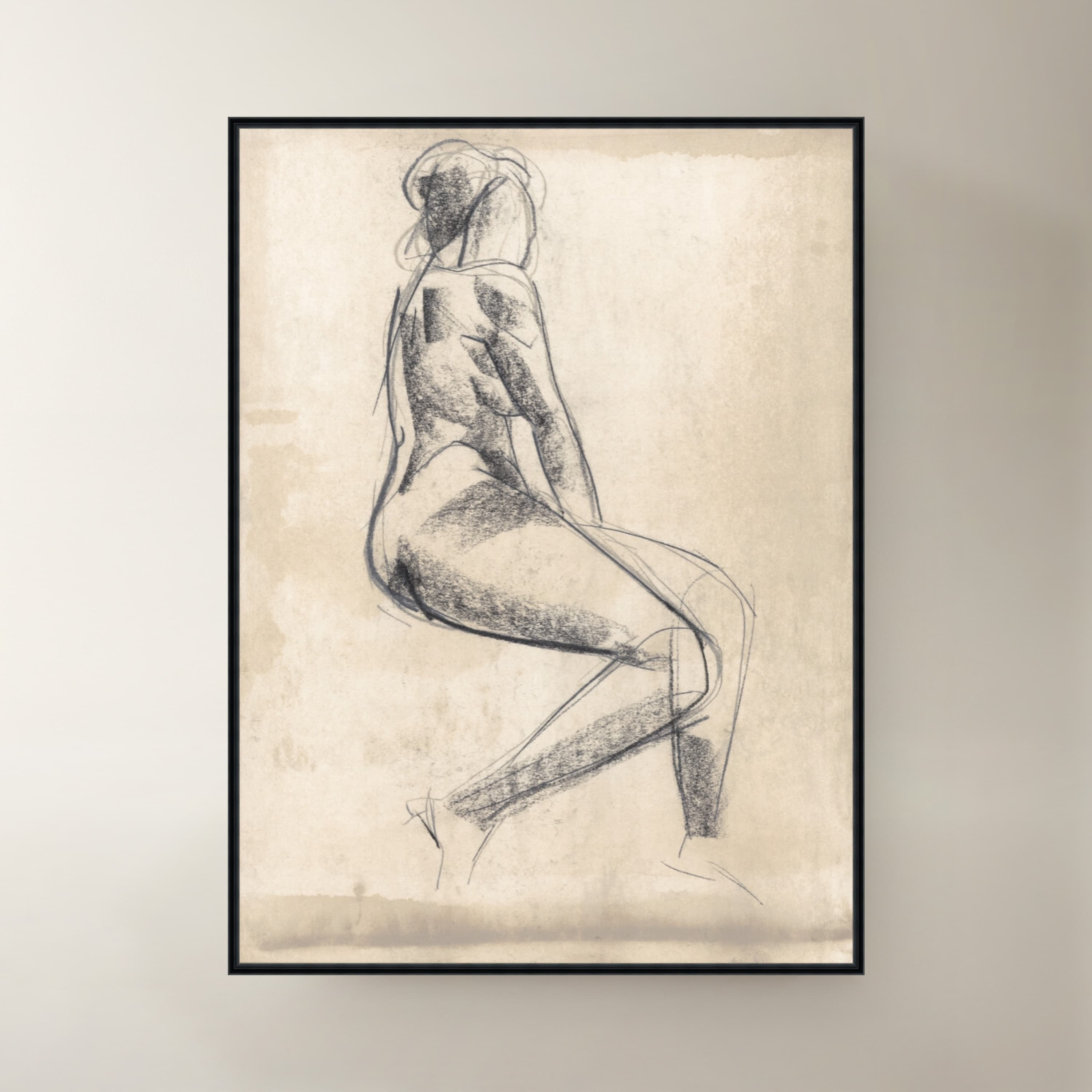
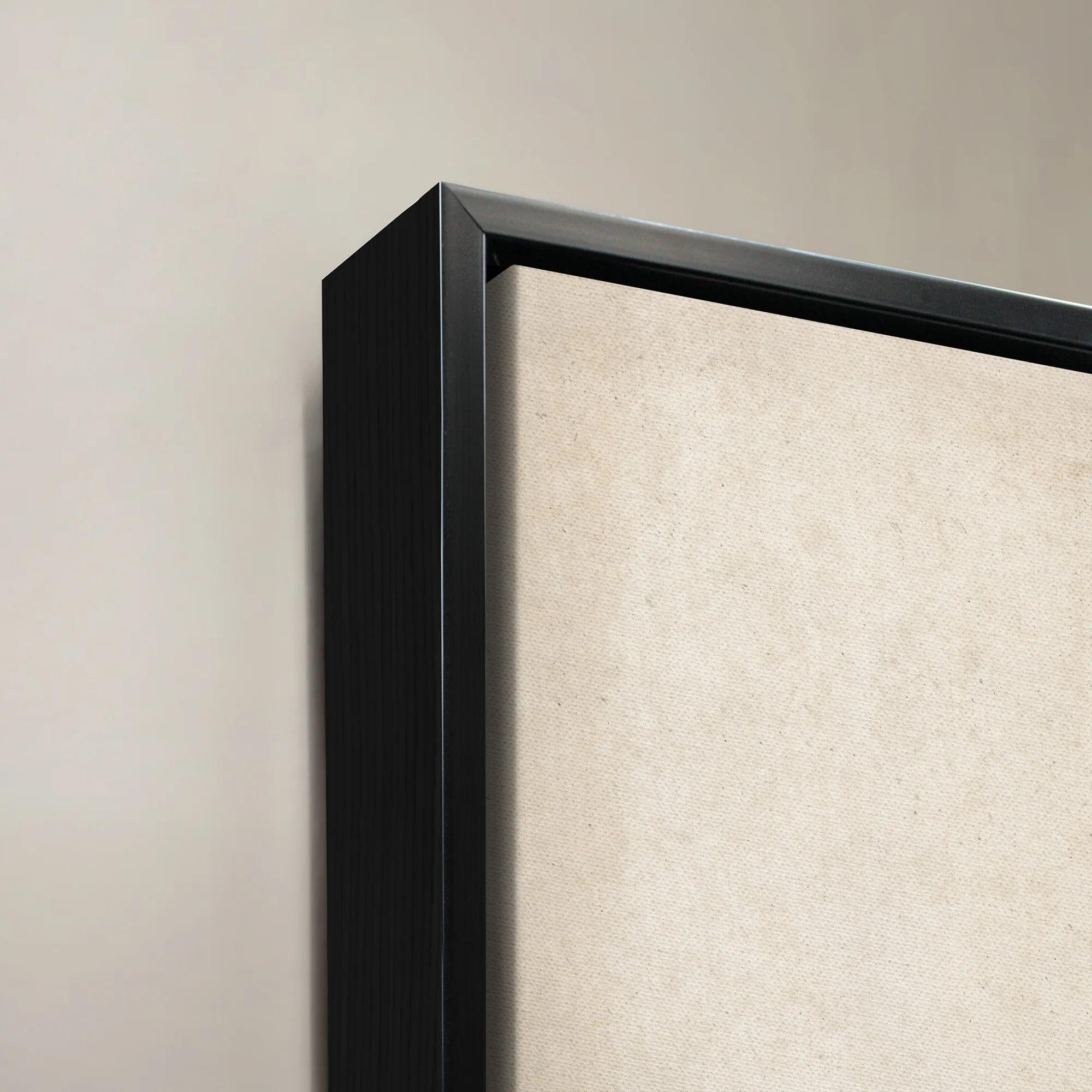 Restful Figure I Framed Wall Art 20" x 27"$449
A serene figurative canvas artwork in warm brown tones, elegantly framed for sophisticated wall display.
Add To Cart -

 Jewel Toned Geometry Framed Wall Art 24" x 33"$519
A jewel-toned geometric canvas artwork framed to bring vibrant modern dimension to any wall.
Add To Cart -
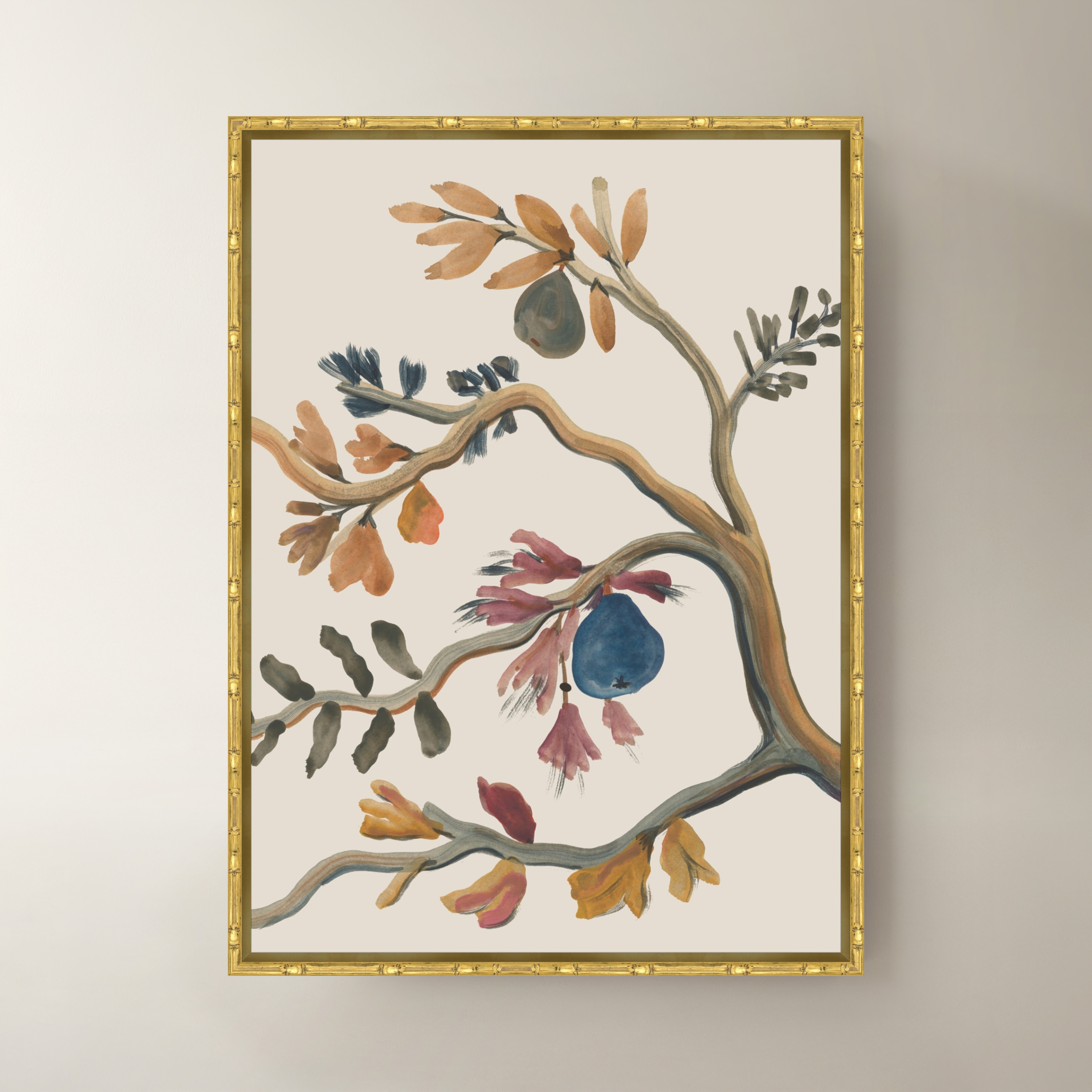
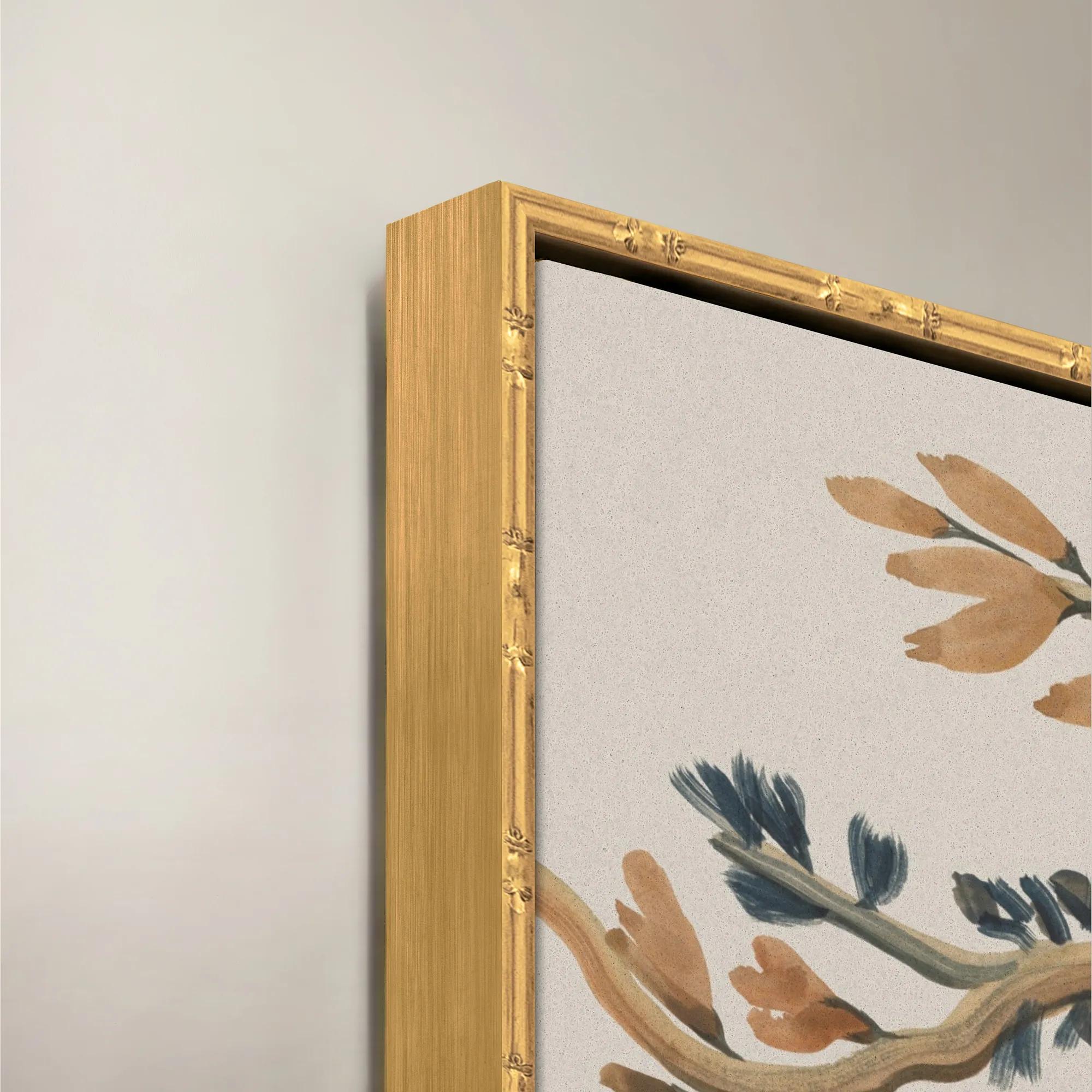 Whispering Orchard I Framed Wall Art 24" x 33"$749
A multicolored canvas wall artwork presented in a refined frame for vibrant, gallery-inspired styling.
Add To Cart -
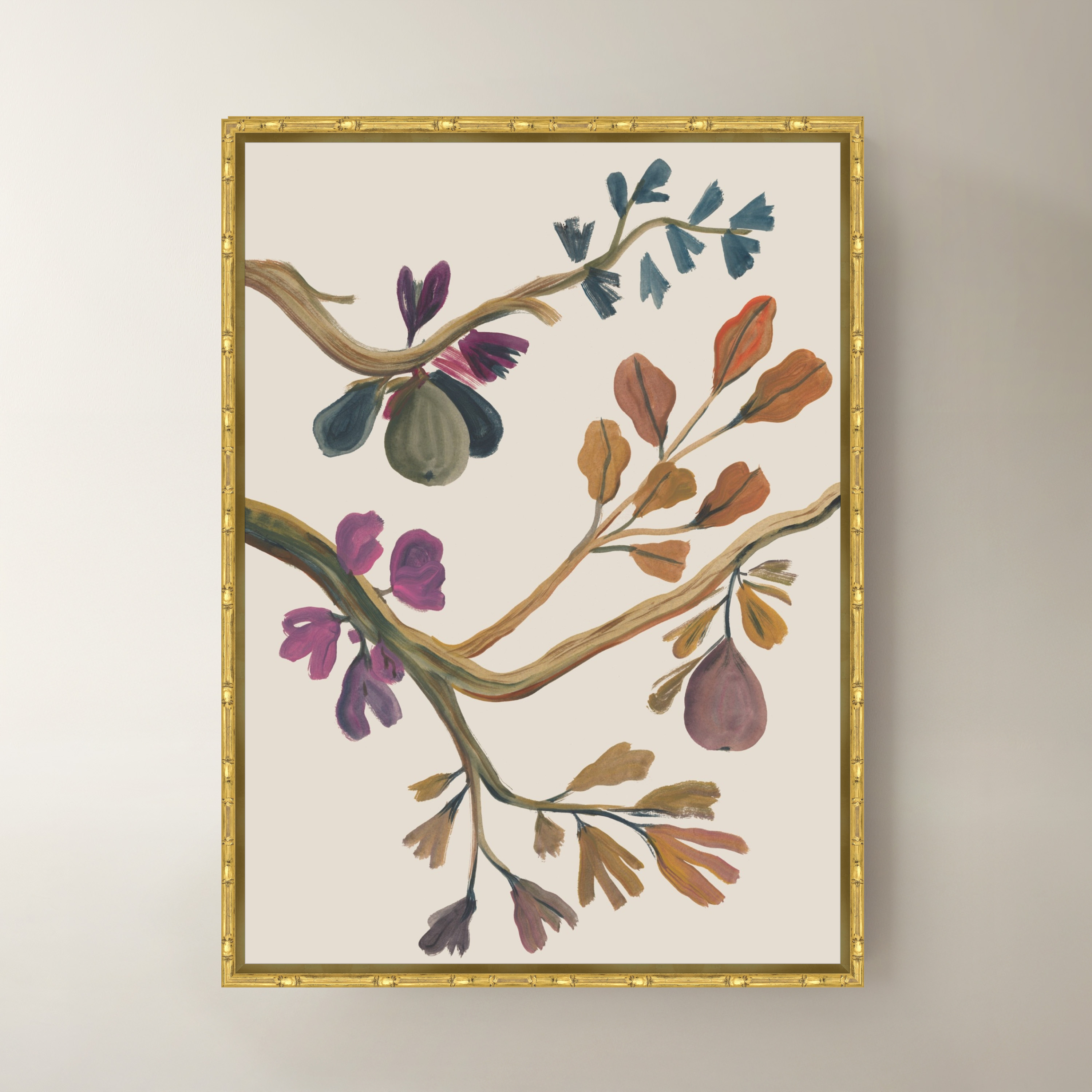
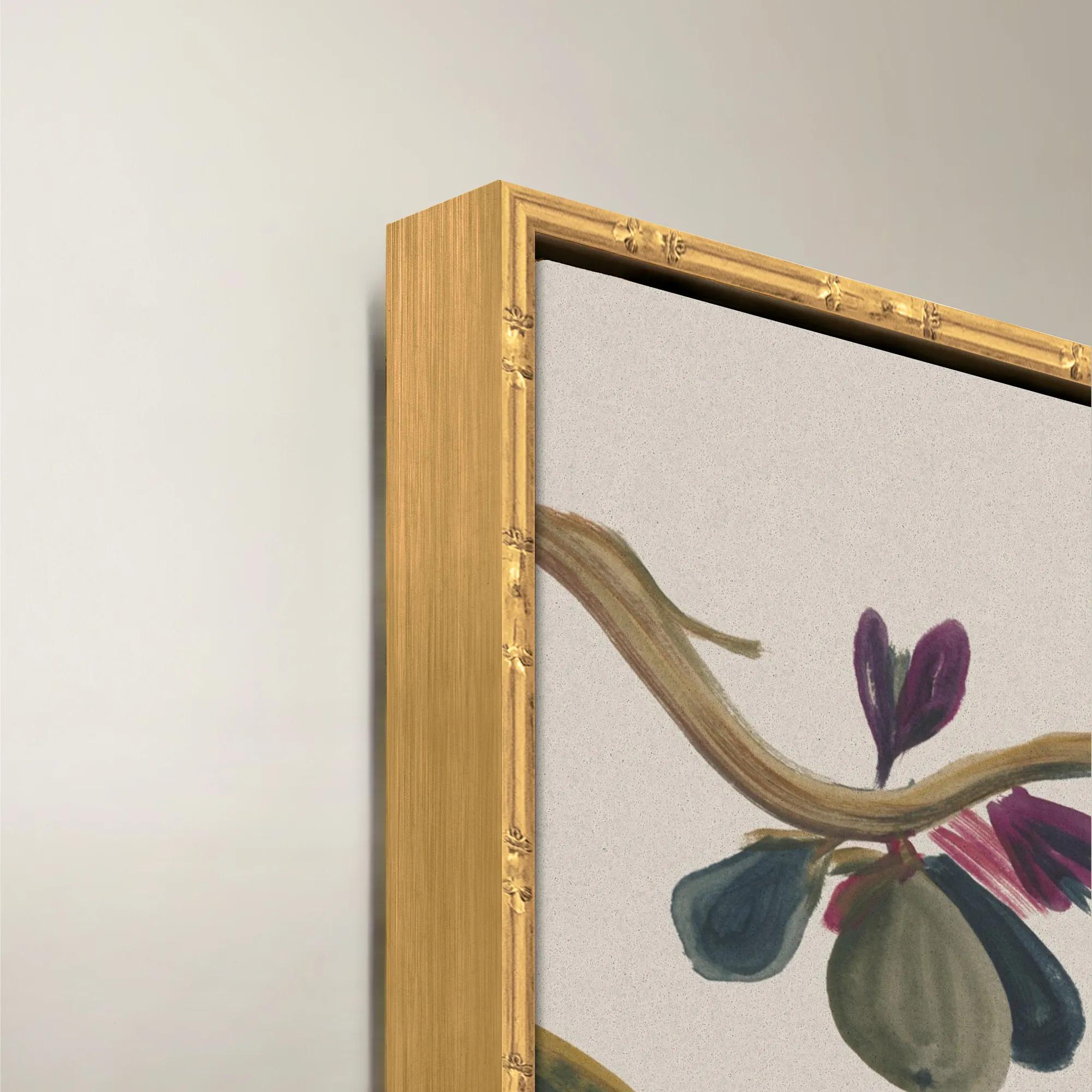 Whispering Orchard II Framed Wall Art 24" x 33"$749
A multicolored canvas wall art piece presented in an elegant frame for contemporary interiors.
Add To Cart -
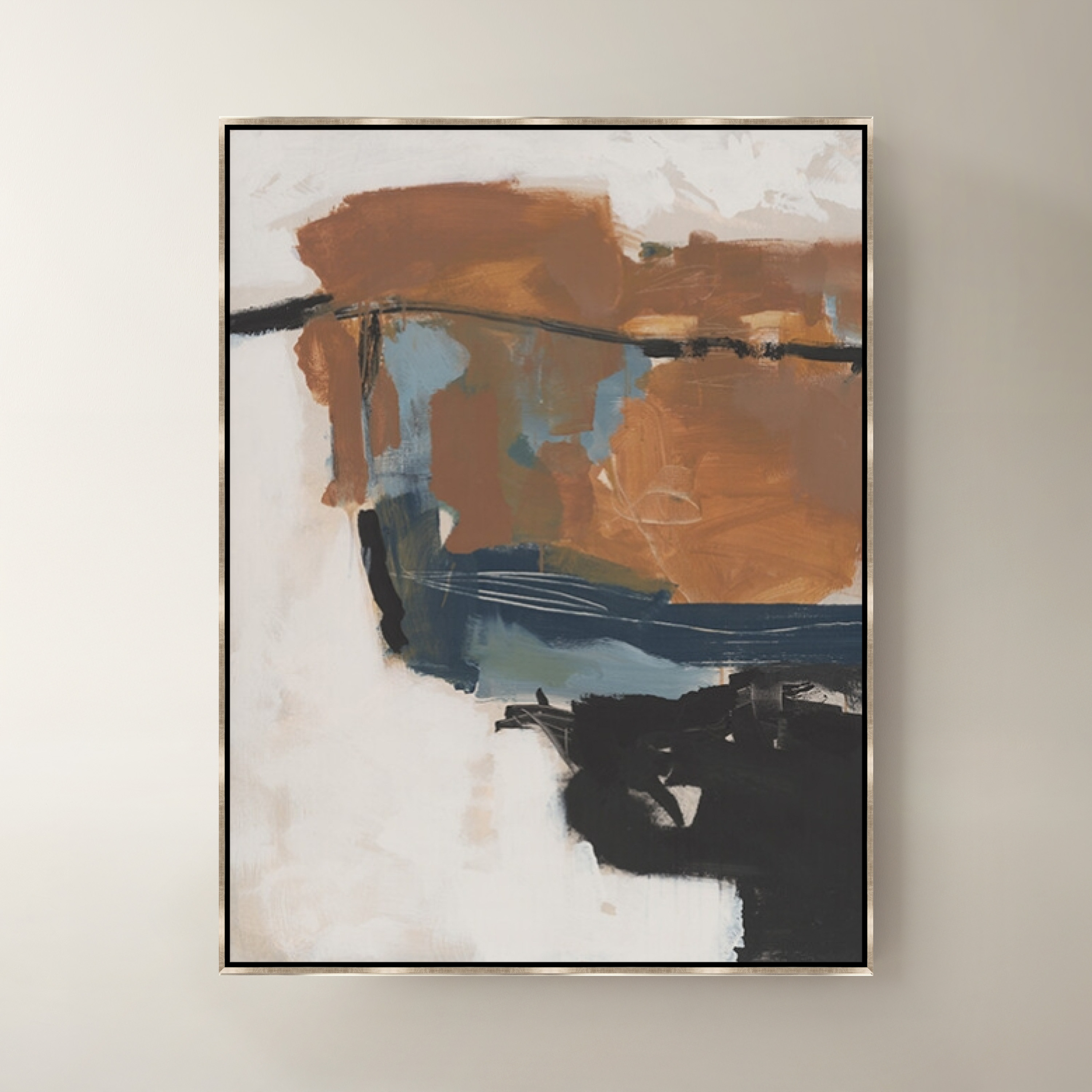
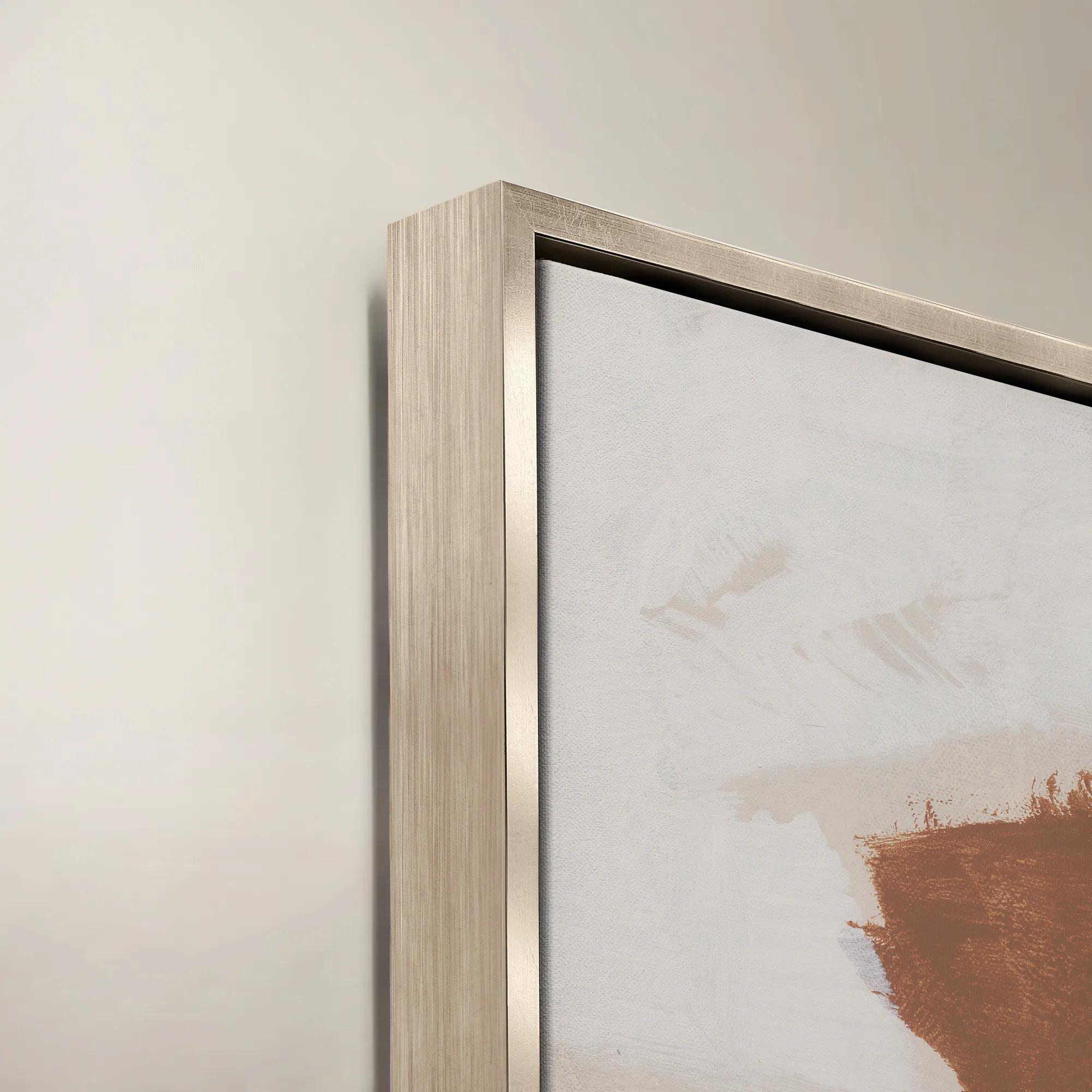 Posturing Framed Wall Art 40" x 54"$1199
A striking multicolored canvas artwork presented in an elegant frame for contemporary interiors.
Add To Cart -
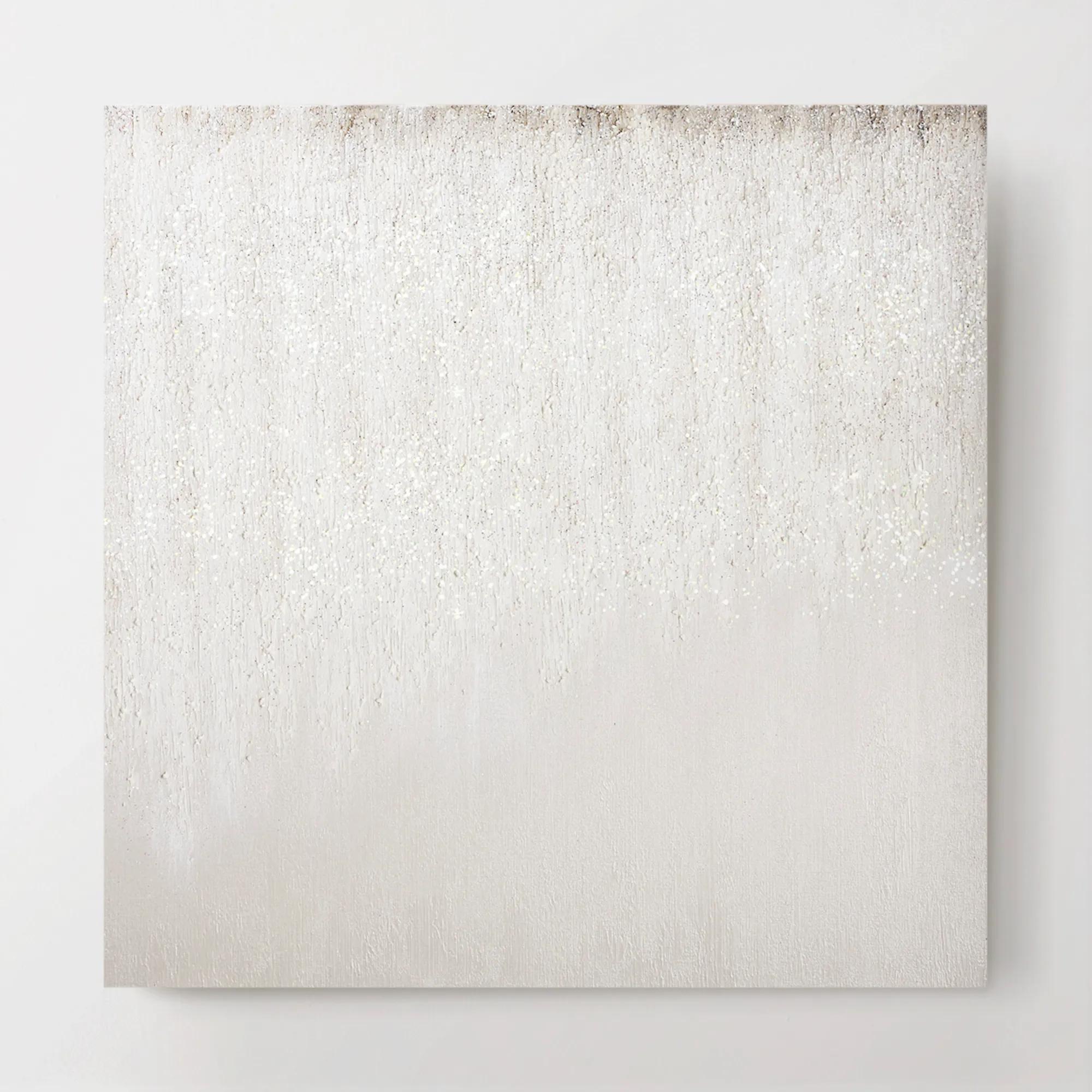 Je T'aime Glitter Painted Wall Art 30" x 30"$499
A hand-painted canvas artwork featuring ethereal hazy brushstrokes and subtle glitter embellishments.
Add To Cart -
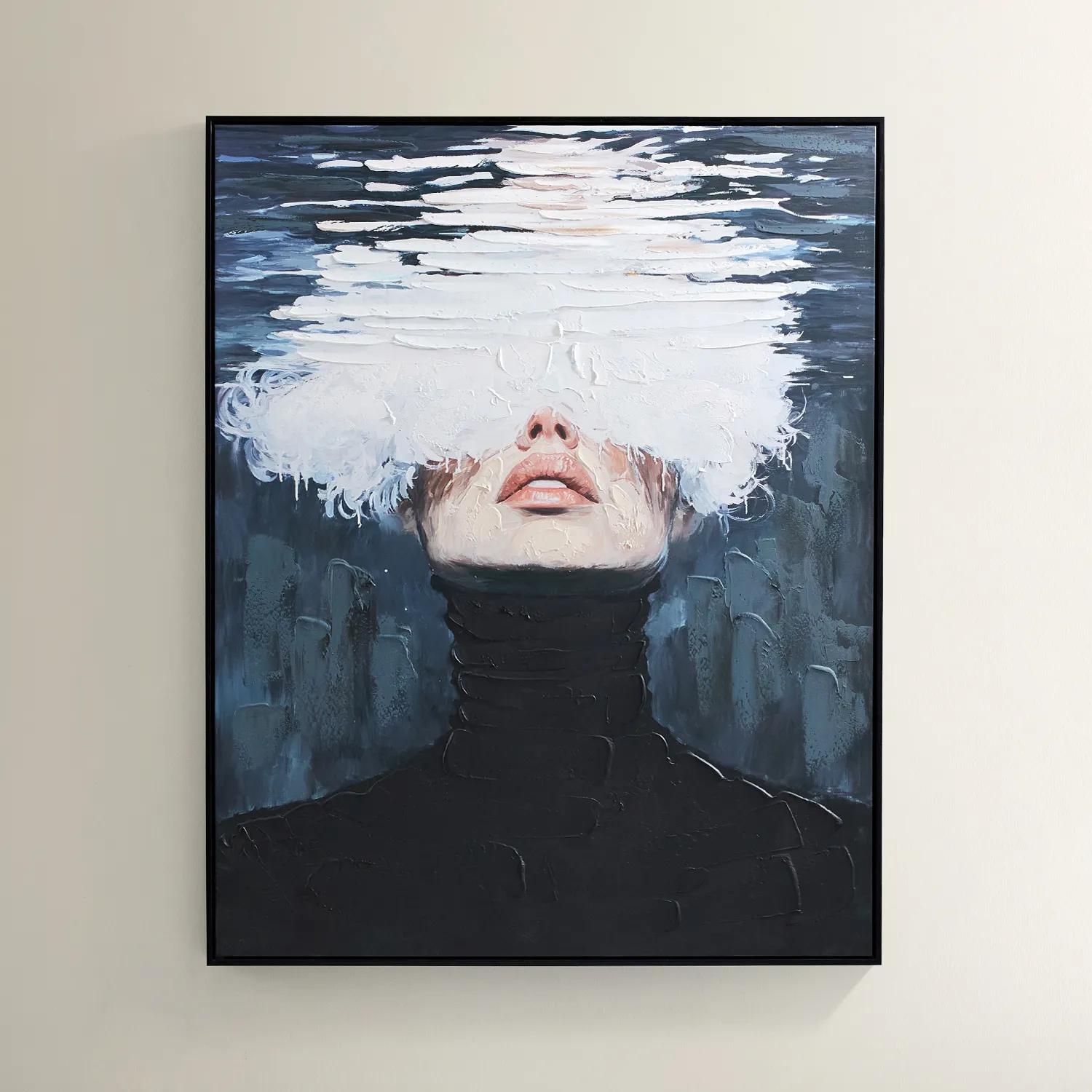
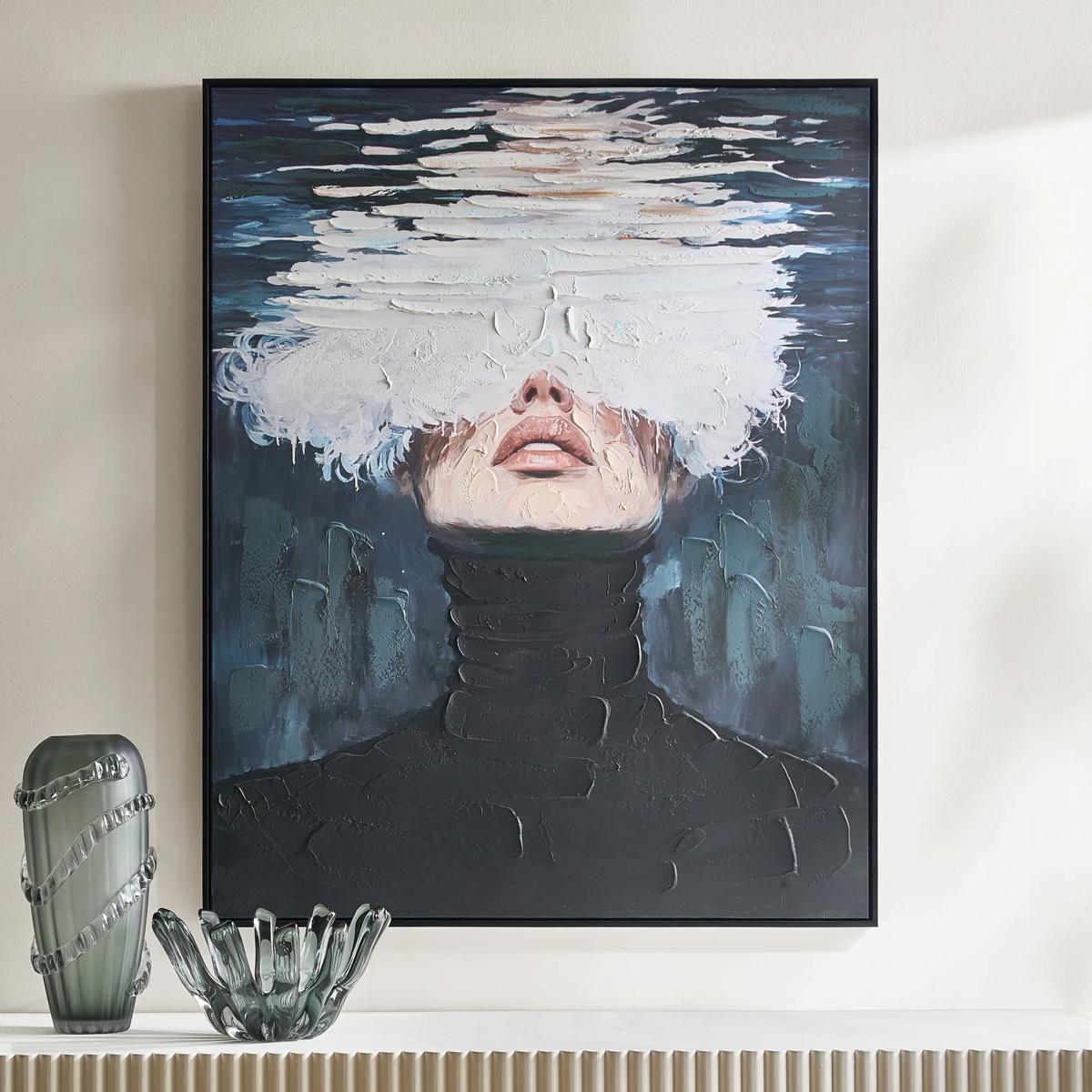 Submerged Framed Painted Wall Art 40" x 50"$599
A hand-painted canvas featuring a surreal portrait in black, blue, and white with a black floater frame.
Add To Cart -
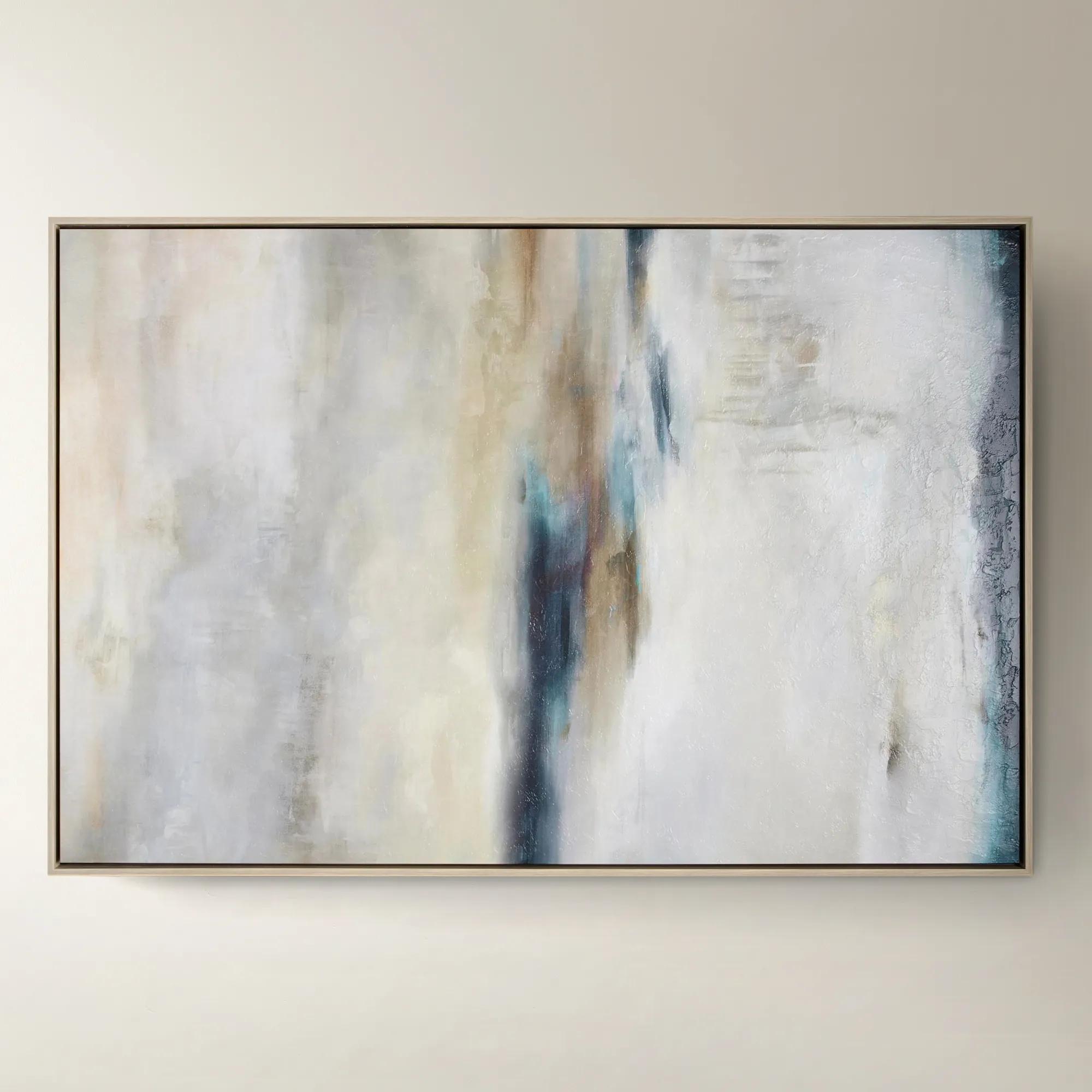
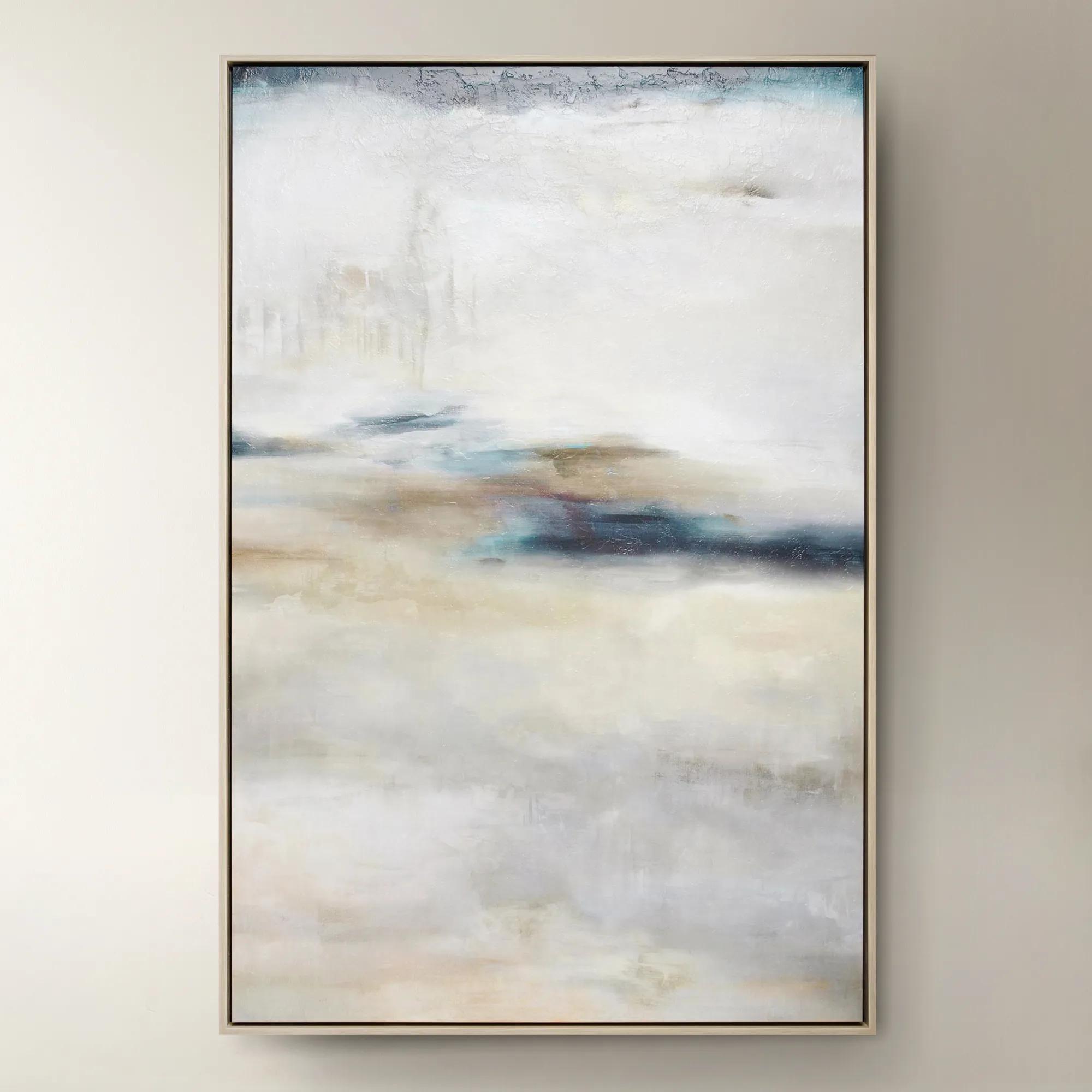 Forward Looking$1299
A softly layered abstract canvas print with a gel finish, set in a natural-hued floater frame.
Add To Cart -
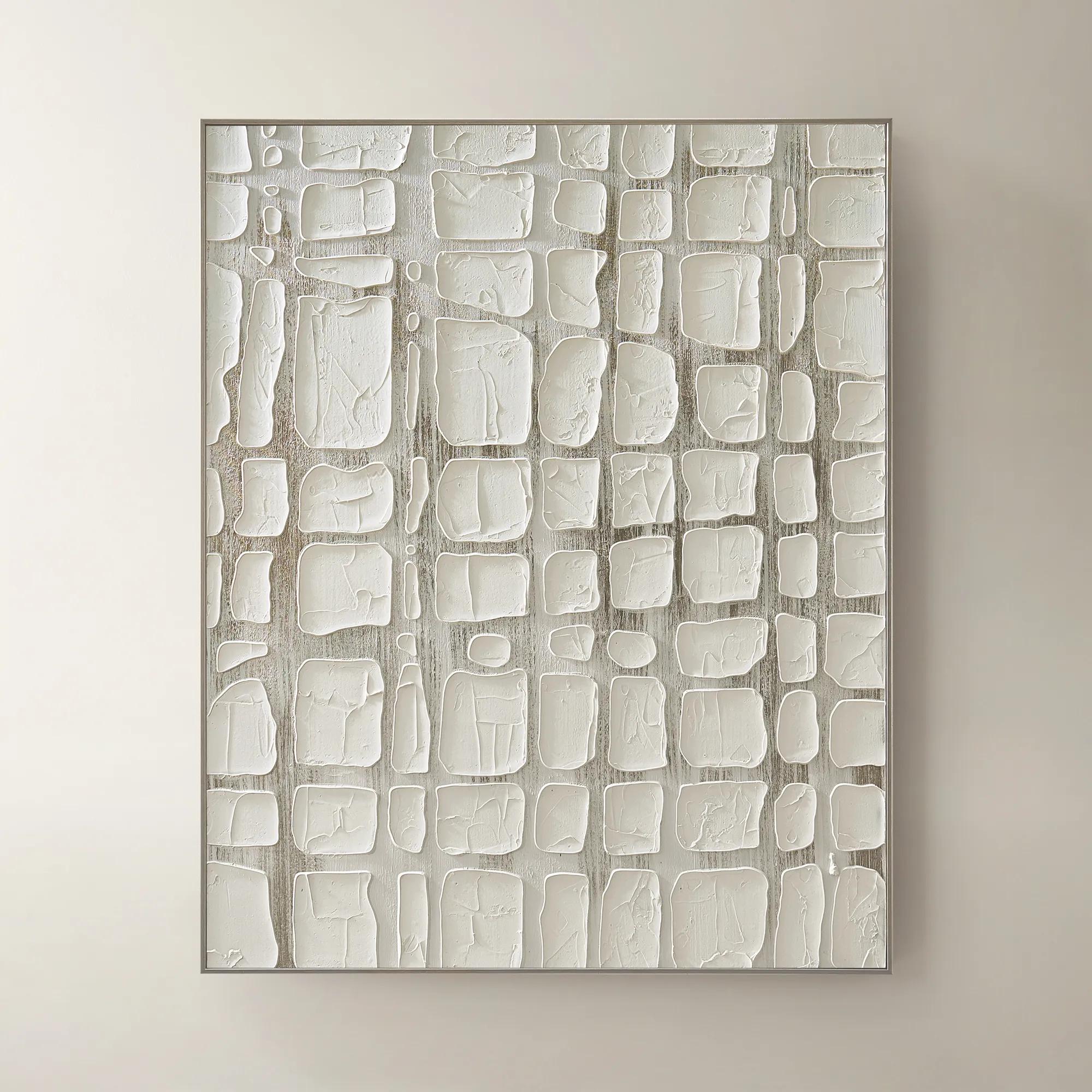
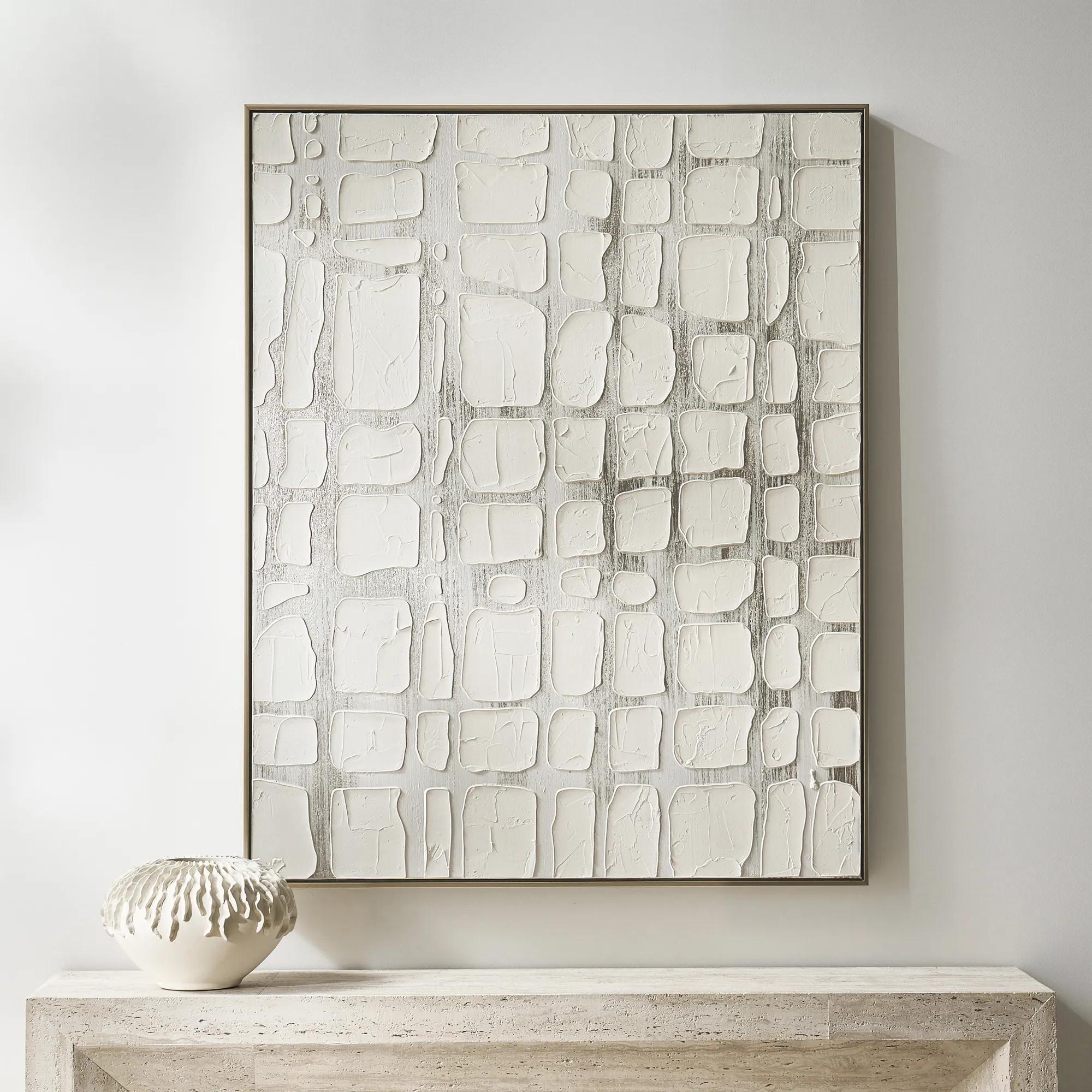 Vanish Framed Painted Wall Art 40" x 50"$499
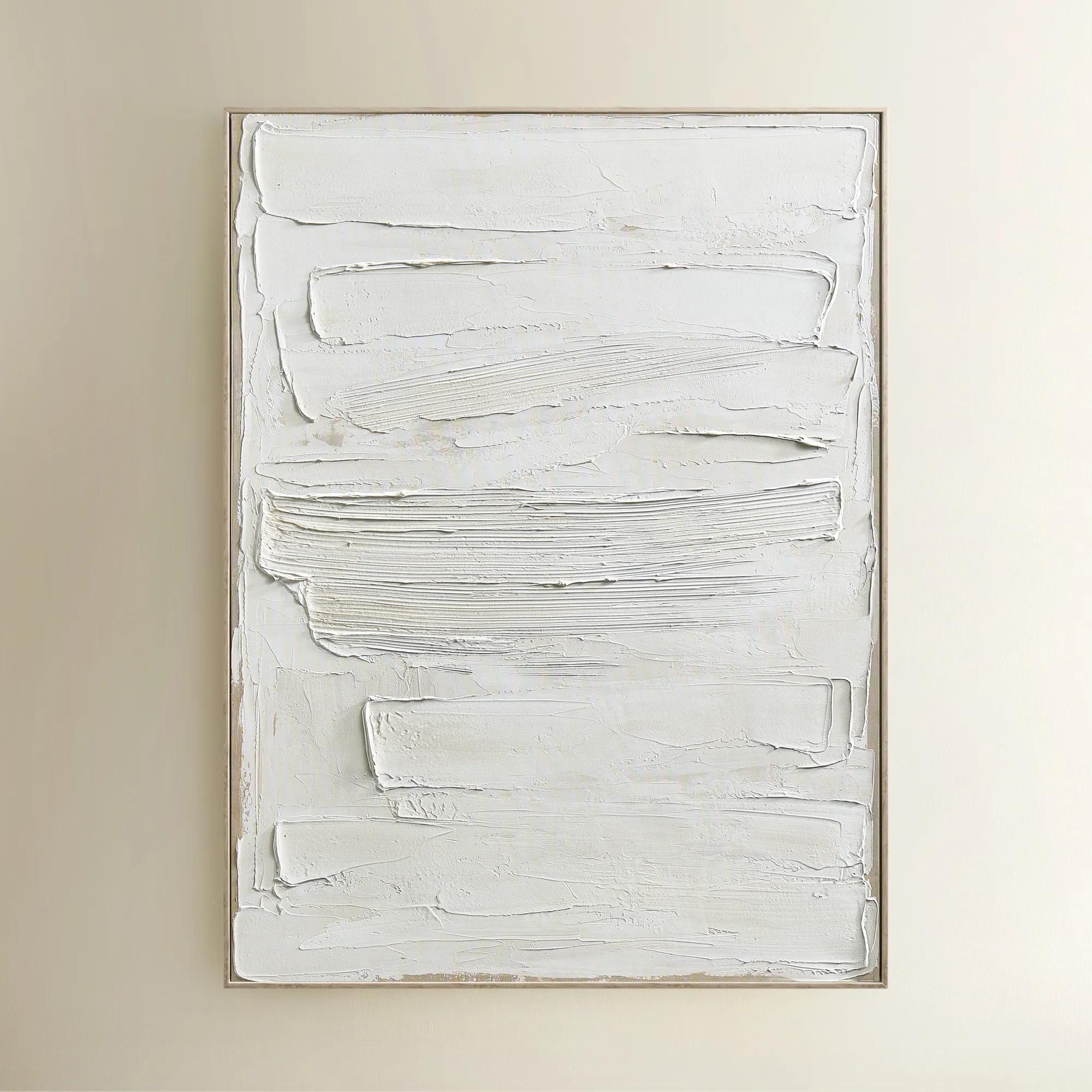
A hand-painted canvas with raised white forms over champagne metallic ground in a refined floater frame.
Add To Cart

Translucent Paint Canvas Art
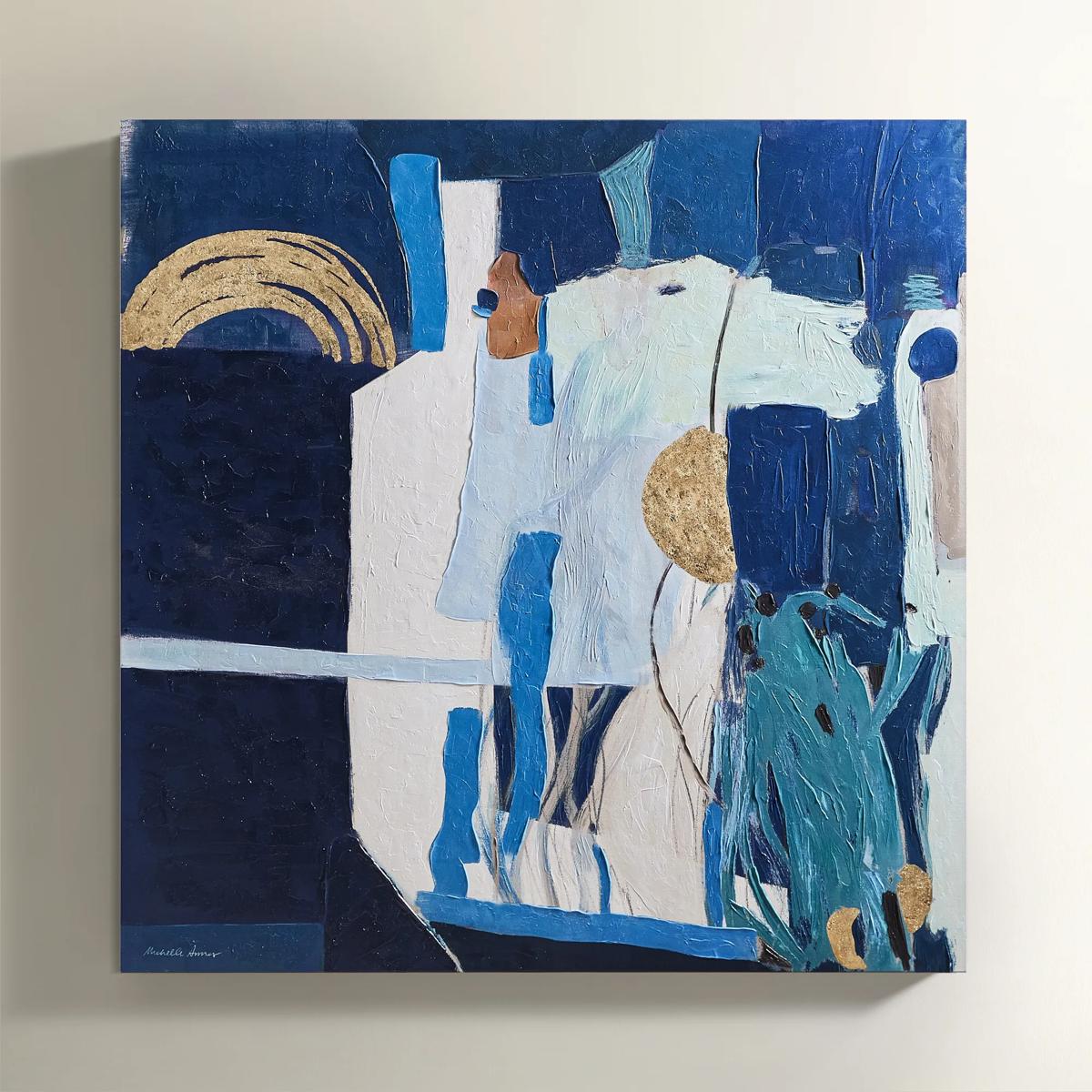
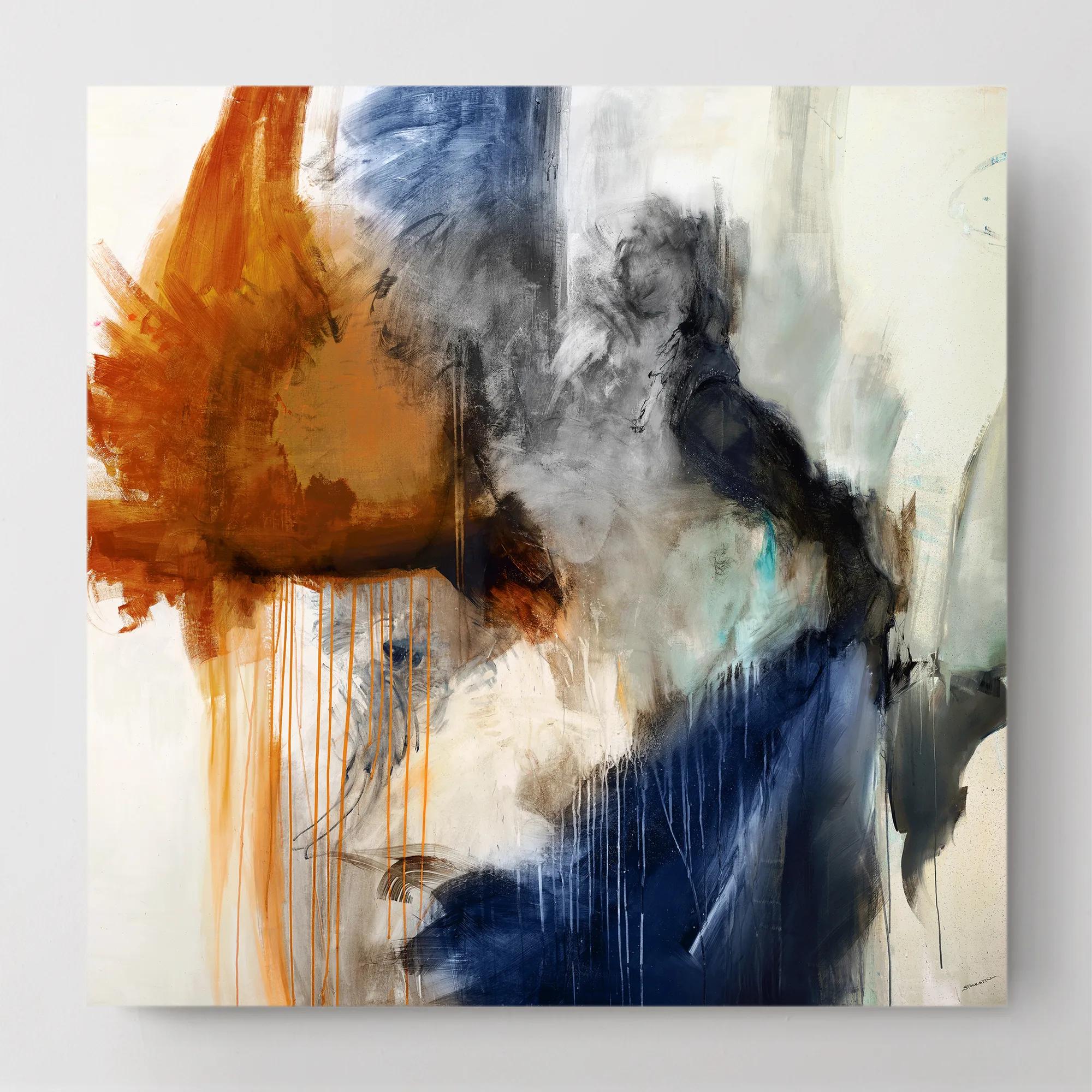
Translucent paint canvas art transforms blank walls into breathtaking moments of light and color, where every brushstroke whispers with ethereal allure. These luminous masterpieces invite the eye to linger, layering your space with intrigue and a sense of airy sophistication. Perfect for those who crave interiors that shimmer with possibility, translucent paint canvas art captures the interplay of shadow and translucence—casting a spell of modern elegance that draws you in and refuses to let go. Let your home become a gallery of radiant expression, where artistry and atmosphere are forever entwined.
Translucent paint canvas art features thin, partially transparent layers of color that allow underlying tones, brushwork, or the canvas ground to remain visible. This layering creates visual depth and luminosity without the solid coverage of opaque paint, giving a composition the fluidity of watercolor or the jewel-like richness of stained glass. The effect belongs to the painted surface; the canvas itself does not need to be transparent or illuminated from behind. On a wall, these overlapping veils of pigment can feel expansive and atmospheric, with soft transitions that reward a closer look. A pale wash may reveal a darker gesture beneath it, while a concentrated stroke brings the eye back to the surface. In painted works, acrylic or oil glazes can create this depth, and the choice of medium influences drying characteristics, surface sheen, and the visibility of individual marks. Canvas reproductions can also capture the appearance of translucent painting, though printed depth is different from physically layered paint. Product descriptions help distinguish printed imagery, hand-applied embellishment, and original painted surfaces, each offering its own expression of the layered aesthetic. The canvas weave adds another dimension, lending a subtle fabric grain beneath flowing color. Abstract compositions are especially suited to this treatment, but translucent effects can also soften landscapes, botanical forms, and other recognizable subjects. Smoky gray, ivory, and champagne tones create a restrained yet luminous presence; saturated blue, amethyst, or emerald layers introduce a more dramatic focal point. Color is only part of the appeal. Negative space, visible gestures, and the balance between sheer passages and dense marks determine whether a piece feels serene, energetic, or richly theatrical. For anyone drawn to expressive interiors, translucent canvas artwork offers a compelling middle ground between bold statement art and quiet tonal decoration. It brings movement to a room without requiring every inch of the composition to compete for attention, allowing the wall to hold both intensity and breathing room.
Scale and placement give translucent paint canvas art its presence within an interior. An expansive composition above a sofa can establish the room’s palette, drawing a smoky blue into velvet upholstery or echoing warm neutral layers in a sculptural accent chair. A narrower canvas may suit a reading corner, a bedroom wall, or the space above a console, where its subtler details can be appreciated at close range. When artwork hangs over furniture, a width around two-thirds to three-quarters of the furniture below often creates a balanced relationship, although surrounding architecture and the composition’s visual weight also matter. A pale painting with generous open space may need greater dimensions to hold a broad wall, while a smaller work with concentrated color can command attention without dominating it. Measuring the full outside dimensions, including any frame, helps preserve the intended proportions. Canvas depth matters as well: a deep profile casts a more pronounced edge shadow, while a slimmer profile sits closer to the wall. Gallery-wrapped edges offer a continuous, architectural appearance when designed for unframed display; a floating frame introduces a defined border and a shadow gap that separates the artwork from its surroundings. Gleaming metallic finishes can pick up the richness of translucent color, while dark or natural-toned framing can provide contrast without overwhelming delicate passages. In a dining room, layered color can create a sophisticated counterpoint to reflective glass and polished metal. In a bedroom, softer transitions can complement sumptuous textiles without making the space feel visually crowded. Illumination deserves equal attention. Gentle, indirect light reveals tonal variation, while a carefully positioned picture light can emphasize surface character. Harsh glare may obscure subtle details, especially on glossy finishes. A composition viewed from the entry should read as a complete statement, yet still offer finer brushwork and color relationships when approached. That interplay between distant impact and intimate detail makes this category particularly expressive in rooms designed for conversation, gathering, and lingering.
Materials and construction shape how canvas artwork looks and how well it maintains its appearance. Cotton and linen are traditional canvas fabrics, while other woven supports may be used for printed or painted pieces; fabric alone does not determine quality, since preparation, tension, printing or painting methods, and structural support all contribute. A properly stretched canvas should sit evenly on its stretcher bars, with secure corners and a surface free from unintended sagging. Larger formats benefit from construction suited to their dimensions, and hanging hardware should be appropriate for both the artwork’s weight and the wall material. Surface treatments vary, so a matte appearance should not be mistaken for an absence of protection, nor should a glossy finish automatically be assumed to be washable. Care is generally gentle: follow the maker’s directions, avoid household cleaners and abrasive cloths, and never press against the canvas while dusting. Where permitted, a clean, soft brush can remove loose surface dust without disturbing delicate texture. Extended direct sunlight may fade pigments or printed colors, and persistent humidity can affect fabric and wooden supports. These considerations make dry interior spaces with stable conditions a more suitable setting than exposed outdoor walls or areas directly beside showers and sinks. For shoppers interested in the relationship between luminous color and dimensional surfaces, Light And Texture Canvas Art explores a complementary visual direction. Translucent painting places particular emphasis on what remains visible beneath each layer, creating depth through revelation rather than coverage alone. That nuanced character can make canvas art a thoughtful housewarming, wedding, or anniversary gift when the recipient’s preferred palette and available wall space are known. For a collector furnishing a first statement room or a design enthusiast refining an established interior, the strongest choice feels connected to the space without merely matching it. A thread of color, a contrasting gesture, or a luminous expanse can give familiar furnishings a fresh sense of intention. The result is art that contributes atmosphere as well as color, bringing an expressive, considered presence to everyday surroundings.
FAQs
Translucent paint canvas art is crafted using thin, see-through layers of paint and clear mediums, allowing light to pass through and interact with underlying colors and textures. This technique creates a luminous, ethereal effect and a sense of depth, unlike traditional opaque paintings that fully cover the surface and reflect light.
Translucent paint canvas art infuses a space with a dreamy, light-filled presence. The layered glazes and subtle gradients catch and reflect natural or artificial light, creating shifting moods throughout the day. These artworks bring a sense of movement and serenity, making them ideal for spaces where you want to evoke tranquility, sophistication, or artistic flair.
Translucent paint canvas art makes a thoughtful and expressive gift for art lovers, design enthusiasts, or anyone drawn to unique, luminous decor. Its versatile style suits a variety of tastes—from minimalists who appreciate subtlety to maximalists who love layering and texture—making it a memorable choice for weddings, anniversaries, or housewarmings.
Translucent canvas art thrives in environments with ample natural light, which accentuates the depth and interplay of colors. However, thoughtfully placed accent lighting, such as sconces or picture lights, can also enhance the artwork’s glow and reveal its intricate layers after sunset.
Artists use glazing, layering, and fluid applications to build up thin washes of color, allowing each layer to subtly influence the next. This process creates optical mixing and soft transitions, resulting in a dynamic, multidimensional effect that draws the eye and evokes a sense of gentle movement across the canvas.