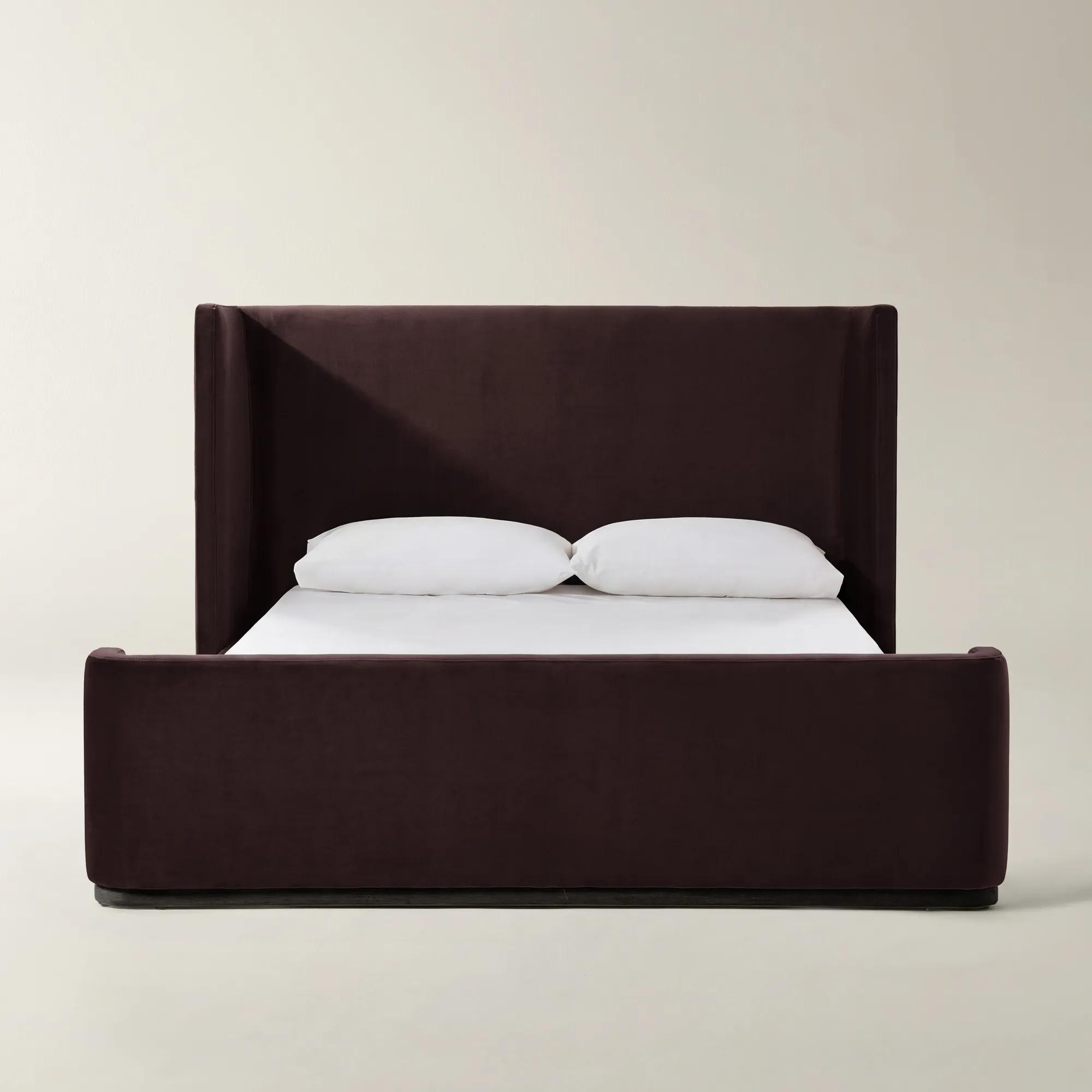
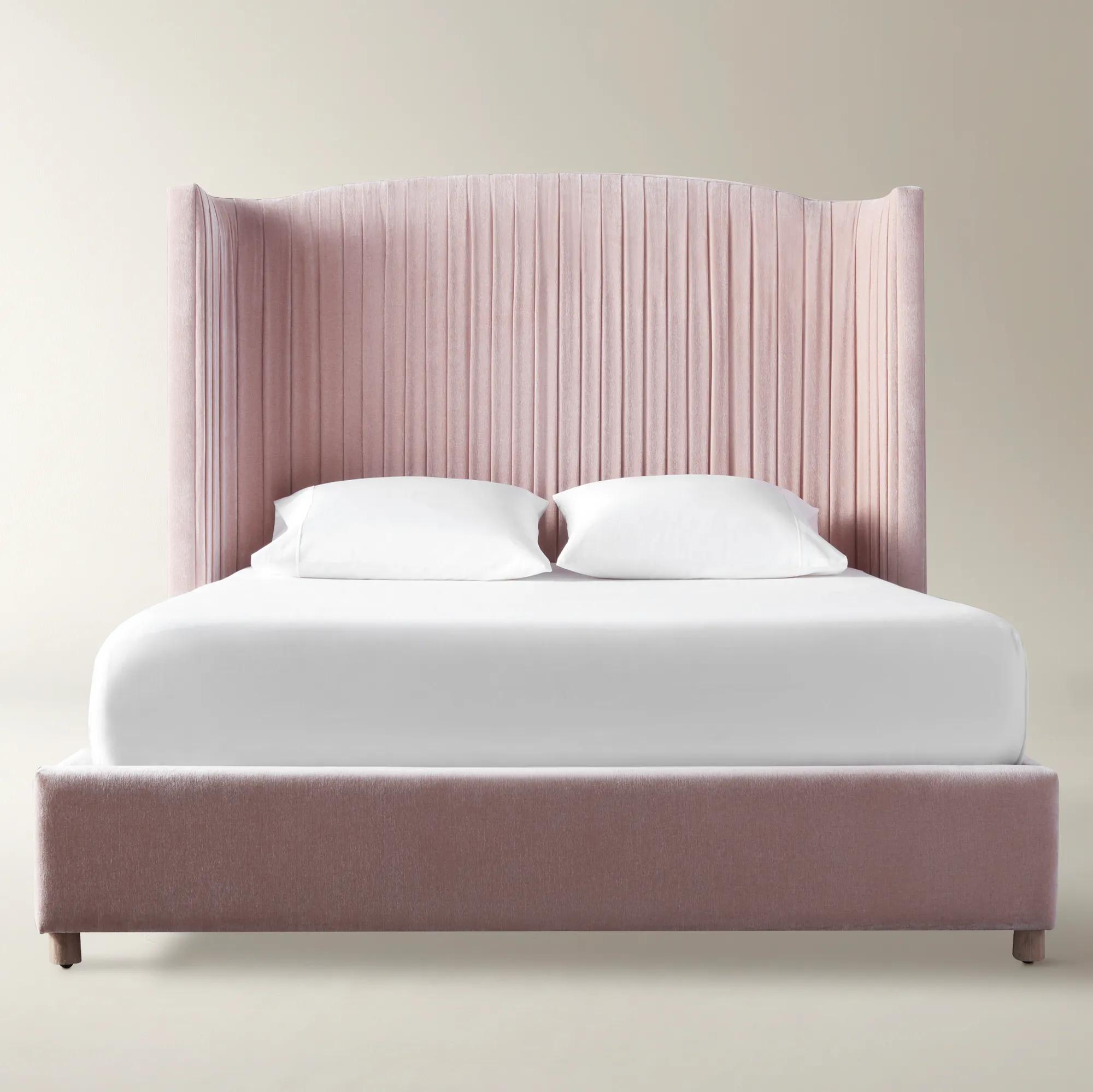
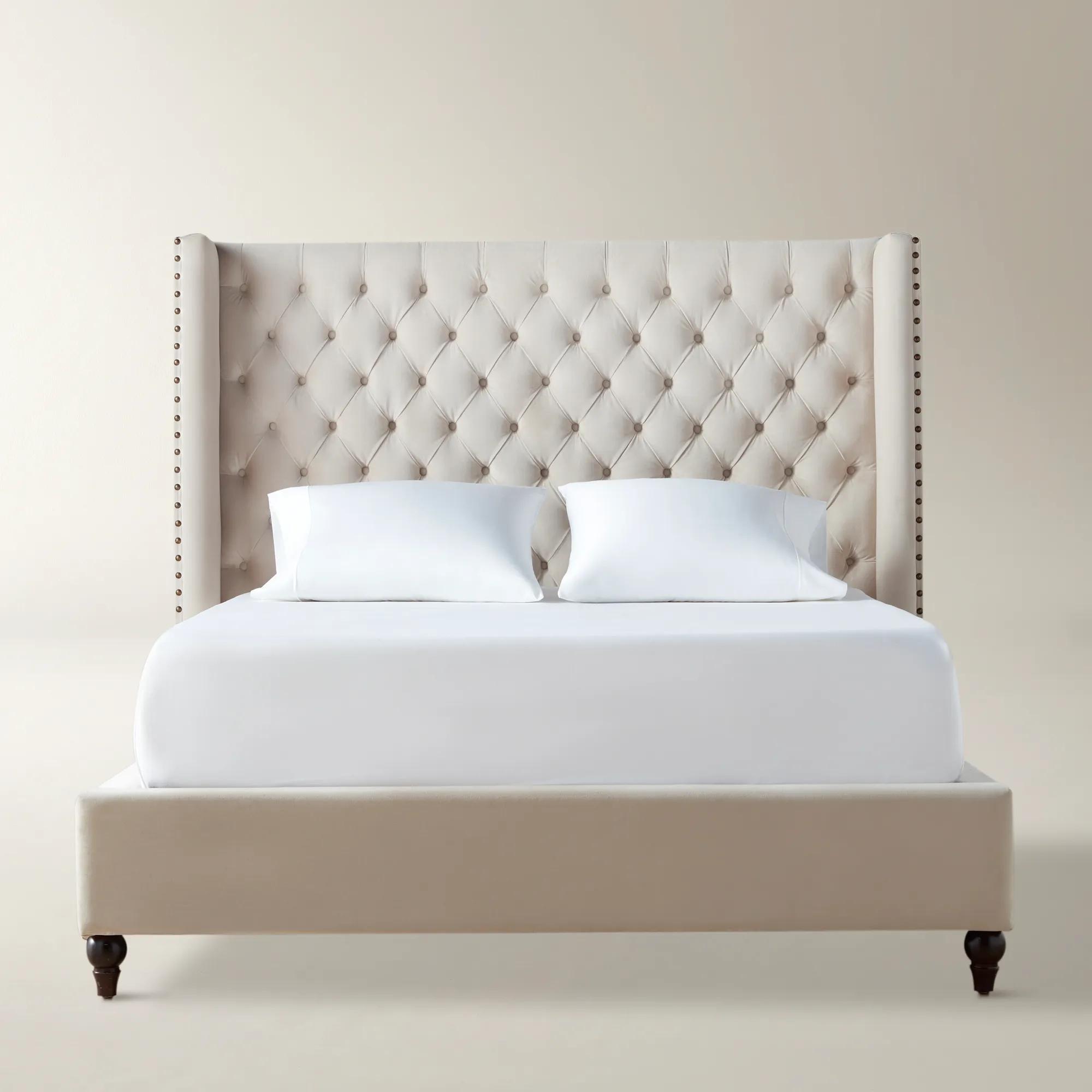
Leather Beds In Multiple Sizes
Leather Beds In Multiple Sizes
-
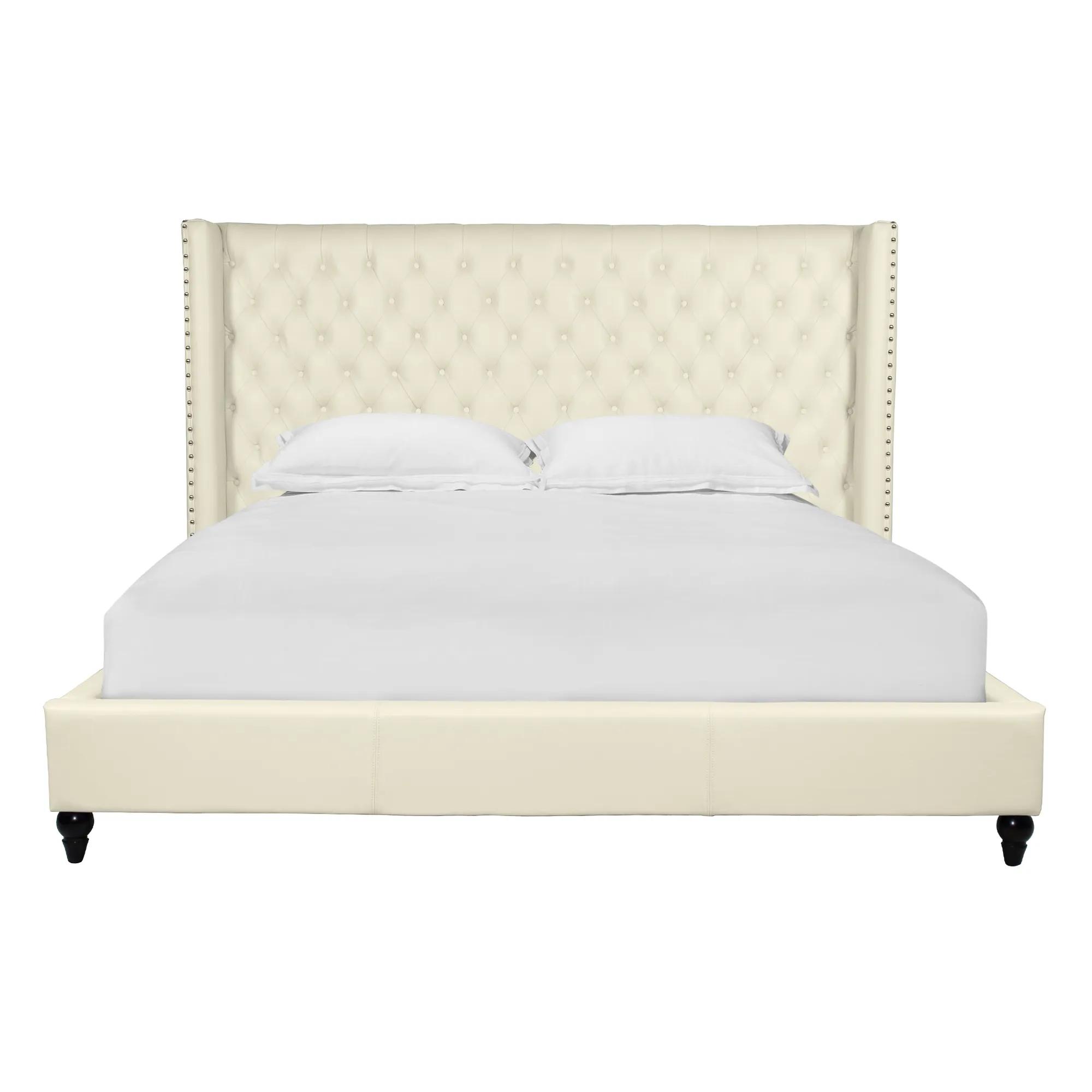
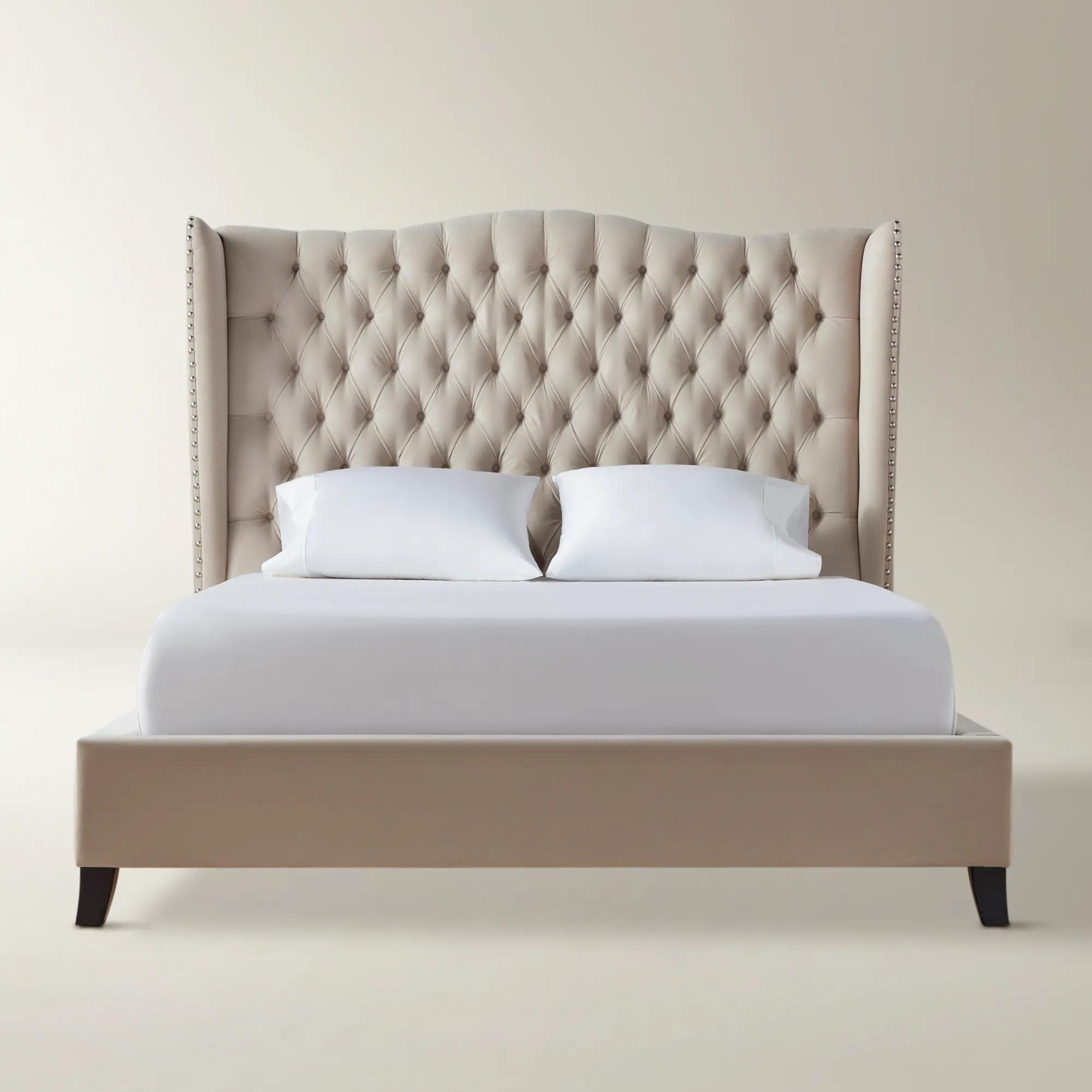
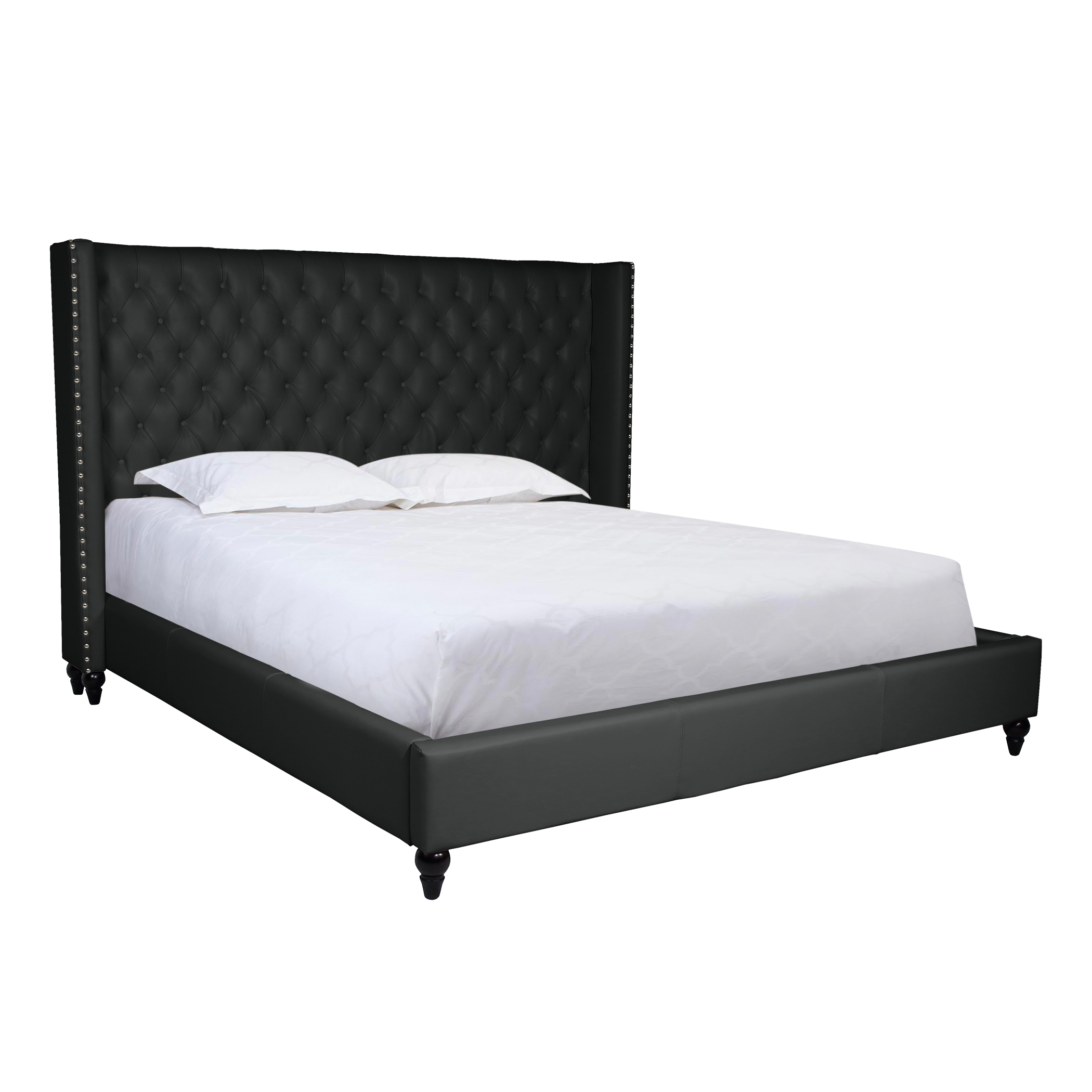 Roberto Leather Bed$3449
A stately bed featuring diamond tufting, hand-applied nailheads, and luxurious top grain leather upholstery.
Add To Cart -
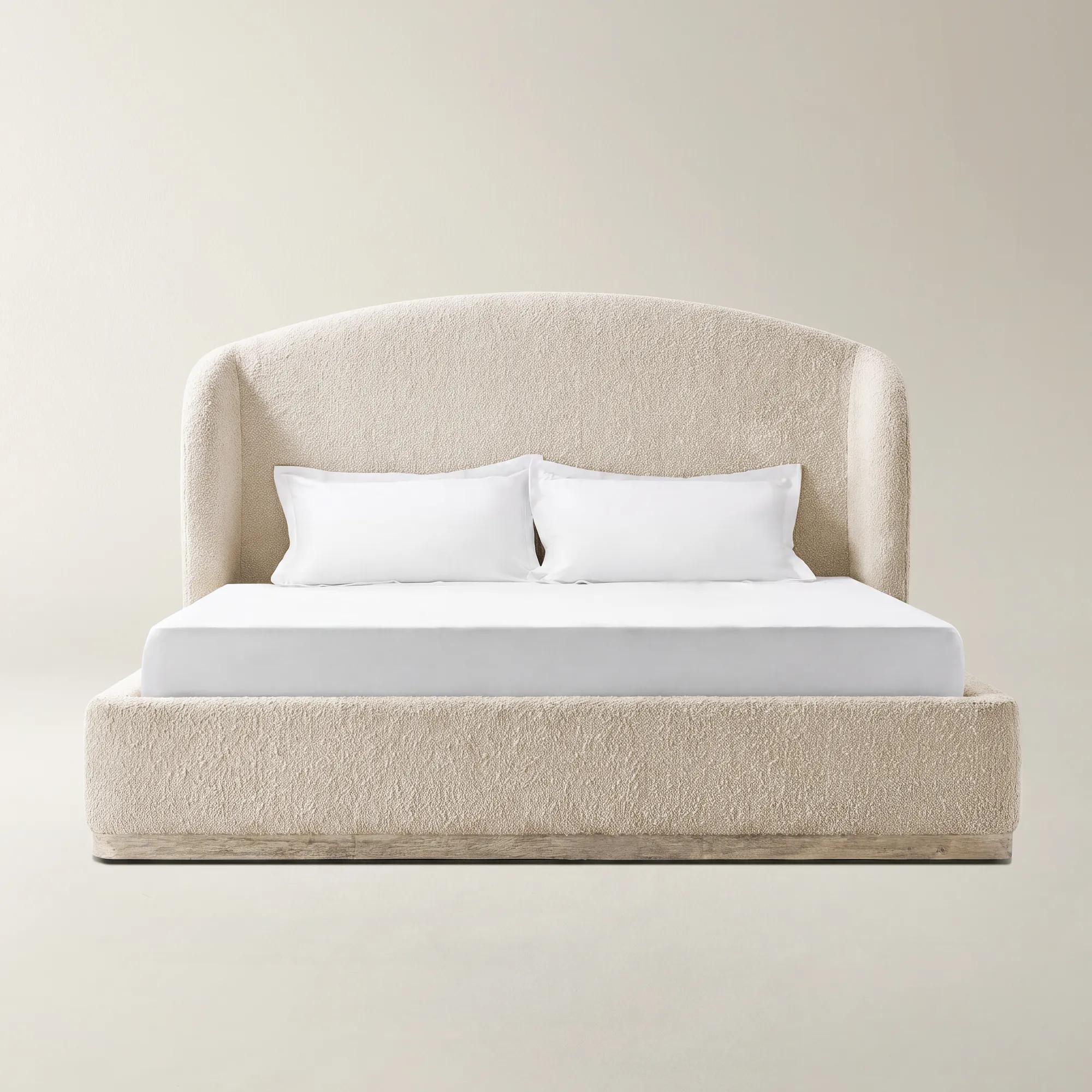
 Glimmer Ivory Performance Boucle Upholstered King Platform Bed$2299
An ivory performance bouclé upholstered platform bed with a sculpted double-layer headboard and solid rubberwood base.
Add To Cart -
Glimmer Ivory Performance Boucle Upholstered Queen Platform Bed$2099
A white performance boucle platform bed with a sculpted double-layer headboard and solid rubberwood base.
Add To Cart -
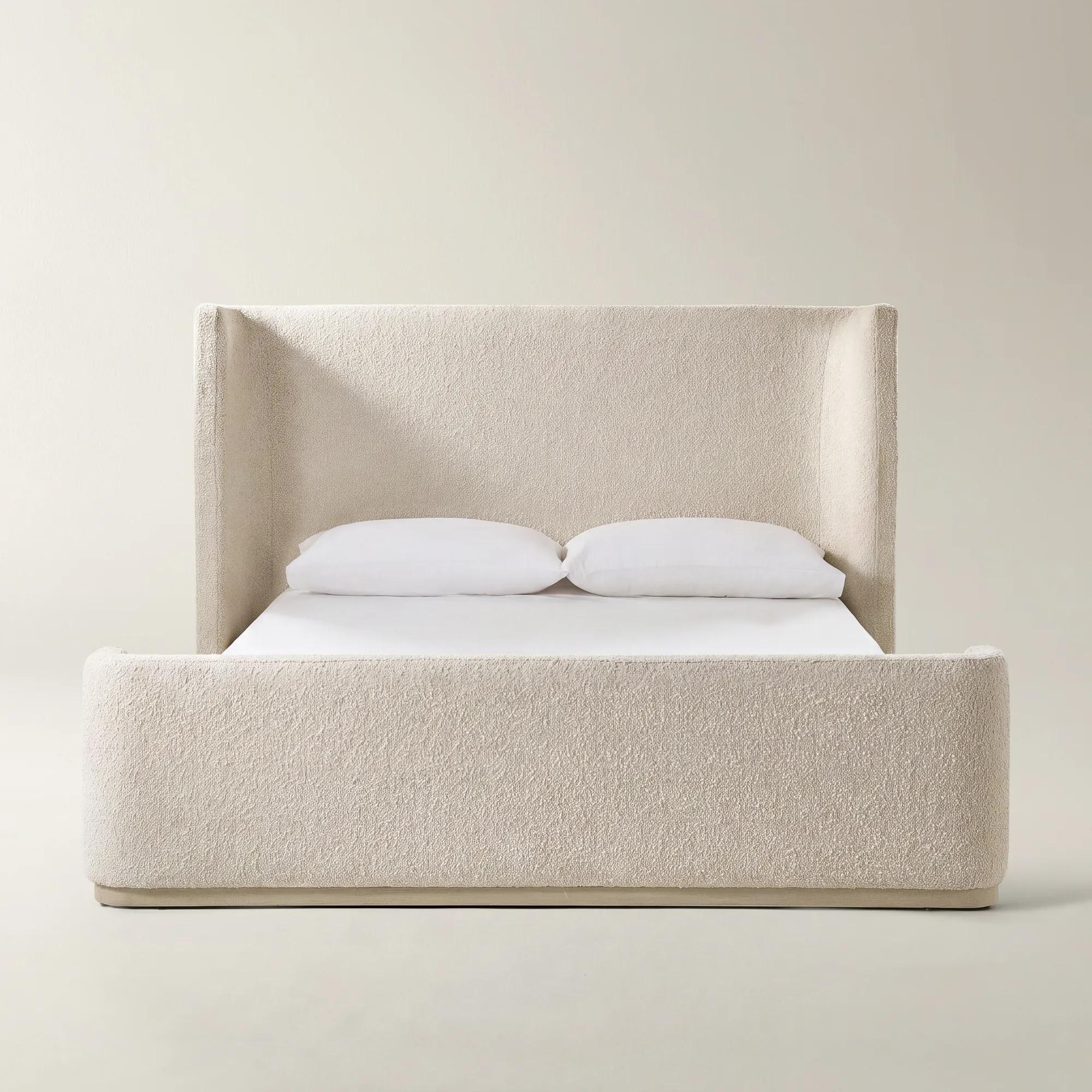
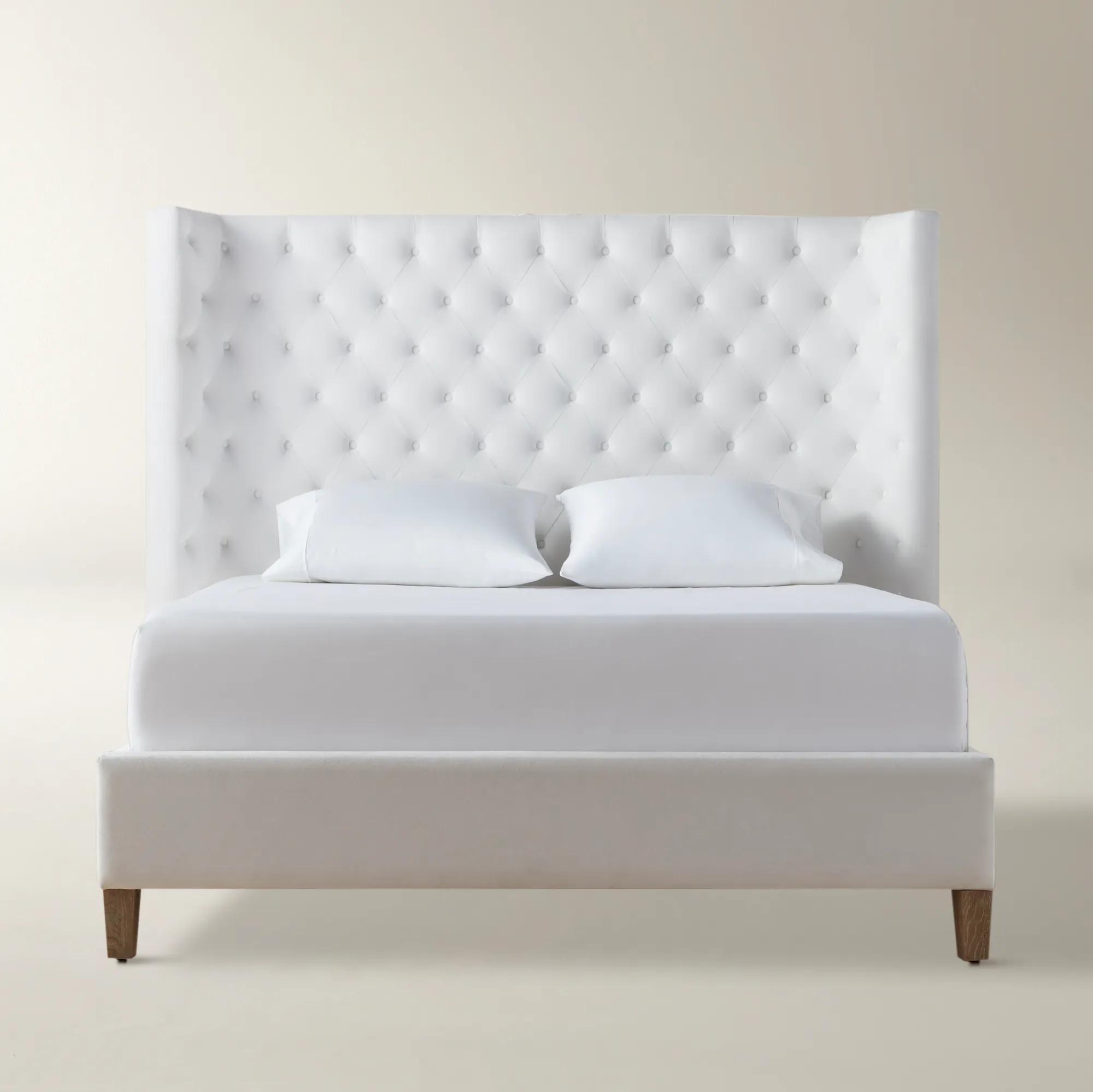
 Stria Ivory Performance Boucle Upholstered King Platform Bed$2599
An ivory boucle platform bed with a wingback headboard, FSC-certified oak base, and supportive construction.
Add To Cart -
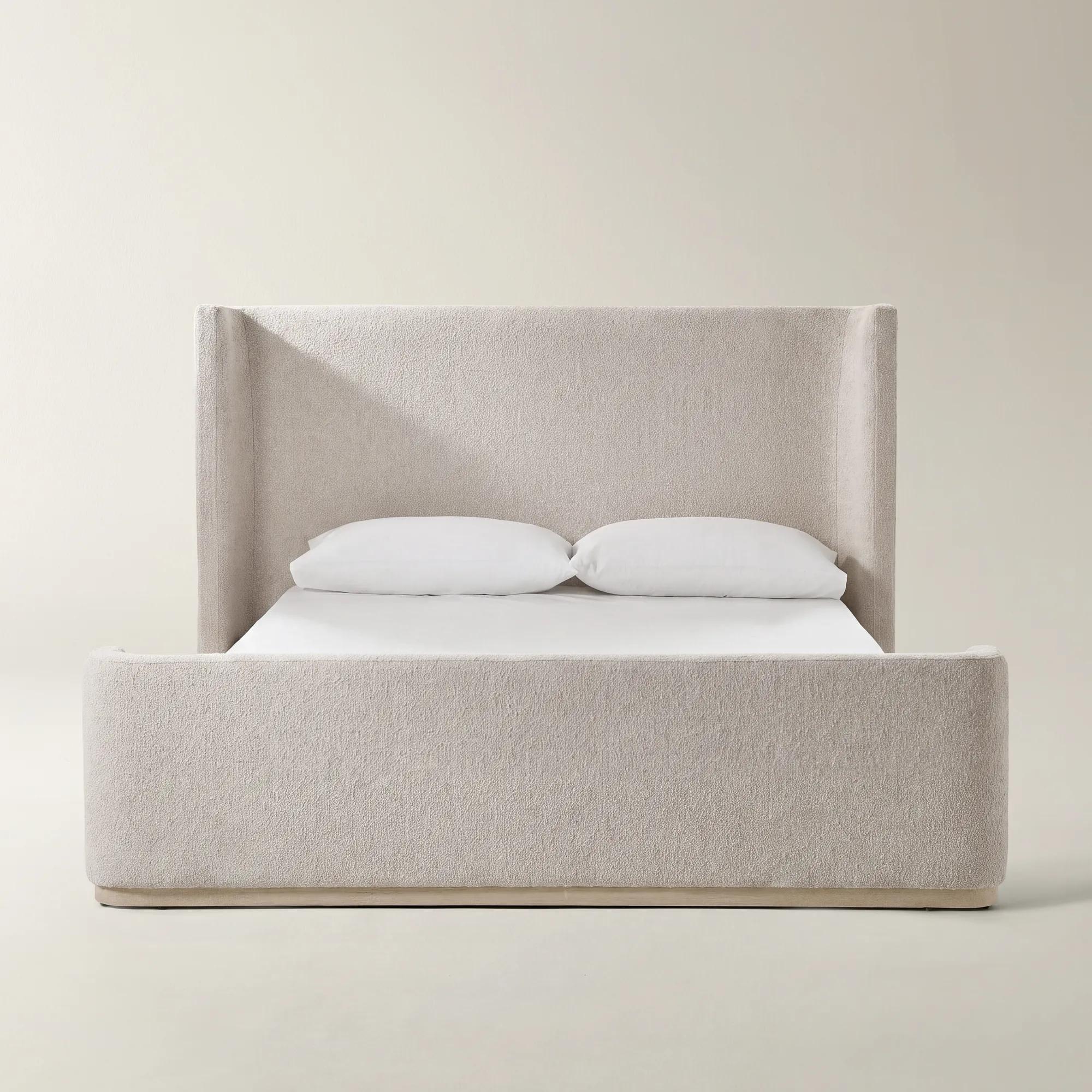 Stria Ivory Performance Boucle Upholstered King Platform Bed$2599
An ivory performance boucle platform bed with wingback headboard, FSC-certified oak base, and supportive hardwood construction.
Add To Cart -
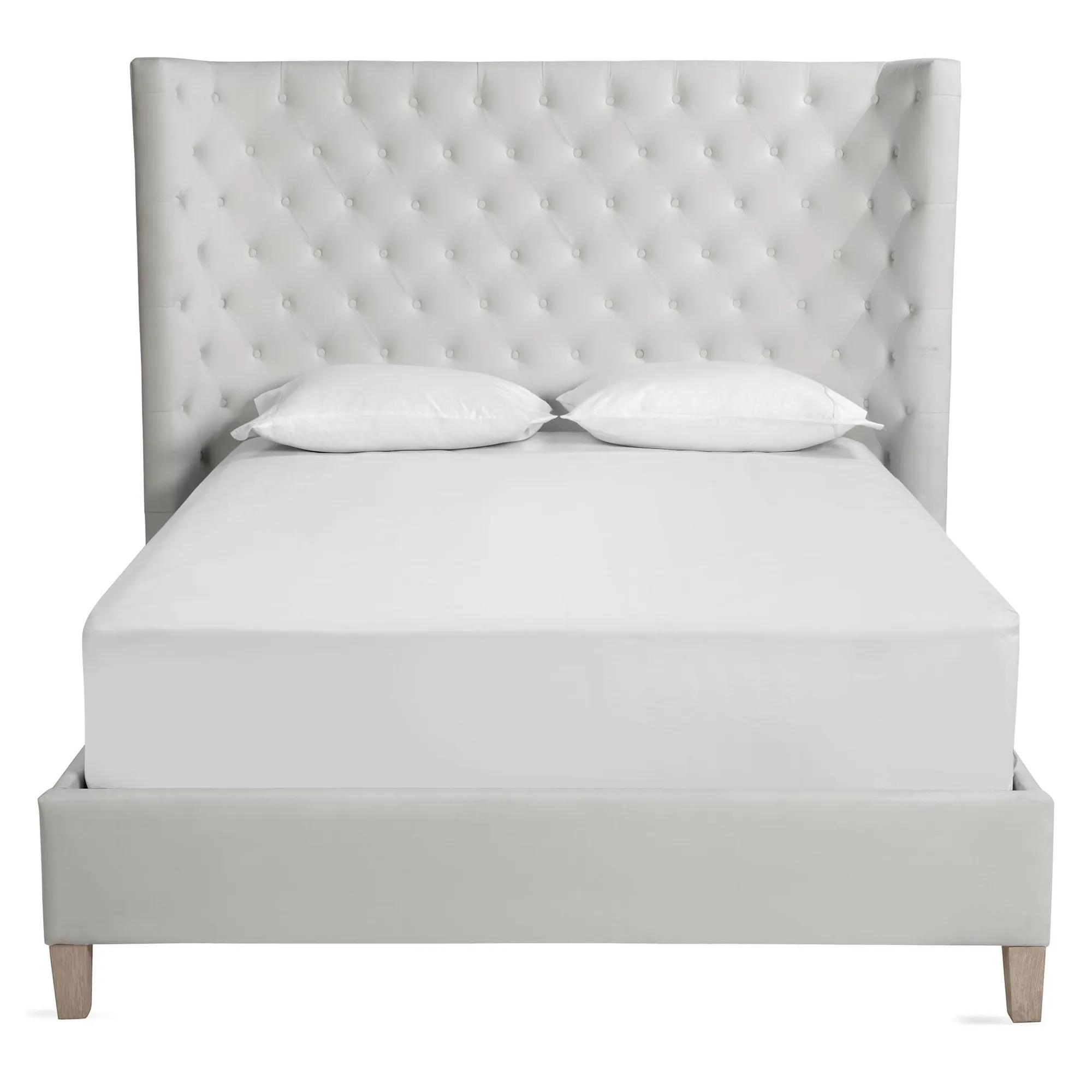
Stria Ivory Performance Boucle Upholstered Queen Platform Bed$2399
A sculptural ivory performance boucle platform bed featuring a wingback headboard and FSC-certified solid oak base.
Add To Cart -
Stria Ivory Performance Boucle Upholstered Queen Platform Bed$2399
A sculptural ivory performance bouclé platform bed featuring a wingback headboard and FSC-certified solid oak base.
Add To Cart -
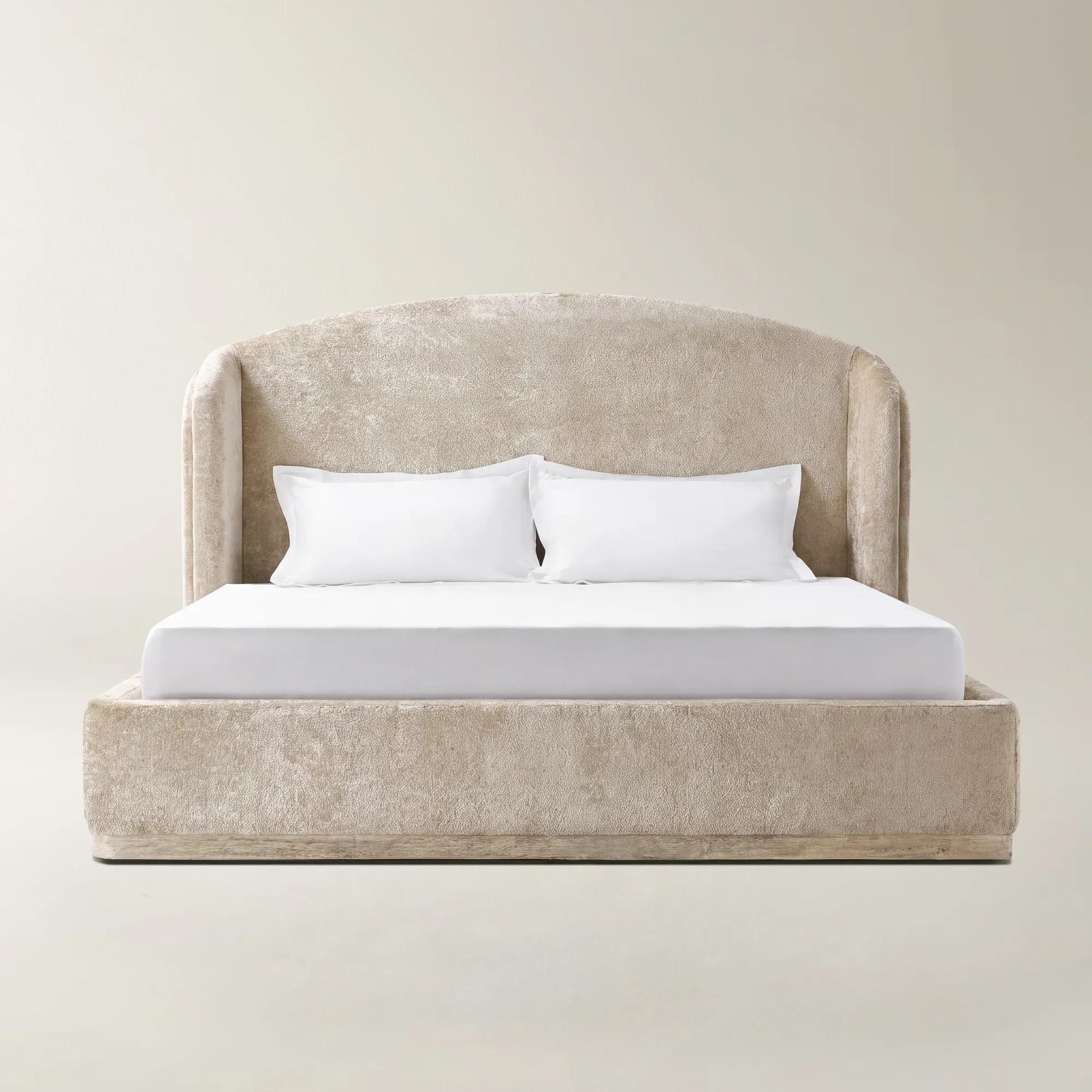
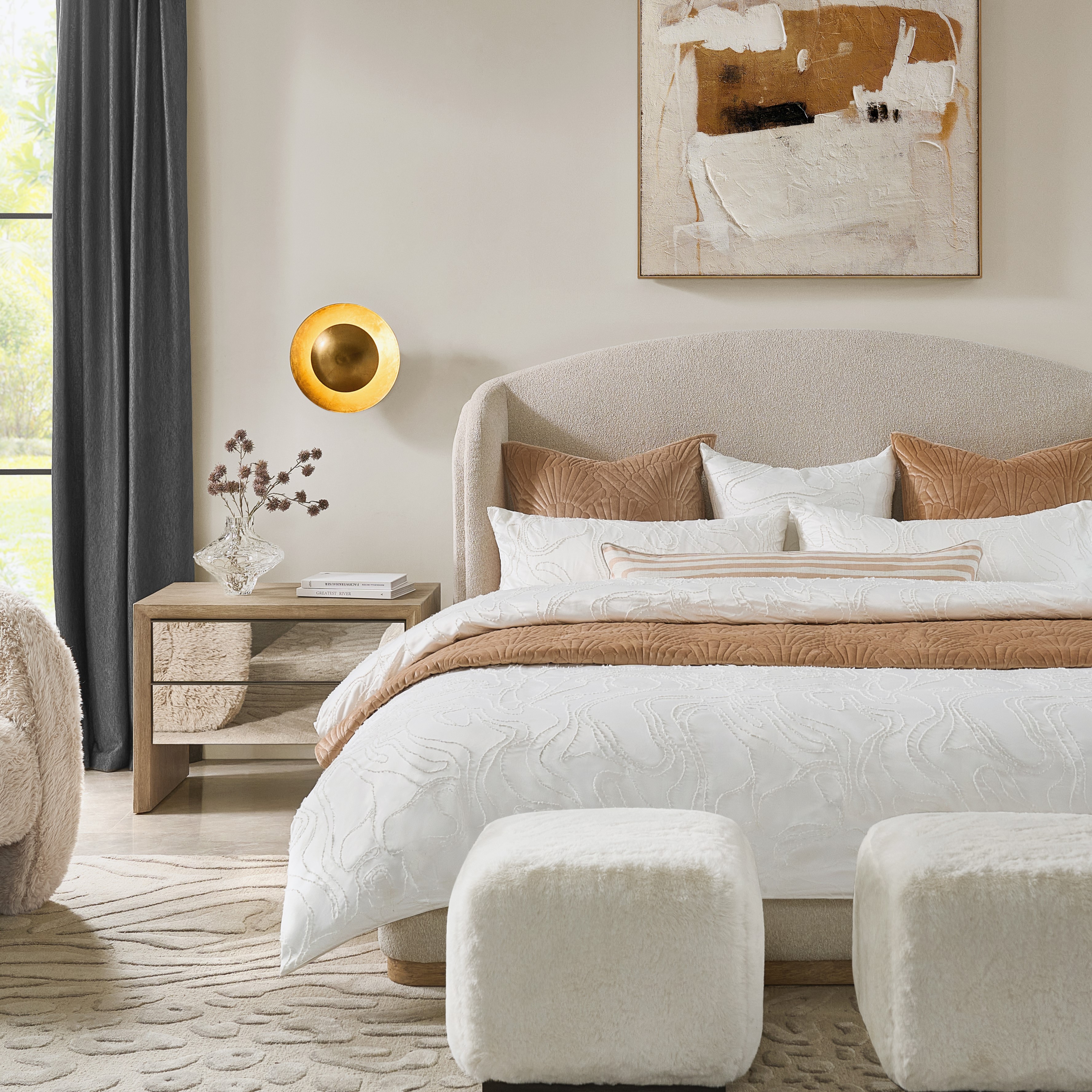 Glimmer Light Brown Chenille Upholstered King Platform Bed$2299
A brown chenille platform bed with a sculpted double-layered headboard and solid rubberwood base.
Add To Cart -
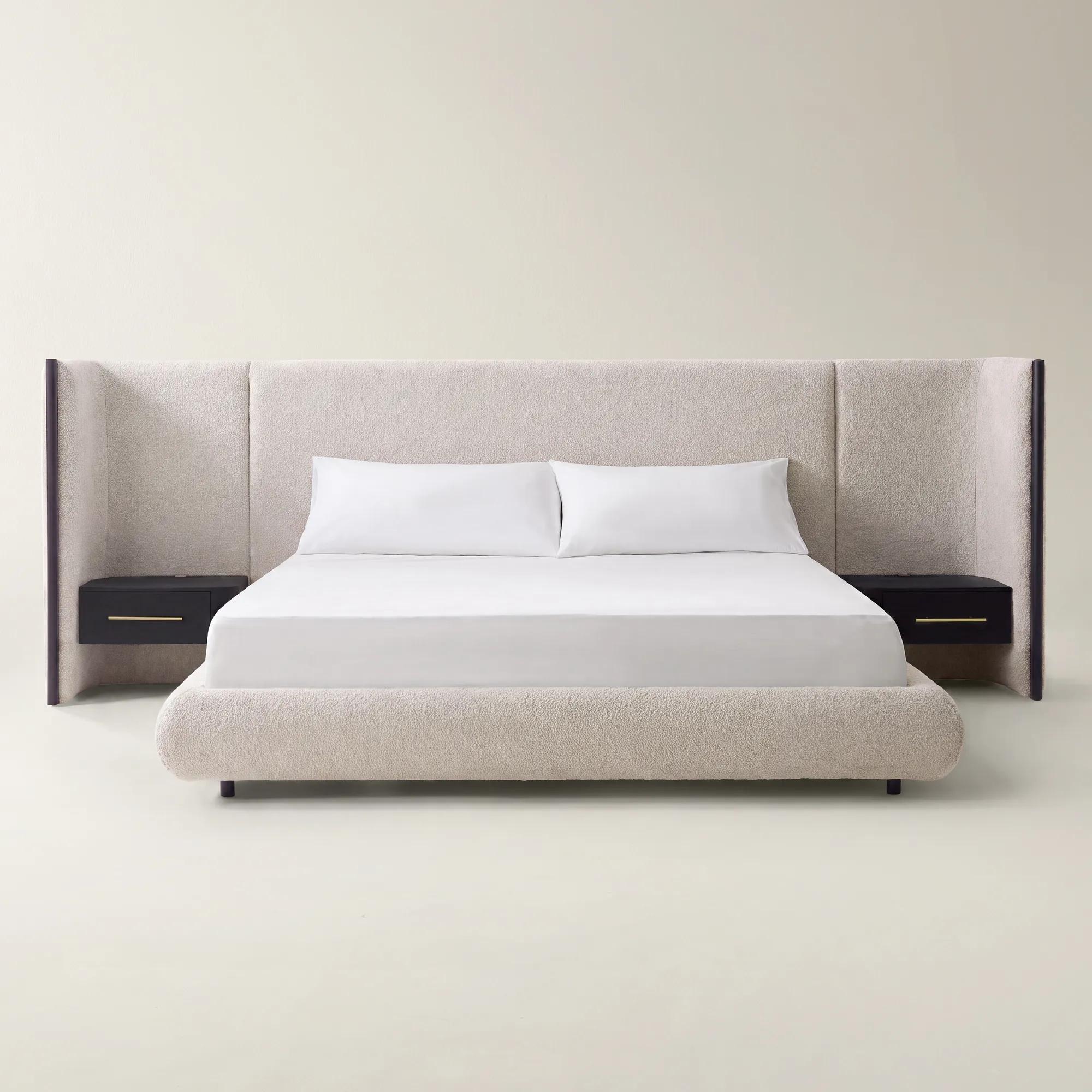
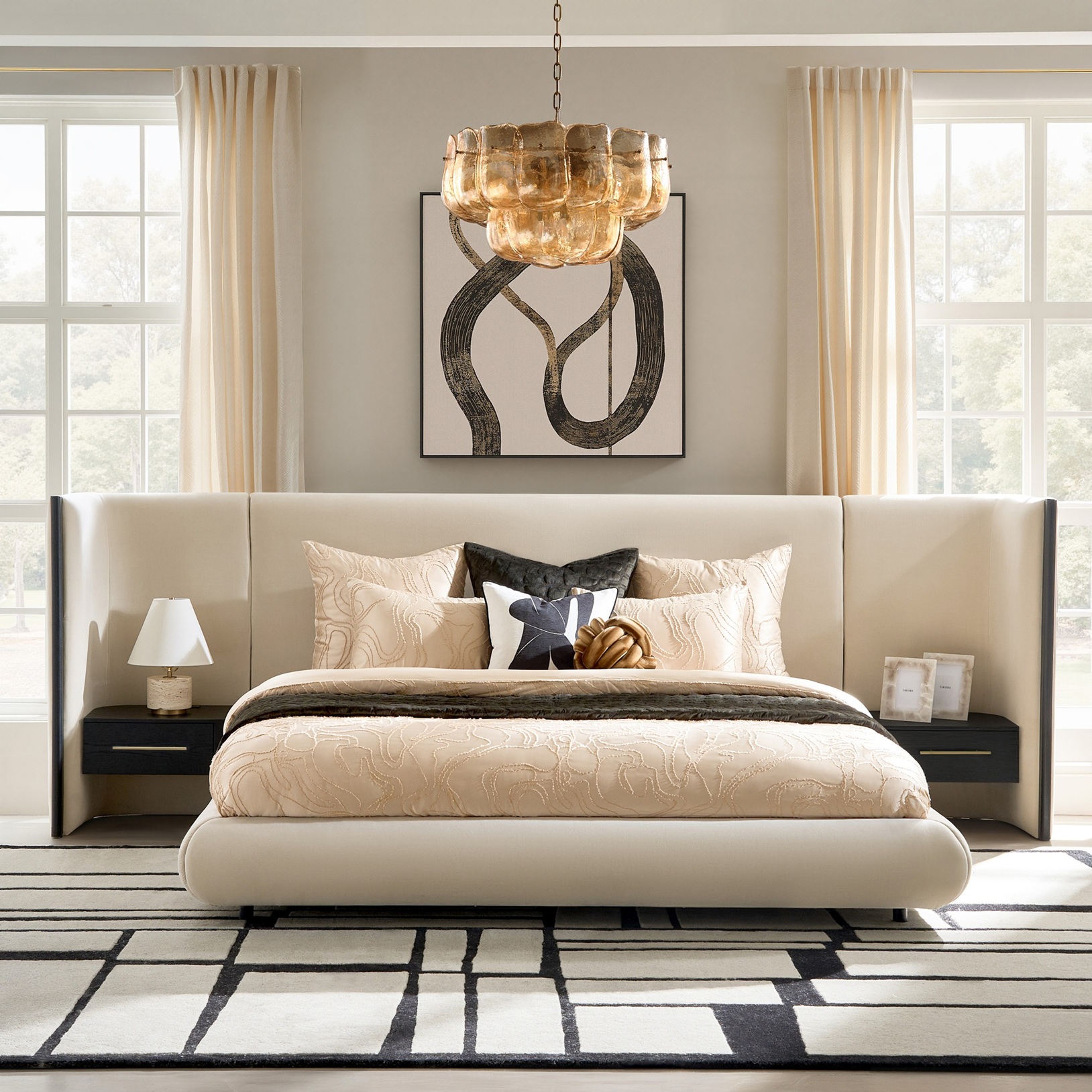 Sierra Ivory Performance Boucle Upholstered Bed With Nightstands$2999
An ivory performance boucle upholstered platform bed featuring an extended headboard, floating nightstands, and built-in power access.
Add To Cart -
 Glimmer Black Chenille Upholstered King Platform Bed$2299
A black chenille platform bed with a sculpted double-layered headboard and solid rubberwood base.
Add To Cart -
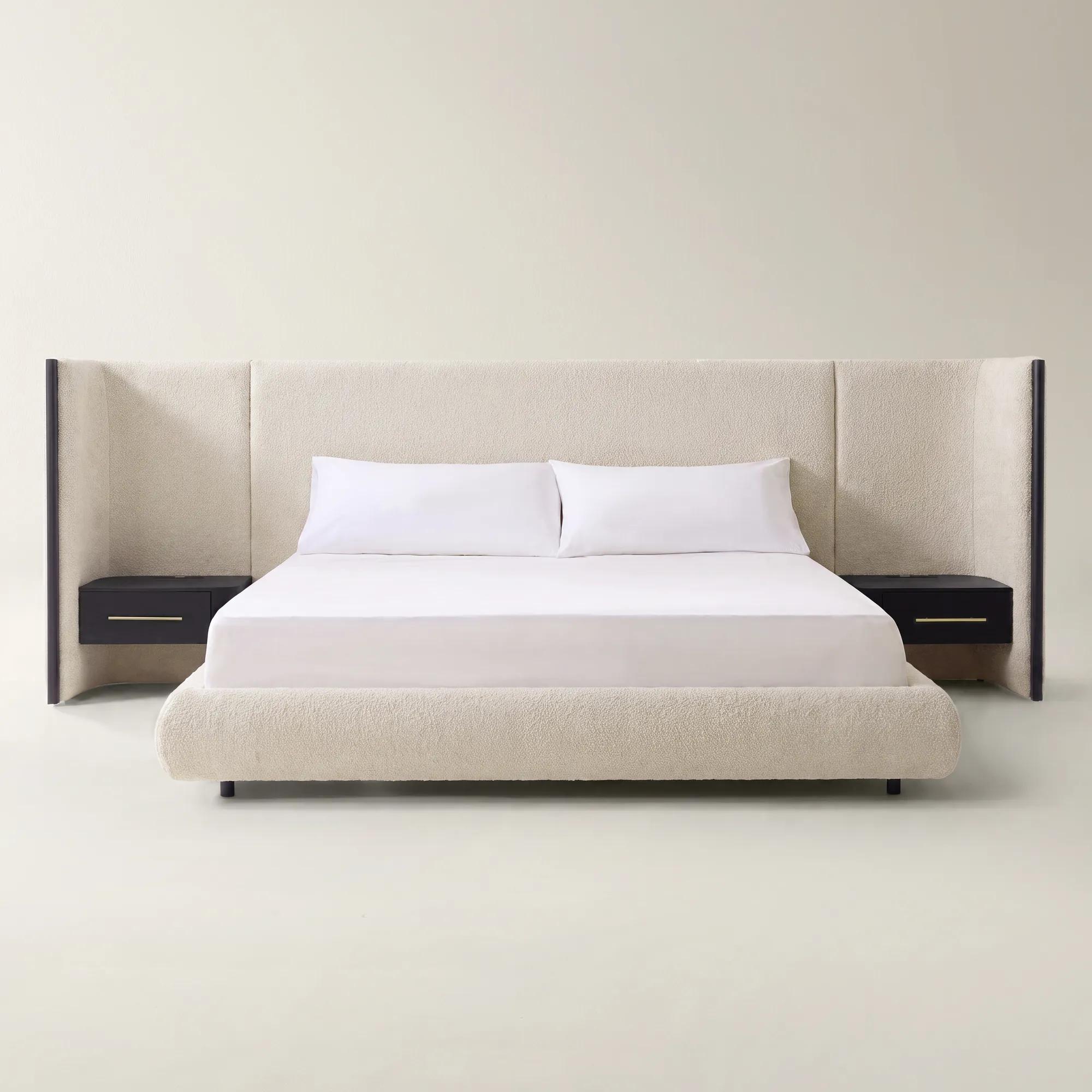 Sierra Ivory Performance Boucle Upholstered Queen Bed With Nightstands$2799
An ivory performance boucle platform bed featuring an extended headboard, floating nightstands, and black wood trim.
Add To Cart -
Sierra Ivory Performance Boucle Upholstered Queen Bed With Nightstands$2799
A modern ivory performance boucle platform bed featuring an extended headboard, black wood trim, and floating nightstands.
Add To Cart -
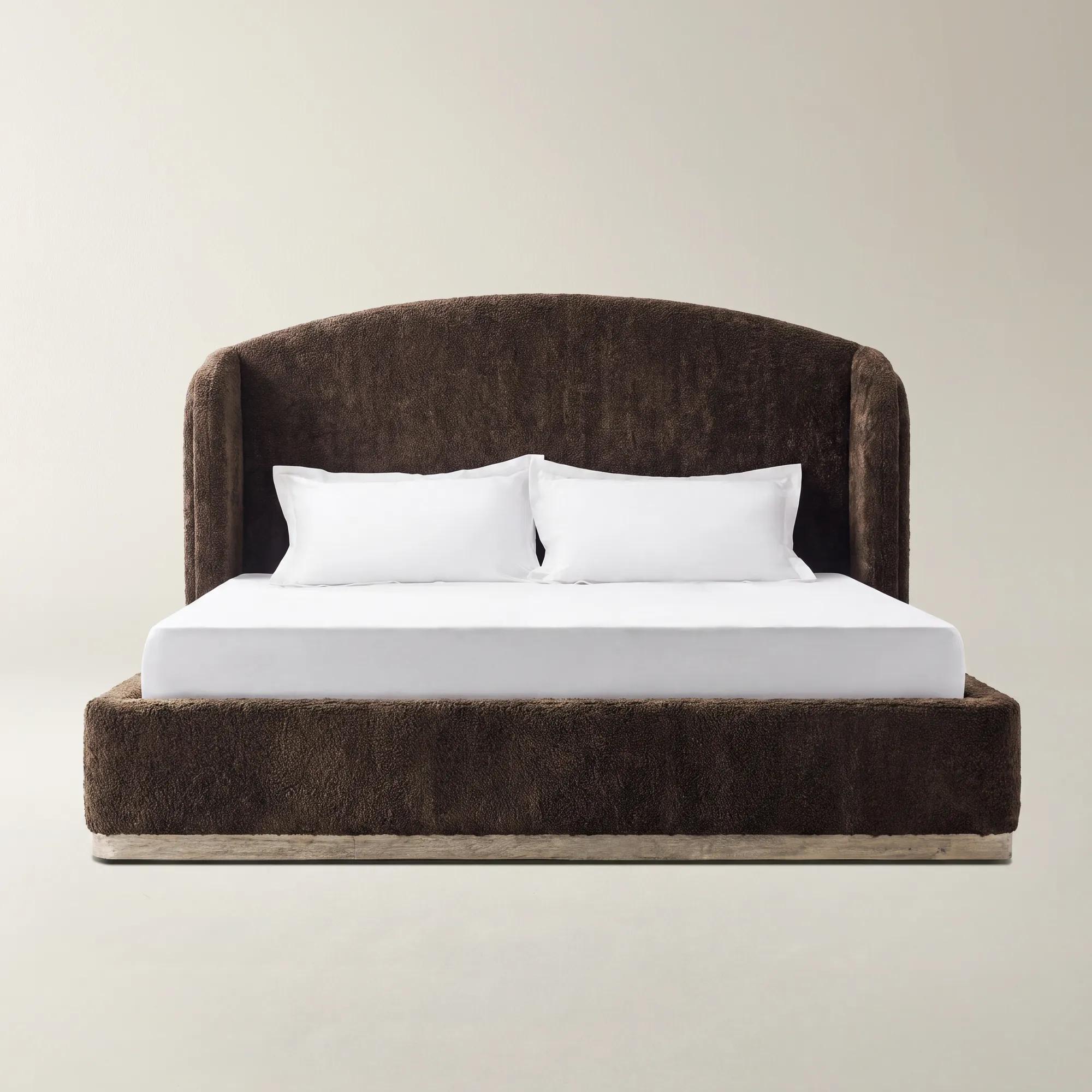
 Glimmer Dark Chocolate Chenille Upholstered King Platform Bed$2299
A king platform bed in dark chocolate chenille with a sculpted double-layer headboard and solid rubberwood base.
Add To Cart -
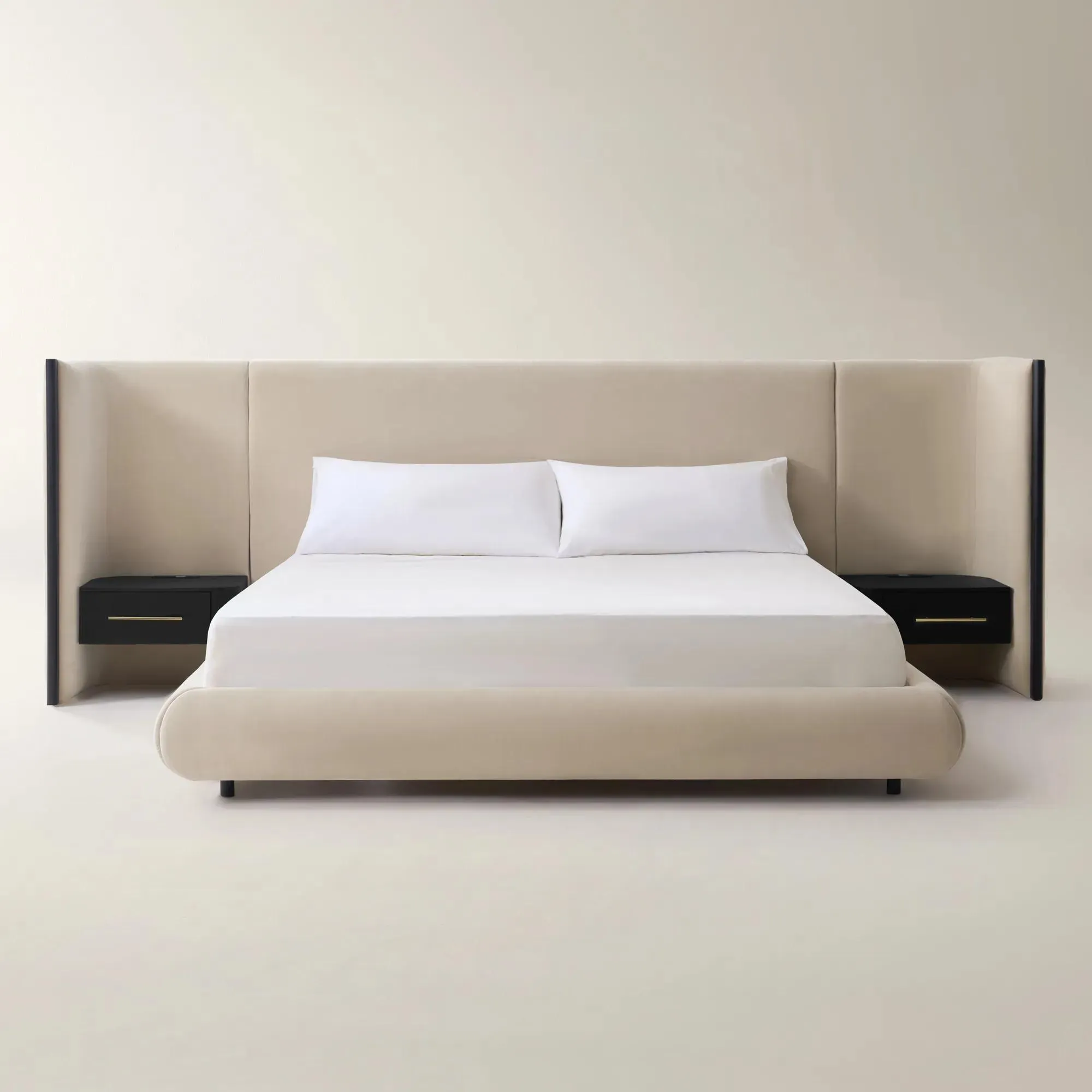 Sierra Ivory Performance Boucle Upholstered Bed With Nightstands$2999
An ivory performance boucle king platform bed featuring an extended headboard, floating nightstands, and black wood trim.
Add To Cart -
Glimmer Black Chenille Upholstered Queen Platform Bed$2099
A black chenille upholstered platform bed with a sculptural double-layered headboard and solid rubberwood base.
Add To Cart -
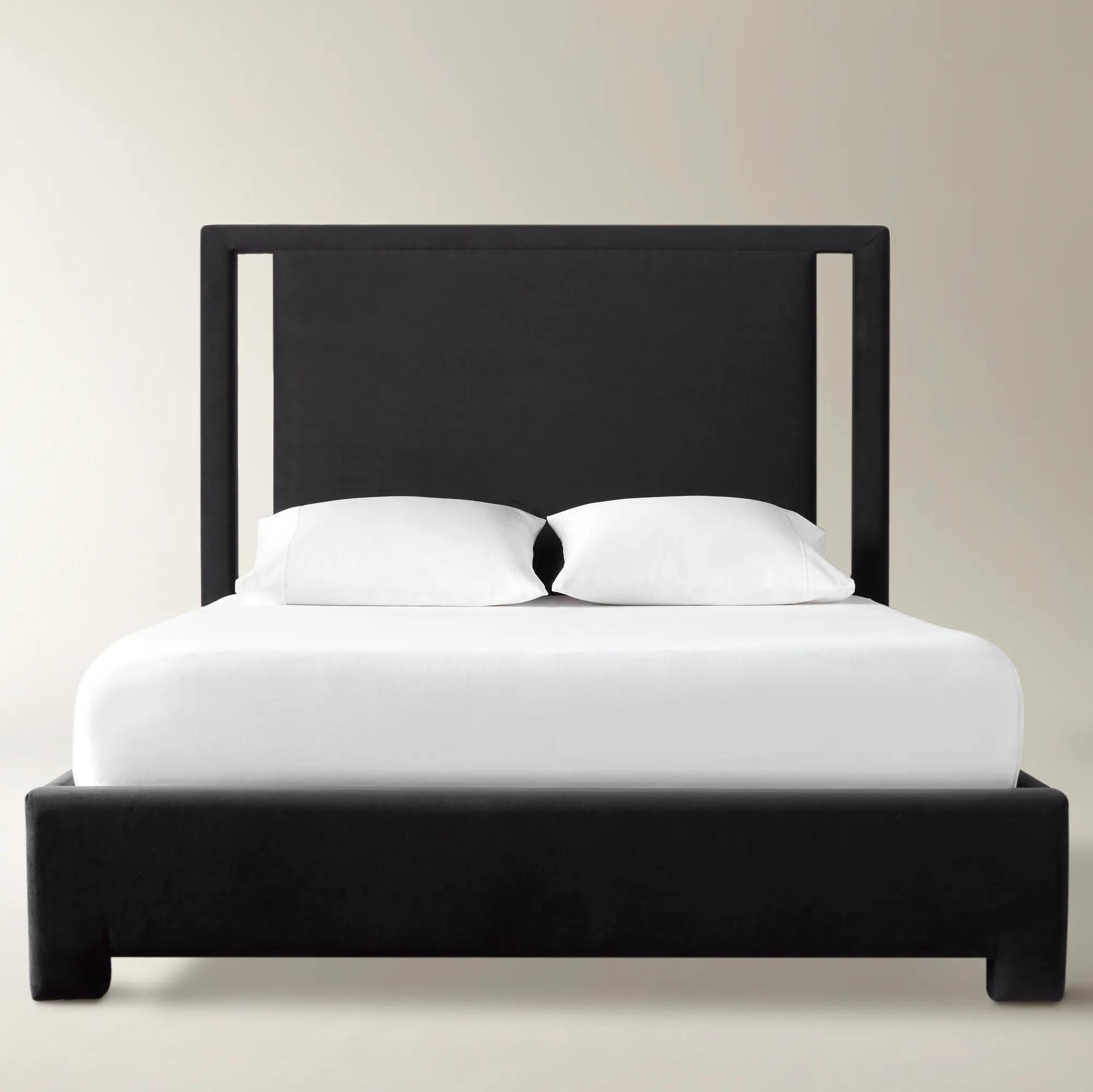
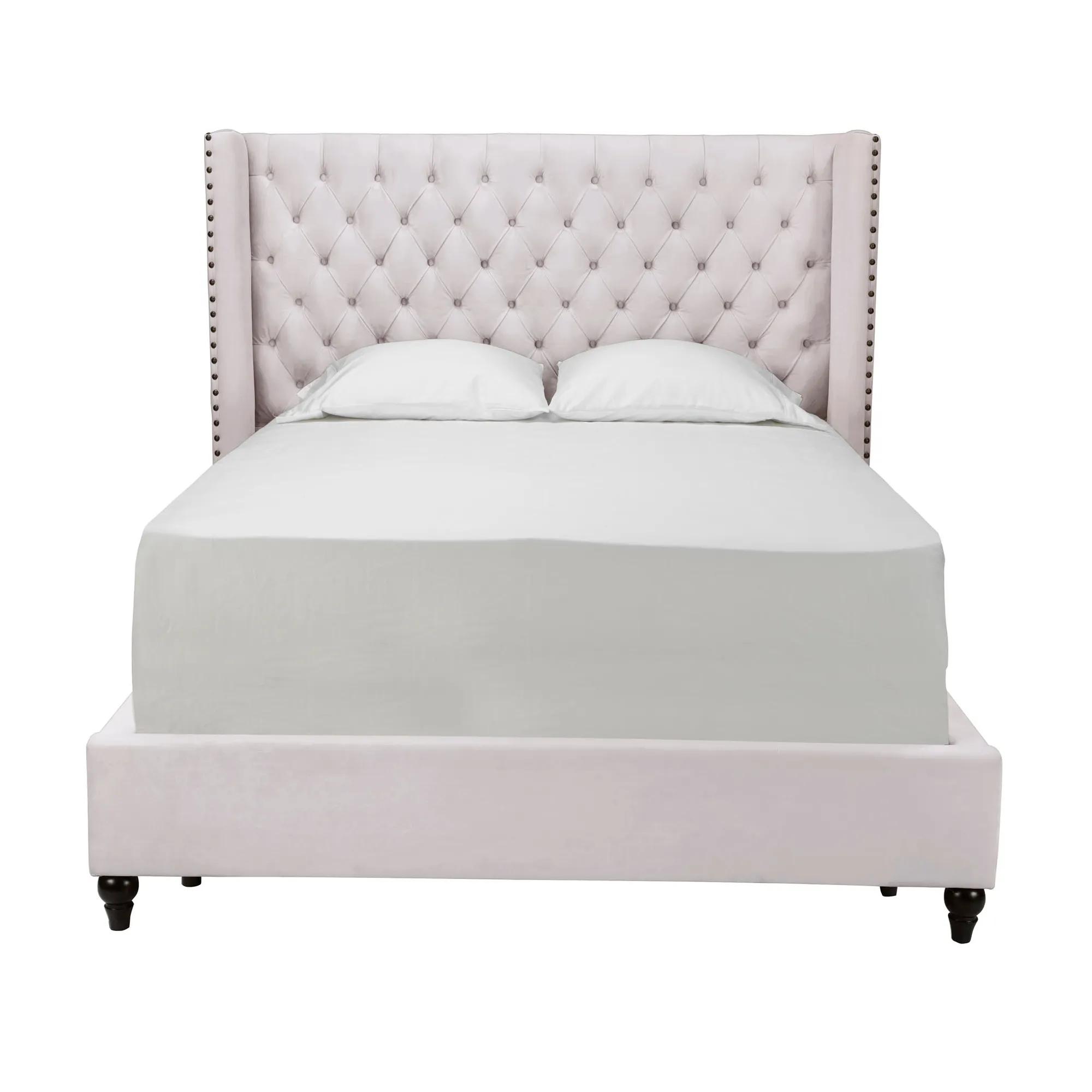
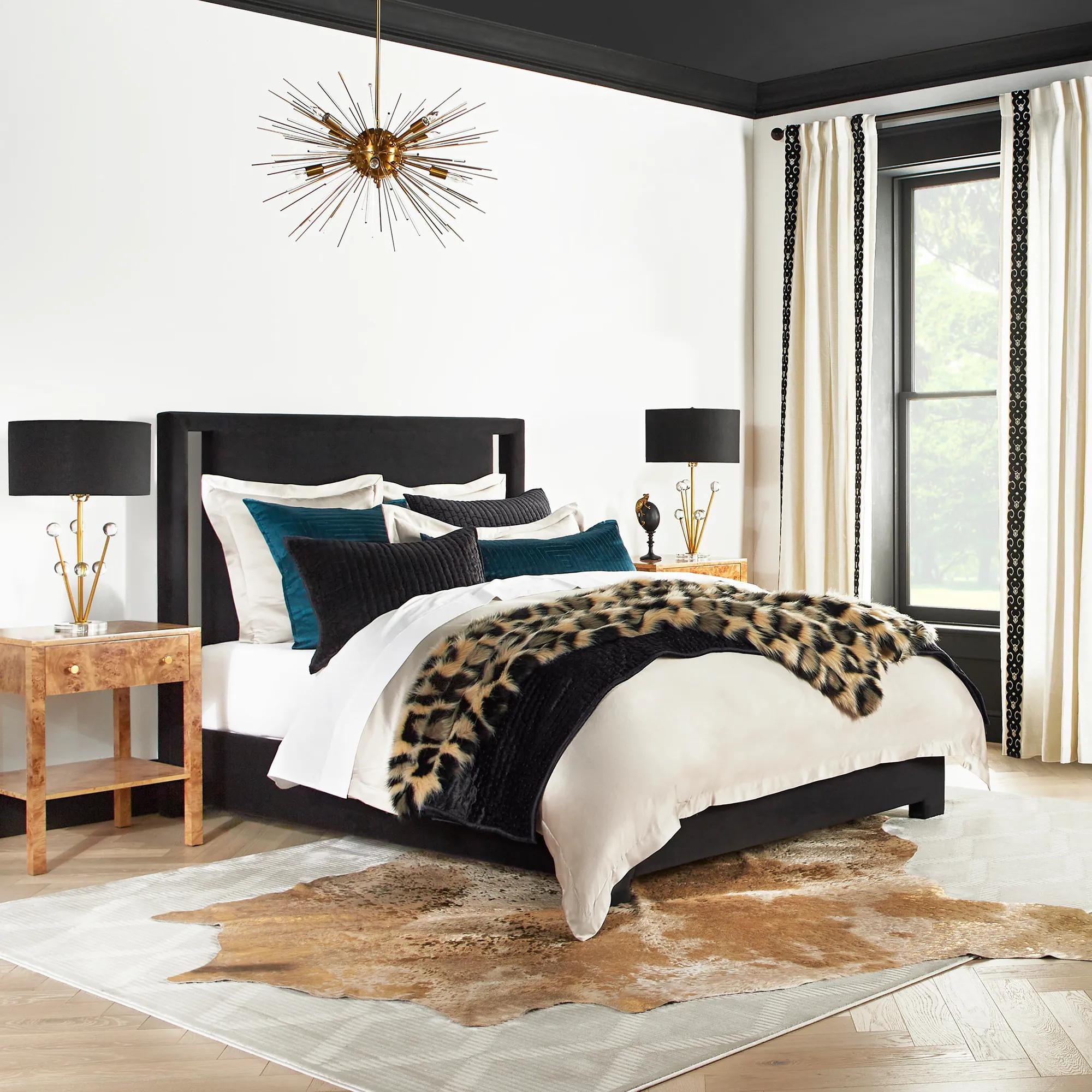 Roya Platform Bed$1949
An elegant platform bed with kiln-dried hardwood frame, hand-upholstered in plush Bella Velvet Black fabric.
Add To Cart -
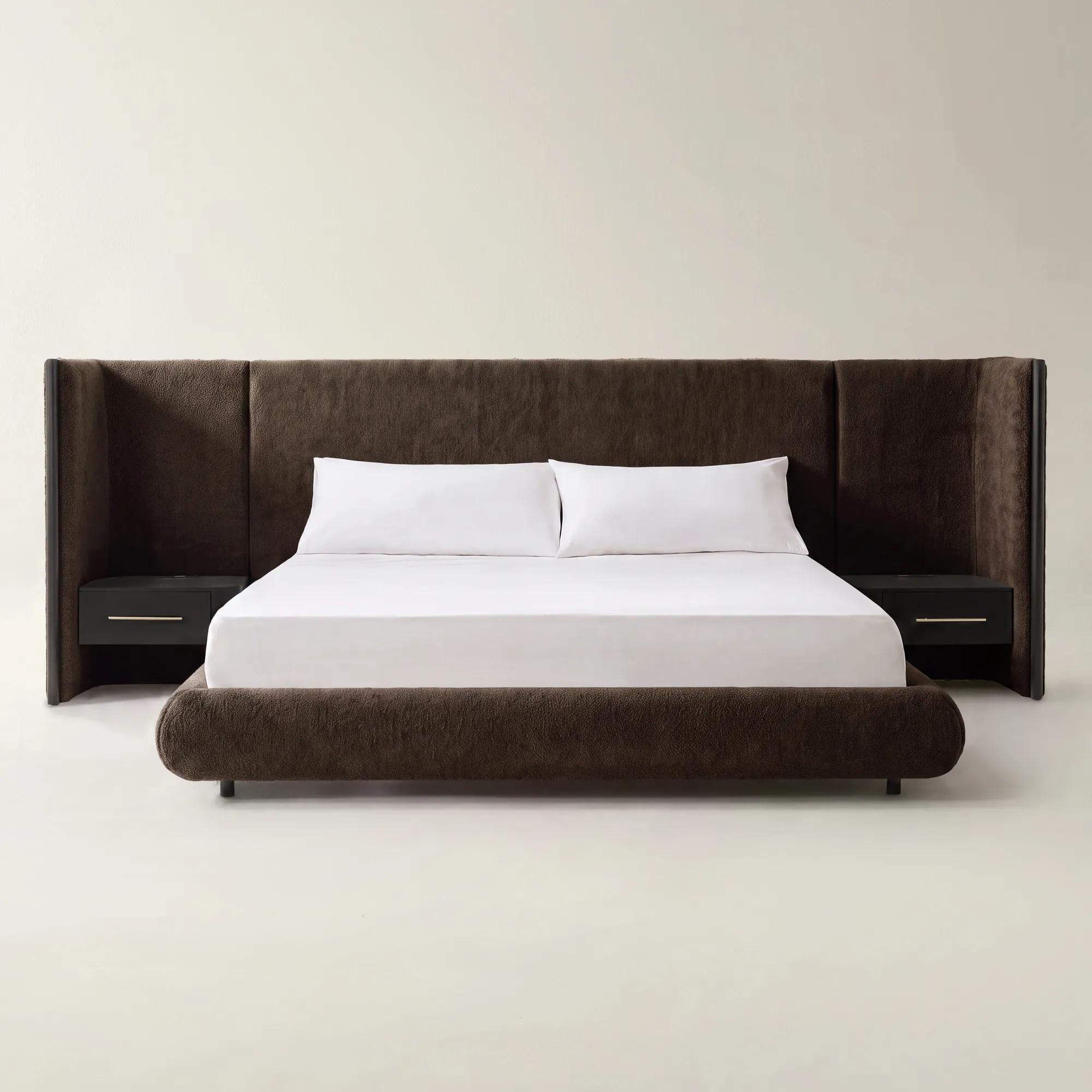 Sierra Dark Chocolate Chenille Upholstered King Bed With Nightstands$2999
A dark chocolate chenille platform bed featuring an extended headboard, black wood trim, and floating nightstands.
Add To Cart -
Glimmer Dark Chocolate Chenille Upholstered Queen Platform Bed$2099
A platform bed in dark chocolate chenille with a sculpted double-layer headboard and solid rubberwood base.
Add To Cart -
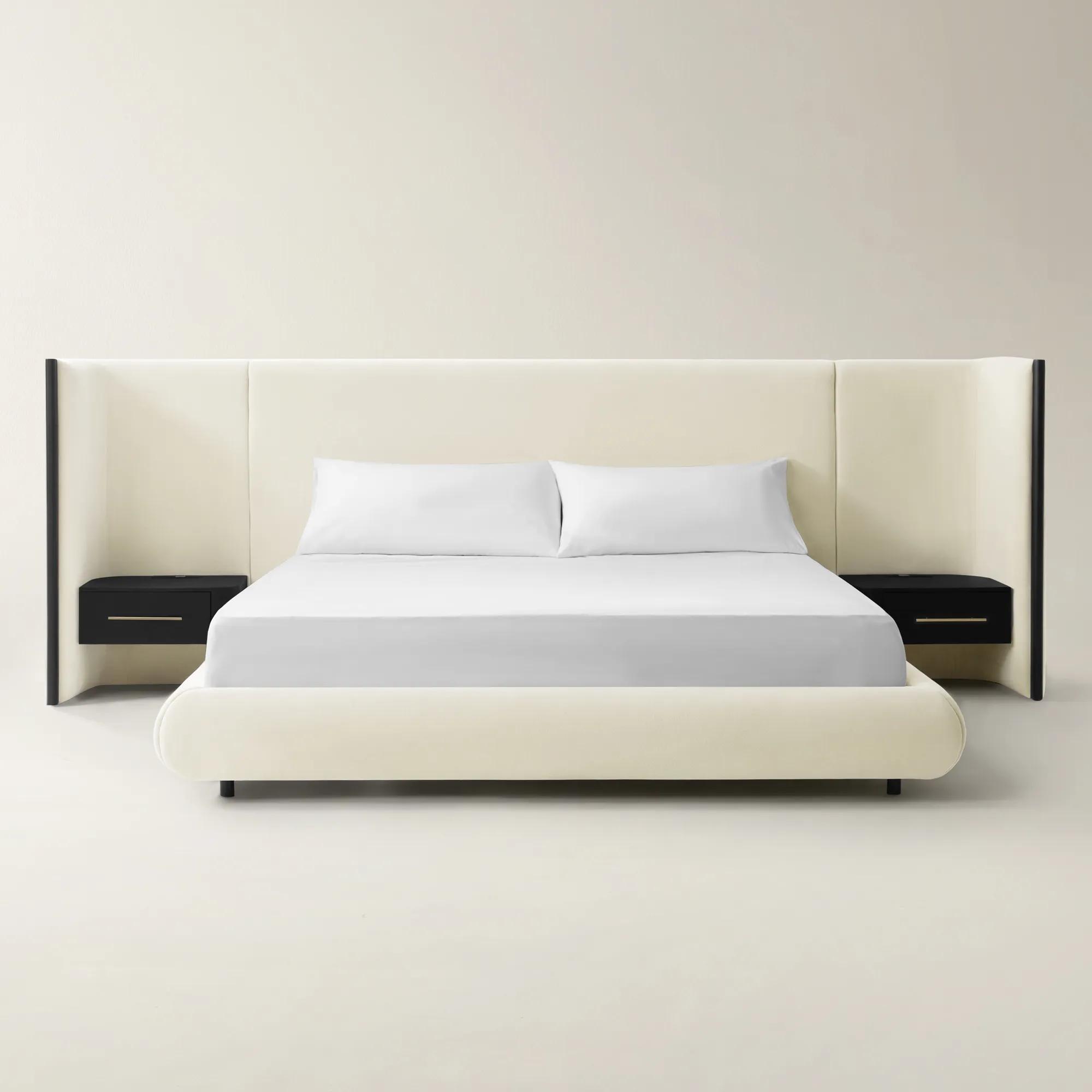 Sierra Cloud Velvet Upholstered Queen Bed With Nightstands$2699
A modern platform bed featuring plush velvet upholstery, black wood trim, and integrated floating nightstands with power access.
Add To Cart

Leather Beds In Multiple Sizes
Leather beds in multiple sizes invite you to indulge in a world where sophistication meets statement-making design. Each piece is an ode to bold living—sleek silhouettes swathed in sumptuous leather, transforming the bedroom into a sanctuary of glamour and comfort. Whether you dream in kingly proportions or crave the intimacy of a tailored twin, these beds become the centerpiece of your personal retreat, infusing every corner with rich texture and undeniable allure. Elevate your nightly ritual and let your space speak volumes—because extraordinary style deserves a grand stage.
Leather beds bring a confident architectural presence to the bedroom, pairing the richness of upholstery with a silhouette that can feel tailored, sculptural, or richly dramatic. Leather beds come in multiple standard sizes, including twin, full, queen, king, and California king, with the size designation generally referring to the mattress the frame accommodates—not the bed’s overall footprint. Standard U.S. mattresses measure approximately 38 by 75 inches for twin, 54 by 75 inches for full, 60 by 80 inches for queen, 76 by 80 inches for king, and 72 by 84 inches for California king. Upholstered rails, substantial headboards, and extended platforms can add several inches beyond those measurements, making exterior dimensions especially important. A twin leather bed can give a compact guest room a polished focal point, while a full offers a broader sleeping surface without the footprint of a queen. For a primary bedroom or a thoughtfully appointed guest suite, Queen Size Leather Beds balance room to stretch with space for nightstands and comfortable circulation. King beds create a more expansive shared sleeping area, while California king beds exchange some width for additional length—a meaningful distinction for taller sleepers. A generous mattress does not have to overwhelm a room when the surrounding proportions are considered. Allowing roughly 24 to 30 inches of clearance beside the bed and at the foot, where practical, helps preserve everyday movement; drawers and nearby doors may require more. Headboard height matters just as much as floor space. A soaring upholstered panel can anchor a room with tall ceilings, while a lower profile lets artwork, windows, or an expressive wall finish remain part of the composition. In a room shared by two people, checking that both sides remain accessible can be more useful than choosing by mattress width alone. The most compelling fit balances the sleeper’s needs with the room’s architecture, giving the bed presence without making every movement around it feel negotiated.
The character of a leather bed comes from both its upholstery and the structure beneath it. Genuine leather carries natural variation in grain and markings, lending depth to broad headboards and cleanly wrapped rails. Full-grain leather retains the hide’s natural surface character, while top-grain leather has been refined for a more consistent appearance; the finish applied to either also affects softness, sheen, and maintenance. Aniline leather emphasizes the hide’s character but is generally more susceptible to staining and fading, whereas protected or pigmented finishes add a surface layer that can make everyday care more forgiving. Faux leather offers a leather-like appearance through a manufactured surface, often polyurethane or PVC, and should be identified separately from genuine leather. Its care requirements and aging behavior differ, so the upholstery description matters more than appearance alone. Leather upholstery usually covers a supporting frame rather than forming the bed’s structure, and durability depends on that complete construction: stable joints, appropriate center supports, secure hardware, and a mattress foundation suited to the design. Platform beds typically support a mattress on a slatted or solid surface, while other frames may require a separate foundation. Mattress compatibility, slat spacing, and support requirements deserve particular attention with heavier mattresses. Visually, smooth panels emphasize a bed’s proportions, channeling introduces rhythm, and tufting brings shadow and dimension to the upholstery. A padded headboard can offer a welcoming backrest for reading, although cushion depth and firmness vary. Storage designs can make a bedroom feel more composed by keeping spare linens close but out of sight; drawer clearance or lift-up access remains part of their practical footprint. A substantial upholstered footboard creates an enveloping effect, while an open-ended platform can feel less restrictive for someone who prefers extra room beyond the mattress edge. These distinctions shape not only the bed’s appearance but also the experience of settling into it each day.
Color and finish give leather beds their expressive range. An ivory upholstered headboard can brighten a richly layered bedroom, especially against dark wood and lustrous metal, while black leather creates a crisp outline beneath pale bedding. Cognac and chocolate tones introduce depth without requiring an elaborate palette, allowing the grain and tailoring to become part of the decoration. A subtle sheen catches lamplight differently from a matte finish, and broad upholstery panels make those differences visible across the room. The surrounding textures keep the composition dimensional: a generously scaled rug beneath the bed softens its visual weight, linen bedding provides contrast, and velvet pillows echo the upholstery’s richness without repeating its surface. Nightstands should suit both the bed’s width and the finished mattress height, so a bedside lamp or glass of water remains comfortably within reach. A deep upholstered frame may also change the way a duvet falls, making the relationship between mattress height, bedding length, and visible rails worth considering. Preserving that finished look calls for care matched to the upholstery rather than a single routine for every leather surface. Regular dusting with a soft cloth helps prevent buildup along seams, tufting, and lower rails. Blot spills promptly instead of rubbing, and use only cleaning products approved for the material and finish; a conditioner intended for genuine leather may be unsuitable for faux leather or certain coated surfaces. Any recommended treatment should first be tested in an inconspicuous area. Keeping the bed away from prolonged direct sunlight and concentrated heat helps limit fading and drying, while avoiding harsh solvents and abrasive tools protects the surface. Homes with pets may benefit from particular attention to scratch resistance and protective finishes, though no leather upholstery is immune to claws or sharp objects. Periodic checks of fasteners and mattress supports help maintain stability. With considered proportions, compatible construction, and attentive care, a leather bed can remain the room’s defining gesture: tactile, assured, and deeply personal.
FAQs
A leather bed instantly elevates your bedroom with its luxurious texture and sophisticated presence. The material is not only visually striking but also durable and easy to maintain, making it ideal for both statement-making master suites and stylish guest rooms. Leather beds bring warmth, depth, and a timeless appeal to any décor, transforming your space into a true sanctuary.
To preserve the beauty of your leather bed, gently dust it with a soft, dry cloth and clean spills promptly with a damp cloth. For deeper cleaning, use a leather-specific conditioner a few times a year to maintain suppleness and prevent cracking. Avoid placing your leather bed in direct sunlight or near heat sources to protect its color and texture.
Leather beds can be a practical and stylish choice for homes with pets or children, especially when opting for high-quality faux or bonded leather, which offers increased resistance to scratches and stains. Genuine leather develops character over time, but regular care will help maintain its appearance even in vibrant, active households.
Leather beds are remarkably versatile and complement a wide range of interior styles. They shine in contemporary and modern settings with sleek lines and minimal embellishments, but also add a rich, tactile layer to eclectic, industrial, or even traditional spaces. Pair with metallic accents, plush textiles, or bold artwork to create a bedroom that reflects your personal style.
Yes, many leather beds are designed with built-in storage options such as under-bed drawers or lift-up platforms. These leather storage beds seamlessly blend functionality with elegance, providing a discreet place to stow linens, seasonal clothing, or personal treasures while maintaining the bed’s chic and polished appearance.