Leather Beds For Urban Bedrooms
Leather Beds For Urban Bedrooms
-
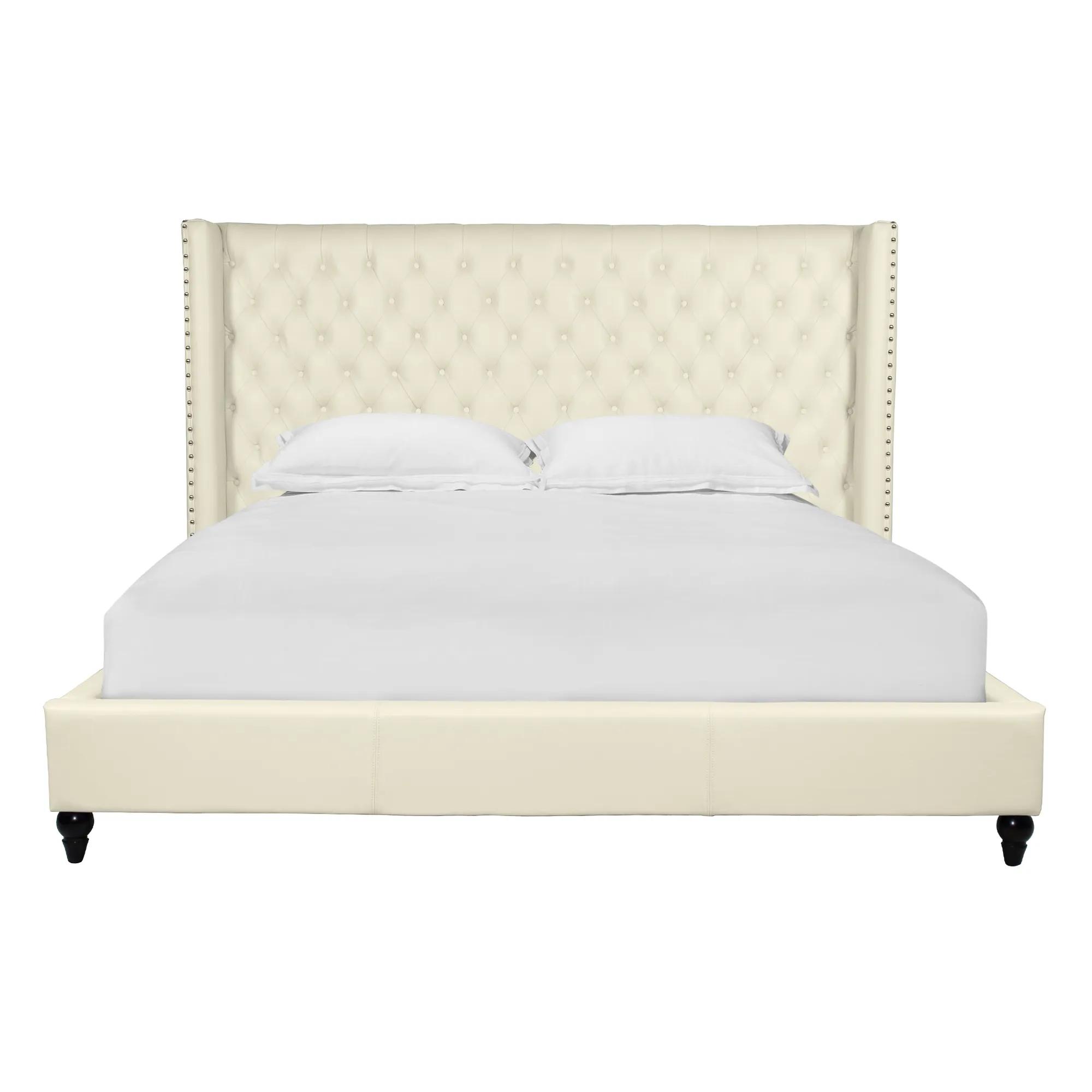
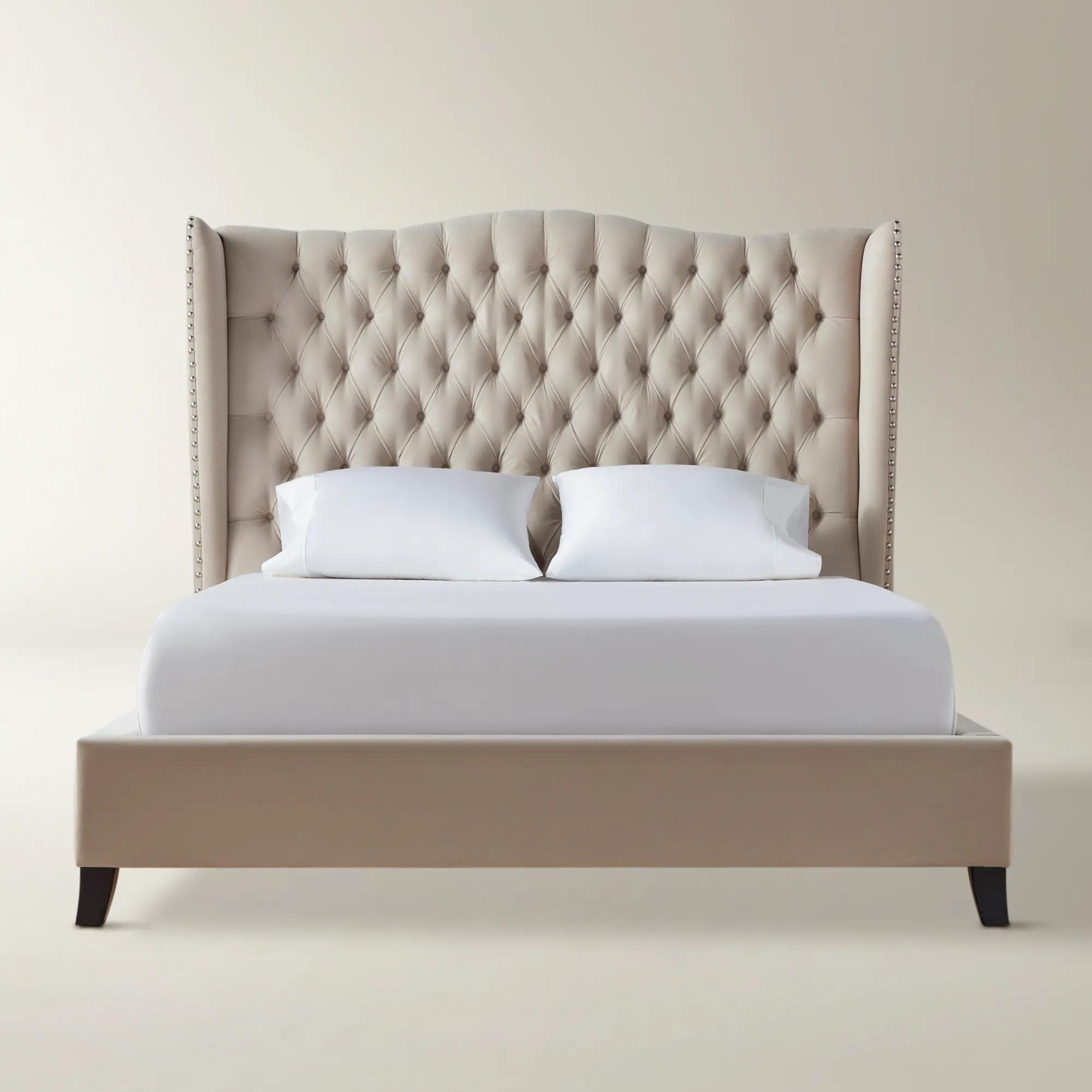
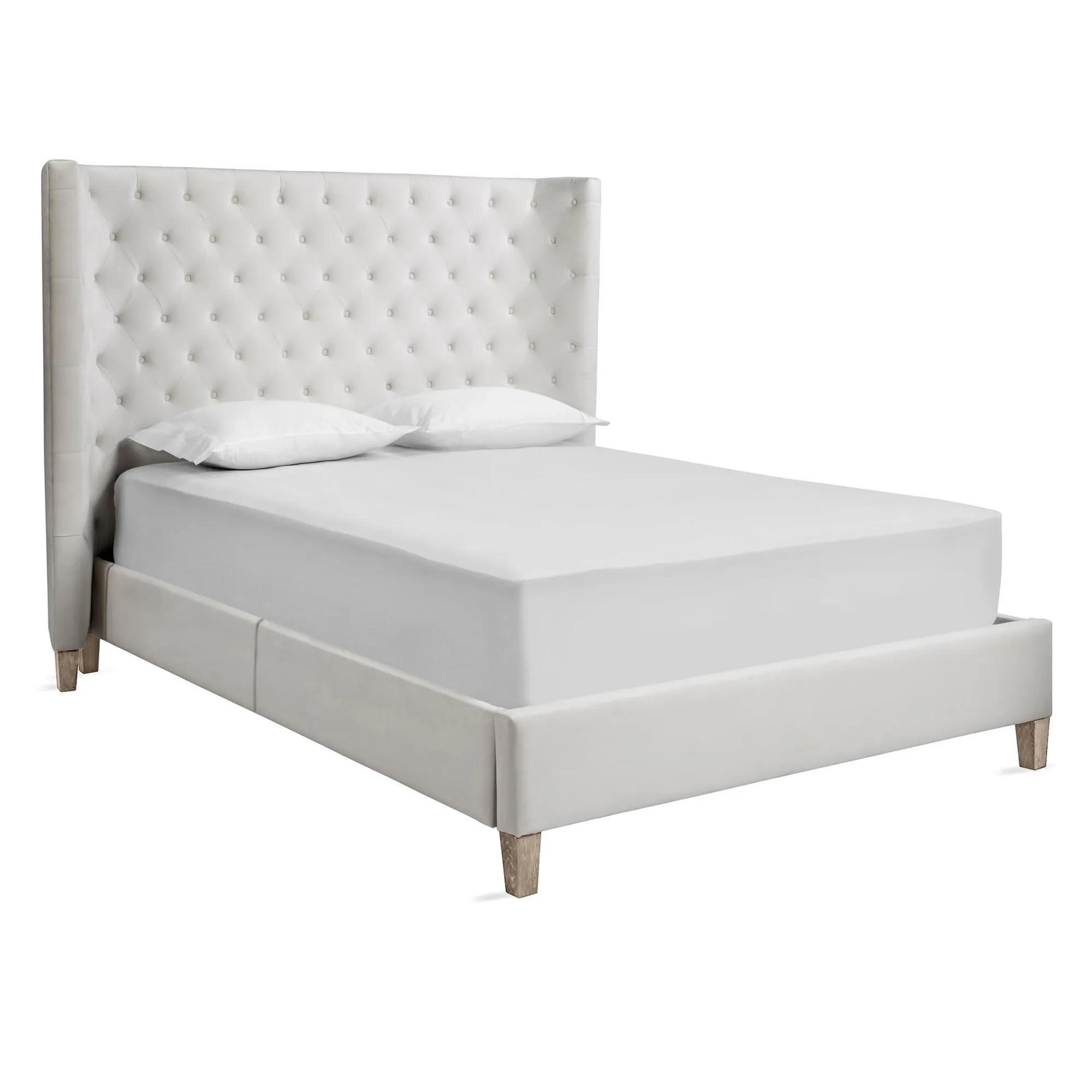
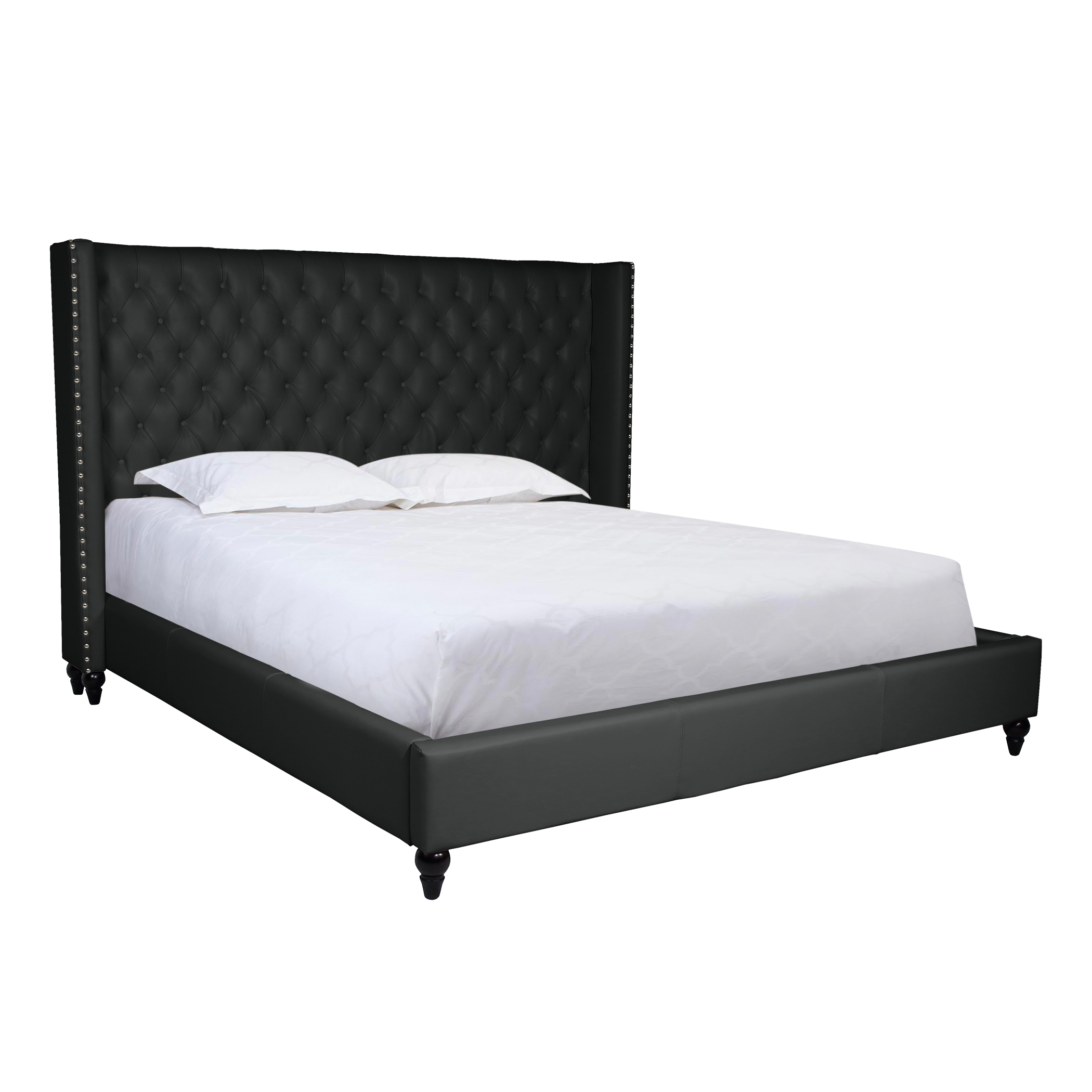 Roberto Leather Bed$3449
A stately bed featuring diamond tufting, hand-applied nailheads, and luxurious top grain leather upholstery.
Add To Cart -
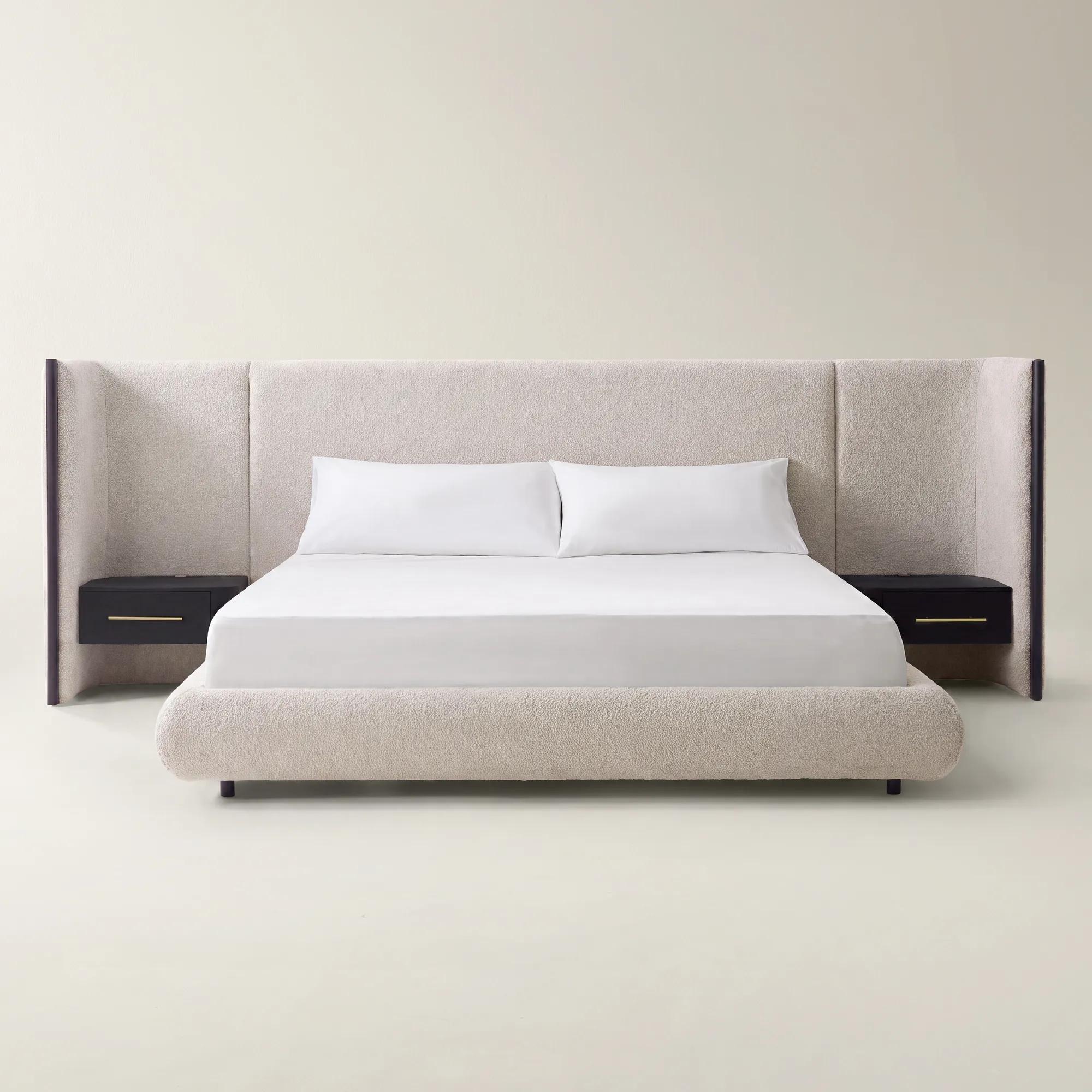
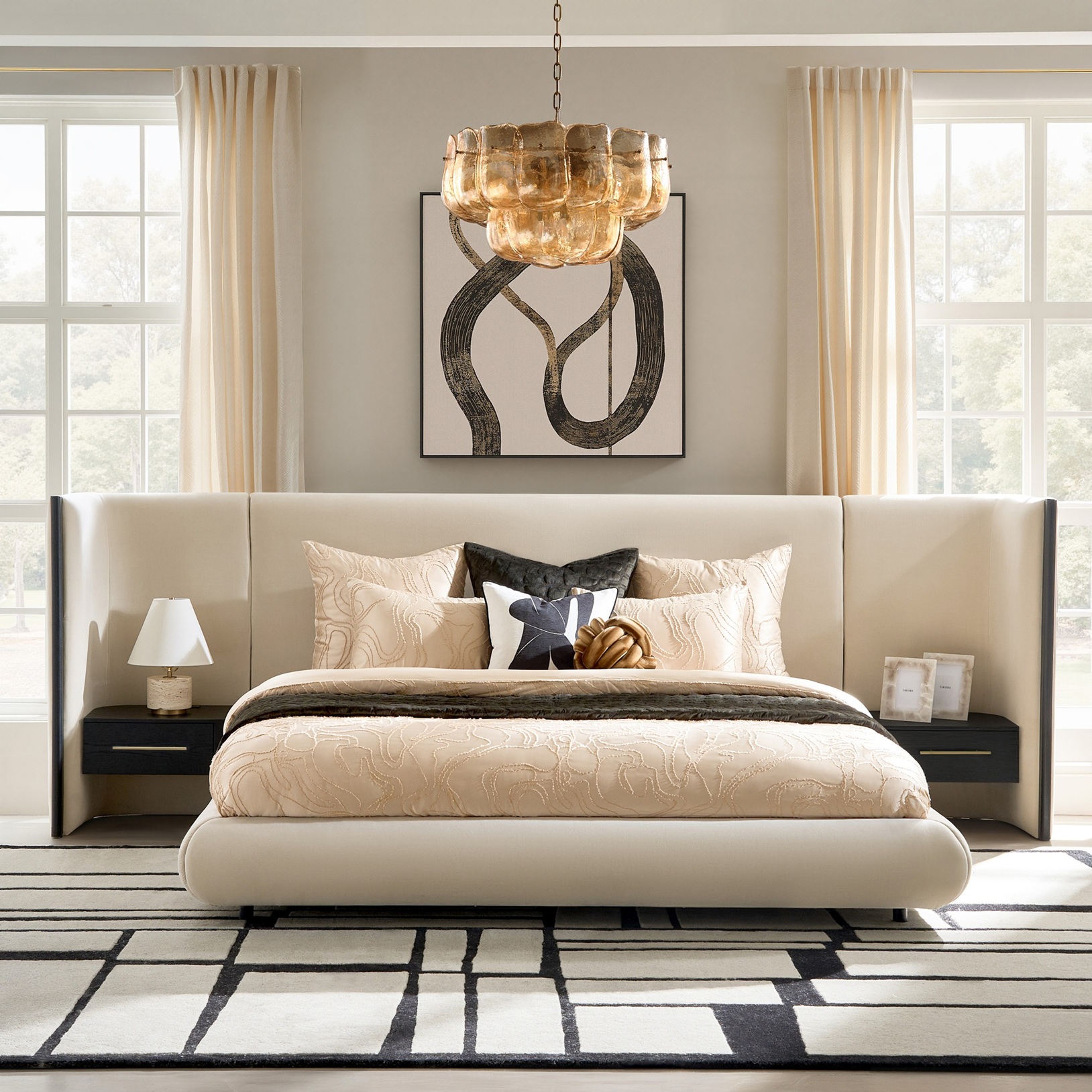 Sierra Ivory Performance Boucle Upholstered Bed With Nightstands$2999
An ivory performance boucle upholstered platform bed featuring an extended headboard, floating nightstands, and built-in power access.
Add To Cart -
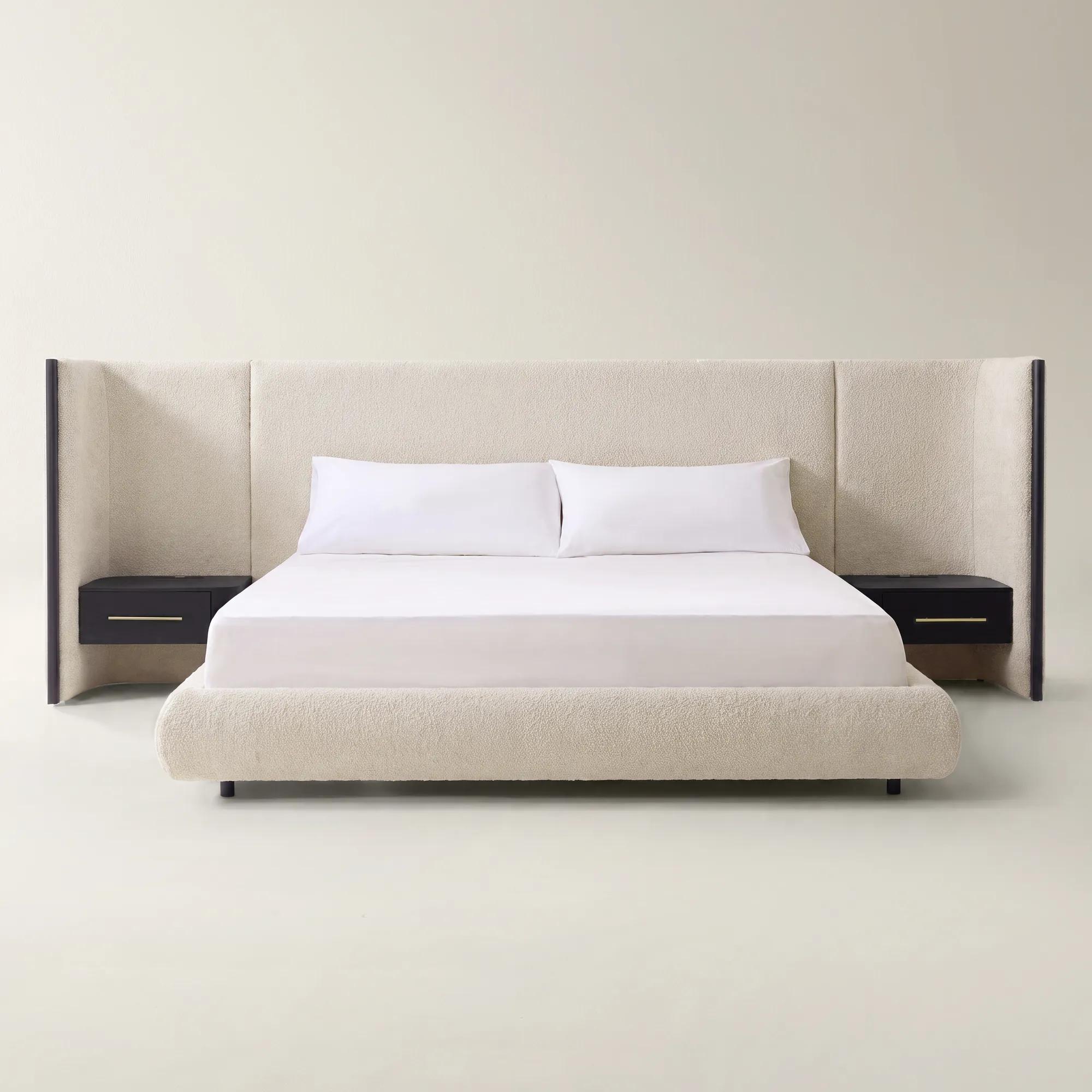
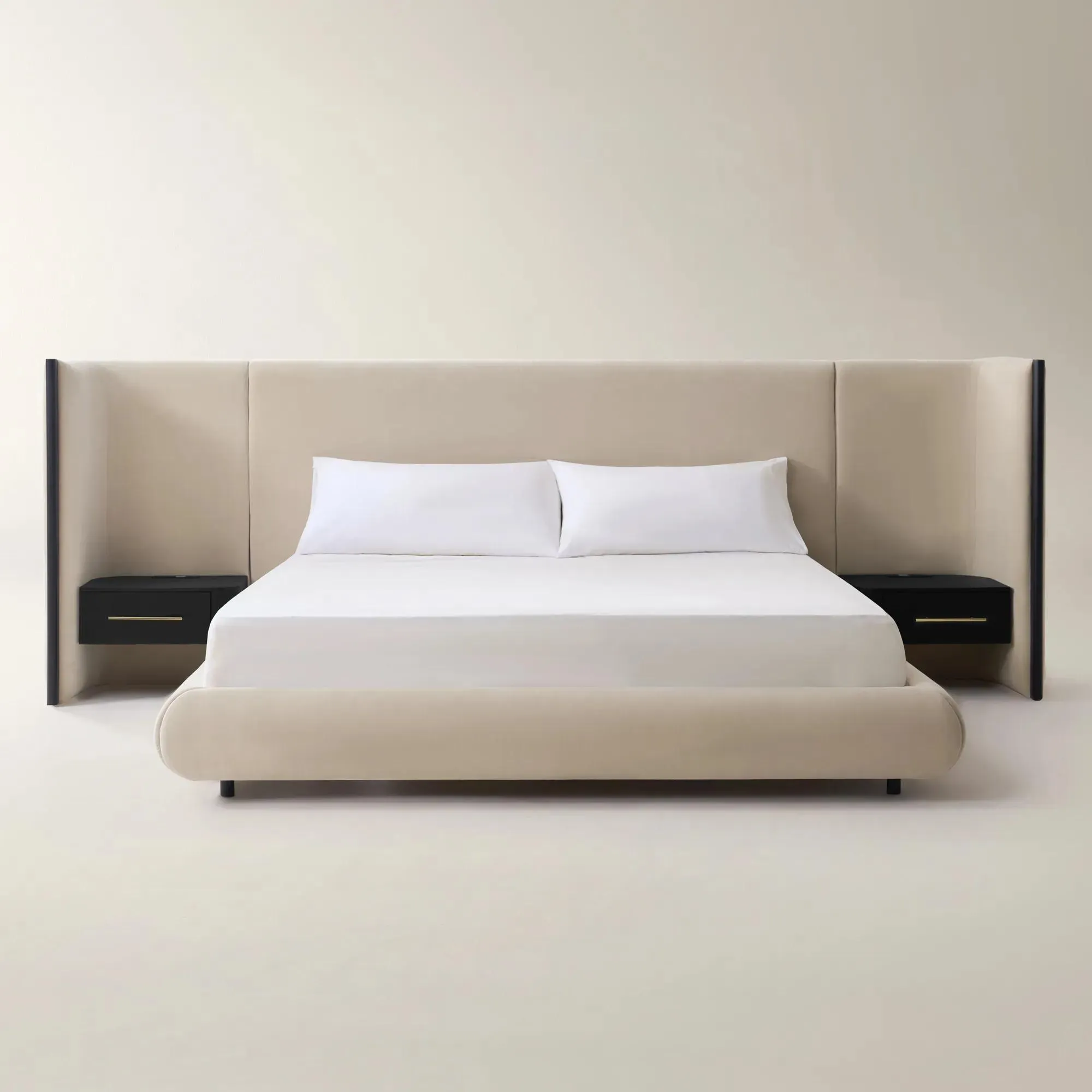 Sierra Ivory Performance Boucle Upholstered Bed With Nightstands$2999
An ivory performance boucle king platform bed featuring an extended headboard, floating nightstands, and black wood trim.
Add To Cart -
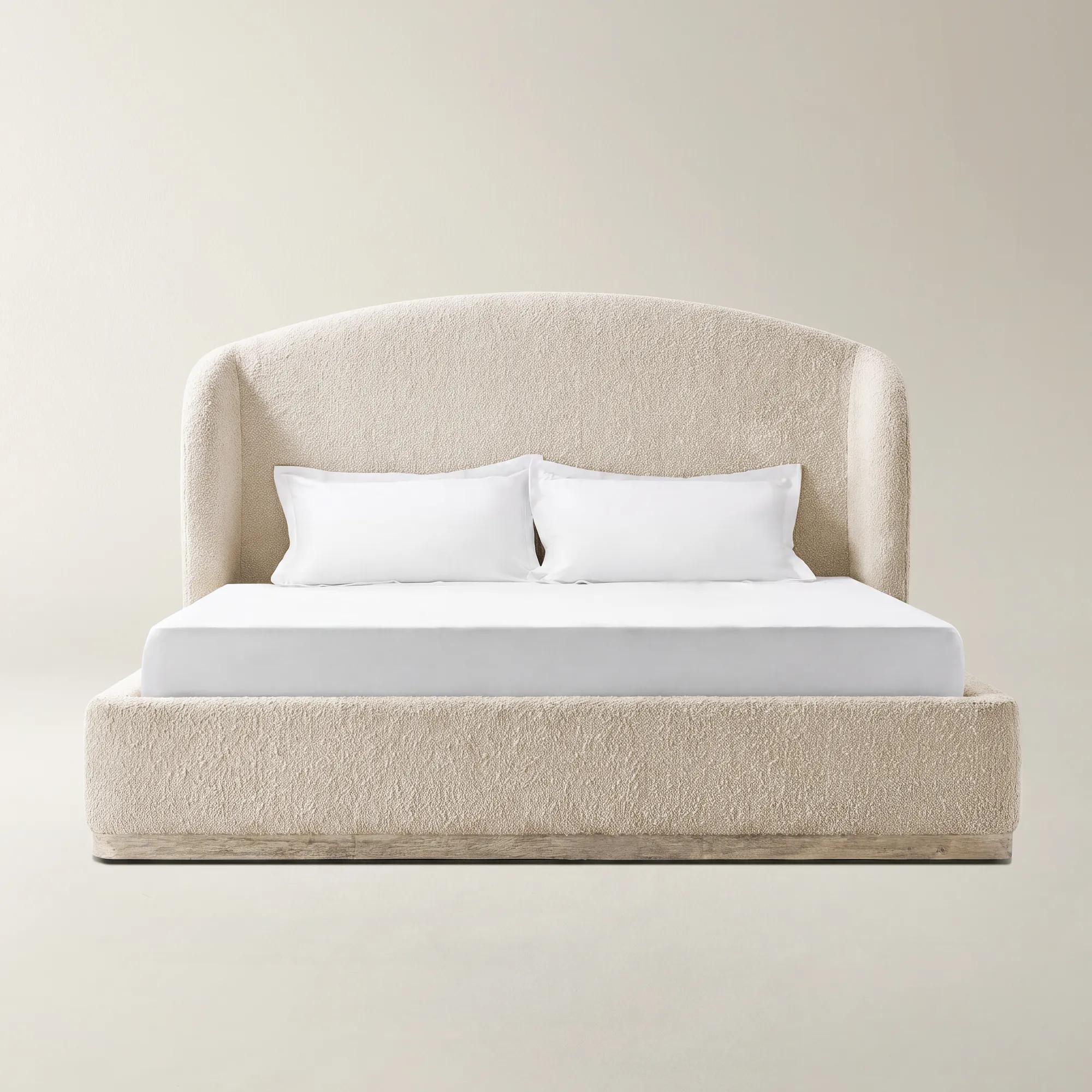
 Glimmer Ivory Performance Boucle Upholstered King Platform Bed$2299
A sculptural ivory performance boucle platform bed with a double-layered headboard and solid rubberwood base.
Add To Cart -
Sierra Ivory Performance Boucle Upholstered Queen Bed With Nightstands$2799
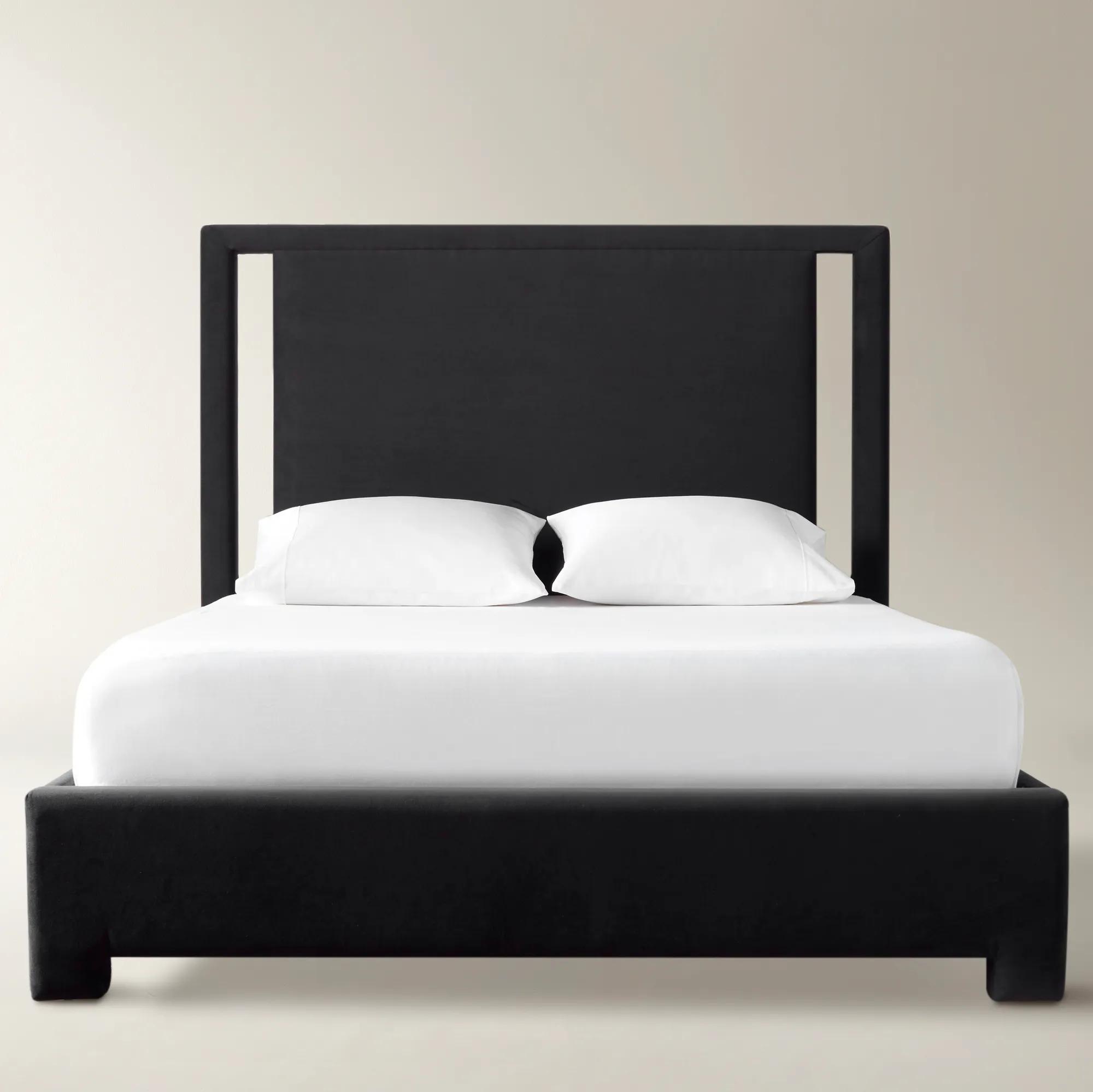
A modern ivory performance boucle platform bed featuring an extended headboard, black wood trim, and floating nightstands.
Add To Cart -
Sierra Ivory Performance Boucle Upholstered Queen Bed With Nightstands$2799
An ivory performance boucle platform bed featuring an extended headboard, floating nightstands, and black wood trim.
Add To Cart -
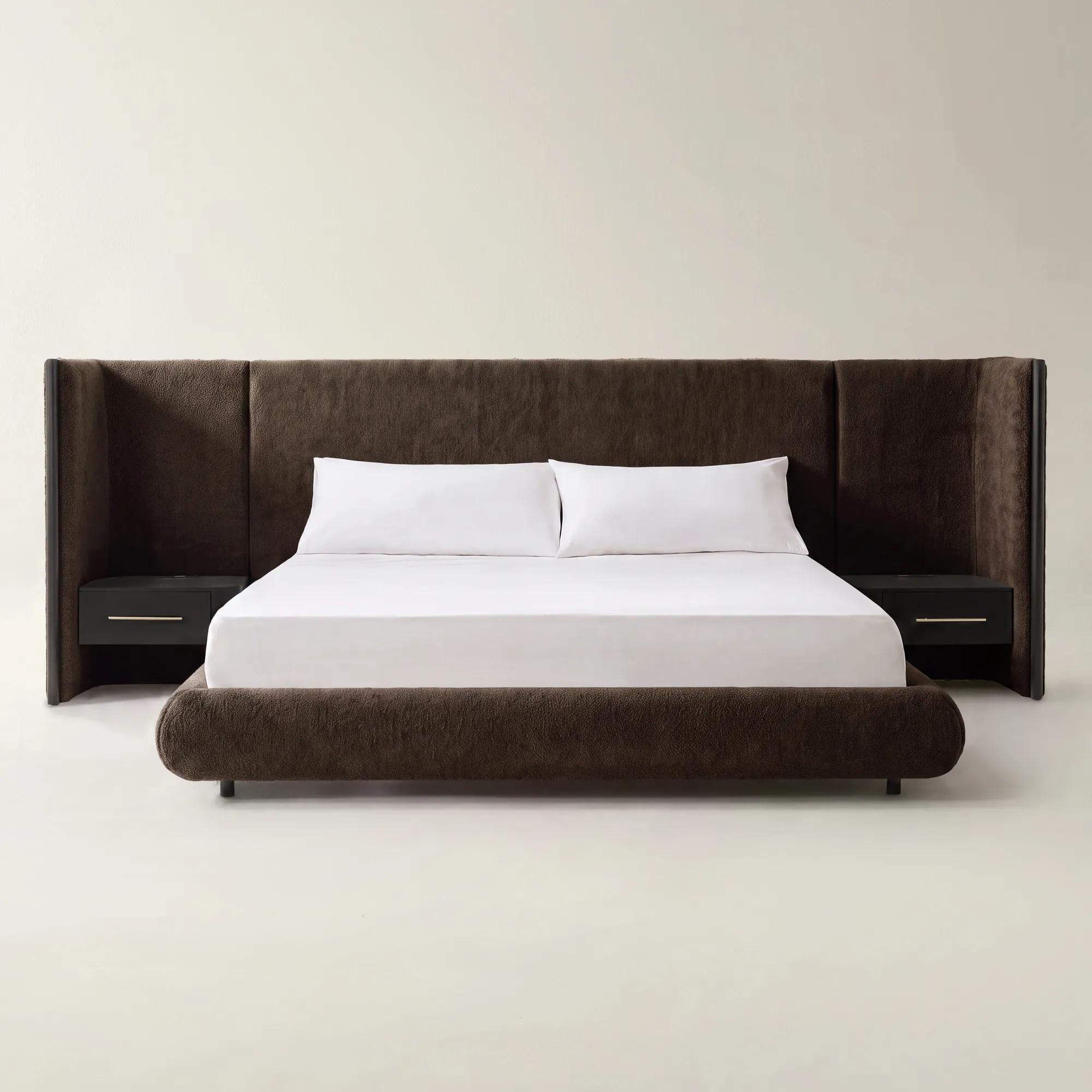 Sierra Dark Chocolate Chenille Upholstered King Bed With Nightstands$2999
A dark chocolate chenille platform bed featuring an extended headboard, black wood trim, and floating nightstands.
Add To Cart -
Glimmer Ivory Performance Boucle Upholstered Queen Platform Bed$2099
A sophisticated ivory performance boucle platform bed featuring a sculpted double-layered headboard and solid rubberwood base.
Add To Cart -
Sierra Dark Chocolate Chenille Upholstered Queen Bed With Nightstands$2799
A dark chocolate chenille platform bed featuring an extended headboard, floating nightstands, and black wood trim.
Add To Cart -
 Glimmer Black Chenille Upholstered King Platform Bed$2299
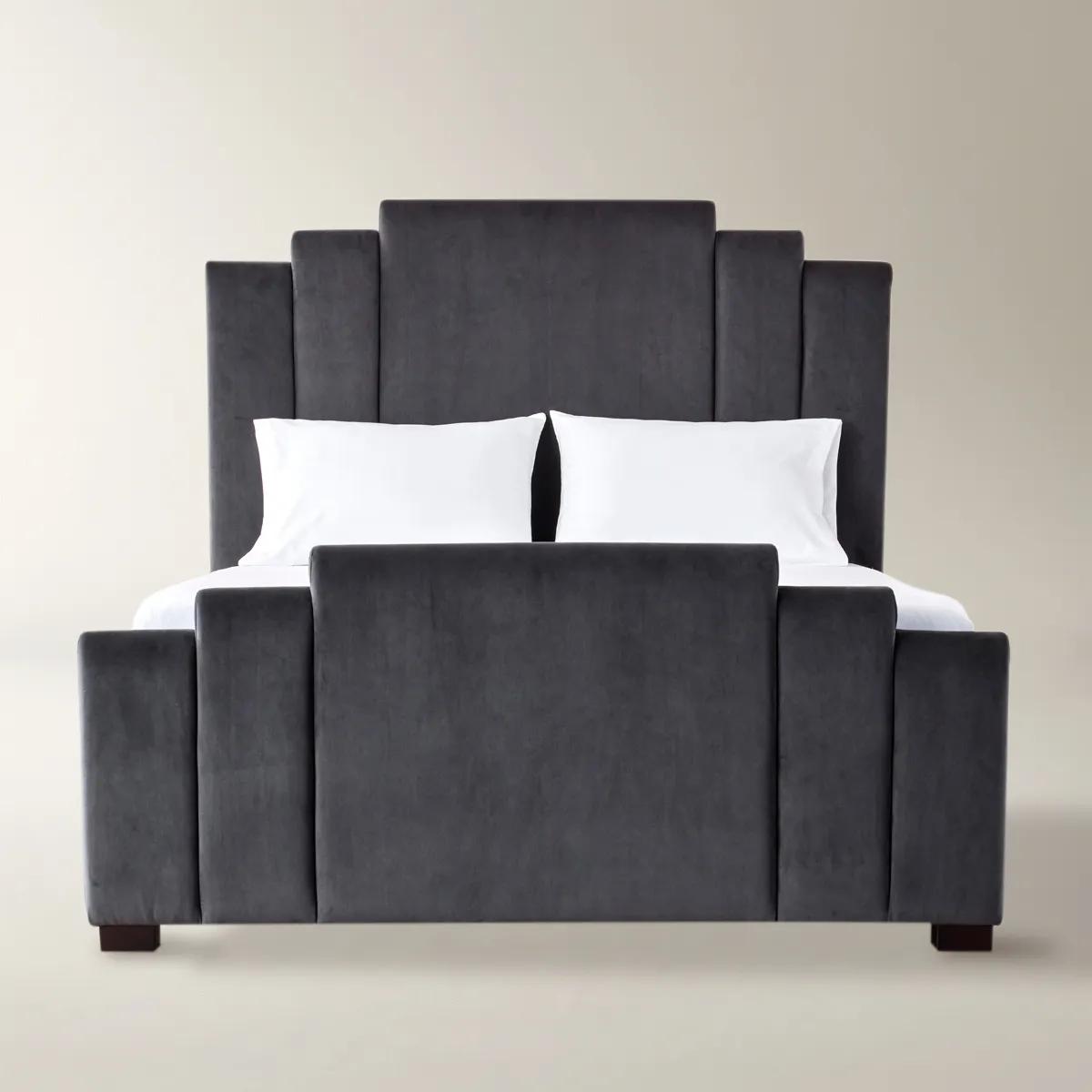
A charcoal chenille upholstered platform bed featuring a sculpted headboard, solid rubberwood base, and tailored craftsmanship.
Add To Cart -
Glimmer Black Chenille Upholstered Queen Platform Bed$2099
A charcoal chenille upholstered platform bed featuring a sculpted double-layer headboard and solid rubberwood base.
Add To Cart -
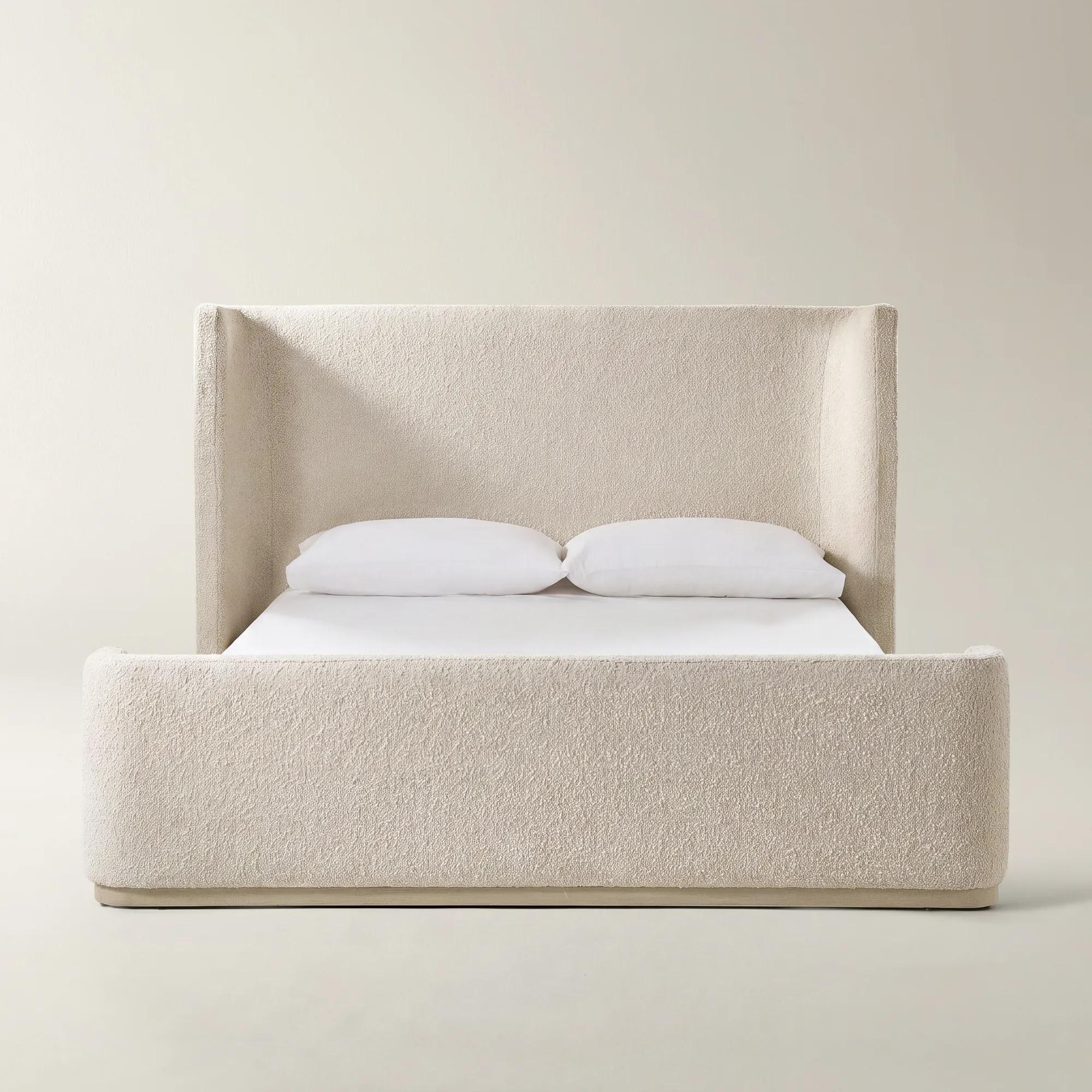
 Stria Ivory Performance Boucle Upholstered King Platform Bed$2599
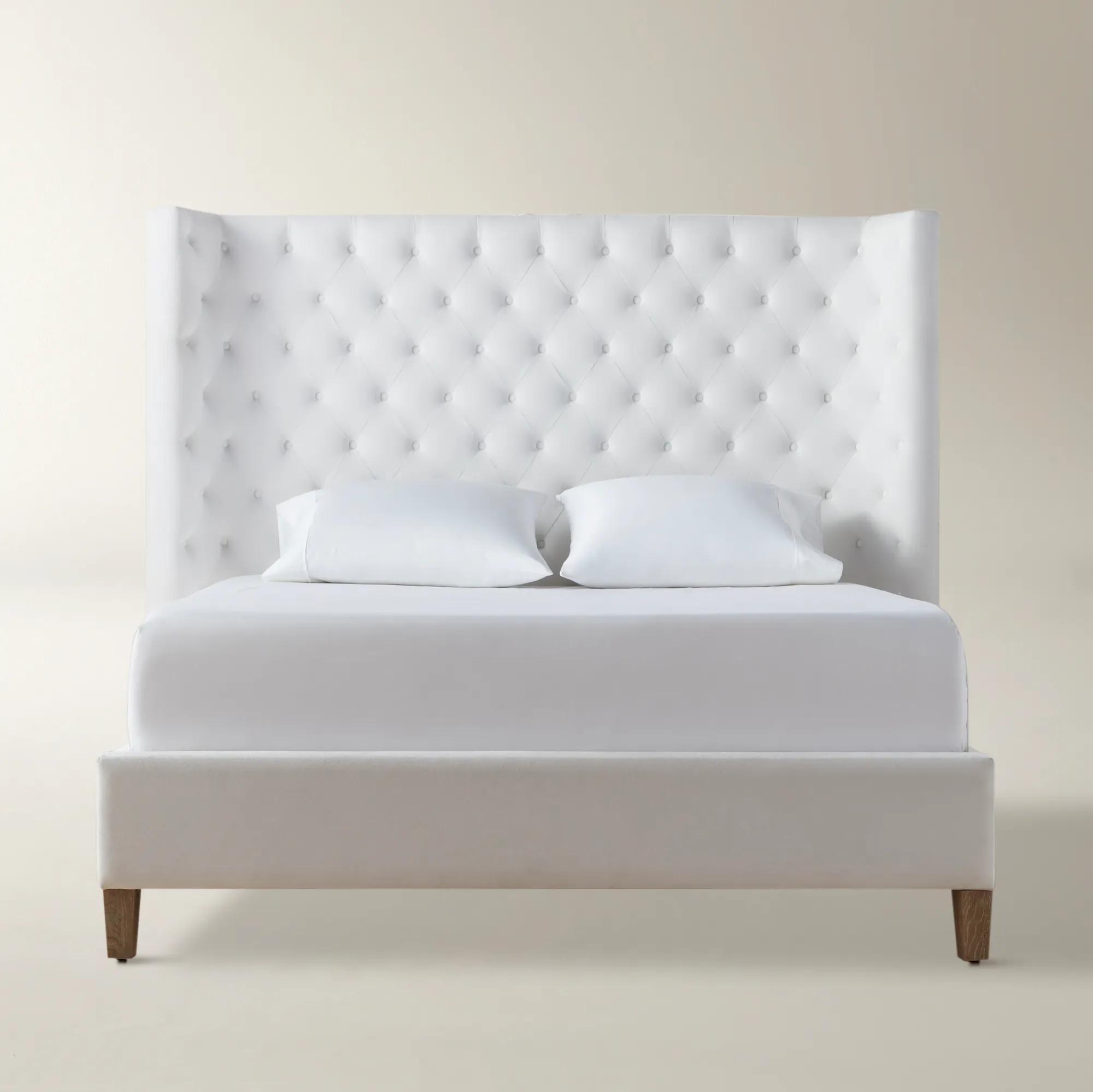
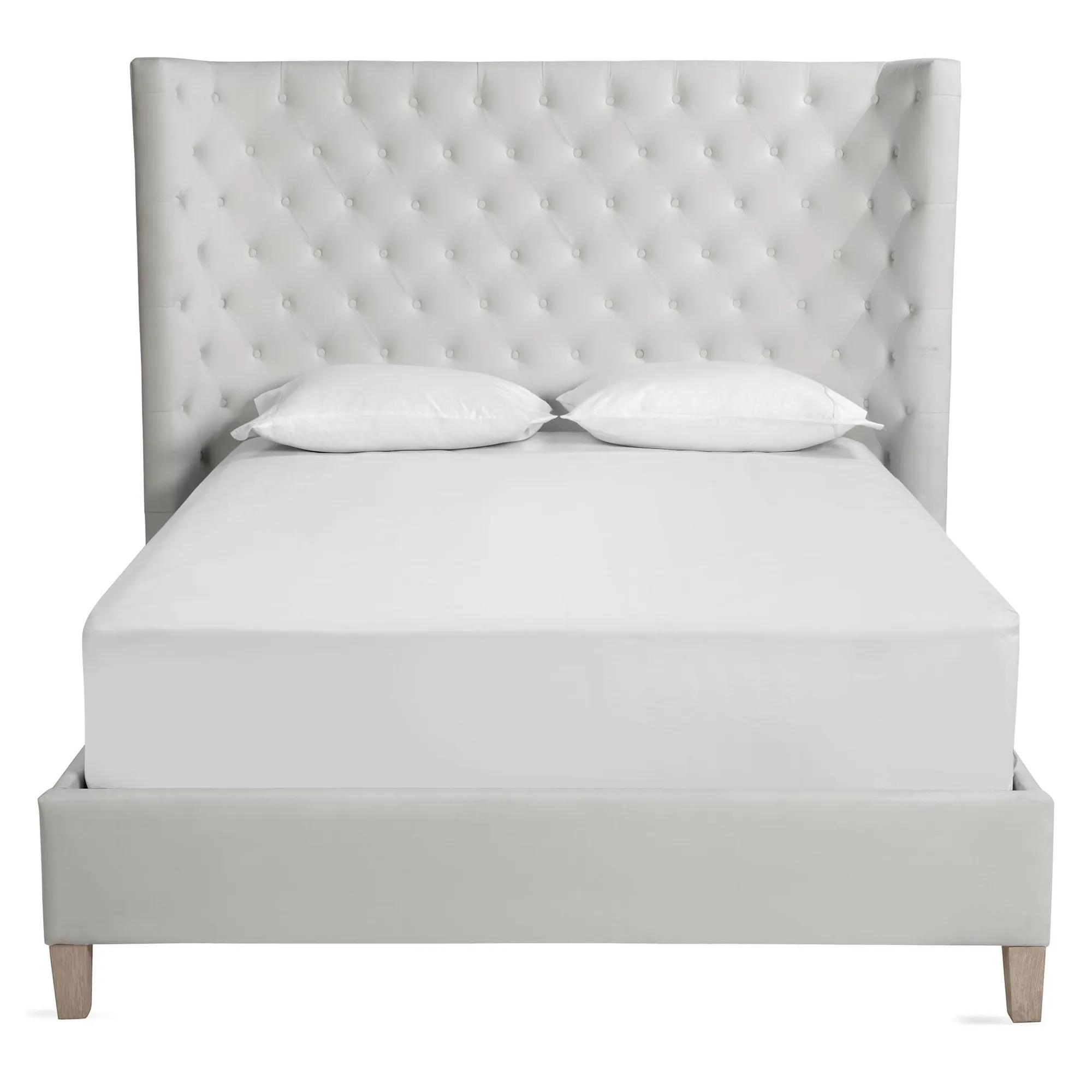
An ivory boucle platform bed with a wingback headboard, FSC-certified oak base, and supportive construction.
Add To Cart -
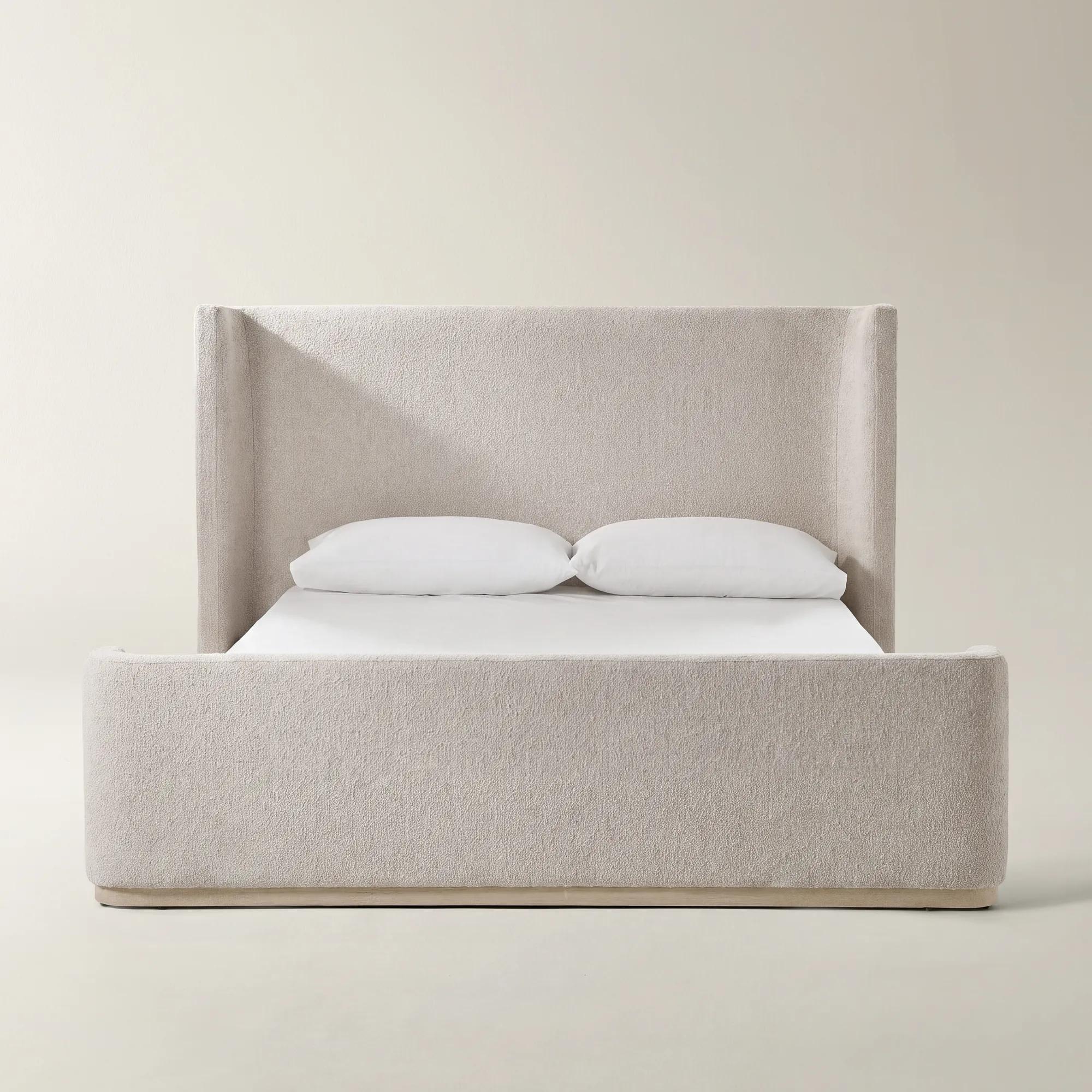 Stria Ivory Performance Boucle Upholstered King Platform Bed$2599
An ivory performance boucle platform bed with wingback headboard, FSC-certified oak base, and supportive hardwood construction.
Add To Cart -
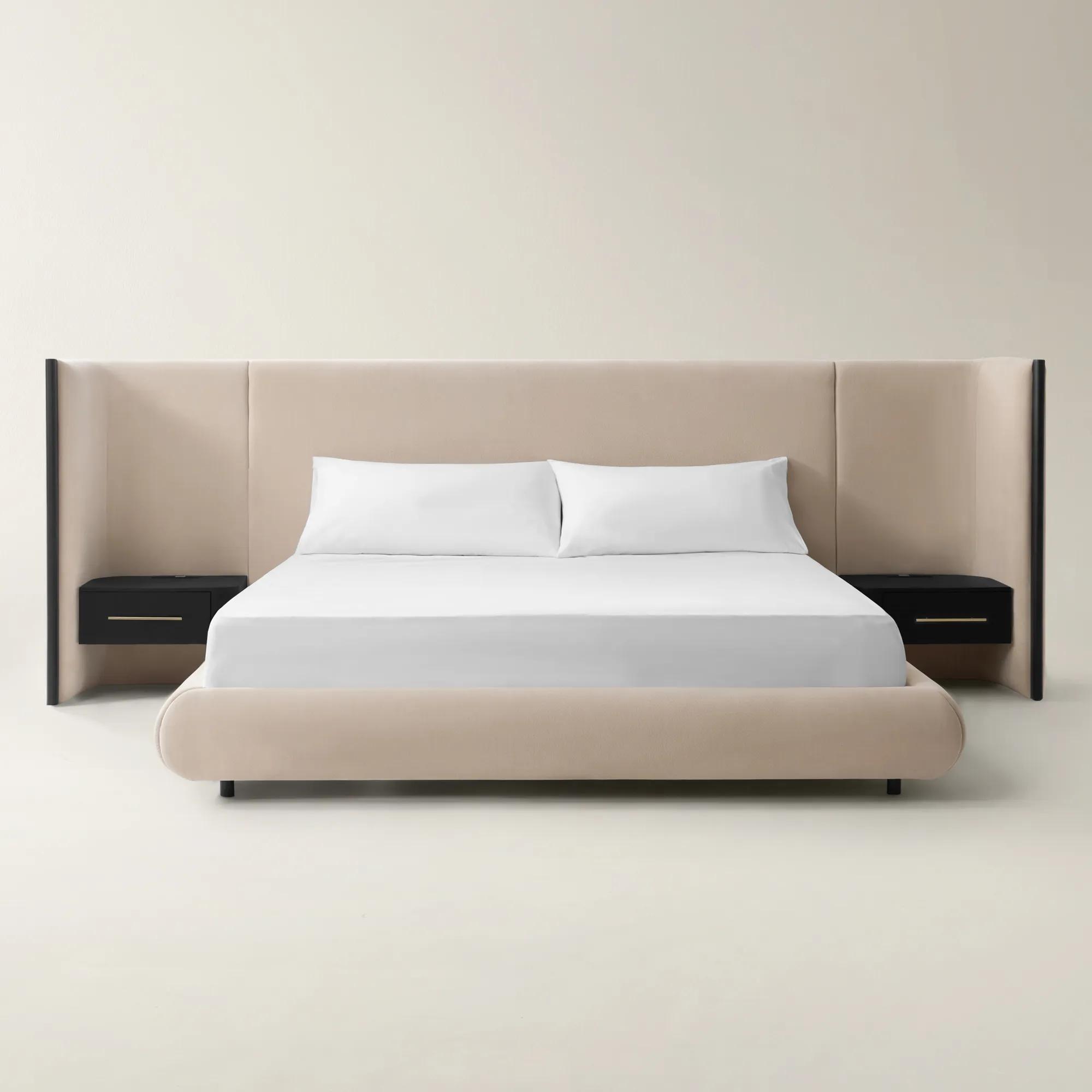 Sierra Simply Taupe Velvet Upholstered Queen Bed With Nightstands$2699
A taupe velvet platform bed featuring an extended headboard, black wood trim, and floating nightstands.
Add To Cart -
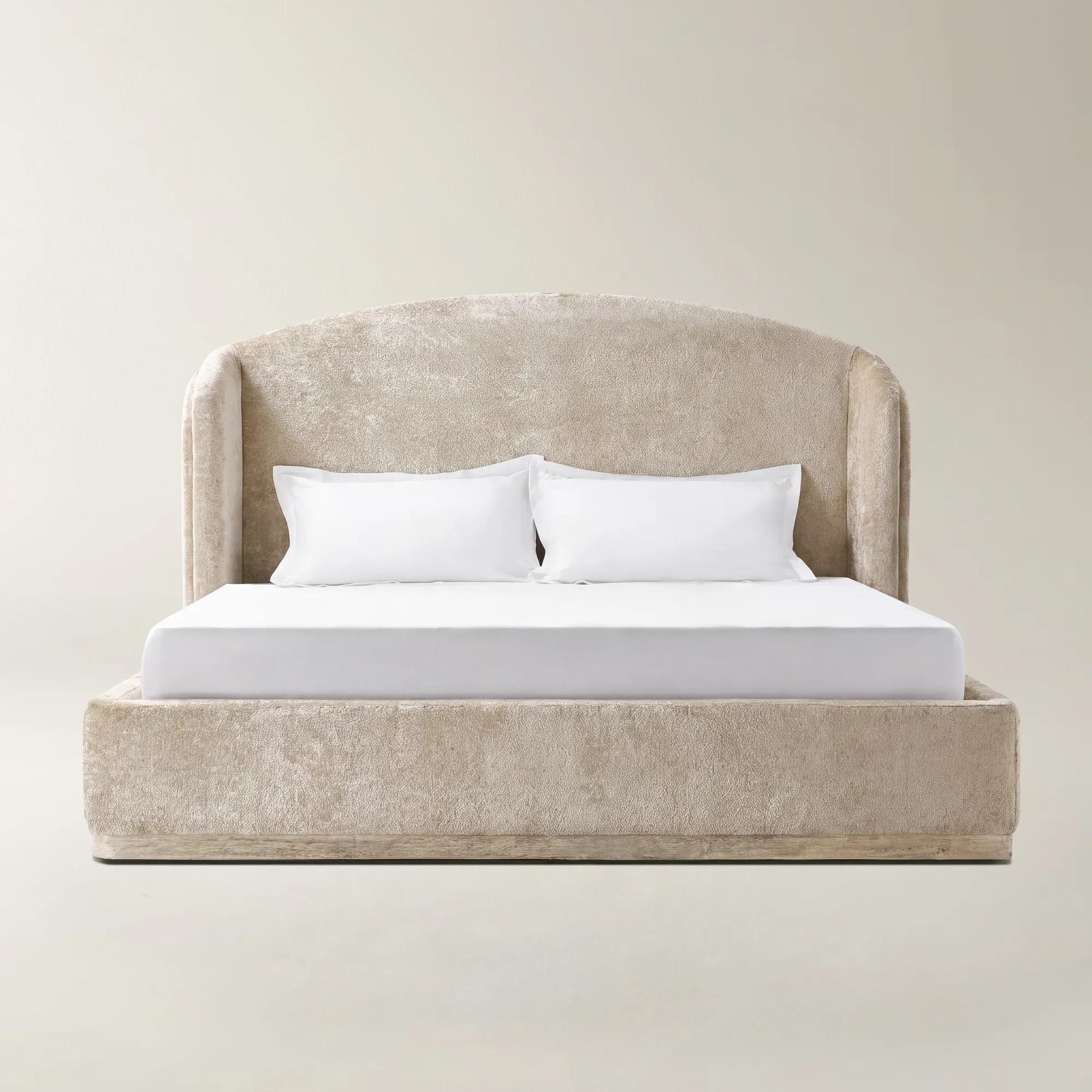
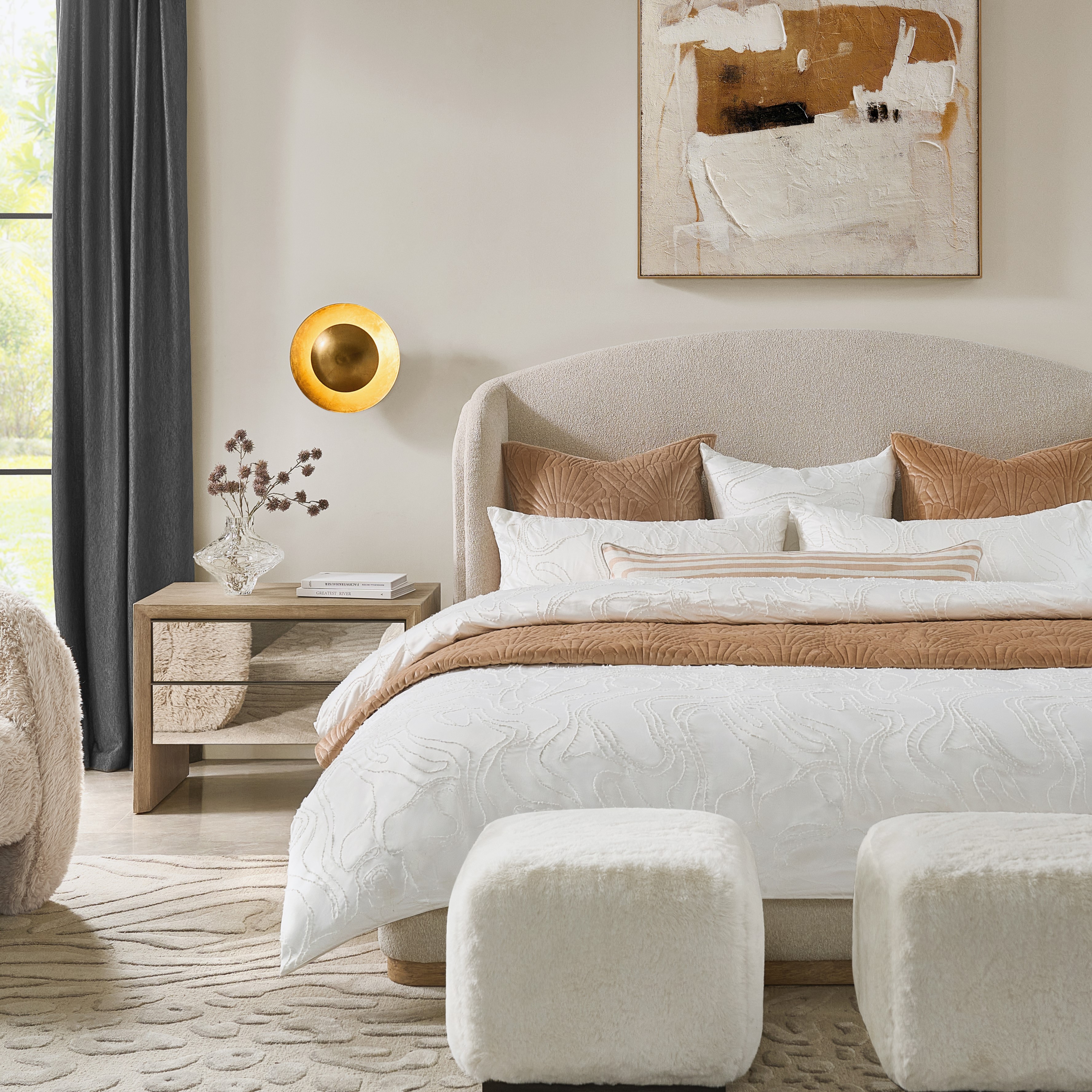 Glimmer Light Brown Chenille Upholstered King Platform Bed$2299
A brown chenille upholstered platform bed with a sculpted headboard and solid rubberwood base.
Add To Cart -
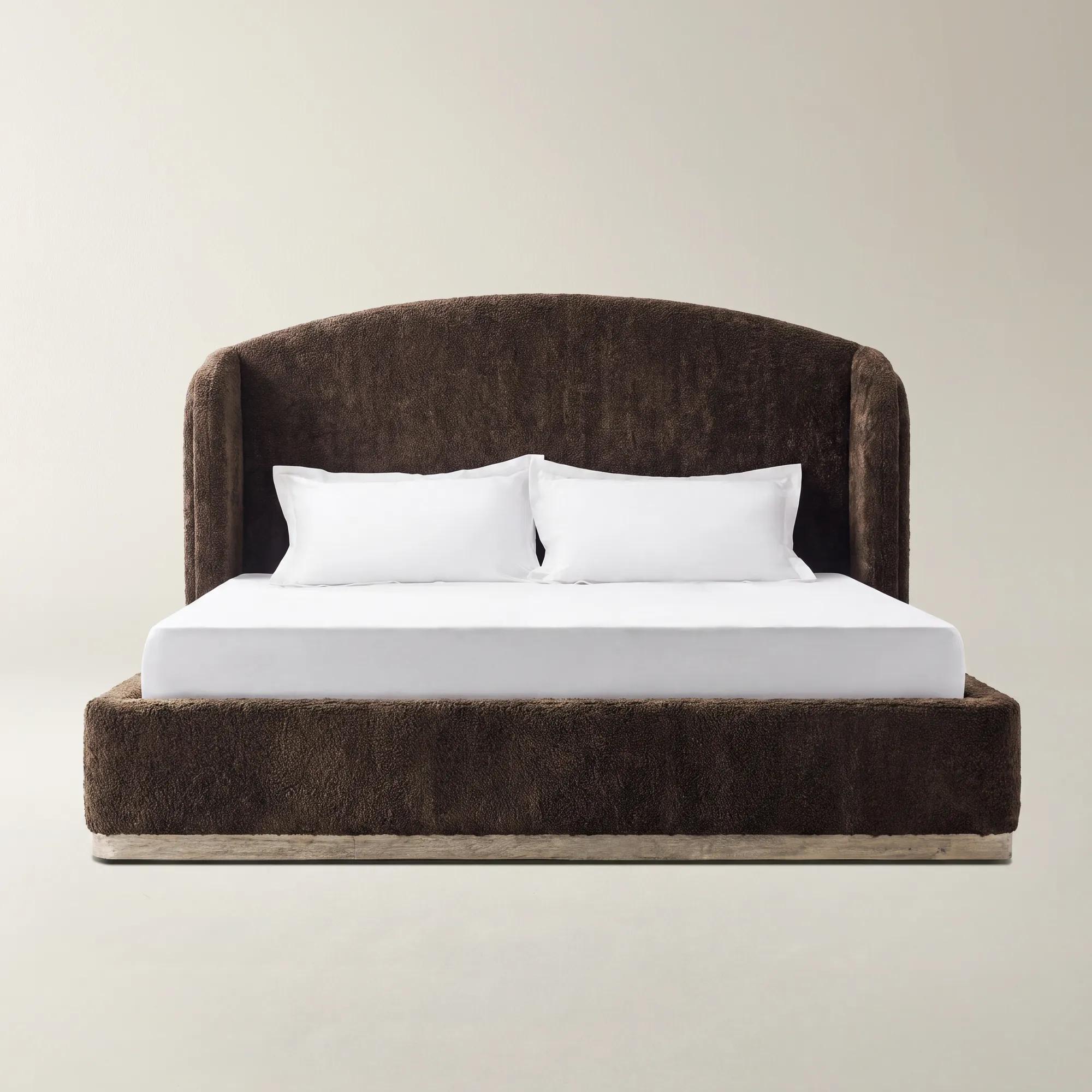
 Glimmer Dark Chocolate Chenille Upholstered King Platform Bed$2299
A dark chocolate chenille platform bed with a sculpted padded headboard and solid rubberwood base.
Add To Cart -
Stria Ivory Performance Boucle Upholstered Queen Platform Bed$2399
A sculptural ivory performance boucle platform bed featuring a wingback headboard and FSC-certified solid oak base.
Add To Cart -
Stria Ivory Performance Boucle Upholstered Queen Platform Bed$2399
A sculptural ivory performance bouclé platform bed featuring a wingback headboard and FSC-certified solid oak base.
Add To Cart -
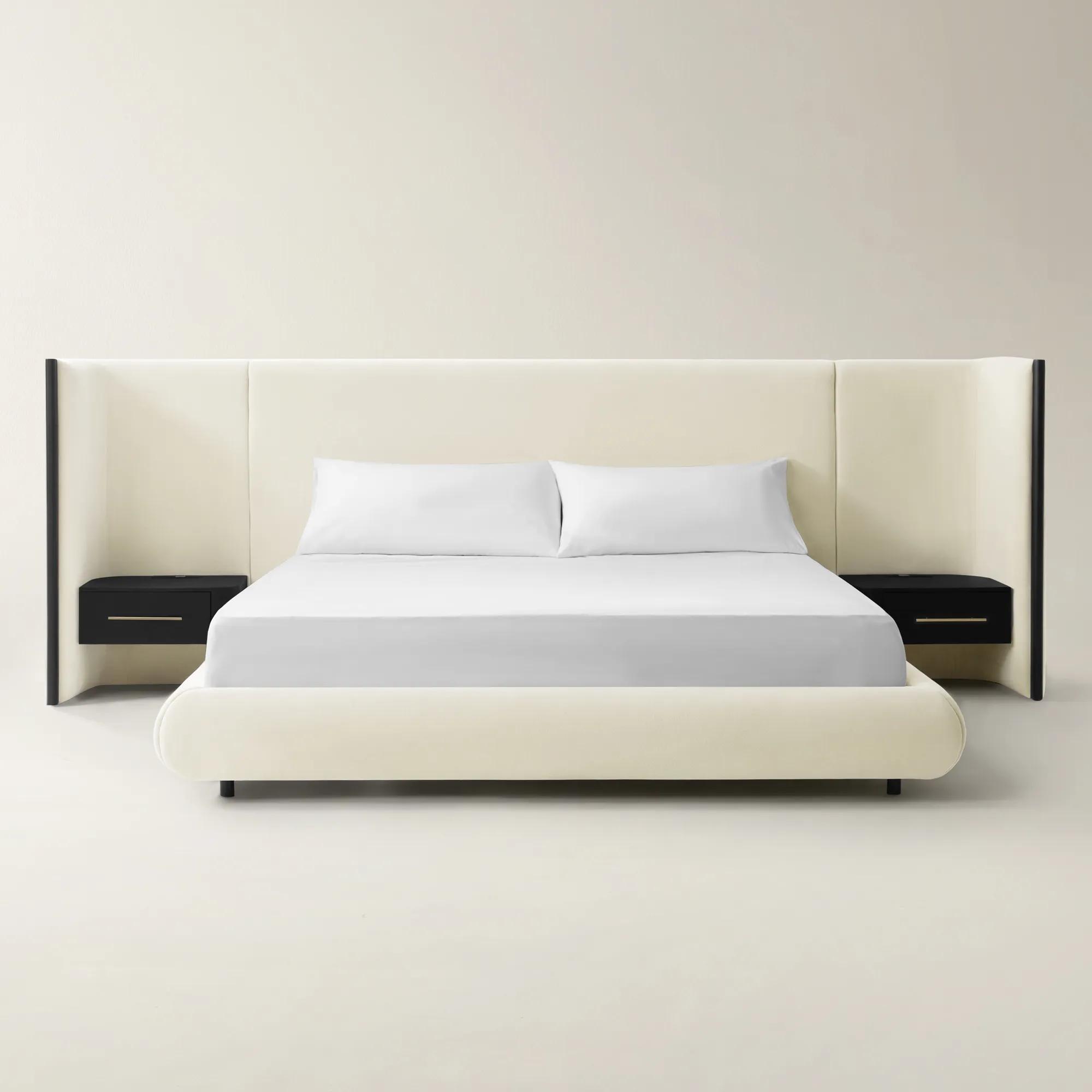 Sierra Cloud Velvet Upholstered Queen Bed With Nightstands$2699
A modern platform bed featuring plush velvet upholstery, black wood trim, and integrated floating nightstands with power access.
Add To Cart -
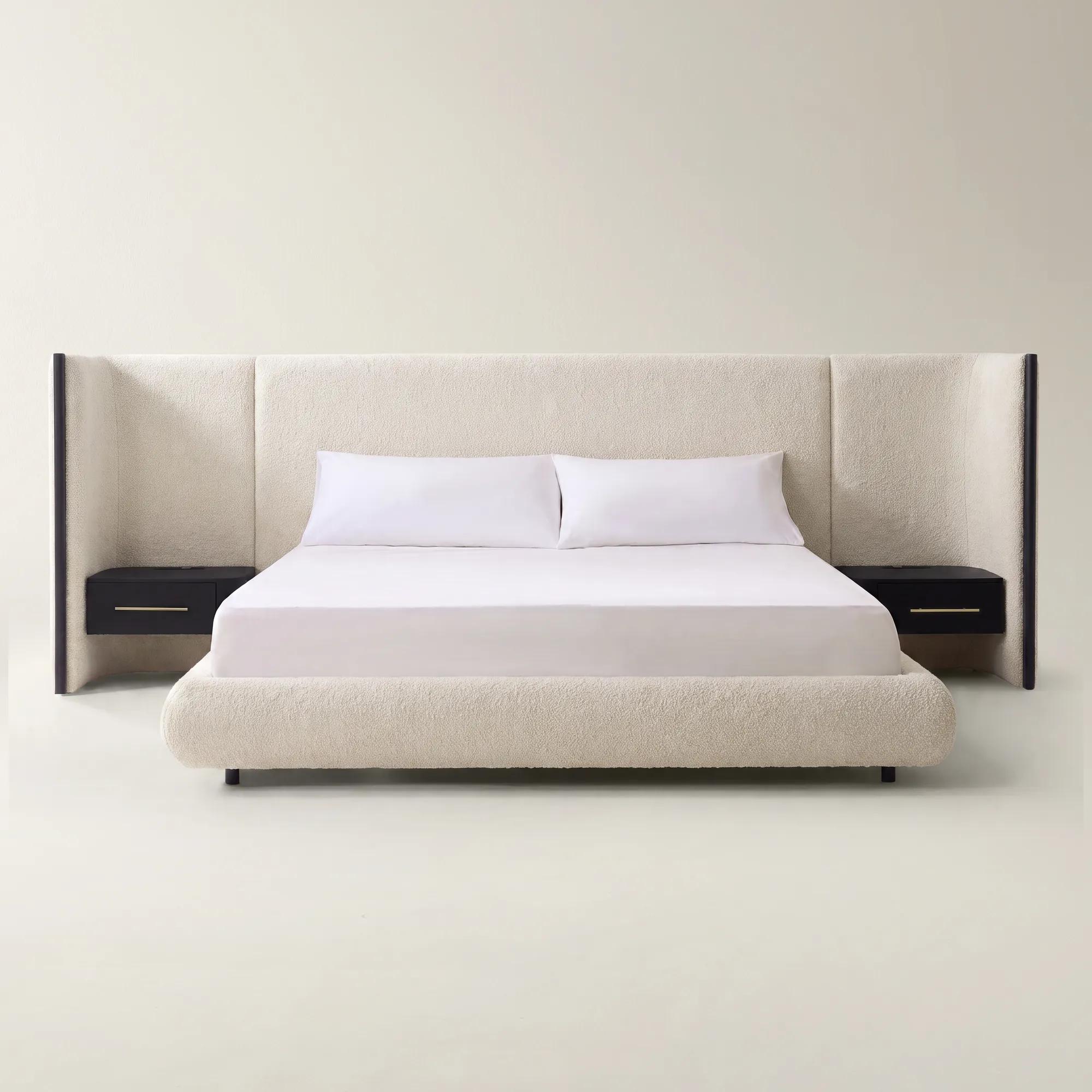 Sierra Utopia Sand Chenille Upholstered King Bed With Nightstands$2999
A sand chenille upholstered platform bed featuring an extended headboard with floating nightstands and black wood trim.
Add To Cart -
Sierra Utopia Sand Chenille Upholstered Queen Bed With Nightstands$2799
A sand chenille upholstered platform bed featuring an extended headboard, black wood trim, and floating nightstands.
Add To Cart -
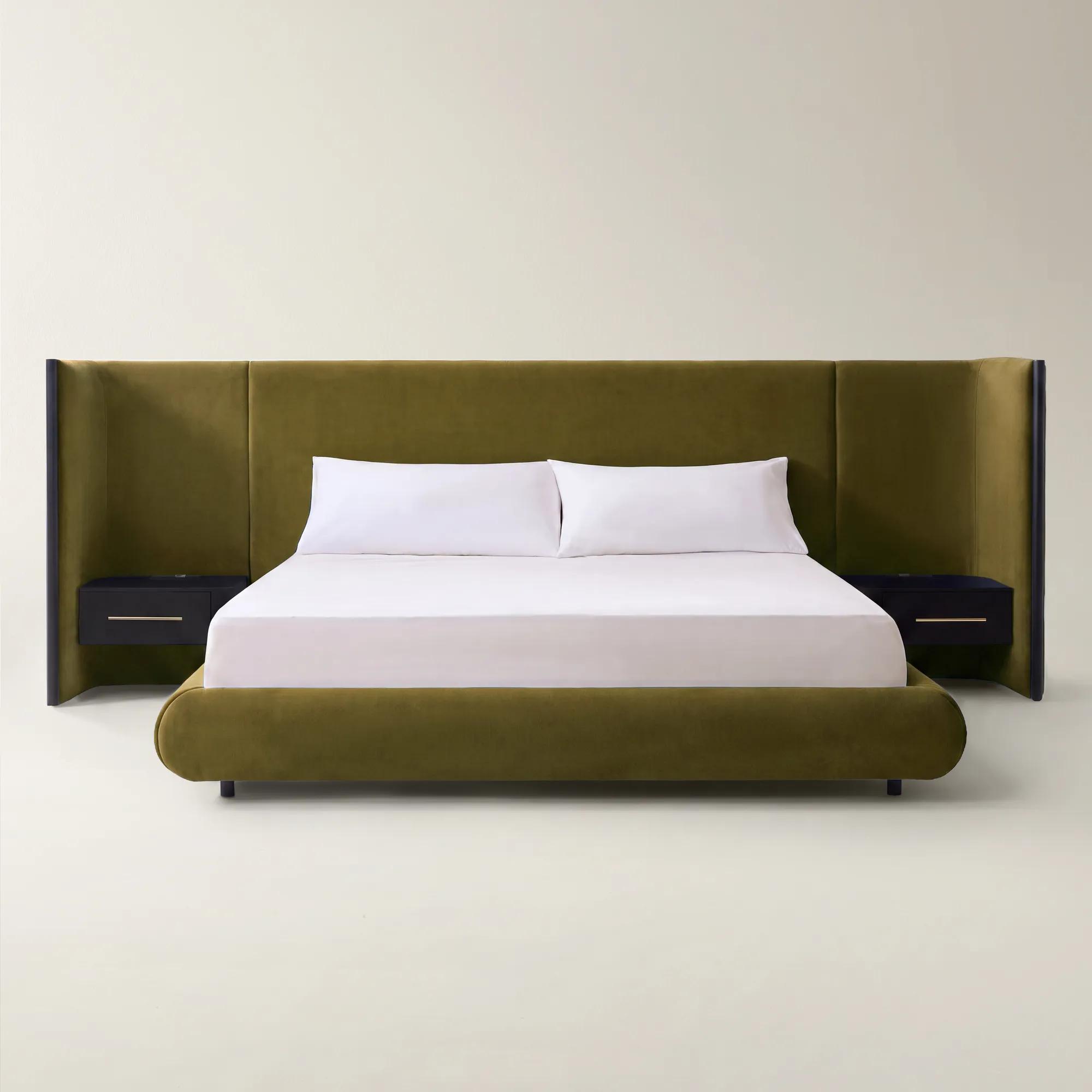 Sierra Deep Olive Velvet Upholstered Queen Bed With Nightstands$2699
A deep olive velvet platform bed featuring an extended headboard, floating nightstands, and built-in power access.
Add To Cart -
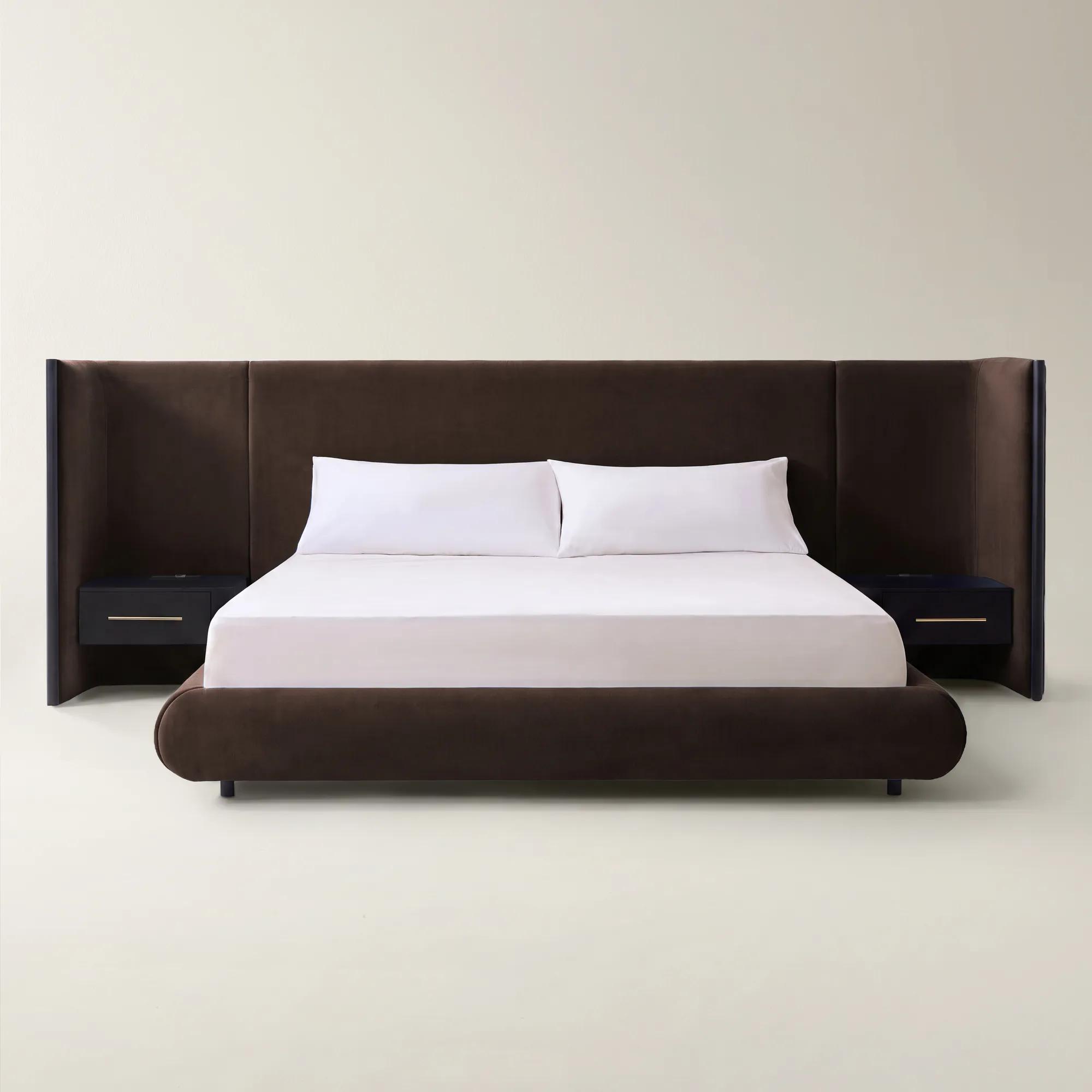 Sierra Dark Chocolate Velvet Upholstered King Bed With Nightstands$2899
A dark chocolate velvet platform bed featuring an extended headboard, floating nightstands, and built-in power access.
Add To Cart -
Sierra Simply Taupe Velvet Upholstered King Bed With Nightstands$2899
A taupe velvet platform bed featuring an extended headboard, floating nightstands, and integrated power access.
Add To Cart

Leather Beds For Urban Bedrooms
Leather beds for urban bedrooms are the ultimate invitation to indulge in modern luxury—where sleek silhouettes meet sumptuous textures and every detail is designed to captivate. Imagine a sanctuary where the city’s pulse fades into the background, replaced by the tactile richness of leather and the bold architecture of contemporary design. These beds don’t just anchor your space—they transform it, turning an ordinary room into a statement suite that exudes confidence and cosmopolitan flair. Elevate your retreat with pieces that embody metropolitan sophistication, creating a haven that feels as daring and dynamic as the city itself.
Leather beds for urban bedrooms bring upholstered comfort and architectural presence to spaces where every furnishing has a visible role. A leather-covered headboard creates a distinctive focal point against exposed brick, smooth plaster, or floor-to-ceiling windows, while coordinated rails can give the sleeping area a polished, cohesive silhouette. In a city apartment or loft, that combination is especially compelling: the bed establishes a sense of retreat without needing an elaborate arrangement of furniture around it. Smooth upholstery emphasizes clean lines and the natural character of the surface; channel detailing introduces rhythm; tufting adds depth and a more sumptuous expression. Each treatment changes how the bed interacts with light, from the soft sheen of an uninterrupted panel to the shadows gathered within a deeply upholstered headboard. Color shapes the atmosphere just as decisively. Black and espresso create rich contrast with pale walls and crisp bedding, while cognac and caramel complement wood floors, brushed metal, and earthy textiles. Ivory or cream upholstery can soften an industrial setting while maintaining a distinctly dressed finish. Material descriptions deserve close attention, since leather beds may feature genuine leather, leather-look upholstery, or a combination of coverings across different sections. Full-grain leather retains the hide’s natural surface character, while top-grain leather has been refined at the surface for a more consistent appearance. The term genuine leather alone does not identify a particular grade or establish how the upholstery will perform. Faux leather offers a leather-like appearance through a manufactured surface, with texture, flexibility, and durability varying by composition and construction. Natural leather may display variations in grain and tone, and some finishes develop a patina with use; more heavily protected finishes tend to maintain a more uniform look. These distinctions make the material specification as important as the photograph. Whether the room belongs to a design-conscious apartment dweller, a couple furnishing a city condo, or a host creating an expressive guest suite, the appeal lies in a bed that feels considered, tactile, and integral to the room.
Scale determines whether that statement feels expansive or crowded. A low-profile leather bed can preserve open sightlines beneath broad windows, while a taller upholstered headboard introduces vertical drama and gives an otherwise unadorned wall a finished composition. Neither silhouette automatically saves floor space: the complete frame dimensions, including upholstered rails, projecting corners, and any footboard, determine the actual footprint. A standard queen mattress measures approximately 60 by 80 inches, and a standard king measures approximately 76 by 80 inches, but the surrounding bed frame extends beyond those measurements. In a compact urban bedroom, the difference can affect whether a closet door opens fully, whether nightstand drawers clear the rails, or whether two people can move comfortably around the bed. A generously padded headboard also has depth that should be considered when planning the room. About 24 to 30 inches of circulation space beside the bed is a useful planning target where the layout permits, with additional room needed for drawers and swinging doors. Delivery access matters just as much in apartment buildings: elevator interiors, stairwell turns, doorway widths, and the size of the largest packaged component can all influence fit. Beyond those practical boundaries, the bed’s proportions help establish the room’s visual balance. A broad headboard pairs beautifully with substantial bedside lighting, while a lower frame can leave more space for an oversized artwork above it. Mattress height affects that relationship, since a thick mattress may conceal much of the upholstery or raise the sleeping surface beyond the intended proportions. Platform construction often allows a mattress to rest on a supported deck or slats without a separate box spring, but requirements depend on both the bed and mattress manufacturer. Slat spacing, center support, weight limits, and foundation compatibility deserve confirmation before pairing them. For a bedroom that also accommodates a dressing area or work nook, a well-scaled leather bed gives the space a clear center of gravity. Balanced with a textured rug, flowing curtains, and gleaming accents, it can make a compact room feel fully composed rather than densely furnished.
The lasting pleasure of a leather bed depends on its construction, finish, and daily surroundings as much as its initial appearance. A stable frame, secure connections, appropriate mattress support, and neatly finished upholstery contribute to a bed that holds its shape and presence over time. Reinforced seams and carefully fitted corners are useful details to examine, especially where bedding, clothing, or regular movement creates contact with the frame. Leather should not be treated as universally scratch-resistant, and faux leather is not automatically more durable than genuine leather; performance varies with the material, coating, use, and maintenance. In homes with pets, claws can mark upholstery, so keeping scratching behavior away from the bed and preventing repeated rubbing against exposed corners helps protect the finish. Direct sunlight can fade some coverings, while placement close to heating vents may contribute to drying or surface deterioration. Routine care generally begins with removing dust using a soft, dry cloth and addressing spills promptly by blotting rather than rubbing. Any damp cleaning method, leather cleaner, or conditioner should follow the upholstery manufacturer’s instructions, with an inconspicuous spot test when appropriate. Products intended for natural leather may not suit faux leather, and household solvents, abrasive pads, or aggressive cleaners can damage either surface. The reward for thoughtful care is a sleeping space that retains its richness without demanding visual excess. Crisp cotton sheets bring contrast to a dark upholstered frame; a woven coverlet adds dimension to smooth leather; a restrained arrangement of sculptural pillows leaves the headboard’s detailing visible. For a newly established home, Leather Beds For New Apartments provides a related perspective on creating a distinctive bedroom from the start. Across urban interiors, leather beds lend themselves to rooms designed for rest, reading, and an unhurried pause from city life. Their character comes from the meeting of proportion and texture: upholstery that invites touch, a silhouette that commands the room, and a finish that makes the surrounding details feel deliberate.
FAQs
Leather beds bring a sophisticated, modern edge to urban bedrooms, pairing effortlessly with city architecture and contemporary décor. Their rich texture and bold presence create a dramatic focal point, while their durability and easy-care surfaces suit the fast-paced, cosmopolitan lifestyle.
To evoke an urban aesthetic, pair your leather bed with metallic accents, geometric lighting, and bold artwork. Layer in plush textiles—think velvet throws or faux fur pillows—to soften the look and add depth. The result is a bedroom that feels both curated and inviting, with the leather bed as the statement centerpiece.
Absolutely. Leather beds excel in every season, but truly shine in winter when their supple upholstery adds warmth and tactile comfort. Paired with cozy blankets and ambient lighting, a leather bed transforms the bedroom into a luxurious retreat from the chill outside.
A leather bed makes a remarkable gift for design enthusiasts, newlyweds, or anyone moving into a new urban home. Its timeless elegance and versatile style appeal to those who value both artistry and comfort in their living spaces.
Genuine leather beds showcase natural texture and develop unique character over time, offering a luxurious, enduring option. Faux leather beds provide a sleek, animal-friendly alternative with easy maintenance, making them ideal for those seeking a chic look with practical benefits.