Leather Beds For New Apartments
Leather Beds For New Apartments
-
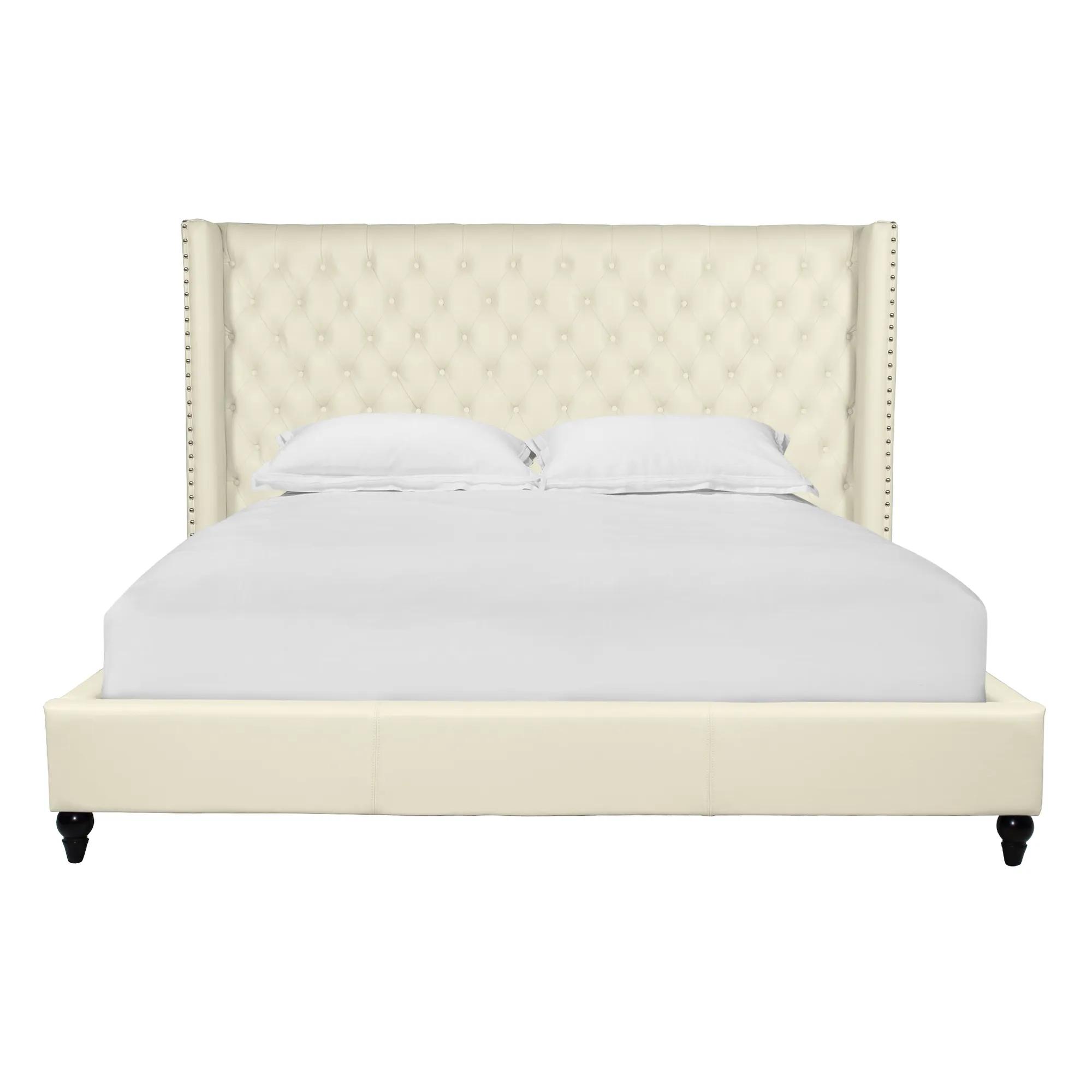
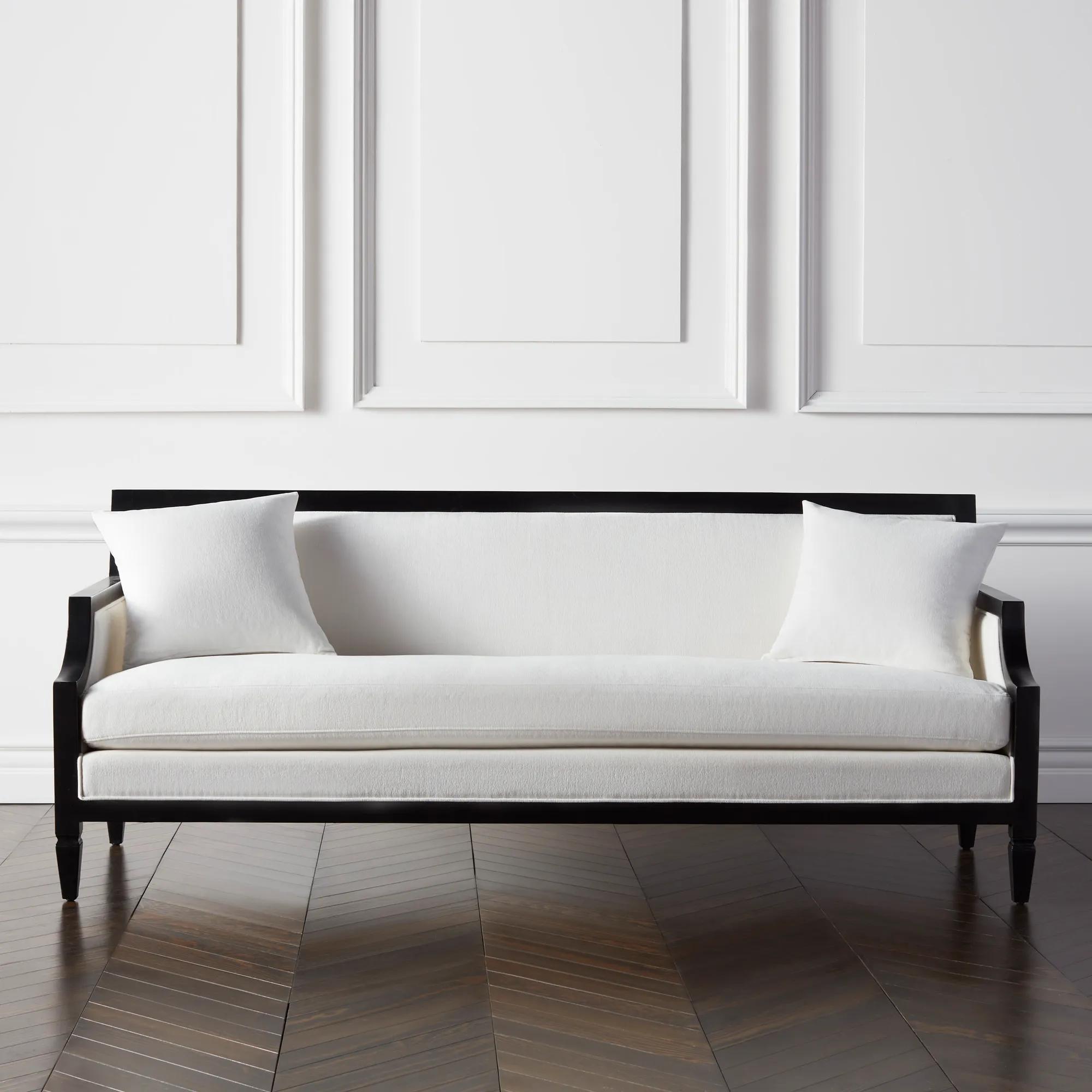
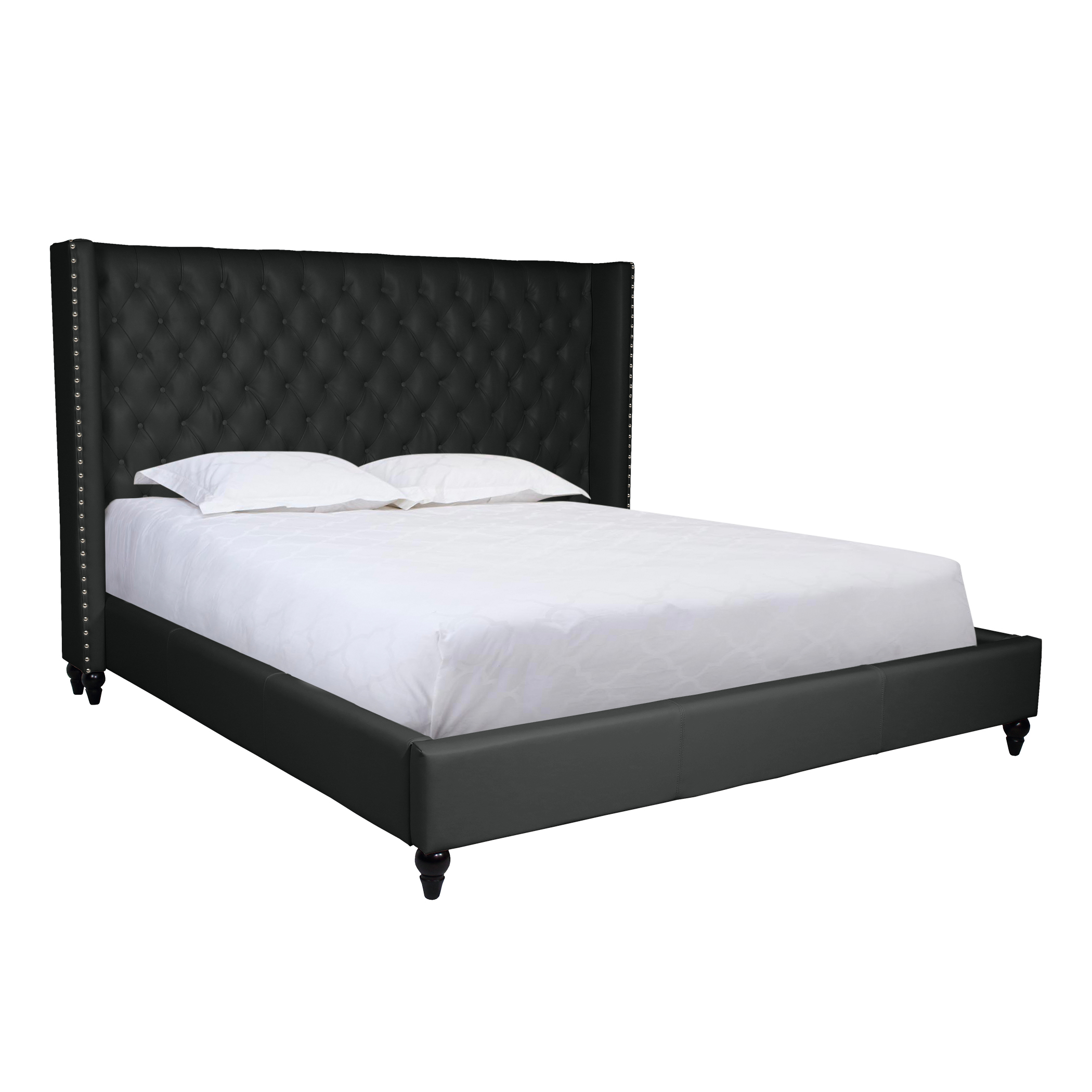 Roberto Leather Bed$3449
A stately bed featuring white top grain leather, diamond tufting, and hand-applied bright nickel nailheads.
Add To Cart -
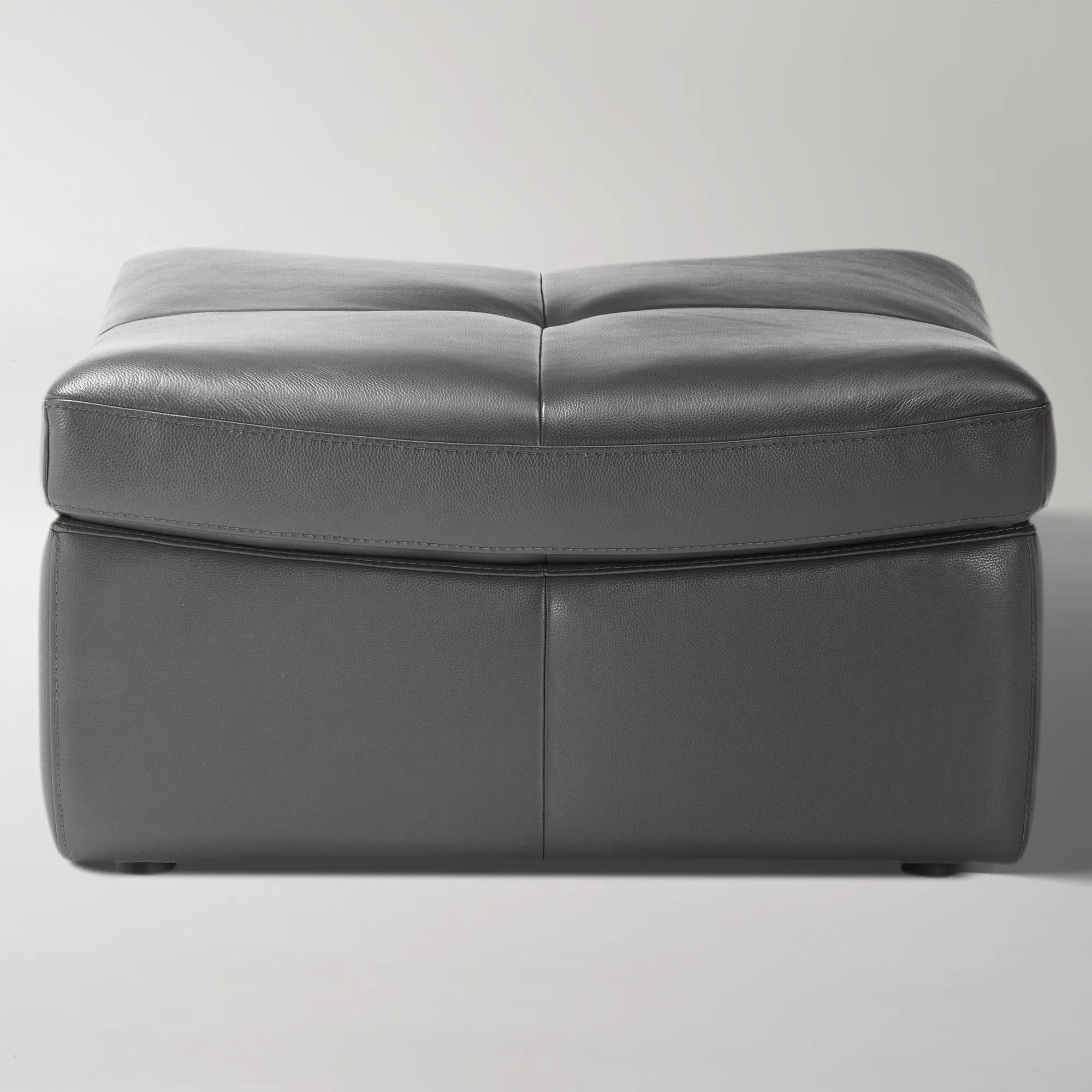 Convo Charcoal Leather Ottoman$849
A modular sectional in charcoal semi-aniline leather with kiln-dried hardwood frames and gently curved seats.
Add To Cart -
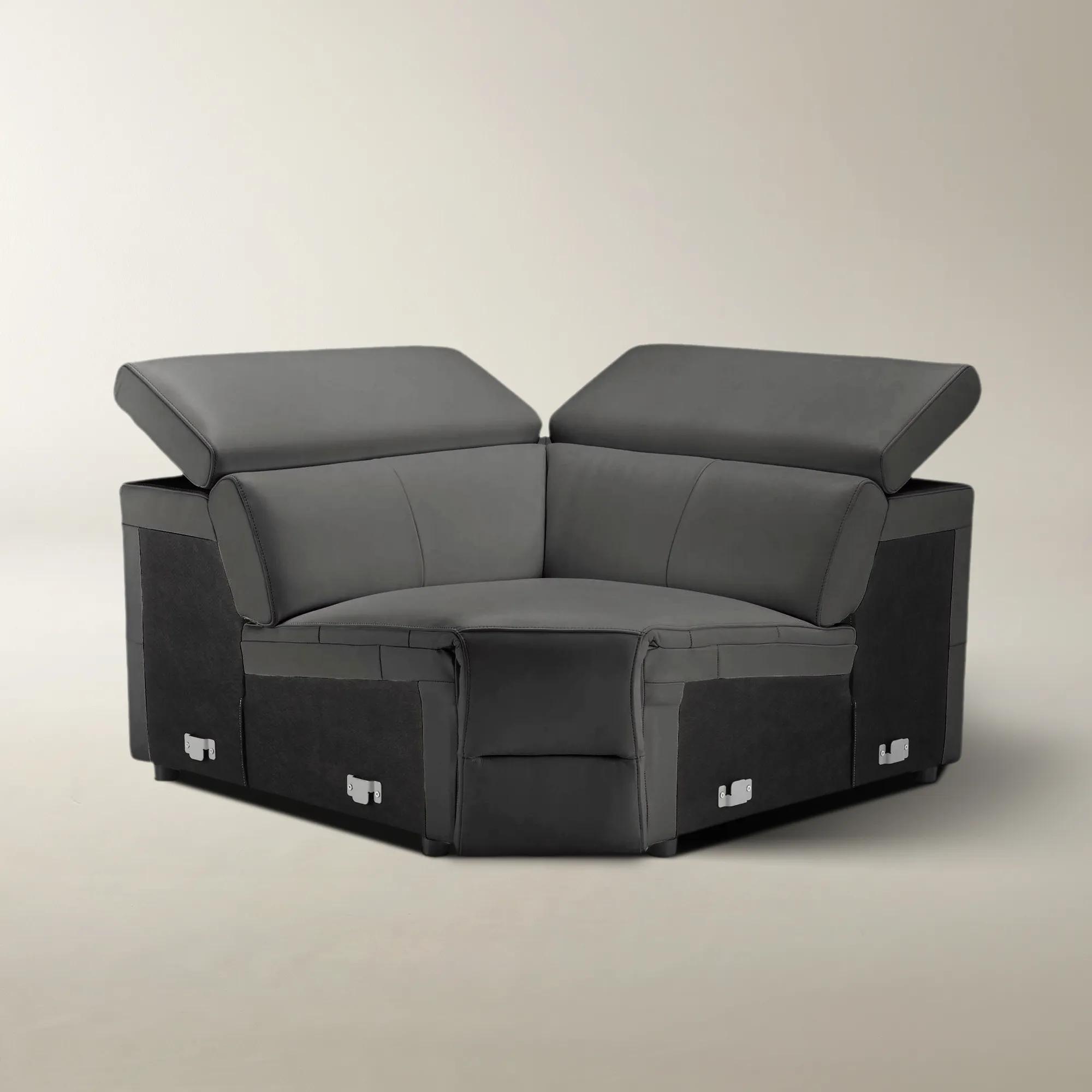
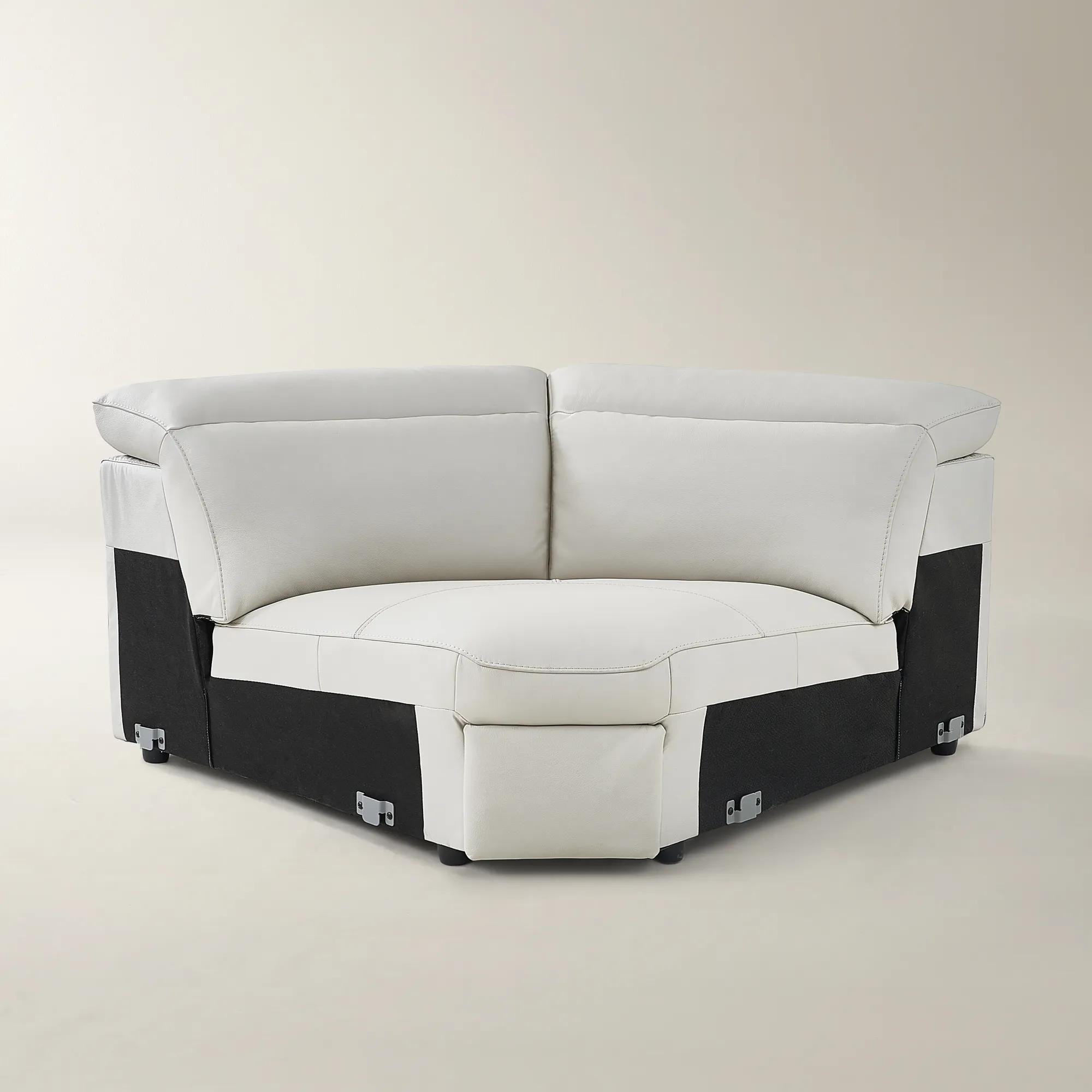
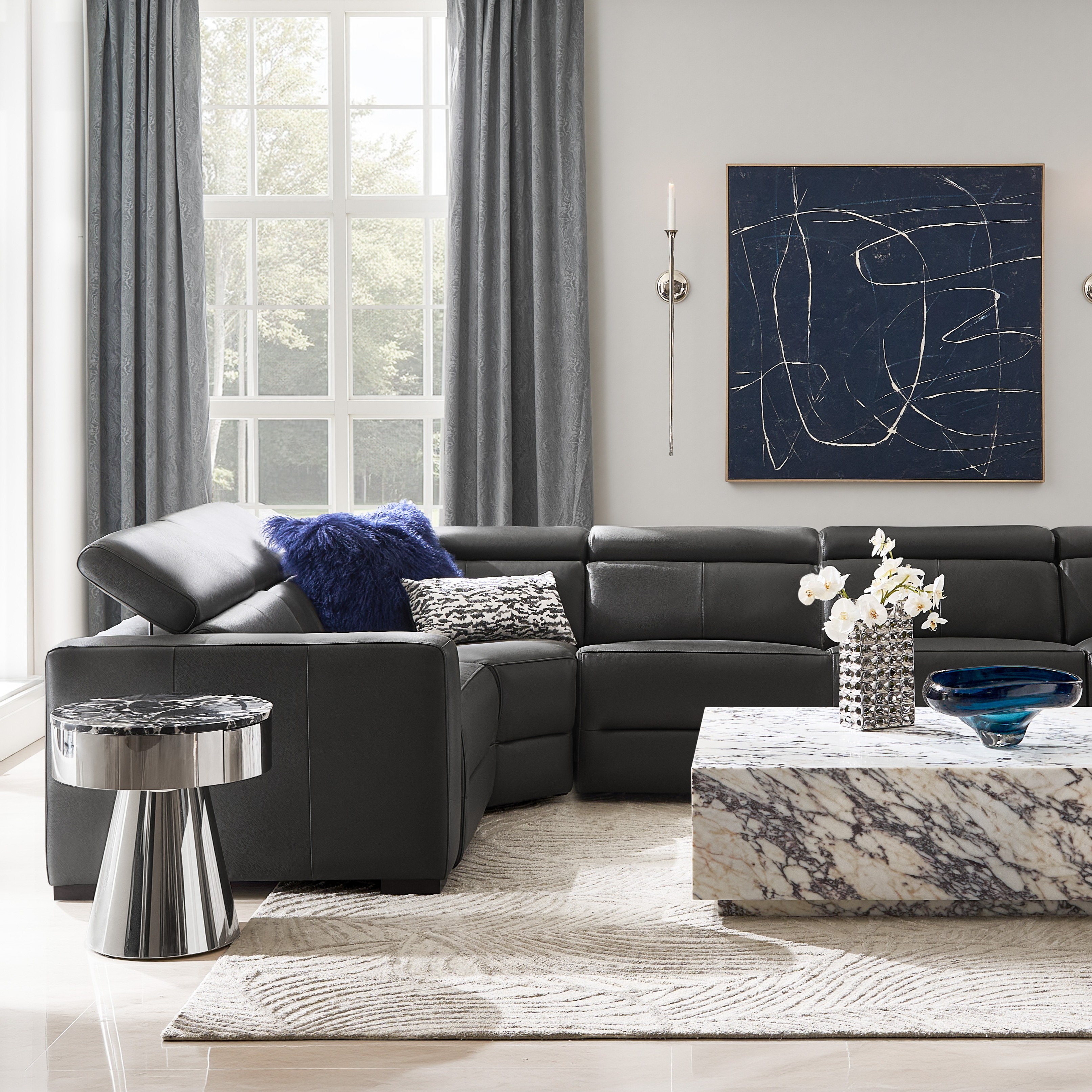 Verona Charcoal Leather Corner Chair With Power$1499
A modern charcoal sectional upholstered in supple semi-aniline leather with adjustable headrests and optional power recline.
Add To Cart -
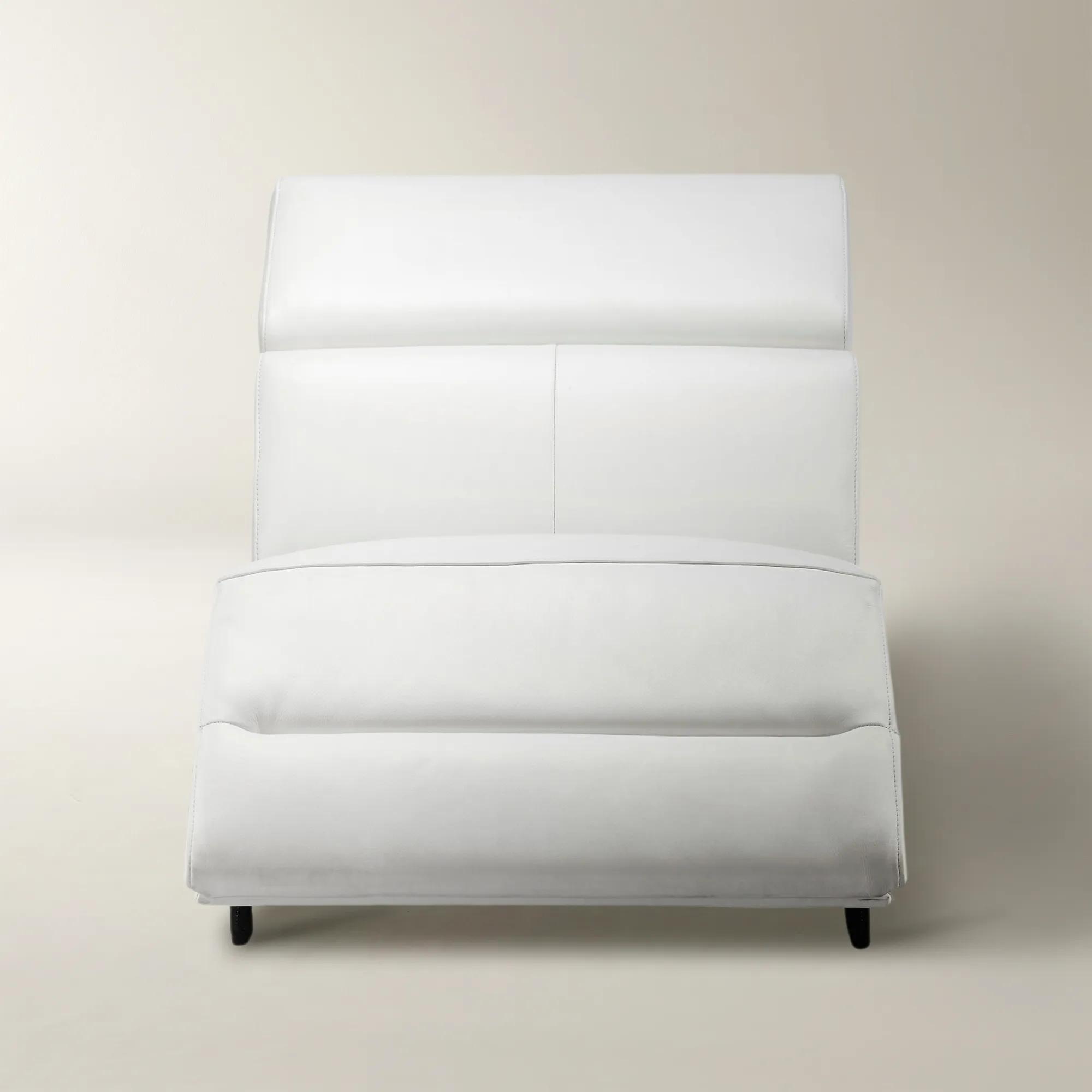
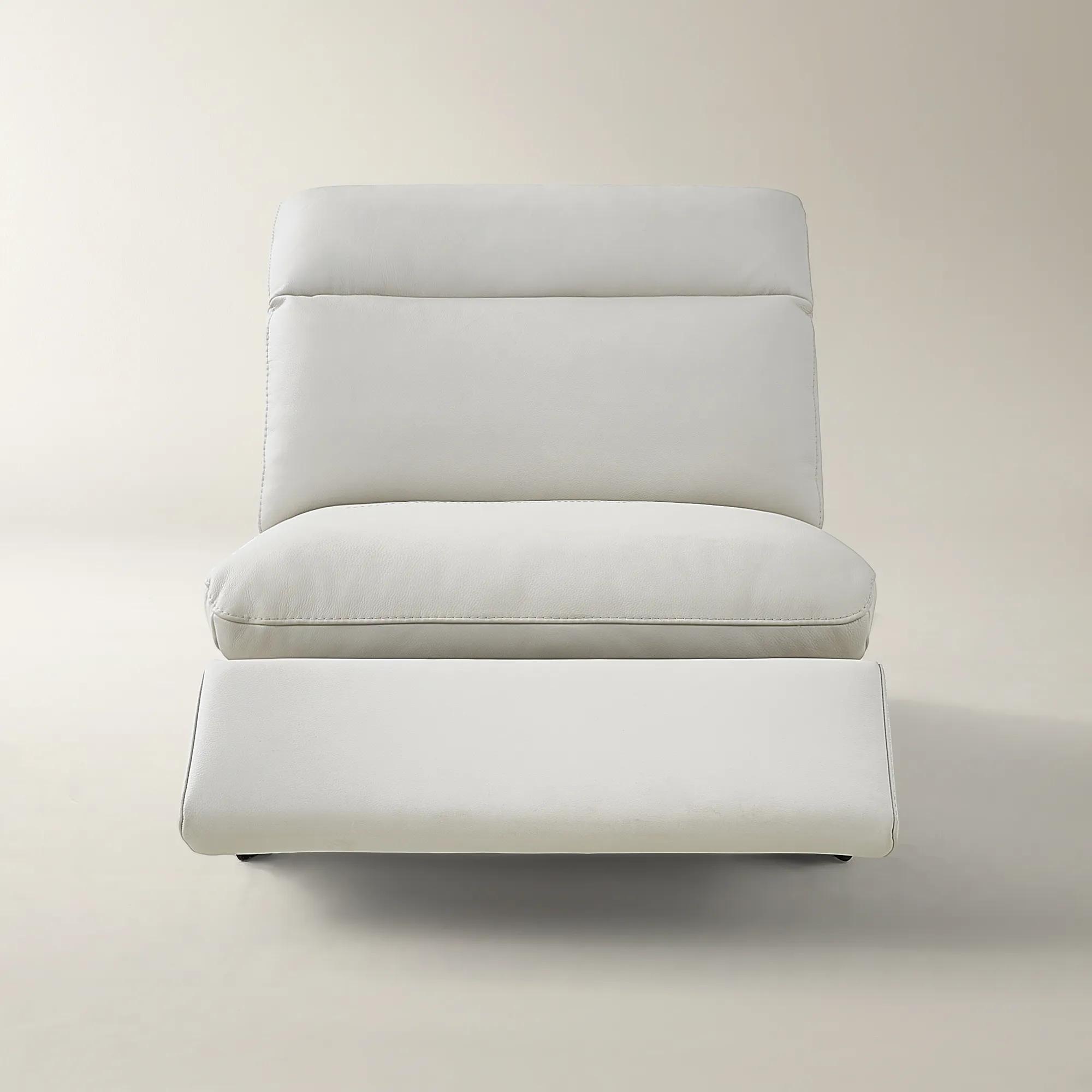
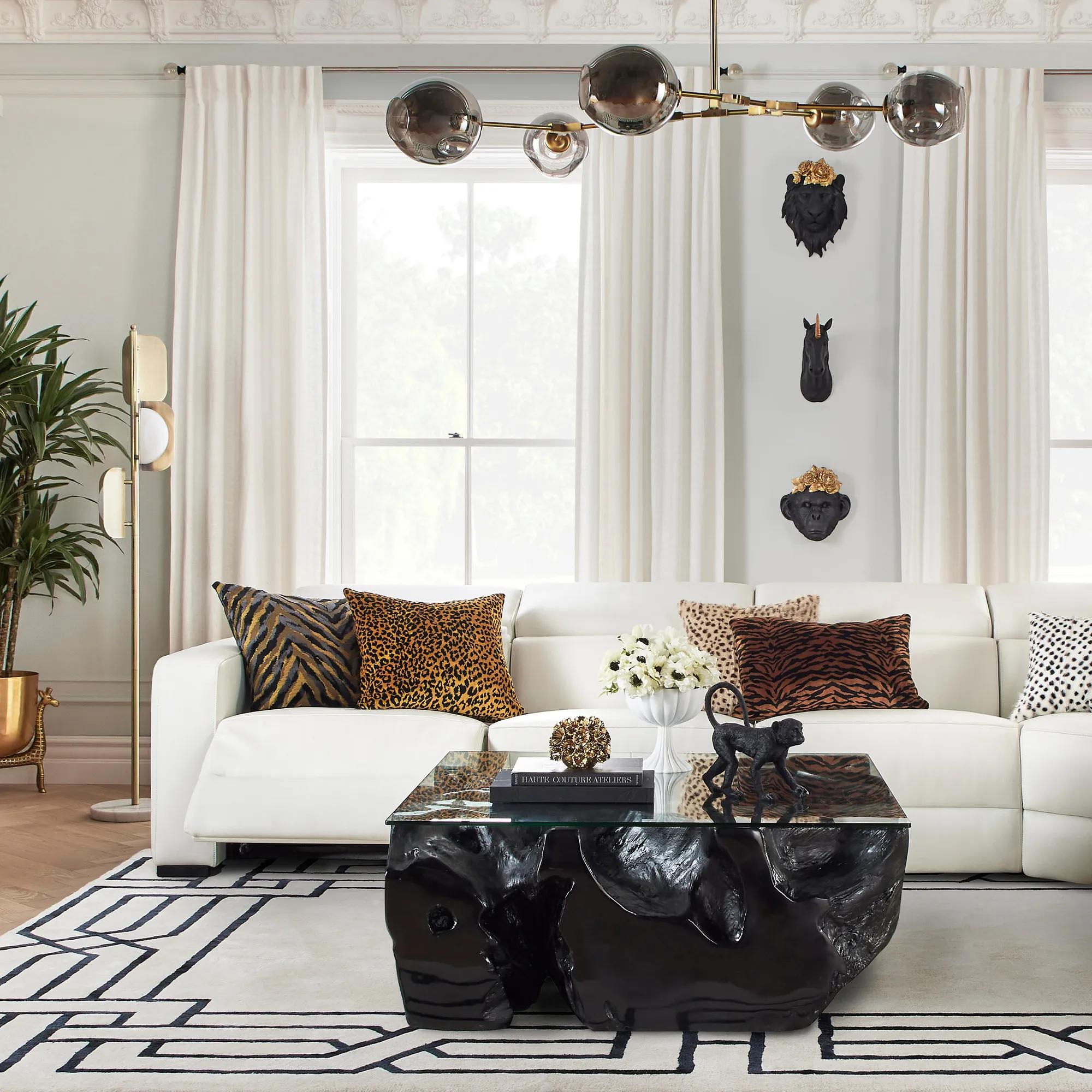 Verona Reclining White Leather Armless Chair With Power$1249
A modern white sectional upholstered in supple semi-aniline leather with adjustable headrests and power-reclining options.
Add To Cart -
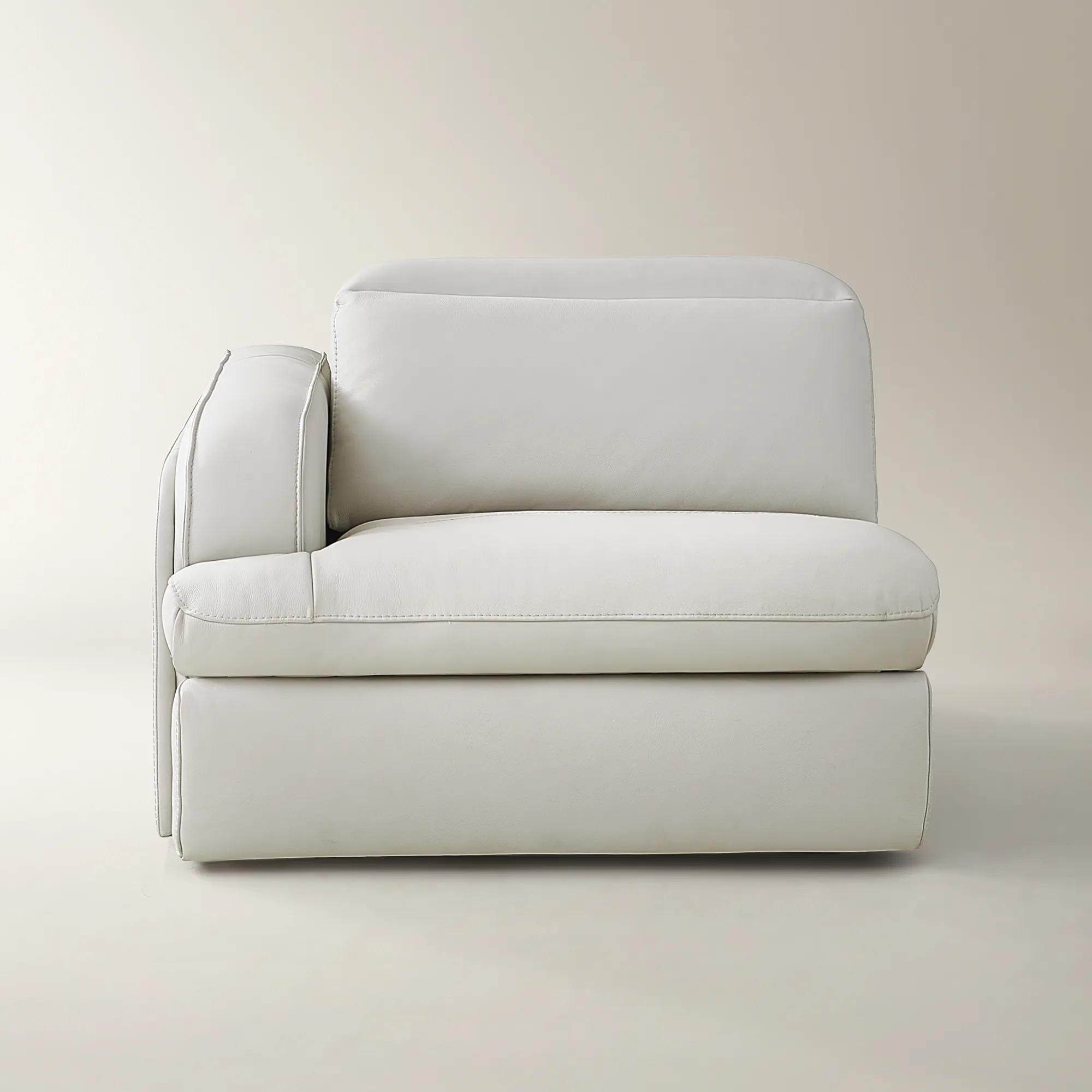
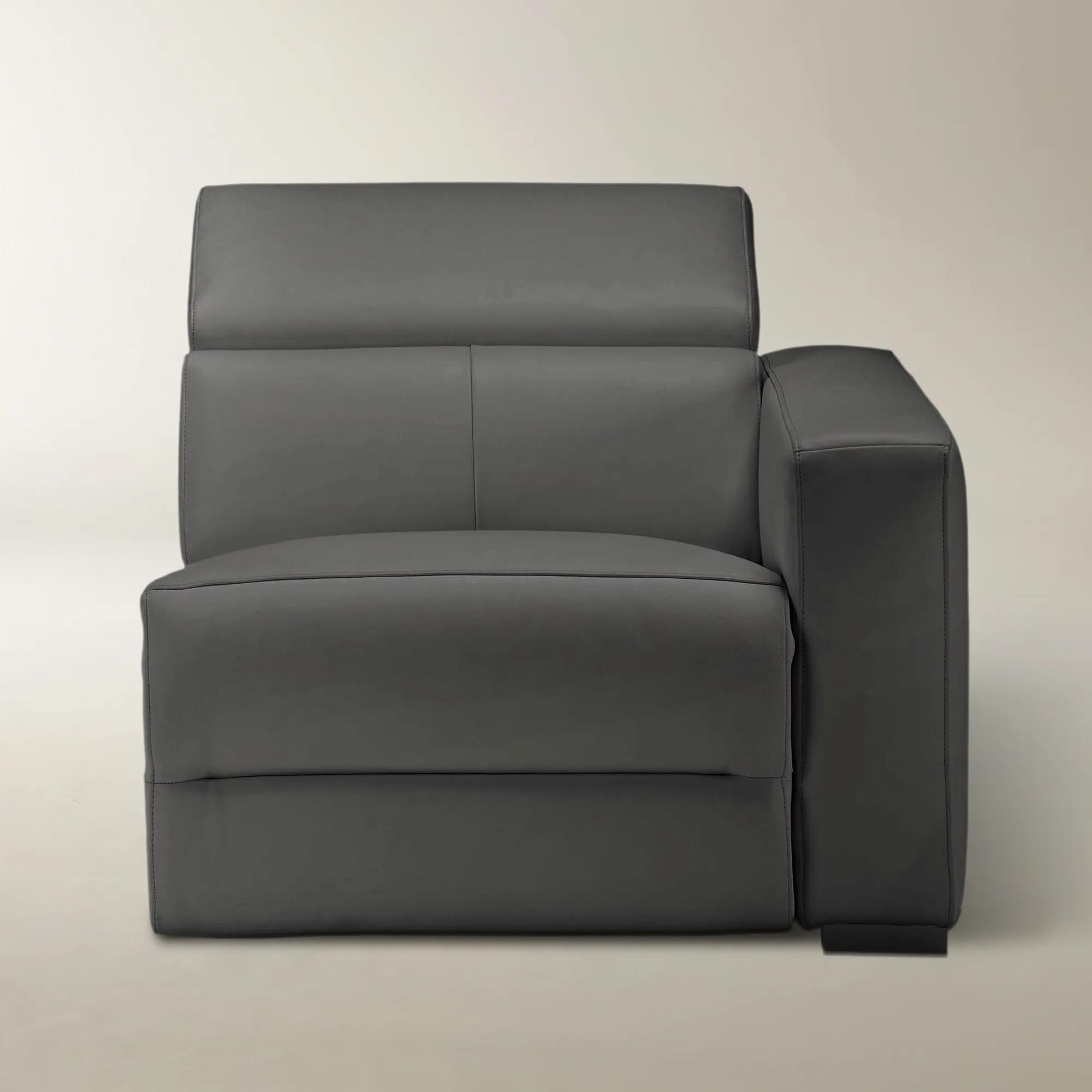 Verona Charcoal Leather Right Arm Chair$1299
A modern charcoal sectional upholstered in supple semi-aniline leather with adjustable headrests and optional power recline.
Add To Cart -
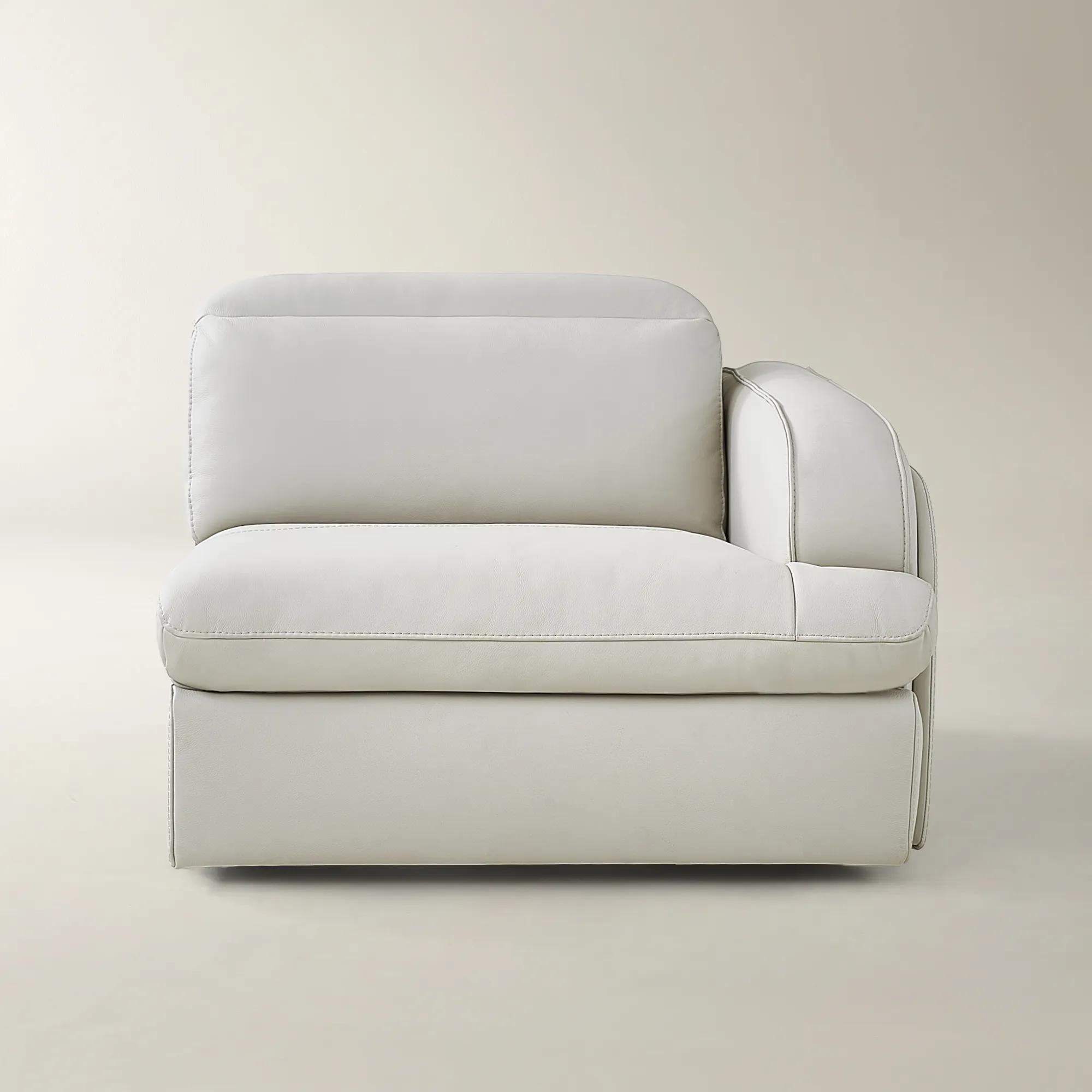
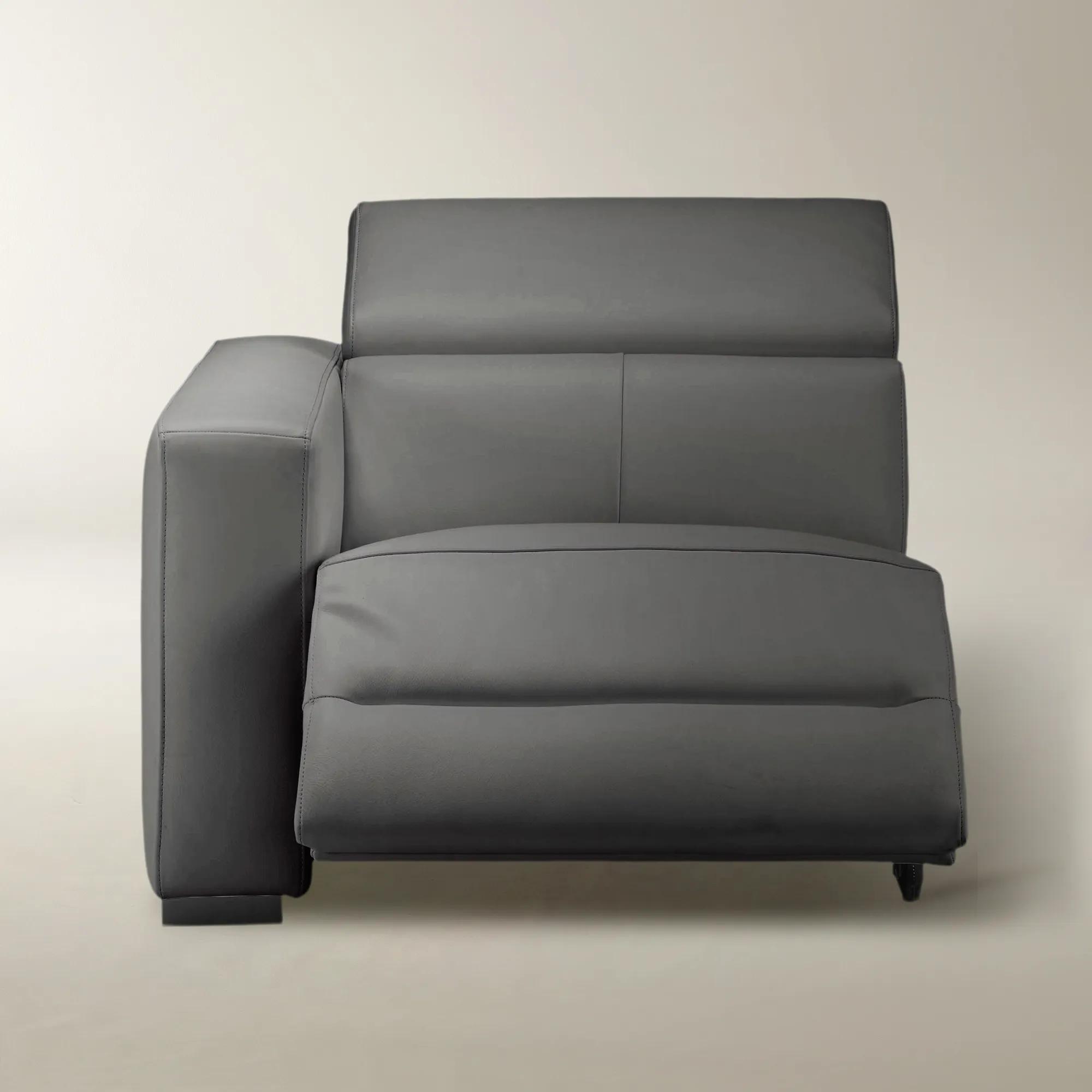 Verona Reclining Charcoal Leather Left Arm Chair With Power$1499
A charcoal semi-aniline leather sectional with adjustable headrests, power-reclining seats, and kiln-dried hardwood frame.
Add To Cart -
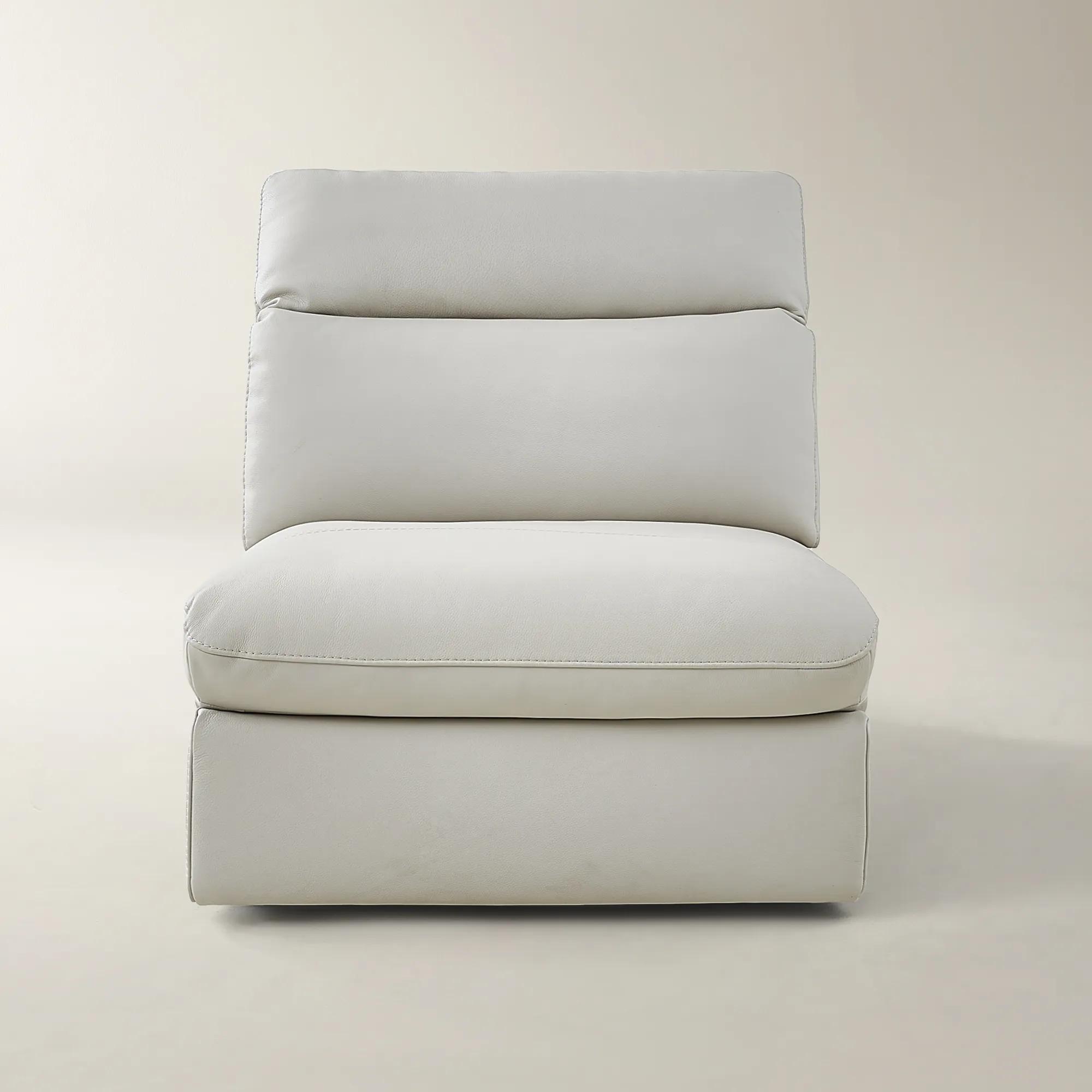
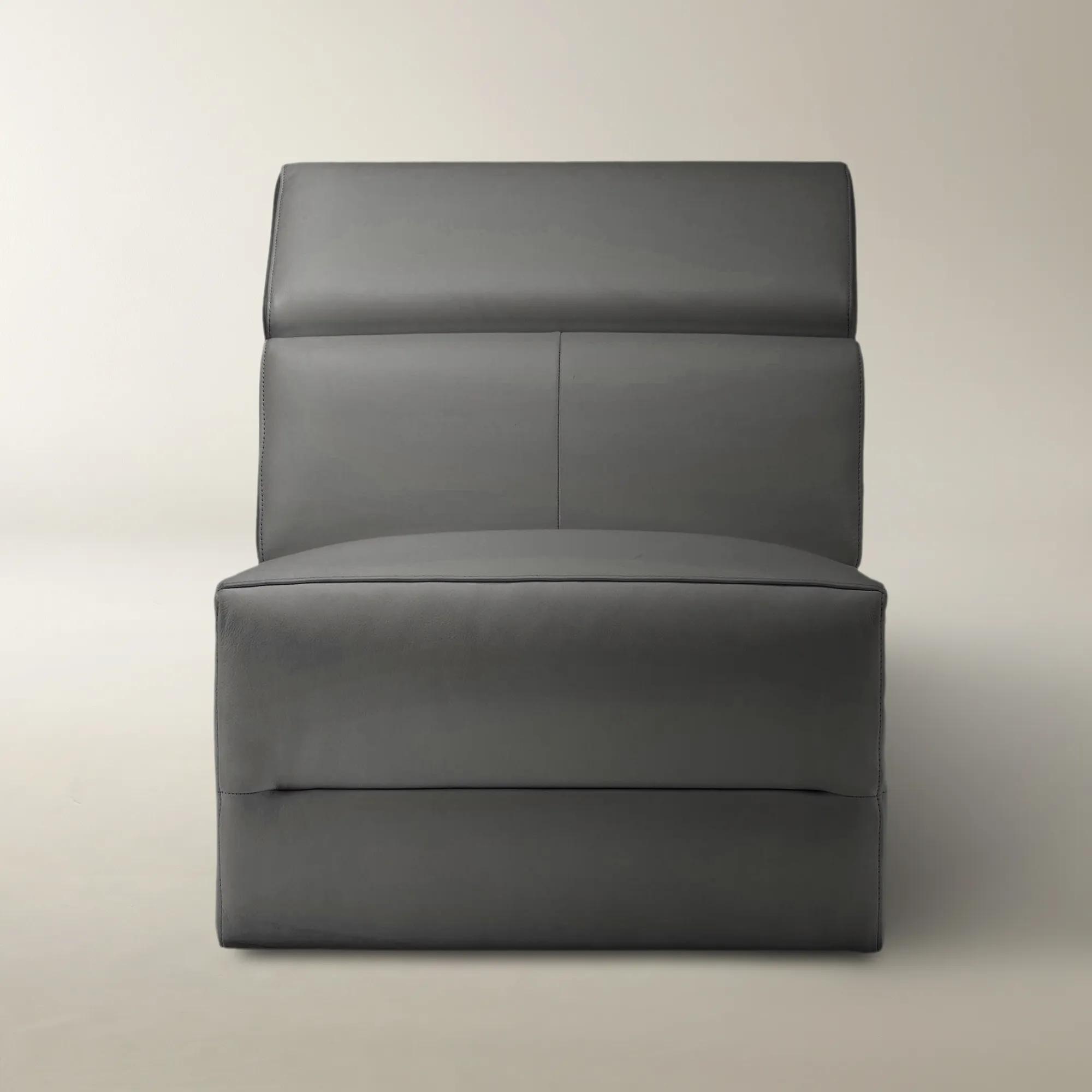 Verona Charcoal Leather Armless Chair$1099
A charcoal semi-aniline leather sectional featuring adjustable headrests and optional power-reclining seats for comfort.
Add To Cart -
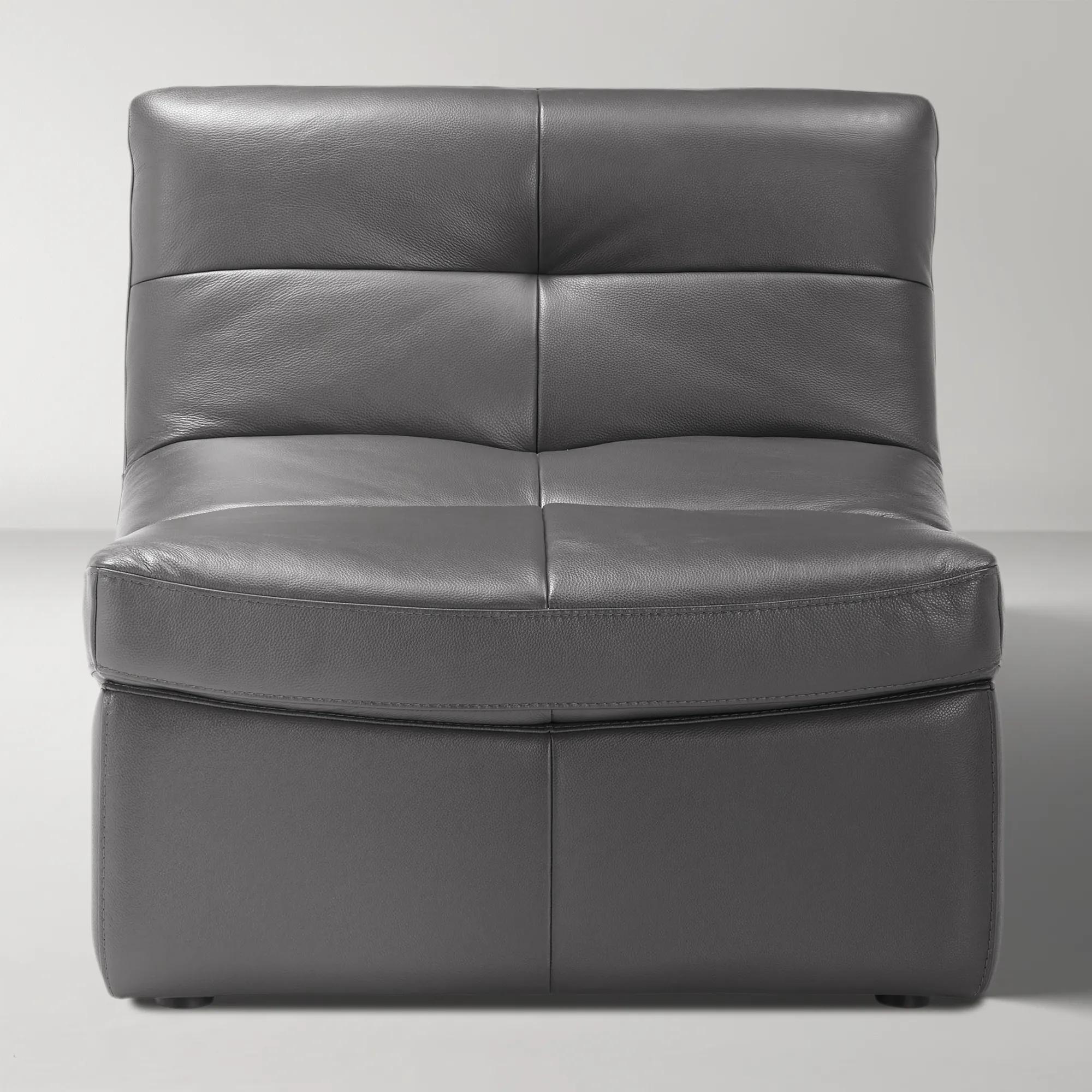
.jpg?w=1200&h=1200) Convo Charcoal Leather Armless Chair$1199
Convo Charcoal Leather Armless Chair$1199A modular sectional with kiln-dried hardwood frame and charcoal semi-aniline leather upholstery for modern versatility.
Add To Cart -
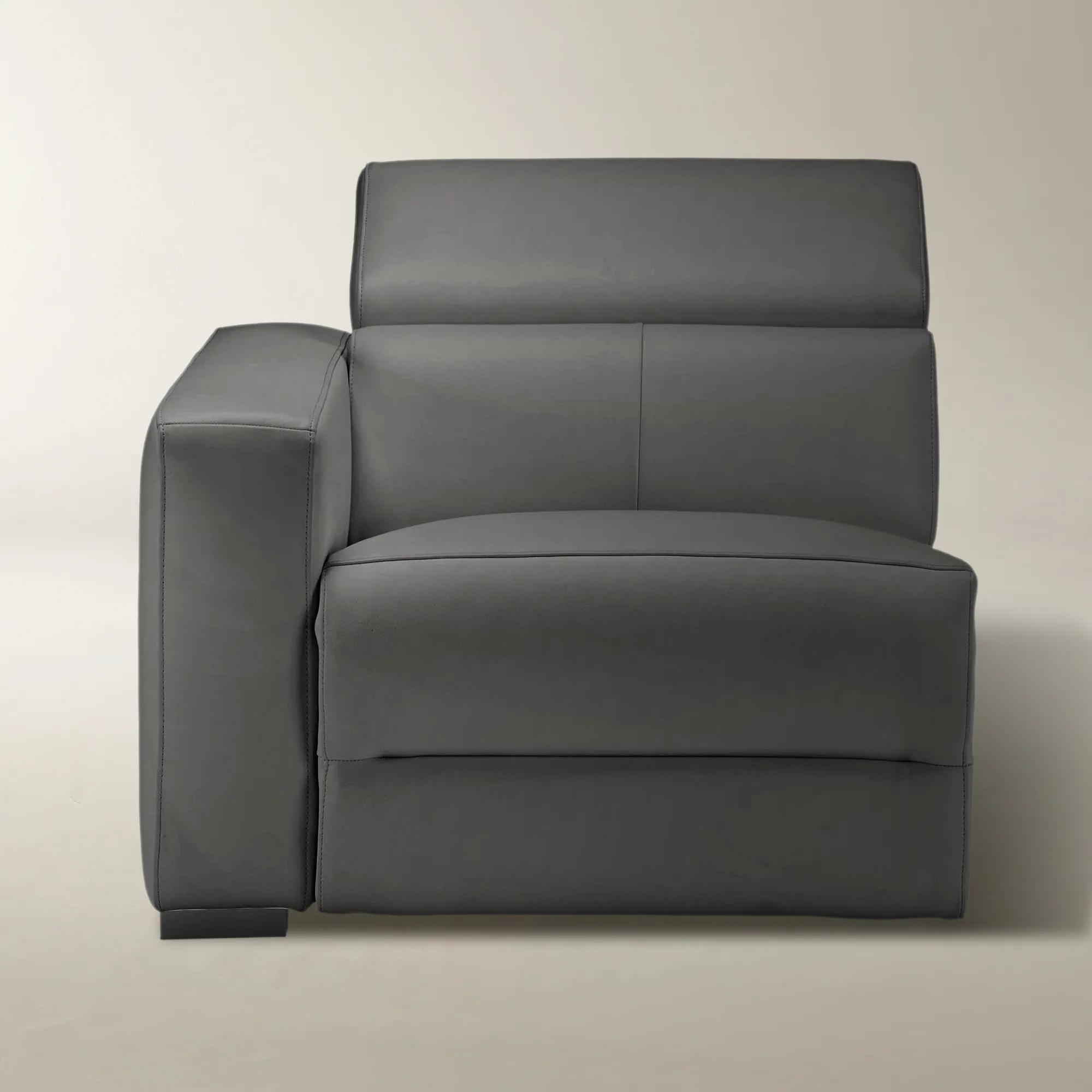 Verona Charcoal Leather Left Arm Chair$1299
A charcoal semi-aniline leather sectional with adjustable headrests, power-reclining seats, and kiln-dried hardwood frame.
Add To Cart -
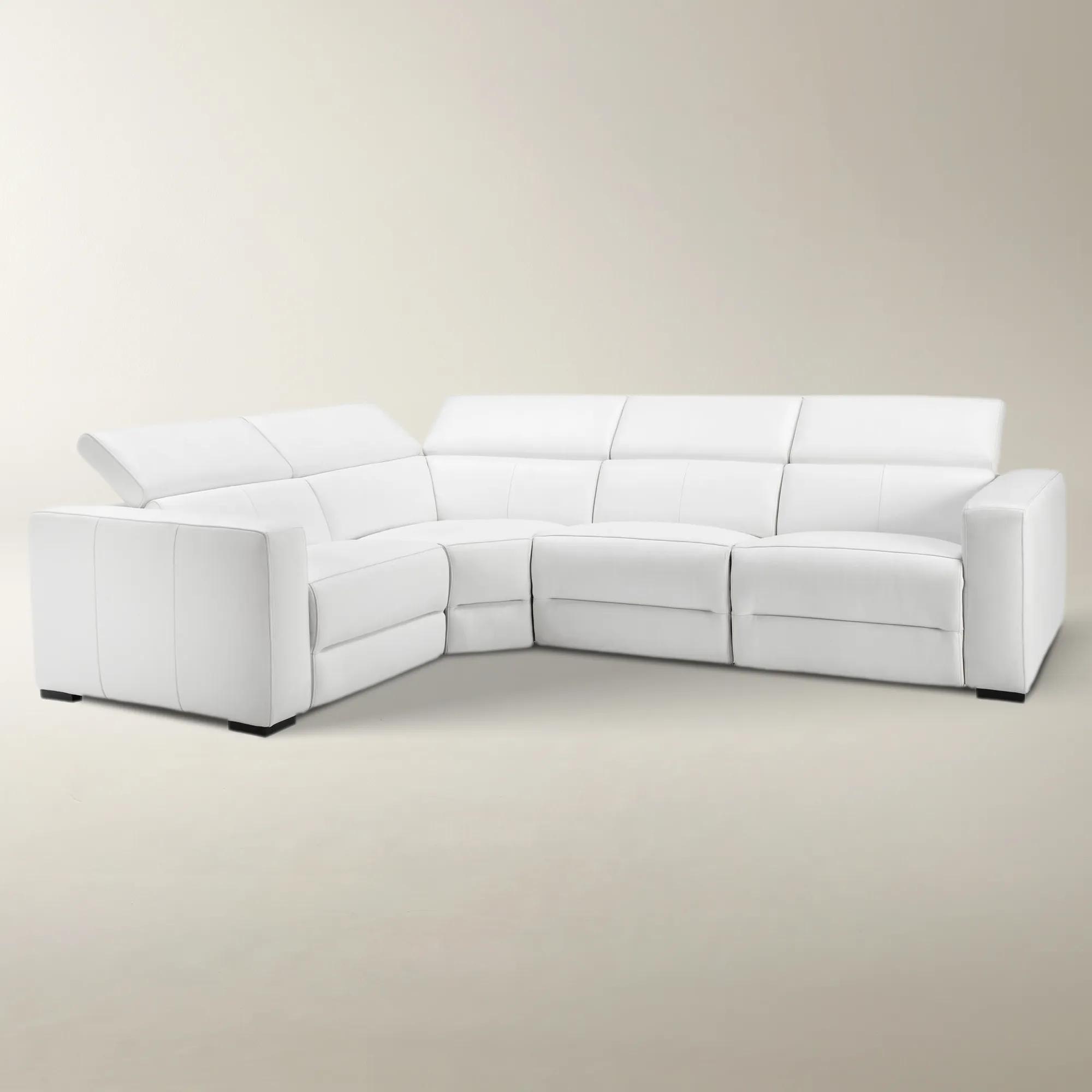 Verona 4-Piece L-Shaped Reclining White Leather Sectional Sofa With Left-Arm$5499
A modern sectional upholstered in supple white semi-aniline leather with adjustable headrests and power-reclining seats.
Add To Cart -
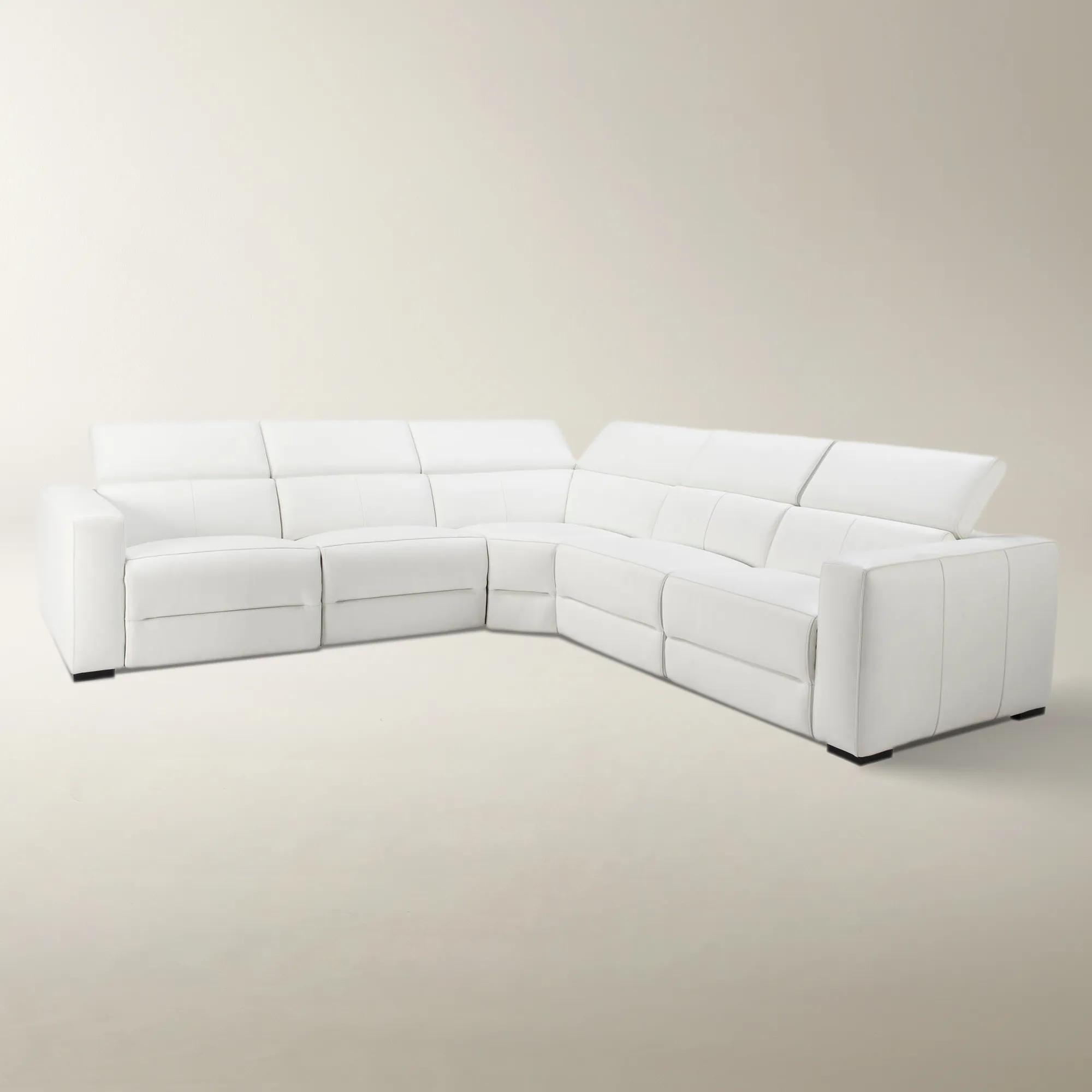
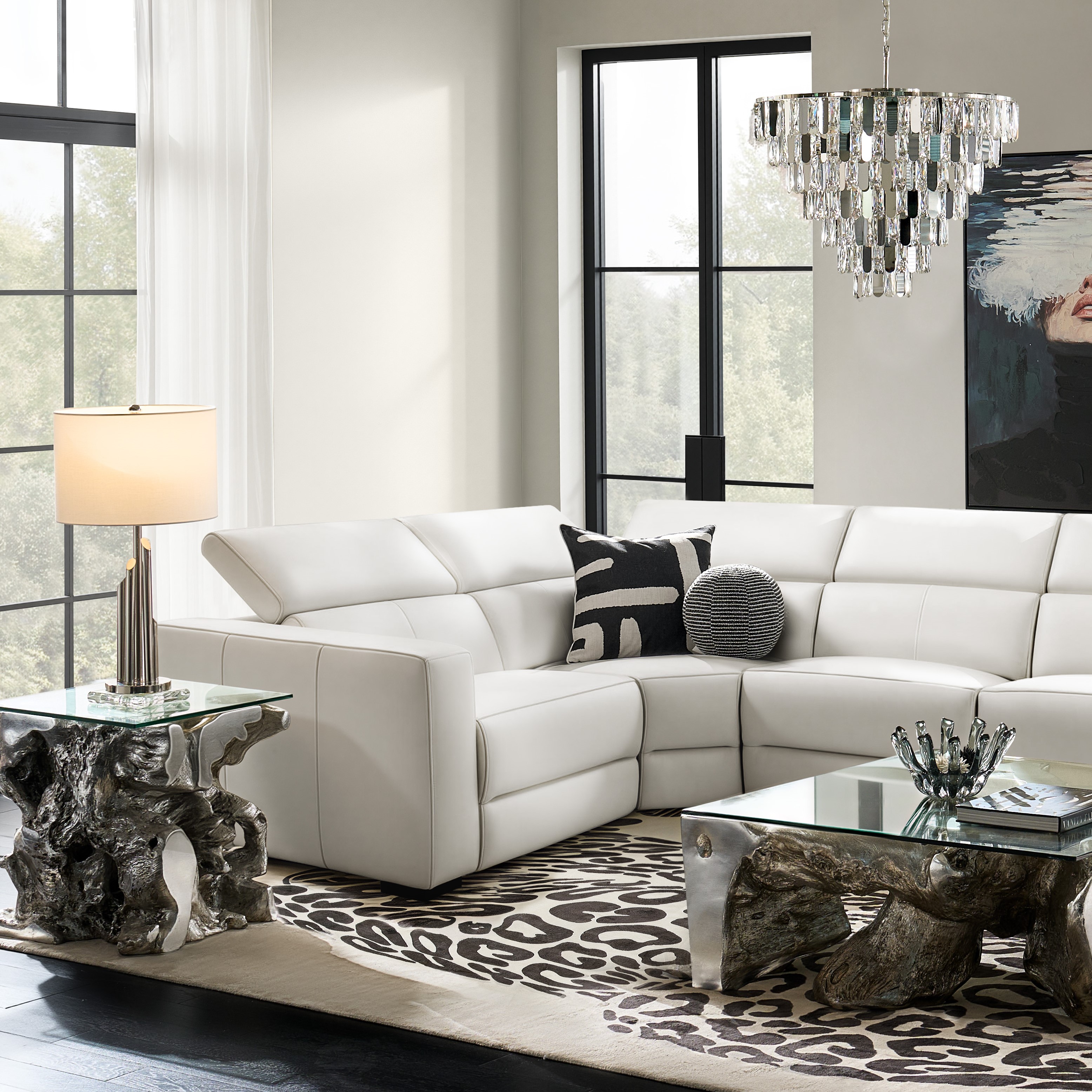 Verona 5-Piece Reclining White Leather Sectional Sofa$6799
A modern sectional upholstered in supple white semi-aniline leather with adjustable headrests and power-reclining seats.
Add To Cart -
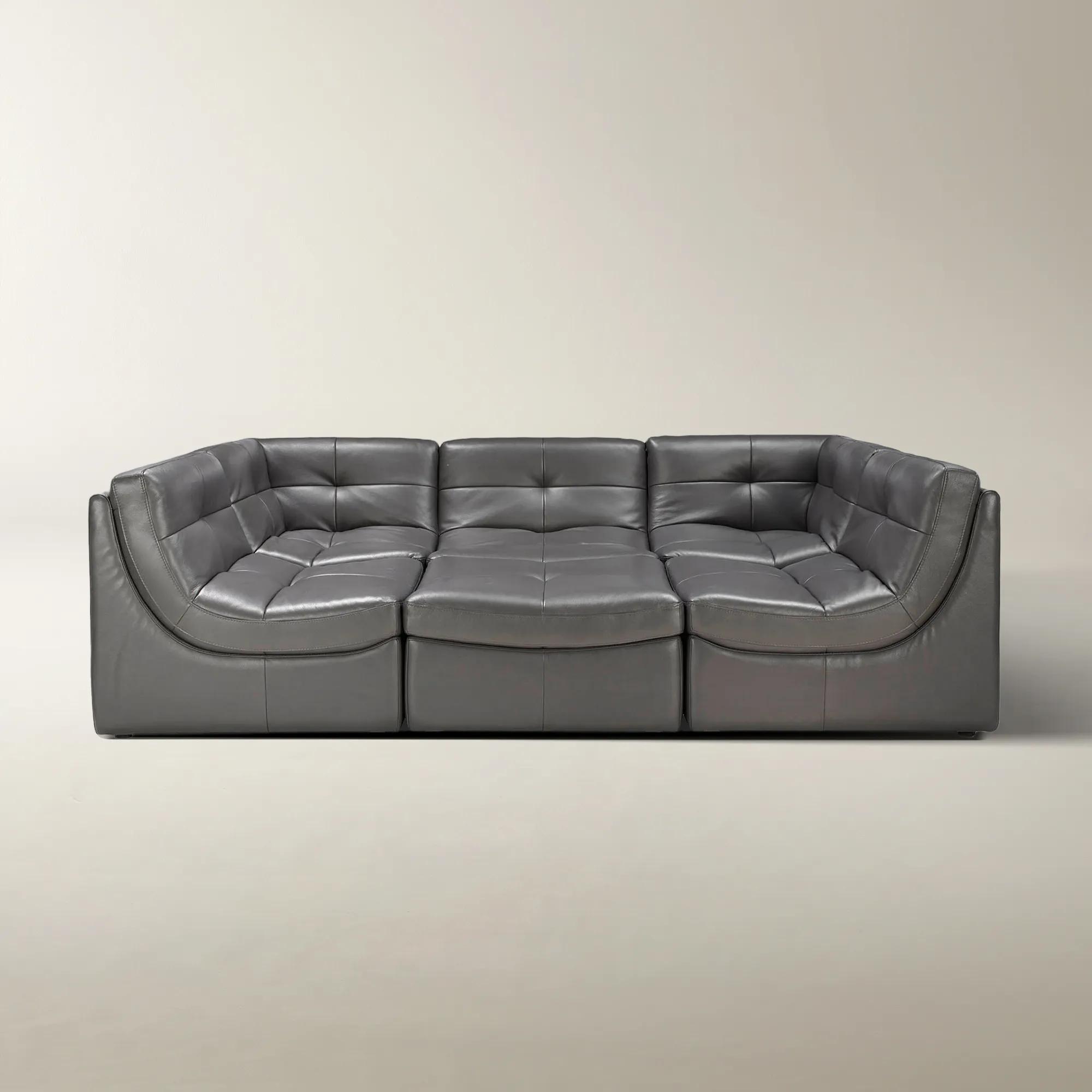
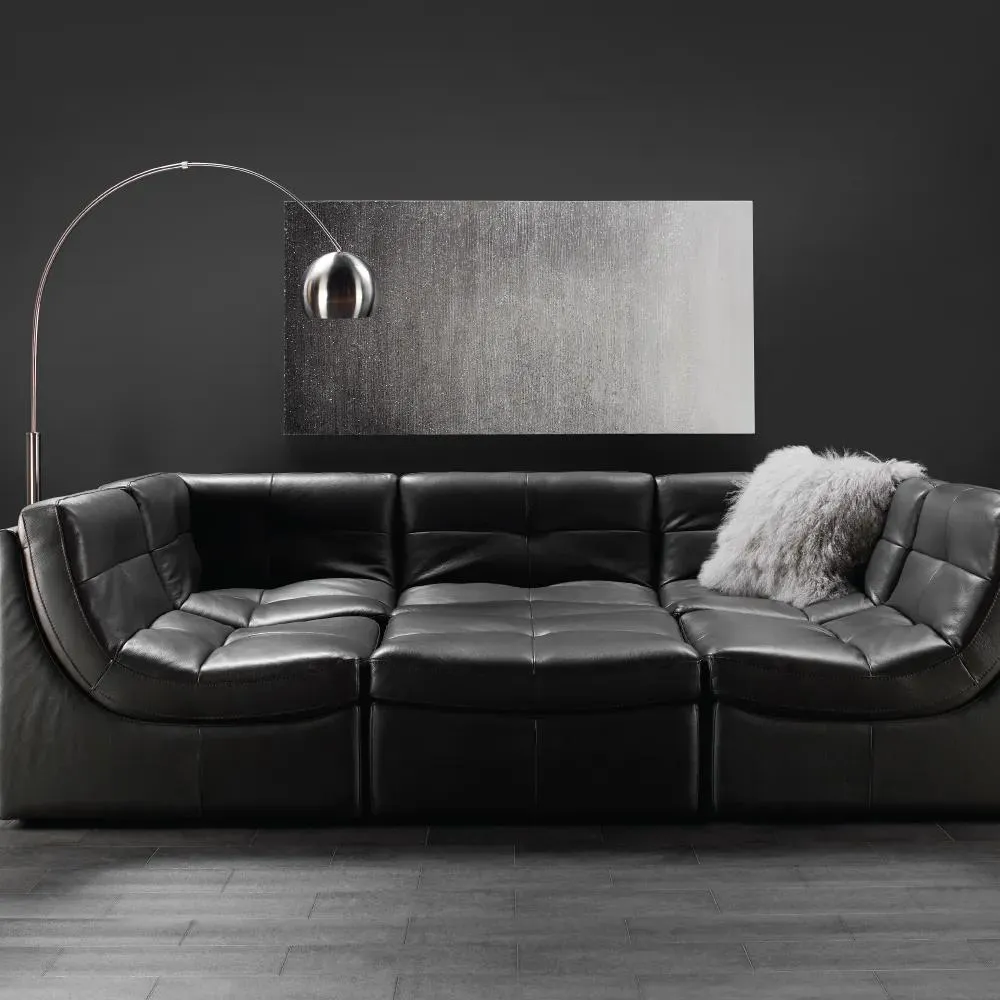 Convo 6-Piece Charcoal Leather Sectional Sofa$7249
A modular charcoal leather sectional with kiln-dried hardwood frame and blind-tufted, semi-aniline upholstery.
Add To Cart -
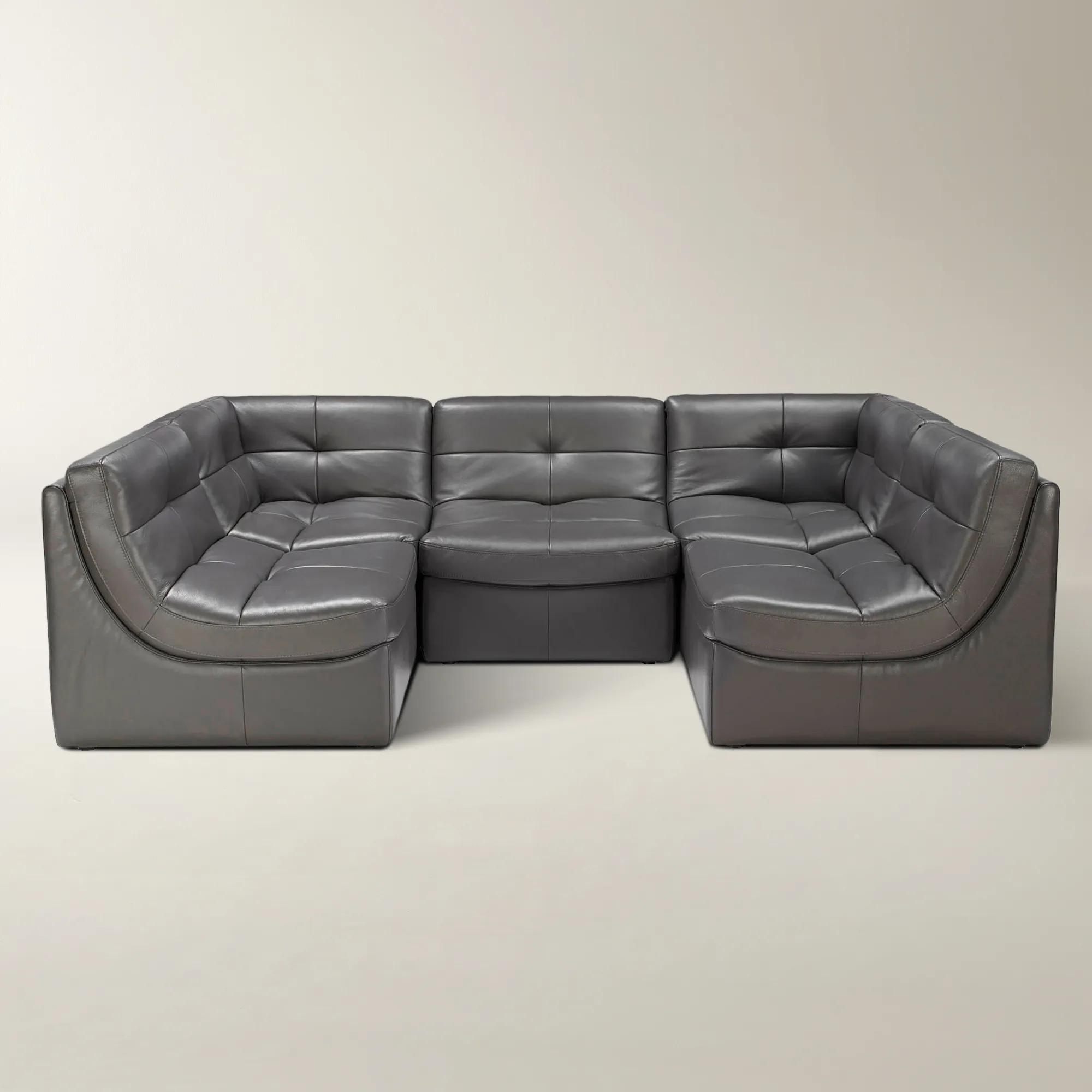 Convo 5-Piece U- Shaped Charcoal Leather Sectional Sofa$6399
A modular charcoal leather sectional with kiln-dried hardwood frame and blind-tufted, semi-aniline upholstery.
Add To Cart -
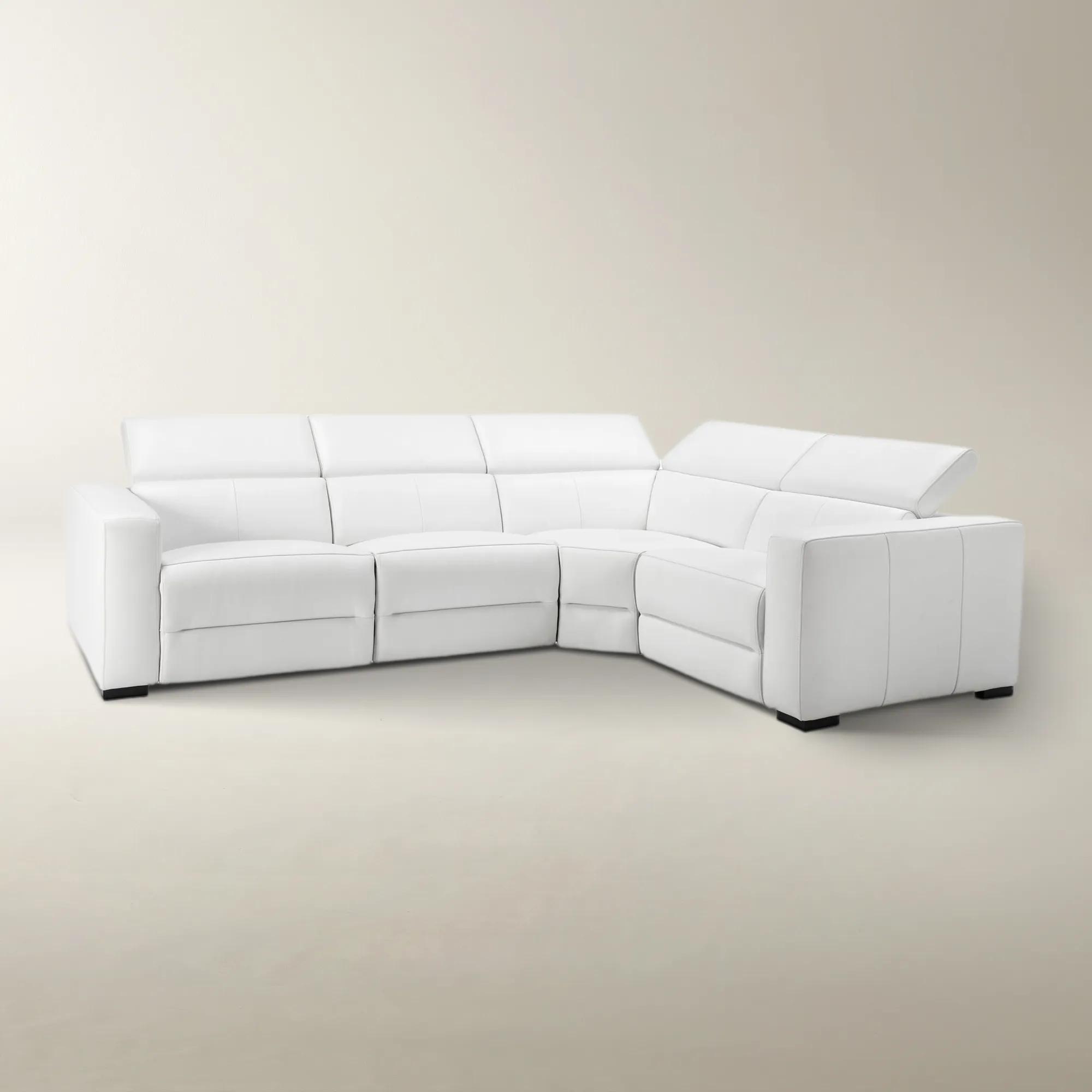 Verona 4-Piece L-Shaped Reclining White Leather Sectional Sofa With Right-Arm$5499
A modern sectional upholstered in supple white semi-aniline leather with adjustable headrests and power-reclining seats.
Add To Cart -
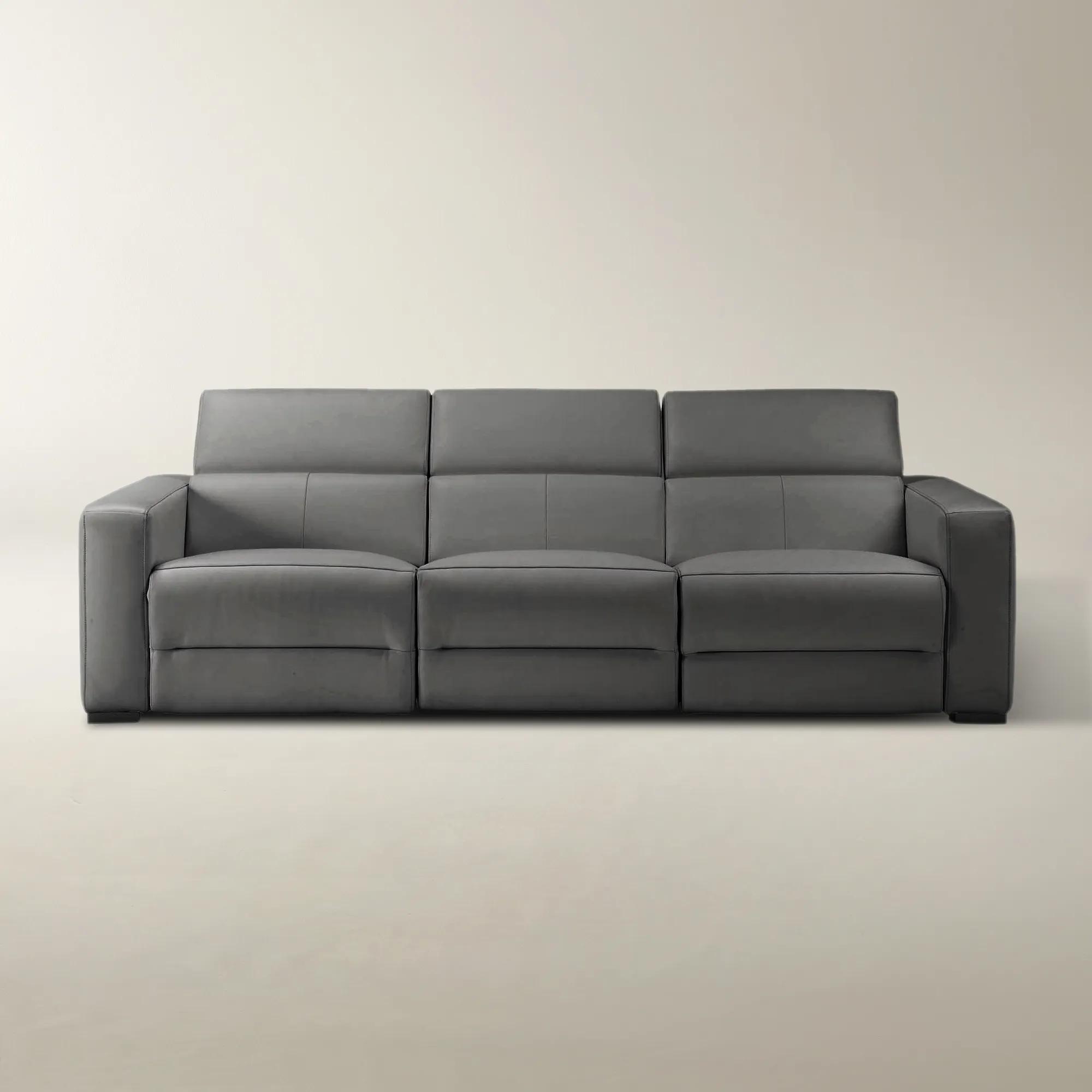 Verona 3-Piece Charcoal Leather Sectional Sofa$4199
A charcoal semi-aniline leather sectional featuring adjustable headrests, kiln-dried hardwood frame, and optional power recline.
Add To Cart -
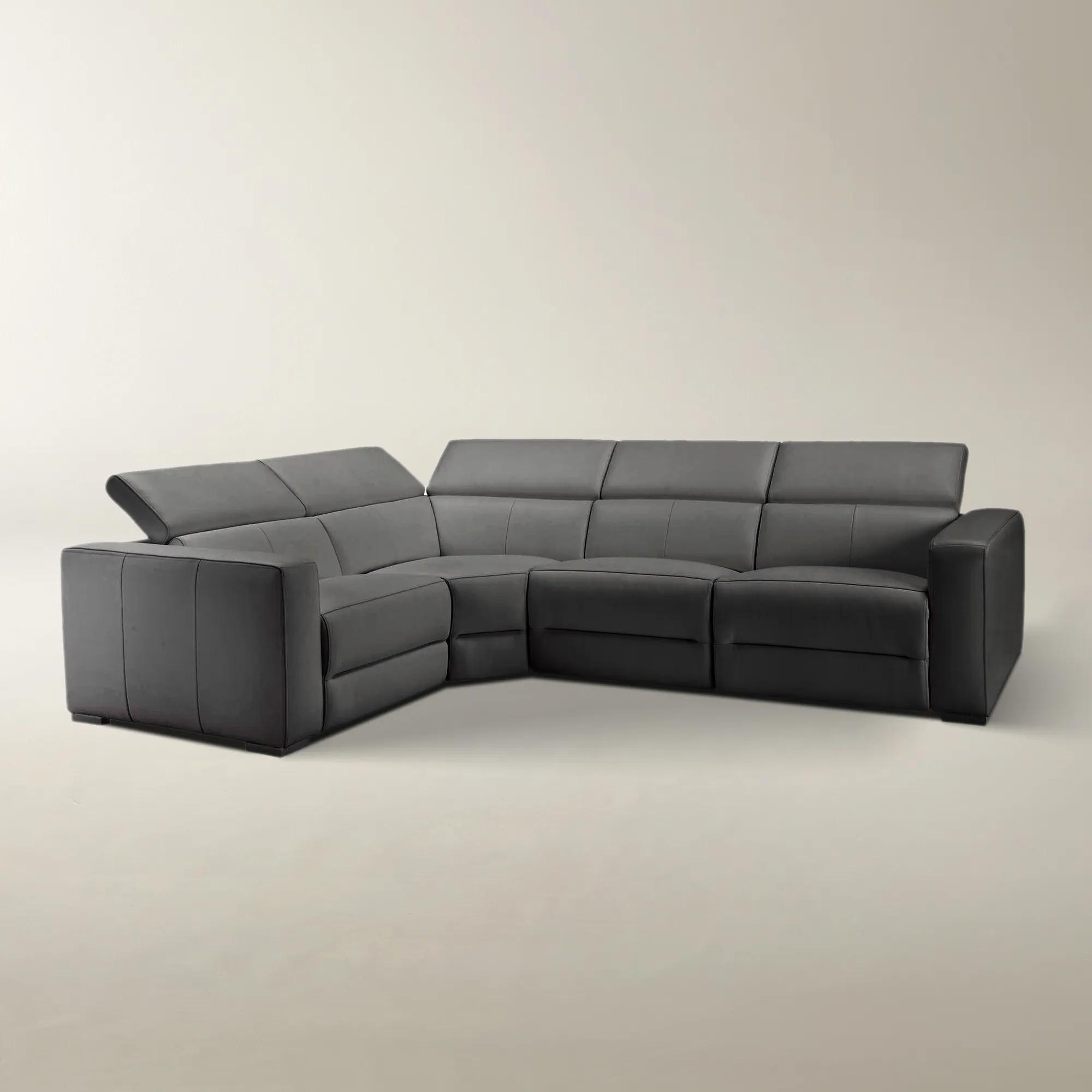 Verona 4-Piece L-Shaped Reclining Charcoal Leather Sectional Sofa With Left-Arm$5499
A charcoal semi-aniline leather sectional featuring adjustable headrests and optional power-reclining seats for comfort.
Add To Cart -
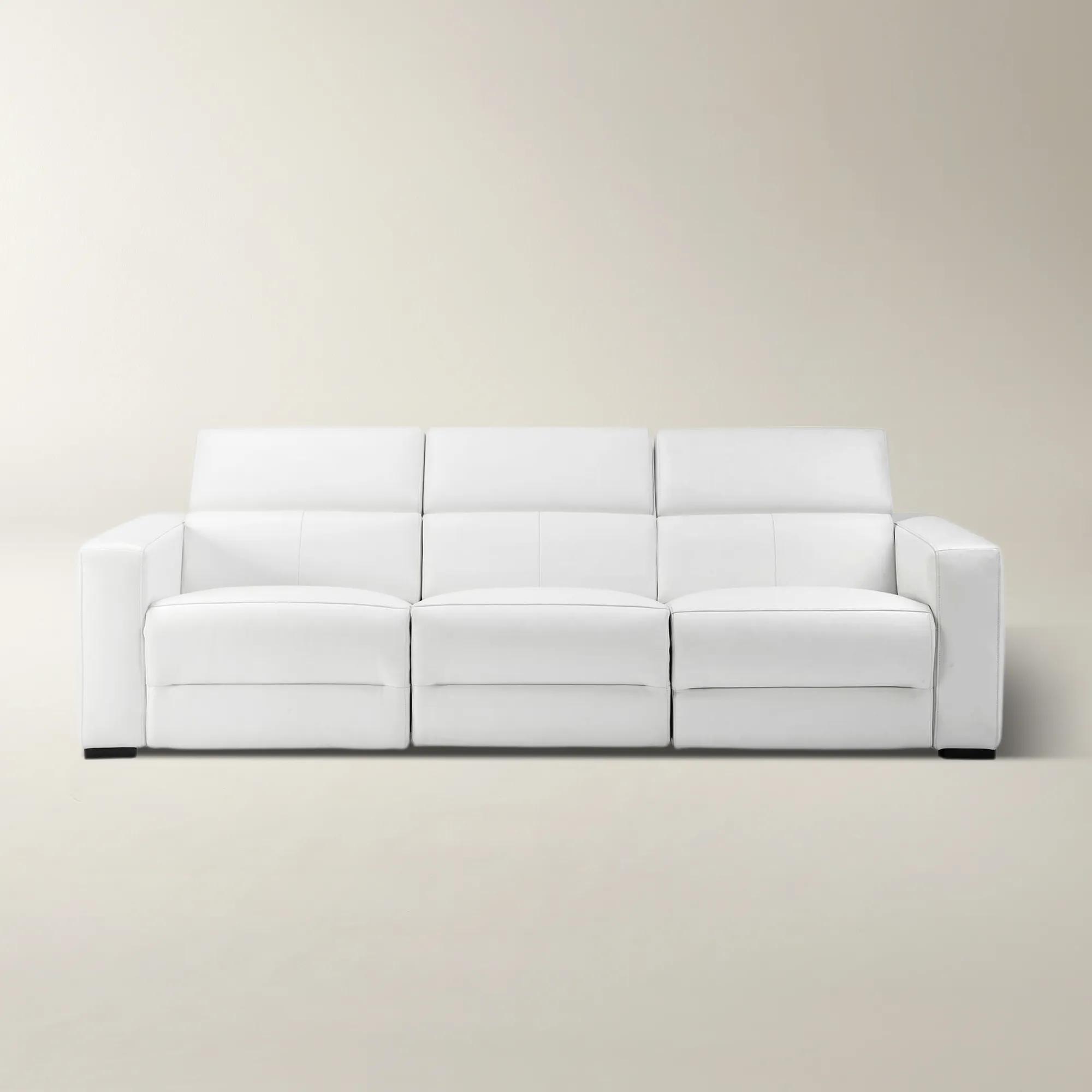 Verona 3-Piece White Leather Sectional Sofa$4199
A modern white sectional upholstered in supple semi-aniline leather with adjustable headrests and power-reclining seats.
Add To Cart -
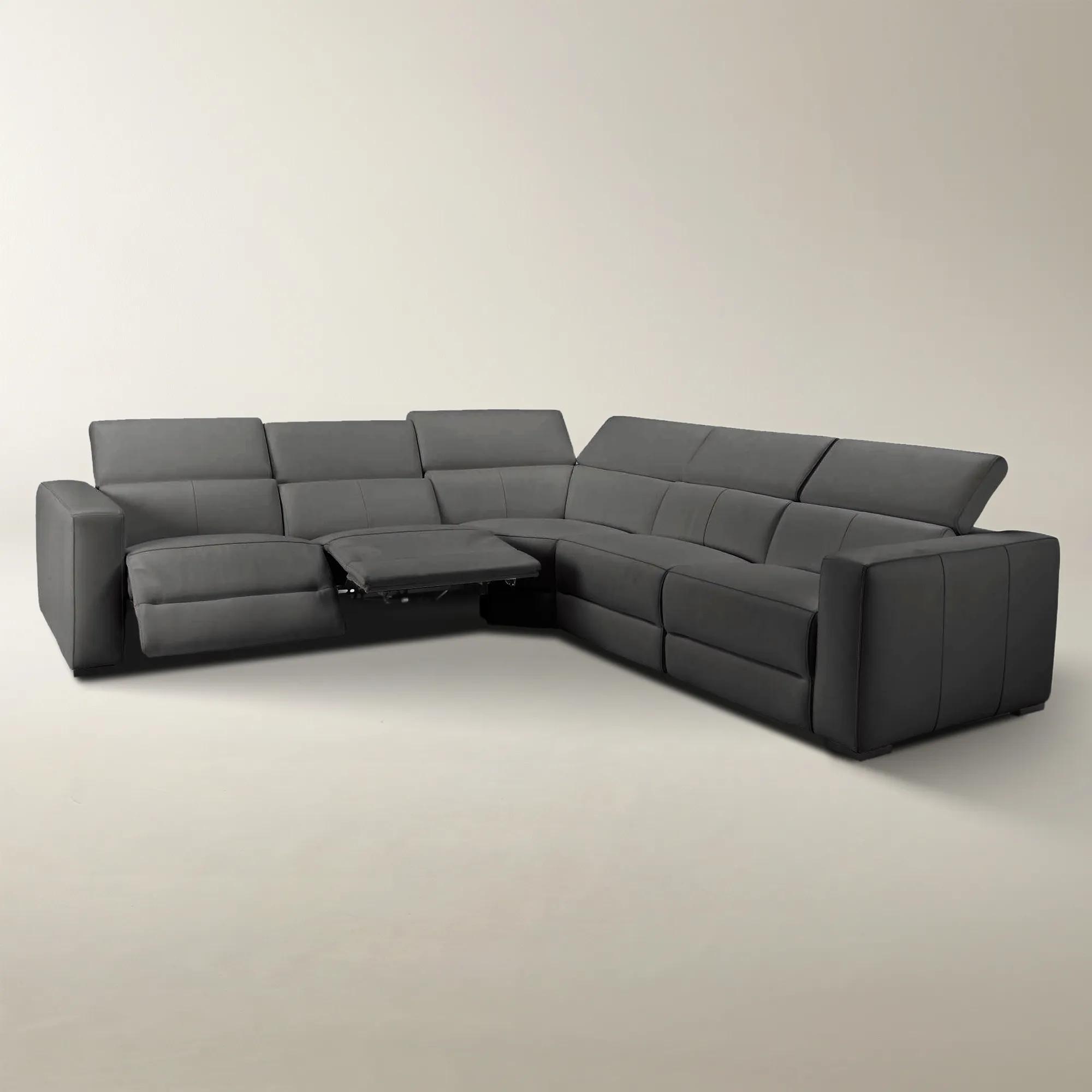 Verona 5-Piece Reclining Charcoal Leather Sectional Sofa$6799
A charcoal semi-aniline leather sectional featuring adjustable headrests, kiln-dried hardwood frame, and optional power recline.
Add To Cart -
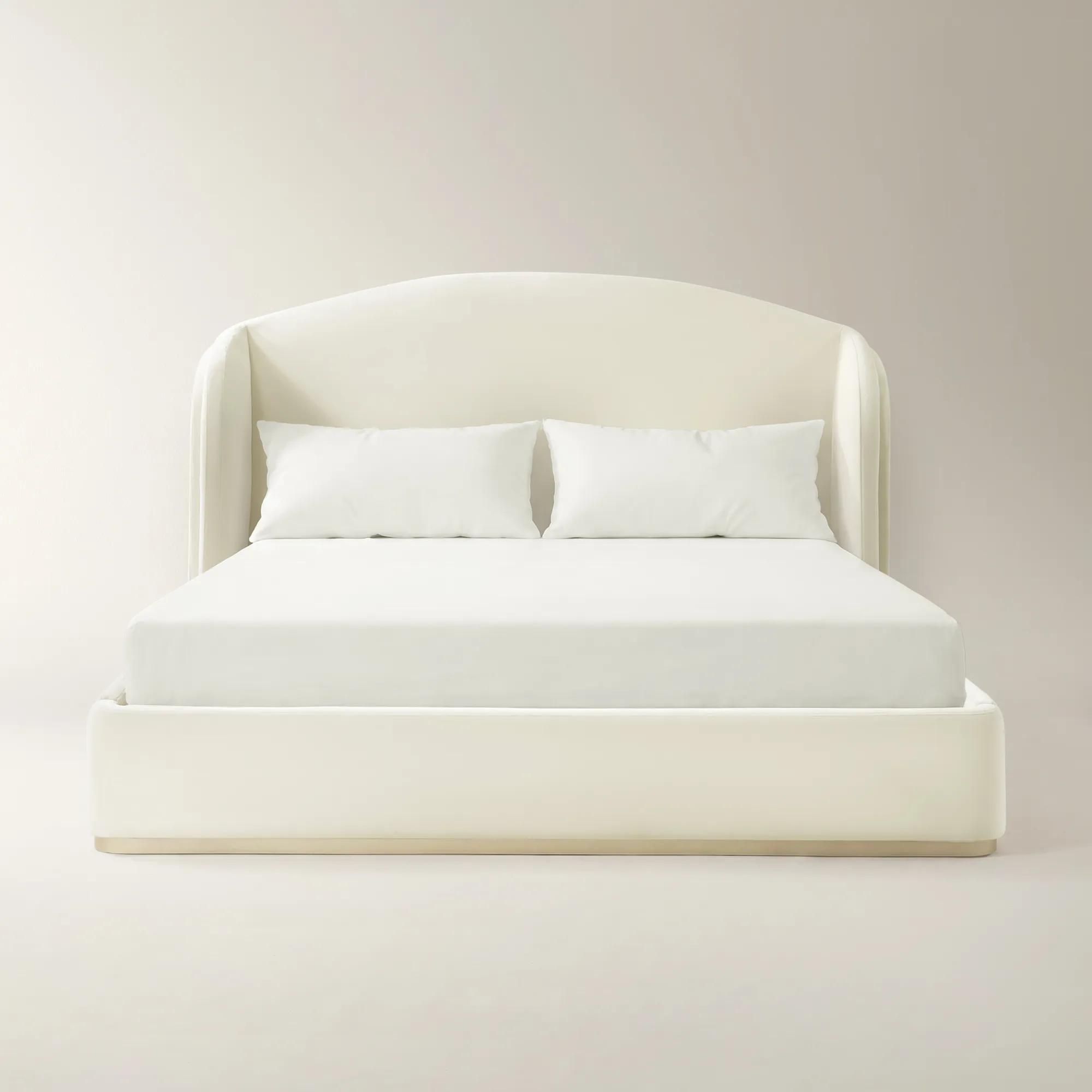 Glimmer Cloud Velvet Upholstered Queen Platform Bed$1999
A sculptural queen platform bed hand-upholstered in soft cloud velvet with a gold-toned metallic base.
Add To Cart

Leather Beds For New Apartments
Leather beds for new apartments are the ultimate invitation to indulge in bold beginnings. Gleaming, tailored silhouettes set the stage for a space that radiates confidence and contemporary allure—perfect for those who see their home as a canvas for self-expression. Each piece transforms an ordinary bedroom into a sanctuary of sophistication, where sumptuous textures and sculptural lines create a mood that is both daring and refined. Elevate your new address with a centerpiece that whispers luxury and promises to make every night feel extraordinary.
Leather beds for new apartments bring a distinctive mix of architectural presence, tactile richness, and everyday comfort to a bedroom. An upholstered headboard gives the room a defined focal point, while a leather-covered frame introduces depth that feels especially expressive against crisp bedding, luminous accents, and layered textiles. For someone furnishing a first apartment, sharing a new home with a partner, or moving into a more intimate city residence, the appeal is both visual and personal: the bed establishes the mood of the space before every other detail is in place. Smooth upholstery and tailored seams create a composed, gallery-like setting; deep tufting or a generously padded silhouette adds a more theatrical note. Ivory and soft neutral tones lend a luminous quality, while espresso, charcoal, and black create a dramatic foundation for jewel-toned pillows or a sculptural bedside lamp. The right scale makes that drama feel intentional rather than crowded. Mattress size alone does not determine whether a bed will fit, because upholstered side rails, winged headboards, and extended footboards can add substantial width and length. Compare the bed’s complete exterior dimensions with the bedroom layout, leaving approximately 24 to 30 inches of clearance along accessible sides where possible, with more room where doors, drawers, or mobility needs require it. In a compact bedroom, a queen leather bed with a closely fitted frame may preserve more usable space than a design with broad wings, even though both accommodate the same mattress. Headboard height matters, too: a tall silhouette can command a blank wall beautifully but may compete with a low window or obscure an outlet. A footprint marked on the floor with painter’s tape makes the proportions tangible before a move. The delivery route deserves the same attention, including elevator dimensions, stairwell turns, doorway openings, and any building requirements for furniture deliveries. A bed that arrives in manageable sections can simplify apartment access, provided its largest component clears every passage.
The upholstery determines much of a leather bed’s character, and material descriptions deserve a close reading. Genuine leather is animal hide, with natural variations that can lend the surface individuality; faux leather is a manufactured alternative, often made with a polyurethane or vinyl surface over a backing. Bonded leather contains leather fibers or scraps combined with binders and a surface finish, and should not be mistaken for a continuous piece of hide. These differences affect appearance, feel, maintenance, and how the upholstery changes with use. Full-grain leather retains the hide’s grain surface and may develop a distinctive patina, while top-grain leather has been refined for a more consistent appearance. Neither label alone tells the entire durability story: tanning, finish, upholstery thickness, and construction also matter. Aniline leather emphasizes natural markings but generally offers less protection against spills and staining than more heavily protected finishes. Pigmented leather typically has a protective surface coating that can make routine care more forgiving. Faux leather can offer uniform color and an even finish, although its surface may eventually crack or peel depending on quality, use, and care; it does not develop patina in the same way as genuine leather. For a bedroom shared with pets, no upholstery should be considered scratch-proof, and textured or deeply tufted surfaces can require extra attention around seams and folds. Beneath the upholstery, the frame and mattress support are equally important. Secure joints, appropriate center support, and a slat or foundation system matched to the mattress help the bed perform as beautifully as it looks. Check the stated weight capacity and assembly requirements rather than assuming a substantial-looking headboard indicates stronger construction. Platform leather beds often accommodate a mattress without a separate box spring, but the bed and mattress specifications should confirm that arrangement. Mattress thickness also changes the composition: an especially deep mattress can conceal decorative upholstery, while a lower profile reveals more of the headboard’s shape. Together, these details determine whether the finished bed feels gracefully proportioned and comfortable for daily use.
Apartment living gives thoughtful features a particular elegance. A leather storage bed can turn the area beneath the mattress into concealed space for spare linens or less frequently used belongings, allowing the room to retain its polished appearance without another large cabinet. Drawer storage requires enough clearance to open fully; a lift-up platform uses space differently and should be evaluated for lifting effort, mattress-weight compatibility, and safe operation. Where integrated charging or lighting is included, check outlet access, cord routing, and the manufacturer’s electrical safety information rather than treating technology as a substitute for sound construction. A padded headboard can provide a welcoming backdrop for reading or watching a film, though its angle, height, and cushioning will influence how supportive it feels. For a guest bedroom, uncomplicated operation and a comfortable overall bed height may matter more than elaborate features. In a studio apartment, where the bed remains part of the larger living space, a finished upholstered footboard and neatly tailored sides can create a more composed view from the seating area. Styling can then build on the leather’s natural visual weight: a plush rug softens the setting, reflective accents introduce light, and linen or velvet pillows add contrast without concealing the headboard. Preserving that finish calls for consistent, material-specific care. Remove dust with a soft, dry cloth, and use a soft brush attachment gently around seams if the care instructions permit. Blot spills promptly rather than rubbing, and avoid saturating the upholstery. Genuine leather and faux leather may require different cleaning products, so follow the manufacturer’s directions and test any approved cleaner in an inconspicuous area. Apply leather conditioner only when recommended for the particular finish; it is not appropriate for every leather surface or for faux leather. Position the bed away from prolonged direct sunlight and heating vents to help limit fading and drying. For a bedroom transformation that also involves changes to flooring, walls, or built-in cabinetry, Leather Beds for Home Renovations offers a related perspective. In a newly furnished apartment, thoughtful proportions and considered materials give the leather bed its enduring presence: expressive enough to anchor the room, yet versatile enough to welcome the next layer of personal style.
FAQs
A leather bed instantly elevates the ambiance of a new apartment, offering a sophisticated focal point that blends comfort with artistry. Its luxurious texture and visual depth create a sense of opulence, while easy-to-clean surfaces and durable construction make it a practical choice for modern living. Leather beds also adapt beautifully to a range of décor styles, from bold and contemporary to timeless and classic.
Leather beds serve as statement pieces that anchor the bedroom with their sculptural lines and rich finishes. In urban apartments, where style and function must harmonize, leather beds introduce a layer of drama and refinement. Their sleek surfaces reflect light and add dimension, while the variety of available colors and designs allows for seamless integration into any curated space.
Absolutely. A leather bed is a memorable and thoughtful housewarming gift, symbolizing both comfort and new beginnings. Its enduring style and plush feel make it an ideal present for anyone looking to create a personal retreat in their new home. Whether for a close friend or a family member, a leather bed is a gesture of luxury that will be appreciated for years to come.
Maintaining a leather bed is refreshingly simple. Regularly dust the surface with a soft cloth and, for genuine leather, occasionally use a specialized conditioner to preserve its supple texture and sheen. For faux leather, a gentle wipe with a damp cloth suffices. Avoid harsh chemicals and position the bed away from direct sunlight to prevent fading, ensuring your bed remains a showpiece in your apartment.
In smaller apartments, seek out leather beds with built-in storage such as drawers or under-bed compartments to maximize space without sacrificing style. Opt for lighter-colored upholstery to enhance the sense of openness, or choose a streamlined silhouette to keep the room feeling uncluttered. Details like tufted headboards or metallic accents can add personality and visual intrigue without overwhelming the space.