Large Framed Art Prints
Large Framed Art Prints
-
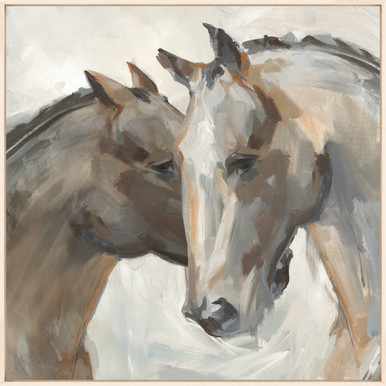
 Equine Duo Framed Wall Art 40" x 40"$699
A gallery-wrapped canvas featuring hand-applied brush gel and set in a natural floater frame.
Add To Cart -
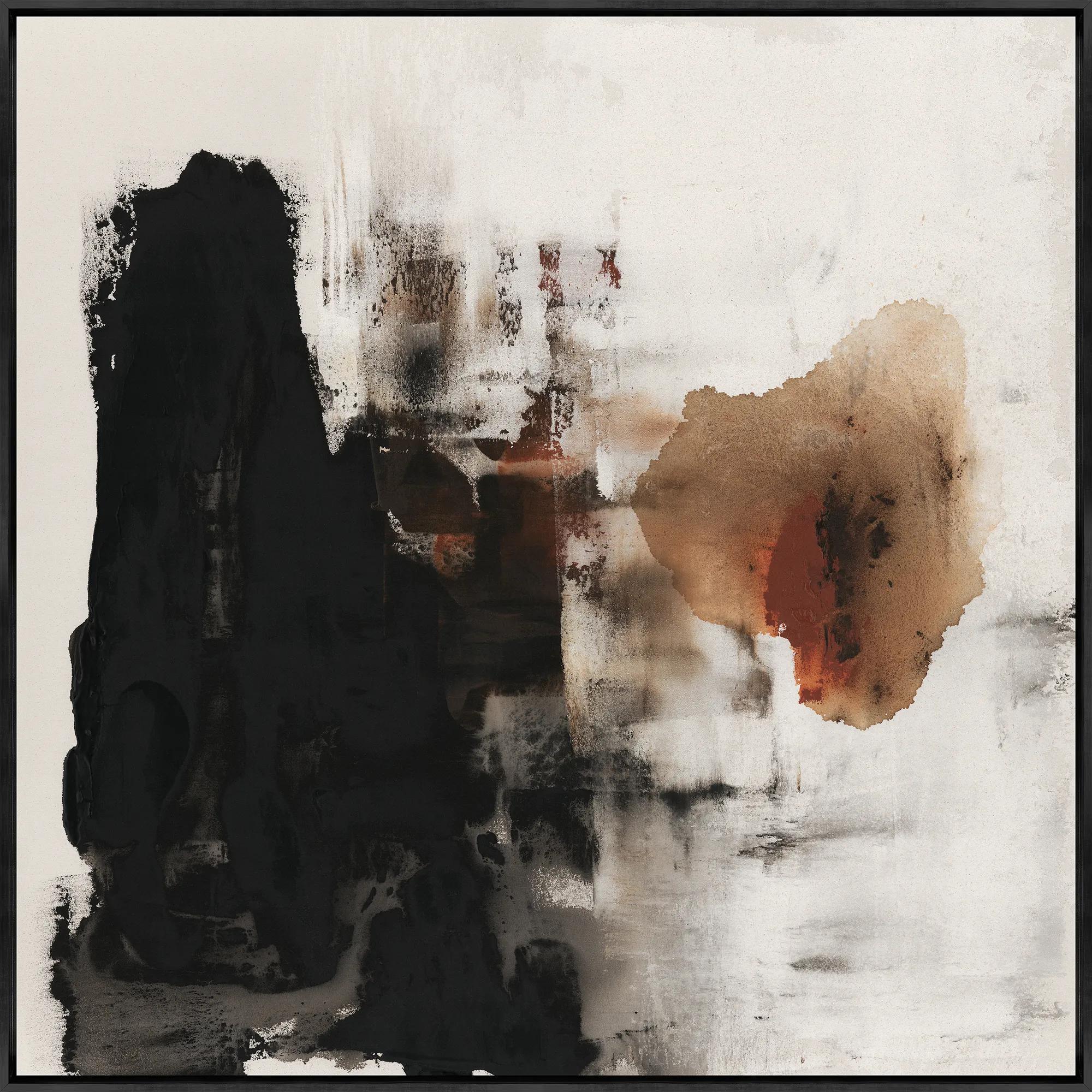 Burning for You I Framed Wall Art 40" x 40"$799
A gallery-wrapped canvas artwork with hand-applied brush gel, set in a sleek black floater frame.
Add To Cart -

 Twin Abstract 1 Framed Wall Art 30" x 45"$699
A captivating abstract canvas artwork featuring layered blue and purple tones in a sophisticated framed presentation.
Add To Cart -
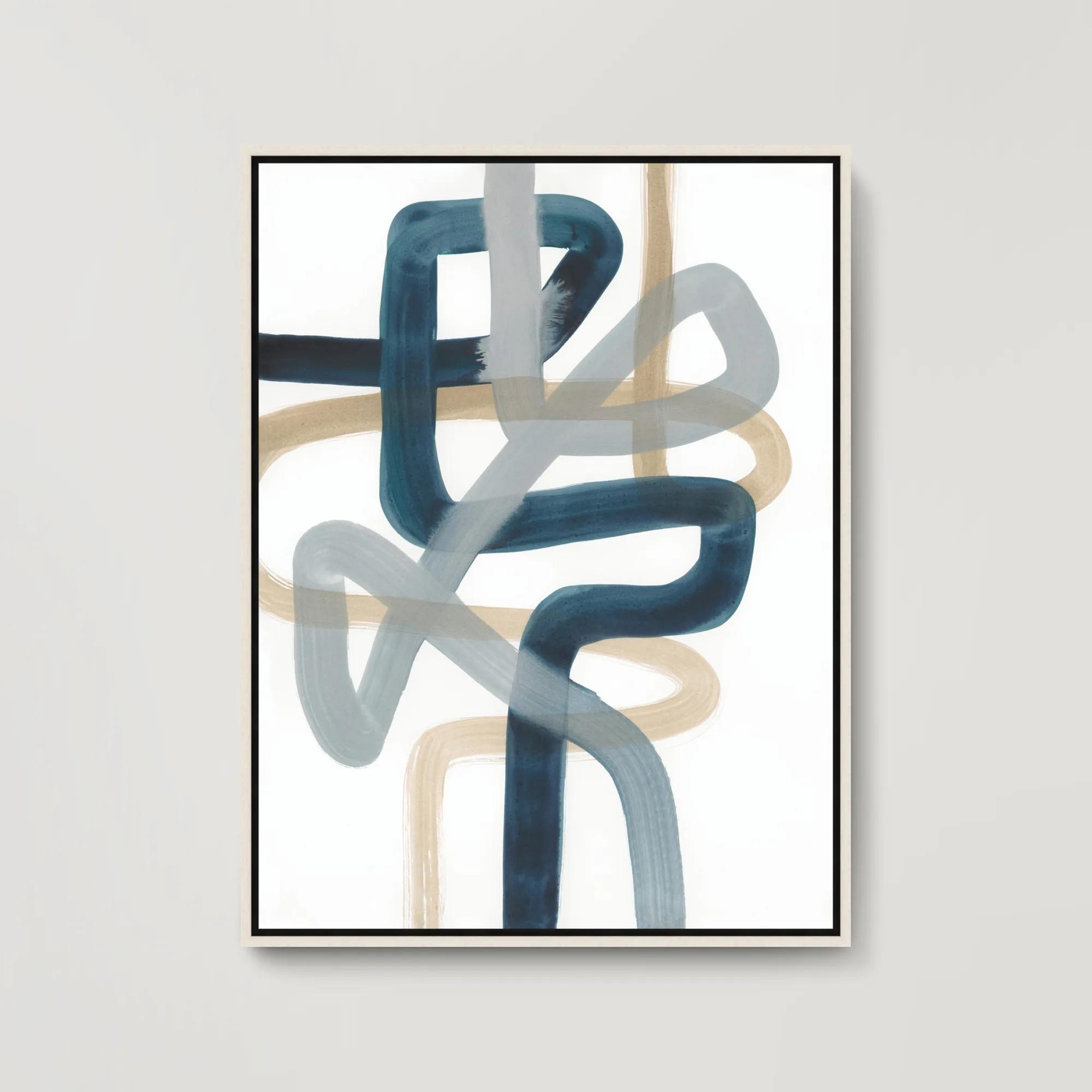
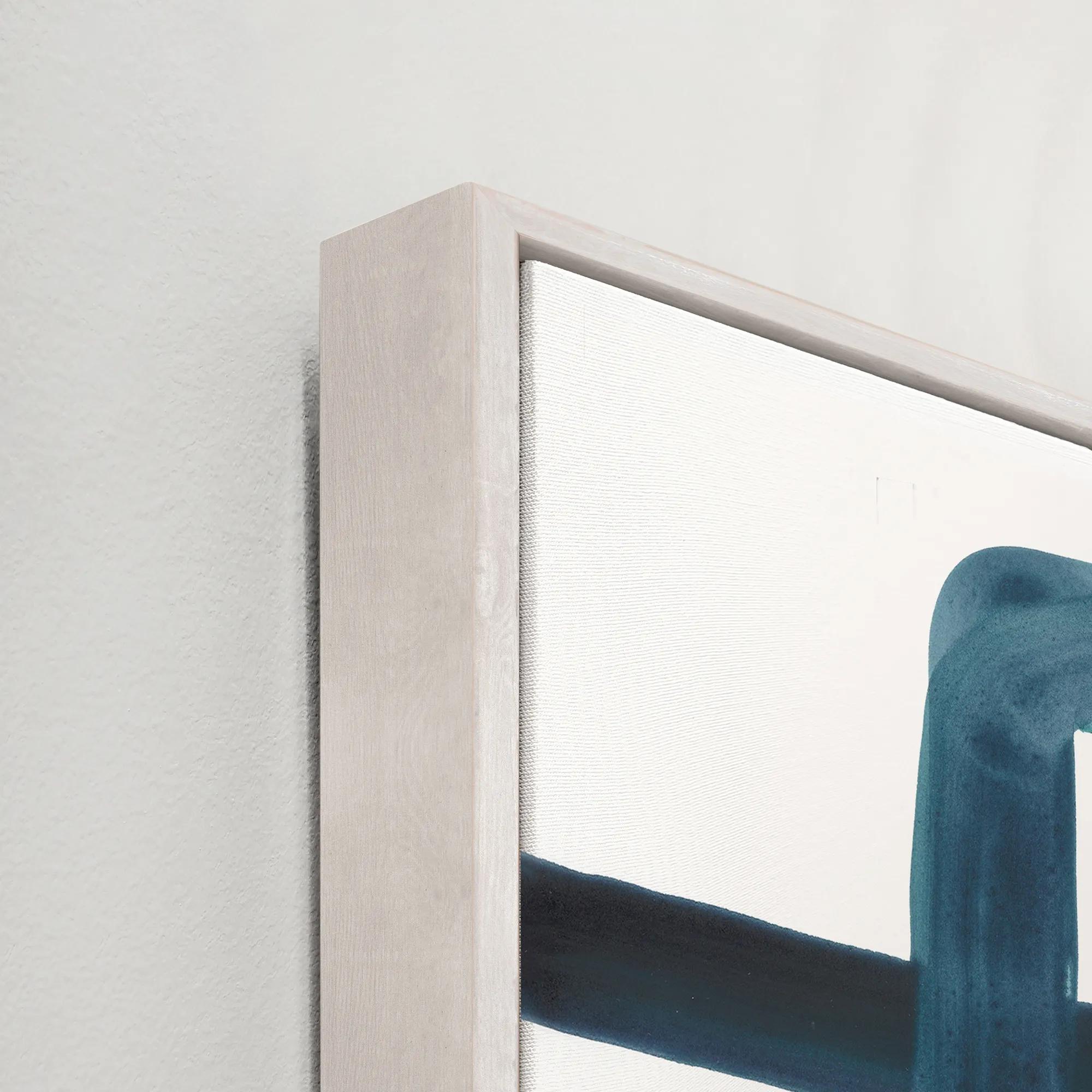 Looped In I Framed Wall Art 31.5" x 41.5"$699
A gallery-wrapped abstract canvas featuring hand-applied brush gel and a sleek white floater frame.
Add To Cart -
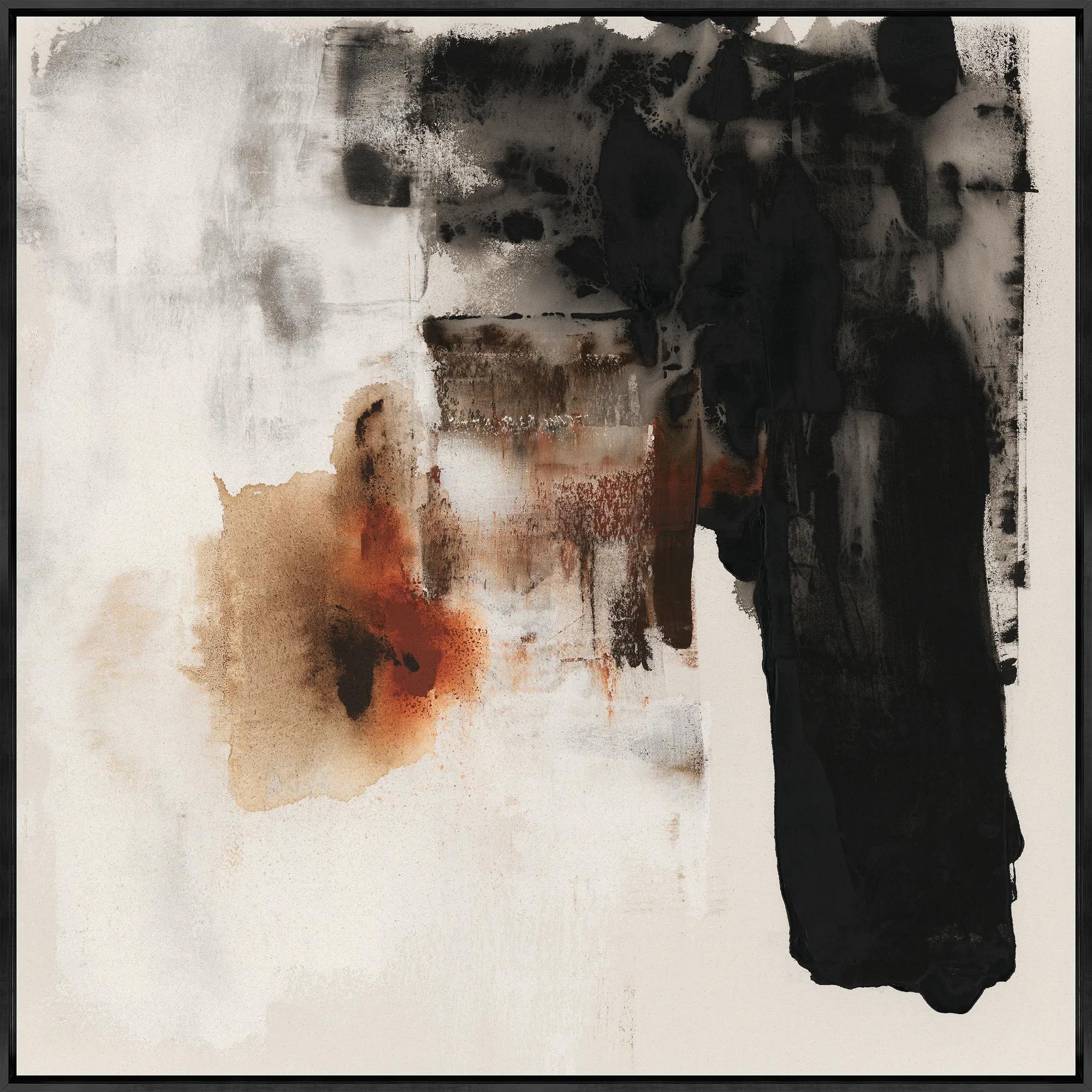
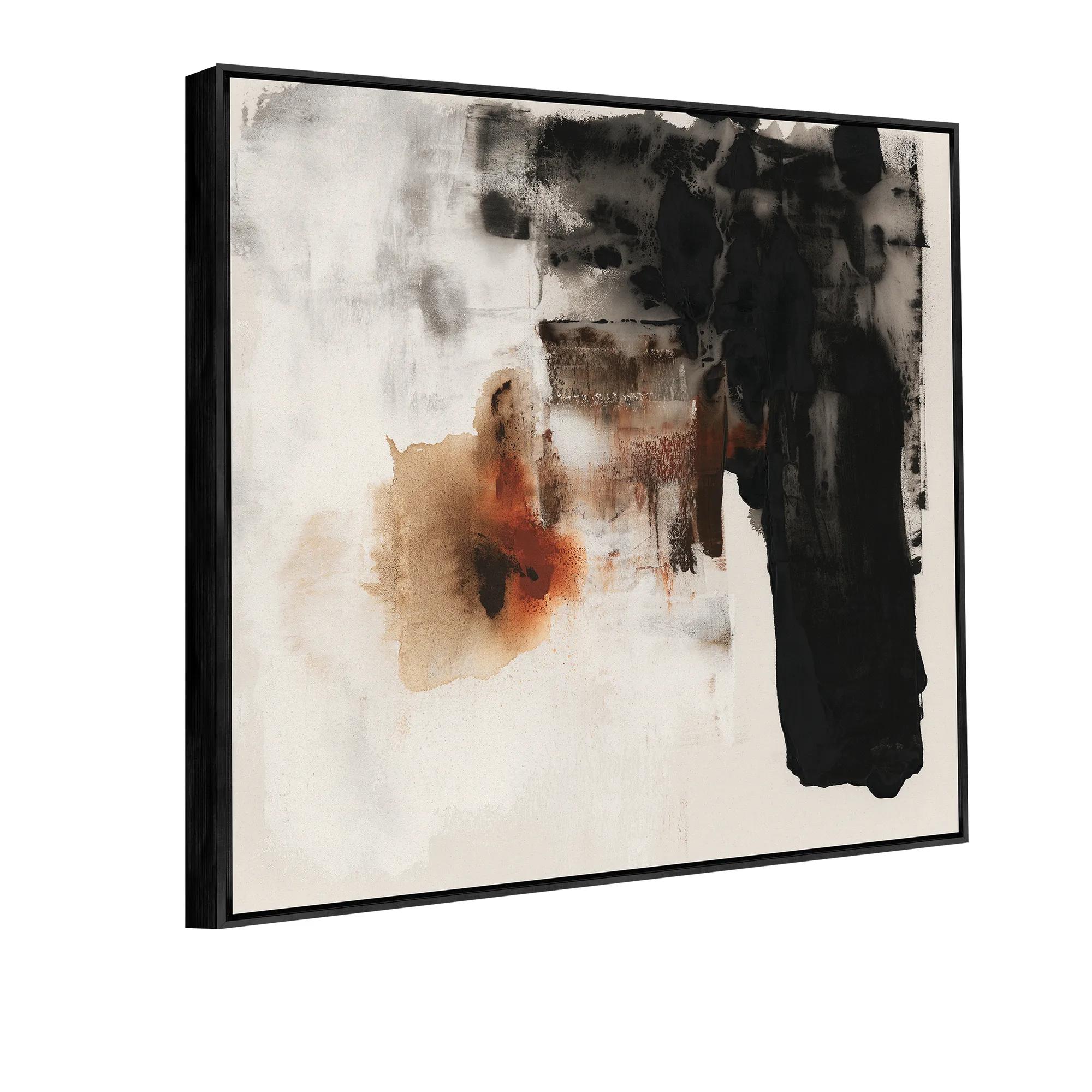 Burning for You II Framed Wall Art 40" x 40"$799
A gallery-wrapped canvas artwork with hand-applied brush gel, set in a sleek black floater frame.
Add To Cart -
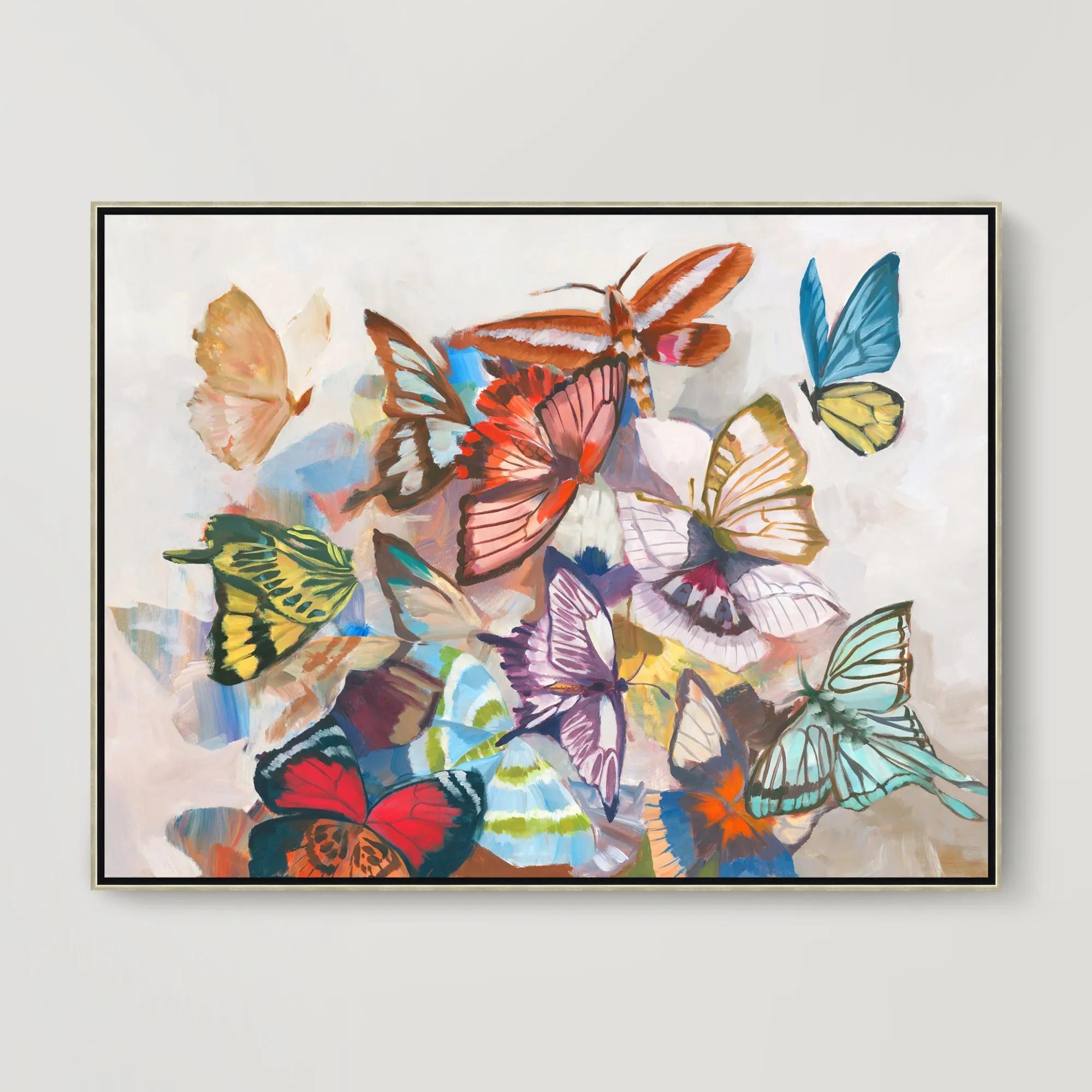 Sugar Wings Framed Wall Art 49.5" x 37.5"$799
A vibrant gallery-wrapped canvas artwork with hand-applied brush gel finish in a sleek silver floater frame.
Add To Cart -
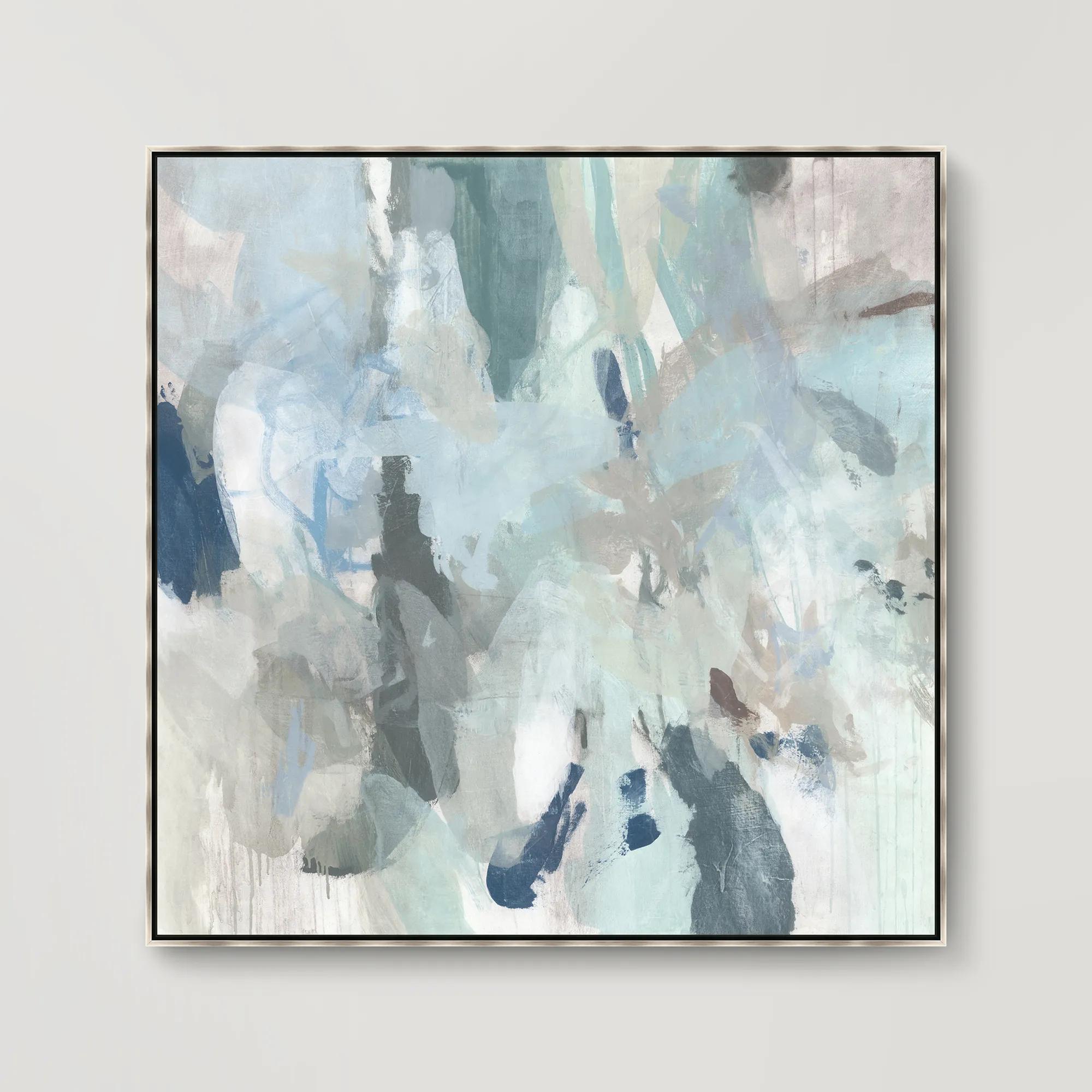
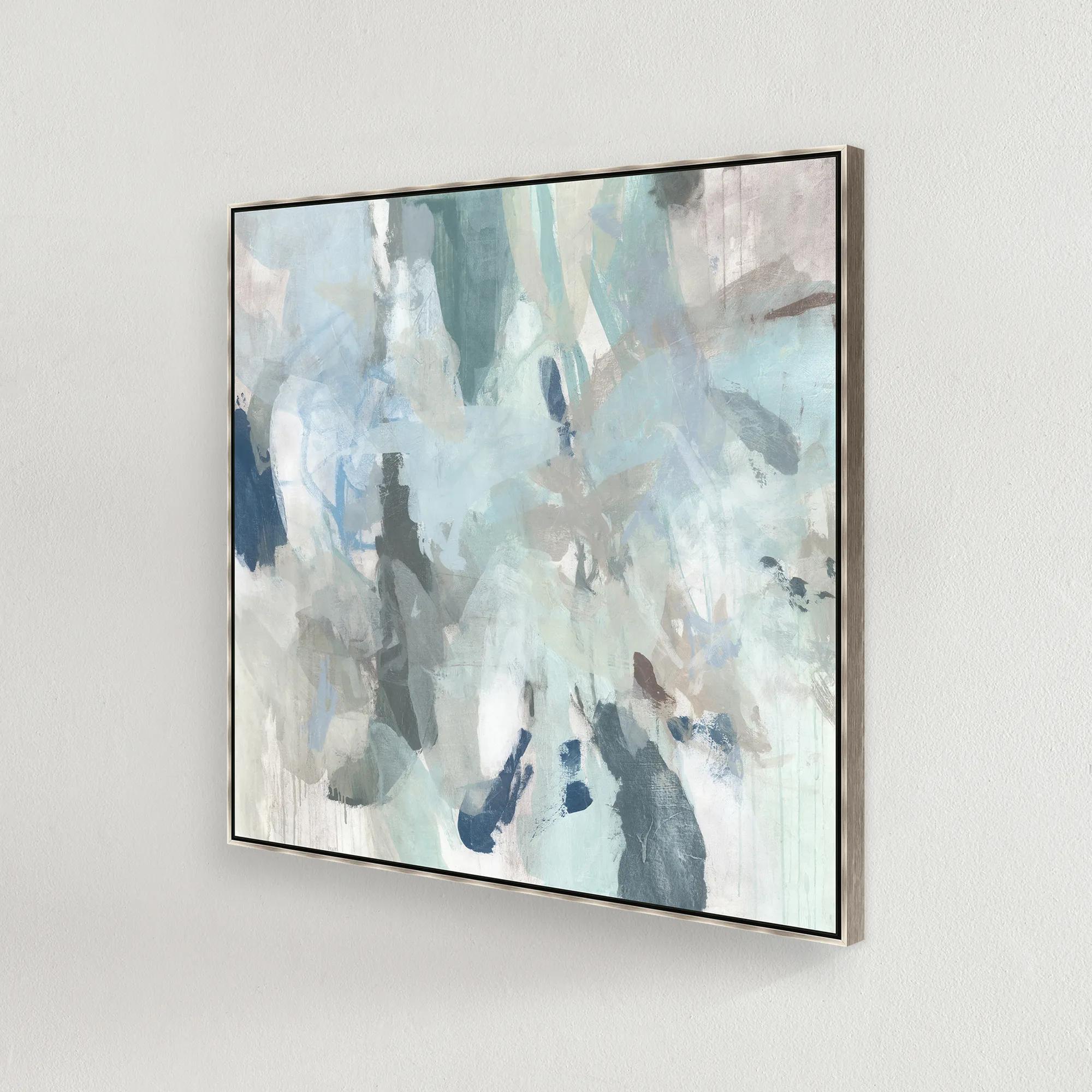 Sage Honey Dew I Framed Wall Art 41.5" x 41.5"$749
A gallery-wrapped abstract canvas featuring hand-applied gel finish in a silver floater frame.
Add To Cart -
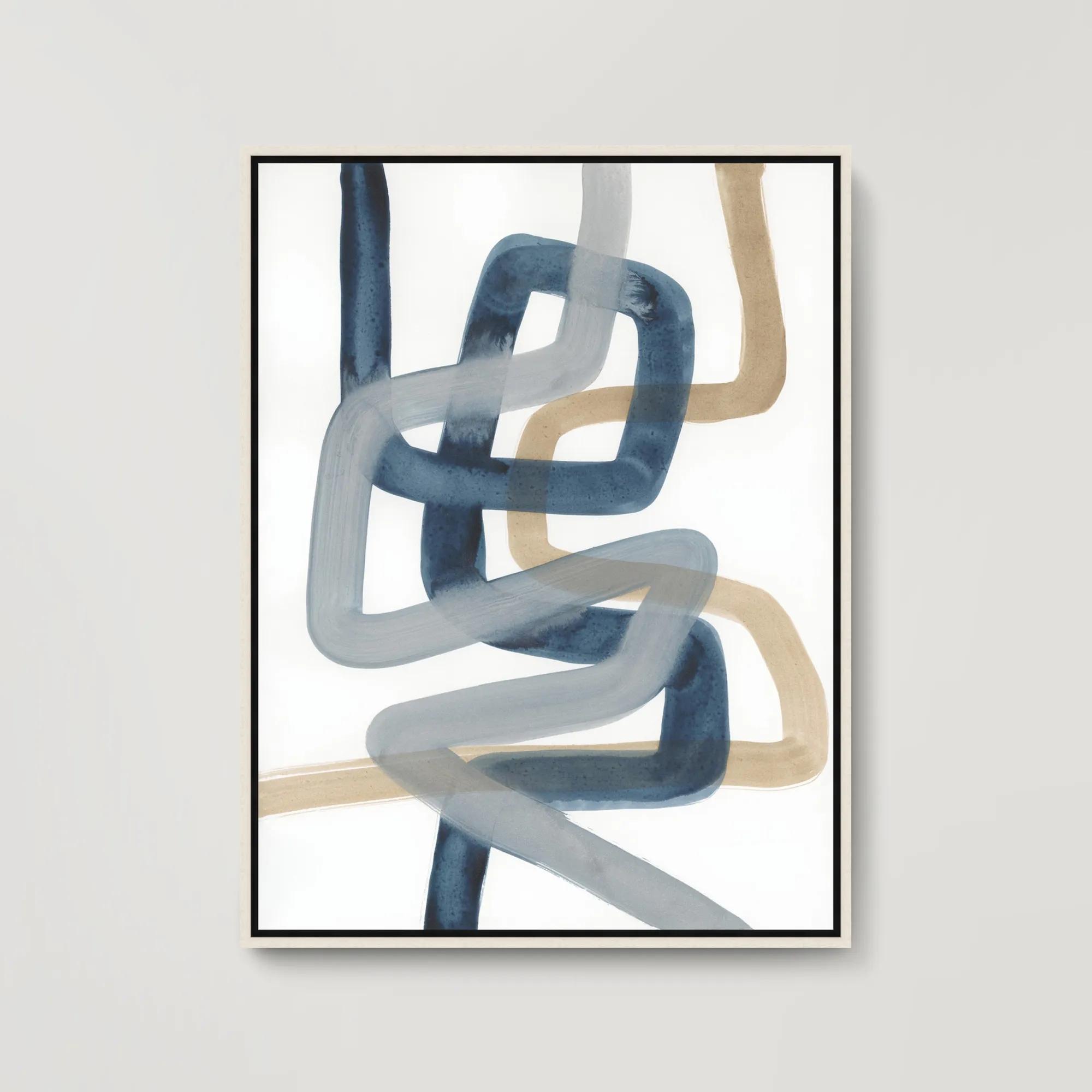 Looped In II Framed Wall Art 31.5" x 41.5"$699
A gallery-wrapped abstract canvas with hand-applied brush gel finish, set in a sleek white floater frame.
Add To Cart -
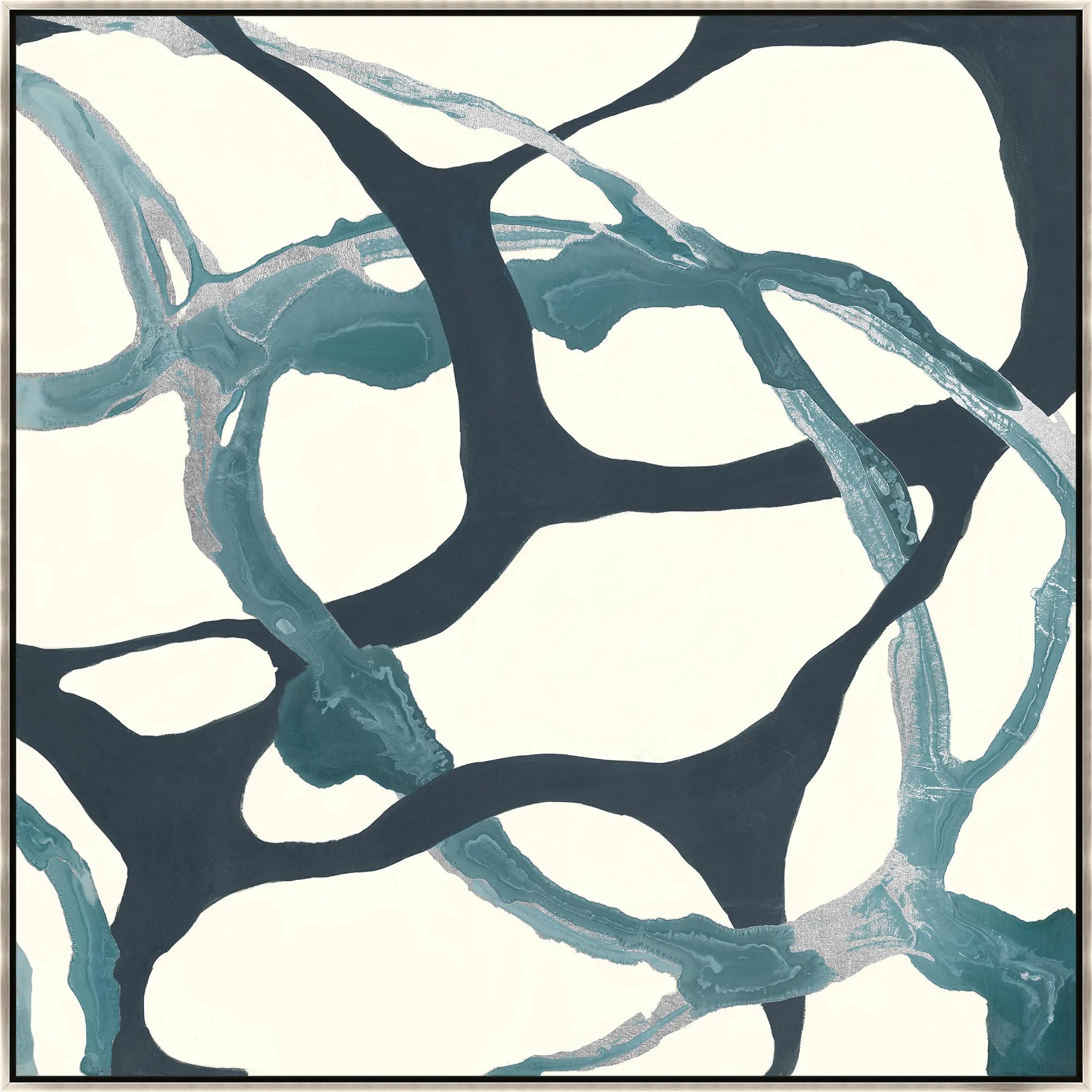
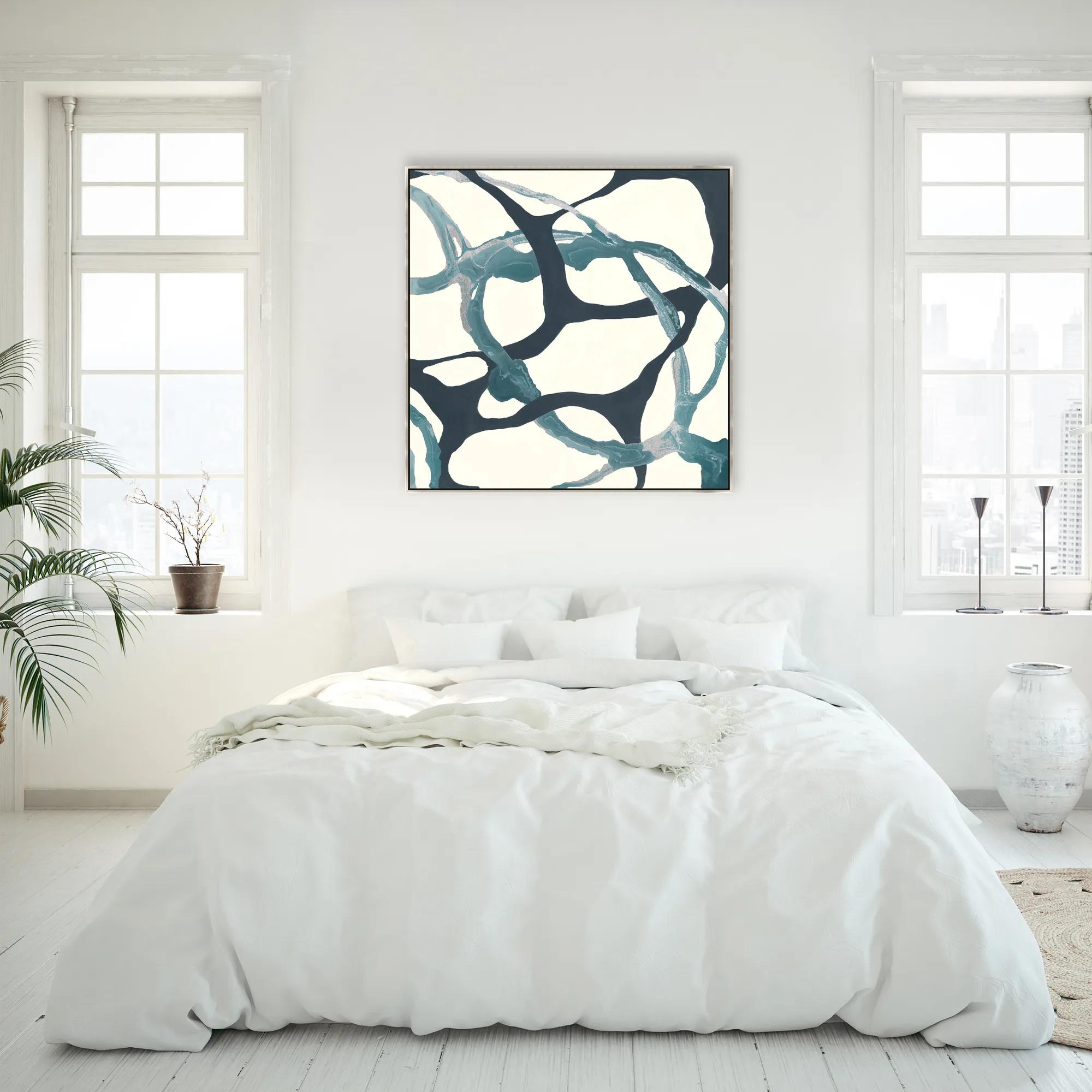 Alignments II Framed Wall Art 40" x 40"$899
A gallery-wrapped canvas featuring gilded silver accents and hand-applied brush gel in a silver floater frame.
Add To Cart -
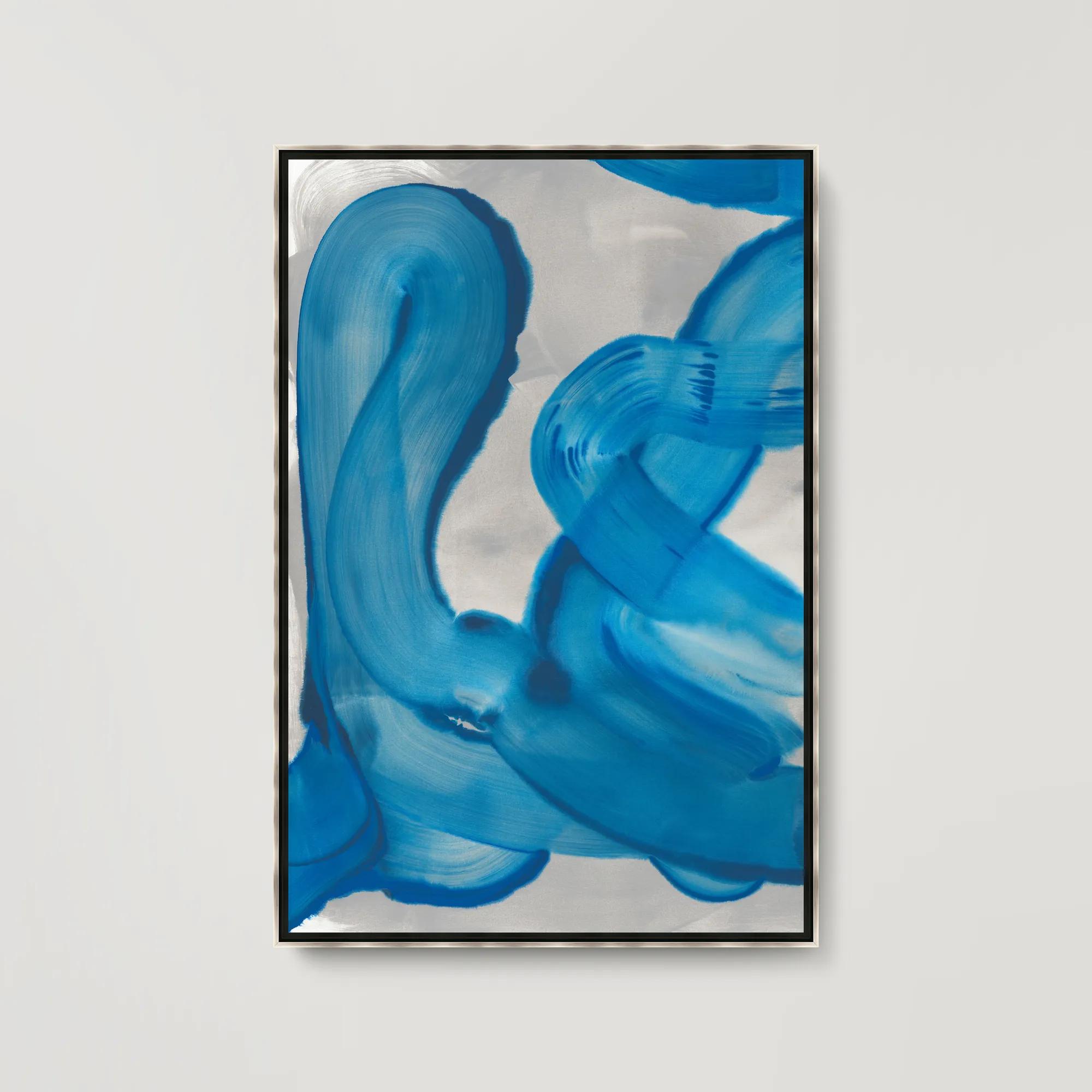 Royal Waves I Framed Wall Art 31.5" x 46.5"$699
A gallery-wrapped abstract canvas featuring hand-applied brush gel and set in a sleek silver floater frame.
Add To Cart -
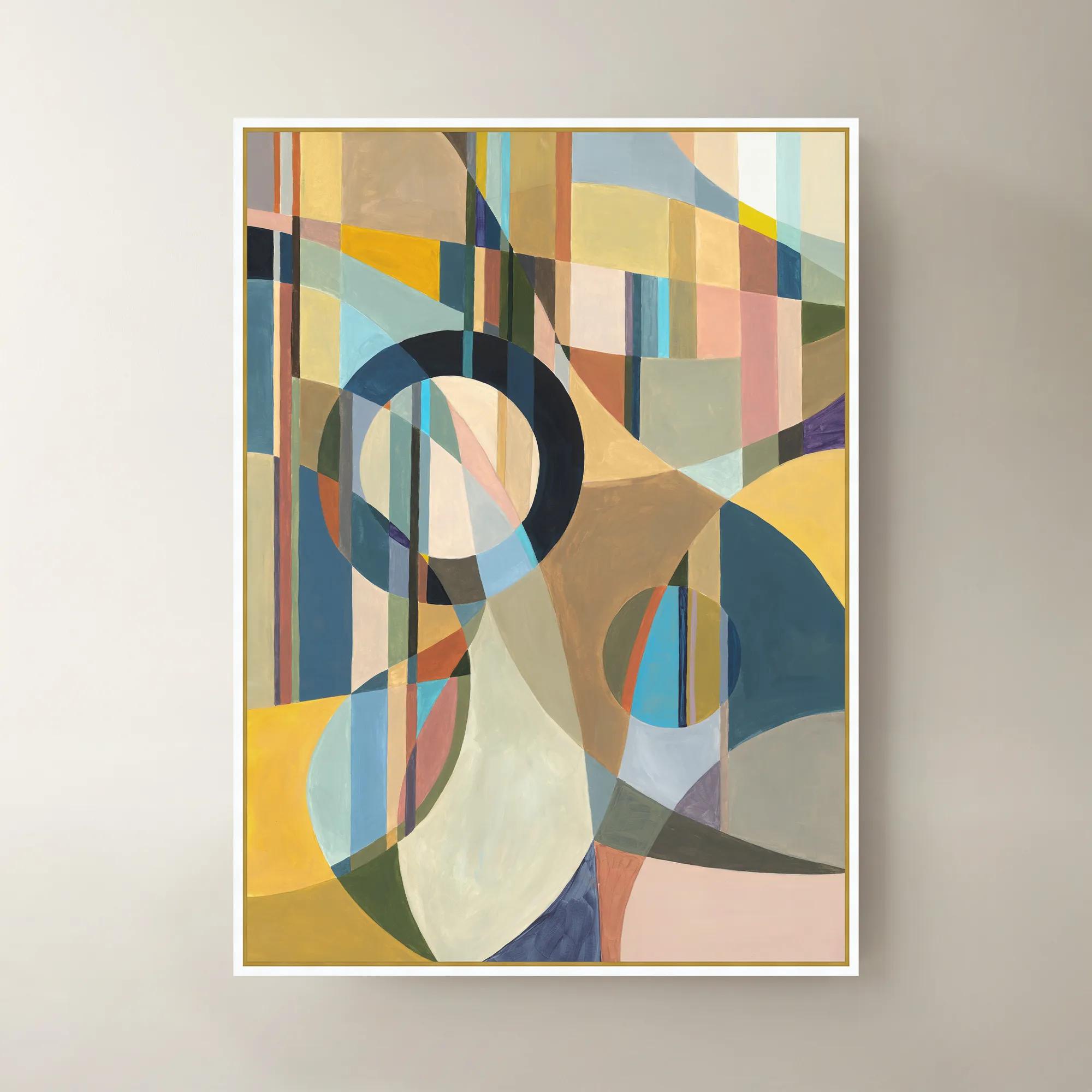
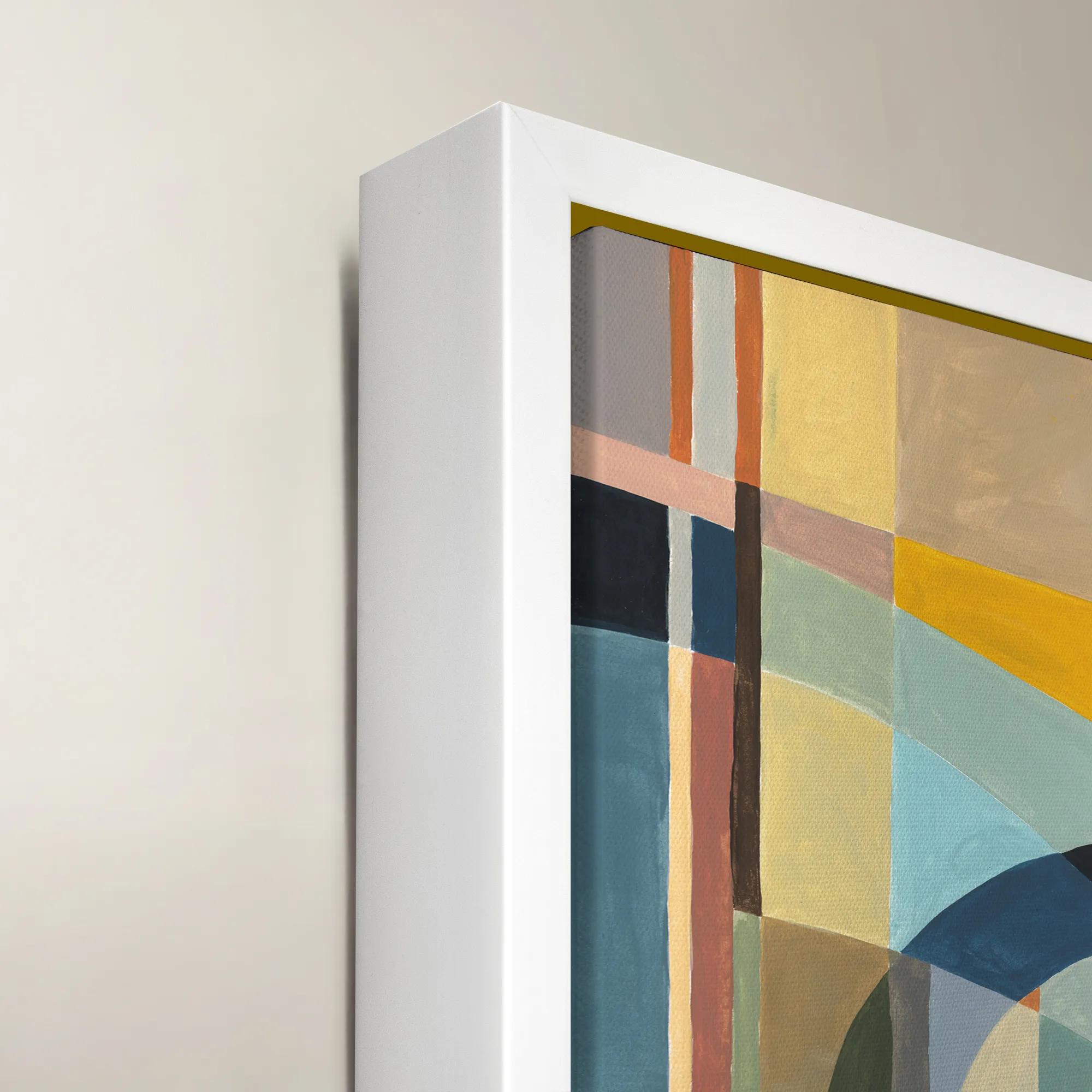 Happy Mistake Framed Wall Art 40" x 54"$1099
A vibrant multicolored framed canvas artwork adding expressive style to modern interiors.
Add To Cart -

 Sand Storm Framed Gold Foil Wall Art 32" x 47"$329
A refined abstract artwork with gold foil accents, sand and charcoal tones, framed in solid wood.
Add To Cart -

 Heart Dancing Framed Wall Art 51.5" x 37.5"$799
A gallery-wrapped canvas artwork with a hand-applied brush gel finish in a sleek gunmetal floater frame.
Add To Cart -

 Hint of Spring Framed Painted Wall Art 48" x 48"$599
A framed, multicolored painted canvas artwork that brings a vibrant, artistic touch to contemporary interiors.
Add To Cart -
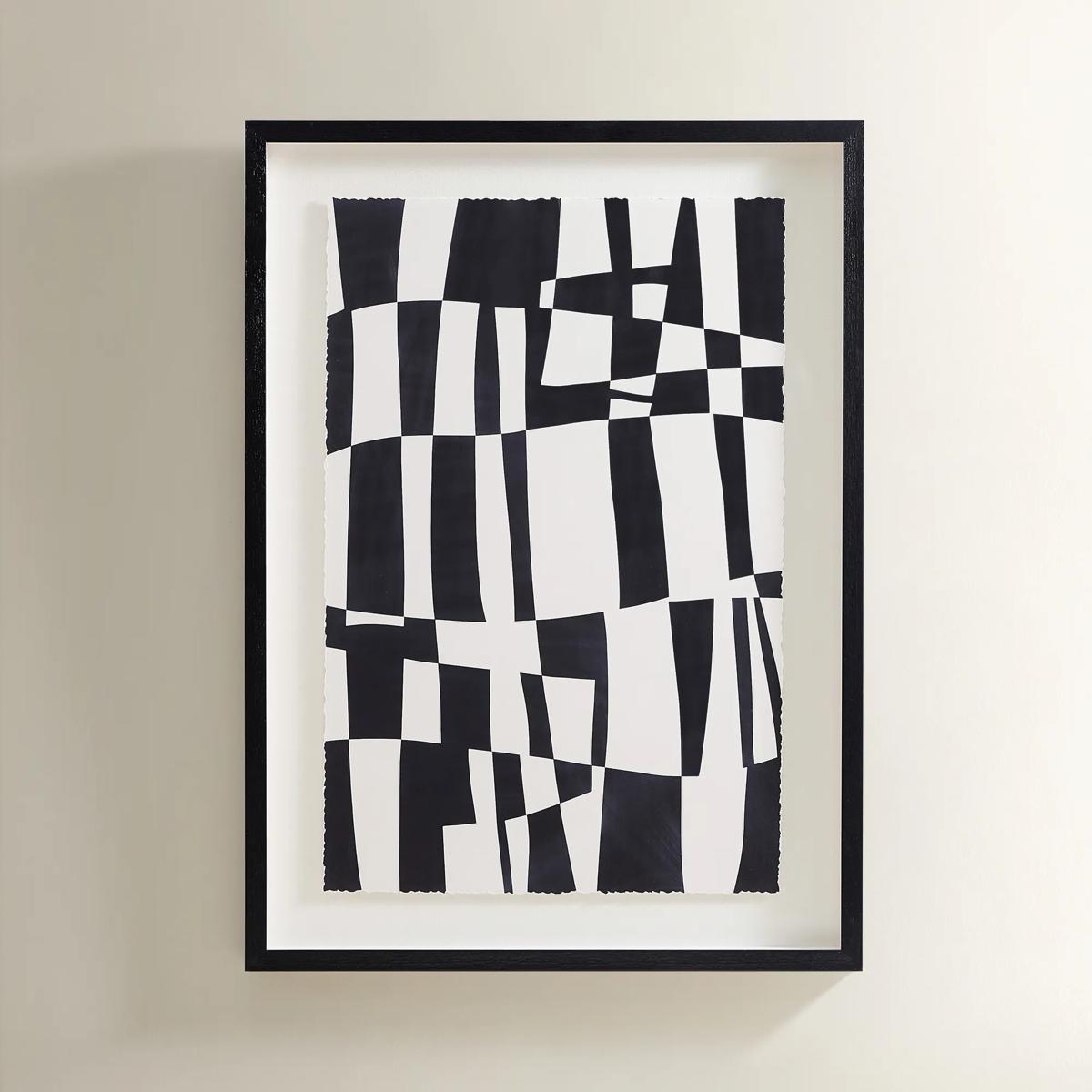 Matrix Art$369
A striking black and white abstract grid print set in a sleek black polyresin frame.
Add To Cart -
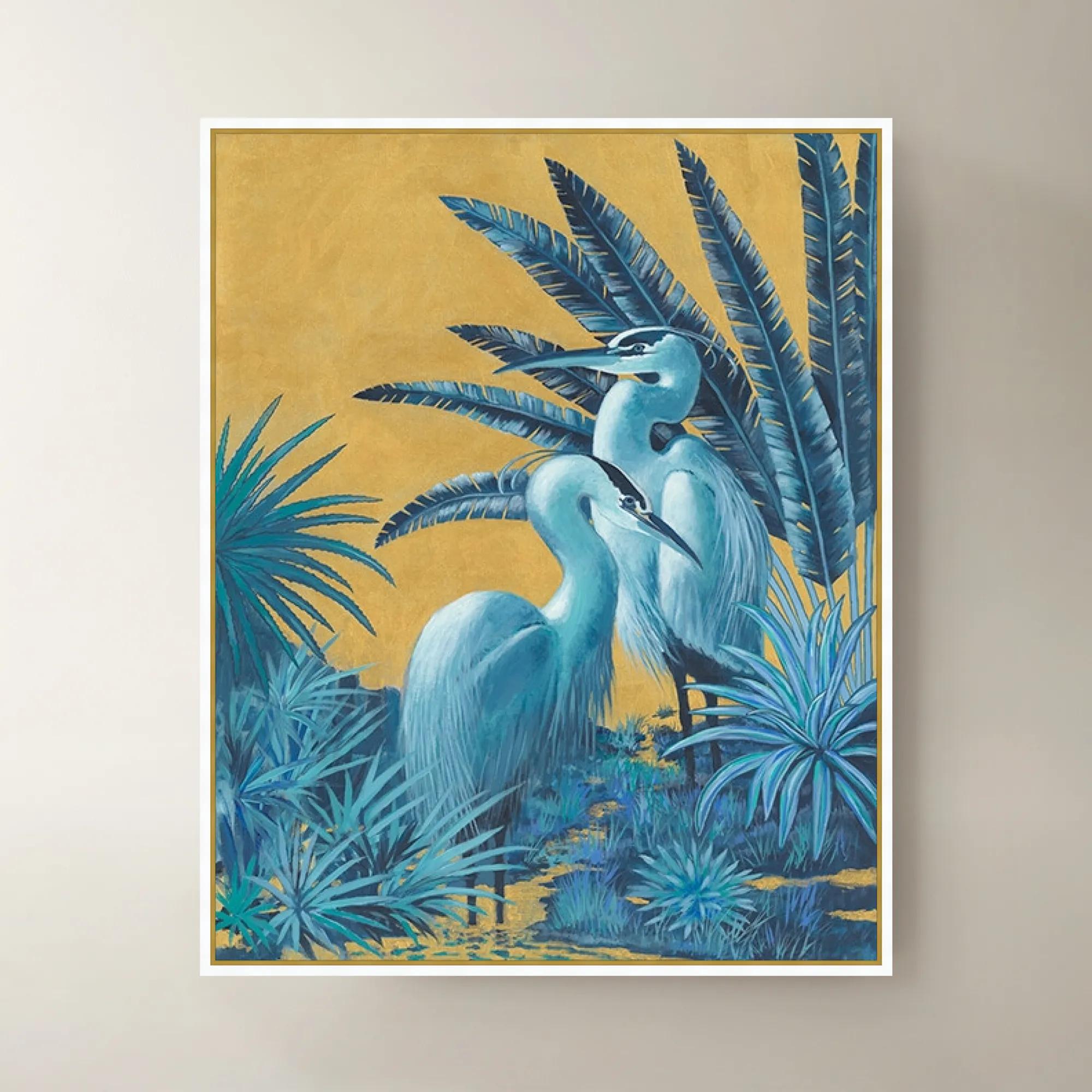
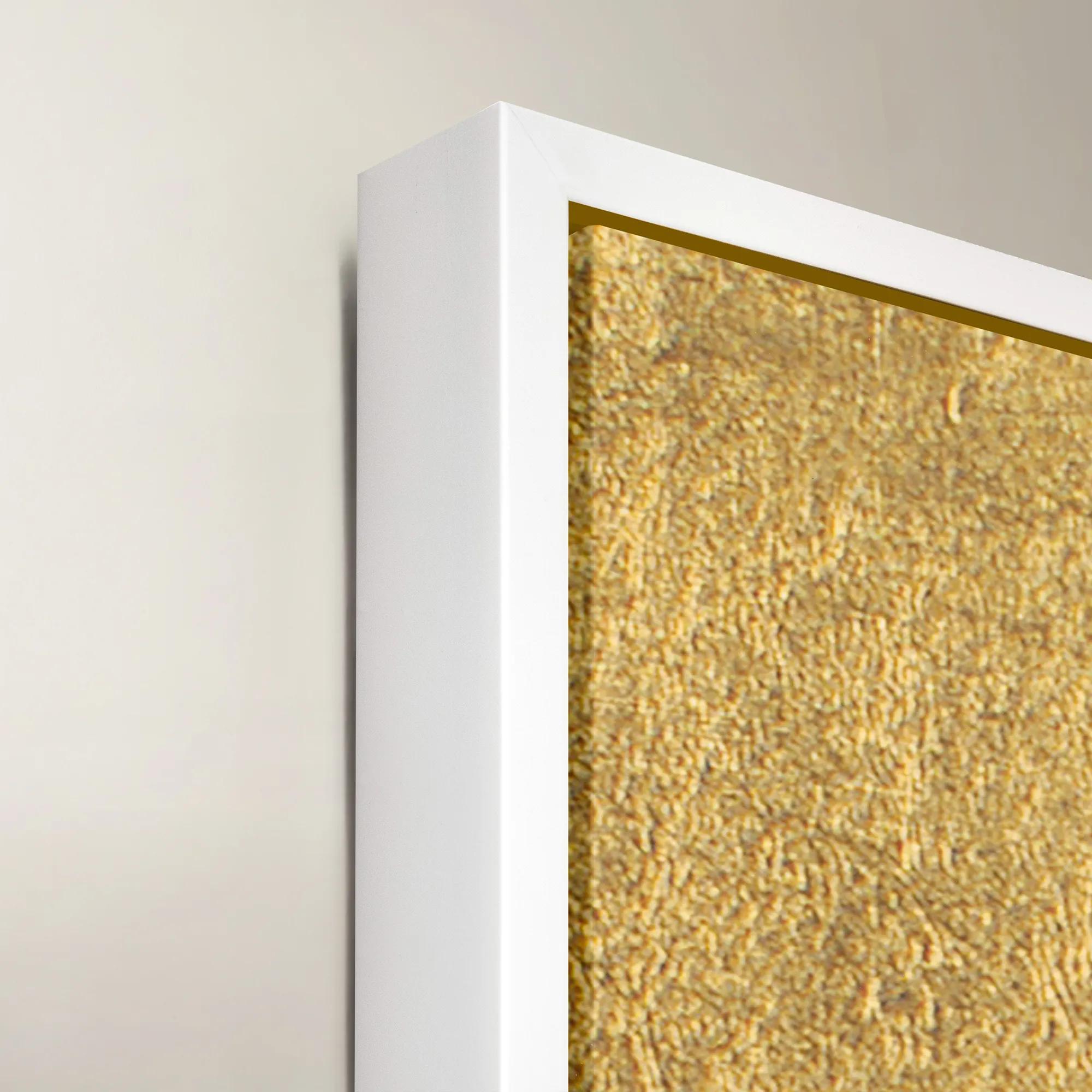 Blue Gold Herons Framed Wall Art 40" x 50"$1199
A striking blue and gold framed canvas artwork featuring elegant herons for sophisticated wall display.
Add To Cart -

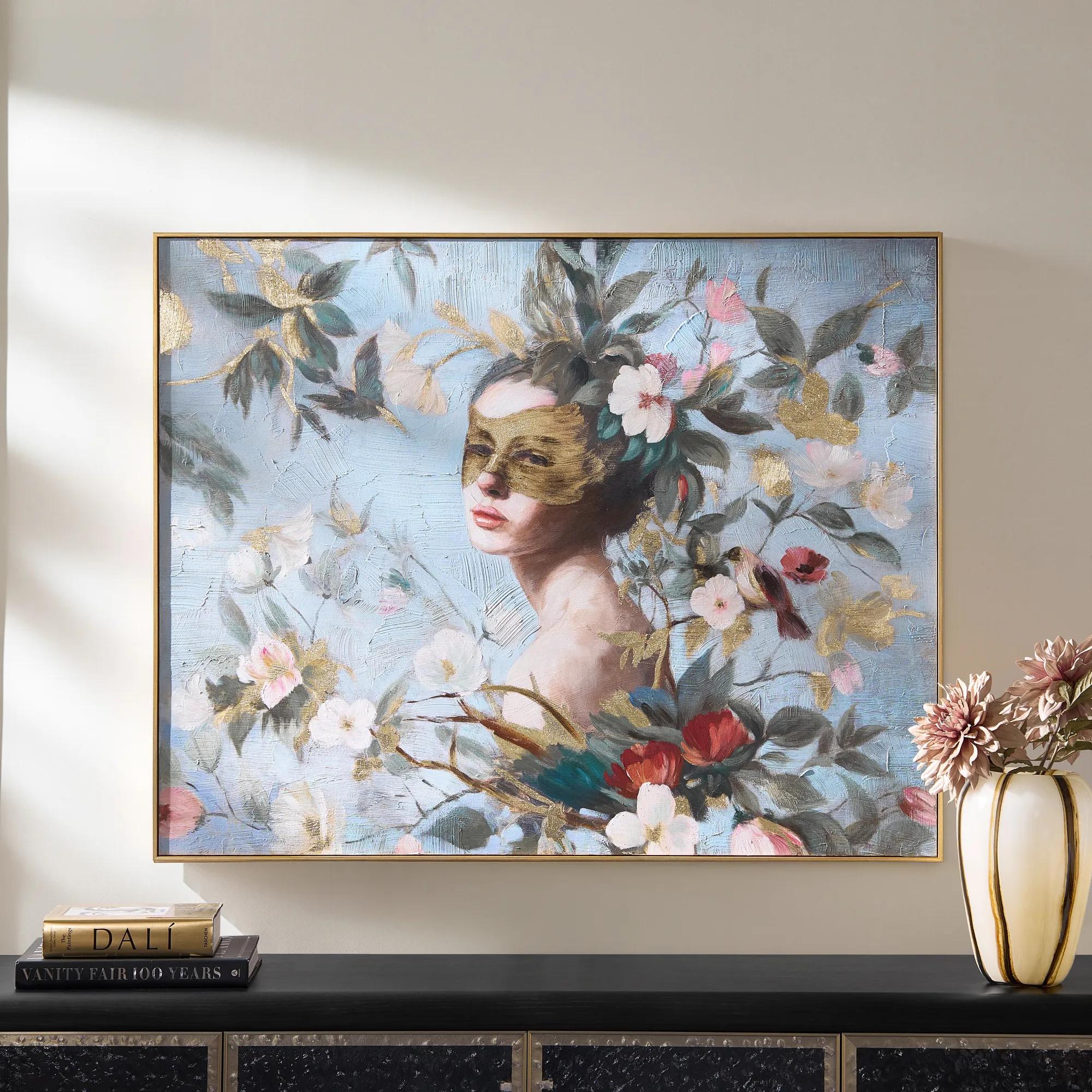 Garden Party Framed Gold Leaf Painted Wall Art 50" x 40"$399
A gold leaf painted canvas artwork in a framed presentation, bringing artistic sophistication to modern interiors.
Add To Cart -
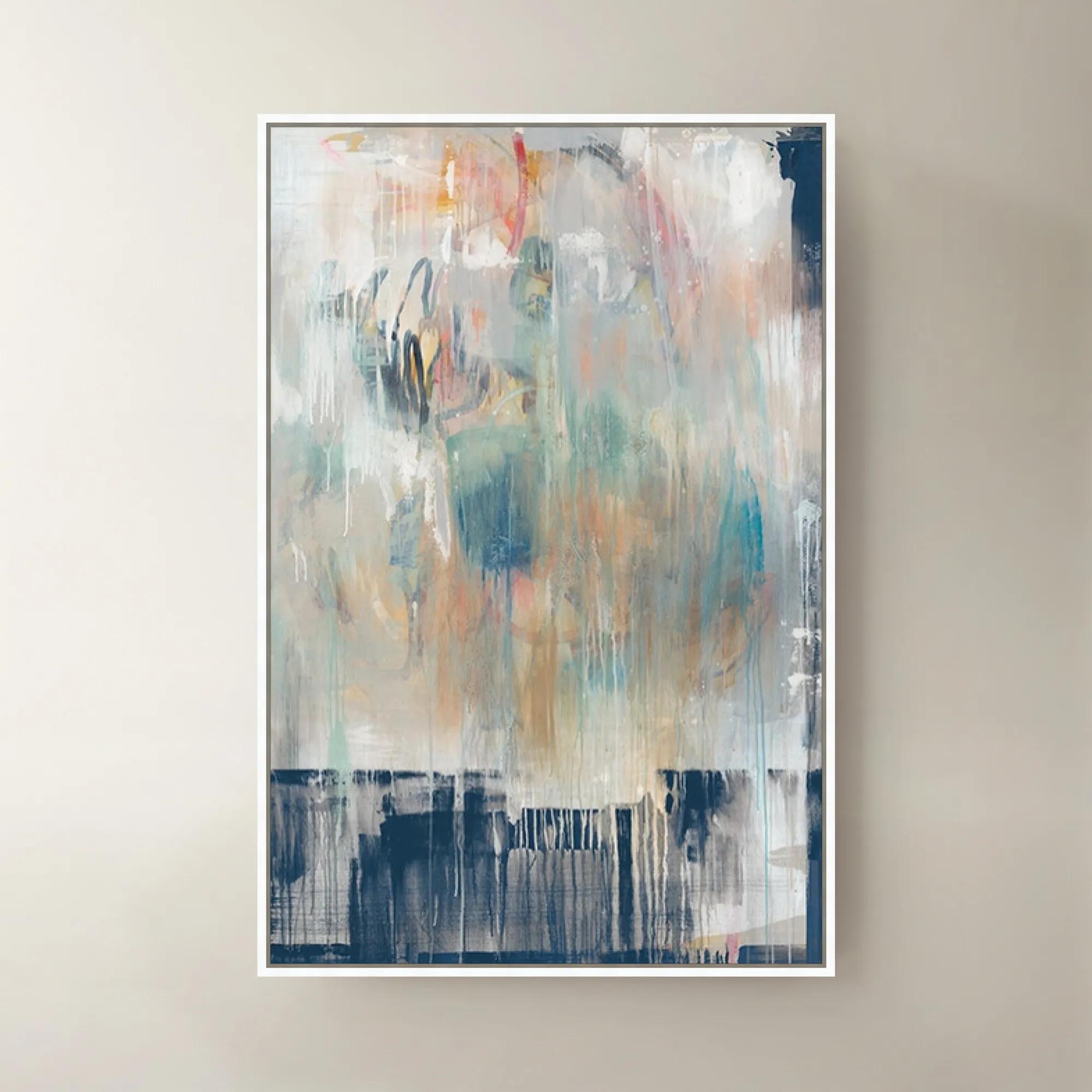
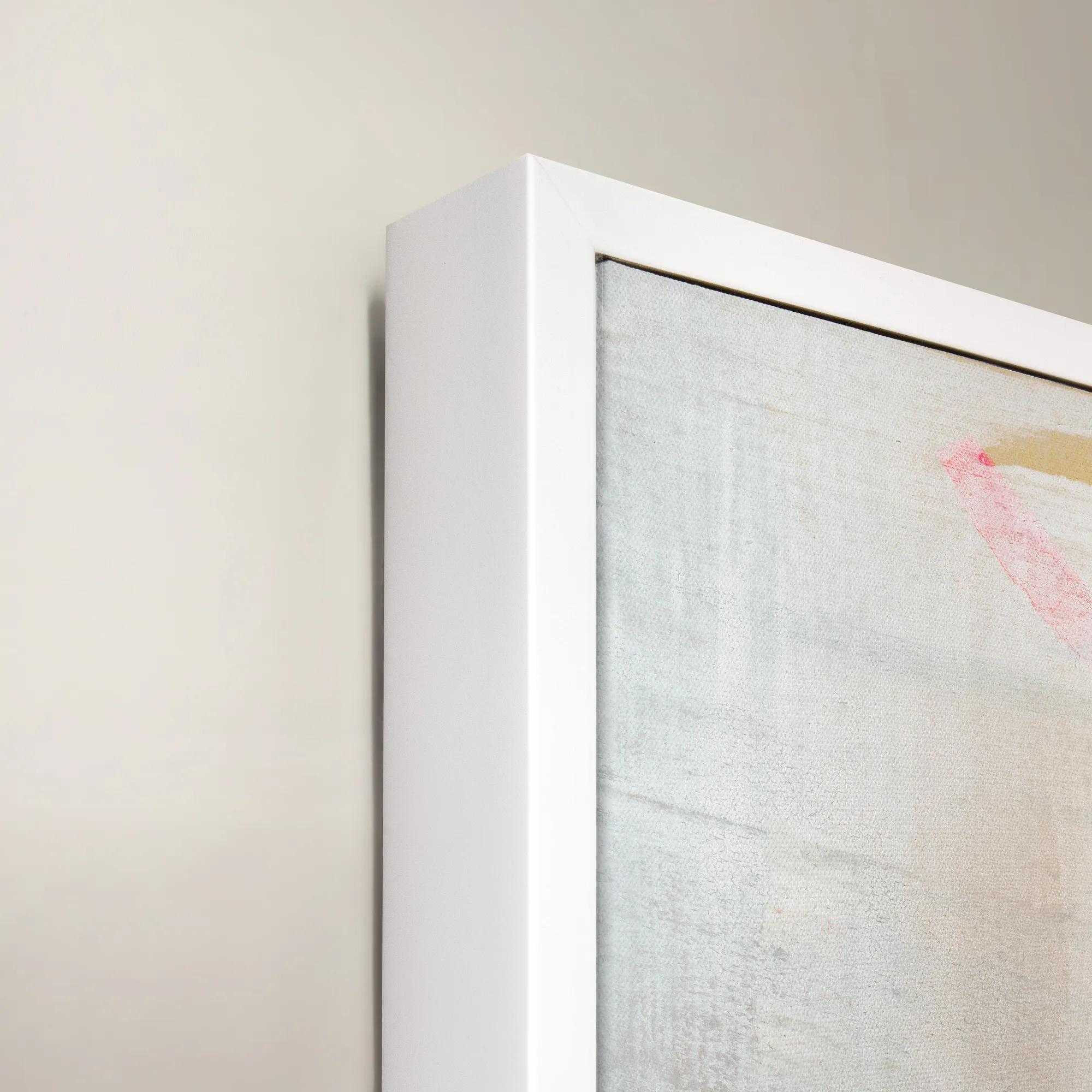 Disrepair III Framed Wall Art 40" x 60"$1099
A multicolored canvas wall artwork in a framed presentation, bringing expressive contemporary character to interiors.
Add To Cart -
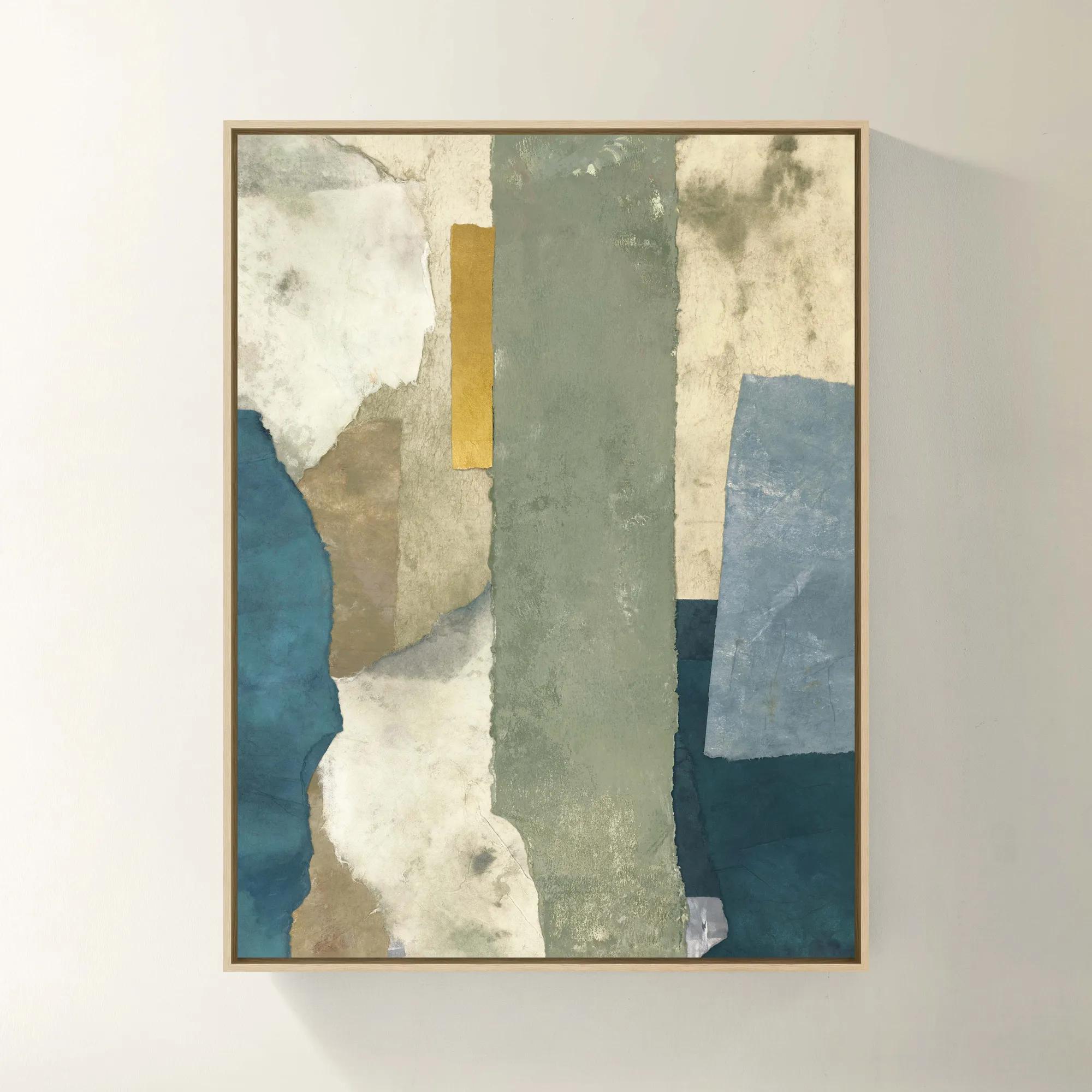 Earth Fragments II Framed Wall Art 30" x 40"$799
A gallery-wrapped canvas featuring gild accents and hand-applied gel, set in a natural floater frame.
Add To Cart -
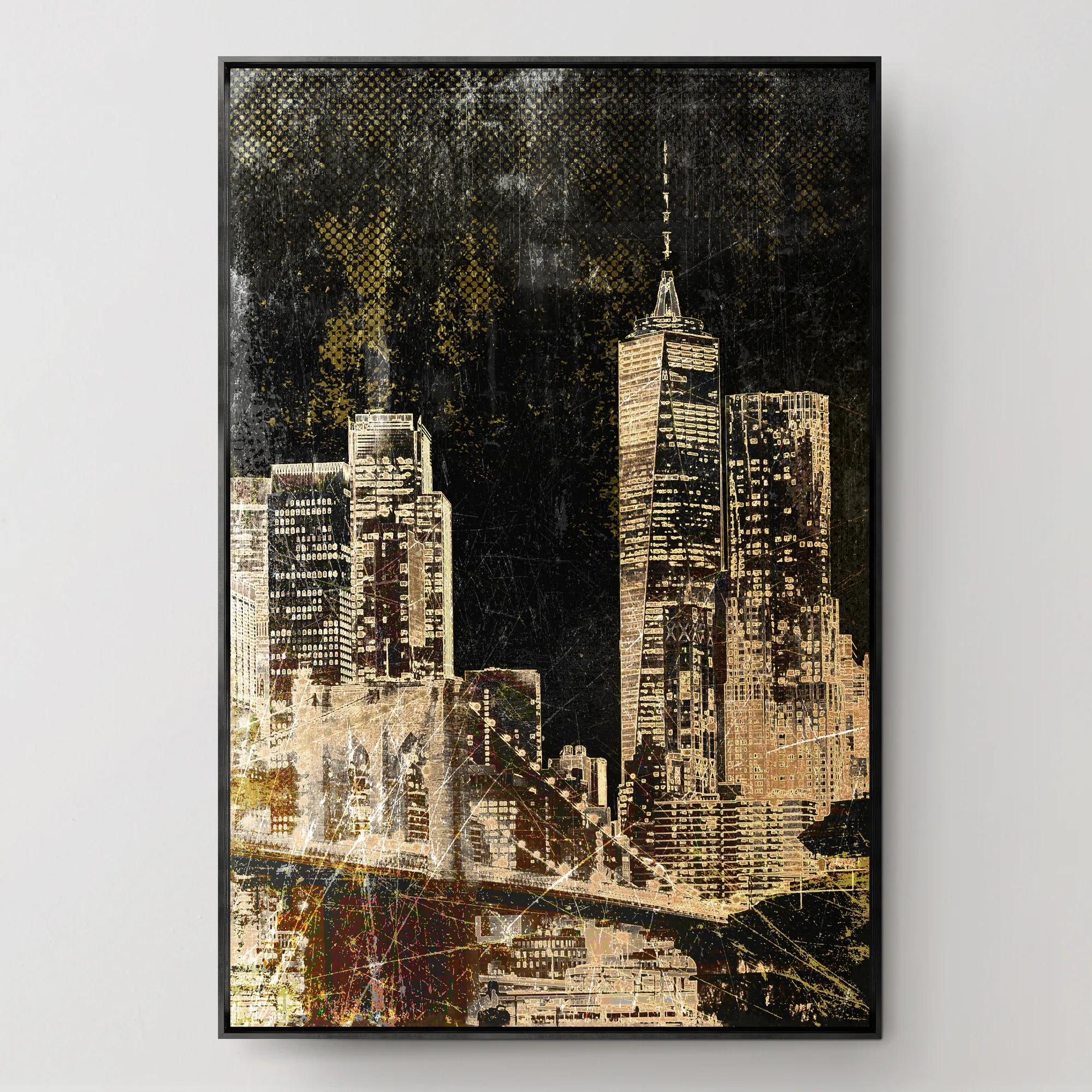
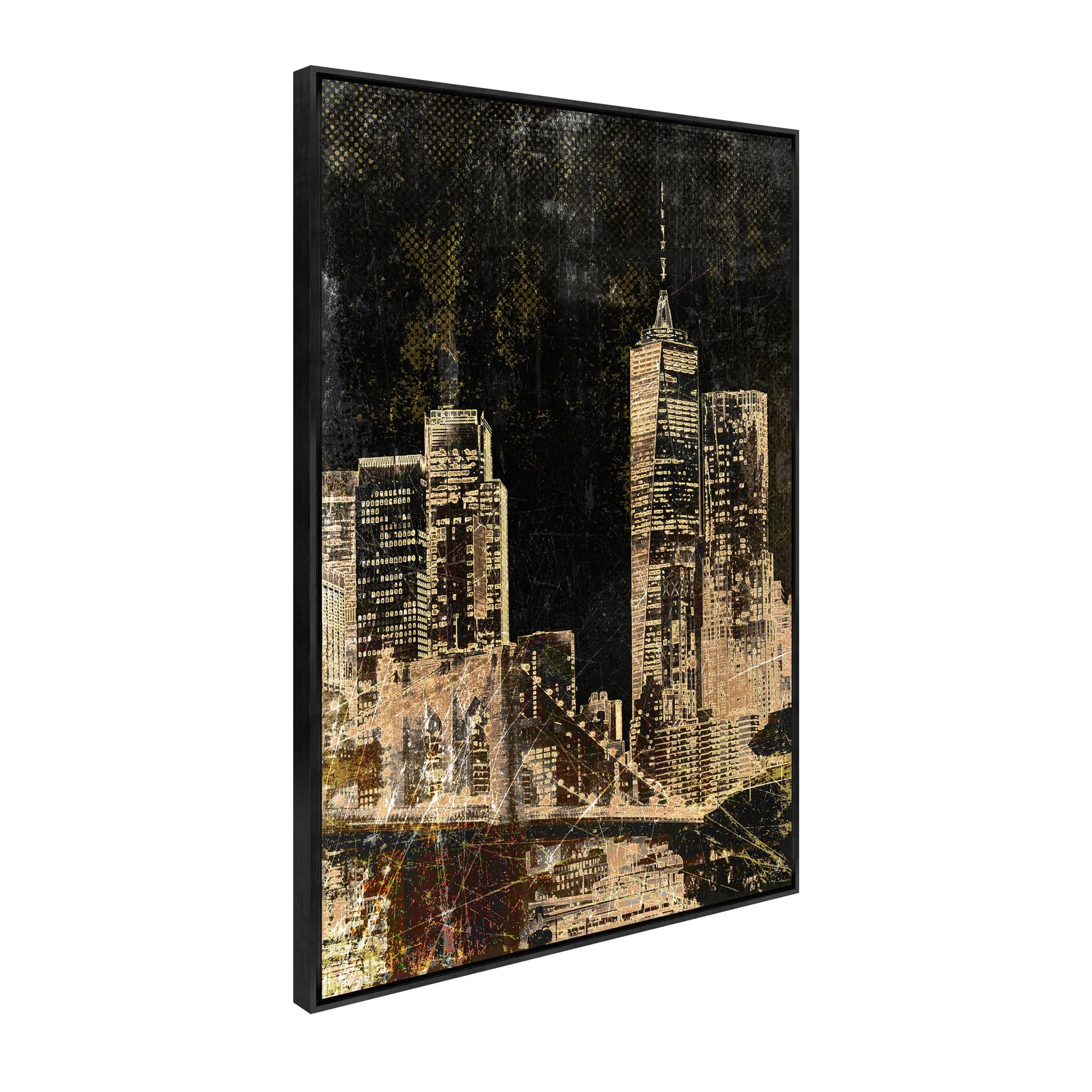 New York Lights Framed Wall Art 30" x 45"$649
A gallery-wrapped canvas artwork featuring a hand-applied gel finish and sleek black floater frame.
Add To Cart -

 Blooming in Her Own Time Framed Wall Art 40" x 50"$1029
A vibrant multicolored canvas wall artwork featuring an expressive botanical-inspired design in a framed presentation.
Add To Cart -
 Way Back When Framed Painted Wall Art 36" x 48"$499
A hand-painted cotton canvas in sepia, black, and ivory with abstract animal-inspired patterns and a slim black frame.
Add To Cart -
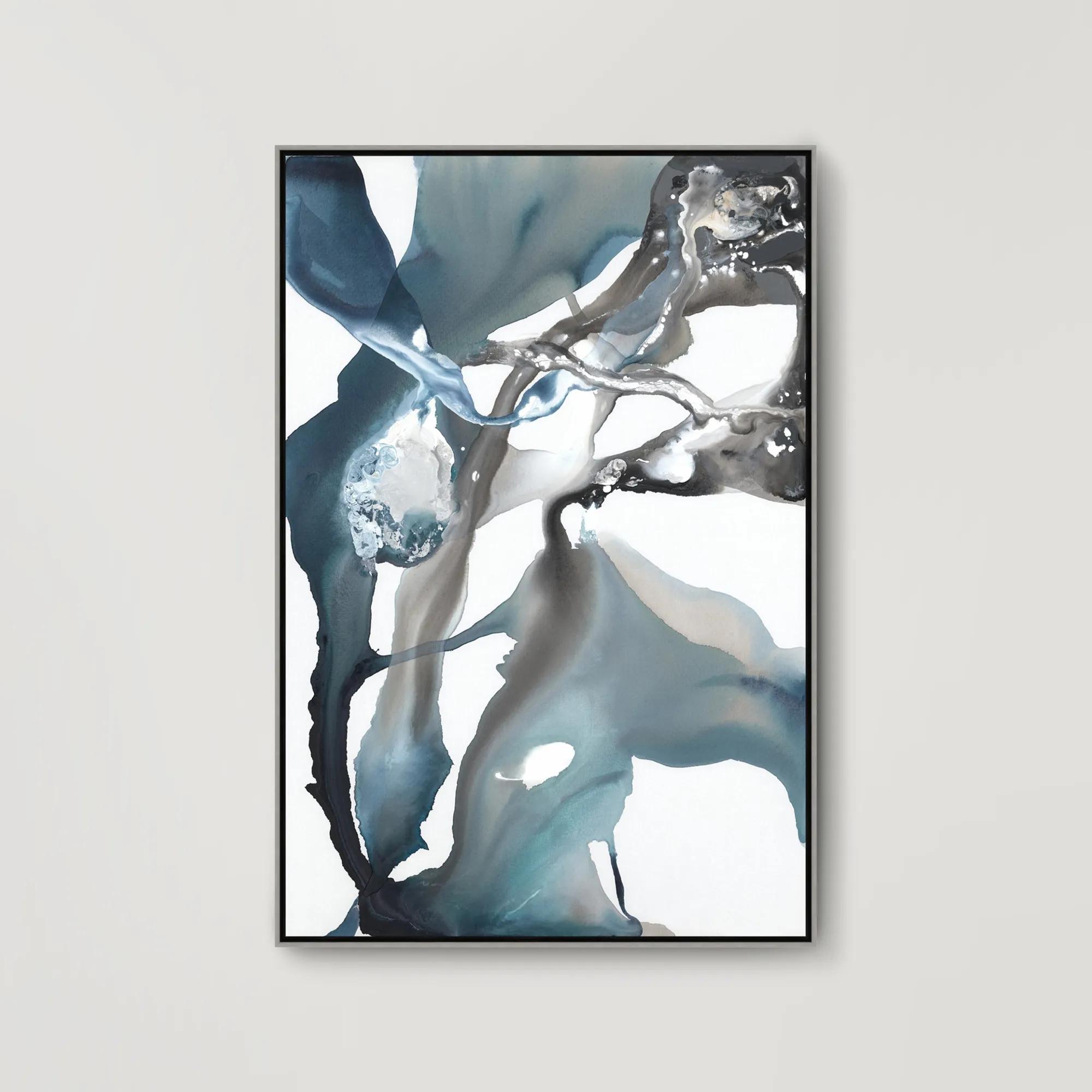
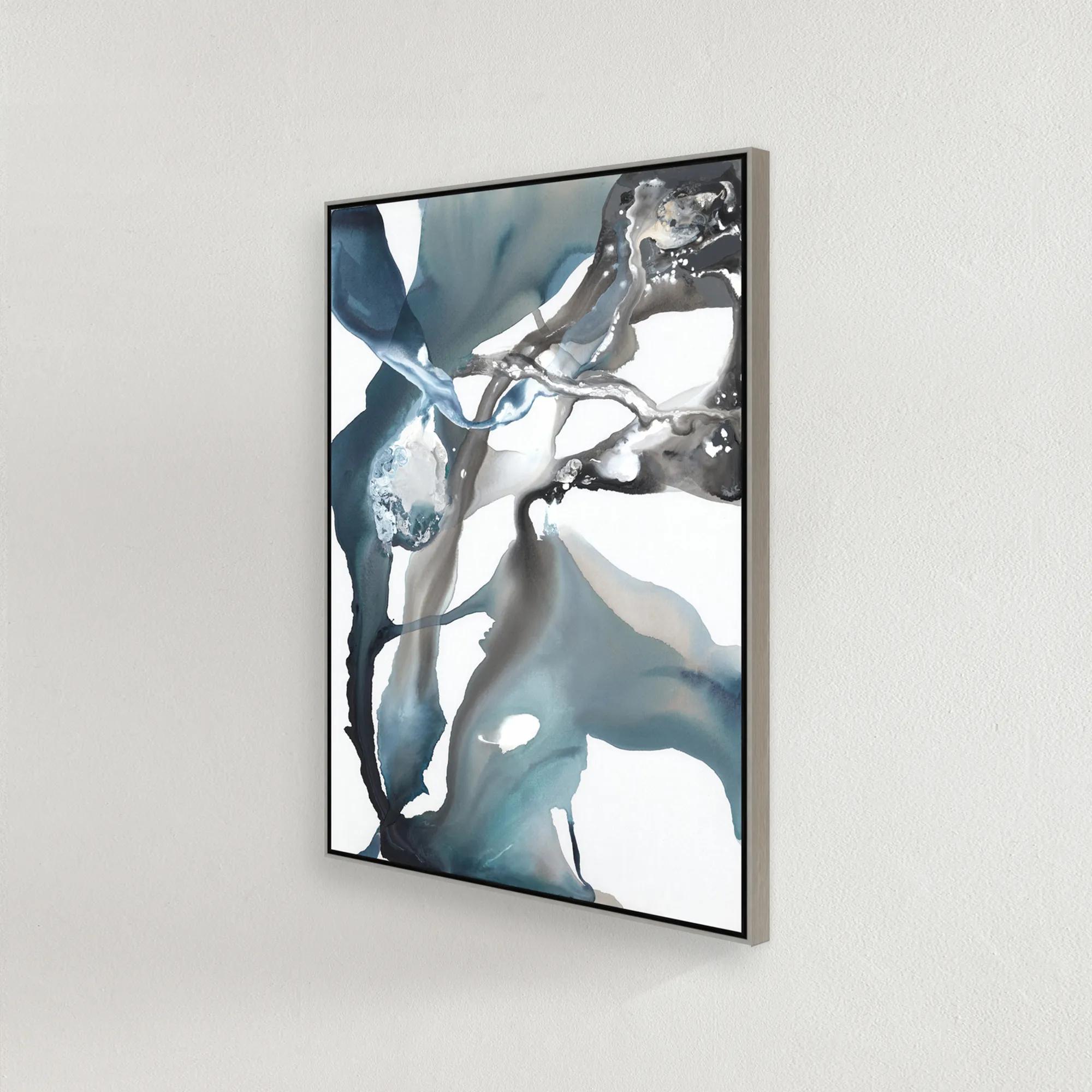 Cool Cascade Framed Wall Art 37.5" x 55.5"$849
A gallery-wrapped canvas artwork featuring expressive colors, hand-applied brush gel, and a gunmetal floater frame.
Add To Cart -
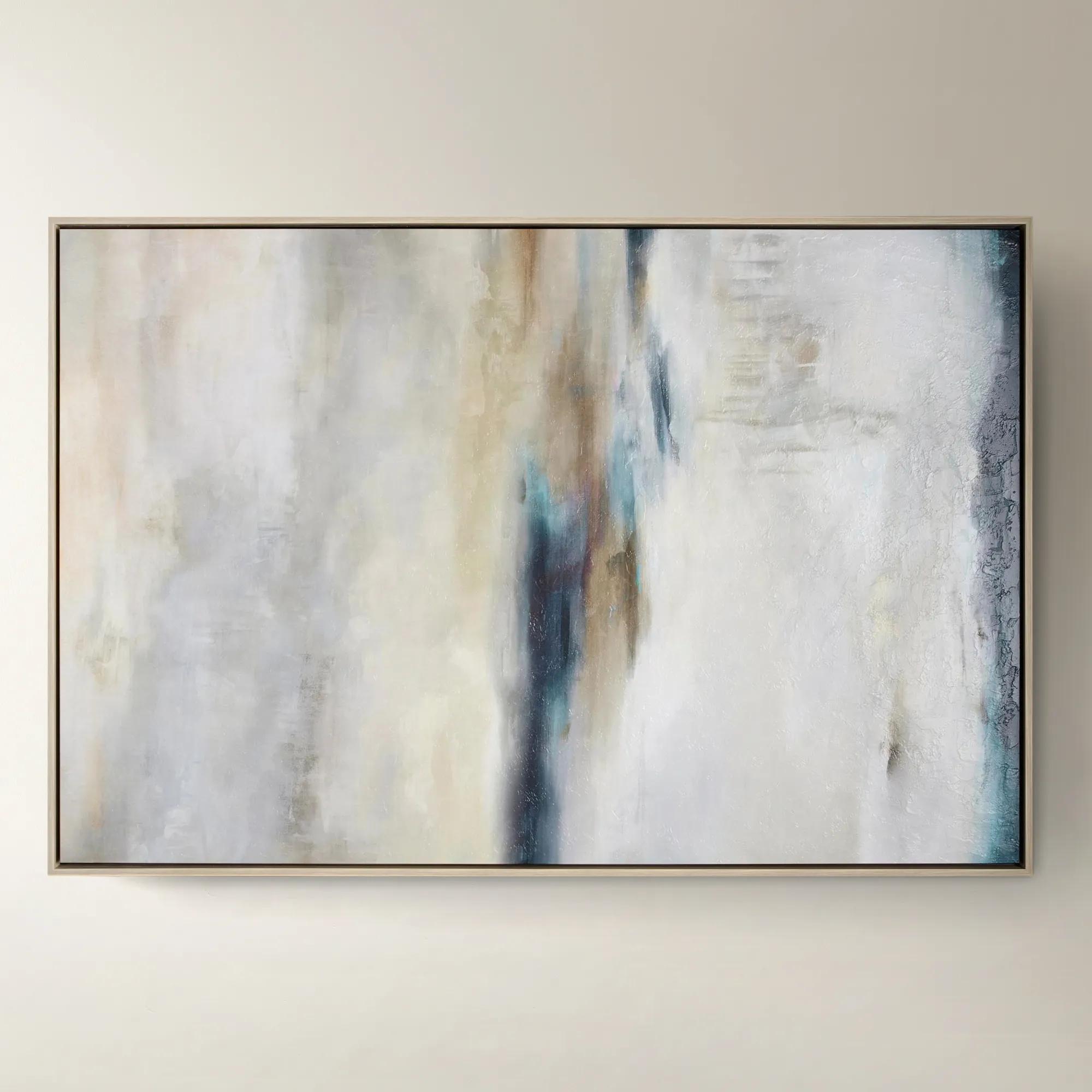
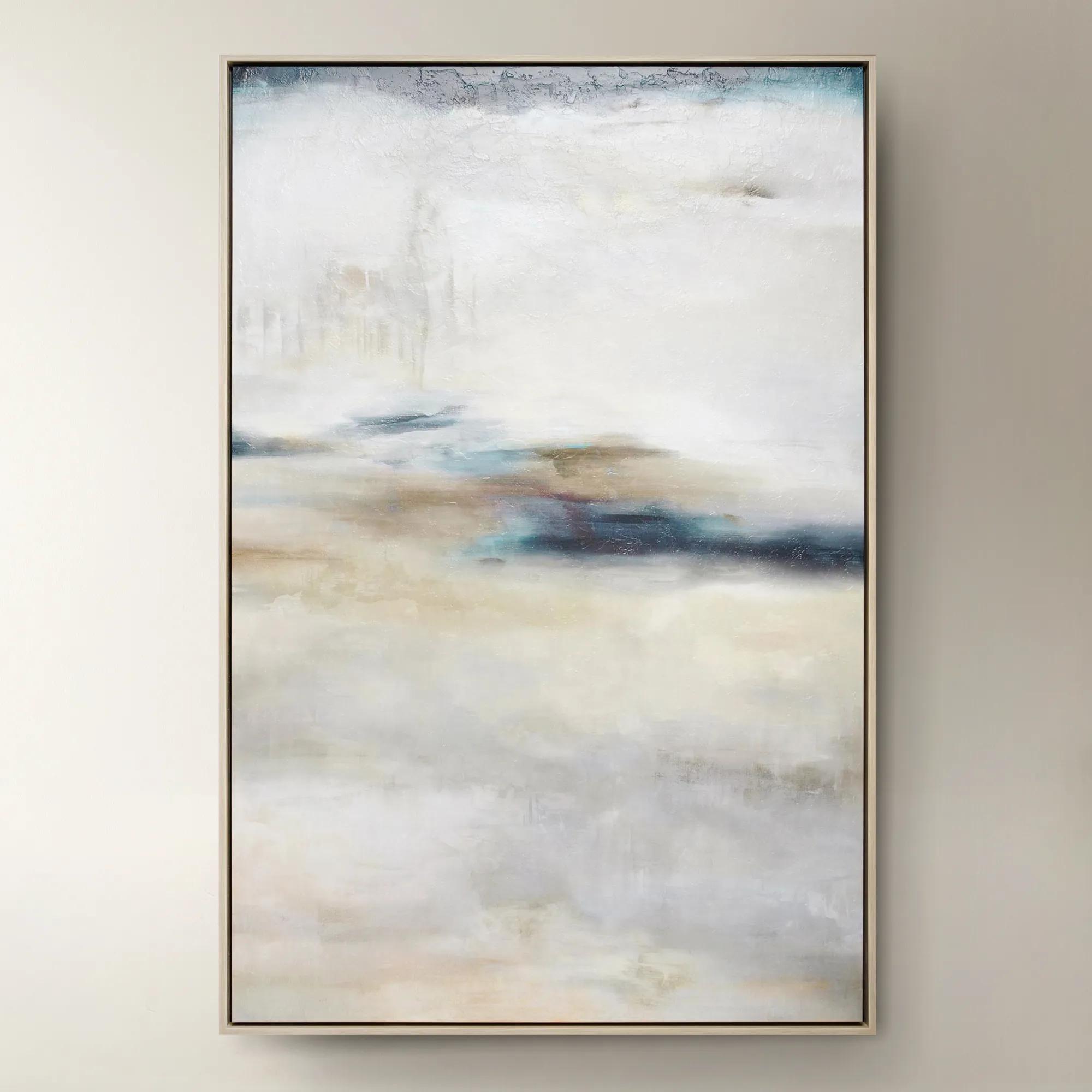 Forward Looking$1299
A softly layered abstract canvas print with a gel finish, set in a natural-hued floater frame.
Add To Cart

Large Framed Art Prints
Explore large framed art prints to create a dramatic focal point above a sofa, over a console, or on an expansive wall. This selection of large-scale framed artwork brings visual presence to spaces that call for a statement. Compare dimensions, orientation, and color palette to choose a piece that balances your furnishings while expressing your personal style.
Large framed art prints bring substantial visual presence to a room, filling expansive walls and creating a defined focal point in living rooms, bedrooms, dining spaces, and offices. Reproductions of artwork or photography, these pieces pair an expressive image with a finished frame, giving the composition a distinct edge and a polished relationship to its surroundings. Their appeal lies in more than size: a sweeping abstract can introduce movement above a tailored sofa, while an architectural photograph can lend structure to a room filled with sumptuous upholstery. Oversized wall art also allows subtle details to register from across the space, whether the image features delicate tonal shifts, dramatic contrasts, or an intricate interplay of line and shape. A single generously scaled piece can make a seating arrangement feel intentional without requiring a collection of smaller works. Above a console, it establishes a compelling arrival; behind a dining table, it creates a backdrop with the presence of a private gallery. The most persuasive proportions connect the artwork to the furniture beneath it rather than to the empty wall alone. A framed composition roughly two-thirds to three-quarters the width of a sofa or sideboard often feels balanced, although the room’s architecture and the image itself may call for a different relationship. High ceilings can welcome a tall vertical format, while broad horizontal artwork echoes the length of a low-profile sectional or upholstered bed. Adequate breathing room around the frame lets its silhouette read clearly, especially beside sconces, curtains, or substantial molding. Color offers another point of connection: an inky gesture might echo a lacquered accent table, while a wash of ivory softens the contrast between dark furniture and pale walls. Large framed prints suit both expressive collectors and those furnishing a first home with intention, offering an immediate way to give a room character without making every surface compete for attention.
The materials surrounding a print influence both its appearance and how it lives in a space. Paper-based art prints can carry crisp photographic detail or softly graduated color, while canvas prints introduce a visible woven texture that changes the character of the image. Neither surface is inherently right for every composition; a sharply rendered cityscape and an atmospheric abstract invite different treatments. Wood frames can bring warmth, depth, and a more substantial outline, while metal profiles offer a precise border that keeps attention on the artwork. Black creates a decisive edge, metallic finishes introduce a gleaming accent, and lighter tones allow a quieter transition between image and wall. The clean profiles of Modern Frames For Art Prints complement interiors where the artwork supplies the drama and the surrounding details remain deliberate. A mat adds an area of visual space between the print and its frame, lending smaller details room to emerge within an oversized presentation. Wide matting can feel especially refined around photography or spare compositions, whereas an image framed closer to its edges may appear more immersive. Frame depth matters, too: a substantial profile creates a sculptural shadow, while a slender one feels crisp against the wall. Glass and acrylic glazing, when included, help shield the printed surface from dust and incidental contact, but they differ in weight, scratch resistance, and handling requirements. Acrylic is generally lighter and more impact resistant than standard glass, an important consideration for larger dimensions. Anti-reflective or UV-filtering properties are separate features rather than assumptions, and UV protection does not make a print immune to fading. Acid-free mats and suitable backing materials can help reduce discoloration over time when they are part of the construction. Attention to printing quality, frame joinery, backing, and hanging hardware gives the finished piece its integrity, supporting an impression of luxury that extends beyond the image itself.
Large framed wall art feels most compelling when its subject and scale reflect the way a room is used. In a living room designed for conversation, a bold abstract can anchor the seating area while leaving space for sculptural lighting and richly textured pillows. A bedroom may favor flowing forms, softened contrasts, or an expansive landscape that creates a composed backdrop rather than visual restlessness. In a home office, graphic photography or architectural imagery can lend distinction to the wall behind a desk, including the portion visible during video calls. An entryway offers a different opportunity: a vertical framed print above a narrow console draws the eye upward and gives even a compact arrival space a sense of ceremony. Consistent frame finishes can connect artwork across adjoining rooms without requiring identical subjects, while a shared accent color can unite pieces with very different personalities. Practical details preserve that effect. Overall framed dimensions, rather than image dimensions alone, determine whether a piece fits between windows, clears a headboard, or travels comfortably through a stairwell. The full weight of the framed artwork should guide the choice of wall anchors and hanging hardware, with mounting appropriate to the wall material and the manufacturer’s directions. Large or heavy pieces may warrant professional installation, particularly above furniture. Placement away from direct sunlight, persistent humidity, and heat sources helps protect both the print and frame; reflective glazing also deserves consideration opposite bright windows or exposed bulbs. Routine care is usually gentle: dust the frame with a soft, dry cloth, follow the stated care instructions, and avoid spraying cleaning products directly onto glazing or allowing moisture to reach the print. For a housewarming or milestone gift, a large framed print can feel deeply personal when its palette, subject, and dimensions suit the recipient’s home. Whether selected for a dramatic entertaining space or a more intimate retreat, the strongest choice feels connected to the life around it: art with enough presence to command a wall and enough nuance to reward a closer look.
FAQs
Begin with the mood you want to create. Expressive abstracts bring movement and intrigue, while architectural imagery lends a more composed, graphic presence. Choose artwork with colors, subjects, or gestures that resonate with you, allowing your walls to feel collected and personal rather than simply coordinated.
Draw inspiration from your room’s palette, then decide whether the artwork should echo it or introduce contrast. Rich jewel tones add drama to neutral interiors, while tonal compositions create a quieter sense of depth. Repeating one accent color in nearby decor gives the composition a deliberate, polished connection.
A frame shapes how the artwork speaks to the room. A dark finish can sharpen contrast and emphasize graphic details, while a luminous metallic finish introduces a glamorous note. Consider how the frame relates to nearby lighting and decorative accents without requiring every finish to match.
Consider the wall behind a sofa, above a console, or within a dining room vignette. Give the artwork a clear visual role by keeping surrounding accents intentional. A sculptural lamp or an expressive vase can complement the composition while allowing the print to command attention.
Yes. Create a compelling mix through a shared color, recurring motif, or related frame finish. Pair fluid artwork with sculptural objects for contrast, or balance graphic prints with richly textured textiles. The goal is a layered interior with a distinct point of view—not a room where every detail repeats.