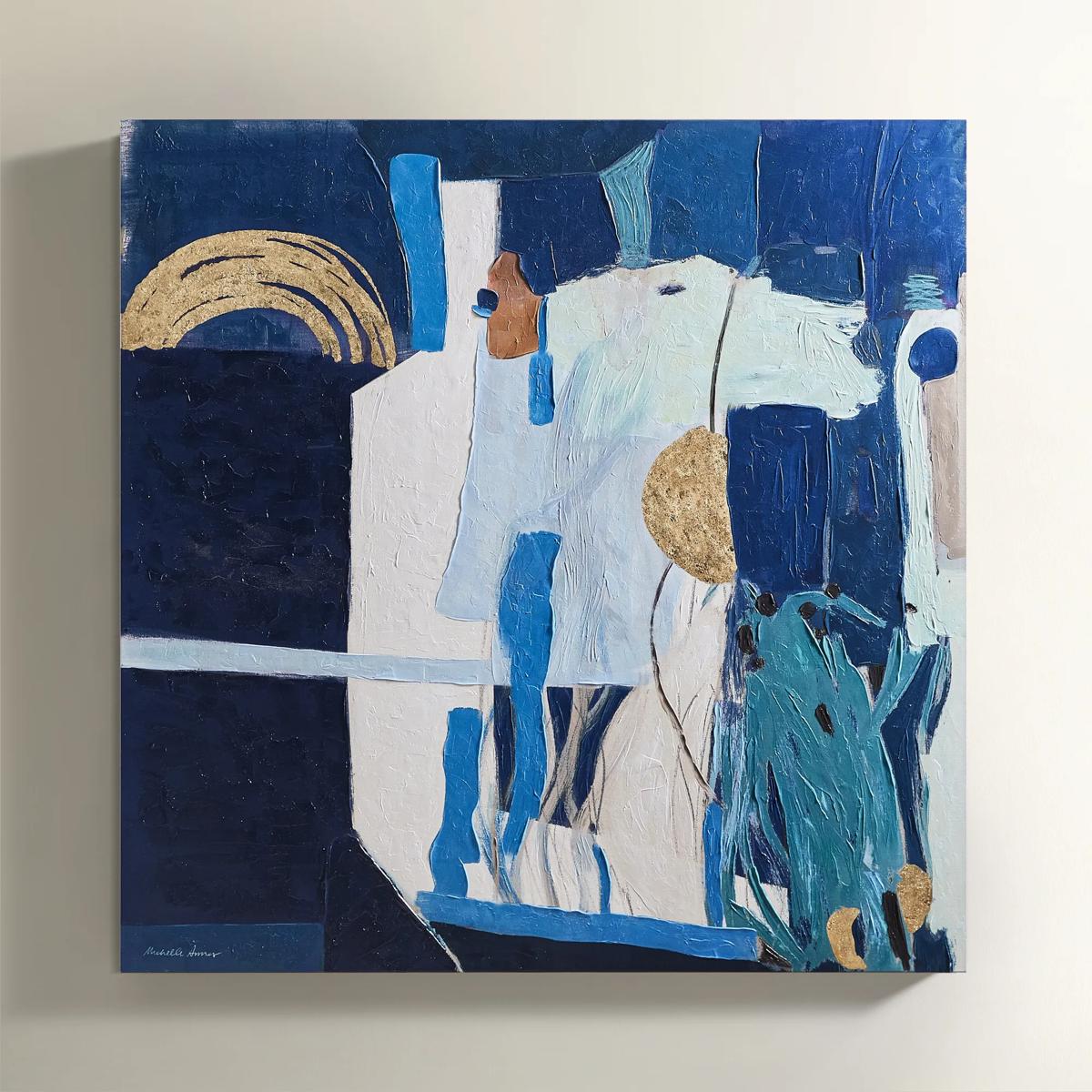
Large Format Art Prints
Large Format Art Prints
-
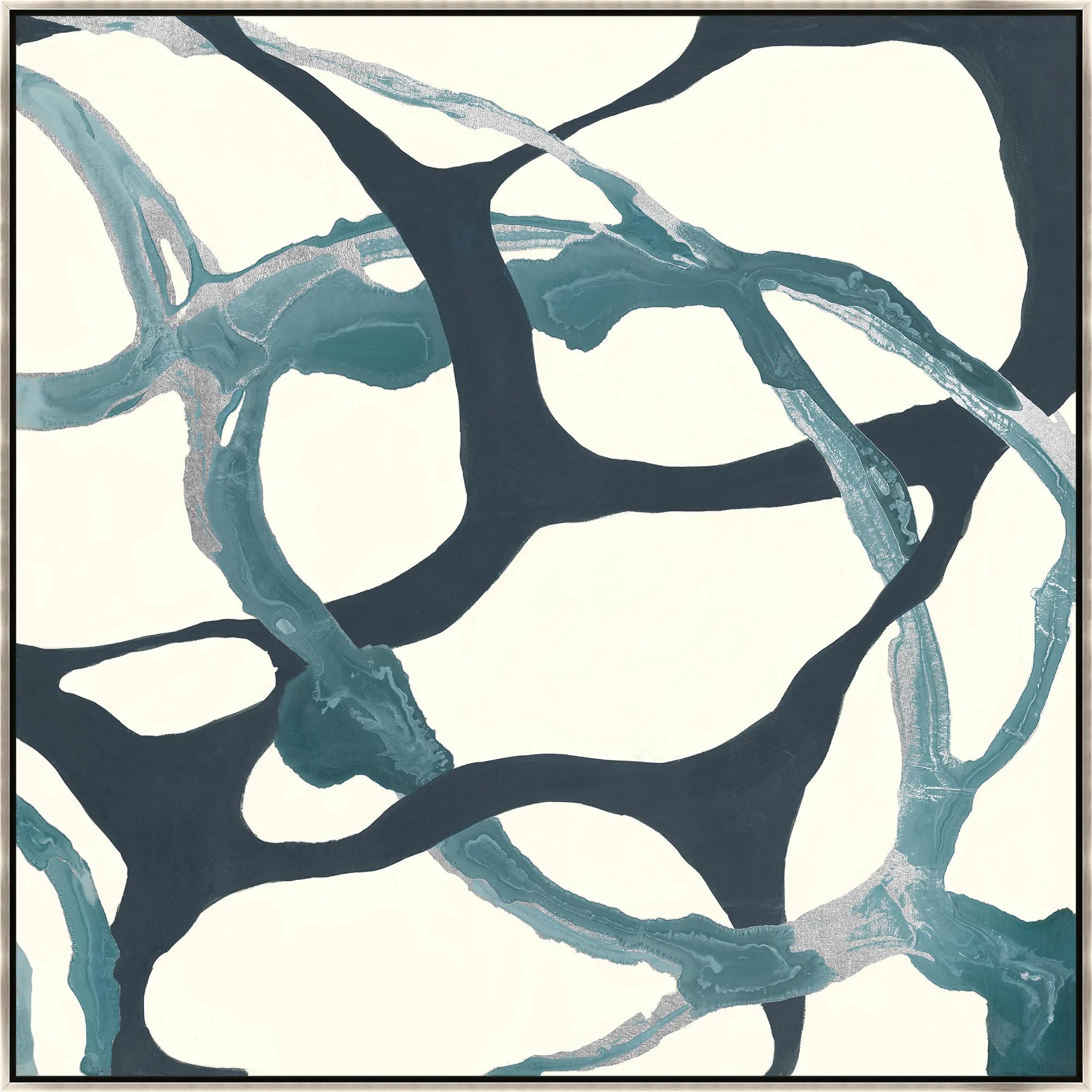
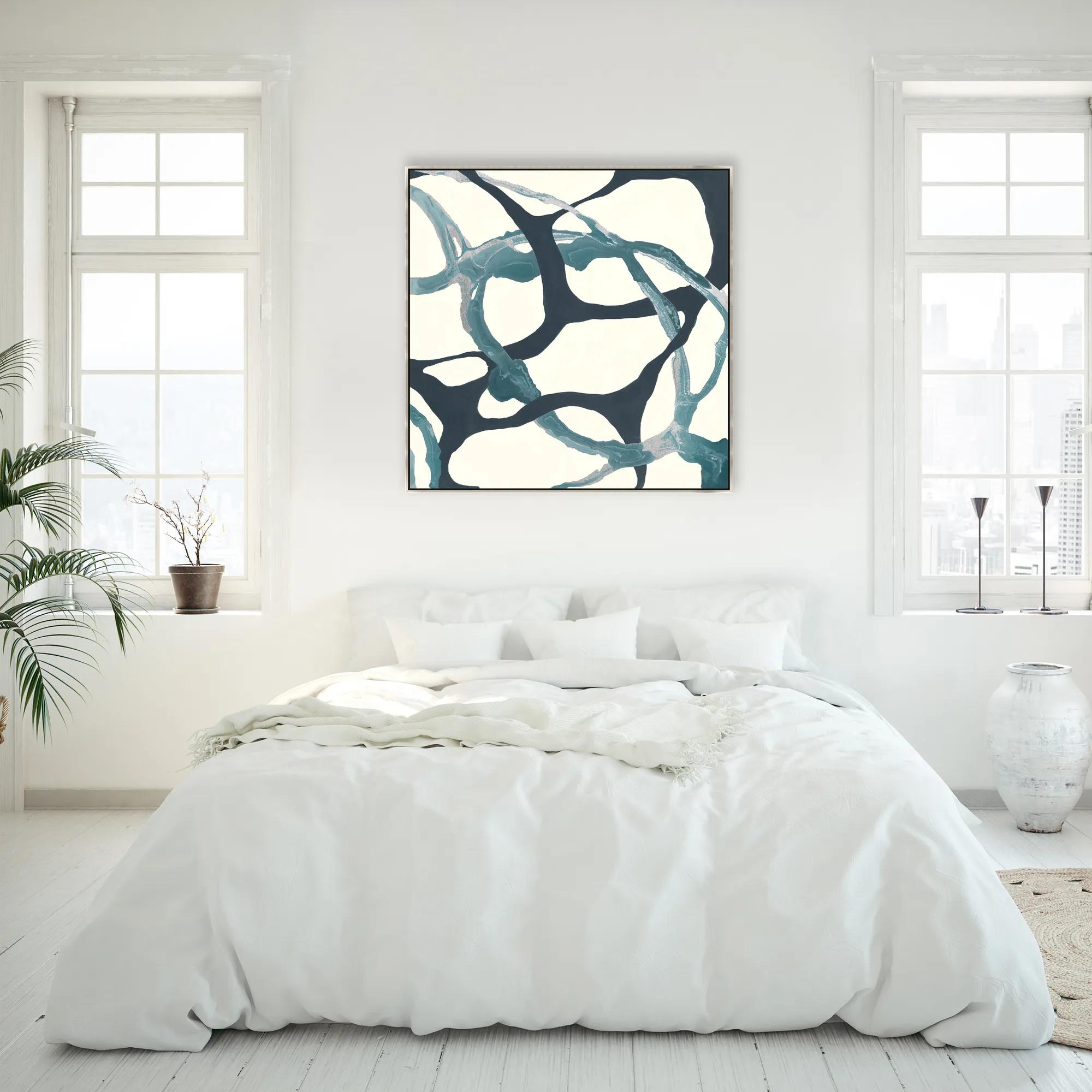 Alignments II Framed Wall Art 40" x 40"$899
A gallery-wrapped canvas featuring gilded silver accents and hand-applied brush gel in a silver floater frame.
Add To Cart -

 Blooming in Her Own Time Framed Wall Art 40" x 50"$1029
A vibrant multicolored canvas wall artwork featuring an expressive botanical-inspired design in a framed presentation.
Add To Cart -
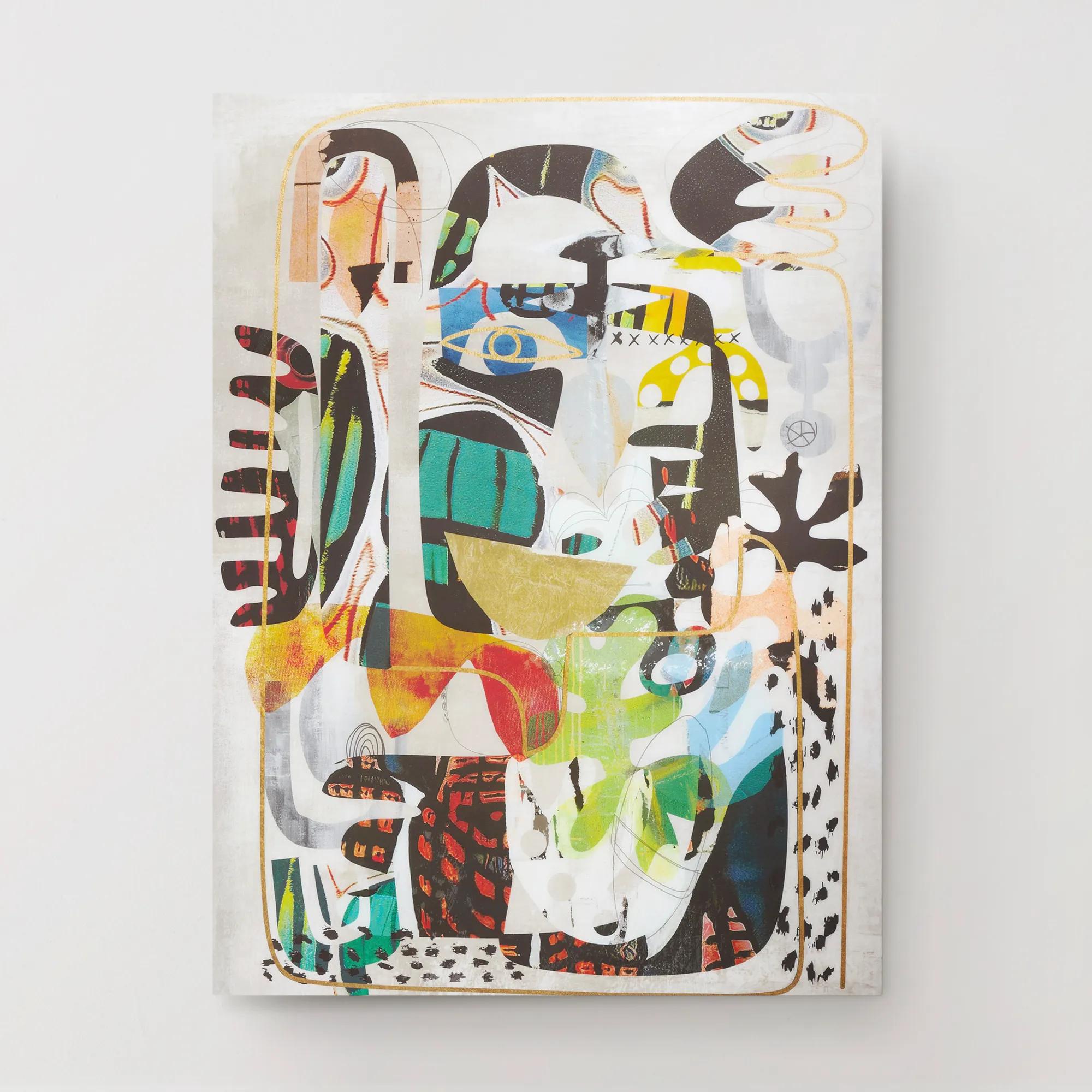
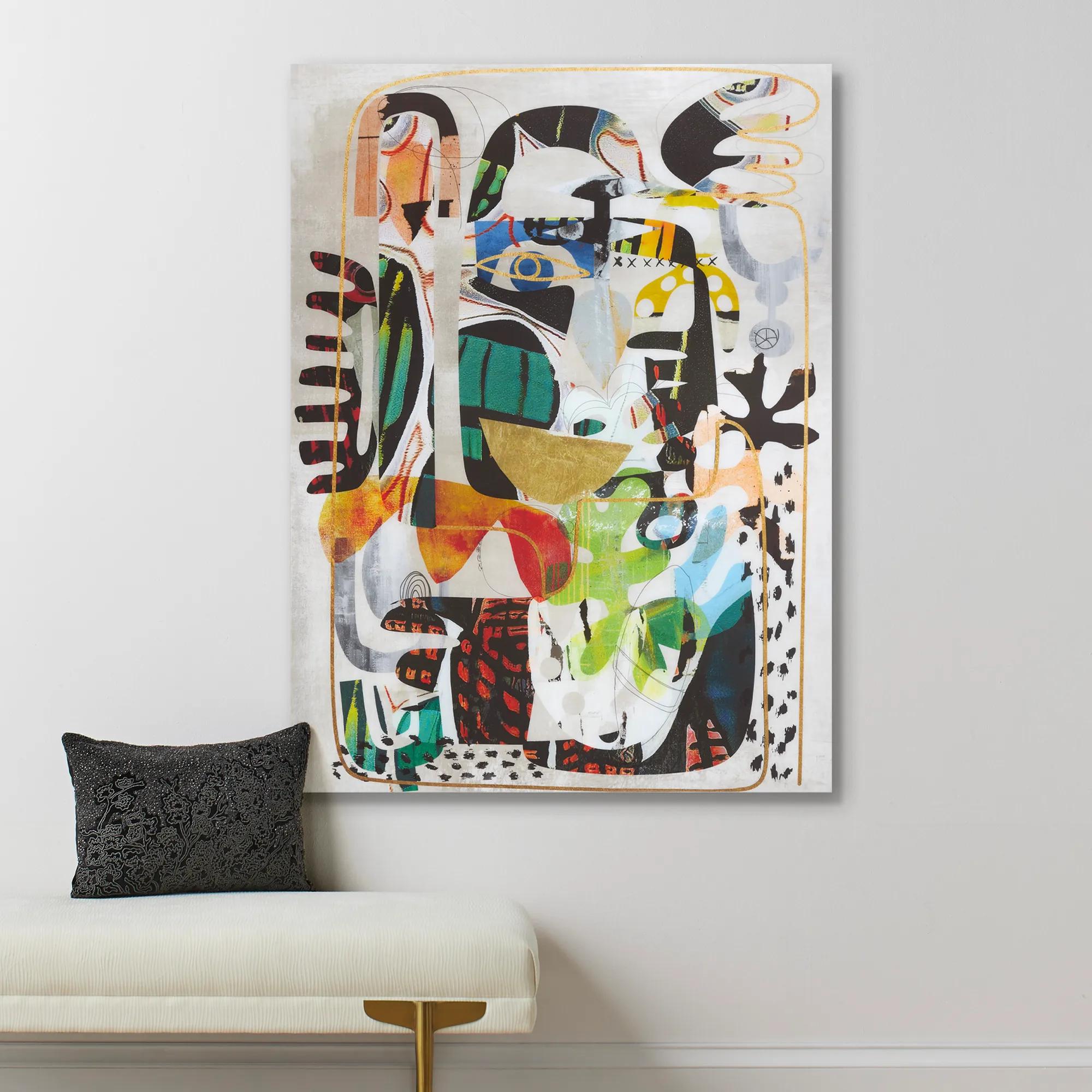 Nikki Chu Masked Wall Art 40" x 54"$899
A vibrant giclee print on canvas featuring a hand-applied glossy finish for a modern statement.
Add To Cart -
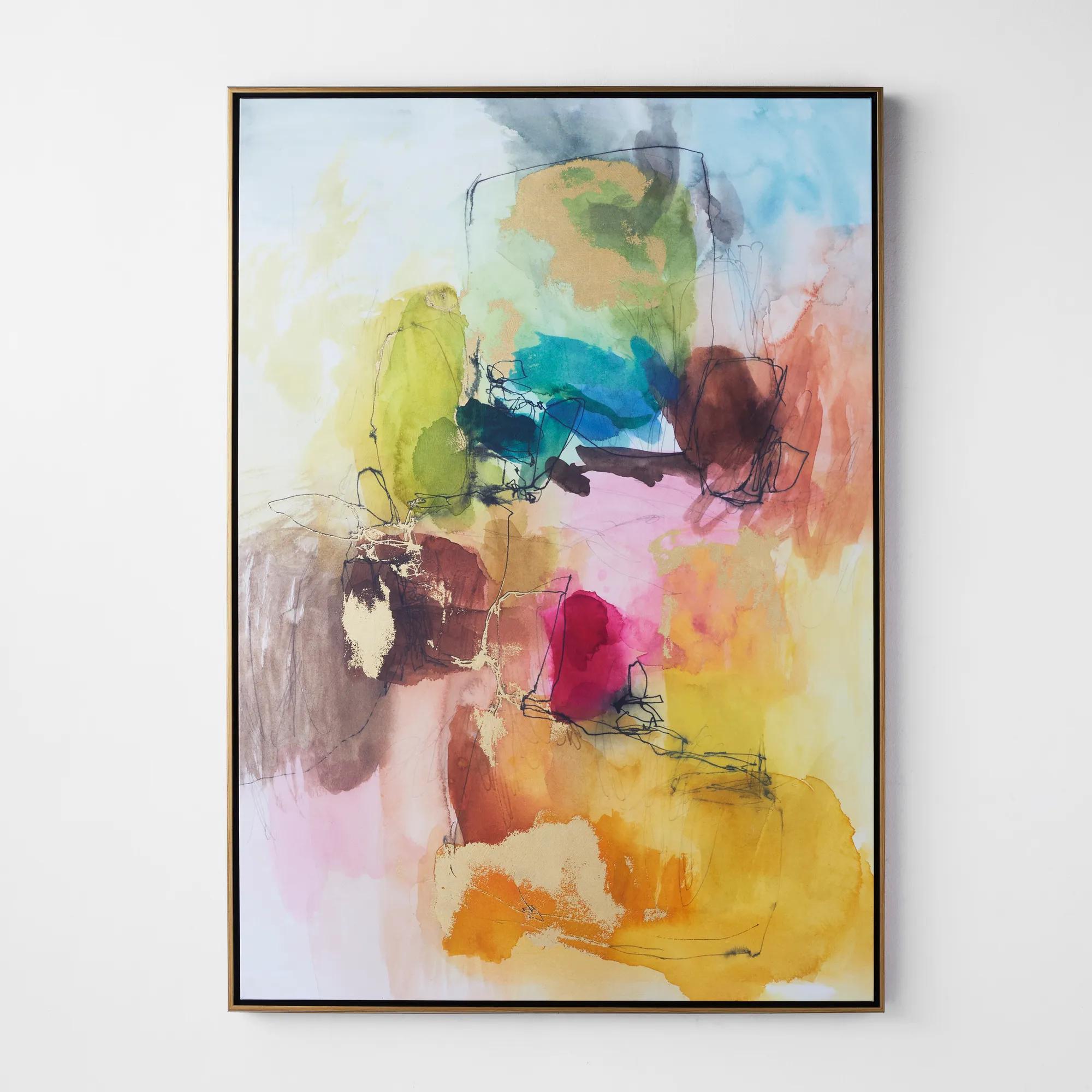 Apricity 3 Framed Wall Art 41" x 58"$899
A vibrant giclee on canvas featuring hand-applied gold gilding and a gold floater frame.
Add To Cart -
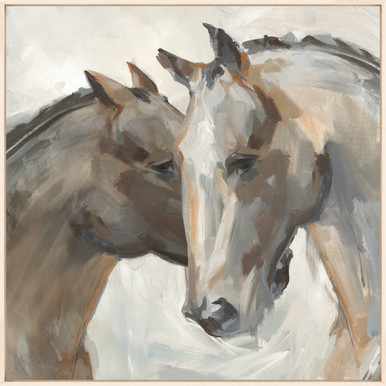
 Equine Duo Framed Wall Art 40" x 40"$699
A gallery-wrapped canvas featuring hand-applied brush gel and set in a natural floater frame.
Add To Cart -
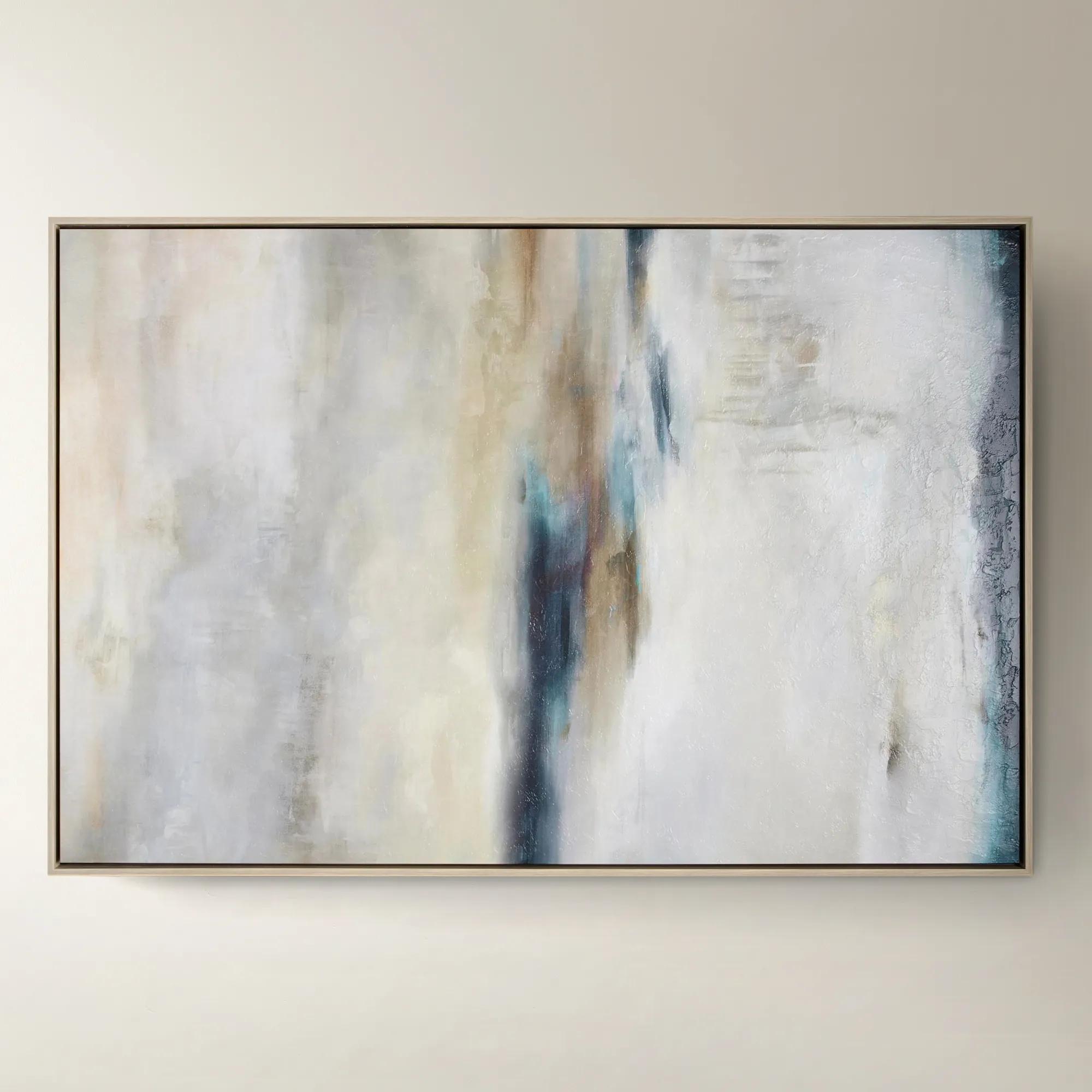
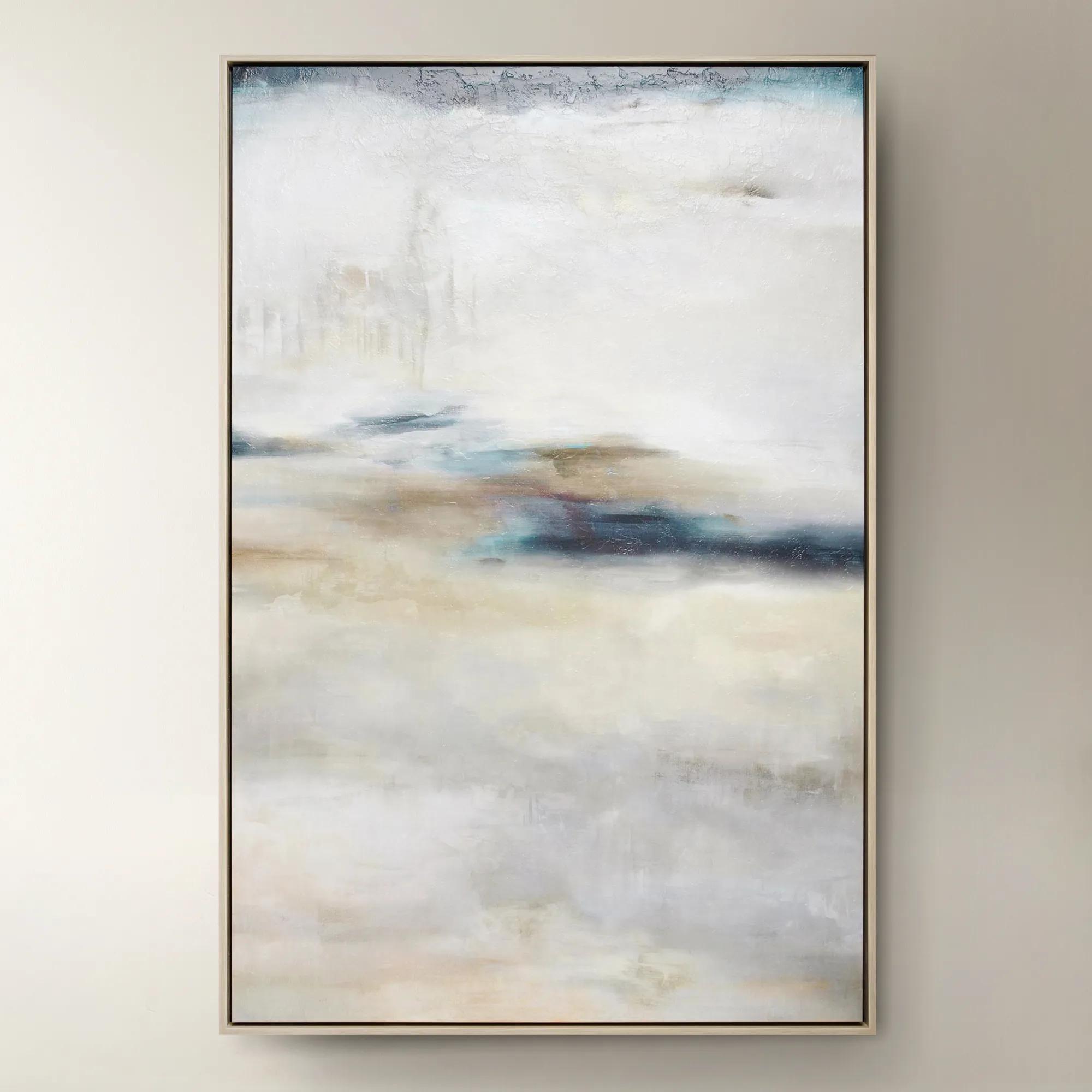 Forward Looking$1299
A softly layered abstract canvas print with a gel finish, set in a natural-hued floater frame.
Add To Cart -
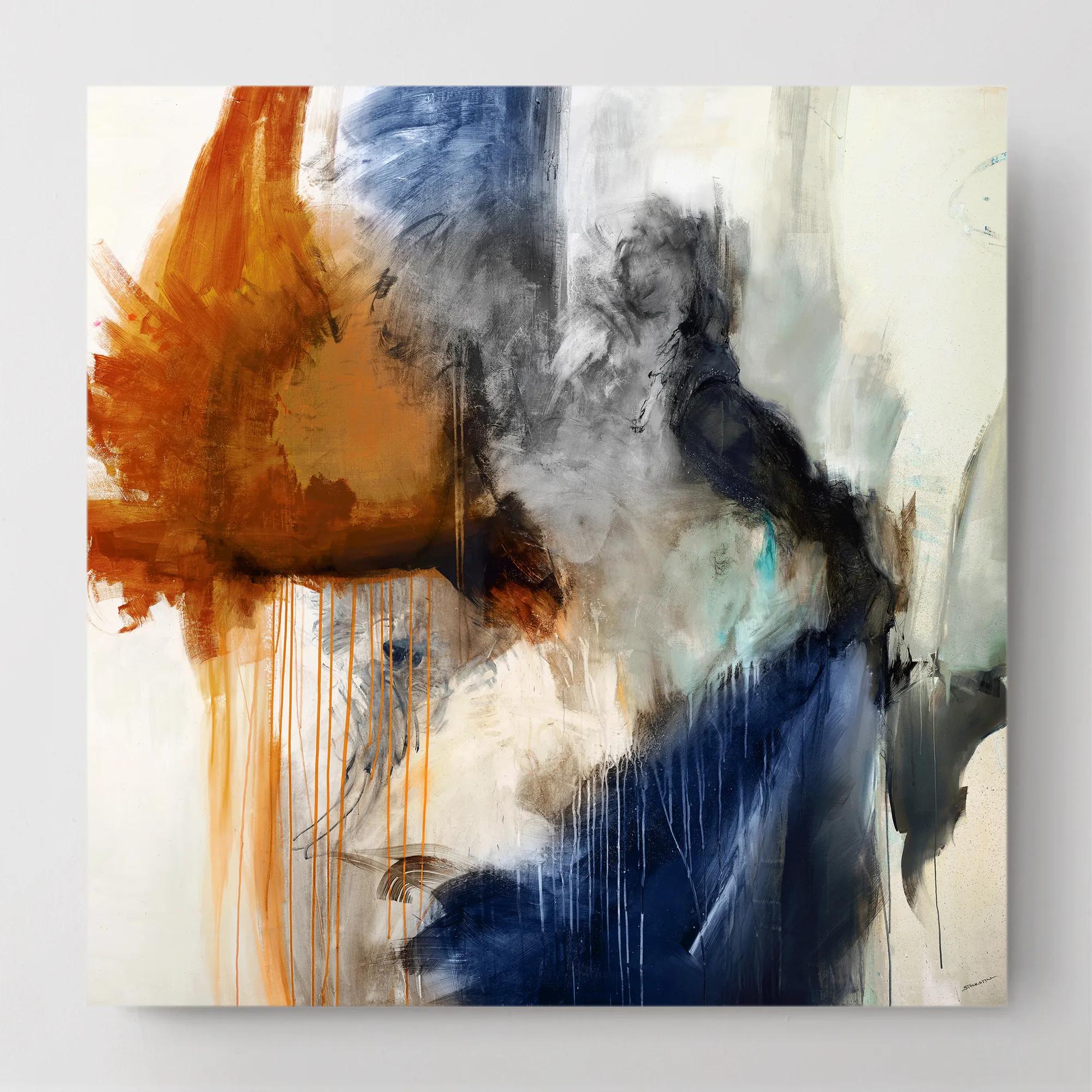
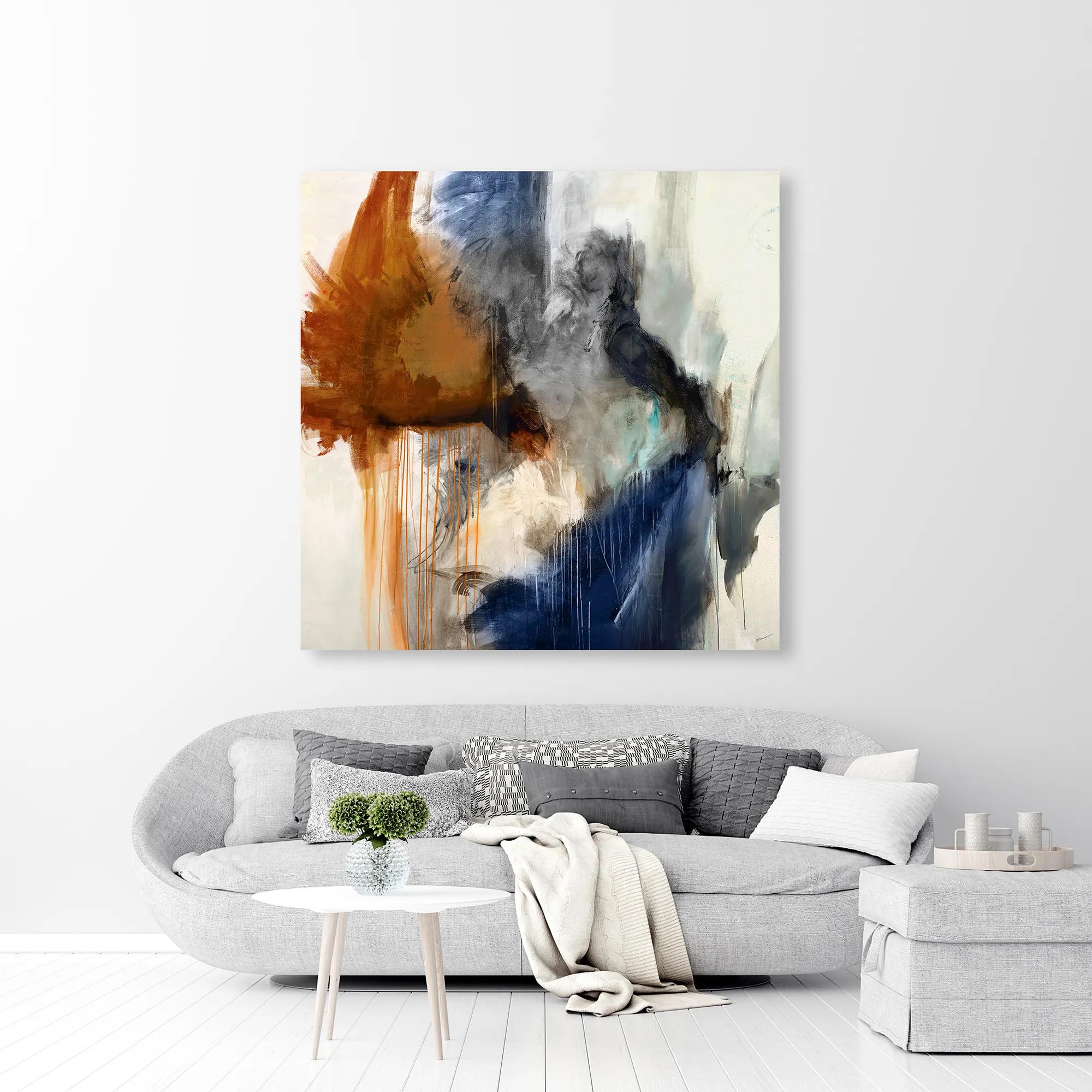 Swoon 6 Wall Art 54" x 54"$899
A gallery-wrapped canvas featuring a hand-applied image brush gel finish for a textured, artistic look.
Add To Cart -

 Twin Abstract 1 Framed Wall Art 30" x 45"$699
A captivating abstract canvas artwork featuring layered blue and purple tones in a sophisticated framed presentation.
Add To Cart -

 Hint of Spring Framed Painted Wall Art 48" x 48"$599
A framed, multicolored painted canvas artwork that brings a vibrant, artistic touch to contemporary interiors.
Add To Cart -

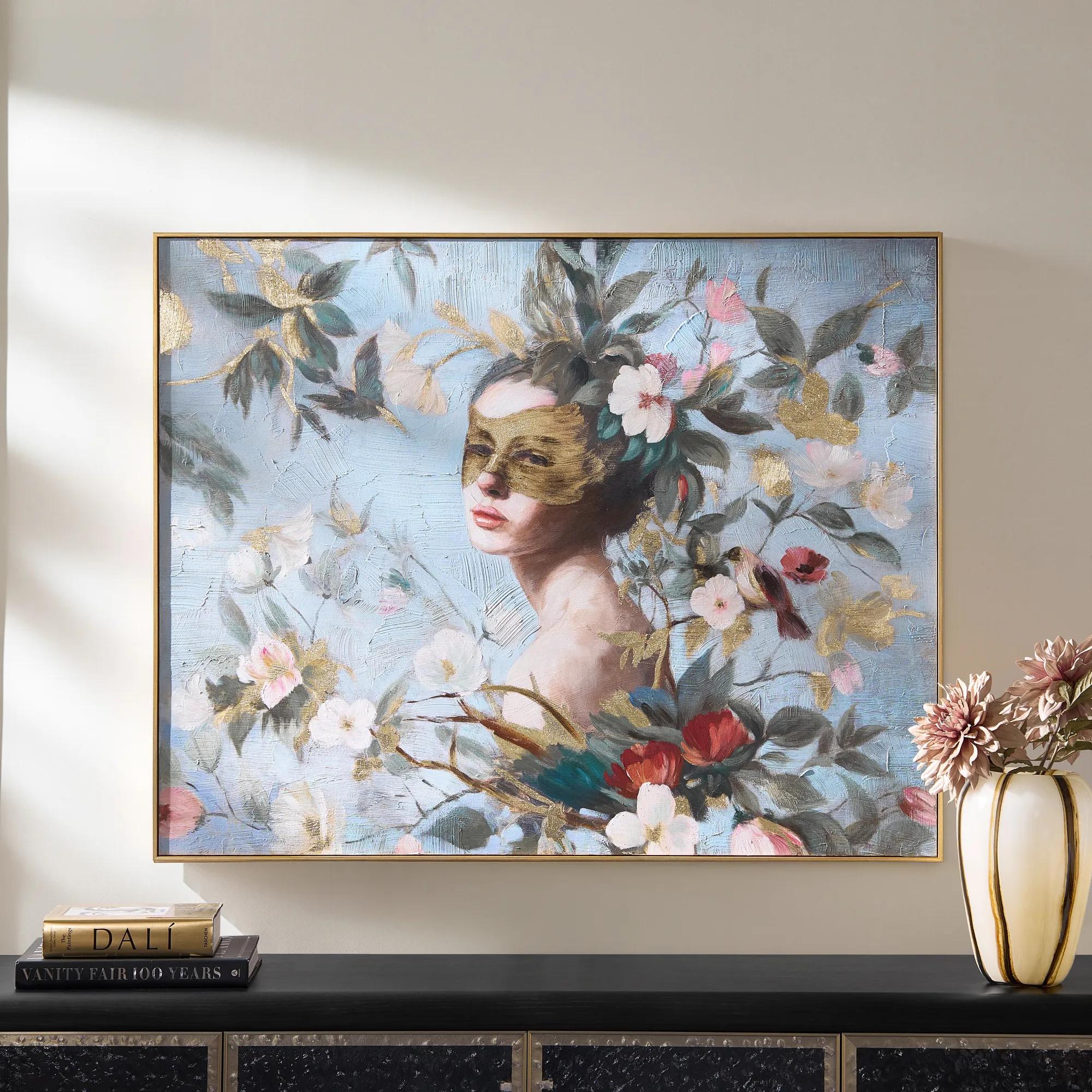 Garden Party Framed Gold Leaf Painted Wall Art 50" x 40"$399
A gold leaf painted canvas artwork in a framed presentation, bringing artistic sophistication to modern interiors.
Add To Cart -
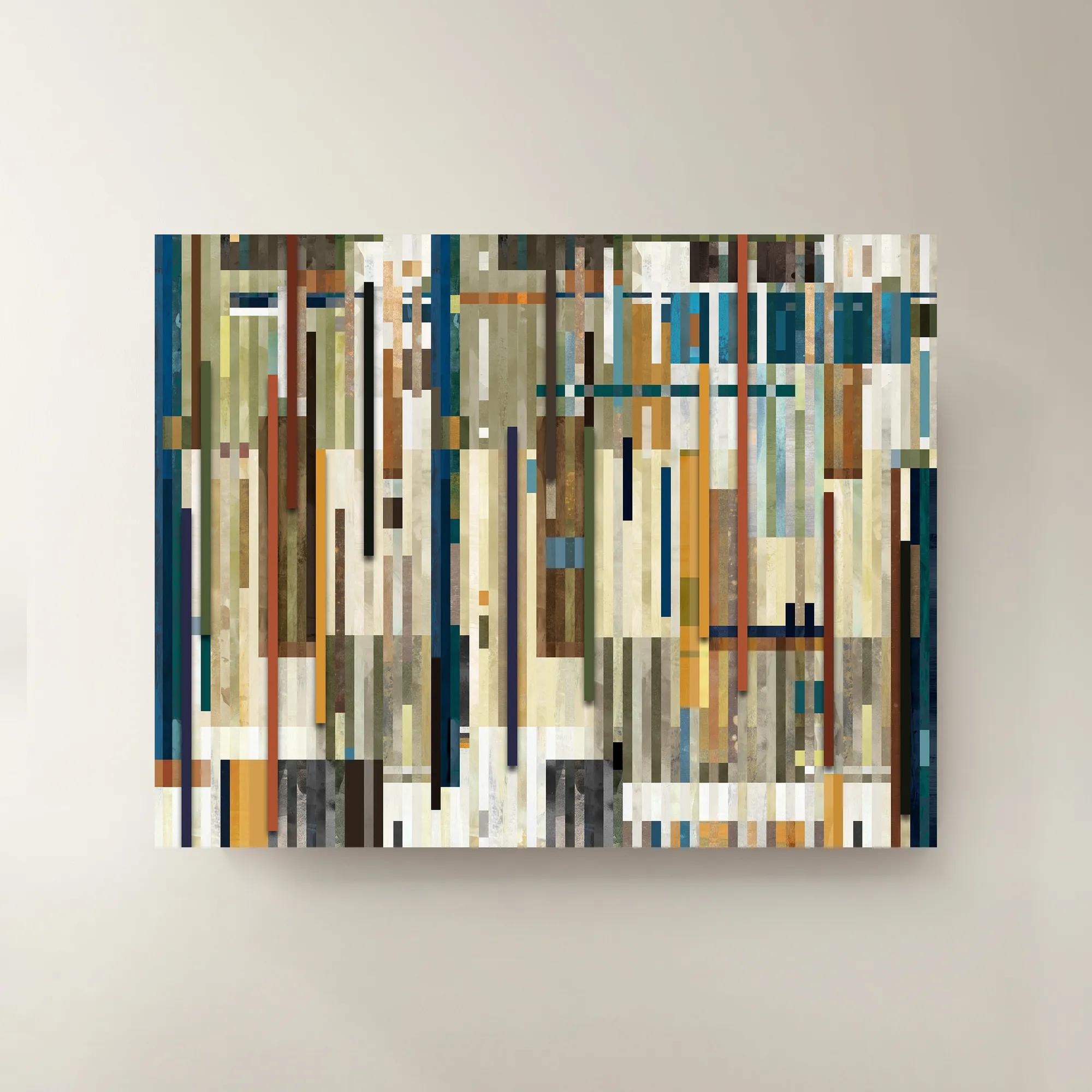
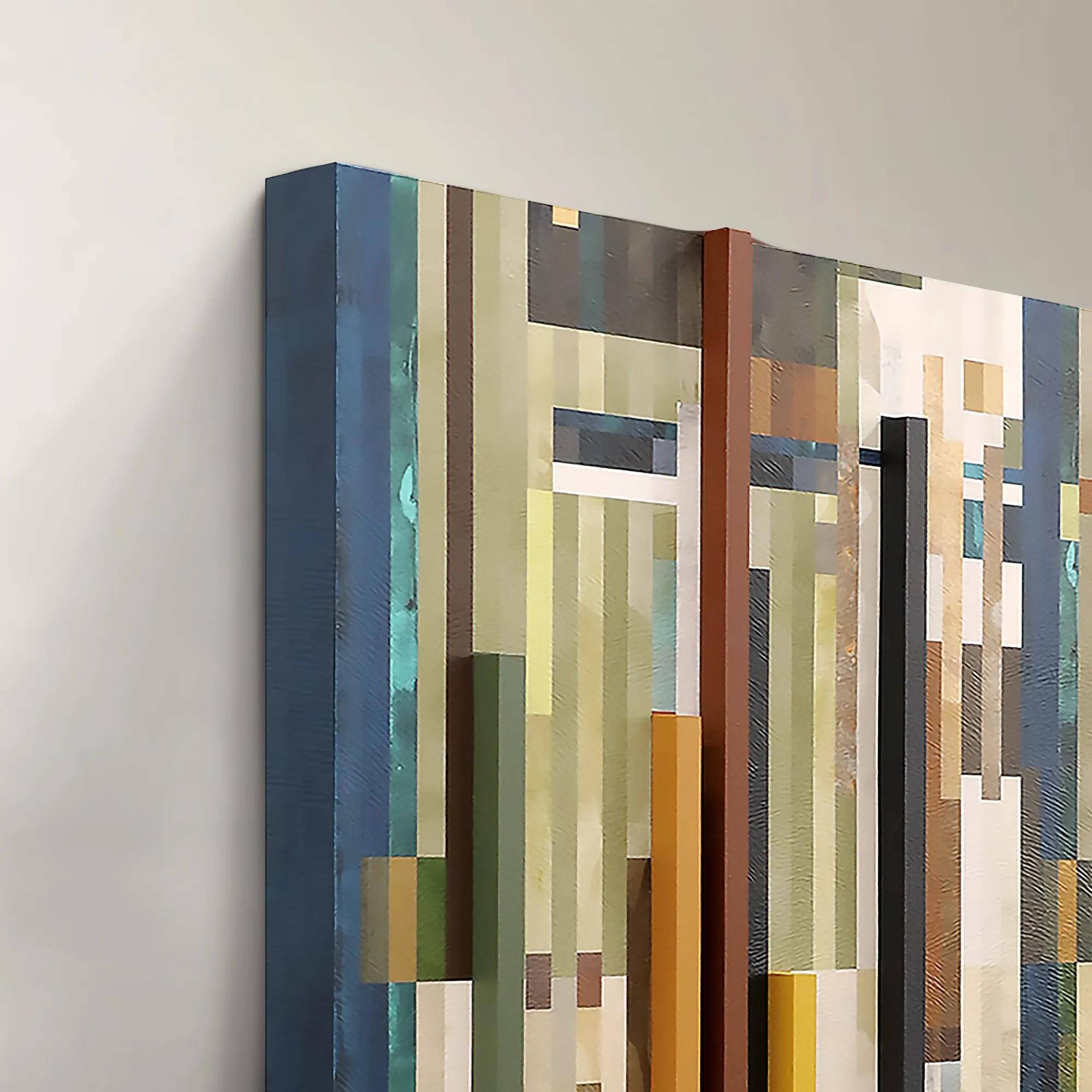 Chromatic Rhythms II Wall Art 60" x 47"$1899
A dynamic blue abstract canvas artwork featuring rhythmic geometric composition.
Add To Cart -
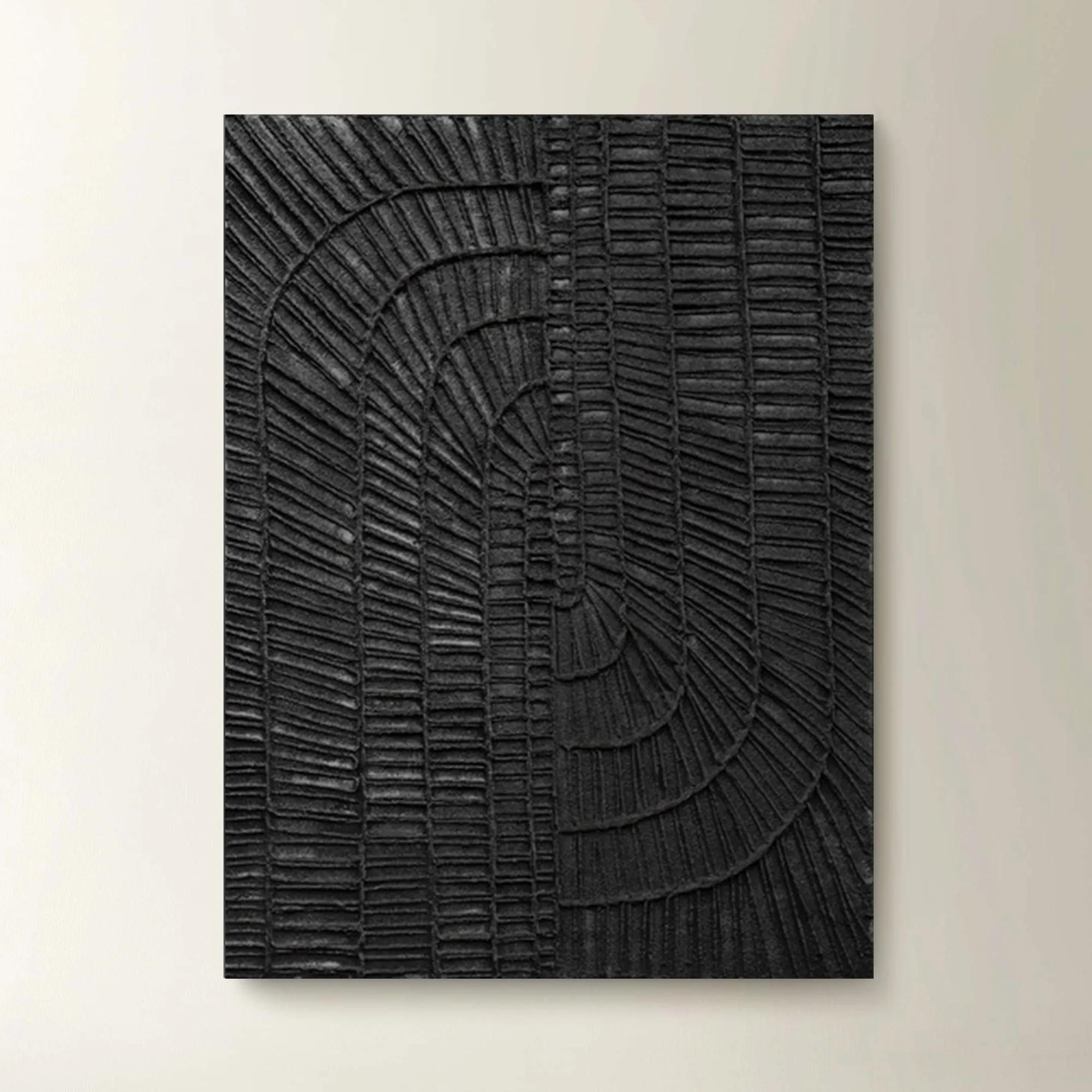
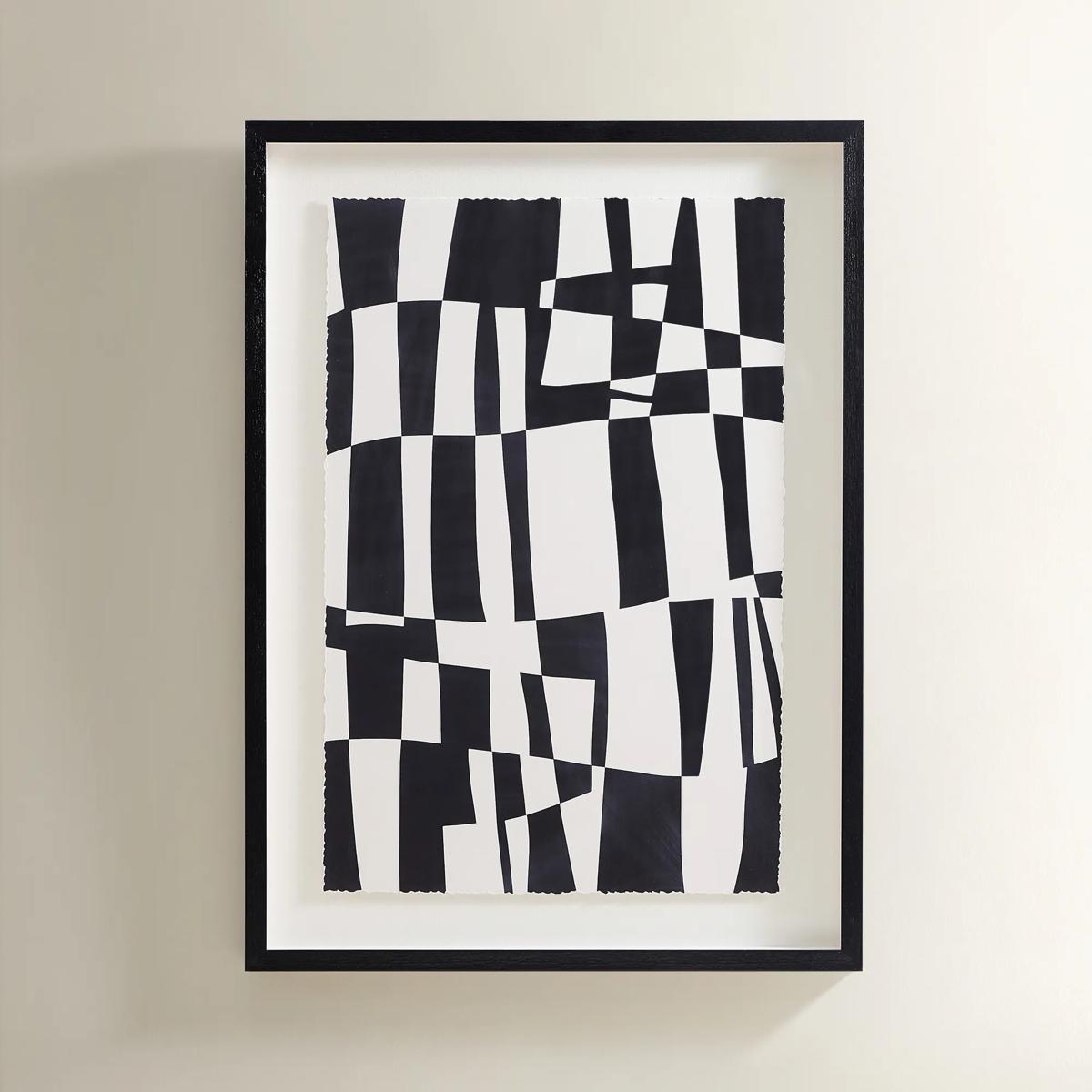 Matrix Art$369
A striking black and white abstract grid print set in a sleek black polyresin frame.
Add To Cart -
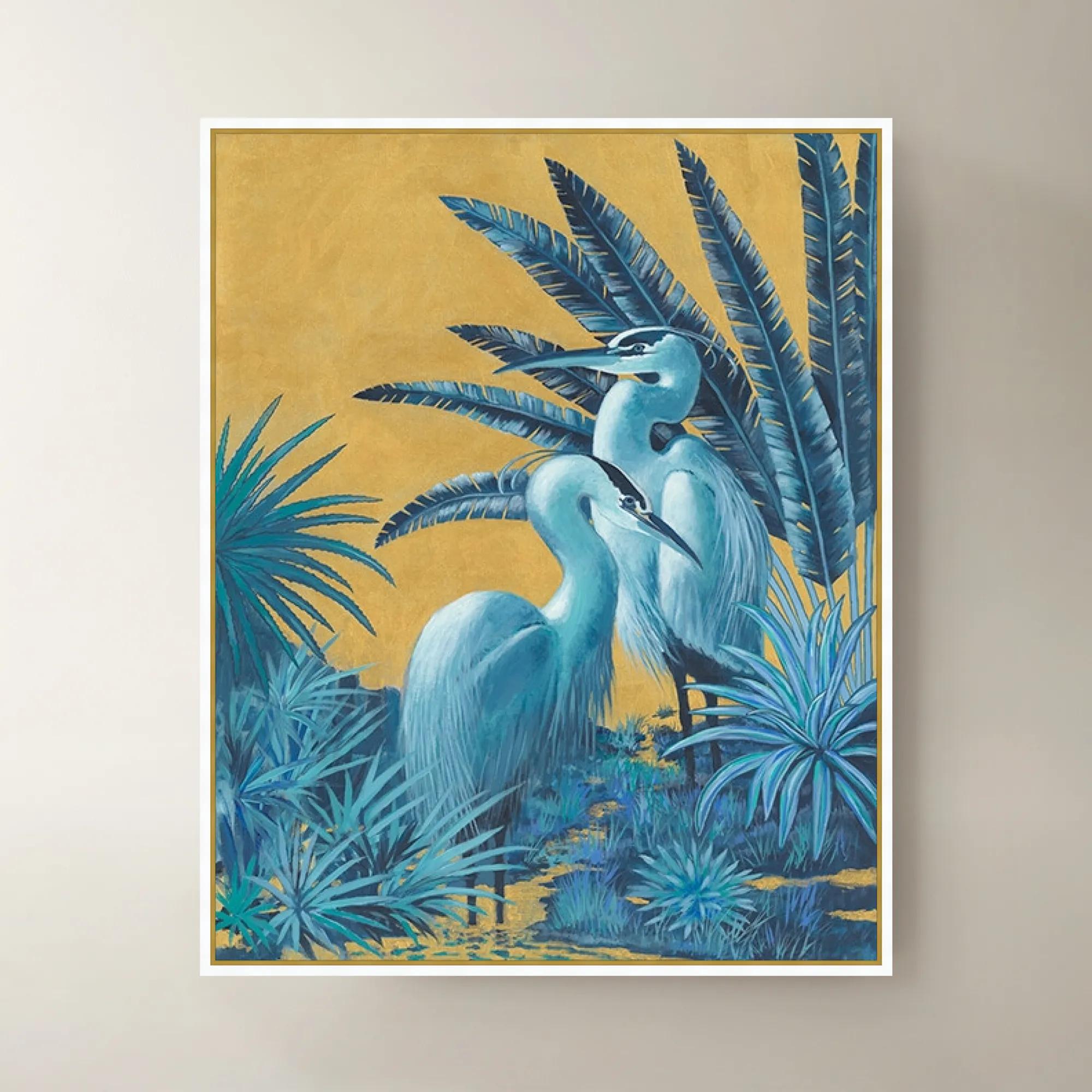
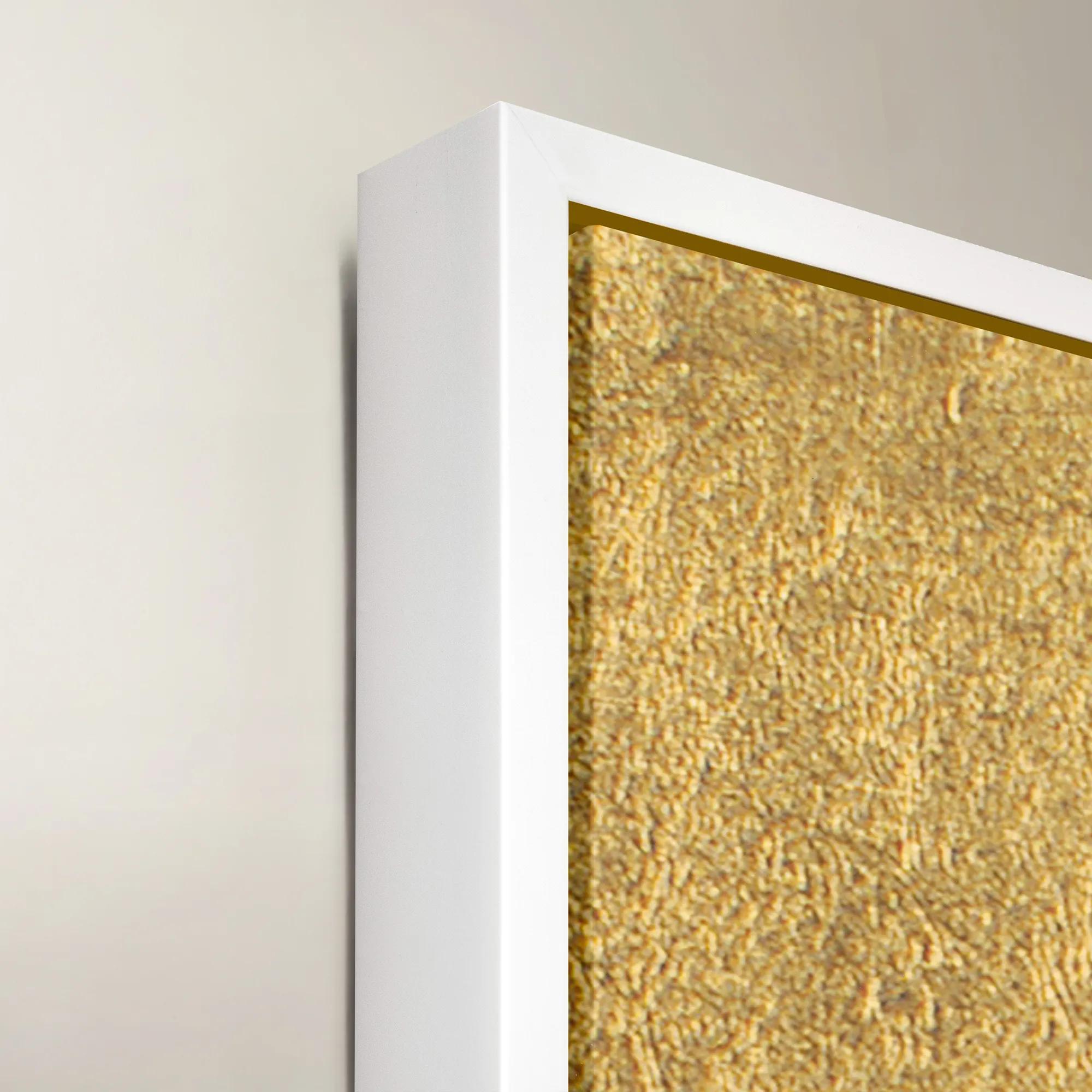 Blue Gold Herons Framed Wall Art 40" x 50"$1199
A striking blue and gold framed canvas artwork featuring elegant herons for sophisticated wall display.
Add To Cart -
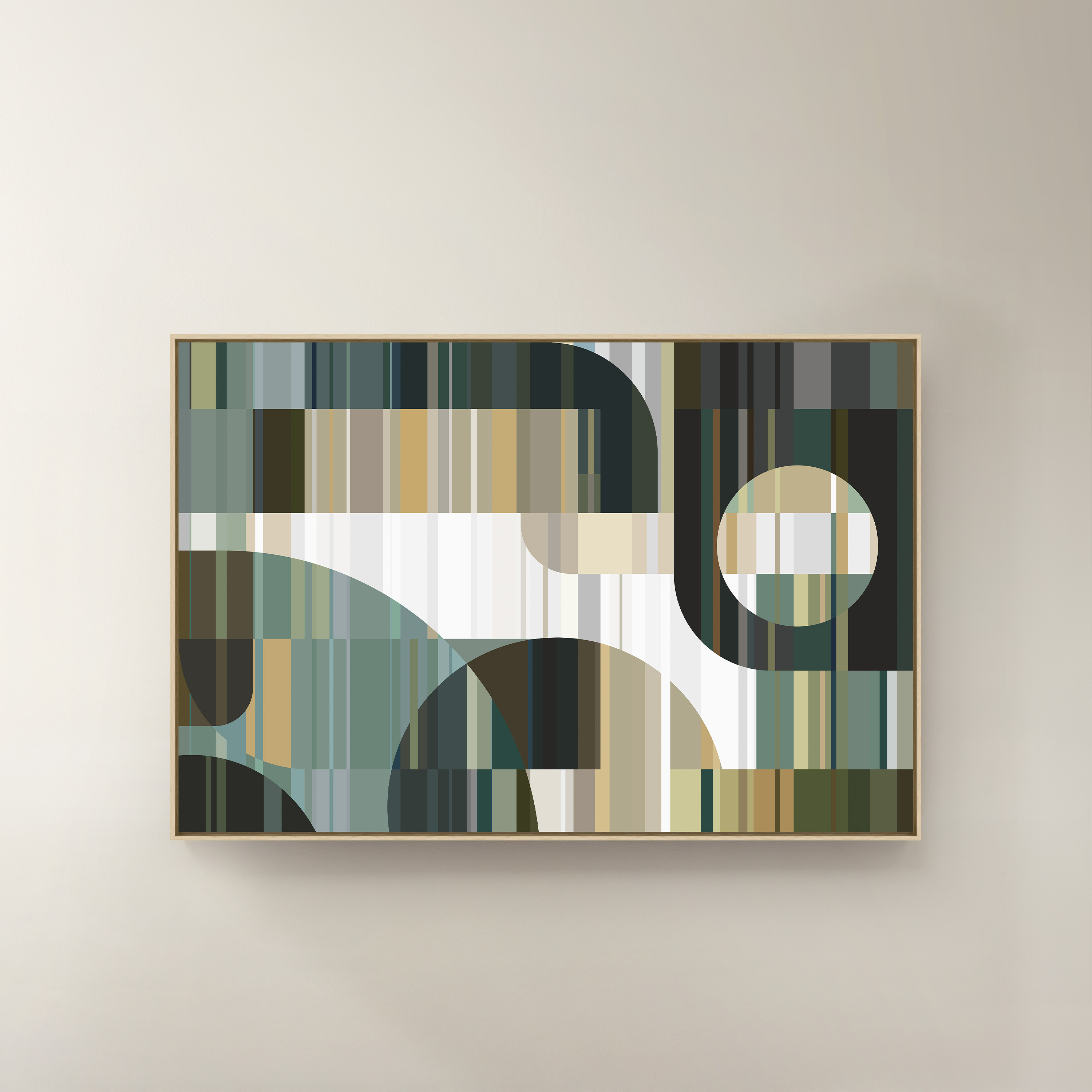
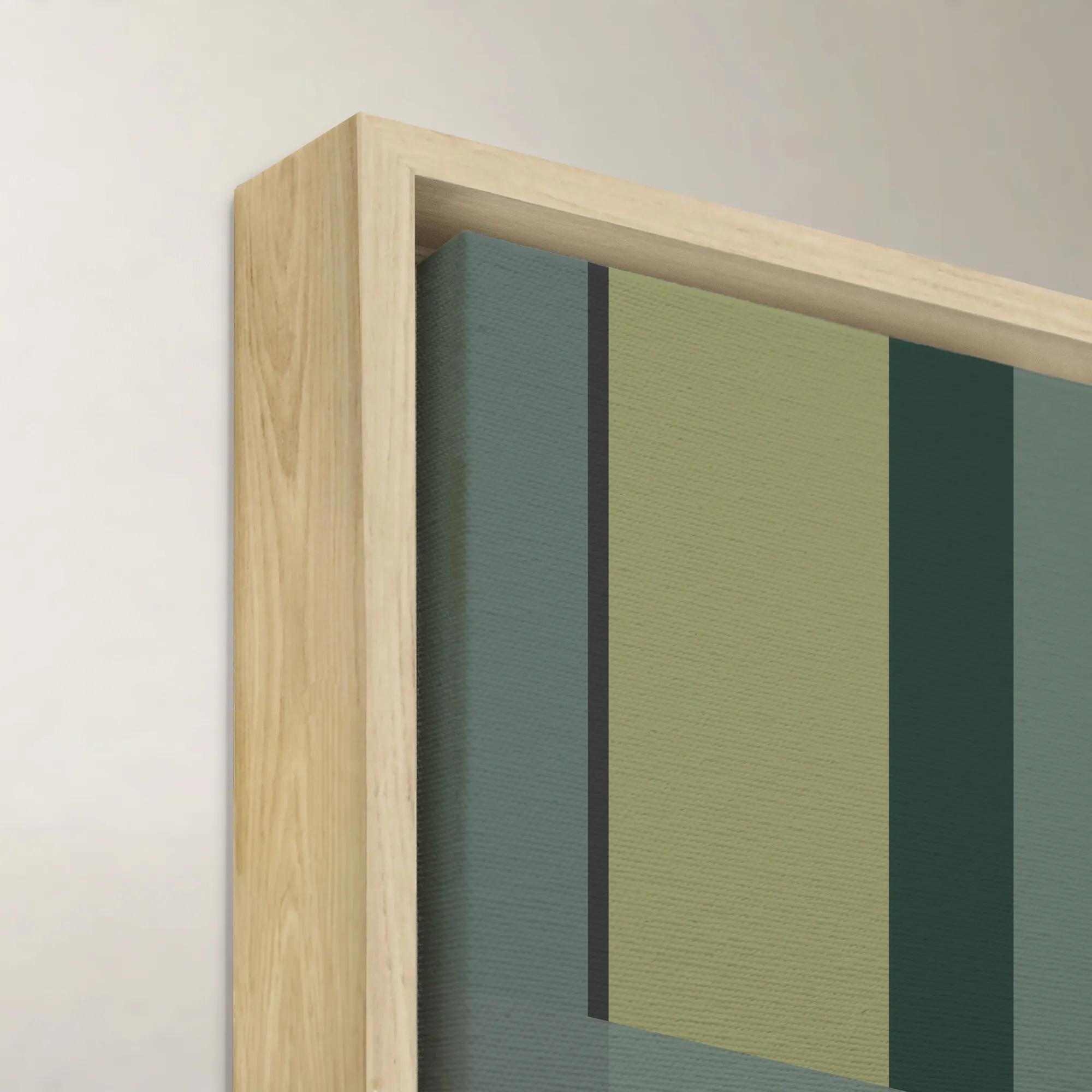 Cool Intersecting Forms II Framed Wall Art 60" x 40"$1099
A framed canvas wall artwork featuring cool-toned intersecting forms in a multicolored abstract composition.
Add To Cart -
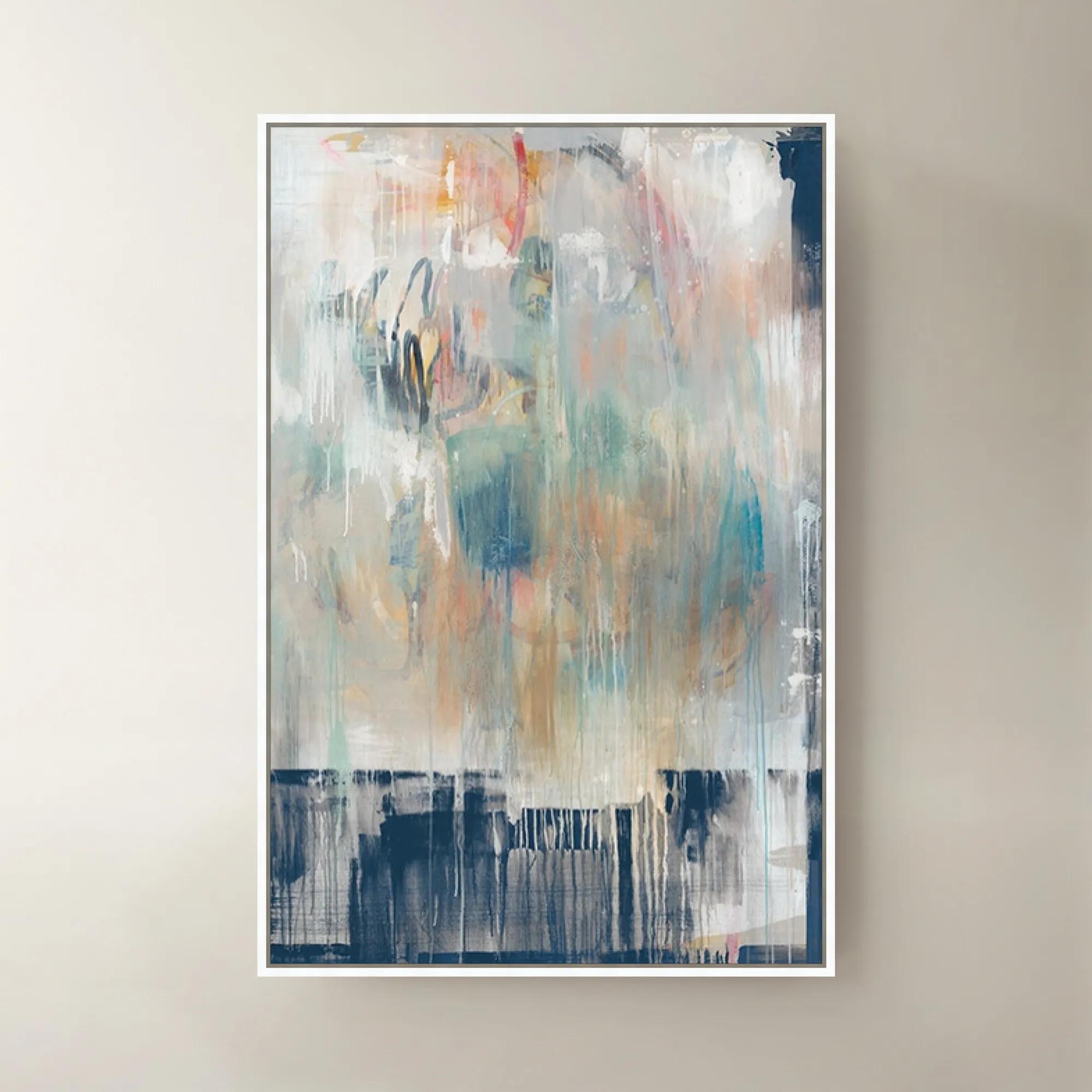
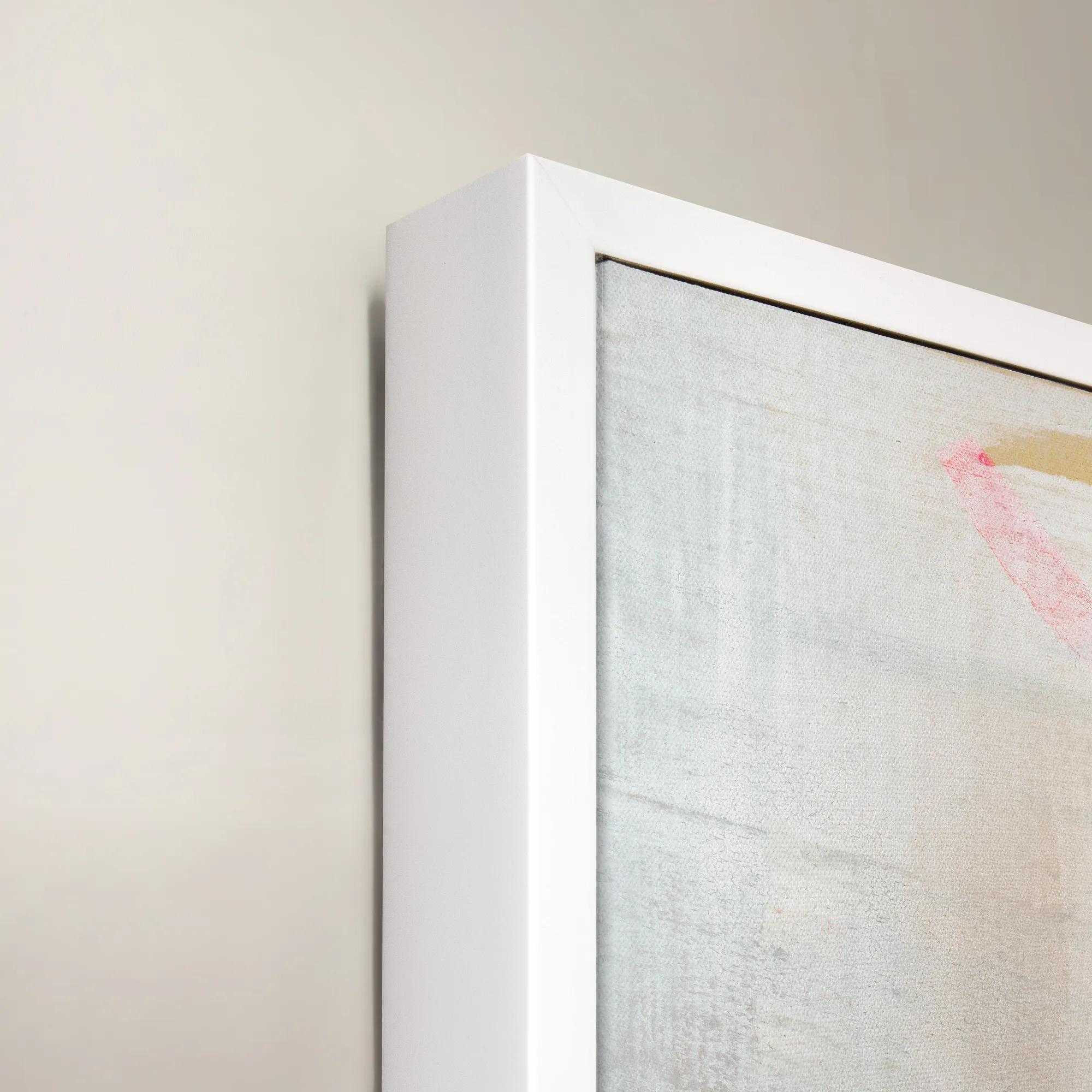 Disrepair III Framed Wall Art 40" x 60"$1099
A multicolored canvas wall artwork in a framed presentation, bringing expressive contemporary character to interiors.
Add To Cart -
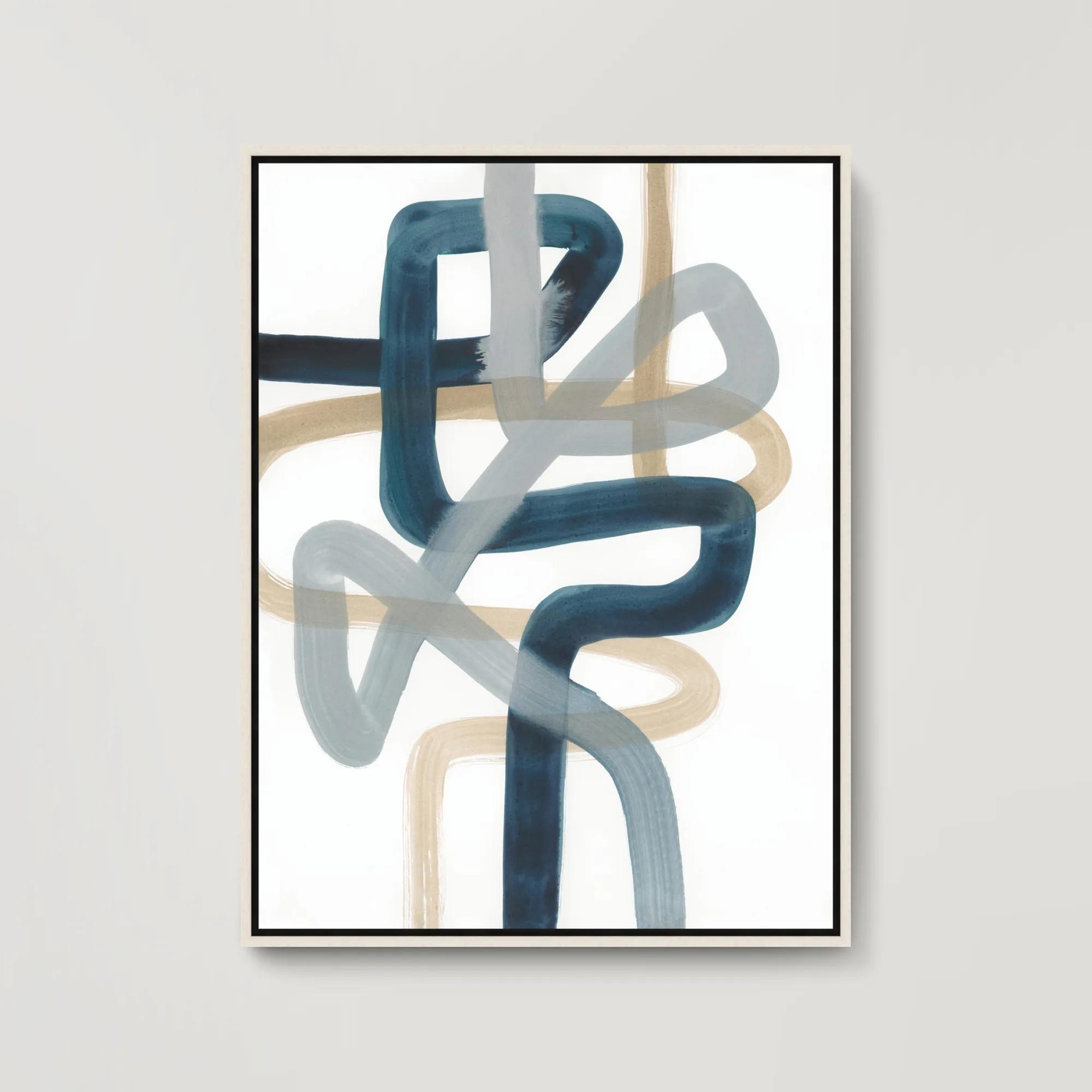
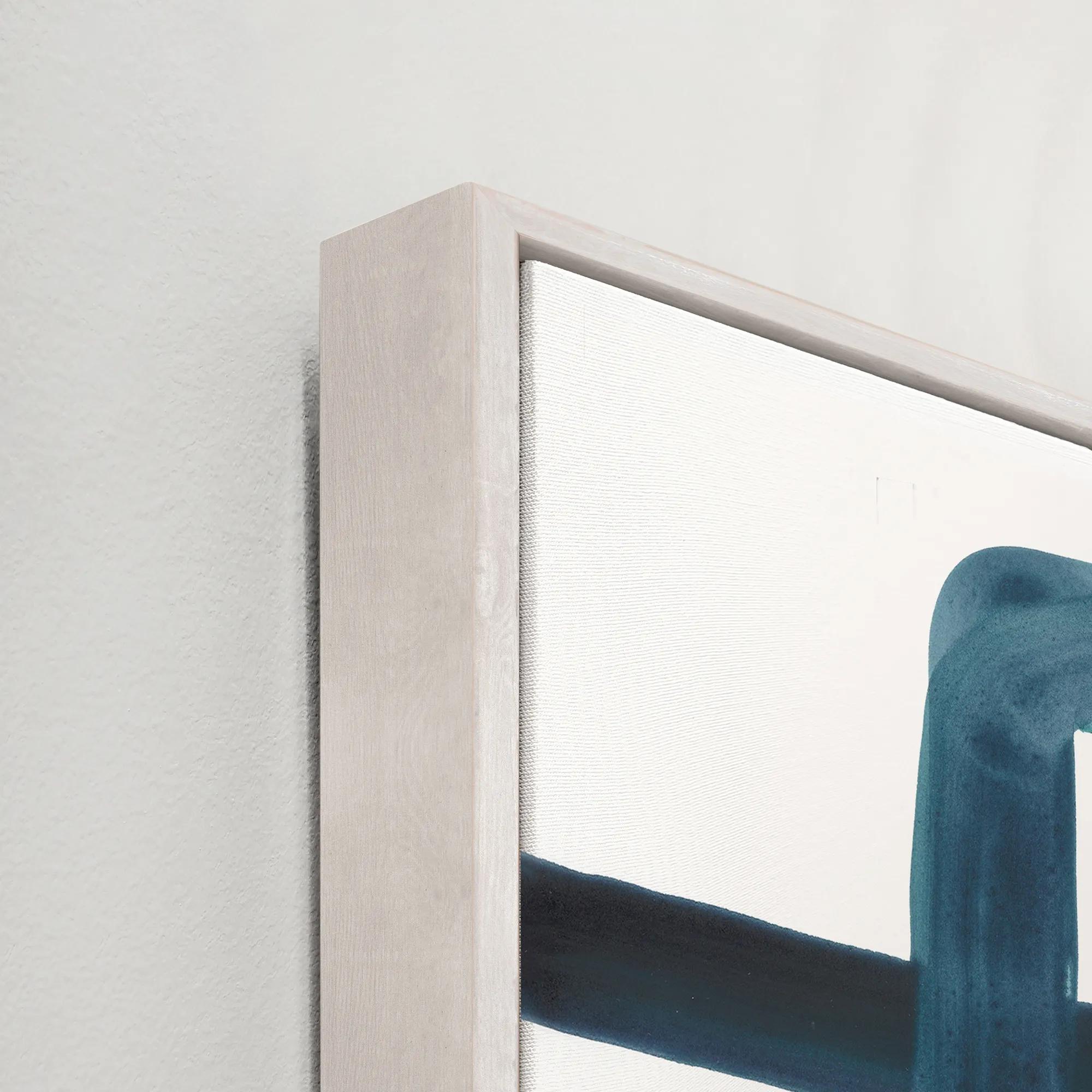 Looped In I Framed Wall Art 31.5" x 41.5"$699
A gallery-wrapped abstract canvas featuring hand-applied brush gel and a sleek white floater frame.
Add To Cart -
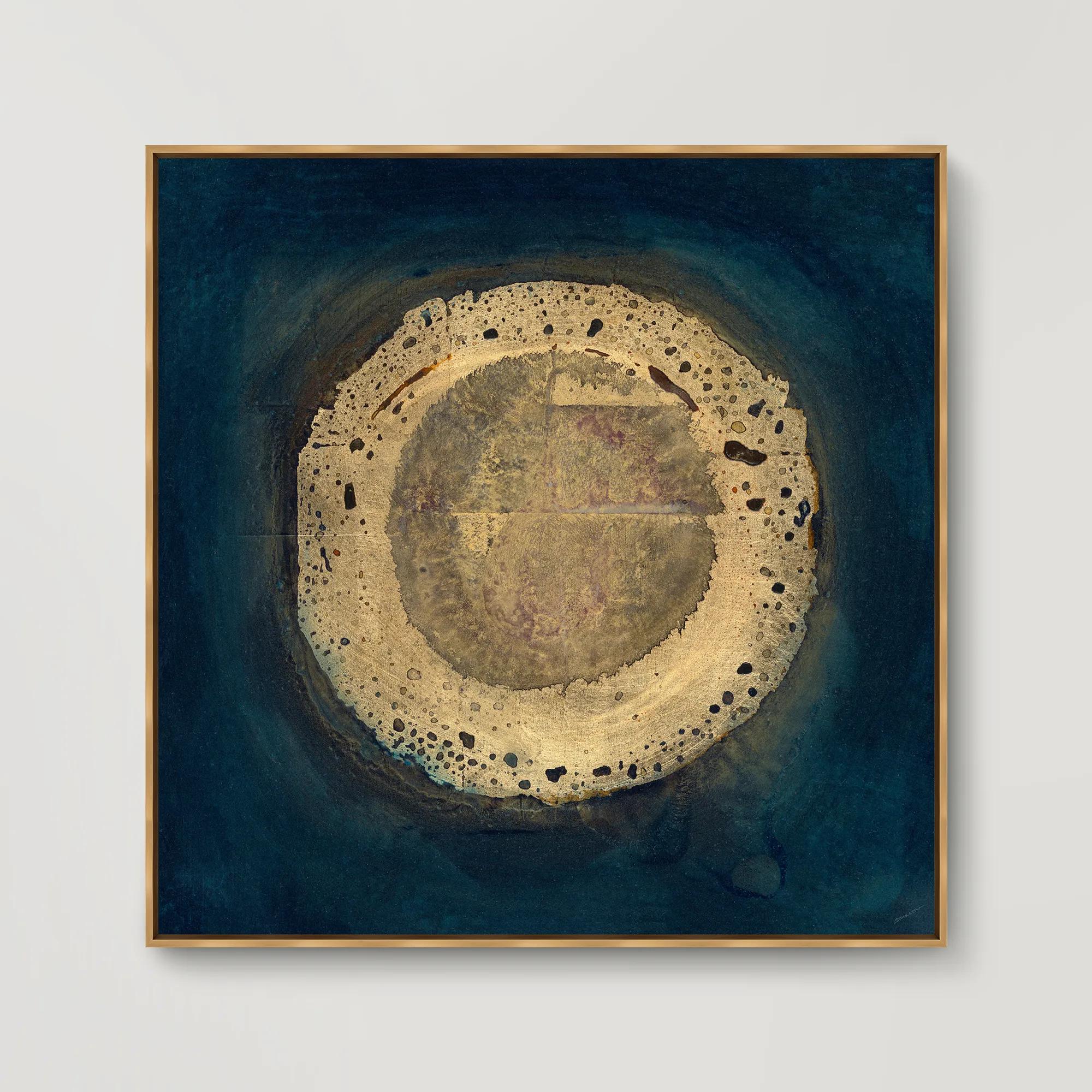
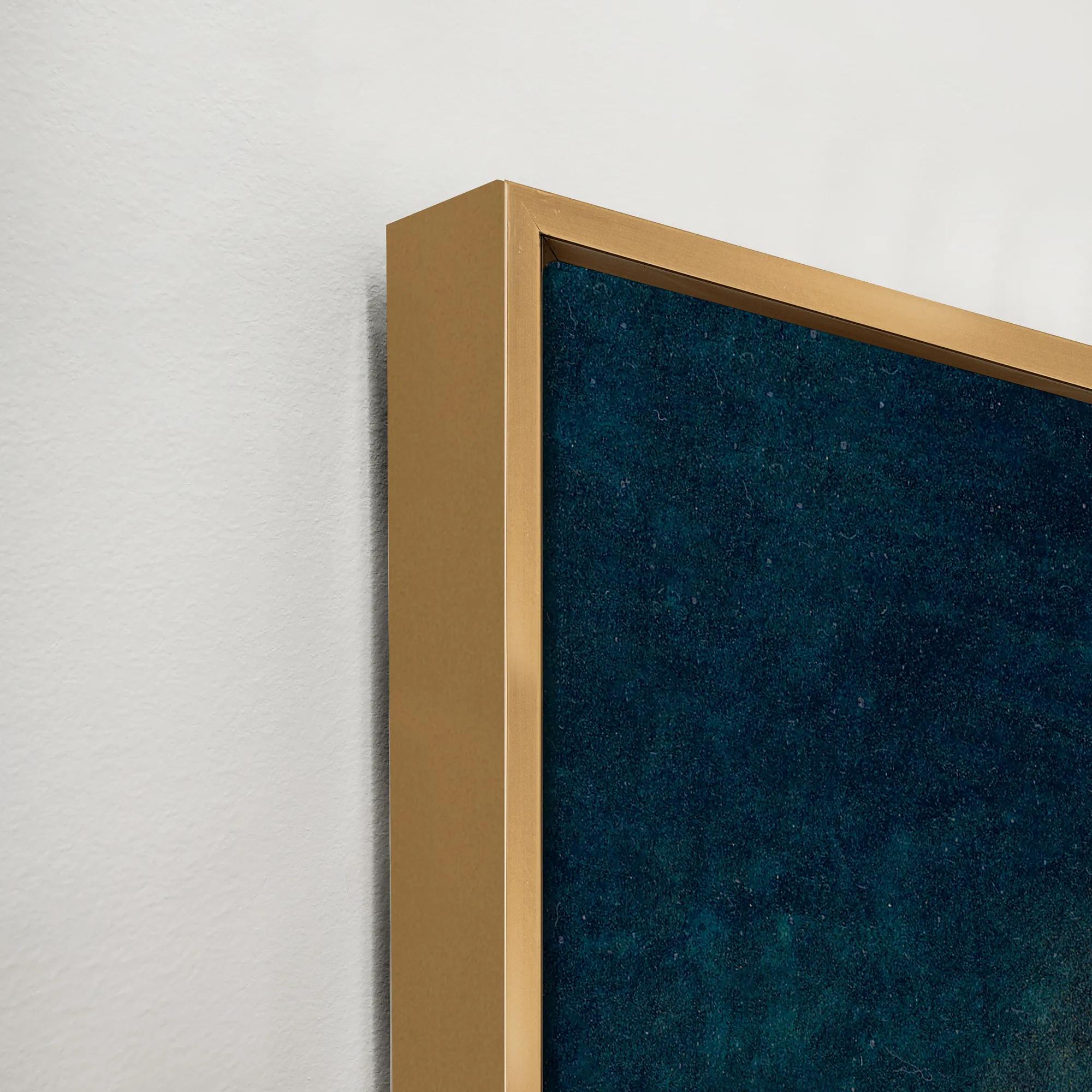 Bramble I Framed Wall Art 41.5" x 41.5"$749
A gallery-wrapped abstract canvas with hand-applied gel finish, set in an elegant gold floater frame.
Add To Cart -
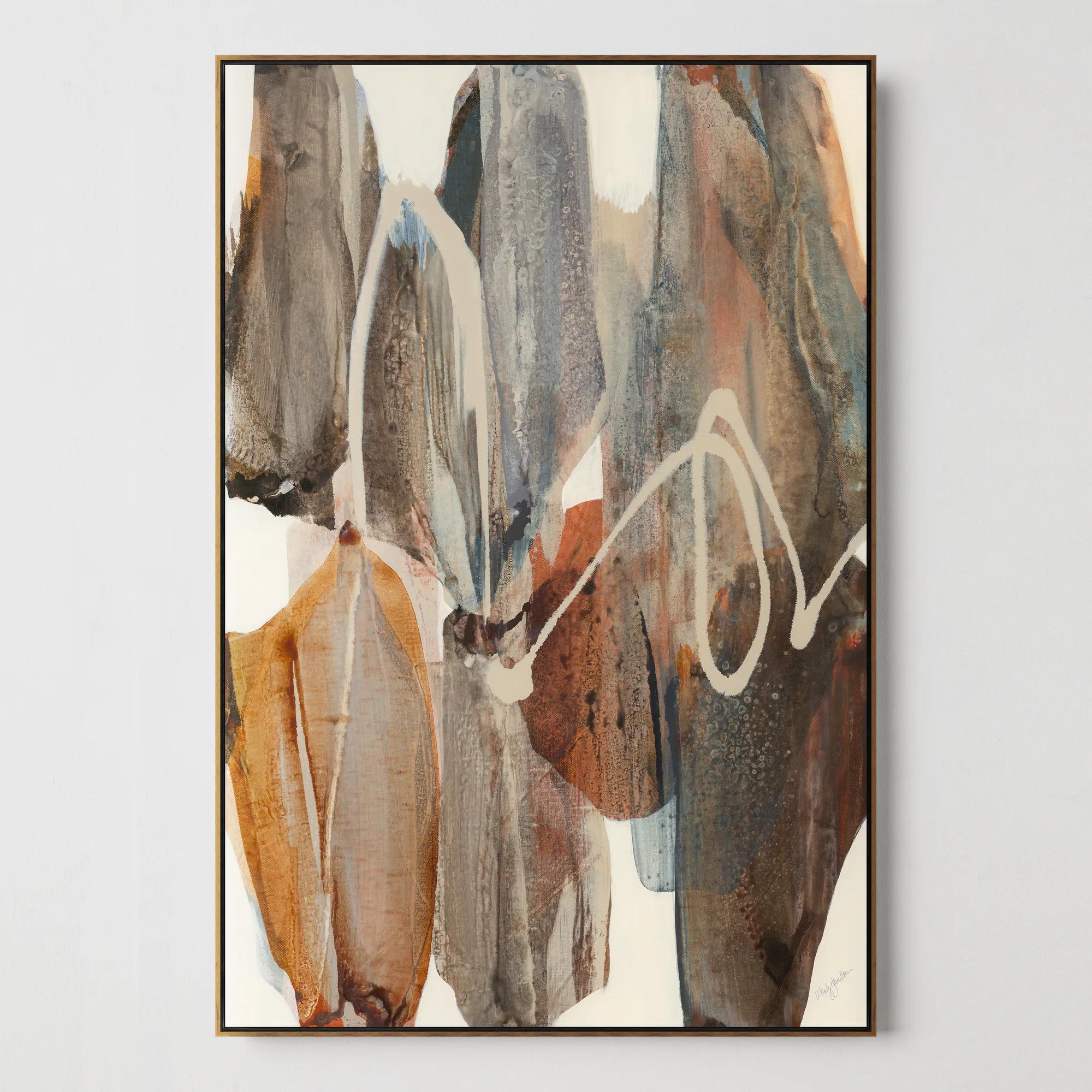
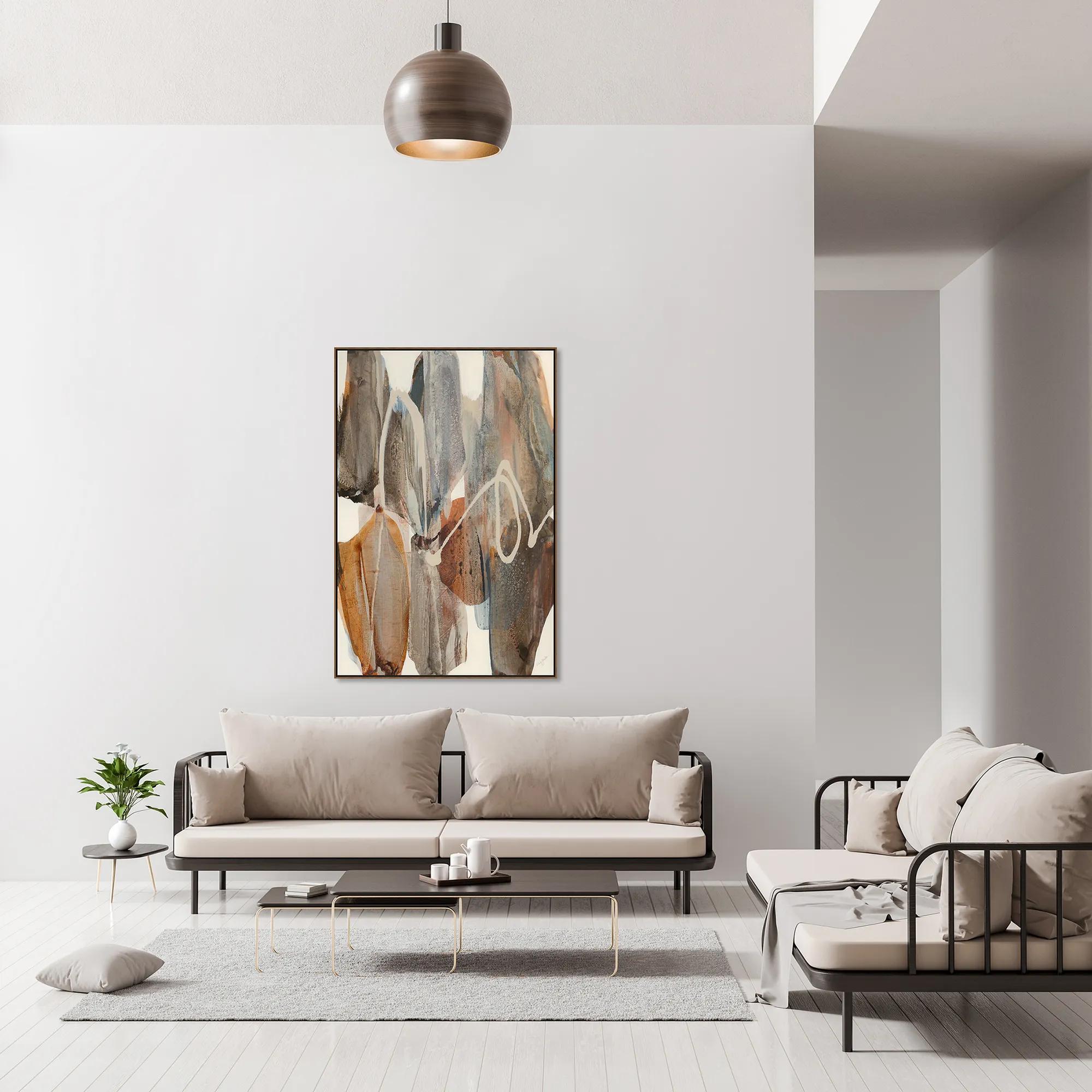 Boundless Framed Wall Art 40" x 60"$999
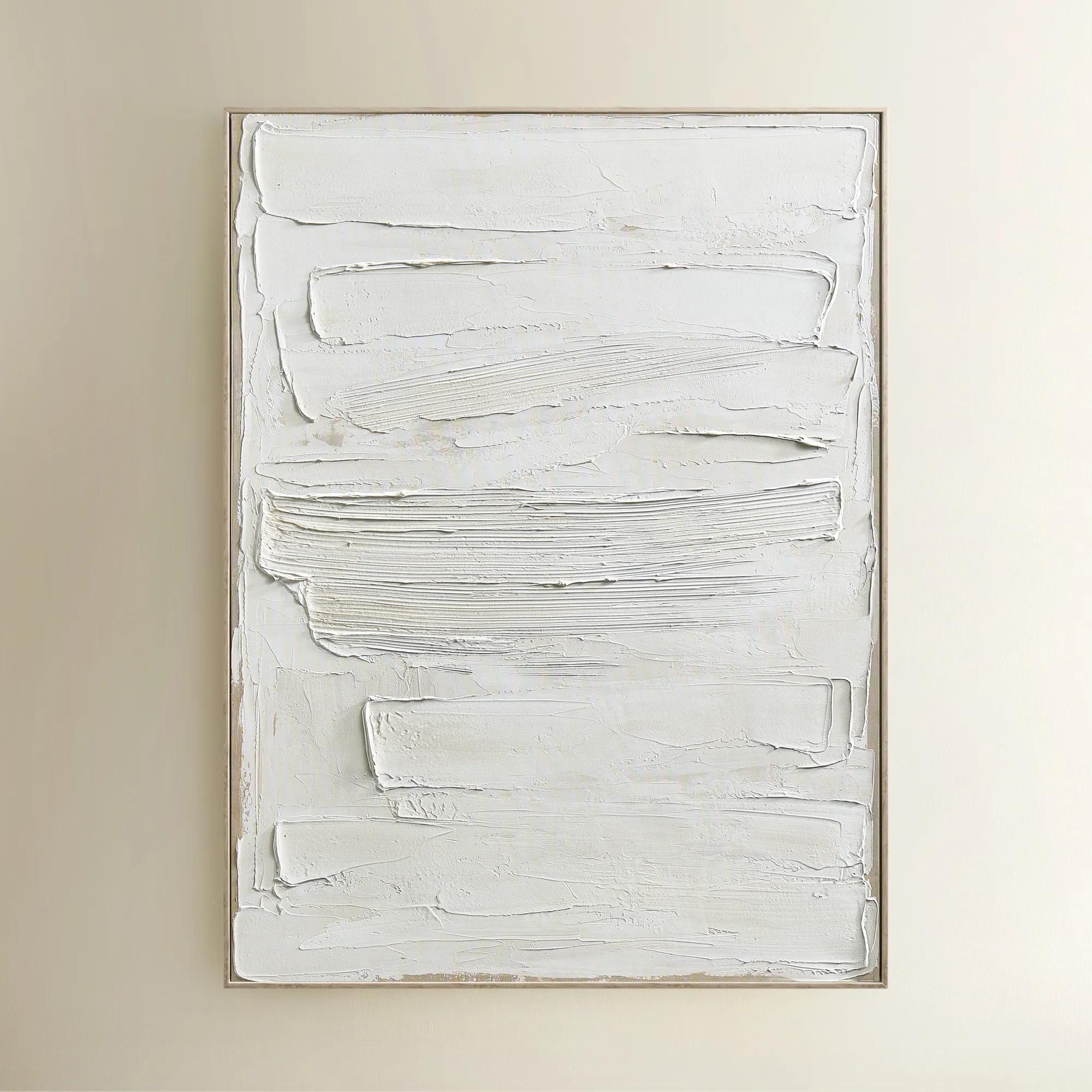
A gallery-wrapped canvas artwork with hand-applied brush gel finish in an oak floater frame.
Add To Cart -
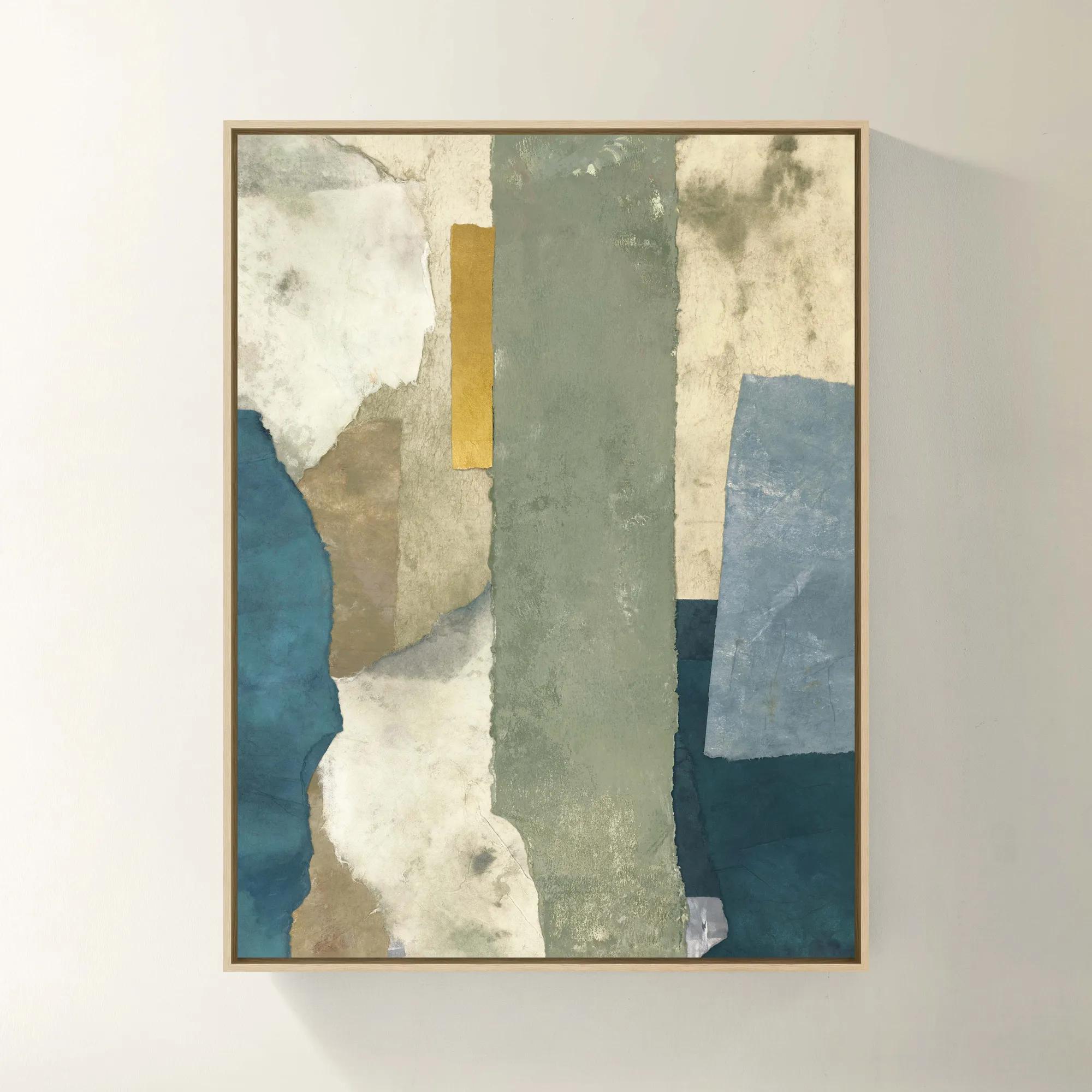 Earth Fragments II Framed Wall Art 30" x 40"$799
A gallery-wrapped canvas featuring gild accents and hand-applied gel, set in a natural floater frame.
Add To Cart -
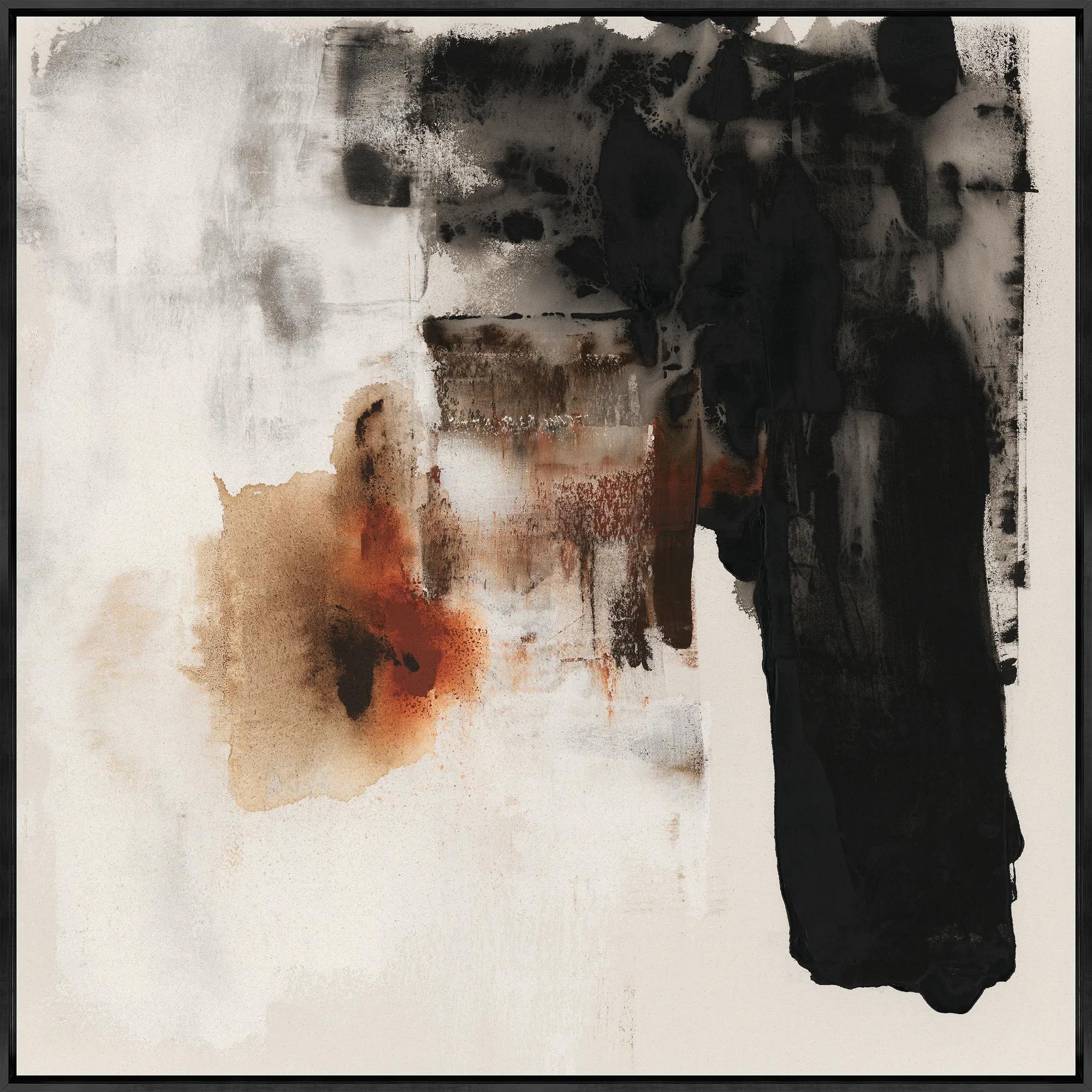
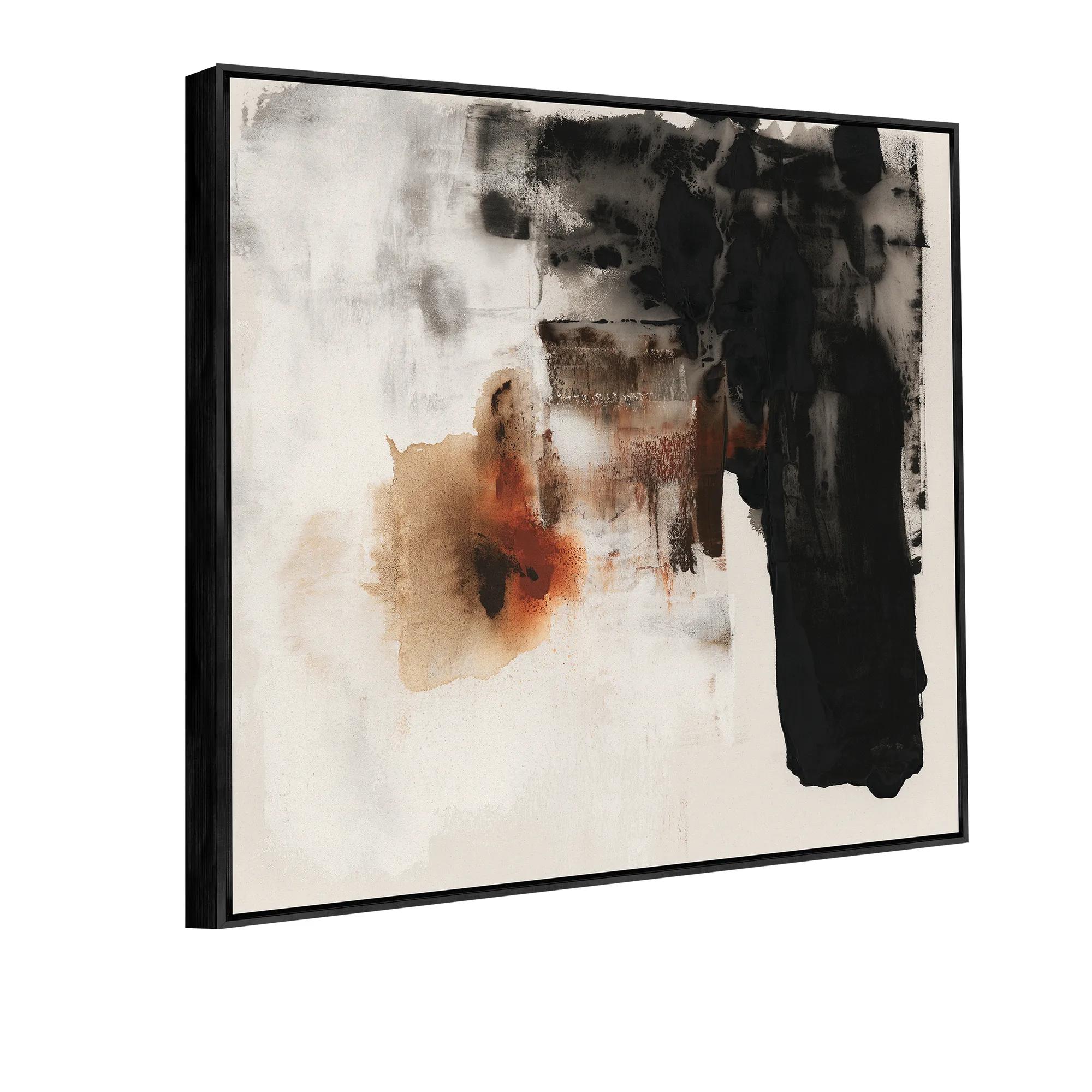 Burning for You II Framed Wall Art 40" x 40"$799
A gallery-wrapped canvas artwork with hand-applied brush gel, set in a sleek black floater frame.
Add To Cart -

 Heart Dancing Framed Wall Art 51.5" x 37.5"$799
A gallery-wrapped canvas artwork with a hand-applied brush gel finish in a sleek gunmetal floater frame.
Add To Cart -
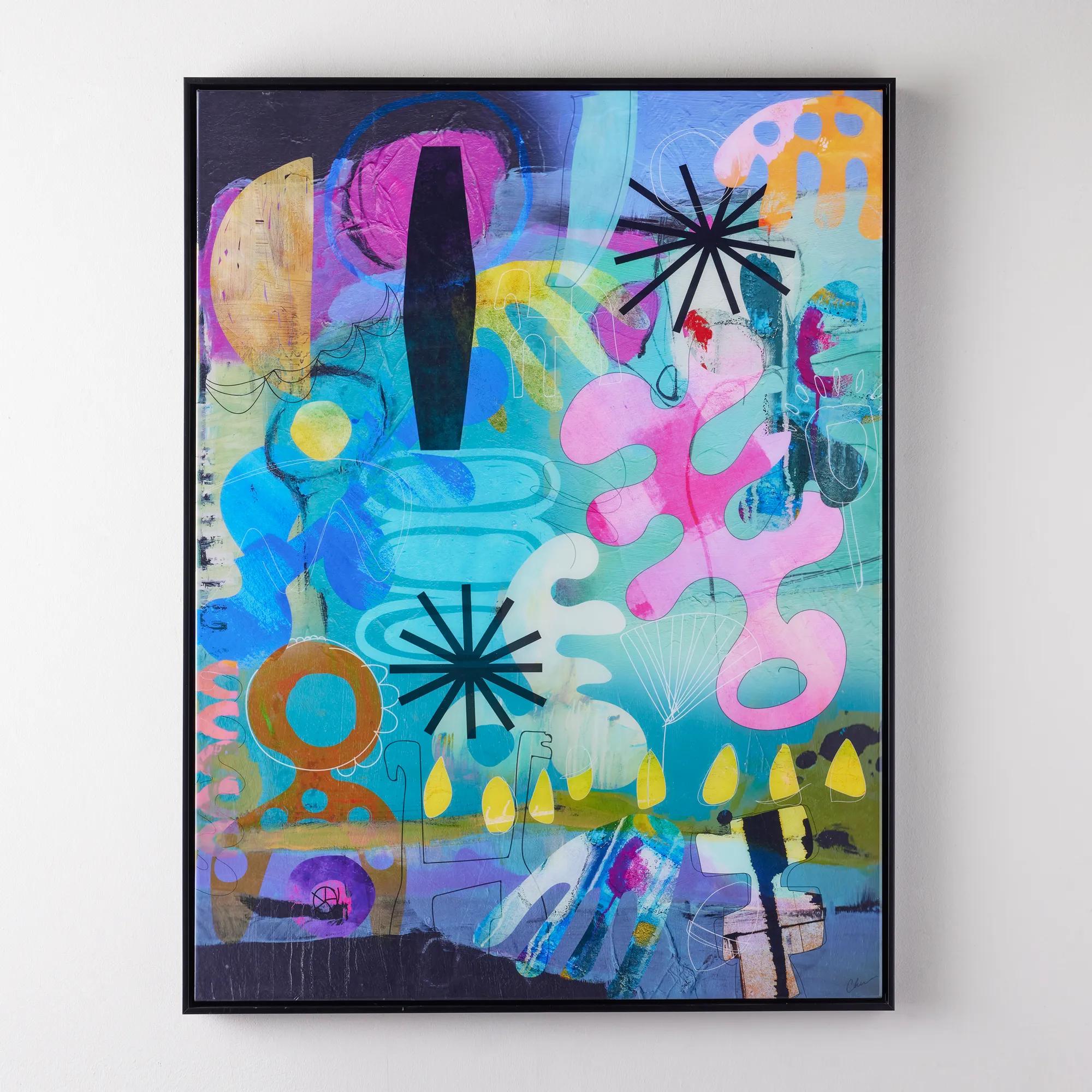
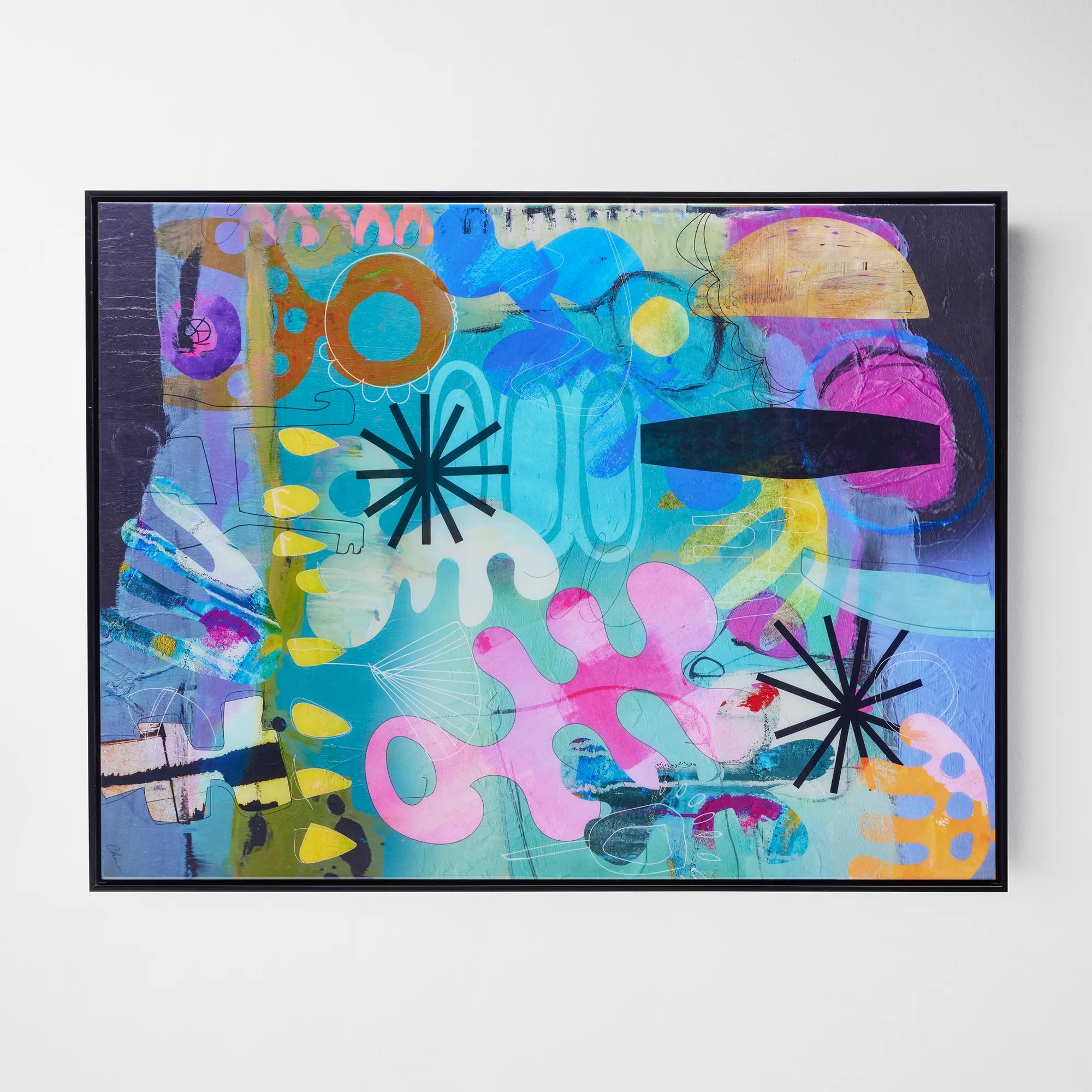 Nikki Chu Detailed Vision Framed Wall Art 54" x 41"$1099
A vibrant, high-gloss artwork with a black frame, designed to hang vertically or horizontally.
Add To Cart -
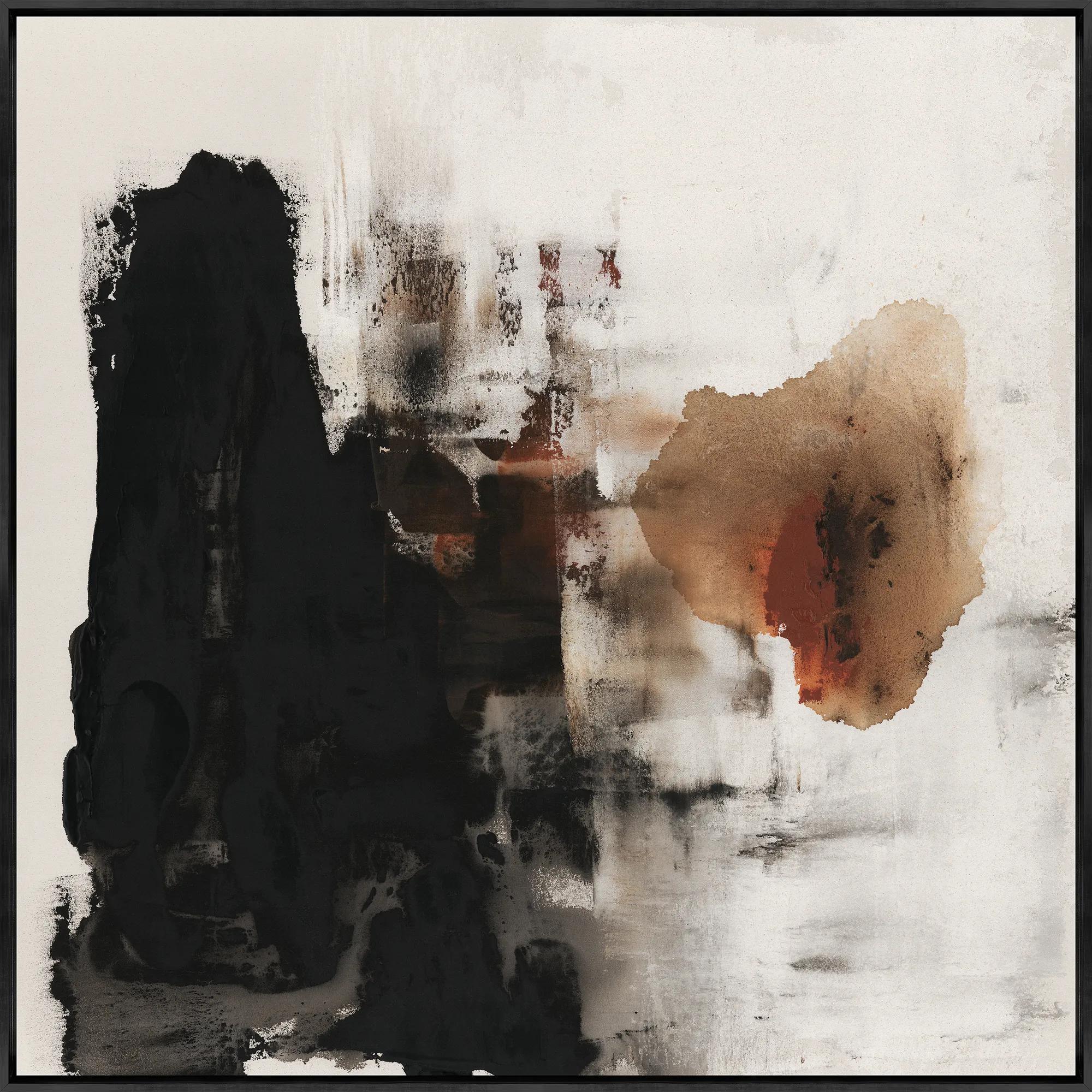 Burning for You I Framed Wall Art 40" x 40"$799
A gallery-wrapped canvas artwork with hand-applied brush gel, set in a sleek black floater frame.
Add To Cart -
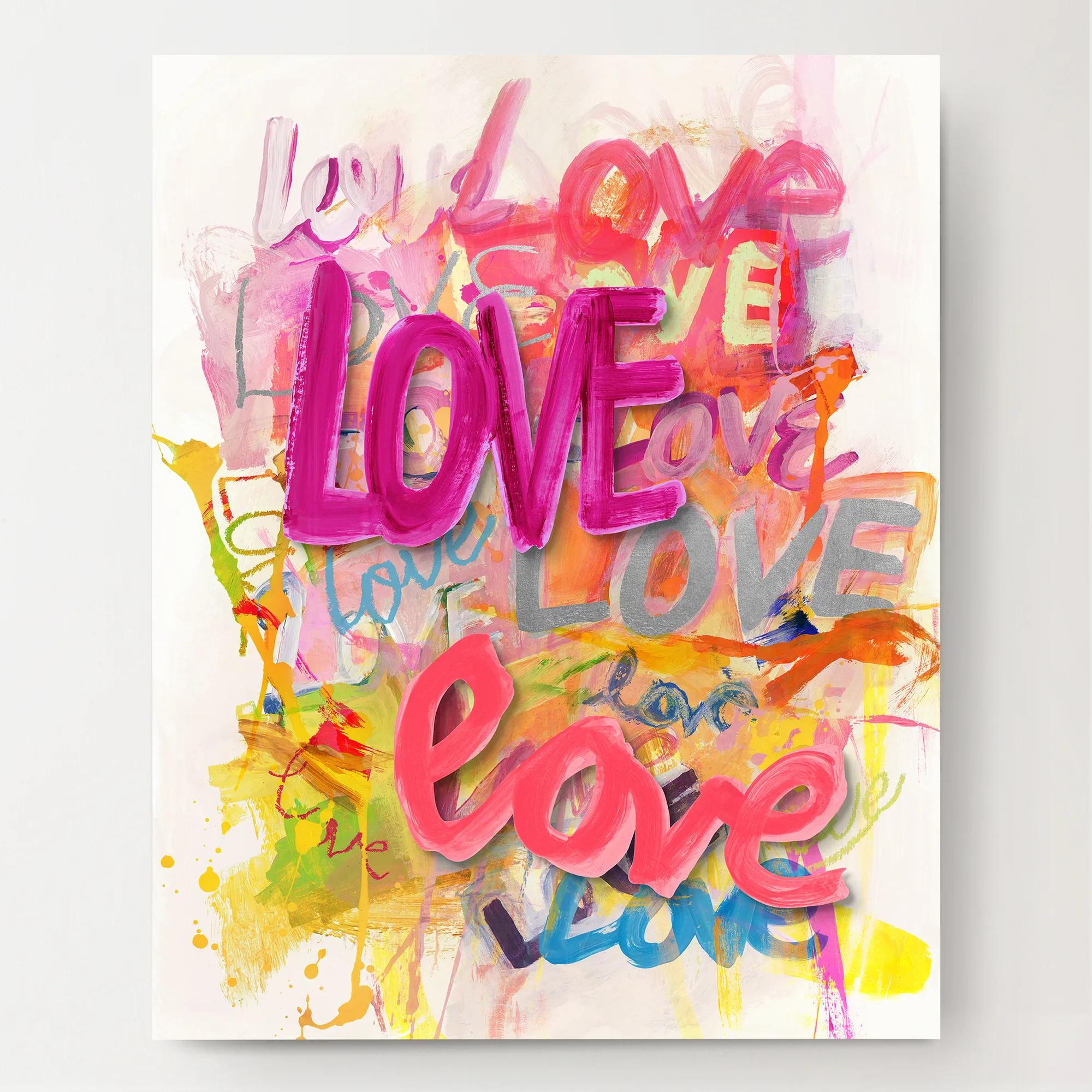
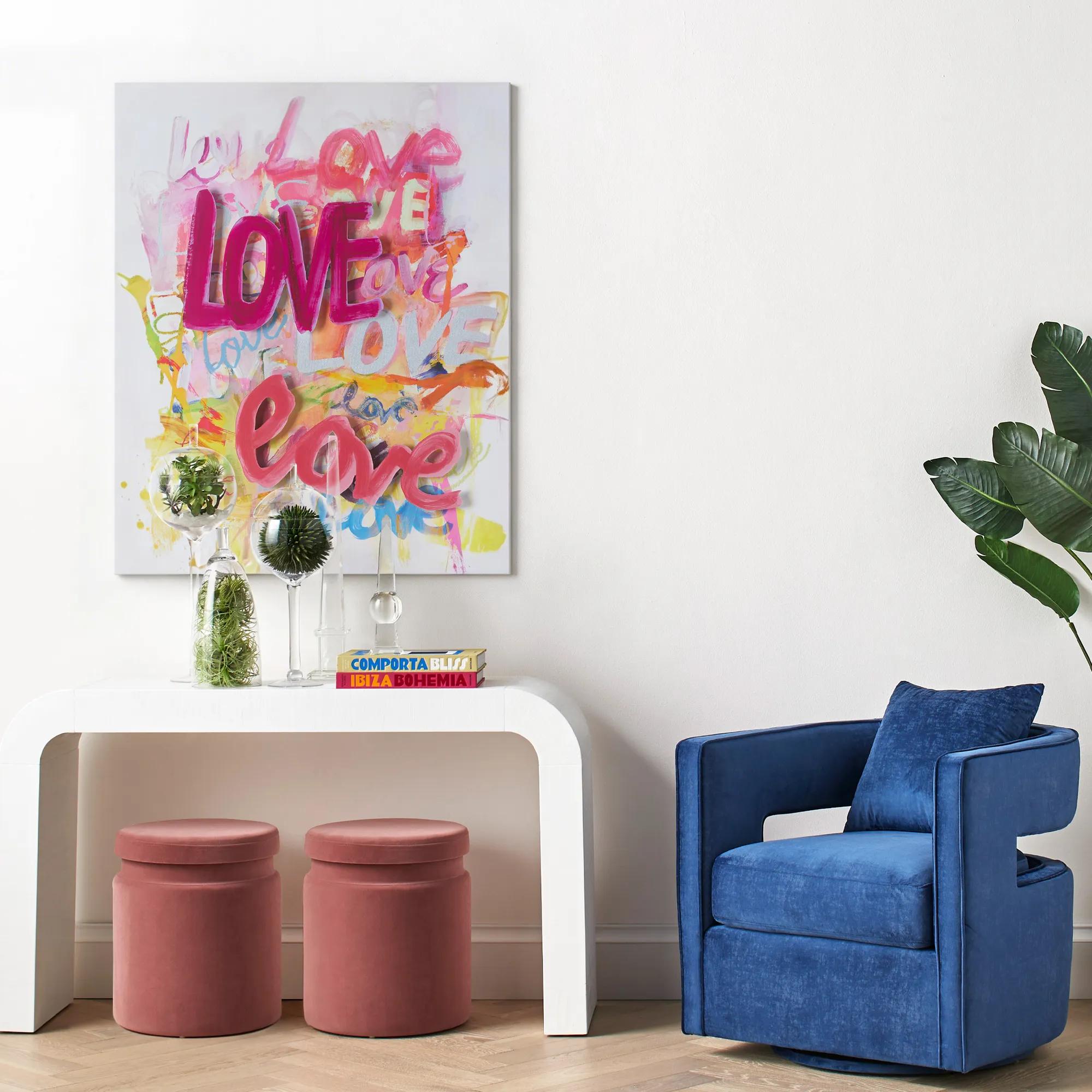 Love Is In The Air Wall Art 40" x 50"$1399
A vibrant giclee canvas print featuring hand-applied silver gilding and dimensional acrylic "Love" lettering.
Add To Cart

Large Format Art Prints
Explore large format art prints for a commanding focal point above a sofa, behind a dining table, or on an expansive wall. Oversized wall art brings scale and drama to your space; compare print dimensions with your available wall area, then choose a palette and composition that complement your furnishings while expressing your personal style.
Large format art prints bring expansive imagery to the wall, giving color, composition, and texture enough room to command attention. These generously scaled reproductions can establish the focal point of a living room, lend presence to a dining area, or give a bedroom the atmosphere of a private retreat. The term describes scale rather than one fixed measurement, so the overall dimensions—including any frame—matter more than the label alone. A sweeping abstract can introduce movement above a low-profile sofa, while a dramatic black-and-white photograph can sharpen a room layered with velvet, polished metal, and sculptural furniture. Botanical imagery feels especially expressive when individual petals or leaves become architectural; a panoramic landscape can create a sense of distance along an otherwise enclosed wall. Subject matter sets the mood, but composition determines how that mood carries through the space. Broad fields of color tend to read clearly from across a room, while intricate linework rewards closer viewing in a hallway or seating area. The most compelling connection is often a subtle one: a smoky blue repeated in upholstery, a warm ivory that softens dark wood, or a metallic accent echoed by a nearby lamp. Artwork does not need to match every furnishing to feel intentional. Contrast can be equally effective, especially when a restrained interior gains a single expressive gesture or a richly layered room finds balance in a quieter image. Scale also changes the relationship between art and furniture. Above a sofa or sideboard, a print with enough width to hold its own feels connected to the arrangement rather than suspended above it. Leaving visible wall around the frame gives the composition breathing room, while checking the proportions against the furniture below helps avoid an image that feels either undersized or crowded. A single substantial print can offer visual clarity where several smaller pieces would create competing points of interest, making large wall art particularly appealing for rooms that call for a confident, cohesive centerpiece.
The surface beneath the image influences how that presence feels. Large art prints on paper can preserve crisp photographic detail, delicate tonal shifts, and fine graphic lines, especially when the paper and printing method suit the original artwork. Smooth papers emphasize precision, while textured fine-art papers can lend a softer, more tactile character. Canvas introduces a visible weave that interacts with the image, bringing a painterly quality to abstract gestures, atmospheric landscapes, and richly layered compositions. For interiors that favor this textured expression, oversized canvas art prints create a natural connection between expansive imagery and a dimensional surface. Neither material is inherently right for every room; the choice depends on the visual effect, the level of detail, and the way the piece will be displayed. Image resolution becomes especially important at generous dimensions because enlarging a low-resolution file can reveal softness or pixelation. Intentional brushwork and photographic grain are different from lost detail, and the distinction is often easiest to appreciate at the distance from which the artwork will normally be viewed. Framing adds another layer of expression. A slender dark frame can define a pale composition with a precise edge, while a metallic finish introduces a gleaming outline that connects with decorative accents nearby. A wider frame gives the artwork additional visual weight, and a mat can create a measured pause between the image and its surround. Stretched canvas may be presented without glazing or set within a floating frame, where a narrow reveal emphasizes the depth of the canvas. Paper prints generally benefit from appropriate backing and protective glazing, with conservation-quality materials helping reduce the risk of discoloration over time. Glass and acrylic have different weight and breakage considerations, particularly at larger sizes; glare-reducing or UV-filtering options can also be relevant when specified. The complete presentation—not simply the printed image—shapes the final impression, so frame depth, exterior dimensions, surface finish, and hanging orientation all deserve attention.
Large-scale artwork feels most personal when its placement reflects how a room is actually lived in. In a living room, an expansive composition can draw separate seating pieces into one visual conversation; in a dining room, it can give a long wall the same sense of occasion as a beautifully dressed table. A bedroom often benefits from imagery with gentler contrast, while an entryway can carry a more assertive palette that establishes character from the moment the door opens. These are possibilities rather than rules: a vivid abstract may feel restorative to one person, while another finds calm in monochromatic photography. Viewing distance, nearby lighting, and the position of furniture all affect the experience. Reflective glazing opposite a bright window may obscure details, and a deeply textured canvas may reveal different nuances under directional light. Adequate clearance above furniture protects the artwork from everyday contact and keeps the arrangement comfortable rather than compressed. Because large frames and stretched canvases vary considerably in weight, secure installation depends on suitable hardware, the wall construction, and the mounting instructions provided with the piece. Measuring doorways, stairwells, and the route to the intended wall also matters when the finished dimensions are substantial. Thoughtful care preserves the image and its presentation: prolonged direct sunlight, excess humidity, and abrupt environmental changes can affect paper, canvas, inks, and framing materials. Light dusting with a clean, soft cloth is often appropriate for frames, while printed surfaces and glazing should be cleaned only according to their specific care instructions; liquid cleaners should never be sprayed directly onto artwork. As a housewarming or milestone gift, a large print is especially meaningful when the recipient’s taste, available wall space, and preferred palette are well understood. For collectors of design, new homeowners, or anyone refining a room around a distinctive point of view, oversized art offers something more enduring than a decorative finishing touch: an image with enough presence to become part of the home’s identity.
FAQs
Abstract compositions, black-and-white photography, expressive portraits, and dramatic landscapes all lend themselves to a statement-making presentation. Choose a subject that sets your desired mood: fluid abstraction brings movement, architectural photography adds structure, and a sweeping landscape invites a sense of escape.
Let the artwork echo a few intentional accents in your room, such as the jewel tones of decorative pillows or the warm neutrals of upholstery. For a more daring composition, introduce an unexpected accent color through the print and repeat it sparingly throughout the space.
Large format art prints can bring expressive depth to modern, glamorous, and transitional interiors. A graphic composition sharpens a room with clean-lined furniture, while painterly imagery introduces softness among polished finishes. Look for a shared color, mood, or visual rhythm rather than matching every detail.
Treat the frame as part of the composition. A streamlined black frame lends definition, a metallic finish introduces a luminous accent, and an ornate profile adds theatrical contrast. Choose a treatment that supports the artwork’s character while connecting with the room’s decorative details.
Give one print the starring role, then build a thoughtful arrangement around it with complementary imagery. A recurring palette or consistent frame finish creates cohesion, while a mix of photography and abstract work brings an expressive, collected sensibility. Leave visual breathing room so each composition retains its presence.