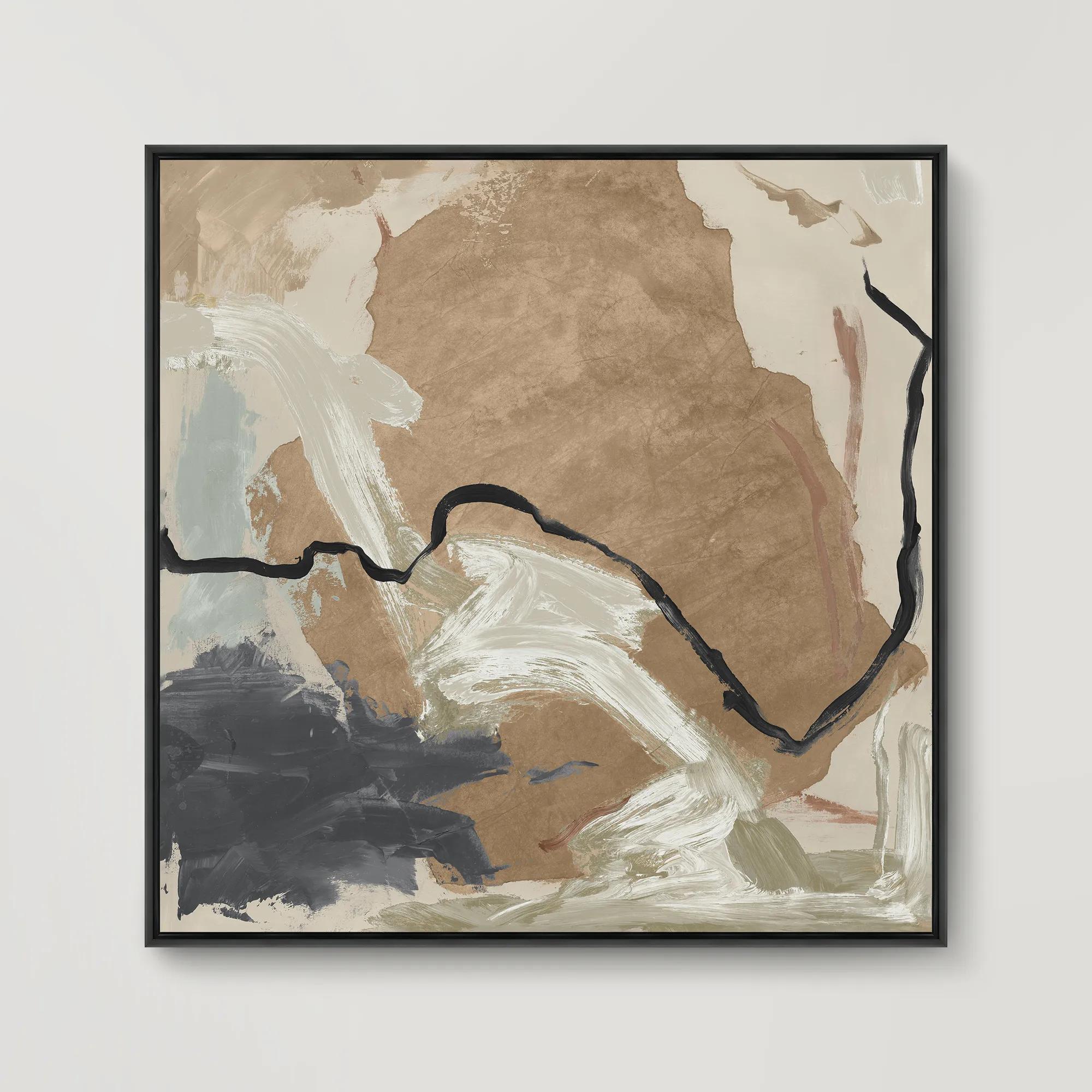
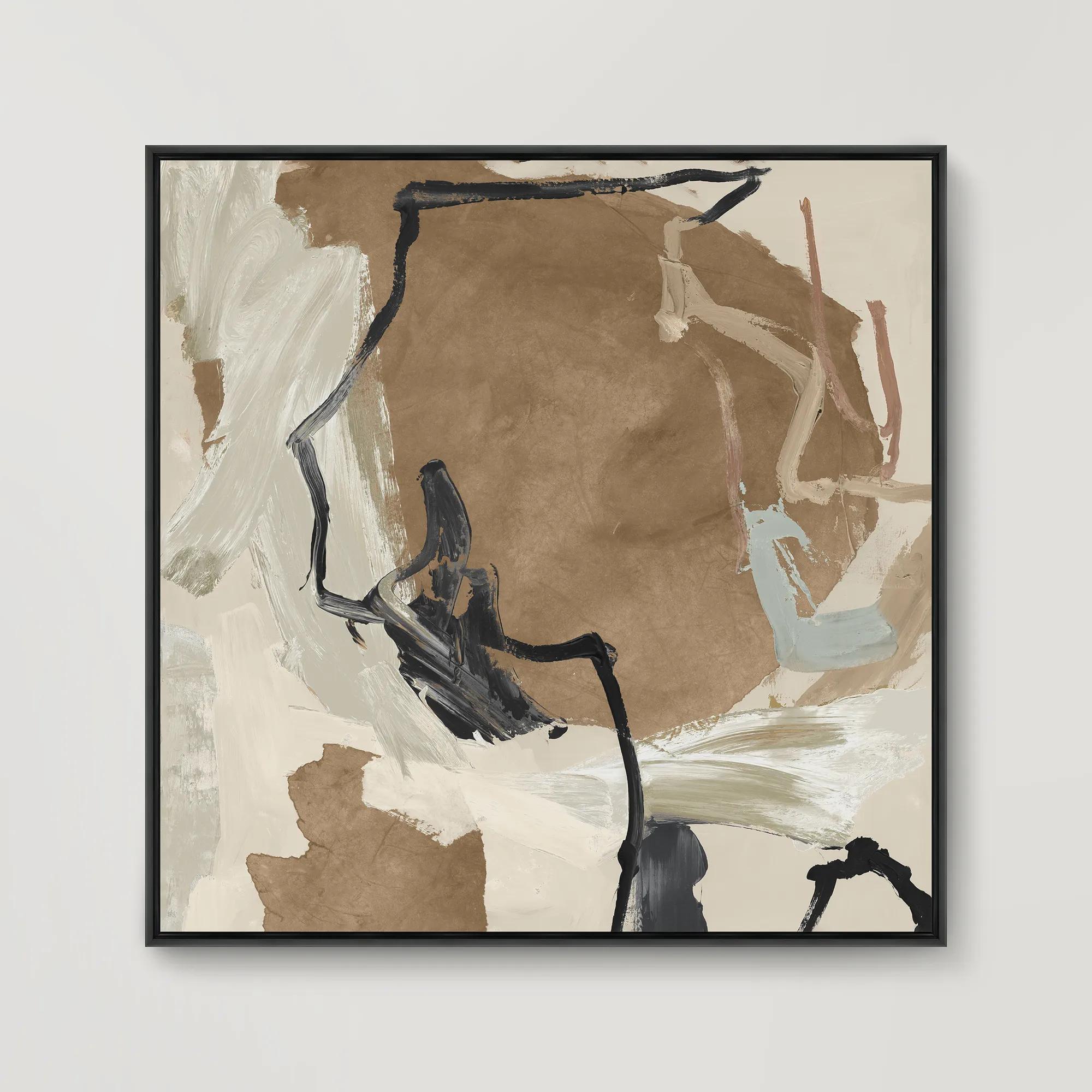
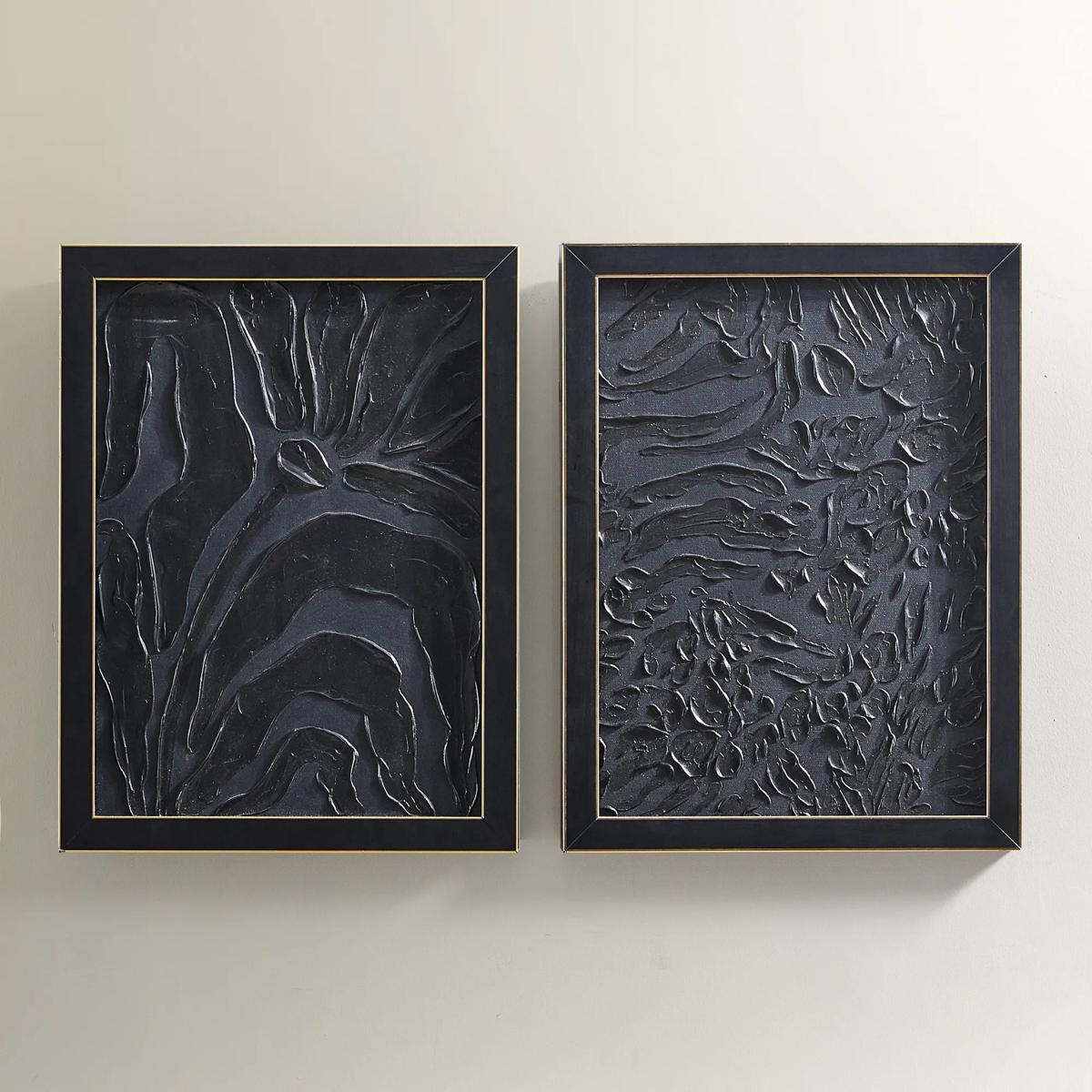
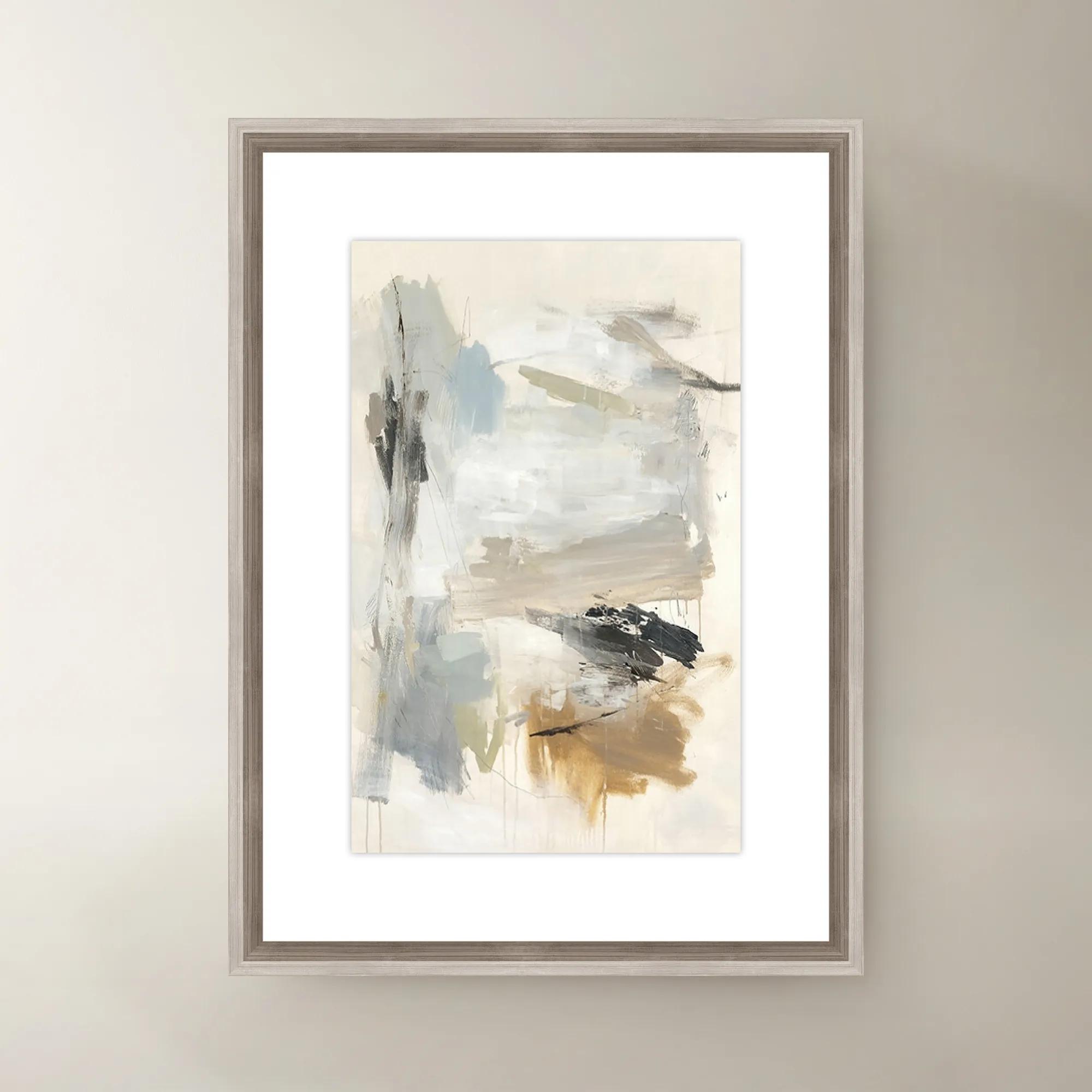
Large Canvas Wall Art Sets
Large Canvas Wall Art Sets
-
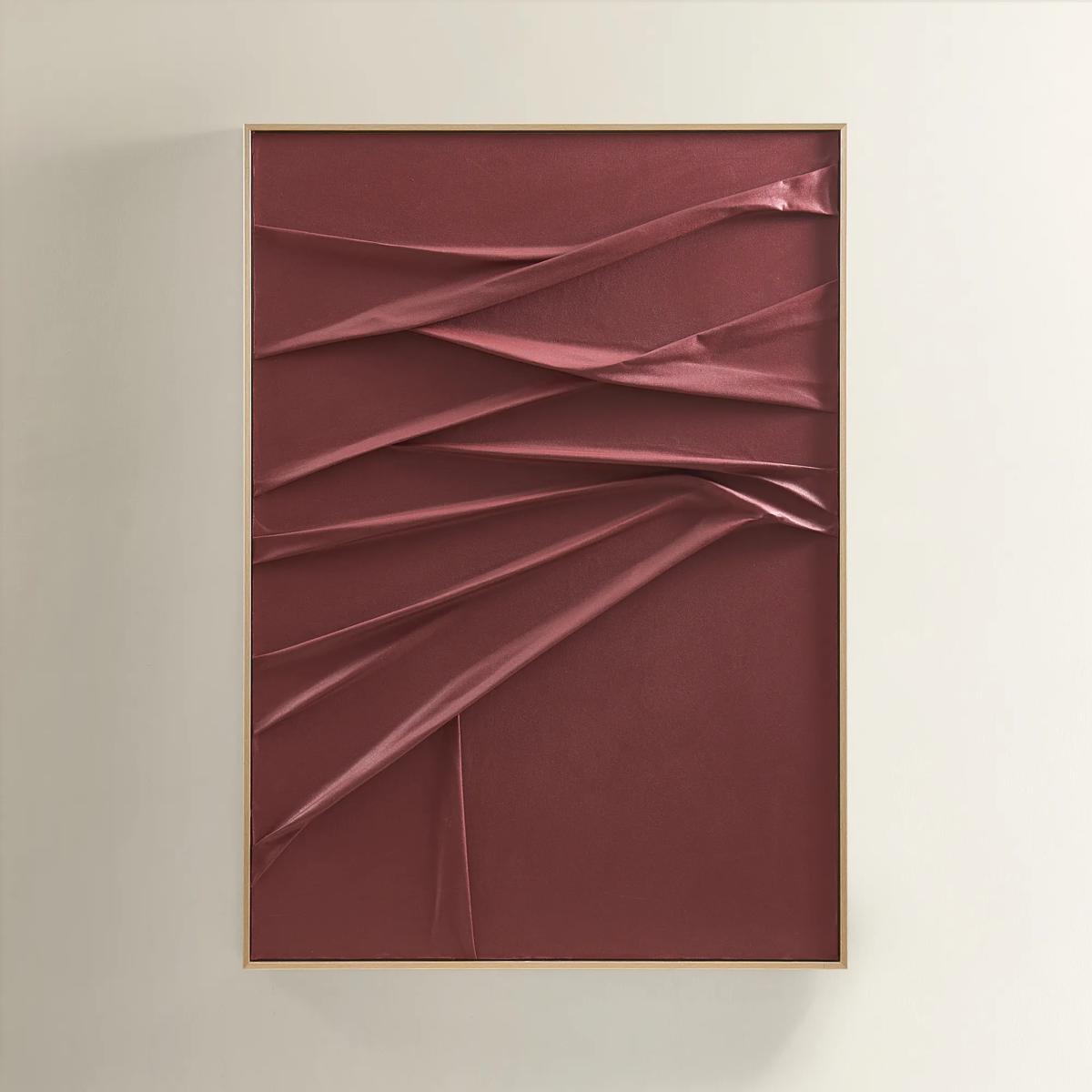
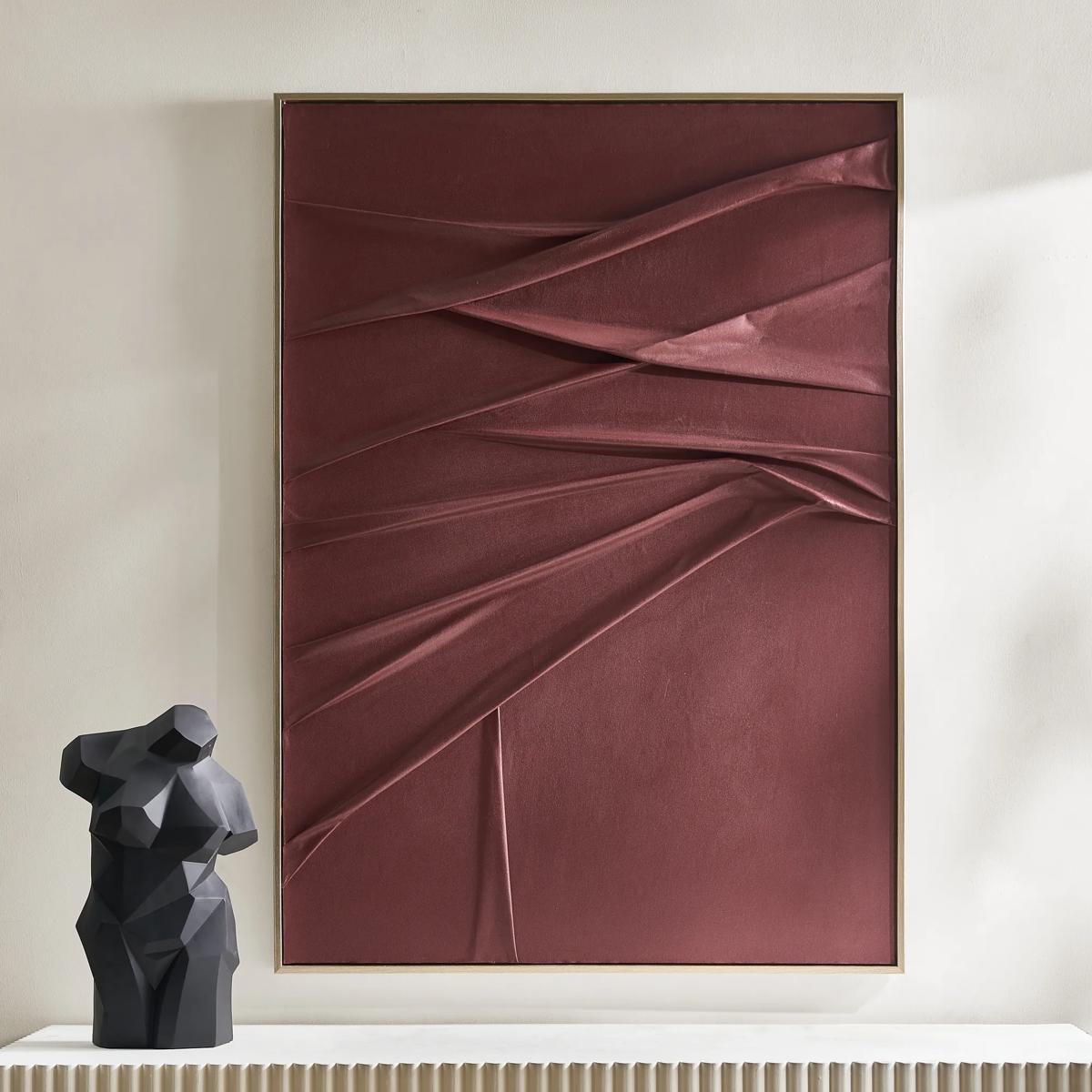 Crimson Painting$599
A handcrafted burgundy canvas artwork with sculptural folds, framed in champagne for a dramatic, textured effect.
Add To Cart -
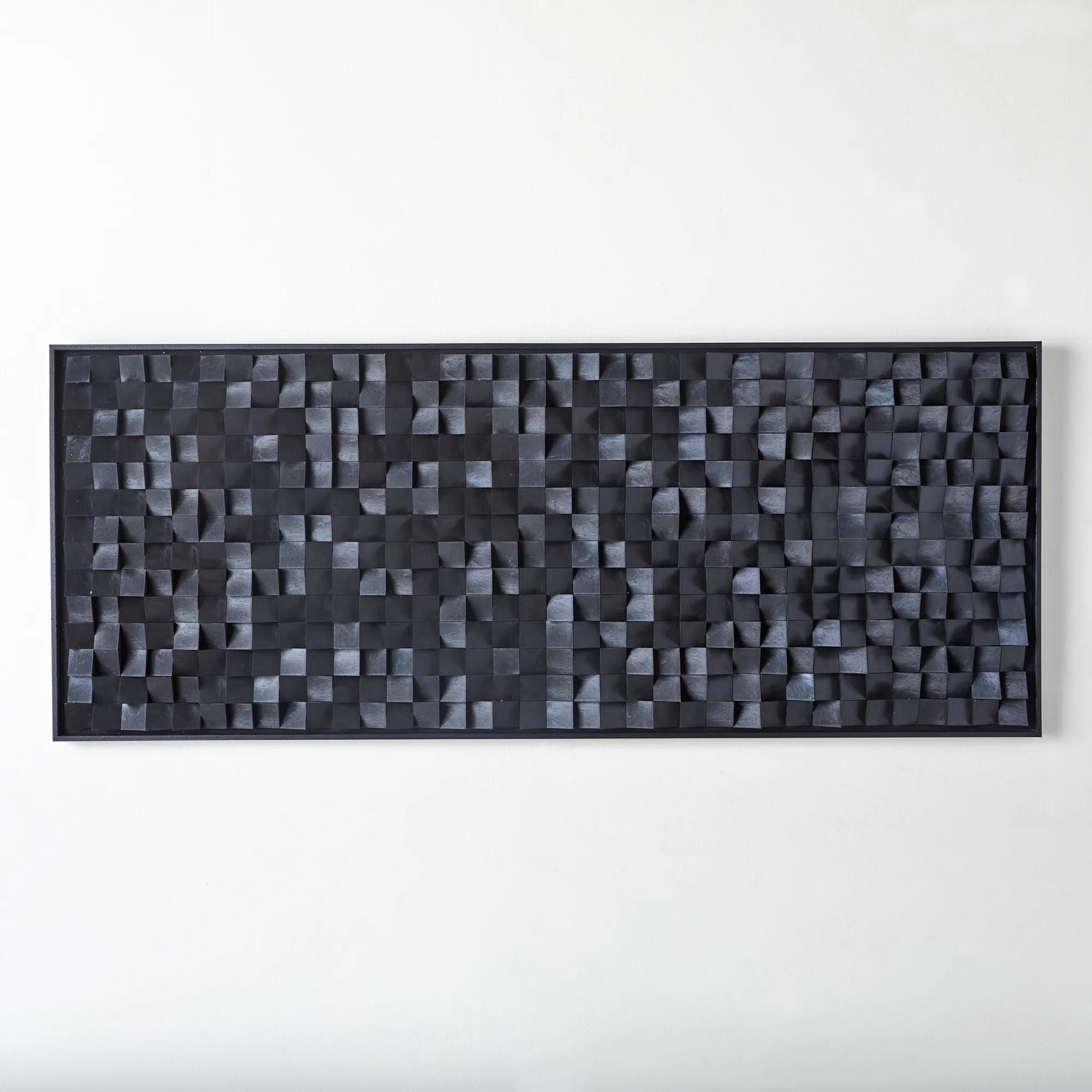 Nightfall Black Wood Dimenisonal Wall Panel 59" x 23.5"$599
An abstract wall art piece featuring cut black blocks in a sleek, low-profile black frame.
Add To Cart -
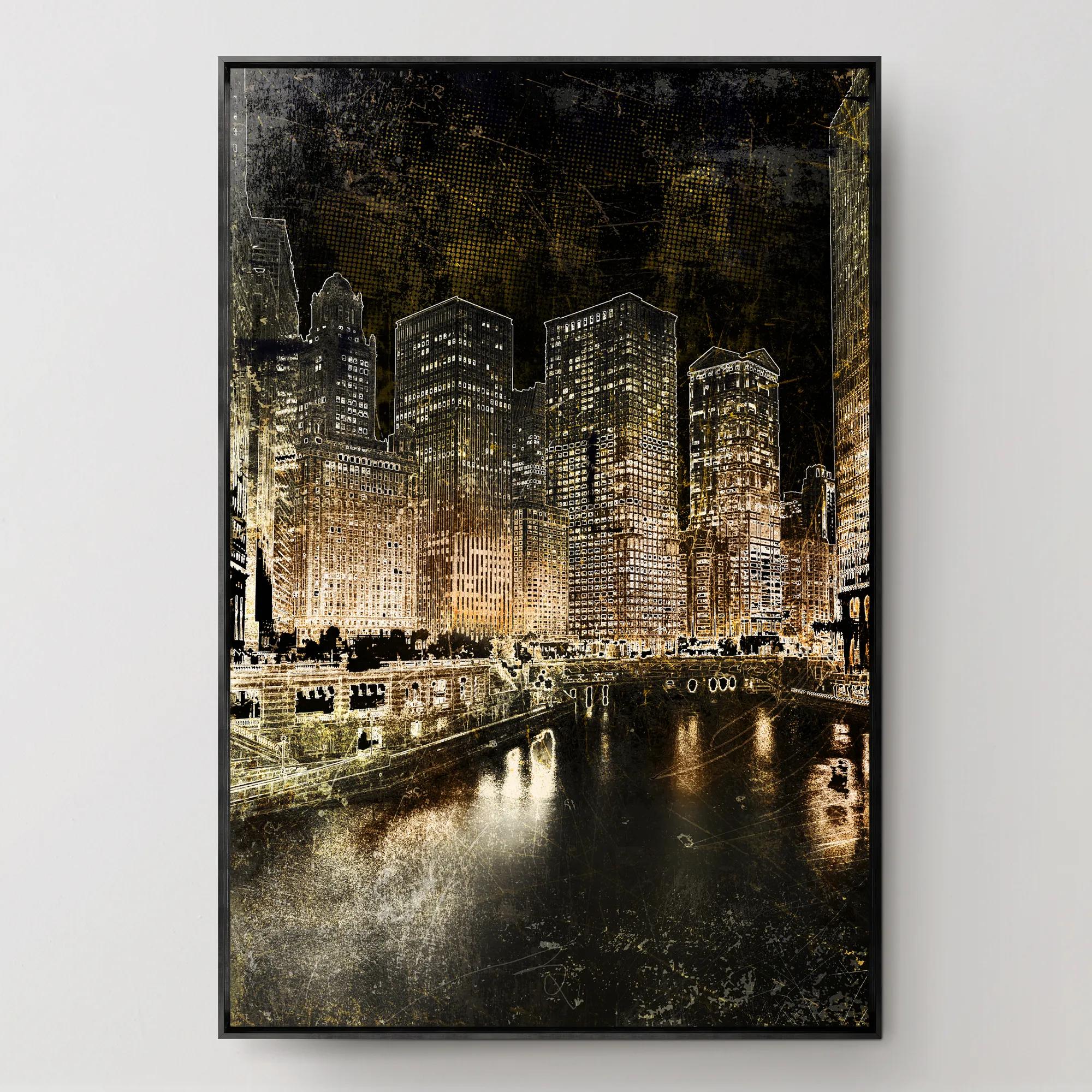
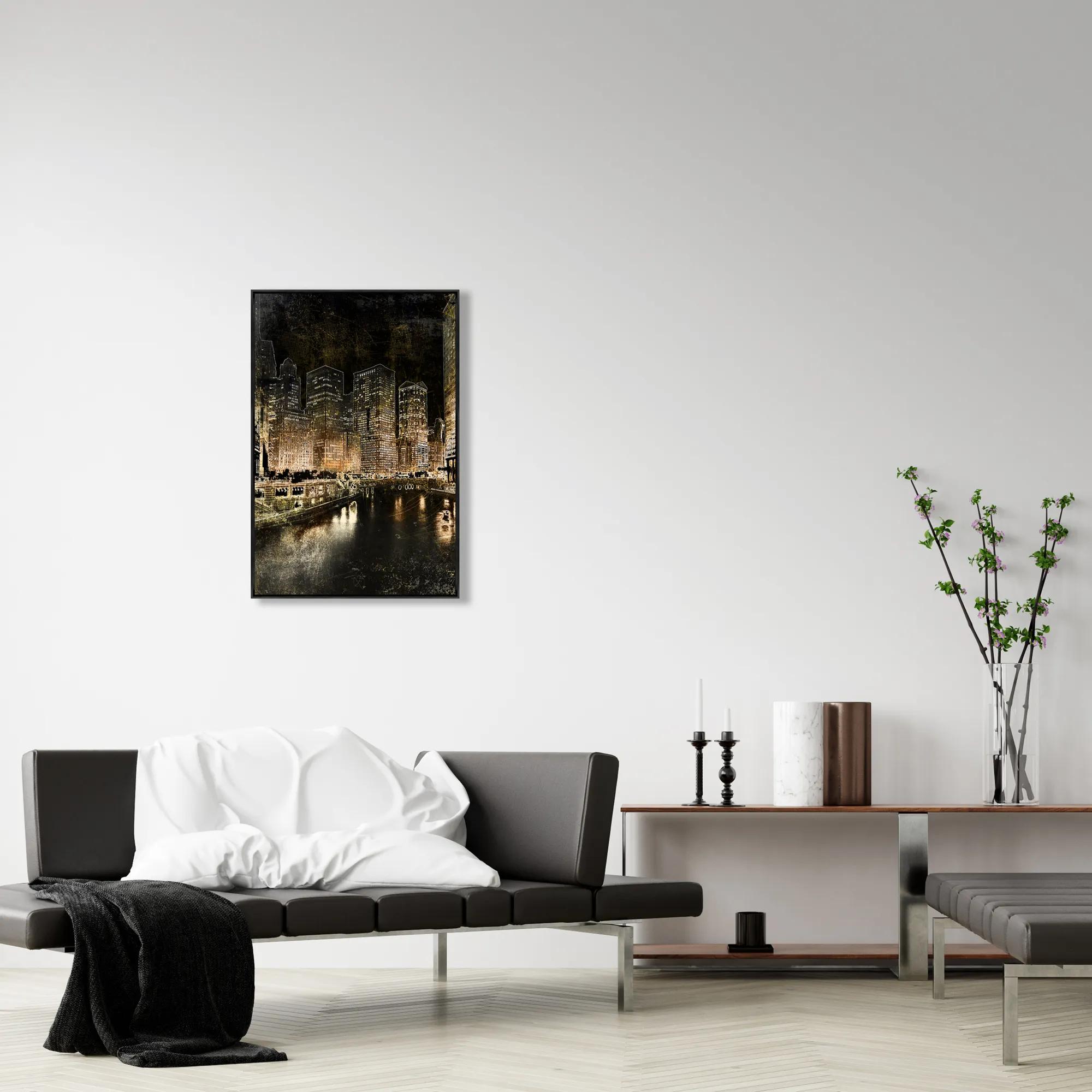 Chicago Lights Framed Wall Art 30" x 45"$649
A gallery-wrapped canvas artwork featuring a hand-applied gel finish in a sleek black floater frame.
Add To Cart -
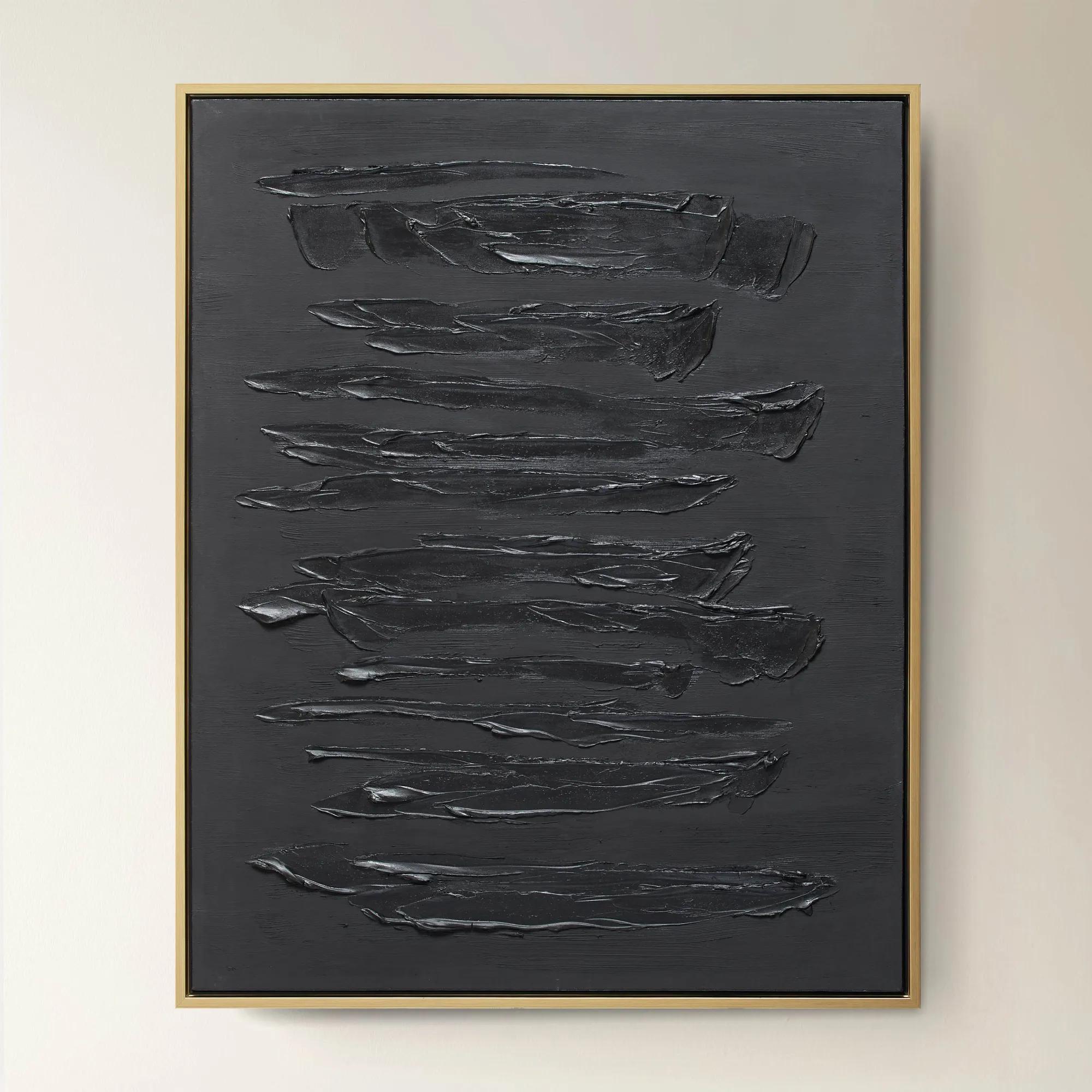
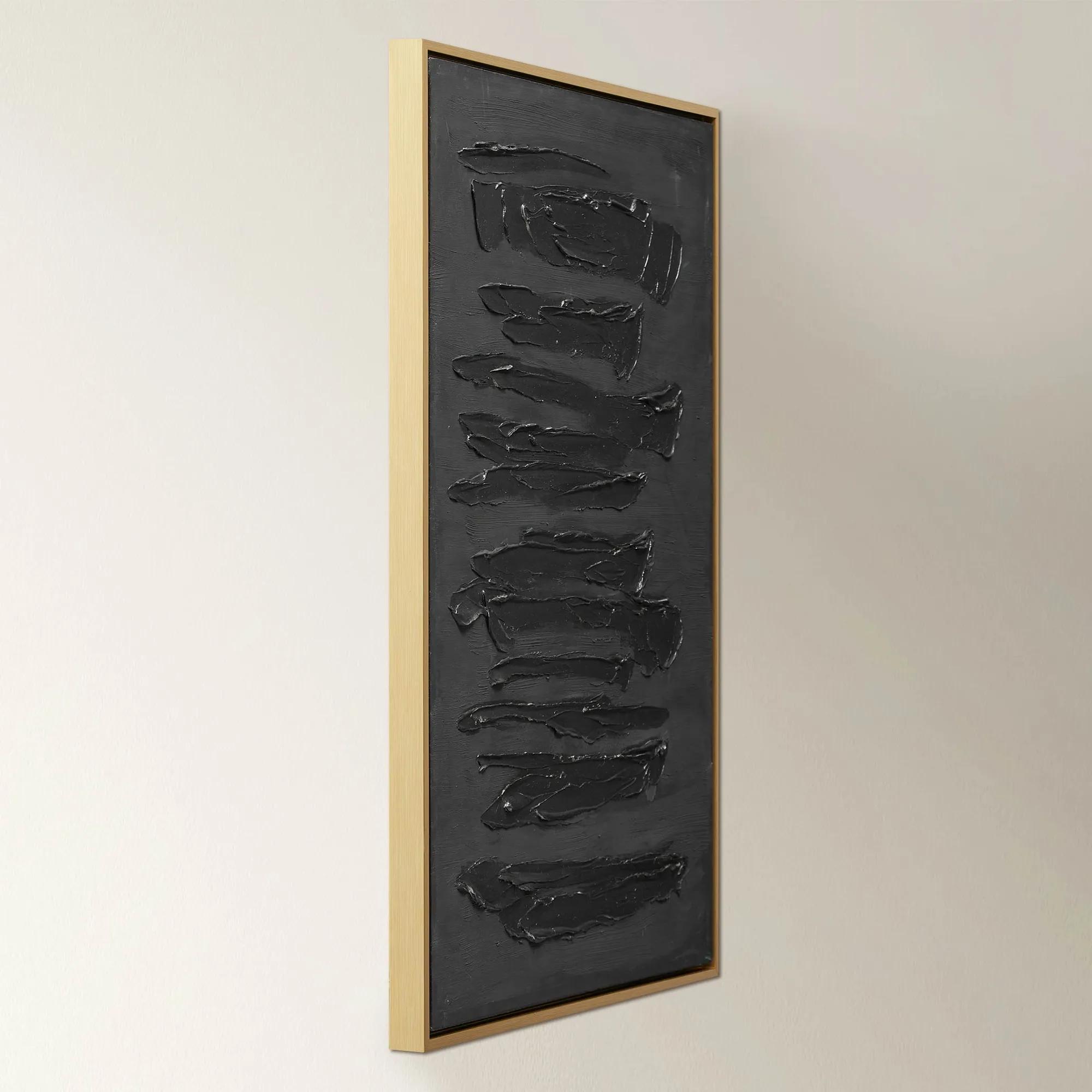 Nocturne$599.95
A dramatic abstract artwork featuring bold, dark brushstrokes on hand-painted canvas in a gold floater frame.
Add To Cart -
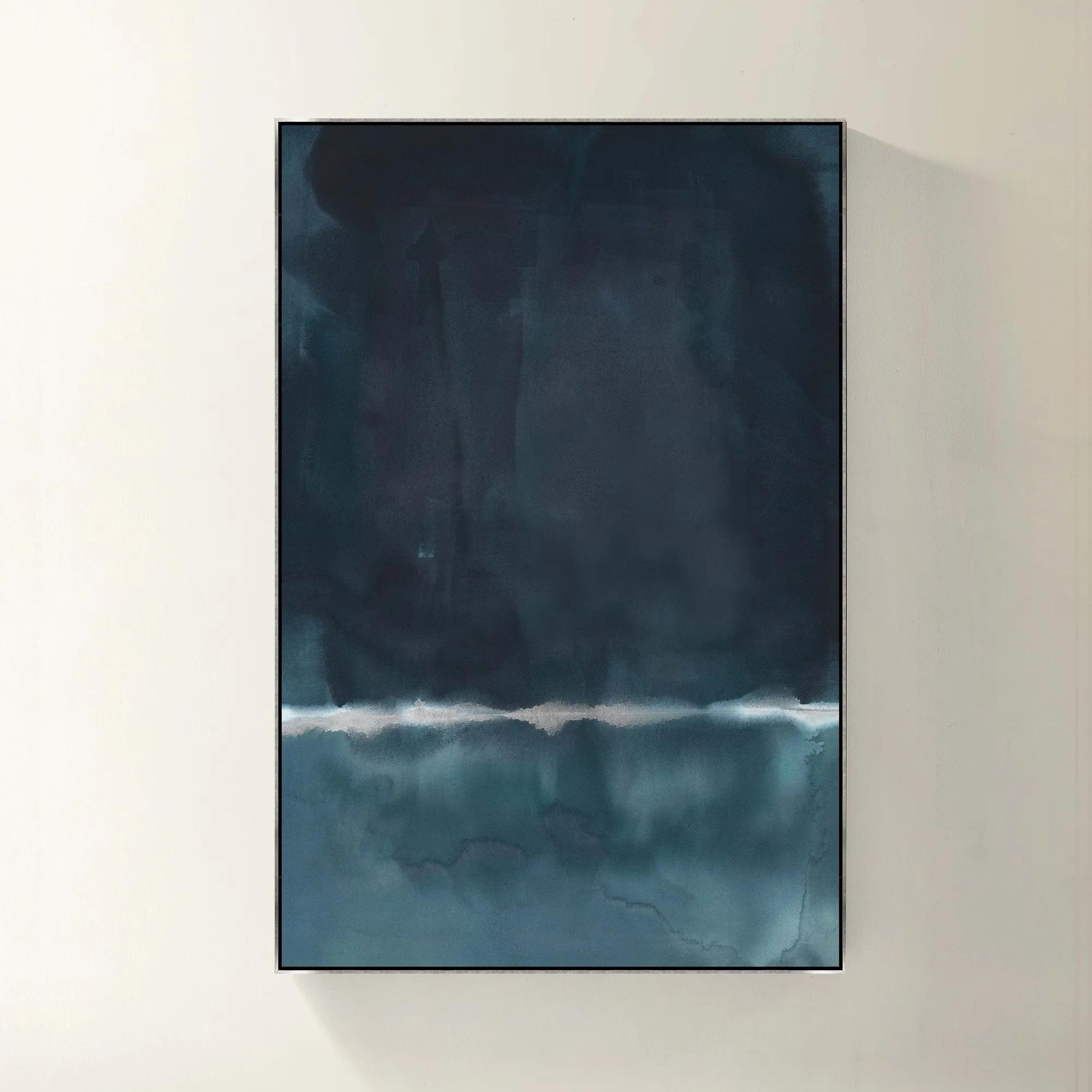 Blue Monday Framed Wall Art 40" x 60"$1119
A gallery-wrapped blue canvas with hand-embellished silver accents in a sleek silver floater frame.
Add To Cart -
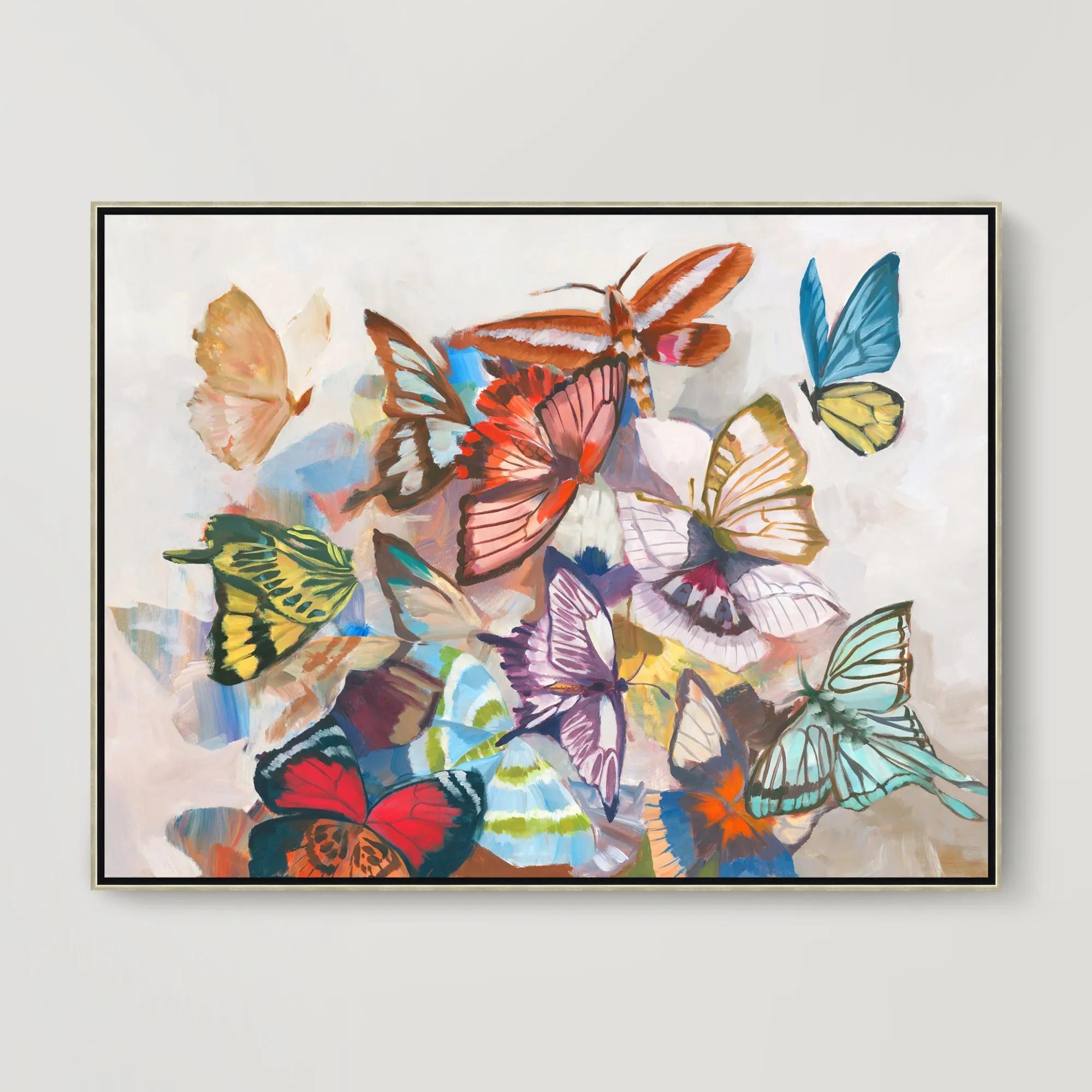 Sugar Wings Framed Wall Art 49.5" x 37.5"$799
A vibrant gallery-wrapped canvas artwork with hand-applied brush gel finish in a sleek silver floater frame.
Add To Cart -
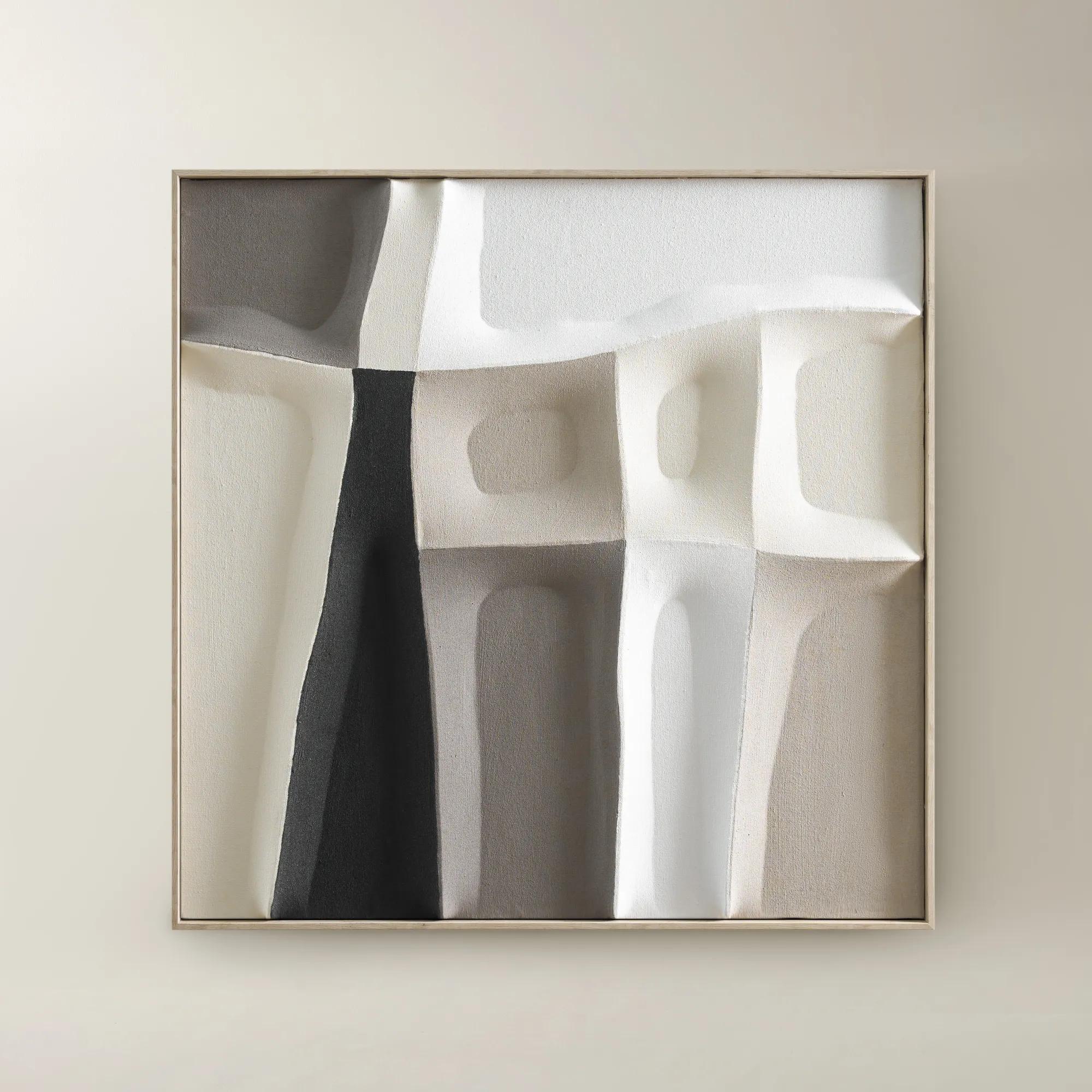 Shadow Painting 1$179
A hand-painted canvas featuring bold colors and sculptural textures in a warm whitewash floater frame.
Add To Cart -

 Tribe V Framed Wall Art 24" x 28"$599
A striking contemporary art piece designed by acclaimed interior designer Nikki Chu.
Add To Cart -

 Jewel Toned Geometry Framed Wall Art 24" x 33"$519
A jewel-toned geometric canvas artwork framed to bring vibrant modern dimension to any wall.
Add To Cart -
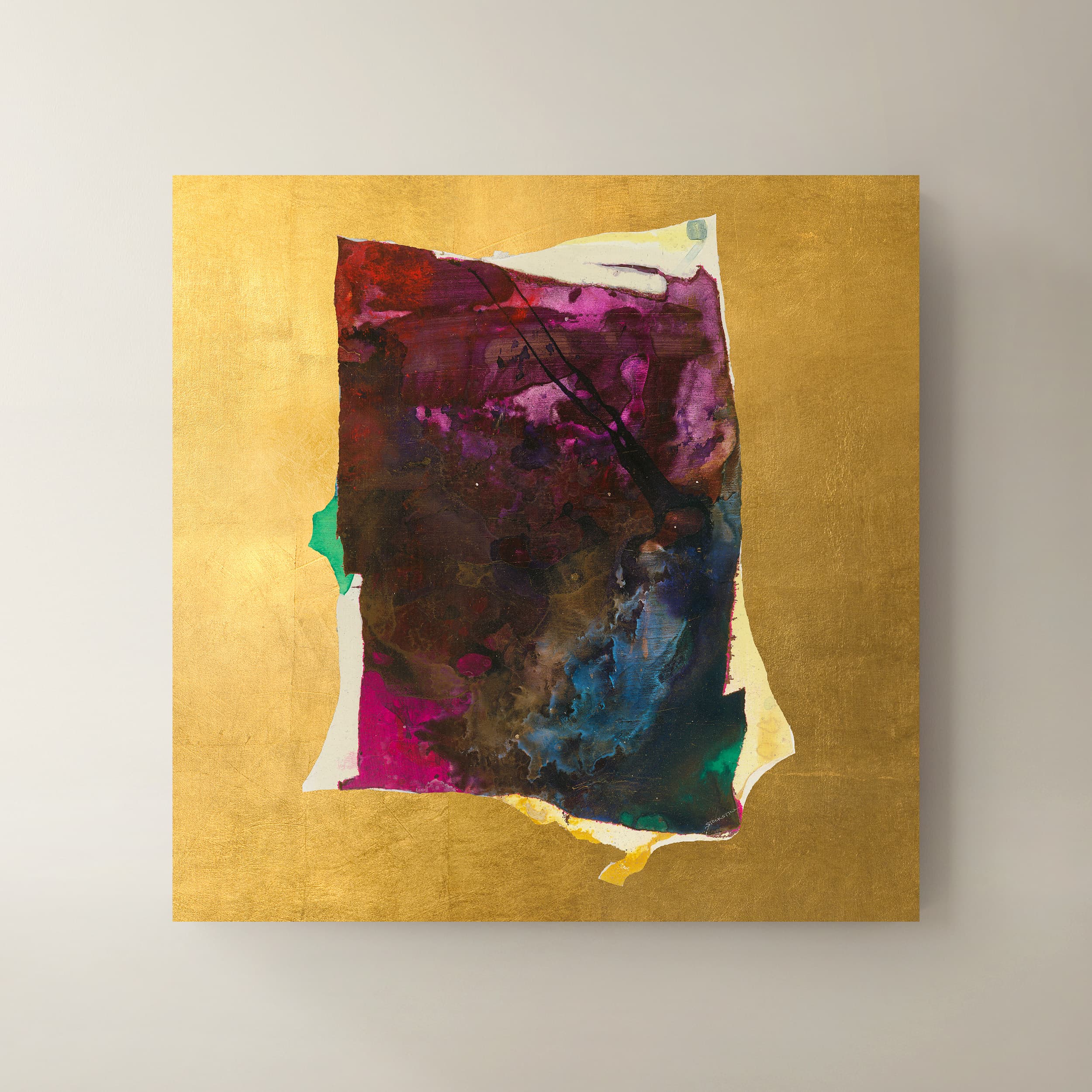 Supremo I Wall Art 40" x 40"$999
A multicolored canvas wall art piece adding contemporary visual interest to your interior.
Add To Cart -
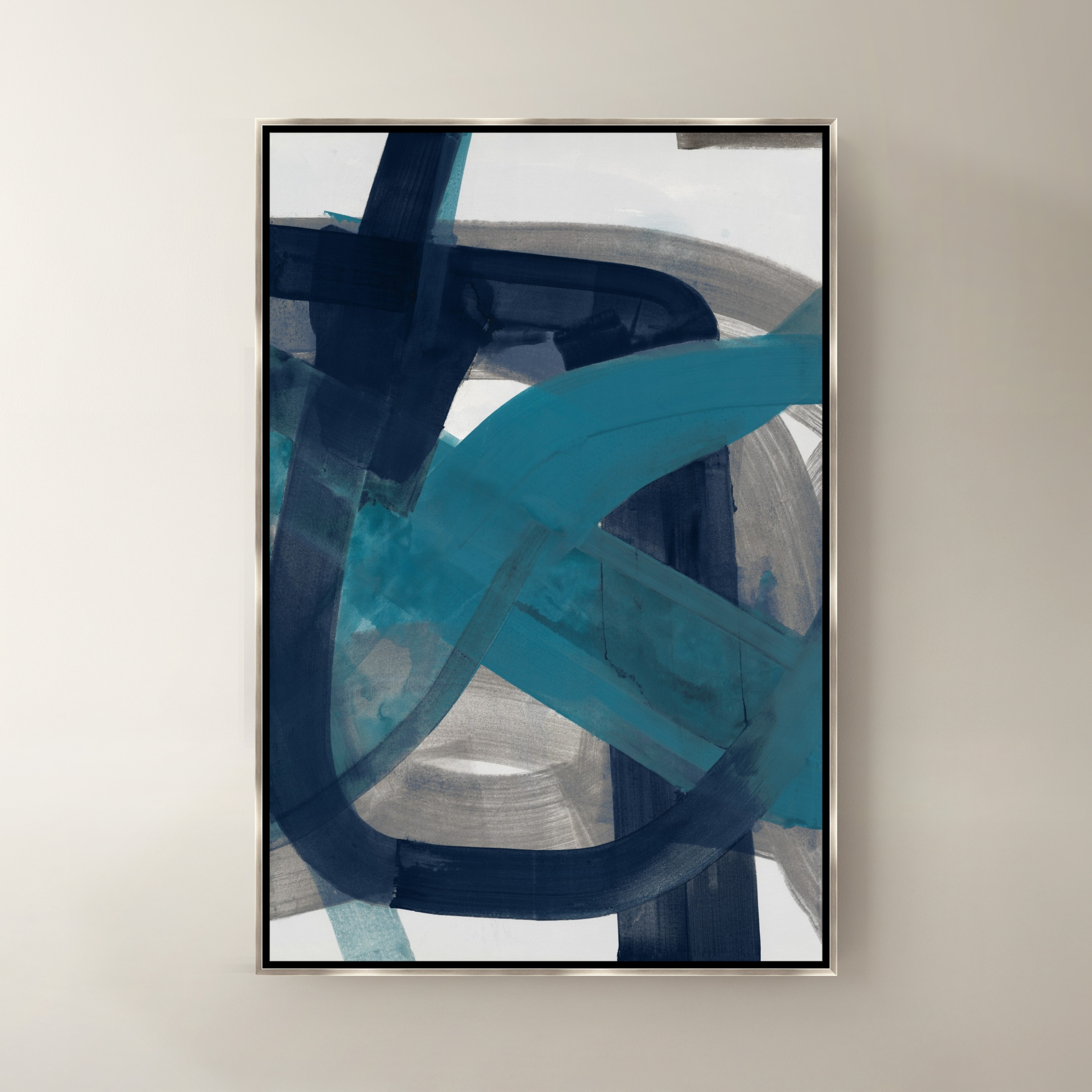
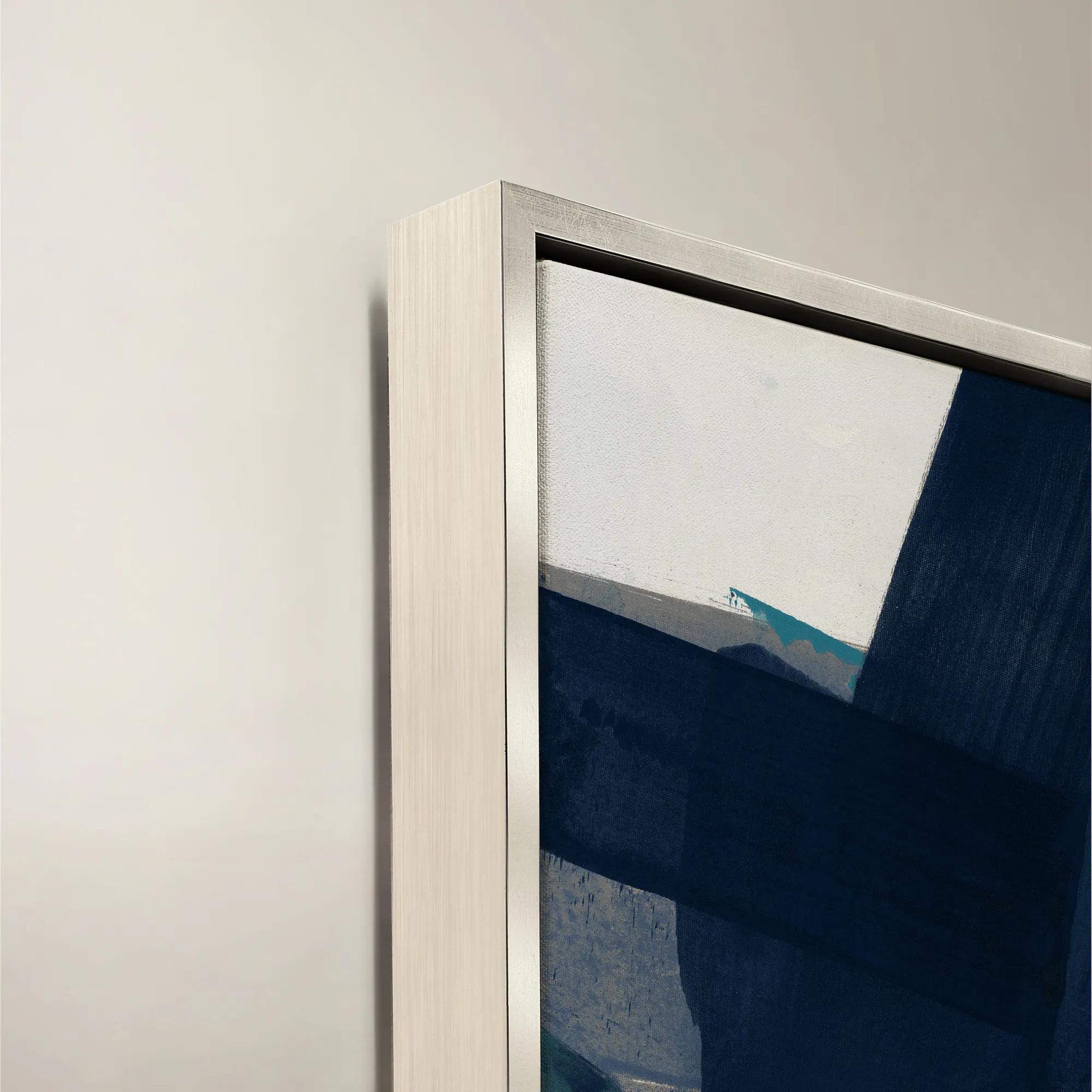 Fractured Currents II Framed Wall Art 24" x 36"$499
A framed canvas wall artwork featuring dynamic blue and purple tones for a modern, expressive accent.
Add To Cart -
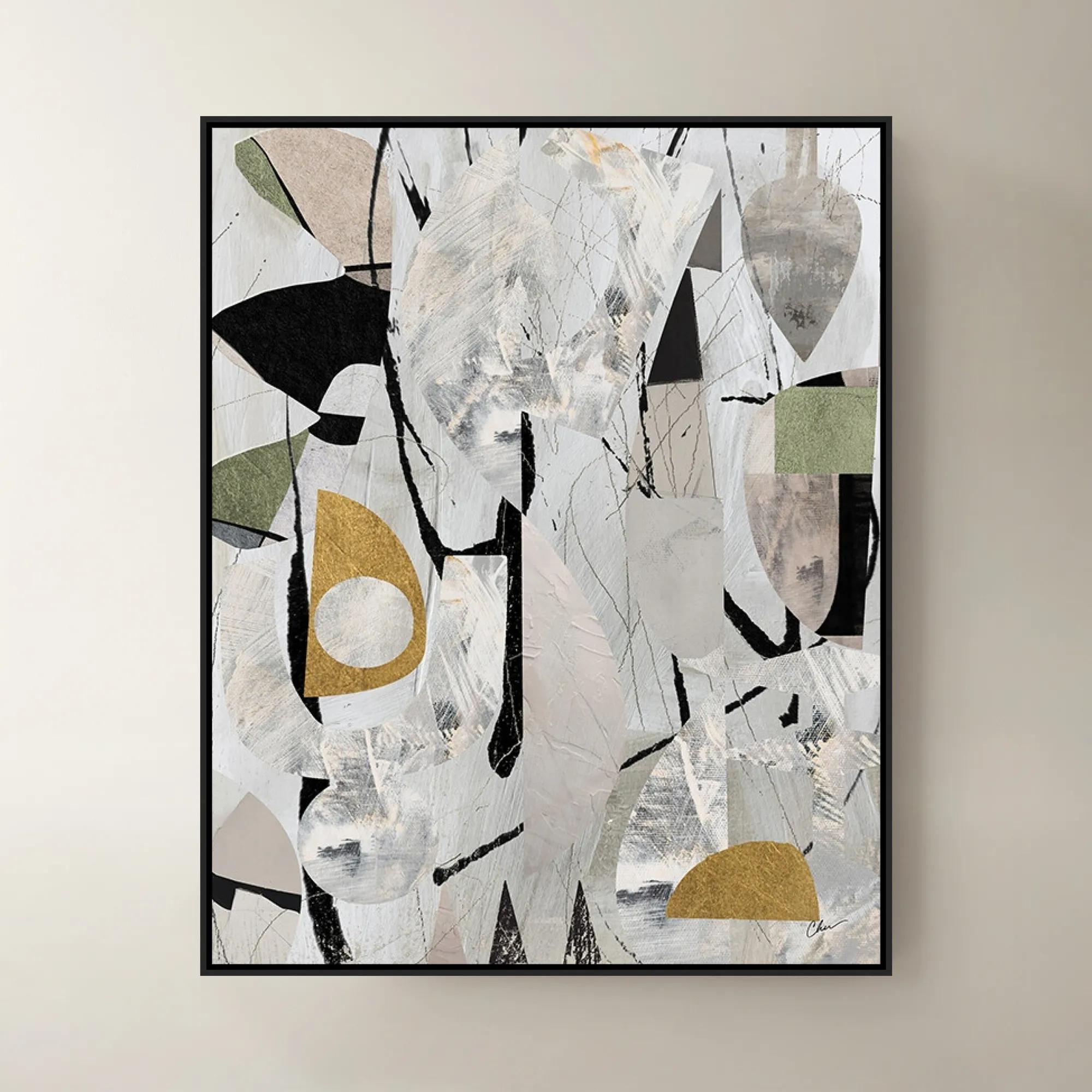
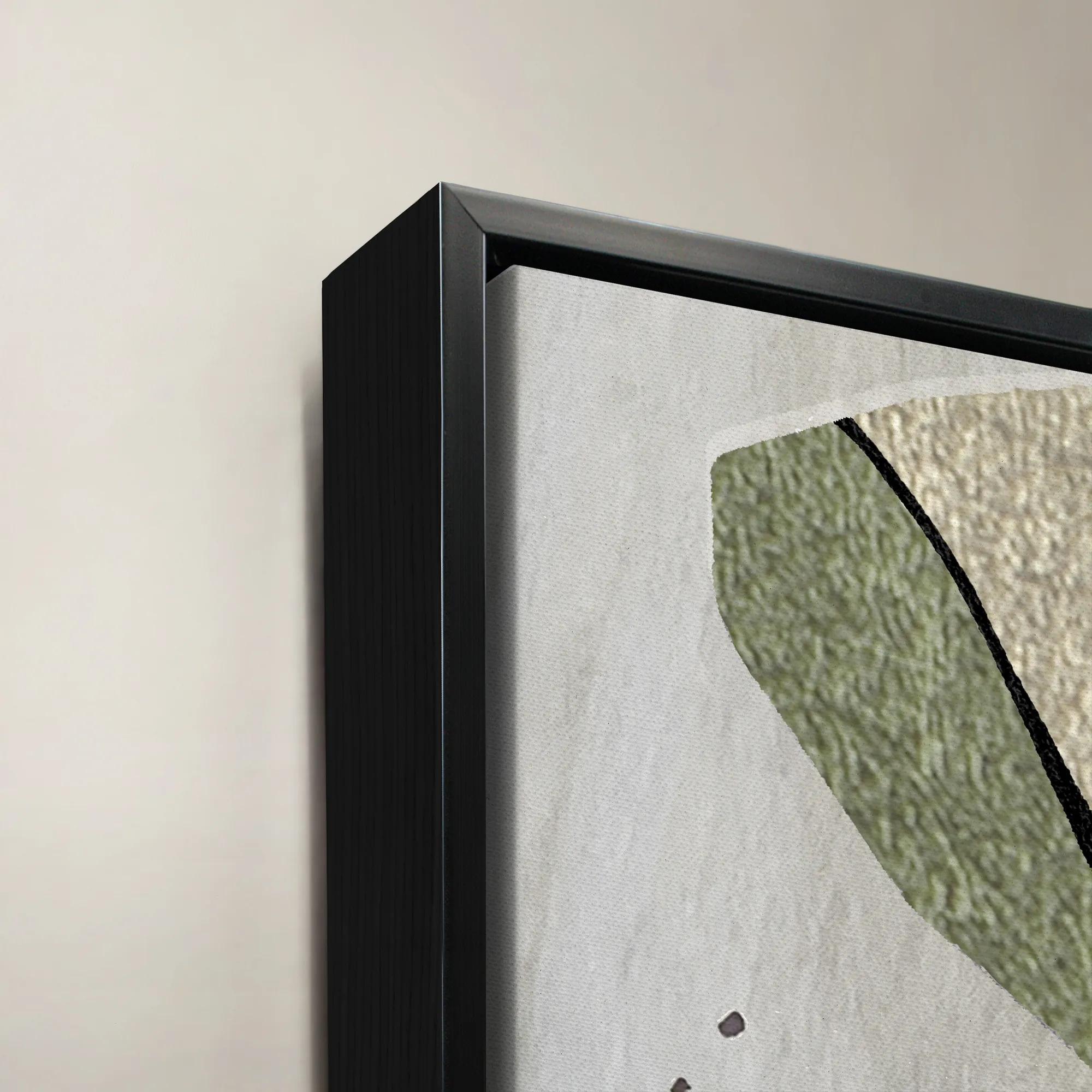 Rogue IV Framed Wall Art 40" x 50"$1199
An abstract art piece designed by Nikki Chu, blending modern style with artistic sophistication.
Add To Cart -
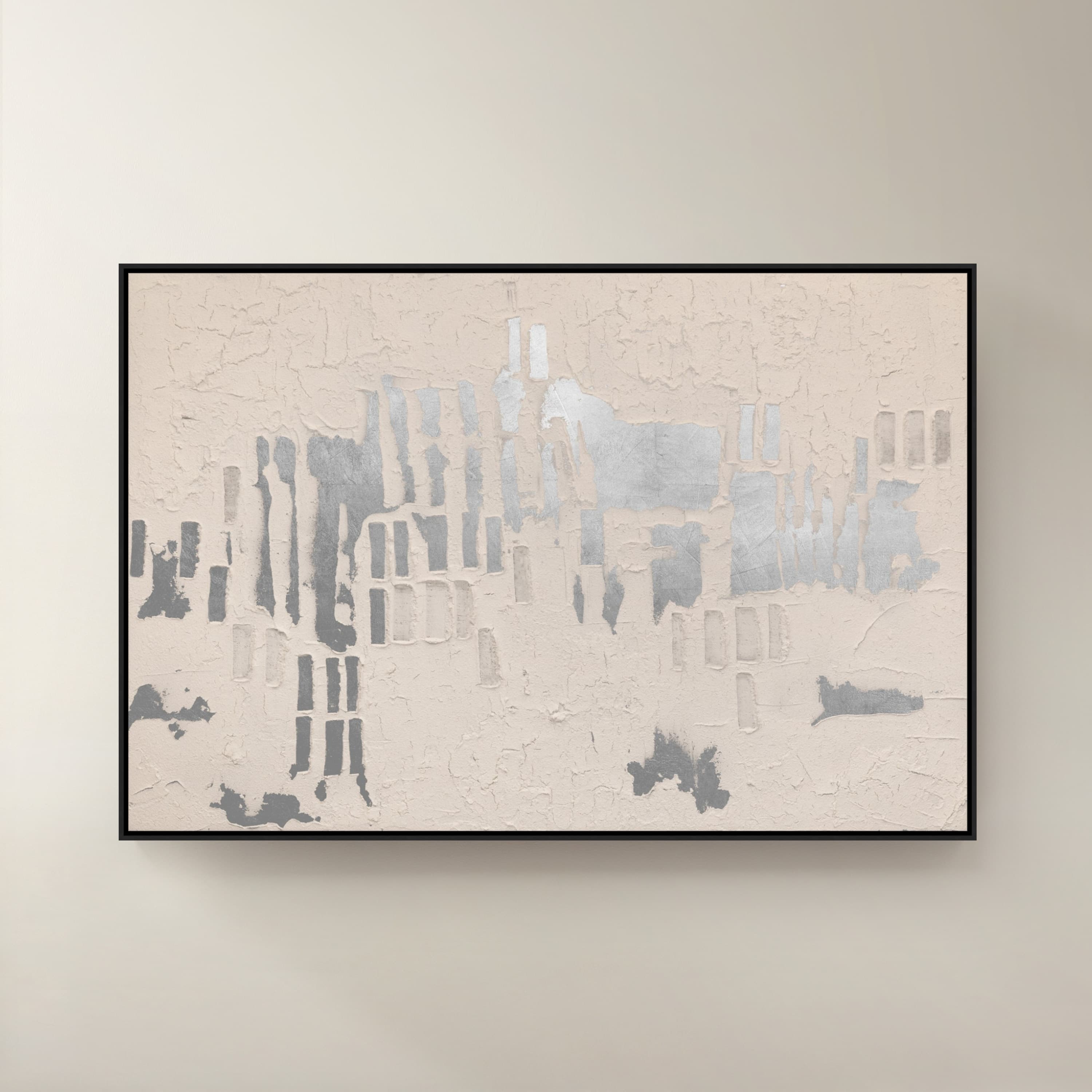
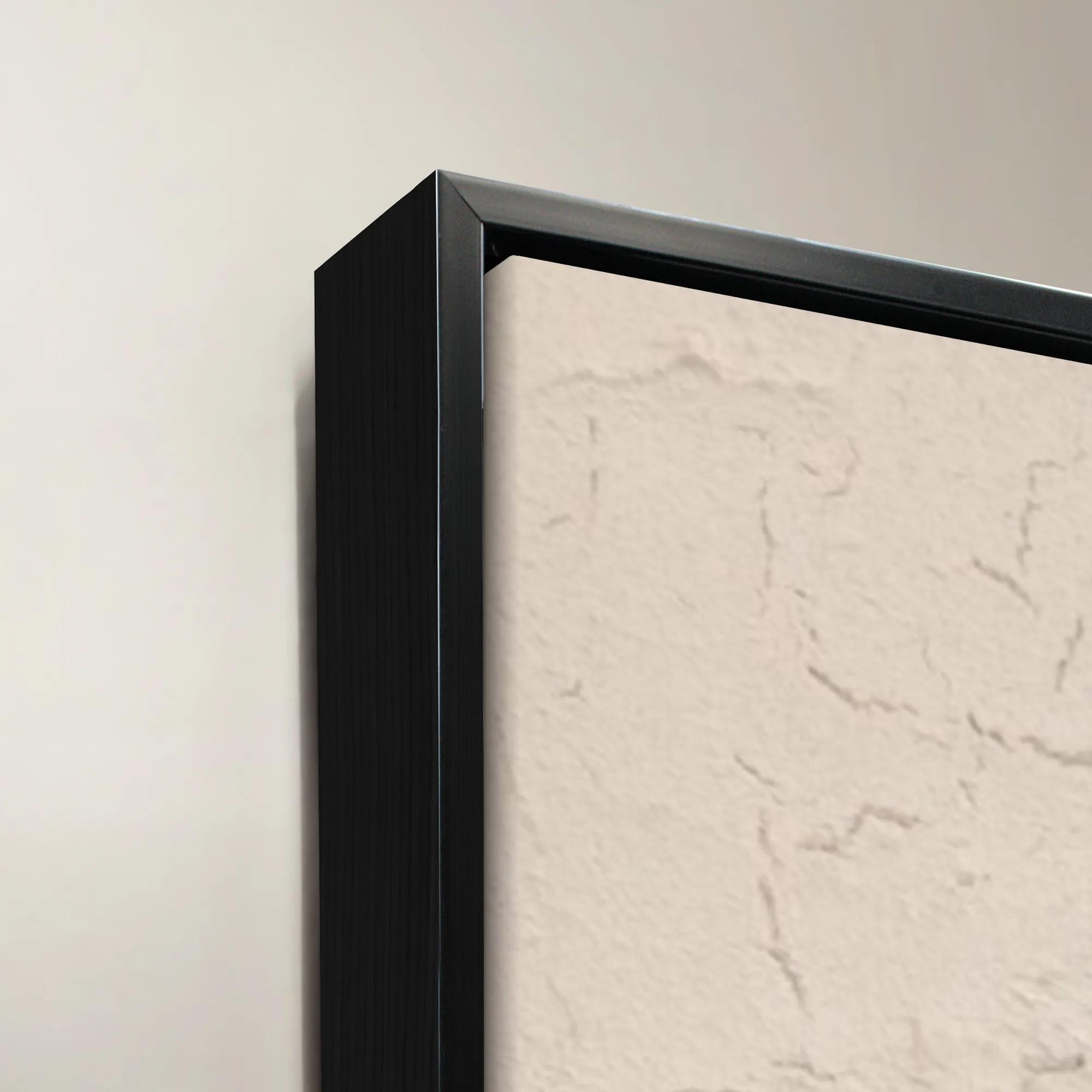 Silver Reverie Framed Painted Wall Art 60" x 40"$1699
A silver-toned painted canvas artwork framed for a sophisticated, contemporary wall display.
Add To Cart -
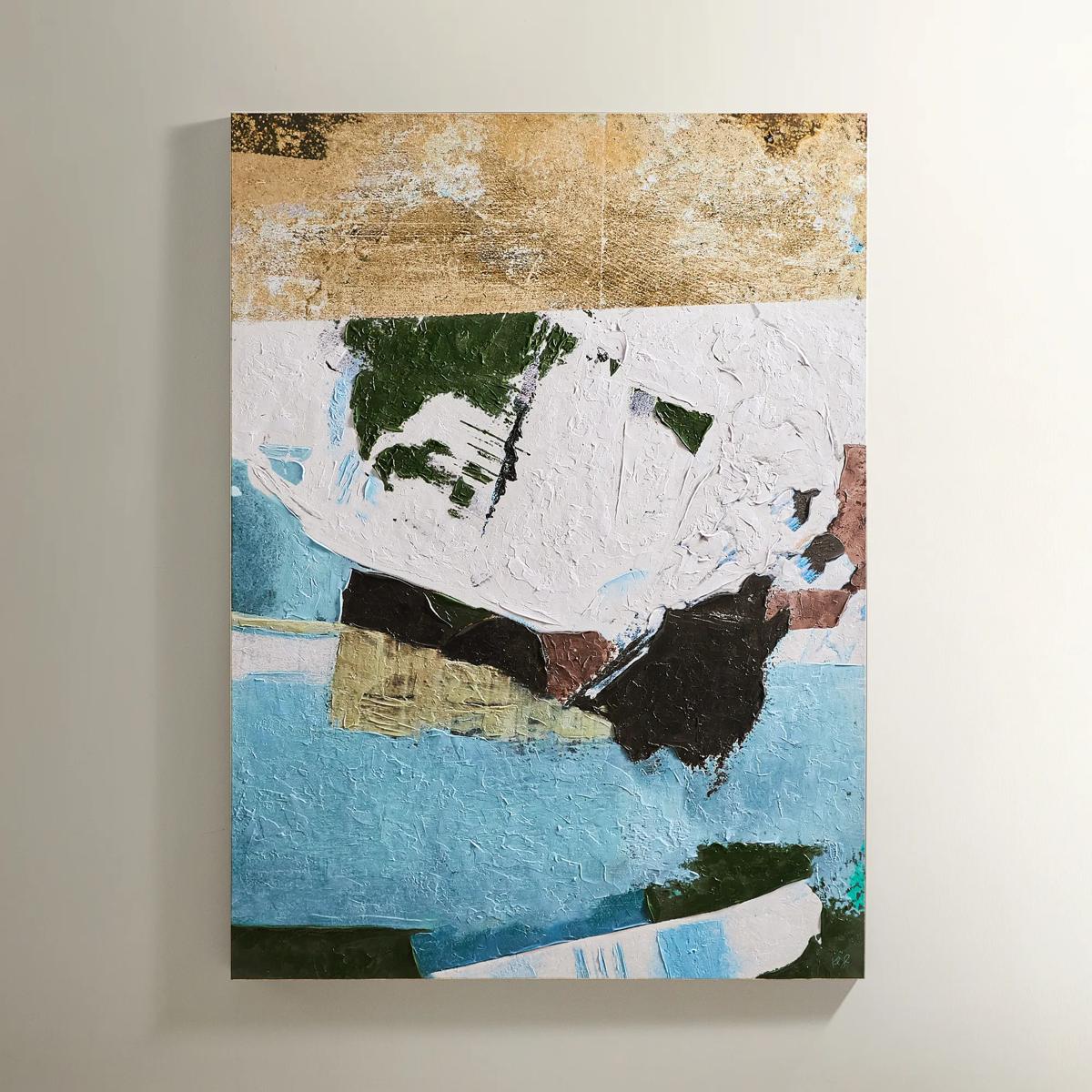 Cadence Painting$599
A hand-embellished canvas artwork featuring textured olive, gold, and ivory strokes in a black and gold frame.
Add To Cart -
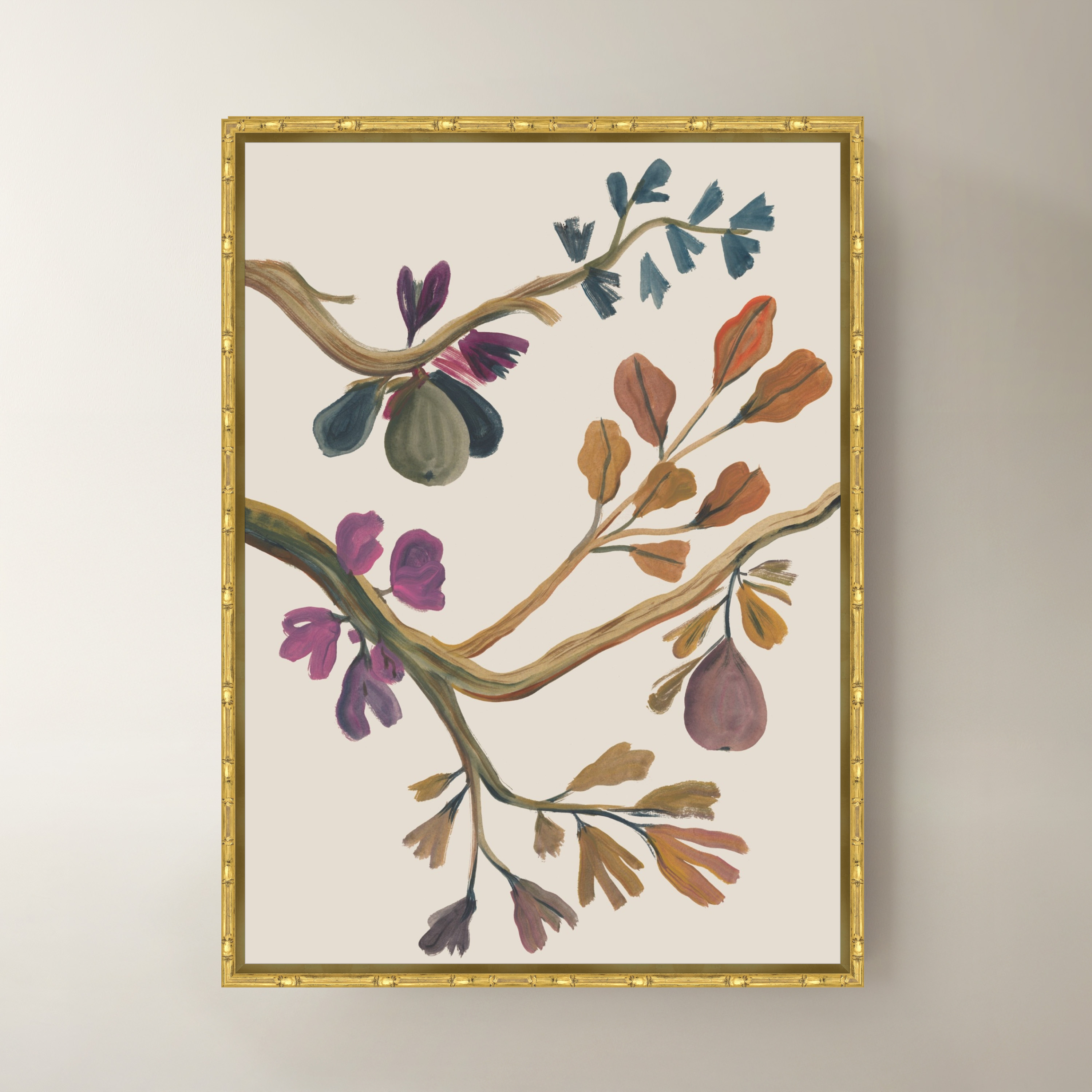
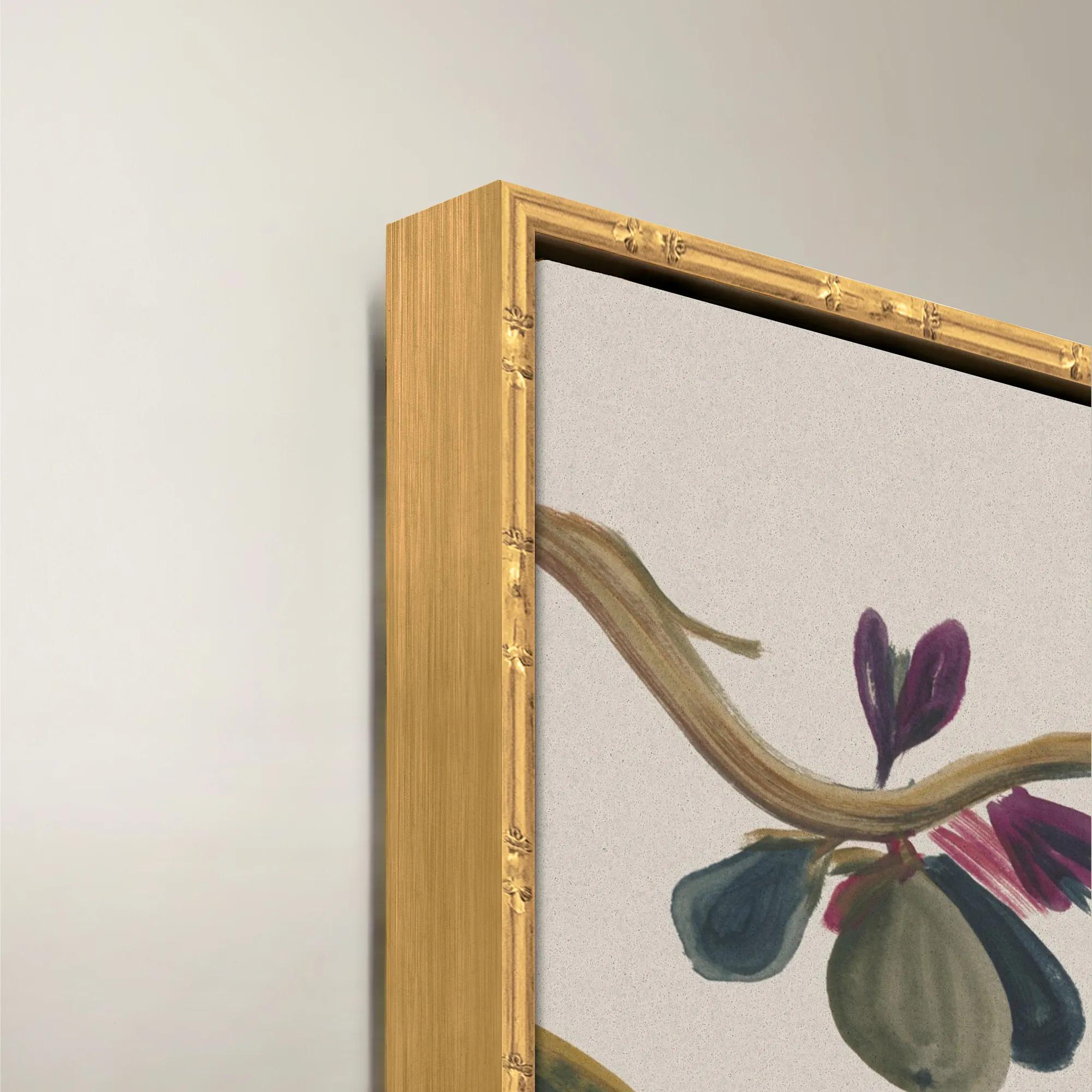 Whispering Orchard II Framed Wall Art 24" x 33"$749
A multicolored canvas wall art piece presented in an elegant frame for contemporary interiors.
Add To Cart -
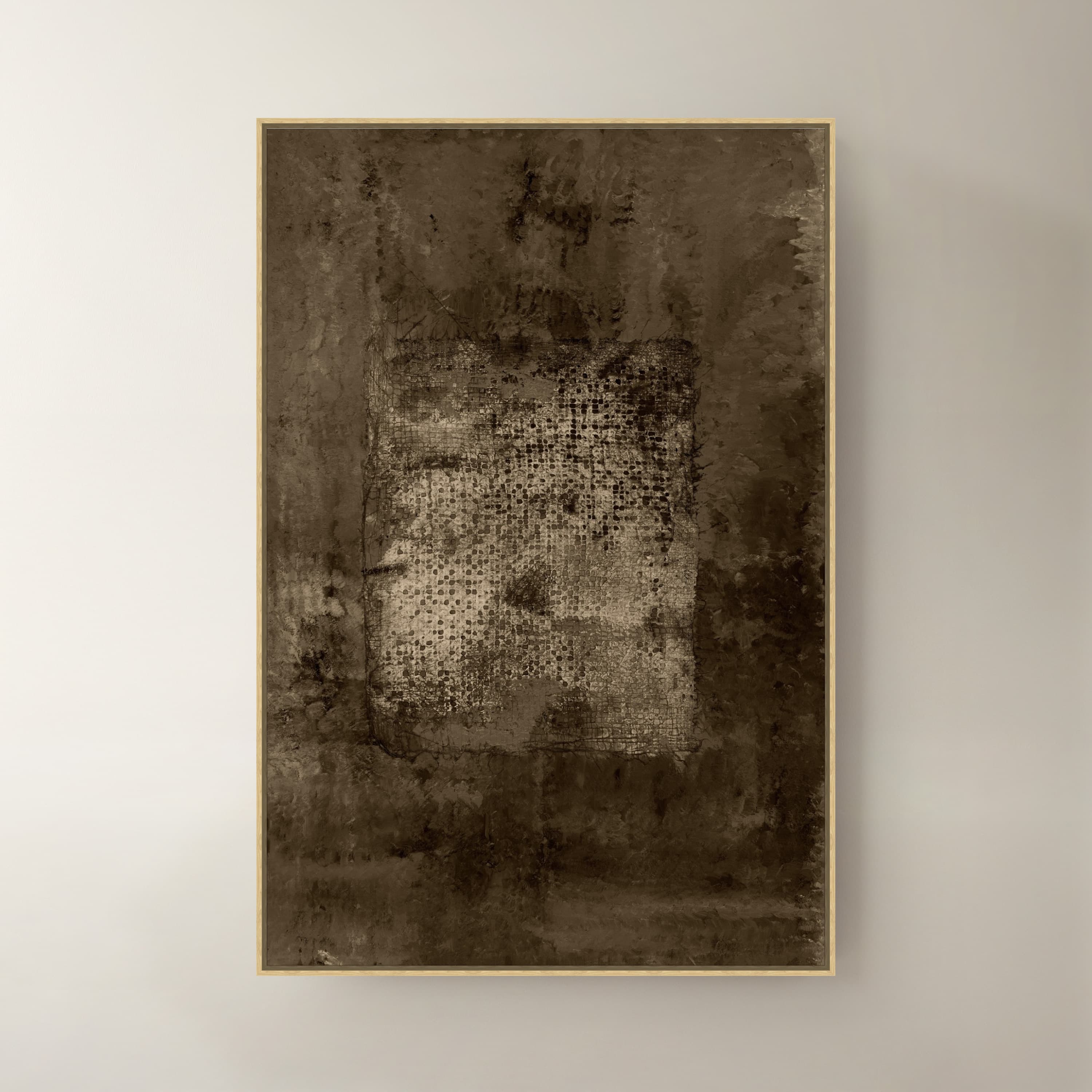
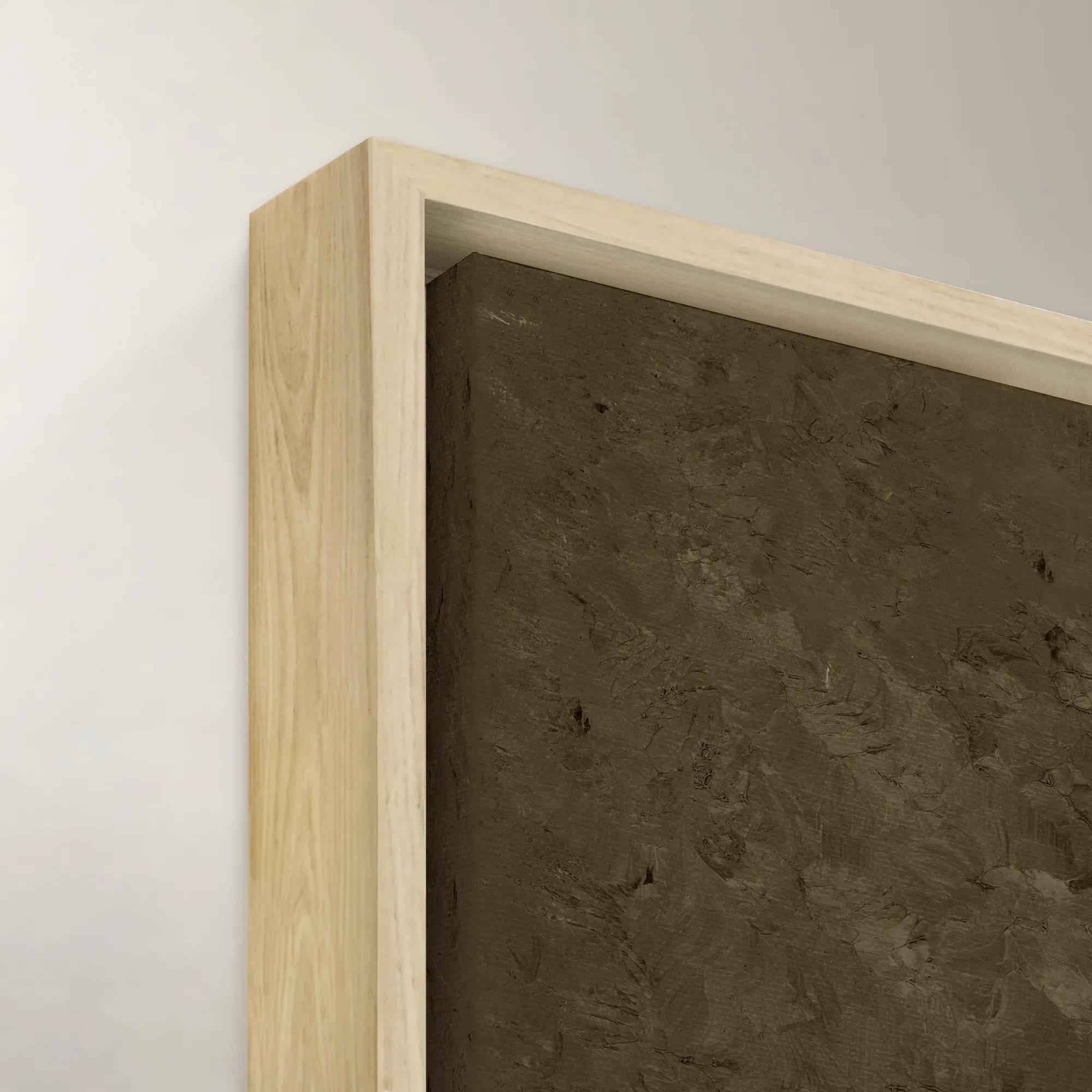 Ash IV Wall Art 40" x 60"$1399
A striking brown canvas artwork adding modern artistic depth to sophisticated interiors.
Add To Cart -
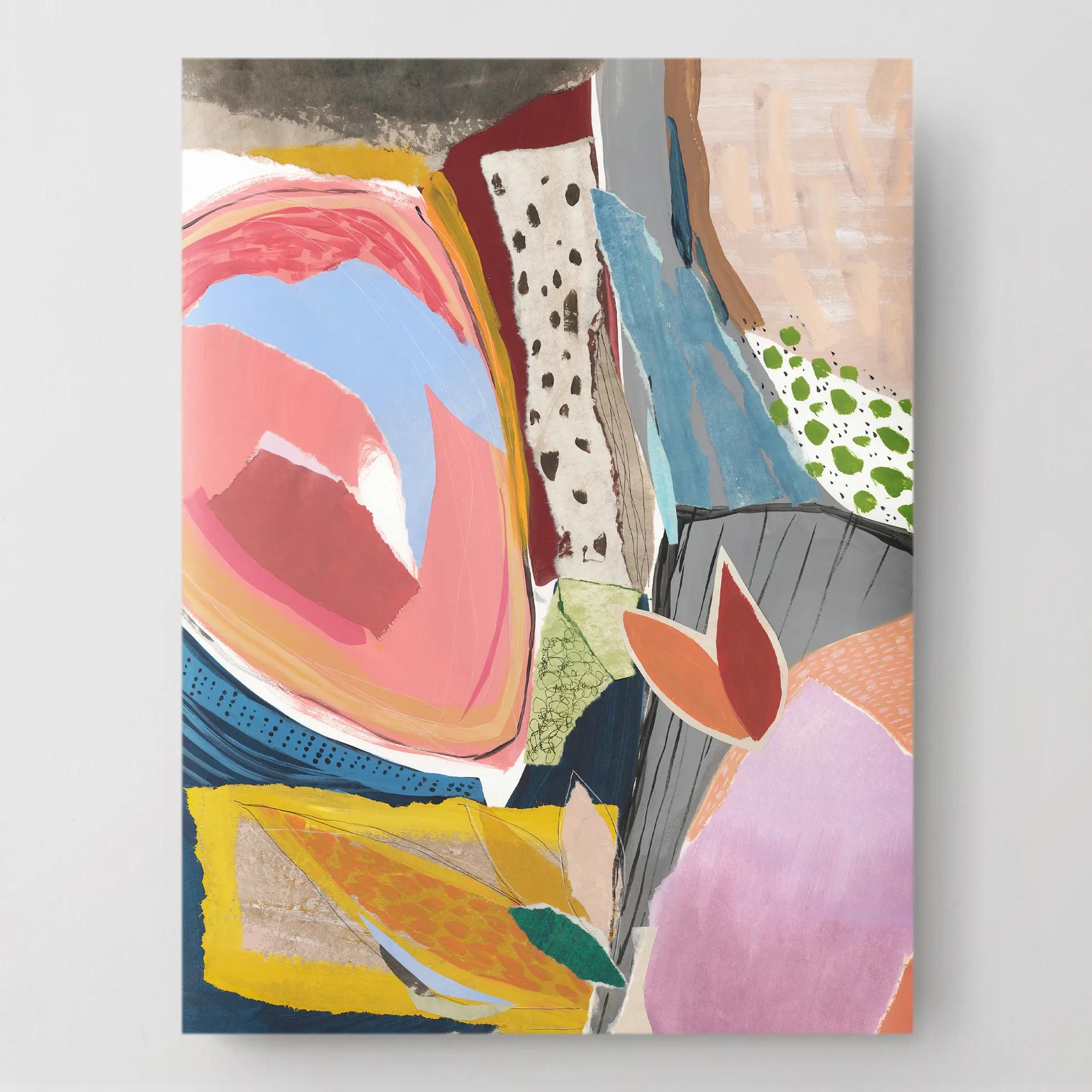
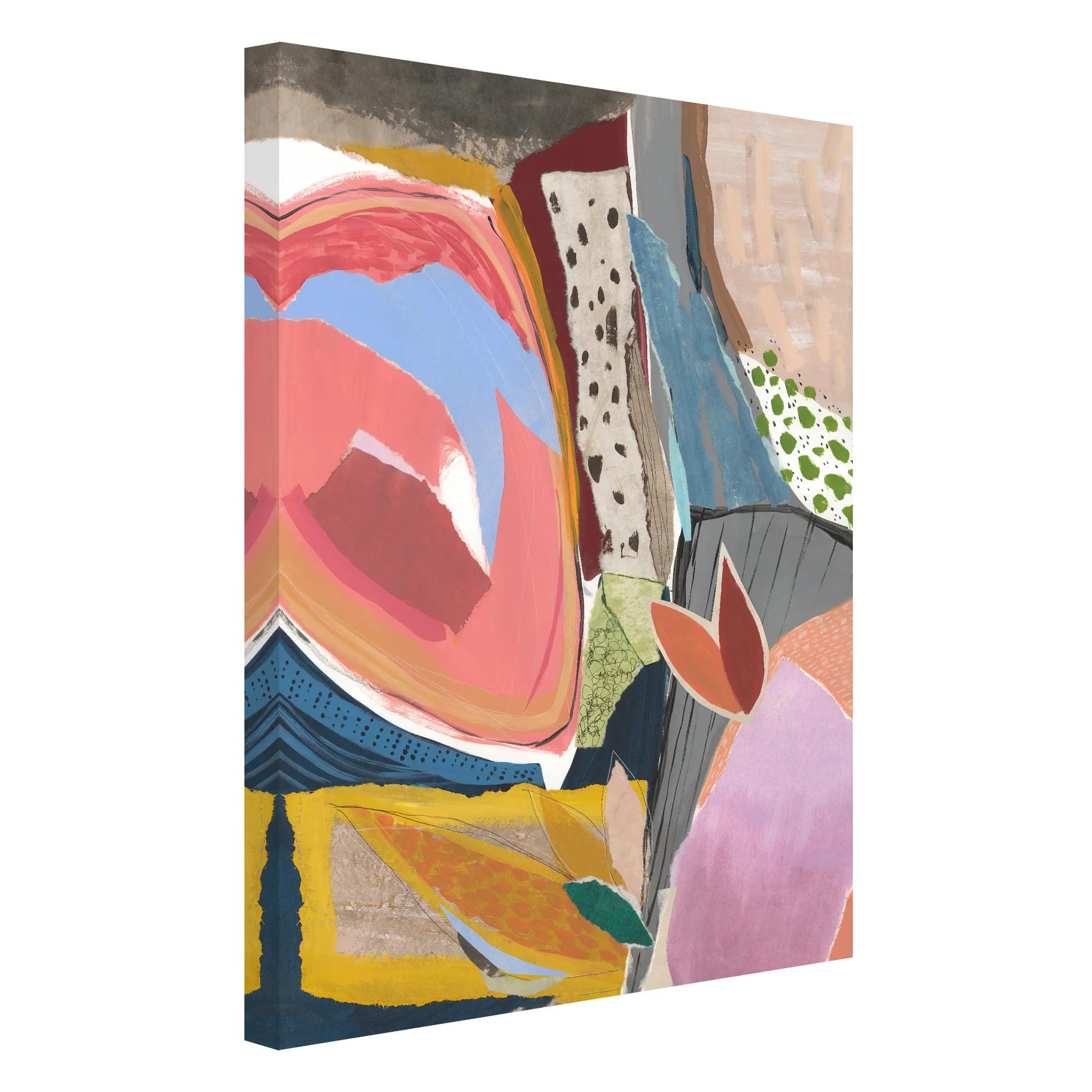 Sunday Vibes 1 Wall Art 30" x 40"$449
A gallery-wrapped canvas artwork featuring a hand-applied image brush gel finish for a textured look.
Add To Cart -
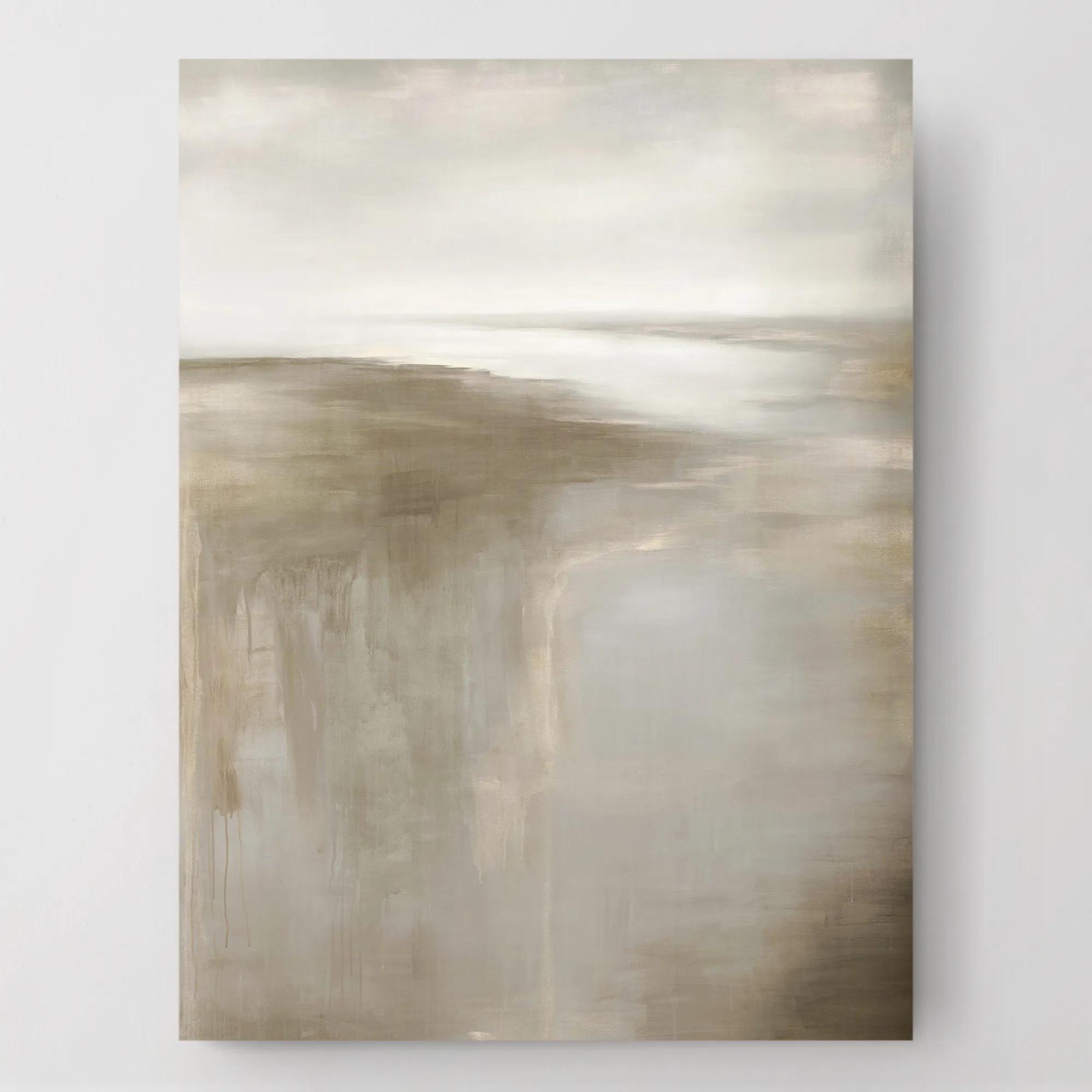
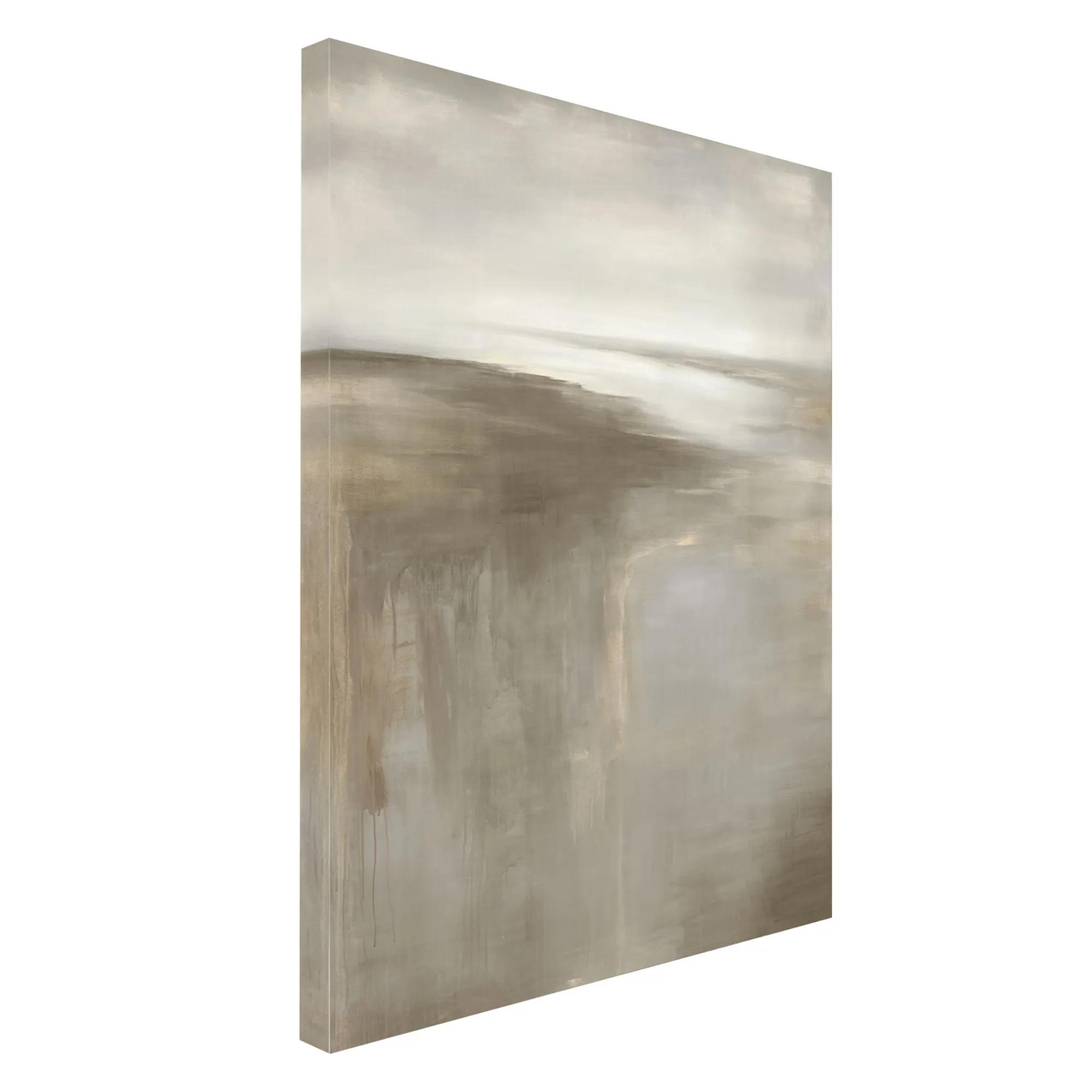 Silver Morning Wall Art 30" x 40"$449
A gallery-wrapped silver canvas artwork featuring a hand-applied image brush gel finish.
Add To Cart -

 Patina Horizon III Framed Painted Wall Art 40" x 40"$1199
A framed, multicolored painted canvas artwork featuring a captivating horizon-inspired composition.
Add To Cart -
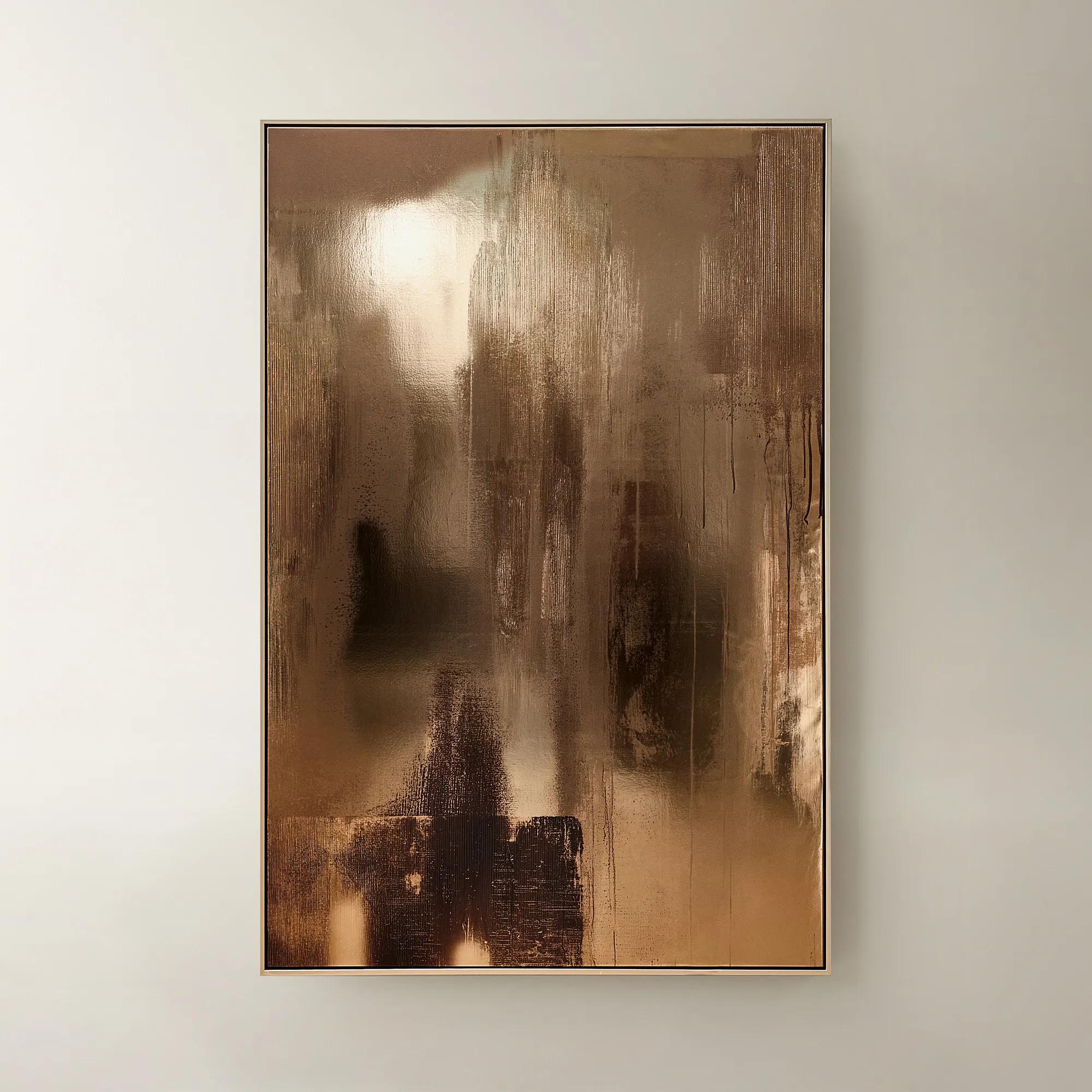
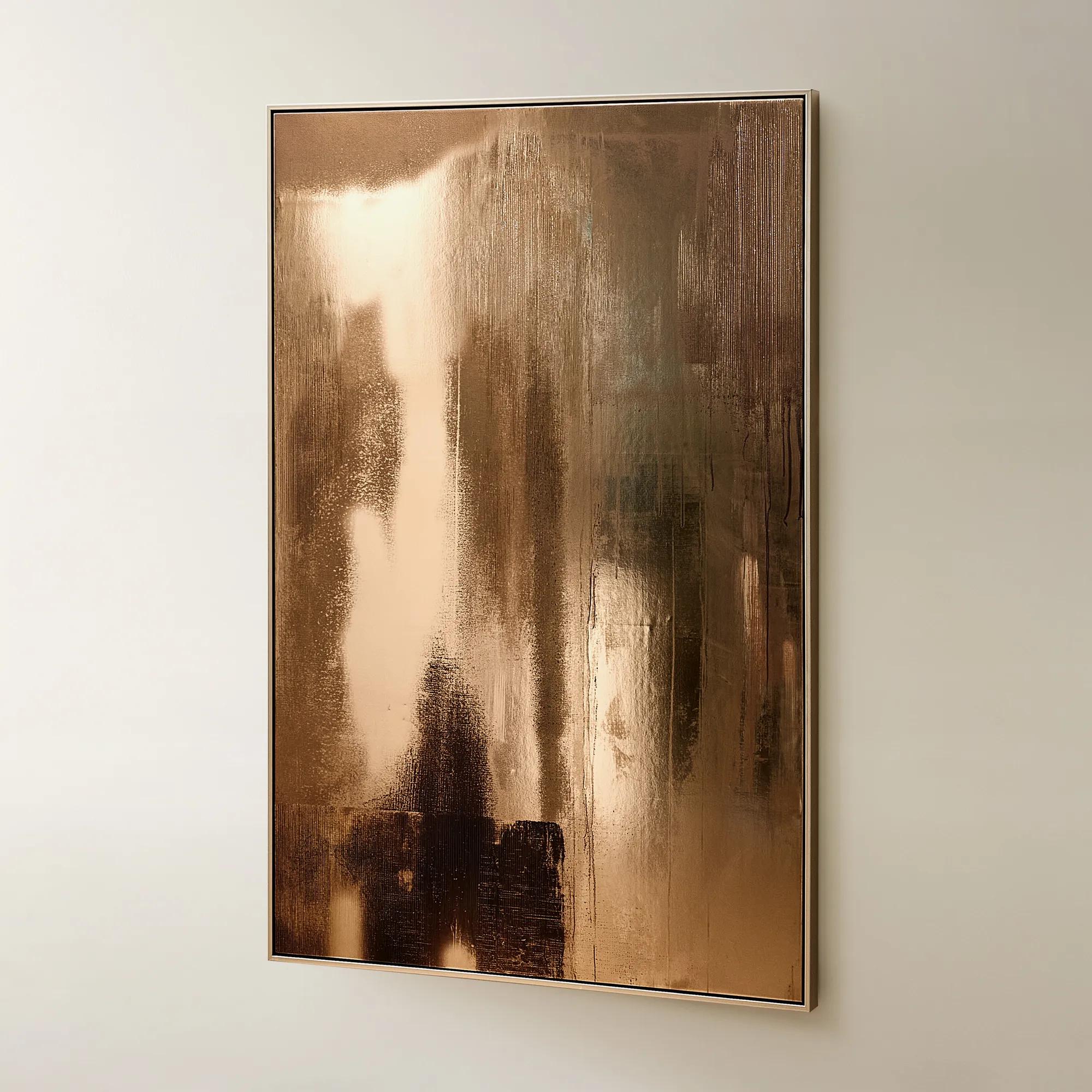 Bronze Reflective Framed Leather Painted Wall Art 40" x 60"$799
A hand-painted abstract wall art featuring reflective bronze faux leather and a warm champagne metallic frame.
Add To Cart -
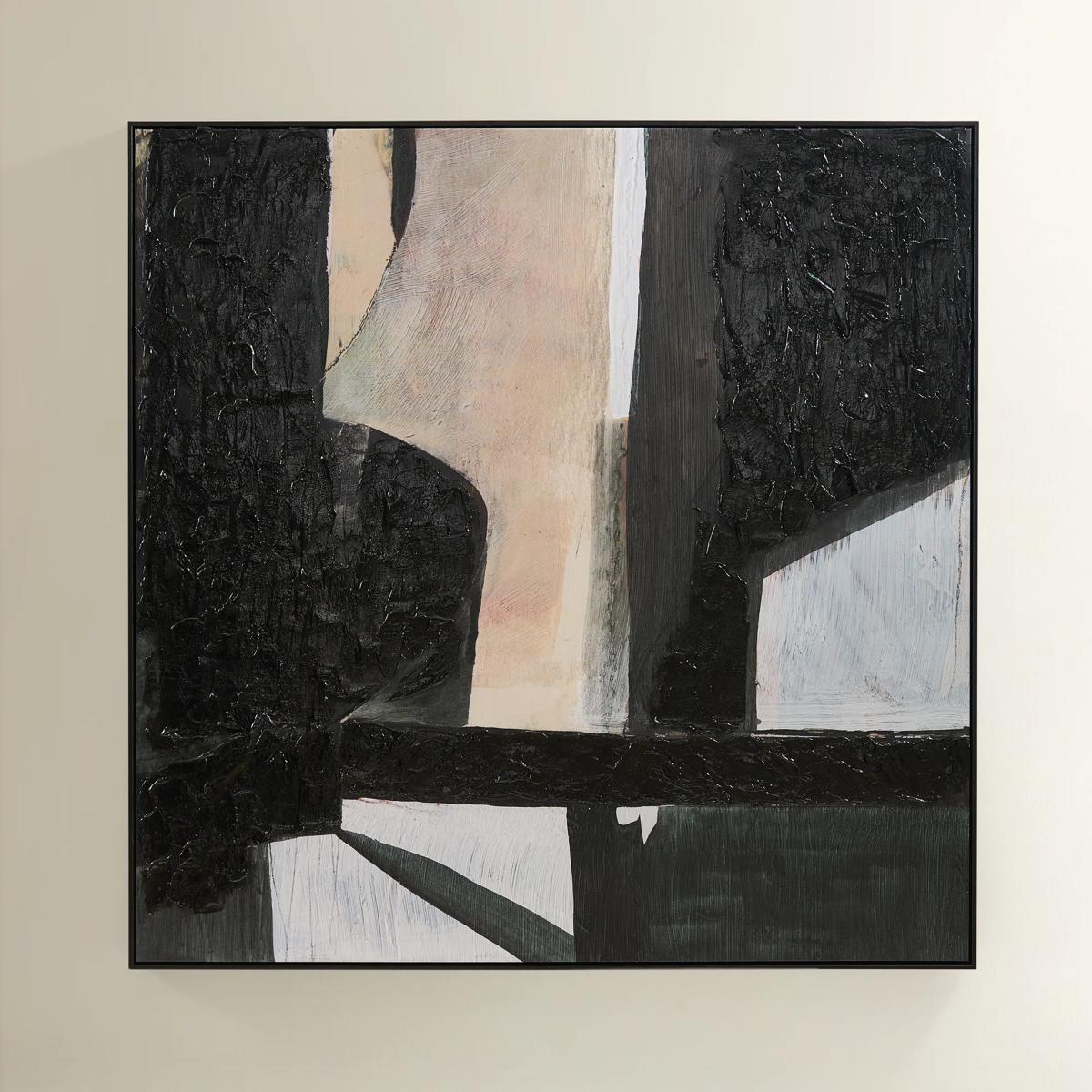 Grounded Painting$699
A hand-painted abstract canvas featuring black, cream, and earth tones in a sleek black floater frame.
Add To Cart -
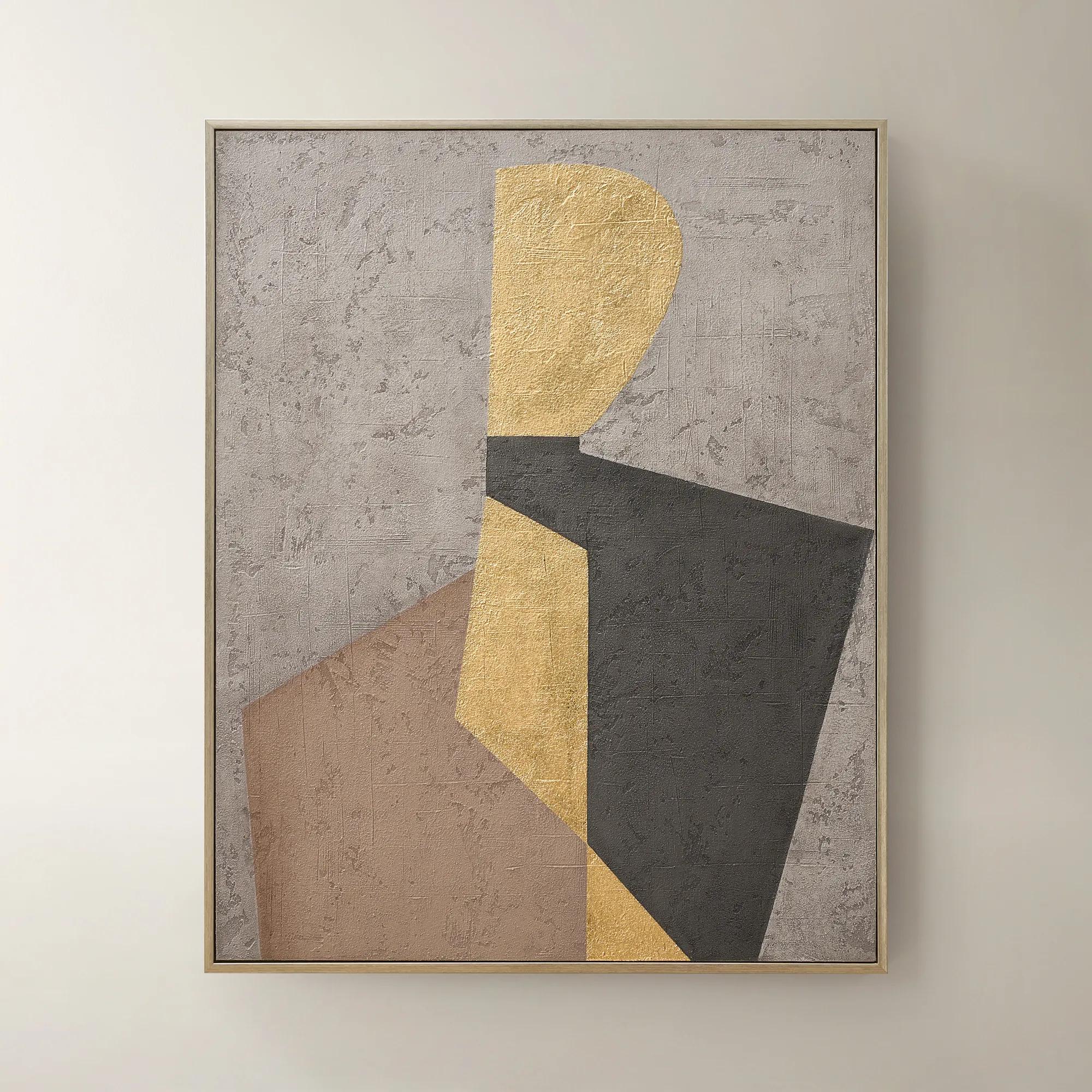 Aura of Gold Framed Painted Wall Art 40" x 50"$399
A hand-painted canvas with champagne leafing and a brushed champagne frame in mocha, grey, black, and gold.
Add To Cart -
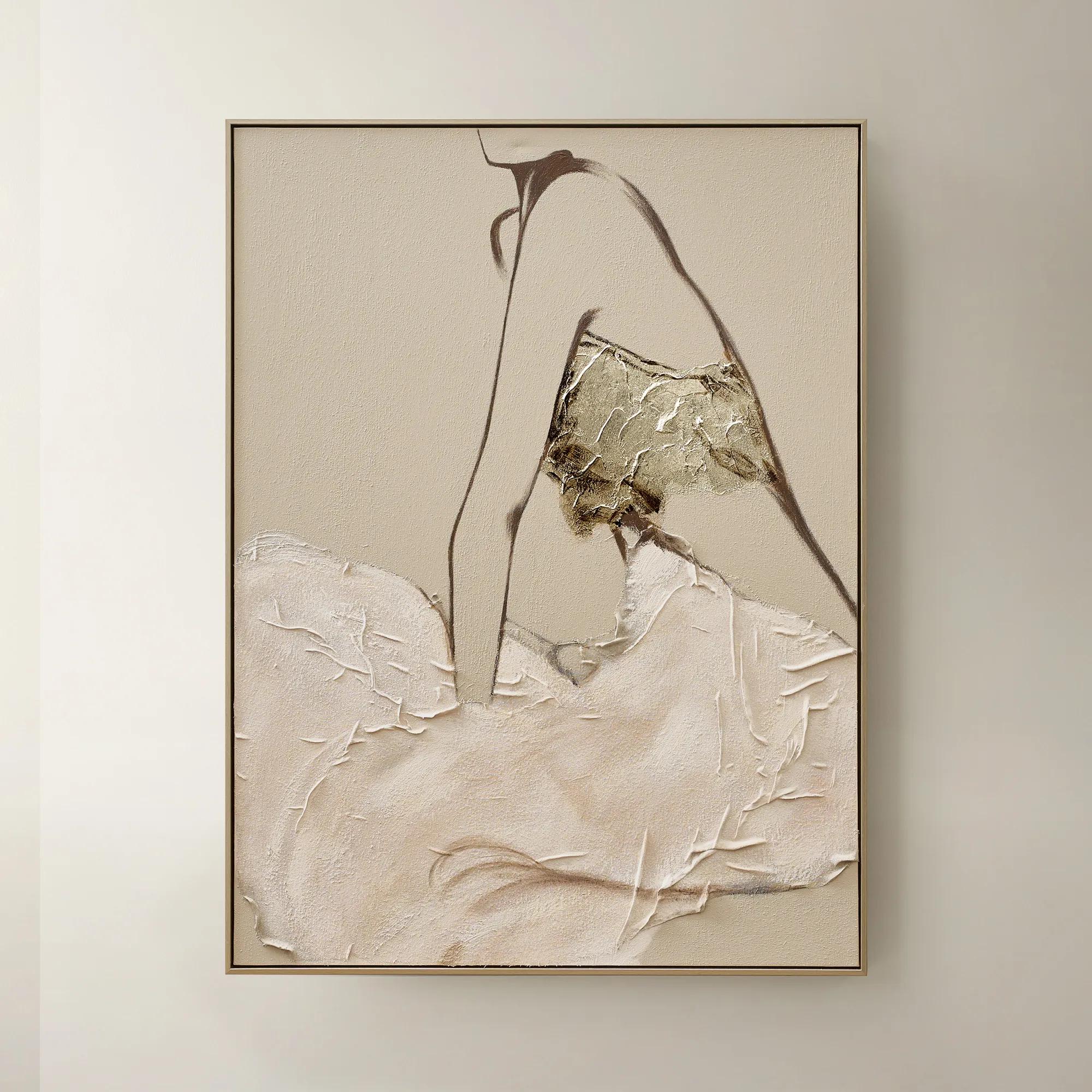 Quiet Pose Framed Painted Wall Art 36" x 48"$499
A hand-painted canvas in taupe and champagne tones features textural details and shimmering champagne leafing.
Add To Cart -

 Heart Dancing Framed Wall Art 51.5" x 37.5"$799
A gallery-wrapped canvas artwork with a hand-applied brush gel finish in a sleek gunmetal floater frame.
Add To Cart

Large Canvas Wall Art Sets
Large canvas wall art sets create a dramatic focal point, bringing multiple pieces together in one cohesive display. Explore coordinated canvas art to anchor the space above a sofa, bed, or dining room console. When choosing a set, consider the overall arrangement’s width and height, including gaps between pieces, to achieve a balanced composition.
Large canvas wall art sets bring two or more coordinated canvas panels together to create a single, expansive statement. A diptych uses two panels, while a triptych uses three; larger arrangements can extend an image across additional pieces or unite separate compositions through color, subject, and style. The result is artwork with architectural presence: generous enough to hold its own above a substantial sofa, define a dining room wall, or give a bedroom the atmosphere of a private retreat. Unlike a single oversized canvas, a multi-panel arrangement introduces intervals of exposed wall, allowing the composition to breathe while drawing the eye from one section to the next. Those spaces become part of the design, lending rhythm to sweeping brushwork, expressive lines, or a luminous abstract landscape. For interiors with sculptural furniture and polished accents, black-and-white compositions can establish a striking counterpoint without competing with every finish in the room. Rich jewel tones create a more enveloping mood, while ivory, taupe, and soft metallic effects can bring depth to a quieter palette. Color is only one part of the impression. Broad gestures feel different from intricate markings, and a horizon that travels across three canvases creates a different sense of movement than three distinct studies arranged in sequence. A shared image often reads as one dramatic focal point; complementary individual works offer a more collected expression. Both approaches suit homes where art is meant to command attention rather than disappear into the background. In a living room, a large canvas art set can gather the seating area into a cohesive vignette. Above a dining console, it can balance the visual weight of ceramics, lamps, and decorative objects below. In an entryway, a vertical arrangement can emphasize height and make the first view into the home feel deliberate. The most compelling compositions connect with the room without matching every detail, repeating a shade from a rug or echoing the curve of an accent chair with enough contrast to retain their own identity.
The canvas itself contributes to that character. Common substrates include cotton, polyester, and blends, each providing a woven surface that influences how an image or painted finish appears. Canvas may be stretched over wooden stretcher bars, mounted to a rigid backing, or presented within a decorative frame; construction varies, so material descriptions and dimensions matter as much as the image. Stretched canvas has depth at the edges, giving the artwork a sculptural profile when viewed from across the room. A gallery-wrapped treatment carries the image or a finished color around those edges, while a floating frame creates a narrow reveal between the canvas and its surrounding border. That separation can sharpen the silhouette and lend a more tailored finish, particularly against textured wallpaper or richly painted walls. Printed canvas artwork can reproduce detailed imagery and nuanced color, while hand-painted or hand-embellished treatments may introduce visible brushstrokes, raised texture, or variations between pieces. Neither appearance should be assumed from a photograph alone; finish details help distinguish a smooth printed effect from a surface with physical dimension. Metallic accents, where present, can change in appearance with the viewing angle and light source, adding a subtle glimmer or a more pronounced flash. Lighting deserves the same consideration as the art. Even illumination helps the full arrangement read clearly, while a strongly directional beam may emphasize texture or cast shadows along the panel edges. Canvas often has a softer visual presence than artwork displayed behind glass, though coatings and finishes can still reflect light. For lasting presentation, these pieces are generally best suited to dry indoor spaces away from direct sunlight, splashes, and persistent humidity. Gentle dusting with a clean, soft, dry cloth is usually more appropriate than sprays, abrasive cleaners, or rubbing the painted surface, but the maker’s care instructions should always take precedence. Well-supported construction, careful handling, and appropriate placement help preserve both the surface and the alignment of a coordinated set.
Scale is what allows large canvas wall art sets to feel integrated rather than merely attached to a wall. The relevant measurement is the full arrangement: every panel, every frame, and every interval between pieces. Individual panel dimensions can be misleading when considered separately, especially with a three-piece canvas set spanning a wide sofa or sideboard. As a starting proportion, artwork above furniture often looks balanced when its overall width is roughly two-thirds to three-quarters of the furniture below, although ceiling height, surrounding architecture, and the composition itself may call for something different. A low sectional can support a broad horizontal arrangement, while a narrow wall beside a staircase may suit stacked panels better than a long row. Consistent spacing helps connected imagery remain legible, and the intended panel order matters when lines or forms continue across the set. Paper templates offer a simple way to judge the complete silhouette before installation, particularly where sconces, outlets, or nearby doorways affect placement. Hanging hardware should match the weight of each panel and the wall material, with secure support for every piece rather than an assumption that all canvases mount identically. Within the broader category of Large Wall Art Sets, canvas brings a distinctive combination of visual scale, woven texture, and dimensional depth. It is especially expressive in gathering spaces, primary bedrooms, and home offices where a substantial focal point can establish the room’s mood. A coordinated canvas set can also make a thoughtful housewarming or wedding gift when the recipient’s taste, wall measurements, and preferred palette are already understood. Art is personal, and a successful gift reflects how someone lives as much as what they admire. Whether the setting calls for sweeping abstraction or a measured arrangement of complementary images, the strongest choice gives the wall a clear purpose and the surrounding furnishings room to shine.
FAQs
A large canvas wall art set brings together multiple panels through a shared composition, color palette, or artistic theme. Whether the pieces form one continuous image or offer complementary designs, the ensemble creates an expressive focal point with a curated, gallery-inspired feel.
Look to your room’s upholstery, rugs, and decorative accents for a starting point. Echo a favorite hue for a cohesive composition, or introduce a contrasting color for striking tension. In a neutral interior, rich color or dramatic black-and-white artwork can give the room a distinctive point of view.
Abstract compositions invite expressive movement, while geometric designs bring crisp rhythm to a room. Landscapes and botanical imagery offer a more organic visual story. Choose a style that complements your furnishings or creates a deliberate contrast, such as fluid brushwork paired with sharply tailored silhouettes.
Let the room’s character guide your choice. A living room can embrace a bold, conversation-starting composition, while a bedroom might call for tonal artwork with flowing forms. In a dining room, an expressive set can establish an artful backdrop for beautifully layered tablescapes.
Yes—give the canvas set the leading role, then introduce mirrors or sculptural wall accents as supporting elements. Connect the pieces through a recurring color, shape, or motif rather than matching every detail. Leaving visual breathing room around the artwork keeps the composition intentional and lets its drama resonate.