Horizontal Art Above Beds
Horizontal Art Above Beds
-
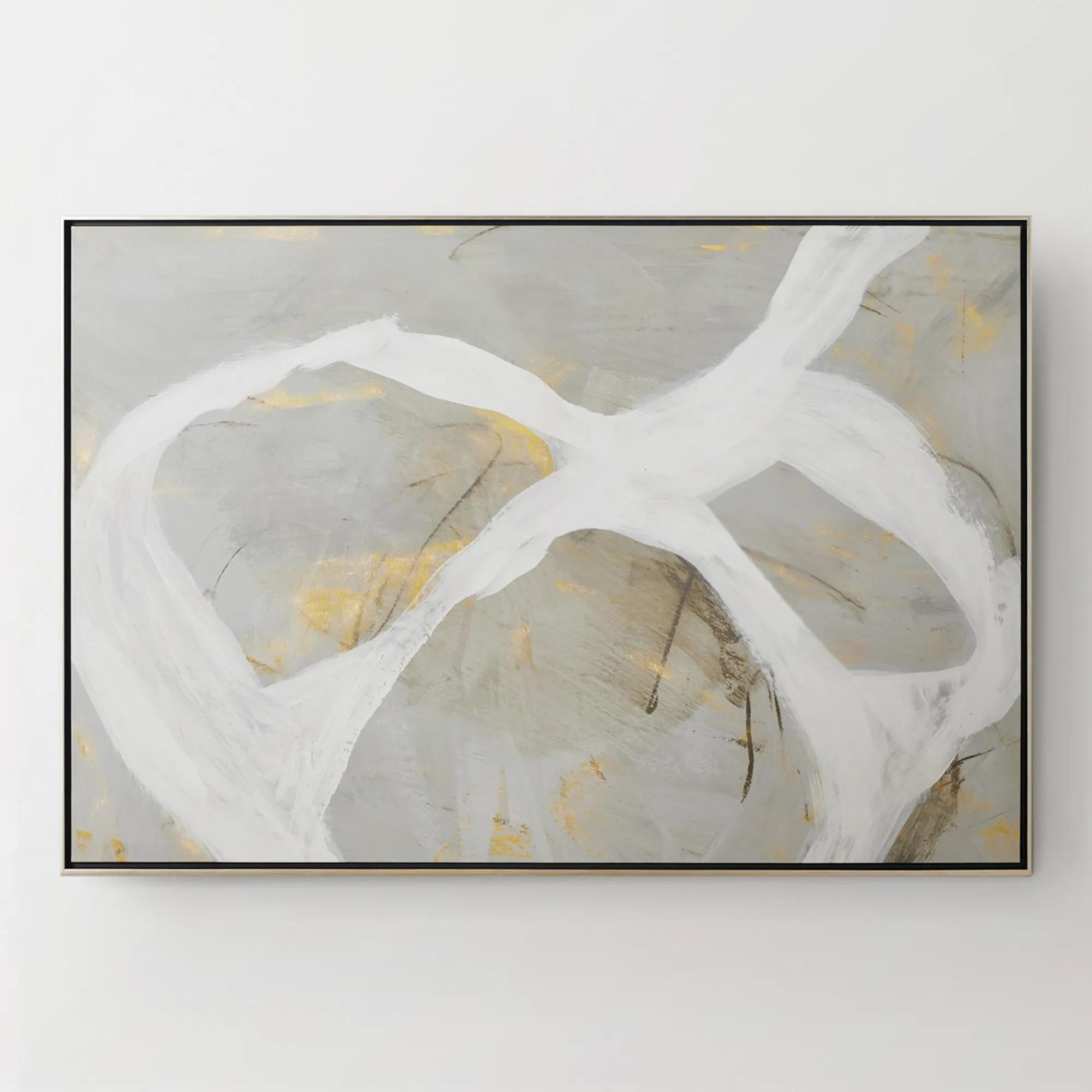
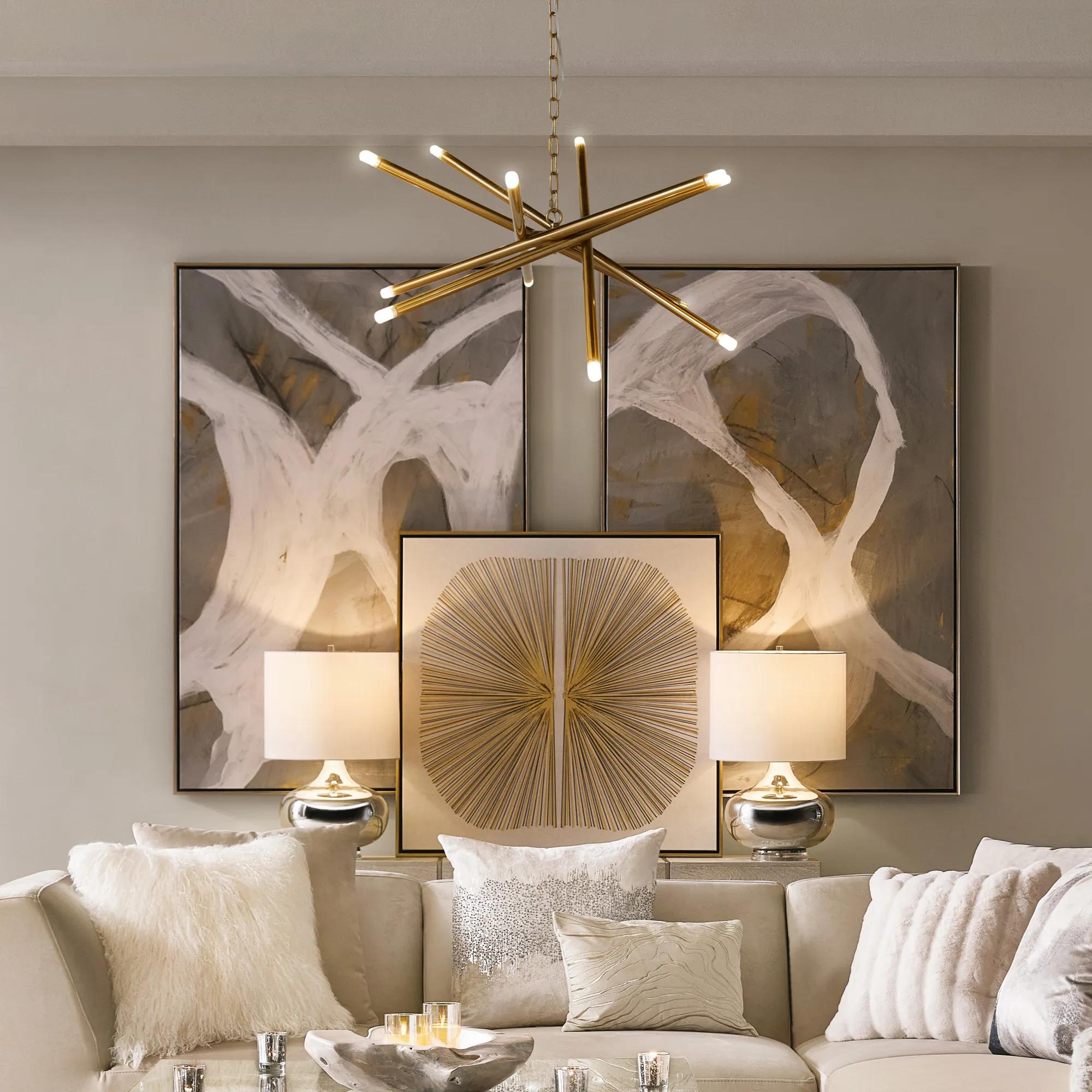 Les Series Framed Painted Wall Art I 61" x 41"$1099
An abstract canvas artwork featuring bold brushstrokes, hand-applied gold accents, and a silver floater frame.
Add To Cart -
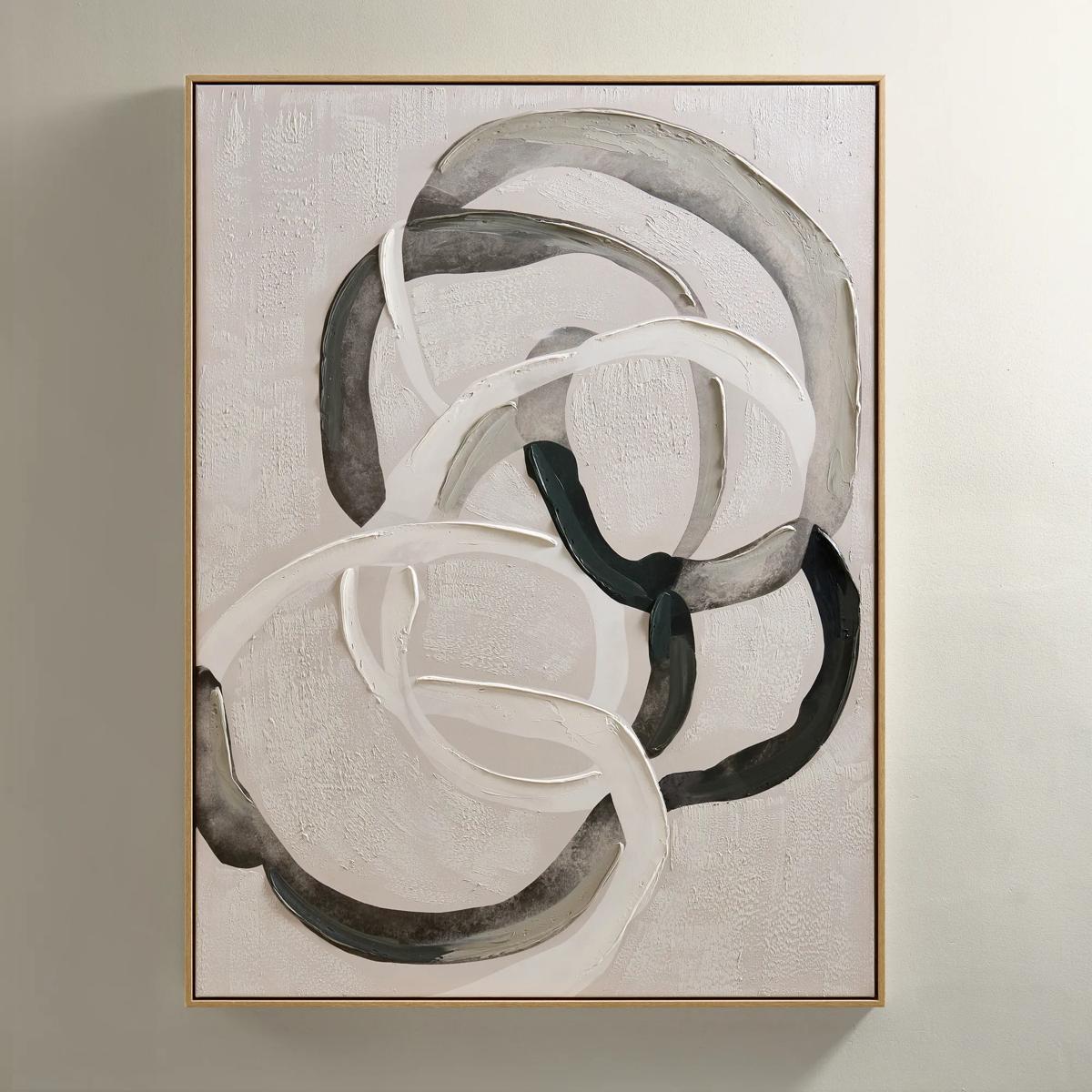
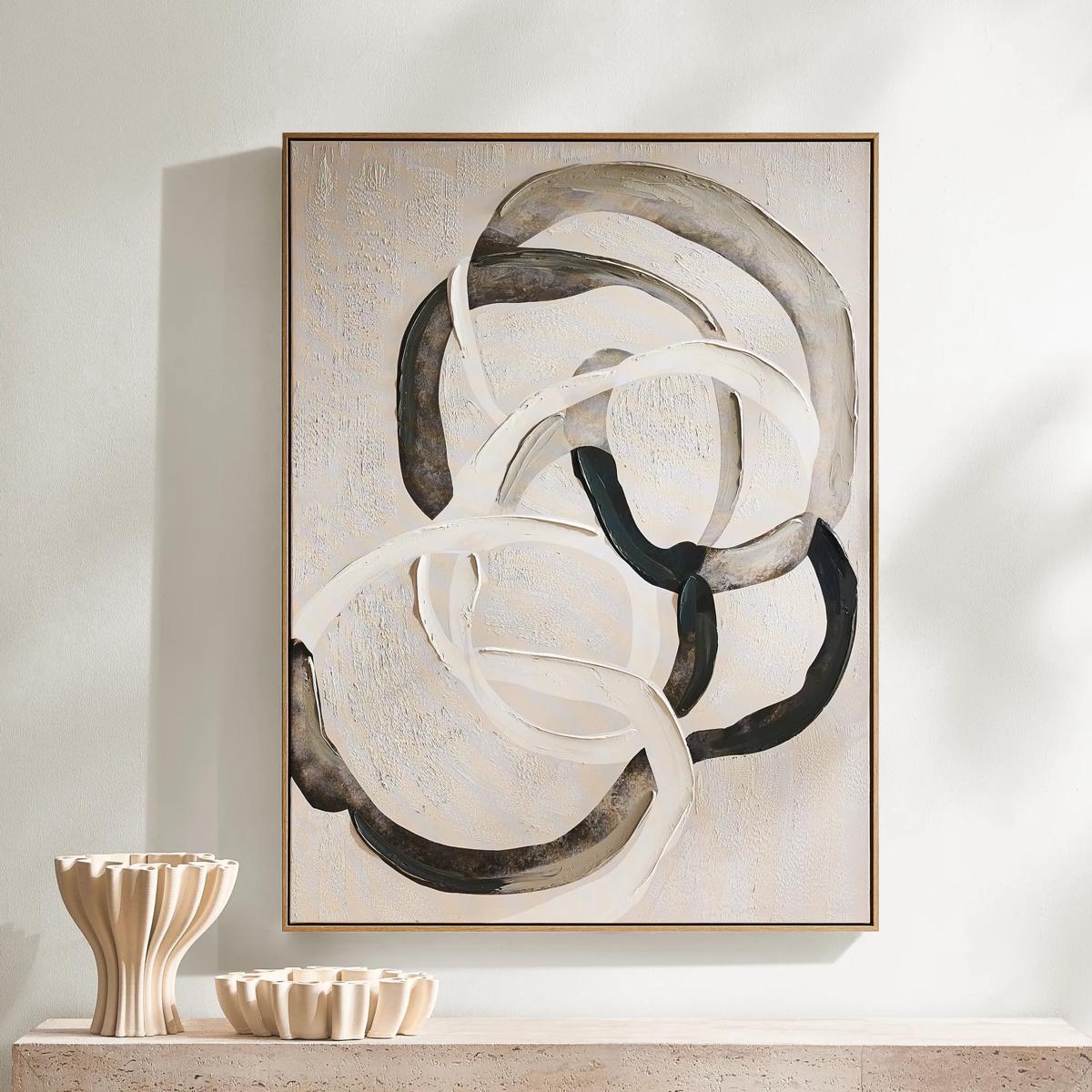 Round About Framed Painted Wall Art 35.25" x 47.25"$349
An abstract hand-painted canvas with tonal whites, charcoals, and taupes in a light wood floater frame.
Add To Cart -
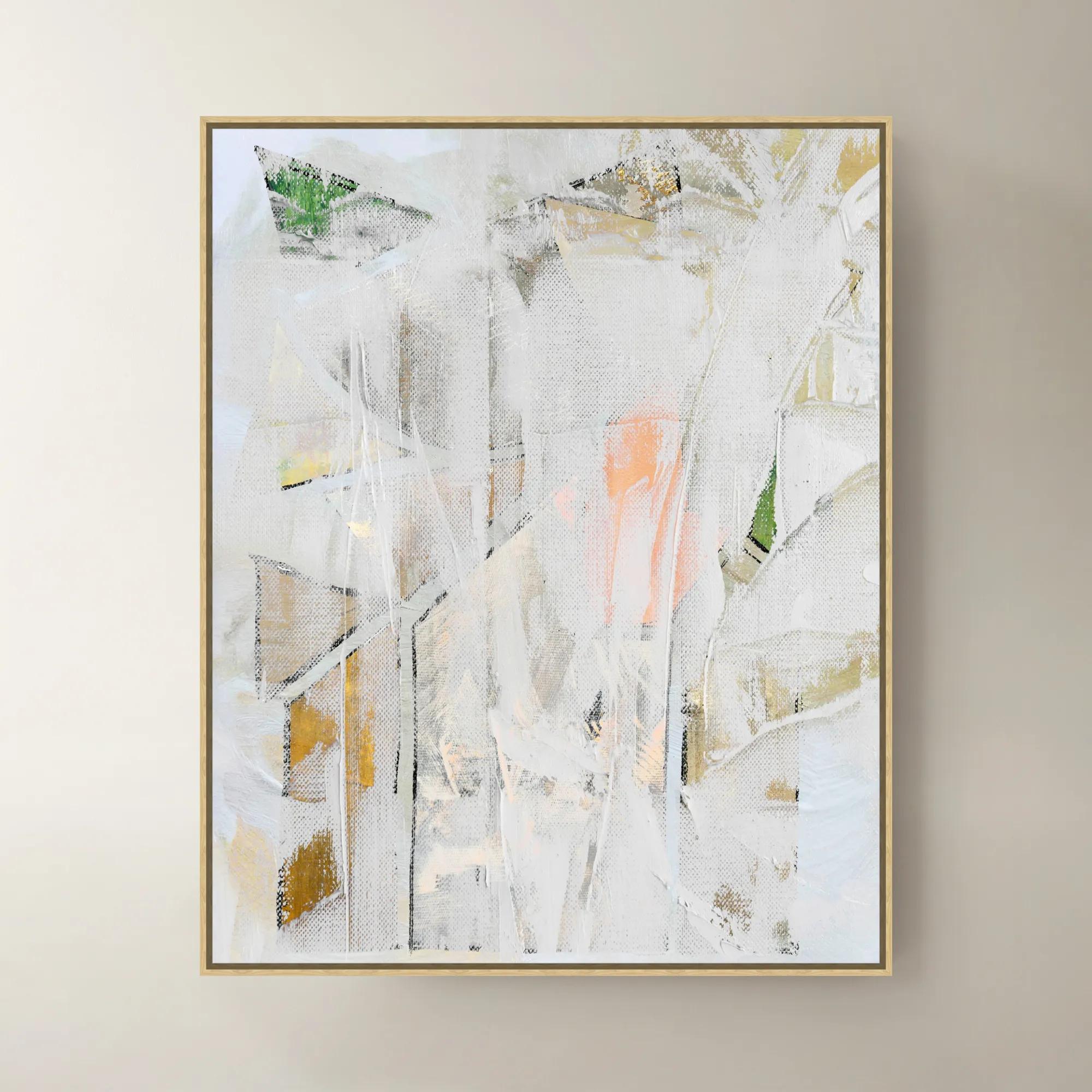
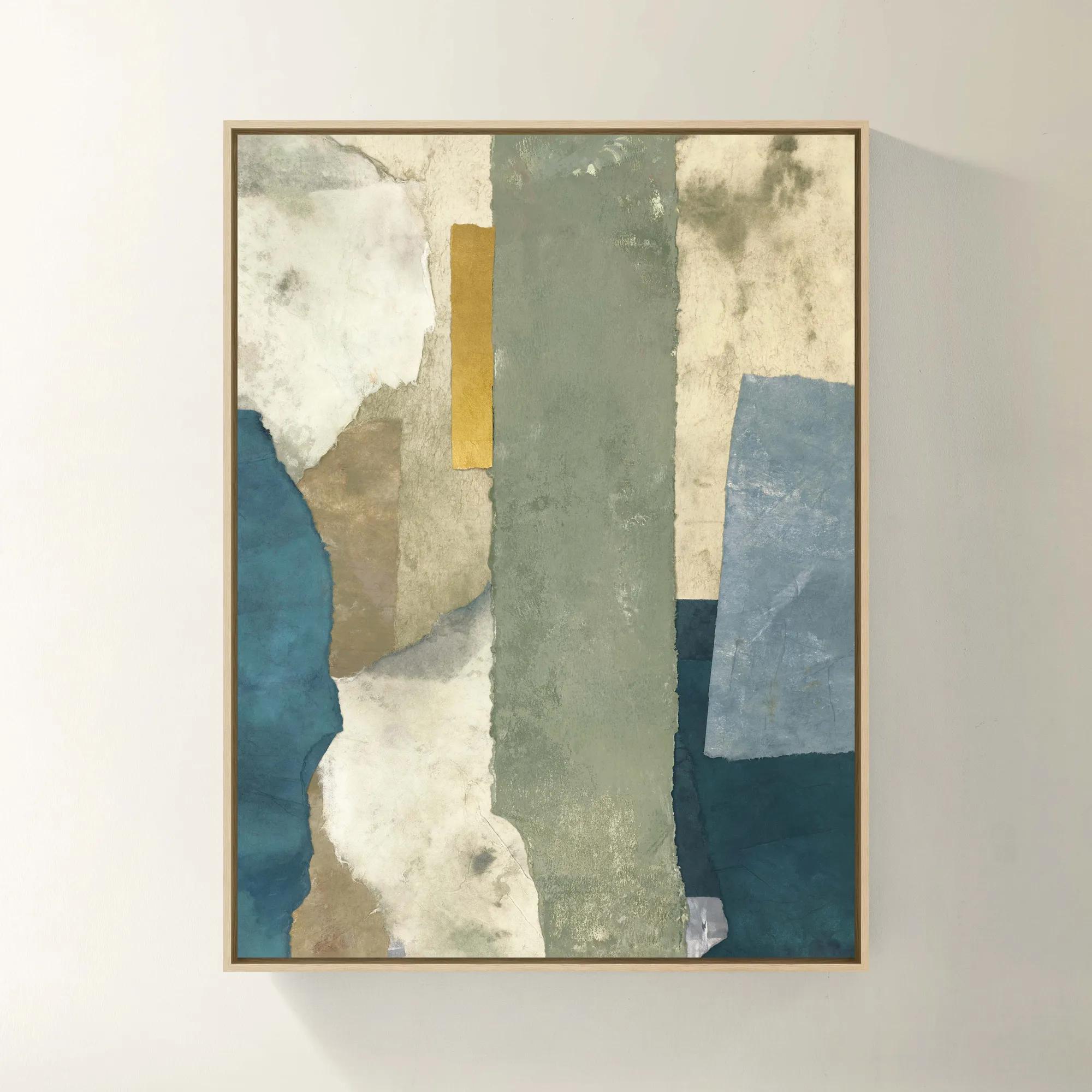 Earth Fragments II Framed Wall Art 30" x 40"$799
A gallery-wrapped canvas featuring gild accents and hand-applied gel, set in a natural floater frame.
Add To Cart -
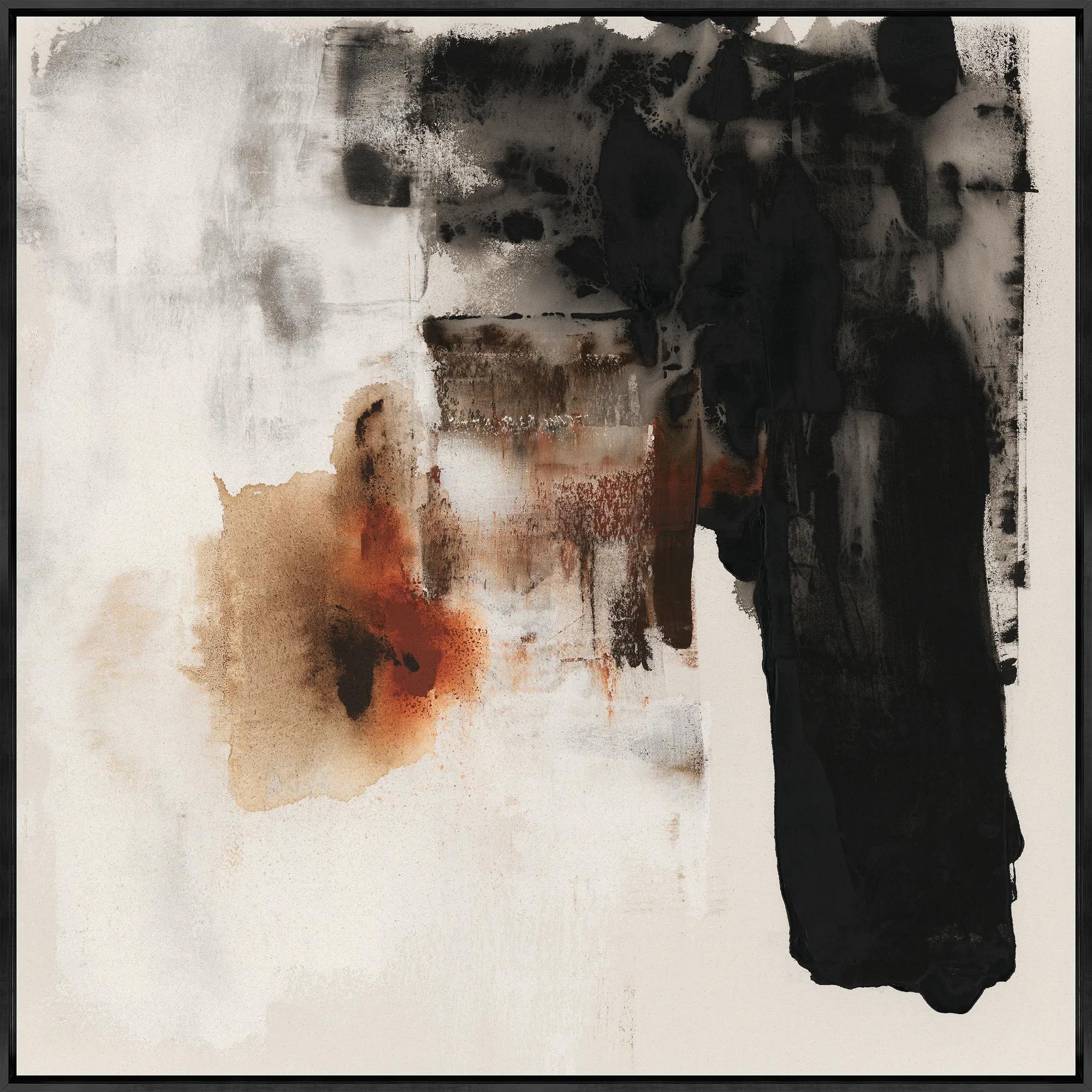
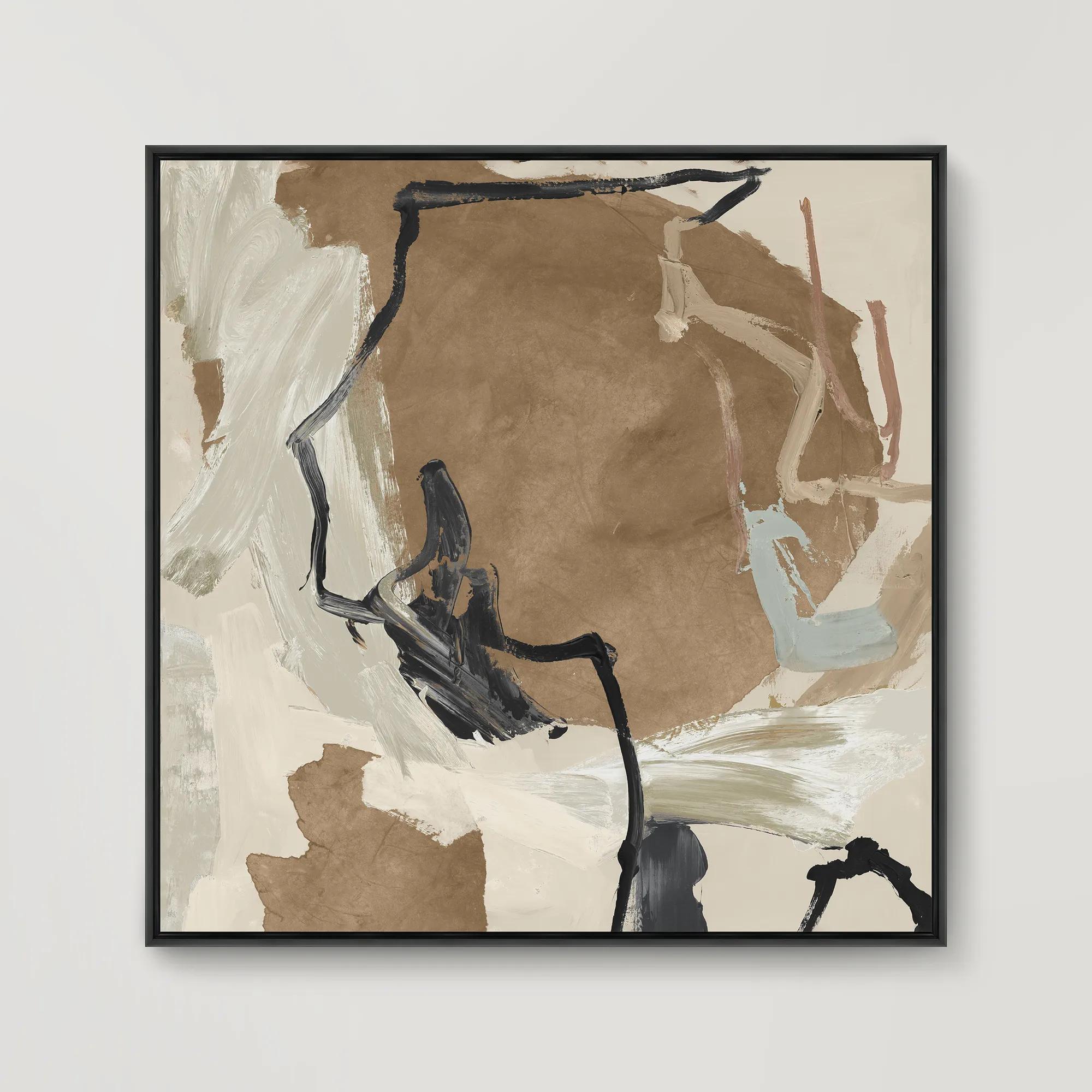
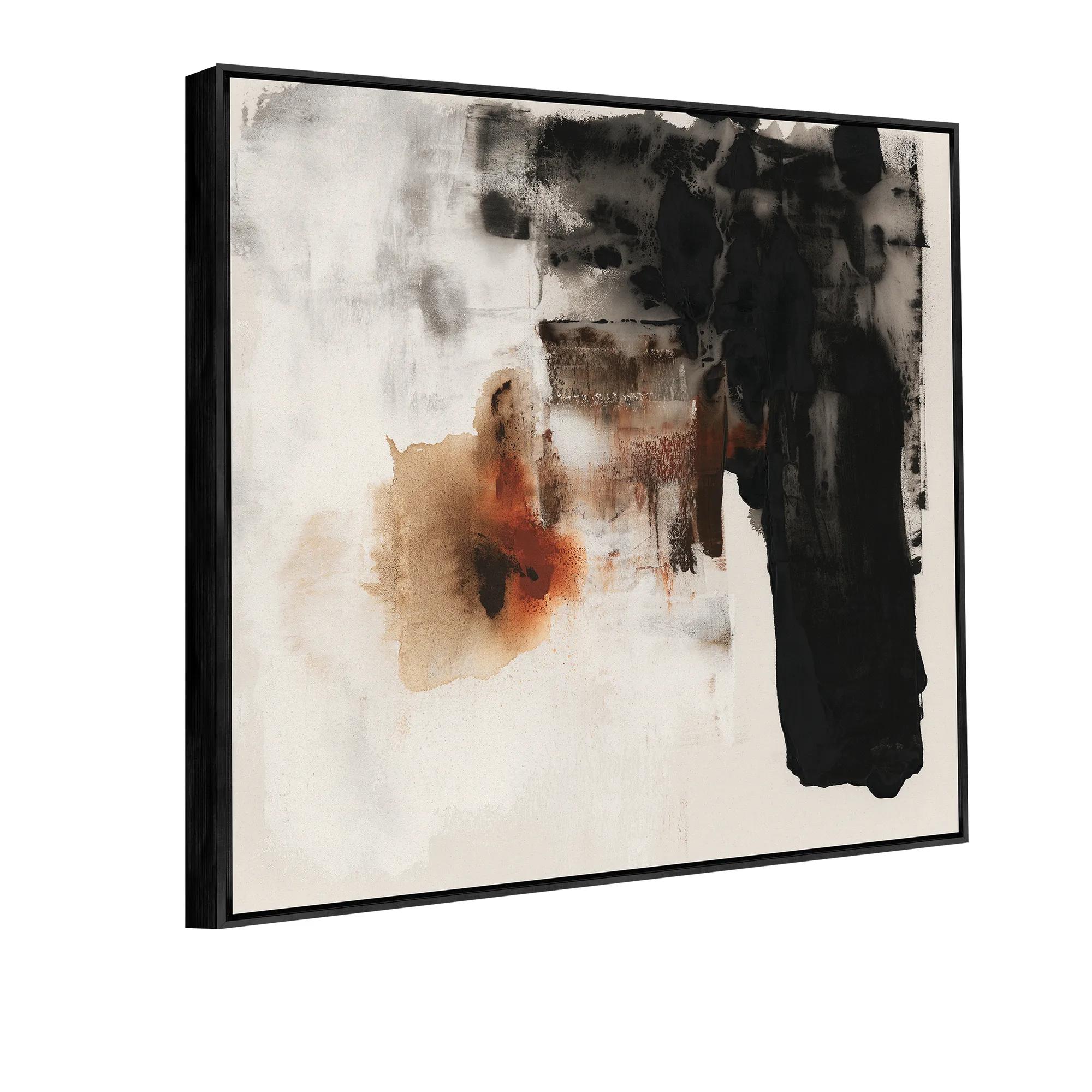 Burning for You II Framed Wall Art 40" x 40"$799
A gallery-wrapped canvas artwork with hand-applied brush gel, set in a sleek black floater frame.
Add To Cart -
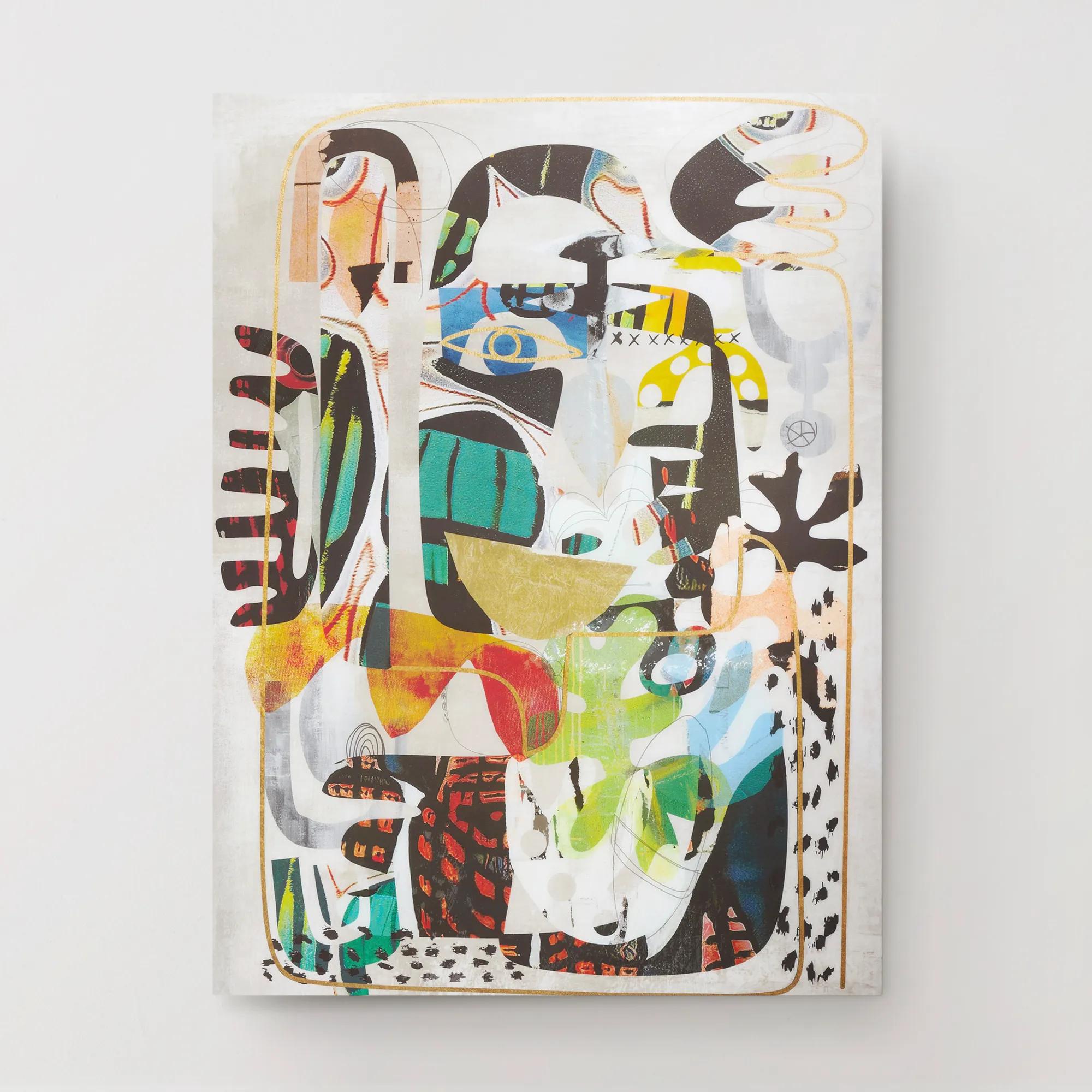
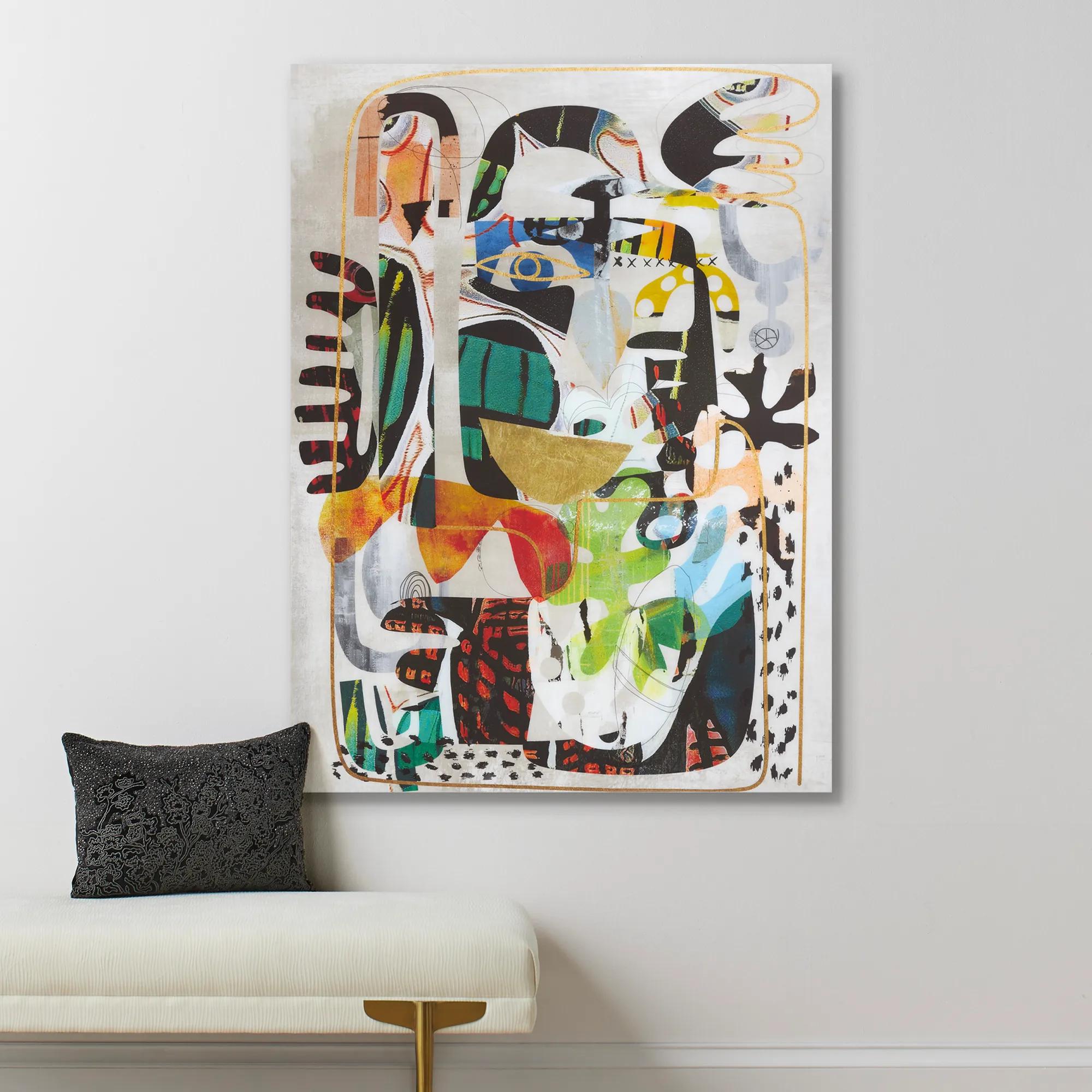 Nikki Chu Masked Wall Art 40" x 54"$899
A vibrant giclee print on canvas featuring a hand-applied glossy finish for a modern statement.
Add To Cart -
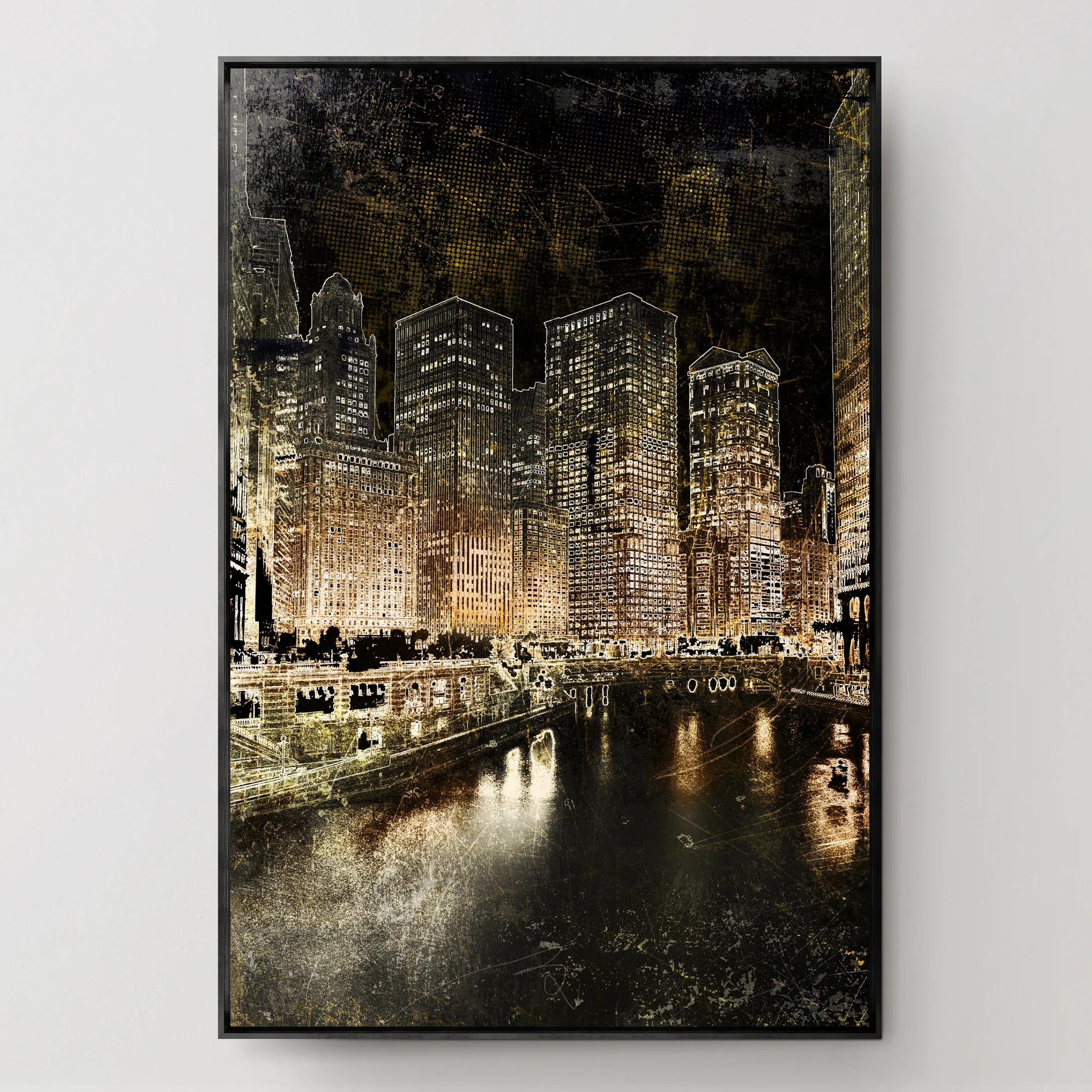
 World At Night Framed Wall Art 40" x 50"$899
A gallery-wrapped canvas artwork featuring a hand-applied gel finish and set in a sleek black frame.
Add To Cart -
 Sugar Wings Framed Wall Art 49.5" x 37.5"$799
A vibrant gallery-wrapped canvas artwork with hand-applied brush gel finish in a sleek silver floater frame.
Add To Cart -

 Heart Dancing Framed Wall Art 51.5" x 37.5"$799
A gallery-wrapped canvas artwork with a hand-applied brush gel finish in a sleek gunmetal floater frame.
Add To Cart -
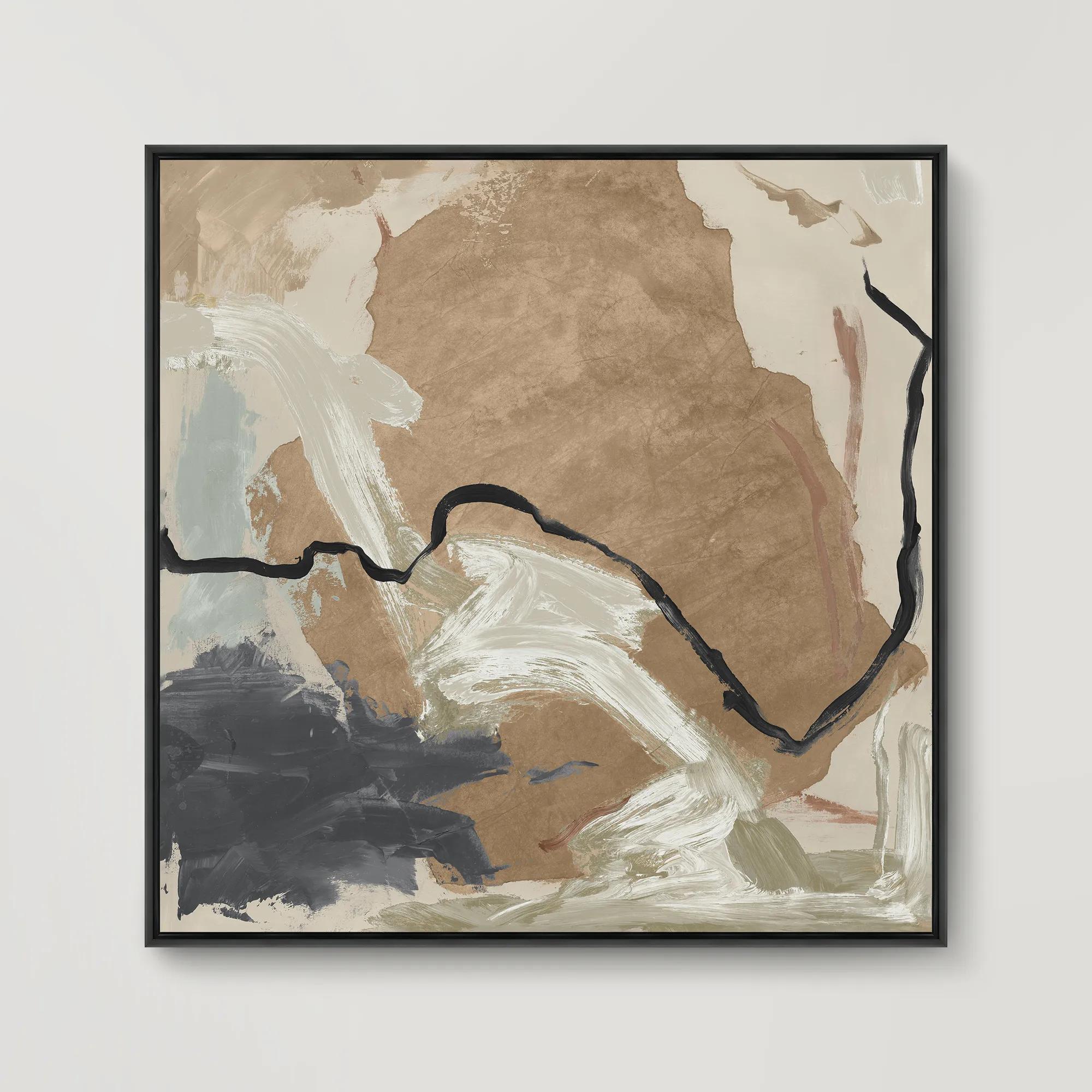
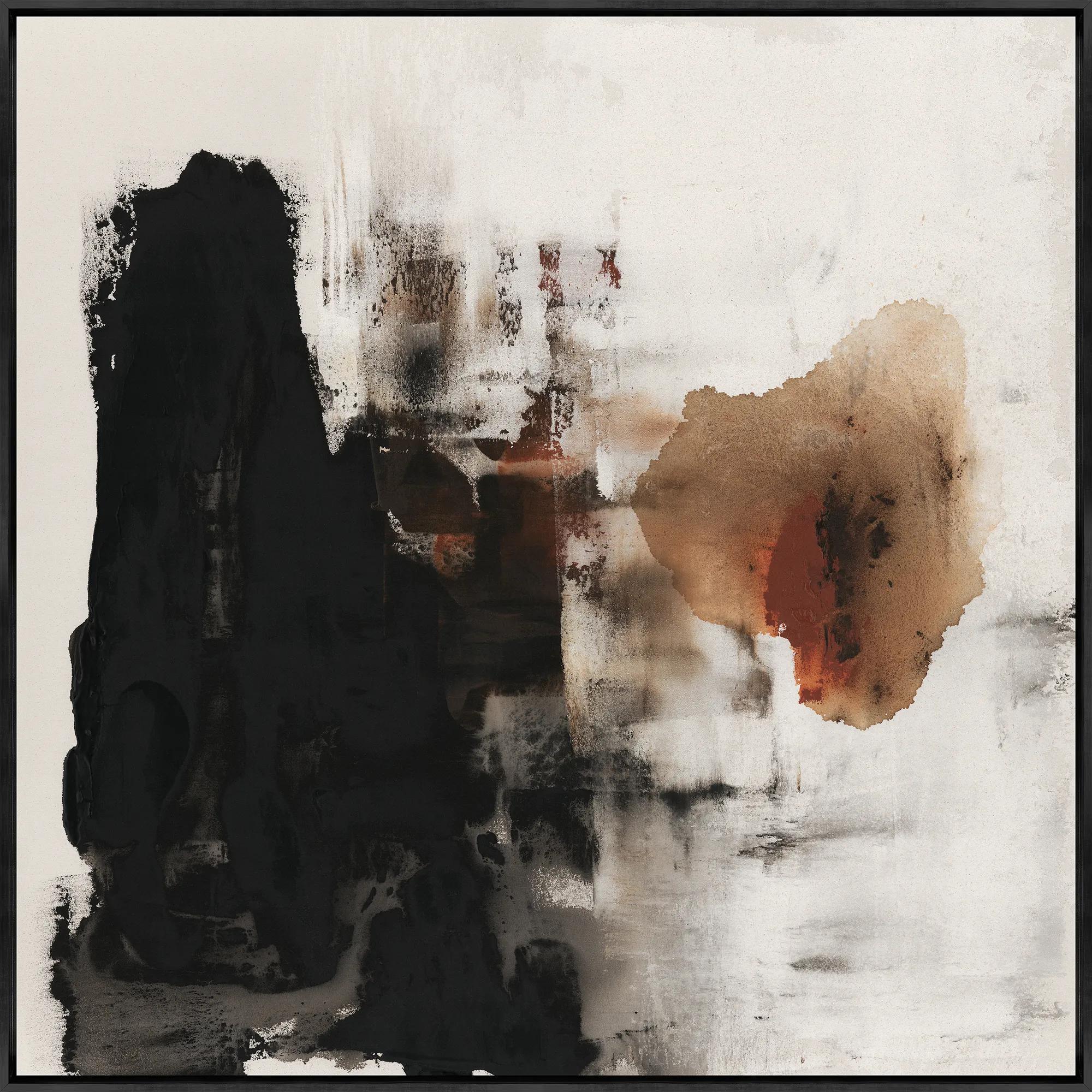 Burning for You I Framed Wall Art 40" x 40"$799
A gallery-wrapped canvas artwork with hand-applied brush gel, set in a sleek black floater frame.
Add To Cart -
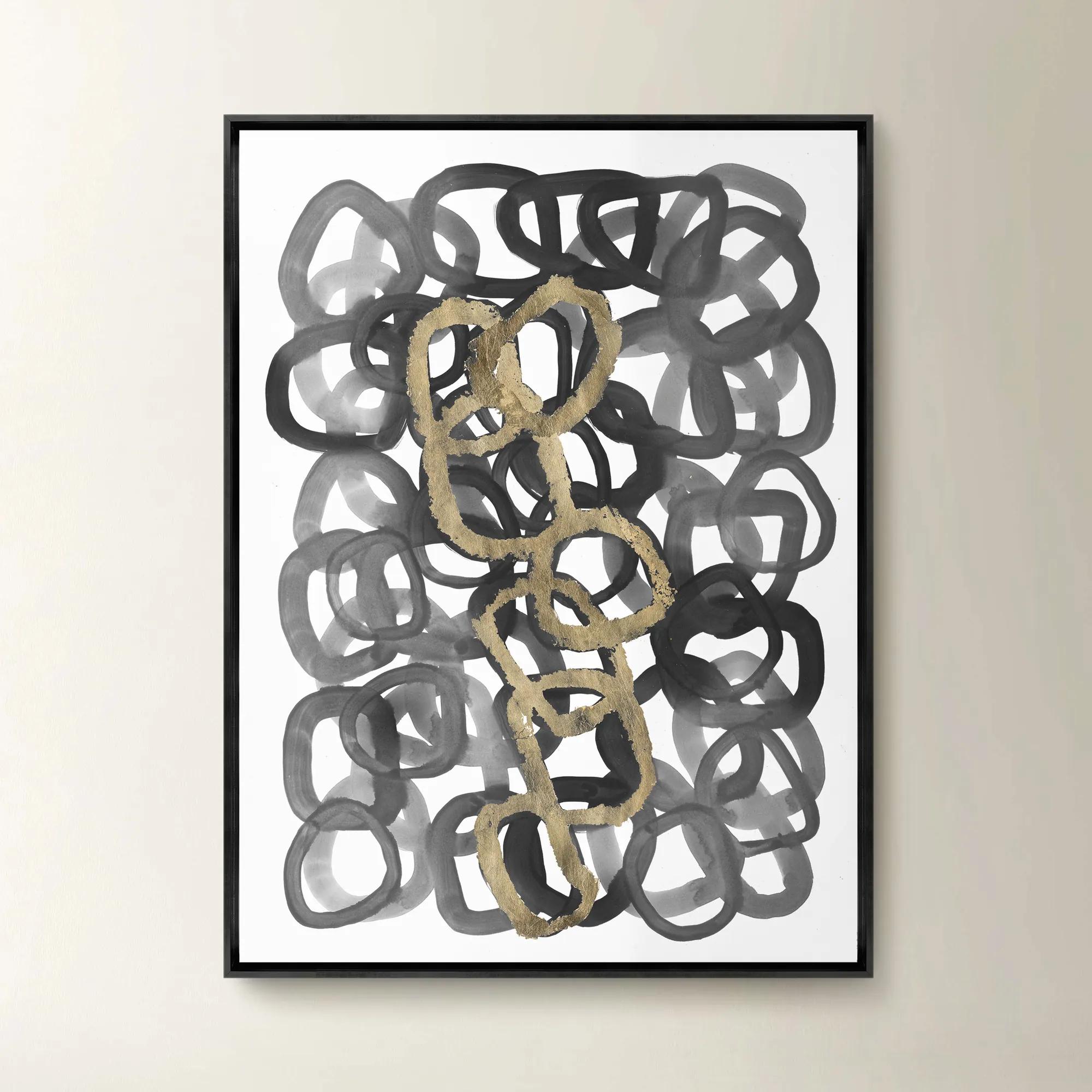
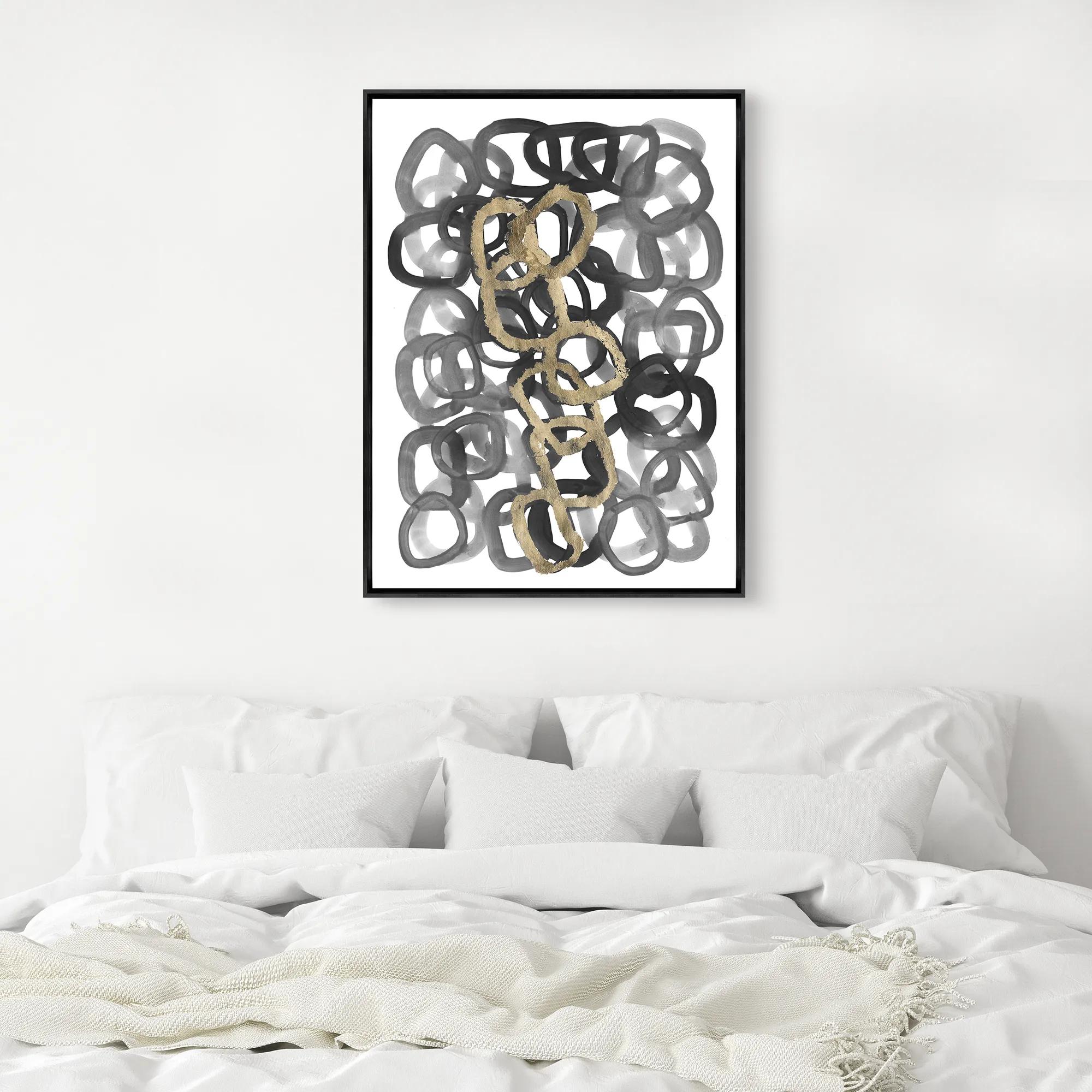 Unbroken Framed Wall Art 26" x 35"$499
A gallery-wrapped canvas artwork with a hand-applied gel finish, set in a sleek black floater frame.
Add To Cart -
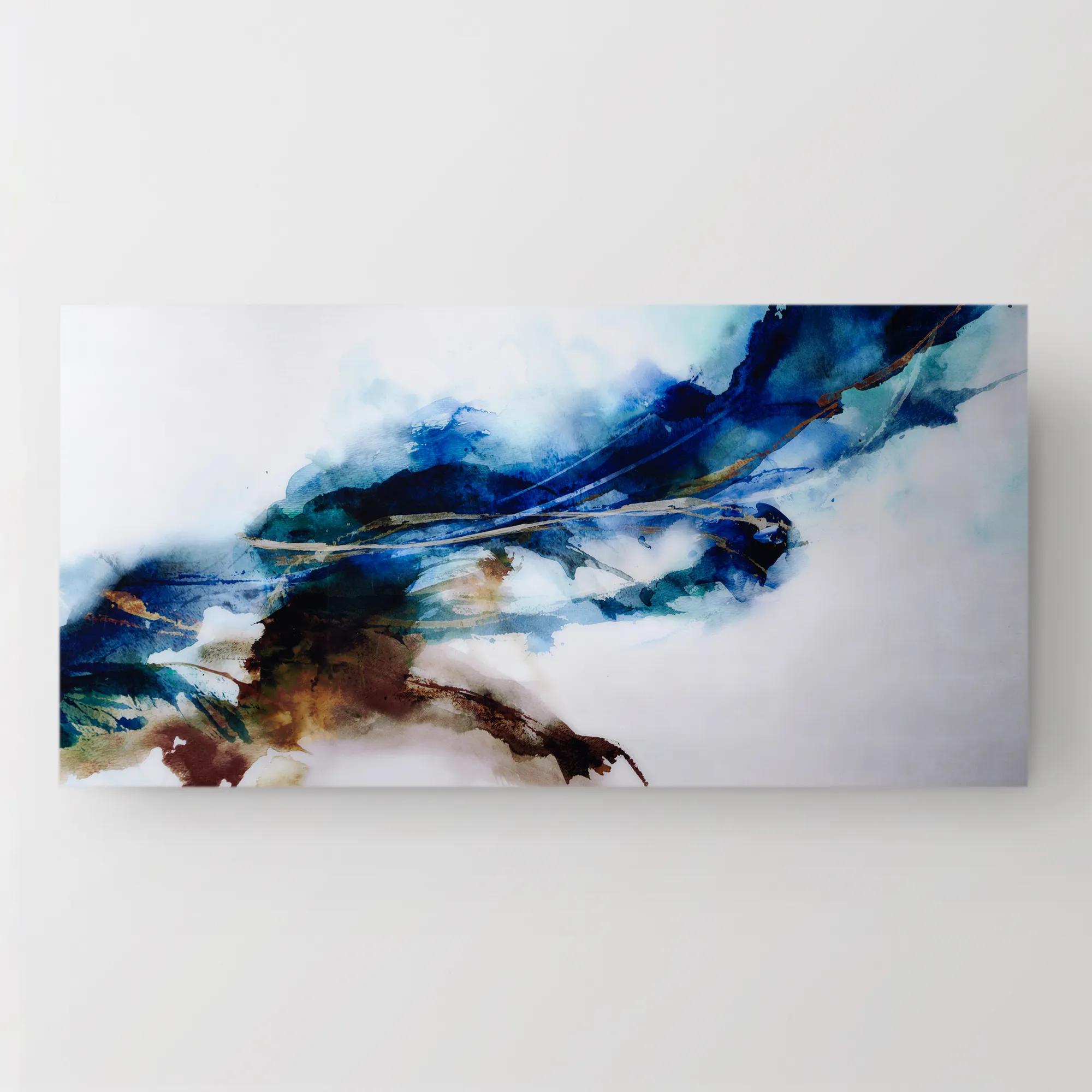 Cerulean Movement Acrylic Art 72" x 36"$1299
A vibrant abstract artwork printed on high-gloss acrylic, infusing your space with dynamic energy and movement.
Add To Cart -
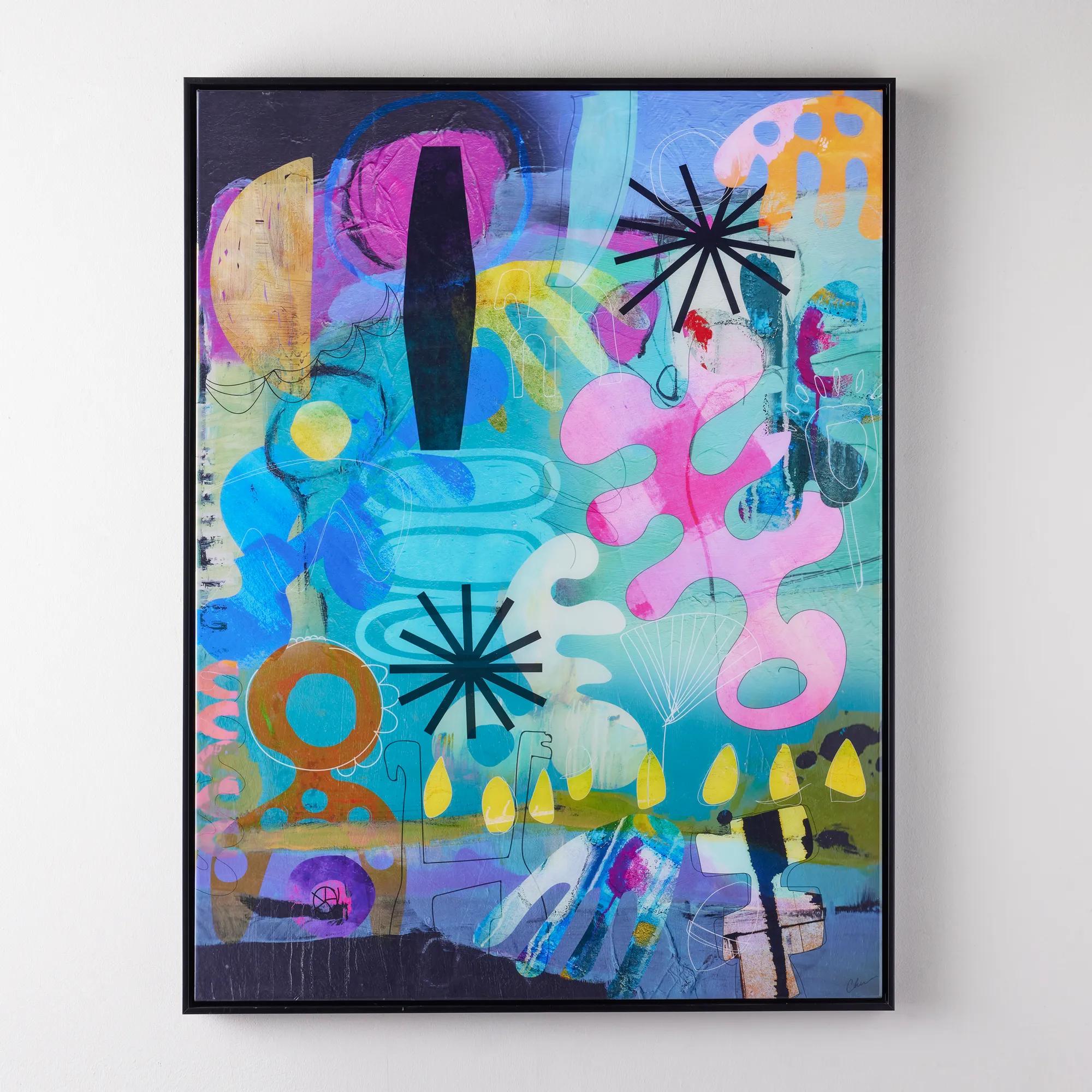
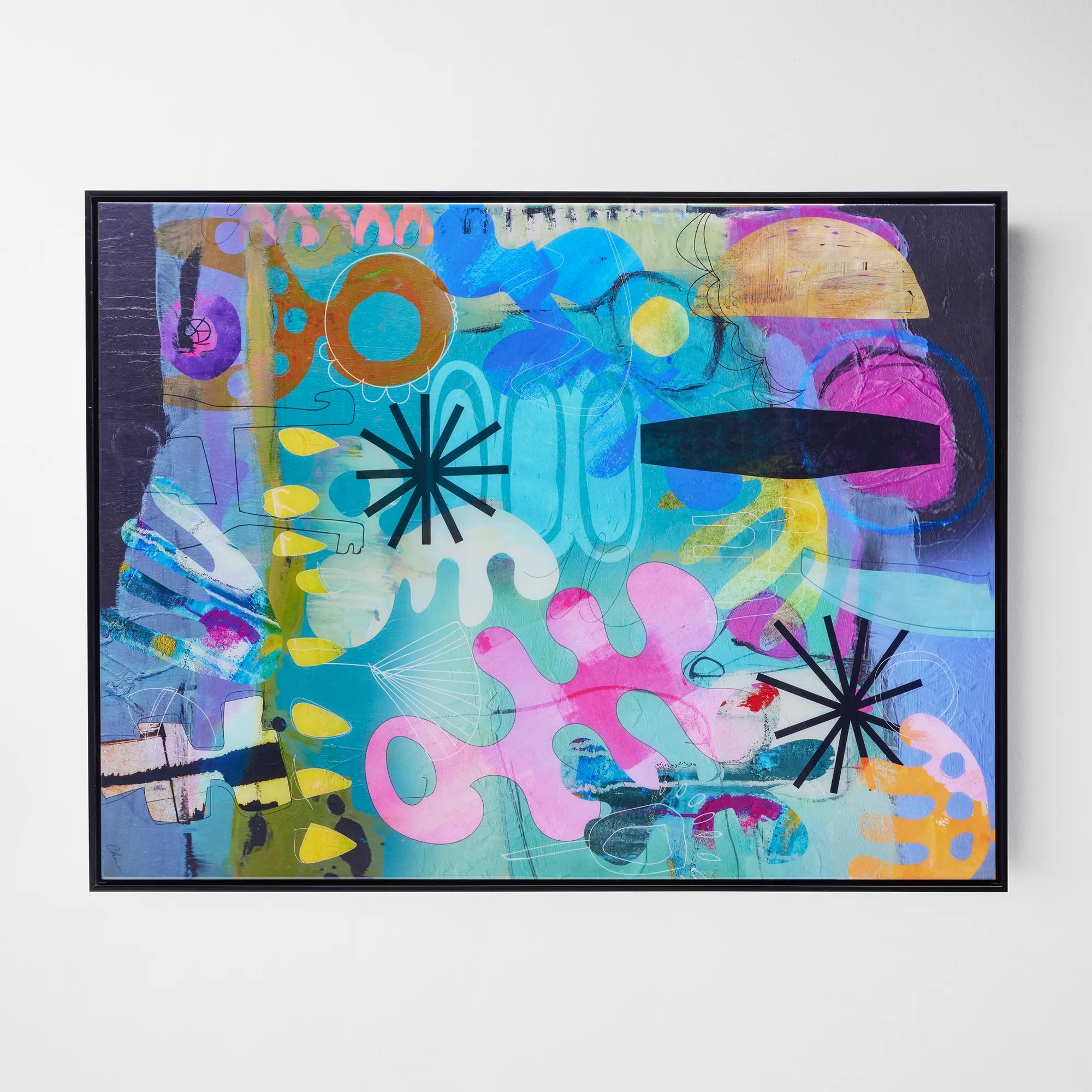 Nikki Chu Detailed Vision Framed Wall Art 54" x 41"$1099
A vibrant, high-gloss artwork with a black frame, designed to hang vertically or horizontally.
Add To Cart -
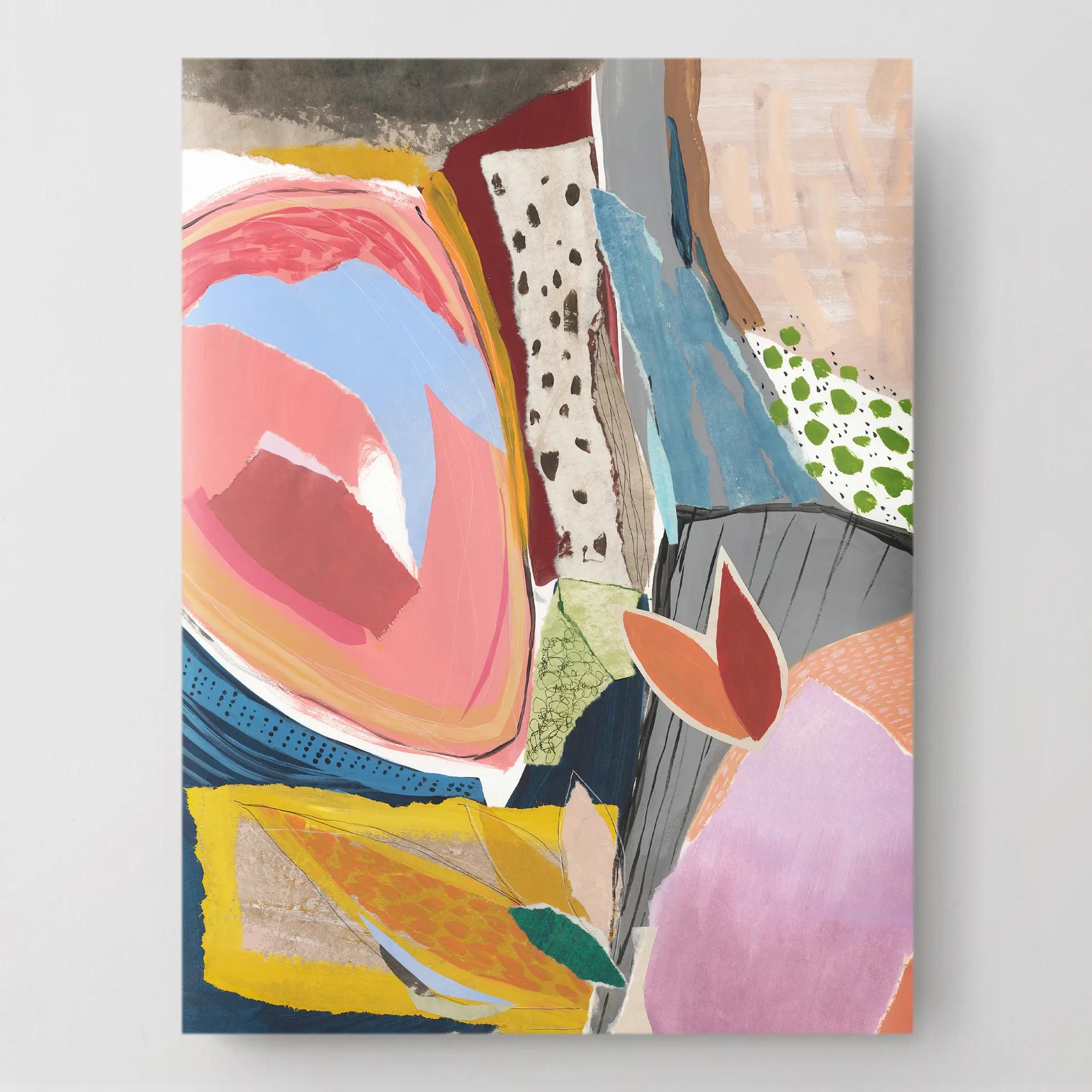
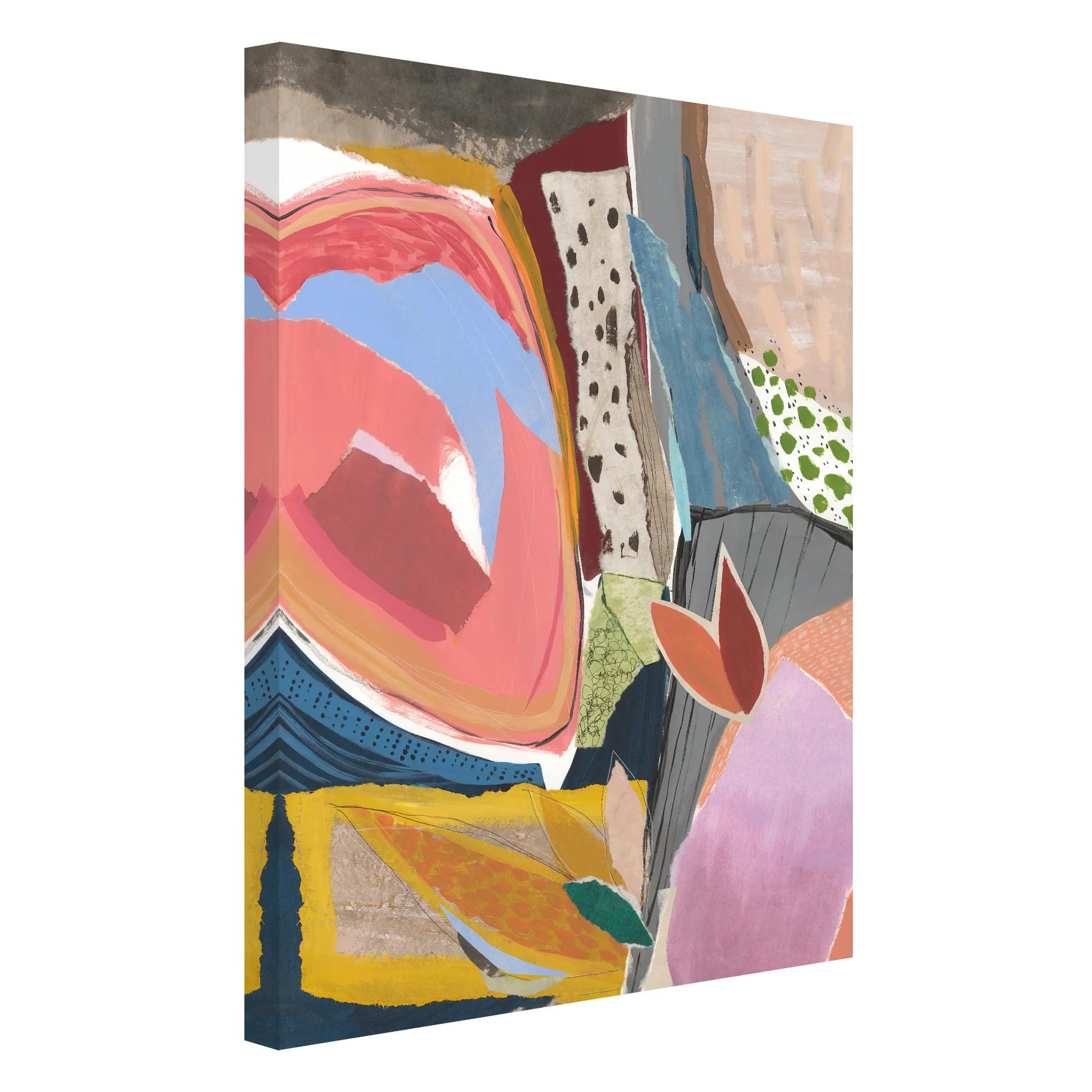 Sunday Vibes 1 Wall Art 30" x 40"$449
A gallery-wrapped canvas artwork featuring a hand-applied image brush gel finish for a textured look.
Add To Cart -
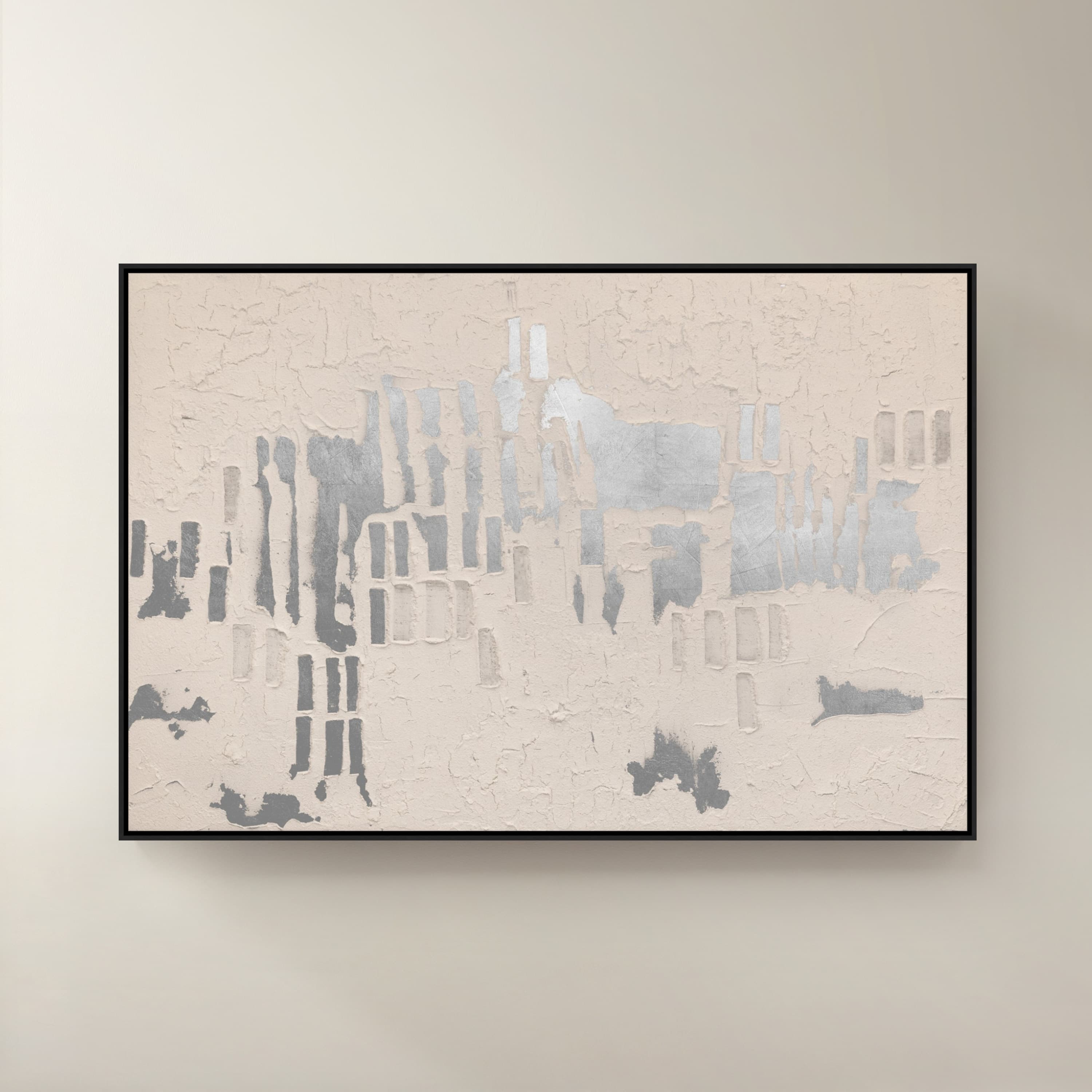
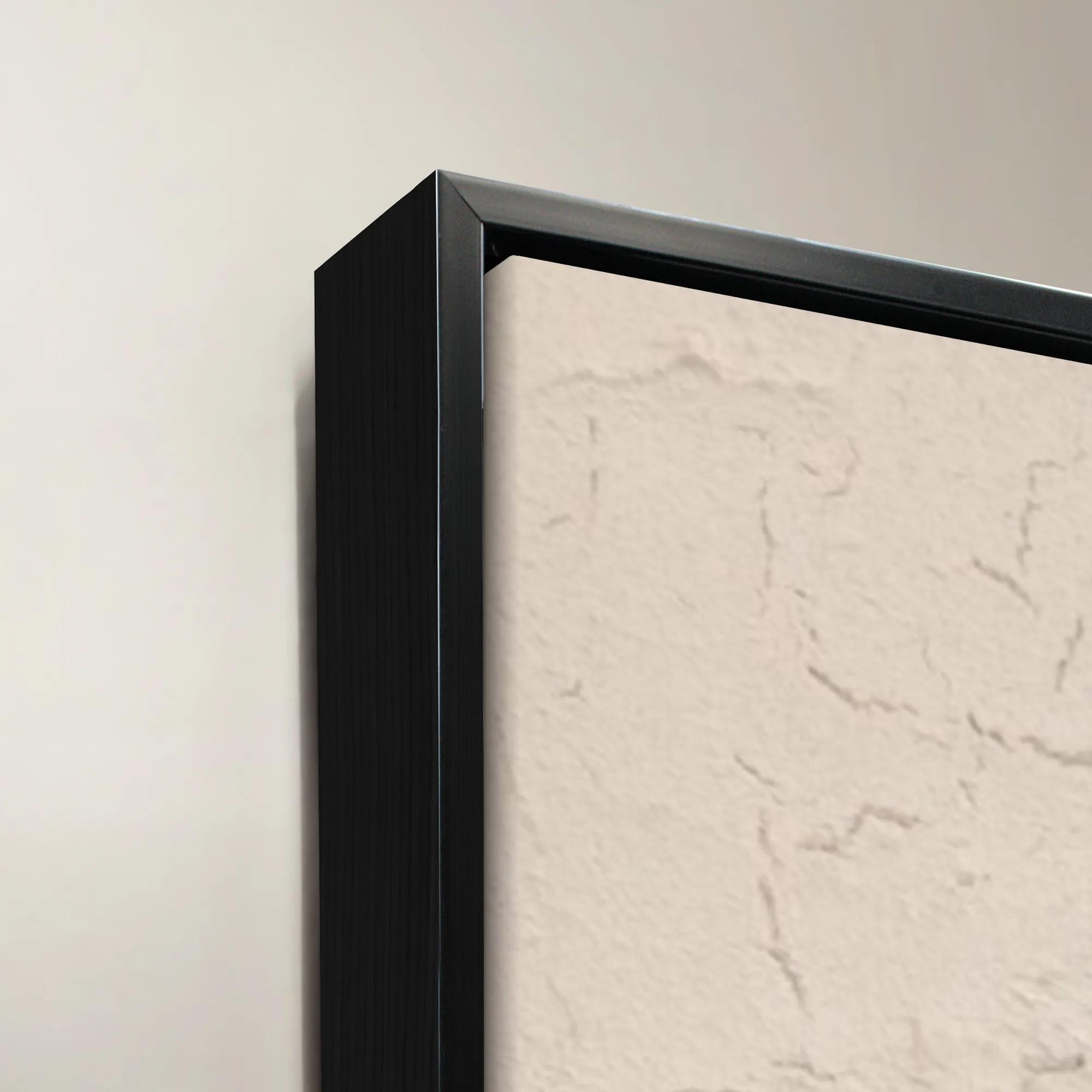 Silver Reverie Framed Painted Wall Art 60" x 40"$1699
A silver-toned painted canvas artwork framed for a sophisticated, contemporary wall display.
Add To Cart -
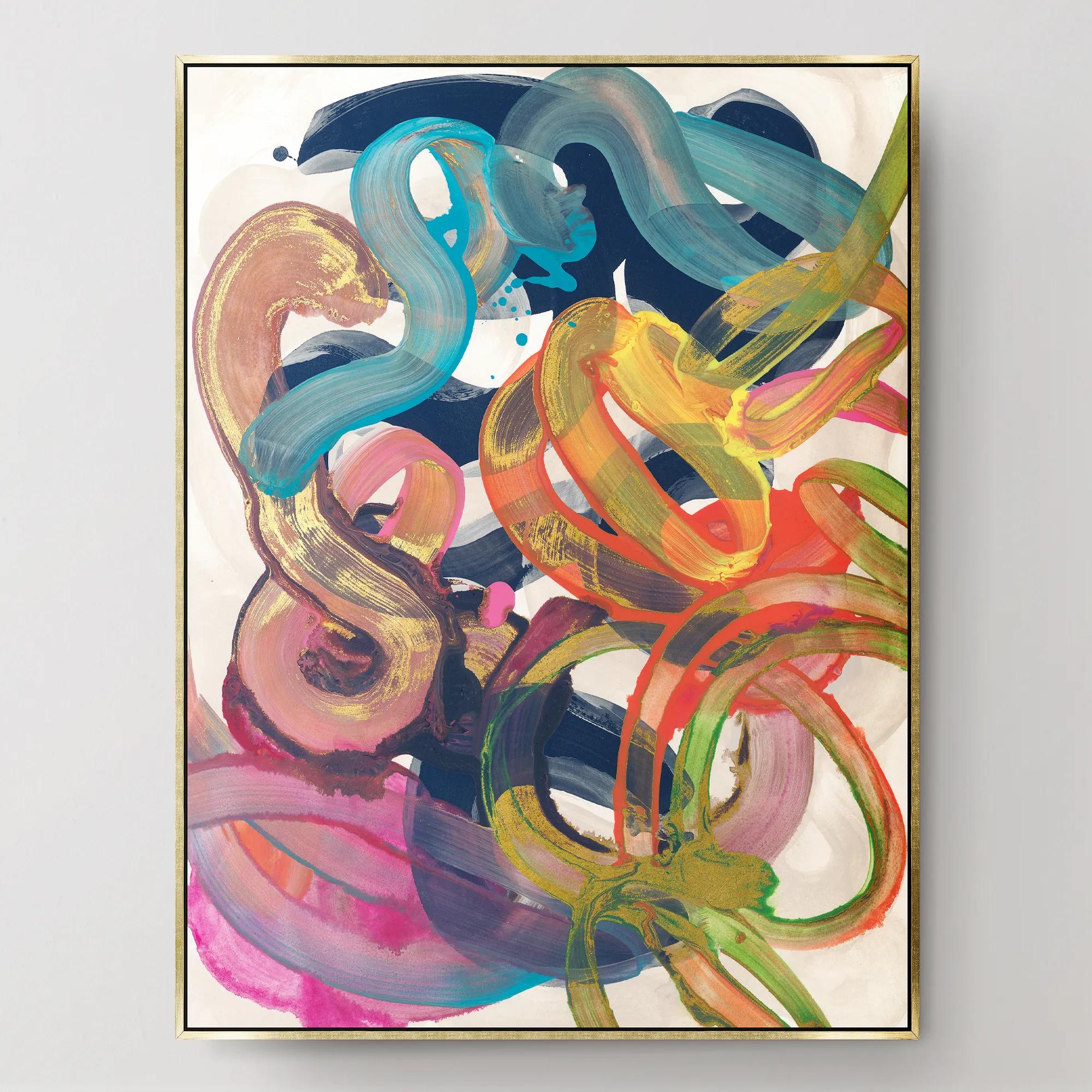
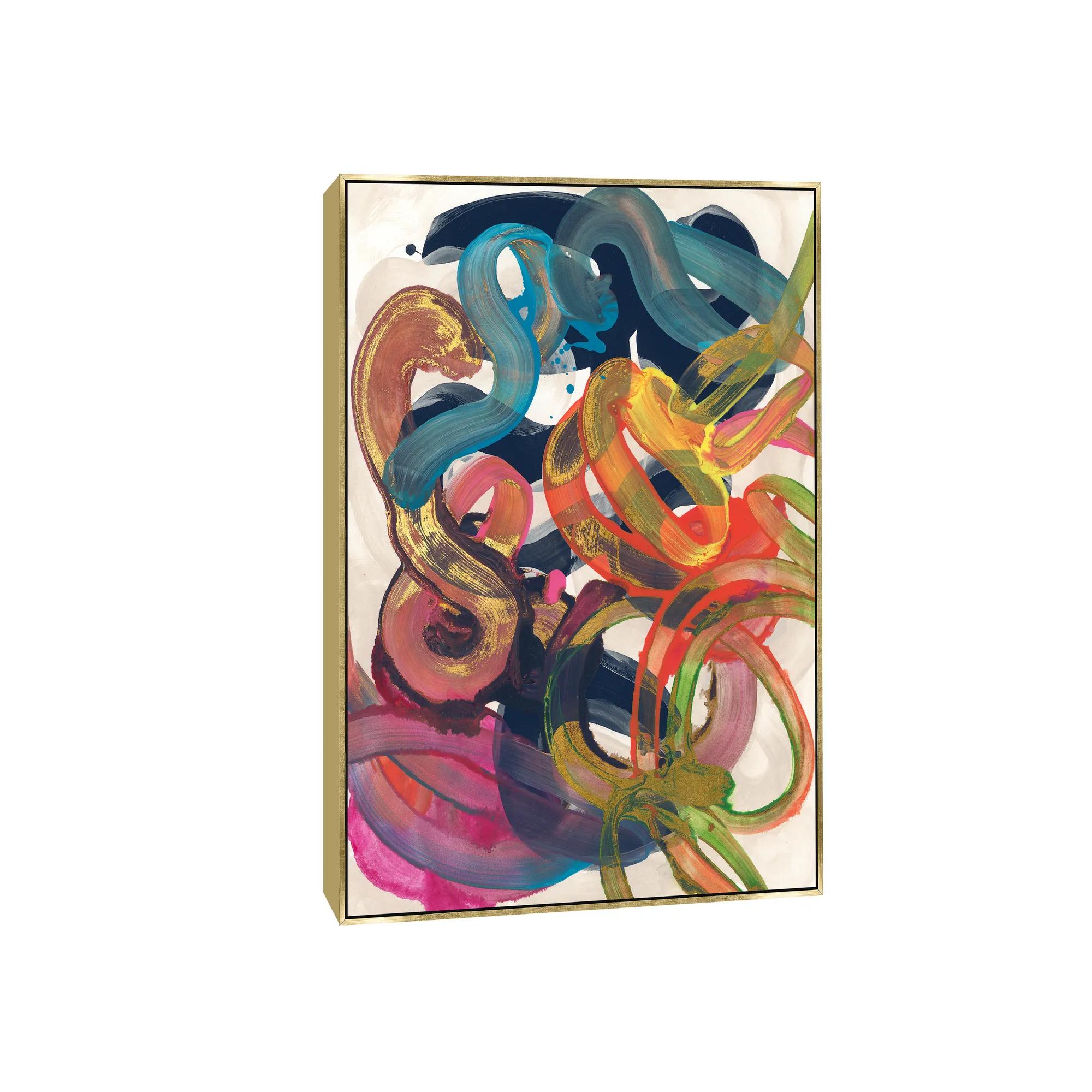 Illogical Conclusions Framed Wall Art 26" x 35"$499
A gallery-wrapped canvas artwork with a hand-applied gel finish, set in a gold float frame.
Add To Cart -
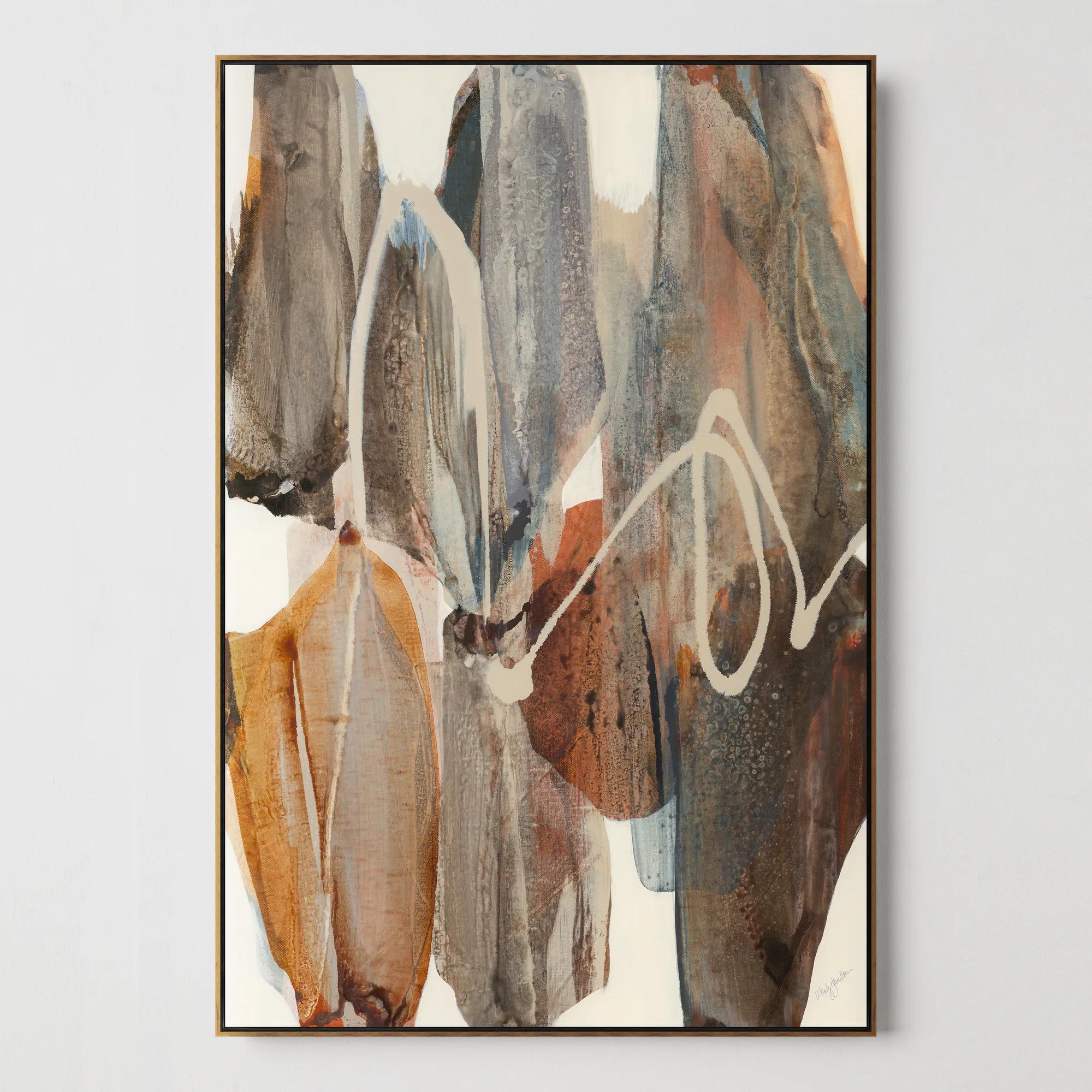
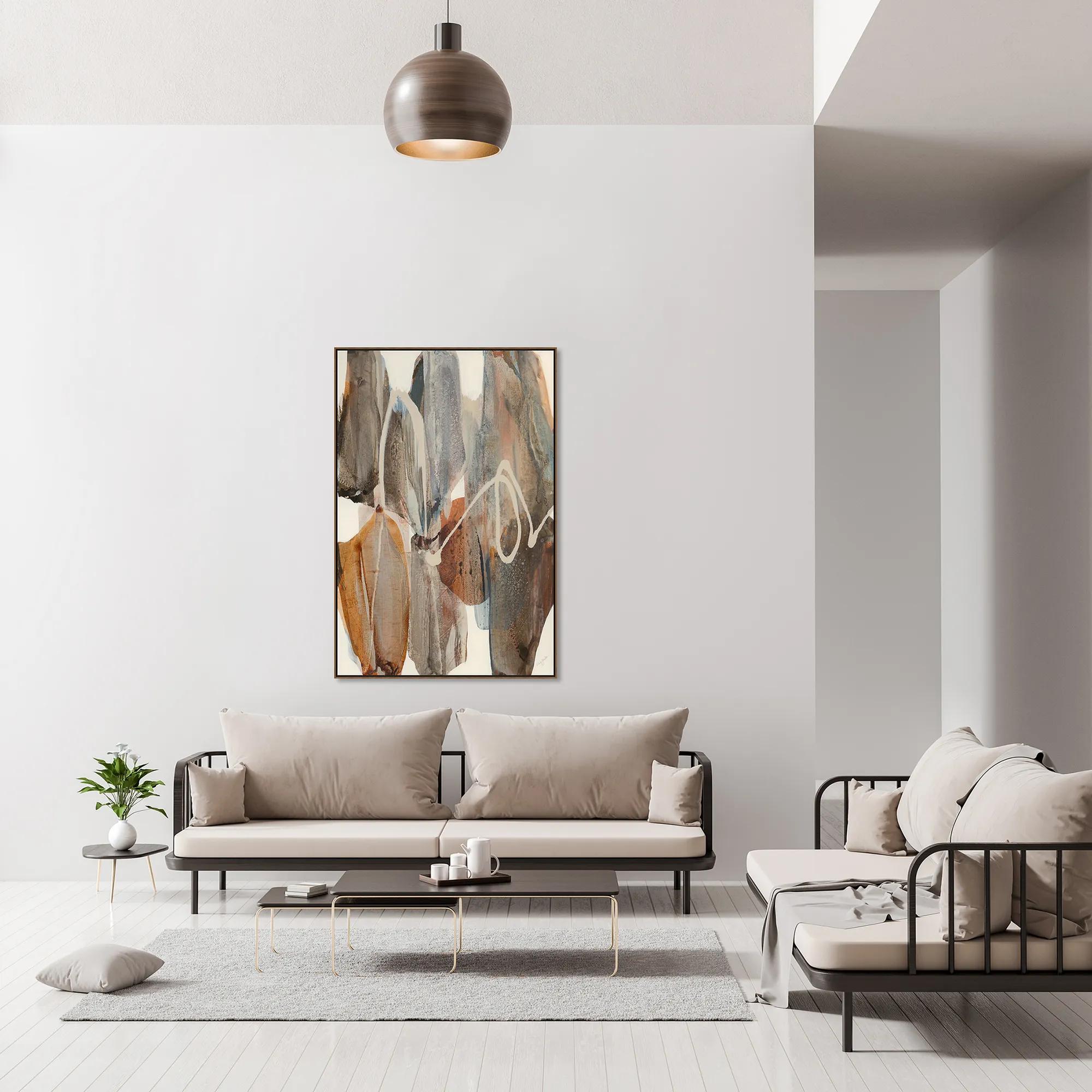 Boundless Framed Wall Art 40" x 60"$999
A gallery-wrapped canvas artwork with hand-applied brush gel finish in an oak floater frame.
Add To Cart -
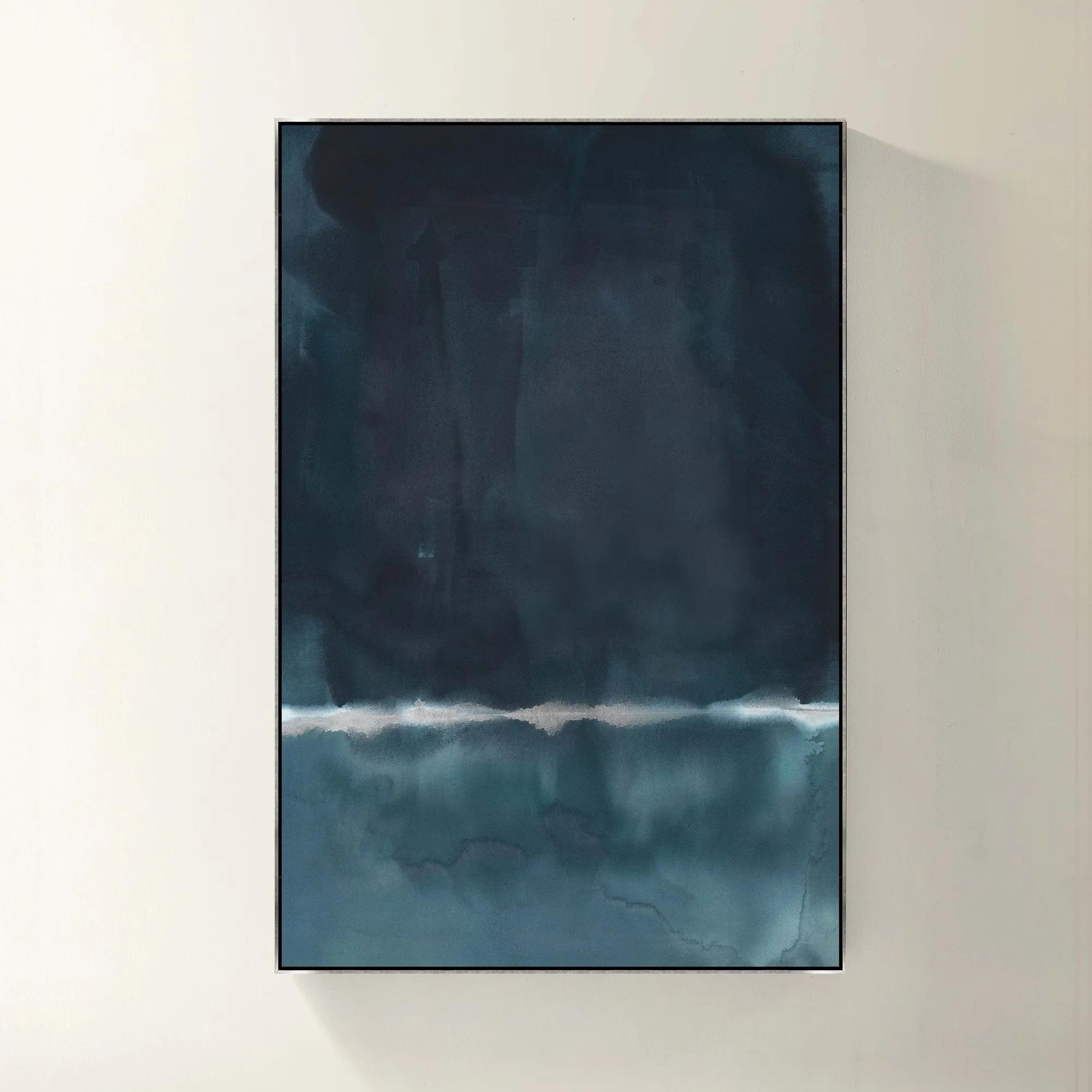 Blue Monday Framed Wall Art 40" x 60"$1119
A gallery-wrapped blue canvas with hand-embellished silver accents in a sleek silver floater frame.
Add To Cart -
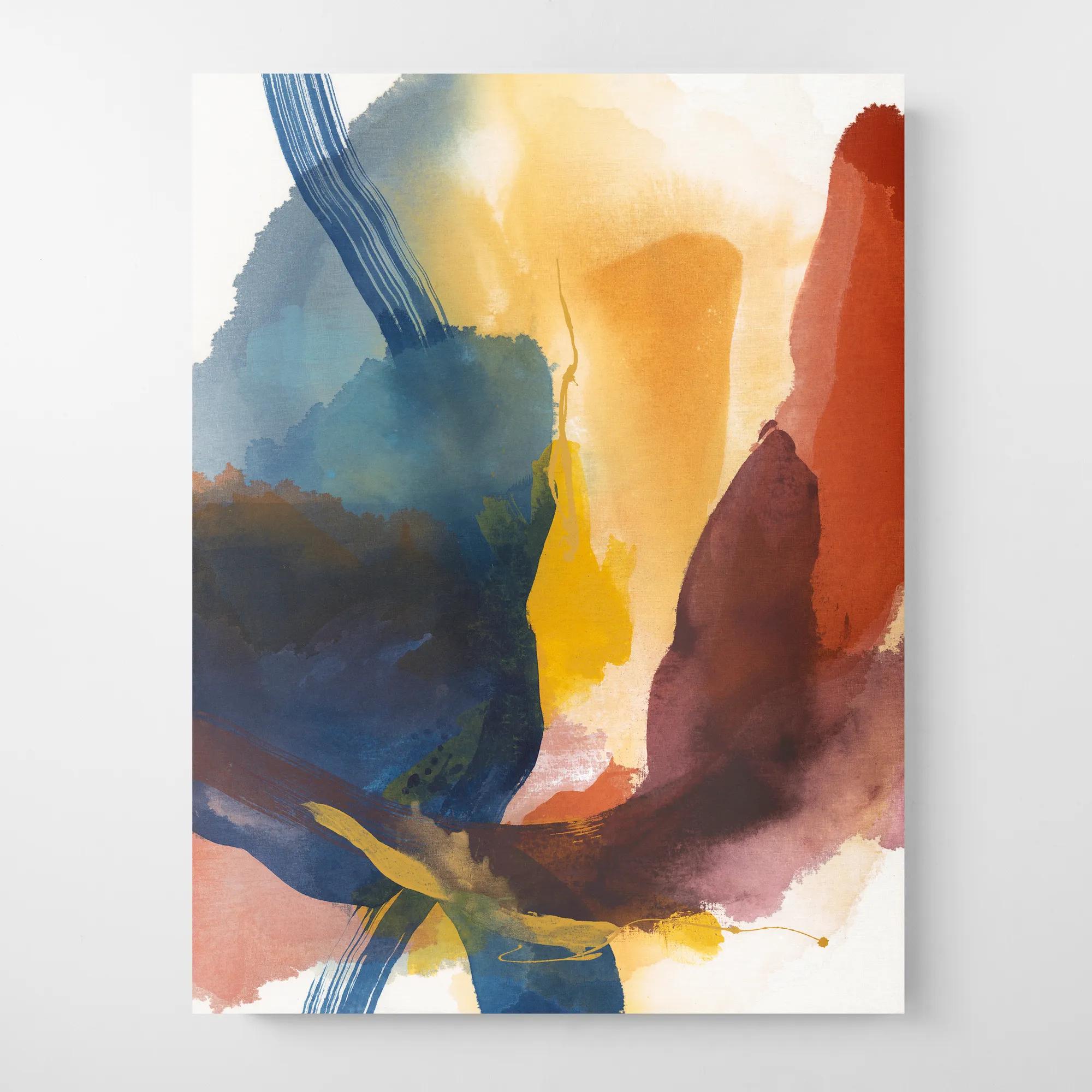
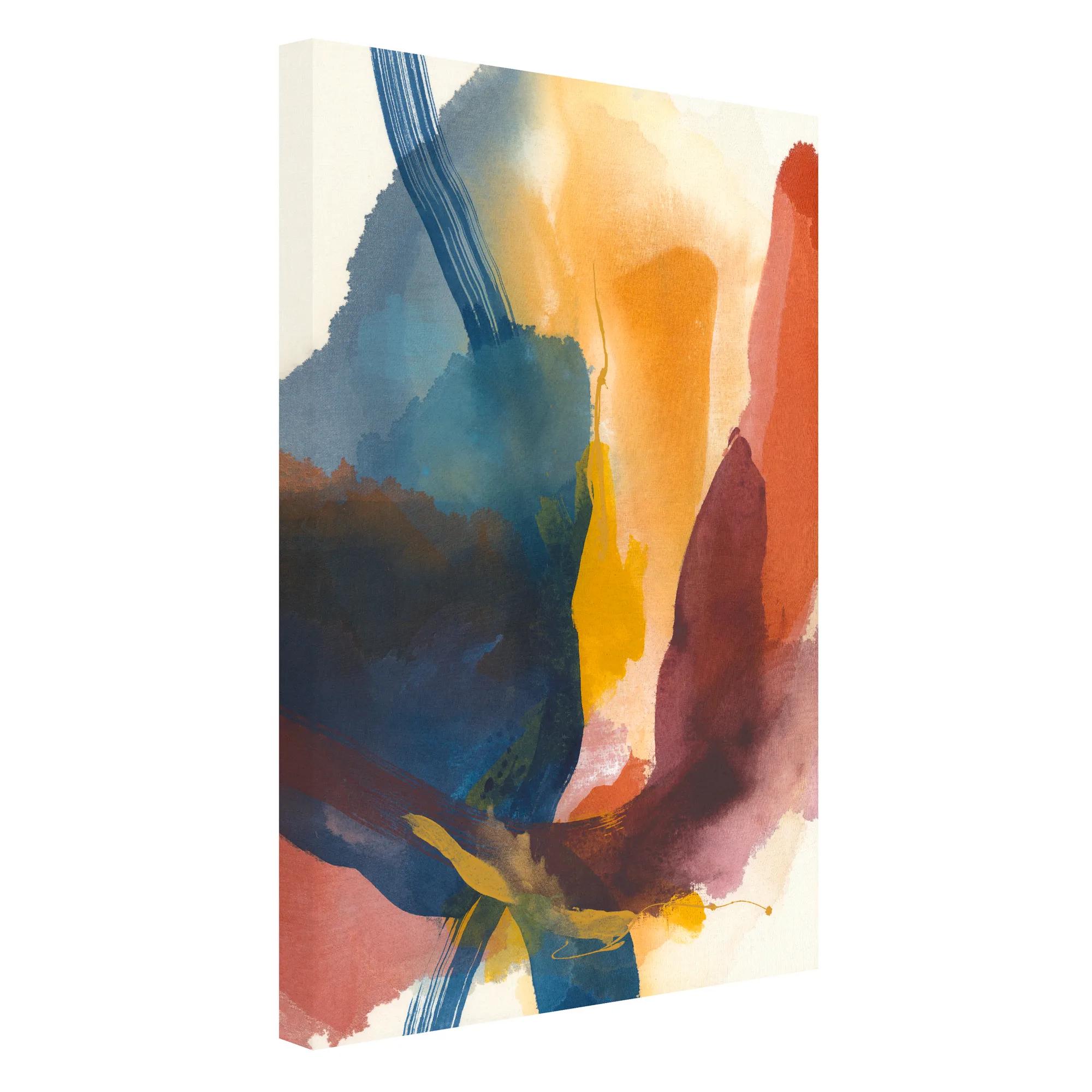 Moon Shower 1 Wall Art 30" x 40"$449
A gallery-wrapped canvas artwork featuring a hand-applied image brush gel finish for versatile display.
Add To Cart -
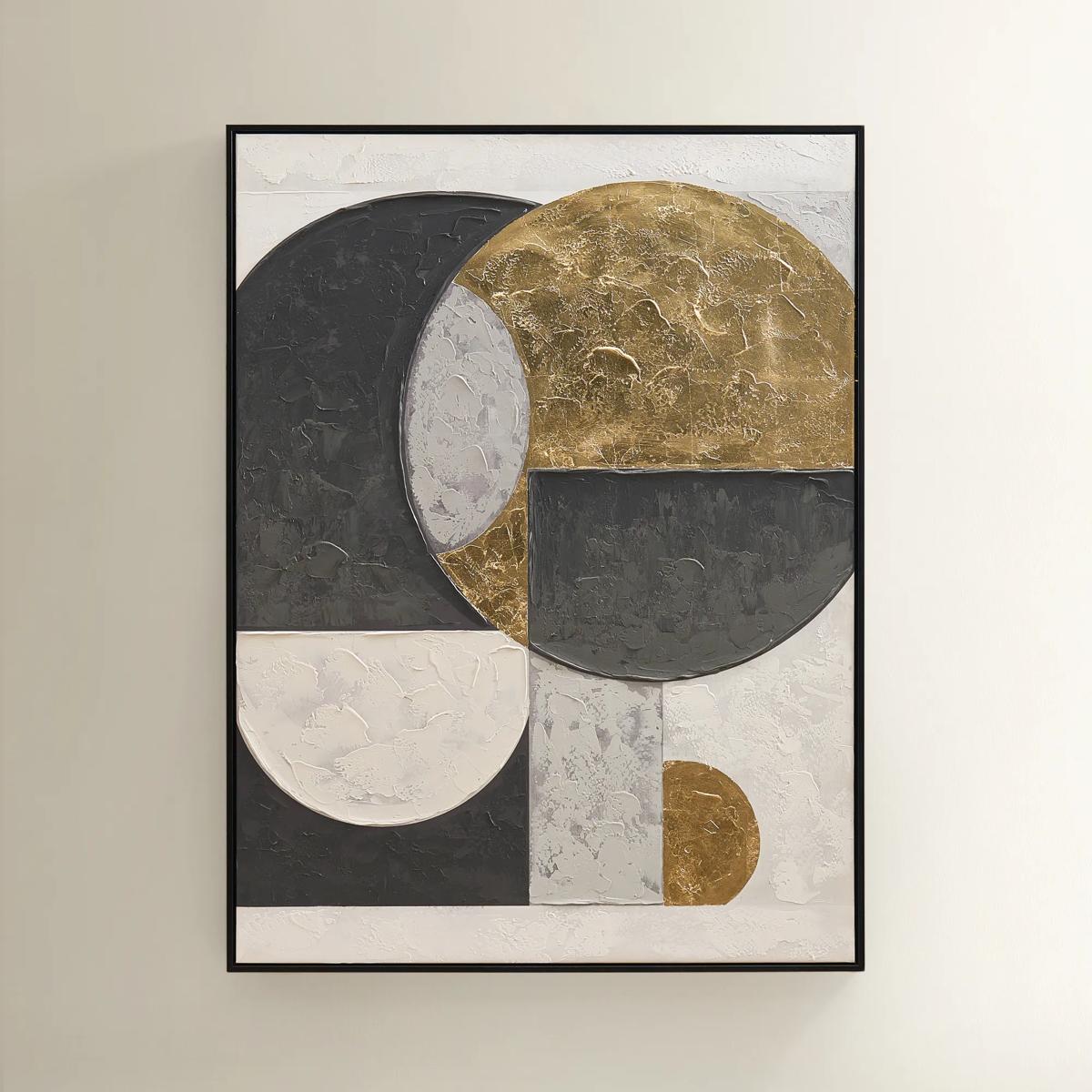
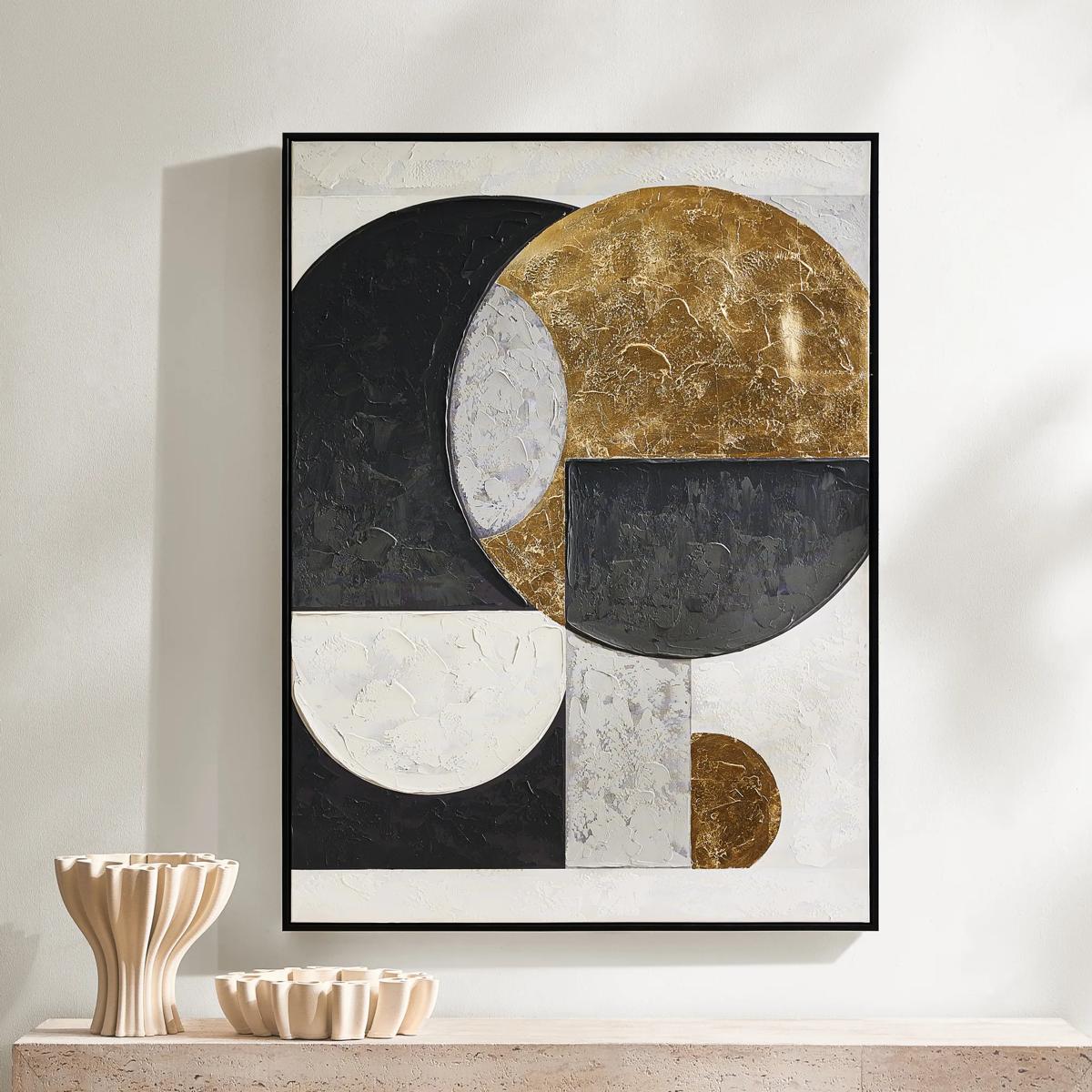 Eclipse Framed Gold Leaf Painted Wall Art 35.25" x 47.25"$449
A hand-painted canvas featuring bold black, grey, and gold geometric shapes with shimmering gold leaf accents.
Add To Cart -
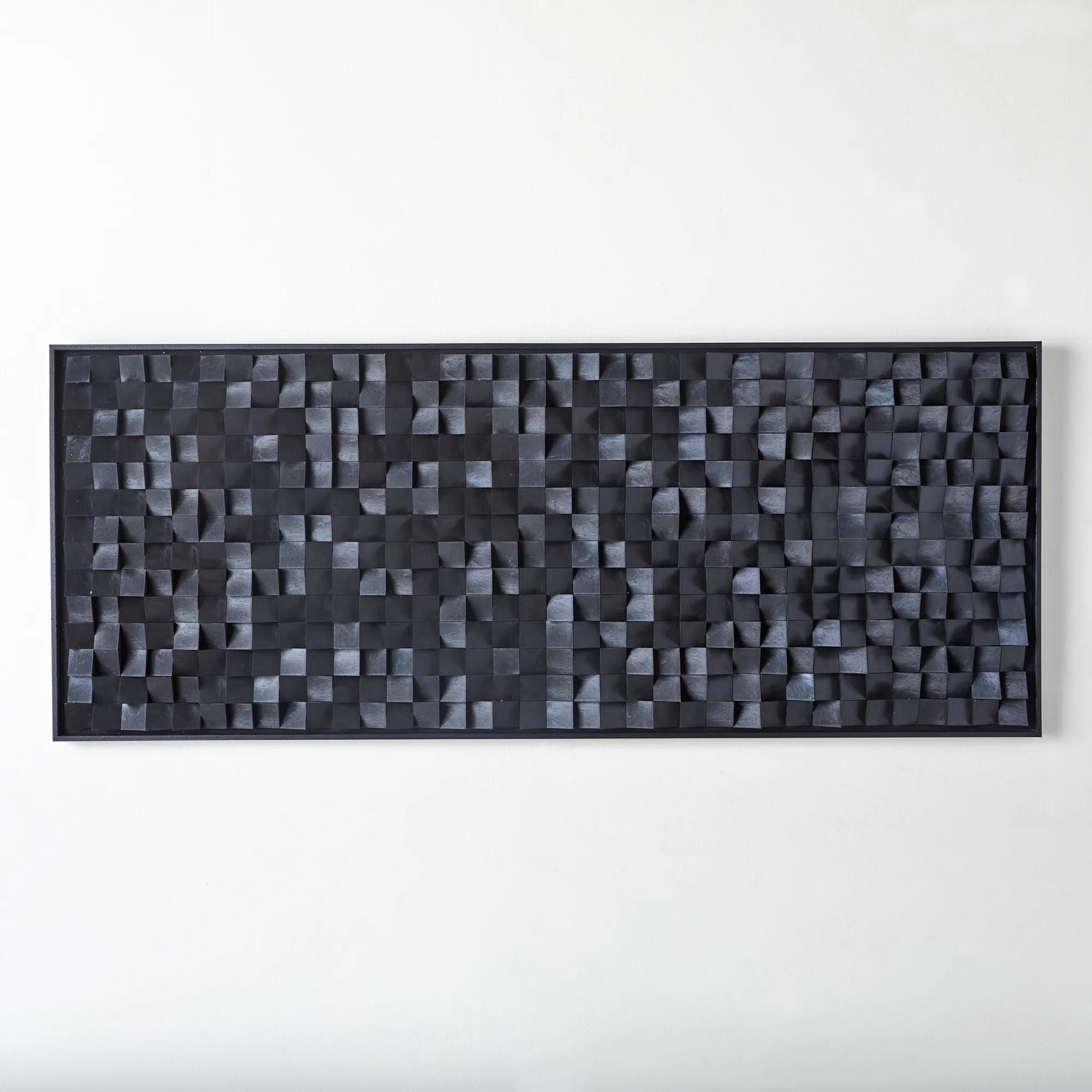 Nightfall Black Wood Dimenisonal Wall Panel 59" x 23.5"$599
An abstract wall art piece featuring cut black blocks in a sleek, low-profile black frame.
Add To Cart -

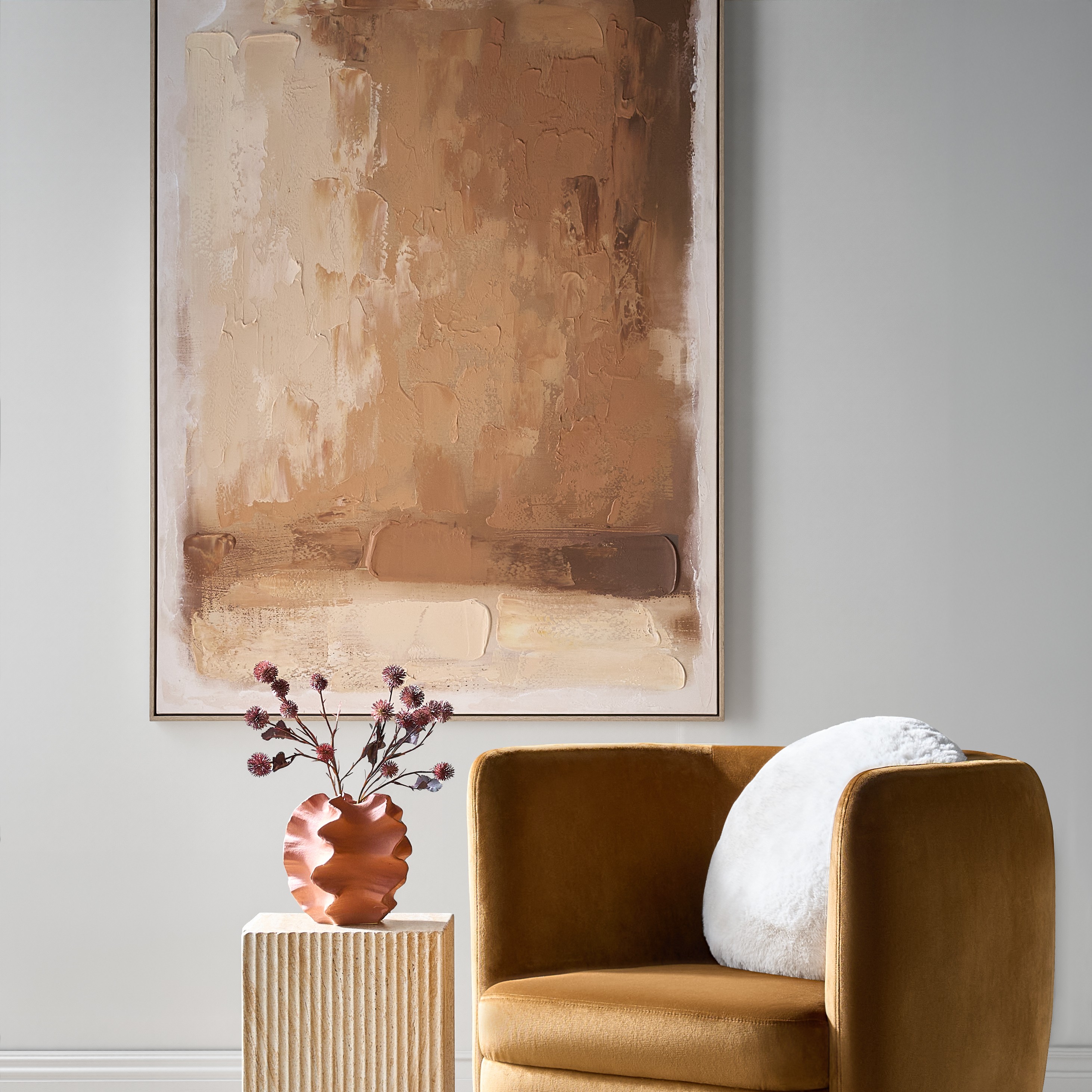 Ember Glow Framed Painted Wall Art 39.25" x 55"$499
A hand-painted abstract canvas blending ochre, terracotta, and golden clay hues in a light natural frame.
Add To Cart -
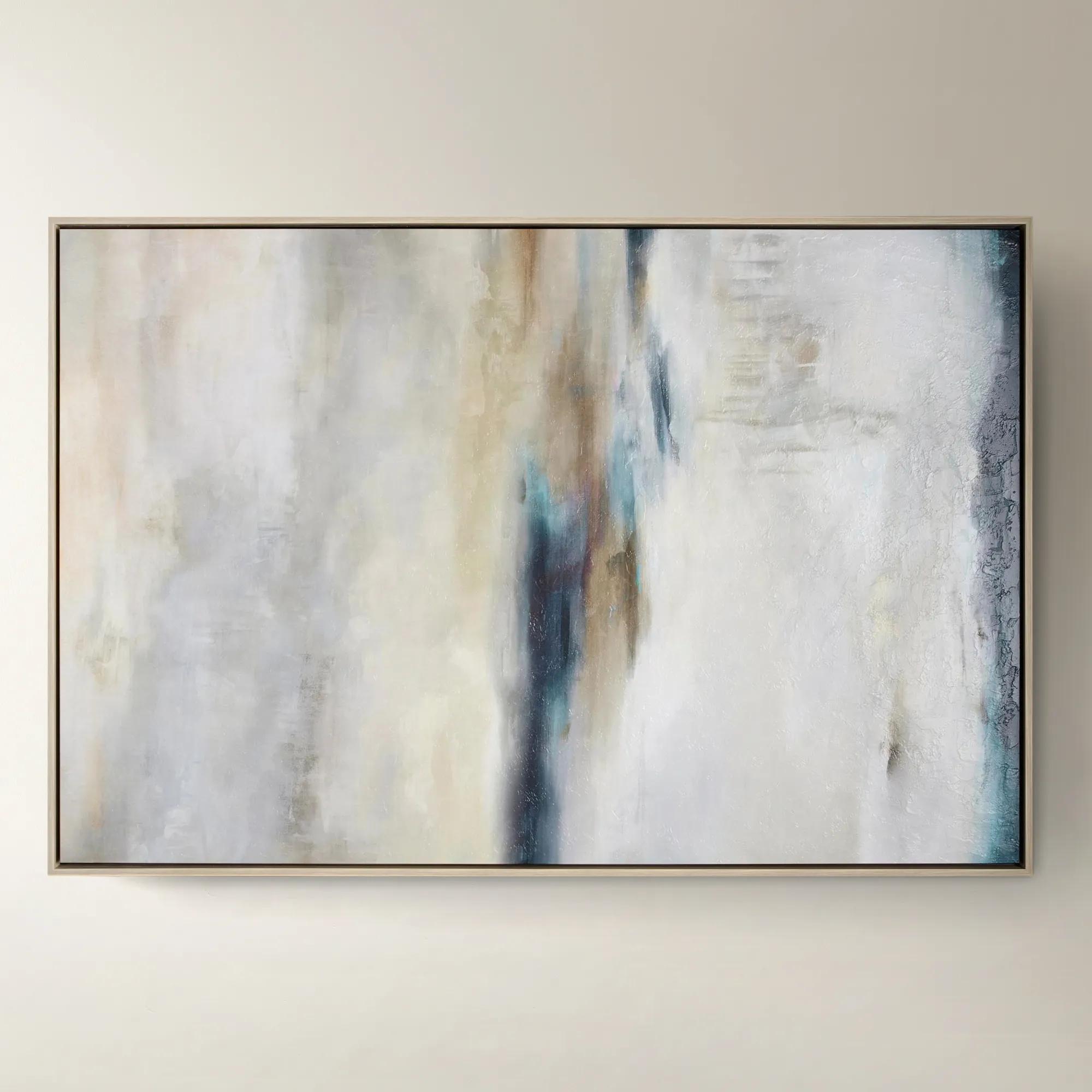
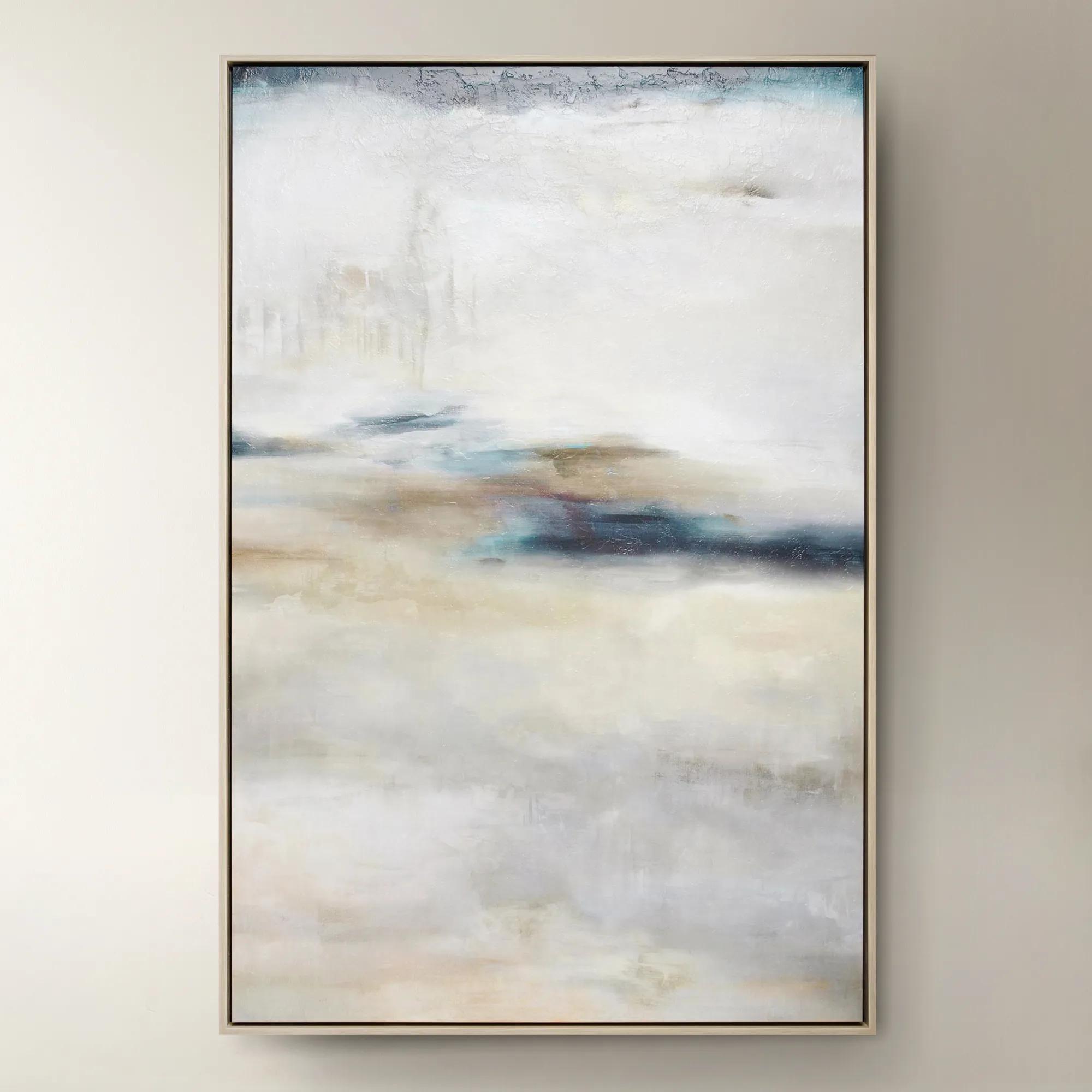 Forward Looking$1299
A softly layered abstract canvas print with a gel finish, set in a natural-hued floater frame.
Add To Cart -
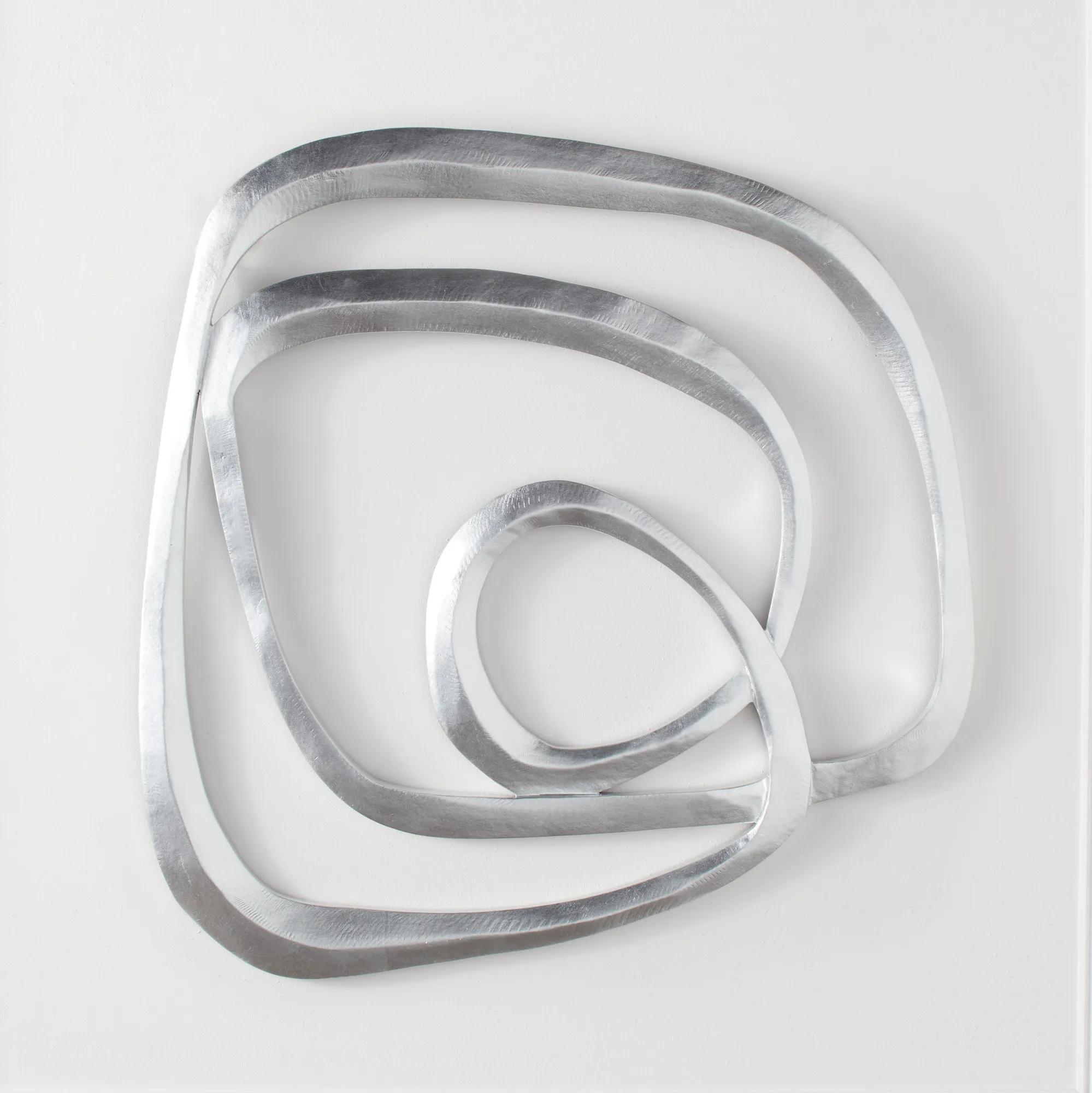 Infinity Silver Leaf Wood Wall Decor I 31.5" x 31.5"$299
A swirling wooden wall sculpture featuring a striking metallic silver finish for modern visual impact.
Add To Cart -
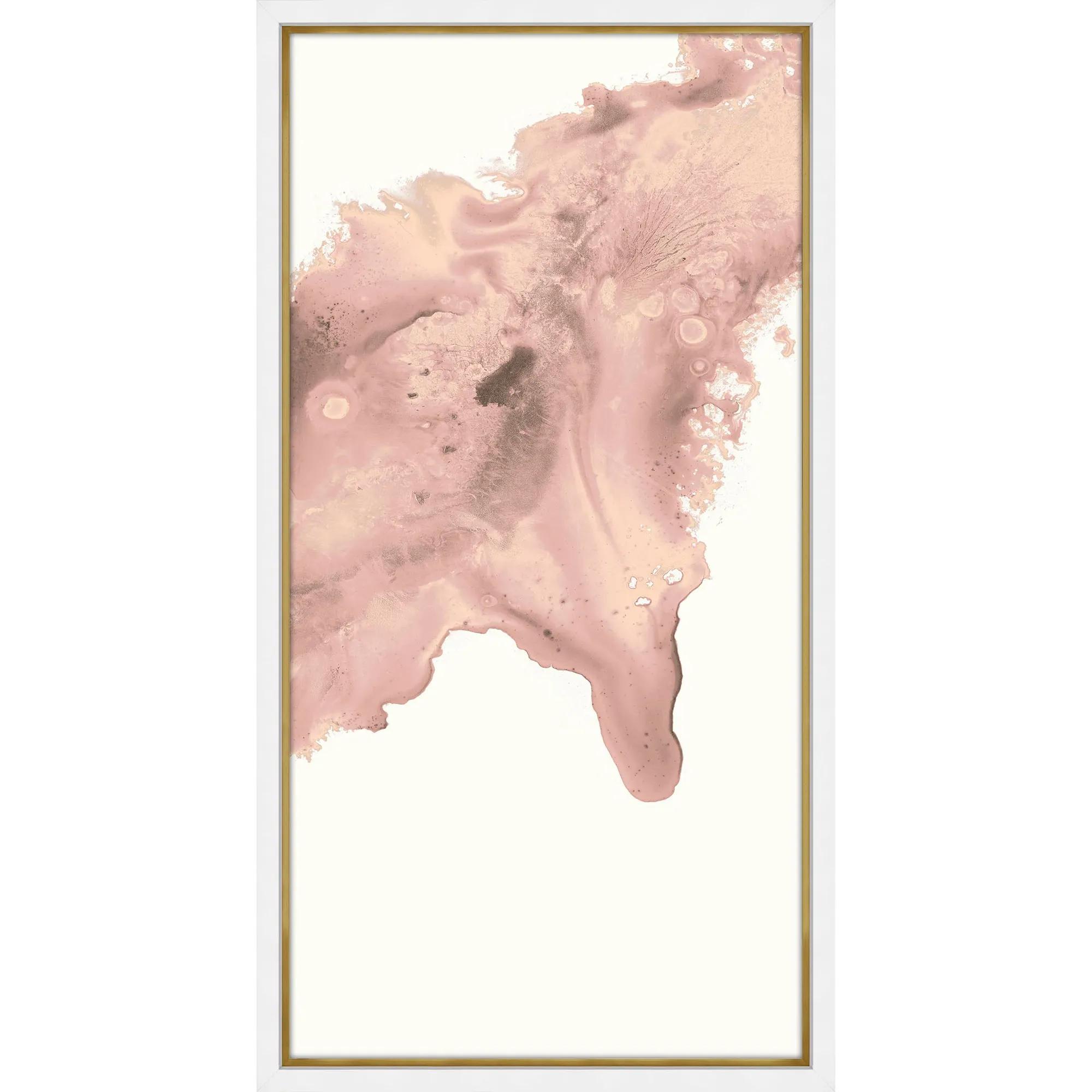
 Blush Conduit 2 Framed Wall Art 24" x 48"$849
A striking abstract print on pearl paper, elegantly framed in gold and matte white for modern appeal.
Add To Cart

Horizontal Art Above Beds
Explore horizontal art for the space above your bed, with wide-format compositions that give bedroom wall decor a striking focal point. Use your headboard’s width to guide the scale, then choose colors that echo your bedding or introduce a bold contrast for a more expressive retreat.
Horizontal art above beds brings a generous sweep of color, texture, and movement to the bedroom’s most prominent wall. Its elongated silhouette echoes the width of the mattress and headboard, creating a visual connection between the furniture below and the open space above. A panoramic landscape can lend depth to a compact room, while an expressive abstract introduces the kind of artistic tension that makes a carefully furnished bedroom feel personal. Soft washes of ivory, charcoal, and sand offer subtle dimension beside layered neutral bedding; saturated blue, burnished gold, or dramatic black can establish a more commanding focal point. The expressive compositions in Horizontal Abstract Canvas Wall Arts suit bedrooms where movement and color take precedence over a literal subject. Broad brushwork can bring energy to crisp upholstery, while fluid shapes soften the geometry of a tall, tailored headboard. The appeal is not limited to one decorating style: horizontal bedroom wall art can complement a polished suite with mirrored nightstands, a sculptural upholstered bed, or a quieter room defined by tactile fabrics and warm wood. A single wide composition often feels especially composed because it gives the eye one uninterrupted place to rest. Coordinated panels can create a similar effect, with the spacing between them becoming part of the design. For a primary bedroom, the artwork may reflect a shared palette or a meaningful landscape; in a guest room, an atmospheric composition can establish a welcoming mood without making the space feel overly personal. The strongest arrangements connect with the room rather than repeating every color already present. A trace of silver that relates to bedside lighting, or a ribbon of deep blue drawn from a patterned pillow, is often enough to make the entire setting feel intentional. From across the room, the composition establishes the mood; viewed more closely, its surface and subtle color shifts reward attention.
Proportion gives horizontal art over a bed its sense of confidence. A useful starting point is artwork measuring approximately two-thirds to three-quarters of the bed or headboard’s width, including the frame. For a standard 60-inch-wide queen mattress, that translates to roughly 40 to 45 inches of total artwork width; for a standard 76-inch-wide king mattress, approximately 51 to 57 inches creates a comparable relationship. These dimensions are reference points rather than fixed rules, particularly when a headboard extends beyond the mattress or has a dramatic winged profile. The visible furniture silhouette matters more than the mattress measurement alone. A substantial upholstered headboard may support a broader composition, while a slender metal frame can pair beautifully with art that leaves more breathing room at either side. Horizontal art above a bed is often positioned with its lower edge about 6 to 10 inches above the headboard, then adjusted for the artwork’s height, ceiling height, and the way the bed is used. Enough clearance should remain for anyone sitting upright, and the composition should feel connected to the headboard rather than suspended near the ceiling. In a room with a low ceiling, a wide, shallow piece can preserve openness; on a taller wall, a horizontal rectangle with more vertical depth can hold its own without competing with the bed. When several panels form one composition, their combined width includes the gaps between them. Nearby sconces, pendants, curtain panels, and tall lamps also affect the balance, especially when their outlines enter the same visual space. A paper template makes those relationships easier to judge before installation. Centering artwork over the bed, rather than automatically centering it on the entire wall, usually creates the clearest connection. In an asymmetrical bedroom, where a doorway or window interrupts one side, that alignment can give the sleeping area its own assured sense of order. The result is an arrangement that feels considered from the doorway and comfortable from the pillows.
Materials and finish determine how horizontal bedroom art looks at close range, how it responds to light, and how it fits into everyday life. Canvas has a woven surface that can lend printed imagery a softer presence, while painted texture introduces shadows and dimension that change subtly with the viewing angle. A stretched canvas can maintain a clean edge; a surrounding frame adds definition and a more architectural outline. Framed works on paper offer another expression, particularly when a mat gives delicate marks or tonal imagery space to breathe. Glazing can protect paper surfaces, but its weight and reflectivity deserve attention in an above-bed setting. Metallic finishes can catch the glow of bedside lamps, while matte surfaces tend to keep the focus on the composition itself. Across these formats, substantial construction, sound frame joints, and suitable hanging hardware matter as much as the image. Because the artwork sits over a sleeping area, its weight, wall construction, and mounting requirements deserve particular care. Hardware should be rated for the full weight and appropriate for the wall, with professional installation considered for large, heavy, or complex arrangements; local seismic conditions may also influence placement and mounting choices. Longevity depends on placement as well as construction. Direct sunlight can fade pigments and printed colors, and excess moisture can affect canvas, paper, and framing materials. Routine care should follow the maker’s instructions, with gentle dusting where appropriate and no cleaning spray applied directly to artwork. These practical details preserve the pleasure of a piece chosen for daily enjoyment. Horizontal art can also make a thoughtful wedding or housewarming gift when the recipients’ taste, available wall dimensions, and preferred palette are known. For a bedroom shared by two people, a composition with nuanced color and open-ended imagery can offer a meeting point between different styles. Whether the mood is quietly luminous or richly theatrical, well-proportioned art gives the space above the bed a deliberate presence, completing the room with color, character, and a lasting sense of expression.
FAQs
Abstract compositions, expressive landscapes, and black-and-white photography each bring a distinct point of view to the bedroom. Choose sweeping brushwork for movement and drama, atmospheric scenery for a dreamy mood, or graphic imagery for a crisp, gallery-inspired statement.
Let your bedroom palette offer a starting point, not a strict formula. Echo a tone from your bedding or introduce an unexpected accent for contrast. Rich jewel tones create a sumptuous mood, while layered neutrals offer depth with a quieter kind of glamour.
Create a dialogue between the art and the headboard rather than matching every detail. Fluid, painterly compositions offer a counterpoint to tailored upholstery, while geometric artwork brings definition to curved silhouettes. With an ornate headboard, consider art with a restrained composition so each element retains its presence.
Choose a frame that connects the artwork to the room’s decorative details. A gleaming metallic finish can echo lighting or hardware, while a dark frame adds a graphic outline. Let the composition guide the final choice: expressive artwork may call for a quiet border, while understated imagery can welcome a more decorative treatment.
Yes—horizontal art can anchor a collected, expressive gallery wall. Build cohesion through a shared palette, recurring subject, or related frame finishes, then introduce contrast through different artistic styles. The result should feel thoughtfully composed, with each piece contributing to a distinctly personal bedroom story.