Home Office Table Lamps
Home Office Table Lamps
-
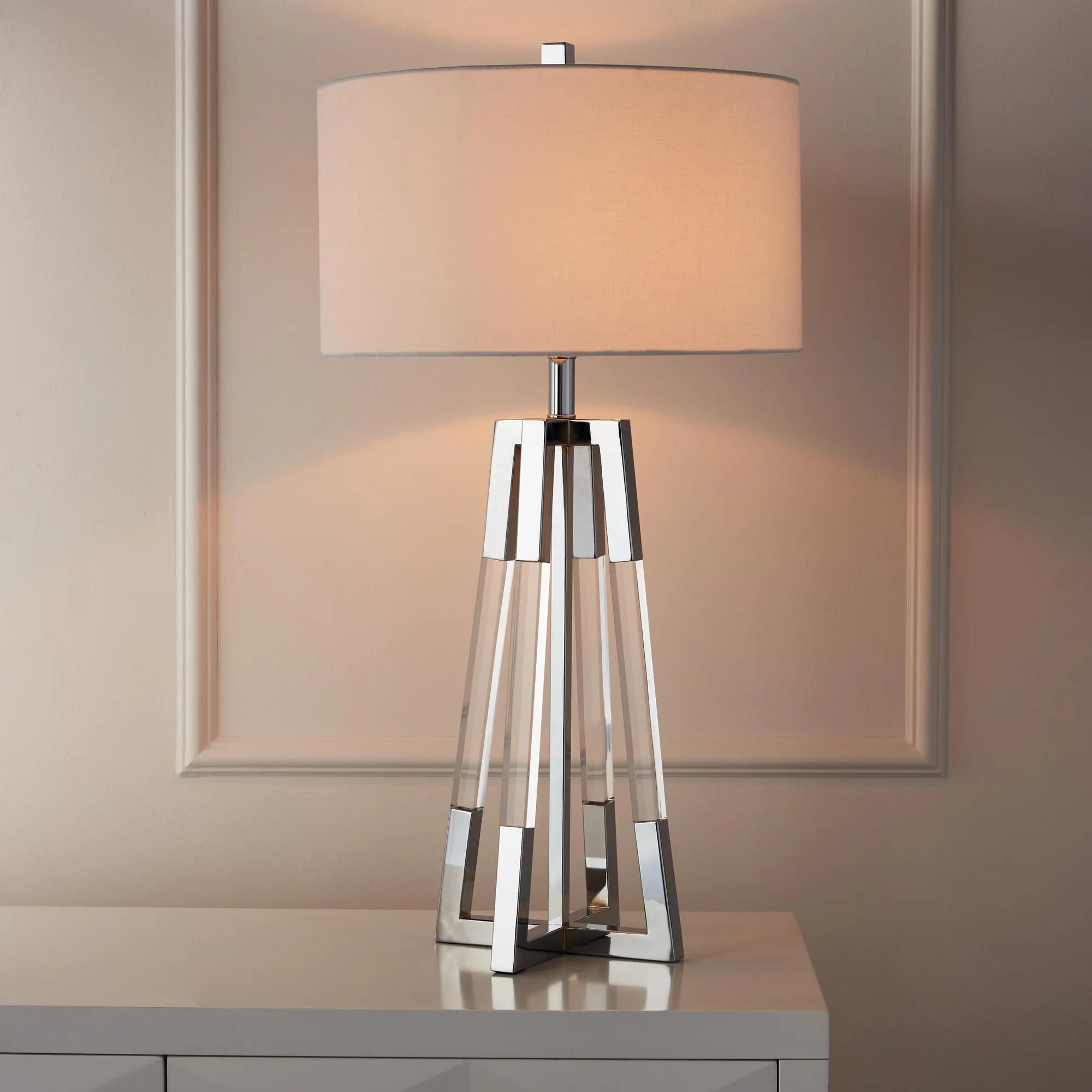 Rollins Table Lamp$439
A sophisticated table lamp featuring clear acrylic and polished nickel accents with a crisp white shade.
Add To Cart -
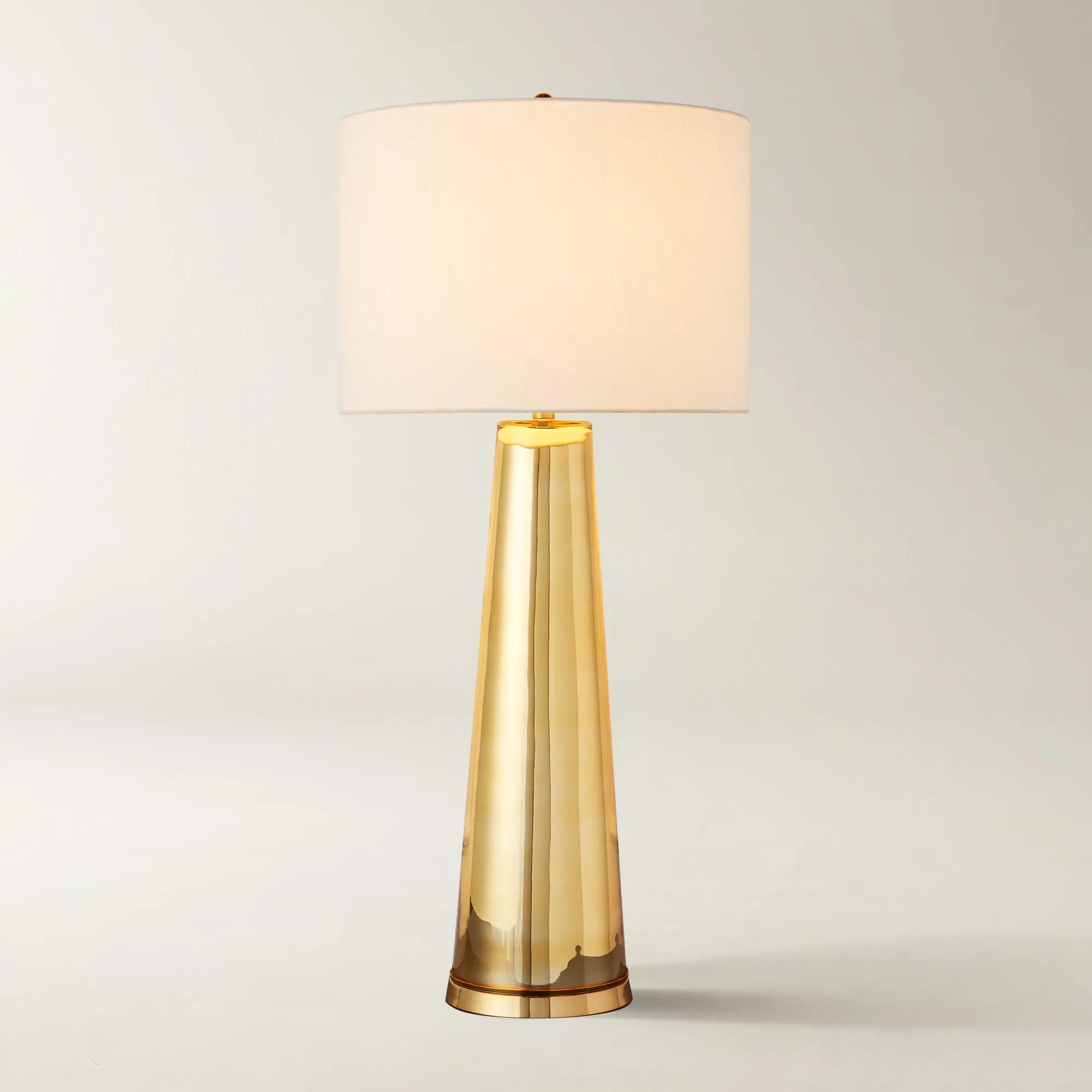
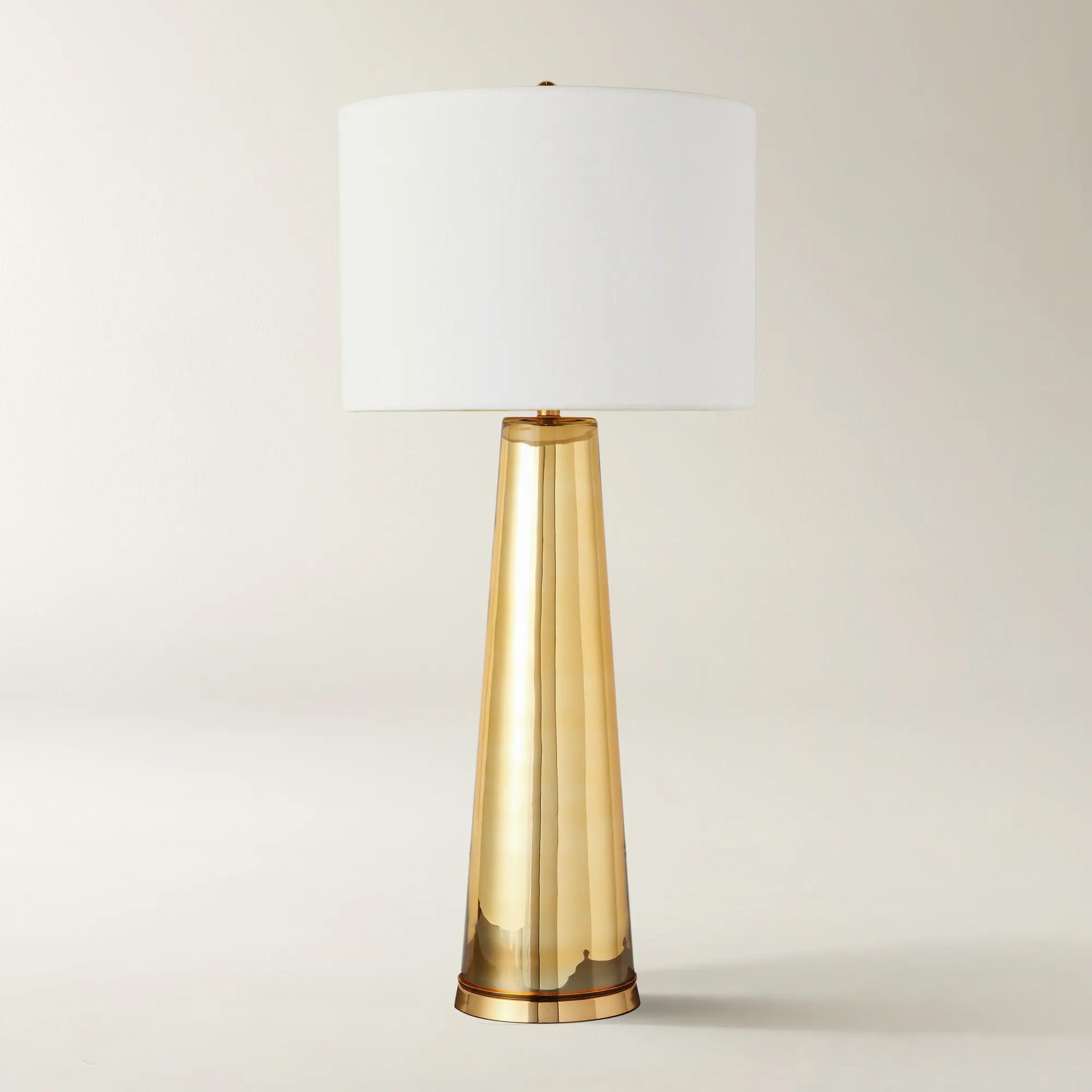 Century Gold Mirrored Glass Table Lamp 40"$299
A modern lamp featuring a mirrored glass base and white drum shade, accented with gold or silver details.
Add To Cart -
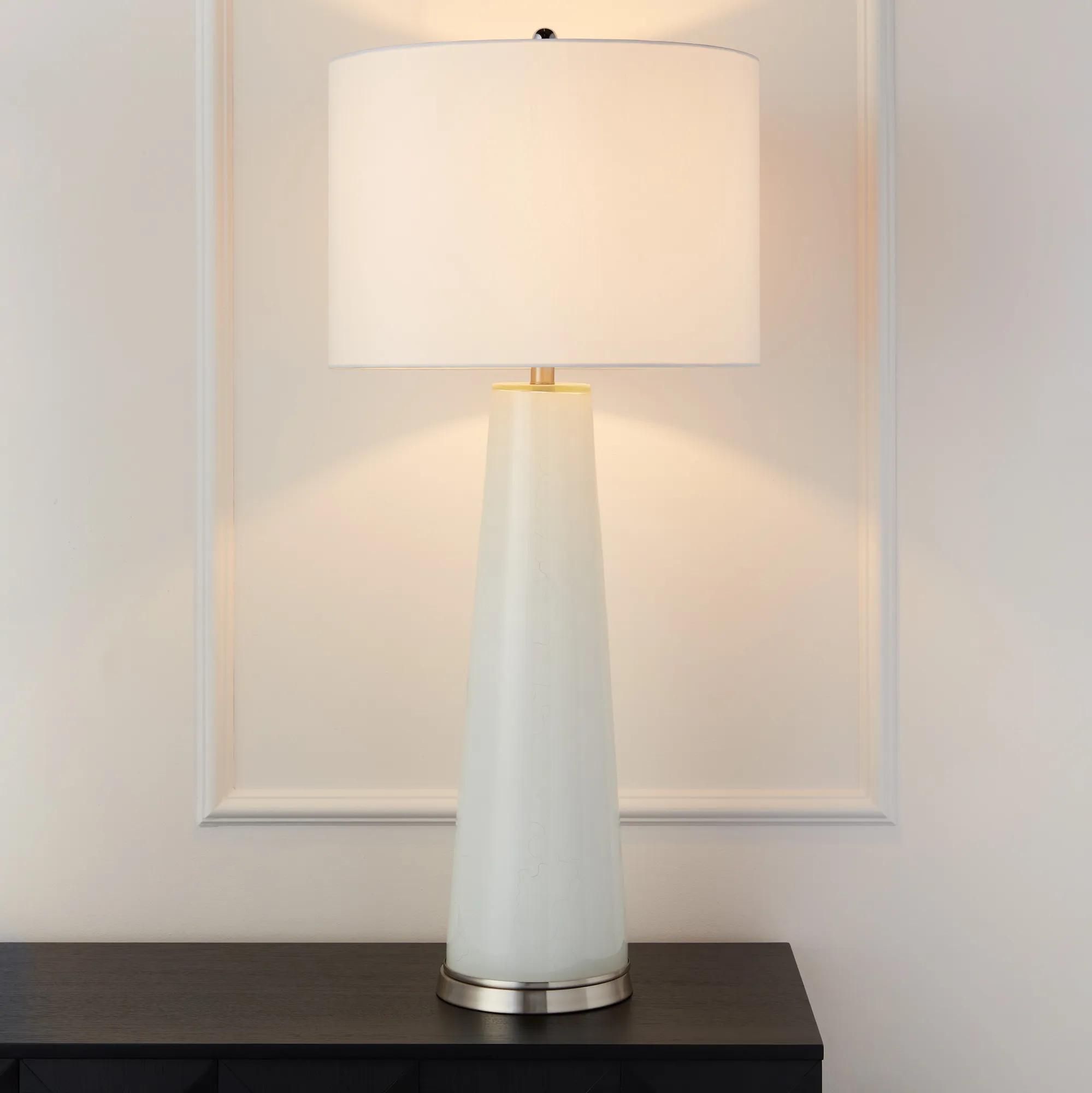 Century White Glass High Gloss Table Lamp 40"$299
A modern glass lamp with a high-gloss white interior and a crisp white drum shade.
Add To Cart -
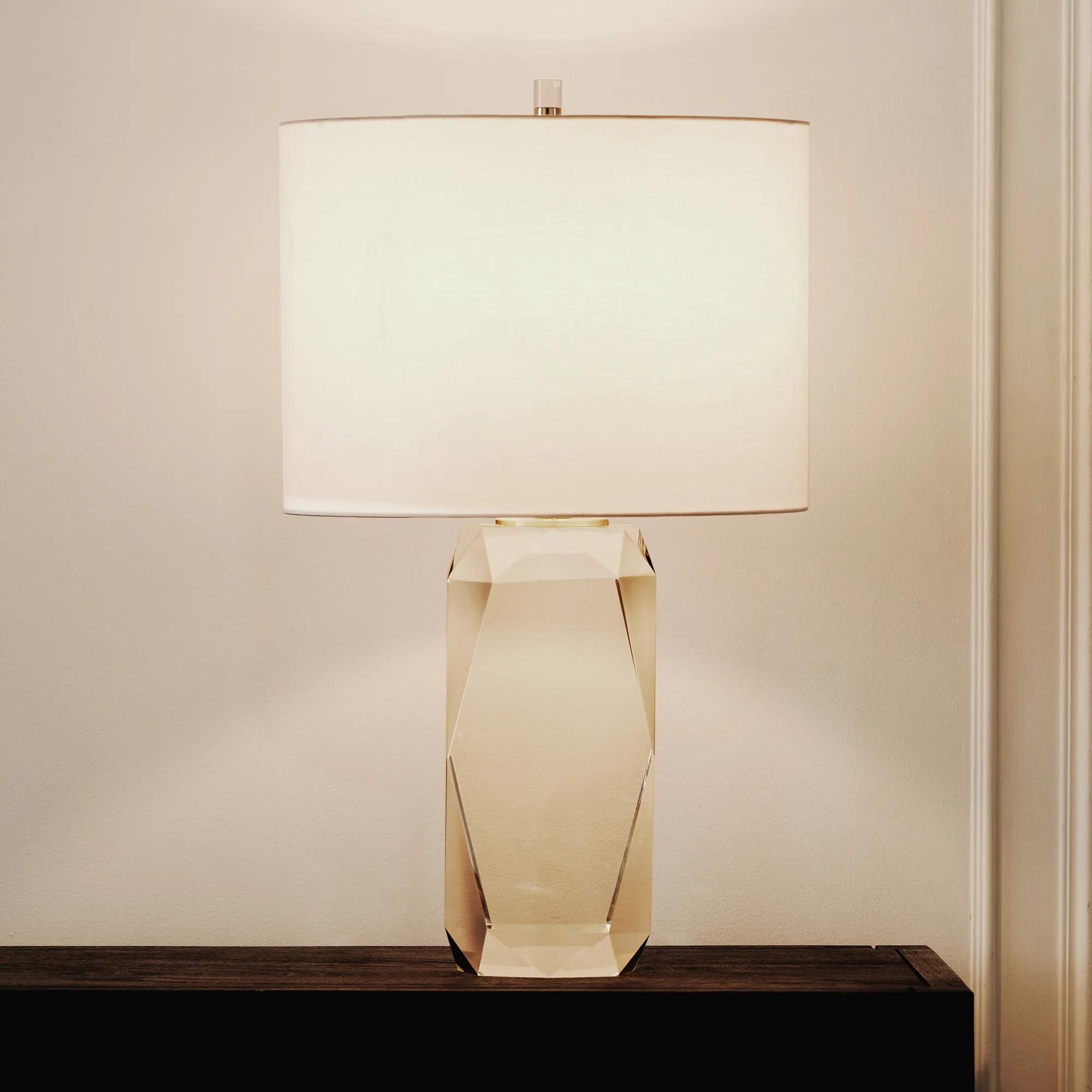 Bianca Faceted Clear K9 Crystal Table Lamp 24"H$499
A clear crystal table lamp with a white drum shade and soft brass hardware for elegant illumination.
Add To Cart -
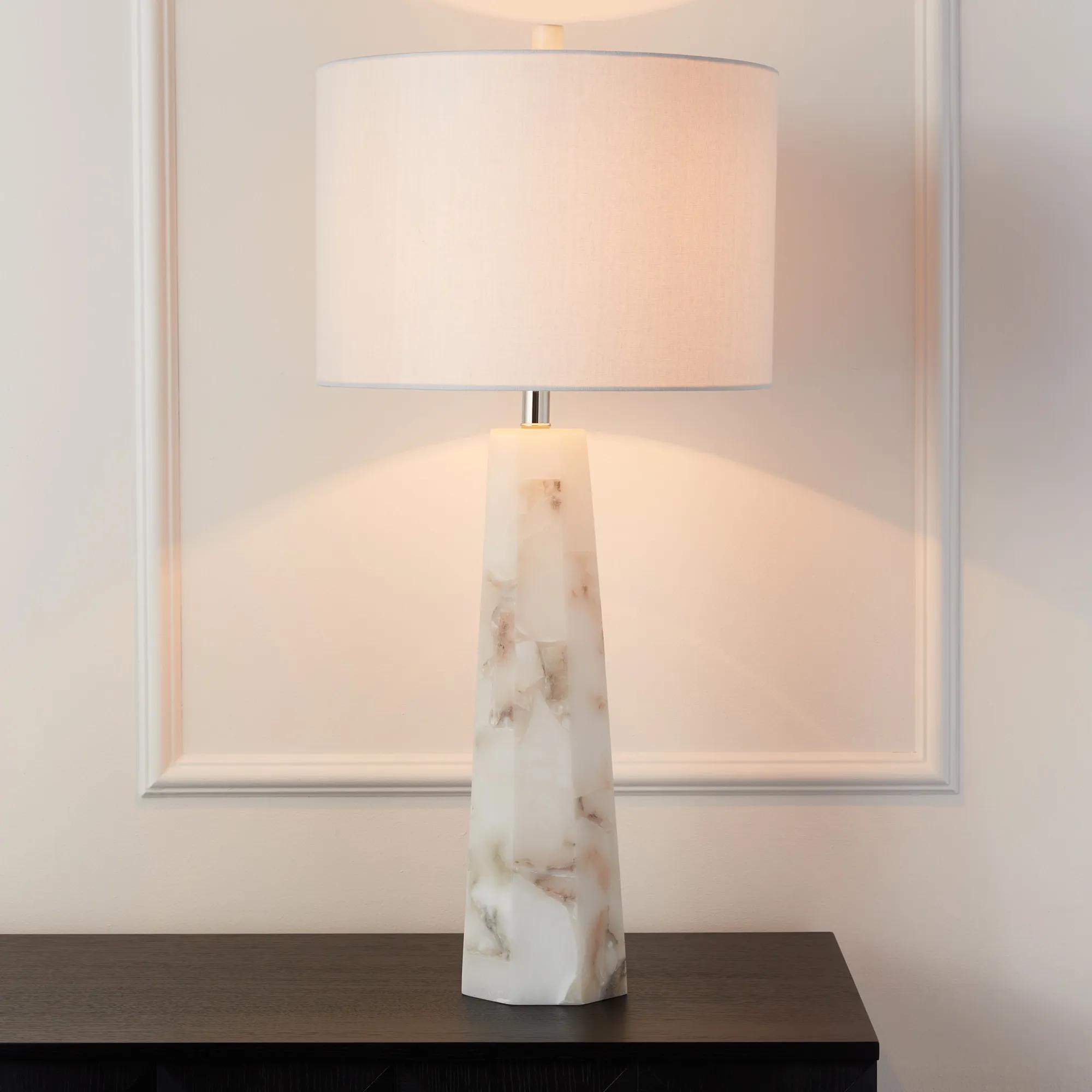 Aurora Alabaster Table Lamp 34"$499
An alabaster stone lamp with a tapered silhouette, white linen shade, and matching alabaster finial.
Add To Cart -
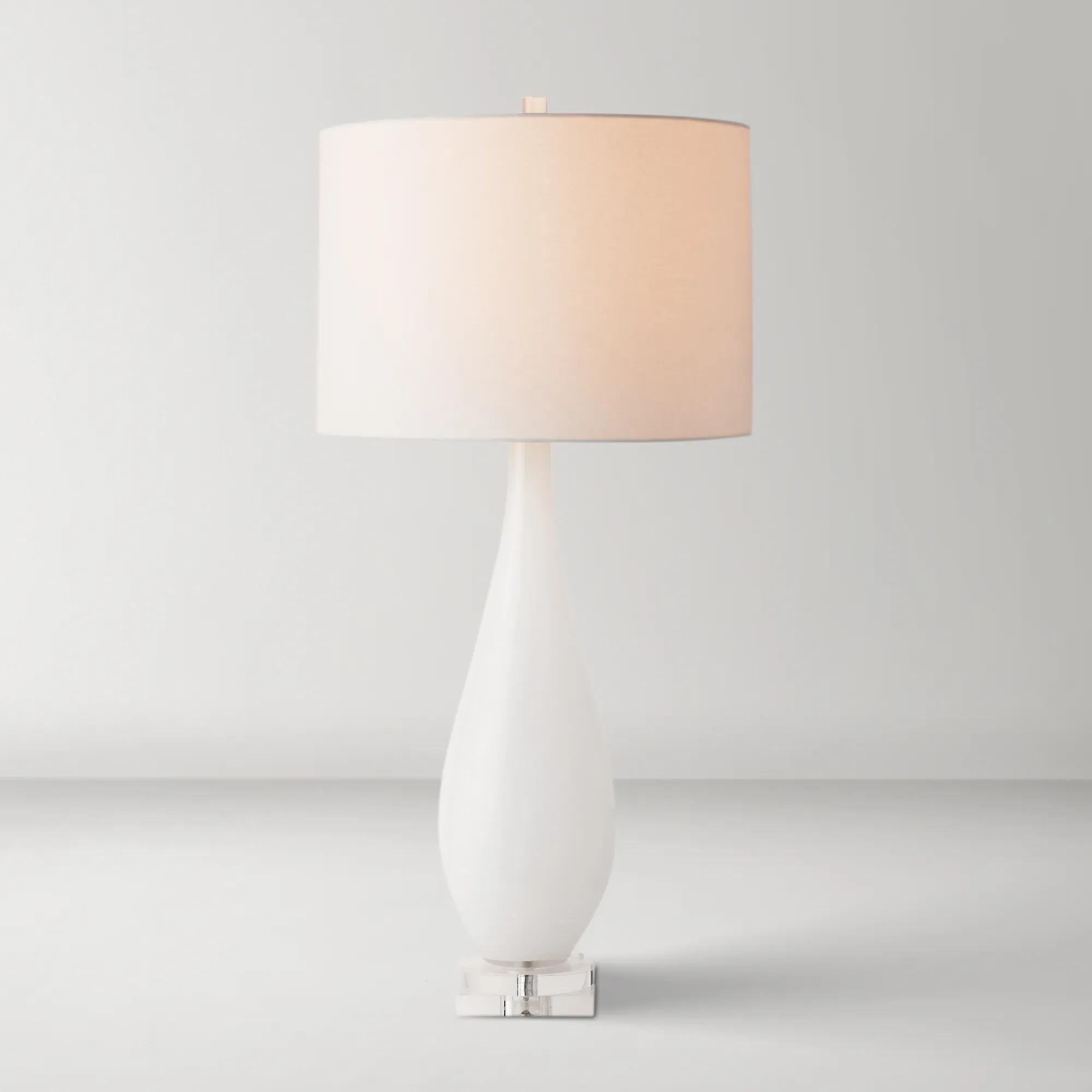
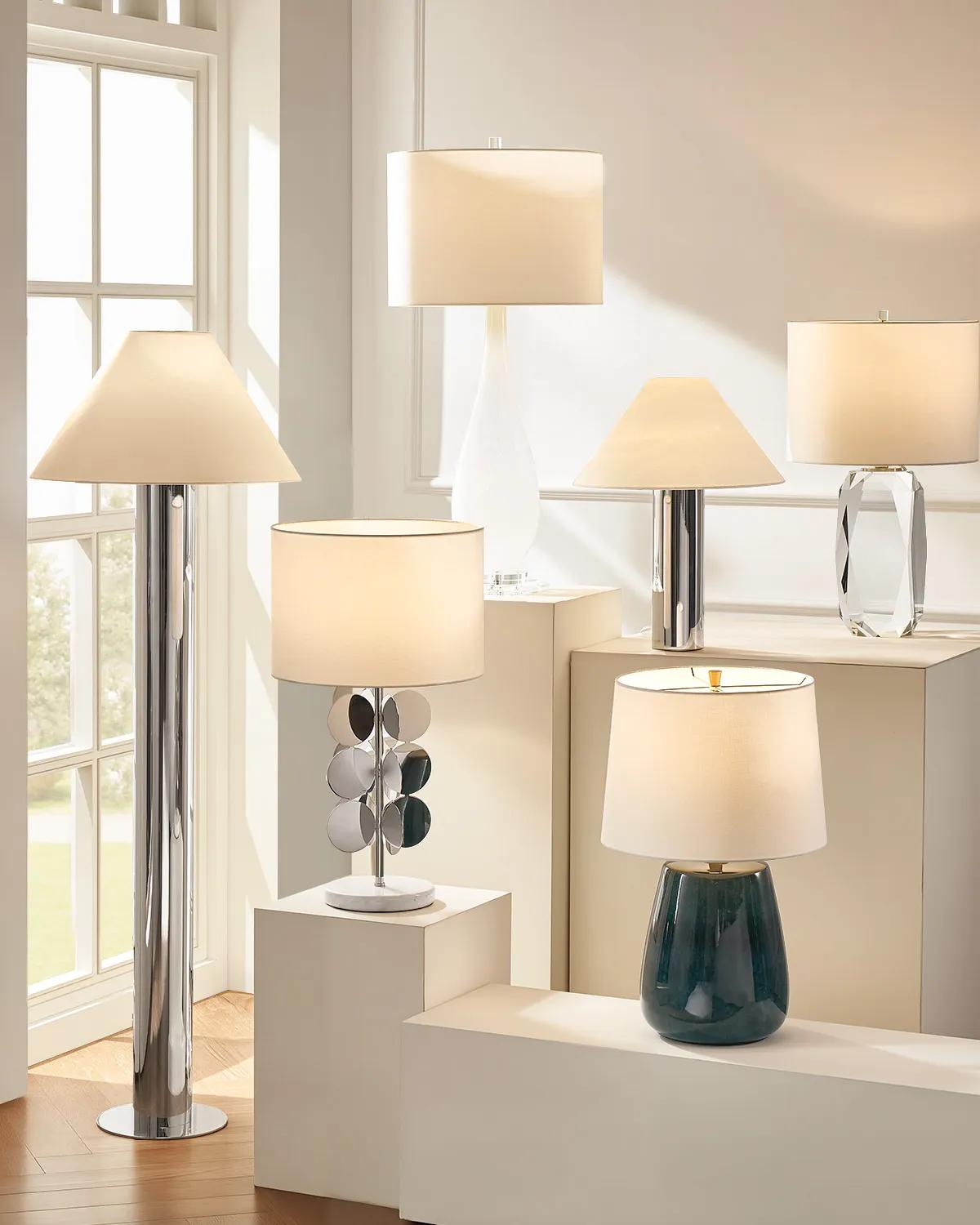 Serena Table Lamp$299
A chic table lamp featuring a handblown glass body, crystal base, and monochromatic white finish.
Add To Cart -
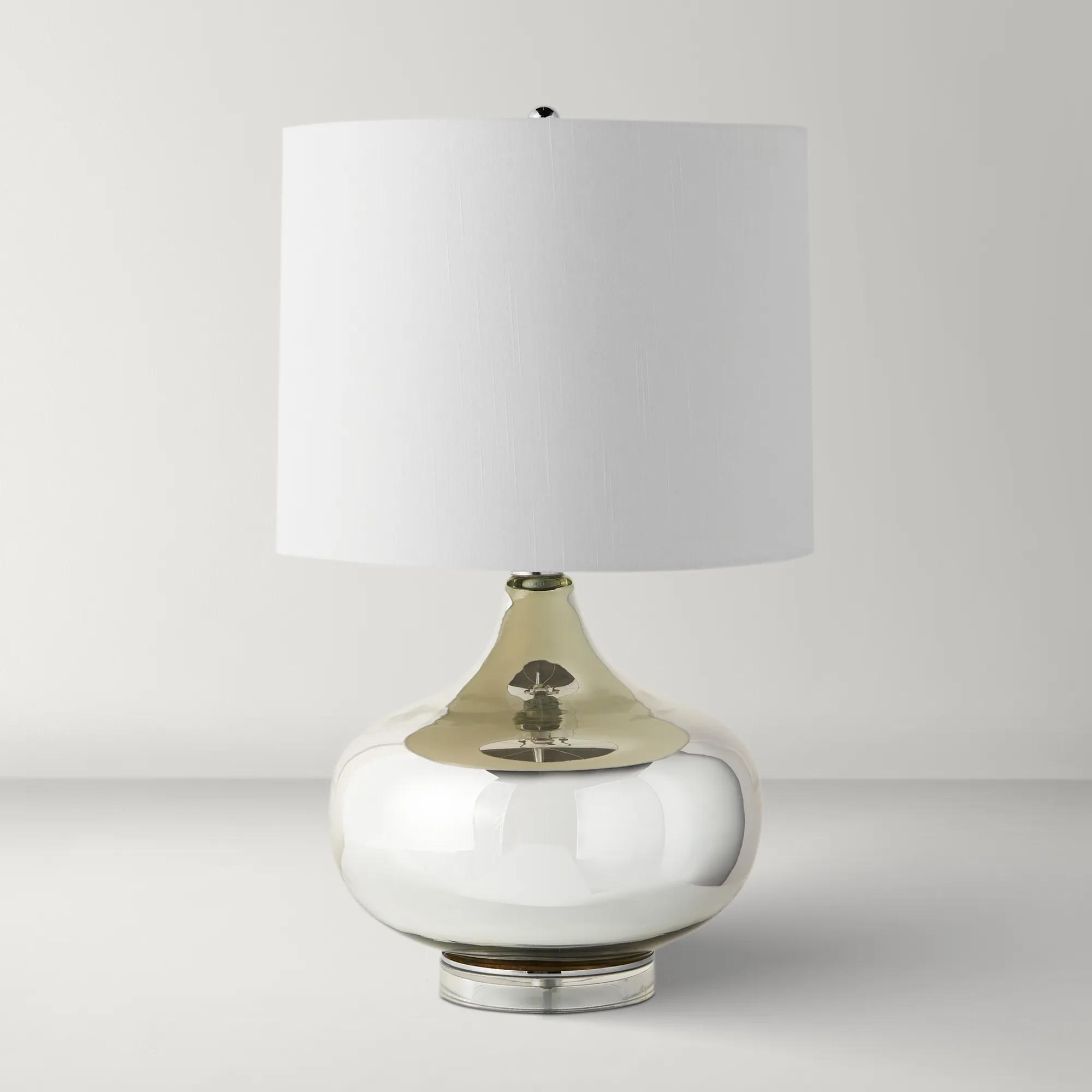 Sabrina Mirrored Silver Glass Table Lamp 27.5"$199
A contemporary lamp featuring a silver mirrored glass base, clear acrylic accents, and a white fabric shade.
Add To Cart -
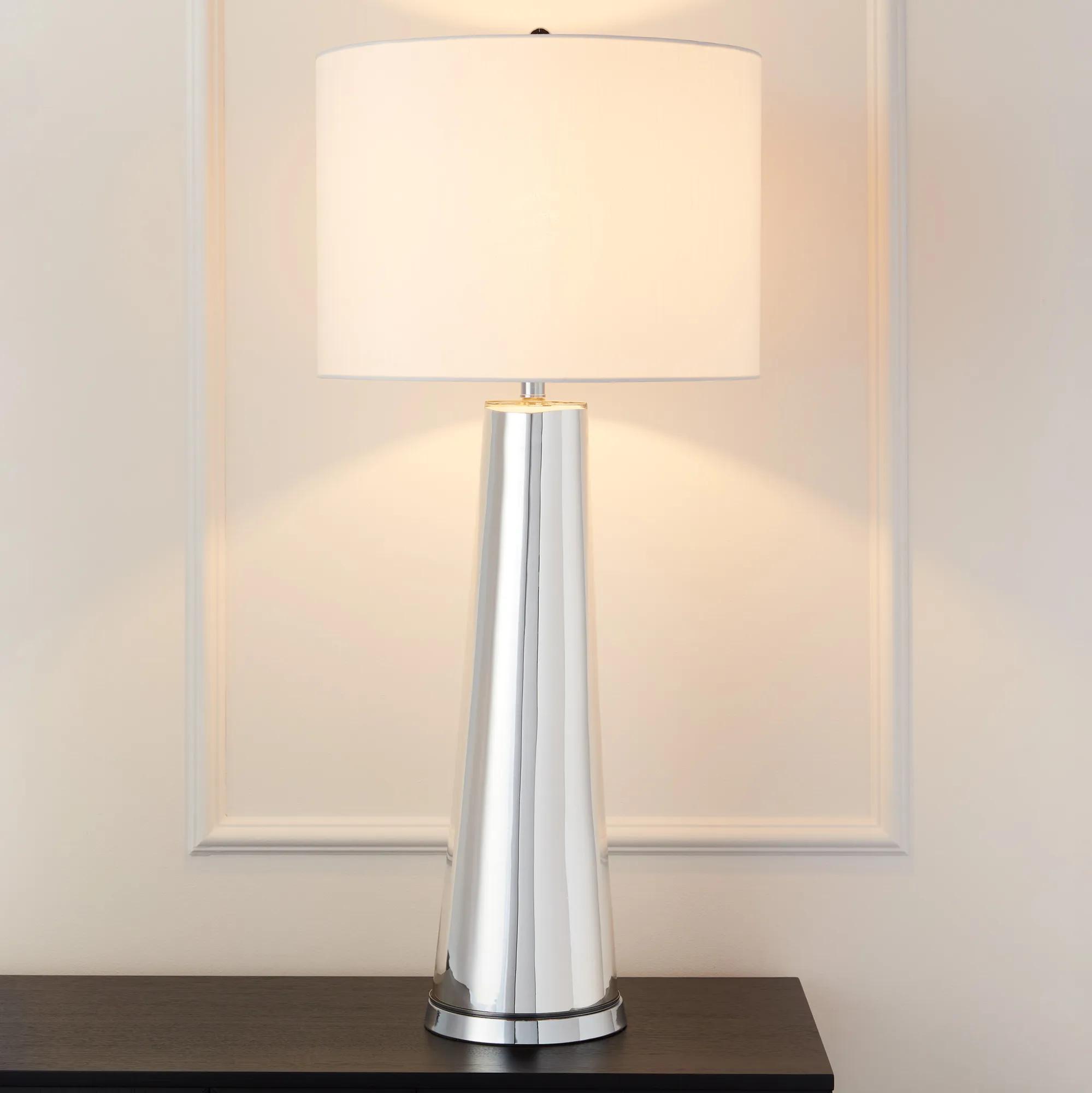 Century Silver Mirrored Glass Table Lamp 40"$299
A modern table lamp featuring a mirrored glass base and white drum shade with brushed chrome accents.
Add To Cart -
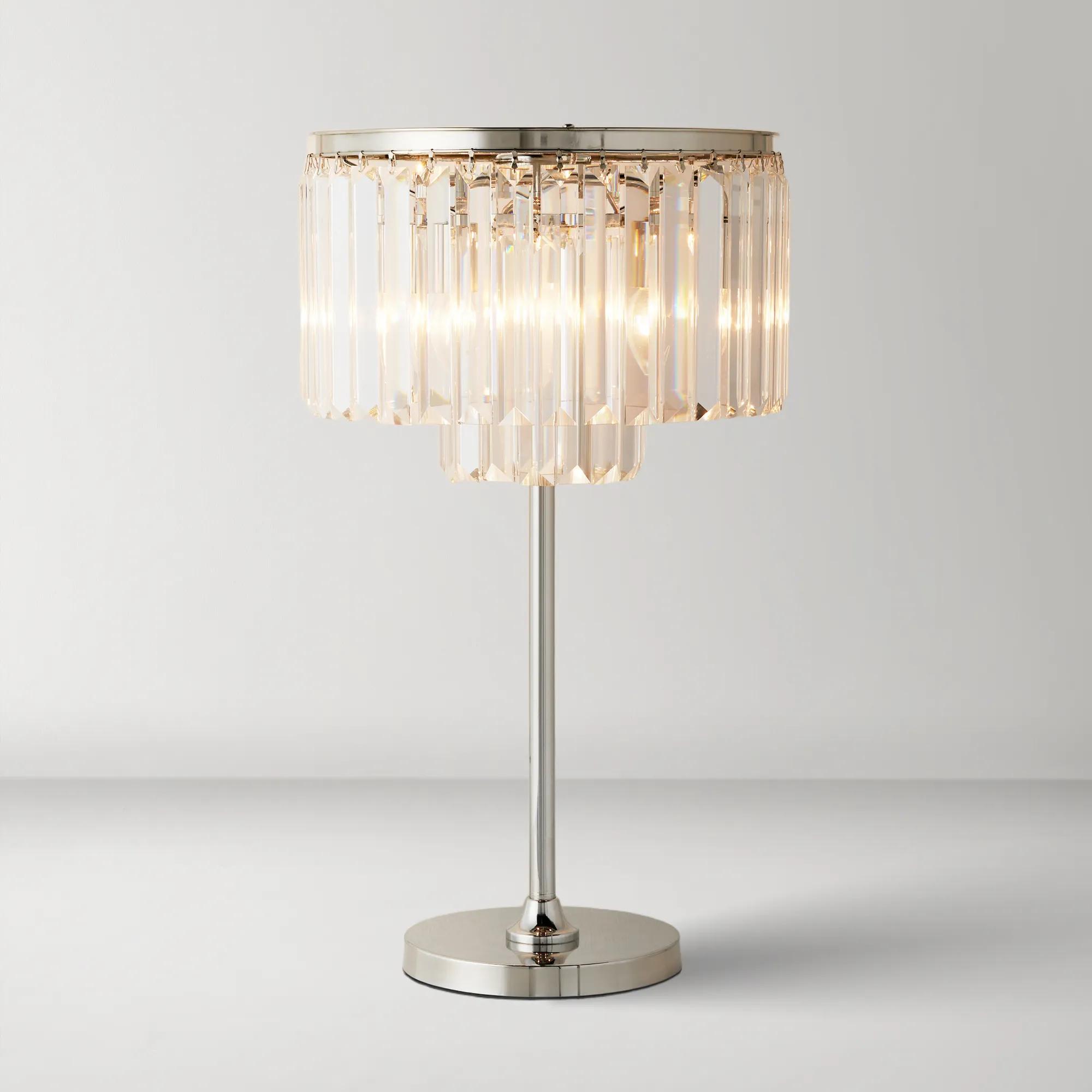
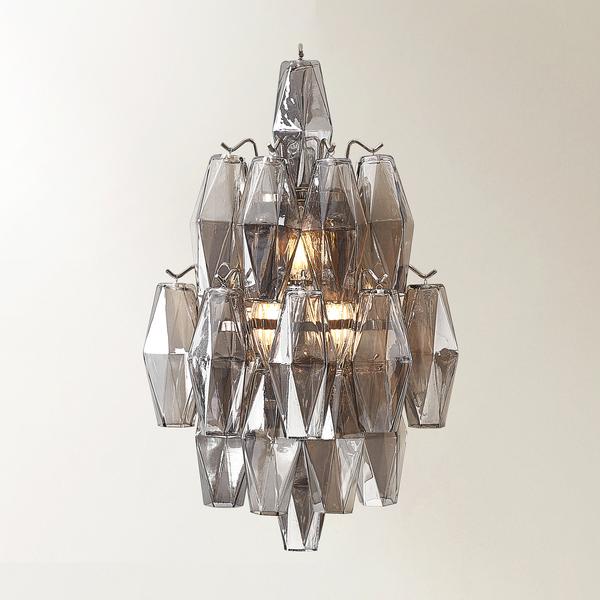
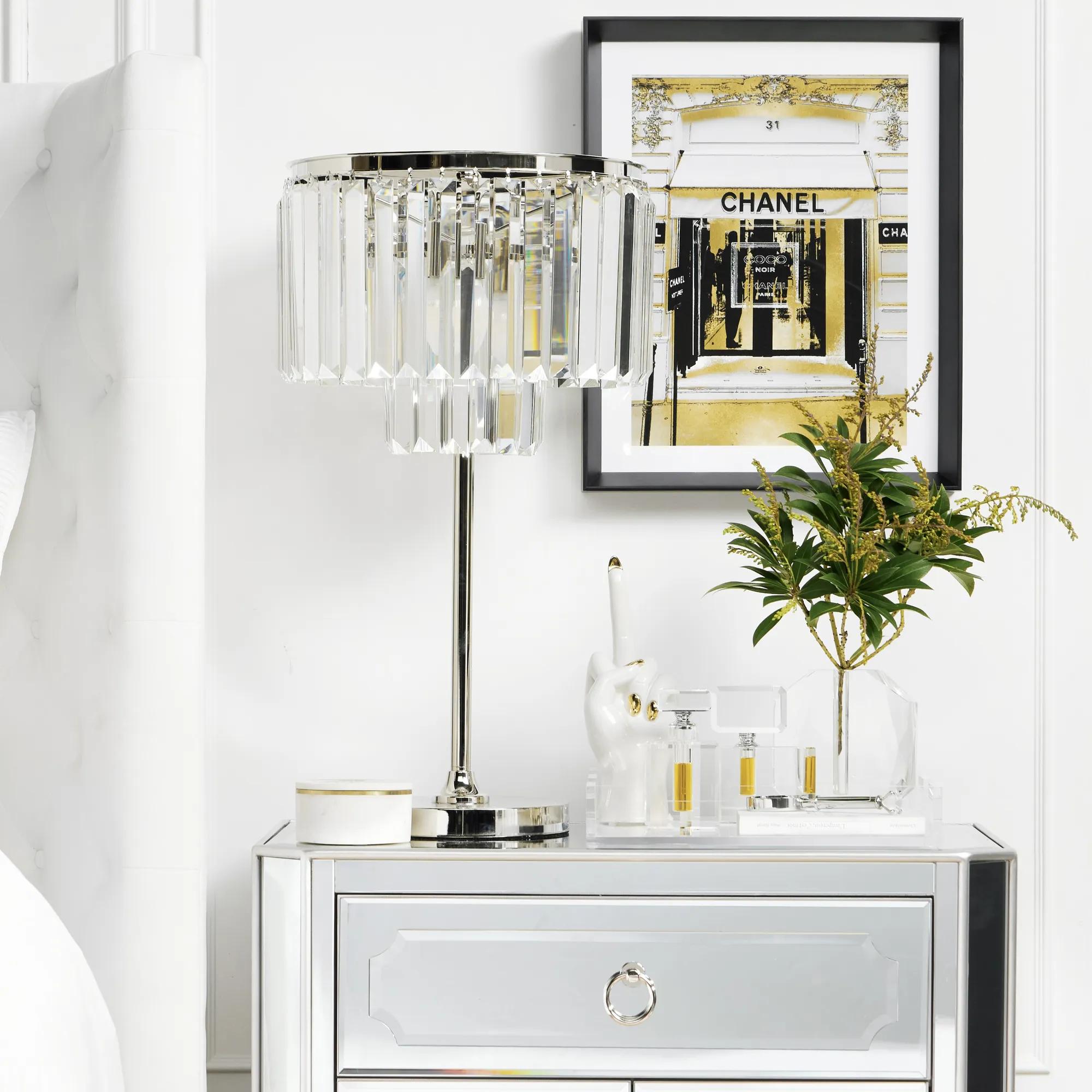 Luxe Table Lamp$499
A sophisticated table lamp featuring faceted ocular glass prisms and a nickel-plated iron frame.
Add To Cart -
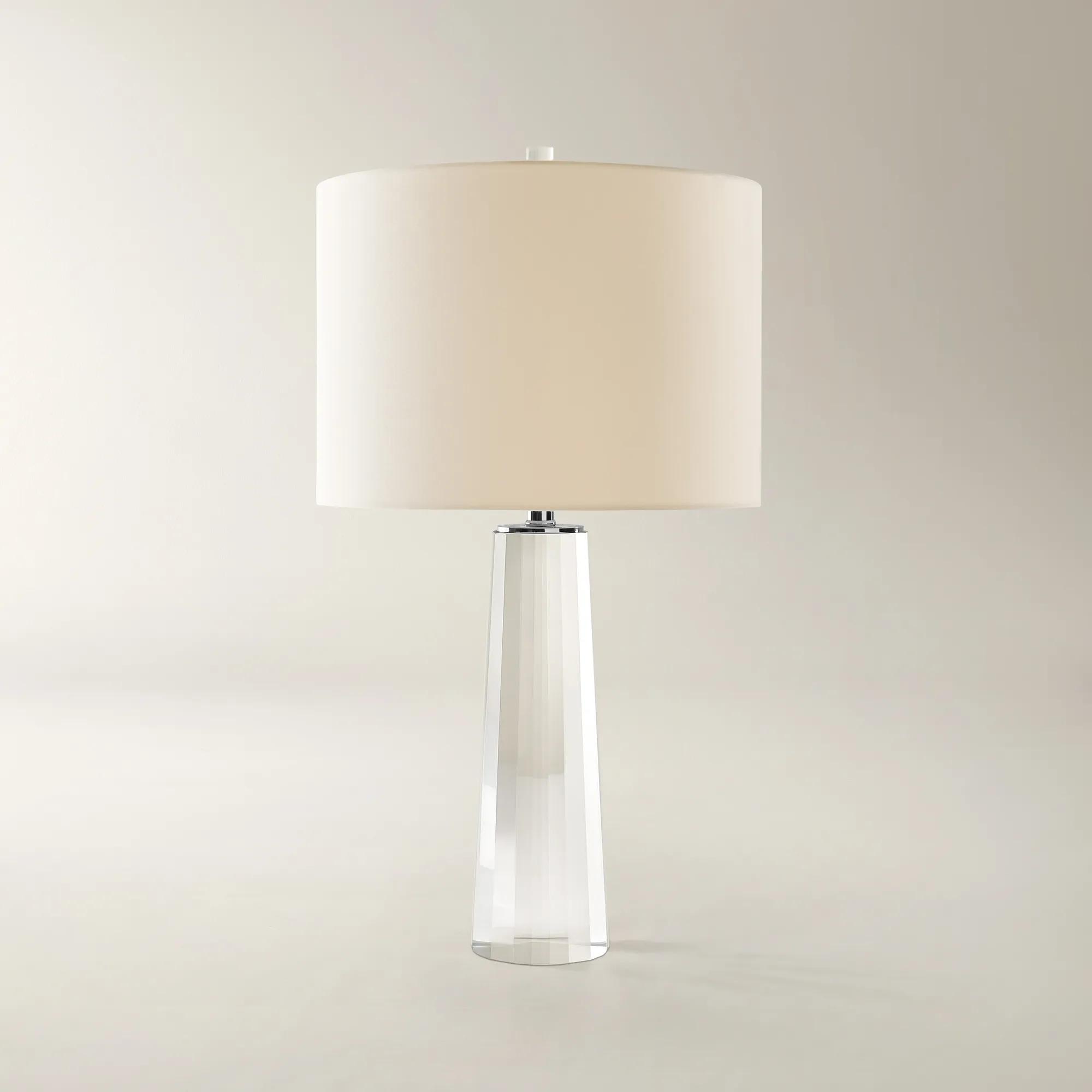
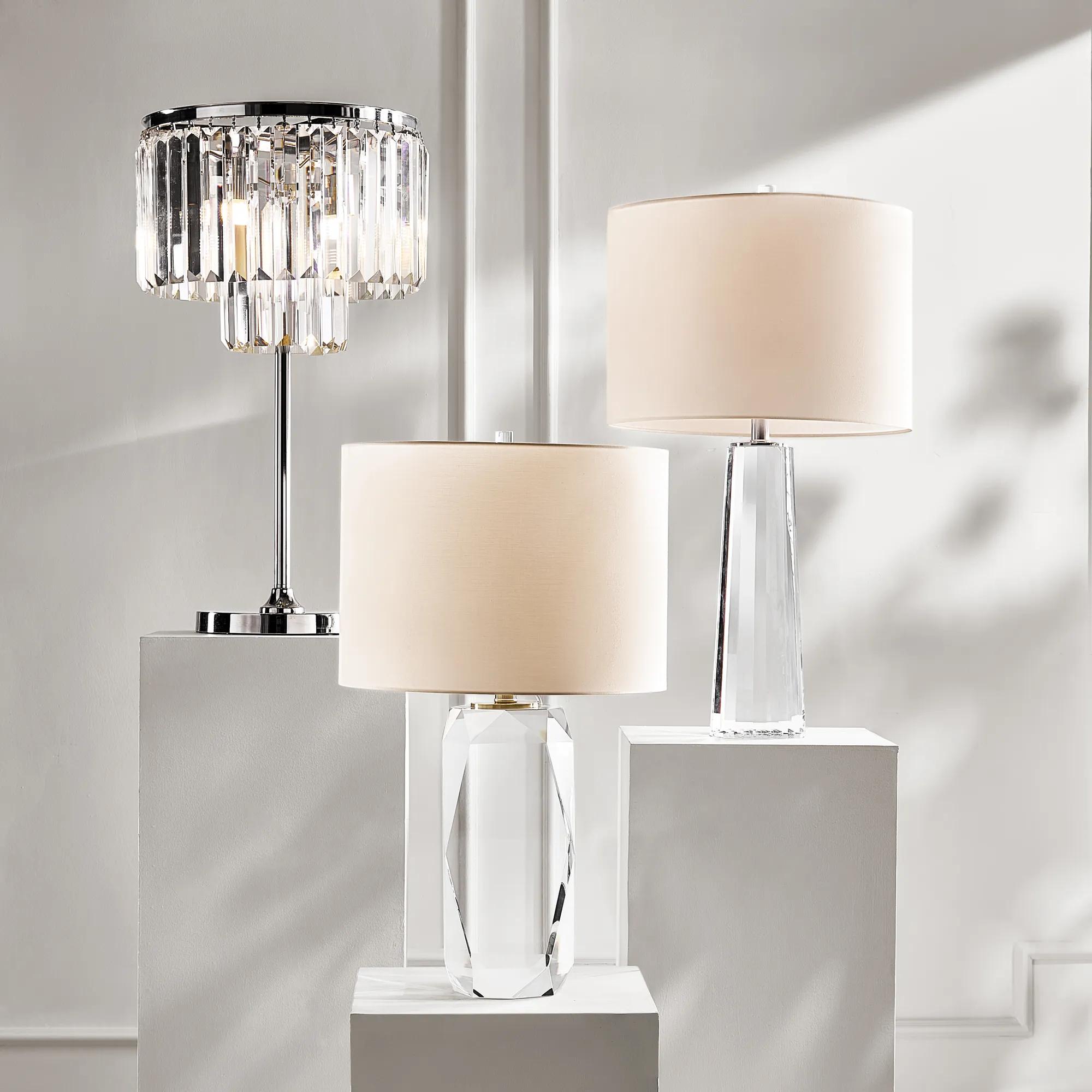 Sasha Faceted Clear K9 Crystal Table Lamp 28"$499
A refined table lamp featuring a clear crystal base, white drum shade, and polished nickel accents.
Add To Cart -
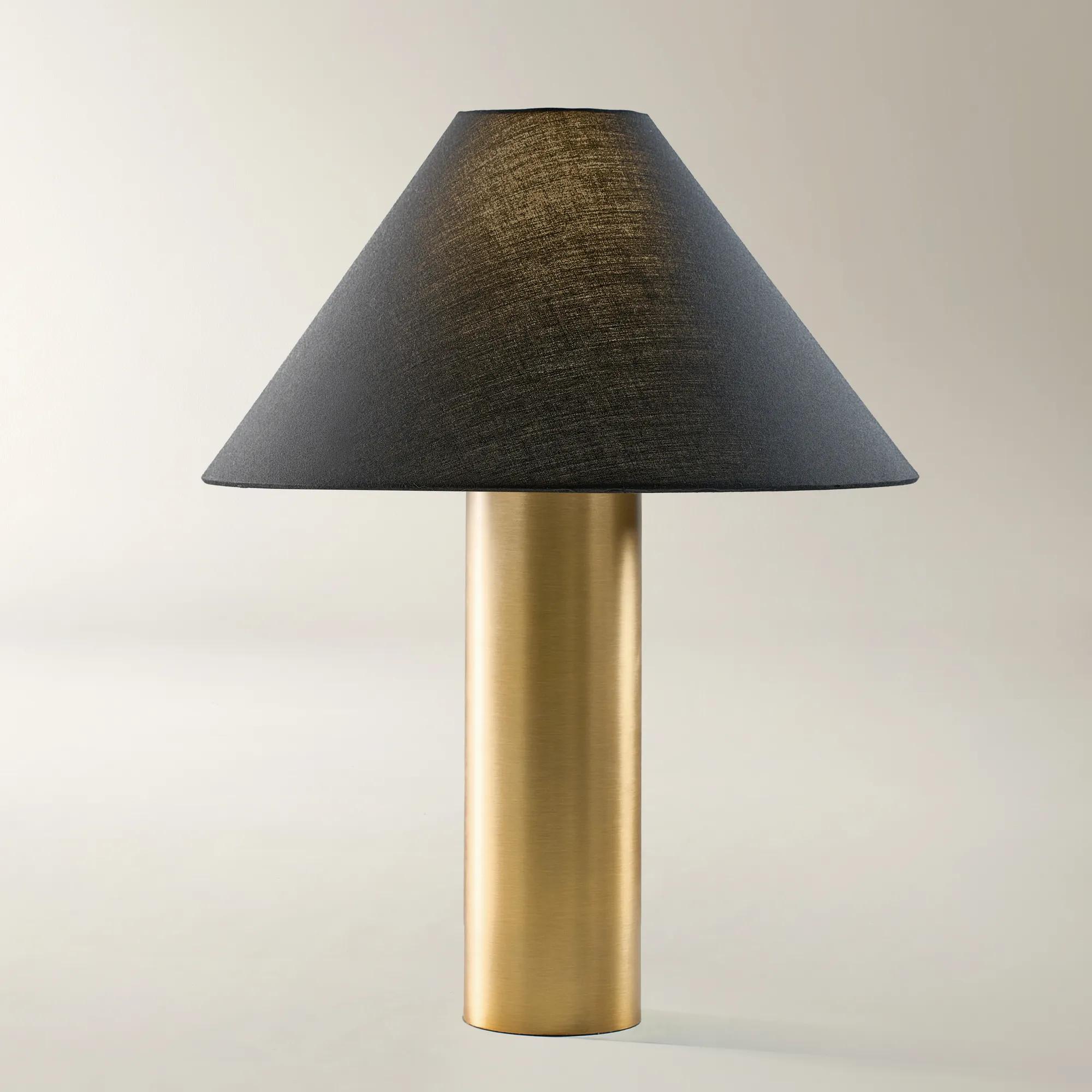 Tova Brushed Brass/Black Table Lamp 20.5"$249
A sculptural brushed brass iron base pairs with a tailored black cotton shade for bold, modern contrast.
Add To Cart -
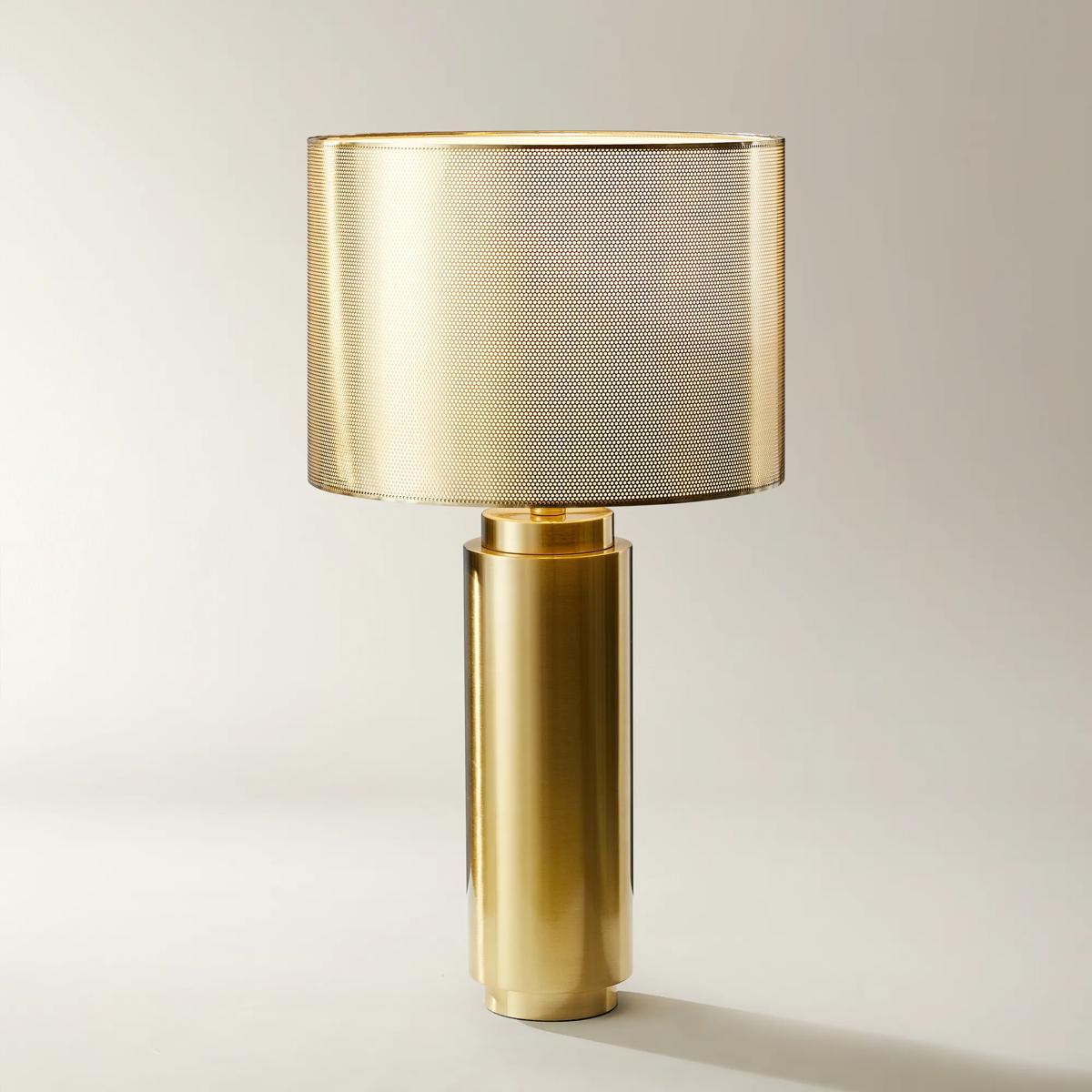
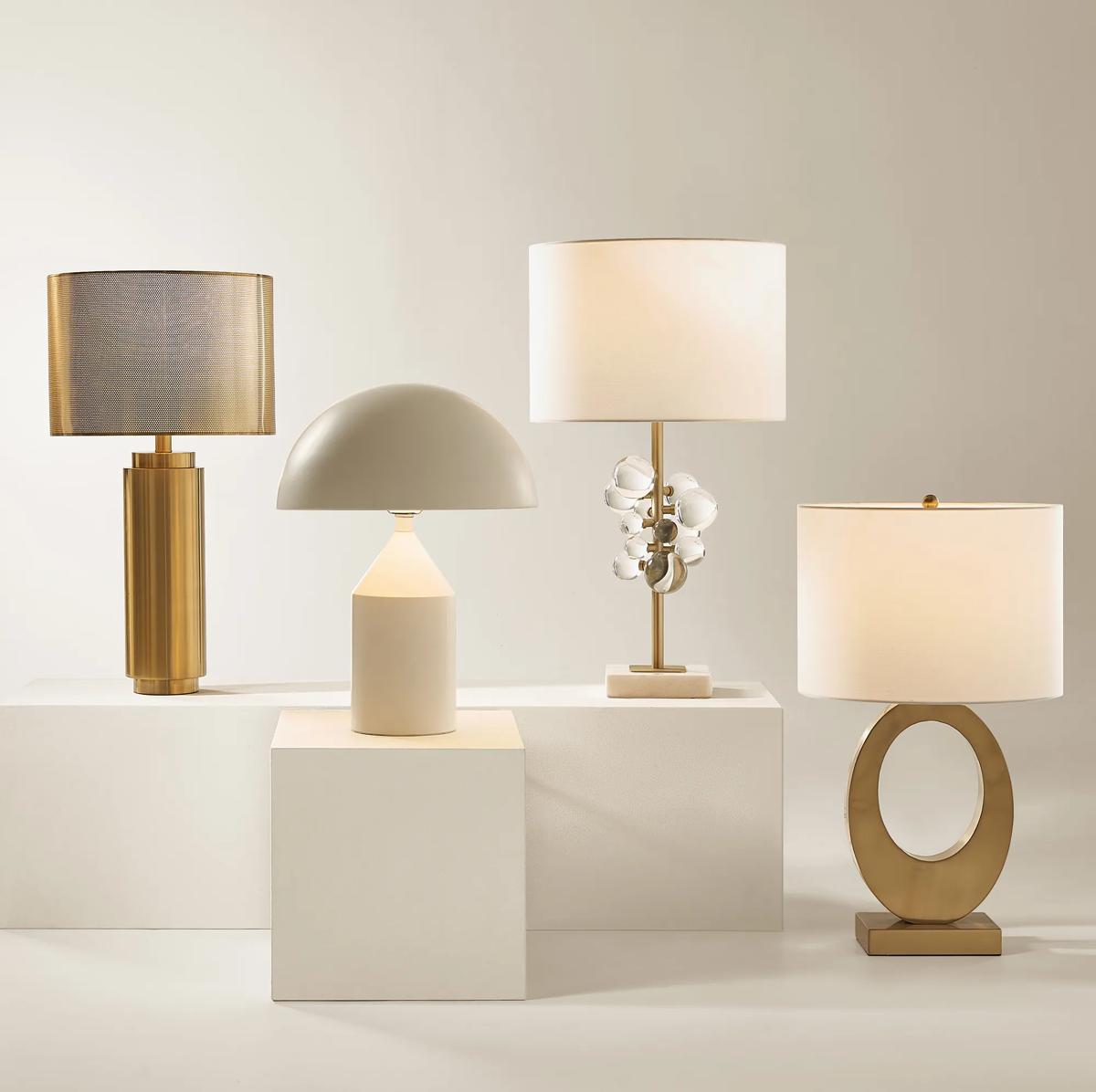 Sibyl Metal Aged Brass Finish Table Lamp 26"$399
A modern table lamp featuring an aged brass iron base and a perforated metal-over-cotton shade.
Add To Cart -
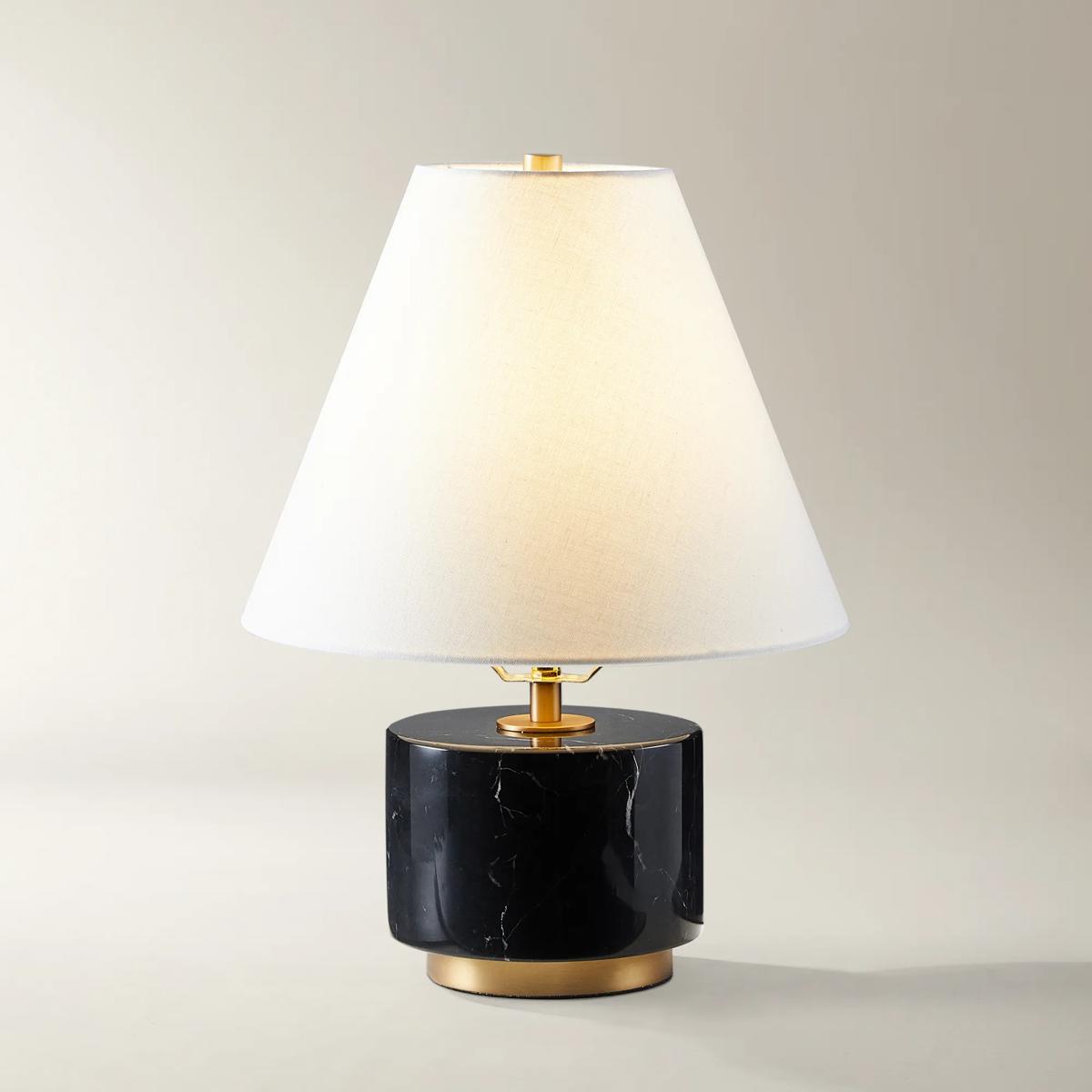
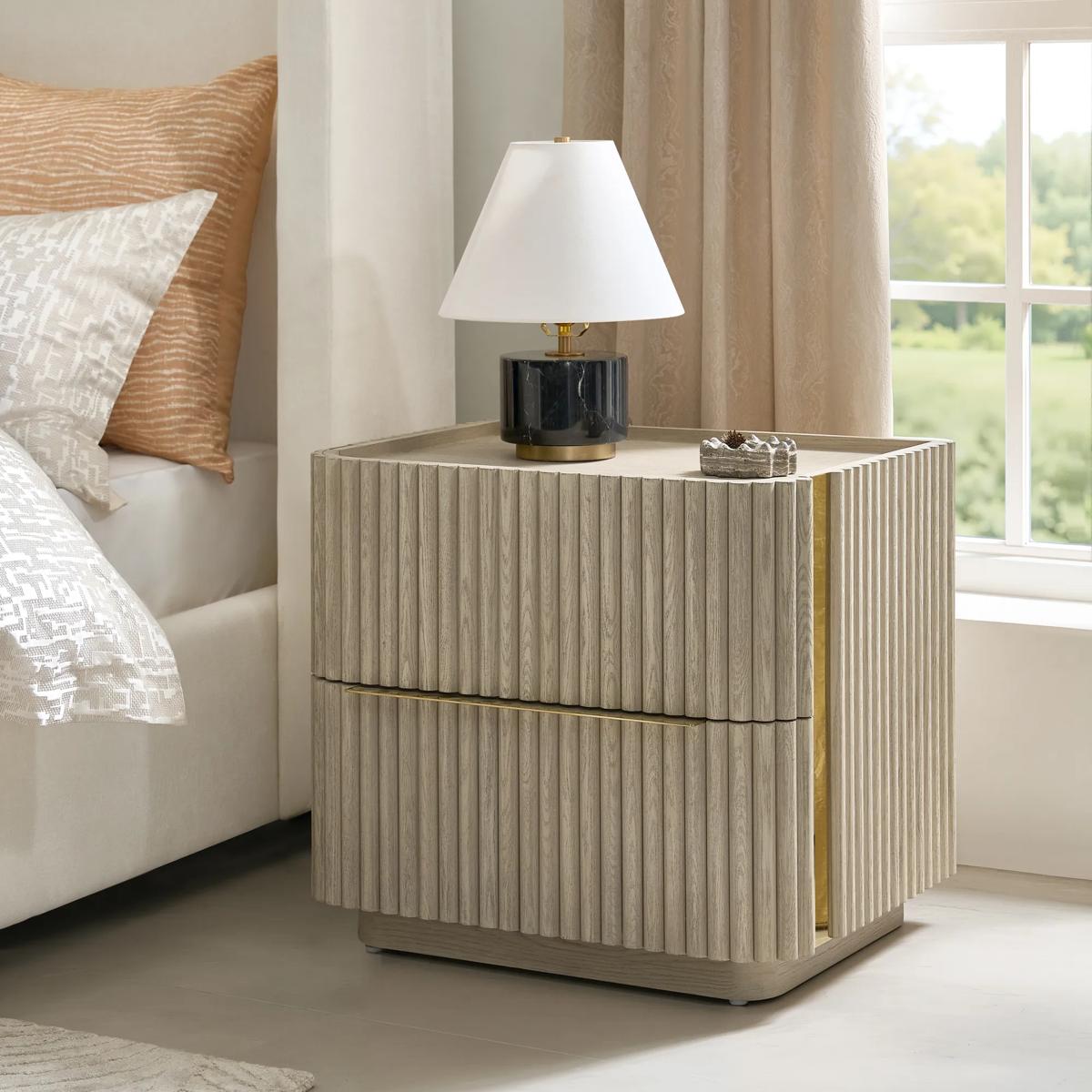 Arden Black Marble Table Lamp 14"$249
A sculptural black marble lamp with brushed brass accents and a warm white linen tapered shade.
Add To Cart -
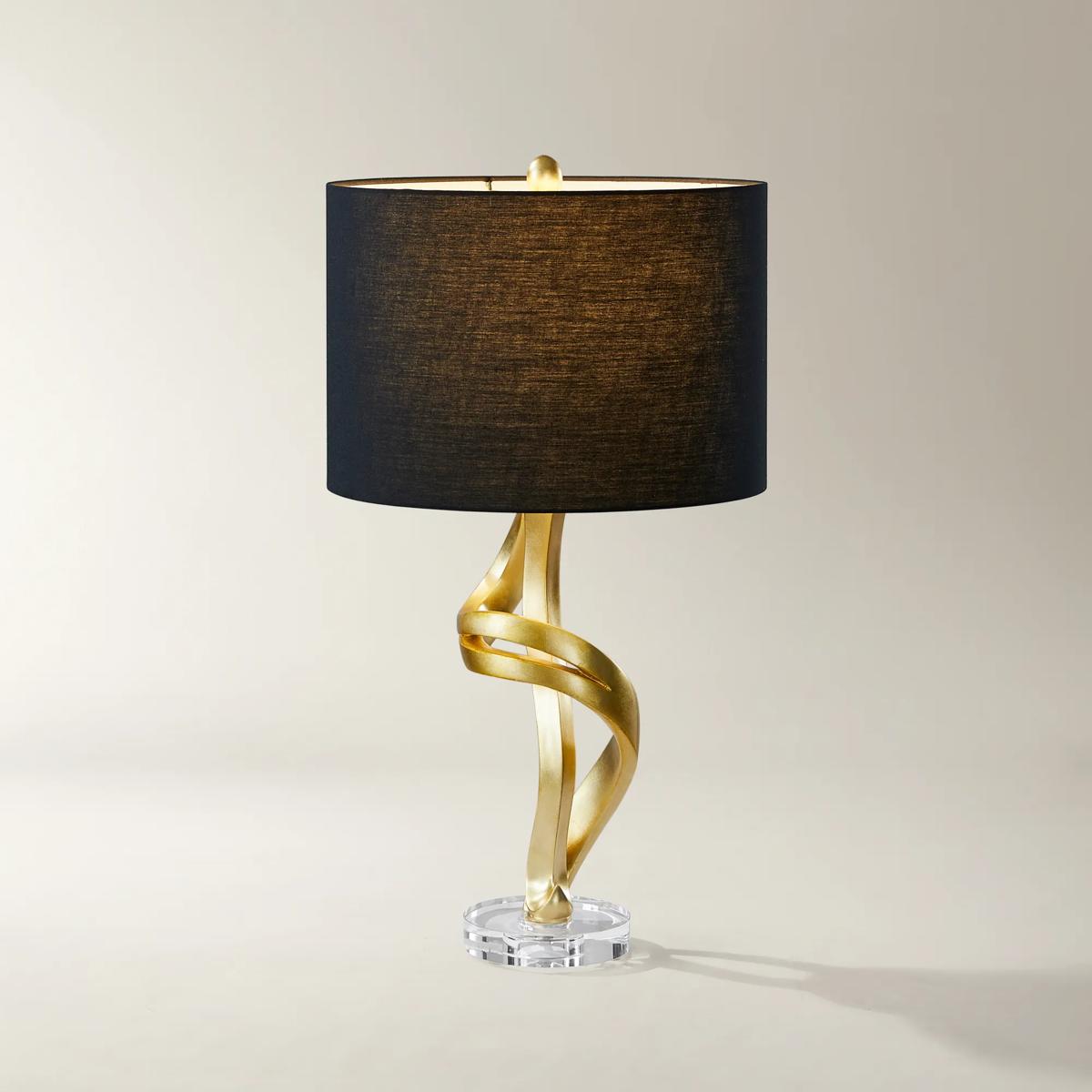
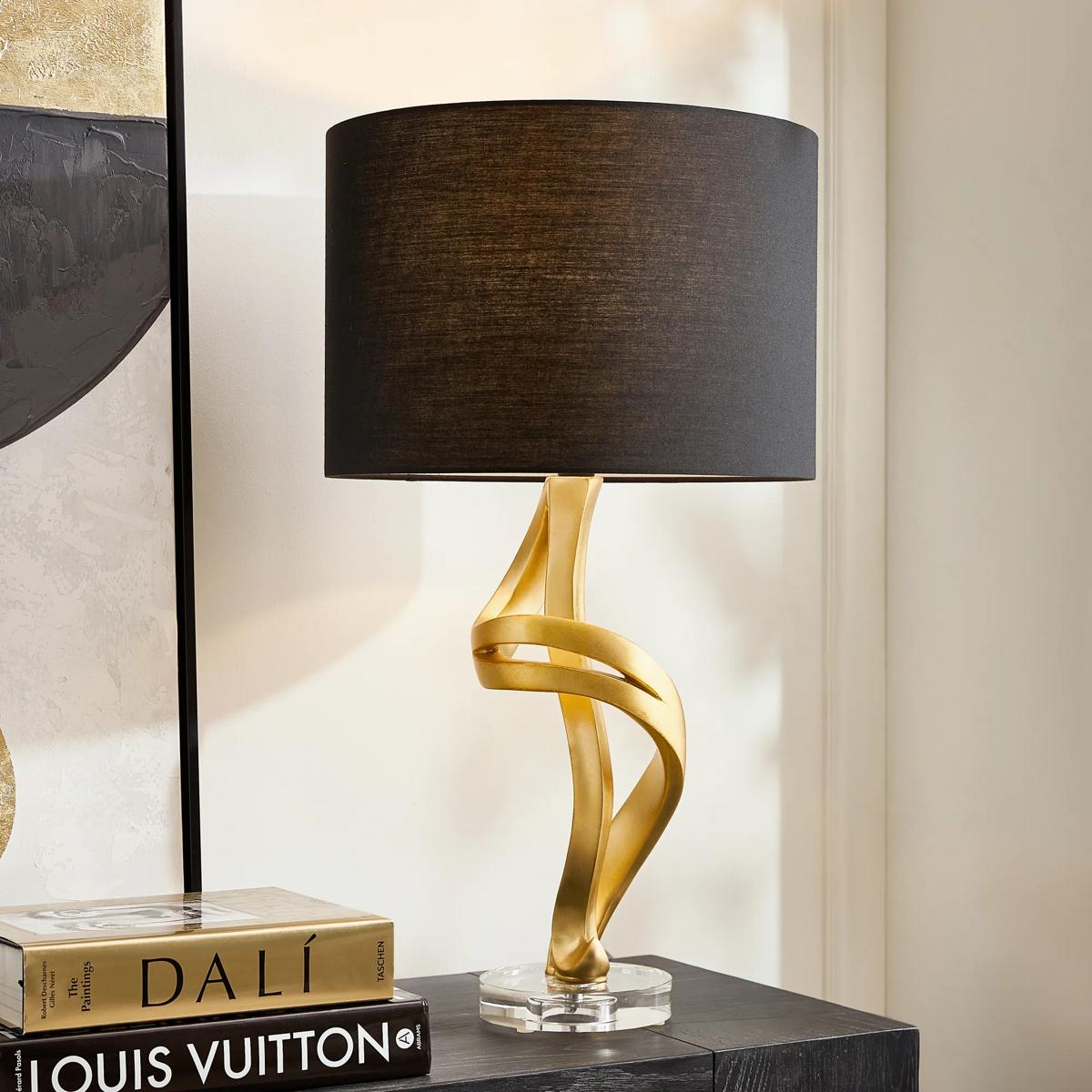 Nisa Sculptural Champagne Resin Table Lamp 28.25"$399
A sculptural resin lamp in champagne gold with a black cotton drum shade and clear acrylic base.
Add To Cart -
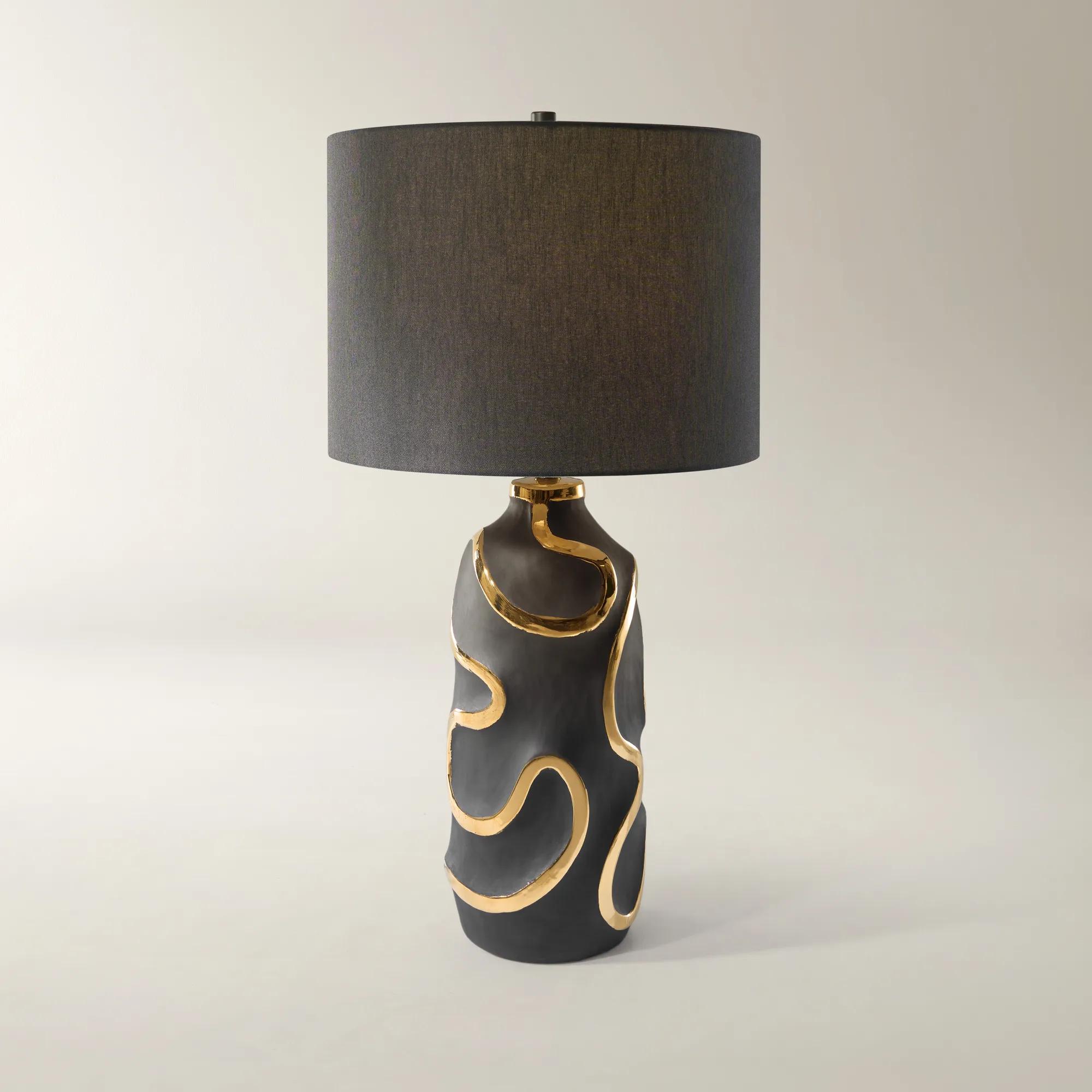 Seraphina Black/Gold Ceramic Table Lamp 32"$249
A matte black ceramic lamp with electroplated gold loops and adjustable three-level lighting.
Add To Cart -
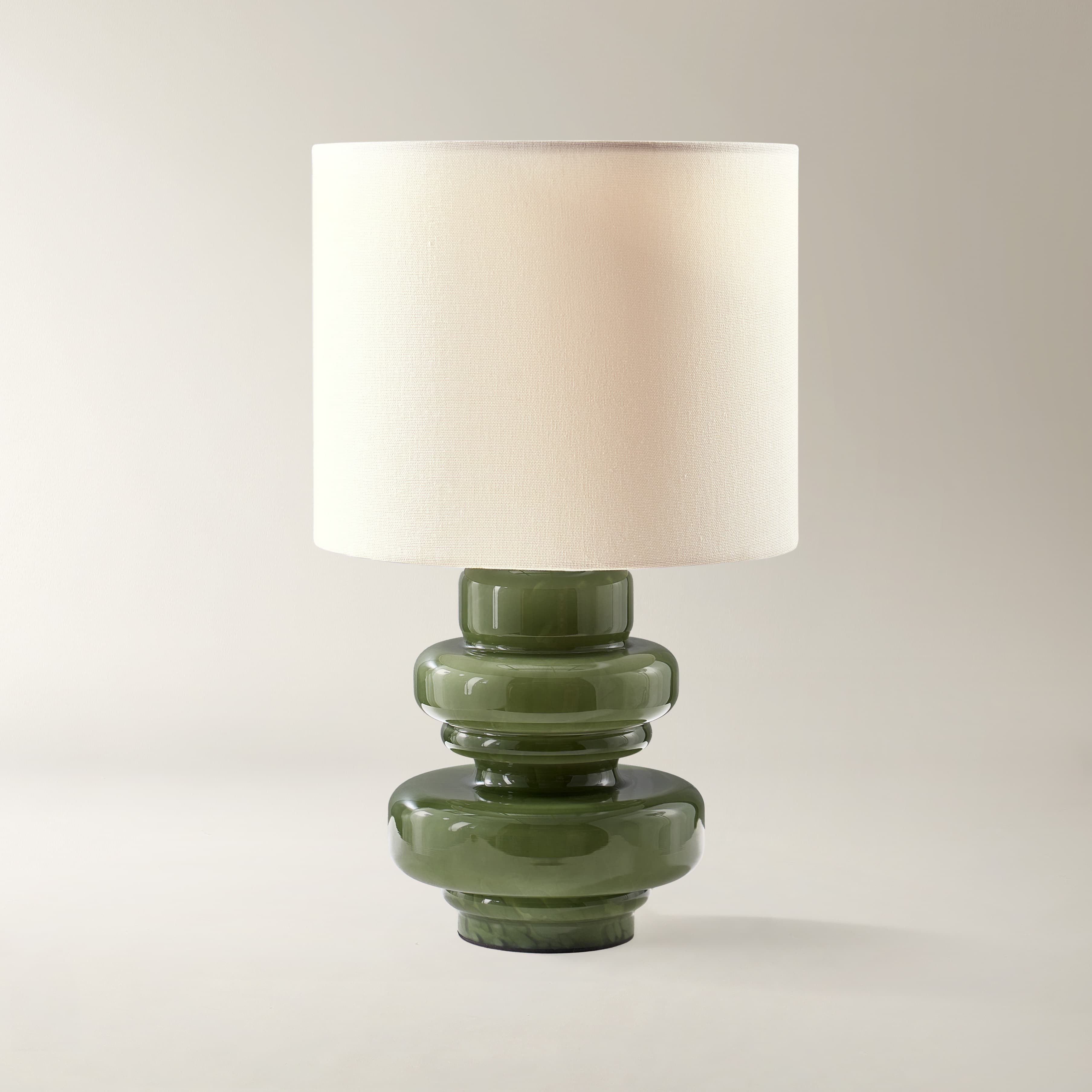
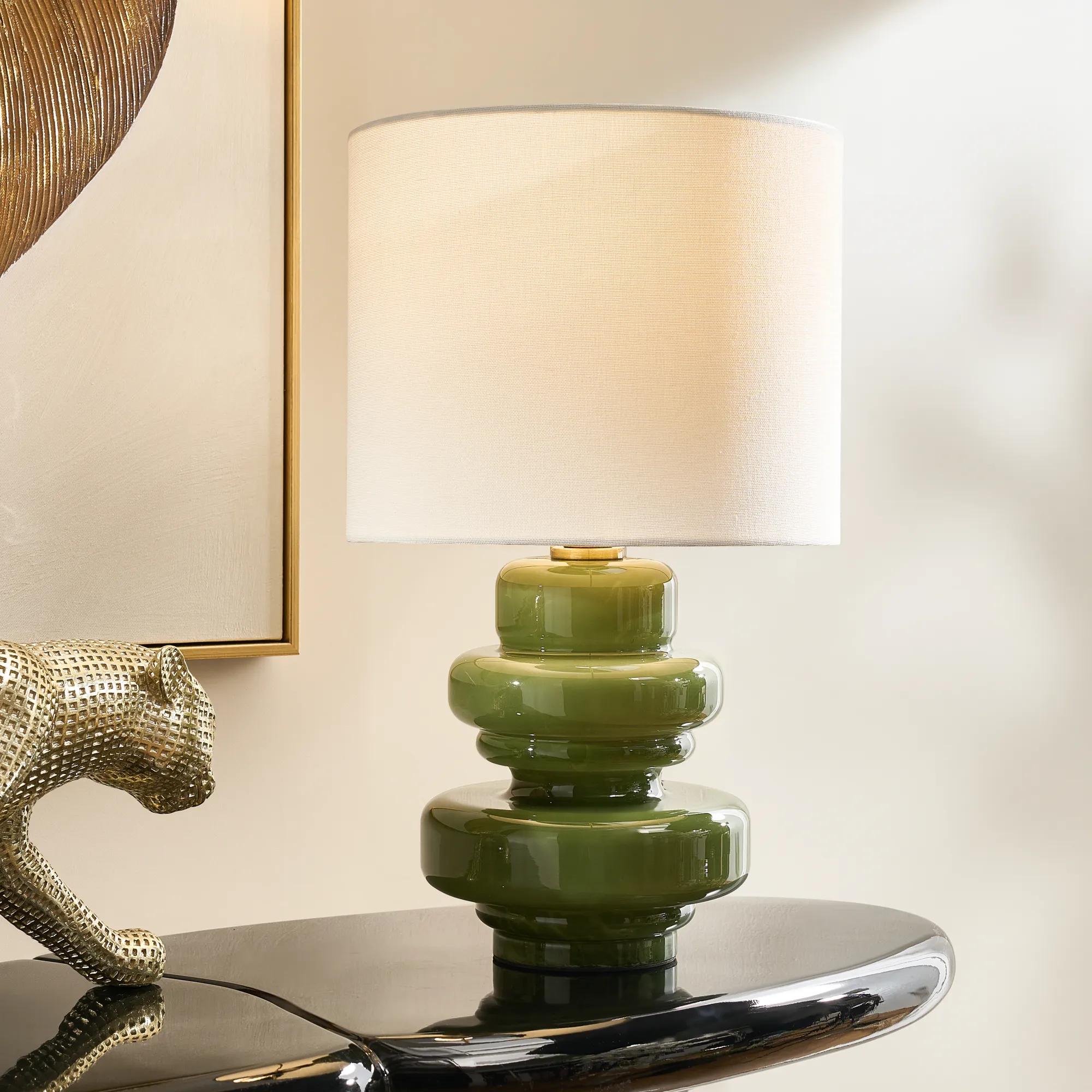 Edin Mouth Blown Pistachio Green Glass Table Lamp 17.5"$99
A sculptural table lamp featuring mouth-blown pistachio green glass and brushed nickel accents with an ivory linen shade.
Add To Cart -
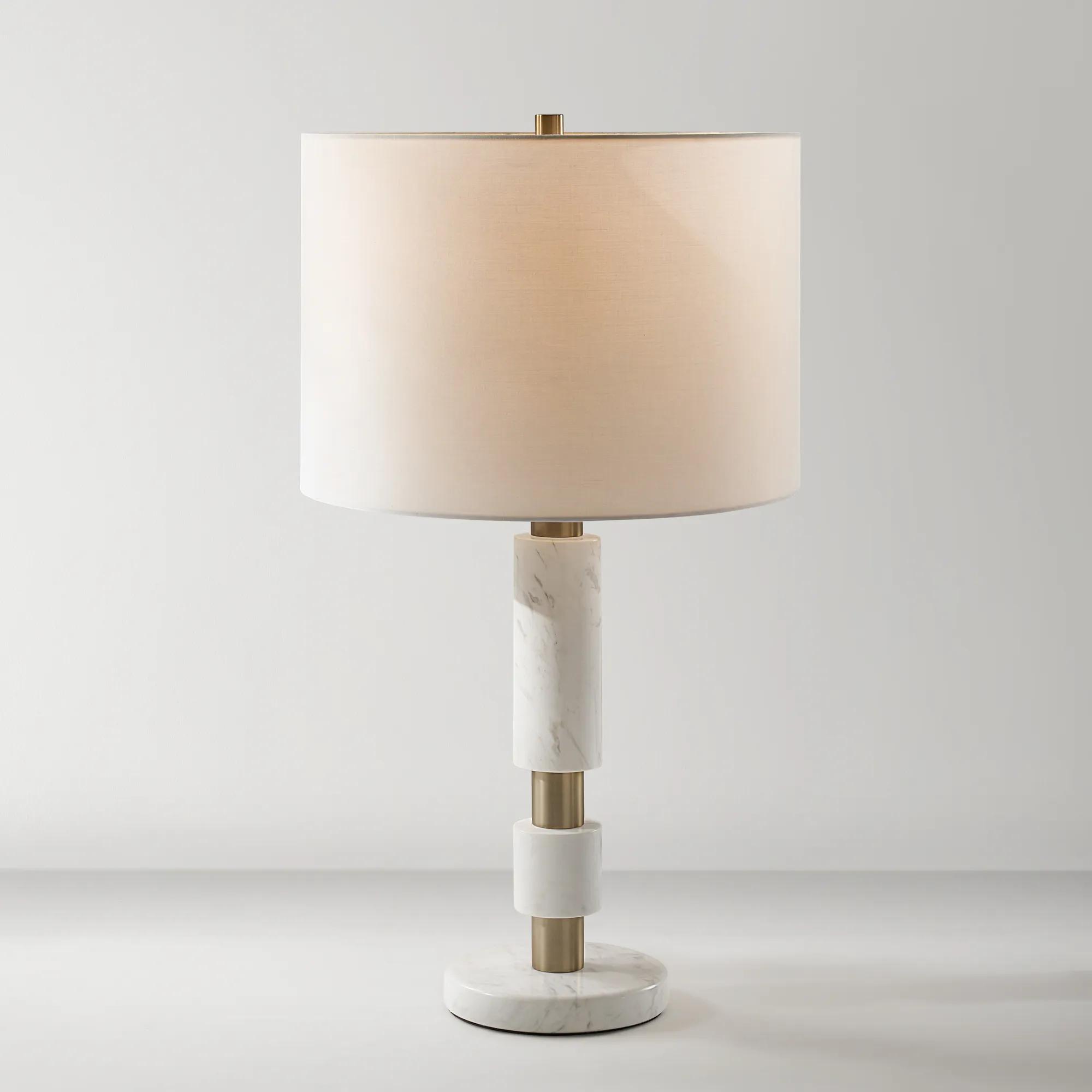 Thea Table Lamp$379
A luxurious table lamp featuring a white marble base, champagne metal accents, and a crisp cotton drum shade.
Add To Cart -
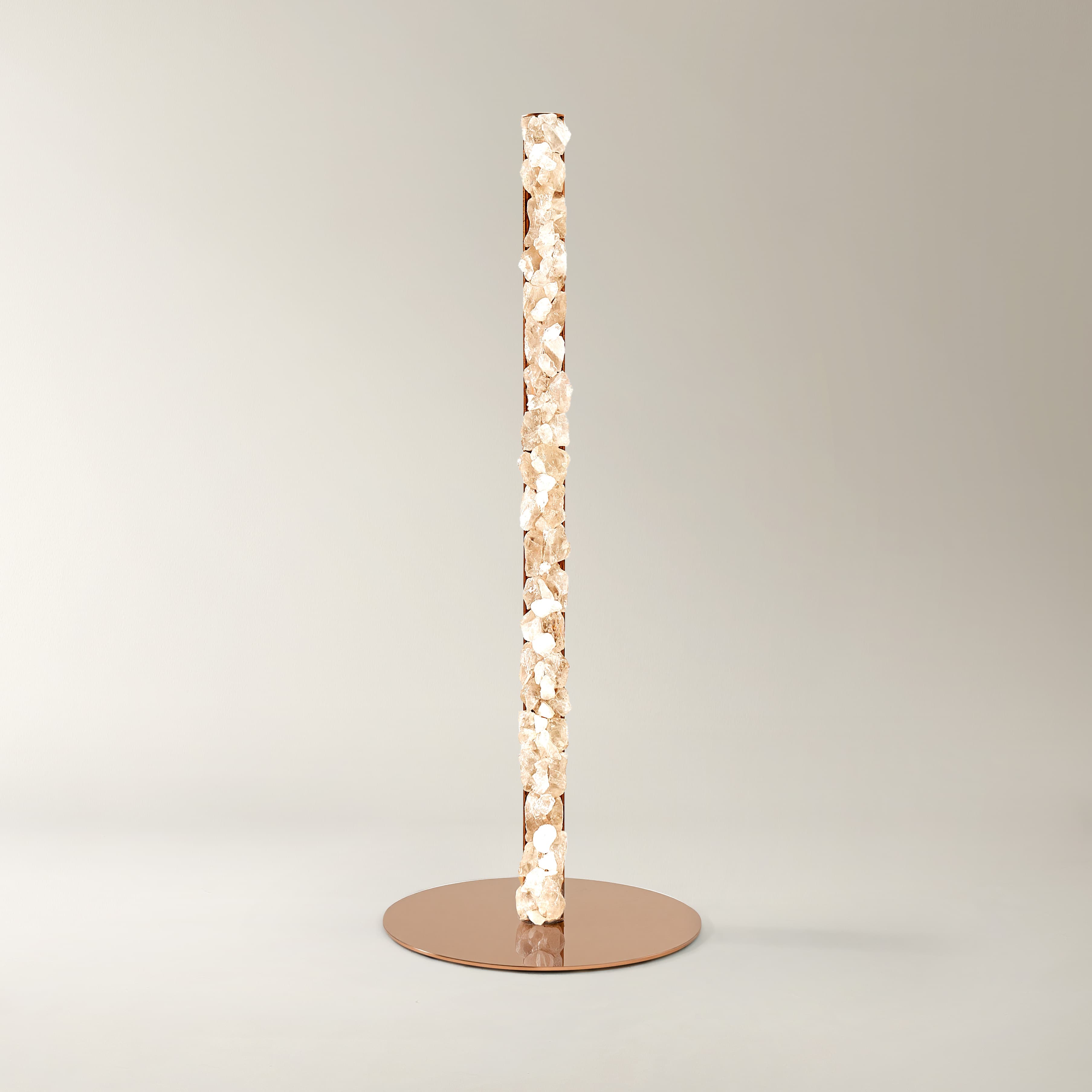
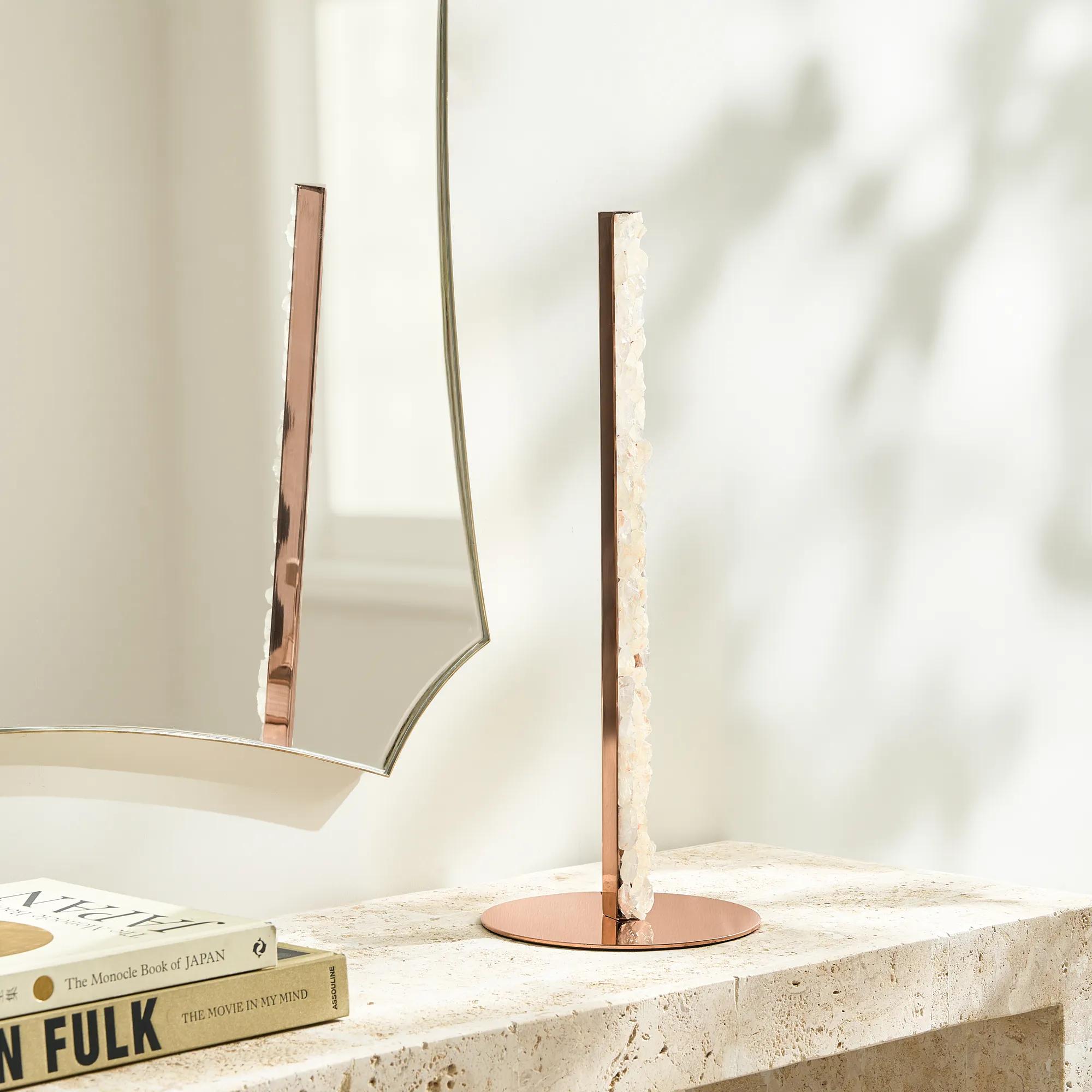 Demi LED Natural Quartz Crystal Table Lamp 19.75"$229
A sculptural LED table lamp featuring natural quartz crystal for a luminous, modern accent.
Add To Cart -
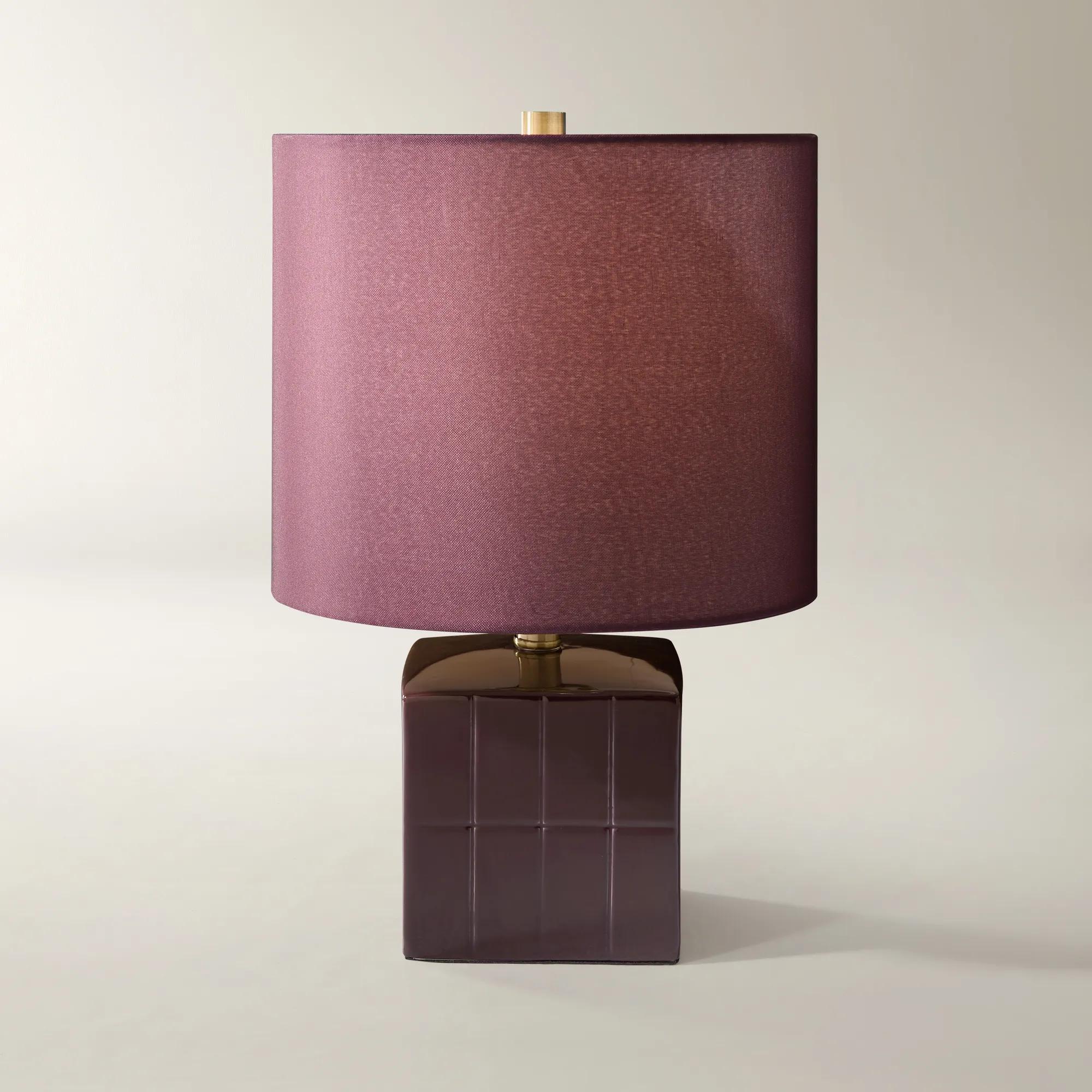 Le Cube Fig Ceramic Table Lamp 18"$139
A glazed ceramic lamp in rich fig with sculpted grid texture and a matching tonal shade.
Add To Cart -
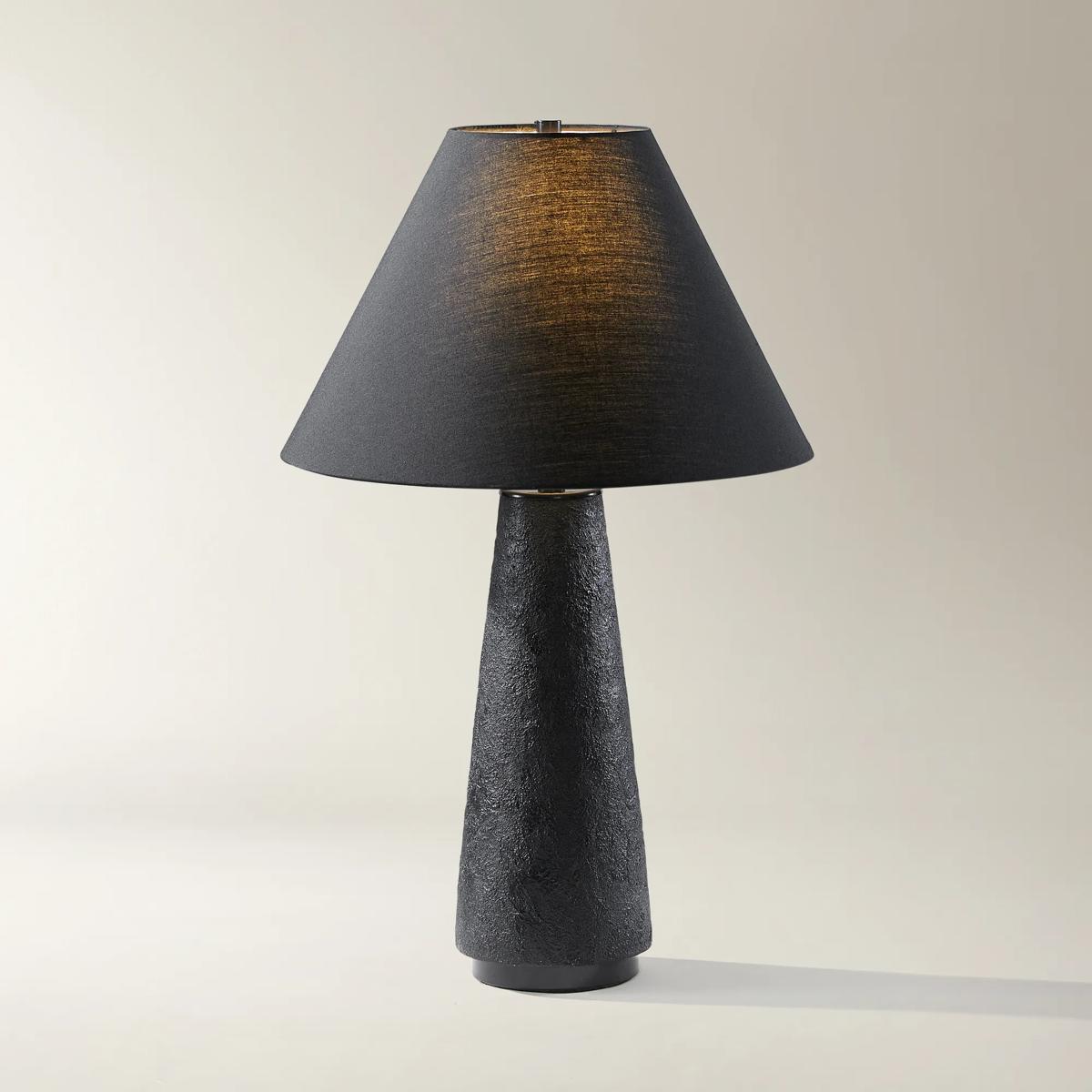 Beton Black Textured Concrete Table Lamp 25"$299
A sculptural table lamp featuring textured black concrete, matte black metal accents, and a black cotton shade.
Add To Cart -
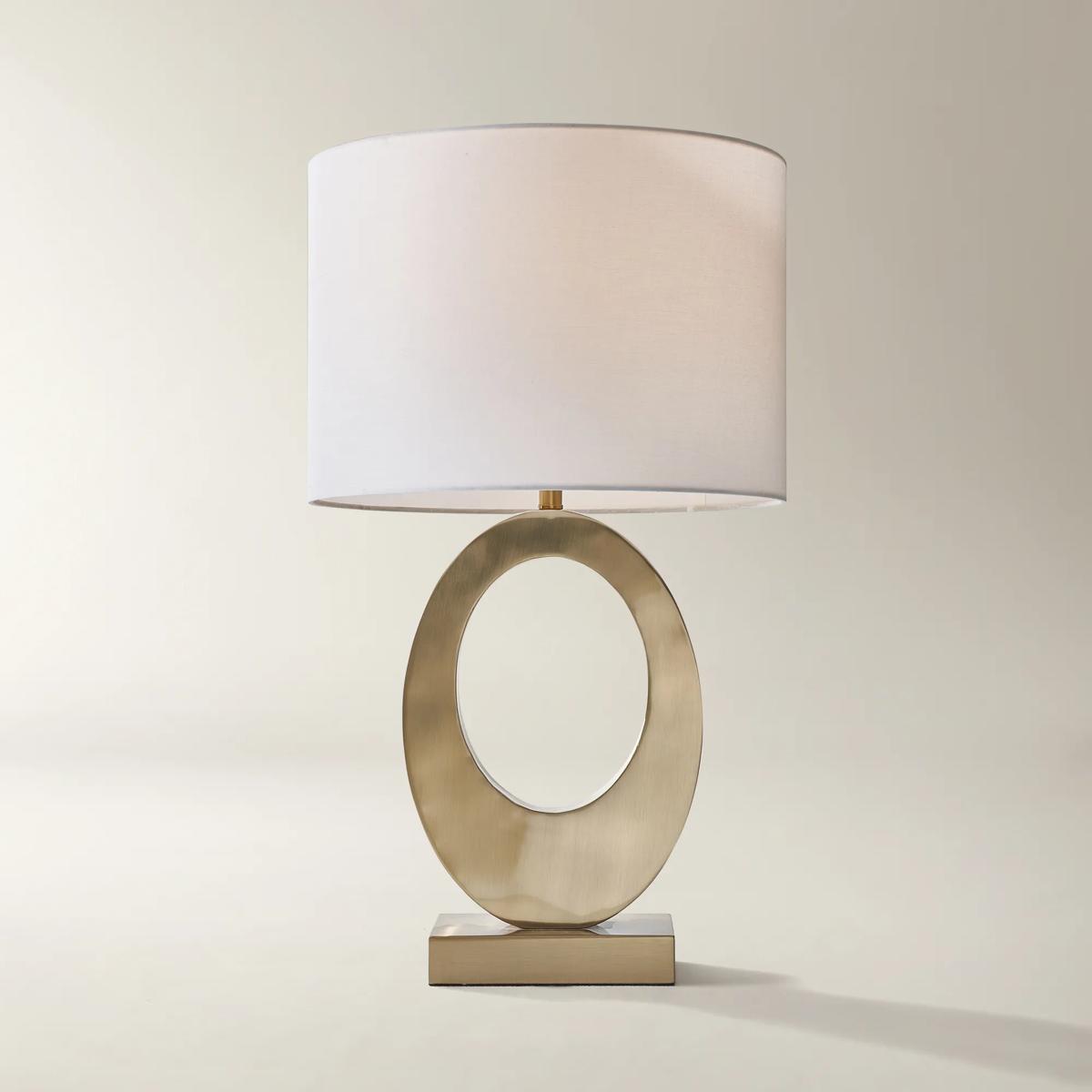
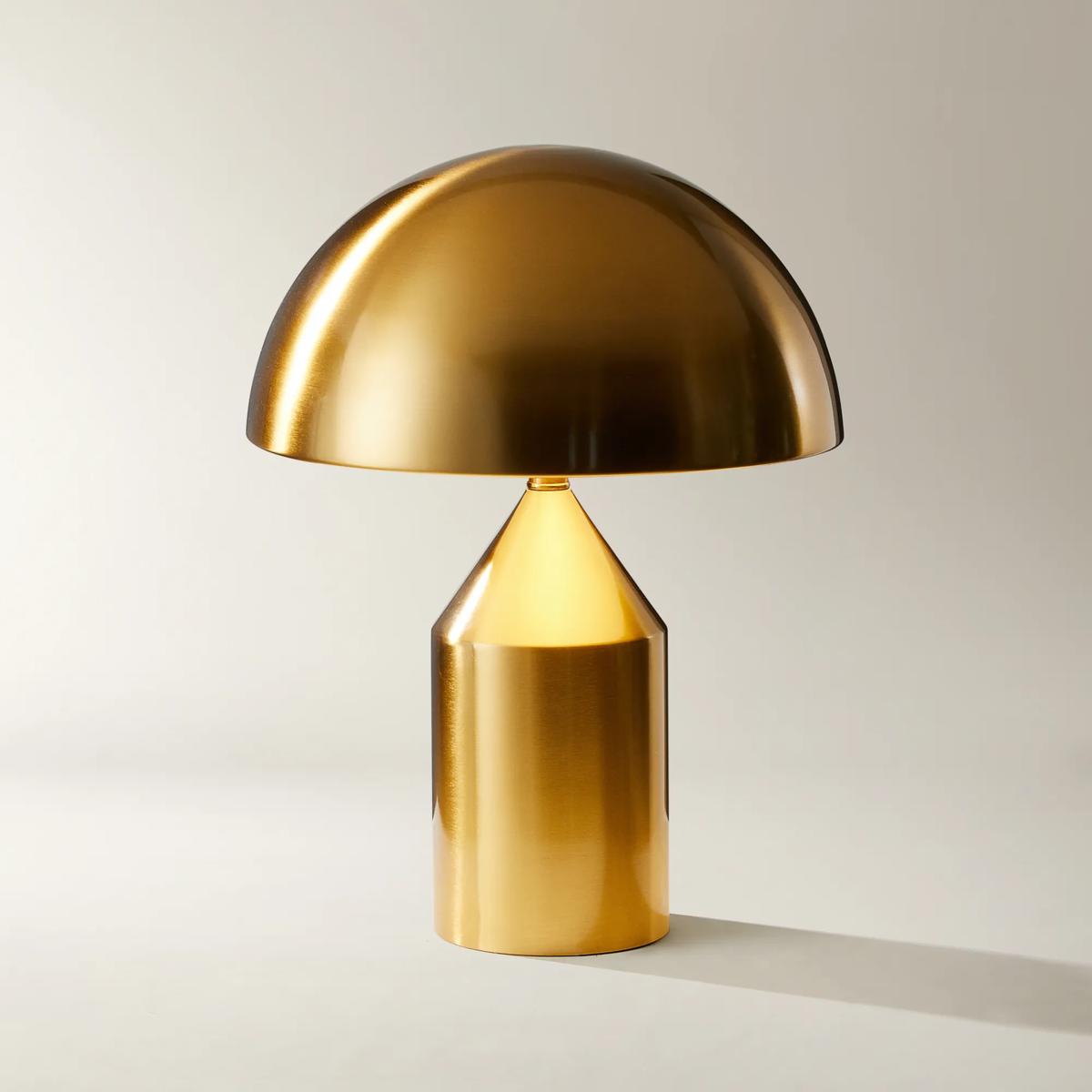 Arlen Gold Metal Table Lamp 19"$249
A modern iron table lamp in brushed gold with a bold dome shade and clean cylindrical base.
Add To Cart -
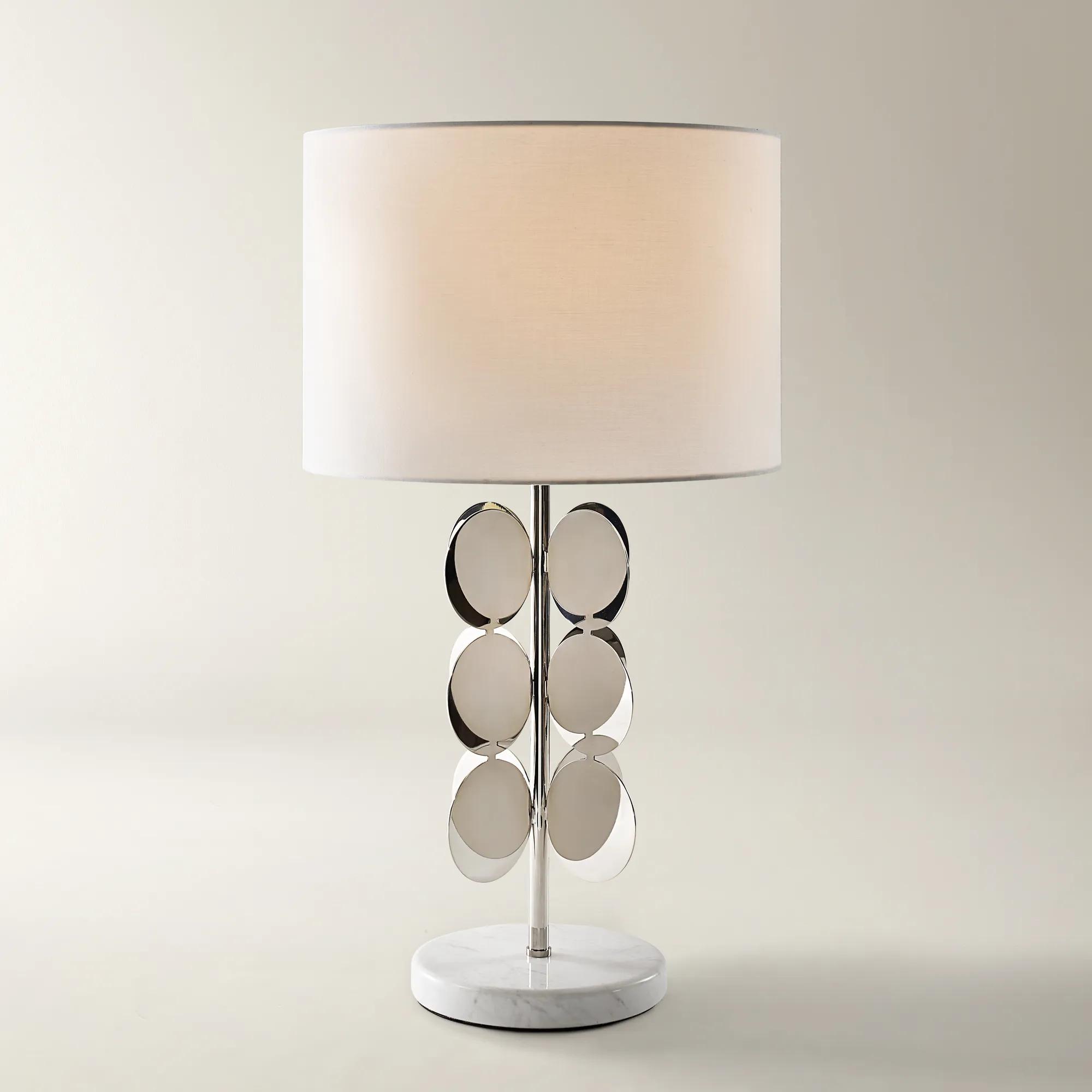 Orion Table Lamp$329
A polished nickel iron lamp with a white marble base and crisp white cotton drum shade.
Add To Cart -
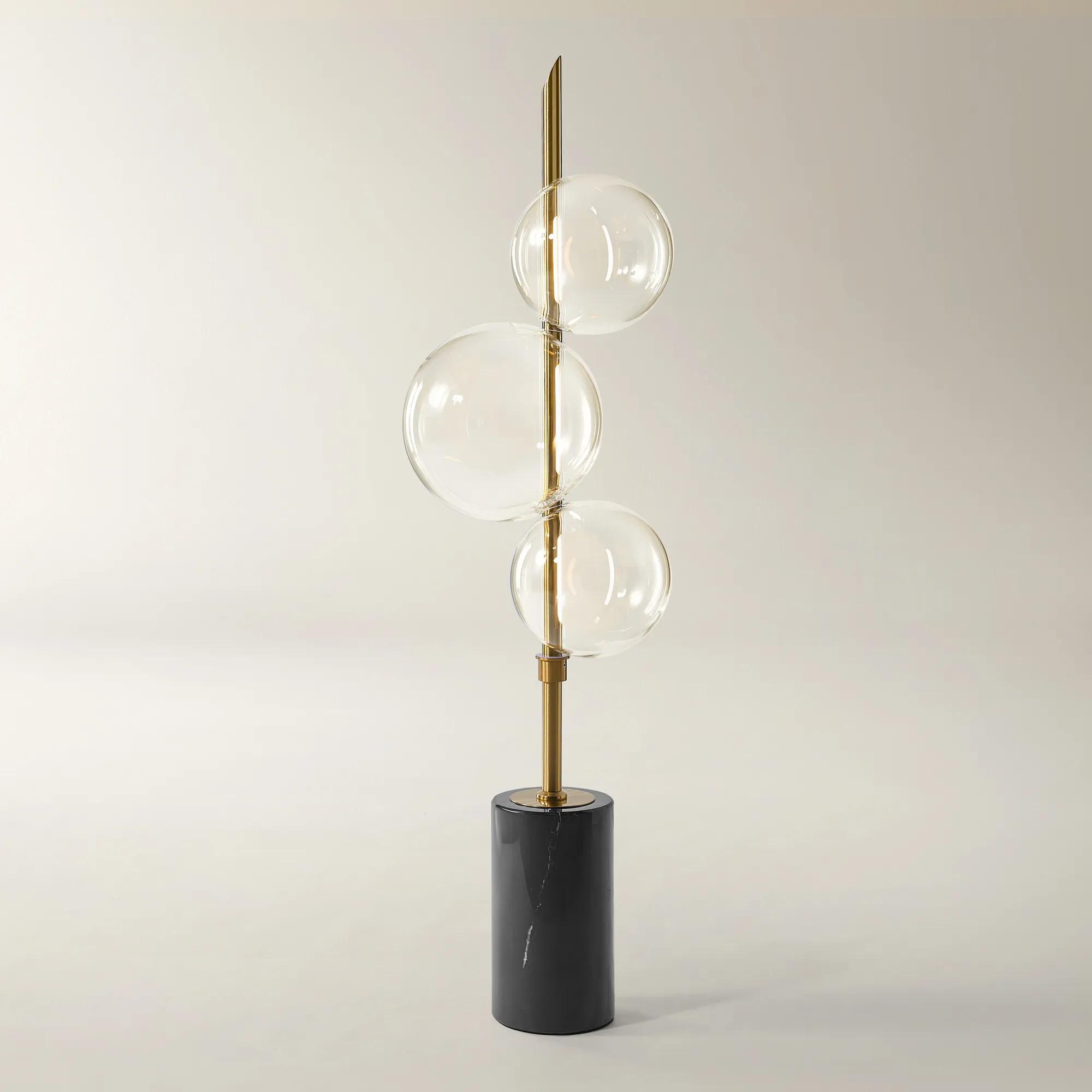
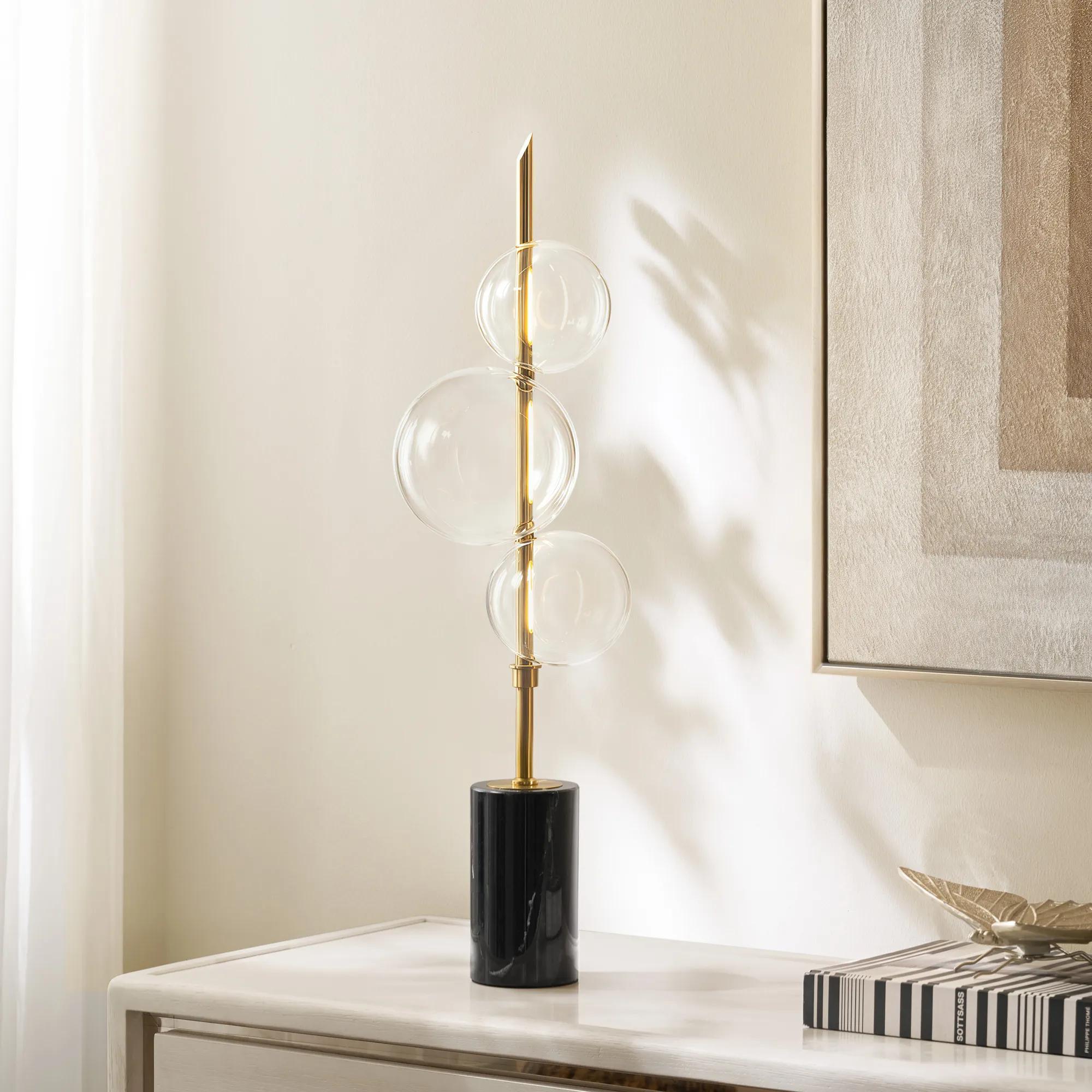 Bolla LED Hand-Blown Glass Bubble And Stone Table Lamp 31.5"$249
A sculptural table lamp featuring clear hand-blown glass bubbles, brass and stone accents, and integrated LED lighting.
Add To Cart -
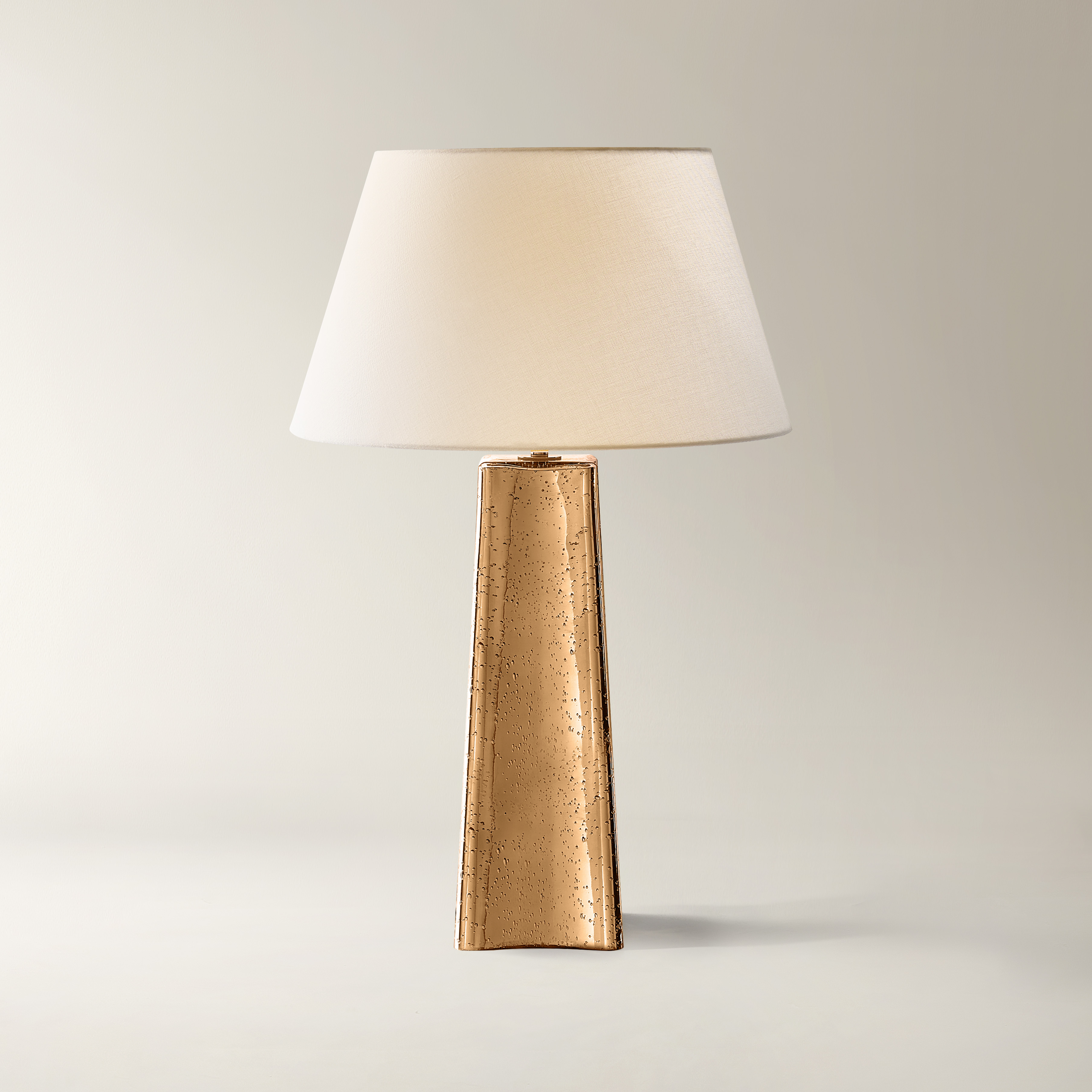
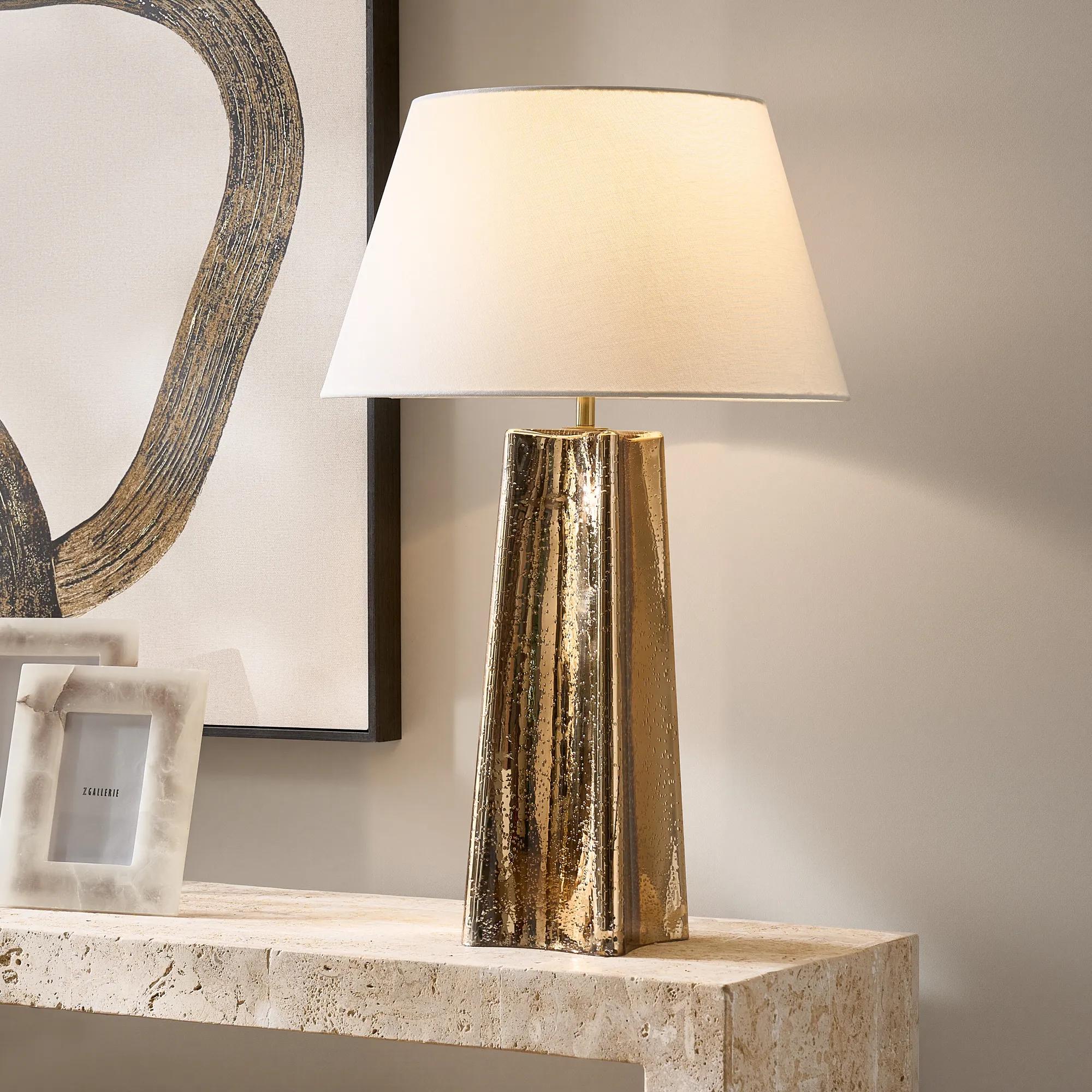 Uma Gold Texture Glass Table Lamp 28.25"$349
A gold textured glass table lamp adding sculptural elegance to contemporary interiors.
Add To Cart

Home Office Table Lamps
Find home office table lamps that illuminate your workspace while adding a distinctive design accent. Explore decorative desk lighting with an eye for proportion: lamp height, shade size, and placement should complement your desk and leave room to work. Choose a silhouette that brings personality to your office without overwhelming the space.
Home office table lamps bring focused illumination and sculptural presence to the desk, balancing the demands of reading, writing, and computer work with the expressive character of a beautifully composed room. The right lamp directs light toward the work surface, keeps an exposed bulb out of the seated sightline, and leaves enough space for a keyboard, notebook, and the objects that make a workspace personal. Beyond those essentials, its silhouette can define the entire setting: a sweeping curve softens an angular desk, a faceted base introduces jewel-like dimension, and a generous shade gives a quiet corner the presence of a private study. Materials shape that impression as much as form. Clear glass lends visual lightness beside a substantial monitor, while textured or tinted glass adds depth without requiring elaborate ornament. Ceramic brings a tactile, artful quality, whether its surface is softly matte or richly glazed. Metal finishes can read as luminous accents against dark wood or create a polished counterpoint to an upholstered desk chair. Natural stone introduces weight and organic variation, giving even a compact writing area a grounded focal point. Shade materials matter, too: light-colored fabric can diffuse illumination into a softer glow, while opaque shades concentrate more light downward, depending on their construction. These differences make table lamps especially expressive in rooms that serve more than one purpose. In a bedroom workspace, a shaded design can help the desk feel connected to the surrounding furnishings; in a dedicated office, a more architectural profile can establish a distinct visual rhythm alongside shelving and framed artwork. For a desk visible from the living room, the lamp becomes part of the larger composition rather than an isolated work accessory. Its finish might echo a nearby mirror frame, its shape might answer the curve of a chair, or its shade might introduce a deliberate contrast. A lamp does not need to match every detail to belong. One repeated material or color can create cohesion while leaving room for a more daring silhouette.
Scale determines whether that visual statement also feels effortless to use. A compact desk benefits from a base and shade that stay comfortably within the surface, with room to open a notebook or move a mouse without constant rearranging. On a broad executive-style desk, a taller lamp or fuller shade can hold its own against the furniture, provided it does not interrupt the view of a screen or the person seated opposite. Overall height, base width, shade diameter, and cord length are more useful measurements than height alone. The shade’s lower edge should help shield the bulb from normal seated view, while the light should reach the reading or writing area rather than disappear behind a monitor. For handwritten work, placing the lamp opposite the dominant hand can reduce shadows across the page. For computer work, positioning it beside the display rather than where its light reflects directly into the screen helps manage glare. Adjustable arms, pivoting shades, and dimming controls, when included in a design, offer flexibility for changing tasks, but a fixed decorative lamp can also work beautifully when its placement and light distribution suit the desk. Bulb selection completes the effect. Warm-white light around 2700K to 3000K creates an inviting atmosphere, while neutral-white light around 3500K to 4000K offers a crisper appearance that some people prefer for detailed work. Color temperature describes the appearance of light, not its brightness; lumens describe light output. A compatible bulb in the range of roughly 450 to 800 lumens can be a useful starting point for a modest desk, with the final result depending on shade opacity, lamp position, surrounding light, and personal preference. Bulbs with a color rendering index of 90 or higher can be valuable for reviewing fabric samples, artwork, or printed materials. Always follow the fixture’s bulb specifications and maximum wattage, and confirm dimmer compatibility before pairing a dimmable bulb with a lamp control.
A considered home office lighting arrangement extends beyond a single pool of light. A table lamp can illuminate notes beside a laptop while a separate room light softens the contrast between the bright desk and darker surroundings. In a larger workspace, floor lamps for a home office can add another layer of illumination near a reading chair or meeting corner without occupying the desktop. That layered approach lets a workspace support concentrated tasks and quieter moments without asking one fixture to do everything. For people who review documents, sketch ideas, study, or manage a household from a shared room, the most satisfying lamp is one that feels purposeful in daily use and compelling when switched off. Durability deserves the same attention as appearance. A stable base is important on a frequently used surface, especially where papers, charging cables, and moving desk chairs create activity. Stone can provide reassuring weight but requires careful lifting, while glass and ceramic deserve placement away from vulnerable edges. Metal is durable, though plated, painted, and polished finishes each have their own care requirements. Routine care is generally simple: switch the lamp off, unplug it, allow the bulb to cool, and remove dust with a soft, dry cloth, following the manufacturer’s directions for the particular material. Fabric shades often benefit from gentle dusting with a clean, soft brush; abrasive cleaners can damage delicate finishes, and acidic products can etch some natural stone. Keeping cords away from chair casters and walking paths helps preserve both the lamp and the flow of the room. A thoughtfully chosen table lamp can also make a meaningful gift for a graduate establishing a first workspace, someone celebrating a professional milestone, or a new homeowner furnishing a study. Consider the recipient’s desk dimensions, preferred finishes, and daily routine so the gesture feels personal rather than purely decorative. With proportion, light quality, and material working together, a home office table lamp becomes a lasting part of the room’s identity: useful through hours of work, expressive in every detail, and worthy of the space it illuminates.
FAQs
Sculptural home office table lamps bring an artistic point of view to modern interiors. Geometric bases and crisp shades create a tailored look, while curved silhouettes introduce fluidity. For a more glamorous expression, explore metallic finishes, faceted details, or crystal accents that make the desk feel distinctly personal.
Material sets the mood. Ceramic brings expressive texture and rich glazes, glass offers luminous depth, and marble introduces natural veining with an architectural presence. Metal bases lend a polished edge, while crystal details add jewel-like brilliance. Choose a material that echoes your office’s character or creates a deliberate contrast.
A lampshade gives the lamp its finishing gesture. Drum shades offer a crisp, contemporary silhouette, while tapered shades introduce a more traditional note. Pleated designs add decorative rhythm, and textured fabrics bring tactile richness. Pair a restrained shade with an expressive base, or embrace layered detail for a more dramatic composition.
Matching finishes creates a cohesive, tailored impression, but a considered mix can feel equally sophisticated. Echo a brass lamp base in a picture frame or decorative object, or contrast chrome with warm metallic accents. Repeating a finish elsewhere gives the room a visual thread without making every detail identical.
Treat your table lamp as the artistic anchor of the arrangement. Pair a sculptural base with a lacquered tray, a distinctive pen cup, or a framed abstract print. Repeat a color or material across the accessories, then introduce one contrasting texture to give the composition depth and personality.