Floor Lamps For Home Office
Floor Lamps For Home Office
-
 Tova Polished Nickel/White Floor Lamp 60"$599
A modern floor lamp featuring a polished nickel iron base and a tapered white cotton shade.
Add To Cart -
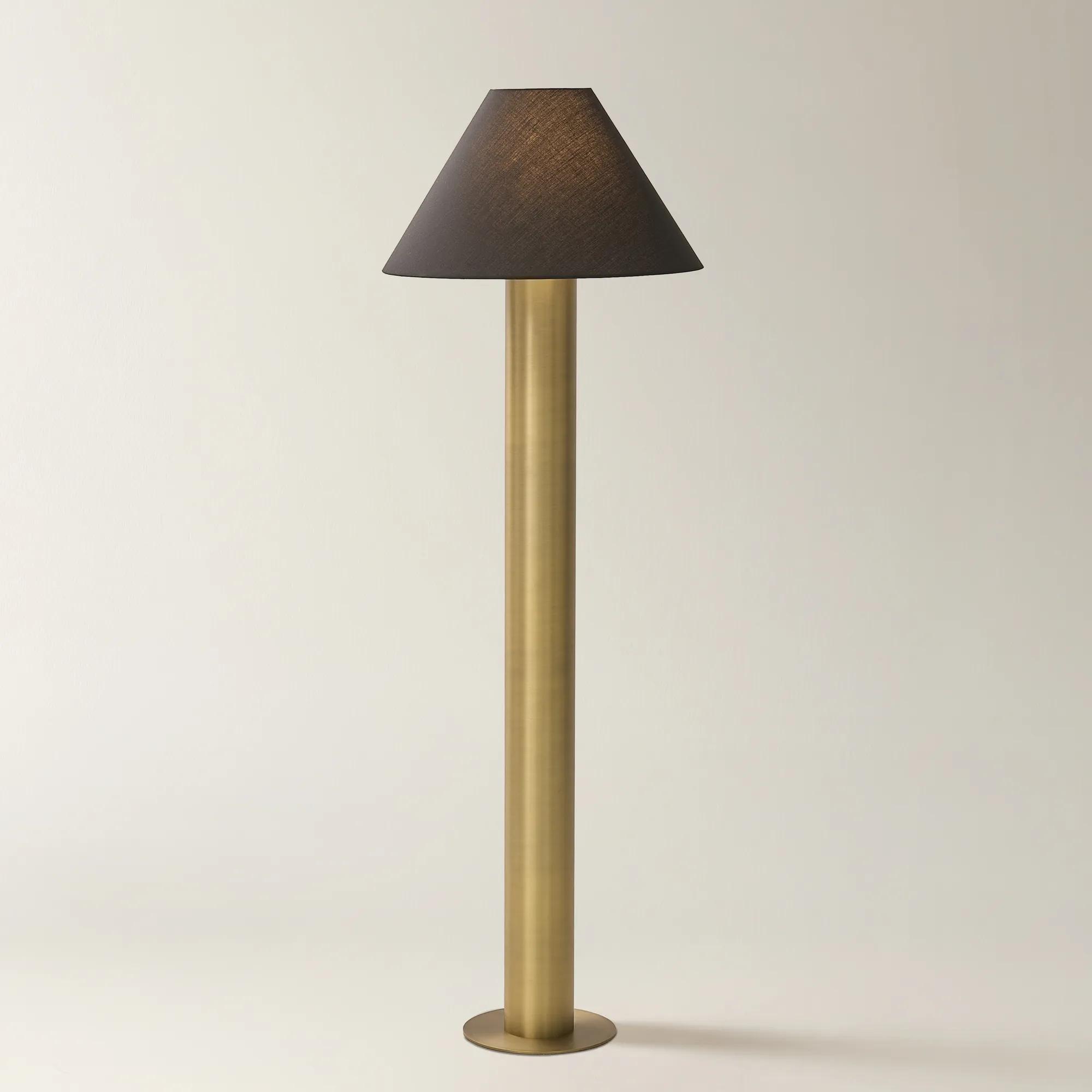
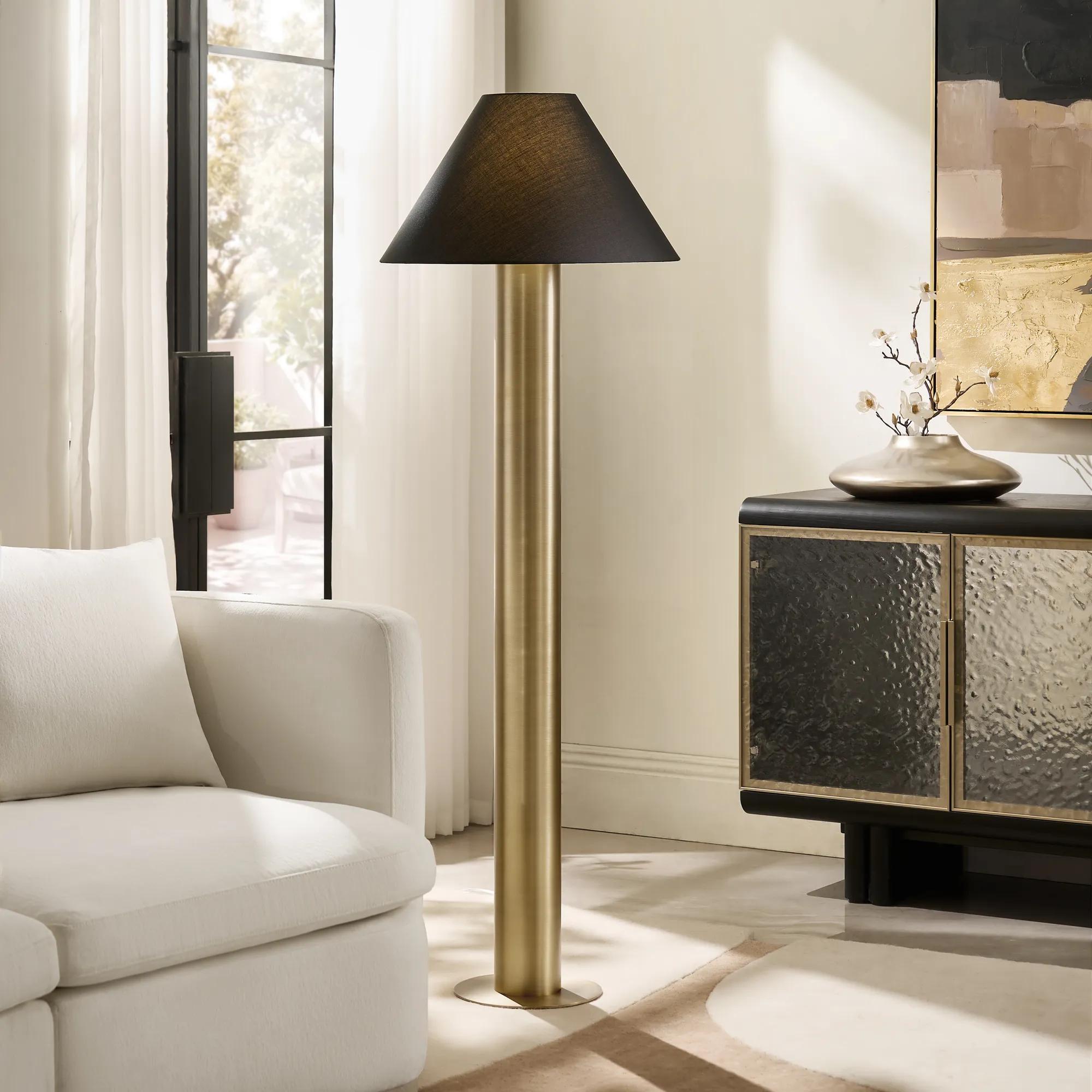 Tova Brushed Brass/Black Floor Lamp 60"$699
A sculptural brushed brass iron frame pairs with a tailored black cotton shade for modern, moody ambiance.
Add To Cart -

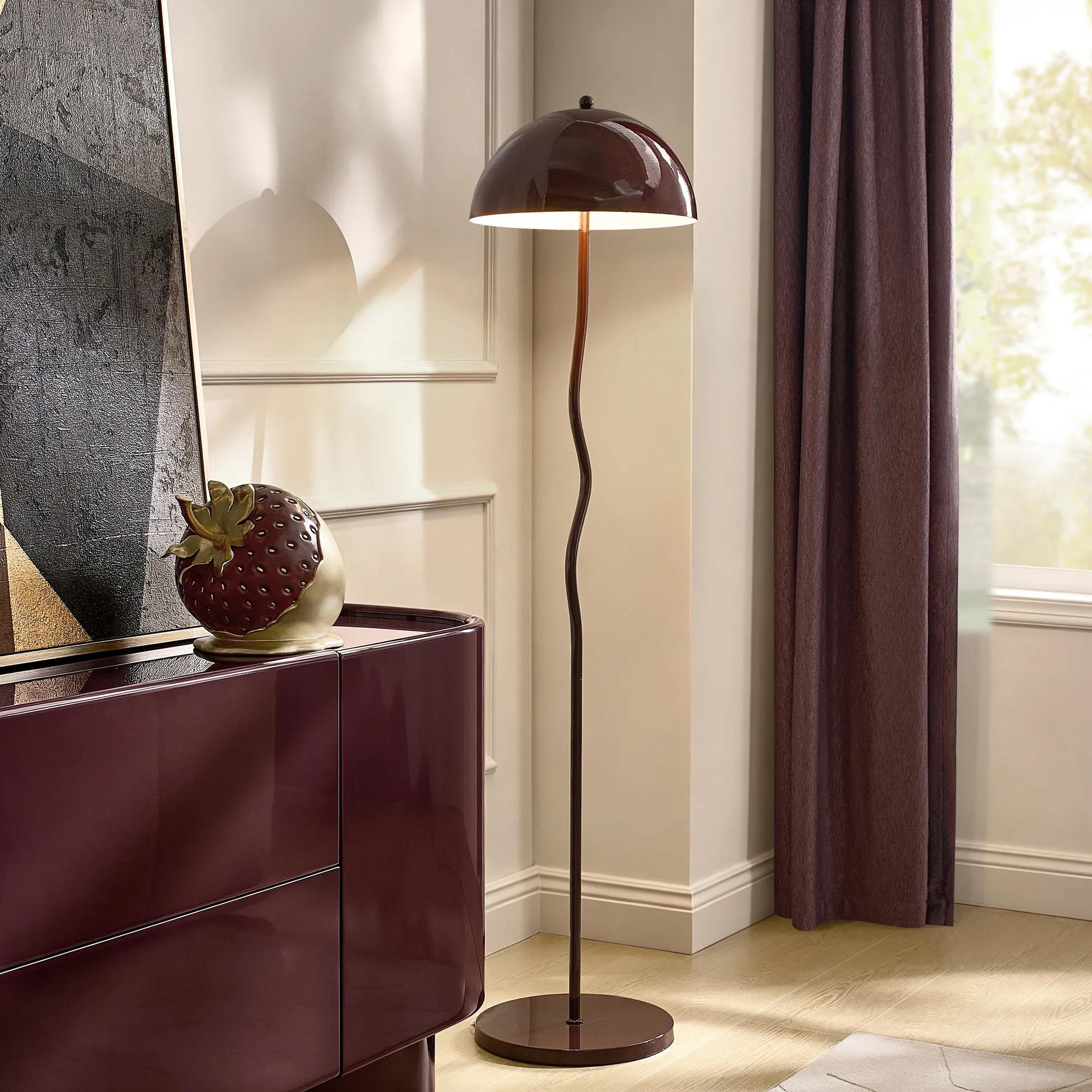 Halsey Fig Wavey Metal Floor Lamp 59"$449
A sculptural metal floor lamp in glossy fig, featuring a fluid silhouette and integrated matching shade.
Add To Cart -
 Bolla LED Hand-Blown Glass Bubble And Stone Floor Lamp 63"$449
A sculptural floor lamp featuring clear hand-blown glass bubbles, brass and stone accents, and integrated LED lighting.
Add To Cart -

 Della Ivory Linen and Brushed Brass Floor Lamp 66"$499
A linen-wrapped ivory floor lamp with brushed brass accents, oatmeal shade, and dual pull-chain lighting.
Add To Cart

Floor Lamps For Home Office
Illuminate your workspace with floor lamps for home office that transcend the ordinary, transforming productivity into an art form. Each piece is a sculptural statement—casting pools of light that inspire focus, creativity, and a touch of everyday drama. Whether your aesthetic leans toward sleek modernity or bold glamour, these luminous accents invite you to curate a home office where ambition meets artistry. Elevate every task with radiant design that turns work into a dazzling experience.
Floor lamps for home office spaces bring illumination beyond the desktop, giving a working room the presence and polish of a thoughtfully composed interior. A sculptural silhouette beside a writing desk can establish a striking focal point, while a shaded lamp near an upholstered chair creates a distinct setting for reading, reviewing proposals, or gathering ideas away from a screen. The most suitable home office floor lamps balance three qualities: light that reaches the intended work surface, a footprint that fits comfortably around furniture, and a design that contributes to the room’s character. Task floor lamps direct light toward documents and detailed work; shaded designs typically offer softer, more dispersed illumination; and uplights send light toward the ceiling to support ambient brightness. These functions can complement one another rather than compete. A room with generous overhead lighting may need a focused beam beside the desk, while an office with a single ceiling fixture may benefit from a diffused glow that softens the contrast between the monitor and its surroundings. For remote professionals, creative entrepreneurs, students, and anyone managing a household from a dedicated workspace, that distinction helps make the room feel more considered. An adjustable arm or pivoting shade can bring light closer to a notebook without occupying valuable desktop space, leaving room for a keyboard, reference books, and an expressive decorative accent. A tall, architectural form can also give a compact office visual stature without requiring another cabinet or table. In a shared living area, the lamp becomes part of the larger composition: a gleaming finish may echo nearby hardware, a dark metal frame can define the desk area, and a softly textured shade can connect the workspace to surrounding upholstery. The effect is both practical and atmospheric—a place equipped for concentration, with enough artistry to feel like a natural extension of the home rather than a separate, purely functional zone.
Materials, proportions, and shade construction shape how an office floor lamp looks and how its light behaves. Metal frames can introduce a crisp, tailored line, with polished surfaces reflecting surrounding light and brushed finishes creating a quieter luster. Glass details add visual depth, while stone bases lend substantial weight and distinctive natural patterning; veining and color variation are part of the material’s individual character. Fabric shades filter illumination for a gentler surrounding glow, although the weave, lining, and color influence how much light passes through. Opaque metal shades generally concentrate light through their openings, making the direction of the shade especially important for desk work. An exposed bulb or transparent shade creates a different effect, with more visible brilliance that needs thoughtful placement outside the direct line of sight. Scale deserves equal attention. Overall height alone does not reveal where the light will fall: shade height, arm reach, base diameter, and the position of the desk all contribute to the fit. An arched floor lamp may extend gracefully over a reading chair, but its base and projecting arm require more clearance than a straight, slender column. Beside a rolling office chair, the base should remain clear of casters and the path used to stand or turn. A stable construction, secure joints, and a level supporting surface matter particularly for adjustable designs that are repositioned regularly. Durability also depends on caring for each finish appropriately. Routine dusting with a soft, dry cloth helps preserve the surface, while abrasive cleaners can scratch metal, cloud decorative finishes, or damage protective coatings. Fabric shades may require gentle dusting or a soft brush attachment if the care instructions permit it; glass and stone should be cleaned according to their specific requirements. Unplugging the lamp and allowing the bulb to cool before cleaning keeps routine maintenance straightforward. These details make a difference in a room where furniture and lighting are used day after day, allowing a dramatic design to remain as considered in its upkeep as in its appearance.
Lighting specifications distinguish a beautiful accent from a floor lamp suited to everyday office use. Lumens describe light output, while watts describe energy consumption; for LED lighting, wattage alone is not a reliable measure of brightness. The useful amount of light depends on the size of the space, other light sources, the shade, and the distance between the lamp and the work surface. Dimmable floor lamps offer flexibility for moving between printed pages, computer work, and a quieter reading setting, provided the bulb and dimming system are compatible. Color temperature, measured in kelvins, affects the appearance of the light: approximately 2700K to 3000K feels warm, while 3500K to 4000K appears more neutral. Higher color temperatures look cooler and are not automatically better for every office or task. A balanced combination of sufficient illumination, comfortable contrast, and controlled glare is more useful than choosing the coolest light simply because it resembles daylight. For reviewing fabric samples, artwork, or printed presentations, a high color rendering index, often expressed as CRI, can help colors appear more faithful under the lamp. Placement then brings those specifications into the room. Light beside the desk can illuminate paperwork without shining directly toward the eyes, but the angle should be checked from the seated position for reflections on the monitor. Positioning task lighting opposite the writing hand can help limit shadows across the page. A lamp beside a lounge chair needs a similarly deliberate relationship to the reader’s shoulder and book. Accessible switches, a cord that reaches an outlet without crossing a walkway, and the correct bulb base and maximum wattage all support comfortable daily use. Replaceable-bulb designs allow compatible bulbs to be changed, while integrated LED designs warrant attention to the manufacturer’s service and replacement information. For an office that also needs to look composed during property photography or showings, Floor Lamps For Home Staging offers a related perspective on lighting as part of a finished room. Whether framing a desk or illuminating a reading corner, the right floor lamp gives working light an expressive form.
FAQs
Sleek, sculptural floor lamps with metallic finishes or minimalist silhouettes are ideal for a modern home office, infusing the space with both function and visual intrigue. Look for designs that feature clean lines, geometric shapes, or bold architectural arcs to create a focal point that elevates your workspace.
To achieve layered lighting, pair your floor lamp with other sources such as desk lamps or wall sconces. Position the floor lamp to provide ambient illumination throughout the room, while task lighting can be directed onto specific work surfaces. This strategy not only reduces eye strain but also adds depth and drama to your office environment.
Absolutely. Floor lamps are a versatile solution for compact or multi-functional rooms, as they require minimal floor space and can be easily moved or repositioned. Choose slender profiles or arc designs that tuck neatly into corners, maximizing both illumination and style without overwhelming the room.
Luxe finishes such as brushed brass, matte black, and polished chrome are currently in vogue, adding a touch of glamour to any home office. Materials like marble, glass, and rich woods also make a statement, offering a blend of sophistication and artistic flair that transforms utilitarian lighting into a design centerpiece.
Yes, a well-chosen floor lamp can dramatically influence the mood and functionality of your home office. The right lighting not only brightens your tasks but also sets an inviting tone, inspiring creativity and focus. With expressive design and thoughtful placement, a floor lamp becomes an essential element of your workspace’s story.