Floor Lamps For Home Staging
Floor Lamps For Home Staging
-

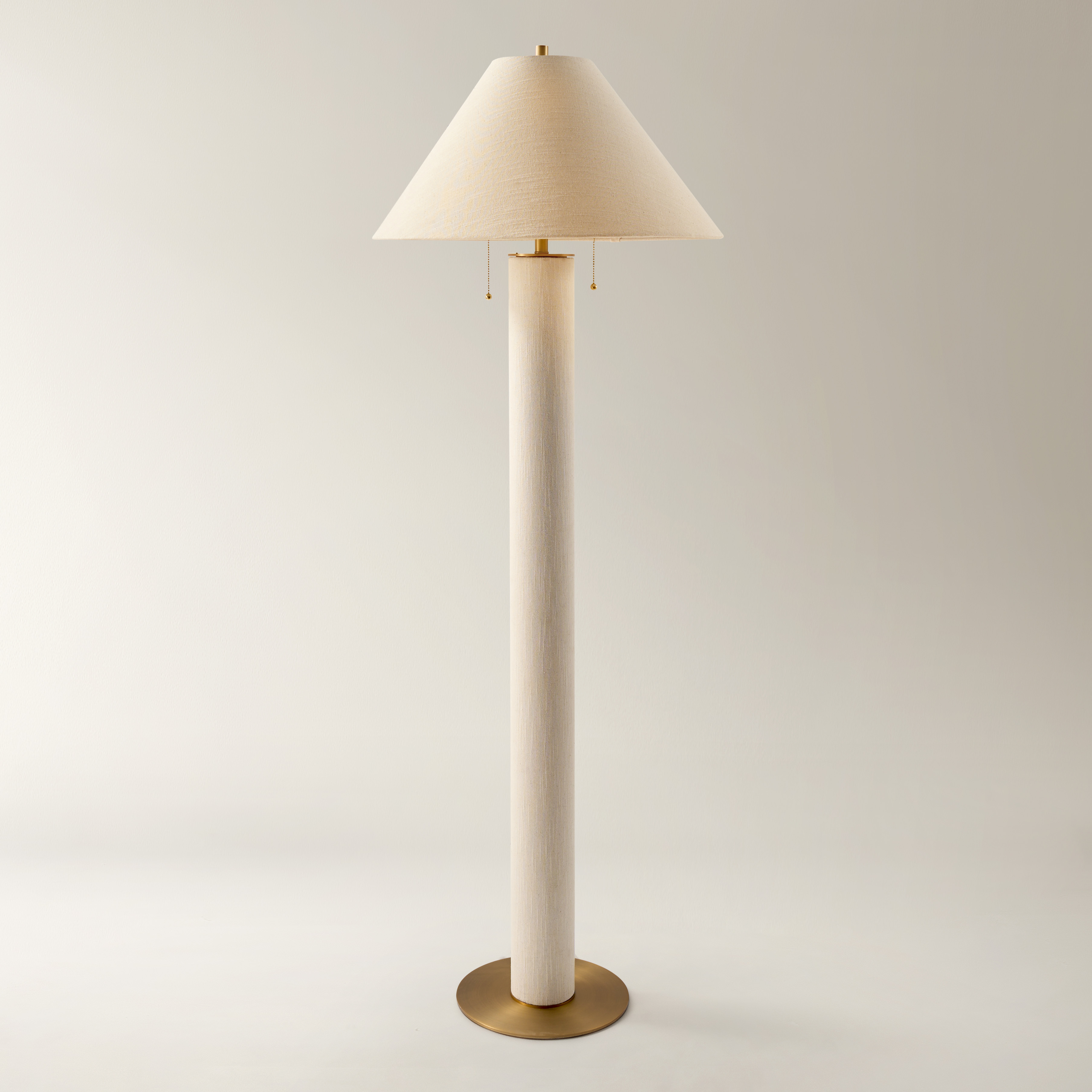
 Della Ivory Linen and Brushed Brass Floor Lamp 66"$499
A linen-wrapped ivory floor lamp with brushed brass accents, oatmeal shade, and dual pull-chain lighting.
Add To Cart -
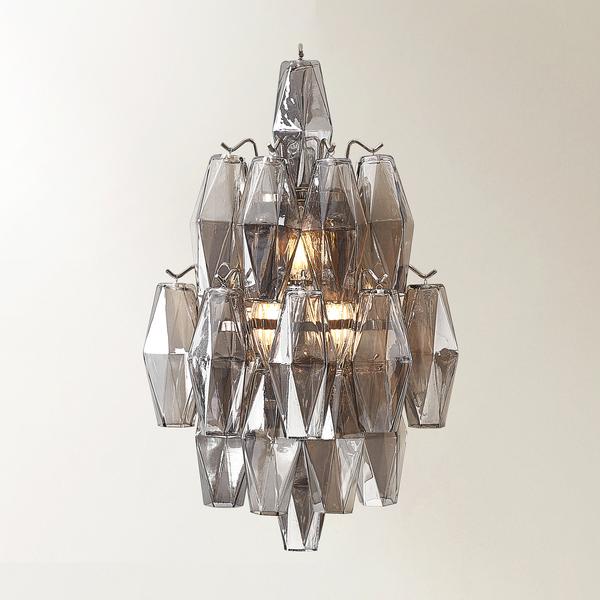
 Bolla LED Hand-Blown Glass Bubble And Stone Floor Lamp 63"$449
A sculptural floor lamp featuring clear hand-blown glass bubbles, brass and stone accents, and integrated LED lighting.
Add To Cart -

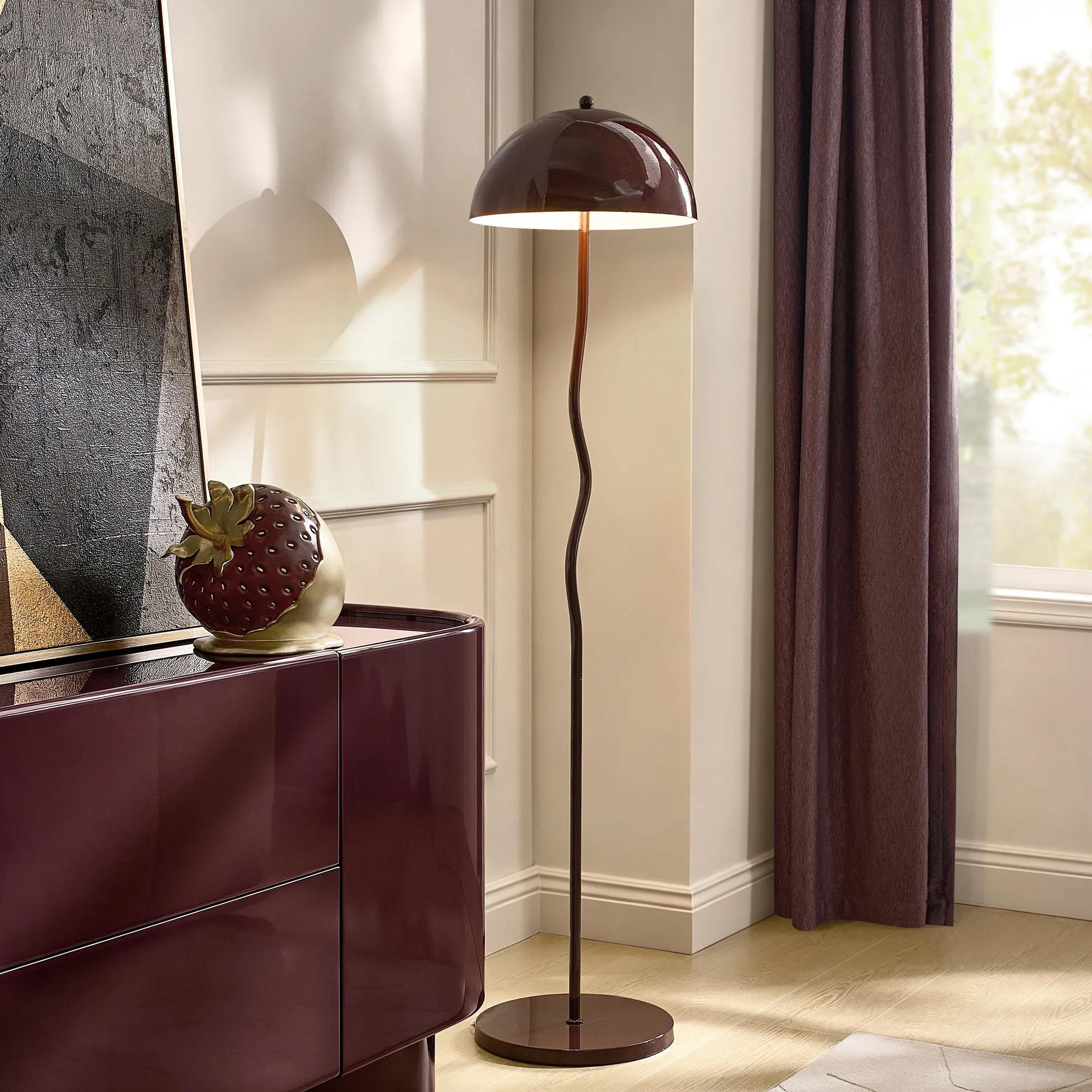 Halsey Fig Wavey Metal Floor Lamp 59"$449
A sculptural metal floor lamp in glossy fig, featuring a fluid silhouette and integrated matching shade.
Add To Cart -
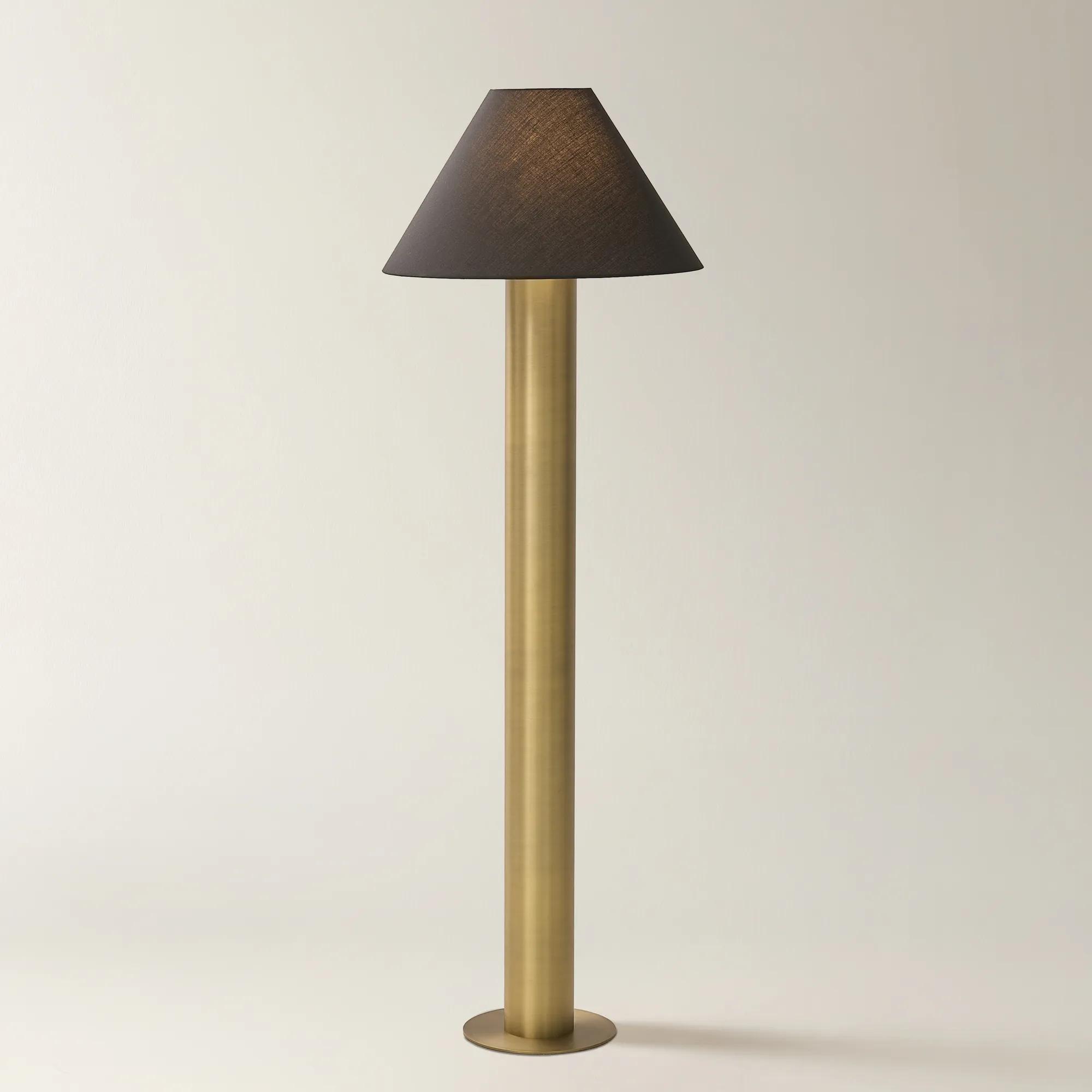
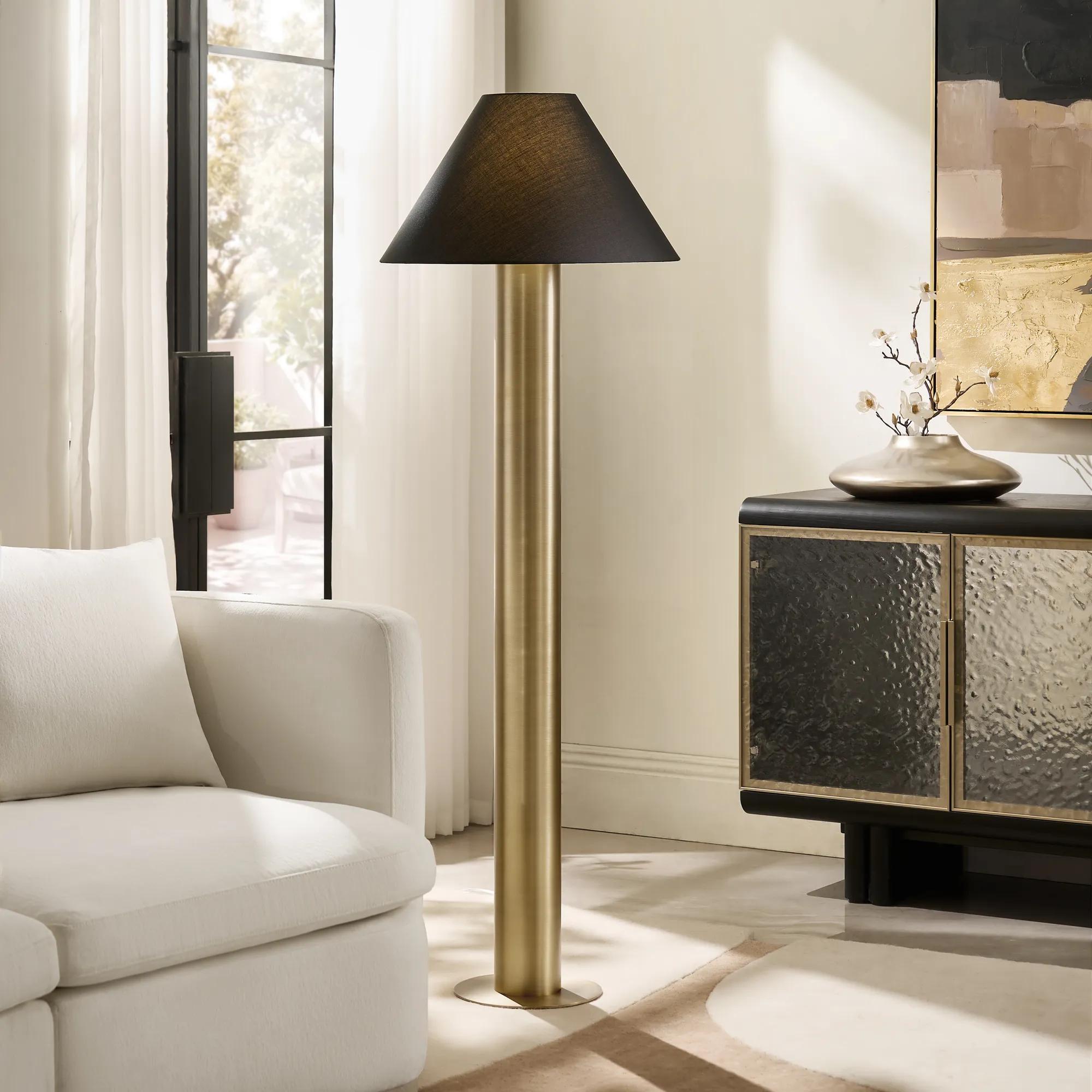 Tova Brushed Brass/Black Floor Lamp 60"$599
A sculptural brushed brass iron frame pairs with a tailored black cotton shade for modern, moody ambiance.
Add To Cart -
 Tova Polished Nickel/White Floor Lamp 60"$599
A modern floor lamp featuring a polished nickel iron base and a tapered white cotton shade.
Add To Cart

Floor Lamps For Home Staging
Floor lamps for home staging are the secret alchemy behind unforgettable first impressions—casting light, drama, and dimension with a single, artful gesture. Whether illuminating a grand entryway or accentuating the sculptural lines of a living room, these luminous statements transform every corner into a curated moment. The right floor lamp doesn’t just brighten a space; it elevates it, infusing your home with an inviting radiance that highlights architectural beauty and inspires buyers to imagine their own stories unfolding within. For those who believe every detail deserves its spotlight, floor lamps for home staging are the ultimate finishing touch—a celebration of elegance, atmosphere, and pure possibility.
Floor lamps for home staging brighten dim corners, add vertical height, and help rooms feel more inviting and visually balanced. Plug-in designs bring light where it is needed without hardwired installation, making them especially useful for homeowners, real estate professionals, and staging designers preparing a property for photography or showings. Beyond illumination, a floor lamp gives a room a sense of intention. A sculptural silhouette beside a sofa turns an otherwise empty corner into a composed seating area; an elegant arc above a lounge chair suggests a place to settle in with a book. That suggestion of everyday life matters in a staged home, where furnishings should help visitors imagine how a space could feel without overwhelming its architecture. Slender profiles preserve open sightlines in compact living rooms, while taller, more substantial forms can hold their own beside generous sectionals or beneath high ceilings. An upward-facing shade can soften the impression of a shadowed ceiling, depending on its shape and light output, while a shaded reading lamp brings a more intimate glow to a seating vignette. Neither effect requires filling the room with additional furniture. In an open living and dining area, a floor lamp can also mark the edge of a conversation zone, giving a floating furniture arrangement a clear visual boundary. The most compelling staging balances this decorative presence with restraint: a distinctive finish, a beautifully proportioned shade, or an architectural stem can provide the drama, leaving surrounding surfaces uncluttered. Light reflected across a pale wall may make a narrow room feel more expansive, though a lamp cannot replace natural light or change the room’s actual dimensions. Its strength lies in shaping perception, drawing attention toward appealing features, and making underused areas look purposeful. A quiet corner becomes a reading retreat, a seating arrangement gains definition, and the entire room feels more thoughtfully resolved.
Materials and finishes give staging floor lamps much of their expressive character. Polished metal introduces crisp highlights that pair naturally with glass, lacquer, and tailored upholstery, while brushed finishes offer a softer gleam with less pronounced reflection. Dark metal can lend definition to a light-toned room, tracing a clean vertical line against neutral walls. Glass elements bring transparency and visual lightness; ceramic forms contribute sculptural volume and surface texture. Stone bases offer rich natural variation and, depending on their construction and weight, a grounded presence beneath a slender stem. These choices influence more than style. Reflective surfaces may reveal fingerprints, textured details can collect dust, and glass or ceramic components require protection during transport. For lamps moving between staging projects, sturdy joints, secure shades, and a stable base are practical qualities worth considering alongside appearance. Weight alone does not establish stability; the relationship between the base, stem, shade, and any extended arm matters. A dramatic arc needs sufficient room for both its footprint and its reach, particularly near doors, circulation paths, or reclining furniture. A compact upright design may be better suited to a narrow space between a sofa and a wall. Proportion is equally important. A delicate lamp can disappear beside oversized seating, while a broad shade may crowd a petite chair or obscure artwork. Beside a reading chair, shade placement should help conceal the bulb from a seated viewpoint while directing useful light toward the lap. In a living room photographed from the doorway, the lamp should complement the furniture arrangement rather than interrupt the strongest view. Cords need an accessible outlet and a route away from walking paths, without being pinched beneath furniture or concealed under rugs. These details allow an expressive lamp to feel integrated rather than temporarily placed. The result is a room with polish and breathing space, where sculptural lighting supports the furnishings instead of competing with them.
Light quality completes the effect. A luminous shade can create a welcoming pool of ambient light, while an opaque shade concentrates illumination more precisely; the right choice depends on whether the staged room needs softness, focused function, or a combination of both. Warm-white bulbs, often around 2700 to 3000 kelvin, can lend living rooms and bedrooms a gentle glow, although wall colors, daylight, and neighboring fixtures all influence the final appearance. Consistent color temperatures across visible lamps help a room feel cohesive and reduce distracting contrasts in listing photography. Brightness should suit the room rather than simply maximize output: an exposed, overly bright bulb can create glare, while insufficient light leaves upholstery and architectural details looking flat. Compatible dimmable bulbs and controls, when supported by the fixture, provide flexibility for different rooms and photography conditions. Manufacturer specifications remain essential for bulb type, maximum wattage, and any restrictions related to enclosed shades. Floor lamps are also valuable in multipurpose spaces, where lighting helps communicate an intended use without adding visual clutter. A focused lamp beside a desk can establish a credible work area within a guest room or living space; Floor Lamps For Home Office offers a related perspective on lighting suited to that setting. In bedrooms, a softly shaded design beside an accent chair can suggest a restful sitting area without occupying bedside table space. Maintaining that polished impression requires straightforward, material-appropriate care. With the lamp switched off, unplugged, and cool, a soft cloth can remove dust from the base and stem; shades should be cleaned according to their material and the manufacturer’s instructions. Avoid spraying cleaner directly onto electrical components, and protect delicate finishes from abrasive products. Before relocating a lamp, remove loose components as directed and support its weight at the base rather than lifting by the shade or arm. Thoughtfully chosen and carefully maintained, floor lamps bring a distinctive finishing layer to staged interiors: height, illumination, and artistry that make a room feel ready to be lived in.
FAQs
Floor lamps are masterful at setting the mood in a staged home. By casting a warm, inviting glow and adding sculptural height, they draw attention to key areas, soften harsh corners, and create a sense of balance and luxury. The right lamp can transform a space from ordinary to captivating, making each room feel thoughtfully designed and ready to welcome potential buyers.
For a modern, sophisticated aesthetic, opt for finishes like polished brass, matte black, or brushed nickel. These materials reflect light beautifully and lend a sense of refined glamour to any room. Pairing these finishes with sleek lines or geometric shapes can further elevate the contemporary appeal of your staged space.
Absolutely. Arc lamps are perfect for living rooms or open-concept spaces where a dramatic focal point is desired, while slim, vertical designs are ideal for bedrooms or entryways where you want to add height without overwhelming the space. For cozy reading nooks, consider lamps with adjustable heads or diffused shades to create a soft, focused glow.
Layered lighting is essential for creating depth and dimension in a staged home. Floor lamps complement overhead fixtures and table lamps by filling in shadows, highlighting architectural features, and providing targeted illumination where it’s needed most. This thoughtful layering ensures every space feels warm, welcoming, and visually interesting.
Definitely. Floor lamps are as much about artistry as they are about illumination. With bold silhouettes, textured shades, and gleaming finishes, they serve as striking decorative accents that can anchor a room’s design, introduce new materials, or echo the palette of other furnishings, making them indispensable tools for home staging.