Handwoven Rugs For Living Rooms
Handwoven Rugs For Living Rooms
-
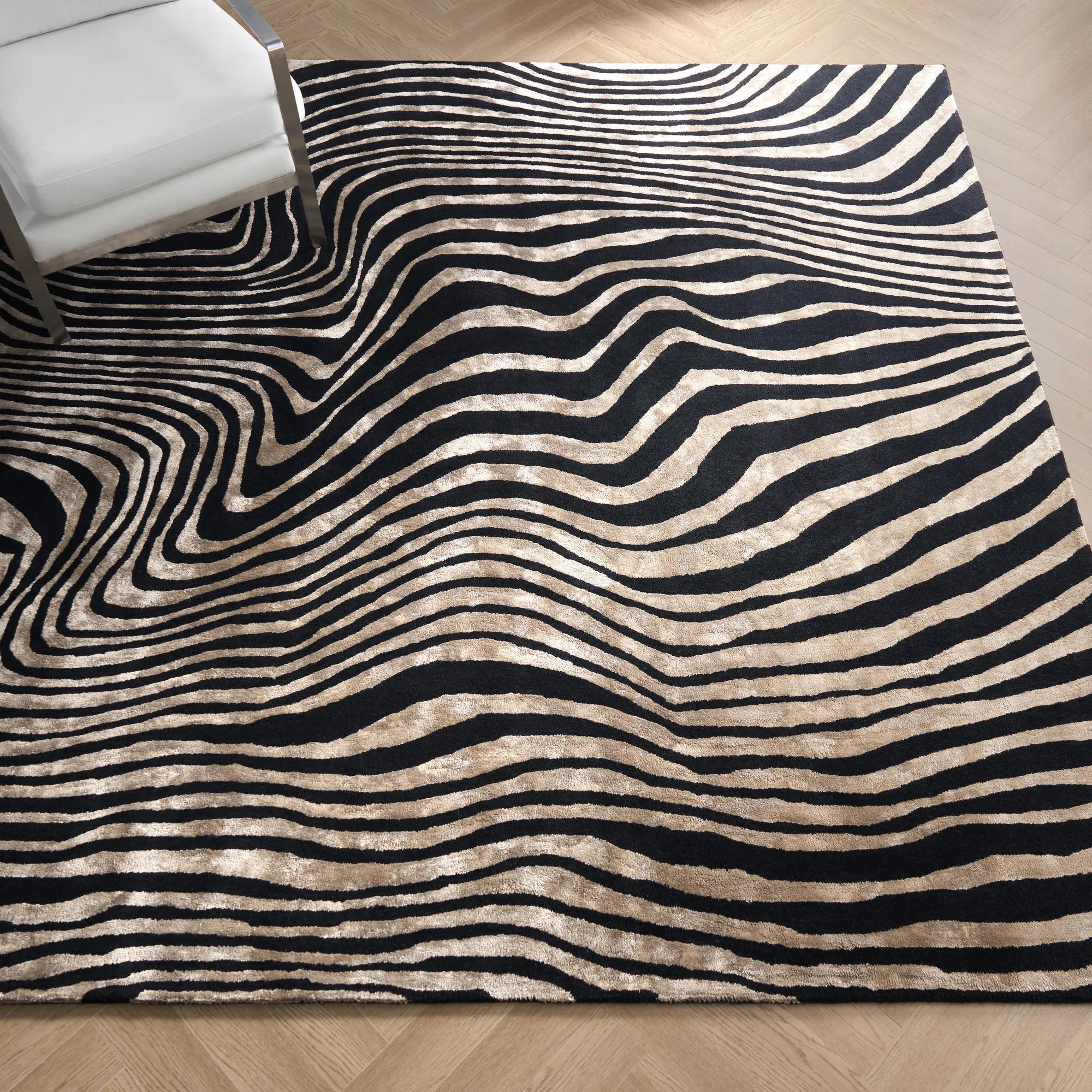
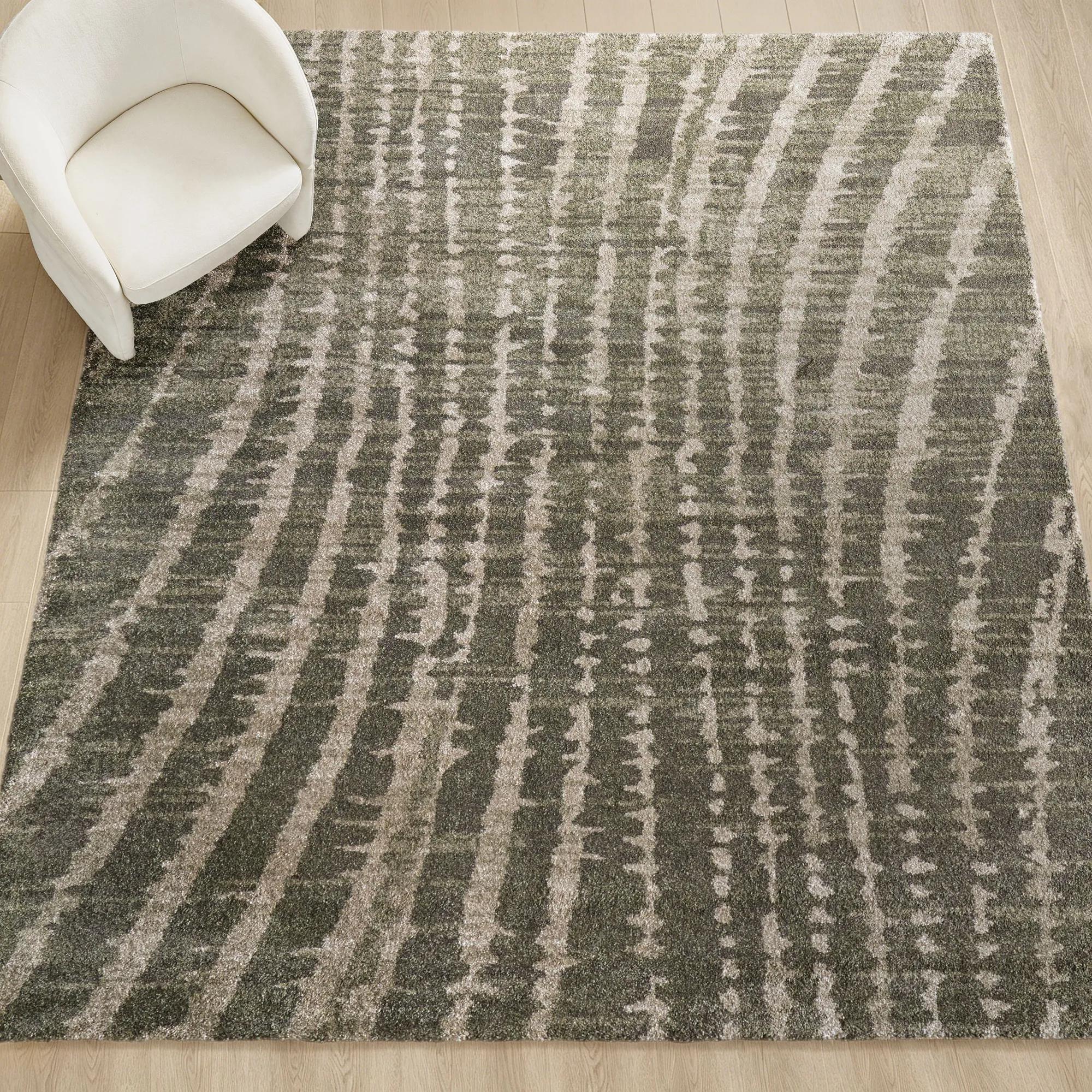
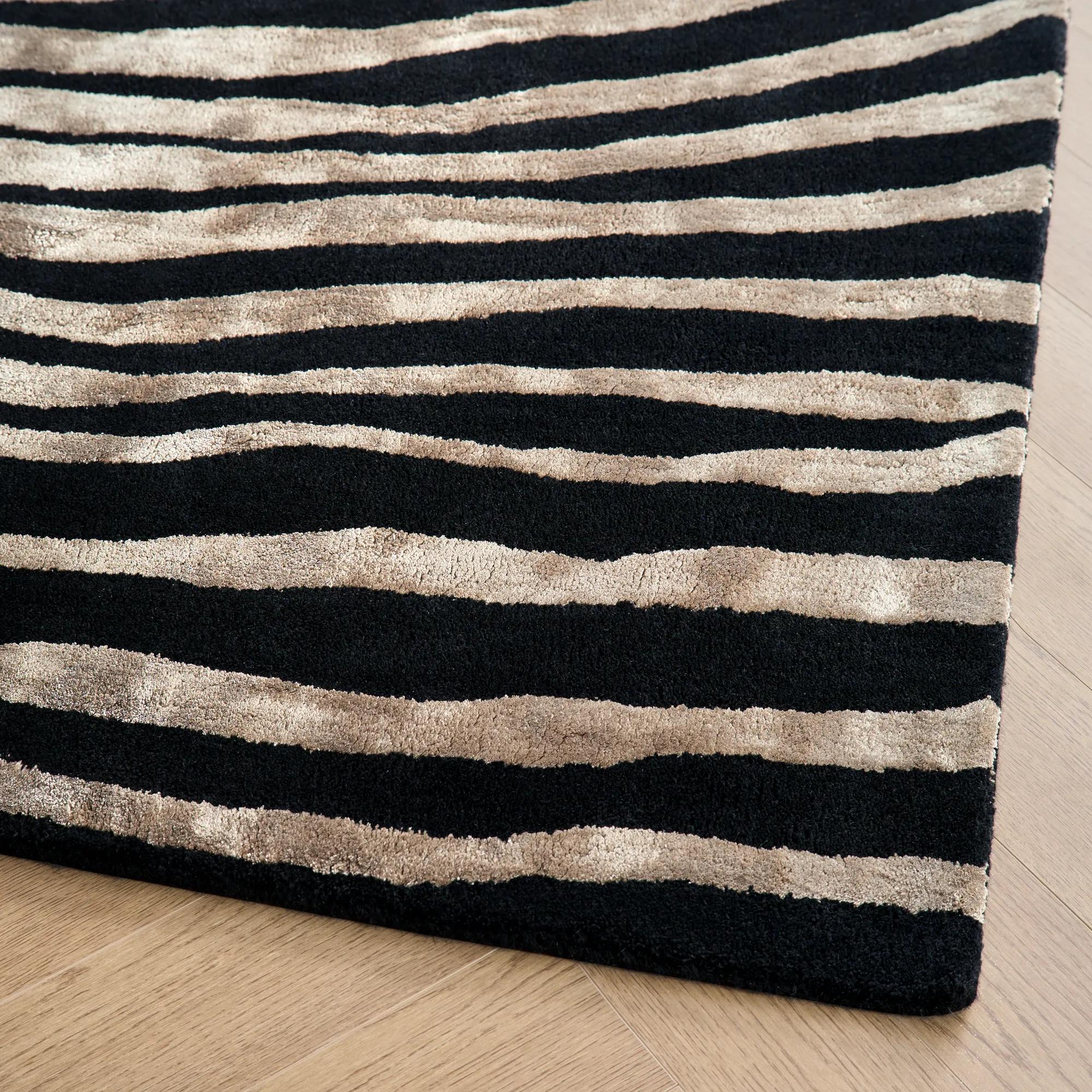 Abstract Zebra Hand-Tufted Black/Taupe Wool Blend Rug$599
An artisan hand-tufted rug in black and taupe wool-viscose, featuring a striking abstract zebra pattern.
Add To Cart -
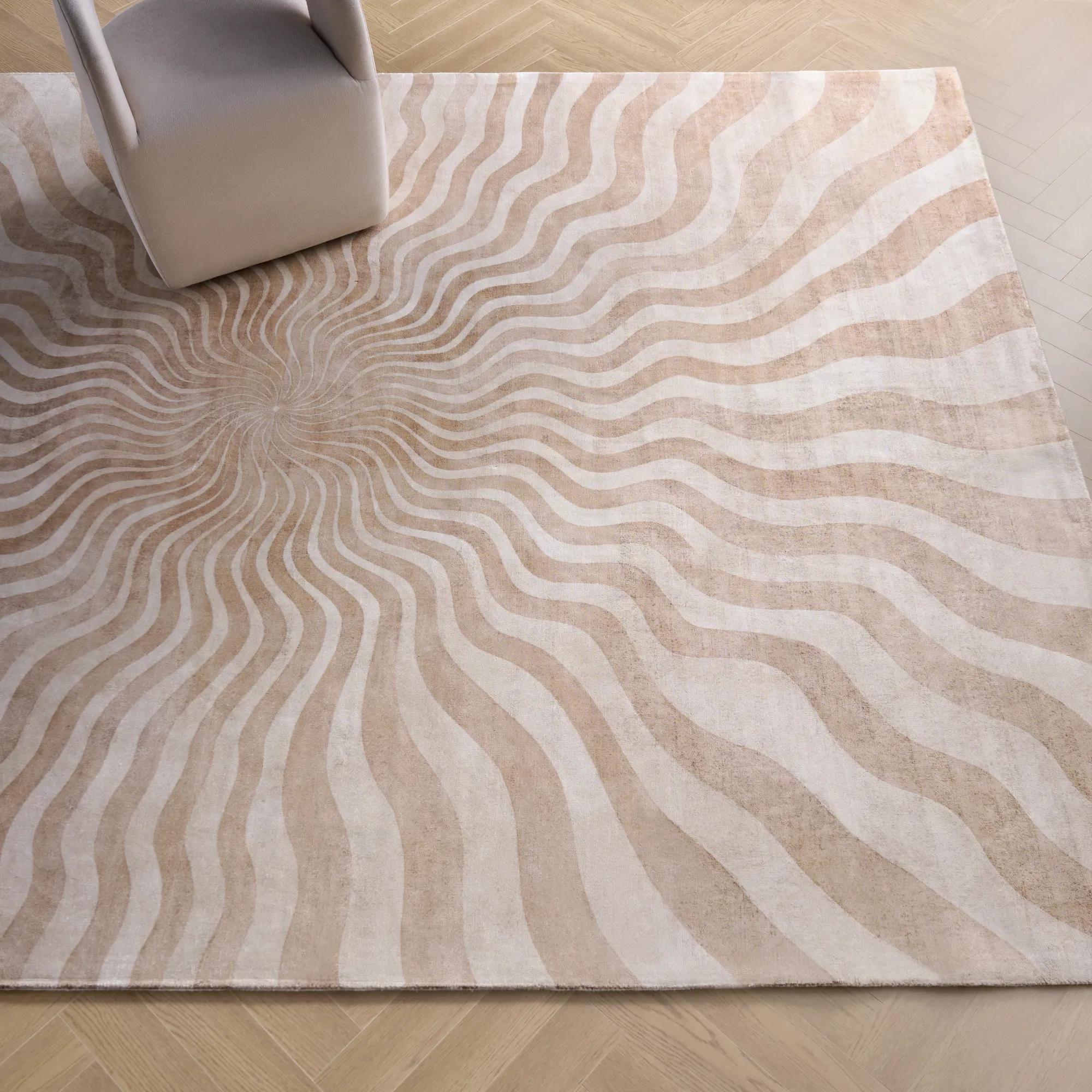
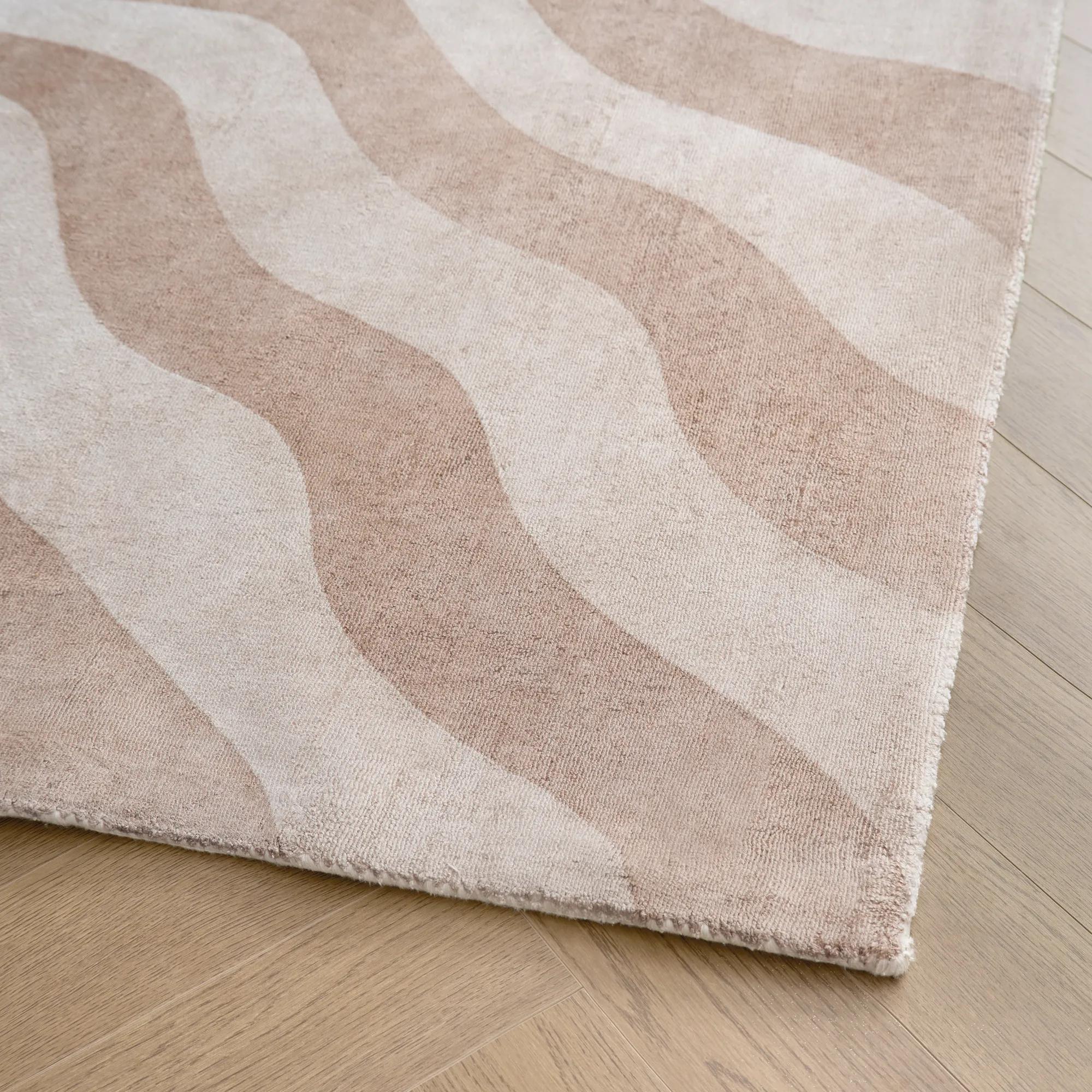 Spiral Rug$499
A hand-loomed taupe and cream rug featuring a mesmerizing printed swirl pattern in luxurious viscose.
Add To Cart -
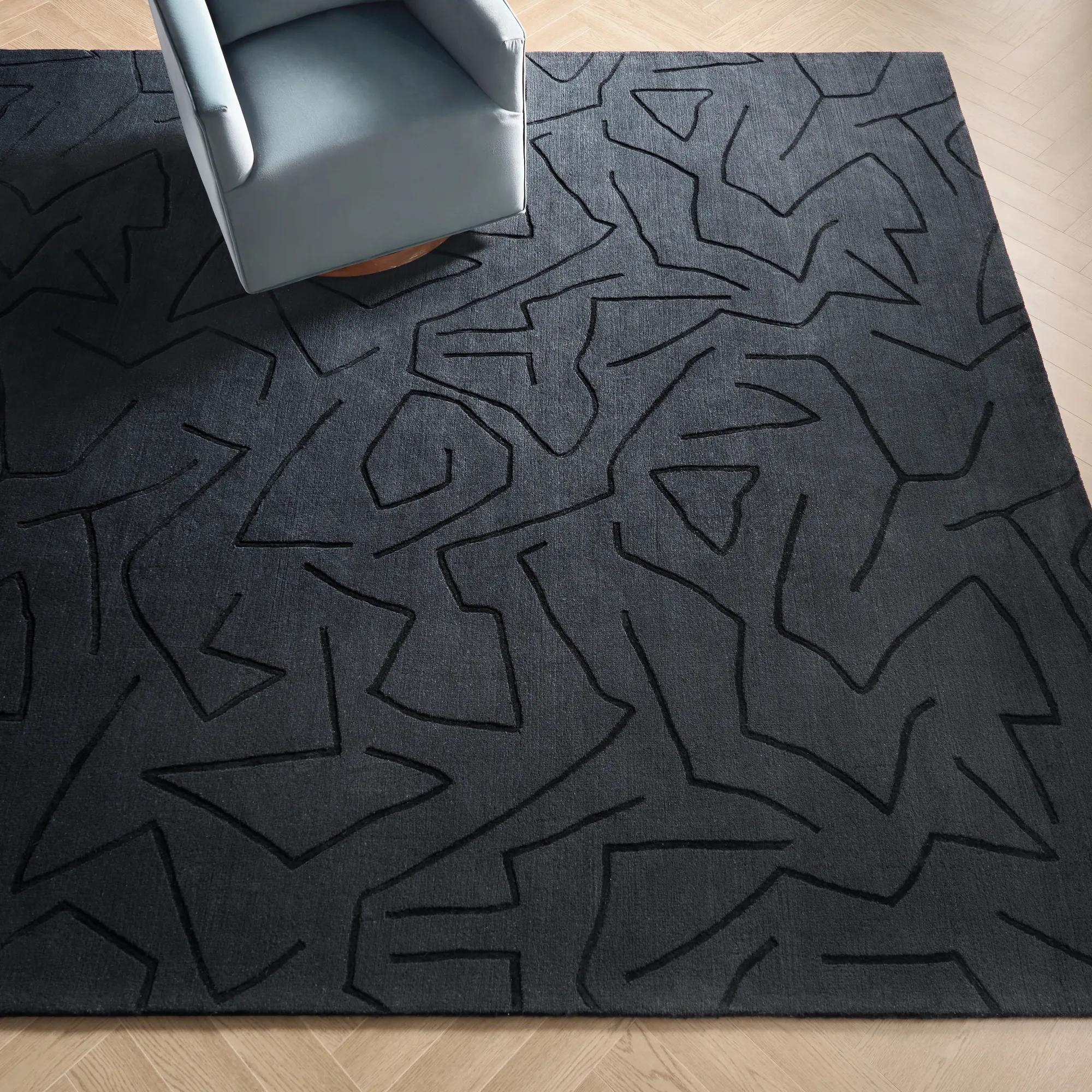 Carved Maze Rug$1399
A hand-loomed black rug crafted from wool and viscose, featuring a carved, textured maze design.
Add To Cart -
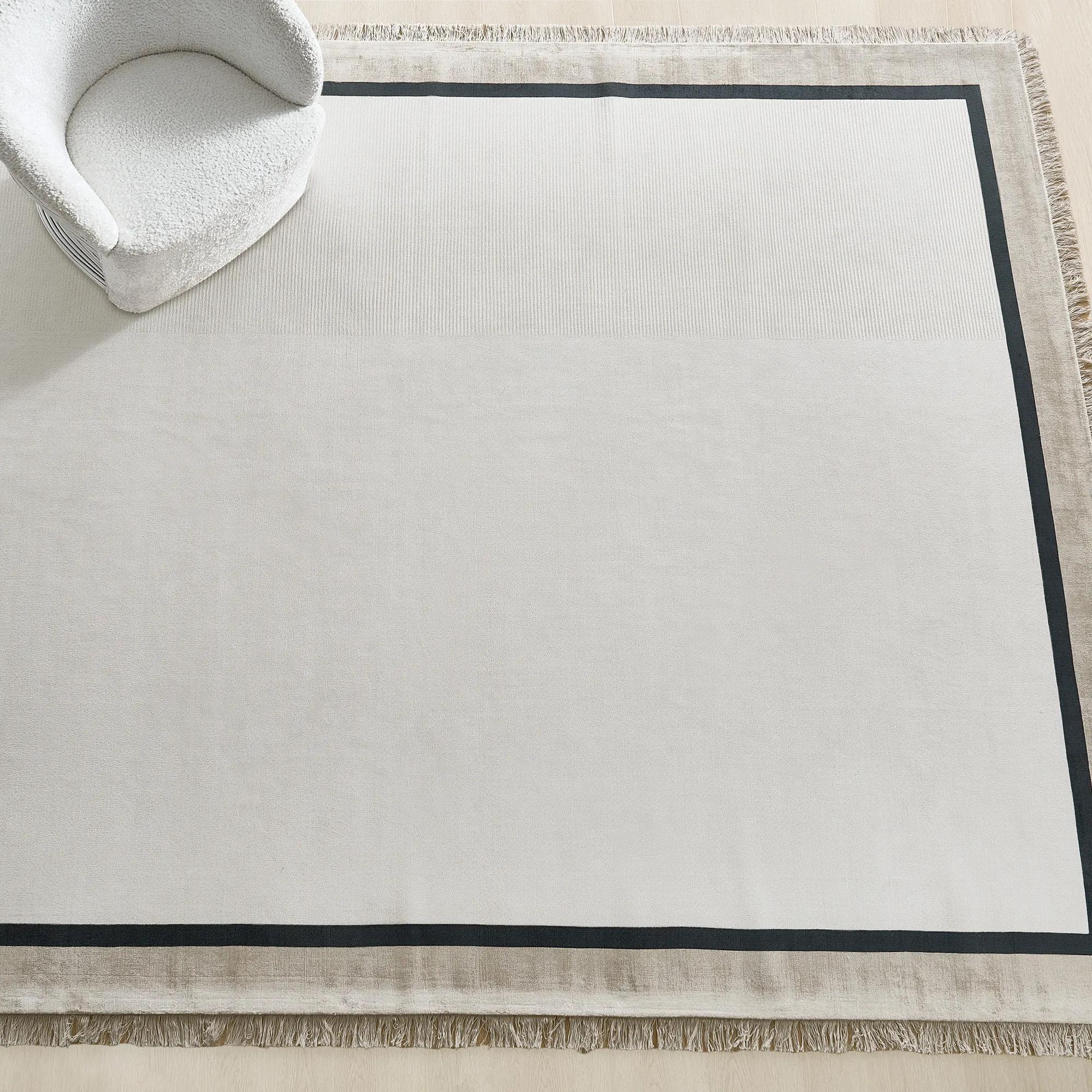
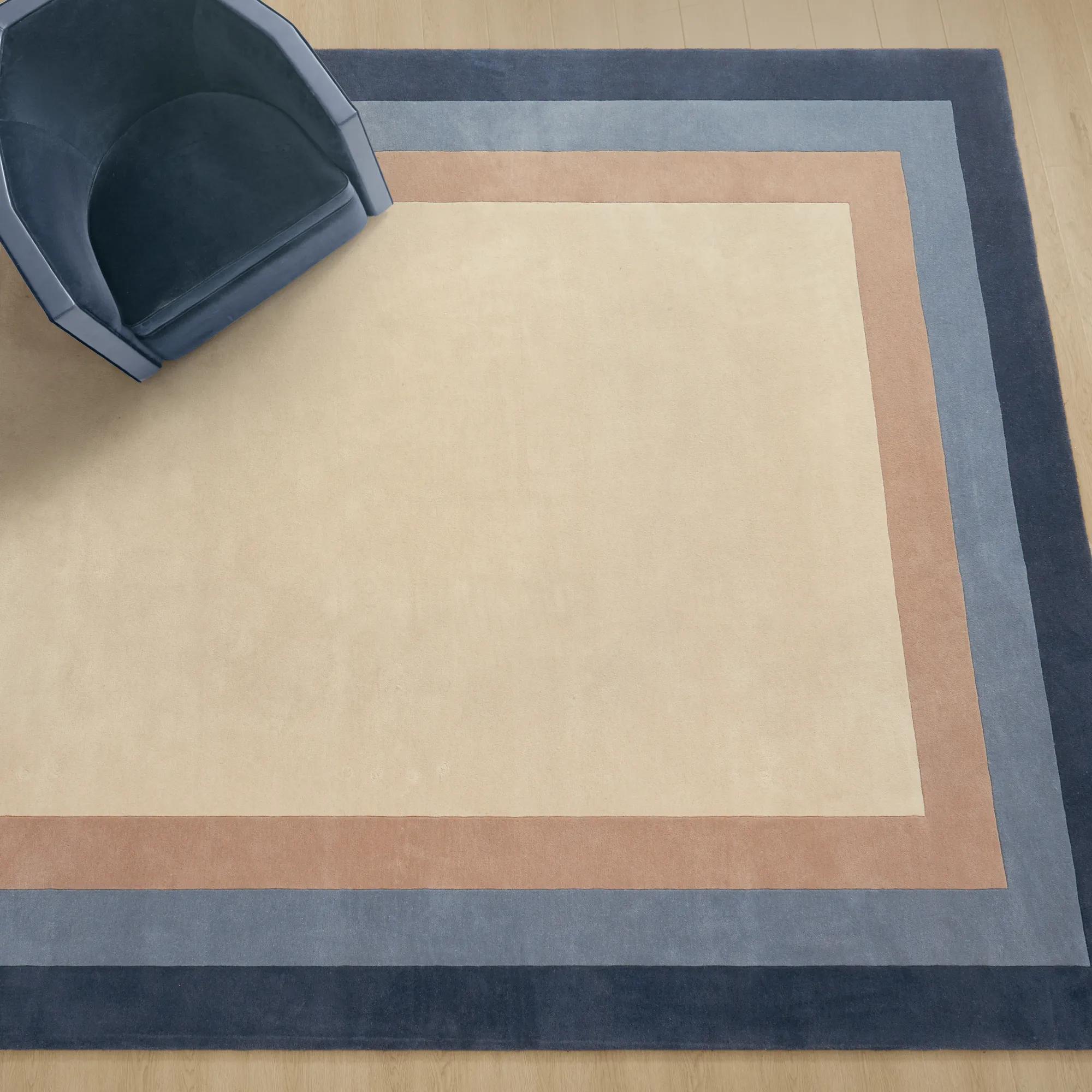 Bastien Hand-Tufted Blue/Taupe/Ivory Wool Border Rugs$999
A hand-tufted wool rug featuring a bold color-blocked border in dusty blue, taupe, and ivory tones.
Add To Cart -
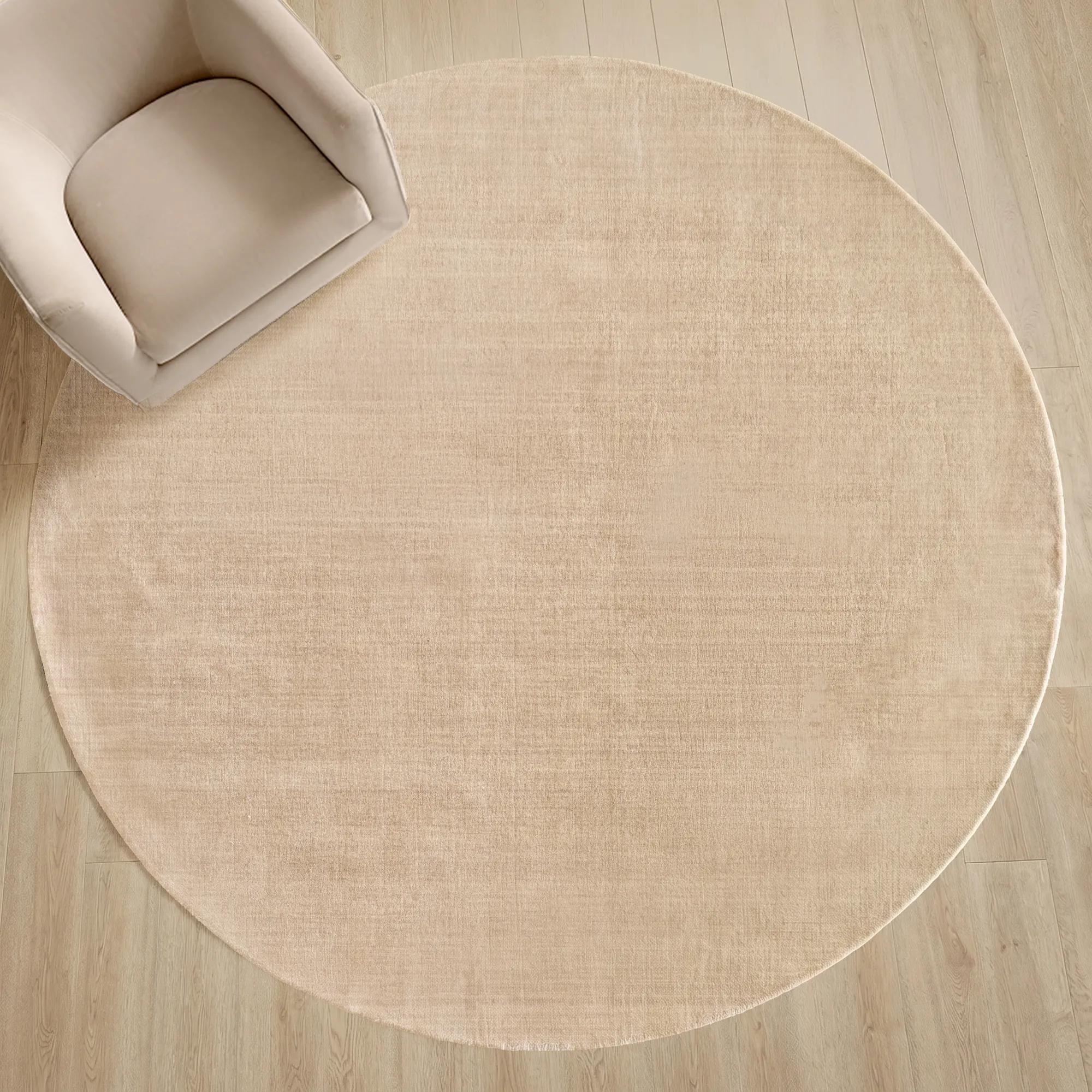 Juni Hand Woven Heathered Warm Beige Round Rug$1399
A handwoven round wool rug in heathered warm beige, offering refined texture and everyday durability.
Add To Cart -
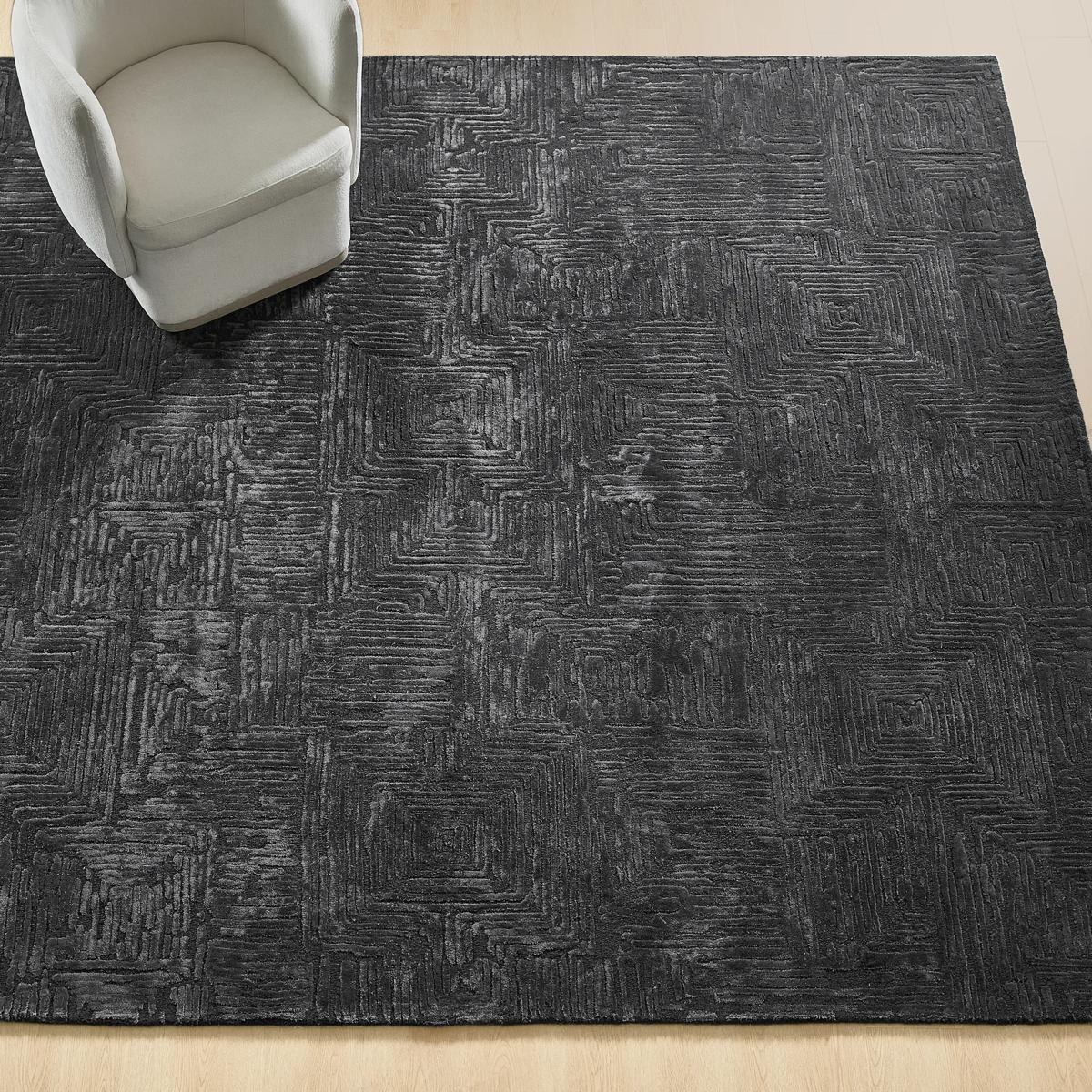
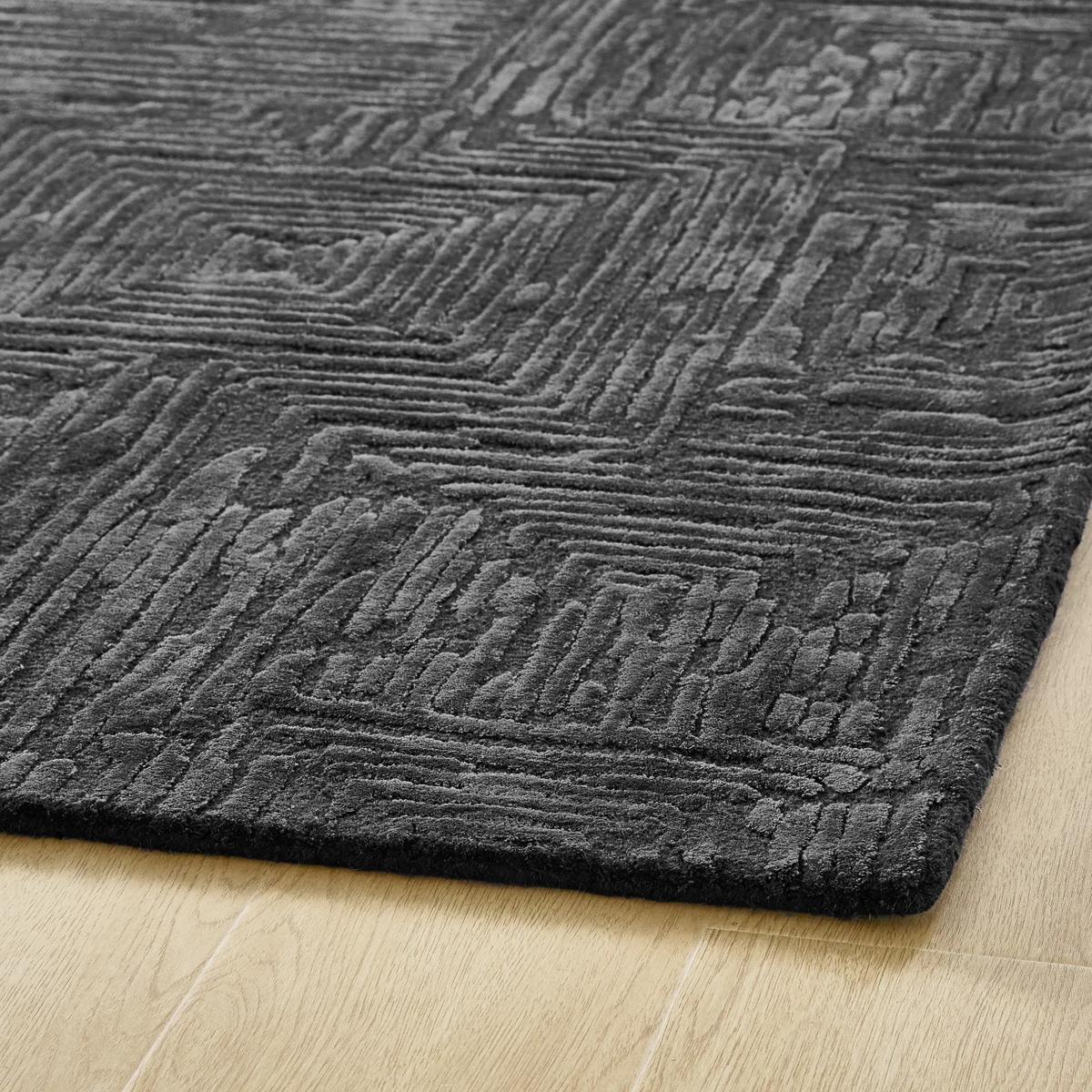 Andra Charcoal Hand-Tufted Wool Blend Dimensional Rug$1499
A hand-tufted viscose-wool rug in rich charcoal with a sculptural, dimensional pattern and plush texture.
Add To Cart -
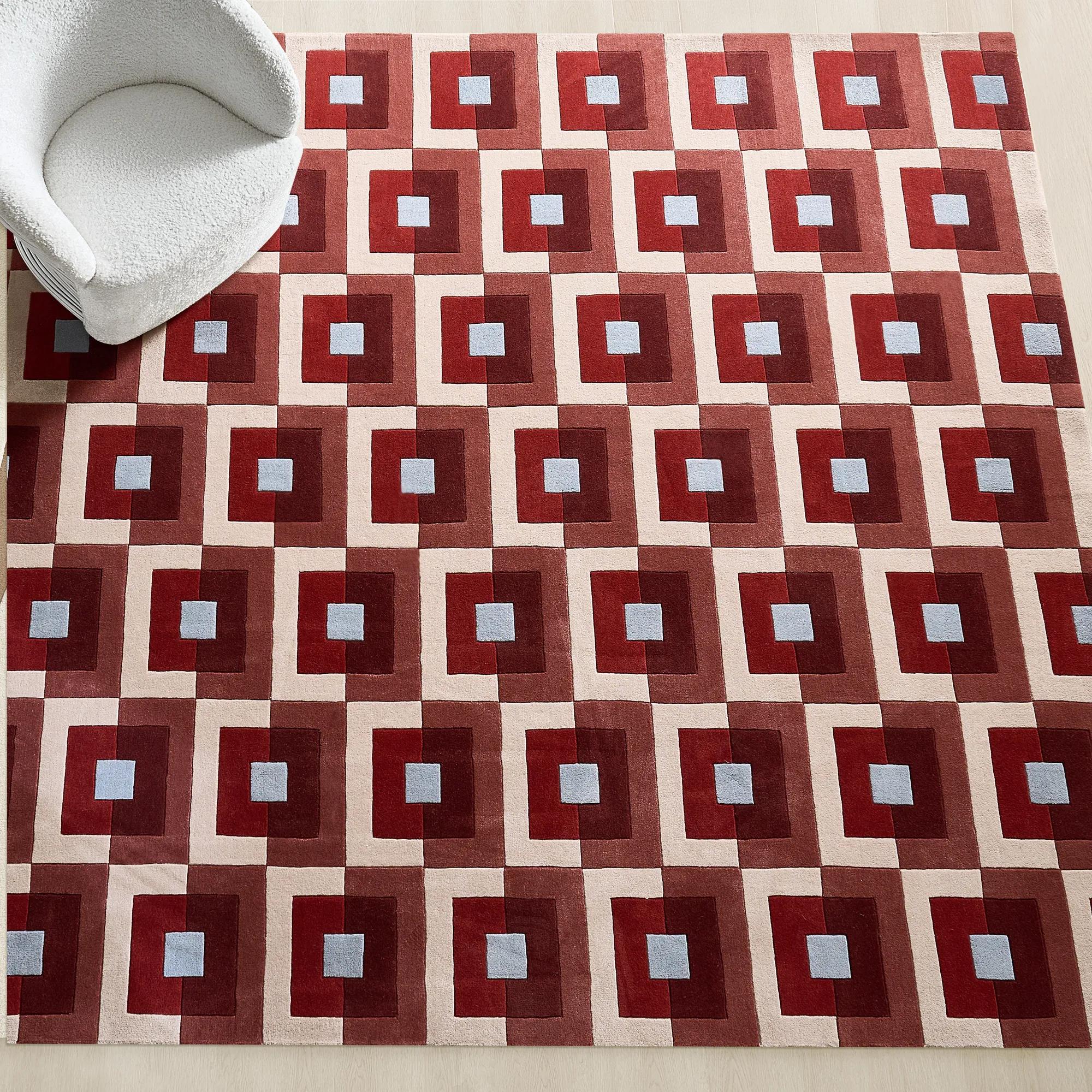
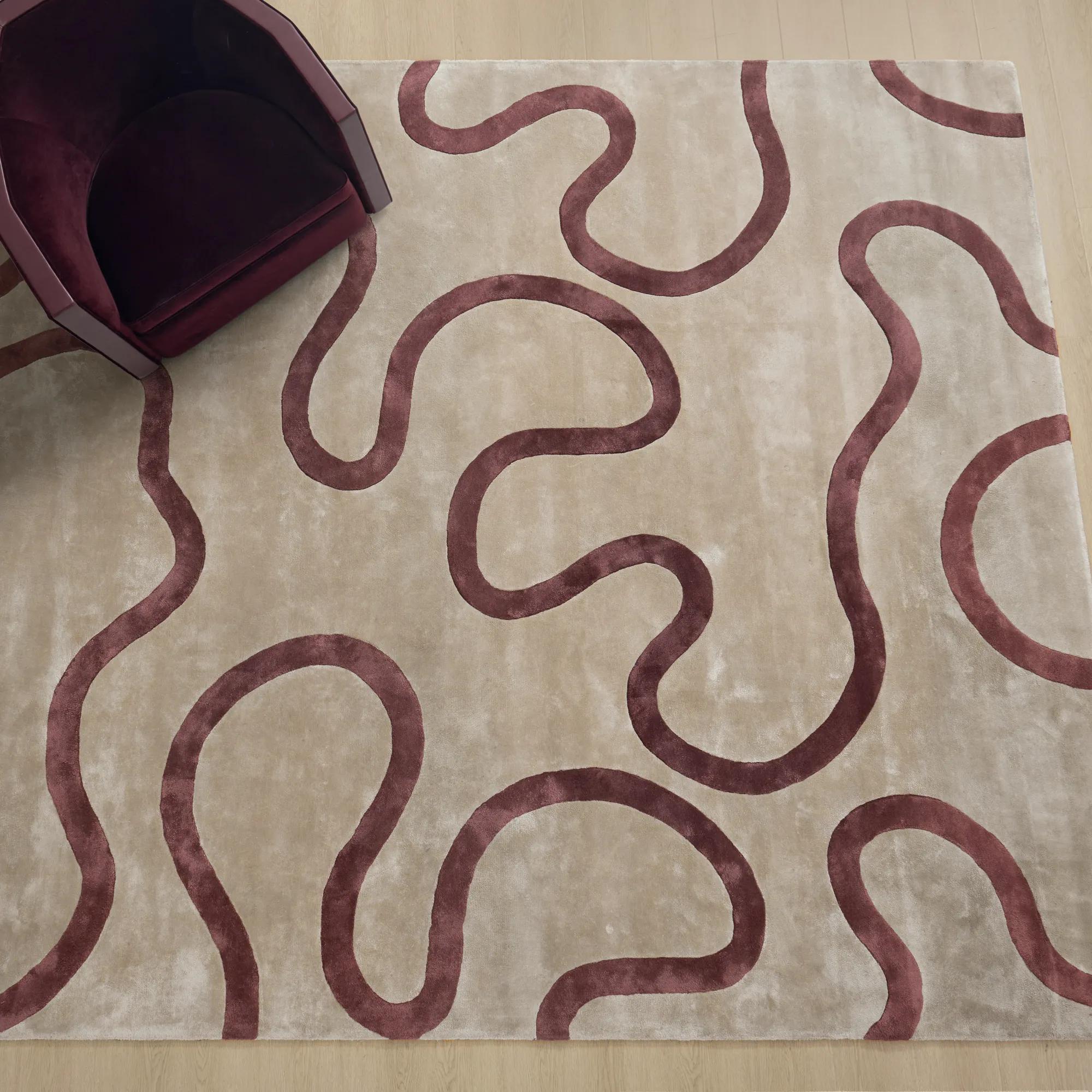 Seraphine Hand-Tufted Fig/Taupe Viscose Loop Rugs$599
A hand-tufted wool rug featuring bold fig and taupe loops for a graphic, Deco-inspired look.
Add To Cart -
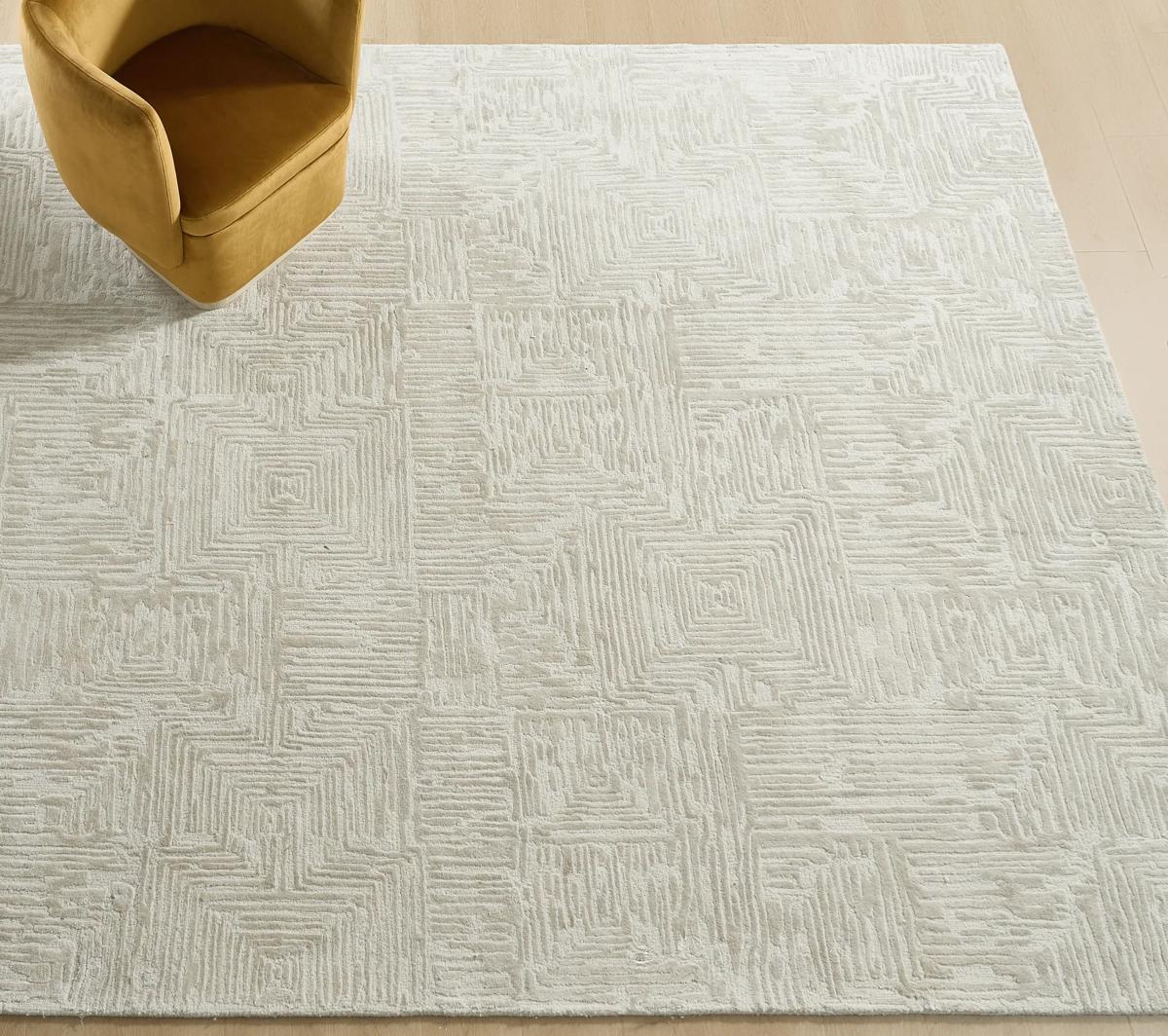 Andra Ivory Hand-Tufted Wool Blend Dimensional Rug$1499
A hand-tufted ivory rug in a viscose-wool blend with raised detailing and a subtle sheen.
Add To Cart -
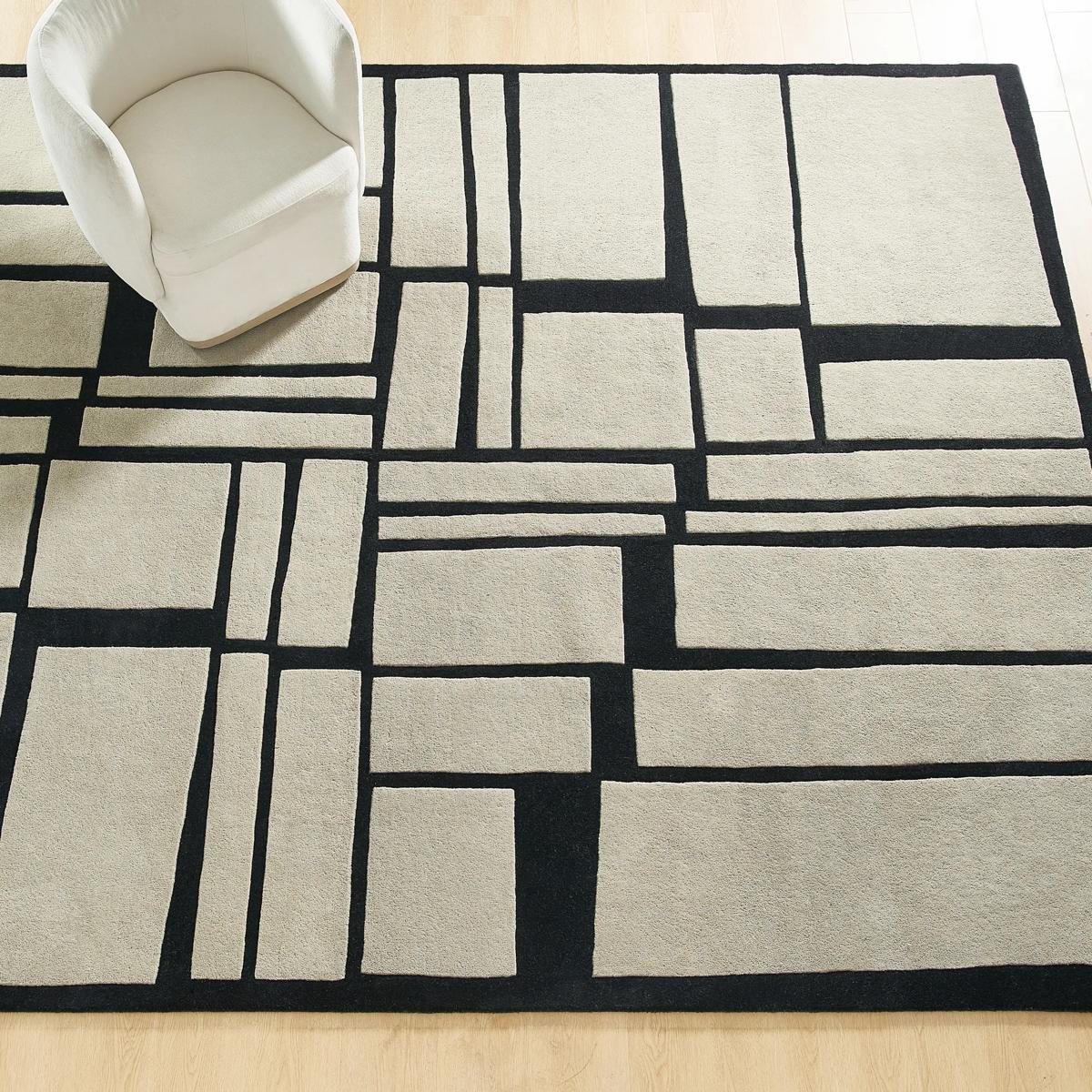 Novak Hand-Tufted Natural/Black Wool Rug$449
A hand-tufted wool rug featuring a bold black and natural grid design for modern visual impact.
Add To Cart -
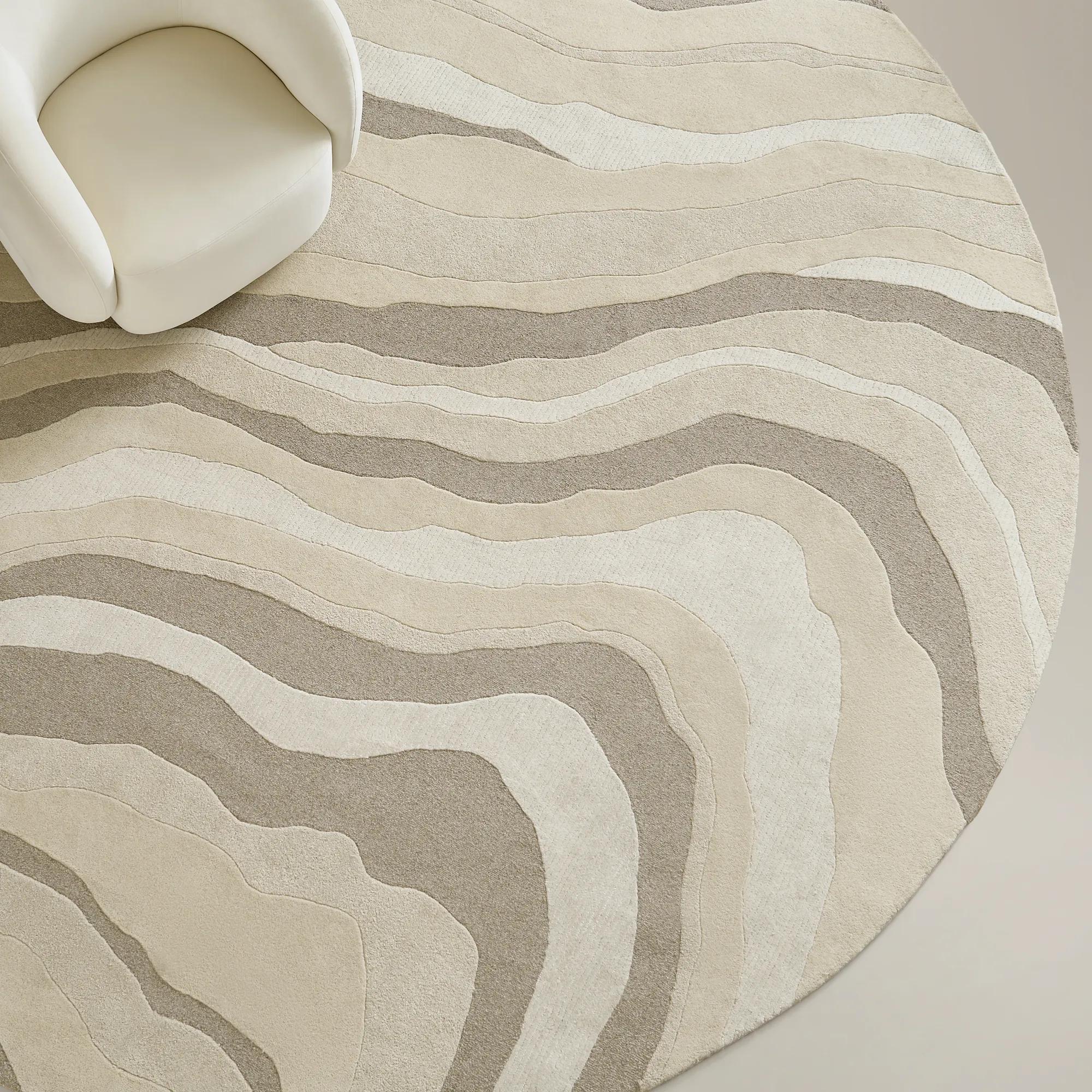 Kadence Hand-Tufted White/Ivory/Tan Wool Round Rug 12"$1799
A hand-tufted round rug in white, ivory, and tan, crafted from 100% wool for natural warmth.
Add To Cart -
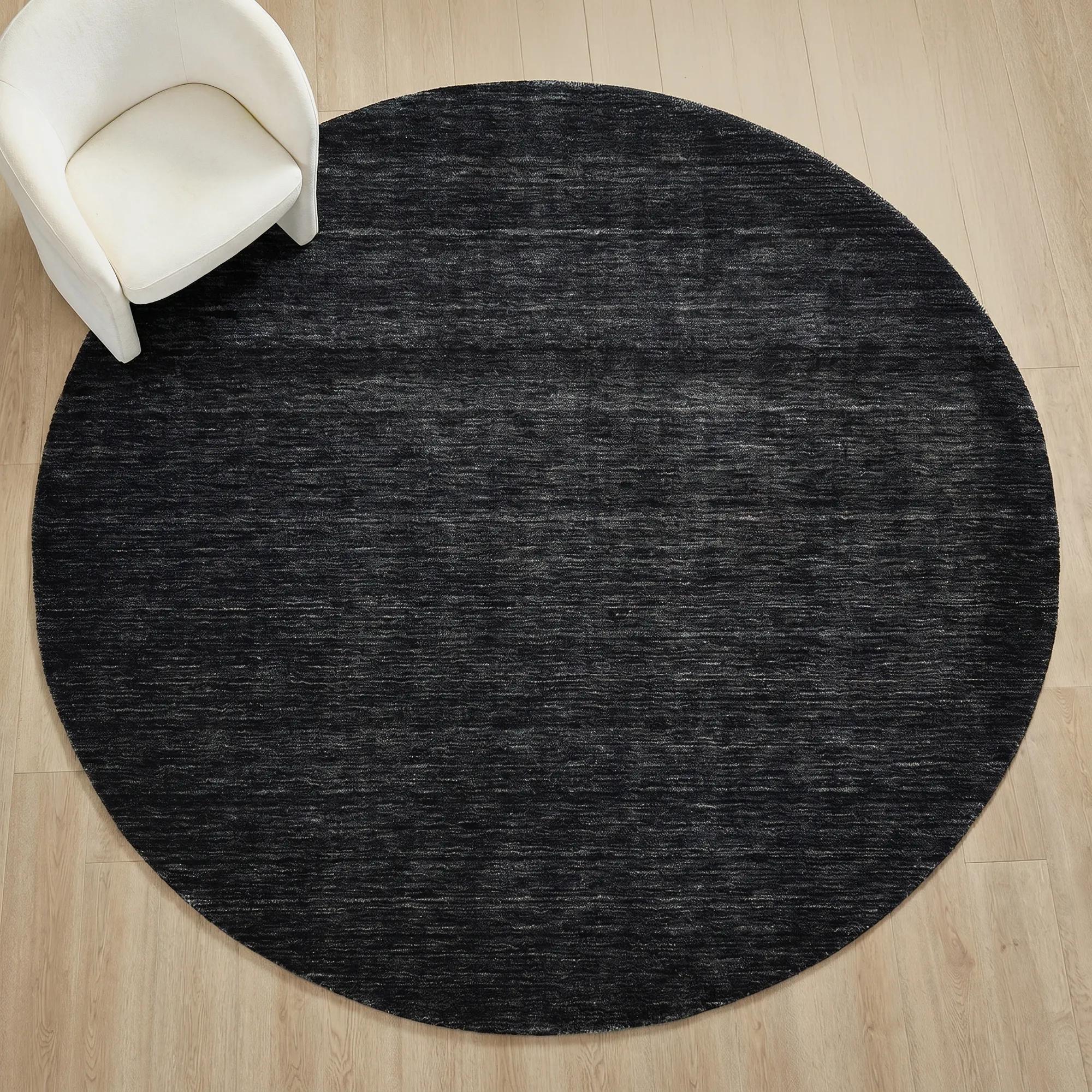 Juni Hand Woven Heathered Black Rug$799
A handwoven round wool rug in heathered black, offering durable texture and moody, contemporary style.
Add To Cart -
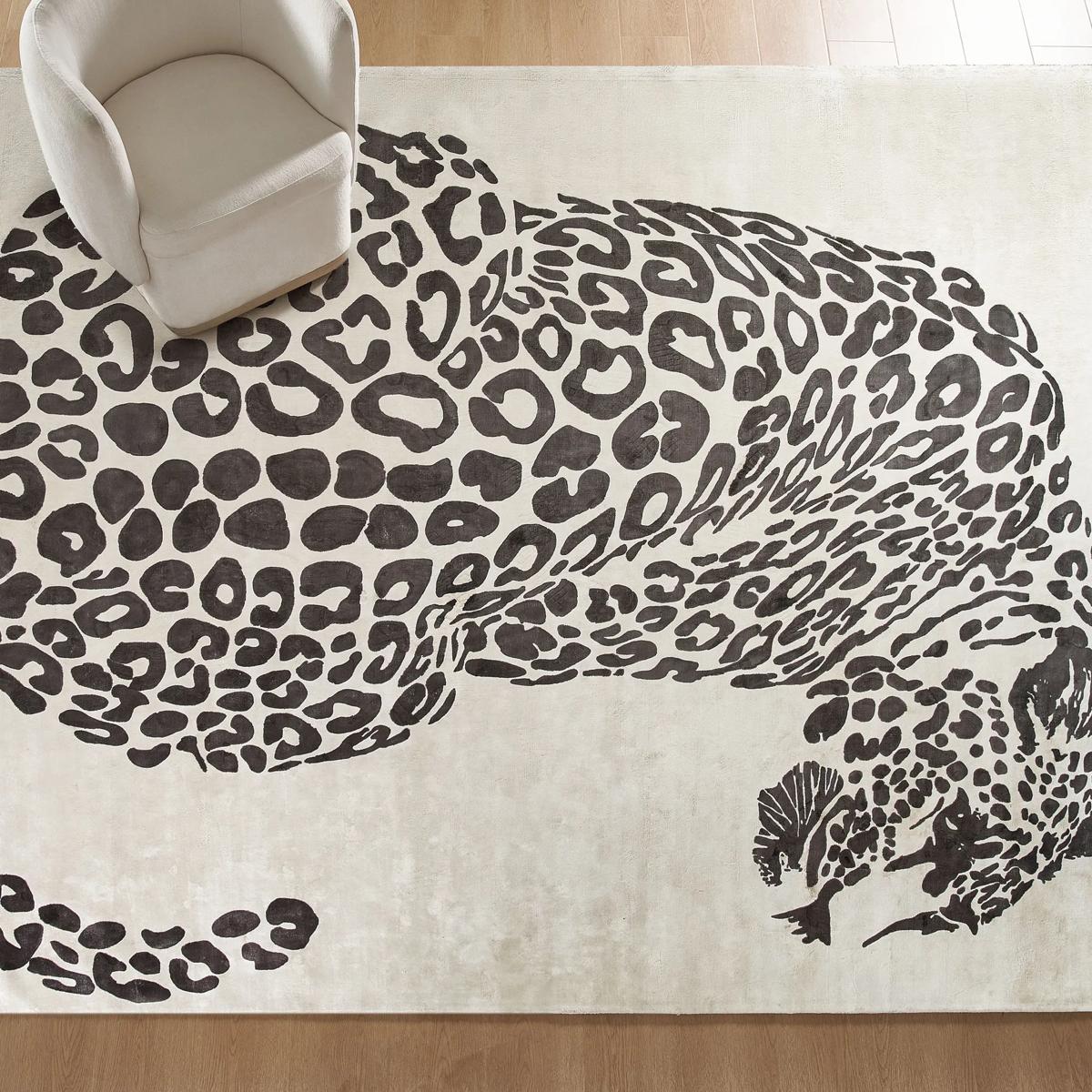 Pardus Leopard Hand-Loomed Ivory/Black Rug$499
An artful ivory and black viscose rug featuring a bold leopard motif and a smooth, silky texture.
Add To Cart -
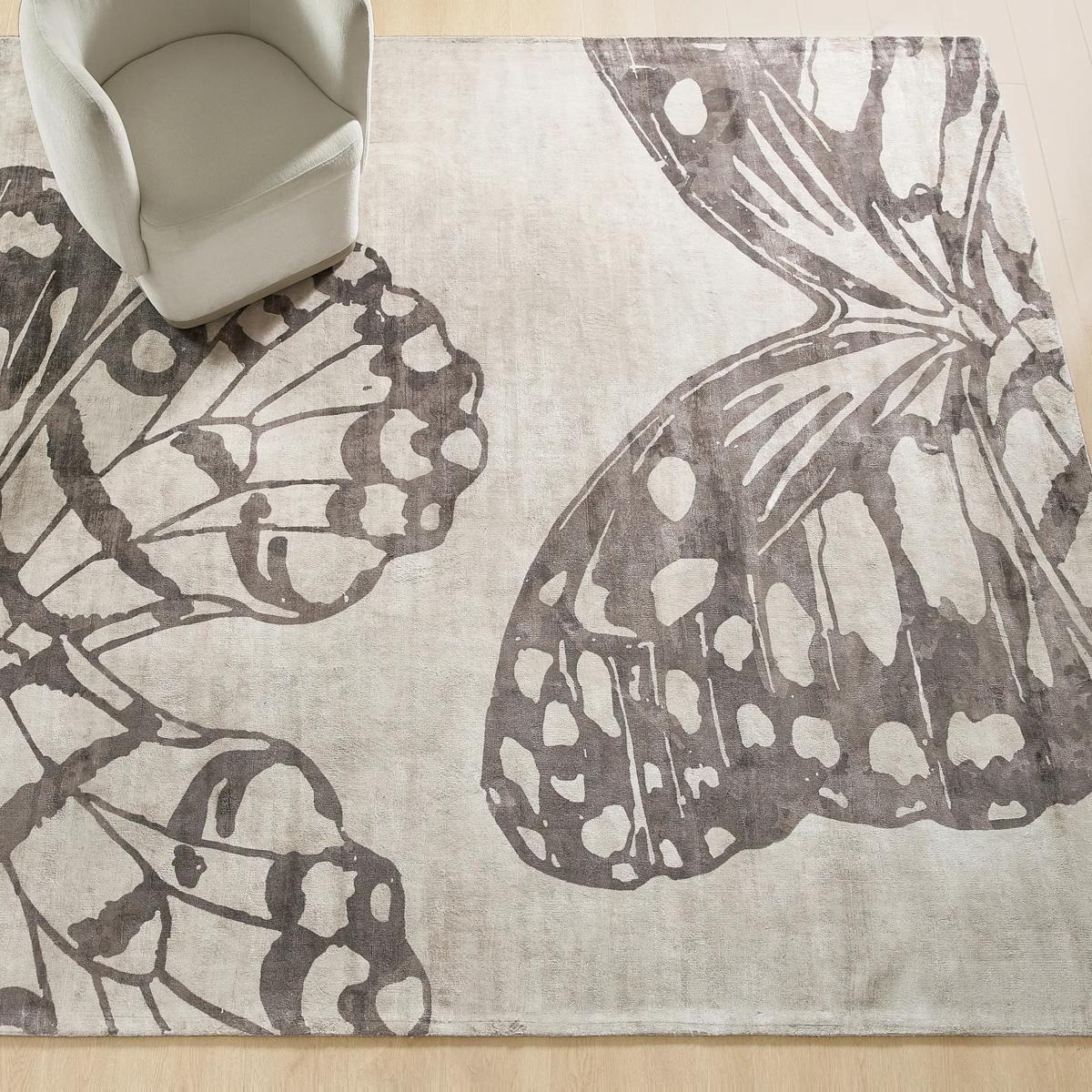
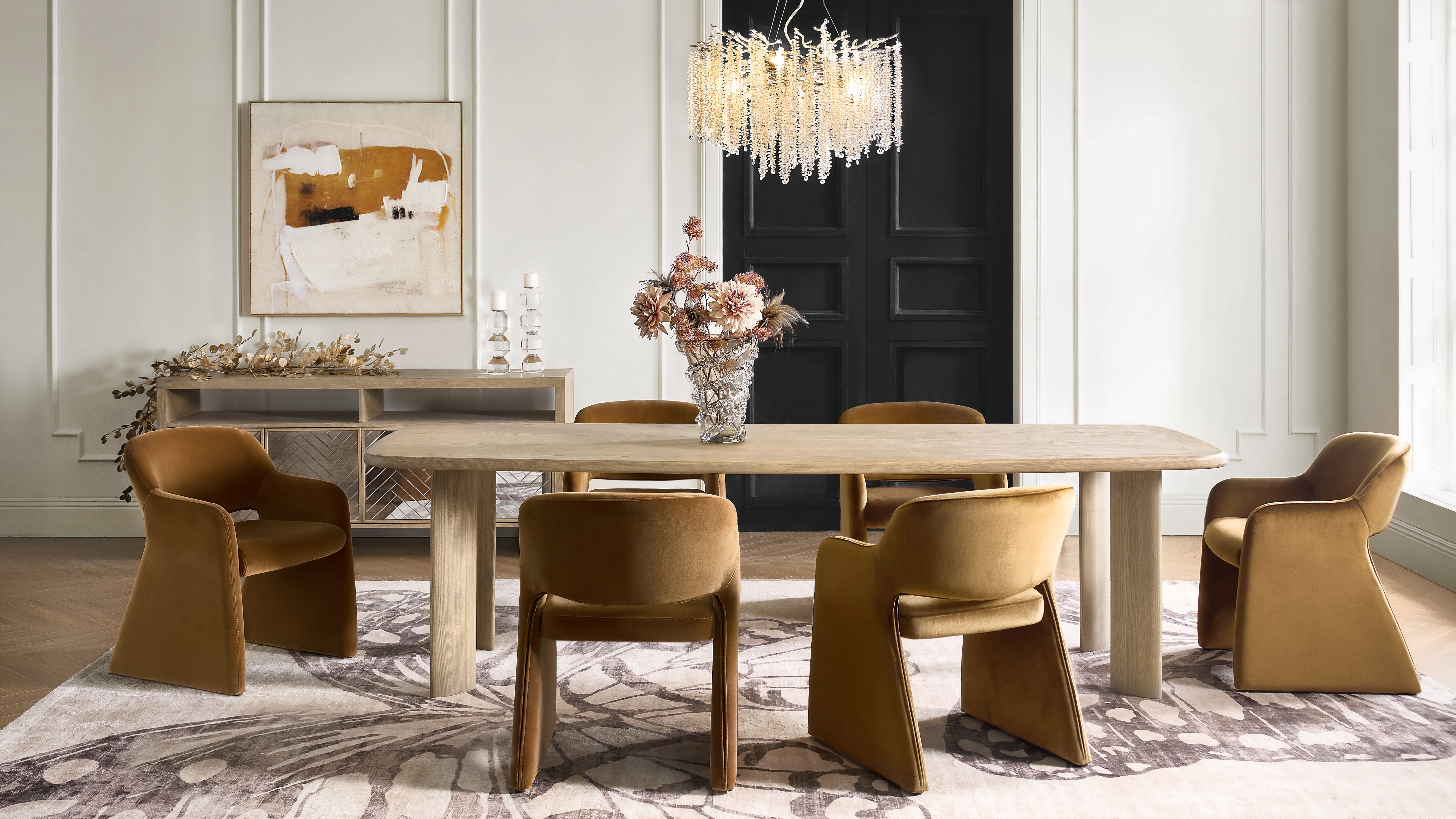 Mariposa Rug - Ivory/Dusty Mauve$999
A hand-loomed viscose rug featuring oversized butterfly motifs in soft ivory and dusty mauve tones.
Add To Cart -
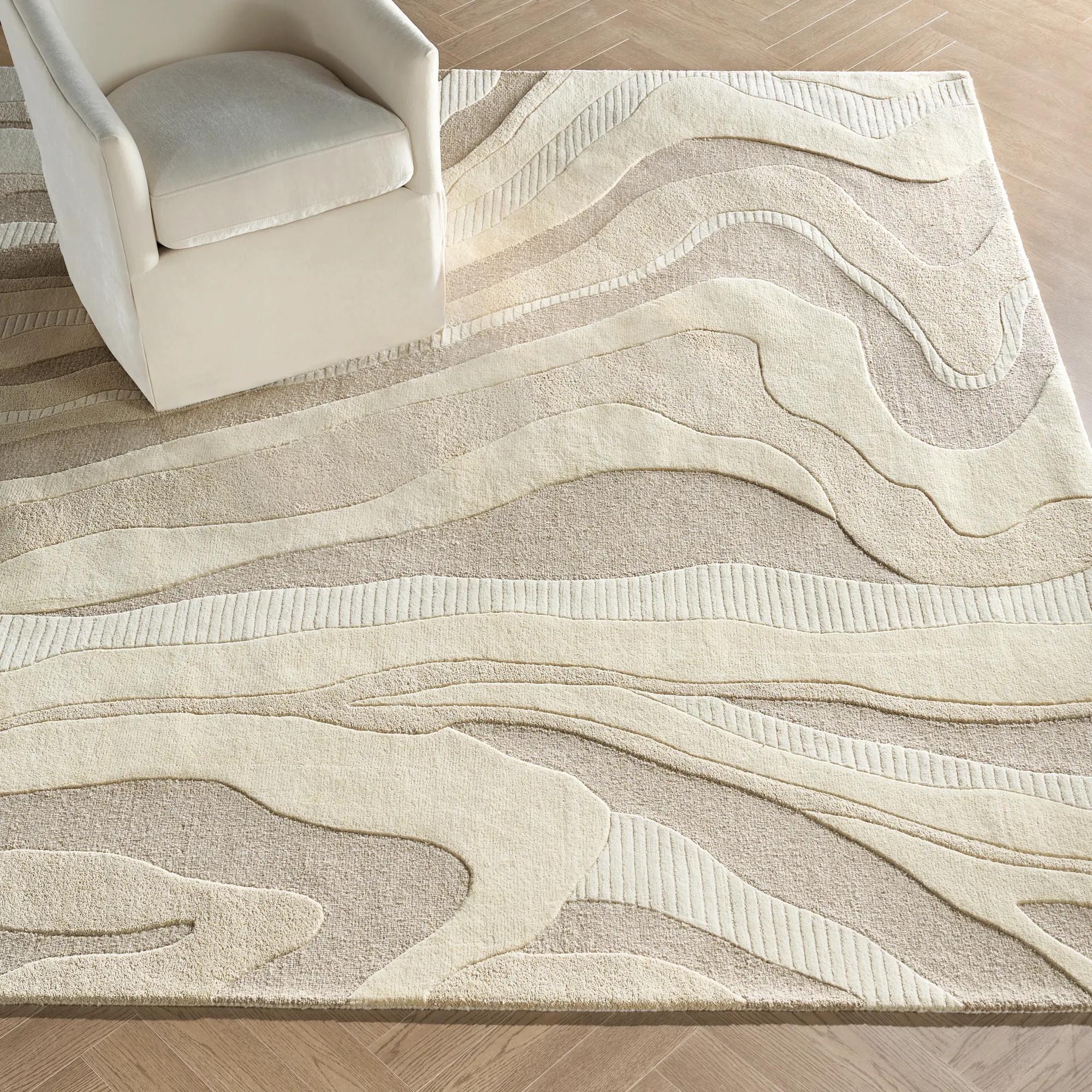 Kadence Hand-Tufted Ivory/Tan Wool Rug$1499
A hand-tufted wool rug featuring a multi-textured swirl design in ivory and tan for timeless elegance.
Add To Cart -
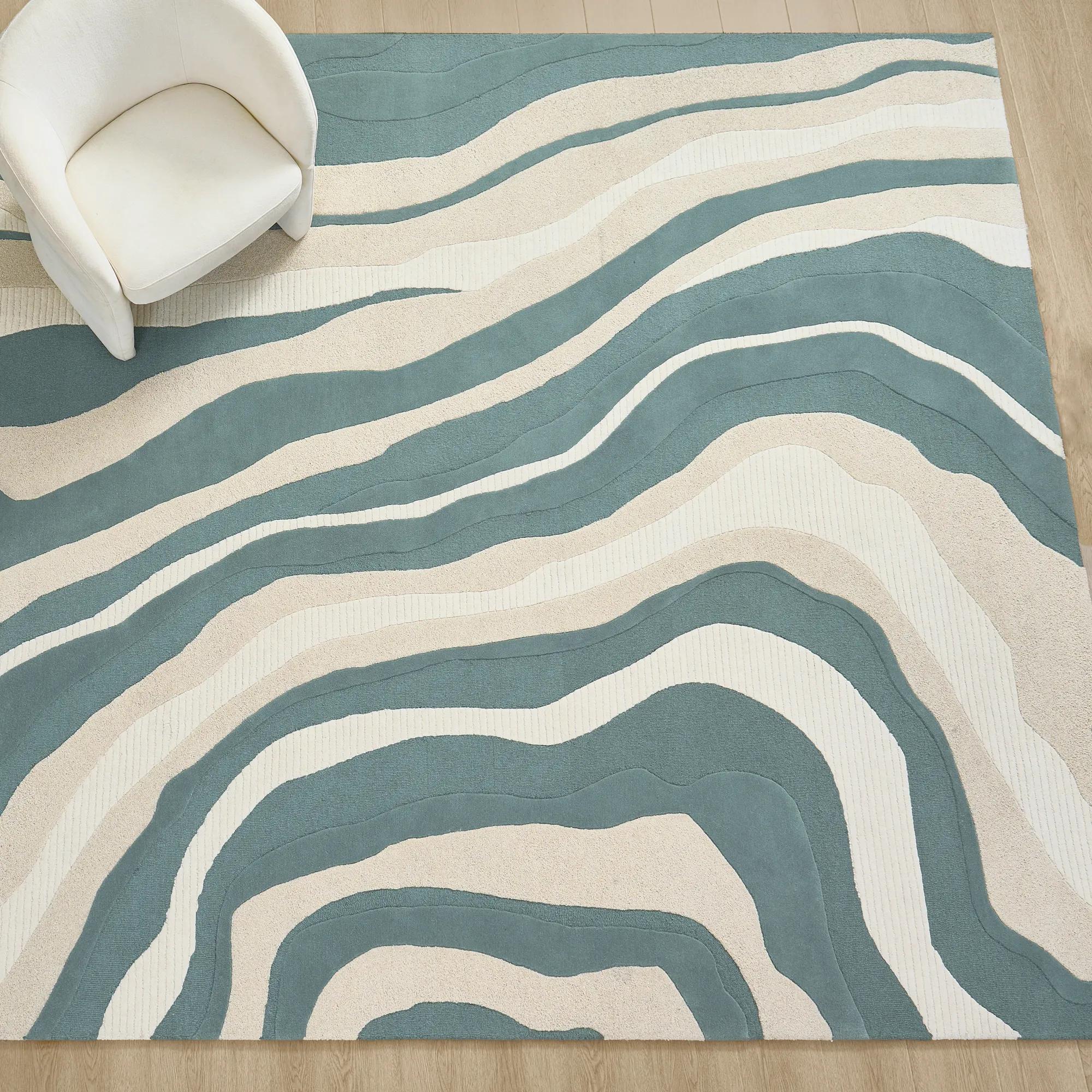 Kadence Hand-Tufted Sage Green/Ivory Wool Rugs$499
A hand-tufted wool rug featuring a sculptural wave pattern in deep sage green and ivory tones.
Add To Cart -
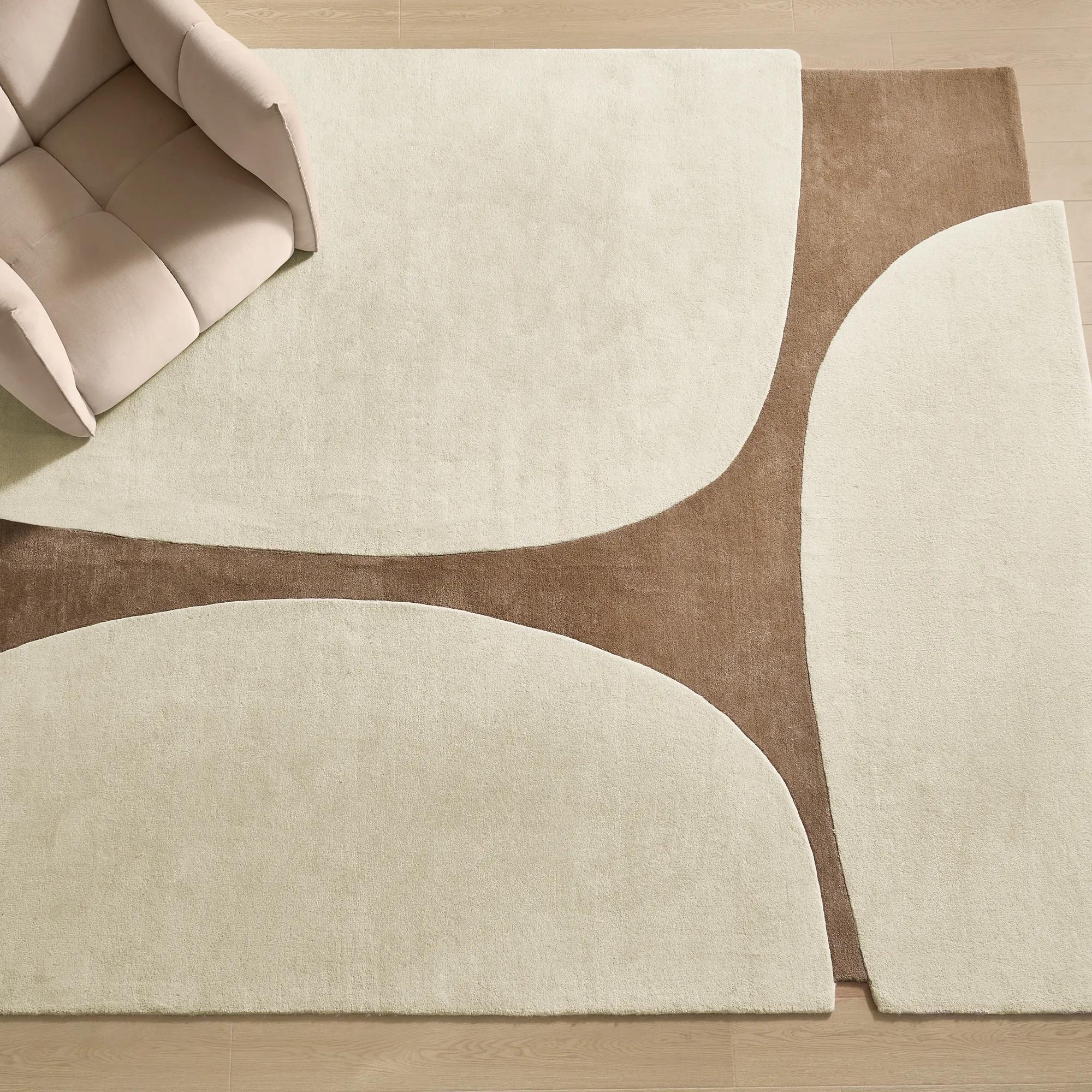
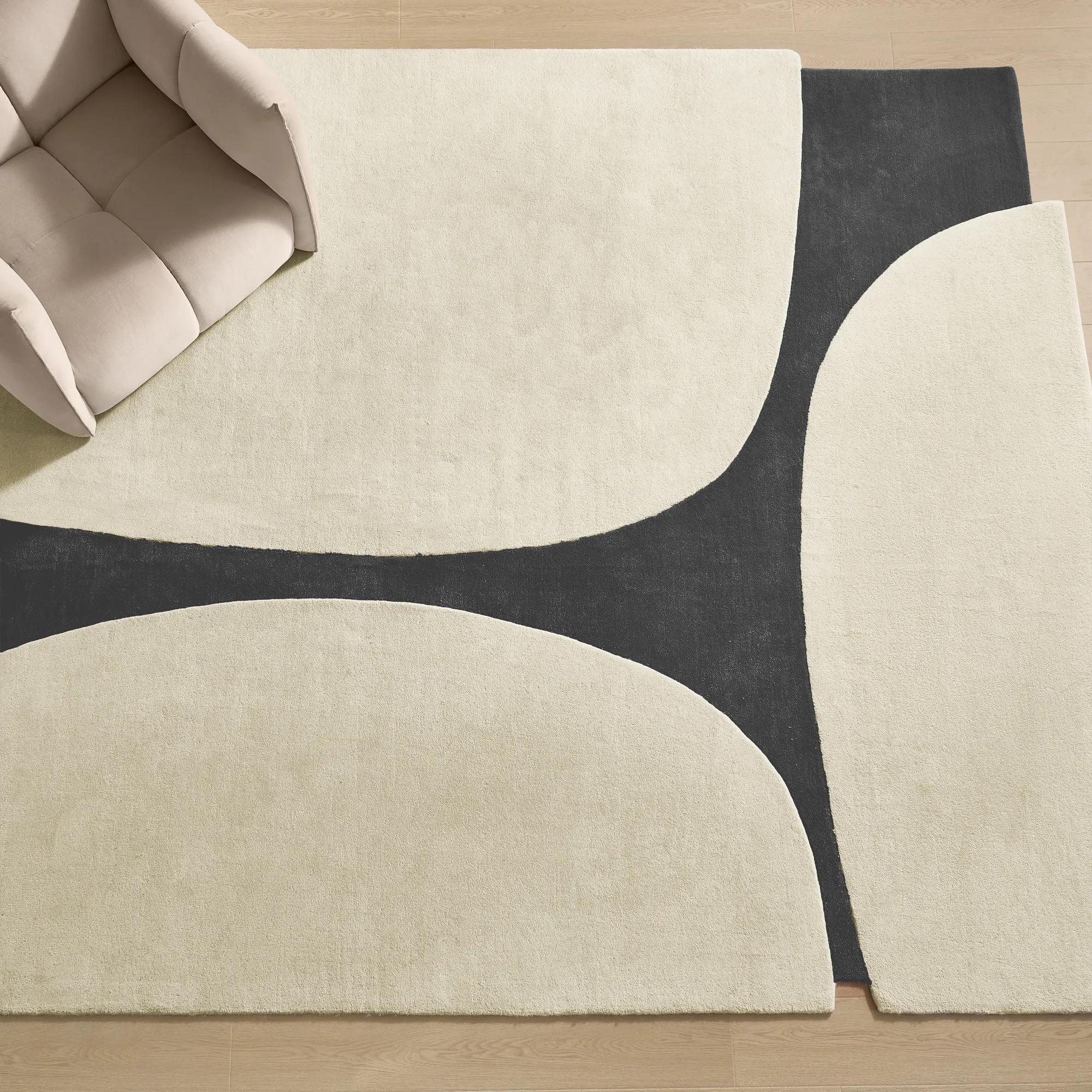 Contour Hand-Tufted Ivory/Charcoal Wool & Viscose Rugs$1499
An artfully shaped hand-tufted rug featuring high-low texture in warm ivory and charcoal wool-viscose blend.
Add To Cart -
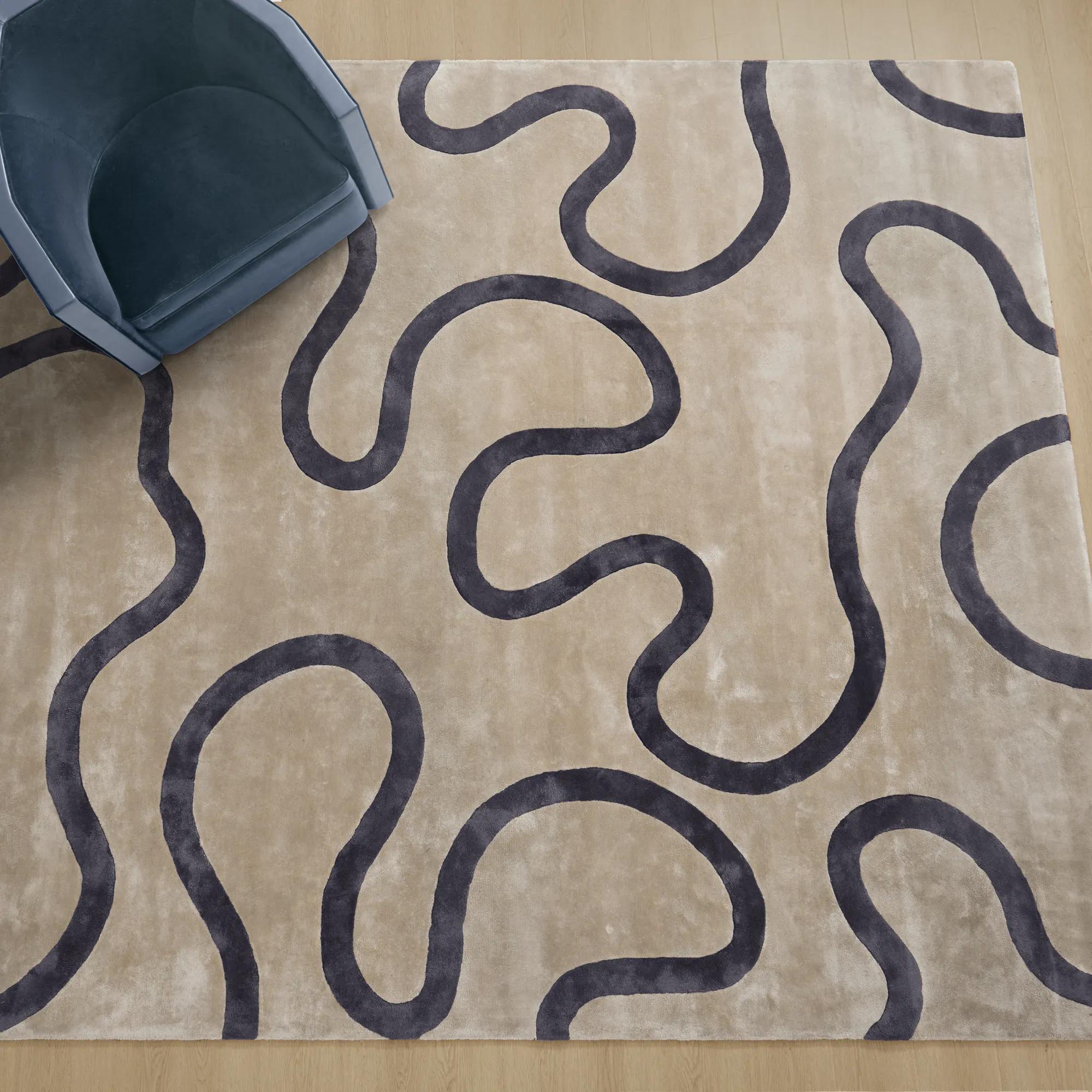 Seraphine Hand-Tufted Smoked Pearl/Taupe Viscose Loop Rugs$1199
A hand-tufted viscose rug featuring bold loop patterns in smoked pearl and taupe for modern elegance.
Add To Cart -
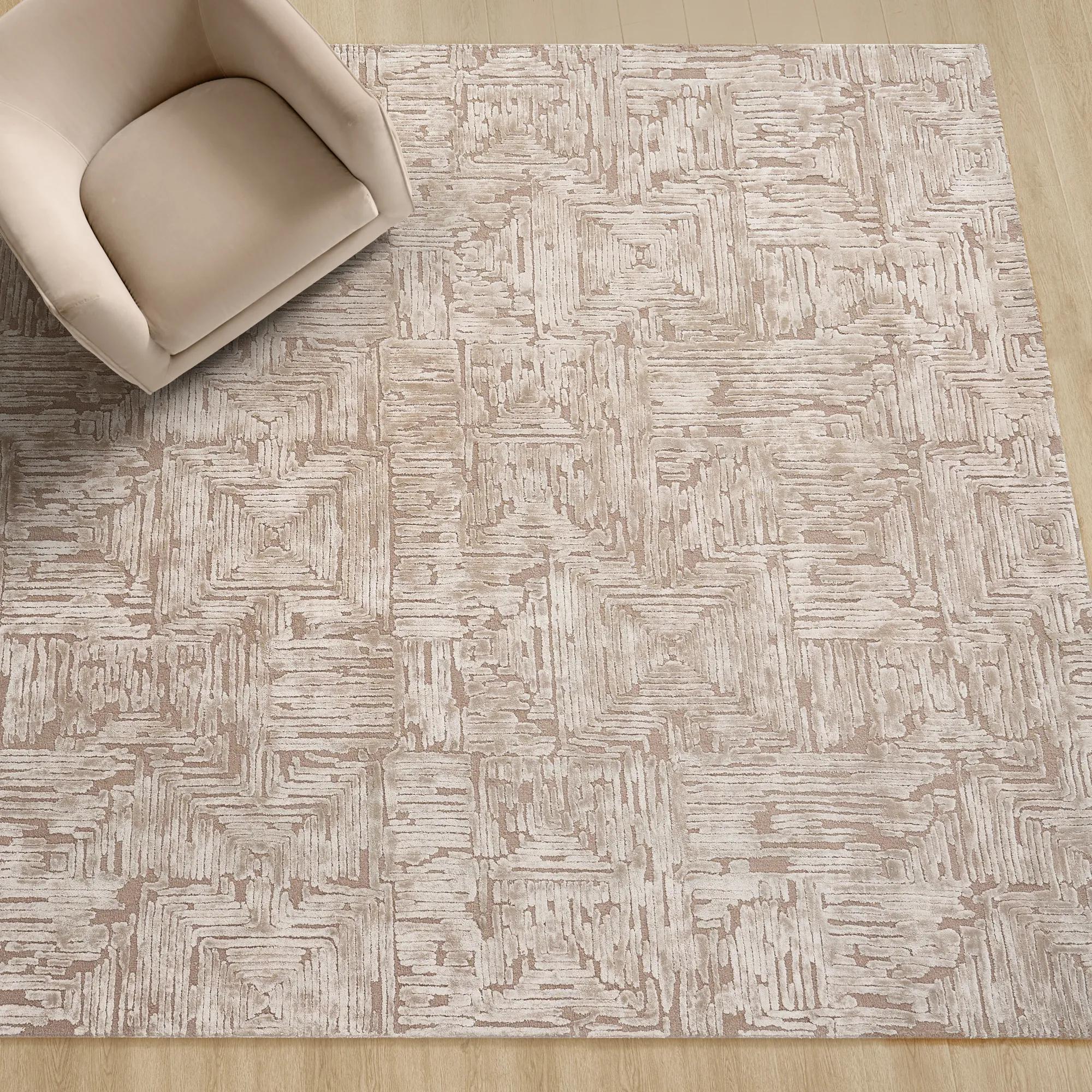
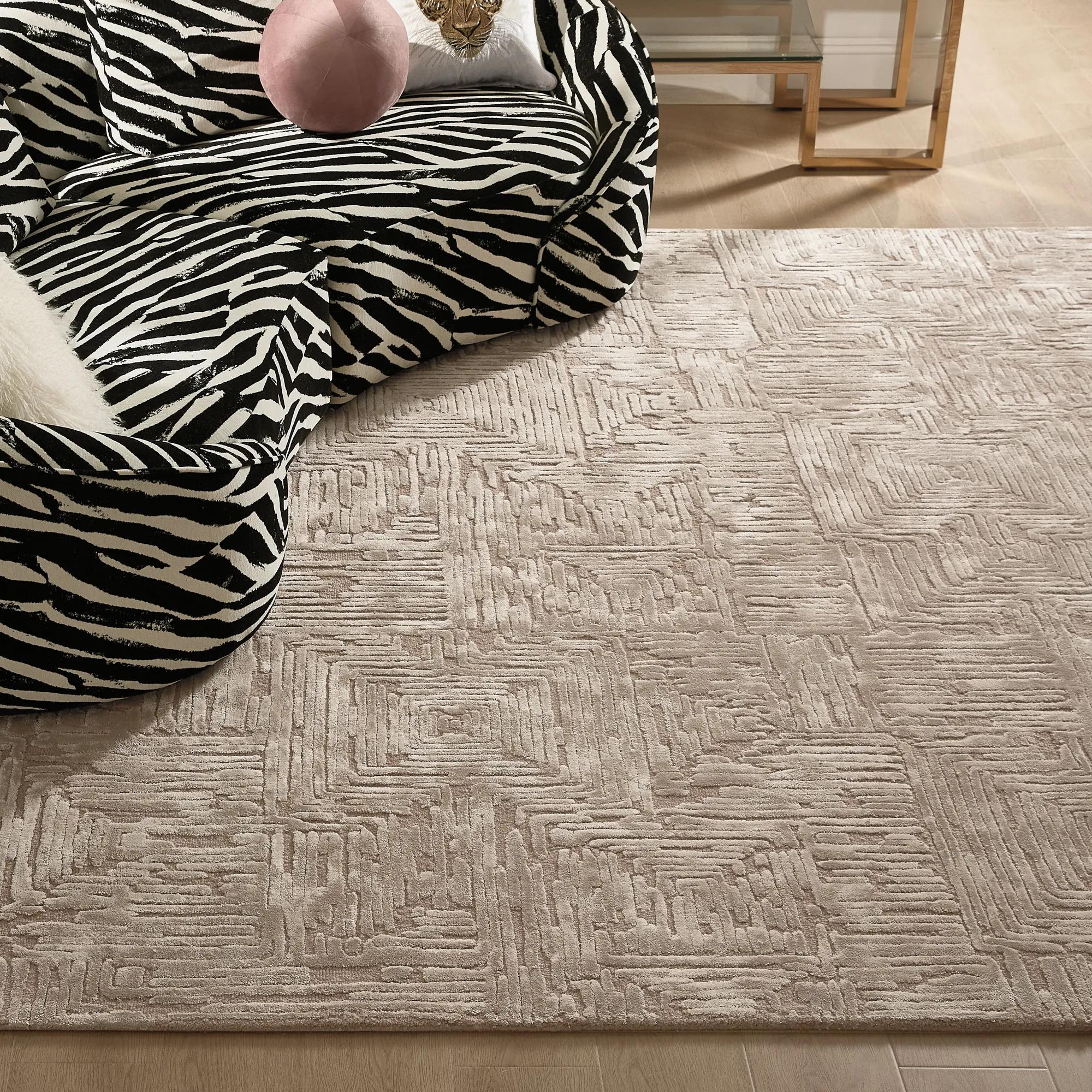 Andra Hand-Tufted Mocha Rose Viscose & Wool Dimensional Rugs$499
A hand-tufted viscose and wool rug in mocha rose, featuring a dimensional high-low geometric pattern.
Add To Cart -
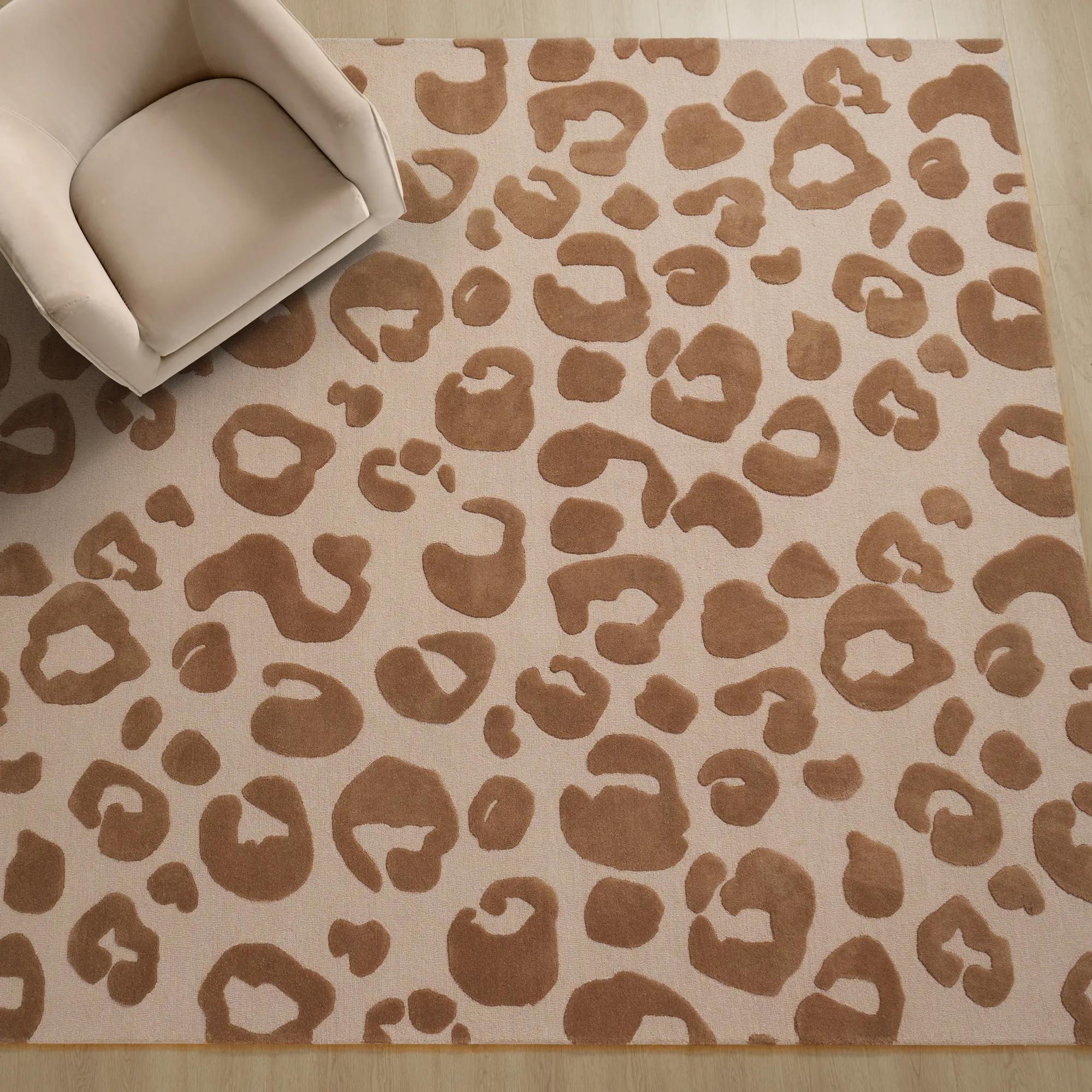 Pounce Hand-Tufted Tawny Brown Leopard Print Wool Rugs$1499
A hand-tufted pure wool rug featuring a bold tawny brown leopard print and sculptural high-low texture.
Add To Cart -
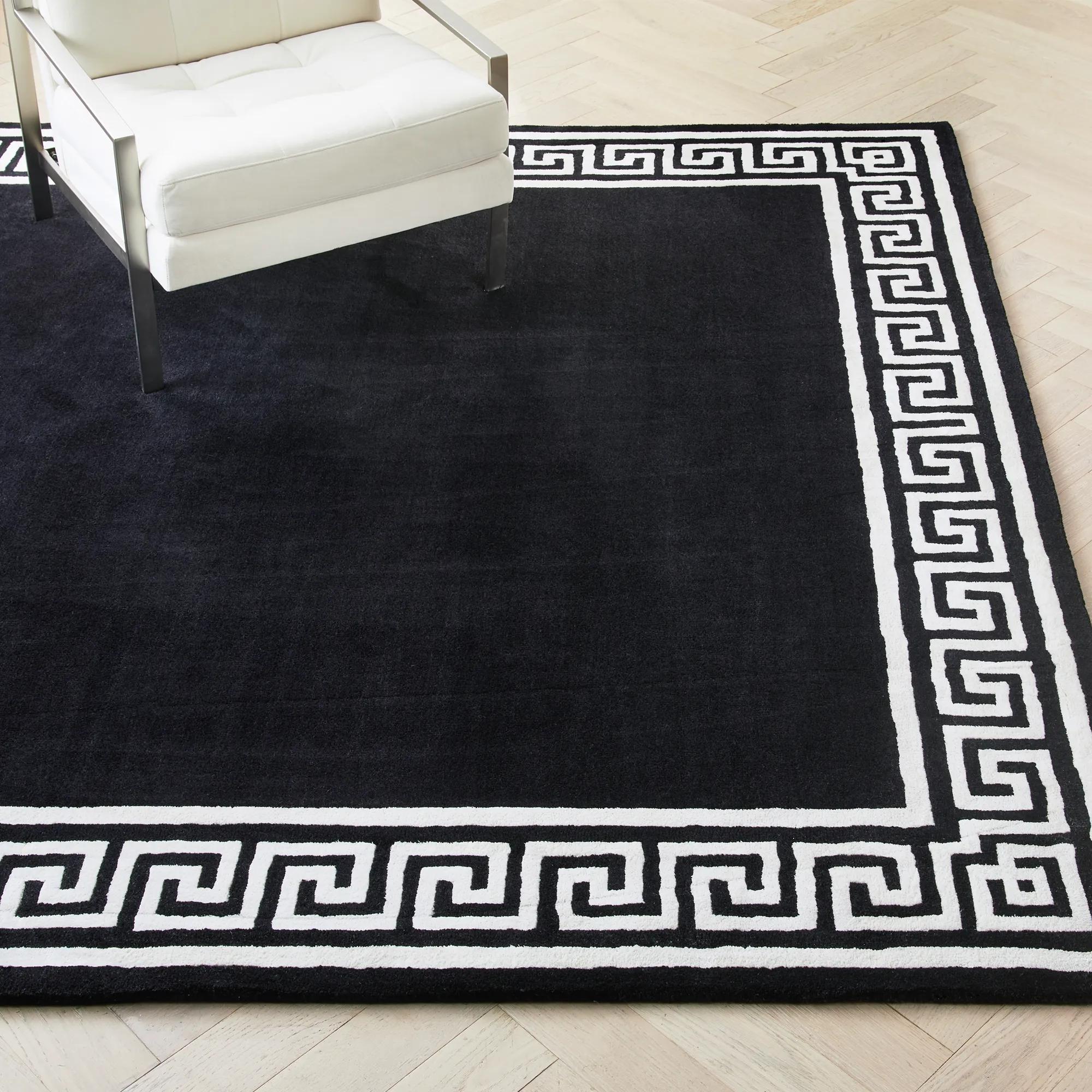
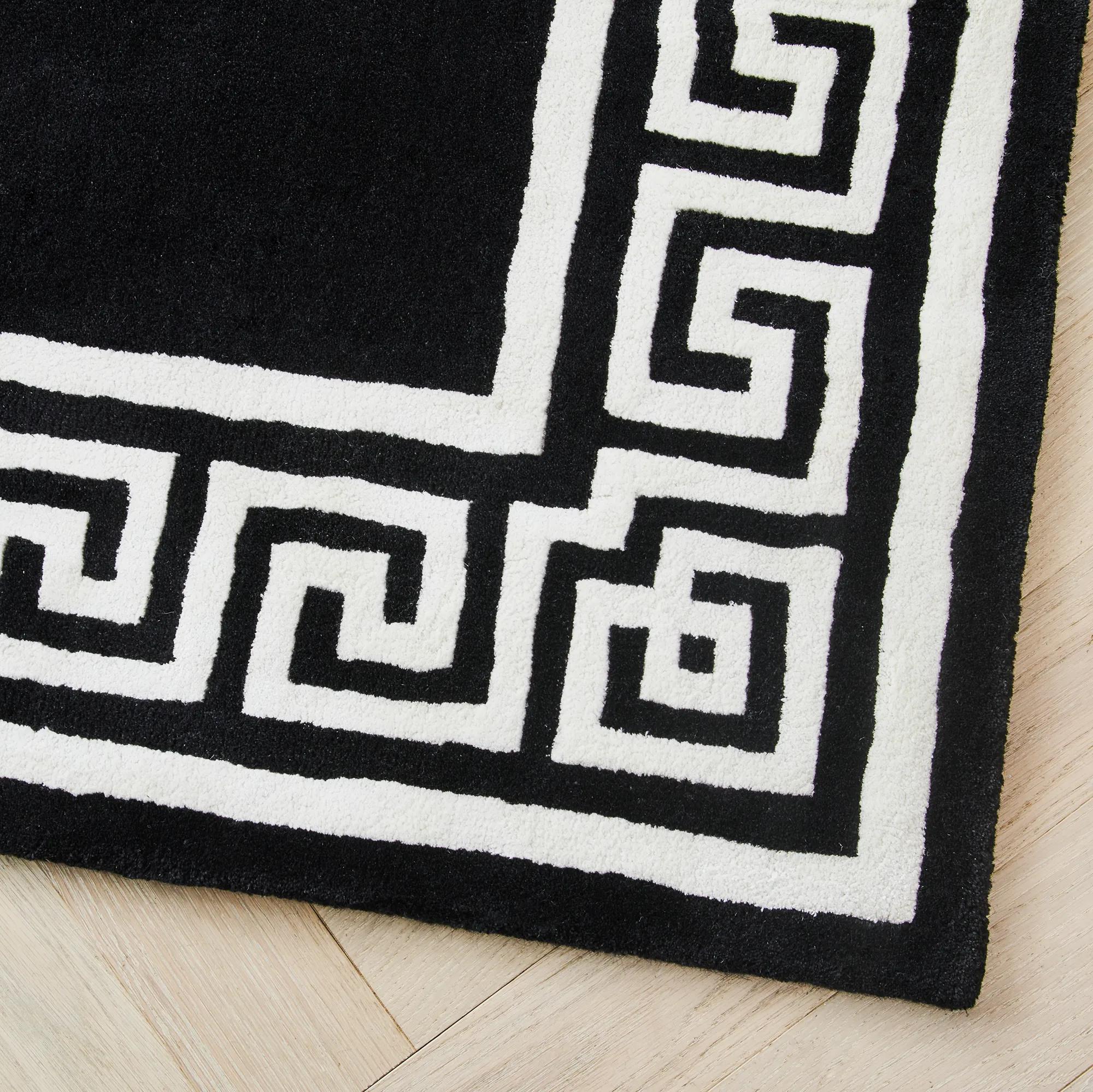 Greek Key Rug - Black/Ivory$1199
A hand-tufted black and ivory rug featuring a classic Greek key pattern in wool and viscose.
Add To Cart -
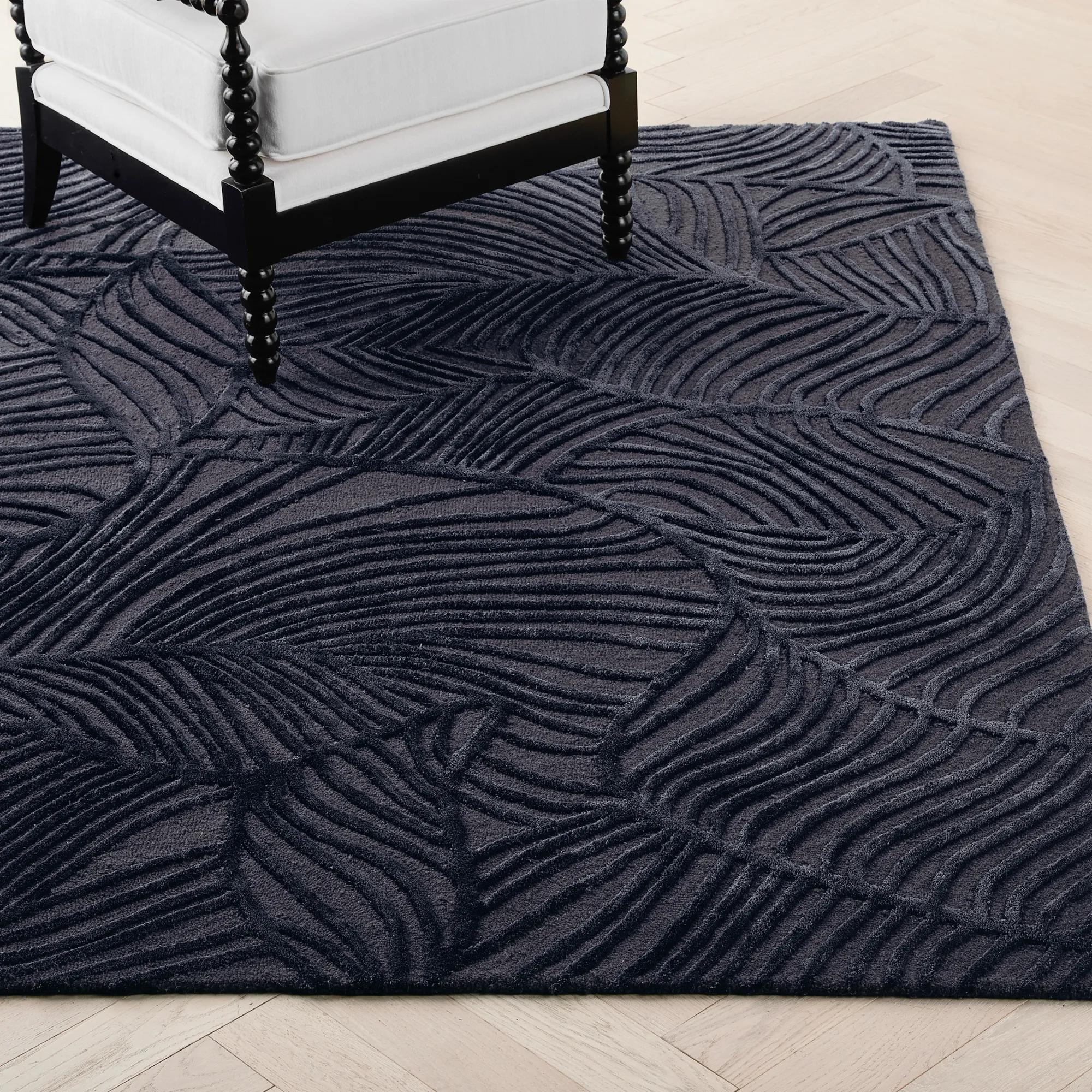
 Palm Rug - Charcoal$1499
A charcoal rug featuring a dynamic palm-leaf design with a textured high-low viscose and wool pile.
Add To Cart -
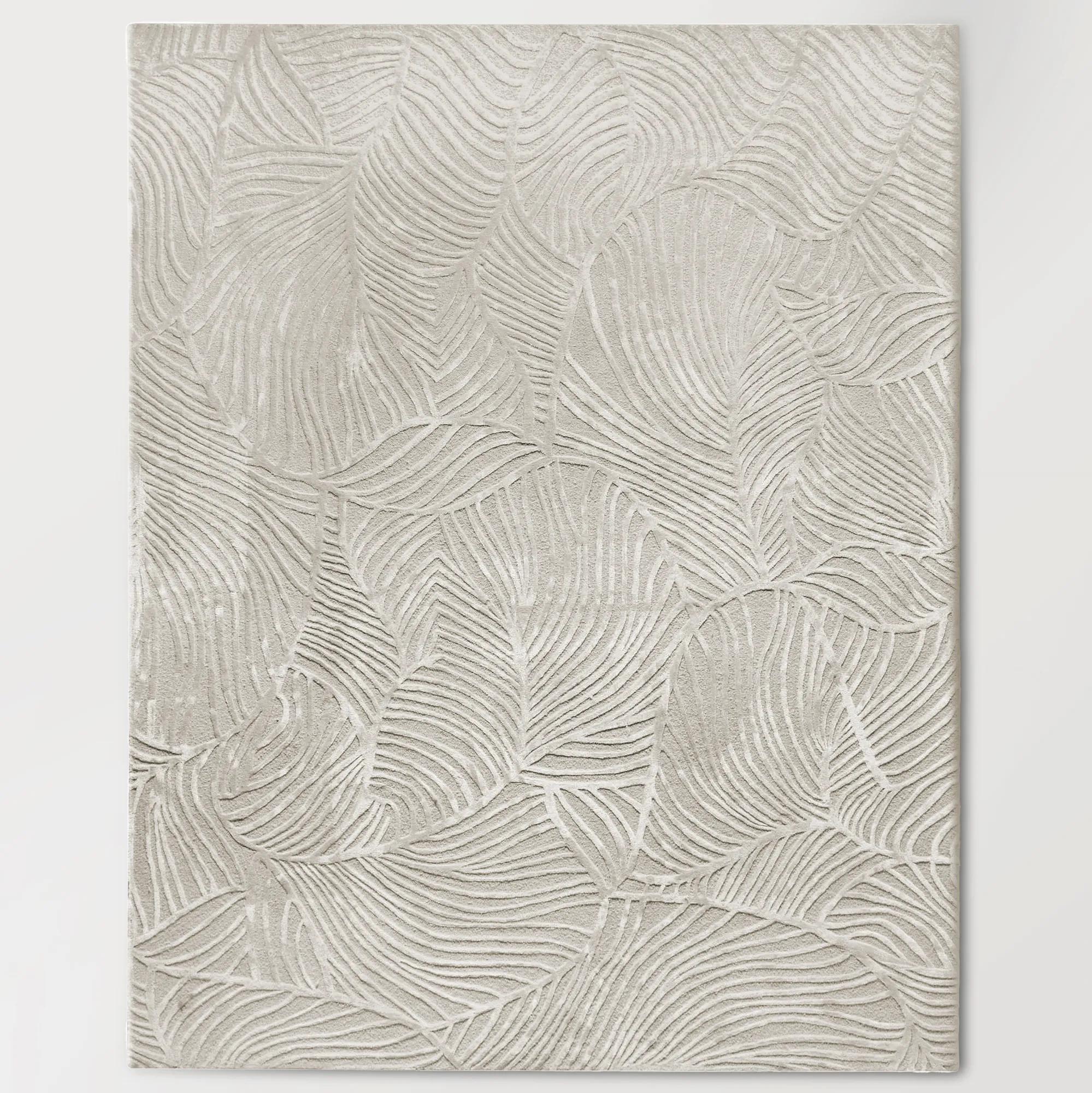 Palm Hand-Tufted Ivory Wool Blend Rug$999
An ivory rug featuring a dynamic palm-leaf design with high-low pile in viscose and wool.
Add To Cart -
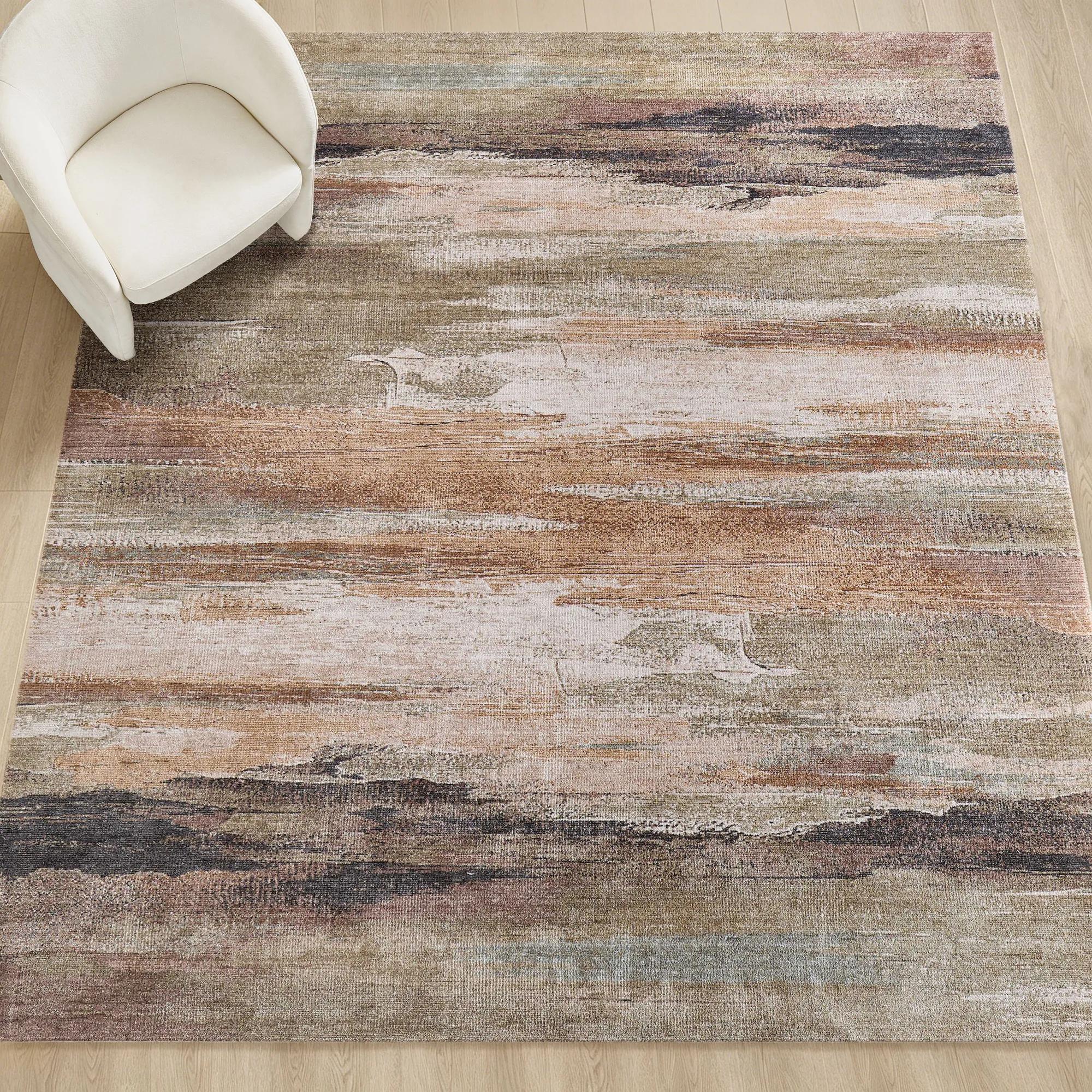
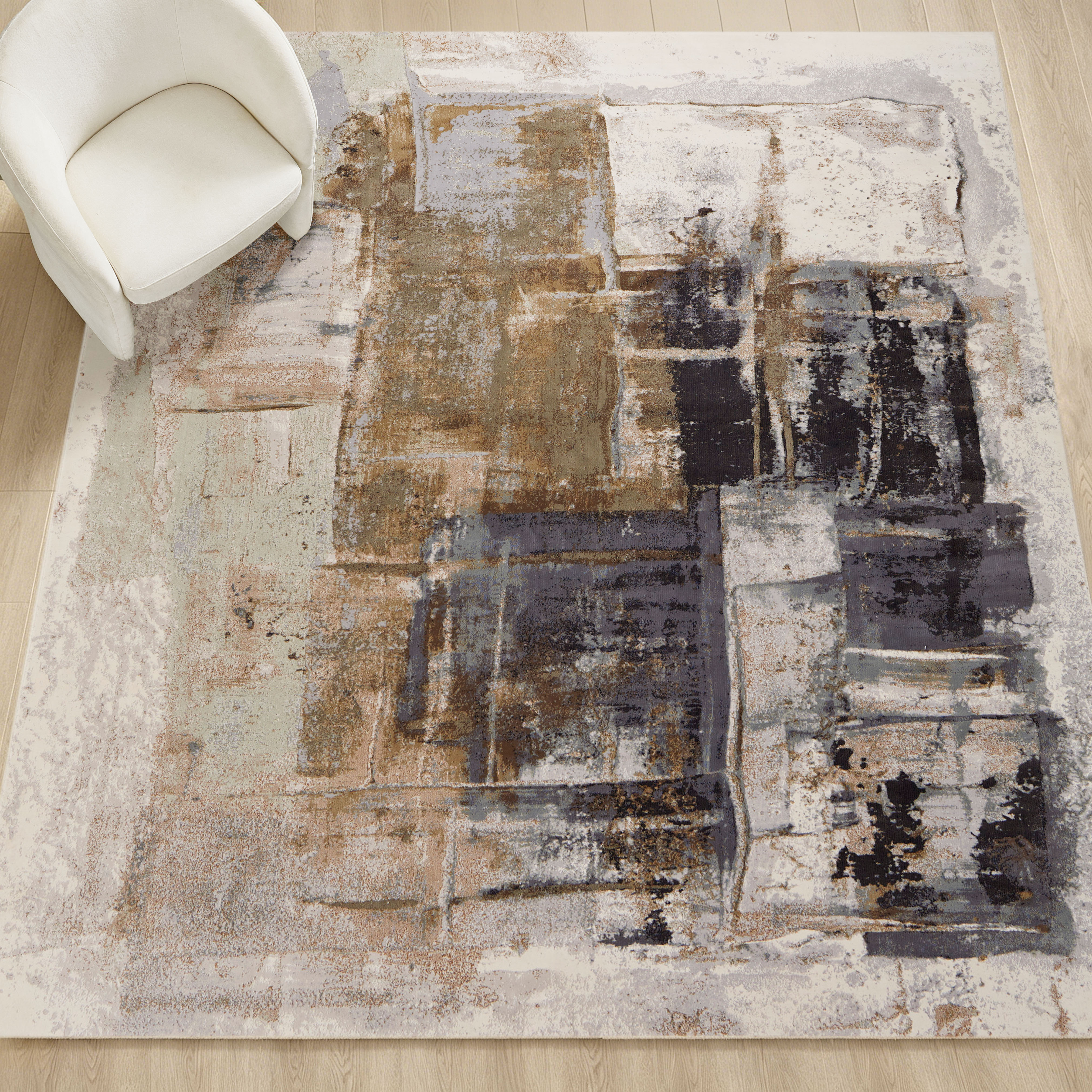
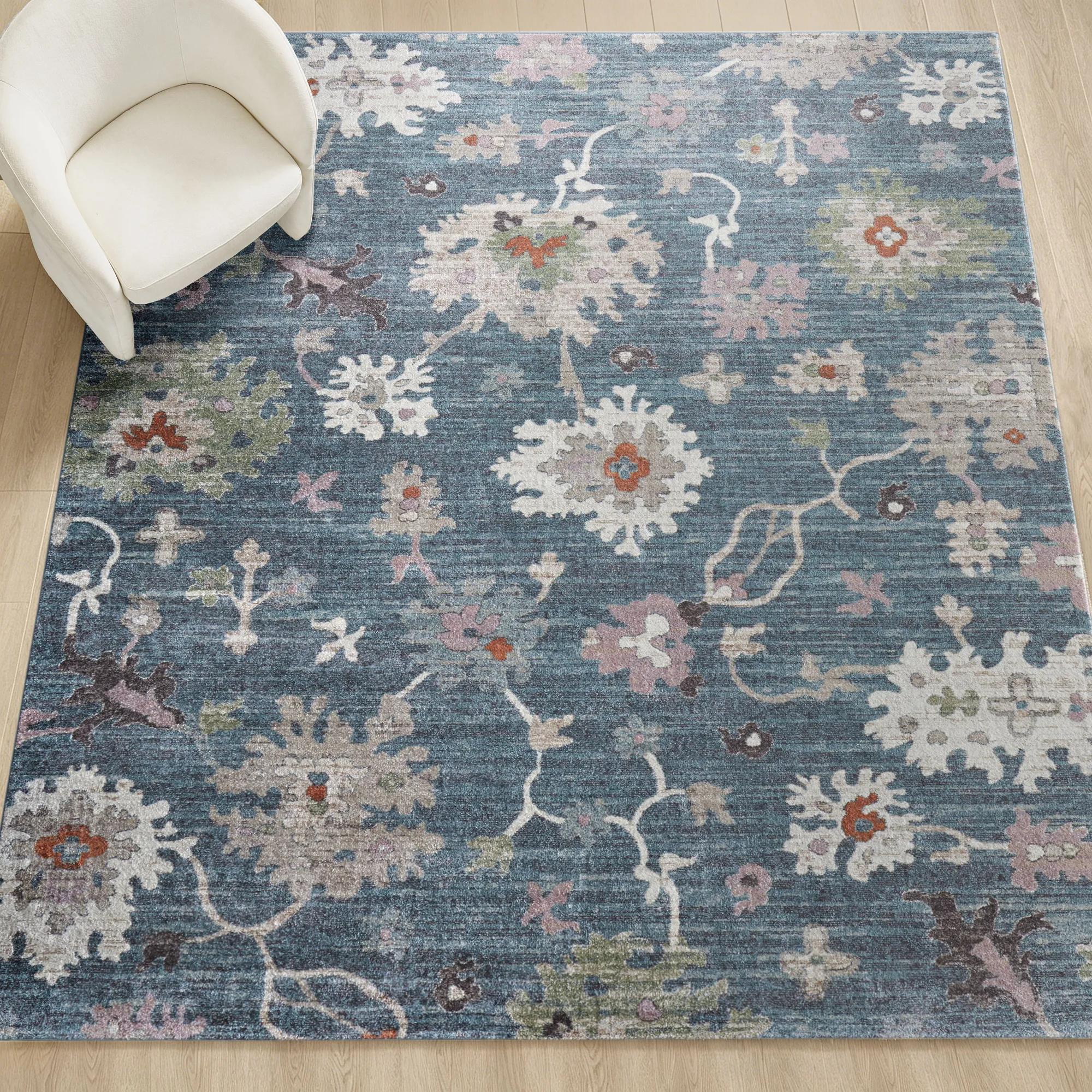
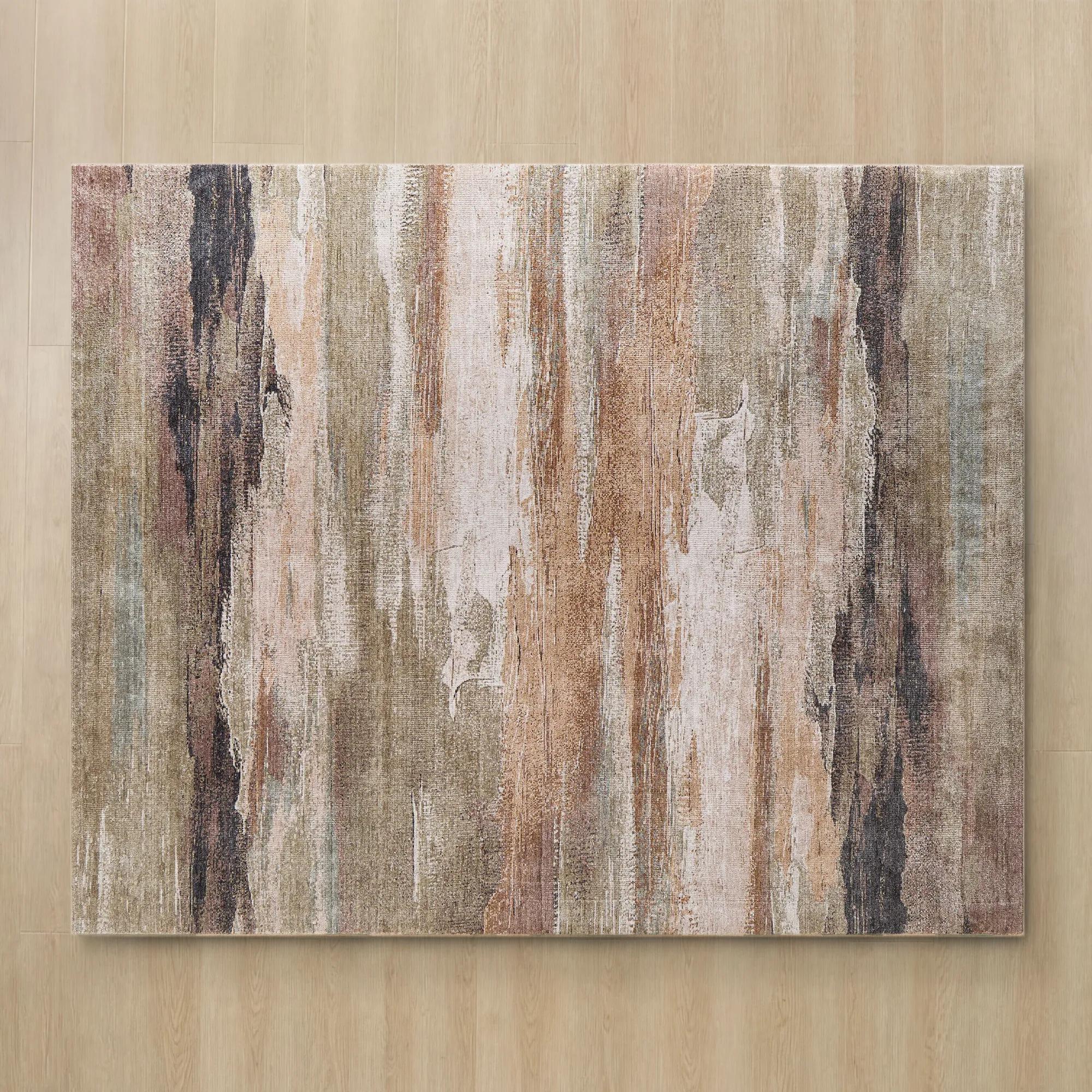 Sedona Rust/Beige/Moss Green/Charocal/Blue Performance Power Loomed Rug$1999
A power-loomed polyester rug featuring a rich abstract pattern in rust, beige, moss green, charcoal, and blue.
Add To Cart -
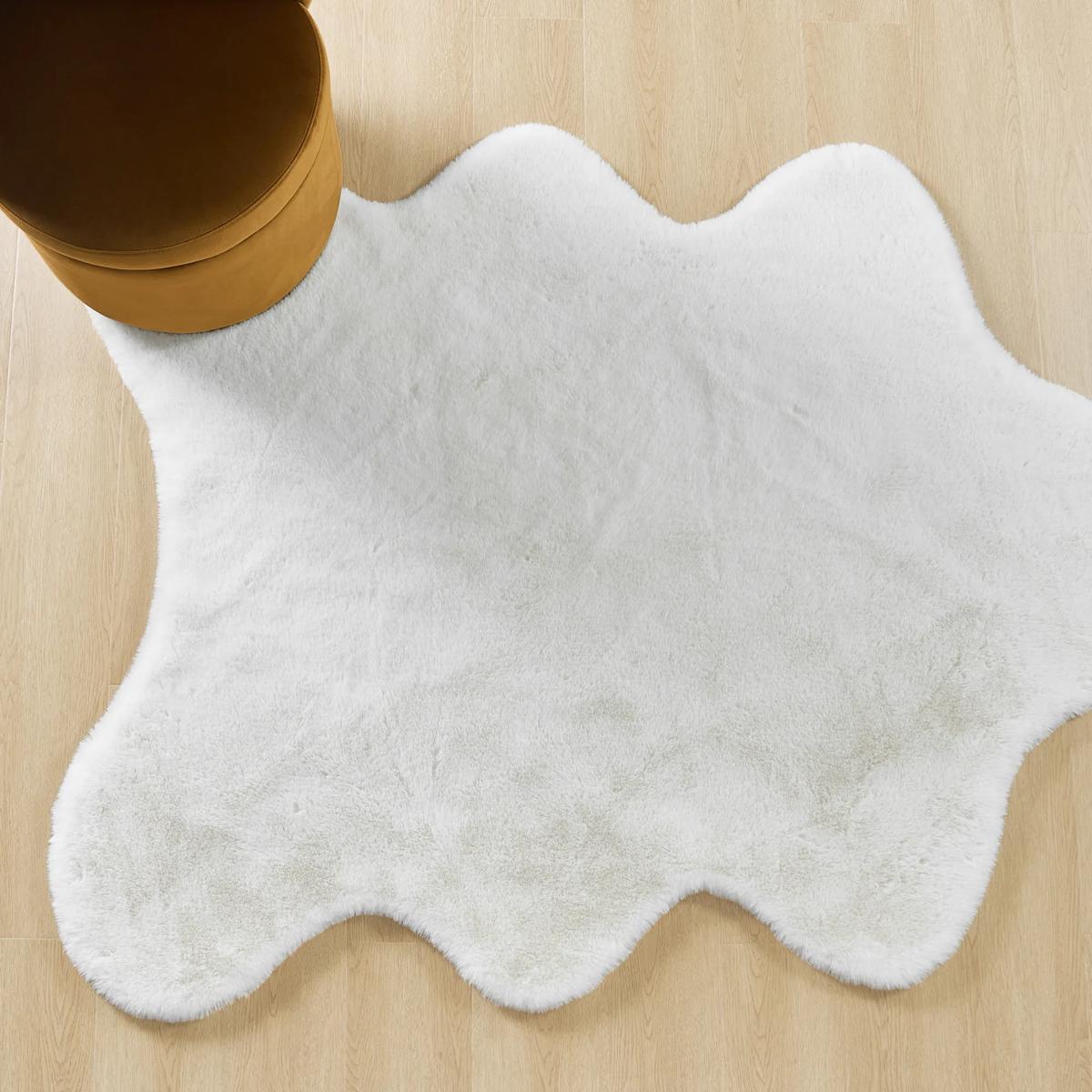
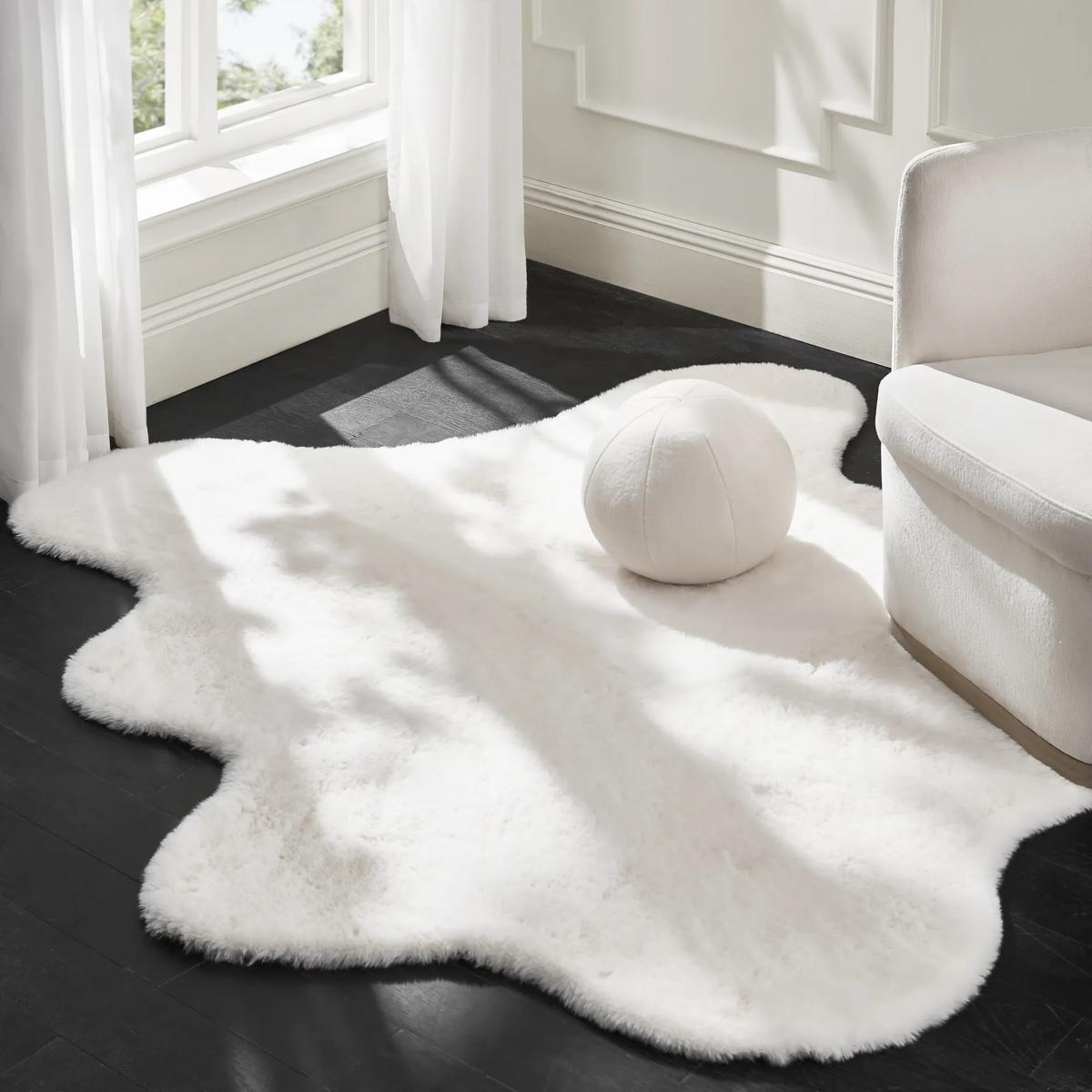 Odin Faux Fur White Shaped Rug 5' x 6'$249
A plush, cloud-shaped white rug with ultra-soft polyester pile and a practical non-slip backing.
Add To Cart

Handwoven Rugs For Living Rooms
Handwoven rugs for living rooms transform ordinary spaces into extraordinary showcases of artistry and warmth. Each piece is a tactile masterpiece, weaving together tradition and modern flair to anchor your living area in sumptuous texture and visual intrigue. With every intricate knot and nuanced hue, these rugs invite you to luxuriate in comfort while setting the stage for conversation, relaxation, and bold self-expression. Elevate your everyday with a foundation that is as captivating as it is inviting—because your living room deserves nothing less than a work of art underfoot.
Handwoven rugs for living rooms bring pattern, texture, and a distinctly human sense of artistry to the largest canvas beneath a seating arrangement. Their appeal lies in the interplay of individual yarns: a softly variegated ground, a crisp geometric border, or a raised motif that catches light beside a sculptural coffee table. Handwoven describes a method of making rather than a single look or construction. Flatweave rugs are woven without an upright pile, creating a relatively low-profile surface, while other hand-loomed constructions can have a more substantial, plush feel. Kilims are a type of flatwoven rug, but not every handwoven rug is a kilim, reversible, or suitable for washing. Those distinctions matter when choosing a foundation for a room that hosts everything from intimate conversation to an evening of entertaining. Material determines much of the experience underfoot. Wool offers natural resilience, a soft hand, and a rich depth of color, making it a compelling choice for frequently used living spaces when the construction suits the traffic. Cotton can create a lighter, more relaxed weave, although washability depends on the complete rug and its care instructions, not the fiber alone. Jute introduces earthy tonal variation and a pronounced, organic texture that creates beautiful tension against polished metal, glass, or sumptuous upholstery; its coarser feel and sensitivity to moisture deserve consideration in homes with frequent spills. Silk and viscose can lend luminous highlights, but their more demanding care requirements often make them better suited to quieter seating areas. Blended fibers balance different visual and tactile qualities, so the full material composition is worth reviewing. For a household where the living room is a daily gathering place, texture should feel as considered as color. A rug can look exquisitely tailored beneath a velvet sofa and still accommodate ordinary life, provided its fiber, weave, and maintenance needs align with the way the room is used. The most expressive choice is one that feels at home in the setting rather than merely decorating it.
Scale gives that artistry its presence. A living room rug should visually connect the seating rather than appear isolated beneath the coffee table, with at least the front legs of the sofa and neighboring chairs resting on its surface whenever the layout allows. An 8-by-10-foot rug is a useful starting point for many seating arrangements, while a 9-by-12-foot rug often gives a longer sofa, a sectional, or a more expansive conversation area the proportion it needs. A sofa around 90 inches long may benefit from the larger size, but the footprint of the entire furniture grouping is more important than sofa length alone. Allowing the rug to extend approximately 6 to 8 inches beyond each end of a sofa can help avoid a cramped appearance; generous rooms may call for more. Measuring the seating area and marking the proposed rug edges on the floor makes the relationship between furniture, pathways, and exposed flooring easier to judge. In an open-plan space, a substantial handwoven area rug establishes the living room as its own composed setting without adding a physical barrier. In a compact room, a well-proportioned rug that reaches beneath the furniture can feel more expansive than a smaller rectangle floating at the center. Pattern and palette then shape the atmosphere. Ivory and charcoal create graphic definition, tonal neutrals let woven relief become the focal point, and saturated color can anchor a room filled with expressive art. A large-scale motif holds its own beside substantial upholstery, while a finer repeat introduces movement without competing with a dramatic wall treatment. Consider how much of the design will remain visible once furniture is placed: a striking central medallion may disappear beneath a broad coffee table, whereas an intricate border frames the entire arrangement. For a connected decorating approach beyond the main seating area, Handwoven Rugs For Bedrooms offers a related direction, with texture and color creating continuity while each room retains its own character. Repeating an undertone or woven detail can feel more sophisticated than matching every rug exactly.
Durability depends on more than whether a rug is made by hand. Fiber quality, weave density, edge finishing, pile height, and the demands of the household all influence how gracefully it wears. A tightly woven, low-profile surface can be practical beneath frequently moved chairs, while a deeper texture creates a more indulgent landing in a lounge devoted to reading or conversation. Homes with children or pets may benefit from subtle pattern and tonal variation that make everyday debris less conspicuous, though no design replaces appropriate cleaning. Raised loops, long fringe, and loosely woven sections deserve particular attention where claws, toys, or repeated foot traffic could cause snags. A properly sized rug pad helps reduce shifting, adds cushioning, and limits friction between the rug and the floor; its material should be compatible with the flooring and any manufacturer requirements. The pad should sit slightly inside the rug’s edges, and the combined thickness should leave doors and nearby furniture enough clearance. Regular care preserves both the structure and the visual depth of a handwoven living room rug. Vacuum according to its care label, using suction only when recommended for delicate weaves, and avoid running a rotating brush over fringe. Rotate the rug periodically to distribute wear and light exposure, especially beside a favorite seat or a sunlit window. Some wool rugs shed initially, but loose fibers should be removed gently rather than pulled from the weave. Spills call for prompt blotting with a clean, undyed cloth, not vigorous rubbing; cleaning solutions should be approved for the fiber and tested in an inconspicuous area. Handwoven construction does not automatically mean a rug is adhesive-free, machine washable, or safe to soak. Professional cleaning may be the most appropriate choice for delicate fibers, unstable dyes, or substantial soiling. With construction and care thoughtfully matched to daily routines, a handwoven rug becomes an enduring part of the room’s composition: softening the seating area, lending definition to treasured furnishings, and bringing a layered, artful finish to the space.
FAQs
Handwoven rugs for living rooms are most often crafted from natural fibers such as wool, jute, and cotton. These materials are prized for their durability, sumptuous texture, and ability to hold intricate patterns and vibrant colors. Wool offers a plush, resilient surface with natural stain resistance, while jute brings an earthy, organic feel and cotton lends a soft, versatile foundation—each contributing its own unique character to your space.
A handwoven rug elevates the living room by introducing rich texture, visual depth, and artisanal detail. Whether featuring bold geometric motifs or subtle tonal variations, these rugs serve as both a grounding element and a statement piece. Their handcrafted nature infuses the room with warmth and individuality, transforming the floor into a canvas that reflects your personal style and artistic sensibility.
Absolutely—handwoven rugs make a thoughtful and enduring gift for milestones such as housewarmings, weddings, or anniversaries. Their timeless appeal and artisanal quality make them a memorable gesture, offering both beauty and function. Gifting a handwoven rug is a way to share a piece of artistry and comfort that will be cherished for years to come.
Handwoven rugs are distinguished by their craftsmanship and individuality. Each piece is created by skilled artisans, resulting in subtle variations and unique imperfections that celebrate the human touch. Unlike machine-made rugs, which can appear uniform and predictable, handwoven rugs possess a sense of character, history, and authenticity that infuses your living room with soul and sophistication.
Incorporating a handwoven rug into your living room is an invitation to play with texture, color, and pattern. Use a bold design as a statement piece to anchor your seating area, or layer a neutral weave beneath dramatic furnishings to create balance and harmony. These rugs pair beautifully with luxe materials like velvet and metallics, and can be styled to suit a range of aesthetics—from modern glamour to eclectic artistry.