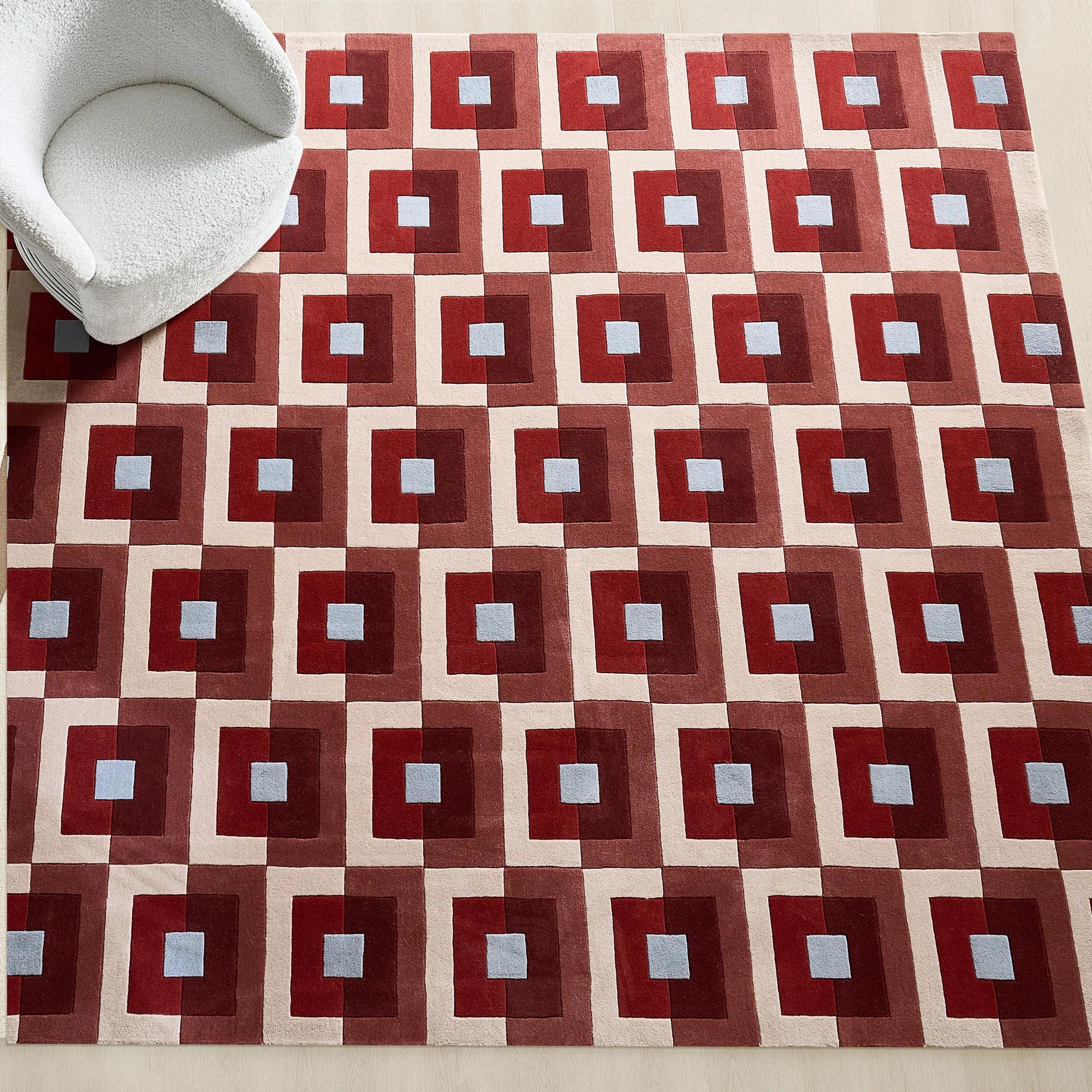
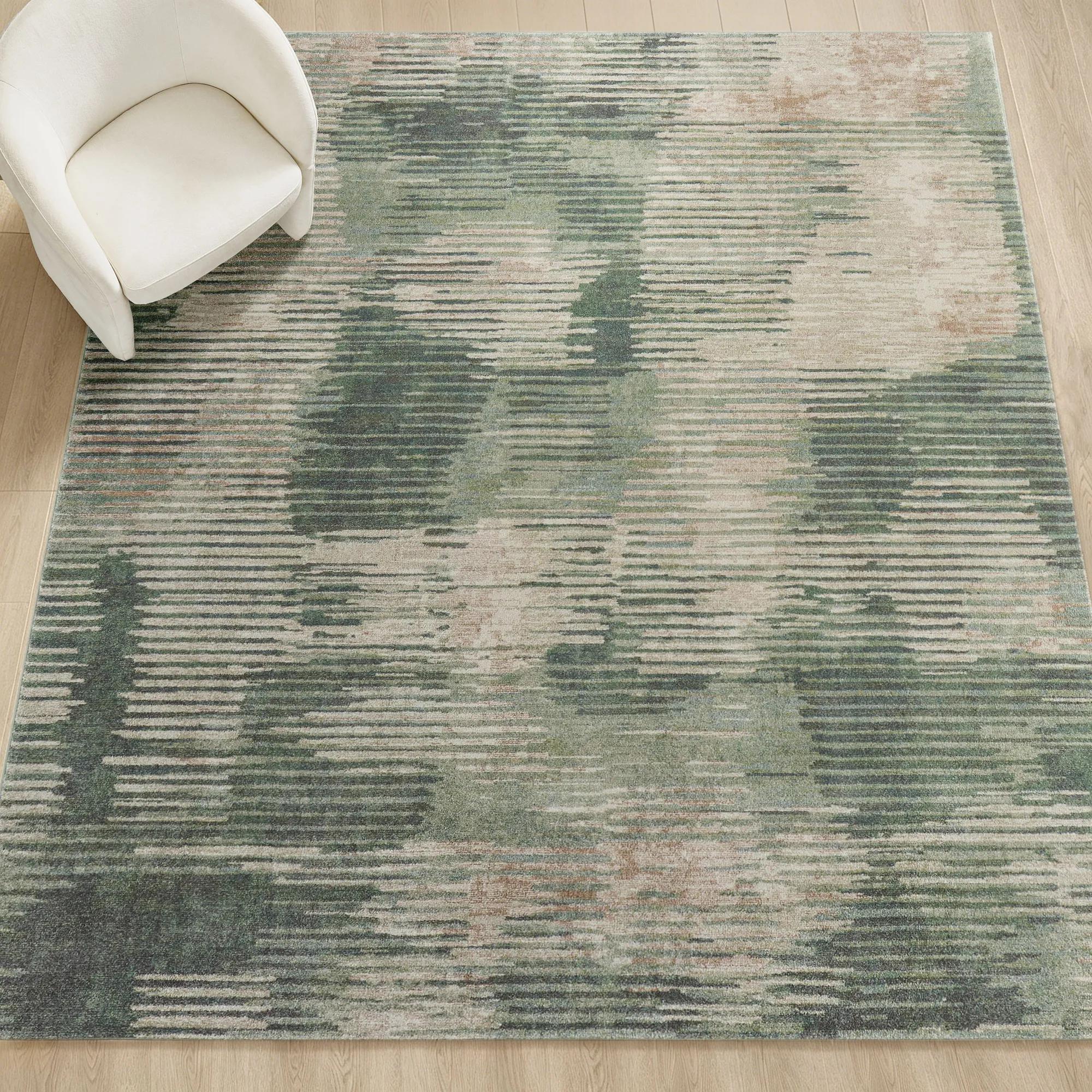
Handwoven Rugs For Bedrooms
Handwoven Rugs For Bedrooms
-
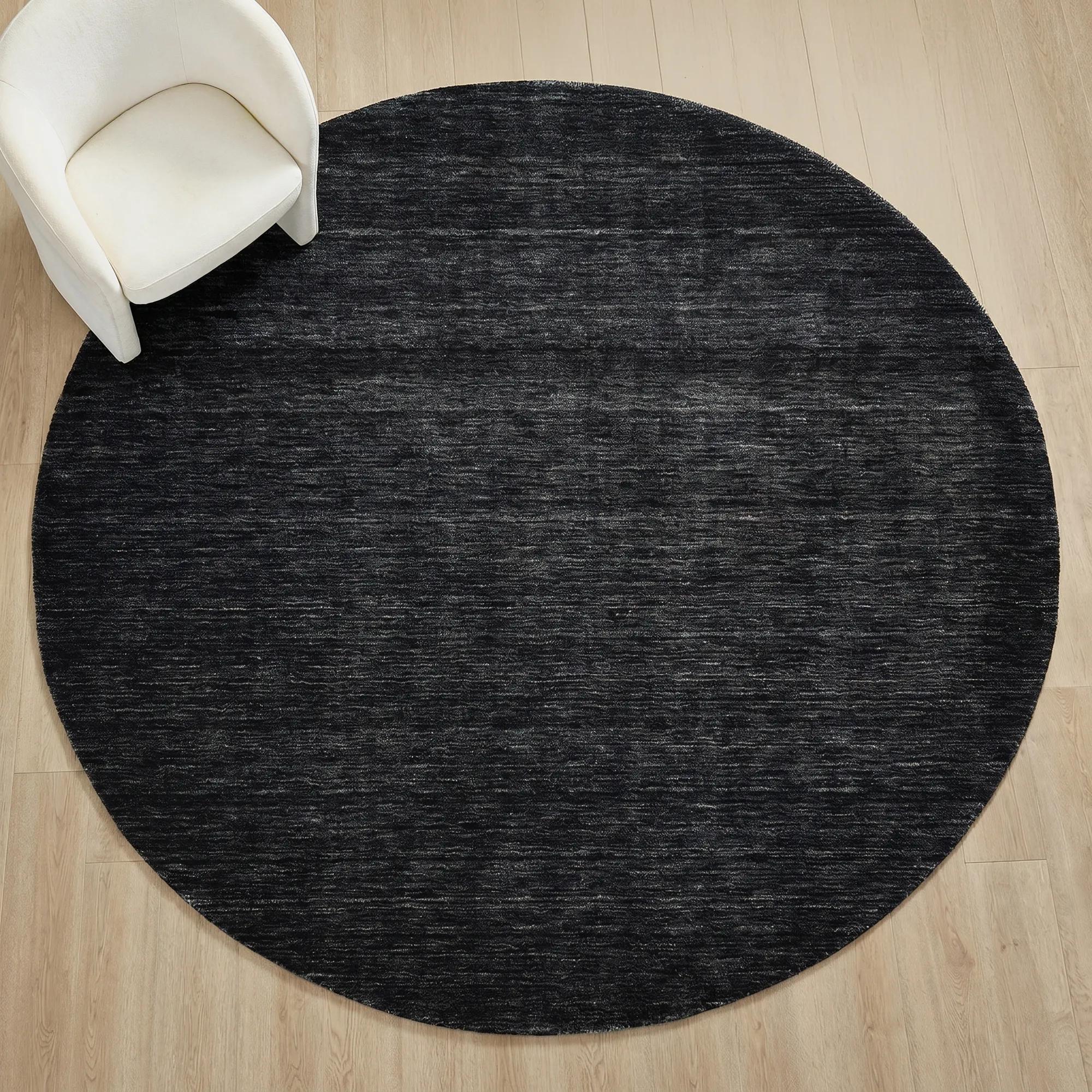 Juni Hand Woven Heathered Black Rug$799
A handwoven round wool rug in heathered black, offering durable texture and moody, contemporary style.
Add To Cart -
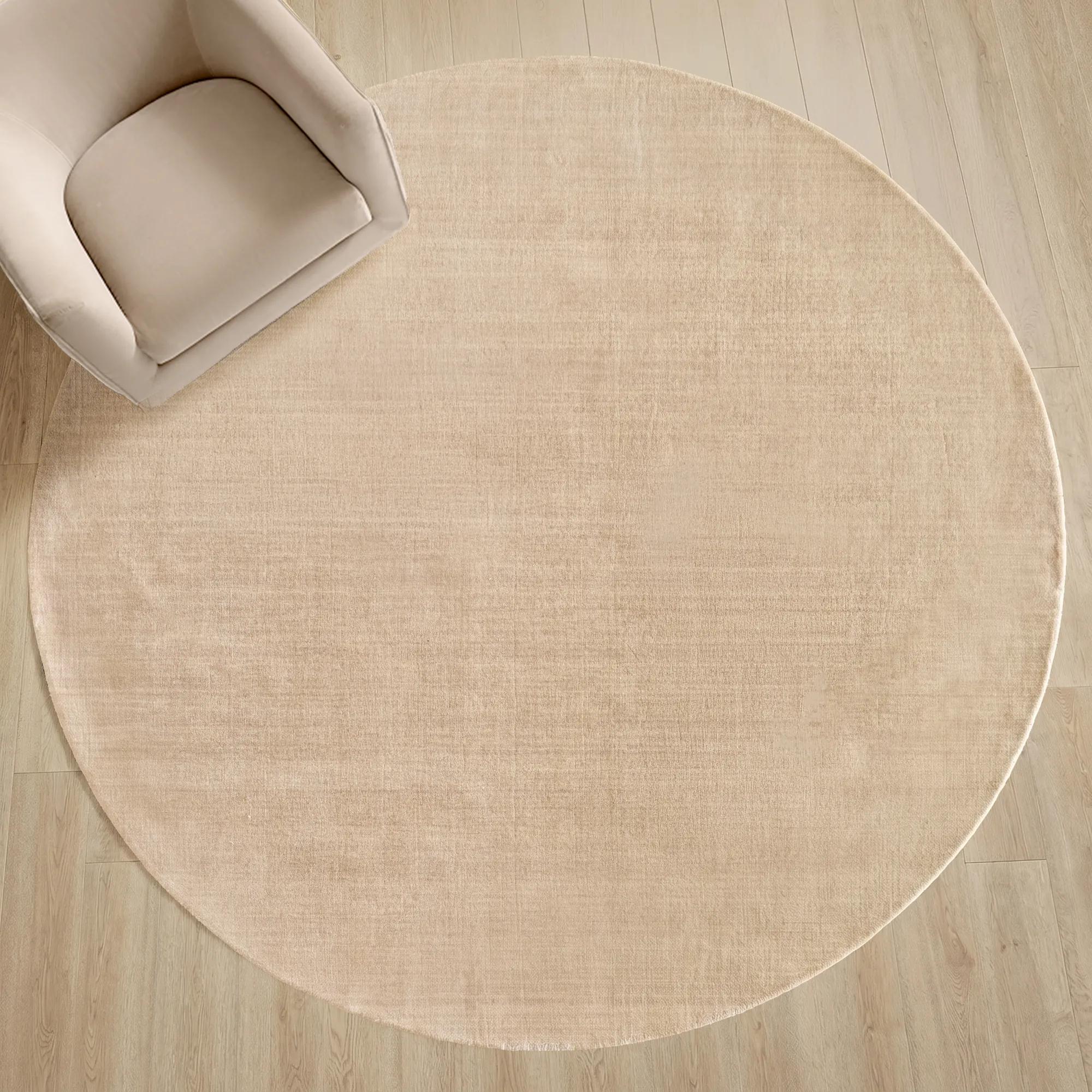 Juni Hand Woven Heathered Warm Beige Round Rug$1399
A handwoven round wool rug in heathered warm beige, offering refined texture and everyday durability.
Add To Cart -
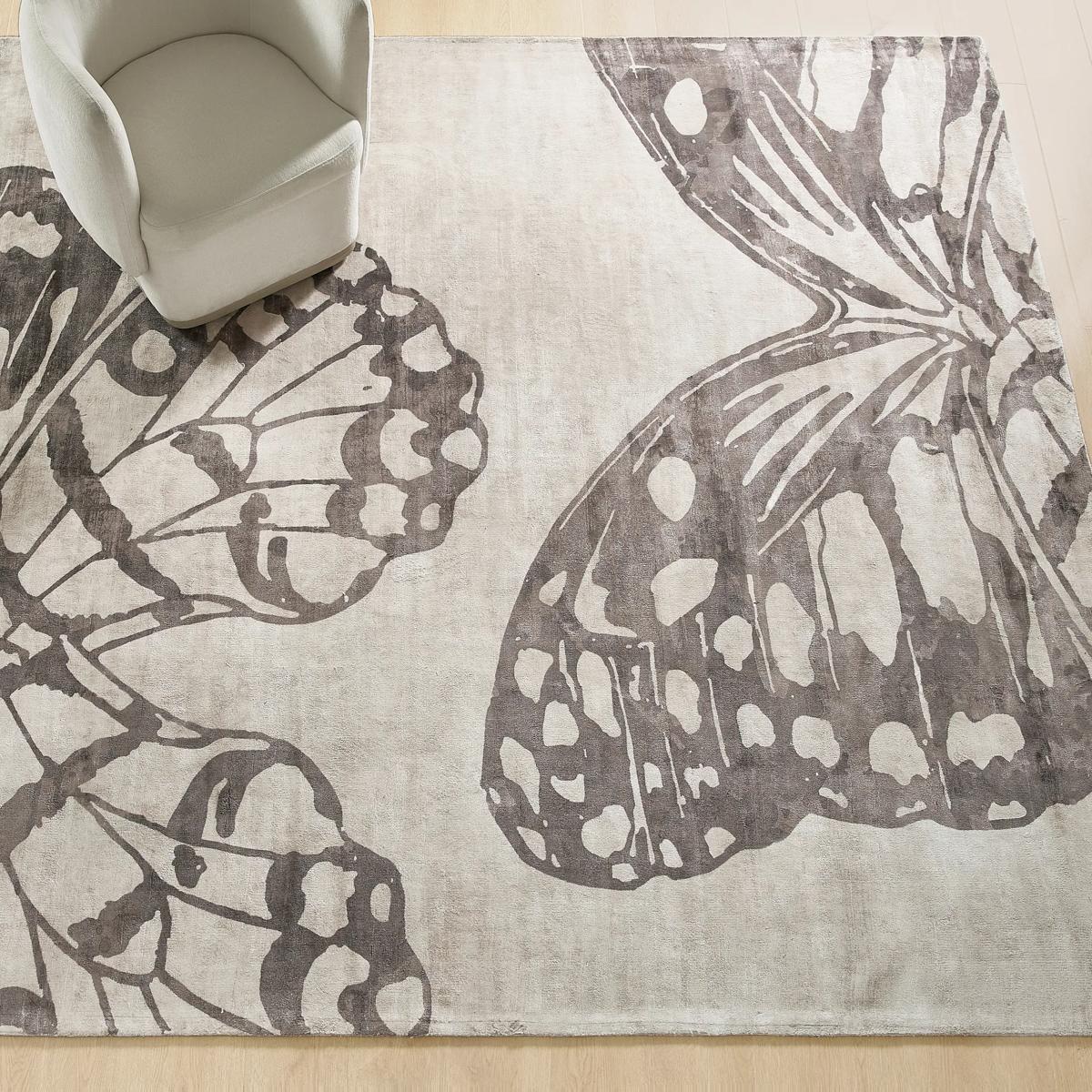
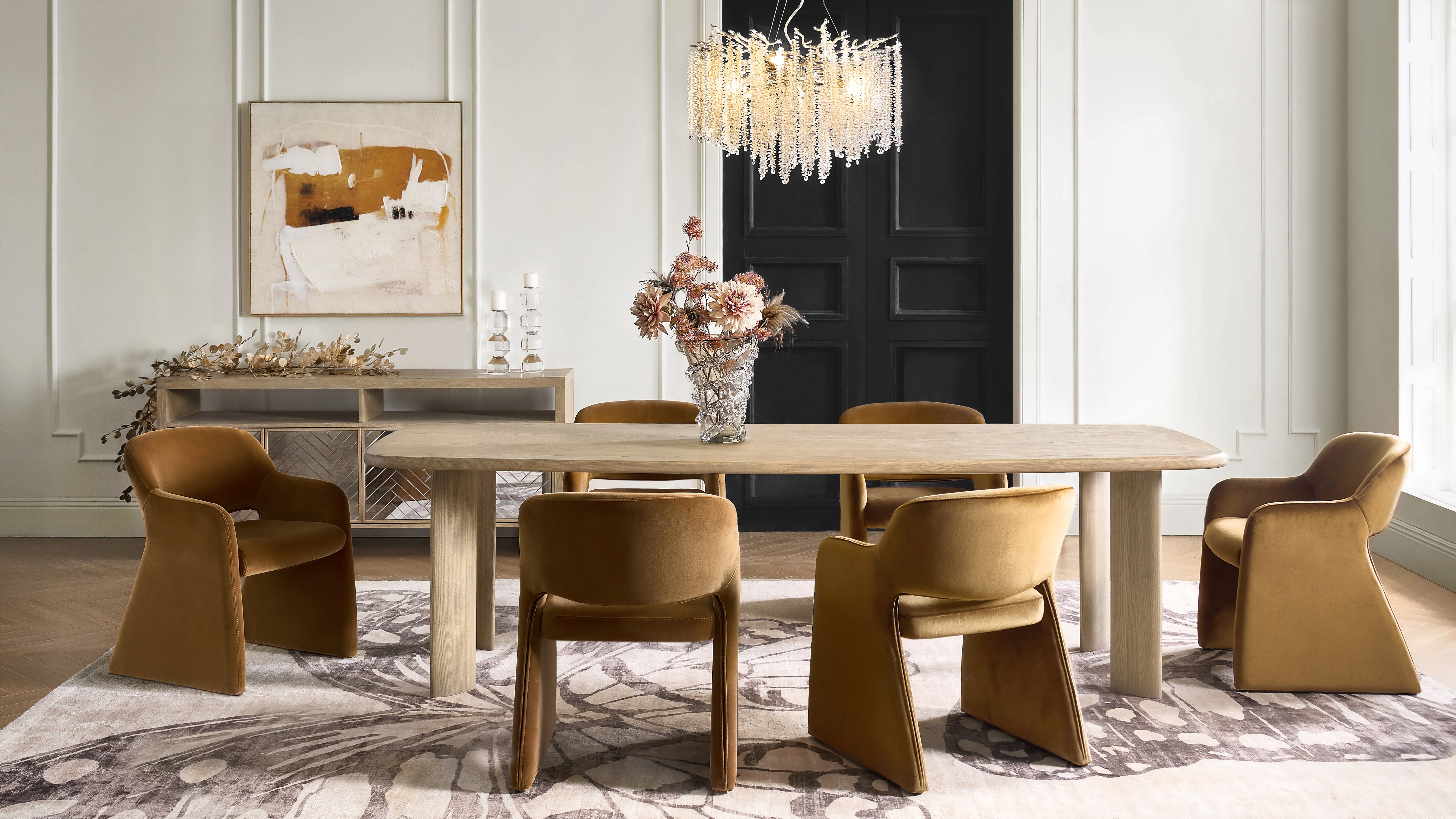 Mariposa Rug - Ivory/Dusty Mauve$999
A hand-loomed viscose rug featuring oversized butterfly motifs in soft ivory and dusty mauve tones.
Add To Cart -
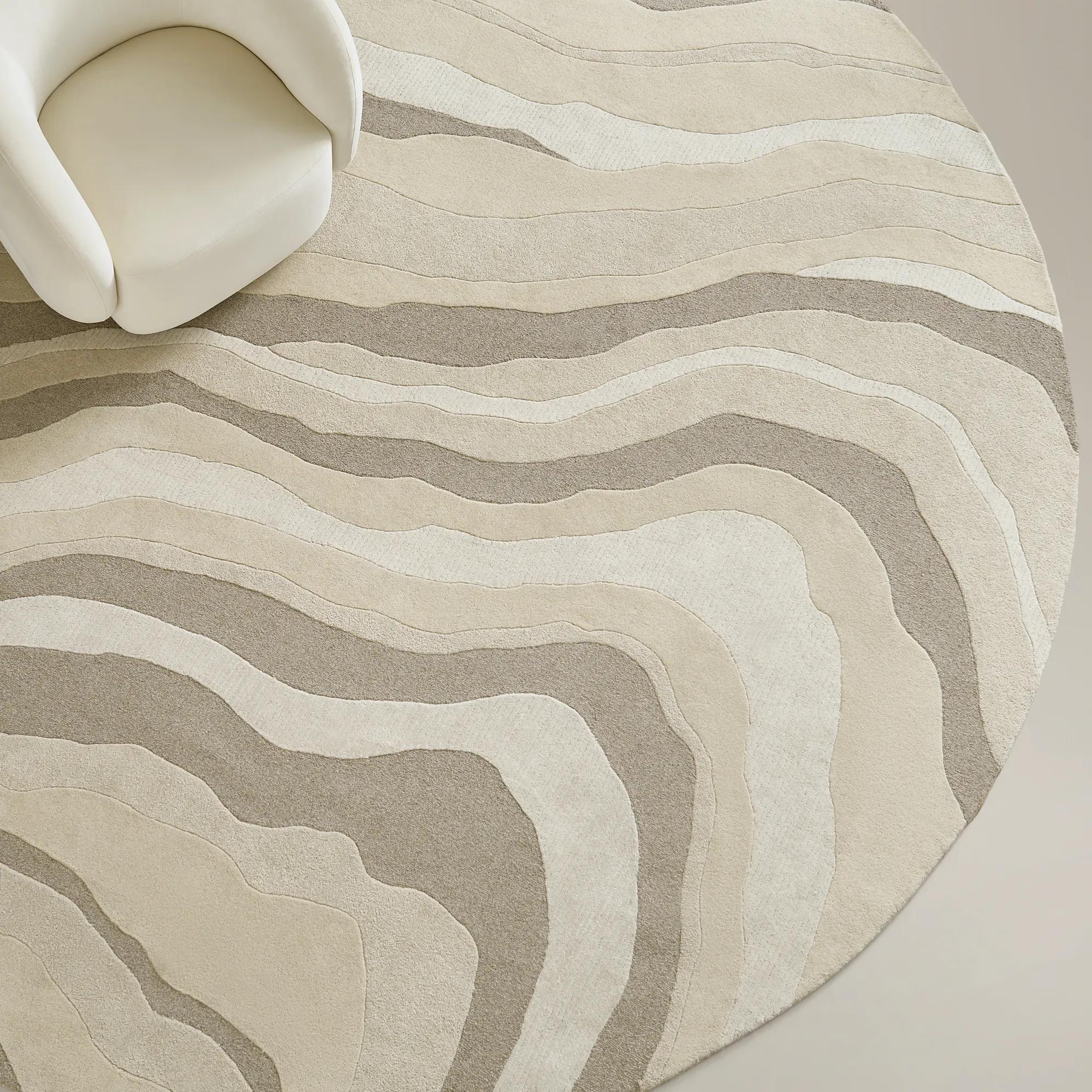 Kadence Hand-Tufted White/Ivory/Tan Wool Round Rug 12"$1799
A hand-tufted round rug in white, ivory, and tan, crafted from 100% wool for natural warmth.
Add To Cart -
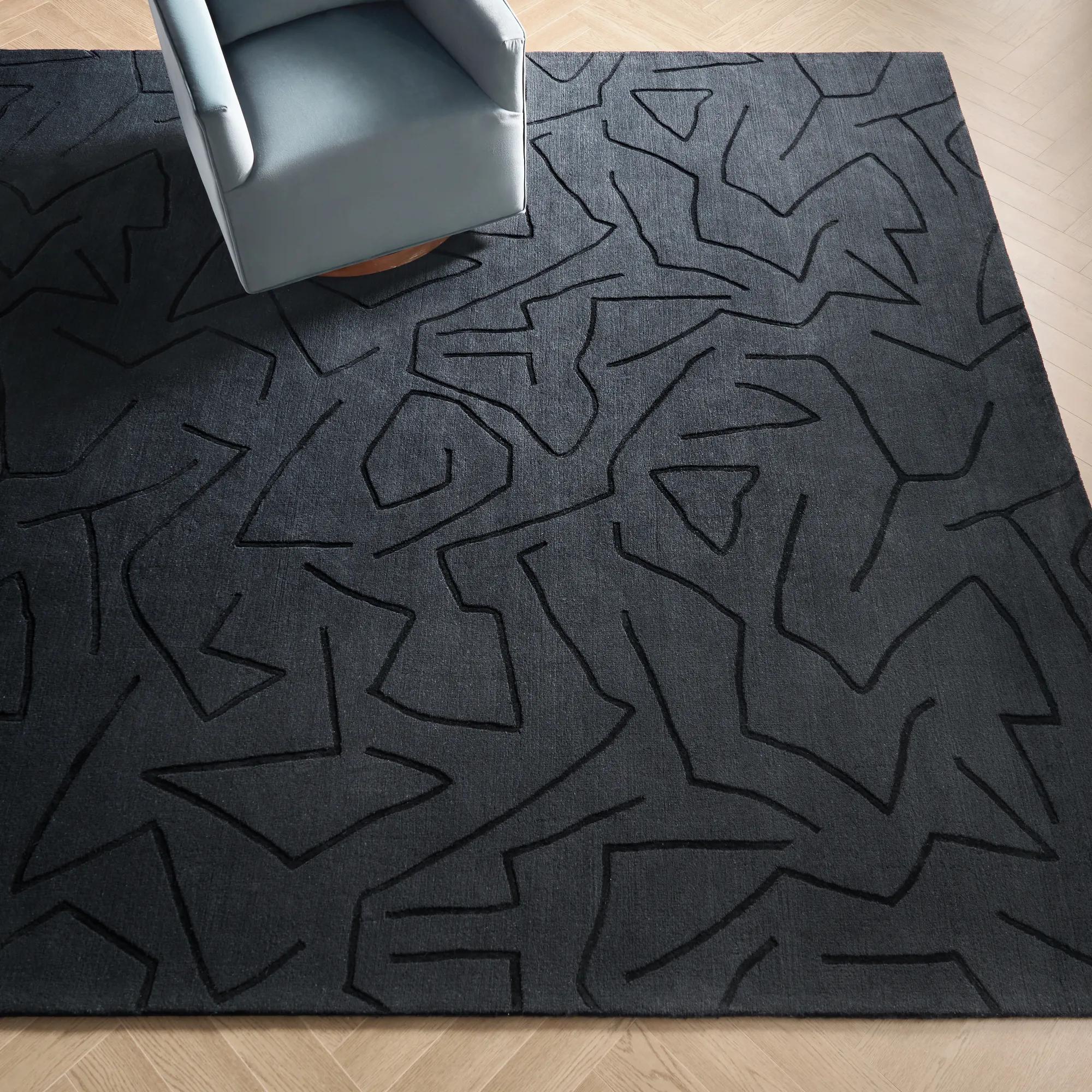 Carved Maze Rug$699
A hand-loomed black rug crafted from wool and viscose, featuring a carved maze design for added texture.
Add To Cart -
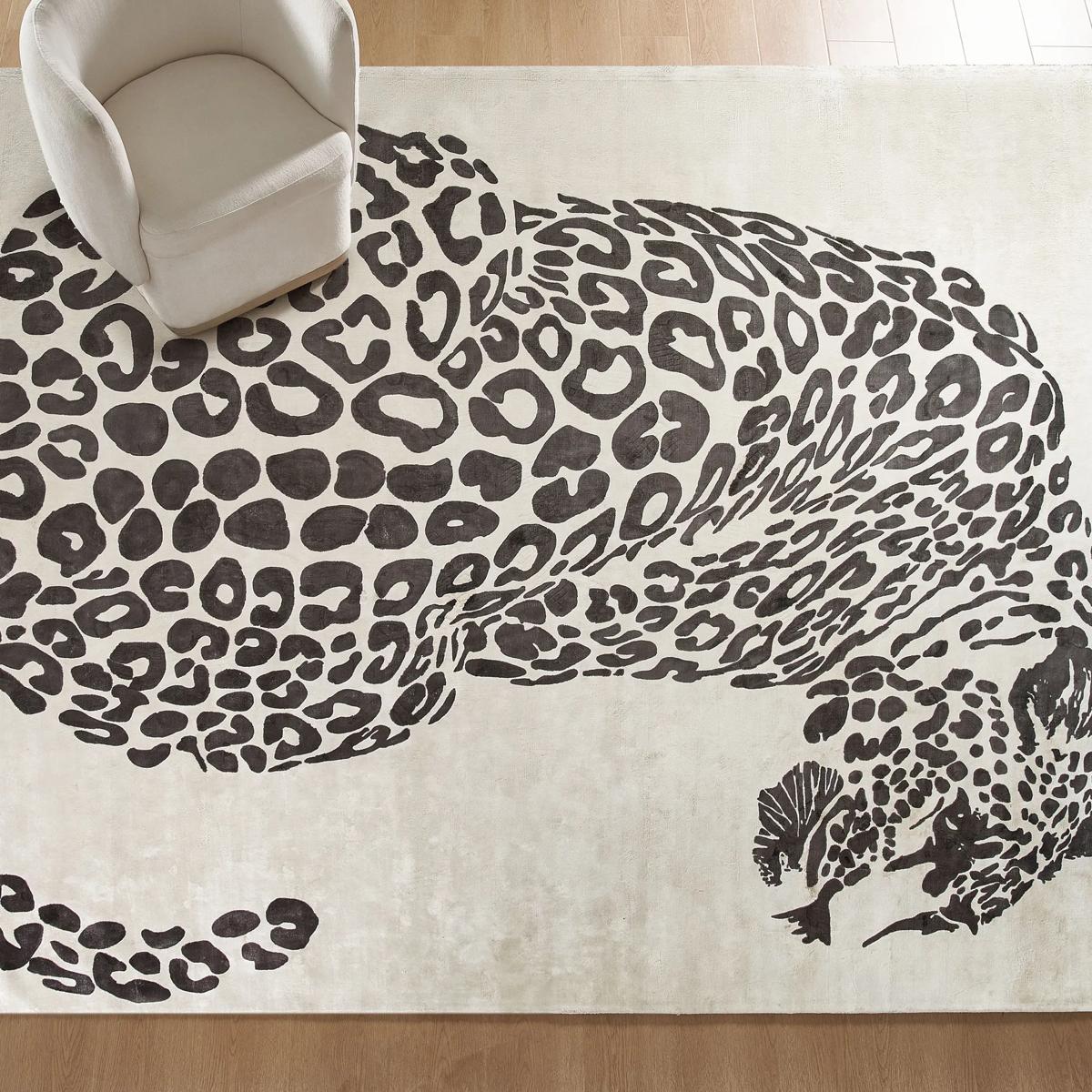 Pardus Leopard Hand-Loomed Ivory/Black Rug$499
An artful ivory and black viscose rug featuring a bold leopard motif and a smooth, silky texture.
Add To Cart -
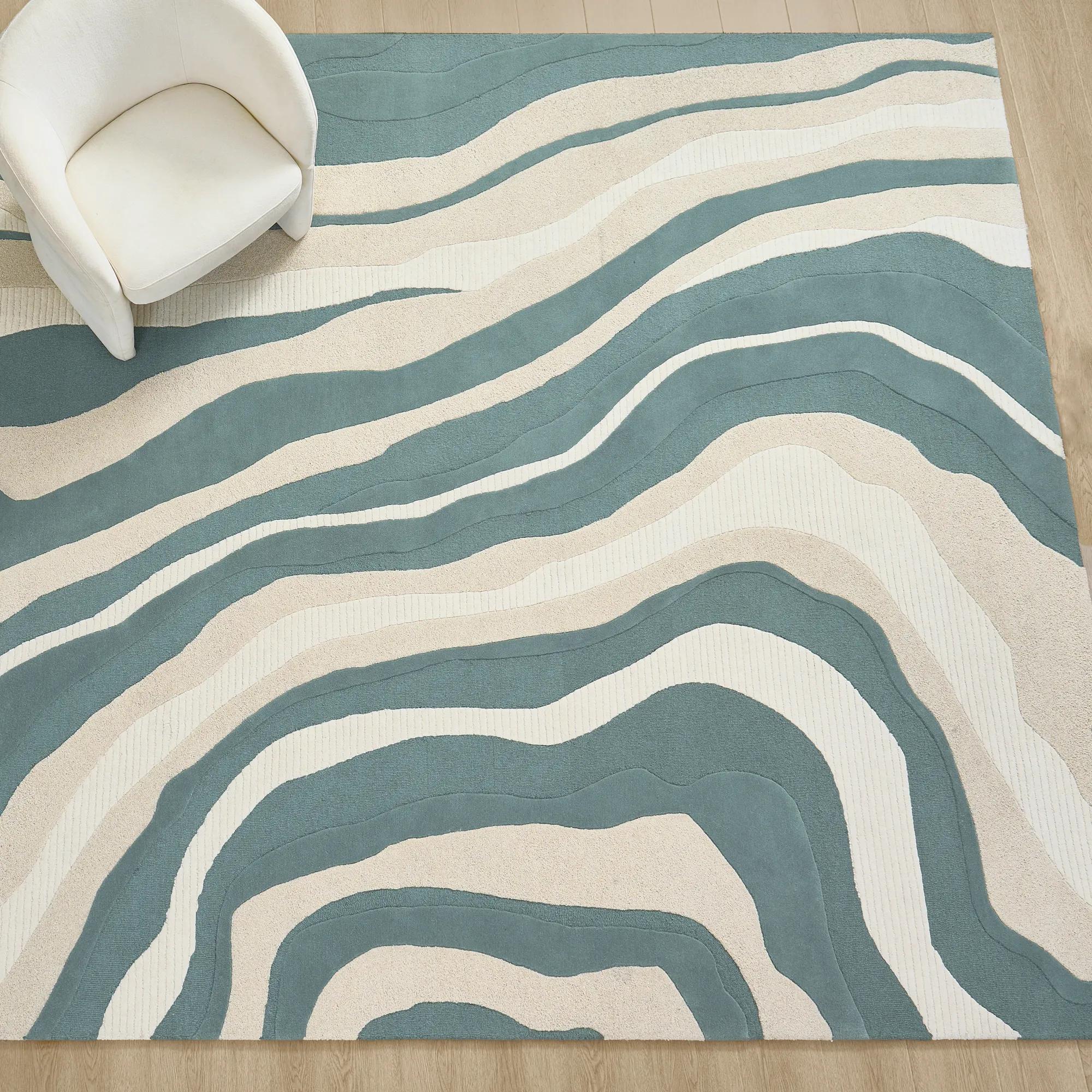 Kadence Hand-Tufted Sage Green/Ivory Wool Rugs$999
A hand-tufted wool rug in deep sage green and ivory with a sculptural high-low abstract wave pattern.
Add To Cart -
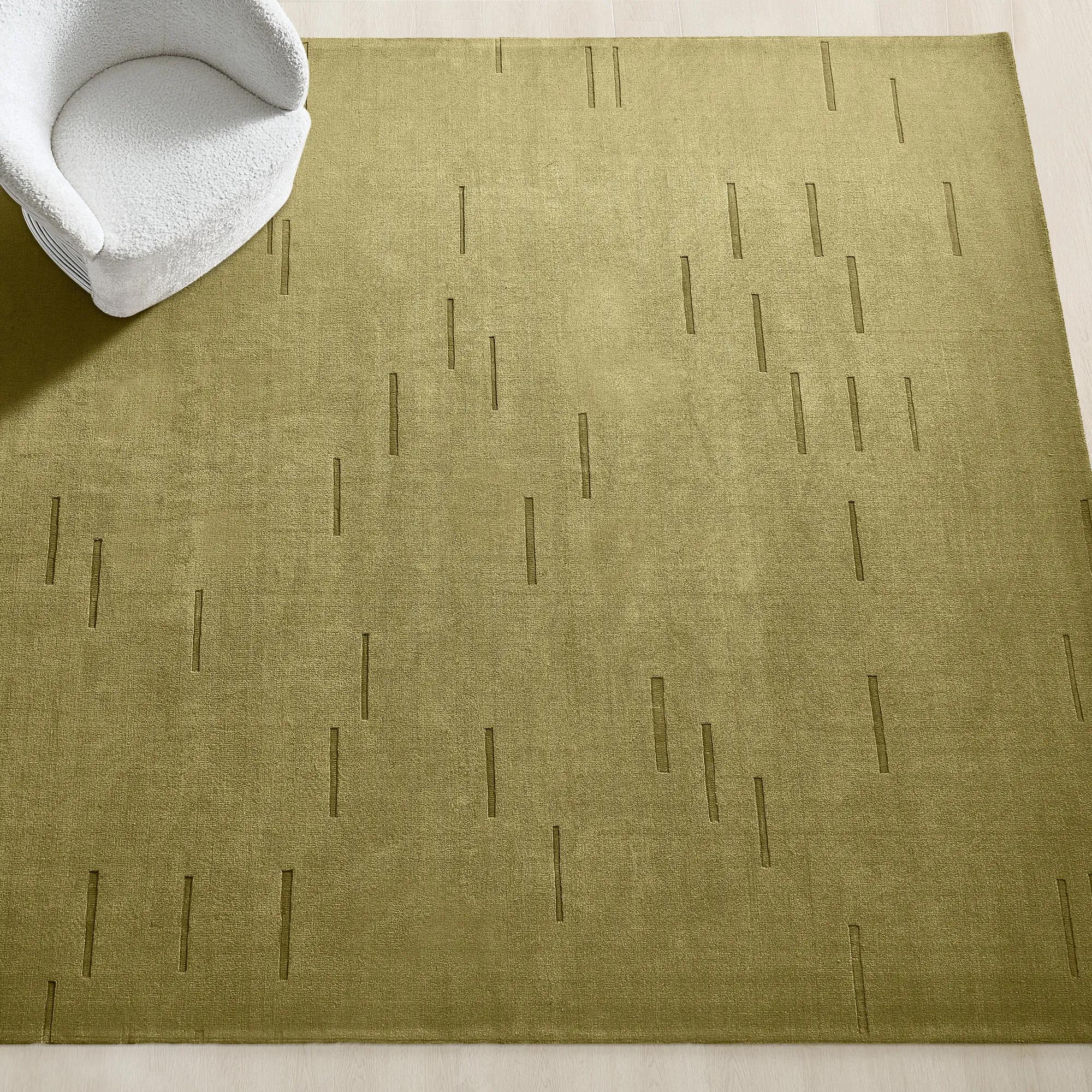
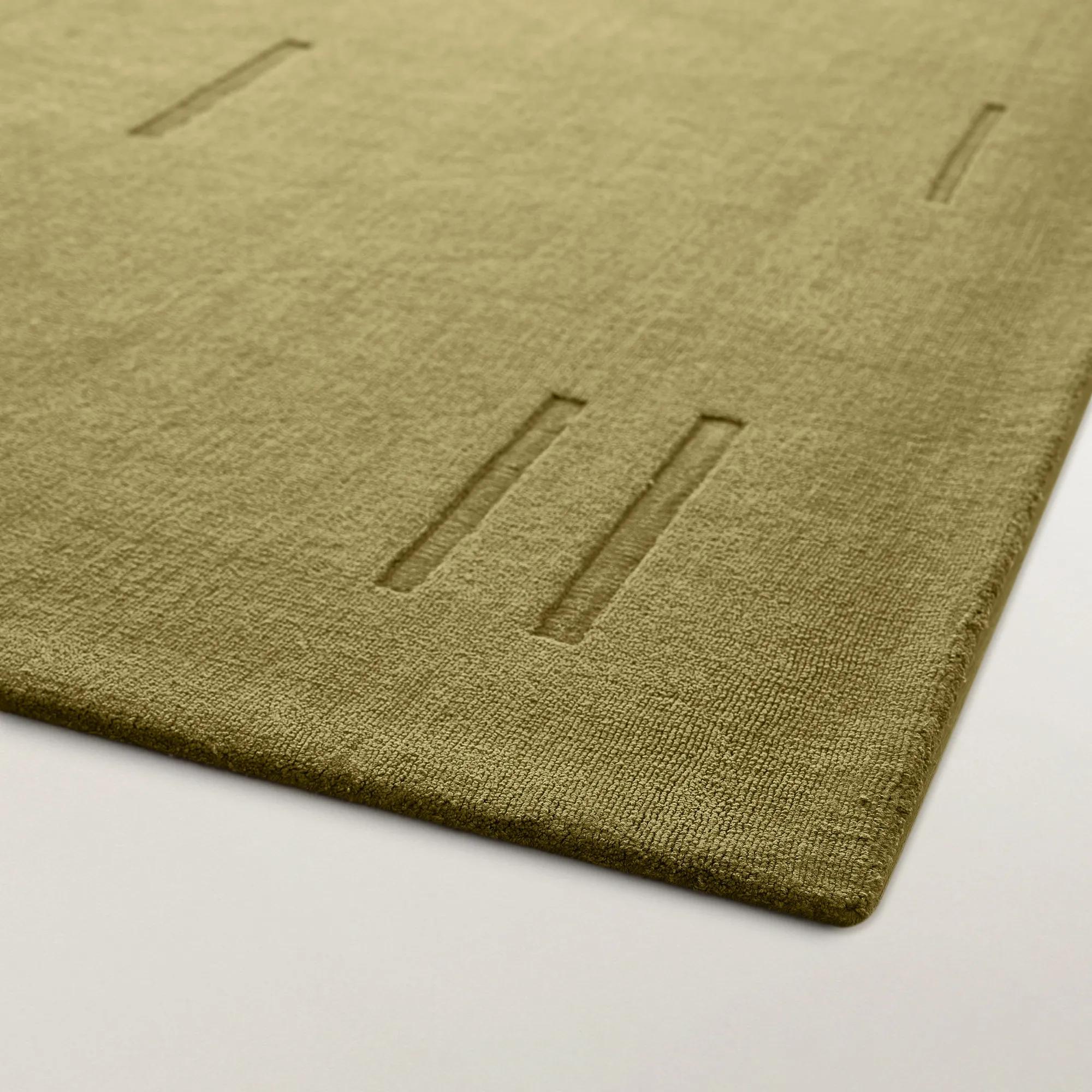 Lamita Muted Olive Green Wool Blend Rug$1299
A muted olive green wool-blend rug adding soft texture and understated warmth to modern interiors.
Add To Cart -
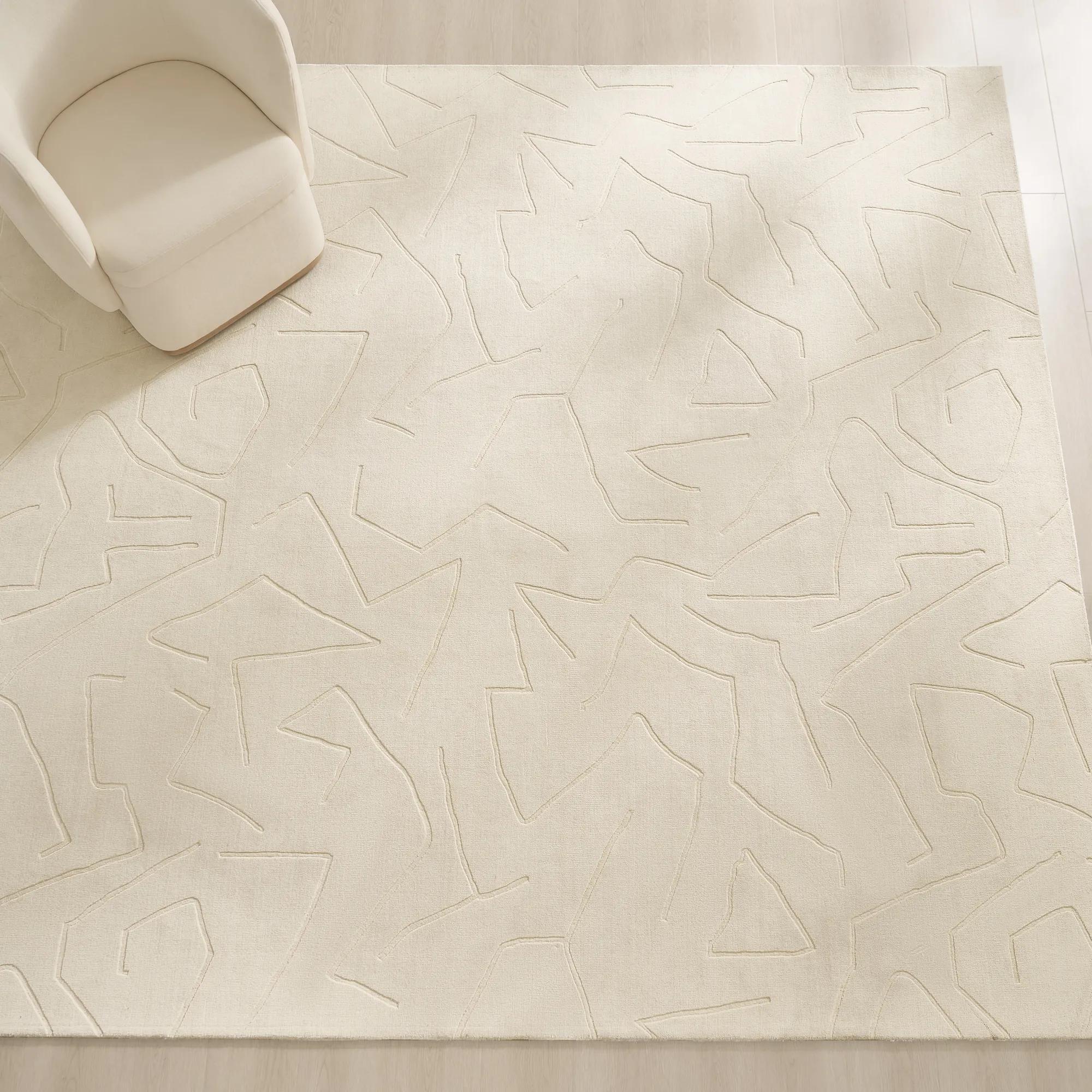 Carved Maze Ivory Hand-Loomed Wool Blend Rug$699
A hand-loomed ivory wool-blend rug featuring a carved maze pattern for modern, textural appeal.
Add To Cart -
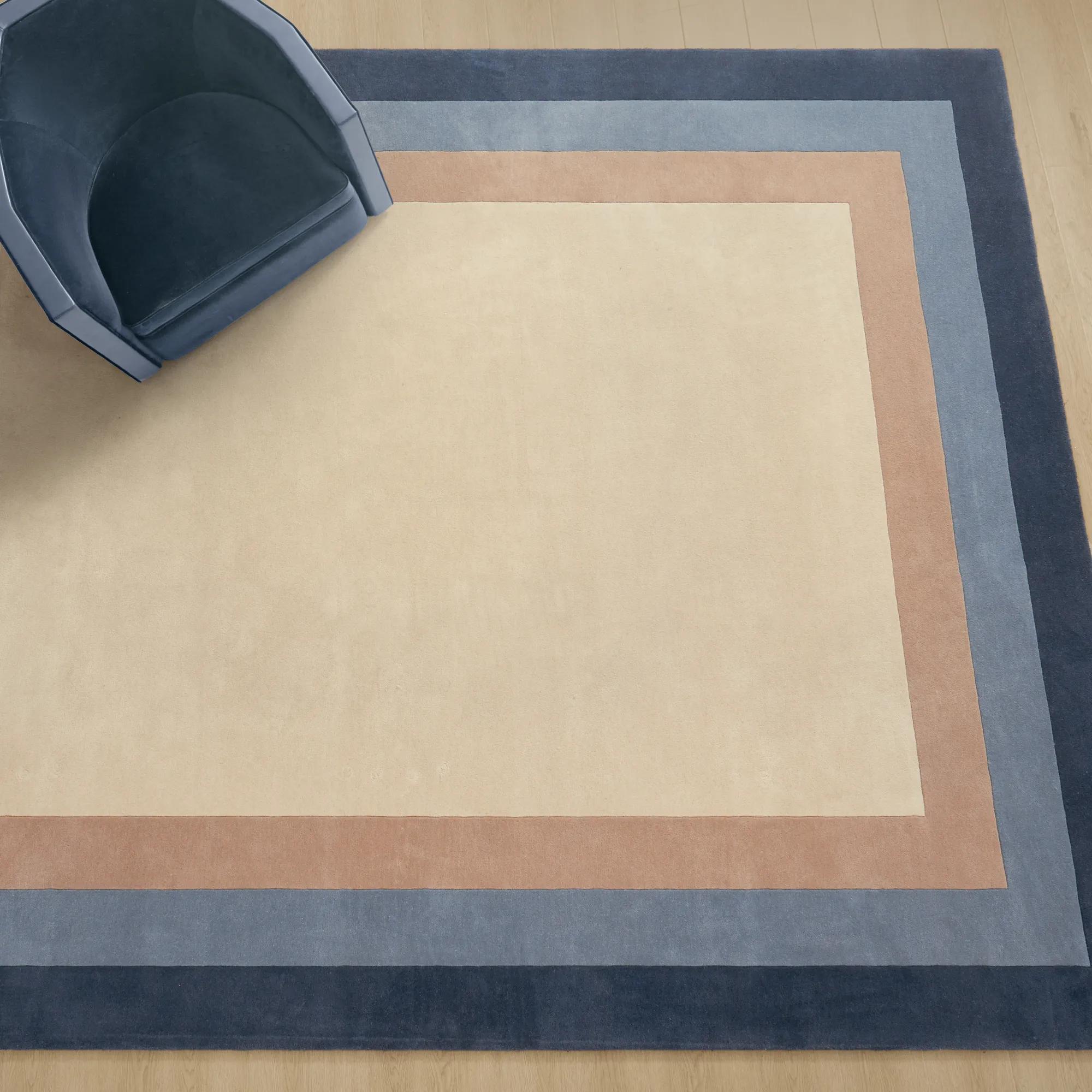 Bastien Hand-Tufted Blue/Taupe/Ivory Wool Border Rugs$1499
A hand-tufted wool rug featuring a bold color-blocked border in dusty blue, taupe, and ivory tones.
Add To Cart -
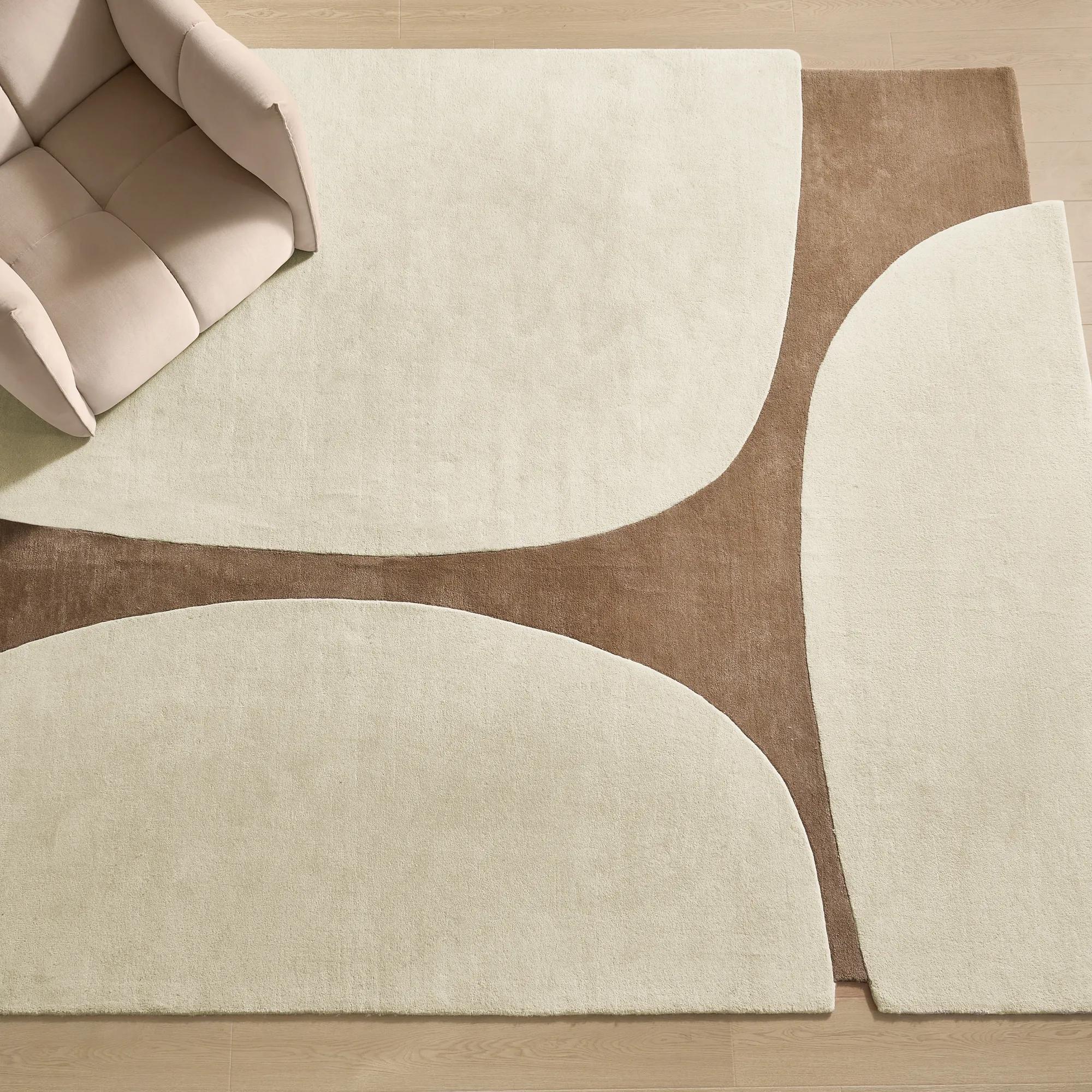
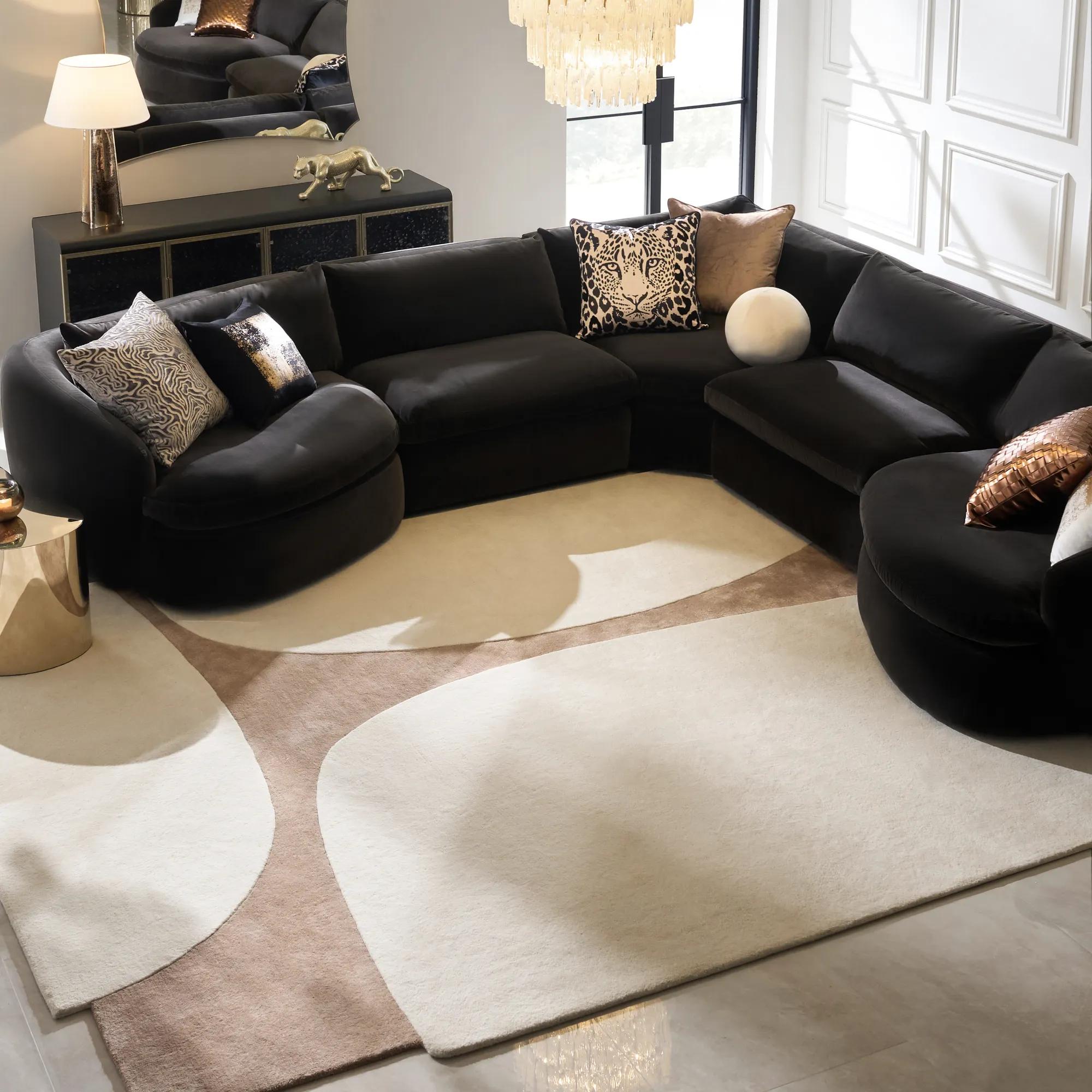 Contour Hand-Tufted Ivory/Ginger Root Wool Blend Rug$1499
A hand-tufted wool rug featuring an ivory and ginger root palette with a contoured, modern design.
Add To Cart -
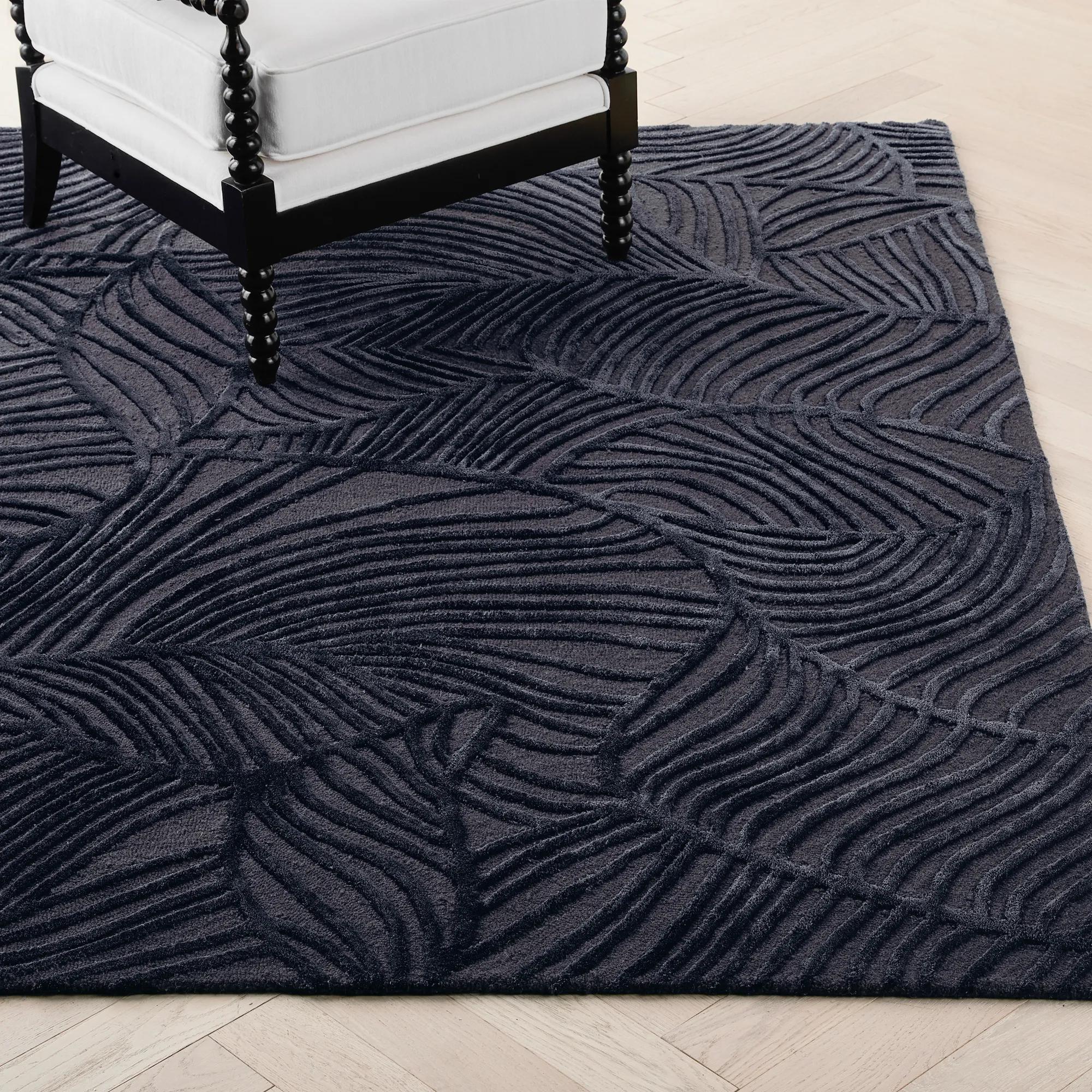
 Palm Rug - Charcoal$1499
A charcoal rug featuring a dynamic palm-leaf design with a textured high-low viscose and wool pile.
Add To Cart -
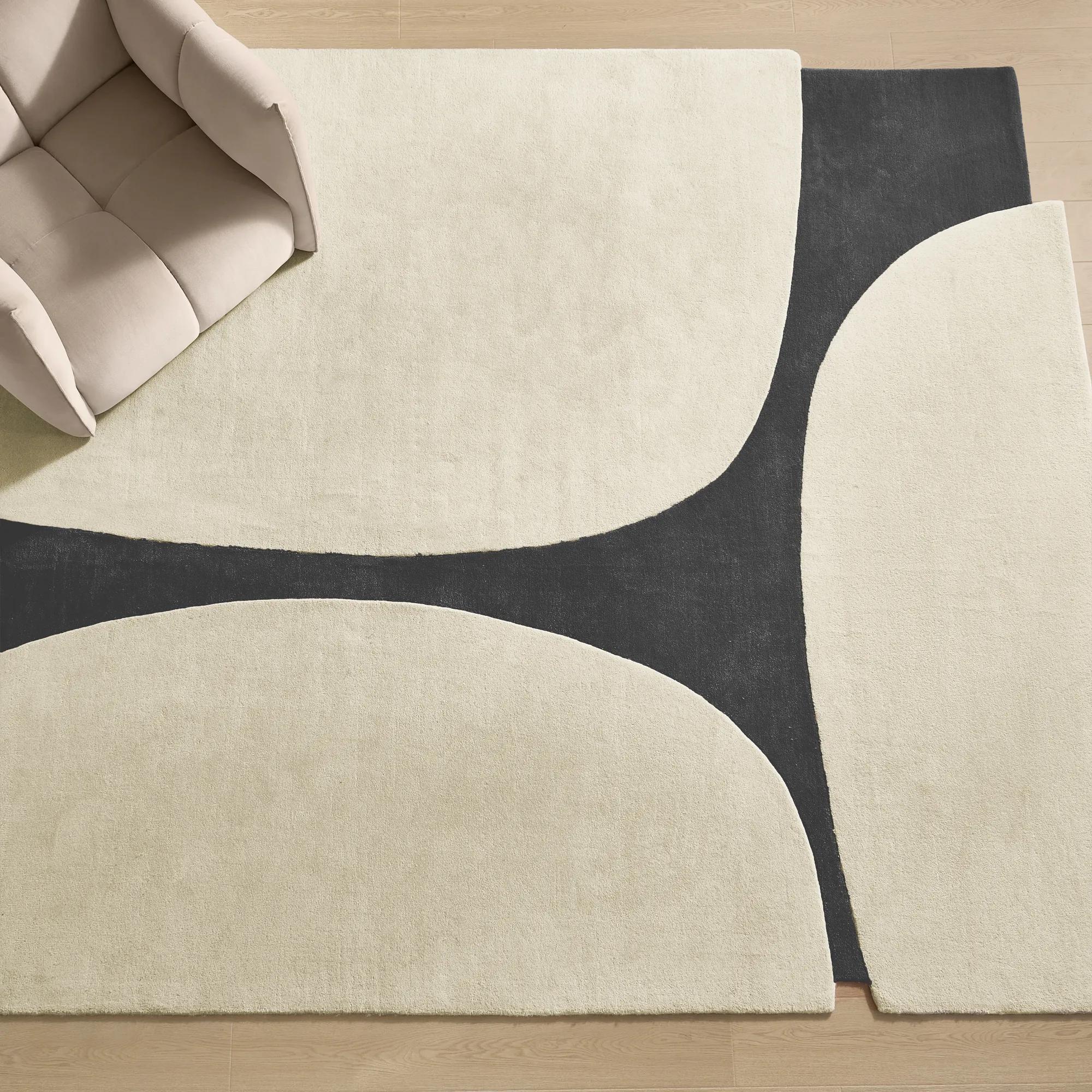 Contour Hand-Tufted Ivory/Charcoal Wool & Viscose Rugs$1499
An artfully shaped hand-tufted rug featuring high-low texture in warm ivory and charcoal wool-viscose blend.
Add To Cart -
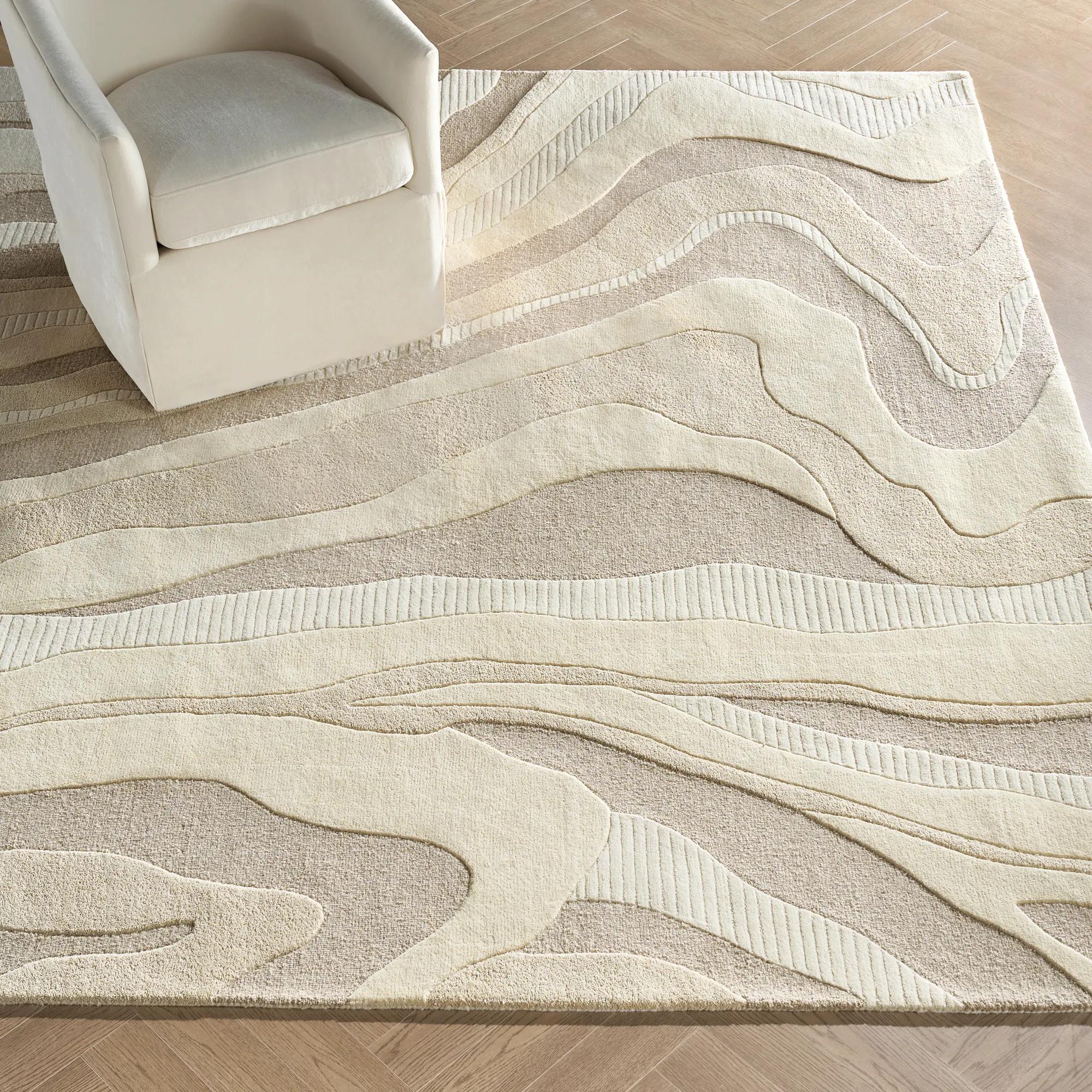 Kadence Hand-Tufted Ivory/Tan Wool Rug$1499
A hand-tufted wool rug featuring a multi-textured swirl design in ivory and tan for timeless elegance.
Add To Cart -
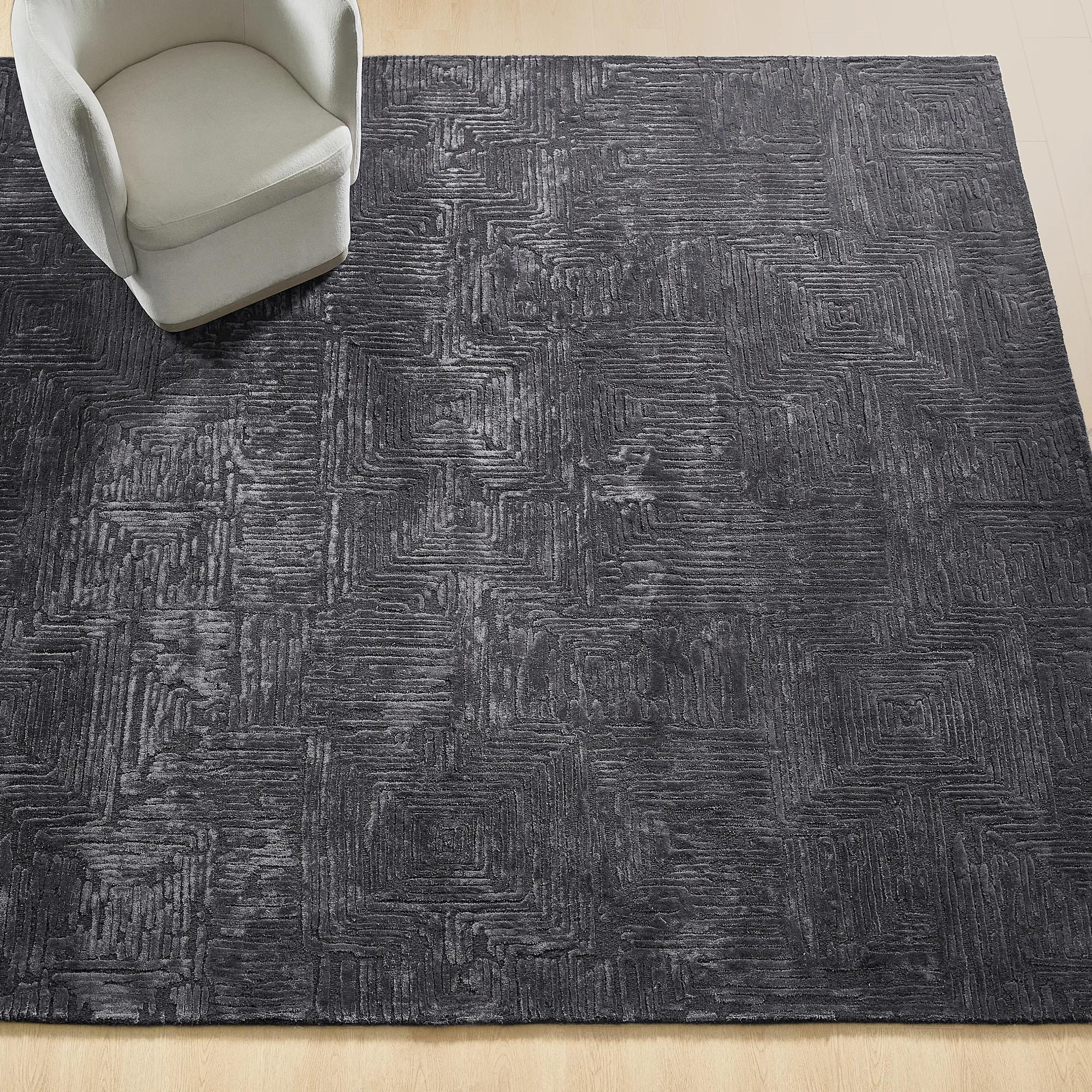
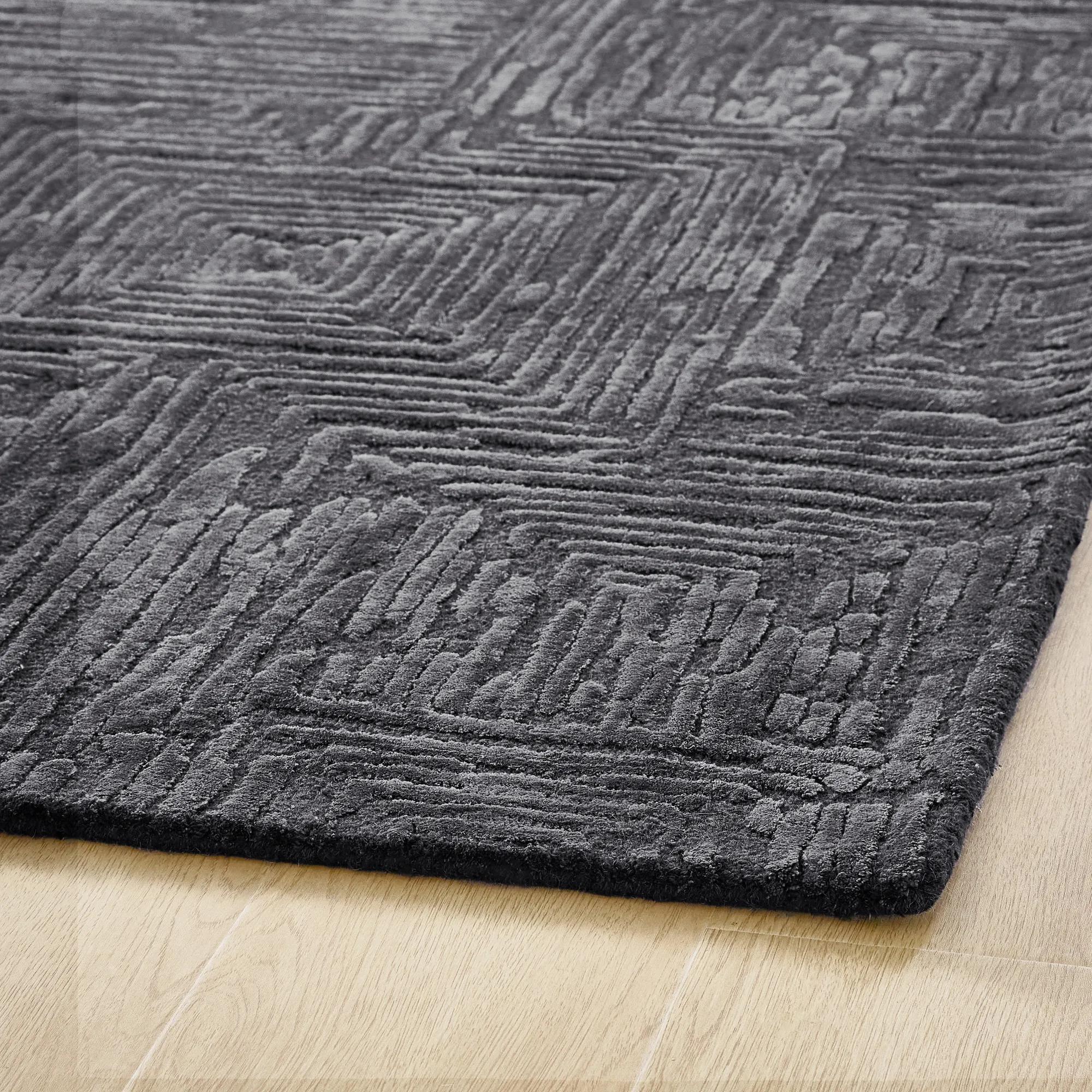 Andra Charcoal Hand-Tufted Wool Blend Dimensional Rug$499
A hand-tufted viscose-wool rug in rich charcoal, featuring a sculptural, dimensional pattern for modern spaces.
Add To Cart -
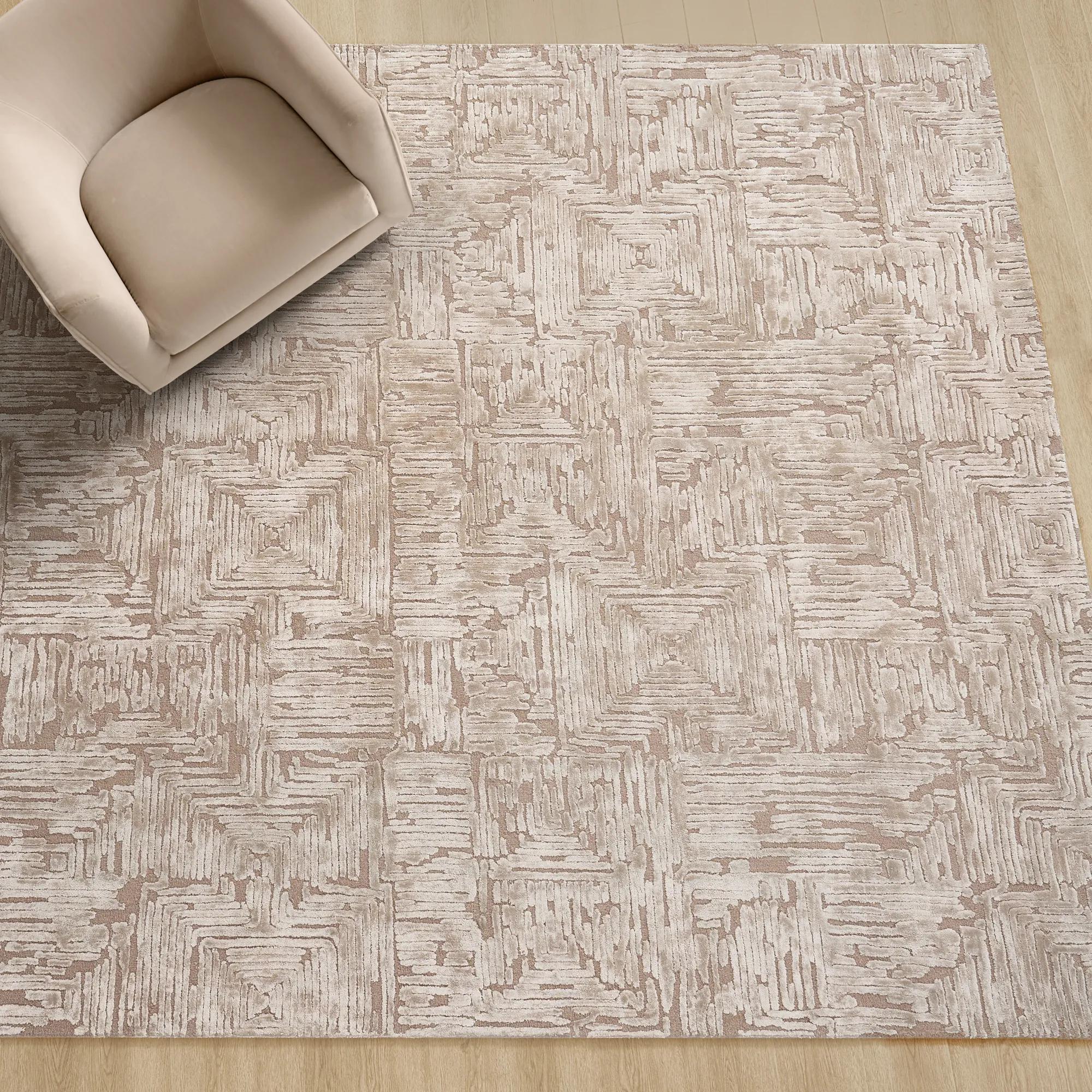
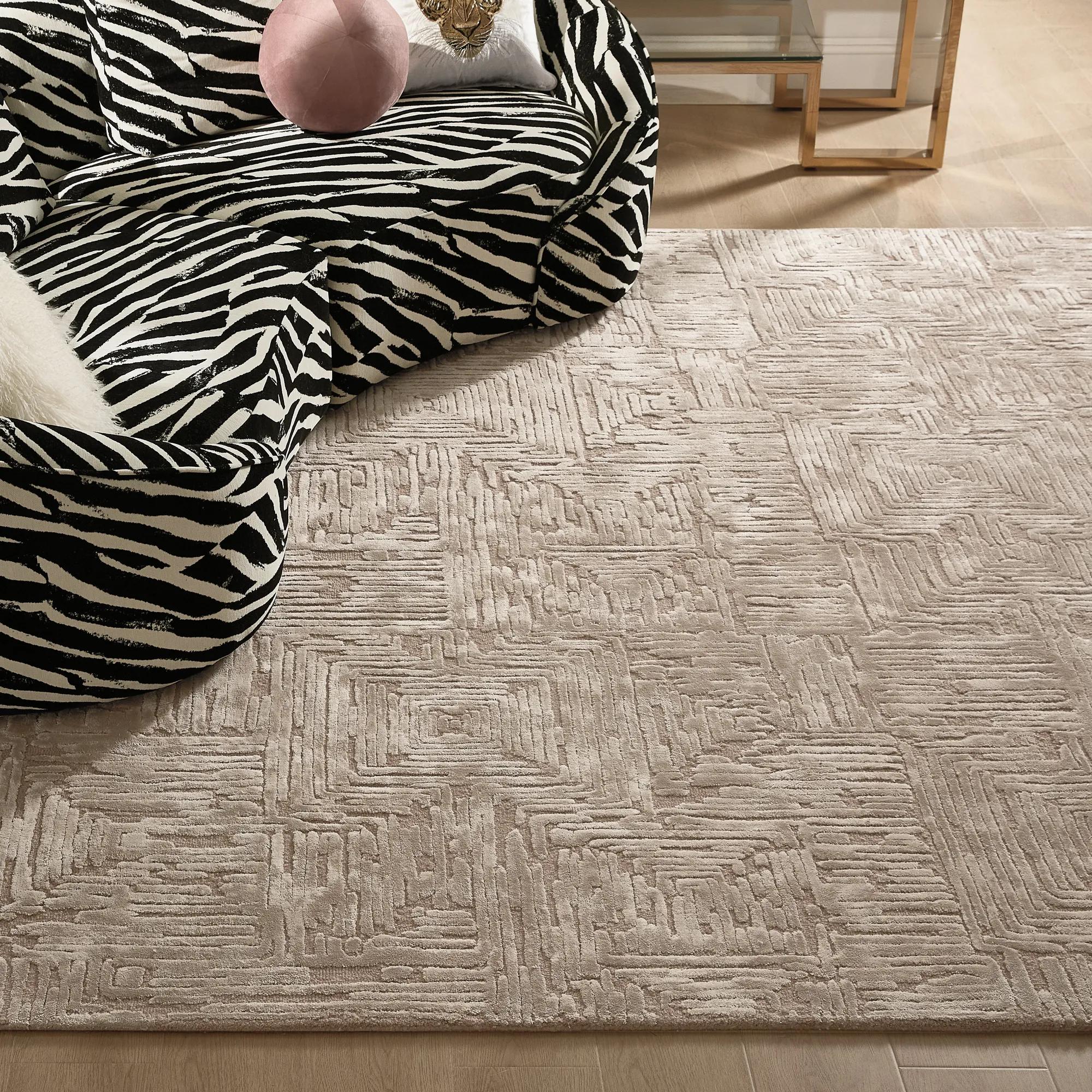 Andra Hand-Tufted Mocha Rose Viscose & Wool Dimensional Rugs$499
A hand-tufted viscose and wool rug in mocha rose, featuring a dimensional high-low geometric pattern.
Add To Cart -
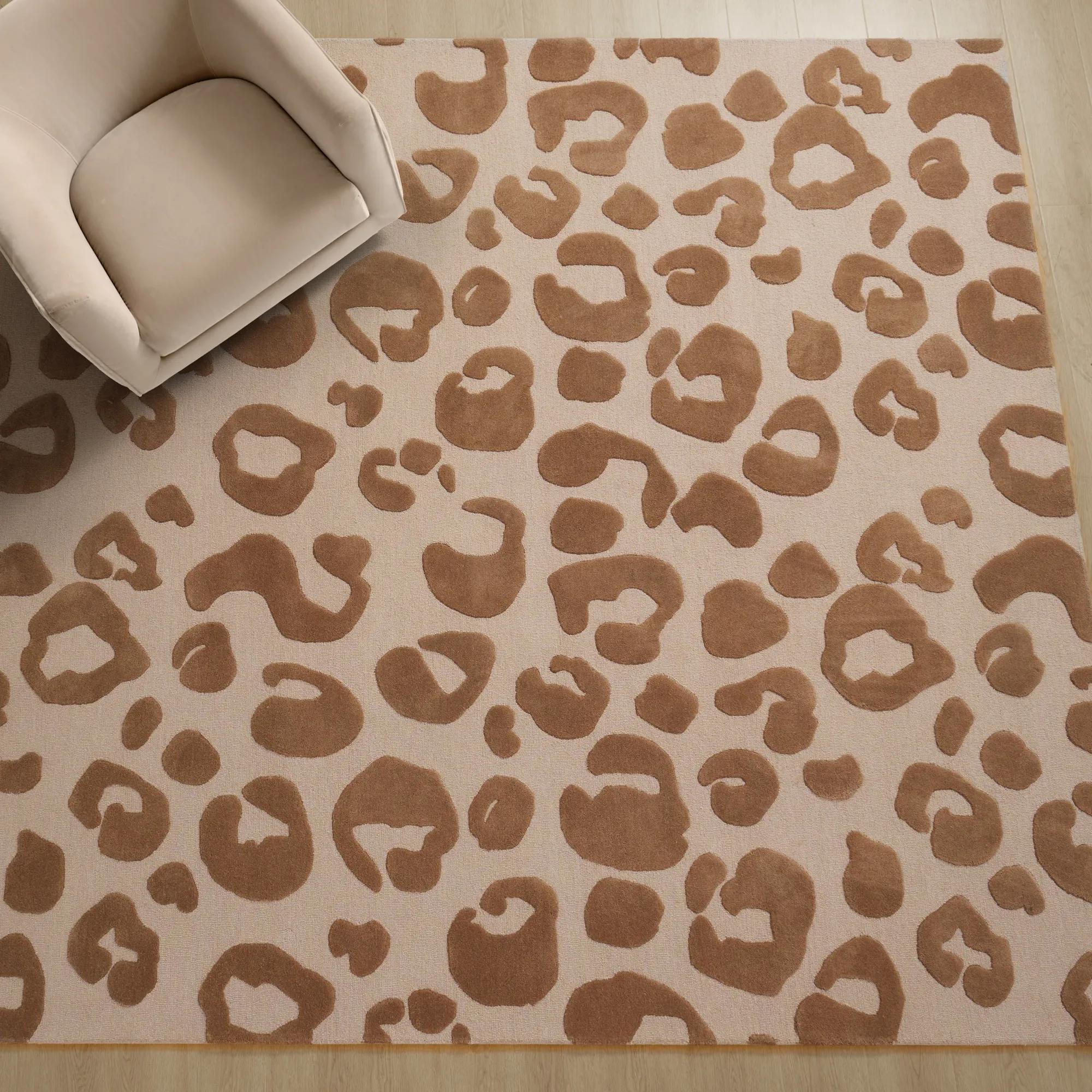 Pounce Hand-Tufted Tawny Brown Leopard Print Wool Rugs$999
A hand-tufted pure wool rug in tawny brown with a bold oversized leopard print and sculptural texture.
Add To Cart -
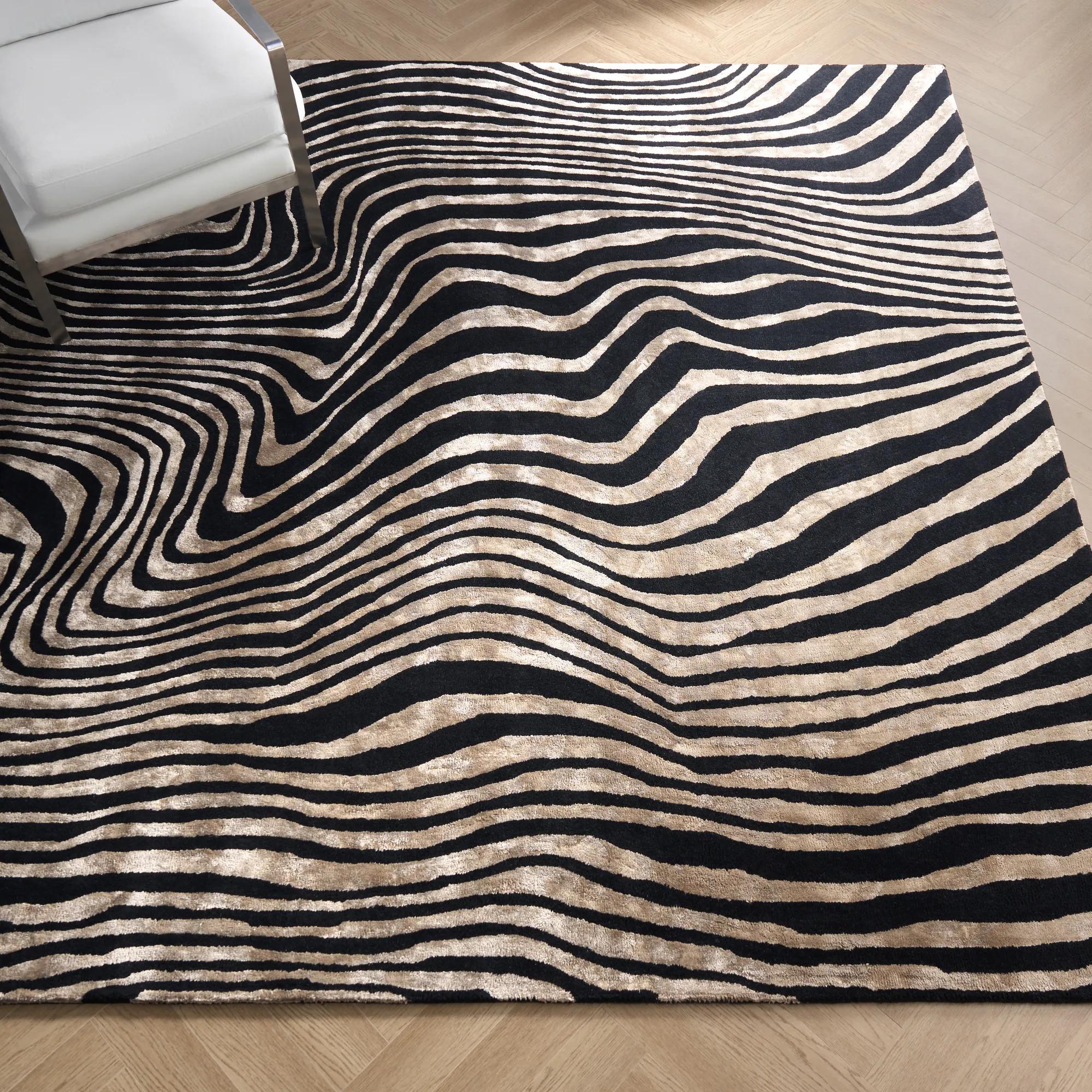
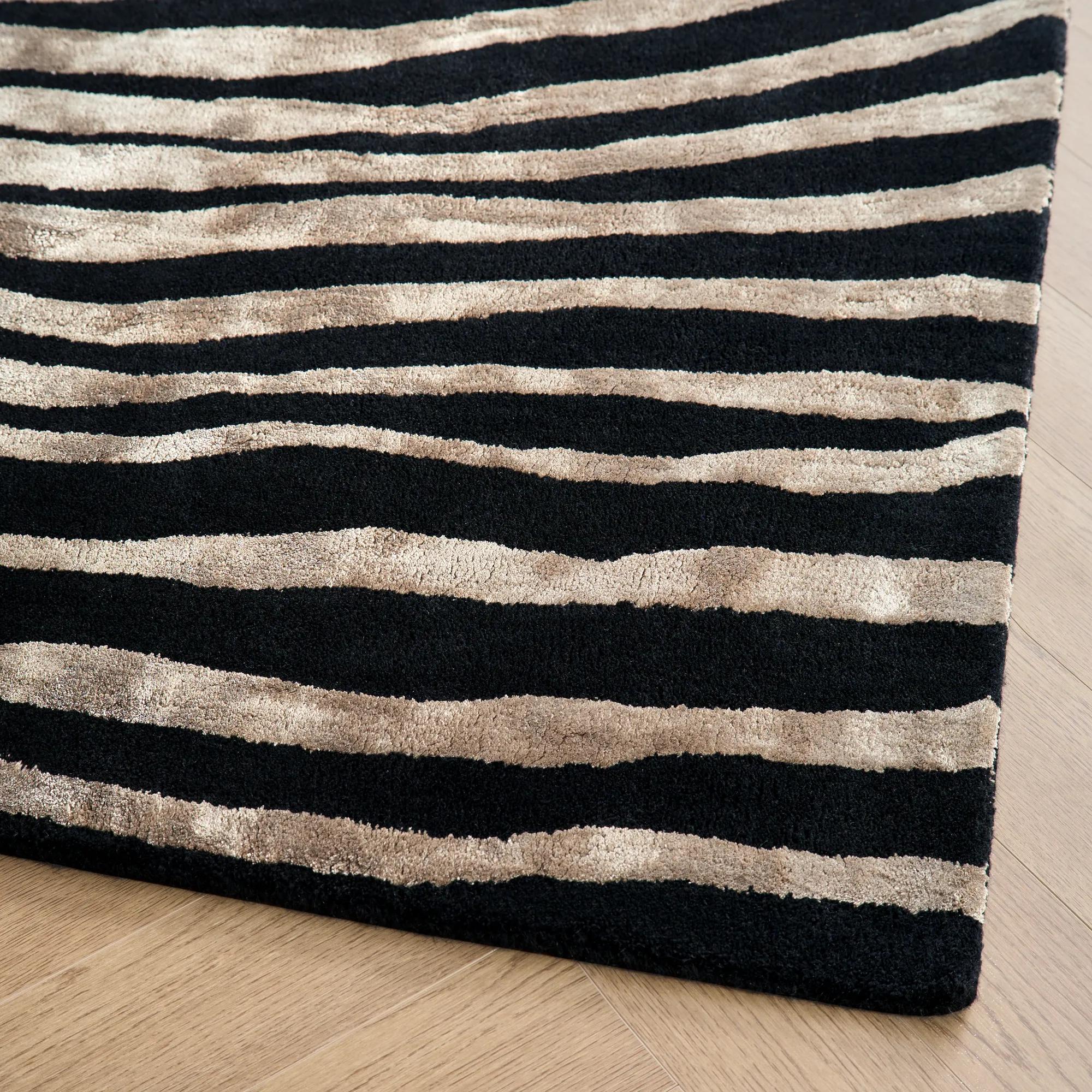 Abstract Zebra Hand-Tufted Black/Taupe Wool Blend Rug$1599
An artisan hand-tufted rug in black and taupe wool-viscose, featuring a striking abstract zebra pattern.
Add To Cart -
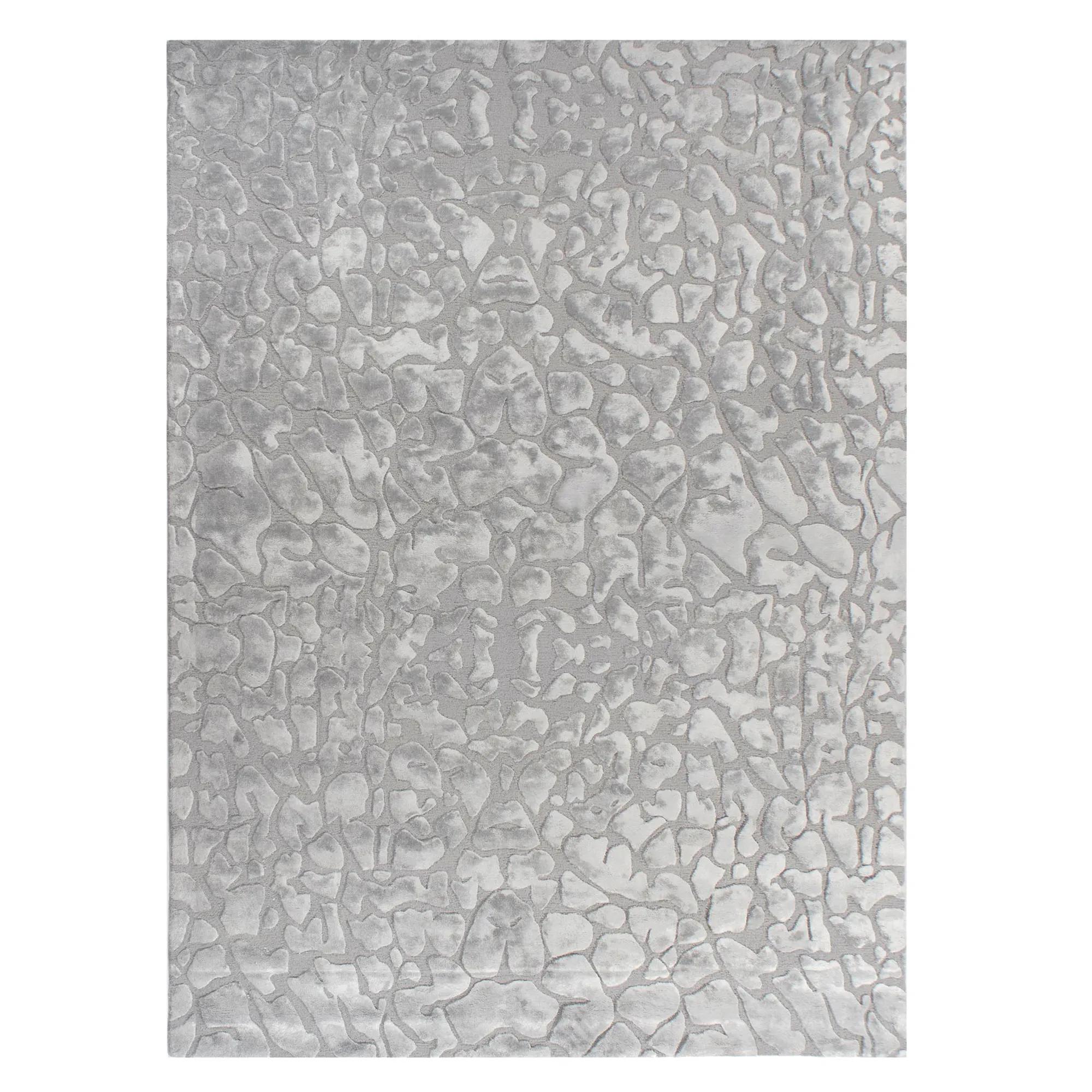
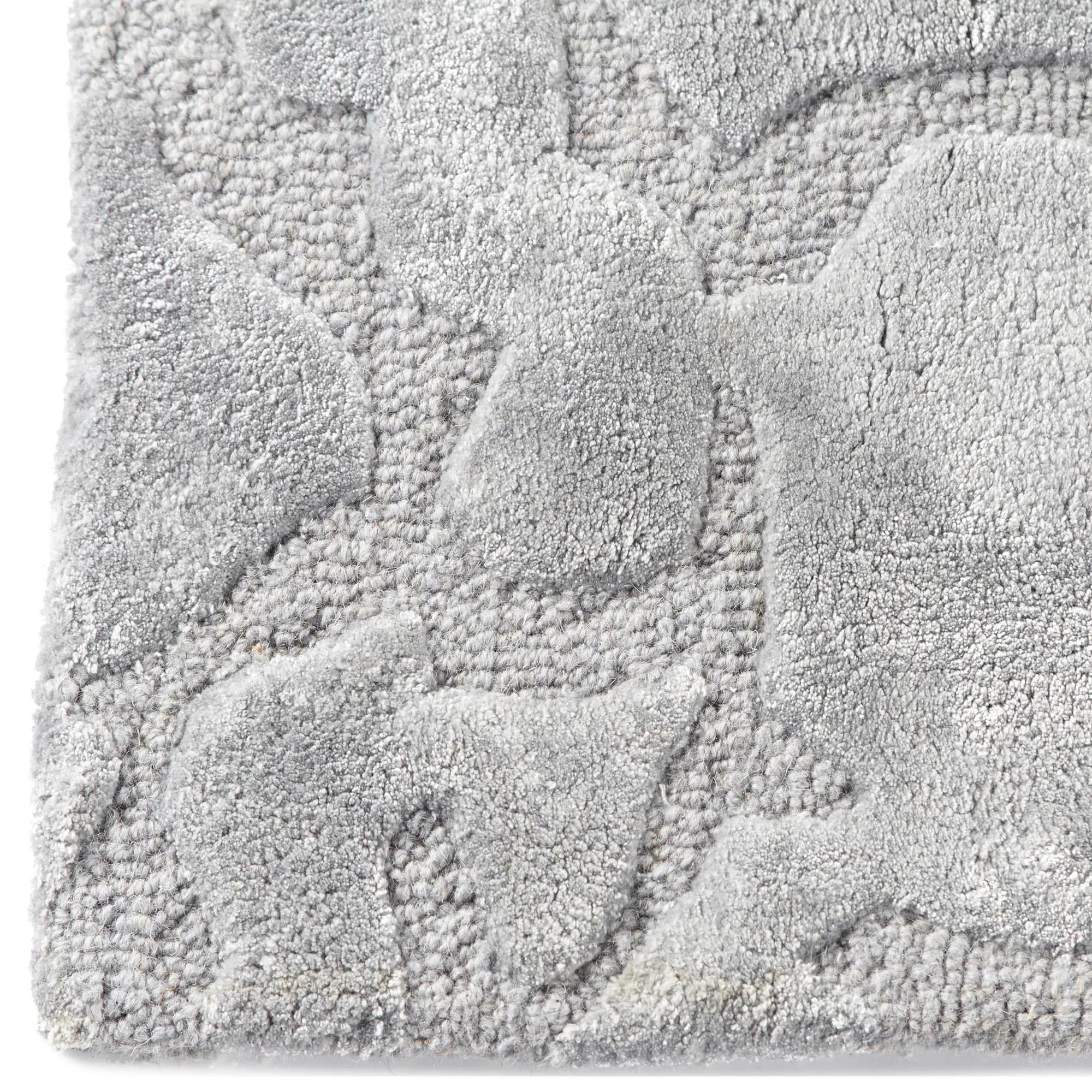 Nola Hand-Tufted Cool Grey Wool Blend Rug$849
A hand-tufted silver rug with contrasting pile heights, crafted from wool and viscose for plush texture.
Add To Cart -
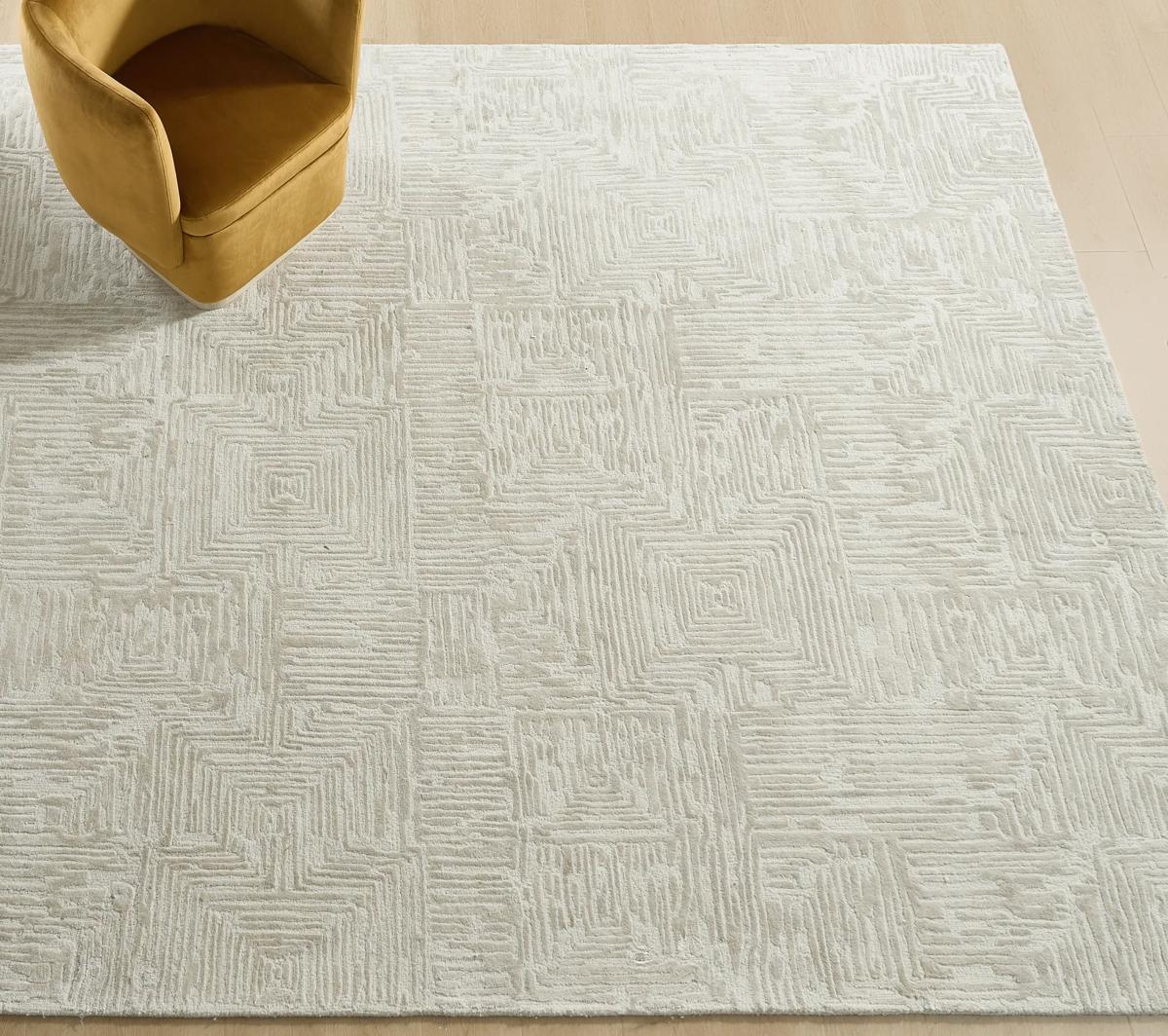 Andra Ivory Hand-Tufted Wool Blend Dimensional Rug$1499
A hand-tufted ivory rug in a viscose-wool blend with raised detailing and a subtle sheen.
Add To Cart -
 Fiona Hand-Tufted Ivory/Beige/Black Border Fringe Rug$1099
A hand-tufted ivory, beige, and black rug featuring a framed border and decorative fringe.
Add To Cart -
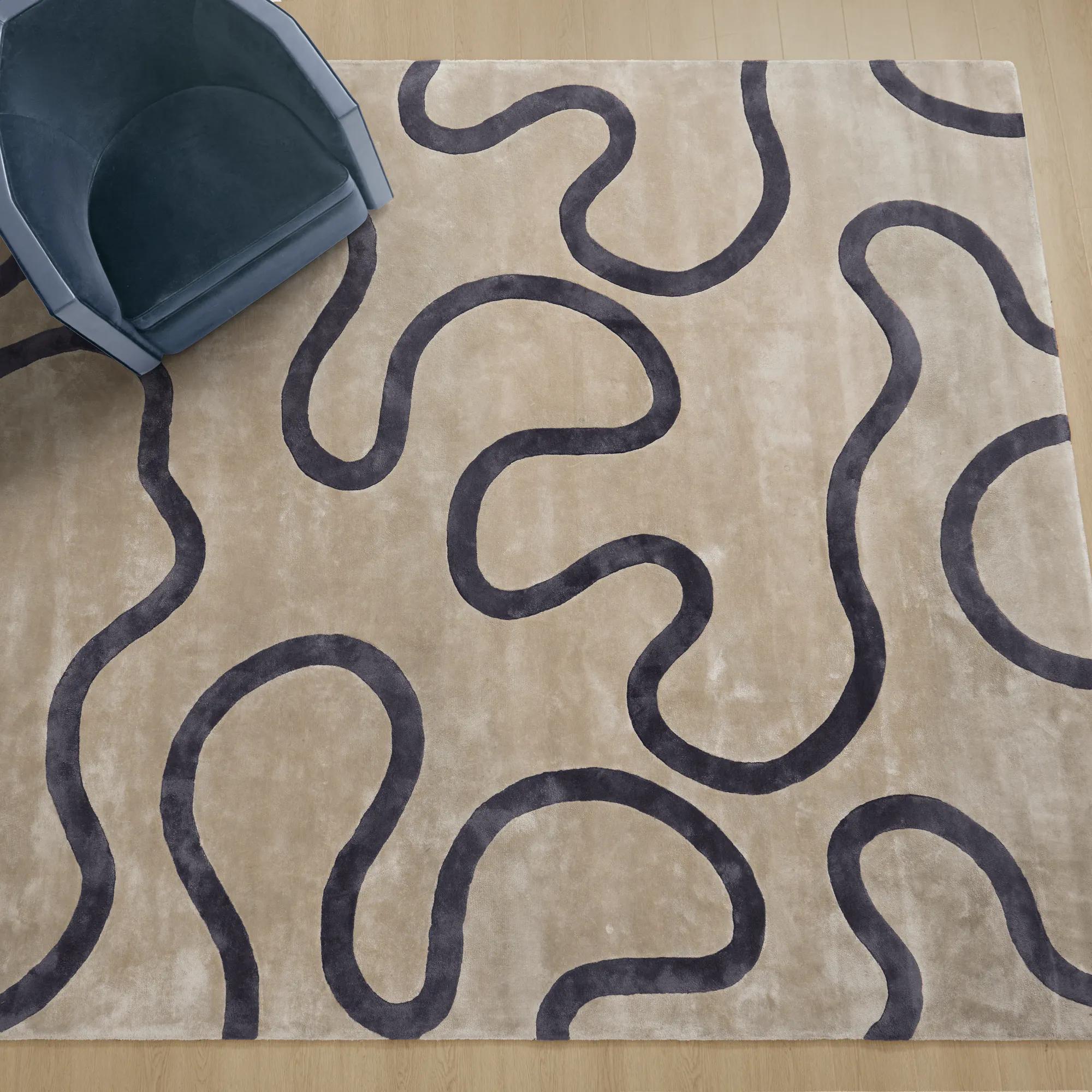 Seraphine Hand-Tufted Smoked Pearl/Taupe Viscose Loop Rugs$1799
A hand-tufted viscose rug in smoked pearl and taupe with bold Deco-inspired loop patterns and subtle sheen.
Add To Cart -
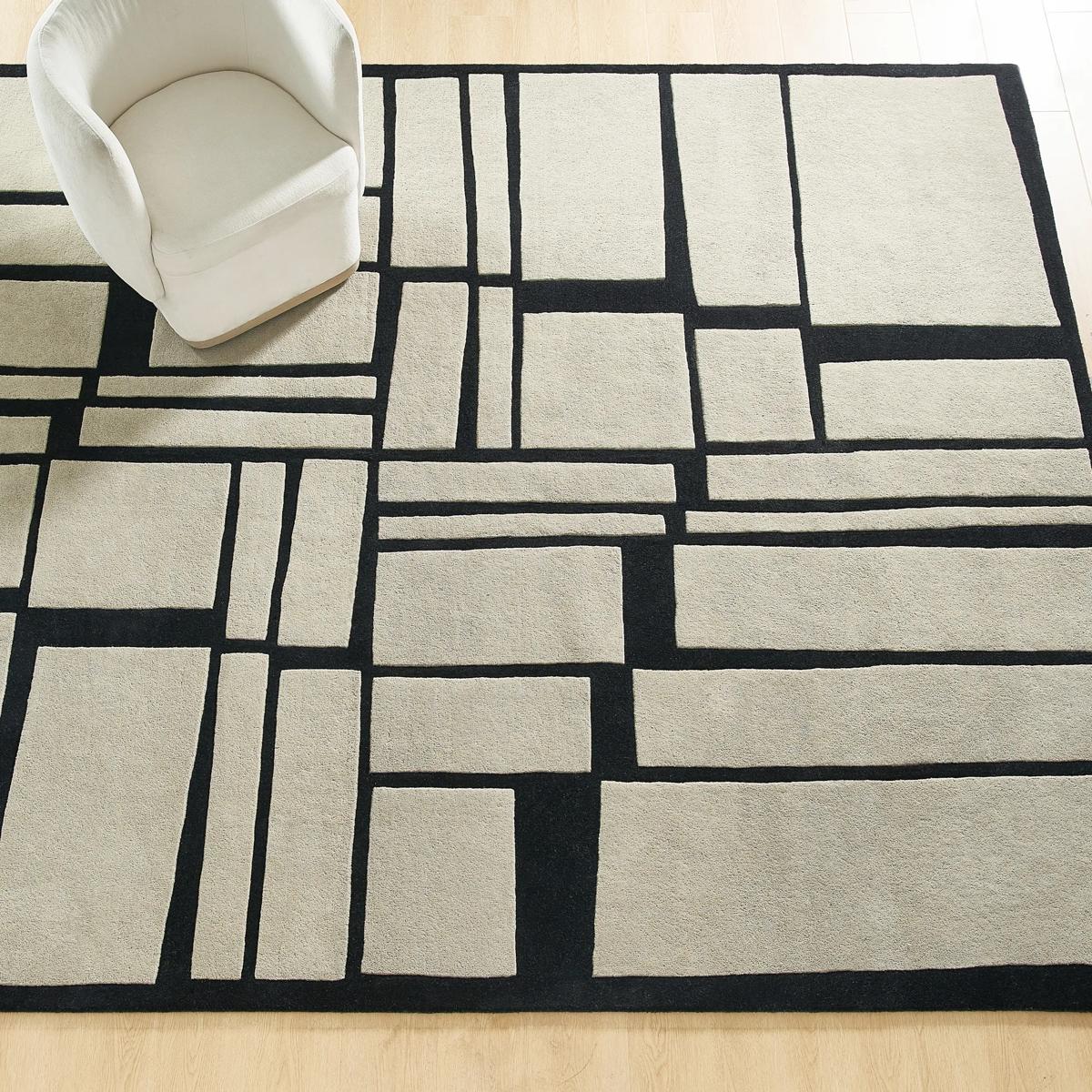 Novak Hand-Tufted Natural/Black Wool Rug$449
A hand-tufted wool rug featuring a bold black and natural grid design for modern visual impact.
Add To Cart -
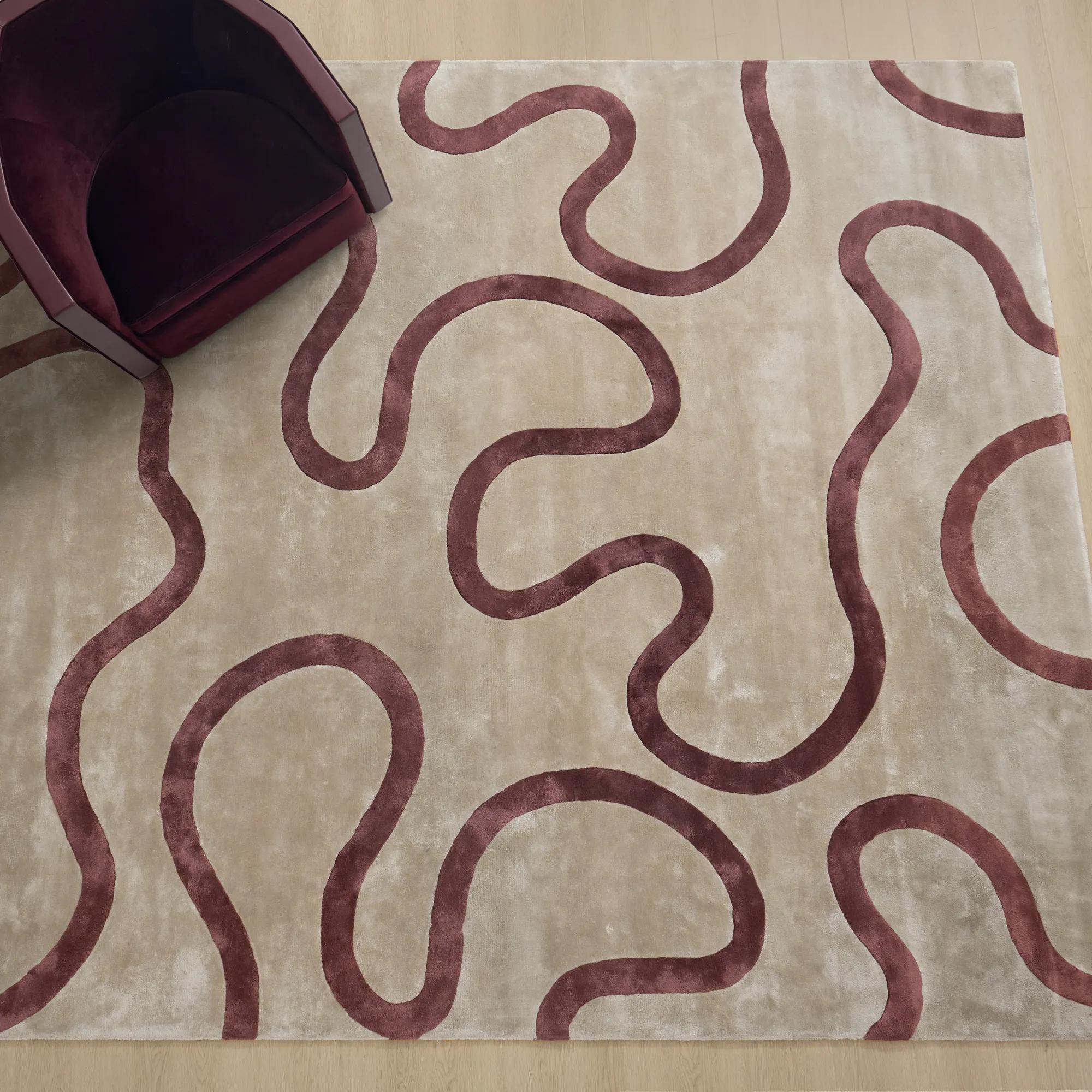 Seraphine Hand-Tufted Fig/Taupe Viscose Loop Rugs$1799
A hand-tufted wool rug featuring bold fig and taupe loops for a graphic, Deco-inspired statement.
Add To Cart

Handwoven Rugs For Bedrooms
Handwoven Rugs For Bedrooms transform the ordinary into the extraordinary, weaving artistry and comfort into every corner of your most personal sanctuary. Each piece is a tactile masterpiece, infusing your space with texture, warmth, and a sense of curated luxury. Let sumptuous fibers and intricate patterns ground your bedroom in elegance—inviting you to sink in, linger longer, and wake each day surrounded by beauty that feels both timeless and entirely your own. With handwoven rugs as the foundation, your bedroom becomes more than a place to rest—it’s a stage for self-expression, where every detail whispers of sophistication and style.
Handwoven rugs for bedrooms bring tactile richness and artisan character to the space where comfort feels most personal. Beneath a beautifully dressed bed, a woven rug gives the room a grounded composition, softening the transition from gleaming furniture and crisp linens to the floor underfoot. Handwoven refers to a rug’s construction on a loom, rather than a particular fiber or a guarantee of plushness; the resulting surface may be a low-profile flatweave or a more substantial woven texture. Subtle variations in the weave can lend depth and individuality, especially when light moves across the surface. Material makes a meaningful difference in how that texture feels and performs. Wool is valued for its resilience, natural softness, and ability to recover from everyday compression, making it a compelling choice for a bedroom that sees daily use. Wool blends can combine that character with other fibers, though the blend’s composition determines its feel and care requirements. Cotton offers a lighter, often more flexible surface that works beautifully in relaxed yet polished interiors, particularly when a flatter profile suits the room. Cotton and jute blends introduce a more pronounced natural texture, while jute itself generally feels firmer and coarser than wool—an important distinction for anyone who prefers a gentle landing for bare feet. Viscose-containing weaves can create a luminous, silk-like effect, but their sensitivity to moisture and abrasion calls for more careful placement and maintenance. Neither fiber content nor handmade construction alone determines durability; weave density, finishing, and daily use also matter. A smooth wool flatweave can complement a tailored upholstered bed, while a richly textured weave adds dimension beside lacquered nightstands or a sculptural bench. For a primary bedroom, tactile comfort may lead the decision; in a guest room, an easy-to-manage profile may carry equal weight. The most satisfying handwoven bedroom rugs balance visual presence with the way the room is actually lived in, delivering artistry without overlooking the pleasure of stepping onto a thoughtfully chosen surface.
Scale gives that artistry its authority. A bedroom area rug should relate to the bed, the surrounding furniture, and the open floor rather than simply fill an isolated patch of space. An 8-by-10-foot rug is often considered for a queen bed, while a 9-by-12-foot rug is a common starting point for a king bed; the room’s dimensions and the rug’s orientation determine whether either size provides a comfortable fit. Extending the rug roughly 18 to 24 inches beyond the sides of the bed usually creates a generous landing, although smaller rooms may need a more restrained arrangement. Placing a large rug beneath the lower two-thirds of the bed leaves the nightstands off the rug and brings texture forward toward a bench or the foot of the frame. A larger, fully grounded arrangement can accommodate the bed and nightstands together, creating a more enveloping composition when space allows. In either case, visible flooring around the perimeter helps the rug read as a deliberate design element. A pair of narrow runners or smaller rugs beside the bed offers another elegant approach, especially where a large area rug would crowd doors, dressers, or a compact floor plan. Door clearance matters with thicker weaves, and dresser drawers should open freely above the finished rug-and-pad height. Color and pattern shape the atmosphere just as decisively as size. Ivory, taupe, and soft gray allow woven structure to become the focal point, while charcoal or saturated tones can give pale bedding a dramatic foundation. Tonal geometry introduces movement without competing with an expressive headboard; a stronger motif can anchor a room with quieter walls and linens. For interiors that invite a more graphic statement, Patterned Rugs For Bedrooms offers a related direction where motif plays a leading role. Pattern scale deserves attention, too: a broad design should remain compelling when part of it disappears beneath the bed, while smaller repeating details can maintain visual rhythm across exposed edges. The effect is most assured when the rug’s color, texture, or line echoes another element in the room without matching every surface.
Daily care preserves the distinction that makes a handwoven rug so appealing. A rug pad suited to both the rug and the flooring helps reduce movement, adds support, and limits friction beneath the weave. Lightweight cotton rugs and flatweaves particularly benefit from secure placement on hard floors, while rugs layered over carpet require a pad designed for that application rather than a standard hard-floor option. Pad materials should also be compatible with the floor’s finish, and the pad should sit slightly inside the rug’s edges so it remains concealed. Routine vacuuming helps prevent grit from settling into the fibers, but suction and brush settings should follow the rug’s care instructions. Aggressive rotating brushes can disturb delicate weaves, fringe, or raised texture; a suction-only setting is often the gentler choice when recommended by the maker. Some wool rugs shed loose fibers, especially early in their use, and gentle, consistent maintenance is preferable to forceful brushing. Spills call for prompt blotting with a clean, absorbent cloth rather than rubbing, which can spread moisture and distort the surface. Cleaning methods vary by fiber, dye, and construction: cotton does not automatically mean machine washable, and moisture-sensitive fibers such as viscose may require specialist attention. Periodic rotation, where practical, helps distribute exposure to foot traffic and light, while suitable furniture protectors can reduce concentrated pressure from bed frames and nightstands. In bedrooms shared with pets, tightly woven surfaces without prominent loops or loose fringe may be easier to manage, though no rug is immune to scratching or snagging. These practical details support the intended mood rather than diminish it. A handwoven rug can define a reading corner, give a guest suite a considered finish, or bring a softer visual foundation to a deeply layered primary bedroom. Its beauty lies in the relationship between craftsmanship and daily experience: a textured border visible beside the bed, a subtle sheen beneath an accent chair, and a surface chosen as carefully for its feel as for its presence.
FAQs
Handwoven rugs bring a sense of artistry and warmth to bedrooms, transforming the space into a personal sanctuary. Their intricate textures and unique patterns create a soft, inviting foundation underfoot, while the craftsmanship behind each piece adds a layer of luxury and character that enhances relaxation and self-expression.
Handwoven rugs set the tone for a bedroom by introducing tactile richness, visual depth, and a distinct sense of style. Whether you prefer bold geometric designs or subtle, organic weaves, these rugs help define the atmosphere—be it serene, dramatic, or playfully eclectic—making every moment spent in your bedroom feel intentional and elevated.
Absolutely. A handwoven rug is a luxurious and meaningful gift, perfect for milestones like weddings, housewarmings, or anniversaries. Its lasting beauty and artisanal quality make it a cherished addition to any home, offering both comfort and a daily reminder of the giver’s thoughtfulness.
The choice of material—such as plush wool, textured jute, or sophisticated wool blends—directly influences both the tactile sensation and the visual character of a handwoven rug. Wool offers sumptuous softness and warmth, while jute brings a grounded, organic texture. Blends often combine durability with a refined look, ensuring that each rug feels as luxurious as it appears.
Yes, the versatility of handwoven rugs allows them to harmonize with a wide array of bedroom aesthetics. From modern glamour to bohemian chic, traditional elegance to coastal calm, the variety of patterns, textures, and color palettes ensures there’s a handwoven rug to enhance any design vision.