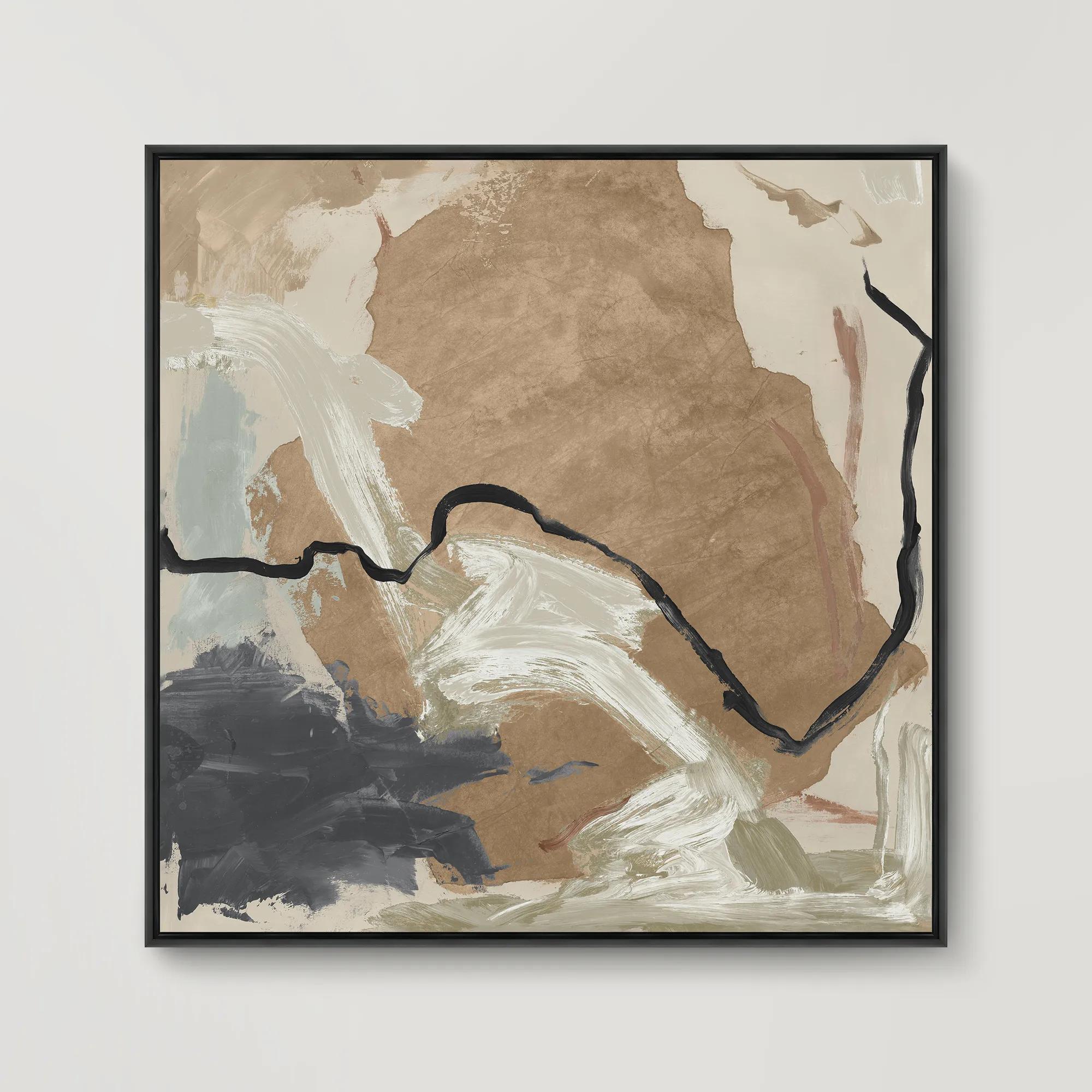
Hand Painted Wall Art For Foyers
Hand Painted Wall Art For Foyers
-
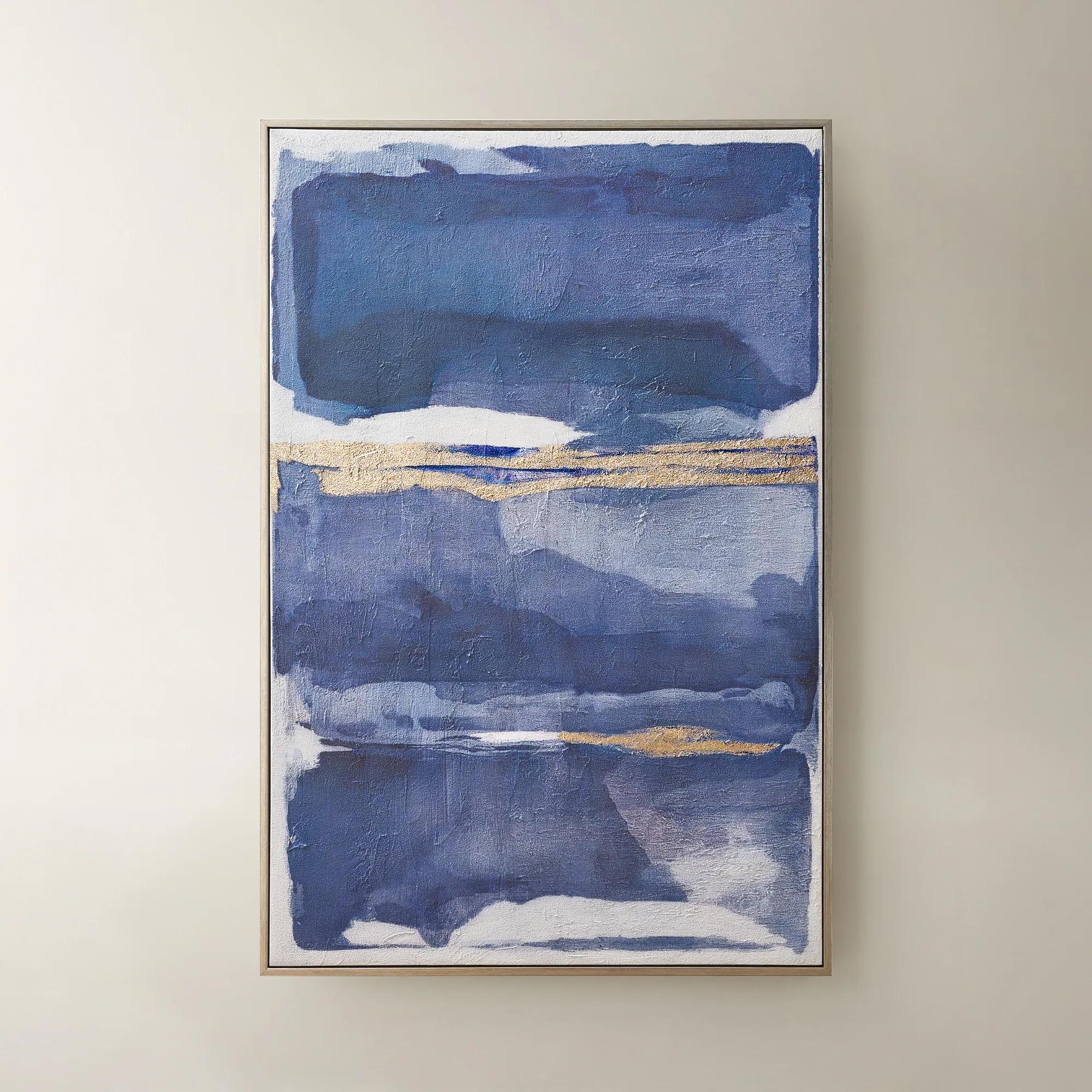
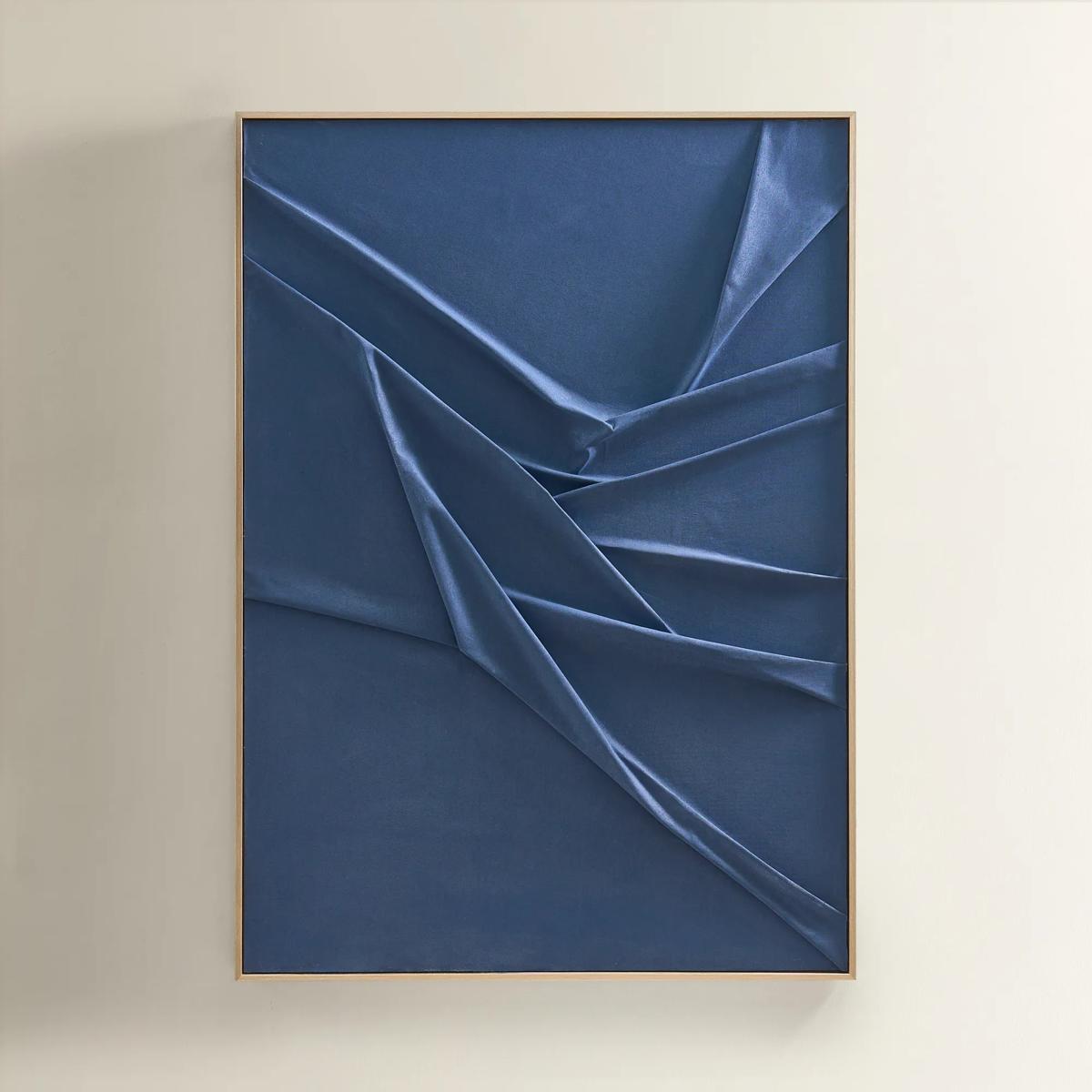
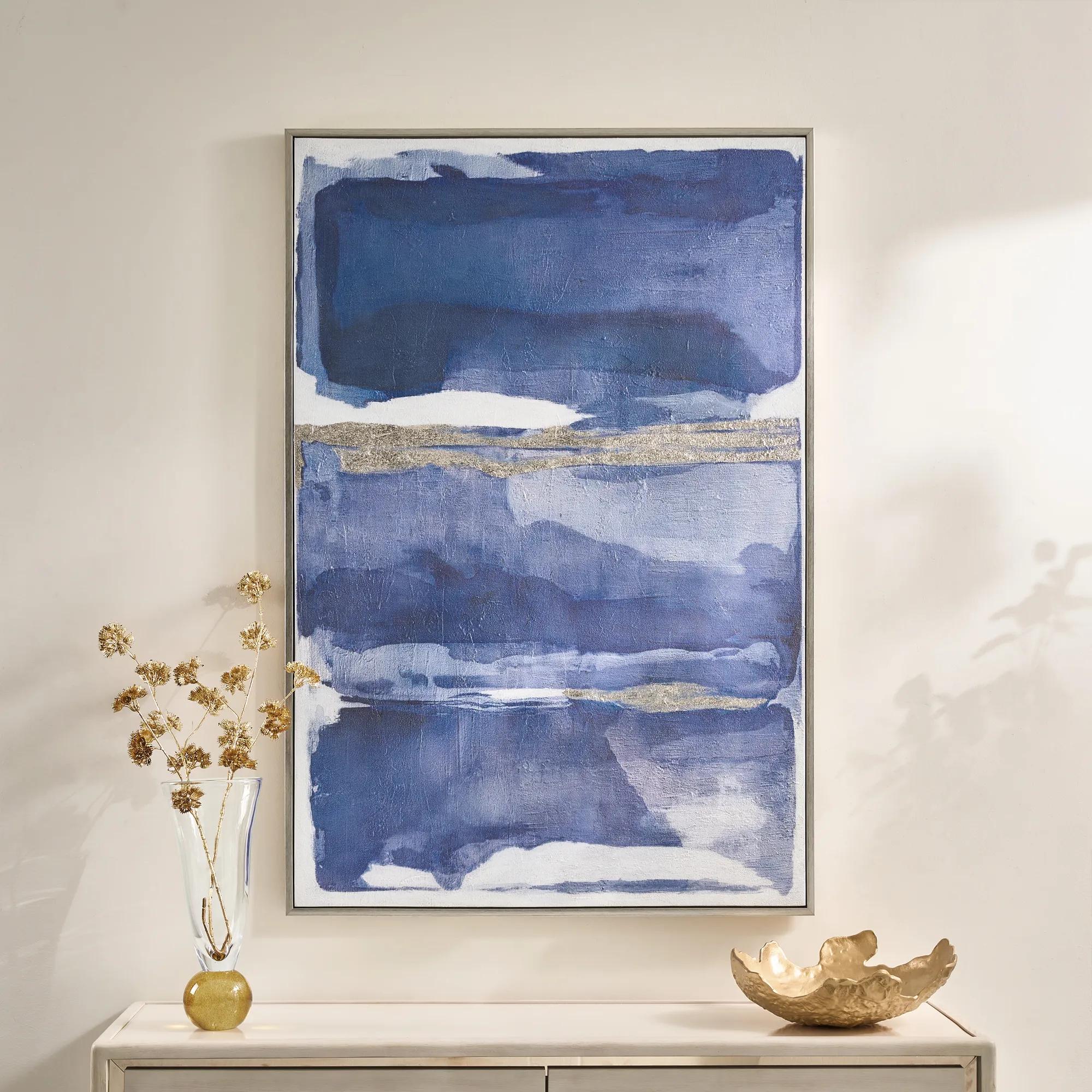 Memories in Blue Framed Painted Wall Art 40" x 60"$499
A hand-painted canvas in deep ink blue with champagne leafing for a sophisticated, gallery-inspired look.
Add To Cart -
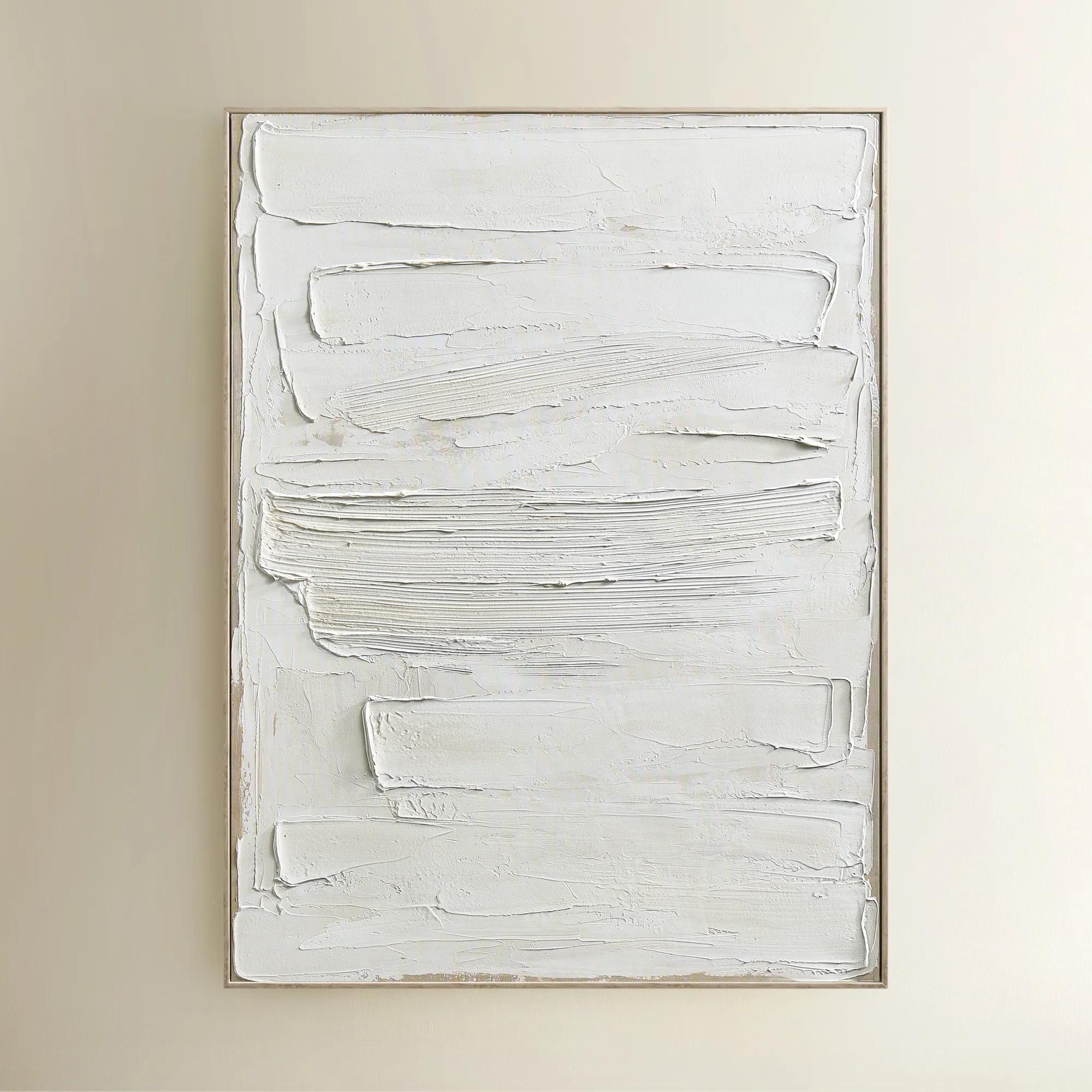
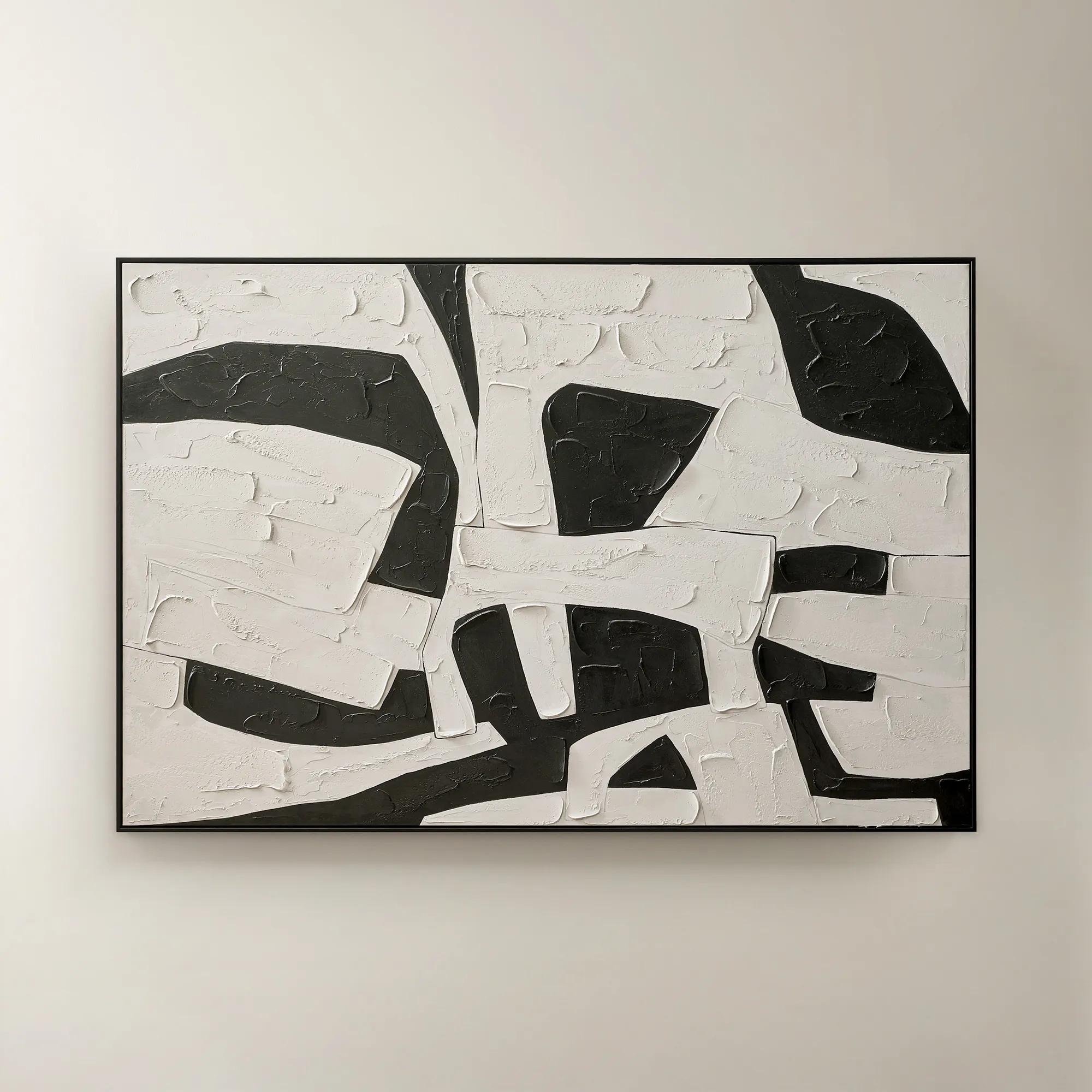 Space Between Shadows Framed Painted Wall Art 72" x 48"$799
A hand-painted abstract canvas featuring bold alabaster and black geometric forms in a sleek black frame.
Add To Cart -
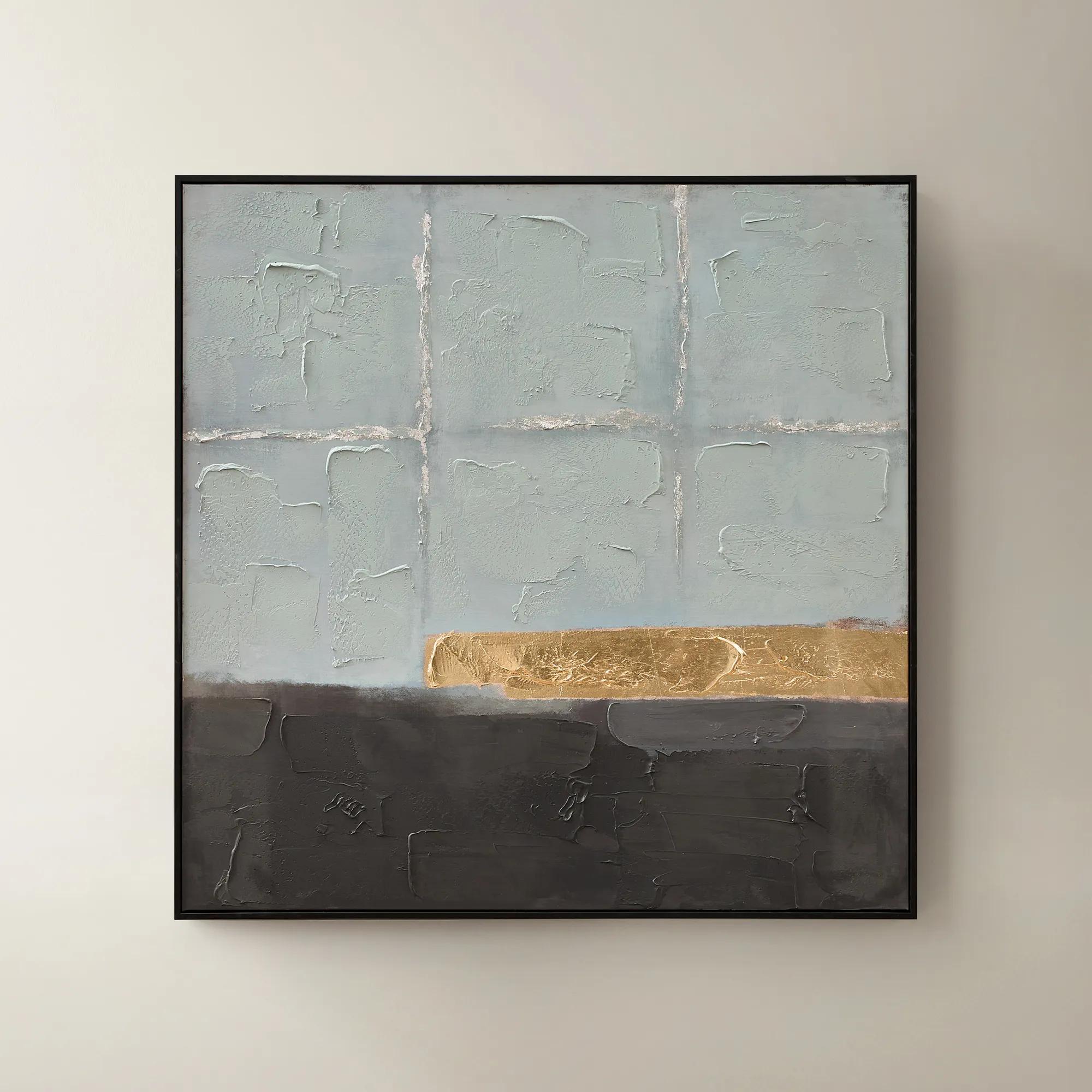
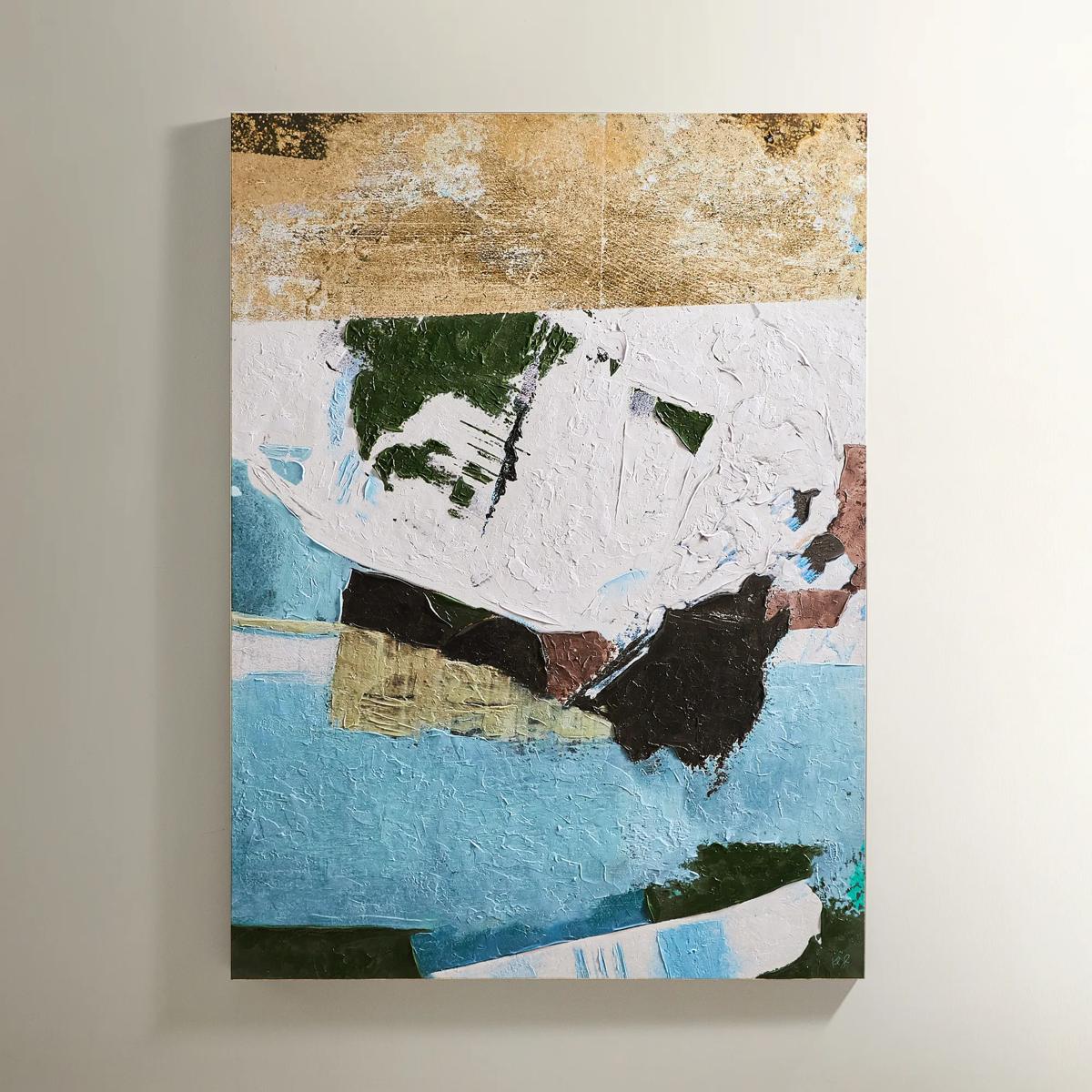
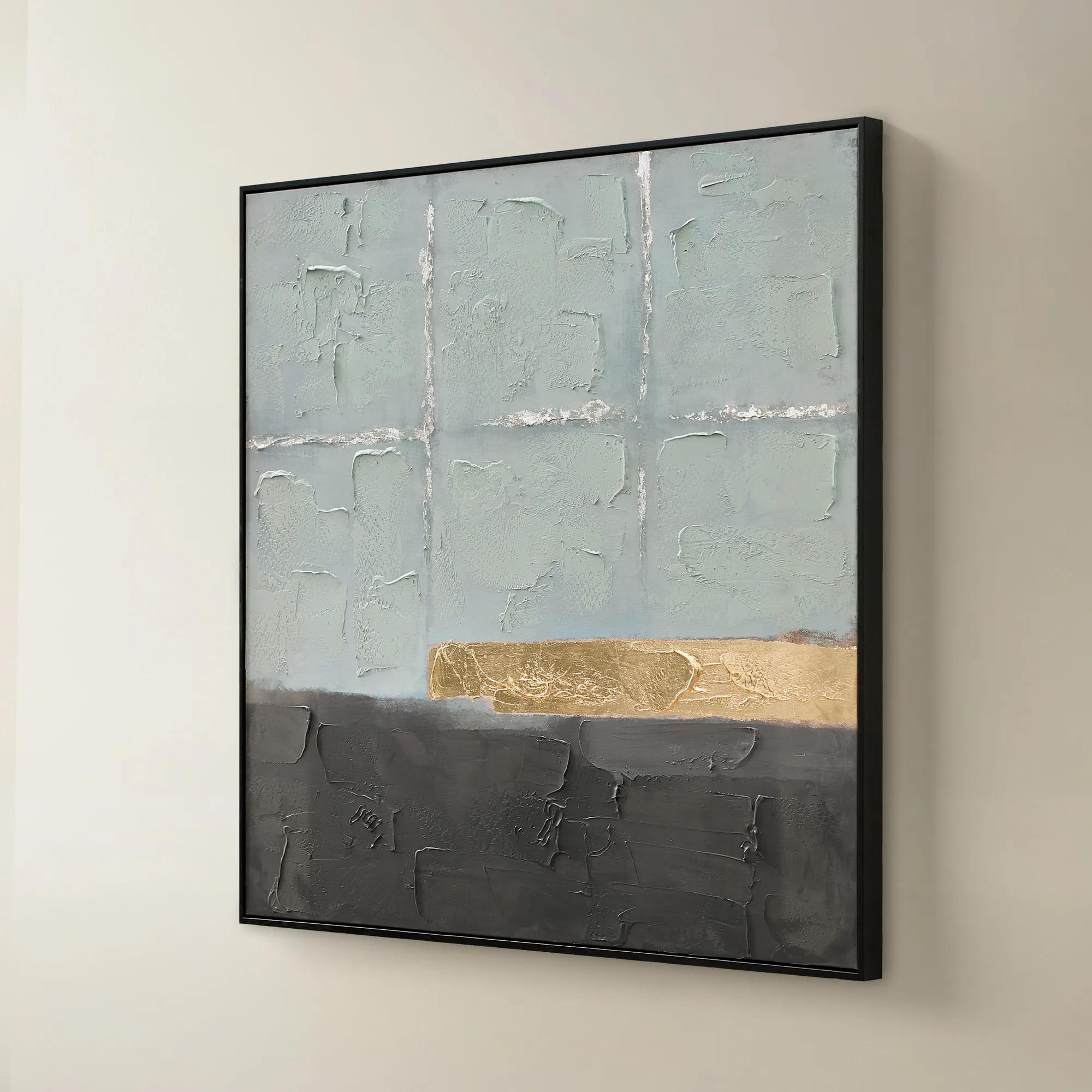 Jules Framed Gold Leaf Painted Wall Art 40" x 40"$299
A hand-painted canvas in mineral blue with gold leaf accents and a sleek black frame for modern appeal.
Add To Cart -
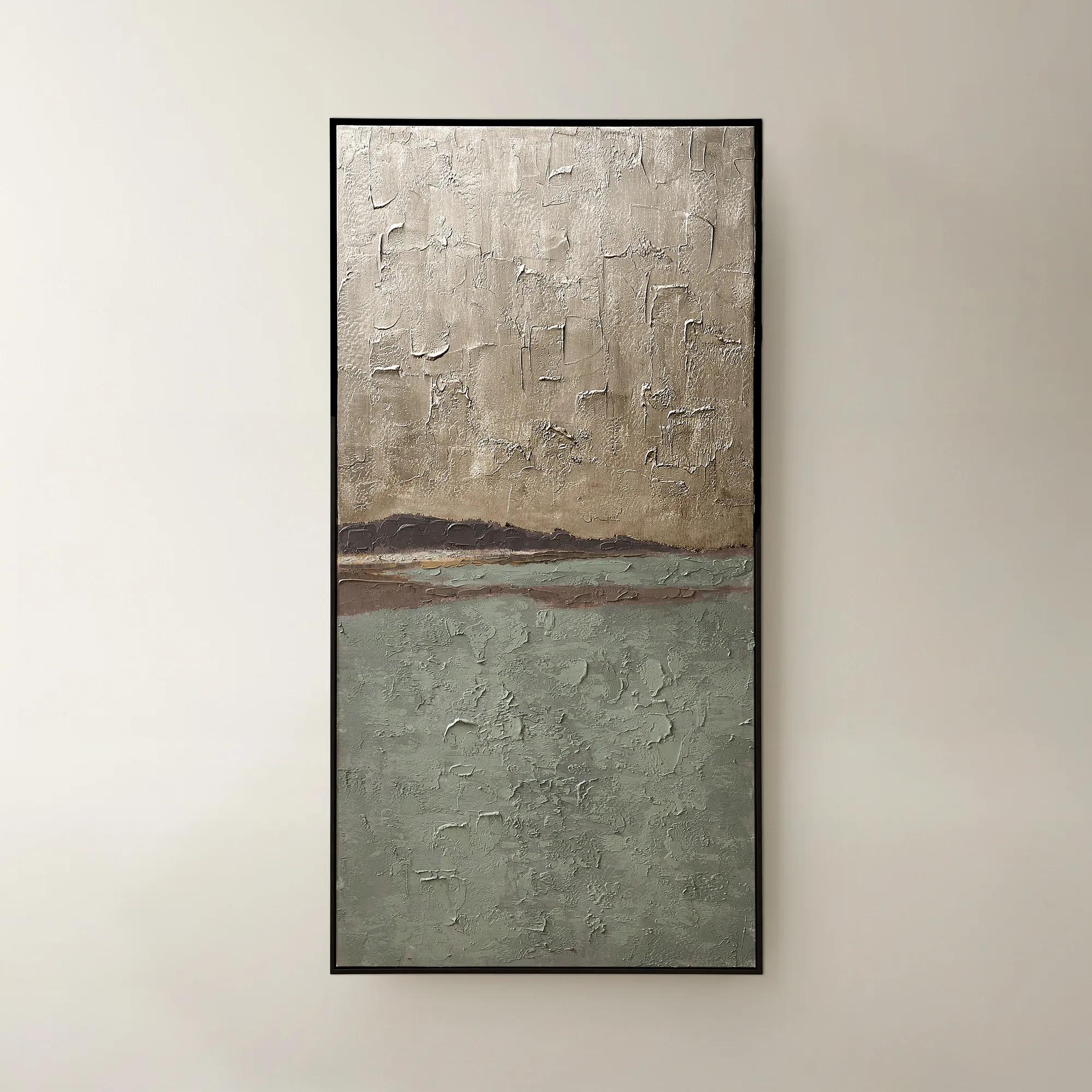
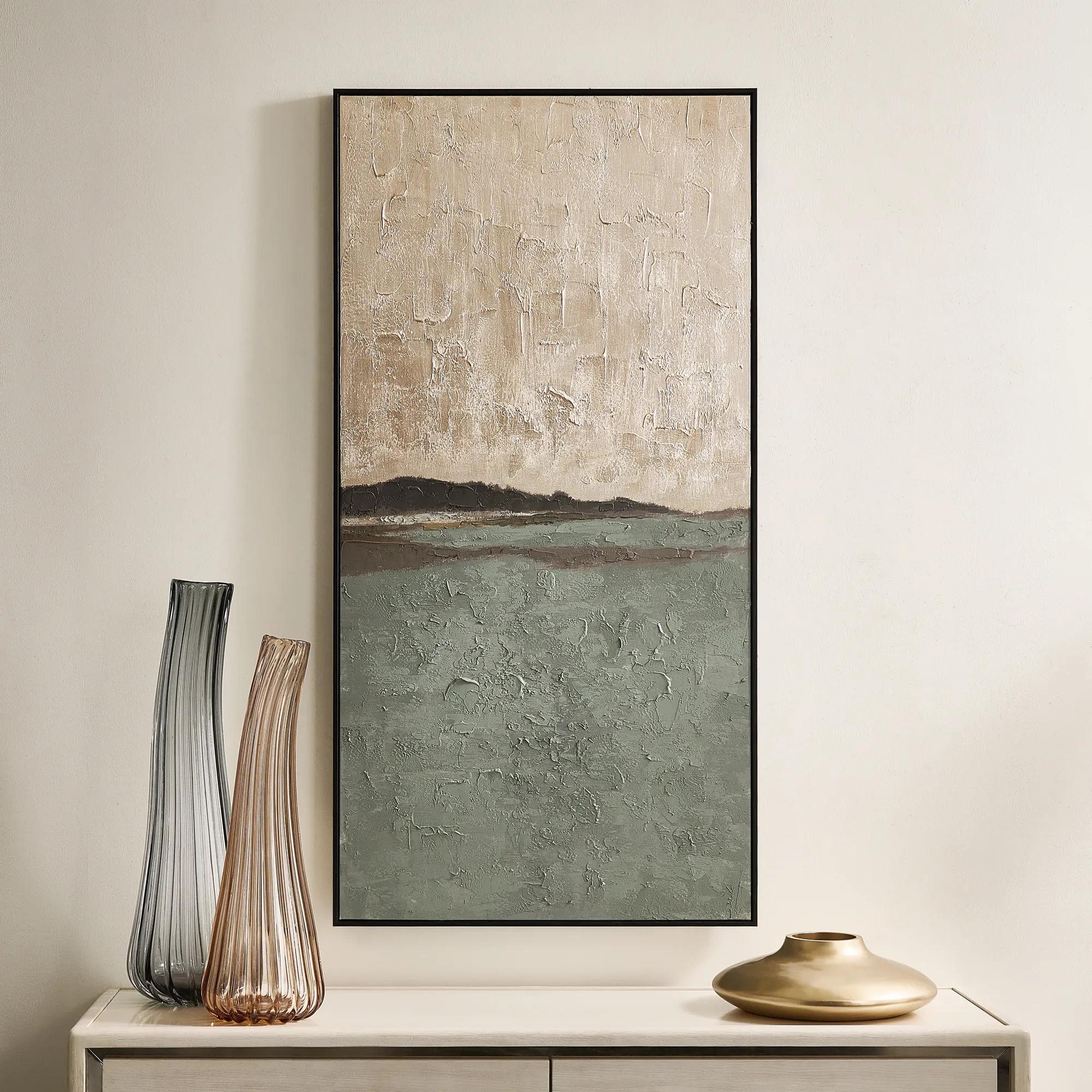 Fields of Gold Framed Painted Wall Art 60" x 30"$399
A hand-painted sage and champagne abstract canvas with a black frame, offering versatile vertical or horizontal display.
Add To Cart -
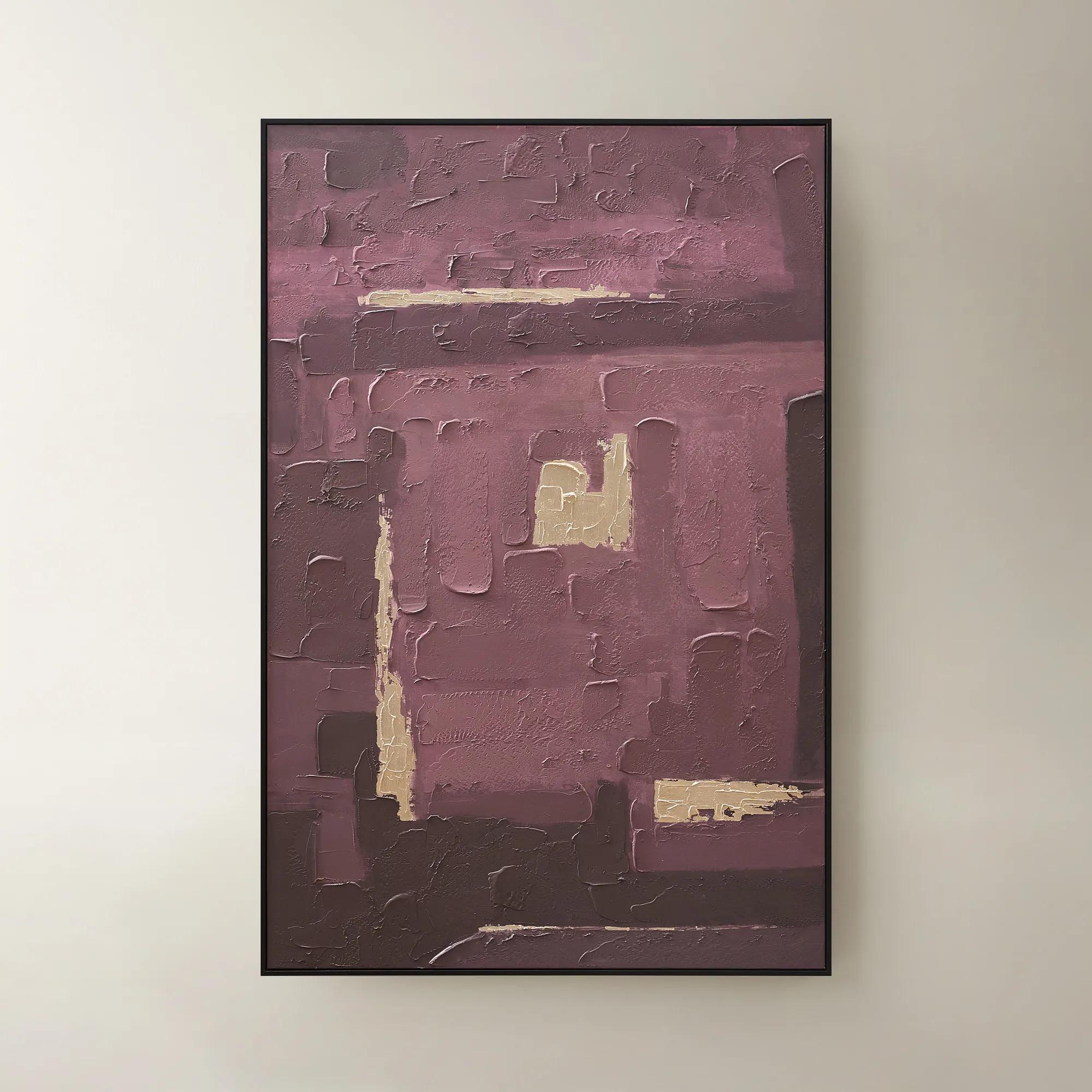
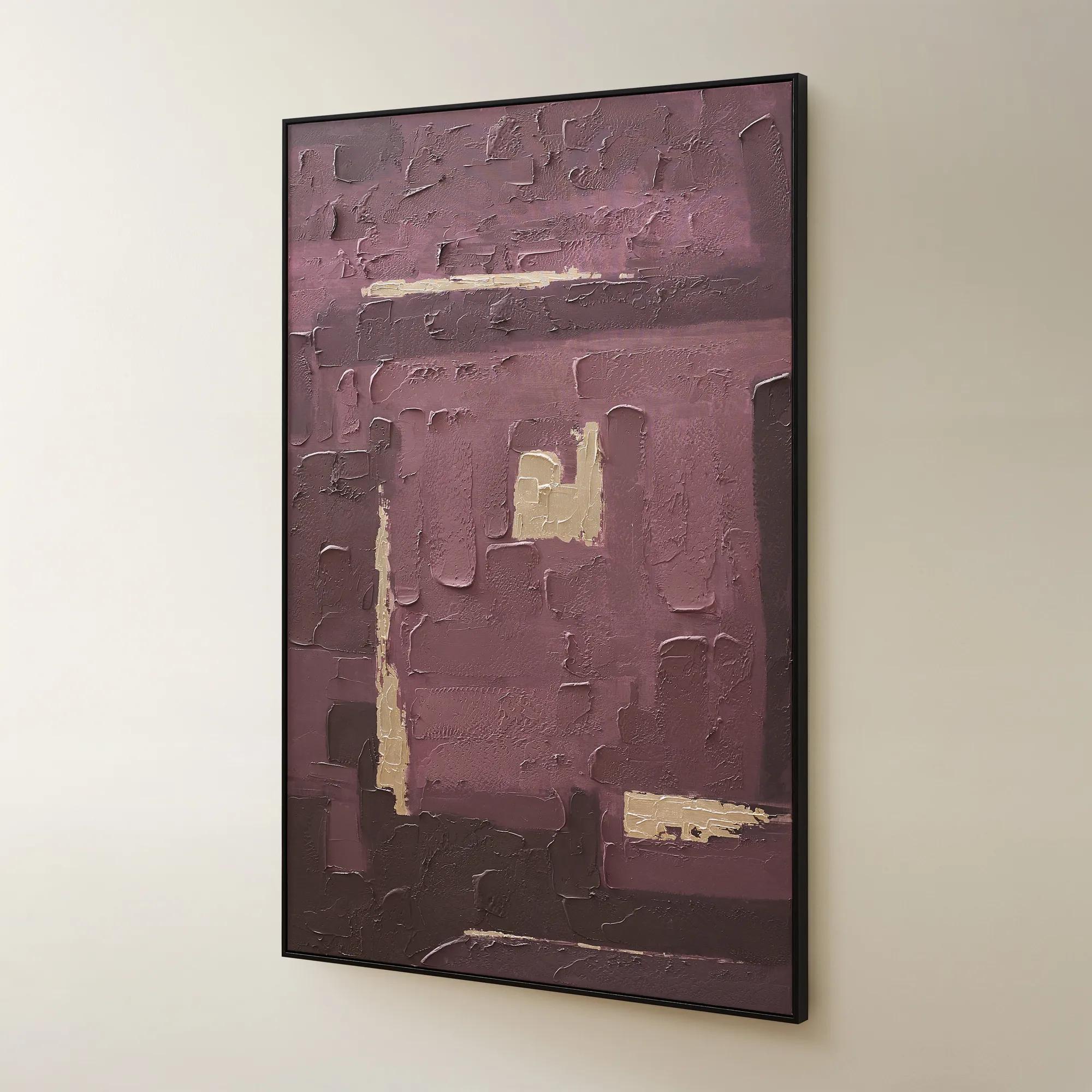 Fallback Framed Painted Wall Art 60" x 40"$499
A hand-painted abstract canvas in rich fig hues with champagne accents, set in a sleek black frame.
Add To Cart -
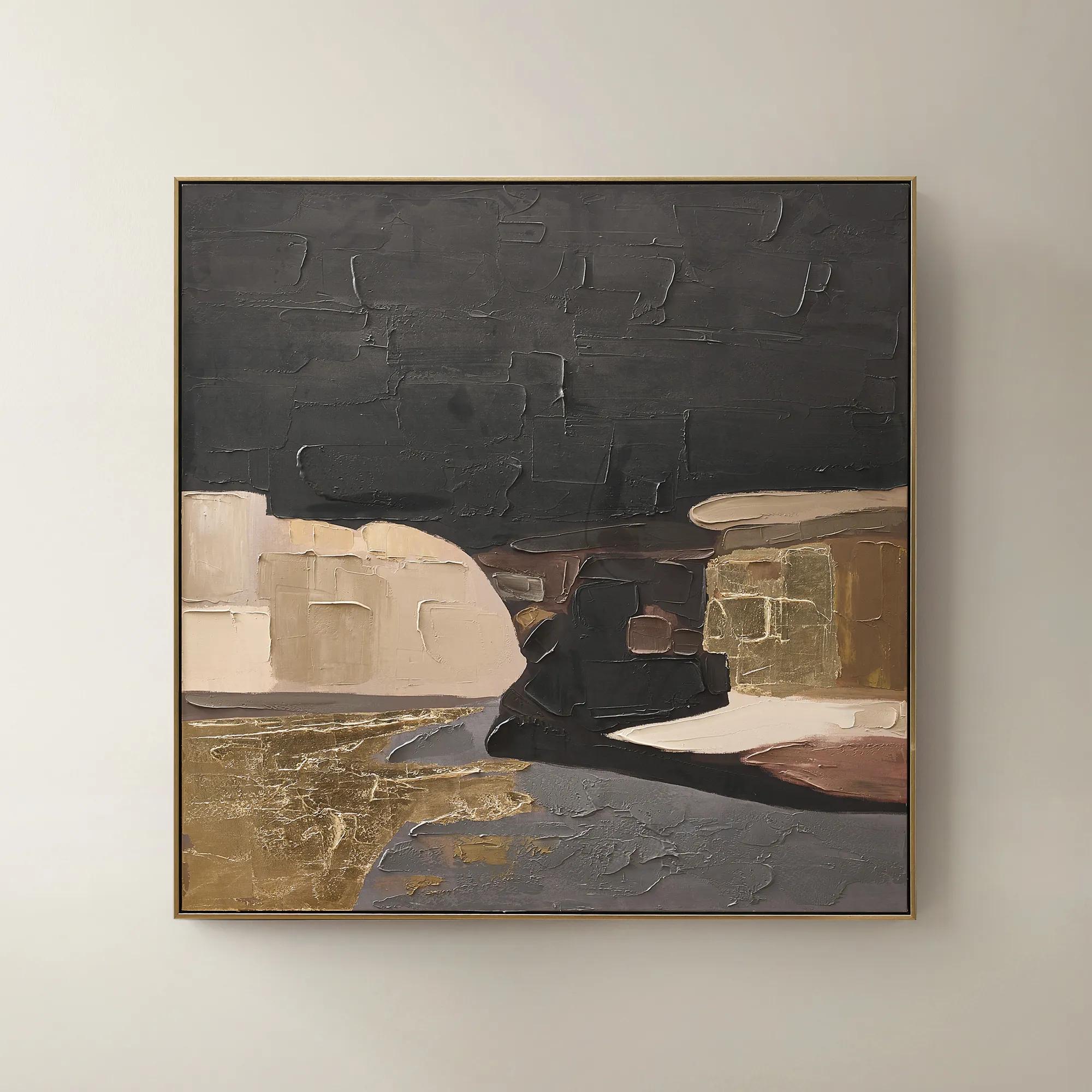 Obscured Light Framed Gold Leaf Painted Wall Art 48" x 48"$499
A hand-painted canvas with gold leaf accents and a black-gold frame in dramatic neutral tones.
Add To Cart -
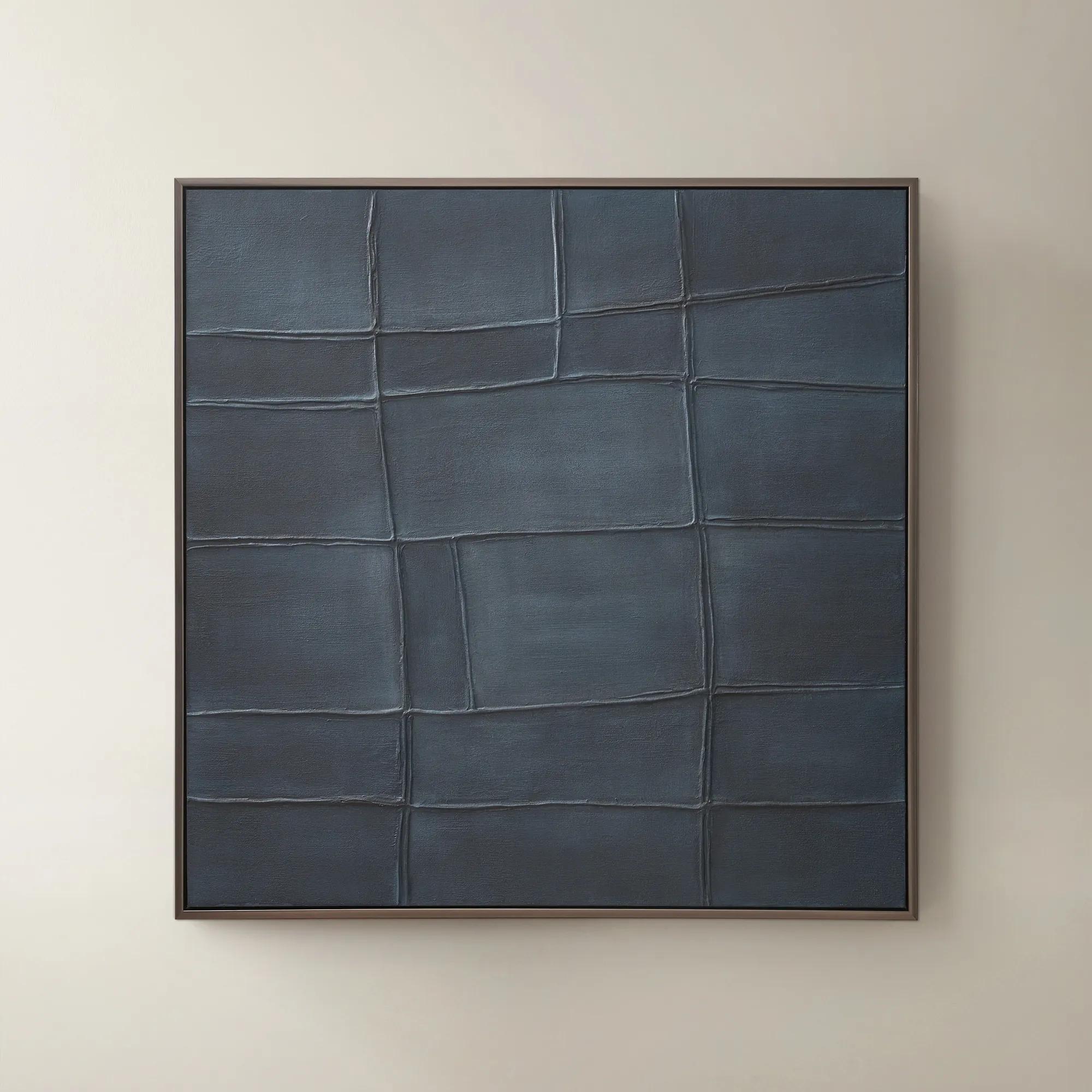
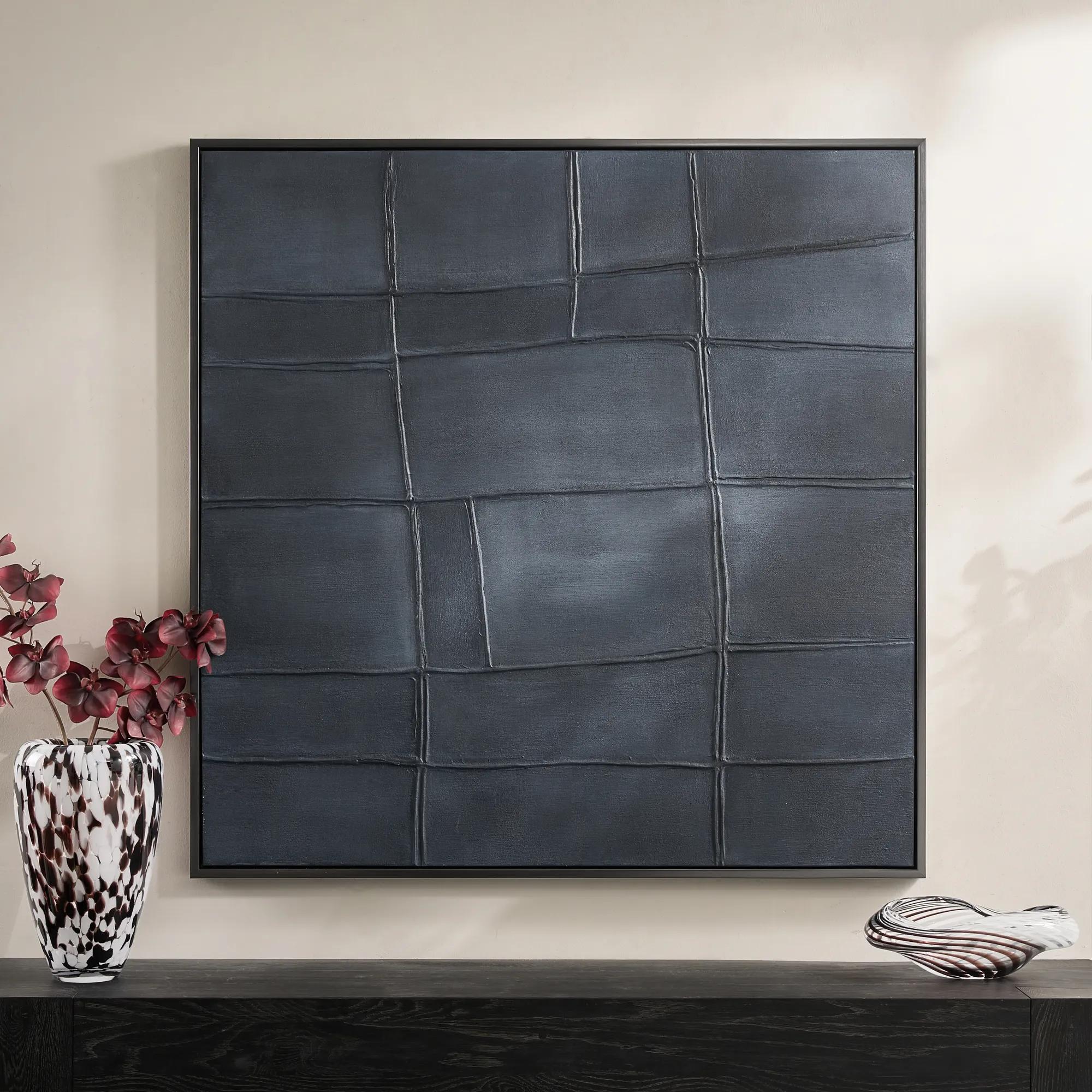 Ink Blue Interval Framed Painted Wall Art 48" x 48"$599
A hand-painted abstract canvas in deep ink blue, finished with a sleek gunmetal frame for modern appeal.
Add To Cart -
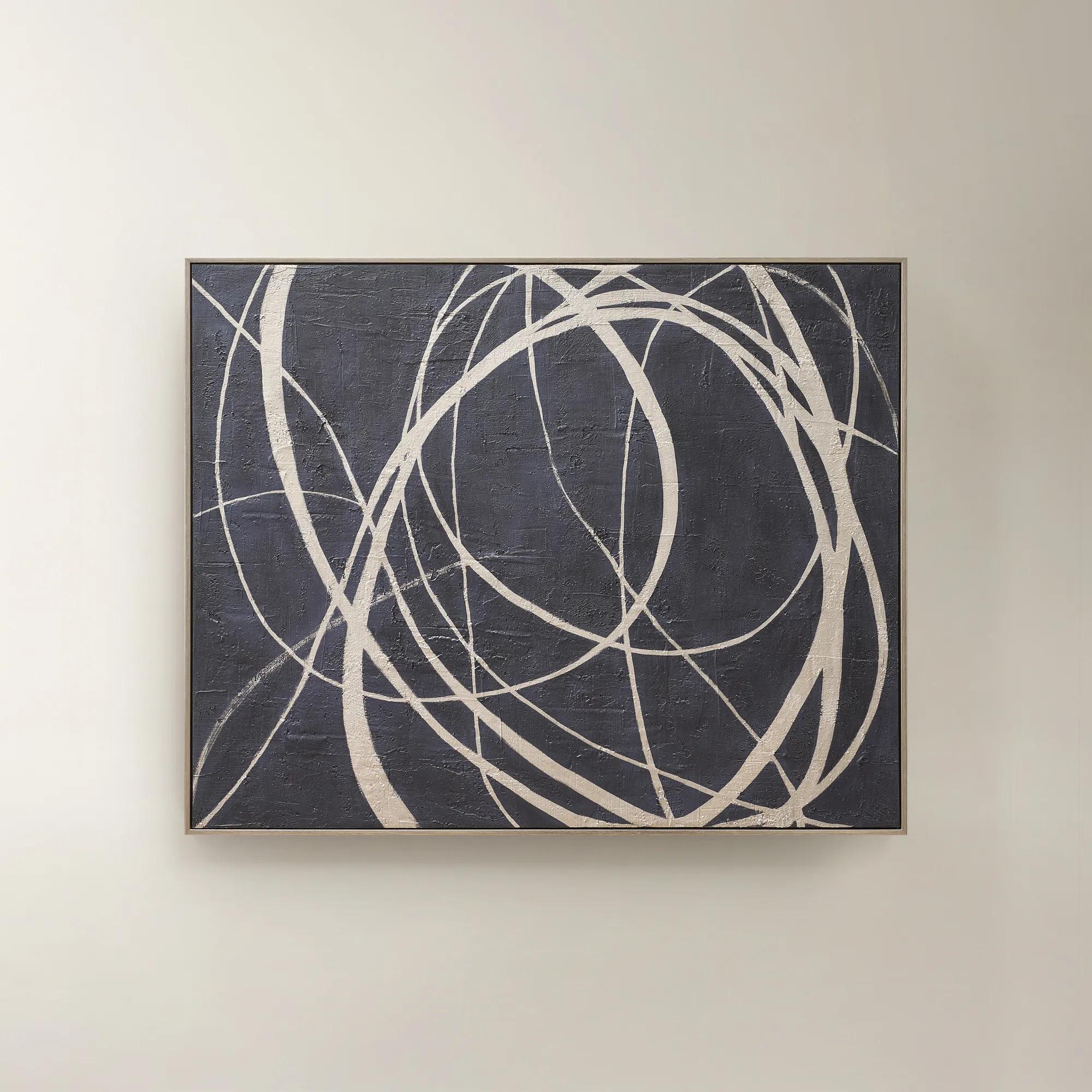 Wandering Framed Painted Wall Art 48" x 60"$699
An expressive hand-painted canvas in deep ink blue with champagne accents for a bold, sophisticated statement.
Add To Cart -
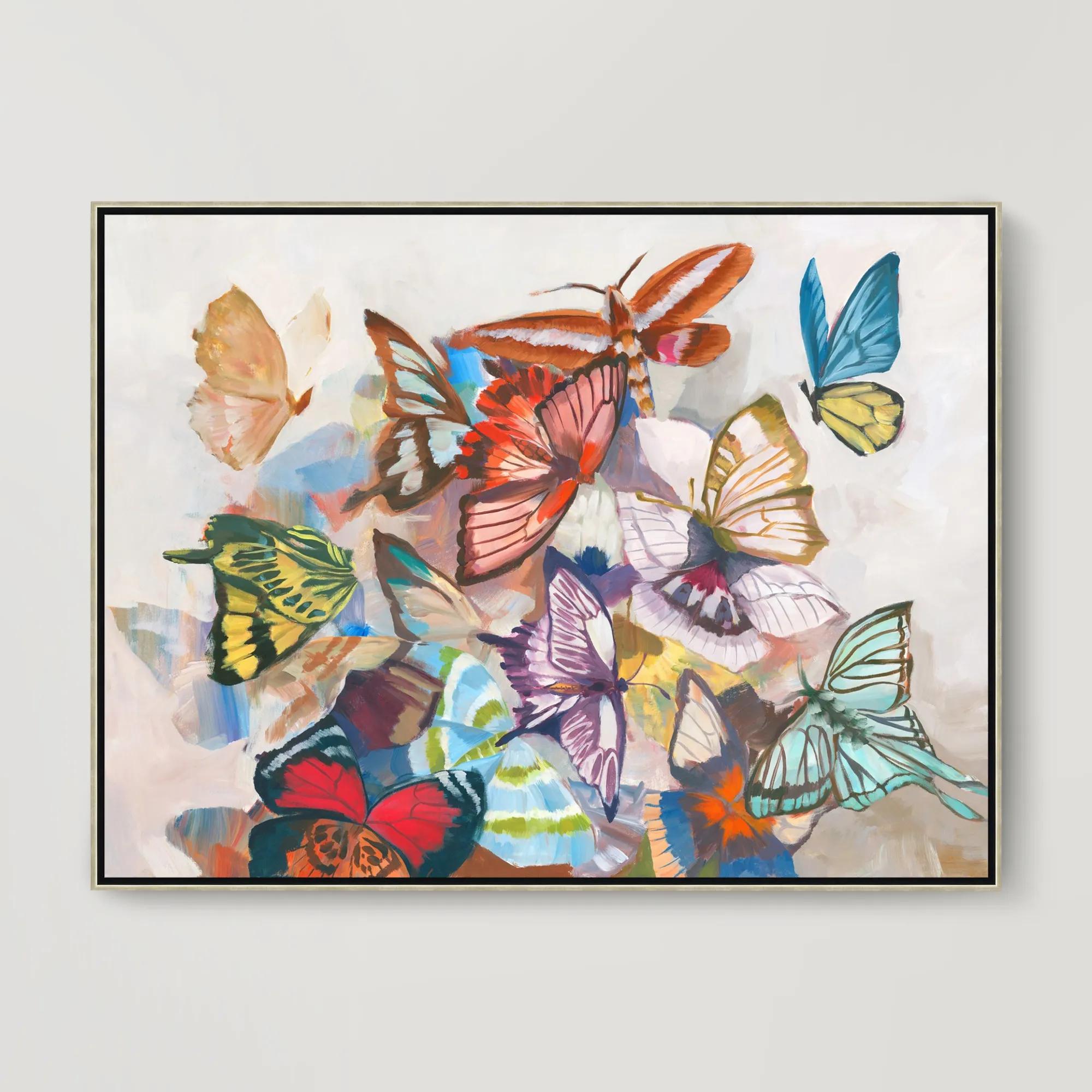
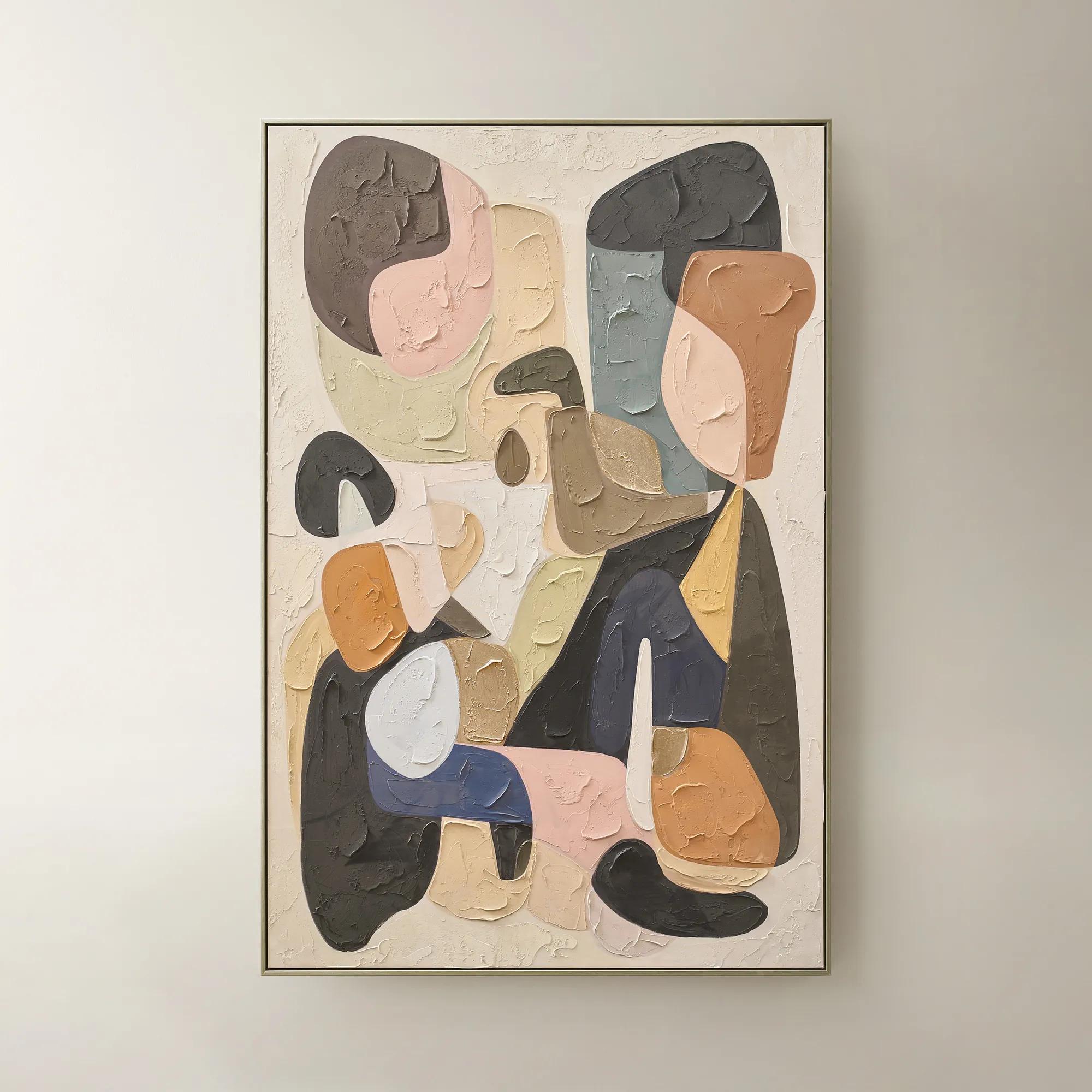 Chromatic Bloom Framed Painted Wall Art 40" x 60"$519
A hand-painted abstract canvas featuring a vibrant multi-color palette and shimmering champagne detailing.
Add To Cart -
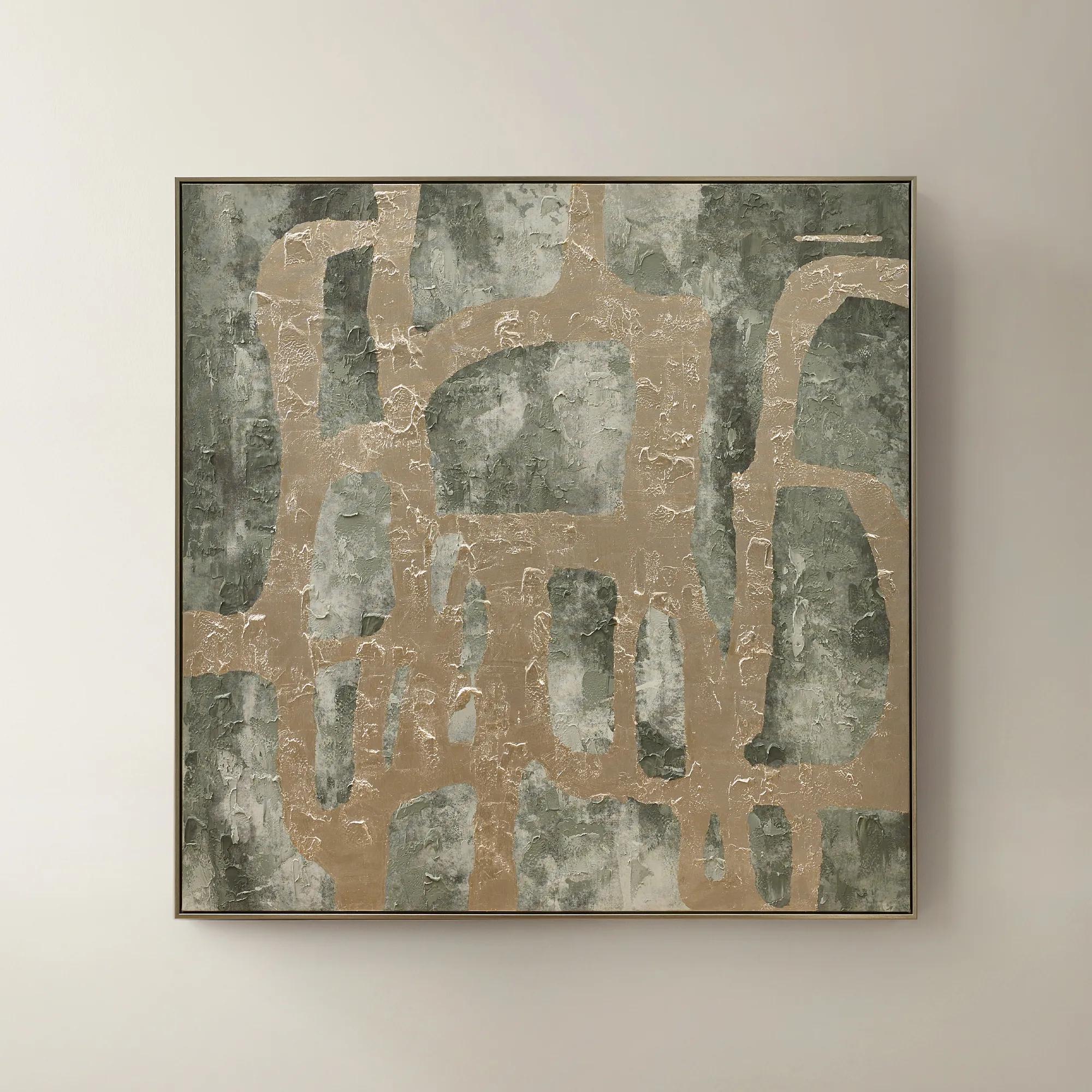 Illusions Framed Painted Wall Art 50" x 50"$599
A hand-painted canvas in sage and champagne tones with textural embellishments for modern, artful depth.
Add To Cart -
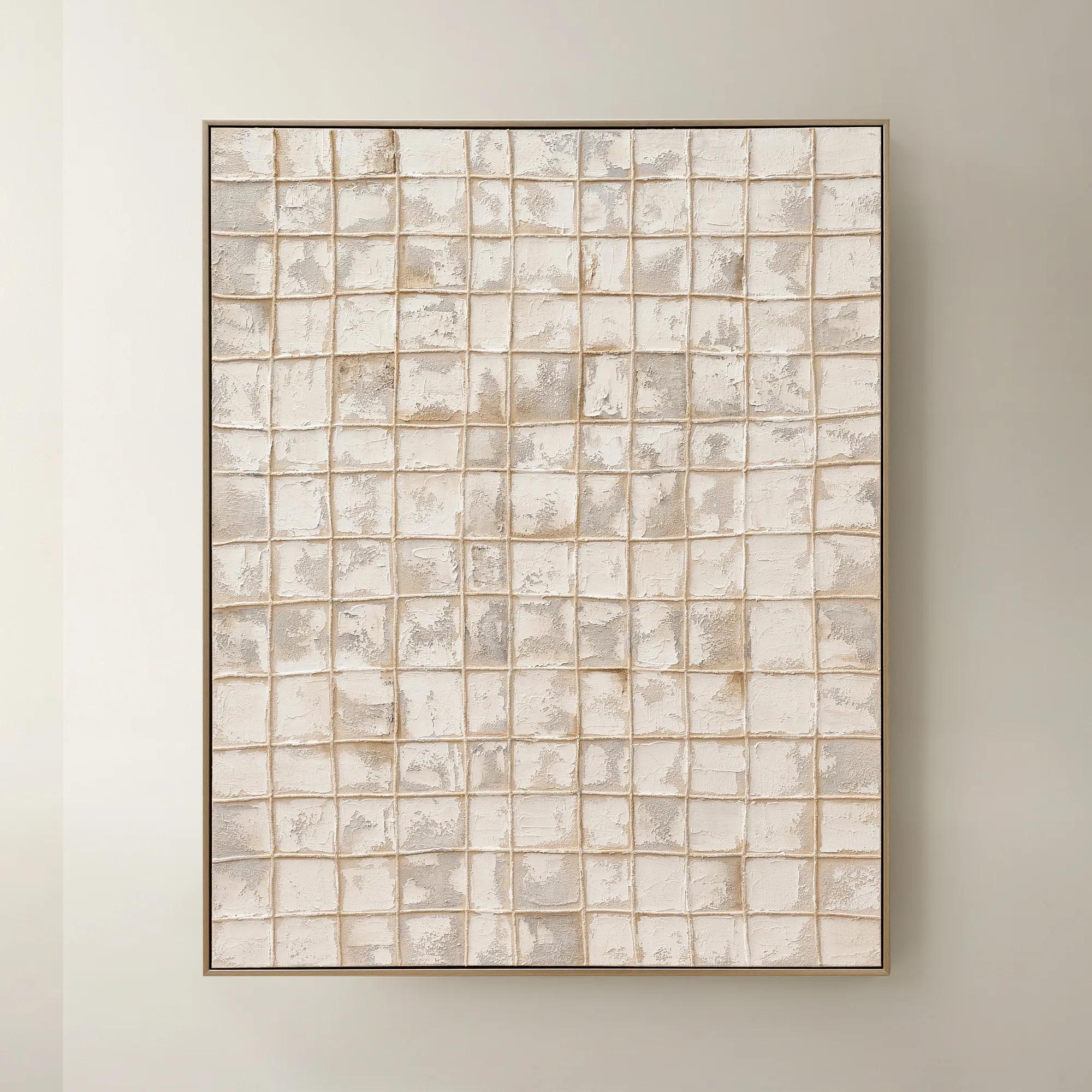
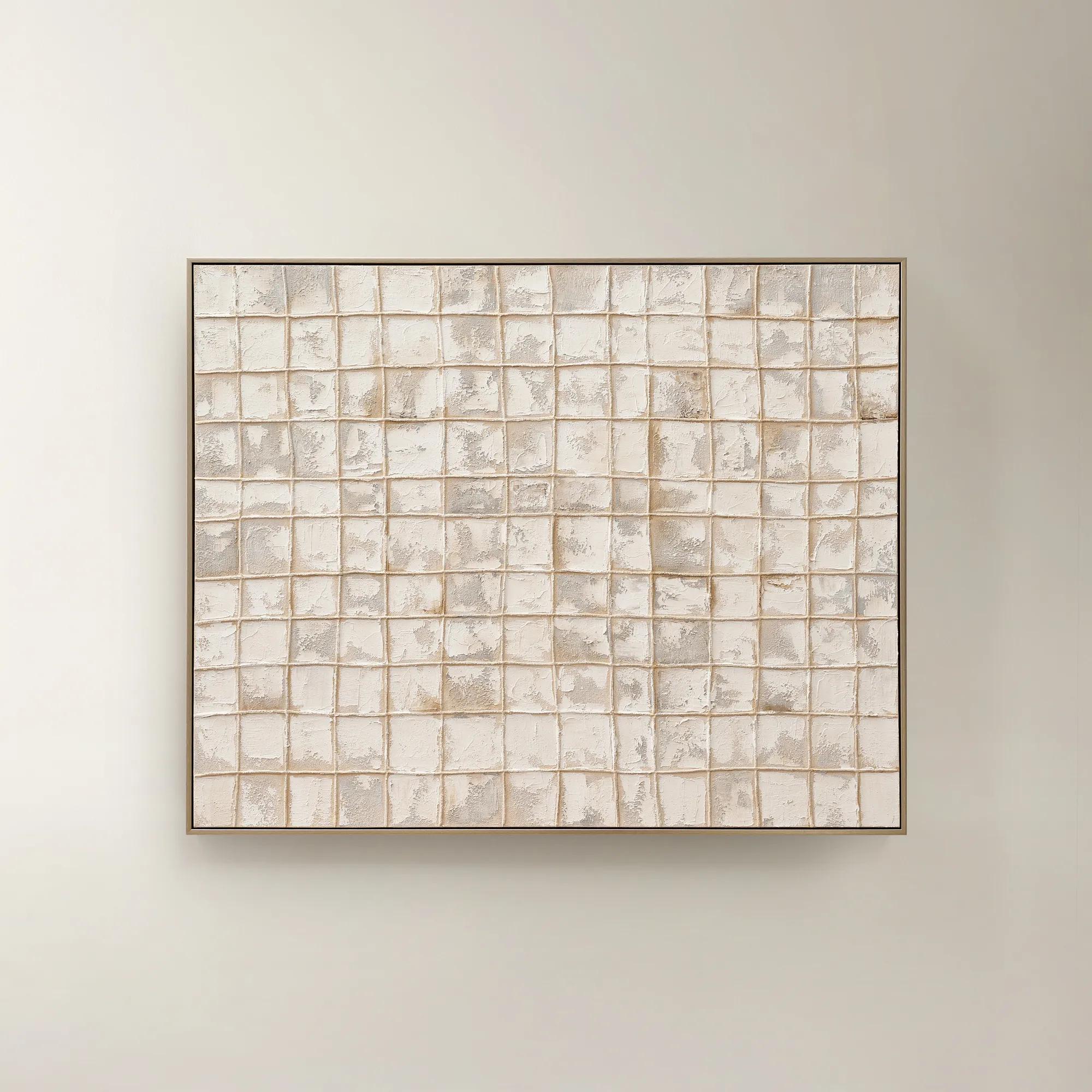 Painted Echos Framed Gold Leaf Wall Art 60" x 48"$699
A hand-painted abstract canvas with gold leaf accents and a champagne frame for modern, versatile display.
Add To Cart -
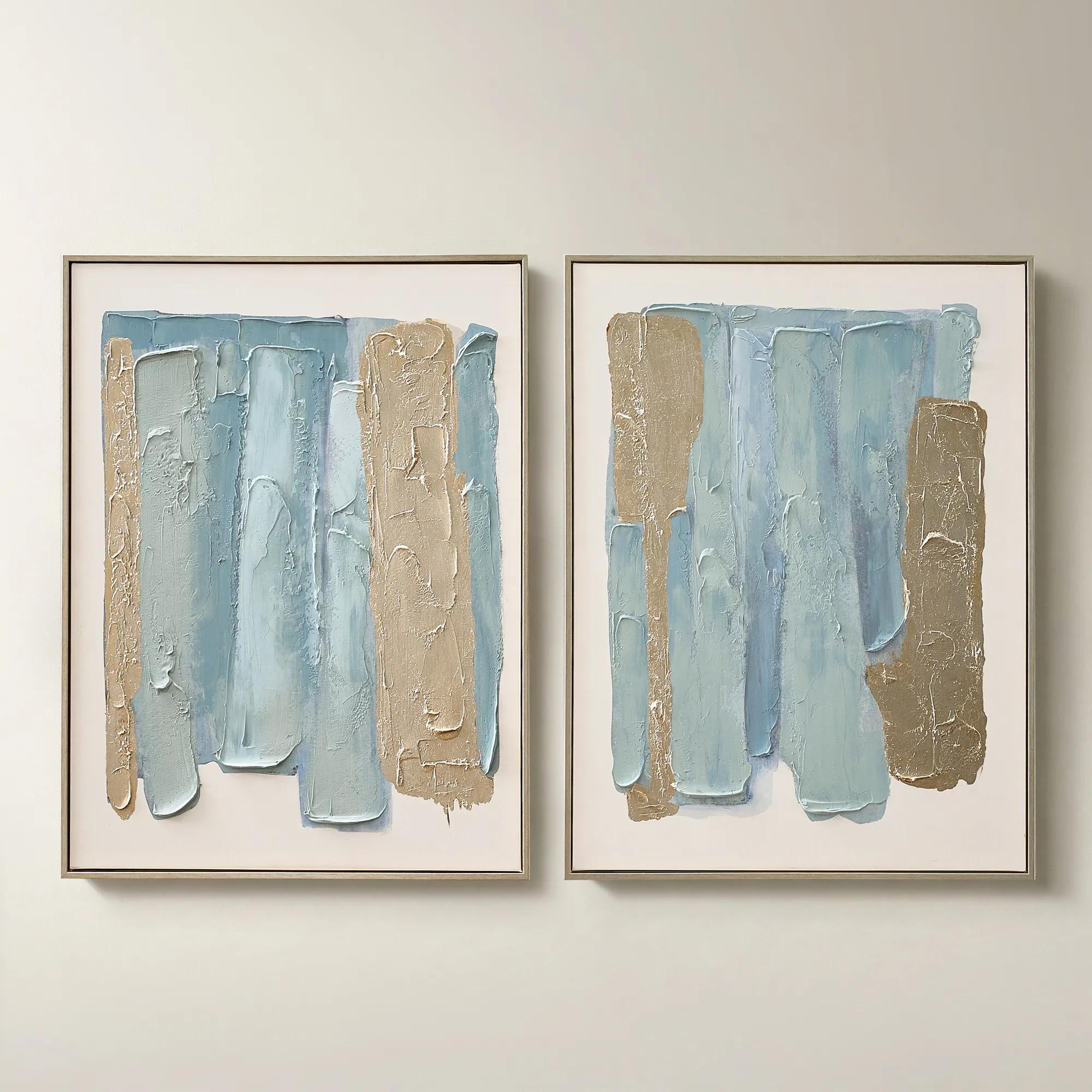
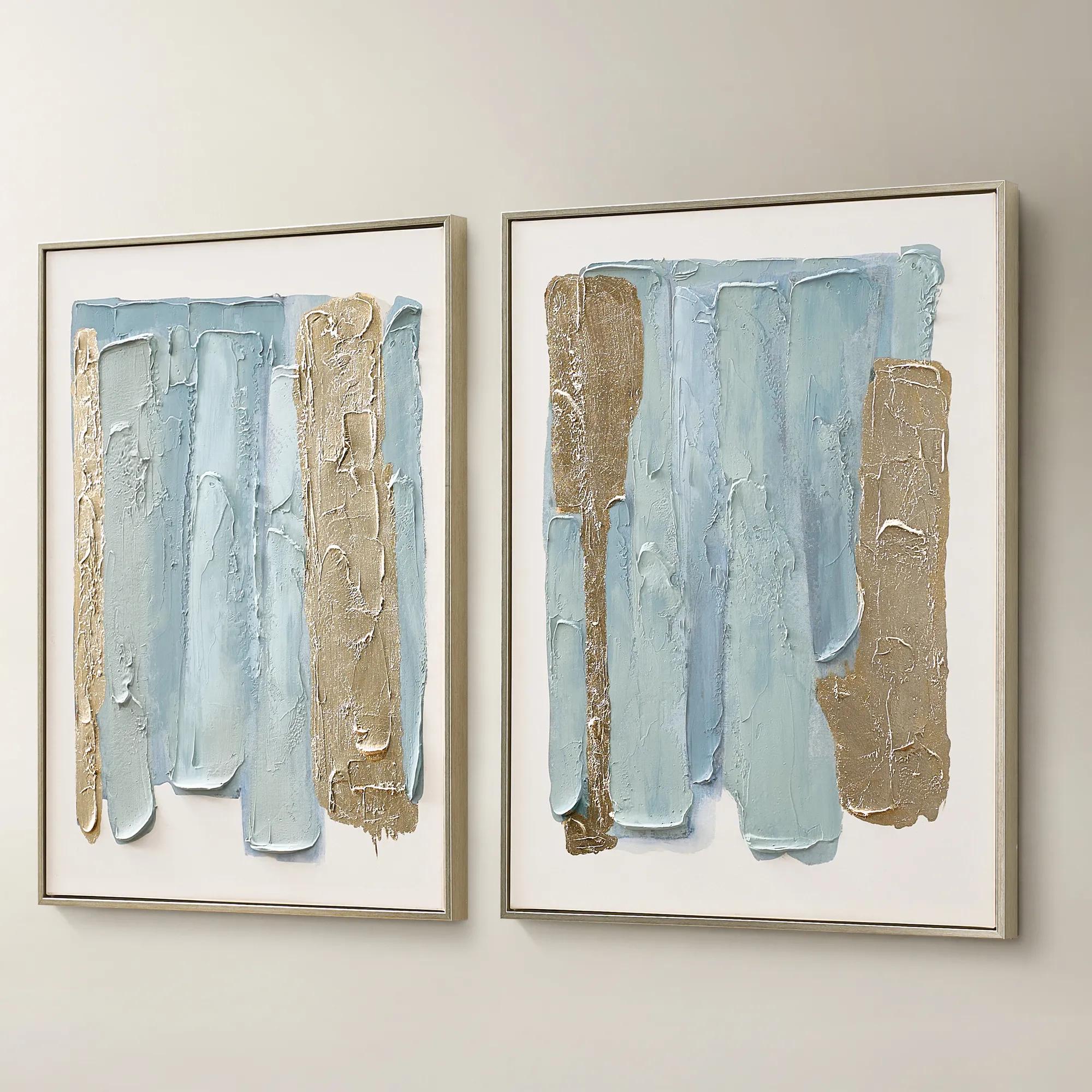 Blue Drift Framed Champagne Painted Wall Art 24" x 32" Set of 2$199
A set of two hand-painted canvases in dusty blue with champagne leafing and modern abstract movement.
Add To Cart -
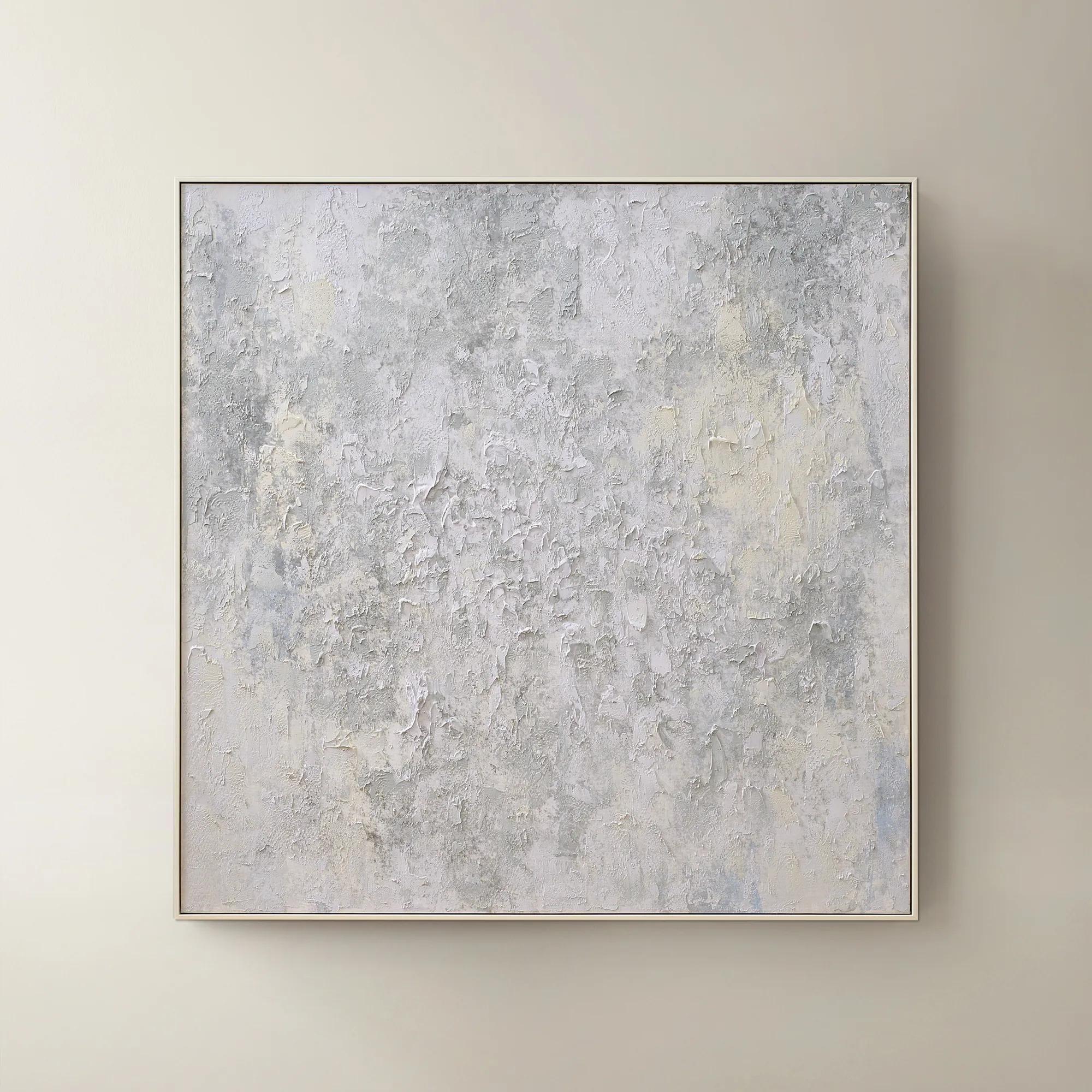 Breathe of Fresh Air Framed Painted Wall Art 50" x 50"$499
A hand-painted abstract canvas in dusty blue hues, elegantly framed in white for a serene, modern accent.
Add To Cart -
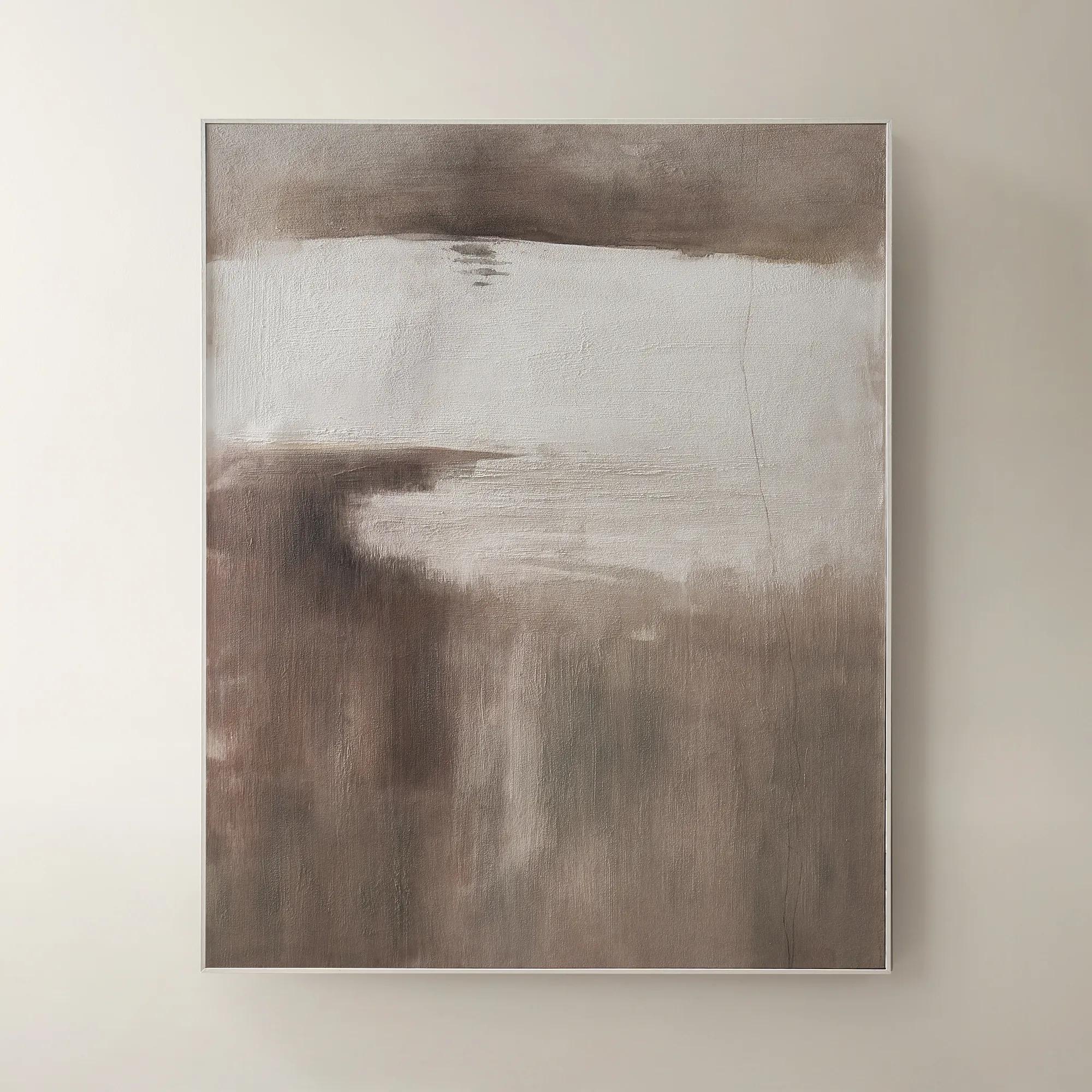
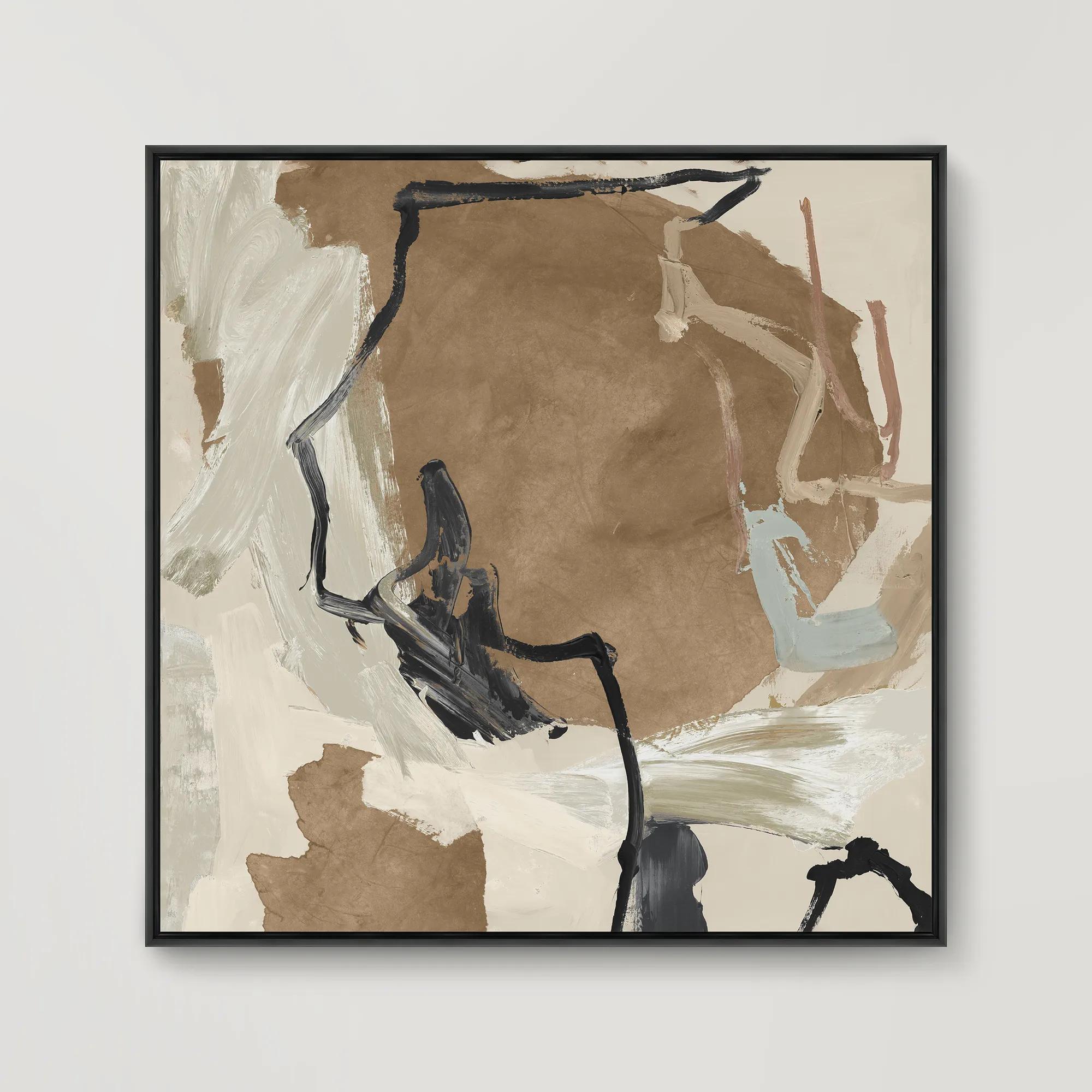
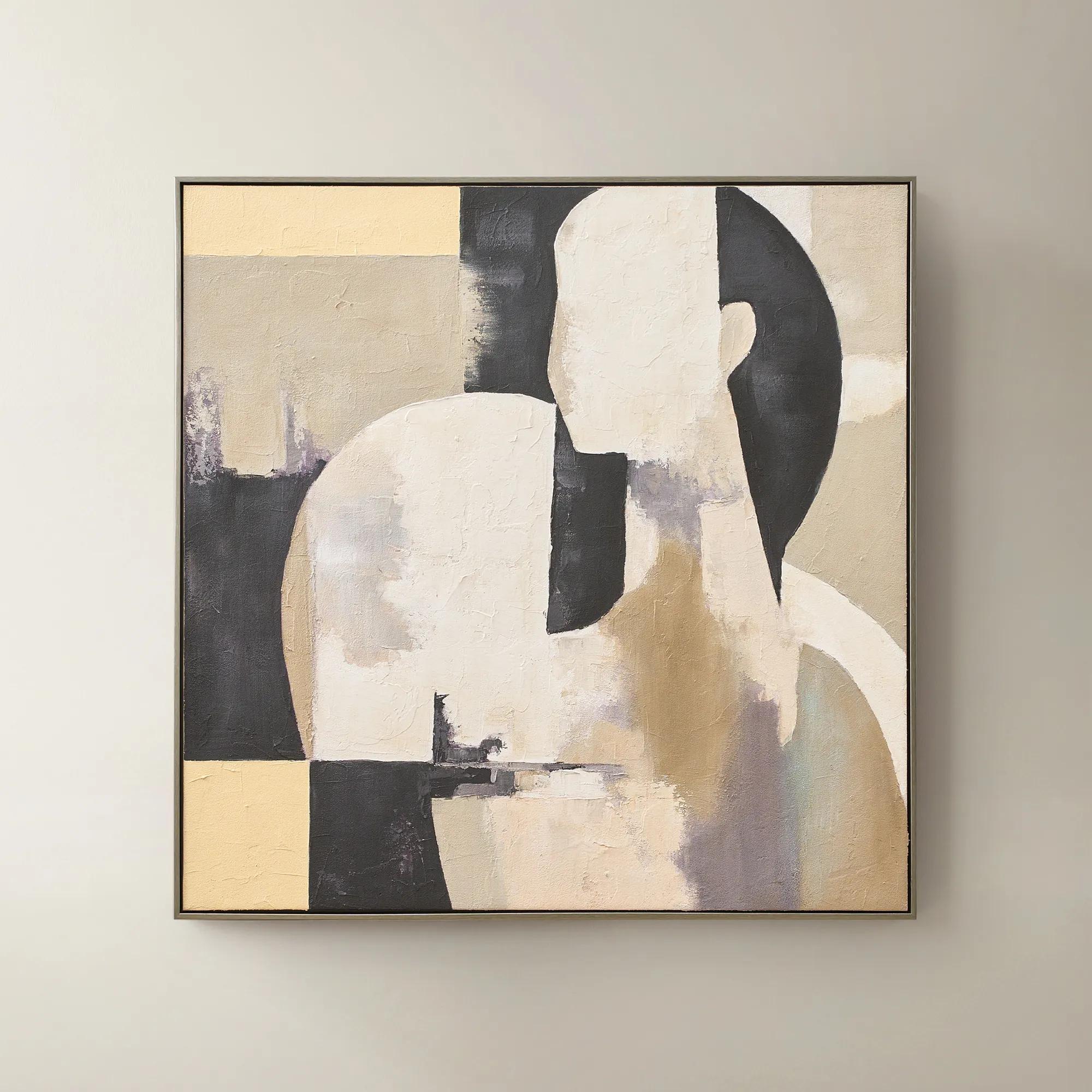 Afternoon Rest Framed Painted Wall Art 40" x 40"$399
A hand-painted abstract figure in buttercream, turtledove, and black hues framed in dark grey.
Add To Cart -
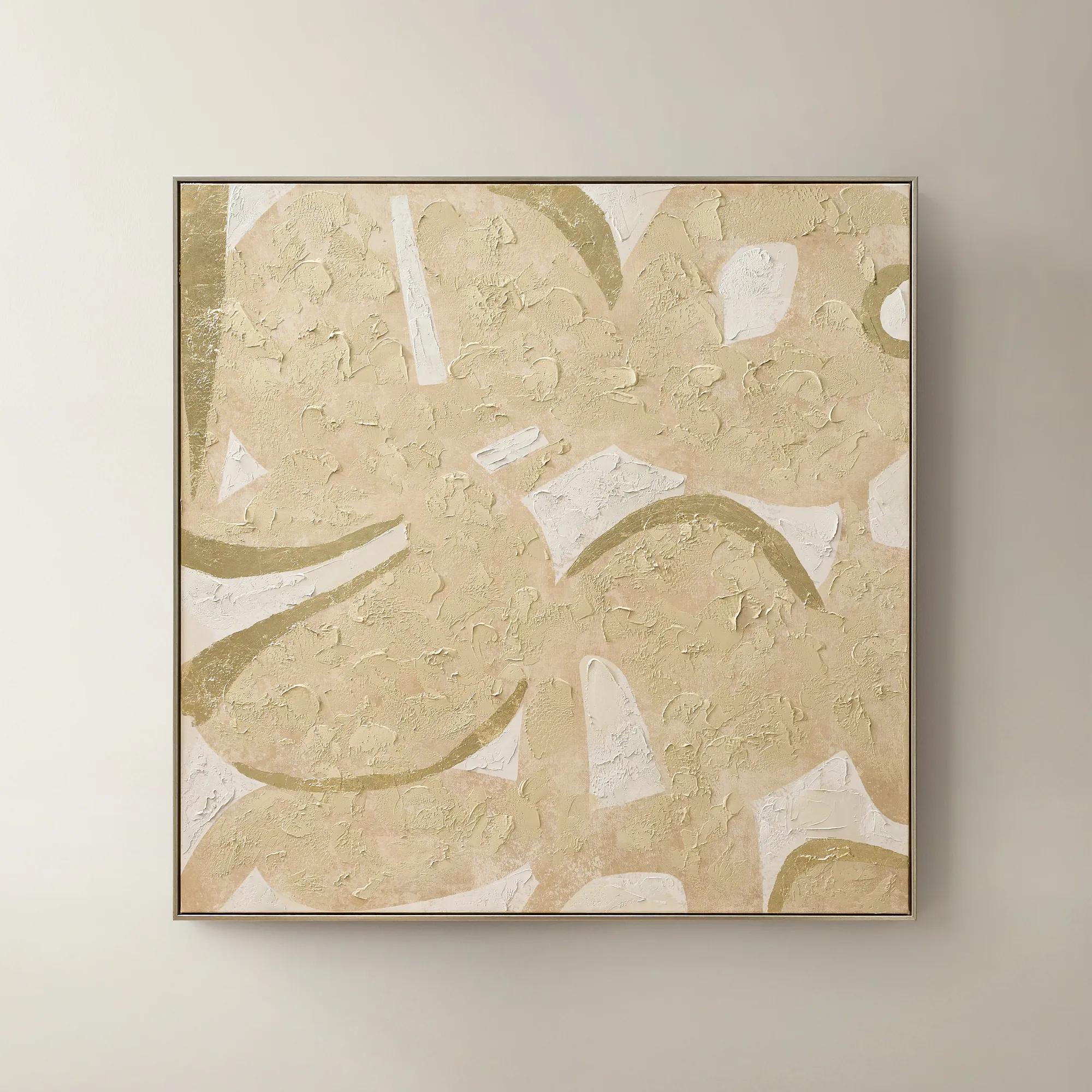
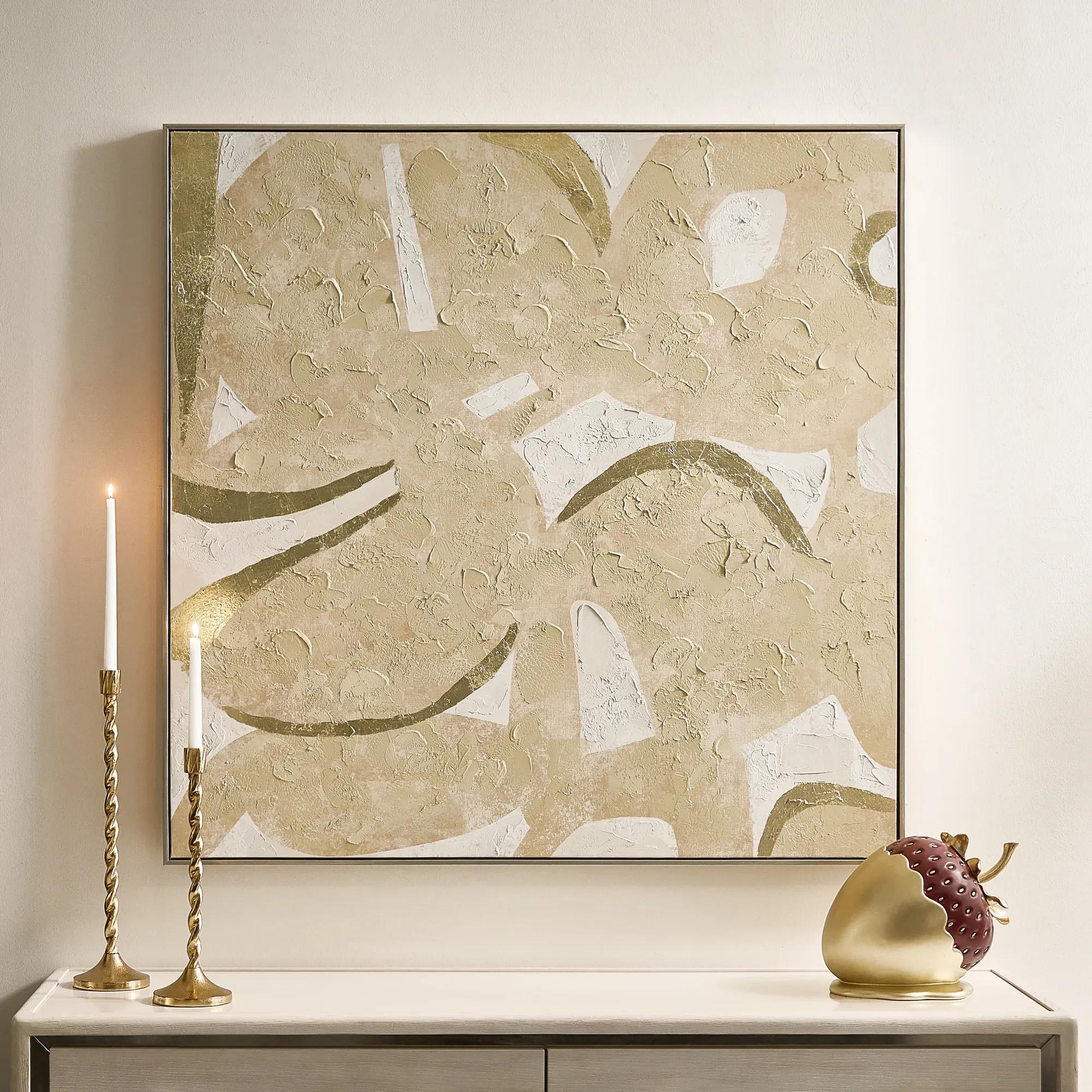 Golden Maize Framed Painted Wall Art 48" x 48"$399
A hand-painted canvas with champagne leafing and butter cream tones adds warmth and modern sophistication.
Add To Cart -
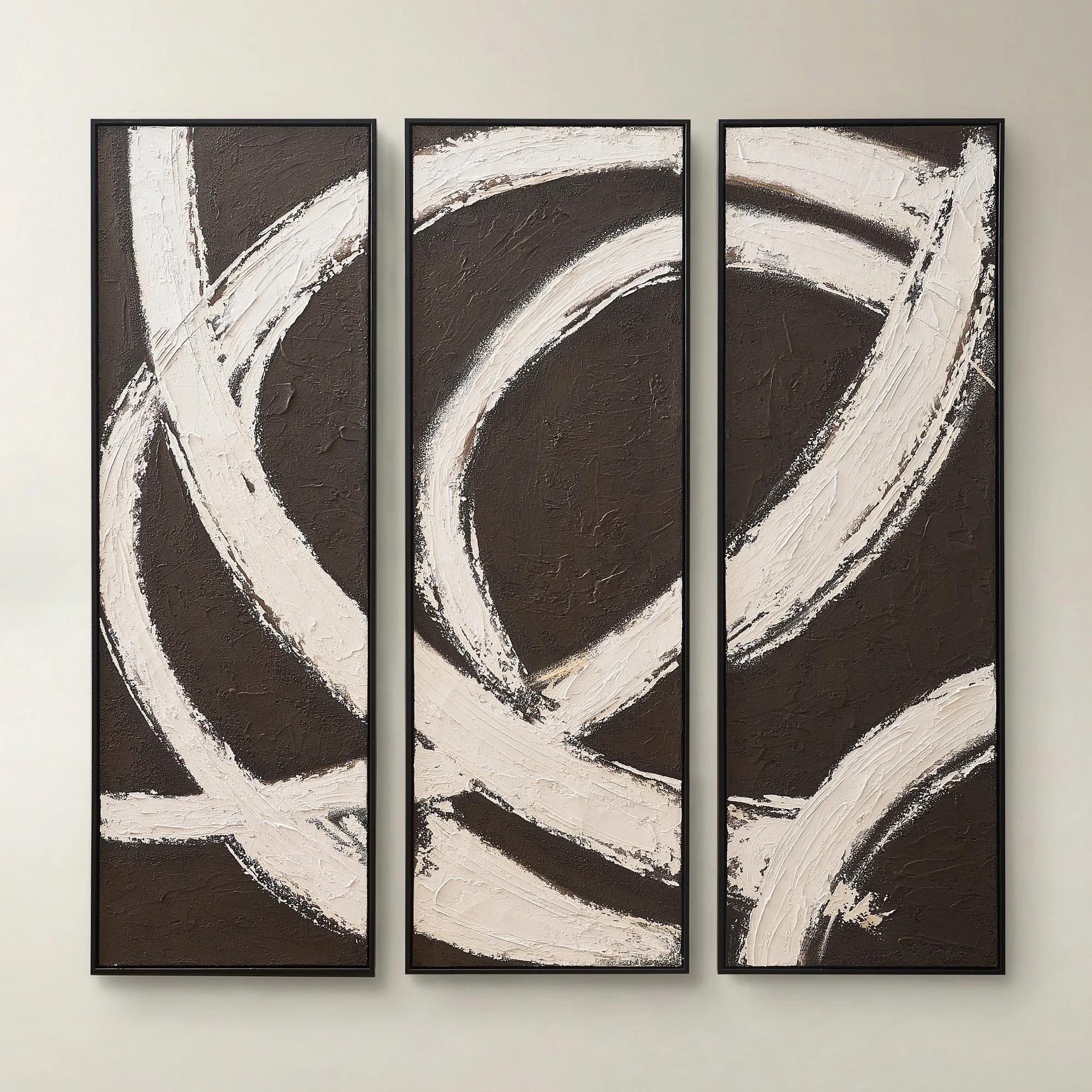
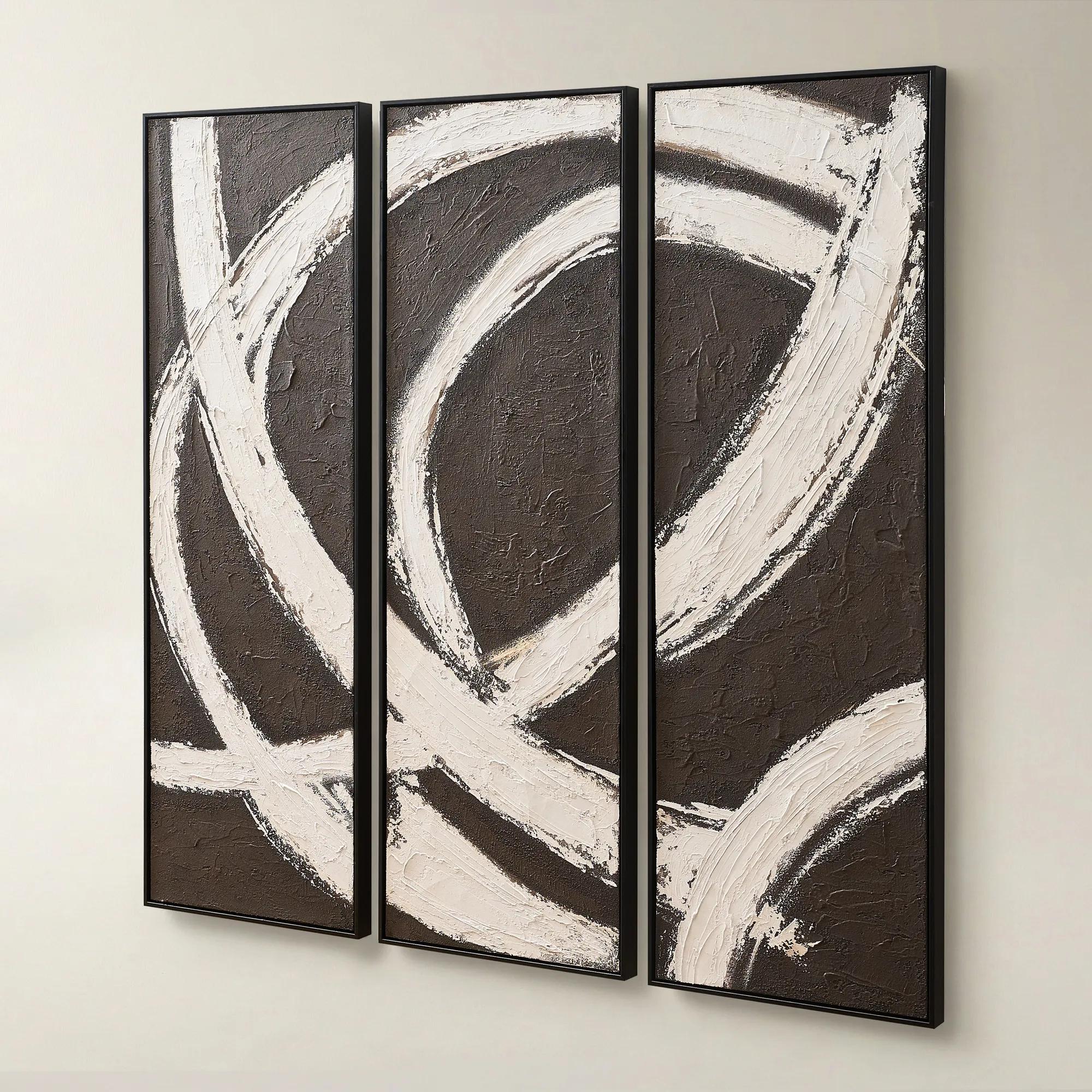 Spun in Coco Framed Painted Wall Art 20" x 60" Set of 3$499
A hand-painted triptych featuring dark chocolate and alabaster tones with rich texture and modern contrast.
Add To Cart -
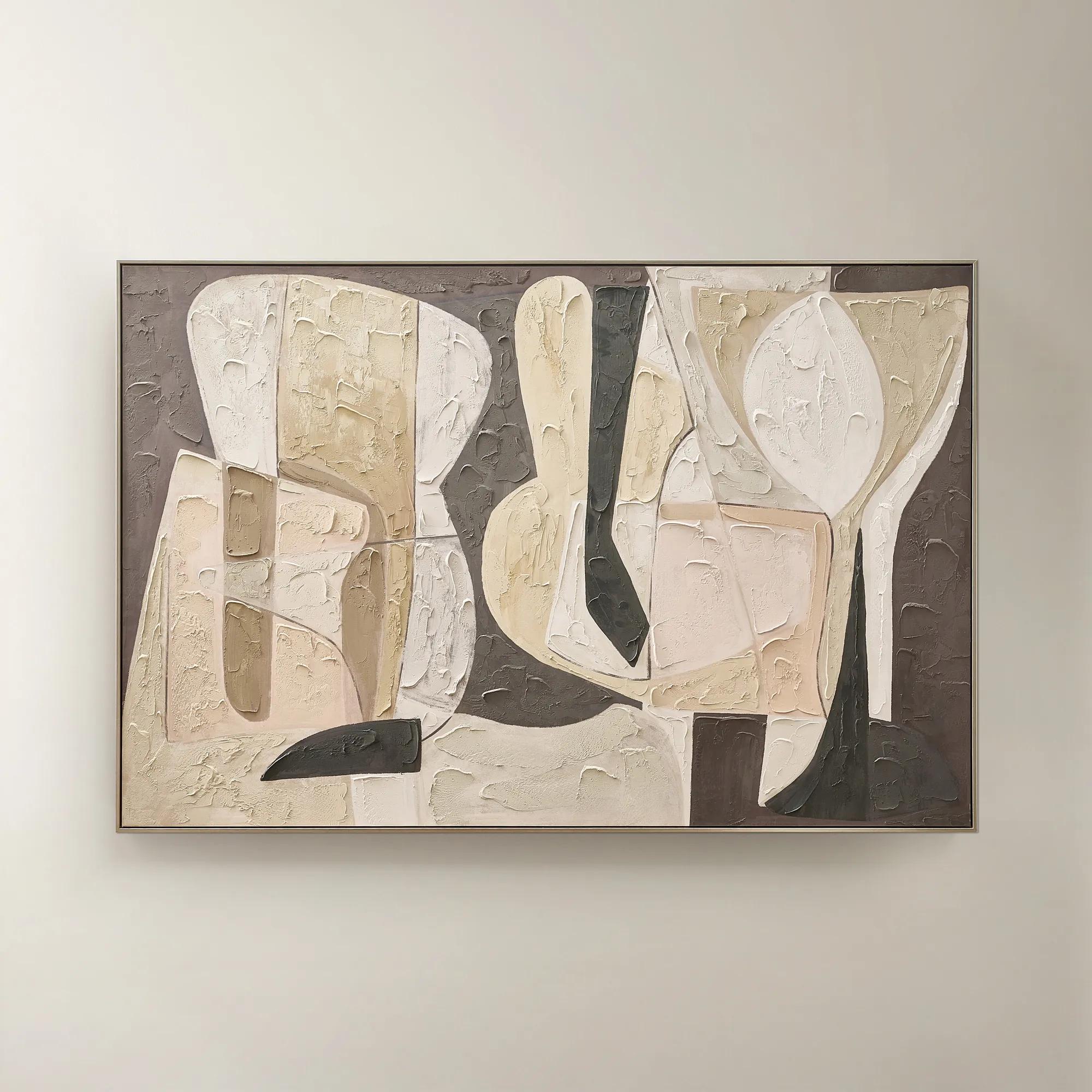 Wishful Thinking Framed Painted Wall Art 72" x 48"$599
A hand-painted abstract canvas featuring bold geometric forms and warm smoked plum, apricot, and tawny hues.
Add To Cart -
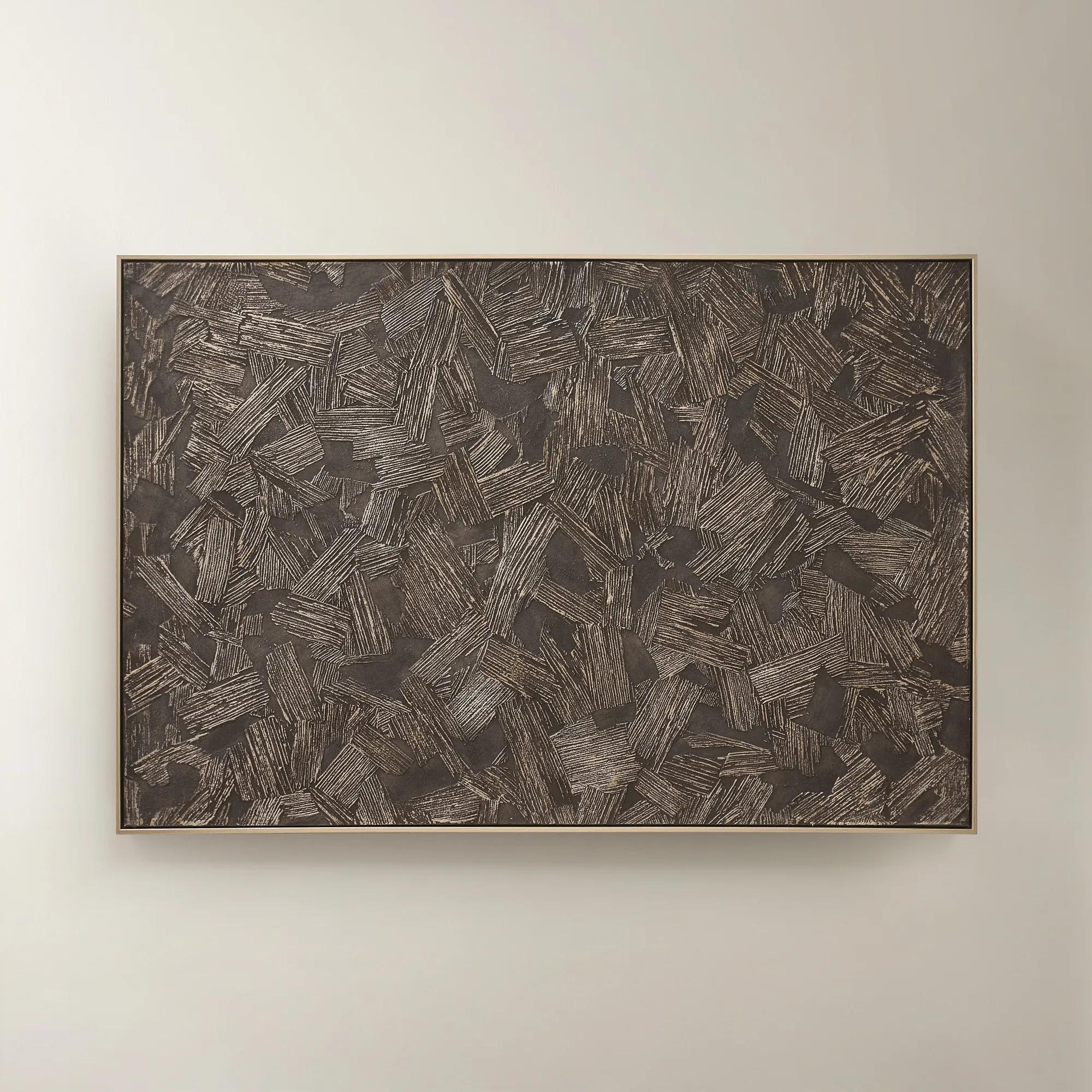
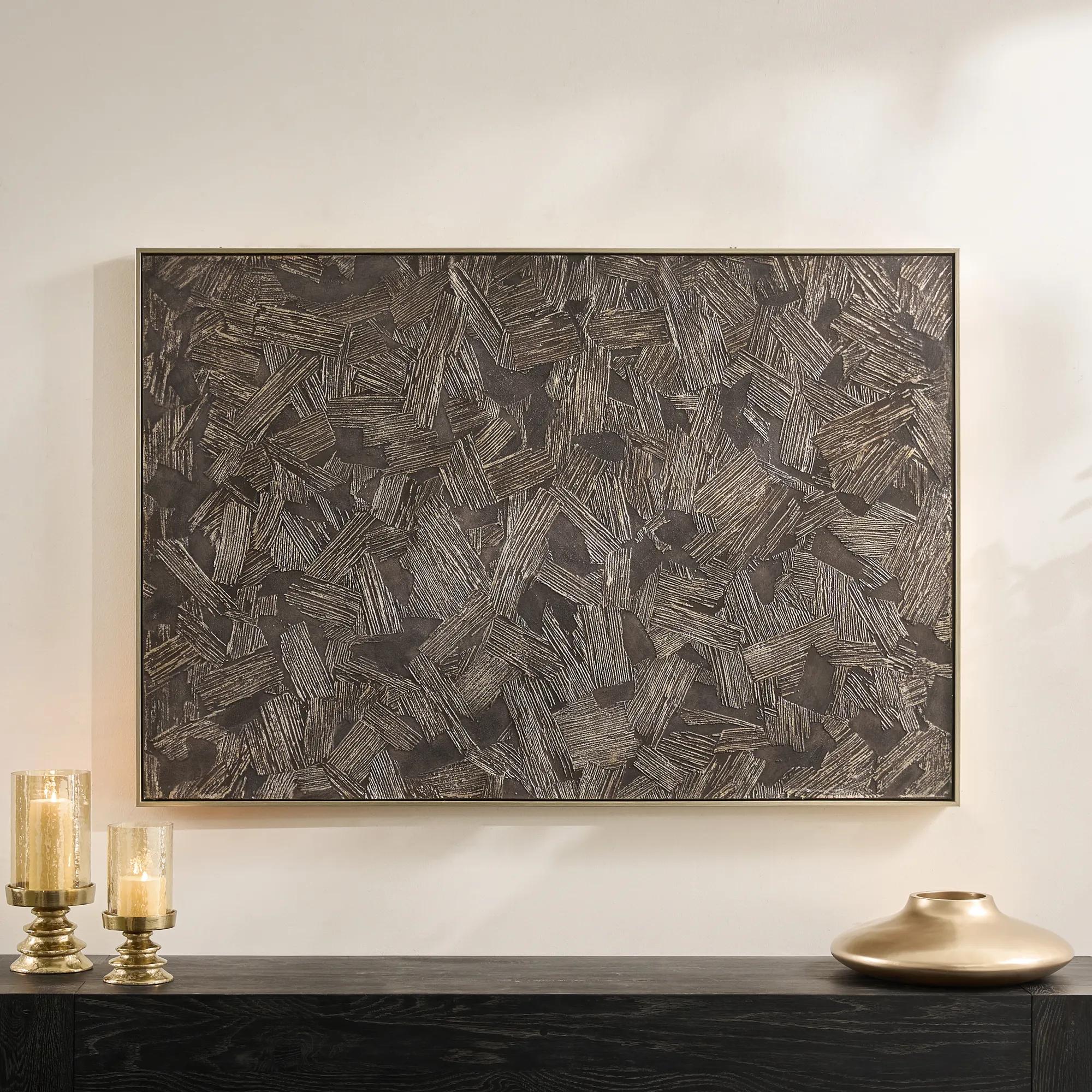 Etched in Darkness Dark Chocolate Wall Panel 53.5" x 36"$329
A hand-painted wrapped canvas features moody dark chocolate hues with champagne accents and a layered, textural finish.
Add To Cart -
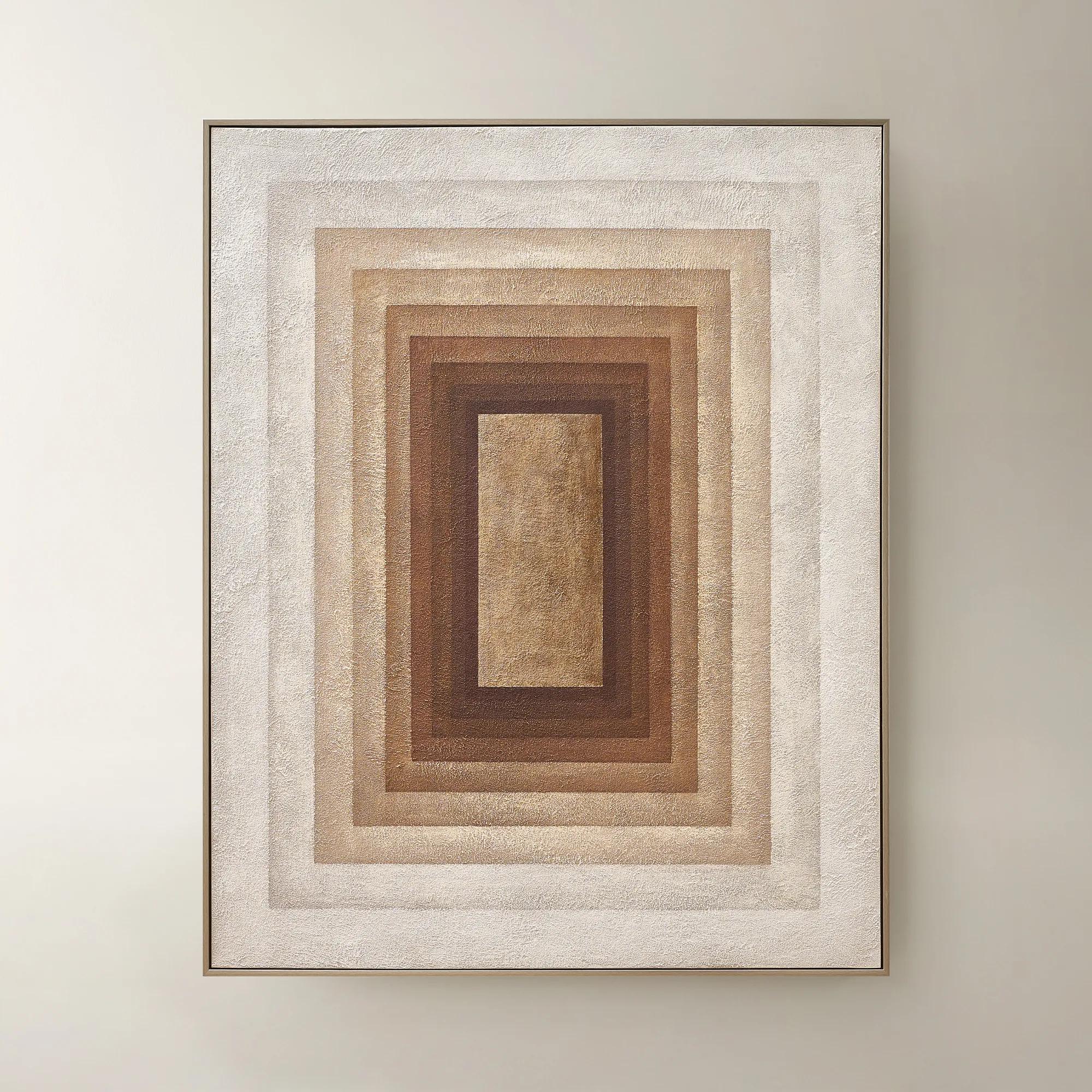 Monochrome Drift Framed Painted Wall Art 60" x 48"$699
A hand-painted abstract canvas with champagne leafing, featuring cocoa and gold tones in modern geometric design.
Add To Cart -
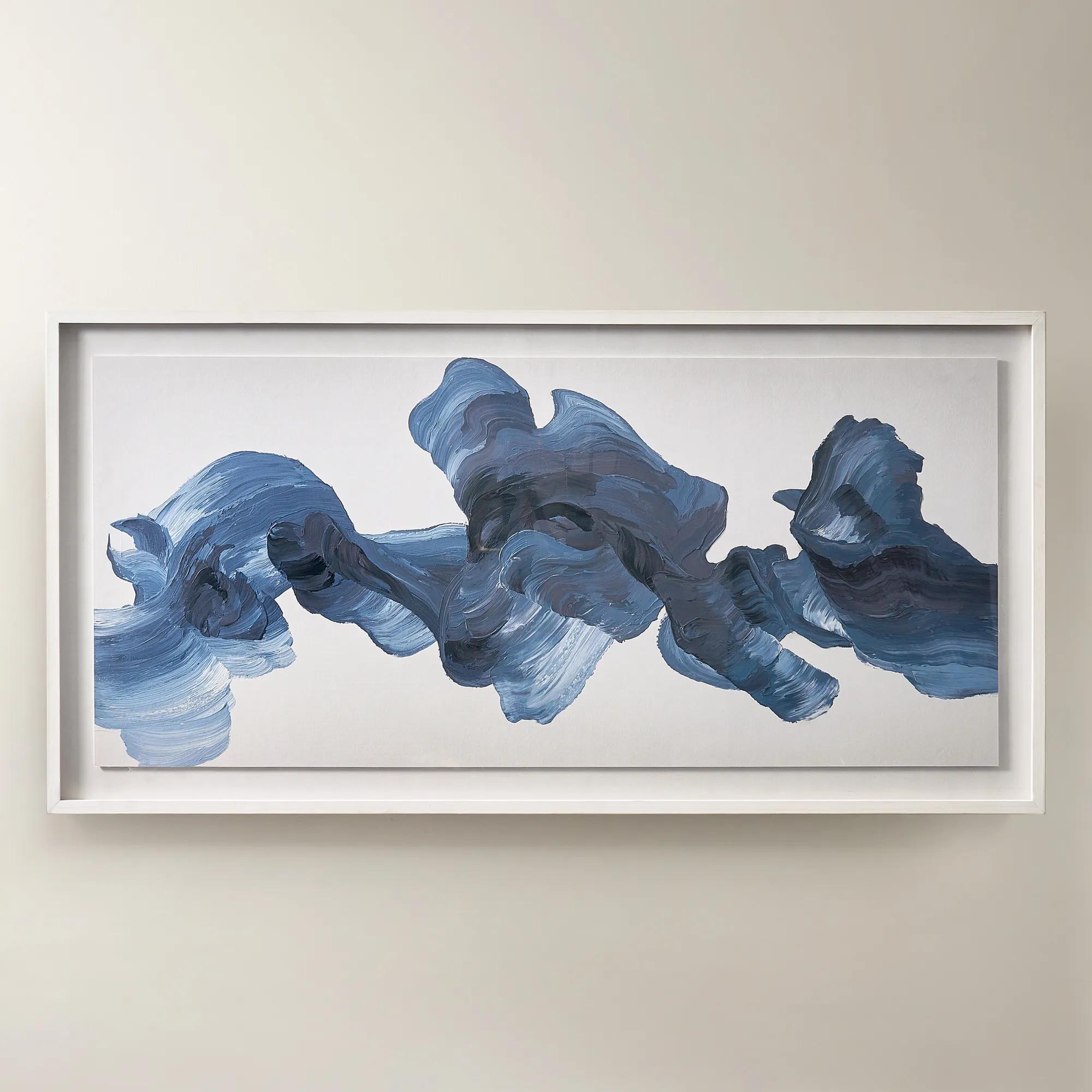
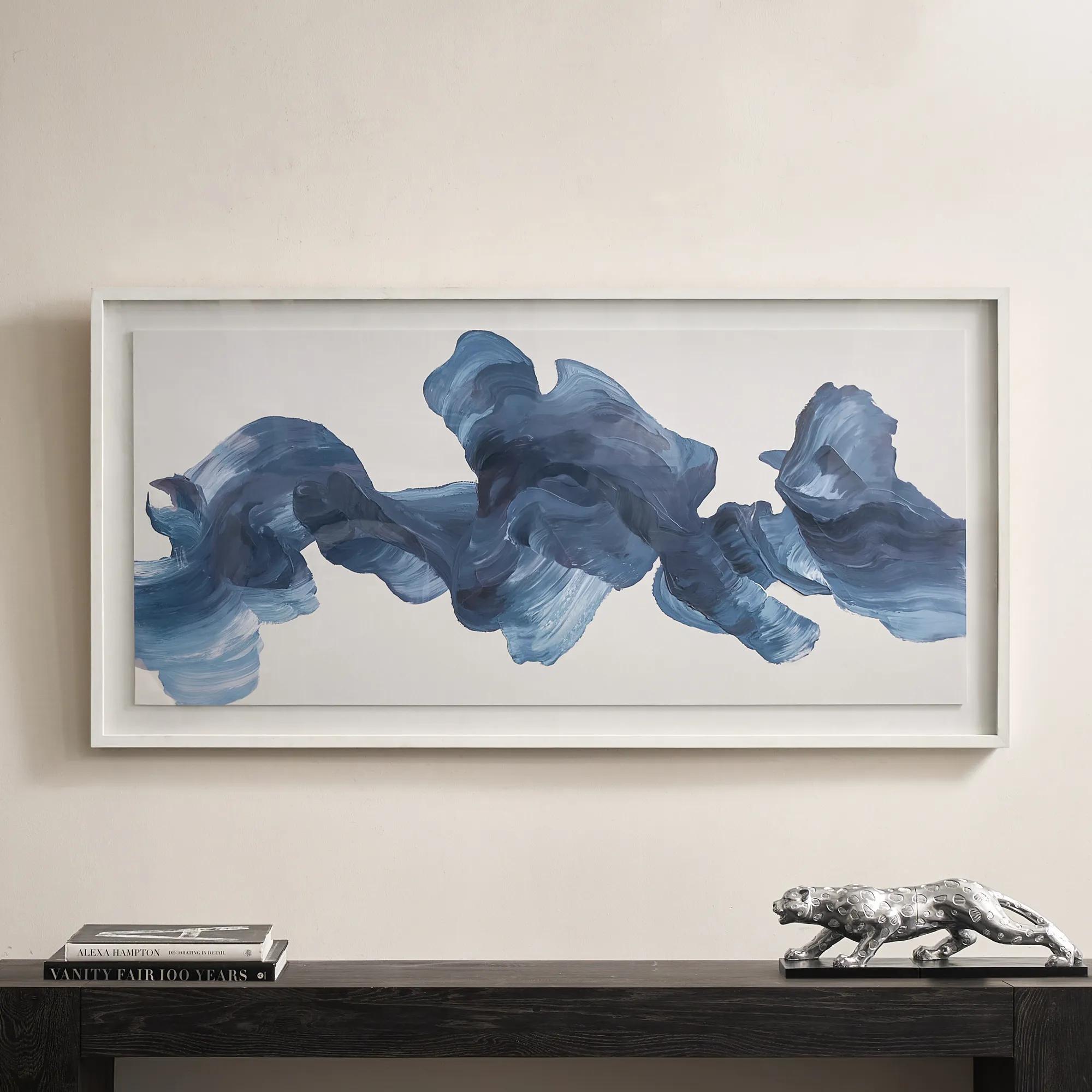 Blue Theory Framed Painted Wall Art in Acrylic 60" x 30"$499
A hand-painted canvas in deep ink blue, framed under acrylic with a whitewashed wood frame.
Add To Cart -
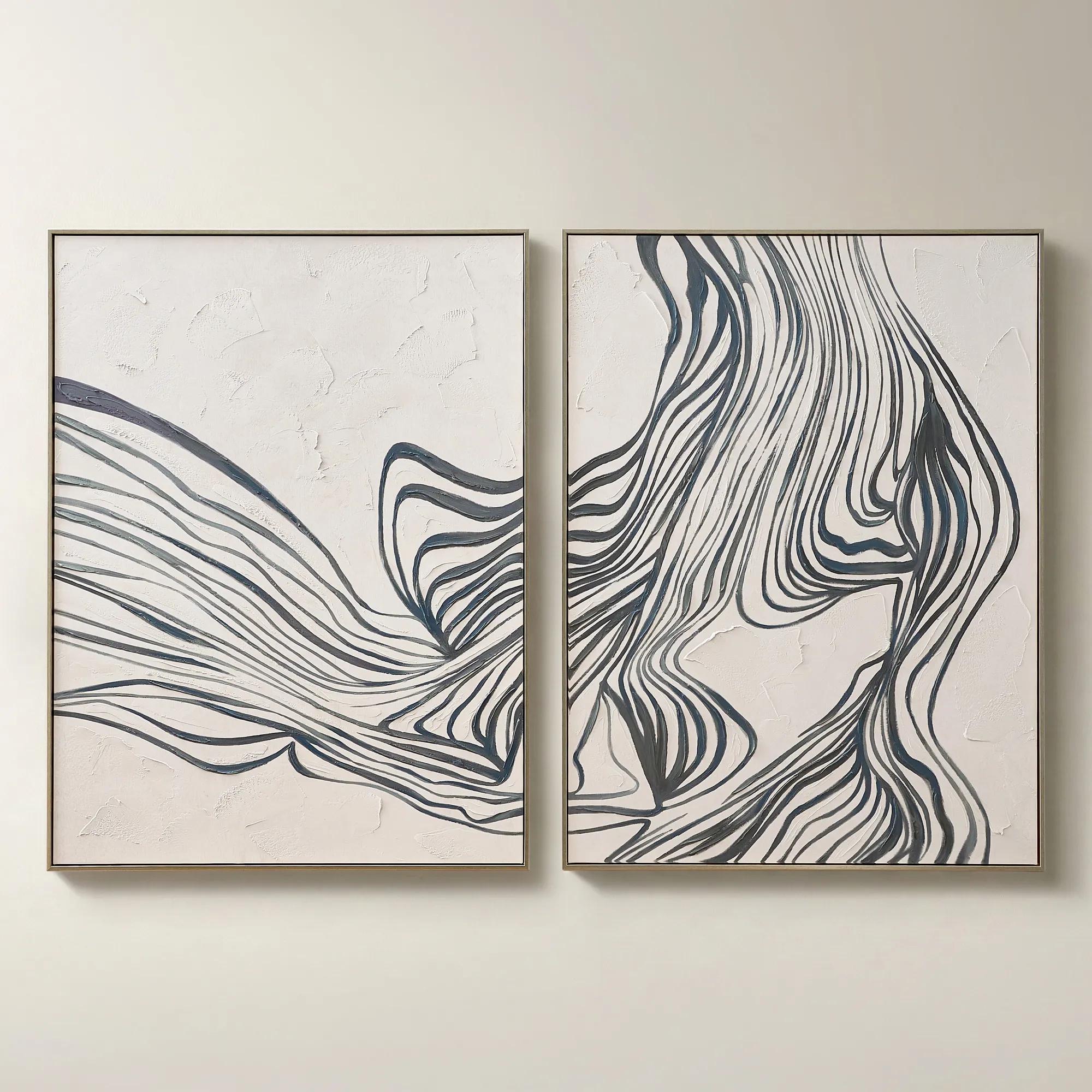
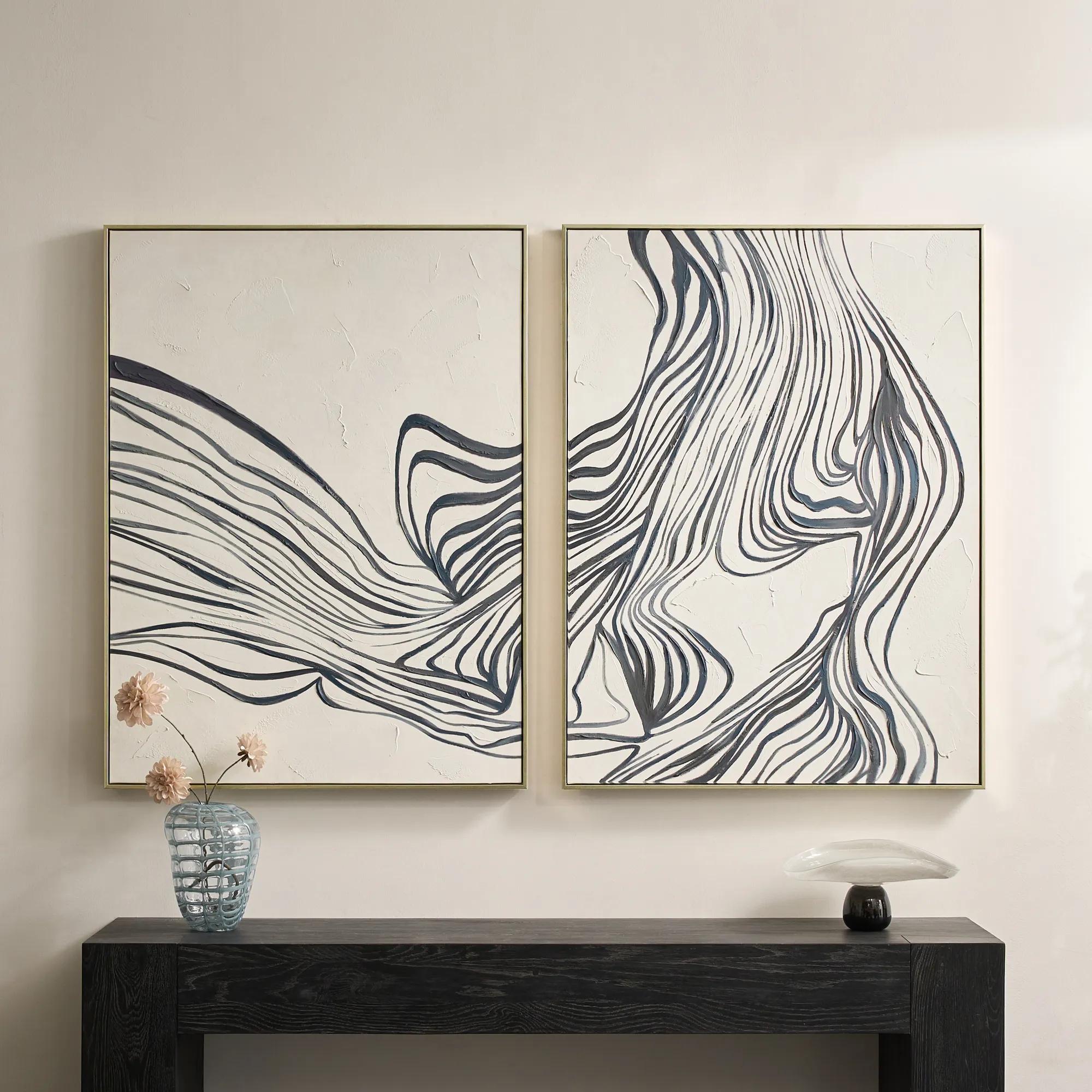 Rhythmic Framed Painted Wall Art 36" x 48" Set of 2$599
A hand-painted diptych featuring bold abstract stripes in dark slate and dusty blue with champagne frames.
Add To Cart -
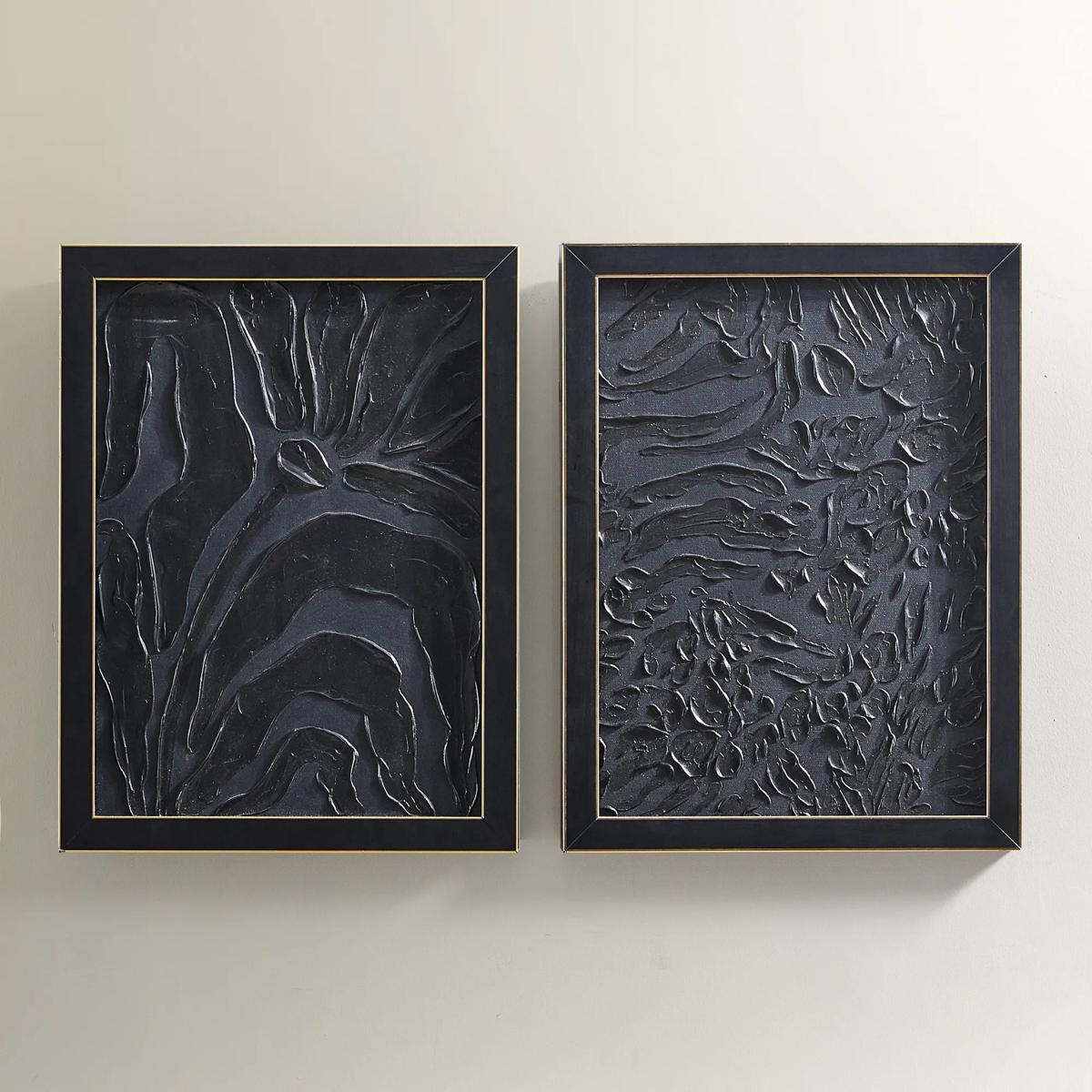
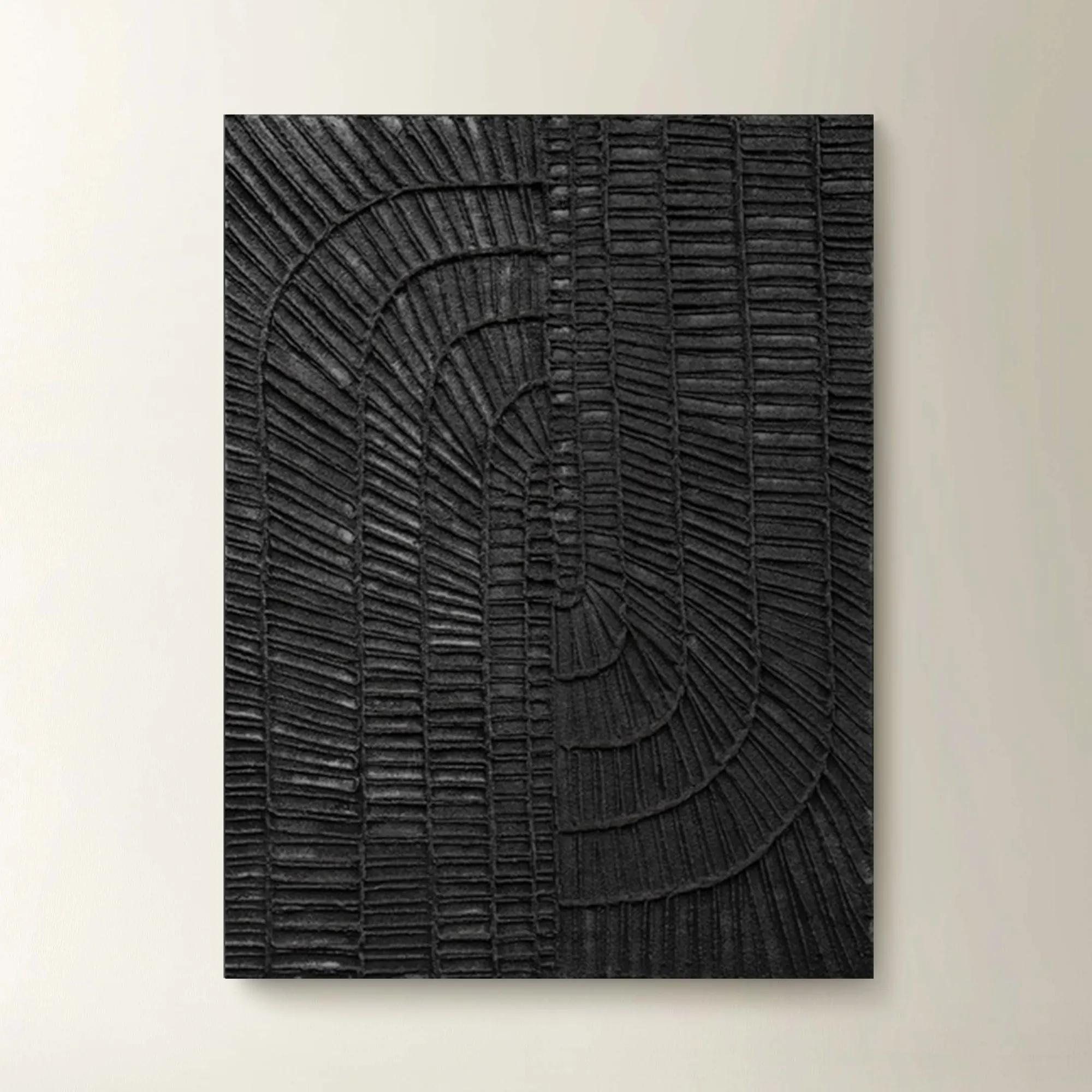 Textured Haze Black II Painted Wall Art 26" x 35"$499
A striking hand-painted black artwork featuring textured details for versatile vertical or horizontal display.
Add To Cart -
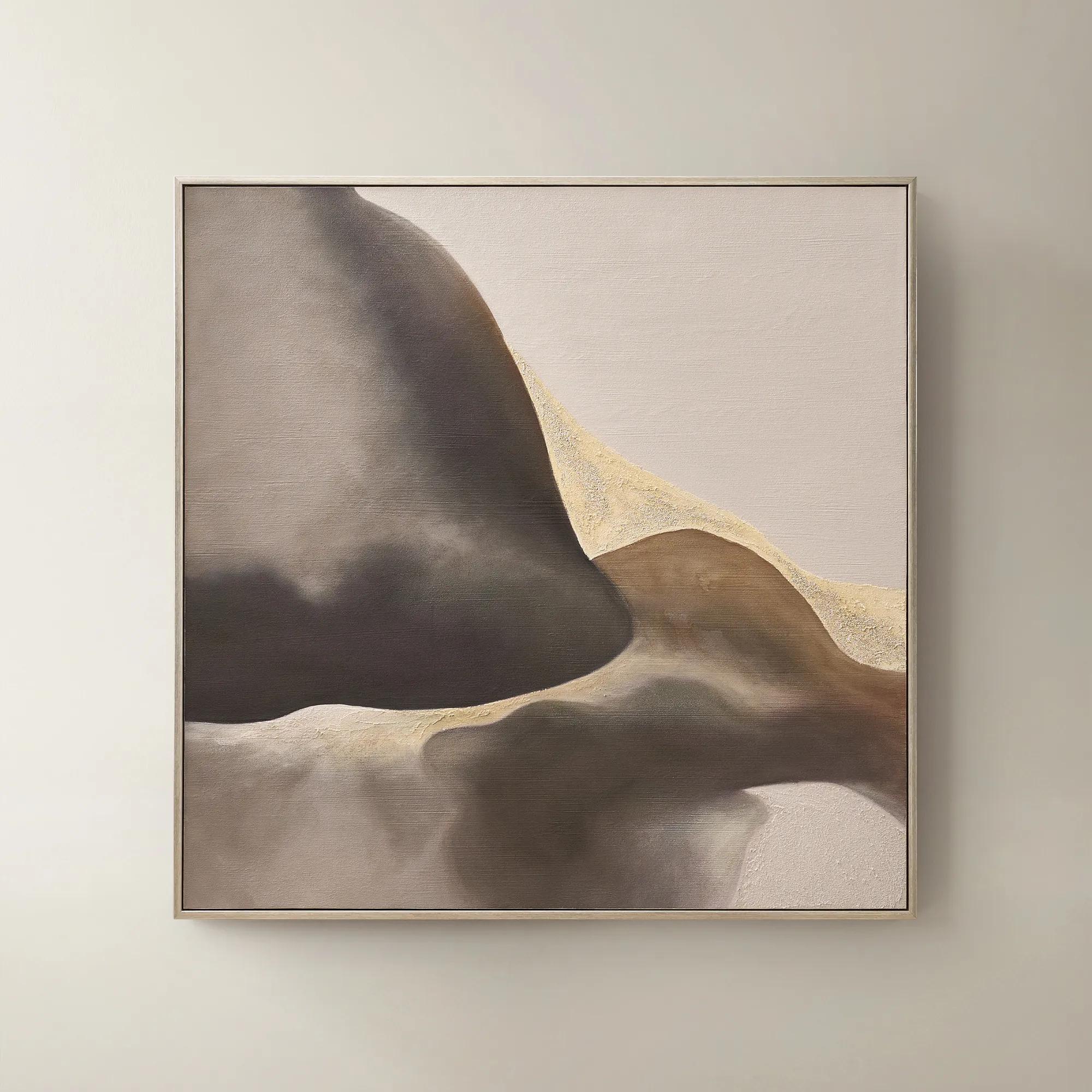 Windswept Framed Gold Leaf Painted Wall Art 50" x 50"$549
A hand-painted abstract canvas in plum truffle with gold leaf accents and a brushed champagne frame.
Add To Cart -
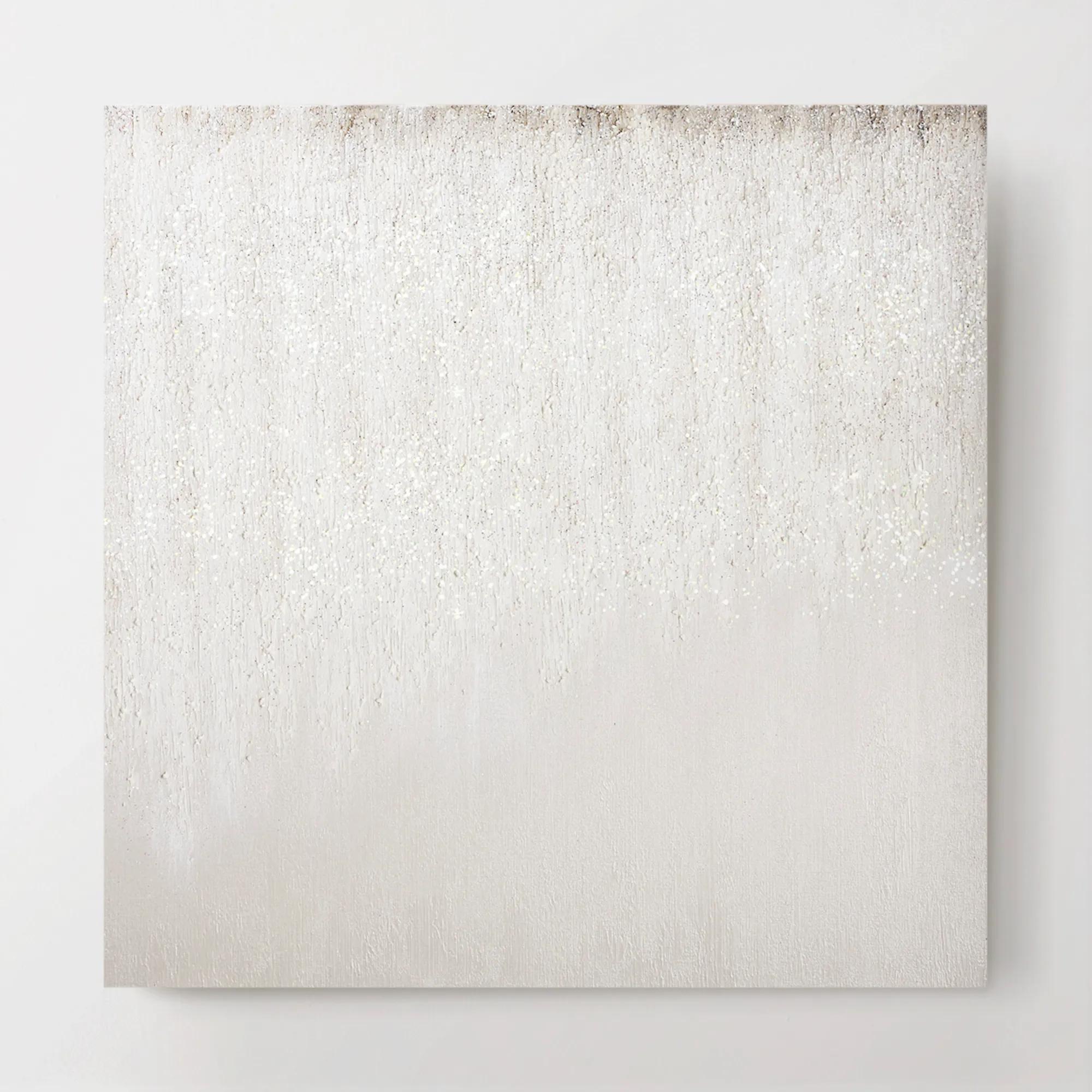 Je T'aime Glitter Painted Wall Art 30" x 30"$499
A hand-painted canvas artwork featuring ethereal hazy brushstrokes and subtle glitter embellishments.
Add To Cart

Hand Painted Wall Art For Foyers
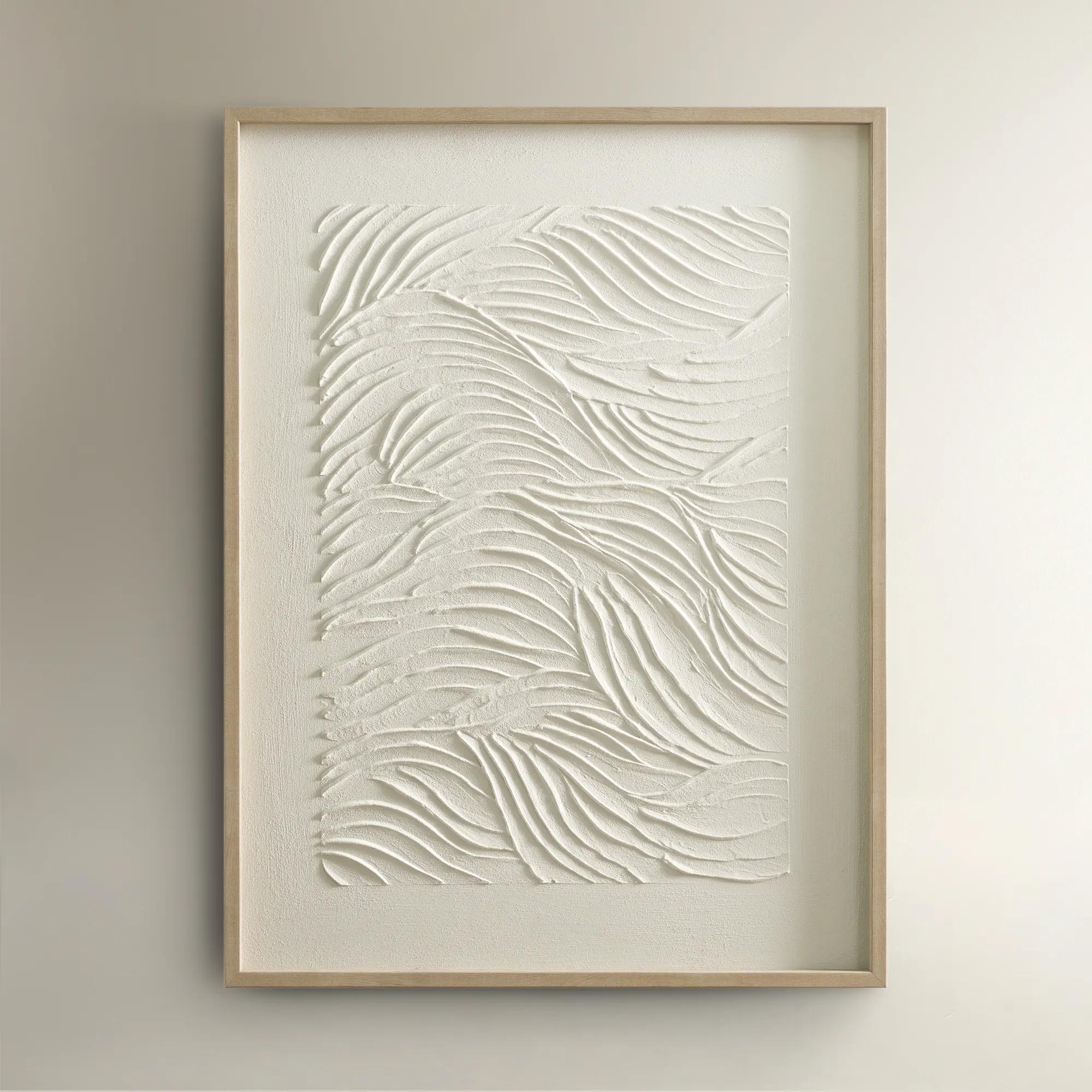
Hand painted wall art for foyers transforms first impressions into lasting statements, inviting every guest into a world curated by your imagination. Each brushstroke becomes a conversation starter, infusing your entryway with artistry and allure. Whether you’re drawn to sweeping abstracts or intricate motifs, these expressive pieces set a tone of sophistication and wonder—turning transitional spaces into grand entrances. Elevate your foyer with gallery-worthy creations that celebrate individuality and announce your home’s unique point of view from the very first step inside.
Hand-painted wall art for foyers creates an expressive first impression through visible brushwork, layered color, and texture that changes subtly with the light. Positioned near the entrance, a painting establishes the visual language of the home before the rest of the interior comes into view. An abstract composition in ivory, charcoal, and warm taupe can lend a marble console quiet grandeur, while deep teal, inky blue, or aubergine introduces a more saturated note against pale walls. Metallic accents bring another dimension: restrained touches of gold or silver can echo a mirror frame or chandelier without requiring every finish in the space to match. The appeal lies as much in the surface as in the subject. Raised strokes create small shadows, translucent layers reveal underlying color, and sweeping gestures give a still wall a sense of movement. Canvas offers a woven foundation that can remain visible beneath the paint, while a rigid wood panel provides a firmer surface for detailed marks or substantial texture. Acrylic and oil paints have different working qualities, and the materials listed for a painting help clarify its construction and care needs. Fully hand-painted artwork also differs from a printed image enhanced with hand-applied paint; both can bring dimension to an entry, but the distinction matters when the physical character of the surface is central to the choice. Framing adds its own architectural finish. A slim floating frame leaves breathing room around a textured canvas, dark framing sharpens the edges of a pale composition, and a luminous metallic surround can connect the artwork to decorative lighting. For homeowners who favor expressive interiors, these details make the foyer feel considered rather than merely furnished. For apartment dwellers, a single compelling painting can give even a modest entrance a distinct identity without occupying valuable floor space. The result is a welcome with personality: art that introduces a taste for color, drama, or sculptural restraint while leaving the room open to everyday life.
Proportion gives hand-painted foyer art its presence, especially where doors, stairs, mirrors, and adjoining rooms compete for attention. A tall, narrow composition can emphasize the height of a slim entry wall, while a broad horizontal painting often feels more connected to a long console. Above furniture, artwork measuring roughly two-thirds to three-quarters of the furniture’s width is a useful visual starting point, although the frame, surrounding architecture, and openness of the composition all influence the final balance. Several inches of separation between the console and the lower edge of the frame can keep the arrangement connected without crowding decorative objects beneath it. In an entrance with high ceilings, generous scale gives the wall a deliberate focal point; a small painting hung too high can feel detached from the furnishings below. An intimate vestibule, by contrast, may benefit from a composition with open areas of color that allows the eye to rest. Viewing distance matters just as much as wall dimensions. Fine marks and delicate tonal shifts reward close looking near a doorway, whereas larger gestures remain legible from the far end of a hall. A painting should also hold its place when seen through adjacent rooms, whether its palette repeats a thread of blue from the living room or introduces a rich contrasting hue. The expressive scale associated with Statement Wall Art For Entryways is especially compelling when an entrance has enough visual breathing room for one dominant work. That does not require surrounding it with equally dramatic accessories. A substantial vase, a low decorative bowl, or a pair of sculptural lamps can establish a supporting rhythm without obscuring the painted surface. In a busy household, the arrangement also needs to respect movement: door swings, coat storage, and the route from the entrance to the interior should remain clear. Art feels most assured when its scale belongs to both the wall and the way the space is used.
Lighting reveals the character of hand-painted wall decor, but placement should balance atmosphere with preservation. Soft, indirect illumination can draw out ridges of paint and subtle shifts in pigment without creating the hard glare that sometimes occurs beneath an exposed spotlight. Metallic details may appear luminous from one angle and more subdued from another, making the view from the doorway worth considering alongside the view from the stairs or console. Direct sunlight can fade pigments and affect supporting materials over time, so a sheltered wall is generally preferable to one receiving prolonged, intense exposure. Entryways can also bring artwork close to frequently opened doors, damp umbrellas, and passing bags. A position beyond those immediate contact points helps protect both the painting and its frame. Durability depends on the entire construction, including the support, paint layers, finish, frame, and hanging system; a textured surface is not necessarily resistant to handling simply because it appears substantial. Secure installation with hardware appropriate to the artwork’s weight and the wall material is particularly important for large canvases and heavier frames. Routine care should follow the maker’s instructions. When permitted, light dusting with a clean, soft brush may be suitable, while water, household cleaners, solvents, and abrasive cloths can damage painted surfaces or alter their sheen. Deeply textured areas deserve a gentle approach rather than vigorous wiping, and valuable or delicate paintings are best assessed by a qualified conservator when cleaning or repair is needed. These considerations allow the artwork to remain part of daily life without treating it as an untouchable object. Hand-painted art can also make a thoughtful housewarming or wedding gift when the recipient’s palette, wall space, and aesthetic are well understood. A restrained tonal composition may suit someone building a layered interior gradually, while bold color and pronounced texture can resonate with a confident decorator. Chosen with that personal connection in mind, foyer art becomes more than an entrance accent: it gives the home a recognizable mood from the moment the door opens.
FAQs
Foyers are a stage for artistic expression, making them ideal for a range of hand painted styles. Abstract pieces infuse energy and intrigue, landscapes create a sense of calm and connection to nature, while florals add a touch of elegance and seasonal charm. The best style is one that reflects your personal taste and sets the desired mood for your entryway.
Hand painted wall art brings depth, texture, and a bespoke quality to your foyer, transforming it from a simple entryway into a captivating introduction to your home. The unique brushstrokes and color palettes can evoke warmth, drama, or tranquility, instantly elevating the atmosphere and making a memorable impression on guests.
Absolutely. Hand painted wall art is a meaningful and personal gift that celebrates individuality and artistry. It’s especially cherished for housewarmings, as it helps new homeowners infuse their space with character and a sense of welcome from the very first step inside.
To create a harmonious flow, choose art that complements the color palette and design motifs found throughout your home. Consider extending the story from your foyer into adjacent spaces by selecting pieces with related themes, tones, or artistic styles. This approach creates visual continuity and a curated, cohesive look.
Each piece of hand painted wall art is a singular work, imbued with the artist’s individual touch and vision. Unlike mass-produced prints or photographs, hand painted art offers texture, dimension, and subtle nuances that bring a sense of originality and craftsmanship to your foyer, making your entryway truly one-of-a-kind.