Hand Painted Blue Art For Entryways
Hand Painted Blue Art For Entryways
-
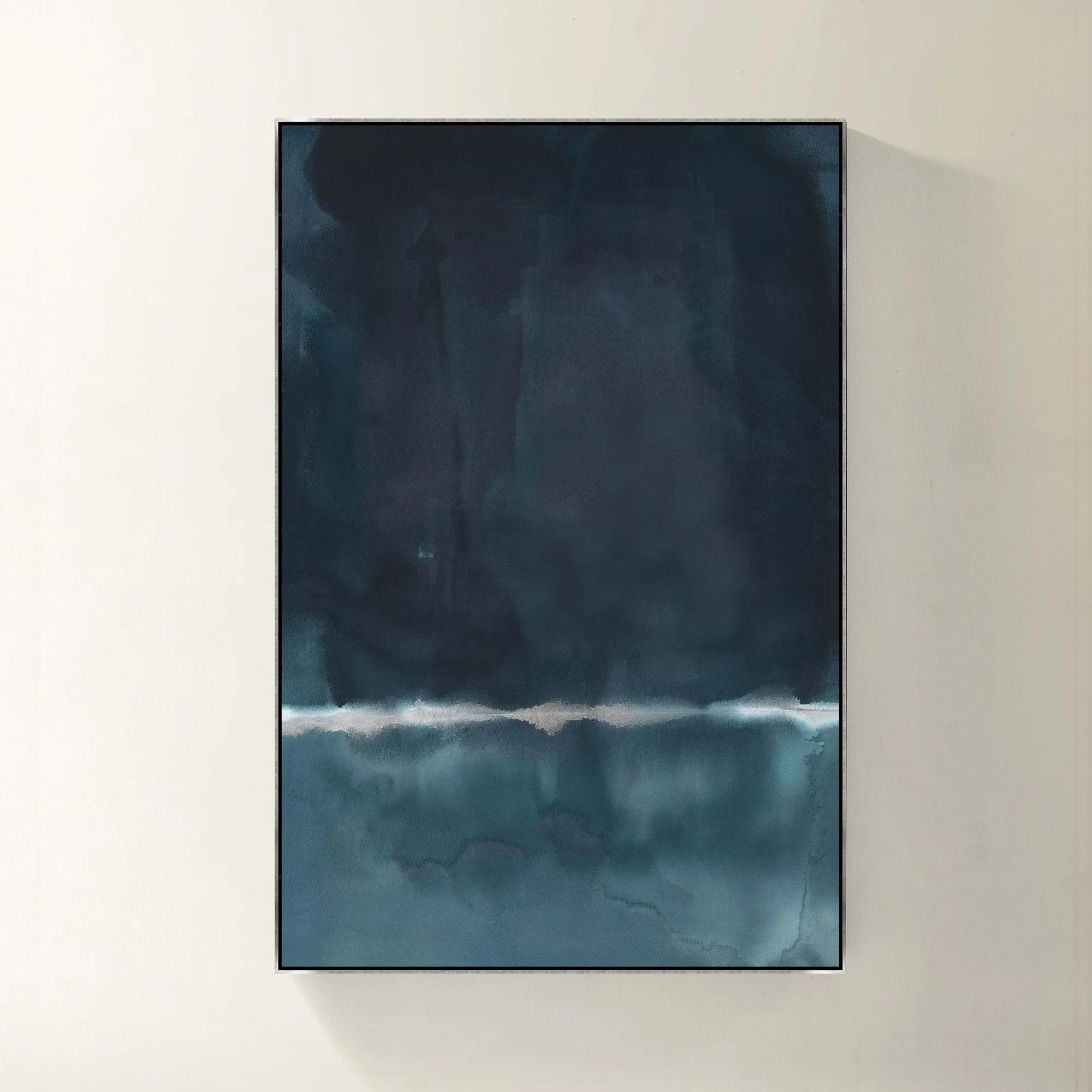 Blue Monday Framed Wall Art 40" x 60"$1119
A gallery-wrapped blue canvas with hand-embellished silver accents in a sleek silver floater frame.
Add To Cart -
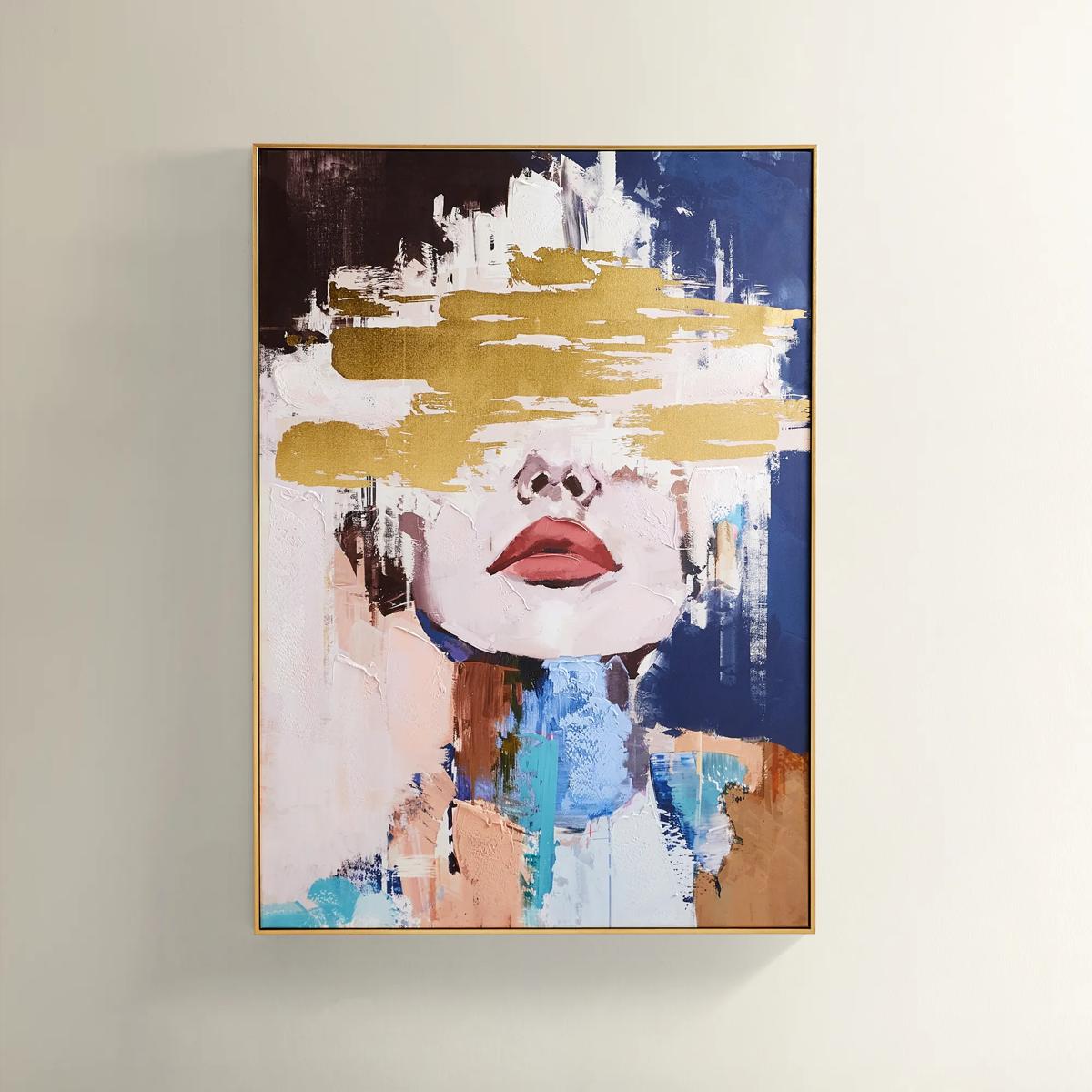
 Waiting in Color Gold Foil Painted Wall Art 39.25" x 55"$499
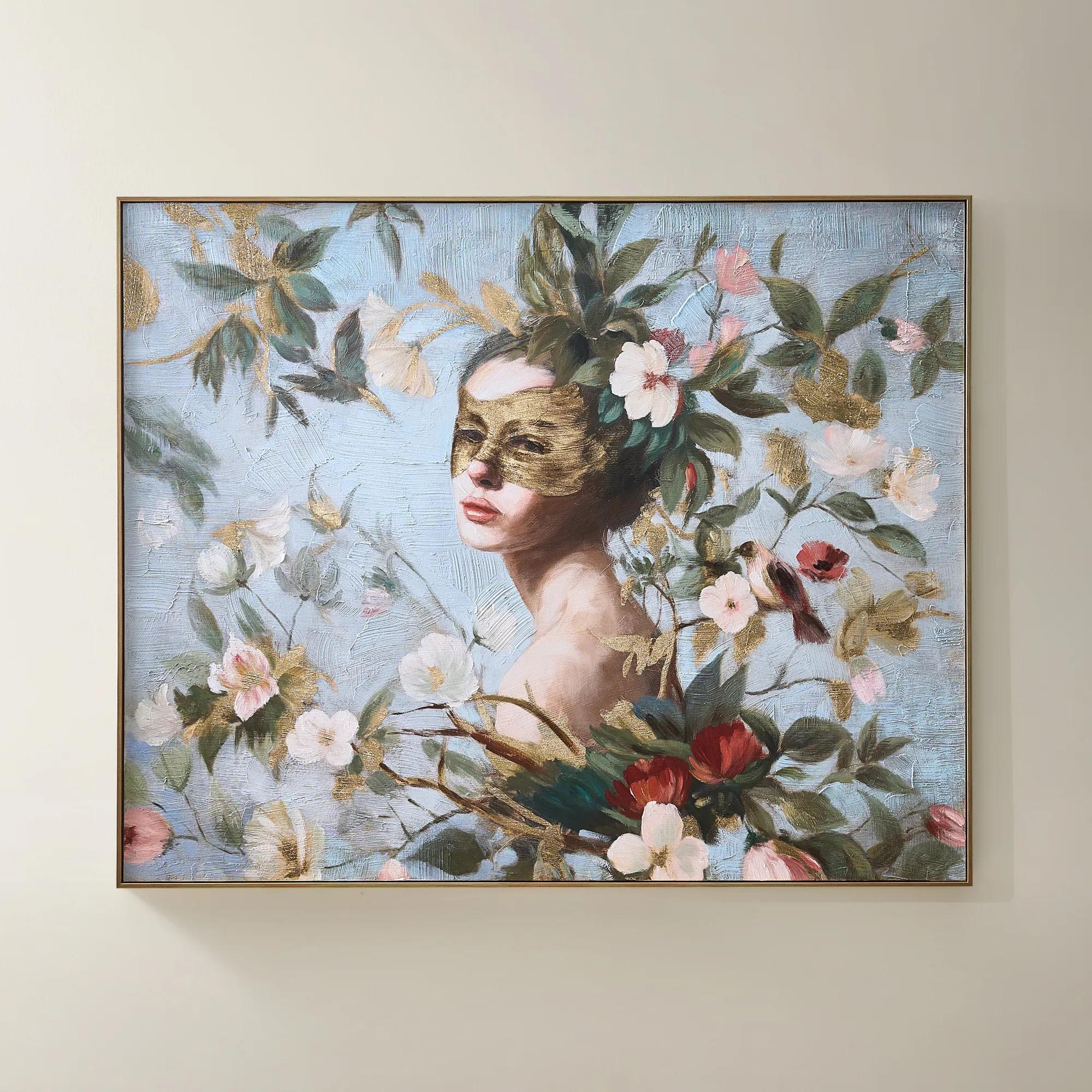
A hand-painted abstract portrait in vivid blue, blush, and gold foil, framed in luxe gold.
Add To Cart -
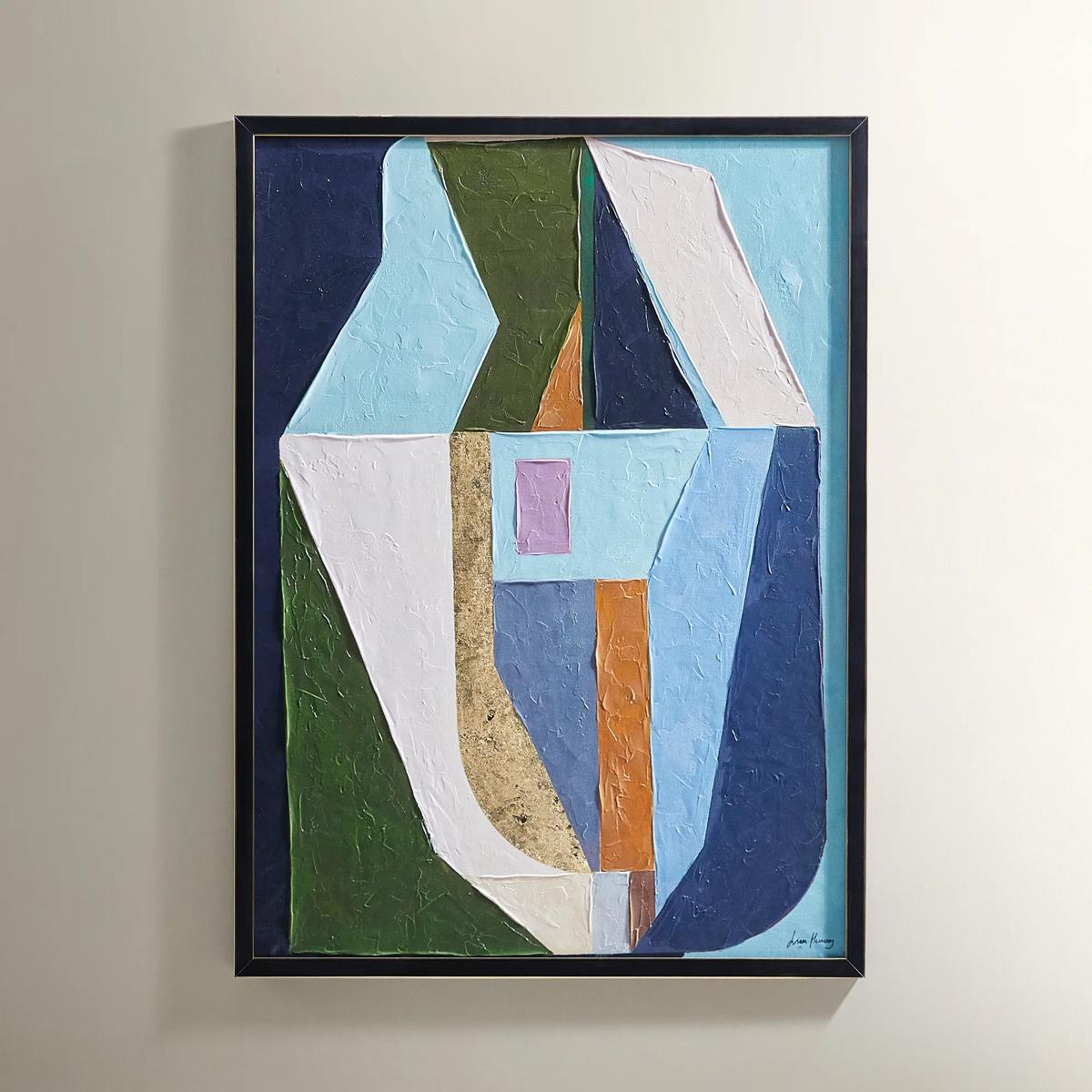 Thought Provoking Painting 2$249
A hand-embellished canvas artwork featuring textured strokes in deep blue, olive green, and gold accents.
Add To Cart -
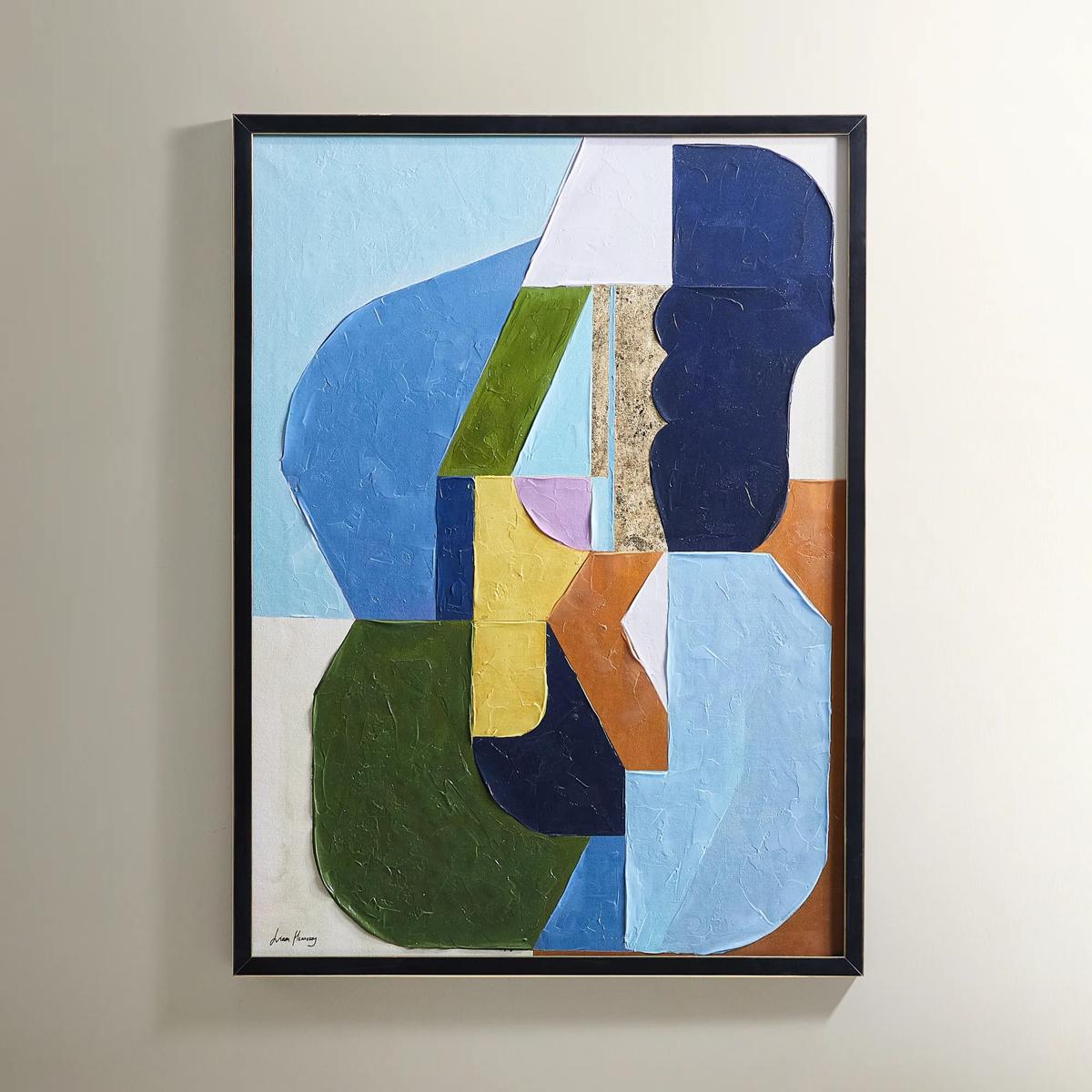
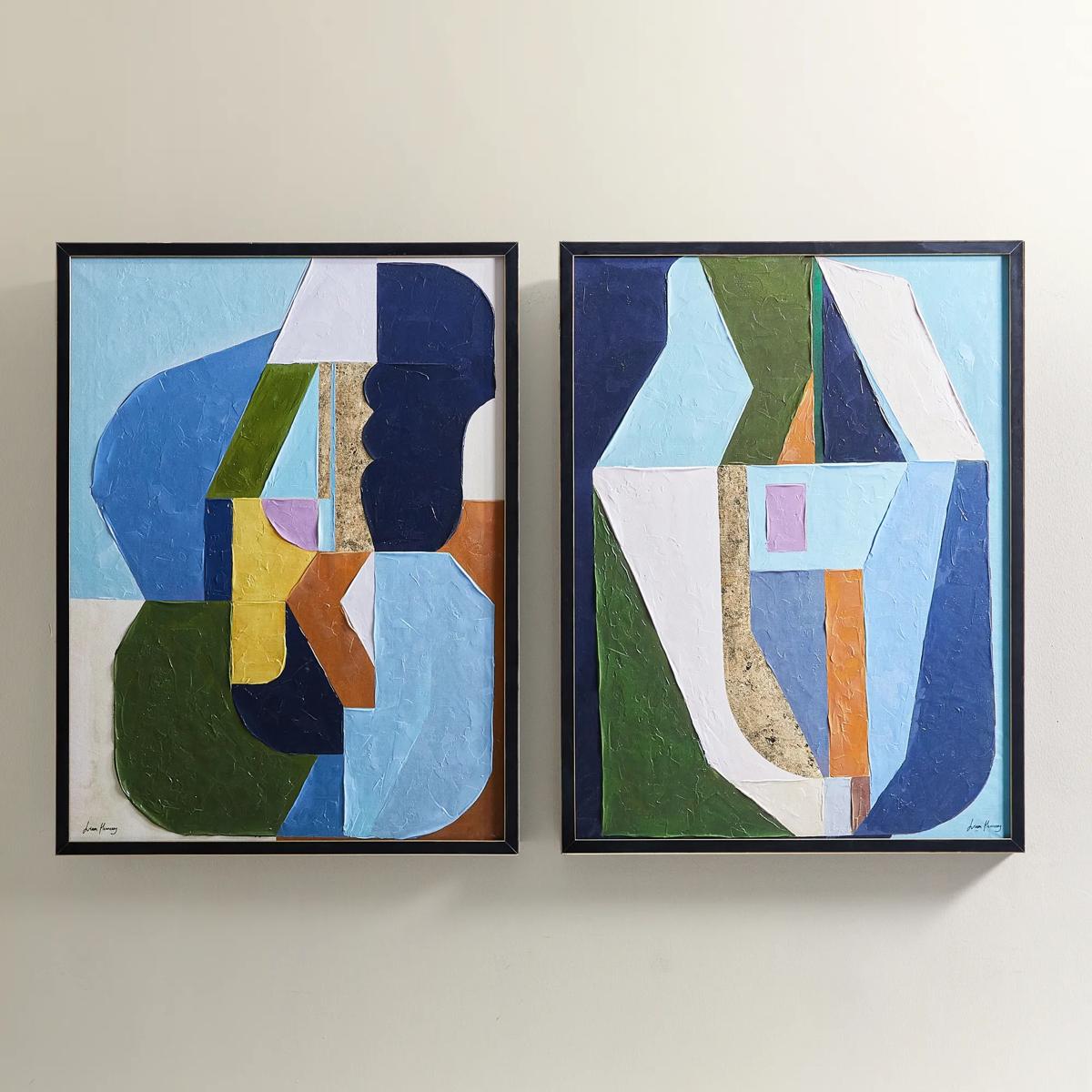 Thought Provoking Painting 1$249
A hand-embellished canvas artwork featuring textured strokes in deep blue, olive green, and gold accents.
Add To Cart -
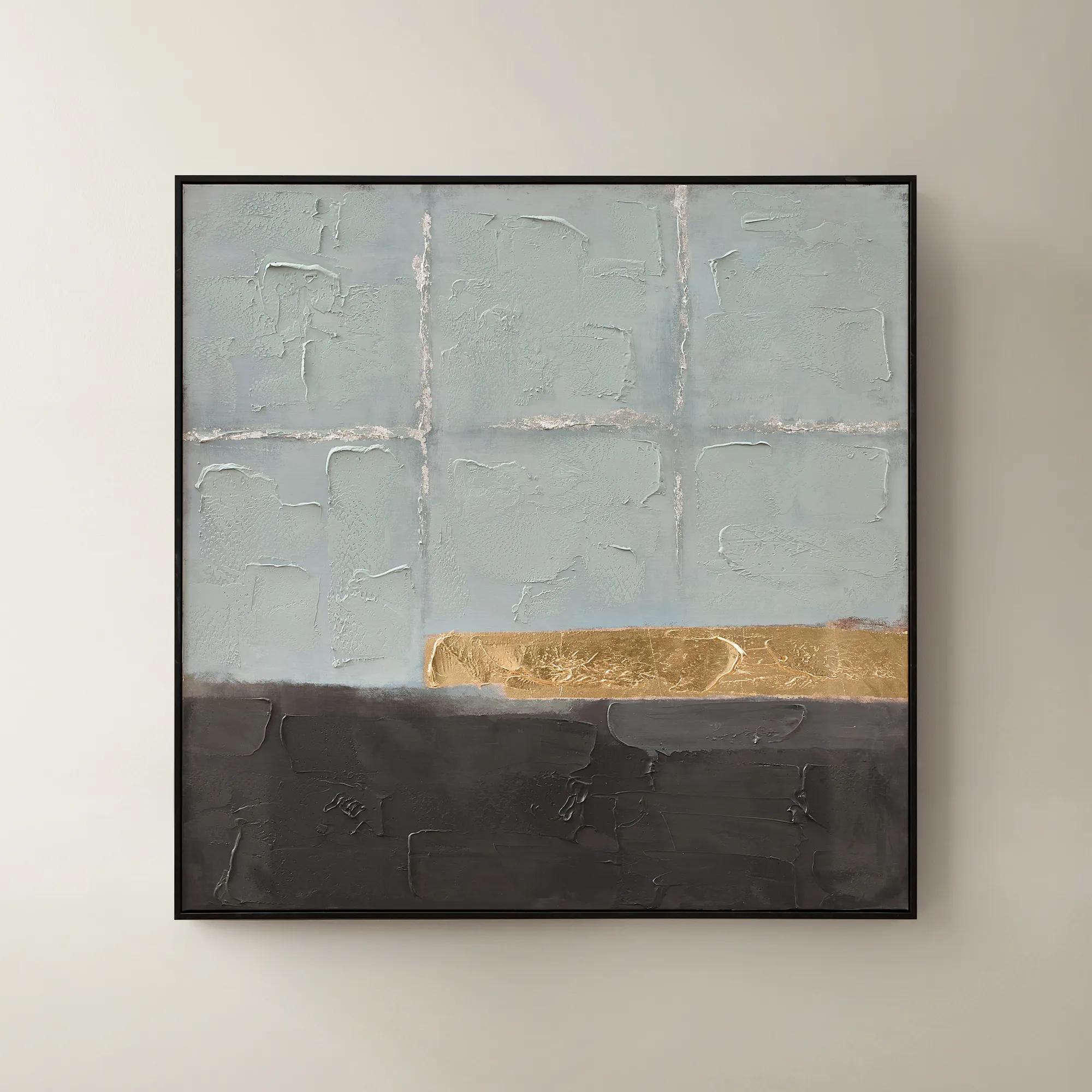
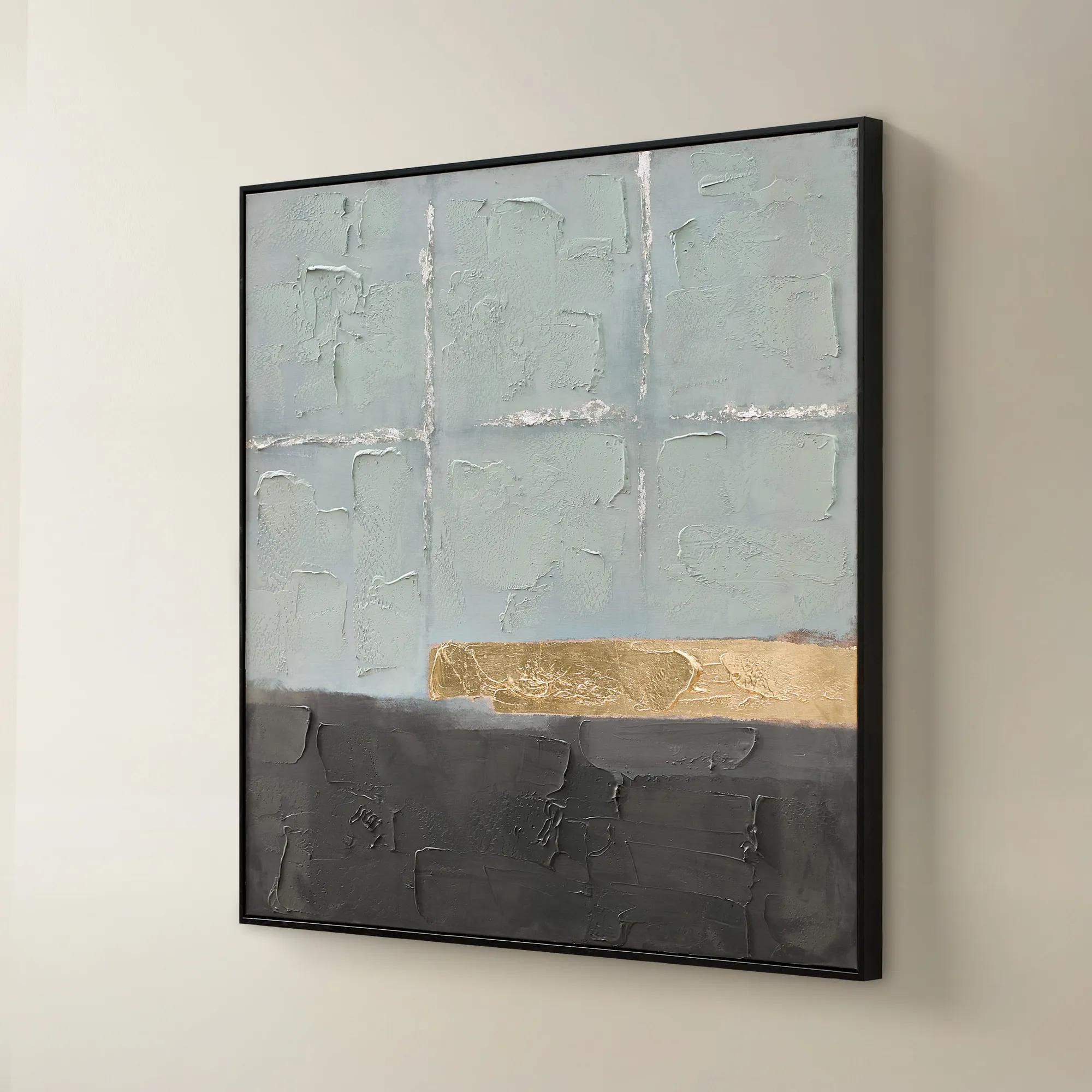 Jules Framed Gold Leaf Painted Wall Art 40" x 40"$299
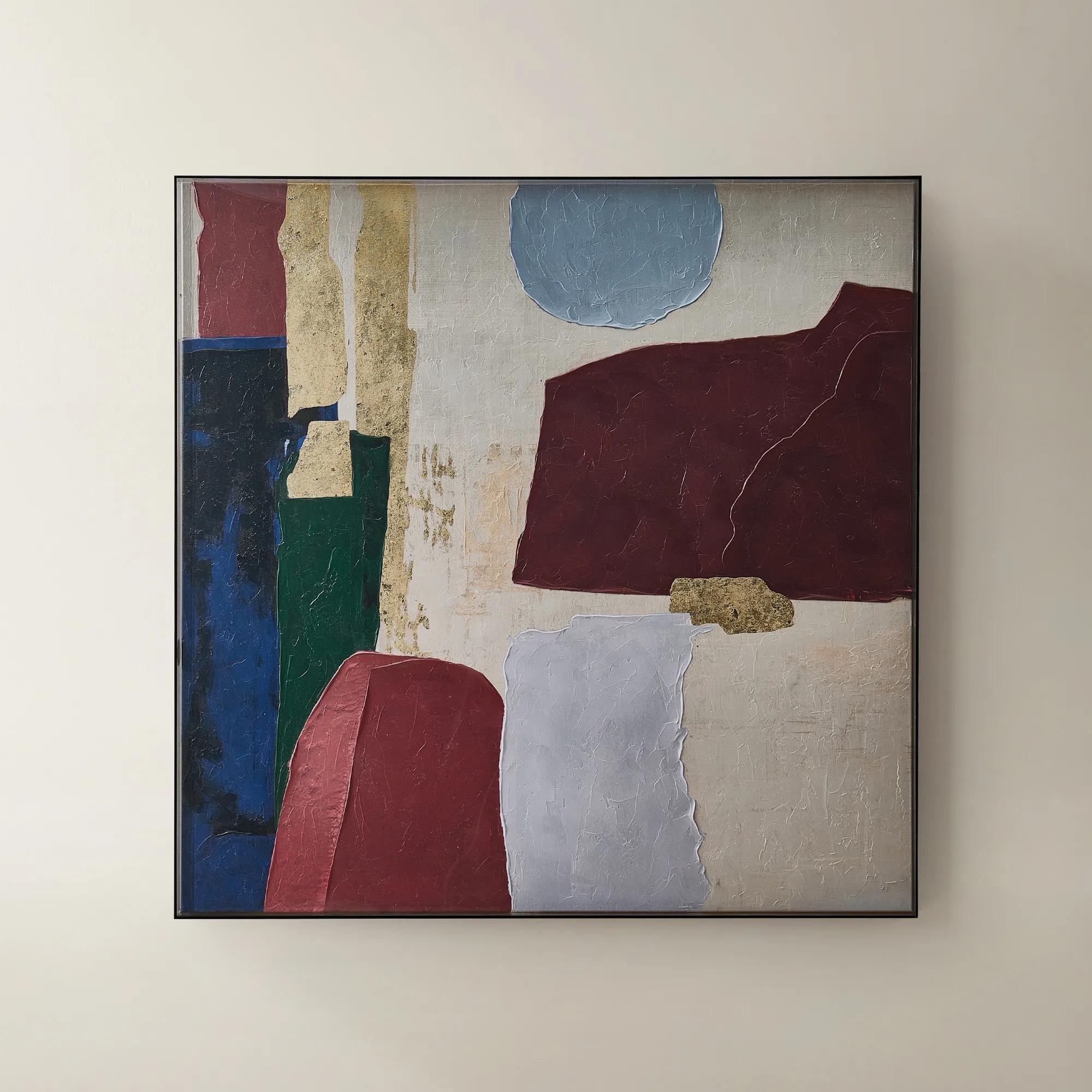
A hand-painted canvas in mineral blue with gold leaf accents and a sleek black frame for modern appeal.
Add To Cart -
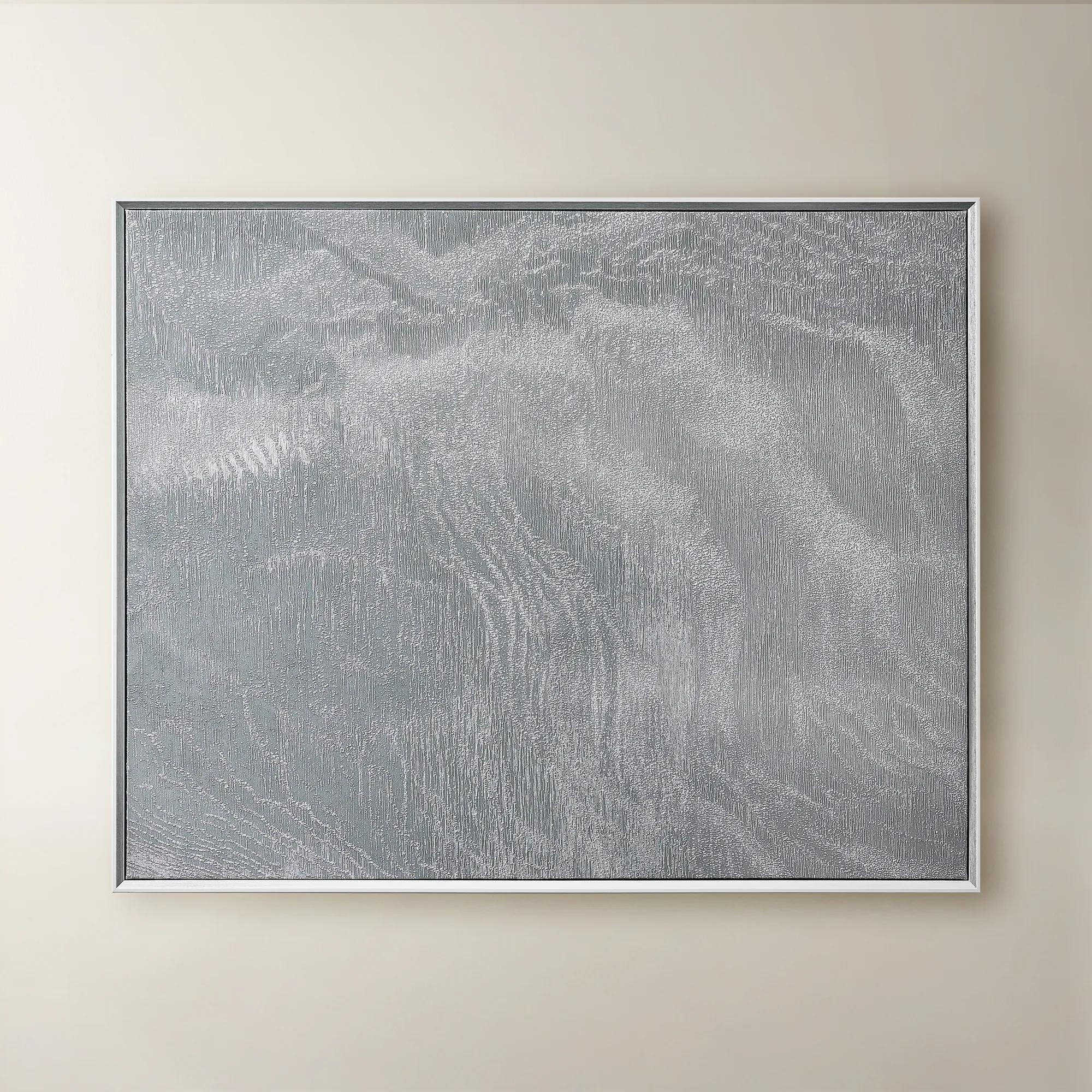 Slow Blue Morning Framed Silver Foil Wall Art 48" x 60"$599
A serene powder blue abstract canvas with silver foil accents, framed in silver and white for modern elegance.
Add To Cart -
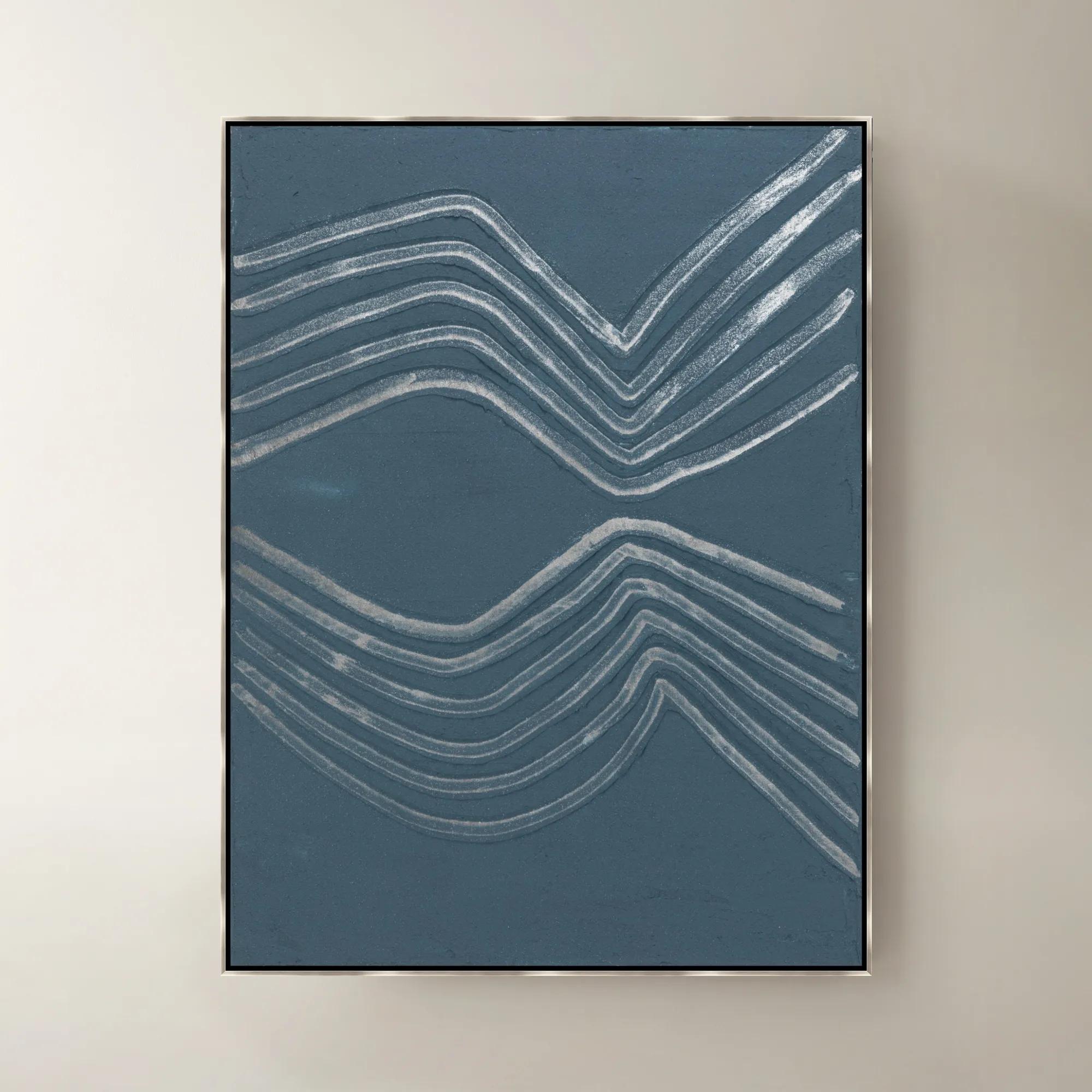
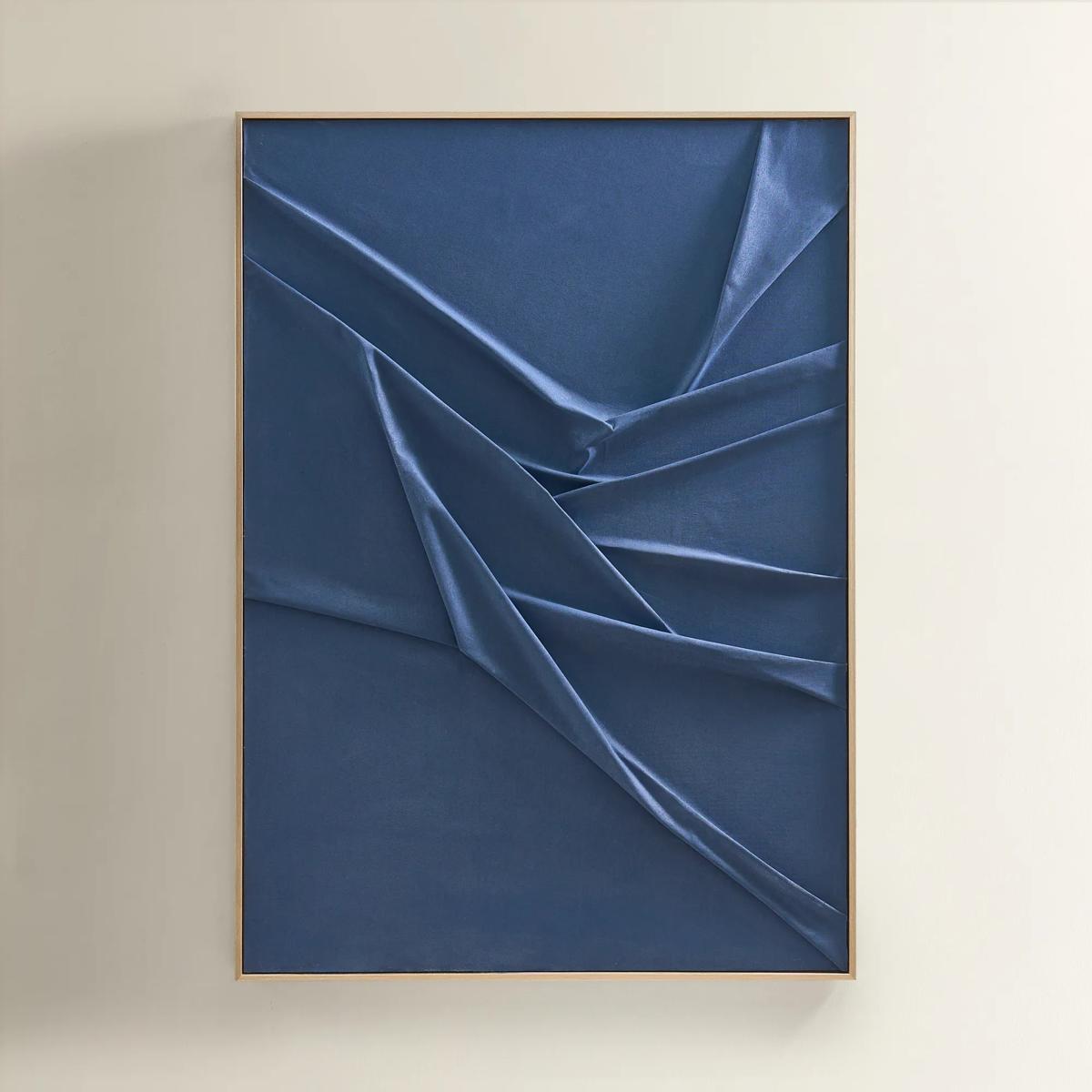 Deep Sea Painting$599
A hand-sculpted navy canvas with dimensional folds, framed in soft champagne for modern, serene elegance.
Add To Cart -
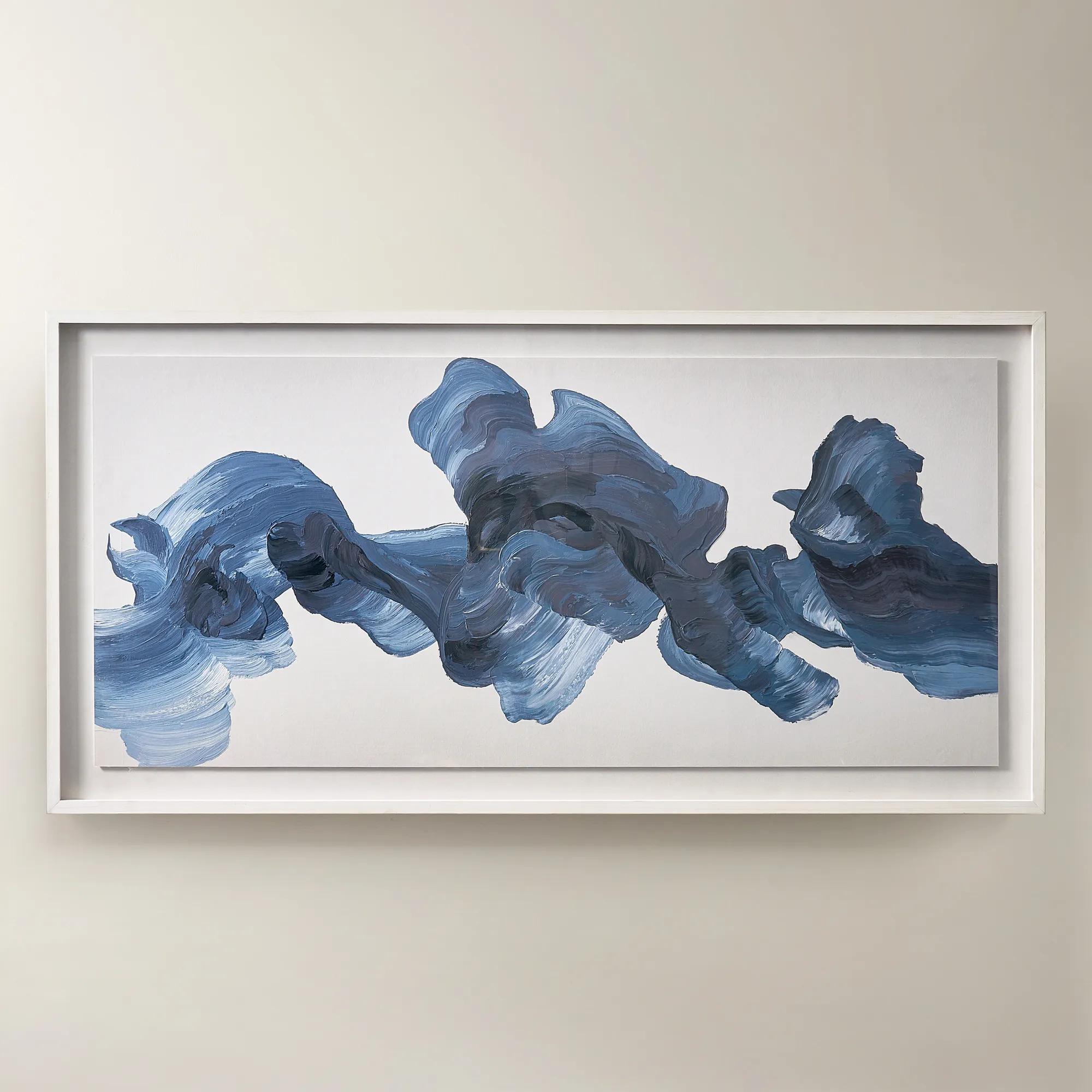
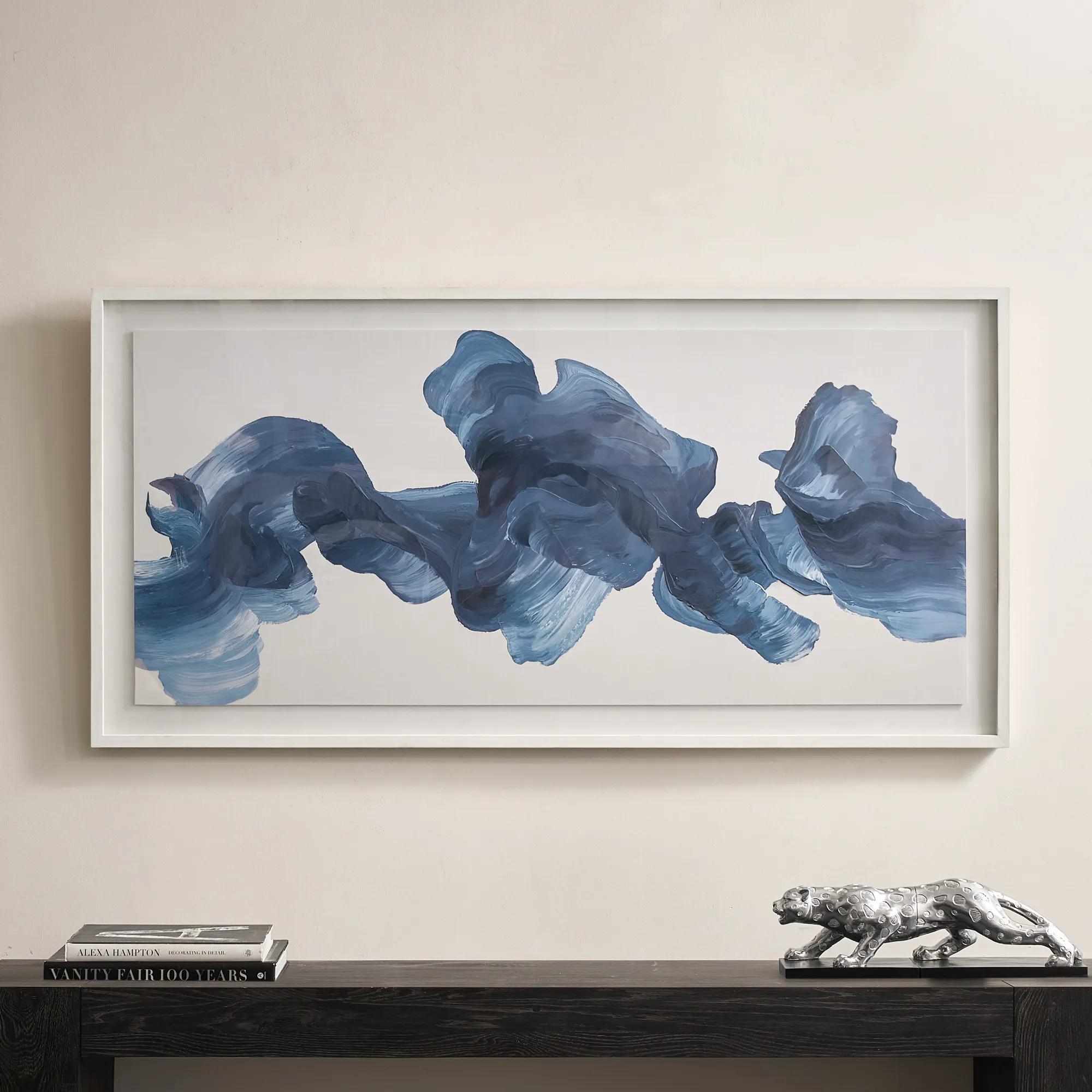 Blue Theory Framed Painted Wall Art in Acrylic 60" x 30"$499
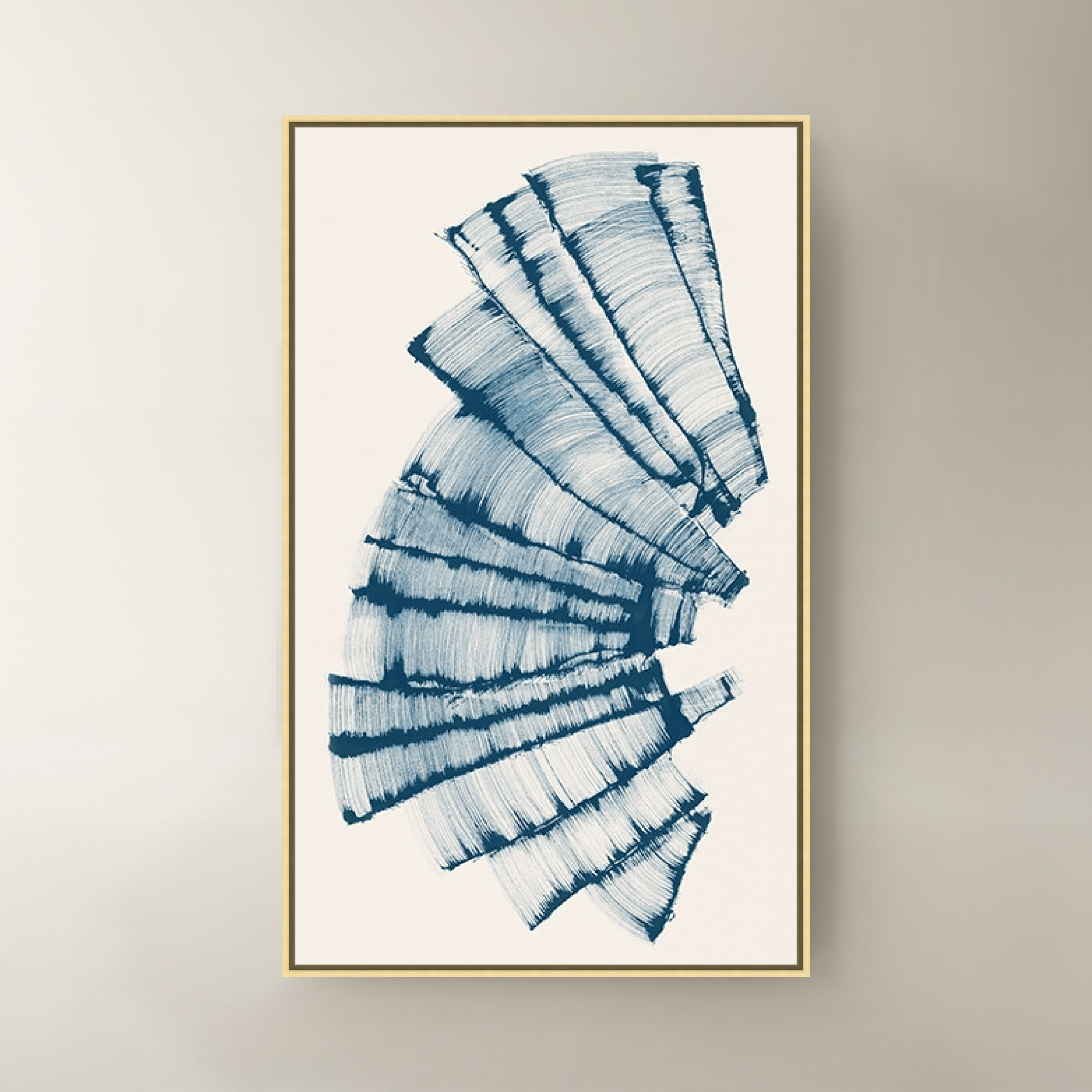
A hand-painted canvas in deep ink blue, framed under acrylic with a whitewashed wood frame.
Add To Cart -
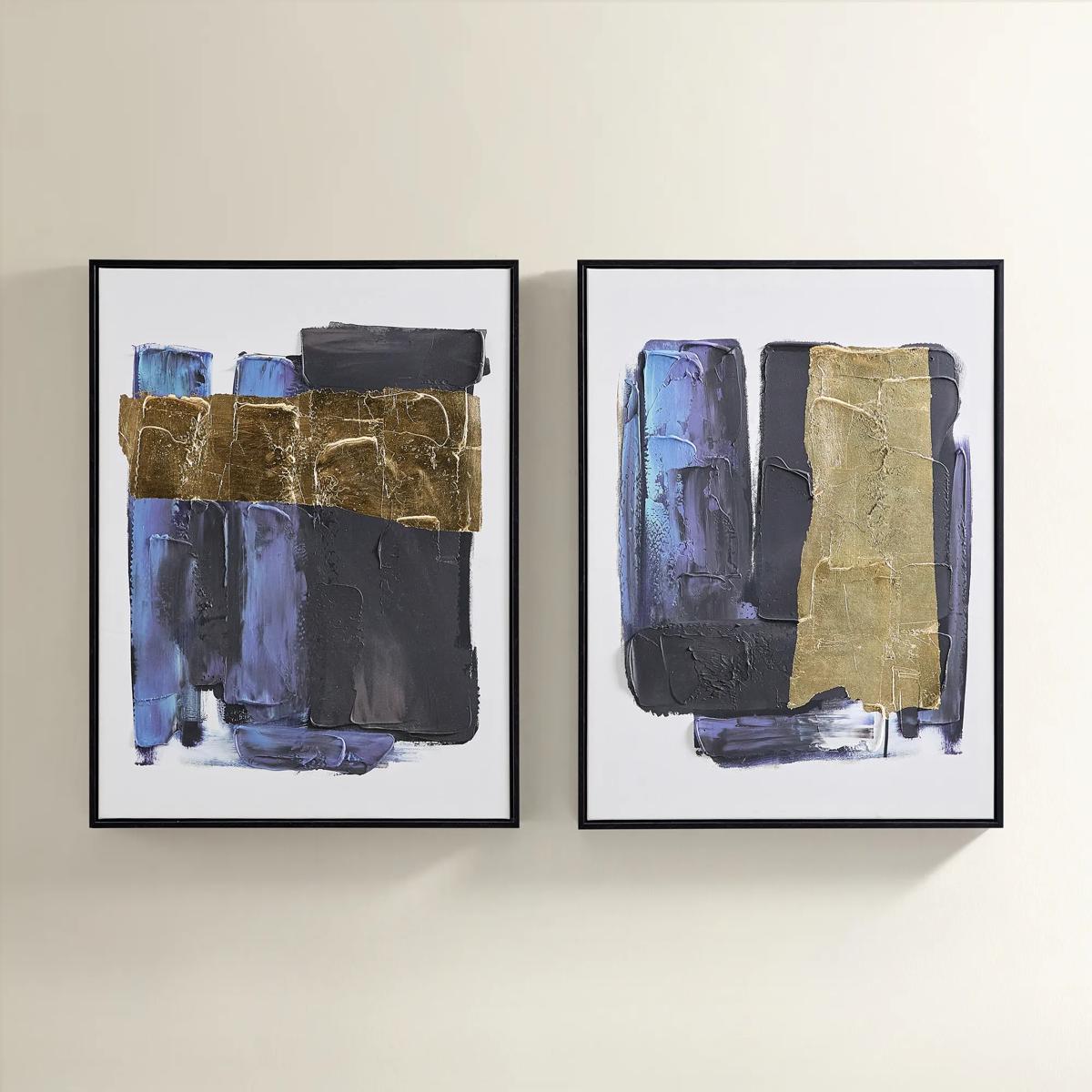
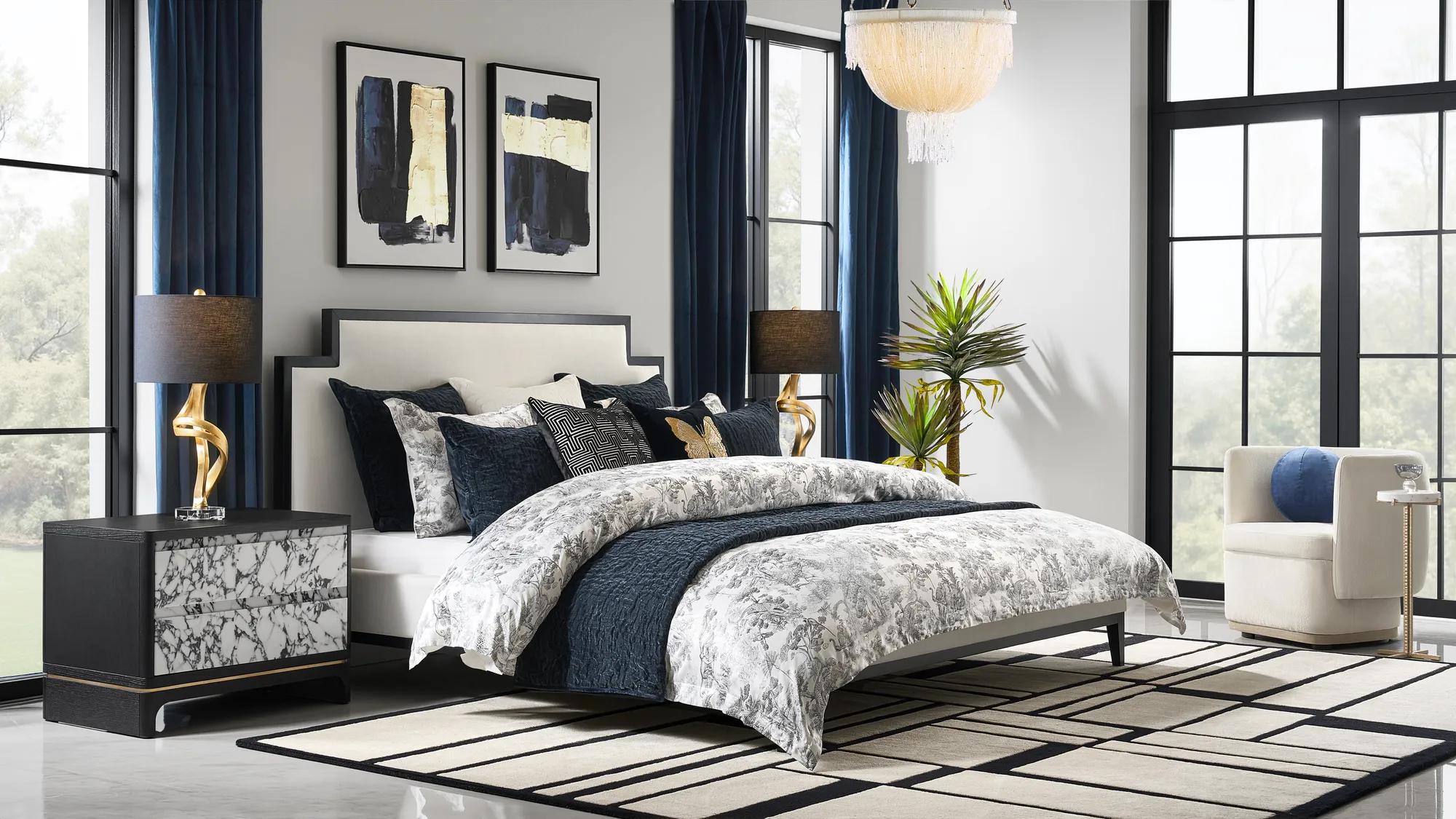 Deep Thoughts Gold Leaf Painted Wall Art Set of 2$199
A set of two hand-painted abstract canvases in blue and gold leaf, framed in sleek black.
Add To Cart -
.jpeg?w=1200&h=1200)
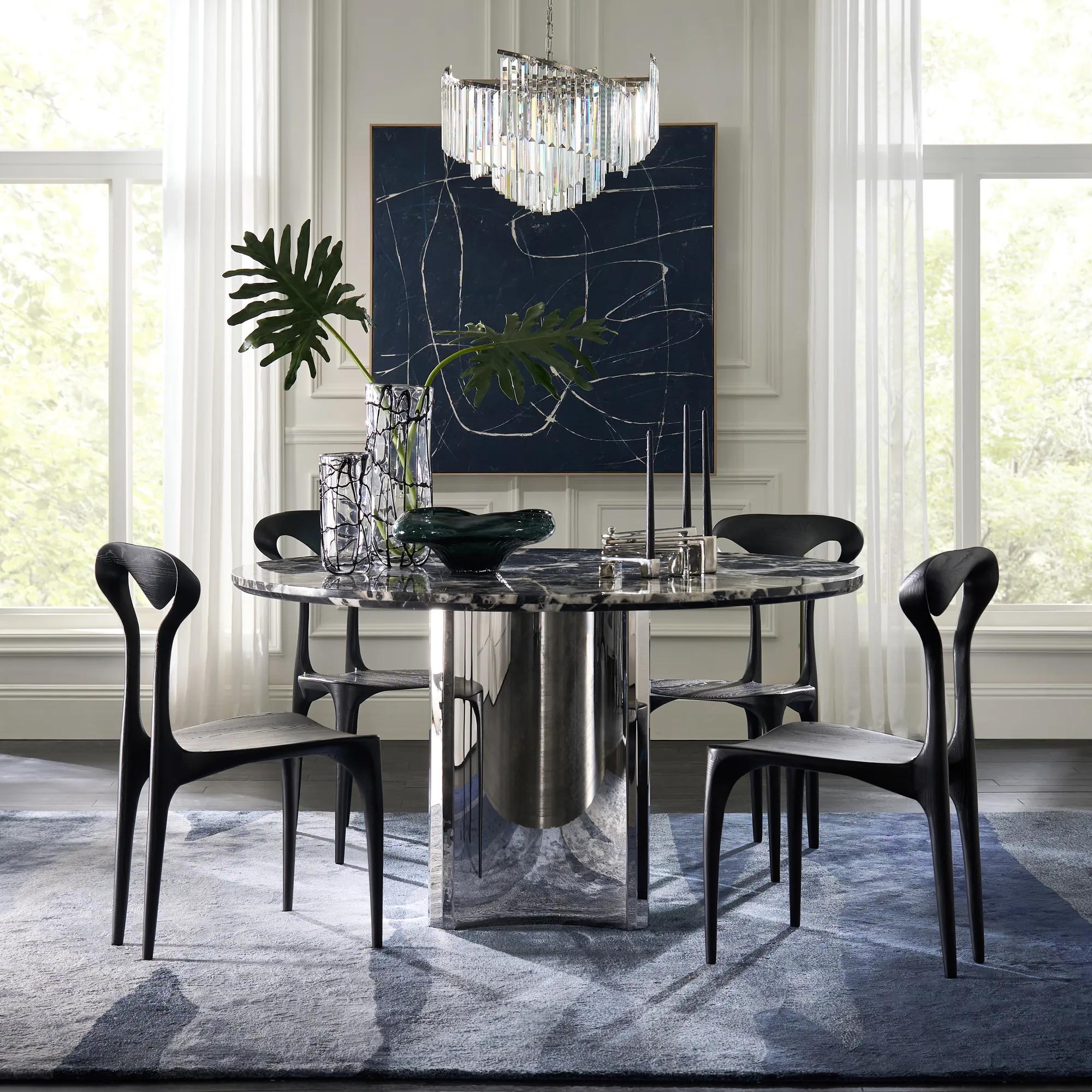 Almost Midnight Painting - Blue$439
A hand-painted canvas featuring bold blue and black tones with delicate white lines in a light wood frame.
Add To Cart -
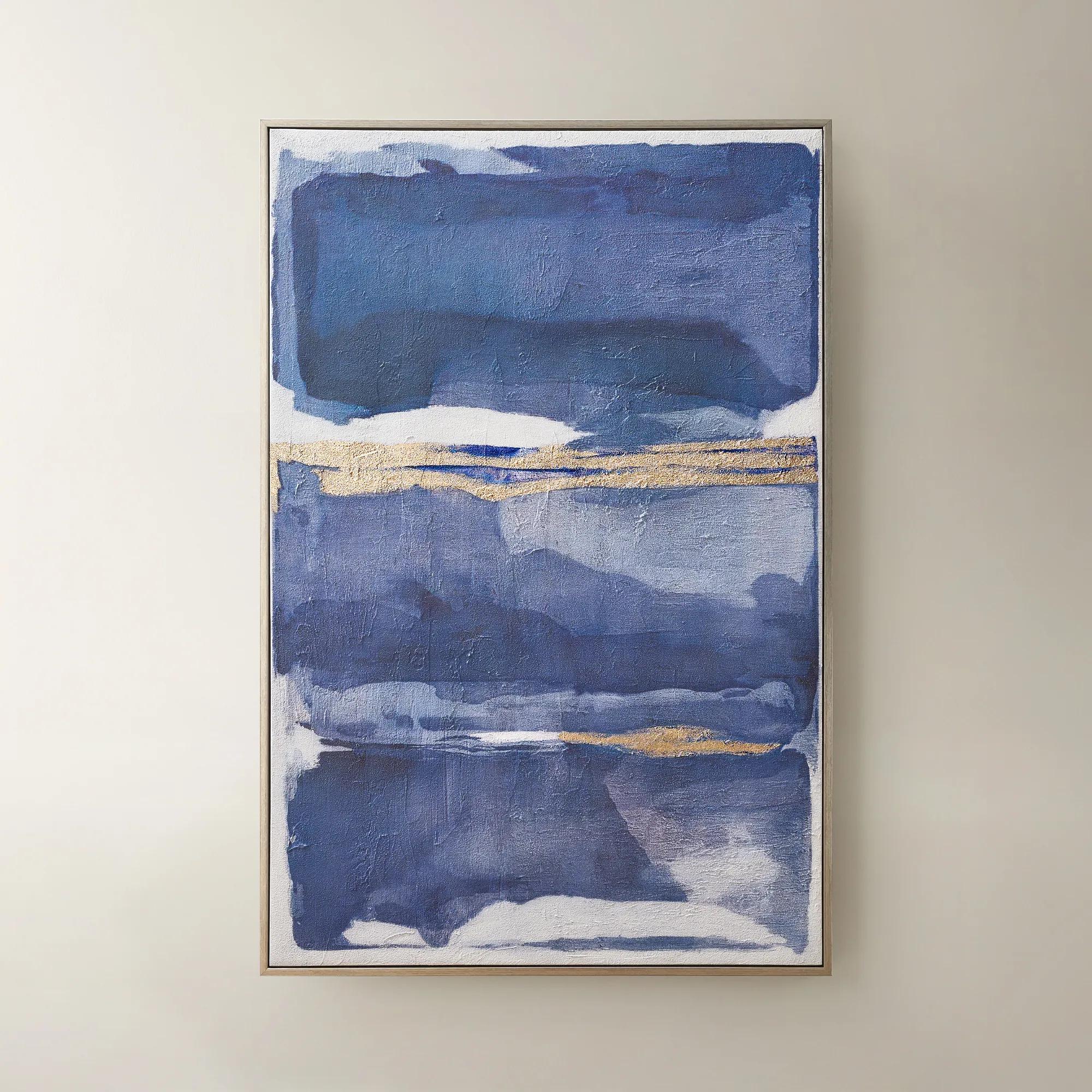
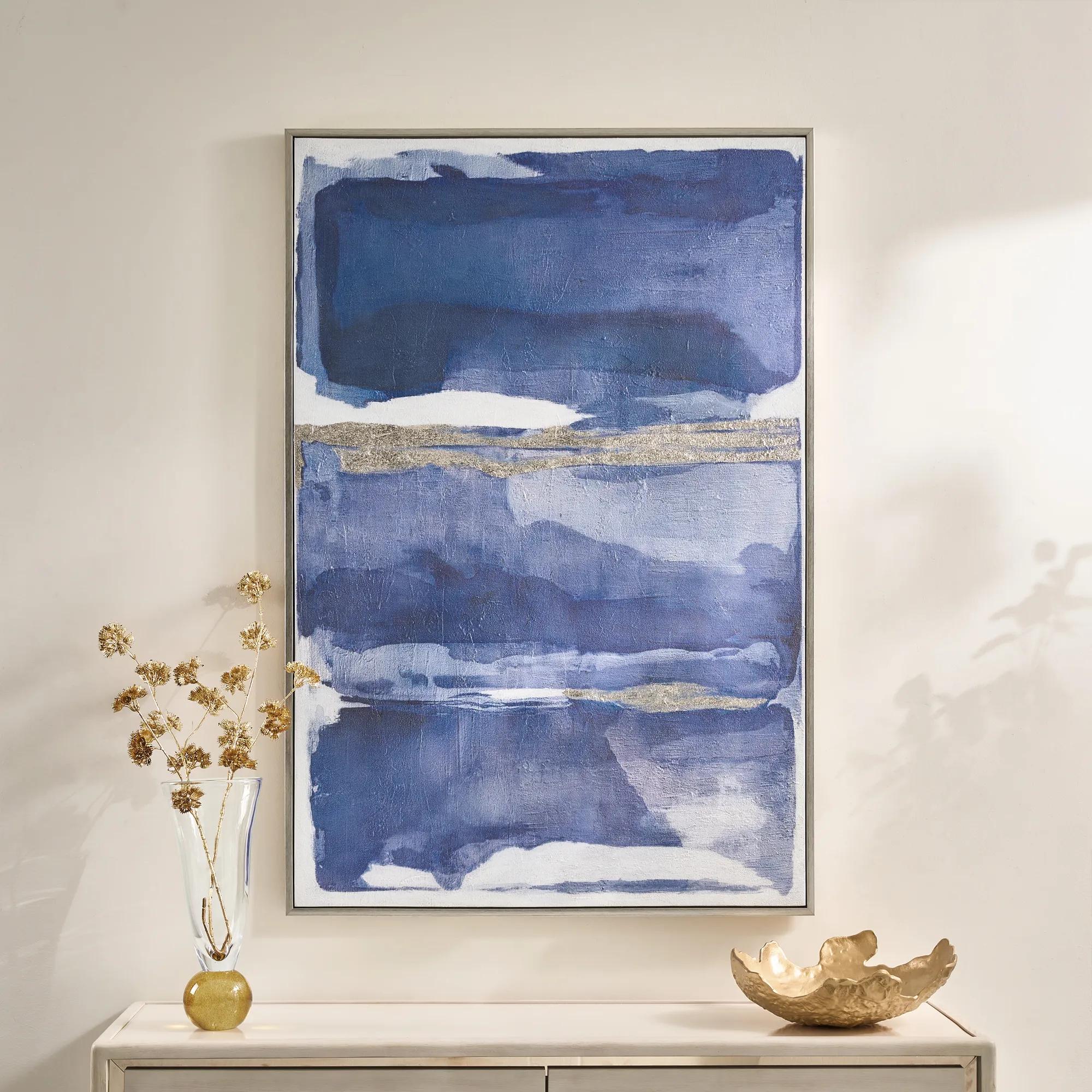 Memories in Blue Framed Painted Wall Art 40" x 60"$499
A hand-painted canvas in deep ink blue with champagne leafing for a sophisticated, gallery-inspired look.
Add To Cart -
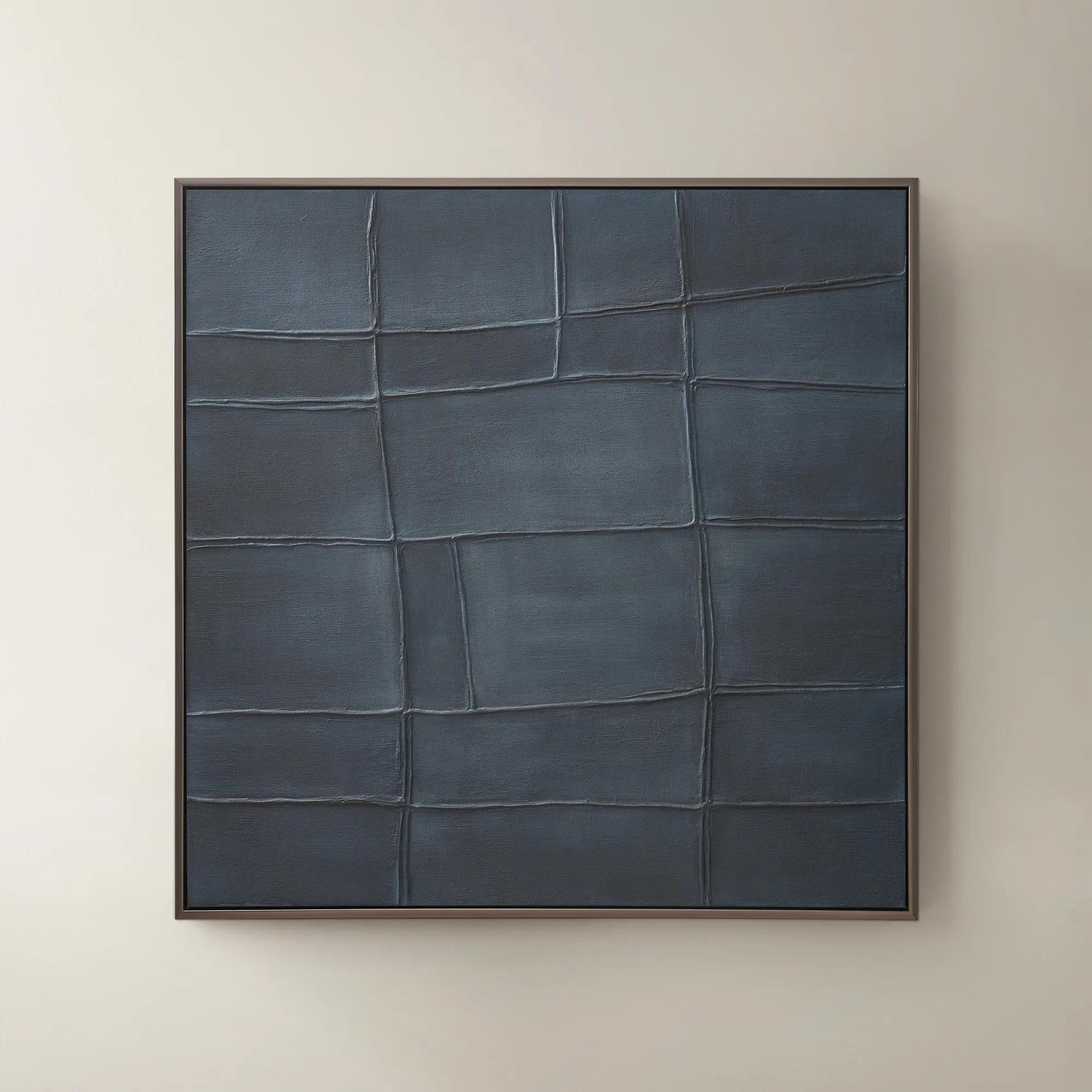
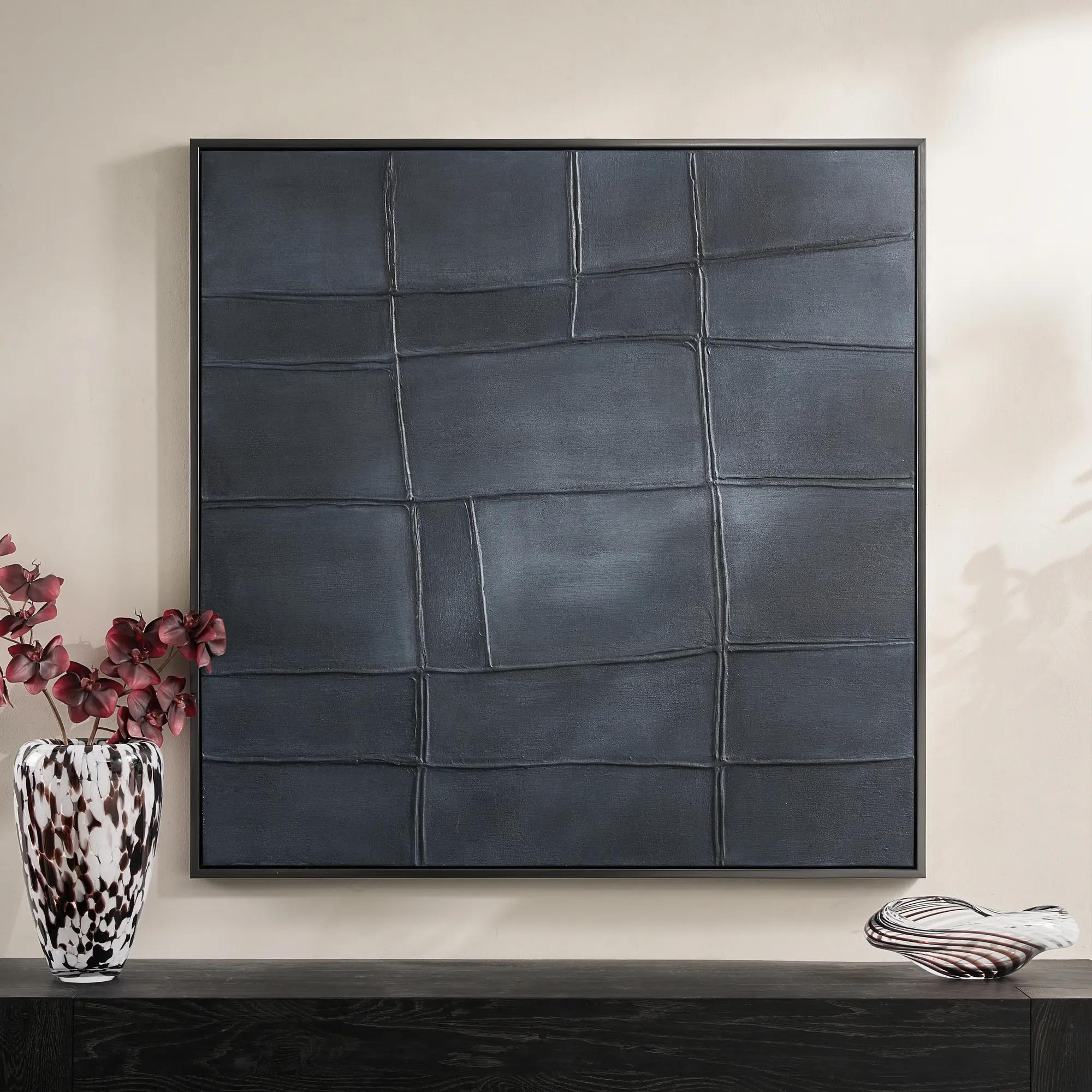 Ink Blue Interval Framed Painted Wall Art 48" x 48"$599
A hand-painted abstract canvas in deep ink blue, finished with a sleek gunmetal frame for modern appeal.
Add To Cart -
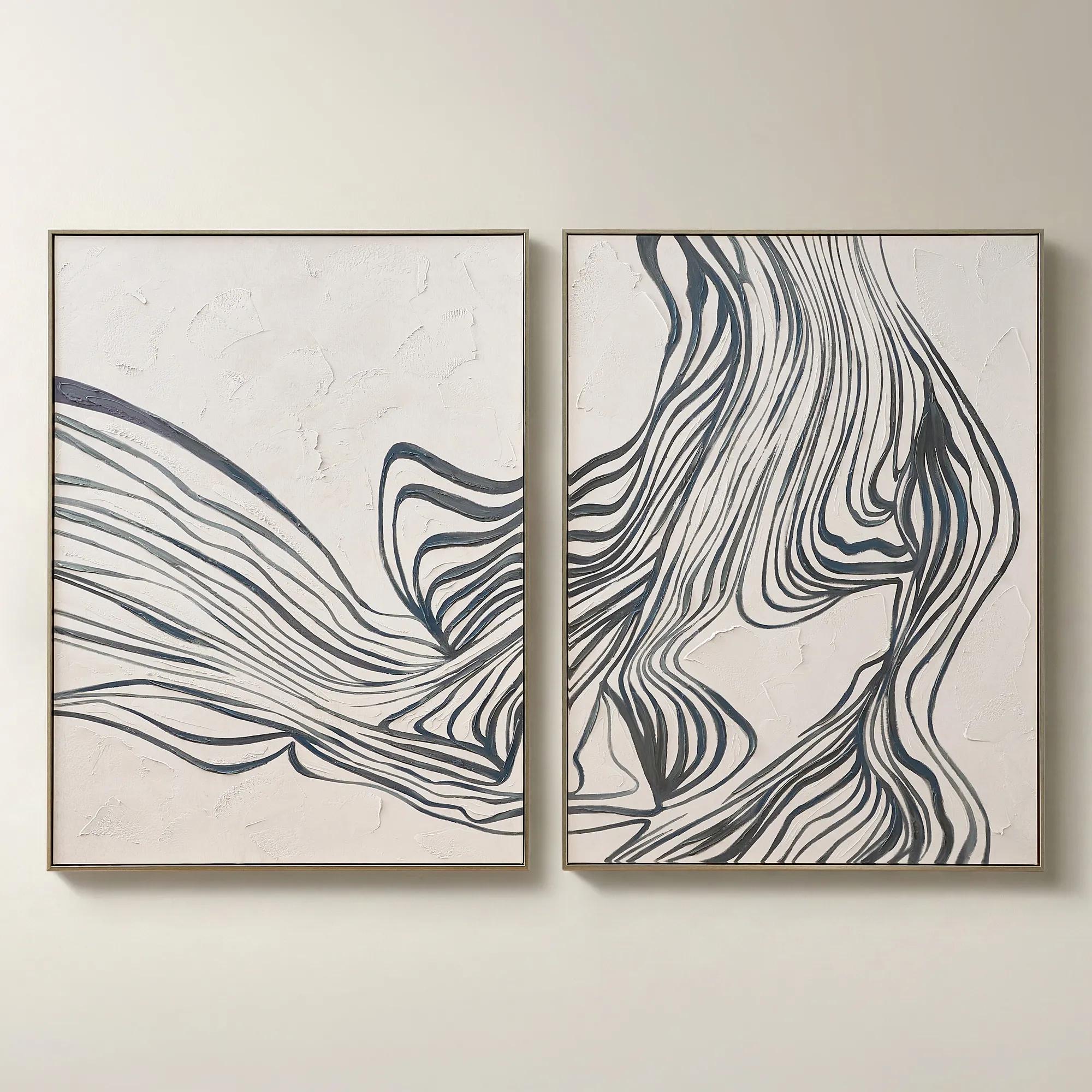
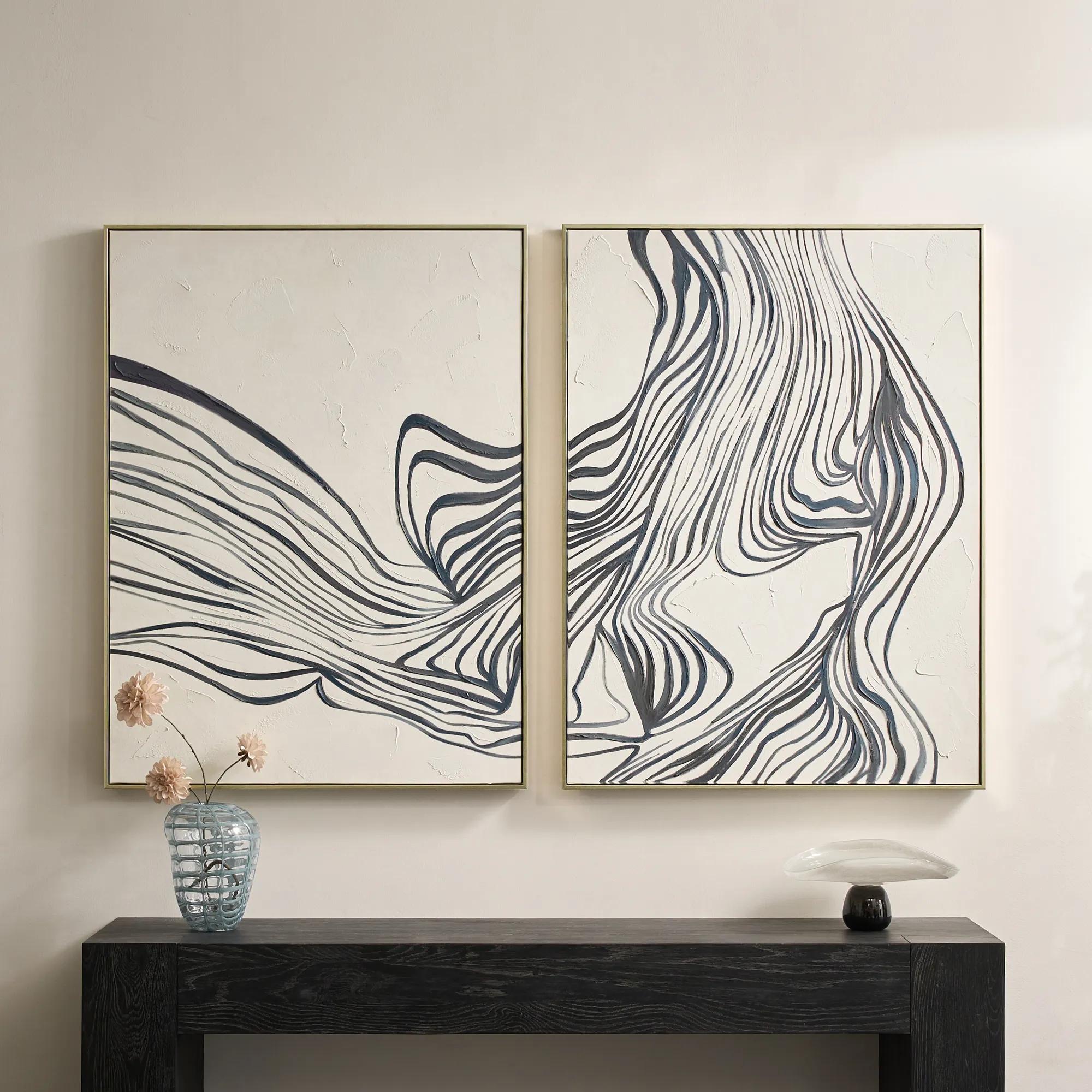 Rhythmic Framed Painted Wall Art 36" x 48" Set of 2$599
A hand-painted diptych featuring bold abstract stripes in dark slate and dusty blue with champagne frames.
Add To Cart -
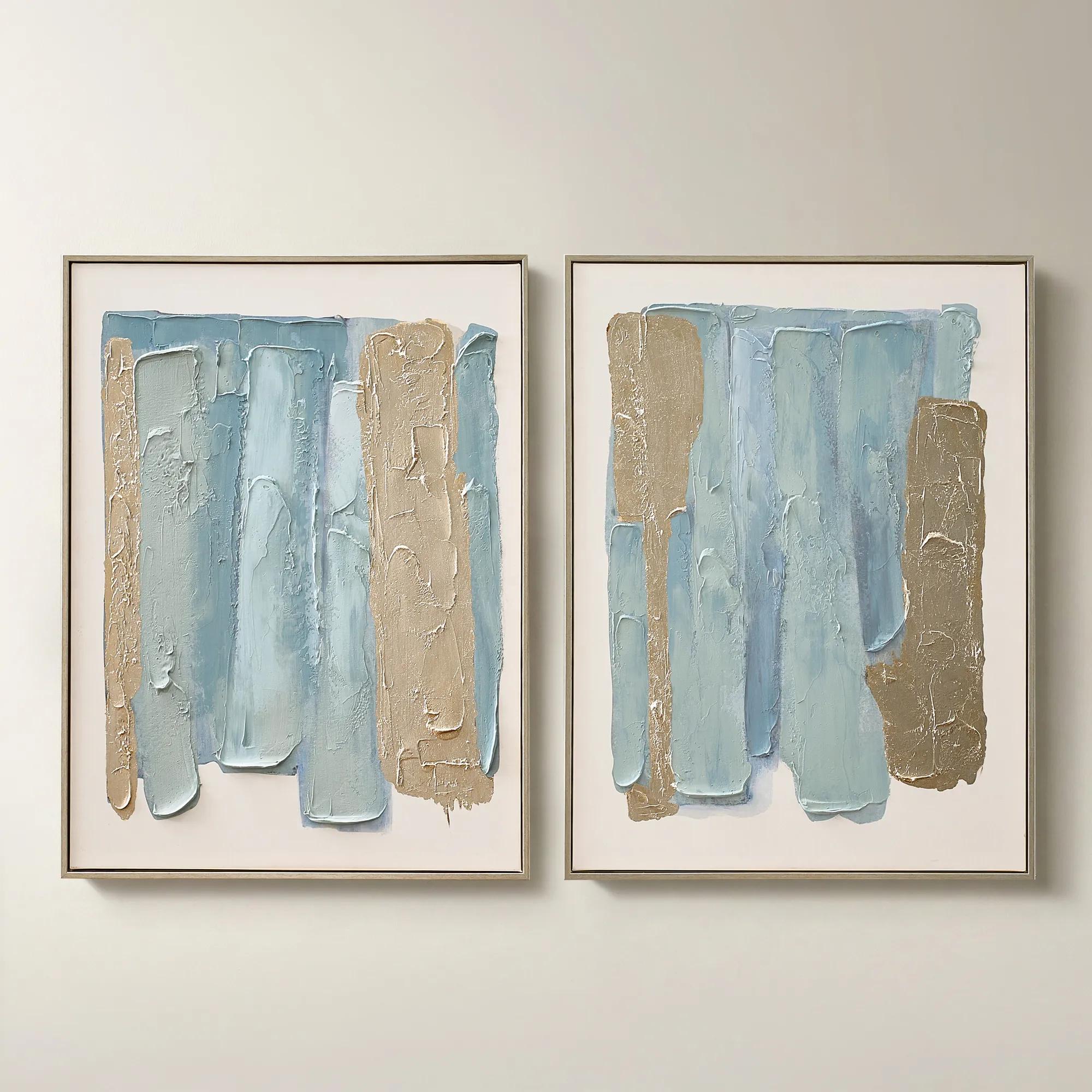
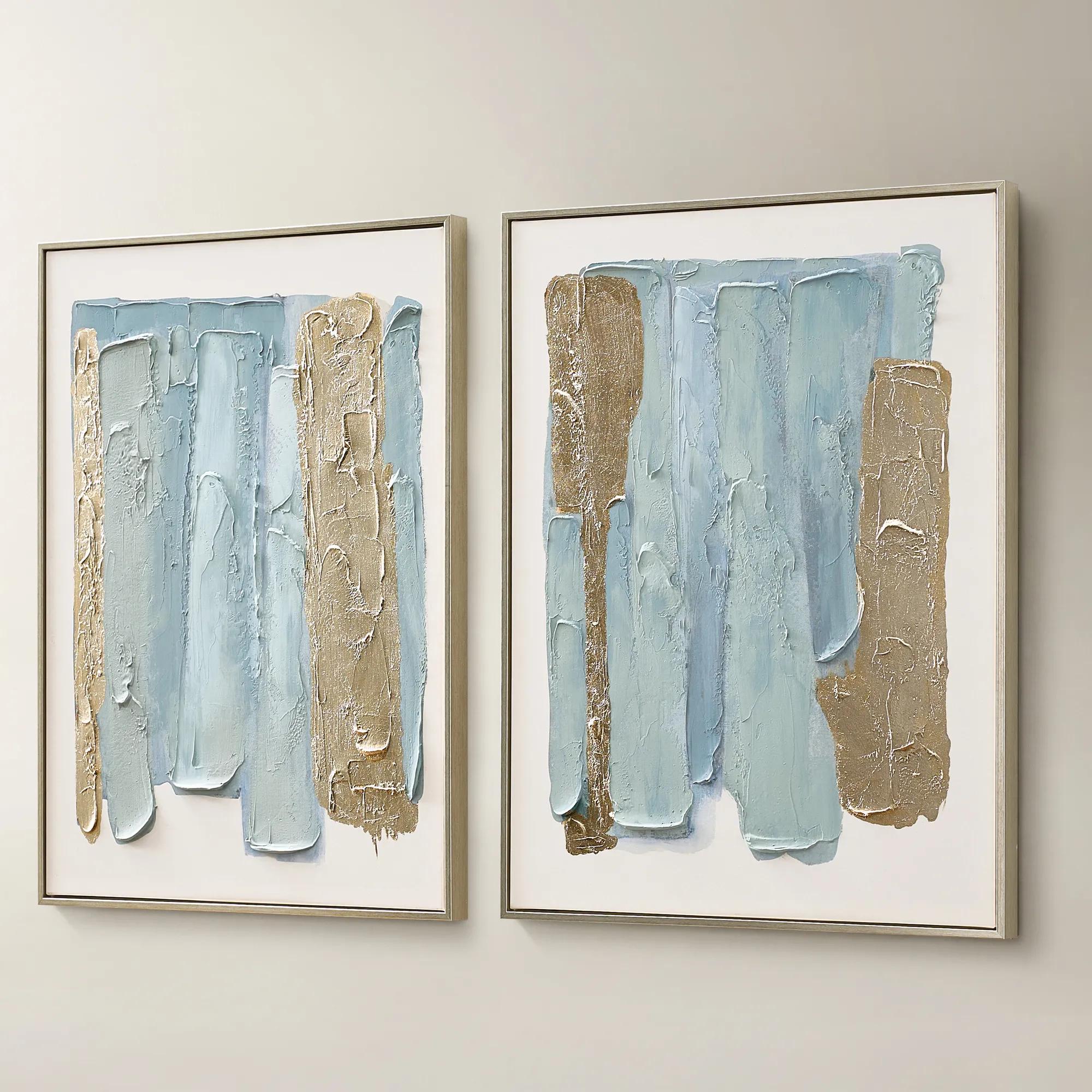 Blue Drift Framed Champagne Painted Wall Art 24" x 32" Set of 2$199
A set of two hand-painted canvases in dusty blue with champagne leafing and modern abstract movement.
Add To Cart -
.jpeg?w=1200&h=1200)
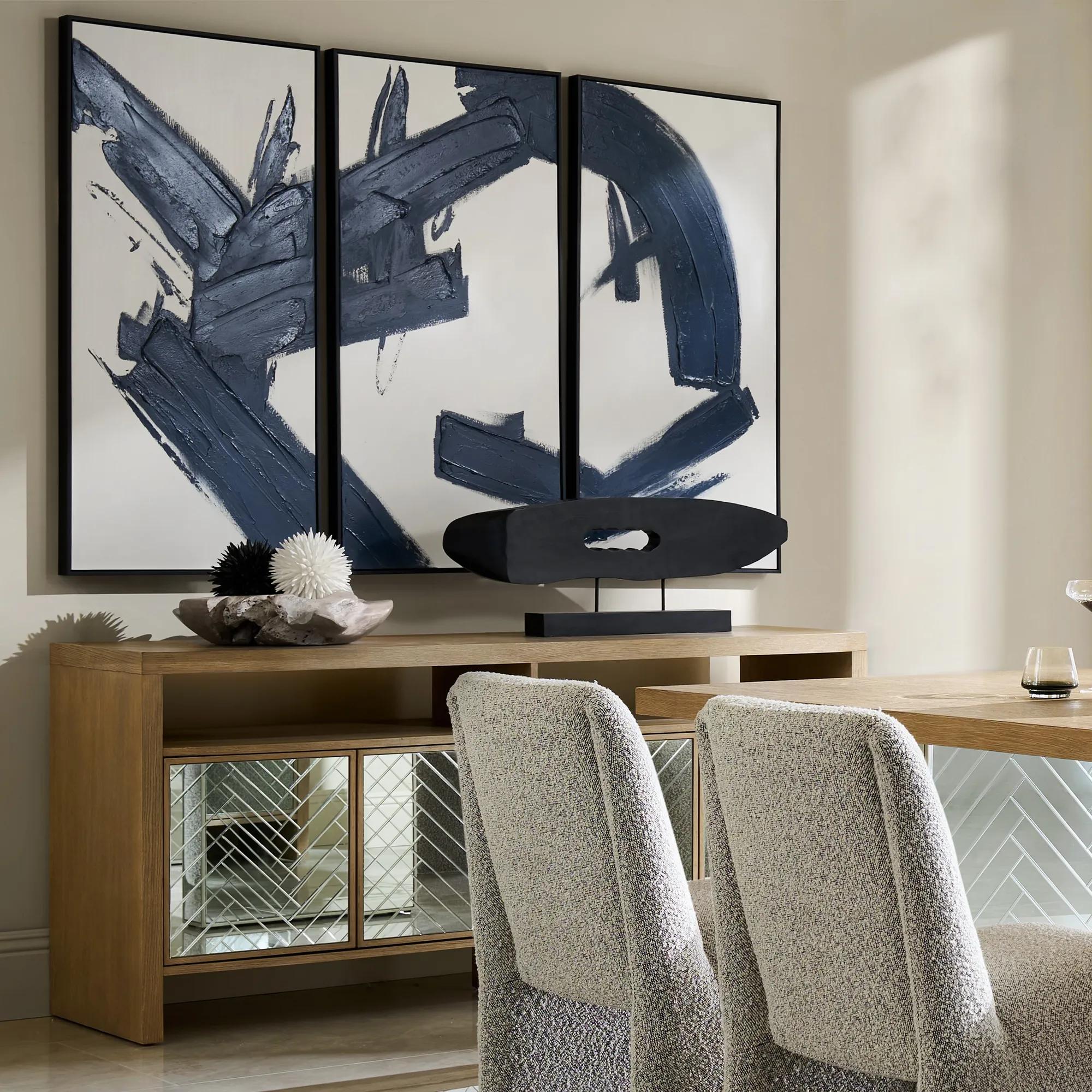 Relic Framed Painted Triptych Wall Art Set of 3$399
A hand-painted abstract triptych in deep navy and neutral tones, set in sleek black floater frames.
Add To Cart -
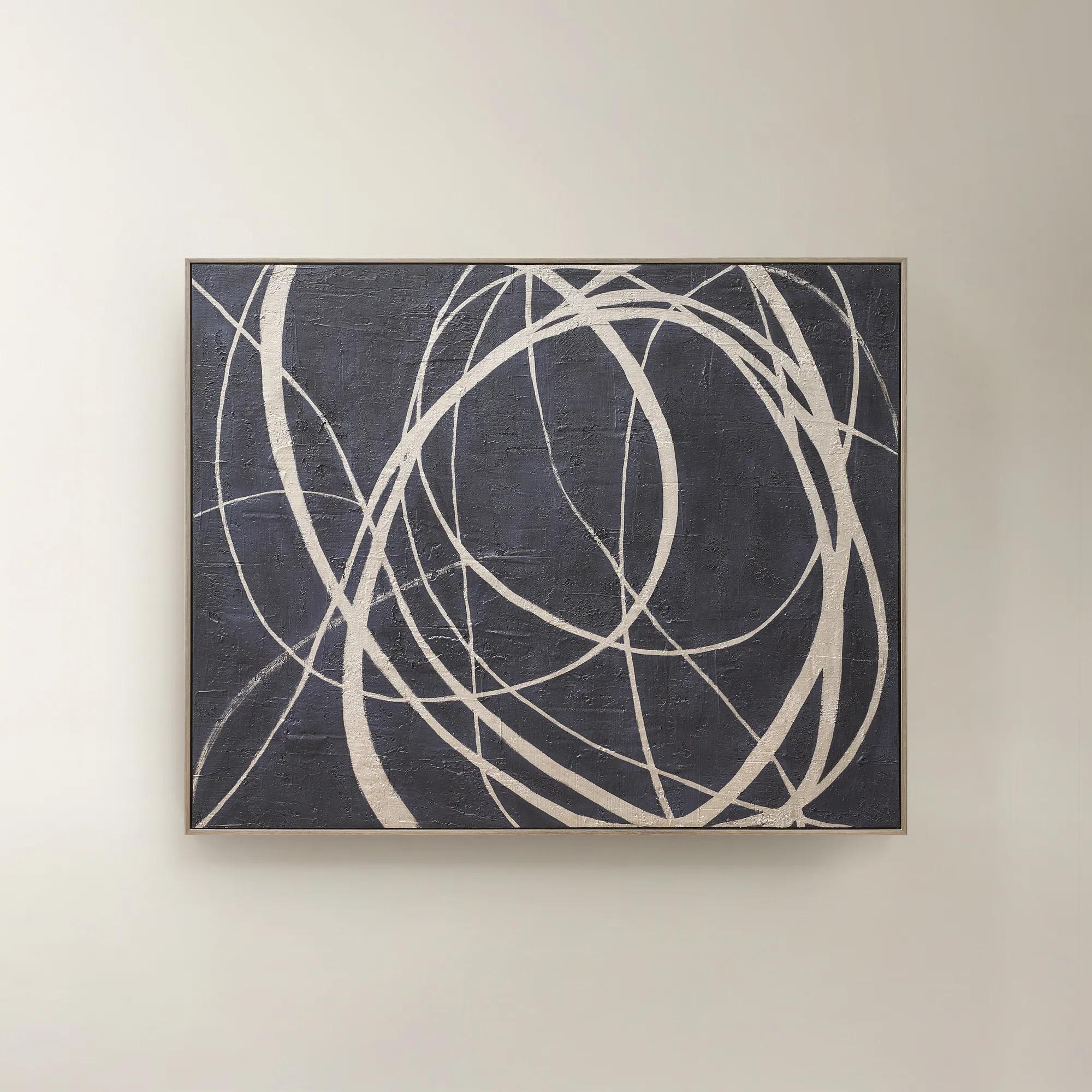 Wandering Framed Painted Wall Art 48" x 60"$699
An expressive hand-painted canvas in deep ink blue with champagne accents for a bold, sophisticated statement.
Add To Cart -
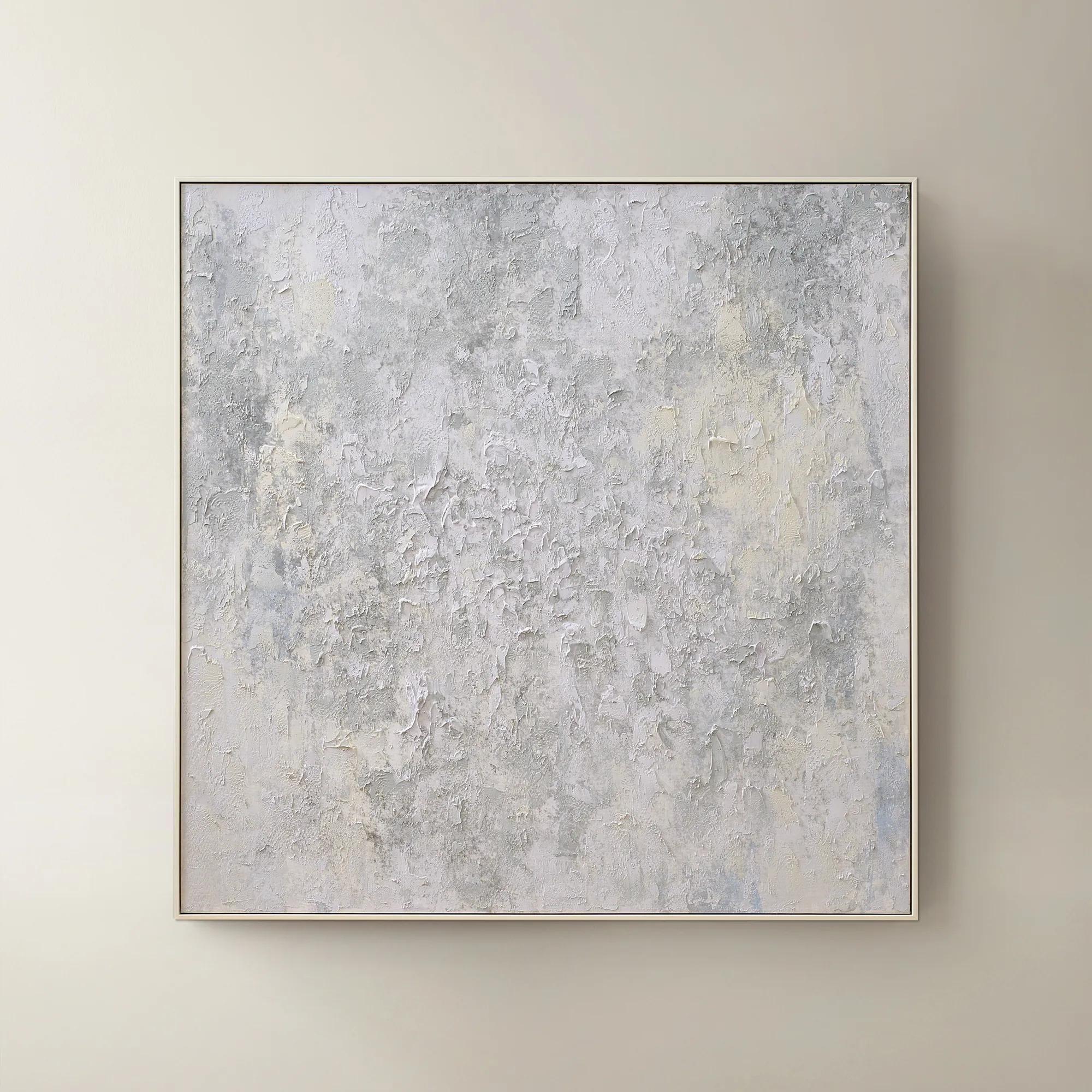 Breathe of Fresh Air Framed Painted Wall Art 50" x 50"$499
A hand-painted abstract canvas in dusty blue hues, elegantly framed in white for a serene, modern accent.
Add To Cart -
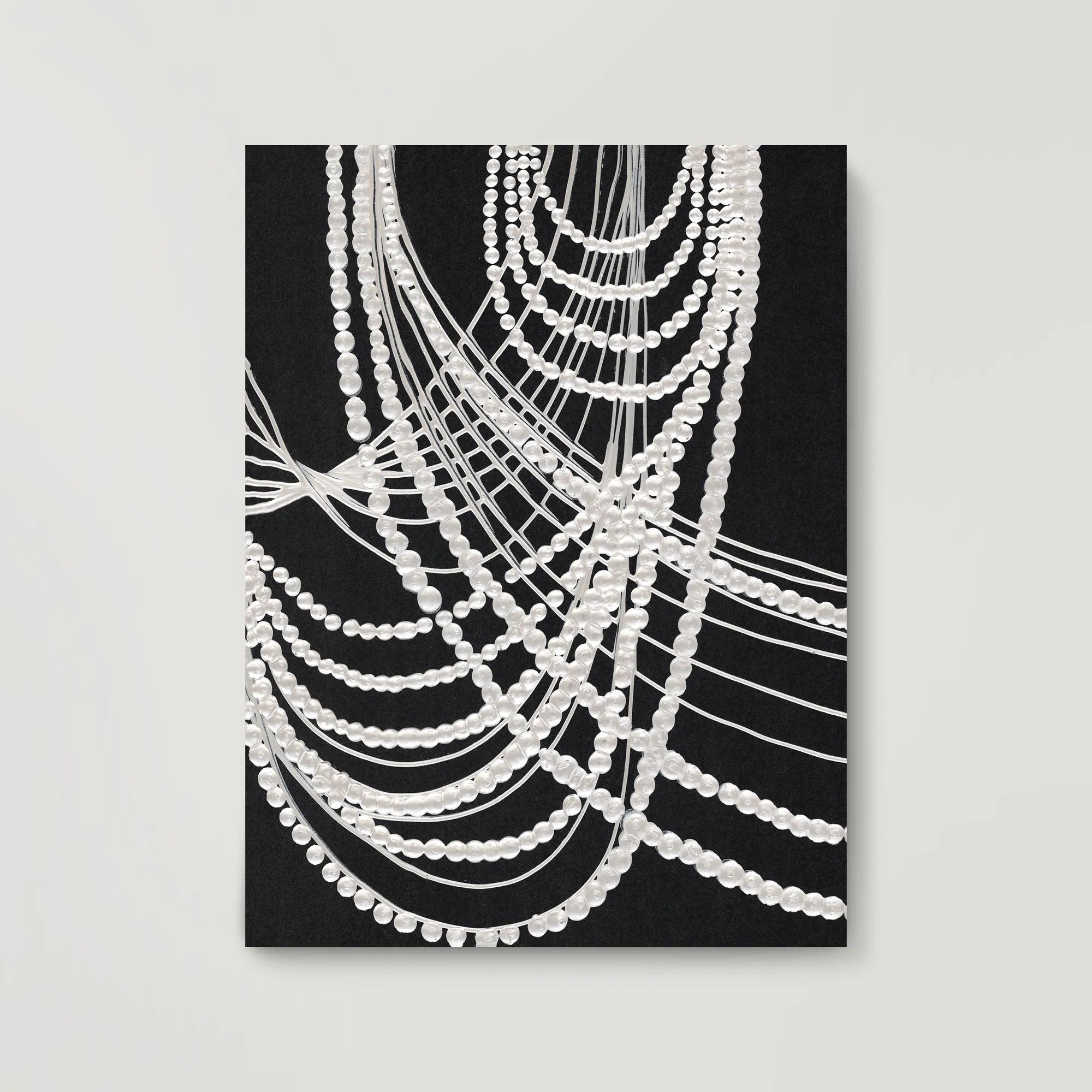 Dripping Pearls Painted Wall Art 36" x 48"$949
A striking hand-painted abstract artwork featuring layered acrylic and watercolor textures in a modern design.
Add To Cart -
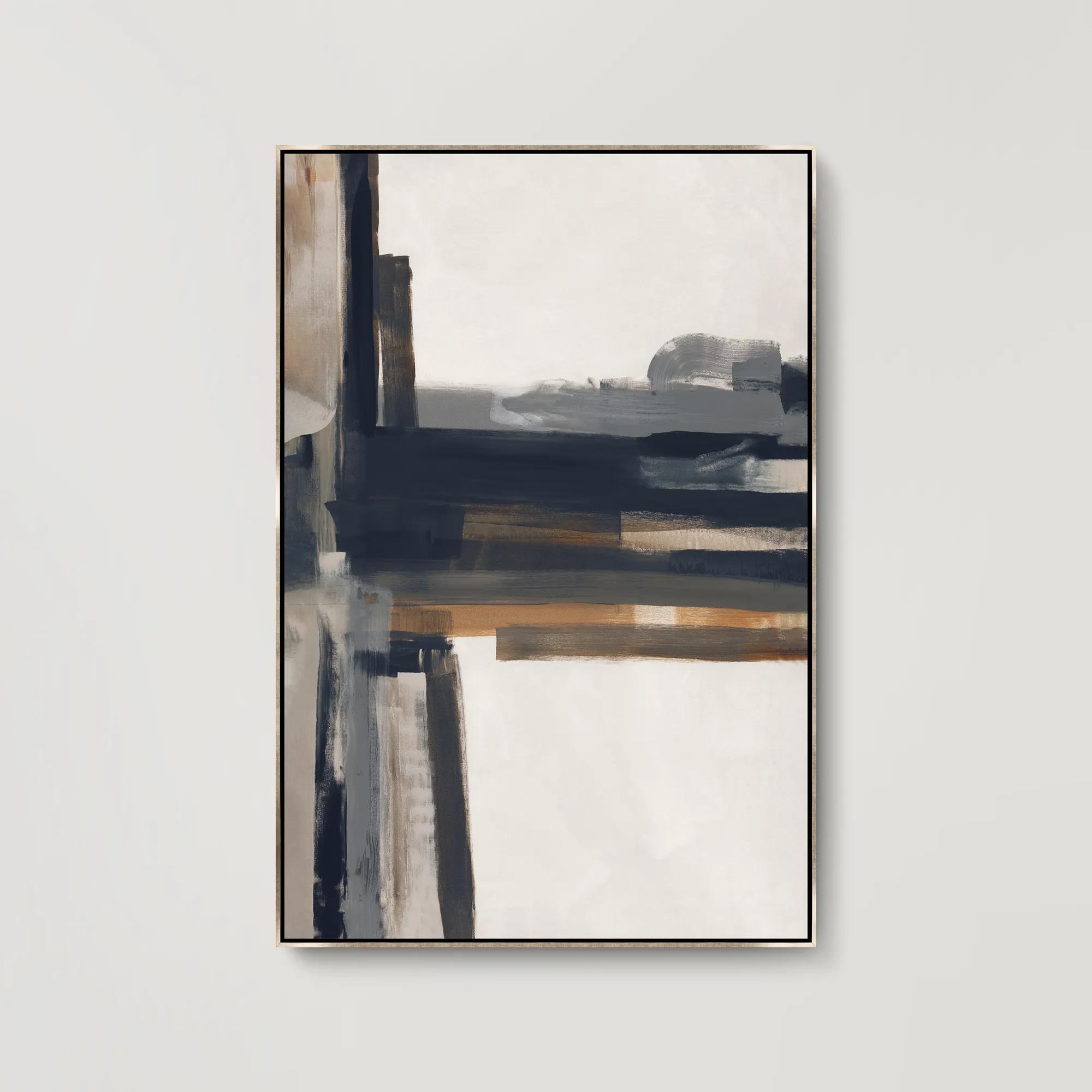
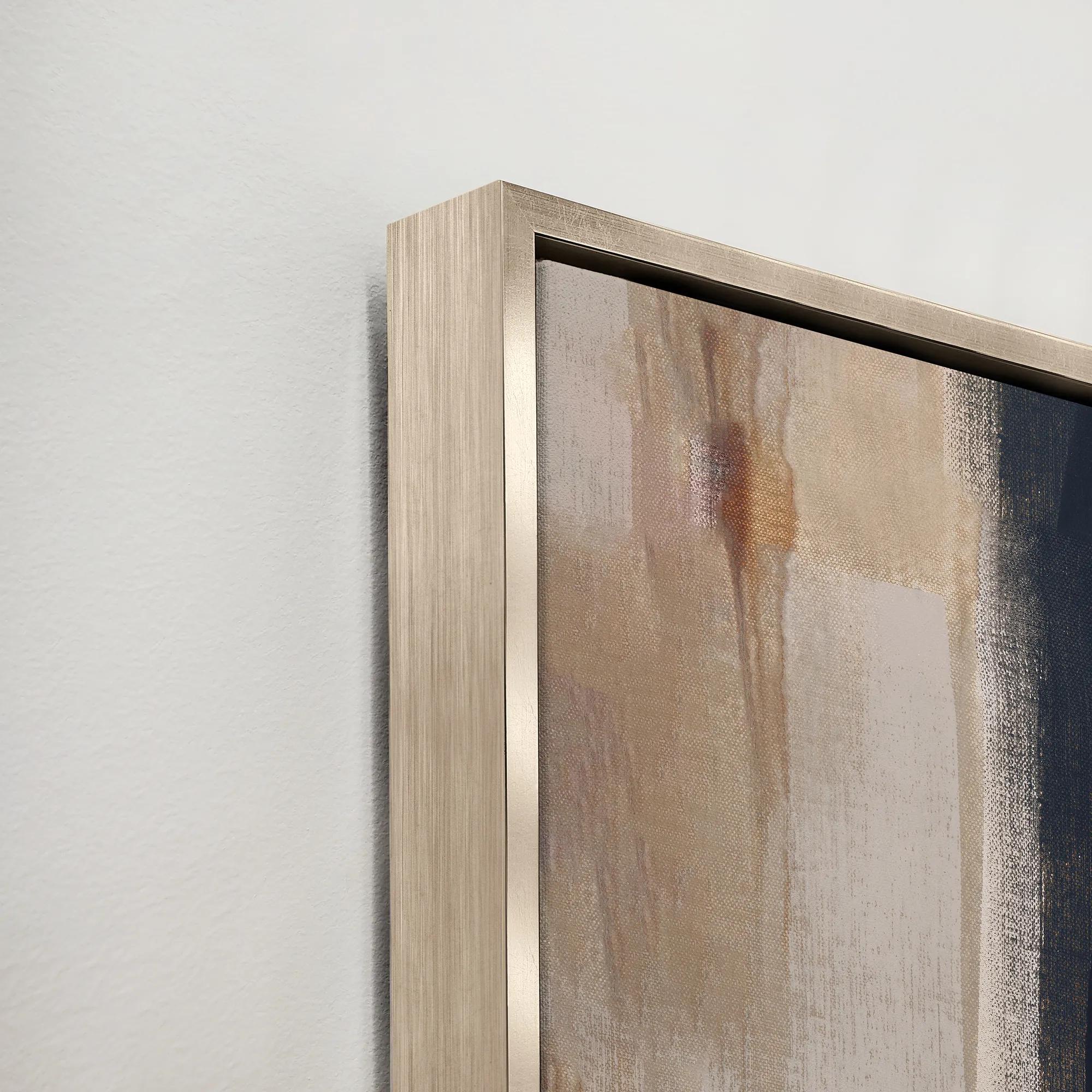 Imposing Construct I Framed Wall Art 41.5" x 61.5"$949
A gallery-wrapped abstract canvas featuring hand-applied brush gel and set in a sleek silver floater frame.
Add To Cart -
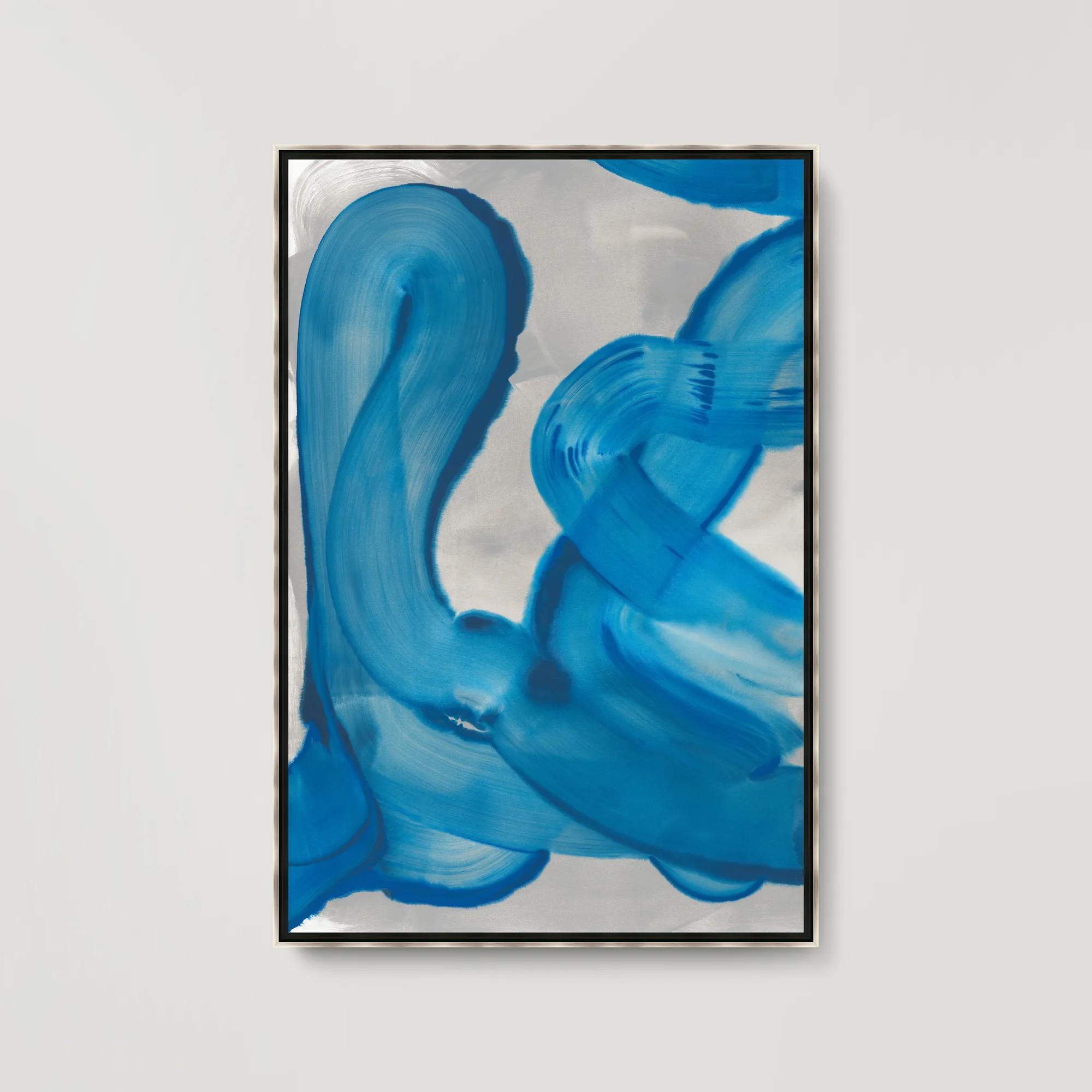 Royal Waves I Framed Wall Art 31.5" x 46.5"$699
A gallery-wrapped abstract canvas featuring hand-applied brush gel and set in a sleek silver floater frame.
Add To Cart -
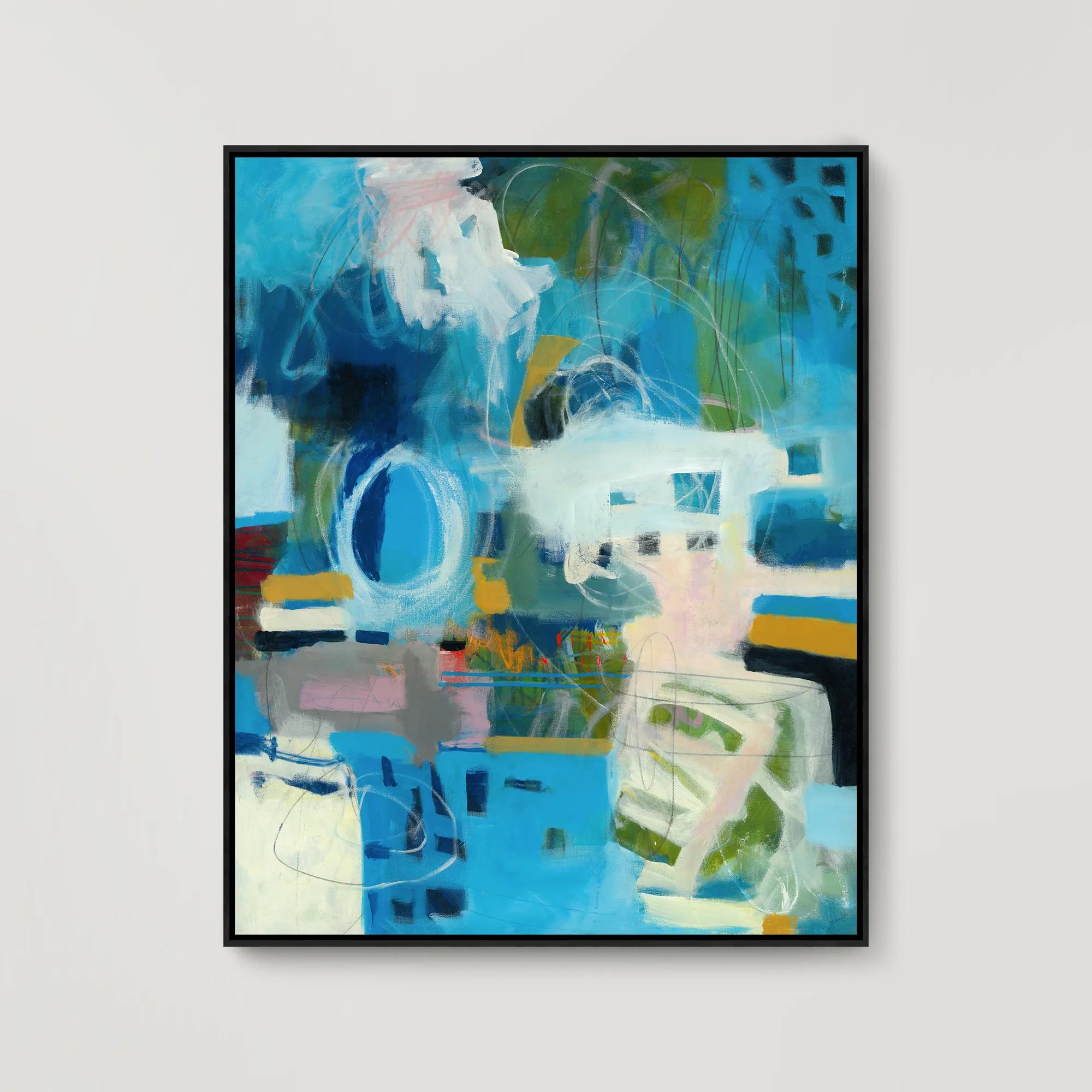
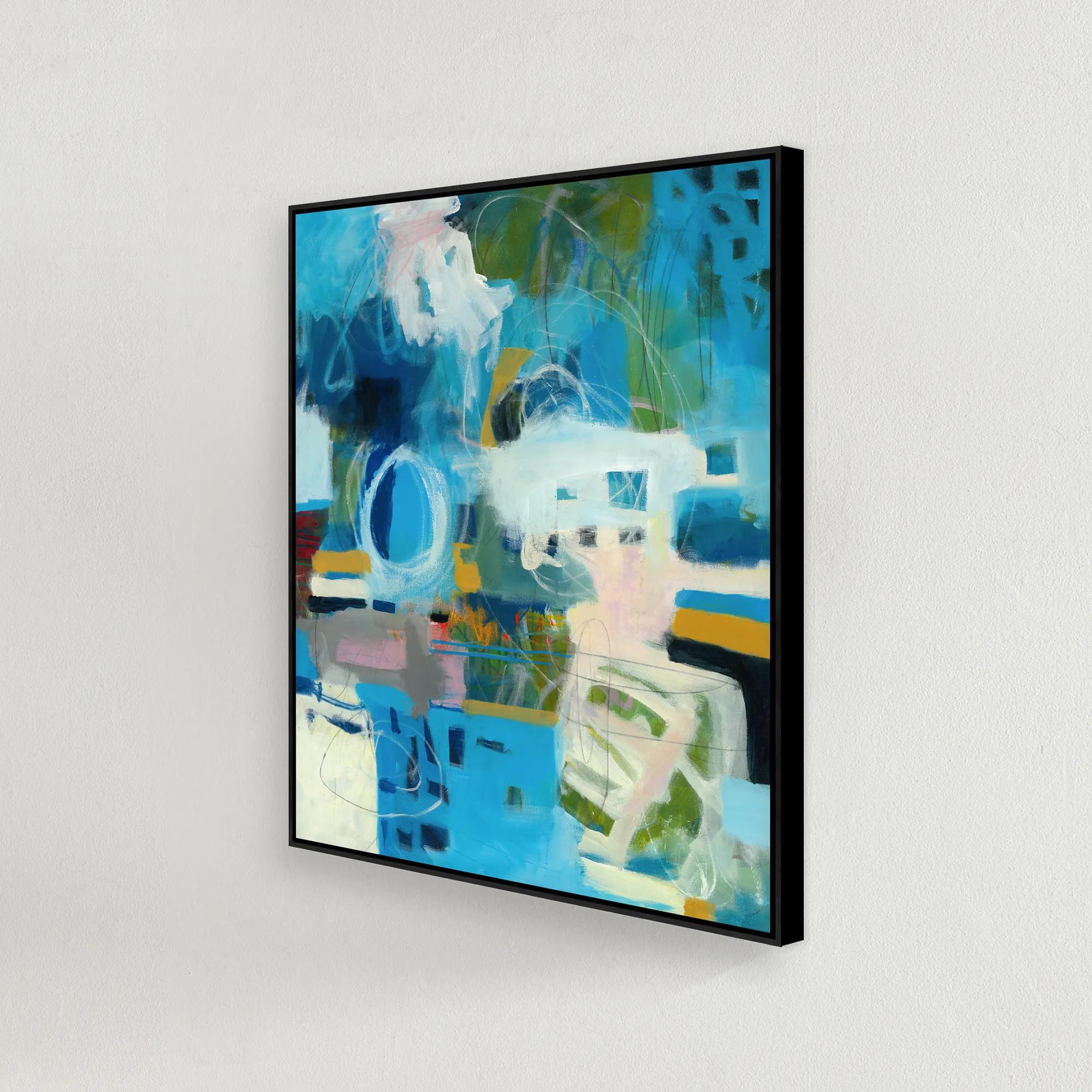 Just Across the Boarder Framed Wall Art 37.5" x 46.5"$749
A gallery-wrapped canvas artwork with hand-applied gel finish, set in a sleek black floater frame.
Add To Cart -
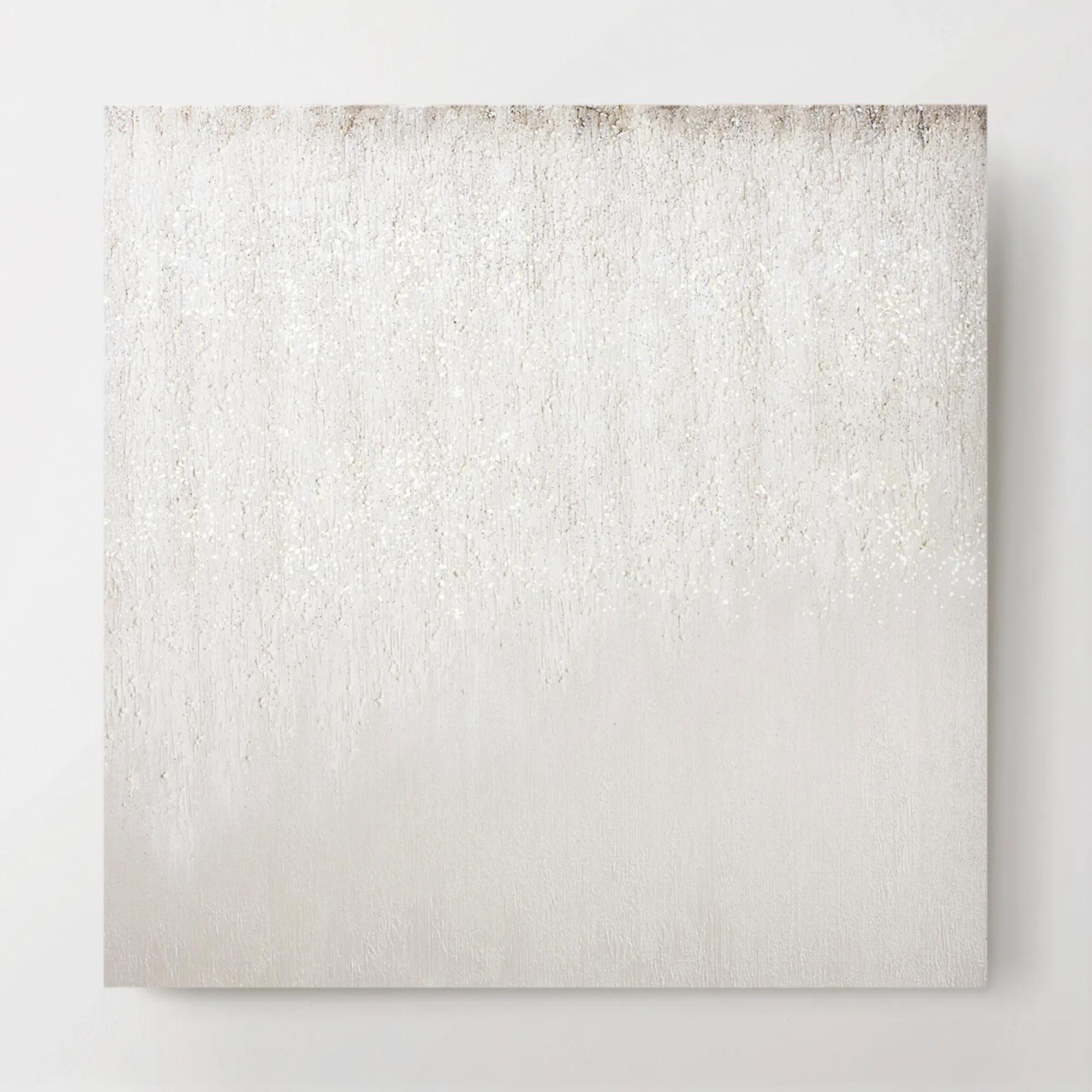 Je T'aime Glitter Painted Wall Art 30" x 30"$499
A hand-painted canvas artwork featuring ethereal hazy brushstrokes and subtle glitter embellishments.
Add To Cart -
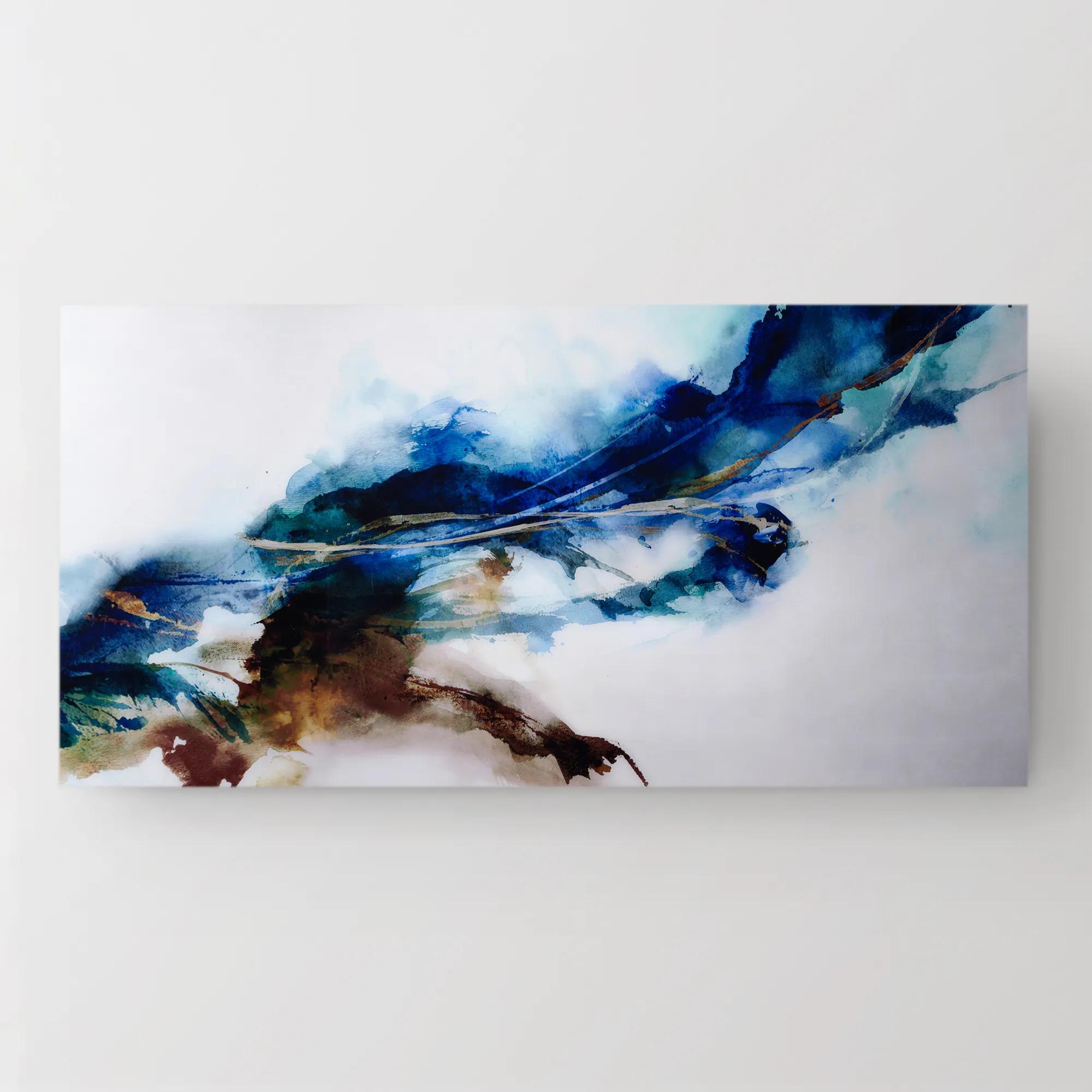 Cerulean Movement Acrylic Art 72" x 36"$1299
A vibrant abstract artwork printed on high-gloss acrylic, infusing your space with dynamic energy and movement.
Add To Cart -
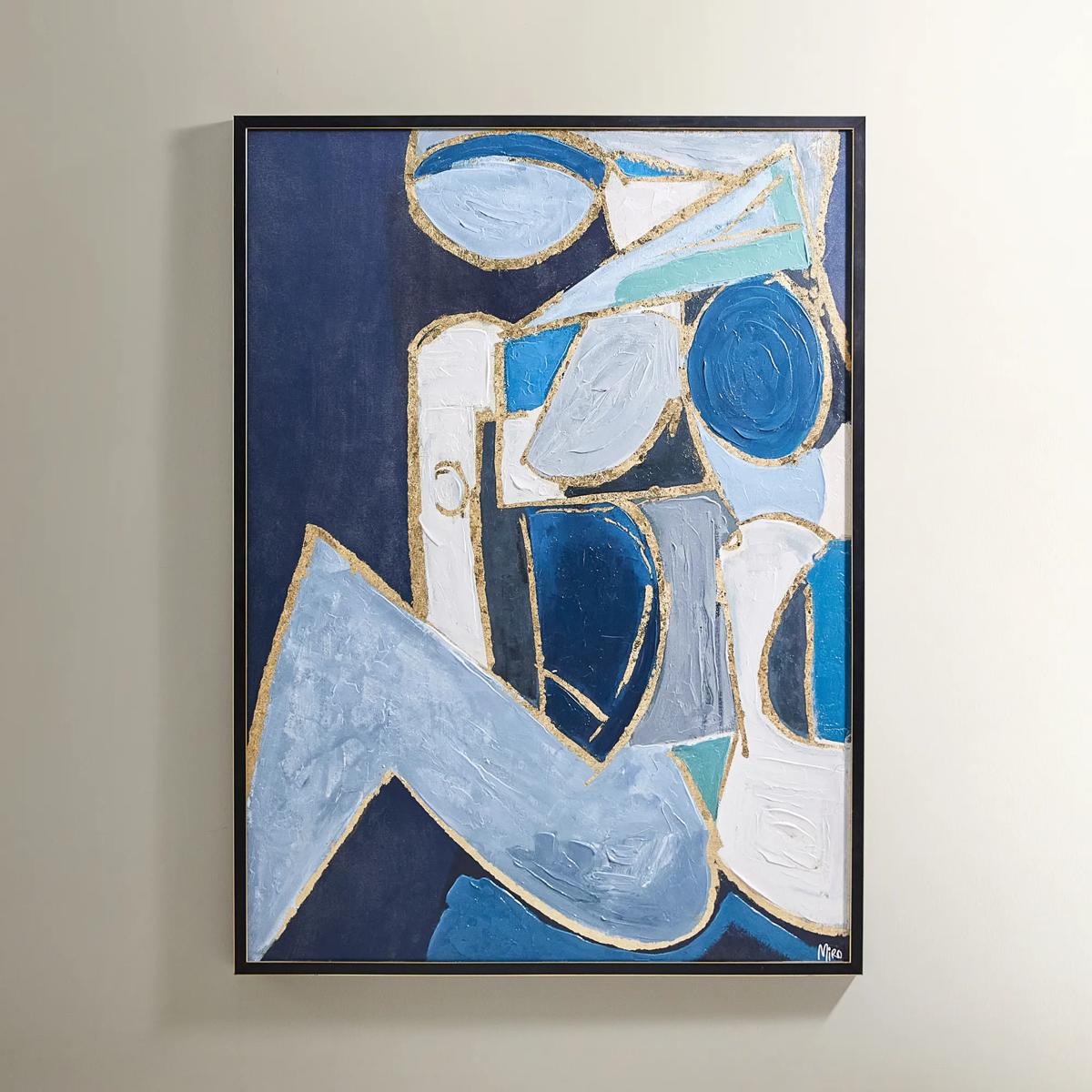
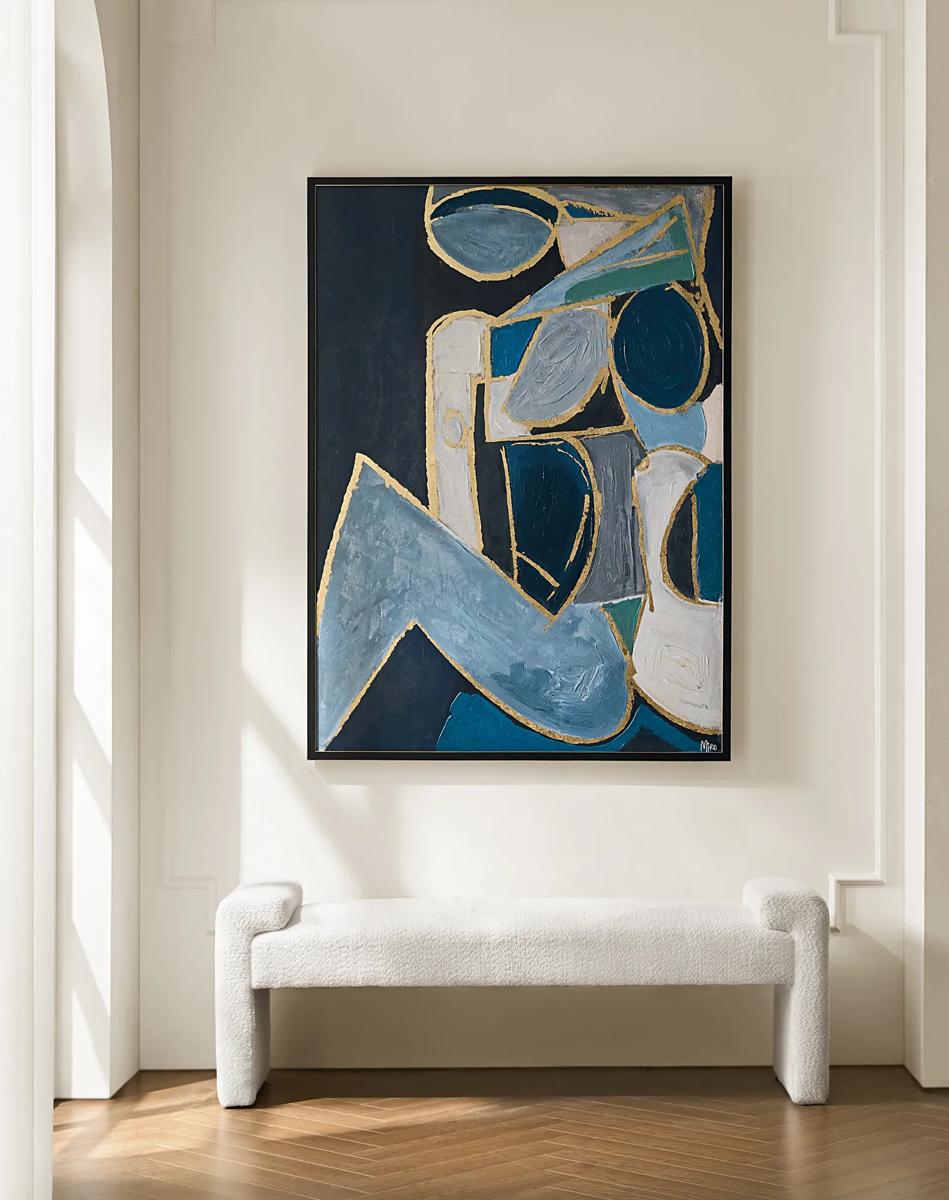 Figure in Cubism Painting$599
A hand-embellished canvas artwork featuring blue, gold, and white hues with elegant silver foil accents.
Add To Cart

Hand Painted Blue Art For Entryways
Hand painted blue art for entryways transforms the first impression of your home into a captivating statement. Each brushstroke whispers sophistication, layering shades of azure, indigo, and cobalt to evoke a sense of intrigue and serenity. These expressive works invite guests into a world where artistry reigns—where the threshold becomes a gallery and every arrival feels like an unveiling. With hand painted blue art for entryways, your foyer transcends function and becomes a bold prelude to the style story that unfolds within.
Hand painted blue art for entryways brings immediate atmosphere to one of the most important spaces in the home. Before guests see the dining room or settle into the living room, they encounter the foyer—a passage that can feel purely functional or become a memorable opening scene. Blue artwork gives that first impression depth, movement, and a note of collected sophistication. Depending on the palette, it can suggest a horizon at dusk, the layered surface of agate, storm-washed skies, or the quiet rhythm of water. Deep navy and indigo create a dramatic, enveloping mood, while cobalt, sapphire, and cerulean bring energy and clarity. Softer powder blue and gray-blue tones lend a more serene presence, especially alongside pale woods, brushed metal, ivory upholstery, or reflective surfaces. Because each hand-painted work carries the visible gesture of the artist’s brush, no two pieces feel entirely alike. Subtle variations in pigment, texture, and composition give the entryway a sense of discovery, as though the artwork has been chosen for its character rather than simply matched to a color scheme. Abstract and minimalist compositions are especially effective in modern foyers, where a sweeping field of blue can provide a moment of visual calm against architectural lines. Ocean-inspired paintings, sky-like canvases, and wabi-sabi works with organic edges or imperfect marks introduce a more elemental sensibility. For a wider console table, a diptych or coordinated pair can create balance without looking overly formal, particularly when the composition carries blue through both panels and introduces a glint of gold, silver, or warm neutral. A single large canvas, meanwhile, can serve as a commanding focal point above a slim console, turning an otherwise overlooked wall into a gallery-worthy vignette.
Scale and placement are essential when selecting hand painted blue art for an entryway. Begin by measuring the wall area and the furniture beneath it, then consider the visual weight of the frame as carefully as the dimensions of the canvas. As a general guideline, artwork above a console often looks most composed when its total width is approximately two-thirds to three-quarters of the furniture’s width. Leave enough breathing room around the piece so the painting can make an impression without appearing crowded by sconces, mirrors, or nearby doorways. In a narrow hall, a vertical canvas can draw the eye upward and emphasize ceiling height, while a horizontal work can visually expand a compact foyer or complement a long console. For two-panel arrangements, treat the grouping as one composition when calculating scale, allowing a considered gap between canvases rather than placing them tightly together. A hand-painted canvas with heavy brushstrokes or acrylic mixed media can be especially striking in an entryway because changing daylight reveals raised texture and layered color from different angles. Metallic foil accents and mirror-like details catch the softer light that often reaches a foyer, adding a refined glimmer without relying on the artwork to be overly bright. Framing also shapes the experience: a slim black frame sharpens saturated blue and suits a tailored, contemporary interior; a silver frame enhances cool tones with sleek luminosity; a gold frame warms indigo, teal, and midnight shades with a touch of old-world glamour; and a floater frame gives the canvas a clean, gallery-inspired finish while allowing the painted edges to remain part of the composition. In a home with high traffic, place the artwork where it can be admired without obstructing the natural path through the space, and use secure hanging hardware appropriate for the artwork’s weight. When the entryway is illuminated by a pendant or wall light, position the piece to avoid direct glare across glossy paint or metallic accents. A softly angled light can instead reveal the brushwork and make the surface feel almost dimensional. During the cooler months, when the front door opens onto darker afternoons and layered coats begin to gather near the threshold, rich blue art can give the foyer a grounded, welcoming presence that feels polished in every light.
These pieces are well suited to anyone who sees the entryway as an extension of personal style rather than a place to simply drop keys and shoes. They complement confident interiors filled with sculptural furnishings, jewel-toned accents, polished stone, glass, velvet, and luminous metal, yet they can also give a quieter home its defining note of drama. A hand-painted blue canvas makes a thoughtful gift for a new homeowner, a design-minded host, a couple furnishing a first residence, or anyone marking a move, renovation, or fresh chapter. Art is particularly meaningful as a housewarming gesture because it helps transform an unfamiliar wall into a place that feels intentional and lived in. When choosing a piece for someone else, consider the recipient’s existing palette and the architecture of the home rather than relying on blue alone. A navy-and-white composition may suit a crisp, tailored interior, while blue layered with charcoal, taupe, or metallic tones may feel more natural in a richly appointed space. If the recipient has a generous foyer, a larger statement work or paired arrangement can create an elegant moment of arrival. For a smaller apartment entry or hallway, a compact textured canvas can deliver the same artistic impact without overwhelming the passage. Those drawn to expressive interiors may prefer visible, energetic brushwork, while someone with a more restrained sensibility may appreciate broad fields of color, softened edges, and an understated composition. For additional inspiration in neighboring spaces, explore Abstract Blue Art For Hallways, where the same palette can continue beyond the foyer and create a graceful visual thread through the home. Whether selected as a dramatic centerpiece, a balanced pair, or a textural accent, hand painted blue art gives an entryway a distinct point of view. It welcomes guests with color and craftsmanship, makes everyday arrivals feel more considered, and turns the threshold into a moment of artistry.
FAQ List
Hand painted blue art offers a captivating blend of originality and tranquility, making it perfect for entryways where first impressions matter. The unique brushwork and layered hues of blue create a calming yet dramatic focal point that welcomes guests with a sense of artistry and intention.
Pairing hand painted blue art with complementary accents such as metallic vases, sculptural mirrors, or textured rugs can elevate the entire entryway. Consider incorporating hand drawn frames or hand painted picture frames for added dimension, and use lighting to highlight the artwork’s nuances and textures.
Absolutely. Hand painted blue art is a timeless and sophisticated gift, perfect for housewarmings, weddings, or milestone celebrations. Its original nature and evocative color palette make it a meaningful gesture that enhances any home’s entryway.
Popular styles include abstract expressionism, contemporary minimalism, and impressionistic landscapes, all rendered in shades of blue. These styles allow for bold visual statements or subtle washes of color, ensuring there’s a piece to suit every aesthetic preference.
Yes, metallic finishes such as brushed nickel spray paint can add a sophisticated shimmer to hand painted blue art. Whether used in the artwork itself or in the framing, these accents catch the light and introduce a touch of modern glamour to your entryway.