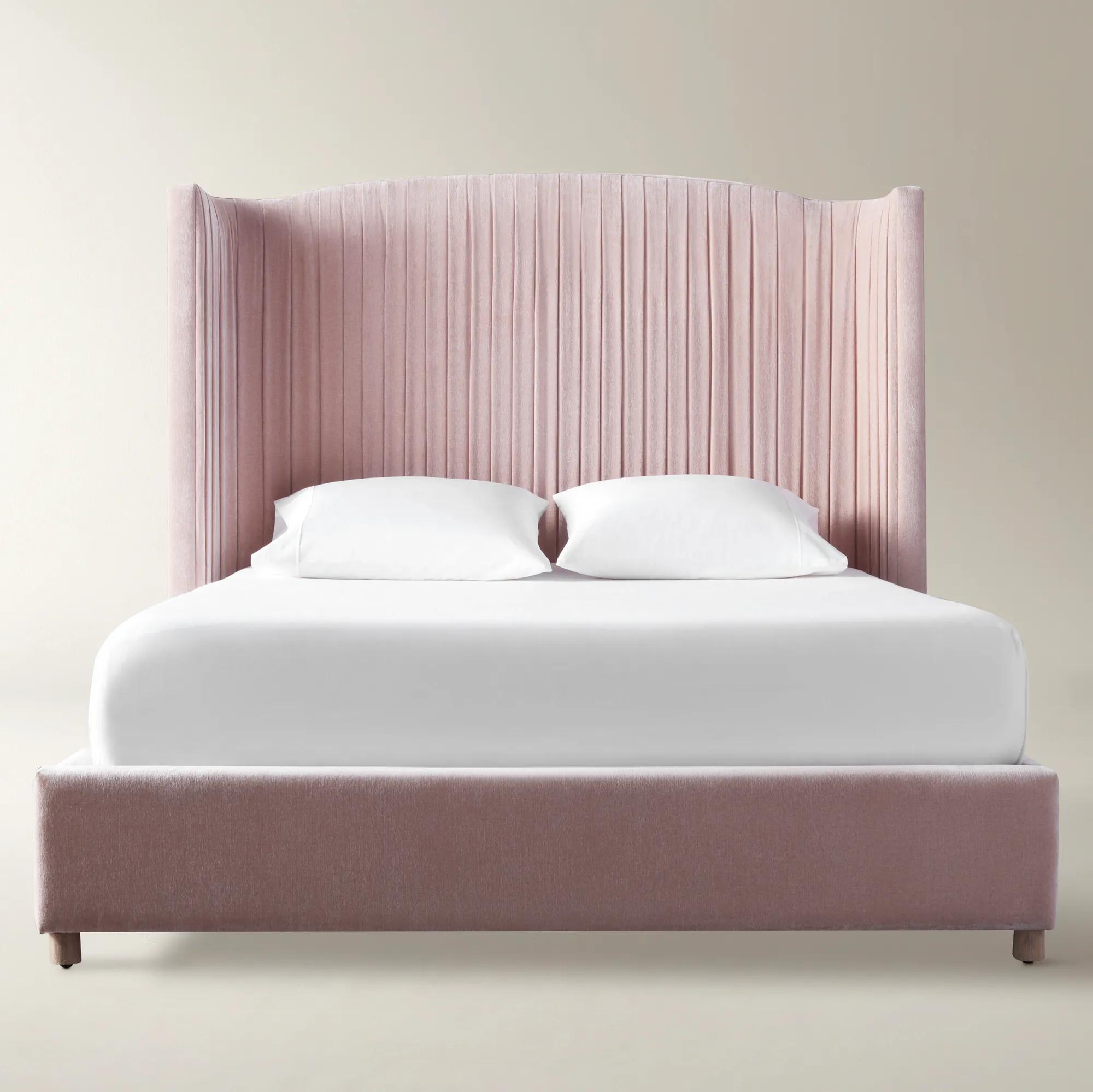
Grey Velvet Modern Beds
Grey Velvet Modern Beds
-
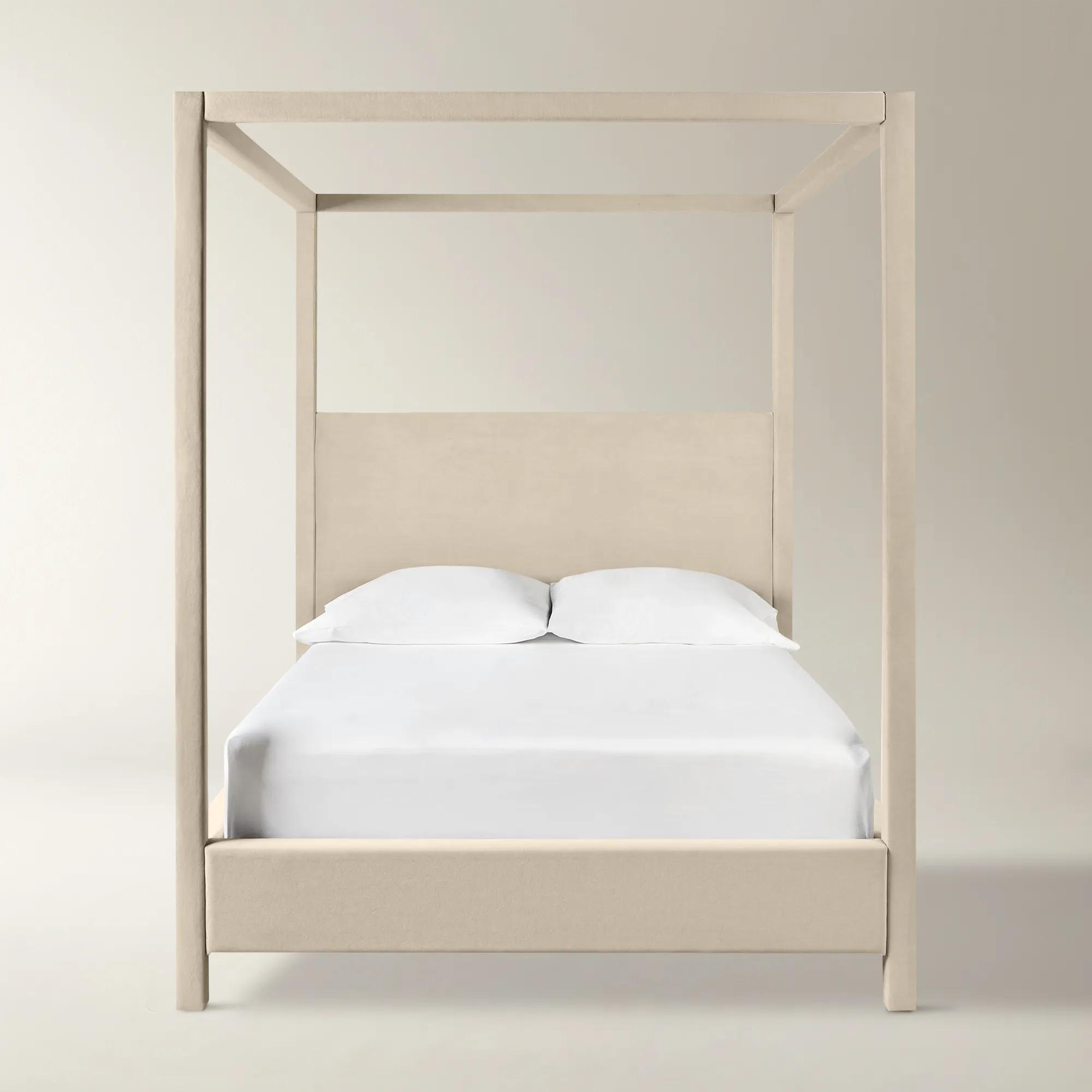 Paloma Canopy Platform Bed$2649
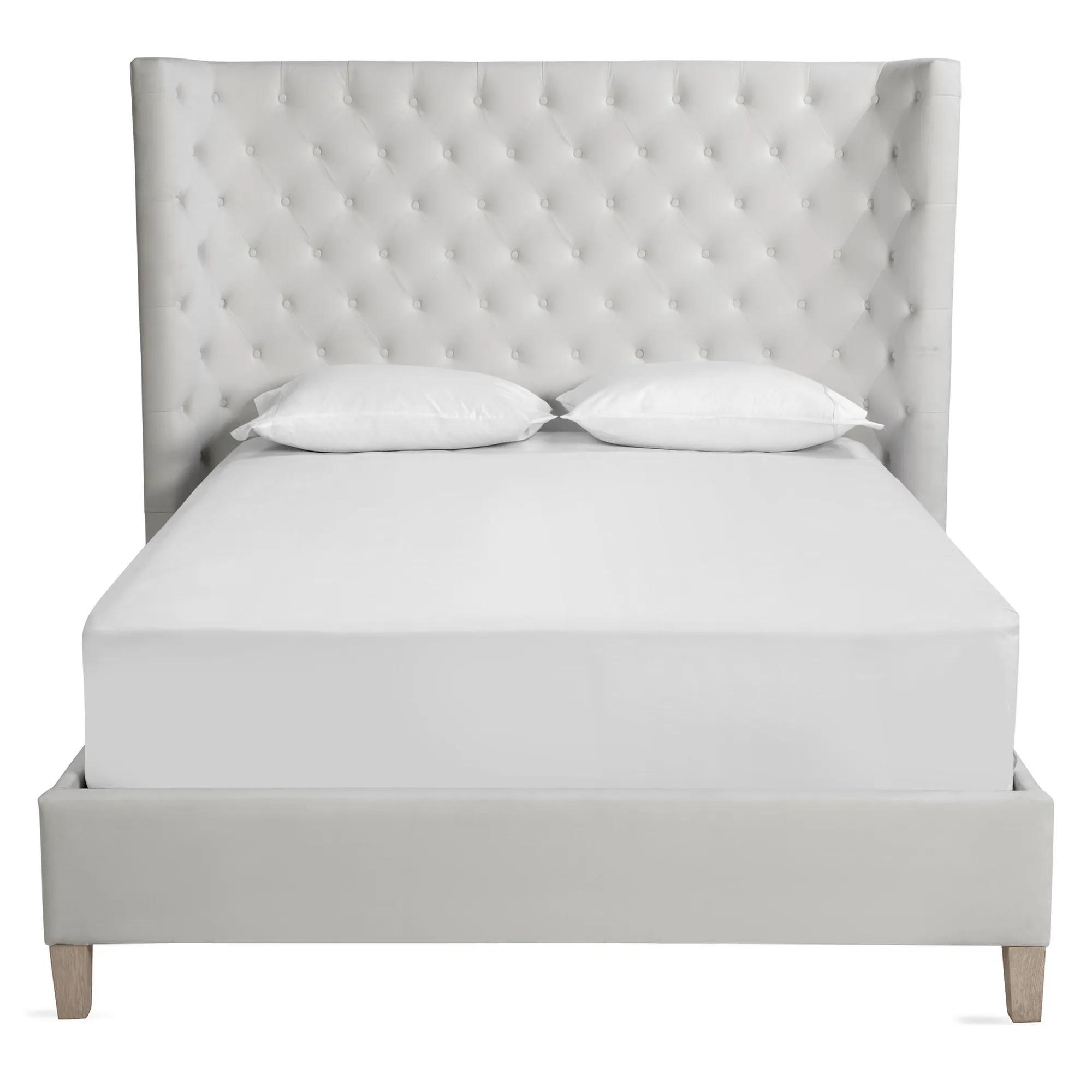
A modern canopy platform bed, hand-upholstered in velvet and framed with sturdy kiln-dried hardwood.
Add To Cart -
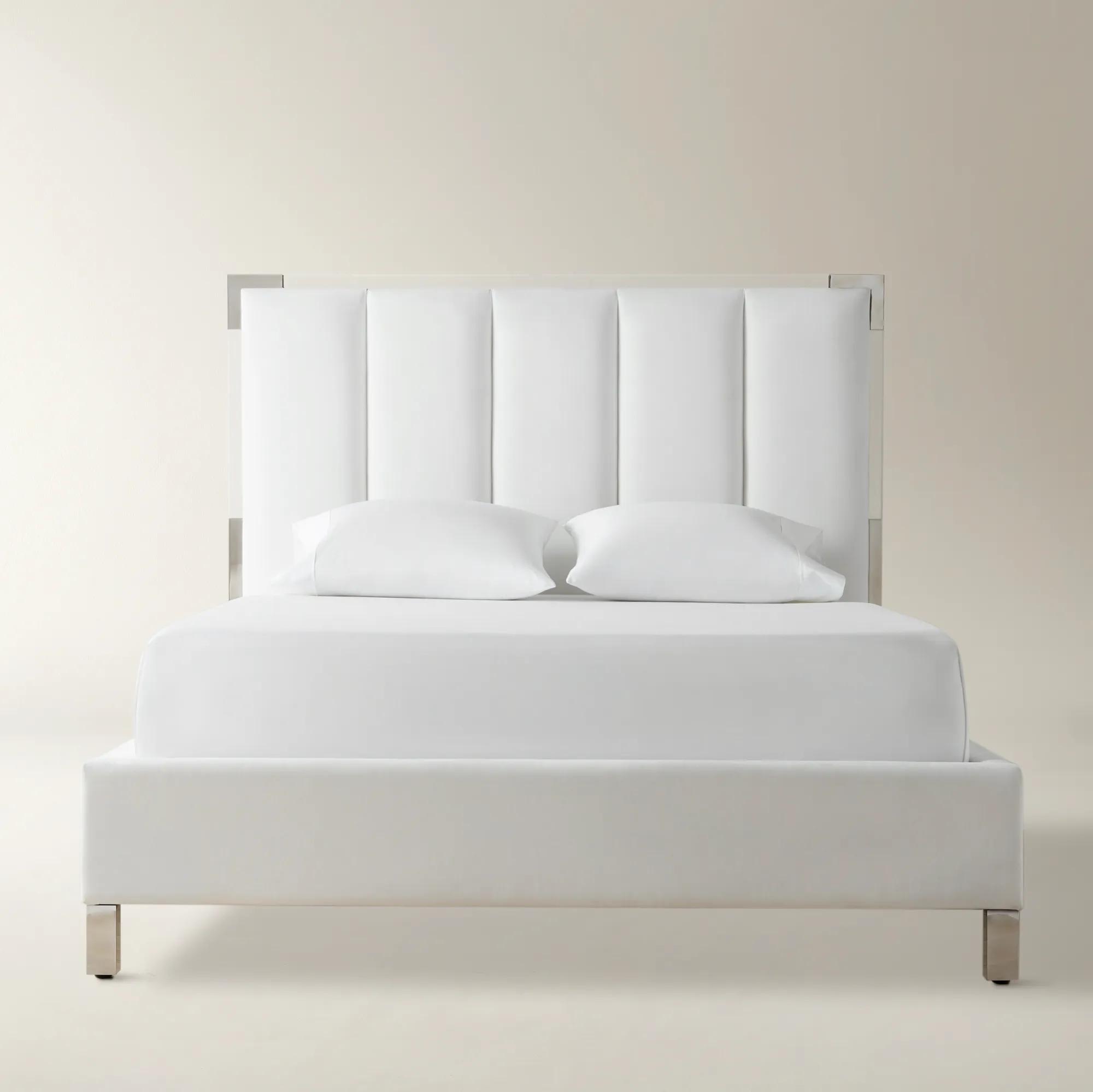 Emory Bed$2499
A modern bed featuring channel tufting, an acrylic frame, and stainless steel accents in plush velvet upholstery.
Add To Cart -
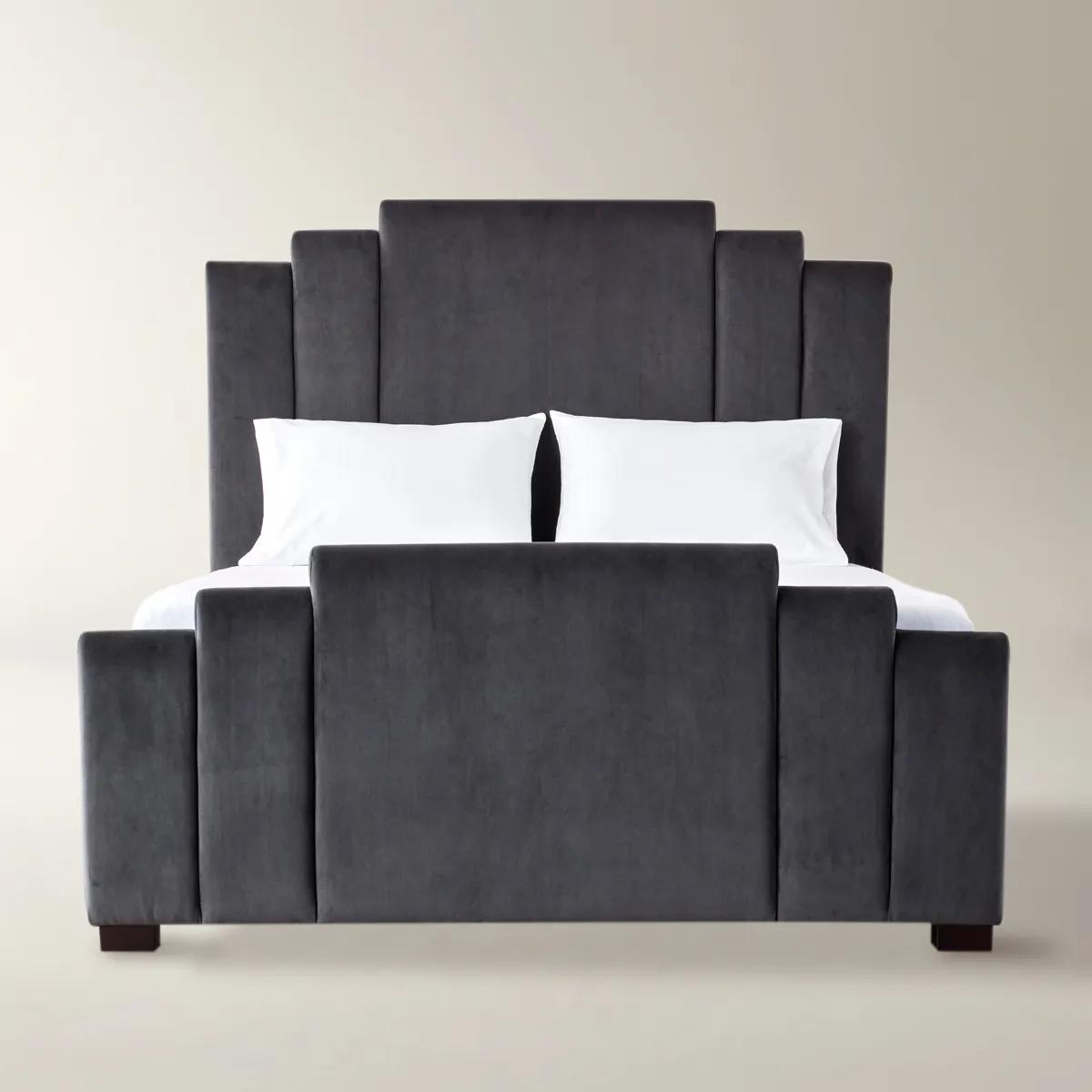 Marlow Bed$2549
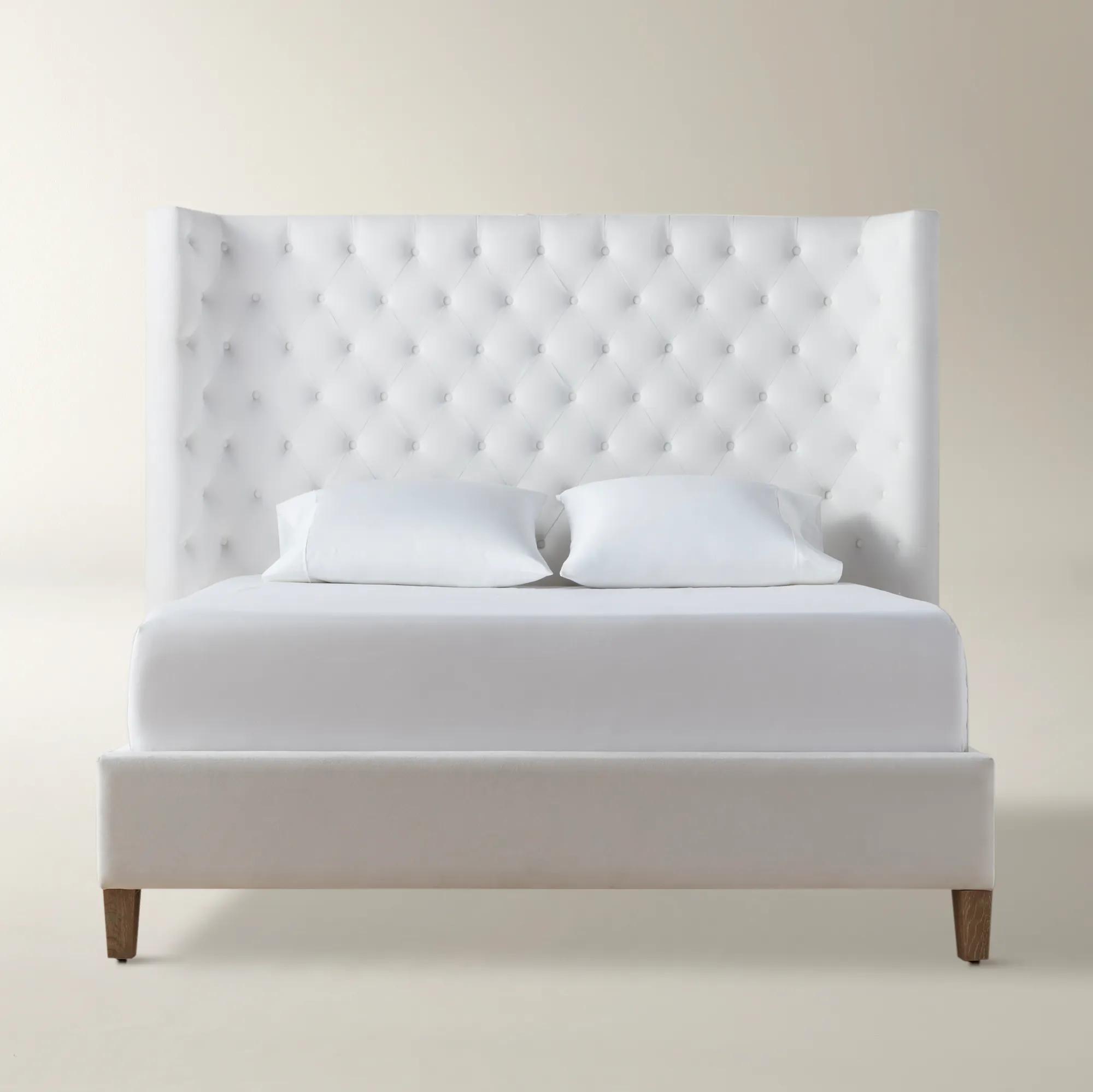
A dramatic bed handcrafted from kiln-dried hardwood and plush gunmetal velvet with dimensional channel detailing.
Add To Cart -
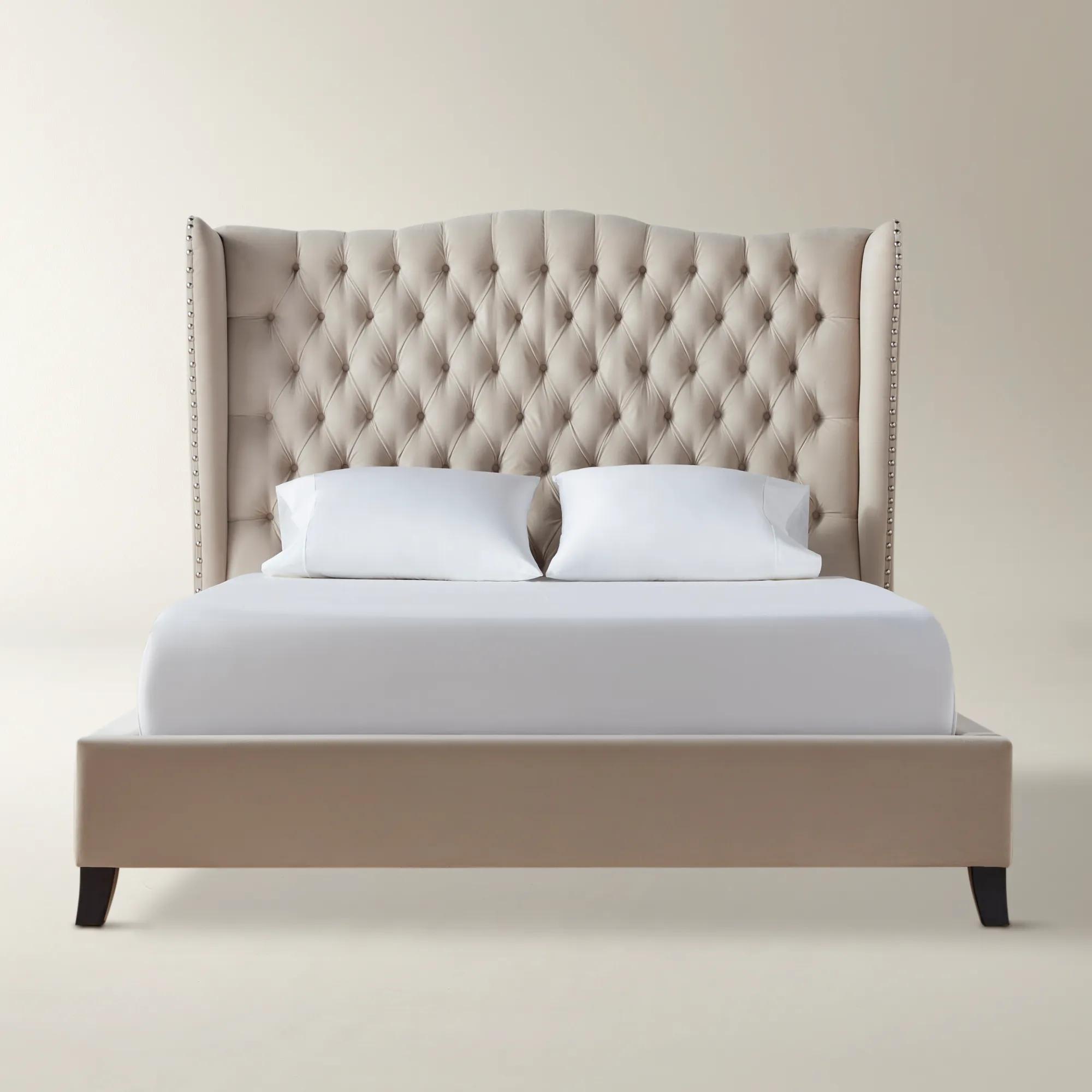
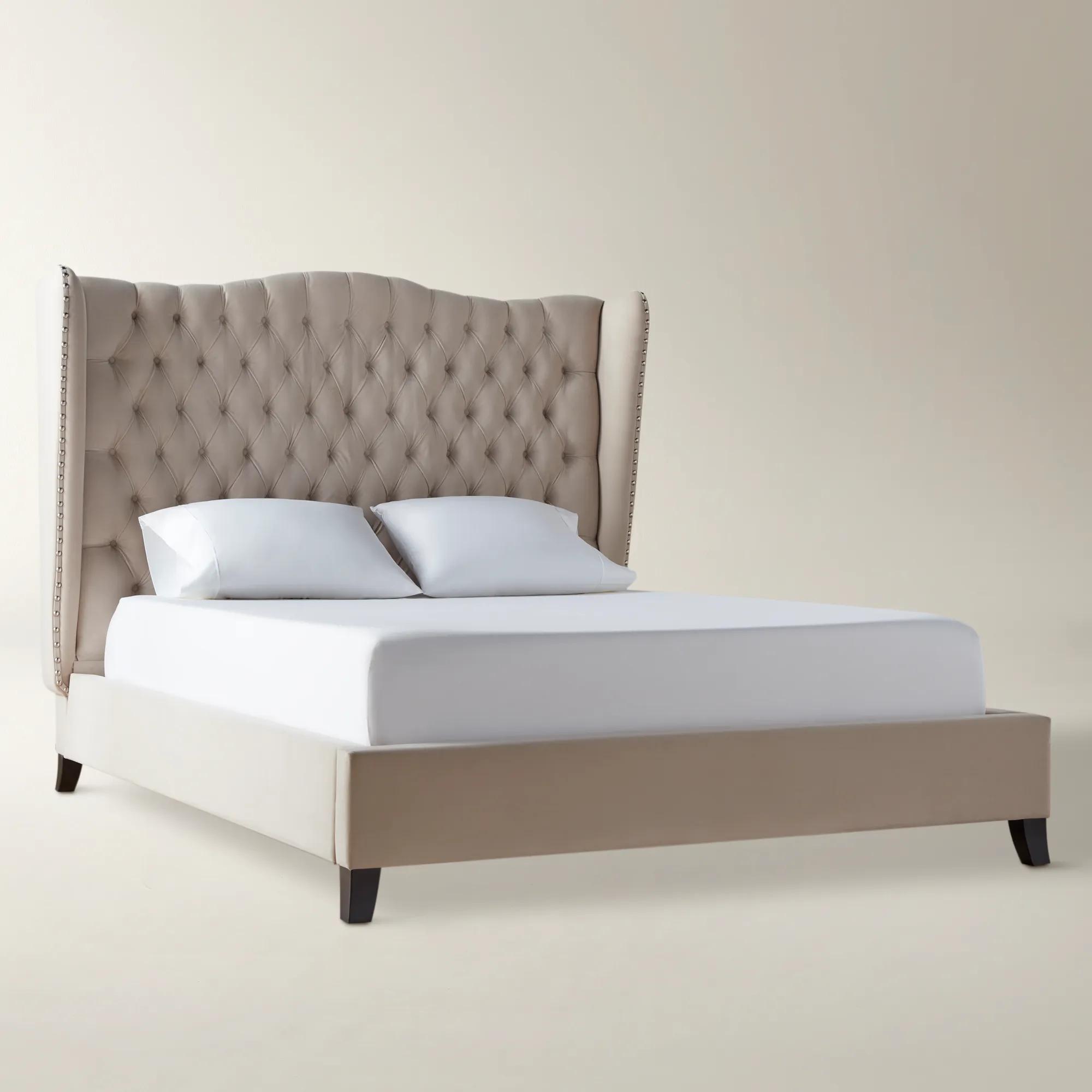 Jameson Bed$2249
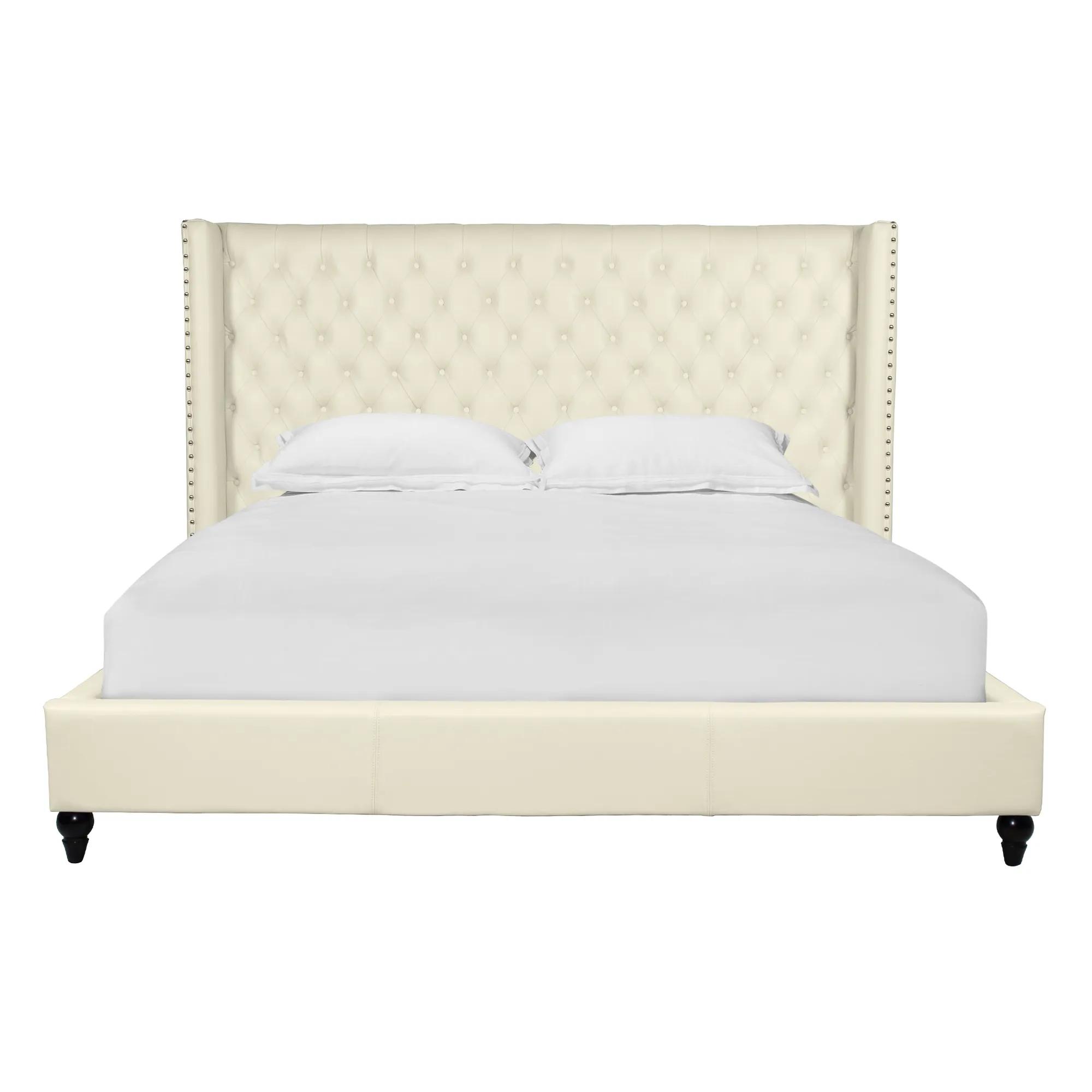
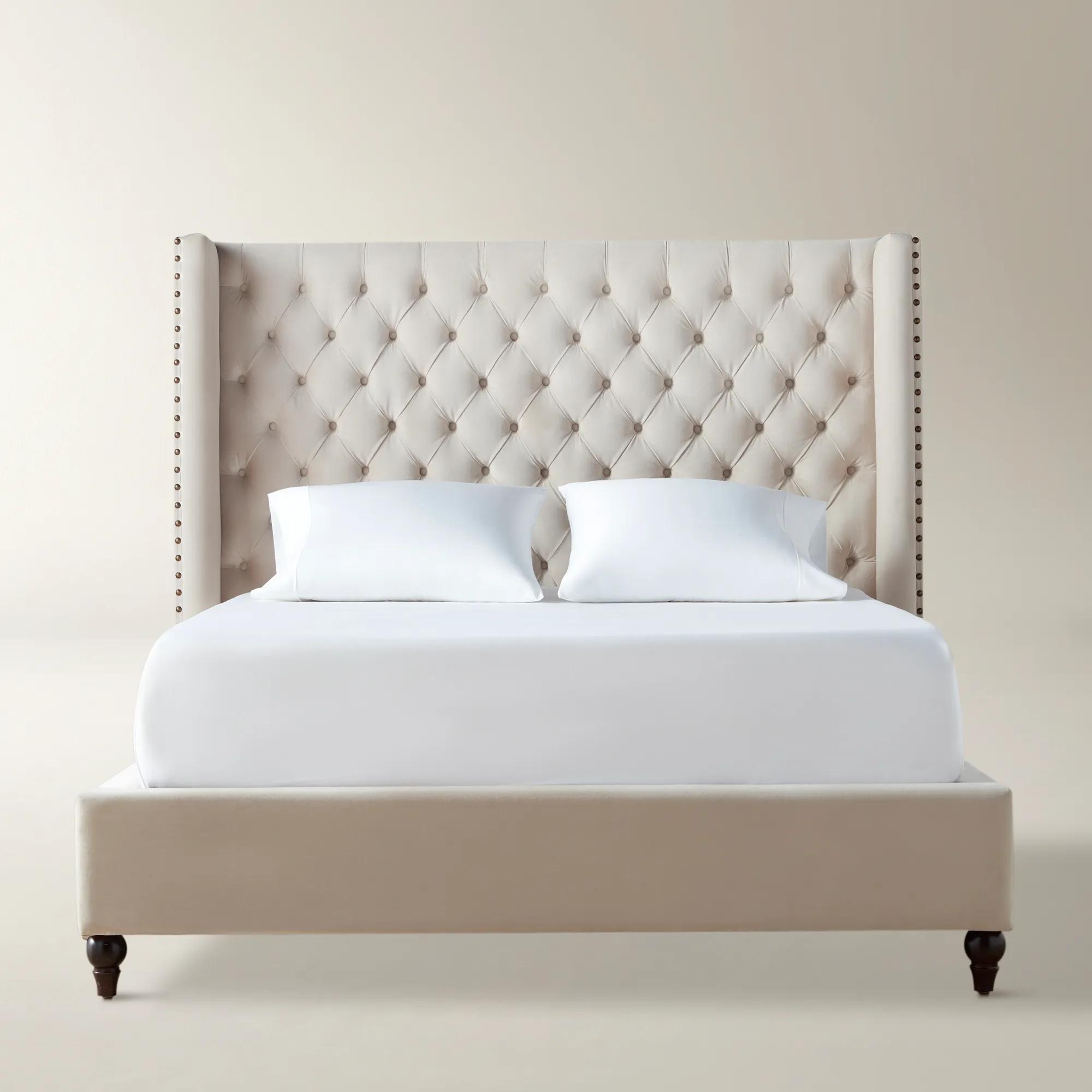
A plush, hand-tufted velvet bed with a camelback silhouette, winged sides, and decorative nailhead trim.
Add To Cart -
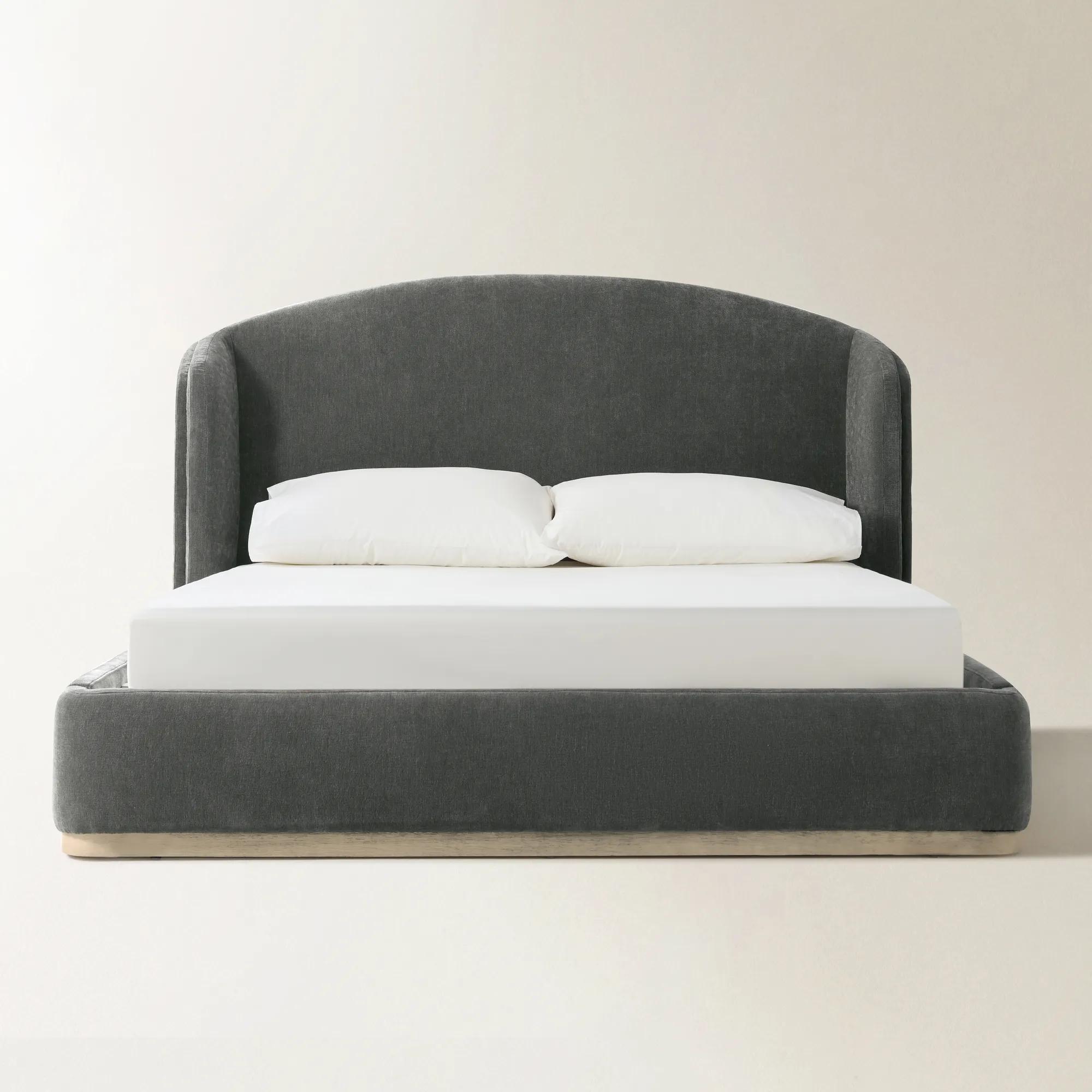 Glimmer Grey Performance Chenille Upholstered King Platform Bed$2199
A plush boucle-upholstered bed in soft beige or grey with a curved, double-layered handcrafted headboard.
Add To Cart -
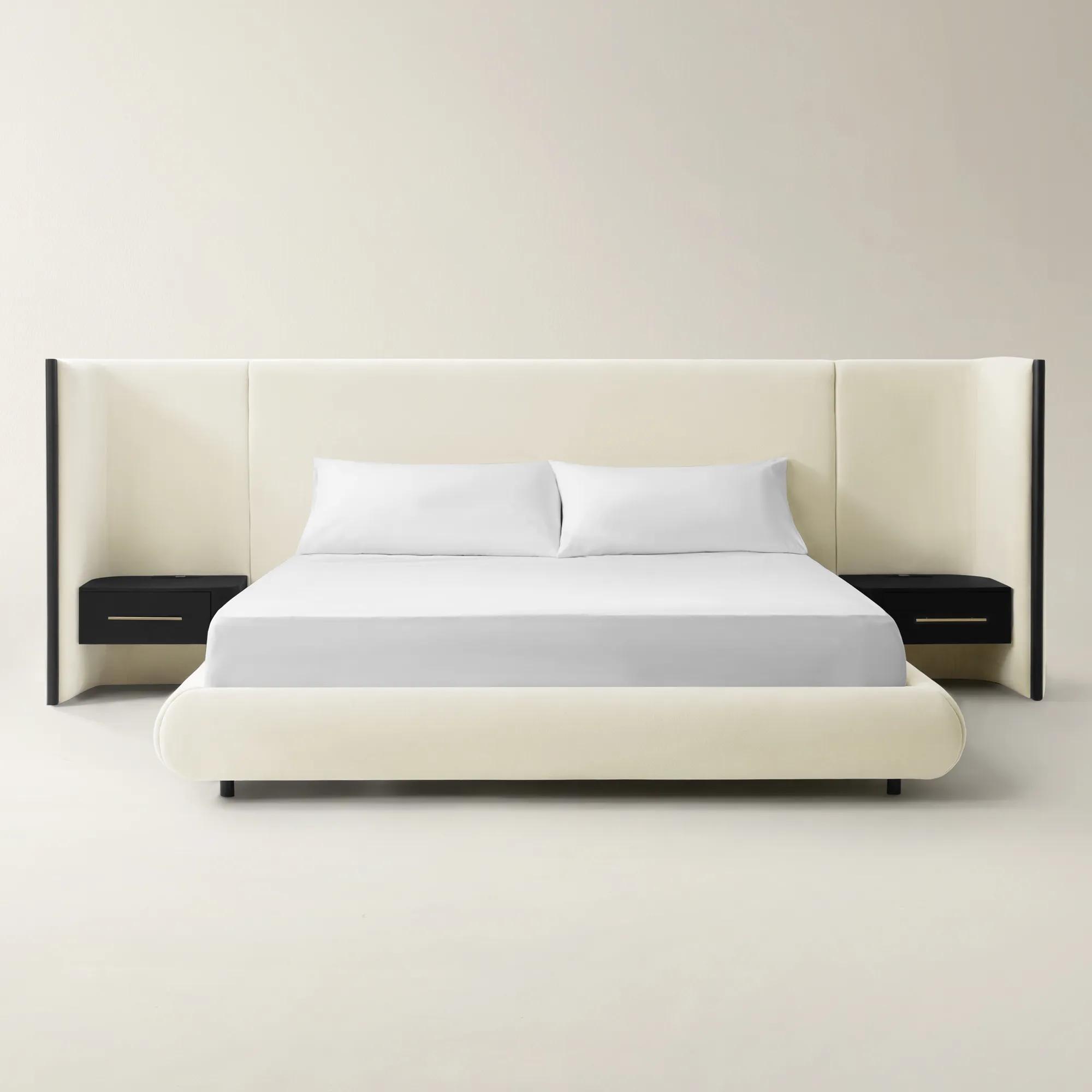
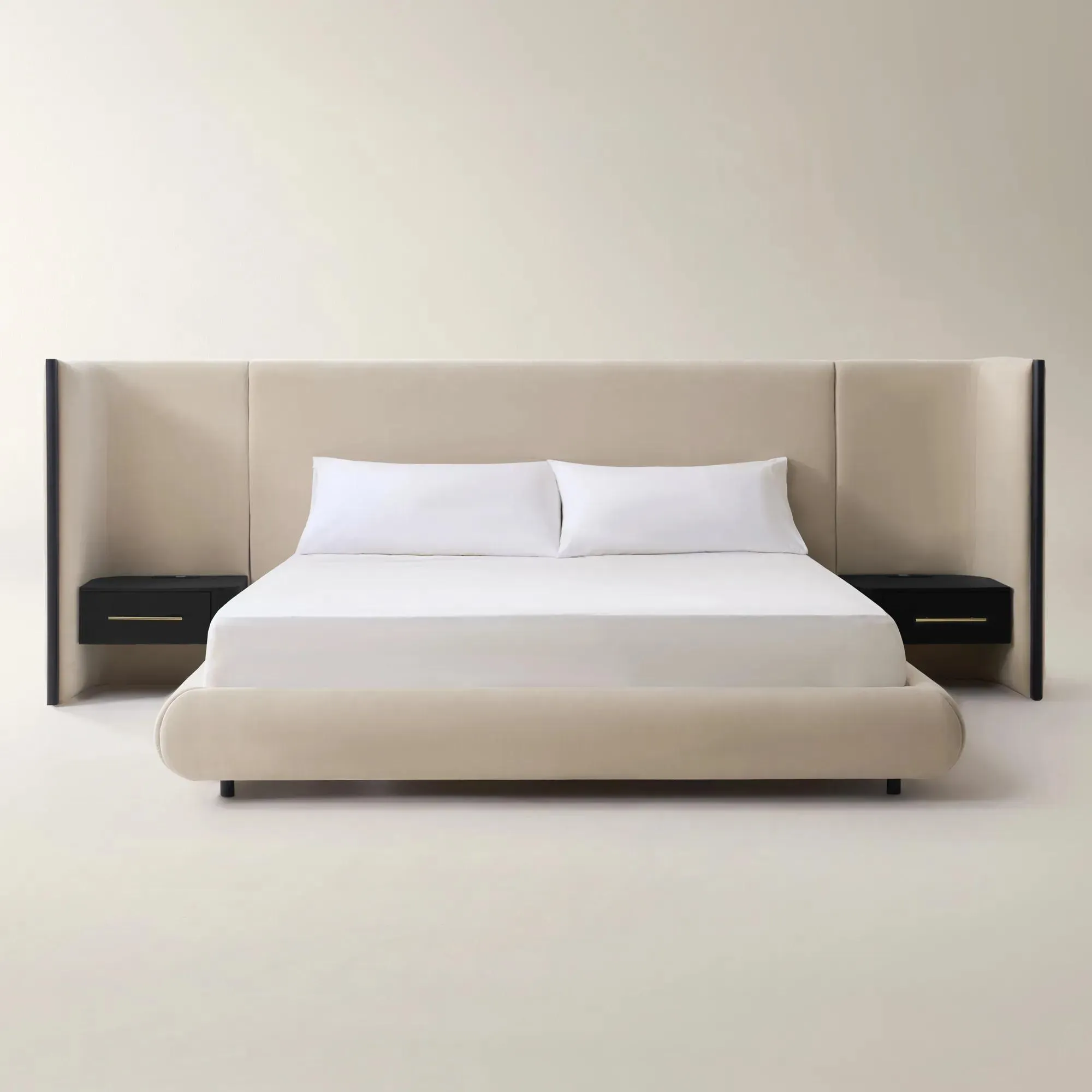 Sierra Cloud Velvet Upholstered King Bed With Nightstands$2799
A modern king platform bed featuring plush velvet upholstery, black wood trim, and integrated floating nightstands.
Add To Cart -
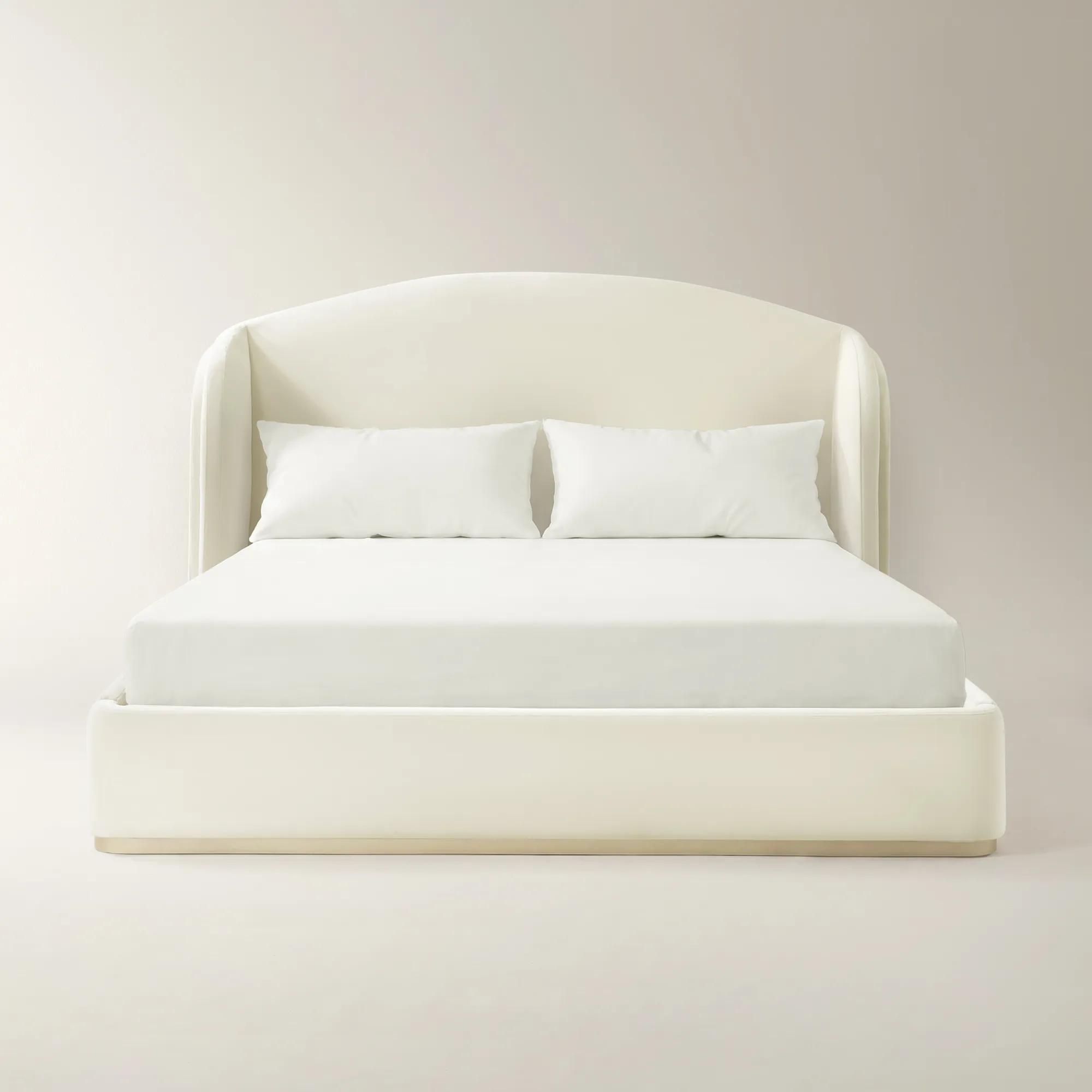 Glimmer Cloud Velvet Upholstered King Platform Bed$2199
A luxurious king platform bed featuring plush velvet upholstery, a sculpted headboard, and a gold metallic base.
Add To Cart -
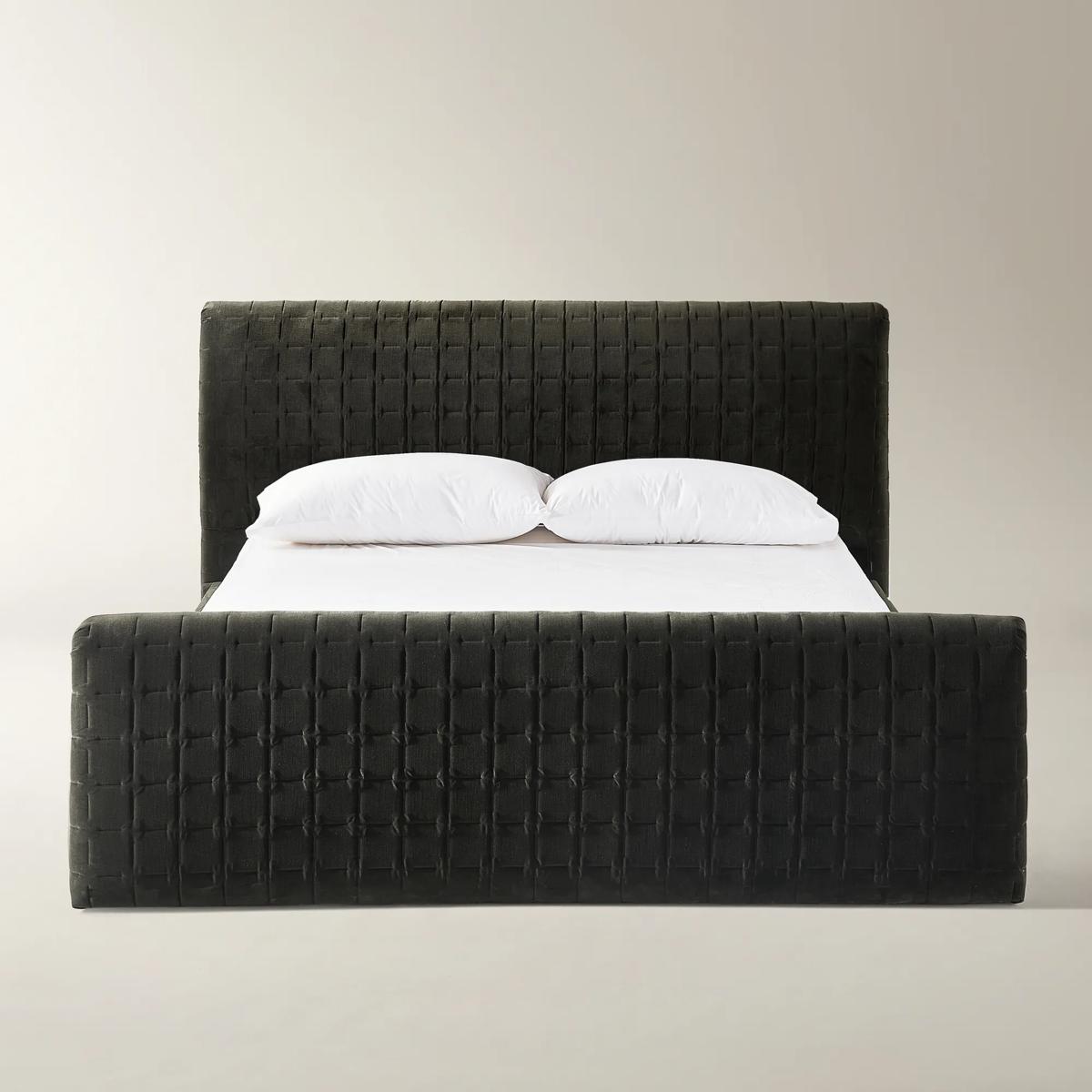 Vanta Charcoal Velvet Upholstered California King Platform Bed$2399
A charcoal velvet bed featuring hand-tufted checker quilting and stainless steel inlays for sculptural elegance.
Add To Cart -
Sierra Cloud Velvet Upholstered Queen Bed With Nightstands$2599
A modern platform bed featuring plush velvet upholstery, black wood trim, and integrated floating nightstands with power access.
Add To Cart -
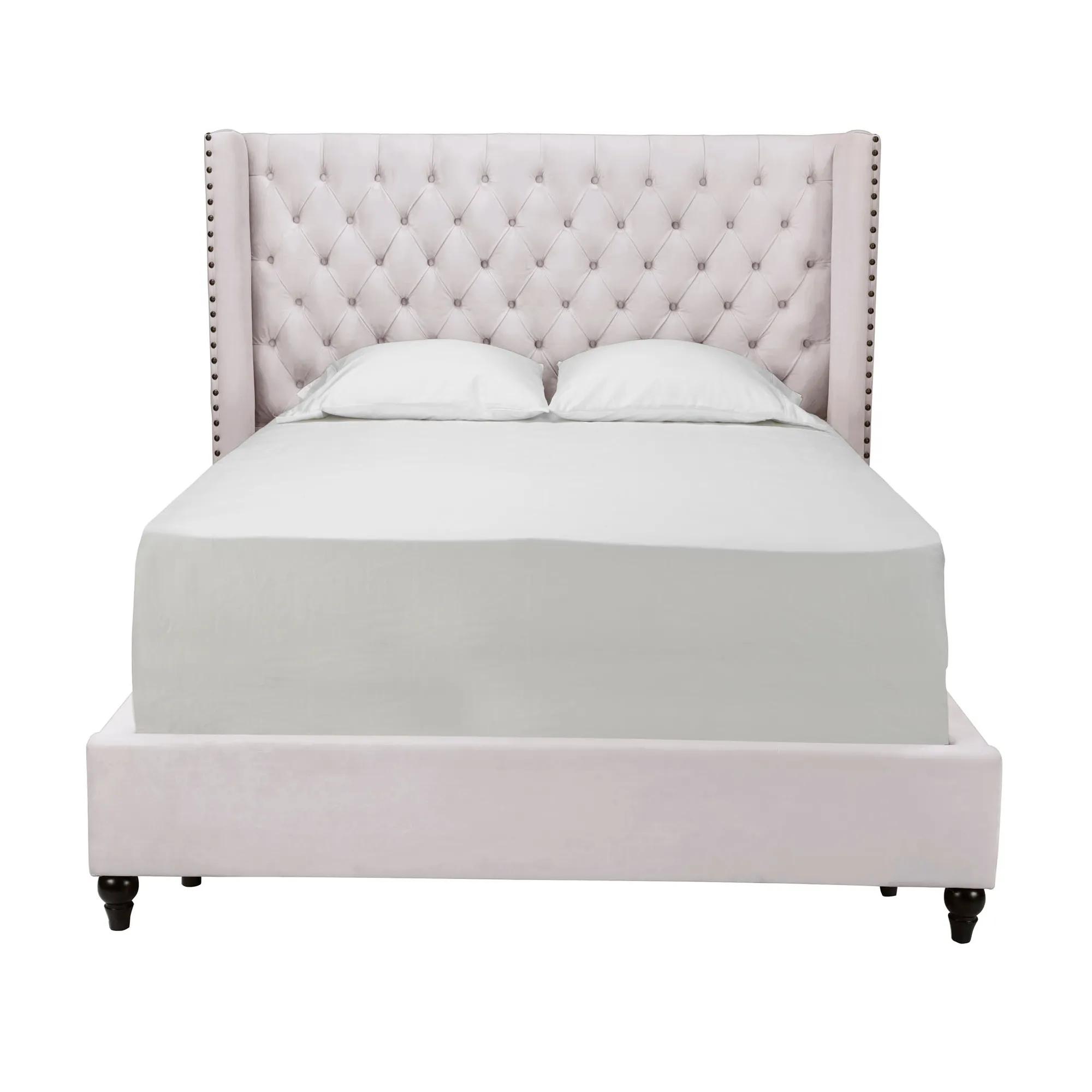
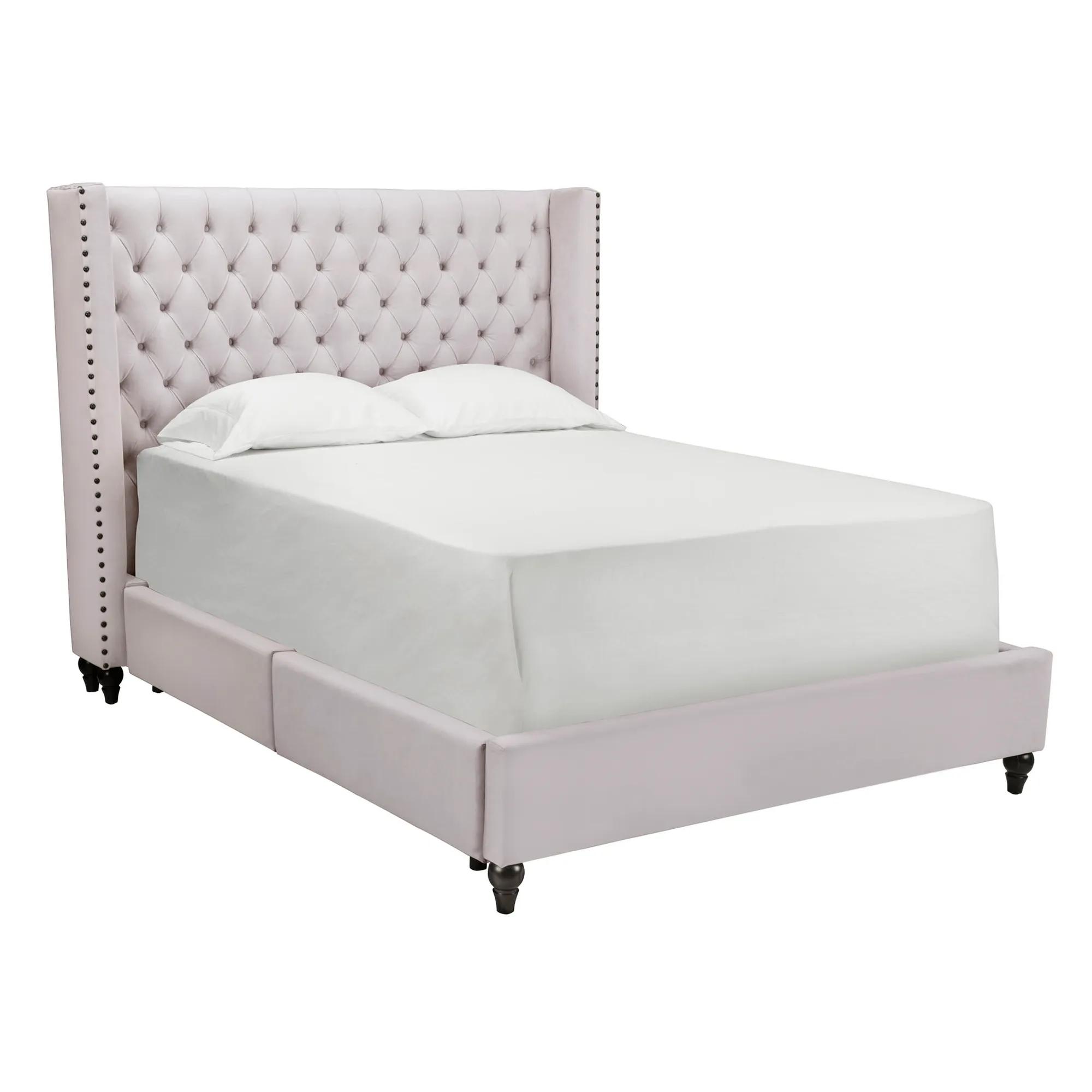 Roberto Storage Bed$3199
A handcrafted velvet-upholstered storage bed featuring diamond tufting, turned legs, and hand-applied antique brass nailheads.
Add To Cart -
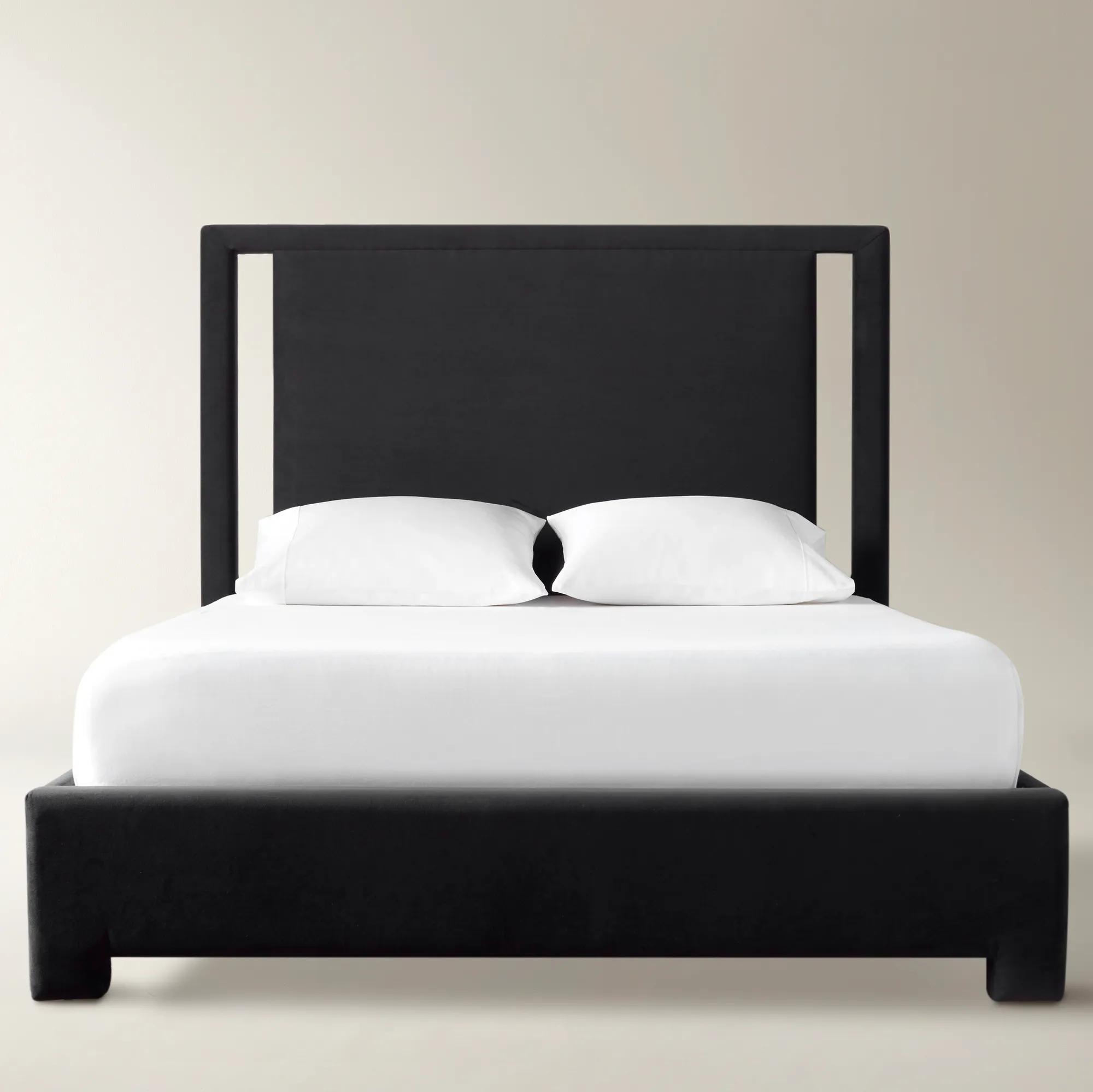
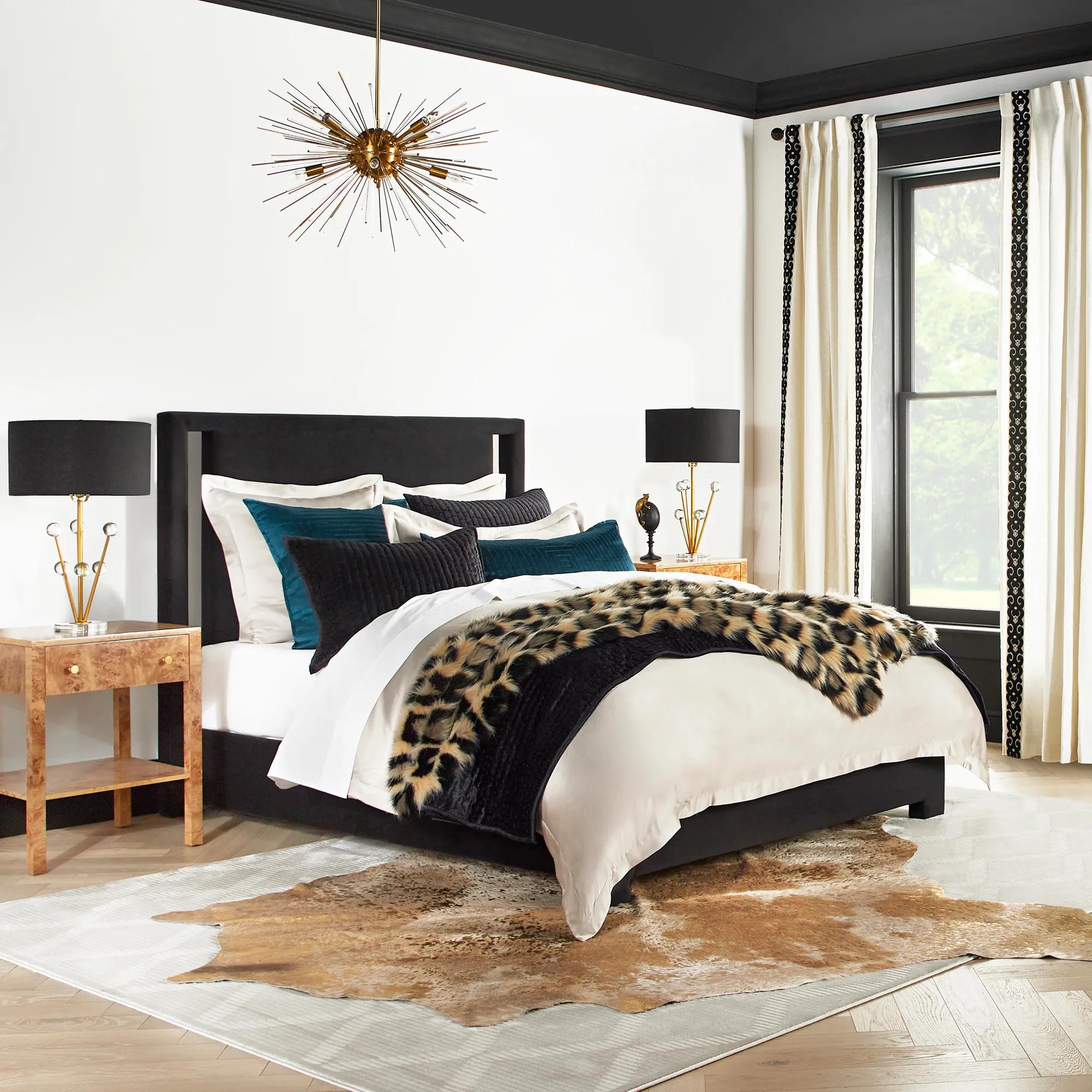 Roya Platform Bed$1949
An elegant platform bed featuring kiln-dried hardwood, hand-tailored velvet upholstery, and dramatic headboard cutouts.
Add To Cart -
Vanta Charcoal Velvet Upholstered King Platform Bed$2399
A charcoal velvet bed with hand-tufted checker quilting and stainless steel inlays for modern sophistication.
Add To Cart -
Glimmer Cloud Velvet Upholstered Queen Platform Bed$1999
A sculptural queen platform bed hand-upholstered in soft cloud velvet with a gold-toned metallic base.
Add To Cart -
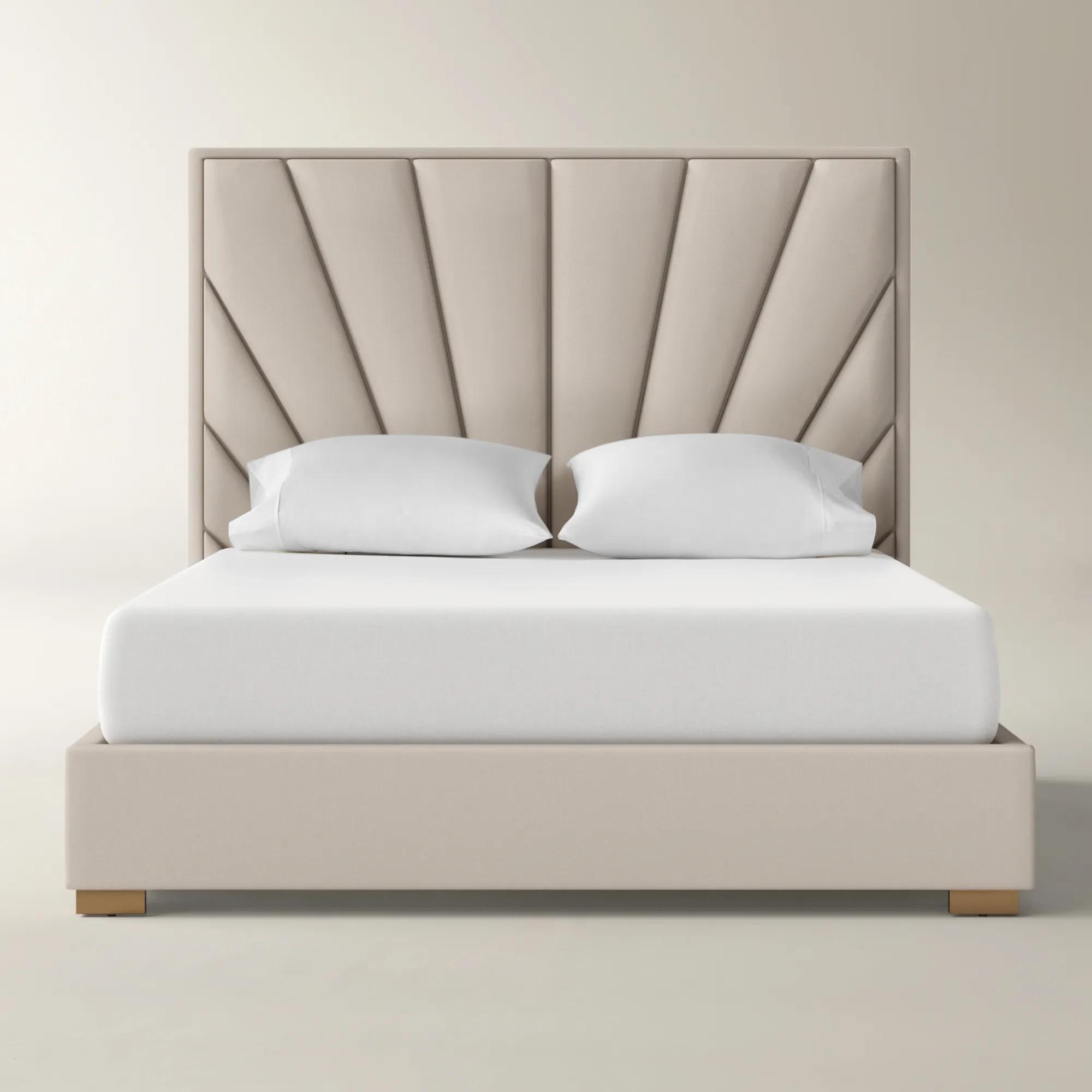 Adriana Platform Bed - 68"H$2899
A hand-crafted platform bed featuring a fan-patterned, upholstered headboard in plush velvet or chenille fabric.
Add To Cart -
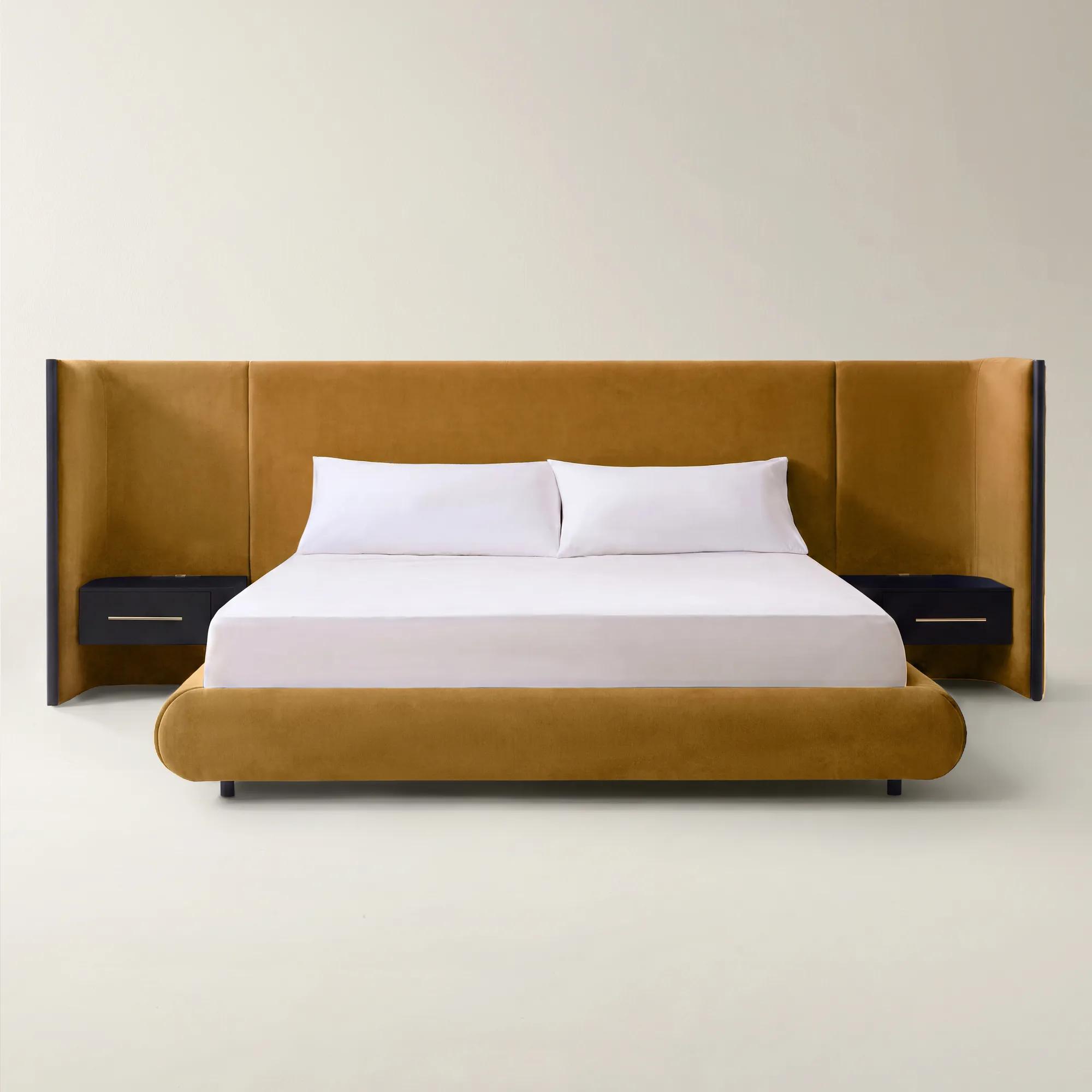 Sierra Roasted Pecan Velvet Upholstered King Bed With Nightstands$2799
A modern king platform bed in roasted pecan velvet with an extended headboard and floating nightstands.
Add To Cart -
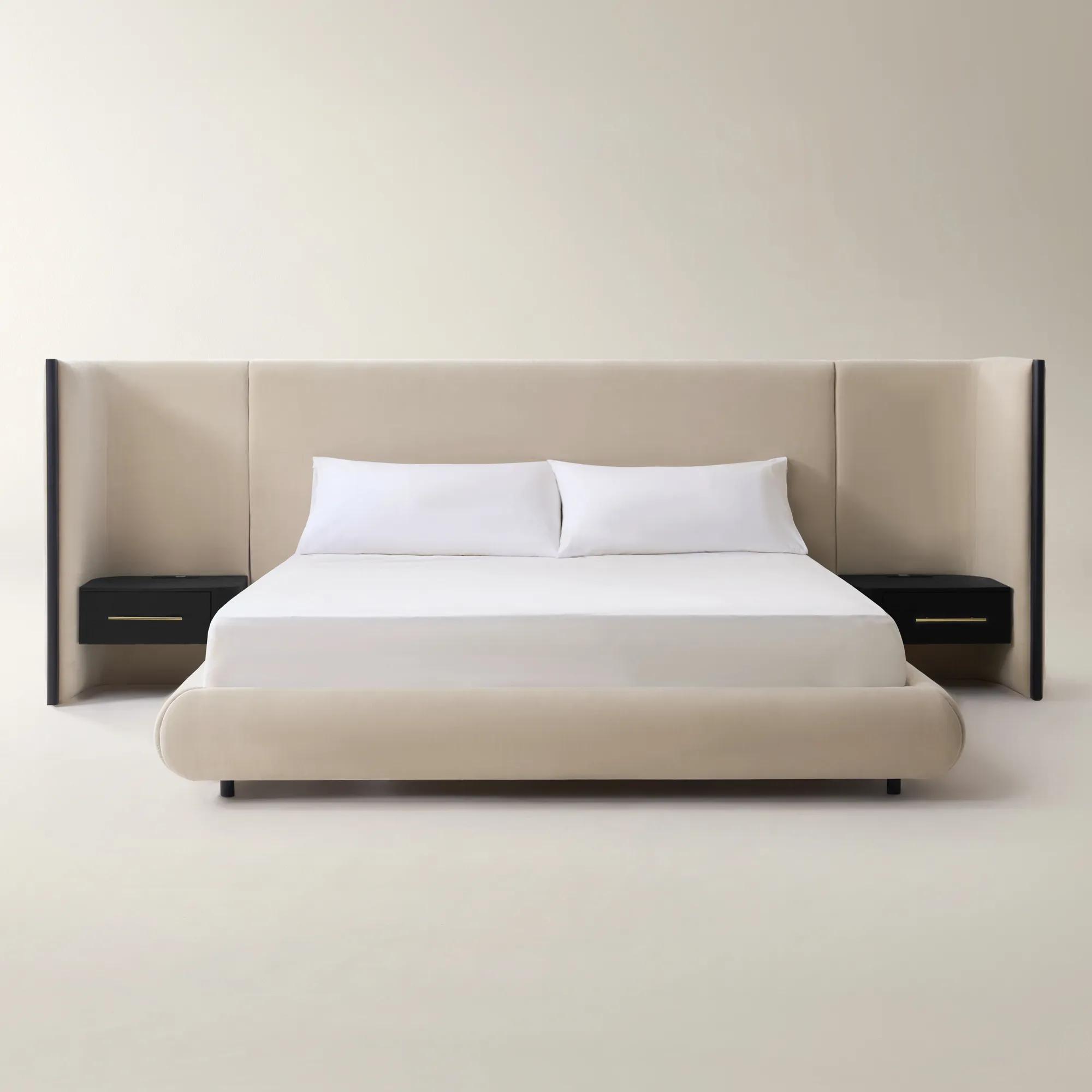 Sierra Oatmeal Velvet Upholstered Queen Bed With Nightstands$2599
A modern oatmeal velvet bed with an extended headboard, floating nightstands, and built-in power access.
Add To Cart -
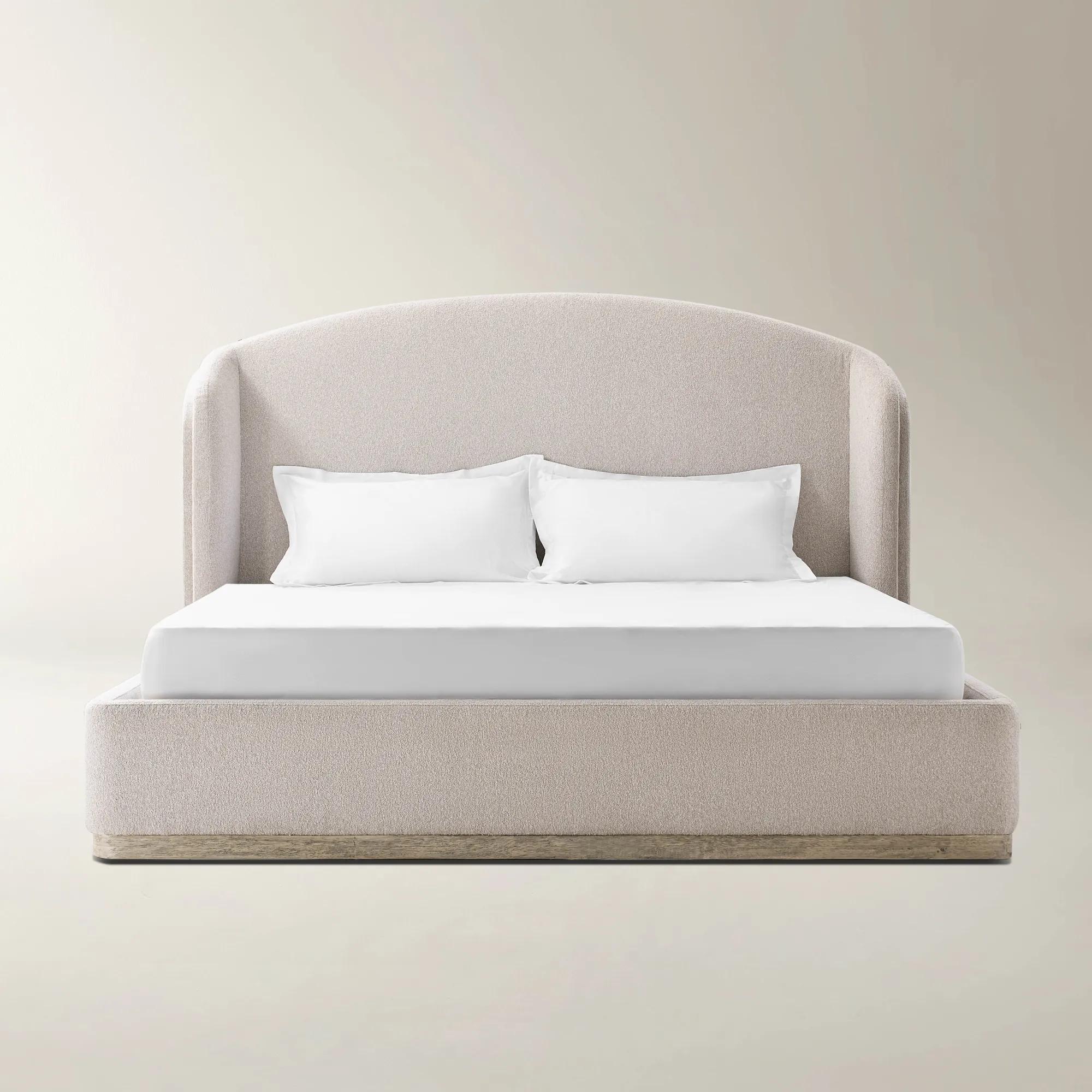
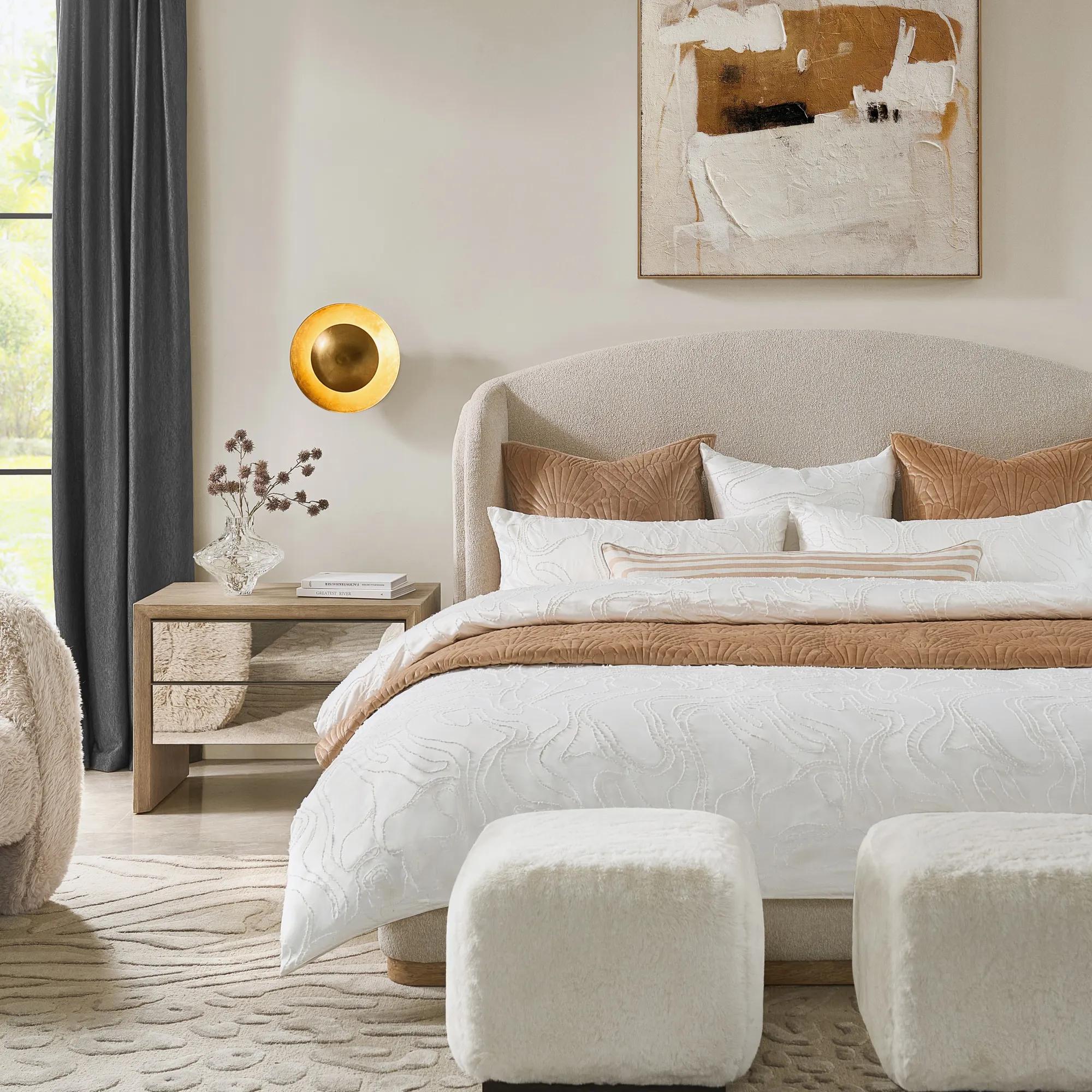 Glimmer Ivory Performance Boucle Upholstered King Platform Bed$2199
A plush boucle-upholstered bed in soft beige or grey with a curved, double-layered headboard and solid rubberwood base.
Add To Cart

Grey Velvet Modern Beds
Grey velvet modern beds are the ultimate invitation to indulge in sophistication, transforming any bedroom into a sanctuary of drama and allure. Swathed in sumptuous velvet and sculpted with clean, contemporary lines, these beds offer more than just a place to rest—they become the centerpiece of your personal retreat. Each silhouette whispers of opulence while embracing a cool, versatile palette that elevates every design vision. With grey velvet modern beds, your space is poised for artistry, where comfort meets couture and every night feels unmistakably luxe.
Grey velvet modern beds pair softly reflective upholstery with contemporary silhouettes, creating a bedroom centerpiece that feels architectural and inviting. Their character comes from contrast: clean proportions give the room structure, while velvet’s dense pile lends depth, softness, and a subtle play of light. Depending on the fabric, the direction of the nap, and the surrounding light, a gray surface can shift from silvery and luminous to smoky and richly shaded. That variation makes velvet especially expressive on a broad headboard, where daylight reveals its texture and evening lamps bring out its sheen. Modern upholstered bed designs can include smooth, tailored panels, vertical channeling, button tufting, or wingback profiles; each treatment changes the mood without requiring a different color palette. A smooth headboard keeps the composition restrained and sculptural, while deep tufting introduces shadow and dimension. Channels draw the eye upward, and winged edges create a more enveloping backdrop for pillows. Pale gray velvet looks striking against charcoal walls or warm wood, while deeper graphite shades provide definition beside ivory bedding and softly textured drapery. Undertones matter as much as depth: a cool gray may reveal blue or violet notes, while a warmer gray can lean toward taupe. Viewing an upholstery sample, when possible, beside existing flooring and under both daylight and bedside lighting helps clarify that relationship. For a primary bedroom, this combination offers enough presence to anchor a layered design without competing with artwork or a statement chandelier. In a guest bedroom, the same upholstery can make a carefully composed sleeping space feel generous and welcoming. The appeal is not limited to a single decorating style. Gray velvet can soften a sharply contemporary interior, bring polish to a room with organic textures, or give a glamorous setting a quiet foundation for mirrored surfaces, metallic accents, and richly patterned textiles.
The strongest bedroom compositions begin with proportions that work beyond the photograph. Mattress size is only part of a bed’s footprint: upholstered side rails, projecting wings, and a substantial footboard can extend the frame beyond the sleeping surface. Compare overall width, length, and headboard height with the room’s dimensions, leaving comfortable passage beside the bed and space for closet doors, dressers, and nightstand drawers to open. In a narrower bedroom, a streamlined frame and an open foot end can preserve sightlines; in a larger suite, a taller headboard can hold its own against generous wall space. Consider the mattress and foundation together, since their combined height determines how much upholstery remains visible and how easily someone can sit down or stand up. A thick mattress may conceal decorative detailing near the bottom of a headboard, while an especially low setup may not suit someone who prefers a higher seat. Platform construction and upholstered construction describe different aspects of a bed: the former concerns mattress support, while the latter refers to its padded covering. Many platform beds use slats or a solid deck to support a mattress without a separate box spring, but the bed’s specifications and the mattress manufacturer’s support requirements should always agree. Slat spacing, center support, weight limits, and foundation requirements deserve attention before a frame becomes the room’s focal point. For a closer look at this support style, Grey Velvet Platform Beds brings the emphasis to velvet upholstery paired with a platform format. Storage designs, where incorporated, add another fit consideration: drawers need clearance to extend, and lift-up compartments require suitable access and operation. Delivery deserves the same attention as placement, particularly when a tall upholstered headboard must travel through a tight stairwell or turn into a hallway. Check packaged dimensions and assembly requirements rather than assuming the assembled footprint tells the whole story. These practical details protect the intended effect, allowing the bed to feel beautifully scaled rather than crowded into place.
Velvet describes a fabric construction rather than a single fiber, so the feel and upkeep of a grey velvet modern bed depend on its upholstery composition as well as its finish. Polyester velvet is common in upholstered furniture, but blends and other fibers can differ in sheen, texture, and cleaning requirements. A performance designation may indicate particular testing or treatments; it should not be read as a promise that every mark will disappear or that the fabric is impervious to wear. For a bed used nightly, consider upholstery durability alongside the frame, support system, connection points, and the quality of seams around corners and edges. A padded headboard can provide a softer surface behind pillows during evening reading, although it does not replace proper back support. In homes with pets, velvet may collect visible hair, and claws can catch or mark upholstery, making routine care and household habits part of the decision. Gentle vacuuming with an appropriate upholstery attachment helps remove dust before it settles into the pile. Blot spills promptly with a clean, absorbent cloth rather than rubbing, and follow the manufacturer’s cleaning code before applying water, solvent, or any fabric treatment. Test permitted cleaners in an inconspicuous area, and avoid unapproved heat or steam. Pressure and touch can change the direction of velvet’s nap, creating shading that is not necessarily a stain; persistent marks may call for professional upholstery care. Positioning the bed away from prolonged direct sunlight can also help limit uneven fading. Finish the setting with layers that let the upholstery remain visible: crisp cotton sheets, a generously draped coverlet, and a few pillows in contrasting textures are often more effective than a headboard hidden behind cushions. During the cooler months, a folded wool throw adds warmth without overwhelming the velvet’s sheen. Whether furnishing a first primary suite, refreshing a long-loved bedroom, or preparing an inviting guest retreat, the enduring attraction is the balance of softness and definition—a restful space with unmistakable presence.
FAQs
A gray velvet bed is remarkably versatile, complementing a range of design aesthetics. Its plush texture and sophisticated hue make it a natural fit for glam, contemporary, and transitional interiors. Pair it with mirrored nightstands and metallic accents for a dramatic, Hollywood Regency vibe, or combine it with minimalist decor and crisp linens for a modern, serene retreat. The neutral gray palette also allows for bold pops of color or layered monochromatic tones, making it easy to adapt as your style evolves.
To elevate the luxe appeal of a gray velvet bed frame, consider layering textures and tones. Crisp white or deep jewel-toned linens provide striking contrast, while faux fur throws or silk accent pillows add an extra touch of opulence. Metallic lamps, mirrored trays, and glass decor amplify the bed’s luminous quality, while plush area rugs and velvet drapes create a cohesive, inviting atmosphere. The key is to mix materials and finishes for a look that feels curated and sophisticated.
Absolutely. A gray velvet bed brings an elevated sense of style and comfort to any bedroom, making it an inspired choice for both master suites and guest rooms. Its welcoming, tactile surface instantly makes guests feel pampered, while its timeless color ensures it complements a variety of decor choices. The bed’s dramatic presence also turns even a simple guest room into a memorable, boutique-inspired escape.
A crushed velvet bed grey features a distinctive, shimmering texture created by twisting the fabric during production, resulting in a multidimensional, light-catching surface. This gives the bed a more dramatic, opulent appearance. In contrast, a standard gray velvet bed offers a smoother, more uniform finish with a subtle, elegant sheen. Both options provide the signature softness and luxury of velvet, but crushed velvet is ideal for those who want a touch of extra glamour.
Yes, a gray velvet bed can be a stunning focal point even in a smaller space. The reflective quality of velvet helps bounce light around the room, making it feel more open and inviting. Opt for a streamlined silhouette or platform design to maximize floor space, and keep surrounding decor simple to let the bed’s luxurious texture take center stage. With thoughtful styling, a gray velvet bed can transform a compact room into a chic, jewel-box retreat.