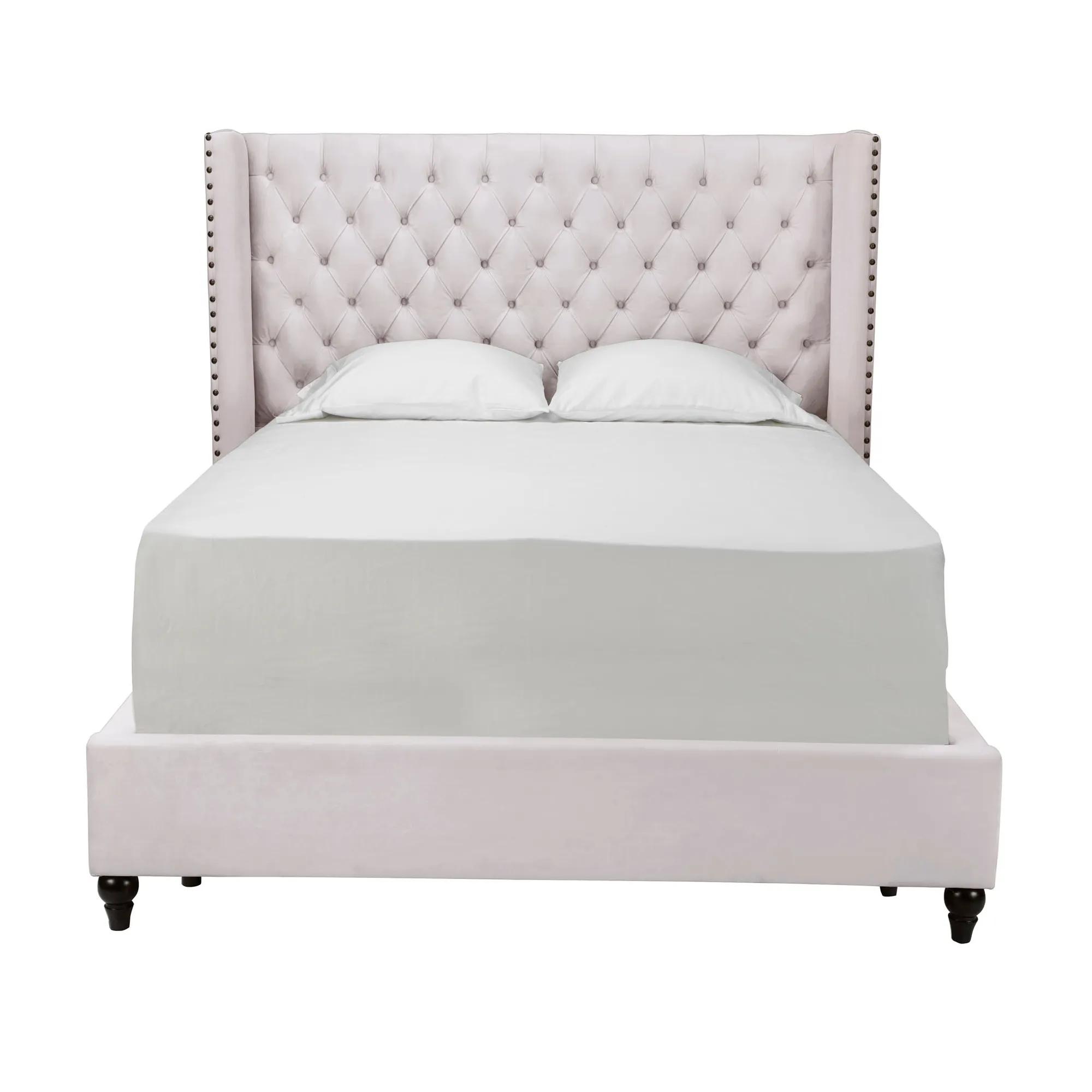
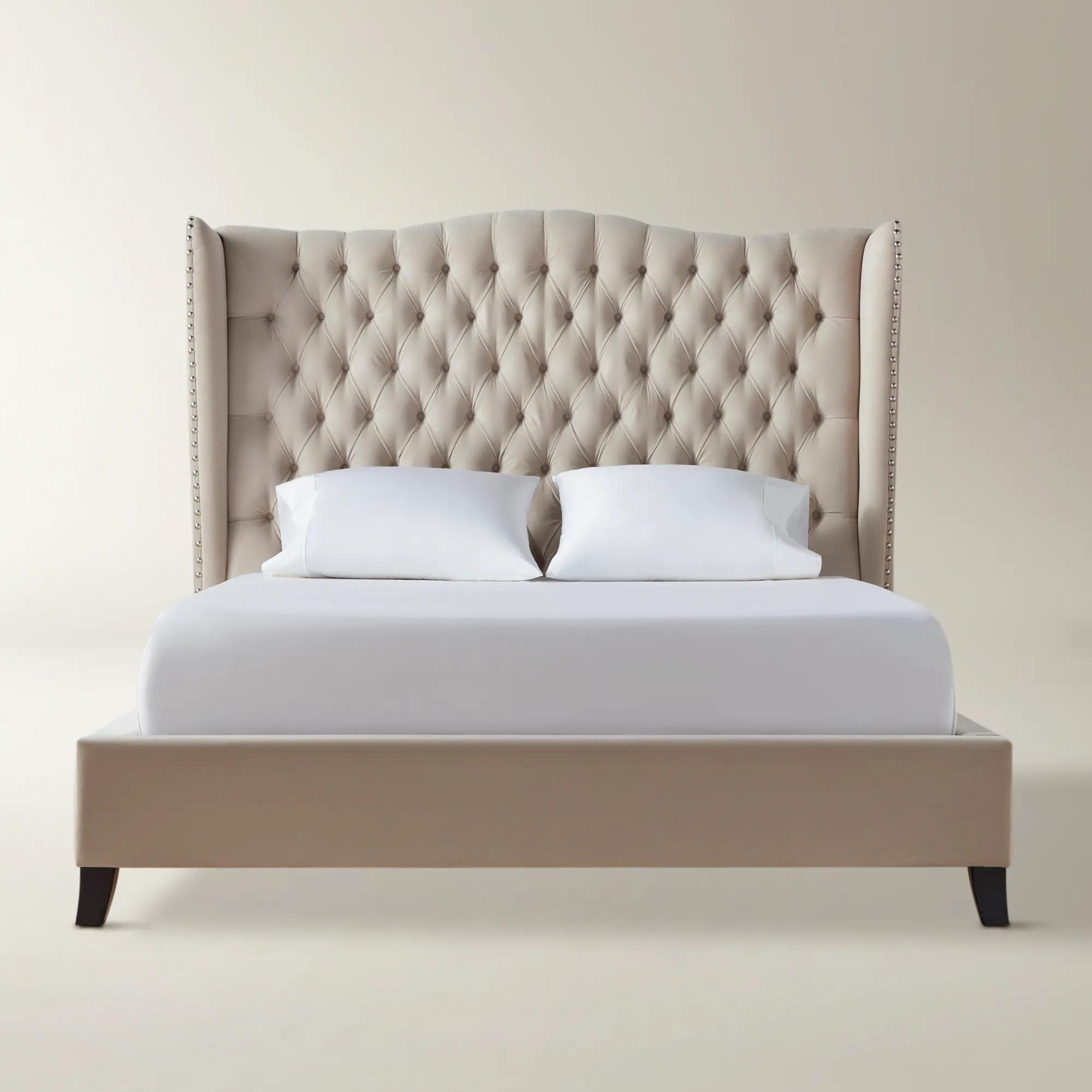
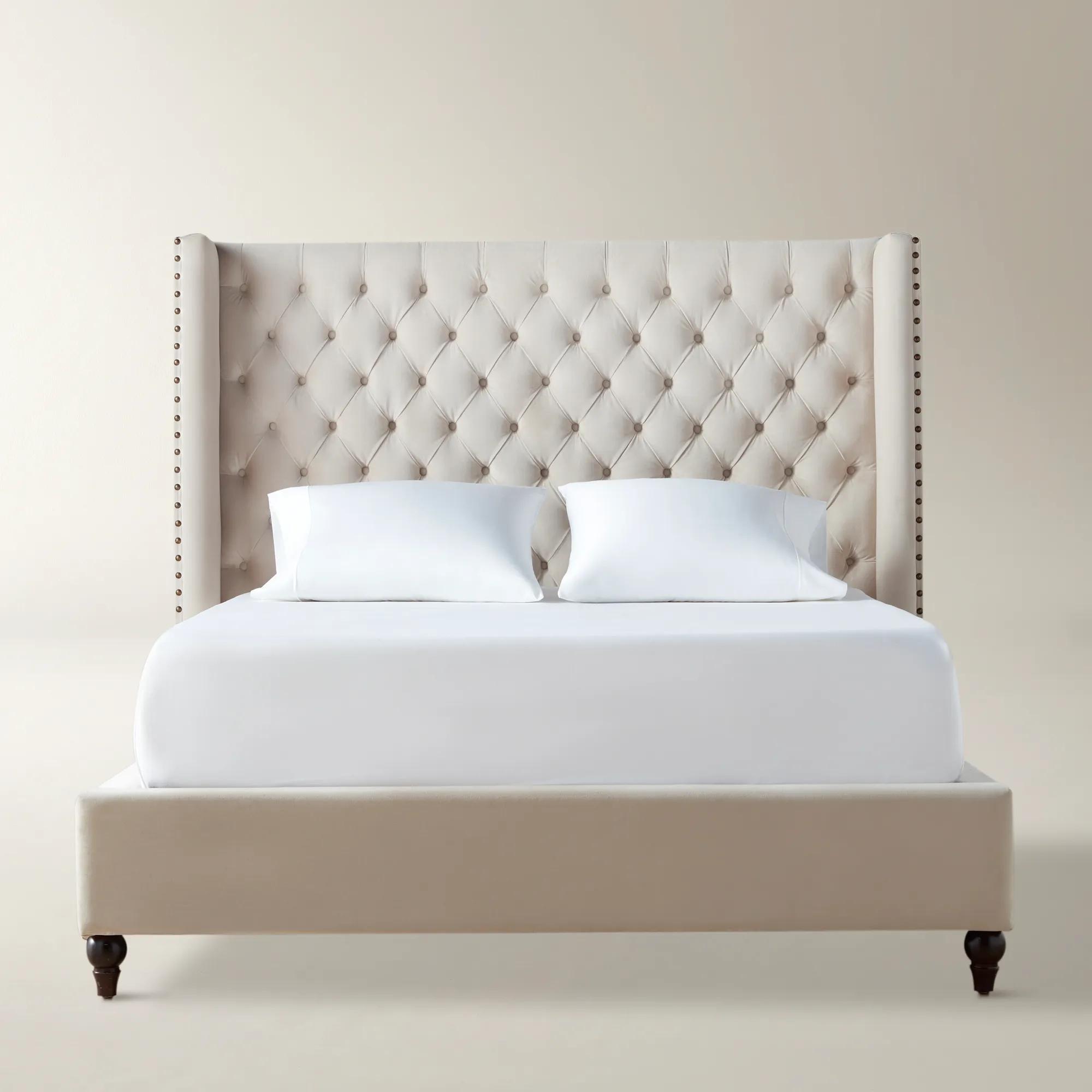
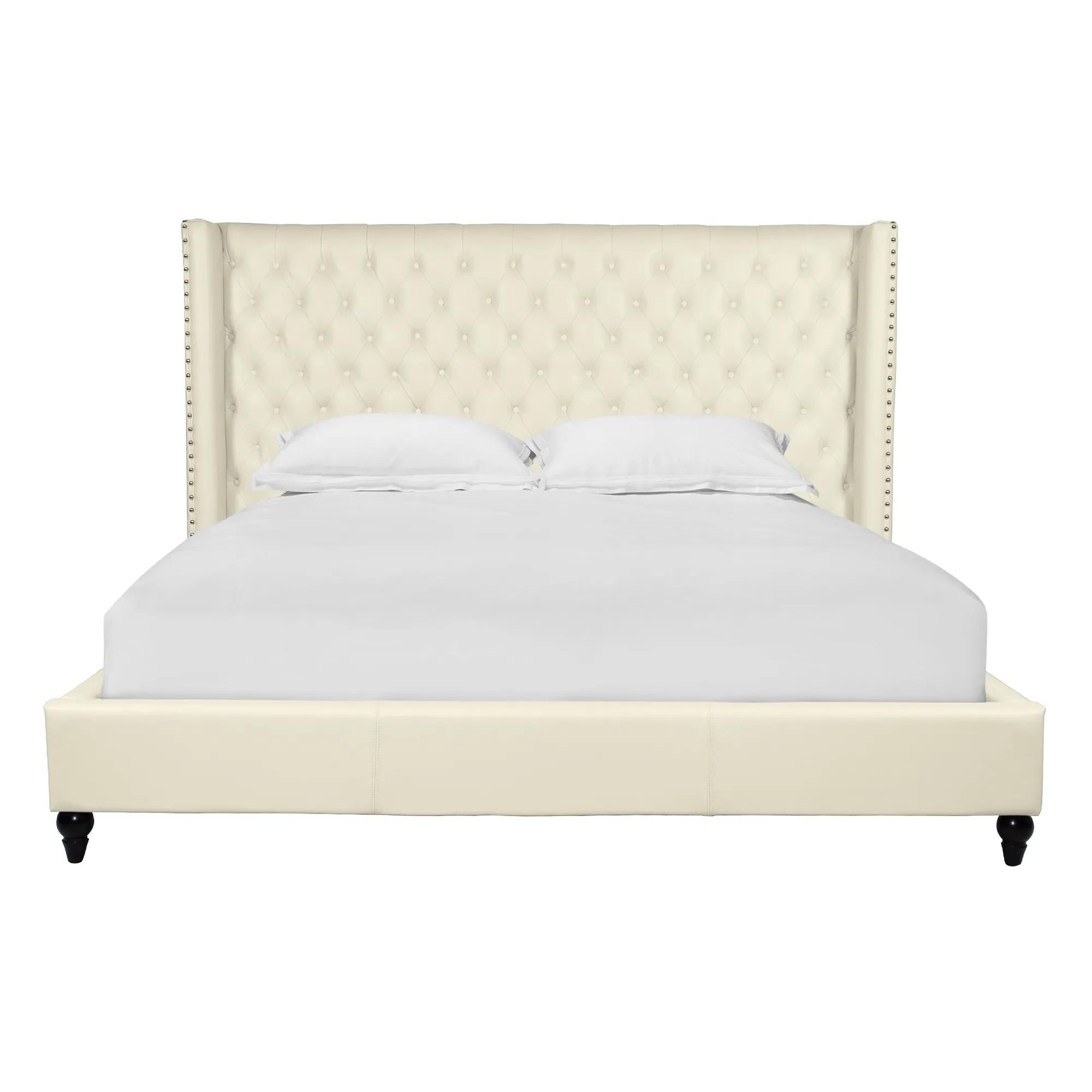
Contemporary Velvet Bed Frames
Contemporary Velvet Bed Frames
-
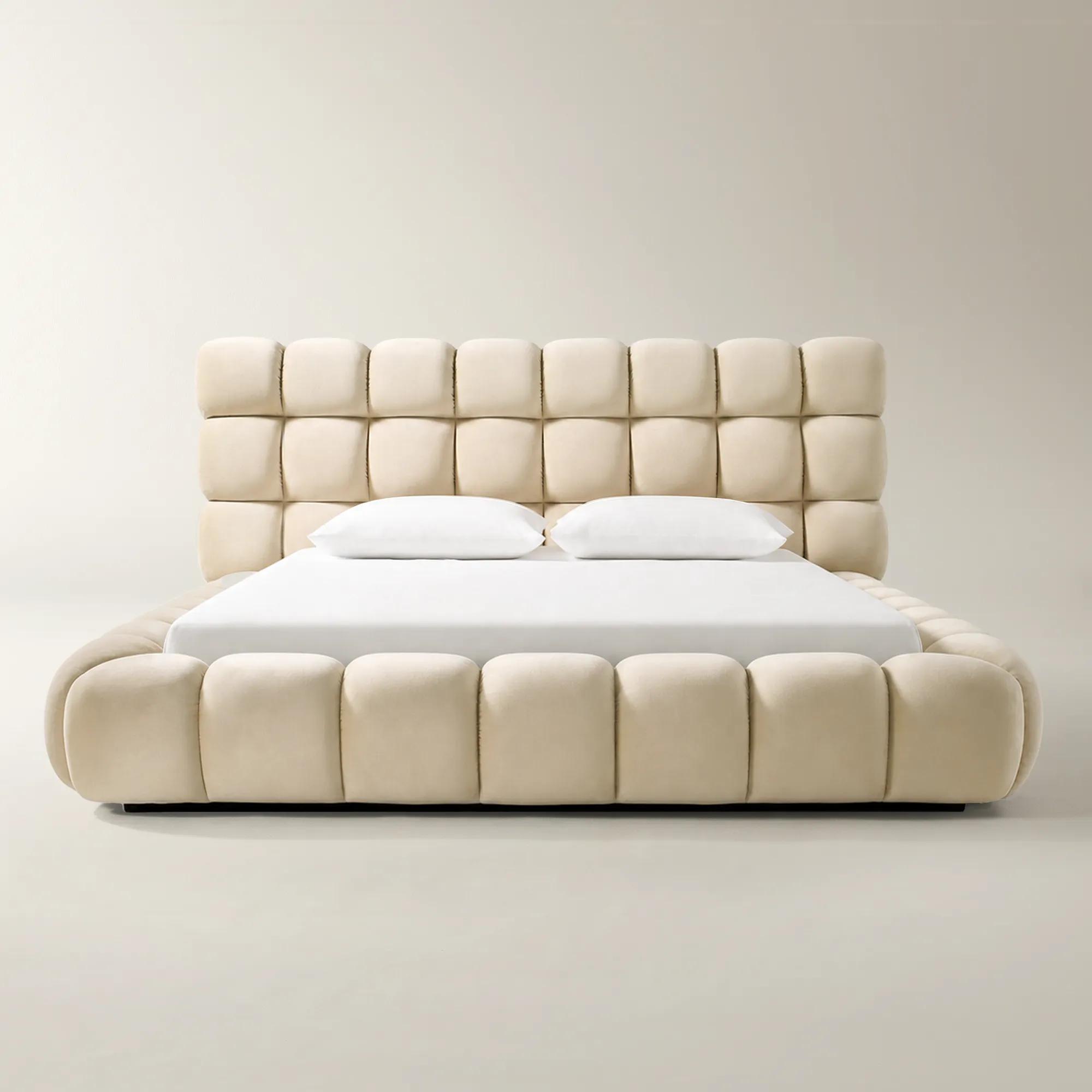 Paloma Tufted Oatmeal Velvet Upholstered King Platform Bed$2599
A sculptural platform bed upholstered in oatmeal velvet with plush tufted blocks and fully wrapped design.
Add To Cart -
Paloma Tufted Oatmeal Velvet Upholstered Queen Platform Bed$2399
A sculptural platform bed upholstered in plush oatmeal velvet with oversized tufted blocks and solid wood frame.
Add To Cart -
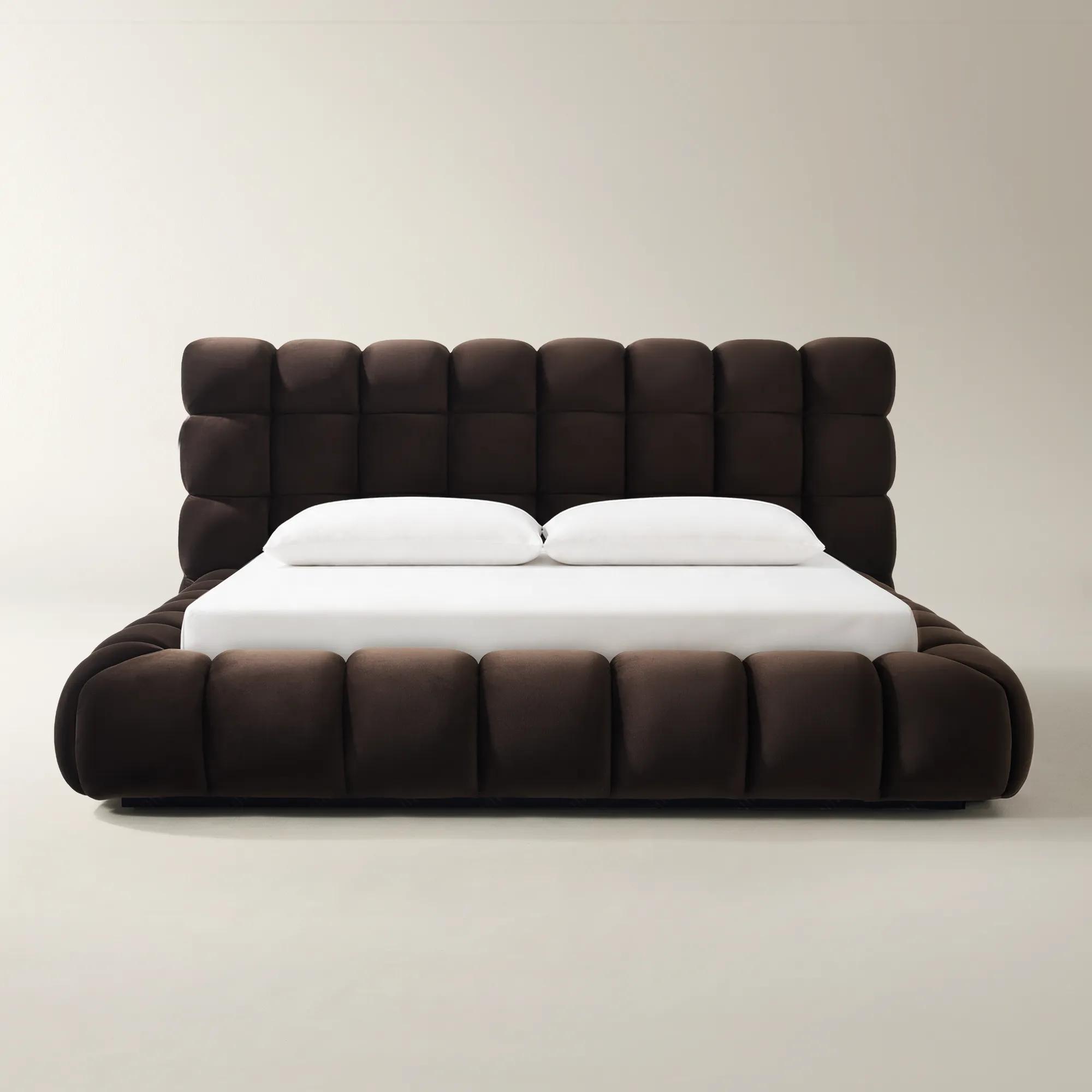 Paloma Tufted Dark Chocolate Velvet Upholstered Queen Platform Bed$2399
A sculptural platform bed upholstered in dark chocolate velvet with plush, oversized tufted blocks for modern elegance.
Add To Cart -
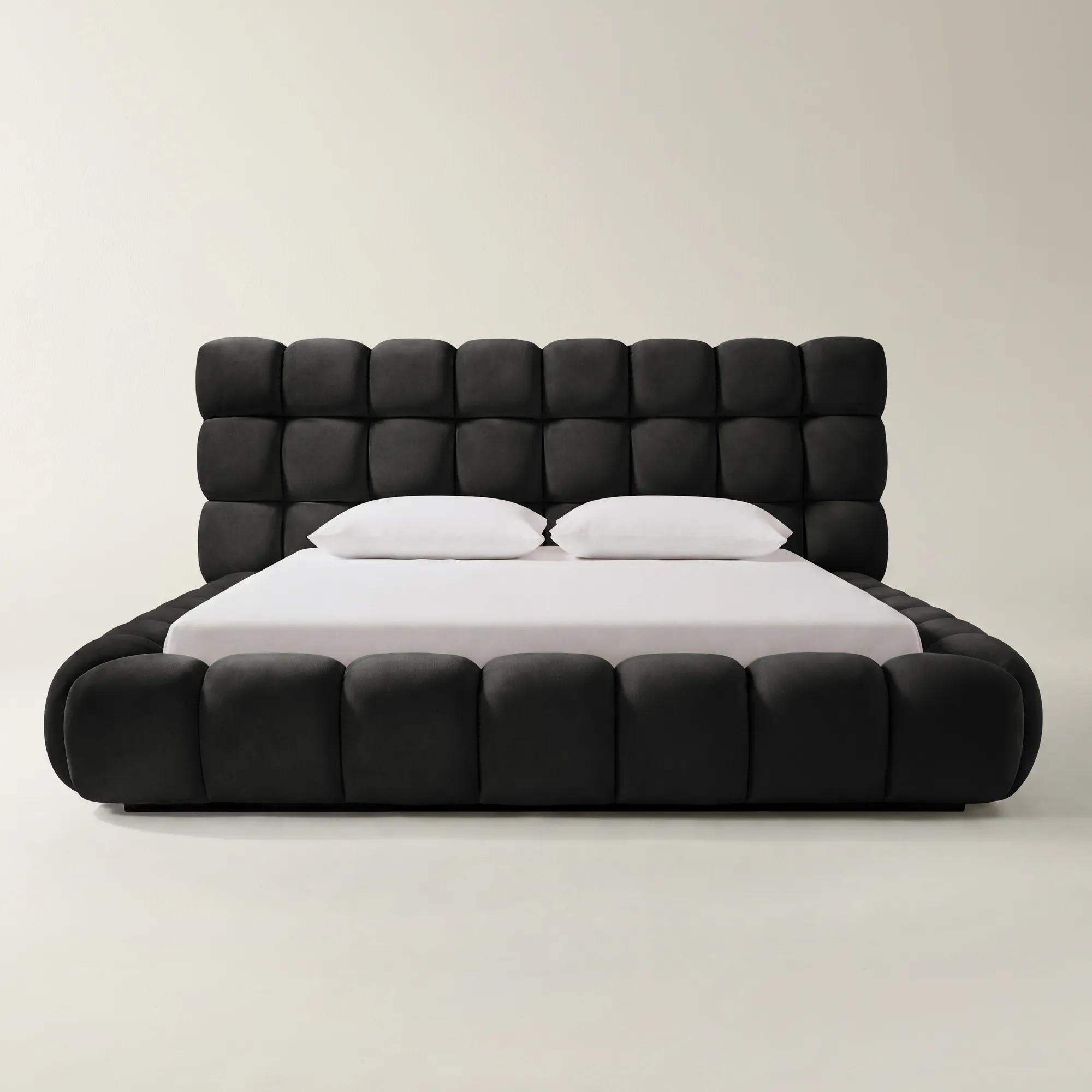 Paloma Tufted Charcoal Velvet Upholstered King Platform Bed$2599
A sculptural charcoal velvet platform bed with plush wrapped upholstery, solid wood construction, and slat support.
Add To Cart -
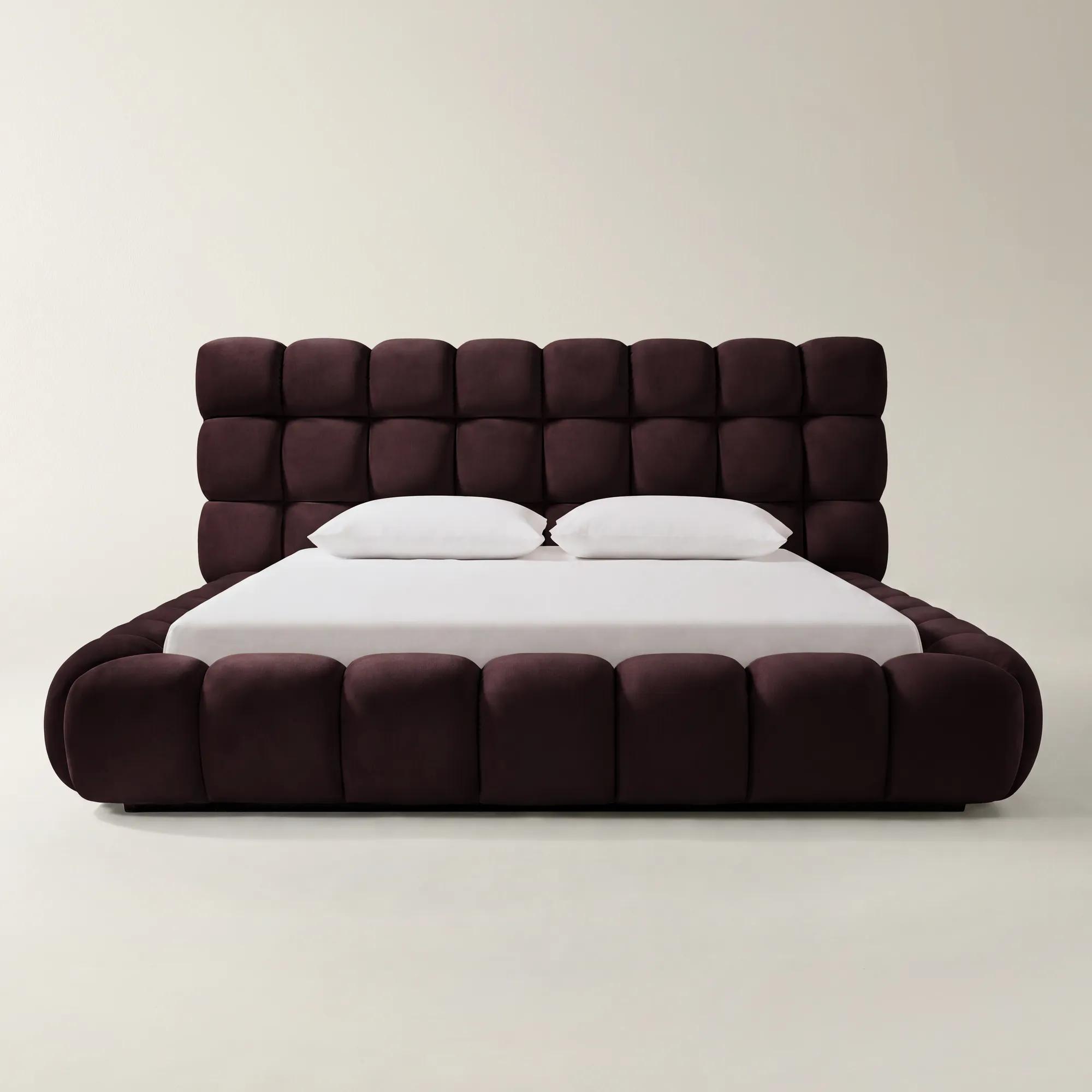 Paloma Tufted Fig Velvet Upholstered Queen Platform Bed$2399
A fig velvet upholstered platform bed featuring plush padding, solid wood construction, and supportive wooden slats.
Add To Cart -
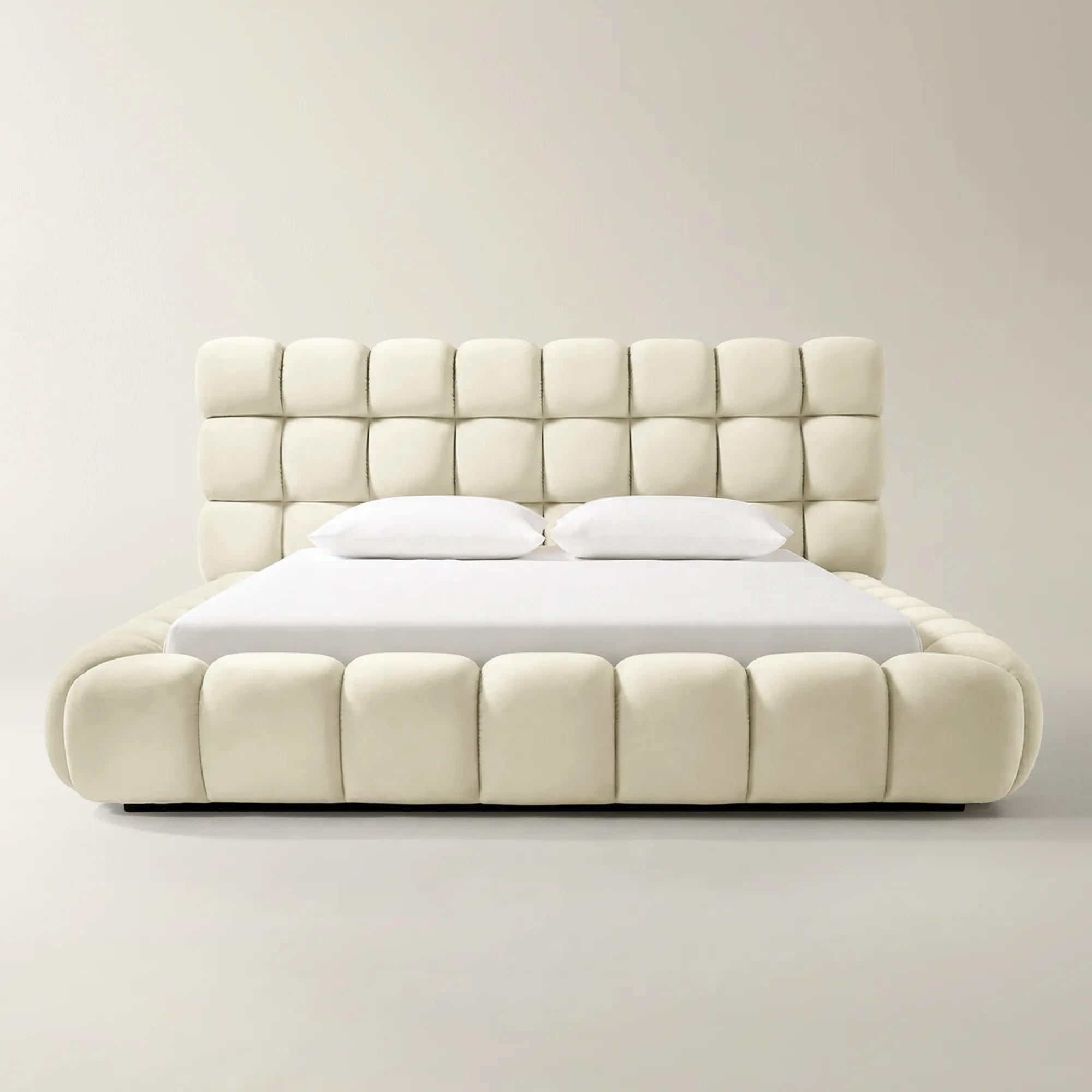 Paloma Tufted Cloud Velvet Upholstered Queen Platform Bed$2399
A sculptural velvet platform bed with plush padding, solid wood construction, and a fully wrapped silhouette.
Add To Cart -
Paloma Tufted Charcoal Velvet Upholstered Queen Platform Bed$2399
A sculptural charcoal velvet platform bed with plush wrapped upholstery, solid wood construction, and supportive slats.
Add To Cart -
Paloma Tufted Cloud Velvet Upholstered King Platform Bed$2599
A sculptural velvet platform bed featuring oversized upholstered blocks, plush cushioning, wood construction, and supportive slats.
Add To Cart -
Paloma Tufted Dark Chocolate Velvet Upholstered King Platform Bed$2599
A sculptural platform bed wrapped in dark chocolate velvet with plush tufted blocks and solid wood construction.
Add To Cart -
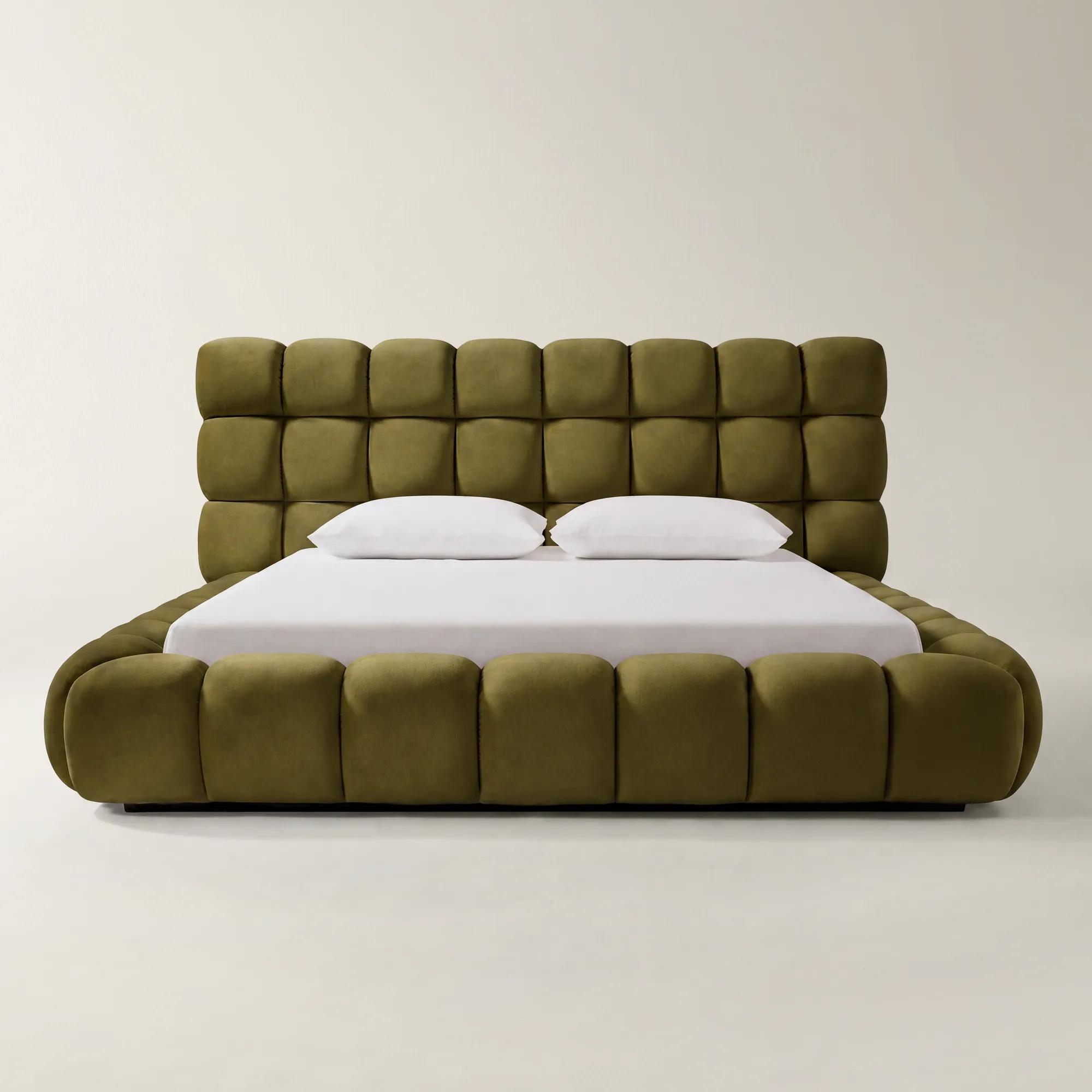 Paloma Tufted Deep Olive Velvet Upholstered Queen Platform Bed$2399
A sculptural deep olive velvet platform bed with wrapped upholstery, plush padding, and durable wood construction.
Add To Cart -
Paloma Tufted Deep Olive Velvet Upholstered King Platform Bed$2599
A sculptural deep olive velvet platform bed with plush padding, fully wrapped upholstery, and wood construction.
Add To Cart -
Paloma Tufted Fig Velvet Upholstered King Platform Bed$2599
A sculptural fig velvet upholstered platform bed with plush padding and durable solid wood construction.
Add To Cart -
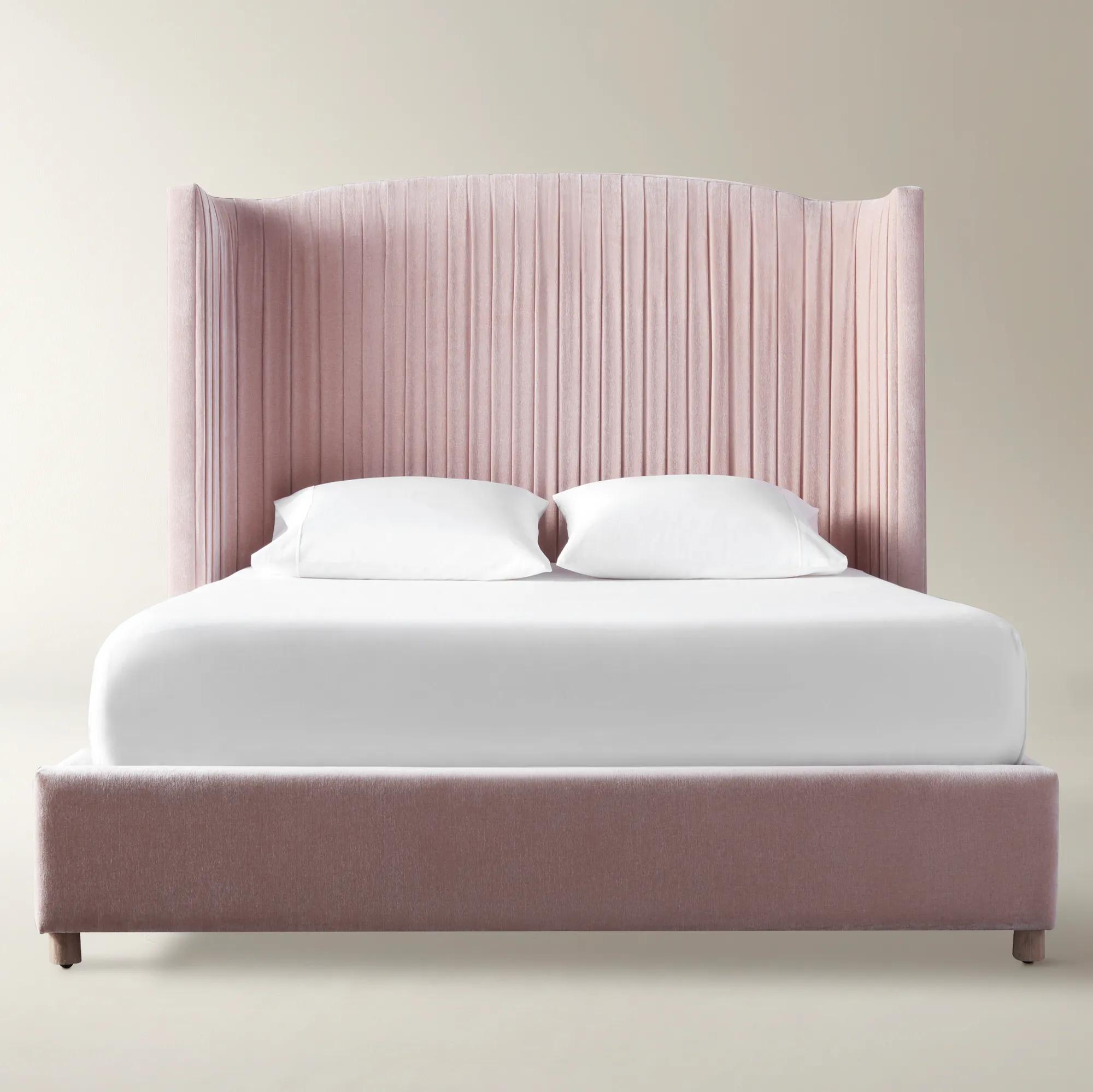
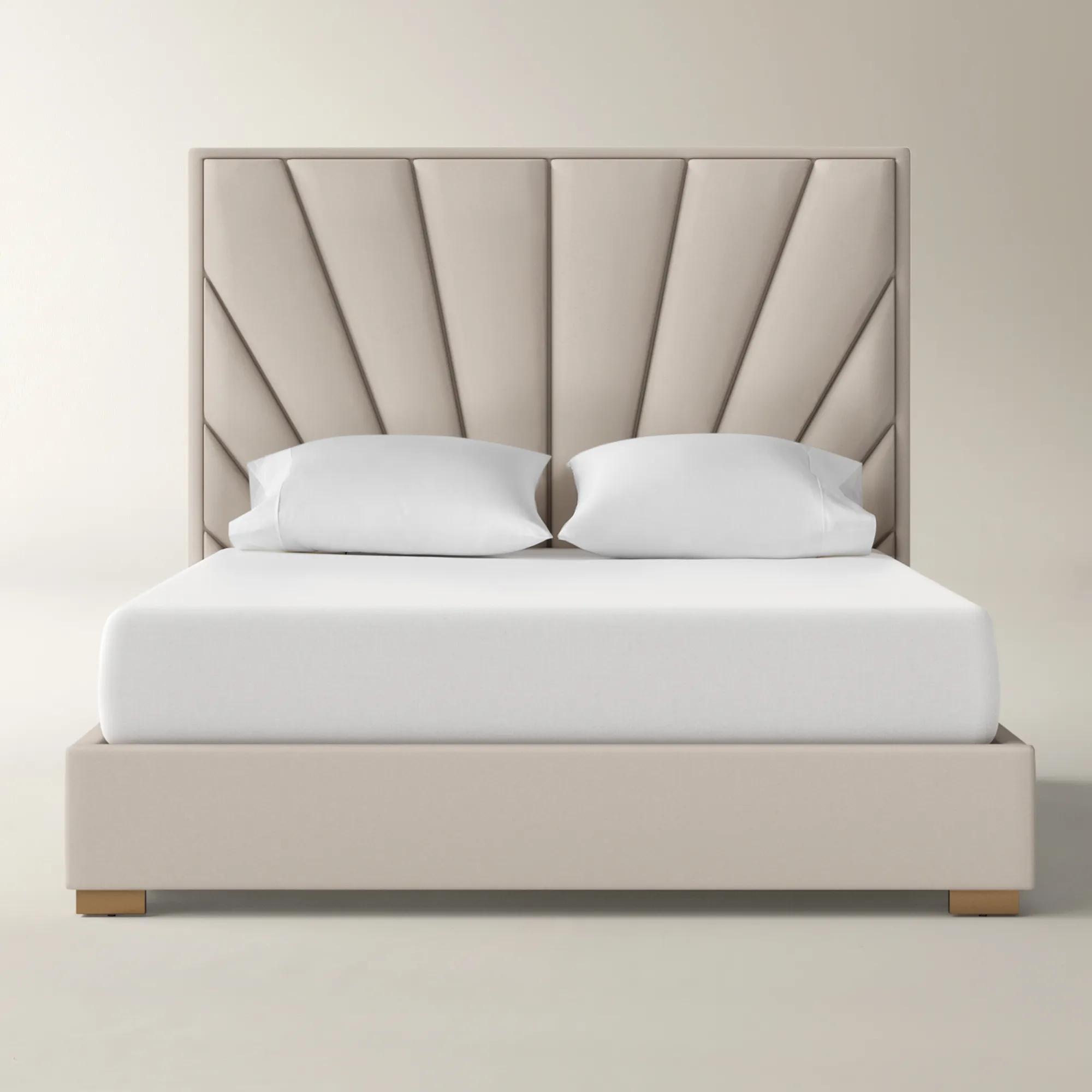 Adriana Platform Bed - 68"H$2899
A hand-crafted platform bed featuring a fan-patterned, upholstered headboard in plush velvet or chenille fabric.
Add To Cart -
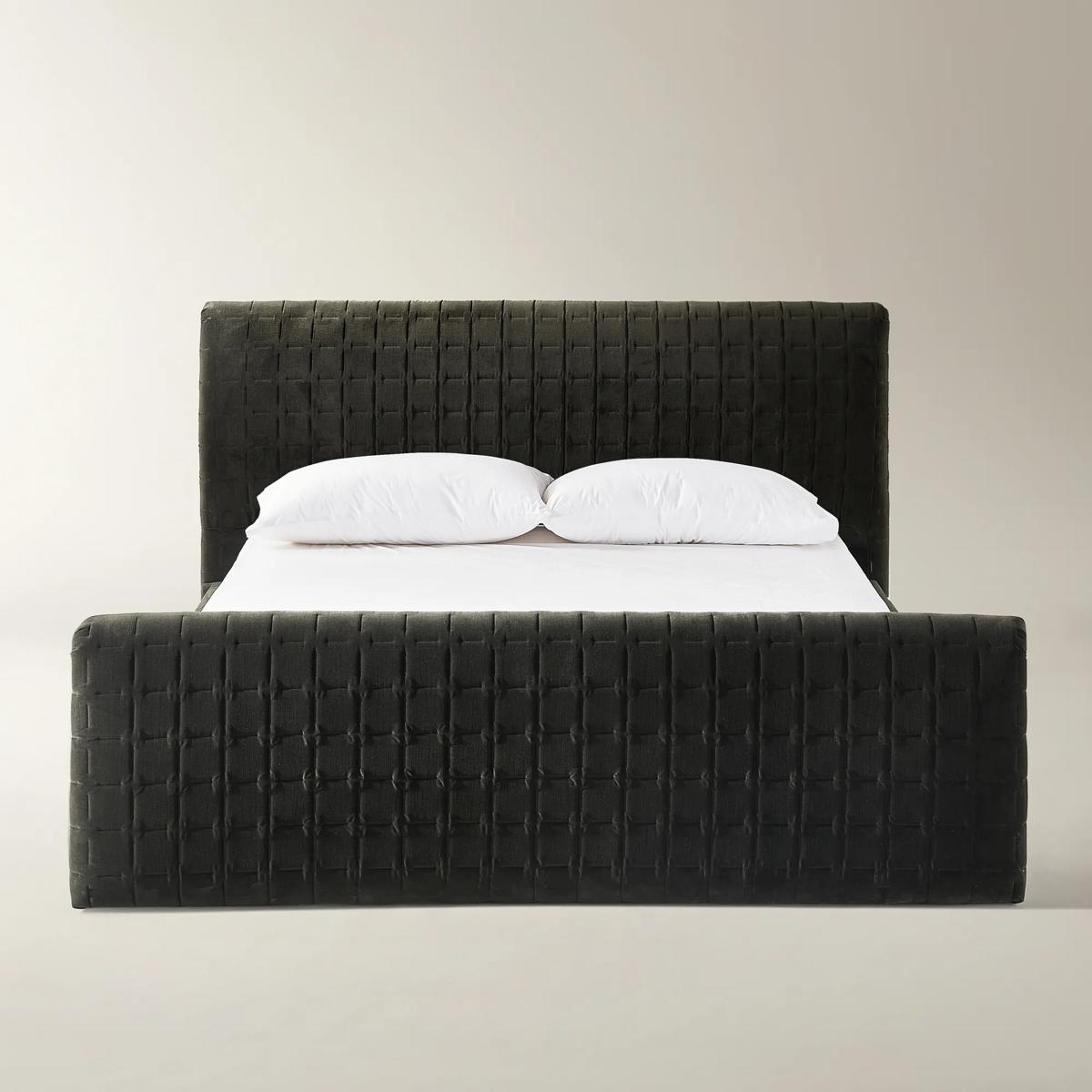 Vanta Charcoal Velvet Upholstered Queen Platform Bed$2299
A sculptural bed featuring charcoal velvet upholstery, three-dimensional checker quilting, and sleek stainless steel inlays.
Add To Cart -
Vanta Charcoal Velvet Upholstered King Platform Bed$2499
A charcoal velvet bed with hand-tufted checker quilting and stainless steel inlays for modern sophistication.
Add To Cart -
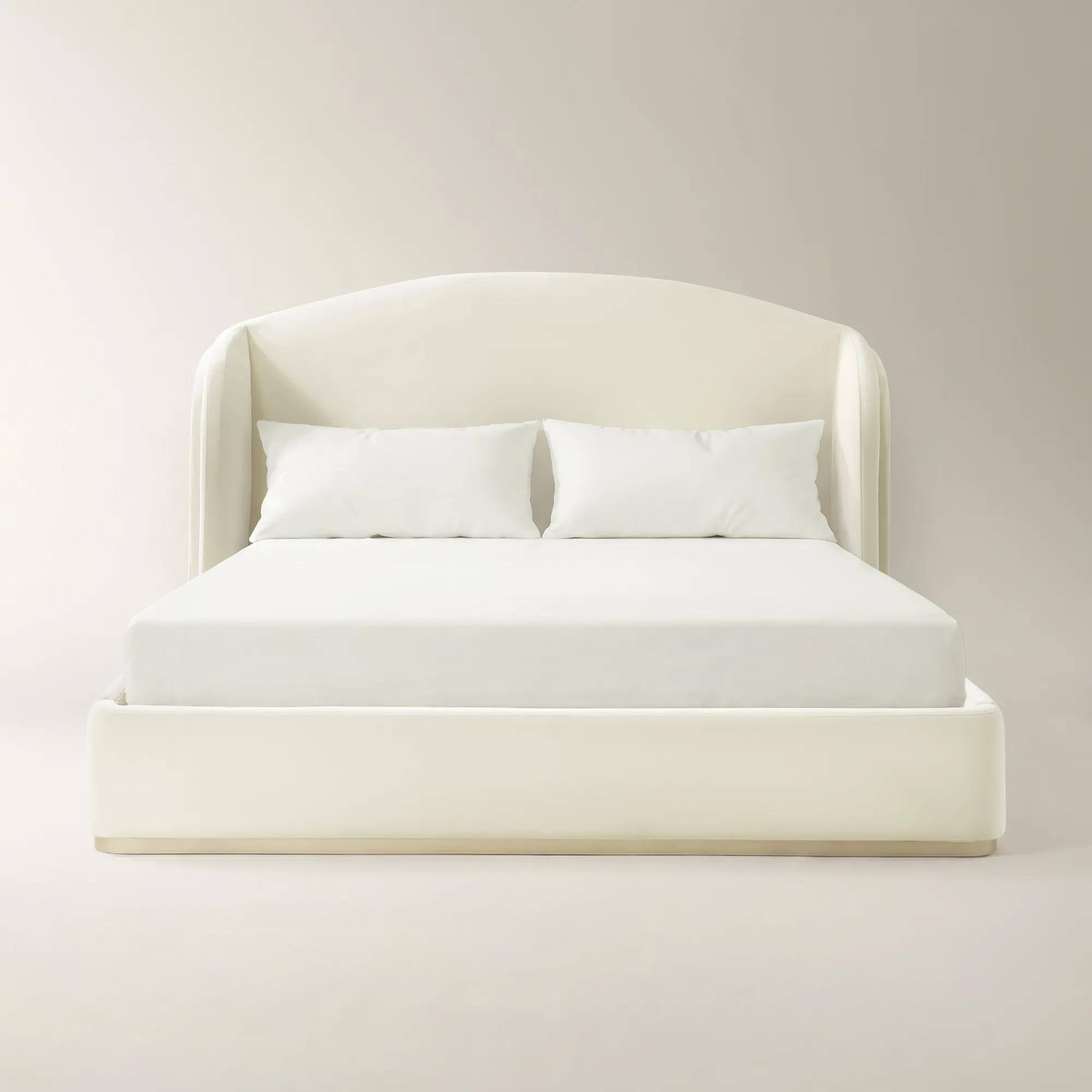 Glimmer Cloud Velvet Upholstered King Platform Bed$2299
A luxurious king platform bed featuring plush velvet upholstery, a sculpted headboard, and a gold metallic base.
Add To Cart -
Glimmer Cloud Velvet Upholstered Queen Platform Bed$2099
A sculptural queen platform bed hand-upholstered in soft cloud velvet with a gold-toned metallic base.
Add To Cart -
Vanta Charcoal Velvet Upholstered California King Platform Bed$2499
A charcoal velvet bed featuring hand-tufted checker quilting and stainless steel inlays for sculptural elegance.
Add To Cart -
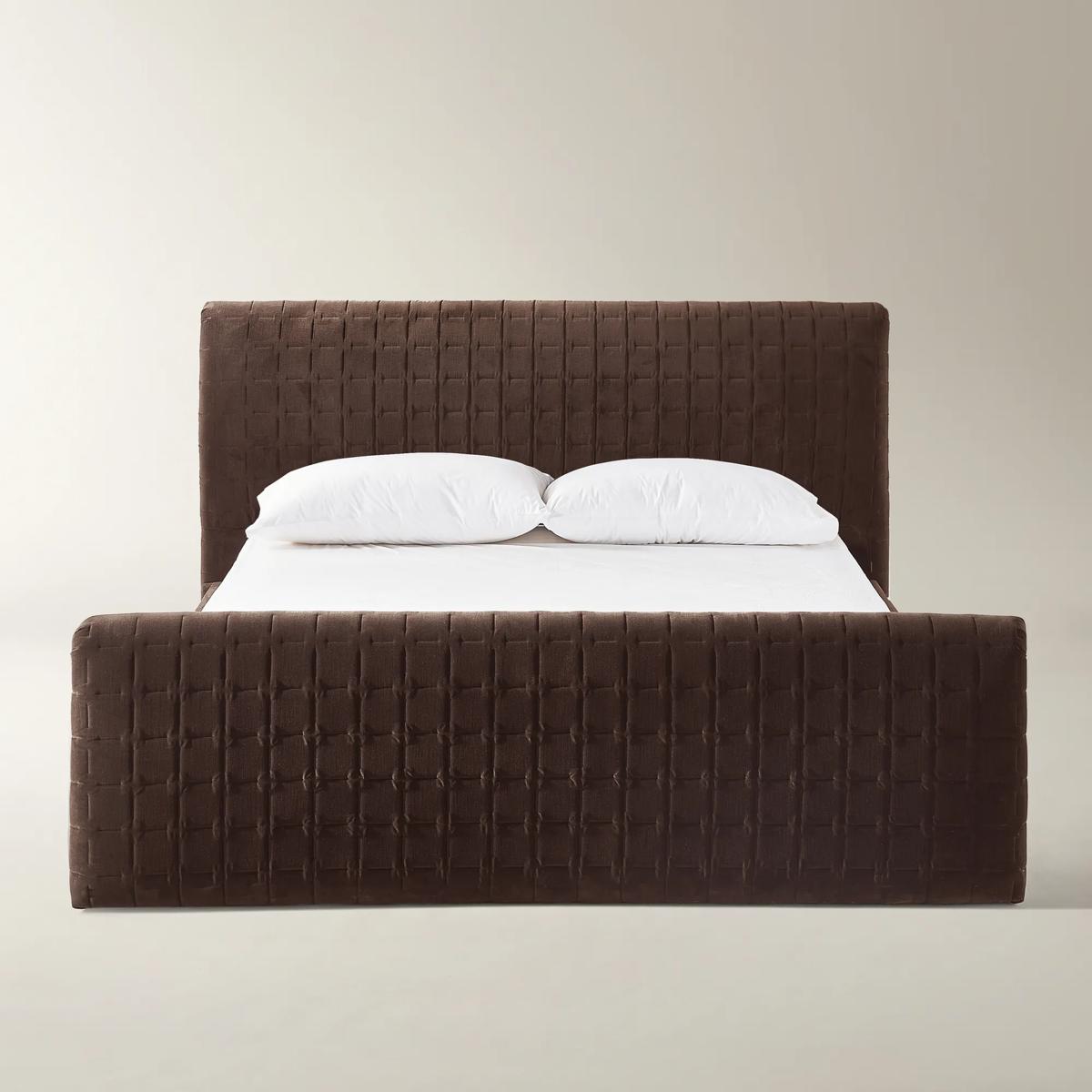
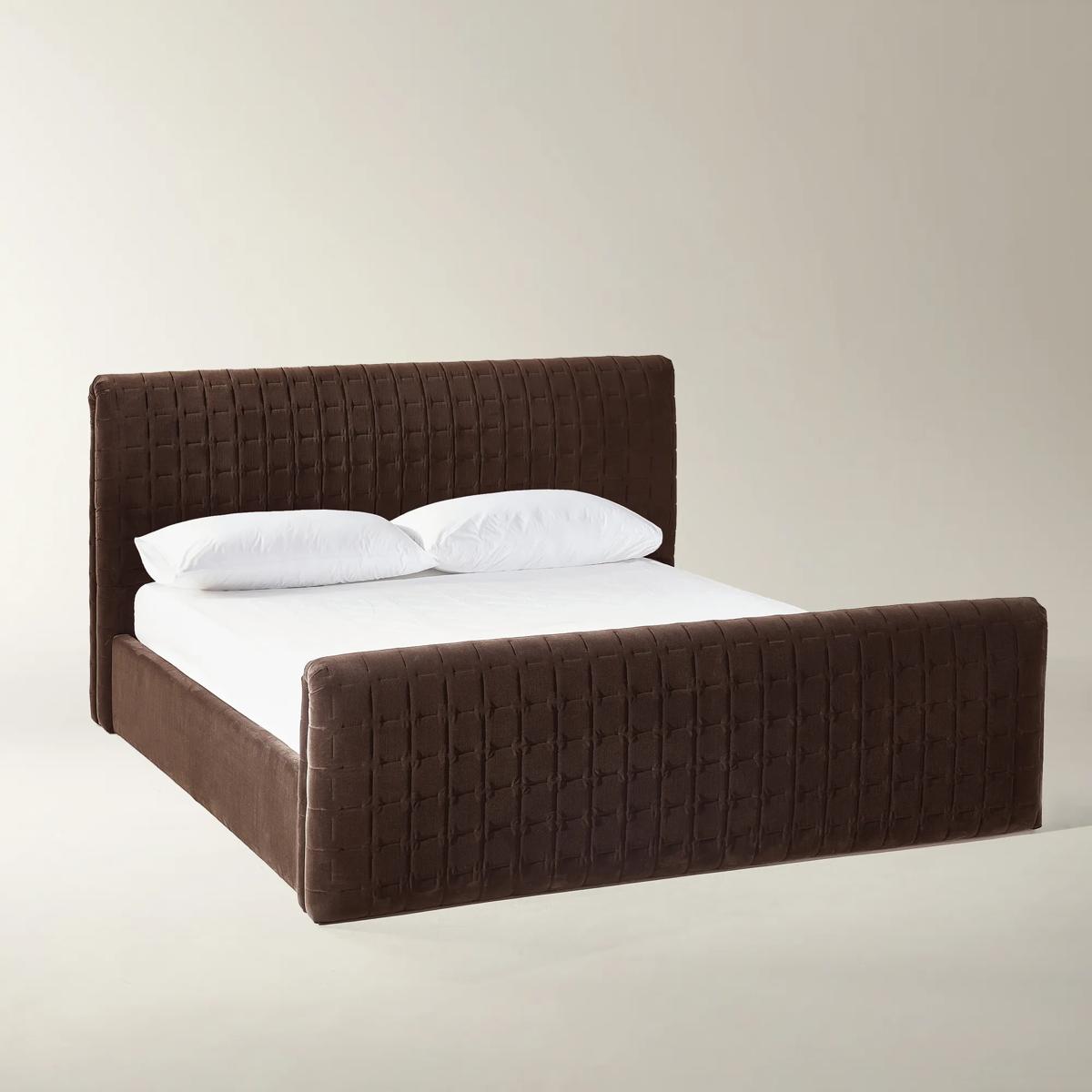 Vanta Burnt Umber Velvet Upholstered King Platform Bed$2499
A hand-tufted chocolate velvet bed with brushed stainless steel inlays for a plush, sculptural statement.
Add To Cart -
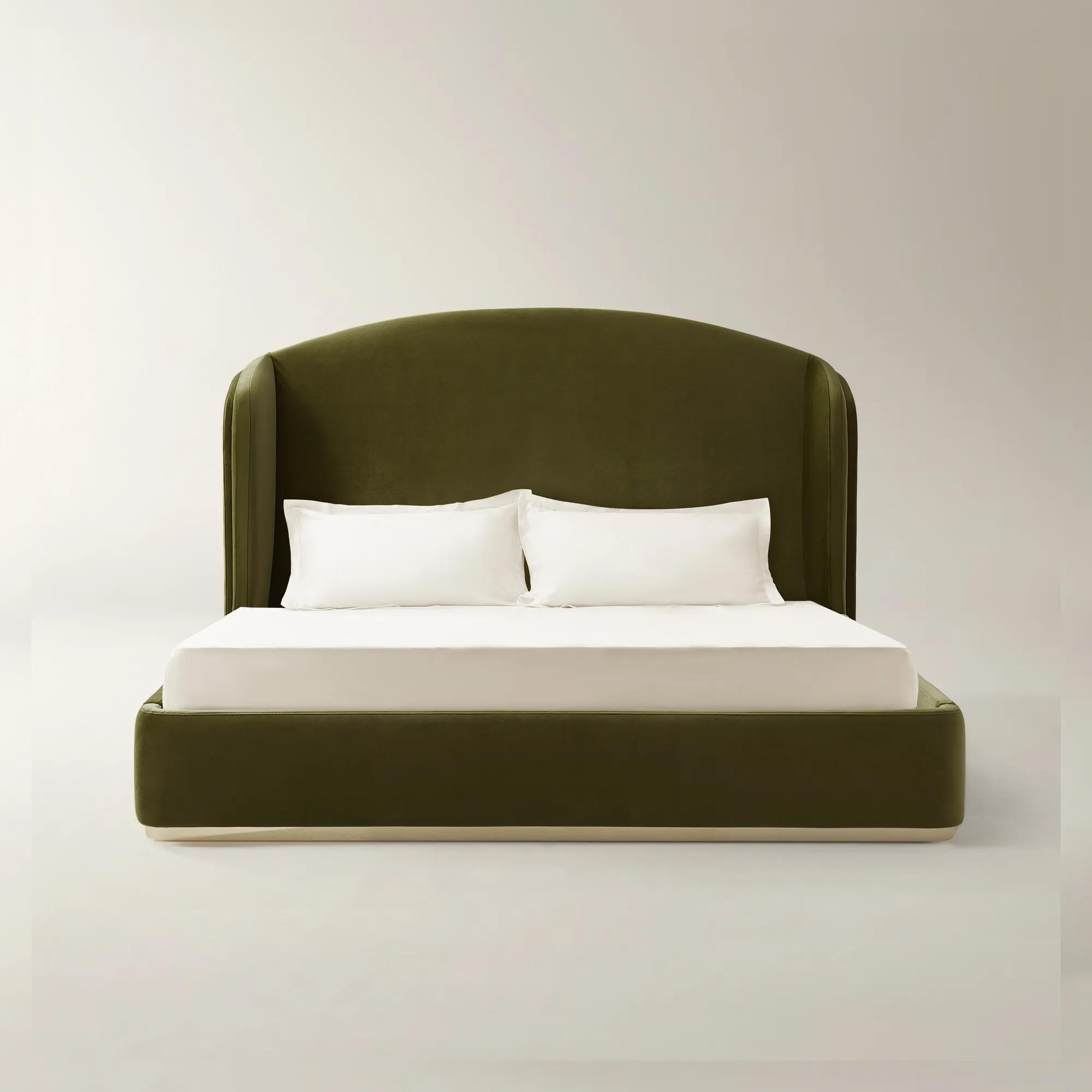
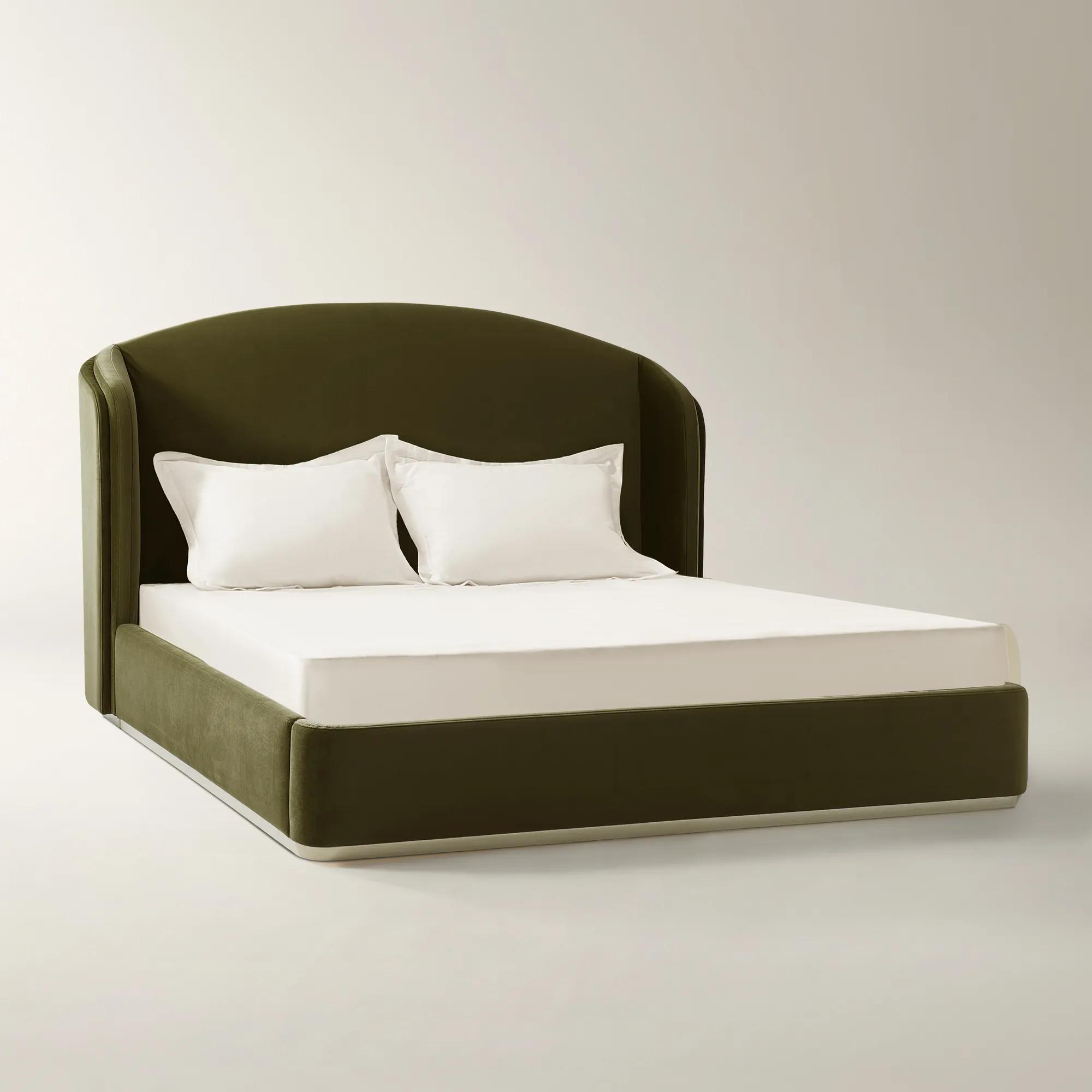 Glimmer Deep Olive Velvet Upholstered Queen Platform Bed$2099
A deep olive velvet platform bed featuring a sculpted headboard and gold-toned metallic base for modern elegance.
Add To Cart -
Vanta Burnt Umber Velvet Upholstered Queen Platform Bed$2299
A chocolate velvet bed with hand-tufted checker quilting and brushed stainless steel inlays for modern elegance.
Add To Cart -
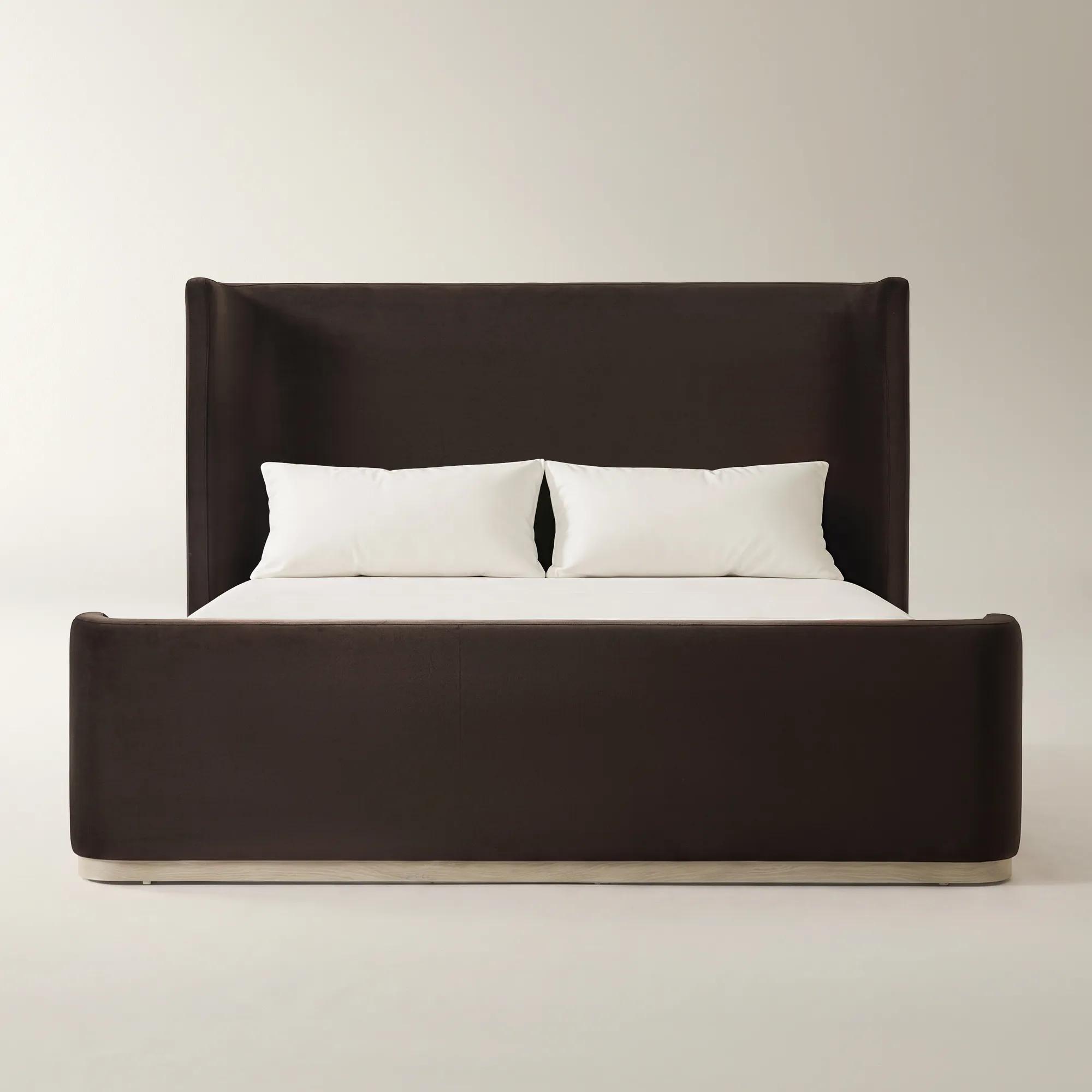 Stria Dark Chocolate Velvet Upholstered Queen Platform Bed$2299
A sculptural wingback platform bed featuring dark chocolate velvet upholstery and a hand-finished solid oak base.
Add To Cart -
Glimmer Deep Olive Velvet Upholstered King Platform Bed$2299
A deep olive velvet platform bed featuring a sculpted headboard and gold-toned metallic base for modern elegance.
Add To Cart -
Vanta Burnt Umber Velvet Upholstered California King Platform Bed$2499
A chocolate velvet bed with hand-tufted checker quilting and brushed stainless steel inlays for modern elegance.
Add To Cart

Contemporary Velvet Bed Frames
Contemporary velvet bed frames transform the bedroom into a sanctuary of modern glamour and tactile indulgence. With their sculptural silhouettes and sumptuous upholstery, these statement pieces invite you to revel in luxury every night. Each frame is a masterstroke of design—bold yet refined, effortlessly elevating your space with a whisper of drama and a flourish of sophistication. Whether you crave a daring focal point or an understated touch of opulence, contemporary velvet bed frames set the stage for restful nights and inspired mornings, turning ordinary routines into extraordinary rituals.
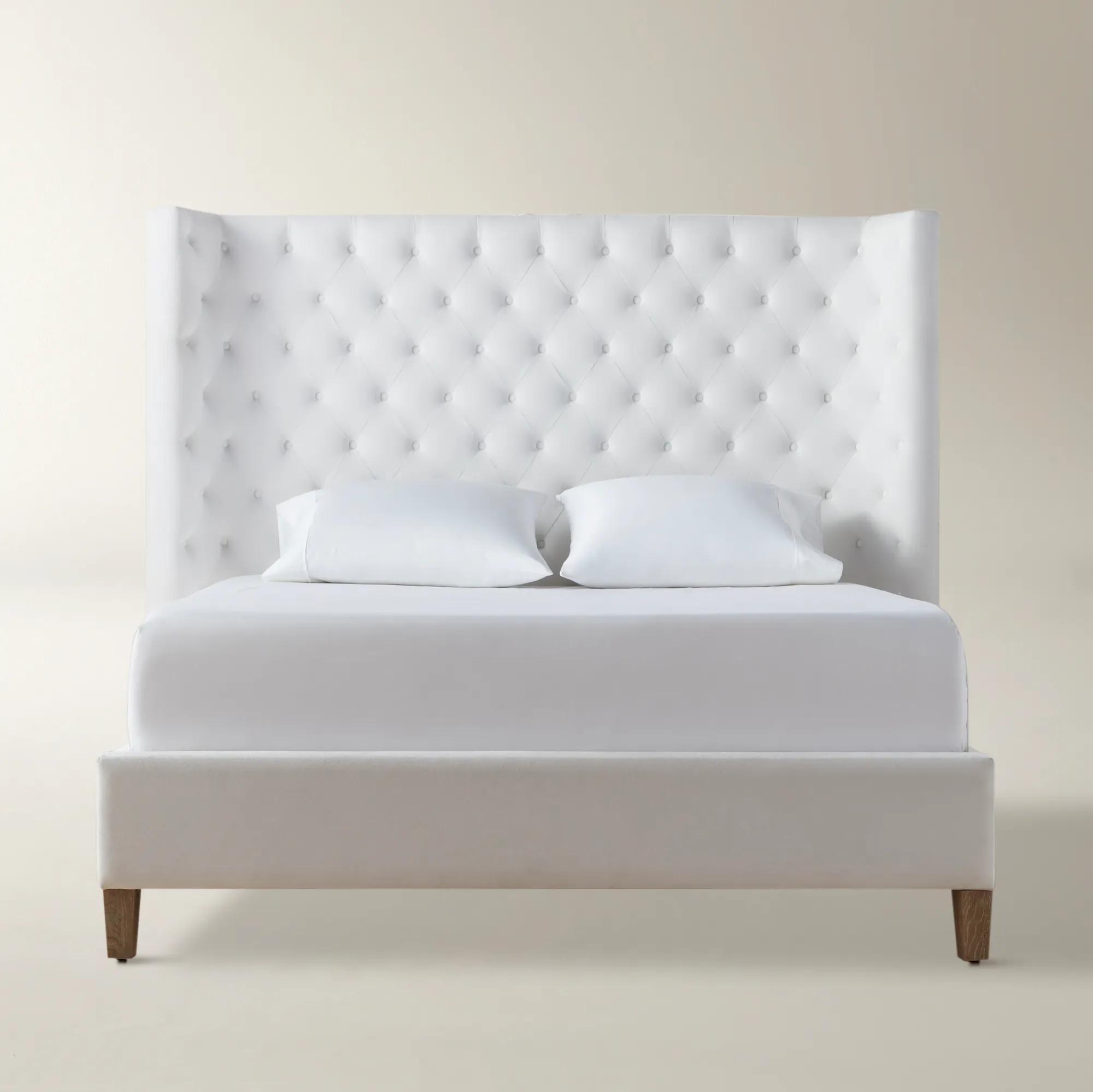
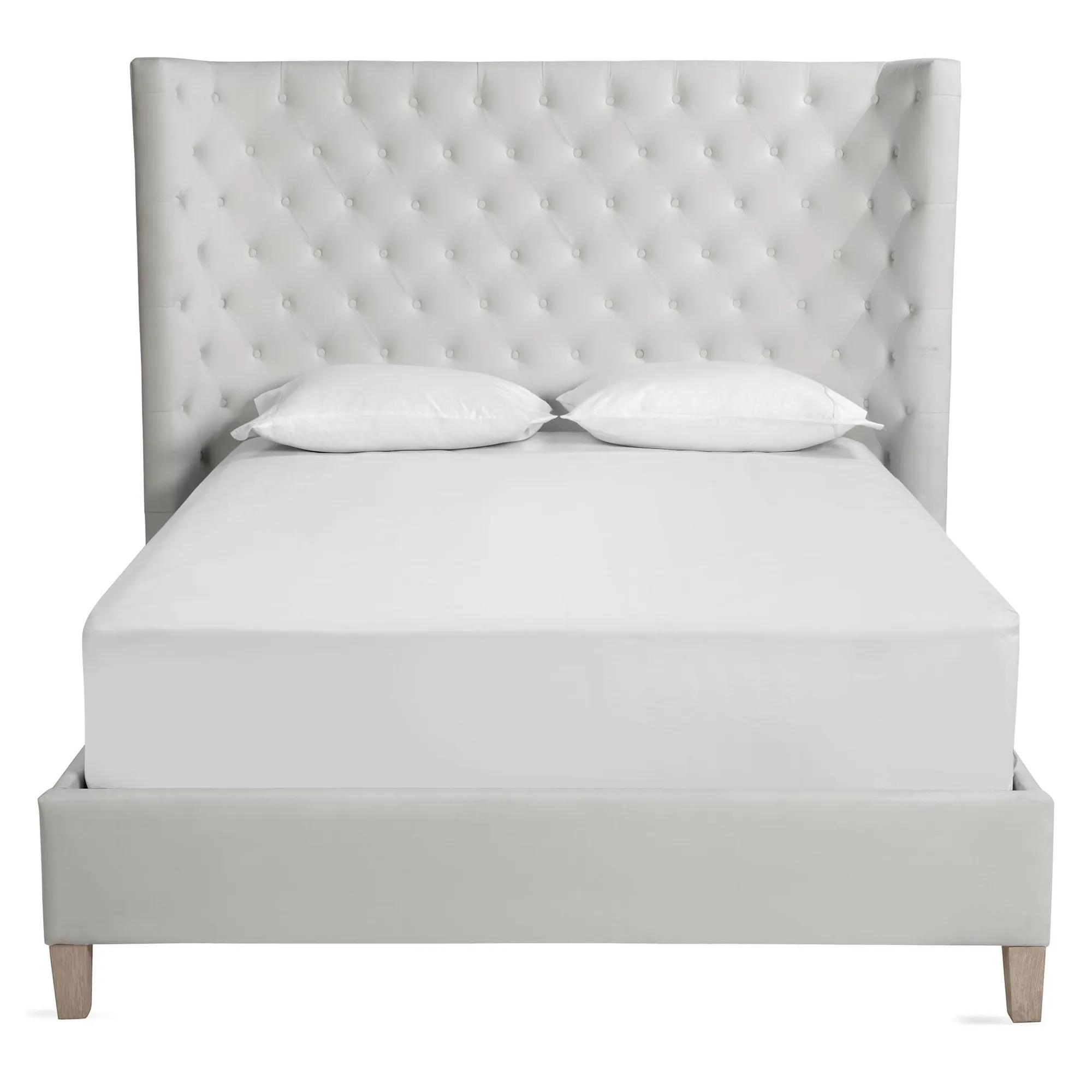
Contemporary velvet bed frames bring a distinctive tension to the bedroom: tailored architecture wrapped in a fabric that catches the light. Clean silhouettes keep the look modern, while velvet’s dense pile adds depth that flat upholstery cannot quite replicate. A charcoal headboard can appear almost ink-dark along one edge and silvery across another; an ivory frame takes on a soft luster beside crisp cotton bedding. That shifting surface gives the bed presence without requiring an elaborate pattern or a heavily ornamented profile. Vertical channel tufting introduces a measured rhythm, broad upholstered panels create an expansive backdrop, and curved or wingback headboards lend a more enveloping shape. Button tufting can also feel contemporary when balanced by restrained proportions and understated legs. The distinction comes from the whole composition rather than a single decorative detail. A low-profile velvet bed frame establishes a grounded, architectural mood, while a taller headboard draws the eye upward and gives a bedroom the visual weight of a carefully composed suite. For someone drawn to expressive interiors, jewel-toned velvet can carry the room’s strongest color; for a quieter composition, taupe, gray, cream, or muted blue allows texture to become the focal point. Velvet also pairs beautifully with contrasting surfaces. A polished metal bedside table emphasizes its softness, dark wood introduces depth, and a sculptural lamp sharpens the outline of an upholstered headboard. Bedding need not compete with that richness. Smooth sheets, a generously scaled coverlet, and a few deliberately chosen pillows let the frame’s shape remain visible. In a primary bedroom, the effect can be deeply personal and dramatic; in a guest bedroom, an upholstered bed establishes a welcoming focal point with a considered, finished appearance. The most compelling contemporary velvet beds balance that visual impact with proportions and construction suited to the way the room is actually used.
Fit begins with the distinction between mattress size and the bed frame’s overall footprint. A standard queen mattress measures 60 by 80 inches, while a standard king measures 76 by 80 inches; upholstered rails, a substantial footboard, and projecting headboard wings can add several inches beyond those dimensions. For bedrooms that need generous sleeping space without the width of a king, contemporary velvet queen beds offer a versatile foundation for both primary and guest-room arrangements. The relevant measurements extend beyond the wall behind the bed. Walking space beside the rails, clearance for dresser drawers, access to closet doors, and the path through the bedroom all influence how comfortably a frame belongs in the room. A deeply winged headboard may also affect the placement of nightstands, wall sconces, and electrical outlets. Mattress thickness deserves equal attention: an unusually deep mattress can conceal much of a low headboard, while the combined height of the frame, foundation, and mattress determines how easily someone can sit down or stand up. Velvet describes the upholstery, not the support system, so foundation requirements depend on the frame’s construction. Many platform beds use wood or metal slats and can support a compatible mattress without a box spring, provided the slat spacing and other specifications meet the mattress manufacturer’s requirements. Other upholstered frames require a separate foundation. A substantial center rail, appropriate center legs, secure connections, and a stated weight capacity are useful construction details, especially for larger bed sizes. Frames may use solid wood, engineered wood, metal, or a combination beneath the upholstery, and the quality of that underlying structure matters as much as the finish. Storage adds another consideration. Designs with drawers need room for full extension, while lift-up compartments require a compatible mattress and clearance to operate safely. In a more compact bedroom, slim upholstered rails and an open base can preserve a lighter visual impression. A lower, fully upholstered base creates a more substantial silhouette, but its floor clearance may limit access for cleaning beneath the bed.
Velvet’s appearance and longevity depend on its fiber content, pile, backing, and upholstery construction rather than the fabric name alone. Cotton, polyester, and blended velvets can differ in sheen, hand, resistance to marking, and cleaning requirements. A dense, securely woven upholstery fabric is particularly relevant along side rails and footboards, where clothing, bedding, and everyday contact create repeated friction. Performance velvet may offer specified resistance to stains or wear, but the term does not automatically mean waterproof, scratchproof, or suitable for every cleaning method. Fabric specifications and the manufacturer’s care instructions provide a more reliable picture of how a particular upholstery will behave. Velvet also has a directional nap: fibers leaning one way reflect light differently from fibers brushed in the opposite direction. Shading or gentle pressure marks can therefore be part of its character rather than evidence of discoloration. This is worth considering in a bedroom with strong side lighting, where the surface may look noticeably different from morning to evening under changing illumination. Routine care generally centers on removing loose dust with a soft upholstery attachment, using gentle suction and following the recommended direction of the pile. Spills call for prompt blotting rather than rubbing, followed by the cleaning method specified for the fabric; water, solvent cleaners, and steam are not interchangeable treatments. Any permitted cleaning product should first be tested in an inconspicuous area. Prolonged direct sunlight can affect upholstery color, while sharp pet claws can catch or damage the pile, making placement and household habits meaningful considerations. For someone who reads in bed, a padded headboard offers a softer surface behind pillows, although everyday contact can still leave oils or marks on the fabric. Well-fitted bedding helps protect frequently touched areas without obscuring the frame’s outline. With thoughtful sizing, compatible mattress support, and care matched to the upholstery, a contemporary velvet bed frame delivers more than a striking first impression: it gives the bedroom a tactile centerpiece, defined by sculptural lines and a richness that reveals itself at close range.
FAQs
Contemporary velvet bed frames are remarkably versatile, complementing a range of interior styles from modern glam and Art Deco to minimalist chic and eclectic maximalism. Their rich texture and bold presence make them an ideal focal point for spaces that embrace expressive design, metallic accents, and layered textiles.
To preserve the sumptuous look of your velvet bed frame, gently vacuum the upholstery with a brush attachment to remove dust and debris. For spills or marks, promptly blot with a clean, dry cloth and use a fabric-safe, velvet-specific cleaner as needed. Regularly brushing the velvet in the direction of the nap helps maintain its signature sheen and softness.
Absolutely. Velvet bed frames offer year-round appeal: their plush texture adds warmth and coziness in winter months, while their sophisticated sheen and vibrant colors enliven a room in spring and summer. Velvet’s breathable weave ensures comfort throughout every season.
Yes, velvet bed frames are stunning in both bold and neutral palettes. Deep jewel tones create a dramatic, glamorous statement, while soft neutrals like blush, dove gray, or champagne lend a refined, tranquil ambiance. Pairing with complementary bedding and accents allows you to tailor the look to your unique vision.
When selecting a modern velvet bed, consider details such as tufting patterns, headboard height, and leg finishes. Channel tufting or button details add architectural interest, while metallic or acrylic legs introduce a touch of contemporary flair. The quality of the velvet and craftsmanship ensure both comfort and lasting visual impact.